User login
Acetazolamide improved vision in patients with high intracranial pressure
In patients with idiopathic intracranial hypertension and mild vision loss, adding oral acetazolamide to a low-sodium weight loss diet improved visual field function more than diet alone, researchers reported. The study was published online April 22 in JAMA.
Perimetric mean deviation (PMD) – the primary outcome measure – differed by less than 1 dB between the two groups, reported Dr. Michael Wall of the University of Iowa Hospitals and Clinics in Iowa City and his associates with the Neuro-Ophthalmology Research Disease Investigator Consortium (NORDIC). The clinical relevance of the difference "remains to be determined," the investigators said.
The researchers randomized 165 patients with idiopathic intracranial hypertension and mild vision loss (PMD, –2 to –7 dB) to oral acetazolamide or placebo. Patients received up to 4 g acetazolamide twice daily. Initial doses were increased until papilledema grade fell below 1 on the Frisén scale and PMD improved to at least –1 dB in both eyes. Both groups also followed a diet and lifestyle modification program, according to the investigators (JAMA 2014;311:1641-51[doi:10.1001/jama.2014.3312]).
Baseline PMD was –3.53 dB in both groups. At 6 months, PMD averaged –2.10 dB in the acetazolamide group and –2.82 dB in the placebo group (treatment difference, 0.71 dB; 95% CI, 0- 1.43 dB; P = .050).
The acetazolamide group also had greater mean improvements in papilledema grade (treatment effect, –0.70; 95% CI, –0.99 to –0.41; P less than .001) and vision-related quality of life on the VFQ-25 (Visual Functioning Questionnaire–25) survey tool (treatment effect, 6.35; 95% CI, 2.22-10.47; P = .003). And the treatment group lost 4.05 kg more weight than the exercise-only group (95% CI, –6.27 to –1.83 kg; P less than .001), the researchers said. A statistical mediation analysis showed that most of the effect of acetazolamide on PMD was not due to weight loss, they reported.
However, the functional importance of specific decibel improvements in PMD are poorly understood, Dr. Wall and his associates noted. "Our chosen minimal clinically important difference for PMD was 1.3 dB and was based on a small pilot study designed to estimate the level of decibels at which a clinician makes a decision to change therapy," they said. "Our estimated treatment effect was only approximately half of this value."
The acetazolamide group was significantly more likely to develop paresthesia, dysgeusia, fatigue, decreased carbon dioxide level, nausea, vomiting, diarrhea, and tinnitus than the exercise-only group, the investigators reported. "No participant, to our knowledge, experienced permanent morbidity from receiving acetazolamide," they added.
The National Eye Institute funded the study. Two coauthors reported receiving personal fees from Teva Pharmaceutical Industries, which produces generic acetazolamide.
Acetazolamide has been used for decades in patients with high intracranial pressure (or pseudotumor cerebri), but this is the first randomized clinical trial to show the drug’s efficacy, wrote Dr. Jonathan C. Horton.
"The study design posed a dilemma," Dr. Horton wrote. "Only patients with mild vision loss could be enrolled, because treatment with a placebo could not be justified in individuals with more serious vision loss. However, patients with mild vision loss have little room to improve and therefore any treatment effect will be modest."
Therefore, "it was impressive that the NORDIC investigators still managed to uncover evidence for a statistically significant benefit from acetazolamide treatment," Dr. Horton wrote. He noted the treatment effect of 2.27 dB in patients with grades 3-5 papilledema, versus –0.67 dB in patients with grades 1-2 disease. Thus, "the clinical importance of the NORDIC trial will be greatest for patients with severe papilledema, who stand to gain the most from the drug," he said. "Patients with pseudotumor cerebri who have only a few decibels of visual field loss should not necessarily be treated with acetazolamide. The adverse effects of the drug may outweigh the slight improvement in visual function."
Dr. Horton is a neuro-ophthalmologist and professor at the University of California, San Francisco. He reported that he has no conflicts of interest. These remarks were taken from his editorial accompanying Dr. Wall’s report (JAMA 2014;311:1618-9).
Acetazolamide has been used for decades in patients with high intracranial pressure (or pseudotumor cerebri), but this is the first randomized clinical trial to show the drug’s efficacy, wrote Dr. Jonathan C. Horton.
"The study design posed a dilemma," Dr. Horton wrote. "Only patients with mild vision loss could be enrolled, because treatment with a placebo could not be justified in individuals with more serious vision loss. However, patients with mild vision loss have little room to improve and therefore any treatment effect will be modest."
Therefore, "it was impressive that the NORDIC investigators still managed to uncover evidence for a statistically significant benefit from acetazolamide treatment," Dr. Horton wrote. He noted the treatment effect of 2.27 dB in patients with grades 3-5 papilledema, versus –0.67 dB in patients with grades 1-2 disease. Thus, "the clinical importance of the NORDIC trial will be greatest for patients with severe papilledema, who stand to gain the most from the drug," he said. "Patients with pseudotumor cerebri who have only a few decibels of visual field loss should not necessarily be treated with acetazolamide. The adverse effects of the drug may outweigh the slight improvement in visual function."
Dr. Horton is a neuro-ophthalmologist and professor at the University of California, San Francisco. He reported that he has no conflicts of interest. These remarks were taken from his editorial accompanying Dr. Wall’s report (JAMA 2014;311:1618-9).
Acetazolamide has been used for decades in patients with high intracranial pressure (or pseudotumor cerebri), but this is the first randomized clinical trial to show the drug’s efficacy, wrote Dr. Jonathan C. Horton.
"The study design posed a dilemma," Dr. Horton wrote. "Only patients with mild vision loss could be enrolled, because treatment with a placebo could not be justified in individuals with more serious vision loss. However, patients with mild vision loss have little room to improve and therefore any treatment effect will be modest."
Therefore, "it was impressive that the NORDIC investigators still managed to uncover evidence for a statistically significant benefit from acetazolamide treatment," Dr. Horton wrote. He noted the treatment effect of 2.27 dB in patients with grades 3-5 papilledema, versus –0.67 dB in patients with grades 1-2 disease. Thus, "the clinical importance of the NORDIC trial will be greatest for patients with severe papilledema, who stand to gain the most from the drug," he said. "Patients with pseudotumor cerebri who have only a few decibels of visual field loss should not necessarily be treated with acetazolamide. The adverse effects of the drug may outweigh the slight improvement in visual function."
Dr. Horton is a neuro-ophthalmologist and professor at the University of California, San Francisco. He reported that he has no conflicts of interest. These remarks were taken from his editorial accompanying Dr. Wall’s report (JAMA 2014;311:1618-9).
In patients with idiopathic intracranial hypertension and mild vision loss, adding oral acetazolamide to a low-sodium weight loss diet improved visual field function more than diet alone, researchers reported. The study was published online April 22 in JAMA.
Perimetric mean deviation (PMD) – the primary outcome measure – differed by less than 1 dB between the two groups, reported Dr. Michael Wall of the University of Iowa Hospitals and Clinics in Iowa City and his associates with the Neuro-Ophthalmology Research Disease Investigator Consortium (NORDIC). The clinical relevance of the difference "remains to be determined," the investigators said.
The researchers randomized 165 patients with idiopathic intracranial hypertension and mild vision loss (PMD, –2 to –7 dB) to oral acetazolamide or placebo. Patients received up to 4 g acetazolamide twice daily. Initial doses were increased until papilledema grade fell below 1 on the Frisén scale and PMD improved to at least –1 dB in both eyes. Both groups also followed a diet and lifestyle modification program, according to the investigators (JAMA 2014;311:1641-51[doi:10.1001/jama.2014.3312]).
Baseline PMD was –3.53 dB in both groups. At 6 months, PMD averaged –2.10 dB in the acetazolamide group and –2.82 dB in the placebo group (treatment difference, 0.71 dB; 95% CI, 0- 1.43 dB; P = .050).
The acetazolamide group also had greater mean improvements in papilledema grade (treatment effect, –0.70; 95% CI, –0.99 to –0.41; P less than .001) and vision-related quality of life on the VFQ-25 (Visual Functioning Questionnaire–25) survey tool (treatment effect, 6.35; 95% CI, 2.22-10.47; P = .003). And the treatment group lost 4.05 kg more weight than the exercise-only group (95% CI, –6.27 to –1.83 kg; P less than .001), the researchers said. A statistical mediation analysis showed that most of the effect of acetazolamide on PMD was not due to weight loss, they reported.
However, the functional importance of specific decibel improvements in PMD are poorly understood, Dr. Wall and his associates noted. "Our chosen minimal clinically important difference for PMD was 1.3 dB and was based on a small pilot study designed to estimate the level of decibels at which a clinician makes a decision to change therapy," they said. "Our estimated treatment effect was only approximately half of this value."
The acetazolamide group was significantly more likely to develop paresthesia, dysgeusia, fatigue, decreased carbon dioxide level, nausea, vomiting, diarrhea, and tinnitus than the exercise-only group, the investigators reported. "No participant, to our knowledge, experienced permanent morbidity from receiving acetazolamide," they added.
The National Eye Institute funded the study. Two coauthors reported receiving personal fees from Teva Pharmaceutical Industries, which produces generic acetazolamide.
In patients with idiopathic intracranial hypertension and mild vision loss, adding oral acetazolamide to a low-sodium weight loss diet improved visual field function more than diet alone, researchers reported. The study was published online April 22 in JAMA.
Perimetric mean deviation (PMD) – the primary outcome measure – differed by less than 1 dB between the two groups, reported Dr. Michael Wall of the University of Iowa Hospitals and Clinics in Iowa City and his associates with the Neuro-Ophthalmology Research Disease Investigator Consortium (NORDIC). The clinical relevance of the difference "remains to be determined," the investigators said.
The researchers randomized 165 patients with idiopathic intracranial hypertension and mild vision loss (PMD, –2 to –7 dB) to oral acetazolamide or placebo. Patients received up to 4 g acetazolamide twice daily. Initial doses were increased until papilledema grade fell below 1 on the Frisén scale and PMD improved to at least –1 dB in both eyes. Both groups also followed a diet and lifestyle modification program, according to the investigators (JAMA 2014;311:1641-51[doi:10.1001/jama.2014.3312]).
Baseline PMD was –3.53 dB in both groups. At 6 months, PMD averaged –2.10 dB in the acetazolamide group and –2.82 dB in the placebo group (treatment difference, 0.71 dB; 95% CI, 0- 1.43 dB; P = .050).
The acetazolamide group also had greater mean improvements in papilledema grade (treatment effect, –0.70; 95% CI, –0.99 to –0.41; P less than .001) and vision-related quality of life on the VFQ-25 (Visual Functioning Questionnaire–25) survey tool (treatment effect, 6.35; 95% CI, 2.22-10.47; P = .003). And the treatment group lost 4.05 kg more weight than the exercise-only group (95% CI, –6.27 to –1.83 kg; P less than .001), the researchers said. A statistical mediation analysis showed that most of the effect of acetazolamide on PMD was not due to weight loss, they reported.
However, the functional importance of specific decibel improvements in PMD are poorly understood, Dr. Wall and his associates noted. "Our chosen minimal clinically important difference for PMD was 1.3 dB and was based on a small pilot study designed to estimate the level of decibels at which a clinician makes a decision to change therapy," they said. "Our estimated treatment effect was only approximately half of this value."
The acetazolamide group was significantly more likely to develop paresthesia, dysgeusia, fatigue, decreased carbon dioxide level, nausea, vomiting, diarrhea, and tinnitus than the exercise-only group, the investigators reported. "No participant, to our knowledge, experienced permanent morbidity from receiving acetazolamide," they added.
The National Eye Institute funded the study. Two coauthors reported receiving personal fees from Teva Pharmaceutical Industries, which produces generic acetazolamide.
FROM JAMA
Major finding: After 6 months of treatment, the acetazolamide group had an average perimetric mean deviation of –2.10 dB, compared with –2.82 dB for the placebo group.
Data source: A 6-month, double-blind multicenter trial of 165 patients with idiopathic intracranial hypertension and mild vision loss who followed a low-sodium weight loss diet and were randomized to either daily oral acetazolamide or placebo.
Disclosures: The National Eye Institute funded the study. Two coauthors reported receiving personal fees from Teva Pharmaceutical Industries, which produces generic acetazolamide.
Lorazepam not superior to diazepam in pediatric status epilepticus
The efficacy and safety of lorazepam were not superior to diazepam in a clinical trial of pediatric status epilepticus, investigators reported online April 22 in JAMA.
Both drugs effectively halted status epilepticus in more than 70% of children and adolescents and caused severe respiratory depression in less than 20%, said Dr. James Chamberlain of the Children’s National Medical Center, Washington, and his associates in the Pediatric Emergency Care Applied Research Network (PECARN).
"Taken together with the results of the RAMPART trial, it would appear that either diazepam, lorazepam, or midazolam could be chosen as a reasonable first-line therapy" for pediatric status epilepticus, the researchers said. Many prehospital systems prefer diazepam because it does not require refrigeration, they noted (JAMA 2014;311:1652-60 [doi:10.1001/jama.2014.2625]).
The multicenter, randomized, double-blind trial included 272 patients aged 3 months to less than 18 years who presented to one of 11 academic pediatric emergency departments with generalized tonic-clonic convulsive status epilepticus. Patients received intravenous diazepam (0.2 mg/kg) or lorazepam (0.1 mg/kg), with half the dose repeated at 5 minutes if needed. If status epilepticus continued at 12 minutes, patients received fosphenytoin or phenytoin.
Status epilepticus ceased by 10 minutes and did not recur for at least 30 minutes in 97 (72.9%) patients given lorazepam and in 101 (72.1%) patients treated with diazepam. The absolute efficacy difference was 0.8% (95% confidence interval, –11.4% to 9.8%). Severe respiratory depression – the primary safety outcome – occurred in 17.6% of lorazepam patients and 16.0% of diazepam patients, for an absolute risk difference of just 1.6% (95% CI, –9.9% to 6.8%), Dr. James Chamberlain and his associates reported.
Rates of secondary outcomes also were similar, except that sedation was more common in the lorazepam group (66.9% vs. 50% for diazepam; absolute risk difference, 16.9%; 95% CI, 6.1% to 27.7%).
The study was a superiority trial, not a noninferiority trial, so the two drugs could not be assumed to be statistically equivalent, the researchers said. "Although the point estimates for both efficacy and safety outcomes are similar in the two groups, the confidence intervals suggest that one medication could be superior in efficacy by as much as approximately 10% to 11% and in safety by approximately 7% to 10%," they wrote. They concluded that new treatment options for pediatric status epilepticus are needed, given the extent of medication failure and respiratory depression observed in both study groups.
The Eunice Kennedy Shriver National Institute of Child Health and Human Development funded the study. Dr. Pamela Okada reported receiving a grant from NICHD during the study. Dr. Prashant Mahajan, Dr. Richard Lichenstein, and Dr. Joseph Grubenhoff reported having received grants from the National Institutes of Health during the study. The remaining authors reported no relevant financial disclosures.
The efficacy and safety of lorazepam were not superior to diazepam in a clinical trial of pediatric status epilepticus, investigators reported online April 22 in JAMA.
Both drugs effectively halted status epilepticus in more than 70% of children and adolescents and caused severe respiratory depression in less than 20%, said Dr. James Chamberlain of the Children’s National Medical Center, Washington, and his associates in the Pediatric Emergency Care Applied Research Network (PECARN).
"Taken together with the results of the RAMPART trial, it would appear that either diazepam, lorazepam, or midazolam could be chosen as a reasonable first-line therapy" for pediatric status epilepticus, the researchers said. Many prehospital systems prefer diazepam because it does not require refrigeration, they noted (JAMA 2014;311:1652-60 [doi:10.1001/jama.2014.2625]).
The multicenter, randomized, double-blind trial included 272 patients aged 3 months to less than 18 years who presented to one of 11 academic pediatric emergency departments with generalized tonic-clonic convulsive status epilepticus. Patients received intravenous diazepam (0.2 mg/kg) or lorazepam (0.1 mg/kg), with half the dose repeated at 5 minutes if needed. If status epilepticus continued at 12 minutes, patients received fosphenytoin or phenytoin.
Status epilepticus ceased by 10 minutes and did not recur for at least 30 minutes in 97 (72.9%) patients given lorazepam and in 101 (72.1%) patients treated with diazepam. The absolute efficacy difference was 0.8% (95% confidence interval, –11.4% to 9.8%). Severe respiratory depression – the primary safety outcome – occurred in 17.6% of lorazepam patients and 16.0% of diazepam patients, for an absolute risk difference of just 1.6% (95% CI, –9.9% to 6.8%), Dr. James Chamberlain and his associates reported.
Rates of secondary outcomes also were similar, except that sedation was more common in the lorazepam group (66.9% vs. 50% for diazepam; absolute risk difference, 16.9%; 95% CI, 6.1% to 27.7%).
The study was a superiority trial, not a noninferiority trial, so the two drugs could not be assumed to be statistically equivalent, the researchers said. "Although the point estimates for both efficacy and safety outcomes are similar in the two groups, the confidence intervals suggest that one medication could be superior in efficacy by as much as approximately 10% to 11% and in safety by approximately 7% to 10%," they wrote. They concluded that new treatment options for pediatric status epilepticus are needed, given the extent of medication failure and respiratory depression observed in both study groups.
The Eunice Kennedy Shriver National Institute of Child Health and Human Development funded the study. Dr. Pamela Okada reported receiving a grant from NICHD during the study. Dr. Prashant Mahajan, Dr. Richard Lichenstein, and Dr. Joseph Grubenhoff reported having received grants from the National Institutes of Health during the study. The remaining authors reported no relevant financial disclosures.
The efficacy and safety of lorazepam were not superior to diazepam in a clinical trial of pediatric status epilepticus, investigators reported online April 22 in JAMA.
Both drugs effectively halted status epilepticus in more than 70% of children and adolescents and caused severe respiratory depression in less than 20%, said Dr. James Chamberlain of the Children’s National Medical Center, Washington, and his associates in the Pediatric Emergency Care Applied Research Network (PECARN).
"Taken together with the results of the RAMPART trial, it would appear that either diazepam, lorazepam, or midazolam could be chosen as a reasonable first-line therapy" for pediatric status epilepticus, the researchers said. Many prehospital systems prefer diazepam because it does not require refrigeration, they noted (JAMA 2014;311:1652-60 [doi:10.1001/jama.2014.2625]).
The multicenter, randomized, double-blind trial included 272 patients aged 3 months to less than 18 years who presented to one of 11 academic pediatric emergency departments with generalized tonic-clonic convulsive status epilepticus. Patients received intravenous diazepam (0.2 mg/kg) or lorazepam (0.1 mg/kg), with half the dose repeated at 5 minutes if needed. If status epilepticus continued at 12 minutes, patients received fosphenytoin or phenytoin.
Status epilepticus ceased by 10 minutes and did not recur for at least 30 minutes in 97 (72.9%) patients given lorazepam and in 101 (72.1%) patients treated with diazepam. The absolute efficacy difference was 0.8% (95% confidence interval, –11.4% to 9.8%). Severe respiratory depression – the primary safety outcome – occurred in 17.6% of lorazepam patients and 16.0% of diazepam patients, for an absolute risk difference of just 1.6% (95% CI, –9.9% to 6.8%), Dr. James Chamberlain and his associates reported.
Rates of secondary outcomes also were similar, except that sedation was more common in the lorazepam group (66.9% vs. 50% for diazepam; absolute risk difference, 16.9%; 95% CI, 6.1% to 27.7%).
The study was a superiority trial, not a noninferiority trial, so the two drugs could not be assumed to be statistically equivalent, the researchers said. "Although the point estimates for both efficacy and safety outcomes are similar in the two groups, the confidence intervals suggest that one medication could be superior in efficacy by as much as approximately 10% to 11% and in safety by approximately 7% to 10%," they wrote. They concluded that new treatment options for pediatric status epilepticus are needed, given the extent of medication failure and respiratory depression observed in both study groups.
The Eunice Kennedy Shriver National Institute of Child Health and Human Development funded the study. Dr. Pamela Okada reported receiving a grant from NICHD during the study. Dr. Prashant Mahajan, Dr. Richard Lichenstein, and Dr. Joseph Grubenhoff reported having received grants from the National Institutes of Health during the study. The remaining authors reported no relevant financial disclosures.
FROM JAMA
Major finding: Status epilepticus ceased by 10 minutes and did not recur for at least 30 minutes in 101 (72.1%) patients treated with diazepam and 97 (72.9%) patients given lorazepam, for an absolute efficacy difference of 0.8% (95% confidence interval, –11.4% to 9.8%).
Data source: A randomized, double-blind, multicenter superiority trial of 273 pediatric patients with convulsive status epilepticus.
Disclosures: The Eunice Kennedy Shriver National Institute of Child Health and Human Development funded the study. Dr. Pamela Okada reported receiving a grant from NICHD during the study. Dr. Prashant Mahajan, Dr. Richard Lichenstein, and Dr. Joseph Grubenhoff reported having received grants from the National Institutes of Health during the study. The remaining authors reported no relevant financial disclosures.
Bed rest after lung injury linked to muscle weakness, functional impairments
Duration of bed rest during acute lung injury was the most consistent predictor of muscle weakness among survivors 2 years later, according to a report in the April issue of Critical Care Medicine.
For every additional day of bed rest, survivors’ muscle strength was 3%-11% lower at 24-month follow-up, said Dr. Eddy Fan of the division of critical care medicine, University of Toronto.
The results underscore the importance of evidence-based methods to reduce bed rest during critical illness, including early physical and occupational therapy, wrote Dr. Fan and his colleagues (Crit. Care Med. 2014;42:849-59).
The prospective, multisite, longitudinal study comprised 520 patients with acute lung injury, of whom 222 underwent muscle strength evaluations. During follow-up visits at 3, 6, 12, and 24 months, investigators measured extremity, hand grip, and respiratory muscle strength; anthropometric variables; and the distance patients could walk in 6 minutes. Patients completed a short-form survey on health-related quality of life.
The researchers found that patients generally recovered muscle strength within 12 months after acute lung injury, but that muscle weakness was associated with significant limitations in physical function and quality of life that persisted for at least another 12 months. Only 36% of patients received any physical therapy while in the ICU, and while the average ICU stay was 13 days, patients who did receive PT went an average of 10 days before it began.
The researchers noted that they did not use nerve conduction studies, electromyography, or muscle and nerve biopsies, and did not control for factors such as outpatient rehabilitation or subsequent hospitalizations.
The National Institutes of Health partially funded the research. The authors did not disclose any conflicts of interest.
Dr. Steven Q. Simpson is not only an intensivist, but a former ICU patient. He said both perspectives lead him to support early occupational and physical therapy for survivors of severe acute illness.

|
|
"I can assure you that recovery from such an episode is prolonged," said Dr. Simpson. "Thanks to [my] experience, I have been especially tuned in to the recent movement among intensivists toward concern for the long-term welfare of our ICU patients."
At the University of Kansas Medical Center, he said, intensivists "are aggressive users of a progressive upright mobility protocol, including ambulating patients who are on the mechanical ventilator. We include physical therapy and occupational therapy orders on our admission to the ICU order set, and we use a daily checklist to ensure that the patients have been seen and are receiving active PT and OT to the full extent that they can participate."
He added that ventilated patients have daily sedation interruptions, in part so they can participate in PT and OT.
"Finally, we have a sleep management protocol in our ICU to help alleviate the exhaustion that accompanies ICU care by allowing eligible patients to sleep for at least 5 uninterrupted hours per night," he said. "Believe me, I never got that as an ICU patient!"
Dr. Simpson is an intensivist and director of the pulmonary disease and critical care medicine fellowship at the University of Kansas Medical Center, Kansas City.
Dr. Steven Q. Simpson is not only an intensivist, but a former ICU patient. He said both perspectives lead him to support early occupational and physical therapy for survivors of severe acute illness.
|
|
|
"I can assure you that recovery from such an episode is prolonged," said Dr. Simpson. "Thanks to [my] experience, I have been especially tuned in to the recent movement among intensivists toward concern for the long-term welfare of our ICU patients."
At the University of Kansas Medical Center, he said, intensivists "are aggressive users of a progressive upright mobility protocol, including ambulating patients who are on the mechanical ventilator. We include physical therapy and occupational therapy orders on our admission to the ICU order set, and we use a daily checklist to ensure that the patients have been seen and are receiving active PT and OT to the full extent that they can participate."
He added that ventilated patients have daily sedation interruptions, in part so they can participate in PT and OT.
"Finally, we have a sleep management protocol in our ICU to help alleviate the exhaustion that accompanies ICU care by allowing eligible patients to sleep for at least 5 uninterrupted hours per night," he said. "Believe me, I never got that as an ICU patient!"
Dr. Simpson is an intensivist and director of the pulmonary disease and critical care medicine fellowship at the University of Kansas Medical Center, Kansas City.
Dr. Steven Q. Simpson is not only an intensivist, but a former ICU patient. He said both perspectives lead him to support early occupational and physical therapy for survivors of severe acute illness.
|
|
|
"I can assure you that recovery from such an episode is prolonged," said Dr. Simpson. "Thanks to [my] experience, I have been especially tuned in to the recent movement among intensivists toward concern for the long-term welfare of our ICU patients."
At the University of Kansas Medical Center, he said, intensivists "are aggressive users of a progressive upright mobility protocol, including ambulating patients who are on the mechanical ventilator. We include physical therapy and occupational therapy orders on our admission to the ICU order set, and we use a daily checklist to ensure that the patients have been seen and are receiving active PT and OT to the full extent that they can participate."
He added that ventilated patients have daily sedation interruptions, in part so they can participate in PT and OT.
"Finally, we have a sleep management protocol in our ICU to help alleviate the exhaustion that accompanies ICU care by allowing eligible patients to sleep for at least 5 uninterrupted hours per night," he said. "Believe me, I never got that as an ICU patient!"
Dr. Simpson is an intensivist and director of the pulmonary disease and critical care medicine fellowship at the University of Kansas Medical Center, Kansas City.
Duration of bed rest during acute lung injury was the most consistent predictor of muscle weakness among survivors 2 years later, according to a report in the April issue of Critical Care Medicine.
For every additional day of bed rest, survivors’ muscle strength was 3%-11% lower at 24-month follow-up, said Dr. Eddy Fan of the division of critical care medicine, University of Toronto.
The results underscore the importance of evidence-based methods to reduce bed rest during critical illness, including early physical and occupational therapy, wrote Dr. Fan and his colleagues (Crit. Care Med. 2014;42:849-59).
The prospective, multisite, longitudinal study comprised 520 patients with acute lung injury, of whom 222 underwent muscle strength evaluations. During follow-up visits at 3, 6, 12, and 24 months, investigators measured extremity, hand grip, and respiratory muscle strength; anthropometric variables; and the distance patients could walk in 6 minutes. Patients completed a short-form survey on health-related quality of life.
The researchers found that patients generally recovered muscle strength within 12 months after acute lung injury, but that muscle weakness was associated with significant limitations in physical function and quality of life that persisted for at least another 12 months. Only 36% of patients received any physical therapy while in the ICU, and while the average ICU stay was 13 days, patients who did receive PT went an average of 10 days before it began.
The researchers noted that they did not use nerve conduction studies, electromyography, or muscle and nerve biopsies, and did not control for factors such as outpatient rehabilitation or subsequent hospitalizations.
The National Institutes of Health partially funded the research. The authors did not disclose any conflicts of interest.
Duration of bed rest during acute lung injury was the most consistent predictor of muscle weakness among survivors 2 years later, according to a report in the April issue of Critical Care Medicine.
For every additional day of bed rest, survivors’ muscle strength was 3%-11% lower at 24-month follow-up, said Dr. Eddy Fan of the division of critical care medicine, University of Toronto.
The results underscore the importance of evidence-based methods to reduce bed rest during critical illness, including early physical and occupational therapy, wrote Dr. Fan and his colleagues (Crit. Care Med. 2014;42:849-59).
The prospective, multisite, longitudinal study comprised 520 patients with acute lung injury, of whom 222 underwent muscle strength evaluations. During follow-up visits at 3, 6, 12, and 24 months, investigators measured extremity, hand grip, and respiratory muscle strength; anthropometric variables; and the distance patients could walk in 6 minutes. Patients completed a short-form survey on health-related quality of life.
The researchers found that patients generally recovered muscle strength within 12 months after acute lung injury, but that muscle weakness was associated with significant limitations in physical function and quality of life that persisted for at least another 12 months. Only 36% of patients received any physical therapy while in the ICU, and while the average ICU stay was 13 days, patients who did receive PT went an average of 10 days before it began.
The researchers noted that they did not use nerve conduction studies, electromyography, or muscle and nerve biopsies, and did not control for factors such as outpatient rehabilitation or subsequent hospitalizations.
The National Institutes of Health partially funded the research. The authors did not disclose any conflicts of interest.
FROM CRITICAL CARE MEDICINE
Major finding: For every additional day of bed rest during acute lung injury, survivors lost up to 11% in muscle strength at 24-month follow-up.
Data source: Multisite prospective study with longitudinal follow-up conducted for 222 patients 3, 6, 12, and 24 months after acute lung injury.
Disclosures: The National Institutes of Health partially funded the research. The authors did not disclose any conflicts of interest.

Chronic inflammation linked to high-grade prostate cancer
Men whose benign prostate biopsy cores showed signs of chronic inflammation had more than twice the odds of high-grade prostate cancer, investigators reported online April 18 in Cancer Epidemiology, Biomarkers & Prevention.
The association existed even when prostate-specific antigen was low (less than 2 ng/mL at biopsy), suggesting that the results were not due to detection bias, said Dr. Bora Gurel of Johns Hopkins University, Baltimore, and his associates.
The nested case-control study included 191 patients with biopsy-proven prostate cancer and 209 cancer-free patients from the placebo arm of the Prostate Cancer Prevention Trial. To measure the presence and extent of inflammation, a pathologist who was blinded to case-control status examined stained tissue sections from benign areas of prostate biopsy cores. The presence of any inflammatory cells, both acute inflammatory cells and chronic inflammatory cells (cells with an appearance consistent with that of lymphocytes and macrophages) in the benign tissue for each biopsy core on each slide, were noted.
Signs of inflammation were found in at least one biopsy core in 78.2% of controls, 86.2% of cases overall, and 88.4% of high-grade cases. Most of the signs of inflammation in both controls and cases reflected chronic inflammation.
Men who had at least one biopsy core with inflammation had greater odds of a prostate cancer diagnosis (odds ratio, 1.78; 95% confidence interval, 1.04–3.06) than men who had zero cores with inflammation, and even greater odds of a high-grade diagnosis (OR, 2.24; 95% CI, 1.06-4.71), the researchers reported (Cancer Epidemiol. Biomarkers Prev. 2014 April 18 [doi: 10.1158/1055-9965.EPI-13-1126]).
But it was unclear if inflammation preceded cancer onset, because the biopsy cores were obtained to evaluate patients for prostate cancer, the investigators said.
The finding that inflammation, primarily chronic, in benign prostate tissue is associated with an increased odds of prostate cancer, and high-grade prostate cancer in particular, will inform the etiology of this disease, the investigators concluded.
"Identifying those men at highest risk of developing aggressive disease is the first step in being able to prevent lethal prostate cancer," they said. "Rather than targeting interventions to all healthy men, which may result in unintended harms, if causal, the findings from our work may allow preventive interventions to be targeted to those men who would benefit the most," they wrote.
The National Cancer Institute funded the study. The authors disclosed no relevant financial conflicts of interest.
Men whose benign prostate biopsy cores showed signs of chronic inflammation had more than twice the odds of high-grade prostate cancer, investigators reported online April 18 in Cancer Epidemiology, Biomarkers & Prevention.
The association existed even when prostate-specific antigen was low (less than 2 ng/mL at biopsy), suggesting that the results were not due to detection bias, said Dr. Bora Gurel of Johns Hopkins University, Baltimore, and his associates.
The nested case-control study included 191 patients with biopsy-proven prostate cancer and 209 cancer-free patients from the placebo arm of the Prostate Cancer Prevention Trial. To measure the presence and extent of inflammation, a pathologist who was blinded to case-control status examined stained tissue sections from benign areas of prostate biopsy cores. The presence of any inflammatory cells, both acute inflammatory cells and chronic inflammatory cells (cells with an appearance consistent with that of lymphocytes and macrophages) in the benign tissue for each biopsy core on each slide, were noted.
Signs of inflammation were found in at least one biopsy core in 78.2% of controls, 86.2% of cases overall, and 88.4% of high-grade cases. Most of the signs of inflammation in both controls and cases reflected chronic inflammation.
Men who had at least one biopsy core with inflammation had greater odds of a prostate cancer diagnosis (odds ratio, 1.78; 95% confidence interval, 1.04–3.06) than men who had zero cores with inflammation, and even greater odds of a high-grade diagnosis (OR, 2.24; 95% CI, 1.06-4.71), the researchers reported (Cancer Epidemiol. Biomarkers Prev. 2014 April 18 [doi: 10.1158/1055-9965.EPI-13-1126]).
But it was unclear if inflammation preceded cancer onset, because the biopsy cores were obtained to evaluate patients for prostate cancer, the investigators said.
The finding that inflammation, primarily chronic, in benign prostate tissue is associated with an increased odds of prostate cancer, and high-grade prostate cancer in particular, will inform the etiology of this disease, the investigators concluded.
"Identifying those men at highest risk of developing aggressive disease is the first step in being able to prevent lethal prostate cancer," they said. "Rather than targeting interventions to all healthy men, which may result in unintended harms, if causal, the findings from our work may allow preventive interventions to be targeted to those men who would benefit the most," they wrote.
The National Cancer Institute funded the study. The authors disclosed no relevant financial conflicts of interest.
Men whose benign prostate biopsy cores showed signs of chronic inflammation had more than twice the odds of high-grade prostate cancer, investigators reported online April 18 in Cancer Epidemiology, Biomarkers & Prevention.
The association existed even when prostate-specific antigen was low (less than 2 ng/mL at biopsy), suggesting that the results were not due to detection bias, said Dr. Bora Gurel of Johns Hopkins University, Baltimore, and his associates.
The nested case-control study included 191 patients with biopsy-proven prostate cancer and 209 cancer-free patients from the placebo arm of the Prostate Cancer Prevention Trial. To measure the presence and extent of inflammation, a pathologist who was blinded to case-control status examined stained tissue sections from benign areas of prostate biopsy cores. The presence of any inflammatory cells, both acute inflammatory cells and chronic inflammatory cells (cells with an appearance consistent with that of lymphocytes and macrophages) in the benign tissue for each biopsy core on each slide, were noted.
Signs of inflammation were found in at least one biopsy core in 78.2% of controls, 86.2% of cases overall, and 88.4% of high-grade cases. Most of the signs of inflammation in both controls and cases reflected chronic inflammation.
Men who had at least one biopsy core with inflammation had greater odds of a prostate cancer diagnosis (odds ratio, 1.78; 95% confidence interval, 1.04–3.06) than men who had zero cores with inflammation, and even greater odds of a high-grade diagnosis (OR, 2.24; 95% CI, 1.06-4.71), the researchers reported (Cancer Epidemiol. Biomarkers Prev. 2014 April 18 [doi: 10.1158/1055-9965.EPI-13-1126]).
But it was unclear if inflammation preceded cancer onset, because the biopsy cores were obtained to evaluate patients for prostate cancer, the investigators said.
The finding that inflammation, primarily chronic, in benign prostate tissue is associated with an increased odds of prostate cancer, and high-grade prostate cancer in particular, will inform the etiology of this disease, the investigators concluded.
"Identifying those men at highest risk of developing aggressive disease is the first step in being able to prevent lethal prostate cancer," they said. "Rather than targeting interventions to all healthy men, which may result in unintended harms, if causal, the findings from our work may allow preventive interventions to be targeted to those men who would benefit the most," they wrote.
The National Cancer Institute funded the study. The authors disclosed no relevant financial conflicts of interest.
FROM CANCER EPIDEMIOLOGY, BIOMARKERS & PREVENTION
Major finding: Men with at least one prostate biopsy core with inflammation had 2.24 times the odds of high-grade prostate cancer as men who had no cores with inflammation (95% confidence interval, 1.06-4.71).
Data source: Nested case-control study of 191 biopsy-proven prostate cancer cases and 209 cancer-free controls. Researchers analyzed stained prostate tissue sections from benign areas of biopsy cores.
Disclosures: The National Cancer Institute funded the study. The authors disclosed no relevant financial conflicts of interest.
Sprifermin injections showed some benefits for cartilage loss in knee osteoarthritis
In patients with knee osteoarthritis, intra-articular injections of 100 micrograms sprifermin led to significant benefits in measures of lateral femorotibial cartilage loss and joint space narrowing in a double-blind, randomized, proof-of-concept trial.
But the study failed to meet its primary efficacy endpoint – a significant change in central medial femorotibial compartment cartilage thickness at 6 and 12 months on MRI, reported Dr. Stefan Lohmander of Lund University, Sweden, and his associates.
Reasons for the preferential effect on the lateral compartment were unclear, the investigators said. The medial compartment is more severely affected in osteoarthritis, which might limit the effectiveness of anabolic agents that target cartilage, they said. Higher loading of the medial compartment in patients with varus also might "overwhelm" attempts to regenerate cartilage or slow loss, they added.

Preclinical studies indicated that sprifermin (recombinant human fibroblast growth factor 18) binds to and specifically activates fibroblast growth factor receptor 3 in cartilage to stimulate chondrocyte proliferation, cartilage matrix formation, and cartilage repair in vitro and in vivo.
The researchers randomized 192 patients with knee osteoarthritis to intra-articular injections of placebo or single or multiple-ascending doses of intra-articular sprifermin at 10, 30, or 100 micrograms (Arthritis Rheumatol. 2014 April 17 [doi:10.1002/art.38614]).
At 12 months, patients treated with 100 micrograms sprifermin had lost significantly less total femorotibial cartilage (difference from placebo, 0.04 mm; P = .039) and lateral femorotibial compartment cartilage (difference from placebo, 0.08 mm; P = .032), and had improved joint space narrowing of the lateral femorotibial compartment (difference from placebo, 0.52 mm; P = .012).
The study identified no significant difference in serious adverse events, treatment-emergent adverse events, or acute inflammatory reactions. All groups improved on the Western Ontario McMaster Universities Osteoarthritis Index, but the difference was relatively small, said Dr. Lohmander and his associates. The study did not collect detailed symptom data, patients were allowed to use pain medications, and patients knew which dose cohort (single or multiple) they were in – all of which limited interpretability of patient-reported data, the investigators noted.
The study was funded by Merck Serono S.A., a subsidiary of Merck KGaA in Darmstadt, Germany. Dr. Lohmander and three coauthors reported receiving consulting fees from Merck Serono, and two coauthors reported former employment with the company.
In patients with knee osteoarthritis, intra-articular injections of 100 micrograms sprifermin led to significant benefits in measures of lateral femorotibial cartilage loss and joint space narrowing in a double-blind, randomized, proof-of-concept trial.
But the study failed to meet its primary efficacy endpoint – a significant change in central medial femorotibial compartment cartilage thickness at 6 and 12 months on MRI, reported Dr. Stefan Lohmander of Lund University, Sweden, and his associates.
Reasons for the preferential effect on the lateral compartment were unclear, the investigators said. The medial compartment is more severely affected in osteoarthritis, which might limit the effectiveness of anabolic agents that target cartilage, they said. Higher loading of the medial compartment in patients with varus also might "overwhelm" attempts to regenerate cartilage or slow loss, they added.
Preclinical studies indicated that sprifermin (recombinant human fibroblast growth factor 18) binds to and specifically activates fibroblast growth factor receptor 3 in cartilage to stimulate chondrocyte proliferation, cartilage matrix formation, and cartilage repair in vitro and in vivo.
The researchers randomized 192 patients with knee osteoarthritis to intra-articular injections of placebo or single or multiple-ascending doses of intra-articular sprifermin at 10, 30, or 100 micrograms (Arthritis Rheumatol. 2014 April 17 [doi:10.1002/art.38614]).
At 12 months, patients treated with 100 micrograms sprifermin had lost significantly less total femorotibial cartilage (difference from placebo, 0.04 mm; P = .039) and lateral femorotibial compartment cartilage (difference from placebo, 0.08 mm; P = .032), and had improved joint space narrowing of the lateral femorotibial compartment (difference from placebo, 0.52 mm; P = .012).
The study identified no significant difference in serious adverse events, treatment-emergent adverse events, or acute inflammatory reactions. All groups improved on the Western Ontario McMaster Universities Osteoarthritis Index, but the difference was relatively small, said Dr. Lohmander and his associates. The study did not collect detailed symptom data, patients were allowed to use pain medications, and patients knew which dose cohort (single or multiple) they were in – all of which limited interpretability of patient-reported data, the investigators noted.
The study was funded by Merck Serono S.A., a subsidiary of Merck KGaA in Darmstadt, Germany. Dr. Lohmander and three coauthors reported receiving consulting fees from Merck Serono, and two coauthors reported former employment with the company.
In patients with knee osteoarthritis, intra-articular injections of 100 micrograms sprifermin led to significant benefits in measures of lateral femorotibial cartilage loss and joint space narrowing in a double-blind, randomized, proof-of-concept trial.
But the study failed to meet its primary efficacy endpoint – a significant change in central medial femorotibial compartment cartilage thickness at 6 and 12 months on MRI, reported Dr. Stefan Lohmander of Lund University, Sweden, and his associates.
Reasons for the preferential effect on the lateral compartment were unclear, the investigators said. The medial compartment is more severely affected in osteoarthritis, which might limit the effectiveness of anabolic agents that target cartilage, they said. Higher loading of the medial compartment in patients with varus also might "overwhelm" attempts to regenerate cartilage or slow loss, they added.
Preclinical studies indicated that sprifermin (recombinant human fibroblast growth factor 18) binds to and specifically activates fibroblast growth factor receptor 3 in cartilage to stimulate chondrocyte proliferation, cartilage matrix formation, and cartilage repair in vitro and in vivo.
The researchers randomized 192 patients with knee osteoarthritis to intra-articular injections of placebo or single or multiple-ascending doses of intra-articular sprifermin at 10, 30, or 100 micrograms (Arthritis Rheumatol. 2014 April 17 [doi:10.1002/art.38614]).
At 12 months, patients treated with 100 micrograms sprifermin had lost significantly less total femorotibial cartilage (difference from placebo, 0.04 mm; P = .039) and lateral femorotibial compartment cartilage (difference from placebo, 0.08 mm; P = .032), and had improved joint space narrowing of the lateral femorotibial compartment (difference from placebo, 0.52 mm; P = .012).
The study identified no significant difference in serious adverse events, treatment-emergent adverse events, or acute inflammatory reactions. All groups improved on the Western Ontario McMaster Universities Osteoarthritis Index, but the difference was relatively small, said Dr. Lohmander and his associates. The study did not collect detailed symptom data, patients were allowed to use pain medications, and patients knew which dose cohort (single or multiple) they were in – all of which limited interpretability of patient-reported data, the investigators noted.
The study was funded by Merck Serono S.A., a subsidiary of Merck KGaA in Darmstadt, Germany. Dr. Lohmander and three coauthors reported receiving consulting fees from Merck Serono, and two coauthors reported former employment with the company.
FROM ARTHRITIS & RHEUMATOLOGY
Major Finding: At 12 months, patients who received intra-articular injections of 100 micrograms sprifermin had significantly less total and lateral femorotibial compartment cartilage loss and less narrowing of the lateral femorotibial compartment, compared with placebo-treated patients.
Data Source: Double-blind, proof-of-concept trial of 192 patients with knee osteoarthritis randomized to placebo or to single or multiple-ascending doses of intra-articular sprifermin at 10, 30, or 100 micrograms.
Disclosures: The study sponsor was Merck Serono S.A., a subsidiary of Merck KGaA in Darmstadt, Germany. Dr. Lohmander and three coauthors reported receiving consulting fees from Merck Serono. Two authors reported former employment with the company.

Diet, Exercise Help Delay Onset of Diabetes
A 6-year program of diet, exercise, or both helped delay the onset of diabetes in adults, and had significant mortality benefits for women 23 years later, researchers reported online in the Lancet Diabetes & Endocrinology.
The Da Qing Diabetes Prevention Study "is the first to show that lifestyle intervention in people with impaired glucose tolerance can both reduce the incidence of diabetes and decrease mortality," said Dr. Guangwei Li at the China-Japan Friendship Hospital in Beijing and his associates.

They added that the results "provide yet further justification to implement lifestyle interventions for people with impaired glucose tolerance.".
The investigators randomized 577 Chinese adults with impaired glucose tolerance to a control group or to a 6-year intervention program consisting of diet, exercise, or both. The exercise program focused on increasing leisure physical activity, while the diet program promoted weight loss when indicated and reduction of carbohydrate and alcohol intake.
At 23-year follow-up, the intervention group had significantly lower rates of cardiovascular mortality, at 11.9% vs. 19.6%, for a relative risk reduction of 41%; all-cause mortality, at 28.1% vs. 38.4%, for a RRR of 29%; and diabetes, at 72.6% vs. 89.9%, yielding a RRR of 45% (Lancet Diabetes Endocrinol. 2014 [doi: 10.1016/S2213-8587(14)70057-9]).
But the mortality benefit was significant only in women, in whom the risk reductions were 54% and 72% for cardiovascular and all-cause death, respectively, compared with just 3% and 9% in men. The researchers said they could not determine why the mortality benefit was seen primarily in women. Controlling for a higher smoking rate in men did not account for the difference, they said.
The U.S. Centers for Disease Control and Prevention, the World Health Organization, the China-Japan Friendship Hospital, and the Da Qing First Hospital funded the study. The investigators reported that they had no competing interests.
A 6-year program of diet, exercise, or both helped delay the onset of diabetes in adults, and had significant mortality benefits for women 23 years later, researchers reported online in the Lancet Diabetes & Endocrinology.
The Da Qing Diabetes Prevention Study "is the first to show that lifestyle intervention in people with impaired glucose tolerance can both reduce the incidence of diabetes and decrease mortality," said Dr. Guangwei Li at the China-Japan Friendship Hospital in Beijing and his associates.
They added that the results "provide yet further justification to implement lifestyle interventions for people with impaired glucose tolerance.".
The investigators randomized 577 Chinese adults with impaired glucose tolerance to a control group or to a 6-year intervention program consisting of diet, exercise, or both. The exercise program focused on increasing leisure physical activity, while the diet program promoted weight loss when indicated and reduction of carbohydrate and alcohol intake.
At 23-year follow-up, the intervention group had significantly lower rates of cardiovascular mortality, at 11.9% vs. 19.6%, for a relative risk reduction of 41%; all-cause mortality, at 28.1% vs. 38.4%, for a RRR of 29%; and diabetes, at 72.6% vs. 89.9%, yielding a RRR of 45% (Lancet Diabetes Endocrinol. 2014 [doi: 10.1016/S2213-8587(14)70057-9]).
But the mortality benefit was significant only in women, in whom the risk reductions were 54% and 72% for cardiovascular and all-cause death, respectively, compared with just 3% and 9% in men. The researchers said they could not determine why the mortality benefit was seen primarily in women. Controlling for a higher smoking rate in men did not account for the difference, they said.
The U.S. Centers for Disease Control and Prevention, the World Health Organization, the China-Japan Friendship Hospital, and the Da Qing First Hospital funded the study. The investigators reported that they had no competing interests.
A 6-year program of diet, exercise, or both helped delay the onset of diabetes in adults, and had significant mortality benefits for women 23 years later, researchers reported online in the Lancet Diabetes & Endocrinology.
The Da Qing Diabetes Prevention Study "is the first to show that lifestyle intervention in people with impaired glucose tolerance can both reduce the incidence of diabetes and decrease mortality," said Dr. Guangwei Li at the China-Japan Friendship Hospital in Beijing and his associates.
They added that the results "provide yet further justification to implement lifestyle interventions for people with impaired glucose tolerance.".
The investigators randomized 577 Chinese adults with impaired glucose tolerance to a control group or to a 6-year intervention program consisting of diet, exercise, or both. The exercise program focused on increasing leisure physical activity, while the diet program promoted weight loss when indicated and reduction of carbohydrate and alcohol intake.
At 23-year follow-up, the intervention group had significantly lower rates of cardiovascular mortality, at 11.9% vs. 19.6%, for a relative risk reduction of 41%; all-cause mortality, at 28.1% vs. 38.4%, for a RRR of 29%; and diabetes, at 72.6% vs. 89.9%, yielding a RRR of 45% (Lancet Diabetes Endocrinol. 2014 [doi: 10.1016/S2213-8587(14)70057-9]).
But the mortality benefit was significant only in women, in whom the risk reductions were 54% and 72% for cardiovascular and all-cause death, respectively, compared with just 3% and 9% in men. The researchers said they could not determine why the mortality benefit was seen primarily in women. Controlling for a higher smoking rate in men did not account for the difference, they said.
The U.S. Centers for Disease Control and Prevention, the World Health Organization, the China-Japan Friendship Hospital, and the Da Qing First Hospital funded the study. The investigators reported that they had no competing interests.
FROM THE LANCET DIABETES & ENDOCRINOLOGY
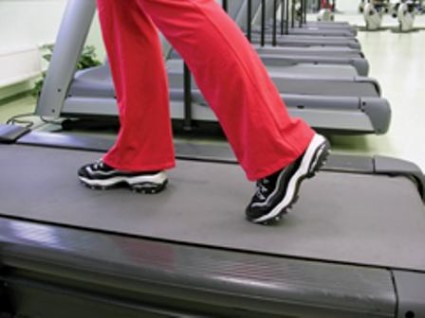
Diet, exercise in prediabetes may prevent long-term progression and mortality
A 6-year program of diet, exercise, or both helped delay the onset of diabetes in adults, and had significant mortality benefits for women 23 years later, researchers reported online in the Lancet Diabetes & Endocrinology.
The Da Qing Diabetes Prevention Study "is the first to show that lifestyle intervention in people with impaired glucose tolerance can both reduce the incidence of diabetes and decrease mortality," said Dr. Guangwei Li at the China-Japan Friendship Hospital in Beijing and his associates.

They added that the results "provide yet further justification to implement lifestyle interventions for people with impaired glucose tolerance.".
The investigators randomized 577 Chinese adults with impaired glucose tolerance to a control group or to a 6-year intervention program consisting of diet, exercise, or both. The exercise program focused on increasing leisure physical activity, while the diet program promoted weight loss when indicated and reduction of carbohydrate and alcohol intake.
At 23-year follow-up, the intervention group had significantly lower rates of cardiovascular mortality, at 11.9% vs. 19.6%, for a relative risk reduction of 41%; all-cause mortality, at 28.1% vs. 38.4%, for a RRR of 29%; and diabetes, at 72.6% vs. 89.9%, yielding a RRR of 45% (Lancet Diabetes Endocrinol. 2014 [doi: 10.1016/S2213-8587(14)70057-9]).
But the mortality benefit was significant only in women, in whom the risk reductions were 54% and 72% for cardiovascular and all-cause death, respectively, compared with just 3% and 9% in men. The researchers said they could not determine why the mortality benefit was seen primarily in women. Controlling for a higher smoking rate in men did not account for the difference, they said.
The U.S. Centers for Disease Control and Prevention, the World Health Organization, the China-Japan Friendship Hospital, and the Da Qing First Hospital funded the study. The investigators reported that they had no competing interests.
A 6-year program of diet, exercise, or both helped delay the onset of diabetes in adults, and had significant mortality benefits for women 23 years later, researchers reported online in the Lancet Diabetes & Endocrinology.
The Da Qing Diabetes Prevention Study "is the first to show that lifestyle intervention in people with impaired glucose tolerance can both reduce the incidence of diabetes and decrease mortality," said Dr. Guangwei Li at the China-Japan Friendship Hospital in Beijing and his associates.
They added that the results "provide yet further justification to implement lifestyle interventions for people with impaired glucose tolerance.".
The investigators randomized 577 Chinese adults with impaired glucose tolerance to a control group or to a 6-year intervention program consisting of diet, exercise, or both. The exercise program focused on increasing leisure physical activity, while the diet program promoted weight loss when indicated and reduction of carbohydrate and alcohol intake.
At 23-year follow-up, the intervention group had significantly lower rates of cardiovascular mortality, at 11.9% vs. 19.6%, for a relative risk reduction of 41%; all-cause mortality, at 28.1% vs. 38.4%, for a RRR of 29%; and diabetes, at 72.6% vs. 89.9%, yielding a RRR of 45% (Lancet Diabetes Endocrinol. 2014 [doi: 10.1016/S2213-8587(14)70057-9]).
But the mortality benefit was significant only in women, in whom the risk reductions were 54% and 72% for cardiovascular and all-cause death, respectively, compared with just 3% and 9% in men. The researchers said they could not determine why the mortality benefit was seen primarily in women. Controlling for a higher smoking rate in men did not account for the difference, they said.
The U.S. Centers for Disease Control and Prevention, the World Health Organization, the China-Japan Friendship Hospital, and the Da Qing First Hospital funded the study. The investigators reported that they had no competing interests.
A 6-year program of diet, exercise, or both helped delay the onset of diabetes in adults, and had significant mortality benefits for women 23 years later, researchers reported online in the Lancet Diabetes & Endocrinology.
The Da Qing Diabetes Prevention Study "is the first to show that lifestyle intervention in people with impaired glucose tolerance can both reduce the incidence of diabetes and decrease mortality," said Dr. Guangwei Li at the China-Japan Friendship Hospital in Beijing and his associates.
They added that the results "provide yet further justification to implement lifestyle interventions for people with impaired glucose tolerance.".
The investigators randomized 577 Chinese adults with impaired glucose tolerance to a control group or to a 6-year intervention program consisting of diet, exercise, or both. The exercise program focused on increasing leisure physical activity, while the diet program promoted weight loss when indicated and reduction of carbohydrate and alcohol intake.
At 23-year follow-up, the intervention group had significantly lower rates of cardiovascular mortality, at 11.9% vs. 19.6%, for a relative risk reduction of 41%; all-cause mortality, at 28.1% vs. 38.4%, for a RRR of 29%; and diabetes, at 72.6% vs. 89.9%, yielding a RRR of 45% (Lancet Diabetes Endocrinol. 2014 [doi: 10.1016/S2213-8587(14)70057-9]).
But the mortality benefit was significant only in women, in whom the risk reductions were 54% and 72% for cardiovascular and all-cause death, respectively, compared with just 3% and 9% in men. The researchers said they could not determine why the mortality benefit was seen primarily in women. Controlling for a higher smoking rate in men did not account for the difference, they said.
The U.S. Centers for Disease Control and Prevention, the World Health Organization, the China-Japan Friendship Hospital, and the Da Qing First Hospital funded the study. The investigators reported that they had no competing interests.
FROM THE LANCET DIABETES & ENDOCRINOLOGY
Major finding: At 23-year follow-up, the intervention group had a 41% lower risk of cardiovascular disease mortality, a 29% lower risk of all-cause mortality, and a 45% lower incidence of diabetes, all significant differences. The mortality effect was seen mainly in women.
Data source: The Da Qing Diabetes Prevention Study of 577 adults with impaired glucose tolerance randomized to a control group or a 6-year intervention program consisting of diet, exercise, or both.
Disclosures: The Centers for Disease Control and Prevention, the World Health Organization, the China-Japan Friendship Hospital, and the Da Qing First Hospital funded the study. The investigators reported that they had no competing interests.
Coding practices could bias pneumonia mortality rates
Variability in coding of pneumonia cases skewed risk-standardized mortality rates and hospital performance rankings, investigators reported in Annals of Internal Medicine.
The bias could impede efforts to compare quality of care among hospitals, Dr. Michael Rothberg of the Cleveland Clinic in Ohio and his associates said (Ann. Int. Med. Mar. 17 [doi:10.7326/M13-1419]).
The Centers for Medicare & Medicaid Services partially based hospital reimbursements on 30-day risk-standardized mortality rates. To exclude nosocomial pneumonia cases, CMS included only patients with a primary diagnosis of pneumonia when estimating 30-day risk-standardized pneumonia mortality rates.
But over time, hospitals changed how they coded the sickest patients with pneumonia, Dr. Rothberg and his associates said. These patients increasingly received a principal diagnosis of sepsis or organ failure, instead of pneumonia, and thus were excluded from mortality estimates.
"These events gave the false impression that pneumonia outcomes had improved more than they had," they said, adding that "just as changes in coding over time could lead to erroneous conclusions about decreasing mortality rates, variation in coding across hospitals could lead to biased estimates of their relative mortality rates."
The investigators conducted a cross-sectional study of more than 250,000 hospitalizations of adults with a principal or secondary diagnosis of pneumonia at 329 U.S. hospitals between 2007 and 2010.
When the definition of pneumonia excluded patients with primary sepsis or respiratory failure, 4.3% of hospitals had mortality rates that were significantly better than the mean, and 6.4% had rates that were significantly worse. But when the expanded definition was used, 12% of hospitals had mortality rates that were better than the mean, while 23% had rates that were worse. Performance ranking changed for 28% of hospitals.
When the expanded case definition was used, outlier status worsened for 41% of the hospitals with the highest proportions of patients with primary sepsis or respiratory failure, but improved for 20% and worsened for none of the hospitals with the lowest proportions of these patients.
"Efforts to broaden the scope of hospital performance measures from the initial set of measures based on processes to those focused on patient outcomes are laudable, but caution is required," the investigators said. "Misclassification could harm individual hospitals and weaken confidence in public reporting."
Adding principal diagnoses of respiratory failure or sepsis with secondary pneumonia to the definition of pneumonia could help lessen the biases, they said.
The findings "comport with what we see in our own practice," Dr. Scott A. Flanders and Dr. Sanjay Saint said in an editorial accompanying Dr. Rothberg’s report (Ann. Intern. Med. 2014;160:430-1).
"Hospitals caring for a patient with pneumonia coded with sepsis might capture a diagnostic-related group-based payment of more than $15,000 compared with only $6,000 if that patient were coded with ‘just’ pneumonia."
As the investigators pointed out, "the bar for coding a patient with sepsis is low and hospitals interested in appropriately maximizing revenue while accurately reflecting the severity of illness in their patient population will work to clear that bar."
Just as hospitals have changed course and modified their approach to care to better address quality concerns articulated in current measures, the Centers for Medicare & Medicaid Services and others should also learn from "end users" and researchers and adapt their approach to measurement, they said.
"Perhaps we should declare a ‘time-out’ on developing new performance measures until we ensure that the current ones are appropriate and serve their intended purposes."
The study was supported by the Agency for Healthcare Research and Quality.
Dr. James A.L. Mathers Jr., FCCP, comments: This report raises the very important issue of accurate coding and documentation. With the imminent implementation of the ICD-10 system, increased scrutiny of health care services, and the imposition of significant financial penalties for outliers, attention to the new coding and documentation requirements will be crucial for all providers.
Variability in coding of pneumonia cases skewed risk-standardized mortality rates and hospital performance rankings, investigators reported in Annals of Internal Medicine.
The bias could impede efforts to compare quality of care among hospitals, Dr. Michael Rothberg of the Cleveland Clinic in Ohio and his associates said (Ann. Int. Med. Mar. 17 [doi:10.7326/M13-1419]).
The Centers for Medicare & Medicaid Services partially based hospital reimbursements on 30-day risk-standardized mortality rates. To exclude nosocomial pneumonia cases, CMS included only patients with a primary diagnosis of pneumonia when estimating 30-day risk-standardized pneumonia mortality rates.
But over time, hospitals changed how they coded the sickest patients with pneumonia, Dr. Rothberg and his associates said. These patients increasingly received a principal diagnosis of sepsis or organ failure, instead of pneumonia, and thus were excluded from mortality estimates.
"These events gave the false impression that pneumonia outcomes had improved more than they had," they said, adding that "just as changes in coding over time could lead to erroneous conclusions about decreasing mortality rates, variation in coding across hospitals could lead to biased estimates of their relative mortality rates."
The investigators conducted a cross-sectional study of more than 250,000 hospitalizations of adults with a principal or secondary diagnosis of pneumonia at 329 U.S. hospitals between 2007 and 2010.
When the definition of pneumonia excluded patients with primary sepsis or respiratory failure, 4.3% of hospitals had mortality rates that were significantly better than the mean, and 6.4% had rates that were significantly worse. But when the expanded definition was used, 12% of hospitals had mortality rates that were better than the mean, while 23% had rates that were worse. Performance ranking changed for 28% of hospitals.
When the expanded case definition was used, outlier status worsened for 41% of the hospitals with the highest proportions of patients with primary sepsis or respiratory failure, but improved for 20% and worsened for none of the hospitals with the lowest proportions of these patients.
"Efforts to broaden the scope of hospital performance measures from the initial set of measures based on processes to those focused on patient outcomes are laudable, but caution is required," the investigators said. "Misclassification could harm individual hospitals and weaken confidence in public reporting."
Adding principal diagnoses of respiratory failure or sepsis with secondary pneumonia to the definition of pneumonia could help lessen the biases, they said.
The findings "comport with what we see in our own practice," Dr. Scott A. Flanders and Dr. Sanjay Saint said in an editorial accompanying Dr. Rothberg’s report (Ann. Intern. Med. 2014;160:430-1).
"Hospitals caring for a patient with pneumonia coded with sepsis might capture a diagnostic-related group-based payment of more than $15,000 compared with only $6,000 if that patient were coded with ‘just’ pneumonia."
As the investigators pointed out, "the bar for coding a patient with sepsis is low and hospitals interested in appropriately maximizing revenue while accurately reflecting the severity of illness in their patient population will work to clear that bar."
Just as hospitals have changed course and modified their approach to care to better address quality concerns articulated in current measures, the Centers for Medicare & Medicaid Services and others should also learn from "end users" and researchers and adapt their approach to measurement, they said.
"Perhaps we should declare a ‘time-out’ on developing new performance measures until we ensure that the current ones are appropriate and serve their intended purposes."
The study was supported by the Agency for Healthcare Research and Quality.
Dr. James A.L. Mathers Jr., FCCP, comments: This report raises the very important issue of accurate coding and documentation. With the imminent implementation of the ICD-10 system, increased scrutiny of health care services, and the imposition of significant financial penalties for outliers, attention to the new coding and documentation requirements will be crucial for all providers.
Variability in coding of pneumonia cases skewed risk-standardized mortality rates and hospital performance rankings, investigators reported in Annals of Internal Medicine.
The bias could impede efforts to compare quality of care among hospitals, Dr. Michael Rothberg of the Cleveland Clinic in Ohio and his associates said (Ann. Int. Med. Mar. 17 [doi:10.7326/M13-1419]).
The Centers for Medicare & Medicaid Services partially based hospital reimbursements on 30-day risk-standardized mortality rates. To exclude nosocomial pneumonia cases, CMS included only patients with a primary diagnosis of pneumonia when estimating 30-day risk-standardized pneumonia mortality rates.
But over time, hospitals changed how they coded the sickest patients with pneumonia, Dr. Rothberg and his associates said. These patients increasingly received a principal diagnosis of sepsis or organ failure, instead of pneumonia, and thus were excluded from mortality estimates.
"These events gave the false impression that pneumonia outcomes had improved more than they had," they said, adding that "just as changes in coding over time could lead to erroneous conclusions about decreasing mortality rates, variation in coding across hospitals could lead to biased estimates of their relative mortality rates."
The investigators conducted a cross-sectional study of more than 250,000 hospitalizations of adults with a principal or secondary diagnosis of pneumonia at 329 U.S. hospitals between 2007 and 2010.
When the definition of pneumonia excluded patients with primary sepsis or respiratory failure, 4.3% of hospitals had mortality rates that were significantly better than the mean, and 6.4% had rates that were significantly worse. But when the expanded definition was used, 12% of hospitals had mortality rates that were better than the mean, while 23% had rates that were worse. Performance ranking changed for 28% of hospitals.
When the expanded case definition was used, outlier status worsened for 41% of the hospitals with the highest proportions of patients with primary sepsis or respiratory failure, but improved for 20% and worsened for none of the hospitals with the lowest proportions of these patients.
"Efforts to broaden the scope of hospital performance measures from the initial set of measures based on processes to those focused on patient outcomes are laudable, but caution is required," the investigators said. "Misclassification could harm individual hospitals and weaken confidence in public reporting."
Adding principal diagnoses of respiratory failure or sepsis with secondary pneumonia to the definition of pneumonia could help lessen the biases, they said.
The findings "comport with what we see in our own practice," Dr. Scott A. Flanders and Dr. Sanjay Saint said in an editorial accompanying Dr. Rothberg’s report (Ann. Intern. Med. 2014;160:430-1).
"Hospitals caring for a patient with pneumonia coded with sepsis might capture a diagnostic-related group-based payment of more than $15,000 compared with only $6,000 if that patient were coded with ‘just’ pneumonia."
As the investigators pointed out, "the bar for coding a patient with sepsis is low and hospitals interested in appropriately maximizing revenue while accurately reflecting the severity of illness in their patient population will work to clear that bar."
Just as hospitals have changed course and modified their approach to care to better address quality concerns articulated in current measures, the Centers for Medicare & Medicaid Services and others should also learn from "end users" and researchers and adapt their approach to measurement, they said.
"Perhaps we should declare a ‘time-out’ on developing new performance measures until we ensure that the current ones are appropriate and serve their intended purposes."
The study was supported by the Agency for Healthcare Research and Quality.
Dr. James A.L. Mathers Jr., FCCP, comments: This report raises the very important issue of accurate coding and documentation. With the imminent implementation of the ICD-10 system, increased scrutiny of health care services, and the imposition of significant financial penalties for outliers, attention to the new coding and documentation requirements will be crucial for all providers.
Major Finding: Performance ranking changed for 28% of hospitals when calculations of risk-standardized pneumonia mortality rates included patients with pneumonia whose principal diagnosis was sepsis or respiratory failure.
Data Source: Cross-sectional study of 250,016 hospitalizations of adults with a principal or secondary diagnosis of pneumonia at 329 U.S. hospitals between 2007 and 2010.
Disclosures: The study was supported by the Agency for Healthcare Research and Quality. Dr. Rothberg also received grants from AHRQ.
Women had worse survival after radical cystectomy
Women who underwent radical cystectomy for bladder cancer had a small but significant increase in risk of disease recurrence and cancer-related mortality compared with male patients, even after adjustment for clinical and pathologic factors and competing risk of non–cancer-related death, researchers reported in the April issue of Urology.
Women were 1.16 times more likely to have their bladder cancer recur (P = .03) and 1.27 times more likely to die of cancer-related causes (P = .007), compared with men, reported Dr. Jamie C. Messer of the University of Louisville (Ky.) and his associates.
"Our findings support observations of others that women have a worse survival than men among patients with bladder cancer despite adjustment for stage," the investigators wrote (Urology 2014;83:863-8).
Prior studies have reported 5-year bladder cancer survival rates of 73.1% for women vs. 79.5% for men. To further explore the association, the investigators conducted an international, observational cohort analysis of retrospective data from 4,296 patients who underwent radical cystectomy for advanced bladder cancer. In all, 21% of patients were women. The investigators found that 33.9% of patients had disease recurrence at a median of 11 months after surgery, and that the recurrence rate was higher for women (36.8%) than men (33.1%). Cancer-specific death rates also were higher for women (33% vs. 27.2%).
"The factors that contribute to this increased risk remain to be determined," the investigators said. They noted that adjuvant chemotherapy was linked to "surprisingly lower" disease-specific survival on multivariable analysis, which could mean that residual confounding affected the model and influenced the association of gender with mortality.
The authors reported that they had no relevant financial interests.
Women who underwent radical cystectomy for bladder cancer had a small but significant increase in risk of disease recurrence and cancer-related mortality compared with male patients, even after adjustment for clinical and pathologic factors and competing risk of non–cancer-related death, researchers reported in the April issue of Urology.
Women were 1.16 times more likely to have their bladder cancer recur (P = .03) and 1.27 times more likely to die of cancer-related causes (P = .007), compared with men, reported Dr. Jamie C. Messer of the University of Louisville (Ky.) and his associates.
"Our findings support observations of others that women have a worse survival than men among patients with bladder cancer despite adjustment for stage," the investigators wrote (Urology 2014;83:863-8).
Prior studies have reported 5-year bladder cancer survival rates of 73.1% for women vs. 79.5% for men. To further explore the association, the investigators conducted an international, observational cohort analysis of retrospective data from 4,296 patients who underwent radical cystectomy for advanced bladder cancer. In all, 21% of patients were women. The investigators found that 33.9% of patients had disease recurrence at a median of 11 months after surgery, and that the recurrence rate was higher for women (36.8%) than men (33.1%). Cancer-specific death rates also were higher for women (33% vs. 27.2%).
"The factors that contribute to this increased risk remain to be determined," the investigators said. They noted that adjuvant chemotherapy was linked to "surprisingly lower" disease-specific survival on multivariable analysis, which could mean that residual confounding affected the model and influenced the association of gender with mortality.
The authors reported that they had no relevant financial interests.
Women who underwent radical cystectomy for bladder cancer had a small but significant increase in risk of disease recurrence and cancer-related mortality compared with male patients, even after adjustment for clinical and pathologic factors and competing risk of non–cancer-related death, researchers reported in the April issue of Urology.
Women were 1.16 times more likely to have their bladder cancer recur (P = .03) and 1.27 times more likely to die of cancer-related causes (P = .007), compared with men, reported Dr. Jamie C. Messer of the University of Louisville (Ky.) and his associates.
"Our findings support observations of others that women have a worse survival than men among patients with bladder cancer despite adjustment for stage," the investigators wrote (Urology 2014;83:863-8).
Prior studies have reported 5-year bladder cancer survival rates of 73.1% for women vs. 79.5% for men. To further explore the association, the investigators conducted an international, observational cohort analysis of retrospective data from 4,296 patients who underwent radical cystectomy for advanced bladder cancer. In all, 21% of patients were women. The investigators found that 33.9% of patients had disease recurrence at a median of 11 months after surgery, and that the recurrence rate was higher for women (36.8%) than men (33.1%). Cancer-specific death rates also were higher for women (33% vs. 27.2%).
"The factors that contribute to this increased risk remain to be determined," the investigators said. They noted that adjuvant chemotherapy was linked to "surprisingly lower" disease-specific survival on multivariable analysis, which could mean that residual confounding affected the model and influenced the association of gender with mortality.
The authors reported that they had no relevant financial interests.
FROM UROLOGY
Major finding: Women had a significantly increased risk of bladder cancer recurrence (hazard ratio, 1.16; P = .03) and of cancer-specific mortality (HR, 1.27; P = .007).
Data source: Multicenter, international, observational cohort study of retrospective data from 4,296 patients with advanced bladder cancer who were followed for a median of 31.5 months after surgery.
Disclosures: The authors reported that they had no relevant financial interests.
Newcomer misses noninferiority mark against established GLP-1 receptor agonist
Once-daily liraglutide slightly outperformed once-weekly albiglutide in a head-to-head trial in adults with poorly controlled type 2 diabetes, researchers reported in the April issue of the Lancet Diabetes & Endocrinology.
Both glucagon-like peptide-1 (GLP-1) receptor agonists led to clinically meaningful reductions in hemoglobin A1c levels, but the investigational agent albiglutide did not meet its prespecified noninferiority margin, compared with liraglutide, said Dr. Richard Pratley of the Florida Hospital Diabetes and Translational Research Institute and the Sanford-Burnham Medical Research Institute in Orlando and his associates.
The investigators conducted the phase III, open-label HARMONY 7 study in eight countries (Lancet Diabetes Endocrinol. 2014;2:289-97). They randomized 812 adults who had inadequately controlled type 2 diabetes and a body mass index between 20 and 45 kg/m2 to receive either 30 mg albiglutide once weekly titrated to 50 mg at week 6, or 0.6 mg liraglutide once daily titrated to 1.2 mg at week 1 and to 1.8 mg at week 2.
At week 32, the liraglutide group had a 0.99% decrease in HbA1c levels, compared with a 0.78% decrease for the albiglutide group (noninferiority, P = .085), the researchers reported.
Liraglutide also was associated with significantly fewer injection-site reactions than albiglutide (5.4% vs. 12.9% for albiglutide), but with a significantly higher frequency of nausea and vomiting (49.0% vs. 35.9%).
Based on the findings, "albiglutide could be a suitable alternative to liraglutide for some patients with type 2 diabetes who are candidates for GLP-1 receptor agonist treatment," the researchers wrote. "Consistent with the recent position statement of the American Diabetes Association and the European Association for the Study of Diabetes, the entire clinical picture should be considered so that treatment can be personalized based not only on HbA1c reduction reported in many trials, but also on tolerability, safety, and frequency and ease of administration."
Albiglutide was granted marketing authorization by the European Commission in March, according to a statement from GlaxoSmithKline, which funded the study. It is under review at the Food and Drug Administration, with a response expected by April 15, the company said.
GlaxoSmithKline funded the study. Five coauthors reported financial relationships with GSK or other GLP-1 receptor manufacturers. Four other coauthors are GSK employees and shareholders.
Once-daily liraglutide slightly outperformed once-weekly albiglutide in a head-to-head trial in adults with poorly controlled type 2 diabetes, researchers reported in the April issue of the Lancet Diabetes & Endocrinology.
Both glucagon-like peptide-1 (GLP-1) receptor agonists led to clinically meaningful reductions in hemoglobin A1c levels, but the investigational agent albiglutide did not meet its prespecified noninferiority margin, compared with liraglutide, said Dr. Richard Pratley of the Florida Hospital Diabetes and Translational Research Institute and the Sanford-Burnham Medical Research Institute in Orlando and his associates.
The investigators conducted the phase III, open-label HARMONY 7 study in eight countries (Lancet Diabetes Endocrinol. 2014;2:289-97). They randomized 812 adults who had inadequately controlled type 2 diabetes and a body mass index between 20 and 45 kg/m2 to receive either 30 mg albiglutide once weekly titrated to 50 mg at week 6, or 0.6 mg liraglutide once daily titrated to 1.2 mg at week 1 and to 1.8 mg at week 2.
At week 32, the liraglutide group had a 0.99% decrease in HbA1c levels, compared with a 0.78% decrease for the albiglutide group (noninferiority, P = .085), the researchers reported.
Liraglutide also was associated with significantly fewer injection-site reactions than albiglutide (5.4% vs. 12.9% for albiglutide), but with a significantly higher frequency of nausea and vomiting (49.0% vs. 35.9%).
Based on the findings, "albiglutide could be a suitable alternative to liraglutide for some patients with type 2 diabetes who are candidates for GLP-1 receptor agonist treatment," the researchers wrote. "Consistent with the recent position statement of the American Diabetes Association and the European Association for the Study of Diabetes, the entire clinical picture should be considered so that treatment can be personalized based not only on HbA1c reduction reported in many trials, but also on tolerability, safety, and frequency and ease of administration."
Albiglutide was granted marketing authorization by the European Commission in March, according to a statement from GlaxoSmithKline, which funded the study. It is under review at the Food and Drug Administration, with a response expected by April 15, the company said.
GlaxoSmithKline funded the study. Five coauthors reported financial relationships with GSK or other GLP-1 receptor manufacturers. Four other coauthors are GSK employees and shareholders.
Once-daily liraglutide slightly outperformed once-weekly albiglutide in a head-to-head trial in adults with poorly controlled type 2 diabetes, researchers reported in the April issue of the Lancet Diabetes & Endocrinology.
Both glucagon-like peptide-1 (GLP-1) receptor agonists led to clinically meaningful reductions in hemoglobin A1c levels, but the investigational agent albiglutide did not meet its prespecified noninferiority margin, compared with liraglutide, said Dr. Richard Pratley of the Florida Hospital Diabetes and Translational Research Institute and the Sanford-Burnham Medical Research Institute in Orlando and his associates.
The investigators conducted the phase III, open-label HARMONY 7 study in eight countries (Lancet Diabetes Endocrinol. 2014;2:289-97). They randomized 812 adults who had inadequately controlled type 2 diabetes and a body mass index between 20 and 45 kg/m2 to receive either 30 mg albiglutide once weekly titrated to 50 mg at week 6, or 0.6 mg liraglutide once daily titrated to 1.2 mg at week 1 and to 1.8 mg at week 2.
At week 32, the liraglutide group had a 0.99% decrease in HbA1c levels, compared with a 0.78% decrease for the albiglutide group (noninferiority, P = .085), the researchers reported.
Liraglutide also was associated with significantly fewer injection-site reactions than albiglutide (5.4% vs. 12.9% for albiglutide), but with a significantly higher frequency of nausea and vomiting (49.0% vs. 35.9%).
Based on the findings, "albiglutide could be a suitable alternative to liraglutide for some patients with type 2 diabetes who are candidates for GLP-1 receptor agonist treatment," the researchers wrote. "Consistent with the recent position statement of the American Diabetes Association and the European Association for the Study of Diabetes, the entire clinical picture should be considered so that treatment can be personalized based not only on HbA1c reduction reported in many trials, but also on tolerability, safety, and frequency and ease of administration."
Albiglutide was granted marketing authorization by the European Commission in March, according to a statement from GlaxoSmithKline, which funded the study. It is under review at the Food and Drug Administration, with a response expected by April 15, the company said.
GlaxoSmithKline funded the study. Five coauthors reported financial relationships with GSK or other GLP-1 receptor manufacturers. Four other coauthors are GSK employees and shareholders.
FROM THE LANCET DIABETES & ENDOCRINOLOGY
Major finding: At week 32, patients treated with liraglutide had a 0.99% decrease in HbA1c, compared with a 0.78% decrease for patients who received albiglutide (P = .085).
Data source: A multicenter, open-label phase III study of 812 adults with poorly controlled type 2 diabetes who were randomized to receive once-weekly albiglutide or once-daily liraglutide.
Disclosures: GlaxoSmithKline funded the study. Five coauthors reported financial relationships with GSK or other GLP-1 receptor manufacturers. Four other coauthors are GSK employees and shareholders.