User login
M. Alexander Otto began his reporting career early in 1999 covering the pharmaceutical industry for a national pharmacists' magazine and freelancing for the Washington Post and other newspapers. He then joined BNA, now part of Bloomberg News, covering health law and the protection of people and animals in medical research. Alex next worked for the McClatchy Company. Based on his work, Alex won a year-long Knight Science Journalism Fellowship to MIT in 2008-2009. He joined the company shortly thereafter. Alex has a newspaper journalism degree from Syracuse (N.Y.) University and a master's degree in medical science -- a physician assistant degree -- from George Washington University. Alex is based in Seattle.
Buprenorphine is best for opioid-addicted pregnant women
Buprenorphine is the treatment of choice for opioid addiction during pregnancy, according to Dr. Marjorie Meyer, of the department of maternal fetal medicine at the University of Vermont in Burlington.
As an in-office prescription, buprenorphine is easier to access than methadone, and a large, randomized trial that pitted methadone against buprenorphine found that women treated with buprenorphine have fewer delivery complications (N. Engl. J. Med. 2010;363:2320-31). Their babies are also born heavier and at greater gestational age than those born to mothers on methadone, and require less morphine for neonatal abstinence syndrome and recover from it sooner, Dr. Meyer said during a webinar sponsored by Premier Inc., a health care performance improvement alliance of about 3,400 U.S. hospitals and 110,000 other providers.
The evidence from the trial – the most rigorous to date comparing the two options – all favors buprenorphine, she said.
“The concerning thing about this study was that a third of women dropped out during buprenorphine induction; the way they induced I think might precipitate a little bit of withdrawal,” she said. If that’s avoided, “you can get the dropout rate down.”
In general, treatment for addicted mothers “improves pregnancy outcomes, and should be offered,” but traditional detox is not optimal therapy, Dr. Meyer said. It can help prevent neonatal abstinence, but the dropout rate is high, perhaps about 50%. Even if women stick with the program, “what you have is a very sick mother who is unable to parent,” she said.
There are still many questions about what physicians can do for pain when women on methadone or buprenorphine go into labor. Full-agonist opioid or regional analgesia are good options, but not nalbuphine and butorphanol, Dr. Meyer said. As partial opioid agonists, they can throw women into withdrawal.
“One thing that is very reassuring is that spinals and epidurals actually work just as well,” she said.
There’s no need to increase pain control after vaginal delivery in women on buprenorphine or methadone maintenance. Routine postpartum orders with p.r.n. opioids for 24 hours should be effective, Dr. Meyer said.
After cesarean delivery, however, these women need more opioids for the first few days, generally about 50%-70% more.
“We tend to go ahead and give them higher doses of p.o. dilaudid and it seems to work very well” dosed at 4-6 mg every 4-6 hours. Treatment doesn’t need to last longer than in other women, only about a week. Transversus abdominis plane (TAP) blocks have also very effective, Dr. Meyer said.
If women receive nalbuphine and butorphanol by mistake at some point during labor and delivery, Dr. Meyer said she’s seen IV morphine work well for rescue.
Patients on maintenance therapy often ask if there’s something they can do to help prevent their baby from going into withdrawal. “The obvious answer is ‘yes, stop smoking,’” she said.
The vast majority of opioid abusers smoke cigarettes, and smoking has been shown to be “a very important contributor to neonatal abstinence syndrome,” she said. “I use this [fact] as a tool to really encourage smoking cessation, or even smoking reduction.”
Dr. Meyer reported having no relevant financial disclosures.
Buprenorphine is the treatment of choice for opioid addiction during pregnancy, according to Dr. Marjorie Meyer, of the department of maternal fetal medicine at the University of Vermont in Burlington.
As an in-office prescription, buprenorphine is easier to access than methadone, and a large, randomized trial that pitted methadone against buprenorphine found that women treated with buprenorphine have fewer delivery complications (N. Engl. J. Med. 2010;363:2320-31). Their babies are also born heavier and at greater gestational age than those born to mothers on methadone, and require less morphine for neonatal abstinence syndrome and recover from it sooner, Dr. Meyer said during a webinar sponsored by Premier Inc., a health care performance improvement alliance of about 3,400 U.S. hospitals and 110,000 other providers.
The evidence from the trial – the most rigorous to date comparing the two options – all favors buprenorphine, she said.
“The concerning thing about this study was that a third of women dropped out during buprenorphine induction; the way they induced I think might precipitate a little bit of withdrawal,” she said. If that’s avoided, “you can get the dropout rate down.”
In general, treatment for addicted mothers “improves pregnancy outcomes, and should be offered,” but traditional detox is not optimal therapy, Dr. Meyer said. It can help prevent neonatal abstinence, but the dropout rate is high, perhaps about 50%. Even if women stick with the program, “what you have is a very sick mother who is unable to parent,” she said.
There are still many questions about what physicians can do for pain when women on methadone or buprenorphine go into labor. Full-agonist opioid or regional analgesia are good options, but not nalbuphine and butorphanol, Dr. Meyer said. As partial opioid agonists, they can throw women into withdrawal.
“One thing that is very reassuring is that spinals and epidurals actually work just as well,” she said.
There’s no need to increase pain control after vaginal delivery in women on buprenorphine or methadone maintenance. Routine postpartum orders with p.r.n. opioids for 24 hours should be effective, Dr. Meyer said.
After cesarean delivery, however, these women need more opioids for the first few days, generally about 50%-70% more.
“We tend to go ahead and give them higher doses of p.o. dilaudid and it seems to work very well” dosed at 4-6 mg every 4-6 hours. Treatment doesn’t need to last longer than in other women, only about a week. Transversus abdominis plane (TAP) blocks have also very effective, Dr. Meyer said.
If women receive nalbuphine and butorphanol by mistake at some point during labor and delivery, Dr. Meyer said she’s seen IV morphine work well for rescue.
Patients on maintenance therapy often ask if there’s something they can do to help prevent their baby from going into withdrawal. “The obvious answer is ‘yes, stop smoking,’” she said.
The vast majority of opioid abusers smoke cigarettes, and smoking has been shown to be “a very important contributor to neonatal abstinence syndrome,” she said. “I use this [fact] as a tool to really encourage smoking cessation, or even smoking reduction.”
Dr. Meyer reported having no relevant financial disclosures.
Buprenorphine is the treatment of choice for opioid addiction during pregnancy, according to Dr. Marjorie Meyer, of the department of maternal fetal medicine at the University of Vermont in Burlington.
As an in-office prescription, buprenorphine is easier to access than methadone, and a large, randomized trial that pitted methadone against buprenorphine found that women treated with buprenorphine have fewer delivery complications (N. Engl. J. Med. 2010;363:2320-31). Their babies are also born heavier and at greater gestational age than those born to mothers on methadone, and require less morphine for neonatal abstinence syndrome and recover from it sooner, Dr. Meyer said during a webinar sponsored by Premier Inc., a health care performance improvement alliance of about 3,400 U.S. hospitals and 110,000 other providers.
The evidence from the trial – the most rigorous to date comparing the two options – all favors buprenorphine, she said.
“The concerning thing about this study was that a third of women dropped out during buprenorphine induction; the way they induced I think might precipitate a little bit of withdrawal,” she said. If that’s avoided, “you can get the dropout rate down.”
In general, treatment for addicted mothers “improves pregnancy outcomes, and should be offered,” but traditional detox is not optimal therapy, Dr. Meyer said. It can help prevent neonatal abstinence, but the dropout rate is high, perhaps about 50%. Even if women stick with the program, “what you have is a very sick mother who is unable to parent,” she said.
There are still many questions about what physicians can do for pain when women on methadone or buprenorphine go into labor. Full-agonist opioid or regional analgesia are good options, but not nalbuphine and butorphanol, Dr. Meyer said. As partial opioid agonists, they can throw women into withdrawal.
“One thing that is very reassuring is that spinals and epidurals actually work just as well,” she said.
There’s no need to increase pain control after vaginal delivery in women on buprenorphine or methadone maintenance. Routine postpartum orders with p.r.n. opioids for 24 hours should be effective, Dr. Meyer said.
After cesarean delivery, however, these women need more opioids for the first few days, generally about 50%-70% more.
“We tend to go ahead and give them higher doses of p.o. dilaudid and it seems to work very well” dosed at 4-6 mg every 4-6 hours. Treatment doesn’t need to last longer than in other women, only about a week. Transversus abdominis plane (TAP) blocks have also very effective, Dr. Meyer said.
If women receive nalbuphine and butorphanol by mistake at some point during labor and delivery, Dr. Meyer said she’s seen IV morphine work well for rescue.
Patients on maintenance therapy often ask if there’s something they can do to help prevent their baby from going into withdrawal. “The obvious answer is ‘yes, stop smoking,’” she said.
The vast majority of opioid abusers smoke cigarettes, and smoking has been shown to be “a very important contributor to neonatal abstinence syndrome,” she said. “I use this [fact] as a tool to really encourage smoking cessation, or even smoking reduction.”
Dr. Meyer reported having no relevant financial disclosures.
EXPERT ANALYSIS FROM PREMIER, INC.
AACE: Artificial sweeteners tentatively linked to Hashimoto’s thyroiditis
NASHVILLE, TENN.– You might want to discourage your patients with Hashimoto’s thyroiditis from using artificial sweeteners, according to investigators from Mount Sinai Hospital in New York.
They found that of 100 patients with antibody-confirmed Hashimoto’s thyroiditis (HT), 53 reported using the equivalent of 3.5 packets of artificial sweetener per day – mostly aspartame (Equal, NutraSweet) or sucralose (Splenda) – as estimated from a questionnaire about their daily intake of sugar-free foods. The investigators also found a weak but significant correlation between daily consumption of sugar substitutes and elevated levels of TSH (r = 0.23, P = 0.05).
They checked those results against 125 controls who were referred for Hashimoto’s work up but turned out to be antibody negative; 15 (12%) regularly used artificial sweeteners, 110 (88%) did not.
Perhaps artificial sweeteners, which are widely used in diet soda, yogurt, gum, ice cream, and other products, somehow amp up the immune system to attack the thyroid in some people. “I think there is something to this,” said lead investigator Dr. Issac Sachmechi, an associate professor of medicine, endocrinology, diabetes, and bone disease at Mount Sinai.
“When patients come to me for Hashimoto’s and I diagnose them, I ask them if they use artificial sweeteners. If they do, I mention this study and highly suggest they stop using them,” he said at the annual meeting of the American Association of Clinical Endocrinologists.
So far, three have taken his advice. Two had a complete reversal of disease, going from antibody positive to antibody negative and no longer needing thyroid replacements. Quitting artificial sweeteners had no effect on the third person. Her mother also had autoimmune thyroiditis, so perhaps there was a genetic component that went beyond any possible impact of artificial sweeteners, Dr. Sachmechi said.
The link, however, is far from proven; spontaneous remission has been reported before in the medical literature. Dr. Sachmechi said he plans to continue looking into the issue.
There is, however, biological plausibility for a connection. Aspartame, for instance, is metabolized to formaldehyde, which has been associated with type 4 delayed hypersensitivity reactions. There’s also been suggestions that sucralose may have negative effects on the thymus and spleen, and possible associations with autoimmune disorders, Dr. Sachmechi said.
The idea to look into the issue came “about 3 years ago, when I got a consult from a neurologist about a young woman with paresthesia. He looked at her thyroid function, and her TSH was elevated, so he sent her to me. I put her on Synthroid, 125 mcg. During her follow up, I saw that her requirement for Synthroid was going down, and eventually I had to stop it. I asked her if she was doing anything differently, and she told me she had read that artificial sweeteners may actually cause weight gain, so she stopped them to lose weight.” That was the only change, Dr. Sachmechi said.
There was no outside funding for the work and Dr. Sachmechi had no relevant disclosures.
NASHVILLE, TENN.– You might want to discourage your patients with Hashimoto’s thyroiditis from using artificial sweeteners, according to investigators from Mount Sinai Hospital in New York.
They found that of 100 patients with antibody-confirmed Hashimoto’s thyroiditis (HT), 53 reported using the equivalent of 3.5 packets of artificial sweetener per day – mostly aspartame (Equal, NutraSweet) or sucralose (Splenda) – as estimated from a questionnaire about their daily intake of sugar-free foods. The investigators also found a weak but significant correlation between daily consumption of sugar substitutes and elevated levels of TSH (r = 0.23, P = 0.05).
They checked those results against 125 controls who were referred for Hashimoto’s work up but turned out to be antibody negative; 15 (12%) regularly used artificial sweeteners, 110 (88%) did not.
Perhaps artificial sweeteners, which are widely used in diet soda, yogurt, gum, ice cream, and other products, somehow amp up the immune system to attack the thyroid in some people. “I think there is something to this,” said lead investigator Dr. Issac Sachmechi, an associate professor of medicine, endocrinology, diabetes, and bone disease at Mount Sinai.
“When patients come to me for Hashimoto’s and I diagnose them, I ask them if they use artificial sweeteners. If they do, I mention this study and highly suggest they stop using them,” he said at the annual meeting of the American Association of Clinical Endocrinologists.
So far, three have taken his advice. Two had a complete reversal of disease, going from antibody positive to antibody negative and no longer needing thyroid replacements. Quitting artificial sweeteners had no effect on the third person. Her mother also had autoimmune thyroiditis, so perhaps there was a genetic component that went beyond any possible impact of artificial sweeteners, Dr. Sachmechi said.
The link, however, is far from proven; spontaneous remission has been reported before in the medical literature. Dr. Sachmechi said he plans to continue looking into the issue.
There is, however, biological plausibility for a connection. Aspartame, for instance, is metabolized to formaldehyde, which has been associated with type 4 delayed hypersensitivity reactions. There’s also been suggestions that sucralose may have negative effects on the thymus and spleen, and possible associations with autoimmune disorders, Dr. Sachmechi said.
The idea to look into the issue came “about 3 years ago, when I got a consult from a neurologist about a young woman with paresthesia. He looked at her thyroid function, and her TSH was elevated, so he sent her to me. I put her on Synthroid, 125 mcg. During her follow up, I saw that her requirement for Synthroid was going down, and eventually I had to stop it. I asked her if she was doing anything differently, and she told me she had read that artificial sweeteners may actually cause weight gain, so she stopped them to lose weight.” That was the only change, Dr. Sachmechi said.
There was no outside funding for the work and Dr. Sachmechi had no relevant disclosures.
NASHVILLE, TENN.– You might want to discourage your patients with Hashimoto’s thyroiditis from using artificial sweeteners, according to investigators from Mount Sinai Hospital in New York.
They found that of 100 patients with antibody-confirmed Hashimoto’s thyroiditis (HT), 53 reported using the equivalent of 3.5 packets of artificial sweetener per day – mostly aspartame (Equal, NutraSweet) or sucralose (Splenda) – as estimated from a questionnaire about their daily intake of sugar-free foods. The investigators also found a weak but significant correlation between daily consumption of sugar substitutes and elevated levels of TSH (r = 0.23, P = 0.05).
They checked those results against 125 controls who were referred for Hashimoto’s work up but turned out to be antibody negative; 15 (12%) regularly used artificial sweeteners, 110 (88%) did not.
Perhaps artificial sweeteners, which are widely used in diet soda, yogurt, gum, ice cream, and other products, somehow amp up the immune system to attack the thyroid in some people. “I think there is something to this,” said lead investigator Dr. Issac Sachmechi, an associate professor of medicine, endocrinology, diabetes, and bone disease at Mount Sinai.
“When patients come to me for Hashimoto’s and I diagnose them, I ask them if they use artificial sweeteners. If they do, I mention this study and highly suggest they stop using them,” he said at the annual meeting of the American Association of Clinical Endocrinologists.
So far, three have taken his advice. Two had a complete reversal of disease, going from antibody positive to antibody negative and no longer needing thyroid replacements. Quitting artificial sweeteners had no effect on the third person. Her mother also had autoimmune thyroiditis, so perhaps there was a genetic component that went beyond any possible impact of artificial sweeteners, Dr. Sachmechi said.
The link, however, is far from proven; spontaneous remission has been reported before in the medical literature. Dr. Sachmechi said he plans to continue looking into the issue.
There is, however, biological plausibility for a connection. Aspartame, for instance, is metabolized to formaldehyde, which has been associated with type 4 delayed hypersensitivity reactions. There’s also been suggestions that sucralose may have negative effects on the thymus and spleen, and possible associations with autoimmune disorders, Dr. Sachmechi said.
The idea to look into the issue came “about 3 years ago, when I got a consult from a neurologist about a young woman with paresthesia. He looked at her thyroid function, and her TSH was elevated, so he sent her to me. I put her on Synthroid, 125 mcg. During her follow up, I saw that her requirement for Synthroid was going down, and eventually I had to stop it. I asked her if she was doing anything differently, and she told me she had read that artificial sweeteners may actually cause weight gain, so she stopped them to lose weight.” That was the only change, Dr. Sachmechi said.
There was no outside funding for the work and Dr. Sachmechi had no relevant disclosures.
AT AACE 2015
Key clinical point: Discourage Hashimoto’s patients from using sugar substitutes.
Major finding: In 100 patients with the disease, daily consumption of artificial sweeteners correlated with elevated levels of TSH (r = 0.23, P = 0.05).
Data source: Observational study of 225 patients.
Disclosures: There was no outside funding for the work, and the lead investigator has no relevant disclosures.
AACE: Free testosterone, prolactin levels signal MRI need in men with secondary hypogonadism
NASHVILLE, TENN.– Checking free testosterone and prolactin levels can help identify which men with secondary hypogonadism should get brain MRIs.
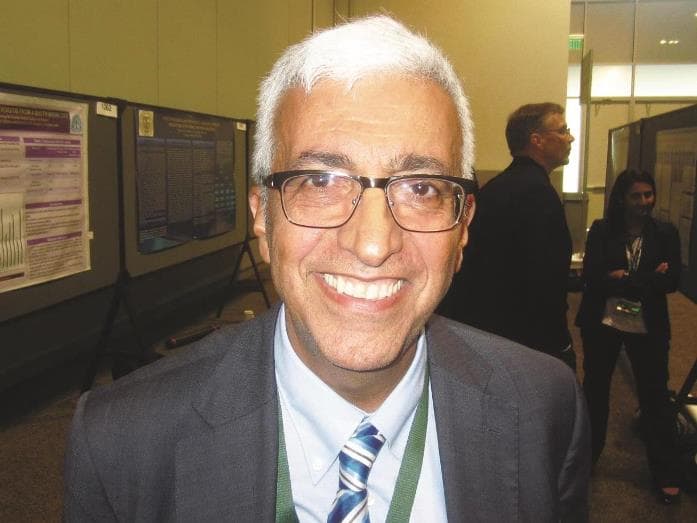
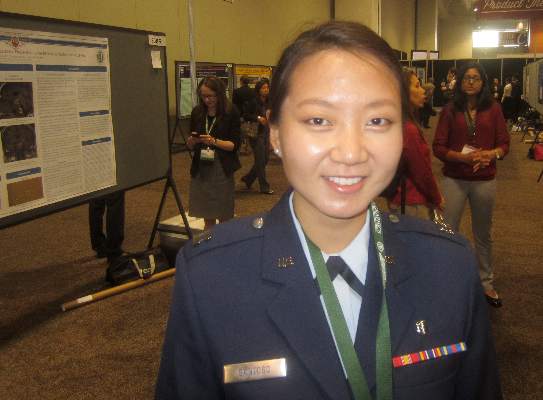
If the levels are normal, it’s unlikely that hypothalamic-pituitary imaging will reveal a medically significant pituitary abnormality. “However, MRI is warranted in men with high prolactin or very low free testosterone [because] both are associated with pituitary structural abnormalities,” said lead investigator and medical resident Dr. Cong Santoso of Wright-Patterson Air Force Base Medical Center in Dayton, Ohio.
Dr. Santoso and her associate, Dr. Thomas Koroscil of Wright State University, Dayton, reviewed the charts of 88 men with secondary hypogonadism, all of whom had gotten an MRI, which in many places was once a routine investigation for the problem. Men with known pituitary lesions, pituitary apoplexy, infiltrative diseases, infections, or glucocorticoid use were among those excluded from the study.
A total of 16 men (18%) had abnormal MRIs. Adenomas were found in nine (10%) and empty sellas in seven (8%). Men with pituitary adenomas had significantly lower free testosterone (FT), compared with those who had normal MRIs (18.7 pg/mL vs. 36.4 pg/mL). Men with empty sella syndrome had significantly higher prolactin (PRL), compared with men who had normal MRIs (21.4 ng/mL vs. 11.2 ng/mL), Dr. Santoso reported.
There was no difference in levels of follicle-stimulating hormone or luteinizing hormone. There was a trend towards lower total testosterone in men with structural abnormalities, but it was not significant, probably because of the low numbers in the study, Dr. Santoso said at the annual meeting of the American Association of Clinical Endocrinologists.
At 16%, the incidence of pituitary imaging abnormalities was not greater than the prevalence of abnormalities in the general population, “indicating that there is little value to routinely obtain MRI in the evaluation of men with secondary hypogonadism” when FT and PRL are normal, she said.
Endocrine Society guidelines for secondary hypogonadism in men note that “the diagnostic yield of pituitary imaging to exclude pituitary and/or hypothalamic tumor can be improved by performing [MRIs] in men with serum testosterone less than 150 ng/dL, panhypopituitarism, persistent hyperprolactinemia, or symptoms of tumor mass effect.”
The findings from Dr. Santoso’s study add to that advice by suggesting a role for FT and by pinning high PRL and low FT to particular structural abnormalities. “We are adding to the guidelines to make them” stronger, she said.
About 70 men (80%) had type 2 diabetes or metabolic syndrome, both of which are associated with secondary hypogonadism, but they had no endocrinologic differences, compared with the other men.
Endocrinologists at Dr. Santoso’s institutions have moved away from routine MRIs in men with secondary hypogonadism and are relying more on lab values to indicate when MRIs are needed, she said.
There was no outside funding for the work, and Dr. Santoso had no disclosures.
NASHVILLE, TENN.– Checking free testosterone and prolactin levels can help identify which men with secondary hypogonadism should get brain MRIs.
If the levels are normal, it’s unlikely that hypothalamic-pituitary imaging will reveal a medically significant pituitary abnormality. “However, MRI is warranted in men with high prolactin or very low free testosterone [because] both are associated with pituitary structural abnormalities,” said lead investigator and medical resident Dr. Cong Santoso of Wright-Patterson Air Force Base Medical Center in Dayton, Ohio.
Dr. Santoso and her associate, Dr. Thomas Koroscil of Wright State University, Dayton, reviewed the charts of 88 men with secondary hypogonadism, all of whom had gotten an MRI, which in many places was once a routine investigation for the problem. Men with known pituitary lesions, pituitary apoplexy, infiltrative diseases, infections, or glucocorticoid use were among those excluded from the study.
A total of 16 men (18%) had abnormal MRIs. Adenomas were found in nine (10%) and empty sellas in seven (8%). Men with pituitary adenomas had significantly lower free testosterone (FT), compared with those who had normal MRIs (18.7 pg/mL vs. 36.4 pg/mL). Men with empty sella syndrome had significantly higher prolactin (PRL), compared with men who had normal MRIs (21.4 ng/mL vs. 11.2 ng/mL), Dr. Santoso reported.
There was no difference in levels of follicle-stimulating hormone or luteinizing hormone. There was a trend towards lower total testosterone in men with structural abnormalities, but it was not significant, probably because of the low numbers in the study, Dr. Santoso said at the annual meeting of the American Association of Clinical Endocrinologists.
At 16%, the incidence of pituitary imaging abnormalities was not greater than the prevalence of abnormalities in the general population, “indicating that there is little value to routinely obtain MRI in the evaluation of men with secondary hypogonadism” when FT and PRL are normal, she said.
Endocrine Society guidelines for secondary hypogonadism in men note that “the diagnostic yield of pituitary imaging to exclude pituitary and/or hypothalamic tumor can be improved by performing [MRIs] in men with serum testosterone less than 150 ng/dL, panhypopituitarism, persistent hyperprolactinemia, or symptoms of tumor mass effect.”
The findings from Dr. Santoso’s study add to that advice by suggesting a role for FT and by pinning high PRL and low FT to particular structural abnormalities. “We are adding to the guidelines to make them” stronger, she said.
About 70 men (80%) had type 2 diabetes or metabolic syndrome, both of which are associated with secondary hypogonadism, but they had no endocrinologic differences, compared with the other men.
Endocrinologists at Dr. Santoso’s institutions have moved away from routine MRIs in men with secondary hypogonadism and are relying more on lab values to indicate when MRIs are needed, she said.
There was no outside funding for the work, and Dr. Santoso had no disclosures.
NASHVILLE, TENN.– Checking free testosterone and prolactin levels can help identify which men with secondary hypogonadism should get brain MRIs.
If the levels are normal, it’s unlikely that hypothalamic-pituitary imaging will reveal a medically significant pituitary abnormality. “However, MRI is warranted in men with high prolactin or very low free testosterone [because] both are associated with pituitary structural abnormalities,” said lead investigator and medical resident Dr. Cong Santoso of Wright-Patterson Air Force Base Medical Center in Dayton, Ohio.
Dr. Santoso and her associate, Dr. Thomas Koroscil of Wright State University, Dayton, reviewed the charts of 88 men with secondary hypogonadism, all of whom had gotten an MRI, which in many places was once a routine investigation for the problem. Men with known pituitary lesions, pituitary apoplexy, infiltrative diseases, infections, or glucocorticoid use were among those excluded from the study.
A total of 16 men (18%) had abnormal MRIs. Adenomas were found in nine (10%) and empty sellas in seven (8%). Men with pituitary adenomas had significantly lower free testosterone (FT), compared with those who had normal MRIs (18.7 pg/mL vs. 36.4 pg/mL). Men with empty sella syndrome had significantly higher prolactin (PRL), compared with men who had normal MRIs (21.4 ng/mL vs. 11.2 ng/mL), Dr. Santoso reported.
There was no difference in levels of follicle-stimulating hormone or luteinizing hormone. There was a trend towards lower total testosterone in men with structural abnormalities, but it was not significant, probably because of the low numbers in the study, Dr. Santoso said at the annual meeting of the American Association of Clinical Endocrinologists.
At 16%, the incidence of pituitary imaging abnormalities was not greater than the prevalence of abnormalities in the general population, “indicating that there is little value to routinely obtain MRI in the evaluation of men with secondary hypogonadism” when FT and PRL are normal, she said.
Endocrine Society guidelines for secondary hypogonadism in men note that “the diagnostic yield of pituitary imaging to exclude pituitary and/or hypothalamic tumor can be improved by performing [MRIs] in men with serum testosterone less than 150 ng/dL, panhypopituitarism, persistent hyperprolactinemia, or symptoms of tumor mass effect.”
The findings from Dr. Santoso’s study add to that advice by suggesting a role for FT and by pinning high PRL and low FT to particular structural abnormalities. “We are adding to the guidelines to make them” stronger, she said.
About 70 men (80%) had type 2 diabetes or metabolic syndrome, both of which are associated with secondary hypogonadism, but they had no endocrinologic differences, compared with the other men.
Endocrinologists at Dr. Santoso’s institutions have moved away from routine MRIs in men with secondary hypogonadism and are relying more on lab values to indicate when MRIs are needed, she said.
There was no outside funding for the work, and Dr. Santoso had no disclosures.
AT AACE 2015
Key clinical point: Lab values can guide imaging decisions in men with pituitary adenomas.
Major finding: Men with pituitary adenomas had significantly lower free testosterone, compared with those who had normal MRIs (18.7 pg/mL vs. 36.4 pg/mL). Men with empty sella syndrome had significantly higher prolactin, compared with men who had normal MRIs (21.4 ng/mL vs. 11.2 ng/mL).
Data source: Review of<b/>88 men with secondary hypogonadism.
Disclosures: There was no outside funding for the work, and the lead investigator had no disclosures.
VIDEO: Esophagectomy outcomes better in hospitals that handle complex cases
SEATTLE – Hospitals that perform at least one nongastric conduit esophageal reconstruction per year have half the esophagectomy mortality of hospitals that do not, according to a review by the Mayo Clinic in Rochester, Minn., of 11,211 esophagectomies in the Nationwide Inpatient Sample database from 2000 to 2011.
“There is tremendous variation in outcome after esophagectomy, and some advocate for regionalization to high-volume hospitals,” the investigators said. The findings suggest that case complexity could be one of the things that help define which hospitals do it best, they added.
The study seems to confirm that hospital case volume makes a difference in surgical outcomes, said Dr. Nabil Rizk, a thoracic surgeon at Memorial Sloan-Kettering Cancer Center in New York.
Dr. Rizk, a discussant on the paper at the American Association for Thoracic Surgery annual meeting, explained how the study fits into regionalization trends, but also shared his concerns about the work in an interview at the meeting.
The video associated with this article is no longer available on this site. Please view all of our videos on the MDedge YouTube channel
SEATTLE – Hospitals that perform at least one nongastric conduit esophageal reconstruction per year have half the esophagectomy mortality of hospitals that do not, according to a review by the Mayo Clinic in Rochester, Minn., of 11,211 esophagectomies in the Nationwide Inpatient Sample database from 2000 to 2011.
“There is tremendous variation in outcome after esophagectomy, and some advocate for regionalization to high-volume hospitals,” the investigators said. The findings suggest that case complexity could be one of the things that help define which hospitals do it best, they added.
The study seems to confirm that hospital case volume makes a difference in surgical outcomes, said Dr. Nabil Rizk, a thoracic surgeon at Memorial Sloan-Kettering Cancer Center in New York.
Dr. Rizk, a discussant on the paper at the American Association for Thoracic Surgery annual meeting, explained how the study fits into regionalization trends, but also shared his concerns about the work in an interview at the meeting.
The video associated with this article is no longer available on this site. Please view all of our videos on the MDedge YouTube channel
SEATTLE – Hospitals that perform at least one nongastric conduit esophageal reconstruction per year have half the esophagectomy mortality of hospitals that do not, according to a review by the Mayo Clinic in Rochester, Minn., of 11,211 esophagectomies in the Nationwide Inpatient Sample database from 2000 to 2011.
“There is tremendous variation in outcome after esophagectomy, and some advocate for regionalization to high-volume hospitals,” the investigators said. The findings suggest that case complexity could be one of the things that help define which hospitals do it best, they added.
The study seems to confirm that hospital case volume makes a difference in surgical outcomes, said Dr. Nabil Rizk, a thoracic surgeon at Memorial Sloan-Kettering Cancer Center in New York.
Dr. Rizk, a discussant on the paper at the American Association for Thoracic Surgery annual meeting, explained how the study fits into regionalization trends, but also shared his concerns about the work in an interview at the meeting.
The video associated with this article is no longer available on this site. Please view all of our videos on the MDedge YouTube channel
AT THE AATS ANNUAL MEETING
VIDEO: Cardiosphere-derived cells improve outcomes in hypoplastic left heart syndrome
SEATTLE – Autologous stem cell therapy improves surgery outcomes in children with hypoplastic left heart syndrome, according to the results of a small prospective trial from Okayama University in Japan.
The investigators cultured cardiosphere-derived cells (CDCs) – cardiac progenitor cells – from right atrium samples taken during stage 2 or 3 surgical palliations in seven HLHS children. A month later, they injected 300,000 CDCs/kg into the children’s coronary arteries by catheter, with each child getting cells cultured from their own tissue.
The cells seemed to jump-start the intrinsic regenerative properties of very young hearts. At 30 months follow-up, right ventricular mass and ejection fractions were about 10% greater in CDC treated patients compared to seven controls. Treated children also had better growth.
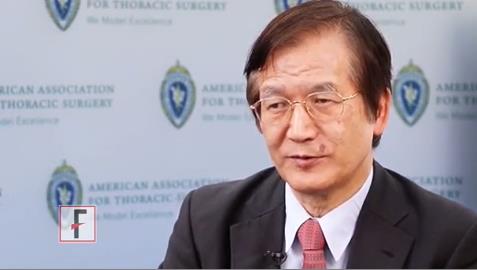
It’s possible the technique could help older children, too, and even adults, said lead investigator Dr. Shunji Sano, professor and chairman of the department of cardiovascular surgery at Okayama. He explained the work, its implications, and the next phase of research in an interview at the annual meeting of the American Association for Thoracic Surgery.
The video associated with this article is no longer available on this site. Please view all of our videos on the MDedge YouTube channel
SEATTLE – Autologous stem cell therapy improves surgery outcomes in children with hypoplastic left heart syndrome, according to the results of a small prospective trial from Okayama University in Japan.
The investigators cultured cardiosphere-derived cells (CDCs) – cardiac progenitor cells – from right atrium samples taken during stage 2 or 3 surgical palliations in seven HLHS children. A month later, they injected 300,000 CDCs/kg into the children’s coronary arteries by catheter, with each child getting cells cultured from their own tissue.
The cells seemed to jump-start the intrinsic regenerative properties of very young hearts. At 30 months follow-up, right ventricular mass and ejection fractions were about 10% greater in CDC treated patients compared to seven controls. Treated children also had better growth.
It’s possible the technique could help older children, too, and even adults, said lead investigator Dr. Shunji Sano, professor and chairman of the department of cardiovascular surgery at Okayama. He explained the work, its implications, and the next phase of research in an interview at the annual meeting of the American Association for Thoracic Surgery.
The video associated with this article is no longer available on this site. Please view all of our videos on the MDedge YouTube channel
SEATTLE – Autologous stem cell therapy improves surgery outcomes in children with hypoplastic left heart syndrome, according to the results of a small prospective trial from Okayama University in Japan.
The investigators cultured cardiosphere-derived cells (CDCs) – cardiac progenitor cells – from right atrium samples taken during stage 2 or 3 surgical palliations in seven HLHS children. A month later, they injected 300,000 CDCs/kg into the children’s coronary arteries by catheter, with each child getting cells cultured from their own tissue.
The cells seemed to jump-start the intrinsic regenerative properties of very young hearts. At 30 months follow-up, right ventricular mass and ejection fractions were about 10% greater in CDC treated patients compared to seven controls. Treated children also had better growth.
It’s possible the technique could help older children, too, and even adults, said lead investigator Dr. Shunji Sano, professor and chairman of the department of cardiovascular surgery at Okayama. He explained the work, its implications, and the next phase of research in an interview at the annual meeting of the American Association for Thoracic Surgery.
The video associated with this article is no longer available on this site. Please view all of our videos on the MDedge YouTube channel
AT THE AATS ANNUAL MEETING
VIDEO: Less tricuspid regurgitation seen with Sano shunt in Norwood procedures
SEATTLE – Sano shunts outperform Blalock-Taussig shunts for Norwood procedures in neonates with hypoplastic left heart syndrome, according to a research registry study of 322 patients at the Cleveland Clinic and elsewhere.
The 166 newborns who had Sano shunts were matched to 166 who had Blalock-Taussig (BT) shunts.
“For comparable neonates with HLHS [hypoplastic left heart syndrome] undergoing Norwood operations, Sano offers better late survival [more than 3 years], less late tricuspid regurgitation, and perhaps less late right ventricular dysfunction than BT,” the investigators concluded.
Even so, Dr. Richard Ohye, professor of cardiac surgery at the University of Michigan, Ann Arbor, said the jury is still out on which shunt is best. He explained why in an interview at the American Association for Thoracic Surgery annual meeting. He also shared tips on shunt selection and explained a novel technique he has developed for doing a Sano shunt with a smaller hole in the right ventricle.
The video associated with this article is no longer available on this site. Please view all of our videos on the MDedge YouTube channel
SEATTLE – Sano shunts outperform Blalock-Taussig shunts for Norwood procedures in neonates with hypoplastic left heart syndrome, according to a research registry study of 322 patients at the Cleveland Clinic and elsewhere.
The 166 newborns who had Sano shunts were matched to 166 who had Blalock-Taussig (BT) shunts.
“For comparable neonates with HLHS [hypoplastic left heart syndrome] undergoing Norwood operations, Sano offers better late survival [more than 3 years], less late tricuspid regurgitation, and perhaps less late right ventricular dysfunction than BT,” the investigators concluded.
Even so, Dr. Richard Ohye, professor of cardiac surgery at the University of Michigan, Ann Arbor, said the jury is still out on which shunt is best. He explained why in an interview at the American Association for Thoracic Surgery annual meeting. He also shared tips on shunt selection and explained a novel technique he has developed for doing a Sano shunt with a smaller hole in the right ventricle.
The video associated with this article is no longer available on this site. Please view all of our videos on the MDedge YouTube channel
SEATTLE – Sano shunts outperform Blalock-Taussig shunts for Norwood procedures in neonates with hypoplastic left heart syndrome, according to a research registry study of 322 patients at the Cleveland Clinic and elsewhere.
The 166 newborns who had Sano shunts were matched to 166 who had Blalock-Taussig (BT) shunts.
“For comparable neonates with HLHS [hypoplastic left heart syndrome] undergoing Norwood operations, Sano offers better late survival [more than 3 years], less late tricuspid regurgitation, and perhaps less late right ventricular dysfunction than BT,” the investigators concluded.
Even so, Dr. Richard Ohye, professor of cardiac surgery at the University of Michigan, Ann Arbor, said the jury is still out on which shunt is best. He explained why in an interview at the American Association for Thoracic Surgery annual meeting. He also shared tips on shunt selection and explained a novel technique he has developed for doing a Sano shunt with a smaller hole in the right ventricle.
The video associated with this article is no longer available on this site. Please view all of our videos on the MDedge YouTube channel
AT THE AATS ANNUAL MEETING

New tool aims to improve monitoring of psoriatic arthritis
Austrian researchers have developed and validated a new five-question self-assessment survey for psoriatic arthritis patients to monitor their disease activity, according to a report published online in BMC Musculoskeletal Disorders.
The Stockerau Activity Score for Psoriatic Arthritis (SASPA) was developed by the team responsible for the Rheumatoid Arthritis Disease Activity Index (RADAI-5) and is similar to it. Using a variety of statistical tests, Dr. Burkhard F. Leeb of the Karl Landsteiner Institute for Clinical Rheumatology in Stockerau, Austria, and his colleagues demonstrated SASPA’s reliability, convergent validity, and sensitivity to change in 152 adult psoriatic arthritis outpatients. For example, they found a Cronbach’s alpha for SASPA of 0.875, indicating high internal consistency and reliability (BMC Musculoskelet. Disord. 2015;16:73).
There are several psoriatic arthritis assessment tools already that work for between-group comparisons but “may not be fully suitable for assessing individual patients,” the investigators wrote.
With SASPA, however, they noted that “inter-physician, but also intra-physician variations in assessing joints or global disease activity are eliminated, and other pitfalls of joint counts are avoided.”
The study was supported by the Karl Landsteiner Institute for Clinical Rheumatology. The authors said that they had no financial disclosures.
Austrian researchers have developed and validated a new five-question self-assessment survey for psoriatic arthritis patients to monitor their disease activity, according to a report published online in BMC Musculoskeletal Disorders.
The Stockerau Activity Score for Psoriatic Arthritis (SASPA) was developed by the team responsible for the Rheumatoid Arthritis Disease Activity Index (RADAI-5) and is similar to it. Using a variety of statistical tests, Dr. Burkhard F. Leeb of the Karl Landsteiner Institute for Clinical Rheumatology in Stockerau, Austria, and his colleagues demonstrated SASPA’s reliability, convergent validity, and sensitivity to change in 152 adult psoriatic arthritis outpatients. For example, they found a Cronbach’s alpha for SASPA of 0.875, indicating high internal consistency and reliability (BMC Musculoskelet. Disord. 2015;16:73).
There are several psoriatic arthritis assessment tools already that work for between-group comparisons but “may not be fully suitable for assessing individual patients,” the investigators wrote.
With SASPA, however, they noted that “inter-physician, but also intra-physician variations in assessing joints or global disease activity are eliminated, and other pitfalls of joint counts are avoided.”
The study was supported by the Karl Landsteiner Institute for Clinical Rheumatology. The authors said that they had no financial disclosures.
Austrian researchers have developed and validated a new five-question self-assessment survey for psoriatic arthritis patients to monitor their disease activity, according to a report published online in BMC Musculoskeletal Disorders.
The Stockerau Activity Score for Psoriatic Arthritis (SASPA) was developed by the team responsible for the Rheumatoid Arthritis Disease Activity Index (RADAI-5) and is similar to it. Using a variety of statistical tests, Dr. Burkhard F. Leeb of the Karl Landsteiner Institute for Clinical Rheumatology in Stockerau, Austria, and his colleagues demonstrated SASPA’s reliability, convergent validity, and sensitivity to change in 152 adult psoriatic arthritis outpatients. For example, they found a Cronbach’s alpha for SASPA of 0.875, indicating high internal consistency and reliability (BMC Musculoskelet. Disord. 2015;16:73).
There are several psoriatic arthritis assessment tools already that work for between-group comparisons but “may not be fully suitable for assessing individual patients,” the investigators wrote.
With SASPA, however, they noted that “inter-physician, but also intra-physician variations in assessing joints or global disease activity are eliminated, and other pitfalls of joint counts are avoided.”
The study was supported by the Karl Landsteiner Institute for Clinical Rheumatology. The authors said that they had no financial disclosures.
FROM BMC MUSCULOSKELETAL DISORDERS
Key clinical point: A brief, five-question assessment tool may be a good way to routinely monitor psoriatic arthritis patients.
Major finding: The Stockerau Activity Score for Psoriatic Arthritis (SASPA) had a Cronbach’s alpha of 0.875, indicating high internal consistency and reliability.
Data source: An observational study of 152 outpatients with psoriatic arthritis.
Disclosures: The study was supported by the Karl Landsteiner Institute for Clinical Rheumatology. The authors said they had no financial disclosures.
VIDEO: Eventually, patients may be on ECLS for years, not months
SEATTLE – Extracorporeal lung support (ECLS) has evolved to the point where it can keep people alive for months as they await lung transplants. There’s also an emerging role for ELS after transplant.
The technology, however, is not for everyone, according to draft guidelines from the American Association for Thoracic Surgery. They cover dozens of ins and outs about ECLS, including how to pick the right patients and how to best perform the procedure.
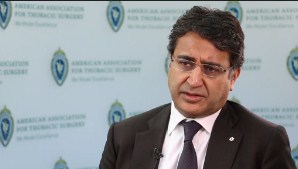
The technology is ever improving, so it’s possible to imagine ECLS being used for years at some point, instead of months, guideline coauthor Dr. Shaf Keshavjee, a thoracic surgeon at the University of Toronto, explained in a video interview at the annual meeting of the American Association for Thoracic Surgery.
The video associated with this article is no longer available on this site. Please view all of our videos on the MDedge YouTube channel
SEATTLE – Extracorporeal lung support (ECLS) has evolved to the point where it can keep people alive for months as they await lung transplants. There’s also an emerging role for ELS after transplant.
The technology, however, is not for everyone, according to draft guidelines from the American Association for Thoracic Surgery. They cover dozens of ins and outs about ECLS, including how to pick the right patients and how to best perform the procedure.
The technology is ever improving, so it’s possible to imagine ECLS being used for years at some point, instead of months, guideline coauthor Dr. Shaf Keshavjee, a thoracic surgeon at the University of Toronto, explained in a video interview at the annual meeting of the American Association for Thoracic Surgery.
The video associated with this article is no longer available on this site. Please view all of our videos on the MDedge YouTube channel
SEATTLE – Extracorporeal lung support (ECLS) has evolved to the point where it can keep people alive for months as they await lung transplants. There’s also an emerging role for ELS after transplant.
The technology, however, is not for everyone, according to draft guidelines from the American Association for Thoracic Surgery. They cover dozens of ins and outs about ECLS, including how to pick the right patients and how to best perform the procedure.
The technology is ever improving, so it’s possible to imagine ECLS being used for years at some point, instead of months, guideline coauthor Dr. Shaf Keshavjee, a thoracic surgeon at the University of Toronto, explained in a video interview at the annual meeting of the American Association for Thoracic Surgery.
The video associated with this article is no longer available on this site. Please view all of our videos on the MDedge YouTube channel
AT THE AATS ANNUAL MEETING
Rise in pertussis cases is due to switch to acellular vaccine
A marked rise in pertussis cases in recent years is a result of the accumulated effects of switching from whole-cell to acellular pertussis vaccine in the 1990s, and not declining vaccination rates, according to epidemiological modeling published online April 23 in PLOS Computational Biology.
Since the 1990s, the incidence of pertussis in the United States has risen steadily, with 2012 seeing the highest number of cases since 1955, shortly after pertussis vaccine was introduced. Infants have continued to have the highest number of reported cases, but there also has been a recent shift in disease burden from adolescents to 7- to 11-year-olds, researchers noted.

Vaccination coverage, however, has remained robust for decades, at greater than 90%. What has changed is that the whole-cell pertussis component of the DTP vaccine was phased out in the 1990s due to convulsions and other safety issues and replaced by the acellular component in the DTaP.
That turned out to be the key when investigators from the Centers for Disease Control and Prevention and elsewhere ran a series of computer models to explain the upsurge in cases.
The model that best fit decades of actual incidence data from the CDC and other sources estimated 90% vaccine efficacy with the whole-cell series and essentially life-long protection but 80% efficacy with the acellular series and an average of 50 years of protection, meaning that some people become vulnerable to infection sooner (PLoS Comput. Biol. 2015 April 23 [doi:10.1371/journal.pcbi.1004138]).
Those differences reproduced “the trends in the … incidence data up to 2009; running the model forward over another three years shows a continued correspondence with observed incidence trends. Relatively small differences in the per-dose vaccine efficacy and duration of protection between acellular and whole-cell vaccines is sufficient to explain the recent upsurge in pertussis in the United States,” as well as the age-distribution shift, said the authors, led by Dr. Manoj Gambhir, a mathematical epidemiologist of Monash University, Melbourne, who is working with the CDC.
“Vaccine-induced immunity [with DTaP] wanes faster than previously thought … adults and adolescents may be an important reservoir of infection. Future refinement of the model … will allow for an exploration of alternative vaccination age-spacings for the five-dose childhood schedule; investigation into the effects of further booster doses (for example, decennially to adults); and cocooning vaccination strategies designed to protect infants who are most vulnerable to severe disease. … Booster doses may be sufficient to curtail epidemics while vaccine research continues,” they concluded.
Although pertussis mutation may be contributing to the problem, other reasons proposed for the upswing in cases – including increased reporting and changes in contact patterns between infected and healthy kids – are “not necessary to explain recent patterns in pertussis incidence,” the investigators noted.
The work was funded by the U.S. National Institutes of Health, the UK Medical Research Council, and the UK National Institute of Health Research. Dr. Gambhir is an employee of IHRC; the remaining authors have no relevant financial disclosures.
This study adds weight to the growing body of research that highlights the need for a better strategy to reduce pertussis. The reduced efficacy and waning immunity provided by the acellular vaccine is the driving force behind recent outbreaks, yet a return to the whole-cell vaccine would possibly create an unacceptable number of moderate to severe reactions that could reduce public acceptance of the vaccine. Significant reduction of pertussis prevalence may not be possible with our current strategies. Awareness of prevention, cocooning of neonates, early detection, early initiation of therapy, and ongoing vaccination continue to be important measures, and more effective strategies need to be determined.
|
Dr. Robert W. Sears |
Commentary on the current sociopolitical climate regarding immunization legislation is warranted in light of this and other studies. Numerous states are considering tighter vaccination requirements for school entry. The California senate, in particular, is currently voting on legislation that would shift all undervaccinated and unvaccinated children into mandatory home schooling. Proponents of the bill cite the increase in pertussis as a factor in pushing this bill forward, stating that children without pertussis vaccine put others at risk.
The Centers for Disease Control and Prevention, however, states clearly that “children who haven’t received DTaP vaccines … are not the driving force behind the large scale outbreaks or epidemics.” Reasons for the increase in cases include “increased awareness, improved diagnostic tests, better reporting, more circulation of the bacteria, and waning immunity,” according to the CDC. Legislation that requires pertussis vaccine for school entry won’t significantly impact school-based outbreaks.
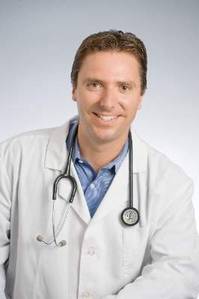
Dr. Robert W. Sears is a full-time pediatrician practicing in Dana Point, Calif. He disclosed that he is independently involved in opposing legislation that imposes mandatory vaccines as a requirement for school entry and that he is the author of a book on vaccination. He has no other financial or political disclosures.
This study adds weight to the growing body of research that highlights the need for a better strategy to reduce pertussis. The reduced efficacy and waning immunity provided by the acellular vaccine is the driving force behind recent outbreaks, yet a return to the whole-cell vaccine would possibly create an unacceptable number of moderate to severe reactions that could reduce public acceptance of the vaccine. Significant reduction of pertussis prevalence may not be possible with our current strategies. Awareness of prevention, cocooning of neonates, early detection, early initiation of therapy, and ongoing vaccination continue to be important measures, and more effective strategies need to be determined.
|
|
Dr. Robert W. Sears |
Commentary on the current sociopolitical climate regarding immunization legislation is warranted in light of this and other studies. Numerous states are considering tighter vaccination requirements for school entry. The California senate, in particular, is currently voting on legislation that would shift all undervaccinated and unvaccinated children into mandatory home schooling. Proponents of the bill cite the increase in pertussis as a factor in pushing this bill forward, stating that children without pertussis vaccine put others at risk.
The Centers for Disease Control and Prevention, however, states clearly that “children who haven’t received DTaP vaccines … are not the driving force behind the large scale outbreaks or epidemics.” Reasons for the increase in cases include “increased awareness, improved diagnostic tests, better reporting, more circulation of the bacteria, and waning immunity,” according to the CDC. Legislation that requires pertussis vaccine for school entry won’t significantly impact school-based outbreaks.
Dr. Robert W. Sears is a full-time pediatrician practicing in Dana Point, Calif. He disclosed that he is independently involved in opposing legislation that imposes mandatory vaccines as a requirement for school entry and that he is the author of a book on vaccination. He has no other financial or political disclosures.
This study adds weight to the growing body of research that highlights the need for a better strategy to reduce pertussis. The reduced efficacy and waning immunity provided by the acellular vaccine is the driving force behind recent outbreaks, yet a return to the whole-cell vaccine would possibly create an unacceptable number of moderate to severe reactions that could reduce public acceptance of the vaccine. Significant reduction of pertussis prevalence may not be possible with our current strategies. Awareness of prevention, cocooning of neonates, early detection, early initiation of therapy, and ongoing vaccination continue to be important measures, and more effective strategies need to be determined.
|
|
Dr. Robert W. Sears |
Commentary on the current sociopolitical climate regarding immunization legislation is warranted in light of this and other studies. Numerous states are considering tighter vaccination requirements for school entry. The California senate, in particular, is currently voting on legislation that would shift all undervaccinated and unvaccinated children into mandatory home schooling. Proponents of the bill cite the increase in pertussis as a factor in pushing this bill forward, stating that children without pertussis vaccine put others at risk.
The Centers for Disease Control and Prevention, however, states clearly that “children who haven’t received DTaP vaccines … are not the driving force behind the large scale outbreaks or epidemics.” Reasons for the increase in cases include “increased awareness, improved diagnostic tests, better reporting, more circulation of the bacteria, and waning immunity,” according to the CDC. Legislation that requires pertussis vaccine for school entry won’t significantly impact school-based outbreaks.
Dr. Robert W. Sears is a full-time pediatrician practicing in Dana Point, Calif. He disclosed that he is independently involved in opposing legislation that imposes mandatory vaccines as a requirement for school entry and that he is the author of a book on vaccination. He has no other financial or political disclosures.
A marked rise in pertussis cases in recent years is a result of the accumulated effects of switching from whole-cell to acellular pertussis vaccine in the 1990s, and not declining vaccination rates, according to epidemiological modeling published online April 23 in PLOS Computational Biology.
Since the 1990s, the incidence of pertussis in the United States has risen steadily, with 2012 seeing the highest number of cases since 1955, shortly after pertussis vaccine was introduced. Infants have continued to have the highest number of reported cases, but there also has been a recent shift in disease burden from adolescents to 7- to 11-year-olds, researchers noted.
Vaccination coverage, however, has remained robust for decades, at greater than 90%. What has changed is that the whole-cell pertussis component of the DTP vaccine was phased out in the 1990s due to convulsions and other safety issues and replaced by the acellular component in the DTaP.
That turned out to be the key when investigators from the Centers for Disease Control and Prevention and elsewhere ran a series of computer models to explain the upsurge in cases.
The model that best fit decades of actual incidence data from the CDC and other sources estimated 90% vaccine efficacy with the whole-cell series and essentially life-long protection but 80% efficacy with the acellular series and an average of 50 years of protection, meaning that some people become vulnerable to infection sooner (PLoS Comput. Biol. 2015 April 23 [doi:10.1371/journal.pcbi.1004138]).
Those differences reproduced “the trends in the … incidence data up to 2009; running the model forward over another three years shows a continued correspondence with observed incidence trends. Relatively small differences in the per-dose vaccine efficacy and duration of protection between acellular and whole-cell vaccines is sufficient to explain the recent upsurge in pertussis in the United States,” as well as the age-distribution shift, said the authors, led by Dr. Manoj Gambhir, a mathematical epidemiologist of Monash University, Melbourne, who is working with the CDC.
“Vaccine-induced immunity [with DTaP] wanes faster than previously thought … adults and adolescents may be an important reservoir of infection. Future refinement of the model … will allow for an exploration of alternative vaccination age-spacings for the five-dose childhood schedule; investigation into the effects of further booster doses (for example, decennially to adults); and cocooning vaccination strategies designed to protect infants who are most vulnerable to severe disease. … Booster doses may be sufficient to curtail epidemics while vaccine research continues,” they concluded.
Although pertussis mutation may be contributing to the problem, other reasons proposed for the upswing in cases – including increased reporting and changes in contact patterns between infected and healthy kids – are “not necessary to explain recent patterns in pertussis incidence,” the investigators noted.
The work was funded by the U.S. National Institutes of Health, the UK Medical Research Council, and the UK National Institute of Health Research. Dr. Gambhir is an employee of IHRC; the remaining authors have no relevant financial disclosures.
A marked rise in pertussis cases in recent years is a result of the accumulated effects of switching from whole-cell to acellular pertussis vaccine in the 1990s, and not declining vaccination rates, according to epidemiological modeling published online April 23 in PLOS Computational Biology.
Since the 1990s, the incidence of pertussis in the United States has risen steadily, with 2012 seeing the highest number of cases since 1955, shortly after pertussis vaccine was introduced. Infants have continued to have the highest number of reported cases, but there also has been a recent shift in disease burden from adolescents to 7- to 11-year-olds, researchers noted.
Vaccination coverage, however, has remained robust for decades, at greater than 90%. What has changed is that the whole-cell pertussis component of the DTP vaccine was phased out in the 1990s due to convulsions and other safety issues and replaced by the acellular component in the DTaP.
That turned out to be the key when investigators from the Centers for Disease Control and Prevention and elsewhere ran a series of computer models to explain the upsurge in cases.
The model that best fit decades of actual incidence data from the CDC and other sources estimated 90% vaccine efficacy with the whole-cell series and essentially life-long protection but 80% efficacy with the acellular series and an average of 50 years of protection, meaning that some people become vulnerable to infection sooner (PLoS Comput. Biol. 2015 April 23 [doi:10.1371/journal.pcbi.1004138]).
Those differences reproduced “the trends in the … incidence data up to 2009; running the model forward over another three years shows a continued correspondence with observed incidence trends. Relatively small differences in the per-dose vaccine efficacy and duration of protection between acellular and whole-cell vaccines is sufficient to explain the recent upsurge in pertussis in the United States,” as well as the age-distribution shift, said the authors, led by Dr. Manoj Gambhir, a mathematical epidemiologist of Monash University, Melbourne, who is working with the CDC.
“Vaccine-induced immunity [with DTaP] wanes faster than previously thought … adults and adolescents may be an important reservoir of infection. Future refinement of the model … will allow for an exploration of alternative vaccination age-spacings for the five-dose childhood schedule; investigation into the effects of further booster doses (for example, decennially to adults); and cocooning vaccination strategies designed to protect infants who are most vulnerable to severe disease. … Booster doses may be sufficient to curtail epidemics while vaccine research continues,” they concluded.
Although pertussis mutation may be contributing to the problem, other reasons proposed for the upswing in cases – including increased reporting and changes in contact patterns between infected and healthy kids – are “not necessary to explain recent patterns in pertussis incidence,” the investigators noted.
The work was funded by the U.S. National Institutes of Health, the UK Medical Research Council, and the UK National Institute of Health Research. Dr. Gambhir is an employee of IHRC; the remaining authors have no relevant financial disclosures.
FROM PLOS COMPUTATIONAL BIOLOGY
Key clinical point: Pertussis has been on the rise because the acellular vaccine doesn’t work as well as the whole-cell pertussis vaccine it replaced.
Major finding: The epidemiological model that best explains actual pertussis incidence data estimated 90% vaccine efficacy with the whole-cell series and essentially life-long protection but 80% efficacy with the acellular series and an average of 50 years of protection.
Data source: CDC incidence data from 1990 to 2009, as well as incidence data from a variety of sources from 1950 to 1989.
Disclosures: The work was funded by the U.S. National Institutes of Health, the UK Medical Research Council, and the UK National Institute of Health Research. Dr. Gambhir is an employee of IHRC; the remaining authors have no relevant financial disclosures.

Check sweat glands, hair follicles in mycosis fungoides
SAN FRANCISCO – Check for syringotropism and folliculotropism in biopsies when managing mycosis fungoides, based on data from an ongoing observational, prospective study at Thomas Jefferson University in Philadelphia.
The presence of syringotropism and folliculotropism indicates the need for more aggressive treatment, according to lead investigator Dr. Joya Sahu, of the department of dermatology at the university.
Mycosis fungoides – the most common form of cutaneous T-cell lymphoma – is usually thought to favor the epidermis, but investigators at Thomas Jefferson University have found that it often works its tentacles deeper into the skin to attack hair follicles (folliculotropism) or eccrine glands (syringotropism), Dr. Sahu said at the annual meeting of the American Academy of Dermatology.
The researchers checked biopsy samples to see how common those variants were in 34 new patients with mycosis fungoides (most with stage 1 disease). Overall, 18 (52.9%) had folliculotropism, 22 (64.7%) had syringotropism, and 15 (44.1%) had both.
Not surprisingly, deeper penetration indicated worse disease, Dr. Sahu said. On the modified Severity Weighted Assessment tool (mSWAT) – a measure of surface area involvement and lesion severity – the mean scores were 57.51 in patients with folliculotropism, 59.4 in patients with syringotropism, and 66.4 in patients with both. The higher mSWAT scores also correlated with more severe pruritus and the likelihood that the patient had tried four or more treatments. By contrast, the nine patients without folliculotropism or syringotropism, who had a mean mSWAT score of 16.85, had tried only one or two treatments.
Almost all of the cases presented classically; two had head and neck lesions or other signs of folliculotropic disease, and both of these patients had folliculotropism and syringotropism on biopsy. None of the patients had a syringotropic presentation.
“The majority of patients studied exhibited either folliculotropism or syringotropism, implying greater prevalence,” Dr. Sahu said. “These presentations also have findings indicative of more severe disease. We propose that histopathology reports on patients with suspected [mycosis fungoides] should document the presence of folliculotropism and syringotropism as they may aid in diagnosis and in predicting severity and progression risk,” she noted.
She cautioned, however, that her clinic is a tertiary referral center, and as such might see patients with more severe disease, compared with other clinics.
The patients were otherwise typical of the mycosis fungoides population, she said. About two-thirds were men, and the average age was 63 years.
Dr. Sahu said she had no relevant financial conflicts of interest.
SAN FRANCISCO – Check for syringotropism and folliculotropism in biopsies when managing mycosis fungoides, based on data from an ongoing observational, prospective study at Thomas Jefferson University in Philadelphia.
The presence of syringotropism and folliculotropism indicates the need for more aggressive treatment, according to lead investigator Dr. Joya Sahu, of the department of dermatology at the university.
Mycosis fungoides – the most common form of cutaneous T-cell lymphoma – is usually thought to favor the epidermis, but investigators at Thomas Jefferson University have found that it often works its tentacles deeper into the skin to attack hair follicles (folliculotropism) or eccrine glands (syringotropism), Dr. Sahu said at the annual meeting of the American Academy of Dermatology.
The researchers checked biopsy samples to see how common those variants were in 34 new patients with mycosis fungoides (most with stage 1 disease). Overall, 18 (52.9%) had folliculotropism, 22 (64.7%) had syringotropism, and 15 (44.1%) had both.
Not surprisingly, deeper penetration indicated worse disease, Dr. Sahu said. On the modified Severity Weighted Assessment tool (mSWAT) – a measure of surface area involvement and lesion severity – the mean scores were 57.51 in patients with folliculotropism, 59.4 in patients with syringotropism, and 66.4 in patients with both. The higher mSWAT scores also correlated with more severe pruritus and the likelihood that the patient had tried four or more treatments. By contrast, the nine patients without folliculotropism or syringotropism, who had a mean mSWAT score of 16.85, had tried only one or two treatments.
Almost all of the cases presented classically; two had head and neck lesions or other signs of folliculotropic disease, and both of these patients had folliculotropism and syringotropism on biopsy. None of the patients had a syringotropic presentation.
“The majority of patients studied exhibited either folliculotropism or syringotropism, implying greater prevalence,” Dr. Sahu said. “These presentations also have findings indicative of more severe disease. We propose that histopathology reports on patients with suspected [mycosis fungoides] should document the presence of folliculotropism and syringotropism as they may aid in diagnosis and in predicting severity and progression risk,” she noted.
She cautioned, however, that her clinic is a tertiary referral center, and as such might see patients with more severe disease, compared with other clinics.
The patients were otherwise typical of the mycosis fungoides population, she said. About two-thirds were men, and the average age was 63 years.
Dr. Sahu said she had no relevant financial conflicts of interest.
SAN FRANCISCO – Check for syringotropism and folliculotropism in biopsies when managing mycosis fungoides, based on data from an ongoing observational, prospective study at Thomas Jefferson University in Philadelphia.
The presence of syringotropism and folliculotropism indicates the need for more aggressive treatment, according to lead investigator Dr. Joya Sahu, of the department of dermatology at the university.
Mycosis fungoides – the most common form of cutaneous T-cell lymphoma – is usually thought to favor the epidermis, but investigators at Thomas Jefferson University have found that it often works its tentacles deeper into the skin to attack hair follicles (folliculotropism) or eccrine glands (syringotropism), Dr. Sahu said at the annual meeting of the American Academy of Dermatology.
The researchers checked biopsy samples to see how common those variants were in 34 new patients with mycosis fungoides (most with stage 1 disease). Overall, 18 (52.9%) had folliculotropism, 22 (64.7%) had syringotropism, and 15 (44.1%) had both.
Not surprisingly, deeper penetration indicated worse disease, Dr. Sahu said. On the modified Severity Weighted Assessment tool (mSWAT) – a measure of surface area involvement and lesion severity – the mean scores were 57.51 in patients with folliculotropism, 59.4 in patients with syringotropism, and 66.4 in patients with both. The higher mSWAT scores also correlated with more severe pruritus and the likelihood that the patient had tried four or more treatments. By contrast, the nine patients without folliculotropism or syringotropism, who had a mean mSWAT score of 16.85, had tried only one or two treatments.
Almost all of the cases presented classically; two had head and neck lesions or other signs of folliculotropic disease, and both of these patients had folliculotropism and syringotropism on biopsy. None of the patients had a syringotropic presentation.
“The majority of patients studied exhibited either folliculotropism or syringotropism, implying greater prevalence,” Dr. Sahu said. “These presentations also have findings indicative of more severe disease. We propose that histopathology reports on patients with suspected [mycosis fungoides] should document the presence of folliculotropism and syringotropism as they may aid in diagnosis and in predicting severity and progression risk,” she noted.
She cautioned, however, that her clinic is a tertiary referral center, and as such might see patients with more severe disease, compared with other clinics.
The patients were otherwise typical of the mycosis fungoides population, she said. About two-thirds were men, and the average age was 63 years.
Dr. Sahu said she had no relevant financial conflicts of interest.
AT THE AAD ANNUAL MEETING
Key clinical point: Routinely check mycosis fungoides patients for sweat gland and hair follicle involvement.
Major finding: Among 34mycosis fungoides patients with mostly stage 1 disease, 18 (52.9%) had folliculotropism, 22 (64.7%) had syringotropism, and 15 (44.1%) had both on biopsy.
Data source: An observational, prospective study of 34 adults with mycosis fungoides.
Disclosures: The lead investigator declared no relevant financial conflicts.