User login
Geriatric Assessment Predicts Overall Survival in AML
PARIS – Impaired physical and cognitive abilities are predictive of worse overall survival in elderly patients with acute myeloid leukemia, according to prospective study findings.
In a 74-patient trial, scores of less than 9 out of 12 on the Short Physical Performance Battery (SPPB) and less than 77 out of 100 on a Modified Mini-Mental State (3MS) exam were associated with a threefold increase in risk of death, compared with scores in patients who had no physical or cognitive difficulties.
The study’s findings could ultimately help determine which elderly patients with acute myeloid leukemia (AML) are fit enough to receive standard chemotherapy regimens for the disease, and which may require a different therapeutic approach. The results should currently be viewed as a "signal" of a possible worse prognosis, however, until further validation.

"Acute leukemia is probably one of the most dramatic examples of age-related outcome disparity in oncology," said study author Dr. Heidi D. Klepin, of Wake Forest University, Winston-Salem, N.C.
"Older patients consistently do much worse when diagnosed with disease than [do] young patients," Dr. Klepin said on Nov. 4 in an interview at the annual meeting of the International Society for Geriatric Oncology (also known as Société Internationale d’Oncologie Gériatrique).
While much research has focused on examining tumor biology in older and younger patients with AML, few studies have looked at differences in the capabilities of the patients themselves, such as increasing vulnerability or frailty in the geriatric population.
"There has been so little done in geriatric assessment in the leukemia population," Dr. Stuart M. Lichtman said in a separate interview.
Dr. Lichtman of Memorial-Sloan–Kettering Cancer Center, N.Y., who was not involved in the study and served as scientific committee chair of the meeting, said the findings were important because they suggest that general and relatively simple-to-measure parameters could provide valuable information to help clinical decision-making. The SPPB includes asking patients to perform a 4-meter timed walk, stand after being in a seated position, and show how well they balance while standing.
The objective of the study was to assess whether performing a geriatric assessment at the patient’s bedside could predict patient’s likely overall survival. All of the patients included in the trial were about to start induction chemotherapy for AML.
The geriatric assessment consisted of multiple tests to examine cognition (3MS), emotion (Center for Epidemiological Studies Depression Scale, Distress Thermometer), self-reported disability (Pepper Assessment Tool for Disability) and objective (SPPB) physical function, grip strength, and the Hematopoietic Cell Transplantation Comorbidity Index (HCT-CI).
The mean age of patients included in the study was 70 years, 56% was male and 78% had an Eastern Cooperative Group Oncology Performance Status (ECOG PS) score of 0-1. The majority (95%) had an intermediate or poor cytogenic profile. The median follow-up was 7.4 months.
At baseline, 30% of patients were identified as having some form of cognitive impairment, 39% had depressive symptoms, 42% were distressed, 41% had reduced instrumental activities of daily living (IADL), 50% had reduced objective physical function, and 42% had comorbidities.
After researchers adjusted for a host of potentially confounding factors, including age, gender, ECOG PS, and cytogenic risk group, among others, hazard ratios for overall survival were 3.4 for SPPB score less than 9 (P =.03) and 3.0 for a 3MS score less than 77 (P = .008).
"There has been so little done in geriatric assessment in the leukemia population."
Reduced self-reported IADL was also associated with worse overall survival (HR, 2.6), but only after adjusting for confounding factors. SPPB and 3MS were also predictive on univariate analysis.
These data suggest that a better assessment of physical function could provide valuable information about a patient’s likely outcome, "even in clinical practice right now," Dr. Klepin said.
"I think we can use this to improve how patients do with standard treatments, by just paying attention [to baseline parameters] and changing how we manage people," she said. "If we are aware of a problem, can we do things that would prevent that problem from putting a patient in the ICU?"
Dr. Klepin also noted that the information provided by the geriatric assessment could be used to inform and to help patents decide whether they want to be treated with standard chemotherapy or perhaps enter into an appropriate clinical trial of novel agents.
Preliminary data from the trial have been published in the Journal of the American Geriatrics Society (2011;59:1837-46).
The study was supported by the American Society of Hematology, Atlantic Philanthropies, the John A. Hartford Association, the Association of Specialty Professors, and the Pepper Center at Wake Forest University. Dr. Klepin and Dr. Lichtman did not report any conflicts of interest.
PARIS – Impaired physical and cognitive abilities are predictive of worse overall survival in elderly patients with acute myeloid leukemia, according to prospective study findings.
In a 74-patient trial, scores of less than 9 out of 12 on the Short Physical Performance Battery (SPPB) and less than 77 out of 100 on a Modified Mini-Mental State (3MS) exam were associated with a threefold increase in risk of death, compared with scores in patients who had no physical or cognitive difficulties.
The study’s findings could ultimately help determine which elderly patients with acute myeloid leukemia (AML) are fit enough to receive standard chemotherapy regimens for the disease, and which may require a different therapeutic approach. The results should currently be viewed as a "signal" of a possible worse prognosis, however, until further validation.
"Acute leukemia is probably one of the most dramatic examples of age-related outcome disparity in oncology," said study author Dr. Heidi D. Klepin, of Wake Forest University, Winston-Salem, N.C.
"Older patients consistently do much worse when diagnosed with disease than [do] young patients," Dr. Klepin said on Nov. 4 in an interview at the annual meeting of the International Society for Geriatric Oncology (also known as Société Internationale d’Oncologie Gériatrique).
While much research has focused on examining tumor biology in older and younger patients with AML, few studies have looked at differences in the capabilities of the patients themselves, such as increasing vulnerability or frailty in the geriatric population.
"There has been so little done in geriatric assessment in the leukemia population," Dr. Stuart M. Lichtman said in a separate interview.
Dr. Lichtman of Memorial-Sloan–Kettering Cancer Center, N.Y., who was not involved in the study and served as scientific committee chair of the meeting, said the findings were important because they suggest that general and relatively simple-to-measure parameters could provide valuable information to help clinical decision-making. The SPPB includes asking patients to perform a 4-meter timed walk, stand after being in a seated position, and show how well they balance while standing.
The objective of the study was to assess whether performing a geriatric assessment at the patient’s bedside could predict patient’s likely overall survival. All of the patients included in the trial were about to start induction chemotherapy for AML.
The geriatric assessment consisted of multiple tests to examine cognition (3MS), emotion (Center for Epidemiological Studies Depression Scale, Distress Thermometer), self-reported disability (Pepper Assessment Tool for Disability) and objective (SPPB) physical function, grip strength, and the Hematopoietic Cell Transplantation Comorbidity Index (HCT-CI).
The mean age of patients included in the study was 70 years, 56% was male and 78% had an Eastern Cooperative Group Oncology Performance Status (ECOG PS) score of 0-1. The majority (95%) had an intermediate or poor cytogenic profile. The median follow-up was 7.4 months.
At baseline, 30% of patients were identified as having some form of cognitive impairment, 39% had depressive symptoms, 42% were distressed, 41% had reduced instrumental activities of daily living (IADL), 50% had reduced objective physical function, and 42% had comorbidities.
After researchers adjusted for a host of potentially confounding factors, including age, gender, ECOG PS, and cytogenic risk group, among others, hazard ratios for overall survival were 3.4 for SPPB score less than 9 (P =.03) and 3.0 for a 3MS score less than 77 (P = .008).
"There has been so little done in geriatric assessment in the leukemia population."
Reduced self-reported IADL was also associated with worse overall survival (HR, 2.6), but only after adjusting for confounding factors. SPPB and 3MS were also predictive on univariate analysis.
These data suggest that a better assessment of physical function could provide valuable information about a patient’s likely outcome, "even in clinical practice right now," Dr. Klepin said.
"I think we can use this to improve how patients do with standard treatments, by just paying attention [to baseline parameters] and changing how we manage people," she said. "If we are aware of a problem, can we do things that would prevent that problem from putting a patient in the ICU?"
Dr. Klepin also noted that the information provided by the geriatric assessment could be used to inform and to help patents decide whether they want to be treated with standard chemotherapy or perhaps enter into an appropriate clinical trial of novel agents.
Preliminary data from the trial have been published in the Journal of the American Geriatrics Society (2011;59:1837-46).
The study was supported by the American Society of Hematology, Atlantic Philanthropies, the John A. Hartford Association, the Association of Specialty Professors, and the Pepper Center at Wake Forest University. Dr. Klepin and Dr. Lichtman did not report any conflicts of interest.
PARIS – Impaired physical and cognitive abilities are predictive of worse overall survival in elderly patients with acute myeloid leukemia, according to prospective study findings.
In a 74-patient trial, scores of less than 9 out of 12 on the Short Physical Performance Battery (SPPB) and less than 77 out of 100 on a Modified Mini-Mental State (3MS) exam were associated with a threefold increase in risk of death, compared with scores in patients who had no physical or cognitive difficulties.
The study’s findings could ultimately help determine which elderly patients with acute myeloid leukemia (AML) are fit enough to receive standard chemotherapy regimens for the disease, and which may require a different therapeutic approach. The results should currently be viewed as a "signal" of a possible worse prognosis, however, until further validation.
"Acute leukemia is probably one of the most dramatic examples of age-related outcome disparity in oncology," said study author Dr. Heidi D. Klepin, of Wake Forest University, Winston-Salem, N.C.
"Older patients consistently do much worse when diagnosed with disease than [do] young patients," Dr. Klepin said on Nov. 4 in an interview at the annual meeting of the International Society for Geriatric Oncology (also known as Société Internationale d’Oncologie Gériatrique).
While much research has focused on examining tumor biology in older and younger patients with AML, few studies have looked at differences in the capabilities of the patients themselves, such as increasing vulnerability or frailty in the geriatric population.
"There has been so little done in geriatric assessment in the leukemia population," Dr. Stuart M. Lichtman said in a separate interview.
Dr. Lichtman of Memorial-Sloan–Kettering Cancer Center, N.Y., who was not involved in the study and served as scientific committee chair of the meeting, said the findings were important because they suggest that general and relatively simple-to-measure parameters could provide valuable information to help clinical decision-making. The SPPB includes asking patients to perform a 4-meter timed walk, stand after being in a seated position, and show how well they balance while standing.
The objective of the study was to assess whether performing a geriatric assessment at the patient’s bedside could predict patient’s likely overall survival. All of the patients included in the trial were about to start induction chemotherapy for AML.
The geriatric assessment consisted of multiple tests to examine cognition (3MS), emotion (Center for Epidemiological Studies Depression Scale, Distress Thermometer), self-reported disability (Pepper Assessment Tool for Disability) and objective (SPPB) physical function, grip strength, and the Hematopoietic Cell Transplantation Comorbidity Index (HCT-CI).
The mean age of patients included in the study was 70 years, 56% was male and 78% had an Eastern Cooperative Group Oncology Performance Status (ECOG PS) score of 0-1. The majority (95%) had an intermediate or poor cytogenic profile. The median follow-up was 7.4 months.
At baseline, 30% of patients were identified as having some form of cognitive impairment, 39% had depressive symptoms, 42% were distressed, 41% had reduced instrumental activities of daily living (IADL), 50% had reduced objective physical function, and 42% had comorbidities.
After researchers adjusted for a host of potentially confounding factors, including age, gender, ECOG PS, and cytogenic risk group, among others, hazard ratios for overall survival were 3.4 for SPPB score less than 9 (P =.03) and 3.0 for a 3MS score less than 77 (P = .008).
"There has been so little done in geriatric assessment in the leukemia population."
Reduced self-reported IADL was also associated with worse overall survival (HR, 2.6), but only after adjusting for confounding factors. SPPB and 3MS were also predictive on univariate analysis.
These data suggest that a better assessment of physical function could provide valuable information about a patient’s likely outcome, "even in clinical practice right now," Dr. Klepin said.
"I think we can use this to improve how patients do with standard treatments, by just paying attention [to baseline parameters] and changing how we manage people," she said. "If we are aware of a problem, can we do things that would prevent that problem from putting a patient in the ICU?"
Dr. Klepin also noted that the information provided by the geriatric assessment could be used to inform and to help patents decide whether they want to be treated with standard chemotherapy or perhaps enter into an appropriate clinical trial of novel agents.
Preliminary data from the trial have been published in the Journal of the American Geriatrics Society (2011;59:1837-46).
The study was supported by the American Society of Hematology, Atlantic Philanthropies, the John A. Hartford Association, the Association of Specialty Professors, and the Pepper Center at Wake Forest University. Dr. Klepin and Dr. Lichtman did not report any conflicts of interest.
FROM THE ANNUAL MEETING OF THE INTERNATIONAL SOCIETY FOR GERIATRIC ONCOLOGY
Major Finding: Scores of less than 9 out of 12 on the Short Physical Performance Battery (SPPB) and less than 77 out of 100 on a Modified Mini-Mental State exam (3MS) were associated with a threefold increase in risk of death.
Data Source: Prospective trial of 74 elderly hospitalized patients undergoing induction chemotherapy for acute myeloid leukemia.
Disclosures: The study was supported by the American Society of Hematology, Atlantic Philanthropies, the John A. Hartford Association, the Association of Specialty Professors, and the Pepper Center at Wake Forest University. Dr. Klepin and Dr. Lichtman had no conflicts of interest.
MRI Tool Helps to Predict Conversion to Pediatric MS
AMSTERDAM – An MRI scoring tool helped to identify children with acute central nervous system demyelination who later developed pediatric multiple sclerosis in a prospective study of 284 children.
The tool found that the risk of an MS diagnosis dramatically increased in these children when a baseline MRI showed the presence of one or more T1-weighted hypointense lesions, as well as when scans revealed T2-weighted periventricular lesions.
"Several studies have described the MRI characteristics of pediatric patients with established MS, and how they compare to that of adults matched for disease duration," said Leonard Verhey, a doctoral student working with Dr. Brenda Banwell at the Hospital for Sick Children at the University of Toronto.
"However, less is known about the MRI features that predict MS in children with acute demyelination, and how these features might compare with the predictive criteria for adult-onset MS."
Mr. Verhey and his associates used a standardized 14-item MRI scoring tool to identify MRI parameters that might predict MS in an unselected population of children with acute CNS demyelination. The tool was originally developed based on data from 61 children with relapsing-remitting MS (RRMS), monophasic acute disseminated encephalomyelitis, and non-demyelinating CNS inflammation, none of whom were included in the current prospective study.
The investigators recruited children younger than 16 years for the current study at 23 centers in Canada. During a 5-year follow-up period, they obtained MRI scans at baseline, 3 months, 6 months, and 1 year. The study’s funding did not allow serial MRIs to be taken between years 2 and 5 of follow-up, but the children were assessed clinically every year until the end of the study, and some had additional MRIs taken if required.
"Less is known about the MRI features that predict MS in children with acute demyelination."
Two experts, blinded to the clinical findings, scored all MRI scans with the standardized 14-item tool. So far, 57 (20%) children have been given a confirmed diagnosis of MS, while the remainder (n = 227) have monophasic acute acquired demyelination (ADS). Those with MS had been followed for a mean of 4.3 years, while those with monophasic ADS had been observed for a mean of 3.9 years, Mr. Verhey reported at the joint triennial congress of the European and Americas Committees for Treatment and Research in Multiple Sclerosis (ECTRIMS/ACTRIMS).
Patients with pediatric MS were significantly more likely than were those with monophasic ADS to have an older age of onset (12.8 vs. 8.8 years) and to be female (67% vs. 48%).
The most common abnormality seen on baseline MRI was the presence of T2-weighted lesions (about 60% of the entire cohort). Other lesions affected the brainstem, periventricular area, or cerebral white matter in about 40% of patients. T1 hypointense lesions also were seen in about 30% of scans.
A univariate analysis identified nine MRI characteristics that were indicative of an MS diagnosis. "T1 hypointense lesions showed the strongest association with MS outcome," noted Mr. Verhey, who won one of the two best oral presentation awards given to young investigators at the congress.
Periventricular lesions also were strongly associated with outcome, and "interestingly, although only 22% of the patients had contrast-enhancing lesions, this was still associated with a 10-fold increased risk of MS diagnosis," he said. Another interesting finding was that the presence of thalamic lesions appeared to confer a 61% decreased risk of MS diagnosis.
A multivariate analysis that adjusted for age and gender revealed only two significant and independent predictors of an MS diagnosis: the presence of one or more T1 hypointense lesions (hazard ratio, 20.3), which were found in scans of 80 (28%) patients; and one or more T2 periventricular lesions, which occurred in scans of 112 (39%) patients (HR, 3.3). If both of these parameters were present at baseline, the risk of MS diagnosis was greatly increased (HR, 34.3).
Mr. Verhey and his colleagues found that those two predictive factors had a more favorable combination of sensitivity (84%), specificity (93%), positive-predictive value (76%), and negative-predictive value (96%) than did other predictive models in published studies.
Another 100 children will be enrolled in a validation cohort. Other centers may be able to validate the results because of the tool’s high inter-rater reliability and its accompanying MRI atlas, he said.
Mr. Verhey noted that the study has been accepted for publication in the Lancet Neurology.
The study was supported by a grant from the Multiple Sclerosis Scientific Research Foundation. Additional support was provided by the Multiple Sclerosis Society of Canada, the Canadian Institutes of Health Research, and the Hospital for Sick Children. None of the investigators had relevant disclosures.
AMSTERDAM – An MRI scoring tool helped to identify children with acute central nervous system demyelination who later developed pediatric multiple sclerosis in a prospective study of 284 children.
The tool found that the risk of an MS diagnosis dramatically increased in these children when a baseline MRI showed the presence of one or more T1-weighted hypointense lesions, as well as when scans revealed T2-weighted periventricular lesions.
"Several studies have described the MRI characteristics of pediatric patients with established MS, and how they compare to that of adults matched for disease duration," said Leonard Verhey, a doctoral student working with Dr. Brenda Banwell at the Hospital for Sick Children at the University of Toronto.
"However, less is known about the MRI features that predict MS in children with acute demyelination, and how these features might compare with the predictive criteria for adult-onset MS."
Mr. Verhey and his associates used a standardized 14-item MRI scoring tool to identify MRI parameters that might predict MS in an unselected population of children with acute CNS demyelination. The tool was originally developed based on data from 61 children with relapsing-remitting MS (RRMS), monophasic acute disseminated encephalomyelitis, and non-demyelinating CNS inflammation, none of whom were included in the current prospective study.
The investigators recruited children younger than 16 years for the current study at 23 centers in Canada. During a 5-year follow-up period, they obtained MRI scans at baseline, 3 months, 6 months, and 1 year. The study’s funding did not allow serial MRIs to be taken between years 2 and 5 of follow-up, but the children were assessed clinically every year until the end of the study, and some had additional MRIs taken if required.
"Less is known about the MRI features that predict MS in children with acute demyelination."
Two experts, blinded to the clinical findings, scored all MRI scans with the standardized 14-item tool. So far, 57 (20%) children have been given a confirmed diagnosis of MS, while the remainder (n = 227) have monophasic acute acquired demyelination (ADS). Those with MS had been followed for a mean of 4.3 years, while those with monophasic ADS had been observed for a mean of 3.9 years, Mr. Verhey reported at the joint triennial congress of the European and Americas Committees for Treatment and Research in Multiple Sclerosis (ECTRIMS/ACTRIMS).
Patients with pediatric MS were significantly more likely than were those with monophasic ADS to have an older age of onset (12.8 vs. 8.8 years) and to be female (67% vs. 48%).
The most common abnormality seen on baseline MRI was the presence of T2-weighted lesions (about 60% of the entire cohort). Other lesions affected the brainstem, periventricular area, or cerebral white matter in about 40% of patients. T1 hypointense lesions also were seen in about 30% of scans.
A univariate analysis identified nine MRI characteristics that were indicative of an MS diagnosis. "T1 hypointense lesions showed the strongest association with MS outcome," noted Mr. Verhey, who won one of the two best oral presentation awards given to young investigators at the congress.
Periventricular lesions also were strongly associated with outcome, and "interestingly, although only 22% of the patients had contrast-enhancing lesions, this was still associated with a 10-fold increased risk of MS diagnosis," he said. Another interesting finding was that the presence of thalamic lesions appeared to confer a 61% decreased risk of MS diagnosis.
A multivariate analysis that adjusted for age and gender revealed only two significant and independent predictors of an MS diagnosis: the presence of one or more T1 hypointense lesions (hazard ratio, 20.3), which were found in scans of 80 (28%) patients; and one or more T2 periventricular lesions, which occurred in scans of 112 (39%) patients (HR, 3.3). If both of these parameters were present at baseline, the risk of MS diagnosis was greatly increased (HR, 34.3).
Mr. Verhey and his colleagues found that those two predictive factors had a more favorable combination of sensitivity (84%), specificity (93%), positive-predictive value (76%), and negative-predictive value (96%) than did other predictive models in published studies.
Another 100 children will be enrolled in a validation cohort. Other centers may be able to validate the results because of the tool’s high inter-rater reliability and its accompanying MRI atlas, he said.
Mr. Verhey noted that the study has been accepted for publication in the Lancet Neurology.
The study was supported by a grant from the Multiple Sclerosis Scientific Research Foundation. Additional support was provided by the Multiple Sclerosis Society of Canada, the Canadian Institutes of Health Research, and the Hospital for Sick Children. None of the investigators had relevant disclosures.
AMSTERDAM – An MRI scoring tool helped to identify children with acute central nervous system demyelination who later developed pediatric multiple sclerosis in a prospective study of 284 children.
The tool found that the risk of an MS diagnosis dramatically increased in these children when a baseline MRI showed the presence of one or more T1-weighted hypointense lesions, as well as when scans revealed T2-weighted periventricular lesions.
"Several studies have described the MRI characteristics of pediatric patients with established MS, and how they compare to that of adults matched for disease duration," said Leonard Verhey, a doctoral student working with Dr. Brenda Banwell at the Hospital for Sick Children at the University of Toronto.
"However, less is known about the MRI features that predict MS in children with acute demyelination, and how these features might compare with the predictive criteria for adult-onset MS."
Mr. Verhey and his associates used a standardized 14-item MRI scoring tool to identify MRI parameters that might predict MS in an unselected population of children with acute CNS demyelination. The tool was originally developed based on data from 61 children with relapsing-remitting MS (RRMS), monophasic acute disseminated encephalomyelitis, and non-demyelinating CNS inflammation, none of whom were included in the current prospective study.
The investigators recruited children younger than 16 years for the current study at 23 centers in Canada. During a 5-year follow-up period, they obtained MRI scans at baseline, 3 months, 6 months, and 1 year. The study’s funding did not allow serial MRIs to be taken between years 2 and 5 of follow-up, but the children were assessed clinically every year until the end of the study, and some had additional MRIs taken if required.
"Less is known about the MRI features that predict MS in children with acute demyelination."
Two experts, blinded to the clinical findings, scored all MRI scans with the standardized 14-item tool. So far, 57 (20%) children have been given a confirmed diagnosis of MS, while the remainder (n = 227) have monophasic acute acquired demyelination (ADS). Those with MS had been followed for a mean of 4.3 years, while those with monophasic ADS had been observed for a mean of 3.9 years, Mr. Verhey reported at the joint triennial congress of the European and Americas Committees for Treatment and Research in Multiple Sclerosis (ECTRIMS/ACTRIMS).
Patients with pediatric MS were significantly more likely than were those with monophasic ADS to have an older age of onset (12.8 vs. 8.8 years) and to be female (67% vs. 48%).
The most common abnormality seen on baseline MRI was the presence of T2-weighted lesions (about 60% of the entire cohort). Other lesions affected the brainstem, periventricular area, or cerebral white matter in about 40% of patients. T1 hypointense lesions also were seen in about 30% of scans.
A univariate analysis identified nine MRI characteristics that were indicative of an MS diagnosis. "T1 hypointense lesions showed the strongest association with MS outcome," noted Mr. Verhey, who won one of the two best oral presentation awards given to young investigators at the congress.
Periventricular lesions also were strongly associated with outcome, and "interestingly, although only 22% of the patients had contrast-enhancing lesions, this was still associated with a 10-fold increased risk of MS diagnosis," he said. Another interesting finding was that the presence of thalamic lesions appeared to confer a 61% decreased risk of MS diagnosis.
A multivariate analysis that adjusted for age and gender revealed only two significant and independent predictors of an MS diagnosis: the presence of one or more T1 hypointense lesions (hazard ratio, 20.3), which were found in scans of 80 (28%) patients; and one or more T2 periventricular lesions, which occurred in scans of 112 (39%) patients (HR, 3.3). If both of these parameters were present at baseline, the risk of MS diagnosis was greatly increased (HR, 34.3).
Mr. Verhey and his colleagues found that those two predictive factors had a more favorable combination of sensitivity (84%), specificity (93%), positive-predictive value (76%), and negative-predictive value (96%) than did other predictive models in published studies.
Another 100 children will be enrolled in a validation cohort. Other centers may be able to validate the results because of the tool’s high inter-rater reliability and its accompanying MRI atlas, he said.
Mr. Verhey noted that the study has been accepted for publication in the Lancet Neurology.
The study was supported by a grant from the Multiple Sclerosis Scientific Research Foundation. Additional support was provided by the Multiple Sclerosis Society of Canada, the Canadian Institutes of Health Research, and the Hospital for Sick Children. None of the investigators had relevant disclosures.
FROM THE JOINT TRIENNIAL CONGRESS OF THE EUROPEAN AND AMERICAS COMMITTEES FOR TREATMENT AND RESEARCH IN MULTIPLE SCLEROSIS
Major Finding: The presence of one or more T1-weighted hypointense lesions and one or more T2-weighted periventricular lesions significantly increased the risk of a MS diagnosis (HR, 34.3).
Data Source: A prospective study of 284 unselected children with acute CNS demyelination enrolled from 23 pediatric hospitals in Canada.
Disclosures: The study was supported by a grant from the Multiple Sclerosis Scientific Research Foundation. Additional support was provided by the Multiple Sclerosis Society of Canada, the Canadian Institutes of Health Research, and the Hospital for Sick Children. None of the investigators had relevant disclosures.
Study Finds Signs of Progression to Clinically Definite MS
AMSTERDAM – Progression from clinically isolated syndrome to clinically definite multiple sclerosis in patients who do not receive early disease-modifying treatment can be predicted by several features on brain MRI and oligoclonal band positivity, according to findings from the MSBase Registry.
Only one factor – the presence of one or more gadolinium-enhancing (GdE) T1 lesions – was a significant predictor of clinically definite MS (CDMS) in patients who received early disease-modifying therapy (DMT) after experiencing clinically isolated syndrome (CIS), Dr. Claire Meyniel reported at the joint triennial congress of the European and Americas Committees for Treatment and Research in Multiple Sclerosis (ECTRIMS/ACTRIMS).
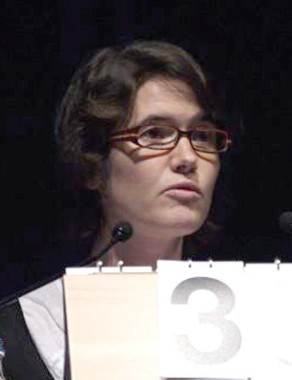
"When facing a patient with CIS, the main point is to know whether or not he or she will develop clinically defined MS," said Dr. Meyniel of the neurology department at the University Hospital Nantes (France).
Predicting which patients with CIS will progress to CDMS has often been difficult, but progress in the diagnosis of MS with MRI during the past 10 years, including recently revised McDonald criteria (Ann. Neurol. 2011;69:292-302), have simplified diagnostic criteria for MS without compromising their specificity, she said.
To determine how these criteria performed in "real-world" clinical practice in the prediction of a second event in patients with CIS, Dr. Meyniel and her coauthors in the MSBase Incident Study obtained the records of 1,266 patients with CIS who had been diagnosed by a neurologist within 12 months of presentation and received at least annual follow-up. The investigators also wanted to find signals that could help to guide clinicians in identifying patients with CIS who might be at higher risk than others for developing CDMS.
MSBase is an online registry containing the records of more than 18,400 patients with MS who are being treated at 59 centers in 17 countries. The registry is run by the MSBase Foundation, a not-for-profit organization located in the Royal Melbourne Hospital in Australia.
The mean age of CIS onset in the patients (71% female) was 32.5 years. Overall, 88% had undergone GdE brain MRI, 50% had undergone lumbar puncture, and 55% had received spinal MRI. Of the 1,266 patients, 292 (23%) had received DMT.
After a mean follow up of 2.7 years, 698 (55%) of patients with CIS had a first relapse and fulfilled criteria for CDMS. The hazard ratio (HR) for conversion to CDMS was 3.02 for patients who had not received DMT, compared with those who had. Receipt of DMT also significantly extended the mean time to first relapse in comparison with no treatment (1.14 years vs. 0.44 years).
The independent predictors of CDMS in multivariate Cox proportional hazards regression analyses of the 974 patients who had not received DMT, included having three or more T2 lesions (HR, 1.41), one or more infratentorial lesions (HR, 1.25), one or more juxtacortical lesions (HR, 1.25), and being oligoclonal band (OCB) positive (HR, 1.47).
In DMT-treated patients, the only independent predictive factor for CIS progression to CDMS was the presence of one or more GdE T1 lesions (HR, 1.66).
"This study underlines the value of early treatment to prolong time to a second event in CIS patients," Dr. Meyniel said, adding that it also identified several MRI predictors that can help determine progression to CDMS.
"This is an interesting project, especially since this is showing ‘real-world’ applicability of criteria and recommendations," said Dr. Heinz Wiendl of the University of Münster (Germany), who was one of the session moderators.
Another session moderator, Dr. Henry F. McFarland, chief of the Neuroimmunology Branch at the National Institute for Neurological Disorders and Stroke, said in an interview that predicting which patients will develop MS or respond to treatment was a challenge for the physician.
"The bottom line is that MRI is probably the best predictor of patients not responding to treatment," he said.
The MSBase Foundation receives financial support in the form of grants from Merck Serono, Biogen Idec, Novartis Pharma, Bayer Schering Pharma, and Sanofi-Aventis. Dr. Meyniel had no personal conflicts of interest to disclose. Dr. Wiendl and Dr. McFarland had no conflicts of interest relevant to the study.
AMSTERDAM – Progression from clinically isolated syndrome to clinically definite multiple sclerosis in patients who do not receive early disease-modifying treatment can be predicted by several features on brain MRI and oligoclonal band positivity, according to findings from the MSBase Registry.
Only one factor – the presence of one or more gadolinium-enhancing (GdE) T1 lesions – was a significant predictor of clinically definite MS (CDMS) in patients who received early disease-modifying therapy (DMT) after experiencing clinically isolated syndrome (CIS), Dr. Claire Meyniel reported at the joint triennial congress of the European and Americas Committees for Treatment and Research in Multiple Sclerosis (ECTRIMS/ACTRIMS).
"When facing a patient with CIS, the main point is to know whether or not he or she will develop clinically defined MS," said Dr. Meyniel of the neurology department at the University Hospital Nantes (France).
Predicting which patients with CIS will progress to CDMS has often been difficult, but progress in the diagnosis of MS with MRI during the past 10 years, including recently revised McDonald criteria (Ann. Neurol. 2011;69:292-302), have simplified diagnostic criteria for MS without compromising their specificity, she said.
To determine how these criteria performed in "real-world" clinical practice in the prediction of a second event in patients with CIS, Dr. Meyniel and her coauthors in the MSBase Incident Study obtained the records of 1,266 patients with CIS who had been diagnosed by a neurologist within 12 months of presentation and received at least annual follow-up. The investigators also wanted to find signals that could help to guide clinicians in identifying patients with CIS who might be at higher risk than others for developing CDMS.
MSBase is an online registry containing the records of more than 18,400 patients with MS who are being treated at 59 centers in 17 countries. The registry is run by the MSBase Foundation, a not-for-profit organization located in the Royal Melbourne Hospital in Australia.
The mean age of CIS onset in the patients (71% female) was 32.5 years. Overall, 88% had undergone GdE brain MRI, 50% had undergone lumbar puncture, and 55% had received spinal MRI. Of the 1,266 patients, 292 (23%) had received DMT.
After a mean follow up of 2.7 years, 698 (55%) of patients with CIS had a first relapse and fulfilled criteria for CDMS. The hazard ratio (HR) for conversion to CDMS was 3.02 for patients who had not received DMT, compared with those who had. Receipt of DMT also significantly extended the mean time to first relapse in comparison with no treatment (1.14 years vs. 0.44 years).
The independent predictors of CDMS in multivariate Cox proportional hazards regression analyses of the 974 patients who had not received DMT, included having three or more T2 lesions (HR, 1.41), one or more infratentorial lesions (HR, 1.25), one or more juxtacortical lesions (HR, 1.25), and being oligoclonal band (OCB) positive (HR, 1.47).
In DMT-treated patients, the only independent predictive factor for CIS progression to CDMS was the presence of one or more GdE T1 lesions (HR, 1.66).
"This study underlines the value of early treatment to prolong time to a second event in CIS patients," Dr. Meyniel said, adding that it also identified several MRI predictors that can help determine progression to CDMS.
"This is an interesting project, especially since this is showing ‘real-world’ applicability of criteria and recommendations," said Dr. Heinz Wiendl of the University of Münster (Germany), who was one of the session moderators.
Another session moderator, Dr. Henry F. McFarland, chief of the Neuroimmunology Branch at the National Institute for Neurological Disorders and Stroke, said in an interview that predicting which patients will develop MS or respond to treatment was a challenge for the physician.
"The bottom line is that MRI is probably the best predictor of patients not responding to treatment," he said.
The MSBase Foundation receives financial support in the form of grants from Merck Serono, Biogen Idec, Novartis Pharma, Bayer Schering Pharma, and Sanofi-Aventis. Dr. Meyniel had no personal conflicts of interest to disclose. Dr. Wiendl and Dr. McFarland had no conflicts of interest relevant to the study.
AMSTERDAM – Progression from clinically isolated syndrome to clinically definite multiple sclerosis in patients who do not receive early disease-modifying treatment can be predicted by several features on brain MRI and oligoclonal band positivity, according to findings from the MSBase Registry.
Only one factor – the presence of one or more gadolinium-enhancing (GdE) T1 lesions – was a significant predictor of clinically definite MS (CDMS) in patients who received early disease-modifying therapy (DMT) after experiencing clinically isolated syndrome (CIS), Dr. Claire Meyniel reported at the joint triennial congress of the European and Americas Committees for Treatment and Research in Multiple Sclerosis (ECTRIMS/ACTRIMS).
"When facing a patient with CIS, the main point is to know whether or not he or she will develop clinically defined MS," said Dr. Meyniel of the neurology department at the University Hospital Nantes (France).
Predicting which patients with CIS will progress to CDMS has often been difficult, but progress in the diagnosis of MS with MRI during the past 10 years, including recently revised McDonald criteria (Ann. Neurol. 2011;69:292-302), have simplified diagnostic criteria for MS without compromising their specificity, she said.
To determine how these criteria performed in "real-world" clinical practice in the prediction of a second event in patients with CIS, Dr. Meyniel and her coauthors in the MSBase Incident Study obtained the records of 1,266 patients with CIS who had been diagnosed by a neurologist within 12 months of presentation and received at least annual follow-up. The investigators also wanted to find signals that could help to guide clinicians in identifying patients with CIS who might be at higher risk than others for developing CDMS.
MSBase is an online registry containing the records of more than 18,400 patients with MS who are being treated at 59 centers in 17 countries. The registry is run by the MSBase Foundation, a not-for-profit organization located in the Royal Melbourne Hospital in Australia.
The mean age of CIS onset in the patients (71% female) was 32.5 years. Overall, 88% had undergone GdE brain MRI, 50% had undergone lumbar puncture, and 55% had received spinal MRI. Of the 1,266 patients, 292 (23%) had received DMT.
After a mean follow up of 2.7 years, 698 (55%) of patients with CIS had a first relapse and fulfilled criteria for CDMS. The hazard ratio (HR) for conversion to CDMS was 3.02 for patients who had not received DMT, compared with those who had. Receipt of DMT also significantly extended the mean time to first relapse in comparison with no treatment (1.14 years vs. 0.44 years).
The independent predictors of CDMS in multivariate Cox proportional hazards regression analyses of the 974 patients who had not received DMT, included having three or more T2 lesions (HR, 1.41), one or more infratentorial lesions (HR, 1.25), one or more juxtacortical lesions (HR, 1.25), and being oligoclonal band (OCB) positive (HR, 1.47).
In DMT-treated patients, the only independent predictive factor for CIS progression to CDMS was the presence of one or more GdE T1 lesions (HR, 1.66).
"This study underlines the value of early treatment to prolong time to a second event in CIS patients," Dr. Meyniel said, adding that it also identified several MRI predictors that can help determine progression to CDMS.
"This is an interesting project, especially since this is showing ‘real-world’ applicability of criteria and recommendations," said Dr. Heinz Wiendl of the University of Münster (Germany), who was one of the session moderators.
Another session moderator, Dr. Henry F. McFarland, chief of the Neuroimmunology Branch at the National Institute for Neurological Disorders and Stroke, said in an interview that predicting which patients will develop MS or respond to treatment was a challenge for the physician.
"The bottom line is that MRI is probably the best predictor of patients not responding to treatment," he said.
The MSBase Foundation receives financial support in the form of grants from Merck Serono, Biogen Idec, Novartis Pharma, Bayer Schering Pharma, and Sanofi-Aventis. Dr. Meyniel had no personal conflicts of interest to disclose. Dr. Wiendl and Dr. McFarland had no conflicts of interest relevant to the study.
FROM THE JOINT TRIENNIAL CONGRESS OF THE EUROPEAN AND AMERICAS COMMITTEES FOR TREATMENT AND RESEARCH IN MULTIPLE SCLEROSIS (ECTRIMS/ACTRIMS)
Major Finding: The independent predictors of clinically definite MS in patients who had not received disease-modifying treatment, included having three or more T2 lesions (HR, 1.41), one or more infratentorial lesions (HR, 1.25), one or more juxtacortical lesions (HR, 1.25), and being oligoclonal band positive (HR, 1.47).
Data Source: A study of 1,266 patients with CIS at 59 centers in 17 countries who were enrolled in the international, longitudinal, observational, online MSBase Registry.
Disclosures: The MSBase Registry is operated by the MSBase Foundation, an independent, not-for-profit organization based in Melbourne. It receives financial support in the form of grants from Merck Serono, Biogen Idec, Novartis Pharma, Bayer Schering Pharma, and Sanofi-Aventis. Dr. Meyniel had no personal conflicts of interest to disclose. Dr. Wiendl and Dr. McFarland had no conflicts of interest relevant to the study.
MRI Predicts Response After Starting MS Treatment
AMSTERDAM – MRI of the brain performed 1 year after starting disease-modifying treatment for relapsing-remitting multiple sclerosis predicted response to treatment at 5 years in a retrospective, observational, single-center study.
Several other baseline predictors of a better response to disease-modifying treatment (DMT) at 5 years included male sex, a low EDSS (Expanded Disability Status Scale) score, the presence of monofocal disease, and fewer gadolinium-enhancing (GdE) T1-weighted lesions on MRI.
Previous studies have found that MRI performed 1 year after initiation of DMT can predict treatment response in the subsequent 2-3 years (Eur. J. Neurol. 2009;16:1202-9; Mult. Scler. 2009;15:848-53). But Dr. Marzia Romeo, the lead investigator of the current study, and her colleagues sought to determine if it could also predict longer-term outcomes.
"One of our many issues is to identify patients who benefit from first-line therapy for MS," said Dr. Romeo of the San Raffaele Hospital in Milan at the joint triennial congressof the European and Americas Committees for Treatment and Research in Multiple Sclerosis (ECTRIMS/ACTRIMS).
The investigators selected 668 patients with relapsing-remitting multiple sclerosis (RRMS) who started treatment with a first-line DMT (interferon beta-1a or glatiramer acetate [Copaxone]) in 1996-2005 and had at least 5 years of follow-up data available. Of the 668 patients who were eligible, 398 (60%) had undergone MRI after 1 year of therapy.
The mean ages for MS onset and the start of first-line DMT were 28.9 years and 34.5 years, respectively. The majority of patients in the cohort (77%) were women.
"One of our many issues is to identify patients who benefit from first-line therapy for MS."
After 5 years of treatment, Dr. Romeo and her associates classified 33% of patients as full responders, 22% as partial responders, and the remaining 45% as nonresponders. They defined treatment response according to the following clinical criteria:
• Full response. The patient had no sign of clinical relapse, and there was less than a 1.5-point increase in the EDSS score.
• Partial response. The patient experienced one or more relapses but had an EDSS score increase of 1.5 points or less.
• Nonresponse. The EDSS score increased by 1.5 points or more starting at 6 months after initiation of DMT, and persisted up to the 5-year follow-up examination, or the use of a second-line therapy.
Slightly more than half (51%) of the study population were treated with the same DMT throughout the 5-year evaluation period. Another 37% switched to an alternative DMT, and 12% switched to a second-line therapy.
Dr. Romeo reported that 78% of full responders remained on the same DMT that they started at the beginning of treatment, compared with only 17% of nonresponders.
The presence of more than two GdE T1 lesions at 1 year was associated with nearly sixfold greater odds for nonresponse to DMT at 5 years in a comparison of full- and nonresponders (P less than .0001).
At baseline, full responders were significantly more likely than nonresponders to be male (75% vs. 65%) and to have a lower EDSS score (mean, 1.6 vs. 2.1), a lower prevalence of multifocal disease (21% vs. 30%), and a lower prevalence of two or more GdE T1 lesions (18% vs. 32%). Dr. Romeo noted that patients with these characteristics at baseline should be considered for induction therapy.
"In the subgroup of patients in whom we performed MRI after 1 year of treatment, we observed that the patients with more than two active lesions were nonresponders and had a high risk of disability progression after the 5 years’ follow-up," she said. An alternative treatment should be considered in these patients with active lesions (defined as a new T2 or GdE T1 lesions, "before irreversible neurological disability occurs."
Dr. Romero reported having no conflicts of interest. Several of her coauthors disclosed receiving research grants or receiving honoraria for speaking, consulting, or participating on an advisory board for Actelion, Bayer Schering Pharma, Biogen-Dompé SG (and Biogen Idec), Merck Serono, Novartis, Sanofi-Aventis, Serono Symposia International Foundation, Synthon, and Teva Pharmaceuticals.
AMSTERDAM – MRI of the brain performed 1 year after starting disease-modifying treatment for relapsing-remitting multiple sclerosis predicted response to treatment at 5 years in a retrospective, observational, single-center study.
Several other baseline predictors of a better response to disease-modifying treatment (DMT) at 5 years included male sex, a low EDSS (Expanded Disability Status Scale) score, the presence of monofocal disease, and fewer gadolinium-enhancing (GdE) T1-weighted lesions on MRI.
Previous studies have found that MRI performed 1 year after initiation of DMT can predict treatment response in the subsequent 2-3 years (Eur. J. Neurol. 2009;16:1202-9; Mult. Scler. 2009;15:848-53). But Dr. Marzia Romeo, the lead investigator of the current study, and her colleagues sought to determine if it could also predict longer-term outcomes.
"One of our many issues is to identify patients who benefit from first-line therapy for MS," said Dr. Romeo of the San Raffaele Hospital in Milan at the joint triennial congressof the European and Americas Committees for Treatment and Research in Multiple Sclerosis (ECTRIMS/ACTRIMS).
The investigators selected 668 patients with relapsing-remitting multiple sclerosis (RRMS) who started treatment with a first-line DMT (interferon beta-1a or glatiramer acetate [Copaxone]) in 1996-2005 and had at least 5 years of follow-up data available. Of the 668 patients who were eligible, 398 (60%) had undergone MRI after 1 year of therapy.
The mean ages for MS onset and the start of first-line DMT were 28.9 years and 34.5 years, respectively. The majority of patients in the cohort (77%) were women.
"One of our many issues is to identify patients who benefit from first-line therapy for MS."
After 5 years of treatment, Dr. Romeo and her associates classified 33% of patients as full responders, 22% as partial responders, and the remaining 45% as nonresponders. They defined treatment response according to the following clinical criteria:
• Full response. The patient had no sign of clinical relapse, and there was less than a 1.5-point increase in the EDSS score.
• Partial response. The patient experienced one or more relapses but had an EDSS score increase of 1.5 points or less.
• Nonresponse. The EDSS score increased by 1.5 points or more starting at 6 months after initiation of DMT, and persisted up to the 5-year follow-up examination, or the use of a second-line therapy.
Slightly more than half (51%) of the study population were treated with the same DMT throughout the 5-year evaluation period. Another 37% switched to an alternative DMT, and 12% switched to a second-line therapy.
Dr. Romeo reported that 78% of full responders remained on the same DMT that they started at the beginning of treatment, compared with only 17% of nonresponders.
The presence of more than two GdE T1 lesions at 1 year was associated with nearly sixfold greater odds for nonresponse to DMT at 5 years in a comparison of full- and nonresponders (P less than .0001).
At baseline, full responders were significantly more likely than nonresponders to be male (75% vs. 65%) and to have a lower EDSS score (mean, 1.6 vs. 2.1), a lower prevalence of multifocal disease (21% vs. 30%), and a lower prevalence of two or more GdE T1 lesions (18% vs. 32%). Dr. Romeo noted that patients with these characteristics at baseline should be considered for induction therapy.
"In the subgroup of patients in whom we performed MRI after 1 year of treatment, we observed that the patients with more than two active lesions were nonresponders and had a high risk of disability progression after the 5 years’ follow-up," she said. An alternative treatment should be considered in these patients with active lesions (defined as a new T2 or GdE T1 lesions, "before irreversible neurological disability occurs."
Dr. Romero reported having no conflicts of interest. Several of her coauthors disclosed receiving research grants or receiving honoraria for speaking, consulting, or participating on an advisory board for Actelion, Bayer Schering Pharma, Biogen-Dompé SG (and Biogen Idec), Merck Serono, Novartis, Sanofi-Aventis, Serono Symposia International Foundation, Synthon, and Teva Pharmaceuticals.
AMSTERDAM – MRI of the brain performed 1 year after starting disease-modifying treatment for relapsing-remitting multiple sclerosis predicted response to treatment at 5 years in a retrospective, observational, single-center study.
Several other baseline predictors of a better response to disease-modifying treatment (DMT) at 5 years included male sex, a low EDSS (Expanded Disability Status Scale) score, the presence of monofocal disease, and fewer gadolinium-enhancing (GdE) T1-weighted lesions on MRI.
Previous studies have found that MRI performed 1 year after initiation of DMT can predict treatment response in the subsequent 2-3 years (Eur. J. Neurol. 2009;16:1202-9; Mult. Scler. 2009;15:848-53). But Dr. Marzia Romeo, the lead investigator of the current study, and her colleagues sought to determine if it could also predict longer-term outcomes.
"One of our many issues is to identify patients who benefit from first-line therapy for MS," said Dr. Romeo of the San Raffaele Hospital in Milan at the joint triennial congressof the European and Americas Committees for Treatment and Research in Multiple Sclerosis (ECTRIMS/ACTRIMS).
The investigators selected 668 patients with relapsing-remitting multiple sclerosis (RRMS) who started treatment with a first-line DMT (interferon beta-1a or glatiramer acetate [Copaxone]) in 1996-2005 and had at least 5 years of follow-up data available. Of the 668 patients who were eligible, 398 (60%) had undergone MRI after 1 year of therapy.
The mean ages for MS onset and the start of first-line DMT were 28.9 years and 34.5 years, respectively. The majority of patients in the cohort (77%) were women.
"One of our many issues is to identify patients who benefit from first-line therapy for MS."
After 5 years of treatment, Dr. Romeo and her associates classified 33% of patients as full responders, 22% as partial responders, and the remaining 45% as nonresponders. They defined treatment response according to the following clinical criteria:
• Full response. The patient had no sign of clinical relapse, and there was less than a 1.5-point increase in the EDSS score.
• Partial response. The patient experienced one or more relapses but had an EDSS score increase of 1.5 points or less.
• Nonresponse. The EDSS score increased by 1.5 points or more starting at 6 months after initiation of DMT, and persisted up to the 5-year follow-up examination, or the use of a second-line therapy.
Slightly more than half (51%) of the study population were treated with the same DMT throughout the 5-year evaluation period. Another 37% switched to an alternative DMT, and 12% switched to a second-line therapy.
Dr. Romeo reported that 78% of full responders remained on the same DMT that they started at the beginning of treatment, compared with only 17% of nonresponders.
The presence of more than two GdE T1 lesions at 1 year was associated with nearly sixfold greater odds for nonresponse to DMT at 5 years in a comparison of full- and nonresponders (P less than .0001).
At baseline, full responders were significantly more likely than nonresponders to be male (75% vs. 65%) and to have a lower EDSS score (mean, 1.6 vs. 2.1), a lower prevalence of multifocal disease (21% vs. 30%), and a lower prevalence of two or more GdE T1 lesions (18% vs. 32%). Dr. Romeo noted that patients with these characteristics at baseline should be considered for induction therapy.
"In the subgroup of patients in whom we performed MRI after 1 year of treatment, we observed that the patients with more than two active lesions were nonresponders and had a high risk of disability progression after the 5 years’ follow-up," she said. An alternative treatment should be considered in these patients with active lesions (defined as a new T2 or GdE T1 lesions, "before irreversible neurological disability occurs."
Dr. Romero reported having no conflicts of interest. Several of her coauthors disclosed receiving research grants or receiving honoraria for speaking, consulting, or participating on an advisory board for Actelion, Bayer Schering Pharma, Biogen-Dompé SG (and Biogen Idec), Merck Serono, Novartis, Sanofi-Aventis, Serono Symposia International Foundation, Synthon, and Teva Pharmaceuticals.
FROM THE JOINT TRIENNIAL CONGRESS OF THE EUROPEAN AND AMERICAS COMMITTEES FOR TREATMENT AND RESEARCH IN MULTIPLE SCLEROSIS
Major Finding: The presence of more than two GdE T1-weighted lesions at 1 year was associated with nearly sixfold greater odds for nonresponse to DMT at 5 years, in a comparison of full and nonresponders (P less than .0001).
Data Source: Retrospective, observational, single-center study involving 668 patients with RRMS who were treated with DMT and evaluated by MRI during 1996-2005.
Disclosures: Dr. Romero reported having no conflicts of interest. Several of her coauthors disclosed receiving research grants or receiving honoraria for speaking, consulting, or participating on an advisory board for Actelion, Bayer Schering Pharma, Biogen-Dompé SG (and Biogen Idec), Merck Serono, Novartis, Sanofi-Aventis, Serono Symposia International Foundation, Synthon, and Teva Pharmaceuticals.
Study: Liraglutide Helps Nondiabetics Keep the Weight Off
LISBON – Obese individuals who have already managed to lose weight via diet and exercise can keep the pounds off by taking the antidiabetic drug liraglutide, even it they do not have diabetes, data from a yearlong study suggest.
Data from the 56-week, phase III SCALE (Satiety and Clinical Adiposity Liraglutide Evidence in Nondiabetic and Diabetic Subjects) study showed that body weight was decreased by 6.11% in the 212 liraglutide-treated patients but by just 0.05% in the 210 who were given placebo in association with a low-calorie diet, a highly significant difference.

Novo Nordisk’s liraglutide (Victoza) is a long-acting glucagonlike peptide–1 (GLP-1) analogue that has been developed to treat people with type 2 diabetes. As such, it is not licensed for use in obese individuals who do not have diabetes.
However, these new data suggest that it could potentially be used to help nondiabetic people who have lost weight but are having trouble maintaining their reduced weight.
Reporting the findings of the final 12-week "off treatment" follow-up phase at the European Association for the Study of Diabetes annual meeting, Dr. Vincent Woo of the University of Manitoba, Winnipeg, said that the patients who were included in the trial were basically "unsuccessful dieters."
The subjects had to have a body mass index of 30 kg/m2 or greater, or a body mass index greater than 27 with comorbidities, and have already achieved a stable weight loss of 5% or more with a low-calorie (1,200-1,400 kcal/day) diet and exercise plan. A total of 422 individuals (mean age, 46 years) took part in the trial.
The objective was to assess if up to 3 mg/day of liraglutide could help maintain this weight loss, Dr. Woo said, and to see if there was any additional weight loss that could be achieved with the drug, compared with diet and exercise alone.
Three coprimary end points at week 56 were the mean percent change in body weight from randomization; the percentage of individuals who maintained their weight loss after the 4- to 12-week run-in period; and the percentage of individuals who lost an additional 5% or more of their body weight after randomization.
For the drug to be proved better than diet and exercise alone, all three coprimary end points had to be met, and they were.
"If we look at the mean change in weight from randomization to week 56, there was a significant loss of weight in the liraglutide group of 6.1%," compared with minimal changes for the placebo group, Dr. Woo said, adding that the liraglutide group lost a mean 5.7 kg, compared with a slight increase of 0.16 kg in the placebo group.
A significantly higher percentage of the liraglutide group (51% vs. 22% of those on placebo) were able to achieve a 5% additional weight loss at 56 weeks, with 26% and 6.3%, respectively, achieving an additional 10% weight loss.
The majority (81%) of individuals treated with liraglutide were able to maintain their run-in weight loss, compared with about half (46%) of placebo-treated subjects. Only 1.9% of liraglutide – but 18% of placebo-treated individuals – regained 5% body weight during the trial. Both differences were highly significant.
Dr. Woo noted that liraglutide was generally well tolerated with "no major safety issues," compared with placebo. Both groups reported a similar percentage of any adverse events (91.5% vs. 88.8%, respectively). Likewise, there was no difference in the percentage of patients experiencing serious adverse events or withdrawing from the study as a result.
Dr. Woo said that the gastrointestinal adverse effects were to be expected with the GLP-1 agonist. They included nausea (48% vs. 17% in the placebo group), constipation (27% vs. 12%), diarrhea (18% vs. 12%), and vomiting (17% vs. 2%). Only 2.4% of individuals on liraglutide withdrew because of nausea, however, which Dr. Woo said occurred in the first 4-5 weeks and was generally mild in 64% of patients.
Unlike other drugs that have been used to manage obesity, there was no indication that liraglutide increased the risk of psychiatric disorders.
"The obesity indication is always a tough one for regulatory authorities," commented Dr. Michaela Diamant, professor of diabetology and director of the diabetes center at the Free University Medical Center in Amsterdam, in an interview. She chaired the session in which the SCALE findings were reported, but was not involved in the study.
Although liraglutide may become a preferred agent for an obese, diabetic patient and for those in whom an additional weight maintenance benefit would add to improved glycemic control, its use in someone who is simply obese is likely to be more controversial, especially because the drug must be administered via a daily subcutaneous injection.
"This is just for nondiabetic, obese individuals," Dr. Diamant explained, noting that around 80% of study participants were women who perhaps wanted cosmetic results.
Regulatory agencies must be sure that drugs are safe, Dr. Diamant observed, but even so, "what is obesity? It’s a lifestyle [issue], it’s [about] prevention. ... So should we treat that massively, with expensive drugs?" The 3-mg daily dose of liraglutide could work out to be a very expensive way to treat what is essentially a lifestyle-led condition, she suggested.
The study was funded by Novo Nordisk. Dr. Woo disclosed receiving honoraria for speaking and participating in advisory boards or clinical trials on behalf of Novo Nordisk, Eli Lilly, Sanofi-Aventis, Merck, Bristol-Myers Squibb, AstraZeneca, Boehringer Ingelheim, Roche, Abbott, and the government of Canada. Dr. Diamant has acted as a consultant, speaker, or both for Eli Lilly, Merck, Novo Nordisk, and Sanofi-Aventis. She has also received research support from Amylin, Lilly, Merck, Novartis, Novo Nordisk, and Takeda.
LISBON – Obese individuals who have already managed to lose weight via diet and exercise can keep the pounds off by taking the antidiabetic drug liraglutide, even it they do not have diabetes, data from a yearlong study suggest.
Data from the 56-week, phase III SCALE (Satiety and Clinical Adiposity Liraglutide Evidence in Nondiabetic and Diabetic Subjects) study showed that body weight was decreased by 6.11% in the 212 liraglutide-treated patients but by just 0.05% in the 210 who were given placebo in association with a low-calorie diet, a highly significant difference.
Novo Nordisk’s liraglutide (Victoza) is a long-acting glucagonlike peptide–1 (GLP-1) analogue that has been developed to treat people with type 2 diabetes. As such, it is not licensed for use in obese individuals who do not have diabetes.
However, these new data suggest that it could potentially be used to help nondiabetic people who have lost weight but are having trouble maintaining their reduced weight.
Reporting the findings of the final 12-week "off treatment" follow-up phase at the European Association for the Study of Diabetes annual meeting, Dr. Vincent Woo of the University of Manitoba, Winnipeg, said that the patients who were included in the trial were basically "unsuccessful dieters."
The subjects had to have a body mass index of 30 kg/m2 or greater, or a body mass index greater than 27 with comorbidities, and have already achieved a stable weight loss of 5% or more with a low-calorie (1,200-1,400 kcal/day) diet and exercise plan. A total of 422 individuals (mean age, 46 years) took part in the trial.
The objective was to assess if up to 3 mg/day of liraglutide could help maintain this weight loss, Dr. Woo said, and to see if there was any additional weight loss that could be achieved with the drug, compared with diet and exercise alone.
Three coprimary end points at week 56 were the mean percent change in body weight from randomization; the percentage of individuals who maintained their weight loss after the 4- to 12-week run-in period; and the percentage of individuals who lost an additional 5% or more of their body weight after randomization.
For the drug to be proved better than diet and exercise alone, all three coprimary end points had to be met, and they were.
"If we look at the mean change in weight from randomization to week 56, there was a significant loss of weight in the liraglutide group of 6.1%," compared with minimal changes for the placebo group, Dr. Woo said, adding that the liraglutide group lost a mean 5.7 kg, compared with a slight increase of 0.16 kg in the placebo group.
A significantly higher percentage of the liraglutide group (51% vs. 22% of those on placebo) were able to achieve a 5% additional weight loss at 56 weeks, with 26% and 6.3%, respectively, achieving an additional 10% weight loss.
The majority (81%) of individuals treated with liraglutide were able to maintain their run-in weight loss, compared with about half (46%) of placebo-treated subjects. Only 1.9% of liraglutide – but 18% of placebo-treated individuals – regained 5% body weight during the trial. Both differences were highly significant.
Dr. Woo noted that liraglutide was generally well tolerated with "no major safety issues," compared with placebo. Both groups reported a similar percentage of any adverse events (91.5% vs. 88.8%, respectively). Likewise, there was no difference in the percentage of patients experiencing serious adverse events or withdrawing from the study as a result.
Dr. Woo said that the gastrointestinal adverse effects were to be expected with the GLP-1 agonist. They included nausea (48% vs. 17% in the placebo group), constipation (27% vs. 12%), diarrhea (18% vs. 12%), and vomiting (17% vs. 2%). Only 2.4% of individuals on liraglutide withdrew because of nausea, however, which Dr. Woo said occurred in the first 4-5 weeks and was generally mild in 64% of patients.
Unlike other drugs that have been used to manage obesity, there was no indication that liraglutide increased the risk of psychiatric disorders.
"The obesity indication is always a tough one for regulatory authorities," commented Dr. Michaela Diamant, professor of diabetology and director of the diabetes center at the Free University Medical Center in Amsterdam, in an interview. She chaired the session in which the SCALE findings were reported, but was not involved in the study.
Although liraglutide may become a preferred agent for an obese, diabetic patient and for those in whom an additional weight maintenance benefit would add to improved glycemic control, its use in someone who is simply obese is likely to be more controversial, especially because the drug must be administered via a daily subcutaneous injection.
"This is just for nondiabetic, obese individuals," Dr. Diamant explained, noting that around 80% of study participants were women who perhaps wanted cosmetic results.
Regulatory agencies must be sure that drugs are safe, Dr. Diamant observed, but even so, "what is obesity? It’s a lifestyle [issue], it’s [about] prevention. ... So should we treat that massively, with expensive drugs?" The 3-mg daily dose of liraglutide could work out to be a very expensive way to treat what is essentially a lifestyle-led condition, she suggested.
The study was funded by Novo Nordisk. Dr. Woo disclosed receiving honoraria for speaking and participating in advisory boards or clinical trials on behalf of Novo Nordisk, Eli Lilly, Sanofi-Aventis, Merck, Bristol-Myers Squibb, AstraZeneca, Boehringer Ingelheim, Roche, Abbott, and the government of Canada. Dr. Diamant has acted as a consultant, speaker, or both for Eli Lilly, Merck, Novo Nordisk, and Sanofi-Aventis. She has also received research support from Amylin, Lilly, Merck, Novartis, Novo Nordisk, and Takeda.
LISBON – Obese individuals who have already managed to lose weight via diet and exercise can keep the pounds off by taking the antidiabetic drug liraglutide, even it they do not have diabetes, data from a yearlong study suggest.
Data from the 56-week, phase III SCALE (Satiety and Clinical Adiposity Liraglutide Evidence in Nondiabetic and Diabetic Subjects) study showed that body weight was decreased by 6.11% in the 212 liraglutide-treated patients but by just 0.05% in the 210 who were given placebo in association with a low-calorie diet, a highly significant difference.
Novo Nordisk’s liraglutide (Victoza) is a long-acting glucagonlike peptide–1 (GLP-1) analogue that has been developed to treat people with type 2 diabetes. As such, it is not licensed for use in obese individuals who do not have diabetes.
However, these new data suggest that it could potentially be used to help nondiabetic people who have lost weight but are having trouble maintaining their reduced weight.
Reporting the findings of the final 12-week "off treatment" follow-up phase at the European Association for the Study of Diabetes annual meeting, Dr. Vincent Woo of the University of Manitoba, Winnipeg, said that the patients who were included in the trial were basically "unsuccessful dieters."
The subjects had to have a body mass index of 30 kg/m2 or greater, or a body mass index greater than 27 with comorbidities, and have already achieved a stable weight loss of 5% or more with a low-calorie (1,200-1,400 kcal/day) diet and exercise plan. A total of 422 individuals (mean age, 46 years) took part in the trial.
The objective was to assess if up to 3 mg/day of liraglutide could help maintain this weight loss, Dr. Woo said, and to see if there was any additional weight loss that could be achieved with the drug, compared with diet and exercise alone.
Three coprimary end points at week 56 were the mean percent change in body weight from randomization; the percentage of individuals who maintained their weight loss after the 4- to 12-week run-in period; and the percentage of individuals who lost an additional 5% or more of their body weight after randomization.
For the drug to be proved better than diet and exercise alone, all three coprimary end points had to be met, and they were.
"If we look at the mean change in weight from randomization to week 56, there was a significant loss of weight in the liraglutide group of 6.1%," compared with minimal changes for the placebo group, Dr. Woo said, adding that the liraglutide group lost a mean 5.7 kg, compared with a slight increase of 0.16 kg in the placebo group.
A significantly higher percentage of the liraglutide group (51% vs. 22% of those on placebo) were able to achieve a 5% additional weight loss at 56 weeks, with 26% and 6.3%, respectively, achieving an additional 10% weight loss.
The majority (81%) of individuals treated with liraglutide were able to maintain their run-in weight loss, compared with about half (46%) of placebo-treated subjects. Only 1.9% of liraglutide – but 18% of placebo-treated individuals – regained 5% body weight during the trial. Both differences were highly significant.
Dr. Woo noted that liraglutide was generally well tolerated with "no major safety issues," compared with placebo. Both groups reported a similar percentage of any adverse events (91.5% vs. 88.8%, respectively). Likewise, there was no difference in the percentage of patients experiencing serious adverse events or withdrawing from the study as a result.
Dr. Woo said that the gastrointestinal adverse effects were to be expected with the GLP-1 agonist. They included nausea (48% vs. 17% in the placebo group), constipation (27% vs. 12%), diarrhea (18% vs. 12%), and vomiting (17% vs. 2%). Only 2.4% of individuals on liraglutide withdrew because of nausea, however, which Dr. Woo said occurred in the first 4-5 weeks and was generally mild in 64% of patients.
Unlike other drugs that have been used to manage obesity, there was no indication that liraglutide increased the risk of psychiatric disorders.
"The obesity indication is always a tough one for regulatory authorities," commented Dr. Michaela Diamant, professor of diabetology and director of the diabetes center at the Free University Medical Center in Amsterdam, in an interview. She chaired the session in which the SCALE findings were reported, but was not involved in the study.
Although liraglutide may become a preferred agent for an obese, diabetic patient and for those in whom an additional weight maintenance benefit would add to improved glycemic control, its use in someone who is simply obese is likely to be more controversial, especially because the drug must be administered via a daily subcutaneous injection.
"This is just for nondiabetic, obese individuals," Dr. Diamant explained, noting that around 80% of study participants were women who perhaps wanted cosmetic results.
Regulatory agencies must be sure that drugs are safe, Dr. Diamant observed, but even so, "what is obesity? It’s a lifestyle [issue], it’s [about] prevention. ... So should we treat that massively, with expensive drugs?" The 3-mg daily dose of liraglutide could work out to be a very expensive way to treat what is essentially a lifestyle-led condition, she suggested.
The study was funded by Novo Nordisk. Dr. Woo disclosed receiving honoraria for speaking and participating in advisory boards or clinical trials on behalf of Novo Nordisk, Eli Lilly, Sanofi-Aventis, Merck, Bristol-Myers Squibb, AstraZeneca, Boehringer Ingelheim, Roche, Abbott, and the government of Canada. Dr. Diamant has acted as a consultant, speaker, or both for Eli Lilly, Merck, Novo Nordisk, and Sanofi-Aventis. She has also received research support from Amylin, Lilly, Merck, Novartis, Novo Nordisk, and Takeda.
FROM THE ANNUAL MEETING OF THE EUROPEAN ASSOCIATION FOR THE STUDY OF DIABETES
Major Finding: Body weight was decreased by 6.11% in the liraglutide-treated individuals but by just 0.05% in those given placebo (P less than .0001).
Data Source: The SCALE study, a 56-week, randomized, double-blind, placebo-controlled, multicenter, phase III, prospective trial of daily liraglutide in 422 obese, but not diabetic, individuals with a 12-week follow-up period.
Disclosures: The study was funded by Novo Nordisk A/S. Dr. Woo disclosed receiving honoraria for speaking and participating in advisory boards or clinical trials on behalf of Novo Nordisk, Eli Lilly, Sanofi-Aventis, Merck, BMS, AstraZeneca, Boehringer Ingelheim, Roche, Abbott, and the government of Canada. Dr. Diamant has acted as a consultant, speaker, or both, for Eli Lilly, Merck, Novo Nordisk, and Sanofi-Aventis. She has also received research support from Amylin, Lilly, Merck, Novartis, Novo Nordisk, and Takeda.
MS Trials Show Complexity of Targeting B Cells
AMSTERDAM – While the B-cell targeted drug atacicept failed to improve disease activity in patients with relapsing remitting multiple sclerosis and even may have made the patients’ conditions worse, another anti–B-cell drug, ocrelizumab, is showing positive signs of being a future treatment for the disease.
Even though atacicept decreased mature B-cell proliferation and levels of serum immunoglobulins in the ATAMS (Atacicept in Multiple Sclerosis) randomized, phase II study – as would have been expected – patients who received atacicept had a higher annualized relapse rate (ARR) and more gadolinium-enhancing (GdE) lesions than did those on placebo. Atacicept is a recombinant fusion protein containing the soluble TACI receptor. It binds to and neutralizes the B-cell stimulatory cytokines B-Lymphocyte Stimulator and A Proliferation-Inducing Ligand and also blocks the activation of TACI receptors on mature B cells.
Data from a separate multicenter, randomized trial with ocrelizumab appear in stark contrast to the ATAMS study, as ocrelizumab clearly had a beneficial effect on the number of GdE lesions and ARR, and the findings appear to persist in the long term. Ocrelizumab is a humanized monoclonal antibody that targets CD-20 on the surface of B cells, much like rituximab (Rituxan), which has also been investigated as a potential MS therapy.
At the joint triennial congress of the European and Americas Committees for Treatment and Research in Multiple Sclerosis (ECTRIMS/ACTRIMS), where the ATAMS results were presented, Dr. Ralf Gold of St. Josef Hospital and St. Elisabeth Hospital, both in Bochum, Germany, commented that the ATAMS findings came as a surprise because multiple studies have indicated a clear rationale for targeting B cells in MS.
"B cells have regulatory capacities [and] it may be that [with atacicept] you may impair regulatory pathways rather than silence the active and putative pathogenic B cells," Dr. Gold suggested. "Our immune system is very selective," he said, adding that there may be other explanations that would no doubt be discussed when the ATAMS data are published.
"B cells play a multifaceted role in the immune system and ... there can be unintended consequences for a therapy based on our incomplete understanding of B-cell biology," said Timothy Coetzee, Ph.D., the chief research officer of the National MS Society in the United States.
Dr. Coetzee, who was not involved in either study, noted in an interview that the ATAMS findings in particular highlight the complexity of B-cell signaling in MS.
"Although there is much we know about B cells, our understanding of these cells continues to evolve as we discover that they have new and unexpected roles to play." he said. "I suspect that that is what we saw with ATAMS. This doesn’t mean that we won’t have B-cell specific treatments for MS; however, we have more work to do in this area."
"B cells play a multifaceted role in the immune system."
In ATAMS, the ARR for atacicept after 36 weeks was 0.86 with the 25-mg dose, 0.79 with the 75-mg dose, and 0.96 with the 150-mg dose, compared with 0.38 for placebo. In addition, patients who were given the experimental drug showed evidence of more, not fewer, GdE T1 lesions on MRI, which was the study’s primary end point.
The ATAMS study was halted early, in September 2009, after an independent data safety monitoring board identified these negative findings, Dr. Ludwig Kappos, chair of neurology at the University Hospital Basel (Switzerland), said at the congress.
Speaking on behalf of the ATAMS study group, Dr. Kappos noted that the apparently detrimental effects of atacicept appear to be reversed in the long term once treatment has stopped. The ATAMS trial protocol was amended to allow all patients who had been randomized into the trial to participate in an extended follow-up study for safety.
Of 255 patients who were enrolled in the trial, 184 underwent an extended 60-week evaluation. During this time, the mean ARR seen with two of the three doses of atacicept fell to rates similar to placebo, at 0.25 for the 25-mg dose (P less than .001 vs. placebo) and 0.29 for the 75-mg dose (P equals .014 vs. placebo), and 0.27 for placebo. The ARR for the 150-mg dose was 0.45.
"At least it was reassuring to observe that the negative effect that we might have had with this agent was reversed and did not persist over the end of treatment period," Dr. Kappos said.
He noted that at baseline there were higher percentages of patients in the atacicept groups who had no signs of GdE T1 lesions than there were in patients who received placebo (61.5% to 68.3% vs. 54%). There also was prior to treatment a higher mean number of GdE T1 lesions in placebo-treated patients, compared with patients who received atacicept at a dose of 25 mg or 75 mg (4.1 vs. 2.1 and 3.7, respectively). There were 4.7 GdE T1 lesions at baseline in patients treated with 150 mg.
Whether this slight imbalance in baseline characteristics or the manner in which atacicept targets B cells had any effect on the study’s outcomes remains to be seen, Dr. Kappos said.
In the other phase II trial, 220 patients with relapsing remitting MS who were randomized to receive two cycles of ocrelizumab for a total infusion dose of 600 mg or 2,000 mg, given in two divided doses of 300 mg or 1,000 mg, respectively, separated by 14 days. Other patients were given matching placebo infusions or open-label (rater-blinded) intramuscular interferon beta-1a (IFNB-1a, Avonex) 30 mcg once weekly.
Ocrelizumab not only significantly reduced the ARR by 73%-80%, but also reduced the mean number of GdE T1 lesions by 86%-96% versus placebo (P less than .0001). The ARRs for ocrelizumab at 24 weeks were significantly reduced with 600 mg and 2,000 mg ocrelizumab, compared with placebo, and, in an exploratory analysis, with IFNB-1a. The ARRs were 0.13 for the 600-mg dose and 0.17 for the 2,000-mg dose, compared with 0.64 for placebo and 0.36 for IFNB-1a, reported Dr. Kappos, who also was lead author on this study (Lancet 2011 Nov. 1 [doi:10.1016/S0140-6736(11)61649-8]).
"This doesn’t mean that we won’t have B-cell specific treatments for MS; however, we have more work to do in this area."
The mean total number of GdE T1 lesions over weeks 12, 16, 20, and 24 was 0.8 for both 600 mg and 2,000 mg ocrelizumab, which was significantly different from the mean of 6.6 lesions observed in the placebo group.
The study shows "the effectiveness of B cell depletion with both ocrelizumab doses ... with favorable short-term safety profile," according to the study authors. Dr. Kappos also recently presented long-term data from the trial in a poster at the congress.
After week 24, all 183 patients who continued to participate in the 96-week extension study were treated open-label with either 600 mg or 2,000 mg ocrelizumab.
At week 96, the mean ARR was 0.18 for patients who received open-label ocrelizumab 600 mg and 0.22 for those who received 2,000 mg. Overall, 67.3% of patients who took the 600-mg dose and 76.4% of patients who took the 2,000-mg dose were free of any clinical disease activity (no relapses or progression on the Expanded Disability Status Scale). In addition, 78.2% and 80.0% of patients, respectively, remained relapse-free. There were no GdE T1 lesions observed.
Exploratory analyses showed that patients who had switched to using ocrelizumab after placebo or IFNB-1a experienced benefits similar to those in patients who had remained on ocrelizumab therapy.
ATAMS was supported by Merck Serono and EMD Serono. The ocrelizumab trial was supported by F. Hoffman-La Roche. and Biogen Idec. Dr. Kappos and many of his coauthors have received institutional research support from those companies and other pharmaceutical developers of MS therapies. Dr. Gold disclosed receiving honoraria and research support from Bayer HealthCare, Biogen Idec, Merck Serono, and Novartis. Dr. Coetzee had no disclosures.
B cell diseases, B cells immune system
AMSTERDAM – While the B-cell targeted drug atacicept failed to improve disease activity in patients with relapsing remitting multiple sclerosis and even may have made the patients’ conditions worse, another anti–B-cell drug, ocrelizumab, is showing positive signs of being a future treatment for the disease.
Even though atacicept decreased mature B-cell proliferation and levels of serum immunoglobulins in the ATAMS (Atacicept in Multiple Sclerosis) randomized, phase II study – as would have been expected – patients who received atacicept had a higher annualized relapse rate (ARR) and more gadolinium-enhancing (GdE) lesions than did those on placebo. Atacicept is a recombinant fusion protein containing the soluble TACI receptor. It binds to and neutralizes the B-cell stimulatory cytokines B-Lymphocyte Stimulator and A Proliferation-Inducing Ligand and also blocks the activation of TACI receptors on mature B cells.
Data from a separate multicenter, randomized trial with ocrelizumab appear in stark contrast to the ATAMS study, as ocrelizumab clearly had a beneficial effect on the number of GdE lesions and ARR, and the findings appear to persist in the long term. Ocrelizumab is a humanized monoclonal antibody that targets CD-20 on the surface of B cells, much like rituximab (Rituxan), which has also been investigated as a potential MS therapy.
At the joint triennial congress of the European and Americas Committees for Treatment and Research in Multiple Sclerosis (ECTRIMS/ACTRIMS), where the ATAMS results were presented, Dr. Ralf Gold of St. Josef Hospital and St. Elisabeth Hospital, both in Bochum, Germany, commented that the ATAMS findings came as a surprise because multiple studies have indicated a clear rationale for targeting B cells in MS.
"B cells have regulatory capacities [and] it may be that [with atacicept] you may impair regulatory pathways rather than silence the active and putative pathogenic B cells," Dr. Gold suggested. "Our immune system is very selective," he said, adding that there may be other explanations that would no doubt be discussed when the ATAMS data are published.
"B cells play a multifaceted role in the immune system and ... there can be unintended consequences for a therapy based on our incomplete understanding of B-cell biology," said Timothy Coetzee, Ph.D., the chief research officer of the National MS Society in the United States.
Dr. Coetzee, who was not involved in either study, noted in an interview that the ATAMS findings in particular highlight the complexity of B-cell signaling in MS.
"Although there is much we know about B cells, our understanding of these cells continues to evolve as we discover that they have new and unexpected roles to play." he said. "I suspect that that is what we saw with ATAMS. This doesn’t mean that we won’t have B-cell specific treatments for MS; however, we have more work to do in this area."
"B cells play a multifaceted role in the immune system."
In ATAMS, the ARR for atacicept after 36 weeks was 0.86 with the 25-mg dose, 0.79 with the 75-mg dose, and 0.96 with the 150-mg dose, compared with 0.38 for placebo. In addition, patients who were given the experimental drug showed evidence of more, not fewer, GdE T1 lesions on MRI, which was the study’s primary end point.
The ATAMS study was halted early, in September 2009, after an independent data safety monitoring board identified these negative findings, Dr. Ludwig Kappos, chair of neurology at the University Hospital Basel (Switzerland), said at the congress.
Speaking on behalf of the ATAMS study group, Dr. Kappos noted that the apparently detrimental effects of atacicept appear to be reversed in the long term once treatment has stopped. The ATAMS trial protocol was amended to allow all patients who had been randomized into the trial to participate in an extended follow-up study for safety.
Of 255 patients who were enrolled in the trial, 184 underwent an extended 60-week evaluation. During this time, the mean ARR seen with two of the three doses of atacicept fell to rates similar to placebo, at 0.25 for the 25-mg dose (P less than .001 vs. placebo) and 0.29 for the 75-mg dose (P equals .014 vs. placebo), and 0.27 for placebo. The ARR for the 150-mg dose was 0.45.
"At least it was reassuring to observe that the negative effect that we might have had with this agent was reversed and did not persist over the end of treatment period," Dr. Kappos said.
He noted that at baseline there were higher percentages of patients in the atacicept groups who had no signs of GdE T1 lesions than there were in patients who received placebo (61.5% to 68.3% vs. 54%). There also was prior to treatment a higher mean number of GdE T1 lesions in placebo-treated patients, compared with patients who received atacicept at a dose of 25 mg or 75 mg (4.1 vs. 2.1 and 3.7, respectively). There were 4.7 GdE T1 lesions at baseline in patients treated with 150 mg.
Whether this slight imbalance in baseline characteristics or the manner in which atacicept targets B cells had any effect on the study’s outcomes remains to be seen, Dr. Kappos said.
In the other phase II trial, 220 patients with relapsing remitting MS who were randomized to receive two cycles of ocrelizumab for a total infusion dose of 600 mg or 2,000 mg, given in two divided doses of 300 mg or 1,000 mg, respectively, separated by 14 days. Other patients were given matching placebo infusions or open-label (rater-blinded) intramuscular interferon beta-1a (IFNB-1a, Avonex) 30 mcg once weekly.
Ocrelizumab not only significantly reduced the ARR by 73%-80%, but also reduced the mean number of GdE T1 lesions by 86%-96% versus placebo (P less than .0001). The ARRs for ocrelizumab at 24 weeks were significantly reduced with 600 mg and 2,000 mg ocrelizumab, compared with placebo, and, in an exploratory analysis, with IFNB-1a. The ARRs were 0.13 for the 600-mg dose and 0.17 for the 2,000-mg dose, compared with 0.64 for placebo and 0.36 for IFNB-1a, reported Dr. Kappos, who also was lead author on this study (Lancet 2011 Nov. 1 [doi:10.1016/S0140-6736(11)61649-8]).
"This doesn’t mean that we won’t have B-cell specific treatments for MS; however, we have more work to do in this area."
The mean total number of GdE T1 lesions over weeks 12, 16, 20, and 24 was 0.8 for both 600 mg and 2,000 mg ocrelizumab, which was significantly different from the mean of 6.6 lesions observed in the placebo group.
The study shows "the effectiveness of B cell depletion with both ocrelizumab doses ... with favorable short-term safety profile," according to the study authors. Dr. Kappos also recently presented long-term data from the trial in a poster at the congress.
After week 24, all 183 patients who continued to participate in the 96-week extension study were treated open-label with either 600 mg or 2,000 mg ocrelizumab.
At week 96, the mean ARR was 0.18 for patients who received open-label ocrelizumab 600 mg and 0.22 for those who received 2,000 mg. Overall, 67.3% of patients who took the 600-mg dose and 76.4% of patients who took the 2,000-mg dose were free of any clinical disease activity (no relapses or progression on the Expanded Disability Status Scale). In addition, 78.2% and 80.0% of patients, respectively, remained relapse-free. There were no GdE T1 lesions observed.
Exploratory analyses showed that patients who had switched to using ocrelizumab after placebo or IFNB-1a experienced benefits similar to those in patients who had remained on ocrelizumab therapy.
ATAMS was supported by Merck Serono and EMD Serono. The ocrelizumab trial was supported by F. Hoffman-La Roche. and Biogen Idec. Dr. Kappos and many of his coauthors have received institutional research support from those companies and other pharmaceutical developers of MS therapies. Dr. Gold disclosed receiving honoraria and research support from Bayer HealthCare, Biogen Idec, Merck Serono, and Novartis. Dr. Coetzee had no disclosures.
AMSTERDAM – While the B-cell targeted drug atacicept failed to improve disease activity in patients with relapsing remitting multiple sclerosis and even may have made the patients’ conditions worse, another anti–B-cell drug, ocrelizumab, is showing positive signs of being a future treatment for the disease.
Even though atacicept decreased mature B-cell proliferation and levels of serum immunoglobulins in the ATAMS (Atacicept in Multiple Sclerosis) randomized, phase II study – as would have been expected – patients who received atacicept had a higher annualized relapse rate (ARR) and more gadolinium-enhancing (GdE) lesions than did those on placebo. Atacicept is a recombinant fusion protein containing the soluble TACI receptor. It binds to and neutralizes the B-cell stimulatory cytokines B-Lymphocyte Stimulator and A Proliferation-Inducing Ligand and also blocks the activation of TACI receptors on mature B cells.
Data from a separate multicenter, randomized trial with ocrelizumab appear in stark contrast to the ATAMS study, as ocrelizumab clearly had a beneficial effect on the number of GdE lesions and ARR, and the findings appear to persist in the long term. Ocrelizumab is a humanized monoclonal antibody that targets CD-20 on the surface of B cells, much like rituximab (Rituxan), which has also been investigated as a potential MS therapy.
At the joint triennial congress of the European and Americas Committees for Treatment and Research in Multiple Sclerosis (ECTRIMS/ACTRIMS), where the ATAMS results were presented, Dr. Ralf Gold of St. Josef Hospital and St. Elisabeth Hospital, both in Bochum, Germany, commented that the ATAMS findings came as a surprise because multiple studies have indicated a clear rationale for targeting B cells in MS.
"B cells have regulatory capacities [and] it may be that [with atacicept] you may impair regulatory pathways rather than silence the active and putative pathogenic B cells," Dr. Gold suggested. "Our immune system is very selective," he said, adding that there may be other explanations that would no doubt be discussed when the ATAMS data are published.
"B cells play a multifaceted role in the immune system and ... there can be unintended consequences for a therapy based on our incomplete understanding of B-cell biology," said Timothy Coetzee, Ph.D., the chief research officer of the National MS Society in the United States.
Dr. Coetzee, who was not involved in either study, noted in an interview that the ATAMS findings in particular highlight the complexity of B-cell signaling in MS.
"Although there is much we know about B cells, our understanding of these cells continues to evolve as we discover that they have new and unexpected roles to play." he said. "I suspect that that is what we saw with ATAMS. This doesn’t mean that we won’t have B-cell specific treatments for MS; however, we have more work to do in this area."
"B cells play a multifaceted role in the immune system."
In ATAMS, the ARR for atacicept after 36 weeks was 0.86 with the 25-mg dose, 0.79 with the 75-mg dose, and 0.96 with the 150-mg dose, compared with 0.38 for placebo. In addition, patients who were given the experimental drug showed evidence of more, not fewer, GdE T1 lesions on MRI, which was the study’s primary end point.
The ATAMS study was halted early, in September 2009, after an independent data safety monitoring board identified these negative findings, Dr. Ludwig Kappos, chair of neurology at the University Hospital Basel (Switzerland), said at the congress.
Speaking on behalf of the ATAMS study group, Dr. Kappos noted that the apparently detrimental effects of atacicept appear to be reversed in the long term once treatment has stopped. The ATAMS trial protocol was amended to allow all patients who had been randomized into the trial to participate in an extended follow-up study for safety.
Of 255 patients who were enrolled in the trial, 184 underwent an extended 60-week evaluation. During this time, the mean ARR seen with two of the three doses of atacicept fell to rates similar to placebo, at 0.25 for the 25-mg dose (P less than .001 vs. placebo) and 0.29 for the 75-mg dose (P equals .014 vs. placebo), and 0.27 for placebo. The ARR for the 150-mg dose was 0.45.
"At least it was reassuring to observe that the negative effect that we might have had with this agent was reversed and did not persist over the end of treatment period," Dr. Kappos said.
He noted that at baseline there were higher percentages of patients in the atacicept groups who had no signs of GdE T1 lesions than there were in patients who received placebo (61.5% to 68.3% vs. 54%). There also was prior to treatment a higher mean number of GdE T1 lesions in placebo-treated patients, compared with patients who received atacicept at a dose of 25 mg or 75 mg (4.1 vs. 2.1 and 3.7, respectively). There were 4.7 GdE T1 lesions at baseline in patients treated with 150 mg.
Whether this slight imbalance in baseline characteristics or the manner in which atacicept targets B cells had any effect on the study’s outcomes remains to be seen, Dr. Kappos said.
In the other phase II trial, 220 patients with relapsing remitting MS who were randomized to receive two cycles of ocrelizumab for a total infusion dose of 600 mg or 2,000 mg, given in two divided doses of 300 mg or 1,000 mg, respectively, separated by 14 days. Other patients were given matching placebo infusions or open-label (rater-blinded) intramuscular interferon beta-1a (IFNB-1a, Avonex) 30 mcg once weekly.
Ocrelizumab not only significantly reduced the ARR by 73%-80%, but also reduced the mean number of GdE T1 lesions by 86%-96% versus placebo (P less than .0001). The ARRs for ocrelizumab at 24 weeks were significantly reduced with 600 mg and 2,000 mg ocrelizumab, compared with placebo, and, in an exploratory analysis, with IFNB-1a. The ARRs were 0.13 for the 600-mg dose and 0.17 for the 2,000-mg dose, compared with 0.64 for placebo and 0.36 for IFNB-1a, reported Dr. Kappos, who also was lead author on this study (Lancet 2011 Nov. 1 [doi:10.1016/S0140-6736(11)61649-8]).
"This doesn’t mean that we won’t have B-cell specific treatments for MS; however, we have more work to do in this area."
The mean total number of GdE T1 lesions over weeks 12, 16, 20, and 24 was 0.8 for both 600 mg and 2,000 mg ocrelizumab, which was significantly different from the mean of 6.6 lesions observed in the placebo group.
The study shows "the effectiveness of B cell depletion with both ocrelizumab doses ... with favorable short-term safety profile," according to the study authors. Dr. Kappos also recently presented long-term data from the trial in a poster at the congress.
After week 24, all 183 patients who continued to participate in the 96-week extension study were treated open-label with either 600 mg or 2,000 mg ocrelizumab.
At week 96, the mean ARR was 0.18 for patients who received open-label ocrelizumab 600 mg and 0.22 for those who received 2,000 mg. Overall, 67.3% of patients who took the 600-mg dose and 76.4% of patients who took the 2,000-mg dose were free of any clinical disease activity (no relapses or progression on the Expanded Disability Status Scale). In addition, 78.2% and 80.0% of patients, respectively, remained relapse-free. There were no GdE T1 lesions observed.
Exploratory analyses showed that patients who had switched to using ocrelizumab after placebo or IFNB-1a experienced benefits similar to those in patients who had remained on ocrelizumab therapy.
ATAMS was supported by Merck Serono and EMD Serono. The ocrelizumab trial was supported by F. Hoffman-La Roche. and Biogen Idec. Dr. Kappos and many of his coauthors have received institutional research support from those companies and other pharmaceutical developers of MS therapies. Dr. Gold disclosed receiving honoraria and research support from Bayer HealthCare, Biogen Idec, Merck Serono, and Novartis. Dr. Coetzee had no disclosures.
B cell diseases, B cells immune system
B cell diseases, B cells immune system
FROM THE JOINT TRIENNIAL CONGRESS OF THE EUROPEAN AND AMERICAS COMMITTEES FOR TREATMENT AND RESEARCH IN MULTIPLE SCLEROSIS
MS Activity Returns Soon After Stopping Natalizumab
AMSTERDAM – Significant percentages of patients with relapsing-remitting multiple sclerosis who discontinue natalizumab but start another medication experience a return of disease activity within 12 weeks, according to the results of the RESTORE study.
The risk of return of disease activity during treatment interruption was "notable" even with the use of interferon beta-1a (IFNB-1a, Avonex); glatiramer acetate (Copaxone); or methylprednisolone in place of natalizumab in the study of 175 patients, Dr. Robert Fox said during a late-breaking trials session at the joint triennial congress of the European and Americas Committees for Treatment and Research in Multiple Sclerosis.

The risk of temporarily stopping natalizumab generally appeared to outweigh its benefits in this exploratory study, said Dr. Fox, the lead investigator of the study and medical director at the Mellen Center for Multiple Sclerosis at the Cleveland Clinic in Ohio.
Interrupting treatment with natalizumab has been proposed as a possible way to reduce the risk of progressive multifocal leukoencephalopathy, a rare and potentially fatal opportunistic disease caused by the JC virus. It has been associated with prolonged natalizumab therapy.
In RESTORE, all patients had been treated for 1 year or longer and were relapse free before treatment with natalizumab (given at 300 mg IV once every 4 weeks) was interrupted for 24 weeks. The investigators randomized patients to continue natalizumab treatment (n = 45), stop natalizumab and receive IV placebo (n = 42), or stop natalizumab and receive 1,000 mg IV methylprednisolone every 4 weeks (n = 54), 30 mg intramuscular IFNB-1a once per week (n = 17), or 20 mg subcutaneous glatiramer acetate once daily (n = 17) for 24 weeks, followed by re-instatement of natalizumab infusions for an additional 24 weeks. Investigators at each of the study’s 31 clinical sites selected the choice of alternative treatment.
Increased disease activity on MRI was defined as the occurrence of at least one new gadolinium-enhancing (GdE) lesion greater than 0.8 cm3 in volume or two or more GdE lesions of any size.
Dr. Fox reported that 75% of patients met rescue criteria within weeks 16 to 20, but the first signs of increased disease activity on MRI were noted as early as 12 weeks. In these patients, rescue treatment, consisting of high-dose corticosteroids or restarting natalizumab, was required by 44% on placebo, 53% on glatiramer acetate, 40% on methylprednisolone, and 7% on IFNB-1a.
Clinical relapse, assessed using the Expanded Disability Status Scale (EDSS), occurred in 17% of placebo-treated patients, 4% of patients who continued natalizumab, and 29% treated with IFNB-1a, 27% with glatiramer acetate, and 15% with methylprednisolone. Most relapses occurred around weeks 14-16, but could occur as early as 4-8 weeks.
Overall, the estimated percentage of patients who had a clinical relapse or MRI scan that met rescue criteria was 61% for placebo, 60% for glatiramer acetate, 55% for methylprednisolone, 29% for IFNB-1a, and 5% for natalizumab continuation.
"Interferon appeared a bit better at suppressing MRI disease activity than the other open-label therapies, although this group did have a lower disease activity prior to natalizumab therapy," Dr. Fox said.
He added that the study was not designed or powered to detect differences in the effects of the three alternative immunomodulating therapies used and that "monthly methylprednisolone, at least at the dose we used here in this trial, does not appear to be effective in suppressing disease activity."
Dr. Fox suggested that clinicians who may be considering trying to stop natalizumab in their patients may be advised to undertake monthly MRI, starting 3 months after the last natalizumab dose is given, but the practicality of this approach needs to be taken into consideration. He also suggested considering rescue therapy if GdE lesions appear or a patient has a clinical relapse.
"Perhaps we should be doing a weaning process. There may be ways to do this without doing it abruptly," suggested Dr. Daniel Kantor, who was not involved in the study.
"When I stop [natalizumab], I give people pulsed ACTH [adrenocorticotropic hormone] ... the point being that even when you are on a ‘drug holiday’ you can’t just be on nothing," Dr. Kantor, president of the Florida Society of Neurology and director of the Neurologique Foundation in Ponte Vedra Beach, Fla., said in an interview.
Biogen Idec and Elan Pharmaceuticals sponsored the trial. Dr. Fox said he has received consultant fees from Avanir, Biogen Idec, EMD Serono, and Novartis and research support from Biogen Idec. Dr. Kantor said he has acted as an investigator or had commercial relationships with Acorda, Avanir, Biogen Idec, Genzyme, and Novartis.
AMSTERDAM – Significant percentages of patients with relapsing-remitting multiple sclerosis who discontinue natalizumab but start another medication experience a return of disease activity within 12 weeks, according to the results of the RESTORE study.
The risk of return of disease activity during treatment interruption was "notable" even with the use of interferon beta-1a (IFNB-1a, Avonex); glatiramer acetate (Copaxone); or methylprednisolone in place of natalizumab in the study of 175 patients, Dr. Robert Fox said during a late-breaking trials session at the joint triennial congress of the European and Americas Committees for Treatment and Research in Multiple Sclerosis.
The risk of temporarily stopping natalizumab generally appeared to outweigh its benefits in this exploratory study, said Dr. Fox, the lead investigator of the study and medical director at the Mellen Center for Multiple Sclerosis at the Cleveland Clinic in Ohio.
Interrupting treatment with natalizumab has been proposed as a possible way to reduce the risk of progressive multifocal leukoencephalopathy, a rare and potentially fatal opportunistic disease caused by the JC virus. It has been associated with prolonged natalizumab therapy.
In RESTORE, all patients had been treated for 1 year or longer and were relapse free before treatment with natalizumab (given at 300 mg IV once every 4 weeks) was interrupted for 24 weeks. The investigators randomized patients to continue natalizumab treatment (n = 45), stop natalizumab and receive IV placebo (n = 42), or stop natalizumab and receive 1,000 mg IV methylprednisolone every 4 weeks (n = 54), 30 mg intramuscular IFNB-1a once per week (n = 17), or 20 mg subcutaneous glatiramer acetate once daily (n = 17) for 24 weeks, followed by re-instatement of natalizumab infusions for an additional 24 weeks. Investigators at each of the study’s 31 clinical sites selected the choice of alternative treatment.
Increased disease activity on MRI was defined as the occurrence of at least one new gadolinium-enhancing (GdE) lesion greater than 0.8 cm3 in volume or two or more GdE lesions of any size.
Dr. Fox reported that 75% of patients met rescue criteria within weeks 16 to 20, but the first signs of increased disease activity on MRI were noted as early as 12 weeks. In these patients, rescue treatment, consisting of high-dose corticosteroids or restarting natalizumab, was required by 44% on placebo, 53% on glatiramer acetate, 40% on methylprednisolone, and 7% on IFNB-1a.
Clinical relapse, assessed using the Expanded Disability Status Scale (EDSS), occurred in 17% of placebo-treated patients, 4% of patients who continued natalizumab, and 29% treated with IFNB-1a, 27% with glatiramer acetate, and 15% with methylprednisolone. Most relapses occurred around weeks 14-16, but could occur as early as 4-8 weeks.
Overall, the estimated percentage of patients who had a clinical relapse or MRI scan that met rescue criteria was 61% for placebo, 60% for glatiramer acetate, 55% for methylprednisolone, 29% for IFNB-1a, and 5% for natalizumab continuation.
"Interferon appeared a bit better at suppressing MRI disease activity than the other open-label therapies, although this group did have a lower disease activity prior to natalizumab therapy," Dr. Fox said.
He added that the study was not designed or powered to detect differences in the effects of the three alternative immunomodulating therapies used and that "monthly methylprednisolone, at least at the dose we used here in this trial, does not appear to be effective in suppressing disease activity."
Dr. Fox suggested that clinicians who may be considering trying to stop natalizumab in their patients may be advised to undertake monthly MRI, starting 3 months after the last natalizumab dose is given, but the practicality of this approach needs to be taken into consideration. He also suggested considering rescue therapy if GdE lesions appear or a patient has a clinical relapse.
"Perhaps we should be doing a weaning process. There may be ways to do this without doing it abruptly," suggested Dr. Daniel Kantor, who was not involved in the study.
"When I stop [natalizumab], I give people pulsed ACTH [adrenocorticotropic hormone] ... the point being that even when you are on a ‘drug holiday’ you can’t just be on nothing," Dr. Kantor, president of the Florida Society of Neurology and director of the Neurologique Foundation in Ponte Vedra Beach, Fla., said in an interview.
Biogen Idec and Elan Pharmaceuticals sponsored the trial. Dr. Fox said he has received consultant fees from Avanir, Biogen Idec, EMD Serono, and Novartis and research support from Biogen Idec. Dr. Kantor said he has acted as an investigator or had commercial relationships with Acorda, Avanir, Biogen Idec, Genzyme, and Novartis.
AMSTERDAM – Significant percentages of patients with relapsing-remitting multiple sclerosis who discontinue natalizumab but start another medication experience a return of disease activity within 12 weeks, according to the results of the RESTORE study.
The risk of return of disease activity during treatment interruption was "notable" even with the use of interferon beta-1a (IFNB-1a, Avonex); glatiramer acetate (Copaxone); or methylprednisolone in place of natalizumab in the study of 175 patients, Dr. Robert Fox said during a late-breaking trials session at the joint triennial congress of the European and Americas Committees for Treatment and Research in Multiple Sclerosis.
The risk of temporarily stopping natalizumab generally appeared to outweigh its benefits in this exploratory study, said Dr. Fox, the lead investigator of the study and medical director at the Mellen Center for Multiple Sclerosis at the Cleveland Clinic in Ohio.
Interrupting treatment with natalizumab has been proposed as a possible way to reduce the risk of progressive multifocal leukoencephalopathy, a rare and potentially fatal opportunistic disease caused by the JC virus. It has been associated with prolonged natalizumab therapy.
In RESTORE, all patients had been treated for 1 year or longer and were relapse free before treatment with natalizumab (given at 300 mg IV once every 4 weeks) was interrupted for 24 weeks. The investigators randomized patients to continue natalizumab treatment (n = 45), stop natalizumab and receive IV placebo (n = 42), or stop natalizumab and receive 1,000 mg IV methylprednisolone every 4 weeks (n = 54), 30 mg intramuscular IFNB-1a once per week (n = 17), or 20 mg subcutaneous glatiramer acetate once daily (n = 17) for 24 weeks, followed by re-instatement of natalizumab infusions for an additional 24 weeks. Investigators at each of the study’s 31 clinical sites selected the choice of alternative treatment.
Increased disease activity on MRI was defined as the occurrence of at least one new gadolinium-enhancing (GdE) lesion greater than 0.8 cm3 in volume or two or more GdE lesions of any size.
Dr. Fox reported that 75% of patients met rescue criteria within weeks 16 to 20, but the first signs of increased disease activity on MRI were noted as early as 12 weeks. In these patients, rescue treatment, consisting of high-dose corticosteroids or restarting natalizumab, was required by 44% on placebo, 53% on glatiramer acetate, 40% on methylprednisolone, and 7% on IFNB-1a.
Clinical relapse, assessed using the Expanded Disability Status Scale (EDSS), occurred in 17% of placebo-treated patients, 4% of patients who continued natalizumab, and 29% treated with IFNB-1a, 27% with glatiramer acetate, and 15% with methylprednisolone. Most relapses occurred around weeks 14-16, but could occur as early as 4-8 weeks.
Overall, the estimated percentage of patients who had a clinical relapse or MRI scan that met rescue criteria was 61% for placebo, 60% for glatiramer acetate, 55% for methylprednisolone, 29% for IFNB-1a, and 5% for natalizumab continuation.
"Interferon appeared a bit better at suppressing MRI disease activity than the other open-label therapies, although this group did have a lower disease activity prior to natalizumab therapy," Dr. Fox said.
He added that the study was not designed or powered to detect differences in the effects of the three alternative immunomodulating therapies used and that "monthly methylprednisolone, at least at the dose we used here in this trial, does not appear to be effective in suppressing disease activity."
Dr. Fox suggested that clinicians who may be considering trying to stop natalizumab in their patients may be advised to undertake monthly MRI, starting 3 months after the last natalizumab dose is given, but the practicality of this approach needs to be taken into consideration. He also suggested considering rescue therapy if GdE lesions appear or a patient has a clinical relapse.
"Perhaps we should be doing a weaning process. There may be ways to do this without doing it abruptly," suggested Dr. Daniel Kantor, who was not involved in the study.
"When I stop [natalizumab], I give people pulsed ACTH [adrenocorticotropic hormone] ... the point being that even when you are on a ‘drug holiday’ you can’t just be on nothing," Dr. Kantor, president of the Florida Society of Neurology and director of the Neurologique Foundation in Ponte Vedra Beach, Fla., said in an interview.
Biogen Idec and Elan Pharmaceuticals sponsored the trial. Dr. Fox said he has received consultant fees from Avanir, Biogen Idec, EMD Serono, and Novartis and research support from Biogen Idec. Dr. Kantor said he has acted as an investigator or had commercial relationships with Acorda, Avanir, Biogen Idec, Genzyme, and Novartis.
FROM THE JOINT CONGRESS OF THE EUROPEAN AND AMERICAS COMMITTEES FOR TREATMENT AND RESEARCH IN MULTIPLE SCLEROSIS
Major Finding: The estimated percentage of patients who had a clinical relapse or MRI scan meeting rescue criteria was 61% for placebo, 60% for glatiramer acetate, 55% for methylprednisolone, 29% for IFNB-1a, and 5% for natalizumab continuation.
Data Source: Trial of 175 patients with relapsing-remitting multiple sclerosis who had been treated with natalizumab for at least12 months and were then randomized to continue natalizumab treatment (double blind), stop natalizumab and receive placebo treatment (double blind), or stop natalizumab treatment and receive alternative immunomodulatory therapies (open label) for 24 weeks followed by reinstatement of natalizumab infusions (open label) for an additional 24 weeks.
Disclosures: Biogen Idec and Elan Pharmaceuticals sponsored the trial. Dr. Fox said he has received consultant fees from Avanir, Biogen Idec, EMD Serono, and Novartis and research support from Biogen Idec. Dr. Kantor said he has acted as an investigator or had commercial relationships with Acorda, Avanir, Biogen Idec, Genzyme, and Novartis.
Weekly Exenatide Similar to Daily Liraglutide
Major Finding: The mean change in HbA1c from baseline to week 26 was slightly but not significantly lower, when liraglutide- vs. exenatide-treated patients were compared (−1.48% vs. −1.28%, respectively).
Data Source: DURATION-6, a multicenter, randomized, parallel-group, open-label trial of 911 patients with type 2 diabetes who were treated with weekly extended-release exenatide (2 mg) or daily liraglutide (1.8 mg) injections for 26 weeks.
Disclosures: The study was funded by Amylin and Lilly. Dr. Buse disclosed acting as a consultant or investigator for multiple pharmaceutical companies via his contract with the University of North Carolina at Chapel Hill. Dr. Diamant has acted as a consultant, speaker, or both, for Eli Lilly, Merck, Novo Nordisk, and Sanofi-Aventis. She has also received research support from Amylin, Lilly, Merck, Novartis, Novo Nordisk, and Takeda, and was an investigator of the DURATION-3 trial.
LISBON – Reasonably similar glucose-lowering effects and modest weight loss can be achieved in patients with type 2 diabetes who are treated with a once-weekly, extended-release formulation of exenatide or once-daily liraglutide, the DURATION-6 study results show.
Liraglutide resulted in a mean change in hemoglobin A1c of −1.48%, compared with baseline. This was slightly (but not significantly) lower than the result for exenatide, which produced a mean drop in HbA1c of −1.28%. Change in HbA1c was the trial's primary end point, but once-weekly exenatide did not demonstrate noninferiority to once-daily liraglutide.
In addition, significantly more patients who took liraglutide rather than exenatide achieved an HbA1c lower than 7% (60% and 52% of patients, respectively).
These results, from the first head-to-head study comparing the two injected regimens, were discussed in full at the meeting, although they had been previously mentioned in a brief press release from Eli Lilly, which manufactures the once-weekly exenatide formulation (Bydureon) in collaboration with Amylin Pharmaceuticals and Alkermes.
“Both exenatide once-weekly and liraglutide once-daily provided effective glucose control with substantial lowering of HbA1c,” commented study investigator Dr. John Buse of the University of North Carolina at Chapel Hill, as he presented these data.
DURATION-6 was a 26-week, multicenter, open-label, trial in which 911 patients with suboptimal control of type 2 diabetes were randomized to treatment with 2 mg once-weekly exenatide, or 1.8 mg once-daily liraglutide. The mean age of participants was 57 years and the mean duration of diabetes was 8-9 years.
Dr. Buse noted that “modest weight loss” could be achieved with both agents, although results reached statistical significance with liraglutide. The mean change in weight from baseline to posttreatment assessment was −2.68 kg for exenatide and −3.58 kg for liraglutide, with a mean difference of 0.9 kg overall.
However, liraglutide was associated with more gastrointestinal side effects than was exenatide, which may be an influencing factor when clinicians and patients decide which of the glucagonlike peptide–1 (GLP-1) receptor agonist regimens to use.
When liraglutide and exenatide were compared, the incidence of GI adverse events was 20.4% vs. 9.4% for nausea, 13.1% vs. 6.1% for diarrhea, and 10.7% vs. 3.7% for vomiting.
Patients taking liraglutide were more likely than those taking exenatide to discontinue treatment as a result of non-GI treatment-emergent adverse effects (5.3% vs. 2.6%).
No major hypoglycemic episodes were reported during the trial, and Dr. Buse reported no significant difference in minor hypoglycemia between the groups (10.8% of patients treated with liraglutide vs. 8.9% for exenatide). Hypoglycemia was more likely if patients were also receiving sulfonylurea therapy.
Bydureon has been approved for use in Europe since June, and is available in the United Kingdom. In the United States, however, the Food and Drug Administration bounced the application back to Amylin and Alkermes last October because of concerns of potential QT prolongation with high circulating levels of the drug. The two companies have since submitted new tQT studies, the results of DURATION-5 (comparing Bydureon with Byetta), and updated safety data from previous studies. The agency is expected to respond in January 2012.
In an interview, Dr. Michaela Diamant, who chaired the session in which the DURATION-6 results were revealed, commented that although there appear to be subtle differences between the regimens studied, the findings could still help clinical decision making, particularly if they are considered alongside the other DURATION trial findings.
“If you have two or three studies, then you can say, 'As a physician, I've seen this evidence and, well, I'm going to discuss [this] with my patients,'” said Dr. Diamant, professor of diabetology and director of the diabetes center at the Free University Medical Center in Amsterdam.
Some patients may prefer the once-daily injections with liraglutide, she suggested, as they then can “see a more direct coupling” with what they are eating and their treatment, whereas others may prefer the less-frequent dosing regimen offered by once-weekly exenatide.
Dr. Diamant noted that even marginally different treatments in terms of efficacy and safety could help tailor diabetes therapy more specifically to the individual. “It's like with insulin,” she said. “We have different insulins for [different] patients.

'Modest weight loss' was achieved with both agents, but liraglutide patients had more GI side effects.
Source DR. BUSE
Major Finding: The mean change in HbA1c from baseline to week 26 was slightly but not significantly lower, when liraglutide- vs. exenatide-treated patients were compared (−1.48% vs. −1.28%, respectively).
Data Source: DURATION-6, a multicenter, randomized, parallel-group, open-label trial of 911 patients with type 2 diabetes who were treated with weekly extended-release exenatide (2 mg) or daily liraglutide (1.8 mg) injections for 26 weeks.
Disclosures: The study was funded by Amylin and Lilly. Dr. Buse disclosed acting as a consultant or investigator for multiple pharmaceutical companies via his contract with the University of North Carolina at Chapel Hill. Dr. Diamant has acted as a consultant, speaker, or both, for Eli Lilly, Merck, Novo Nordisk, and Sanofi-Aventis. She has also received research support from Amylin, Lilly, Merck, Novartis, Novo Nordisk, and Takeda, and was an investigator of the DURATION-3 trial.
LISBON – Reasonably similar glucose-lowering effects and modest weight loss can be achieved in patients with type 2 diabetes who are treated with a once-weekly, extended-release formulation of exenatide or once-daily liraglutide, the DURATION-6 study results show.
Liraglutide resulted in a mean change in hemoglobin A1c of −1.48%, compared with baseline. This was slightly (but not significantly) lower than the result for exenatide, which produced a mean drop in HbA1c of −1.28%. Change in HbA1c was the trial's primary end point, but once-weekly exenatide did not demonstrate noninferiority to once-daily liraglutide.
In addition, significantly more patients who took liraglutide rather than exenatide achieved an HbA1c lower than 7% (60% and 52% of patients, respectively).
These results, from the first head-to-head study comparing the two injected regimens, were discussed in full at the meeting, although they had been previously mentioned in a brief press release from Eli Lilly, which manufactures the once-weekly exenatide formulation (Bydureon) in collaboration with Amylin Pharmaceuticals and Alkermes.
“Both exenatide once-weekly and liraglutide once-daily provided effective glucose control with substantial lowering of HbA1c,” commented study investigator Dr. John Buse of the University of North Carolina at Chapel Hill, as he presented these data.
DURATION-6 was a 26-week, multicenter, open-label, trial in which 911 patients with suboptimal control of type 2 diabetes were randomized to treatment with 2 mg once-weekly exenatide, or 1.8 mg once-daily liraglutide. The mean age of participants was 57 years and the mean duration of diabetes was 8-9 years.
Dr. Buse noted that “modest weight loss” could be achieved with both agents, although results reached statistical significance with liraglutide. The mean change in weight from baseline to posttreatment assessment was −2.68 kg for exenatide and −3.58 kg for liraglutide, with a mean difference of 0.9 kg overall.
However, liraglutide was associated with more gastrointestinal side effects than was exenatide, which may be an influencing factor when clinicians and patients decide which of the glucagonlike peptide–1 (GLP-1) receptor agonist regimens to use.
When liraglutide and exenatide were compared, the incidence of GI adverse events was 20.4% vs. 9.4% for nausea, 13.1% vs. 6.1% for diarrhea, and 10.7% vs. 3.7% for vomiting.
Patients taking liraglutide were more likely than those taking exenatide to discontinue treatment as a result of non-GI treatment-emergent adverse effects (5.3% vs. 2.6%).
No major hypoglycemic episodes were reported during the trial, and Dr. Buse reported no significant difference in minor hypoglycemia between the groups (10.8% of patients treated with liraglutide vs. 8.9% for exenatide). Hypoglycemia was more likely if patients were also receiving sulfonylurea therapy.
Bydureon has been approved for use in Europe since June, and is available in the United Kingdom. In the United States, however, the Food and Drug Administration bounced the application back to Amylin and Alkermes last October because of concerns of potential QT prolongation with high circulating levels of the drug. The two companies have since submitted new tQT studies, the results of DURATION-5 (comparing Bydureon with Byetta), and updated safety data from previous studies. The agency is expected to respond in January 2012.
In an interview, Dr. Michaela Diamant, who chaired the session in which the DURATION-6 results were revealed, commented that although there appear to be subtle differences between the regimens studied, the findings could still help clinical decision making, particularly if they are considered alongside the other DURATION trial findings.
“If you have two or three studies, then you can say, 'As a physician, I've seen this evidence and, well, I'm going to discuss [this] with my patients,'” said Dr. Diamant, professor of diabetology and director of the diabetes center at the Free University Medical Center in Amsterdam.
Some patients may prefer the once-daily injections with liraglutide, she suggested, as they then can “see a more direct coupling” with what they are eating and their treatment, whereas others may prefer the less-frequent dosing regimen offered by once-weekly exenatide.
Dr. Diamant noted that even marginally different treatments in terms of efficacy and safety could help tailor diabetes therapy more specifically to the individual. “It's like with insulin,” she said. “We have different insulins for [different] patients.
'Modest weight loss' was achieved with both agents, but liraglutide patients had more GI side effects.
Source DR. BUSE
Major Finding: The mean change in HbA1c from baseline to week 26 was slightly but not significantly lower, when liraglutide- vs. exenatide-treated patients were compared (−1.48% vs. −1.28%, respectively).
Data Source: DURATION-6, a multicenter, randomized, parallel-group, open-label trial of 911 patients with type 2 diabetes who were treated with weekly extended-release exenatide (2 mg) or daily liraglutide (1.8 mg) injections for 26 weeks.
Disclosures: The study was funded by Amylin and Lilly. Dr. Buse disclosed acting as a consultant or investigator for multiple pharmaceutical companies via his contract with the University of North Carolina at Chapel Hill. Dr. Diamant has acted as a consultant, speaker, or both, for Eli Lilly, Merck, Novo Nordisk, and Sanofi-Aventis. She has also received research support from Amylin, Lilly, Merck, Novartis, Novo Nordisk, and Takeda, and was an investigator of the DURATION-3 trial.
LISBON – Reasonably similar glucose-lowering effects and modest weight loss can be achieved in patients with type 2 diabetes who are treated with a once-weekly, extended-release formulation of exenatide or once-daily liraglutide, the DURATION-6 study results show.
Liraglutide resulted in a mean change in hemoglobin A1c of −1.48%, compared with baseline. This was slightly (but not significantly) lower than the result for exenatide, which produced a mean drop in HbA1c of −1.28%. Change in HbA1c was the trial's primary end point, but once-weekly exenatide did not demonstrate noninferiority to once-daily liraglutide.
In addition, significantly more patients who took liraglutide rather than exenatide achieved an HbA1c lower than 7% (60% and 52% of patients, respectively).
These results, from the first head-to-head study comparing the two injected regimens, were discussed in full at the meeting, although they had been previously mentioned in a brief press release from Eli Lilly, which manufactures the once-weekly exenatide formulation (Bydureon) in collaboration with Amylin Pharmaceuticals and Alkermes.
“Both exenatide once-weekly and liraglutide once-daily provided effective glucose control with substantial lowering of HbA1c,” commented study investigator Dr. John Buse of the University of North Carolina at Chapel Hill, as he presented these data.
DURATION-6 was a 26-week, multicenter, open-label, trial in which 911 patients with suboptimal control of type 2 diabetes were randomized to treatment with 2 mg once-weekly exenatide, or 1.8 mg once-daily liraglutide. The mean age of participants was 57 years and the mean duration of diabetes was 8-9 years.
Dr. Buse noted that “modest weight loss” could be achieved with both agents, although results reached statistical significance with liraglutide. The mean change in weight from baseline to posttreatment assessment was −2.68 kg for exenatide and −3.58 kg for liraglutide, with a mean difference of 0.9 kg overall.
However, liraglutide was associated with more gastrointestinal side effects than was exenatide, which may be an influencing factor when clinicians and patients decide which of the glucagonlike peptide–1 (GLP-1) receptor agonist regimens to use.
When liraglutide and exenatide were compared, the incidence of GI adverse events was 20.4% vs. 9.4% for nausea, 13.1% vs. 6.1% for diarrhea, and 10.7% vs. 3.7% for vomiting.
Patients taking liraglutide were more likely than those taking exenatide to discontinue treatment as a result of non-GI treatment-emergent adverse effects (5.3% vs. 2.6%).
No major hypoglycemic episodes were reported during the trial, and Dr. Buse reported no significant difference in minor hypoglycemia between the groups (10.8% of patients treated with liraglutide vs. 8.9% for exenatide). Hypoglycemia was more likely if patients were also receiving sulfonylurea therapy.
Bydureon has been approved for use in Europe since June, and is available in the United Kingdom. In the United States, however, the Food and Drug Administration bounced the application back to Amylin and Alkermes last October because of concerns of potential QT prolongation with high circulating levels of the drug. The two companies have since submitted new tQT studies, the results of DURATION-5 (comparing Bydureon with Byetta), and updated safety data from previous studies. The agency is expected to respond in January 2012.
In an interview, Dr. Michaela Diamant, who chaired the session in which the DURATION-6 results were revealed, commented that although there appear to be subtle differences between the regimens studied, the findings could still help clinical decision making, particularly if they are considered alongside the other DURATION trial findings.
“If you have two or three studies, then you can say, 'As a physician, I've seen this evidence and, well, I'm going to discuss [this] with my patients,'” said Dr. Diamant, professor of diabetology and director of the diabetes center at the Free University Medical Center in Amsterdam.
Some patients may prefer the once-daily injections with liraglutide, she suggested, as they then can “see a more direct coupling” with what they are eating and their treatment, whereas others may prefer the less-frequent dosing regimen offered by once-weekly exenatide.
Dr. Diamant noted that even marginally different treatments in terms of efficacy and safety could help tailor diabetes therapy more specifically to the individual. “It's like with insulin,” she said. “We have different insulins for [different] patients.
'Modest weight loss' was achieved with both agents, but liraglutide patients had more GI side effects.
Source DR. BUSE
From the Annual Meeting of the European Association for the Study of Diabetes
Daclizumab Shows Promise in Multiple Sclerosis Trial
AMSTERDAM – Daclizumab reduced the rate of relapse and the rate of disability progression in patients with relapsing-remitting multiple sclerosis in a 1-year, placebo-controlled phase II trial .
The novel immunomodulatory therapy also reduced the number of new brain lesions detected on MRI while producing a very low rate of treatment discontinuation and a low rate of injection site reactions, [which is] consistent with a very good tolerability profile," study investigator Dr. Gavin Giovannoni said at the joint triennial congress of the European and Americas Committees for Treatment and Research in Multiple Sclerosis.
Daclizumab (Zenapax) is a humanized monoclonal antibody targeted against the CD25 alpha subunit of the interleukin-2 receptor. It is currently approved for the prophylaxis of acute organ rejection in patients receiving renal transplants. Although it is not clear how daclizumab works, it is thought that the drug reduces the number of activated T cells and increases natural killer cell proliferation (J. Immunol. 2010;185:1311-20).
In the multicenter, double-blind SELECT study, 600 patients were randomized to receive subcutaneous injections of one of two doses of daclizumab (150 mg or 300 mg) or placebo every 4 weeks for up to 1 year.
Patients were eligible for the study if they had a diagnosis of relapsing-remitting multiple sclerosis confirmed with McDonald 2005 criteria and at least one relapse in the past 12 months with brain MRI consistent with MS or gadolinium-enhanced (GdE) lesion activity in the 6 weeks prior to randomization.
In an MRI substudy, 309 patients underwent monthly brain scans while the remaining study population underwent MRI at four time points: before treatment, 24 weeks after randomization, 26 weeks after randomization, and then 52 weeks after randomization. At baseline, the two groups of patients had a median age of 35-37 years and a median time since diagnosis of 2-3 years. About three-quarters of patients were treatment naive and had experienced 1.3-1.4 relapses in the past year. However, 52% of patients randomized to 150 mg daclizumab had one or more GdE lesions – a higher rate than that seen in either the 300-mg daclizumab or placebo groups (36% and 44%), reported Dr. Giovannoni of Queen Mary University in London.
At 1 year, the annualized relapse rate was 0.46 for placebo, 0.21 for daclizumab 150 mg, and 0.23 for daclizumab 300 mg. This represented reductions of 54% and 50%, respectively, in the rates of relapse, which were significant in comparison with placebo.
The percentage of patients who remained relapse free was 81% for daclizumab 150 mg and 80 % for daclizumab 300 mg; both rates were significantly better than for placebo (64%).
The percentage of patients with 3-month confirmed disability progression was 5.9% for the 150-mg dose, 7.8% for the 300-mg dose, and 13.3% for placebo. This was a "surprising result considering this was only a 52-week study [of] the impact of daclizumab on disability progression," Dr. Giovannoni said.
He and his coinvestigators also observed quality of life improvements with daclizumab treatment on physical scores on the Multiple Sclerosis Impact Scale–29, compared with placebo.
Results of the MRI substudy showed a significant 69%-78% reduction in new or enlarging GdE lesions between weeks 8 and 24 of the study in patients treated with daclizumab versus placebo, and a 79%-86% reduction in new or enlarging GdE lesions by the end of the 1-year study.
Adverse events occurred more often among patients in the daclizumab groups (72%-76% vs. 28% with placebo), but any serious event was more likely to occur in patients randomized to placebo (27% vs. 16%-18% for daclizumab).
One death potentially related to treatment occurred in the daclizumab arm. This was due to a complication of a psoas abscess occurring in a patient recovering from a serious cutaneous adverse event.
"The results of this trial have informed the ongoing [clinical trials] program, and monitoring and treatment algorithms have been put in place to mitigate any safety concerns," Dr. Giovannoni said.
Another two clinical studies of daclizumab are currently ongoing – an open-label, multicenter extension of the SELECT study and the phase III DECIDE trial. This latter trial is comparing up to 144 weeks of treatment with daclizumab against interferon beta-1a (Avonex) in about 1,500 patients with relapsing-remitting multiple sclerosis. Primary data from the trial are unlikely to be available until late 2013.
The SELECT study was supported by Biogen Idec and Abbot Biotherapeutics. Dr. Giovannoni disclosed receiving research support and/or consulting fees from Bayer Healthcare, Biogen Idec, and other manufacturers of MS therapies.
AMSTERDAM – Daclizumab reduced the rate of relapse and the rate of disability progression in patients with relapsing-remitting multiple sclerosis in a 1-year, placebo-controlled phase II trial .
The novel immunomodulatory therapy also reduced the number of new brain lesions detected on MRI while producing a very low rate of treatment discontinuation and a low rate of injection site reactions, [which is] consistent with a very good tolerability profile," study investigator Dr. Gavin Giovannoni said at the joint triennial congress of the European and Americas Committees for Treatment and Research in Multiple Sclerosis.
Daclizumab (Zenapax) is a humanized monoclonal antibody targeted against the CD25 alpha subunit of the interleukin-2 receptor. It is currently approved for the prophylaxis of acute organ rejection in patients receiving renal transplants. Although it is not clear how daclizumab works, it is thought that the drug reduces the number of activated T cells and increases natural killer cell proliferation (J. Immunol. 2010;185:1311-20).
In the multicenter, double-blind SELECT study, 600 patients were randomized to receive subcutaneous injections of one of two doses of daclizumab (150 mg or 300 mg) or placebo every 4 weeks for up to 1 year.
Patients were eligible for the study if they had a diagnosis of relapsing-remitting multiple sclerosis confirmed with McDonald 2005 criteria and at least one relapse in the past 12 months with brain MRI consistent with MS or gadolinium-enhanced (GdE) lesion activity in the 6 weeks prior to randomization.
In an MRI substudy, 309 patients underwent monthly brain scans while the remaining study population underwent MRI at four time points: before treatment, 24 weeks after randomization, 26 weeks after randomization, and then 52 weeks after randomization. At baseline, the two groups of patients had a median age of 35-37 years and a median time since diagnosis of 2-3 years. About three-quarters of patients were treatment naive and had experienced 1.3-1.4 relapses in the past year. However, 52% of patients randomized to 150 mg daclizumab had one or more GdE lesions – a higher rate than that seen in either the 300-mg daclizumab or placebo groups (36% and 44%), reported Dr. Giovannoni of Queen Mary University in London.
At 1 year, the annualized relapse rate was 0.46 for placebo, 0.21 for daclizumab 150 mg, and 0.23 for daclizumab 300 mg. This represented reductions of 54% and 50%, respectively, in the rates of relapse, which were significant in comparison with placebo.
The percentage of patients who remained relapse free was 81% for daclizumab 150 mg and 80 % for daclizumab 300 mg; both rates were significantly better than for placebo (64%).
The percentage of patients with 3-month confirmed disability progression was 5.9% for the 150-mg dose, 7.8% for the 300-mg dose, and 13.3% for placebo. This was a "surprising result considering this was only a 52-week study [of] the impact of daclizumab on disability progression," Dr. Giovannoni said.
He and his coinvestigators also observed quality of life improvements with daclizumab treatment on physical scores on the Multiple Sclerosis Impact Scale–29, compared with placebo.
Results of the MRI substudy showed a significant 69%-78% reduction in new or enlarging GdE lesions between weeks 8 and 24 of the study in patients treated with daclizumab versus placebo, and a 79%-86% reduction in new or enlarging GdE lesions by the end of the 1-year study.
Adverse events occurred more often among patients in the daclizumab groups (72%-76% vs. 28% with placebo), but any serious event was more likely to occur in patients randomized to placebo (27% vs. 16%-18% for daclizumab).
One death potentially related to treatment occurred in the daclizumab arm. This was due to a complication of a psoas abscess occurring in a patient recovering from a serious cutaneous adverse event.
"The results of this trial have informed the ongoing [clinical trials] program, and monitoring and treatment algorithms have been put in place to mitigate any safety concerns," Dr. Giovannoni said.
Another two clinical studies of daclizumab are currently ongoing – an open-label, multicenter extension of the SELECT study and the phase III DECIDE trial. This latter trial is comparing up to 144 weeks of treatment with daclizumab against interferon beta-1a (Avonex) in about 1,500 patients with relapsing-remitting multiple sclerosis. Primary data from the trial are unlikely to be available until late 2013.
The SELECT study was supported by Biogen Idec and Abbot Biotherapeutics. Dr. Giovannoni disclosed receiving research support and/or consulting fees from Bayer Healthcare, Biogen Idec, and other manufacturers of MS therapies.
AMSTERDAM – Daclizumab reduced the rate of relapse and the rate of disability progression in patients with relapsing-remitting multiple sclerosis in a 1-year, placebo-controlled phase II trial .
The novel immunomodulatory therapy also reduced the number of new brain lesions detected on MRI while producing a very low rate of treatment discontinuation and a low rate of injection site reactions, [which is] consistent with a very good tolerability profile," study investigator Dr. Gavin Giovannoni said at the joint triennial congress of the European and Americas Committees for Treatment and Research in Multiple Sclerosis.
Daclizumab (Zenapax) is a humanized monoclonal antibody targeted against the CD25 alpha subunit of the interleukin-2 receptor. It is currently approved for the prophylaxis of acute organ rejection in patients receiving renal transplants. Although it is not clear how daclizumab works, it is thought that the drug reduces the number of activated T cells and increases natural killer cell proliferation (J. Immunol. 2010;185:1311-20).
In the multicenter, double-blind SELECT study, 600 patients were randomized to receive subcutaneous injections of one of two doses of daclizumab (150 mg or 300 mg) or placebo every 4 weeks for up to 1 year.
Patients were eligible for the study if they had a diagnosis of relapsing-remitting multiple sclerosis confirmed with McDonald 2005 criteria and at least one relapse in the past 12 months with brain MRI consistent with MS or gadolinium-enhanced (GdE) lesion activity in the 6 weeks prior to randomization.
In an MRI substudy, 309 patients underwent monthly brain scans while the remaining study population underwent MRI at four time points: before treatment, 24 weeks after randomization, 26 weeks after randomization, and then 52 weeks after randomization. At baseline, the two groups of patients had a median age of 35-37 years and a median time since diagnosis of 2-3 years. About three-quarters of patients were treatment naive and had experienced 1.3-1.4 relapses in the past year. However, 52% of patients randomized to 150 mg daclizumab had one or more GdE lesions – a higher rate than that seen in either the 300-mg daclizumab or placebo groups (36% and 44%), reported Dr. Giovannoni of Queen Mary University in London.
At 1 year, the annualized relapse rate was 0.46 for placebo, 0.21 for daclizumab 150 mg, and 0.23 for daclizumab 300 mg. This represented reductions of 54% and 50%, respectively, in the rates of relapse, which were significant in comparison with placebo.
The percentage of patients who remained relapse free was 81% for daclizumab 150 mg and 80 % for daclizumab 300 mg; both rates were significantly better than for placebo (64%).
The percentage of patients with 3-month confirmed disability progression was 5.9% for the 150-mg dose, 7.8% for the 300-mg dose, and 13.3% for placebo. This was a "surprising result considering this was only a 52-week study [of] the impact of daclizumab on disability progression," Dr. Giovannoni said.
He and his coinvestigators also observed quality of life improvements with daclizumab treatment on physical scores on the Multiple Sclerosis Impact Scale–29, compared with placebo.
Results of the MRI substudy showed a significant 69%-78% reduction in new or enlarging GdE lesions between weeks 8 and 24 of the study in patients treated with daclizumab versus placebo, and a 79%-86% reduction in new or enlarging GdE lesions by the end of the 1-year study.
Adverse events occurred more often among patients in the daclizumab groups (72%-76% vs. 28% with placebo), but any serious event was more likely to occur in patients randomized to placebo (27% vs. 16%-18% for daclizumab).
One death potentially related to treatment occurred in the daclizumab arm. This was due to a complication of a psoas abscess occurring in a patient recovering from a serious cutaneous adverse event.
"The results of this trial have informed the ongoing [clinical trials] program, and monitoring and treatment algorithms have been put in place to mitigate any safety concerns," Dr. Giovannoni said.
Another two clinical studies of daclizumab are currently ongoing – an open-label, multicenter extension of the SELECT study and the phase III DECIDE trial. This latter trial is comparing up to 144 weeks of treatment with daclizumab against interferon beta-1a (Avonex) in about 1,500 patients with relapsing-remitting multiple sclerosis. Primary data from the trial are unlikely to be available until late 2013.
The SELECT study was supported by Biogen Idec and Abbot Biotherapeutics. Dr. Giovannoni disclosed receiving research support and/or consulting fees from Bayer Healthcare, Biogen Idec, and other manufacturers of MS therapies.
FROM THE JOINT TRIENNIAL CONGRESS OF THE EUROPEAN AND AMERICAS COMMITTEES FOR TREATMENT AND RESEARCH IN MULTIPLE SCLEROSIS
Major Finding: The annualized relapse rate at 1 year was 0.21 for 150 mg daclizumab and 0.23 for 300 mg, compared with 0.46 for placebo (P less than .0001 and .0002, respectively).
Data Source: International, phase II, multicenter, randomized placebo-controlled trial of 600 patients with relapsing-remitting multiple sclerosis treated with subcutaneous injections of daclizumab (150 mg or 300 mg) or placebo once every 4 weeks for 52 weeks.
Disclosures: The study was supported by Biogen Idec and Abbot Biotherapeutics. Dr. Giovannoni disclosed receiving research support and/or consulting fees from Bayer Healthcare, Biogen Idec, and other manufacturers of MS therapies.
Laquinimod Halted MS Disability But Not Relapses
AMSTERDAM – The multiple sclerosis drug laquinimod did not reduce the risk of relapse in the BRAVO phase III trial, yet the investigational agent delayed the progression of disability to a greater extent than did placebo.
The BRAVO trial also included an open comparator arm against interferon beta-1a (IFNB-1a, Avonex), which proved to reduce brain lesions on MRI to a significantly greater extent relative to placebo than did laquinimod. But even though laquinimod’s effect against active brain inflammation did not appear to be as strong as that of IFNB-1a, it appeared to be potentially neuroprotective because it significantly halted loss of brain volume relative to placebo, whereas IFNB-1a did not.

The 1,331-patient BRAVO (Benefit-Risk Assessment of Avonex and Laquinimod) study is the second of two global phase III trials with laquinimod in patients with relapsing-remitting multiple sclerosis. The first was the 1,106-patient ALLEGRO study, completed earlier this year, in which laquinimod significantly reduced the annualized relapse rate (ARR), the risk of disability progression, and the percentage of total brain volume lost compared with placebo.
Patients in BRAVO had a mean age of about 37 years and were randomized to oral laquinimod 0.6 mg/day (n = 434), daily oral placebo (n = 450), or intramuscular IFNB-1a 30 mcg once per week (n = 447). Only the comparison between oral treatments was conducted in a double-blind fashion, said Dr. Timothy L. Vollmer, professor and director of clinical research in the neurology department at the University of Colorado, Aurora. He presented the study at the joint congress of the European and Americas Committees for Treatment and Research in Multiple Sclerosis (ECTRIMS/ACTRIMS).
Although patients in the BRAVO study were generally well matched in terms of baseline characteristics, a higher percentage of patients in the laquinimod arm had gadolinium-enhancing (GdE) T1 lesions than did patients in the placebo or IFNB-1a arms (39.6% vs. 33.4% and 38.1%, respectively). Laquinimod-treated patients also had a greater mean volume of T2 lesions at baseline (9.6 cm3), compared with the placebo (7.9 cm3) and IFNB-1a arms (8.6 cm3).
The 2-year ARR in patients treated with laquinimod was not significantly different from placebo (0.28 vs. 0.34, respectively). But after adjustment for multiple baseline factors, including the prestudy relapse rate, T2 lesion volume on MRI, and GdE T1 lesion status, the difference became significant (0.29 vs. 0.37, P = .03).
Disability progression at 3 months on the Expanded Disability Status Scale was significantly improved with laquinimod on the basis of a 33.5% reduction compared with placebo. In comparison, IFNB-1a reduced disability by 28.7% versus placebo. Laquinimod also significantly reduced the risk for 6-month confirmed disease progression (40.6% reduction vs. placebo), but IFNB-1a did not (28.3% reduction vs. placebo, P = .14).
Exploratory analyses showed that both GdE T1 and new T2 lesions significantly declined following laquinimod treatment versus placebo, although the reduction was less than what was observed in the IFNB-1a arm relative to placebo.
Nevertheless, laquinimod, but not IFNB-1a, appeared to be associated with a reduction in MRI-measured brain volume loss. Brain volume dropped significantly by a mean of –0.83% during treatment with laquinimod, compared with –1.14% for placebo and –1.25% for IFNB-1a. This translated into 27.4% less loss with laquinimod than with placebo, but a 9% increase in brain volume loss with IFNB-1a.
Consistent with the ALLEGRO trial, there were good safety and tolerability, especially when considered alongside existing therapies, Dr. Vollmer said.
There was, however, a higher rate of back pain (10.2%), arthralgia (5.5%), and depression (5.1%) in the laquinimod-treated patients than in the placebo group (7.1%, 4.0%, and 2.7%, respectively) or in the IFNB-1a arm (3.4%, 4.1%, and 4.8%).
During the discussion after his presentation, Dr. Vollmer suggested that laquinimod’s good safety profile and positive effect on disability might make it most useful in combination with other treatments for MS.
"I think the future of MS therapy probably will be combination ... and [laquinimod] is actually quite attractive in that sense – that it’s not a primary immunosuppressant – and so therefore it could be combined with primary immunological therapies, and possibly get an additive, possibly a synergistic effect on the central nervous system as it has its direct effects there."
While the exact mechanism of action of laquinimod is still under investigation, it is thought to target cells resident in the central nervous system such as the oligodendrocytes, astrocytes, and microglia, and have more modest effects on peripheral immune cells.
Dr. Ralf Gold of St. Josef and St. Elizabeth Hospital in Bochum, Germany, noted during a scientific highlights session at the congress that BRAVO was a "carefully executed study," and that the dose of laquinimod used in the study was purposefully quite low.
Laquinimod is a derivative of the failed experimental drug linomide, Dr. Gold explained, and on the basis of experience with that drug, a 0.6-mg dose of laquinimod was used in the BRAVO trial. "Laquinimod seems to be absolutely safe, although there are higher doses currently being tested" he said.
In regard to the possible beneficial effects of laquinimod on brain atrophy, Dr. Gold noted that there appeared to be "dissociation" between the effect of the 0.6-mg dosage on acute inflammation in brain lesions and its effect on neuroprotection, based on its relative preservation of brain volume.
The study was funded by Teva Neuroscience. Dr. Vollmer and Dr. Gold disclosed financial relationships with the company. In addition, Dr. Vollmer disclosed acting as a scientific adviser or receiving institutional research grants now or in the past from Biogen Idec, which manufactures Avonex, and other companies that develop therapies for MS. Dr. Gold disclosed receiving honoraria and research support from Bayer HealthCare, Biogen Idec, Merck Serono, and Novartis.
AMSTERDAM – The multiple sclerosis drug laquinimod did not reduce the risk of relapse in the BRAVO phase III trial, yet the investigational agent delayed the progression of disability to a greater extent than did placebo.
The BRAVO trial also included an open comparator arm against interferon beta-1a (IFNB-1a, Avonex), which proved to reduce brain lesions on MRI to a significantly greater extent relative to placebo than did laquinimod. But even though laquinimod’s effect against active brain inflammation did not appear to be as strong as that of IFNB-1a, it appeared to be potentially neuroprotective because it significantly halted loss of brain volume relative to placebo, whereas IFNB-1a did not.
The 1,331-patient BRAVO (Benefit-Risk Assessment of Avonex and Laquinimod) study is the second of two global phase III trials with laquinimod in patients with relapsing-remitting multiple sclerosis. The first was the 1,106-patient ALLEGRO study, completed earlier this year, in which laquinimod significantly reduced the annualized relapse rate (ARR), the risk of disability progression, and the percentage of total brain volume lost compared with placebo.
Patients in BRAVO had a mean age of about 37 years and were randomized to oral laquinimod 0.6 mg/day (n = 434), daily oral placebo (n = 450), or intramuscular IFNB-1a 30 mcg once per week (n = 447). Only the comparison between oral treatments was conducted in a double-blind fashion, said Dr. Timothy L. Vollmer, professor and director of clinical research in the neurology department at the University of Colorado, Aurora. He presented the study at the joint congress of the European and Americas Committees for Treatment and Research in Multiple Sclerosis (ECTRIMS/ACTRIMS).
Although patients in the BRAVO study were generally well matched in terms of baseline characteristics, a higher percentage of patients in the laquinimod arm had gadolinium-enhancing (GdE) T1 lesions than did patients in the placebo or IFNB-1a arms (39.6% vs. 33.4% and 38.1%, respectively). Laquinimod-treated patients also had a greater mean volume of T2 lesions at baseline (9.6 cm3), compared with the placebo (7.9 cm3) and IFNB-1a arms (8.6 cm3).
The 2-year ARR in patients treated with laquinimod was not significantly different from placebo (0.28 vs. 0.34, respectively). But after adjustment for multiple baseline factors, including the prestudy relapse rate, T2 lesion volume on MRI, and GdE T1 lesion status, the difference became significant (0.29 vs. 0.37, P = .03).
Disability progression at 3 months on the Expanded Disability Status Scale was significantly improved with laquinimod on the basis of a 33.5% reduction compared with placebo. In comparison, IFNB-1a reduced disability by 28.7% versus placebo. Laquinimod also significantly reduced the risk for 6-month confirmed disease progression (40.6% reduction vs. placebo), but IFNB-1a did not (28.3% reduction vs. placebo, P = .14).
Exploratory analyses showed that both GdE T1 and new T2 lesions significantly declined following laquinimod treatment versus placebo, although the reduction was less than what was observed in the IFNB-1a arm relative to placebo.
Nevertheless, laquinimod, but not IFNB-1a, appeared to be associated with a reduction in MRI-measured brain volume loss. Brain volume dropped significantly by a mean of –0.83% during treatment with laquinimod, compared with –1.14% for placebo and –1.25% for IFNB-1a. This translated into 27.4% less loss with laquinimod than with placebo, but a 9% increase in brain volume loss with IFNB-1a.
Consistent with the ALLEGRO trial, there were good safety and tolerability, especially when considered alongside existing therapies, Dr. Vollmer said.
There was, however, a higher rate of back pain (10.2%), arthralgia (5.5%), and depression (5.1%) in the laquinimod-treated patients than in the placebo group (7.1%, 4.0%, and 2.7%, respectively) or in the IFNB-1a arm (3.4%, 4.1%, and 4.8%).
During the discussion after his presentation, Dr. Vollmer suggested that laquinimod’s good safety profile and positive effect on disability might make it most useful in combination with other treatments for MS.
"I think the future of MS therapy probably will be combination ... and [laquinimod] is actually quite attractive in that sense – that it’s not a primary immunosuppressant – and so therefore it could be combined with primary immunological therapies, and possibly get an additive, possibly a synergistic effect on the central nervous system as it has its direct effects there."
While the exact mechanism of action of laquinimod is still under investigation, it is thought to target cells resident in the central nervous system such as the oligodendrocytes, astrocytes, and microglia, and have more modest effects on peripheral immune cells.
Dr. Ralf Gold of St. Josef and St. Elizabeth Hospital in Bochum, Germany, noted during a scientific highlights session at the congress that BRAVO was a "carefully executed study," and that the dose of laquinimod used in the study was purposefully quite low.
Laquinimod is a derivative of the failed experimental drug linomide, Dr. Gold explained, and on the basis of experience with that drug, a 0.6-mg dose of laquinimod was used in the BRAVO trial. "Laquinimod seems to be absolutely safe, although there are higher doses currently being tested" he said.
In regard to the possible beneficial effects of laquinimod on brain atrophy, Dr. Gold noted that there appeared to be "dissociation" between the effect of the 0.6-mg dosage on acute inflammation in brain lesions and its effect on neuroprotection, based on its relative preservation of brain volume.
The study was funded by Teva Neuroscience. Dr. Vollmer and Dr. Gold disclosed financial relationships with the company. In addition, Dr. Vollmer disclosed acting as a scientific adviser or receiving institutional research grants now or in the past from Biogen Idec, which manufactures Avonex, and other companies that develop therapies for MS. Dr. Gold disclosed receiving honoraria and research support from Bayer HealthCare, Biogen Idec, Merck Serono, and Novartis.
AMSTERDAM – The multiple sclerosis drug laquinimod did not reduce the risk of relapse in the BRAVO phase III trial, yet the investigational agent delayed the progression of disability to a greater extent than did placebo.
The BRAVO trial also included an open comparator arm against interferon beta-1a (IFNB-1a, Avonex), which proved to reduce brain lesions on MRI to a significantly greater extent relative to placebo than did laquinimod. But even though laquinimod’s effect against active brain inflammation did not appear to be as strong as that of IFNB-1a, it appeared to be potentially neuroprotective because it significantly halted loss of brain volume relative to placebo, whereas IFNB-1a did not.
The 1,331-patient BRAVO (Benefit-Risk Assessment of Avonex and Laquinimod) study is the second of two global phase III trials with laquinimod in patients with relapsing-remitting multiple sclerosis. The first was the 1,106-patient ALLEGRO study, completed earlier this year, in which laquinimod significantly reduced the annualized relapse rate (ARR), the risk of disability progression, and the percentage of total brain volume lost compared with placebo.
Patients in BRAVO had a mean age of about 37 years and were randomized to oral laquinimod 0.6 mg/day (n = 434), daily oral placebo (n = 450), or intramuscular IFNB-1a 30 mcg once per week (n = 447). Only the comparison between oral treatments was conducted in a double-blind fashion, said Dr. Timothy L. Vollmer, professor and director of clinical research in the neurology department at the University of Colorado, Aurora. He presented the study at the joint congress of the European and Americas Committees for Treatment and Research in Multiple Sclerosis (ECTRIMS/ACTRIMS).
Although patients in the BRAVO study were generally well matched in terms of baseline characteristics, a higher percentage of patients in the laquinimod arm had gadolinium-enhancing (GdE) T1 lesions than did patients in the placebo or IFNB-1a arms (39.6% vs. 33.4% and 38.1%, respectively). Laquinimod-treated patients also had a greater mean volume of T2 lesions at baseline (9.6 cm3), compared with the placebo (7.9 cm3) and IFNB-1a arms (8.6 cm3).
The 2-year ARR in patients treated with laquinimod was not significantly different from placebo (0.28 vs. 0.34, respectively). But after adjustment for multiple baseline factors, including the prestudy relapse rate, T2 lesion volume on MRI, and GdE T1 lesion status, the difference became significant (0.29 vs. 0.37, P = .03).
Disability progression at 3 months on the Expanded Disability Status Scale was significantly improved with laquinimod on the basis of a 33.5% reduction compared with placebo. In comparison, IFNB-1a reduced disability by 28.7% versus placebo. Laquinimod also significantly reduced the risk for 6-month confirmed disease progression (40.6% reduction vs. placebo), but IFNB-1a did not (28.3% reduction vs. placebo, P = .14).
Exploratory analyses showed that both GdE T1 and new T2 lesions significantly declined following laquinimod treatment versus placebo, although the reduction was less than what was observed in the IFNB-1a arm relative to placebo.
Nevertheless, laquinimod, but not IFNB-1a, appeared to be associated with a reduction in MRI-measured brain volume loss. Brain volume dropped significantly by a mean of –0.83% during treatment with laquinimod, compared with –1.14% for placebo and –1.25% for IFNB-1a. This translated into 27.4% less loss with laquinimod than with placebo, but a 9% increase in brain volume loss with IFNB-1a.
Consistent with the ALLEGRO trial, there were good safety and tolerability, especially when considered alongside existing therapies, Dr. Vollmer said.
There was, however, a higher rate of back pain (10.2%), arthralgia (5.5%), and depression (5.1%) in the laquinimod-treated patients than in the placebo group (7.1%, 4.0%, and 2.7%, respectively) or in the IFNB-1a arm (3.4%, 4.1%, and 4.8%).
During the discussion after his presentation, Dr. Vollmer suggested that laquinimod’s good safety profile and positive effect on disability might make it most useful in combination with other treatments for MS.
"I think the future of MS therapy probably will be combination ... and [laquinimod] is actually quite attractive in that sense – that it’s not a primary immunosuppressant – and so therefore it could be combined with primary immunological therapies, and possibly get an additive, possibly a synergistic effect on the central nervous system as it has its direct effects there."
While the exact mechanism of action of laquinimod is still under investigation, it is thought to target cells resident in the central nervous system such as the oligodendrocytes, astrocytes, and microglia, and have more modest effects on peripheral immune cells.
Dr. Ralf Gold of St. Josef and St. Elizabeth Hospital in Bochum, Germany, noted during a scientific highlights session at the congress that BRAVO was a "carefully executed study," and that the dose of laquinimod used in the study was purposefully quite low.
Laquinimod is a derivative of the failed experimental drug linomide, Dr. Gold explained, and on the basis of experience with that drug, a 0.6-mg dose of laquinimod was used in the BRAVO trial. "Laquinimod seems to be absolutely safe, although there are higher doses currently being tested" he said.
In regard to the possible beneficial effects of laquinimod on brain atrophy, Dr. Gold noted that there appeared to be "dissociation" between the effect of the 0.6-mg dosage on acute inflammation in brain lesions and its effect on neuroprotection, based on its relative preservation of brain volume.
The study was funded by Teva Neuroscience. Dr. Vollmer and Dr. Gold disclosed financial relationships with the company. In addition, Dr. Vollmer disclosed acting as a scientific adviser or receiving institutional research grants now or in the past from Biogen Idec, which manufactures Avonex, and other companies that develop therapies for MS. Dr. Gold disclosed receiving honoraria and research support from Bayer HealthCare, Biogen Idec, Merck Serono, and Novartis.
FROM THE JOINT CONGRESS OF ECTRIMS/ACTRIMS
Major Finding: The 2-year annualized relapse rate was not significantly different between laquinimod and placebo (0.28 vs. 0.34, respectively), but tipped in favor of laquinimod (0.29 vs. 0.37, P = .03) only after adjustment for certain baseline characteristics.
Data Source: International phase III trial of 1,331 patients with relapsing-remitting multiple sclerosis randomized to oral laquinimod 0.6 mg/day, daily oral placebo, or intramuscular interferon beta-1a 30 mcg once per week.
Disclosures: The study was funded by Teva Neuroscience. Dr. Vollmer and Dr. Gold disclosed financial relationships with the company. In addition, Dr. Vollmer disclosed acting as a scientific adviser or receiving institutional research grants now or in the past from Biogen Idec, which manufactures Avonex, and other companies that develop therapies for MS. Dr. Gold disclosed receiving honoraria and research support from Bayer HealthCare, Biogen Idec, Merck Serono, and Novartis.