User login
Sharon Worcester is an award-winning medical journalist for MDedge News. She has been with the company since 1996, first as the Southeast Bureau Chief (1996-2009) when the company was known as International Medical News Group, then as a freelance writer (2010-2015) before returning as a reporter in 2015. She previously worked as a daily newspaper reporter covering health and local government. Sharon currently reports primarily on oncology and hematology. She has a BA from Eckerd College and an MA in Mass Communication/Print Journalism from the University of Florida. Connect with her via LinkedIn and follow her on twitter @SW_MedReporter.
USPSTF: Screen baby boomers for hepatitis C
The U.S. Preventive Services Task Force now recommends routine hepatitis C virus screening for individuals at high risk, and one-time screening for adults born between 1945 and 1965.
The recommendation marks a change from 2004 when the U.S. Preventive Services Task Force (USPSTF) recommended against screening in adults not at increased risk, and found insufficient evidence for screening those at high risk. The update, published online June 25 in Annals of Internal Medicine, comes on the heels of a similar recommendation May 10 from the Centers for Disease Control and Prevention (MMWR 2013;62[18]:357-61).
Both the USPSTF and the CDC cite recent evidence that indicates increased HCV risk among baby boomers, as well as substantial evidence of improved outcomes with treatment, and both note that screening could have important public health implications (Ann. Intern. Med. 2013 June 25 [doi:10.7326/0003-4819-159-5-201309030-00672]).

"Baby boomers account for three out of four people with hepatitis C," according to Dr. Albert Siu of the USPSTF and the Mount Sinai School of Medicine, New York. "Many people in this age group contracted hepatitis C from a blood transfusion or unknown or unreported high-risk behaviors."
Although many of these adults may be asymptomatic, the evidence is convincing that one-time screening could identify millions who are infected before they develop serious liver disease, Dr. Siu noted in a statement.
The prevalence of HCV infection peaked in 2001 at 3.6 million persons, and the yearly incidence has declined from more than 200,000 cases in the 1980s to 16,000 in 2009.
However, the overrepresentation of those born between 1945 and 1965 among the infected population is concerning, and it may be associated with blood transfusions received before the introduction of screening in 1992. A history of other risk factors for exposure decades earlier could also account for the disease burden in this population, according to the USPSTF report.
Of note, many adults in this age group are unaware of their infection.
"A risk-based approach may miss detection of a substantial proportion of the HCV-infected persons in the birth cohort because of a lack of patient disclosure or knowledge about prior risk status," according to the USPSTF report. "As a result, one-time screening for HCV infection in the birth cohort may identify infected patients at earlier stages of disease who could benefit from treatment before developing complications from liver damage."
HCV infection is the leading cause of complications from chronic liver disease. In fact, HCV-related end-stage liver disease is the most common indication for liver transplants among U.S. adults, accounting for more than 30% of cases.
"Studies suggest that about one-half of the recently observed threefold increase in incidence of hepatocellular carcinoma is related to acquisition of HCV infection 2-4 decades earlier," according to the task force report.
The USPSTF concluded that the benefit of screening baby boomers is likely similar to the benefit of screening those at high risk and outweighs any risks of harm, such as the possibility of overtreatment.
The task force also concluded that although birth cohort screening is likely less efficient than risk-based screening, birth cohort screening will likely benefit a greater number of individuals overall. In fact, birth cohort screening provides nearly twice the benefit of risk-based screening, according to a modeling study reviewed by the USPSTF.
The task force concluded with moderate certainty that screening in both the high-risk and baby boomer populations is of moderate net benefit.
Baby boomers not at otherwise increased risk need to be screened only once. Adults at any age who are at increased risk of HCV because of injection drug use should be screened periodically. The USPSTF found no evidence for a specific recommendation regarding screening frequency.
The task force’s recommendations, as well as a fact sheet explaining the recommendation statement, can be viewed here.
The USPSTF recommendations on HCV screening represent a critical step toward achieving prevention goals outlined in an action plan developed by the U.S. Department of Health and Human Services in the wake of a groundbreaking 2010 report by the Institute of Medicine, Dr. Quyen Ngo-Metzger and his colleagues wrote in an editorial.
In that report, "A National Strategy for Prevention and Control of Hepatitis B and C," the IOM called viral hepatitis an "underappreciated health concern." HHS provided specific agencies with explicit steps to achieve prevention goals, such as increasing the number of HCV-infected patients who are aware of their infection status.
The USPSTF recommendations, as well as the CDC’s recent recommendations, "reflect the strength of evidence on the benefits of HCV testing linked to care, treatments, and improved health outcomes," and "send a clear signal to health care professionals, policy makers, and the public that screening for HCV is effective," the editorial’s authors noted. "Now we can focus our efforts on ensuring capacity for the delivery of clinical preventive services that can reduce missed opportunities for HCV diagnosis and linkage to care and treatment."
Along with requirements in the 2010 Patient Protection and Affordable Care Act that will facilitate implementation of the USPSTF and CDC recommendations, the combination of risk-based and birth cohort screening strategies will "generate the momentum needed to identify millions of American previously unaware of their infection status, preventing liver disease and deaths attributable to chronic HCV infection," they said.
Dr. Ngo-Metzger is with the Agency for Healthcare Research and Quality, Rockville, Md.
The USPSTF recommendations on HCV screening represent a critical step toward achieving prevention goals outlined in an action plan developed by the U.S. Department of Health and Human Services in the wake of a groundbreaking 2010 report by the Institute of Medicine, Dr. Quyen Ngo-Metzger and his colleagues wrote in an editorial.
In that report, "A National Strategy for Prevention and Control of Hepatitis B and C," the IOM called viral hepatitis an "underappreciated health concern." HHS provided specific agencies with explicit steps to achieve prevention goals, such as increasing the number of HCV-infected patients who are aware of their infection status.
The USPSTF recommendations, as well as the CDC’s recent recommendations, "reflect the strength of evidence on the benefits of HCV testing linked to care, treatments, and improved health outcomes," and "send a clear signal to health care professionals, policy makers, and the public that screening for HCV is effective," the editorial’s authors noted. "Now we can focus our efforts on ensuring capacity for the delivery of clinical preventive services that can reduce missed opportunities for HCV diagnosis and linkage to care and treatment."
Along with requirements in the 2010 Patient Protection and Affordable Care Act that will facilitate implementation of the USPSTF and CDC recommendations, the combination of risk-based and birth cohort screening strategies will "generate the momentum needed to identify millions of American previously unaware of their infection status, preventing liver disease and deaths attributable to chronic HCV infection," they said.
Dr. Ngo-Metzger is with the Agency for Healthcare Research and Quality, Rockville, Md.
The USPSTF recommendations on HCV screening represent a critical step toward achieving prevention goals outlined in an action plan developed by the U.S. Department of Health and Human Services in the wake of a groundbreaking 2010 report by the Institute of Medicine, Dr. Quyen Ngo-Metzger and his colleagues wrote in an editorial.
In that report, "A National Strategy for Prevention and Control of Hepatitis B and C," the IOM called viral hepatitis an "underappreciated health concern." HHS provided specific agencies with explicit steps to achieve prevention goals, such as increasing the number of HCV-infected patients who are aware of their infection status.
The USPSTF recommendations, as well as the CDC’s recent recommendations, "reflect the strength of evidence on the benefits of HCV testing linked to care, treatments, and improved health outcomes," and "send a clear signal to health care professionals, policy makers, and the public that screening for HCV is effective," the editorial’s authors noted. "Now we can focus our efforts on ensuring capacity for the delivery of clinical preventive services that can reduce missed opportunities for HCV diagnosis and linkage to care and treatment."
Along with requirements in the 2010 Patient Protection and Affordable Care Act that will facilitate implementation of the USPSTF and CDC recommendations, the combination of risk-based and birth cohort screening strategies will "generate the momentum needed to identify millions of American previously unaware of their infection status, preventing liver disease and deaths attributable to chronic HCV infection," they said.
Dr. Ngo-Metzger is with the Agency for Healthcare Research and Quality, Rockville, Md.
The U.S. Preventive Services Task Force now recommends routine hepatitis C virus screening for individuals at high risk, and one-time screening for adults born between 1945 and 1965.
The recommendation marks a change from 2004 when the U.S. Preventive Services Task Force (USPSTF) recommended against screening in adults not at increased risk, and found insufficient evidence for screening those at high risk. The update, published online June 25 in Annals of Internal Medicine, comes on the heels of a similar recommendation May 10 from the Centers for Disease Control and Prevention (MMWR 2013;62[18]:357-61).
Both the USPSTF and the CDC cite recent evidence that indicates increased HCV risk among baby boomers, as well as substantial evidence of improved outcomes with treatment, and both note that screening could have important public health implications (Ann. Intern. Med. 2013 June 25 [doi:10.7326/0003-4819-159-5-201309030-00672]).
"Baby boomers account for three out of four people with hepatitis C," according to Dr. Albert Siu of the USPSTF and the Mount Sinai School of Medicine, New York. "Many people in this age group contracted hepatitis C from a blood transfusion or unknown or unreported high-risk behaviors."
Although many of these adults may be asymptomatic, the evidence is convincing that one-time screening could identify millions who are infected before they develop serious liver disease, Dr. Siu noted in a statement.
The prevalence of HCV infection peaked in 2001 at 3.6 million persons, and the yearly incidence has declined from more than 200,000 cases in the 1980s to 16,000 in 2009.
However, the overrepresentation of those born between 1945 and 1965 among the infected population is concerning, and it may be associated with blood transfusions received before the introduction of screening in 1992. A history of other risk factors for exposure decades earlier could also account for the disease burden in this population, according to the USPSTF report.
Of note, many adults in this age group are unaware of their infection.
"A risk-based approach may miss detection of a substantial proportion of the HCV-infected persons in the birth cohort because of a lack of patient disclosure or knowledge about prior risk status," according to the USPSTF report. "As a result, one-time screening for HCV infection in the birth cohort may identify infected patients at earlier stages of disease who could benefit from treatment before developing complications from liver damage."
HCV infection is the leading cause of complications from chronic liver disease. In fact, HCV-related end-stage liver disease is the most common indication for liver transplants among U.S. adults, accounting for more than 30% of cases.
"Studies suggest that about one-half of the recently observed threefold increase in incidence of hepatocellular carcinoma is related to acquisition of HCV infection 2-4 decades earlier," according to the task force report.
The USPSTF concluded that the benefit of screening baby boomers is likely similar to the benefit of screening those at high risk and outweighs any risks of harm, such as the possibility of overtreatment.
The task force also concluded that although birth cohort screening is likely less efficient than risk-based screening, birth cohort screening will likely benefit a greater number of individuals overall. In fact, birth cohort screening provides nearly twice the benefit of risk-based screening, according to a modeling study reviewed by the USPSTF.
The task force concluded with moderate certainty that screening in both the high-risk and baby boomer populations is of moderate net benefit.
Baby boomers not at otherwise increased risk need to be screened only once. Adults at any age who are at increased risk of HCV because of injection drug use should be screened periodically. The USPSTF found no evidence for a specific recommendation regarding screening frequency.
The task force’s recommendations, as well as a fact sheet explaining the recommendation statement, can be viewed here.
The U.S. Preventive Services Task Force now recommends routine hepatitis C virus screening for individuals at high risk, and one-time screening for adults born between 1945 and 1965.
The recommendation marks a change from 2004 when the U.S. Preventive Services Task Force (USPSTF) recommended against screening in adults not at increased risk, and found insufficient evidence for screening those at high risk. The update, published online June 25 in Annals of Internal Medicine, comes on the heels of a similar recommendation May 10 from the Centers for Disease Control and Prevention (MMWR 2013;62[18]:357-61).
Both the USPSTF and the CDC cite recent evidence that indicates increased HCV risk among baby boomers, as well as substantial evidence of improved outcomes with treatment, and both note that screening could have important public health implications (Ann. Intern. Med. 2013 June 25 [doi:10.7326/0003-4819-159-5-201309030-00672]).
"Baby boomers account for three out of four people with hepatitis C," according to Dr. Albert Siu of the USPSTF and the Mount Sinai School of Medicine, New York. "Many people in this age group contracted hepatitis C from a blood transfusion or unknown or unreported high-risk behaviors."
Although many of these adults may be asymptomatic, the evidence is convincing that one-time screening could identify millions who are infected before they develop serious liver disease, Dr. Siu noted in a statement.
The prevalence of HCV infection peaked in 2001 at 3.6 million persons, and the yearly incidence has declined from more than 200,000 cases in the 1980s to 16,000 in 2009.
However, the overrepresentation of those born between 1945 and 1965 among the infected population is concerning, and it may be associated with blood transfusions received before the introduction of screening in 1992. A history of other risk factors for exposure decades earlier could also account for the disease burden in this population, according to the USPSTF report.
Of note, many adults in this age group are unaware of their infection.
"A risk-based approach may miss detection of a substantial proportion of the HCV-infected persons in the birth cohort because of a lack of patient disclosure or knowledge about prior risk status," according to the USPSTF report. "As a result, one-time screening for HCV infection in the birth cohort may identify infected patients at earlier stages of disease who could benefit from treatment before developing complications from liver damage."
HCV infection is the leading cause of complications from chronic liver disease. In fact, HCV-related end-stage liver disease is the most common indication for liver transplants among U.S. adults, accounting for more than 30% of cases.
"Studies suggest that about one-half of the recently observed threefold increase in incidence of hepatocellular carcinoma is related to acquisition of HCV infection 2-4 decades earlier," according to the task force report.
The USPSTF concluded that the benefit of screening baby boomers is likely similar to the benefit of screening those at high risk and outweighs any risks of harm, such as the possibility of overtreatment.
The task force also concluded that although birth cohort screening is likely less efficient than risk-based screening, birth cohort screening will likely benefit a greater number of individuals overall. In fact, birth cohort screening provides nearly twice the benefit of risk-based screening, according to a modeling study reviewed by the USPSTF.
The task force concluded with moderate certainty that screening in both the high-risk and baby boomer populations is of moderate net benefit.
Baby boomers not at otherwise increased risk need to be screened only once. Adults at any age who are at increased risk of HCV because of injection drug use should be screened periodically. The USPSTF found no evidence for a specific recommendation regarding screening frequency.
The task force’s recommendations, as well as a fact sheet explaining the recommendation statement, can be viewed here.
FROM ANNALS OF INTERNAL MEDICINE
Major finding: Key numerical finding (e.g., number needed to treat to prevent one death/event; number lived or died as result of intervention). Maximum 10 words/1 sentence.
Data source: Include type of study (e.g., randomized, placebo controlled trial; retrospective case-control study). Include number in the study.
Disclosures: Sponsor of study, funding source, relevant disclosures. If author has no relevant disclosures, "Dr. X reported having no financial disclosures." If necessary, "Meeting Y did not require reports of financial disclosures." Check meeting website because many list disclosures. Written in sentence form.

FDA eases some fecal transplant restrictions
Only a month after requiring a restrictive new-drug permit to treat Clostridium difficile infection with fecal transplants, the Food and Drug Administration has changed course.
Citing public pressure, the agency announced June 17 that it "intends to exercise enforcement discretion" regarding the investigational new drug (IND) requirements while the agency develops appropriate policies for the use of fecal microbiota for transplantation (FMT) products under IND.
The change applies only to those using FMT to treat C. difficile infection that fails to respond to standard therapy. Those using FMT for other indications or for research purposes must abide by the IND requirements.
The FDA first announced the biologic designation following a 2-day public workshop in May, stating that the intent of the IND requirement was to ensure safe, effective, and data-driven use of FMT, which is used primarily to treat recurrent C. difficile infection.
"During that workshop, and in subsequent communications, physicians and scientists have expressed concern to FDA that FMT is not appropriate for study under FDA’s investigational new drug application regulations," the latest FDA statement noted. "Some health care providers have stated that applying IND requirements will make FMT unavailable and have suggested that an alternative regulatory approach is needed to ensure the widespread availability of FMT for individuals with C. difficile infection unresponsive to standard therapies."
Treating physicians are strongly encouraged to comply with the IND regulation and must continue to obtain informed consent for the use of FMT products, including, at minimum, information about the investigational status of the products and a discussion of the potential risks associated with their use.
Guidance will be issued regarding the agency’s intentions with respect to "exercising enforcement discretion," according to the FDA statement.
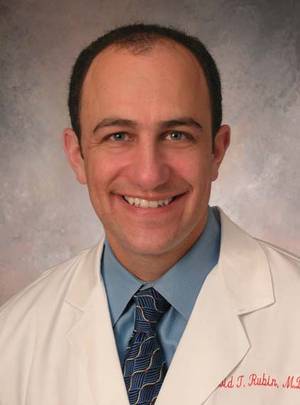
"A lot of people were upset about the IND requirement because it was a barrier to the most effective treatment available for C. difficile infection," Dr. David T. Rubin said in an interview.
Although Dr. Rubin’s area of focus is ulcerative colitis – he developed a protocol for using FMT in that disease and last month obtained an IND permit for a phase I study of its safety and feasibility in ulcerative colitis patients – he explained that C. difficile infection is the condition for which the most data exist.
People who have suffered for years are experiencing significant improvement and even cure with this treatment, said Dr. Rubin, professor of medicine and codirector of the inflammatory bowel disease center at the University of Chicago.
"C. difficile is where it seems to have its best efficacy, and it looks very safe," he said. "Even one dose of the treatment has a greater than 90% success rate."
Because obtaining an IND permit is a rigorous process – it took Dr. Rubin 2 years to obtain his permit – those using FMT for their patients were understandably concerned that patient access to treatment would be hampered. It’s one thing for a pharmaceutical company making an investment in a future salable product to jump through those kind of hoops, he explained, but it’s another entirely for a private physician who wants to offer patients the best available treatment.
The FDA’s decision is one that considers the importance of FMT for the treatment of patients with recurrent C. difficile infection while at the same time working to ensure patient safety and promote high-quality research, he said.
"There is still a whole lot we don’t know about FMT," he added.
Dr. Rubin had no relevant financial disclosures.
Only a month after requiring a restrictive new-drug permit to treat Clostridium difficile infection with fecal transplants, the Food and Drug Administration has changed course.
Citing public pressure, the agency announced June 17 that it "intends to exercise enforcement discretion" regarding the investigational new drug (IND) requirements while the agency develops appropriate policies for the use of fecal microbiota for transplantation (FMT) products under IND.
The change applies only to those using FMT to treat C. difficile infection that fails to respond to standard therapy. Those using FMT for other indications or for research purposes must abide by the IND requirements.
The FDA first announced the biologic designation following a 2-day public workshop in May, stating that the intent of the IND requirement was to ensure safe, effective, and data-driven use of FMT, which is used primarily to treat recurrent C. difficile infection.
"During that workshop, and in subsequent communications, physicians and scientists have expressed concern to FDA that FMT is not appropriate for study under FDA’s investigational new drug application regulations," the latest FDA statement noted. "Some health care providers have stated that applying IND requirements will make FMT unavailable and have suggested that an alternative regulatory approach is needed to ensure the widespread availability of FMT for individuals with C. difficile infection unresponsive to standard therapies."
Treating physicians are strongly encouraged to comply with the IND regulation and must continue to obtain informed consent for the use of FMT products, including, at minimum, information about the investigational status of the products and a discussion of the potential risks associated with their use.
Guidance will be issued regarding the agency’s intentions with respect to "exercising enforcement discretion," according to the FDA statement.
"A lot of people were upset about the IND requirement because it was a barrier to the most effective treatment available for C. difficile infection," Dr. David T. Rubin said in an interview.
Although Dr. Rubin’s area of focus is ulcerative colitis – he developed a protocol for using FMT in that disease and last month obtained an IND permit for a phase I study of its safety and feasibility in ulcerative colitis patients – he explained that C. difficile infection is the condition for which the most data exist.
People who have suffered for years are experiencing significant improvement and even cure with this treatment, said Dr. Rubin, professor of medicine and codirector of the inflammatory bowel disease center at the University of Chicago.
"C. difficile is where it seems to have its best efficacy, and it looks very safe," he said. "Even one dose of the treatment has a greater than 90% success rate."
Because obtaining an IND permit is a rigorous process – it took Dr. Rubin 2 years to obtain his permit – those using FMT for their patients were understandably concerned that patient access to treatment would be hampered. It’s one thing for a pharmaceutical company making an investment in a future salable product to jump through those kind of hoops, he explained, but it’s another entirely for a private physician who wants to offer patients the best available treatment.
The FDA’s decision is one that considers the importance of FMT for the treatment of patients with recurrent C. difficile infection while at the same time working to ensure patient safety and promote high-quality research, he said.
"There is still a whole lot we don’t know about FMT," he added.
Dr. Rubin had no relevant financial disclosures.
Only a month after requiring a restrictive new-drug permit to treat Clostridium difficile infection with fecal transplants, the Food and Drug Administration has changed course.
Citing public pressure, the agency announced June 17 that it "intends to exercise enforcement discretion" regarding the investigational new drug (IND) requirements while the agency develops appropriate policies for the use of fecal microbiota for transplantation (FMT) products under IND.
The change applies only to those using FMT to treat C. difficile infection that fails to respond to standard therapy. Those using FMT for other indications or for research purposes must abide by the IND requirements.
The FDA first announced the biologic designation following a 2-day public workshop in May, stating that the intent of the IND requirement was to ensure safe, effective, and data-driven use of FMT, which is used primarily to treat recurrent C. difficile infection.
"During that workshop, and in subsequent communications, physicians and scientists have expressed concern to FDA that FMT is not appropriate for study under FDA’s investigational new drug application regulations," the latest FDA statement noted. "Some health care providers have stated that applying IND requirements will make FMT unavailable and have suggested that an alternative regulatory approach is needed to ensure the widespread availability of FMT for individuals with C. difficile infection unresponsive to standard therapies."
Treating physicians are strongly encouraged to comply with the IND regulation and must continue to obtain informed consent for the use of FMT products, including, at minimum, information about the investigational status of the products and a discussion of the potential risks associated with their use.
Guidance will be issued regarding the agency’s intentions with respect to "exercising enforcement discretion," according to the FDA statement.
"A lot of people were upset about the IND requirement because it was a barrier to the most effective treatment available for C. difficile infection," Dr. David T. Rubin said in an interview.
Although Dr. Rubin’s area of focus is ulcerative colitis – he developed a protocol for using FMT in that disease and last month obtained an IND permit for a phase I study of its safety and feasibility in ulcerative colitis patients – he explained that C. difficile infection is the condition for which the most data exist.
People who have suffered for years are experiencing significant improvement and even cure with this treatment, said Dr. Rubin, professor of medicine and codirector of the inflammatory bowel disease center at the University of Chicago.
"C. difficile is where it seems to have its best efficacy, and it looks very safe," he said. "Even one dose of the treatment has a greater than 90% success rate."
Because obtaining an IND permit is a rigorous process – it took Dr. Rubin 2 years to obtain his permit – those using FMT for their patients were understandably concerned that patient access to treatment would be hampered. It’s one thing for a pharmaceutical company making an investment in a future salable product to jump through those kind of hoops, he explained, but it’s another entirely for a private physician who wants to offer patients the best available treatment.
The FDA’s decision is one that considers the importance of FMT for the treatment of patients with recurrent C. difficile infection while at the same time working to ensure patient safety and promote high-quality research, he said.
"There is still a whole lot we don’t know about FMT," he added.
Dr. Rubin had no relevant financial disclosures.
Consider extended postop thromboprophylaxis when VTE risk reaches 0.88%
ORLANDO – Thromboprophylaxis for 3 weeks after discharge following abdominal surgery is more cost effective than is inpatient thromboprophylaxis alone, given certain base case assumptions, according to a decision tree analysis.
The findings, which incorporate both cost- and patient-related factors, provide clarity for clinicians about when extended duration thromboprophylaxis is appropriate, Dr. James C. Iannuzzi said at the annual Digestive Disease Week.

The analysis indicates that extended-duration thromboprophylaxis with low-molecular-weight heparin for 3 weeks after discharge is preferable to 7 days of inpatient-only thromboprophylaxis in cases where venous thromboembolism (VTE) risk is estimated at 0.88% to 2.39%; patient preferences regarding costs and medication administration, including the need for self-administered injection of low-molecular-weight heparin (LMWH), should be considered in these cases, said Dr. Iannuzzi of surgical health outcomes and research enterprise at the University of Rochester (N.Y.) Medical Center.
Extended-duration thromboprophylaxis dominates in cases in which the estimated VTE risk exceeds 2.39%, he said.
"Current guidelines are inconsistent about what metrics should be used, which makes it difficult for providers to decide whether extended-duration thromboprophylaxis would be beneficial. This likely plays a significant role in the current lack of adherence to guidelines," he said in an interview, adding. "This study was really aimed at providing clinicians a better cut-off for when it should be used, incorporating both the cost and patient perspective."
To assess cost effectiveness of thromboprophylaxis, Dr. Iannuzzi and his colleagues compared extended-duration treatment for 21 days after discharge (following 7 days of inpatient prophylaxis) with inpatient prophylaxis alone in a hypothetical case involving abdominal oncologic resection without complications in an otherwise healthy 45-year-old male patient.
Willingness to pay was set at $50,000 per quality-adjusted life-year (QALY), and the probabilities of various factors and scenarios were determined based on the available literature – much of it coming from the orthopedic literature. Costs were in U.S. 2013 dollars adjusted using the consumer price index; effectiveness was based on QALY (utility considered over 1 year), and cost effectiveness was evaluated using an incremental cost-effectiveness ratio, Dr. Iannuzzi explained.
Sensitivity analyses were performed to assess uncertainty within the model, with particular interest in the threshold for cost effectiveness based on VTE incidence, he said.
The endpoints were pulmonary embolism or deep vein thrombosis with attendant costs and assigned effectiveness evaluated by QALY, he said.
Based on the predetermined probabilities, and assuming an annualized cost of $23,248 for pulmonary embolism, $21,540 for deep vein thrombosis, $14,363 for post-thrombotic syndrome, $706 for generic LMWH, and $872 for brand-name LMWH, the threshold for the relative cost effectiveness of extended-duration thromboprophylaxis was VTE probability of 1.65% for brand-name LMWH, and 0.88% for generic LMWH.
"The 0.88% threshold is near the range of most major abdominal surgeries, which highlights the importance of using extended-duration thromboprophylaxis. However, the model was sensitive to changes in medication costs and patient values until postdischarge VTE risk exceeded 2.4%," Dr. Iannuzzi explained, adding that the model sensitivity in the 0.88% to 2.39% range is the reason why it is important to consider the patient perspective and the availability of generic LWMH in such cases.
He and his colleagues recently developed a risk score to help with postdischarge VTE prediction and to guide decision-making. The risk score, published online in May in the Journal of Vascular Surgery (J. Vasc. Surg. 2013 [doi:10.106/j.jvs.2012.12.073]), considers patient, operative, and early outcome factors to identify patients at increased risk.
The current findings, which pave the way for patient-centered decision making, use cost effectiveness of extended-duration thromboprophylaxis as a measure for risk, and should inform future guidelines’ definition of high risk. They also suggest that while a blanket approach to prophylaxis is not warranted, payers should cover the cost of extended-duration treatment.
"When cost was analyzed alone – without taking patient discomfort and the burden of self-injections into account, the threshold for cost effectiveness was much lower, suggesting that from the payer perspective, significant cost savings would be derived by increasing extended-duration thromboprophylaxis use," he explained.
Dr. Iannuzzi reported having no disclosures.
ORLANDO – Thromboprophylaxis for 3 weeks after discharge following abdominal surgery is more cost effective than is inpatient thromboprophylaxis alone, given certain base case assumptions, according to a decision tree analysis.
The findings, which incorporate both cost- and patient-related factors, provide clarity for clinicians about when extended duration thromboprophylaxis is appropriate, Dr. James C. Iannuzzi said at the annual Digestive Disease Week.
The analysis indicates that extended-duration thromboprophylaxis with low-molecular-weight heparin for 3 weeks after discharge is preferable to 7 days of inpatient-only thromboprophylaxis in cases where venous thromboembolism (VTE) risk is estimated at 0.88% to 2.39%; patient preferences regarding costs and medication administration, including the need for self-administered injection of low-molecular-weight heparin (LMWH), should be considered in these cases, said Dr. Iannuzzi of surgical health outcomes and research enterprise at the University of Rochester (N.Y.) Medical Center.
Extended-duration thromboprophylaxis dominates in cases in which the estimated VTE risk exceeds 2.39%, he said.
"Current guidelines are inconsistent about what metrics should be used, which makes it difficult for providers to decide whether extended-duration thromboprophylaxis would be beneficial. This likely plays a significant role in the current lack of adherence to guidelines," he said in an interview, adding. "This study was really aimed at providing clinicians a better cut-off for when it should be used, incorporating both the cost and patient perspective."
To assess cost effectiveness of thromboprophylaxis, Dr. Iannuzzi and his colleagues compared extended-duration treatment for 21 days after discharge (following 7 days of inpatient prophylaxis) with inpatient prophylaxis alone in a hypothetical case involving abdominal oncologic resection without complications in an otherwise healthy 45-year-old male patient.
Willingness to pay was set at $50,000 per quality-adjusted life-year (QALY), and the probabilities of various factors and scenarios were determined based on the available literature – much of it coming from the orthopedic literature. Costs were in U.S. 2013 dollars adjusted using the consumer price index; effectiveness was based on QALY (utility considered over 1 year), and cost effectiveness was evaluated using an incremental cost-effectiveness ratio, Dr. Iannuzzi explained.
Sensitivity analyses were performed to assess uncertainty within the model, with particular interest in the threshold for cost effectiveness based on VTE incidence, he said.
The endpoints were pulmonary embolism or deep vein thrombosis with attendant costs and assigned effectiveness evaluated by QALY, he said.
Based on the predetermined probabilities, and assuming an annualized cost of $23,248 for pulmonary embolism, $21,540 for deep vein thrombosis, $14,363 for post-thrombotic syndrome, $706 for generic LMWH, and $872 for brand-name LMWH, the threshold for the relative cost effectiveness of extended-duration thromboprophylaxis was VTE probability of 1.65% for brand-name LMWH, and 0.88% for generic LMWH.
"The 0.88% threshold is near the range of most major abdominal surgeries, which highlights the importance of using extended-duration thromboprophylaxis. However, the model was sensitive to changes in medication costs and patient values until postdischarge VTE risk exceeded 2.4%," Dr. Iannuzzi explained, adding that the model sensitivity in the 0.88% to 2.39% range is the reason why it is important to consider the patient perspective and the availability of generic LWMH in such cases.
He and his colleagues recently developed a risk score to help with postdischarge VTE prediction and to guide decision-making. The risk score, published online in May in the Journal of Vascular Surgery (J. Vasc. Surg. 2013 [doi:10.106/j.jvs.2012.12.073]), considers patient, operative, and early outcome factors to identify patients at increased risk.
The current findings, which pave the way for patient-centered decision making, use cost effectiveness of extended-duration thromboprophylaxis as a measure for risk, and should inform future guidelines’ definition of high risk. They also suggest that while a blanket approach to prophylaxis is not warranted, payers should cover the cost of extended-duration treatment.
"When cost was analyzed alone – without taking patient discomfort and the burden of self-injections into account, the threshold for cost effectiveness was much lower, suggesting that from the payer perspective, significant cost savings would be derived by increasing extended-duration thromboprophylaxis use," he explained.
Dr. Iannuzzi reported having no disclosures.
ORLANDO – Thromboprophylaxis for 3 weeks after discharge following abdominal surgery is more cost effective than is inpatient thromboprophylaxis alone, given certain base case assumptions, according to a decision tree analysis.
The findings, which incorporate both cost- and patient-related factors, provide clarity for clinicians about when extended duration thromboprophylaxis is appropriate, Dr. James C. Iannuzzi said at the annual Digestive Disease Week.
The analysis indicates that extended-duration thromboprophylaxis with low-molecular-weight heparin for 3 weeks after discharge is preferable to 7 days of inpatient-only thromboprophylaxis in cases where venous thromboembolism (VTE) risk is estimated at 0.88% to 2.39%; patient preferences regarding costs and medication administration, including the need for self-administered injection of low-molecular-weight heparin (LMWH), should be considered in these cases, said Dr. Iannuzzi of surgical health outcomes and research enterprise at the University of Rochester (N.Y.) Medical Center.
Extended-duration thromboprophylaxis dominates in cases in which the estimated VTE risk exceeds 2.39%, he said.
"Current guidelines are inconsistent about what metrics should be used, which makes it difficult for providers to decide whether extended-duration thromboprophylaxis would be beneficial. This likely plays a significant role in the current lack of adherence to guidelines," he said in an interview, adding. "This study was really aimed at providing clinicians a better cut-off for when it should be used, incorporating both the cost and patient perspective."
To assess cost effectiveness of thromboprophylaxis, Dr. Iannuzzi and his colleagues compared extended-duration treatment for 21 days after discharge (following 7 days of inpatient prophylaxis) with inpatient prophylaxis alone in a hypothetical case involving abdominal oncologic resection without complications in an otherwise healthy 45-year-old male patient.
Willingness to pay was set at $50,000 per quality-adjusted life-year (QALY), and the probabilities of various factors and scenarios were determined based on the available literature – much of it coming from the orthopedic literature. Costs were in U.S. 2013 dollars adjusted using the consumer price index; effectiveness was based on QALY (utility considered over 1 year), and cost effectiveness was evaluated using an incremental cost-effectiveness ratio, Dr. Iannuzzi explained.
Sensitivity analyses were performed to assess uncertainty within the model, with particular interest in the threshold for cost effectiveness based on VTE incidence, he said.
The endpoints were pulmonary embolism or deep vein thrombosis with attendant costs and assigned effectiveness evaluated by QALY, he said.
Based on the predetermined probabilities, and assuming an annualized cost of $23,248 for pulmonary embolism, $21,540 for deep vein thrombosis, $14,363 for post-thrombotic syndrome, $706 for generic LMWH, and $872 for brand-name LMWH, the threshold for the relative cost effectiveness of extended-duration thromboprophylaxis was VTE probability of 1.65% for brand-name LMWH, and 0.88% for generic LMWH.
"The 0.88% threshold is near the range of most major abdominal surgeries, which highlights the importance of using extended-duration thromboprophylaxis. However, the model was sensitive to changes in medication costs and patient values until postdischarge VTE risk exceeded 2.4%," Dr. Iannuzzi explained, adding that the model sensitivity in the 0.88% to 2.39% range is the reason why it is important to consider the patient perspective and the availability of generic LWMH in such cases.
He and his colleagues recently developed a risk score to help with postdischarge VTE prediction and to guide decision-making. The risk score, published online in May in the Journal of Vascular Surgery (J. Vasc. Surg. 2013 [doi:10.106/j.jvs.2012.12.073]), considers patient, operative, and early outcome factors to identify patients at increased risk.
The current findings, which pave the way for patient-centered decision making, use cost effectiveness of extended-duration thromboprophylaxis as a measure for risk, and should inform future guidelines’ definition of high risk. They also suggest that while a blanket approach to prophylaxis is not warranted, payers should cover the cost of extended-duration treatment.
"When cost was analyzed alone – without taking patient discomfort and the burden of self-injections into account, the threshold for cost effectiveness was much lower, suggesting that from the payer perspective, significant cost savings would be derived by increasing extended-duration thromboprophylaxis use," he explained.
Dr. Iannuzzi reported having no disclosures.
AT DDW 2013
Major finding: Extended-duration thromboprophylaxis is preferable to inpatient-only thromboprophylaxis when VTE risk is 0.88% or greater.
Data source: A decision tree analysis.
Disclosures: Dr. Iannuzzi reported having no disclosures.

Creativity, collaboration required to address workforce issues, health care demands
NEW ORLEANS – The proportion of American College of Obstetricians and Gynecologists fellows practicing in private settings has declined steadily over the past 2 decades, survey data show.
Between 1992 and 2012, the percentage of fellows in solo practice decreased from 32% to 19%, while the percentage employed by hospitals increased steadily from 5% to 15%, and those employed as academic faculty increased from 9% to 12%, Jeffrey C. Klagholz reported in a poster at the annual meeting of the American College of Obstetricians and Gynecologists (ACOG). Three percent were employed by HMOs, and 2% by the government; these remained basically static over time.
The percentage of fellows in private practice groups ranged from 44% to 52% (median of 48%) across the seven ACOG surveys on professional liability administered during the study period, according to Mr. Klagholz of ACOG in Washington, who noted that the findings were confirmed, and expanded upon, by data from a recent Socioeconomic Survey of ACOG Fellows.
During a session on workforce issues affecting ACOG fellows at the annual meeting, poster coauthor William Rayburn expanded on this report, and outlined a number of other recent and predicted changes in workforce trends and demand for obstetric and gynecologic care.
Of note, the proportion of resident graduates has not kept pace with increases in the population, and the proportion moving on to an accredited fellowship program – such as female pelvic medicine and reconstructive surgery, gynecologic oncology, maternal-fetal medicine, or reproductive endocrinology – more than doubled, increasing from 7% to 17% between 2000 and 2009. The percentage increases to 27% when minimally invasive surgery, pediatric and adolescent gynecology, and family planning and reproductive health fellowship programs are included, said Dr. Rayburn, chair of obstetrics and gynecology at the University of New Mexico, Albuquerque.
"We’re getting the message here that ... our graduates are moving more in the direction of subspecializing, and that concerns me with regard to the number of general obstetricians and gynecologists for our growing population, with there not being an increase in the number of residents," he said.
Adding to the shortage problem is the fact that a greater number of ACOG fellows are physicians aged 60 years or older, who are reaching "very senior status," compared with those who are aged 39 years or younger (about 5,500 vs. about 4,000 in 2012), he said.
Traditionally, the drop off in the number of ob.gyns. actually practicing obstetrics begins at about age 55 years. In fact, only one in three ACOG fellows and junior fellows in practice is aged 55 years or older.
"I daresay, anyone who is that age or older, at some time, is thinking of what they will do down the road and when they will eventually retire," he said, adding, "I think this is an important concept, because we have what’s called a static pipeline. That is, the number of resident graduates, which is not increasing, is actually lower than the number who are entering retirement age," Dr. Rayburn said.
If those residents are subspecializing more, the value that general ob.gyns. bring to the health care of women is tremendous, he added.
As for where women’s health care is most needed, it appears that while there is a shortage of ob.gyns., the bigger problem is "maldistribution," Dr. Rayburn said, explaining that the vast majority of ob.gyns. practice in metropolitan areas.
Generally speaking, one full-time ob.gyn. equivalent is needed per 10,000 population, but 49% of the more than 3,300 counties in the United States have no ob.gyn.
This affects about 10 million women who will be eligible for health care coverage under the Affordable Care Act, if they aren’t covered already, Dr. Rayburn said.
Reaching these patients will require "getting creative" about finding ways to deliver care. Outreach clinics, greater use of physician extenders, and collaborative efforts with primary care physicians are among the approaches he mentioned.
A related concept – demand for care – is an important one, especially considering the aging of the population, but it can be difficult to predict. Although 80% of ob.gyn. care is provided to reproductive-age women, and little is provided to those over age 65 years, ob.gyns. are "still a significant player in taking care of women who are aged 40-64 years," he said.
Given shortages in the primary care fields, it is likely that ob.gyns. will play an increasing role in taking care of these women.
Data from a recent study, which Dr. Rayburn hopes to publish soon, suggest that demand for women’s health care services will grow by about 6% by 2020.
"In other words, you’re going to be working 6% harder than you are right now in terms of meeting the demand of your patients," he said, noting that the estimate is a conservative one and that demand will vary greatly by geographic region.
For example, areas such as Montana, North Dakota, and West Virginia will likely see decreasing demand, which may be a good thing since these areas have general ob.gyn. shortages, he said.
Texas and Florida, as well as areas in the Intermountain West are expected to experience booming demand, with increases of more than 10%.
"So we’ve got to think of alternative modes of treating patients, with probably more of a collaborative, team-based effort in which you and I as physicians are team leaders," he said.
Dr. Rayburn and Mr. Klagholz reported having no disclosures.
NEW ORLEANS – The proportion of American College of Obstetricians and Gynecologists fellows practicing in private settings has declined steadily over the past 2 decades, survey data show.
Between 1992 and 2012, the percentage of fellows in solo practice decreased from 32% to 19%, while the percentage employed by hospitals increased steadily from 5% to 15%, and those employed as academic faculty increased from 9% to 12%, Jeffrey C. Klagholz reported in a poster at the annual meeting of the American College of Obstetricians and Gynecologists (ACOG). Three percent were employed by HMOs, and 2% by the government; these remained basically static over time.
The percentage of fellows in private practice groups ranged from 44% to 52% (median of 48%) across the seven ACOG surveys on professional liability administered during the study period, according to Mr. Klagholz of ACOG in Washington, who noted that the findings were confirmed, and expanded upon, by data from a recent Socioeconomic Survey of ACOG Fellows.
During a session on workforce issues affecting ACOG fellows at the annual meeting, poster coauthor William Rayburn expanded on this report, and outlined a number of other recent and predicted changes in workforce trends and demand for obstetric and gynecologic care.
Of note, the proportion of resident graduates has not kept pace with increases in the population, and the proportion moving on to an accredited fellowship program – such as female pelvic medicine and reconstructive surgery, gynecologic oncology, maternal-fetal medicine, or reproductive endocrinology – more than doubled, increasing from 7% to 17% between 2000 and 2009. The percentage increases to 27% when minimally invasive surgery, pediatric and adolescent gynecology, and family planning and reproductive health fellowship programs are included, said Dr. Rayburn, chair of obstetrics and gynecology at the University of New Mexico, Albuquerque.
"We’re getting the message here that ... our graduates are moving more in the direction of subspecializing, and that concerns me with regard to the number of general obstetricians and gynecologists for our growing population, with there not being an increase in the number of residents," he said.
Adding to the shortage problem is the fact that a greater number of ACOG fellows are physicians aged 60 years or older, who are reaching "very senior status," compared with those who are aged 39 years or younger (about 5,500 vs. about 4,000 in 2012), he said.
Traditionally, the drop off in the number of ob.gyns. actually practicing obstetrics begins at about age 55 years. In fact, only one in three ACOG fellows and junior fellows in practice is aged 55 years or older.
"I daresay, anyone who is that age or older, at some time, is thinking of what they will do down the road and when they will eventually retire," he said, adding, "I think this is an important concept, because we have what’s called a static pipeline. That is, the number of resident graduates, which is not increasing, is actually lower than the number who are entering retirement age," Dr. Rayburn said.
If those residents are subspecializing more, the value that general ob.gyns. bring to the health care of women is tremendous, he added.
As for where women’s health care is most needed, it appears that while there is a shortage of ob.gyns., the bigger problem is "maldistribution," Dr. Rayburn said, explaining that the vast majority of ob.gyns. practice in metropolitan areas.
Generally speaking, one full-time ob.gyn. equivalent is needed per 10,000 population, but 49% of the more than 3,300 counties in the United States have no ob.gyn.
This affects about 10 million women who will be eligible for health care coverage under the Affordable Care Act, if they aren’t covered already, Dr. Rayburn said.
Reaching these patients will require "getting creative" about finding ways to deliver care. Outreach clinics, greater use of physician extenders, and collaborative efforts with primary care physicians are among the approaches he mentioned.
A related concept – demand for care – is an important one, especially considering the aging of the population, but it can be difficult to predict. Although 80% of ob.gyn. care is provided to reproductive-age women, and little is provided to those over age 65 years, ob.gyns. are "still a significant player in taking care of women who are aged 40-64 years," he said.
Given shortages in the primary care fields, it is likely that ob.gyns. will play an increasing role in taking care of these women.
Data from a recent study, which Dr. Rayburn hopes to publish soon, suggest that demand for women’s health care services will grow by about 6% by 2020.
"In other words, you’re going to be working 6% harder than you are right now in terms of meeting the demand of your patients," he said, noting that the estimate is a conservative one and that demand will vary greatly by geographic region.
For example, areas such as Montana, North Dakota, and West Virginia will likely see decreasing demand, which may be a good thing since these areas have general ob.gyn. shortages, he said.
Texas and Florida, as well as areas in the Intermountain West are expected to experience booming demand, with increases of more than 10%.
"So we’ve got to think of alternative modes of treating patients, with probably more of a collaborative, team-based effort in which you and I as physicians are team leaders," he said.
Dr. Rayburn and Mr. Klagholz reported having no disclosures.
NEW ORLEANS – The proportion of American College of Obstetricians and Gynecologists fellows practicing in private settings has declined steadily over the past 2 decades, survey data show.
Between 1992 and 2012, the percentage of fellows in solo practice decreased from 32% to 19%, while the percentage employed by hospitals increased steadily from 5% to 15%, and those employed as academic faculty increased from 9% to 12%, Jeffrey C. Klagholz reported in a poster at the annual meeting of the American College of Obstetricians and Gynecologists (ACOG). Three percent were employed by HMOs, and 2% by the government; these remained basically static over time.
The percentage of fellows in private practice groups ranged from 44% to 52% (median of 48%) across the seven ACOG surveys on professional liability administered during the study period, according to Mr. Klagholz of ACOG in Washington, who noted that the findings were confirmed, and expanded upon, by data from a recent Socioeconomic Survey of ACOG Fellows.
During a session on workforce issues affecting ACOG fellows at the annual meeting, poster coauthor William Rayburn expanded on this report, and outlined a number of other recent and predicted changes in workforce trends and demand for obstetric and gynecologic care.
Of note, the proportion of resident graduates has not kept pace with increases in the population, and the proportion moving on to an accredited fellowship program – such as female pelvic medicine and reconstructive surgery, gynecologic oncology, maternal-fetal medicine, or reproductive endocrinology – more than doubled, increasing from 7% to 17% between 2000 and 2009. The percentage increases to 27% when minimally invasive surgery, pediatric and adolescent gynecology, and family planning and reproductive health fellowship programs are included, said Dr. Rayburn, chair of obstetrics and gynecology at the University of New Mexico, Albuquerque.
"We’re getting the message here that ... our graduates are moving more in the direction of subspecializing, and that concerns me with regard to the number of general obstetricians and gynecologists for our growing population, with there not being an increase in the number of residents," he said.
Adding to the shortage problem is the fact that a greater number of ACOG fellows are physicians aged 60 years or older, who are reaching "very senior status," compared with those who are aged 39 years or younger (about 5,500 vs. about 4,000 in 2012), he said.
Traditionally, the drop off in the number of ob.gyns. actually practicing obstetrics begins at about age 55 years. In fact, only one in three ACOG fellows and junior fellows in practice is aged 55 years or older.
"I daresay, anyone who is that age or older, at some time, is thinking of what they will do down the road and when they will eventually retire," he said, adding, "I think this is an important concept, because we have what’s called a static pipeline. That is, the number of resident graduates, which is not increasing, is actually lower than the number who are entering retirement age," Dr. Rayburn said.
If those residents are subspecializing more, the value that general ob.gyns. bring to the health care of women is tremendous, he added.
As for where women’s health care is most needed, it appears that while there is a shortage of ob.gyns., the bigger problem is "maldistribution," Dr. Rayburn said, explaining that the vast majority of ob.gyns. practice in metropolitan areas.
Generally speaking, one full-time ob.gyn. equivalent is needed per 10,000 population, but 49% of the more than 3,300 counties in the United States have no ob.gyn.
This affects about 10 million women who will be eligible for health care coverage under the Affordable Care Act, if they aren’t covered already, Dr. Rayburn said.
Reaching these patients will require "getting creative" about finding ways to deliver care. Outreach clinics, greater use of physician extenders, and collaborative efforts with primary care physicians are among the approaches he mentioned.
A related concept – demand for care – is an important one, especially considering the aging of the population, but it can be difficult to predict. Although 80% of ob.gyn. care is provided to reproductive-age women, and little is provided to those over age 65 years, ob.gyns. are "still a significant player in taking care of women who are aged 40-64 years," he said.
Given shortages in the primary care fields, it is likely that ob.gyns. will play an increasing role in taking care of these women.
Data from a recent study, which Dr. Rayburn hopes to publish soon, suggest that demand for women’s health care services will grow by about 6% by 2020.
"In other words, you’re going to be working 6% harder than you are right now in terms of meeting the demand of your patients," he said, noting that the estimate is a conservative one and that demand will vary greatly by geographic region.
For example, areas such as Montana, North Dakota, and West Virginia will likely see decreasing demand, which may be a good thing since these areas have general ob.gyn. shortages, he said.
Texas and Florida, as well as areas in the Intermountain West are expected to experience booming demand, with increases of more than 10%.
"So we’ve got to think of alternative modes of treating patients, with probably more of a collaborative, team-based effort in which you and I as physicians are team leaders," he said.
Dr. Rayburn and Mr. Klagholz reported having no disclosures.
AT THE ACOG ANNUAL CLINICAL MEETING
Telaprevir-based triple-drug therapy benefits CHC patients with ESRD
ORLANDO – Triple-drug therapy with the protease inhibitor telaprevir plus ribavirin and peg-interferon alpha 2a provides higher sustained virologic response than traditional dual-drug therapy in chronic hepatitis C patients on hemodialysis, according to findings from the randomized, placebo-controlled Target C Trial.
Sustained virologic response after 24 months was 63% in 12 patients treated with telaprevir for weeks 0-12 plus ribavirin and peg-IFN alpha 2a for weeks 0-24 (group A) and 50% in 12 patients treated with telaprevir for weeks 0-12 plus ribavirin for weeks 13-36 and peg-IFN alpha 2a for weeks 0-36 (group B), compared with 25% in 12 patients treated with placebo plus standard dual therapy with ribavirin and peg-IFN alpha 2a for weeks 0-24 and weeks 37-48 (group C, reference arm), Dr. Patrick Basu reported at the annual Digestive Disease Week.
Telaprevir in groups A and B was given as two 750-mg tablets three times daily for 4 days and three 750-mg tablets given twice daily for 3 days after dialysis. The ribavirin dose in group A was 200 mg for weeks 0-12 and 400 mg for weeks 13-24; for group B it was 400 mg for weeks 13-36 (with placebo given for weeks 0-12). All ribavirin doses in group C were 400 mg, and peg-IFN alpha 2a doses in all three groups were 135 mcg, said Dr. Basu of Columbia University College of Physicians and Surgeons, New York.
Patients in the study included 26 men and 10 women with a mean age of 58 years, a mean body mass index of 26.6 kg/m2, and a mean viral load of 869,000 IU/mL who were treated between May 2011 and November 2012. All had end-stage renal disease and were on hemodialysis for a mean of 6 years. The groups were well balanced with respect to BMI, race, viral load, and disease genotype.
Adverse events that occurred more often in the telaprevir groups (A and/or B), compared with group C, included anemia, neutropenia less than 750 ANA, thrombocytopenia, skin rash, anorectal dysfunction, dysgeusia, depression, and constipation. Neuropathy was more common in group C.
Protease inhibitors are now part of the standard of care for treatment of chronic hepatitis C, genotype 1. Telaprevir was approved in May 2011 for this purpose.
Since the drug is primarily metabolized in the liver and excreted in the feces, thus limiting renal toxicity, it was considered a promising treatment option for the 3% of chronic hepatitis C patients with end-stage renal disease on hemodialysis – a population with progressive fibrosis and high mortality, Dr. Basu said.
The findings of this pilot study suggest that truncated triple therapy that includes telaprevir does indeed have an advantage over the standard of care for this special population, he concluded, noting that the telaprevir regimen requires further evaluation in a large prospective trial.
Dr. Basu disclosed financial relationships with Gilead Science, BMS, ROMAX, Genentech, Vertex, Otsuka, Takeda, Three Rivers, GI Pathology, and Salix.
ORLANDO – Triple-drug therapy with the protease inhibitor telaprevir plus ribavirin and peg-interferon alpha 2a provides higher sustained virologic response than traditional dual-drug therapy in chronic hepatitis C patients on hemodialysis, according to findings from the randomized, placebo-controlled Target C Trial.
Sustained virologic response after 24 months was 63% in 12 patients treated with telaprevir for weeks 0-12 plus ribavirin and peg-IFN alpha 2a for weeks 0-24 (group A) and 50% in 12 patients treated with telaprevir for weeks 0-12 plus ribavirin for weeks 13-36 and peg-IFN alpha 2a for weeks 0-36 (group B), compared with 25% in 12 patients treated with placebo plus standard dual therapy with ribavirin and peg-IFN alpha 2a for weeks 0-24 and weeks 37-48 (group C, reference arm), Dr. Patrick Basu reported at the annual Digestive Disease Week.
Telaprevir in groups A and B was given as two 750-mg tablets three times daily for 4 days and three 750-mg tablets given twice daily for 3 days after dialysis. The ribavirin dose in group A was 200 mg for weeks 0-12 and 400 mg for weeks 13-24; for group B it was 400 mg for weeks 13-36 (with placebo given for weeks 0-12). All ribavirin doses in group C were 400 mg, and peg-IFN alpha 2a doses in all three groups were 135 mcg, said Dr. Basu of Columbia University College of Physicians and Surgeons, New York.
Patients in the study included 26 men and 10 women with a mean age of 58 years, a mean body mass index of 26.6 kg/m2, and a mean viral load of 869,000 IU/mL who were treated between May 2011 and November 2012. All had end-stage renal disease and were on hemodialysis for a mean of 6 years. The groups were well balanced with respect to BMI, race, viral load, and disease genotype.
Adverse events that occurred more often in the telaprevir groups (A and/or B), compared with group C, included anemia, neutropenia less than 750 ANA, thrombocytopenia, skin rash, anorectal dysfunction, dysgeusia, depression, and constipation. Neuropathy was more common in group C.
Protease inhibitors are now part of the standard of care for treatment of chronic hepatitis C, genotype 1. Telaprevir was approved in May 2011 for this purpose.
Since the drug is primarily metabolized in the liver and excreted in the feces, thus limiting renal toxicity, it was considered a promising treatment option for the 3% of chronic hepatitis C patients with end-stage renal disease on hemodialysis – a population with progressive fibrosis and high mortality, Dr. Basu said.
The findings of this pilot study suggest that truncated triple therapy that includes telaprevir does indeed have an advantage over the standard of care for this special population, he concluded, noting that the telaprevir regimen requires further evaluation in a large prospective trial.
Dr. Basu disclosed financial relationships with Gilead Science, BMS, ROMAX, Genentech, Vertex, Otsuka, Takeda, Three Rivers, GI Pathology, and Salix.
ORLANDO – Triple-drug therapy with the protease inhibitor telaprevir plus ribavirin and peg-interferon alpha 2a provides higher sustained virologic response than traditional dual-drug therapy in chronic hepatitis C patients on hemodialysis, according to findings from the randomized, placebo-controlled Target C Trial.
Sustained virologic response after 24 months was 63% in 12 patients treated with telaprevir for weeks 0-12 plus ribavirin and peg-IFN alpha 2a for weeks 0-24 (group A) and 50% in 12 patients treated with telaprevir for weeks 0-12 plus ribavirin for weeks 13-36 and peg-IFN alpha 2a for weeks 0-36 (group B), compared with 25% in 12 patients treated with placebo plus standard dual therapy with ribavirin and peg-IFN alpha 2a for weeks 0-24 and weeks 37-48 (group C, reference arm), Dr. Patrick Basu reported at the annual Digestive Disease Week.
Telaprevir in groups A and B was given as two 750-mg tablets three times daily for 4 days and three 750-mg tablets given twice daily for 3 days after dialysis. The ribavirin dose in group A was 200 mg for weeks 0-12 and 400 mg for weeks 13-24; for group B it was 400 mg for weeks 13-36 (with placebo given for weeks 0-12). All ribavirin doses in group C were 400 mg, and peg-IFN alpha 2a doses in all three groups were 135 mcg, said Dr. Basu of Columbia University College of Physicians and Surgeons, New York.
Patients in the study included 26 men and 10 women with a mean age of 58 years, a mean body mass index of 26.6 kg/m2, and a mean viral load of 869,000 IU/mL who were treated between May 2011 and November 2012. All had end-stage renal disease and were on hemodialysis for a mean of 6 years. The groups were well balanced with respect to BMI, race, viral load, and disease genotype.
Adverse events that occurred more often in the telaprevir groups (A and/or B), compared with group C, included anemia, neutropenia less than 750 ANA, thrombocytopenia, skin rash, anorectal dysfunction, dysgeusia, depression, and constipation. Neuropathy was more common in group C.
Protease inhibitors are now part of the standard of care for treatment of chronic hepatitis C, genotype 1. Telaprevir was approved in May 2011 for this purpose.
Since the drug is primarily metabolized in the liver and excreted in the feces, thus limiting renal toxicity, it was considered a promising treatment option for the 3% of chronic hepatitis C patients with end-stage renal disease on hemodialysis – a population with progressive fibrosis and high mortality, Dr. Basu said.
The findings of this pilot study suggest that truncated triple therapy that includes telaprevir does indeed have an advantage over the standard of care for this special population, he concluded, noting that the telaprevir regimen requires further evaluation in a large prospective trial.
Dr. Basu disclosed financial relationships with Gilead Science, BMS, ROMAX, Genentech, Vertex, Otsuka, Takeda, Three Rivers, GI Pathology, and Salix.
AT DDW 2013
Major finding: SVR at 24 months after treatment was 63% and 50% with telaprevir triple-drug regimens vs. 25% with standard therapy.
Data source: A randomized placebo-controlled pilot study involving 36 patients.
Disclosures: Dr. Basu disclosed financial relationships with Gilead Science, BMS, ROMAX, Genentech, Vertex, Otsuka, Takeda, Three Rivers, GI Pathology, and Salix.
EET and esophagectomy yield similar cancer-free survival
ORLANDO – Mid- and long-term esophageal cancer-free survival rates are similar in patients with early esophageal adenocarcinoma who undergo endoscopic eradication therapy and those who undergo surgical resection, according to findings from a large population-based study.
Of 1,087 patients with early esophageal adenocarcinoma (EAC) who were included in the Surveillance, Epidemiology and End Results (SEER) database, 283 underwent endoscopic eradication therapy (EET), and 804 underwent surgical resection. No significant differences were seen between the groups with respect to 2-year esophageal cancer-free survival (93.5% and 89.6% in the EET and surgery groups, respectively) or 5-year survival (69.3% and 75.8%, respectively), Dr. Sachin Wani reported during a late-breaking abstract session at the annual Digestive Disease Week.
However, the EET group had higher mortality than the surgery group due to non-EAC causes (12.8% vs. 5.7% at 2 years, and 34.8% vs. 12.9% at 5 years), he said. Cardiovascular disease was the most common cause of non-EAC mortality.
Variables significantly associated with mortality were older age (hazard ratio, 1.02), stage T1a disease (compared with T0 disease; HR, 2.71), year of diagnosis (HR, 0.93), and radiation therapy (HR, 5.29), said Dr. Wani of the University of Colorado, Aurora.
Treatment arm was not a predictor of overall survival.
A time-trend analysis showed a significant increase in the proportion of patients with T0 disease undergoing endoscopic eradication therapy. A similar significant increase was noted in patients with stage T1a disease, as well, he said.
Notably, patients undergoing EET were significantly older than those undergoing surgery (70 vs. 63 years), and more likely to be diagnosed with T0 disease (32.5% vs. 23.1% of patients) with well-differentiated histology (33% vs. 24%). They also were less likely to be men, and less likely to receive radiation therapy.
"However, the overall follow-up in the endoscopy arm was shorter than for their surgical counterparts," Dr. Wani noted.
Regional variations were observed in the proportions of patients undergoing EET and surgery, he said.
The differences between the groups, along with the significant differences in non–EAC-related mortality between the treatment groups, highlight selection bias with respect to the therapies offered to patients with EAC, he said.
Patients included in this analysis were adults who had EAC between 1998 and 2009. EAC was defined as carcinoma in situ (T0 disease), or invasive tumor confined to the mucosa, lamina propria, and muscularis mucosae (T1a disease).
The vast majority of patients in the endoscopy arm underwent endoscopic mucosal resection alone; the vast majority in the surgery arm underwent esophagectomy plus partial or total gastrectomy, Dr. Wani said.
Though limited by the use of population-based data that lacked details on recurrences, pathology, staging modalities, and complications and morbidity, this study analyzed one of the largest cohorts of patients with EAC undergoing endoscopic therapy. The findings are important, because EETs for EAC have gained wide acceptance, and have been endorsed by society guidelines despite a paucity of long-term data examining the differences in outcomes between EET and the gold standard of surgical resection, he said.
Indeed, esophagectomy has traditionally been considered the treatment of choice for EAC, but it is also associated with high morbidity and mortality, even in expert centers, he noted.
"The implications of our study? It really provides a greater degree of confidence in what we do on a daily basis and this whole concept of endoscopic eradication therapy for patients with early esophageal cancer. However we need long-term data – i.e., 5-year data, at least – with newer ablative therapies, such as radiofrequency ablation in combination with endoscopy mucosal resection," he said. Future studies should focus on identifying patient and provider determinants of optimal outcomes, he added.
Dr. Wani reported having no disclosures.
ORLANDO – Mid- and long-term esophageal cancer-free survival rates are similar in patients with early esophageal adenocarcinoma who undergo endoscopic eradication therapy and those who undergo surgical resection, according to findings from a large population-based study.
Of 1,087 patients with early esophageal adenocarcinoma (EAC) who were included in the Surveillance, Epidemiology and End Results (SEER) database, 283 underwent endoscopic eradication therapy (EET), and 804 underwent surgical resection. No significant differences were seen between the groups with respect to 2-year esophageal cancer-free survival (93.5% and 89.6% in the EET and surgery groups, respectively) or 5-year survival (69.3% and 75.8%, respectively), Dr. Sachin Wani reported during a late-breaking abstract session at the annual Digestive Disease Week.
However, the EET group had higher mortality than the surgery group due to non-EAC causes (12.8% vs. 5.7% at 2 years, and 34.8% vs. 12.9% at 5 years), he said. Cardiovascular disease was the most common cause of non-EAC mortality.
Variables significantly associated with mortality were older age (hazard ratio, 1.02), stage T1a disease (compared with T0 disease; HR, 2.71), year of diagnosis (HR, 0.93), and radiation therapy (HR, 5.29), said Dr. Wani of the University of Colorado, Aurora.
Treatment arm was not a predictor of overall survival.
A time-trend analysis showed a significant increase in the proportion of patients with T0 disease undergoing endoscopic eradication therapy. A similar significant increase was noted in patients with stage T1a disease, as well, he said.
Notably, patients undergoing EET were significantly older than those undergoing surgery (70 vs. 63 years), and more likely to be diagnosed with T0 disease (32.5% vs. 23.1% of patients) with well-differentiated histology (33% vs. 24%). They also were less likely to be men, and less likely to receive radiation therapy.
"However, the overall follow-up in the endoscopy arm was shorter than for their surgical counterparts," Dr. Wani noted.
Regional variations were observed in the proportions of patients undergoing EET and surgery, he said.
The differences between the groups, along with the significant differences in non–EAC-related mortality between the treatment groups, highlight selection bias with respect to the therapies offered to patients with EAC, he said.
Patients included in this analysis were adults who had EAC between 1998 and 2009. EAC was defined as carcinoma in situ (T0 disease), or invasive tumor confined to the mucosa, lamina propria, and muscularis mucosae (T1a disease).
The vast majority of patients in the endoscopy arm underwent endoscopic mucosal resection alone; the vast majority in the surgery arm underwent esophagectomy plus partial or total gastrectomy, Dr. Wani said.
Though limited by the use of population-based data that lacked details on recurrences, pathology, staging modalities, and complications and morbidity, this study analyzed one of the largest cohorts of patients with EAC undergoing endoscopic therapy. The findings are important, because EETs for EAC have gained wide acceptance, and have been endorsed by society guidelines despite a paucity of long-term data examining the differences in outcomes between EET and the gold standard of surgical resection, he said.
Indeed, esophagectomy has traditionally been considered the treatment of choice for EAC, but it is also associated with high morbidity and mortality, even in expert centers, he noted.
"The implications of our study? It really provides a greater degree of confidence in what we do on a daily basis and this whole concept of endoscopic eradication therapy for patients with early esophageal cancer. However we need long-term data – i.e., 5-year data, at least – with newer ablative therapies, such as radiofrequency ablation in combination with endoscopy mucosal resection," he said. Future studies should focus on identifying patient and provider determinants of optimal outcomes, he added.
Dr. Wani reported having no disclosures.
ORLANDO – Mid- and long-term esophageal cancer-free survival rates are similar in patients with early esophageal adenocarcinoma who undergo endoscopic eradication therapy and those who undergo surgical resection, according to findings from a large population-based study.
Of 1,087 patients with early esophageal adenocarcinoma (EAC) who were included in the Surveillance, Epidemiology and End Results (SEER) database, 283 underwent endoscopic eradication therapy (EET), and 804 underwent surgical resection. No significant differences were seen between the groups with respect to 2-year esophageal cancer-free survival (93.5% and 89.6% in the EET and surgery groups, respectively) or 5-year survival (69.3% and 75.8%, respectively), Dr. Sachin Wani reported during a late-breaking abstract session at the annual Digestive Disease Week.
However, the EET group had higher mortality than the surgery group due to non-EAC causes (12.8% vs. 5.7% at 2 years, and 34.8% vs. 12.9% at 5 years), he said. Cardiovascular disease was the most common cause of non-EAC mortality.
Variables significantly associated with mortality were older age (hazard ratio, 1.02), stage T1a disease (compared with T0 disease; HR, 2.71), year of diagnosis (HR, 0.93), and radiation therapy (HR, 5.29), said Dr. Wani of the University of Colorado, Aurora.
Treatment arm was not a predictor of overall survival.
A time-trend analysis showed a significant increase in the proportion of patients with T0 disease undergoing endoscopic eradication therapy. A similar significant increase was noted in patients with stage T1a disease, as well, he said.
Notably, patients undergoing EET were significantly older than those undergoing surgery (70 vs. 63 years), and more likely to be diagnosed with T0 disease (32.5% vs. 23.1% of patients) with well-differentiated histology (33% vs. 24%). They also were less likely to be men, and less likely to receive radiation therapy.
"However, the overall follow-up in the endoscopy arm was shorter than for their surgical counterparts," Dr. Wani noted.
Regional variations were observed in the proportions of patients undergoing EET and surgery, he said.
The differences between the groups, along with the significant differences in non–EAC-related mortality between the treatment groups, highlight selection bias with respect to the therapies offered to patients with EAC, he said.
Patients included in this analysis were adults who had EAC between 1998 and 2009. EAC was defined as carcinoma in situ (T0 disease), or invasive tumor confined to the mucosa, lamina propria, and muscularis mucosae (T1a disease).
The vast majority of patients in the endoscopy arm underwent endoscopic mucosal resection alone; the vast majority in the surgery arm underwent esophagectomy plus partial or total gastrectomy, Dr. Wani said.
Though limited by the use of population-based data that lacked details on recurrences, pathology, staging modalities, and complications and morbidity, this study analyzed one of the largest cohorts of patients with EAC undergoing endoscopic therapy. The findings are important, because EETs for EAC have gained wide acceptance, and have been endorsed by society guidelines despite a paucity of long-term data examining the differences in outcomes between EET and the gold standard of surgical resection, he said.
Indeed, esophagectomy has traditionally been considered the treatment of choice for EAC, but it is also associated with high morbidity and mortality, even in expert centers, he noted.
"The implications of our study? It really provides a greater degree of confidence in what we do on a daily basis and this whole concept of endoscopic eradication therapy for patients with early esophageal cancer. However we need long-term data – i.e., 5-year data, at least – with newer ablative therapies, such as radiofrequency ablation in combination with endoscopy mucosal resection," he said. Future studies should focus on identifying patient and provider determinants of optimal outcomes, he added.
Dr. Wani reported having no disclosures.
AT DDW 2013
Major finding: No significant differences were seen between the groups with respect to 2-year esophageal cancer-free survival (93.5% and 89.6% in the EET and surgery groups, respectively) or 5-year survival (69.3% and 75.8%, respectively).
Data source: A population-based study involving 1,087 patients.
Disclosures: Dr. Wani reported having no disclosures.
Nosocomial infection in cirrhotic patients boosts acute kidney injury risk
ORLANDO – Nosocomial infections in cirrhotic patients are associated with acute kidney injury and prolonged hospital stay, and thus adversely affect outcomes, findings from a Swedish population-based study suggest.
Of 344 patients diagnosed with cirrhosis between 2000 and 2010, 122 experienced a total of 230 bacterial infections; 29% were community acquired, 51% were health care acquired (HCA), and 20% were nosocomial. Most (70%) occurred in decompensated patients, and most patients (64%) used proton pump inhibitors. In-hospital mortality was 18%, Dr. Konstantina Sargenti reported at the annual Digestive Disease Week.
On logistic regression analysis, nosocomial/HCA infections, compared with community-acquired infections, were independently associated with PPI use (odds ratio, 2.07) and decompensated patient status (OR, 2.12). After researchers adjusted for confounders, nosocomial/HCA infections were not found to be associated with inpatient mortality (OR, 1.78) or systemic inflammatory response syndrome (OR, 1.18), but nosocomial infections alone were independently associated with hospital length of stay (OR, 23.34 per day) and acute kidney injury (OR, 2.82), which was defined by an increase of greater than 50% in serum creatinine, said Dr. Sargenti of Skane University Hospital, University of Lund (Sweden).
Study subjects – residents of an area in Sweden with a population of about 250,000 – all were diagnosed with cirrhosis during the study period. The patients were retrospectively evaluated, with all relevant hospitalization- and infection-related data extracted from medical records. They were then followed until death, transplantation, or the end of 2011, for a median follow-up of 50 months.
The groups of patients with community-acquired, HCA, or nosocomial infections did not differ significantly with respect to patient demographics, etiology of liver cirrhosis, or the presence of comorbidities or hepatocellular carcinoma. Length of stay was longer for those with HCA and nosocomial infections, but the three groups did not differ with respect to need for intensive care unit stay, in-hospital mortality, acute kidney injury, or systemic inflammatory response syndrome occurrence.
Also, PPI use was more frequent in the HCA and nosocomial infection groups, but the groups did not differ in their use of immunosuppressive or steroid use.
The results did not change in an analysis that included only the first bacterial infection for each patient, Dr. Sargenti said.
The most common types of infections were urinary tract infections in 22% of patients, spontaneous bacterial peritonitis in 19%, pneumonia in 14%, spontaneous bacteremia in 14%, and skin infections in 10%.
Nosocomial and HCA infections occur commonly in cirrhosis, but population-based data characterizing their occurrence and potential role in mortality or length of stay have been lacking, Dr. Sargenti said, noting also that while PPIs are known to increase the risk for infections, and acute kidney injury and systemic inflammatory response syndrome during an infectious episode are known to be associated with poor prognosis, it was previously unclear whether these conditions are more common in nosocomial and HCA infections.
The current findings suggest that most infections in a cirrhotic cohort are HCA or nosocomial infections, and that PPI use is an independent predictor of such infections. Nosocomial infections are a particular concern, as they appear to increase the risk of factors associated with poor outcomes, she concluded.
Dr. Sargenti reported having no disclosures.
ORLANDO – Nosocomial infections in cirrhotic patients are associated with acute kidney injury and prolonged hospital stay, and thus adversely affect outcomes, findings from a Swedish population-based study suggest.
Of 344 patients diagnosed with cirrhosis between 2000 and 2010, 122 experienced a total of 230 bacterial infections; 29% were community acquired, 51% were health care acquired (HCA), and 20% were nosocomial. Most (70%) occurred in decompensated patients, and most patients (64%) used proton pump inhibitors. In-hospital mortality was 18%, Dr. Konstantina Sargenti reported at the annual Digestive Disease Week.
On logistic regression analysis, nosocomial/HCA infections, compared with community-acquired infections, were independently associated with PPI use (odds ratio, 2.07) and decompensated patient status (OR, 2.12). After researchers adjusted for confounders, nosocomial/HCA infections were not found to be associated with inpatient mortality (OR, 1.78) or systemic inflammatory response syndrome (OR, 1.18), but nosocomial infections alone were independently associated with hospital length of stay (OR, 23.34 per day) and acute kidney injury (OR, 2.82), which was defined by an increase of greater than 50% in serum creatinine, said Dr. Sargenti of Skane University Hospital, University of Lund (Sweden).
Study subjects – residents of an area in Sweden with a population of about 250,000 – all were diagnosed with cirrhosis during the study period. The patients were retrospectively evaluated, with all relevant hospitalization- and infection-related data extracted from medical records. They were then followed until death, transplantation, or the end of 2011, for a median follow-up of 50 months.
The groups of patients with community-acquired, HCA, or nosocomial infections did not differ significantly with respect to patient demographics, etiology of liver cirrhosis, or the presence of comorbidities or hepatocellular carcinoma. Length of stay was longer for those with HCA and nosocomial infections, but the three groups did not differ with respect to need for intensive care unit stay, in-hospital mortality, acute kidney injury, or systemic inflammatory response syndrome occurrence.
Also, PPI use was more frequent in the HCA and nosocomial infection groups, but the groups did not differ in their use of immunosuppressive or steroid use.
The results did not change in an analysis that included only the first bacterial infection for each patient, Dr. Sargenti said.
The most common types of infections were urinary tract infections in 22% of patients, spontaneous bacterial peritonitis in 19%, pneumonia in 14%, spontaneous bacteremia in 14%, and skin infections in 10%.
Nosocomial and HCA infections occur commonly in cirrhosis, but population-based data characterizing their occurrence and potential role in mortality or length of stay have been lacking, Dr. Sargenti said, noting also that while PPIs are known to increase the risk for infections, and acute kidney injury and systemic inflammatory response syndrome during an infectious episode are known to be associated with poor prognosis, it was previously unclear whether these conditions are more common in nosocomial and HCA infections.
The current findings suggest that most infections in a cirrhotic cohort are HCA or nosocomial infections, and that PPI use is an independent predictor of such infections. Nosocomial infections are a particular concern, as they appear to increase the risk of factors associated with poor outcomes, she concluded.
Dr. Sargenti reported having no disclosures.
ORLANDO – Nosocomial infections in cirrhotic patients are associated with acute kidney injury and prolonged hospital stay, and thus adversely affect outcomes, findings from a Swedish population-based study suggest.
Of 344 patients diagnosed with cirrhosis between 2000 and 2010, 122 experienced a total of 230 bacterial infections; 29% were community acquired, 51% were health care acquired (HCA), and 20% were nosocomial. Most (70%) occurred in decompensated patients, and most patients (64%) used proton pump inhibitors. In-hospital mortality was 18%, Dr. Konstantina Sargenti reported at the annual Digestive Disease Week.
On logistic regression analysis, nosocomial/HCA infections, compared with community-acquired infections, were independently associated with PPI use (odds ratio, 2.07) and decompensated patient status (OR, 2.12). After researchers adjusted for confounders, nosocomial/HCA infections were not found to be associated with inpatient mortality (OR, 1.78) or systemic inflammatory response syndrome (OR, 1.18), but nosocomial infections alone were independently associated with hospital length of stay (OR, 23.34 per day) and acute kidney injury (OR, 2.82), which was defined by an increase of greater than 50% in serum creatinine, said Dr. Sargenti of Skane University Hospital, University of Lund (Sweden).
Study subjects – residents of an area in Sweden with a population of about 250,000 – all were diagnosed with cirrhosis during the study period. The patients were retrospectively evaluated, with all relevant hospitalization- and infection-related data extracted from medical records. They were then followed until death, transplantation, or the end of 2011, for a median follow-up of 50 months.
The groups of patients with community-acquired, HCA, or nosocomial infections did not differ significantly with respect to patient demographics, etiology of liver cirrhosis, or the presence of comorbidities or hepatocellular carcinoma. Length of stay was longer for those with HCA and nosocomial infections, but the three groups did not differ with respect to need for intensive care unit stay, in-hospital mortality, acute kidney injury, or systemic inflammatory response syndrome occurrence.
Also, PPI use was more frequent in the HCA and nosocomial infection groups, but the groups did not differ in their use of immunosuppressive or steroid use.
The results did not change in an analysis that included only the first bacterial infection for each patient, Dr. Sargenti said.
The most common types of infections were urinary tract infections in 22% of patients, spontaneous bacterial peritonitis in 19%, pneumonia in 14%, spontaneous bacteremia in 14%, and skin infections in 10%.
Nosocomial and HCA infections occur commonly in cirrhosis, but population-based data characterizing their occurrence and potential role in mortality or length of stay have been lacking, Dr. Sargenti said, noting also that while PPIs are known to increase the risk for infections, and acute kidney injury and systemic inflammatory response syndrome during an infectious episode are known to be associated with poor prognosis, it was previously unclear whether these conditions are more common in nosocomial and HCA infections.
The current findings suggest that most infections in a cirrhotic cohort are HCA or nosocomial infections, and that PPI use is an independent predictor of such infections. Nosocomial infections are a particular concern, as they appear to increase the risk of factors associated with poor outcomes, she concluded.
Dr. Sargenti reported having no disclosures.
AT DDW 2013
Major finding: Nosocomial infections were associated with length of stay (odds ratio, 23.34 per day) and acute kidney injury (odds ratio, 2.82).
Data source: A population-based study of 344 subjects.
Disclosures: Dr. Sargenti reported having no disclosures.
Cohort study shows link between colonoscopy, overall mortality
ORLANDO – Colonoscopy with or without fecal occult blood testing is associated with lower overall mortality risk in individuals with increased baseline colorectal cancer risk, findings from a large prospective cohort study suggest.
Overall mortality was 33.2% in 2,123 Veterans Administration patients aged 21-89 years who were followed for up to 16 years as part of the study. Deceased patients, compared with those still living at the end of the study period, had significantly lower odds of having undergone colonoscopy alone (18.5% vs. 23%) or colonoscopy plus fecal occult blood testing (17.4% vs. 23.9%), and significantly greater odds of having undergone neither screening modality (41.4% vs. 28%), Dr. Martin Tobi reported at the annual Digestive Disease Week.
The use of fecal occult blood testing (FOBT) alone was not associated with overall mortality; 25% and 22% of the deceased and living patients, respectively, underwent FOBT alone, said Dr. Tobi of the University of Pennsylvania, Philadelphia.
Study participants were adults seen at the outpatient primary care clinics of a VA hospital between 1995 and 2012. Some had symptoms and some did not – this was not a screening population, Dr. Tobi noted.

The subjects were followed for a mean of 8 years. Risk for colorectal cancer at baseline was assessed using a risk questionnaire and based on past neoplasia, chronic inflammatory bowel disease, symptomatology, and family history. Mortality and use of FOBT and colonoscopy were determined by a manual medical records review.
The impact of colonoscopy and FOBT on overall mortality associated with colorectal cancer has been unclear, and although large-scale randomized trials to evaluate the relationships are ongoing, definitive results are more than a decade away, Dr. Tobi said.
Though limited by missing data in a substantial number of cases, the current findings from a large VA population suggest there is indeed a relationship between colonoscopy with or without FOBT and overall mortality.
"Further analyses are needed to determine whether a true protective effect of colonoscopy is attributable to a causal relationship or due to a confounding one – mainly a healthy user effect," he concluded.
The Veterans Health Administration provided funding for this study. Dr. Tobi reported having no disclosures.
ORLANDO – Colonoscopy with or without fecal occult blood testing is associated with lower overall mortality risk in individuals with increased baseline colorectal cancer risk, findings from a large prospective cohort study suggest.
Overall mortality was 33.2% in 2,123 Veterans Administration patients aged 21-89 years who were followed for up to 16 years as part of the study. Deceased patients, compared with those still living at the end of the study period, had significantly lower odds of having undergone colonoscopy alone (18.5% vs. 23%) or colonoscopy plus fecal occult blood testing (17.4% vs. 23.9%), and significantly greater odds of having undergone neither screening modality (41.4% vs. 28%), Dr. Martin Tobi reported at the annual Digestive Disease Week.
The use of fecal occult blood testing (FOBT) alone was not associated with overall mortality; 25% and 22% of the deceased and living patients, respectively, underwent FOBT alone, said Dr. Tobi of the University of Pennsylvania, Philadelphia.
Study participants were adults seen at the outpatient primary care clinics of a VA hospital between 1995 and 2012. Some had symptoms and some did not – this was not a screening population, Dr. Tobi noted.
The subjects were followed for a mean of 8 years. Risk for colorectal cancer at baseline was assessed using a risk questionnaire and based on past neoplasia, chronic inflammatory bowel disease, symptomatology, and family history. Mortality and use of FOBT and colonoscopy were determined by a manual medical records review.
The impact of colonoscopy and FOBT on overall mortality associated with colorectal cancer has been unclear, and although large-scale randomized trials to evaluate the relationships are ongoing, definitive results are more than a decade away, Dr. Tobi said.
Though limited by missing data in a substantial number of cases, the current findings from a large VA population suggest there is indeed a relationship between colonoscopy with or without FOBT and overall mortality.
"Further analyses are needed to determine whether a true protective effect of colonoscopy is attributable to a causal relationship or due to a confounding one – mainly a healthy user effect," he concluded.
The Veterans Health Administration provided funding for this study. Dr. Tobi reported having no disclosures.
ORLANDO – Colonoscopy with or without fecal occult blood testing is associated with lower overall mortality risk in individuals with increased baseline colorectal cancer risk, findings from a large prospective cohort study suggest.
Overall mortality was 33.2% in 2,123 Veterans Administration patients aged 21-89 years who were followed for up to 16 years as part of the study. Deceased patients, compared with those still living at the end of the study period, had significantly lower odds of having undergone colonoscopy alone (18.5% vs. 23%) or colonoscopy plus fecal occult blood testing (17.4% vs. 23.9%), and significantly greater odds of having undergone neither screening modality (41.4% vs. 28%), Dr. Martin Tobi reported at the annual Digestive Disease Week.
The use of fecal occult blood testing (FOBT) alone was not associated with overall mortality; 25% and 22% of the deceased and living patients, respectively, underwent FOBT alone, said Dr. Tobi of the University of Pennsylvania, Philadelphia.
Study participants were adults seen at the outpatient primary care clinics of a VA hospital between 1995 and 2012. Some had symptoms and some did not – this was not a screening population, Dr. Tobi noted.
The subjects were followed for a mean of 8 years. Risk for colorectal cancer at baseline was assessed using a risk questionnaire and based on past neoplasia, chronic inflammatory bowel disease, symptomatology, and family history. Mortality and use of FOBT and colonoscopy were determined by a manual medical records review.
The impact of colonoscopy and FOBT on overall mortality associated with colorectal cancer has been unclear, and although large-scale randomized trials to evaluate the relationships are ongoing, definitive results are more than a decade away, Dr. Tobi said.
Though limited by missing data in a substantial number of cases, the current findings from a large VA population suggest there is indeed a relationship between colonoscopy with or without FOBT and overall mortality.
"Further analyses are needed to determine whether a true protective effect of colonoscopy is attributable to a causal relationship or due to a confounding one – mainly a healthy user effect," he concluded.
The Veterans Health Administration provided funding for this study. Dr. Tobi reported having no disclosures.
AT DDW 2013
Major finding: 18.5% vs. 23% of deceased vs. living patients had a colonoscopy, 17.4% vs. 23.9% had colonoscopy plus FOBT, and 41.4% vs. 28% underwent neither.
Data source: A prospective cohort study involving 2,123 Veterans Administration patients aged 21-89 years.
Disclosures: The Veterans Health Administration provided funding for this study. Dr. Tobi reported having no disclosures.
Urinary test shows promise for pancreatic cancer detection
ORLANDO – A novel urinary test differentiates pancreatic cancer from chronic pancreatitis and could ultimately provide a tool for the early detection of pancreatic cancer, according to findings from a prospective multicenter study in Germany.
In an independent validation cohort of 47 patients with pancreatic cancer and 60 patients with chronic pancreatitis, the test – which measures the distribution of 55 peptides shown in a screening cohort to be distinct in malignant vs. benign disease – had an area under the curve (AUC) of 0.89. At the optimum cutoff, sensitivity and specificity of the test were 85% and 91%, respectively, Dr. Bastian Schönemeier reported at the annual Digestive Disease Week.
In 94 healthy controls, specificity was 80%, he said, explaining that the test was designed to compare malignant and benign disease, rather than malignant disease and no disease.
The use of proteomic analysis to identify patterns of multiple peptide markers that may have diagnostic value is an emerging technology that has shown promise in other conditions, as well. For example, Dr. Schönemeier and his colleagues demonstrated in a prior study that a proteomic analysis of urine distinguishes cholangiocarcinoma from other benign biliary disorders.
Given their success, the investigators began to investigate whether certain peptide markers in urine are differentially regulated in pancreatic cancer and chronic pancreatitis. The goal was include the most discriminative peptides in a multimarker model for accurate differentiation of the two conditions.
Peptides with altered excretion levels in a sample of 18 patients with histologically proven, but untreated pancreatic cancer, and 22 patients with chronic pancreatitis were identified using capillary electrophoresis coupled online to mass spectrometry. Those that differed significantly between the groups were included in the model, which was then applied prospectively to the independent cohort and healthy controls.
On amino acid sequencing, fragments of fetuin-a and alpha-1-antitrypsin were among 13 prominent markers for pancreatic cancer. This was verified by enzyme immunoassay and immunohistochemistry.
The findings are intriguing, because the diagnosis of pancreatic cancer – the fifth-most-deadly cancer worldwide, has doubled in incidence during the last 40 years, from 5 to 10 cases per 100,000 persons per year, Dr. Schönemeier said, adding that 5-year survival is less than 5%, because a lack of markers and specific symptoms impedes early diagnosis.
While the urinary test evaluated in this study is promising and clearly is capable of differentiating chronic pancreatitis and pancreatic cancer, further study is needed, he said.
"I’m not saying at all that we can now detect (pancreatic) cancer early, but ... it may be useful for proving pancreatic cancer in unclear cases, and it may be useful for surveillance of patients with chronic pancreatitis, he said.
Longitudinal and larger studies are needed to verify the findings, he noted.
Dr. Schönemeier reported having no disclosures.
ORLANDO – A novel urinary test differentiates pancreatic cancer from chronic pancreatitis and could ultimately provide a tool for the early detection of pancreatic cancer, according to findings from a prospective multicenter study in Germany.
In an independent validation cohort of 47 patients with pancreatic cancer and 60 patients with chronic pancreatitis, the test – which measures the distribution of 55 peptides shown in a screening cohort to be distinct in malignant vs. benign disease – had an area under the curve (AUC) of 0.89. At the optimum cutoff, sensitivity and specificity of the test were 85% and 91%, respectively, Dr. Bastian Schönemeier reported at the annual Digestive Disease Week.
In 94 healthy controls, specificity was 80%, he said, explaining that the test was designed to compare malignant and benign disease, rather than malignant disease and no disease.
The use of proteomic analysis to identify patterns of multiple peptide markers that may have diagnostic value is an emerging technology that has shown promise in other conditions, as well. For example, Dr. Schönemeier and his colleagues demonstrated in a prior study that a proteomic analysis of urine distinguishes cholangiocarcinoma from other benign biliary disorders.
Given their success, the investigators began to investigate whether certain peptide markers in urine are differentially regulated in pancreatic cancer and chronic pancreatitis. The goal was include the most discriminative peptides in a multimarker model for accurate differentiation of the two conditions.
Peptides with altered excretion levels in a sample of 18 patients with histologically proven, but untreated pancreatic cancer, and 22 patients with chronic pancreatitis were identified using capillary electrophoresis coupled online to mass spectrometry. Those that differed significantly between the groups were included in the model, which was then applied prospectively to the independent cohort and healthy controls.
On amino acid sequencing, fragments of fetuin-a and alpha-1-antitrypsin were among 13 prominent markers for pancreatic cancer. This was verified by enzyme immunoassay and immunohistochemistry.
The findings are intriguing, because the diagnosis of pancreatic cancer – the fifth-most-deadly cancer worldwide, has doubled in incidence during the last 40 years, from 5 to 10 cases per 100,000 persons per year, Dr. Schönemeier said, adding that 5-year survival is less than 5%, because a lack of markers and specific symptoms impedes early diagnosis.
While the urinary test evaluated in this study is promising and clearly is capable of differentiating chronic pancreatitis and pancreatic cancer, further study is needed, he said.
"I’m not saying at all that we can now detect (pancreatic) cancer early, but ... it may be useful for proving pancreatic cancer in unclear cases, and it may be useful for surveillance of patients with chronic pancreatitis, he said.
Longitudinal and larger studies are needed to verify the findings, he noted.
Dr. Schönemeier reported having no disclosures.
ORLANDO – A novel urinary test differentiates pancreatic cancer from chronic pancreatitis and could ultimately provide a tool for the early detection of pancreatic cancer, according to findings from a prospective multicenter study in Germany.
In an independent validation cohort of 47 patients with pancreatic cancer and 60 patients with chronic pancreatitis, the test – which measures the distribution of 55 peptides shown in a screening cohort to be distinct in malignant vs. benign disease – had an area under the curve (AUC) of 0.89. At the optimum cutoff, sensitivity and specificity of the test were 85% and 91%, respectively, Dr. Bastian Schönemeier reported at the annual Digestive Disease Week.
In 94 healthy controls, specificity was 80%, he said, explaining that the test was designed to compare malignant and benign disease, rather than malignant disease and no disease.
The use of proteomic analysis to identify patterns of multiple peptide markers that may have diagnostic value is an emerging technology that has shown promise in other conditions, as well. For example, Dr. Schönemeier and his colleagues demonstrated in a prior study that a proteomic analysis of urine distinguishes cholangiocarcinoma from other benign biliary disorders.
Given their success, the investigators began to investigate whether certain peptide markers in urine are differentially regulated in pancreatic cancer and chronic pancreatitis. The goal was include the most discriminative peptides in a multimarker model for accurate differentiation of the two conditions.
Peptides with altered excretion levels in a sample of 18 patients with histologically proven, but untreated pancreatic cancer, and 22 patients with chronic pancreatitis were identified using capillary electrophoresis coupled online to mass spectrometry. Those that differed significantly between the groups were included in the model, which was then applied prospectively to the independent cohort and healthy controls.
On amino acid sequencing, fragments of fetuin-a and alpha-1-antitrypsin were among 13 prominent markers for pancreatic cancer. This was verified by enzyme immunoassay and immunohistochemistry.
The findings are intriguing, because the diagnosis of pancreatic cancer – the fifth-most-deadly cancer worldwide, has doubled in incidence during the last 40 years, from 5 to 10 cases per 100,000 persons per year, Dr. Schönemeier said, adding that 5-year survival is less than 5%, because a lack of markers and specific symptoms impedes early diagnosis.
While the urinary test evaluated in this study is promising and clearly is capable of differentiating chronic pancreatitis and pancreatic cancer, further study is needed, he said.
"I’m not saying at all that we can now detect (pancreatic) cancer early, but ... it may be useful for proving pancreatic cancer in unclear cases, and it may be useful for surveillance of patients with chronic pancreatitis, he said.
Longitudinal and larger studies are needed to verify the findings, he noted.
Dr. Schönemeier reported having no disclosures.
AT DDW 2013
Major finding: A novel urinary test has 85% sensitivity and 91% specificity for distinguishing pancreatic cancer and chronic pancreatitis.
Data source: A prospective multicenter study involving 107 patients.
Disclosures: Dr. Schönemeier reported having no disclosures.
Maximize cosmetic procedures for men
MIAMI BEACH – More men are seeking cosmetic dermatologic procedures and products, and successfully engaging and treating this segment of the population require recognition of a number of gender-specific differences with respect to skin biology, skin aging, behaviors, and rejuvenation goals, according to Dr. Ivan Camacho.
"We need to be able to understand all of these the differences in order to be able to provide tailored treatments for our patients, so they can get the best results possible," Dr. Camacho said during a focus session on men’s aesthetics at the annual meeting of the American Academy of Dermatology.
Skin biology
When it comes to skin biology, men and women share a number of characteristics, but there are important differences driven by genetic or hormonal specificity that can affect treatment outcomes, Dr. Camacho said. For example, although the number of cell layers and thickness of the stratum corneum is similar in men and women, the dermis is about 20% thicker in men than in women, across the age spectrum and in all anatomic locations, he noted.
Men also have higher collagen density early in life, but they experience skin thinning at a younger age than women. For women, skin thickness generally remains constant until menopause, and then the skin begins to thin rapidly. This difference is most likely because of the role of testosterone in maintaining collagen content, said Dr. Camacho of the University of Miami.
Men also have less subcutaneous fat, greater distribution of body fat in the abdomen and trunk, and higher facial bone density mass than women, Dr. Camacho explained. In addition, men tend to have higher transepidermal water loss because of the lack of estrogen, which has positive effects in the stratum corneum, he said.
Dr. Camacho described other functional differences in men’s skin compared with women’s skin, including:
• A fourfold increase in sebum generation.
• A 30% overall increase in sweating.
• Different hair distribution as determined by androgens, but also by genetics.
• Stronger skin tone.
• Greater sensitivity to ultraviolet radiation, and thus a lower minimal erythema dose threshold and increased rate of skin cancers.
• Greater susceptibility to bacterial and viral infections and slower healing rates as a result of the inhibitory effects of testosterone and hydrotestosterone with respect to wound healing.
• Greater susceptibility to stress-induced immunosuppression, which may explain the higher skin cancer rates and delayed wound healing.
Skin aging
As for the aging process, men age differently from women in that their higher collagen density leads to better maintenance of elasticity, and their higher facial bone density provides better overall support, said Dr. Camacho.
However, thicker skin and stronger muscles make men more prone to develop deeper expression lines, as opposed to the "superficial wrinkles that women complain about," Dr. Camacho noted.
Also, the reduced level of subcutaneous fat in men can lead to more dramatic volume loss.
"Men are ‘sinkers.’ We sink more than wrinklers or saggers, because we have good elasticity, but we actually tend to lose quite a bit of subcutaneous fat," Dr. Camacho explained.
As a result of other differences related to skin aging, he said, men’s skin may be:
• More prone to acne and enlarged pores due to the higher sebaceous gland count.
• More prone to darker and/or redder complexions because of the increased tone and vascularity.
• More likely to have dull areas due to the epidermal water loss.
• Less prone to perioral lines and wrinkles due to facial hair distribution, which acts as a structural support.
• More likely to have unwanted fat in the abdominal and trunk region.
• More likely to develop both melanoma and nonmelanoma skin cancers and to experience photoaging because of greater sensitivity to ultraviolet radiation.
Behavior
In Dr. Camacho’s experience, men tend to be very goal oriented, and that carries over to cosmetic procedures.
"Men are very results-oriented, so we want to have a very clear purpose of what we want to achieve with a given treatment or product," he added, noting that male patients often prefer a lot of detail about procedures and processes.
Providing the extra details requires a greater educational effort on the part of the physician, he said, but "that’s a great thing, because they are going to be well informed about the pros and cons of a given treatment."
Male patients also want fast results. For these reasons, injectables and laser therapies are probably a good fit, he noted.
Men also tend to prefer simplicity, minimal discomfort, and minimal downtime, making noninvasive procedures and multifunctional skin care products ideal, he added.
Rejuvenation goals
Men often have rejuvenation goals that are different from those of women, Dr. Camacho said.
The most common reason that men seek cosmetic treatment is for a "tired, sinking face"; they want to look refreshed and confident, but they want subtle, natural-looking results, he said.
And, of course, there’s hair.
"Hair, hair, hair. Hair is a huge concern for men," Dr. Camacho said.
Sometimes men think they have too much hair, sometimes they have too little. Men drive the market for hair loss treatments, and also are increasingly seeking hair removal treatments, Dr. Camacho noted. Since traditional methods for hair removal, such as waxing, shaving, and epilation, are temporary and can cause irritation, laser hair removal is increasing in popularity among men. In fact, according to the American Society of Aesthetic Plastic Surgery, it was the second most common nonsurgical cosmetic intervention for men in 2011, Dr. Camacho said.
Other useful cosmetic procedures
One of the most popular noninvasive cosmetic interventions for both men and women is neuromodulation injections, for softening of expression lines and treating areas including the glabella, forehead, and periocular area, that can contribute to an angry-, tired-, or sad-looking face, Dr. Camacho said.
In 2011, men accounted for 9.1% of botulinum toxin treatment patients, and this represented a 258% increase from the year 2000, he noted.
Skin resurfacing treatments are increasing in popularity among men as well. In 2011, men accounted for 7.3% of skin resurfacing treatments, making skin resurfacing the fourth most common nonsurgical cosmetic intervention in men, Dr. Camacho said.
Other treatments for skin issues of concern to men include laser and light therapies to improve the complexion, and skin-tightening procedures, such as radiofrequency and ultrasound, to help improve skin laxity
In addition, data from 2011 showed that men accounted for about 20% of patients undergoing CoolSculpting, which is both effective and appealing to men seeking treatment for abdominal and trunk fat deposits, Dr. Camacho said.
Treatment pearls
When providing facial treatments for men, preservation of a masculine appearance is essential, Dr. Camacho said.
"The last thing we want to do is have a man’s face looking like a woman’s face; we need to be able to preserve the masculine appearance," Dr. Camacho said, noting that in his experience, a combination of neurotoxins and dermal fillers is excellent for achieving desired results.
For neurotoxins, remember that men require doses at about 1.5 to 2 times as much as women, he said
"But also remember that men want to preserve some animation, so it’s always important to keep a balance between being effective with our treatment, but also keeping the patient happy with what they want," he said.
In Dr. Camacho’s experience, most men are less concerned with periocular lines, but some are, so be sure to ask them exactly what they want at a treatment session.
"You can’t assume they want three areas treated at a time as we usually do with women," he said.
Be sure to preserve the masculine position of the brow, which in men is very subtle, located right at the supraorbital rim, and has no major arching, said Dr. Camacho.
By avoiding injecting at the superior portion of the orbicularis ocular muscle, the subtle arch at the supraorbital rim can be maintained, and feminization of the brow avoided, he said.
"Also, when treating the frontalis major make sure to go all the way lateral, because you don’t want a little bit of frontalis pulling and giving some arching to the eyebrows," he added.
As for fillers, keep in mind that men probably will require higher volumes, which is an important consideration when discussing finances during the initial consultation.
Fillers are particularly useful in the tear trough area for men seeking treatment of tired-looking sunken eyes.
"Very easily, we can create a smooth transition between the lower eyelid and cheek. We can also use (fillers) for prominent nasolabial folds," Dr. Camacho explained.
Before filling the lines, however, consider restoring the cheek to correct for the midfacial fat loss common in men, he noted.
Also, if treatment involves the lip area, avoid overfilling the vermilion border – this will feminize the lips, he said.
Breaking into the men’s market
Consider developing a marketing strategy that shows your practice’s appeal to both genders – by launching a website and developing marketing materials that feature both male and female models and patients, and by offering cosmeceutical product lines developed for men, Dr. Camacho suggested.
"The modern man is here, and the modern man is actively looking for advice on cosmetic procedures and recommendations for skin care. Dermatologists will have a very important role in male aesthetics," he said, noting that a dermatologist’s role can include enhancing awareness and cultural acceptance of cosmetic interventions for men.
"We have every day in our practices, an opportunity to educate our male patients on the multiple treatment options available for them. We also have a responsibility for being knowledgeable about the specificities of male skin ... to be able to formulate tailored treatments, and to be able to, therefore, obtain the best results for our male patients," he said.
Dr. Camacho reported having no disclosures.
MIAMI BEACH – More men are seeking cosmetic dermatologic procedures and products, and successfully engaging and treating this segment of the population require recognition of a number of gender-specific differences with respect to skin biology, skin aging, behaviors, and rejuvenation goals, according to Dr. Ivan Camacho.
"We need to be able to understand all of these the differences in order to be able to provide tailored treatments for our patients, so they can get the best results possible," Dr. Camacho said during a focus session on men’s aesthetics at the annual meeting of the American Academy of Dermatology.
Skin biology
When it comes to skin biology, men and women share a number of characteristics, but there are important differences driven by genetic or hormonal specificity that can affect treatment outcomes, Dr. Camacho said. For example, although the number of cell layers and thickness of the stratum corneum is similar in men and women, the dermis is about 20% thicker in men than in women, across the age spectrum and in all anatomic locations, he noted.
Men also have higher collagen density early in life, but they experience skin thinning at a younger age than women. For women, skin thickness generally remains constant until menopause, and then the skin begins to thin rapidly. This difference is most likely because of the role of testosterone in maintaining collagen content, said Dr. Camacho of the University of Miami.
Men also have less subcutaneous fat, greater distribution of body fat in the abdomen and trunk, and higher facial bone density mass than women, Dr. Camacho explained. In addition, men tend to have higher transepidermal water loss because of the lack of estrogen, which has positive effects in the stratum corneum, he said.
Dr. Camacho described other functional differences in men’s skin compared with women’s skin, including:
• A fourfold increase in sebum generation.
• A 30% overall increase in sweating.
• Different hair distribution as determined by androgens, but also by genetics.
• Stronger skin tone.
• Greater sensitivity to ultraviolet radiation, and thus a lower minimal erythema dose threshold and increased rate of skin cancers.
• Greater susceptibility to bacterial and viral infections and slower healing rates as a result of the inhibitory effects of testosterone and hydrotestosterone with respect to wound healing.
• Greater susceptibility to stress-induced immunosuppression, which may explain the higher skin cancer rates and delayed wound healing.
Skin aging
As for the aging process, men age differently from women in that their higher collagen density leads to better maintenance of elasticity, and their higher facial bone density provides better overall support, said Dr. Camacho.
However, thicker skin and stronger muscles make men more prone to develop deeper expression lines, as opposed to the "superficial wrinkles that women complain about," Dr. Camacho noted.
Also, the reduced level of subcutaneous fat in men can lead to more dramatic volume loss.
"Men are ‘sinkers.’ We sink more than wrinklers or saggers, because we have good elasticity, but we actually tend to lose quite a bit of subcutaneous fat," Dr. Camacho explained.
As a result of other differences related to skin aging, he said, men’s skin may be:
• More prone to acne and enlarged pores due to the higher sebaceous gland count.
• More prone to darker and/or redder complexions because of the increased tone and vascularity.
• More likely to have dull areas due to the epidermal water loss.
• Less prone to perioral lines and wrinkles due to facial hair distribution, which acts as a structural support.
• More likely to have unwanted fat in the abdominal and trunk region.
• More likely to develop both melanoma and nonmelanoma skin cancers and to experience photoaging because of greater sensitivity to ultraviolet radiation.
Behavior
In Dr. Camacho’s experience, men tend to be very goal oriented, and that carries over to cosmetic procedures.
"Men are very results-oriented, so we want to have a very clear purpose of what we want to achieve with a given treatment or product," he added, noting that male patients often prefer a lot of detail about procedures and processes.
Providing the extra details requires a greater educational effort on the part of the physician, he said, but "that’s a great thing, because they are going to be well informed about the pros and cons of a given treatment."
Male patients also want fast results. For these reasons, injectables and laser therapies are probably a good fit, he noted.
Men also tend to prefer simplicity, minimal discomfort, and minimal downtime, making noninvasive procedures and multifunctional skin care products ideal, he added.
Rejuvenation goals
Men often have rejuvenation goals that are different from those of women, Dr. Camacho said.
The most common reason that men seek cosmetic treatment is for a "tired, sinking face"; they want to look refreshed and confident, but they want subtle, natural-looking results, he said.
And, of course, there’s hair.
"Hair, hair, hair. Hair is a huge concern for men," Dr. Camacho said.
Sometimes men think they have too much hair, sometimes they have too little. Men drive the market for hair loss treatments, and also are increasingly seeking hair removal treatments, Dr. Camacho noted. Since traditional methods for hair removal, such as waxing, shaving, and epilation, are temporary and can cause irritation, laser hair removal is increasing in popularity among men. In fact, according to the American Society of Aesthetic Plastic Surgery, it was the second most common nonsurgical cosmetic intervention for men in 2011, Dr. Camacho said.
Other useful cosmetic procedures
One of the most popular noninvasive cosmetic interventions for both men and women is neuromodulation injections, for softening of expression lines and treating areas including the glabella, forehead, and periocular area, that can contribute to an angry-, tired-, or sad-looking face, Dr. Camacho said.
In 2011, men accounted for 9.1% of botulinum toxin treatment patients, and this represented a 258% increase from the year 2000, he noted.
Skin resurfacing treatments are increasing in popularity among men as well. In 2011, men accounted for 7.3% of skin resurfacing treatments, making skin resurfacing the fourth most common nonsurgical cosmetic intervention in men, Dr. Camacho said.
Other treatments for skin issues of concern to men include laser and light therapies to improve the complexion, and skin-tightening procedures, such as radiofrequency and ultrasound, to help improve skin laxity
In addition, data from 2011 showed that men accounted for about 20% of patients undergoing CoolSculpting, which is both effective and appealing to men seeking treatment for abdominal and trunk fat deposits, Dr. Camacho said.
Treatment pearls
When providing facial treatments for men, preservation of a masculine appearance is essential, Dr. Camacho said.
"The last thing we want to do is have a man’s face looking like a woman’s face; we need to be able to preserve the masculine appearance," Dr. Camacho said, noting that in his experience, a combination of neurotoxins and dermal fillers is excellent for achieving desired results.
For neurotoxins, remember that men require doses at about 1.5 to 2 times as much as women, he said
"But also remember that men want to preserve some animation, so it’s always important to keep a balance between being effective with our treatment, but also keeping the patient happy with what they want," he said.
In Dr. Camacho’s experience, most men are less concerned with periocular lines, but some are, so be sure to ask them exactly what they want at a treatment session.
"You can’t assume they want three areas treated at a time as we usually do with women," he said.
Be sure to preserve the masculine position of the brow, which in men is very subtle, located right at the supraorbital rim, and has no major arching, said Dr. Camacho.
By avoiding injecting at the superior portion of the orbicularis ocular muscle, the subtle arch at the supraorbital rim can be maintained, and feminization of the brow avoided, he said.
"Also, when treating the frontalis major make sure to go all the way lateral, because you don’t want a little bit of frontalis pulling and giving some arching to the eyebrows," he added.
As for fillers, keep in mind that men probably will require higher volumes, which is an important consideration when discussing finances during the initial consultation.
Fillers are particularly useful in the tear trough area for men seeking treatment of tired-looking sunken eyes.
"Very easily, we can create a smooth transition between the lower eyelid and cheek. We can also use (fillers) for prominent nasolabial folds," Dr. Camacho explained.
Before filling the lines, however, consider restoring the cheek to correct for the midfacial fat loss common in men, he noted.
Also, if treatment involves the lip area, avoid overfilling the vermilion border – this will feminize the lips, he said.
Breaking into the men’s market
Consider developing a marketing strategy that shows your practice’s appeal to both genders – by launching a website and developing marketing materials that feature both male and female models and patients, and by offering cosmeceutical product lines developed for men, Dr. Camacho suggested.
"The modern man is here, and the modern man is actively looking for advice on cosmetic procedures and recommendations for skin care. Dermatologists will have a very important role in male aesthetics," he said, noting that a dermatologist’s role can include enhancing awareness and cultural acceptance of cosmetic interventions for men.
"We have every day in our practices, an opportunity to educate our male patients on the multiple treatment options available for them. We also have a responsibility for being knowledgeable about the specificities of male skin ... to be able to formulate tailored treatments, and to be able to, therefore, obtain the best results for our male patients," he said.
Dr. Camacho reported having no disclosures.
MIAMI BEACH – More men are seeking cosmetic dermatologic procedures and products, and successfully engaging and treating this segment of the population require recognition of a number of gender-specific differences with respect to skin biology, skin aging, behaviors, and rejuvenation goals, according to Dr. Ivan Camacho.
"We need to be able to understand all of these the differences in order to be able to provide tailored treatments for our patients, so they can get the best results possible," Dr. Camacho said during a focus session on men’s aesthetics at the annual meeting of the American Academy of Dermatology.
Skin biology
When it comes to skin biology, men and women share a number of characteristics, but there are important differences driven by genetic or hormonal specificity that can affect treatment outcomes, Dr. Camacho said. For example, although the number of cell layers and thickness of the stratum corneum is similar in men and women, the dermis is about 20% thicker in men than in women, across the age spectrum and in all anatomic locations, he noted.
Men also have higher collagen density early in life, but they experience skin thinning at a younger age than women. For women, skin thickness generally remains constant until menopause, and then the skin begins to thin rapidly. This difference is most likely because of the role of testosterone in maintaining collagen content, said Dr. Camacho of the University of Miami.
Men also have less subcutaneous fat, greater distribution of body fat in the abdomen and trunk, and higher facial bone density mass than women, Dr. Camacho explained. In addition, men tend to have higher transepidermal water loss because of the lack of estrogen, which has positive effects in the stratum corneum, he said.
Dr. Camacho described other functional differences in men’s skin compared with women’s skin, including:
• A fourfold increase in sebum generation.
• A 30% overall increase in sweating.
• Different hair distribution as determined by androgens, but also by genetics.
• Stronger skin tone.
• Greater sensitivity to ultraviolet radiation, and thus a lower minimal erythema dose threshold and increased rate of skin cancers.
• Greater susceptibility to bacterial and viral infections and slower healing rates as a result of the inhibitory effects of testosterone and hydrotestosterone with respect to wound healing.
• Greater susceptibility to stress-induced immunosuppression, which may explain the higher skin cancer rates and delayed wound healing.
Skin aging
As for the aging process, men age differently from women in that their higher collagen density leads to better maintenance of elasticity, and their higher facial bone density provides better overall support, said Dr. Camacho.
However, thicker skin and stronger muscles make men more prone to develop deeper expression lines, as opposed to the "superficial wrinkles that women complain about," Dr. Camacho noted.
Also, the reduced level of subcutaneous fat in men can lead to more dramatic volume loss.
"Men are ‘sinkers.’ We sink more than wrinklers or saggers, because we have good elasticity, but we actually tend to lose quite a bit of subcutaneous fat," Dr. Camacho explained.
As a result of other differences related to skin aging, he said, men’s skin may be:
• More prone to acne and enlarged pores due to the higher sebaceous gland count.
• More prone to darker and/or redder complexions because of the increased tone and vascularity.
• More likely to have dull areas due to the epidermal water loss.
• Less prone to perioral lines and wrinkles due to facial hair distribution, which acts as a structural support.
• More likely to have unwanted fat in the abdominal and trunk region.
• More likely to develop both melanoma and nonmelanoma skin cancers and to experience photoaging because of greater sensitivity to ultraviolet radiation.
Behavior
In Dr. Camacho’s experience, men tend to be very goal oriented, and that carries over to cosmetic procedures.
"Men are very results-oriented, so we want to have a very clear purpose of what we want to achieve with a given treatment or product," he added, noting that male patients often prefer a lot of detail about procedures and processes.
Providing the extra details requires a greater educational effort on the part of the physician, he said, but "that’s a great thing, because they are going to be well informed about the pros and cons of a given treatment."
Male patients also want fast results. For these reasons, injectables and laser therapies are probably a good fit, he noted.
Men also tend to prefer simplicity, minimal discomfort, and minimal downtime, making noninvasive procedures and multifunctional skin care products ideal, he added.
Rejuvenation goals
Men often have rejuvenation goals that are different from those of women, Dr. Camacho said.
The most common reason that men seek cosmetic treatment is for a "tired, sinking face"; they want to look refreshed and confident, but they want subtle, natural-looking results, he said.
And, of course, there’s hair.
"Hair, hair, hair. Hair is a huge concern for men," Dr. Camacho said.
Sometimes men think they have too much hair, sometimes they have too little. Men drive the market for hair loss treatments, and also are increasingly seeking hair removal treatments, Dr. Camacho noted. Since traditional methods for hair removal, such as waxing, shaving, and epilation, are temporary and can cause irritation, laser hair removal is increasing in popularity among men. In fact, according to the American Society of Aesthetic Plastic Surgery, it was the second most common nonsurgical cosmetic intervention for men in 2011, Dr. Camacho said.
Other useful cosmetic procedures
One of the most popular noninvasive cosmetic interventions for both men and women is neuromodulation injections, for softening of expression lines and treating areas including the glabella, forehead, and periocular area, that can contribute to an angry-, tired-, or sad-looking face, Dr. Camacho said.
In 2011, men accounted for 9.1% of botulinum toxin treatment patients, and this represented a 258% increase from the year 2000, he noted.
Skin resurfacing treatments are increasing in popularity among men as well. In 2011, men accounted for 7.3% of skin resurfacing treatments, making skin resurfacing the fourth most common nonsurgical cosmetic intervention in men, Dr. Camacho said.
Other treatments for skin issues of concern to men include laser and light therapies to improve the complexion, and skin-tightening procedures, such as radiofrequency and ultrasound, to help improve skin laxity
In addition, data from 2011 showed that men accounted for about 20% of patients undergoing CoolSculpting, which is both effective and appealing to men seeking treatment for abdominal and trunk fat deposits, Dr. Camacho said.
Treatment pearls
When providing facial treatments for men, preservation of a masculine appearance is essential, Dr. Camacho said.
"The last thing we want to do is have a man’s face looking like a woman’s face; we need to be able to preserve the masculine appearance," Dr. Camacho said, noting that in his experience, a combination of neurotoxins and dermal fillers is excellent for achieving desired results.
For neurotoxins, remember that men require doses at about 1.5 to 2 times as much as women, he said
"But also remember that men want to preserve some animation, so it’s always important to keep a balance between being effective with our treatment, but also keeping the patient happy with what they want," he said.
In Dr. Camacho’s experience, most men are less concerned with periocular lines, but some are, so be sure to ask them exactly what they want at a treatment session.
"You can’t assume they want three areas treated at a time as we usually do with women," he said.
Be sure to preserve the masculine position of the brow, which in men is very subtle, located right at the supraorbital rim, and has no major arching, said Dr. Camacho.
By avoiding injecting at the superior portion of the orbicularis ocular muscle, the subtle arch at the supraorbital rim can be maintained, and feminization of the brow avoided, he said.
"Also, when treating the frontalis major make sure to go all the way lateral, because you don’t want a little bit of frontalis pulling and giving some arching to the eyebrows," he added.
As for fillers, keep in mind that men probably will require higher volumes, which is an important consideration when discussing finances during the initial consultation.
Fillers are particularly useful in the tear trough area for men seeking treatment of tired-looking sunken eyes.
"Very easily, we can create a smooth transition between the lower eyelid and cheek. We can also use (fillers) for prominent nasolabial folds," Dr. Camacho explained.
Before filling the lines, however, consider restoring the cheek to correct for the midfacial fat loss common in men, he noted.
Also, if treatment involves the lip area, avoid overfilling the vermilion border – this will feminize the lips, he said.
Breaking into the men’s market
Consider developing a marketing strategy that shows your practice’s appeal to both genders – by launching a website and developing marketing materials that feature both male and female models and patients, and by offering cosmeceutical product lines developed for men, Dr. Camacho suggested.
"The modern man is here, and the modern man is actively looking for advice on cosmetic procedures and recommendations for skin care. Dermatologists will have a very important role in male aesthetics," he said, noting that a dermatologist’s role can include enhancing awareness and cultural acceptance of cosmetic interventions for men.
"We have every day in our practices, an opportunity to educate our male patients on the multiple treatment options available for them. We also have a responsibility for being knowledgeable about the specificities of male skin ... to be able to formulate tailored treatments, and to be able to, therefore, obtain the best results for our male patients," he said.
Dr. Camacho reported having no disclosures.
AT THE AAD ANNUAL MEETING