User login
Sharon Worcester is an award-winning medical journalist for MDedge News. She has been with the company since 1996, first as the Southeast Bureau Chief (1996-2009) when the company was known as International Medical News Group, then as a freelance writer (2010-2015) before returning as a reporter in 2015. She previously worked as a daily newspaper reporter covering health and local government. Sharon currently reports primarily on oncology and hematology. She has a BA from Eckerd College and an MA in Mass Communication/Print Journalism from the University of Florida. Connect with her via LinkedIn and follow her on twitter @SW_MedReporter.
Physicians' adenoma detection rate predicts risk of interval colorectal cancers
ORLANDO – The rate at which physicians detect adenomas during colonoscopy is an independent risk factor for their patients’ risk of developing colorectal cancer following a negative colonoscopy, according to findings from a large observational study.
Physicians with low rates of adenoma detection during screening colonoscopies were more likely to have patients who developed interval colorectal cancers. For every 1% decline in the physician adenoma detection rate, colorectal cancer risk increased by about 3%, and the risk of death related to colorectal cancer increased by about 4%, Dr. Douglas A. Corley reported at the annual Digestive Disease Week.
The findings suggest that adenoma detection rates – the proportion of screening colonoscopies in which a physician detects at least one adenoma – could be a useful quality metric, he said.

The findings were noted in a study of 314,872 colonoscopy exams in which 8,708 colorectal cancers were detected. Interval colorectal cancers – cancers diagnosed at examinations that took place at least 6 months after the index colonoscopy – were seen in 712 patients, said Dr. Corley, of the Kaiser Permanente Division of Research, Oakland, Calif.
Most (60%) interval cancers were proximal. In total, 34% were advanced cancers, and about 20% led to colorectal cancer–related deaths. About one-third were diagnosed in the early interval period, between 6 months and 3 years. The remaining two-thirds were diagnosed 3-10 years after an initial negative screening colonoscopy, Dr. Corley said.
Physician adenoma detection rates ranged from 7% to 52%, which are rates consistent with prior reports in the literature. There was a linear association across five quintiles of physician adenoma detection rates and subsequent patient colorectal cancer risk. "There’s no threshold effect above which increases in adenoma detection rate were without benefit," Dr. Corley said.
After adjusting for colonoscopy indication and patient age, sex, race/ethnicity, family history of colorectal cancer, and Charlson comorbidity score, the risk was about 80%-90% higher among patients of physicians whose adenoma detection rates were in the first or second quintile, as compared with patients of physicians with detection rates in the highest quintile.
A similar pattern was seen for advanced colorectal cancers, and the correlation was even stronger. The risk was increased more than twofold among patients of physicians in the bottom two quintiles of adenoma detection rates, compared with patients whose physicians were in the top quintile, he said.
Risk of death from colorectal cancer followed a similar pattern. Patients of physicians in the first and second quintiles had more than a 2.5-fold increased risk of colorectal cancer death compared with patients of physicians in the top quintile. Risk did not differ by patient status or by cancer location, Dr. Corley said.
Patients included in the study were aged 50 years or older, had been members of the Kaiser Permanente Northern California health plan for at least 2 years, and had a negative colonoscopy for any indication between 1998 and 2010. Only those colonoscopies performed by experienced endoscopists – those who had performed more than 300 colonoscopies and more than 75 screening exams during the study period – were included in the study.
Patients were followed for 10 years or until another negative colonoscopy was performed, health plan membership was terminated, a diagnosis of colorectal cancer was made, or Jan. 31, 2011 – whichever came first.
Dr. Corley has received grant or research support from Pfizer Pharmaceuticals.
Physicians' individual adenoma detection rates were proposed as a quality metric for colonoscopy some time ago by the U.S. Multi-Society Task Force on Colorectal Cancer, and while that proposal made a great deal of sense from a clinical perspective, few supportive data existed, according to Dr. Linda Rabeneck.
Dr. Corley's finding that physician adenoma detection rates are an independent risk factor for patient colorectal cancer following a negative colonoscopy, confirm findings from a Polish study published in 2010 in the New England Journal of Medicine (N. Engl. J. Med. 2010;362:1795-803), and provide the first large-scale U.S. evidence to support that proposal, Dr. Rabeneck said in an interview.
"This really is further evidence that the risk of subsequent colorectal cancer is associated with the adenoma detection rate," she said.
However, Dr. Corley's intriguing finding that there appears to be no threshold above which there is no further benefit, raises some interesting questions for future study - namely, where the bar should be set. The task force proposed a threshold rate of 25% for male patients, and 15% for women, but based on these findings it appears these rates are too low.
"What should they be for a person undergoing their first colonoscopy screening? I think some further work is needed to refine this. But this is an important study to move us forward. I don't think anybody in the field would disagree now that adenoma detection rate should be a quality measure for colonoscopy. We now have strong evidence from a large study by a well-known group of investigators to underpin this," she said.
"It's a fine study. The investigators are to be congratulated."
Physicians' individual adenoma detection rates were proposed as a quality metric for colonoscopy some time ago by the U.S. Multi-Society Task Force on Colorectal Cancer, and while that proposal made a great deal of sense from a clinical perspective, few supportive data existed, according to Dr. Linda Rabeneck.
Dr. Corley's finding that physician adenoma detection rates are an independent risk factor for patient colorectal cancer following a negative colonoscopy, confirm findings from a Polish study published in 2010 in the New England Journal of Medicine (N. Engl. J. Med. 2010;362:1795-803), and provide the first large-scale U.S. evidence to support that proposal, Dr. Rabeneck said in an interview.
"This really is further evidence that the risk of subsequent colorectal cancer is associated with the adenoma detection rate," she said.
However, Dr. Corley's intriguing finding that there appears to be no threshold above which there is no further benefit, raises some interesting questions for future study - namely, where the bar should be set. The task force proposed a threshold rate of 25% for male patients, and 15% for women, but based on these findings it appears these rates are too low.
"What should they be for a person undergoing their first colonoscopy screening? I think some further work is needed to refine this. But this is an important study to move us forward. I don't think anybody in the field would disagree now that adenoma detection rate should be a quality measure for colonoscopy. We now have strong evidence from a large study by a well-known group of investigators to underpin this," she said.
"It's a fine study. The investigators are to be congratulated."
Physicians' individual adenoma detection rates were proposed as a quality metric for colonoscopy some time ago by the U.S. Multi-Society Task Force on Colorectal Cancer, and while that proposal made a great deal of sense from a clinical perspective, few supportive data existed, according to Dr. Linda Rabeneck.
Dr. Corley's finding that physician adenoma detection rates are an independent risk factor for patient colorectal cancer following a negative colonoscopy, confirm findings from a Polish study published in 2010 in the New England Journal of Medicine (N. Engl. J. Med. 2010;362:1795-803), and provide the first large-scale U.S. evidence to support that proposal, Dr. Rabeneck said in an interview.
"This really is further evidence that the risk of subsequent colorectal cancer is associated with the adenoma detection rate," she said.
However, Dr. Corley's intriguing finding that there appears to be no threshold above which there is no further benefit, raises some interesting questions for future study - namely, where the bar should be set. The task force proposed a threshold rate of 25% for male patients, and 15% for women, but based on these findings it appears these rates are too low.
"What should they be for a person undergoing their first colonoscopy screening? I think some further work is needed to refine this. But this is an important study to move us forward. I don't think anybody in the field would disagree now that adenoma detection rate should be a quality measure for colonoscopy. We now have strong evidence from a large study by a well-known group of investigators to underpin this," she said.
"It's a fine study. The investigators are to be congratulated."
ORLANDO – The rate at which physicians detect adenomas during colonoscopy is an independent risk factor for their patients’ risk of developing colorectal cancer following a negative colonoscopy, according to findings from a large observational study.
Physicians with low rates of adenoma detection during screening colonoscopies were more likely to have patients who developed interval colorectal cancers. For every 1% decline in the physician adenoma detection rate, colorectal cancer risk increased by about 3%, and the risk of death related to colorectal cancer increased by about 4%, Dr. Douglas A. Corley reported at the annual Digestive Disease Week.
The findings suggest that adenoma detection rates – the proportion of screening colonoscopies in which a physician detects at least one adenoma – could be a useful quality metric, he said.
The findings were noted in a study of 314,872 colonoscopy exams in which 8,708 colorectal cancers were detected. Interval colorectal cancers – cancers diagnosed at examinations that took place at least 6 months after the index colonoscopy – were seen in 712 patients, said Dr. Corley, of the Kaiser Permanente Division of Research, Oakland, Calif.
Most (60%) interval cancers were proximal. In total, 34% were advanced cancers, and about 20% led to colorectal cancer–related deaths. About one-third were diagnosed in the early interval period, between 6 months and 3 years. The remaining two-thirds were diagnosed 3-10 years after an initial negative screening colonoscopy, Dr. Corley said.
Physician adenoma detection rates ranged from 7% to 52%, which are rates consistent with prior reports in the literature. There was a linear association across five quintiles of physician adenoma detection rates and subsequent patient colorectal cancer risk. "There’s no threshold effect above which increases in adenoma detection rate were without benefit," Dr. Corley said.
After adjusting for colonoscopy indication and patient age, sex, race/ethnicity, family history of colorectal cancer, and Charlson comorbidity score, the risk was about 80%-90% higher among patients of physicians whose adenoma detection rates were in the first or second quintile, as compared with patients of physicians with detection rates in the highest quintile.
A similar pattern was seen for advanced colorectal cancers, and the correlation was even stronger. The risk was increased more than twofold among patients of physicians in the bottom two quintiles of adenoma detection rates, compared with patients whose physicians were in the top quintile, he said.
Risk of death from colorectal cancer followed a similar pattern. Patients of physicians in the first and second quintiles had more than a 2.5-fold increased risk of colorectal cancer death compared with patients of physicians in the top quintile. Risk did not differ by patient status or by cancer location, Dr. Corley said.
Patients included in the study were aged 50 years or older, had been members of the Kaiser Permanente Northern California health plan for at least 2 years, and had a negative colonoscopy for any indication between 1998 and 2010. Only those colonoscopies performed by experienced endoscopists – those who had performed more than 300 colonoscopies and more than 75 screening exams during the study period – were included in the study.
Patients were followed for 10 years or until another negative colonoscopy was performed, health plan membership was terminated, a diagnosis of colorectal cancer was made, or Jan. 31, 2011 – whichever came first.
Dr. Corley has received grant or research support from Pfizer Pharmaceuticals.
ORLANDO – The rate at which physicians detect adenomas during colonoscopy is an independent risk factor for their patients’ risk of developing colorectal cancer following a negative colonoscopy, according to findings from a large observational study.
Physicians with low rates of adenoma detection during screening colonoscopies were more likely to have patients who developed interval colorectal cancers. For every 1% decline in the physician adenoma detection rate, colorectal cancer risk increased by about 3%, and the risk of death related to colorectal cancer increased by about 4%, Dr. Douglas A. Corley reported at the annual Digestive Disease Week.
The findings suggest that adenoma detection rates – the proportion of screening colonoscopies in which a physician detects at least one adenoma – could be a useful quality metric, he said.
The findings were noted in a study of 314,872 colonoscopy exams in which 8,708 colorectal cancers were detected. Interval colorectal cancers – cancers diagnosed at examinations that took place at least 6 months after the index colonoscopy – were seen in 712 patients, said Dr. Corley, of the Kaiser Permanente Division of Research, Oakland, Calif.
Most (60%) interval cancers were proximal. In total, 34% were advanced cancers, and about 20% led to colorectal cancer–related deaths. About one-third were diagnosed in the early interval period, between 6 months and 3 years. The remaining two-thirds were diagnosed 3-10 years after an initial negative screening colonoscopy, Dr. Corley said.
Physician adenoma detection rates ranged from 7% to 52%, which are rates consistent with prior reports in the literature. There was a linear association across five quintiles of physician adenoma detection rates and subsequent patient colorectal cancer risk. "There’s no threshold effect above which increases in adenoma detection rate were without benefit," Dr. Corley said.
After adjusting for colonoscopy indication and patient age, sex, race/ethnicity, family history of colorectal cancer, and Charlson comorbidity score, the risk was about 80%-90% higher among patients of physicians whose adenoma detection rates were in the first or second quintile, as compared with patients of physicians with detection rates in the highest quintile.
A similar pattern was seen for advanced colorectal cancers, and the correlation was even stronger. The risk was increased more than twofold among patients of physicians in the bottom two quintiles of adenoma detection rates, compared with patients whose physicians were in the top quintile, he said.
Risk of death from colorectal cancer followed a similar pattern. Patients of physicians in the first and second quintiles had more than a 2.5-fold increased risk of colorectal cancer death compared with patients of physicians in the top quintile. Risk did not differ by patient status or by cancer location, Dr. Corley said.
Patients included in the study were aged 50 years or older, had been members of the Kaiser Permanente Northern California health plan for at least 2 years, and had a negative colonoscopy for any indication between 1998 and 2010. Only those colonoscopies performed by experienced endoscopists – those who had performed more than 300 colonoscopies and more than 75 screening exams during the study period – were included in the study.
Patients were followed for 10 years or until another negative colonoscopy was performed, health plan membership was terminated, a diagnosis of colorectal cancer was made, or Jan. 31, 2011 – whichever came first.
Dr. Corley has received grant or research support from Pfizer Pharmaceuticals.
AT DDW 2013
Major finding: For every 1% decline in the physician adenoma detection rate, colorectal cancer risk increased by about 3%, and the risk of death related to colorectal cancer increased by about 4%.
Data source: An observational study of 314,872 colonoscopies in which 8,708 interval colorectal cancers occurred.
Disclosures: Dr. Corley has received grant or research support from Pfizer Pharmaceuticals.

More adenomas detected with FUSE endoscope
ORLANDO – Use of a novel colonoscope that offers 330-degree viewing, as compared to the 140- to 170-degree viewing of traditional forward-viewing colonoscopes, was associated with a 71% improvement in adenoma detection, according to late-breaking data from a randomized, prospective multicenter study reported at the annual Digestive Disease Week.
In addition to its expanded viewing capability, the device has the same technical features as traditional colonoscopes, including scope length and diameter, full tip deflection, working channel, suction, and forward water-jet irrigation, reported Dr. Ian M. Gralnek of the Technion-Israel Institute of Technology and Elisha Hospital, both in Haifa, Israel.
For the study, 185 patients underwent colonoscopies via both traditional forward-viewing and EndoChoice’s full-spectrum endoscopy (FUSE) colonoscopy in random order on the same day. The overall polyp detection rate was 52.5%, and the adenoma detection rate was 31.7%.
In 88 subjects who underwent traditional colonoscopy followed by FUSE colonoscopy, traditional colonoscopy detected 28 adenomas and the subsequent FUSE colonoscopy detected an additional 20 adenomas, for a 71.4% increase in adenomas found with subsequent FUSE colonoscopy.
In 97 subjects who were randomly assigned to receive FUSE colonoscopy first, 59 adenomas and 2 cancers were detected. On subsequent traditional colonoscopy, 5 additional adenomas were found, yielding an 8.2% increase in adenomas found with subsequent traditional colonoscopy.
Thus, significantly more adenomas were detected by FUSE colonoscopy than with traditional colonoscopy (71.4% vs. 8.2% incremental detection rates), and significantly fewer adenomas were missed by FUSE colonoscopy as compared with traditional colonoscopy (7.6% vs. 42%).
The differences were highly statistically significant, Dr. Gralnek said.
Study subjects were adults aged 18-70 years who were referred between January 2012 and March 2013 for colorectal cancer screening, polyp surveillance, or diagnostic evaluation to one of three sites in Israel, one site in the Netherlands, or two in the United States. Subjects were randomly assigned to receive FUSE or traditional colonoscopy, then to receive the alternative modality on the same day. The same endoscopist performed both examinations.
Though the study findings are limited by the lack of blinding, the fact that the same endoscopist performed both colonoscopies in each patient, and the lack of per-patient analysis, the results highlight the value of the improved visualization afforded by the FUSE colonoscope, Dr. Gralnek concluded.
Developed by EndoChoice, the FUSE colonoscope has a CE marking in Europe, and it recently received 510(k) marketing approval from the U.S. Food and Drug Administration. Commercial availability is expected as early as summer 2013.
The study was sponsored by EndoChoice.
Dr. Gralnek is a member of advisory committees or review panels for Given Imaging and Motus GI, and is a consultant for Given Imaging, Peer Medical, and AstraZeneca.
ORLANDO – Use of a novel colonoscope that offers 330-degree viewing, as compared to the 140- to 170-degree viewing of traditional forward-viewing colonoscopes, was associated with a 71% improvement in adenoma detection, according to late-breaking data from a randomized, prospective multicenter study reported at the annual Digestive Disease Week.
In addition to its expanded viewing capability, the device has the same technical features as traditional colonoscopes, including scope length and diameter, full tip deflection, working channel, suction, and forward water-jet irrigation, reported Dr. Ian M. Gralnek of the Technion-Israel Institute of Technology and Elisha Hospital, both in Haifa, Israel.
For the study, 185 patients underwent colonoscopies via both traditional forward-viewing and EndoChoice’s full-spectrum endoscopy (FUSE) colonoscopy in random order on the same day. The overall polyp detection rate was 52.5%, and the adenoma detection rate was 31.7%.
In 88 subjects who underwent traditional colonoscopy followed by FUSE colonoscopy, traditional colonoscopy detected 28 adenomas and the subsequent FUSE colonoscopy detected an additional 20 adenomas, for a 71.4% increase in adenomas found with subsequent FUSE colonoscopy.
In 97 subjects who were randomly assigned to receive FUSE colonoscopy first, 59 adenomas and 2 cancers were detected. On subsequent traditional colonoscopy, 5 additional adenomas were found, yielding an 8.2% increase in adenomas found with subsequent traditional colonoscopy.
Thus, significantly more adenomas were detected by FUSE colonoscopy than with traditional colonoscopy (71.4% vs. 8.2% incremental detection rates), and significantly fewer adenomas were missed by FUSE colonoscopy as compared with traditional colonoscopy (7.6% vs. 42%).
The differences were highly statistically significant, Dr. Gralnek said.
Study subjects were adults aged 18-70 years who were referred between January 2012 and March 2013 for colorectal cancer screening, polyp surveillance, or diagnostic evaluation to one of three sites in Israel, one site in the Netherlands, or two in the United States. Subjects were randomly assigned to receive FUSE or traditional colonoscopy, then to receive the alternative modality on the same day. The same endoscopist performed both examinations.
Though the study findings are limited by the lack of blinding, the fact that the same endoscopist performed both colonoscopies in each patient, and the lack of per-patient analysis, the results highlight the value of the improved visualization afforded by the FUSE colonoscope, Dr. Gralnek concluded.
Developed by EndoChoice, the FUSE colonoscope has a CE marking in Europe, and it recently received 510(k) marketing approval from the U.S. Food and Drug Administration. Commercial availability is expected as early as summer 2013.
The study was sponsored by EndoChoice.
Dr. Gralnek is a member of advisory committees or review panels for Given Imaging and Motus GI, and is a consultant for Given Imaging, Peer Medical, and AstraZeneca.
ORLANDO – Use of a novel colonoscope that offers 330-degree viewing, as compared to the 140- to 170-degree viewing of traditional forward-viewing colonoscopes, was associated with a 71% improvement in adenoma detection, according to late-breaking data from a randomized, prospective multicenter study reported at the annual Digestive Disease Week.
In addition to its expanded viewing capability, the device has the same technical features as traditional colonoscopes, including scope length and diameter, full tip deflection, working channel, suction, and forward water-jet irrigation, reported Dr. Ian M. Gralnek of the Technion-Israel Institute of Technology and Elisha Hospital, both in Haifa, Israel.
For the study, 185 patients underwent colonoscopies via both traditional forward-viewing and EndoChoice’s full-spectrum endoscopy (FUSE) colonoscopy in random order on the same day. The overall polyp detection rate was 52.5%, and the adenoma detection rate was 31.7%.
In 88 subjects who underwent traditional colonoscopy followed by FUSE colonoscopy, traditional colonoscopy detected 28 adenomas and the subsequent FUSE colonoscopy detected an additional 20 adenomas, for a 71.4% increase in adenomas found with subsequent FUSE colonoscopy.
In 97 subjects who were randomly assigned to receive FUSE colonoscopy first, 59 adenomas and 2 cancers were detected. On subsequent traditional colonoscopy, 5 additional adenomas were found, yielding an 8.2% increase in adenomas found with subsequent traditional colonoscopy.
Thus, significantly more adenomas were detected by FUSE colonoscopy than with traditional colonoscopy (71.4% vs. 8.2% incremental detection rates), and significantly fewer adenomas were missed by FUSE colonoscopy as compared with traditional colonoscopy (7.6% vs. 42%).
The differences were highly statistically significant, Dr. Gralnek said.
Study subjects were adults aged 18-70 years who were referred between January 2012 and March 2013 for colorectal cancer screening, polyp surveillance, or diagnostic evaluation to one of three sites in Israel, one site in the Netherlands, or two in the United States. Subjects were randomly assigned to receive FUSE or traditional colonoscopy, then to receive the alternative modality on the same day. The same endoscopist performed both examinations.
Though the study findings are limited by the lack of blinding, the fact that the same endoscopist performed both colonoscopies in each patient, and the lack of per-patient analysis, the results highlight the value of the improved visualization afforded by the FUSE colonoscope, Dr. Gralnek concluded.
Developed by EndoChoice, the FUSE colonoscope has a CE marking in Europe, and it recently received 510(k) marketing approval from the U.S. Food and Drug Administration. Commercial availability is expected as early as summer 2013.
The study was sponsored by EndoChoice.
Dr. Gralnek is a member of advisory committees or review panels for Given Imaging and Motus GI, and is a consultant for Given Imaging, Peer Medical, and AstraZeneca.
AT DDW 2013
Major finding: In 88 subjects who underwent traditional forward-viewing colonoscopy followed by FUSE colonoscopy, traditional colonoscopy detected 28 adenomas and the subsequent FUSE colonoscopy detected an additional 20 adenomas.
Data source: A randomized, prospective, multicenter study involving 185 patients who underwent both procedures on the same day, by the same endoscopist.
Disclosures: Dr. Gralnek is a member of advisory committees or review panels for Given Imaging and Motus GI, and is a consultant for Given Imaging, Peer Medical, and AstraZeneca.
Misoprostol vaginal insert shortens labor and time to vaginal delivery
NEW ORLEANS – Use of an investigational vaginal misoprostol insert significantly reduced the time to vaginal delivery, compared with a vaginal dinoprostone insert, and also reduced the need for maternal and neonatal antibiotics in both nulliparous and parous women undergoing labor induction, according to findings from a randomized, double-blind, phase III study.
Time to vaginal delivery was a mean of 29.2 hours in 441 nulliparous women who were treated with the 200-mcg controlled-release misoprostol vaginal insert (MVI) for labor induction, compared with 43.1 hours in 451 nulliparous women treated with a 10-mg controlled-release dinoprostone vaginal insert (DVI). Time to vaginal delivery was a mean of 13.4 hours in 237 parous women treated with MVI, compared with 20.1 hours in 229 parous women treated with DVI, Dr. R. Lamar Parker reported in a poster at the annual meeting of the American College of Obstetricians and Gynecologists.

The rate of cesarean delivery did not differ between the treatment groups (34.5% vs. 37.3% for nulliparous women treated with MVI and DVI, respectively, and 10.1% and 7.0% for parous women treated with MVI and DVI, respectively), said Dr. Parker, a gynecologist in group practice in Winston-Salem, N.C.
The groups also did not differ with respect to the rates of intrapartum, postpartum, or neonatal adverse events, most of which were mild or moderate, but the MVI group did experience more uterine activity–related adverse events, including tachysystole requiring intervention (13.3% vs. 4% in the MVI vs. DVI groups).
In another analysis of the study data, Dr. Deborah A. Wing and her colleagues found that MVI also significantly shortened the time to any delivery mode, compared with DVI (18.3 vs. 27.3 hours), and significantly shortened the duration of both the latent and active phases of labor (12.1 vs. 18.6 hours, and 4.8 vs. 6.9 hours, for the latent and active phases, respectively).
Significant reductions in the duration of latent and active labor with MVI vs. DVI treatment occurred in both nulliparous and parous women.
Shorter duration of these labor phases, regardless of the treatment used for labor induction, was associated with a significant reduction in the need for intrapartum, postpartum, and neonatal antibiotics, Dr. Wing, professor of clinical obstetrics and gynecology at the University of California, Irvine, and Long Beach Memorial Medical Center in Long Beach, Calif., reported in a separate poster.
Significantly fewer women who received MVI, compared with those who received DVI, required antibiotics during the intrapartum period (relative risk, 0.65) and postpartum period (RR, 0.55).
Also, antibiotics were required less often during the intrapartum, postpartum, and neonatal periods for both women and neonates when active or latent labor was shorter than the median duration, and when the total time to delivery and the duration of labor from rupture of membranes to delivery was shorter than the median duration, Dr. Wing noted.
Women included in this multicenter study were aged 18 years or older (mean of 26 years), had reached 36 weeks’ or more gestation, had parity of 3 or less, and had body mass index of 50 kg/m2 or less at study entry. All had a baseline modified Bishop score of 4 or less (mean of 2.4 and 2.3 in the MVI and DVI groups, respectively) and required labor induction.
Those with pregnancy-related or fetal complications were excluded.
The findings are of note, because in the United States nearly a quarter of deliveries involve labor induction.
"While many methods are used, the American College of Obstetricians and Gynecologists and the World Health Organization recommend low-dose prostaglandins for cervical ripening prior to induction of labor," the authors wrote.
Currently, DVI (PEG2), which is available as a vaginal insert or a vaginal gel, is the only Food and Drug Administration–approved prostaglandin for this purpose. Oral misoprostol, a prostaglandin E, is approved for prevention of gastric ulcers in patients using NSAIDS, but misoprostol tablets are often used off-label either orally or vaginally to induce labor, they said.
The tablet splitting and repeat administration required for vaginal use of oral misoprostol increases the likelihood of inaccurate dosing, they explained.
MVI (PEG1), however, is a controlled-release vaginal insert that can remain in place for 24 hours. It can also be removed – thereby terminating drug administration - at the onset of active labor or in the event of adverse effects, they said.
A new drug approval application for MVI was accepted for review by the FDA in October 2012.
This study was sponsored by Ferring Pharmaceuticals. Dr. Parker and Dr. Wing reported serving as consultants to Ferring Pharmaceuticals and formerly receiving research support from Cytokine PharmaSciences, which is a wholly owned subsidiary of Ferring Pharmaceuticals.
NEW ORLEANS – Use of an investigational vaginal misoprostol insert significantly reduced the time to vaginal delivery, compared with a vaginal dinoprostone insert, and also reduced the need for maternal and neonatal antibiotics in both nulliparous and parous women undergoing labor induction, according to findings from a randomized, double-blind, phase III study.
Time to vaginal delivery was a mean of 29.2 hours in 441 nulliparous women who were treated with the 200-mcg controlled-release misoprostol vaginal insert (MVI) for labor induction, compared with 43.1 hours in 451 nulliparous women treated with a 10-mg controlled-release dinoprostone vaginal insert (DVI). Time to vaginal delivery was a mean of 13.4 hours in 237 parous women treated with MVI, compared with 20.1 hours in 229 parous women treated with DVI, Dr. R. Lamar Parker reported in a poster at the annual meeting of the American College of Obstetricians and Gynecologists.
The rate of cesarean delivery did not differ between the treatment groups (34.5% vs. 37.3% for nulliparous women treated with MVI and DVI, respectively, and 10.1% and 7.0% for parous women treated with MVI and DVI, respectively), said Dr. Parker, a gynecologist in group practice in Winston-Salem, N.C.
The groups also did not differ with respect to the rates of intrapartum, postpartum, or neonatal adverse events, most of which were mild or moderate, but the MVI group did experience more uterine activity–related adverse events, including tachysystole requiring intervention (13.3% vs. 4% in the MVI vs. DVI groups).
In another analysis of the study data, Dr. Deborah A. Wing and her colleagues found that MVI also significantly shortened the time to any delivery mode, compared with DVI (18.3 vs. 27.3 hours), and significantly shortened the duration of both the latent and active phases of labor (12.1 vs. 18.6 hours, and 4.8 vs. 6.9 hours, for the latent and active phases, respectively).
Significant reductions in the duration of latent and active labor with MVI vs. DVI treatment occurred in both nulliparous and parous women.
Shorter duration of these labor phases, regardless of the treatment used for labor induction, was associated with a significant reduction in the need for intrapartum, postpartum, and neonatal antibiotics, Dr. Wing, professor of clinical obstetrics and gynecology at the University of California, Irvine, and Long Beach Memorial Medical Center in Long Beach, Calif., reported in a separate poster.
Significantly fewer women who received MVI, compared with those who received DVI, required antibiotics during the intrapartum period (relative risk, 0.65) and postpartum period (RR, 0.55).
Also, antibiotics were required less often during the intrapartum, postpartum, and neonatal periods for both women and neonates when active or latent labor was shorter than the median duration, and when the total time to delivery and the duration of labor from rupture of membranes to delivery was shorter than the median duration, Dr. Wing noted.
Women included in this multicenter study were aged 18 years or older (mean of 26 years), had reached 36 weeks’ or more gestation, had parity of 3 or less, and had body mass index of 50 kg/m2 or less at study entry. All had a baseline modified Bishop score of 4 or less (mean of 2.4 and 2.3 in the MVI and DVI groups, respectively) and required labor induction.
Those with pregnancy-related or fetal complications were excluded.
The findings are of note, because in the United States nearly a quarter of deliveries involve labor induction.
"While many methods are used, the American College of Obstetricians and Gynecologists and the World Health Organization recommend low-dose prostaglandins for cervical ripening prior to induction of labor," the authors wrote.
Currently, DVI (PEG2), which is available as a vaginal insert or a vaginal gel, is the only Food and Drug Administration–approved prostaglandin for this purpose. Oral misoprostol, a prostaglandin E, is approved for prevention of gastric ulcers in patients using NSAIDS, but misoprostol tablets are often used off-label either orally or vaginally to induce labor, they said.
The tablet splitting and repeat administration required for vaginal use of oral misoprostol increases the likelihood of inaccurate dosing, they explained.
MVI (PEG1), however, is a controlled-release vaginal insert that can remain in place for 24 hours. It can also be removed – thereby terminating drug administration - at the onset of active labor or in the event of adverse effects, they said.
A new drug approval application for MVI was accepted for review by the FDA in October 2012.
This study was sponsored by Ferring Pharmaceuticals. Dr. Parker and Dr. Wing reported serving as consultants to Ferring Pharmaceuticals and formerly receiving research support from Cytokine PharmaSciences, which is a wholly owned subsidiary of Ferring Pharmaceuticals.
NEW ORLEANS – Use of an investigational vaginal misoprostol insert significantly reduced the time to vaginal delivery, compared with a vaginal dinoprostone insert, and also reduced the need for maternal and neonatal antibiotics in both nulliparous and parous women undergoing labor induction, according to findings from a randomized, double-blind, phase III study.
Time to vaginal delivery was a mean of 29.2 hours in 441 nulliparous women who were treated with the 200-mcg controlled-release misoprostol vaginal insert (MVI) for labor induction, compared with 43.1 hours in 451 nulliparous women treated with a 10-mg controlled-release dinoprostone vaginal insert (DVI). Time to vaginal delivery was a mean of 13.4 hours in 237 parous women treated with MVI, compared with 20.1 hours in 229 parous women treated with DVI, Dr. R. Lamar Parker reported in a poster at the annual meeting of the American College of Obstetricians and Gynecologists.
The rate of cesarean delivery did not differ between the treatment groups (34.5% vs. 37.3% for nulliparous women treated with MVI and DVI, respectively, and 10.1% and 7.0% for parous women treated with MVI and DVI, respectively), said Dr. Parker, a gynecologist in group practice in Winston-Salem, N.C.
The groups also did not differ with respect to the rates of intrapartum, postpartum, or neonatal adverse events, most of which were mild or moderate, but the MVI group did experience more uterine activity–related adverse events, including tachysystole requiring intervention (13.3% vs. 4% in the MVI vs. DVI groups).
In another analysis of the study data, Dr. Deborah A. Wing and her colleagues found that MVI also significantly shortened the time to any delivery mode, compared with DVI (18.3 vs. 27.3 hours), and significantly shortened the duration of both the latent and active phases of labor (12.1 vs. 18.6 hours, and 4.8 vs. 6.9 hours, for the latent and active phases, respectively).
Significant reductions in the duration of latent and active labor with MVI vs. DVI treatment occurred in both nulliparous and parous women.
Shorter duration of these labor phases, regardless of the treatment used for labor induction, was associated with a significant reduction in the need for intrapartum, postpartum, and neonatal antibiotics, Dr. Wing, professor of clinical obstetrics and gynecology at the University of California, Irvine, and Long Beach Memorial Medical Center in Long Beach, Calif., reported in a separate poster.
Significantly fewer women who received MVI, compared with those who received DVI, required antibiotics during the intrapartum period (relative risk, 0.65) and postpartum period (RR, 0.55).
Also, antibiotics were required less often during the intrapartum, postpartum, and neonatal periods for both women and neonates when active or latent labor was shorter than the median duration, and when the total time to delivery and the duration of labor from rupture of membranes to delivery was shorter than the median duration, Dr. Wing noted.
Women included in this multicenter study were aged 18 years or older (mean of 26 years), had reached 36 weeks’ or more gestation, had parity of 3 or less, and had body mass index of 50 kg/m2 or less at study entry. All had a baseline modified Bishop score of 4 or less (mean of 2.4 and 2.3 in the MVI and DVI groups, respectively) and required labor induction.
Those with pregnancy-related or fetal complications were excluded.
The findings are of note, because in the United States nearly a quarter of deliveries involve labor induction.
"While many methods are used, the American College of Obstetricians and Gynecologists and the World Health Organization recommend low-dose prostaglandins for cervical ripening prior to induction of labor," the authors wrote.
Currently, DVI (PEG2), which is available as a vaginal insert or a vaginal gel, is the only Food and Drug Administration–approved prostaglandin for this purpose. Oral misoprostol, a prostaglandin E, is approved for prevention of gastric ulcers in patients using NSAIDS, but misoprostol tablets are often used off-label either orally or vaginally to induce labor, they said.
The tablet splitting and repeat administration required for vaginal use of oral misoprostol increases the likelihood of inaccurate dosing, they explained.
MVI (PEG1), however, is a controlled-release vaginal insert that can remain in place for 24 hours. It can also be removed – thereby terminating drug administration - at the onset of active labor or in the event of adverse effects, they said.
A new drug approval application for MVI was accepted for review by the FDA in October 2012.
This study was sponsored by Ferring Pharmaceuticals. Dr. Parker and Dr. Wing reported serving as consultants to Ferring Pharmaceuticals and formerly receiving research support from Cytokine PharmaSciences, which is a wholly owned subsidiary of Ferring Pharmaceuticals.
AT THE ACOG ANNUAL CLINICAL MEETING
Major finding: Time to delivery was 29.2 vs. 43.1 hours with MVI vs. DVI treatment..
Data source: A randomized, double-blind multicenter phase III study involving 1,358 women.
Disclosures: This study was sponsored by Ferring Pharmaceuticals. Dr. Parker and Dr. Wing reported serving as consultants to Ferring Pharmaceuticals and formerly receiving research support from Cytokine PharmaSciences, which is a wholly owned subsidiary of Ferring Pharmaceuticals.

Nighttime cholecystectomy may increase complication risk
ORLANDO – Older age and nighttime surgery were associated with an increased risk of complications in patients undergoing laparoscopic cholecystectomy at a high-volume safety net hospital, according to a retrospective study of cases.
Of 576 operations performed in consecutive patients for whom relevant data were available, 35% were performed at night, and although about 60% of procedures overall were nonelective, more than 90% of those performed at night were nonelective, meaning that most patients were admitted directly from the emergency department, Dr. Uma R. Phatak reported at the annual Digestive Disease Week.
A total of 35 complications occurred in 22 patients, including 18 undergoing nonelective surgery and 4 undergoing elective surgery.
Multivariate analysis demonstrated that age and nighttime surgery were significant predictors of complications, said Dr. Phatak of the University of Texas Health Science Center, Houston.
The probability of a complication increased with age for both the patients who underwent daytime surgery and those who underwent nighttime surgery, but the increase was greater in the nighttime surgery group, she said.
The predicted probability of a complication increased threefold for older patients who underwent surgery at night, according to an analysis by 10-year age intervals.
"At the upper end of the age spectrum, the predicted probability of a complication with surgery at night is about 30%, compared to about 10% in the daytime group," Dr. Phatak said.
This analysis did not adjust for disease severity, but a multivariate model that included the elective surgery patients showed that even in this group, an increased risk of a complication was associated with nighttime surgery and increasing age, she noted.
Patients included in the study underwent surgery during an 8-month period from October 2010 to May 2011 at a hospital with a large Hispanic population at high risk for gallstones where laparoscopic cholecystectomy is commonly performed at night. Most (84%) were women, and most (84%) were Hispanic.
The most common diagnoses were acute cholecystitis in the nighttime group and chronic cholecystitis in the daytime group.
Those who underwent nighttime surgery had a lower median age and a longer median length of stay, although it was unclear whether the length of stay was increased due to a delay in getting to the operating room.
The study is limited by its single-center retrospective design, which limits the generalizability. It also was underpowered to detect significant differences in complications other than surgical site infections, Dr. Phatak noted.
Nonetheless, the study demonstrates an increased risk of complications with nighttime surgery, suggesting that the benefits of early laparoscopic cholecystectomy for acute cholecystitis must be balanced against the risk of nighttime surgery, Dr. Phatak said.
"At our institution, new ambulatory operating rooms will be opening soon, decreasing the burden on the main operating room. This will allow for nonemergent cases to be booked during the daytime without imposing delays in the elective schedule," she said.
Providing increased space for elective operations, identifying high-risk patients, and prioritizing surgeries during the day for those patients may decrease the complication rate and improve outcomes, she concluded.
Dr. Phatak reported having no disclosures.
The report by Dr. Phatak and her colleagues
from the University of Texas (UT) Health
Science Center,
Houston, raises
a key issue with respect to the management of acute cholecystitis. Should these
operations be performed at night, especially in older patients? Multiple
prospective, randomized trials over the past 4 decades have concluded that
patients with acute cholecystitis who present within the first few days of the
illness should be managed urgently rather than undergo surgery 6 weeks later.
Nevertheless, a significant proportion of these operations are delayed in the United States.
The question then becomes why is evidence-based practice not being performed?
The answers probably include the surgeon’s schedule, daytime operating room
availability, and staff expertise and equipment availability at night. When an
urgent operation is delayed until the middle of the night, is the patient best
served if her surgeon is overly tired? Similarly, should the next morning’s
patient scheduled for an elective procedure undergo an operation by a surgeon
who has not had an adequate night’s sleep?
The obvious answers to these questions is no, but the
solutions are not simple. Multisurgeon groups and Acute Care Surgery services
may address these issues is schedules are constructed appropriately.
Similarly, efficient management of an operating room
during the day with flexibility for the add-on of urgent cases is ideal. In
addition, cross-training of operating room staff with knowledge and
availability of proper equipment at night is not trivial but is key for safe patient
care. Another important point is whether the findings of the report by Dr.
Phatak are generalizable. Certainly, her observations apply to safety-net
hospitals in cities with large Hispanic populations. However, a 60% incidence
of “nonelective” gallbladder surgery is unusual for the typical community
hospital, rural hospital, or academic medical center. In these settings,
appropriate management of acute cholecystitis is to have the patient take
nothing by mouth (NPO), to initiate appropriate medications, and to schedule
surgery semiurgently, ideally during the daytime. While this ideal situation
may not always be possible, insistence on daytime surgery should be a major
principle especially in older, more frail patients.
Dr. Henry
A. Pitt is an ACS Fellow and vice chairman of surgery at Indiana University, Indianapolis. Dr. Pitt has
no disclosures.
The report by Dr. Phatak and her colleagues
from the University of Texas (UT) Health
Science Center,
Houston, raises
a key issue with respect to the management of acute cholecystitis. Should these
operations be performed at night, especially in older patients? Multiple
prospective, randomized trials over the past 4 decades have concluded that
patients with acute cholecystitis who present within the first few days of the
illness should be managed urgently rather than undergo surgery 6 weeks later.
Nevertheless, a significant proportion of these operations are delayed in the United States.
The question then becomes why is evidence-based practice not being performed?
The answers probably include the surgeon’s schedule, daytime operating room
availability, and staff expertise and equipment availability at night. When an
urgent operation is delayed until the middle of the night, is the patient best
served if her surgeon is overly tired? Similarly, should the next morning’s
patient scheduled for an elective procedure undergo an operation by a surgeon
who has not had an adequate night’s sleep?
The obvious answers to these questions is no, but the
solutions are not simple. Multisurgeon groups and Acute Care Surgery services
may address these issues is schedules are constructed appropriately.
Similarly, efficient management of an operating room
during the day with flexibility for the add-on of urgent cases is ideal. In
addition, cross-training of operating room staff with knowledge and
availability of proper equipment at night is not trivial but is key for safe patient
care. Another important point is whether the findings of the report by Dr.
Phatak are generalizable. Certainly, her observations apply to safety-net
hospitals in cities with large Hispanic populations. However, a 60% incidence
of “nonelective” gallbladder surgery is unusual for the typical community
hospital, rural hospital, or academic medical center. In these settings,
appropriate management of acute cholecystitis is to have the patient take
nothing by mouth (NPO), to initiate appropriate medications, and to schedule
surgery semiurgently, ideally during the daytime. While this ideal situation
may not always be possible, insistence on daytime surgery should be a major
principle especially in older, more frail patients.
Dr. Henry
A. Pitt is an ACS Fellow and vice chairman of surgery at Indiana University, Indianapolis. Dr. Pitt has
no disclosures.
The report by Dr. Phatak and her colleagues
from the University of Texas (UT) Health
Science Center,
Houston, raises
a key issue with respect to the management of acute cholecystitis. Should these
operations be performed at night, especially in older patients? Multiple
prospective, randomized trials over the past 4 decades have concluded that
patients with acute cholecystitis who present within the first few days of the
illness should be managed urgently rather than undergo surgery 6 weeks later.
Nevertheless, a significant proportion of these operations are delayed in the United States.
The question then becomes why is evidence-based practice not being performed?
The answers probably include the surgeon’s schedule, daytime operating room
availability, and staff expertise and equipment availability at night. When an
urgent operation is delayed until the middle of the night, is the patient best
served if her surgeon is overly tired? Similarly, should the next morning’s
patient scheduled for an elective procedure undergo an operation by a surgeon
who has not had an adequate night’s sleep?
The obvious answers to these questions is no, but the
solutions are not simple. Multisurgeon groups and Acute Care Surgery services
may address these issues is schedules are constructed appropriately.
Similarly, efficient management of an operating room
during the day with flexibility for the add-on of urgent cases is ideal. In
addition, cross-training of operating room staff with knowledge and
availability of proper equipment at night is not trivial but is key for safe patient
care. Another important point is whether the findings of the report by Dr.
Phatak are generalizable. Certainly, her observations apply to safety-net
hospitals in cities with large Hispanic populations. However, a 60% incidence
of “nonelective” gallbladder surgery is unusual for the typical community
hospital, rural hospital, or academic medical center. In these settings,
appropriate management of acute cholecystitis is to have the patient take
nothing by mouth (NPO), to initiate appropriate medications, and to schedule
surgery semiurgently, ideally during the daytime. While this ideal situation
may not always be possible, insistence on daytime surgery should be a major
principle especially in older, more frail patients.
Dr. Henry
A. Pitt is an ACS Fellow and vice chairman of surgery at Indiana University, Indianapolis. Dr. Pitt has
no disclosures.
ORLANDO – Older age and nighttime surgery were associated with an increased risk of complications in patients undergoing laparoscopic cholecystectomy at a high-volume safety net hospital, according to a retrospective study of cases.
Of 576 operations performed in consecutive patients for whom relevant data were available, 35% were performed at night, and although about 60% of procedures overall were nonelective, more than 90% of those performed at night were nonelective, meaning that most patients were admitted directly from the emergency department, Dr. Uma R. Phatak reported at the annual Digestive Disease Week.
A total of 35 complications occurred in 22 patients, including 18 undergoing nonelective surgery and 4 undergoing elective surgery.
Multivariate analysis demonstrated that age and nighttime surgery were significant predictors of complications, said Dr. Phatak of the University of Texas Health Science Center, Houston.
The probability of a complication increased with age for both the patients who underwent daytime surgery and those who underwent nighttime surgery, but the increase was greater in the nighttime surgery group, she said.
The predicted probability of a complication increased threefold for older patients who underwent surgery at night, according to an analysis by 10-year age intervals.
"At the upper end of the age spectrum, the predicted probability of a complication with surgery at night is about 30%, compared to about 10% in the daytime group," Dr. Phatak said.
This analysis did not adjust for disease severity, but a multivariate model that included the elective surgery patients showed that even in this group, an increased risk of a complication was associated with nighttime surgery and increasing age, she noted.
Patients included in the study underwent surgery during an 8-month period from October 2010 to May 2011 at a hospital with a large Hispanic population at high risk for gallstones where laparoscopic cholecystectomy is commonly performed at night. Most (84%) were women, and most (84%) were Hispanic.
The most common diagnoses were acute cholecystitis in the nighttime group and chronic cholecystitis in the daytime group.
Those who underwent nighttime surgery had a lower median age and a longer median length of stay, although it was unclear whether the length of stay was increased due to a delay in getting to the operating room.
The study is limited by its single-center retrospective design, which limits the generalizability. It also was underpowered to detect significant differences in complications other than surgical site infections, Dr. Phatak noted.
Nonetheless, the study demonstrates an increased risk of complications with nighttime surgery, suggesting that the benefits of early laparoscopic cholecystectomy for acute cholecystitis must be balanced against the risk of nighttime surgery, Dr. Phatak said.
"At our institution, new ambulatory operating rooms will be opening soon, decreasing the burden on the main operating room. This will allow for nonemergent cases to be booked during the daytime without imposing delays in the elective schedule," she said.
Providing increased space for elective operations, identifying high-risk patients, and prioritizing surgeries during the day for those patients may decrease the complication rate and improve outcomes, she concluded.
Dr. Phatak reported having no disclosures.
ORLANDO – Older age and nighttime surgery were associated with an increased risk of complications in patients undergoing laparoscopic cholecystectomy at a high-volume safety net hospital, according to a retrospective study of cases.
Of 576 operations performed in consecutive patients for whom relevant data were available, 35% were performed at night, and although about 60% of procedures overall were nonelective, more than 90% of those performed at night were nonelective, meaning that most patients were admitted directly from the emergency department, Dr. Uma R. Phatak reported at the annual Digestive Disease Week.
A total of 35 complications occurred in 22 patients, including 18 undergoing nonelective surgery and 4 undergoing elective surgery.
Multivariate analysis demonstrated that age and nighttime surgery were significant predictors of complications, said Dr. Phatak of the University of Texas Health Science Center, Houston.
The probability of a complication increased with age for both the patients who underwent daytime surgery and those who underwent nighttime surgery, but the increase was greater in the nighttime surgery group, she said.
The predicted probability of a complication increased threefold for older patients who underwent surgery at night, according to an analysis by 10-year age intervals.
"At the upper end of the age spectrum, the predicted probability of a complication with surgery at night is about 30%, compared to about 10% in the daytime group," Dr. Phatak said.
This analysis did not adjust for disease severity, but a multivariate model that included the elective surgery patients showed that even in this group, an increased risk of a complication was associated with nighttime surgery and increasing age, she noted.
Patients included in the study underwent surgery during an 8-month period from October 2010 to May 2011 at a hospital with a large Hispanic population at high risk for gallstones where laparoscopic cholecystectomy is commonly performed at night. Most (84%) were women, and most (84%) were Hispanic.
The most common diagnoses were acute cholecystitis in the nighttime group and chronic cholecystitis in the daytime group.
Those who underwent nighttime surgery had a lower median age and a longer median length of stay, although it was unclear whether the length of stay was increased due to a delay in getting to the operating room.
The study is limited by its single-center retrospective design, which limits the generalizability. It also was underpowered to detect significant differences in complications other than surgical site infections, Dr. Phatak noted.
Nonetheless, the study demonstrates an increased risk of complications with nighttime surgery, suggesting that the benefits of early laparoscopic cholecystectomy for acute cholecystitis must be balanced against the risk of nighttime surgery, Dr. Phatak said.
"At our institution, new ambulatory operating rooms will be opening soon, decreasing the burden on the main operating room. This will allow for nonemergent cases to be booked during the daytime without imposing delays in the elective schedule," she said.
Providing increased space for elective operations, identifying high-risk patients, and prioritizing surgeries during the day for those patients may decrease the complication rate and improve outcomes, she concluded.
Dr. Phatak reported having no disclosures.
AT DDW 2013
Major finding: Older nighttime cholecystectomy patients had a threefold increased risk for complications.
Data source: A retrospective study of 576 cases.
Disclosures: Dr. Phatak reported having no disclosures.
Narrow-band imaging colonoscopy predicts histology of diminutive polyps
ORLANDO – Narrow-band imaging colonoscopy accurately predicts the histology of most diminutive polyps in the distal colon, according to findings from a multicenter prospective study.
Use of the technology, which has been promoted as a method for differentiating hypoplastic and adenomatous polyps, could reduce the costs associated with pathological examinations and polypectomy by 60% and 33%, respectively, Dr. Alessandro Repici reported at the annual Digestive Disease Week.
The findings suggest that narrow-band imaging colonoscopy allows high-confidence prediction of the histology of some polyps smaller than 5 mm and is ready for prime time, Dr. Repici said.
"According to our study, high-confidence narrow-band imaging characterization of polyps less than 5 mm was able to meet the criteria threshold for incorporating this kind of real-time histology analysis in clinical practice. This may result in significant reduction of costs in terms of reduction of polypectomy and pathology assessment, and we believe that, according to the present study, high-confidence narrow-band imaging prediction of diminutive polyps located in the distal colon appears ready to be incorporated in clinical practice," he said.
In 278 consecutive patients undergoing elective colonoscopy, a total of 574 polyps smaller than 10 mm, including 429 polyps smaller than 5 mm, were retrieved for histological analysis and were assigned a designation of high or low confidence; 60% of the diminutive polyps were adenomatous. Narrow-band imaging had a sensitivity of 90%, a specificity of 88%, a positive predictive value of 89%, a negative predictive value of 89% and an accuracy of 89% for high-confidence prediction of adenomatous histology in lesions smaller than 5 mm, said Dr. Repici of Istituto Clinico Humanitas, Milan.
Overall, narrow-band imaging had an 84% negative predictive value for diminutive polyps, but the negative predictive value was 92% for those in the distal colon. This met the 90% threshold established by the American Society for Gastrointestinal Endoscopy for adequacy, he said.
Furthermore, high-confidence characterization of polyps smaller than 5 mm predicted the correct surveillance interval in 92% and 99% of cases by American and European guidelines, respectively, he said.
On multivariate analysis, the only independent predictor of an incorrect characterization of polyp histology by narrow-band imaging was a low level of confidence (odds ratio, 3.8), Dr. Repici said.
Study subjects were adults with a mean age of 63 years who underwent elective colonoscopy between May 2011 and May 2012. More than half (58%) were men, and 22% had a family history of colorectal cancer. Participating endoscopists were required to pass a qualifying examination before the start of the study.
Dr. Repici has served on advisory committees or review panels for Boston Scientific and Almirall Prodesfarma, and has served as a consultant for Cosmo Technologies. He has received grant and/or research or other support from Ferring Pharmaceuticals, Olympus Europe, US Endoscopy, and Cook.
ORLANDO – Narrow-band imaging colonoscopy accurately predicts the histology of most diminutive polyps in the distal colon, according to findings from a multicenter prospective study.
Use of the technology, which has been promoted as a method for differentiating hypoplastic and adenomatous polyps, could reduce the costs associated with pathological examinations and polypectomy by 60% and 33%, respectively, Dr. Alessandro Repici reported at the annual Digestive Disease Week.
The findings suggest that narrow-band imaging colonoscopy allows high-confidence prediction of the histology of some polyps smaller than 5 mm and is ready for prime time, Dr. Repici said.
"According to our study, high-confidence narrow-band imaging characterization of polyps less than 5 mm was able to meet the criteria threshold for incorporating this kind of real-time histology analysis in clinical practice. This may result in significant reduction of costs in terms of reduction of polypectomy and pathology assessment, and we believe that, according to the present study, high-confidence narrow-band imaging prediction of diminutive polyps located in the distal colon appears ready to be incorporated in clinical practice," he said.
In 278 consecutive patients undergoing elective colonoscopy, a total of 574 polyps smaller than 10 mm, including 429 polyps smaller than 5 mm, were retrieved for histological analysis and were assigned a designation of high or low confidence; 60% of the diminutive polyps were adenomatous. Narrow-band imaging had a sensitivity of 90%, a specificity of 88%, a positive predictive value of 89%, a negative predictive value of 89% and an accuracy of 89% for high-confidence prediction of adenomatous histology in lesions smaller than 5 mm, said Dr. Repici of Istituto Clinico Humanitas, Milan.
Overall, narrow-band imaging had an 84% negative predictive value for diminutive polyps, but the negative predictive value was 92% for those in the distal colon. This met the 90% threshold established by the American Society for Gastrointestinal Endoscopy for adequacy, he said.
Furthermore, high-confidence characterization of polyps smaller than 5 mm predicted the correct surveillance interval in 92% and 99% of cases by American and European guidelines, respectively, he said.
On multivariate analysis, the only independent predictor of an incorrect characterization of polyp histology by narrow-band imaging was a low level of confidence (odds ratio, 3.8), Dr. Repici said.
Study subjects were adults with a mean age of 63 years who underwent elective colonoscopy between May 2011 and May 2012. More than half (58%) were men, and 22% had a family history of colorectal cancer. Participating endoscopists were required to pass a qualifying examination before the start of the study.
Dr. Repici has served on advisory committees or review panels for Boston Scientific and Almirall Prodesfarma, and has served as a consultant for Cosmo Technologies. He has received grant and/or research or other support from Ferring Pharmaceuticals, Olympus Europe, US Endoscopy, and Cook.
ORLANDO – Narrow-band imaging colonoscopy accurately predicts the histology of most diminutive polyps in the distal colon, according to findings from a multicenter prospective study.
Use of the technology, which has been promoted as a method for differentiating hypoplastic and adenomatous polyps, could reduce the costs associated with pathological examinations and polypectomy by 60% and 33%, respectively, Dr. Alessandro Repici reported at the annual Digestive Disease Week.
The findings suggest that narrow-band imaging colonoscopy allows high-confidence prediction of the histology of some polyps smaller than 5 mm and is ready for prime time, Dr. Repici said.
"According to our study, high-confidence narrow-band imaging characterization of polyps less than 5 mm was able to meet the criteria threshold for incorporating this kind of real-time histology analysis in clinical practice. This may result in significant reduction of costs in terms of reduction of polypectomy and pathology assessment, and we believe that, according to the present study, high-confidence narrow-band imaging prediction of diminutive polyps located in the distal colon appears ready to be incorporated in clinical practice," he said.
In 278 consecutive patients undergoing elective colonoscopy, a total of 574 polyps smaller than 10 mm, including 429 polyps smaller than 5 mm, were retrieved for histological analysis and were assigned a designation of high or low confidence; 60% of the diminutive polyps were adenomatous. Narrow-band imaging had a sensitivity of 90%, a specificity of 88%, a positive predictive value of 89%, a negative predictive value of 89% and an accuracy of 89% for high-confidence prediction of adenomatous histology in lesions smaller than 5 mm, said Dr. Repici of Istituto Clinico Humanitas, Milan.
Overall, narrow-band imaging had an 84% negative predictive value for diminutive polyps, but the negative predictive value was 92% for those in the distal colon. This met the 90% threshold established by the American Society for Gastrointestinal Endoscopy for adequacy, he said.
Furthermore, high-confidence characterization of polyps smaller than 5 mm predicted the correct surveillance interval in 92% and 99% of cases by American and European guidelines, respectively, he said.
On multivariate analysis, the only independent predictor of an incorrect characterization of polyp histology by narrow-band imaging was a low level of confidence (odds ratio, 3.8), Dr. Repici said.
Study subjects were adults with a mean age of 63 years who underwent elective colonoscopy between May 2011 and May 2012. More than half (58%) were men, and 22% had a family history of colorectal cancer. Participating endoscopists were required to pass a qualifying examination before the start of the study.
Dr. Repici has served on advisory committees or review panels for Boston Scientific and Almirall Prodesfarma, and has served as a consultant for Cosmo Technologies. He has received grant and/or research or other support from Ferring Pharmaceuticals, Olympus Europe, US Endoscopy, and Cook.
AT DDW 2013
Major finding: The negative predictive value of narrow-band imaging colonoscopy was 92% for polyps less than 5 mm in the distal colon.
Data source: A prospective multicenter study of 278 consecutive patients.
Disclosures: Dr. Repici has served on advisory committees or review panels for Boston Scientific and Almirall Prodesfarma and has served as a consultant for Cosmo Technologies. He has received grant and/or research or other support from Ferring Pharmaceuticals, Olympus Europe, US Endoscopy, and Cook.
Coffee protects against primary sclerosing cholangitis
Coffee consumption appears to protect against the development of primary sclerosing cholangitis, but not against the development of primary biliary cirrhosis, according to findings from a case-control study involving more than 1,300 subjects.
Average coffee consumption was 50 cups per month among 348 study subjects with primary sclerosing cholangitis (PSC), and those subjects spent an average of 50% of their life actively drinking coffee. Average coffee consumption among 456 healthy controls was 78 cups per month, and those subjects spent an average of 67% of their life actively drinking coffee, Dr. Craig Lammert reported during a press briefing held prior to the annual Digestive Disease Week where the findings will be presented.

The differences between the PSC patients and the controls were statistically significant after adjustment for age and sex, said Dr. Lammert of Mayo Clinic, Rochester, Minn.
The healthy controls and 530 subjects with primary biliary cirrhosis (PBC) did not differ significantly with respect to mean age when coffee drinking began, estimated lifetime cups of coffee per month, or percent of life spent actively drinking coffee.
Study subjects were adult patients with well-defined PBC and PSC, and healthy controls recruited between 2002 and 2013. All completed a questionnaire about their coffee drinking history and status.
The PBC patients and healthy controls differed in terms of sex (89% vs. 74% in the groups, respectively, were women), but were of similar age (66 years in both groups). The groups did not differ in terms of the percentages of current coffee drinkers and never coffee drinkers.
The PSC patient and healthy control groups differed significantly both in terms of sex composition and age (57 vs. 66 years, in the groups, respectively). Furthermore, 21% of PSC patients, compared with 13% of controls, reported never drinking coffee, and 67% of PSC patients, compared with 78% of controls, were current coffee drinkers. These differences were significant even after adjustment for age and sex.

Coffee consumption has been linked with numerous health benefits, including protective effects in the liver, but detailed evaluation of coffee use among patients with cholestatic liver disease has been lacking, according to Dr. Lammert.
These findings reveal an environmental effect divergence between PSC and PBC, which is interesting given that coffee was previously thought to be protective in advanced liver disease, said Dr. Larry Friedman, Digestive Disease Week Council chair and chair of the department of medicine at Newton-Wellesley Hospital in Newton, Mass.
"The key question to answer is, why is PBC different?" he asked, adding that PBC appears to be an "outlier that doesn’t follow the model or patterns reported to date."
Indeed, the findings are expected to spur new research into the environmental factors associated with complex liver disease, Dr. Lammert said.
As for whether patients with PSC should be encouraged to drink coffee, Dr. Lammert said the data are insufficient for making specific recommendations at this point.
"But I won’t discourage it by any means," he said.
This study was funded by grants from the National Institutes of Health and the American Liver Foundation. Dr. Lammert reported having no disclosures.
Coffee consumption appears to protect against the development of primary sclerosing cholangitis, but not against the development of primary biliary cirrhosis, according to findings from a case-control study involving more than 1,300 subjects.
Average coffee consumption was 50 cups per month among 348 study subjects with primary sclerosing cholangitis (PSC), and those subjects spent an average of 50% of their life actively drinking coffee. Average coffee consumption among 456 healthy controls was 78 cups per month, and those subjects spent an average of 67% of their life actively drinking coffee, Dr. Craig Lammert reported during a press briefing held prior to the annual Digestive Disease Week where the findings will be presented.
The differences between the PSC patients and the controls were statistically significant after adjustment for age and sex, said Dr. Lammert of Mayo Clinic, Rochester, Minn.
The healthy controls and 530 subjects with primary biliary cirrhosis (PBC) did not differ significantly with respect to mean age when coffee drinking began, estimated lifetime cups of coffee per month, or percent of life spent actively drinking coffee.
Study subjects were adult patients with well-defined PBC and PSC, and healthy controls recruited between 2002 and 2013. All completed a questionnaire about their coffee drinking history and status.
The PBC patients and healthy controls differed in terms of sex (89% vs. 74% in the groups, respectively, were women), but were of similar age (66 years in both groups). The groups did not differ in terms of the percentages of current coffee drinkers and never coffee drinkers.
The PSC patient and healthy control groups differed significantly both in terms of sex composition and age (57 vs. 66 years, in the groups, respectively). Furthermore, 21% of PSC patients, compared with 13% of controls, reported never drinking coffee, and 67% of PSC patients, compared with 78% of controls, were current coffee drinkers. These differences were significant even after adjustment for age and sex.
Coffee consumption has been linked with numerous health benefits, including protective effects in the liver, but detailed evaluation of coffee use among patients with cholestatic liver disease has been lacking, according to Dr. Lammert.
These findings reveal an environmental effect divergence between PSC and PBC, which is interesting given that coffee was previously thought to be protective in advanced liver disease, said Dr. Larry Friedman, Digestive Disease Week Council chair and chair of the department of medicine at Newton-Wellesley Hospital in Newton, Mass.
"The key question to answer is, why is PBC different?" he asked, adding that PBC appears to be an "outlier that doesn’t follow the model or patterns reported to date."
Indeed, the findings are expected to spur new research into the environmental factors associated with complex liver disease, Dr. Lammert said.
As for whether patients with PSC should be encouraged to drink coffee, Dr. Lammert said the data are insufficient for making specific recommendations at this point.
"But I won’t discourage it by any means," he said.
This study was funded by grants from the National Institutes of Health and the American Liver Foundation. Dr. Lammert reported having no disclosures.
Coffee consumption appears to protect against the development of primary sclerosing cholangitis, but not against the development of primary biliary cirrhosis, according to findings from a case-control study involving more than 1,300 subjects.
Average coffee consumption was 50 cups per month among 348 study subjects with primary sclerosing cholangitis (PSC), and those subjects spent an average of 50% of their life actively drinking coffee. Average coffee consumption among 456 healthy controls was 78 cups per month, and those subjects spent an average of 67% of their life actively drinking coffee, Dr. Craig Lammert reported during a press briefing held prior to the annual Digestive Disease Week where the findings will be presented.
The differences between the PSC patients and the controls were statistically significant after adjustment for age and sex, said Dr. Lammert of Mayo Clinic, Rochester, Minn.
The healthy controls and 530 subjects with primary biliary cirrhosis (PBC) did not differ significantly with respect to mean age when coffee drinking began, estimated lifetime cups of coffee per month, or percent of life spent actively drinking coffee.
Study subjects were adult patients with well-defined PBC and PSC, and healthy controls recruited between 2002 and 2013. All completed a questionnaire about their coffee drinking history and status.
The PBC patients and healthy controls differed in terms of sex (89% vs. 74% in the groups, respectively, were women), but were of similar age (66 years in both groups). The groups did not differ in terms of the percentages of current coffee drinkers and never coffee drinkers.
The PSC patient and healthy control groups differed significantly both in terms of sex composition and age (57 vs. 66 years, in the groups, respectively). Furthermore, 21% of PSC patients, compared with 13% of controls, reported never drinking coffee, and 67% of PSC patients, compared with 78% of controls, were current coffee drinkers. These differences were significant even after adjustment for age and sex.
Coffee consumption has been linked with numerous health benefits, including protective effects in the liver, but detailed evaluation of coffee use among patients with cholestatic liver disease has been lacking, according to Dr. Lammert.
These findings reveal an environmental effect divergence between PSC and PBC, which is interesting given that coffee was previously thought to be protective in advanced liver disease, said Dr. Larry Friedman, Digestive Disease Week Council chair and chair of the department of medicine at Newton-Wellesley Hospital in Newton, Mass.
"The key question to answer is, why is PBC different?" he asked, adding that PBC appears to be an "outlier that doesn’t follow the model or patterns reported to date."
Indeed, the findings are expected to spur new research into the environmental factors associated with complex liver disease, Dr. Lammert said.
As for whether patients with PSC should be encouraged to drink coffee, Dr. Lammert said the data are insufficient for making specific recommendations at this point.
"But I won’t discourage it by any means," he said.
This study was funded by grants from the National Institutes of Health and the American Liver Foundation. Dr. Lammert reported having no disclosures.
Major finding: Average coffee consumption was 50 vs. 78 cups per month, and percent of life actively drinking coffee was 50% vs. 67% in PSC cases vs. healthy controls, respectively.
Data source: A case-control study involving 1,334 subjects.
Disclosures: This study was funded by grants from the National Institutes of Health and the American Liver Foundation. Dr. Lammert reported having no disclosures.

Early pH monitoring reduces unnecessary PPI use
Early referral for 24-hour esophageal pH monitoring in patients with suspected gastroesophageal reflux disease who fail to respond to proton pump inhibitor therapy can lead to substantial health care cost savings, according to findings from a retrospective study.
Although most guidelines recommend an empiric 8-week trial of PPIs in symptomatic patients, many remain on treatment for much longer than that, Dr. David Kleiman explained at a press briefing held in advance of the annual Digestive Disease Week, where the findings will be presented.

In fact, in 100 patients who underwent 24-hour pH monitoring, 21,411 weeks of PPI therapy were prescribed beyond the recommended 8-week trial, and nearly a third (32%) of those were in patients who had a negative 24-hour pH monitoring study, said Dr. Kleiman of New York Presbyterian Hospital–Weill Cornell Medical College, New York.
Based on a cost model created from a third-party payer perspective over a 10-year period, that equals excess costs of between $1,966 and $7,825 per patient, assuming 100% sensitivity of pH monitoring. The range represents costs from low-dose generic PPIs to high-dose name-brand PPIs.
Based on the average wholesale unit prices of PPIs as reported in the 2012 Micromedex Redbook, and the cost of 24-hour pH monitoring and manometry (which was used to determine esophageal function and for appropriate positioning of the pH probe) as determined by 2012 Medicare fees, the weekly cost of PPIs ranged from $29.06 to $107.70 and the cost of monitoring was $690, Dr. Kleiman said.
Depending on the PPI regimen used, the costs of PPI therapy and the costs of monitoring equalized between 6.4 and 23.7 weeks; Patients with esophageal GERD symptoms reported a median of 208 weeks of therapy prior to referral for 24-hour pH monitoring; those with extraesophageal GERD symptoms reported a median of 52 weeks of PPI use before referral.
Sensitivity of 24-hour pH monitoring ranges from 30% to 96%, according to a review of the literature. As long as the sensitivity of pH monitoring is above 35%, the strategy of prompt referral after an 8-week PPI trial will be cost-effective, Dr. Kleiman said.
These findings demonstrate "surprisingly convincing" benefits of performing pH monitoring.
"By utilizing pH monitoring we were able to identify a large percentage of patients who were taking PPIs without having any signs of GERD," he said.
Given that an estimated 25%-40% of Americans experience daily heartburn – which may or may not be associated with GERD – the findings have important implications for patient management, he said, noting that the overuse of PPIs in the general population has been garnering increasing attention in recent years.
A "shocking"$9.4 billion is spent on PPIs just in the United States each year, he said.
"And these numbers, every time they come out, keep increasing. More and more papers are acknowledging that there is a great deal of inappropriate use of PPIs in patients that really do not need to be taking them. I think raising the awareness of this issue is really critical to optimizing the care that we provide for our patients," he said.
As for which patients should undergo pH testing, the best scenario has yet to be identified, and while it is clear that not every single person who experiences reflux occasionally – or even more than occasionally – needs to undergo pH monitoring, the available data suggest that those who continue to experience symptoms after an 8-week PPI trial most likely have another disorder that is being overlooked, Dr. Kleiman said.
"I think those patients, certainly, should be considered to have this testing sooner than they would have previously," he said.
Dr. Kleiman has no financial conflicts relevant to this study.*
*Correction 05/20/2013: An earlier version of this story misstated Dr. Kleiman's financial declaration.
Early referral for 24-hour esophageal pH monitoring in patients with suspected gastroesophageal reflux disease who fail to respond to proton pump inhibitor therapy can lead to substantial health care cost savings, according to findings from a retrospective study.
Although most guidelines recommend an empiric 8-week trial of PPIs in symptomatic patients, many remain on treatment for much longer than that, Dr. David Kleiman explained at a press briefing held in advance of the annual Digestive Disease Week, where the findings will be presented.
In fact, in 100 patients who underwent 24-hour pH monitoring, 21,411 weeks of PPI therapy were prescribed beyond the recommended 8-week trial, and nearly a third (32%) of those were in patients who had a negative 24-hour pH monitoring study, said Dr. Kleiman of New York Presbyterian Hospital–Weill Cornell Medical College, New York.
Based on a cost model created from a third-party payer perspective over a 10-year period, that equals excess costs of between $1,966 and $7,825 per patient, assuming 100% sensitivity of pH monitoring. The range represents costs from low-dose generic PPIs to high-dose name-brand PPIs.
Based on the average wholesale unit prices of PPIs as reported in the 2012 Micromedex Redbook, and the cost of 24-hour pH monitoring and manometry (which was used to determine esophageal function and for appropriate positioning of the pH probe) as determined by 2012 Medicare fees, the weekly cost of PPIs ranged from $29.06 to $107.70 and the cost of monitoring was $690, Dr. Kleiman said.
Depending on the PPI regimen used, the costs of PPI therapy and the costs of monitoring equalized between 6.4 and 23.7 weeks; Patients with esophageal GERD symptoms reported a median of 208 weeks of therapy prior to referral for 24-hour pH monitoring; those with extraesophageal GERD symptoms reported a median of 52 weeks of PPI use before referral.
Sensitivity of 24-hour pH monitoring ranges from 30% to 96%, according to a review of the literature. As long as the sensitivity of pH monitoring is above 35%, the strategy of prompt referral after an 8-week PPI trial will be cost-effective, Dr. Kleiman said.
These findings demonstrate "surprisingly convincing" benefits of performing pH monitoring.
"By utilizing pH monitoring we were able to identify a large percentage of patients who were taking PPIs without having any signs of GERD," he said.
Given that an estimated 25%-40% of Americans experience daily heartburn – which may or may not be associated with GERD – the findings have important implications for patient management, he said, noting that the overuse of PPIs in the general population has been garnering increasing attention in recent years.
A "shocking"$9.4 billion is spent on PPIs just in the United States each year, he said.
"And these numbers, every time they come out, keep increasing. More and more papers are acknowledging that there is a great deal of inappropriate use of PPIs in patients that really do not need to be taking them. I think raising the awareness of this issue is really critical to optimizing the care that we provide for our patients," he said.
As for which patients should undergo pH testing, the best scenario has yet to be identified, and while it is clear that not every single person who experiences reflux occasionally – or even more than occasionally – needs to undergo pH monitoring, the available data suggest that those who continue to experience symptoms after an 8-week PPI trial most likely have another disorder that is being overlooked, Dr. Kleiman said.
"I think those patients, certainly, should be considered to have this testing sooner than they would have previously," he said.
Dr. Kleiman has no financial conflicts relevant to this study.*
*Correction 05/20/2013: An earlier version of this story misstated Dr. Kleiman's financial declaration.
Early referral for 24-hour esophageal pH monitoring in patients with suspected gastroesophageal reflux disease who fail to respond to proton pump inhibitor therapy can lead to substantial health care cost savings, according to findings from a retrospective study.
Although most guidelines recommend an empiric 8-week trial of PPIs in symptomatic patients, many remain on treatment for much longer than that, Dr. David Kleiman explained at a press briefing held in advance of the annual Digestive Disease Week, where the findings will be presented.
In fact, in 100 patients who underwent 24-hour pH monitoring, 21,411 weeks of PPI therapy were prescribed beyond the recommended 8-week trial, and nearly a third (32%) of those were in patients who had a negative 24-hour pH monitoring study, said Dr. Kleiman of New York Presbyterian Hospital–Weill Cornell Medical College, New York.
Based on a cost model created from a third-party payer perspective over a 10-year period, that equals excess costs of between $1,966 and $7,825 per patient, assuming 100% sensitivity of pH monitoring. The range represents costs from low-dose generic PPIs to high-dose name-brand PPIs.
Based on the average wholesale unit prices of PPIs as reported in the 2012 Micromedex Redbook, and the cost of 24-hour pH monitoring and manometry (which was used to determine esophageal function and for appropriate positioning of the pH probe) as determined by 2012 Medicare fees, the weekly cost of PPIs ranged from $29.06 to $107.70 and the cost of monitoring was $690, Dr. Kleiman said.
Depending on the PPI regimen used, the costs of PPI therapy and the costs of monitoring equalized between 6.4 and 23.7 weeks; Patients with esophageal GERD symptoms reported a median of 208 weeks of therapy prior to referral for 24-hour pH monitoring; those with extraesophageal GERD symptoms reported a median of 52 weeks of PPI use before referral.
Sensitivity of 24-hour pH monitoring ranges from 30% to 96%, according to a review of the literature. As long as the sensitivity of pH monitoring is above 35%, the strategy of prompt referral after an 8-week PPI trial will be cost-effective, Dr. Kleiman said.
These findings demonstrate "surprisingly convincing" benefits of performing pH monitoring.
"By utilizing pH monitoring we were able to identify a large percentage of patients who were taking PPIs without having any signs of GERD," he said.
Given that an estimated 25%-40% of Americans experience daily heartburn – which may or may not be associated with GERD – the findings have important implications for patient management, he said, noting that the overuse of PPIs in the general population has been garnering increasing attention in recent years.
A "shocking"$9.4 billion is spent on PPIs just in the United States each year, he said.
"And these numbers, every time they come out, keep increasing. More and more papers are acknowledging that there is a great deal of inappropriate use of PPIs in patients that really do not need to be taking them. I think raising the awareness of this issue is really critical to optimizing the care that we provide for our patients," he said.
As for which patients should undergo pH testing, the best scenario has yet to be identified, and while it is clear that not every single person who experiences reflux occasionally – or even more than occasionally – needs to undergo pH monitoring, the available data suggest that those who continue to experience symptoms after an 8-week PPI trial most likely have another disorder that is being overlooked, Dr. Kleiman said.
"I think those patients, certainly, should be considered to have this testing sooner than they would have previously," he said.
Dr. Kleiman has no financial conflicts relevant to this study.*
*Correction 05/20/2013: An earlier version of this story misstated Dr. Kleiman's financial declaration.
Major finding: Inappropriate PPI use may cost up to $7,825 per patient over 10 years.
Data source: A retrospective review of 100 patients.
Disclosures: Dr. Kleiman has no financial conflicts of interest relevant to this study.*

Exhaled VOC concentrations provide childhood obesity clues
Concentrations of certain exhaled volatile organic compounds are significantly higher in obese children than in nonobese children, according to findings from a controlled study involving more than 100 children.
The findings could lead to improved understanding of the pathophysiologic processes and pathways leading to childhood obesity, according to Dr. Naim Alkhouri of Cleveland Clinic Children’s Hospital.
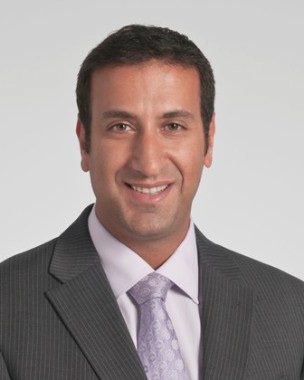
These "breath prints" also could lead to interventions for childhood obesity, Dr. Alkhouri said at a press briefing held in advance of the annual Digestive Disease Week, where the data will be presented.
Mass spectrometry in 60 obese children and 55 lean controls demonstrated differences in the concentrations of more than 50 volatile organic compounds (VOCs). Four ion peaks were shown to identify overweight/obese subjects with 92% accuracy, he said.
Further analysis showed significantly higher concentrations of four VOCs in the obese vs. nonobese children after adjustment for age, height, and race. These included breath isoprene (11.6 ppb vs. 6.2 ppb), 1-octene (7.7 ppb vs. 4.6 ppb), ammonia (67.4 ppb vs. 50.1 ppb), and hydrogen sulfide (0.49 vs. 0.35 ppb), he said.
Overweight and obese study subjects were children recruited from a pediatric preventive cardiology and metabolic clinic; healthy controls were recruited from a general pediatric clinic during well-child visits. All underwent a single exhaled breath collection using selective ion flow tube-mass spectrometry.
The obese and lean groups differed significantly in that those in the obese group were older (mean of 14.1 vs. 12.1 years), taller (mean of 164.9 vs. 153.3 cm), and more likely to be white (60% vs. 35.2%).
"Obesity continues to be an epidemic in the United States and worldwide. We estimate that 17% of children in the United States are obese, and 32% percent are overweight," Dr. Alkhouri said, adding that these children are at risk for serious health complications, such as diabetes, obstructive sleep apnea, nonalcoholic fatty liver disease, and cardiovascular disease.
"We believe that these breath prints will shed light on the causes and complications of childhood obesity. This could have implications for early interventions as well as new and easier ways to screen for obesity-related complications," he concluded.
Dr. Alkhouri disclosed ties with Gilead Sciences, Vertex Pharmaceuticals, and Merck.
Concentrations of certain exhaled volatile organic compounds are significantly higher in obese children than in nonobese children, according to findings from a controlled study involving more than 100 children.
The findings could lead to improved understanding of the pathophysiologic processes and pathways leading to childhood obesity, according to Dr. Naim Alkhouri of Cleveland Clinic Children’s Hospital.
These "breath prints" also could lead to interventions for childhood obesity, Dr. Alkhouri said at a press briefing held in advance of the annual Digestive Disease Week, where the data will be presented.
Mass spectrometry in 60 obese children and 55 lean controls demonstrated differences in the concentrations of more than 50 volatile organic compounds (VOCs). Four ion peaks were shown to identify overweight/obese subjects with 92% accuracy, he said.
Further analysis showed significantly higher concentrations of four VOCs in the obese vs. nonobese children after adjustment for age, height, and race. These included breath isoprene (11.6 ppb vs. 6.2 ppb), 1-octene (7.7 ppb vs. 4.6 ppb), ammonia (67.4 ppb vs. 50.1 ppb), and hydrogen sulfide (0.49 vs. 0.35 ppb), he said.
Overweight and obese study subjects were children recruited from a pediatric preventive cardiology and metabolic clinic; healthy controls were recruited from a general pediatric clinic during well-child visits. All underwent a single exhaled breath collection using selective ion flow tube-mass spectrometry.
The obese and lean groups differed significantly in that those in the obese group were older (mean of 14.1 vs. 12.1 years), taller (mean of 164.9 vs. 153.3 cm), and more likely to be white (60% vs. 35.2%).
"Obesity continues to be an epidemic in the United States and worldwide. We estimate that 17% of children in the United States are obese, and 32% percent are overweight," Dr. Alkhouri said, adding that these children are at risk for serious health complications, such as diabetes, obstructive sleep apnea, nonalcoholic fatty liver disease, and cardiovascular disease.
"We believe that these breath prints will shed light on the causes and complications of childhood obesity. This could have implications for early interventions as well as new and easier ways to screen for obesity-related complications," he concluded.
Dr. Alkhouri disclosed ties with Gilead Sciences, Vertex Pharmaceuticals, and Merck.
Concentrations of certain exhaled volatile organic compounds are significantly higher in obese children than in nonobese children, according to findings from a controlled study involving more than 100 children.
The findings could lead to improved understanding of the pathophysiologic processes and pathways leading to childhood obesity, according to Dr. Naim Alkhouri of Cleveland Clinic Children’s Hospital.
These "breath prints" also could lead to interventions for childhood obesity, Dr. Alkhouri said at a press briefing held in advance of the annual Digestive Disease Week, where the data will be presented.
Mass spectrometry in 60 obese children and 55 lean controls demonstrated differences in the concentrations of more than 50 volatile organic compounds (VOCs). Four ion peaks were shown to identify overweight/obese subjects with 92% accuracy, he said.
Further analysis showed significantly higher concentrations of four VOCs in the obese vs. nonobese children after adjustment for age, height, and race. These included breath isoprene (11.6 ppb vs. 6.2 ppb), 1-octene (7.7 ppb vs. 4.6 ppb), ammonia (67.4 ppb vs. 50.1 ppb), and hydrogen sulfide (0.49 vs. 0.35 ppb), he said.
Overweight and obese study subjects were children recruited from a pediatric preventive cardiology and metabolic clinic; healthy controls were recruited from a general pediatric clinic during well-child visits. All underwent a single exhaled breath collection using selective ion flow tube-mass spectrometry.
The obese and lean groups differed significantly in that those in the obese group were older (mean of 14.1 vs. 12.1 years), taller (mean of 164.9 vs. 153.3 cm), and more likely to be white (60% vs. 35.2%).
"Obesity continues to be an epidemic in the United States and worldwide. We estimate that 17% of children in the United States are obese, and 32% percent are overweight," Dr. Alkhouri said, adding that these children are at risk for serious health complications, such as diabetes, obstructive sleep apnea, nonalcoholic fatty liver disease, and cardiovascular disease.
"We believe that these breath prints will shed light on the causes and complications of childhood obesity. This could have implications for early interventions as well as new and easier ways to screen for obesity-related complications," he concluded.
Dr. Alkhouri disclosed ties with Gilead Sciences, Vertex Pharmaceuticals, and Merck.
Major finding: Concentrations of four VOCs were significantly higher in the overweight/obese vs. nonobese children after adjustment for age, height, and race. These included breath isoprene (11.6 ppb vs. 6.2 ppb), 1-octene (7.7 ppb vs. 4.6 ppb), ammonia (67.4 ppb vs. 50.1 ppb), and hydrogen sulfide (0.49 vs. 0.35 ppb).
Data source: A controlled study comparing exhaled VOC concentrations in overweight/obese and lean children.
Disclosures: Dr. Alkhouri disclosed ties with Gilead Sciences, Vertex Pharmaceuticals, and Merck.
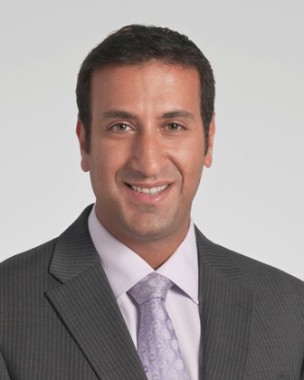
Mobile app guides patients through precolonoscopy bowel prep
A smartphone application that provides step-by-step instructions for precolonoscopy bowel preparation appears to improve users’ bowel preparation quality, according to early findings from an ongoing study.
The Boston Bowel Preparation Scale score in 16 patients who used the doctor-designed Arizona Digestive Health App was 8.19, which was significantly better than the scores in 162 smartphone users who did not use the app (6.92) and 164 patients without smartphones (6.76). The difference in scores between the smartphone users who didn’t use the app and those without a smartphone was not statistically significant. The findings are being reported during the annual Digestive Disease Week in Orlando.
In an initial phase of the study, the 362 non–app users who underwent screening colonoscopy were simply asked whether they owned a smartphone and about their likelihood of using an app. Bowel preparation quality in those patients was evaluated by a blinded endoscopist, Dr. Nilay H. Kavathia reported during a press conference prior to the meeting
In a second phase, patients were instructed on how to download the app, which includes timed alerts with step-by-step instructions regarding dietary restrictions and use of the prep, as well as photos and tips to ensure patients’ understanding of the process, said Dr. Kavathia of the Carl T. Hayden Veterans Affairs Medical Center in Phoenix.
The information was the same as that provided in written form to those not using the app, he noted.
Bowel preparation quality in these patients was also assessed by a blinded endoscopist.
Though early, the findings are encouraging, given that the success of colonoscopy is largely based on the quality of bowel preparation achieved, Dr. Kavathia said during the press briefing.
"Basically, good colon prep is difficult to do. Inadequate preparation can result in cancellation or a compromised exam ... We believe this app provides an important step in improving patient satisfaction and harnessing technology for better health care outcomes," he added.
Dr. Larry Friedman, Digestive Disease Week Council chair and chair of the department of medicine at Newton-Wellesley Hospital in Newton, Mass., agreed, calling the app "ingenious."
"There are a lot of barriers to success of colorectal cancer screening, and one of the main ones is ensuring that the preparation is adequate ... and everyone knows that the worst part of colonoscopy is taking the prep. Anything you can do to encourage patients to complete the prep, and perhaps enjoy doing it a little more than they generally do with the use of an app, I think that’s an ingenious approach that will improve the quality of colorectal cancer screening," he said.
The Arizona Digestive Health App is available for free for both Apple iPhone and Android devices, and is adaptable to multiple bowel preparations.
Dr. Kavathia reported having no relevant financial disclosures.
A smartphone application that provides step-by-step instructions for precolonoscopy bowel preparation appears to improve users’ bowel preparation quality, according to early findings from an ongoing study.
The Boston Bowel Preparation Scale score in 16 patients who used the doctor-designed Arizona Digestive Health App was 8.19, which was significantly better than the scores in 162 smartphone users who did not use the app (6.92) and 164 patients without smartphones (6.76). The difference in scores between the smartphone users who didn’t use the app and those without a smartphone was not statistically significant. The findings are being reported during the annual Digestive Disease Week in Orlando.
In an initial phase of the study, the 362 non–app users who underwent screening colonoscopy were simply asked whether they owned a smartphone and about their likelihood of using an app. Bowel preparation quality in those patients was evaluated by a blinded endoscopist, Dr. Nilay H. Kavathia reported during a press conference prior to the meeting
In a second phase, patients were instructed on how to download the app, which includes timed alerts with step-by-step instructions regarding dietary restrictions and use of the prep, as well as photos and tips to ensure patients’ understanding of the process, said Dr. Kavathia of the Carl T. Hayden Veterans Affairs Medical Center in Phoenix.
The information was the same as that provided in written form to those not using the app, he noted.
Bowel preparation quality in these patients was also assessed by a blinded endoscopist.
Though early, the findings are encouraging, given that the success of colonoscopy is largely based on the quality of bowel preparation achieved, Dr. Kavathia said during the press briefing.
"Basically, good colon prep is difficult to do. Inadequate preparation can result in cancellation or a compromised exam ... We believe this app provides an important step in improving patient satisfaction and harnessing technology for better health care outcomes," he added.
Dr. Larry Friedman, Digestive Disease Week Council chair and chair of the department of medicine at Newton-Wellesley Hospital in Newton, Mass., agreed, calling the app "ingenious."
"There are a lot of barriers to success of colorectal cancer screening, and one of the main ones is ensuring that the preparation is adequate ... and everyone knows that the worst part of colonoscopy is taking the prep. Anything you can do to encourage patients to complete the prep, and perhaps enjoy doing it a little more than they generally do with the use of an app, I think that’s an ingenious approach that will improve the quality of colorectal cancer screening," he said.
The Arizona Digestive Health App is available for free for both Apple iPhone and Android devices, and is adaptable to multiple bowel preparations.
Dr. Kavathia reported having no relevant financial disclosures.
A smartphone application that provides step-by-step instructions for precolonoscopy bowel preparation appears to improve users’ bowel preparation quality, according to early findings from an ongoing study.
The Boston Bowel Preparation Scale score in 16 patients who used the doctor-designed Arizona Digestive Health App was 8.19, which was significantly better than the scores in 162 smartphone users who did not use the app (6.92) and 164 patients without smartphones (6.76). The difference in scores between the smartphone users who didn’t use the app and those without a smartphone was not statistically significant. The findings are being reported during the annual Digestive Disease Week in Orlando.
In an initial phase of the study, the 362 non–app users who underwent screening colonoscopy were simply asked whether they owned a smartphone and about their likelihood of using an app. Bowel preparation quality in those patients was evaluated by a blinded endoscopist, Dr. Nilay H. Kavathia reported during a press conference prior to the meeting
In a second phase, patients were instructed on how to download the app, which includes timed alerts with step-by-step instructions regarding dietary restrictions and use of the prep, as well as photos and tips to ensure patients’ understanding of the process, said Dr. Kavathia of the Carl T. Hayden Veterans Affairs Medical Center in Phoenix.
The information was the same as that provided in written form to those not using the app, he noted.
Bowel preparation quality in these patients was also assessed by a blinded endoscopist.
Though early, the findings are encouraging, given that the success of colonoscopy is largely based on the quality of bowel preparation achieved, Dr. Kavathia said during the press briefing.
"Basically, good colon prep is difficult to do. Inadequate preparation can result in cancellation or a compromised exam ... We believe this app provides an important step in improving patient satisfaction and harnessing technology for better health care outcomes," he added.
Dr. Larry Friedman, Digestive Disease Week Council chair and chair of the department of medicine at Newton-Wellesley Hospital in Newton, Mass., agreed, calling the app "ingenious."
"There are a lot of barriers to success of colorectal cancer screening, and one of the main ones is ensuring that the preparation is adequate ... and everyone knows that the worst part of colonoscopy is taking the prep. Anything you can do to encourage patients to complete the prep, and perhaps enjoy doing it a little more than they generally do with the use of an app, I think that’s an ingenious approach that will improve the quality of colorectal cancer screening," he said.
The Arizona Digestive Health App is available for free for both Apple iPhone and Android devices, and is adaptable to multiple bowel preparations.
Dr. Kavathia reported having no relevant financial disclosures.
Major finding: Bowel prep scores were significantly better for app users (8.19) than for those who had smartphones (6.92) but did not use the app and those who did not have smartphones (6.76).
Data source: A prospective, assessor-blinded comparative study.
Disclosures: Dr. Kavathia reported having no relevant financial disclosures.
Self-management programs benefit adolescent arthritis patients
DESTIN, FLA. – Arthritis self-management programs can ease the transition from pediatric to adult care for many adolescents with juvenile idiopathic arthritis, according to Dr. Brian Feldman.
Not only are adolescent patients coping with rapid physical growth and pubertal changes that can have detrimental effects in patients with chronic conditions, they also are developing a personal identity and seeking independence. As a result, adolescence is a time when parental influence can disintegrate, risk-taking behaviors may increase – and medication adherence may go by the wayside, he said at the Congress of Clinical Rheumatology.

A meta-analysis involving 569 studies of adults and children with various chronic conditions showed that on average, medication adherence was 75%, but a closer look at the pediatric population shows that adherence declines substantially during the teenage years, said Dr. Feldman, professor of pediatrics and medicine at the University of Toronto, and head of the division of rheumatology at the Hospital for Sick Children, also in Toronto.
In another study of 40 juvenile arthritis patients started on NSAID treatment, only 60% took their medications as prescribed.
These issues are not new, but they have garnered increasing attention in the past decade, beginning with a 2002 consensus statement on health care transitions for young adults with special health care needs (Pediatrics 2002;110[Suppl. 3]:1304-6). The statement, developed by the American Academy of Pediatrics, the American Academy of Family Physicians, and the American College of Physicians–American Society of Internal Medicine stresses the importance of the transition process, and characterizes it as a dynamic lifelong process with a goal of maximizing lifelong functioning and potential through high-quality, uninterrupted, developmentally-appropriate health care services.
The transition, according to the statement, should be patient centered, flexible, responsive, and comprehensive, and should involve a coordinated effort by all parties.
This requires considering the developmental stage of the child and the family and developing a three-way partnership between the pediatric health care provider, the adult health care provider, and the child and family, Dr. Feldman said.
"We need to provide support not just to the child, but also to the family through the transition process. It’s very important as the children start to grow that we take advantage of this burgeoning autonomy and give them skills for self-management; that we coordinate our adult and pediatric services so that the transition is smooth; and that we plan for an active transfer of care. Arthritis self-management is an important aspect of this process," he said.
Arthritis self-management programs have been around for a long time, and studies consistently demonstrate that they can be of benefit for adolescents and young adults, particularly with respect to improving medication adherence.
The Canadian Arthritis Society and the Arthritis Foundation are among organizations that have long offered self management programs. A new Internet-based program, webSMART, currently in development through the Childhood Arthritis & Rheumatology Research Alliance also is showing promise.
The program, which promotes coping skills training for English-, French-, and Spanish-speaking adolescents with juvenile idiopathic arthritis, currently is being evaluated in a large, randomized, controlled, trial across North America.
The website has a "funky" design to appeal to the adolescents, and covers subjects such as nonmedical therapies, stress management, relaxation, arthritis medications, self-monitoring, and looking ahead. Each page includes videos, tips and interactive features, Dr. Feldman said.
In a pilot study, 24 teens were randomized to a group that was exposed to the program, and 22 were randomized to a control group who received a phone call each week from a counselor who would answer questions the teen had about his or her care.
Pain intensity declined significantly in the experimental group, but increased or remained the same in the control group. The difference between the groups was statistically significant, and the effect size was moderate, Dr. Feldman said.
Furthermore, knowledge about disease management increased significantly in the experimental group, compared with the control group, and this effect size was large, he noted.
"So our website was able to change not just knowledge, but also symptoms," he said, noting that while the program is "not ready for prime time," it is expected to be made available to the public once the randomized trial is complete.
Self-management programs can be ideal for many adolescents, including those who live in rural areas without easy access to rheumatologists, because they provide a unique strategy that makes the most of the unique characteristics of this population, Dr. Feldman said.
"Self management is important, and because of the unique issues we deal with in the pediatric population, we should be considering Internet strategies," he concluded.
Dr. Feldman is a member of the data safety monitoring board for Novartis and Bristol-Myers Squibb. He has received research grant support from Baxter and Bayer.
*Correction, 6/18/2013: An earlier version of this story did not include a photo of Dr. Brian Feldman of Ontario, Canada.
DESTIN, FLA. – Arthritis self-management programs can ease the transition from pediatric to adult care for many adolescents with juvenile idiopathic arthritis, according to Dr. Brian Feldman.
Not only are adolescent patients coping with rapid physical growth and pubertal changes that can have detrimental effects in patients with chronic conditions, they also are developing a personal identity and seeking independence. As a result, adolescence is a time when parental influence can disintegrate, risk-taking behaviors may increase – and medication adherence may go by the wayside, he said at the Congress of Clinical Rheumatology.
A meta-analysis involving 569 studies of adults and children with various chronic conditions showed that on average, medication adherence was 75%, but a closer look at the pediatric population shows that adherence declines substantially during the teenage years, said Dr. Feldman, professor of pediatrics and medicine at the University of Toronto, and head of the division of rheumatology at the Hospital for Sick Children, also in Toronto.
In another study of 40 juvenile arthritis patients started on NSAID treatment, only 60% took their medications as prescribed.
These issues are not new, but they have garnered increasing attention in the past decade, beginning with a 2002 consensus statement on health care transitions for young adults with special health care needs (Pediatrics 2002;110[Suppl. 3]:1304-6). The statement, developed by the American Academy of Pediatrics, the American Academy of Family Physicians, and the American College of Physicians–American Society of Internal Medicine stresses the importance of the transition process, and characterizes it as a dynamic lifelong process with a goal of maximizing lifelong functioning and potential through high-quality, uninterrupted, developmentally-appropriate health care services.
The transition, according to the statement, should be patient centered, flexible, responsive, and comprehensive, and should involve a coordinated effort by all parties.
This requires considering the developmental stage of the child and the family and developing a three-way partnership between the pediatric health care provider, the adult health care provider, and the child and family, Dr. Feldman said.
"We need to provide support not just to the child, but also to the family through the transition process. It’s very important as the children start to grow that we take advantage of this burgeoning autonomy and give them skills for self-management; that we coordinate our adult and pediatric services so that the transition is smooth; and that we plan for an active transfer of care. Arthritis self-management is an important aspect of this process," he said.
Arthritis self-management programs have been around for a long time, and studies consistently demonstrate that they can be of benefit for adolescents and young adults, particularly with respect to improving medication adherence.
The Canadian Arthritis Society and the Arthritis Foundation are among organizations that have long offered self management programs. A new Internet-based program, webSMART, currently in development through the Childhood Arthritis & Rheumatology Research Alliance also is showing promise.
The program, which promotes coping skills training for English-, French-, and Spanish-speaking adolescents with juvenile idiopathic arthritis, currently is being evaluated in a large, randomized, controlled, trial across North America.
The website has a "funky" design to appeal to the adolescents, and covers subjects such as nonmedical therapies, stress management, relaxation, arthritis medications, self-monitoring, and looking ahead. Each page includes videos, tips and interactive features, Dr. Feldman said.
In a pilot study, 24 teens were randomized to a group that was exposed to the program, and 22 were randomized to a control group who received a phone call each week from a counselor who would answer questions the teen had about his or her care.
Pain intensity declined significantly in the experimental group, but increased or remained the same in the control group. The difference between the groups was statistically significant, and the effect size was moderate, Dr. Feldman said.
Furthermore, knowledge about disease management increased significantly in the experimental group, compared with the control group, and this effect size was large, he noted.
"So our website was able to change not just knowledge, but also symptoms," he said, noting that while the program is "not ready for prime time," it is expected to be made available to the public once the randomized trial is complete.
Self-management programs can be ideal for many adolescents, including those who live in rural areas without easy access to rheumatologists, because they provide a unique strategy that makes the most of the unique characteristics of this population, Dr. Feldman said.
"Self management is important, and because of the unique issues we deal with in the pediatric population, we should be considering Internet strategies," he concluded.
Dr. Feldman is a member of the data safety monitoring board for Novartis and Bristol-Myers Squibb. He has received research grant support from Baxter and Bayer.
*Correction, 6/18/2013: An earlier version of this story did not include a photo of Dr. Brian Feldman of Ontario, Canada.
DESTIN, FLA. – Arthritis self-management programs can ease the transition from pediatric to adult care for many adolescents with juvenile idiopathic arthritis, according to Dr. Brian Feldman.
Not only are adolescent patients coping with rapid physical growth and pubertal changes that can have detrimental effects in patients with chronic conditions, they also are developing a personal identity and seeking independence. As a result, adolescence is a time when parental influence can disintegrate, risk-taking behaviors may increase – and medication adherence may go by the wayside, he said at the Congress of Clinical Rheumatology.
A meta-analysis involving 569 studies of adults and children with various chronic conditions showed that on average, medication adherence was 75%, but a closer look at the pediatric population shows that adherence declines substantially during the teenage years, said Dr. Feldman, professor of pediatrics and medicine at the University of Toronto, and head of the division of rheumatology at the Hospital for Sick Children, also in Toronto.
In another study of 40 juvenile arthritis patients started on NSAID treatment, only 60% took their medications as prescribed.
These issues are not new, but they have garnered increasing attention in the past decade, beginning with a 2002 consensus statement on health care transitions for young adults with special health care needs (Pediatrics 2002;110[Suppl. 3]:1304-6). The statement, developed by the American Academy of Pediatrics, the American Academy of Family Physicians, and the American College of Physicians–American Society of Internal Medicine stresses the importance of the transition process, and characterizes it as a dynamic lifelong process with a goal of maximizing lifelong functioning and potential through high-quality, uninterrupted, developmentally-appropriate health care services.
The transition, according to the statement, should be patient centered, flexible, responsive, and comprehensive, and should involve a coordinated effort by all parties.
This requires considering the developmental stage of the child and the family and developing a three-way partnership between the pediatric health care provider, the adult health care provider, and the child and family, Dr. Feldman said.
"We need to provide support not just to the child, but also to the family through the transition process. It’s very important as the children start to grow that we take advantage of this burgeoning autonomy and give them skills for self-management; that we coordinate our adult and pediatric services so that the transition is smooth; and that we plan for an active transfer of care. Arthritis self-management is an important aspect of this process," he said.
Arthritis self-management programs have been around for a long time, and studies consistently demonstrate that they can be of benefit for adolescents and young adults, particularly with respect to improving medication adherence.
The Canadian Arthritis Society and the Arthritis Foundation are among organizations that have long offered self management programs. A new Internet-based program, webSMART, currently in development through the Childhood Arthritis & Rheumatology Research Alliance also is showing promise.
The program, which promotes coping skills training for English-, French-, and Spanish-speaking adolescents with juvenile idiopathic arthritis, currently is being evaluated in a large, randomized, controlled, trial across North America.
The website has a "funky" design to appeal to the adolescents, and covers subjects such as nonmedical therapies, stress management, relaxation, arthritis medications, self-monitoring, and looking ahead. Each page includes videos, tips and interactive features, Dr. Feldman said.
In a pilot study, 24 teens were randomized to a group that was exposed to the program, and 22 were randomized to a control group who received a phone call each week from a counselor who would answer questions the teen had about his or her care.
Pain intensity declined significantly in the experimental group, but increased or remained the same in the control group. The difference between the groups was statistically significant, and the effect size was moderate, Dr. Feldman said.
Furthermore, knowledge about disease management increased significantly in the experimental group, compared with the control group, and this effect size was large, he noted.
"So our website was able to change not just knowledge, but also symptoms," he said, noting that while the program is "not ready for prime time," it is expected to be made available to the public once the randomized trial is complete.
Self-management programs can be ideal for many adolescents, including those who live in rural areas without easy access to rheumatologists, because they provide a unique strategy that makes the most of the unique characteristics of this population, Dr. Feldman said.
"Self management is important, and because of the unique issues we deal with in the pediatric population, we should be considering Internet strategies," he concluded.
Dr. Feldman is a member of the data safety monitoring board for Novartis and Bristol-Myers Squibb. He has received research grant support from Baxter and Bayer.
*Correction, 6/18/2013: An earlier version of this story did not include a photo of Dr. Brian Feldman of Ontario, Canada.
EXPERT ANALYSIS FROM THE CONGRESS OF CLINICAL RHEUMATOLOGY