User login
Belimumab's FDA Approval Marks New Lupus-Treatment Era
The announcement late on March 9 from the Food and Drug Administration that it had approved belimumab as a treatment for systemic lupus erythematosus, the first new treatment approved for this disease in more than 50 years, produced reaction among lupus specialists that ran the gamut from unrestrained elation to somewhat more restrained enthusiasm.
Regardless of the degree of caution experts might have about the efficacy of belimumab and the consequences of its widespread use, there was no denying that its approval marked a milestone for the management of patients with systemic lupus erythematosus (SLE).
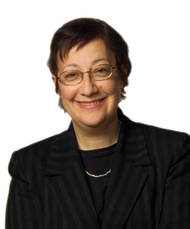
"I've been calling my friends and going yippee. This is a historic day for lupus patients," said Dr. Joan T. Merrill, professor of medicine and chair of the clinical pharmacology research program at the Oklahoma Medical Research Foundation in Oklahoma City, who participated in the belimumab trials and exemplified a more enthusiastic take on the drug's approval.
A more cautious but still welcoming view came from Dr. David Wofsy, who was not involved in the belimumab studies. "I expect the drug will be widely used in lupus, given the great, unmet need for new therapies. But patients and physicians need to remain cognizant of the fact that roughly half of the subjects in the trials did not achieve the desired clinical outcome" a novel measure designed specifically for the two pivotal belimumab trials, the SLE Responder Index, said Dr. Wofsy, a professor of rheumatology at the University of California, San Francisco.
"Moreover, at this point, there is relatively little information about the effect of belimumab in patients with the most serious manifestations of lupus," such as active nephritis and central nervous system manifestations, Dr. Wofsy said in an interview. The majority of patients in the belimumab trials had cutaneous manifestations, musculoskeletal manifestations, or both, so we are beginning to understand the potential benefit of the drug in these patients. It will take time and undoubtedly more trials before we know how the drug will perform in patients with other manifestations.
"There is understandably great excitement about this landmark achievement, but patients and physicians will be well served if they remain realistic in their expectations and cautious in their use of a new agent," Dr. Wofsy said.
Dr. Merrill applied less caution in her assessment of the role belimumab will fill once physicians start prescribing it.
"I believe it will be tried in many [SLE] patients over the next year," she said in an interview. "I will certainly try it in many of my patients. The majority of lupus patients will flare sooner or later on the medicine they're on. If they flare a little, I'd first look to raise the dose of the drug they're on before I go to a brand new biologic such as belimumab. But we have a lot of patients where that [raising the dose] won't work, and they deserve a chance to try" the new drug. "The data from the trials show us that belimumab won't be the perfect drug for every patient, but there may be a substantial number of patients who may be helped. A patient doing well on a less expensive drug is not a candidate for changing treatment to belimumab, but there are many patients who are candidates."
What remains less clear today is the possible role of belimumab as initial therapy. "There are no treatment algorithms in SLE; there is no clinical trial evidence to know which drug to start first," Dr. Merrill said. A patient with SLE and predominant arthritis symptoms might initially get started on methotrexate, but if that is only partially effective, it would be reasonable to use belimumab as the next step, she said. An SLE patient who presents with a significant rash as the predominant symptom might start on methotrexate or another oral immunosuppressant, and again, belimumab could later be added if needed. Or the patient may be intolerant of such drugs as azathioprine or mycophenolate, prompting a faster progression to belimumab. Hydroxychloroquine monotherapy usually can't adequately control substantial SLE symptoms.
Although the two companies that will jointly market belimumab (Benlysta), Human Genome Sciences and GlaxoSmithKline, have not yet announced the drug's pricing, expectations are that it will be high. "There is no such thing as a cheap biologic," especially while it remains on patent, Dr. Merrill noted. But the world of drug options for treating SLE is somewhat unique, because virtually none of the standard-of-care options has labeling for SLE.
"For many years, insurers refused to cover expensive biologics" for SLE patients, Dr. Merrill said. "I've had to fight to get my patients access, even the ones who were very sick. The payer's argument was that the drug was not approved for lupus. Now it's the expensive drug that's approved, but the inexpensive ones aren't. Insurers will have trouble because if they say 'Have you tried azathioprine or methotrexate?' I can say 'But those drugs are not approved for lupus.' "
The United States "is struggling to figure out how to solve the cost of medical care. In the meantime, my strong conviction is that lupus patients, like any other patient, should have access to the best care available. If that proves to be belimumab, then so be it," Dr. Wofsy said.
A notable feature of the FDA's announcement of belimumab's approval was the agency noting that African American SLE patients and those of African heritage "did not appear to respond to treatment with belimumab" in the two pivotal studies. The FDA noted that the companies developing belimumab agreed to run a new study to specifically address this issue in greater detail.
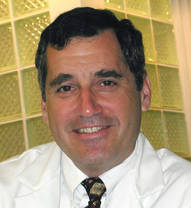
"The trials done were not powered to address the efficacy of belimumab in African Americans, but the lack of an encouraging signal in this population can only be described as very disappointing, given that this population is disproportionately affected by SLE. The company's apparent commitment to answer this question definitely in a new trial is very important and to their credit," Dr. Wofsy said.
But citing the difficulty of presuming a genetic profile in individual patients who might have a particular racial identity, Dr. Merrill drew a different conclusion. "In my opinion, the data do not support any limitation excluding African Americans" from treatment with belimumab. "Everyone has a different genetic mix. Data that focus on race are very unscientific. I think that all patients deserve a chance to be tried on a treatment that's clearly showed widespread safety, compared with other drugs that are used for standard of care but have lots of side effects."
The labeling issued by the companies that will market belimumab lists a recommended dosage for each belimumab infusion as 10 mg/kg, every 2 weeks for the first three doses followed by new doses every 4 weeks, the dosage that gave the best results in the pivotal trials. But physicians will need to take a flexible attitude on dosage as they start treating patients, Dr. Merrill said. Although she will start some patients on 10 mg/kg, she might start with a lower dosage in patients she is nervous about and then slowly raise the dosage, and, if a patient remains symptomatic but well tolerates 10 mg/kg, she would also consider increasing the dosage higher, she said.
Dr. Merrill said that she has been a consultant to and has received research support from Human Genome Sciences and GlaxoSmithKline, as well as from many other companies. Dr. Wofsy has been a consultant to Bristol Myers Squibb and has received research support from several drug companies.
Dr. Wofsy has consulted for Human Genome Sciences and GlaxoSmithKline, as well as other companies involved in lupus drug development.
The announcement late on March 9 from the Food and Drug Administration that it had approved belimumab as a treatment for systemic lupus erythematosus, the first new treatment approved for this disease in more than 50 years, produced reaction among lupus specialists that ran the gamut from unrestrained elation to somewhat more restrained enthusiasm.
Regardless of the degree of caution experts might have about the efficacy of belimumab and the consequences of its widespread use, there was no denying that its approval marked a milestone for the management of patients with systemic lupus erythematosus (SLE).
"I've been calling my friends and going yippee. This is a historic day for lupus patients," said Dr. Joan T. Merrill, professor of medicine and chair of the clinical pharmacology research program at the Oklahoma Medical Research Foundation in Oklahoma City, who participated in the belimumab trials and exemplified a more enthusiastic take on the drug's approval.
A more cautious but still welcoming view came from Dr. David Wofsy, who was not involved in the belimumab studies. "I expect the drug will be widely used in lupus, given the great, unmet need for new therapies. But patients and physicians need to remain cognizant of the fact that roughly half of the subjects in the trials did not achieve the desired clinical outcome" a novel measure designed specifically for the two pivotal belimumab trials, the SLE Responder Index, said Dr. Wofsy, a professor of rheumatology at the University of California, San Francisco.
"Moreover, at this point, there is relatively little information about the effect of belimumab in patients with the most serious manifestations of lupus," such as active nephritis and central nervous system manifestations, Dr. Wofsy said in an interview. The majority of patients in the belimumab trials had cutaneous manifestations, musculoskeletal manifestations, or both, so we are beginning to understand the potential benefit of the drug in these patients. It will take time and undoubtedly more trials before we know how the drug will perform in patients with other manifestations.
"There is understandably great excitement about this landmark achievement, but patients and physicians will be well served if they remain realistic in their expectations and cautious in their use of a new agent," Dr. Wofsy said.
Dr. Merrill applied less caution in her assessment of the role belimumab will fill once physicians start prescribing it.
"I believe it will be tried in many [SLE] patients over the next year," she said in an interview. "I will certainly try it in many of my patients. The majority of lupus patients will flare sooner or later on the medicine they're on. If they flare a little, I'd first look to raise the dose of the drug they're on before I go to a brand new biologic such as belimumab. But we have a lot of patients where that [raising the dose] won't work, and they deserve a chance to try" the new drug. "The data from the trials show us that belimumab won't be the perfect drug for every patient, but there may be a substantial number of patients who may be helped. A patient doing well on a less expensive drug is not a candidate for changing treatment to belimumab, but there are many patients who are candidates."
What remains less clear today is the possible role of belimumab as initial therapy. "There are no treatment algorithms in SLE; there is no clinical trial evidence to know which drug to start first," Dr. Merrill said. A patient with SLE and predominant arthritis symptoms might initially get started on methotrexate, but if that is only partially effective, it would be reasonable to use belimumab as the next step, she said. An SLE patient who presents with a significant rash as the predominant symptom might start on methotrexate or another oral immunosuppressant, and again, belimumab could later be added if needed. Or the patient may be intolerant of such drugs as azathioprine or mycophenolate, prompting a faster progression to belimumab. Hydroxychloroquine monotherapy usually can't adequately control substantial SLE symptoms.
Although the two companies that will jointly market belimumab (Benlysta), Human Genome Sciences and GlaxoSmithKline, have not yet announced the drug's pricing, expectations are that it will be high. "There is no such thing as a cheap biologic," especially while it remains on patent, Dr. Merrill noted. But the world of drug options for treating SLE is somewhat unique, because virtually none of the standard-of-care options has labeling for SLE.
"For many years, insurers refused to cover expensive biologics" for SLE patients, Dr. Merrill said. "I've had to fight to get my patients access, even the ones who were very sick. The payer's argument was that the drug was not approved for lupus. Now it's the expensive drug that's approved, but the inexpensive ones aren't. Insurers will have trouble because if they say 'Have you tried azathioprine or methotrexate?' I can say 'But those drugs are not approved for lupus.' "
The United States "is struggling to figure out how to solve the cost of medical care. In the meantime, my strong conviction is that lupus patients, like any other patient, should have access to the best care available. If that proves to be belimumab, then so be it," Dr. Wofsy said.
A notable feature of the FDA's announcement of belimumab's approval was the agency noting that African American SLE patients and those of African heritage "did not appear to respond to treatment with belimumab" in the two pivotal studies. The FDA noted that the companies developing belimumab agreed to run a new study to specifically address this issue in greater detail.
"The trials done were not powered to address the efficacy of belimumab in African Americans, but the lack of an encouraging signal in this population can only be described as very disappointing, given that this population is disproportionately affected by SLE. The company's apparent commitment to answer this question definitely in a new trial is very important and to their credit," Dr. Wofsy said.
But citing the difficulty of presuming a genetic profile in individual patients who might have a particular racial identity, Dr. Merrill drew a different conclusion. "In my opinion, the data do not support any limitation excluding African Americans" from treatment with belimumab. "Everyone has a different genetic mix. Data that focus on race are very unscientific. I think that all patients deserve a chance to be tried on a treatment that's clearly showed widespread safety, compared with other drugs that are used for standard of care but have lots of side effects."
The labeling issued by the companies that will market belimumab lists a recommended dosage for each belimumab infusion as 10 mg/kg, every 2 weeks for the first three doses followed by new doses every 4 weeks, the dosage that gave the best results in the pivotal trials. But physicians will need to take a flexible attitude on dosage as they start treating patients, Dr. Merrill said. Although she will start some patients on 10 mg/kg, she might start with a lower dosage in patients she is nervous about and then slowly raise the dosage, and, if a patient remains symptomatic but well tolerates 10 mg/kg, she would also consider increasing the dosage higher, she said.
Dr. Merrill said that she has been a consultant to and has received research support from Human Genome Sciences and GlaxoSmithKline, as well as from many other companies. Dr. Wofsy has been a consultant to Bristol Myers Squibb and has received research support from several drug companies.
Dr. Wofsy has consulted for Human Genome Sciences and GlaxoSmithKline, as well as other companies involved in lupus drug development.
The announcement late on March 9 from the Food and Drug Administration that it had approved belimumab as a treatment for systemic lupus erythematosus, the first new treatment approved for this disease in more than 50 years, produced reaction among lupus specialists that ran the gamut from unrestrained elation to somewhat more restrained enthusiasm.
Regardless of the degree of caution experts might have about the efficacy of belimumab and the consequences of its widespread use, there was no denying that its approval marked a milestone for the management of patients with systemic lupus erythematosus (SLE).
"I've been calling my friends and going yippee. This is a historic day for lupus patients," said Dr. Joan T. Merrill, professor of medicine and chair of the clinical pharmacology research program at the Oklahoma Medical Research Foundation in Oklahoma City, who participated in the belimumab trials and exemplified a more enthusiastic take on the drug's approval.
A more cautious but still welcoming view came from Dr. David Wofsy, who was not involved in the belimumab studies. "I expect the drug will be widely used in lupus, given the great, unmet need for new therapies. But patients and physicians need to remain cognizant of the fact that roughly half of the subjects in the trials did not achieve the desired clinical outcome" a novel measure designed specifically for the two pivotal belimumab trials, the SLE Responder Index, said Dr. Wofsy, a professor of rheumatology at the University of California, San Francisco.
"Moreover, at this point, there is relatively little information about the effect of belimumab in patients with the most serious manifestations of lupus," such as active nephritis and central nervous system manifestations, Dr. Wofsy said in an interview. The majority of patients in the belimumab trials had cutaneous manifestations, musculoskeletal manifestations, or both, so we are beginning to understand the potential benefit of the drug in these patients. It will take time and undoubtedly more trials before we know how the drug will perform in patients with other manifestations.
"There is understandably great excitement about this landmark achievement, but patients and physicians will be well served if they remain realistic in their expectations and cautious in their use of a new agent," Dr. Wofsy said.
Dr. Merrill applied less caution in her assessment of the role belimumab will fill once physicians start prescribing it.
"I believe it will be tried in many [SLE] patients over the next year," she said in an interview. "I will certainly try it in many of my patients. The majority of lupus patients will flare sooner or later on the medicine they're on. If they flare a little, I'd first look to raise the dose of the drug they're on before I go to a brand new biologic such as belimumab. But we have a lot of patients where that [raising the dose] won't work, and they deserve a chance to try" the new drug. "The data from the trials show us that belimumab won't be the perfect drug for every patient, but there may be a substantial number of patients who may be helped. A patient doing well on a less expensive drug is not a candidate for changing treatment to belimumab, but there are many patients who are candidates."
What remains less clear today is the possible role of belimumab as initial therapy. "There are no treatment algorithms in SLE; there is no clinical trial evidence to know which drug to start first," Dr. Merrill said. A patient with SLE and predominant arthritis symptoms might initially get started on methotrexate, but if that is only partially effective, it would be reasonable to use belimumab as the next step, she said. An SLE patient who presents with a significant rash as the predominant symptom might start on methotrexate or another oral immunosuppressant, and again, belimumab could later be added if needed. Or the patient may be intolerant of such drugs as azathioprine or mycophenolate, prompting a faster progression to belimumab. Hydroxychloroquine monotherapy usually can't adequately control substantial SLE symptoms.
Although the two companies that will jointly market belimumab (Benlysta), Human Genome Sciences and GlaxoSmithKline, have not yet announced the drug's pricing, expectations are that it will be high. "There is no such thing as a cheap biologic," especially while it remains on patent, Dr. Merrill noted. But the world of drug options for treating SLE is somewhat unique, because virtually none of the standard-of-care options has labeling for SLE.
"For many years, insurers refused to cover expensive biologics" for SLE patients, Dr. Merrill said. "I've had to fight to get my patients access, even the ones who were very sick. The payer's argument was that the drug was not approved for lupus. Now it's the expensive drug that's approved, but the inexpensive ones aren't. Insurers will have trouble because if they say 'Have you tried azathioprine or methotrexate?' I can say 'But those drugs are not approved for lupus.' "
The United States "is struggling to figure out how to solve the cost of medical care. In the meantime, my strong conviction is that lupus patients, like any other patient, should have access to the best care available. If that proves to be belimumab, then so be it," Dr. Wofsy said.
A notable feature of the FDA's announcement of belimumab's approval was the agency noting that African American SLE patients and those of African heritage "did not appear to respond to treatment with belimumab" in the two pivotal studies. The FDA noted that the companies developing belimumab agreed to run a new study to specifically address this issue in greater detail.
"The trials done were not powered to address the efficacy of belimumab in African Americans, but the lack of an encouraging signal in this population can only be described as very disappointing, given that this population is disproportionately affected by SLE. The company's apparent commitment to answer this question definitely in a new trial is very important and to their credit," Dr. Wofsy said.
But citing the difficulty of presuming a genetic profile in individual patients who might have a particular racial identity, Dr. Merrill drew a different conclusion. "In my opinion, the data do not support any limitation excluding African Americans" from treatment with belimumab. "Everyone has a different genetic mix. Data that focus on race are very unscientific. I think that all patients deserve a chance to be tried on a treatment that's clearly showed widespread safety, compared with other drugs that are used for standard of care but have lots of side effects."
The labeling issued by the companies that will market belimumab lists a recommended dosage for each belimumab infusion as 10 mg/kg, every 2 weeks for the first three doses followed by new doses every 4 weeks, the dosage that gave the best results in the pivotal trials. But physicians will need to take a flexible attitude on dosage as they start treating patients, Dr. Merrill said. Although she will start some patients on 10 mg/kg, she might start with a lower dosage in patients she is nervous about and then slowly raise the dosage, and, if a patient remains symptomatic but well tolerates 10 mg/kg, she would also consider increasing the dosage higher, she said.
Dr. Merrill said that she has been a consultant to and has received research support from Human Genome Sciences and GlaxoSmithKline, as well as from many other companies. Dr. Wofsy has been a consultant to Bristol Myers Squibb and has received research support from several drug companies.
Dr. Wofsy has consulted for Human Genome Sciences and GlaxoSmithKline, as well as other companies involved in lupus drug development.
FROM THE FOOD AND DRUG ADMINISTRATION
Effective Psoriasis Therapy Only Reverses 70% of Molecular Disease
NEW ORLEANS – Clinically successful biologic therapy for psoriasis reverses roughly 70% of the molecular disease profile, leaving behind more than 1,200 dysregulated genes whose expression is either markedly increased or reduced, compared with nonlesional skin.
"Even highly effective treatments for psoriasis don't restore gene expression to levels seen in control skin biopsies. This suggests the possibility of a 'molecular scar' of psoriasis, even in clinically resolved psoriatic lesions," Dr. James G. Krueger said at the annual meeting of the American Academy of Dermatology.

Many of these residual dysregulated genes are involved in promoting what he called "smoldering inflammation."
"This could be the reason why psoriasis tends to recur in focal clinical regions. It's very common if you have bad plaque psoriasis that it comes back in the same spot after it’s effectively treated," noted Dr. Krueger, professor and head of the laboratory of investigative dermatology at Rockefeller University in New York.
He reported on 85 patients with moderate to severe plaque psoriasis who participated in a larger randomized clinical trial and underwent skin biopsies of lesional and nonlesional skin at baseline and again after 12 weeks of etanercept therapy. Another 85 patients were biopsied before and after 12 weeks on ustekinumab. In all, 21 etanercept-treated patients achieved a PASI 75 score (a 75% improvement over baseline on the Psoriasis Area and Severity Index), as did 19 on ustekinumab. In addition, skin biopsies were obtained from 25 normal, healthy volunteers. The specimens from all subjects were subjected to gene microarray analysis.
In all, 4,175 genes were differentially expressed (that is, either upregulated or downregulated) at baseline in lesional – compared with nonlesional – skin from psoriasis patients. Following 12 weeks of successful biologic therapy in patients who achieved a PASI 75 response, 2,922 of these genes were essentially normalized in lesions that were resolved clinically and histologically on hematoxylin and eosin stain, meaning that the genes' activity improved by at least 75% with treatment.
For the most part, both biologic agents normalized the same dysregulated genes; however, 7.7% of dysregulated genes were uniquely normalized by ustekinumab, and 14.7% were modulated only by etanercept.
Most of the dysregulated genes that were present in lesional skin whose functionality improved after 12 weeks of treatment were involved in keratinization, cyclin production, and formation of structural proteins. They were largely responsible for creating the classic hyperplasia phenotype of psoriasis which melts away both clinically and histologically in biologic therapy responders. But in addition, there was a high rate of improvement in genes that were involved in inflammatory pathways.
The molecular disease remnant that remained unchanged by the two biologics – that is, the 30% of dysregulated genes that were not normalized in response to clinically successful treatment – were to a considerable extent concerned with interferon pathway suppression and other residual inflammatory pathways. A probing of the tissue structure of these clinically resolved psoriatic lesions demonstrated subtle pathology, specifically in the lymphatics, which were "completely collapsed," according to Dr. Krueger.
"The idea that there is altered tissue structure caused by psoriasis perhaps puts it into the same category of scarring diseases as psoriatic arthritis and rheumatoid arthritis in that we don’t have totally benign and reversible disease of the skin," he said.
Further analysis of the molecular disease remnants that are present after clinically successful biologic therapy, and the pathways in which the involved genes lie, may lead to identification of novel therapeutic targets in psoriasis, Dr. Krueger added.
Nonlesional skin of patients with psoriasis contained roughly 2,000 genes that were significantly dysregulated, compared with their activity in normal skin from healthy controls.
Dr. Krueger said that he plans to rebiopsy patients again as they continue on etanercept or ustekinumab.
"It becomes really important to know whether we need to treat this disease for a very long time to maximize benefit," he noted. "With gene microarray analysis, we now have a tool set where we can ask if we can improve treatment ... by starting earlier, treating longer, or using smart combinations of agents."
Dr. Krueger said that this study was supported by Centocor, a company with which he holds an intellectual property arrangement.
NEW ORLEANS – Clinically successful biologic therapy for psoriasis reverses roughly 70% of the molecular disease profile, leaving behind more than 1,200 dysregulated genes whose expression is either markedly increased or reduced, compared with nonlesional skin.
"Even highly effective treatments for psoriasis don't restore gene expression to levels seen in control skin biopsies. This suggests the possibility of a 'molecular scar' of psoriasis, even in clinically resolved psoriatic lesions," Dr. James G. Krueger said at the annual meeting of the American Academy of Dermatology.
Many of these residual dysregulated genes are involved in promoting what he called "smoldering inflammation."
"This could be the reason why psoriasis tends to recur in focal clinical regions. It's very common if you have bad plaque psoriasis that it comes back in the same spot after it’s effectively treated," noted Dr. Krueger, professor and head of the laboratory of investigative dermatology at Rockefeller University in New York.
He reported on 85 patients with moderate to severe plaque psoriasis who participated in a larger randomized clinical trial and underwent skin biopsies of lesional and nonlesional skin at baseline and again after 12 weeks of etanercept therapy. Another 85 patients were biopsied before and after 12 weeks on ustekinumab. In all, 21 etanercept-treated patients achieved a PASI 75 score (a 75% improvement over baseline on the Psoriasis Area and Severity Index), as did 19 on ustekinumab. In addition, skin biopsies were obtained from 25 normal, healthy volunteers. The specimens from all subjects were subjected to gene microarray analysis.
In all, 4,175 genes were differentially expressed (that is, either upregulated or downregulated) at baseline in lesional – compared with nonlesional – skin from psoriasis patients. Following 12 weeks of successful biologic therapy in patients who achieved a PASI 75 response, 2,922 of these genes were essentially normalized in lesions that were resolved clinically and histologically on hematoxylin and eosin stain, meaning that the genes' activity improved by at least 75% with treatment.
For the most part, both biologic agents normalized the same dysregulated genes; however, 7.7% of dysregulated genes were uniquely normalized by ustekinumab, and 14.7% were modulated only by etanercept.
Most of the dysregulated genes that were present in lesional skin whose functionality improved after 12 weeks of treatment were involved in keratinization, cyclin production, and formation of structural proteins. They were largely responsible for creating the classic hyperplasia phenotype of psoriasis which melts away both clinically and histologically in biologic therapy responders. But in addition, there was a high rate of improvement in genes that were involved in inflammatory pathways.
The molecular disease remnant that remained unchanged by the two biologics – that is, the 30% of dysregulated genes that were not normalized in response to clinically successful treatment – were to a considerable extent concerned with interferon pathway suppression and other residual inflammatory pathways. A probing of the tissue structure of these clinically resolved psoriatic lesions demonstrated subtle pathology, specifically in the lymphatics, which were "completely collapsed," according to Dr. Krueger.
"The idea that there is altered tissue structure caused by psoriasis perhaps puts it into the same category of scarring diseases as psoriatic arthritis and rheumatoid arthritis in that we don’t have totally benign and reversible disease of the skin," he said.
Further analysis of the molecular disease remnants that are present after clinically successful biologic therapy, and the pathways in which the involved genes lie, may lead to identification of novel therapeutic targets in psoriasis, Dr. Krueger added.
Nonlesional skin of patients with psoriasis contained roughly 2,000 genes that were significantly dysregulated, compared with their activity in normal skin from healthy controls.
Dr. Krueger said that he plans to rebiopsy patients again as they continue on etanercept or ustekinumab.
"It becomes really important to know whether we need to treat this disease for a very long time to maximize benefit," he noted. "With gene microarray analysis, we now have a tool set where we can ask if we can improve treatment ... by starting earlier, treating longer, or using smart combinations of agents."
Dr. Krueger said that this study was supported by Centocor, a company with which he holds an intellectual property arrangement.
NEW ORLEANS – Clinically successful biologic therapy for psoriasis reverses roughly 70% of the molecular disease profile, leaving behind more than 1,200 dysregulated genes whose expression is either markedly increased or reduced, compared with nonlesional skin.
"Even highly effective treatments for psoriasis don't restore gene expression to levels seen in control skin biopsies. This suggests the possibility of a 'molecular scar' of psoriasis, even in clinically resolved psoriatic lesions," Dr. James G. Krueger said at the annual meeting of the American Academy of Dermatology.
Many of these residual dysregulated genes are involved in promoting what he called "smoldering inflammation."
"This could be the reason why psoriasis tends to recur in focal clinical regions. It's very common if you have bad plaque psoriasis that it comes back in the same spot after it’s effectively treated," noted Dr. Krueger, professor and head of the laboratory of investigative dermatology at Rockefeller University in New York.
He reported on 85 patients with moderate to severe plaque psoriasis who participated in a larger randomized clinical trial and underwent skin biopsies of lesional and nonlesional skin at baseline and again after 12 weeks of etanercept therapy. Another 85 patients were biopsied before and after 12 weeks on ustekinumab. In all, 21 etanercept-treated patients achieved a PASI 75 score (a 75% improvement over baseline on the Psoriasis Area and Severity Index), as did 19 on ustekinumab. In addition, skin biopsies were obtained from 25 normal, healthy volunteers. The specimens from all subjects were subjected to gene microarray analysis.
In all, 4,175 genes were differentially expressed (that is, either upregulated or downregulated) at baseline in lesional – compared with nonlesional – skin from psoriasis patients. Following 12 weeks of successful biologic therapy in patients who achieved a PASI 75 response, 2,922 of these genes were essentially normalized in lesions that were resolved clinically and histologically on hematoxylin and eosin stain, meaning that the genes' activity improved by at least 75% with treatment.
For the most part, both biologic agents normalized the same dysregulated genes; however, 7.7% of dysregulated genes were uniquely normalized by ustekinumab, and 14.7% were modulated only by etanercept.
Most of the dysregulated genes that were present in lesional skin whose functionality improved after 12 weeks of treatment were involved in keratinization, cyclin production, and formation of structural proteins. They were largely responsible for creating the classic hyperplasia phenotype of psoriasis which melts away both clinically and histologically in biologic therapy responders. But in addition, there was a high rate of improvement in genes that were involved in inflammatory pathways.
The molecular disease remnant that remained unchanged by the two biologics – that is, the 30% of dysregulated genes that were not normalized in response to clinically successful treatment – were to a considerable extent concerned with interferon pathway suppression and other residual inflammatory pathways. A probing of the tissue structure of these clinically resolved psoriatic lesions demonstrated subtle pathology, specifically in the lymphatics, which were "completely collapsed," according to Dr. Krueger.
"The idea that there is altered tissue structure caused by psoriasis perhaps puts it into the same category of scarring diseases as psoriatic arthritis and rheumatoid arthritis in that we don’t have totally benign and reversible disease of the skin," he said.
Further analysis of the molecular disease remnants that are present after clinically successful biologic therapy, and the pathways in which the involved genes lie, may lead to identification of novel therapeutic targets in psoriasis, Dr. Krueger added.
Nonlesional skin of patients with psoriasis contained roughly 2,000 genes that were significantly dysregulated, compared with their activity in normal skin from healthy controls.
Dr. Krueger said that he plans to rebiopsy patients again as they continue on etanercept or ustekinumab.
"It becomes really important to know whether we need to treat this disease for a very long time to maximize benefit," he noted. "With gene microarray analysis, we now have a tool set where we can ask if we can improve treatment ... by starting earlier, treating longer, or using smart combinations of agents."
Dr. Krueger said that this study was supported by Centocor, a company with which he holds an intellectual property arrangement.
FROM THE ANNUAL MEETING OF THE AMERICAN ACADEMY OF DERMATOLOGY
Major Finding: Following 12 weeks of successful biologic therapy, 2,922 of 4,175 genes were normalized in lesions that were resolved clinically and histologically on hematoxylin and eosin stain.
Data Source: Patients who underwent skin biopsies of lesional and nonlesional skin at baseline and after 12 weeks of etanercept (85) or ustekinumab (85) therapy. In addition, skin biopsies were obtained from 25 normal healthy volunteers.
Disclosures: Dr. Krueger said that this study was supported by Centocor, a company with which he holds an intellectual property arrangement.
Psoriasis Pipeline Update: Three Drugs to Watch
NEW ORLEANS – Apremilast, tofacitinib, and a drug for now known as AMG-627 are three novel investigational medications for psoriasis worth keeping an eye on.
The efficacy of these three agents is beyond question, ranging from good to great. Whether they ultimately reach the market will depend upon the answers to tolerability and safety questions that should be provided in phase III clinical trials, Dr. Bruce E. Strober said at the annual meeting of the American Academy of Dermatology.
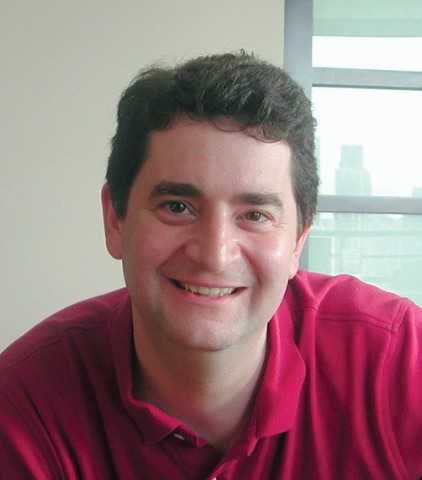
Here's the low-down on these exciting agents, several of which also are being developed for rheumatoid arthritis and other autoimmune diseases, according to Dr. Strober of New York University.
• Apremilast. This oral small molecule inhibitor of phosphodiesterase type 4 is now entering phase III testing for psoriasis.
"You might see this drug on the market in 3-4 years," the dermatologist said.
By inhibiting phosphodiesterase type 4, apremilast curbs formation of multiple cytokines important in inflammatory pathways, including interleukins-12 and -17 as well as tumor necrosis factor–alpha. These pathways are important not only in the pathophysiology of psoriasis, but also for rheumatoid arthritis and other autoimmune diseases as well. For this reason, apremilast's developer, Celgene, is interested in pursuing other indications in addition to psoriasis.
A 16-week, double-blind, placebo-controlled, phase II study conducted in 352 patients with moderate-to-severe plaque-type psoriasis showed an unequivocal dose-response relationship. A 75% reduction from baseline in Psoriasis Area and Severity Index scores, or PASI 75, occurred in 41% of patients randomized to 30 mg of apremilast b.i.d., 29% on 20 mg b.i.d., 11% on 10 mg b.i.d., and 5.7% on placebo.
Tolerability issues came up in this study, especially in patients on the highest dose of apremilast. One-third of them reported headaches, 18% nausea, 16% urinary tract infections, and 16% diarrhea, all rates substantially higher than in controls. The discontinuation rate in the highest-dose group was 14%, compared with 6% in controls.
Nevertheless, this is an oral drug with enough efficacy that it might find a role as first-line therapy after a failure on topical therapy, Dr. Strober predicted.
"It's left to be seen in phase III how safe it is, but I think there will be a place for such an intermediately acting small molecule. Keep your eyes open for this one," he continued.
• Tofacitinib. This oral Janus kinase (JAK) inhibitor just underwent a name change. It was formerly known as tasocitinib. Like apremilast, it's now entering phase III testing for psoriasis.
Tofacitinib is best thought of a broadly acting immunosuppressive agent. By inhibiting JAK kinase, it's likely to affect transcription of genes important in inflammation, red blood cell development, and innate and adaptive immunity. Tofacitinib is also under study for rheumatoid arthritis and other immunologic diseases.
In a 12-week, phase IIb study of 197 patients, psoriasis patients randomized to tofacitinib at 15 mg b.i.d. achieved a 67% PASI 75, compared with a PASI 75 of 41% with 5 mg b.i.d., 25% with 2 mg b.i.d., and 2% for placebo.
Dr. Strober predicted that Pfizer will take the 5 mg b.i.d. dosing forward into phase III because it provides the best combination of efficacy and safety. Dose-related safety issues that emerged in the phase IIb study were a slight reduction in hemoglobin, a decrease in neutrophil count that normalized during the course of the study, and increases in both HDL cholesterol and LDL cholesterol.
"This is a drug that in all likelihood will require monitoring by clinicians during therapy," he concluded.
• AMG-627. This Amgen drug blocks the interleukin-17 receptor. In contrast, Novartis and Lilly are working on drugs that block interleukin-17m which is believed to be a pivotal cytokine in the pathogenesis of psoriasis.
AMG-627 is not as far along the developmental pipeline as apremilast and tofacitinib, but the early clinical studies make one thing clear, in Dr. Strober's view: "The efficacy of this approach will be fairly unequalled. It will come down, as usual, to the safety of the class."
Dr. Strober disclosed that he serves as an investigator for, and consultant to, Pfizer, Amgen, and other pharmaceutical companies having an interest in psoriasis treatment.
NEW ORLEANS – Apremilast, tofacitinib, and a drug for now known as AMG-627 are three novel investigational medications for psoriasis worth keeping an eye on.
The efficacy of these three agents is beyond question, ranging from good to great. Whether they ultimately reach the market will depend upon the answers to tolerability and safety questions that should be provided in phase III clinical trials, Dr. Bruce E. Strober said at the annual meeting of the American Academy of Dermatology.
Here's the low-down on these exciting agents, several of which also are being developed for rheumatoid arthritis and other autoimmune diseases, according to Dr. Strober of New York University.
• Apremilast. This oral small molecule inhibitor of phosphodiesterase type 4 is now entering phase III testing for psoriasis.
"You might see this drug on the market in 3-4 years," the dermatologist said.
By inhibiting phosphodiesterase type 4, apremilast curbs formation of multiple cytokines important in inflammatory pathways, including interleukins-12 and -17 as well as tumor necrosis factor–alpha. These pathways are important not only in the pathophysiology of psoriasis, but also for rheumatoid arthritis and other autoimmune diseases as well. For this reason, apremilast's developer, Celgene, is interested in pursuing other indications in addition to psoriasis.
A 16-week, double-blind, placebo-controlled, phase II study conducted in 352 patients with moderate-to-severe plaque-type psoriasis showed an unequivocal dose-response relationship. A 75% reduction from baseline in Psoriasis Area and Severity Index scores, or PASI 75, occurred in 41% of patients randomized to 30 mg of apremilast b.i.d., 29% on 20 mg b.i.d., 11% on 10 mg b.i.d., and 5.7% on placebo.
Tolerability issues came up in this study, especially in patients on the highest dose of apremilast. One-third of them reported headaches, 18% nausea, 16% urinary tract infections, and 16% diarrhea, all rates substantially higher than in controls. The discontinuation rate in the highest-dose group was 14%, compared with 6% in controls.
Nevertheless, this is an oral drug with enough efficacy that it might find a role as first-line therapy after a failure on topical therapy, Dr. Strober predicted.
"It's left to be seen in phase III how safe it is, but I think there will be a place for such an intermediately acting small molecule. Keep your eyes open for this one," he continued.
• Tofacitinib. This oral Janus kinase (JAK) inhibitor just underwent a name change. It was formerly known as tasocitinib. Like apremilast, it's now entering phase III testing for psoriasis.
Tofacitinib is best thought of a broadly acting immunosuppressive agent. By inhibiting JAK kinase, it's likely to affect transcription of genes important in inflammation, red blood cell development, and innate and adaptive immunity. Tofacitinib is also under study for rheumatoid arthritis and other immunologic diseases.
In a 12-week, phase IIb study of 197 patients, psoriasis patients randomized to tofacitinib at 15 mg b.i.d. achieved a 67% PASI 75, compared with a PASI 75 of 41% with 5 mg b.i.d., 25% with 2 mg b.i.d., and 2% for placebo.
Dr. Strober predicted that Pfizer will take the 5 mg b.i.d. dosing forward into phase III because it provides the best combination of efficacy and safety. Dose-related safety issues that emerged in the phase IIb study were a slight reduction in hemoglobin, a decrease in neutrophil count that normalized during the course of the study, and increases in both HDL cholesterol and LDL cholesterol.
"This is a drug that in all likelihood will require monitoring by clinicians during therapy," he concluded.
• AMG-627. This Amgen drug blocks the interleukin-17 receptor. In contrast, Novartis and Lilly are working on drugs that block interleukin-17m which is believed to be a pivotal cytokine in the pathogenesis of psoriasis.
AMG-627 is not as far along the developmental pipeline as apremilast and tofacitinib, but the early clinical studies make one thing clear, in Dr. Strober's view: "The efficacy of this approach will be fairly unequalled. It will come down, as usual, to the safety of the class."
Dr. Strober disclosed that he serves as an investigator for, and consultant to, Pfizer, Amgen, and other pharmaceutical companies having an interest in psoriasis treatment.
NEW ORLEANS – Apremilast, tofacitinib, and a drug for now known as AMG-627 are three novel investigational medications for psoriasis worth keeping an eye on.
The efficacy of these three agents is beyond question, ranging from good to great. Whether they ultimately reach the market will depend upon the answers to tolerability and safety questions that should be provided in phase III clinical trials, Dr. Bruce E. Strober said at the annual meeting of the American Academy of Dermatology.
Here's the low-down on these exciting agents, several of which also are being developed for rheumatoid arthritis and other autoimmune diseases, according to Dr. Strober of New York University.
• Apremilast. This oral small molecule inhibitor of phosphodiesterase type 4 is now entering phase III testing for psoriasis.
"You might see this drug on the market in 3-4 years," the dermatologist said.
By inhibiting phosphodiesterase type 4, apremilast curbs formation of multiple cytokines important in inflammatory pathways, including interleukins-12 and -17 as well as tumor necrosis factor–alpha. These pathways are important not only in the pathophysiology of psoriasis, but also for rheumatoid arthritis and other autoimmune diseases as well. For this reason, apremilast's developer, Celgene, is interested in pursuing other indications in addition to psoriasis.
A 16-week, double-blind, placebo-controlled, phase II study conducted in 352 patients with moderate-to-severe plaque-type psoriasis showed an unequivocal dose-response relationship. A 75% reduction from baseline in Psoriasis Area and Severity Index scores, or PASI 75, occurred in 41% of patients randomized to 30 mg of apremilast b.i.d., 29% on 20 mg b.i.d., 11% on 10 mg b.i.d., and 5.7% on placebo.
Tolerability issues came up in this study, especially in patients on the highest dose of apremilast. One-third of them reported headaches, 18% nausea, 16% urinary tract infections, and 16% diarrhea, all rates substantially higher than in controls. The discontinuation rate in the highest-dose group was 14%, compared with 6% in controls.
Nevertheless, this is an oral drug with enough efficacy that it might find a role as first-line therapy after a failure on topical therapy, Dr. Strober predicted.
"It's left to be seen in phase III how safe it is, but I think there will be a place for such an intermediately acting small molecule. Keep your eyes open for this one," he continued.
• Tofacitinib. This oral Janus kinase (JAK) inhibitor just underwent a name change. It was formerly known as tasocitinib. Like apremilast, it's now entering phase III testing for psoriasis.
Tofacitinib is best thought of a broadly acting immunosuppressive agent. By inhibiting JAK kinase, it's likely to affect transcription of genes important in inflammation, red blood cell development, and innate and adaptive immunity. Tofacitinib is also under study for rheumatoid arthritis and other immunologic diseases.
In a 12-week, phase IIb study of 197 patients, psoriasis patients randomized to tofacitinib at 15 mg b.i.d. achieved a 67% PASI 75, compared with a PASI 75 of 41% with 5 mg b.i.d., 25% with 2 mg b.i.d., and 2% for placebo.
Dr. Strober predicted that Pfizer will take the 5 mg b.i.d. dosing forward into phase III because it provides the best combination of efficacy and safety. Dose-related safety issues that emerged in the phase IIb study were a slight reduction in hemoglobin, a decrease in neutrophil count that normalized during the course of the study, and increases in both HDL cholesterol and LDL cholesterol.
"This is a drug that in all likelihood will require monitoring by clinicians during therapy," he concluded.
• AMG-627. This Amgen drug blocks the interleukin-17 receptor. In contrast, Novartis and Lilly are working on drugs that block interleukin-17m which is believed to be a pivotal cytokine in the pathogenesis of psoriasis.
AMG-627 is not as far along the developmental pipeline as apremilast and tofacitinib, but the early clinical studies make one thing clear, in Dr. Strober's view: "The efficacy of this approach will be fairly unequalled. It will come down, as usual, to the safety of the class."
Dr. Strober disclosed that he serves as an investigator for, and consultant to, Pfizer, Amgen, and other pharmaceutical companies having an interest in psoriasis treatment.
EXPERT ANALYSIS FROM THE ANNUAL MEETING OF THE AMERICAN ACADEMY OF DERMATOLOGY
Be Attuned to Extracutaneous Manifestations of Psoriasis
NEW ORLEANS – Think of psoriasis as a systemic disease whose key extracutaneous sites of involvement include the eyes, joints, and perhaps the coronary arteries, although that remains controversial.
"Psoriasis is an inflammatory condition that flows far beyond the skin," Dr. Brian F. Mandell stressed at the annual meeting of the American Academy of Dermatology.

Dr. Mandell, professor and chairman of the department of medicine at the Cleveland Clinic, offered a rheumatologist's perspective on a disease whose full range of expression extends well afield of daily dermatologic practice.
Psoriatic uveitis. This uncommon disease manifestation affects only about 2% of psoriasis patients, but it's often insidious in onset and can result in irreversible loss of vision.
Psoriasis-associated uveitis can be either anterior or posterior. The anterior uveitis tends to be painful and often produces a minimally red and irritated eye. In contrast, posterior uveitis is often essentially devoid of symptoms other than perhaps floaters or a bit of blurring. Psoriasis-associated uveitis is more like the uveitis associated with inflammatory bowel disease than the classic HLA-B27-associated form of uveitis.
"Be wary of any eye complaints, and be very liberal in referring to ophthalmology for a slit-lamp exam," he advised.
Psoriatic joint disease. Two forms of joint disease are of particular relevance to the psoriatic population. One is the increased incidence of gouty arthritis in patients with the skin disease.
"The challenge here is to distinguish between gout and what appears to be a totally typical flare of psoriatic monoarticular arthritis. As a dermatologist, what you should expect from a rheumatology colleague in that setting is for us to stick a needle in the joint and make that distinction, because otherwise there's no way that distinction can be made with certainty. Patients tend to be hyperuricemic when they have psoriasis, so you can't use a laboratory test to make the distinction," Dr. Mandell explained.
The occurrence of psoriatic arthritis is, rather surprisingly, unrelated to the severity of the skin disease. Nor is psoriatic arthritis strongly associated with nail involvement. The most important patterns of psoriatic arthritis include spondylitis, enthesitis, and peripheral arthritides.
The hallmark of spondylitis is morning stiffness and pain lasting for several hours. That's the key distinguishing feature separating inflammatory from mechanical back pain – and it's a complaint that definitely warrants sending a psoriasis patient to a rheumatologist, in Dr. Mandell's view.
Enthesitis involves inflammation where tendons and ligaments join to the bone. Common manifestations in patients with psoriatic arthritis include hip pain or pain on the outside of the knee. The onset is often subtle. Successful treatment requires high-intensity anti-inflammatory therapy; enthesitis does'’t respond well to pain medications.
In contrast to the subtleties of psoriatic enthesitis, psoriatic peripheral arthritis is generally a dramatic condition marked by impressive fluid accumulation. In dactylitis, the entire digit, not just a joint, is swollen and strikingly painful; this is the sausage digit. And unlike rheumatoid arthritis, psoriatic dactylitis occurs asymmetrically.
"Rheumatoid arthritis just doesn't do this. There are very few 'nevers' in medicine. But I've never seen rheumatoid arthritis take the form of a true dactylitis. When you see it in the absence of skin disease, as a rheumatologist I'm actually going to undress the patient and go looking for skin disease," Dr. Mandell said.
Like psoriatic enthesitis, psoriatic dactylitis responds well to full-dose anti-inflammatory medication, he added.
Very few inflammatory arthritides target the distal interphalangeal joints. Psoriatic arthritis is far and away the most common one. This is an exceedingly destructive disease process over time, and it warrants very aggressive treatment.
Methotrexate is "reasonably effective" for all forms of psoriatic arthritis except spondylitis, according to Dr. Mandell. Anti–tumor necrosis factor biologics are strikingly effective for all manifestations of psoriatic arthritis; often lower doses are required than for treatment of skin disease.
Coronary artery disease. There's no question that psoriasis patients have an increased prevalence of the metabolic syndrome. And epidemiologic studies also demonstrate that they are at increased risk for CAD and cardiovascular events. But whether psoriasis constitutes an independent risk factor for acute ischemic heart disease or the increased risk is due to the high prevalence of traditional coronary risk factors in psoriasis patients remains a topic of active debate in both the dermatologic and internal medicine literature.
"Whether psoriasis is directly causative or merely an association I don't think really matters," Dr. Mandell asserted. "When you have a patient with psoriasis in front of you, you need to take advantage of a teaching moment. They're naked, they’re glowing in the dark from their psoriasis, and this is an opportunity to let them know there probably is a cardiovascular risk and they should be seeing their primary care provider to make sure their modifiable cardiovascular risk factors like lipids, hypertension, and smoking have been addressed. In that way you've done your job the same way I’ll do my job in similar settings when I see a patient with rheumatoid arthritis or psoriatic arthritis."
Dr. Mandell said that he has no relevant financial interests.
NEW ORLEANS – Think of psoriasis as a systemic disease whose key extracutaneous sites of involvement include the eyes, joints, and perhaps the coronary arteries, although that remains controversial.
"Psoriasis is an inflammatory condition that flows far beyond the skin," Dr. Brian F. Mandell stressed at the annual meeting of the American Academy of Dermatology.
Dr. Mandell, professor and chairman of the department of medicine at the Cleveland Clinic, offered a rheumatologist's perspective on a disease whose full range of expression extends well afield of daily dermatologic practice.
Psoriatic uveitis. This uncommon disease manifestation affects only about 2% of psoriasis patients, but it's often insidious in onset and can result in irreversible loss of vision.
Psoriasis-associated uveitis can be either anterior or posterior. The anterior uveitis tends to be painful and often produces a minimally red and irritated eye. In contrast, posterior uveitis is often essentially devoid of symptoms other than perhaps floaters or a bit of blurring. Psoriasis-associated uveitis is more like the uveitis associated with inflammatory bowel disease than the classic HLA-B27-associated form of uveitis.
"Be wary of any eye complaints, and be very liberal in referring to ophthalmology for a slit-lamp exam," he advised.
Psoriatic joint disease. Two forms of joint disease are of particular relevance to the psoriatic population. One is the increased incidence of gouty arthritis in patients with the skin disease.
"The challenge here is to distinguish between gout and what appears to be a totally typical flare of psoriatic monoarticular arthritis. As a dermatologist, what you should expect from a rheumatology colleague in that setting is for us to stick a needle in the joint and make that distinction, because otherwise there's no way that distinction can be made with certainty. Patients tend to be hyperuricemic when they have psoriasis, so you can't use a laboratory test to make the distinction," Dr. Mandell explained.
The occurrence of psoriatic arthritis is, rather surprisingly, unrelated to the severity of the skin disease. Nor is psoriatic arthritis strongly associated with nail involvement. The most important patterns of psoriatic arthritis include spondylitis, enthesitis, and peripheral arthritides.
The hallmark of spondylitis is morning stiffness and pain lasting for several hours. That's the key distinguishing feature separating inflammatory from mechanical back pain – and it's a complaint that definitely warrants sending a psoriasis patient to a rheumatologist, in Dr. Mandell's view.
Enthesitis involves inflammation where tendons and ligaments join to the bone. Common manifestations in patients with psoriatic arthritis include hip pain or pain on the outside of the knee. The onset is often subtle. Successful treatment requires high-intensity anti-inflammatory therapy; enthesitis does'’t respond well to pain medications.
In contrast to the subtleties of psoriatic enthesitis, psoriatic peripheral arthritis is generally a dramatic condition marked by impressive fluid accumulation. In dactylitis, the entire digit, not just a joint, is swollen and strikingly painful; this is the sausage digit. And unlike rheumatoid arthritis, psoriatic dactylitis occurs asymmetrically.
"Rheumatoid arthritis just doesn't do this. There are very few 'nevers' in medicine. But I've never seen rheumatoid arthritis take the form of a true dactylitis. When you see it in the absence of skin disease, as a rheumatologist I'm actually going to undress the patient and go looking for skin disease," Dr. Mandell said.
Like psoriatic enthesitis, psoriatic dactylitis responds well to full-dose anti-inflammatory medication, he added.
Very few inflammatory arthritides target the distal interphalangeal joints. Psoriatic arthritis is far and away the most common one. This is an exceedingly destructive disease process over time, and it warrants very aggressive treatment.
Methotrexate is "reasonably effective" for all forms of psoriatic arthritis except spondylitis, according to Dr. Mandell. Anti–tumor necrosis factor biologics are strikingly effective for all manifestations of psoriatic arthritis; often lower doses are required than for treatment of skin disease.
Coronary artery disease. There's no question that psoriasis patients have an increased prevalence of the metabolic syndrome. And epidemiologic studies also demonstrate that they are at increased risk for CAD and cardiovascular events. But whether psoriasis constitutes an independent risk factor for acute ischemic heart disease or the increased risk is due to the high prevalence of traditional coronary risk factors in psoriasis patients remains a topic of active debate in both the dermatologic and internal medicine literature.
"Whether psoriasis is directly causative or merely an association I don't think really matters," Dr. Mandell asserted. "When you have a patient with psoriasis in front of you, you need to take advantage of a teaching moment. They're naked, they’re glowing in the dark from their psoriasis, and this is an opportunity to let them know there probably is a cardiovascular risk and they should be seeing their primary care provider to make sure their modifiable cardiovascular risk factors like lipids, hypertension, and smoking have been addressed. In that way you've done your job the same way I’ll do my job in similar settings when I see a patient with rheumatoid arthritis or psoriatic arthritis."
Dr. Mandell said that he has no relevant financial interests.
NEW ORLEANS – Think of psoriasis as a systemic disease whose key extracutaneous sites of involvement include the eyes, joints, and perhaps the coronary arteries, although that remains controversial.
"Psoriasis is an inflammatory condition that flows far beyond the skin," Dr. Brian F. Mandell stressed at the annual meeting of the American Academy of Dermatology.
Dr. Mandell, professor and chairman of the department of medicine at the Cleveland Clinic, offered a rheumatologist's perspective on a disease whose full range of expression extends well afield of daily dermatologic practice.
Psoriatic uveitis. This uncommon disease manifestation affects only about 2% of psoriasis patients, but it's often insidious in onset and can result in irreversible loss of vision.
Psoriasis-associated uveitis can be either anterior or posterior. The anterior uveitis tends to be painful and often produces a minimally red and irritated eye. In contrast, posterior uveitis is often essentially devoid of symptoms other than perhaps floaters or a bit of blurring. Psoriasis-associated uveitis is more like the uveitis associated with inflammatory bowel disease than the classic HLA-B27-associated form of uveitis.
"Be wary of any eye complaints, and be very liberal in referring to ophthalmology for a slit-lamp exam," he advised.
Psoriatic joint disease. Two forms of joint disease are of particular relevance to the psoriatic population. One is the increased incidence of gouty arthritis in patients with the skin disease.
"The challenge here is to distinguish between gout and what appears to be a totally typical flare of psoriatic monoarticular arthritis. As a dermatologist, what you should expect from a rheumatology colleague in that setting is for us to stick a needle in the joint and make that distinction, because otherwise there's no way that distinction can be made with certainty. Patients tend to be hyperuricemic when they have psoriasis, so you can't use a laboratory test to make the distinction," Dr. Mandell explained.
The occurrence of psoriatic arthritis is, rather surprisingly, unrelated to the severity of the skin disease. Nor is psoriatic arthritis strongly associated with nail involvement. The most important patterns of psoriatic arthritis include spondylitis, enthesitis, and peripheral arthritides.
The hallmark of spondylitis is morning stiffness and pain lasting for several hours. That's the key distinguishing feature separating inflammatory from mechanical back pain – and it's a complaint that definitely warrants sending a psoriasis patient to a rheumatologist, in Dr. Mandell's view.
Enthesitis involves inflammation where tendons and ligaments join to the bone. Common manifestations in patients with psoriatic arthritis include hip pain or pain on the outside of the knee. The onset is often subtle. Successful treatment requires high-intensity anti-inflammatory therapy; enthesitis does'’t respond well to pain medications.
In contrast to the subtleties of psoriatic enthesitis, psoriatic peripheral arthritis is generally a dramatic condition marked by impressive fluid accumulation. In dactylitis, the entire digit, not just a joint, is swollen and strikingly painful; this is the sausage digit. And unlike rheumatoid arthritis, psoriatic dactylitis occurs asymmetrically.
"Rheumatoid arthritis just doesn't do this. There are very few 'nevers' in medicine. But I've never seen rheumatoid arthritis take the form of a true dactylitis. When you see it in the absence of skin disease, as a rheumatologist I'm actually going to undress the patient and go looking for skin disease," Dr. Mandell said.
Like psoriatic enthesitis, psoriatic dactylitis responds well to full-dose anti-inflammatory medication, he added.
Very few inflammatory arthritides target the distal interphalangeal joints. Psoriatic arthritis is far and away the most common one. This is an exceedingly destructive disease process over time, and it warrants very aggressive treatment.
Methotrexate is "reasonably effective" for all forms of psoriatic arthritis except spondylitis, according to Dr. Mandell. Anti–tumor necrosis factor biologics are strikingly effective for all manifestations of psoriatic arthritis; often lower doses are required than for treatment of skin disease.
Coronary artery disease. There's no question that psoriasis patients have an increased prevalence of the metabolic syndrome. And epidemiologic studies also demonstrate that they are at increased risk for CAD and cardiovascular events. But whether psoriasis constitutes an independent risk factor for acute ischemic heart disease or the increased risk is due to the high prevalence of traditional coronary risk factors in psoriasis patients remains a topic of active debate in both the dermatologic and internal medicine literature.
"Whether psoriasis is directly causative or merely an association I don't think really matters," Dr. Mandell asserted. "When you have a patient with psoriasis in front of you, you need to take advantage of a teaching moment. They're naked, they’re glowing in the dark from their psoriasis, and this is an opportunity to let them know there probably is a cardiovascular risk and they should be seeing their primary care provider to make sure their modifiable cardiovascular risk factors like lipids, hypertension, and smoking have been addressed. In that way you've done your job the same way I’ll do my job in similar settings when I see a patient with rheumatoid arthritis or psoriatic arthritis."
Dr. Mandell said that he has no relevant financial interests.
EXPERT ANALYSIS FROM THE ANNUAL MEETING OF THE AMERICAN ACADEMY OF DERMATOLOGY
Topical Steroids Found to Double Fetal Growth-Retardation Risk
NEW ORLEANS – The use of potent or very potent topical corticosteroids in pregnancy is associated with a significantly increased risk of fetal growth retardation, according to a very large population-based cohort study.
Fortunately, maternal exposure to topical corticosteroids was not associated with any other adverse outcomes, including miscarriage, stillbirth, preterm delivery, or orofacial cleft, Dr. Linda F. Stein said in highlighting the study findings at the annual meeting of the American Academy of Dermatology.
Dr. Stein, director of dermatology research at Henry Ford Hospital in Detroit, singled out the study for special attention because its unusually large size makes for convincingly strong conclusions regarding an issue for which there has been a dearth of data: the safety of topical steroids in pregnancy.
Investigators at Chang Gung University in Taoyuan, Taiwan, and the University of Oxford (England) used the U.K. General Practice Research Database to identify 35,503 women who had been prescribed topical corticosteroids during or shortly before pregnancy, and a control group comprising 48,630 unexposed pregnant women.
Maternal exposure to potent or very potent topical steroids was associated with an adjusted 2.1-fold increased relative risk of fetal growth restriction. Moreover, a significant dose-response relationship was found, such that for every 30 g of prescribed potent or very potent topical steroids, the risk of fetal growth retardation climbed by about 3%. The risk rose with the increasing potency of the topical medication.
The investigators estimated that 168 pregnant women would have to receive potent or very potent topical steroids in order to result in one additional case of fetal growth restriction (J. Invest. Dermatol. 2010 Dec. 30 [doi:10.1038/jid.2010.392]).
Dr. Stein had no relevant financial interests.
NEW ORLEANS – The use of potent or very potent topical corticosteroids in pregnancy is associated with a significantly increased risk of fetal growth retardation, according to a very large population-based cohort study.
Fortunately, maternal exposure to topical corticosteroids was not associated with any other adverse outcomes, including miscarriage, stillbirth, preterm delivery, or orofacial cleft, Dr. Linda F. Stein said in highlighting the study findings at the annual meeting of the American Academy of Dermatology.
Dr. Stein, director of dermatology research at Henry Ford Hospital in Detroit, singled out the study for special attention because its unusually large size makes for convincingly strong conclusions regarding an issue for which there has been a dearth of data: the safety of topical steroids in pregnancy.
Investigators at Chang Gung University in Taoyuan, Taiwan, and the University of Oxford (England) used the U.K. General Practice Research Database to identify 35,503 women who had been prescribed topical corticosteroids during or shortly before pregnancy, and a control group comprising 48,630 unexposed pregnant women.
Maternal exposure to potent or very potent topical steroids was associated with an adjusted 2.1-fold increased relative risk of fetal growth restriction. Moreover, a significant dose-response relationship was found, such that for every 30 g of prescribed potent or very potent topical steroids, the risk of fetal growth retardation climbed by about 3%. The risk rose with the increasing potency of the topical medication.
The investigators estimated that 168 pregnant women would have to receive potent or very potent topical steroids in order to result in one additional case of fetal growth restriction (J. Invest. Dermatol. 2010 Dec. 30 [doi:10.1038/jid.2010.392]).
Dr. Stein had no relevant financial interests.
NEW ORLEANS – The use of potent or very potent topical corticosteroids in pregnancy is associated with a significantly increased risk of fetal growth retardation, according to a very large population-based cohort study.
Fortunately, maternal exposure to topical corticosteroids was not associated with any other adverse outcomes, including miscarriage, stillbirth, preterm delivery, or orofacial cleft, Dr. Linda F. Stein said in highlighting the study findings at the annual meeting of the American Academy of Dermatology.
Dr. Stein, director of dermatology research at Henry Ford Hospital in Detroit, singled out the study for special attention because its unusually large size makes for convincingly strong conclusions regarding an issue for which there has been a dearth of data: the safety of topical steroids in pregnancy.
Investigators at Chang Gung University in Taoyuan, Taiwan, and the University of Oxford (England) used the U.K. General Practice Research Database to identify 35,503 women who had been prescribed topical corticosteroids during or shortly before pregnancy, and a control group comprising 48,630 unexposed pregnant women.
Maternal exposure to potent or very potent topical steroids was associated with an adjusted 2.1-fold increased relative risk of fetal growth restriction. Moreover, a significant dose-response relationship was found, such that for every 30 g of prescribed potent or very potent topical steroids, the risk of fetal growth retardation climbed by about 3%. The risk rose with the increasing potency of the topical medication.
The investigators estimated that 168 pregnant women would have to receive potent or very potent topical steroids in order to result in one additional case of fetal growth restriction (J. Invest. Dermatol. 2010 Dec. 30 [doi:10.1038/jid.2010.392]).
Dr. Stein had no relevant financial interests.
FROM THE ANNUAL MEETING OF THE AMERICAN ACADEMY OF DERMATOLOGY
Major Finding: The investigators estimated that 168 pregnant women would have to
receive potent or very potent topical steroids in order to result in one
additional case of fetal growth restriction.
Data Source: U.K. General Practice Research
Database was used to identify 35,503 women who had been prescribed topical
corticosteroids during or shortly before pregnancy, and a control group
comprising 48,630 unexposed pregnant women.
Disclosures: Dr. Stein had no relevant financial interests.
Know How to Steer Fast Biologics
LAS VEGAS – If you think of biologic therapies for psoriasis as cars, some are sturdy but pedestrian while others are racy sports cars.
"Etanercept is like a Volvo. It's not a fast car, it's not a flashy car, but it's a good, solid car that will probably work for you. Some of the other biologics are more like Ferraris – very fast but more difficult to steer," Dr. Francisco A. Kerdel said at a dermatology seminar sponsored by Skin Disease Education Foundation (SDEF).
Infliximab would be a Ferrari. "This is a high-performance vehicle, but you need to know what you're doing," said Dr. Kerdel, director of the dermatology inpatient service at University of Miami Hospital.
Golimumab is "like one of those European cars that look fantastic, but you're probably never going to own one," he said. Dr. Kerdel believes that golimumab probably will not win an indication specifically to treat psoriasis. It is approved for treating rheumatoid arthritis, psoriatic arthritis, and ankylosing spondylitis.
He offered several driver's tips for getting the best performance out of infliximab.
Unlike the other biologics, infliximab is administered intravenously. It's "very, very efficacious and very fast" for treating psoriasis, he said. With the 5-mg/kg dose being marketed, 56% of patients achieved a 75% improvement in Psoriasis Area and Severity Index (PASI 75) score after 6 weeks in a phase III clinical trial. By week 10, 57% achieved a PASI 90.
Because infliximab is given on a mg/kg basis, the patient’s weight doesn’t seem to have as much effect on responses. Improvements are similar in patients who are normal weight, overweight, or obese.
Approximately 4% of patients receiving infliximab develop infusion reactions, compared with 2% who get placebo infusions. "The vast majority of these reactions are mild, and they can be managed in the office," Dr. Kerdel said. Less than 1% of patients will develop an infusion reaction severe enough to stop the drug.
Infusion reactions are more common in patients who receive episodic treatment (regardless of dose), making them more likely to develop antibodies to infliximab. Sticking to scheduled infusions every 8-10 weeks reduces those risks.
Tell patients to fasten their seat belts and prepare for a regular commute. "Adherence to this therapy is very, very, very important," Dr. Kerdel said. "In those patients in whom you are considering this agent, you have to explain to them that they have to come for their scheduled visits."
Patients who keep to the every-8-weeks maintenance schedule after induction are less likely to have undetectable serum concentrations of infliximab when they return for treatment and more likely to respond to treatment. "Even though the drug is approved for every 8 weeks after the initial induction phase, some patients may have to receive the infusions every 4 or 6 weeks. The interval may have to be shortened for them to get an adequate response," he said.
If psoriasis relapses during long-term maintenance therapy with infliximab, repeating the induction phase may help, a small retrospective study suggests. Of 22 patients who lost their PASI 50 response and underwent re-induction, 20 regained a PASI 50 and 9 achieved a PASI 75 (Dermatol. Ther. 2010;23:199-202).
Keep safety in mind from the start, Dr. Kerdel said. Infliximab is contraindicated in patients with sepsis or serious infections. Get a tuberculosis skin test before starting infliximab and every year thereafter. Take precautions for patients with demyelinating disorders, congestive heart failure, liver function test abnormalities, or hepatitis B.
SDEF and this news organization are owned by Elsevier. Dr. Kerdel has been an adviser or speaker for, or has received grants from, Centocor Ortho Biotech (which markets infliximab and golimumab), Amgen (which markets etanercept), Abbott, Merck, Eisai, Astellas, Genentech, Stiefel, Novartis, and Wyeth.
LAS VEGAS – If you think of biologic therapies for psoriasis as cars, some are sturdy but pedestrian while others are racy sports cars.
"Etanercept is like a Volvo. It's not a fast car, it's not a flashy car, but it's a good, solid car that will probably work for you. Some of the other biologics are more like Ferraris – very fast but more difficult to steer," Dr. Francisco A. Kerdel said at a dermatology seminar sponsored by Skin Disease Education Foundation (SDEF).
Infliximab would be a Ferrari. "This is a high-performance vehicle, but you need to know what you're doing," said Dr. Kerdel, director of the dermatology inpatient service at University of Miami Hospital.
Golimumab is "like one of those European cars that look fantastic, but you're probably never going to own one," he said. Dr. Kerdel believes that golimumab probably will not win an indication specifically to treat psoriasis. It is approved for treating rheumatoid arthritis, psoriatic arthritis, and ankylosing spondylitis.
He offered several driver's tips for getting the best performance out of infliximab.
Unlike the other biologics, infliximab is administered intravenously. It's "very, very efficacious and very fast" for treating psoriasis, he said. With the 5-mg/kg dose being marketed, 56% of patients achieved a 75% improvement in Psoriasis Area and Severity Index (PASI 75) score after 6 weeks in a phase III clinical trial. By week 10, 57% achieved a PASI 90.
Because infliximab is given on a mg/kg basis, the patient’s weight doesn’t seem to have as much effect on responses. Improvements are similar in patients who are normal weight, overweight, or obese.
Approximately 4% of patients receiving infliximab develop infusion reactions, compared with 2% who get placebo infusions. "The vast majority of these reactions are mild, and they can be managed in the office," Dr. Kerdel said. Less than 1% of patients will develop an infusion reaction severe enough to stop the drug.
Infusion reactions are more common in patients who receive episodic treatment (regardless of dose), making them more likely to develop antibodies to infliximab. Sticking to scheduled infusions every 8-10 weeks reduces those risks.
Tell patients to fasten their seat belts and prepare for a regular commute. "Adherence to this therapy is very, very, very important," Dr. Kerdel said. "In those patients in whom you are considering this agent, you have to explain to them that they have to come for their scheduled visits."
Patients who keep to the every-8-weeks maintenance schedule after induction are less likely to have undetectable serum concentrations of infliximab when they return for treatment and more likely to respond to treatment. "Even though the drug is approved for every 8 weeks after the initial induction phase, some patients may have to receive the infusions every 4 or 6 weeks. The interval may have to be shortened for them to get an adequate response," he said.
If psoriasis relapses during long-term maintenance therapy with infliximab, repeating the induction phase may help, a small retrospective study suggests. Of 22 patients who lost their PASI 50 response and underwent re-induction, 20 regained a PASI 50 and 9 achieved a PASI 75 (Dermatol. Ther. 2010;23:199-202).
Keep safety in mind from the start, Dr. Kerdel said. Infliximab is contraindicated in patients with sepsis or serious infections. Get a tuberculosis skin test before starting infliximab and every year thereafter. Take precautions for patients with demyelinating disorders, congestive heart failure, liver function test abnormalities, or hepatitis B.
SDEF and this news organization are owned by Elsevier. Dr. Kerdel has been an adviser or speaker for, or has received grants from, Centocor Ortho Biotech (which markets infliximab and golimumab), Amgen (which markets etanercept), Abbott, Merck, Eisai, Astellas, Genentech, Stiefel, Novartis, and Wyeth.
LAS VEGAS – If you think of biologic therapies for psoriasis as cars, some are sturdy but pedestrian while others are racy sports cars.
"Etanercept is like a Volvo. It's not a fast car, it's not a flashy car, but it's a good, solid car that will probably work for you. Some of the other biologics are more like Ferraris – very fast but more difficult to steer," Dr. Francisco A. Kerdel said at a dermatology seminar sponsored by Skin Disease Education Foundation (SDEF).
Infliximab would be a Ferrari. "This is a high-performance vehicle, but you need to know what you're doing," said Dr. Kerdel, director of the dermatology inpatient service at University of Miami Hospital.
Golimumab is "like one of those European cars that look fantastic, but you're probably never going to own one," he said. Dr. Kerdel believes that golimumab probably will not win an indication specifically to treat psoriasis. It is approved for treating rheumatoid arthritis, psoriatic arthritis, and ankylosing spondylitis.
He offered several driver's tips for getting the best performance out of infliximab.
Unlike the other biologics, infliximab is administered intravenously. It's "very, very efficacious and very fast" for treating psoriasis, he said. With the 5-mg/kg dose being marketed, 56% of patients achieved a 75% improvement in Psoriasis Area and Severity Index (PASI 75) score after 6 weeks in a phase III clinical trial. By week 10, 57% achieved a PASI 90.
Because infliximab is given on a mg/kg basis, the patient’s weight doesn’t seem to have as much effect on responses. Improvements are similar in patients who are normal weight, overweight, or obese.
Approximately 4% of patients receiving infliximab develop infusion reactions, compared with 2% who get placebo infusions. "The vast majority of these reactions are mild, and they can be managed in the office," Dr. Kerdel said. Less than 1% of patients will develop an infusion reaction severe enough to stop the drug.
Infusion reactions are more common in patients who receive episodic treatment (regardless of dose), making them more likely to develop antibodies to infliximab. Sticking to scheduled infusions every 8-10 weeks reduces those risks.
Tell patients to fasten their seat belts and prepare for a regular commute. "Adherence to this therapy is very, very, very important," Dr. Kerdel said. "In those patients in whom you are considering this agent, you have to explain to them that they have to come for their scheduled visits."
Patients who keep to the every-8-weeks maintenance schedule after induction are less likely to have undetectable serum concentrations of infliximab when they return for treatment and more likely to respond to treatment. "Even though the drug is approved for every 8 weeks after the initial induction phase, some patients may have to receive the infusions every 4 or 6 weeks. The interval may have to be shortened for them to get an adequate response," he said.
If psoriasis relapses during long-term maintenance therapy with infliximab, repeating the induction phase may help, a small retrospective study suggests. Of 22 patients who lost their PASI 50 response and underwent re-induction, 20 regained a PASI 50 and 9 achieved a PASI 75 (Dermatol. Ther. 2010;23:199-202).
Keep safety in mind from the start, Dr. Kerdel said. Infliximab is contraindicated in patients with sepsis or serious infections. Get a tuberculosis skin test before starting infliximab and every year thereafter. Take precautions for patients with demyelinating disorders, congestive heart failure, liver function test abnormalities, or hepatitis B.
SDEF and this news organization are owned by Elsevier. Dr. Kerdel has been an adviser or speaker for, or has received grants from, Centocor Ortho Biotech (which markets infliximab and golimumab), Amgen (which markets etanercept), Abbott, Merck, Eisai, Astellas, Genentech, Stiefel, Novartis, and Wyeth.
A DERMATOLOGY SEMINAR SPONSORED BY SKIN DISEASE EDUCATION FOUNDATION
Rash Pattern, Duration ID Hereditary Periodic Fever Syndromes
SNOWMASS, Colo. – Hereditary periodic fever syndromes can be distinguished by the nature of the associated rash and the duration of attacks, according to Dr. Daniel Kastner.
These syndromes are characterized by recurrent episodes of fever with dramatic, seemingly unprovoked inflammation – both local and systemic – without evidence of autoimmunity or infection. Hereditary periodic fever syndromes result from inherited abnormalities in innate immunity. They are classified as systemic autoinflammatory diseases distinguished by inflammation in the absence of major involvement of the adaptive immune system.
These disorders include the tumor necrosis factor receptor–associated periodic syndrome (TRAPS), familial Mediterranean fever, hyperimmunoglobulinemia D with periodic fever syndrome (HIDS), and the cryopyrin-associated periodic syndromes (CAPS), Dr. Kastner said at a symposium sponsored by the American College of Rheumatology.
One of the world’s preeminent authorities on the hereditary periodic fever syndromes, Dr. Kastner and his coworkers at the National Institutes of Health have identified the causative genes in several of these disorders. Their discoveries led directly to novel and highly effective therapies.
TRAPS was known as Hibernian fever until Dr. Kastner and his colleagues discovered the causative mutations. "We wanted a name that was short and snappy, easy to remember," recalled Dr. Kastner, scientific director of the National Human Genome Research Institute in Bethesda, Md.
Here's what Dr. Kastner thinks physicians need to know about these syndromes:
TRAPS. The rash in TRAPS is usually migratory. It often begins proximally on a limb, for example on the thigh. The next day the rash might be on the knee but no longer on the thigh. The following day it might appear on the calf, while the knee is clear. Marked periorbital edema with conjunctivitis is another distinguishing feature. Renal amyloidosis can occur in severely affected patients.
TRAPS is associated with fever and rash, often with serositis and/or arthritis. Unlike other hereditary period fever syndromes, an episode of TRAPS may last for weeks. On MRI, the inflammation is fasciitis, not myositis.
Onset is usually in childhood, but TRAPS often goes undiagnosed until adulthood. TRAPS is caused by autosomal dominant mutations in the tumor necrosis factor RSF1A gene, which encodes the p55 TNF receptor. The resultant protein misfolding is the mechanism underlying the disease.
Colchicine is generally not effective in TRAPS. Corticosteroids are, but the side effects are often limiting. Dr. Kastner and his colleagues showed that the anti-TNF biologic etanercept (Enbrel) can be quite effective. Surprisingly, however, the anti-TNF monoclonal antibodies infliximab and adalimumab have actually been shown to cause TRAPS flares.
Familial Mediterranean fever. The rash of FMF is usually stationary. Sometimes called erysipeloid erythema, the rash is reddish, raised, usually well demarcated, and sometimes painful. It often occurs on the dorsum of the foot, ankle, or lower leg.
The attacks typically last 1-3 days and occur on a monthly basis. These attacks are characterized by fever and rash accompanied by various kinds of inflammation, including pleural inflammation with effusion; massive joint effusions; and a nonerosive, nondeforming, monoarticular arthritis.
"Many of these patients have such severe abdominal pain during attacks that early in their disease they’re mistaken for appendicitis and undergo at least one exploratory laparotomy," according to Dr. Kastner.
Histologically, huge numbers of polymorphonuclear cells are evident in the synovial fluid during a joint attack. It's comparable to what would be seen in a septic joint, except nothing can be cultured.
This disorder is seen predominantly in individuals of Arab, Armenian, Jewish, Turkish, or Italian origin. Dr. Kastner and his coworkers discovered that the disease is caused by recessive mutations in the Mediterranean fever gene, which encodes the pyrin protein, figuring prominently in a pathway of inflammation.
Onset of FMF is usually in childhood, but the disorder is often not diagnosed until adulthood because of a lack of awareness of the disease.
The treatment for FMF is daily colchicine, an inexpensive drug with a good track record for efficacy and a good safety profile. Systemic AA amyloidosis has become less common as a long-term complication of FMF since colchicine became the treatment of choice.
Occasionally a patient cannot take colchicine because of either side effects or lack of response. In such cases there is a highly effective alternative which came about through studies by Dr. Kastner's group. First the investigators showed in animals that the inflammation in FMF is interleukin-1 dependent, and then they pioneered the use of high-dose anakinra (Kinaret), the IL-1 receptor antagonist, as an effective therapy.
HIDS. The rash of hyperimmunoglobulinemia D with periodic fever syndrome is diffuse and maculopapular, and is most typically located on the palms and soles. Pronounced cervical lymphadenopathy is a distinctive feature in this syndrome.
The febrile episodes in HIDS typically last 3-7 days, intermediate in duration between those of FMF and TRAPS. The fever episodes are accompanied by the maculopapular rash, abdominal pain, and arthralgias. Onset is almost always within the first year of life. Episodes are often triggered by childhood immunizations. HIDS is seen mainly in people of northern European ancestry, particularly the Dutch. Renal amyloidosis occurs only rarely.
HIDS is caused by recessive mutations in the mevalonate kinase gene, resulting in reduced production of geranylgeranyl pyrophosphate. HIDS is something of a misnomer in that some affected patients with mevalonate kinase mutations have normal IgD levels.
As yet there's no consensus on the treatment of HIDS, Dr. Kastner said.
CAPS. The cryopyrin-associated periodic syndromes consist of three diseases caused by dominant mutations in one gene, NLRP3, which encodes the cryopyrin protein involved in interleukin-1beta activation. The three cryopyrinopathies are neonatal-onset multisystem inflammatory disease (NOMID), Muckle-Wells syndrome, and familial cold autoinflammatory syndrome (FCAS).
What these three diseases have in common is fever, urticarial rash, and excessive production of IL-1beta. Patients with NOMID experience fever nearly every day, while in those with FCAS the fever and hives-like rash develop within a couple of hours after exposure to cold.
Cryopyrin is a central component of the inflammasome, a macromolecular scaffold promoting activation of caspase-1.
"The inflammasome is something that if you were taking a recertification exam or the boards for the first time, you might very well need to know about," the rheumatologist said. "You need to know that cryopyrin is part of the inflammasome, and the inflammasome activates IL-1beta. Patients with these three diseases have activating mutations in cryopyrin, which activates the inflammasome. You need to know that if you’re going to take tests."
NOMID is characterized by bony overgrowth, conjunctivitis, and aseptic meningitis, in addition to fever and urticarial rash. Roughly 40% of NOMID patients lack the cryopyrin mutations and have an as-yet unknown cause for their disease.
Dr. Kastner and his coworkers pioneered anti-IL-1 therapy with anakinra in CAPS patients. "I's quite a dramatic and remarkable response," he said. Other investigators have subsequently reported treatment success using canakinumab and rilonacept.
Dr. Kastner declared having no relevant financial interests.
SNOWMASS, Colo. – Hereditary periodic fever syndromes can be distinguished by the nature of the associated rash and the duration of attacks, according to Dr. Daniel Kastner.
These syndromes are characterized by recurrent episodes of fever with dramatic, seemingly unprovoked inflammation – both local and systemic – without evidence of autoimmunity or infection. Hereditary periodic fever syndromes result from inherited abnormalities in innate immunity. They are classified as systemic autoinflammatory diseases distinguished by inflammation in the absence of major involvement of the adaptive immune system.
These disorders include the tumor necrosis factor receptor–associated periodic syndrome (TRAPS), familial Mediterranean fever, hyperimmunoglobulinemia D with periodic fever syndrome (HIDS), and the cryopyrin-associated periodic syndromes (CAPS), Dr. Kastner said at a symposium sponsored by the American College of Rheumatology.
One of the world’s preeminent authorities on the hereditary periodic fever syndromes, Dr. Kastner and his coworkers at the National Institutes of Health have identified the causative genes in several of these disorders. Their discoveries led directly to novel and highly effective therapies.
TRAPS was known as Hibernian fever until Dr. Kastner and his colleagues discovered the causative mutations. "We wanted a name that was short and snappy, easy to remember," recalled Dr. Kastner, scientific director of the National Human Genome Research Institute in Bethesda, Md.
Here's what Dr. Kastner thinks physicians need to know about these syndromes:
TRAPS. The rash in TRAPS is usually migratory. It often begins proximally on a limb, for example on the thigh. The next day the rash might be on the knee but no longer on the thigh. The following day it might appear on the calf, while the knee is clear. Marked periorbital edema with conjunctivitis is another distinguishing feature. Renal amyloidosis can occur in severely affected patients.
TRAPS is associated with fever and rash, often with serositis and/or arthritis. Unlike other hereditary period fever syndromes, an episode of TRAPS may last for weeks. On MRI, the inflammation is fasciitis, not myositis.
Onset is usually in childhood, but TRAPS often goes undiagnosed until adulthood. TRAPS is caused by autosomal dominant mutations in the tumor necrosis factor RSF1A gene, which encodes the p55 TNF receptor. The resultant protein misfolding is the mechanism underlying the disease.
Colchicine is generally not effective in TRAPS. Corticosteroids are, but the side effects are often limiting. Dr. Kastner and his colleagues showed that the anti-TNF biologic etanercept (Enbrel) can be quite effective. Surprisingly, however, the anti-TNF monoclonal antibodies infliximab and adalimumab have actually been shown to cause TRAPS flares.
Familial Mediterranean fever. The rash of FMF is usually stationary. Sometimes called erysipeloid erythema, the rash is reddish, raised, usually well demarcated, and sometimes painful. It often occurs on the dorsum of the foot, ankle, or lower leg.
The attacks typically last 1-3 days and occur on a monthly basis. These attacks are characterized by fever and rash accompanied by various kinds of inflammation, including pleural inflammation with effusion; massive joint effusions; and a nonerosive, nondeforming, monoarticular arthritis.
"Many of these patients have such severe abdominal pain during attacks that early in their disease they’re mistaken for appendicitis and undergo at least one exploratory laparotomy," according to Dr. Kastner.
Histologically, huge numbers of polymorphonuclear cells are evident in the synovial fluid during a joint attack. It's comparable to what would be seen in a septic joint, except nothing can be cultured.
This disorder is seen predominantly in individuals of Arab, Armenian, Jewish, Turkish, or Italian origin. Dr. Kastner and his coworkers discovered that the disease is caused by recessive mutations in the Mediterranean fever gene, which encodes the pyrin protein, figuring prominently in a pathway of inflammation.
Onset of FMF is usually in childhood, but the disorder is often not diagnosed until adulthood because of a lack of awareness of the disease.
The treatment for FMF is daily colchicine, an inexpensive drug with a good track record for efficacy and a good safety profile. Systemic AA amyloidosis has become less common as a long-term complication of FMF since colchicine became the treatment of choice.
Occasionally a patient cannot take colchicine because of either side effects or lack of response. In such cases there is a highly effective alternative which came about through studies by Dr. Kastner's group. First the investigators showed in animals that the inflammation in FMF is interleukin-1 dependent, and then they pioneered the use of high-dose anakinra (Kinaret), the IL-1 receptor antagonist, as an effective therapy.
HIDS. The rash of hyperimmunoglobulinemia D with periodic fever syndrome is diffuse and maculopapular, and is most typically located on the palms and soles. Pronounced cervical lymphadenopathy is a distinctive feature in this syndrome.
The febrile episodes in HIDS typically last 3-7 days, intermediate in duration between those of FMF and TRAPS. The fever episodes are accompanied by the maculopapular rash, abdominal pain, and arthralgias. Onset is almost always within the first year of life. Episodes are often triggered by childhood immunizations. HIDS is seen mainly in people of northern European ancestry, particularly the Dutch. Renal amyloidosis occurs only rarely.
HIDS is caused by recessive mutations in the mevalonate kinase gene, resulting in reduced production of geranylgeranyl pyrophosphate. HIDS is something of a misnomer in that some affected patients with mevalonate kinase mutations have normal IgD levels.
As yet there's no consensus on the treatment of HIDS, Dr. Kastner said.
CAPS. The cryopyrin-associated periodic syndromes consist of three diseases caused by dominant mutations in one gene, NLRP3, which encodes the cryopyrin protein involved in interleukin-1beta activation. The three cryopyrinopathies are neonatal-onset multisystem inflammatory disease (NOMID), Muckle-Wells syndrome, and familial cold autoinflammatory syndrome (FCAS).
What these three diseases have in common is fever, urticarial rash, and excessive production of IL-1beta. Patients with NOMID experience fever nearly every day, while in those with FCAS the fever and hives-like rash develop within a couple of hours after exposure to cold.
Cryopyrin is a central component of the inflammasome, a macromolecular scaffold promoting activation of caspase-1.
"The inflammasome is something that if you were taking a recertification exam or the boards for the first time, you might very well need to know about," the rheumatologist said. "You need to know that cryopyrin is part of the inflammasome, and the inflammasome activates IL-1beta. Patients with these three diseases have activating mutations in cryopyrin, which activates the inflammasome. You need to know that if you’re going to take tests."
NOMID is characterized by bony overgrowth, conjunctivitis, and aseptic meningitis, in addition to fever and urticarial rash. Roughly 40% of NOMID patients lack the cryopyrin mutations and have an as-yet unknown cause for their disease.
Dr. Kastner and his coworkers pioneered anti-IL-1 therapy with anakinra in CAPS patients. "I's quite a dramatic and remarkable response," he said. Other investigators have subsequently reported treatment success using canakinumab and rilonacept.
Dr. Kastner declared having no relevant financial interests.
SNOWMASS, Colo. – Hereditary periodic fever syndromes can be distinguished by the nature of the associated rash and the duration of attacks, according to Dr. Daniel Kastner.
These syndromes are characterized by recurrent episodes of fever with dramatic, seemingly unprovoked inflammation – both local and systemic – without evidence of autoimmunity or infection. Hereditary periodic fever syndromes result from inherited abnormalities in innate immunity. They are classified as systemic autoinflammatory diseases distinguished by inflammation in the absence of major involvement of the adaptive immune system.
These disorders include the tumor necrosis factor receptor–associated periodic syndrome (TRAPS), familial Mediterranean fever, hyperimmunoglobulinemia D with periodic fever syndrome (HIDS), and the cryopyrin-associated periodic syndromes (CAPS), Dr. Kastner said at a symposium sponsored by the American College of Rheumatology.
One of the world’s preeminent authorities on the hereditary periodic fever syndromes, Dr. Kastner and his coworkers at the National Institutes of Health have identified the causative genes in several of these disorders. Their discoveries led directly to novel and highly effective therapies.
TRAPS was known as Hibernian fever until Dr. Kastner and his colleagues discovered the causative mutations. "We wanted a name that was short and snappy, easy to remember," recalled Dr. Kastner, scientific director of the National Human Genome Research Institute in Bethesda, Md.
Here's what Dr. Kastner thinks physicians need to know about these syndromes:
TRAPS. The rash in TRAPS is usually migratory. It often begins proximally on a limb, for example on the thigh. The next day the rash might be on the knee but no longer on the thigh. The following day it might appear on the calf, while the knee is clear. Marked periorbital edema with conjunctivitis is another distinguishing feature. Renal amyloidosis can occur in severely affected patients.
TRAPS is associated with fever and rash, often with serositis and/or arthritis. Unlike other hereditary period fever syndromes, an episode of TRAPS may last for weeks. On MRI, the inflammation is fasciitis, not myositis.
Onset is usually in childhood, but TRAPS often goes undiagnosed until adulthood. TRAPS is caused by autosomal dominant mutations in the tumor necrosis factor RSF1A gene, which encodes the p55 TNF receptor. The resultant protein misfolding is the mechanism underlying the disease.
Colchicine is generally not effective in TRAPS. Corticosteroids are, but the side effects are often limiting. Dr. Kastner and his colleagues showed that the anti-TNF biologic etanercept (Enbrel) can be quite effective. Surprisingly, however, the anti-TNF monoclonal antibodies infliximab and adalimumab have actually been shown to cause TRAPS flares.
Familial Mediterranean fever. The rash of FMF is usually stationary. Sometimes called erysipeloid erythema, the rash is reddish, raised, usually well demarcated, and sometimes painful. It often occurs on the dorsum of the foot, ankle, or lower leg.
The attacks typically last 1-3 days and occur on a monthly basis. These attacks are characterized by fever and rash accompanied by various kinds of inflammation, including pleural inflammation with effusion; massive joint effusions; and a nonerosive, nondeforming, monoarticular arthritis.
"Many of these patients have such severe abdominal pain during attacks that early in their disease they’re mistaken for appendicitis and undergo at least one exploratory laparotomy," according to Dr. Kastner.
Histologically, huge numbers of polymorphonuclear cells are evident in the synovial fluid during a joint attack. It's comparable to what would be seen in a septic joint, except nothing can be cultured.
This disorder is seen predominantly in individuals of Arab, Armenian, Jewish, Turkish, or Italian origin. Dr. Kastner and his coworkers discovered that the disease is caused by recessive mutations in the Mediterranean fever gene, which encodes the pyrin protein, figuring prominently in a pathway of inflammation.
Onset of FMF is usually in childhood, but the disorder is often not diagnosed until adulthood because of a lack of awareness of the disease.
The treatment for FMF is daily colchicine, an inexpensive drug with a good track record for efficacy and a good safety profile. Systemic AA amyloidosis has become less common as a long-term complication of FMF since colchicine became the treatment of choice.
Occasionally a patient cannot take colchicine because of either side effects or lack of response. In such cases there is a highly effective alternative which came about through studies by Dr. Kastner's group. First the investigators showed in animals that the inflammation in FMF is interleukin-1 dependent, and then they pioneered the use of high-dose anakinra (Kinaret), the IL-1 receptor antagonist, as an effective therapy.
HIDS. The rash of hyperimmunoglobulinemia D with periodic fever syndrome is diffuse and maculopapular, and is most typically located on the palms and soles. Pronounced cervical lymphadenopathy is a distinctive feature in this syndrome.
The febrile episodes in HIDS typically last 3-7 days, intermediate in duration between those of FMF and TRAPS. The fever episodes are accompanied by the maculopapular rash, abdominal pain, and arthralgias. Onset is almost always within the first year of life. Episodes are often triggered by childhood immunizations. HIDS is seen mainly in people of northern European ancestry, particularly the Dutch. Renal amyloidosis occurs only rarely.
HIDS is caused by recessive mutations in the mevalonate kinase gene, resulting in reduced production of geranylgeranyl pyrophosphate. HIDS is something of a misnomer in that some affected patients with mevalonate kinase mutations have normal IgD levels.
As yet there's no consensus on the treatment of HIDS, Dr. Kastner said.
CAPS. The cryopyrin-associated periodic syndromes consist of three diseases caused by dominant mutations in one gene, NLRP3, which encodes the cryopyrin protein involved in interleukin-1beta activation. The three cryopyrinopathies are neonatal-onset multisystem inflammatory disease (NOMID), Muckle-Wells syndrome, and familial cold autoinflammatory syndrome (FCAS).
What these three diseases have in common is fever, urticarial rash, and excessive production of IL-1beta. Patients with NOMID experience fever nearly every day, while in those with FCAS the fever and hives-like rash develop within a couple of hours after exposure to cold.
Cryopyrin is a central component of the inflammasome, a macromolecular scaffold promoting activation of caspase-1.
"The inflammasome is something that if you were taking a recertification exam or the boards for the first time, you might very well need to know about," the rheumatologist said. "You need to know that cryopyrin is part of the inflammasome, and the inflammasome activates IL-1beta. Patients with these three diseases have activating mutations in cryopyrin, which activates the inflammasome. You need to know that if you’re going to take tests."
NOMID is characterized by bony overgrowth, conjunctivitis, and aseptic meningitis, in addition to fever and urticarial rash. Roughly 40% of NOMID patients lack the cryopyrin mutations and have an as-yet unknown cause for their disease.
Dr. Kastner and his coworkers pioneered anti-IL-1 therapy with anakinra in CAPS patients. "I's quite a dramatic and remarkable response," he said. Other investigators have subsequently reported treatment success using canakinumab and rilonacept.
Dr. Kastner declared having no relevant financial interests.
EXPERT ANALYSIS FROM A SYMPOSIUM SPONSORED BY THE AMERICAN COLLEGE OF RHEUMATOLOGY
AAD: Thalidomide Safe Second-Line Therapy for Cutaneous Lupus Erythematosus
NEW ORLEANS - Thalidomide is an effective and, when used judiciously, a reasonably safe second-line therapy for cutaneous lupus erythematosus, according to Dr. Jeffrey P. Callen, professor of medicine and chief of dermatology at the University of Louisville (Ky.).
"Thalidomide works regularly," Dr. Callen said at the annual meeting of the American Academy of Dermatology.
Hydroxychloroquine has to be considered first-line therapy for cutaneous LE because the antimalarials are disease modifying; their early use can prevent progression from strictly cutaneous disease to systemic lupus.
In contrast, thalidomide (Thalomid) doesn't modify the disease process. Once patients discontinue the drug, they relapse. And thalidomide doesn't have a marked effect on concomitant SLE. But upon readministration of thalidomide after a break, physicians can expect a clinical response similar to that seen earlier, he said.
Dr. Callen added that in patients who can't tolerate or don't respond to antimalarials, his next thought is thalidomide – ahead of immunosuppressive agents including methotrexate, azathioprine, and mycophenolate mofetil. Systemic corticosteroids are reserved for last-ditch therapy in his therapeutic algorithm.
Because of thalidomide's notorious teratogenicity, participation in the Food and Drug Administration–mandated System for Thalidomide Education and Prescribing Safety is required.
"Once you've selected an appropriate patient, the major issue then becomes, are they going to develop a neuropathy? I think with very low doses used every other night, you can get away with long-term therapy without developing neuropathy," he said. "I personally do not get nerve conduction studies. I follow the patients, and if they tell me they have symptoms that sound like sensory neuropathy, I stop the drug whether their nerve conduction study is positive or not."
In numerous published series, the majority of cutaneous LE patients placed on thalidomide achieved a complete response, with another 15%-20% attaining a partial response, and 15%-20% being nonresponders or encountering unacceptable toxicity, according to the dermatologist.
The clinical response to thalidomide begins quickly, within about 2 weeks at a dose of 100 mg/day. A full clinical response is achieved in 2-3 months. At that point the patient can shift to maintenance therapy, which might range from 50 mg/day to 25 mg every second or third day.
To place thalidomide in context, Dr. Callen said that the very first thing he does in managing cutaneous LE is remove any exacerbating factors. Topping the list is sunlight, which he addresses by means of daily use of a broad-spectrum sunscreen, sun avoidance, and sun-protective clothing.
In smokers with any form of lupus, the response to medications, especially antimalarials, is significantly improved by quitting the habit.
"It has been shown that smoking doesn't affect blood levels of antimalarials [Ann. Rheum. Dis. 2007;66:1547-8], so I think that the effect of smoking is probably to worsen the disease rather than in some way impede the antimalarial," Dr. Callen said.
A careful drug history is important, especially in patients with subacute cutaneous LE, whose lesions turn out to be drug related in about 20% of new cases.
The treatment goals in patients with cutaneous LE are to halt formation of new lesions in order to prevent scarring, atrophy, and dyspigmentation. New patients can be reassured that it's likely their disease will remain limited to the skin. "It doesn't mean it's not possible they have systemic disease, but they generally don't," the dermatologist said.
Dr. Callen said he had no relevant financial disclosures.
NEW ORLEANS - Thalidomide is an effective and, when used judiciously, a reasonably safe second-line therapy for cutaneous lupus erythematosus, according to Dr. Jeffrey P. Callen, professor of medicine and chief of dermatology at the University of Louisville (Ky.).
"Thalidomide works regularly," Dr. Callen said at the annual meeting of the American Academy of Dermatology.
Hydroxychloroquine has to be considered first-line therapy for cutaneous LE because the antimalarials are disease modifying; their early use can prevent progression from strictly cutaneous disease to systemic lupus.
In contrast, thalidomide (Thalomid) doesn't modify the disease process. Once patients discontinue the drug, they relapse. And thalidomide doesn't have a marked effect on concomitant SLE. But upon readministration of thalidomide after a break, physicians can expect a clinical response similar to that seen earlier, he said.
Dr. Callen added that in patients who can't tolerate or don't respond to antimalarials, his next thought is thalidomide – ahead of immunosuppressive agents including methotrexate, azathioprine, and mycophenolate mofetil. Systemic corticosteroids are reserved for last-ditch therapy in his therapeutic algorithm.
Because of thalidomide's notorious teratogenicity, participation in the Food and Drug Administration–mandated System for Thalidomide Education and Prescribing Safety is required.
"Once you've selected an appropriate patient, the major issue then becomes, are they going to develop a neuropathy? I think with very low doses used every other night, you can get away with long-term therapy without developing neuropathy," he said. "I personally do not get nerve conduction studies. I follow the patients, and if they tell me they have symptoms that sound like sensory neuropathy, I stop the drug whether their nerve conduction study is positive or not."
In numerous published series, the majority of cutaneous LE patients placed on thalidomide achieved a complete response, with another 15%-20% attaining a partial response, and 15%-20% being nonresponders or encountering unacceptable toxicity, according to the dermatologist.
The clinical response to thalidomide begins quickly, within about 2 weeks at a dose of 100 mg/day. A full clinical response is achieved in 2-3 months. At that point the patient can shift to maintenance therapy, which might range from 50 mg/day to 25 mg every second or third day.
To place thalidomide in context, Dr. Callen said that the very first thing he does in managing cutaneous LE is remove any exacerbating factors. Topping the list is sunlight, which he addresses by means of daily use of a broad-spectrum sunscreen, sun avoidance, and sun-protective clothing.
In smokers with any form of lupus, the response to medications, especially antimalarials, is significantly improved by quitting the habit.
"It has been shown that smoking doesn't affect blood levels of antimalarials [Ann. Rheum. Dis. 2007;66:1547-8], so I think that the effect of smoking is probably to worsen the disease rather than in some way impede the antimalarial," Dr. Callen said.
A careful drug history is important, especially in patients with subacute cutaneous LE, whose lesions turn out to be drug related in about 20% of new cases.
The treatment goals in patients with cutaneous LE are to halt formation of new lesions in order to prevent scarring, atrophy, and dyspigmentation. New patients can be reassured that it's likely their disease will remain limited to the skin. "It doesn't mean it's not possible they have systemic disease, but they generally don't," the dermatologist said.
Dr. Callen said he had no relevant financial disclosures.
NEW ORLEANS - Thalidomide is an effective and, when used judiciously, a reasonably safe second-line therapy for cutaneous lupus erythematosus, according to Dr. Jeffrey P. Callen, professor of medicine and chief of dermatology at the University of Louisville (Ky.).
"Thalidomide works regularly," Dr. Callen said at the annual meeting of the American Academy of Dermatology.
Hydroxychloroquine has to be considered first-line therapy for cutaneous LE because the antimalarials are disease modifying; their early use can prevent progression from strictly cutaneous disease to systemic lupus.
In contrast, thalidomide (Thalomid) doesn't modify the disease process. Once patients discontinue the drug, they relapse. And thalidomide doesn't have a marked effect on concomitant SLE. But upon readministration of thalidomide after a break, physicians can expect a clinical response similar to that seen earlier, he said.
Dr. Callen added that in patients who can't tolerate or don't respond to antimalarials, his next thought is thalidomide – ahead of immunosuppressive agents including methotrexate, azathioprine, and mycophenolate mofetil. Systemic corticosteroids are reserved for last-ditch therapy in his therapeutic algorithm.
Because of thalidomide's notorious teratogenicity, participation in the Food and Drug Administration–mandated System for Thalidomide Education and Prescribing Safety is required.
"Once you've selected an appropriate patient, the major issue then becomes, are they going to develop a neuropathy? I think with very low doses used every other night, you can get away with long-term therapy without developing neuropathy," he said. "I personally do not get nerve conduction studies. I follow the patients, and if they tell me they have symptoms that sound like sensory neuropathy, I stop the drug whether their nerve conduction study is positive or not."
In numerous published series, the majority of cutaneous LE patients placed on thalidomide achieved a complete response, with another 15%-20% attaining a partial response, and 15%-20% being nonresponders or encountering unacceptable toxicity, according to the dermatologist.
The clinical response to thalidomide begins quickly, within about 2 weeks at a dose of 100 mg/day. A full clinical response is achieved in 2-3 months. At that point the patient can shift to maintenance therapy, which might range from 50 mg/day to 25 mg every second or third day.
To place thalidomide in context, Dr. Callen said that the very first thing he does in managing cutaneous LE is remove any exacerbating factors. Topping the list is sunlight, which he addresses by means of daily use of a broad-spectrum sunscreen, sun avoidance, and sun-protective clothing.
In smokers with any form of lupus, the response to medications, especially antimalarials, is significantly improved by quitting the habit.
"It has been shown that smoking doesn't affect blood levels of antimalarials [Ann. Rheum. Dis. 2007;66:1547-8], so I think that the effect of smoking is probably to worsen the disease rather than in some way impede the antimalarial," Dr. Callen said.
A careful drug history is important, especially in patients with subacute cutaneous LE, whose lesions turn out to be drug related in about 20% of new cases.
The treatment goals in patients with cutaneous LE are to halt formation of new lesions in order to prevent scarring, atrophy, and dyspigmentation. New patients can be reassured that it's likely their disease will remain limited to the skin. "It doesn't mean it's not possible they have systemic disease, but they generally don't," the dermatologist said.
Dr. Callen said he had no relevant financial disclosures.
EXPERT ANALYSIS FROM THE ANNUAL MEETING OF THE AMERICAN ACADEMY OF DERMATOLOGY
Capillaroscopy, Autoantibody Findings Predict Raynaud's Progression
SNOWMASS, COLO. - Abnormal findings on nailfold capillary microscopy and the presence of scleroderma-specific autoantibodies in patients presenting with new-onset Raynaud’s phenomenon without overt connective tissue disease are powerful independent predictors of progression to definite scleroderma.

A landmark Canadian prospective study in 586 consecutive patients presenting with isolated Raynaud’s phenomenon showed that 13% of them developed scleroderma during 3,197 person-years of follow-up. Another 1% developed other connective tissue diseases. Fewer than 2% of those with normal nailfold capillaries and no scleroderma-specific antibodies went on to develop definite scleroderma during 15-20 years, and the majority who did progress to scleroderma did so within the first year or two, noted Dr. Fredrick M. Wigley at a symposium sponsored by the American College of Rheumatology.
In contrast, 80% of patients with baseline evidence of microvascular damage on nailfold microscopy together with one or more scleroderma-specific autoantibodies developed scleroderma. Two-thirds of patients with these baseline findings in the University of Montreal study (Arthritis Rheum. 2008;58:3902-12) progressed to definite scleroderma within the first 5 years of follow-up, added Dr. Wigley, professor of medicine and director of the scleroderma center at Johns Hopkins University, Baltimore.
Raynaud’s patients with one or more scleroderma-specific autoantibodies but no nailfold capillary abnormalities had a 35% rate of progression to scleroderma, with 60% of cases being diagnosed within the first 5 years. Patients with nailfold capillary abnormalities but no scleroderma-specific autoantibodies had a 26% long-term rate of progression to scleroderma, with roughly 90% of cases occurring within 5 years.
Nailfold microscopy is a simple matter. It can be carried out using a drop of immersion oil and an ophthalmoscope set at diopter 40. The microvascular damage that portends subsequent definite scleroderma follows a characteristic chronologic sequence consisting of enlarged capillary loops, followed by capillary loss, and capillary telangiectasias, Dr. Wigley explained.
The scleroderma-specific autoantibodies that proved predictive in the large Canadian study were anticentromere (anti-CENP-B) anti-TH/To, anti-topoisomerase I, and anti-RNA polymerase III.
The findings in the Canadian study, which was the first large prospective study of predictors of scleroderma in patients with Raynaud’s phenomenon, were remarkably consistent with those obtained earlier through a literature search by investigators at Dartmouth-Hitchcock Medical Center, Lebanon, N.H. They analyzed 10 published articles including 639 patients with primary Raynaud’s phenomenon, and determined that 12.6% of them developed a connective tissue disease during 2,531 person-years of follow-up, compared with 13.6% of patients in the Montreal study. Scleroderma accounted for the great majority of the cases of connective tissue disease in the Dartmouth-Hitchcock analysis, Dr. Wigley noted.
The mean rate of transition from isolated Raynaud's to scleroderma or another connective tissue disease in this series was 3.2 cases per 100 person-years. The best predictors were abnormal nailfold capillaries and the presence of antinuclear antibodies (Arch. Intern. Med. 1998;158:595-600).
Dr. Wigley declared that he receives consulting fees and/or research grants from Actelion, Amira, KineMed, MedImmune, Novartis, Orion, Pfizer, and United Therapeutics.
********* UNDERSET
SNOWMASS, COLO. - Abnormal findings on nailfold capillary microscopy and the presence of scleroderma-specific autoantibodies in patients presenting with new-onset Raynaud’s phenomenon without overt connective tissue disease are powerful independent predictors of progression to definite scleroderma.
A landmark Canadian prospective study in 586 consecutive patients presenting with isolated Raynaud’s phenomenon showed that 13% of them developed scleroderma during 3,197 person-years of follow-up. Another 1% developed other connective tissue diseases. Fewer than 2% of those with normal nailfold capillaries and no scleroderma-specific antibodies went on to develop definite scleroderma during 15-20 years, and the majority who did progress to scleroderma did so within the first year or two, noted Dr. Fredrick M. Wigley at a symposium sponsored by the American College of Rheumatology.
In contrast, 80% of patients with baseline evidence of microvascular damage on nailfold microscopy together with one or more scleroderma-specific autoantibodies developed scleroderma. Two-thirds of patients with these baseline findings in the University of Montreal study (Arthritis Rheum. 2008;58:3902-12) progressed to definite scleroderma within the first 5 years of follow-up, added Dr. Wigley, professor of medicine and director of the scleroderma center at Johns Hopkins University, Baltimore.
Raynaud’s patients with one or more scleroderma-specific autoantibodies but no nailfold capillary abnormalities had a 35% rate of progression to scleroderma, with 60% of cases being diagnosed within the first 5 years. Patients with nailfold capillary abnormalities but no scleroderma-specific autoantibodies had a 26% long-term rate of progression to scleroderma, with roughly 90% of cases occurring within 5 years.
Nailfold microscopy is a simple matter. It can be carried out using a drop of immersion oil and an ophthalmoscope set at diopter 40. The microvascular damage that portends subsequent definite scleroderma follows a characteristic chronologic sequence consisting of enlarged capillary loops, followed by capillary loss, and capillary telangiectasias, Dr. Wigley explained.
The scleroderma-specific autoantibodies that proved predictive in the large Canadian study were anticentromere (anti-CENP-B) anti-TH/To, anti-topoisomerase I, and anti-RNA polymerase III.
The findings in the Canadian study, which was the first large prospective study of predictors of scleroderma in patients with Raynaud’s phenomenon, were remarkably consistent with those obtained earlier through a literature search by investigators at Dartmouth-Hitchcock Medical Center, Lebanon, N.H. They analyzed 10 published articles including 639 patients with primary Raynaud’s phenomenon, and determined that 12.6% of them developed a connective tissue disease during 2,531 person-years of follow-up, compared with 13.6% of patients in the Montreal study. Scleroderma accounted for the great majority of the cases of connective tissue disease in the Dartmouth-Hitchcock analysis, Dr. Wigley noted.
The mean rate of transition from isolated Raynaud's to scleroderma or another connective tissue disease in this series was 3.2 cases per 100 person-years. The best predictors were abnormal nailfold capillaries and the presence of antinuclear antibodies (Arch. Intern. Med. 1998;158:595-600).
Dr. Wigley declared that he receives consulting fees and/or research grants from Actelion, Amira, KineMed, MedImmune, Novartis, Orion, Pfizer, and United Therapeutics.
********* UNDERSET
SNOWMASS, COLO. - Abnormal findings on nailfold capillary microscopy and the presence of scleroderma-specific autoantibodies in patients presenting with new-onset Raynaud’s phenomenon without overt connective tissue disease are powerful independent predictors of progression to definite scleroderma.
A landmark Canadian prospective study in 586 consecutive patients presenting with isolated Raynaud’s phenomenon showed that 13% of them developed scleroderma during 3,197 person-years of follow-up. Another 1% developed other connective tissue diseases. Fewer than 2% of those with normal nailfold capillaries and no scleroderma-specific antibodies went on to develop definite scleroderma during 15-20 years, and the majority who did progress to scleroderma did so within the first year or two, noted Dr. Fredrick M. Wigley at a symposium sponsored by the American College of Rheumatology.
In contrast, 80% of patients with baseline evidence of microvascular damage on nailfold microscopy together with one or more scleroderma-specific autoantibodies developed scleroderma. Two-thirds of patients with these baseline findings in the University of Montreal study (Arthritis Rheum. 2008;58:3902-12) progressed to definite scleroderma within the first 5 years of follow-up, added Dr. Wigley, professor of medicine and director of the scleroderma center at Johns Hopkins University, Baltimore.
Raynaud’s patients with one or more scleroderma-specific autoantibodies but no nailfold capillary abnormalities had a 35% rate of progression to scleroderma, with 60% of cases being diagnosed within the first 5 years. Patients with nailfold capillary abnormalities but no scleroderma-specific autoantibodies had a 26% long-term rate of progression to scleroderma, with roughly 90% of cases occurring within 5 years.
Nailfold microscopy is a simple matter. It can be carried out using a drop of immersion oil and an ophthalmoscope set at diopter 40. The microvascular damage that portends subsequent definite scleroderma follows a characteristic chronologic sequence consisting of enlarged capillary loops, followed by capillary loss, and capillary telangiectasias, Dr. Wigley explained.
The scleroderma-specific autoantibodies that proved predictive in the large Canadian study were anticentromere (anti-CENP-B) anti-TH/To, anti-topoisomerase I, and anti-RNA polymerase III.
The findings in the Canadian study, which was the first large prospective study of predictors of scleroderma in patients with Raynaud’s phenomenon, were remarkably consistent with those obtained earlier through a literature search by investigators at Dartmouth-Hitchcock Medical Center, Lebanon, N.H. They analyzed 10 published articles including 639 patients with primary Raynaud’s phenomenon, and determined that 12.6% of them developed a connective tissue disease during 2,531 person-years of follow-up, compared with 13.6% of patients in the Montreal study. Scleroderma accounted for the great majority of the cases of connective tissue disease in the Dartmouth-Hitchcock analysis, Dr. Wigley noted.
The mean rate of transition from isolated Raynaud's to scleroderma or another connective tissue disease in this series was 3.2 cases per 100 person-years. The best predictors were abnormal nailfold capillaries and the presence of antinuclear antibodies (Arch. Intern. Med. 1998;158:595-600).
Dr. Wigley declared that he receives consulting fees and/or research grants from Actelion, Amira, KineMed, MedImmune, Novartis, Orion, Pfizer, and United Therapeutics.
********* UNDERSET
EXPERT ANALYSIS FROM A SYMPOSIUM SPONSORED BY THE AMERICAN COLLEGE OF RHEUMATOLOGY
Acute Ischemia in Raynaud's Needs Urgent Care
SNOWMASS, COLO. - Persistent pain and nonreversible digital discoloration in a patient with Raynaud's phenomenon are indicators of critical ischemia constituting a medical emergency.
"Raynaud's patients will often say, 'My fingers are uncomfortable. I feel pins and needles.' But when they say it actually hurts, you're in trouble. Particularly if they say, 'It hurts beyond my finger, it hurts in the palm of my hand and radiates up in my arm, I have to hang my hand off the edge of the bed to get relief, it’s worse at nighttime,' then you’ve reached the point of critical ischemia and if you don't react you're going to have big trouble," Dr. Fredrick M. Wigley said at a symposium sponsored by the American College of Rheumatology.
Although pain is the key feature marking a critical ischemic event, nonreversible discoloration is another indication. Affected digits will have well-demarcated pale-blue areas, and upon pressing down and then releasing the finger, no blood reflow is seen, explained Dr. Wigley, professor of medicine and head of the scleroderma center at Johns Hopkins University, Baltimore.
In contrast, reversibility is the hallmark of uncomplicated Raynaud's. One of the most common triggers is reaching into the frozen foods section at the supermarket. But 15 minutes after rewarming, the discoloration is reversed. Uncomplicated Raynaud's involves all the digits; the thumb is less often involved than the fingers, but it is not spared.
An acute ischemic crisis requires urgent care. Dr. Wigley's management approach begins with rest and warming of the affected hand, followed quickly by a local digital block. He injects 2% lidocaine into the web at the base of the affected finger, placing the needle tip close to the digital nerve. This accomplishes two things: It brings immediate pain relief, and it lets him see whether acute vasodilation occurs in response to the injection, an encouraging finding.
If the patient isn't already on oral vasodilator therapy with a long-acting oral calcium channel blocker, he starts amlodipine immediately. In an acute ischemic crisis, Dr. Wigley resorts to low-dose epoprostenol infused into a peripheral vein at 0.5-2.0 ng/kg per minute continuously for 3 or more days. To avoid hospitalization, he allows patients to undergo the prostacyclin infusions on an outpatient basis and go home at the end of each treatment day.
Although it's not a well-studied intervention, 48 hours of anticoagulation with unfractionated heparin or low-molecular-weight heparin makes sense in a patient with acute, rapidly advancing digital ischemia who is at risk of losing a digit, he said.
Dr. Wigley disclosed that he has received consulting fees and/or research grants from Actelion, Amira, KineMed, MedImmune, Novartis, Orion, Pfizer, and United Therapeutics.
SNOWMASS, COLO. - Persistent pain and nonreversible digital discoloration in a patient with Raynaud's phenomenon are indicators of critical ischemia constituting a medical emergency.
"Raynaud's patients will often say, 'My fingers are uncomfortable. I feel pins and needles.' But when they say it actually hurts, you're in trouble. Particularly if they say, 'It hurts beyond my finger, it hurts in the palm of my hand and radiates up in my arm, I have to hang my hand off the edge of the bed to get relief, it’s worse at nighttime,' then you’ve reached the point of critical ischemia and if you don't react you're going to have big trouble," Dr. Fredrick M. Wigley said at a symposium sponsored by the American College of Rheumatology.
Although pain is the key feature marking a critical ischemic event, nonreversible discoloration is another indication. Affected digits will have well-demarcated pale-blue areas, and upon pressing down and then releasing the finger, no blood reflow is seen, explained Dr. Wigley, professor of medicine and head of the scleroderma center at Johns Hopkins University, Baltimore.
In contrast, reversibility is the hallmark of uncomplicated Raynaud's. One of the most common triggers is reaching into the frozen foods section at the supermarket. But 15 minutes after rewarming, the discoloration is reversed. Uncomplicated Raynaud's involves all the digits; the thumb is less often involved than the fingers, but it is not spared.
An acute ischemic crisis requires urgent care. Dr. Wigley's management approach begins with rest and warming of the affected hand, followed quickly by a local digital block. He injects 2% lidocaine into the web at the base of the affected finger, placing the needle tip close to the digital nerve. This accomplishes two things: It brings immediate pain relief, and it lets him see whether acute vasodilation occurs in response to the injection, an encouraging finding.
If the patient isn't already on oral vasodilator therapy with a long-acting oral calcium channel blocker, he starts amlodipine immediately. In an acute ischemic crisis, Dr. Wigley resorts to low-dose epoprostenol infused into a peripheral vein at 0.5-2.0 ng/kg per minute continuously for 3 or more days. To avoid hospitalization, he allows patients to undergo the prostacyclin infusions on an outpatient basis and go home at the end of each treatment day.
Although it's not a well-studied intervention, 48 hours of anticoagulation with unfractionated heparin or low-molecular-weight heparin makes sense in a patient with acute, rapidly advancing digital ischemia who is at risk of losing a digit, he said.
Dr. Wigley disclosed that he has received consulting fees and/or research grants from Actelion, Amira, KineMed, MedImmune, Novartis, Orion, Pfizer, and United Therapeutics.
SNOWMASS, COLO. - Persistent pain and nonreversible digital discoloration in a patient with Raynaud's phenomenon are indicators of critical ischemia constituting a medical emergency.
"Raynaud's patients will often say, 'My fingers are uncomfortable. I feel pins and needles.' But when they say it actually hurts, you're in trouble. Particularly if they say, 'It hurts beyond my finger, it hurts in the palm of my hand and radiates up in my arm, I have to hang my hand off the edge of the bed to get relief, it’s worse at nighttime,' then you’ve reached the point of critical ischemia and if you don't react you're going to have big trouble," Dr. Fredrick M. Wigley said at a symposium sponsored by the American College of Rheumatology.
Although pain is the key feature marking a critical ischemic event, nonreversible discoloration is another indication. Affected digits will have well-demarcated pale-blue areas, and upon pressing down and then releasing the finger, no blood reflow is seen, explained Dr. Wigley, professor of medicine and head of the scleroderma center at Johns Hopkins University, Baltimore.
In contrast, reversibility is the hallmark of uncomplicated Raynaud's. One of the most common triggers is reaching into the frozen foods section at the supermarket. But 15 minutes after rewarming, the discoloration is reversed. Uncomplicated Raynaud's involves all the digits; the thumb is less often involved than the fingers, but it is not spared.
An acute ischemic crisis requires urgent care. Dr. Wigley's management approach begins with rest and warming of the affected hand, followed quickly by a local digital block. He injects 2% lidocaine into the web at the base of the affected finger, placing the needle tip close to the digital nerve. This accomplishes two things: It brings immediate pain relief, and it lets him see whether acute vasodilation occurs in response to the injection, an encouraging finding.
If the patient isn't already on oral vasodilator therapy with a long-acting oral calcium channel blocker, he starts amlodipine immediately. In an acute ischemic crisis, Dr. Wigley resorts to low-dose epoprostenol infused into a peripheral vein at 0.5-2.0 ng/kg per minute continuously for 3 or more days. To avoid hospitalization, he allows patients to undergo the prostacyclin infusions on an outpatient basis and go home at the end of each treatment day.
Although it's not a well-studied intervention, 48 hours of anticoagulation with unfractionated heparin or low-molecular-weight heparin makes sense in a patient with acute, rapidly advancing digital ischemia who is at risk of losing a digit, he said.
Dr. Wigley disclosed that he has received consulting fees and/or research grants from Actelion, Amira, KineMed, MedImmune, Novartis, Orion, Pfizer, and United Therapeutics.
EXPERT ANALYSIS FROM A SYMPOSIUM SPONSORED BY THE AMERICAN COLLEGE OF RHEUMATOLOGY