User login
A tiny patch may someday do your patients’ lab work
A smartwatch can tell a lot about a person’s health, but for guarding against big threats like diabetes and heart disease, blood tests remain the gold standard – for now.
Someday, a wearable patch could give patients and doctors the same information, minus the poke in the arm and the schlep to the medical lab.
The patch will track markers in interstitial fluid.
Continuous glucose monitors have already provided this glimpse into the future, by using interstitial fluid to track blood glucose levels in real time.
Now scientists are asking: What else could this tech help us measure?
“The vision is eventually to develop a lab under the skin,” said Joseph Wang, PhD, professor of nanoengineering at the University of California San Diego.
The result:
How does it work?
Sweat and saliva may be easier to get to, but interstitial fluid is a better mirror for blood. It leaks from tiny blood vessels (capillaries), and it carries nutrients to and removes waste from your skin.
To capture this fluid, each monitor has either a tiny wire or an array of less-than-a-millimeter-long microneedles that penetrate the skin for days, weeks, or however long you wear it. “You don’t feel it,” Dr. Wang said. “Once you place it on the skin, you forget about it.”
The microneedles or wires are made from a polymer that sucks up the fluid, which flows to a biochemical sensor targeting the marker you want to measure.
The earliest patents for this technology date back to the 1990s (the first wearable glucose monitors for home use rolled out in the 2000s), but sensors have come a long way since then, becoming smaller, more accurate, and more sophisticated.
Glucose sensors use an enzyme that reacts to glucose to reveal its concentration in the blood. Researcher Jason Heikenfeld, PhD, and his team at the University of Cincinnati focus on “aptamers,” short single strands of DNA that bind to target molecules. “You can leverage the body’s own ability to generate stuff to grab a needle in a haystack,” he said.
The bigger picture
As our population ages and health care costs spiral, and our medical infrastructure and labor force are stretched thin, we’re seeing a push for decentralized medicine, Dr. Heikenfeld said. Like other at-home monitoring technologies, interstitial fluid sensing promises convenience and better access to care.
“There’s a lot you can do over telemedicine, over the phone,” said Justin T. Baca, MD, PhD, associate professor at the University of New Mexico, Albuquerque. “But we still haven’t figured out how to collect reliable biosamples and analyze them remotely.”
Unlike a traditional blood test, which gives a health snapshot for a single point in time, these devices track data continuously, revealing trends and helping you spot oncoming threats earlier.
Take ketones, for example. Dr. Baca and others are using interstitial fluid to continuously detect ketone levels in the blood, potentially enabling us to catch diabetic ketoacidosis sooner.
“It’s potentially like an early warning sign that somebody needs to get either checked out or get rehydrated or get some insulin; kind of an early diagnostic to avoid hospital visits later on,” Dr. Baca said.
Here’s what else this tech could help us do:
Chronic disease management
Seeing the health impact of medication and diet in real time could motivate patients to stick to their treatment plans, Dr. Heikenfeld said. Researchers in Taiwan are developing a test that could help people with chronic kidney disease track levels of cystatin C, a protein that goes up as kidney function declines. Heart disease patients could watch their cholesterol levels drop over time, and of course, diabetes patients can already track glucose.
Prescription drug monitoring
Providers could monitor drug levels in a patient’s body – like antibiotics for an infection – to see how it’s being metabolized, and adjust the dose as needed, Dr. Heikenfeld said.
Stress and hormone therapy
Interstitial fluid could help us measure hormone levels, such as the stress hormone cortisol.
Scientists in the United Kingdom and Norway developed a waist-worn device that collects interstitial fluid samples continuously for up to 3 days. In their study, samples were sent out for analysis, but someday the device could be equipped with a sensor to monitor a single hormone in real time, said study author Thomas Upton, PhD, a clinical research fellow at the University of Bristol in England. “There is a lot of interest in real-time cortisol monitoring,” he said.
Among those who could benefit: patients with hormone deficiencies, night shift workers with disturbed circadian rhythms, or anyone who wants to keep tabs on their stress response.
Human performance and wellness
Athletes could use glucose and lactate monitors to optimize training, recovery time, and diet. For those on the keto diet, a monitor could help them adjust their carb intake based on their ketone levels. Abbott’s Analyte Ventures group is working on blood alcohol sensors, helpful to anyone who wants to avoid overindulging.
When will this be ready for clinical use?
Early research has been promising, but much more is needed before interstitial fluid sensors can be verified and approved.
Manufacturing will be a challenge. Producing these sensors at scale, without sacrificing consistency or quality, won’t be cheap, said Dr. Heikenfeld. Today’s continuous glucose monitors took decades and hundreds of millions of dollars to develop.
Still, the groundwork has been laid.
“As we all pivot more towards interstitial fluid, there’s a proven roadmap of success that the big diagnostic companies over decades have cut their teeth on,” said Dr. Heikenfeld.
For now, scientists are refining sensors and figuring out how to protect them from other body fluids while in use, Dr. Wang said. But if it all comes together, the result could be game-changing.
Dr. Wang’s lab is developing a system that can monitor glucose and lactate or glucose and alcohol – which could become available in as little as 2 years, he said.
In the next decade, Dr. Wang predicted, we’ll be able to measure a dozen markers with one simple patch.
A version of this article originally appeared on WebMD.com.
A smartwatch can tell a lot about a person’s health, but for guarding against big threats like diabetes and heart disease, blood tests remain the gold standard – for now.
Someday, a wearable patch could give patients and doctors the same information, minus the poke in the arm and the schlep to the medical lab.
The patch will track markers in interstitial fluid.
Continuous glucose monitors have already provided this glimpse into the future, by using interstitial fluid to track blood glucose levels in real time.
Now scientists are asking: What else could this tech help us measure?
“The vision is eventually to develop a lab under the skin,” said Joseph Wang, PhD, professor of nanoengineering at the University of California San Diego.
The result:
How does it work?
Sweat and saliva may be easier to get to, but interstitial fluid is a better mirror for blood. It leaks from tiny blood vessels (capillaries), and it carries nutrients to and removes waste from your skin.
To capture this fluid, each monitor has either a tiny wire or an array of less-than-a-millimeter-long microneedles that penetrate the skin for days, weeks, or however long you wear it. “You don’t feel it,” Dr. Wang said. “Once you place it on the skin, you forget about it.”
The microneedles or wires are made from a polymer that sucks up the fluid, which flows to a biochemical sensor targeting the marker you want to measure.
The earliest patents for this technology date back to the 1990s (the first wearable glucose monitors for home use rolled out in the 2000s), but sensors have come a long way since then, becoming smaller, more accurate, and more sophisticated.
Glucose sensors use an enzyme that reacts to glucose to reveal its concentration in the blood. Researcher Jason Heikenfeld, PhD, and his team at the University of Cincinnati focus on “aptamers,” short single strands of DNA that bind to target molecules. “You can leverage the body’s own ability to generate stuff to grab a needle in a haystack,” he said.
The bigger picture
As our population ages and health care costs spiral, and our medical infrastructure and labor force are stretched thin, we’re seeing a push for decentralized medicine, Dr. Heikenfeld said. Like other at-home monitoring technologies, interstitial fluid sensing promises convenience and better access to care.
“There’s a lot you can do over telemedicine, over the phone,” said Justin T. Baca, MD, PhD, associate professor at the University of New Mexico, Albuquerque. “But we still haven’t figured out how to collect reliable biosamples and analyze them remotely.”
Unlike a traditional blood test, which gives a health snapshot for a single point in time, these devices track data continuously, revealing trends and helping you spot oncoming threats earlier.
Take ketones, for example. Dr. Baca and others are using interstitial fluid to continuously detect ketone levels in the blood, potentially enabling us to catch diabetic ketoacidosis sooner.
“It’s potentially like an early warning sign that somebody needs to get either checked out or get rehydrated or get some insulin; kind of an early diagnostic to avoid hospital visits later on,” Dr. Baca said.
Here’s what else this tech could help us do:
Chronic disease management
Seeing the health impact of medication and diet in real time could motivate patients to stick to their treatment plans, Dr. Heikenfeld said. Researchers in Taiwan are developing a test that could help people with chronic kidney disease track levels of cystatin C, a protein that goes up as kidney function declines. Heart disease patients could watch their cholesterol levels drop over time, and of course, diabetes patients can already track glucose.
Prescription drug monitoring
Providers could monitor drug levels in a patient’s body – like antibiotics for an infection – to see how it’s being metabolized, and adjust the dose as needed, Dr. Heikenfeld said.
Stress and hormone therapy
Interstitial fluid could help us measure hormone levels, such as the stress hormone cortisol.
Scientists in the United Kingdom and Norway developed a waist-worn device that collects interstitial fluid samples continuously for up to 3 days. In their study, samples were sent out for analysis, but someday the device could be equipped with a sensor to monitor a single hormone in real time, said study author Thomas Upton, PhD, a clinical research fellow at the University of Bristol in England. “There is a lot of interest in real-time cortisol monitoring,” he said.
Among those who could benefit: patients with hormone deficiencies, night shift workers with disturbed circadian rhythms, or anyone who wants to keep tabs on their stress response.
Human performance and wellness
Athletes could use glucose and lactate monitors to optimize training, recovery time, and diet. For those on the keto diet, a monitor could help them adjust their carb intake based on their ketone levels. Abbott’s Analyte Ventures group is working on blood alcohol sensors, helpful to anyone who wants to avoid overindulging.
When will this be ready for clinical use?
Early research has been promising, but much more is needed before interstitial fluid sensors can be verified and approved.
Manufacturing will be a challenge. Producing these sensors at scale, without sacrificing consistency or quality, won’t be cheap, said Dr. Heikenfeld. Today’s continuous glucose monitors took decades and hundreds of millions of dollars to develop.
Still, the groundwork has been laid.
“As we all pivot more towards interstitial fluid, there’s a proven roadmap of success that the big diagnostic companies over decades have cut their teeth on,” said Dr. Heikenfeld.
For now, scientists are refining sensors and figuring out how to protect them from other body fluids while in use, Dr. Wang said. But if it all comes together, the result could be game-changing.
Dr. Wang’s lab is developing a system that can monitor glucose and lactate or glucose and alcohol – which could become available in as little as 2 years, he said.
In the next decade, Dr. Wang predicted, we’ll be able to measure a dozen markers with one simple patch.
A version of this article originally appeared on WebMD.com.
A smartwatch can tell a lot about a person’s health, but for guarding against big threats like diabetes and heart disease, blood tests remain the gold standard – for now.
Someday, a wearable patch could give patients and doctors the same information, minus the poke in the arm and the schlep to the medical lab.
The patch will track markers in interstitial fluid.
Continuous glucose monitors have already provided this glimpse into the future, by using interstitial fluid to track blood glucose levels in real time.
Now scientists are asking: What else could this tech help us measure?
“The vision is eventually to develop a lab under the skin,” said Joseph Wang, PhD, professor of nanoengineering at the University of California San Diego.
The result:
How does it work?
Sweat and saliva may be easier to get to, but interstitial fluid is a better mirror for blood. It leaks from tiny blood vessels (capillaries), and it carries nutrients to and removes waste from your skin.
To capture this fluid, each monitor has either a tiny wire or an array of less-than-a-millimeter-long microneedles that penetrate the skin for days, weeks, or however long you wear it. “You don’t feel it,” Dr. Wang said. “Once you place it on the skin, you forget about it.”
The microneedles or wires are made from a polymer that sucks up the fluid, which flows to a biochemical sensor targeting the marker you want to measure.
The earliest patents for this technology date back to the 1990s (the first wearable glucose monitors for home use rolled out in the 2000s), but sensors have come a long way since then, becoming smaller, more accurate, and more sophisticated.
Glucose sensors use an enzyme that reacts to glucose to reveal its concentration in the blood. Researcher Jason Heikenfeld, PhD, and his team at the University of Cincinnati focus on “aptamers,” short single strands of DNA that bind to target molecules. “You can leverage the body’s own ability to generate stuff to grab a needle in a haystack,” he said.
The bigger picture
As our population ages and health care costs spiral, and our medical infrastructure and labor force are stretched thin, we’re seeing a push for decentralized medicine, Dr. Heikenfeld said. Like other at-home monitoring technologies, interstitial fluid sensing promises convenience and better access to care.
“There’s a lot you can do over telemedicine, over the phone,” said Justin T. Baca, MD, PhD, associate professor at the University of New Mexico, Albuquerque. “But we still haven’t figured out how to collect reliable biosamples and analyze them remotely.”
Unlike a traditional blood test, which gives a health snapshot for a single point in time, these devices track data continuously, revealing trends and helping you spot oncoming threats earlier.
Take ketones, for example. Dr. Baca and others are using interstitial fluid to continuously detect ketone levels in the blood, potentially enabling us to catch diabetic ketoacidosis sooner.
“It’s potentially like an early warning sign that somebody needs to get either checked out or get rehydrated or get some insulin; kind of an early diagnostic to avoid hospital visits later on,” Dr. Baca said.
Here’s what else this tech could help us do:
Chronic disease management
Seeing the health impact of medication and diet in real time could motivate patients to stick to their treatment plans, Dr. Heikenfeld said. Researchers in Taiwan are developing a test that could help people with chronic kidney disease track levels of cystatin C, a protein that goes up as kidney function declines. Heart disease patients could watch their cholesterol levels drop over time, and of course, diabetes patients can already track glucose.
Prescription drug monitoring
Providers could monitor drug levels in a patient’s body – like antibiotics for an infection – to see how it’s being metabolized, and adjust the dose as needed, Dr. Heikenfeld said.
Stress and hormone therapy
Interstitial fluid could help us measure hormone levels, such as the stress hormone cortisol.
Scientists in the United Kingdom and Norway developed a waist-worn device that collects interstitial fluid samples continuously for up to 3 days. In their study, samples were sent out for analysis, but someday the device could be equipped with a sensor to monitor a single hormone in real time, said study author Thomas Upton, PhD, a clinical research fellow at the University of Bristol in England. “There is a lot of interest in real-time cortisol monitoring,” he said.
Among those who could benefit: patients with hormone deficiencies, night shift workers with disturbed circadian rhythms, or anyone who wants to keep tabs on their stress response.
Human performance and wellness
Athletes could use glucose and lactate monitors to optimize training, recovery time, and diet. For those on the keto diet, a monitor could help them adjust their carb intake based on their ketone levels. Abbott’s Analyte Ventures group is working on blood alcohol sensors, helpful to anyone who wants to avoid overindulging.
When will this be ready for clinical use?
Early research has been promising, but much more is needed before interstitial fluid sensors can be verified and approved.
Manufacturing will be a challenge. Producing these sensors at scale, without sacrificing consistency or quality, won’t be cheap, said Dr. Heikenfeld. Today’s continuous glucose monitors took decades and hundreds of millions of dollars to develop.
Still, the groundwork has been laid.
“As we all pivot more towards interstitial fluid, there’s a proven roadmap of success that the big diagnostic companies over decades have cut their teeth on,” said Dr. Heikenfeld.
For now, scientists are refining sensors and figuring out how to protect them from other body fluids while in use, Dr. Wang said. But if it all comes together, the result could be game-changing.
Dr. Wang’s lab is developing a system that can monitor glucose and lactate or glucose and alcohol – which could become available in as little as 2 years, he said.
In the next decade, Dr. Wang predicted, we’ll be able to measure a dozen markers with one simple patch.
A version of this article originally appeared on WebMD.com.
FDA approves first gene therapy for hemophilia A
Valoctocogene roxaparvovec, a one-time, single-dose IV infusion, is the first gene therapy approved in the United States for severe hemophilia A and will cost around $2.9 million. BioMarin has said the price tag reflects “the possibility of freedom from years” of infusions, which come to about $800,000 each year.
However, last December, the Institute for Clinical and Economic Review (ICER) set the upper bounds for the gene therapy at about $1.96 million. The extent to which the gene therapy will provide freedom from infusions, for how long, and in which patients are not completely understood.
Hemophilia A is caused by a mutation in the gene that produces a protein called coagulation factor VIII, which is essential for blood clotting. Valoctocogene roxaparvovec delivers a functional gene to liver cells via an adeno-associated virus serotype 5; the gene instructs the cells to make the missing clotting factor.
“Adults with severe hemophilia A face a lifelong burden, with frequent infusions and a high risk of health complications, including uncontrolled bleeding and irreversible joint damage,” Steven Pipe, MD, professor of pediatrics and pathology at the University of Michigan, Ann Arbor, and an investigator for the phase 3 study that led to the approval, said in a statement. The approval of valoctocogene roxaparvovec “has the potential to transform the way we treat adults based on years of bleed control following a single, one-time infusion.”
About 6,500 U.S. adults live with severe hemophilia A, and BioMarin said it anticipates approximately 2,500 will be eligible to receive the gene therapy following the approval. The U.S. indication is limited to patients without a history of factor VIII inhibitors and without detectable antibodies to the adeno-associated virus serotype 5.
Last August, the European Medicines Agency authorized the gene therapy for use in Europe, but according to Forbes and PharmaPhorum, uptake in Europe has been delayed because of reimbursement issues, given the cost of treatment and clinical uncertainties.
Data to date, however, are promising for most patients. Approval was based on BioMarin’s open-label, single-arm GENEr8-1 study in 134 men with severe congenital hemophilia A. Patients received a single infusion of 6 x 10¹³ vector genomes per kilogram.
Among the 132 patients available for 2-year evaluation, median factor VIII activity was in the range for mild hemophilia (6%-39% of normal) with an 84.5% reduction in bleeding events from baseline.
More than 80% of participants had no bleeding events requiring treatment, and there was a 98% reduction from baseline in mean use of exogenous factor VIII.
Overall, at 2 years, only 4.5% of patients had factor VIII activity consistent with severe hemophilia A; 9.1% had activity consistent with moderate disease; 59.8% had activity consistent with mild disease, and 26.5% had activity in the normal range above 40 IU/dL.
Trial investigators estimated that the typical half-life of the transgene-derived factor VIII production system is 123 weeks.
Among the six men who resumed prophylaxis, most had fewer bleeding events than when they were on prophylaxis before the infusion. All patients developed antibodies to the virus delivery vector, precluding retreatment.
Elevated alanine aminotransferase levels were the most common adverse event, occurring in 88.8% of patients, who were treated with immunosuppressants for a median of 33 weeks. Elevations persisted at 2 years in 29% of patients.
The other most common adverse events were headache (38.1%), nausea (37.3%), and increases in aspartate aminotransferase (35.1%).
A version of this article first appeared on Medscape.com.
Valoctocogene roxaparvovec, a one-time, single-dose IV infusion, is the first gene therapy approved in the United States for severe hemophilia A and will cost around $2.9 million. BioMarin has said the price tag reflects “the possibility of freedom from years” of infusions, which come to about $800,000 each year.
However, last December, the Institute for Clinical and Economic Review (ICER) set the upper bounds for the gene therapy at about $1.96 million. The extent to which the gene therapy will provide freedom from infusions, for how long, and in which patients are not completely understood.
Hemophilia A is caused by a mutation in the gene that produces a protein called coagulation factor VIII, which is essential for blood clotting. Valoctocogene roxaparvovec delivers a functional gene to liver cells via an adeno-associated virus serotype 5; the gene instructs the cells to make the missing clotting factor.
“Adults with severe hemophilia A face a lifelong burden, with frequent infusions and a high risk of health complications, including uncontrolled bleeding and irreversible joint damage,” Steven Pipe, MD, professor of pediatrics and pathology at the University of Michigan, Ann Arbor, and an investigator for the phase 3 study that led to the approval, said in a statement. The approval of valoctocogene roxaparvovec “has the potential to transform the way we treat adults based on years of bleed control following a single, one-time infusion.”
About 6,500 U.S. adults live with severe hemophilia A, and BioMarin said it anticipates approximately 2,500 will be eligible to receive the gene therapy following the approval. The U.S. indication is limited to patients without a history of factor VIII inhibitors and without detectable antibodies to the adeno-associated virus serotype 5.
Last August, the European Medicines Agency authorized the gene therapy for use in Europe, but according to Forbes and PharmaPhorum, uptake in Europe has been delayed because of reimbursement issues, given the cost of treatment and clinical uncertainties.
Data to date, however, are promising for most patients. Approval was based on BioMarin’s open-label, single-arm GENEr8-1 study in 134 men with severe congenital hemophilia A. Patients received a single infusion of 6 x 10¹³ vector genomes per kilogram.
Among the 132 patients available for 2-year evaluation, median factor VIII activity was in the range for mild hemophilia (6%-39% of normal) with an 84.5% reduction in bleeding events from baseline.
More than 80% of participants had no bleeding events requiring treatment, and there was a 98% reduction from baseline in mean use of exogenous factor VIII.
Overall, at 2 years, only 4.5% of patients had factor VIII activity consistent with severe hemophilia A; 9.1% had activity consistent with moderate disease; 59.8% had activity consistent with mild disease, and 26.5% had activity in the normal range above 40 IU/dL.
Trial investigators estimated that the typical half-life of the transgene-derived factor VIII production system is 123 weeks.
Among the six men who resumed prophylaxis, most had fewer bleeding events than when they were on prophylaxis before the infusion. All patients developed antibodies to the virus delivery vector, precluding retreatment.
Elevated alanine aminotransferase levels were the most common adverse event, occurring in 88.8% of patients, who were treated with immunosuppressants for a median of 33 weeks. Elevations persisted at 2 years in 29% of patients.
The other most common adverse events were headache (38.1%), nausea (37.3%), and increases in aspartate aminotransferase (35.1%).
A version of this article first appeared on Medscape.com.
Valoctocogene roxaparvovec, a one-time, single-dose IV infusion, is the first gene therapy approved in the United States for severe hemophilia A and will cost around $2.9 million. BioMarin has said the price tag reflects “the possibility of freedom from years” of infusions, which come to about $800,000 each year.
However, last December, the Institute for Clinical and Economic Review (ICER) set the upper bounds for the gene therapy at about $1.96 million. The extent to which the gene therapy will provide freedom from infusions, for how long, and in which patients are not completely understood.
Hemophilia A is caused by a mutation in the gene that produces a protein called coagulation factor VIII, which is essential for blood clotting. Valoctocogene roxaparvovec delivers a functional gene to liver cells via an adeno-associated virus serotype 5; the gene instructs the cells to make the missing clotting factor.
“Adults with severe hemophilia A face a lifelong burden, with frequent infusions and a high risk of health complications, including uncontrolled bleeding and irreversible joint damage,” Steven Pipe, MD, professor of pediatrics and pathology at the University of Michigan, Ann Arbor, and an investigator for the phase 3 study that led to the approval, said in a statement. The approval of valoctocogene roxaparvovec “has the potential to transform the way we treat adults based on years of bleed control following a single, one-time infusion.”
About 6,500 U.S. adults live with severe hemophilia A, and BioMarin said it anticipates approximately 2,500 will be eligible to receive the gene therapy following the approval. The U.S. indication is limited to patients without a history of factor VIII inhibitors and without detectable antibodies to the adeno-associated virus serotype 5.
Last August, the European Medicines Agency authorized the gene therapy for use in Europe, but according to Forbes and PharmaPhorum, uptake in Europe has been delayed because of reimbursement issues, given the cost of treatment and clinical uncertainties.
Data to date, however, are promising for most patients. Approval was based on BioMarin’s open-label, single-arm GENEr8-1 study in 134 men with severe congenital hemophilia A. Patients received a single infusion of 6 x 10¹³ vector genomes per kilogram.
Among the 132 patients available for 2-year evaluation, median factor VIII activity was in the range for mild hemophilia (6%-39% of normal) with an 84.5% reduction in bleeding events from baseline.
More than 80% of participants had no bleeding events requiring treatment, and there was a 98% reduction from baseline in mean use of exogenous factor VIII.
Overall, at 2 years, only 4.5% of patients had factor VIII activity consistent with severe hemophilia A; 9.1% had activity consistent with moderate disease; 59.8% had activity consistent with mild disease, and 26.5% had activity in the normal range above 40 IU/dL.
Trial investigators estimated that the typical half-life of the transgene-derived factor VIII production system is 123 weeks.
Among the six men who resumed prophylaxis, most had fewer bleeding events than when they were on prophylaxis before the infusion. All patients developed antibodies to the virus delivery vector, precluding retreatment.
Elevated alanine aminotransferase levels were the most common adverse event, occurring in 88.8% of patients, who were treated with immunosuppressants for a median of 33 weeks. Elevations persisted at 2 years in 29% of patients.
The other most common adverse events were headache (38.1%), nausea (37.3%), and increases in aspartate aminotransferase (35.1%).
A version of this article first appeared on Medscape.com.
FDA OKs Suflave, a lower-volume colonoscopy prep drink
, the manufacturer, Sebela Pharmaceuticals, has announced.
Suflave comes in a carton containing two bottles and two flavor packets. Each bottle contains 178.7 g polyethylene glycol 3350, 7.3 g sodium sulfate, 1.12 g potassium chloride, 0.9 g magnesium sulfate, and 0.5 g sodium chloride. One bottle and one flavor packet are equivalent to one dose.
Administration of both doses is required for a complete preparation for colonoscopy. After each dose, an additional 16 ounces of water must be consumed.
In a clinical trial, 94% of patients achieved successful bowel cleansing with Suflave, the company said in a news release.
Most patients reported that Suflave tastes like a sports drink and described the taste as “neutral to very pleasant.” Most patients also reported that Suflave was “tolerable to very easy” to consume and indicated they would request it for a subsequent colonoscopy.
“Patients frequently struggle with the taste and volume of traditional bowel preparations – and fear related to the preparation can also negatively affect patient willingness to undergo follow-up colonoscopy if it is indicated,” Douglas K. Rex, MD, gastroenterologist and distinguished professor emeritus at Indiana University, Indianapolis, said in the release.
“I believe the palatable lemon-lime flavor of Suflave will be a welcomed option for patients – reducing preparation hesitancy and giving more people the chance to feel comfortable during preparation and getting a successful and effective procedure,” Dr. Rex added.
Suflave will be available by prescription to patients in the United States in early August.
A version of this article originally appeared on Medscape.com.
, the manufacturer, Sebela Pharmaceuticals, has announced.
Suflave comes in a carton containing two bottles and two flavor packets. Each bottle contains 178.7 g polyethylene glycol 3350, 7.3 g sodium sulfate, 1.12 g potassium chloride, 0.9 g magnesium sulfate, and 0.5 g sodium chloride. One bottle and one flavor packet are equivalent to one dose.
Administration of both doses is required for a complete preparation for colonoscopy. After each dose, an additional 16 ounces of water must be consumed.
In a clinical trial, 94% of patients achieved successful bowel cleansing with Suflave, the company said in a news release.
Most patients reported that Suflave tastes like a sports drink and described the taste as “neutral to very pleasant.” Most patients also reported that Suflave was “tolerable to very easy” to consume and indicated they would request it for a subsequent colonoscopy.
“Patients frequently struggle with the taste and volume of traditional bowel preparations – and fear related to the preparation can also negatively affect patient willingness to undergo follow-up colonoscopy if it is indicated,” Douglas K. Rex, MD, gastroenterologist and distinguished professor emeritus at Indiana University, Indianapolis, said in the release.
“I believe the palatable lemon-lime flavor of Suflave will be a welcomed option for patients – reducing preparation hesitancy and giving more people the chance to feel comfortable during preparation and getting a successful and effective procedure,” Dr. Rex added.
Suflave will be available by prescription to patients in the United States in early August.
A version of this article originally appeared on Medscape.com.
, the manufacturer, Sebela Pharmaceuticals, has announced.
Suflave comes in a carton containing two bottles and two flavor packets. Each bottle contains 178.7 g polyethylene glycol 3350, 7.3 g sodium sulfate, 1.12 g potassium chloride, 0.9 g magnesium sulfate, and 0.5 g sodium chloride. One bottle and one flavor packet are equivalent to one dose.
Administration of both doses is required for a complete preparation for colonoscopy. After each dose, an additional 16 ounces of water must be consumed.
In a clinical trial, 94% of patients achieved successful bowel cleansing with Suflave, the company said in a news release.
Most patients reported that Suflave tastes like a sports drink and described the taste as “neutral to very pleasant.” Most patients also reported that Suflave was “tolerable to very easy” to consume and indicated they would request it for a subsequent colonoscopy.
“Patients frequently struggle with the taste and volume of traditional bowel preparations – and fear related to the preparation can also negatively affect patient willingness to undergo follow-up colonoscopy if it is indicated,” Douglas K. Rex, MD, gastroenterologist and distinguished professor emeritus at Indiana University, Indianapolis, said in the release.
“I believe the palatable lemon-lime flavor of Suflave will be a welcomed option for patients – reducing preparation hesitancy and giving more people the chance to feel comfortable during preparation and getting a successful and effective procedure,” Dr. Rex added.
Suflave will be available by prescription to patients in the United States in early August.
A version of this article originally appeared on Medscape.com.
WHO plans to declare common sweetener as possible carcinogen
The World Health Organization is set to list the artificial sweetener aspartame as a possible carcinogen.
The move, reported by multiple media sources, is expected during a July 14 meeting of WHO research experts – the International Agency for Research on Cancer. Reuters cited two unnamed sources “with knowledge of the process,” noting that aspartame is one of the world’s most commonly used sweeteners.
Aspartame is 200 times sweeter than sugar and was first approved by the Food and Drug Administration in 1974 for use as a tabletop sweetener and in chewing gum and cold breakfast cereals, as well as instant coffee, gelatins, puddings and fillings, and dairy products. Up to 95% of carbonated soft drinks that have a sweetener use aspartame, and the substance is often added by consumers to beverages (it’s the blue packet of sweetener in the array of packets that appear on diner and restaurant tables), The Washington Post reported.
The WHO currently lists 126 agents as known to be carcinogenic to humans, ranging from alcohol and tobacco to outdoor air pollution. The WHO also lists 94 agents as “probably” carcinogenic to humans and 322 agents as “possibly” carcinogenic to humans. Aspartame would join the “possibly” group, which includes gasoline engine exhaust and working as a dry cleaner.
Earlier this year, the WHO warned that people should not use nonsugar sweeteners to control their weight because of potential health risks.
A version of this article originally appeared on WebMD.com.
The World Health Organization is set to list the artificial sweetener aspartame as a possible carcinogen.
The move, reported by multiple media sources, is expected during a July 14 meeting of WHO research experts – the International Agency for Research on Cancer. Reuters cited two unnamed sources “with knowledge of the process,” noting that aspartame is one of the world’s most commonly used sweeteners.
Aspartame is 200 times sweeter than sugar and was first approved by the Food and Drug Administration in 1974 for use as a tabletop sweetener and in chewing gum and cold breakfast cereals, as well as instant coffee, gelatins, puddings and fillings, and dairy products. Up to 95% of carbonated soft drinks that have a sweetener use aspartame, and the substance is often added by consumers to beverages (it’s the blue packet of sweetener in the array of packets that appear on diner and restaurant tables), The Washington Post reported.
The WHO currently lists 126 agents as known to be carcinogenic to humans, ranging from alcohol and tobacco to outdoor air pollution. The WHO also lists 94 agents as “probably” carcinogenic to humans and 322 agents as “possibly” carcinogenic to humans. Aspartame would join the “possibly” group, which includes gasoline engine exhaust and working as a dry cleaner.
Earlier this year, the WHO warned that people should not use nonsugar sweeteners to control their weight because of potential health risks.
A version of this article originally appeared on WebMD.com.
The World Health Organization is set to list the artificial sweetener aspartame as a possible carcinogen.
The move, reported by multiple media sources, is expected during a July 14 meeting of WHO research experts – the International Agency for Research on Cancer. Reuters cited two unnamed sources “with knowledge of the process,” noting that aspartame is one of the world’s most commonly used sweeteners.
Aspartame is 200 times sweeter than sugar and was first approved by the Food and Drug Administration in 1974 for use as a tabletop sweetener and in chewing gum and cold breakfast cereals, as well as instant coffee, gelatins, puddings and fillings, and dairy products. Up to 95% of carbonated soft drinks that have a sweetener use aspartame, and the substance is often added by consumers to beverages (it’s the blue packet of sweetener in the array of packets that appear on diner and restaurant tables), The Washington Post reported.
The WHO currently lists 126 agents as known to be carcinogenic to humans, ranging from alcohol and tobacco to outdoor air pollution. The WHO also lists 94 agents as “probably” carcinogenic to humans and 322 agents as “possibly” carcinogenic to humans. Aspartame would join the “possibly” group, which includes gasoline engine exhaust and working as a dry cleaner.
Earlier this year, the WHO warned that people should not use nonsugar sweeteners to control their weight because of potential health risks.
A version of this article originally appeared on WebMD.com.
Does colchicine have a role in treating excess ASCVD risk in patients with chronic inflammatory conditions?
The recent Food and Drug Administration approval of colchicine 0.5 mg (Lodoco) for use in atherosclerotic cardiovascular disease (ASCVD) prevention will possibly create opportunities to use the drug to treat residual risk for ASCVD in some patients with immune-mediated inflammatory diseases, particularly in rheumatology.
Potential in rheumatology
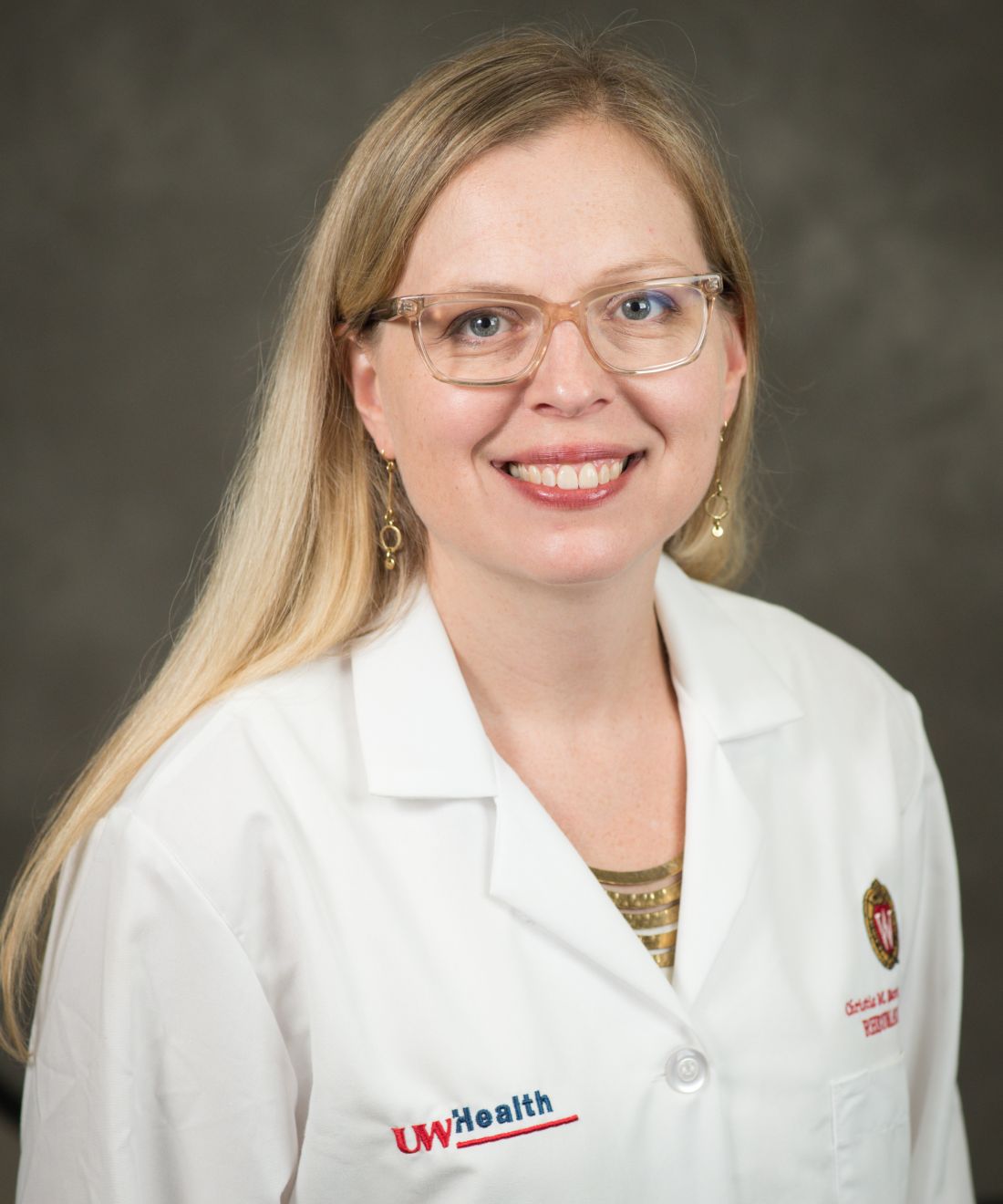
The 0.5-mg dose is just a shade under the 0.6-mg, twice daily dosing rheumatologists typically prescribe for gout, Christie Bartels, MD, MS, chief of rheumatology at the University of Wisconsin–Madison, said in an interview. Clinicians also use the 0.6-mg dose off-label for pseudogout or calcium pyrophosphate deposition disease (CPPD), Dr. Bartels noted.
The new formulation opens the consideration for using colchicine more in patients with psoriatic arthritis, lupus, and rheumatoid arthritis, she said. “I think we could certainly discuss it, particularly, in secondary prevention patients who already had an event or who are at the highest risk and already on optimal traditional agents,” she said.
She cited previous comments by Paul Ridker, MD, director of the center for cardiovascular disease prevention at Brigham and Women’s Hospital in Boston, and developer of the high-sensitivity C-reactive protein (hsCRP) test for measuring inflammatory markers. “We might not know the answer because Dr. Ridker pointed out he used colchicine 0.5 mg in patients that had a high-sensitivity CRP that was high; we need patients who have had inflammation of unknown origin, so those patients presumably weren’t already on another anti-inflammatory,” she said, noting that hydroxychloroquine, methotrexate, and some biologics provide some protection from cardiovascular risks.
However, a potential role for long-term colchicine 0.5 mg in ASCVD prevention may cause consideration for changing the drug’s role in gout treatment, Dr. Bartels said. “In gout, where we do have an FDA-approved indication for colchicine, we used to use it only for the first 6 months while we were getting patients to goal on allopurinol, which was usually then monotherapy after the first 6 months,” she said. “I think this will likely change how I treat gout patients in that I may also offer to continue both medications [colchicine and allopurinol] if they are tolerating them well.
“And then in patients where I’m using it off-label in CPPD, I might again share with them that in addition to possibly helping their CPPD, there may be this added benefit to reduce inflammation just in discussing the risks and benefits of the medicine.”
However, rheumatologists must be careful in using colchicine beyond the typical 6-month cycle, Dr. Bartels said. “One of the tricky things with colchicine, and part of the reason we did not traditionally continue it specifically past the first 6 months, was that it can cause myopathies or cytopenias, so we still have to counsel patients regarding these risks and monitor that,” she said.
Additionally, colchicine can have drug interactions with statins or calcium channel blockers that can change colchicine levels. “I think the dose here is so low, the 0.5 mg, that it’s probably still safe, but again, it’s something that we have to take a look at in the patient’s whole picture and the rest of their burden of their meds in order to make a decision with them,” Dr. Bartels said.
Possibilities in dermatology
The LoDoCo2 trial one of two major randomized trials that supported approval of colchicine 0.5 mg, reported that treated patients had a 60% lower rate of gout than the placebo group (1.4% vs. 3.4%). Joel Gelfand, MD, MSCE, the James J. Leyden professor of dermatology and epidemiology at the University of Pennsylvania, Philadelphia, pointed to this in evaluating the dermatologic implications of the drug’s approval. “This may be of particular interest as people with psoriasis have an increased risk of gout,” he said in emailed comments.
Colchicine’s mechanism of action to reduce inflammation parallels that of tumor necrosis factor (TNF) inhibitors used for dermatologic indications, namely by inhibiting leukocyte adhesion to disrupt the downregulation of TNF receptors, Dr. Gelfand said.
“Interestingly, observational data suggests biologics that target TNF such as adalimumab, etanercept, etc., are associated with a reduction in CV events, and in placebo-controlled trials we conducted in psoriasis patients, it reduced key inflammatory mediators of cardiovascular disease, including IL [interleukin]-6,” he said. “Randomized clinical trials to evaluate the ability of TNF inhibitors, which are now available as biosimilars, to prevent cardiovascular events in high-risk patients, should be conducted, and more work is needed to identify which additional immune-targeted treatments may lower CV risk with an acceptable safety profile.”
Colchicine currently has few indications for rare conditions in dermatology, Dr. Gelfand said, including Sweets syndrome, subcorneal pustular dermatosis, and cutaneous vasculitis. “There are some reports to suggest it may help psoriatic disease, but current data are limited and insufficient to recommend its use for psoriasis and/or psoriatic arthritis,” he said.
The approval of colchicine 0.5 mg for ASCVD could be meaningful for people with psoriasis who are also being treated for CV risk factors, Dr. Gelfand said. “Additional considerations such as signs of residual inflammation (elevated hsCRP) and CV imaging findings may be used to further guide shared decision-making for optimal use,” he said.
Another consideration he noted: “This is also a novel 0.5-mg formulation, and thus cost may be an issue.”
Would side effects bar use in gastroenterology?
Colchicine 0.5 mg may not move the needle much for expanding treatment of ASCVD in patients with inflammatory bowel disease (IBD) and potentially other gastrointestinal conditions, Edward Loftus Jr., MD, the Maxine and Jack Zarrow Family professor of gastroenterology specifically for IBD at the Mayo Clinic in Rochester, Minn., told MDEdge in emailed comments. “Given the GI side effect profile [of colchicine], I am not sure I would go there,” he said.

“Hopefully, the prescribers of this low-dose formulation are aware of the gastrointestinal side effects, such as diarrhea and nausea, and educate patients about these side effects so that a proper risk-benefit discussion can ensue,” he said.
Dr. Bartels reporting a previous financial relationship with Pfizer. Dr. Gelfand said he has financial relationships with AbbVie, Amgen, Bristol-Myers Squibb, Boehringer Ingelheim, Celldex, GlaxoSmithKline, Twill, Lilly, Leo, Moonlake, Janssen Biologics, Novartis, Pfizer, UCB, Neuroderm, and Veolia North America. Dr. Loftus disclosed relationships with AbbVie, Alvotech, Amgen, Arena, Avalo, Boehringer Ingelheim, Bristol-Myers Squibb, Celgene/Receptos, Celltrion Healthcare, Eli Lilly, Fresenius Kabi, Genentech, Gilead, GlaxoSmithKline, Gossamer Bio, Iterative Health, Janssen, KSL Diagnostics, Morphic, Ono, Pfizer, Sun, Surrozen, Takeda, Theravance, and UCB.
The recent Food and Drug Administration approval of colchicine 0.5 mg (Lodoco) for use in atherosclerotic cardiovascular disease (ASCVD) prevention will possibly create opportunities to use the drug to treat residual risk for ASCVD in some patients with immune-mediated inflammatory diseases, particularly in rheumatology.
Potential in rheumatology
The 0.5-mg dose is just a shade under the 0.6-mg, twice daily dosing rheumatologists typically prescribe for gout, Christie Bartels, MD, MS, chief of rheumatology at the University of Wisconsin–Madison, said in an interview. Clinicians also use the 0.6-mg dose off-label for pseudogout or calcium pyrophosphate deposition disease (CPPD), Dr. Bartels noted.
The new formulation opens the consideration for using colchicine more in patients with psoriatic arthritis, lupus, and rheumatoid arthritis, she said. “I think we could certainly discuss it, particularly, in secondary prevention patients who already had an event or who are at the highest risk and already on optimal traditional agents,” she said.
She cited previous comments by Paul Ridker, MD, director of the center for cardiovascular disease prevention at Brigham and Women’s Hospital in Boston, and developer of the high-sensitivity C-reactive protein (hsCRP) test for measuring inflammatory markers. “We might not know the answer because Dr. Ridker pointed out he used colchicine 0.5 mg in patients that had a high-sensitivity CRP that was high; we need patients who have had inflammation of unknown origin, so those patients presumably weren’t already on another anti-inflammatory,” she said, noting that hydroxychloroquine, methotrexate, and some biologics provide some protection from cardiovascular risks.
However, a potential role for long-term colchicine 0.5 mg in ASCVD prevention may cause consideration for changing the drug’s role in gout treatment, Dr. Bartels said. “In gout, where we do have an FDA-approved indication for colchicine, we used to use it only for the first 6 months while we were getting patients to goal on allopurinol, which was usually then monotherapy after the first 6 months,” she said. “I think this will likely change how I treat gout patients in that I may also offer to continue both medications [colchicine and allopurinol] if they are tolerating them well.
“And then in patients where I’m using it off-label in CPPD, I might again share with them that in addition to possibly helping their CPPD, there may be this added benefit to reduce inflammation just in discussing the risks and benefits of the medicine.”
However, rheumatologists must be careful in using colchicine beyond the typical 6-month cycle, Dr. Bartels said. “One of the tricky things with colchicine, and part of the reason we did not traditionally continue it specifically past the first 6 months, was that it can cause myopathies or cytopenias, so we still have to counsel patients regarding these risks and monitor that,” she said.
Additionally, colchicine can have drug interactions with statins or calcium channel blockers that can change colchicine levels. “I think the dose here is so low, the 0.5 mg, that it’s probably still safe, but again, it’s something that we have to take a look at in the patient’s whole picture and the rest of their burden of their meds in order to make a decision with them,” Dr. Bartels said.
Possibilities in dermatology
The LoDoCo2 trial one of two major randomized trials that supported approval of colchicine 0.5 mg, reported that treated patients had a 60% lower rate of gout than the placebo group (1.4% vs. 3.4%). Joel Gelfand, MD, MSCE, the James J. Leyden professor of dermatology and epidemiology at the University of Pennsylvania, Philadelphia, pointed to this in evaluating the dermatologic implications of the drug’s approval. “This may be of particular interest as people with psoriasis have an increased risk of gout,” he said in emailed comments.
Colchicine’s mechanism of action to reduce inflammation parallels that of tumor necrosis factor (TNF) inhibitors used for dermatologic indications, namely by inhibiting leukocyte adhesion to disrupt the downregulation of TNF receptors, Dr. Gelfand said.
“Interestingly, observational data suggests biologics that target TNF such as adalimumab, etanercept, etc., are associated with a reduction in CV events, and in placebo-controlled trials we conducted in psoriasis patients, it reduced key inflammatory mediators of cardiovascular disease, including IL [interleukin]-6,” he said. “Randomized clinical trials to evaluate the ability of TNF inhibitors, which are now available as biosimilars, to prevent cardiovascular events in high-risk patients, should be conducted, and more work is needed to identify which additional immune-targeted treatments may lower CV risk with an acceptable safety profile.”
Colchicine currently has few indications for rare conditions in dermatology, Dr. Gelfand said, including Sweets syndrome, subcorneal pustular dermatosis, and cutaneous vasculitis. “There are some reports to suggest it may help psoriatic disease, but current data are limited and insufficient to recommend its use for psoriasis and/or psoriatic arthritis,” he said.
The approval of colchicine 0.5 mg for ASCVD could be meaningful for people with psoriasis who are also being treated for CV risk factors, Dr. Gelfand said. “Additional considerations such as signs of residual inflammation (elevated hsCRP) and CV imaging findings may be used to further guide shared decision-making for optimal use,” he said.
Another consideration he noted: “This is also a novel 0.5-mg formulation, and thus cost may be an issue.”
Would side effects bar use in gastroenterology?
Colchicine 0.5 mg may not move the needle much for expanding treatment of ASCVD in patients with inflammatory bowel disease (IBD) and potentially other gastrointestinal conditions, Edward Loftus Jr., MD, the Maxine and Jack Zarrow Family professor of gastroenterology specifically for IBD at the Mayo Clinic in Rochester, Minn., told MDEdge in emailed comments. “Given the GI side effect profile [of colchicine], I am not sure I would go there,” he said.
“Hopefully, the prescribers of this low-dose formulation are aware of the gastrointestinal side effects, such as diarrhea and nausea, and educate patients about these side effects so that a proper risk-benefit discussion can ensue,” he said.
Dr. Bartels reporting a previous financial relationship with Pfizer. Dr. Gelfand said he has financial relationships with AbbVie, Amgen, Bristol-Myers Squibb, Boehringer Ingelheim, Celldex, GlaxoSmithKline, Twill, Lilly, Leo, Moonlake, Janssen Biologics, Novartis, Pfizer, UCB, Neuroderm, and Veolia North America. Dr. Loftus disclosed relationships with AbbVie, Alvotech, Amgen, Arena, Avalo, Boehringer Ingelheim, Bristol-Myers Squibb, Celgene/Receptos, Celltrion Healthcare, Eli Lilly, Fresenius Kabi, Genentech, Gilead, GlaxoSmithKline, Gossamer Bio, Iterative Health, Janssen, KSL Diagnostics, Morphic, Ono, Pfizer, Sun, Surrozen, Takeda, Theravance, and UCB.
The recent Food and Drug Administration approval of colchicine 0.5 mg (Lodoco) for use in atherosclerotic cardiovascular disease (ASCVD) prevention will possibly create opportunities to use the drug to treat residual risk for ASCVD in some patients with immune-mediated inflammatory diseases, particularly in rheumatology.
Potential in rheumatology
The 0.5-mg dose is just a shade under the 0.6-mg, twice daily dosing rheumatologists typically prescribe for gout, Christie Bartels, MD, MS, chief of rheumatology at the University of Wisconsin–Madison, said in an interview. Clinicians also use the 0.6-mg dose off-label for pseudogout or calcium pyrophosphate deposition disease (CPPD), Dr. Bartels noted.
The new formulation opens the consideration for using colchicine more in patients with psoriatic arthritis, lupus, and rheumatoid arthritis, she said. “I think we could certainly discuss it, particularly, in secondary prevention patients who already had an event or who are at the highest risk and already on optimal traditional agents,” she said.
She cited previous comments by Paul Ridker, MD, director of the center for cardiovascular disease prevention at Brigham and Women’s Hospital in Boston, and developer of the high-sensitivity C-reactive protein (hsCRP) test for measuring inflammatory markers. “We might not know the answer because Dr. Ridker pointed out he used colchicine 0.5 mg in patients that had a high-sensitivity CRP that was high; we need patients who have had inflammation of unknown origin, so those patients presumably weren’t already on another anti-inflammatory,” she said, noting that hydroxychloroquine, methotrexate, and some biologics provide some protection from cardiovascular risks.
However, a potential role for long-term colchicine 0.5 mg in ASCVD prevention may cause consideration for changing the drug’s role in gout treatment, Dr. Bartels said. “In gout, where we do have an FDA-approved indication for colchicine, we used to use it only for the first 6 months while we were getting patients to goal on allopurinol, which was usually then monotherapy after the first 6 months,” she said. “I think this will likely change how I treat gout patients in that I may also offer to continue both medications [colchicine and allopurinol] if they are tolerating them well.
“And then in patients where I’m using it off-label in CPPD, I might again share with them that in addition to possibly helping their CPPD, there may be this added benefit to reduce inflammation just in discussing the risks and benefits of the medicine.”
However, rheumatologists must be careful in using colchicine beyond the typical 6-month cycle, Dr. Bartels said. “One of the tricky things with colchicine, and part of the reason we did not traditionally continue it specifically past the first 6 months, was that it can cause myopathies or cytopenias, so we still have to counsel patients regarding these risks and monitor that,” she said.
Additionally, colchicine can have drug interactions with statins or calcium channel blockers that can change colchicine levels. “I think the dose here is so low, the 0.5 mg, that it’s probably still safe, but again, it’s something that we have to take a look at in the patient’s whole picture and the rest of their burden of their meds in order to make a decision with them,” Dr. Bartels said.
Possibilities in dermatology
The LoDoCo2 trial one of two major randomized trials that supported approval of colchicine 0.5 mg, reported that treated patients had a 60% lower rate of gout than the placebo group (1.4% vs. 3.4%). Joel Gelfand, MD, MSCE, the James J. Leyden professor of dermatology and epidemiology at the University of Pennsylvania, Philadelphia, pointed to this in evaluating the dermatologic implications of the drug’s approval. “This may be of particular interest as people with psoriasis have an increased risk of gout,” he said in emailed comments.
Colchicine’s mechanism of action to reduce inflammation parallels that of tumor necrosis factor (TNF) inhibitors used for dermatologic indications, namely by inhibiting leukocyte adhesion to disrupt the downregulation of TNF receptors, Dr. Gelfand said.
“Interestingly, observational data suggests biologics that target TNF such as adalimumab, etanercept, etc., are associated with a reduction in CV events, and in placebo-controlled trials we conducted in psoriasis patients, it reduced key inflammatory mediators of cardiovascular disease, including IL [interleukin]-6,” he said. “Randomized clinical trials to evaluate the ability of TNF inhibitors, which are now available as biosimilars, to prevent cardiovascular events in high-risk patients, should be conducted, and more work is needed to identify which additional immune-targeted treatments may lower CV risk with an acceptable safety profile.”
Colchicine currently has few indications for rare conditions in dermatology, Dr. Gelfand said, including Sweets syndrome, subcorneal pustular dermatosis, and cutaneous vasculitis. “There are some reports to suggest it may help psoriatic disease, but current data are limited and insufficient to recommend its use for psoriasis and/or psoriatic arthritis,” he said.
The approval of colchicine 0.5 mg for ASCVD could be meaningful for people with psoriasis who are also being treated for CV risk factors, Dr. Gelfand said. “Additional considerations such as signs of residual inflammation (elevated hsCRP) and CV imaging findings may be used to further guide shared decision-making for optimal use,” he said.
Another consideration he noted: “This is also a novel 0.5-mg formulation, and thus cost may be an issue.”
Would side effects bar use in gastroenterology?
Colchicine 0.5 mg may not move the needle much for expanding treatment of ASCVD in patients with inflammatory bowel disease (IBD) and potentially other gastrointestinal conditions, Edward Loftus Jr., MD, the Maxine and Jack Zarrow Family professor of gastroenterology specifically for IBD at the Mayo Clinic in Rochester, Minn., told MDEdge in emailed comments. “Given the GI side effect profile [of colchicine], I am not sure I would go there,” he said.
“Hopefully, the prescribers of this low-dose formulation are aware of the gastrointestinal side effects, such as diarrhea and nausea, and educate patients about these side effects so that a proper risk-benefit discussion can ensue,” he said.
Dr. Bartels reporting a previous financial relationship with Pfizer. Dr. Gelfand said he has financial relationships with AbbVie, Amgen, Bristol-Myers Squibb, Boehringer Ingelheim, Celldex, GlaxoSmithKline, Twill, Lilly, Leo, Moonlake, Janssen Biologics, Novartis, Pfizer, UCB, Neuroderm, and Veolia North America. Dr. Loftus disclosed relationships with AbbVie, Alvotech, Amgen, Arena, Avalo, Boehringer Ingelheim, Bristol-Myers Squibb, Celgene/Receptos, Celltrion Healthcare, Eli Lilly, Fresenius Kabi, Genentech, Gilead, GlaxoSmithKline, Gossamer Bio, Iterative Health, Janssen, KSL Diagnostics, Morphic, Ono, Pfizer, Sun, Surrozen, Takeda, Theravance, and UCB.
AI model interprets EEGs with near-perfect accuracy
An automated artificial intelligence (AI) model trained to read electroencephalograms (EEGs) in patients with suspected epilepsy is just as accurate as trained neurologists, new data suggest.
Known as SCORE-AI, the technology distinguishes between abnormal and normal EEG recordings and classifies irregular recordings into specific categories crucial for patient decision-making.
“SCORE-AI can be used in place of experts in underprivileged areas, where expertise is missing, or to help physicians to preselect or prescore recordings in areas where the workload is high – we can all benefit from AI,” study investigator Sándor Beniczky, MD, PhD, said in a JAMA Neurology podcast.
Dr. Beniczky is professor of clinical neurophysiology at Aarhus University in Denmark.
The findings were published online in JAMA Neurology.
Gaining a foothold
Increasingly, AI is gaining a foothold in medicine by credibly addressing patient queries and aiding radiologists.
To bring AI to EEG interpretation, the researchers developed and validated an AI model that was able to assess routine, clinical EEGs in patients with suspected epilepsy.
Beyond using AI to distinguish abnormal from normal EEG recordings, the researchers wanted to train the new system to classify abnormal recordings into the major categories that are most relevant for clinical decision-making in patients who may have epilepsy. The categories included epileptiform-focal, epileptiform-generalized, nonepileptiform-focal, and nonepileptiform-diffuse abnormalities.
The researchers trained the learning model using Standardized Computer-based Organized Reporting of EEG (SCORE) software.
In the development phase, the model was trained using more than 30,490 anonymized and highly annotated EEG recordings from 14,100 men (median age, 25 years) from a single center. The recordings had an average duration of 31 minutes and were interpreted by 17 neurologists using standardized criteria. If an EEG recording was abnormal, the physicians had to specify which abnormal features were present.
SCORE-AI then performed an analysis of the recordings based on input from the experts.
To validate the findings, investigators used two independent test datasets. The first dataset consisted of 100 representative routine EEGs from 61 men (median age, 26 years), evaluated by 11 neurologists from different centers.
The consensus of these evaluations served as the reference standard. The second dataset comprised nearly 10,000 EEGs from a single center (5,170 men; median age, 35 years), independently assessed by 14 neurologists.
Near-perfect accuracy
When compared with the experts, SCORE-AI had near-perfect accuracy with an area under the receiver operating characteristic (AUROC) curve for differentiating normal from abnormal EEG recordings of 0.95.
SCORE-AI also performed well at identifying generalized epileptiform abnormalities (AUROC, 0.96), focal epileptiform abnormalities (AUROC, 0.91), focal nonepileptiform abnormalities (AUROC, 0.89), and diffuse nonepileptiform abnormalities (AUROC, 0.93).
In addition, SCORE-AI had excellent agreement with clinicians – and sometimes agreed with individual experts more than the experts agreed with one another.
When Dr. Beniczky and team tested SCORE-AI against three previously published AI models, SCORE-AI demonstrated greater specificity than those models (90% vs. 3%-63%) but was not as sensitive (86.7%) as two of the models (96.7% and 100%).
One of the study’s limitations was the fact that SCORE-AI was developed and validated on routine EEGs that excluded neonates and critically ill patients.
In the future, Dr. Beniczky said on the podcast, the team would like to train SCORE-AI to read EEGs with more granularity, and eventually use only one single channel to record EEGs. At present, SCORE-AI is being integrated with Natus Neuro, a widely used EEG equipment system, the investigators note.
In an accompanying editorial, Jonathan Kleen, MD, PhD, and Elan Guterman, MD, said, “The overall approach taken ... in developing and validating SCORE-AI sets a standard for this work going forward.”
Dr. Kleen and Dr. Guterman note that the technological gains brought about by SCORE-AI technology “could offer an exciting prospect to improve EEG availability and clinical care for the 50 million people with epilepsy worldwide.”
A version of this article originally appeared on Medscape.com.
An automated artificial intelligence (AI) model trained to read electroencephalograms (EEGs) in patients with suspected epilepsy is just as accurate as trained neurologists, new data suggest.
Known as SCORE-AI, the technology distinguishes between abnormal and normal EEG recordings and classifies irregular recordings into specific categories crucial for patient decision-making.
“SCORE-AI can be used in place of experts in underprivileged areas, where expertise is missing, or to help physicians to preselect or prescore recordings in areas where the workload is high – we can all benefit from AI,” study investigator Sándor Beniczky, MD, PhD, said in a JAMA Neurology podcast.
Dr. Beniczky is professor of clinical neurophysiology at Aarhus University in Denmark.
The findings were published online in JAMA Neurology.
Gaining a foothold
Increasingly, AI is gaining a foothold in medicine by credibly addressing patient queries and aiding radiologists.
To bring AI to EEG interpretation, the researchers developed and validated an AI model that was able to assess routine, clinical EEGs in patients with suspected epilepsy.
Beyond using AI to distinguish abnormal from normal EEG recordings, the researchers wanted to train the new system to classify abnormal recordings into the major categories that are most relevant for clinical decision-making in patients who may have epilepsy. The categories included epileptiform-focal, epileptiform-generalized, nonepileptiform-focal, and nonepileptiform-diffuse abnormalities.
The researchers trained the learning model using Standardized Computer-based Organized Reporting of EEG (SCORE) software.
In the development phase, the model was trained using more than 30,490 anonymized and highly annotated EEG recordings from 14,100 men (median age, 25 years) from a single center. The recordings had an average duration of 31 minutes and were interpreted by 17 neurologists using standardized criteria. If an EEG recording was abnormal, the physicians had to specify which abnormal features were present.
SCORE-AI then performed an analysis of the recordings based on input from the experts.
To validate the findings, investigators used two independent test datasets. The first dataset consisted of 100 representative routine EEGs from 61 men (median age, 26 years), evaluated by 11 neurologists from different centers.
The consensus of these evaluations served as the reference standard. The second dataset comprised nearly 10,000 EEGs from a single center (5,170 men; median age, 35 years), independently assessed by 14 neurologists.
Near-perfect accuracy
When compared with the experts, SCORE-AI had near-perfect accuracy with an area under the receiver operating characteristic (AUROC) curve for differentiating normal from abnormal EEG recordings of 0.95.
SCORE-AI also performed well at identifying generalized epileptiform abnormalities (AUROC, 0.96), focal epileptiform abnormalities (AUROC, 0.91), focal nonepileptiform abnormalities (AUROC, 0.89), and diffuse nonepileptiform abnormalities (AUROC, 0.93).
In addition, SCORE-AI had excellent agreement with clinicians – and sometimes agreed with individual experts more than the experts agreed with one another.
When Dr. Beniczky and team tested SCORE-AI against three previously published AI models, SCORE-AI demonstrated greater specificity than those models (90% vs. 3%-63%) but was not as sensitive (86.7%) as two of the models (96.7% and 100%).
One of the study’s limitations was the fact that SCORE-AI was developed and validated on routine EEGs that excluded neonates and critically ill patients.
In the future, Dr. Beniczky said on the podcast, the team would like to train SCORE-AI to read EEGs with more granularity, and eventually use only one single channel to record EEGs. At present, SCORE-AI is being integrated with Natus Neuro, a widely used EEG equipment system, the investigators note.
In an accompanying editorial, Jonathan Kleen, MD, PhD, and Elan Guterman, MD, said, “The overall approach taken ... in developing and validating SCORE-AI sets a standard for this work going forward.”
Dr. Kleen and Dr. Guterman note that the technological gains brought about by SCORE-AI technology “could offer an exciting prospect to improve EEG availability and clinical care for the 50 million people with epilepsy worldwide.”
A version of this article originally appeared on Medscape.com.
An automated artificial intelligence (AI) model trained to read electroencephalograms (EEGs) in patients with suspected epilepsy is just as accurate as trained neurologists, new data suggest.
Known as SCORE-AI, the technology distinguishes between abnormal and normal EEG recordings and classifies irregular recordings into specific categories crucial for patient decision-making.
“SCORE-AI can be used in place of experts in underprivileged areas, where expertise is missing, or to help physicians to preselect or prescore recordings in areas where the workload is high – we can all benefit from AI,” study investigator Sándor Beniczky, MD, PhD, said in a JAMA Neurology podcast.
Dr. Beniczky is professor of clinical neurophysiology at Aarhus University in Denmark.
The findings were published online in JAMA Neurology.
Gaining a foothold
Increasingly, AI is gaining a foothold in medicine by credibly addressing patient queries and aiding radiologists.
To bring AI to EEG interpretation, the researchers developed and validated an AI model that was able to assess routine, clinical EEGs in patients with suspected epilepsy.
Beyond using AI to distinguish abnormal from normal EEG recordings, the researchers wanted to train the new system to classify abnormal recordings into the major categories that are most relevant for clinical decision-making in patients who may have epilepsy. The categories included epileptiform-focal, epileptiform-generalized, nonepileptiform-focal, and nonepileptiform-diffuse abnormalities.
The researchers trained the learning model using Standardized Computer-based Organized Reporting of EEG (SCORE) software.
In the development phase, the model was trained using more than 30,490 anonymized and highly annotated EEG recordings from 14,100 men (median age, 25 years) from a single center. The recordings had an average duration of 31 minutes and were interpreted by 17 neurologists using standardized criteria. If an EEG recording was abnormal, the physicians had to specify which abnormal features were present.
SCORE-AI then performed an analysis of the recordings based on input from the experts.
To validate the findings, investigators used two independent test datasets. The first dataset consisted of 100 representative routine EEGs from 61 men (median age, 26 years), evaluated by 11 neurologists from different centers.
The consensus of these evaluations served as the reference standard. The second dataset comprised nearly 10,000 EEGs from a single center (5,170 men; median age, 35 years), independently assessed by 14 neurologists.
Near-perfect accuracy
When compared with the experts, SCORE-AI had near-perfect accuracy with an area under the receiver operating characteristic (AUROC) curve for differentiating normal from abnormal EEG recordings of 0.95.
SCORE-AI also performed well at identifying generalized epileptiform abnormalities (AUROC, 0.96), focal epileptiform abnormalities (AUROC, 0.91), focal nonepileptiform abnormalities (AUROC, 0.89), and diffuse nonepileptiform abnormalities (AUROC, 0.93).
In addition, SCORE-AI had excellent agreement with clinicians – and sometimes agreed with individual experts more than the experts agreed with one another.
When Dr. Beniczky and team tested SCORE-AI against three previously published AI models, SCORE-AI demonstrated greater specificity than those models (90% vs. 3%-63%) but was not as sensitive (86.7%) as two of the models (96.7% and 100%).
One of the study’s limitations was the fact that SCORE-AI was developed and validated on routine EEGs that excluded neonates and critically ill patients.
In the future, Dr. Beniczky said on the podcast, the team would like to train SCORE-AI to read EEGs with more granularity, and eventually use only one single channel to record EEGs. At present, SCORE-AI is being integrated with Natus Neuro, a widely used EEG equipment system, the investigators note.
In an accompanying editorial, Jonathan Kleen, MD, PhD, and Elan Guterman, MD, said, “The overall approach taken ... in developing and validating SCORE-AI sets a standard for this work going forward.”
Dr. Kleen and Dr. Guterman note that the technological gains brought about by SCORE-AI technology “could offer an exciting prospect to improve EEG availability and clinical care for the 50 million people with epilepsy worldwide.”
A version of this article originally appeared on Medscape.com.
Tirzepatide: Therapeutic titan or costly cure?
As a general practitioner with a specialist interest in diabetes, I am increasingly diagnosing younger people living with type 2 diabetes and obesity. Sadly, my youngest patient living with type 2 diabetes and obesity is only in her early 20s.
In fact, in England, there are now more people under the age of 40 years living with type 2 diabetes than type 1 diabetes. These younger individuals tend to present with very high hemoglobin A1c levels; I am routinely seeing double-digit A1c percentage levels in my practice. Indeed, the patient mentioned above presented with an A1c of more than 13%.
The lifetime cardiometabolic risk of individuals like her is considerable and very worrying: Younger adults with type 2 diabetes often have adverse cardiometabolic risk profiles at diagnosis, with higher body mass indices, marked dyslipidemia, hypertension, and abnormal liver profiles suggesting nonalcoholic fatty liver disease. The cumulative impact of this risk profile is a significant impact on quality and quantity of life. Evidence tells us that a younger age of diagnosis with type 2 diabetes is associated with an increased risk for premature death, especially from cardiovascular disease.
Early treatment intensification is warranted in younger individuals living with type 2 diabetes and obesity. My patient above is now on triple therapy with metformin, a sodium-glucose cotransporter 2 (SGLT2) inhibitor, and a glucagonlike peptide–1 (GLP-1) receptor agonist. I gave her an urgent referral to my local weight management service for weight, nutritional, and psychological support. I have also issued her a real-time continuous glucose monitoring (rt-CGM) device: Whilst she does not meet any current U.K. criteria for using rt-CGM, I feel that the role of CGM as an educational tool for her is invaluable and equally important to her pharmacologic therapies. We are in desperate need of effective pharmacologic and lifestyle interventions to tackle this epidemic of cardiometabolic disease in the young.
I attended the recent ADA 2023 congress in San Diego, including the presentation of the SURMOUNT-2 trial data. SURMOUNT-2 explored the efficacy and safety of the dual GLP-GIP agonist tirzepatide for weight management in patients with obesity and type 2 diabetes. Tirzepatide was associated with significant reductions in weight (average weight loss, 14-16 kg after 72 weeks) and glycemia (2.1% reduction in A1c after 72 weeks), as well as reductions in clinically meaningful cardiometabolic risk factors, including systolic blood pressure, liver enzymes, and fasting non–HDL cholesterol levels. The overall safety profile of tirzepatide was also reassuring and consistent with the GLP-1 class. Most adverse effects were gastrointestinal and of mild to moderate severity. These adverse effects decreased over time.
These results perfectly position tirzepatide for my younger patients like the young woman mentioned above. The significant improvements in weight, glycemia, and cardiometabolic risk factors will not only help mitigate her future cardiometabolic risk but also help the sustainability of the U.K.’s National Health System. The cost of diabetes to the NHS in the United Kingdom is more than 10% of the entire NHS budget for England and Wales. More than 80% of this cost, however, is related not to the medications and devices we prescribe for diabetes but to the downstream complications of diabetes, such as hospital admissions for cardiovascular events and amputations, as well as regular hospital attendance for dialysis for end-stage kidney disease.
There is no doubt, however, that modern obesity medications such as semaglutide and tirzepatide are expensive, and demand has been astronomical. This demand has been driven by private weight-management services and celebrity influencers, and has resulted in major U.K.-wide GLP-1 shortages.
This situation is tragically widening health inequalities, as many of my patients who have been on GLP-1 receptor agonists for many years are unable to obtain them. I am having to consider switching therapies, often to less efficacious options without the compelling cardiorenal benefits. Furthermore, the GLP-1 shortages have prevented GLP-1 initiation for my other high-risk younger patients, potentially increasing future cardiometabolic risk.
There remain unanswered questions for tirzepatide: What is the durability of effect of tirzepatide after 72 weeks (that is, the trial duration of SURMOUNT-2)? Crucially, what is the effect of withdrawal of tirzepatide on weight loss maintenance? Previous evidence has suggested weight regain after discontinuation of a GLP-1 receptor agonist for obesity. This, of course, has further financial and sustainability implications for health care systems such as the NHS.
Finally, we are increasingly seeing younger women of childbearing age with or at risk for cardiometabolic disease. Again, my patient above is one example. Many of the therapies we use for cardiometabolic disease management, including GLP-1 receptor agonists and tirzepatide, have not been studied, and hence have not been licensed in pregnant women. Therefore, frank discussions are required with patients about future family plans and the importance of contraception. Often, the significant weight loss seen with GLP-1 receptor agonists can improve hormonal profiles and fertility in women and result in unexpected pregnancies if robust contraception is not in place.
Tirzepatide has yet to be made commercially available in the United Kingdom, and its price has also yet to be set. But I already envision a clear role for tirzepatide in my treatment armamentarium. I will be positioning tirzepatide as my first injectable of choice after oral treatment escalation with metformin and an SGLT2 inhibitor in all my patients who require treatment intensification – not just my younger, higher-risk individuals. This may remain an aspirational goal until supply chains and cost are defined. There is no doubt, however, that the compelling weight and glycemic benefits of tirzepatide alongside individualized lifestyle interventions can help improve the quality and quantity of life of my patients living with type 2 diabetes and obesity.
Dr. Fernando is a general practitioner near Edinburgh. He reported receiving speaker fees from Eli Lilly and Novo Nordisk..
A version of this article first appeared on Medscape.com.
As a general practitioner with a specialist interest in diabetes, I am increasingly diagnosing younger people living with type 2 diabetes and obesity. Sadly, my youngest patient living with type 2 diabetes and obesity is only in her early 20s.
In fact, in England, there are now more people under the age of 40 years living with type 2 diabetes than type 1 diabetes. These younger individuals tend to present with very high hemoglobin A1c levels; I am routinely seeing double-digit A1c percentage levels in my practice. Indeed, the patient mentioned above presented with an A1c of more than 13%.
The lifetime cardiometabolic risk of individuals like her is considerable and very worrying: Younger adults with type 2 diabetes often have adverse cardiometabolic risk profiles at diagnosis, with higher body mass indices, marked dyslipidemia, hypertension, and abnormal liver profiles suggesting nonalcoholic fatty liver disease. The cumulative impact of this risk profile is a significant impact on quality and quantity of life. Evidence tells us that a younger age of diagnosis with type 2 diabetes is associated with an increased risk for premature death, especially from cardiovascular disease.
Early treatment intensification is warranted in younger individuals living with type 2 diabetes and obesity. My patient above is now on triple therapy with metformin, a sodium-glucose cotransporter 2 (SGLT2) inhibitor, and a glucagonlike peptide–1 (GLP-1) receptor agonist. I gave her an urgent referral to my local weight management service for weight, nutritional, and psychological support. I have also issued her a real-time continuous glucose monitoring (rt-CGM) device: Whilst she does not meet any current U.K. criteria for using rt-CGM, I feel that the role of CGM as an educational tool for her is invaluable and equally important to her pharmacologic therapies. We are in desperate need of effective pharmacologic and lifestyle interventions to tackle this epidemic of cardiometabolic disease in the young.
I attended the recent ADA 2023 congress in San Diego, including the presentation of the SURMOUNT-2 trial data. SURMOUNT-2 explored the efficacy and safety of the dual GLP-GIP agonist tirzepatide for weight management in patients with obesity and type 2 diabetes. Tirzepatide was associated with significant reductions in weight (average weight loss, 14-16 kg after 72 weeks) and glycemia (2.1% reduction in A1c after 72 weeks), as well as reductions in clinically meaningful cardiometabolic risk factors, including systolic blood pressure, liver enzymes, and fasting non–HDL cholesterol levels. The overall safety profile of tirzepatide was also reassuring and consistent with the GLP-1 class. Most adverse effects were gastrointestinal and of mild to moderate severity. These adverse effects decreased over time.
These results perfectly position tirzepatide for my younger patients like the young woman mentioned above. The significant improvements in weight, glycemia, and cardiometabolic risk factors will not only help mitigate her future cardiometabolic risk but also help the sustainability of the U.K.’s National Health System. The cost of diabetes to the NHS in the United Kingdom is more than 10% of the entire NHS budget for England and Wales. More than 80% of this cost, however, is related not to the medications and devices we prescribe for diabetes but to the downstream complications of diabetes, such as hospital admissions for cardiovascular events and amputations, as well as regular hospital attendance for dialysis for end-stage kidney disease.
There is no doubt, however, that modern obesity medications such as semaglutide and tirzepatide are expensive, and demand has been astronomical. This demand has been driven by private weight-management services and celebrity influencers, and has resulted in major U.K.-wide GLP-1 shortages.
This situation is tragically widening health inequalities, as many of my patients who have been on GLP-1 receptor agonists for many years are unable to obtain them. I am having to consider switching therapies, often to less efficacious options without the compelling cardiorenal benefits. Furthermore, the GLP-1 shortages have prevented GLP-1 initiation for my other high-risk younger patients, potentially increasing future cardiometabolic risk.
There remain unanswered questions for tirzepatide: What is the durability of effect of tirzepatide after 72 weeks (that is, the trial duration of SURMOUNT-2)? Crucially, what is the effect of withdrawal of tirzepatide on weight loss maintenance? Previous evidence has suggested weight regain after discontinuation of a GLP-1 receptor agonist for obesity. This, of course, has further financial and sustainability implications for health care systems such as the NHS.
Finally, we are increasingly seeing younger women of childbearing age with or at risk for cardiometabolic disease. Again, my patient above is one example. Many of the therapies we use for cardiometabolic disease management, including GLP-1 receptor agonists and tirzepatide, have not been studied, and hence have not been licensed in pregnant women. Therefore, frank discussions are required with patients about future family plans and the importance of contraception. Often, the significant weight loss seen with GLP-1 receptor agonists can improve hormonal profiles and fertility in women and result in unexpected pregnancies if robust contraception is not in place.
Tirzepatide has yet to be made commercially available in the United Kingdom, and its price has also yet to be set. But I already envision a clear role for tirzepatide in my treatment armamentarium. I will be positioning tirzepatide as my first injectable of choice after oral treatment escalation with metformin and an SGLT2 inhibitor in all my patients who require treatment intensification – not just my younger, higher-risk individuals. This may remain an aspirational goal until supply chains and cost are defined. There is no doubt, however, that the compelling weight and glycemic benefits of tirzepatide alongside individualized lifestyle interventions can help improve the quality and quantity of life of my patients living with type 2 diabetes and obesity.
Dr. Fernando is a general practitioner near Edinburgh. He reported receiving speaker fees from Eli Lilly and Novo Nordisk..
A version of this article first appeared on Medscape.com.
As a general practitioner with a specialist interest in diabetes, I am increasingly diagnosing younger people living with type 2 diabetes and obesity. Sadly, my youngest patient living with type 2 diabetes and obesity is only in her early 20s.
In fact, in England, there are now more people under the age of 40 years living with type 2 diabetes than type 1 diabetes. These younger individuals tend to present with very high hemoglobin A1c levels; I am routinely seeing double-digit A1c percentage levels in my practice. Indeed, the patient mentioned above presented with an A1c of more than 13%.
The lifetime cardiometabolic risk of individuals like her is considerable and very worrying: Younger adults with type 2 diabetes often have adverse cardiometabolic risk profiles at diagnosis, with higher body mass indices, marked dyslipidemia, hypertension, and abnormal liver profiles suggesting nonalcoholic fatty liver disease. The cumulative impact of this risk profile is a significant impact on quality and quantity of life. Evidence tells us that a younger age of diagnosis with type 2 diabetes is associated with an increased risk for premature death, especially from cardiovascular disease.
Early treatment intensification is warranted in younger individuals living with type 2 diabetes and obesity. My patient above is now on triple therapy with metformin, a sodium-glucose cotransporter 2 (SGLT2) inhibitor, and a glucagonlike peptide–1 (GLP-1) receptor agonist. I gave her an urgent referral to my local weight management service for weight, nutritional, and psychological support. I have also issued her a real-time continuous glucose monitoring (rt-CGM) device: Whilst she does not meet any current U.K. criteria for using rt-CGM, I feel that the role of CGM as an educational tool for her is invaluable and equally important to her pharmacologic therapies. We are in desperate need of effective pharmacologic and lifestyle interventions to tackle this epidemic of cardiometabolic disease in the young.
I attended the recent ADA 2023 congress in San Diego, including the presentation of the SURMOUNT-2 trial data. SURMOUNT-2 explored the efficacy and safety of the dual GLP-GIP agonist tirzepatide for weight management in patients with obesity and type 2 diabetes. Tirzepatide was associated with significant reductions in weight (average weight loss, 14-16 kg after 72 weeks) and glycemia (2.1% reduction in A1c after 72 weeks), as well as reductions in clinically meaningful cardiometabolic risk factors, including systolic blood pressure, liver enzymes, and fasting non–HDL cholesterol levels. The overall safety profile of tirzepatide was also reassuring and consistent with the GLP-1 class. Most adverse effects were gastrointestinal and of mild to moderate severity. These adverse effects decreased over time.
These results perfectly position tirzepatide for my younger patients like the young woman mentioned above. The significant improvements in weight, glycemia, and cardiometabolic risk factors will not only help mitigate her future cardiometabolic risk but also help the sustainability of the U.K.’s National Health System. The cost of diabetes to the NHS in the United Kingdom is more than 10% of the entire NHS budget for England and Wales. More than 80% of this cost, however, is related not to the medications and devices we prescribe for diabetes but to the downstream complications of diabetes, such as hospital admissions for cardiovascular events and amputations, as well as regular hospital attendance for dialysis for end-stage kidney disease.
There is no doubt, however, that modern obesity medications such as semaglutide and tirzepatide are expensive, and demand has been astronomical. This demand has been driven by private weight-management services and celebrity influencers, and has resulted in major U.K.-wide GLP-1 shortages.
This situation is tragically widening health inequalities, as many of my patients who have been on GLP-1 receptor agonists for many years are unable to obtain them. I am having to consider switching therapies, often to less efficacious options without the compelling cardiorenal benefits. Furthermore, the GLP-1 shortages have prevented GLP-1 initiation for my other high-risk younger patients, potentially increasing future cardiometabolic risk.
There remain unanswered questions for tirzepatide: What is the durability of effect of tirzepatide after 72 weeks (that is, the trial duration of SURMOUNT-2)? Crucially, what is the effect of withdrawal of tirzepatide on weight loss maintenance? Previous evidence has suggested weight regain after discontinuation of a GLP-1 receptor agonist for obesity. This, of course, has further financial and sustainability implications for health care systems such as the NHS.
Finally, we are increasingly seeing younger women of childbearing age with or at risk for cardiometabolic disease. Again, my patient above is one example. Many of the therapies we use for cardiometabolic disease management, including GLP-1 receptor agonists and tirzepatide, have not been studied, and hence have not been licensed in pregnant women. Therefore, frank discussions are required with patients about future family plans and the importance of contraception. Often, the significant weight loss seen with GLP-1 receptor agonists can improve hormonal profiles and fertility in women and result in unexpected pregnancies if robust contraception is not in place.
Tirzepatide has yet to be made commercially available in the United Kingdom, and its price has also yet to be set. But I already envision a clear role for tirzepatide in my treatment armamentarium. I will be positioning tirzepatide as my first injectable of choice after oral treatment escalation with metformin and an SGLT2 inhibitor in all my patients who require treatment intensification – not just my younger, higher-risk individuals. This may remain an aspirational goal until supply chains and cost are defined. There is no doubt, however, that the compelling weight and glycemic benefits of tirzepatide alongside individualized lifestyle interventions can help improve the quality and quantity of life of my patients living with type 2 diabetes and obesity.
Dr. Fernando is a general practitioner near Edinburgh. He reported receiving speaker fees from Eli Lilly and Novo Nordisk..
A version of this article first appeared on Medscape.com.
AHA statement addresses equity in cardio-oncology care
A new scientific statement from the American Heart Association focuses on equity in cardio-oncology care and research.
A “growing body of evidence” suggests that women and people from underrepresented patient groups experience disproportionately higher cardiovascular effects from new and emerging anticancer therapies, the writing group, led by Daniel Addison, MD, with the Ohio State University, Columbus, pointed out.
For example, women appear to be at higher risk of immune checkpoint inhibitor–related toxicities, whereas Black patients with cancer face up to a threefold higher risk of cardiotoxicity with anticancer therapies.
With reduced screening and delayed preventive measures, Hispanic patients have more complex heart disease, cancer is diagnosed at later stages, and they receive more cardiotoxic regimens because of a lack of eligibility for novel treatments. Ultimately, this contributes to a higher incidence of treatment complications, cardiac dysfunction, and adverse patient outcomes for this patient group, they write.
Although no studies have specifically addressed cardio-oncology disparities in the LGBTQIA+ population, such disparities can be inferred from known cardiovascular disease and oncology disparities, the writing group noted.
These disparities are supported by “disparately high” risk of death after a cancer diagnosis among women and individuals from underrepresented groups, even after accounting for socioeconomic and behavioral patterns, they pointed out.
The scientific statement was published online in Circulation.
Evidence gaps and the path forward
“Despite advances in strategies to limit the risks of cardiovascular events among cancer survivors, relatively limited guidance is available to address the rapidly growing problem of disparate cardiotoxic risks among women and underrepresented patient populations,” the writing group said.
Decentralized and sporadic evaluations have led to a lack of consensus on the definitions, investigations, and potential optimal strategies to address disparate cardiotoxicity with contemporary cancer immunotherapy, as well as biologic and cytotoxic therapies, they noted.
They said caution is needed when interpreting clinical trial data about cardiotoxicity and in generalizing the results because people from diverse racial and ethnic groups have not been well represented in many trials.
The writing group outlined key evidence gaps and future research directions for addressing cardio-oncology disparities, as well as strategies to improve equity in cardio-oncology care and research.
These include the following:
- Identifying specific predictive factors of long-term cardiotoxic risk with targeted and immune-based cancer therapies in women and underrepresented populations.
- Investigating biological mechanisms that may underlie differences in cardiotoxicities between different patient groups.
- Developing personalized cardioprotection strategies that integrate biological, genetic, and social determinant markers.
- Intentionally diversifying clinical trials and identifying optimal strategies to improve representation in cancer clinical trials.
- Determining the role of technology, such as artificial intelligence, in improving cardiotoxicity disparities.
“Conscientiously leveraging technology and designing trials with outcomes related to these issues in practice (considering feasibility and cost) will critically accelerate the field of cardio-oncology in the 21st century. With tangible goals, we can improve health inequities in cardio-oncology,” the writing group said.
The research had no commercial funding. No conflicts of interest were reported.
A version of this article originally appeared on Medscape.com.
A new scientific statement from the American Heart Association focuses on equity in cardio-oncology care and research.
A “growing body of evidence” suggests that women and people from underrepresented patient groups experience disproportionately higher cardiovascular effects from new and emerging anticancer therapies, the writing group, led by Daniel Addison, MD, with the Ohio State University, Columbus, pointed out.
For example, women appear to be at higher risk of immune checkpoint inhibitor–related toxicities, whereas Black patients with cancer face up to a threefold higher risk of cardiotoxicity with anticancer therapies.
With reduced screening and delayed preventive measures, Hispanic patients have more complex heart disease, cancer is diagnosed at later stages, and they receive more cardiotoxic regimens because of a lack of eligibility for novel treatments. Ultimately, this contributes to a higher incidence of treatment complications, cardiac dysfunction, and adverse patient outcomes for this patient group, they write.
Although no studies have specifically addressed cardio-oncology disparities in the LGBTQIA+ population, such disparities can be inferred from known cardiovascular disease and oncology disparities, the writing group noted.
These disparities are supported by “disparately high” risk of death after a cancer diagnosis among women and individuals from underrepresented groups, even after accounting for socioeconomic and behavioral patterns, they pointed out.
The scientific statement was published online in Circulation.
Evidence gaps and the path forward
“Despite advances in strategies to limit the risks of cardiovascular events among cancer survivors, relatively limited guidance is available to address the rapidly growing problem of disparate cardiotoxic risks among women and underrepresented patient populations,” the writing group said.
Decentralized and sporadic evaluations have led to a lack of consensus on the definitions, investigations, and potential optimal strategies to address disparate cardiotoxicity with contemporary cancer immunotherapy, as well as biologic and cytotoxic therapies, they noted.
They said caution is needed when interpreting clinical trial data about cardiotoxicity and in generalizing the results because people from diverse racial and ethnic groups have not been well represented in many trials.
The writing group outlined key evidence gaps and future research directions for addressing cardio-oncology disparities, as well as strategies to improve equity in cardio-oncology care and research.
These include the following:
- Identifying specific predictive factors of long-term cardiotoxic risk with targeted and immune-based cancer therapies in women and underrepresented populations.
- Investigating biological mechanisms that may underlie differences in cardiotoxicities between different patient groups.
- Developing personalized cardioprotection strategies that integrate biological, genetic, and social determinant markers.
- Intentionally diversifying clinical trials and identifying optimal strategies to improve representation in cancer clinical trials.
- Determining the role of technology, such as artificial intelligence, in improving cardiotoxicity disparities.
“Conscientiously leveraging technology and designing trials with outcomes related to these issues in practice (considering feasibility and cost) will critically accelerate the field of cardio-oncology in the 21st century. With tangible goals, we can improve health inequities in cardio-oncology,” the writing group said.
The research had no commercial funding. No conflicts of interest were reported.
A version of this article originally appeared on Medscape.com.
A new scientific statement from the American Heart Association focuses on equity in cardio-oncology care and research.
A “growing body of evidence” suggests that women and people from underrepresented patient groups experience disproportionately higher cardiovascular effects from new and emerging anticancer therapies, the writing group, led by Daniel Addison, MD, with the Ohio State University, Columbus, pointed out.
For example, women appear to be at higher risk of immune checkpoint inhibitor–related toxicities, whereas Black patients with cancer face up to a threefold higher risk of cardiotoxicity with anticancer therapies.
With reduced screening and delayed preventive measures, Hispanic patients have more complex heart disease, cancer is diagnosed at later stages, and they receive more cardiotoxic regimens because of a lack of eligibility for novel treatments. Ultimately, this contributes to a higher incidence of treatment complications, cardiac dysfunction, and adverse patient outcomes for this patient group, they write.
Although no studies have specifically addressed cardio-oncology disparities in the LGBTQIA+ population, such disparities can be inferred from known cardiovascular disease and oncology disparities, the writing group noted.
These disparities are supported by “disparately high” risk of death after a cancer diagnosis among women and individuals from underrepresented groups, even after accounting for socioeconomic and behavioral patterns, they pointed out.
The scientific statement was published online in Circulation.
Evidence gaps and the path forward
“Despite advances in strategies to limit the risks of cardiovascular events among cancer survivors, relatively limited guidance is available to address the rapidly growing problem of disparate cardiotoxic risks among women and underrepresented patient populations,” the writing group said.
Decentralized and sporadic evaluations have led to a lack of consensus on the definitions, investigations, and potential optimal strategies to address disparate cardiotoxicity with contemporary cancer immunotherapy, as well as biologic and cytotoxic therapies, they noted.
They said caution is needed when interpreting clinical trial data about cardiotoxicity and in generalizing the results because people from diverse racial and ethnic groups have not been well represented in many trials.
The writing group outlined key evidence gaps and future research directions for addressing cardio-oncology disparities, as well as strategies to improve equity in cardio-oncology care and research.
These include the following:
- Identifying specific predictive factors of long-term cardiotoxic risk with targeted and immune-based cancer therapies in women and underrepresented populations.
- Investigating biological mechanisms that may underlie differences in cardiotoxicities between different patient groups.
- Developing personalized cardioprotection strategies that integrate biological, genetic, and social determinant markers.
- Intentionally diversifying clinical trials and identifying optimal strategies to improve representation in cancer clinical trials.
- Determining the role of technology, such as artificial intelligence, in improving cardiotoxicity disparities.
“Conscientiously leveraging technology and designing trials with outcomes related to these issues in practice (considering feasibility and cost) will critically accelerate the field of cardio-oncology in the 21st century. With tangible goals, we can improve health inequities in cardio-oncology,” the writing group said.
The research had no commercial funding. No conflicts of interest were reported.
A version of this article originally appeared on Medscape.com.
FROM CIRCULATION
CGM alarm fatigue in youth?
Teenagers with diabetes who use a continuous glucose monitor (CGM) employ a wide variety of alarm settings to alert them when their blood sugar may be too high or too low. But sometimes those thresholds generate too many alarms – which in turn might lead patients to ignore the devices, according to a study presented at the 2023 annual meeting of the Endocrine Society.
“These alarms alert people with diabetes and their caregivers of pending glycemic changes. However, little work has been done studying CGM alarm settings in pediatric clinical populations,” said Victoria Ochs, BS, a medical student at the Indiana University, Indianapolis, who helped conduct the study.
Ms. Ochs and colleagues analyzed 2 weeks of real-time CGM alarm settings from 150 children with diabetes treated at Indiana. Their average age was 14 years; 47% were female, 89% of were White, 9.5% were Black, and 1.5% were Asian. Approximately half the patients used insulin pumps (51%) in addition to the monitoring devices.
For both alarms that indicated blood sugar was too low or too high, settings among the children often varied widely from thresholds recommended by the University of Colorado’s Barbara Davis Center for Diabetes, Aurora. Those thresholds are 70 mg/dL of glucose for low and 180 mg/dL for high glucose. At Indiana, the median alert level for low was set to 74 mg/dL (range: 60-100), while the median for high was 242 mg/dL (range: 120-400).
“If we have it set at 100, what exactly is the purpose of that? Is it just to make you more anxious that you’re going to drop low at some point?” asked Cari Berget, MPH, RN, CDE, who specializes in pediatric diabetes at the University of Colorado, speaking of the low blood sugar alarm. Setting this alarm at 70 md/dL instead could lead to concrete action when it does go off – such as consuming carbohydrates to boost blood sugar, she said.
“Alarms should result in action most of the time,” said Ms. Berget, associate director of Colorado’s PANTHER program, which established the alarm thresholds used in the Indiana study. Alarm setting is not one-size-fits-all, Ms. Berget noted: Some people might want 70 mg/dL to warn of low blood sugar, whereas others prefer 75 or 80 mg/dL.
As for alerts about hyperglycemia, Ms. Berget said patients often exceed the high range of 180 mg/dL immediately after a meal. Ideally these sugars will subside on their own within 3 hours, a process aided by insulin shots or pumps. Setting a threshold for high blood sugar too low, such as 120 mg/dL, could result in ceaseless alarms even if the person is not at risk for harm.
“If you receive an alarm and there’s no action for you to take, then we need to change how we’re setting these alarms,” Ms. Berget said. She advised parents and children to be thoughtful about setting their CGM alarm thresholds to be most useful to them.
Ms. Ochs said in some cases families have CGM devices shipped directly to their homes and never consult with anyone about optimal alarm settings.
“It would be useful to talk to families about what baseline information they had,” Ms. Ochs told this news organization. “It would be nice to talk to diabetes educators, and I think it would be nice to talk to physicians.”
Ms. Ochs reports no relevant financial relationships. Ms. Berget has consulted for Dexcom and Insulet.
A version of this article originally appeared on Medscape.com.
Teenagers with diabetes who use a continuous glucose monitor (CGM) employ a wide variety of alarm settings to alert them when their blood sugar may be too high or too low. But sometimes those thresholds generate too many alarms – which in turn might lead patients to ignore the devices, according to a study presented at the 2023 annual meeting of the Endocrine Society.
“These alarms alert people with diabetes and their caregivers of pending glycemic changes. However, little work has been done studying CGM alarm settings in pediatric clinical populations,” said Victoria Ochs, BS, a medical student at the Indiana University, Indianapolis, who helped conduct the study.
Ms. Ochs and colleagues analyzed 2 weeks of real-time CGM alarm settings from 150 children with diabetes treated at Indiana. Their average age was 14 years; 47% were female, 89% of were White, 9.5% were Black, and 1.5% were Asian. Approximately half the patients used insulin pumps (51%) in addition to the monitoring devices.
For both alarms that indicated blood sugar was too low or too high, settings among the children often varied widely from thresholds recommended by the University of Colorado’s Barbara Davis Center for Diabetes, Aurora. Those thresholds are 70 mg/dL of glucose for low and 180 mg/dL for high glucose. At Indiana, the median alert level for low was set to 74 mg/dL (range: 60-100), while the median for high was 242 mg/dL (range: 120-400).
“If we have it set at 100, what exactly is the purpose of that? Is it just to make you more anxious that you’re going to drop low at some point?” asked Cari Berget, MPH, RN, CDE, who specializes in pediatric diabetes at the University of Colorado, speaking of the low blood sugar alarm. Setting this alarm at 70 md/dL instead could lead to concrete action when it does go off – such as consuming carbohydrates to boost blood sugar, she said.
“Alarms should result in action most of the time,” said Ms. Berget, associate director of Colorado’s PANTHER program, which established the alarm thresholds used in the Indiana study. Alarm setting is not one-size-fits-all, Ms. Berget noted: Some people might want 70 mg/dL to warn of low blood sugar, whereas others prefer 75 or 80 mg/dL.
As for alerts about hyperglycemia, Ms. Berget said patients often exceed the high range of 180 mg/dL immediately after a meal. Ideally these sugars will subside on their own within 3 hours, a process aided by insulin shots or pumps. Setting a threshold for high blood sugar too low, such as 120 mg/dL, could result in ceaseless alarms even if the person is not at risk for harm.
“If you receive an alarm and there’s no action for you to take, then we need to change how we’re setting these alarms,” Ms. Berget said. She advised parents and children to be thoughtful about setting their CGM alarm thresholds to be most useful to them.
Ms. Ochs said in some cases families have CGM devices shipped directly to their homes and never consult with anyone about optimal alarm settings.
“It would be useful to talk to families about what baseline information they had,” Ms. Ochs told this news organization. “It would be nice to talk to diabetes educators, and I think it would be nice to talk to physicians.”
Ms. Ochs reports no relevant financial relationships. Ms. Berget has consulted for Dexcom and Insulet.
A version of this article originally appeared on Medscape.com.
Teenagers with diabetes who use a continuous glucose monitor (CGM) employ a wide variety of alarm settings to alert them when their blood sugar may be too high or too low. But sometimes those thresholds generate too many alarms – which in turn might lead patients to ignore the devices, according to a study presented at the 2023 annual meeting of the Endocrine Society.
“These alarms alert people with diabetes and their caregivers of pending glycemic changes. However, little work has been done studying CGM alarm settings in pediatric clinical populations,” said Victoria Ochs, BS, a medical student at the Indiana University, Indianapolis, who helped conduct the study.
Ms. Ochs and colleagues analyzed 2 weeks of real-time CGM alarm settings from 150 children with diabetes treated at Indiana. Their average age was 14 years; 47% were female, 89% of were White, 9.5% were Black, and 1.5% were Asian. Approximately half the patients used insulin pumps (51%) in addition to the monitoring devices.
For both alarms that indicated blood sugar was too low or too high, settings among the children often varied widely from thresholds recommended by the University of Colorado’s Barbara Davis Center for Diabetes, Aurora. Those thresholds are 70 mg/dL of glucose for low and 180 mg/dL for high glucose. At Indiana, the median alert level for low was set to 74 mg/dL (range: 60-100), while the median for high was 242 mg/dL (range: 120-400).
“If we have it set at 100, what exactly is the purpose of that? Is it just to make you more anxious that you’re going to drop low at some point?” asked Cari Berget, MPH, RN, CDE, who specializes in pediatric diabetes at the University of Colorado, speaking of the low blood sugar alarm. Setting this alarm at 70 md/dL instead could lead to concrete action when it does go off – such as consuming carbohydrates to boost blood sugar, she said.
“Alarms should result in action most of the time,” said Ms. Berget, associate director of Colorado’s PANTHER program, which established the alarm thresholds used in the Indiana study. Alarm setting is not one-size-fits-all, Ms. Berget noted: Some people might want 70 mg/dL to warn of low blood sugar, whereas others prefer 75 or 80 mg/dL.
As for alerts about hyperglycemia, Ms. Berget said patients often exceed the high range of 180 mg/dL immediately after a meal. Ideally these sugars will subside on their own within 3 hours, a process aided by insulin shots or pumps. Setting a threshold for high blood sugar too low, such as 120 mg/dL, could result in ceaseless alarms even if the person is not at risk for harm.
“If you receive an alarm and there’s no action for you to take, then we need to change how we’re setting these alarms,” Ms. Berget said. She advised parents and children to be thoughtful about setting their CGM alarm thresholds to be most useful to them.
Ms. Ochs said in some cases families have CGM devices shipped directly to their homes and never consult with anyone about optimal alarm settings.
“It would be useful to talk to families about what baseline information they had,” Ms. Ochs told this news organization. “It would be nice to talk to diabetes educators, and I think it would be nice to talk to physicians.”
Ms. Ochs reports no relevant financial relationships. Ms. Berget has consulted for Dexcom and Insulet.
A version of this article originally appeared on Medscape.com.
Will the doctor see you now? The health system’s changing landscape
Lucia Agajanian, a 25-year-old freelance film producer in Chicago, doesn’t have a specific primary care doctor, preferring the convenience of visiting a local clinic for flu shots or going online for video visits. “You say what you need, and there’s a 15-minute wait time,” she said, explaining how her appointments usually work. “I really liked that.”
But Olga Lucia Torres, a 52-year-old who teaches narrative medicine classes at Columbia University in New York, misses her longtime primary care doctor, who kept tabs for two decades on her conditions, including lupus and rheumatoid arthritis, and made sure she was up to date on vaccines and screening tests. Two years ago, Torres received a letter informing her that he was changing to a “boutique practice” and would charge a retainer fee of $10,000 for her to stay on as a patient.
“I felt really sad and abandoned,” Ms. Torres said. “This was my PCP. I was like, ‘Dude, I thought we were in this together!’ ”
The two women reflect an ongoing reality: The primary care landscape is changing in ways that could shape patients’ access and quality of care now and for decades to come. A solid and enduring relationship with a primary care doctor – who knows a patient’s history and can monitor new problems – has long been regarded as the bedrock of a quality health care system. But investment in primary care in the U.S. lags behind that of other high-income countries, and America has a smaller share of primary care physicians than most of its European counterparts.
An estimated one-third of all physicians in the U.S. are primary care doctors – who include family medicine physicians, general internists, and pediatricians – according to the Robert Graham Center, a research and analysis organization that studies primary care. Other researchers say the numbers are lower, with the Peterson-KFF Health System Tracker reporting only 12% of U.S. doctors are generalists, compared with 23% in Germany and as many as 45% in the Netherlands.
That means it’s often hard to find a doctor and make an appointment that’s not weeks or months away.
“This is a problem that has been simmering and now beginning to erupt in some communities at a boil. It’s hard to find that front door of the health system,” said Ann Greiner, president and CEO of the Primary Care Collaborative, a nonprofit membership organization.
Today, a smaller percentage of physicians are entering the field than are practicing, suggesting that shortages will worsen over time.
Interest has waned partly because, in the U.S., primary care yields lower salaries than other medical and surgical specialties.
Some doctors now in practice also say they are burned out, facing cumbersome electronic health record systems and limits on appointment times, making it harder to get to know a patient and establish a relationship.
Others are retiring or selling their practices. Hospitals, insurers like Aetna-CVS Health, and other corporate entities like Amazon are on a buying spree, snapping up primary care practices, furthering a move away from the “Marcus Welby, M.D.”-style neighborhood doctor. About 48% of primary care physicians currently work in practices they do not own. Two-thirds of those doctors don’t work for other physicians but are employed by private equity investors or other corporate entities, according to data in the “Primary Care Chartbook,” which is collected and published by the Graham Center.
Patients who seek care at these offices may not be seen by the same doctor at every visit. Indeed, they may not be seen by a doctor at all but by a paraprofessional – a nurse practitioner or a physician assistant, for instance – who works under the doctor’s license. That trend has been accelerated by new state laws – as well as changes in Medicare policy – that loosen the requirements for physician supervisors and billing. And these jobs are expected to be among the decade’s fastest-growing in the health sector.
Overall, demand for primary care is up, spurred partly by record enrollment in Affordable Care Act plans. All those new patients, combined with the low supply of doctors, are contributing to a years-long downward trend in the number of people reporting they have a usual source of care, be it an individual doctor or a specific clinic or practice.
Researchers say that raises questions, including whether people can’t find a primary care doctor, can’t afford one, or simply no longer want an established relationship.
“Is it poor access or problems with the supply of providers? Does it reflect a societal disconnection, a go-it-alone phenomenon?” asked Christopher F. Koller, president of the Milbank Memorial Fund, a foundation whose nonpartisan analyses focus on state health policy.
For patients, frustrating wait times are one result. A recent survey by a physician staffing firm found it now takes an average of 21 days just to get in to see a doctor of family medicine, defined as a subgroup of primary care, which includes general internists and pediatricians. Those physicians are many patients’ first stop for health care. That runs counter to the trend in other countries, where patients complain of months- or years-long waits for elective procedures like hip replacements but generally experience short waits for primary care visits.
Another complication: All these factors are adding urgency to ongoing concerns about attracting new primary care physicians to the specialty.
When she was in medical school, Natalie A. Cameron, MD, specifically chose primary care because she enjoyed forming relationships with patients and because “I’m specifically interested in prevention and women’s health, and you do a lot of that in primary care.” The 33-year-old is currently an instructor of medicine at Northwestern University, Chicago, where she also sees patients at a primary care practice.
Still, she understands why many of her colleagues chose something else. For some, it’s the pay differential. For others, it’s because of primary care’s reputation for involving “a lot of care and paperwork and coordinating a lot of issues that may not just be medical,” Dr. Cameron said.
The million-dollar question, then, is how much does having a usual source of care influence medical outcomes and cost? And for which kinds of patients is having a close relationship with a doctor important? While studies show that many young people value the convenience of visiting urgent care – especially when it takes so long to see a primary care doctor – will their long-term health suffer because of that strategy?
Many patients – particularly the young and generally healthy ones – shrug at the new normal, embracing alternatives that require less waiting. These options are particularly attractive to millennials, who tell focus groups that the convenience of a one-off video call or visit to a big-box store clinic trumps a long-standing relationship with a doctor, especially if they have to wait days, weeks, or longer for a traditional appointment.
“The doctor I have is a family friend, but definitely I would take access and ease over a relationship,” said Matt Degn, 24, who says it can take two to three months to book a routine appointment in Salt Lake City, where he lives.
Patients are increasingly turning to what are dubbed “retail clinics,” such as CVS’ Minute Clinics, which tout “in-person and virtual care 7 days a week.” CVS Health’s more than 1,000 clinics inside stores across the U.S. treated more than 5 million people last year, Creagh Milford, a physician and the company’s senior vice president of retail health, said in a written statement. He cited a recent study by a data products firm showing the use of retail clinics has grown 200% over the past five years.
Health policy experts say increased access to alternatives can be good, but forgoing an ongoing relationship to a regular provider is not, especially as people get older and are more likely to develop chronic conditions or other medical problems.
“There’s a lot of data that show communities with a lot of primary care have better health,” said Mr. Koller.
People with a regular primary care doctor or practice are more likely to get preventive care, such as cancer screenings or flu shots, studies show, and are less likely to die if they do suffer a heart attack.
Physicians who see patients regularly are better able to spot patterns of seemingly minor concerns that could add up to a serious health issue.
“What happens when you go to four different providers on four platforms for urinary tract infections because, well, they are just UTIs,” posed Yalda Jabbarpour, MD, a family physician practicing in Washington, and the director of the Robert Graham Center for Policy Studies. “But actually, you have a large kidney stone that’s causing your UTI or have some sort of immune deficiency like diabetes that’s causing frequent UTIs. But no one tested you.”
Most experts agree that figuring out how to coordinate care amid this changing landscape and make it more accessible without undermining quality – even when different doctors, locations, health systems, and electronic health records are involved – will be as complex as the pressures causing long waits and less interest in today’s primary care market.
And experiences sometimes lead patients to change their minds.
There’s something to be said for establishing a relationship, said Ms. Agajanian, in Chicago. She’s rethinking her decision to cobble together care, rather than have a specific primary care doctor or clinic, following an injury at work last year that led to shoulder surgery.
“As I’m getting older, even though I’m still young,” she said, “I have all these problems with my body, and it would be nice to have a consistent person who knows all my problems to talk with.”
KFF Health News’ Colleen DeGuzman contributed to this report.
KFF Health News is a national newsroom that produces in-depth journalism about health issues and is one of the core operating programs at KFF – an independent source of health policy research, polling, and journalism. Learn more about KFF.
Lucia Agajanian, a 25-year-old freelance film producer in Chicago, doesn’t have a specific primary care doctor, preferring the convenience of visiting a local clinic for flu shots or going online for video visits. “You say what you need, and there’s a 15-minute wait time,” she said, explaining how her appointments usually work. “I really liked that.”
But Olga Lucia Torres, a 52-year-old who teaches narrative medicine classes at Columbia University in New York, misses her longtime primary care doctor, who kept tabs for two decades on her conditions, including lupus and rheumatoid arthritis, and made sure she was up to date on vaccines and screening tests. Two years ago, Torres received a letter informing her that he was changing to a “boutique practice” and would charge a retainer fee of $10,000 for her to stay on as a patient.
“I felt really sad and abandoned,” Ms. Torres said. “This was my PCP. I was like, ‘Dude, I thought we were in this together!’ ”
The two women reflect an ongoing reality: The primary care landscape is changing in ways that could shape patients’ access and quality of care now and for decades to come. A solid and enduring relationship with a primary care doctor – who knows a patient’s history and can monitor new problems – has long been regarded as the bedrock of a quality health care system. But investment in primary care in the U.S. lags behind that of other high-income countries, and America has a smaller share of primary care physicians than most of its European counterparts.
An estimated one-third of all physicians in the U.S. are primary care doctors – who include family medicine physicians, general internists, and pediatricians – according to the Robert Graham Center, a research and analysis organization that studies primary care. Other researchers say the numbers are lower, with the Peterson-KFF Health System Tracker reporting only 12% of U.S. doctors are generalists, compared with 23% in Germany and as many as 45% in the Netherlands.
That means it’s often hard to find a doctor and make an appointment that’s not weeks or months away.
“This is a problem that has been simmering and now beginning to erupt in some communities at a boil. It’s hard to find that front door of the health system,” said Ann Greiner, president and CEO of the Primary Care Collaborative, a nonprofit membership organization.
Today, a smaller percentage of physicians are entering the field than are practicing, suggesting that shortages will worsen over time.
Interest has waned partly because, in the U.S., primary care yields lower salaries than other medical and surgical specialties.
Some doctors now in practice also say they are burned out, facing cumbersome electronic health record systems and limits on appointment times, making it harder to get to know a patient and establish a relationship.
Others are retiring or selling their practices. Hospitals, insurers like Aetna-CVS Health, and other corporate entities like Amazon are on a buying spree, snapping up primary care practices, furthering a move away from the “Marcus Welby, M.D.”-style neighborhood doctor. About 48% of primary care physicians currently work in practices they do not own. Two-thirds of those doctors don’t work for other physicians but are employed by private equity investors or other corporate entities, according to data in the “Primary Care Chartbook,” which is collected and published by the Graham Center.
Patients who seek care at these offices may not be seen by the same doctor at every visit. Indeed, they may not be seen by a doctor at all but by a paraprofessional – a nurse practitioner or a physician assistant, for instance – who works under the doctor’s license. That trend has been accelerated by new state laws – as well as changes in Medicare policy – that loosen the requirements for physician supervisors and billing. And these jobs are expected to be among the decade’s fastest-growing in the health sector.
Overall, demand for primary care is up, spurred partly by record enrollment in Affordable Care Act plans. All those new patients, combined with the low supply of doctors, are contributing to a years-long downward trend in the number of people reporting they have a usual source of care, be it an individual doctor or a specific clinic or practice.
Researchers say that raises questions, including whether people can’t find a primary care doctor, can’t afford one, or simply no longer want an established relationship.
“Is it poor access or problems with the supply of providers? Does it reflect a societal disconnection, a go-it-alone phenomenon?” asked Christopher F. Koller, president of the Milbank Memorial Fund, a foundation whose nonpartisan analyses focus on state health policy.
For patients, frustrating wait times are one result. A recent survey by a physician staffing firm found it now takes an average of 21 days just to get in to see a doctor of family medicine, defined as a subgroup of primary care, which includes general internists and pediatricians. Those physicians are many patients’ first stop for health care. That runs counter to the trend in other countries, where patients complain of months- or years-long waits for elective procedures like hip replacements but generally experience short waits for primary care visits.
Another complication: All these factors are adding urgency to ongoing concerns about attracting new primary care physicians to the specialty.
When she was in medical school, Natalie A. Cameron, MD, specifically chose primary care because she enjoyed forming relationships with patients and because “I’m specifically interested in prevention and women’s health, and you do a lot of that in primary care.” The 33-year-old is currently an instructor of medicine at Northwestern University, Chicago, where she also sees patients at a primary care practice.
Still, she understands why many of her colleagues chose something else. For some, it’s the pay differential. For others, it’s because of primary care’s reputation for involving “a lot of care and paperwork and coordinating a lot of issues that may not just be medical,” Dr. Cameron said.
The million-dollar question, then, is how much does having a usual source of care influence medical outcomes and cost? And for which kinds of patients is having a close relationship with a doctor important? While studies show that many young people value the convenience of visiting urgent care – especially when it takes so long to see a primary care doctor – will their long-term health suffer because of that strategy?
Many patients – particularly the young and generally healthy ones – shrug at the new normal, embracing alternatives that require less waiting. These options are particularly attractive to millennials, who tell focus groups that the convenience of a one-off video call or visit to a big-box store clinic trumps a long-standing relationship with a doctor, especially if they have to wait days, weeks, or longer for a traditional appointment.
“The doctor I have is a family friend, but definitely I would take access and ease over a relationship,” said Matt Degn, 24, who says it can take two to three months to book a routine appointment in Salt Lake City, where he lives.
Patients are increasingly turning to what are dubbed “retail clinics,” such as CVS’ Minute Clinics, which tout “in-person and virtual care 7 days a week.” CVS Health’s more than 1,000 clinics inside stores across the U.S. treated more than 5 million people last year, Creagh Milford, a physician and the company’s senior vice president of retail health, said in a written statement. He cited a recent study by a data products firm showing the use of retail clinics has grown 200% over the past five years.
Health policy experts say increased access to alternatives can be good, but forgoing an ongoing relationship to a regular provider is not, especially as people get older and are more likely to develop chronic conditions or other medical problems.
“There’s a lot of data that show communities with a lot of primary care have better health,” said Mr. Koller.
People with a regular primary care doctor or practice are more likely to get preventive care, such as cancer screenings or flu shots, studies show, and are less likely to die if they do suffer a heart attack.
Physicians who see patients regularly are better able to spot patterns of seemingly minor concerns that could add up to a serious health issue.
“What happens when you go to four different providers on four platforms for urinary tract infections because, well, they are just UTIs,” posed Yalda Jabbarpour, MD, a family physician practicing in Washington, and the director of the Robert Graham Center for Policy Studies. “But actually, you have a large kidney stone that’s causing your UTI or have some sort of immune deficiency like diabetes that’s causing frequent UTIs. But no one tested you.”
Most experts agree that figuring out how to coordinate care amid this changing landscape and make it more accessible without undermining quality – even when different doctors, locations, health systems, and electronic health records are involved – will be as complex as the pressures causing long waits and less interest in today’s primary care market.
And experiences sometimes lead patients to change their minds.
There’s something to be said for establishing a relationship, said Ms. Agajanian, in Chicago. She’s rethinking her decision to cobble together care, rather than have a specific primary care doctor or clinic, following an injury at work last year that led to shoulder surgery.
“As I’m getting older, even though I’m still young,” she said, “I have all these problems with my body, and it would be nice to have a consistent person who knows all my problems to talk with.”
KFF Health News’ Colleen DeGuzman contributed to this report.
KFF Health News is a national newsroom that produces in-depth journalism about health issues and is one of the core operating programs at KFF – an independent source of health policy research, polling, and journalism. Learn more about KFF.
Lucia Agajanian, a 25-year-old freelance film producer in Chicago, doesn’t have a specific primary care doctor, preferring the convenience of visiting a local clinic for flu shots or going online for video visits. “You say what you need, and there’s a 15-minute wait time,” she said, explaining how her appointments usually work. “I really liked that.”
But Olga Lucia Torres, a 52-year-old who teaches narrative medicine classes at Columbia University in New York, misses her longtime primary care doctor, who kept tabs for two decades on her conditions, including lupus and rheumatoid arthritis, and made sure she was up to date on vaccines and screening tests. Two years ago, Torres received a letter informing her that he was changing to a “boutique practice” and would charge a retainer fee of $10,000 for her to stay on as a patient.
“I felt really sad and abandoned,” Ms. Torres said. “This was my PCP. I was like, ‘Dude, I thought we were in this together!’ ”
The two women reflect an ongoing reality: The primary care landscape is changing in ways that could shape patients’ access and quality of care now and for decades to come. A solid and enduring relationship with a primary care doctor – who knows a patient’s history and can monitor new problems – has long been regarded as the bedrock of a quality health care system. But investment in primary care in the U.S. lags behind that of other high-income countries, and America has a smaller share of primary care physicians than most of its European counterparts.
An estimated one-third of all physicians in the U.S. are primary care doctors – who include family medicine physicians, general internists, and pediatricians – according to the Robert Graham Center, a research and analysis organization that studies primary care. Other researchers say the numbers are lower, with the Peterson-KFF Health System Tracker reporting only 12% of U.S. doctors are generalists, compared with 23% in Germany and as many as 45% in the Netherlands.
That means it’s often hard to find a doctor and make an appointment that’s not weeks or months away.
“This is a problem that has been simmering and now beginning to erupt in some communities at a boil. It’s hard to find that front door of the health system,” said Ann Greiner, president and CEO of the Primary Care Collaborative, a nonprofit membership organization.
Today, a smaller percentage of physicians are entering the field than are practicing, suggesting that shortages will worsen over time.
Interest has waned partly because, in the U.S., primary care yields lower salaries than other medical and surgical specialties.
Some doctors now in practice also say they are burned out, facing cumbersome electronic health record systems and limits on appointment times, making it harder to get to know a patient and establish a relationship.
Others are retiring or selling their practices. Hospitals, insurers like Aetna-CVS Health, and other corporate entities like Amazon are on a buying spree, snapping up primary care practices, furthering a move away from the “Marcus Welby, M.D.”-style neighborhood doctor. About 48% of primary care physicians currently work in practices they do not own. Two-thirds of those doctors don’t work for other physicians but are employed by private equity investors or other corporate entities, according to data in the “Primary Care Chartbook,” which is collected and published by the Graham Center.
Patients who seek care at these offices may not be seen by the same doctor at every visit. Indeed, they may not be seen by a doctor at all but by a paraprofessional – a nurse practitioner or a physician assistant, for instance – who works under the doctor’s license. That trend has been accelerated by new state laws – as well as changes in Medicare policy – that loosen the requirements for physician supervisors and billing. And these jobs are expected to be among the decade’s fastest-growing in the health sector.
Overall, demand for primary care is up, spurred partly by record enrollment in Affordable Care Act plans. All those new patients, combined with the low supply of doctors, are contributing to a years-long downward trend in the number of people reporting they have a usual source of care, be it an individual doctor or a specific clinic or practice.
Researchers say that raises questions, including whether people can’t find a primary care doctor, can’t afford one, or simply no longer want an established relationship.
“Is it poor access or problems with the supply of providers? Does it reflect a societal disconnection, a go-it-alone phenomenon?” asked Christopher F. Koller, president of the Milbank Memorial Fund, a foundation whose nonpartisan analyses focus on state health policy.
For patients, frustrating wait times are one result. A recent survey by a physician staffing firm found it now takes an average of 21 days just to get in to see a doctor of family medicine, defined as a subgroup of primary care, which includes general internists and pediatricians. Those physicians are many patients’ first stop for health care. That runs counter to the trend in other countries, where patients complain of months- or years-long waits for elective procedures like hip replacements but generally experience short waits for primary care visits.
Another complication: All these factors are adding urgency to ongoing concerns about attracting new primary care physicians to the specialty.
When she was in medical school, Natalie A. Cameron, MD, specifically chose primary care because she enjoyed forming relationships with patients and because “I’m specifically interested in prevention and women’s health, and you do a lot of that in primary care.” The 33-year-old is currently an instructor of medicine at Northwestern University, Chicago, where she also sees patients at a primary care practice.
Still, she understands why many of her colleagues chose something else. For some, it’s the pay differential. For others, it’s because of primary care’s reputation for involving “a lot of care and paperwork and coordinating a lot of issues that may not just be medical,” Dr. Cameron said.
The million-dollar question, then, is how much does having a usual source of care influence medical outcomes and cost? And for which kinds of patients is having a close relationship with a doctor important? While studies show that many young people value the convenience of visiting urgent care – especially when it takes so long to see a primary care doctor – will their long-term health suffer because of that strategy?
Many patients – particularly the young and generally healthy ones – shrug at the new normal, embracing alternatives that require less waiting. These options are particularly attractive to millennials, who tell focus groups that the convenience of a one-off video call or visit to a big-box store clinic trumps a long-standing relationship with a doctor, especially if they have to wait days, weeks, or longer for a traditional appointment.
“The doctor I have is a family friend, but definitely I would take access and ease over a relationship,” said Matt Degn, 24, who says it can take two to three months to book a routine appointment in Salt Lake City, where he lives.
Patients are increasingly turning to what are dubbed “retail clinics,” such as CVS’ Minute Clinics, which tout “in-person and virtual care 7 days a week.” CVS Health’s more than 1,000 clinics inside stores across the U.S. treated more than 5 million people last year, Creagh Milford, a physician and the company’s senior vice president of retail health, said in a written statement. He cited a recent study by a data products firm showing the use of retail clinics has grown 200% over the past five years.
Health policy experts say increased access to alternatives can be good, but forgoing an ongoing relationship to a regular provider is not, especially as people get older and are more likely to develop chronic conditions or other medical problems.
“There’s a lot of data that show communities with a lot of primary care have better health,” said Mr. Koller.
People with a regular primary care doctor or practice are more likely to get preventive care, such as cancer screenings or flu shots, studies show, and are less likely to die if they do suffer a heart attack.
Physicians who see patients regularly are better able to spot patterns of seemingly minor concerns that could add up to a serious health issue.
“What happens when you go to four different providers on four platforms for urinary tract infections because, well, they are just UTIs,” posed Yalda Jabbarpour, MD, a family physician practicing in Washington, and the director of the Robert Graham Center for Policy Studies. “But actually, you have a large kidney stone that’s causing your UTI or have some sort of immune deficiency like diabetes that’s causing frequent UTIs. But no one tested you.”
Most experts agree that figuring out how to coordinate care amid this changing landscape and make it more accessible without undermining quality – even when different doctors, locations, health systems, and electronic health records are involved – will be as complex as the pressures causing long waits and less interest in today’s primary care market.
And experiences sometimes lead patients to change their minds.
There’s something to be said for establishing a relationship, said Ms. Agajanian, in Chicago. She’s rethinking her decision to cobble together care, rather than have a specific primary care doctor or clinic, following an injury at work last year that led to shoulder surgery.
“As I’m getting older, even though I’m still young,” she said, “I have all these problems with my body, and it would be nice to have a consistent person who knows all my problems to talk with.”
KFF Health News’ Colleen DeGuzman contributed to this report.
KFF Health News is a national newsroom that produces in-depth journalism about health issues and is one of the core operating programs at KFF – an independent source of health policy research, polling, and journalism. Learn more about KFF.