User login
Diabetes boosts bariatric surgery complications
LAS VEGAS – compared with patients without diabetes, in an analysis of more than 550,000 patients who underwent this surgery.

The analysis also showed that among patients with diabetes undergoing bariatric surgery, those with insulin-dependent diabetes had significantly higher rates of these and other complications, compared with patients with diabetes but no insulin dependence, Andrew A. Wheeler, MD, said at a meeting presented by The Obesity Society and the American Society for Metabolic and Bariatric Surgery.
The specific factors driving these observations remain unknown, but may relate at least in part to the efficacy of glycemic control in patients during the months and weeks before surgery, said Dr. Wheeler, chief of metabolic and bariatric surgery at the University of Missouri in Columbia.
“Perioperative blood glucose control reflected in hemoglobin A1c may help us understand if certain patients with diabetes are at increased risk of surgical complications,” Dr. Wheeler said during his talk. “We need to see whether preoperative hemoglobin A1c tracks with the rate of complications,” he added in an interview. “Some surgeons will defer surgery until the level goes down, but right now, everyone uses a different level.”
The study by Dr. Wheeler and associates used data collected from essentially all the bariatric surgeries done at the roughly 840 U.S. centers accredited to do the surgery during 2015-2017 – a total of 555,239 patients – in the Metabolic and Bariatric Surgery Accreditation and Quality Improvement Program run by the American College of Surgeons and the American Society for Metabolic and Bariatric Surgery. The cohort included 413,239 patients without diabetes and 136,010 with diabetes, with the remainder having an unknown status. Nearly all patients underwent either sleeve gastrectomy or gastric bypass, with significantly more patients, 74%, having sleeve gastrectomy in the group without diabetes, and 62% of those with diabetes undergoing sleeve gastrectomy.
Patients with diabetes uniformly had significantly higher rates of complications as measured by several parameters, and among those with diabetes, the complication rates were highest in those with insulin dependence. The researchers ran a multivariate analysis that controlled for many demographic and clinical variables, and found that despite these corrections, patients with diabetes, and especially those with insulin dependence, had higher relative rates of many complications that were statistically significant. In addition to the increased rates of deep surgical-site infections and 30-day ICU admissions, patients with diabetes had a 54% relatively increased rate of wound disruption, and a 29% increased relative rate of superficial surgical-site infections, compared with those without diabetes. And among patients with diabetes, those with insulin dependence had a 40% increased rate of surgical-site infections, a 74% increase in progressive renal failure, and a 39% increased rate of hospital readmission relative to patients with diabetes that was not insulin dependent, Dr. Wheeler reported.
The absolute complication rates were, in general, low. For example, the total rate of superficial plus deep surgical-site infections was less than 1% both in patients with diabetes and those without, although the rate rose above 1% in patients with insulin-dependent diabetes. The most common complication reported by Dr. Wheeler was 30-day hospital readmission, which was 4.0% in patients without diabetes, 4.8% in those with diabetes, and 6.4% in patients with insulin-dependent diabetes. The data also showed that gastric bypass led to more complications than did sleeve gastrectomy, but complications with both types of surgeries increased in patients with diabetes, compared with those without diabetes.
Dr. Wheeler had no disclosures.
SOURCE: Wheeler AA et al. Obesity Week 2019, Abstract A133.
Most bariatric surgeons believe that patients with diabetes who undergo this surgery will have more complications than will patients without diabetes, based on their anecdotal experience and findings from previous, smaller studies. But in Dr. Wheeler’s report, we see this demonstrated in an incredibly large number of patients. This is one of the first studies to use 3 years of data from the Metabolic and Bariatric Surgery Accreditation and Quality Improvement Program, which included more than half a million patients.
A randomized study involving more than 18,000 cases showed that putting bariatric surgery patients on an “enhanced recovery program” before surgery and including measures that minimized insulin resistance and catabolism perioperatively led to a substantial reduction in extended length of stay (Surg Obes Relat Dis. 2019 Nov;15[11]:1977-89). In routine care, bariatric surgeons are now often routinely using “prehabilitation” to prepare patients for surgery.
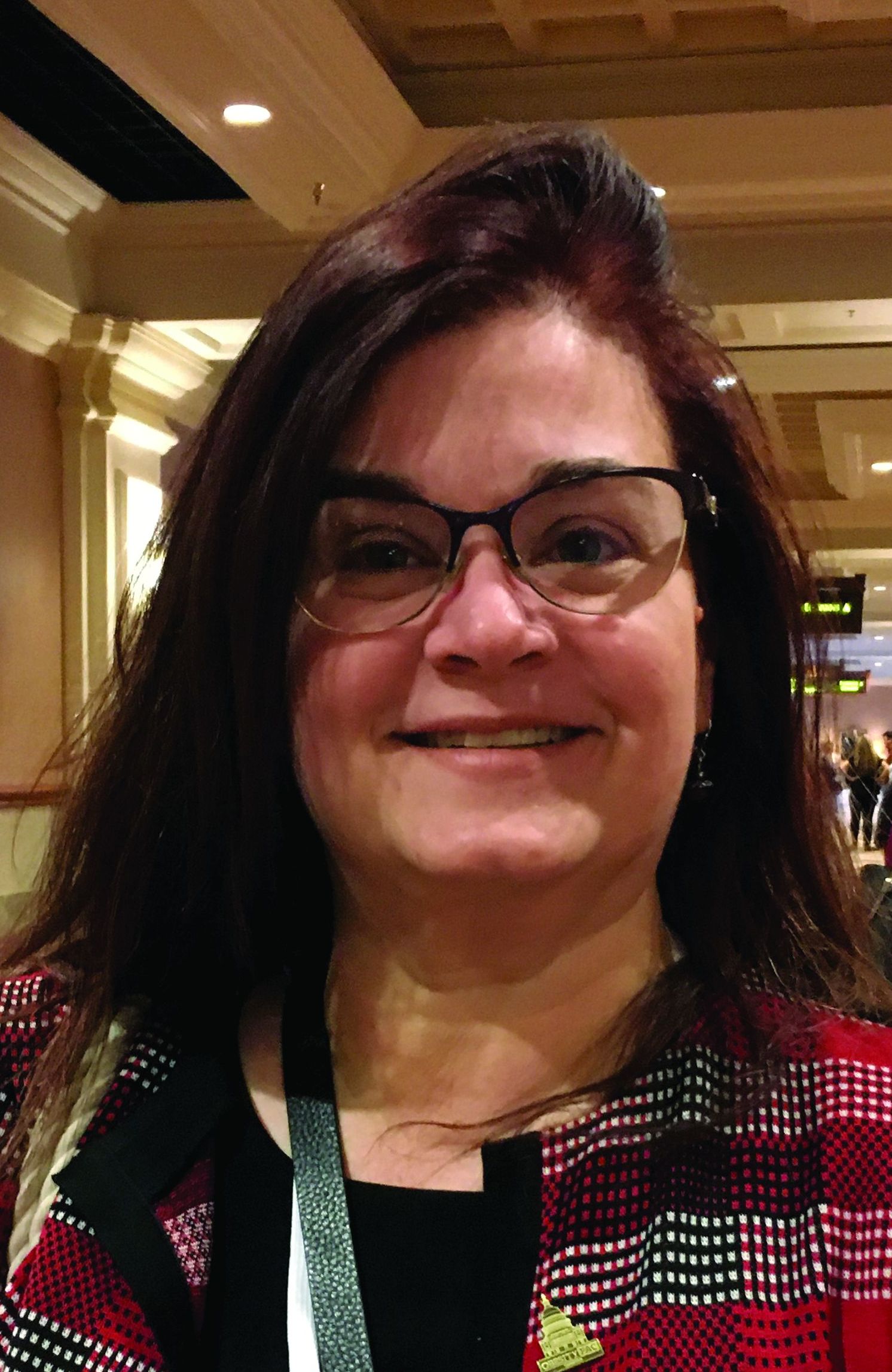
Corrigan McBride, MD , is professor of surgery and director of bariatric surgery at the University of Nebraska Medical Center in Omaha. She had no disclosures. She made these comments in an interview.
Most bariatric surgeons believe that patients with diabetes who undergo this surgery will have more complications than will patients without diabetes, based on their anecdotal experience and findings from previous, smaller studies. But in Dr. Wheeler’s report, we see this demonstrated in an incredibly large number of patients. This is one of the first studies to use 3 years of data from the Metabolic and Bariatric Surgery Accreditation and Quality Improvement Program, which included more than half a million patients.
A randomized study involving more than 18,000 cases showed that putting bariatric surgery patients on an “enhanced recovery program” before surgery and including measures that minimized insulin resistance and catabolism perioperatively led to a substantial reduction in extended length of stay (Surg Obes Relat Dis. 2019 Nov;15[11]:1977-89). In routine care, bariatric surgeons are now often routinely using “prehabilitation” to prepare patients for surgery.
Corrigan McBride, MD , is professor of surgery and director of bariatric surgery at the University of Nebraska Medical Center in Omaha. She had no disclosures. She made these comments in an interview.
Most bariatric surgeons believe that patients with diabetes who undergo this surgery will have more complications than will patients without diabetes, based on their anecdotal experience and findings from previous, smaller studies. But in Dr. Wheeler’s report, we see this demonstrated in an incredibly large number of patients. This is one of the first studies to use 3 years of data from the Metabolic and Bariatric Surgery Accreditation and Quality Improvement Program, which included more than half a million patients.
A randomized study involving more than 18,000 cases showed that putting bariatric surgery patients on an “enhanced recovery program” before surgery and including measures that minimized insulin resistance and catabolism perioperatively led to a substantial reduction in extended length of stay (Surg Obes Relat Dis. 2019 Nov;15[11]:1977-89). In routine care, bariatric surgeons are now often routinely using “prehabilitation” to prepare patients for surgery.
Corrigan McBride, MD , is professor of surgery and director of bariatric surgery at the University of Nebraska Medical Center in Omaha. She had no disclosures. She made these comments in an interview.
LAS VEGAS – compared with patients without diabetes, in an analysis of more than 550,000 patients who underwent this surgery.
The analysis also showed that among patients with diabetes undergoing bariatric surgery, those with insulin-dependent diabetes had significantly higher rates of these and other complications, compared with patients with diabetes but no insulin dependence, Andrew A. Wheeler, MD, said at a meeting presented by The Obesity Society and the American Society for Metabolic and Bariatric Surgery.
The specific factors driving these observations remain unknown, but may relate at least in part to the efficacy of glycemic control in patients during the months and weeks before surgery, said Dr. Wheeler, chief of metabolic and bariatric surgery at the University of Missouri in Columbia.
“Perioperative blood glucose control reflected in hemoglobin A1c may help us understand if certain patients with diabetes are at increased risk of surgical complications,” Dr. Wheeler said during his talk. “We need to see whether preoperative hemoglobin A1c tracks with the rate of complications,” he added in an interview. “Some surgeons will defer surgery until the level goes down, but right now, everyone uses a different level.”
The study by Dr. Wheeler and associates used data collected from essentially all the bariatric surgeries done at the roughly 840 U.S. centers accredited to do the surgery during 2015-2017 – a total of 555,239 patients – in the Metabolic and Bariatric Surgery Accreditation and Quality Improvement Program run by the American College of Surgeons and the American Society for Metabolic and Bariatric Surgery. The cohort included 413,239 patients without diabetes and 136,010 with diabetes, with the remainder having an unknown status. Nearly all patients underwent either sleeve gastrectomy or gastric bypass, with significantly more patients, 74%, having sleeve gastrectomy in the group without diabetes, and 62% of those with diabetes undergoing sleeve gastrectomy.
Patients with diabetes uniformly had significantly higher rates of complications as measured by several parameters, and among those with diabetes, the complication rates were highest in those with insulin dependence. The researchers ran a multivariate analysis that controlled for many demographic and clinical variables, and found that despite these corrections, patients with diabetes, and especially those with insulin dependence, had higher relative rates of many complications that were statistically significant. In addition to the increased rates of deep surgical-site infections and 30-day ICU admissions, patients with diabetes had a 54% relatively increased rate of wound disruption, and a 29% increased relative rate of superficial surgical-site infections, compared with those without diabetes. And among patients with diabetes, those with insulin dependence had a 40% increased rate of surgical-site infections, a 74% increase in progressive renal failure, and a 39% increased rate of hospital readmission relative to patients with diabetes that was not insulin dependent, Dr. Wheeler reported.
The absolute complication rates were, in general, low. For example, the total rate of superficial plus deep surgical-site infections was less than 1% both in patients with diabetes and those without, although the rate rose above 1% in patients with insulin-dependent diabetes. The most common complication reported by Dr. Wheeler was 30-day hospital readmission, which was 4.0% in patients without diabetes, 4.8% in those with diabetes, and 6.4% in patients with insulin-dependent diabetes. The data also showed that gastric bypass led to more complications than did sleeve gastrectomy, but complications with both types of surgeries increased in patients with diabetes, compared with those without diabetes.
Dr. Wheeler had no disclosures.
SOURCE: Wheeler AA et al. Obesity Week 2019, Abstract A133.
LAS VEGAS – compared with patients without diabetes, in an analysis of more than 550,000 patients who underwent this surgery.
The analysis also showed that among patients with diabetes undergoing bariatric surgery, those with insulin-dependent diabetes had significantly higher rates of these and other complications, compared with patients with diabetes but no insulin dependence, Andrew A. Wheeler, MD, said at a meeting presented by The Obesity Society and the American Society for Metabolic and Bariatric Surgery.
The specific factors driving these observations remain unknown, but may relate at least in part to the efficacy of glycemic control in patients during the months and weeks before surgery, said Dr. Wheeler, chief of metabolic and bariatric surgery at the University of Missouri in Columbia.
“Perioperative blood glucose control reflected in hemoglobin A1c may help us understand if certain patients with diabetes are at increased risk of surgical complications,” Dr. Wheeler said during his talk. “We need to see whether preoperative hemoglobin A1c tracks with the rate of complications,” he added in an interview. “Some surgeons will defer surgery until the level goes down, but right now, everyone uses a different level.”
The study by Dr. Wheeler and associates used data collected from essentially all the bariatric surgeries done at the roughly 840 U.S. centers accredited to do the surgery during 2015-2017 – a total of 555,239 patients – in the Metabolic and Bariatric Surgery Accreditation and Quality Improvement Program run by the American College of Surgeons and the American Society for Metabolic and Bariatric Surgery. The cohort included 413,239 patients without diabetes and 136,010 with diabetes, with the remainder having an unknown status. Nearly all patients underwent either sleeve gastrectomy or gastric bypass, with significantly more patients, 74%, having sleeve gastrectomy in the group without diabetes, and 62% of those with diabetes undergoing sleeve gastrectomy.
Patients with diabetes uniformly had significantly higher rates of complications as measured by several parameters, and among those with diabetes, the complication rates were highest in those with insulin dependence. The researchers ran a multivariate analysis that controlled for many demographic and clinical variables, and found that despite these corrections, patients with diabetes, and especially those with insulin dependence, had higher relative rates of many complications that were statistically significant. In addition to the increased rates of deep surgical-site infections and 30-day ICU admissions, patients with diabetes had a 54% relatively increased rate of wound disruption, and a 29% increased relative rate of superficial surgical-site infections, compared with those without diabetes. And among patients with diabetes, those with insulin dependence had a 40% increased rate of surgical-site infections, a 74% increase in progressive renal failure, and a 39% increased rate of hospital readmission relative to patients with diabetes that was not insulin dependent, Dr. Wheeler reported.
The absolute complication rates were, in general, low. For example, the total rate of superficial plus deep surgical-site infections was less than 1% both in patients with diabetes and those without, although the rate rose above 1% in patients with insulin-dependent diabetes. The most common complication reported by Dr. Wheeler was 30-day hospital readmission, which was 4.0% in patients without diabetes, 4.8% in those with diabetes, and 6.4% in patients with insulin-dependent diabetes. The data also showed that gastric bypass led to more complications than did sleeve gastrectomy, but complications with both types of surgeries increased in patients with diabetes, compared with those without diabetes.
Dr. Wheeler had no disclosures.
SOURCE: Wheeler AA et al. Obesity Week 2019, Abstract A133.
REPORTING FROM OBESITY WEEK 2019
Carbohydrate restriction a viable choice for reversal of type 2 diabetes, expert says
LOS ANGELES – according to Sarah Hallberg, DO.

“Nutritional ketosis supports diabetes reversal by reducing insulin resistance while providing an alternative fuel to glucose with favorable signaling properties,” she said at the World Congress on Insulin Resistance, Diabetes, and Cardiovascular Disease.
Low-carbohydrate nutritional patterns including ketosis have extensive clinical trial evidence for improvement of type 2 diabetes, including preliminary results from a 5-year study of 465 patients enrolled in the Indiana Type 2 Diabetes Reversal Trial that Dr. Hallberg is overseeing in her role as medical director and founder of the medically supervised weight-loss program at Indiana University Health Arnett, Lafayette.
“The ketogenic diet is not a fad diet, it’s what we used to treat people with before the advent of insulin,” said Dr. Hallberg, who has been recommending and counseling patients with type 2 diabetes to follow a ketogenic diet for nearly 10 years. “Of course, insulin has been wonderful. It’s saved so many people with type 1 diabetes. But we also misused it in type 2 diabetes. Instead of counseling people the way we used to about the food that they’re taking in to control their blood sugar, we’ve just been putting [them] on medication, including insulin.”
The American Diabetes Association and other organizations have updated their guidelines to include low-carbohydrate eating patterns for type 2 diabetes treatment, she continued. Veterans Affairs/Department of Defense recommend carbohydrate levels as low as 14%.
Dr. Hallberg, who is also medical director for Virta Health, defined a very-low-carbohydrate or ketogenic diet as less than 50 g of carbohydrates per day, or fewer than 10% of calories consumed. A low-carbohydrate diet is 51-130 g of carbohydrates per day, or 25% or fewer calories consumed, whereas anything above 25% calories consumed is a not a low-carbohydrate diet. A well-formulated ketogenic diet, she continued, consists of 5%-10% carbohydrates (or less than 50 g), 15%-20% protein, and 70%-80% fat. The carbohydrates include 5-10 g per day of protein-based food, 10-15 g of vegetables, 5-10 g of nuts/seeds, 5-10 g of fruits, and 5-10 g of miscellaneous nutrients. “When we’re talking about a total carbohydrate intake per day of under 50 g, you can get a lot of vegetables and nuts in,” she said. “I like to tell my patients they’re not eating GPS: no grains, no potatoes, and no sugar.”
Recently, Dr. Hallberg and colleagues published a review in which they sought to evaluate the appropriateness of sources cited in the ADA’s guidelines on eating patterns for the management of type 2 diabetes, identify additional relevant sources, and evaluate the evidence (Diabetes Obes Metab. 2019;21[8]:1769-79). “We looked at how much evidence there is for the low-carb diet, the Mediterranean diet, the DASH [Dietary Approaches to Stop Hypertension] diet, and a plant-based diet,” she said. “We found a wide variation in the evidence for each eating pattern, but the low-carb eating pattern for diabetes has so much more evidence than any of the other eating patterns.”
In an earlier study, researchers followed 10 inpatients with diabetes in a metabolic ward for 3 weeks. Their mean age was 51 years, and their mean body mass index was 40.3 kg/m2. The patients were fed a standard diet for 7 days, then a low-carbohydrate diet (21 g per day) for 14 days (Ann Intern Med 2005; 142[6]:403-11). After 2 weeks of the low-carbohydrate diet, their mean fasting blood glucose dropped from 7.5 to 6.3 mmol/L, and their mean hemoglobin A1c (HbA1c) fell from 7.3% to 6.8%. “The levels came down very fast,” said Dr. Hallberg, who was not involved with the study. “This is an important part of the intervention, because when you get a patient who’s tried everything, who’s injecting hundreds of units of insulin every day, you can make a huge difference in the first couple of weeks. It is not unusual for us to pull patients off of 200-plus units of insulin. This is as motivating as all get out. It also affects their pocketbook right away. This is one of the reasons our patients are able to sustain a ketogenic diet along with support: early motivation and satisfaction.”
In a longer-term trial, researchers evaluated the impact of a ketogenic diet in 64 obese patients with diabetes over the course of 56 weeks (Moll Cell Biochem. 2007;302[1-2]:249-56). The body weight, body mass index, and levels of blood glucose, total cholesterol, LDL cholesterol, triglycerides, and urea showed a significant decrease from week 1 to week 56 (P less than .0001), while the level of HDL cholesterol increased significantly (P less than .0001).
A separate trial conducted in Israel evaluated the effects of a low-carbohydrate diet, compared with a Mediterranean or low-fat diet in 322 moderately obese patients over the course of 2 years (N Engl J Med. 2008;359:229-41). The rate of adherence to a study diet was 85% at 2 years. The mean weight change was greatest for those on the low-carbohydrate diet, followed by the Mediterranean and low-fat diets. Fasting glucose was best for those on the Mediterranean diet at the end of 2 years, whereas change in HbA1c was best among those on the low-carbohydrate diet.
Another study randomized patients to a low-carbohydrate ketogenic diet (less than 20 g per day with no calorie restriction) or to a low–glycemic index diet (55% carbohydrate restriction of 500 kcal from baseline) over the course of 24 weeks (Nutr Metab [Lond]. 2008 Dec 19. doi:10.1186/1743-7075-5-36). Between baseline and week 24, the mean HbA1c fell from 8.8% to 7.3% in the very-low-carbohydrate diet group, and from 8.3% to 7.8% in the low–glycemic diet group, for a between-group comparison P value of .03. In addition, 95% of patients in the low-carbohydrate diet group were able to reduce or eliminate the number of medications they were taking, compared with 62% of patients in the low–glycemic diet group (P less than .01).
Dr. Hallberg and colleagues are currently in year 4 of the 5-year Indiana Type 2 Diabetes Reversal Study, a prospective, nonrandomized, controlled trial of carbohydrate restriction in 465 patients, making it the largest and longest study of its kind. Of the 465 patients, 387 are in the continuous-care arm, which consists of a diet from Virta Health based on principles of nutritional ketosis, and 87 patients in a usual care arm who are followed for 2 years. The trial includes patients who have been prescribed insulin and who have been diagnosed with diabetes for an average of 8 years.
At the meeting, Dr. Hallberg presented preliminary results based on 2 years of data collection. The retention rate was 83% at 1 year and 74% at 2 years. In the treatment arm, the researchers observed that the level of beta hydroxybutyrate, or evidence of ketogenesis, was the same at 2 years as it had been at 1 year. “So, people were still following the diet, as well as being engaged,” she said.
At the end of 2 years, the mean HbA1c reduction was 0.9, the mean reduction for the Homeostatic Model Assessment of Insulin Resistance was 32%, and 55% of completers experienced reversal of their diabetes. Overall, 91% of insulin users reduced or eliminated their use of insulin, and the average weight loss was 10% of baseline weight. “Medication reduction was across the board,” she added. “This is huge from a cost-savings and a patient-satisfaction standpoint. We were improving A1c levels in patients who have had diabetes for an average of over 8 years while we were getting [them] off medication, including insulin. Low carb is now the standard of care.”
Even patients who did not experience a reversal of their diabetes were conferred a benefit. They had an average reduction of 1.2 in HbA1c level, to 7%; their average weight loss was 9.8%; 45% of patients eliminated their diabetes prescriptions; 81% reduced or eliminated their use of insulin; there was an average reduction of 27% in triglyceride levels; and they had a 17% reduction in their 10-year risk score for atherosclerotic cardiovascular disease.
In the overall cohort, the 10-year Atherosclerotic Cardiovascular Disease risk score improved by 12%; almost all markers for cardiovascular disease improved at 1 year. “We were giving these patients appropriate support, which I think is key,” Dr. Hallberg said. “No matter what you do, you have to have a high-touch intervention, and supply that through technology. We do better than medication adherence. Putting patients on a carbohydrate-restricted diet with the appropriate support works for sustainability.”
Dr. Hallberg disclosed that she is an employee of Virta Health and that she is an adviser for Simply Good Foods.
LOS ANGELES – according to Sarah Hallberg, DO.
“Nutritional ketosis supports diabetes reversal by reducing insulin resistance while providing an alternative fuel to glucose with favorable signaling properties,” she said at the World Congress on Insulin Resistance, Diabetes, and Cardiovascular Disease.
Low-carbohydrate nutritional patterns including ketosis have extensive clinical trial evidence for improvement of type 2 diabetes, including preliminary results from a 5-year study of 465 patients enrolled in the Indiana Type 2 Diabetes Reversal Trial that Dr. Hallberg is overseeing in her role as medical director and founder of the medically supervised weight-loss program at Indiana University Health Arnett, Lafayette.
“The ketogenic diet is not a fad diet, it’s what we used to treat people with before the advent of insulin,” said Dr. Hallberg, who has been recommending and counseling patients with type 2 diabetes to follow a ketogenic diet for nearly 10 years. “Of course, insulin has been wonderful. It’s saved so many people with type 1 diabetes. But we also misused it in type 2 diabetes. Instead of counseling people the way we used to about the food that they’re taking in to control their blood sugar, we’ve just been putting [them] on medication, including insulin.”
The American Diabetes Association and other organizations have updated their guidelines to include low-carbohydrate eating patterns for type 2 diabetes treatment, she continued. Veterans Affairs/Department of Defense recommend carbohydrate levels as low as 14%.
Dr. Hallberg, who is also medical director for Virta Health, defined a very-low-carbohydrate or ketogenic diet as less than 50 g of carbohydrates per day, or fewer than 10% of calories consumed. A low-carbohydrate diet is 51-130 g of carbohydrates per day, or 25% or fewer calories consumed, whereas anything above 25% calories consumed is a not a low-carbohydrate diet. A well-formulated ketogenic diet, she continued, consists of 5%-10% carbohydrates (or less than 50 g), 15%-20% protein, and 70%-80% fat. The carbohydrates include 5-10 g per day of protein-based food, 10-15 g of vegetables, 5-10 g of nuts/seeds, 5-10 g of fruits, and 5-10 g of miscellaneous nutrients. “When we’re talking about a total carbohydrate intake per day of under 50 g, you can get a lot of vegetables and nuts in,” she said. “I like to tell my patients they’re not eating GPS: no grains, no potatoes, and no sugar.”
Recently, Dr. Hallberg and colleagues published a review in which they sought to evaluate the appropriateness of sources cited in the ADA’s guidelines on eating patterns for the management of type 2 diabetes, identify additional relevant sources, and evaluate the evidence (Diabetes Obes Metab. 2019;21[8]:1769-79). “We looked at how much evidence there is for the low-carb diet, the Mediterranean diet, the DASH [Dietary Approaches to Stop Hypertension] diet, and a plant-based diet,” she said. “We found a wide variation in the evidence for each eating pattern, but the low-carb eating pattern for diabetes has so much more evidence than any of the other eating patterns.”
In an earlier study, researchers followed 10 inpatients with diabetes in a metabolic ward for 3 weeks. Their mean age was 51 years, and their mean body mass index was 40.3 kg/m2. The patients were fed a standard diet for 7 days, then a low-carbohydrate diet (21 g per day) for 14 days (Ann Intern Med 2005; 142[6]:403-11). After 2 weeks of the low-carbohydrate diet, their mean fasting blood glucose dropped from 7.5 to 6.3 mmol/L, and their mean hemoglobin A1c (HbA1c) fell from 7.3% to 6.8%. “The levels came down very fast,” said Dr. Hallberg, who was not involved with the study. “This is an important part of the intervention, because when you get a patient who’s tried everything, who’s injecting hundreds of units of insulin every day, you can make a huge difference in the first couple of weeks. It is not unusual for us to pull patients off of 200-plus units of insulin. This is as motivating as all get out. It also affects their pocketbook right away. This is one of the reasons our patients are able to sustain a ketogenic diet along with support: early motivation and satisfaction.”
In a longer-term trial, researchers evaluated the impact of a ketogenic diet in 64 obese patients with diabetes over the course of 56 weeks (Moll Cell Biochem. 2007;302[1-2]:249-56). The body weight, body mass index, and levels of blood glucose, total cholesterol, LDL cholesterol, triglycerides, and urea showed a significant decrease from week 1 to week 56 (P less than .0001), while the level of HDL cholesterol increased significantly (P less than .0001).
A separate trial conducted in Israel evaluated the effects of a low-carbohydrate diet, compared with a Mediterranean or low-fat diet in 322 moderately obese patients over the course of 2 years (N Engl J Med. 2008;359:229-41). The rate of adherence to a study diet was 85% at 2 years. The mean weight change was greatest for those on the low-carbohydrate diet, followed by the Mediterranean and low-fat diets. Fasting glucose was best for those on the Mediterranean diet at the end of 2 years, whereas change in HbA1c was best among those on the low-carbohydrate diet.
Another study randomized patients to a low-carbohydrate ketogenic diet (less than 20 g per day with no calorie restriction) or to a low–glycemic index diet (55% carbohydrate restriction of 500 kcal from baseline) over the course of 24 weeks (Nutr Metab [Lond]. 2008 Dec 19. doi:10.1186/1743-7075-5-36). Between baseline and week 24, the mean HbA1c fell from 8.8% to 7.3% in the very-low-carbohydrate diet group, and from 8.3% to 7.8% in the low–glycemic diet group, for a between-group comparison P value of .03. In addition, 95% of patients in the low-carbohydrate diet group were able to reduce or eliminate the number of medications they were taking, compared with 62% of patients in the low–glycemic diet group (P less than .01).
Dr. Hallberg and colleagues are currently in year 4 of the 5-year Indiana Type 2 Diabetes Reversal Study, a prospective, nonrandomized, controlled trial of carbohydrate restriction in 465 patients, making it the largest and longest study of its kind. Of the 465 patients, 387 are in the continuous-care arm, which consists of a diet from Virta Health based on principles of nutritional ketosis, and 87 patients in a usual care arm who are followed for 2 years. The trial includes patients who have been prescribed insulin and who have been diagnosed with diabetes for an average of 8 years.
At the meeting, Dr. Hallberg presented preliminary results based on 2 years of data collection. The retention rate was 83% at 1 year and 74% at 2 years. In the treatment arm, the researchers observed that the level of beta hydroxybutyrate, or evidence of ketogenesis, was the same at 2 years as it had been at 1 year. “So, people were still following the diet, as well as being engaged,” she said.
At the end of 2 years, the mean HbA1c reduction was 0.9, the mean reduction for the Homeostatic Model Assessment of Insulin Resistance was 32%, and 55% of completers experienced reversal of their diabetes. Overall, 91% of insulin users reduced or eliminated their use of insulin, and the average weight loss was 10% of baseline weight. “Medication reduction was across the board,” she added. “This is huge from a cost-savings and a patient-satisfaction standpoint. We were improving A1c levels in patients who have had diabetes for an average of over 8 years while we were getting [them] off medication, including insulin. Low carb is now the standard of care.”
Even patients who did not experience a reversal of their diabetes were conferred a benefit. They had an average reduction of 1.2 in HbA1c level, to 7%; their average weight loss was 9.8%; 45% of patients eliminated their diabetes prescriptions; 81% reduced or eliminated their use of insulin; there was an average reduction of 27% in triglyceride levels; and they had a 17% reduction in their 10-year risk score for atherosclerotic cardiovascular disease.
In the overall cohort, the 10-year Atherosclerotic Cardiovascular Disease risk score improved by 12%; almost all markers for cardiovascular disease improved at 1 year. “We were giving these patients appropriate support, which I think is key,” Dr. Hallberg said. “No matter what you do, you have to have a high-touch intervention, and supply that through technology. We do better than medication adherence. Putting patients on a carbohydrate-restricted diet with the appropriate support works for sustainability.”
Dr. Hallberg disclosed that she is an employee of Virta Health and that she is an adviser for Simply Good Foods.
LOS ANGELES – according to Sarah Hallberg, DO.
“Nutritional ketosis supports diabetes reversal by reducing insulin resistance while providing an alternative fuel to glucose with favorable signaling properties,” she said at the World Congress on Insulin Resistance, Diabetes, and Cardiovascular Disease.
Low-carbohydrate nutritional patterns including ketosis have extensive clinical trial evidence for improvement of type 2 diabetes, including preliminary results from a 5-year study of 465 patients enrolled in the Indiana Type 2 Diabetes Reversal Trial that Dr. Hallberg is overseeing in her role as medical director and founder of the medically supervised weight-loss program at Indiana University Health Arnett, Lafayette.
“The ketogenic diet is not a fad diet, it’s what we used to treat people with before the advent of insulin,” said Dr. Hallberg, who has been recommending and counseling patients with type 2 diabetes to follow a ketogenic diet for nearly 10 years. “Of course, insulin has been wonderful. It’s saved so many people with type 1 diabetes. But we also misused it in type 2 diabetes. Instead of counseling people the way we used to about the food that they’re taking in to control their blood sugar, we’ve just been putting [them] on medication, including insulin.”
The American Diabetes Association and other organizations have updated their guidelines to include low-carbohydrate eating patterns for type 2 diabetes treatment, she continued. Veterans Affairs/Department of Defense recommend carbohydrate levels as low as 14%.
Dr. Hallberg, who is also medical director for Virta Health, defined a very-low-carbohydrate or ketogenic diet as less than 50 g of carbohydrates per day, or fewer than 10% of calories consumed. A low-carbohydrate diet is 51-130 g of carbohydrates per day, or 25% or fewer calories consumed, whereas anything above 25% calories consumed is a not a low-carbohydrate diet. A well-formulated ketogenic diet, she continued, consists of 5%-10% carbohydrates (or less than 50 g), 15%-20% protein, and 70%-80% fat. The carbohydrates include 5-10 g per day of protein-based food, 10-15 g of vegetables, 5-10 g of nuts/seeds, 5-10 g of fruits, and 5-10 g of miscellaneous nutrients. “When we’re talking about a total carbohydrate intake per day of under 50 g, you can get a lot of vegetables and nuts in,” she said. “I like to tell my patients they’re not eating GPS: no grains, no potatoes, and no sugar.”
Recently, Dr. Hallberg and colleagues published a review in which they sought to evaluate the appropriateness of sources cited in the ADA’s guidelines on eating patterns for the management of type 2 diabetes, identify additional relevant sources, and evaluate the evidence (Diabetes Obes Metab. 2019;21[8]:1769-79). “We looked at how much evidence there is for the low-carb diet, the Mediterranean diet, the DASH [Dietary Approaches to Stop Hypertension] diet, and a plant-based diet,” she said. “We found a wide variation in the evidence for each eating pattern, but the low-carb eating pattern for diabetes has so much more evidence than any of the other eating patterns.”
In an earlier study, researchers followed 10 inpatients with diabetes in a metabolic ward for 3 weeks. Their mean age was 51 years, and their mean body mass index was 40.3 kg/m2. The patients were fed a standard diet for 7 days, then a low-carbohydrate diet (21 g per day) for 14 days (Ann Intern Med 2005; 142[6]:403-11). After 2 weeks of the low-carbohydrate diet, their mean fasting blood glucose dropped from 7.5 to 6.3 mmol/L, and their mean hemoglobin A1c (HbA1c) fell from 7.3% to 6.8%. “The levels came down very fast,” said Dr. Hallberg, who was not involved with the study. “This is an important part of the intervention, because when you get a patient who’s tried everything, who’s injecting hundreds of units of insulin every day, you can make a huge difference in the first couple of weeks. It is not unusual for us to pull patients off of 200-plus units of insulin. This is as motivating as all get out. It also affects their pocketbook right away. This is one of the reasons our patients are able to sustain a ketogenic diet along with support: early motivation and satisfaction.”
In a longer-term trial, researchers evaluated the impact of a ketogenic diet in 64 obese patients with diabetes over the course of 56 weeks (Moll Cell Biochem. 2007;302[1-2]:249-56). The body weight, body mass index, and levels of blood glucose, total cholesterol, LDL cholesterol, triglycerides, and urea showed a significant decrease from week 1 to week 56 (P less than .0001), while the level of HDL cholesterol increased significantly (P less than .0001).
A separate trial conducted in Israel evaluated the effects of a low-carbohydrate diet, compared with a Mediterranean or low-fat diet in 322 moderately obese patients over the course of 2 years (N Engl J Med. 2008;359:229-41). The rate of adherence to a study diet was 85% at 2 years. The mean weight change was greatest for those on the low-carbohydrate diet, followed by the Mediterranean and low-fat diets. Fasting glucose was best for those on the Mediterranean diet at the end of 2 years, whereas change in HbA1c was best among those on the low-carbohydrate diet.
Another study randomized patients to a low-carbohydrate ketogenic diet (less than 20 g per day with no calorie restriction) or to a low–glycemic index diet (55% carbohydrate restriction of 500 kcal from baseline) over the course of 24 weeks (Nutr Metab [Lond]. 2008 Dec 19. doi:10.1186/1743-7075-5-36). Between baseline and week 24, the mean HbA1c fell from 8.8% to 7.3% in the very-low-carbohydrate diet group, and from 8.3% to 7.8% in the low–glycemic diet group, for a between-group comparison P value of .03. In addition, 95% of patients in the low-carbohydrate diet group were able to reduce or eliminate the number of medications they were taking, compared with 62% of patients in the low–glycemic diet group (P less than .01).
Dr. Hallberg and colleagues are currently in year 4 of the 5-year Indiana Type 2 Diabetes Reversal Study, a prospective, nonrandomized, controlled trial of carbohydrate restriction in 465 patients, making it the largest and longest study of its kind. Of the 465 patients, 387 are in the continuous-care arm, which consists of a diet from Virta Health based on principles of nutritional ketosis, and 87 patients in a usual care arm who are followed for 2 years. The trial includes patients who have been prescribed insulin and who have been diagnosed with diabetes for an average of 8 years.
At the meeting, Dr. Hallberg presented preliminary results based on 2 years of data collection. The retention rate was 83% at 1 year and 74% at 2 years. In the treatment arm, the researchers observed that the level of beta hydroxybutyrate, or evidence of ketogenesis, was the same at 2 years as it had been at 1 year. “So, people were still following the diet, as well as being engaged,” she said.
At the end of 2 years, the mean HbA1c reduction was 0.9, the mean reduction for the Homeostatic Model Assessment of Insulin Resistance was 32%, and 55% of completers experienced reversal of their diabetes. Overall, 91% of insulin users reduced or eliminated their use of insulin, and the average weight loss was 10% of baseline weight. “Medication reduction was across the board,” she added. “This is huge from a cost-savings and a patient-satisfaction standpoint. We were improving A1c levels in patients who have had diabetes for an average of over 8 years while we were getting [them] off medication, including insulin. Low carb is now the standard of care.”
Even patients who did not experience a reversal of their diabetes were conferred a benefit. They had an average reduction of 1.2 in HbA1c level, to 7%; their average weight loss was 9.8%; 45% of patients eliminated their diabetes prescriptions; 81% reduced or eliminated their use of insulin; there was an average reduction of 27% in triglyceride levels; and they had a 17% reduction in their 10-year risk score for atherosclerotic cardiovascular disease.
In the overall cohort, the 10-year Atherosclerotic Cardiovascular Disease risk score improved by 12%; almost all markers for cardiovascular disease improved at 1 year. “We were giving these patients appropriate support, which I think is key,” Dr. Hallberg said. “No matter what you do, you have to have a high-touch intervention, and supply that through technology. We do better than medication adherence. Putting patients on a carbohydrate-restricted diet with the appropriate support works for sustainability.”
Dr. Hallberg disclosed that she is an employee of Virta Health and that she is an adviser for Simply Good Foods.
EXPERT ANALYSIS FROM WCIRDC 2019
Score predicts bariatric surgery’s benefits for obesity, type 2 diabetes
LAS VEGAS –
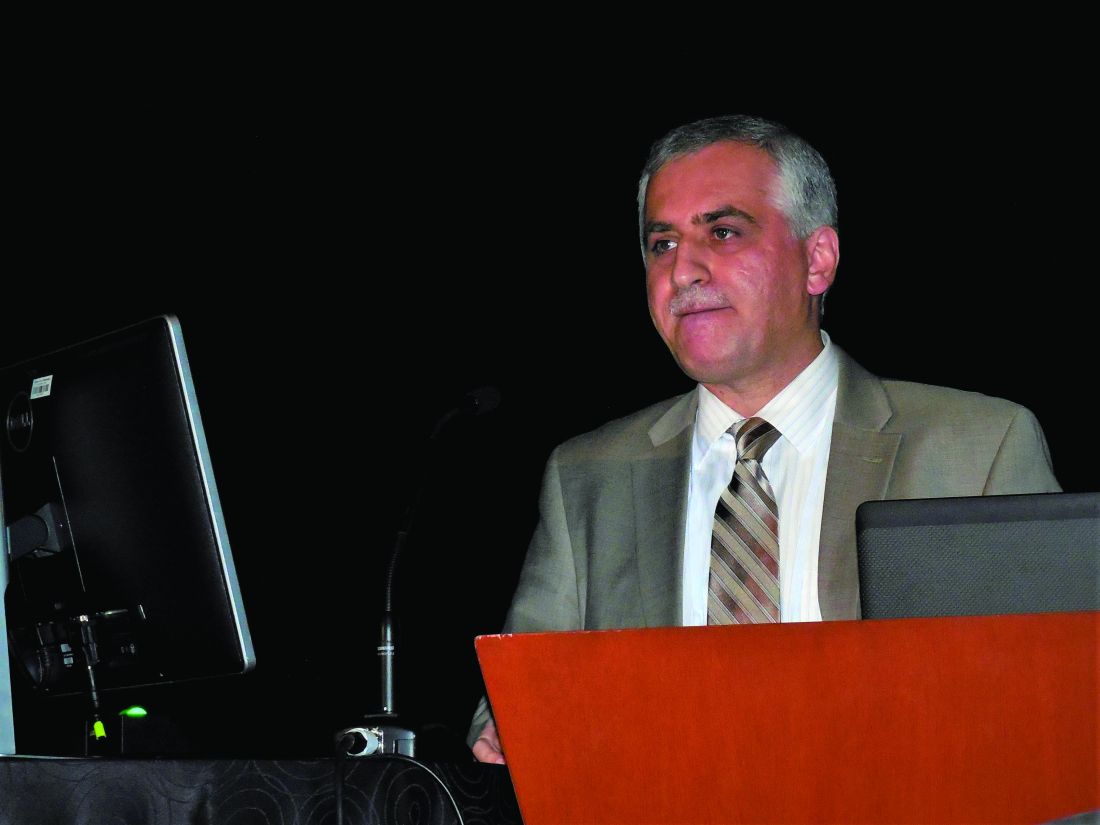
The Individualized Diabetes Complications risk score “can provide personalized, evidence-based risk information for patients with type 2 diabetes and obesity about their future cardiovascular disease outcomes and mortality with and without metabolic surgery,” Ali Aminian, MD, said at a meeting presented by the Obesity Society and the American Society for Metabolic and Bariatric Surgery.
Although the calculator needs validation in a prospective, randomized study to document its impact on practice, it is now available on two separate websites and as a downloadable app, said Dr. Aminian, a surgeon at the Cleveland Clinic.
The calculator inputs data for 26 distinct, “readily available” demographic and clinical entries, and based on that, estimates the patient’s 10-year risk for all-cause death, diabetic kidney disease, cerebrovascular disease, heart failure, and coronary artery disease if no surgery occurs or after some type of metabolic or bariatric surgery. The calculator does not currently have the ability to individualize predicted risks based on the specific type of metabolic surgery performed, but that is planned as a future refinement of the score.
“We validated the model in the nonsurgical patients, which showed it was very accurate. The next step is to run a randomized trial to see how useful the calculator is” for assisting in patients’ decision making, Dr. Aminian said.
The data for deriving the risk calculator, and for a preliminary validation of it, came from 13,722 patients with obesity (body mass index, 30 kg/m2 or greater) and type 2 diabetes, who were managed at the Cleveland Clinic during 1998-2017, drawn from more than 287,000 such patients in the clinic’s database. The study focused on 2,287 patients who underwent metabolic (bariatric) surgery and 11,435 patients from the same database who did not have surgery and matched by propensity scoring on a 5:1 basis with those who had surgery. The two cohorts this created matched well for age (about 54 years), sex (about two-thirds women), body mass index (about 44 kg/m2), and the prevalence of various comorbidities at baseline.
Dr. Aminian and associates then analyzed the incidence of all-cause mortality and various cardiovascular disease endpoints, as well as nephropathy during follow-up, through December 2018. Patients who had undergone metabolic surgery showed statistically significant reductions in the incidence of each of those events, compared with patients who did not have surgery (JAMA. 2019;322[13]:1271-82).
The investigators used these findings to create their model for calculating a patient’s risk score. For example, to calculate an estimate for the 10-year risk from all-cause mortality, the results showed that the most powerful risk factors were age; baseline body mass index, heart failure, and need for insulin; and smoking status. For the endpoint of nephropathy, the most important factors were estimated glomerular filtration rate at baseline and age. Identified risk factors could account for about 80% of the 10-year risk for all-cause death and for about 75% of the risk for developing nephropathy during 10 years, based on the area-under-the-curve values the model produced.
The risk score may help patients better understand the potential role that metabolic surgery can have in reducing their future event risk, thereby helping them better appreciate the benefit they stand to gain from undergoing surgery, Dr. Aminian said.
The calculator is available at a website maintained by the Cleveland Clinic, at a site of the American Society for Metabolic and Bariatric Surgery, and in app stores, he said.
The work was partially funded by Medtronic. Dr. Aminian has received grants from Medtronic.
SOURCE: Aminian A et al. Obesity Week 2019, Abstract A101.
LAS VEGAS –
The Individualized Diabetes Complications risk score “can provide personalized, evidence-based risk information for patients with type 2 diabetes and obesity about their future cardiovascular disease outcomes and mortality with and without metabolic surgery,” Ali Aminian, MD, said at a meeting presented by the Obesity Society and the American Society for Metabolic and Bariatric Surgery.
Although the calculator needs validation in a prospective, randomized study to document its impact on practice, it is now available on two separate websites and as a downloadable app, said Dr. Aminian, a surgeon at the Cleveland Clinic.
The calculator inputs data for 26 distinct, “readily available” demographic and clinical entries, and based on that, estimates the patient’s 10-year risk for all-cause death, diabetic kidney disease, cerebrovascular disease, heart failure, and coronary artery disease if no surgery occurs or after some type of metabolic or bariatric surgery. The calculator does not currently have the ability to individualize predicted risks based on the specific type of metabolic surgery performed, but that is planned as a future refinement of the score.
“We validated the model in the nonsurgical patients, which showed it was very accurate. The next step is to run a randomized trial to see how useful the calculator is” for assisting in patients’ decision making, Dr. Aminian said.
The data for deriving the risk calculator, and for a preliminary validation of it, came from 13,722 patients with obesity (body mass index, 30 kg/m2 or greater) and type 2 diabetes, who were managed at the Cleveland Clinic during 1998-2017, drawn from more than 287,000 such patients in the clinic’s database. The study focused on 2,287 patients who underwent metabolic (bariatric) surgery and 11,435 patients from the same database who did not have surgery and matched by propensity scoring on a 5:1 basis with those who had surgery. The two cohorts this created matched well for age (about 54 years), sex (about two-thirds women), body mass index (about 44 kg/m2), and the prevalence of various comorbidities at baseline.
Dr. Aminian and associates then analyzed the incidence of all-cause mortality and various cardiovascular disease endpoints, as well as nephropathy during follow-up, through December 2018. Patients who had undergone metabolic surgery showed statistically significant reductions in the incidence of each of those events, compared with patients who did not have surgery (JAMA. 2019;322[13]:1271-82).
The investigators used these findings to create their model for calculating a patient’s risk score. For example, to calculate an estimate for the 10-year risk from all-cause mortality, the results showed that the most powerful risk factors were age; baseline body mass index, heart failure, and need for insulin; and smoking status. For the endpoint of nephropathy, the most important factors were estimated glomerular filtration rate at baseline and age. Identified risk factors could account for about 80% of the 10-year risk for all-cause death and for about 75% of the risk for developing nephropathy during 10 years, based on the area-under-the-curve values the model produced.
The risk score may help patients better understand the potential role that metabolic surgery can have in reducing their future event risk, thereby helping them better appreciate the benefit they stand to gain from undergoing surgery, Dr. Aminian said.
The calculator is available at a website maintained by the Cleveland Clinic, at a site of the American Society for Metabolic and Bariatric Surgery, and in app stores, he said.
The work was partially funded by Medtronic. Dr. Aminian has received grants from Medtronic.
SOURCE: Aminian A et al. Obesity Week 2019, Abstract A101.
LAS VEGAS –
The Individualized Diabetes Complications risk score “can provide personalized, evidence-based risk information for patients with type 2 diabetes and obesity about their future cardiovascular disease outcomes and mortality with and without metabolic surgery,” Ali Aminian, MD, said at a meeting presented by the Obesity Society and the American Society for Metabolic and Bariatric Surgery.
Although the calculator needs validation in a prospective, randomized study to document its impact on practice, it is now available on two separate websites and as a downloadable app, said Dr. Aminian, a surgeon at the Cleveland Clinic.
The calculator inputs data for 26 distinct, “readily available” demographic and clinical entries, and based on that, estimates the patient’s 10-year risk for all-cause death, diabetic kidney disease, cerebrovascular disease, heart failure, and coronary artery disease if no surgery occurs or after some type of metabolic or bariatric surgery. The calculator does not currently have the ability to individualize predicted risks based on the specific type of metabolic surgery performed, but that is planned as a future refinement of the score.
“We validated the model in the nonsurgical patients, which showed it was very accurate. The next step is to run a randomized trial to see how useful the calculator is” for assisting in patients’ decision making, Dr. Aminian said.
The data for deriving the risk calculator, and for a preliminary validation of it, came from 13,722 patients with obesity (body mass index, 30 kg/m2 or greater) and type 2 diabetes, who were managed at the Cleveland Clinic during 1998-2017, drawn from more than 287,000 such patients in the clinic’s database. The study focused on 2,287 patients who underwent metabolic (bariatric) surgery and 11,435 patients from the same database who did not have surgery and matched by propensity scoring on a 5:1 basis with those who had surgery. The two cohorts this created matched well for age (about 54 years), sex (about two-thirds women), body mass index (about 44 kg/m2), and the prevalence of various comorbidities at baseline.
Dr. Aminian and associates then analyzed the incidence of all-cause mortality and various cardiovascular disease endpoints, as well as nephropathy during follow-up, through December 2018. Patients who had undergone metabolic surgery showed statistically significant reductions in the incidence of each of those events, compared with patients who did not have surgery (JAMA. 2019;322[13]:1271-82).
The investigators used these findings to create their model for calculating a patient’s risk score. For example, to calculate an estimate for the 10-year risk from all-cause mortality, the results showed that the most powerful risk factors were age; baseline body mass index, heart failure, and need for insulin; and smoking status. For the endpoint of nephropathy, the most important factors were estimated glomerular filtration rate at baseline and age. Identified risk factors could account for about 80% of the 10-year risk for all-cause death and for about 75% of the risk for developing nephropathy during 10 years, based on the area-under-the-curve values the model produced.
The risk score may help patients better understand the potential role that metabolic surgery can have in reducing their future event risk, thereby helping them better appreciate the benefit they stand to gain from undergoing surgery, Dr. Aminian said.
The calculator is available at a website maintained by the Cleveland Clinic, at a site of the American Society for Metabolic and Bariatric Surgery, and in app stores, he said.
The work was partially funded by Medtronic. Dr. Aminian has received grants from Medtronic.
SOURCE: Aminian A et al. Obesity Week 2019, Abstract A101.
REPORTING FROM OBESITY WEEK 2019
Fast-acting, mealtime insulin aspart is approved for kids
making it the first fast-acting mealtime insulin injection that does not come with a premeal dosing recommendation, according to a release.

The injection is now available in various dosing options for both adult and pediatric patients with diabetes. Fast-acting mealtime insulin was approved in September 2017 for adults with type 1 or 2 disease, and in October 2019, it was approved for use in insulin pumps for adults.
The most recent approval was based on findings from the onset 7 trial, a 26-week, phase 3b, partially double-blind, treat-to-target trial that included 777 patients aged 1-18 years and demonstrated noninferiority to ordinary, non–fast-acting insulin aspart (Diabetes Care. 2019 Jul;42[7]:1255-62).
Removal of the premeal dosing requirement could help better manage mealtime insulin needs in children, according to the release from Novo Nordisk.
Use of the mealtime insulin injection comes with concerns of serious side effects, such as hypoglycemia, hypokalemia, serious allergic reactions, and heart failure. Common side effects can include skin problems (such as rash, itching, and swelling), injection-site reactions, and weight gain.
making it the first fast-acting mealtime insulin injection that does not come with a premeal dosing recommendation, according to a release.
The injection is now available in various dosing options for both adult and pediatric patients with diabetes. Fast-acting mealtime insulin was approved in September 2017 for adults with type 1 or 2 disease, and in October 2019, it was approved for use in insulin pumps for adults.
The most recent approval was based on findings from the onset 7 trial, a 26-week, phase 3b, partially double-blind, treat-to-target trial that included 777 patients aged 1-18 years and demonstrated noninferiority to ordinary, non–fast-acting insulin aspart (Diabetes Care. 2019 Jul;42[7]:1255-62).
Removal of the premeal dosing requirement could help better manage mealtime insulin needs in children, according to the release from Novo Nordisk.
Use of the mealtime insulin injection comes with concerns of serious side effects, such as hypoglycemia, hypokalemia, serious allergic reactions, and heart failure. Common side effects can include skin problems (such as rash, itching, and swelling), injection-site reactions, and weight gain.
making it the first fast-acting mealtime insulin injection that does not come with a premeal dosing recommendation, according to a release.
The injection is now available in various dosing options for both adult and pediatric patients with diabetes. Fast-acting mealtime insulin was approved in September 2017 for adults with type 1 or 2 disease, and in October 2019, it was approved for use in insulin pumps for adults.
The most recent approval was based on findings from the onset 7 trial, a 26-week, phase 3b, partially double-blind, treat-to-target trial that included 777 patients aged 1-18 years and demonstrated noninferiority to ordinary, non–fast-acting insulin aspart (Diabetes Care. 2019 Jul;42[7]:1255-62).
Removal of the premeal dosing requirement could help better manage mealtime insulin needs in children, according to the release from Novo Nordisk.
Use of the mealtime insulin injection comes with concerns of serious side effects, such as hypoglycemia, hypokalemia, serious allergic reactions, and heart failure. Common side effects can include skin problems (such as rash, itching, and swelling), injection-site reactions, and weight gain.
Farxiga granted Priority Review for treatment of adults with HFrEF
The Food and Drug Administration has accepted a supplemental New Drug Application and granted Priority Review for dapagliflozin (Farxiga) for the reduction of risk of cardiovascular death or worsening of heart failure in adult patients with heart failure with reduced ejection fraction (HFrEF).

The application was based on results from the landmark, phase 3 DAPA-HF trial, published in September 2019 in the New England Journal of Medicine. The study showed that dapagliflozin plus standard care reduced the incidence of cardiovascular death and worsening of heart failure versus placebo in patients with HFrEF.
Dapagliflozin was granted Fast Track designation for heart failure by the FDA in September 2019. In August 2019, the FDA also granted Fast Track designation to dapagliflozin for the delayed progression of renal failure and prevention of cardiovascular and renal death in patients with chronic kidney disease.
The drug is currently indicated for the improvement of glycemic control in adults with type 2 diabetes as either monotherapy or in combination. The FDA approved dapagliflozin in October 2019 for the reduction of heart failure hospitalization risk in patients with type 2 diabetes and cardiovascular risk factors.
“Farxiga is well established in the treatment of type 2 diabetes and this Priority Review shows its potential to also impact millions of patients with heart failure. If approved, Farxiga will be the first and only medicine of its kind indicated to treat patients with heart failure,” said Mene Pangalos, executive vice president of biopharmaceutical research and development at AstraZeneca.
Find the full press release on the AstraZeneca website.
The Food and Drug Administration has accepted a supplemental New Drug Application and granted Priority Review for dapagliflozin (Farxiga) for the reduction of risk of cardiovascular death or worsening of heart failure in adult patients with heart failure with reduced ejection fraction (HFrEF).
The application was based on results from the landmark, phase 3 DAPA-HF trial, published in September 2019 in the New England Journal of Medicine. The study showed that dapagliflozin plus standard care reduced the incidence of cardiovascular death and worsening of heart failure versus placebo in patients with HFrEF.
Dapagliflozin was granted Fast Track designation for heart failure by the FDA in September 2019. In August 2019, the FDA also granted Fast Track designation to dapagliflozin for the delayed progression of renal failure and prevention of cardiovascular and renal death in patients with chronic kidney disease.
The drug is currently indicated for the improvement of glycemic control in adults with type 2 diabetes as either monotherapy or in combination. The FDA approved dapagliflozin in October 2019 for the reduction of heart failure hospitalization risk in patients with type 2 diabetes and cardiovascular risk factors.
“Farxiga is well established in the treatment of type 2 diabetes and this Priority Review shows its potential to also impact millions of patients with heart failure. If approved, Farxiga will be the first and only medicine of its kind indicated to treat patients with heart failure,” said Mene Pangalos, executive vice president of biopharmaceutical research and development at AstraZeneca.
Find the full press release on the AstraZeneca website.
The Food and Drug Administration has accepted a supplemental New Drug Application and granted Priority Review for dapagliflozin (Farxiga) for the reduction of risk of cardiovascular death or worsening of heart failure in adult patients with heart failure with reduced ejection fraction (HFrEF).
The application was based on results from the landmark, phase 3 DAPA-HF trial, published in September 2019 in the New England Journal of Medicine. The study showed that dapagliflozin plus standard care reduced the incidence of cardiovascular death and worsening of heart failure versus placebo in patients with HFrEF.
Dapagliflozin was granted Fast Track designation for heart failure by the FDA in September 2019. In August 2019, the FDA also granted Fast Track designation to dapagliflozin for the delayed progression of renal failure and prevention of cardiovascular and renal death in patients with chronic kidney disease.
The drug is currently indicated for the improvement of glycemic control in adults with type 2 diabetes as either monotherapy or in combination. The FDA approved dapagliflozin in October 2019 for the reduction of heart failure hospitalization risk in patients with type 2 diabetes and cardiovascular risk factors.
“Farxiga is well established in the treatment of type 2 diabetes and this Priority Review shows its potential to also impact millions of patients with heart failure. If approved, Farxiga will be the first and only medicine of its kind indicated to treat patients with heart failure,” said Mene Pangalos, executive vice president of biopharmaceutical research and development at AstraZeneca.
Find the full press release on the AstraZeneca website.
SGLT2 inhibitors for diabetes safe, effective in older adults
BUSAN, SOUTH KOREA – new research suggests.
Findings from a real-world observational study of 50 older adults with type 2 diabetes were recently presented at the International Diabetes Federation congress by Carlos Trescoli-Serrano, MD, of Hospital Universitario de la Ribera, Valencia, Spain.
“The results are quite similar to those of younger people. … In a selected population they are safe. It doesn’t matter if patients are older or younger. You have to review the patients for complications,” Dr. Trescoli-Serrano said in an interview.
Asked to comment, session moderator Samuel Dagogo-Jack, MD, said: “We need more and more studies in older people for reassurance. The elderly have impaired kidneys, and these drugs depend on kidney filtration. It’s good to have data on elderly patients in the real world.”
Most had comorbidities
The 50 adults were a mean age of 67 years, and the oldest was 81 years. They had a mean diabetes duration of 12.5 years, and 40% were women. They had all been taking SGLT2 inhibitors for more than 3 years (mean 43.9 months) during 2015-2019.
At baseline, most (75%) were also taking metformin, 45% also took sulfonylureas, 37% dipeptidyl peptidase-4 (DPP-4) inhibitors, and 36% insulin.
Most (81%) also had hypertension, half (51%) had hypercholesterolemia, a third (33%) had obesity, and 32% had a previous cardiovascular event.
With SGLT2-inhibitor treatment, the average hemoglobin A1c level dropped from 8.5% to 7.3% (P less than .01), body weight was reduced from 91.0 kg to 84.7 kg (P less than .01), systolic blood pressure from 134.5 mm Hg to 130.4 mm Hg (P = .02), and diastolic blood pressure from 76.2 mm Hg to 73.3 mm Hg (P = .04).
This effect on blood pressure “should be considered” because it means that “antihypertensive treatment might need to be reviewed,” Dr. Trescoli-Serrano commented.
There were no significant changes in estimated glomerular filtration rate (eGFR), microalbuminuria, lipid profile, hematocrit, or heart rate, although there were positive trends in both renal function and lipid profiles.
No patient had a fall, volume depletion symptoms, or diabetic ketoacidosis. However, 38% of patients were treated for urinary-genital infections, and 8% had to stop taking the SGLT2 inhibitor because of such infections.
That percentage seemed unusually high and was “an outlier, not the general experience,” commented Dr. Dagogo-Jack, chief of the Division of Endocrinology, Diabetes and Metabolism at the University of Tennessee Health Science Center, Memphis. He noted that infections with SGLT2 inhibitors are more often genital fungal than urinary tract infections, but the latter are more common in people with diabetes overall, and the study wasn’t randomized, so this might explain the finding.
New nonfatal cardiovascular events occurred in 22% of the patients, mainly cerebrovascular disease during the treatment period. Of those, 66% had had a previous cardiovascular event prior to starting on SGLT2 inhibitors.
Severe hypoglycemia was recorded in one patient, who was also taking insulin. Overall 10% died, mainly because of neoplastic causes.
“Long-term treatment with SGLT2 inhibitors are safe and effective when added to not-well-controlled elderly type 2 diabetes patients in a real-world experience,” Dr. Trescoli-Serrano concluded.
Dr. Dagogo-Jack is a consultant for Merck, Janssen, and Sanofi and owns stock in Dance Pharma and Jana Care.
A version of this story originally appeared on Medscape.com.
BUSAN, SOUTH KOREA – new research suggests.
Findings from a real-world observational study of 50 older adults with type 2 diabetes were recently presented at the International Diabetes Federation congress by Carlos Trescoli-Serrano, MD, of Hospital Universitario de la Ribera, Valencia, Spain.
“The results are quite similar to those of younger people. … In a selected population they are safe. It doesn’t matter if patients are older or younger. You have to review the patients for complications,” Dr. Trescoli-Serrano said in an interview.
Asked to comment, session moderator Samuel Dagogo-Jack, MD, said: “We need more and more studies in older people for reassurance. The elderly have impaired kidneys, and these drugs depend on kidney filtration. It’s good to have data on elderly patients in the real world.”
Most had comorbidities
The 50 adults were a mean age of 67 years, and the oldest was 81 years. They had a mean diabetes duration of 12.5 years, and 40% were women. They had all been taking SGLT2 inhibitors for more than 3 years (mean 43.9 months) during 2015-2019.
At baseline, most (75%) were also taking metformin, 45% also took sulfonylureas, 37% dipeptidyl peptidase-4 (DPP-4) inhibitors, and 36% insulin.
Most (81%) also had hypertension, half (51%) had hypercholesterolemia, a third (33%) had obesity, and 32% had a previous cardiovascular event.
With SGLT2-inhibitor treatment, the average hemoglobin A1c level dropped from 8.5% to 7.3% (P less than .01), body weight was reduced from 91.0 kg to 84.7 kg (P less than .01), systolic blood pressure from 134.5 mm Hg to 130.4 mm Hg (P = .02), and diastolic blood pressure from 76.2 mm Hg to 73.3 mm Hg (P = .04).
This effect on blood pressure “should be considered” because it means that “antihypertensive treatment might need to be reviewed,” Dr. Trescoli-Serrano commented.
There were no significant changes in estimated glomerular filtration rate (eGFR), microalbuminuria, lipid profile, hematocrit, or heart rate, although there were positive trends in both renal function and lipid profiles.
No patient had a fall, volume depletion symptoms, or diabetic ketoacidosis. However, 38% of patients were treated for urinary-genital infections, and 8% had to stop taking the SGLT2 inhibitor because of such infections.
That percentage seemed unusually high and was “an outlier, not the general experience,” commented Dr. Dagogo-Jack, chief of the Division of Endocrinology, Diabetes and Metabolism at the University of Tennessee Health Science Center, Memphis. He noted that infections with SGLT2 inhibitors are more often genital fungal than urinary tract infections, but the latter are more common in people with diabetes overall, and the study wasn’t randomized, so this might explain the finding.
New nonfatal cardiovascular events occurred in 22% of the patients, mainly cerebrovascular disease during the treatment period. Of those, 66% had had a previous cardiovascular event prior to starting on SGLT2 inhibitors.
Severe hypoglycemia was recorded in one patient, who was also taking insulin. Overall 10% died, mainly because of neoplastic causes.
“Long-term treatment with SGLT2 inhibitors are safe and effective when added to not-well-controlled elderly type 2 diabetes patients in a real-world experience,” Dr. Trescoli-Serrano concluded.
Dr. Dagogo-Jack is a consultant for Merck, Janssen, and Sanofi and owns stock in Dance Pharma and Jana Care.
A version of this story originally appeared on Medscape.com.
BUSAN, SOUTH KOREA – new research suggests.
Findings from a real-world observational study of 50 older adults with type 2 diabetes were recently presented at the International Diabetes Federation congress by Carlos Trescoli-Serrano, MD, of Hospital Universitario de la Ribera, Valencia, Spain.
“The results are quite similar to those of younger people. … In a selected population they are safe. It doesn’t matter if patients are older or younger. You have to review the patients for complications,” Dr. Trescoli-Serrano said in an interview.
Asked to comment, session moderator Samuel Dagogo-Jack, MD, said: “We need more and more studies in older people for reassurance. The elderly have impaired kidneys, and these drugs depend on kidney filtration. It’s good to have data on elderly patients in the real world.”
Most had comorbidities
The 50 adults were a mean age of 67 years, and the oldest was 81 years. They had a mean diabetes duration of 12.5 years, and 40% were women. They had all been taking SGLT2 inhibitors for more than 3 years (mean 43.9 months) during 2015-2019.
At baseline, most (75%) were also taking metformin, 45% also took sulfonylureas, 37% dipeptidyl peptidase-4 (DPP-4) inhibitors, and 36% insulin.
Most (81%) also had hypertension, half (51%) had hypercholesterolemia, a third (33%) had obesity, and 32% had a previous cardiovascular event.
With SGLT2-inhibitor treatment, the average hemoglobin A1c level dropped from 8.5% to 7.3% (P less than .01), body weight was reduced from 91.0 kg to 84.7 kg (P less than .01), systolic blood pressure from 134.5 mm Hg to 130.4 mm Hg (P = .02), and diastolic blood pressure from 76.2 mm Hg to 73.3 mm Hg (P = .04).
This effect on blood pressure “should be considered” because it means that “antihypertensive treatment might need to be reviewed,” Dr. Trescoli-Serrano commented.
There were no significant changes in estimated glomerular filtration rate (eGFR), microalbuminuria, lipid profile, hematocrit, or heart rate, although there were positive trends in both renal function and lipid profiles.
No patient had a fall, volume depletion symptoms, or diabetic ketoacidosis. However, 38% of patients were treated for urinary-genital infections, and 8% had to stop taking the SGLT2 inhibitor because of such infections.
That percentage seemed unusually high and was “an outlier, not the general experience,” commented Dr. Dagogo-Jack, chief of the Division of Endocrinology, Diabetes and Metabolism at the University of Tennessee Health Science Center, Memphis. He noted that infections with SGLT2 inhibitors are more often genital fungal than urinary tract infections, but the latter are more common in people with diabetes overall, and the study wasn’t randomized, so this might explain the finding.
New nonfatal cardiovascular events occurred in 22% of the patients, mainly cerebrovascular disease during the treatment period. Of those, 66% had had a previous cardiovascular event prior to starting on SGLT2 inhibitors.
Severe hypoglycemia was recorded in one patient, who was also taking insulin. Overall 10% died, mainly because of neoplastic causes.
“Long-term treatment with SGLT2 inhibitors are safe and effective when added to not-well-controlled elderly type 2 diabetes patients in a real-world experience,” Dr. Trescoli-Serrano concluded.
Dr. Dagogo-Jack is a consultant for Merck, Janssen, and Sanofi and owns stock in Dance Pharma and Jana Care.
A version of this story originally appeared on Medscape.com.
Top picks for online diabetes information for doctors and patients
BUSAN, SOUTH KOREA – says endocrinologist Irl B. Hirsch, MD, professor of medicine and diabetes treatment and teaching chair at the University of Washington, Seattle.
Speaking at the recent International Diabetes Federation Congress, Dr. Hirsch offered the international audience a list of sites he considers reliable and helpful, but with the caveat that “this is by no means a complete list, but these are some of my favorites.”
Session moderator David M. Maahs, MD, PhD, chief of pediatric endocrinology at Stanford (Calif.) University, said in an interview that it is now pointless to try to tell patients not to look things up online. “Everyone is going to go on the Internet, so point people in the right direction for reliable information,” he advised.
For general diabetes information, Dr. Hirsch said society websites are a good place for clinicians and patients to start. Among the best of these, he said, are:
- American Diabetes Association (ADA).
- Diabetes Australia.
- Diabetes UK.
- European Association for the Study of Diabetes (EASD).
- International Diabetes Federation (IDF).
- JDRF (type 1 diabetes).
Sites for type 1 diabetes
He pointed out in his talk that he was able to find many more reliable sites for type 1 diabetes than for type 2 diabetes. Among his top picks was the Children with Diabetes (CWD) website, which he said was “an outstanding site for type 1 diabetes for children, parents, grandparents, and also adults with type 1 diabetes.” Its content includes up-to-date information about all aspects of type 1 diabetes research, frequent polls of common questions, and discussion forums.
“It’s not just the United States. People from all over the world are looking at this site,” Dr. Hirsch noted.
For 2 decades, the CWD has sponsored the Friends for Life conference, which takes place in Orlando every July. The event is now attended by around 3,000 children and young adults with type 1 diabetes and their family members, he noted.
Dr. Maahs seconded Dr. Hirsch’s CWD recommendation. “They’ve continued to have a wonderful website, a great source of information. The conference is great. They’ll put you in touch with people in your area.”
Another good type 1 diabetes site for patients and families is that of the JDRF (formerly the Juvenile Diabetes Research Foundation), which provides “an outstanding review of type 1 diabetes research and social action,” Dr. Hirsch commented. In addition to the main site, there are also regional JDRF sites in Australia, the United Kingdom, and Canada.
Beyond Type 1 is part of a network that also includes Beyond Type 2 and Spanish-language sites for both Beyond Type 1 and Beyond Type 2. The sites feature news, stories, self-help, and resources.
The International Society for Pediatric and Adolescent Diabetes (ISPAD) has a site for clinicians and families with type 1 diabetes, according to Dr. Hirsch. It provides information about events, resources, and guidelines. A recent article, for example, addresses fasting during Ramadan or young people with diabetes.
Dr. Maahs, who is secretary general of ISPAD and edited the organization’s 2018 Clinical Practice Consensus Guidelines, noted that all of the clinical guidelines and patient education materials are free on the site, as are conference presentations from the past 3 years. A lot of the material is also available in different languages, he noted.
He also pointed out that ISPAD’s recommendations for pediatric diabetes are mostly in line with that of the ADA, but they include far more information – 25 chapters versus just one ADA chapter. Also, in 2018, ISPAD lowered its A1c target for children from 7.5% to 7.0%, which aligns with Scandinavian but not U.S. recommendations.
In addition to the type 1 diabetes sites that Dr. Hirsch listed, Dr. Maahs added the T1D Exchange online community site Glu, which he said was a good patient advocacy site.
Sites for type 2 diabetes
Dr. Hirsch recommended several sites for patients with type 2 diabetes, including:
- The Johns Hopkins Patient Guide to Diabetes, one of his favorite type 2 diabetes sites because of its “artistry, the graphics – you get it from just looking at the pictures. There’s a tech corner, videos, and patient stories. There’s just a lot here for patients.”
- Diabetes Sisters, specifically for women with diabetes.
- Diabetes Strong, which focuses on exercise.
- Wildly Fluctuating, with topics “from humor to serious stuff to miscellaneous musings on the diabetes news of the week by a type 2 diabetes patient/expert.”
Sites for clinicians
For clinicians, Dr. Hirsch said the following sites provide free and up-to-date information on the management of type 2 diabetes (some also include type 1 diabetes):
- ADA/EASD Standards of Care.
- Diabetes Canada 2018 Guidelines.
- American Association of Clinical Endocrinologists Type 2 Diabetes Management Algorithm.
- UK National Institute for Health and Care Excellence, which Dr. Hirsch called “extensive evidence-based guidelines. They really dig into the evidence as much, if not more, than most of the national standards of care around the world.”
- Clinical Diabetes, an ADA journal that provides “outstanding articles geared for nonspecialists free to clinicians online 6 months after publication.” It includes some primary data articles, but it is mostly review, he noted.
Regional sites
Dr. Hirsch included information about regional sites as well:
- Dr. Mohan’s Diabetes Specialties Centre, “a very good site for those living in India.”
- HealthDirect in Australia.
- Diabetes UK.
Dr. Hirsch is a consultant for Abbott Diabetes Care, Roche, and Bigfoot; conducts research for Medtronic; and is an editor on diabetes for UpToDate. Dr. Maahs has received research support from the National Institutes of Health, JDRF, National Science Foundation, and Leona M. and Harry B. Helmsley Charitable Trust and has consulted for Abbott, Helmsley, Sanofi, Novo Nordisk, Eli Lilly, and Insulet.
A version of this story originally appeared on Medscape.com.
BUSAN, SOUTH KOREA – says endocrinologist Irl B. Hirsch, MD, professor of medicine and diabetes treatment and teaching chair at the University of Washington, Seattle.
Speaking at the recent International Diabetes Federation Congress, Dr. Hirsch offered the international audience a list of sites he considers reliable and helpful, but with the caveat that “this is by no means a complete list, but these are some of my favorites.”
Session moderator David M. Maahs, MD, PhD, chief of pediatric endocrinology at Stanford (Calif.) University, said in an interview that it is now pointless to try to tell patients not to look things up online. “Everyone is going to go on the Internet, so point people in the right direction for reliable information,” he advised.
For general diabetes information, Dr. Hirsch said society websites are a good place for clinicians and patients to start. Among the best of these, he said, are:
- American Diabetes Association (ADA).
- Diabetes Australia.
- Diabetes UK.
- European Association for the Study of Diabetes (EASD).
- International Diabetes Federation (IDF).
- JDRF (type 1 diabetes).
Sites for type 1 diabetes
He pointed out in his talk that he was able to find many more reliable sites for type 1 diabetes than for type 2 diabetes. Among his top picks was the Children with Diabetes (CWD) website, which he said was “an outstanding site for type 1 diabetes for children, parents, grandparents, and also adults with type 1 diabetes.” Its content includes up-to-date information about all aspects of type 1 diabetes research, frequent polls of common questions, and discussion forums.
“It’s not just the United States. People from all over the world are looking at this site,” Dr. Hirsch noted.
For 2 decades, the CWD has sponsored the Friends for Life conference, which takes place in Orlando every July. The event is now attended by around 3,000 children and young adults with type 1 diabetes and their family members, he noted.
Dr. Maahs seconded Dr. Hirsch’s CWD recommendation. “They’ve continued to have a wonderful website, a great source of information. The conference is great. They’ll put you in touch with people in your area.”
Another good type 1 diabetes site for patients and families is that of the JDRF (formerly the Juvenile Diabetes Research Foundation), which provides “an outstanding review of type 1 diabetes research and social action,” Dr. Hirsch commented. In addition to the main site, there are also regional JDRF sites in Australia, the United Kingdom, and Canada.
Beyond Type 1 is part of a network that also includes Beyond Type 2 and Spanish-language sites for both Beyond Type 1 and Beyond Type 2. The sites feature news, stories, self-help, and resources.
The International Society for Pediatric and Adolescent Diabetes (ISPAD) has a site for clinicians and families with type 1 diabetes, according to Dr. Hirsch. It provides information about events, resources, and guidelines. A recent article, for example, addresses fasting during Ramadan or young people with diabetes.
Dr. Maahs, who is secretary general of ISPAD and edited the organization’s 2018 Clinical Practice Consensus Guidelines, noted that all of the clinical guidelines and patient education materials are free on the site, as are conference presentations from the past 3 years. A lot of the material is also available in different languages, he noted.
He also pointed out that ISPAD’s recommendations for pediatric diabetes are mostly in line with that of the ADA, but they include far more information – 25 chapters versus just one ADA chapter. Also, in 2018, ISPAD lowered its A1c target for children from 7.5% to 7.0%, which aligns with Scandinavian but not U.S. recommendations.
In addition to the type 1 diabetes sites that Dr. Hirsch listed, Dr. Maahs added the T1D Exchange online community site Glu, which he said was a good patient advocacy site.
Sites for type 2 diabetes
Dr. Hirsch recommended several sites for patients with type 2 diabetes, including:
- The Johns Hopkins Patient Guide to Diabetes, one of his favorite type 2 diabetes sites because of its “artistry, the graphics – you get it from just looking at the pictures. There’s a tech corner, videos, and patient stories. There’s just a lot here for patients.”
- Diabetes Sisters, specifically for women with diabetes.
- Diabetes Strong, which focuses on exercise.
- Wildly Fluctuating, with topics “from humor to serious stuff to miscellaneous musings on the diabetes news of the week by a type 2 diabetes patient/expert.”
Sites for clinicians
For clinicians, Dr. Hirsch said the following sites provide free and up-to-date information on the management of type 2 diabetes (some also include type 1 diabetes):
- ADA/EASD Standards of Care.
- Diabetes Canada 2018 Guidelines.
- American Association of Clinical Endocrinologists Type 2 Diabetes Management Algorithm.
- UK National Institute for Health and Care Excellence, which Dr. Hirsch called “extensive evidence-based guidelines. They really dig into the evidence as much, if not more, than most of the national standards of care around the world.”
- Clinical Diabetes, an ADA journal that provides “outstanding articles geared for nonspecialists free to clinicians online 6 months after publication.” It includes some primary data articles, but it is mostly review, he noted.
Regional sites
Dr. Hirsch included information about regional sites as well:
- Dr. Mohan’s Diabetes Specialties Centre, “a very good site for those living in India.”
- HealthDirect in Australia.
- Diabetes UK.
Dr. Hirsch is a consultant for Abbott Diabetes Care, Roche, and Bigfoot; conducts research for Medtronic; and is an editor on diabetes for UpToDate. Dr. Maahs has received research support from the National Institutes of Health, JDRF, National Science Foundation, and Leona M. and Harry B. Helmsley Charitable Trust and has consulted for Abbott, Helmsley, Sanofi, Novo Nordisk, Eli Lilly, and Insulet.
A version of this story originally appeared on Medscape.com.
BUSAN, SOUTH KOREA – says endocrinologist Irl B. Hirsch, MD, professor of medicine and diabetes treatment and teaching chair at the University of Washington, Seattle.
Speaking at the recent International Diabetes Federation Congress, Dr. Hirsch offered the international audience a list of sites he considers reliable and helpful, but with the caveat that “this is by no means a complete list, but these are some of my favorites.”
Session moderator David M. Maahs, MD, PhD, chief of pediatric endocrinology at Stanford (Calif.) University, said in an interview that it is now pointless to try to tell patients not to look things up online. “Everyone is going to go on the Internet, so point people in the right direction for reliable information,” he advised.
For general diabetes information, Dr. Hirsch said society websites are a good place for clinicians and patients to start. Among the best of these, he said, are:
- American Diabetes Association (ADA).
- Diabetes Australia.
- Diabetes UK.
- European Association for the Study of Diabetes (EASD).
- International Diabetes Federation (IDF).
- JDRF (type 1 diabetes).
Sites for type 1 diabetes
He pointed out in his talk that he was able to find many more reliable sites for type 1 diabetes than for type 2 diabetes. Among his top picks was the Children with Diabetes (CWD) website, which he said was “an outstanding site for type 1 diabetes for children, parents, grandparents, and also adults with type 1 diabetes.” Its content includes up-to-date information about all aspects of type 1 diabetes research, frequent polls of common questions, and discussion forums.
“It’s not just the United States. People from all over the world are looking at this site,” Dr. Hirsch noted.
For 2 decades, the CWD has sponsored the Friends for Life conference, which takes place in Orlando every July. The event is now attended by around 3,000 children and young adults with type 1 diabetes and their family members, he noted.
Dr. Maahs seconded Dr. Hirsch’s CWD recommendation. “They’ve continued to have a wonderful website, a great source of information. The conference is great. They’ll put you in touch with people in your area.”
Another good type 1 diabetes site for patients and families is that of the JDRF (formerly the Juvenile Diabetes Research Foundation), which provides “an outstanding review of type 1 diabetes research and social action,” Dr. Hirsch commented. In addition to the main site, there are also regional JDRF sites in Australia, the United Kingdom, and Canada.
Beyond Type 1 is part of a network that also includes Beyond Type 2 and Spanish-language sites for both Beyond Type 1 and Beyond Type 2. The sites feature news, stories, self-help, and resources.
The International Society for Pediatric and Adolescent Diabetes (ISPAD) has a site for clinicians and families with type 1 diabetes, according to Dr. Hirsch. It provides information about events, resources, and guidelines. A recent article, for example, addresses fasting during Ramadan or young people with diabetes.
Dr. Maahs, who is secretary general of ISPAD and edited the organization’s 2018 Clinical Practice Consensus Guidelines, noted that all of the clinical guidelines and patient education materials are free on the site, as are conference presentations from the past 3 years. A lot of the material is also available in different languages, he noted.
He also pointed out that ISPAD’s recommendations for pediatric diabetes are mostly in line with that of the ADA, but they include far more information – 25 chapters versus just one ADA chapter. Also, in 2018, ISPAD lowered its A1c target for children from 7.5% to 7.0%, which aligns with Scandinavian but not U.S. recommendations.
In addition to the type 1 diabetes sites that Dr. Hirsch listed, Dr. Maahs added the T1D Exchange online community site Glu, which he said was a good patient advocacy site.
Sites for type 2 diabetes
Dr. Hirsch recommended several sites for patients with type 2 diabetes, including:
- The Johns Hopkins Patient Guide to Diabetes, one of his favorite type 2 diabetes sites because of its “artistry, the graphics – you get it from just looking at the pictures. There’s a tech corner, videos, and patient stories. There’s just a lot here for patients.”
- Diabetes Sisters, specifically for women with diabetes.
- Diabetes Strong, which focuses on exercise.
- Wildly Fluctuating, with topics “from humor to serious stuff to miscellaneous musings on the diabetes news of the week by a type 2 diabetes patient/expert.”
Sites for clinicians
For clinicians, Dr. Hirsch said the following sites provide free and up-to-date information on the management of type 2 diabetes (some also include type 1 diabetes):
- ADA/EASD Standards of Care.
- Diabetes Canada 2018 Guidelines.
- American Association of Clinical Endocrinologists Type 2 Diabetes Management Algorithm.
- UK National Institute for Health and Care Excellence, which Dr. Hirsch called “extensive evidence-based guidelines. They really dig into the evidence as much, if not more, than most of the national standards of care around the world.”
- Clinical Diabetes, an ADA journal that provides “outstanding articles geared for nonspecialists free to clinicians online 6 months after publication.” It includes some primary data articles, but it is mostly review, he noted.
Regional sites
Dr. Hirsch included information about regional sites as well:
- Dr. Mohan’s Diabetes Specialties Centre, “a very good site for those living in India.”
- HealthDirect in Australia.
- Diabetes UK.
Dr. Hirsch is a consultant for Abbott Diabetes Care, Roche, and Bigfoot; conducts research for Medtronic; and is an editor on diabetes for UpToDate. Dr. Maahs has received research support from the National Institutes of Health, JDRF, National Science Foundation, and Leona M. and Harry B. Helmsley Charitable Trust and has consulted for Abbott, Helmsley, Sanofi, Novo Nordisk, Eli Lilly, and Insulet.
A version of this story originally appeared on Medscape.com.
Can insulin plus metformin improve pregnancy outcomes in women with type 2 diabetes?
WASHINGTON – Insulin is the preferred agent for type 2 diabetes in pregnant women, yet about a third of pregnancies still have an adverse outcome, according Kim Boggess, MD, who spoke at the biennial meeting of the Diabetes in Pregnancy Study Group of North America.
“We are not where we need to be,” said Dr. Boggess, who is leading a trial that brings metformin, the first-line agent for type 2 diabetes outside of pregnancy, back into the picture for pregnant women – as an add-on to insulin.
It is an interesting twist, because pregnant women taking metformin for preexisting type 2 or gestational diabetes have been shown in some studies to require supplemental insulin, more than occasionally, to achieve target glycemic control.
This was the case in a small, randomized, controlled trial at Dr. Boggess’ institution, the University of North Carolina at Chapel Hill, in which 43% of pregnant women with type 2 diabetes who were assigned to metformin required supplemental insulin (Am J Perinatol. 2013;30[6]:483-90). (0% vs. 36%, respectively) and fewer reports of glucose values less than 60 mg/dL (7.1% vs. 50%).
“I don’t consider this [need for supplemental insulin] ‘metformin failure,’ because studies that use metformin as monotherapy and that [show some patients] ultimately requiring insulin support ... also show that these women need less insulin,” she said. “What’s the risk of insulin alone? Hypoglycemia. So using less insulin could be a good thing.”
Other research suggests there may be less maternal weight gain, less neonatal hypoglycemia, fewer neonatal complications, and improved maternal glycemic control in patients treated with metformin, alone or with add-on insulin, than with insulin alone. “We’re starting to get a sense in the literature that, at least in the [pregnant] population with type 2 diabetes, there may be a role for metformin,” said Dr. Boggess, professor and program director for maternal-fetal medicine at the university.
Currently, the multisite MOMPOD trial (Medical Optimization of Management of T2DM Complicating Pregnancy) is randomizing 950 women to insulin plus 1,000 mg metformin twice daily or insulin plus placebo. The primary outcome of the trial is a composite of pregnancy loss, preterm birth, birth injury, neonatal hypoglycemia, or hyperbilirubinemia. Infant fat mass (within 72 hours of birth) is a secondary outcome, along with maternal safety and maternal side effects.
The MiTy (Metformin in Women with T2DM in Pregnancy) trial in Canada, with similar randomization arms and outcomes measures, is completed and undergoing analysis. “Hopefully we’ll [soon] be able to say whether the addition of adjuvant metformin to insulin to treat type 2 diabetes brings the perinatal adverse outcome rate down from 30%,” said Dr. Boggess.
Metformin is the recommended first-line agent for type 2 diabetes in nonpregnant adults. But during pregnancy, insulin, which does not cross the placenta, is the preferred agent, according to recommendations of the American Diabetes Association and the American College of Obstetricians and Gynecologists, she noted. Lingering in the background is the fact that the long-term effects of in utero metformin exposure on offspring – and of exposure to any oral hypoglycemic agent – are unknown, she said*
A majority of the adverse pregnancy outcomes that occur in the context of type 2 diabetes involve macrosomia. “It’s a big deal,” Dr. Boggess said, that results in numerous maternal and infant risks and complications. “We also know that the in utero environment that contributes to, or causes, macrosomia predisposes to childhood obesity and obesity later on.”
Diabetes is the “leading risk factor” for adverse pregnancy outcomes today, said E. Albert Reece, MD, PhD, MBA, executive vice president for medical affairs at the University of Maryland, Baltimore, and the John Z. and Akiko K. Bowers distinguished professor and dean of the University of Maryland School of Medicine. In the United States, 11% of women aged 20 years and older have diabetes, and the disease affects more than 1% of all pregnancies, he said.
The MOMPOD trial is sponsored by the Eunice Kennedy Shriver National Institute of Child Health and Human Development. Dr. Boggess reported no conflicts of interest.
* This article was updated 1/2/2020.
WASHINGTON – Insulin is the preferred agent for type 2 diabetes in pregnant women, yet about a third of pregnancies still have an adverse outcome, according Kim Boggess, MD, who spoke at the biennial meeting of the Diabetes in Pregnancy Study Group of North America.
“We are not where we need to be,” said Dr. Boggess, who is leading a trial that brings metformin, the first-line agent for type 2 diabetes outside of pregnancy, back into the picture for pregnant women – as an add-on to insulin.
It is an interesting twist, because pregnant women taking metformin for preexisting type 2 or gestational diabetes have been shown in some studies to require supplemental insulin, more than occasionally, to achieve target glycemic control.
This was the case in a small, randomized, controlled trial at Dr. Boggess’ institution, the University of North Carolina at Chapel Hill, in which 43% of pregnant women with type 2 diabetes who were assigned to metformin required supplemental insulin (Am J Perinatol. 2013;30[6]:483-90). (0% vs. 36%, respectively) and fewer reports of glucose values less than 60 mg/dL (7.1% vs. 50%).
“I don’t consider this [need for supplemental insulin] ‘metformin failure,’ because studies that use metformin as monotherapy and that [show some patients] ultimately requiring insulin support ... also show that these women need less insulin,” she said. “What’s the risk of insulin alone? Hypoglycemia. So using less insulin could be a good thing.”
Other research suggests there may be less maternal weight gain, less neonatal hypoglycemia, fewer neonatal complications, and improved maternal glycemic control in patients treated with metformin, alone or with add-on insulin, than with insulin alone. “We’re starting to get a sense in the literature that, at least in the [pregnant] population with type 2 diabetes, there may be a role for metformin,” said Dr. Boggess, professor and program director for maternal-fetal medicine at the university.
Currently, the multisite MOMPOD trial (Medical Optimization of Management of T2DM Complicating Pregnancy) is randomizing 950 women to insulin plus 1,000 mg metformin twice daily or insulin plus placebo. The primary outcome of the trial is a composite of pregnancy loss, preterm birth, birth injury, neonatal hypoglycemia, or hyperbilirubinemia. Infant fat mass (within 72 hours of birth) is a secondary outcome, along with maternal safety and maternal side effects.
The MiTy (Metformin in Women with T2DM in Pregnancy) trial in Canada, with similar randomization arms and outcomes measures, is completed and undergoing analysis. “Hopefully we’ll [soon] be able to say whether the addition of adjuvant metformin to insulin to treat type 2 diabetes brings the perinatal adverse outcome rate down from 30%,” said Dr. Boggess.
Metformin is the recommended first-line agent for type 2 diabetes in nonpregnant adults. But during pregnancy, insulin, which does not cross the placenta, is the preferred agent, according to recommendations of the American Diabetes Association and the American College of Obstetricians and Gynecologists, she noted. Lingering in the background is the fact that the long-term effects of in utero metformin exposure on offspring – and of exposure to any oral hypoglycemic agent – are unknown, she said*
A majority of the adverse pregnancy outcomes that occur in the context of type 2 diabetes involve macrosomia. “It’s a big deal,” Dr. Boggess said, that results in numerous maternal and infant risks and complications. “We also know that the in utero environment that contributes to, or causes, macrosomia predisposes to childhood obesity and obesity later on.”
Diabetes is the “leading risk factor” for adverse pregnancy outcomes today, said E. Albert Reece, MD, PhD, MBA, executive vice president for medical affairs at the University of Maryland, Baltimore, and the John Z. and Akiko K. Bowers distinguished professor and dean of the University of Maryland School of Medicine. In the United States, 11% of women aged 20 years and older have diabetes, and the disease affects more than 1% of all pregnancies, he said.
The MOMPOD trial is sponsored by the Eunice Kennedy Shriver National Institute of Child Health and Human Development. Dr. Boggess reported no conflicts of interest.
* This article was updated 1/2/2020.
WASHINGTON – Insulin is the preferred agent for type 2 diabetes in pregnant women, yet about a third of pregnancies still have an adverse outcome, according Kim Boggess, MD, who spoke at the biennial meeting of the Diabetes in Pregnancy Study Group of North America.
“We are not where we need to be,” said Dr. Boggess, who is leading a trial that brings metformin, the first-line agent for type 2 diabetes outside of pregnancy, back into the picture for pregnant women – as an add-on to insulin.
It is an interesting twist, because pregnant women taking metformin for preexisting type 2 or gestational diabetes have been shown in some studies to require supplemental insulin, more than occasionally, to achieve target glycemic control.
This was the case in a small, randomized, controlled trial at Dr. Boggess’ institution, the University of North Carolina at Chapel Hill, in which 43% of pregnant women with type 2 diabetes who were assigned to metformin required supplemental insulin (Am J Perinatol. 2013;30[6]:483-90). (0% vs. 36%, respectively) and fewer reports of glucose values less than 60 mg/dL (7.1% vs. 50%).
“I don’t consider this [need for supplemental insulin] ‘metformin failure,’ because studies that use metformin as monotherapy and that [show some patients] ultimately requiring insulin support ... also show that these women need less insulin,” she said. “What’s the risk of insulin alone? Hypoglycemia. So using less insulin could be a good thing.”
Other research suggests there may be less maternal weight gain, less neonatal hypoglycemia, fewer neonatal complications, and improved maternal glycemic control in patients treated with metformin, alone or with add-on insulin, than with insulin alone. “We’re starting to get a sense in the literature that, at least in the [pregnant] population with type 2 diabetes, there may be a role for metformin,” said Dr. Boggess, professor and program director for maternal-fetal medicine at the university.
Currently, the multisite MOMPOD trial (Medical Optimization of Management of T2DM Complicating Pregnancy) is randomizing 950 women to insulin plus 1,000 mg metformin twice daily or insulin plus placebo. The primary outcome of the trial is a composite of pregnancy loss, preterm birth, birth injury, neonatal hypoglycemia, or hyperbilirubinemia. Infant fat mass (within 72 hours of birth) is a secondary outcome, along with maternal safety and maternal side effects.
The MiTy (Metformin in Women with T2DM in Pregnancy) trial in Canada, with similar randomization arms and outcomes measures, is completed and undergoing analysis. “Hopefully we’ll [soon] be able to say whether the addition of adjuvant metformin to insulin to treat type 2 diabetes brings the perinatal adverse outcome rate down from 30%,” said Dr. Boggess.
Metformin is the recommended first-line agent for type 2 diabetes in nonpregnant adults. But during pregnancy, insulin, which does not cross the placenta, is the preferred agent, according to recommendations of the American Diabetes Association and the American College of Obstetricians and Gynecologists, she noted. Lingering in the background is the fact that the long-term effects of in utero metformin exposure on offspring – and of exposure to any oral hypoglycemic agent – are unknown, she said*
A majority of the adverse pregnancy outcomes that occur in the context of type 2 diabetes involve macrosomia. “It’s a big deal,” Dr. Boggess said, that results in numerous maternal and infant risks and complications. “We also know that the in utero environment that contributes to, or causes, macrosomia predisposes to childhood obesity and obesity later on.”
Diabetes is the “leading risk factor” for adverse pregnancy outcomes today, said E. Albert Reece, MD, PhD, MBA, executive vice president for medical affairs at the University of Maryland, Baltimore, and the John Z. and Akiko K. Bowers distinguished professor and dean of the University of Maryland School of Medicine. In the United States, 11% of women aged 20 years and older have diabetes, and the disease affects more than 1% of all pregnancies, he said.
The MOMPOD trial is sponsored by the Eunice Kennedy Shriver National Institute of Child Health and Human Development. Dr. Boggess reported no conflicts of interest.
* This article was updated 1/2/2020.
REPORTING FROM DPSG-NA 2019
End ‘therapeutic nihilism’ in care of older diabetic patients, says expert
LOS ANGELES – In the opinion of Richard Pratley, MD, it’s time for diabetes treatment guidelines to evolve in light of accumulating data from cardiovascular outcome trials in type 2 diabetes.

“They have evolved for the general patient population, and this should apply to older individuals as well,” Dr. Pratley said at the World Congress on Insulin Resistance, Diabetes & Cardiovascular Disease. “My fear is, there is therapeutic nihilism, the idea that by the time someone is 75 years old, the horse is out of the barn and you’re not going to be able to impact outcomes with directed therapy. I don’t think that’s true. Our current treatment guidelines for the treatment of diabetes in older individuals remain focused on glycemic control. It’s not hyperglycemia that’s killing people; it’s heart disease and renal disease.”
According to data from the United Nations, about 12% of the global population is older than 60. By 2050, that number is expected to reach 20%, which will continue to drive an epidemic of diabetes in the near future. Dr. Pratley, medical director of AdventHealth Diabetes Institute in Orlando, pointed out that diabetes in older individuals is not a homogeneous condition. “There are many people in my clinic who had type 1 diabetes diagnosed as kids, but I also have patients who have adult-onset type 1 diabetes,” he said. “We also have type 2 patients who can be diagnosed in their 20s, 30s, or 40s, and there are people who are diagnosed in their 70s and 80s. Now we are learning that there are different subtypes of diabetes; so even type 2 diabetes is not a homogeneous condition. There are people who are more insulin resistant or have more of an insulin secretory defect, and there’s a special type of older-onset type 2 diabetes. When you consider all this in talking about diabetes treatments, about 30% of patients in the United States are diagnosed [when they are] over the age of 60, so this is an ongoing issue.”
Older adults with diabetes may have longstanding diabetes with associated microvascular and macrovascular complications, he continued, or they may have newly diagnosed diabetes with evidence of end organ complications at the time of presentation. Or, they may have newly diagnosed diabetes without evidence of complications. “Does this matter? It does,” Dr. Pratley said. “The things we worry about with all patients with diabetes are the microvascular complications, but I would argue that the macrovascular complications, particularly diabetic nephropathy, are things we should have a laser focus on, because they have high morbidity and mortality, especially in older individuals.”
There are more than 28 cardiovascular outcomes trials in patients with type 2 diabetes ongoing or completed, and involving eight classes of medications, with more than 200,000 planned participants, Dr. Pratley said. Of those participants, 90,000 are older than 65 years, and 30,000 are older than 75 years. “This is great,” he said. “Not only do these cardiovascular outcome studies give us a lot of information about the safety and efficacy of these drugs in the general population, we can now dig in to this specific patient population.” For example, in cardiovascular outcomes trials with dipeptidyl peptidase–4 (DPP-4) inhibitors, the mean age of patients was 65. About half of the patients were older than 65, and 10%-14% were older than 75.
Investigators in the SAVOR-TIMI 53 trial examined age in one of their subgroup analyses (Diabetes Care. 2015;38:1145-53). In that study with saxagliptin, among people older than 65 who received the study drug, the hazard ratio for major adverse cardiac events (MACE) was 0.92, compared with 1.15 for those younger than 65 (P value for interaction = .058). “So older people did great [on this drug],” Dr. Pratley said. “In fact, they had a bit of a decreased risk.” A similar association was seen in adults aged 75 years and older (HR, 1.01 in those younger than 75 years, vs. 0.95 in those aged 75 years and older; P value for interaction = .673). “This is telling us that saxagliptin is safe in the older population.”
In the EXAMINE trial, in which patients with type 2 diabetes who had had a recent acute coronary syndrome received either alogliptin or placebo, researchers conducted an analysis of patients older and younger than 65 (N Engl J Med. 2013;369:1327-35). They observed no significant interactions on the primary composite cardiovascular outcome in those younger than 65 (HR, 0.91) and those aged 65 and older (HR, 0.98).
Dr. Pratley noted that in cardiovascular outcome trials with sodium-glucose transporter 2 (SGLT2) inhibitors, the mean age of patients was 64, and 48%-50% of them were older than 65. In the EMPA-REG OUTCOME trial of empagliflozin, the hazard ratio for the primary cardiovascular outcome was 1.04 in patients younger than 65 and 0.71 in those aged 65 and older (P = .01; N Engl J Med, 2015;373:2117-28). “That was a significant interaction,” he said. In addition, the hazard ratio for cardiovascular death was 0.72 in those younger than 65, and 0.54 in those aged 65 and older (P = .21). “There was not a significant interaction here, but clearly there was some trending in the older patient population,” Dr. Pratley said.
In the LEADER study of liraglutide in patients with diabetes, the hazard ratio for the primary composite cardiovascular outcome was 0.87 in the overall population, 0.78 in patients younger than 60, and 0.90 in those aged 60 and older (P = 0.27; N Engl J Med. 2016;375:311-22). In a post hoc analysis that stratified LEADER patients into younger than 75 and 75 and older, the researchers observed a 31% reduction in the 75 and older population, compared with a 10% reduction in the younger population (P for interaction = .09; Ann Intern Med. 2019;170[6]:423-6). “This was driven largely by a decrease in nonfatal [myocardial infarction],” said Dr. Pratley, who was one of the study investigators. “But in patients who were 75 years and older, there was a 30% reduction in all-cause mortality in those treated with liraglutide, compared with 12% in those younger than 75 (P for interaction = .22). That interaction is not significant, but the theme here is that older populations do quite well.”
Based on such evidence, he said, In particular, SGLT2 inhibitors and certain GLP-1 receptor agonists may be associated with an additional benefit in older individuals with cardiovascular disease, “perhaps because they’re the ones at highest risk,” Dr. Pratley said. “But we need further studies to better identify those older individuals who may be at highest risk of adverse cardiovascular complications from diabetes and who might benefit from targeted therapies.”
Many questions remain unanswered in efforts to provide optimal care to older adults with diabetes. “One of the problems is being inclusive in the older patient population,” Dr. Pratley said. “We tried to do a study of frail older individuals looking at different treatments and policies. It was difficult to recruit frail older individuals, even though they routinely are treated with the drugs we study in healthier populations. We need to know how to enroll patients, and which investigators are going to do these trials. Who is going to support these trials? Pharma? The NIH?”
Then there’s the question of what appropriate outcomes are in older individuals. “I think we can agree that hemoglobin A1c is a surrogate of microvascular complications,” he said. “Do we need to be looking at outcomes like MACE, hospitalization for heart failure, death, progression of [chronic kidney disease], and perhaps cognitive function, physical function, sarcopenia, and quality of life?”
Dr. Pratley called for the development of a personalized approach to diabetes management that takes into account heterogeneity in disease pathogenesis, comorbidities, and patient preference.
“We need to change the focus to patient-important outcomes: dying, heart attack, strokes, and avoid therapeutic nihilism, which is still pervasive among many practitioners,” he said. “We also need to partner with primary care, because they take care of the majority of older individuals, and they need to understand how we’re evolving the goals of therapy. We need to educate them about the new guidelines and try to get them on board with some of the latest data that will help improve outcomes in our patients. We also need to understand the cost of diabetes and the cost effectiveness of interventions.”
He also recommends the development of a comprehensive evidence base for the use of drugs in older individuals. “I suggest pooled analyses within clinical development programs,” he said. “That’s been done for most development programs, but the phase 3 studies tend to enroll younger, healthier individuals. It would be good to do a meta-analysis across CVOTs [cardiovascular outcome trials] within different classes of medications.”
Dr. Pratley disclosed that all honoraria and fees he receives are directed to AdventHealth. These include serving on the advisory board or as consultant to AstraZeneca, GlaxoSmithKline, Glytec, Janssen, Ligand, Lilly, Merck, Mundipharma, Novo Nordisk, and Sanofi. He also has served as a speaker for AstraZeneca and Novo Nordisk, and has received research support from Lexicon, Ligand, Lilly, Merck, Novo Nordisk, and Sanofi. He receives no direct or indirect compensation.
LOS ANGELES – In the opinion of Richard Pratley, MD, it’s time for diabetes treatment guidelines to evolve in light of accumulating data from cardiovascular outcome trials in type 2 diabetes.
“They have evolved for the general patient population, and this should apply to older individuals as well,” Dr. Pratley said at the World Congress on Insulin Resistance, Diabetes & Cardiovascular Disease. “My fear is, there is therapeutic nihilism, the idea that by the time someone is 75 years old, the horse is out of the barn and you’re not going to be able to impact outcomes with directed therapy. I don’t think that’s true. Our current treatment guidelines for the treatment of diabetes in older individuals remain focused on glycemic control. It’s not hyperglycemia that’s killing people; it’s heart disease and renal disease.”
According to data from the United Nations, about 12% of the global population is older than 60. By 2050, that number is expected to reach 20%, which will continue to drive an epidemic of diabetes in the near future. Dr. Pratley, medical director of AdventHealth Diabetes Institute in Orlando, pointed out that diabetes in older individuals is not a homogeneous condition. “There are many people in my clinic who had type 1 diabetes diagnosed as kids, but I also have patients who have adult-onset type 1 diabetes,” he said. “We also have type 2 patients who can be diagnosed in their 20s, 30s, or 40s, and there are people who are diagnosed in their 70s and 80s. Now we are learning that there are different subtypes of diabetes; so even type 2 diabetes is not a homogeneous condition. There are people who are more insulin resistant or have more of an insulin secretory defect, and there’s a special type of older-onset type 2 diabetes. When you consider all this in talking about diabetes treatments, about 30% of patients in the United States are diagnosed [when they are] over the age of 60, so this is an ongoing issue.”
Older adults with diabetes may have longstanding diabetes with associated microvascular and macrovascular complications, he continued, or they may have newly diagnosed diabetes with evidence of end organ complications at the time of presentation. Or, they may have newly diagnosed diabetes without evidence of complications. “Does this matter? It does,” Dr. Pratley said. “The things we worry about with all patients with diabetes are the microvascular complications, but I would argue that the macrovascular complications, particularly diabetic nephropathy, are things we should have a laser focus on, because they have high morbidity and mortality, especially in older individuals.”
There are more than 28 cardiovascular outcomes trials in patients with type 2 diabetes ongoing or completed, and involving eight classes of medications, with more than 200,000 planned participants, Dr. Pratley said. Of those participants, 90,000 are older than 65 years, and 30,000 are older than 75 years. “This is great,” he said. “Not only do these cardiovascular outcome studies give us a lot of information about the safety and efficacy of these drugs in the general population, we can now dig in to this specific patient population.” For example, in cardiovascular outcomes trials with dipeptidyl peptidase–4 (DPP-4) inhibitors, the mean age of patients was 65. About half of the patients were older than 65, and 10%-14% were older than 75.
Investigators in the SAVOR-TIMI 53 trial examined age in one of their subgroup analyses (Diabetes Care. 2015;38:1145-53). In that study with saxagliptin, among people older than 65 who received the study drug, the hazard ratio for major adverse cardiac events (MACE) was 0.92, compared with 1.15 for those younger than 65 (P value for interaction = .058). “So older people did great [on this drug],” Dr. Pratley said. “In fact, they had a bit of a decreased risk.” A similar association was seen in adults aged 75 years and older (HR, 1.01 in those younger than 75 years, vs. 0.95 in those aged 75 years and older; P value for interaction = .673). “This is telling us that saxagliptin is safe in the older population.”
In the EXAMINE trial, in which patients with type 2 diabetes who had had a recent acute coronary syndrome received either alogliptin or placebo, researchers conducted an analysis of patients older and younger than 65 (N Engl J Med. 2013;369:1327-35). They observed no significant interactions on the primary composite cardiovascular outcome in those younger than 65 (HR, 0.91) and those aged 65 and older (HR, 0.98).
Dr. Pratley noted that in cardiovascular outcome trials with sodium-glucose transporter 2 (SGLT2) inhibitors, the mean age of patients was 64, and 48%-50% of them were older than 65. In the EMPA-REG OUTCOME trial of empagliflozin, the hazard ratio for the primary cardiovascular outcome was 1.04 in patients younger than 65 and 0.71 in those aged 65 and older (P = .01; N Engl J Med, 2015;373:2117-28). “That was a significant interaction,” he said. In addition, the hazard ratio for cardiovascular death was 0.72 in those younger than 65, and 0.54 in those aged 65 and older (P = .21). “There was not a significant interaction here, but clearly there was some trending in the older patient population,” Dr. Pratley said.
In the LEADER study of liraglutide in patients with diabetes, the hazard ratio for the primary composite cardiovascular outcome was 0.87 in the overall population, 0.78 in patients younger than 60, and 0.90 in those aged 60 and older (P = 0.27; N Engl J Med. 2016;375:311-22). In a post hoc analysis that stratified LEADER patients into younger than 75 and 75 and older, the researchers observed a 31% reduction in the 75 and older population, compared with a 10% reduction in the younger population (P for interaction = .09; Ann Intern Med. 2019;170[6]:423-6). “This was driven largely by a decrease in nonfatal [myocardial infarction],” said Dr. Pratley, who was one of the study investigators. “But in patients who were 75 years and older, there was a 30% reduction in all-cause mortality in those treated with liraglutide, compared with 12% in those younger than 75 (P for interaction = .22). That interaction is not significant, but the theme here is that older populations do quite well.”
Based on such evidence, he said, In particular, SGLT2 inhibitors and certain GLP-1 receptor agonists may be associated with an additional benefit in older individuals with cardiovascular disease, “perhaps because they’re the ones at highest risk,” Dr. Pratley said. “But we need further studies to better identify those older individuals who may be at highest risk of adverse cardiovascular complications from diabetes and who might benefit from targeted therapies.”
Many questions remain unanswered in efforts to provide optimal care to older adults with diabetes. “One of the problems is being inclusive in the older patient population,” Dr. Pratley said. “We tried to do a study of frail older individuals looking at different treatments and policies. It was difficult to recruit frail older individuals, even though they routinely are treated with the drugs we study in healthier populations. We need to know how to enroll patients, and which investigators are going to do these trials. Who is going to support these trials? Pharma? The NIH?”
Then there’s the question of what appropriate outcomes are in older individuals. “I think we can agree that hemoglobin A1c is a surrogate of microvascular complications,” he said. “Do we need to be looking at outcomes like MACE, hospitalization for heart failure, death, progression of [chronic kidney disease], and perhaps cognitive function, physical function, sarcopenia, and quality of life?”
Dr. Pratley called for the development of a personalized approach to diabetes management that takes into account heterogeneity in disease pathogenesis, comorbidities, and patient preference.
“We need to change the focus to patient-important outcomes: dying, heart attack, strokes, and avoid therapeutic nihilism, which is still pervasive among many practitioners,” he said. “We also need to partner with primary care, because they take care of the majority of older individuals, and they need to understand how we’re evolving the goals of therapy. We need to educate them about the new guidelines and try to get them on board with some of the latest data that will help improve outcomes in our patients. We also need to understand the cost of diabetes and the cost effectiveness of interventions.”
He also recommends the development of a comprehensive evidence base for the use of drugs in older individuals. “I suggest pooled analyses within clinical development programs,” he said. “That’s been done for most development programs, but the phase 3 studies tend to enroll younger, healthier individuals. It would be good to do a meta-analysis across CVOTs [cardiovascular outcome trials] within different classes of medications.”
Dr. Pratley disclosed that all honoraria and fees he receives are directed to AdventHealth. These include serving on the advisory board or as consultant to AstraZeneca, GlaxoSmithKline, Glytec, Janssen, Ligand, Lilly, Merck, Mundipharma, Novo Nordisk, and Sanofi. He also has served as a speaker for AstraZeneca and Novo Nordisk, and has received research support from Lexicon, Ligand, Lilly, Merck, Novo Nordisk, and Sanofi. He receives no direct or indirect compensation.
LOS ANGELES – In the opinion of Richard Pratley, MD, it’s time for diabetes treatment guidelines to evolve in light of accumulating data from cardiovascular outcome trials in type 2 diabetes.
“They have evolved for the general patient population, and this should apply to older individuals as well,” Dr. Pratley said at the World Congress on Insulin Resistance, Diabetes & Cardiovascular Disease. “My fear is, there is therapeutic nihilism, the idea that by the time someone is 75 years old, the horse is out of the barn and you’re not going to be able to impact outcomes with directed therapy. I don’t think that’s true. Our current treatment guidelines for the treatment of diabetes in older individuals remain focused on glycemic control. It’s not hyperglycemia that’s killing people; it’s heart disease and renal disease.”
According to data from the United Nations, about 12% of the global population is older than 60. By 2050, that number is expected to reach 20%, which will continue to drive an epidemic of diabetes in the near future. Dr. Pratley, medical director of AdventHealth Diabetes Institute in Orlando, pointed out that diabetes in older individuals is not a homogeneous condition. “There are many people in my clinic who had type 1 diabetes diagnosed as kids, but I also have patients who have adult-onset type 1 diabetes,” he said. “We also have type 2 patients who can be diagnosed in their 20s, 30s, or 40s, and there are people who are diagnosed in their 70s and 80s. Now we are learning that there are different subtypes of diabetes; so even type 2 diabetes is not a homogeneous condition. There are people who are more insulin resistant or have more of an insulin secretory defect, and there’s a special type of older-onset type 2 diabetes. When you consider all this in talking about diabetes treatments, about 30% of patients in the United States are diagnosed [when they are] over the age of 60, so this is an ongoing issue.”
Older adults with diabetes may have longstanding diabetes with associated microvascular and macrovascular complications, he continued, or they may have newly diagnosed diabetes with evidence of end organ complications at the time of presentation. Or, they may have newly diagnosed diabetes without evidence of complications. “Does this matter? It does,” Dr. Pratley said. “The things we worry about with all patients with diabetes are the microvascular complications, but I would argue that the macrovascular complications, particularly diabetic nephropathy, are things we should have a laser focus on, because they have high morbidity and mortality, especially in older individuals.”
There are more than 28 cardiovascular outcomes trials in patients with type 2 diabetes ongoing or completed, and involving eight classes of medications, with more than 200,000 planned participants, Dr. Pratley said. Of those participants, 90,000 are older than 65 years, and 30,000 are older than 75 years. “This is great,” he said. “Not only do these cardiovascular outcome studies give us a lot of information about the safety and efficacy of these drugs in the general population, we can now dig in to this specific patient population.” For example, in cardiovascular outcomes trials with dipeptidyl peptidase–4 (DPP-4) inhibitors, the mean age of patients was 65. About half of the patients were older than 65, and 10%-14% were older than 75.
Investigators in the SAVOR-TIMI 53 trial examined age in one of their subgroup analyses (Diabetes Care. 2015;38:1145-53). In that study with saxagliptin, among people older than 65 who received the study drug, the hazard ratio for major adverse cardiac events (MACE) was 0.92, compared with 1.15 for those younger than 65 (P value for interaction = .058). “So older people did great [on this drug],” Dr. Pratley said. “In fact, they had a bit of a decreased risk.” A similar association was seen in adults aged 75 years and older (HR, 1.01 in those younger than 75 years, vs. 0.95 in those aged 75 years and older; P value for interaction = .673). “This is telling us that saxagliptin is safe in the older population.”
In the EXAMINE trial, in which patients with type 2 diabetes who had had a recent acute coronary syndrome received either alogliptin or placebo, researchers conducted an analysis of patients older and younger than 65 (N Engl J Med. 2013;369:1327-35). They observed no significant interactions on the primary composite cardiovascular outcome in those younger than 65 (HR, 0.91) and those aged 65 and older (HR, 0.98).
Dr. Pratley noted that in cardiovascular outcome trials with sodium-glucose transporter 2 (SGLT2) inhibitors, the mean age of patients was 64, and 48%-50% of them were older than 65. In the EMPA-REG OUTCOME trial of empagliflozin, the hazard ratio for the primary cardiovascular outcome was 1.04 in patients younger than 65 and 0.71 in those aged 65 and older (P = .01; N Engl J Med, 2015;373:2117-28). “That was a significant interaction,” he said. In addition, the hazard ratio for cardiovascular death was 0.72 in those younger than 65, and 0.54 in those aged 65 and older (P = .21). “There was not a significant interaction here, but clearly there was some trending in the older patient population,” Dr. Pratley said.
In the LEADER study of liraglutide in patients with diabetes, the hazard ratio for the primary composite cardiovascular outcome was 0.87 in the overall population, 0.78 in patients younger than 60, and 0.90 in those aged 60 and older (P = 0.27; N Engl J Med. 2016;375:311-22). In a post hoc analysis that stratified LEADER patients into younger than 75 and 75 and older, the researchers observed a 31% reduction in the 75 and older population, compared with a 10% reduction in the younger population (P for interaction = .09; Ann Intern Med. 2019;170[6]:423-6). “This was driven largely by a decrease in nonfatal [myocardial infarction],” said Dr. Pratley, who was one of the study investigators. “But in patients who were 75 years and older, there was a 30% reduction in all-cause mortality in those treated with liraglutide, compared with 12% in those younger than 75 (P for interaction = .22). That interaction is not significant, but the theme here is that older populations do quite well.”
Based on such evidence, he said, In particular, SGLT2 inhibitors and certain GLP-1 receptor agonists may be associated with an additional benefit in older individuals with cardiovascular disease, “perhaps because they’re the ones at highest risk,” Dr. Pratley said. “But we need further studies to better identify those older individuals who may be at highest risk of adverse cardiovascular complications from diabetes and who might benefit from targeted therapies.”
Many questions remain unanswered in efforts to provide optimal care to older adults with diabetes. “One of the problems is being inclusive in the older patient population,” Dr. Pratley said. “We tried to do a study of frail older individuals looking at different treatments and policies. It was difficult to recruit frail older individuals, even though they routinely are treated with the drugs we study in healthier populations. We need to know how to enroll patients, and which investigators are going to do these trials. Who is going to support these trials? Pharma? The NIH?”
Then there’s the question of what appropriate outcomes are in older individuals. “I think we can agree that hemoglobin A1c is a surrogate of microvascular complications,” he said. “Do we need to be looking at outcomes like MACE, hospitalization for heart failure, death, progression of [chronic kidney disease], and perhaps cognitive function, physical function, sarcopenia, and quality of life?”
Dr. Pratley called for the development of a personalized approach to diabetes management that takes into account heterogeneity in disease pathogenesis, comorbidities, and patient preference.
“We need to change the focus to patient-important outcomes: dying, heart attack, strokes, and avoid therapeutic nihilism, which is still pervasive among many practitioners,” he said. “We also need to partner with primary care, because they take care of the majority of older individuals, and they need to understand how we’re evolving the goals of therapy. We need to educate them about the new guidelines and try to get them on board with some of the latest data that will help improve outcomes in our patients. We also need to understand the cost of diabetes and the cost effectiveness of interventions.”
He also recommends the development of a comprehensive evidence base for the use of drugs in older individuals. “I suggest pooled analyses within clinical development programs,” he said. “That’s been done for most development programs, but the phase 3 studies tend to enroll younger, healthier individuals. It would be good to do a meta-analysis across CVOTs [cardiovascular outcome trials] within different classes of medications.”
Dr. Pratley disclosed that all honoraria and fees he receives are directed to AdventHealth. These include serving on the advisory board or as consultant to AstraZeneca, GlaxoSmithKline, Glytec, Janssen, Ligand, Lilly, Merck, Mundipharma, Novo Nordisk, and Sanofi. He also has served as a speaker for AstraZeneca and Novo Nordisk, and has received research support from Lexicon, Ligand, Lilly, Merck, Novo Nordisk, and Sanofi. He receives no direct or indirect compensation.
EXPERT ANALYSIS FROM WCIRDC 2019
ENGAGE AF-TIMI: Insulin linked to greater risk for stroke, CV death, bleeding
LOS ANGELES – Patients with diabetes had significantly higher adjusted risk of bleeding, cardiovascular-related death, and poorer net outcomes, particularly those treated with insulin, a subanalysis of the ENGAGE AF-TIMI 48 trial has shown.

In addition, the pharmacokinetic and pharmacodynamic profile of the study drug, edoxaban – a novel oral anticoagulant drug and a direct factor Xa inhibitor – was generally similar in patients with and without diabetes.
“We know that atrial fibrillation is associated with a fivefold increased risk of stroke,” Anna Plitt, MD, said at the World Congress on Insulin Resistance, Diabetes & Cardiovascular Disease. “Type 2 diabetes is associated with a twofold increased risk of stroke, and longer duration of diabetes is associated with even higher ischemic event rates. The coexistence of [atrial fibrillation] and type 2 diabetes further increases thromboembolic risk.”
Dr. Plitt, a cardiology fellow at Mount Sinai Hospital, New York, noted that, although type 2 diabetes is characterized by a prothrombotic and inflammatory state, the mechanism of action by which hyperglycemia and/or insulin resistance leads to the development of atrial fibrillation (AFib) remains unknown. “Given the complex clinical interactions between AFib and type 2 diabetes, care for these patients remains challenging,” she said. “Recommendations for anticoagulation managements vary based on the presence of additional risk factors and which guidelines are followed.”
In the ENGAGE AF-TIMI 48 trial, 21,105 patients with documented AFib within the previous 12 months were randomized to standard-care warfarin or high-dose edoxaban (60 mg daily) or low-dose edoxaban (30 mg daily). The edoxaban dose was reduced by 50% if creatinine clearance reached 30-50 mL/min, patient weight reached 60 kg or less, or there was concomitant use of a P-glycoprotein inhibitor (N Engl J Med. 2013;369:2093-104). The median follow-up was 2.8 years, and the primary efficacy endpoint was stroke or systemic embolic events (SEEs). The primary safety endpoint was major bleeding, as defined by the International Society on Thrombosis and Haemostasis criteria.
The findings showed that edoxaban was noninferior to warfarin in preventing stroke/SEEs. It also significantly reduced major bleeding, cardiovascular death, and net outcomes. “Therefore, the higher dose of edoxaban was approved globally for treating patients with AFib,” Dr. Plitt said. “The lower-dose regimen was not approved because there was less protection from ischemic stroke, compared with warfarin.”
For the current subanalysis, Dr. Plitt and colleagues set out to further evaluate outcomes of patients enrolled in the ENGAGE AF-TIMI 48 trial, excluding those who were in the low-dose edoxaban group. The presence or absence of diabetes was determined by the local investigator at randomization. The investigators further stratified patients into insulin-treated and non–insulin treated groups and used multivariate Cox regression models to adjust for baseline characteristics across the groups stratified by diabetes status. Next, they analyzed edoxaban concentration, anti–factor Xa activity, and international normalized ratio data and compared outcomes of high-dose edoxaban with those of warfarin.
The primary endpoint and the primary safety endpoint of interest were the same as in the main ENGAGE AF-TIMI 48 trial. Key secondary endpoints included in the subanalysis were cardiovascular death, stroke/SEE, major adverse cardiovascular events (MACE, a composite of myocardial infarction, stroke, SEE, or death because of cardiovascular cause or bleeding), and all-cause death.
In all, 7,624 of the 21,105 patients in the ENGAGE AF-TIMI 48 trial had diabetes, for a rate of 36%. Most of the patients with diabetes did not require insulin (30%), while 6% did. There were fewer female patients with diabetes than without (37% vs. 39%, respectively). Of note was that history of prior stroke/transient ischemic attack was higher in the no-diabetes group than in the diabetes group (33% vs. 21%), as was congestive heart failure (63% vs. 48%).
The mean CHA2DS2-VASc score for predicting thromboembolic risk (0, low risk; greater than 1, high risk) was 4.6 in the diabetes group and 4.2 in the no-diabetes group. When diabetes was not included in the score, the mean CHA2DS2-VASc score was 3.6 in the diabetes group. “Because the trial entry criteria required a minimum CHADS2 score of 2, patients without diabetes were enriched with stroke risk factors other than diabetes,” Dr. Plitt said.
Adjusted outcomes from the subanalysis showed that the risk of stroke/SEE was similar between patients with and without diabetes (hazard ratio, 1.08). However, patients with diabetes were at higher adjusted risk for cardiovascular death than patients without diabetes (HR, 1.29), MACE (HR, 1.28), major bleed (HR, 1.28), and the net outcome of stroke, SEE, major bleed, or all-cause death (HR, 1.25).
The researchers also analyzed the pharmacodynamic and pharmacokinetic data of high-dose edoxaban, stratified by diabetes status. They found that the parameters were generally similar between patients with and without diabetes, including trough concentrations of edoxaban (34.3 and 37.2 ng/mL, respectively; P = .04), trough exogenous anti–factor Xa activity (0.59 and 0.68 IU/mL; P = .11), and the percentage change from baseline in the peak endogenous anti–factor Xa activity (P = .66). The percentage changes from baseline of the trough endogenous anti–factor Xa activity was slightly lower in patients with diabetes, compared with patients without diabetes (P less than .001). “However, these modest differences between the two groups are of unclear clinical significance,” Dr. Plitt said.
Results from the main ENGAGE AF-TIMI 48 showed that the rates of stroke/SEE were reduced by 13% on high-dose edoxaban. However, the subanalysis found no significant effect modification in the reduction in stroke/SEE with edoxaban, compared with warfarin, when stratified by diabetes status (reductions of 16% vs. 7% in the no-diabetes and diabetes groups, respectively; P for interaction = .54). The researchers also observed similar reductions with edoxaban in the risks of secondary outcomes when patients were stratified by diabetes status.
In another finding, patients with diabetes who were treated with insulin were at a higher adjusted risk for all outcomes, compared with those with diabetes who were not treated with insulin. This included stroke/SEE (HR, 1.44), cardiovascular-related death (HR, 1.83), MACE (HR, 1.78), major bleed (HR, 1.31), and net outcome (HR, 1.57).
Next, the researchers compared the study endpoints of high-dose edoxaban and warfarin, with and without insulin. “None of the efficacy, safety, or net outcomes demonstrated evidence of treatment effect modification related to the use of insulin among [patients with diabetes],” she said.
Dr. Plitt disclosed having received honoraria for educational activities from Bristol-Myers Squibb.
LOS ANGELES – Patients with diabetes had significantly higher adjusted risk of bleeding, cardiovascular-related death, and poorer net outcomes, particularly those treated with insulin, a subanalysis of the ENGAGE AF-TIMI 48 trial has shown.
In addition, the pharmacokinetic and pharmacodynamic profile of the study drug, edoxaban – a novel oral anticoagulant drug and a direct factor Xa inhibitor – was generally similar in patients with and without diabetes.
“We know that atrial fibrillation is associated with a fivefold increased risk of stroke,” Anna Plitt, MD, said at the World Congress on Insulin Resistance, Diabetes & Cardiovascular Disease. “Type 2 diabetes is associated with a twofold increased risk of stroke, and longer duration of diabetes is associated with even higher ischemic event rates. The coexistence of [atrial fibrillation] and type 2 diabetes further increases thromboembolic risk.”
Dr. Plitt, a cardiology fellow at Mount Sinai Hospital, New York, noted that, although type 2 diabetes is characterized by a prothrombotic and inflammatory state, the mechanism of action by which hyperglycemia and/or insulin resistance leads to the development of atrial fibrillation (AFib) remains unknown. “Given the complex clinical interactions between AFib and type 2 diabetes, care for these patients remains challenging,” she said. “Recommendations for anticoagulation managements vary based on the presence of additional risk factors and which guidelines are followed.”
In the ENGAGE AF-TIMI 48 trial, 21,105 patients with documented AFib within the previous 12 months were randomized to standard-care warfarin or high-dose edoxaban (60 mg daily) or low-dose edoxaban (30 mg daily). The edoxaban dose was reduced by 50% if creatinine clearance reached 30-50 mL/min, patient weight reached 60 kg or less, or there was concomitant use of a P-glycoprotein inhibitor (N Engl J Med. 2013;369:2093-104). The median follow-up was 2.8 years, and the primary efficacy endpoint was stroke or systemic embolic events (SEEs). The primary safety endpoint was major bleeding, as defined by the International Society on Thrombosis and Haemostasis criteria.
The findings showed that edoxaban was noninferior to warfarin in preventing stroke/SEEs. It also significantly reduced major bleeding, cardiovascular death, and net outcomes. “Therefore, the higher dose of edoxaban was approved globally for treating patients with AFib,” Dr. Plitt said. “The lower-dose regimen was not approved because there was less protection from ischemic stroke, compared with warfarin.”
For the current subanalysis, Dr. Plitt and colleagues set out to further evaluate outcomes of patients enrolled in the ENGAGE AF-TIMI 48 trial, excluding those who were in the low-dose edoxaban group. The presence or absence of diabetes was determined by the local investigator at randomization. The investigators further stratified patients into insulin-treated and non–insulin treated groups and used multivariate Cox regression models to adjust for baseline characteristics across the groups stratified by diabetes status. Next, they analyzed edoxaban concentration, anti–factor Xa activity, and international normalized ratio data and compared outcomes of high-dose edoxaban with those of warfarin.
The primary endpoint and the primary safety endpoint of interest were the same as in the main ENGAGE AF-TIMI 48 trial. Key secondary endpoints included in the subanalysis were cardiovascular death, stroke/SEE, major adverse cardiovascular events (MACE, a composite of myocardial infarction, stroke, SEE, or death because of cardiovascular cause or bleeding), and all-cause death.
In all, 7,624 of the 21,105 patients in the ENGAGE AF-TIMI 48 trial had diabetes, for a rate of 36%. Most of the patients with diabetes did not require insulin (30%), while 6% did. There were fewer female patients with diabetes than without (37% vs. 39%, respectively). Of note was that history of prior stroke/transient ischemic attack was higher in the no-diabetes group than in the diabetes group (33% vs. 21%), as was congestive heart failure (63% vs. 48%).
The mean CHA2DS2-VASc score for predicting thromboembolic risk (0, low risk; greater than 1, high risk) was 4.6 in the diabetes group and 4.2 in the no-diabetes group. When diabetes was not included in the score, the mean CHA2DS2-VASc score was 3.6 in the diabetes group. “Because the trial entry criteria required a minimum CHADS2 score of 2, patients without diabetes were enriched with stroke risk factors other than diabetes,” Dr. Plitt said.
Adjusted outcomes from the subanalysis showed that the risk of stroke/SEE was similar between patients with and without diabetes (hazard ratio, 1.08). However, patients with diabetes were at higher adjusted risk for cardiovascular death than patients without diabetes (HR, 1.29), MACE (HR, 1.28), major bleed (HR, 1.28), and the net outcome of stroke, SEE, major bleed, or all-cause death (HR, 1.25).
The researchers also analyzed the pharmacodynamic and pharmacokinetic data of high-dose edoxaban, stratified by diabetes status. They found that the parameters were generally similar between patients with and without diabetes, including trough concentrations of edoxaban (34.3 and 37.2 ng/mL, respectively; P = .04), trough exogenous anti–factor Xa activity (0.59 and 0.68 IU/mL; P = .11), and the percentage change from baseline in the peak endogenous anti–factor Xa activity (P = .66). The percentage changes from baseline of the trough endogenous anti–factor Xa activity was slightly lower in patients with diabetes, compared with patients without diabetes (P less than .001). “However, these modest differences between the two groups are of unclear clinical significance,” Dr. Plitt said.
Results from the main ENGAGE AF-TIMI 48 showed that the rates of stroke/SEE were reduced by 13% on high-dose edoxaban. However, the subanalysis found no significant effect modification in the reduction in stroke/SEE with edoxaban, compared with warfarin, when stratified by diabetes status (reductions of 16% vs. 7% in the no-diabetes and diabetes groups, respectively; P for interaction = .54). The researchers also observed similar reductions with edoxaban in the risks of secondary outcomes when patients were stratified by diabetes status.
In another finding, patients with diabetes who were treated with insulin were at a higher adjusted risk for all outcomes, compared with those with diabetes who were not treated with insulin. This included stroke/SEE (HR, 1.44), cardiovascular-related death (HR, 1.83), MACE (HR, 1.78), major bleed (HR, 1.31), and net outcome (HR, 1.57).
Next, the researchers compared the study endpoints of high-dose edoxaban and warfarin, with and without insulin. “None of the efficacy, safety, or net outcomes demonstrated evidence of treatment effect modification related to the use of insulin among [patients with diabetes],” she said.
Dr. Plitt disclosed having received honoraria for educational activities from Bristol-Myers Squibb.
LOS ANGELES – Patients with diabetes had significantly higher adjusted risk of bleeding, cardiovascular-related death, and poorer net outcomes, particularly those treated with insulin, a subanalysis of the ENGAGE AF-TIMI 48 trial has shown.
In addition, the pharmacokinetic and pharmacodynamic profile of the study drug, edoxaban – a novel oral anticoagulant drug and a direct factor Xa inhibitor – was generally similar in patients with and without diabetes.
“We know that atrial fibrillation is associated with a fivefold increased risk of stroke,” Anna Plitt, MD, said at the World Congress on Insulin Resistance, Diabetes & Cardiovascular Disease. “Type 2 diabetes is associated with a twofold increased risk of stroke, and longer duration of diabetes is associated with even higher ischemic event rates. The coexistence of [atrial fibrillation] and type 2 diabetes further increases thromboembolic risk.”
Dr. Plitt, a cardiology fellow at Mount Sinai Hospital, New York, noted that, although type 2 diabetes is characterized by a prothrombotic and inflammatory state, the mechanism of action by which hyperglycemia and/or insulin resistance leads to the development of atrial fibrillation (AFib) remains unknown. “Given the complex clinical interactions between AFib and type 2 diabetes, care for these patients remains challenging,” she said. “Recommendations for anticoagulation managements vary based on the presence of additional risk factors and which guidelines are followed.”
In the ENGAGE AF-TIMI 48 trial, 21,105 patients with documented AFib within the previous 12 months were randomized to standard-care warfarin or high-dose edoxaban (60 mg daily) or low-dose edoxaban (30 mg daily). The edoxaban dose was reduced by 50% if creatinine clearance reached 30-50 mL/min, patient weight reached 60 kg or less, or there was concomitant use of a P-glycoprotein inhibitor (N Engl J Med. 2013;369:2093-104). The median follow-up was 2.8 years, and the primary efficacy endpoint was stroke or systemic embolic events (SEEs). The primary safety endpoint was major bleeding, as defined by the International Society on Thrombosis and Haemostasis criteria.
The findings showed that edoxaban was noninferior to warfarin in preventing stroke/SEEs. It also significantly reduced major bleeding, cardiovascular death, and net outcomes. “Therefore, the higher dose of edoxaban was approved globally for treating patients with AFib,” Dr. Plitt said. “The lower-dose regimen was not approved because there was less protection from ischemic stroke, compared with warfarin.”
For the current subanalysis, Dr. Plitt and colleagues set out to further evaluate outcomes of patients enrolled in the ENGAGE AF-TIMI 48 trial, excluding those who were in the low-dose edoxaban group. The presence or absence of diabetes was determined by the local investigator at randomization. The investigators further stratified patients into insulin-treated and non–insulin treated groups and used multivariate Cox regression models to adjust for baseline characteristics across the groups stratified by diabetes status. Next, they analyzed edoxaban concentration, anti–factor Xa activity, and international normalized ratio data and compared outcomes of high-dose edoxaban with those of warfarin.
The primary endpoint and the primary safety endpoint of interest were the same as in the main ENGAGE AF-TIMI 48 trial. Key secondary endpoints included in the subanalysis were cardiovascular death, stroke/SEE, major adverse cardiovascular events (MACE, a composite of myocardial infarction, stroke, SEE, or death because of cardiovascular cause or bleeding), and all-cause death.
In all, 7,624 of the 21,105 patients in the ENGAGE AF-TIMI 48 trial had diabetes, for a rate of 36%. Most of the patients with diabetes did not require insulin (30%), while 6% did. There were fewer female patients with diabetes than without (37% vs. 39%, respectively). Of note was that history of prior stroke/transient ischemic attack was higher in the no-diabetes group than in the diabetes group (33% vs. 21%), as was congestive heart failure (63% vs. 48%).
The mean CHA2DS2-VASc score for predicting thromboembolic risk (0, low risk; greater than 1, high risk) was 4.6 in the diabetes group and 4.2 in the no-diabetes group. When diabetes was not included in the score, the mean CHA2DS2-VASc score was 3.6 in the diabetes group. “Because the trial entry criteria required a minimum CHADS2 score of 2, patients without diabetes were enriched with stroke risk factors other than diabetes,” Dr. Plitt said.
Adjusted outcomes from the subanalysis showed that the risk of stroke/SEE was similar between patients with and without diabetes (hazard ratio, 1.08). However, patients with diabetes were at higher adjusted risk for cardiovascular death than patients without diabetes (HR, 1.29), MACE (HR, 1.28), major bleed (HR, 1.28), and the net outcome of stroke, SEE, major bleed, or all-cause death (HR, 1.25).
The researchers also analyzed the pharmacodynamic and pharmacokinetic data of high-dose edoxaban, stratified by diabetes status. They found that the parameters were generally similar between patients with and without diabetes, including trough concentrations of edoxaban (34.3 and 37.2 ng/mL, respectively; P = .04), trough exogenous anti–factor Xa activity (0.59 and 0.68 IU/mL; P = .11), and the percentage change from baseline in the peak endogenous anti–factor Xa activity (P = .66). The percentage changes from baseline of the trough endogenous anti–factor Xa activity was slightly lower in patients with diabetes, compared with patients without diabetes (P less than .001). “However, these modest differences between the two groups are of unclear clinical significance,” Dr. Plitt said.
Results from the main ENGAGE AF-TIMI 48 showed that the rates of stroke/SEE were reduced by 13% on high-dose edoxaban. However, the subanalysis found no significant effect modification in the reduction in stroke/SEE with edoxaban, compared with warfarin, when stratified by diabetes status (reductions of 16% vs. 7% in the no-diabetes and diabetes groups, respectively; P for interaction = .54). The researchers also observed similar reductions with edoxaban in the risks of secondary outcomes when patients were stratified by diabetes status.
In another finding, patients with diabetes who were treated with insulin were at a higher adjusted risk for all outcomes, compared with those with diabetes who were not treated with insulin. This included stroke/SEE (HR, 1.44), cardiovascular-related death (HR, 1.83), MACE (HR, 1.78), major bleed (HR, 1.31), and net outcome (HR, 1.57).
Next, the researchers compared the study endpoints of high-dose edoxaban and warfarin, with and without insulin. “None of the efficacy, safety, or net outcomes demonstrated evidence of treatment effect modification related to the use of insulin among [patients with diabetes],” she said.
Dr. Plitt disclosed having received honoraria for educational activities from Bristol-Myers Squibb.
REPORTING FROM THE WCIRDC 2019