User login
Commentary: New treatments for new patients – A call to action for bariatric surgeons
How many common bile duct operations have you done lately? How about laparotomies for bleeding duodenal ulcers? How about central venous access catheters? How many procedures that you as a general surgeon may have done a few decades ago are now done primarily by endoscopists, radiologists, or others using minimal access for their procedures?
Now hold that thought, as we turn to the field of bariatric surgery.
Twenty years ago, in 1996, there were approximately 12,000 bariatric operations performed in the United States. From 1998 to 2004, that number increased to almost 136,000 per year (J Am Coll Surg. 2011;213:261-6). What was the reason? While other factors likely had some influence, the overwhelming factor was that laparoscopic bariatric surgery became available. Patients perceived this approach as less invasive. Primary care referring physicians did as well.
The rapid rise in laparoscopy boosted the popularity of bariatric surgery but since that bump, the bariatric surgery numbers have remained flat. Currently, less than 2% of eligible patients who are morbidly obese opt for surgical treatment each year – despite the fact that the safety of bariatric surgery has dramatically improved over the past 15 years. Currently the mortality rate for laparoscopic gastric bypass is at 0.15% (Ann Surg. 2014;259:123-30) and sleeve gastrectomy mortality is lower than that. Only appendectomy has a lower mortality rate among major abdominal operations. Despite the safety record, and despite over a decade of publications demonstrating the effectiveness of bariatric surgery in prolonging life, improving or eliminating comorbid medical problems of obesity, improving the quality of life of patients, and decreasing the cost of their medical care, there still has been no major new shift toward surgery by patients who would benefit from it.
What we are offering is not what these patients want. We as bariatric and metabolic surgeons must face the reality of that fact.
While endoscopic bariatric procedures are not new, their use to date has been limited to modifying existing operations, such as narrowing the anastomosis after gastric bypass for patients who are regaining weight. Such procedures have enjoyed at best mild to moderate short-term success, but poor long-term success.
The performance of a successful endoscopic sleeve gastrectomy, however, is a different issue. The sleeve gastrectomy has rapidly become the most popular bariatric operation. Its successful performance endoscopically (Endoscopy. 2015;47:164-6) should serve notice to bariatric surgeons that the time has come to learn to do endoscopic bariatric surgery. If effective, it almost certainly will be what patients seek in the future.
Societal stigmas, patient expectations, and our culture all drive the perception that obesity is a problem that individuals should be able to solve on their own. It is this firmly entrenched belief that is the foundation of the multi-billion dollar diet products industry. Yet the concept of having surgery to treat severe obesity is one that most severely obese patients do not easily embrace. A first-hand successful experience of a friend or relative is often needed for these individuals to consider a surgical procedure. While most patients with ultrasound-proven gallstones who are symptomatic will be referred to a surgeon by their primary care physician, how often is this true for the patient with a body mass index over 35?
The appeal of endoscopic procedures for patients and referring physicians is, of course, that these procedures are perceived as not really surgery. They are minimally invasive endoscopic procedures. The risk profile is very low. Why not consider it? patients may ask themselves. After all, you are not really having surgery.
Many of my bariatric colleagues will likely disagree with this recommendation to embrace endoscopic procedures. After all, the track record to date of many of these procedures and devices has not been impressive. All devices to date that have involved endoscopic treatment of obesity have either failed and been removed from the market, or are in their infancy still looking to establish efficacy (Clin Gastroenterol Hepatol. 2016;14:507-15). I have been vocally critical at symposia and national meetings of the concept of using an endoscopic suturing device to narrow the anastomosis of patients with a gastric bypass who are regaining weight. I have argued that the procedure is doomed to long-term minimal success or more likely flat-out failure. However, such a conservative approach that demands proof of long-term efficacy could predictably place us conservative curmudgeons on the sidelines of treating obesity when successful endoscopic procedures are available and become the sought-after option, just as laparoscopy became the sought-after option 17 years ago. How many surgeons offered primarily open bariatric operations after about 2005?
If we are to reach more than 1%-2% of the eligible patients who would benefit from treatment for morbid obesity and its related medical problems, then we need to take a different approach. We have about maximized how well we can do the surgical approach we now offer. It isn’t gaining in popularity among those who need it most. While we should not abandon the procedures that have been proven so effective, we should embrace new options for our patients.
It is certainly possible that the stigma of having surgery will resolve if a patient has an endoscopic procedure that is successful but only transiently. A more definitive operative procedure then may follow. Is that not ultimately better for that patient than having him or her never pursue a treatment for obesity? While this argument seems appropriate for the long-term overall patient good, the short-term increase in cost may make it a difficult sell to payers. But insurance companies are already doing their very best not to pay for highly medically effective and proven cost-effective bariatric surgery now. Only public pressure will force them to change – perhaps the public pressure of demand for endoscopic procedures.
Bariatric surgeons: It’s time to become bariatric endoscopists. If we want new patients, we need to adopt new treatments.
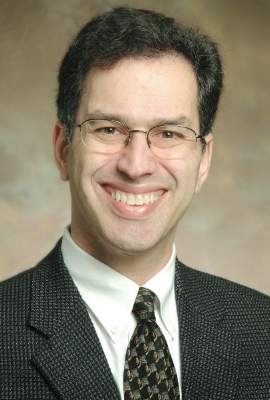
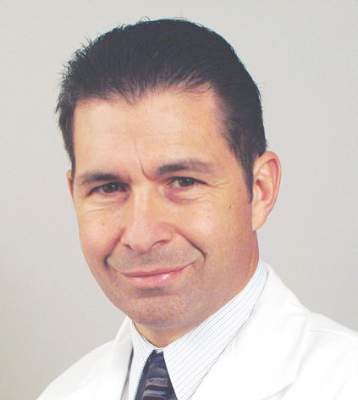
Dr. Schirmer is the Stephen H. Watts Professor of Surgery at the University of Virginia Health Sciences Center, Charlottesville.
How many common bile duct operations have you done lately? How about laparotomies for bleeding duodenal ulcers? How about central venous access catheters? How many procedures that you as a general surgeon may have done a few decades ago are now done primarily by endoscopists, radiologists, or others using minimal access for their procedures?
Now hold that thought, as we turn to the field of bariatric surgery.
Twenty years ago, in 1996, there were approximately 12,000 bariatric operations performed in the United States. From 1998 to 2004, that number increased to almost 136,000 per year (J Am Coll Surg. 2011;213:261-6). What was the reason? While other factors likely had some influence, the overwhelming factor was that laparoscopic bariatric surgery became available. Patients perceived this approach as less invasive. Primary care referring physicians did as well.
The rapid rise in laparoscopy boosted the popularity of bariatric surgery but since that bump, the bariatric surgery numbers have remained flat. Currently, less than 2% of eligible patients who are morbidly obese opt for surgical treatment each year – despite the fact that the safety of bariatric surgery has dramatically improved over the past 15 years. Currently the mortality rate for laparoscopic gastric bypass is at 0.15% (Ann Surg. 2014;259:123-30) and sleeve gastrectomy mortality is lower than that. Only appendectomy has a lower mortality rate among major abdominal operations. Despite the safety record, and despite over a decade of publications demonstrating the effectiveness of bariatric surgery in prolonging life, improving or eliminating comorbid medical problems of obesity, improving the quality of life of patients, and decreasing the cost of their medical care, there still has been no major new shift toward surgery by patients who would benefit from it.
What we are offering is not what these patients want. We as bariatric and metabolic surgeons must face the reality of that fact.
While endoscopic bariatric procedures are not new, their use to date has been limited to modifying existing operations, such as narrowing the anastomosis after gastric bypass for patients who are regaining weight. Such procedures have enjoyed at best mild to moderate short-term success, but poor long-term success.
The performance of a successful endoscopic sleeve gastrectomy, however, is a different issue. The sleeve gastrectomy has rapidly become the most popular bariatric operation. Its successful performance endoscopically (Endoscopy. 2015;47:164-6) should serve notice to bariatric surgeons that the time has come to learn to do endoscopic bariatric surgery. If effective, it almost certainly will be what patients seek in the future.
Societal stigmas, patient expectations, and our culture all drive the perception that obesity is a problem that individuals should be able to solve on their own. It is this firmly entrenched belief that is the foundation of the multi-billion dollar diet products industry. Yet the concept of having surgery to treat severe obesity is one that most severely obese patients do not easily embrace. A first-hand successful experience of a friend or relative is often needed for these individuals to consider a surgical procedure. While most patients with ultrasound-proven gallstones who are symptomatic will be referred to a surgeon by their primary care physician, how often is this true for the patient with a body mass index over 35?
The appeal of endoscopic procedures for patients and referring physicians is, of course, that these procedures are perceived as not really surgery. They are minimally invasive endoscopic procedures. The risk profile is very low. Why not consider it? patients may ask themselves. After all, you are not really having surgery.
Many of my bariatric colleagues will likely disagree with this recommendation to embrace endoscopic procedures. After all, the track record to date of many of these procedures and devices has not been impressive. All devices to date that have involved endoscopic treatment of obesity have either failed and been removed from the market, or are in their infancy still looking to establish efficacy (Clin Gastroenterol Hepatol. 2016;14:507-15). I have been vocally critical at symposia and national meetings of the concept of using an endoscopic suturing device to narrow the anastomosis of patients with a gastric bypass who are regaining weight. I have argued that the procedure is doomed to long-term minimal success or more likely flat-out failure. However, such a conservative approach that demands proof of long-term efficacy could predictably place us conservative curmudgeons on the sidelines of treating obesity when successful endoscopic procedures are available and become the sought-after option, just as laparoscopy became the sought-after option 17 years ago. How many surgeons offered primarily open bariatric operations after about 2005?
If we are to reach more than 1%-2% of the eligible patients who would benefit from treatment for morbid obesity and its related medical problems, then we need to take a different approach. We have about maximized how well we can do the surgical approach we now offer. It isn’t gaining in popularity among those who need it most. While we should not abandon the procedures that have been proven so effective, we should embrace new options for our patients.
It is certainly possible that the stigma of having surgery will resolve if a patient has an endoscopic procedure that is successful but only transiently. A more definitive operative procedure then may follow. Is that not ultimately better for that patient than having him or her never pursue a treatment for obesity? While this argument seems appropriate for the long-term overall patient good, the short-term increase in cost may make it a difficult sell to payers. But insurance companies are already doing their very best not to pay for highly medically effective and proven cost-effective bariatric surgery now. Only public pressure will force them to change – perhaps the public pressure of demand for endoscopic procedures.
Bariatric surgeons: It’s time to become bariatric endoscopists. If we want new patients, we need to adopt new treatments.
Dr. Schirmer is the Stephen H. Watts Professor of Surgery at the University of Virginia Health Sciences Center, Charlottesville.
How many common bile duct operations have you done lately? How about laparotomies for bleeding duodenal ulcers? How about central venous access catheters? How many procedures that you as a general surgeon may have done a few decades ago are now done primarily by endoscopists, radiologists, or others using minimal access for their procedures?
Now hold that thought, as we turn to the field of bariatric surgery.
Twenty years ago, in 1996, there were approximately 12,000 bariatric operations performed in the United States. From 1998 to 2004, that number increased to almost 136,000 per year (J Am Coll Surg. 2011;213:261-6). What was the reason? While other factors likely had some influence, the overwhelming factor was that laparoscopic bariatric surgery became available. Patients perceived this approach as less invasive. Primary care referring physicians did as well.
The rapid rise in laparoscopy boosted the popularity of bariatric surgery but since that bump, the bariatric surgery numbers have remained flat. Currently, less than 2% of eligible patients who are morbidly obese opt for surgical treatment each year – despite the fact that the safety of bariatric surgery has dramatically improved over the past 15 years. Currently the mortality rate for laparoscopic gastric bypass is at 0.15% (Ann Surg. 2014;259:123-30) and sleeve gastrectomy mortality is lower than that. Only appendectomy has a lower mortality rate among major abdominal operations. Despite the safety record, and despite over a decade of publications demonstrating the effectiveness of bariatric surgery in prolonging life, improving or eliminating comorbid medical problems of obesity, improving the quality of life of patients, and decreasing the cost of their medical care, there still has been no major new shift toward surgery by patients who would benefit from it.
What we are offering is not what these patients want. We as bariatric and metabolic surgeons must face the reality of that fact.
While endoscopic bariatric procedures are not new, their use to date has been limited to modifying existing operations, such as narrowing the anastomosis after gastric bypass for patients who are regaining weight. Such procedures have enjoyed at best mild to moderate short-term success, but poor long-term success.
The performance of a successful endoscopic sleeve gastrectomy, however, is a different issue. The sleeve gastrectomy has rapidly become the most popular bariatric operation. Its successful performance endoscopically (Endoscopy. 2015;47:164-6) should serve notice to bariatric surgeons that the time has come to learn to do endoscopic bariatric surgery. If effective, it almost certainly will be what patients seek in the future.
Societal stigmas, patient expectations, and our culture all drive the perception that obesity is a problem that individuals should be able to solve on their own. It is this firmly entrenched belief that is the foundation of the multi-billion dollar diet products industry. Yet the concept of having surgery to treat severe obesity is one that most severely obese patients do not easily embrace. A first-hand successful experience of a friend or relative is often needed for these individuals to consider a surgical procedure. While most patients with ultrasound-proven gallstones who are symptomatic will be referred to a surgeon by their primary care physician, how often is this true for the patient with a body mass index over 35?
The appeal of endoscopic procedures for patients and referring physicians is, of course, that these procedures are perceived as not really surgery. They are minimally invasive endoscopic procedures. The risk profile is very low. Why not consider it? patients may ask themselves. After all, you are not really having surgery.
Many of my bariatric colleagues will likely disagree with this recommendation to embrace endoscopic procedures. After all, the track record to date of many of these procedures and devices has not been impressive. All devices to date that have involved endoscopic treatment of obesity have either failed and been removed from the market, or are in their infancy still looking to establish efficacy (Clin Gastroenterol Hepatol. 2016;14:507-15). I have been vocally critical at symposia and national meetings of the concept of using an endoscopic suturing device to narrow the anastomosis of patients with a gastric bypass who are regaining weight. I have argued that the procedure is doomed to long-term minimal success or more likely flat-out failure. However, such a conservative approach that demands proof of long-term efficacy could predictably place us conservative curmudgeons on the sidelines of treating obesity when successful endoscopic procedures are available and become the sought-after option, just as laparoscopy became the sought-after option 17 years ago. How many surgeons offered primarily open bariatric operations after about 2005?
If we are to reach more than 1%-2% of the eligible patients who would benefit from treatment for morbid obesity and its related medical problems, then we need to take a different approach. We have about maximized how well we can do the surgical approach we now offer. It isn’t gaining in popularity among those who need it most. While we should not abandon the procedures that have been proven so effective, we should embrace new options for our patients.
It is certainly possible that the stigma of having surgery will resolve if a patient has an endoscopic procedure that is successful but only transiently. A more definitive operative procedure then may follow. Is that not ultimately better for that patient than having him or her never pursue a treatment for obesity? While this argument seems appropriate for the long-term overall patient good, the short-term increase in cost may make it a difficult sell to payers. But insurance companies are already doing their very best not to pay for highly medically effective and proven cost-effective bariatric surgery now. Only public pressure will force them to change – perhaps the public pressure of demand for endoscopic procedures.
Bariatric surgeons: It’s time to become bariatric endoscopists. If we want new patients, we need to adopt new treatments.
Dr. Schirmer is the Stephen H. Watts Professor of Surgery at the University of Virginia Health Sciences Center, Charlottesville.
Accredited bariatric surgery centers have fewer postoperative complications
A recent review of published medical studies indicates that patients who have weight loss operations at nonaccredited bariatric surgery facilities in the United States are up to 1.4 times more likely to experience serious postoperative complications and more than twice as likely to die after the procedure in comparison with patients who undergo these procedures at accredited bariatric surgery centers. The study authors also report that accredited bariatric centers have lower costs than do nonaccredited centers. These results, which are posted on the Journal of the American College of Surgeons (JACS) website in advance of print publication, represent the first comprehensive review of the best available evidence comparing bariatric surgery results in accredited U.S. centers with outcomes at nonaccredited U.S. centers.
“A preponderance of scientific evidence demonstrates that bariatric surgery becomes safer with accreditation of the surgical center,” said principal investigator John Morton, MD, MPH, FACS, FASMBS, chief of bariatric and minimally invasive surgery at Stanford University School of Medicine in California. “Accreditation makes a big difference.” The American College of Surgeons (ACS) and the American Society of Metabolic and Bariatric Surgeons (ASMBS) merged their accreditation programs in 2012 to create the unified Metabolic and Bariatric Surgery Accreditation and Quality Improvement Program, and more than 700 centers in the country now hold this accreditation. This credential signifies that a surgical facility has met rigorous standards for high-quality surgical care.
Reducing the odds of complications
In their review article, Dr. Morton and first author Dan Azagury, MD, also a bariatric and general surgeon at Stanford, included 13 studies published between 2009 and 2014, comprising more than 1.5 million patients. Dr. Morton acknowledged that a number of patients might be duplicates because some studies used the same national database.
Eight of 11 studies that evaluated postoperative complications found that undergoing a bariatric operation in an accredited facility reduced the odds of experiencing a serious complication by 9 percent to 39 percent (odds ratios of 1.09 to 1.39), the researchers reported. The difference was reportedly even more pronounced for the risk of death occurring in the hospital or up to 90 days postoperatively. Six of eight studies that reported mortality showed that the odds of dying after a bariatric procedure, while low at an accredited center, were 2.26 to 3.57 times higher at a nonaccredited facility.
Nearly all the studies used risk adjustment, which compensates for different levels of patient risk and which experts believe makes results more accurate. Only three studies (23 percent) failed to show a significant benefit of accreditation.
Reducing costs
Drs. Morton and Azagury also analyzed studies that reported average hospital charges and found lower costs at accredited centers. “Accredited bariatric surgical centers provide not only safer care but also less expensive care,” Dr. Morton said. A systematic review was the best way to study this issue, according to Dr. Morton. He said most insurers today will not cover surgical care at nonaccredited bariatric centers, making it difficult to perform a randomized controlled clinical trial. In 2013, the Centers for Medicare & Medicaid Services (CMS) stopped requiring Medicare beneficiaries to undergo bariatric operations at accredited bariatric centers as a condition of coverage.
Meanwhile, a growing number of patients are choosing surgical treatment for obesity – widely considered the most effective long-term weight-loss therapy. An estimated 179,000 patients underwent gastric bypass, gastric banding, and other bariatric operations in 2013 compared with 158,000 two years earlier, according to the ASMBS.
“These results provide important information that can be used to guide future policy decisions. Perhaps CMS should revisit this policy again,” Dr. Morton suggested.
Read the JACS article at www.journalacs.org/article/S1072-7515(16)30267-8/fulltext.
A recent review of published medical studies indicates that patients who have weight loss operations at nonaccredited bariatric surgery facilities in the United States are up to 1.4 times more likely to experience serious postoperative complications and more than twice as likely to die after the procedure in comparison with patients who undergo these procedures at accredited bariatric surgery centers. The study authors also report that accredited bariatric centers have lower costs than do nonaccredited centers. These results, which are posted on the Journal of the American College of Surgeons (JACS) website in advance of print publication, represent the first comprehensive review of the best available evidence comparing bariatric surgery results in accredited U.S. centers with outcomes at nonaccredited U.S. centers.
“A preponderance of scientific evidence demonstrates that bariatric surgery becomes safer with accreditation of the surgical center,” said principal investigator John Morton, MD, MPH, FACS, FASMBS, chief of bariatric and minimally invasive surgery at Stanford University School of Medicine in California. “Accreditation makes a big difference.” The American College of Surgeons (ACS) and the American Society of Metabolic and Bariatric Surgeons (ASMBS) merged their accreditation programs in 2012 to create the unified Metabolic and Bariatric Surgery Accreditation and Quality Improvement Program, and more than 700 centers in the country now hold this accreditation. This credential signifies that a surgical facility has met rigorous standards for high-quality surgical care.
Reducing the odds of complications
In their review article, Dr. Morton and first author Dan Azagury, MD, also a bariatric and general surgeon at Stanford, included 13 studies published between 2009 and 2014, comprising more than 1.5 million patients. Dr. Morton acknowledged that a number of patients might be duplicates because some studies used the same national database.
Eight of 11 studies that evaluated postoperative complications found that undergoing a bariatric operation in an accredited facility reduced the odds of experiencing a serious complication by 9 percent to 39 percent (odds ratios of 1.09 to 1.39), the researchers reported. The difference was reportedly even more pronounced for the risk of death occurring in the hospital or up to 90 days postoperatively. Six of eight studies that reported mortality showed that the odds of dying after a bariatric procedure, while low at an accredited center, were 2.26 to 3.57 times higher at a nonaccredited facility.
Nearly all the studies used risk adjustment, which compensates for different levels of patient risk and which experts believe makes results more accurate. Only three studies (23 percent) failed to show a significant benefit of accreditation.
Reducing costs
Drs. Morton and Azagury also analyzed studies that reported average hospital charges and found lower costs at accredited centers. “Accredited bariatric surgical centers provide not only safer care but also less expensive care,” Dr. Morton said. A systematic review was the best way to study this issue, according to Dr. Morton. He said most insurers today will not cover surgical care at nonaccredited bariatric centers, making it difficult to perform a randomized controlled clinical trial. In 2013, the Centers for Medicare & Medicaid Services (CMS) stopped requiring Medicare beneficiaries to undergo bariatric operations at accredited bariatric centers as a condition of coverage.
Meanwhile, a growing number of patients are choosing surgical treatment for obesity – widely considered the most effective long-term weight-loss therapy. An estimated 179,000 patients underwent gastric bypass, gastric banding, and other bariatric operations in 2013 compared with 158,000 two years earlier, according to the ASMBS.
“These results provide important information that can be used to guide future policy decisions. Perhaps CMS should revisit this policy again,” Dr. Morton suggested.
Read the JACS article at www.journalacs.org/article/S1072-7515(16)30267-8/fulltext.
A recent review of published medical studies indicates that patients who have weight loss operations at nonaccredited bariatric surgery facilities in the United States are up to 1.4 times more likely to experience serious postoperative complications and more than twice as likely to die after the procedure in comparison with patients who undergo these procedures at accredited bariatric surgery centers. The study authors also report that accredited bariatric centers have lower costs than do nonaccredited centers. These results, which are posted on the Journal of the American College of Surgeons (JACS) website in advance of print publication, represent the first comprehensive review of the best available evidence comparing bariatric surgery results in accredited U.S. centers with outcomes at nonaccredited U.S. centers.
“A preponderance of scientific evidence demonstrates that bariatric surgery becomes safer with accreditation of the surgical center,” said principal investigator John Morton, MD, MPH, FACS, FASMBS, chief of bariatric and minimally invasive surgery at Stanford University School of Medicine in California. “Accreditation makes a big difference.” The American College of Surgeons (ACS) and the American Society of Metabolic and Bariatric Surgeons (ASMBS) merged their accreditation programs in 2012 to create the unified Metabolic and Bariatric Surgery Accreditation and Quality Improvement Program, and more than 700 centers in the country now hold this accreditation. This credential signifies that a surgical facility has met rigorous standards for high-quality surgical care.
Reducing the odds of complications
In their review article, Dr. Morton and first author Dan Azagury, MD, also a bariatric and general surgeon at Stanford, included 13 studies published between 2009 and 2014, comprising more than 1.5 million patients. Dr. Morton acknowledged that a number of patients might be duplicates because some studies used the same national database.
Eight of 11 studies that evaluated postoperative complications found that undergoing a bariatric operation in an accredited facility reduced the odds of experiencing a serious complication by 9 percent to 39 percent (odds ratios of 1.09 to 1.39), the researchers reported. The difference was reportedly even more pronounced for the risk of death occurring in the hospital or up to 90 days postoperatively. Six of eight studies that reported mortality showed that the odds of dying after a bariatric procedure, while low at an accredited center, were 2.26 to 3.57 times higher at a nonaccredited facility.
Nearly all the studies used risk adjustment, which compensates for different levels of patient risk and which experts believe makes results more accurate. Only three studies (23 percent) failed to show a significant benefit of accreditation.
Reducing costs
Drs. Morton and Azagury also analyzed studies that reported average hospital charges and found lower costs at accredited centers. “Accredited bariatric surgical centers provide not only safer care but also less expensive care,” Dr. Morton said. A systematic review was the best way to study this issue, according to Dr. Morton. He said most insurers today will not cover surgical care at nonaccredited bariatric centers, making it difficult to perform a randomized controlled clinical trial. In 2013, the Centers for Medicare & Medicaid Services (CMS) stopped requiring Medicare beneficiaries to undergo bariatric operations at accredited bariatric centers as a condition of coverage.
Meanwhile, a growing number of patients are choosing surgical treatment for obesity – widely considered the most effective long-term weight-loss therapy. An estimated 179,000 patients underwent gastric bypass, gastric banding, and other bariatric operations in 2013 compared with 158,000 two years earlier, according to the ASMBS.
“These results provide important information that can be used to guide future policy decisions. Perhaps CMS should revisit this policy again,” Dr. Morton suggested.
Read the JACS article at www.journalacs.org/article/S1072-7515(16)30267-8/fulltext.
TQIP now in all 50 states and Washington, D.C.
The American College of Surgeons (ACS) Trauma Quality Improvement Program (TQIP®) is now in all 50 states and Washington, D.C. The ACS TQIP program reached this milestone on Aug. 2 with the addition of Meritus Medical Center in Hagerstown, Md., a Level III TQIP Site.
The TQIP pilot program began in 2009 with 23 centers, and the full TQIP program launched in 2010 with 65 centers. In 2014, Pediatric TQIP was added, and on July 1 of this year, Level III TQIP was launched. TQIP now has 561 enrolled sites (420 Level I and II Adult Sites, 40 Level III Sites, and 101 Pediatric Sites) and anticipates continued growth this year.
TQIP standardizes the collection and measurement of trauma data to generate quality improvement strategies and reduce disparities in trauma care nationwide. TQIP collects data from trauma centers, provides feedback about center performance, and identifies institutional improvements for better patient outcomes. TQIP provides hospitals with risk-adjusted benchmarking for accurate national comparisons. In addition, TQIP provides education and training to help trauma center staff improve the quality of their data and accurately interpret their benchmark reports. The program fosters clinical improvements with the support of Best Practice Guidelines (https://www.facs.org/quality-programs/trauma/tqip/best-practice), which allow enrolled centers to network and share best practice information at the TQIP annual meeting (https://www.facs.org/quality-programs/trauma/tqip/meeting) through the TQIP Google group (https://groups.google.com/forum/#!forum/trauma-quality-improvement-program---tqip), and in Web conferences.
For more information, visit the TQIP website (www.facs.org/quality-programs/trauma/tqip).
The American College of Surgeons (ACS) Trauma Quality Improvement Program (TQIP®) is now in all 50 states and Washington, D.C. The ACS TQIP program reached this milestone on Aug. 2 with the addition of Meritus Medical Center in Hagerstown, Md., a Level III TQIP Site.
The TQIP pilot program began in 2009 with 23 centers, and the full TQIP program launched in 2010 with 65 centers. In 2014, Pediatric TQIP was added, and on July 1 of this year, Level III TQIP was launched. TQIP now has 561 enrolled sites (420 Level I and II Adult Sites, 40 Level III Sites, and 101 Pediatric Sites) and anticipates continued growth this year.
TQIP standardizes the collection and measurement of trauma data to generate quality improvement strategies and reduce disparities in trauma care nationwide. TQIP collects data from trauma centers, provides feedback about center performance, and identifies institutional improvements for better patient outcomes. TQIP provides hospitals with risk-adjusted benchmarking for accurate national comparisons. In addition, TQIP provides education and training to help trauma center staff improve the quality of their data and accurately interpret their benchmark reports. The program fosters clinical improvements with the support of Best Practice Guidelines (https://www.facs.org/quality-programs/trauma/tqip/best-practice), which allow enrolled centers to network and share best practice information at the TQIP annual meeting (https://www.facs.org/quality-programs/trauma/tqip/meeting) through the TQIP Google group (https://groups.google.com/forum/#!forum/trauma-quality-improvement-program---tqip), and in Web conferences.
For more information, visit the TQIP website (www.facs.org/quality-programs/trauma/tqip).
The American College of Surgeons (ACS) Trauma Quality Improvement Program (TQIP®) is now in all 50 states and Washington, D.C. The ACS TQIP program reached this milestone on Aug. 2 with the addition of Meritus Medical Center in Hagerstown, Md., a Level III TQIP Site.
The TQIP pilot program began in 2009 with 23 centers, and the full TQIP program launched in 2010 with 65 centers. In 2014, Pediatric TQIP was added, and on July 1 of this year, Level III TQIP was launched. TQIP now has 561 enrolled sites (420 Level I and II Adult Sites, 40 Level III Sites, and 101 Pediatric Sites) and anticipates continued growth this year.
TQIP standardizes the collection and measurement of trauma data to generate quality improvement strategies and reduce disparities in trauma care nationwide. TQIP collects data from trauma centers, provides feedback about center performance, and identifies institutional improvements for better patient outcomes. TQIP provides hospitals with risk-adjusted benchmarking for accurate national comparisons. In addition, TQIP provides education and training to help trauma center staff improve the quality of their data and accurately interpret their benchmark reports. The program fosters clinical improvements with the support of Best Practice Guidelines (https://www.facs.org/quality-programs/trauma/tqip/best-practice), which allow enrolled centers to network and share best practice information at the TQIP annual meeting (https://www.facs.org/quality-programs/trauma/tqip/meeting) through the TQIP Google group (https://groups.google.com/forum/#!forum/trauma-quality-improvement-program---tqip), and in Web conferences.
For more information, visit the TQIP website (www.facs.org/quality-programs/trauma/tqip).
Join Dr. Richardson for TTP Program Meet and Greet at Clinical Congress
J. David Richardson, MD, FACS, 2015-2016 President of the American College of Surgeons (ACS) and Chair of the ACS Committee on Transition to Practice (TTP) Program in General Surgery, will host an informal Meet and Greet during the ACS Clinical Congress 2016, 12:00 noon – 1:00 pm, Tuesday, October 18, at the Walter E. Washington Convention Center. Dr. Richardson will be available to speak with Clinical Congress attendees at the Division of Education Booth in the ACS Resource Center in Hall B. Residents who are considering careers in general surgery as well as faculty and practicing surgeons may be interested in learning more about the TTP Program at https://www.facs.org/education/program/ttp. Dennis W. Ashley, MD, FACS, FCCM, TTP chief of the Mercer University School of Medicine Program, Cordele, GA, which has successfully incorporated the TTP Program, will join Dr. Richardson at the Meet and Greet. Contact ttp@facs.org for more information or stop by the Division of Education booth at the Clinical Congress and learn more about this growing program.
J. David Richardson, MD, FACS, 2015-2016 President of the American College of Surgeons (ACS) and Chair of the ACS Committee on Transition to Practice (TTP) Program in General Surgery, will host an informal Meet and Greet during the ACS Clinical Congress 2016, 12:00 noon – 1:00 pm, Tuesday, October 18, at the Walter E. Washington Convention Center. Dr. Richardson will be available to speak with Clinical Congress attendees at the Division of Education Booth in the ACS Resource Center in Hall B. Residents who are considering careers in general surgery as well as faculty and practicing surgeons may be interested in learning more about the TTP Program at https://www.facs.org/education/program/ttp. Dennis W. Ashley, MD, FACS, FCCM, TTP chief of the Mercer University School of Medicine Program, Cordele, GA, which has successfully incorporated the TTP Program, will join Dr. Richardson at the Meet and Greet. Contact ttp@facs.org for more information or stop by the Division of Education booth at the Clinical Congress and learn more about this growing program.
J. David Richardson, MD, FACS, 2015-2016 President of the American College of Surgeons (ACS) and Chair of the ACS Committee on Transition to Practice (TTP) Program in General Surgery, will host an informal Meet and Greet during the ACS Clinical Congress 2016, 12:00 noon – 1:00 pm, Tuesday, October 18, at the Walter E. Washington Convention Center. Dr. Richardson will be available to speak with Clinical Congress attendees at the Division of Education Booth in the ACS Resource Center in Hall B. Residents who are considering careers in general surgery as well as faculty and practicing surgeons may be interested in learning more about the TTP Program at https://www.facs.org/education/program/ttp. Dennis W. Ashley, MD, FACS, FCCM, TTP chief of the Mercer University School of Medicine Program, Cordele, GA, which has successfully incorporated the TTP Program, will join Dr. Richardson at the Meet and Greet. Contact ttp@facs.org for more information or stop by the Division of Education booth at the Clinical Congress and learn more about this growing program.
ACS Issues Statement on Operating Room Attire
The American College of Surgeons (ACS) has finalized a statement on professional attire for surgeons in and out of the operating room (OR). The new ACS guideline for appropriate attire is based on principles of professionalism, common sense, decorum, and the available evidence. It includes the following provisions:
• Soiled scrubs and/or hats should be changed as soon as feasible and certainly before speaking with family members after an operation.
• Scrubs and hats worn during dirty or contaminated cases should be changed prior to subsequent cases even if not visibly soiled.
• Dangling masks should not be worn at any time.
• Operating room scrubs should not be worn in the hospital facility outside of the OR area without a clean lab coat or appropriate cover.
• OR scrubs should not be worn at any time outside of the hospital perimeter.
• OR scrubs should be changed at least daily.
• During invasive procedures, the mouth, nose, and hair (skull and face) should be covered to avoid potential wound contamination. Large sideburns and ponytails should be covered or contained. There is no evidence that leaving ears, a limited amount of hair on the nape of the neck or a modest sideburn uncovered contributes to wound infections.
• Jewelry worn on the head or neck, where the items might fall into or contaminate the sterile field, should be removed or appropriately covered during procedures.
• The ACS encourages surgeons to wear clean, appropriate professional attire (not scrubs) during all patient encounters outside of the OR.
The ACS Statement on Operating Room Attire provides detailed guidelines on wearing the skullcap in a way that ensures patient safety and facilitates enforcement of the standard on wearing scrubs only within the perimeter of the hospital by suggesting the adoption of distinctively colored scrub suits for OR personnel.
In addition, the ACS is collaborating with the Centers for Medicare & Medicaid Services and The Joint Commission to ensure that their policies and regulatory oversight activities are aligned with the College’s recommendations.
The statement will be published in the October Bulletin.
The American College of Surgeons (ACS) has finalized a statement on professional attire for surgeons in and out of the operating room (OR). The new ACS guideline for appropriate attire is based on principles of professionalism, common sense, decorum, and the available evidence. It includes the following provisions:
• Soiled scrubs and/or hats should be changed as soon as feasible and certainly before speaking with family members after an operation.
• Scrubs and hats worn during dirty or contaminated cases should be changed prior to subsequent cases even if not visibly soiled.
• Dangling masks should not be worn at any time.
• Operating room scrubs should not be worn in the hospital facility outside of the OR area without a clean lab coat or appropriate cover.
• OR scrubs should not be worn at any time outside of the hospital perimeter.
• OR scrubs should be changed at least daily.
• During invasive procedures, the mouth, nose, and hair (skull and face) should be covered to avoid potential wound contamination. Large sideburns and ponytails should be covered or contained. There is no evidence that leaving ears, a limited amount of hair on the nape of the neck or a modest sideburn uncovered contributes to wound infections.
• Jewelry worn on the head or neck, where the items might fall into or contaminate the sterile field, should be removed or appropriately covered during procedures.
• The ACS encourages surgeons to wear clean, appropriate professional attire (not scrubs) during all patient encounters outside of the OR.
The ACS Statement on Operating Room Attire provides detailed guidelines on wearing the skullcap in a way that ensures patient safety and facilitates enforcement of the standard on wearing scrubs only within the perimeter of the hospital by suggesting the adoption of distinctively colored scrub suits for OR personnel.
In addition, the ACS is collaborating with the Centers for Medicare & Medicaid Services and The Joint Commission to ensure that their policies and regulatory oversight activities are aligned with the College’s recommendations.
The statement will be published in the October Bulletin.
The American College of Surgeons (ACS) has finalized a statement on professional attire for surgeons in and out of the operating room (OR). The new ACS guideline for appropriate attire is based on principles of professionalism, common sense, decorum, and the available evidence. It includes the following provisions:
• Soiled scrubs and/or hats should be changed as soon as feasible and certainly before speaking with family members after an operation.
• Scrubs and hats worn during dirty or contaminated cases should be changed prior to subsequent cases even if not visibly soiled.
• Dangling masks should not be worn at any time.
• Operating room scrubs should not be worn in the hospital facility outside of the OR area without a clean lab coat or appropriate cover.
• OR scrubs should not be worn at any time outside of the hospital perimeter.
• OR scrubs should be changed at least daily.
• During invasive procedures, the mouth, nose, and hair (skull and face) should be covered to avoid potential wound contamination. Large sideburns and ponytails should be covered or contained. There is no evidence that leaving ears, a limited amount of hair on the nape of the neck or a modest sideburn uncovered contributes to wound infections.
• Jewelry worn on the head or neck, where the items might fall into or contaminate the sterile field, should be removed or appropriately covered during procedures.
• The ACS encourages surgeons to wear clean, appropriate professional attire (not scrubs) during all patient encounters outside of the OR.
The ACS Statement on Operating Room Attire provides detailed guidelines on wearing the skullcap in a way that ensures patient safety and facilitates enforcement of the standard on wearing scrubs only within the perimeter of the hospital by suggesting the adoption of distinctively colored scrub suits for OR personnel.
In addition, the ACS is collaborating with the Centers for Medicare & Medicaid Services and The Joint Commission to ensure that their policies and regulatory oversight activities are aligned with the College’s recommendations.
The statement will be published in the October Bulletin.
Register for ACS TQIP Conference, November 5-7, in Orlando, FL
Register online for the seventh annual American College of Surgeons (ACS) Trauma Quality Improvement Program (TQIP®) Scientific Meeting and Training, November 5-7 at the Omni Orlando Resort at ChampionsGate, FL. Register for the conference at https://www.compusystems.com/servlet/ar?evt_uid=785.
The meeting will convene trauma medical directors, program managers, coordinators, and registrars from participating and prospective TQIP hospitals. J. Wayne Meredith, MD, FACS, MCCM, Winston-Salem, NC, the 2014 recipient of the ACS Distinguished Service Award and Past-Medical Director, ACS Trauma Programs, will deliver the keynote address. The program will include sessions for new TQIP centers, new staff at existing centers, and participants in need of a TQIP refresher. Breakout sessions focused on registrar and abstractor concerns, matters that relate to the trauma medical director and trauma program manager-focused issues will enhance the learning experience and instruct participants in their role on the TQIP team.
Visit the TQIP annual meeting website at https://www.facs.org/tqipmeeting to view the conference schedule and obtain information about lodging, transportation, and a social outing to Cirque du Soleil. For more information, contact ACS TQIP staff at acstqipmeeting@facs.org.
Register online for the seventh annual American College of Surgeons (ACS) Trauma Quality Improvement Program (TQIP®) Scientific Meeting and Training, November 5-7 at the Omni Orlando Resort at ChampionsGate, FL. Register for the conference at https://www.compusystems.com/servlet/ar?evt_uid=785.
The meeting will convene trauma medical directors, program managers, coordinators, and registrars from participating and prospective TQIP hospitals. J. Wayne Meredith, MD, FACS, MCCM, Winston-Salem, NC, the 2014 recipient of the ACS Distinguished Service Award and Past-Medical Director, ACS Trauma Programs, will deliver the keynote address. The program will include sessions for new TQIP centers, new staff at existing centers, and participants in need of a TQIP refresher. Breakout sessions focused on registrar and abstractor concerns, matters that relate to the trauma medical director and trauma program manager-focused issues will enhance the learning experience and instruct participants in their role on the TQIP team.
Visit the TQIP annual meeting website at https://www.facs.org/tqipmeeting to view the conference schedule and obtain information about lodging, transportation, and a social outing to Cirque du Soleil. For more information, contact ACS TQIP staff at acstqipmeeting@facs.org.
Register online for the seventh annual American College of Surgeons (ACS) Trauma Quality Improvement Program (TQIP®) Scientific Meeting and Training, November 5-7 at the Omni Orlando Resort at ChampionsGate, FL. Register for the conference at https://www.compusystems.com/servlet/ar?evt_uid=785.
The meeting will convene trauma medical directors, program managers, coordinators, and registrars from participating and prospective TQIP hospitals. J. Wayne Meredith, MD, FACS, MCCM, Winston-Salem, NC, the 2014 recipient of the ACS Distinguished Service Award and Past-Medical Director, ACS Trauma Programs, will deliver the keynote address. The program will include sessions for new TQIP centers, new staff at existing centers, and participants in need of a TQIP refresher. Breakout sessions focused on registrar and abstractor concerns, matters that relate to the trauma medical director and trauma program manager-focused issues will enhance the learning experience and instruct participants in their role on the TQIP team.
Visit the TQIP annual meeting website at https://www.facs.org/tqipmeeting to view the conference schedule and obtain information about lodging, transportation, and a social outing to Cirque du Soleil. For more information, contact ACS TQIP staff at acstqipmeeting@facs.org.
National Medical Association honors Patricia L. Turner, MD, FACS
Patricia L. Turner, MD, FACS, Director of the American College of Surgeons Division of Member Services, received the 2016 National Medical Association (NMA) Council on Concerns of Women Physicians (CCWP) Service Award. Dr. Turner received the award July 31 at the CCWP Annual Muriel Petioni, MD, Awards Luncheon, which took place during the NMA’s 114th Annual Convention and Scientific Assembly in Los Angeles.

This award honors women physicians who, through research, community service, and activism, strive to eliminate health care disparities, provide people of color with quality health care, and address women’s health and professional issues. The awards program, the most highly attended event of the convention, continues to grow in popularity. This year’s program featured award-winning actress and television director Regina King. Read more about the NMA and the award at http://www.afassanoco.com/nma/ccwpprogram.html.
Patricia L. Turner, MD, FACS, Director of the American College of Surgeons Division of Member Services, received the 2016 National Medical Association (NMA) Council on Concerns of Women Physicians (CCWP) Service Award. Dr. Turner received the award July 31 at the CCWP Annual Muriel Petioni, MD, Awards Luncheon, which took place during the NMA’s 114th Annual Convention and Scientific Assembly in Los Angeles.
This award honors women physicians who, through research, community service, and activism, strive to eliminate health care disparities, provide people of color with quality health care, and address women’s health and professional issues. The awards program, the most highly attended event of the convention, continues to grow in popularity. This year’s program featured award-winning actress and television director Regina King. Read more about the NMA and the award at http://www.afassanoco.com/nma/ccwpprogram.html.
Patricia L. Turner, MD, FACS, Director of the American College of Surgeons Division of Member Services, received the 2016 National Medical Association (NMA) Council on Concerns of Women Physicians (CCWP) Service Award. Dr. Turner received the award July 31 at the CCWP Annual Muriel Petioni, MD, Awards Luncheon, which took place during the NMA’s 114th Annual Convention and Scientific Assembly in Los Angeles.
This award honors women physicians who, through research, community service, and activism, strive to eliminate health care disparities, provide people of color with quality health care, and address women’s health and professional issues. The awards program, the most highly attended event of the convention, continues to grow in popularity. This year’s program featured award-winning actress and television director Regina King. Read more about the NMA and the award at http://www.afassanoco.com/nma/ccwpprogram.html.

Biologic mesh for ventral hernia repair compared for recurrence, cost
The porcine acellular dermal mesh product Strattice was associated with significantly lower odds of hernia recurrence, compared with several other biologic mesh products, in a study of 223 patients who underwent open ventral hernia repair.
Prospective operative outcomes data from a tertiary referral hernia center showed that at a mean follow-up of 18.2 months, the rate of hernia recurrence was 35% in 40 patients who were treated with Alloderm (LifeCell Corporation), 34.5% in 23 patients treated with AlloMax (Bard/Davol), 37.1% in 70 patients treated with FlexHD (Ethicon), and 59.1% in 22 patients treated with Xenmatrix (Bard/Davol), compared with 14.7% in 68 patients treated with Strattice (LifeCell Corporation). Alloderm, AlloMax, and FlexHD are all human acellular dermal mesh products, and Strattice and Xenmatrix are both porcine acellular dermal mesh products, Ciara R. Huntington, MD, and her colleagues at the Carolinas Medical Center in Charlotte, N.C., reported.

|
| Photo courtesy Acelity. STRATTICETM Reconstructive Tissue Matrix |
After multivariate analysis to adjust for factors such as comorbidities, hernia size, and intraoperative techniques, the odds ratios for recurrence with each product as compared with Strattice were 2.4 with Alloderm, 2.9 with FlexHD, 3.4 with AlloMax, and 7.8 with Xenmatrix. The odds for recurrence were significantly greater with all except Alloderm, the investigators said (Surgery. 2016. doi: 10.1016/j.surg.2016.07.008).
The significant differences between the two porcine acellular dermal meshes (Xenmatrix and Strattice) may reflect variation in tissue processing and design in biomesh engineering, they noted.
Study subjects were adults with a mean age of 57.7 years and mean body mass index of 34.8 kg/m2. Overall, 9.8% had an American Society of Anesthesiology classification of 4, 54.6% had a classification of 3, and 35.6% had a classification of 1 or 2. Average operative time was 241 minutes with estimated blood loss of 202 mL.
Average hernia defect size was 257 cm2, with average mesh size of 384 cm2.
“Component separation was performed in 47.5% of cases, and abdomen was left open prior to definitive closure in 10.7%. Biologic mesh was used to bridge fascial defects in 19.6% of cases. The mesh was placed in the preperitoneal space in 38.2% of cases,” the investigators wrote, noting that a concomitant procedure was performed in 82% of cases.
Sepsis developed in 6.7% of patients, 36.3% had a wound infection, and 24.3% required a negative pressure dressing for healing. The inpatient mortality rate was 1.4%.
However, mesh infections requiring explantation occurred in less than 1% of cases.
On adjusted analysis, Xenmatrix was the most expensive mesh and AlloMax was the least expensive (mean of $59,122 and $22,304, respectively). Strattice costs averaged $40,490.
Ventral hernia repair (VHR) is a common operation, with about 350,000 performed each year. Rates of postoperative wound infection and hernia recurrence vary widely, but may be improved with appropriate mesh selection. However, prospective data to guide selection are lacking, the investigators said.
“The great number of meshes available for use complicates the debate surrounding the best timing and use of biologic mesh in VHR, and the search for the better mesh for use in the abdominal wall reconstruction continues. Biologic mesh usually is reserved for the patients at the highest risk for developing a postoperative wound complication, and although there is a current dearth of high-level evidence supporting its use, this report confirms that complications are low despite obvious surgical complexity presented herein,” they wrote.
The findings of this study – the largest report of outcomes with biologic mesh in ventral hernia repair to date, according to the authors – support the safety of using biologic mesh in high-risk patients, they said.
They noted, however, that the study may still be underpowered to make final clinical decisions.
“Although our study provides useful information to the practicing surgeon, there is much work to be done regarding the selection of biologic mesh,” they wrote, adding that while “a well-performing biologic mesh should be in the toolkit of every general surgeon who may face complex abdominal walls requiring reconstruction in patients that are at high risk for a postoperative wound complication,” additional research is necessary to further clarify the role of biologic mesh in these operations.
Dr. Huntington reported having no disclosures. Other authors reported having been awarded honoraria, speaking fees, surgical research funding, and education grants from W.L. Gore and Associates, Ethicon, Novadaq, Bard/Davol, and LifeCell Corporation.
The porcine acellular dermal mesh product Strattice was associated with significantly lower odds of hernia recurrence, compared with several other biologic mesh products, in a study of 223 patients who underwent open ventral hernia repair.
Prospective operative outcomes data from a tertiary referral hernia center showed that at a mean follow-up of 18.2 months, the rate of hernia recurrence was 35% in 40 patients who were treated with Alloderm (LifeCell Corporation), 34.5% in 23 patients treated with AlloMax (Bard/Davol), 37.1% in 70 patients treated with FlexHD (Ethicon), and 59.1% in 22 patients treated with Xenmatrix (Bard/Davol), compared with 14.7% in 68 patients treated with Strattice (LifeCell Corporation). Alloderm, AlloMax, and FlexHD are all human acellular dermal mesh products, and Strattice and Xenmatrix are both porcine acellular dermal mesh products, Ciara R. Huntington, MD, and her colleagues at the Carolinas Medical Center in Charlotte, N.C., reported.
|
|
| Photo courtesy Acelity. STRATTICETM Reconstructive Tissue Matrix |
After multivariate analysis to adjust for factors such as comorbidities, hernia size, and intraoperative techniques, the odds ratios for recurrence with each product as compared with Strattice were 2.4 with Alloderm, 2.9 with FlexHD, 3.4 with AlloMax, and 7.8 with Xenmatrix. The odds for recurrence were significantly greater with all except Alloderm, the investigators said (Surgery. 2016. doi: 10.1016/j.surg.2016.07.008).
The significant differences between the two porcine acellular dermal meshes (Xenmatrix and Strattice) may reflect variation in tissue processing and design in biomesh engineering, they noted.
Study subjects were adults with a mean age of 57.7 years and mean body mass index of 34.8 kg/m2. Overall, 9.8% had an American Society of Anesthesiology classification of 4, 54.6% had a classification of 3, and 35.6% had a classification of 1 or 2. Average operative time was 241 minutes with estimated blood loss of 202 mL.
Average hernia defect size was 257 cm2, with average mesh size of 384 cm2.
“Component separation was performed in 47.5% of cases, and abdomen was left open prior to definitive closure in 10.7%. Biologic mesh was used to bridge fascial defects in 19.6% of cases. The mesh was placed in the preperitoneal space in 38.2% of cases,” the investigators wrote, noting that a concomitant procedure was performed in 82% of cases.
Sepsis developed in 6.7% of patients, 36.3% had a wound infection, and 24.3% required a negative pressure dressing for healing. The inpatient mortality rate was 1.4%.
However, mesh infections requiring explantation occurred in less than 1% of cases.
On adjusted analysis, Xenmatrix was the most expensive mesh and AlloMax was the least expensive (mean of $59,122 and $22,304, respectively). Strattice costs averaged $40,490.
Ventral hernia repair (VHR) is a common operation, with about 350,000 performed each year. Rates of postoperative wound infection and hernia recurrence vary widely, but may be improved with appropriate mesh selection. However, prospective data to guide selection are lacking, the investigators said.
“The great number of meshes available for use complicates the debate surrounding the best timing and use of biologic mesh in VHR, and the search for the better mesh for use in the abdominal wall reconstruction continues. Biologic mesh usually is reserved for the patients at the highest risk for developing a postoperative wound complication, and although there is a current dearth of high-level evidence supporting its use, this report confirms that complications are low despite obvious surgical complexity presented herein,” they wrote.
The findings of this study – the largest report of outcomes with biologic mesh in ventral hernia repair to date, according to the authors – support the safety of using biologic mesh in high-risk patients, they said.
They noted, however, that the study may still be underpowered to make final clinical decisions.
“Although our study provides useful information to the practicing surgeon, there is much work to be done regarding the selection of biologic mesh,” they wrote, adding that while “a well-performing biologic mesh should be in the toolkit of every general surgeon who may face complex abdominal walls requiring reconstruction in patients that are at high risk for a postoperative wound complication,” additional research is necessary to further clarify the role of biologic mesh in these operations.
Dr. Huntington reported having no disclosures. Other authors reported having been awarded honoraria, speaking fees, surgical research funding, and education grants from W.L. Gore and Associates, Ethicon, Novadaq, Bard/Davol, and LifeCell Corporation.
The porcine acellular dermal mesh product Strattice was associated with significantly lower odds of hernia recurrence, compared with several other biologic mesh products, in a study of 223 patients who underwent open ventral hernia repair.
Prospective operative outcomes data from a tertiary referral hernia center showed that at a mean follow-up of 18.2 months, the rate of hernia recurrence was 35% in 40 patients who were treated with Alloderm (LifeCell Corporation), 34.5% in 23 patients treated with AlloMax (Bard/Davol), 37.1% in 70 patients treated with FlexHD (Ethicon), and 59.1% in 22 patients treated with Xenmatrix (Bard/Davol), compared with 14.7% in 68 patients treated with Strattice (LifeCell Corporation). Alloderm, AlloMax, and FlexHD are all human acellular dermal mesh products, and Strattice and Xenmatrix are both porcine acellular dermal mesh products, Ciara R. Huntington, MD, and her colleagues at the Carolinas Medical Center in Charlotte, N.C., reported.
|
|
| Photo courtesy Acelity. STRATTICETM Reconstructive Tissue Matrix |
After multivariate analysis to adjust for factors such as comorbidities, hernia size, and intraoperative techniques, the odds ratios for recurrence with each product as compared with Strattice were 2.4 with Alloderm, 2.9 with FlexHD, 3.4 with AlloMax, and 7.8 with Xenmatrix. The odds for recurrence were significantly greater with all except Alloderm, the investigators said (Surgery. 2016. doi: 10.1016/j.surg.2016.07.008).
The significant differences between the two porcine acellular dermal meshes (Xenmatrix and Strattice) may reflect variation in tissue processing and design in biomesh engineering, they noted.
Study subjects were adults with a mean age of 57.7 years and mean body mass index of 34.8 kg/m2. Overall, 9.8% had an American Society of Anesthesiology classification of 4, 54.6% had a classification of 3, and 35.6% had a classification of 1 or 2. Average operative time was 241 minutes with estimated blood loss of 202 mL.
Average hernia defect size was 257 cm2, with average mesh size of 384 cm2.
“Component separation was performed in 47.5% of cases, and abdomen was left open prior to definitive closure in 10.7%. Biologic mesh was used to bridge fascial defects in 19.6% of cases. The mesh was placed in the preperitoneal space in 38.2% of cases,” the investigators wrote, noting that a concomitant procedure was performed in 82% of cases.
Sepsis developed in 6.7% of patients, 36.3% had a wound infection, and 24.3% required a negative pressure dressing for healing. The inpatient mortality rate was 1.4%.
However, mesh infections requiring explantation occurred in less than 1% of cases.
On adjusted analysis, Xenmatrix was the most expensive mesh and AlloMax was the least expensive (mean of $59,122 and $22,304, respectively). Strattice costs averaged $40,490.
Ventral hernia repair (VHR) is a common operation, with about 350,000 performed each year. Rates of postoperative wound infection and hernia recurrence vary widely, but may be improved with appropriate mesh selection. However, prospective data to guide selection are lacking, the investigators said.
“The great number of meshes available for use complicates the debate surrounding the best timing and use of biologic mesh in VHR, and the search for the better mesh for use in the abdominal wall reconstruction continues. Biologic mesh usually is reserved for the patients at the highest risk for developing a postoperative wound complication, and although there is a current dearth of high-level evidence supporting its use, this report confirms that complications are low despite obvious surgical complexity presented herein,” they wrote.
The findings of this study – the largest report of outcomes with biologic mesh in ventral hernia repair to date, according to the authors – support the safety of using biologic mesh in high-risk patients, they said.
They noted, however, that the study may still be underpowered to make final clinical decisions.
“Although our study provides useful information to the practicing surgeon, there is much work to be done regarding the selection of biologic mesh,” they wrote, adding that while “a well-performing biologic mesh should be in the toolkit of every general surgeon who may face complex abdominal walls requiring reconstruction in patients that are at high risk for a postoperative wound complication,” additional research is necessary to further clarify the role of biologic mesh in these operations.
Dr. Huntington reported having no disclosures. Other authors reported having been awarded honoraria, speaking fees, surgical research funding, and education grants from W.L. Gore and Associates, Ethicon, Novadaq, Bard/Davol, and LifeCell Corporation.
FROM SURGERY
Key clinical point: The porcine acellular dermal mesh product Strattice was associated with significantly lower odds of hernia recurrence, compared with several other biologic mesh products, in a study of 223 patients who underwent open ventral hernia repair.
Major finding: The adjusted odds ratios for recurrence, compared with Strattice, were 2.4 with Alloderm, 2.9 with FlexHD, 3.4 with AlloMax, and 7.8 with Xenmatrix.
Data source: 223 cases from a prospective operative outcomes database.
Disclosures: Dr. Huntington reported having no disclosures. Other authors reported having been awarded honoraria, speaking fees, surgical research funding, and education grants from W.L. Gore and Associates, Ethicon, Novadaq, Bard/Davol, and LifeCell Corporation.

WHO updates ranking of critically important antimicrobials
In light of increasing antibiotic resistance among pathogens, the World Health Organization has revised its global rankings of critically important antimicrobials used in human medicine, designating quinolones, third- and fourth-generation cephalosporins, macrolides and ketolides, and glycopeptides as among the highest-priority drugs in the world.
Peter C. Collignon, MBBS, of Canberra (Australia) Hospital and his colleagues on the WHO Advisory Group on Integrated Surveillance of Antimicrobial Resistance, created the rankings for use in developing risk management strategies related to antimicrobial use in food production animals. According to Dr. Collignon and his coauthors, the rankings are intended to help regulators and other stakeholders know which types of antimicrobials used in animals present potentially higher risks to human populations and help inform how this use might be better managed (e.g. restriction to single-animal therapy or prohibition of mass treatment and extra-label use) to minimize the risk of transmission of resistance to the human population.

WHO studies previously suggested that antimicrobials which currently have no veterinary equivalent (for example, carbapenems) “as well as any new class of antimicrobial developed for human therapy should not be used in animals.” Dr. Collignon’s WHO Advisory Group followed two essential criteria to designate antimicrobials of utmost importance to human health in the new study: 1. antimicrobials that are the sole, or one of limited available therapies, to treat serious bacterial infections in people and 2. antimicrobials used to treat infections in people caused by either (a) bacteria that may be transmitted to humans from nonhuman sources or (b) bacteria that may acquire resistance genes from nonhuman sources.
The highest-priority and most critically important antimicrobials are those which meet the criteria listed above and that are used in greatest volume or highest frequency by humans. Another criteria for prioritization involves antimicrobial classes where evidence suggests that the “transmission of resistant bacteria or resistance genes from nonhuman sources is already occurring, or has occurred previously.” Quinolones, third- and fourth-generation cephalosporins, macrolides and ketolides, and glycopeptides were the only antimicrobials that met all criteria for prioritization.
“Antimicrobial resistance remains a threat to human health and drivers of resistance act in all sectors; human, animal, and the environment,” the WHO Advisory Group concluded. “Prioritizing the antimicrobials that are critically important for humans is a valuable and strategic risk-management tool and will be improved with the evidence-based approach which is currently underway.”
Read the full study in Clinical Infectious Diseases (doi: 10.1093/cid/ciw475).
In light of increasing antibiotic resistance among pathogens, the World Health Organization has revised its global rankings of critically important antimicrobials used in human medicine, designating quinolones, third- and fourth-generation cephalosporins, macrolides and ketolides, and glycopeptides as among the highest-priority drugs in the world.
Peter C. Collignon, MBBS, of Canberra (Australia) Hospital and his colleagues on the WHO Advisory Group on Integrated Surveillance of Antimicrobial Resistance, created the rankings for use in developing risk management strategies related to antimicrobial use in food production animals. According to Dr. Collignon and his coauthors, the rankings are intended to help regulators and other stakeholders know which types of antimicrobials used in animals present potentially higher risks to human populations and help inform how this use might be better managed (e.g. restriction to single-animal therapy or prohibition of mass treatment and extra-label use) to minimize the risk of transmission of resistance to the human population.
WHO studies previously suggested that antimicrobials which currently have no veterinary equivalent (for example, carbapenems) “as well as any new class of antimicrobial developed for human therapy should not be used in animals.” Dr. Collignon’s WHO Advisory Group followed two essential criteria to designate antimicrobials of utmost importance to human health in the new study: 1. antimicrobials that are the sole, or one of limited available therapies, to treat serious bacterial infections in people and 2. antimicrobials used to treat infections in people caused by either (a) bacteria that may be transmitted to humans from nonhuman sources or (b) bacteria that may acquire resistance genes from nonhuman sources.
The highest-priority and most critically important antimicrobials are those which meet the criteria listed above and that are used in greatest volume or highest frequency by humans. Another criteria for prioritization involves antimicrobial classes where evidence suggests that the “transmission of resistant bacteria or resistance genes from nonhuman sources is already occurring, or has occurred previously.” Quinolones, third- and fourth-generation cephalosporins, macrolides and ketolides, and glycopeptides were the only antimicrobials that met all criteria for prioritization.
“Antimicrobial resistance remains a threat to human health and drivers of resistance act in all sectors; human, animal, and the environment,” the WHO Advisory Group concluded. “Prioritizing the antimicrobials that are critically important for humans is a valuable and strategic risk-management tool and will be improved with the evidence-based approach which is currently underway.”
Read the full study in Clinical Infectious Diseases (doi: 10.1093/cid/ciw475).
In light of increasing antibiotic resistance among pathogens, the World Health Organization has revised its global rankings of critically important antimicrobials used in human medicine, designating quinolones, third- and fourth-generation cephalosporins, macrolides and ketolides, and glycopeptides as among the highest-priority drugs in the world.
Peter C. Collignon, MBBS, of Canberra (Australia) Hospital and his colleagues on the WHO Advisory Group on Integrated Surveillance of Antimicrobial Resistance, created the rankings for use in developing risk management strategies related to antimicrobial use in food production animals. According to Dr. Collignon and his coauthors, the rankings are intended to help regulators and other stakeholders know which types of antimicrobials used in animals present potentially higher risks to human populations and help inform how this use might be better managed (e.g. restriction to single-animal therapy or prohibition of mass treatment and extra-label use) to minimize the risk of transmission of resistance to the human population.
WHO studies previously suggested that antimicrobials which currently have no veterinary equivalent (for example, carbapenems) “as well as any new class of antimicrobial developed for human therapy should not be used in animals.” Dr. Collignon’s WHO Advisory Group followed two essential criteria to designate antimicrobials of utmost importance to human health in the new study: 1. antimicrobials that are the sole, or one of limited available therapies, to treat serious bacterial infections in people and 2. antimicrobials used to treat infections in people caused by either (a) bacteria that may be transmitted to humans from nonhuman sources or (b) bacteria that may acquire resistance genes from nonhuman sources.
The highest-priority and most critically important antimicrobials are those which meet the criteria listed above and that are used in greatest volume or highest frequency by humans. Another criteria for prioritization involves antimicrobial classes where evidence suggests that the “transmission of resistant bacteria or resistance genes from nonhuman sources is already occurring, or has occurred previously.” Quinolones, third- and fourth-generation cephalosporins, macrolides and ketolides, and glycopeptides were the only antimicrobials that met all criteria for prioritization.
“Antimicrobial resistance remains a threat to human health and drivers of resistance act in all sectors; human, animal, and the environment,” the WHO Advisory Group concluded. “Prioritizing the antimicrobials that are critically important for humans is a valuable and strategic risk-management tool and will be improved with the evidence-based approach which is currently underway.”
Read the full study in Clinical Infectious Diseases (doi: 10.1093/cid/ciw475).
FROM CLINICAL INFECTIOUS DISEASES

Commentary: INR instability in the NOAC era
Progress in the development of new oral anticoagulants (NOACs), as well as agents for their reversal, has lowered the threshold to use these therapeutics as first line agents for the management of nonvalvular atrial fibrillation and venous thromboembolism.1,2 Despite this increase in adoption, however, debate persists as to whether patients chronically maintained on vitamin K antagonists (VKAs), such as warfarin, should be switched to NOACs. The recently published research letter by Pokorney et al. assessed the stability of international normalized ratios (INRs) in patients on long-term warfarin therapy in order to address this question.3
Specifically, prospective registry data from 3,749 patients with at least three INR values in the first 6 months of therapy as well as six or more in the following year were included. Patients were deemed stable if 80% or more of their INRs were in a therapeutic range defined as an INR between 2 and 3.3 During the initiation period, only one in four patients taking warfarin had a stable INR.3 Furthermore, stability in the first 6 months was found to have limited ability to predict stability in the subsequent year (concordance index of 0.61). With regard to time in therapeutic range (TTR), only 32% of patients had a TTR of greater than 80% during the first 6 months with less than half (42%) of these patients able to maintain this in the following year.
Findings from Pokorney et al. add to the growing body of literature demonstrating the difficulty of achieving and maintaining a therapeutic INR while on warfarin therapy.4-7 Clinically, these findings are important, as deviations from TTR have been shown to be associated with increased risk of bleeding and thrombosis as well as increased health care costs.8-10 Mechanistically, patient factors such as differences in vitamin K consumption, comorbid conditions, drug-drug interactions, and medication compliance, as well as genetic differences that impact drug metabolism undoubtedly contribute to the variation of INR noted in patients on warfarin therapy.
Attempts to improve stability have included the administration of low-dose oral vitamin K. However, recent data from a multicenter randomized control trial suggests that while such therapy may help to decrease extreme variations in INR, it does not lead to an increased TTR.11 Furthermore, while significant work has been conducted in identifying specific gene variants, such as CYP2C9 and VKORC, which encode cytochrome P450 and vitamin K epoxide reductase enzymes, respectively, economic analyses suggest that testing for these gene variants would not be cost-effective.12 Additionally, clinical prediction tools, which incorporate important patient factors to help guide anticoagulation explain less than 10% of TTR variability.4
Nonetheless, some caution is warranted in the interpretation of the results reported by Pokorney and his colleagues. The proportion of registry patients treated with warfarin who had a low TTR was much lower than that previously reported by the pivotal U.S. trials of NOACs (55%-68%) and significantly lower than the results of a recent nationwide Swedish registry involving 40,449 patients.13
In the Swedish registry, the mean individual TTR was 70% with more than half the patients having a TTR of 70% or more, emphasizing the importance of health care system effects. Moreover, regardless of whether a patient is on warfarin or a NOAC, patients with a lower TTR have higher rates of diabetes, chronic obstructive pulmonary disease, heart failure, and renal failure, which may contribute to the need for additional therapies that may influence TTR.
For example, INR may be increased by ciprofloxacin or omeprazole when taken with warfarin, and CYP3A4 and P-glycoprotein (P-gp) inducers and inhibitors can result in an increased or decreased anticoagulation effect when used with NOACs. Recent reports have also highlighted variability in the safety of NOACs, particularly among patients with renal or liver insufficiency, African Americans, or patients with a prior history of GI bleeding.14-16 For these subgroups, determining NOAC activity to improve clinical safety of these agents is difficult.
PT or INR testing is largely insensitive or otherwise highly variable and the blood draw time relative to the most recent dose significantly influences the measured level of anti-Xa activity. Importantly, socioeconomic factors and family support systems also influence TTR, as important determinants of access to needed drugs or the ability to sustain related costs over time.
Taken together, prior INR stability on warfarin therapy does not ensure continued stability and, as a consequence, long-term warfarin therapy requires close monitoring in order to remain effective. To this end, further development of point-of-care coagulometers for self-testing and self-management, which have been found to be acceptable and preferred by patients, should be pursued.17 Similarly, attempts to decrease INR variability through research on optimizing computer assisted dosing programs remains warranted.18 NOACs offer an advantage over warfarin therapy in that they have a more predictable pharmacokinetic profile, which precludes the need for routine monitoring of anticoagulation parameters. However, many of the same factors, which influence TTR for warfarin do so for NOACs; NOACs have increased bleeding risk in comparison to warfarin for a number of demographic groups; and the high cost of NOACs may influence patient compliance.
Accordingly, until further data is available, consideration of the conversion of a patient on warfarin with a low TTR to a NOAC should be individualized.
Madhukar S. Patel, MD, is a general surgeon at the Department of Surgery, Massachusetts General Hospital, Boston, and Elliot L. Chaikof, MD, is Surgeon-in-Chief, Beth Israel Deaconess Medical Center, and Chairman, Roberta and Stephen R. Weiner Department of Surgery, Johnson and Johnson Professor of Surgery, Harvard Medical School. Dr. Chaikof is also an associate editor for Vascular Specialist. They have no relevant conflicts.
References
2. Nat Rev Cardiol. 2014;11:693-703.
5. J Thromb Haemost. 2010;8:2182-91.
6. Thromb Haemost. 2009;101:552-6.
7. Am J Cardiovasc Drugs. 2015;15:205-11.
8. Circ Cardiovasc Qual Outcomes. 2008;1:84-91.
10. J Med Econ. 2015;18:333-40.
11. Thromb Haemost. 2016;116:480-5.
12. Ann Intern Med. 2009;150:73-83.
13. JAMA Cardiol. 2016;1:172-80.
14. N Engl J Med. 2013;369:2093-104.
15. JAMA Intern Med. 2015;175:18-24.
16. J Am Coll Cardiol. 2014;63:891-900.
Progress in the development of new oral anticoagulants (NOACs), as well as agents for their reversal, has lowered the threshold to use these therapeutics as first line agents for the management of nonvalvular atrial fibrillation and venous thromboembolism.1,2 Despite this increase in adoption, however, debate persists as to whether patients chronically maintained on vitamin K antagonists (VKAs), such as warfarin, should be switched to NOACs. The recently published research letter by Pokorney et al. assessed the stability of international normalized ratios (INRs) in patients on long-term warfarin therapy in order to address this question.3
Specifically, prospective registry data from 3,749 patients with at least three INR values in the first 6 months of therapy as well as six or more in the following year were included. Patients were deemed stable if 80% or more of their INRs were in a therapeutic range defined as an INR between 2 and 3.3 During the initiation period, only one in four patients taking warfarin had a stable INR.3 Furthermore, stability in the first 6 months was found to have limited ability to predict stability in the subsequent year (concordance index of 0.61). With regard to time in therapeutic range (TTR), only 32% of patients had a TTR of greater than 80% during the first 6 months with less than half (42%) of these patients able to maintain this in the following year.
Findings from Pokorney et al. add to the growing body of literature demonstrating the difficulty of achieving and maintaining a therapeutic INR while on warfarin therapy.4-7 Clinically, these findings are important, as deviations from TTR have been shown to be associated with increased risk of bleeding and thrombosis as well as increased health care costs.8-10 Mechanistically, patient factors such as differences in vitamin K consumption, comorbid conditions, drug-drug interactions, and medication compliance, as well as genetic differences that impact drug metabolism undoubtedly contribute to the variation of INR noted in patients on warfarin therapy.
Attempts to improve stability have included the administration of low-dose oral vitamin K. However, recent data from a multicenter randomized control trial suggests that while such therapy may help to decrease extreme variations in INR, it does not lead to an increased TTR.11 Furthermore, while significant work has been conducted in identifying specific gene variants, such as CYP2C9 and VKORC, which encode cytochrome P450 and vitamin K epoxide reductase enzymes, respectively, economic analyses suggest that testing for these gene variants would not be cost-effective.12 Additionally, clinical prediction tools, which incorporate important patient factors to help guide anticoagulation explain less than 10% of TTR variability.4
Nonetheless, some caution is warranted in the interpretation of the results reported by Pokorney and his colleagues. The proportion of registry patients treated with warfarin who had a low TTR was much lower than that previously reported by the pivotal U.S. trials of NOACs (55%-68%) and significantly lower than the results of a recent nationwide Swedish registry involving 40,449 patients.13
In the Swedish registry, the mean individual TTR was 70% with more than half the patients having a TTR of 70% or more, emphasizing the importance of health care system effects. Moreover, regardless of whether a patient is on warfarin or a NOAC, patients with a lower TTR have higher rates of diabetes, chronic obstructive pulmonary disease, heart failure, and renal failure, which may contribute to the need for additional therapies that may influence TTR.
For example, INR may be increased by ciprofloxacin or omeprazole when taken with warfarin, and CYP3A4 and P-glycoprotein (P-gp) inducers and inhibitors can result in an increased or decreased anticoagulation effect when used with NOACs. Recent reports have also highlighted variability in the safety of NOACs, particularly among patients with renal or liver insufficiency, African Americans, or patients with a prior history of GI bleeding.14-16 For these subgroups, determining NOAC activity to improve clinical safety of these agents is difficult.
PT or INR testing is largely insensitive or otherwise highly variable and the blood draw time relative to the most recent dose significantly influences the measured level of anti-Xa activity. Importantly, socioeconomic factors and family support systems also influence TTR, as important determinants of access to needed drugs or the ability to sustain related costs over time.
Taken together, prior INR stability on warfarin therapy does not ensure continued stability and, as a consequence, long-term warfarin therapy requires close monitoring in order to remain effective. To this end, further development of point-of-care coagulometers for self-testing and self-management, which have been found to be acceptable and preferred by patients, should be pursued.17 Similarly, attempts to decrease INR variability through research on optimizing computer assisted dosing programs remains warranted.18 NOACs offer an advantage over warfarin therapy in that they have a more predictable pharmacokinetic profile, which precludes the need for routine monitoring of anticoagulation parameters. However, many of the same factors, which influence TTR for warfarin do so for NOACs; NOACs have increased bleeding risk in comparison to warfarin for a number of demographic groups; and the high cost of NOACs may influence patient compliance.
Accordingly, until further data is available, consideration of the conversion of a patient on warfarin with a low TTR to a NOAC should be individualized.
Madhukar S. Patel, MD, is a general surgeon at the Department of Surgery, Massachusetts General Hospital, Boston, and Elliot L. Chaikof, MD, is Surgeon-in-Chief, Beth Israel Deaconess Medical Center, and Chairman, Roberta and Stephen R. Weiner Department of Surgery, Johnson and Johnson Professor of Surgery, Harvard Medical School. Dr. Chaikof is also an associate editor for Vascular Specialist. They have no relevant conflicts.
References
2. Nat Rev Cardiol. 2014;11:693-703.
5. J Thromb Haemost. 2010;8:2182-91.
6. Thromb Haemost. 2009;101:552-6.
7. Am J Cardiovasc Drugs. 2015;15:205-11.
8. Circ Cardiovasc Qual Outcomes. 2008;1:84-91.
10. J Med Econ. 2015;18:333-40.
11. Thromb Haemost. 2016;116:480-5.
12. Ann Intern Med. 2009;150:73-83.
13. JAMA Cardiol. 2016;1:172-80.
14. N Engl J Med. 2013;369:2093-104.
15. JAMA Intern Med. 2015;175:18-24.
16. J Am Coll Cardiol. 2014;63:891-900.
Progress in the development of new oral anticoagulants (NOACs), as well as agents for their reversal, has lowered the threshold to use these therapeutics as first line agents for the management of nonvalvular atrial fibrillation and venous thromboembolism.1,2 Despite this increase in adoption, however, debate persists as to whether patients chronically maintained on vitamin K antagonists (VKAs), such as warfarin, should be switched to NOACs. The recently published research letter by Pokorney et al. assessed the stability of international normalized ratios (INRs) in patients on long-term warfarin therapy in order to address this question.3
Specifically, prospective registry data from 3,749 patients with at least three INR values in the first 6 months of therapy as well as six or more in the following year were included. Patients were deemed stable if 80% or more of their INRs were in a therapeutic range defined as an INR between 2 and 3.3 During the initiation period, only one in four patients taking warfarin had a stable INR.3 Furthermore, stability in the first 6 months was found to have limited ability to predict stability in the subsequent year (concordance index of 0.61). With regard to time in therapeutic range (TTR), only 32% of patients had a TTR of greater than 80% during the first 6 months with less than half (42%) of these patients able to maintain this in the following year.
Findings from Pokorney et al. add to the growing body of literature demonstrating the difficulty of achieving and maintaining a therapeutic INR while on warfarin therapy.4-7 Clinically, these findings are important, as deviations from TTR have been shown to be associated with increased risk of bleeding and thrombosis as well as increased health care costs.8-10 Mechanistically, patient factors such as differences in vitamin K consumption, comorbid conditions, drug-drug interactions, and medication compliance, as well as genetic differences that impact drug metabolism undoubtedly contribute to the variation of INR noted in patients on warfarin therapy.
Attempts to improve stability have included the administration of low-dose oral vitamin K. However, recent data from a multicenter randomized control trial suggests that while such therapy may help to decrease extreme variations in INR, it does not lead to an increased TTR.11 Furthermore, while significant work has been conducted in identifying specific gene variants, such as CYP2C9 and VKORC, which encode cytochrome P450 and vitamin K epoxide reductase enzymes, respectively, economic analyses suggest that testing for these gene variants would not be cost-effective.12 Additionally, clinical prediction tools, which incorporate important patient factors to help guide anticoagulation explain less than 10% of TTR variability.4
Nonetheless, some caution is warranted in the interpretation of the results reported by Pokorney and his colleagues. The proportion of registry patients treated with warfarin who had a low TTR was much lower than that previously reported by the pivotal U.S. trials of NOACs (55%-68%) and significantly lower than the results of a recent nationwide Swedish registry involving 40,449 patients.13
In the Swedish registry, the mean individual TTR was 70% with more than half the patients having a TTR of 70% or more, emphasizing the importance of health care system effects. Moreover, regardless of whether a patient is on warfarin or a NOAC, patients with a lower TTR have higher rates of diabetes, chronic obstructive pulmonary disease, heart failure, and renal failure, which may contribute to the need for additional therapies that may influence TTR.
For example, INR may be increased by ciprofloxacin or omeprazole when taken with warfarin, and CYP3A4 and P-glycoprotein (P-gp) inducers and inhibitors can result in an increased or decreased anticoagulation effect when used with NOACs. Recent reports have also highlighted variability in the safety of NOACs, particularly among patients with renal or liver insufficiency, African Americans, or patients with a prior history of GI bleeding.14-16 For these subgroups, determining NOAC activity to improve clinical safety of these agents is difficult.
PT or INR testing is largely insensitive or otherwise highly variable and the blood draw time relative to the most recent dose significantly influences the measured level of anti-Xa activity. Importantly, socioeconomic factors and family support systems also influence TTR, as important determinants of access to needed drugs or the ability to sustain related costs over time.
Taken together, prior INR stability on warfarin therapy does not ensure continued stability and, as a consequence, long-term warfarin therapy requires close monitoring in order to remain effective. To this end, further development of point-of-care coagulometers for self-testing and self-management, which have been found to be acceptable and preferred by patients, should be pursued.17 Similarly, attempts to decrease INR variability through research on optimizing computer assisted dosing programs remains warranted.18 NOACs offer an advantage over warfarin therapy in that they have a more predictable pharmacokinetic profile, which precludes the need for routine monitoring of anticoagulation parameters. However, many of the same factors, which influence TTR for warfarin do so for NOACs; NOACs have increased bleeding risk in comparison to warfarin for a number of demographic groups; and the high cost of NOACs may influence patient compliance.
Accordingly, until further data is available, consideration of the conversion of a patient on warfarin with a low TTR to a NOAC should be individualized.
Madhukar S. Patel, MD, is a general surgeon at the Department of Surgery, Massachusetts General Hospital, Boston, and Elliot L. Chaikof, MD, is Surgeon-in-Chief, Beth Israel Deaconess Medical Center, and Chairman, Roberta and Stephen R. Weiner Department of Surgery, Johnson and Johnson Professor of Surgery, Harvard Medical School. Dr. Chaikof is also an associate editor for Vascular Specialist. They have no relevant conflicts.
References
2. Nat Rev Cardiol. 2014;11:693-703.
5. J Thromb Haemost. 2010;8:2182-91.
6. Thromb Haemost. 2009;101:552-6.
7. Am J Cardiovasc Drugs. 2015;15:205-11.
8. Circ Cardiovasc Qual Outcomes. 2008;1:84-91.
10. J Med Econ. 2015;18:333-40.
11. Thromb Haemost. 2016;116:480-5.
12. Ann Intern Med. 2009;150:73-83.
13. JAMA Cardiol. 2016;1:172-80.
14. N Engl J Med. 2013;369:2093-104.
15. JAMA Intern Med. 2015;175:18-24.
16. J Am Coll Cardiol. 2014;63:891-900.