User login
Bariatric surgery good deal for diabetes, but…
NEW ORLEANS – If the yardstick for measuring the cost-effectiveness of an operation or a medical treatment is that it costs less than $50,000 for each quality-adjusted life-year gained, then weight-loss surgery as a treatment for type 2 diabetes is cost-effective.
However, more long-term follow-up is needed to determine the true value of metabolic or bariatric surgery such as gastric bypass, compared with medical treatment for type 2 diabetes. Studies of bariatric surgery in the nondiabetic population found it was most cost-effective in the following scenarios: in women; in the morbidly obese vs. the moderately obese; in patients with obesity-related comorbidities including diabetes; when the procedures were performed laparoscopically; and when the studies themselves received industry support.

In people with diabetes, the results were similar. “Diabetes metabolic surgery is more cost-effective early in the course of type 2 diabetes compared to later in the course, when performed laparoscopically, and again when the study received support from industry,” reported Dr. William H. Herman, professor of epidemiology and internal medicine at the University of Michigan School of Public Health in Ann Arbor and director of the Michigan Center for Diabetes Translational Research.
He reviewed 11 economic analyses of bariatric surgery and concluded that all exceeded the benchmark for cost-effectiveness based on the cost per quality-adjusted life-year (QALY) gained. Six studies evaluated the general population of obese people and found that the cost-effectiveness ratios ranged from $1,600 to $44,000 per QALY gained. The remaining five studies involved obese patients with type 2 diabetes, two of which reported cost-effectiveness ratios of $2,000 to $23,000 per QALY gained; and the remaining three studies actually reporting a cost-savings. “In other words, the money spent on these interventions was more than recouped in the savings resulting from reduced downstream medical costs,” Dr. Herman reported at the American Diabetes Association scientific sessions.
The studies that found gastric bypass cost-saving in diabetes are noteworthy, Dr. Herman said. “If an intervention is more effective and less costly than a comparator intervention, then it is cost-saving, and that really is an unusual finding in health or medicine; perhaps 10% or 15% of interventions turn out to be cost-saving,” he said. “These are interventions that we want to adopt and put into practice pretty much without question.”
By the same measure, if an intervention is more costly and less effective, it’s easy to dismiss “out of hand,” Dr. Herman said. However, interpreting some of the studies he evaluated was more nuanced. “The problem occurs when a new treatment is both more effective but more costly, which was the case with two of the five analyses of metabolic surgery, and all of the analysis of bariatric surgery in the nondiabetic population,” he said
While gastric bypass surgery for type 2 diabetes is a good value, Dr. Herman added a few caveats. “When one looks at other interventions in similar categories, metformin for diabetes prevention has recently been shown to be cost-saving,” he said. He also said surgery is more cost-effective than marginally cost-effective interventions like intensive glycemic management for people with newly diagnosed type 2 diabetes or retinal screening every year vs. every 2 years.
One key issue with the existing evidence on cost-effectiveness of metabolic surgery for type 2 diabetes that Dr. Herman elucidated is how the studies accounted for participants lost to follow-up. “We know that a patient lost to follow-up may have a less favorable outcome than one who returns for follow-up,” he said. There are two ways studies can account for lost patients: the available-case analysis, which assumes that the patients lost to follow-up have the same rates of remission; and the attrition-adjusted available case follow-up, which uses a worst-case imputation. “I would argue that to account for attrition bias, remission rates calculated using the cases available for follow-up should be adjusted using worst-case imputation,” Dr. Herman said.
He pointed out another limitation when calculating the value of gastric bypass surgery for type 2 diabetes: “There are no randomized clinical trials of metabolic surgery that describe its long-term impact on diabetes treatments, complications, comorbidities, and survival. And it really is going be very important to get these data to confirm the cost-effectiveness of metabolic surgery.”
Among the shortcomings of the existing literature he noted are the assumptions that treatment-related adverse events are self-limited, that body mass index (BMI) achieved up to 5 years after surgery will remain stable, and that diabetes will not relapse. “The data are pretty good now on reversal, remission, hernia repair, and those sorts of things, but we need to look at longer downstream costs associated with surgery, including the need for cholecystectomy, joint replacements, and nutritional deficiencies that may occur and do clearly have financial implications,” he said.
At the same time, the analyses on gastric bypass surgery for type 2 diabetes could be more favorable if they account for improvements in health-related quality-of-life and rely less on cross-sectional data. Dr. Herman said, “I would argue that using cross-sectional data to estimate changes in health-related quality of life as a function of BMI underestimates the improvements on health-related quality-of-life associated with weight loss and will in fact underestimate the cost utility of interventions for obesity treatment,” he said.
Dr. Herman added, “Clearly the evidence to date suggests that metabolic surgery is cost-effective, but I’ll be more assured when I see longer-term follow-up.”
Dr. Herman has no financial relationships to disclose.
NEW ORLEANS – If the yardstick for measuring the cost-effectiveness of an operation or a medical treatment is that it costs less than $50,000 for each quality-adjusted life-year gained, then weight-loss surgery as a treatment for type 2 diabetes is cost-effective.
However, more long-term follow-up is needed to determine the true value of metabolic or bariatric surgery such as gastric bypass, compared with medical treatment for type 2 diabetes. Studies of bariatric surgery in the nondiabetic population found it was most cost-effective in the following scenarios: in women; in the morbidly obese vs. the moderately obese; in patients with obesity-related comorbidities including diabetes; when the procedures were performed laparoscopically; and when the studies themselves received industry support.
In people with diabetes, the results were similar. “Diabetes metabolic surgery is more cost-effective early in the course of type 2 diabetes compared to later in the course, when performed laparoscopically, and again when the study received support from industry,” reported Dr. William H. Herman, professor of epidemiology and internal medicine at the University of Michigan School of Public Health in Ann Arbor and director of the Michigan Center for Diabetes Translational Research.
He reviewed 11 economic analyses of bariatric surgery and concluded that all exceeded the benchmark for cost-effectiveness based on the cost per quality-adjusted life-year (QALY) gained. Six studies evaluated the general population of obese people and found that the cost-effectiveness ratios ranged from $1,600 to $44,000 per QALY gained. The remaining five studies involved obese patients with type 2 diabetes, two of which reported cost-effectiveness ratios of $2,000 to $23,000 per QALY gained; and the remaining three studies actually reporting a cost-savings. “In other words, the money spent on these interventions was more than recouped in the savings resulting from reduced downstream medical costs,” Dr. Herman reported at the American Diabetes Association scientific sessions.
The studies that found gastric bypass cost-saving in diabetes are noteworthy, Dr. Herman said. “If an intervention is more effective and less costly than a comparator intervention, then it is cost-saving, and that really is an unusual finding in health or medicine; perhaps 10% or 15% of interventions turn out to be cost-saving,” he said. “These are interventions that we want to adopt and put into practice pretty much without question.”
By the same measure, if an intervention is more costly and less effective, it’s easy to dismiss “out of hand,” Dr. Herman said. However, interpreting some of the studies he evaluated was more nuanced. “The problem occurs when a new treatment is both more effective but more costly, which was the case with two of the five analyses of metabolic surgery, and all of the analysis of bariatric surgery in the nondiabetic population,” he said
While gastric bypass surgery for type 2 diabetes is a good value, Dr. Herman added a few caveats. “When one looks at other interventions in similar categories, metformin for diabetes prevention has recently been shown to be cost-saving,” he said. He also said surgery is more cost-effective than marginally cost-effective interventions like intensive glycemic management for people with newly diagnosed type 2 diabetes or retinal screening every year vs. every 2 years.
One key issue with the existing evidence on cost-effectiveness of metabolic surgery for type 2 diabetes that Dr. Herman elucidated is how the studies accounted for participants lost to follow-up. “We know that a patient lost to follow-up may have a less favorable outcome than one who returns for follow-up,” he said. There are two ways studies can account for lost patients: the available-case analysis, which assumes that the patients lost to follow-up have the same rates of remission; and the attrition-adjusted available case follow-up, which uses a worst-case imputation. “I would argue that to account for attrition bias, remission rates calculated using the cases available for follow-up should be adjusted using worst-case imputation,” Dr. Herman said.
He pointed out another limitation when calculating the value of gastric bypass surgery for type 2 diabetes: “There are no randomized clinical trials of metabolic surgery that describe its long-term impact on diabetes treatments, complications, comorbidities, and survival. And it really is going be very important to get these data to confirm the cost-effectiveness of metabolic surgery.”
Among the shortcomings of the existing literature he noted are the assumptions that treatment-related adverse events are self-limited, that body mass index (BMI) achieved up to 5 years after surgery will remain stable, and that diabetes will not relapse. “The data are pretty good now on reversal, remission, hernia repair, and those sorts of things, but we need to look at longer downstream costs associated with surgery, including the need for cholecystectomy, joint replacements, and nutritional deficiencies that may occur and do clearly have financial implications,” he said.
At the same time, the analyses on gastric bypass surgery for type 2 diabetes could be more favorable if they account for improvements in health-related quality-of-life and rely less on cross-sectional data. Dr. Herman said, “I would argue that using cross-sectional data to estimate changes in health-related quality of life as a function of BMI underestimates the improvements on health-related quality-of-life associated with weight loss and will in fact underestimate the cost utility of interventions for obesity treatment,” he said.
Dr. Herman added, “Clearly the evidence to date suggests that metabolic surgery is cost-effective, but I’ll be more assured when I see longer-term follow-up.”
Dr. Herman has no financial relationships to disclose.
NEW ORLEANS – If the yardstick for measuring the cost-effectiveness of an operation or a medical treatment is that it costs less than $50,000 for each quality-adjusted life-year gained, then weight-loss surgery as a treatment for type 2 diabetes is cost-effective.
However, more long-term follow-up is needed to determine the true value of metabolic or bariatric surgery such as gastric bypass, compared with medical treatment for type 2 diabetes. Studies of bariatric surgery in the nondiabetic population found it was most cost-effective in the following scenarios: in women; in the morbidly obese vs. the moderately obese; in patients with obesity-related comorbidities including diabetes; when the procedures were performed laparoscopically; and when the studies themselves received industry support.
In people with diabetes, the results were similar. “Diabetes metabolic surgery is more cost-effective early in the course of type 2 diabetes compared to later in the course, when performed laparoscopically, and again when the study received support from industry,” reported Dr. William H. Herman, professor of epidemiology and internal medicine at the University of Michigan School of Public Health in Ann Arbor and director of the Michigan Center for Diabetes Translational Research.
He reviewed 11 economic analyses of bariatric surgery and concluded that all exceeded the benchmark for cost-effectiveness based on the cost per quality-adjusted life-year (QALY) gained. Six studies evaluated the general population of obese people and found that the cost-effectiveness ratios ranged from $1,600 to $44,000 per QALY gained. The remaining five studies involved obese patients with type 2 diabetes, two of which reported cost-effectiveness ratios of $2,000 to $23,000 per QALY gained; and the remaining three studies actually reporting a cost-savings. “In other words, the money spent on these interventions was more than recouped in the savings resulting from reduced downstream medical costs,” Dr. Herman reported at the American Diabetes Association scientific sessions.
The studies that found gastric bypass cost-saving in diabetes are noteworthy, Dr. Herman said. “If an intervention is more effective and less costly than a comparator intervention, then it is cost-saving, and that really is an unusual finding in health or medicine; perhaps 10% or 15% of interventions turn out to be cost-saving,” he said. “These are interventions that we want to adopt and put into practice pretty much without question.”
By the same measure, if an intervention is more costly and less effective, it’s easy to dismiss “out of hand,” Dr. Herman said. However, interpreting some of the studies he evaluated was more nuanced. “The problem occurs when a new treatment is both more effective but more costly, which was the case with two of the five analyses of metabolic surgery, and all of the analysis of bariatric surgery in the nondiabetic population,” he said
While gastric bypass surgery for type 2 diabetes is a good value, Dr. Herman added a few caveats. “When one looks at other interventions in similar categories, metformin for diabetes prevention has recently been shown to be cost-saving,” he said. He also said surgery is more cost-effective than marginally cost-effective interventions like intensive glycemic management for people with newly diagnosed type 2 diabetes or retinal screening every year vs. every 2 years.
One key issue with the existing evidence on cost-effectiveness of metabolic surgery for type 2 diabetes that Dr. Herman elucidated is how the studies accounted for participants lost to follow-up. “We know that a patient lost to follow-up may have a less favorable outcome than one who returns for follow-up,” he said. There are two ways studies can account for lost patients: the available-case analysis, which assumes that the patients lost to follow-up have the same rates of remission; and the attrition-adjusted available case follow-up, which uses a worst-case imputation. “I would argue that to account for attrition bias, remission rates calculated using the cases available for follow-up should be adjusted using worst-case imputation,” Dr. Herman said.
He pointed out another limitation when calculating the value of gastric bypass surgery for type 2 diabetes: “There are no randomized clinical trials of metabolic surgery that describe its long-term impact on diabetes treatments, complications, comorbidities, and survival. And it really is going be very important to get these data to confirm the cost-effectiveness of metabolic surgery.”
Among the shortcomings of the existing literature he noted are the assumptions that treatment-related adverse events are self-limited, that body mass index (BMI) achieved up to 5 years after surgery will remain stable, and that diabetes will not relapse. “The data are pretty good now on reversal, remission, hernia repair, and those sorts of things, but we need to look at longer downstream costs associated with surgery, including the need for cholecystectomy, joint replacements, and nutritional deficiencies that may occur and do clearly have financial implications,” he said.
At the same time, the analyses on gastric bypass surgery for type 2 diabetes could be more favorable if they account for improvements in health-related quality-of-life and rely less on cross-sectional data. Dr. Herman said, “I would argue that using cross-sectional data to estimate changes in health-related quality of life as a function of BMI underestimates the improvements on health-related quality-of-life associated with weight loss and will in fact underestimate the cost utility of interventions for obesity treatment,” he said.
Dr. Herman added, “Clearly the evidence to date suggests that metabolic surgery is cost-effective, but I’ll be more assured when I see longer-term follow-up.”
Dr. Herman has no financial relationships to disclose.
AT THE ADA ANNUAL SCIENTIFIC SESSIONS
Key clinical point: Bariatric or metabolic surgery is a cost-effective treatment for type 2 diabetes.
Major finding: Cost-effectiveness ratios of $2,000-$23,000 for bariatric surgery in people with type 2 diabetes fall below the cost-effectiveness threshold.
Data source: Review of 11 economic analyses of bariatric surgery, including six studies of bariatric surgery in people with type 2 diabetes.
Disclosures: Dr. Herman reported having no financial disclosures.

Fresh Press: ACS Surgery News digital June issue is live on the website
The June issue of ACS Surgery News is available online. Use the mobile app to download or view as a pdf.
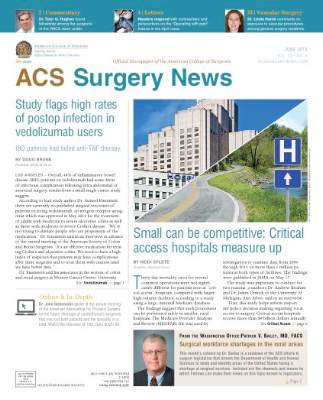
This month’s issue features coverage of a study of outcomes of common operations in critical access hospitals. The findings suggest that these smaller, rural hospitals are competitive with larger medical centers in costs and postop complications for appendectomy, cholecystectomy, colectomy, and hernia repair.
Don’t miss Dr. Tyler G. Hughes’s report on his visit with colleagues of the Royal Australasian College of Surgeons. He found some differences and many striking similarities when it comes to challenges faced by surgeons.
The April feature, “Operating with Pain” (2016, p. 1), provoked comments from readers on personal experiences and recommendations around the topic of pain and workplace injury. A sample of these responses can be found on p. 4.
The June issue of ACS Surgery News is available online. Use the mobile app to download or view as a pdf.
This month’s issue features coverage of a study of outcomes of common operations in critical access hospitals. The findings suggest that these smaller, rural hospitals are competitive with larger medical centers in costs and postop complications for appendectomy, cholecystectomy, colectomy, and hernia repair.
Don’t miss Dr. Tyler G. Hughes’s report on his visit with colleagues of the Royal Australasian College of Surgeons. He found some differences and many striking similarities when it comes to challenges faced by surgeons.
The April feature, “Operating with Pain” (2016, p. 1), provoked comments from readers on personal experiences and recommendations around the topic of pain and workplace injury. A sample of these responses can be found on p. 4.
The June issue of ACS Surgery News is available online. Use the mobile app to download or view as a pdf.
This month’s issue features coverage of a study of outcomes of common operations in critical access hospitals. The findings suggest that these smaller, rural hospitals are competitive with larger medical centers in costs and postop complications for appendectomy, cholecystectomy, colectomy, and hernia repair.
Don’t miss Dr. Tyler G. Hughes’s report on his visit with colleagues of the Royal Australasian College of Surgeons. He found some differences and many striking similarities when it comes to challenges faced by surgeons.
The April feature, “Operating with Pain” (2016, p. 1), provoked comments from readers on personal experiences and recommendations around the topic of pain and workplace injury. A sample of these responses can be found on p. 4.

VIDEO: Endoscopic pyloromyotomy works for gastroparesis when meds don’t
SAN DIEGO – Gastric peroral endoscopic myotomy, a novel procedure for gastroparesis, restored gastric emptying in 30 refractory patients at Johns Hopkins University, Baltimore, and elsewhere in the largest series to date for the technique.
Drug therapy had failed, and Botox injections and transpyloric stenting weren’t helping much. On gastric emptying scans (GES), patients had around 40% of solid meals in their stomachs at 4 hours. Their gastroparesis was related mostly to diabetes and postoperative complications, but about a quarter of the cases were idiopathic.
Twenty-six patients (87%) responded to gastric peroral endoscopic myotomy (G-POEM) during a median follow-up of 5.5 months. Nausea, vomiting, and abdominal pain resolved or improved in most. On repeat GES in 17 patients, emptying time normalized in about half and improved in a third. Overall, patients had 17% of solid meals in their stomachs at 4 hours. G-POEM took an average of 72 minutes, and patients were in the hospital for about 3 days. One patient in the series developed pneumoperitoneum, and another had a prepyloric ulcer.
“The problem with transpyloric stents is that they migrate,” said investigator Dr. Mouen A. Khashab, director of therapeutic endoscopy at Johns Hopkins University. “G-POEM offers a permanent solution with few side effects. You have to be good at doing POEM in the esophagus first, as a prerequisite.”
In an interview at the annual Digestive Disease Week, Dr. Khashab explained the procedure in detail, as well as how he incorporates it into his practice and the patient population most likely to benefit.
SAN DIEGO – Gastric peroral endoscopic myotomy, a novel procedure for gastroparesis, restored gastric emptying in 30 refractory patients at Johns Hopkins University, Baltimore, and elsewhere in the largest series to date for the technique.
Drug therapy had failed, and Botox injections and transpyloric stenting weren’t helping much. On gastric emptying scans (GES), patients had around 40% of solid meals in their stomachs at 4 hours. Their gastroparesis was related mostly to diabetes and postoperative complications, but about a quarter of the cases were idiopathic.
Twenty-six patients (87%) responded to gastric peroral endoscopic myotomy (G-POEM) during a median follow-up of 5.5 months. Nausea, vomiting, and abdominal pain resolved or improved in most. On repeat GES in 17 patients, emptying time normalized in about half and improved in a third. Overall, patients had 17% of solid meals in their stomachs at 4 hours. G-POEM took an average of 72 minutes, and patients were in the hospital for about 3 days. One patient in the series developed pneumoperitoneum, and another had a prepyloric ulcer.
“The problem with transpyloric stents is that they migrate,” said investigator Dr. Mouen A. Khashab, director of therapeutic endoscopy at Johns Hopkins University. “G-POEM offers a permanent solution with few side effects. You have to be good at doing POEM in the esophagus first, as a prerequisite.”
In an interview at the annual Digestive Disease Week, Dr. Khashab explained the procedure in detail, as well as how he incorporates it into his practice and the patient population most likely to benefit.
SAN DIEGO – Gastric peroral endoscopic myotomy, a novel procedure for gastroparesis, restored gastric emptying in 30 refractory patients at Johns Hopkins University, Baltimore, and elsewhere in the largest series to date for the technique.
Drug therapy had failed, and Botox injections and transpyloric stenting weren’t helping much. On gastric emptying scans (GES), patients had around 40% of solid meals in their stomachs at 4 hours. Their gastroparesis was related mostly to diabetes and postoperative complications, but about a quarter of the cases were idiopathic.
Twenty-six patients (87%) responded to gastric peroral endoscopic myotomy (G-POEM) during a median follow-up of 5.5 months. Nausea, vomiting, and abdominal pain resolved or improved in most. On repeat GES in 17 patients, emptying time normalized in about half and improved in a third. Overall, patients had 17% of solid meals in their stomachs at 4 hours. G-POEM took an average of 72 minutes, and patients were in the hospital for about 3 days. One patient in the series developed pneumoperitoneum, and another had a prepyloric ulcer.
“The problem with transpyloric stents is that they migrate,” said investigator Dr. Mouen A. Khashab, director of therapeutic endoscopy at Johns Hopkins University. “G-POEM offers a permanent solution with few side effects. You have to be good at doing POEM in the esophagus first, as a prerequisite.”
In an interview at the annual Digestive Disease Week, Dr. Khashab explained the procedure in detail, as well as how he incorporates it into his practice and the patient population most likely to benefit.
AT DDW® 2016
Experts endorse metabolic surgery for diabetes intervention
Metabolic surgery should be recommended for obese patients with type 2 diabetes mellitus, according to an international consensus statement from 48 clinicians and scholars issued after the Second Diabetes Surgery Summit held as part of the World Congress on Interventional Therapies for Type 2 Diabetes in London in 2015.
Current treatment plans for patients with type 2 diabetes do no include bariatric/metabolic surgery, despite increasing evidence of improved glycemic control and reduced cardiovascular risk factors in surgically treated patients, wrote Dr. Francesco Rubino and colleagues on behalf of members of the Second Diabetes Surgery Summit (DSS-II). The guidelines were endorsed by 45 global medical and scientific societies at the time of publication. The statement was published in a special edition of Diabetes Care (Diabetes Care. 2016;39:861-77. doi:10.2337/dc16-0236).

The guidelines recommend metabolic surgery for patients with type 2 diabetes who have class III obesity (defined as a body mass index of at least 40 kg/m2) or class II obesity (defined as a BMI of 35 kg/m2-39.9 kg/m2). In addition, metabolic surgery should be considered as a option for those patients with type 2 diabetes whose BMI falls within the 30 kg/m2-34.9 kg/m2 range if hyperglycemia remains uncontrolled after treatment attempts with oral or injectable medications. For Asian patients, the BMI thresholds for surgery should be reduced by 2.5 kg/m2, the researchers noted.
The conclusions are based on a review of published evidence on metabolic surgery and type 2 diabetes from January 1, 2005, through September 30, 2015.
The researchers assessed the evidence based on factors including long-term effects of surgery on glycemic control, effectiveness of surgery compared with nonsurgical interventions, comparisons of surgical procedures, and effects of surgery on diabetes complications, cardiovascular risk factors, and mortality. They also considered the short- and long-term safety of different procedures. The recommendations offer guidance on patient selection, pre- and postoperative workups, choice of procedure, and defining goals and success of surgery.
“The success of metabolic surgery needs to be defined in the larger context of comprehensive diabetes care plans,” the researchers noted. “Metabolic surgery should be considered a means to achieve the glycemic control necessary to reduce risk of microvascular complications and CVD.”
The researchers acknowledged that complications from metabolic surgery may require reoperations and rehospitalizations. Other limitations include a lack of evidence in several areas including: cost-effectiveness, optimal nutrition management after surgery, postoperative lifestyle interventions, and long-term effects of surgery, and further research is needed.
However, “there is now sufficient clinical and mechanistic evidence to support inclusion of GI surgery among antidiabetes interventions for people with type 2 diabetes and obesity,” the researchers said. They called for collaboration between clinicians and regulators to recognize the potential value of metabolic surgery for type 2 diabetes and develop appropriate reimbursement plans.
The DSS-II and WCITD 2015 were sponsored by the International Diabetes Society Task Force, King’s College London, King’s College Hospital, Johnson & Johnson, Medtronic, Medimmune, Fractyl, DIAMOND MetaCure, Gore, Novo Nordisk, and NGM Biopharmaceuticals. The researchers reported no relevant conflicts.
“The new guidelines provide much needed guidance for general practitioners, endocrinologists, and diabetes specialists about the use of metabolic surgery in the treatment of obese patients with type 2 diabetes,” wrote Dr. William T. Cefalu and colleagues in an accompanying editorial.
However, “one of the many issues that remains unanswered for metabolic surgery pertains to the exact mechanism of action. Specifically, we now recognize that postoperative improvements in metabolic control occur rapidly and out of proportion to weight loss, yet the physiological and molecular mechanisms underlying these beneficial glycemic effects remain incompletely elucidated,” they wrote. In addition, “before we can fully appreciate the role of metabolic surgery in becoming a readily available, viable option in our treatment algorithm and expand the appropriate candidate pool, we need to fully understand the efficacy, complications, long-term clinical outcomes, and costs. In particular, it will be important to clarify the financial implications to patients, providers, and insurers (both private and government sectors) and to appreciate that these barriers may be hard to overcome in resource poor areas of the world,” they said.
“It is an exciting time for those of us in diabetes research, and the ability to be part of a paradigm change in the understanding, approach, and management of the disease will keep us focused on the next steps to address the larger issue of prevention,” they noted (Diabetes Care. 2016;39:857-60. doi:10.2337/dc16-0686) .
Dr. Cefalu is affiliated with the Pennington Biomedical Research Center at Louisiana State University in Baton Rouge, La. He disclosed financial relationships with multiple companies including AstraZeneca, Janssen, MannKind Corp., Intarcia Therapeutics, and Sanofi.
“The new guidelines provide much needed guidance for general practitioners, endocrinologists, and diabetes specialists about the use of metabolic surgery in the treatment of obese patients with type 2 diabetes,” wrote Dr. William T. Cefalu and colleagues in an accompanying editorial.
However, “one of the many issues that remains unanswered for metabolic surgery pertains to the exact mechanism of action. Specifically, we now recognize that postoperative improvements in metabolic control occur rapidly and out of proportion to weight loss, yet the physiological and molecular mechanisms underlying these beneficial glycemic effects remain incompletely elucidated,” they wrote. In addition, “before we can fully appreciate the role of metabolic surgery in becoming a readily available, viable option in our treatment algorithm and expand the appropriate candidate pool, we need to fully understand the efficacy, complications, long-term clinical outcomes, and costs. In particular, it will be important to clarify the financial implications to patients, providers, and insurers (both private and government sectors) and to appreciate that these barriers may be hard to overcome in resource poor areas of the world,” they said.
“It is an exciting time for those of us in diabetes research, and the ability to be part of a paradigm change in the understanding, approach, and management of the disease will keep us focused on the next steps to address the larger issue of prevention,” they noted (Diabetes Care. 2016;39:857-60. doi:10.2337/dc16-0686) .
Dr. Cefalu is affiliated with the Pennington Biomedical Research Center at Louisiana State University in Baton Rouge, La. He disclosed financial relationships with multiple companies including AstraZeneca, Janssen, MannKind Corp., Intarcia Therapeutics, and Sanofi.
“The new guidelines provide much needed guidance for general practitioners, endocrinologists, and diabetes specialists about the use of metabolic surgery in the treatment of obese patients with type 2 diabetes,” wrote Dr. William T. Cefalu and colleagues in an accompanying editorial.
However, “one of the many issues that remains unanswered for metabolic surgery pertains to the exact mechanism of action. Specifically, we now recognize that postoperative improvements in metabolic control occur rapidly and out of proportion to weight loss, yet the physiological and molecular mechanisms underlying these beneficial glycemic effects remain incompletely elucidated,” they wrote. In addition, “before we can fully appreciate the role of metabolic surgery in becoming a readily available, viable option in our treatment algorithm and expand the appropriate candidate pool, we need to fully understand the efficacy, complications, long-term clinical outcomes, and costs. In particular, it will be important to clarify the financial implications to patients, providers, and insurers (both private and government sectors) and to appreciate that these barriers may be hard to overcome in resource poor areas of the world,” they said.
“It is an exciting time for those of us in diabetes research, and the ability to be part of a paradigm change in the understanding, approach, and management of the disease will keep us focused on the next steps to address the larger issue of prevention,” they noted (Diabetes Care. 2016;39:857-60. doi:10.2337/dc16-0686) .
Dr. Cefalu is affiliated with the Pennington Biomedical Research Center at Louisiana State University in Baton Rouge, La. He disclosed financial relationships with multiple companies including AstraZeneca, Janssen, MannKind Corp., Intarcia Therapeutics, and Sanofi.
Metabolic surgery should be recommended for obese patients with type 2 diabetes mellitus, according to an international consensus statement from 48 clinicians and scholars issued after the Second Diabetes Surgery Summit held as part of the World Congress on Interventional Therapies for Type 2 Diabetes in London in 2015.
Current treatment plans for patients with type 2 diabetes do no include bariatric/metabolic surgery, despite increasing evidence of improved glycemic control and reduced cardiovascular risk factors in surgically treated patients, wrote Dr. Francesco Rubino and colleagues on behalf of members of the Second Diabetes Surgery Summit (DSS-II). The guidelines were endorsed by 45 global medical and scientific societies at the time of publication. The statement was published in a special edition of Diabetes Care (Diabetes Care. 2016;39:861-77. doi:10.2337/dc16-0236).
The guidelines recommend metabolic surgery for patients with type 2 diabetes who have class III obesity (defined as a body mass index of at least 40 kg/m2) or class II obesity (defined as a BMI of 35 kg/m2-39.9 kg/m2). In addition, metabolic surgery should be considered as a option for those patients with type 2 diabetes whose BMI falls within the 30 kg/m2-34.9 kg/m2 range if hyperglycemia remains uncontrolled after treatment attempts with oral or injectable medications. For Asian patients, the BMI thresholds for surgery should be reduced by 2.5 kg/m2, the researchers noted.
The conclusions are based on a review of published evidence on metabolic surgery and type 2 diabetes from January 1, 2005, through September 30, 2015.
The researchers assessed the evidence based on factors including long-term effects of surgery on glycemic control, effectiveness of surgery compared with nonsurgical interventions, comparisons of surgical procedures, and effects of surgery on diabetes complications, cardiovascular risk factors, and mortality. They also considered the short- and long-term safety of different procedures. The recommendations offer guidance on patient selection, pre- and postoperative workups, choice of procedure, and defining goals and success of surgery.
“The success of metabolic surgery needs to be defined in the larger context of comprehensive diabetes care plans,” the researchers noted. “Metabolic surgery should be considered a means to achieve the glycemic control necessary to reduce risk of microvascular complications and CVD.”
The researchers acknowledged that complications from metabolic surgery may require reoperations and rehospitalizations. Other limitations include a lack of evidence in several areas including: cost-effectiveness, optimal nutrition management after surgery, postoperative lifestyle interventions, and long-term effects of surgery, and further research is needed.
However, “there is now sufficient clinical and mechanistic evidence to support inclusion of GI surgery among antidiabetes interventions for people with type 2 diabetes and obesity,” the researchers said. They called for collaboration between clinicians and regulators to recognize the potential value of metabolic surgery for type 2 diabetes and develop appropriate reimbursement plans.
The DSS-II and WCITD 2015 were sponsored by the International Diabetes Society Task Force, King’s College London, King’s College Hospital, Johnson & Johnson, Medtronic, Medimmune, Fractyl, DIAMOND MetaCure, Gore, Novo Nordisk, and NGM Biopharmaceuticals. The researchers reported no relevant conflicts.
Metabolic surgery should be recommended for obese patients with type 2 diabetes mellitus, according to an international consensus statement from 48 clinicians and scholars issued after the Second Diabetes Surgery Summit held as part of the World Congress on Interventional Therapies for Type 2 Diabetes in London in 2015.
Current treatment plans for patients with type 2 diabetes do no include bariatric/metabolic surgery, despite increasing evidence of improved glycemic control and reduced cardiovascular risk factors in surgically treated patients, wrote Dr. Francesco Rubino and colleagues on behalf of members of the Second Diabetes Surgery Summit (DSS-II). The guidelines were endorsed by 45 global medical and scientific societies at the time of publication. The statement was published in a special edition of Diabetes Care (Diabetes Care. 2016;39:861-77. doi:10.2337/dc16-0236).
The guidelines recommend metabolic surgery for patients with type 2 diabetes who have class III obesity (defined as a body mass index of at least 40 kg/m2) or class II obesity (defined as a BMI of 35 kg/m2-39.9 kg/m2). In addition, metabolic surgery should be considered as a option for those patients with type 2 diabetes whose BMI falls within the 30 kg/m2-34.9 kg/m2 range if hyperglycemia remains uncontrolled after treatment attempts with oral or injectable medications. For Asian patients, the BMI thresholds for surgery should be reduced by 2.5 kg/m2, the researchers noted.
The conclusions are based on a review of published evidence on metabolic surgery and type 2 diabetes from January 1, 2005, through September 30, 2015.
The researchers assessed the evidence based on factors including long-term effects of surgery on glycemic control, effectiveness of surgery compared with nonsurgical interventions, comparisons of surgical procedures, and effects of surgery on diabetes complications, cardiovascular risk factors, and mortality. They also considered the short- and long-term safety of different procedures. The recommendations offer guidance on patient selection, pre- and postoperative workups, choice of procedure, and defining goals and success of surgery.
“The success of metabolic surgery needs to be defined in the larger context of comprehensive diabetes care plans,” the researchers noted. “Metabolic surgery should be considered a means to achieve the glycemic control necessary to reduce risk of microvascular complications and CVD.”
The researchers acknowledged that complications from metabolic surgery may require reoperations and rehospitalizations. Other limitations include a lack of evidence in several areas including: cost-effectiveness, optimal nutrition management after surgery, postoperative lifestyle interventions, and long-term effects of surgery, and further research is needed.
However, “there is now sufficient clinical and mechanistic evidence to support inclusion of GI surgery among antidiabetes interventions for people with type 2 diabetes and obesity,” the researchers said. They called for collaboration between clinicians and regulators to recognize the potential value of metabolic surgery for type 2 diabetes and develop appropriate reimbursement plans.
The DSS-II and WCITD 2015 were sponsored by the International Diabetes Society Task Force, King’s College London, King’s College Hospital, Johnson & Johnson, Medtronic, Medimmune, Fractyl, DIAMOND MetaCure, Gore, Novo Nordisk, and NGM Biopharmaceuticals. The researchers reported no relevant conflicts.
FROM DIABETES CARE
Key clinical point: Metabolic surgery should be recommended for obese patients with type 2 diabetes mellitus.
Major finding: Surgery is recommended for patients with type 2 diabetes who have a BMI of 35 kg/m2 or higher and should be considered for patients with a BMI of 30 kg/m2-34.9 kg/m2 with uncontrolled hyperglycemia.
Data source: Published evidence on metabolic surgery and type 2 diabetes identified on Medline between January 1, 2005 and September 30, 2015.
Disclosures: The DSS-II and WCITD 2015 were sponsored by the International Diabetes Society Task Force, King’s College London, King’s College Hospital, Johnson & Johnson, Medtronic, Medimmune, Fractyl, DIAMOND MetaCure, Gore, Novo Nordisk, and NGM Biopharmaceuticals. The researchers reported no relevant conflicts.

RF ablation successfully treats focal adrenal tumors
ORLANDO – Radiofrequency (RF) ablation is a safe and effective procedure for treating focal adrenal tumors in patients who are poor surgical candidates or who refuse adrenalectomy. With a short treatment time and minimal hospital stay, RF ablation can provide rapid clinical and biochemical improvement.
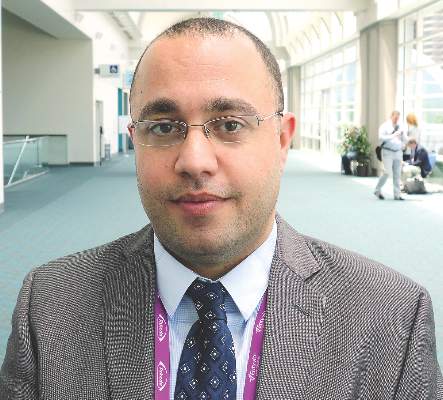
Dr. Lima Lawrence, an internal medicine resident at the University of Illinois at Chicago/Advocate Christ Medical Center in Oak Lawn, presented a case report and a review of the literature during an oral abstract session at the annual meeting of the American Association of Clinical Endocrinologists. The patient was a 65-year-old woman who presented with weight gain, decreased energy, and muscle weakness. On physical exam, she was hypertensive, anxious, obese, and had prominent supraclavicular fat pads. Salivary cortisol and overnight dexamethasone suppression tests were both elevated, and ACTH levels were depressed, confirming the diagnosis of a cortisol-secreting tumor causing adrenal Cushing’s syndrome. Computed tomography (CT) surveillance showed a progressively enlarging right-sided adrenal mass. A peritoneal biopsy revealed a low-grade serous neoplasm of peritoneal origin.
Her medical history included type 2 diabetes, uncontrolled hypertension, mixed connective tissue disease, depression, and total abdominal hysterectomy with bilateral salpingo-oophorectomy for ovarian cancer.
Dr. Lawrence said the patient had been scheduled for adrenalectomy, but it was not performed because of an intraoperative finding of peritoneal studding from what turned out to be metastatic ovarian cancer. Therefore, she underwent CT-guided RF ablation of the adrenal mass using a 14-gauge probe that heated a 3.5-cm ablation zone to 50-60 C for 8-10 minutes to achieve complete tumor necrosis.
The patient showed dramatic “clinical and biochemical improvement,” Dr. Lawrence said. The patient had no procedural complications and no blood loss and was observed for 23 hours before being discharged to home. A CT scan 8 weeks later showed a slightly decreased mass with marked decreased radiographic attenuation post-contrast from 30.2 Hounsfield Units (HU) preoperatively to 17 HU on follow-up.

Potential adverse outcomes using RF ablation include a risk of pneumothorax, hemothorax, and tumor seeding along the catheter track, but this last possibility can be mitigated by continuing to heat the RF probe as it is withdrawn.
Published evidence supports use of RF ablation. “To date there have been no randomized clinical trials comparing the safety, efficacy, and survival benefits of adrenalectomy vs. radio frequency ablation,” she said. It may not be feasible to do a randomized trial. But a review of the literature generally supports the efficacy of the technique although the publications each involved a small series of patients, Dr. Lawrence said in an interview.
A 2003 series (Cancer. 2003;97:554-60) of 15 primary or metastatic adrenal cell carcinomas that were unresectable or were in patients who were not surgical candidates showed nonenhancement and no growth in 8 (53%) at a mean follow-up of 10.3 months. Eight of the 12 tumors of 5 cm or smaller had complete loss of radiographic enhancement and a decrease in size.
From a retrospective series of 13 patients with functional adrenal neoplasms over 7 years, there was 100% resolution of biochemical abnormalities and clinical symptoms at a mean follow-up of 21.2 months. One small pneumothorax and one limited hemothorax occurred, neither of which required hospital admission. There were two instances of transient, self-remitting hypertension associated with the procedures (Radiology. 2011;258:308-16).
In 2015, one group of investigators followed 11 patients for 12 weeks postprocedure. Eight of nine patients with Conn’s syndrome attained normal serum aldosterone levels. One with a nodule close to the inferior vena cava had incomplete ablation. Two of two Cushing’s patients had normal cortisol levels after the procedure (J Vasc Interv Radiol. 2015;26:1459-64).
A retrospective analysis of 16 adrenal metastases showed that 13 (81%) had no local progression over 14 months after ablation. In two of three functional adrenal neoplasms, clinical and biochemical abnormalities resolved (Eur J Radiol. 2012.81:1717-23).
A retrospective series of 10 adrenal metastases showed that one recurred at 7 months after image-guided thermal ablation, with no recurrence of the rest at 26.6 months. There was no tumor recurrence for any of the cases of metastatic disease localized to the RF ablation site (J Vasc Interv Radiol. 2014;25:593-8).
Results were somewhat less good in a retrospective evaluation of 35 patients with unresectable adrenal masses over 9 years. Although 33 of 35 (94%) lost tumor enhancement after the initial adrenal RF ablation, there was local tumor progression in 8 of 35 (23%) patients at a mean follow-up of 30.1 months (Radiology. 2015;277:584-93).
Finally, Dr. Lawrence discussed a systematic literature review on adrenalectomy vs. stereotactic ablative body radiotherapy (SABR) and percutaneous catheter ablation (PCA) in the treatment of adrenal metastases: 30 papers on adrenalectomy on 818 patients; 9 papers on SABR on 178 patients; and 6 papers on PCA, including RF ablation, on 51 patients. The authors concluded that there was “insufficient evidence to determine the best local treatment modality for isolated or limited adrenal metastases.” Adrenalectomy appeared to be a reasonable treatment for suitable patients. SABR was a valid alternative for nonsurgical candidates, but they did not recommend PCA until more long-term outcomes were available (Cancer Treat Rev. 2014;40:838-46).
Dr. Lawrence concurred, based on her case study and literature review. She said RF ablation “offers patients a minimally invasive option for treating focal adrenal tumors” and is a “safe and effective procedure … in patients who are poor surgical candidates or refuse adrenalectomy.” More long-term follow-up studies are needed before RF ablation could replace adrenalectomy, she noted.
ORLANDO – Radiofrequency (RF) ablation is a safe and effective procedure for treating focal adrenal tumors in patients who are poor surgical candidates or who refuse adrenalectomy. With a short treatment time and minimal hospital stay, RF ablation can provide rapid clinical and biochemical improvement.
Dr. Lima Lawrence, an internal medicine resident at the University of Illinois at Chicago/Advocate Christ Medical Center in Oak Lawn, presented a case report and a review of the literature during an oral abstract session at the annual meeting of the American Association of Clinical Endocrinologists. The patient was a 65-year-old woman who presented with weight gain, decreased energy, and muscle weakness. On physical exam, she was hypertensive, anxious, obese, and had prominent supraclavicular fat pads. Salivary cortisol and overnight dexamethasone suppression tests were both elevated, and ACTH levels were depressed, confirming the diagnosis of a cortisol-secreting tumor causing adrenal Cushing’s syndrome. Computed tomography (CT) surveillance showed a progressively enlarging right-sided adrenal mass. A peritoneal biopsy revealed a low-grade serous neoplasm of peritoneal origin.
Her medical history included type 2 diabetes, uncontrolled hypertension, mixed connective tissue disease, depression, and total abdominal hysterectomy with bilateral salpingo-oophorectomy for ovarian cancer.
Dr. Lawrence said the patient had been scheduled for adrenalectomy, but it was not performed because of an intraoperative finding of peritoneal studding from what turned out to be metastatic ovarian cancer. Therefore, she underwent CT-guided RF ablation of the adrenal mass using a 14-gauge probe that heated a 3.5-cm ablation zone to 50-60 C for 8-10 minutes to achieve complete tumor necrosis.
The patient showed dramatic “clinical and biochemical improvement,” Dr. Lawrence said. The patient had no procedural complications and no blood loss and was observed for 23 hours before being discharged to home. A CT scan 8 weeks later showed a slightly decreased mass with marked decreased radiographic attenuation post-contrast from 30.2 Hounsfield Units (HU) preoperatively to 17 HU on follow-up.
Potential adverse outcomes using RF ablation include a risk of pneumothorax, hemothorax, and tumor seeding along the catheter track, but this last possibility can be mitigated by continuing to heat the RF probe as it is withdrawn.
Published evidence supports use of RF ablation. “To date there have been no randomized clinical trials comparing the safety, efficacy, and survival benefits of adrenalectomy vs. radio frequency ablation,” she said. It may not be feasible to do a randomized trial. But a review of the literature generally supports the efficacy of the technique although the publications each involved a small series of patients, Dr. Lawrence said in an interview.
A 2003 series (Cancer. 2003;97:554-60) of 15 primary or metastatic adrenal cell carcinomas that were unresectable or were in patients who were not surgical candidates showed nonenhancement and no growth in 8 (53%) at a mean follow-up of 10.3 months. Eight of the 12 tumors of 5 cm or smaller had complete loss of radiographic enhancement and a decrease in size.
From a retrospective series of 13 patients with functional adrenal neoplasms over 7 years, there was 100% resolution of biochemical abnormalities and clinical symptoms at a mean follow-up of 21.2 months. One small pneumothorax and one limited hemothorax occurred, neither of which required hospital admission. There were two instances of transient, self-remitting hypertension associated with the procedures (Radiology. 2011;258:308-16).
In 2015, one group of investigators followed 11 patients for 12 weeks postprocedure. Eight of nine patients with Conn’s syndrome attained normal serum aldosterone levels. One with a nodule close to the inferior vena cava had incomplete ablation. Two of two Cushing’s patients had normal cortisol levels after the procedure (J Vasc Interv Radiol. 2015;26:1459-64).
A retrospective analysis of 16 adrenal metastases showed that 13 (81%) had no local progression over 14 months after ablation. In two of three functional adrenal neoplasms, clinical and biochemical abnormalities resolved (Eur J Radiol. 2012.81:1717-23).
A retrospective series of 10 adrenal metastases showed that one recurred at 7 months after image-guided thermal ablation, with no recurrence of the rest at 26.6 months. There was no tumor recurrence for any of the cases of metastatic disease localized to the RF ablation site (J Vasc Interv Radiol. 2014;25:593-8).
Results were somewhat less good in a retrospective evaluation of 35 patients with unresectable adrenal masses over 9 years. Although 33 of 35 (94%) lost tumor enhancement after the initial adrenal RF ablation, there was local tumor progression in 8 of 35 (23%) patients at a mean follow-up of 30.1 months (Radiology. 2015;277:584-93).
Finally, Dr. Lawrence discussed a systematic literature review on adrenalectomy vs. stereotactic ablative body radiotherapy (SABR) and percutaneous catheter ablation (PCA) in the treatment of adrenal metastases: 30 papers on adrenalectomy on 818 patients; 9 papers on SABR on 178 patients; and 6 papers on PCA, including RF ablation, on 51 patients. The authors concluded that there was “insufficient evidence to determine the best local treatment modality for isolated or limited adrenal metastases.” Adrenalectomy appeared to be a reasonable treatment for suitable patients. SABR was a valid alternative for nonsurgical candidates, but they did not recommend PCA until more long-term outcomes were available (Cancer Treat Rev. 2014;40:838-46).
Dr. Lawrence concurred, based on her case study and literature review. She said RF ablation “offers patients a minimally invasive option for treating focal adrenal tumors” and is a “safe and effective procedure … in patients who are poor surgical candidates or refuse adrenalectomy.” More long-term follow-up studies are needed before RF ablation could replace adrenalectomy, she noted.
ORLANDO – Radiofrequency (RF) ablation is a safe and effective procedure for treating focal adrenal tumors in patients who are poor surgical candidates or who refuse adrenalectomy. With a short treatment time and minimal hospital stay, RF ablation can provide rapid clinical and biochemical improvement.
Dr. Lima Lawrence, an internal medicine resident at the University of Illinois at Chicago/Advocate Christ Medical Center in Oak Lawn, presented a case report and a review of the literature during an oral abstract session at the annual meeting of the American Association of Clinical Endocrinologists. The patient was a 65-year-old woman who presented with weight gain, decreased energy, and muscle weakness. On physical exam, she was hypertensive, anxious, obese, and had prominent supraclavicular fat pads. Salivary cortisol and overnight dexamethasone suppression tests were both elevated, and ACTH levels were depressed, confirming the diagnosis of a cortisol-secreting tumor causing adrenal Cushing’s syndrome. Computed tomography (CT) surveillance showed a progressively enlarging right-sided adrenal mass. A peritoneal biopsy revealed a low-grade serous neoplasm of peritoneal origin.
Her medical history included type 2 diabetes, uncontrolled hypertension, mixed connective tissue disease, depression, and total abdominal hysterectomy with bilateral salpingo-oophorectomy for ovarian cancer.
Dr. Lawrence said the patient had been scheduled for adrenalectomy, but it was not performed because of an intraoperative finding of peritoneal studding from what turned out to be metastatic ovarian cancer. Therefore, she underwent CT-guided RF ablation of the adrenal mass using a 14-gauge probe that heated a 3.5-cm ablation zone to 50-60 C for 8-10 minutes to achieve complete tumor necrosis.
The patient showed dramatic “clinical and biochemical improvement,” Dr. Lawrence said. The patient had no procedural complications and no blood loss and was observed for 23 hours before being discharged to home. A CT scan 8 weeks later showed a slightly decreased mass with marked decreased radiographic attenuation post-contrast from 30.2 Hounsfield Units (HU) preoperatively to 17 HU on follow-up.
Potential adverse outcomes using RF ablation include a risk of pneumothorax, hemothorax, and tumor seeding along the catheter track, but this last possibility can be mitigated by continuing to heat the RF probe as it is withdrawn.
Published evidence supports use of RF ablation. “To date there have been no randomized clinical trials comparing the safety, efficacy, and survival benefits of adrenalectomy vs. radio frequency ablation,” she said. It may not be feasible to do a randomized trial. But a review of the literature generally supports the efficacy of the technique although the publications each involved a small series of patients, Dr. Lawrence said in an interview.
A 2003 series (Cancer. 2003;97:554-60) of 15 primary or metastatic adrenal cell carcinomas that were unresectable or were in patients who were not surgical candidates showed nonenhancement and no growth in 8 (53%) at a mean follow-up of 10.3 months. Eight of the 12 tumors of 5 cm or smaller had complete loss of radiographic enhancement and a decrease in size.
From a retrospective series of 13 patients with functional adrenal neoplasms over 7 years, there was 100% resolution of biochemical abnormalities and clinical symptoms at a mean follow-up of 21.2 months. One small pneumothorax and one limited hemothorax occurred, neither of which required hospital admission. There were two instances of transient, self-remitting hypertension associated with the procedures (Radiology. 2011;258:308-16).
In 2015, one group of investigators followed 11 patients for 12 weeks postprocedure. Eight of nine patients with Conn’s syndrome attained normal serum aldosterone levels. One with a nodule close to the inferior vena cava had incomplete ablation. Two of two Cushing’s patients had normal cortisol levels after the procedure (J Vasc Interv Radiol. 2015;26:1459-64).
A retrospective analysis of 16 adrenal metastases showed that 13 (81%) had no local progression over 14 months after ablation. In two of three functional adrenal neoplasms, clinical and biochemical abnormalities resolved (Eur J Radiol. 2012.81:1717-23).
A retrospective series of 10 adrenal metastases showed that one recurred at 7 months after image-guided thermal ablation, with no recurrence of the rest at 26.6 months. There was no tumor recurrence for any of the cases of metastatic disease localized to the RF ablation site (J Vasc Interv Radiol. 2014;25:593-8).
Results were somewhat less good in a retrospective evaluation of 35 patients with unresectable adrenal masses over 9 years. Although 33 of 35 (94%) lost tumor enhancement after the initial adrenal RF ablation, there was local tumor progression in 8 of 35 (23%) patients at a mean follow-up of 30.1 months (Radiology. 2015;277:584-93).
Finally, Dr. Lawrence discussed a systematic literature review on adrenalectomy vs. stereotactic ablative body radiotherapy (SABR) and percutaneous catheter ablation (PCA) in the treatment of adrenal metastases: 30 papers on adrenalectomy on 818 patients; 9 papers on SABR on 178 patients; and 6 papers on PCA, including RF ablation, on 51 patients. The authors concluded that there was “insufficient evidence to determine the best local treatment modality for isolated or limited adrenal metastases.” Adrenalectomy appeared to be a reasonable treatment for suitable patients. SABR was a valid alternative for nonsurgical candidates, but they did not recommend PCA until more long-term outcomes were available (Cancer Treat Rev. 2014;40:838-46).
Dr. Lawrence concurred, based on her case study and literature review. She said RF ablation “offers patients a minimally invasive option for treating focal adrenal tumors” and is a “safe and effective procedure … in patients who are poor surgical candidates or refuse adrenalectomy.” More long-term follow-up studies are needed before RF ablation could replace adrenalectomy, she noted.
EXPERT ANALYSIS AT AACE 2016

Resection of recurrence shows survival benefit for adrenocortical carcinoma
BALTIMORE – Patients who have recurrent adrenocortical carcinoma appear to have one option to increase their survival: surgery that includes complete tumor resection – but it may a viable path only if the recurrence occurred a year or more after the initial resection and diagnosis, according to an retrospective study of patients at five French university hospitals. “Adrenocortical carcinoma (ACC) is a rare, malignant tumor that has a poor prognosis, and recurrence of the tumor is considerable with 75% recurrence at 5 years,” Dr. Claire Blanchard of the Digestive and Endocrine Surgery Clinic at the Central University Hospital, Nantes, France, reported at the annual meeting of the American Association of Endocrine Surgeons. “Complete resection of recurrence is the only curative treatment.”
The researchers conducted a retrospective study of patients with at least one recurrence, diagnosed between 1980 and 2014, after initial resection of ACC, comparing outcomes in 29 patients who underwent surgery with 30 who had non-operative treatment, mainly chemotherapy and radiation.

Patients who had an operation for recurrence more often had local recurrence, 75% vs. 10% in the nonoperative group, and more frequently had a unique site of recurrence, 97% vs. 45%, than the nonoperative patients, Dr. Blanchard said.
These other demographic and tumor characteristics were similar between the operative and nonoperative groups, respectively: age, 49 years and 53 years; gender, 63% and 79% female; Weiss score, 6 and 7; Ki-67 protein index, 23% and 24%; tumor size, 99.2 mm and 115.5 mm; ENSAT stage, 65% and 45% stages I and II; and R0 resection status of the primary tumor at initial surgery, 83% and 71%.
The univariate analysis showed that appearance of the first recurrence more than 12 months after the initial diagnosis increased a patient’s chance of survival after treatment for recurrence, Dr. Blanchard said.
“Recurrences occurred at median delay of 12 months after the initial surgery,” Dr. Blanchard said. “In the 59 patients, 24 had local recurrences and 35 had distant metastases.”
Overall median survival after the first recurrence was 91 months for patients who had surgery vs. 15 months for those who did not. Overall median survival after initial resection of the primary tumor was 133 months, with a range of 14 to 252 months, in operated patients vs. 32 months, ranging from 21 to 43 months, in those who had no surgery, Dr. Blanchard said.
Of the 29 surgery patients in the surgery group, 22 had local-regional resections, 6 of whom had adjunctive radiation of the tumor bed.
“The type of resection in recurrent ACC depends on the location of the recurrence,” senior coauthor Dr. Eric Mirallié said. “In the case of local recurrence, we resected the adrenalectomy bed and all the adjacent invaded organs.”
In this series, 6 patients had resection of the tumor bed and 16 had adjacent organ resections; 8 patients (28%) had two or more operations for recurrences. These operations involved eight splenectomies, seven resections for abdominal nodules, six nephrectomies, three distal pancreatectomies, three segmental colectomies, and two minor hepatectomies. All operations were by laparotomy.
“In cases of distant recurrence, complete metastasectomy was performed,” Dr. Mirallié said. The series reported two right hepatectomies, one liver tumorectomy, one lung tumorectomy, and one brain tumorectomy.
“Nonoperative management is reserved for nonresectable patients with recurrent adrenocortical carcinoma,” Dr. Mirallié said. “Oral chemotherapy like mitotane was always given when possible. In cases of nonresectable local recurrence, radiotherapy can be used.”
During the discussion, Dr. Bradford K. Mitchell of Michigan State University, East Lansing, said that the benefit of improved survival in surgical patients in the study may have been a function of selection bias as patients who were not operated on may have had more advanced disease.
Dr. Blanchard and her coauthors had no financial relationships to disclose.
BALTIMORE – Patients who have recurrent adrenocortical carcinoma appear to have one option to increase their survival: surgery that includes complete tumor resection – but it may a viable path only if the recurrence occurred a year or more after the initial resection and diagnosis, according to an retrospective study of patients at five French university hospitals. “Adrenocortical carcinoma (ACC) is a rare, malignant tumor that has a poor prognosis, and recurrence of the tumor is considerable with 75% recurrence at 5 years,” Dr. Claire Blanchard of the Digestive and Endocrine Surgery Clinic at the Central University Hospital, Nantes, France, reported at the annual meeting of the American Association of Endocrine Surgeons. “Complete resection of recurrence is the only curative treatment.”
The researchers conducted a retrospective study of patients with at least one recurrence, diagnosed between 1980 and 2014, after initial resection of ACC, comparing outcomes in 29 patients who underwent surgery with 30 who had non-operative treatment, mainly chemotherapy and radiation.
Patients who had an operation for recurrence more often had local recurrence, 75% vs. 10% in the nonoperative group, and more frequently had a unique site of recurrence, 97% vs. 45%, than the nonoperative patients, Dr. Blanchard said.
These other demographic and tumor characteristics were similar between the operative and nonoperative groups, respectively: age, 49 years and 53 years; gender, 63% and 79% female; Weiss score, 6 and 7; Ki-67 protein index, 23% and 24%; tumor size, 99.2 mm and 115.5 mm; ENSAT stage, 65% and 45% stages I and II; and R0 resection status of the primary tumor at initial surgery, 83% and 71%.
The univariate analysis showed that appearance of the first recurrence more than 12 months after the initial diagnosis increased a patient’s chance of survival after treatment for recurrence, Dr. Blanchard said.
“Recurrences occurred at median delay of 12 months after the initial surgery,” Dr. Blanchard said. “In the 59 patients, 24 had local recurrences and 35 had distant metastases.”
Overall median survival after the first recurrence was 91 months for patients who had surgery vs. 15 months for those who did not. Overall median survival after initial resection of the primary tumor was 133 months, with a range of 14 to 252 months, in operated patients vs. 32 months, ranging from 21 to 43 months, in those who had no surgery, Dr. Blanchard said.
Of the 29 surgery patients in the surgery group, 22 had local-regional resections, 6 of whom had adjunctive radiation of the tumor bed.
“The type of resection in recurrent ACC depends on the location of the recurrence,” senior coauthor Dr. Eric Mirallié said. “In the case of local recurrence, we resected the adrenalectomy bed and all the adjacent invaded organs.”
In this series, 6 patients had resection of the tumor bed and 16 had adjacent organ resections; 8 patients (28%) had two or more operations for recurrences. These operations involved eight splenectomies, seven resections for abdominal nodules, six nephrectomies, three distal pancreatectomies, three segmental colectomies, and two minor hepatectomies. All operations were by laparotomy.
“In cases of distant recurrence, complete metastasectomy was performed,” Dr. Mirallié said. The series reported two right hepatectomies, one liver tumorectomy, one lung tumorectomy, and one brain tumorectomy.
“Nonoperative management is reserved for nonresectable patients with recurrent adrenocortical carcinoma,” Dr. Mirallié said. “Oral chemotherapy like mitotane was always given when possible. In cases of nonresectable local recurrence, radiotherapy can be used.”
During the discussion, Dr. Bradford K. Mitchell of Michigan State University, East Lansing, said that the benefit of improved survival in surgical patients in the study may have been a function of selection bias as patients who were not operated on may have had more advanced disease.
Dr. Blanchard and her coauthors had no financial relationships to disclose.
BALTIMORE – Patients who have recurrent adrenocortical carcinoma appear to have one option to increase their survival: surgery that includes complete tumor resection – but it may a viable path only if the recurrence occurred a year or more after the initial resection and diagnosis, according to an retrospective study of patients at five French university hospitals. “Adrenocortical carcinoma (ACC) is a rare, malignant tumor that has a poor prognosis, and recurrence of the tumor is considerable with 75% recurrence at 5 years,” Dr. Claire Blanchard of the Digestive and Endocrine Surgery Clinic at the Central University Hospital, Nantes, France, reported at the annual meeting of the American Association of Endocrine Surgeons. “Complete resection of recurrence is the only curative treatment.”
The researchers conducted a retrospective study of patients with at least one recurrence, diagnosed between 1980 and 2014, after initial resection of ACC, comparing outcomes in 29 patients who underwent surgery with 30 who had non-operative treatment, mainly chemotherapy and radiation.
Patients who had an operation for recurrence more often had local recurrence, 75% vs. 10% in the nonoperative group, and more frequently had a unique site of recurrence, 97% vs. 45%, than the nonoperative patients, Dr. Blanchard said.
These other demographic and tumor characteristics were similar between the operative and nonoperative groups, respectively: age, 49 years and 53 years; gender, 63% and 79% female; Weiss score, 6 and 7; Ki-67 protein index, 23% and 24%; tumor size, 99.2 mm and 115.5 mm; ENSAT stage, 65% and 45% stages I and II; and R0 resection status of the primary tumor at initial surgery, 83% and 71%.
The univariate analysis showed that appearance of the first recurrence more than 12 months after the initial diagnosis increased a patient’s chance of survival after treatment for recurrence, Dr. Blanchard said.
“Recurrences occurred at median delay of 12 months after the initial surgery,” Dr. Blanchard said. “In the 59 patients, 24 had local recurrences and 35 had distant metastases.”
Overall median survival after the first recurrence was 91 months for patients who had surgery vs. 15 months for those who did not. Overall median survival after initial resection of the primary tumor was 133 months, with a range of 14 to 252 months, in operated patients vs. 32 months, ranging from 21 to 43 months, in those who had no surgery, Dr. Blanchard said.
Of the 29 surgery patients in the surgery group, 22 had local-regional resections, 6 of whom had adjunctive radiation of the tumor bed.
“The type of resection in recurrent ACC depends on the location of the recurrence,” senior coauthor Dr. Eric Mirallié said. “In the case of local recurrence, we resected the adrenalectomy bed and all the adjacent invaded organs.”
In this series, 6 patients had resection of the tumor bed and 16 had adjacent organ resections; 8 patients (28%) had two or more operations for recurrences. These operations involved eight splenectomies, seven resections for abdominal nodules, six nephrectomies, three distal pancreatectomies, three segmental colectomies, and two minor hepatectomies. All operations were by laparotomy.
“In cases of distant recurrence, complete metastasectomy was performed,” Dr. Mirallié said. The series reported two right hepatectomies, one liver tumorectomy, one lung tumorectomy, and one brain tumorectomy.
“Nonoperative management is reserved for nonresectable patients with recurrent adrenocortical carcinoma,” Dr. Mirallié said. “Oral chemotherapy like mitotane was always given when possible. In cases of nonresectable local recurrence, radiotherapy can be used.”
During the discussion, Dr. Bradford K. Mitchell of Michigan State University, East Lansing, said that the benefit of improved survival in surgical patients in the study may have been a function of selection bias as patients who were not operated on may have had more advanced disease.
Dr. Blanchard and her coauthors had no financial relationships to disclose.
AT AAES 2016
Key clinical point: Surgery carries a significant survival benefit in patients with recurrent adrenocortical carcinoma (ACC).
Major finding: Overall median survival after the first recurrence was 91 months in patients who had surgery vs. 32 months in those who did not.
Data source: Retrospective case-control study of 59 patients at five French teaching hospitals who had treatment for recurrent ACC from 1980-2014.
Disclosures: Dr. Blanchard and her coauthors reported having no financial disclosures.

Gas-filled gastric balloons achieve weight loss
A gas-filled gastric balloon may promote weight loss more effectively than does its water-filled cousin, according to data from a randomized study that was presented during a teleconference in advance of the annual Digestive Disease Week. A water-filled version of the device is on the market already.
The study enrolled 387 people aged 22 to 64 years old with a body mass index (BMI) from 30 to 40 kg/m2 at 15 different sites. People were randomized to the Obalon Balloon System or to a sham control group. People in the treatment group were asked to swallow three capsules: one every 3 weeks until week 12.
The balloon is contained within the capsule, and after swallowing each balloon was filled with 250 cubic centimeters (slightly more than 1 cup) of a nitrogen-based gas via a small catheter. The control group also swallowed sugar-filled capsules (sham treatment).
A total of 366 patients swallowed at least two capsules and were included in the per protocol analysis: 185 in the treatment group and 181 in the control group. All patients saw a registered dietitian every 3 weeks and also followed diet, exercise, and behavior modification lifestyle changes. Obalon balloons were removed endoscopically at week 24, when participants’ weight was assessed.
The balloon-treated group had a mean weight loss of 6.8%, compared with 3.59% in the control group. At least 5% of body weight loss was achieved by 64.3% of the balloon-treated group, compared with 32% of the control group. The balloon treatment group, but not controls, showed improvements in levels of systolic blood pressure, LDL cholesterol, and triglycerides.
The finding that obese participants who swallowed the Obalon 6-Month Balloon System lost nearly 7% of their body weight and experienced improvements in other health indicators “is important because weight loss is quite difficult to achieve and a significant number of people are not successful in achieving their weight loss goals with diet changes and exercise,” said lead author Dr. Shelby Sullivan, who presented the findings.
Adverse events were mostly mild and included diarrhea, cramping, and nausea in nine patients. No hospitalizations were required for these events. One patient with a pre-existing bleeding ulcer experienced a serious adverse event, which the investigators classified as being possibly related to treatment.
“This patient had an orthopedic procedure and was taking high doses of NSAIDs. That should have been excluded in the trial,” said Dr. Sullivan of Washington University, St. Louis.
“Treatment over time, and even with the initial swallowing of the balloon capsule is quite well tolerated, with only mild symptoms compared with other balloon systems,” she said. “Anecdotally, my impression is that patients liked the therapy because it allowed them to follow lifestyle therapy as well.”
The Obalon balloon is given in stages, giving patients’ stomachs time to adjust to the balloon. Unlike liquid-filled balloons, the gas floats up in the stomach and may cause fewer symptoms than liquid-filled balloons, she suggested.
Dr. Sullivan believes that when the Obalon system is used in the real world, it may lead to even greater weight loss. “This has been seen in other sham-controlled trials,” she noted.
Patients enrolled in the trial are being followed longitudinally and those in the sham control group are allowed to cross over to the Obalon balloons on an open-label basis.
“More than 640 million people globally have obesity, and at this time, there are more overweight than underweight people in the world. Some treatments that are alternatives to diet and exercise may be risky. Obalon swallowable balloon is a new treatment option that can help patients lose almost twice as much weight compared with lifestyle changes alone,” she said.
Dr. Sullivan received funding for this study from Obalon Therapeutics.
A gas-filled gastric balloon may promote weight loss more effectively than does its water-filled cousin, according to data from a randomized study that was presented during a teleconference in advance of the annual Digestive Disease Week. A water-filled version of the device is on the market already.
The study enrolled 387 people aged 22 to 64 years old with a body mass index (BMI) from 30 to 40 kg/m2 at 15 different sites. People were randomized to the Obalon Balloon System or to a sham control group. People in the treatment group were asked to swallow three capsules: one every 3 weeks until week 12.
The balloon is contained within the capsule, and after swallowing each balloon was filled with 250 cubic centimeters (slightly more than 1 cup) of a nitrogen-based gas via a small catheter. The control group also swallowed sugar-filled capsules (sham treatment).
A total of 366 patients swallowed at least two capsules and were included in the per protocol analysis: 185 in the treatment group and 181 in the control group. All patients saw a registered dietitian every 3 weeks and also followed diet, exercise, and behavior modification lifestyle changes. Obalon balloons were removed endoscopically at week 24, when participants’ weight was assessed.
The balloon-treated group had a mean weight loss of 6.8%, compared with 3.59% in the control group. At least 5% of body weight loss was achieved by 64.3% of the balloon-treated group, compared with 32% of the control group. The balloon treatment group, but not controls, showed improvements in levels of systolic blood pressure, LDL cholesterol, and triglycerides.
The finding that obese participants who swallowed the Obalon 6-Month Balloon System lost nearly 7% of their body weight and experienced improvements in other health indicators “is important because weight loss is quite difficult to achieve and a significant number of people are not successful in achieving their weight loss goals with diet changes and exercise,” said lead author Dr. Shelby Sullivan, who presented the findings.
Adverse events were mostly mild and included diarrhea, cramping, and nausea in nine patients. No hospitalizations were required for these events. One patient with a pre-existing bleeding ulcer experienced a serious adverse event, which the investigators classified as being possibly related to treatment.
“This patient had an orthopedic procedure and was taking high doses of NSAIDs. That should have been excluded in the trial,” said Dr. Sullivan of Washington University, St. Louis.
“Treatment over time, and even with the initial swallowing of the balloon capsule is quite well tolerated, with only mild symptoms compared with other balloon systems,” she said. “Anecdotally, my impression is that patients liked the therapy because it allowed them to follow lifestyle therapy as well.”
The Obalon balloon is given in stages, giving patients’ stomachs time to adjust to the balloon. Unlike liquid-filled balloons, the gas floats up in the stomach and may cause fewer symptoms than liquid-filled balloons, she suggested.
Dr. Sullivan believes that when the Obalon system is used in the real world, it may lead to even greater weight loss. “This has been seen in other sham-controlled trials,” she noted.
Patients enrolled in the trial are being followed longitudinally and those in the sham control group are allowed to cross over to the Obalon balloons on an open-label basis.
“More than 640 million people globally have obesity, and at this time, there are more overweight than underweight people in the world. Some treatments that are alternatives to diet and exercise may be risky. Obalon swallowable balloon is a new treatment option that can help patients lose almost twice as much weight compared with lifestyle changes alone,” she said.
Dr. Sullivan received funding for this study from Obalon Therapeutics.
A gas-filled gastric balloon may promote weight loss more effectively than does its water-filled cousin, according to data from a randomized study that was presented during a teleconference in advance of the annual Digestive Disease Week. A water-filled version of the device is on the market already.
The study enrolled 387 people aged 22 to 64 years old with a body mass index (BMI) from 30 to 40 kg/m2 at 15 different sites. People were randomized to the Obalon Balloon System or to a sham control group. People in the treatment group were asked to swallow three capsules: one every 3 weeks until week 12.
The balloon is contained within the capsule, and after swallowing each balloon was filled with 250 cubic centimeters (slightly more than 1 cup) of a nitrogen-based gas via a small catheter. The control group also swallowed sugar-filled capsules (sham treatment).
A total of 366 patients swallowed at least two capsules and were included in the per protocol analysis: 185 in the treatment group and 181 in the control group. All patients saw a registered dietitian every 3 weeks and also followed diet, exercise, and behavior modification lifestyle changes. Obalon balloons were removed endoscopically at week 24, when participants’ weight was assessed.
The balloon-treated group had a mean weight loss of 6.8%, compared with 3.59% in the control group. At least 5% of body weight loss was achieved by 64.3% of the balloon-treated group, compared with 32% of the control group. The balloon treatment group, but not controls, showed improvements in levels of systolic blood pressure, LDL cholesterol, and triglycerides.
The finding that obese participants who swallowed the Obalon 6-Month Balloon System lost nearly 7% of their body weight and experienced improvements in other health indicators “is important because weight loss is quite difficult to achieve and a significant number of people are not successful in achieving their weight loss goals with diet changes and exercise,” said lead author Dr. Shelby Sullivan, who presented the findings.
Adverse events were mostly mild and included diarrhea, cramping, and nausea in nine patients. No hospitalizations were required for these events. One patient with a pre-existing bleeding ulcer experienced a serious adverse event, which the investigators classified as being possibly related to treatment.
“This patient had an orthopedic procedure and was taking high doses of NSAIDs. That should have been excluded in the trial,” said Dr. Sullivan of Washington University, St. Louis.
“Treatment over time, and even with the initial swallowing of the balloon capsule is quite well tolerated, with only mild symptoms compared with other balloon systems,” she said. “Anecdotally, my impression is that patients liked the therapy because it allowed them to follow lifestyle therapy as well.”
The Obalon balloon is given in stages, giving patients’ stomachs time to adjust to the balloon. Unlike liquid-filled balloons, the gas floats up in the stomach and may cause fewer symptoms than liquid-filled balloons, she suggested.
Dr. Sullivan believes that when the Obalon system is used in the real world, it may lead to even greater weight loss. “This has been seen in other sham-controlled trials,” she noted.
Patients enrolled in the trial are being followed longitudinally and those in the sham control group are allowed to cross over to the Obalon balloons on an open-label basis.
“More than 640 million people globally have obesity, and at this time, there are more overweight than underweight people in the world. Some treatments that are alternatives to diet and exercise may be risky. Obalon swallowable balloon is a new treatment option that can help patients lose almost twice as much weight compared with lifestyle changes alone,” she said.
Dr. Sullivan received funding for this study from Obalon Therapeutics.
FROM DDW® 2016
Key clinical point: Gas-filled gastric balloons achieve more weight loss than lifestyle changes and are quite tolerable.
Major finding: Gas-filled balloons achieved nearly 7% loss of weight in obese people, compared with 3.59% in obese controls.
Data source: Randomized multicenter study that enrolled 387 obese people.
Disclosures: Dr. Sullivan received funding for this study from Obalon Therapeutics.
Persistent SIRS, leukocytosis linked to unrecognized necrotizing pancreatitis
SAN DIEGO – Patients who have persistent leukocytosis (greater than 12 x 109 white blood cells per liter) or persistent systemic inflammatory response syndrome (SIRS) on the day of scheduled cholecystectomy may have unrecognized pancreatic necrosis, which increases the risk of postsurgical organ failure and infected necrosis, Dr. Wilson Kwong reported.
For these patients, “we recommend performing a contrast-enhanced CT scan on day 4 or 5 to reassess for necrosis,” Dr. Kwong of the gastroenterology department at the University California, San Diego, said in an interview. “Patients who have necrosis should undergo interval cholecystectomy instead, while those without necrosis are likely safe to proceed with laparoscopic cholecystectomy,” he added.
Guidelines recommend same-admission cholecystectomy for mild acute gallstone pancreatitis, although this approach will send some patients with unrecognized necrotizing pancreatitis to surgery, “with unknown consequences,” Dr. Kwong said at the annual Digestive Diseases Week.
To better understand presurgical predictors of necrotizing pancreatitis, Dr. Kwong and his coauthor, Dr. Santhi Swaroop Vege of the Mayo Clinic, Rochester, Minn., studied 46 Mayo Clinic patients with apparent mild acute gallstone pancreatitis who in fact had necrotizing pancreatitis diagnosed during same-admission laparoscopic cholecystectomies (SALCs).
The most frequent characteristics of patients with unrecognized necrotizing pancreatitis included persistent SIRS (area under the curve, 0.96) and persistent leukocytosis (AUC, 0.92) on the day of cholecystectomy (both P less than .0001). However, 82% of patients with unrecognized necrotizing pancreatitis met criteria for SIRS by their second day in the hospital, with SIRS continuing until the day of planned cholecystectomy.
Next, the investigators compared the SALC patients with 48 patients who had necrotizing pancreatitis, but did not undergo SALC. In all, 24% of SALC patients developed new organ failure, compared with none of the comparison group (P = .0003). The SALC patients also had nearly double the rate of culture-confirmed infected necrosis (52% vs. 27%, P = .02), and stayed about 1.5 days longer in the hospital (26 vs. 24.5 days, P = .049). The chances of undergoing an intervention for necrotizing pancreatitis, conversion to open cholecystectomy, or death were slightly higher for SALC patients, compared with controls, but none of these differences reached statistical significance. Two SALC patients (4%) died, compared with 2% of patients who did not undergo SALC, the investigators reported.
The researchers also compared the SALC patients with a second control group of 48 patients who were later confirmed during SALC to have true mild acute gallstone pancreatitis. Fully 91% of patients with necrotizing pancreatitis met criteria for SIRS on the day of surgery, compared with none of the patients with acute gallstone pancreatitis (P less than .0001). Furthermore, all 11 patients with necrotizing pancreatitis and available test results had persistent leukocytosis on the day of surgery, compared with only 21% of the gallstone pancreatitis group (P less than .0001).
Finally, the researchers looked at the magnitude of the problem of unrecognized necrotizing pancreatitis. “From January 2014 to August 2015, 102 consecutive patients were directly admitted to Mayo Clinic, Rochester, with acute gallstone pancreatitis and underwent SALC,” they reported. “After laparoscopic cholecystectomy, seven of these patients were discovered to have previously unrecognized necrotizing pancreatitis, thus giving a 7% occurrence rate for this complication during this recent time period.” Accurately identifying patients with emerging necrotizing pancreatitis is crucial to help prevent potentially severe complications after SALC, they emphasized.
Dr. Kwong had no relevant financial disclosures. Dr. Vege disclosed consulting fees and other compensation from Takeda and several other companies.
SAN DIEGO – Patients who have persistent leukocytosis (greater than 12 x 109 white blood cells per liter) or persistent systemic inflammatory response syndrome (SIRS) on the day of scheduled cholecystectomy may have unrecognized pancreatic necrosis, which increases the risk of postsurgical organ failure and infected necrosis, Dr. Wilson Kwong reported.
For these patients, “we recommend performing a contrast-enhanced CT scan on day 4 or 5 to reassess for necrosis,” Dr. Kwong of the gastroenterology department at the University California, San Diego, said in an interview. “Patients who have necrosis should undergo interval cholecystectomy instead, while those without necrosis are likely safe to proceed with laparoscopic cholecystectomy,” he added.
Guidelines recommend same-admission cholecystectomy for mild acute gallstone pancreatitis, although this approach will send some patients with unrecognized necrotizing pancreatitis to surgery, “with unknown consequences,” Dr. Kwong said at the annual Digestive Diseases Week.
To better understand presurgical predictors of necrotizing pancreatitis, Dr. Kwong and his coauthor, Dr. Santhi Swaroop Vege of the Mayo Clinic, Rochester, Minn., studied 46 Mayo Clinic patients with apparent mild acute gallstone pancreatitis who in fact had necrotizing pancreatitis diagnosed during same-admission laparoscopic cholecystectomies (SALCs).
The most frequent characteristics of patients with unrecognized necrotizing pancreatitis included persistent SIRS (area under the curve, 0.96) and persistent leukocytosis (AUC, 0.92) on the day of cholecystectomy (both P less than .0001). However, 82% of patients with unrecognized necrotizing pancreatitis met criteria for SIRS by their second day in the hospital, with SIRS continuing until the day of planned cholecystectomy.
Next, the investigators compared the SALC patients with 48 patients who had necrotizing pancreatitis, but did not undergo SALC. In all, 24% of SALC patients developed new organ failure, compared with none of the comparison group (P = .0003). The SALC patients also had nearly double the rate of culture-confirmed infected necrosis (52% vs. 27%, P = .02), and stayed about 1.5 days longer in the hospital (26 vs. 24.5 days, P = .049). The chances of undergoing an intervention for necrotizing pancreatitis, conversion to open cholecystectomy, or death were slightly higher for SALC patients, compared with controls, but none of these differences reached statistical significance. Two SALC patients (4%) died, compared with 2% of patients who did not undergo SALC, the investigators reported.
The researchers also compared the SALC patients with a second control group of 48 patients who were later confirmed during SALC to have true mild acute gallstone pancreatitis. Fully 91% of patients with necrotizing pancreatitis met criteria for SIRS on the day of surgery, compared with none of the patients with acute gallstone pancreatitis (P less than .0001). Furthermore, all 11 patients with necrotizing pancreatitis and available test results had persistent leukocytosis on the day of surgery, compared with only 21% of the gallstone pancreatitis group (P less than .0001).
Finally, the researchers looked at the magnitude of the problem of unrecognized necrotizing pancreatitis. “From January 2014 to August 2015, 102 consecutive patients were directly admitted to Mayo Clinic, Rochester, with acute gallstone pancreatitis and underwent SALC,” they reported. “After laparoscopic cholecystectomy, seven of these patients were discovered to have previously unrecognized necrotizing pancreatitis, thus giving a 7% occurrence rate for this complication during this recent time period.” Accurately identifying patients with emerging necrotizing pancreatitis is crucial to help prevent potentially severe complications after SALC, they emphasized.
Dr. Kwong had no relevant financial disclosures. Dr. Vege disclosed consulting fees and other compensation from Takeda and several other companies.
SAN DIEGO – Patients who have persistent leukocytosis (greater than 12 x 109 white blood cells per liter) or persistent systemic inflammatory response syndrome (SIRS) on the day of scheduled cholecystectomy may have unrecognized pancreatic necrosis, which increases the risk of postsurgical organ failure and infected necrosis, Dr. Wilson Kwong reported.
For these patients, “we recommend performing a contrast-enhanced CT scan on day 4 or 5 to reassess for necrosis,” Dr. Kwong of the gastroenterology department at the University California, San Diego, said in an interview. “Patients who have necrosis should undergo interval cholecystectomy instead, while those without necrosis are likely safe to proceed with laparoscopic cholecystectomy,” he added.
Guidelines recommend same-admission cholecystectomy for mild acute gallstone pancreatitis, although this approach will send some patients with unrecognized necrotizing pancreatitis to surgery, “with unknown consequences,” Dr. Kwong said at the annual Digestive Diseases Week.
To better understand presurgical predictors of necrotizing pancreatitis, Dr. Kwong and his coauthor, Dr. Santhi Swaroop Vege of the Mayo Clinic, Rochester, Minn., studied 46 Mayo Clinic patients with apparent mild acute gallstone pancreatitis who in fact had necrotizing pancreatitis diagnosed during same-admission laparoscopic cholecystectomies (SALCs).
The most frequent characteristics of patients with unrecognized necrotizing pancreatitis included persistent SIRS (area under the curve, 0.96) and persistent leukocytosis (AUC, 0.92) on the day of cholecystectomy (both P less than .0001). However, 82% of patients with unrecognized necrotizing pancreatitis met criteria for SIRS by their second day in the hospital, with SIRS continuing until the day of planned cholecystectomy.
Next, the investigators compared the SALC patients with 48 patients who had necrotizing pancreatitis, but did not undergo SALC. In all, 24% of SALC patients developed new organ failure, compared with none of the comparison group (P = .0003). The SALC patients also had nearly double the rate of culture-confirmed infected necrosis (52% vs. 27%, P = .02), and stayed about 1.5 days longer in the hospital (26 vs. 24.5 days, P = .049). The chances of undergoing an intervention for necrotizing pancreatitis, conversion to open cholecystectomy, or death were slightly higher for SALC patients, compared with controls, but none of these differences reached statistical significance. Two SALC patients (4%) died, compared with 2% of patients who did not undergo SALC, the investigators reported.
The researchers also compared the SALC patients with a second control group of 48 patients who were later confirmed during SALC to have true mild acute gallstone pancreatitis. Fully 91% of patients with necrotizing pancreatitis met criteria for SIRS on the day of surgery, compared with none of the patients with acute gallstone pancreatitis (P less than .0001). Furthermore, all 11 patients with necrotizing pancreatitis and available test results had persistent leukocytosis on the day of surgery, compared with only 21% of the gallstone pancreatitis group (P less than .0001).
Finally, the researchers looked at the magnitude of the problem of unrecognized necrotizing pancreatitis. “From January 2014 to August 2015, 102 consecutive patients were directly admitted to Mayo Clinic, Rochester, with acute gallstone pancreatitis and underwent SALC,” they reported. “After laparoscopic cholecystectomy, seven of these patients were discovered to have previously unrecognized necrotizing pancreatitis, thus giving a 7% occurrence rate for this complication during this recent time period.” Accurately identifying patients with emerging necrotizing pancreatitis is crucial to help prevent potentially severe complications after SALC, they emphasized.
Dr. Kwong had no relevant financial disclosures. Dr. Vege disclosed consulting fees and other compensation from Takeda and several other companies.
AT DDW® 2016
Key clinical point: Persistent leukocytosis (greater than 12 x 109 white blood cells per liter) and SIRS on the day of scheduled laparoscopic cholecystectomy may indicate unrecognized necrotizing pancreatitis.
Major finding: The highest areas under the curve were for SIRS (0.96), followed by a WBC at or above 12 x 109/L (0.92; both P less than .0001).
Data source: A single-center retrospective study of 46 patients with unrecognized pancreatitis who underwent same-admission laparoscopic cholecystectomy, 48 patients with necrotizing pancreatitis who did not undergo SALC, and 48 patients with true mild acute gallstone pancreatitis.
Disclosures: Dr. Kwong had no relevant financial disclosures. Dr. Vege disclosed consulting fees and other compensation from Takeda and several other companies.
FDA alert: Canagliflozin use may be associated with toe, foot amputations
Interim safety results from an ongoing clinical trial found an increase in leg and foot amputations, mostly affecting the toes, in patients treated with the diabetes medicine canagliflozin, according to an FDA Drug Safety Communication on May 18, 2016.
The agency currently is investigating the safety issue but has yet to determine if taking canagliflozin is associated with an increased risk of leg and foot amputations. A sodium-glucose cotransporter 2 inhibitor, canagliflozin is marketed as Invokana and Invokamet by Janssen Pharmaceuticals, and was approved by the FDA in March 2013.

“Patients should not stop or change their diabetes medicines without first talking to their health care professional,” the communication states. “Doing so can lead to uncontrolled blood sugar levels that can be harmful. Over time, this can cause serious problems, including blindness, nerve and kidney damage, and heart disease. Patients taking canagliflozin should notify their health care professionals right away if they notice any new pain or tenderness, sores or ulcers, or infections in their legs or feet.”
The agency advises health care professionals to follow the recommendations in the canagliflozin drug labels and to monitor patients for the signs and symptoms described above.
Upon its approval, the FDA required five postmarketing studies for canagliflozin: a cardiovascular outcomes trial; an enhanced pharmacovigilance program to monitor for malignancies, serious cases of pancreatitis, severe hypersensitivity reactions, photosensitivity reactions, liver abnormalities, and adverse pregnancy outcomes; a bone safety study; and two pediatric studies under the Pediatric Research Equity Act (PREA), including a pharmacokinetic and pharmacodynamic study and a safety and efficacy study. In late 2015, investigators determined that the risk of bone fracture is increased with canagliflozin treatment.
Individuals who experience side effects while taking canagliflozin should submit a report through the FDA’s MedWatch program, or contact 1-800-332-1088 for more information.
Interim safety results from an ongoing clinical trial found an increase in leg and foot amputations, mostly affecting the toes, in patients treated with the diabetes medicine canagliflozin, according to an FDA Drug Safety Communication on May 18, 2016.
The agency currently is investigating the safety issue but has yet to determine if taking canagliflozin is associated with an increased risk of leg and foot amputations. A sodium-glucose cotransporter 2 inhibitor, canagliflozin is marketed as Invokana and Invokamet by Janssen Pharmaceuticals, and was approved by the FDA in March 2013.
“Patients should not stop or change their diabetes medicines without first talking to their health care professional,” the communication states. “Doing so can lead to uncontrolled blood sugar levels that can be harmful. Over time, this can cause serious problems, including blindness, nerve and kidney damage, and heart disease. Patients taking canagliflozin should notify their health care professionals right away if they notice any new pain or tenderness, sores or ulcers, or infections in their legs or feet.”
The agency advises health care professionals to follow the recommendations in the canagliflozin drug labels and to monitor patients for the signs and symptoms described above.
Upon its approval, the FDA required five postmarketing studies for canagliflozin: a cardiovascular outcomes trial; an enhanced pharmacovigilance program to monitor for malignancies, serious cases of pancreatitis, severe hypersensitivity reactions, photosensitivity reactions, liver abnormalities, and adverse pregnancy outcomes; a bone safety study; and two pediatric studies under the Pediatric Research Equity Act (PREA), including a pharmacokinetic and pharmacodynamic study and a safety and efficacy study. In late 2015, investigators determined that the risk of bone fracture is increased with canagliflozin treatment.
Individuals who experience side effects while taking canagliflozin should submit a report through the FDA’s MedWatch program, or contact 1-800-332-1088 for more information.
Interim safety results from an ongoing clinical trial found an increase in leg and foot amputations, mostly affecting the toes, in patients treated with the diabetes medicine canagliflozin, according to an FDA Drug Safety Communication on May 18, 2016.
The agency currently is investigating the safety issue but has yet to determine if taking canagliflozin is associated with an increased risk of leg and foot amputations. A sodium-glucose cotransporter 2 inhibitor, canagliflozin is marketed as Invokana and Invokamet by Janssen Pharmaceuticals, and was approved by the FDA in March 2013.
“Patients should not stop or change their diabetes medicines without first talking to their health care professional,” the communication states. “Doing so can lead to uncontrolled blood sugar levels that can be harmful. Over time, this can cause serious problems, including blindness, nerve and kidney damage, and heart disease. Patients taking canagliflozin should notify their health care professionals right away if they notice any new pain or tenderness, sores or ulcers, or infections in their legs or feet.”
The agency advises health care professionals to follow the recommendations in the canagliflozin drug labels and to monitor patients for the signs and symptoms described above.
Upon its approval, the FDA required five postmarketing studies for canagliflozin: a cardiovascular outcomes trial; an enhanced pharmacovigilance program to monitor for malignancies, serious cases of pancreatitis, severe hypersensitivity reactions, photosensitivity reactions, liver abnormalities, and adverse pregnancy outcomes; a bone safety study; and two pediatric studies under the Pediatric Research Equity Act (PREA), including a pharmacokinetic and pharmacodynamic study and a safety and efficacy study. In late 2015, investigators determined that the risk of bone fracture is increased with canagliflozin treatment.
Individuals who experience side effects while taking canagliflozin should submit a report through the FDA’s MedWatch program, or contact 1-800-332-1088 for more information.

Thyroid tumor reclassification eases burden, raises diagnostic questions
The recent reclassification of encapsulated follicular variant of papillary thyroid carcinoma (EFVPTC) as noninvasive follicular thyroid neoplasm with papillary-like nuclear features (NIFTP) – an action taken to better reflect the very low risk of adverse events associated with these tumors – has important clinical and psychological implications for patients.
“Even though physicians know that most thyroid cancers have an excellent prognosis, the impact on a patient of being given a diagnosis of cancer should not be underestimated,” Dr. Peter Angelos, professor of surgery and chief of endocrine surgery at the University of Chicago, said in an interview. “It is, however, critical for doctors and patients to understand that this change from ‘thyroid cancer’ to a ‘benign thyroid nodule,’ is not something that can be determined prior to surgery. Patients will still need thyroid operations to determine if their indeterminate nodules have cancer in them or not.”
The change in nomenclature followed an international, multidisciplinary, retrospective study of patients with thyroid nodules diagnosed as EFVPTC. Such patients are usually treated as having conventional thyroid cancer. The study included 109 patients with noninvasive EFVPTC who were followed for 10-26 years, and 101 with invasive EFVPTC who were followed for 1-18 years. At median follow-up of 13 years, all of the 109 patients with noninvasive EFVPTC were alive, and based on consensus diagnostic criteria developed by an Endocrine Pathology Society working group – a multinational panel of 24 thyroid pathologists – they had no evidence of disease, reported Dr. Yuri E. Nikiforov of the University of Pittsburgh and colleagues (JAMA Oncol. 2016 April 14. doi: 10.1001/jamaoncol.2016.0386).
Most of those patients (67%) were treated only with lobectomy, and none received radioiodine (RAI) treatment.
Of the 101 with invasive EFVPTC, 12 experienced an adverse event, including 5 who developed distant (lung and/or bone) metastases. Two died from the disease, one had a lymph node recurrence, one had persistent disease, and five had detectable serum thyroglobulin and were considered to have indeterminate or biochemically incomplete response to therapy, the investigators said.
Based on the findings in the noninvasive EFVPTC patients, the recommended nomenclature change was adopted to reflect the main morphological features of, and lack of invasion of, the benign tumors as well as their very low risk of adverse outcome. To assist in the diagnosis of NIFTP in routine pathology practice, a simplified three-point diagnostic nuclear scoring scheme based on the six main consensus nuclear features of the tumors was developed and validated; the scoring scheme yielded sensitivity of 98.6%, specificity of 90.1%, and overall classification accuracy of 94.3% for NIFTP.
The study involved a review of digitized histologic slides collected at 13 sites in 5 countries. The pathologists who composed the working group conducted the review and consulted in a series of teleconferences and face-to-face meetings to establish the consensus criteria. They measured the frequency of adverse outcomes, including death from disease, distant or locoregional metastases, and structural or biochemical recurrence.
The findings suggest that “clinical management of patients with NIFTP can be deescalated because they are unlikely to benefit from immediate completion thyroidectomy and RAI therapy,” the investigators said.
“Staging would be unnecessary. In addition to eliminating the psychological impact of the diagnosis of cancer, this would reduce complications of total thyroidectomy, risk of secondary tumors following RAI therapy, and the overall cost of health care. Avoidance of RAI treatment alone would save between $5,000 and $8,500 per patient (based on U.S. cost),” they wrote, adding that an estimated 45,000 patients worldwide each year will be affected by this reclassification, resulting in significant reduction in “psychological burden, medical overtreatment and expense, and other clinical consequences associated with a cancer diagnosis.”
Dr. Martha A. Zeiger, professor of surgery at Johns Hopkins University, Baltimore, agreed that the change has important implications for patients.
“With the advent of new nomenclature for encapsulated follicular variant of papillary thyroid cancer, namely that it is now considered a benign tumor, thousands of patients who have carried this original diagnosis of cancer can breathe a sigh of relief. Our new understanding will also decrease the number of patients undergoing more extensive surgery and many can now be treated with a thyroid lobectomy only,” she said in an interview.
One thing the new nomenclature doesn’t do, however, is solve the problem of the suspicious or indeterminate thyroid fine needle aspiration diagnosis, she noted.
“Clouding the landscape even further is the fact that many of our commonly used molecular diagnostics were based on studies in which encapsulated follicular variant of papillary thyroid cancer was considered malignant, and were included in the analysis. Because of this, diagnostic molecular tools will likely now require a renewed scrutiny as to their true efficacy in differentiating benign from malignant tumors,” she said.
Dr. Nikiforov is a consultant for Quest Diagnostics. A coauthor, Dr. Sylvia Asa, is a member of the medical advisory board of Leica Aperio, and another coauthor, Dr. Virginia LiVolsi, is a consultant for Veracyte Inc. The project used a facility supported by the National Cancer Institute, and molecular analysis was supported in part by funds from the University of Pittsburgh Cancer Institute and the University of Pittsburgh Medical Center. The Endocrine Pathology Society working group conference was supported by a grant from CBLPath Inc. Dr. Angelos and Dr. Zeiger reported having no disclosures.
The recent reclassification of encapsulated follicular variant of papillary thyroid carcinoma (EFVPTC) as noninvasive follicular thyroid neoplasm with papillary-like nuclear features (NIFTP) – an action taken to better reflect the very low risk of adverse events associated with these tumors – has important clinical and psychological implications for patients.
“Even though physicians know that most thyroid cancers have an excellent prognosis, the impact on a patient of being given a diagnosis of cancer should not be underestimated,” Dr. Peter Angelos, professor of surgery and chief of endocrine surgery at the University of Chicago, said in an interview. “It is, however, critical for doctors and patients to understand that this change from ‘thyroid cancer’ to a ‘benign thyroid nodule,’ is not something that can be determined prior to surgery. Patients will still need thyroid operations to determine if their indeterminate nodules have cancer in them or not.”
The change in nomenclature followed an international, multidisciplinary, retrospective study of patients with thyroid nodules diagnosed as EFVPTC. Such patients are usually treated as having conventional thyroid cancer. The study included 109 patients with noninvasive EFVPTC who were followed for 10-26 years, and 101 with invasive EFVPTC who were followed for 1-18 years. At median follow-up of 13 years, all of the 109 patients with noninvasive EFVPTC were alive, and based on consensus diagnostic criteria developed by an Endocrine Pathology Society working group – a multinational panel of 24 thyroid pathologists – they had no evidence of disease, reported Dr. Yuri E. Nikiforov of the University of Pittsburgh and colleagues (JAMA Oncol. 2016 April 14. doi: 10.1001/jamaoncol.2016.0386).
Most of those patients (67%) were treated only with lobectomy, and none received radioiodine (RAI) treatment.
Of the 101 with invasive EFVPTC, 12 experienced an adverse event, including 5 who developed distant (lung and/or bone) metastases. Two died from the disease, one had a lymph node recurrence, one had persistent disease, and five had detectable serum thyroglobulin and were considered to have indeterminate or biochemically incomplete response to therapy, the investigators said.
Based on the findings in the noninvasive EFVPTC patients, the recommended nomenclature change was adopted to reflect the main morphological features of, and lack of invasion of, the benign tumors as well as their very low risk of adverse outcome. To assist in the diagnosis of NIFTP in routine pathology practice, a simplified three-point diagnostic nuclear scoring scheme based on the six main consensus nuclear features of the tumors was developed and validated; the scoring scheme yielded sensitivity of 98.6%, specificity of 90.1%, and overall classification accuracy of 94.3% for NIFTP.
The study involved a review of digitized histologic slides collected at 13 sites in 5 countries. The pathologists who composed the working group conducted the review and consulted in a series of teleconferences and face-to-face meetings to establish the consensus criteria. They measured the frequency of adverse outcomes, including death from disease, distant or locoregional metastases, and structural or biochemical recurrence.
The findings suggest that “clinical management of patients with NIFTP can be deescalated because they are unlikely to benefit from immediate completion thyroidectomy and RAI therapy,” the investigators said.
“Staging would be unnecessary. In addition to eliminating the psychological impact of the diagnosis of cancer, this would reduce complications of total thyroidectomy, risk of secondary tumors following RAI therapy, and the overall cost of health care. Avoidance of RAI treatment alone would save between $5,000 and $8,500 per patient (based on U.S. cost),” they wrote, adding that an estimated 45,000 patients worldwide each year will be affected by this reclassification, resulting in significant reduction in “psychological burden, medical overtreatment and expense, and other clinical consequences associated with a cancer diagnosis.”
Dr. Martha A. Zeiger, professor of surgery at Johns Hopkins University, Baltimore, agreed that the change has important implications for patients.
“With the advent of new nomenclature for encapsulated follicular variant of papillary thyroid cancer, namely that it is now considered a benign tumor, thousands of patients who have carried this original diagnosis of cancer can breathe a sigh of relief. Our new understanding will also decrease the number of patients undergoing more extensive surgery and many can now be treated with a thyroid lobectomy only,” she said in an interview.
One thing the new nomenclature doesn’t do, however, is solve the problem of the suspicious or indeterminate thyroid fine needle aspiration diagnosis, she noted.
“Clouding the landscape even further is the fact that many of our commonly used molecular diagnostics were based on studies in which encapsulated follicular variant of papillary thyroid cancer was considered malignant, and were included in the analysis. Because of this, diagnostic molecular tools will likely now require a renewed scrutiny as to their true efficacy in differentiating benign from malignant tumors,” she said.
Dr. Nikiforov is a consultant for Quest Diagnostics. A coauthor, Dr. Sylvia Asa, is a member of the medical advisory board of Leica Aperio, and another coauthor, Dr. Virginia LiVolsi, is a consultant for Veracyte Inc. The project used a facility supported by the National Cancer Institute, and molecular analysis was supported in part by funds from the University of Pittsburgh Cancer Institute and the University of Pittsburgh Medical Center. The Endocrine Pathology Society working group conference was supported by a grant from CBLPath Inc. Dr. Angelos and Dr. Zeiger reported having no disclosures.
The recent reclassification of encapsulated follicular variant of papillary thyroid carcinoma (EFVPTC) as noninvasive follicular thyroid neoplasm with papillary-like nuclear features (NIFTP) – an action taken to better reflect the very low risk of adverse events associated with these tumors – has important clinical and psychological implications for patients.
“Even though physicians know that most thyroid cancers have an excellent prognosis, the impact on a patient of being given a diagnosis of cancer should not be underestimated,” Dr. Peter Angelos, professor of surgery and chief of endocrine surgery at the University of Chicago, said in an interview. “It is, however, critical for doctors and patients to understand that this change from ‘thyroid cancer’ to a ‘benign thyroid nodule,’ is not something that can be determined prior to surgery. Patients will still need thyroid operations to determine if their indeterminate nodules have cancer in them or not.”
The change in nomenclature followed an international, multidisciplinary, retrospective study of patients with thyroid nodules diagnosed as EFVPTC. Such patients are usually treated as having conventional thyroid cancer. The study included 109 patients with noninvasive EFVPTC who were followed for 10-26 years, and 101 with invasive EFVPTC who were followed for 1-18 years. At median follow-up of 13 years, all of the 109 patients with noninvasive EFVPTC were alive, and based on consensus diagnostic criteria developed by an Endocrine Pathology Society working group – a multinational panel of 24 thyroid pathologists – they had no evidence of disease, reported Dr. Yuri E. Nikiforov of the University of Pittsburgh and colleagues (JAMA Oncol. 2016 April 14. doi: 10.1001/jamaoncol.2016.0386).
Most of those patients (67%) were treated only with lobectomy, and none received radioiodine (RAI) treatment.
Of the 101 with invasive EFVPTC, 12 experienced an adverse event, including 5 who developed distant (lung and/or bone) metastases. Two died from the disease, one had a lymph node recurrence, one had persistent disease, and five had detectable serum thyroglobulin and were considered to have indeterminate or biochemically incomplete response to therapy, the investigators said.
Based on the findings in the noninvasive EFVPTC patients, the recommended nomenclature change was adopted to reflect the main morphological features of, and lack of invasion of, the benign tumors as well as their very low risk of adverse outcome. To assist in the diagnosis of NIFTP in routine pathology practice, a simplified three-point diagnostic nuclear scoring scheme based on the six main consensus nuclear features of the tumors was developed and validated; the scoring scheme yielded sensitivity of 98.6%, specificity of 90.1%, and overall classification accuracy of 94.3% for NIFTP.
The study involved a review of digitized histologic slides collected at 13 sites in 5 countries. The pathologists who composed the working group conducted the review and consulted in a series of teleconferences and face-to-face meetings to establish the consensus criteria. They measured the frequency of adverse outcomes, including death from disease, distant or locoregional metastases, and structural or biochemical recurrence.
The findings suggest that “clinical management of patients with NIFTP can be deescalated because they are unlikely to benefit from immediate completion thyroidectomy and RAI therapy,” the investigators said.
“Staging would be unnecessary. In addition to eliminating the psychological impact of the diagnosis of cancer, this would reduce complications of total thyroidectomy, risk of secondary tumors following RAI therapy, and the overall cost of health care. Avoidance of RAI treatment alone would save between $5,000 and $8,500 per patient (based on U.S. cost),” they wrote, adding that an estimated 45,000 patients worldwide each year will be affected by this reclassification, resulting in significant reduction in “psychological burden, medical overtreatment and expense, and other clinical consequences associated with a cancer diagnosis.”
Dr. Martha A. Zeiger, professor of surgery at Johns Hopkins University, Baltimore, agreed that the change has important implications for patients.
“With the advent of new nomenclature for encapsulated follicular variant of papillary thyroid cancer, namely that it is now considered a benign tumor, thousands of patients who have carried this original diagnosis of cancer can breathe a sigh of relief. Our new understanding will also decrease the number of patients undergoing more extensive surgery and many can now be treated with a thyroid lobectomy only,” she said in an interview.
One thing the new nomenclature doesn’t do, however, is solve the problem of the suspicious or indeterminate thyroid fine needle aspiration diagnosis, she noted.
“Clouding the landscape even further is the fact that many of our commonly used molecular diagnostics were based on studies in which encapsulated follicular variant of papillary thyroid cancer was considered malignant, and were included in the analysis. Because of this, diagnostic molecular tools will likely now require a renewed scrutiny as to their true efficacy in differentiating benign from malignant tumors,” she said.
Dr. Nikiforov is a consultant for Quest Diagnostics. A coauthor, Dr. Sylvia Asa, is a member of the medical advisory board of Leica Aperio, and another coauthor, Dr. Virginia LiVolsi, is a consultant for Veracyte Inc. The project used a facility supported by the National Cancer Institute, and molecular analysis was supported in part by funds from the University of Pittsburgh Cancer Institute and the University of Pittsburgh Medical Center. The Endocrine Pathology Society working group conference was supported by a grant from CBLPath Inc. Dr. Angelos and Dr. Zeiger reported having no disclosures.
FROM JAMA ONCOLOGY
Key clinical point: The recent reclassification of EFVPTC as noninvasive follicular thyroid neoplasm with papillary-like nuclear features (NIFTP) has important clinical and psychological implications for patients.
Major finding: 109 patients with noninvasive EFVPTC were alive and had no evidence of disease at a median of 13 years follow-up. Most of those patients (67%) were treated only with lobectomy, and none received radioiodine treatment.
Data source: A retrospective study of 210 patients.
Disclosures: Dr. Nikiforov is a consultant for Quest Diagnostics. A coauthor, Dr. Sylvia Asa, is a member of the medical advisory board of Leica Aperio, and another coauthor, Dr. Virginia LiVolsi, is a consultant for Veracyte Inc. The project used a facility supported by the National Cancer Institute, and molecular analysis was supported in part by funds from the University of Pittsburgh Cancer Institute and the University of Pittsburgh Medical Center. The Endocrine Pathology Society working group conference was supported by a grant from CBLPath Inc. Dr. Angelos and Dr. Zeiger reported having no disclosures.