User login
Bariatric Surgery Markedly Improves Osteoarthritic Knee Pain
NEW YORK – In a chart review of 264 patients who underwent bariatric surgery, near-complete resolution of osteoarthritis knee pain was reported by many patients.
Specifically, 71% of those who underwent roux-en-Y gastric bypass (RYGB) reported resolution of knee pain associated with osteoarthritis (OA), as did 63% of those who underwent laparoscopic sleeve gastrectomy (LSG) and 51% of those who underwent laparoscopic adjustable gastric banding (LAGB), according to coauthor Dr. Steven B. Abramson, who reported the findings at a rheumatology meeting sponsored by New York University.

"I predict bariatric surgery will become increasingly used as a treatment for osteoarthritis," said Dr. Abramson, professor of medicine and pathology and senior vice president and vice dean for education, faculty, and academic affairs and director of the division of rheumatology at NYU Langone Medical Center.
The study was originally presented by James X. Lui, a medical student at New York University, at the 2011 World Congress of the Osteoarthritis Research Society International (OARSI) (Abst. 17).
Patients underwent bariatric surgery at Bellevue Hospital Center between January 2008 and March 2010. The average age was 42.5 years, 92% were female, and the average presurgical body mass index was 44.2 kg/m2. Of the 264 patients, LAGB was performed in 192, RYGB in 53, and LSG in 19. OA was present in 88% of the patients, making it the most common obesity-related comorbidity.
At a mean 17.2 months’ follow-up, patients lost 28.4% of excess weight. Significant differences in weight loss was seen among the three types of surgeries (P less than .001), with those undergoing RYGB losing 43.6% of excess weight, compared with 37.4% in those undergoing LSG and 23.3% in those who underwent LAGB.
The investigators used the Assessment of Obesity-Related Comorbidities (AORC) to rate 10 comorbid conditions. For OA, the severity was rated as ranging from 0 (pain not present) to 5 (awaiting or has undergone joint replacement). There was no difference in preoperative AORC mean scores between surgical groups.
The three bariatric surgeries produced statistically significant resolution of all obesity-related comorbidities (P less than .001). Scores on the AORC decreased the most overall in patients who underwent RYGB (66%) versus 60% for LSG and 44% for LAGB, respectively.
Comparing postoperative to preoperative scores, OA improved following all three types of surgeries. The greatest change was seen in those who underwent RYGB (2 points), compared with those who underwent LSG (1.6 point change) or LAGB (1.2 point change).
"I predict bariatric surgery will become increasingly used as a treatment for osteoarthritis."
The highest proportion of patients who had marked improvement of OA symptoms (postsurgical score of 0 on the AORC) was found in the RYGB group (71%), although good outcomes were also seen for 63% of the LSG and 51% of the LAGB groups.
Bariatric surgery lessened other comorbidities as well. For instance, resolution of hypertension was seen in 57% of the RYGB group, 29% of the LSG group, and 23% of the LAGB group. The effects on diabetes were less pronounced, with between 29% and 43% of patients reaching resolution, depending on the type of surgery.
Dr. Abramson suggests that the threshold for BMI as an indication for bariatric surgery could drop from BMI greater than 35 to BMI greater than 30 if there are comorbid conditions. "This includes a substantial percentage of U.S. patients with symptomatic knee OA who could become potential candidates for LAGB surgery if our preliminary studies were validated by prospective clinical trials," said Dr. Abramson.
Dr. Abramson also discussed the results of a study by Dr. Pascal Richette of the University of Paris who studied 140 obese patients with painful knee OA undergoing bariatric surgery (Ann. Rheum. Dis. 2011;70:139-44). As expected, a significant decrease in BMI resulted from surgery, as did a decrease in knee pain on the Western Ontario and McMaster Universities Osteoarthritis Index. Changes in levels of joint biomarkers, such as a significant increase of the N-terminal propeptide of type IIA collagen levels (a biomarker of cartilage synthesis) and a significant decrease in cartilage oligomeric protein (COMP) (a biomarker of cartilage degradation) suggests that structural effects on cartilage result from weight loss.
Dr. Abramson reported no relevant financial relationships.
NEW YORK – In a chart review of 264 patients who underwent bariatric surgery, near-complete resolution of osteoarthritis knee pain was reported by many patients.
Specifically, 71% of those who underwent roux-en-Y gastric bypass (RYGB) reported resolution of knee pain associated with osteoarthritis (OA), as did 63% of those who underwent laparoscopic sleeve gastrectomy (LSG) and 51% of those who underwent laparoscopic adjustable gastric banding (LAGB), according to coauthor Dr. Steven B. Abramson, who reported the findings at a rheumatology meeting sponsored by New York University.
"I predict bariatric surgery will become increasingly used as a treatment for osteoarthritis," said Dr. Abramson, professor of medicine and pathology and senior vice president and vice dean for education, faculty, and academic affairs and director of the division of rheumatology at NYU Langone Medical Center.
The study was originally presented by James X. Lui, a medical student at New York University, at the 2011 World Congress of the Osteoarthritis Research Society International (OARSI) (Abst. 17).
Patients underwent bariatric surgery at Bellevue Hospital Center between January 2008 and March 2010. The average age was 42.5 years, 92% were female, and the average presurgical body mass index was 44.2 kg/m2. Of the 264 patients, LAGB was performed in 192, RYGB in 53, and LSG in 19. OA was present in 88% of the patients, making it the most common obesity-related comorbidity.
At a mean 17.2 months’ follow-up, patients lost 28.4% of excess weight. Significant differences in weight loss was seen among the three types of surgeries (P less than .001), with those undergoing RYGB losing 43.6% of excess weight, compared with 37.4% in those undergoing LSG and 23.3% in those who underwent LAGB.
The investigators used the Assessment of Obesity-Related Comorbidities (AORC) to rate 10 comorbid conditions. For OA, the severity was rated as ranging from 0 (pain not present) to 5 (awaiting or has undergone joint replacement). There was no difference in preoperative AORC mean scores between surgical groups.
The three bariatric surgeries produced statistically significant resolution of all obesity-related comorbidities (P less than .001). Scores on the AORC decreased the most overall in patients who underwent RYGB (66%) versus 60% for LSG and 44% for LAGB, respectively.
Comparing postoperative to preoperative scores, OA improved following all three types of surgeries. The greatest change was seen in those who underwent RYGB (2 points), compared with those who underwent LSG (1.6 point change) or LAGB (1.2 point change).
"I predict bariatric surgery will become increasingly used as a treatment for osteoarthritis."
The highest proportion of patients who had marked improvement of OA symptoms (postsurgical score of 0 on the AORC) was found in the RYGB group (71%), although good outcomes were also seen for 63% of the LSG and 51% of the LAGB groups.
Bariatric surgery lessened other comorbidities as well. For instance, resolution of hypertension was seen in 57% of the RYGB group, 29% of the LSG group, and 23% of the LAGB group. The effects on diabetes were less pronounced, with between 29% and 43% of patients reaching resolution, depending on the type of surgery.
Dr. Abramson suggests that the threshold for BMI as an indication for bariatric surgery could drop from BMI greater than 35 to BMI greater than 30 if there are comorbid conditions. "This includes a substantial percentage of U.S. patients with symptomatic knee OA who could become potential candidates for LAGB surgery if our preliminary studies were validated by prospective clinical trials," said Dr. Abramson.
Dr. Abramson also discussed the results of a study by Dr. Pascal Richette of the University of Paris who studied 140 obese patients with painful knee OA undergoing bariatric surgery (Ann. Rheum. Dis. 2011;70:139-44). As expected, a significant decrease in BMI resulted from surgery, as did a decrease in knee pain on the Western Ontario and McMaster Universities Osteoarthritis Index. Changes in levels of joint biomarkers, such as a significant increase of the N-terminal propeptide of type IIA collagen levels (a biomarker of cartilage synthesis) and a significant decrease in cartilage oligomeric protein (COMP) (a biomarker of cartilage degradation) suggests that structural effects on cartilage result from weight loss.
Dr. Abramson reported no relevant financial relationships.
NEW YORK – In a chart review of 264 patients who underwent bariatric surgery, near-complete resolution of osteoarthritis knee pain was reported by many patients.
Specifically, 71% of those who underwent roux-en-Y gastric bypass (RYGB) reported resolution of knee pain associated with osteoarthritis (OA), as did 63% of those who underwent laparoscopic sleeve gastrectomy (LSG) and 51% of those who underwent laparoscopic adjustable gastric banding (LAGB), according to coauthor Dr. Steven B. Abramson, who reported the findings at a rheumatology meeting sponsored by New York University.
"I predict bariatric surgery will become increasingly used as a treatment for osteoarthritis," said Dr. Abramson, professor of medicine and pathology and senior vice president and vice dean for education, faculty, and academic affairs and director of the division of rheumatology at NYU Langone Medical Center.
The study was originally presented by James X. Lui, a medical student at New York University, at the 2011 World Congress of the Osteoarthritis Research Society International (OARSI) (Abst. 17).
Patients underwent bariatric surgery at Bellevue Hospital Center between January 2008 and March 2010. The average age was 42.5 years, 92% were female, and the average presurgical body mass index was 44.2 kg/m2. Of the 264 patients, LAGB was performed in 192, RYGB in 53, and LSG in 19. OA was present in 88% of the patients, making it the most common obesity-related comorbidity.
At a mean 17.2 months’ follow-up, patients lost 28.4% of excess weight. Significant differences in weight loss was seen among the three types of surgeries (P less than .001), with those undergoing RYGB losing 43.6% of excess weight, compared with 37.4% in those undergoing LSG and 23.3% in those who underwent LAGB.
The investigators used the Assessment of Obesity-Related Comorbidities (AORC) to rate 10 comorbid conditions. For OA, the severity was rated as ranging from 0 (pain not present) to 5 (awaiting or has undergone joint replacement). There was no difference in preoperative AORC mean scores between surgical groups.
The three bariatric surgeries produced statistically significant resolution of all obesity-related comorbidities (P less than .001). Scores on the AORC decreased the most overall in patients who underwent RYGB (66%) versus 60% for LSG and 44% for LAGB, respectively.
Comparing postoperative to preoperative scores, OA improved following all three types of surgeries. The greatest change was seen in those who underwent RYGB (2 points), compared with those who underwent LSG (1.6 point change) or LAGB (1.2 point change).
"I predict bariatric surgery will become increasingly used as a treatment for osteoarthritis."
The highest proportion of patients who had marked improvement of OA symptoms (postsurgical score of 0 on the AORC) was found in the RYGB group (71%), although good outcomes were also seen for 63% of the LSG and 51% of the LAGB groups.
Bariatric surgery lessened other comorbidities as well. For instance, resolution of hypertension was seen in 57% of the RYGB group, 29% of the LSG group, and 23% of the LAGB group. The effects on diabetes were less pronounced, with between 29% and 43% of patients reaching resolution, depending on the type of surgery.
Dr. Abramson suggests that the threshold for BMI as an indication for bariatric surgery could drop from BMI greater than 35 to BMI greater than 30 if there are comorbid conditions. "This includes a substantial percentage of U.S. patients with symptomatic knee OA who could become potential candidates for LAGB surgery if our preliminary studies were validated by prospective clinical trials," said Dr. Abramson.
Dr. Abramson also discussed the results of a study by Dr. Pascal Richette of the University of Paris who studied 140 obese patients with painful knee OA undergoing bariatric surgery (Ann. Rheum. Dis. 2011;70:139-44). As expected, a significant decrease in BMI resulted from surgery, as did a decrease in knee pain on the Western Ontario and McMaster Universities Osteoarthritis Index. Changes in levels of joint biomarkers, such as a significant increase of the N-terminal propeptide of type IIA collagen levels (a biomarker of cartilage synthesis) and a significant decrease in cartilage oligomeric protein (COMP) (a biomarker of cartilage degradation) suggests that structural effects on cartilage result from weight loss.
Dr. Abramson reported no relevant financial relationships.
FROM A RHEUMATOLOGY MEETING SPONSORED BY NEW YORK UNIVERSITY
Major Finding: Depending on the type of bariatric surgery, between 51% and 71% of 264 obese patients saw marked improvement in osteoarthritic knee pain.
Data source: This was a retrospective chart review.
Disclosures: Dr. Abramson reported no relevant financial relationships.
Medicare Hospital Fund Insolvent by 2024
The Medicare Hospital Insurance Trust Fund, which covers Part A hospital benefits, will remain solvent until 2024, according to a new report from the program’s trustees.
Starting in 2024, the trust fund would also be sufficient to cover about 87% of expenses, with that figure falling to 67% by 2050. These figures are similar to financial projections released in last year’s Medicare Trustees report.
The Medicare Supplemental Medical Insurance Trust Fund, which covers physician visits and prescription drugs, has adequate funding for at least the next 10 years, the trustees reported. But costs for the Part B and Part D programs are rising. Costs under Medicare Part B, which covers physician and other outpatient services, are expected to increase annually at 4.9% for the next 5 years. The Part D prescription drug program’s costs are projected to rise by 8.8% through 2021.
The projected lower spending growth for Medicare Part B is based on Congress allowing a nearly 31% cut to Medicare physician fees to occur on Jan. 1, 2013. The trustees said they doubt that lawmakers would allow that type of cut to happen.
"It’s almost certain that lawmakers will override this reduction and that Medicare Part B expenditures will therefore be higher, conceivably as much as 12% higher than is reported in these reports for 2013," said Robert D. Reischauer, one of Medicare’s public trustees and the former president of the Urban Institute.
Health and Human Services Secretary Kathleen Sebelius, who also serves as a Medicare trustee, said the Affordable Care Act has added about 8 years of solvency to the Medicare Hospital Insurance Trust Fund in part through provisions that fight health care fraud, help prevent medical errors, and cut excessive payments in the Medicare Advantage program. Without those changes, she said, the program would have become insolvent by 2016.
Whether the projections of extended solvency will turn out to be accurate depend on whether Congress moves forward with changes to the way Medicare pays physicians and hospitals, Mr. Reischauer said. He added that it will also rely on the ability of physicians to become more efficient and on private payers to join with the government to demand changes in the health care delivery system.
The Medicare Hospital Insurance Trust Fund, which covers Part A hospital benefits, will remain solvent until 2024, according to a new report from the program’s trustees.
Starting in 2024, the trust fund would also be sufficient to cover about 87% of expenses, with that figure falling to 67% by 2050. These figures are similar to financial projections released in last year’s Medicare Trustees report.
The Medicare Supplemental Medical Insurance Trust Fund, which covers physician visits and prescription drugs, has adequate funding for at least the next 10 years, the trustees reported. But costs for the Part B and Part D programs are rising. Costs under Medicare Part B, which covers physician and other outpatient services, are expected to increase annually at 4.9% for the next 5 years. The Part D prescription drug program’s costs are projected to rise by 8.8% through 2021.
The projected lower spending growth for Medicare Part B is based on Congress allowing a nearly 31% cut to Medicare physician fees to occur on Jan. 1, 2013. The trustees said they doubt that lawmakers would allow that type of cut to happen.
"It’s almost certain that lawmakers will override this reduction and that Medicare Part B expenditures will therefore be higher, conceivably as much as 12% higher than is reported in these reports for 2013," said Robert D. Reischauer, one of Medicare’s public trustees and the former president of the Urban Institute.
Health and Human Services Secretary Kathleen Sebelius, who also serves as a Medicare trustee, said the Affordable Care Act has added about 8 years of solvency to the Medicare Hospital Insurance Trust Fund in part through provisions that fight health care fraud, help prevent medical errors, and cut excessive payments in the Medicare Advantage program. Without those changes, she said, the program would have become insolvent by 2016.
Whether the projections of extended solvency will turn out to be accurate depend on whether Congress moves forward with changes to the way Medicare pays physicians and hospitals, Mr. Reischauer said. He added that it will also rely on the ability of physicians to become more efficient and on private payers to join with the government to demand changes in the health care delivery system.
The Medicare Hospital Insurance Trust Fund, which covers Part A hospital benefits, will remain solvent until 2024, according to a new report from the program’s trustees.
Starting in 2024, the trust fund would also be sufficient to cover about 87% of expenses, with that figure falling to 67% by 2050. These figures are similar to financial projections released in last year’s Medicare Trustees report.
The Medicare Supplemental Medical Insurance Trust Fund, which covers physician visits and prescription drugs, has adequate funding for at least the next 10 years, the trustees reported. But costs for the Part B and Part D programs are rising. Costs under Medicare Part B, which covers physician and other outpatient services, are expected to increase annually at 4.9% for the next 5 years. The Part D prescription drug program’s costs are projected to rise by 8.8% through 2021.
The projected lower spending growth for Medicare Part B is based on Congress allowing a nearly 31% cut to Medicare physician fees to occur on Jan. 1, 2013. The trustees said they doubt that lawmakers would allow that type of cut to happen.
"It’s almost certain that lawmakers will override this reduction and that Medicare Part B expenditures will therefore be higher, conceivably as much as 12% higher than is reported in these reports for 2013," said Robert D. Reischauer, one of Medicare’s public trustees and the former president of the Urban Institute.
Health and Human Services Secretary Kathleen Sebelius, who also serves as a Medicare trustee, said the Affordable Care Act has added about 8 years of solvency to the Medicare Hospital Insurance Trust Fund in part through provisions that fight health care fraud, help prevent medical errors, and cut excessive payments in the Medicare Advantage program. Without those changes, she said, the program would have become insolvent by 2016.
Whether the projections of extended solvency will turn out to be accurate depend on whether Congress moves forward with changes to the way Medicare pays physicians and hospitals, Mr. Reischauer said. He added that it will also rely on the ability of physicians to become more efficient and on private payers to join with the government to demand changes in the health care delivery system.
ACS, CDC Work to Avert Surgical Infections, Other Adverse Outcomes
The ACS and the Centers for Disease Control and Prevention (CDC) have signed a strategic partnership agreement to work on shared goals of reporting, measuring, and preventing surgical site infections (SSIs) and other adverse outcomes among surgical patients. The agreement builds on the initial success of ACS’ and CDC’s joint development of a coordinated SSI measure.
"This partnership will help close gaps that exist between direct patient care and public health," according to CDC’s Daniel Pollock, MD, a medical epidemiologist and the surveillance branch chief in CDC’s division of health care quality promotion. "Bringing clinicians, surveillance experts, and prevention leaders to the same table will help ensure we collect the right data in the right way so that patient safety can be maximized."
More specifically, the ACS and the CDC will continue to develop quality of care measures, fostering greater use of electronic health record systems for quality measurement purposes, exchanging data between ACS and CDC systems, and joint analyses and reports using data collected through the ACS National Surgical Quality Improvement Program (ACS NSQIP®) and CDC’s National Healthcare Safety Network (NHSN). Go to http://www.facs.org/news/2012/acs-cdc0412.html to view an April 16 press release announcing the partnership. Go to http://www.cdc.gov/nhsn/ for more information on the NHSN, and go to http://site.acsnsqip.org/ to view the ACS NSQIP website.
The ACS and the Centers for Disease Control and Prevention (CDC) have signed a strategic partnership agreement to work on shared goals of reporting, measuring, and preventing surgical site infections (SSIs) and other adverse outcomes among surgical patients. The agreement builds on the initial success of ACS’ and CDC’s joint development of a coordinated SSI measure.
"This partnership will help close gaps that exist between direct patient care and public health," according to CDC’s Daniel Pollock, MD, a medical epidemiologist and the surveillance branch chief in CDC’s division of health care quality promotion. "Bringing clinicians, surveillance experts, and prevention leaders to the same table will help ensure we collect the right data in the right way so that patient safety can be maximized."
More specifically, the ACS and the CDC will continue to develop quality of care measures, fostering greater use of electronic health record systems for quality measurement purposes, exchanging data between ACS and CDC systems, and joint analyses and reports using data collected through the ACS National Surgical Quality Improvement Program (ACS NSQIP®) and CDC’s National Healthcare Safety Network (NHSN). Go to http://www.facs.org/news/2012/acs-cdc0412.html to view an April 16 press release announcing the partnership. Go to http://www.cdc.gov/nhsn/ for more information on the NHSN, and go to http://site.acsnsqip.org/ to view the ACS NSQIP website.
The ACS and the Centers for Disease Control and Prevention (CDC) have signed a strategic partnership agreement to work on shared goals of reporting, measuring, and preventing surgical site infections (SSIs) and other adverse outcomes among surgical patients. The agreement builds on the initial success of ACS’ and CDC’s joint development of a coordinated SSI measure.
"This partnership will help close gaps that exist between direct patient care and public health," according to CDC’s Daniel Pollock, MD, a medical epidemiologist and the surveillance branch chief in CDC’s division of health care quality promotion. "Bringing clinicians, surveillance experts, and prevention leaders to the same table will help ensure we collect the right data in the right way so that patient safety can be maximized."
More specifically, the ACS and the CDC will continue to develop quality of care measures, fostering greater use of electronic health record systems for quality measurement purposes, exchanging data between ACS and CDC systems, and joint analyses and reports using data collected through the ACS National Surgical Quality Improvement Program (ACS NSQIP®) and CDC’s National Healthcare Safety Network (NHSN). Go to http://www.facs.org/news/2012/acs-cdc0412.html to view an April 16 press release announcing the partnership. Go to http://www.cdc.gov/nhsn/ for more information on the NHSN, and go to http://site.acsnsqip.org/ to view the ACS NSQIP website.
ACS/SAGES Joint Statement on FLS Completion for General Surgeons Who Perform Laparoscopy
This joint statement was approved by the ACS Board of Regents Executive Committee in February 2012.
The Fundamentals of Laparoscopic Surgery tm program (FLS) was developed to ensure that every surgeon practicing laparoscopic surgery has the minimum knowledge, judgment, and technical skills required to perform basic laparoscopic operations. FLS was designed to be independent of specialty area and procedure type. The goal of the curriculum is to provide a strong foundation for practice. Beginning with the 2009-2010 academic year, the American Board of Surgery (ABS) required that all general surgery residents successfully complete the FLS exam to be eligible to take the ABS Qualifying Exam in surgery.
The FLS program was modeled after Advanced Trauma Life Support R(ATLSR), with a didactic and hands-on component. One of the unique features of the FLS program is the robust evaluations for boththe didactic and psychomotor skills, consistent with the standards for high-stakes examination.
The Society of American Gastrointestinal and Endoscopic Surgeons (SAGES) and the American College of Surgeons (ACS) recommend that all surgeons practicing laparoscopic surgery be certified through the FLS program. FLS is the only validated, objective measure of a surgeon’s fundamental knowledge and skills related to laparoscopic surgery. As such, SAGES and the ACS also recommend that institutions credentialing surgeons to perform laparoscopic surgery consider FLS certification a requirement of their credentialing process.☐
This joint statement was approved by the ACS Board of Regents Executive Committee in February 2012.
The Fundamentals of Laparoscopic Surgery tm program (FLS) was developed to ensure that every surgeon practicing laparoscopic surgery has the minimum knowledge, judgment, and technical skills required to perform basic laparoscopic operations. FLS was designed to be independent of specialty area and procedure type. The goal of the curriculum is to provide a strong foundation for practice. Beginning with the 2009-2010 academic year, the American Board of Surgery (ABS) required that all general surgery residents successfully complete the FLS exam to be eligible to take the ABS Qualifying Exam in surgery.
The FLS program was modeled after Advanced Trauma Life Support R(ATLSR), with a didactic and hands-on component. One of the unique features of the FLS program is the robust evaluations for boththe didactic and psychomotor skills, consistent with the standards for high-stakes examination.
The Society of American Gastrointestinal and Endoscopic Surgeons (SAGES) and the American College of Surgeons (ACS) recommend that all surgeons practicing laparoscopic surgery be certified through the FLS program. FLS is the only validated, objective measure of a surgeon’s fundamental knowledge and skills related to laparoscopic surgery. As such, SAGES and the ACS also recommend that institutions credentialing surgeons to perform laparoscopic surgery consider FLS certification a requirement of their credentialing process.☐
This joint statement was approved by the ACS Board of Regents Executive Committee in February 2012.
The Fundamentals of Laparoscopic Surgery tm program (FLS) was developed to ensure that every surgeon practicing laparoscopic surgery has the minimum knowledge, judgment, and technical skills required to perform basic laparoscopic operations. FLS was designed to be independent of specialty area and procedure type. The goal of the curriculum is to provide a strong foundation for practice. Beginning with the 2009-2010 academic year, the American Board of Surgery (ABS) required that all general surgery residents successfully complete the FLS exam to be eligible to take the ABS Qualifying Exam in surgery.
The FLS program was modeled after Advanced Trauma Life Support R(ATLSR), with a didactic and hands-on component. One of the unique features of the FLS program is the robust evaluations for boththe didactic and psychomotor skills, consistent with the standards for high-stakes examination.
The Society of American Gastrointestinal and Endoscopic Surgeons (SAGES) and the American College of Surgeons (ACS) recommend that all surgeons practicing laparoscopic surgery be certified through the FLS program. FLS is the only validated, objective measure of a surgeon’s fundamental knowledge and skills related to laparoscopic surgery. As such, SAGES and the ACS also recommend that institutions credentialing surgeons to perform laparoscopic surgery consider FLS certification a requirement of their credentialing process.☐
Use of Ultrasound Expands Across Surgical Specialties
Ultrasound, a technology that was once mainly in the purview of radiologists, is becoming an integral part of the surgeon’s toolbox.
Across specialties, an increasing number of surgeons are incorporating ultrasound into their practices, whether in the office or in the operating room, especially as procedures become less invasive.
The once-cumbersome machines have gotten smaller over the past three decades, the technology has improved dramatically, and – compared with some other types of imaging – ultrasound is more cost-effective and affordable, experts say.
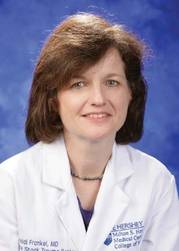
"It’s a technology that I think is going to expand in use," said Dr. Jay K. Harness, an early adopter of ultrasound in breast surgery and coauthor of the textbook "Ultrasound in Surgical Practice." "I started using it in the 1990s, and it’s like we’ve gone from analog TV to digital."
Dr. Heidi Frankel, chair of American College of Surgeons’ (ACS) National Ultrasound Faculty, compared the developments in use of ultrasound in surgery to laparoscopy.
"Ultimately, the patients and the market pushed the need for it," said Dr. Frankel, professor of surgery at University of Maryland Shock Trauma Center, Baltimore. "Surgeons who didn’t do it had to learn to do it, and it became part of surgical training. I suspect the same thing is going to happen with ultrasound."
And while training and certification requirements vary widely, the surgeons currently using ultrasound predict that guidelines may ultimately become somewhat standardized within and across specialties.
Breast Surgery
Dr. Harness, who is also a member of the ACS National Ultrasound Faculty and the past-president of the American Society of Breast Surgeons (ASBS), was among the first to incorporate ultrasound into his practice. Today, he said, "for the contemporary breast surgeon, [ultrasound] is a fundamental tool ... Ultrasound is our stethoscope."
In breast surgery, ultrasound is an adjunctive tool for the physical exam, said Dr. Harness. It is used for diagnostic biopsy, and it can speed up the diagnostic process. Ultrasound also is used in the operating room, notably for procedures such as lumpectomies. And finally, ultrasound can help guide the placement of partial breast brachyradiation therapy devices.
Breast surgeons can obtain ultrasound certification through ASBS, although becoming certified is not a requirement. "A major goal of the Society’s breast ultrasound certification program is to improve the quality of care for patients with breast disease by encouraging education and training to advance expertise and clinical competency for surgeons who use ultrasound and ultrasound-guided procedures in their practices," according to the ASBS website.
Dr. Harness said that ultrasound combined with other imaging techniques such as MRI provides the most complete imaging possible, given that there’s no single technology that captures everything.
Abdominal Surgery
In the 1980s, not many surgeons used ultrasound in their day-to-day practice and there were few publications on the topic, said Dr. Junji Machi. At that time, x-rays were commonly used to check areas such as the bile duct for stones. "But, it was cumbersome and took 15-30 minutes. So we used ultrasound instead. It was quicker, and the results were accurate," said Dr. Machi, professor of surgery at University of Hawaii, and director of the Abdominal Ultrasound Module at the ACS.
Dr. Machi has published a number of studies on cases and findings, and he uses ultrasound, especially during liver, biliary, and pancreatic surgery.
"For liver surgery, intraoperative ultrasound is a must," he said. "Without it, we consider the procedure suboptimal, because we may miss lesions and cannot perform the best operations."
Among the indications for ultrasound use in abdominal surgery were laparoscopic procedures, which were introduced in the 1990s, he said. "You can see, but not touch, the tissue," said Dr. Machi. "So we needed something to evaluate under the surface. ... With ultrasound, we can see without much dissection."
Surgeons could be discouraged from using ultrasound because the learning curve is steep (usually several months’ experience is needed) and because the equipment is relatively expensive. Yet, "once you learn it, it’s much more cost effective," he said, adding that this imaging technique does not expose the patient and operative team to radiation.
There’s no specialty limitation in the use of ultrasound, and abdominal surgeons can perform it once they master ultrasound. The ACS ultrasound course is an excellent way to learn, said Dr. Machi. Surgeons receive a certificate upon completion of a course.
Indeed, "the training issues are really paramount," said Dr. Ellen Hagopian, who did her liver training in France, and studied with radiologists and surgeons. Ultrasound is used much more frequently in Europe than in the United States, she said. "I sit on the education and training committee of Americas Hepato-Pancreato-Biliary Association [AHPBA], and I think ultrasound training throughout the fellowship programs needs to be more consistent."
Dr. Hagopian, who sits on ACS’s National Ultrasound Faculty board, coordinated and taught the first advanced ultrasound course in hepato-pancreato-biliary surgery at the AHPBA Annual Meeting in March. The course will be given again this year at the ACS Clinical Congress in San Francisco. Surgeons receive a certification of completion.
"Feedback and interest at AHPBA was excellent," said Dr. Hagopian. "There were many more surgeons who wanted to take the course than we could accommodate." She anticipates that similar interest will be shown during the ACS Clinical Congress.
Head and Neck Surgery
"Basically, the best way to evaluate the thyroid gland is ultrasound," said Dr. Robert Sofferman, an otolaryngologist who does thyroid and parathyroid surgery as part of his practice. "It’s cheaper and incredibly accurate."
Dr. Sofferman, professor emeritus of surgery at the University of Vermont in Burlington, said that some 15 years ago, ultrasound machines were too big and didn’t have good resolution. But over time, the equipment has become smaller, better, portable, and less expensive, he said. He predicts that the machines will eventually shrink to the size of an iPad.
"We operate in the neck on a daily basis," said Dr. Sofferman. "Ultrasound is very helpful for us. I couldn’t do my work without it."
Having the imaging available in the office is also convenient for the patients. "We arrange everything before the patient comes in. We do the physical exam. We do the ultrasound exam. We do ultrasound-guided biopsy, so the patient is done in one visit."
He said ultrasound can be used to evaluate the size and characteristics of a tumor before deciding whether to operate or to monitor the tumor’s response to treatment. "It’s a technology that has some advantages. It’s an extension of our physical examination."
It also comes with a few drawbacks. Aside from the price, which can be upwards of $30,000, ultrasound can slow down the day, and it does have a moderate learning curve, according to Dr. Sofferman.
Neither the ACS nor American Association of Otolaryngology-Head and Neck Surgery (AAO-HNS) require certification for the use of ultrasound. However, the ACS offers training in thyroid/parathyroid ultrasound to all surgeons who do neck surgery, either during the annual Clinical Congress or in other courses. Participants who complete training receive certification from the ACS.
Vascular Surgery
Ultrasound is a major component of vascular surgery training and practice, and many vascular surgeons have obtained the Registered Vascular Technologist (RVT) credential from the American Registry for Diagnostic Medical Sonography (ARDMS.)
While the RVT credential has been available since the 1980s, the ARDMS introduced the Registered Physician in Vascular Interpretation (RPVI) credential in 2006 to provide a certification process that focuses more on interpretation of vascular ultrasound tests than on performing the examinations. The RPVI credential is open to all qualified physicians and is not restricted to vascular surgeons.
"The advantage of the RPVI is that it is a national, standardized credential that is available to all physicians with an interest in vascular testing," said Dr. Gene Zierler, a member of the National Ultrasound Faculty and professor of surgery at the University of Washington, Seattle. "So that means it can document expertise in vascular ultrasound across multiple specialties and training programs."
Starting in 2014, the RPVI will be a requirement for vascular surgery board certification, a decision supported by the Society for Vascular Surgery.
Trauma Surgery
Ultrasound is the quickest and most reliable diagnostic tool under emergency conditions, according to Dr. Frankel.
"We work with very time-sensitive injuries. Ultrasound in my specialty is absolutely necessary. We image trauma patients this way. We can’t wait for a radiologist to come in," she said.
Dr. Frankel, who began using ultrasound in 1994, echoed her colleagues who said that technology has improved over time. Her hospital has begun using ultrasound in the intensive care unit, and "our residents are starting to use it early on. And medical students are picking it up," she said.
Whether surgeons are permitted to use ultrasound in the hospital varies by system or institution. Hospitals may require board-certified surgeons to perform a certain number of ultrasound procedures before granting them certification or to show certain certification or credentialing in ultrasound, experts said.
"There’s no science [to show] how many of these procedures I should have done to get credentialed by the hospital to use ultrasound," Dr. Frankel said.
She and other surgeons predicted that the individual surgical societies will ultimately specify the training, certification, or accreditation requirements for performing ultrasound. In the meantime, ultrasound seems to be finding its place in surgery, and surgeons who have been using it say they wouldn’t practice without it.
"It adds to the joy of practicing medicine," said Dr. Sofferman. "It makes it enjoyable for us to be able to see everything. That’s a definite advantage. I couldn’t be as efficient and as accurate without it."
None of the surgeons reported any relevant disclosures.
Ultrasound, a technology that was once mainly in the purview of radiologists, is becoming an integral part of the surgeon’s toolbox.
Across specialties, an increasing number of surgeons are incorporating ultrasound into their practices, whether in the office or in the operating room, especially as procedures become less invasive.
The once-cumbersome machines have gotten smaller over the past three decades, the technology has improved dramatically, and – compared with some other types of imaging – ultrasound is more cost-effective and affordable, experts say.
"It’s a technology that I think is going to expand in use," said Dr. Jay K. Harness, an early adopter of ultrasound in breast surgery and coauthor of the textbook "Ultrasound in Surgical Practice." "I started using it in the 1990s, and it’s like we’ve gone from analog TV to digital."
Dr. Heidi Frankel, chair of American College of Surgeons’ (ACS) National Ultrasound Faculty, compared the developments in use of ultrasound in surgery to laparoscopy.
"Ultimately, the patients and the market pushed the need for it," said Dr. Frankel, professor of surgery at University of Maryland Shock Trauma Center, Baltimore. "Surgeons who didn’t do it had to learn to do it, and it became part of surgical training. I suspect the same thing is going to happen with ultrasound."
And while training and certification requirements vary widely, the surgeons currently using ultrasound predict that guidelines may ultimately become somewhat standardized within and across specialties.
Breast Surgery
Dr. Harness, who is also a member of the ACS National Ultrasound Faculty and the past-president of the American Society of Breast Surgeons (ASBS), was among the first to incorporate ultrasound into his practice. Today, he said, "for the contemporary breast surgeon, [ultrasound] is a fundamental tool ... Ultrasound is our stethoscope."
In breast surgery, ultrasound is an adjunctive tool for the physical exam, said Dr. Harness. It is used for diagnostic biopsy, and it can speed up the diagnostic process. Ultrasound also is used in the operating room, notably for procedures such as lumpectomies. And finally, ultrasound can help guide the placement of partial breast brachyradiation therapy devices.
Breast surgeons can obtain ultrasound certification through ASBS, although becoming certified is not a requirement. "A major goal of the Society’s breast ultrasound certification program is to improve the quality of care for patients with breast disease by encouraging education and training to advance expertise and clinical competency for surgeons who use ultrasound and ultrasound-guided procedures in their practices," according to the ASBS website.
Dr. Harness said that ultrasound combined with other imaging techniques such as MRI provides the most complete imaging possible, given that there’s no single technology that captures everything.
Abdominal Surgery
In the 1980s, not many surgeons used ultrasound in their day-to-day practice and there were few publications on the topic, said Dr. Junji Machi. At that time, x-rays were commonly used to check areas such as the bile duct for stones. "But, it was cumbersome and took 15-30 minutes. So we used ultrasound instead. It was quicker, and the results were accurate," said Dr. Machi, professor of surgery at University of Hawaii, and director of the Abdominal Ultrasound Module at the ACS.
Dr. Machi has published a number of studies on cases and findings, and he uses ultrasound, especially during liver, biliary, and pancreatic surgery.
"For liver surgery, intraoperative ultrasound is a must," he said. "Without it, we consider the procedure suboptimal, because we may miss lesions and cannot perform the best operations."
Among the indications for ultrasound use in abdominal surgery were laparoscopic procedures, which were introduced in the 1990s, he said. "You can see, but not touch, the tissue," said Dr. Machi. "So we needed something to evaluate under the surface. ... With ultrasound, we can see without much dissection."
Surgeons could be discouraged from using ultrasound because the learning curve is steep (usually several months’ experience is needed) and because the equipment is relatively expensive. Yet, "once you learn it, it’s much more cost effective," he said, adding that this imaging technique does not expose the patient and operative team to radiation.
There’s no specialty limitation in the use of ultrasound, and abdominal surgeons can perform it once they master ultrasound. The ACS ultrasound course is an excellent way to learn, said Dr. Machi. Surgeons receive a certificate upon completion of a course.
Indeed, "the training issues are really paramount," said Dr. Ellen Hagopian, who did her liver training in France, and studied with radiologists and surgeons. Ultrasound is used much more frequently in Europe than in the United States, she said. "I sit on the education and training committee of Americas Hepato-Pancreato-Biliary Association [AHPBA], and I think ultrasound training throughout the fellowship programs needs to be more consistent."
Dr. Hagopian, who sits on ACS’s National Ultrasound Faculty board, coordinated and taught the first advanced ultrasound course in hepato-pancreato-biliary surgery at the AHPBA Annual Meeting in March. The course will be given again this year at the ACS Clinical Congress in San Francisco. Surgeons receive a certification of completion.
"Feedback and interest at AHPBA was excellent," said Dr. Hagopian. "There were many more surgeons who wanted to take the course than we could accommodate." She anticipates that similar interest will be shown during the ACS Clinical Congress.
Head and Neck Surgery
"Basically, the best way to evaluate the thyroid gland is ultrasound," said Dr. Robert Sofferman, an otolaryngologist who does thyroid and parathyroid surgery as part of his practice. "It’s cheaper and incredibly accurate."
Dr. Sofferman, professor emeritus of surgery at the University of Vermont in Burlington, said that some 15 years ago, ultrasound machines were too big and didn’t have good resolution. But over time, the equipment has become smaller, better, portable, and less expensive, he said. He predicts that the machines will eventually shrink to the size of an iPad.
"We operate in the neck on a daily basis," said Dr. Sofferman. "Ultrasound is very helpful for us. I couldn’t do my work without it."
Having the imaging available in the office is also convenient for the patients. "We arrange everything before the patient comes in. We do the physical exam. We do the ultrasound exam. We do ultrasound-guided biopsy, so the patient is done in one visit."
He said ultrasound can be used to evaluate the size and characteristics of a tumor before deciding whether to operate or to monitor the tumor’s response to treatment. "It’s a technology that has some advantages. It’s an extension of our physical examination."
It also comes with a few drawbacks. Aside from the price, which can be upwards of $30,000, ultrasound can slow down the day, and it does have a moderate learning curve, according to Dr. Sofferman.
Neither the ACS nor American Association of Otolaryngology-Head and Neck Surgery (AAO-HNS) require certification for the use of ultrasound. However, the ACS offers training in thyroid/parathyroid ultrasound to all surgeons who do neck surgery, either during the annual Clinical Congress or in other courses. Participants who complete training receive certification from the ACS.
Vascular Surgery
Ultrasound is a major component of vascular surgery training and practice, and many vascular surgeons have obtained the Registered Vascular Technologist (RVT) credential from the American Registry for Diagnostic Medical Sonography (ARDMS.)
While the RVT credential has been available since the 1980s, the ARDMS introduced the Registered Physician in Vascular Interpretation (RPVI) credential in 2006 to provide a certification process that focuses more on interpretation of vascular ultrasound tests than on performing the examinations. The RPVI credential is open to all qualified physicians and is not restricted to vascular surgeons.
"The advantage of the RPVI is that it is a national, standardized credential that is available to all physicians with an interest in vascular testing," said Dr. Gene Zierler, a member of the National Ultrasound Faculty and professor of surgery at the University of Washington, Seattle. "So that means it can document expertise in vascular ultrasound across multiple specialties and training programs."
Starting in 2014, the RPVI will be a requirement for vascular surgery board certification, a decision supported by the Society for Vascular Surgery.
Trauma Surgery
Ultrasound is the quickest and most reliable diagnostic tool under emergency conditions, according to Dr. Frankel.
"We work with very time-sensitive injuries. Ultrasound in my specialty is absolutely necessary. We image trauma patients this way. We can’t wait for a radiologist to come in," she said.
Dr. Frankel, who began using ultrasound in 1994, echoed her colleagues who said that technology has improved over time. Her hospital has begun using ultrasound in the intensive care unit, and "our residents are starting to use it early on. And medical students are picking it up," she said.
Whether surgeons are permitted to use ultrasound in the hospital varies by system or institution. Hospitals may require board-certified surgeons to perform a certain number of ultrasound procedures before granting them certification or to show certain certification or credentialing in ultrasound, experts said.
"There’s no science [to show] how many of these procedures I should have done to get credentialed by the hospital to use ultrasound," Dr. Frankel said.
She and other surgeons predicted that the individual surgical societies will ultimately specify the training, certification, or accreditation requirements for performing ultrasound. In the meantime, ultrasound seems to be finding its place in surgery, and surgeons who have been using it say they wouldn’t practice without it.
"It adds to the joy of practicing medicine," said Dr. Sofferman. "It makes it enjoyable for us to be able to see everything. That’s a definite advantage. I couldn’t be as efficient and as accurate without it."
None of the surgeons reported any relevant disclosures.
Ultrasound, a technology that was once mainly in the purview of radiologists, is becoming an integral part of the surgeon’s toolbox.
Across specialties, an increasing number of surgeons are incorporating ultrasound into their practices, whether in the office or in the operating room, especially as procedures become less invasive.
The once-cumbersome machines have gotten smaller over the past three decades, the technology has improved dramatically, and – compared with some other types of imaging – ultrasound is more cost-effective and affordable, experts say.
"It’s a technology that I think is going to expand in use," said Dr. Jay K. Harness, an early adopter of ultrasound in breast surgery and coauthor of the textbook "Ultrasound in Surgical Practice." "I started using it in the 1990s, and it’s like we’ve gone from analog TV to digital."
Dr. Heidi Frankel, chair of American College of Surgeons’ (ACS) National Ultrasound Faculty, compared the developments in use of ultrasound in surgery to laparoscopy.
"Ultimately, the patients and the market pushed the need for it," said Dr. Frankel, professor of surgery at University of Maryland Shock Trauma Center, Baltimore. "Surgeons who didn’t do it had to learn to do it, and it became part of surgical training. I suspect the same thing is going to happen with ultrasound."
And while training and certification requirements vary widely, the surgeons currently using ultrasound predict that guidelines may ultimately become somewhat standardized within and across specialties.
Breast Surgery
Dr. Harness, who is also a member of the ACS National Ultrasound Faculty and the past-president of the American Society of Breast Surgeons (ASBS), was among the first to incorporate ultrasound into his practice. Today, he said, "for the contemporary breast surgeon, [ultrasound] is a fundamental tool ... Ultrasound is our stethoscope."
In breast surgery, ultrasound is an adjunctive tool for the physical exam, said Dr. Harness. It is used for diagnostic biopsy, and it can speed up the diagnostic process. Ultrasound also is used in the operating room, notably for procedures such as lumpectomies. And finally, ultrasound can help guide the placement of partial breast brachyradiation therapy devices.
Breast surgeons can obtain ultrasound certification through ASBS, although becoming certified is not a requirement. "A major goal of the Society’s breast ultrasound certification program is to improve the quality of care for patients with breast disease by encouraging education and training to advance expertise and clinical competency for surgeons who use ultrasound and ultrasound-guided procedures in their practices," according to the ASBS website.
Dr. Harness said that ultrasound combined with other imaging techniques such as MRI provides the most complete imaging possible, given that there’s no single technology that captures everything.
Abdominal Surgery
In the 1980s, not many surgeons used ultrasound in their day-to-day practice and there were few publications on the topic, said Dr. Junji Machi. At that time, x-rays were commonly used to check areas such as the bile duct for stones. "But, it was cumbersome and took 15-30 minutes. So we used ultrasound instead. It was quicker, and the results were accurate," said Dr. Machi, professor of surgery at University of Hawaii, and director of the Abdominal Ultrasound Module at the ACS.
Dr. Machi has published a number of studies on cases and findings, and he uses ultrasound, especially during liver, biliary, and pancreatic surgery.
"For liver surgery, intraoperative ultrasound is a must," he said. "Without it, we consider the procedure suboptimal, because we may miss lesions and cannot perform the best operations."
Among the indications for ultrasound use in abdominal surgery were laparoscopic procedures, which were introduced in the 1990s, he said. "You can see, but not touch, the tissue," said Dr. Machi. "So we needed something to evaluate under the surface. ... With ultrasound, we can see without much dissection."
Surgeons could be discouraged from using ultrasound because the learning curve is steep (usually several months’ experience is needed) and because the equipment is relatively expensive. Yet, "once you learn it, it’s much more cost effective," he said, adding that this imaging technique does not expose the patient and operative team to radiation.
There’s no specialty limitation in the use of ultrasound, and abdominal surgeons can perform it once they master ultrasound. The ACS ultrasound course is an excellent way to learn, said Dr. Machi. Surgeons receive a certificate upon completion of a course.
Indeed, "the training issues are really paramount," said Dr. Ellen Hagopian, who did her liver training in France, and studied with radiologists and surgeons. Ultrasound is used much more frequently in Europe than in the United States, she said. "I sit on the education and training committee of Americas Hepato-Pancreato-Biliary Association [AHPBA], and I think ultrasound training throughout the fellowship programs needs to be more consistent."
Dr. Hagopian, who sits on ACS’s National Ultrasound Faculty board, coordinated and taught the first advanced ultrasound course in hepato-pancreato-biliary surgery at the AHPBA Annual Meeting in March. The course will be given again this year at the ACS Clinical Congress in San Francisco. Surgeons receive a certification of completion.
"Feedback and interest at AHPBA was excellent," said Dr. Hagopian. "There were many more surgeons who wanted to take the course than we could accommodate." She anticipates that similar interest will be shown during the ACS Clinical Congress.
Head and Neck Surgery
"Basically, the best way to evaluate the thyroid gland is ultrasound," said Dr. Robert Sofferman, an otolaryngologist who does thyroid and parathyroid surgery as part of his practice. "It’s cheaper and incredibly accurate."
Dr. Sofferman, professor emeritus of surgery at the University of Vermont in Burlington, said that some 15 years ago, ultrasound machines were too big and didn’t have good resolution. But over time, the equipment has become smaller, better, portable, and less expensive, he said. He predicts that the machines will eventually shrink to the size of an iPad.
"We operate in the neck on a daily basis," said Dr. Sofferman. "Ultrasound is very helpful for us. I couldn’t do my work without it."
Having the imaging available in the office is also convenient for the patients. "We arrange everything before the patient comes in. We do the physical exam. We do the ultrasound exam. We do ultrasound-guided biopsy, so the patient is done in one visit."
He said ultrasound can be used to evaluate the size and characteristics of a tumor before deciding whether to operate or to monitor the tumor’s response to treatment. "It’s a technology that has some advantages. It’s an extension of our physical examination."
It also comes with a few drawbacks. Aside from the price, which can be upwards of $30,000, ultrasound can slow down the day, and it does have a moderate learning curve, according to Dr. Sofferman.
Neither the ACS nor American Association of Otolaryngology-Head and Neck Surgery (AAO-HNS) require certification for the use of ultrasound. However, the ACS offers training in thyroid/parathyroid ultrasound to all surgeons who do neck surgery, either during the annual Clinical Congress or in other courses. Participants who complete training receive certification from the ACS.
Vascular Surgery
Ultrasound is a major component of vascular surgery training and practice, and many vascular surgeons have obtained the Registered Vascular Technologist (RVT) credential from the American Registry for Diagnostic Medical Sonography (ARDMS.)
While the RVT credential has been available since the 1980s, the ARDMS introduced the Registered Physician in Vascular Interpretation (RPVI) credential in 2006 to provide a certification process that focuses more on interpretation of vascular ultrasound tests than on performing the examinations. The RPVI credential is open to all qualified physicians and is not restricted to vascular surgeons.
"The advantage of the RPVI is that it is a national, standardized credential that is available to all physicians with an interest in vascular testing," said Dr. Gene Zierler, a member of the National Ultrasound Faculty and professor of surgery at the University of Washington, Seattle. "So that means it can document expertise in vascular ultrasound across multiple specialties and training programs."
Starting in 2014, the RPVI will be a requirement for vascular surgery board certification, a decision supported by the Society for Vascular Surgery.
Trauma Surgery
Ultrasound is the quickest and most reliable diagnostic tool under emergency conditions, according to Dr. Frankel.
"We work with very time-sensitive injuries. Ultrasound in my specialty is absolutely necessary. We image trauma patients this way. We can’t wait for a radiologist to come in," she said.
Dr. Frankel, who began using ultrasound in 1994, echoed her colleagues who said that technology has improved over time. Her hospital has begun using ultrasound in the intensive care unit, and "our residents are starting to use it early on. And medical students are picking it up," she said.
Whether surgeons are permitted to use ultrasound in the hospital varies by system or institution. Hospitals may require board-certified surgeons to perform a certain number of ultrasound procedures before granting them certification or to show certain certification or credentialing in ultrasound, experts said.
"There’s no science [to show] how many of these procedures I should have done to get credentialed by the hospital to use ultrasound," Dr. Frankel said.
She and other surgeons predicted that the individual surgical societies will ultimately specify the training, certification, or accreditation requirements for performing ultrasound. In the meantime, ultrasound seems to be finding its place in surgery, and surgeons who have been using it say they wouldn’t practice without it.
"It adds to the joy of practicing medicine," said Dr. Sofferman. "It makes it enjoyable for us to be able to see everything. That’s a definite advantage. I couldn’t be as efficient and as accurate without it."
None of the surgeons reported any relevant disclosures.
Surgical Site Infection Monitoring and Reporting Vary Widely
Monitoring of rates of surgical site infection, as well as reporting of those rates to the public, vary dramatically from state to state, according to a study published online March 2 in the Journal for Healthcare Quality.
Monitoring and publicly reporting data on surgical site infections (SSIs) has been demonstrated to markedly improve patient outcomes, and the Centers for Medicare and Medicaid Services recently announced that hospitals must report such data (for certain procedures) and meet benchmarks to avoid financial penalties. Yet currently there is no standardized system for collecting or reporting SSI data, with each state addressing the issue through its own individual laws, regulations, or "plans," said Dr. Martin A. Makary, a laparoscopic and pancreatic surgeon at Johns Hopkins University, Baltimore, and his associates.
"It is critical to standardize the reporting process before SSIs are incorporated into the Medicare payment scheme," they noted.
Dr. Makary and his colleagues reviewed the legislation on SSI monitoring and reporting for all 50 states and the District of Columbia, then assessed each state’s actual reporting of such data for a single month – September 2010.
They found that only 21 states mandate the monitoring of SSI rates and only 20 require public reporting; the remaining states had no such laws. And despite these legal mandates, only 8 of the 21 states had SSI data available in an easily accessible manner.
These states were South Carolina, Missouri, Colorado, Massachusetts, New York, Ohio, Vermont, and Oregon.
Among these eight states, SSI reporting still varied widely, with each state tracking different procedures. Seven states reported on CABG, six on hip or knee replacements, four on hysterectomies, and two each on colon surgeries or herniorrphaphies. One state reported on breast surgeries, one on gallbladder procedures, one on cesarean sections, and one on spinal fusions.
"Interestingly, colon surgery, which has the highest rate of SSIs nationally, was only reported by two states. And gallbladder surgery, which is among the most common surgical procedures ... was only reported by one state," the investigators said (J. Healthc. Qual. 2012 March 2 [doi: 10.1111/j.1945-1474.2011.00176.x]).
The data collection itself varied greatly by state. For example, some states monitored only in-hospital SSIs for colorectal surgery, while others monitored 30-day SSIs for the same procedure. This resulted in a nearly 40% discrepancy in colorectal SSIs between these states, since many of these infections don’t develop until after hospital discharge, the researchers said.
The lag time between collection of the information and its publication tended to be long, with some states failing to post their SSI data until 11 months after it was obtained.
"Without the same quality and type of data, it is difficult for consumers, payers, or regulators to compare infections within or across states, potentially making inaccurate inferences about the quality of care," Dr. Makary and his associates said.
"Our study highlights the need for the federal government to set the rules for how hospitals define, monitor, and report SSIs," they added.
No conflicts of interest were reported.
SSIs, Centers for Medicare and Medicaid Services, Dr. Martin A. Makary,
Monitoring of rates of surgical site infection, as well as reporting of those rates to the public, vary dramatically from state to state, according to a study published online March 2 in the Journal for Healthcare Quality.
Monitoring and publicly reporting data on surgical site infections (SSIs) has been demonstrated to markedly improve patient outcomes, and the Centers for Medicare and Medicaid Services recently announced that hospitals must report such data (for certain procedures) and meet benchmarks to avoid financial penalties. Yet currently there is no standardized system for collecting or reporting SSI data, with each state addressing the issue through its own individual laws, regulations, or "plans," said Dr. Martin A. Makary, a laparoscopic and pancreatic surgeon at Johns Hopkins University, Baltimore, and his associates.
"It is critical to standardize the reporting process before SSIs are incorporated into the Medicare payment scheme," they noted.
Dr. Makary and his colleagues reviewed the legislation on SSI monitoring and reporting for all 50 states and the District of Columbia, then assessed each state’s actual reporting of such data for a single month – September 2010.
They found that only 21 states mandate the monitoring of SSI rates and only 20 require public reporting; the remaining states had no such laws. And despite these legal mandates, only 8 of the 21 states had SSI data available in an easily accessible manner.
These states were South Carolina, Missouri, Colorado, Massachusetts, New York, Ohio, Vermont, and Oregon.
Among these eight states, SSI reporting still varied widely, with each state tracking different procedures. Seven states reported on CABG, six on hip or knee replacements, four on hysterectomies, and two each on colon surgeries or herniorrphaphies. One state reported on breast surgeries, one on gallbladder procedures, one on cesarean sections, and one on spinal fusions.
"Interestingly, colon surgery, which has the highest rate of SSIs nationally, was only reported by two states. And gallbladder surgery, which is among the most common surgical procedures ... was only reported by one state," the investigators said (J. Healthc. Qual. 2012 March 2 [doi: 10.1111/j.1945-1474.2011.00176.x]).
The data collection itself varied greatly by state. For example, some states monitored only in-hospital SSIs for colorectal surgery, while others monitored 30-day SSIs for the same procedure. This resulted in a nearly 40% discrepancy in colorectal SSIs between these states, since many of these infections don’t develop until after hospital discharge, the researchers said.
The lag time between collection of the information and its publication tended to be long, with some states failing to post their SSI data until 11 months after it was obtained.
"Without the same quality and type of data, it is difficult for consumers, payers, or regulators to compare infections within or across states, potentially making inaccurate inferences about the quality of care," Dr. Makary and his associates said.
"Our study highlights the need for the federal government to set the rules for how hospitals define, monitor, and report SSIs," they added.
No conflicts of interest were reported.
Monitoring of rates of surgical site infection, as well as reporting of those rates to the public, vary dramatically from state to state, according to a study published online March 2 in the Journal for Healthcare Quality.
Monitoring and publicly reporting data on surgical site infections (SSIs) has been demonstrated to markedly improve patient outcomes, and the Centers for Medicare and Medicaid Services recently announced that hospitals must report such data (for certain procedures) and meet benchmarks to avoid financial penalties. Yet currently there is no standardized system for collecting or reporting SSI data, with each state addressing the issue through its own individual laws, regulations, or "plans," said Dr. Martin A. Makary, a laparoscopic and pancreatic surgeon at Johns Hopkins University, Baltimore, and his associates.
"It is critical to standardize the reporting process before SSIs are incorporated into the Medicare payment scheme," they noted.
Dr. Makary and his colleagues reviewed the legislation on SSI monitoring and reporting for all 50 states and the District of Columbia, then assessed each state’s actual reporting of such data for a single month – September 2010.
They found that only 21 states mandate the monitoring of SSI rates and only 20 require public reporting; the remaining states had no such laws. And despite these legal mandates, only 8 of the 21 states had SSI data available in an easily accessible manner.
These states were South Carolina, Missouri, Colorado, Massachusetts, New York, Ohio, Vermont, and Oregon.
Among these eight states, SSI reporting still varied widely, with each state tracking different procedures. Seven states reported on CABG, six on hip or knee replacements, four on hysterectomies, and two each on colon surgeries or herniorrphaphies. One state reported on breast surgeries, one on gallbladder procedures, one on cesarean sections, and one on spinal fusions.
"Interestingly, colon surgery, which has the highest rate of SSIs nationally, was only reported by two states. And gallbladder surgery, which is among the most common surgical procedures ... was only reported by one state," the investigators said (J. Healthc. Qual. 2012 March 2 [doi: 10.1111/j.1945-1474.2011.00176.x]).
The data collection itself varied greatly by state. For example, some states monitored only in-hospital SSIs for colorectal surgery, while others monitored 30-day SSIs for the same procedure. This resulted in a nearly 40% discrepancy in colorectal SSIs between these states, since many of these infections don’t develop until after hospital discharge, the researchers said.
The lag time between collection of the information and its publication tended to be long, with some states failing to post their SSI data until 11 months after it was obtained.
"Without the same quality and type of data, it is difficult for consumers, payers, or regulators to compare infections within or across states, potentially making inaccurate inferences about the quality of care," Dr. Makary and his associates said.
"Our study highlights the need for the federal government to set the rules for how hospitals define, monitor, and report SSIs," they added.
No conflicts of interest were reported.
SSIs, Centers for Medicare and Medicaid Services, Dr. Martin A. Makary,
SSIs, Centers for Medicare and Medicaid Services, Dr. Martin A. Makary,
FROM THE JOURNAL FOR HEALTHCARE QUALITY
Major Finding: Only 21 states legally mandate the monitoring of surgical site infections, and in a given month, only 8 states made the data accessible to the public.
Data Source: This was a review of the laws, regulations, and plans regarding the monitoring and reporting of SSIs in all 50 states and the District of Columbia.
Disclosures: No conflicts of interest were reported.
Bariatric Surgery Bests Medication In Obese Diabetics
CHICAGO – Bariatric surgery crushed intensive medical therapy for the management of hyperglycemia in a randomized trial involving obese patients with poorly controlled type 2 diabetes.
"The lesson of this study is that for those obese patients who also have uncontrolled diabetes, there is now another treatment option that may be very, very effective at getting them in good control," Dr. Philip R. Schauer declared in presenting the 1-year results of the STAMPEDE (Surgical Treatment and Medications Potentially Eradicate Diabetes Efficiently) trial.

STAMPEDE was a single-center prospective study involving 150 randomized patients. The primary end point – hemoglobin A1c of 6.0% or less at 1 year – was achieved in 42% of patients in the Roux-en-Y gastric bypass group, 37% in the sleeve gastrectomy group, and 12% of patients assigned to state-of-the-art intensive medical management based upon American Diabetes Association guidelines, including a weight loss program, reported Dr. Schauer, professor of surgery and director of the Bariatric and Metabolic Institute at the Cleveland Clinic.
At enrollment the average HbA1c was 9.2% even though most patients were on three or more diabetes medications, and about half were taking insulin. The average baseline body mass index was 37 kg/m2. More than 60% of subjects had moderate to severe fatty liver disease.
Particularly noteworthy was the finding that all gastric bypass patients with an HbA1c of 6.0% or less at 1 year achieved that target despite having discontinued all diabetes medications, including insulin. So did 13 of 18 patients in the sleeve gastrectomy group who reached the primary end point.
"That’s as close to a definition of remission of diabetes as you can get to," the surgeon commented.
Improvements in secondary study end points related to cardiovascular risk were also far more impressive in the surgery arms.

Three patients in the gastric bypass group and one in the sleeve gastrectomy arm required redo operations. There were other serious complications in the surgical groups as well, but no deaths.
Follow-up of STAMPEDE participants will continue through 4 years. Dr. Schauer predicted that on the basis of the highly positive STAMPEDE findings, future studies will look at bariatric surgery versus intensive medical management in obese type 2 diabetic patients with lesser degrees of uncontrolled type 2 diabetes – say, HbA1cs between 7% and 9%.
Reaction to STAMPEDE was cautious.
"That’s a huge intervention in order to get control of diabetes. I’m just not sure it’s ready for prime time yet," former ACC President Dr. W. Douglas Weaver said in an interview.
"I would like to see some more outcomes data in patients who’ve been managed in this way. You’d like to see that it not only keeps the weight off and the glucose levels lower over the longer term, but that it actually improves outcomes in terms of cardiovascular events and diabetic complications. Then it becomes compelling. Right now, we just have these surrogate improvements," added Dr. Weaver, head of the division of cardiovascular medicine at the Henry Ford Health System, Detroit.
Cleveland Clinic endocrinologist Dr. Sangeeta Kashyap, who headed the STAMPEDE diabetology team, said medical therapy is not to be discounted. It’s titratable, even stoppable if need be. A surgical fix is not.
"Surgery works very well, but once it’s done, it’s done. If you want to eat an extra bite of food, you’re not going to be able to without getting violently ill," she observed in an interview.
"Even though our results strongly support bariatric surgery for diabetes, I don’t think it’s going to be right for everybody. I think more studies need to be done to figure out who the best candidates are, and for which procedures," Dr. Kashyap said.
The durability of surgery’s antidiabetic effect has yet to be established, she added.
Simultaneously with Dr. Schauer’s presentation of STAMPEDE in Chicago, the study was published online by the New England Journal of Medicine (N. Engl. J. Med. 2012 March 26 [10.1056/NEJMoa1200225]).
STAMPEDE was supported by Ethicon Endo-Surgery, the National Institutes of Health, and LifeScan. Dr. Schauer and Dr. Kashyap reported serving as consultants to Ethicon, and Dr. Schauer consults for other companies as well.
The randomized STAMPEDE trial from the Cleveland Clinic comparing the results of bariatric surgery to intensified medical therapy in obese patients with long-standing, poorly controlled type 2 diabetes is a seminal study. In contrast to most studies of bariatric surgery and diabetes, this study prospectively randomized patients to surgical treatments versus intensive medical therapy. The patients entering the study had long-standing diabetes, were poorly controlled on their current medical regimen, and had a high percentage of comorbidities. This is the population that could justify an invasive intervention that might be more effective in improving metabolic control and reducing complications.
The results of the surgical treatments were dramatic and far superior to the results of the intensified medical therapy. Patients undergoing gastric bypass surgery decreased mean HbA1c to 6.4 plus or minus 0.9 % compared with intensive medical therapy, 7.5 plus or minus 1.8 %. Additionally, 42% of those with the gastric bypass achieved an HbA1c below 6 % on no diabetes medications. The gastric bypass patients had greater reductions in triglycerides and high sensitivity C-reactive protein and increases in HDL cholesterol than did the medically treated patients, despite greater reductions in lipid lowering agents. Blood pressure and LDL cholesterol were the same between the surgical and medical patients, but were achieved with a decreased need for medications. The benefits from sleeve gastrectomy were similar to, but not as great as, those with gastric bypass.
|

Both surgical procedures resulted in much greater weight loss than the medical therapy. It is not possible to determine how much of the benefit of the surgical procedures was due to the greater weight loss and how much to non–weight loss mechanisms. A key question that is unanswered by the 1-year data, but may be resolved by the 5-year follow-up, is whether the better metabolic control from the surgical procedures will be matched by better improvements in clinical outcomes. Since surgical therapies are associated with significant morbidities, an evaluation of risk versus benefits compared with medical therapies in future long-term trials are necessary. This study is a very good start in beginning such an assessment.
Harold Lebovitz, M.D., is professor of medicine, State University of New York Health Science Center at Brooklyn. He is a consultant to Ethicon Endo-Surgery and serves on advisory boards for Amylin, Merck, Intarcia, and Medicure.
The randomized STAMPEDE trial from the Cleveland Clinic comparing the results of bariatric surgery to intensified medical therapy in obese patients with long-standing, poorly controlled type 2 diabetes is a seminal study. In contrast to most studies of bariatric surgery and diabetes, this study prospectively randomized patients to surgical treatments versus intensive medical therapy. The patients entering the study had long-standing diabetes, were poorly controlled on their current medical regimen, and had a high percentage of comorbidities. This is the population that could justify an invasive intervention that might be more effective in improving metabolic control and reducing complications.
The results of the surgical treatments were dramatic and far superior to the results of the intensified medical therapy. Patients undergoing gastric bypass surgery decreased mean HbA1c to 6.4 plus or minus 0.9 % compared with intensive medical therapy, 7.5 plus or minus 1.8 %. Additionally, 42% of those with the gastric bypass achieved an HbA1c below 6 % on no diabetes medications. The gastric bypass patients had greater reductions in triglycerides and high sensitivity C-reactive protein and increases in HDL cholesterol than did the medically treated patients, despite greater reductions in lipid lowering agents. Blood pressure and LDL cholesterol were the same between the surgical and medical patients, but were achieved with a decreased need for medications. The benefits from sleeve gastrectomy were similar to, but not as great as, those with gastric bypass.
|
Both surgical procedures resulted in much greater weight loss than the medical therapy. It is not possible to determine how much of the benefit of the surgical procedures was due to the greater weight loss and how much to non–weight loss mechanisms. A key question that is unanswered by the 1-year data, but may be resolved by the 5-year follow-up, is whether the better metabolic control from the surgical procedures will be matched by better improvements in clinical outcomes. Since surgical therapies are associated with significant morbidities, an evaluation of risk versus benefits compared with medical therapies in future long-term trials are necessary. This study is a very good start in beginning such an assessment.
Harold Lebovitz, M.D., is professor of medicine, State University of New York Health Science Center at Brooklyn. He is a consultant to Ethicon Endo-Surgery and serves on advisory boards for Amylin, Merck, Intarcia, and Medicure.
The randomized STAMPEDE trial from the Cleveland Clinic comparing the results of bariatric surgery to intensified medical therapy in obese patients with long-standing, poorly controlled type 2 diabetes is a seminal study. In contrast to most studies of bariatric surgery and diabetes, this study prospectively randomized patients to surgical treatments versus intensive medical therapy. The patients entering the study had long-standing diabetes, were poorly controlled on their current medical regimen, and had a high percentage of comorbidities. This is the population that could justify an invasive intervention that might be more effective in improving metabolic control and reducing complications.
The results of the surgical treatments were dramatic and far superior to the results of the intensified medical therapy. Patients undergoing gastric bypass surgery decreased mean HbA1c to 6.4 plus or minus 0.9 % compared with intensive medical therapy, 7.5 plus or minus 1.8 %. Additionally, 42% of those with the gastric bypass achieved an HbA1c below 6 % on no diabetes medications. The gastric bypass patients had greater reductions in triglycerides and high sensitivity C-reactive protein and increases in HDL cholesterol than did the medically treated patients, despite greater reductions in lipid lowering agents. Blood pressure and LDL cholesterol were the same between the surgical and medical patients, but were achieved with a decreased need for medications. The benefits from sleeve gastrectomy were similar to, but not as great as, those with gastric bypass.
|
Both surgical procedures resulted in much greater weight loss than the medical therapy. It is not possible to determine how much of the benefit of the surgical procedures was due to the greater weight loss and how much to non–weight loss mechanisms. A key question that is unanswered by the 1-year data, but may be resolved by the 5-year follow-up, is whether the better metabolic control from the surgical procedures will be matched by better improvements in clinical outcomes. Since surgical therapies are associated with significant morbidities, an evaluation of risk versus benefits compared with medical therapies in future long-term trials are necessary. This study is a very good start in beginning such an assessment.
Harold Lebovitz, M.D., is professor of medicine, State University of New York Health Science Center at Brooklyn. He is a consultant to Ethicon Endo-Surgery and serves on advisory boards for Amylin, Merck, Intarcia, and Medicure.
CHICAGO – Bariatric surgery crushed intensive medical therapy for the management of hyperglycemia in a randomized trial involving obese patients with poorly controlled type 2 diabetes.
"The lesson of this study is that for those obese patients who also have uncontrolled diabetes, there is now another treatment option that may be very, very effective at getting them in good control," Dr. Philip R. Schauer declared in presenting the 1-year results of the STAMPEDE (Surgical Treatment and Medications Potentially Eradicate Diabetes Efficiently) trial.
STAMPEDE was a single-center prospective study involving 150 randomized patients. The primary end point – hemoglobin A1c of 6.0% or less at 1 year – was achieved in 42% of patients in the Roux-en-Y gastric bypass group, 37% in the sleeve gastrectomy group, and 12% of patients assigned to state-of-the-art intensive medical management based upon American Diabetes Association guidelines, including a weight loss program, reported Dr. Schauer, professor of surgery and director of the Bariatric and Metabolic Institute at the Cleveland Clinic.
At enrollment the average HbA1c was 9.2% even though most patients were on three or more diabetes medications, and about half were taking insulin. The average baseline body mass index was 37 kg/m2. More than 60% of subjects had moderate to severe fatty liver disease.
Particularly noteworthy was the finding that all gastric bypass patients with an HbA1c of 6.0% or less at 1 year achieved that target despite having discontinued all diabetes medications, including insulin. So did 13 of 18 patients in the sleeve gastrectomy group who reached the primary end point.
"That’s as close to a definition of remission of diabetes as you can get to," the surgeon commented.
Improvements in secondary study end points related to cardiovascular risk were also far more impressive in the surgery arms.
Three patients in the gastric bypass group and one in the sleeve gastrectomy arm required redo operations. There were other serious complications in the surgical groups as well, but no deaths.
Follow-up of STAMPEDE participants will continue through 4 years. Dr. Schauer predicted that on the basis of the highly positive STAMPEDE findings, future studies will look at bariatric surgery versus intensive medical management in obese type 2 diabetic patients with lesser degrees of uncontrolled type 2 diabetes – say, HbA1cs between 7% and 9%.
Reaction to STAMPEDE was cautious.
"That’s a huge intervention in order to get control of diabetes. I’m just not sure it’s ready for prime time yet," former ACC President Dr. W. Douglas Weaver said in an interview.
"I would like to see some more outcomes data in patients who’ve been managed in this way. You’d like to see that it not only keeps the weight off and the glucose levels lower over the longer term, but that it actually improves outcomes in terms of cardiovascular events and diabetic complications. Then it becomes compelling. Right now, we just have these surrogate improvements," added Dr. Weaver, head of the division of cardiovascular medicine at the Henry Ford Health System, Detroit.
Cleveland Clinic endocrinologist Dr. Sangeeta Kashyap, who headed the STAMPEDE diabetology team, said medical therapy is not to be discounted. It’s titratable, even stoppable if need be. A surgical fix is not.
"Surgery works very well, but once it’s done, it’s done. If you want to eat an extra bite of food, you’re not going to be able to without getting violently ill," she observed in an interview.
"Even though our results strongly support bariatric surgery for diabetes, I don’t think it’s going to be right for everybody. I think more studies need to be done to figure out who the best candidates are, and for which procedures," Dr. Kashyap said.
The durability of surgery’s antidiabetic effect has yet to be established, she added.
Simultaneously with Dr. Schauer’s presentation of STAMPEDE in Chicago, the study was published online by the New England Journal of Medicine (N. Engl. J. Med. 2012 March 26 [10.1056/NEJMoa1200225]).
STAMPEDE was supported by Ethicon Endo-Surgery, the National Institutes of Health, and LifeScan. Dr. Schauer and Dr. Kashyap reported serving as consultants to Ethicon, and Dr. Schauer consults for other companies as well.
CHICAGO – Bariatric surgery crushed intensive medical therapy for the management of hyperglycemia in a randomized trial involving obese patients with poorly controlled type 2 diabetes.
"The lesson of this study is that for those obese patients who also have uncontrolled diabetes, there is now another treatment option that may be very, very effective at getting them in good control," Dr. Philip R. Schauer declared in presenting the 1-year results of the STAMPEDE (Surgical Treatment and Medications Potentially Eradicate Diabetes Efficiently) trial.
STAMPEDE was a single-center prospective study involving 150 randomized patients. The primary end point – hemoglobin A1c of 6.0% or less at 1 year – was achieved in 42% of patients in the Roux-en-Y gastric bypass group, 37% in the sleeve gastrectomy group, and 12% of patients assigned to state-of-the-art intensive medical management based upon American Diabetes Association guidelines, including a weight loss program, reported Dr. Schauer, professor of surgery and director of the Bariatric and Metabolic Institute at the Cleveland Clinic.
At enrollment the average HbA1c was 9.2% even though most patients were on three or more diabetes medications, and about half were taking insulin. The average baseline body mass index was 37 kg/m2. More than 60% of subjects had moderate to severe fatty liver disease.
Particularly noteworthy was the finding that all gastric bypass patients with an HbA1c of 6.0% or less at 1 year achieved that target despite having discontinued all diabetes medications, including insulin. So did 13 of 18 patients in the sleeve gastrectomy group who reached the primary end point.
"That’s as close to a definition of remission of diabetes as you can get to," the surgeon commented.
Improvements in secondary study end points related to cardiovascular risk were also far more impressive in the surgery arms.
Three patients in the gastric bypass group and one in the sleeve gastrectomy arm required redo operations. There were other serious complications in the surgical groups as well, but no deaths.
Follow-up of STAMPEDE participants will continue through 4 years. Dr. Schauer predicted that on the basis of the highly positive STAMPEDE findings, future studies will look at bariatric surgery versus intensive medical management in obese type 2 diabetic patients with lesser degrees of uncontrolled type 2 diabetes – say, HbA1cs between 7% and 9%.
Reaction to STAMPEDE was cautious.
"That’s a huge intervention in order to get control of diabetes. I’m just not sure it’s ready for prime time yet," former ACC President Dr. W. Douglas Weaver said in an interview.
"I would like to see some more outcomes data in patients who’ve been managed in this way. You’d like to see that it not only keeps the weight off and the glucose levels lower over the longer term, but that it actually improves outcomes in terms of cardiovascular events and diabetic complications. Then it becomes compelling. Right now, we just have these surrogate improvements," added Dr. Weaver, head of the division of cardiovascular medicine at the Henry Ford Health System, Detroit.
Cleveland Clinic endocrinologist Dr. Sangeeta Kashyap, who headed the STAMPEDE diabetology team, said medical therapy is not to be discounted. It’s titratable, even stoppable if need be. A surgical fix is not.
"Surgery works very well, but once it’s done, it’s done. If you want to eat an extra bite of food, you’re not going to be able to without getting violently ill," she observed in an interview.
"Even though our results strongly support bariatric surgery for diabetes, I don’t think it’s going to be right for everybody. I think more studies need to be done to figure out who the best candidates are, and for which procedures," Dr. Kashyap said.
The durability of surgery’s antidiabetic effect has yet to be established, she added.
Simultaneously with Dr. Schauer’s presentation of STAMPEDE in Chicago, the study was published online by the New England Journal of Medicine (N. Engl. J. Med. 2012 March 26 [10.1056/NEJMoa1200225]).
STAMPEDE was supported by Ethicon Endo-Surgery, the National Institutes of Health, and LifeScan. Dr. Schauer and Dr. Kashyap reported serving as consultants to Ethicon, and Dr. Schauer consults for other companies as well.
FROM THE ANNUAL MEETING OF THE AMERICAN COLLEGE OF CARDIOLOGY
Major Finding: In obese patients with poorly controlled type 2 diabetes, 1 year of intensive medical management yielded an HbA1c of 6.0% or lower in 12%, compared with 42% of gastric bypass recipients and 37% of patients undergoing sleeve gastrectomy.
Data Source: A three-armed randomized trial of 150 patients assigned to gastric bypass, sleeve gastrectomy, or intensive medical management and followed quarterly for 1 year.
Disclosures: STAMPEDE was supported by Ethicon Endo-Surgery, the National Institutes of Health, and LifeScan. Dr. Schauer and Dr. Kashyap reported serving as consultants to Ethicon, and Dr. Schauer consults for other companies as well.
Guideline Decreases Readmissions for Small Bowel Obstruction
MADISON, WIS. – Implementation of a small bowel obstruction guideline increased admissions to surgery, shortened the time to surgery, and decreased hospital length of stay, according to a review of 730 admissions.
"A multidisciplinary approach to guideline development and implementation for small bowel obstruction improved overall efficiency and resource utilization in the hospital, and appeared to decrease readmission for SBO [small bowel obstruction] in the short term," Dr. Wendy L. Wahl said at the annual meeting of the Central Surgical Association.

She observed that prior to the guidelines, a controversy existed at the University of Michigan, Ann Arbor, over where SBO patients should be admitted, particularly those who didn’t need surgery or who had partial obstructions. This raised questions of whether there were delays in operative intervention or delays in admission from the emergency room. For some, there was also a sense that too many patients were being admitted to the medicine service with partial, or even full, obstructions.
As a result, the university’s Surgery Quality Improvement Committee partnered with the departments of surgery, medicine, and emergency medicine to create an SBO service triage and initial management guideline that was instituted in 2011. The new guidelines spell out that a patient will be admitted to a surgical service if a transition point or other concerning signs for bowel strangulation were identified on computed tomography (CT) or if the patient has had an abdominal surgery within the last 30 days.
Exceptions that may warrant medical service admission could be patients with: intra-abdominal metastases or active inflammatory bowel disease scheduled for a systemic therapy trial and acute, severe conditions requiring stabilization, explained Dr. Wahl, now the medical director of surgical quality at St. Joseph Mercy Hospital, also in Ann Arbor. Patients with known dilated bowel secondary to dysmotility problems or other medical conditions such cystic fibrosis or mental/developmental disorders could also be admitted to medicine.
The guidelines de-emphasize the use of CT scans in the absence of an absolute indication for an emergent surgical consultation such as free air, peritonitis, nonreducible symptomatic hernia, or abdominal surgery in the last 30 days. The guidelines also stress an early general surgical consultation as part of initial therapy, she added.
The investigators compared data for 490 patients admitted for SBO during 2010 with 240 patients admitted for SBO during the first 6 months of 2011 after guideline implementation. Age (roughly 57 years) and sex did not differ significantly between groups for the two time periods. All-Patient Refined Diagnostic Related Groups scores pre- and post-implementation were lower at 1.78 and 1.56 in the surgical service, compared with 3.52 and 2.23 in the medical service.
After implementation, the mean time to surgery fell significantly from 0.9 days to 0.4 days among surgical patients (P value less than .05) and from 7.6 days to 3.6 days among those admitted to medicine (P less than .001).
The percent of patients admitted to a medicine service requiring surgery for SBO did not change significantly from 14% in 2010 to 7% in 2011, but the reasons did, Dr. Wahl said. Of the 26 patients admitted to a medicine service in 2010, five had clear bowel obstructions and no reason for a medical admission, four had a missed SBO in the emergency room, and four had a late surgery consultation.
"About half of the patients could have had their process improved," she observed.
In contrast, all seven SBO patients admitted to medicine in 2011 had documented active medical issues such as myocardial infarction and lobe transplant rejection.
After guideline implementation, time to general surgery consultation among medical patients was significantly shorter at 1.7 days vs. 3.4 days (P less than .001).
The rate of SBO admissions to surgery also rose from 55% to 66% (P less than .01), while the rate of operative interventions increased from 36% to 45% (P less than .05).
Notably, the rate of readmission for SBO nonoperative patients fell from 16% to 6% after guideline implementation (P less than .01), Dr. Wahl said. Hospital length of stay decreased from 8 days to 6 days in the surgical group and from 31 days to 13 days in the medical group.
Invited discussant Dr. Fred Luchette, professor of surgery at Loyola University Chicago, Maywood, Ill., observed that SBO accounts for 15% of surgical admissions in the United States and that treatment costs exceed $1 billion.
"The improvement in care for these patients with your guideline is a step in the right direction for improving patient outcomes," he stated.
Notably, the average cost of care did not change significantly from $20,530 to $22,554 in the surgical group and from $49,956 to $36,726 in the medical group.
Dr. Luchette asked why the medical service is allowed to admit any patient with a bowel obstruction, and why medical patients waited 3 days for surgery whereas surgical patients underwent surgery that day. The surgical delay is particularly vexing given the "liberal" use of CT scans post guideline implementation at 83% among medical patients.
Dr. Wahl agreed that CT use for the medical service was liberal, but pointed out that the vast majority of these patients had other medical issues that required further investigation to differentiate whether surgery was indicated. The delay in time to laparotomy could be explained by the need to stabilize medical patients prior to surgery or the need to wait to assess improvement following medical therapy.
Dr. Wahl admitted to being somewhat surprised at the number of SBO patients who went to the medical service before guideline implementation, but reminded the audience that a lot of patients with small bowel obstructions may simply feel a "little burpy" and may not manifest with full-blown symptoms.
"There’s probably a lot of people with bowel obstructions that are never seen by a surgeon that you don’t really know about until you look, unfortunately," she said. "In this day and age where there is a limit to the amount of resident and physician capacity, you really want patients to go where they’d be best served."
When asked by the audience how the university achieved buy-in for the project and how the guidelines were disseminated, Dr. Wahl said buy-in was relatively easy since practitioners recognized there was a problem and the guidelines were posted on-line.
Dr. Wahl and her coauthors reported no conflicts of interest.
MADISON, WIS. – Implementation of a small bowel obstruction guideline increased admissions to surgery, shortened the time to surgery, and decreased hospital length of stay, according to a review of 730 admissions.
"A multidisciplinary approach to guideline development and implementation for small bowel obstruction improved overall efficiency and resource utilization in the hospital, and appeared to decrease readmission for SBO [small bowel obstruction] in the short term," Dr. Wendy L. Wahl said at the annual meeting of the Central Surgical Association.
She observed that prior to the guidelines, a controversy existed at the University of Michigan, Ann Arbor, over where SBO patients should be admitted, particularly those who didn’t need surgery or who had partial obstructions. This raised questions of whether there were delays in operative intervention or delays in admission from the emergency room. For some, there was also a sense that too many patients were being admitted to the medicine service with partial, or even full, obstructions.
As a result, the university’s Surgery Quality Improvement Committee partnered with the departments of surgery, medicine, and emergency medicine to create an SBO service triage and initial management guideline that was instituted in 2011. The new guidelines spell out that a patient will be admitted to a surgical service if a transition point or other concerning signs for bowel strangulation were identified on computed tomography (CT) or if the patient has had an abdominal surgery within the last 30 days.
Exceptions that may warrant medical service admission could be patients with: intra-abdominal metastases or active inflammatory bowel disease scheduled for a systemic therapy trial and acute, severe conditions requiring stabilization, explained Dr. Wahl, now the medical director of surgical quality at St. Joseph Mercy Hospital, also in Ann Arbor. Patients with known dilated bowel secondary to dysmotility problems or other medical conditions such cystic fibrosis or mental/developmental disorders could also be admitted to medicine.
The guidelines de-emphasize the use of CT scans in the absence of an absolute indication for an emergent surgical consultation such as free air, peritonitis, nonreducible symptomatic hernia, or abdominal surgery in the last 30 days. The guidelines also stress an early general surgical consultation as part of initial therapy, she added.
The investigators compared data for 490 patients admitted for SBO during 2010 with 240 patients admitted for SBO during the first 6 months of 2011 after guideline implementation. Age (roughly 57 years) and sex did not differ significantly between groups for the two time periods. All-Patient Refined Diagnostic Related Groups scores pre- and post-implementation were lower at 1.78 and 1.56 in the surgical service, compared with 3.52 and 2.23 in the medical service.
After implementation, the mean time to surgery fell significantly from 0.9 days to 0.4 days among surgical patients (P value less than .05) and from 7.6 days to 3.6 days among those admitted to medicine (P less than .001).
The percent of patients admitted to a medicine service requiring surgery for SBO did not change significantly from 14% in 2010 to 7% in 2011, but the reasons did, Dr. Wahl said. Of the 26 patients admitted to a medicine service in 2010, five had clear bowel obstructions and no reason for a medical admission, four had a missed SBO in the emergency room, and four had a late surgery consultation.
"About half of the patients could have had their process improved," she observed.
In contrast, all seven SBO patients admitted to medicine in 2011 had documented active medical issues such as myocardial infarction and lobe transplant rejection.
After guideline implementation, time to general surgery consultation among medical patients was significantly shorter at 1.7 days vs. 3.4 days (P less than .001).
The rate of SBO admissions to surgery also rose from 55% to 66% (P less than .01), while the rate of operative interventions increased from 36% to 45% (P less than .05).
Notably, the rate of readmission for SBO nonoperative patients fell from 16% to 6% after guideline implementation (P less than .01), Dr. Wahl said. Hospital length of stay decreased from 8 days to 6 days in the surgical group and from 31 days to 13 days in the medical group.
Invited discussant Dr. Fred Luchette, professor of surgery at Loyola University Chicago, Maywood, Ill., observed that SBO accounts for 15% of surgical admissions in the United States and that treatment costs exceed $1 billion.
"The improvement in care for these patients with your guideline is a step in the right direction for improving patient outcomes," he stated.
Notably, the average cost of care did not change significantly from $20,530 to $22,554 in the surgical group and from $49,956 to $36,726 in the medical group.
Dr. Luchette asked why the medical service is allowed to admit any patient with a bowel obstruction, and why medical patients waited 3 days for surgery whereas surgical patients underwent surgery that day. The surgical delay is particularly vexing given the "liberal" use of CT scans post guideline implementation at 83% among medical patients.
Dr. Wahl agreed that CT use for the medical service was liberal, but pointed out that the vast majority of these patients had other medical issues that required further investigation to differentiate whether surgery was indicated. The delay in time to laparotomy could be explained by the need to stabilize medical patients prior to surgery or the need to wait to assess improvement following medical therapy.
Dr. Wahl admitted to being somewhat surprised at the number of SBO patients who went to the medical service before guideline implementation, but reminded the audience that a lot of patients with small bowel obstructions may simply feel a "little burpy" and may not manifest with full-blown symptoms.
"There’s probably a lot of people with bowel obstructions that are never seen by a surgeon that you don’t really know about until you look, unfortunately," she said. "In this day and age where there is a limit to the amount of resident and physician capacity, you really want patients to go where they’d be best served."
When asked by the audience how the university achieved buy-in for the project and how the guidelines were disseminated, Dr. Wahl said buy-in was relatively easy since practitioners recognized there was a problem and the guidelines were posted on-line.
Dr. Wahl and her coauthors reported no conflicts of interest.
MADISON, WIS. – Implementation of a small bowel obstruction guideline increased admissions to surgery, shortened the time to surgery, and decreased hospital length of stay, according to a review of 730 admissions.
"A multidisciplinary approach to guideline development and implementation for small bowel obstruction improved overall efficiency and resource utilization in the hospital, and appeared to decrease readmission for SBO [small bowel obstruction] in the short term," Dr. Wendy L. Wahl said at the annual meeting of the Central Surgical Association.
She observed that prior to the guidelines, a controversy existed at the University of Michigan, Ann Arbor, over where SBO patients should be admitted, particularly those who didn’t need surgery or who had partial obstructions. This raised questions of whether there were delays in operative intervention or delays in admission from the emergency room. For some, there was also a sense that too many patients were being admitted to the medicine service with partial, or even full, obstructions.
As a result, the university’s Surgery Quality Improvement Committee partnered with the departments of surgery, medicine, and emergency medicine to create an SBO service triage and initial management guideline that was instituted in 2011. The new guidelines spell out that a patient will be admitted to a surgical service if a transition point or other concerning signs for bowel strangulation were identified on computed tomography (CT) or if the patient has had an abdominal surgery within the last 30 days.
Exceptions that may warrant medical service admission could be patients with: intra-abdominal metastases or active inflammatory bowel disease scheduled for a systemic therapy trial and acute, severe conditions requiring stabilization, explained Dr. Wahl, now the medical director of surgical quality at St. Joseph Mercy Hospital, also in Ann Arbor. Patients with known dilated bowel secondary to dysmotility problems or other medical conditions such cystic fibrosis or mental/developmental disorders could also be admitted to medicine.
The guidelines de-emphasize the use of CT scans in the absence of an absolute indication for an emergent surgical consultation such as free air, peritonitis, nonreducible symptomatic hernia, or abdominal surgery in the last 30 days. The guidelines also stress an early general surgical consultation as part of initial therapy, she added.
The investigators compared data for 490 patients admitted for SBO during 2010 with 240 patients admitted for SBO during the first 6 months of 2011 after guideline implementation. Age (roughly 57 years) and sex did not differ significantly between groups for the two time periods. All-Patient Refined Diagnostic Related Groups scores pre- and post-implementation were lower at 1.78 and 1.56 in the surgical service, compared with 3.52 and 2.23 in the medical service.
After implementation, the mean time to surgery fell significantly from 0.9 days to 0.4 days among surgical patients (P value less than .05) and from 7.6 days to 3.6 days among those admitted to medicine (P less than .001).
The percent of patients admitted to a medicine service requiring surgery for SBO did not change significantly from 14% in 2010 to 7% in 2011, but the reasons did, Dr. Wahl said. Of the 26 patients admitted to a medicine service in 2010, five had clear bowel obstructions and no reason for a medical admission, four had a missed SBO in the emergency room, and four had a late surgery consultation.
"About half of the patients could have had their process improved," she observed.
In contrast, all seven SBO patients admitted to medicine in 2011 had documented active medical issues such as myocardial infarction and lobe transplant rejection.
After guideline implementation, time to general surgery consultation among medical patients was significantly shorter at 1.7 days vs. 3.4 days (P less than .001).
The rate of SBO admissions to surgery also rose from 55% to 66% (P less than .01), while the rate of operative interventions increased from 36% to 45% (P less than .05).
Notably, the rate of readmission for SBO nonoperative patients fell from 16% to 6% after guideline implementation (P less than .01), Dr. Wahl said. Hospital length of stay decreased from 8 days to 6 days in the surgical group and from 31 days to 13 days in the medical group.
Invited discussant Dr. Fred Luchette, professor of surgery at Loyola University Chicago, Maywood, Ill., observed that SBO accounts for 15% of surgical admissions in the United States and that treatment costs exceed $1 billion.
"The improvement in care for these patients with your guideline is a step in the right direction for improving patient outcomes," he stated.
Notably, the average cost of care did not change significantly from $20,530 to $22,554 in the surgical group and from $49,956 to $36,726 in the medical group.
Dr. Luchette asked why the medical service is allowed to admit any patient with a bowel obstruction, and why medical patients waited 3 days for surgery whereas surgical patients underwent surgery that day. The surgical delay is particularly vexing given the "liberal" use of CT scans post guideline implementation at 83% among medical patients.
Dr. Wahl agreed that CT use for the medical service was liberal, but pointed out that the vast majority of these patients had other medical issues that required further investigation to differentiate whether surgery was indicated. The delay in time to laparotomy could be explained by the need to stabilize medical patients prior to surgery or the need to wait to assess improvement following medical therapy.
Dr. Wahl admitted to being somewhat surprised at the number of SBO patients who went to the medical service before guideline implementation, but reminded the audience that a lot of patients with small bowel obstructions may simply feel a "little burpy" and may not manifest with full-blown symptoms.
"There’s probably a lot of people with bowel obstructions that are never seen by a surgeon that you don’t really know about until you look, unfortunately," she said. "In this day and age where there is a limit to the amount of resident and physician capacity, you really want patients to go where they’d be best served."
When asked by the audience how the university achieved buy-in for the project and how the guidelines were disseminated, Dr. Wahl said buy-in was relatively easy since practitioners recognized there was a problem and the guidelines were posted on-line.
Dr. Wahl and her coauthors reported no conflicts of interest.
FROM THE ANNUAL MEETING OF THE CENTRAL SURGICAL ASSOCIATION
Major Finding: The rate of small bowel obstruction (SBO) admissions to surgery rose from 55% to 66% (P less than .01).
Data Source: Data were derived from an observational study of 490 SBO patients prior to guideline implementation and 240 SBO patients after implementation.
Disclosures: Dr. Wahl and her coauthors reported no conflicts of interest.
Duodenal Switch May Excel at Type 2 Diabetes Resolution
Major Finding: Resolution of type 2 diabetes, hypertension, and hyperlipidemia was greatest among duodenal switch patients, at 82%, 67%, and 81%, vs. 64%, 39%, and 55% among Roux-en-Y gastric bypass patients.
Data Source: Data were taken from a chart review and prospective survey of 309 superobese patients.
Disclosures: Dr. Dorman reported no relevant conflicts of interest.
MADISON, WIS. – Total complication rates are high but comparable over the long term between duodenal switch surgery and Roux-en-Y gastric bypass, according to a propensity matched analysis of 309 superobese patients.
“Duodenal switch is a valid alternative to the Roux-en-Y gastric [RYGB] bypass,” especially if diabetes is present, Dr. Robert B. Dorman said. Duodenal switch appears to provide superior resolution of type 2 diabetes.
His conclusion is drawn from a study that focused on the long-term outcomes of 178 consecutive patients who underwent duodenal switch (DS) surgery and 139 propensity matched patients undergoing RYGB. In addition to a chart review, the University of Minnesota Bariatric Surgery Outcomes Survey tool was used to prospectively track patients' weight, comorbid illnesses, adverse outcomes, readmissions, and general health status. Mean follow-up was 3.7 years in the DS group and 6.2 years in the RYGB group.
There were five deaths in the DS group (postop day 38 and months 5, 7, 16, and 66) and three deaths in the RYGB group (postop months 3, 7, and 72), leaving 173 patients and 136 patients, respectively, in the analysis, Dr. Dorman said at the meeting.
Notably, weight loss in the two groups was comparable, decreasing from an average body mass index of 52 kg/m
Resolution of type 2 diabetes, hypertension, and hyperlipidemia was greatest among DS patients at 82%, 67%, and 81%, respectively, compared with 64%, 39%, and 55%, respectively, among RYGB patients.
DS patients, however, experienced significantly more loose stools, bloating, and heartburn than did RYGB patients, who had significantly more constipation. Nausea and emesis were comparable between the two groups.
With regard to complications, DS patients were significantly more likely to visit the emergency department than were RYGB patients (40% vs. 25%) and to experience hair loss (67% vs. 41%), Dr. Dorman said.
There was also a nonsignificant trend for DS patients to be readmitted more often than RYGB patients (25.4% vs. 23.5%) and to have more gastrointestinal leaks (1.7% vs. 0%), abdominal reoperations (29% vs. 23%), total parenteral nutrition/tube feeds (7.6% vs. 3%), and infusion therapy (28.5% vs. 23.5%). The RYGB patients, however, underwent more endoscopy (22% vs. 14%).
Dr. Dorman said providers should explain to patients the adverse symptoms they can expect following DS, but noted that the investigators “still feel DS should be limited to surgeons and centers with experience.”
Invited discussant Dr. James Wallace, a bariatric and general surgeon from the Medical College of Wisconsin, Milwaukee, described the 40% rate of ED visits in the DS group as “extreme,” and questioned the use of nutritional, vitamin, and protein supplementation – particularly in light of the observed hair loss. “I'm unconvinced that the incremental improvement in weight loss and resolution of metabolic derangements justifies the increased nutritional risk of the duodenal switch,” he said.
Dr. Dorman responded that the ED visits may represent a “knee-jerk reflex” on the part of DS patients when they experience a complication.

Duodenal switch seems to provide superior resolution to type 2 diabetes than Roux-en-Y gastric bypass, said Dr. Robert B. Dorman.
Source Patrice Wendling/IMNG Medical Media
Major Finding: Resolution of type 2 diabetes, hypertension, and hyperlipidemia was greatest among duodenal switch patients, at 82%, 67%, and 81%, vs. 64%, 39%, and 55% among Roux-en-Y gastric bypass patients.
Data Source: Data were taken from a chart review and prospective survey of 309 superobese patients.
Disclosures: Dr. Dorman reported no relevant conflicts of interest.
MADISON, WIS. – Total complication rates are high but comparable over the long term between duodenal switch surgery and Roux-en-Y gastric bypass, according to a propensity matched analysis of 309 superobese patients.
“Duodenal switch is a valid alternative to the Roux-en-Y gastric [RYGB] bypass,” especially if diabetes is present, Dr. Robert B. Dorman said. Duodenal switch appears to provide superior resolution of type 2 diabetes.
His conclusion is drawn from a study that focused on the long-term outcomes of 178 consecutive patients who underwent duodenal switch (DS) surgery and 139 propensity matched patients undergoing RYGB. In addition to a chart review, the University of Minnesota Bariatric Surgery Outcomes Survey tool was used to prospectively track patients' weight, comorbid illnesses, adverse outcomes, readmissions, and general health status. Mean follow-up was 3.7 years in the DS group and 6.2 years in the RYGB group.
There were five deaths in the DS group (postop day 38 and months 5, 7, 16, and 66) and three deaths in the RYGB group (postop months 3, 7, and 72), leaving 173 patients and 136 patients, respectively, in the analysis, Dr. Dorman said at the meeting.
Notably, weight loss in the two groups was comparable, decreasing from an average body mass index of 52 kg/m
Resolution of type 2 diabetes, hypertension, and hyperlipidemia was greatest among DS patients at 82%, 67%, and 81%, respectively, compared with 64%, 39%, and 55%, respectively, among RYGB patients.
DS patients, however, experienced significantly more loose stools, bloating, and heartburn than did RYGB patients, who had significantly more constipation. Nausea and emesis were comparable between the two groups.
With regard to complications, DS patients were significantly more likely to visit the emergency department than were RYGB patients (40% vs. 25%) and to experience hair loss (67% vs. 41%), Dr. Dorman said.
There was also a nonsignificant trend for DS patients to be readmitted more often than RYGB patients (25.4% vs. 23.5%) and to have more gastrointestinal leaks (1.7% vs. 0%), abdominal reoperations (29% vs. 23%), total parenteral nutrition/tube feeds (7.6% vs. 3%), and infusion therapy (28.5% vs. 23.5%). The RYGB patients, however, underwent more endoscopy (22% vs. 14%).
Dr. Dorman said providers should explain to patients the adverse symptoms they can expect following DS, but noted that the investigators “still feel DS should be limited to surgeons and centers with experience.”
Invited discussant Dr. James Wallace, a bariatric and general surgeon from the Medical College of Wisconsin, Milwaukee, described the 40% rate of ED visits in the DS group as “extreme,” and questioned the use of nutritional, vitamin, and protein supplementation – particularly in light of the observed hair loss. “I'm unconvinced that the incremental improvement in weight loss and resolution of metabolic derangements justifies the increased nutritional risk of the duodenal switch,” he said.
Dr. Dorman responded that the ED visits may represent a “knee-jerk reflex” on the part of DS patients when they experience a complication.
Duodenal switch seems to provide superior resolution to type 2 diabetes than Roux-en-Y gastric bypass, said Dr. Robert B. Dorman.
Source Patrice Wendling/IMNG Medical Media
Major Finding: Resolution of type 2 diabetes, hypertension, and hyperlipidemia was greatest among duodenal switch patients, at 82%, 67%, and 81%, vs. 64%, 39%, and 55% among Roux-en-Y gastric bypass patients.
Data Source: Data were taken from a chart review and prospective survey of 309 superobese patients.
Disclosures: Dr. Dorman reported no relevant conflicts of interest.
MADISON, WIS. – Total complication rates are high but comparable over the long term between duodenal switch surgery and Roux-en-Y gastric bypass, according to a propensity matched analysis of 309 superobese patients.
“Duodenal switch is a valid alternative to the Roux-en-Y gastric [RYGB] bypass,” especially if diabetes is present, Dr. Robert B. Dorman said. Duodenal switch appears to provide superior resolution of type 2 diabetes.
His conclusion is drawn from a study that focused on the long-term outcomes of 178 consecutive patients who underwent duodenal switch (DS) surgery and 139 propensity matched patients undergoing RYGB. In addition to a chart review, the University of Minnesota Bariatric Surgery Outcomes Survey tool was used to prospectively track patients' weight, comorbid illnesses, adverse outcomes, readmissions, and general health status. Mean follow-up was 3.7 years in the DS group and 6.2 years in the RYGB group.
There were five deaths in the DS group (postop day 38 and months 5, 7, 16, and 66) and three deaths in the RYGB group (postop months 3, 7, and 72), leaving 173 patients and 136 patients, respectively, in the analysis, Dr. Dorman said at the meeting.
Notably, weight loss in the two groups was comparable, decreasing from an average body mass index of 52 kg/m
Resolution of type 2 diabetes, hypertension, and hyperlipidemia was greatest among DS patients at 82%, 67%, and 81%, respectively, compared with 64%, 39%, and 55%, respectively, among RYGB patients.
DS patients, however, experienced significantly more loose stools, bloating, and heartburn than did RYGB patients, who had significantly more constipation. Nausea and emesis were comparable between the two groups.
With regard to complications, DS patients were significantly more likely to visit the emergency department than were RYGB patients (40% vs. 25%) and to experience hair loss (67% vs. 41%), Dr. Dorman said.
There was also a nonsignificant trend for DS patients to be readmitted more often than RYGB patients (25.4% vs. 23.5%) and to have more gastrointestinal leaks (1.7% vs. 0%), abdominal reoperations (29% vs. 23%), total parenteral nutrition/tube feeds (7.6% vs. 3%), and infusion therapy (28.5% vs. 23.5%). The RYGB patients, however, underwent more endoscopy (22% vs. 14%).
Dr. Dorman said providers should explain to patients the adverse symptoms they can expect following DS, but noted that the investigators “still feel DS should be limited to surgeons and centers with experience.”
Invited discussant Dr. James Wallace, a bariatric and general surgeon from the Medical College of Wisconsin, Milwaukee, described the 40% rate of ED visits in the DS group as “extreme,” and questioned the use of nutritional, vitamin, and protein supplementation – particularly in light of the observed hair loss. “I'm unconvinced that the incremental improvement in weight loss and resolution of metabolic derangements justifies the increased nutritional risk of the duodenal switch,” he said.
Dr. Dorman responded that the ED visits may represent a “knee-jerk reflex” on the part of DS patients when they experience a complication.
Duodenal switch seems to provide superior resolution to type 2 diabetes than Roux-en-Y gastric bypass, said Dr. Robert B. Dorman.
Source Patrice Wendling/IMNG Medical Media
From the Annual Meeting of the Central Surgical Association
Pancreatic Cancer Risk Not Confined to IPMN Target Cyst
SAN FRANCISCO – A small proportion of patients with a lower-risk intraductal papillary mucinous neoplasm go on to develop pancreatic ductal adenocarcinoma in an entirely separate region of the gland, an outcome that raises questions about the surveillance strategy for these patients.
Dr. Jennifer LaFemina and her colleagues at the Memorial Sloan-Kettering Cancer Center, New York, retrospectively examined data for 158 patients who were seen at the center in 1989-2010 and who had intraductal papillary mucinous neoplasms (IPMNs) with favorable enough initial features that they were followed with radiographic surveillance for at least 6 months after diagnosis, instead of being taken right to surgery.
Five patients (3.2%) developed pancreatic cancer in a different part of the gland, she reported at a meeting on gastrointestinal cancers sponsored by the American Society of Clinical Oncology. In all cases, the cancer was stage 2A or 2B at diagnosis and was resected with negative margins; however, with a median follow-up of just 1 year, three of the five patients have died.
Dr. LaFemina noted that several published studies have shown that IPMN represents a field defect of ductal instability, and although many have focused on the risk of developing malignancy in the IPMN cyst itself, "the risk of developing a cancer in a region of the pancreas separate from the target cyst that we are monitoring is poorly defined."
In her study, 97 of the 158 patients eventually underwent resection at a median of 16 months after IPMN diagnosis because of a worrisome change either in the IPMN target cyst or elsewhere in the pancreas (J. Clin. Oncol. 2012;30 [suppl 4]:abstract 152). "Five patients ultimately came to surgery not because of the target cyst but because of a ductal adenocarcinoma without IPMN that developed while we were watching them," Dr. LaFemina explained. (In all, 13 of the patients having resection were found to have cancer at the IPMN target cyst.)
In four of these five cases of a separate cancer, the IPMN that had been under surveillance was of the branched-duct subtype and was smaller, measuring no more than 1.6 cm. And in three cases, the time from diagnosis of the IPMN to diagnosis of the separate cancer was fairly short, just 16 months or less.
"Diagnostic, operative, and surveillance strategies should consider the cancer risk not only to the [IPMN] target cyst that we are presented with, but also to the entire gland," Dr. LaFemina recommended. Although the center has not changed its surveillance strategy for these patients, she said that this new information raises some concerns.
The findings also bring up the question of whether to recommend total pancreatectomy for patients who undergo resection, to be on the safe side. "At this point, we are not endorsing total pancreatectomy for a number of reasons," she said – notably because of the difficulty of predicting preoperatively what is actually going on in the gland.
A key question is to determine what is different about patients who develop an adenocarcinoma separate from the IPMN. "Can we identify them and watch them [more closely]? We don’t have that answer yet," Dr. LaFemina noted.
The study "has really thrown us a curve ball in terms of how we deal with these patients," commented session cochair Dr. Mitchell Posner, a surgical oncologist at the University of Chicago Medical Center.
"It’s scary, because the criteria we are using to decide not to operate on patients – which I think are appropriate – unfortunately aren’t definitively ruling out patients who will develop a pancreatic cancer in a relatively short period of time," he said in an interview. Furthermore, he noted, it’s tricky to decide whether to operate (because of the morbidity and mortality risks associated with a pancreatic resection) or to risk letting a patient develop a pancreatic cancer, knowing that an intervention potentially could have changed the outcome.
"So it is very frightening that we unfortunately don’t have the tools to identify patients accurately at this point. And we are detecting these lesions [IPMNs] at a very high frequency, so it’s a problem," Dr. Posner said. The lesions’ molecular signatures likely hold the key to identifying the bad actors, which may help target pancreatectomy to the patients who need it, he proposed.
Dr. LaFemina and Dr. Posner disclosed that they had no relevant conflicts of interest.
SAN FRANCISCO – A small proportion of patients with a lower-risk intraductal papillary mucinous neoplasm go on to develop pancreatic ductal adenocarcinoma in an entirely separate region of the gland, an outcome that raises questions about the surveillance strategy for these patients.
Dr. Jennifer LaFemina and her colleagues at the Memorial Sloan-Kettering Cancer Center, New York, retrospectively examined data for 158 patients who were seen at the center in 1989-2010 and who had intraductal papillary mucinous neoplasms (IPMNs) with favorable enough initial features that they were followed with radiographic surveillance for at least 6 months after diagnosis, instead of being taken right to surgery.
Five patients (3.2%) developed pancreatic cancer in a different part of the gland, she reported at a meeting on gastrointestinal cancers sponsored by the American Society of Clinical Oncology. In all cases, the cancer was stage 2A or 2B at diagnosis and was resected with negative margins; however, with a median follow-up of just 1 year, three of the five patients have died.
Dr. LaFemina noted that several published studies have shown that IPMN represents a field defect of ductal instability, and although many have focused on the risk of developing malignancy in the IPMN cyst itself, "the risk of developing a cancer in a region of the pancreas separate from the target cyst that we are monitoring is poorly defined."
In her study, 97 of the 158 patients eventually underwent resection at a median of 16 months after IPMN diagnosis because of a worrisome change either in the IPMN target cyst or elsewhere in the pancreas (J. Clin. Oncol. 2012;30 [suppl 4]:abstract 152). "Five patients ultimately came to surgery not because of the target cyst but because of a ductal adenocarcinoma without IPMN that developed while we were watching them," Dr. LaFemina explained. (In all, 13 of the patients having resection were found to have cancer at the IPMN target cyst.)
In four of these five cases of a separate cancer, the IPMN that had been under surveillance was of the branched-duct subtype and was smaller, measuring no more than 1.6 cm. And in three cases, the time from diagnosis of the IPMN to diagnosis of the separate cancer was fairly short, just 16 months or less.
"Diagnostic, operative, and surveillance strategies should consider the cancer risk not only to the [IPMN] target cyst that we are presented with, but also to the entire gland," Dr. LaFemina recommended. Although the center has not changed its surveillance strategy for these patients, she said that this new information raises some concerns.
The findings also bring up the question of whether to recommend total pancreatectomy for patients who undergo resection, to be on the safe side. "At this point, we are not endorsing total pancreatectomy for a number of reasons," she said – notably because of the difficulty of predicting preoperatively what is actually going on in the gland.
A key question is to determine what is different about patients who develop an adenocarcinoma separate from the IPMN. "Can we identify them and watch them [more closely]? We don’t have that answer yet," Dr. LaFemina noted.
The study "has really thrown us a curve ball in terms of how we deal with these patients," commented session cochair Dr. Mitchell Posner, a surgical oncologist at the University of Chicago Medical Center.
"It’s scary, because the criteria we are using to decide not to operate on patients – which I think are appropriate – unfortunately aren’t definitively ruling out patients who will develop a pancreatic cancer in a relatively short period of time," he said in an interview. Furthermore, he noted, it’s tricky to decide whether to operate (because of the morbidity and mortality risks associated with a pancreatic resection) or to risk letting a patient develop a pancreatic cancer, knowing that an intervention potentially could have changed the outcome.
"So it is very frightening that we unfortunately don’t have the tools to identify patients accurately at this point. And we are detecting these lesions [IPMNs] at a very high frequency, so it’s a problem," Dr. Posner said. The lesions’ molecular signatures likely hold the key to identifying the bad actors, which may help target pancreatectomy to the patients who need it, he proposed.
Dr. LaFemina and Dr. Posner disclosed that they had no relevant conflicts of interest.
SAN FRANCISCO – A small proportion of patients with a lower-risk intraductal papillary mucinous neoplasm go on to develop pancreatic ductal adenocarcinoma in an entirely separate region of the gland, an outcome that raises questions about the surveillance strategy for these patients.
Dr. Jennifer LaFemina and her colleagues at the Memorial Sloan-Kettering Cancer Center, New York, retrospectively examined data for 158 patients who were seen at the center in 1989-2010 and who had intraductal papillary mucinous neoplasms (IPMNs) with favorable enough initial features that they were followed with radiographic surveillance for at least 6 months after diagnosis, instead of being taken right to surgery.
Five patients (3.2%) developed pancreatic cancer in a different part of the gland, she reported at a meeting on gastrointestinal cancers sponsored by the American Society of Clinical Oncology. In all cases, the cancer was stage 2A or 2B at diagnosis and was resected with negative margins; however, with a median follow-up of just 1 year, three of the five patients have died.
Dr. LaFemina noted that several published studies have shown that IPMN represents a field defect of ductal instability, and although many have focused on the risk of developing malignancy in the IPMN cyst itself, "the risk of developing a cancer in a region of the pancreas separate from the target cyst that we are monitoring is poorly defined."
In her study, 97 of the 158 patients eventually underwent resection at a median of 16 months after IPMN diagnosis because of a worrisome change either in the IPMN target cyst or elsewhere in the pancreas (J. Clin. Oncol. 2012;30 [suppl 4]:abstract 152). "Five patients ultimately came to surgery not because of the target cyst but because of a ductal adenocarcinoma without IPMN that developed while we were watching them," Dr. LaFemina explained. (In all, 13 of the patients having resection were found to have cancer at the IPMN target cyst.)
In four of these five cases of a separate cancer, the IPMN that had been under surveillance was of the branched-duct subtype and was smaller, measuring no more than 1.6 cm. And in three cases, the time from diagnosis of the IPMN to diagnosis of the separate cancer was fairly short, just 16 months or less.
"Diagnostic, operative, and surveillance strategies should consider the cancer risk not only to the [IPMN] target cyst that we are presented with, but also to the entire gland," Dr. LaFemina recommended. Although the center has not changed its surveillance strategy for these patients, she said that this new information raises some concerns.
The findings also bring up the question of whether to recommend total pancreatectomy for patients who undergo resection, to be on the safe side. "At this point, we are not endorsing total pancreatectomy for a number of reasons," she said – notably because of the difficulty of predicting preoperatively what is actually going on in the gland.
A key question is to determine what is different about patients who develop an adenocarcinoma separate from the IPMN. "Can we identify them and watch them [more closely]? We don’t have that answer yet," Dr. LaFemina noted.
The study "has really thrown us a curve ball in terms of how we deal with these patients," commented session cochair Dr. Mitchell Posner, a surgical oncologist at the University of Chicago Medical Center.
"It’s scary, because the criteria we are using to decide not to operate on patients – which I think are appropriate – unfortunately aren’t definitively ruling out patients who will develop a pancreatic cancer in a relatively short period of time," he said in an interview. Furthermore, he noted, it’s tricky to decide whether to operate (because of the morbidity and mortality risks associated with a pancreatic resection) or to risk letting a patient develop a pancreatic cancer, knowing that an intervention potentially could have changed the outcome.
"So it is very frightening that we unfortunately don’t have the tools to identify patients accurately at this point. And we are detecting these lesions [IPMNs] at a very high frequency, so it’s a problem," Dr. Posner said. The lesions’ molecular signatures likely hold the key to identifying the bad actors, which may help target pancreatectomy to the patients who need it, he proposed.
Dr. LaFemina and Dr. Posner disclosed that they had no relevant conflicts of interest.
FROM A MEETING ON GASTROINTESTINAL CANCERS SPONSORED BY THE AMERICAN SOCIETY OF CLINICAL ONCOLOGY
Major Finding: Overall, 3.2% of patients were found to have pancreatic ductal adenocarcinoma in a region of the gland separate from the intraductal papillary mucinous neoplasm that was under surveillance.
Data Source: Data were taken from a retrospective cohort study of 158 patients who had radiographic surveillance for at least 6 months after diagnosis of an intraductal papillary mucinous neoplasm.
Disclosures: Dr. LaFemina and Dr. Posner disclosed that they had no relevant conflicts of interest.