User login
Mitchel is a reporter for MDedge based in the Philadelphia area. He started with the company in 1992, when it was International Medical News Group (IMNG), and has since covered a range of medical specialties. Mitchel trained as a virologist at Roswell Park Memorial Institute in Buffalo, and then worked briefly as a researcher at Boston Children's Hospital before pivoting to journalism as a AAAS Mass Media Fellow in 1980. His first reporting job was with Science Digest magazine, and from the mid-1980s to early-1990s he was a reporter with Medical World News. @mitchelzoler
ILC: Unrecognized hepatitis C linked with advanced hepatic fibrosis
VIENNA – Roughly half of American adults with chronic hepatitis C infection are unaware of their infection, and about one-fifth of these people with unsuspected infection likely have advanced liver fibrosis, according to a new analysis of U.S. data.
These findings “strengthen the recommendation for hepatitis C virus (HCV) screening in asymptomatic individuals,” Dr. Prowpanga Udompap said at the meeting sponsored by the European Association for the Study of the Liver.

People infected by HCV with advanced liver fibrosis have top priority for receiving curative drug treatment, according to recommendations by the American Association for the Study of the Liver and the Infectious Diseases Society of America.
People who have HCV-associated liver fibrosis that goes untreated also risk having their infection become more refractory to cure over time, they risk progressive hepatic deterioration that will eventually become symptomatic, and they face increasing risk for developing liver cancer, noted Dr. W. Ray Kim, senior author of the study and professor of medicine and chief of gastroenterology and hepatology at Stanford (Calif.) University.
Dr. Kim said he was surprised that such a large percentage of Americans who have unrecognized HCV infection also probably have substantial hepatic damage.
“To me it’s alarming that 20% of people who are not aware of their HCV infection are treatment candidates. These people are out there, but not getting treated,” he said in an interview.
Current U.S. HCV screening recommendations from the Centers for Disease Control and Prevention call for screening all Americans born during 1945-1965, “but there is no incentive to screen” and many U.S. primary care physicians don’t have HCV screening on their radar, he said.
The analysis conducted by Dr. Udompap and Dr. Kim used data collected by the National Health and Nutrition Examination Survey during 2001-2012, when the National Center for Health Statistics administered HCV testing to 45,000 of the 62,000 individuals who participated in the survey during this period.
Of the 45,000 people tested, 420 (0.9%) screened antibody positive and had infection confirmed by a second, RNA-based test. The HCV positive patients then received a survey that included a question of whether they were aware of their HCV status before their current test result notification. One hundred sixty-three people (39%) completed and returned the survey: Eighty-three said they had previously been unaware they were HCV positive, and 80 said that they had known about their infection. The 50% rate of awareness of HCV chronic infection is consistent with a previously reported rate (Hepatology 2012;55:1652-61), said Dr. Udompap, a gastroenterology researcher at Stanford.

Individuals who were aware of their infection and those who were not had very similar demographic and clinical parameters. The average age was 53 years, and about two-thirds were men.
Dr. Udompap ran estimates of each respondent’s liver fibrosis and cirrhosis severity using the FIB-4 score and APRI score and data collected during the survey on age, liver enzyme levels, and platelet counts. These calculations showed that 22% of those ignorant of their HCV-positive status had a high probability of having advanced fibrosis, and 11% had a high probability of having cirrhosis, Dr. Udompap reported.
These rates tracked close to those of the people who knew about their HCV-positive status, of whom 15% had a high probability of having advanced liver fibrosis and 11% were highly likely to have cirrhosis.
Dr. Udompap reported having no financial disclosures. Dr. Kim has been a consultant to several drug companies that market, or are developing drugs, used to eradicate hepatitis C infections.
On Twitter @mitchelzoler
VIENNA – Roughly half of American adults with chronic hepatitis C infection are unaware of their infection, and about one-fifth of these people with unsuspected infection likely have advanced liver fibrosis, according to a new analysis of U.S. data.
These findings “strengthen the recommendation for hepatitis C virus (HCV) screening in asymptomatic individuals,” Dr. Prowpanga Udompap said at the meeting sponsored by the European Association for the Study of the Liver.
People infected by HCV with advanced liver fibrosis have top priority for receiving curative drug treatment, according to recommendations by the American Association for the Study of the Liver and the Infectious Diseases Society of America.
People who have HCV-associated liver fibrosis that goes untreated also risk having their infection become more refractory to cure over time, they risk progressive hepatic deterioration that will eventually become symptomatic, and they face increasing risk for developing liver cancer, noted Dr. W. Ray Kim, senior author of the study and professor of medicine and chief of gastroenterology and hepatology at Stanford (Calif.) University.
Dr. Kim said he was surprised that such a large percentage of Americans who have unrecognized HCV infection also probably have substantial hepatic damage.
“To me it’s alarming that 20% of people who are not aware of their HCV infection are treatment candidates. These people are out there, but not getting treated,” he said in an interview.
Current U.S. HCV screening recommendations from the Centers for Disease Control and Prevention call for screening all Americans born during 1945-1965, “but there is no incentive to screen” and many U.S. primary care physicians don’t have HCV screening on their radar, he said.
The analysis conducted by Dr. Udompap and Dr. Kim used data collected by the National Health and Nutrition Examination Survey during 2001-2012, when the National Center for Health Statistics administered HCV testing to 45,000 of the 62,000 individuals who participated in the survey during this period.
Of the 45,000 people tested, 420 (0.9%) screened antibody positive and had infection confirmed by a second, RNA-based test. The HCV positive patients then received a survey that included a question of whether they were aware of their HCV status before their current test result notification. One hundred sixty-three people (39%) completed and returned the survey: Eighty-three said they had previously been unaware they were HCV positive, and 80 said that they had known about their infection. The 50% rate of awareness of HCV chronic infection is consistent with a previously reported rate (Hepatology 2012;55:1652-61), said Dr. Udompap, a gastroenterology researcher at Stanford.
Individuals who were aware of their infection and those who were not had very similar demographic and clinical parameters. The average age was 53 years, and about two-thirds were men.
Dr. Udompap ran estimates of each respondent’s liver fibrosis and cirrhosis severity using the FIB-4 score and APRI score and data collected during the survey on age, liver enzyme levels, and platelet counts. These calculations showed that 22% of those ignorant of their HCV-positive status had a high probability of having advanced fibrosis, and 11% had a high probability of having cirrhosis, Dr. Udompap reported.
These rates tracked close to those of the people who knew about their HCV-positive status, of whom 15% had a high probability of having advanced liver fibrosis and 11% were highly likely to have cirrhosis.
Dr. Udompap reported having no financial disclosures. Dr. Kim has been a consultant to several drug companies that market, or are developing drugs, used to eradicate hepatitis C infections.
On Twitter @mitchelzoler
VIENNA – Roughly half of American adults with chronic hepatitis C infection are unaware of their infection, and about one-fifth of these people with unsuspected infection likely have advanced liver fibrosis, according to a new analysis of U.S. data.
These findings “strengthen the recommendation for hepatitis C virus (HCV) screening in asymptomatic individuals,” Dr. Prowpanga Udompap said at the meeting sponsored by the European Association for the Study of the Liver.
People infected by HCV with advanced liver fibrosis have top priority for receiving curative drug treatment, according to recommendations by the American Association for the Study of the Liver and the Infectious Diseases Society of America.
People who have HCV-associated liver fibrosis that goes untreated also risk having their infection become more refractory to cure over time, they risk progressive hepatic deterioration that will eventually become symptomatic, and they face increasing risk for developing liver cancer, noted Dr. W. Ray Kim, senior author of the study and professor of medicine and chief of gastroenterology and hepatology at Stanford (Calif.) University.
Dr. Kim said he was surprised that such a large percentage of Americans who have unrecognized HCV infection also probably have substantial hepatic damage.
“To me it’s alarming that 20% of people who are not aware of their HCV infection are treatment candidates. These people are out there, but not getting treated,” he said in an interview.
Current U.S. HCV screening recommendations from the Centers for Disease Control and Prevention call for screening all Americans born during 1945-1965, “but there is no incentive to screen” and many U.S. primary care physicians don’t have HCV screening on their radar, he said.
The analysis conducted by Dr. Udompap and Dr. Kim used data collected by the National Health and Nutrition Examination Survey during 2001-2012, when the National Center for Health Statistics administered HCV testing to 45,000 of the 62,000 individuals who participated in the survey during this period.
Of the 45,000 people tested, 420 (0.9%) screened antibody positive and had infection confirmed by a second, RNA-based test. The HCV positive patients then received a survey that included a question of whether they were aware of their HCV status before their current test result notification. One hundred sixty-three people (39%) completed and returned the survey: Eighty-three said they had previously been unaware they were HCV positive, and 80 said that they had known about their infection. The 50% rate of awareness of HCV chronic infection is consistent with a previously reported rate (Hepatology 2012;55:1652-61), said Dr. Udompap, a gastroenterology researcher at Stanford.
Individuals who were aware of their infection and those who were not had very similar demographic and clinical parameters. The average age was 53 years, and about two-thirds were men.
Dr. Udompap ran estimates of each respondent’s liver fibrosis and cirrhosis severity using the FIB-4 score and APRI score and data collected during the survey on age, liver enzyme levels, and platelet counts. These calculations showed that 22% of those ignorant of their HCV-positive status had a high probability of having advanced fibrosis, and 11% had a high probability of having cirrhosis, Dr. Udompap reported.
These rates tracked close to those of the people who knew about their HCV-positive status, of whom 15% had a high probability of having advanced liver fibrosis and 11% were highly likely to have cirrhosis.
Dr. Udompap reported having no financial disclosures. Dr. Kim has been a consultant to several drug companies that market, or are developing drugs, used to eradicate hepatitis C infections.
On Twitter @mitchelzoler
AT THE INTERNATIONAL LIVER CONGRESS 2015
Key clinical point: One-fifth of Americans with unrecognized chronic hepatitis C infection likely have advanced hepatic fibrosis.
Major finding: Among U.S. adults with unrecognized chronic hepatitis C infection, 22% had laboratory results indicating a high probability of advanced hepatic fibrosis.
Data source: Data collected from 420 Americans found to have a chronic hepatitis C infection in the National Health and Nutrition Examination Survey during 2001-2012.
Disclosures: Dr. Udompap reported having no financial disclosures. Dr. Kim has been a consultant to several drug companies that market or develop drugs to eradicate hepatitis C infections.

ILC: New single daily pill eradicates hepatitis C
VIENNA – A new, once-daily, single-pill regimen for treating chronic hepatitis C infection without interferon or ribavirin showed 95% eradication efficacy after 12 weeks of safe treatment in a pivotal trial with 421 treatment-naive patients.
The study results also showed that the combination of grazoprevir and elbasvir, drugs that target two different hepatitis C proteins, was equally effective in noncirrhotic and compensated cirrhotic patents. Although more than 90% of the enrolled patients were infected by genotype 1 hepatitis C, the new combination also showed efficacy in the small number of patients enrolled who were infected by either genotype 4 or genotype 6 virus.

Perhaps the most important consequence of the new study, the C-EDGE trial, is that it put the grazoprevir-elbasvir combination on track for near-term approval as another simple, effective, interferon- and ribavirin-free regimen to cure patients of chronic hepatitis C infection, a step that would sharpen competition in this niche and could lead to price reductions among the currently available, high-cost treatments.
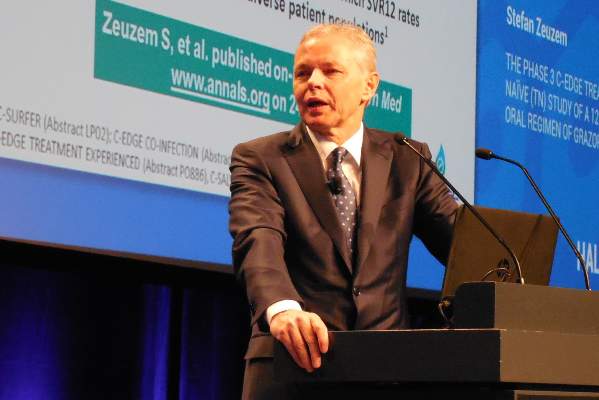
“I love competition,” said Dr. Stefan Zeuzem as he reported the results at the meeting, which was sponsored by the European Association for the Study of the Liver. “We should have many regimens that produce excellent sustained virologic response because we see in the data that certain drug combinations fit better for special indications,” said Dr. Zeuzem, professor and chief of medicine at J.W. Goethe University Hospital in Frankfurt, Germany.
“This provides an excellent option, and we need more options” for treating chronic hepatitis C, said Dr. K. Rajender Reddy, a coauthor with Dr. Zeuzem on the study and professor and director of hepatology at the University of Pennsylvania in Philadelphia.
“It’s one pill, it works in more than 90% of patients, the side effect profile is good,” and the grazoprevir-elbasvir combination can be used in patients with severe renal impairment and a glomerular filtration rate below 30 mL/min per 1.73 m2, something not recommended with one of the major drugs now available for treating hepatitis C, sofosbuvir (Sovaldi and Harvoni), Dr. Reddy said in an interview.

And it’s a “huge step” toward simpler hepatitis C–treatment regimens that are applicable to a broader range of patients, commented Dr. Donald M. Jensen, a hepatologist in Oak Park, Ill. who helped develop hepatitis C–treatment recommendations for the American Association for the Study of Liver Diseases.
“It offers the ability to treat multiple genotypes and had a high success rate, but it still relies on a protease inhibitor so it will still have issues of drug-drug interactions,” Dr. Jensen said in an interview. “Hopefully, as more regimens come out, companies will have to price their regimens competitively.”
The C-EDGE trial randomized 316 patients to immediate treatment with the grazoprevir-elbasvir combination and 105 patients to 4 weeks of placebo treatment as controls for adverse-effect monitoring, after which they also began active treatment. The trial enrolled patients during June 2014-March 2015 at 60 centers in nine countries. The rate of sustained virologic response after 12 weeks, the study’s primary endpoint, occurred in 92% of patients infected with genotype 1a, 99% of those infected by 1b, 100% of the 18 patients infected by genotype 4, and in 8 of the 10 patients infected by genotype 6, Dr. Zeuzem reported.
Concurrent with his talk at the meeting on April 24, the results were published online (Ann. Int. Med. 2015 [doi:10.7326/M15-0785]).
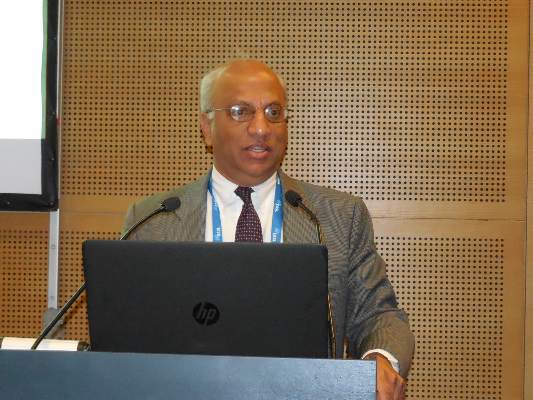
“You can use this regimen comfortably for genotype 4. Whether you want to take the data seriously for genotype 6 is a question,” noted Dr. Reddy, who acknowledged that the 10-patient experience for genotype 6 is too preliminary to provide firm guidance on efficacy. The apparent efficacy of the grazoprevir-elbasvir combination beyond genotype 1 reflects the fact that both drugs are “second generation” agents, particularly designed to have pan-genotype efficacy, Dr. Reddy said.
The safety profile of the two drugs was encouraging, with adverse events occurring at rates no different than in the placebo arm. No patient had a serious adverse event on active treatment, and two patients in the active arm discontinued because of an adverse event.
The data also showed that the regimen was effective regardless of age, sex, race, or the presence of compensated cirrhosis. All of the virologic failures occurred in patients with high viral loads – greater than 800,000 IU/mL – when they started treatment, a finding consistent with prior reports, Dr. Zeuzem said. The patients who had virologic failure carried resistance-associated variant strains of hepatitis C.
The C-EDGE trial was sponsored by Merck, which is developing the drugs used in the study. Dr. Zeuzem has been a consultant for and speaker on behalf of Merck and for AbbVie, Bristol-Myers Squibb, Gilead, and Janssen. Dr. Reddy has been a consultant to and received research support from Merck and Bristol-Myers Squibb, AbbVie, Janssen, and Gilead, Dr. Jensen had no disclosures.
VIENNA – A new, once-daily, single-pill regimen for treating chronic hepatitis C infection without interferon or ribavirin showed 95% eradication efficacy after 12 weeks of safe treatment in a pivotal trial with 421 treatment-naive patients.
The study results also showed that the combination of grazoprevir and elbasvir, drugs that target two different hepatitis C proteins, was equally effective in noncirrhotic and compensated cirrhotic patents. Although more than 90% of the enrolled patients were infected by genotype 1 hepatitis C, the new combination also showed efficacy in the small number of patients enrolled who were infected by either genotype 4 or genotype 6 virus.
Perhaps the most important consequence of the new study, the C-EDGE trial, is that it put the grazoprevir-elbasvir combination on track for near-term approval as another simple, effective, interferon- and ribavirin-free regimen to cure patients of chronic hepatitis C infection, a step that would sharpen competition in this niche and could lead to price reductions among the currently available, high-cost treatments.
“I love competition,” said Dr. Stefan Zeuzem as he reported the results at the meeting, which was sponsored by the European Association for the Study of the Liver. “We should have many regimens that produce excellent sustained virologic response because we see in the data that certain drug combinations fit better for special indications,” said Dr. Zeuzem, professor and chief of medicine at J.W. Goethe University Hospital in Frankfurt, Germany.
“This provides an excellent option, and we need more options” for treating chronic hepatitis C, said Dr. K. Rajender Reddy, a coauthor with Dr. Zeuzem on the study and professor and director of hepatology at the University of Pennsylvania in Philadelphia.
“It’s one pill, it works in more than 90% of patients, the side effect profile is good,” and the grazoprevir-elbasvir combination can be used in patients with severe renal impairment and a glomerular filtration rate below 30 mL/min per 1.73 m2, something not recommended with one of the major drugs now available for treating hepatitis C, sofosbuvir (Sovaldi and Harvoni), Dr. Reddy said in an interview.
And it’s a “huge step” toward simpler hepatitis C–treatment regimens that are applicable to a broader range of patients, commented Dr. Donald M. Jensen, a hepatologist in Oak Park, Ill. who helped develop hepatitis C–treatment recommendations for the American Association for the Study of Liver Diseases.
“It offers the ability to treat multiple genotypes and had a high success rate, but it still relies on a protease inhibitor so it will still have issues of drug-drug interactions,” Dr. Jensen said in an interview. “Hopefully, as more regimens come out, companies will have to price their regimens competitively.”
The C-EDGE trial randomized 316 patients to immediate treatment with the grazoprevir-elbasvir combination and 105 patients to 4 weeks of placebo treatment as controls for adverse-effect monitoring, after which they also began active treatment. The trial enrolled patients during June 2014-March 2015 at 60 centers in nine countries. The rate of sustained virologic response after 12 weeks, the study’s primary endpoint, occurred in 92% of patients infected with genotype 1a, 99% of those infected by 1b, 100% of the 18 patients infected by genotype 4, and in 8 of the 10 patients infected by genotype 6, Dr. Zeuzem reported.
Concurrent with his talk at the meeting on April 24, the results were published online (Ann. Int. Med. 2015 [doi:10.7326/M15-0785]).
“You can use this regimen comfortably for genotype 4. Whether you want to take the data seriously for genotype 6 is a question,” noted Dr. Reddy, who acknowledged that the 10-patient experience for genotype 6 is too preliminary to provide firm guidance on efficacy. The apparent efficacy of the grazoprevir-elbasvir combination beyond genotype 1 reflects the fact that both drugs are “second generation” agents, particularly designed to have pan-genotype efficacy, Dr. Reddy said.
The safety profile of the two drugs was encouraging, with adverse events occurring at rates no different than in the placebo arm. No patient had a serious adverse event on active treatment, and two patients in the active arm discontinued because of an adverse event.
The data also showed that the regimen was effective regardless of age, sex, race, or the presence of compensated cirrhosis. All of the virologic failures occurred in patients with high viral loads – greater than 800,000 IU/mL – when they started treatment, a finding consistent with prior reports, Dr. Zeuzem said. The patients who had virologic failure carried resistance-associated variant strains of hepatitis C.
The C-EDGE trial was sponsored by Merck, which is developing the drugs used in the study. Dr. Zeuzem has been a consultant for and speaker on behalf of Merck and for AbbVie, Bristol-Myers Squibb, Gilead, and Janssen. Dr. Reddy has been a consultant to and received research support from Merck and Bristol-Myers Squibb, AbbVie, Janssen, and Gilead, Dr. Jensen had no disclosures.
VIENNA – A new, once-daily, single-pill regimen for treating chronic hepatitis C infection without interferon or ribavirin showed 95% eradication efficacy after 12 weeks of safe treatment in a pivotal trial with 421 treatment-naive patients.
The study results also showed that the combination of grazoprevir and elbasvir, drugs that target two different hepatitis C proteins, was equally effective in noncirrhotic and compensated cirrhotic patents. Although more than 90% of the enrolled patients were infected by genotype 1 hepatitis C, the new combination also showed efficacy in the small number of patients enrolled who were infected by either genotype 4 or genotype 6 virus.
Perhaps the most important consequence of the new study, the C-EDGE trial, is that it put the grazoprevir-elbasvir combination on track for near-term approval as another simple, effective, interferon- and ribavirin-free regimen to cure patients of chronic hepatitis C infection, a step that would sharpen competition in this niche and could lead to price reductions among the currently available, high-cost treatments.
“I love competition,” said Dr. Stefan Zeuzem as he reported the results at the meeting, which was sponsored by the European Association for the Study of the Liver. “We should have many regimens that produce excellent sustained virologic response because we see in the data that certain drug combinations fit better for special indications,” said Dr. Zeuzem, professor and chief of medicine at J.W. Goethe University Hospital in Frankfurt, Germany.
“This provides an excellent option, and we need more options” for treating chronic hepatitis C, said Dr. K. Rajender Reddy, a coauthor with Dr. Zeuzem on the study and professor and director of hepatology at the University of Pennsylvania in Philadelphia.
“It’s one pill, it works in more than 90% of patients, the side effect profile is good,” and the grazoprevir-elbasvir combination can be used in patients with severe renal impairment and a glomerular filtration rate below 30 mL/min per 1.73 m2, something not recommended with one of the major drugs now available for treating hepatitis C, sofosbuvir (Sovaldi and Harvoni), Dr. Reddy said in an interview.
And it’s a “huge step” toward simpler hepatitis C–treatment regimens that are applicable to a broader range of patients, commented Dr. Donald M. Jensen, a hepatologist in Oak Park, Ill. who helped develop hepatitis C–treatment recommendations for the American Association for the Study of Liver Diseases.
“It offers the ability to treat multiple genotypes and had a high success rate, but it still relies on a protease inhibitor so it will still have issues of drug-drug interactions,” Dr. Jensen said in an interview. “Hopefully, as more regimens come out, companies will have to price their regimens competitively.”
The C-EDGE trial randomized 316 patients to immediate treatment with the grazoprevir-elbasvir combination and 105 patients to 4 weeks of placebo treatment as controls for adverse-effect monitoring, after which they also began active treatment. The trial enrolled patients during June 2014-March 2015 at 60 centers in nine countries. The rate of sustained virologic response after 12 weeks, the study’s primary endpoint, occurred in 92% of patients infected with genotype 1a, 99% of those infected by 1b, 100% of the 18 patients infected by genotype 4, and in 8 of the 10 patients infected by genotype 6, Dr. Zeuzem reported.
Concurrent with his talk at the meeting on April 24, the results were published online (Ann. Int. Med. 2015 [doi:10.7326/M15-0785]).
“You can use this regimen comfortably for genotype 4. Whether you want to take the data seriously for genotype 6 is a question,” noted Dr. Reddy, who acknowledged that the 10-patient experience for genotype 6 is too preliminary to provide firm guidance on efficacy. The apparent efficacy of the grazoprevir-elbasvir combination beyond genotype 1 reflects the fact that both drugs are “second generation” agents, particularly designed to have pan-genotype efficacy, Dr. Reddy said.
The safety profile of the two drugs was encouraging, with adverse events occurring at rates no different than in the placebo arm. No patient had a serious adverse event on active treatment, and two patients in the active arm discontinued because of an adverse event.
The data also showed that the regimen was effective regardless of age, sex, race, or the presence of compensated cirrhosis. All of the virologic failures occurred in patients with high viral loads – greater than 800,000 IU/mL – when they started treatment, a finding consistent with prior reports, Dr. Zeuzem said. The patients who had virologic failure carried resistance-associated variant strains of hepatitis C.
The C-EDGE trial was sponsored by Merck, which is developing the drugs used in the study. Dr. Zeuzem has been a consultant for and speaker on behalf of Merck and for AbbVie, Bristol-Myers Squibb, Gilead, and Janssen. Dr. Reddy has been a consultant to and received research support from Merck and Bristol-Myers Squibb, AbbVie, Janssen, and Gilead, Dr. Jensen had no disclosures.
AT THE INTERNATIONAL LIVER CONGRESS 2015
Key clinical point: Once-daily, single-pill combination treatment with grazoprevir and elbasvir for 12 weeks was safe and effective for eradicating chronic hepatitis C infection.
Major finding: Twelve weeks of treatment produced a sustained virologic response in 95% of patients.
Data source: The C-EDGE trial, which enrolled 421 treatment-naive patients with chronic hepatitis C infection at 60 centers in nine countries.
Disclosures: The C-EDGE trial was sponsored by Merck, which is developing the drugs used in the study. Dr. Zeuzem has been a consultant for and speaker on behalf of Merck and for AbbVie, Bristol-Myers Squibb, Gilead, and Janssen. Dr. Reddy has been a consultant to and received research support from Merck and Bristol-Myers Squibb, AbbVie, Janssen, and Gilead, Dr. Jensen had no disclosures.
ELCC: NSCLC mutation testing highlights ctDNA’s limitations
GENEVA – The tests widely available today that use a cancer patient’s tumor DNA that circulates in the blood to detect a treatment-altering lung cancer mutation vary widely in sensitivity, meaning that using circulating DNA to identify a clinically important mutation should be limited to when biopsying the primary does not yield enough DNA for testing.
“It is important to use robust and sensitive methods” when trying to match treatment to the molecular specificities of each patient’s tumor, Dr. Martin Reck said at the European Lung Cancer Conference.

Results from a study that prospectively compared DNA analysis for mutations in the epidermal growth factor receptor (EGFR) gene in tumor biopsies from 1,162 patients with advanced non–small cell lung cancer with DNA analysis of circulating tumor DNA (ctDNA) from the same patients showed that ctDNA analysis had 46% sensitivity, compared with tumor biopsy DNA, reported Dr. Reck, a thoracic oncologist at the Lung Clinic in Grosshandsdorf, Germany. This high level of false-negative results with ctDNA analysis produced a positive predictive value of 78%. In contrast, ctDNA has a specificity of 97% and a negative predictive value of 90%.
The results from the international study, which included 881 patients from seven European countries plus 281 patients from Japan, highlighted the divergent concordance among EGFR mutation comparisons of ctDNA and biopsy DNA depending on which DNA tests were used. Participating physicians could order whichever genetic analyses they wanted. A subanalysis of the study showed, for example, that among the 138 patients whose tumor and ctDNAs were both evaluated for EGFR mutations using the therascreen test marketed by QIAGEN the concordance rose to 95%, the sensitivity of ctDNA was 73%, and the positive predictive value was 94%, Dr. Reck reported.
The Europe-Japan Diagnostic Study for EGFR Testing (ASSESS) enrolled patients with either newly diagnosed, locally advanced stage IIIA or IIIB metastatic non–small cell lung cancer or patients with recurrent non–small cell lung cancer following surgical resection. Patients averaged about 67 years old, and about 85% had stage IV disease. The genetic analyses identified EGFR mutations in 31% of the Japanese patients and in 12% of those in Europe.
On Twitter @mitchelzoler

|
| Mitchel L. Zoler/Frontline Medical News Dr. Egbert F. Smit |
The ASSESS study is the largest evaluation of using ctDNA to test the status of a lung tumor for the presence of a mutation in the gene for the epidermal growth factor receptor. It also gives us insight into the feasibility and effectiveness of using this approach in routine practice, outside of a rigorously designed trial. The result was that mutation testing using plasma specimens to obtain circulating tumor DNA was generally doable but resulted in low sensitivity and a low positive predictive value.
The low sensitivity seen overall in ASSESS likely resulted from the multiple testing reagents, commercially available testing kits, and in-house techniques used by individual laboratories in this international study done in diverse settings. Some of the tests for epidermal growth factor receptor (EGFR) mutations are quite sensitive, and others less so. The specific testing method used matters quite a lot. The heterogeneity of methods used in ASSESS reflects the diversity of what usually happens in real-world practice.
Based on the sensitivity limitations, I currently see using ctDNA to test for EGFR mutations only when this is the only option for mutation assessment because a conventional biopsy of the primary tumor failed to provide enough DNA for EGFR mutation testing. Although it is hard to find specific numbers on how often this situation arises in current practice, it seems to happen roughly 10%-30% of the time. So, for about one-fifth of patients with newly diagnosed or recurrent stage III or IV lung cancer EGFR mutation assessment using ctDNA will be necessary.
The data from ASSESS and other studies show that when ctDNA testing identifies an EGFR mutation you can rely on its accuracy. The problem is when ctDNA testing fails to identify an EGFR mutation. In those situations you need to be cautious as you can’t rely on a negative result as being a true negative. I would also be cautious about using ctDNA testing to follow lung cancer patients, as the clinical importance of finding new EGFR alleles appearing in the patient’s blood over time is not yet clear. We need more studies that follow these patients and changes in their EGFR ctDNA over time to determine the clinical relevance of these changes.
The results from ASSESS add to the existing body of evidence that ctDNA testing to find EGFR mutations is feasible in a real-world setting.
Dr. Egbert F. Smit is a professor of pulmonary medicine at the VU University Medical Center in Amsterdam.He had no relevant disclosures. He made these comments in an interview and as the designated discussant for the ASSESS study at the meeting.
|
|
| Mitchel L. Zoler/Frontline Medical News Dr. Egbert F. Smit |
The ASSESS study is the largest evaluation of using ctDNA to test the status of a lung tumor for the presence of a mutation in the gene for the epidermal growth factor receptor. It also gives us insight into the feasibility and effectiveness of using this approach in routine practice, outside of a rigorously designed trial. The result was that mutation testing using plasma specimens to obtain circulating tumor DNA was generally doable but resulted in low sensitivity and a low positive predictive value.
The low sensitivity seen overall in ASSESS likely resulted from the multiple testing reagents, commercially available testing kits, and in-house techniques used by individual laboratories in this international study done in diverse settings. Some of the tests for epidermal growth factor receptor (EGFR) mutations are quite sensitive, and others less so. The specific testing method used matters quite a lot. The heterogeneity of methods used in ASSESS reflects the diversity of what usually happens in real-world practice.
Based on the sensitivity limitations, I currently see using ctDNA to test for EGFR mutations only when this is the only option for mutation assessment because a conventional biopsy of the primary tumor failed to provide enough DNA for EGFR mutation testing. Although it is hard to find specific numbers on how often this situation arises in current practice, it seems to happen roughly 10%-30% of the time. So, for about one-fifth of patients with newly diagnosed or recurrent stage III or IV lung cancer EGFR mutation assessment using ctDNA will be necessary.
The data from ASSESS and other studies show that when ctDNA testing identifies an EGFR mutation you can rely on its accuracy. The problem is when ctDNA testing fails to identify an EGFR mutation. In those situations you need to be cautious as you can’t rely on a negative result as being a true negative. I would also be cautious about using ctDNA testing to follow lung cancer patients, as the clinical importance of finding new EGFR alleles appearing in the patient’s blood over time is not yet clear. We need more studies that follow these patients and changes in their EGFR ctDNA over time to determine the clinical relevance of these changes.
The results from ASSESS add to the existing body of evidence that ctDNA testing to find EGFR mutations is feasible in a real-world setting.
Dr. Egbert F. Smit is a professor of pulmonary medicine at the VU University Medical Center in Amsterdam.He had no relevant disclosures. He made these comments in an interview and as the designated discussant for the ASSESS study at the meeting.
|
|
| Mitchel L. Zoler/Frontline Medical News Dr. Egbert F. Smit |
The ASSESS study is the largest evaluation of using ctDNA to test the status of a lung tumor for the presence of a mutation in the gene for the epidermal growth factor receptor. It also gives us insight into the feasibility and effectiveness of using this approach in routine practice, outside of a rigorously designed trial. The result was that mutation testing using plasma specimens to obtain circulating tumor DNA was generally doable but resulted in low sensitivity and a low positive predictive value.
The low sensitivity seen overall in ASSESS likely resulted from the multiple testing reagents, commercially available testing kits, and in-house techniques used by individual laboratories in this international study done in diverse settings. Some of the tests for epidermal growth factor receptor (EGFR) mutations are quite sensitive, and others less so. The specific testing method used matters quite a lot. The heterogeneity of methods used in ASSESS reflects the diversity of what usually happens in real-world practice.
Based on the sensitivity limitations, I currently see using ctDNA to test for EGFR mutations only when this is the only option for mutation assessment because a conventional biopsy of the primary tumor failed to provide enough DNA for EGFR mutation testing. Although it is hard to find specific numbers on how often this situation arises in current practice, it seems to happen roughly 10%-30% of the time. So, for about one-fifth of patients with newly diagnosed or recurrent stage III or IV lung cancer EGFR mutation assessment using ctDNA will be necessary.
The data from ASSESS and other studies show that when ctDNA testing identifies an EGFR mutation you can rely on its accuracy. The problem is when ctDNA testing fails to identify an EGFR mutation. In those situations you need to be cautious as you can’t rely on a negative result as being a true negative. I would also be cautious about using ctDNA testing to follow lung cancer patients, as the clinical importance of finding new EGFR alleles appearing in the patient’s blood over time is not yet clear. We need more studies that follow these patients and changes in their EGFR ctDNA over time to determine the clinical relevance of these changes.
The results from ASSESS add to the existing body of evidence that ctDNA testing to find EGFR mutations is feasible in a real-world setting.
Dr. Egbert F. Smit is a professor of pulmonary medicine at the VU University Medical Center in Amsterdam.He had no relevant disclosures. He made these comments in an interview and as the designated discussant for the ASSESS study at the meeting.
GENEVA – The tests widely available today that use a cancer patient’s tumor DNA that circulates in the blood to detect a treatment-altering lung cancer mutation vary widely in sensitivity, meaning that using circulating DNA to identify a clinically important mutation should be limited to when biopsying the primary does not yield enough DNA for testing.
“It is important to use robust and sensitive methods” when trying to match treatment to the molecular specificities of each patient’s tumor, Dr. Martin Reck said at the European Lung Cancer Conference.
Results from a study that prospectively compared DNA analysis for mutations in the epidermal growth factor receptor (EGFR) gene in tumor biopsies from 1,162 patients with advanced non–small cell lung cancer with DNA analysis of circulating tumor DNA (ctDNA) from the same patients showed that ctDNA analysis had 46% sensitivity, compared with tumor biopsy DNA, reported Dr. Reck, a thoracic oncologist at the Lung Clinic in Grosshandsdorf, Germany. This high level of false-negative results with ctDNA analysis produced a positive predictive value of 78%. In contrast, ctDNA has a specificity of 97% and a negative predictive value of 90%.
The results from the international study, which included 881 patients from seven European countries plus 281 patients from Japan, highlighted the divergent concordance among EGFR mutation comparisons of ctDNA and biopsy DNA depending on which DNA tests were used. Participating physicians could order whichever genetic analyses they wanted. A subanalysis of the study showed, for example, that among the 138 patients whose tumor and ctDNAs were both evaluated for EGFR mutations using the therascreen test marketed by QIAGEN the concordance rose to 95%, the sensitivity of ctDNA was 73%, and the positive predictive value was 94%, Dr. Reck reported.
The Europe-Japan Diagnostic Study for EGFR Testing (ASSESS) enrolled patients with either newly diagnosed, locally advanced stage IIIA or IIIB metastatic non–small cell lung cancer or patients with recurrent non–small cell lung cancer following surgical resection. Patients averaged about 67 years old, and about 85% had stage IV disease. The genetic analyses identified EGFR mutations in 31% of the Japanese patients and in 12% of those in Europe.
On Twitter @mitchelzoler
GENEVA – The tests widely available today that use a cancer patient’s tumor DNA that circulates in the blood to detect a treatment-altering lung cancer mutation vary widely in sensitivity, meaning that using circulating DNA to identify a clinically important mutation should be limited to when biopsying the primary does not yield enough DNA for testing.
“It is important to use robust and sensitive methods” when trying to match treatment to the molecular specificities of each patient’s tumor, Dr. Martin Reck said at the European Lung Cancer Conference.
Results from a study that prospectively compared DNA analysis for mutations in the epidermal growth factor receptor (EGFR) gene in tumor biopsies from 1,162 patients with advanced non–small cell lung cancer with DNA analysis of circulating tumor DNA (ctDNA) from the same patients showed that ctDNA analysis had 46% sensitivity, compared with tumor biopsy DNA, reported Dr. Reck, a thoracic oncologist at the Lung Clinic in Grosshandsdorf, Germany. This high level of false-negative results with ctDNA analysis produced a positive predictive value of 78%. In contrast, ctDNA has a specificity of 97% and a negative predictive value of 90%.
The results from the international study, which included 881 patients from seven European countries plus 281 patients from Japan, highlighted the divergent concordance among EGFR mutation comparisons of ctDNA and biopsy DNA depending on which DNA tests were used. Participating physicians could order whichever genetic analyses they wanted. A subanalysis of the study showed, for example, that among the 138 patients whose tumor and ctDNAs were both evaluated for EGFR mutations using the therascreen test marketed by QIAGEN the concordance rose to 95%, the sensitivity of ctDNA was 73%, and the positive predictive value was 94%, Dr. Reck reported.
The Europe-Japan Diagnostic Study for EGFR Testing (ASSESS) enrolled patients with either newly diagnosed, locally advanced stage IIIA or IIIB metastatic non–small cell lung cancer or patients with recurrent non–small cell lung cancer following surgical resection. Patients averaged about 67 years old, and about 85% had stage IV disease. The genetic analyses identified EGFR mutations in 31% of the Japanese patients and in 12% of those in Europe.
On Twitter @mitchelzoler
AT ELCC 2015
Key clinical point: In a real-world setting genetic tests that used ctDNA to find treatment-determining mutations in patients with advanced lung cancer were generally less sensitive than genetic tests using biopsy material from the primary tumor.
Major finding: Mutation assessment results from ctDNA and biopsy DNA showed concordance in 89% of specimen pairs tested.
Data source: Prospective study with paired test results from 1,162 patients treated in seven European countries or in Japan.
Disclosures: The ASSESS study was funded by AstraZeneca. Dr. Reck has been a speaker and consultant to AstraZeneca and seven other companies.

VIDEO: Circulating tumor DNA testing shows real-world limits
GENEVA – Circulating tumor DNA currently has one role to play in routine management of lung cancer patients: To check at the time of diagnosis for a treatment-defining mutation in the tumor’s epidermal growth factor receptor gene, but only when the DNA available from the tumor biopsy is inadequate for analysis, Dr. Egbert F. Smith said in a video interview at the European Lung Cancer Congress. That happens for about 10%-25% of newly diagnosed lung-cancer patients, he said.
Dr. Smit, the designated discussant for the Europe-Japan Diagnostic Study for EGFR [epidermal growth factor receptor] Testing (ASSESS) – a study that ran mutational analysis of the EGFR genes in 1,162 patients using circulating tumor (ct) DNA – highlighted the main limitation of this method in the routine-practice setting used by ASSESS: The test’s low sensitivity of 46%.
He attributed this in part to the wide range of methods used to perform the ctDNA analyses in the international study. “Some methods are sensitive, and some are not so sensitive,” said Dr. Smit, professor of pulmonary medicine at VU University Medical Center, Amsterdam.
“You have to think about the limits of your [ctDNA] test, and the analytical sensitivity of the laboratory,” he said. These factors can make a ctDNA test unreliable for ruling out an EGFR mutation. “Do not think that patients do not have an EGFR mutation based only on their plasma circulating DNA,” Dr. Smit advised.
He had no relevant disclosures.
The video associated with this article is no longer available on this site. Please view all of our videos on the MDedge YouTube channel
On Twitter @mitchelzoler
GENEVA – Circulating tumor DNA currently has one role to play in routine management of lung cancer patients: To check at the time of diagnosis for a treatment-defining mutation in the tumor’s epidermal growth factor receptor gene, but only when the DNA available from the tumor biopsy is inadequate for analysis, Dr. Egbert F. Smith said in a video interview at the European Lung Cancer Congress. That happens for about 10%-25% of newly diagnosed lung-cancer patients, he said.
Dr. Smit, the designated discussant for the Europe-Japan Diagnostic Study for EGFR [epidermal growth factor receptor] Testing (ASSESS) – a study that ran mutational analysis of the EGFR genes in 1,162 patients using circulating tumor (ct) DNA – highlighted the main limitation of this method in the routine-practice setting used by ASSESS: The test’s low sensitivity of 46%.
He attributed this in part to the wide range of methods used to perform the ctDNA analyses in the international study. “Some methods are sensitive, and some are not so sensitive,” said Dr. Smit, professor of pulmonary medicine at VU University Medical Center, Amsterdam.
“You have to think about the limits of your [ctDNA] test, and the analytical sensitivity of the laboratory,” he said. These factors can make a ctDNA test unreliable for ruling out an EGFR mutation. “Do not think that patients do not have an EGFR mutation based only on their plasma circulating DNA,” Dr. Smit advised.
He had no relevant disclosures.
The video associated with this article is no longer available on this site. Please view all of our videos on the MDedge YouTube channel
On Twitter @mitchelzoler
GENEVA – Circulating tumor DNA currently has one role to play in routine management of lung cancer patients: To check at the time of diagnosis for a treatment-defining mutation in the tumor’s epidermal growth factor receptor gene, but only when the DNA available from the tumor biopsy is inadequate for analysis, Dr. Egbert F. Smith said in a video interview at the European Lung Cancer Congress. That happens for about 10%-25% of newly diagnosed lung-cancer patients, he said.
Dr. Smit, the designated discussant for the Europe-Japan Diagnostic Study for EGFR [epidermal growth factor receptor] Testing (ASSESS) – a study that ran mutational analysis of the EGFR genes in 1,162 patients using circulating tumor (ct) DNA – highlighted the main limitation of this method in the routine-practice setting used by ASSESS: The test’s low sensitivity of 46%.
He attributed this in part to the wide range of methods used to perform the ctDNA analyses in the international study. “Some methods are sensitive, and some are not so sensitive,” said Dr. Smit, professor of pulmonary medicine at VU University Medical Center, Amsterdam.
“You have to think about the limits of your [ctDNA] test, and the analytical sensitivity of the laboratory,” he said. These factors can make a ctDNA test unreliable for ruling out an EGFR mutation. “Do not think that patients do not have an EGFR mutation based only on their plasma circulating DNA,” Dr. Smit advised.
He had no relevant disclosures.
The video associated with this article is no longer available on this site. Please view all of our videos on the MDedge YouTube channel
On Twitter @mitchelzoler
EXPERT ANALYSIS FROM ELCC 2015

Multiple systems showcase TAVR’s advances
SAN DIEGO – Three separate reports of pivotal trial results from three different systems for performing transcatheter aortic valve replacement performed during three distinct periods highlighted the rapid advances of this intervention that have now put it on the cusp of being the preferred, default strategy for replacing stenosed aortic valves in older patients.
First SAPIEN 3 U.S. outcomes reported
The most recent technologic advance in transcatheter aortic valve replacement (TAVR), showcased in one of the three presentations at the annual meeting of the American College of Cardiology, was the SAPIEN 3 System, the lowest-profile TAVR system so far to undergo U.S. testing with a 14F delivery system for all valve sizes except the largest, 29 mm valves, which require a 16F system. SAPIEN 3 produced 30-day outcome results so good that one TAVR operator expressed shock at the dramatic, short-term success.
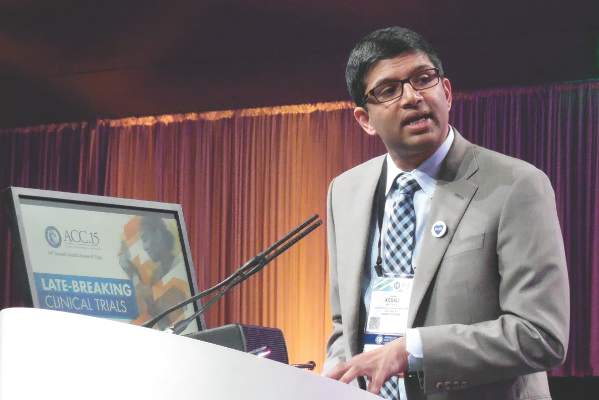
After 30 days follow-up, SAPIEN 3 produced a 2% mortality rate and a 2% stroke rate in 583 “high-risk” patients treated during 2013 and 2014 who were an average of 83 years old and had an average Society of Thoracic Surgeons (STS) risk score of 8.6%, Dr. Susheel K. Kodali reported at the meeting. By contrast, in the pivotal trial of the first-generation SAPIEN TAVR system, run during 2007-2009, in 348 “high-risk” patients (who averaged 84 years old and had an average STS risk score of 11.8%) the 30-day mortality ran 5% and 30-day strokes affected 6%, Dr. Kodali noted.
The new trial also enrolled 1,076 “intermediate”-risk patients, who averaged 82 years old with an average STS score of 5.3%. Their 30-day mortality rate was 1% and their total stroke rate was 3%, with a disabling stroke rate (modified Rankin scale score of 2 or more) of 1%.

These excellent results prompted Edwards, the company developing the SAPIEN 3 System, to apply for Food and Drug Administration approval for the device in high-risk patients, Dr. Kodali noted. In March, Edwards released a statement in which it said it expects SAPIEN 3 to receive U.S. marketing approval within a year. While Dr. Kodali said longer-term follow-up is needed for the intermediate-risk patients, the outcome results he has seen make him rethink the TAVR’s role, compared with conventional aortic valve replacement by open surgery.
“With surgery, these [intermediate-risk] patients would have a 5% mortality rate. The conversation now may need to change,” he said. “We have always said we use TAVR when surgery is not a good option, but based on the recent, 2-year findings with the CoreValve and our data, with a 1% mortality and a 1% disabling stroke rate [in intermediate-risk patients] maybe TAVR is now the preferred option, at least for 80-year-olds, said Dr. Kodali, codirector of the Heart Valve Center at NewYork-Presbyterian/Columbia University Medical Center.
Commenting on the SAPIEN 3 results as well as excellent 2-year results from the CoreValve TAVR System pivotal trial, Dr. Jeffrey J. Popma attributed the success to three factors: improved patient selection, refined and routinely used imaging methods for sizing the aortic annulus to better match the TAVR valve size to the annulus size, and improved TAVR techniques based on what is now about an 8-year clinical experience using TAVR.

“All this now puts us in a place where the bar has been set very high for surgery. How does surgery compete?” asked Dr. Popma, professor of medicine at Harvard University and an interventional cardiologist at Beth Israel Deaconess Medical Center in Boston. “The results are so clean at 30 days, what more information do we really need” for device approval? Dr. Popma, one of the discussants for the meeting report by Dr. Kodali, asked.
“I’m shocked the SAPIEN 3 data were so good,” said Dr. Stephen Ramee, an interventional cardiologist and medical director of the Structural and Valvular Heart Center at the Ochsner Medical Center in New Orleans. “We’ll need to wait to do intermediate-risk patients routinely, but the handwriting is on the wall with these data and the CoreValve results. I think TAVR will be preferred for all high-risk patients and for intermediate-risk patients who are at least 80 years old,” Dr. Ramee said in an interview.
Commenting on whether the FDA should approve SAPIEN 3 based on 30-day outcomes in high-risk patients, Dr. Popma noted that SAPIEN 3 is “an iteration of what has been demonstrated” in long-term results with the first-generation SAPIEN device. “Do we really need a randomized clinical trail with several thousand patients after the [SAPIEN] platform was already established?” he asked.
“We don’t demand that for iterations of surgical valves,” agreed Dr. Kodali.
CoreValve looks good longer-term
While SAPIEN 3’s performance turned heads, 2-year results from the CoreValve’s pivotal trial reported at the meeting further deepened the impression that TAVR offered substantial advantages, compared with surgical aortic valve replacement in high-risk patients. The 2-year outcomes followed the trial’s primary endpoint reported last year, the 1-year results, which had shown a statistically significant advantage in survival, compared with surgery (N. Engl. J. Med. 2014;370:1790-8).

The 2-year follow-up showed this advantage was “sustainable, durable, and widening,” reported Dr. Michael Reardon, professor of cardiothoracic surgery at the Methodist Hospital in Houston.
For example, 2-year all-cause mortality stood at 29% in patients who underwent surgical valve replacement and 22% in those who received TAVR with CoreValve, a statistically significant widening of the between-group gap, compared with the respective 19% and 14% mortality rates after 1 year. The rate of all-cause death or major stroke after 2 years ran 33% and 24% with surgical valve replacement or TAVR, respectively, compared with rates of 23% and 16% after 1 year.
Concern about excess strokes with TAVR, “one of our early worries, seems to have been put to bed,” Dr. Reardon said. The results also showed CoreValve substantially surpassed open surgery for valvular blood flow metrics across the full range of follow-up time points.
Several factors might have produced the widening outcomes between years 1 and 2 following a different one-time intervention, Dr. Reardon said, such as significant differences in the incident rate following intervention for disabling or life-threatening bleeding, atrial fibrillation, and acute kidney injury. All three complications occurred significantly more often in the surgery patients, compared with those treated with TAVR, and while the bulk of the difference in incidence showed up within the first month after intervention, each of these complications could have important long-term effects on survival and stroke rates, Dr. Reardon explained. On the other side of the ledger, open surgery when compared with CoreValve resulted in significantly fewer acute and long-term episodes of vascular complications and fewer new pacemakers, but these complications likely have less impact on stroke and mortality than the three that occur more often with surgery.
Overall, the widening gap in outcomes between surgery and TAVR “suggests that TAVR with a self-expanding valve [CoreValve] should be considered the preferred treatment,” compared with surgery in high-risk patients, Dr. Reardon said during his presentation at the meeting, a similar conclusion to what Dr. Kodali said about SAPIEN 3.
“These results really do move the needle forward,” said Dr. Popma, a CoreValve trial coinvestigator. “We see for the first time that [TAVR] may indeed be superior, and although durability remains a long-term question we have 2-year data that CoreValve has held up.”
First-generation SAPIEN TAVR shows 5-year stability
The third piece of the TAVR trilogy reported at the meeting was 5-year follow-up results from the first U.S. TAVR pivotal trial (PARTNER 1) using the first-generation SAPIEN device, which is no longer available in the United States. Those results from patients treated during 2007-2009 showed continuation of the statistical overlap between surgical valve replacement and SAPIEN TAVR for all-cause mortality, stroke, and other outcomes (Lancet 2015 [doi:10.1016/S0140-6736(15)60290-2]). Importantly, the results also showed no suggestions of deteriorating function in the TAVR valve after 5 years, reported Dr. Michael J. Mack at the meeting.
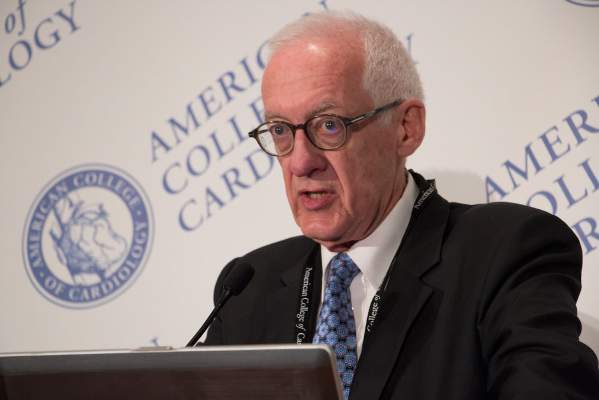
“It’s very encouraging, but we’d all like to go out to 10-12 years, and then we’d feel a lot better about it,” commented Dr. Reardon, who did not participate in the PARTNER trial. But given 5 years of apparently reliable function from a TAVR valve, the issue of long-term durability of these valves, an open question at the start of the SAPIEN trial, may be now coming to resolution, he suggested, at least for octogenarians, who are emerging as the prime demographic for TAVR.
“Tissue valves we place surgically deteriorate at different rates depending on a patient’s age when you put them in. In 30-year-olds many valves deteriorate after 10 years; in 50-year-olds maybe 15% will deteriorate, and in 70-year-olds almost none,” Dr. Reardon explained. “No one knows why.” Because many TAVR patients are at least 80 years old “it may take 10 years to see a signal of deterioration, or we might never see a signal,” he said.
SAPIEN versus CoreValve?
Although SAPIEN 3 may be on the U.S. market within the next year, for the time being routine U.S. TAVR practice is limited to two options, approved for high-risk or inoperable patients but not patients at intermediate risk: the CoreValve, which has now clearly bested surgery for all major endpoints over at least the midterm, and the SAPIEN XT model, the second-generation SAPIEN TAVR system that sits between the first generation and SAPIEN 3 and showed documented performance that roughly tracked with the original SAPIEN model. When approving the SAPIEN XT for U.S. marketing in June 2014 for operable high-risk patients as well as inoperable patients, the agency said the evidence indicated that XT was “noninferior” to SAPIEN in high-risk patients.
Several experts at the meeting agreed that despite this difference in performance between CoreValve and SAPIEN XT when each was compared with open surgery, the CoreValve experience better reflected more contemporary performance expectations for TAVR as a class, regardless of device. They cited improvements in valve sizing with imaging, better patient selection, and better TAVR technique as critical in boosting more favorable outcomes, factors that are not valve specific.
They also cited technical factors that may favor the SAPIEN XT device, notably more accurate valve placement using SAPIEN’s balloon-expandable format, compared with the self-expanding CoreValve.

Dr. Ramee said that outside of trials he’s now using SAPIEN XT for about 60% of his cases because of its “more predictable deployment. With CoreValve, you never know exactly where it will end up.” On the other hand, CoreValve works best for a more calcified aortic annulus because self-expanding placement is gentler and less likely to rupture a fragile annulus. That advantage gives CoreValve the edge for about 40% of his patients, Dr. Ramee said in an interview.
“There has been a general forward movement of the TAVR field” in which the focus has been TAVR versus surgery rather than CoreValve versus SAPIEN, Dr. Reardon said in an interview. Some anatomic features favor balloon expandable, others favor self-expanding. New TAVR systems in development by other manufacturers are mostly self-expanding models because of their ability to allow for repositioning, he noted.
Dr. Kodali has an equity interest in Thubrikar Aortic Valve; he has received honoraria from St. Jude; he has served on the steering committee for trials sponsored by Edwards, which markets the SAPIEN systems, Claret Medical, and Meril; and he has received research support from Edwards. Dr. Popma has been a consultant to Abbott, Abiomed, Boston Scientific, Cordis, and Abbott Vascular, and he has received research grants from Medtronic, which markets the CoreValve, and from five other companies. Dr. Reardon has served on an advisory board for Medtronic, Dr. Ramee has received honoraria from Edwards and from Medtronic and has a financial interest in several other companies developing TAVR systems.
On Twitter @mitchelzoler
SAN DIEGO – Three separate reports of pivotal trial results from three different systems for performing transcatheter aortic valve replacement performed during three distinct periods highlighted the rapid advances of this intervention that have now put it on the cusp of being the preferred, default strategy for replacing stenosed aortic valves in older patients.
First SAPIEN 3 U.S. outcomes reported
The most recent technologic advance in transcatheter aortic valve replacement (TAVR), showcased in one of the three presentations at the annual meeting of the American College of Cardiology, was the SAPIEN 3 System, the lowest-profile TAVR system so far to undergo U.S. testing with a 14F delivery system for all valve sizes except the largest, 29 mm valves, which require a 16F system. SAPIEN 3 produced 30-day outcome results so good that one TAVR operator expressed shock at the dramatic, short-term success.
After 30 days follow-up, SAPIEN 3 produced a 2% mortality rate and a 2% stroke rate in 583 “high-risk” patients treated during 2013 and 2014 who were an average of 83 years old and had an average Society of Thoracic Surgeons (STS) risk score of 8.6%, Dr. Susheel K. Kodali reported at the meeting. By contrast, in the pivotal trial of the first-generation SAPIEN TAVR system, run during 2007-2009, in 348 “high-risk” patients (who averaged 84 years old and had an average STS risk score of 11.8%) the 30-day mortality ran 5% and 30-day strokes affected 6%, Dr. Kodali noted.
The new trial also enrolled 1,076 “intermediate”-risk patients, who averaged 82 years old with an average STS score of 5.3%. Their 30-day mortality rate was 1% and their total stroke rate was 3%, with a disabling stroke rate (modified Rankin scale score of 2 or more) of 1%.
These excellent results prompted Edwards, the company developing the SAPIEN 3 System, to apply for Food and Drug Administration approval for the device in high-risk patients, Dr. Kodali noted. In March, Edwards released a statement in which it said it expects SAPIEN 3 to receive U.S. marketing approval within a year. While Dr. Kodali said longer-term follow-up is needed for the intermediate-risk patients, the outcome results he has seen make him rethink the TAVR’s role, compared with conventional aortic valve replacement by open surgery.
“With surgery, these [intermediate-risk] patients would have a 5% mortality rate. The conversation now may need to change,” he said. “We have always said we use TAVR when surgery is not a good option, but based on the recent, 2-year findings with the CoreValve and our data, with a 1% mortality and a 1% disabling stroke rate [in intermediate-risk patients] maybe TAVR is now the preferred option, at least for 80-year-olds, said Dr. Kodali, codirector of the Heart Valve Center at NewYork-Presbyterian/Columbia University Medical Center.
Commenting on the SAPIEN 3 results as well as excellent 2-year results from the CoreValve TAVR System pivotal trial, Dr. Jeffrey J. Popma attributed the success to three factors: improved patient selection, refined and routinely used imaging methods for sizing the aortic annulus to better match the TAVR valve size to the annulus size, and improved TAVR techniques based on what is now about an 8-year clinical experience using TAVR.
“All this now puts us in a place where the bar has been set very high for surgery. How does surgery compete?” asked Dr. Popma, professor of medicine at Harvard University and an interventional cardiologist at Beth Israel Deaconess Medical Center in Boston. “The results are so clean at 30 days, what more information do we really need” for device approval? Dr. Popma, one of the discussants for the meeting report by Dr. Kodali, asked.
“I’m shocked the SAPIEN 3 data were so good,” said Dr. Stephen Ramee, an interventional cardiologist and medical director of the Structural and Valvular Heart Center at the Ochsner Medical Center in New Orleans. “We’ll need to wait to do intermediate-risk patients routinely, but the handwriting is on the wall with these data and the CoreValve results. I think TAVR will be preferred for all high-risk patients and for intermediate-risk patients who are at least 80 years old,” Dr. Ramee said in an interview.
Commenting on whether the FDA should approve SAPIEN 3 based on 30-day outcomes in high-risk patients, Dr. Popma noted that SAPIEN 3 is “an iteration of what has been demonstrated” in long-term results with the first-generation SAPIEN device. “Do we really need a randomized clinical trail with several thousand patients after the [SAPIEN] platform was already established?” he asked.
“We don’t demand that for iterations of surgical valves,” agreed Dr. Kodali.
CoreValve looks good longer-term
While SAPIEN 3’s performance turned heads, 2-year results from the CoreValve’s pivotal trial reported at the meeting further deepened the impression that TAVR offered substantial advantages, compared with surgical aortic valve replacement in high-risk patients. The 2-year outcomes followed the trial’s primary endpoint reported last year, the 1-year results, which had shown a statistically significant advantage in survival, compared with surgery (N. Engl. J. Med. 2014;370:1790-8).
The 2-year follow-up showed this advantage was “sustainable, durable, and widening,” reported Dr. Michael Reardon, professor of cardiothoracic surgery at the Methodist Hospital in Houston.
For example, 2-year all-cause mortality stood at 29% in patients who underwent surgical valve replacement and 22% in those who received TAVR with CoreValve, a statistically significant widening of the between-group gap, compared with the respective 19% and 14% mortality rates after 1 year. The rate of all-cause death or major stroke after 2 years ran 33% and 24% with surgical valve replacement or TAVR, respectively, compared with rates of 23% and 16% after 1 year.
Concern about excess strokes with TAVR, “one of our early worries, seems to have been put to bed,” Dr. Reardon said. The results also showed CoreValve substantially surpassed open surgery for valvular blood flow metrics across the full range of follow-up time points.
Several factors might have produced the widening outcomes between years 1 and 2 following a different one-time intervention, Dr. Reardon said, such as significant differences in the incident rate following intervention for disabling or life-threatening bleeding, atrial fibrillation, and acute kidney injury. All three complications occurred significantly more often in the surgery patients, compared with those treated with TAVR, and while the bulk of the difference in incidence showed up within the first month after intervention, each of these complications could have important long-term effects on survival and stroke rates, Dr. Reardon explained. On the other side of the ledger, open surgery when compared with CoreValve resulted in significantly fewer acute and long-term episodes of vascular complications and fewer new pacemakers, but these complications likely have less impact on stroke and mortality than the three that occur more often with surgery.
Overall, the widening gap in outcomes between surgery and TAVR “suggests that TAVR with a self-expanding valve [CoreValve] should be considered the preferred treatment,” compared with surgery in high-risk patients, Dr. Reardon said during his presentation at the meeting, a similar conclusion to what Dr. Kodali said about SAPIEN 3.
“These results really do move the needle forward,” said Dr. Popma, a CoreValve trial coinvestigator. “We see for the first time that [TAVR] may indeed be superior, and although durability remains a long-term question we have 2-year data that CoreValve has held up.”
First-generation SAPIEN TAVR shows 5-year stability
The third piece of the TAVR trilogy reported at the meeting was 5-year follow-up results from the first U.S. TAVR pivotal trial (PARTNER 1) using the first-generation SAPIEN device, which is no longer available in the United States. Those results from patients treated during 2007-2009 showed continuation of the statistical overlap between surgical valve replacement and SAPIEN TAVR for all-cause mortality, stroke, and other outcomes (Lancet 2015 [doi:10.1016/S0140-6736(15)60290-2]). Importantly, the results also showed no suggestions of deteriorating function in the TAVR valve after 5 years, reported Dr. Michael J. Mack at the meeting.
“It’s very encouraging, but we’d all like to go out to 10-12 years, and then we’d feel a lot better about it,” commented Dr. Reardon, who did not participate in the PARTNER trial. But given 5 years of apparently reliable function from a TAVR valve, the issue of long-term durability of these valves, an open question at the start of the SAPIEN trial, may be now coming to resolution, he suggested, at least for octogenarians, who are emerging as the prime demographic for TAVR.
“Tissue valves we place surgically deteriorate at different rates depending on a patient’s age when you put them in. In 30-year-olds many valves deteriorate after 10 years; in 50-year-olds maybe 15% will deteriorate, and in 70-year-olds almost none,” Dr. Reardon explained. “No one knows why.” Because many TAVR patients are at least 80 years old “it may take 10 years to see a signal of deterioration, or we might never see a signal,” he said.
SAPIEN versus CoreValve?
Although SAPIEN 3 may be on the U.S. market within the next year, for the time being routine U.S. TAVR practice is limited to two options, approved for high-risk or inoperable patients but not patients at intermediate risk: the CoreValve, which has now clearly bested surgery for all major endpoints over at least the midterm, and the SAPIEN XT model, the second-generation SAPIEN TAVR system that sits between the first generation and SAPIEN 3 and showed documented performance that roughly tracked with the original SAPIEN model. When approving the SAPIEN XT for U.S. marketing in June 2014 for operable high-risk patients as well as inoperable patients, the agency said the evidence indicated that XT was “noninferior” to SAPIEN in high-risk patients.
Several experts at the meeting agreed that despite this difference in performance between CoreValve and SAPIEN XT when each was compared with open surgery, the CoreValve experience better reflected more contemporary performance expectations for TAVR as a class, regardless of device. They cited improvements in valve sizing with imaging, better patient selection, and better TAVR technique as critical in boosting more favorable outcomes, factors that are not valve specific.
They also cited technical factors that may favor the SAPIEN XT device, notably more accurate valve placement using SAPIEN’s balloon-expandable format, compared with the self-expanding CoreValve.
Dr. Ramee said that outside of trials he’s now using SAPIEN XT for about 60% of his cases because of its “more predictable deployment. With CoreValve, you never know exactly where it will end up.” On the other hand, CoreValve works best for a more calcified aortic annulus because self-expanding placement is gentler and less likely to rupture a fragile annulus. That advantage gives CoreValve the edge for about 40% of his patients, Dr. Ramee said in an interview.
“There has been a general forward movement of the TAVR field” in which the focus has been TAVR versus surgery rather than CoreValve versus SAPIEN, Dr. Reardon said in an interview. Some anatomic features favor balloon expandable, others favor self-expanding. New TAVR systems in development by other manufacturers are mostly self-expanding models because of their ability to allow for repositioning, he noted.
Dr. Kodali has an equity interest in Thubrikar Aortic Valve; he has received honoraria from St. Jude; he has served on the steering committee for trials sponsored by Edwards, which markets the SAPIEN systems, Claret Medical, and Meril; and he has received research support from Edwards. Dr. Popma has been a consultant to Abbott, Abiomed, Boston Scientific, Cordis, and Abbott Vascular, and he has received research grants from Medtronic, which markets the CoreValve, and from five other companies. Dr. Reardon has served on an advisory board for Medtronic, Dr. Ramee has received honoraria from Edwards and from Medtronic and has a financial interest in several other companies developing TAVR systems.
On Twitter @mitchelzoler
SAN DIEGO – Three separate reports of pivotal trial results from three different systems for performing transcatheter aortic valve replacement performed during three distinct periods highlighted the rapid advances of this intervention that have now put it on the cusp of being the preferred, default strategy for replacing stenosed aortic valves in older patients.
First SAPIEN 3 U.S. outcomes reported
The most recent technologic advance in transcatheter aortic valve replacement (TAVR), showcased in one of the three presentations at the annual meeting of the American College of Cardiology, was the SAPIEN 3 System, the lowest-profile TAVR system so far to undergo U.S. testing with a 14F delivery system for all valve sizes except the largest, 29 mm valves, which require a 16F system. SAPIEN 3 produced 30-day outcome results so good that one TAVR operator expressed shock at the dramatic, short-term success.
After 30 days follow-up, SAPIEN 3 produced a 2% mortality rate and a 2% stroke rate in 583 “high-risk” patients treated during 2013 and 2014 who were an average of 83 years old and had an average Society of Thoracic Surgeons (STS) risk score of 8.6%, Dr. Susheel K. Kodali reported at the meeting. By contrast, in the pivotal trial of the first-generation SAPIEN TAVR system, run during 2007-2009, in 348 “high-risk” patients (who averaged 84 years old and had an average STS risk score of 11.8%) the 30-day mortality ran 5% and 30-day strokes affected 6%, Dr. Kodali noted.
The new trial also enrolled 1,076 “intermediate”-risk patients, who averaged 82 years old with an average STS score of 5.3%. Their 30-day mortality rate was 1% and their total stroke rate was 3%, with a disabling stroke rate (modified Rankin scale score of 2 or more) of 1%.
These excellent results prompted Edwards, the company developing the SAPIEN 3 System, to apply for Food and Drug Administration approval for the device in high-risk patients, Dr. Kodali noted. In March, Edwards released a statement in which it said it expects SAPIEN 3 to receive U.S. marketing approval within a year. While Dr. Kodali said longer-term follow-up is needed for the intermediate-risk patients, the outcome results he has seen make him rethink the TAVR’s role, compared with conventional aortic valve replacement by open surgery.
“With surgery, these [intermediate-risk] patients would have a 5% mortality rate. The conversation now may need to change,” he said. “We have always said we use TAVR when surgery is not a good option, but based on the recent, 2-year findings with the CoreValve and our data, with a 1% mortality and a 1% disabling stroke rate [in intermediate-risk patients] maybe TAVR is now the preferred option, at least for 80-year-olds, said Dr. Kodali, codirector of the Heart Valve Center at NewYork-Presbyterian/Columbia University Medical Center.
Commenting on the SAPIEN 3 results as well as excellent 2-year results from the CoreValve TAVR System pivotal trial, Dr. Jeffrey J. Popma attributed the success to three factors: improved patient selection, refined and routinely used imaging methods for sizing the aortic annulus to better match the TAVR valve size to the annulus size, and improved TAVR techniques based on what is now about an 8-year clinical experience using TAVR.
“All this now puts us in a place where the bar has been set very high for surgery. How does surgery compete?” asked Dr. Popma, professor of medicine at Harvard University and an interventional cardiologist at Beth Israel Deaconess Medical Center in Boston. “The results are so clean at 30 days, what more information do we really need” for device approval? Dr. Popma, one of the discussants for the meeting report by Dr. Kodali, asked.
“I’m shocked the SAPIEN 3 data were so good,” said Dr. Stephen Ramee, an interventional cardiologist and medical director of the Structural and Valvular Heart Center at the Ochsner Medical Center in New Orleans. “We’ll need to wait to do intermediate-risk patients routinely, but the handwriting is on the wall with these data and the CoreValve results. I think TAVR will be preferred for all high-risk patients and for intermediate-risk patients who are at least 80 years old,” Dr. Ramee said in an interview.
Commenting on whether the FDA should approve SAPIEN 3 based on 30-day outcomes in high-risk patients, Dr. Popma noted that SAPIEN 3 is “an iteration of what has been demonstrated” in long-term results with the first-generation SAPIEN device. “Do we really need a randomized clinical trail with several thousand patients after the [SAPIEN] platform was already established?” he asked.
“We don’t demand that for iterations of surgical valves,” agreed Dr. Kodali.
CoreValve looks good longer-term
While SAPIEN 3’s performance turned heads, 2-year results from the CoreValve’s pivotal trial reported at the meeting further deepened the impression that TAVR offered substantial advantages, compared with surgical aortic valve replacement in high-risk patients. The 2-year outcomes followed the trial’s primary endpoint reported last year, the 1-year results, which had shown a statistically significant advantage in survival, compared with surgery (N. Engl. J. Med. 2014;370:1790-8).
The 2-year follow-up showed this advantage was “sustainable, durable, and widening,” reported Dr. Michael Reardon, professor of cardiothoracic surgery at the Methodist Hospital in Houston.
For example, 2-year all-cause mortality stood at 29% in patients who underwent surgical valve replacement and 22% in those who received TAVR with CoreValve, a statistically significant widening of the between-group gap, compared with the respective 19% and 14% mortality rates after 1 year. The rate of all-cause death or major stroke after 2 years ran 33% and 24% with surgical valve replacement or TAVR, respectively, compared with rates of 23% and 16% after 1 year.
Concern about excess strokes with TAVR, “one of our early worries, seems to have been put to bed,” Dr. Reardon said. The results also showed CoreValve substantially surpassed open surgery for valvular blood flow metrics across the full range of follow-up time points.
Several factors might have produced the widening outcomes between years 1 and 2 following a different one-time intervention, Dr. Reardon said, such as significant differences in the incident rate following intervention for disabling or life-threatening bleeding, atrial fibrillation, and acute kidney injury. All three complications occurred significantly more often in the surgery patients, compared with those treated with TAVR, and while the bulk of the difference in incidence showed up within the first month after intervention, each of these complications could have important long-term effects on survival and stroke rates, Dr. Reardon explained. On the other side of the ledger, open surgery when compared with CoreValve resulted in significantly fewer acute and long-term episodes of vascular complications and fewer new pacemakers, but these complications likely have less impact on stroke and mortality than the three that occur more often with surgery.
Overall, the widening gap in outcomes between surgery and TAVR “suggests that TAVR with a self-expanding valve [CoreValve] should be considered the preferred treatment,” compared with surgery in high-risk patients, Dr. Reardon said during his presentation at the meeting, a similar conclusion to what Dr. Kodali said about SAPIEN 3.
“These results really do move the needle forward,” said Dr. Popma, a CoreValve trial coinvestigator. “We see for the first time that [TAVR] may indeed be superior, and although durability remains a long-term question we have 2-year data that CoreValve has held up.”
First-generation SAPIEN TAVR shows 5-year stability
The third piece of the TAVR trilogy reported at the meeting was 5-year follow-up results from the first U.S. TAVR pivotal trial (PARTNER 1) using the first-generation SAPIEN device, which is no longer available in the United States. Those results from patients treated during 2007-2009 showed continuation of the statistical overlap between surgical valve replacement and SAPIEN TAVR for all-cause mortality, stroke, and other outcomes (Lancet 2015 [doi:10.1016/S0140-6736(15)60290-2]). Importantly, the results also showed no suggestions of deteriorating function in the TAVR valve after 5 years, reported Dr. Michael J. Mack at the meeting.
“It’s very encouraging, but we’d all like to go out to 10-12 years, and then we’d feel a lot better about it,” commented Dr. Reardon, who did not participate in the PARTNER trial. But given 5 years of apparently reliable function from a TAVR valve, the issue of long-term durability of these valves, an open question at the start of the SAPIEN trial, may be now coming to resolution, he suggested, at least for octogenarians, who are emerging as the prime demographic for TAVR.
“Tissue valves we place surgically deteriorate at different rates depending on a patient’s age when you put them in. In 30-year-olds many valves deteriorate after 10 years; in 50-year-olds maybe 15% will deteriorate, and in 70-year-olds almost none,” Dr. Reardon explained. “No one knows why.” Because many TAVR patients are at least 80 years old “it may take 10 years to see a signal of deterioration, or we might never see a signal,” he said.
SAPIEN versus CoreValve?
Although SAPIEN 3 may be on the U.S. market within the next year, for the time being routine U.S. TAVR practice is limited to two options, approved for high-risk or inoperable patients but not patients at intermediate risk: the CoreValve, which has now clearly bested surgery for all major endpoints over at least the midterm, and the SAPIEN XT model, the second-generation SAPIEN TAVR system that sits between the first generation and SAPIEN 3 and showed documented performance that roughly tracked with the original SAPIEN model. When approving the SAPIEN XT for U.S. marketing in June 2014 for operable high-risk patients as well as inoperable patients, the agency said the evidence indicated that XT was “noninferior” to SAPIEN in high-risk patients.
Several experts at the meeting agreed that despite this difference in performance between CoreValve and SAPIEN XT when each was compared with open surgery, the CoreValve experience better reflected more contemporary performance expectations for TAVR as a class, regardless of device. They cited improvements in valve sizing with imaging, better patient selection, and better TAVR technique as critical in boosting more favorable outcomes, factors that are not valve specific.
They also cited technical factors that may favor the SAPIEN XT device, notably more accurate valve placement using SAPIEN’s balloon-expandable format, compared with the self-expanding CoreValve.
Dr. Ramee said that outside of trials he’s now using SAPIEN XT for about 60% of his cases because of its “more predictable deployment. With CoreValve, you never know exactly where it will end up.” On the other hand, CoreValve works best for a more calcified aortic annulus because self-expanding placement is gentler and less likely to rupture a fragile annulus. That advantage gives CoreValve the edge for about 40% of his patients, Dr. Ramee said in an interview.
“There has been a general forward movement of the TAVR field” in which the focus has been TAVR versus surgery rather than CoreValve versus SAPIEN, Dr. Reardon said in an interview. Some anatomic features favor balloon expandable, others favor self-expanding. New TAVR systems in development by other manufacturers are mostly self-expanding models because of their ability to allow for repositioning, he noted.
Dr. Kodali has an equity interest in Thubrikar Aortic Valve; he has received honoraria from St. Jude; he has served on the steering committee for trials sponsored by Edwards, which markets the SAPIEN systems, Claret Medical, and Meril; and he has received research support from Edwards. Dr. Popma has been a consultant to Abbott, Abiomed, Boston Scientific, Cordis, and Abbott Vascular, and he has received research grants from Medtronic, which markets the CoreValve, and from five other companies. Dr. Reardon has served on an advisory board for Medtronic, Dr. Ramee has received honoraria from Edwards and from Medtronic and has a financial interest in several other companies developing TAVR systems.
On Twitter @mitchelzoler
AT ACC 2015
VIDEO: TKIs merit broader use as NSCLC adjuvant
GENEVA – It’s time for oncologists to radically expand their use of adjuvant treatment with a tyrosine-kinase inhibitor in patients with stage IB-III non–small cell lung cancer that has a suitable mutation who have undergone surgical resection and received adjuvant chemotherapy along with, when appropriate, adjuvant radiation therapy, Dr. Mark G. Kris said in a video interview at the European Lung Cancer Congress.
Giving such patients prolonged treatment with a tyrosine-kinase inhibitor when their tumor carries a mutation in the epidermal growth factor receptor gene boosts their chance for complete cure, increases survival, and should be much more widely used than it’s been up until now, said Dr. Kris of Memorial Sloan Kettering Cancer Center, New York.
“The time is ripe,” to treat these patients with gefitinib (Iressa), erlotinib (Tarceva), or afatinib (Gilotrif) because they give patients a good prospect for benefit while posing little risk for causing significant adverse effects. More than 100 patients have been documented on treatment with gefitinib for more than 10 years with no concerning adverse effects, Dr. Kris noted. Even though the evidence for the efficacy of these drugs in this setting is not completely airtight with no phase III trial results, the risk-to-benefit ratio “strongly favors” using a tyrosine-kinase inhibitor, he said.
Dr. Kris has been a consultant to AstraZeneca, Roche, Genentech/Roche, Clovis and Novartis, and he has received research grants from Pfizer and Puma.
The video associated with this article is no longer available on this site. Please view all of our videos on the MDedge YouTube channel
On Twitter @mitchelzoler
GENEVA – It’s time for oncologists to radically expand their use of adjuvant treatment with a tyrosine-kinase inhibitor in patients with stage IB-III non–small cell lung cancer that has a suitable mutation who have undergone surgical resection and received adjuvant chemotherapy along with, when appropriate, adjuvant radiation therapy, Dr. Mark G. Kris said in a video interview at the European Lung Cancer Congress.
Giving such patients prolonged treatment with a tyrosine-kinase inhibitor when their tumor carries a mutation in the epidermal growth factor receptor gene boosts their chance for complete cure, increases survival, and should be much more widely used than it’s been up until now, said Dr. Kris of Memorial Sloan Kettering Cancer Center, New York.
“The time is ripe,” to treat these patients with gefitinib (Iressa), erlotinib (Tarceva), or afatinib (Gilotrif) because they give patients a good prospect for benefit while posing little risk for causing significant adverse effects. More than 100 patients have been documented on treatment with gefitinib for more than 10 years with no concerning adverse effects, Dr. Kris noted. Even though the evidence for the efficacy of these drugs in this setting is not completely airtight with no phase III trial results, the risk-to-benefit ratio “strongly favors” using a tyrosine-kinase inhibitor, he said.
Dr. Kris has been a consultant to AstraZeneca, Roche, Genentech/Roche, Clovis and Novartis, and he has received research grants from Pfizer and Puma.
The video associated with this article is no longer available on this site. Please view all of our videos on the MDedge YouTube channel
On Twitter @mitchelzoler
GENEVA – It’s time for oncologists to radically expand their use of adjuvant treatment with a tyrosine-kinase inhibitor in patients with stage IB-III non–small cell lung cancer that has a suitable mutation who have undergone surgical resection and received adjuvant chemotherapy along with, when appropriate, adjuvant radiation therapy, Dr. Mark G. Kris said in a video interview at the European Lung Cancer Congress.
Giving such patients prolonged treatment with a tyrosine-kinase inhibitor when their tumor carries a mutation in the epidermal growth factor receptor gene boosts their chance for complete cure, increases survival, and should be much more widely used than it’s been up until now, said Dr. Kris of Memorial Sloan Kettering Cancer Center, New York.
“The time is ripe,” to treat these patients with gefitinib (Iressa), erlotinib (Tarceva), or afatinib (Gilotrif) because they give patients a good prospect for benefit while posing little risk for causing significant adverse effects. More than 100 patients have been documented on treatment with gefitinib for more than 10 years with no concerning adverse effects, Dr. Kris noted. Even though the evidence for the efficacy of these drugs in this setting is not completely airtight with no phase III trial results, the risk-to-benefit ratio “strongly favors” using a tyrosine-kinase inhibitor, he said.
Dr. Kris has been a consultant to AstraZeneca, Roche, Genentech/Roche, Clovis and Novartis, and he has received research grants from Pfizer and Puma.
The video associated with this article is no longer available on this site. Please view all of our videos on the MDedge YouTube channel
On Twitter @mitchelzoler
EXPERT ANALYSIS FROM ELCC 2015

VIDEO: Treating Heart Failure Congestion Improved Hyperglycemia
SAN DIEGO – Congestion secondary to advanced heart failure appears to cause type 2 diabetes in a significant subgroup of patients, based on suggestive findings from a series of recently reported studies, Dr. Maya Guglin said during an interview at the annual meeting of the American College of Cardiology.
Dr. Guglin reviewed convergent findings from several groups of patients who received left ventricular assist devices to treat advanced heart failure. The analyses all showed that many, though not a majority, of those patients also had type 2 diabetes. Soon after patients received an assist device, the type 2 diabetes uniformly improved – and in many cases, glycemic control normalized.
Dr. Guglin, who has named this condition “cardiogenic diabetes,” said that reducing congestion with an assist device or with diuretic treatment seems the best way to both reduce congestion and improve or resolve the diabetes.
Those treatments will “improve quality of life, reduce hospital admissions for heart failure, and also improve the course of diabetes,” said Dr. Guglin, professor of medicine and medical director of the ventricular assist device program at the University of Kentucky in Lexington.
Dr. Guglin had no disclosures.
The video associated with this article is no longer available on this site. Please view all of our videos on the MDedge YouTube channel
SAN DIEGO – Congestion secondary to advanced heart failure appears to cause type 2 diabetes in a significant subgroup of patients, based on suggestive findings from a series of recently reported studies, Dr. Maya Guglin said during an interview at the annual meeting of the American College of Cardiology.
Dr. Guglin reviewed convergent findings from several groups of patients who received left ventricular assist devices to treat advanced heart failure. The analyses all showed that many, though not a majority, of those patients also had type 2 diabetes. Soon after patients received an assist device, the type 2 diabetes uniformly improved – and in many cases, glycemic control normalized.
Dr. Guglin, who has named this condition “cardiogenic diabetes,” said that reducing congestion with an assist device or with diuretic treatment seems the best way to both reduce congestion and improve or resolve the diabetes.
Those treatments will “improve quality of life, reduce hospital admissions for heart failure, and also improve the course of diabetes,” said Dr. Guglin, professor of medicine and medical director of the ventricular assist device program at the University of Kentucky in Lexington.
Dr. Guglin had no disclosures.
The video associated with this article is no longer available on this site. Please view all of our videos on the MDedge YouTube channel
SAN DIEGO – Congestion secondary to advanced heart failure appears to cause type 2 diabetes in a significant subgroup of patients, based on suggestive findings from a series of recently reported studies, Dr. Maya Guglin said during an interview at the annual meeting of the American College of Cardiology.
Dr. Guglin reviewed convergent findings from several groups of patients who received left ventricular assist devices to treat advanced heart failure. The analyses all showed that many, though not a majority, of those patients also had type 2 diabetes. Soon after patients received an assist device, the type 2 diabetes uniformly improved – and in many cases, glycemic control normalized.
Dr. Guglin, who has named this condition “cardiogenic diabetes,” said that reducing congestion with an assist device or with diuretic treatment seems the best way to both reduce congestion and improve or resolve the diabetes.
Those treatments will “improve quality of life, reduce hospital admissions for heart failure, and also improve the course of diabetes,” said Dr. Guglin, professor of medicine and medical director of the ventricular assist device program at the University of Kentucky in Lexington.
Dr. Guglin had no disclosures.
The video associated with this article is no longer available on this site. Please view all of our videos on the MDedge YouTube channel
EXPERT ANALYSIS FROM ACC 15
VIDEO: Treating heart failure congestion improved hyperglycemia
SAN DIEGO – Congestion secondary to advanced heart failure appears to cause type 2 diabetes in a significant subgroup of patients, based on suggestive findings from a series of recently reported studies, Dr. Maya Guglin said during an interview at the annual meeting of the American College of Cardiology.
Dr. Guglin reviewed convergent findings from several groups of patients who received left ventricular assist devices to treat advanced heart failure. The analyses all showed that many, though not a majority, of those patients also had type 2 diabetes. Soon after patients received an assist device, the type 2 diabetes uniformly improved – and in many cases, glycemic control normalized.
Dr. Guglin, who has named this condition “cardiogenic diabetes,” said that reducing congestion with an assist device or with diuretic treatment seems the best way to both reduce congestion and improve or resolve the diabetes.
Those treatments will “improve quality of life, reduce hospital admissions for heart failure, and also improve the course of diabetes,” said Dr. Guglin, professor of medicine and medical director of the ventricular assist device program at the University of Kentucky in Lexington.
Dr. Guglin had no disclosures.
The video associated with this article is no longer available on this site. Please view all of our videos on the MDedge YouTube channel
On Twitter @mitchelzoler
SAN DIEGO – Congestion secondary to advanced heart failure appears to cause type 2 diabetes in a significant subgroup of patients, based on suggestive findings from a series of recently reported studies, Dr. Maya Guglin said during an interview at the annual meeting of the American College of Cardiology.
Dr. Guglin reviewed convergent findings from several groups of patients who received left ventricular assist devices to treat advanced heart failure. The analyses all showed that many, though not a majority, of those patients also had type 2 diabetes. Soon after patients received an assist device, the type 2 diabetes uniformly improved – and in many cases, glycemic control normalized.
Dr. Guglin, who has named this condition “cardiogenic diabetes,” said that reducing congestion with an assist device or with diuretic treatment seems the best way to both reduce congestion and improve or resolve the diabetes.
Those treatments will “improve quality of life, reduce hospital admissions for heart failure, and also improve the course of diabetes,” said Dr. Guglin, professor of medicine and medical director of the ventricular assist device program at the University of Kentucky in Lexington.
Dr. Guglin had no disclosures.
The video associated with this article is no longer available on this site. Please view all of our videos on the MDedge YouTube channel
On Twitter @mitchelzoler
SAN DIEGO – Congestion secondary to advanced heart failure appears to cause type 2 diabetes in a significant subgroup of patients, based on suggestive findings from a series of recently reported studies, Dr. Maya Guglin said during an interview at the annual meeting of the American College of Cardiology.
Dr. Guglin reviewed convergent findings from several groups of patients who received left ventricular assist devices to treat advanced heart failure. The analyses all showed that many, though not a majority, of those patients also had type 2 diabetes. Soon after patients received an assist device, the type 2 diabetes uniformly improved – and in many cases, glycemic control normalized.
Dr. Guglin, who has named this condition “cardiogenic diabetes,” said that reducing congestion with an assist device or with diuretic treatment seems the best way to both reduce congestion and improve or resolve the diabetes.
Those treatments will “improve quality of life, reduce hospital admissions for heart failure, and also improve the course of diabetes,” said Dr. Guglin, professor of medicine and medical director of the ventricular assist device program at the University of Kentucky in Lexington.
Dr. Guglin had no disclosures.
The video associated with this article is no longer available on this site. Please view all of our videos on the MDedge YouTube channel
On Twitter @mitchelzoler
EXPERT ANALYSIS FROM ACC 15
HPV-targeted TILs trigger CR in some advanced cervical cancer patients
Treatment of nine women with metastatic cervical cancer with single infusions of tumor-infiltrating lymphocytes grown out from tumor specimens collected from each patient resulted in two complete responses and one partial response, suggesting that this form of adoptive T-cell therapy could potentially help woman with this type of advanced, solid tumor.
“These results may have important implications for immunotherapy of cervical cancer and for the expanded application of cellular therapy,” wrote Sanja Stevanovic, Ph.D., and her associates in an article published online (J. Clin. Oncol. 2015 [doi:10.1200/JCO.2014.58.9093]).
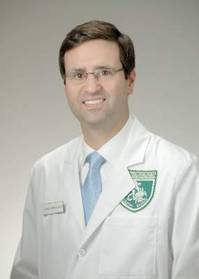
The findings “advance the field by demonstrating that the durable, complete tumor regression observed with cellular therapy for melanoma and B-cell malignancies is also possible for an epithelial cancer,” said coauthor Dr. Christian S. Hinrichs in an interview. “It is a scientific proof-of-principle. To build on these findings, we are studying the same approach in other HPV- [human papillomavirus] positive cancers including throat and anal cancer. In addition, we are developing T-cell-receptor gene therapies that target the HPV oncoproteins for patients with HPV-positive cancers. A clinical trial using this strategy is now open,” said Dr. Hinrichs, an oncologist in the surgery branch of the U.S. National Cancer Institute in Bethesda, Md.
The role HPV plays in the pathogenesis of cervical cancer gave Dr. Hinrichs and his associates a unique target to exploit for developing adoptive cell therapy (ACT) with tumor-infiltrating lymphocytes (TILs) for women with metastatic cervical cancer.
Immunotherapy “is an attractive strategy for cervical cancers because these tumors nearly universally harbor the HPV E6 and E7 antigens,” they wrote in their report. “The patients in this study had cancers that constitutively expressed the HPV oncoproteins and the administered T cells were selected to target these antigens.”
In fact, they determined that the HPV-reactivity of the TILs that the patients received and the frequency of HPV-reactive T cells in patients’ peripheral blood after treatment correlated with the tumor responses of each patient.
“The main difference between this and other protocols for generating TILs is that we generated multiple, individual TIL cultures from tumor fragments, and tested the T cells in each culture for their reactivity against HPV oncoproteins,” explained Dr. Hinrichs. “The vast majority of other cancer types do not permit this approach because they do not have antigens like the HPV oncoproteins that are almost always expressed by the tumors but absent from healthy tissues.”
The researchers enrolled patients during April 2012-May 2014. Patients averaged 37 years old, and included women with squamous-cell carcinomas, adenocarcinomas, or adenosquamous carcinomas. Seven women had tumors associated with HPV-18, and two had HPV-16 involvement. All patients had multiple sites of distant metastases and had previously received platinum chemotherapy; six had received combination chemotherapy. Patients received a median of 80 x 109 TILs.
The two women with a complete response to their ACT had an ongoing response after 15 and 22 months, respectively. One of these patients had a squamous-cell carcinoma, the other an adenocarcinoma. None of the nine patients showed any acute toxicity related to ACT, nor did they have any autoimmune adverse events. The most common severe toxicities were hematologic and were the expected result of the lymphocyte-depleting conditioning regimen used.
As of April 2015, no ACT has received U.S. Food and Drug Administration approval for routine use. Although many types of ACT for various cancers are under study they all remain investigational, Dr. Hinrichs said. A recent review of ACT by two National Cancer Institute researchers who collaborated on the cervical cancer study highlighted some of the logistical challenges that ACT presents (Science 2015;348:62-8).
ACT “is a more complex approach to the delivery of cancer treatment than many other types of immunotherapy and has often been criticized as impractical and too costly for widespread application,” the review noted. The “highly personalized” treatments involved do not fit the traditional paradigm of off-the-shelf reagents. The authors of the review proposed that one possible solution is to have centralized facilities for producing TILs or other genetically modified lymphocytes that can then provide these personalized cells for ACT performed at local centers.
On Twitter @mitchelzoler
The new report on treating nine women with metastatic cervical cancer with adoptive T-cell therapy and seeing complete responses in two patients is an important proof-of-concept in a small group of patients. This represents a significant advance for this approach to treatment because until now, most adoptive T-cell therapy studies involved hematologic malignancies or melanoma. Metastatic cervical cancer is a bad and hard-to-treat disease, and finding a treatment that can halt its progression is very promising news for patients with any type of progressive, advanced solid tumor.

|
Dr. Kunle Odunsi |
But treating patients with tumor infiltrating lymphocytes and adoptive T-cell therapy (ACT) is not for the faint hearted. Isolating and expanding a line of T cells that are specific for a particular tumor antigen requires a very high degree of technical expertise that is not widely available. It requires hospitals performing this work to have facilities that mimic those found at pharmaceutical companies. The high level of resources required to safely and successfully offer this treatment cannot be available everywhere.
These technical limitations have led to development of two related strategies: T-cell receptor–engineered T cells, and chimeric-antigen receptor–modified T cells. Perhaps the most advanced example today of these approaches is the chimeric antigen receptor–modified T cells that target the CD19 antigen, which have been highly active for treating acute myelogenous leukemia and acute lymphoblastic leukemia, with response rates approaching 90%. My group has been actively working on developing treatment based on T-cell receptor–engineered T cells.
The ACT approach used in the new study with cervical cancer patients suggests that targeting the human papillomavirus oncoproteins E6 and E7 may also have relevance for treating other types of human cancers related to human papillomavirus, such as cancers of the anus, oropharynx, penis, vagina, and vulva.
Dr. Kunle Odunsi is deputy director and chair of the department of gynecologic oncology at Roswell Park Cancer Institute in Buffalo, and professor of gynecology and obstetrics at the State University of New York at Buffalo. He had no relevant disclosures. He made these comments in an interview, and in an editorial accompanying the report by Dr. Stevanovic et al (J. Clin. Oncol. 2015 [doi:10.1200/JCO.2014.60.6566]).
The new report on treating nine women with metastatic cervical cancer with adoptive T-cell therapy and seeing complete responses in two patients is an important proof-of-concept in a small group of patients. This represents a significant advance for this approach to treatment because until now, most adoptive T-cell therapy studies involved hematologic malignancies or melanoma. Metastatic cervical cancer is a bad and hard-to-treat disease, and finding a treatment that can halt its progression is very promising news for patients with any type of progressive, advanced solid tumor.
|
|
Dr. Kunle Odunsi |
But treating patients with tumor infiltrating lymphocytes and adoptive T-cell therapy (ACT) is not for the faint hearted. Isolating and expanding a line of T cells that are specific for a particular tumor antigen requires a very high degree of technical expertise that is not widely available. It requires hospitals performing this work to have facilities that mimic those found at pharmaceutical companies. The high level of resources required to safely and successfully offer this treatment cannot be available everywhere.
These technical limitations have led to development of two related strategies: T-cell receptor–engineered T cells, and chimeric-antigen receptor–modified T cells. Perhaps the most advanced example today of these approaches is the chimeric antigen receptor–modified T cells that target the CD19 antigen, which have been highly active for treating acute myelogenous leukemia and acute lymphoblastic leukemia, with response rates approaching 90%. My group has been actively working on developing treatment based on T-cell receptor–engineered T cells.
The ACT approach used in the new study with cervical cancer patients suggests that targeting the human papillomavirus oncoproteins E6 and E7 may also have relevance for treating other types of human cancers related to human papillomavirus, such as cancers of the anus, oropharynx, penis, vagina, and vulva.
Dr. Kunle Odunsi is deputy director and chair of the department of gynecologic oncology at Roswell Park Cancer Institute in Buffalo, and professor of gynecology and obstetrics at the State University of New York at Buffalo. He had no relevant disclosures. He made these comments in an interview, and in an editorial accompanying the report by Dr. Stevanovic et al (J. Clin. Oncol. 2015 [doi:10.1200/JCO.2014.60.6566]).
The new report on treating nine women with metastatic cervical cancer with adoptive T-cell therapy and seeing complete responses in two patients is an important proof-of-concept in a small group of patients. This represents a significant advance for this approach to treatment because until now, most adoptive T-cell therapy studies involved hematologic malignancies or melanoma. Metastatic cervical cancer is a bad and hard-to-treat disease, and finding a treatment that can halt its progression is very promising news for patients with any type of progressive, advanced solid tumor.
|
|
Dr. Kunle Odunsi |
But treating patients with tumor infiltrating lymphocytes and adoptive T-cell therapy (ACT) is not for the faint hearted. Isolating and expanding a line of T cells that are specific for a particular tumor antigen requires a very high degree of technical expertise that is not widely available. It requires hospitals performing this work to have facilities that mimic those found at pharmaceutical companies. The high level of resources required to safely and successfully offer this treatment cannot be available everywhere.
These technical limitations have led to development of two related strategies: T-cell receptor–engineered T cells, and chimeric-antigen receptor–modified T cells. Perhaps the most advanced example today of these approaches is the chimeric antigen receptor–modified T cells that target the CD19 antigen, which have been highly active for treating acute myelogenous leukemia and acute lymphoblastic leukemia, with response rates approaching 90%. My group has been actively working on developing treatment based on T-cell receptor–engineered T cells.
The ACT approach used in the new study with cervical cancer patients suggests that targeting the human papillomavirus oncoproteins E6 and E7 may also have relevance for treating other types of human cancers related to human papillomavirus, such as cancers of the anus, oropharynx, penis, vagina, and vulva.
Dr. Kunle Odunsi is deputy director and chair of the department of gynecologic oncology at Roswell Park Cancer Institute in Buffalo, and professor of gynecology and obstetrics at the State University of New York at Buffalo. He had no relevant disclosures. He made these comments in an interview, and in an editorial accompanying the report by Dr. Stevanovic et al (J. Clin. Oncol. 2015 [doi:10.1200/JCO.2014.60.6566]).
Treatment of nine women with metastatic cervical cancer with single infusions of tumor-infiltrating lymphocytes grown out from tumor specimens collected from each patient resulted in two complete responses and one partial response, suggesting that this form of adoptive T-cell therapy could potentially help woman with this type of advanced, solid tumor.
“These results may have important implications for immunotherapy of cervical cancer and for the expanded application of cellular therapy,” wrote Sanja Stevanovic, Ph.D., and her associates in an article published online (J. Clin. Oncol. 2015 [doi:10.1200/JCO.2014.58.9093]).
The findings “advance the field by demonstrating that the durable, complete tumor regression observed with cellular therapy for melanoma and B-cell malignancies is also possible for an epithelial cancer,” said coauthor Dr. Christian S. Hinrichs in an interview. “It is a scientific proof-of-principle. To build on these findings, we are studying the same approach in other HPV- [human papillomavirus] positive cancers including throat and anal cancer. In addition, we are developing T-cell-receptor gene therapies that target the HPV oncoproteins for patients with HPV-positive cancers. A clinical trial using this strategy is now open,” said Dr. Hinrichs, an oncologist in the surgery branch of the U.S. National Cancer Institute in Bethesda, Md.
The role HPV plays in the pathogenesis of cervical cancer gave Dr. Hinrichs and his associates a unique target to exploit for developing adoptive cell therapy (ACT) with tumor-infiltrating lymphocytes (TILs) for women with metastatic cervical cancer.
Immunotherapy “is an attractive strategy for cervical cancers because these tumors nearly universally harbor the HPV E6 and E7 antigens,” they wrote in their report. “The patients in this study had cancers that constitutively expressed the HPV oncoproteins and the administered T cells were selected to target these antigens.”
In fact, they determined that the HPV-reactivity of the TILs that the patients received and the frequency of HPV-reactive T cells in patients’ peripheral blood after treatment correlated with the tumor responses of each patient.
“The main difference between this and other protocols for generating TILs is that we generated multiple, individual TIL cultures from tumor fragments, and tested the T cells in each culture for their reactivity against HPV oncoproteins,” explained Dr. Hinrichs. “The vast majority of other cancer types do not permit this approach because they do not have antigens like the HPV oncoproteins that are almost always expressed by the tumors but absent from healthy tissues.”
The researchers enrolled patients during April 2012-May 2014. Patients averaged 37 years old, and included women with squamous-cell carcinomas, adenocarcinomas, or adenosquamous carcinomas. Seven women had tumors associated with HPV-18, and two had HPV-16 involvement. All patients had multiple sites of distant metastases and had previously received platinum chemotherapy; six had received combination chemotherapy. Patients received a median of 80 x 109 TILs.
The two women with a complete response to their ACT had an ongoing response after 15 and 22 months, respectively. One of these patients had a squamous-cell carcinoma, the other an adenocarcinoma. None of the nine patients showed any acute toxicity related to ACT, nor did they have any autoimmune adverse events. The most common severe toxicities were hematologic and were the expected result of the lymphocyte-depleting conditioning regimen used.
As of April 2015, no ACT has received U.S. Food and Drug Administration approval for routine use. Although many types of ACT for various cancers are under study they all remain investigational, Dr. Hinrichs said. A recent review of ACT by two National Cancer Institute researchers who collaborated on the cervical cancer study highlighted some of the logistical challenges that ACT presents (Science 2015;348:62-8).
ACT “is a more complex approach to the delivery of cancer treatment than many other types of immunotherapy and has often been criticized as impractical and too costly for widespread application,” the review noted. The “highly personalized” treatments involved do not fit the traditional paradigm of off-the-shelf reagents. The authors of the review proposed that one possible solution is to have centralized facilities for producing TILs or other genetically modified lymphocytes that can then provide these personalized cells for ACT performed at local centers.
On Twitter @mitchelzoler
Treatment of nine women with metastatic cervical cancer with single infusions of tumor-infiltrating lymphocytes grown out from tumor specimens collected from each patient resulted in two complete responses and one partial response, suggesting that this form of adoptive T-cell therapy could potentially help woman with this type of advanced, solid tumor.
“These results may have important implications for immunotherapy of cervical cancer and for the expanded application of cellular therapy,” wrote Sanja Stevanovic, Ph.D., and her associates in an article published online (J. Clin. Oncol. 2015 [doi:10.1200/JCO.2014.58.9093]).
The findings “advance the field by demonstrating that the durable, complete tumor regression observed with cellular therapy for melanoma and B-cell malignancies is also possible for an epithelial cancer,” said coauthor Dr. Christian S. Hinrichs in an interview. “It is a scientific proof-of-principle. To build on these findings, we are studying the same approach in other HPV- [human papillomavirus] positive cancers including throat and anal cancer. In addition, we are developing T-cell-receptor gene therapies that target the HPV oncoproteins for patients with HPV-positive cancers. A clinical trial using this strategy is now open,” said Dr. Hinrichs, an oncologist in the surgery branch of the U.S. National Cancer Institute in Bethesda, Md.
The role HPV plays in the pathogenesis of cervical cancer gave Dr. Hinrichs and his associates a unique target to exploit for developing adoptive cell therapy (ACT) with tumor-infiltrating lymphocytes (TILs) for women with metastatic cervical cancer.
Immunotherapy “is an attractive strategy for cervical cancers because these tumors nearly universally harbor the HPV E6 and E7 antigens,” they wrote in their report. “The patients in this study had cancers that constitutively expressed the HPV oncoproteins and the administered T cells were selected to target these antigens.”
In fact, they determined that the HPV-reactivity of the TILs that the patients received and the frequency of HPV-reactive T cells in patients’ peripheral blood after treatment correlated with the tumor responses of each patient.
“The main difference between this and other protocols for generating TILs is that we generated multiple, individual TIL cultures from tumor fragments, and tested the T cells in each culture for their reactivity against HPV oncoproteins,” explained Dr. Hinrichs. “The vast majority of other cancer types do not permit this approach because they do not have antigens like the HPV oncoproteins that are almost always expressed by the tumors but absent from healthy tissues.”
The researchers enrolled patients during April 2012-May 2014. Patients averaged 37 years old, and included women with squamous-cell carcinomas, adenocarcinomas, or adenosquamous carcinomas. Seven women had tumors associated with HPV-18, and two had HPV-16 involvement. All patients had multiple sites of distant metastases and had previously received platinum chemotherapy; six had received combination chemotherapy. Patients received a median of 80 x 109 TILs.
The two women with a complete response to their ACT had an ongoing response after 15 and 22 months, respectively. One of these patients had a squamous-cell carcinoma, the other an adenocarcinoma. None of the nine patients showed any acute toxicity related to ACT, nor did they have any autoimmune adverse events. The most common severe toxicities were hematologic and were the expected result of the lymphocyte-depleting conditioning regimen used.
As of April 2015, no ACT has received U.S. Food and Drug Administration approval for routine use. Although many types of ACT for various cancers are under study they all remain investigational, Dr. Hinrichs said. A recent review of ACT by two National Cancer Institute researchers who collaborated on the cervical cancer study highlighted some of the logistical challenges that ACT presents (Science 2015;348:62-8).
ACT “is a more complex approach to the delivery of cancer treatment than many other types of immunotherapy and has often been criticized as impractical and too costly for widespread application,” the review noted. The “highly personalized” treatments involved do not fit the traditional paradigm of off-the-shelf reagents. The authors of the review proposed that one possible solution is to have centralized facilities for producing TILs or other genetically modified lymphocytes that can then provide these personalized cells for ACT performed at local centers.
On Twitter @mitchelzoler
FROM JOURNAL OF CLINICAL ONCOLOGY
Key clinical point: In a pilot study of nine patients with metastatic cervical cancer, a single infusion of tumor-infiltrating lymphocytes selected for reactivity against human papillomavirus oncoproteins produced two complete responses.
Major finding: Objective tumor responses occurred in three of nine treated patients, with two complete responders and one partial responder.
Data source: Case series of nine patients treated at a single U.S. center.
Disclosures: Dr. Hinrichs has patents pending for methods of lymphocyte preparation and has an immediate family member who is employed by MedImmune.

Heart failure spurs 'cardiogenic diabetes'
SAN DIEGO – A series of reports in 2014 from several independent groups implicated heart failure as a trigger of type 2 diabetes; findings from several of the analyses also suggested that relief of congestion can result in rapid resolution of the diabetes.
The best way to manage new-onset diabetes in heart failure patients is to “minimize the congestion,” and to “try to achieve as good control of the heart failure as possible,” said Dr. Maya Guglin during a talk at the annual meeting of the American College of Cardiology, in which she laid out the evidence for this newly recognized form of type 2 diabetes. In a review she published in 2014, Dr. Guglin coined the term “cardiogenic diabetes” to describe the condition (Heart Fail. Rev. 2014;19:595-602).
Dr. Guglin traced the data trail for cardiogenic diabetes starting in a 2011 retrospective study of 15 patients with advanced heart failure who received a left ventricular assist device (LVAD) at Columbia University in New York (Eur. J. Heart Fail. 2011;13:195-9). These 15, about a third of the 43 total LVAD recipients at Columbia at the time, had been diagnosed with type 2 diabetes for an average of 6 years before receiving the device. Just before they got their device, their average hemoglobin A1c (HbA1c) level was 7.7%, and their average fasting plasma glucose level was 158 mg/dL. An average of 4 months later, their mean HbA1c had dropped to 6%, and their mean fasting glucose had fallen to 104 mg/dL. Six patients were completely off any diabetes medication. All this occurred while patients had a small increase in their body mass index, which Dr. Guglin attributed to their better physical condition and improved appetite.
Last year, another four reports appeared from four independent, U.S. heart failure groups with results that mirrored the Columbia experience. Dr. Guglin and her associates at the University of Kentucky, Lexington, reported their experience with 50 patients who received an LVAD during 2002-2012 and had type 2 diabetes just before they received a device, with an average HbA1c of 7.6%. Three months after LVAD placement, their average HbA1c had dropped to 5.7%, and 9-12 months after device placement, their average HbA1c level was 5.3% (ASAIO J. 2014;60:290-3). As in the Columbia series, these improvements in hyperglycemia occurred without any significant change in body mass index.
Dr. Guglin also cited similar findings in 50 LVAD patients treated at the University of Rochester (N.Y.)(ASAIO J. 2014;60:675-80), 28 LVAD patients at Penn State Medical College in Hershey, Pa. (Heart Surg. Forum 2014;17:E98-102), and 66 LVAD patients from the University of Illinois in Chicago (Eur. J. Heart Fail. 2014;16:1120-4). In these reports type 2 diabetes existed in roughly a quarter to a third of patients with advanced heart failure who qualified for an LVAD just prior to the time they received the device.
Dr. Guglin also cited two epidemiologic analyses with complementary findings on the risk for incident diabetes faced by heart failure patients. She and her associates reviewed data from 3,165 elderly Americans free from diabetes enrolled in the Cardiovascular Health Study. This cohort included 80 patients with heart failure and 3,085 without heart failure. During 3-4 years of follow-up, 6% of the heart failure patients developed new-onset diabetes, and an additional 10% developed new-onset impaired fasting glucose. In contrast, these incidence rates were 1.5% and 5%, respectively, in the enrollees without heart failure at baseline. In an analysis that controlled for several demographic and biomedical factors, heart failure linked with a statistically significant, 2.4-fold increased risk for the development of diabetes (Cardiology 2014;129:84-92).
And a Danish nationwide cohort study of more than 99,000 residents discharged from a first-time hospitalization for heart failure during 1997-2010 showed a statistically significant link between heart failure severity and an increased rate of development of incident diabetes using diuretic treatment dosage as a surrogate measure of heart failure severity (Diabetologia 2014;57:1595-1600).
The apparent impact of LVAD placement on type 2 diabetes contrasts with what happens in patients who receive a heart transplant, where this association has not been seen. Dr. Guglin suggested that may be because of the immunosuppression with steroids that heart transplant recipients receive, treatment that also prevents diabetes resolution, she said.
“It all boils down to congestion,” Dr. Guglin said in an interview. “Control congestion as much as possible to control the diabetes.”
Dr. Guglin had no relevant financial disclosures.
On Twitter @mitchelzoler
SAN DIEGO – A series of reports in 2014 from several independent groups implicated heart failure as a trigger of type 2 diabetes; findings from several of the analyses also suggested that relief of congestion can result in rapid resolution of the diabetes.
The best way to manage new-onset diabetes in heart failure patients is to “minimize the congestion,” and to “try to achieve as good control of the heart failure as possible,” said Dr. Maya Guglin during a talk at the annual meeting of the American College of Cardiology, in which she laid out the evidence for this newly recognized form of type 2 diabetes. In a review she published in 2014, Dr. Guglin coined the term “cardiogenic diabetes” to describe the condition (Heart Fail. Rev. 2014;19:595-602).
Dr. Guglin traced the data trail for cardiogenic diabetes starting in a 2011 retrospective study of 15 patients with advanced heart failure who received a left ventricular assist device (LVAD) at Columbia University in New York (Eur. J. Heart Fail. 2011;13:195-9). These 15, about a third of the 43 total LVAD recipients at Columbia at the time, had been diagnosed with type 2 diabetes for an average of 6 years before receiving the device. Just before they got their device, their average hemoglobin A1c (HbA1c) level was 7.7%, and their average fasting plasma glucose level was 158 mg/dL. An average of 4 months later, their mean HbA1c had dropped to 6%, and their mean fasting glucose had fallen to 104 mg/dL. Six patients were completely off any diabetes medication. All this occurred while patients had a small increase in their body mass index, which Dr. Guglin attributed to their better physical condition and improved appetite.
Last year, another four reports appeared from four independent, U.S. heart failure groups with results that mirrored the Columbia experience. Dr. Guglin and her associates at the University of Kentucky, Lexington, reported their experience with 50 patients who received an LVAD during 2002-2012 and had type 2 diabetes just before they received a device, with an average HbA1c of 7.6%. Three months after LVAD placement, their average HbA1c had dropped to 5.7%, and 9-12 months after device placement, their average HbA1c level was 5.3% (ASAIO J. 2014;60:290-3). As in the Columbia series, these improvements in hyperglycemia occurred without any significant change in body mass index.
Dr. Guglin also cited similar findings in 50 LVAD patients treated at the University of Rochester (N.Y.)(ASAIO J. 2014;60:675-80), 28 LVAD patients at Penn State Medical College in Hershey, Pa. (Heart Surg. Forum 2014;17:E98-102), and 66 LVAD patients from the University of Illinois in Chicago (Eur. J. Heart Fail. 2014;16:1120-4). In these reports type 2 diabetes existed in roughly a quarter to a third of patients with advanced heart failure who qualified for an LVAD just prior to the time they received the device.
Dr. Guglin also cited two epidemiologic analyses with complementary findings on the risk for incident diabetes faced by heart failure patients. She and her associates reviewed data from 3,165 elderly Americans free from diabetes enrolled in the Cardiovascular Health Study. This cohort included 80 patients with heart failure and 3,085 without heart failure. During 3-4 years of follow-up, 6% of the heart failure patients developed new-onset diabetes, and an additional 10% developed new-onset impaired fasting glucose. In contrast, these incidence rates were 1.5% and 5%, respectively, in the enrollees without heart failure at baseline. In an analysis that controlled for several demographic and biomedical factors, heart failure linked with a statistically significant, 2.4-fold increased risk for the development of diabetes (Cardiology 2014;129:84-92).
And a Danish nationwide cohort study of more than 99,000 residents discharged from a first-time hospitalization for heart failure during 1997-2010 showed a statistically significant link between heart failure severity and an increased rate of development of incident diabetes using diuretic treatment dosage as a surrogate measure of heart failure severity (Diabetologia 2014;57:1595-1600).
The apparent impact of LVAD placement on type 2 diabetes contrasts with what happens in patients who receive a heart transplant, where this association has not been seen. Dr. Guglin suggested that may be because of the immunosuppression with steroids that heart transplant recipients receive, treatment that also prevents diabetes resolution, she said.
“It all boils down to congestion,” Dr. Guglin said in an interview. “Control congestion as much as possible to control the diabetes.”
Dr. Guglin had no relevant financial disclosures.
On Twitter @mitchelzoler
SAN DIEGO – A series of reports in 2014 from several independent groups implicated heart failure as a trigger of type 2 diabetes; findings from several of the analyses also suggested that relief of congestion can result in rapid resolution of the diabetes.
The best way to manage new-onset diabetes in heart failure patients is to “minimize the congestion,” and to “try to achieve as good control of the heart failure as possible,” said Dr. Maya Guglin during a talk at the annual meeting of the American College of Cardiology, in which she laid out the evidence for this newly recognized form of type 2 diabetes. In a review she published in 2014, Dr. Guglin coined the term “cardiogenic diabetes” to describe the condition (Heart Fail. Rev. 2014;19:595-602).
Dr. Guglin traced the data trail for cardiogenic diabetes starting in a 2011 retrospective study of 15 patients with advanced heart failure who received a left ventricular assist device (LVAD) at Columbia University in New York (Eur. J. Heart Fail. 2011;13:195-9). These 15, about a third of the 43 total LVAD recipients at Columbia at the time, had been diagnosed with type 2 diabetes for an average of 6 years before receiving the device. Just before they got their device, their average hemoglobin A1c (HbA1c) level was 7.7%, and their average fasting plasma glucose level was 158 mg/dL. An average of 4 months later, their mean HbA1c had dropped to 6%, and their mean fasting glucose had fallen to 104 mg/dL. Six patients were completely off any diabetes medication. All this occurred while patients had a small increase in their body mass index, which Dr. Guglin attributed to their better physical condition and improved appetite.
Last year, another four reports appeared from four independent, U.S. heart failure groups with results that mirrored the Columbia experience. Dr. Guglin and her associates at the University of Kentucky, Lexington, reported their experience with 50 patients who received an LVAD during 2002-2012 and had type 2 diabetes just before they received a device, with an average HbA1c of 7.6%. Three months after LVAD placement, their average HbA1c had dropped to 5.7%, and 9-12 months after device placement, their average HbA1c level was 5.3% (ASAIO J. 2014;60:290-3). As in the Columbia series, these improvements in hyperglycemia occurred without any significant change in body mass index.
Dr. Guglin also cited similar findings in 50 LVAD patients treated at the University of Rochester (N.Y.)(ASAIO J. 2014;60:675-80), 28 LVAD patients at Penn State Medical College in Hershey, Pa. (Heart Surg. Forum 2014;17:E98-102), and 66 LVAD patients from the University of Illinois in Chicago (Eur. J. Heart Fail. 2014;16:1120-4). In these reports type 2 diabetes existed in roughly a quarter to a third of patients with advanced heart failure who qualified for an LVAD just prior to the time they received the device.
Dr. Guglin also cited two epidemiologic analyses with complementary findings on the risk for incident diabetes faced by heart failure patients. She and her associates reviewed data from 3,165 elderly Americans free from diabetes enrolled in the Cardiovascular Health Study. This cohort included 80 patients with heart failure and 3,085 without heart failure. During 3-4 years of follow-up, 6% of the heart failure patients developed new-onset diabetes, and an additional 10% developed new-onset impaired fasting glucose. In contrast, these incidence rates were 1.5% and 5%, respectively, in the enrollees without heart failure at baseline. In an analysis that controlled for several demographic and biomedical factors, heart failure linked with a statistically significant, 2.4-fold increased risk for the development of diabetes (Cardiology 2014;129:84-92).
And a Danish nationwide cohort study of more than 99,000 residents discharged from a first-time hospitalization for heart failure during 1997-2010 showed a statistically significant link between heart failure severity and an increased rate of development of incident diabetes using diuretic treatment dosage as a surrogate measure of heart failure severity (Diabetologia 2014;57:1595-1600).
The apparent impact of LVAD placement on type 2 diabetes contrasts with what happens in patients who receive a heart transplant, where this association has not been seen. Dr. Guglin suggested that may be because of the immunosuppression with steroids that heart transplant recipients receive, treatment that also prevents diabetes resolution, she said.
“It all boils down to congestion,” Dr. Guglin said in an interview. “Control congestion as much as possible to control the diabetes.”
Dr. Guglin had no relevant financial disclosures.
On Twitter @mitchelzoler
EXPERT ANALYSIS FROM ACC 2015