User login
ASCO: Precision medicine initiatives take wing
CHICAGO – It’s getting very personal in oncology, and that’s a very good thing.
At the annual meeting of the American Society of Clinical Oncology, major cancer organizations announced new precision medicine initiatives that will attempt to match patients who have advanced cancers with the best available therapies based not on the location or histologic subtypes of their tumors, but on specific molecular abnormalities.
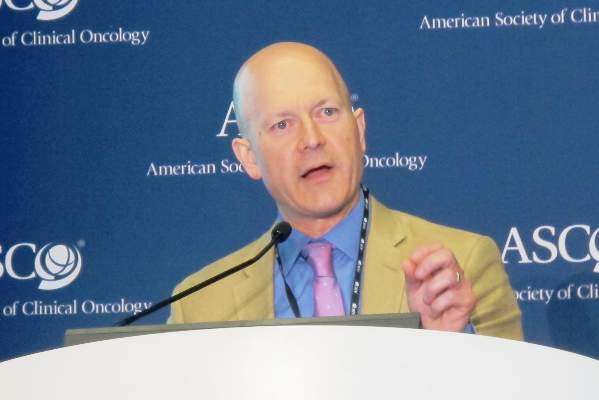
The National Cancer Institute’s Molecular Analysis for Therapy Choice (NCI-MATCH) trial will begin enrolling patients in July 2015. The study’s objective is “to understand the relative efficacy of the same therapy applied to oncogene-defined subsets across the entire cancer population as defined by site of origin or tumor histology,” said co–principal investigator Dr. Keith T. Flaherty of Harvard Medical School, Boston.
“This is the beginning, not the end, in terms of how we think about applying these therapies,” he said at a briefing that was held to announce the start of trial enrollment and a second initiative – the Targeted Agent and Profiling Utilization Registry (TAPUR) Study – by ASCO in cooperation with major pharmaceutical companies.
NCI-MATCH
NCI-MATCH is a phase II trial that will be operated through the National Clinical Trials Network. Oncologists at participating centers throughout the United States can enroll patients aged 18 years and older who have solid tumors or lymphomas that have relapsed or are refractory to conventional therapy, or who have a type of cancer for which no effective, consensus-based therapy is available.
Investigators plan to screen 3,000 patients initially, with the goal of enrolling 1,000 patients distributed among several substudies that will be evaluating specific drugs against specific molecular targets.
Patients will undergo biopsy at study entry, and their tumors will be subjected to genomic analysis to detect specific, targetable molecular abnormalities.
If a patient has a specific abnormality that is being explored in a current substudy, that patient will be further evaluated to determine whether he or she meets the eligibility criteria for that trial arm. Once enrolled, patients can remain on therapy until disease progression. The therapies will include both currently marketed agents and investigational therapies contributed by drug companies. Most of the trial arms will explore monotherapy with a targeted agent, but a few may investigate combinations which have accumulated enough safety and efficacy data to suggest that they might work against a specific molecular target.
The primary endpoint will be overall response rate, with a secondary endpoint of 6-month progression-free survival (PFS).
“This holds promise to bring faster cures to millions of Americans who so desperately need them,” ASCO past president Dr. Clifford A. Hudis said at the briefing.
TAPUR Trial
In cooperation with major pharmaceutical manufacturers (currently five, with more expected to sign on), ASCO has initiated a study designed to help answer the question, “I’ve got the tumor genome – now what do I do with it?”
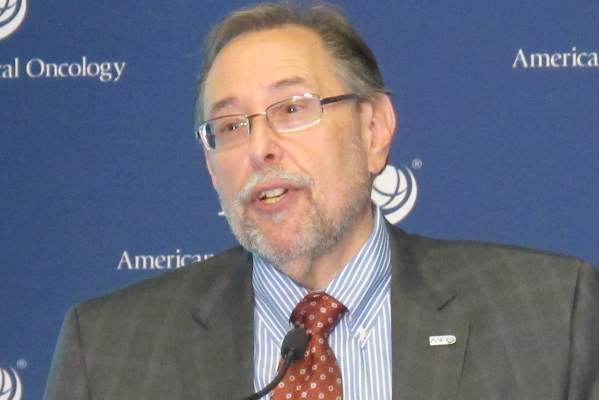
The goal of the TAPUR trial, says ASCO Chief Medical Officer Dr. Richard Schilsky, is “to learn from the real world practice of prescribing targeted therapies to patients with advanced cancer whose tumor harbors a genomic variant known to be a drug target.”
The primary objectives are to describe the antitumor activity and toxicity profiles of targeted therapies, and to help patients get access to Food and Drug Administration–approved agents from which they may be able to benefit.
The trial will enroll patients with advanced solid tumors, B-cell non-Hodgkin’s lymphomas, and multiple myelomas for which there are no standard therapies. The patients must have adequate organ function and good performance status (0-2).
Patients will be matched by their personal physicians to specific therapies, if such a match exists; otherwise, they will be treated at the physician’s discretion.
The primary endpoint of the study will be overall response rates by Response Evaluation Criteria in Solid Tumors (RECIST). Secondary endpoints will be PFS, OS, time on treatment, grade 3 or greater adverse events, and serious adverse event. The investigators plan to begin patient enrollment in the fourth quarter of 2015.
Current industry partners include AstraZeneca, Bristol Myers Squibb, Eli Lilly, Genentech, and Pfizer.
The NCI-MATCH study is funded by the National Institutes of Health. Dr. Flaherty has received NIH research grants. Dr. Hudis disclosed ties to AstraZeneca, Sanofi-Aventis, Amgen, Bristol-Myers Squibb, Genentech, Eli Lilly, Novartis, Ortho Biotech, Pfizer, and Roche. Dr. Schilsky disclosed no relevant conflicts of interest.
CHICAGO – It’s getting very personal in oncology, and that’s a very good thing.
At the annual meeting of the American Society of Clinical Oncology, major cancer organizations announced new precision medicine initiatives that will attempt to match patients who have advanced cancers with the best available therapies based not on the location or histologic subtypes of their tumors, but on specific molecular abnormalities.
The National Cancer Institute’s Molecular Analysis for Therapy Choice (NCI-MATCH) trial will begin enrolling patients in July 2015. The study’s objective is “to understand the relative efficacy of the same therapy applied to oncogene-defined subsets across the entire cancer population as defined by site of origin or tumor histology,” said co–principal investigator Dr. Keith T. Flaherty of Harvard Medical School, Boston.
“This is the beginning, not the end, in terms of how we think about applying these therapies,” he said at a briefing that was held to announce the start of trial enrollment and a second initiative – the Targeted Agent and Profiling Utilization Registry (TAPUR) Study – by ASCO in cooperation with major pharmaceutical companies.
NCI-MATCH
NCI-MATCH is a phase II trial that will be operated through the National Clinical Trials Network. Oncologists at participating centers throughout the United States can enroll patients aged 18 years and older who have solid tumors or lymphomas that have relapsed or are refractory to conventional therapy, or who have a type of cancer for which no effective, consensus-based therapy is available.
Investigators plan to screen 3,000 patients initially, with the goal of enrolling 1,000 patients distributed among several substudies that will be evaluating specific drugs against specific molecular targets.
Patients will undergo biopsy at study entry, and their tumors will be subjected to genomic analysis to detect specific, targetable molecular abnormalities.
If a patient has a specific abnormality that is being explored in a current substudy, that patient will be further evaluated to determine whether he or she meets the eligibility criteria for that trial arm. Once enrolled, patients can remain on therapy until disease progression. The therapies will include both currently marketed agents and investigational therapies contributed by drug companies. Most of the trial arms will explore monotherapy with a targeted agent, but a few may investigate combinations which have accumulated enough safety and efficacy data to suggest that they might work against a specific molecular target.
The primary endpoint will be overall response rate, with a secondary endpoint of 6-month progression-free survival (PFS).
“This holds promise to bring faster cures to millions of Americans who so desperately need them,” ASCO past president Dr. Clifford A. Hudis said at the briefing.
TAPUR Trial
In cooperation with major pharmaceutical manufacturers (currently five, with more expected to sign on), ASCO has initiated a study designed to help answer the question, “I’ve got the tumor genome – now what do I do with it?”
The goal of the TAPUR trial, says ASCO Chief Medical Officer Dr. Richard Schilsky, is “to learn from the real world practice of prescribing targeted therapies to patients with advanced cancer whose tumor harbors a genomic variant known to be a drug target.”
The primary objectives are to describe the antitumor activity and toxicity profiles of targeted therapies, and to help patients get access to Food and Drug Administration–approved agents from which they may be able to benefit.
The trial will enroll patients with advanced solid tumors, B-cell non-Hodgkin’s lymphomas, and multiple myelomas for which there are no standard therapies. The patients must have adequate organ function and good performance status (0-2).
Patients will be matched by their personal physicians to specific therapies, if such a match exists; otherwise, they will be treated at the physician’s discretion.
The primary endpoint of the study will be overall response rates by Response Evaluation Criteria in Solid Tumors (RECIST). Secondary endpoints will be PFS, OS, time on treatment, grade 3 or greater adverse events, and serious adverse event. The investigators plan to begin patient enrollment in the fourth quarter of 2015.
Current industry partners include AstraZeneca, Bristol Myers Squibb, Eli Lilly, Genentech, and Pfizer.
The NCI-MATCH study is funded by the National Institutes of Health. Dr. Flaherty has received NIH research grants. Dr. Hudis disclosed ties to AstraZeneca, Sanofi-Aventis, Amgen, Bristol-Myers Squibb, Genentech, Eli Lilly, Novartis, Ortho Biotech, Pfizer, and Roche. Dr. Schilsky disclosed no relevant conflicts of interest.
CHICAGO – It’s getting very personal in oncology, and that’s a very good thing.
At the annual meeting of the American Society of Clinical Oncology, major cancer organizations announced new precision medicine initiatives that will attempt to match patients who have advanced cancers with the best available therapies based not on the location or histologic subtypes of their tumors, but on specific molecular abnormalities.
The National Cancer Institute’s Molecular Analysis for Therapy Choice (NCI-MATCH) trial will begin enrolling patients in July 2015. The study’s objective is “to understand the relative efficacy of the same therapy applied to oncogene-defined subsets across the entire cancer population as defined by site of origin or tumor histology,” said co–principal investigator Dr. Keith T. Flaherty of Harvard Medical School, Boston.
“This is the beginning, not the end, in terms of how we think about applying these therapies,” he said at a briefing that was held to announce the start of trial enrollment and a second initiative – the Targeted Agent and Profiling Utilization Registry (TAPUR) Study – by ASCO in cooperation with major pharmaceutical companies.
NCI-MATCH
NCI-MATCH is a phase II trial that will be operated through the National Clinical Trials Network. Oncologists at participating centers throughout the United States can enroll patients aged 18 years and older who have solid tumors or lymphomas that have relapsed or are refractory to conventional therapy, or who have a type of cancer for which no effective, consensus-based therapy is available.
Investigators plan to screen 3,000 patients initially, with the goal of enrolling 1,000 patients distributed among several substudies that will be evaluating specific drugs against specific molecular targets.
Patients will undergo biopsy at study entry, and their tumors will be subjected to genomic analysis to detect specific, targetable molecular abnormalities.
If a patient has a specific abnormality that is being explored in a current substudy, that patient will be further evaluated to determine whether he or she meets the eligibility criteria for that trial arm. Once enrolled, patients can remain on therapy until disease progression. The therapies will include both currently marketed agents and investigational therapies contributed by drug companies. Most of the trial arms will explore monotherapy with a targeted agent, but a few may investigate combinations which have accumulated enough safety and efficacy data to suggest that they might work against a specific molecular target.
The primary endpoint will be overall response rate, with a secondary endpoint of 6-month progression-free survival (PFS).
“This holds promise to bring faster cures to millions of Americans who so desperately need them,” ASCO past president Dr. Clifford A. Hudis said at the briefing.
TAPUR Trial
In cooperation with major pharmaceutical manufacturers (currently five, with more expected to sign on), ASCO has initiated a study designed to help answer the question, “I’ve got the tumor genome – now what do I do with it?”
The goal of the TAPUR trial, says ASCO Chief Medical Officer Dr. Richard Schilsky, is “to learn from the real world practice of prescribing targeted therapies to patients with advanced cancer whose tumor harbors a genomic variant known to be a drug target.”
The primary objectives are to describe the antitumor activity and toxicity profiles of targeted therapies, and to help patients get access to Food and Drug Administration–approved agents from which they may be able to benefit.
The trial will enroll patients with advanced solid tumors, B-cell non-Hodgkin’s lymphomas, and multiple myelomas for which there are no standard therapies. The patients must have adequate organ function and good performance status (0-2).
Patients will be matched by their personal physicians to specific therapies, if such a match exists; otherwise, they will be treated at the physician’s discretion.
The primary endpoint of the study will be overall response rates by Response Evaluation Criteria in Solid Tumors (RECIST). Secondary endpoints will be PFS, OS, time on treatment, grade 3 or greater adverse events, and serious adverse event. The investigators plan to begin patient enrollment in the fourth quarter of 2015.
Current industry partners include AstraZeneca, Bristol Myers Squibb, Eli Lilly, Genentech, and Pfizer.
The NCI-MATCH study is funded by the National Institutes of Health. Dr. Flaherty has received NIH research grants. Dr. Hudis disclosed ties to AstraZeneca, Sanofi-Aventis, Amgen, Bristol-Myers Squibb, Genentech, Eli Lilly, Novartis, Ortho Biotech, Pfizer, and Roche. Dr. Schilsky disclosed no relevant conflicts of interest.
AT THE 2015 ASCO ANNUAL MEETING
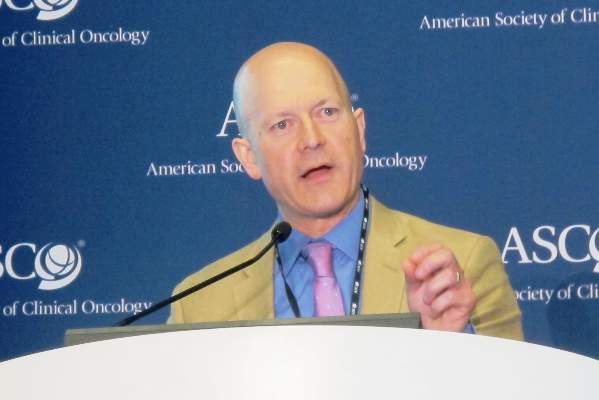
VIDEO: Elective neck dissection during primary surgery improves oral cancer survival
CHICAGO – Patients who had elective neck dissection at the time of primary surgery for oral cancers had a 12.5% better overall survival rate than did patients who had therapeutic neck dissections at the time of recurrence.
The risk of death was reduced by 36% among patients randomized in a phase III trial to neck lymph node dissection at the time of primary surgery, and the risk of recurrences was reduced by 55%, reported Dr. Anil D’Cruz of the head and neck service of Tata Memorial Centre, Mumbai, India.
“Elective neck dissection should be the standard of care for early oral, node-negative squamous cell cancers, based on the findings of our study,” he said at the annual meeting of the American Society of Clinical Oncology.
The video associated with this article is no longer available on this site. Please view all of our videos on the MDedge YouTube channel
CHICAGO – Patients who had elective neck dissection at the time of primary surgery for oral cancers had a 12.5% better overall survival rate than did patients who had therapeutic neck dissections at the time of recurrence.
The risk of death was reduced by 36% among patients randomized in a phase III trial to neck lymph node dissection at the time of primary surgery, and the risk of recurrences was reduced by 55%, reported Dr. Anil D’Cruz of the head and neck service of Tata Memorial Centre, Mumbai, India.
“Elective neck dissection should be the standard of care for early oral, node-negative squamous cell cancers, based on the findings of our study,” he said at the annual meeting of the American Society of Clinical Oncology.
The video associated with this article is no longer available on this site. Please view all of our videos on the MDedge YouTube channel
CHICAGO – Patients who had elective neck dissection at the time of primary surgery for oral cancers had a 12.5% better overall survival rate than did patients who had therapeutic neck dissections at the time of recurrence.
The risk of death was reduced by 36% among patients randomized in a phase III trial to neck lymph node dissection at the time of primary surgery, and the risk of recurrences was reduced by 55%, reported Dr. Anil D’Cruz of the head and neck service of Tata Memorial Centre, Mumbai, India.
“Elective neck dissection should be the standard of care for early oral, node-negative squamous cell cancers, based on the findings of our study,” he said at the annual meeting of the American Society of Clinical Oncology.
The video associated with this article is no longer available on this site. Please view all of our videos on the MDedge YouTube channel
AT THE 2015 ASCO ANNUAL MEETING

DDW: Novel acid blocker holds its own against PPIs
WASHNGTON – An experimental acid suppressant was effective for prevention of peptic ulcer recurrence during NSAID therapy, with a safety profile similar to that of a currently marketed proton-pump inhibitor, investigators reported.
At 2 years of follow-up, rates of recurrent peptic ulcers or hemorrhagic lesions in the stomach or duodenum among patients who took vonoprazan (marketed in Japan as Takecab) at a 10-mg or 20-mg daily oral dose were numerically but not statistically significantly lower than those for patients who took a 15-mg once daily dose of lansoprazole (Prevacid), said Dr. Yuji Mizokami of University of Tsukuba Hospital in Ibaraki, Japan.
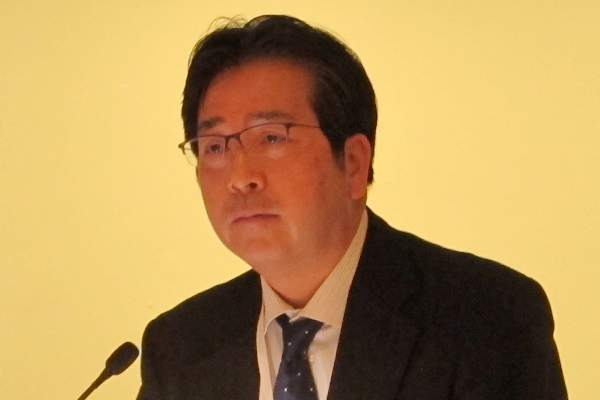
“The long-term safety profile of vonoprazan was similar to lansoprazole, and no safety issues were identified,” he said at the annual Digestive Disease Week.
Proton-pump inhibitors (PPIs) such as lansoprazole are frequently prescribed as concomitant gastroprotective agents in patients on long-term therapy with a nonsteroidal anti-inflammatory drug (NSAID) such as aspirin or ibuprofen. PPIs have relatively short half-lives, however, which may limit their effectiveness as gastroprotectives. In addition, polymorphisms in the gene encoding for cytochrome P2C19 (CYP2C19) can affect PPI metabolism, Dr. Mizokami said.
Vonoprazan belongs to a new class of acid-suppressing drugs called potassium-competitive acid blockers (PCABs), which, unlike PPIs, do not need to be activated by acid to become effective and are not affected by genetic variations. Vonoprazan migrates from blood into the secretory canaliculus of acid-secreting parietal cells, and because of its longer elimination half-life and stability in acidic environments, provides a strong acid-inhibiting effect from the first dose, and remains effective for 24 hours, Dr. Mizokami explained.
He presented data from a 2-year extension of a phase III, 24-week noninferiority study comparing vonoprazan with lansoprazole for prevention of peptic ulcer recurrence.
In that study, 5.5% of patients on lansoprazole had recurrent gastric or duodenal ulcers by week 24, compared with 3.3% of patients on 10 mg vonoprazan, and 3.4% of those on 20 mg vonoprazan.
A total of 357 patients completed the extension study: 108 initially assigned to lansoprazole, 131 to vonoprazan 10 mg, and 118 to vonoprazan 20 mg.
At 1 year, the rates of recurrent ulcers were 7% for patients on lansoprazole, 3.6% for those on vonoprazan 10 mg, and 5.4% for those on vonoprazan 20 mg. The respective rates at 2 years were 7.5%. 3.8%, and 5.9%.
In a safety analysis (intention-to-treat), treatment-emergent adverse events were mild, did not appear to be dose dependent with vonoprazan, and did not increase over time. Serious treatment-emergent events occurred in 8.6% among the patients on lansoprazole, 8.3% among patients on 10 mg vonoprazan, and 14.2% among those on 20 mg. Events leading to drug discontinuation occurred in 7.6%, 4.1%, and 12.2% of patients, respectively.
In all three study arms, but especially in the vonoprazan arms, there was an increase in serum gastrin seen at week 4, which increased moderately until week 52. After that, it began to decline among patients on vonoprazan, while plateauing among patients on lansoprazole.
There were also increases in pepsinogen I and II at week 4 in all three treatment groups; the levels remained stable thereafter, as did the ratio of pepsinogen I to pepsinogen II.
Vonoprazan is currently approved only in Japan. The manufacturer, Takeda, has not said if or when it intends to file for a New Drug Application in the United States.
The study was supported by Takeda Pharmaceuticals. Dr. Mizokami disclosed serving as a consultant on the study. Four of the coauthors are company employees.
WASHNGTON – An experimental acid suppressant was effective for prevention of peptic ulcer recurrence during NSAID therapy, with a safety profile similar to that of a currently marketed proton-pump inhibitor, investigators reported.
At 2 years of follow-up, rates of recurrent peptic ulcers or hemorrhagic lesions in the stomach or duodenum among patients who took vonoprazan (marketed in Japan as Takecab) at a 10-mg or 20-mg daily oral dose were numerically but not statistically significantly lower than those for patients who took a 15-mg once daily dose of lansoprazole (Prevacid), said Dr. Yuji Mizokami of University of Tsukuba Hospital in Ibaraki, Japan.
“The long-term safety profile of vonoprazan was similar to lansoprazole, and no safety issues were identified,” he said at the annual Digestive Disease Week.
Proton-pump inhibitors (PPIs) such as lansoprazole are frequently prescribed as concomitant gastroprotective agents in patients on long-term therapy with a nonsteroidal anti-inflammatory drug (NSAID) such as aspirin or ibuprofen. PPIs have relatively short half-lives, however, which may limit their effectiveness as gastroprotectives. In addition, polymorphisms in the gene encoding for cytochrome P2C19 (CYP2C19) can affect PPI metabolism, Dr. Mizokami said.
Vonoprazan belongs to a new class of acid-suppressing drugs called potassium-competitive acid blockers (PCABs), which, unlike PPIs, do not need to be activated by acid to become effective and are not affected by genetic variations. Vonoprazan migrates from blood into the secretory canaliculus of acid-secreting parietal cells, and because of its longer elimination half-life and stability in acidic environments, provides a strong acid-inhibiting effect from the first dose, and remains effective for 24 hours, Dr. Mizokami explained.
He presented data from a 2-year extension of a phase III, 24-week noninferiority study comparing vonoprazan with lansoprazole for prevention of peptic ulcer recurrence.
In that study, 5.5% of patients on lansoprazole had recurrent gastric or duodenal ulcers by week 24, compared with 3.3% of patients on 10 mg vonoprazan, and 3.4% of those on 20 mg vonoprazan.
A total of 357 patients completed the extension study: 108 initially assigned to lansoprazole, 131 to vonoprazan 10 mg, and 118 to vonoprazan 20 mg.
At 1 year, the rates of recurrent ulcers were 7% for patients on lansoprazole, 3.6% for those on vonoprazan 10 mg, and 5.4% for those on vonoprazan 20 mg. The respective rates at 2 years were 7.5%. 3.8%, and 5.9%.
In a safety analysis (intention-to-treat), treatment-emergent adverse events were mild, did not appear to be dose dependent with vonoprazan, and did not increase over time. Serious treatment-emergent events occurred in 8.6% among the patients on lansoprazole, 8.3% among patients on 10 mg vonoprazan, and 14.2% among those on 20 mg. Events leading to drug discontinuation occurred in 7.6%, 4.1%, and 12.2% of patients, respectively.
In all three study arms, but especially in the vonoprazan arms, there was an increase in serum gastrin seen at week 4, which increased moderately until week 52. After that, it began to decline among patients on vonoprazan, while plateauing among patients on lansoprazole.
There were also increases in pepsinogen I and II at week 4 in all three treatment groups; the levels remained stable thereafter, as did the ratio of pepsinogen I to pepsinogen II.
Vonoprazan is currently approved only in Japan. The manufacturer, Takeda, has not said if or when it intends to file for a New Drug Application in the United States.
The study was supported by Takeda Pharmaceuticals. Dr. Mizokami disclosed serving as a consultant on the study. Four of the coauthors are company employees.
WASHNGTON – An experimental acid suppressant was effective for prevention of peptic ulcer recurrence during NSAID therapy, with a safety profile similar to that of a currently marketed proton-pump inhibitor, investigators reported.
At 2 years of follow-up, rates of recurrent peptic ulcers or hemorrhagic lesions in the stomach or duodenum among patients who took vonoprazan (marketed in Japan as Takecab) at a 10-mg or 20-mg daily oral dose were numerically but not statistically significantly lower than those for patients who took a 15-mg once daily dose of lansoprazole (Prevacid), said Dr. Yuji Mizokami of University of Tsukuba Hospital in Ibaraki, Japan.
“The long-term safety profile of vonoprazan was similar to lansoprazole, and no safety issues were identified,” he said at the annual Digestive Disease Week.
Proton-pump inhibitors (PPIs) such as lansoprazole are frequently prescribed as concomitant gastroprotective agents in patients on long-term therapy with a nonsteroidal anti-inflammatory drug (NSAID) such as aspirin or ibuprofen. PPIs have relatively short half-lives, however, which may limit their effectiveness as gastroprotectives. In addition, polymorphisms in the gene encoding for cytochrome P2C19 (CYP2C19) can affect PPI metabolism, Dr. Mizokami said.
Vonoprazan belongs to a new class of acid-suppressing drugs called potassium-competitive acid blockers (PCABs), which, unlike PPIs, do not need to be activated by acid to become effective and are not affected by genetic variations. Vonoprazan migrates from blood into the secretory canaliculus of acid-secreting parietal cells, and because of its longer elimination half-life and stability in acidic environments, provides a strong acid-inhibiting effect from the first dose, and remains effective for 24 hours, Dr. Mizokami explained.
He presented data from a 2-year extension of a phase III, 24-week noninferiority study comparing vonoprazan with lansoprazole for prevention of peptic ulcer recurrence.
In that study, 5.5% of patients on lansoprazole had recurrent gastric or duodenal ulcers by week 24, compared with 3.3% of patients on 10 mg vonoprazan, and 3.4% of those on 20 mg vonoprazan.
A total of 357 patients completed the extension study: 108 initially assigned to lansoprazole, 131 to vonoprazan 10 mg, and 118 to vonoprazan 20 mg.
At 1 year, the rates of recurrent ulcers were 7% for patients on lansoprazole, 3.6% for those on vonoprazan 10 mg, and 5.4% for those on vonoprazan 20 mg. The respective rates at 2 years were 7.5%. 3.8%, and 5.9%.
In a safety analysis (intention-to-treat), treatment-emergent adverse events were mild, did not appear to be dose dependent with vonoprazan, and did not increase over time. Serious treatment-emergent events occurred in 8.6% among the patients on lansoprazole, 8.3% among patients on 10 mg vonoprazan, and 14.2% among those on 20 mg. Events leading to drug discontinuation occurred in 7.6%, 4.1%, and 12.2% of patients, respectively.
In all three study arms, but especially in the vonoprazan arms, there was an increase in serum gastrin seen at week 4, which increased moderately until week 52. After that, it began to decline among patients on vonoprazan, while plateauing among patients on lansoprazole.
There were also increases in pepsinogen I and II at week 4 in all three treatment groups; the levels remained stable thereafter, as did the ratio of pepsinogen I to pepsinogen II.
Vonoprazan is currently approved only in Japan. The manufacturer, Takeda, has not said if or when it intends to file for a New Drug Application in the United States.
The study was supported by Takeda Pharmaceuticals. Dr. Mizokami disclosed serving as a consultant on the study. Four of the coauthors are company employees.
AT DDW® 2015
Key clinical point: Vonoprazan (not FDA approved) is a novel potassium-competitive acid blocker with a reported half-life longer than that of proton-pump inhibitors.
Major finding: At 2 years, rates of recurrent peptic ulcers were 7.5% with lansoprazole, 3.8% with vonoprazan 10 mg, and 5.9% with vonoprazan 20 mg.
Data source: Extension arm and safety analysis of a 24-week phase III randomized trial.
Disclosures: Takeda Pharmaceuticals supported the study. Dr. Mizokami disclosed serving as a consultant on the study. Four of the coauthors are company employees.
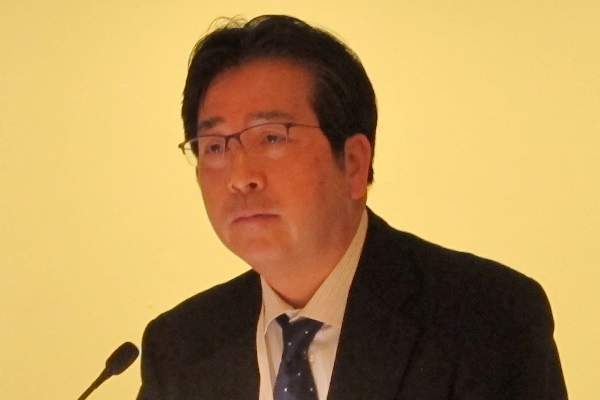
VIDEO: NCI-MATCH will use tumor genomics to find best cancer therapy
CHICAGO – The largest precision oncology trial ever will use genomic analysis of tumors to match patients with optimal therapies.
In the National Cancer Institute’s Molecular Analysis for Therapy Choice (NCI-MATCH) trial, patients will undergo biopsy with genomic analysis of their tumors to identify specific molecular abnormalities and then be assigned to the most relevant targeted therapy available, including both currently marketed drugs and investigational agents.
In a video interview, the study’s coprincipal investigator, Dr. Keith T. Flaherty of Massachusetts General Hospital in Boston, described the promises and challenges of translating oceans of data into solid therapeutic responses to difficult-to-treat cancers.
The video associated with this article is no longer available on this site. Please view all of our videos on the MDedge YouTube channel
CHICAGO – The largest precision oncology trial ever will use genomic analysis of tumors to match patients with optimal therapies.
In the National Cancer Institute’s Molecular Analysis for Therapy Choice (NCI-MATCH) trial, patients will undergo biopsy with genomic analysis of their tumors to identify specific molecular abnormalities and then be assigned to the most relevant targeted therapy available, including both currently marketed drugs and investigational agents.
In a video interview, the study’s coprincipal investigator, Dr. Keith T. Flaherty of Massachusetts General Hospital in Boston, described the promises and challenges of translating oceans of data into solid therapeutic responses to difficult-to-treat cancers.
The video associated with this article is no longer available on this site. Please view all of our videos on the MDedge YouTube channel
CHICAGO – The largest precision oncology trial ever will use genomic analysis of tumors to match patients with optimal therapies.
In the National Cancer Institute’s Molecular Analysis for Therapy Choice (NCI-MATCH) trial, patients will undergo biopsy with genomic analysis of their tumors to identify specific molecular abnormalities and then be assigned to the most relevant targeted therapy available, including both currently marketed drugs and investigational agents.
In a video interview, the study’s coprincipal investigator, Dr. Keith T. Flaherty of Massachusetts General Hospital in Boston, described the promises and challenges of translating oceans of data into solid therapeutic responses to difficult-to-treat cancers.
The video associated with this article is no longer available on this site. Please view all of our videos on the MDedge YouTube channel
AT THE ASCO ANNUAL MEETING 2015
VIDEO: Rituximab-refractory indolent NHL yields to combo treatment
CHICAGO – Progression-free survival for patients with rituximab-refractory indolent non-Hodgkin’s lymphomas was effectively doubled with a combination of obinutuzumab and bendamustine, compared with bendamustine alone.
Dr. Laura Helen Sehn from the British Columbia (Canada) Cancer Agency in Vancouver, says that the study, the GADOLIN trial. “is remarkable, because it does demonstrate the first randomized evidence of a clinical benefit of a novel anti-CD20 monoclonal antibiody for patients who are rituximab refractory.”
She described the study’s key findings at the annual meeting of the American Society of Clinical Oncology.
The video associated with this article is no longer available on this site. Please view all of our videos on the MDedge YouTube channel
CHICAGO – Progression-free survival for patients with rituximab-refractory indolent non-Hodgkin’s lymphomas was effectively doubled with a combination of obinutuzumab and bendamustine, compared with bendamustine alone.
Dr. Laura Helen Sehn from the British Columbia (Canada) Cancer Agency in Vancouver, says that the study, the GADOLIN trial. “is remarkable, because it does demonstrate the first randomized evidence of a clinical benefit of a novel anti-CD20 monoclonal antibiody for patients who are rituximab refractory.”
She described the study’s key findings at the annual meeting of the American Society of Clinical Oncology.
The video associated with this article is no longer available on this site. Please view all of our videos on the MDedge YouTube channel
CHICAGO – Progression-free survival for patients with rituximab-refractory indolent non-Hodgkin’s lymphomas was effectively doubled with a combination of obinutuzumab and bendamustine, compared with bendamustine alone.
Dr. Laura Helen Sehn from the British Columbia (Canada) Cancer Agency in Vancouver, says that the study, the GADOLIN trial. “is remarkable, because it does demonstrate the first randomized evidence of a clinical benefit of a novel anti-CD20 monoclonal antibiody for patients who are rituximab refractory.”
She described the study’s key findings at the annual meeting of the American Society of Clinical Oncology.
The video associated with this article is no longer available on this site. Please view all of our videos on the MDedge YouTube channel
AT ASCO 2015
Less intensive childhood cancer therapy reduces late toxicities, deaths
CHICAGO – Decades-old efforts to reduce the intensity of therapies for childhood cancers are paying off, resulting in significant declines in late all-cause mortality among those who survive 5-years after a cancer diagnosis, investigators report.
For patients treated in the 1970s for childhood cancers, the 15-year cumulative mortality rate was 3.1%, compared with 2.4% for those treated in the 80’s, and 1.9% for those treated in the 90’s, reported Dr. Gregory T. Armstrong from St. Jude’s Children’s Research Hospital, Memphis.
“The improvement in cure rate of childhood cancer is really one of the success stories of modern medicine. If you go back to the 1960s, less than 30-40% of children were surviving cancer. Currently, over 82% of children will become 5-year survivors,” he said at a press briefing at the annual meeting of the American Society of Clinical Oncology.
“However, these 5-year survivors, as they move forward, are still at risk for late events and early mortality. As shown previously for these 5-year survivors, even after hitting the 5-year turning point, 18% will be deceased 30 years from diagnosis,” he said.
But efforts to reduce the intensity of therapy without compromising the quality of care appear to be having their effect, as seen in long-term follow-up results from patients in the Childhood Cancer Survivor Study.
The study, initiated in 1994, follows a retrospective cohort of children treated at 31 US and Canadian hospitals from 1970 through 1999 for common childhood malignancies, including leukemias, lymphomas, central nervous system malignancies, Wilms tumor, neuroblastoma, and sarcomas of soft tissues and/or bones.
The investigators looked at follow-up data on 34,033 cohort members who were alive 5 years after diagnosis, and for whom there was detailed information on the cumulative chemotherapy dose exposures and organ-specific radiotherapy dosimetry.
At a median follow-up of 21 years, 3958 (12%) of the cohort had died, and of this group 1618 (41%) were deemed to have died from health-related causes, including late effects of cancer therapy, such as cardiovascular causes (243 deaths), pulmonary problems (136), and second malignancies (751 deaths).
In each category and in all-cause mortality, there were significant reductions in the cumulative incidence of deaths over time. For example: all-cause mortality declined from 12.4% during the 1970-74 era to 6.0 from 1990-94 (P < .001), deaths from second cancers dropped from 1.8% to 1.0% over the same period (P < .001), cardiac-related deaths fell from 0.5% to 0.1% (P = .001), and pulmonary deaths declined from 0.4% to 0.1% (P = .02).
In a multivariable analysis adjusted for age at diagnosis, sex, and diagnosis and follow-up time, each 5-year interval was associated with a significant reduction in deaths from other health related causes (relative risk [RR] 0.86), subsequent neoplasm (RR 0.83), cardiac causes (RR 0.77), and pulmonary disease (RR 0.77). The confidence intervals for all variables indicated statistical significance.
Additionally, when they looked at specific cancers, they saw declines in cardiac mortality for acute lymphoblastic leukemia, Hodgkin’s lymphoma, and Wilms tumor, and a decrease in second malignancies for patients with Wilms tumor.
The reductions in deaths paralleled changes in clinical practice, notably reductions in the use of cranial radiotherapy for patients with acute lymphoblastic leukemia from 86% of patients in the 70s to 22% in the 90s, as well as reductions in abdominal radiation given to children with Wilms tumor (from 77% to 49%, respectively) and in chest radiation given for Hodgkin’s lymphoma (from 96% to 77%).
Dr. Michael P. Link, professor in pediatric cancer at Stanford University School of Medicine, the invited discussant, said the study results provide important lessons for clinicians treating adult as well as childhood cancers. He noted that reductions in the intensity of therapy and limiting exposures results in decreases in late organ toxicity, secondary cancers, and mortality.
“The translation and modification of therapy designed to reduce exposures into clinically significant reductions in all-cause late mortality is a gratifying validation of three decades of refining our therapies to accomplish the same number of cures while lowering the cost of cure,” he said.
The Childhood Cancer Survivor Study is funded by the National Institutes of Health. Dr. Armstrong and Dr. Link reported no relevant disclosures.
CHICAGO – Decades-old efforts to reduce the intensity of therapies for childhood cancers are paying off, resulting in significant declines in late all-cause mortality among those who survive 5-years after a cancer diagnosis, investigators report.
For patients treated in the 1970s for childhood cancers, the 15-year cumulative mortality rate was 3.1%, compared with 2.4% for those treated in the 80’s, and 1.9% for those treated in the 90’s, reported Dr. Gregory T. Armstrong from St. Jude’s Children’s Research Hospital, Memphis.
“The improvement in cure rate of childhood cancer is really one of the success stories of modern medicine. If you go back to the 1960s, less than 30-40% of children were surviving cancer. Currently, over 82% of children will become 5-year survivors,” he said at a press briefing at the annual meeting of the American Society of Clinical Oncology.
“However, these 5-year survivors, as they move forward, are still at risk for late events and early mortality. As shown previously for these 5-year survivors, even after hitting the 5-year turning point, 18% will be deceased 30 years from diagnosis,” he said.
But efforts to reduce the intensity of therapy without compromising the quality of care appear to be having their effect, as seen in long-term follow-up results from patients in the Childhood Cancer Survivor Study.
The study, initiated in 1994, follows a retrospective cohort of children treated at 31 US and Canadian hospitals from 1970 through 1999 for common childhood malignancies, including leukemias, lymphomas, central nervous system malignancies, Wilms tumor, neuroblastoma, and sarcomas of soft tissues and/or bones.
The investigators looked at follow-up data on 34,033 cohort members who were alive 5 years after diagnosis, and for whom there was detailed information on the cumulative chemotherapy dose exposures and organ-specific radiotherapy dosimetry.
At a median follow-up of 21 years, 3958 (12%) of the cohort had died, and of this group 1618 (41%) were deemed to have died from health-related causes, including late effects of cancer therapy, such as cardiovascular causes (243 deaths), pulmonary problems (136), and second malignancies (751 deaths).
In each category and in all-cause mortality, there were significant reductions in the cumulative incidence of deaths over time. For example: all-cause mortality declined from 12.4% during the 1970-74 era to 6.0 from 1990-94 (P < .001), deaths from second cancers dropped from 1.8% to 1.0% over the same period (P < .001), cardiac-related deaths fell from 0.5% to 0.1% (P = .001), and pulmonary deaths declined from 0.4% to 0.1% (P = .02).
In a multivariable analysis adjusted for age at diagnosis, sex, and diagnosis and follow-up time, each 5-year interval was associated with a significant reduction in deaths from other health related causes (relative risk [RR] 0.86), subsequent neoplasm (RR 0.83), cardiac causes (RR 0.77), and pulmonary disease (RR 0.77). The confidence intervals for all variables indicated statistical significance.
Additionally, when they looked at specific cancers, they saw declines in cardiac mortality for acute lymphoblastic leukemia, Hodgkin’s lymphoma, and Wilms tumor, and a decrease in second malignancies for patients with Wilms tumor.
The reductions in deaths paralleled changes in clinical practice, notably reductions in the use of cranial radiotherapy for patients with acute lymphoblastic leukemia from 86% of patients in the 70s to 22% in the 90s, as well as reductions in abdominal radiation given to children with Wilms tumor (from 77% to 49%, respectively) and in chest radiation given for Hodgkin’s lymphoma (from 96% to 77%).
Dr. Michael P. Link, professor in pediatric cancer at Stanford University School of Medicine, the invited discussant, said the study results provide important lessons for clinicians treating adult as well as childhood cancers. He noted that reductions in the intensity of therapy and limiting exposures results in decreases in late organ toxicity, secondary cancers, and mortality.
“The translation and modification of therapy designed to reduce exposures into clinically significant reductions in all-cause late mortality is a gratifying validation of three decades of refining our therapies to accomplish the same number of cures while lowering the cost of cure,” he said.
The Childhood Cancer Survivor Study is funded by the National Institutes of Health. Dr. Armstrong and Dr. Link reported no relevant disclosures.
CHICAGO – Decades-old efforts to reduce the intensity of therapies for childhood cancers are paying off, resulting in significant declines in late all-cause mortality among those who survive 5-years after a cancer diagnosis, investigators report.
For patients treated in the 1970s for childhood cancers, the 15-year cumulative mortality rate was 3.1%, compared with 2.4% for those treated in the 80’s, and 1.9% for those treated in the 90’s, reported Dr. Gregory T. Armstrong from St. Jude’s Children’s Research Hospital, Memphis.
“The improvement in cure rate of childhood cancer is really one of the success stories of modern medicine. If you go back to the 1960s, less than 30-40% of children were surviving cancer. Currently, over 82% of children will become 5-year survivors,” he said at a press briefing at the annual meeting of the American Society of Clinical Oncology.
“However, these 5-year survivors, as they move forward, are still at risk for late events and early mortality. As shown previously for these 5-year survivors, even after hitting the 5-year turning point, 18% will be deceased 30 years from diagnosis,” he said.
But efforts to reduce the intensity of therapy without compromising the quality of care appear to be having their effect, as seen in long-term follow-up results from patients in the Childhood Cancer Survivor Study.
The study, initiated in 1994, follows a retrospective cohort of children treated at 31 US and Canadian hospitals from 1970 through 1999 for common childhood malignancies, including leukemias, lymphomas, central nervous system malignancies, Wilms tumor, neuroblastoma, and sarcomas of soft tissues and/or bones.
The investigators looked at follow-up data on 34,033 cohort members who were alive 5 years after diagnosis, and for whom there was detailed information on the cumulative chemotherapy dose exposures and organ-specific radiotherapy dosimetry.
At a median follow-up of 21 years, 3958 (12%) of the cohort had died, and of this group 1618 (41%) were deemed to have died from health-related causes, including late effects of cancer therapy, such as cardiovascular causes (243 deaths), pulmonary problems (136), and second malignancies (751 deaths).
In each category and in all-cause mortality, there were significant reductions in the cumulative incidence of deaths over time. For example: all-cause mortality declined from 12.4% during the 1970-74 era to 6.0 from 1990-94 (P < .001), deaths from second cancers dropped from 1.8% to 1.0% over the same period (P < .001), cardiac-related deaths fell from 0.5% to 0.1% (P = .001), and pulmonary deaths declined from 0.4% to 0.1% (P = .02).
In a multivariable analysis adjusted for age at diagnosis, sex, and diagnosis and follow-up time, each 5-year interval was associated with a significant reduction in deaths from other health related causes (relative risk [RR] 0.86), subsequent neoplasm (RR 0.83), cardiac causes (RR 0.77), and pulmonary disease (RR 0.77). The confidence intervals for all variables indicated statistical significance.
Additionally, when they looked at specific cancers, they saw declines in cardiac mortality for acute lymphoblastic leukemia, Hodgkin’s lymphoma, and Wilms tumor, and a decrease in second malignancies for patients with Wilms tumor.
The reductions in deaths paralleled changes in clinical practice, notably reductions in the use of cranial radiotherapy for patients with acute lymphoblastic leukemia from 86% of patients in the 70s to 22% in the 90s, as well as reductions in abdominal radiation given to children with Wilms tumor (from 77% to 49%, respectively) and in chest radiation given for Hodgkin’s lymphoma (from 96% to 77%).
Dr. Michael P. Link, professor in pediatric cancer at Stanford University School of Medicine, the invited discussant, said the study results provide important lessons for clinicians treating adult as well as childhood cancers. He noted that reductions in the intensity of therapy and limiting exposures results in decreases in late organ toxicity, secondary cancers, and mortality.
“The translation and modification of therapy designed to reduce exposures into clinically significant reductions in all-cause late mortality is a gratifying validation of three decades of refining our therapies to accomplish the same number of cures while lowering the cost of cure,” he said.
The Childhood Cancer Survivor Study is funded by the National Institutes of Health. Dr. Armstrong and Dr. Link reported no relevant disclosures.
AT ASCO 2015
Upfront neck dissection boosts oral cancer survival
CHICAGO – Elective neck dissection at the time of primary surgery for early oral cancers increased overall survival by 12.5% compared with a watch-and-wait approach.
The risk of death was reduced by 36% among patients randomized in a phase III trial to neck lymph node dissection at the time of primary surgery, and the risk of recurrences was reduced by 55%, reported Dr. Anil K. D’Cruz from the head and neck service of the Tata Memorial Centre in Mumbai, India.
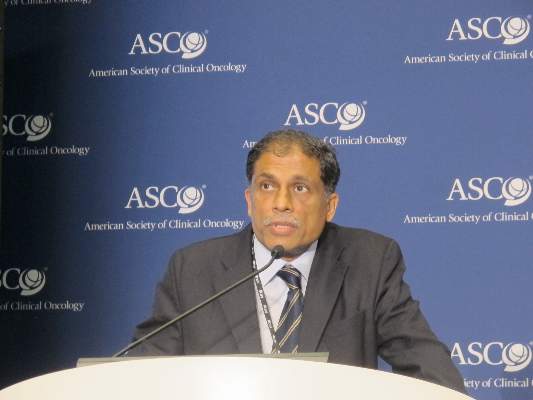
“Elective neck dissection should be the standard of care for early oral, node-negative squamous cell cancers, based on the findings of our study. For every eight patients undergoing elective neck dissection, one death is prevented, and for every four patients who undergo elective neck dissection, one recurrence is prevented,” he said at a briefing prior to his presentation of the data in a plenary session at the annual meeting of the American Society of Clinical Oncology.
“Dr. D’Cruz should be congratulated on such a robust study that will impact the lives of potentially over 300,000 people with oral cancer globally. This is particularly important in countries and in populations where there are multiple barriers to health care. This ‘one and done’ approach we know now definitively improves survival,” commented ASCO Expert Dr. Jyoti D. Patel from the Feinberg School of Medicine at Northwestern University, Chicago.
Dr. Patel moderated the briefing, but was not involved in the study.
Results of the study are also published online in the New England Journal of Medicine.
Cancers of the lips and oral cavity are especially prevalent in countries where tobacco use and excessive alcohol consumption are common, with these two risk factors alone accounting for an estimated 90% of oral cancer diagnoses.
Until now, management of neck lymph nodes at the time of primary surgery for oral cancers has been controversial, due to a lack of clear evidence of a survival disadvantage to waiting until recurrence before performing a neck dissection, and to concerns about additional surgical procedures with their associated morbidities, including nerve injury and shoulder dysfunction, Dr. D’Cruz said in an interview.
In an attempt to settle the question, Dr. D’Cruz and colleagues conducted a randomized trial in which patients with early stage oral squamous cell carcinomas (stage T1-T2,N0) underwent perioral excision of the primary tumor and were then assigned to either elective neck dissection, or an observation (watch and wait) strategy to be followed by therapeutic neck dissection for nodal relapses.
The trial was terminated early because of evident benefit after 596 patients had been recruited. Dr. D’Cruz presented data from the second interim analysis of 500 patients with a least 9 months of follow-up, 245 of whom had been randomized to upfront neck dissection, and 255 of whom were assigned to watch-and-wait. There were 427 cancers of the tongue, 68 of the buccal mucosa, and 5 of the floor of the mouth.
At a median follow-up of 39 months, 50 patients treated with elective neck dissection had died, compared with 79 patients treated with observation, translating into a 12.5% improvement in overall survival for the elective strategy.
The upfront neck dissection strategy was associated with a 23.6% absolute increase in 3-year overall survival (80% vs. 67.5%, hazard ratio [HR] 0.63, P = .01). The benefits of elective dissection on both overall survival and disease-free survival remained after adjustment for stratification factors, Dr. D’Cruz said.
For the secondary endpoint of disease-free survival, there were 81 recurrences among patients treated with elective dissection, compared with 146 for those assigned to watch and wait. This translated into respective DFS rates of 69.5% and 45.9% (HR 0.45 P < .001).
The rates of adverse events were 6.6% for patients treated with elective dissection, compared with 3.6% for patients who underwent therapeutic dissection.
Dr. Hisham Mehanna, from the Institute of Head and Neck Studies and Eduation at the University of Birmingham, United Kingdom, the invited discussant, commented in the plenary that sentinel node biopsy might be an effective method for monitoring patients for recurrence, thus sparing the possible need for upfront dissection with its attendant morbidities. Surveillance by clinical follow-up alone, however, is not adequate, and in settings where only clinical follow-up is available (such as in low resource settings), elective neck dissection should become the standard of care, he recommended.
The study was sponsored by India’s Department of Atomic Energy Clinical Trial Center. Dr. D’Cruz and Dr. Patel reported having no disclosures relevant to the study.
CHICAGO – Elective neck dissection at the time of primary surgery for early oral cancers increased overall survival by 12.5% compared with a watch-and-wait approach.
The risk of death was reduced by 36% among patients randomized in a phase III trial to neck lymph node dissection at the time of primary surgery, and the risk of recurrences was reduced by 55%, reported Dr. Anil K. D’Cruz from the head and neck service of the Tata Memorial Centre in Mumbai, India.
“Elective neck dissection should be the standard of care for early oral, node-negative squamous cell cancers, based on the findings of our study. For every eight patients undergoing elective neck dissection, one death is prevented, and for every four patients who undergo elective neck dissection, one recurrence is prevented,” he said at a briefing prior to his presentation of the data in a plenary session at the annual meeting of the American Society of Clinical Oncology.
“Dr. D’Cruz should be congratulated on such a robust study that will impact the lives of potentially over 300,000 people with oral cancer globally. This is particularly important in countries and in populations where there are multiple barriers to health care. This ‘one and done’ approach we know now definitively improves survival,” commented ASCO Expert Dr. Jyoti D. Patel from the Feinberg School of Medicine at Northwestern University, Chicago.
Dr. Patel moderated the briefing, but was not involved in the study.
Results of the study are also published online in the New England Journal of Medicine.
Cancers of the lips and oral cavity are especially prevalent in countries where tobacco use and excessive alcohol consumption are common, with these two risk factors alone accounting for an estimated 90% of oral cancer diagnoses.
Until now, management of neck lymph nodes at the time of primary surgery for oral cancers has been controversial, due to a lack of clear evidence of a survival disadvantage to waiting until recurrence before performing a neck dissection, and to concerns about additional surgical procedures with their associated morbidities, including nerve injury and shoulder dysfunction, Dr. D’Cruz said in an interview.
In an attempt to settle the question, Dr. D’Cruz and colleagues conducted a randomized trial in which patients with early stage oral squamous cell carcinomas (stage T1-T2,N0) underwent perioral excision of the primary tumor and were then assigned to either elective neck dissection, or an observation (watch and wait) strategy to be followed by therapeutic neck dissection for nodal relapses.
The trial was terminated early because of evident benefit after 596 patients had been recruited. Dr. D’Cruz presented data from the second interim analysis of 500 patients with a least 9 months of follow-up, 245 of whom had been randomized to upfront neck dissection, and 255 of whom were assigned to watch-and-wait. There were 427 cancers of the tongue, 68 of the buccal mucosa, and 5 of the floor of the mouth.
At a median follow-up of 39 months, 50 patients treated with elective neck dissection had died, compared with 79 patients treated with observation, translating into a 12.5% improvement in overall survival for the elective strategy.
The upfront neck dissection strategy was associated with a 23.6% absolute increase in 3-year overall survival (80% vs. 67.5%, hazard ratio [HR] 0.63, P = .01). The benefits of elective dissection on both overall survival and disease-free survival remained after adjustment for stratification factors, Dr. D’Cruz said.
For the secondary endpoint of disease-free survival, there were 81 recurrences among patients treated with elective dissection, compared with 146 for those assigned to watch and wait. This translated into respective DFS rates of 69.5% and 45.9% (HR 0.45 P < .001).
The rates of adverse events were 6.6% for patients treated with elective dissection, compared with 3.6% for patients who underwent therapeutic dissection.
Dr. Hisham Mehanna, from the Institute of Head and Neck Studies and Eduation at the University of Birmingham, United Kingdom, the invited discussant, commented in the plenary that sentinel node biopsy might be an effective method for monitoring patients for recurrence, thus sparing the possible need for upfront dissection with its attendant morbidities. Surveillance by clinical follow-up alone, however, is not adequate, and in settings where only clinical follow-up is available (such as in low resource settings), elective neck dissection should become the standard of care, he recommended.
The study was sponsored by India’s Department of Atomic Energy Clinical Trial Center. Dr. D’Cruz and Dr. Patel reported having no disclosures relevant to the study.
CHICAGO – Elective neck dissection at the time of primary surgery for early oral cancers increased overall survival by 12.5% compared with a watch-and-wait approach.
The risk of death was reduced by 36% among patients randomized in a phase III trial to neck lymph node dissection at the time of primary surgery, and the risk of recurrences was reduced by 55%, reported Dr. Anil K. D’Cruz from the head and neck service of the Tata Memorial Centre in Mumbai, India.
“Elective neck dissection should be the standard of care for early oral, node-negative squamous cell cancers, based on the findings of our study. For every eight patients undergoing elective neck dissection, one death is prevented, and for every four patients who undergo elective neck dissection, one recurrence is prevented,” he said at a briefing prior to his presentation of the data in a plenary session at the annual meeting of the American Society of Clinical Oncology.
“Dr. D’Cruz should be congratulated on such a robust study that will impact the lives of potentially over 300,000 people with oral cancer globally. This is particularly important in countries and in populations where there are multiple barriers to health care. This ‘one and done’ approach we know now definitively improves survival,” commented ASCO Expert Dr. Jyoti D. Patel from the Feinberg School of Medicine at Northwestern University, Chicago.
Dr. Patel moderated the briefing, but was not involved in the study.
Results of the study are also published online in the New England Journal of Medicine.
Cancers of the lips and oral cavity are especially prevalent in countries where tobacco use and excessive alcohol consumption are common, with these two risk factors alone accounting for an estimated 90% of oral cancer diagnoses.
Until now, management of neck lymph nodes at the time of primary surgery for oral cancers has been controversial, due to a lack of clear evidence of a survival disadvantage to waiting until recurrence before performing a neck dissection, and to concerns about additional surgical procedures with their associated morbidities, including nerve injury and shoulder dysfunction, Dr. D’Cruz said in an interview.
In an attempt to settle the question, Dr. D’Cruz and colleagues conducted a randomized trial in which patients with early stage oral squamous cell carcinomas (stage T1-T2,N0) underwent perioral excision of the primary tumor and were then assigned to either elective neck dissection, or an observation (watch and wait) strategy to be followed by therapeutic neck dissection for nodal relapses.
The trial was terminated early because of evident benefit after 596 patients had been recruited. Dr. D’Cruz presented data from the second interim analysis of 500 patients with a least 9 months of follow-up, 245 of whom had been randomized to upfront neck dissection, and 255 of whom were assigned to watch-and-wait. There were 427 cancers of the tongue, 68 of the buccal mucosa, and 5 of the floor of the mouth.
At a median follow-up of 39 months, 50 patients treated with elective neck dissection had died, compared with 79 patients treated with observation, translating into a 12.5% improvement in overall survival for the elective strategy.
The upfront neck dissection strategy was associated with a 23.6% absolute increase in 3-year overall survival (80% vs. 67.5%, hazard ratio [HR] 0.63, P = .01). The benefits of elective dissection on both overall survival and disease-free survival remained after adjustment for stratification factors, Dr. D’Cruz said.
For the secondary endpoint of disease-free survival, there were 81 recurrences among patients treated with elective dissection, compared with 146 for those assigned to watch and wait. This translated into respective DFS rates of 69.5% and 45.9% (HR 0.45 P < .001).
The rates of adverse events were 6.6% for patients treated with elective dissection, compared with 3.6% for patients who underwent therapeutic dissection.
Dr. Hisham Mehanna, from the Institute of Head and Neck Studies and Eduation at the University of Birmingham, United Kingdom, the invited discussant, commented in the plenary that sentinel node biopsy might be an effective method for monitoring patients for recurrence, thus sparing the possible need for upfront dissection with its attendant morbidities. Surveillance by clinical follow-up alone, however, is not adequate, and in settings where only clinical follow-up is available (such as in low resource settings), elective neck dissection should become the standard of care, he recommended.
The study was sponsored by India’s Department of Atomic Energy Clinical Trial Center. Dr. D’Cruz and Dr. Patel reported having no disclosures relevant to the study.
AT ASCO 2015
Key clinical point: Elective neck dissection at the time of primary surgery for oral cancers improves overall survival.
Major finding: Elective neck dissection improved overall survival by 12.5% compared with therapeutic dissection at the time of recurrence.
Data source: Randomized clinical trial halted early for efficacy; interim analysis of the first 500 patients with cancers of the tongue, buccosal mucosa, and floor of the mouth.
Disclosures: The study was sponsored by India’s Department of Atomic Energy Clinical Trial Center. Dr. D’Cruz and Dr. Patel reported having no disclosures relavent to the study.
ASCO: Eribulin results ‘a giant step for sarcoma’
CHICAGO – For the first time ever, a new drug has shown a survival advantage – albeit a small one – in metastatic soft tissue sarcomas, diseases that are almost without exception unresponsive to medical therapies and rapidly fatal.
In a randomized, phase III trial, median overall survival for patients with metastatic leiomyosarcoma or liposarcoma treated with eribulin (Halaven) was 13.5 months compared with 11.5 months for patients treated with dacarbazine.
“For me as a clinical oncologist, this a clinically meaningful result given the unmet need in this rare, hard-to-treat family of diseases,” said lead investigator Dr. Patrick Schöffski, professor of medicine and head of experimental oncology lab at University Hospitals in Leuven, Belgium, at the annual meeting of the American Society of Clinical Oncology.
“I’ve been an oncologist for over 20 years, and there has never been a positive sarcoma study for survival – ever,” said ASCO expert Dr. Gary K. Schwartz, chief of hematology and oncology at Columbia University, New York, who was not involved in the study. “This is the first positive sarcoma study showing a survival benefit with any chemotherapy in the history of medical oncology.”
The findings represent “a small step for cancer, and a giant step for sarcoma.” Dr. Schwartz said at a press briefing.
In an interview, he added that he was “shocked” when he found out that the survival benefit with eribulin was seen in patients with liposarcoma as well as leiomyosarcoma. “I thought that the benefit would only be in patients with leiomyosarcoma,” he said.
Leiomyosarcoma and liposarcoma, also called adipocytic sarcoma, are two of the most common histologic subtypes of highly uncommon soft tissue sarcomas. Patients with advanced metastatic sarcomas generally have a very poor prognosis and precious few treatment options.
Eribulin is a synthetic analogue of halichondrin B, a macrolide antibiotic isolated from a sea sponge that has strong cytotoxic properties. In preclinical studies, it was shown to kill cancer cells via anti-mitotic effects. It is approved in the United States for treatment of patients with metastatic breast cancer for whom at least two other lines of therapy have failed.
Dr. Schöffski and colleagues in centers in the United States, Europe, and Korea randomly assigned patients with metastatic intermediate or high-grade leiomyosarcoma or liposarcoma to receive either eribulin 1.4 mg/m2 on days 1 and 8 of 21-day cycles (228 patients), or conventional therapy with dacarbazine 850, 1,000, or 1,200 mg/m2 on day 1 of every 21 day cycle (224 patients).
The majority of patients had undergone at least two prior regimens for advanced disease.
The trial met its primary endpoint of an overall survival advantage, with median OS of 13.5 months for patients on eribulin, compared with 11.5 months for those on dacarbazine. The hazard ratio (HR) was 0.768 favoring eirbulin (P = .0169).
The median progression-free survival was 2.6 months in each group.
In all, 26% of patients on eribulin and 14% on dacarbazine required dose reductions, and 8% and 5%, respectively, discontinued therapy because of treatment-emergent adverse events.
The most common grade 3 or greater toxicities in each arm were neutropenia, fatigue, and nausea. The adverse events in general were in line with known safety profiles for each agent, Dr. Schöffski said.
There were 10 deaths among patients on eribulin, two of which were attributed to the drug (1 neutropenic sepsis and one sepsis). There were three deaths among patients on dacarbazine, none attributed to therapy.
In an interview, Dr. Schöffski noted that he has treated one patient, a man with dedifferentiated liposarcoma, with 46 cycles of eribulin, “so we see activity in a tumor type that is notoriously resistant to established drugs.”
He said that moving forward, investigators may wish to test eribulin in combination with other drugs, such as therapies targeted to genetic mutations, immunotherapies, or other approaches.
The study was sponsored by Eisai, Inc. Dr. Schöffski and Dr. Schwartz reported having no relevant conflicts of interest.
CHICAGO – For the first time ever, a new drug has shown a survival advantage – albeit a small one – in metastatic soft tissue sarcomas, diseases that are almost without exception unresponsive to medical therapies and rapidly fatal.
In a randomized, phase III trial, median overall survival for patients with metastatic leiomyosarcoma or liposarcoma treated with eribulin (Halaven) was 13.5 months compared with 11.5 months for patients treated with dacarbazine.
“For me as a clinical oncologist, this a clinically meaningful result given the unmet need in this rare, hard-to-treat family of diseases,” said lead investigator Dr. Patrick Schöffski, professor of medicine and head of experimental oncology lab at University Hospitals in Leuven, Belgium, at the annual meeting of the American Society of Clinical Oncology.
“I’ve been an oncologist for over 20 years, and there has never been a positive sarcoma study for survival – ever,” said ASCO expert Dr. Gary K. Schwartz, chief of hematology and oncology at Columbia University, New York, who was not involved in the study. “This is the first positive sarcoma study showing a survival benefit with any chemotherapy in the history of medical oncology.”
The findings represent “a small step for cancer, and a giant step for sarcoma.” Dr. Schwartz said at a press briefing.
In an interview, he added that he was “shocked” when he found out that the survival benefit with eribulin was seen in patients with liposarcoma as well as leiomyosarcoma. “I thought that the benefit would only be in patients with leiomyosarcoma,” he said.
Leiomyosarcoma and liposarcoma, also called adipocytic sarcoma, are two of the most common histologic subtypes of highly uncommon soft tissue sarcomas. Patients with advanced metastatic sarcomas generally have a very poor prognosis and precious few treatment options.
Eribulin is a synthetic analogue of halichondrin B, a macrolide antibiotic isolated from a sea sponge that has strong cytotoxic properties. In preclinical studies, it was shown to kill cancer cells via anti-mitotic effects. It is approved in the United States for treatment of patients with metastatic breast cancer for whom at least two other lines of therapy have failed.
Dr. Schöffski and colleagues in centers in the United States, Europe, and Korea randomly assigned patients with metastatic intermediate or high-grade leiomyosarcoma or liposarcoma to receive either eribulin 1.4 mg/m2 on days 1 and 8 of 21-day cycles (228 patients), or conventional therapy with dacarbazine 850, 1,000, or 1,200 mg/m2 on day 1 of every 21 day cycle (224 patients).
The majority of patients had undergone at least two prior regimens for advanced disease.
The trial met its primary endpoint of an overall survival advantage, with median OS of 13.5 months for patients on eribulin, compared with 11.5 months for those on dacarbazine. The hazard ratio (HR) was 0.768 favoring eirbulin (P = .0169).
The median progression-free survival was 2.6 months in each group.
In all, 26% of patients on eribulin and 14% on dacarbazine required dose reductions, and 8% and 5%, respectively, discontinued therapy because of treatment-emergent adverse events.
The most common grade 3 or greater toxicities in each arm were neutropenia, fatigue, and nausea. The adverse events in general were in line with known safety profiles for each agent, Dr. Schöffski said.
There were 10 deaths among patients on eribulin, two of which were attributed to the drug (1 neutropenic sepsis and one sepsis). There were three deaths among patients on dacarbazine, none attributed to therapy.
In an interview, Dr. Schöffski noted that he has treated one patient, a man with dedifferentiated liposarcoma, with 46 cycles of eribulin, “so we see activity in a tumor type that is notoriously resistant to established drugs.”
He said that moving forward, investigators may wish to test eribulin in combination with other drugs, such as therapies targeted to genetic mutations, immunotherapies, or other approaches.
The study was sponsored by Eisai, Inc. Dr. Schöffski and Dr. Schwartz reported having no relevant conflicts of interest.
CHICAGO – For the first time ever, a new drug has shown a survival advantage – albeit a small one – in metastatic soft tissue sarcomas, diseases that are almost without exception unresponsive to medical therapies and rapidly fatal.
In a randomized, phase III trial, median overall survival for patients with metastatic leiomyosarcoma or liposarcoma treated with eribulin (Halaven) was 13.5 months compared with 11.5 months for patients treated with dacarbazine.
“For me as a clinical oncologist, this a clinically meaningful result given the unmet need in this rare, hard-to-treat family of diseases,” said lead investigator Dr. Patrick Schöffski, professor of medicine and head of experimental oncology lab at University Hospitals in Leuven, Belgium, at the annual meeting of the American Society of Clinical Oncology.
“I’ve been an oncologist for over 20 years, and there has never been a positive sarcoma study for survival – ever,” said ASCO expert Dr. Gary K. Schwartz, chief of hematology and oncology at Columbia University, New York, who was not involved in the study. “This is the first positive sarcoma study showing a survival benefit with any chemotherapy in the history of medical oncology.”
The findings represent “a small step for cancer, and a giant step for sarcoma.” Dr. Schwartz said at a press briefing.
In an interview, he added that he was “shocked” when he found out that the survival benefit with eribulin was seen in patients with liposarcoma as well as leiomyosarcoma. “I thought that the benefit would only be in patients with leiomyosarcoma,” he said.
Leiomyosarcoma and liposarcoma, also called adipocytic sarcoma, are two of the most common histologic subtypes of highly uncommon soft tissue sarcomas. Patients with advanced metastatic sarcomas generally have a very poor prognosis and precious few treatment options.
Eribulin is a synthetic analogue of halichondrin B, a macrolide antibiotic isolated from a sea sponge that has strong cytotoxic properties. In preclinical studies, it was shown to kill cancer cells via anti-mitotic effects. It is approved in the United States for treatment of patients with metastatic breast cancer for whom at least two other lines of therapy have failed.
Dr. Schöffski and colleagues in centers in the United States, Europe, and Korea randomly assigned patients with metastatic intermediate or high-grade leiomyosarcoma or liposarcoma to receive either eribulin 1.4 mg/m2 on days 1 and 8 of 21-day cycles (228 patients), or conventional therapy with dacarbazine 850, 1,000, or 1,200 mg/m2 on day 1 of every 21 day cycle (224 patients).
The majority of patients had undergone at least two prior regimens for advanced disease.
The trial met its primary endpoint of an overall survival advantage, with median OS of 13.5 months for patients on eribulin, compared with 11.5 months for those on dacarbazine. The hazard ratio (HR) was 0.768 favoring eirbulin (P = .0169).
The median progression-free survival was 2.6 months in each group.
In all, 26% of patients on eribulin and 14% on dacarbazine required dose reductions, and 8% and 5%, respectively, discontinued therapy because of treatment-emergent adverse events.
The most common grade 3 or greater toxicities in each arm were neutropenia, fatigue, and nausea. The adverse events in general were in line with known safety profiles for each agent, Dr. Schöffski said.
There were 10 deaths among patients on eribulin, two of which were attributed to the drug (1 neutropenic sepsis and one sepsis). There were three deaths among patients on dacarbazine, none attributed to therapy.
In an interview, Dr. Schöffski noted that he has treated one patient, a man with dedifferentiated liposarcoma, with 46 cycles of eribulin, “so we see activity in a tumor type that is notoriously resistant to established drugs.”
He said that moving forward, investigators may wish to test eribulin in combination with other drugs, such as therapies targeted to genetic mutations, immunotherapies, or other approaches.
The study was sponsored by Eisai, Inc. Dr. Schöffski and Dr. Schwartz reported having no relevant conflicts of interest.
AT ASCO 2015
Key clinical point: Eribulin is the first drug shown in a clinical trial to offer a survival advantage over existing therapies for metastatic soft-tissue sarcomas.
Major finding: Median overall survival was 13.5 months for patients treated with eribulin vs. 11.5 months for those treated with dacarbazine.
Data source: Randomized clinical trial in 452 patients with metastatic leiomyosarcoma or liposarcoma.
Disclosures: The study was sponsored by Eisai, Inc. Dr. Schöffski reported having no relevant conflicts of interest.
Novel antibody evokes responses in relapsed/refractory myeloma
CHICAGO – An investigational targeted therapy for multiple myeloma delayed disease progression in patients for whom as many as five prior lines of therapy had failed.
Daratumumab, an experimental antibody targeted to the CD38 receptor expressed at high levels on the surface of myeloma cells, was associated with a 29.2% overall response rate (ORR) at a median follow-up of 9.4 months, including three patients with a complete remission, said Dr. Saad Zafar Usmani of Levine Cancer Institute–Carolinas Healthcare System, Charlotte, N.C.
“Daratumumab monotherapy produced unprecedented overall responses that deepened over time in this heavily pretreated multiple myeloma patient population. These results highlight the potential of daratumumab as a novel, well-tolerated, single-agent therapy in various stages of myeloma treatment,” Dr. Usmani said at a briefing prior to the presentation of the data in a session at the annual meeting of the American Society of Clinical Oncology.
The results support further exploration of daratumumab in combination with currently available therapies for multiple myeloma, he added.
In the dose-selection portion of a phase II open-label, international, multicenter study, patients with multiple myeloma who had received at least three prior lines of therapy including a proteasome inhibitor and an immunomodulatory agent, or who had no treatment response to the most recent proteasome inhibitor and immunomodulator, were randomly assigned to receive either 8 mg/kg or 16 mg/kg daratumumab. After a response evaluation, the 16 mg/kg dose was chosen, and an additional 90 patients were enrolled at this dose.
As noted, the overall response rate, the primary endpoint, was 29.2%, consisting of three stringent complete responses, 10 very good partial responses, and 18 partial responses. The median duration of response was 7.4 months. The responses were consistent across all clinically relevant subgroups, Dr. Usmani said.
The median time to progression was 3.7 months. Median overall survival had not been reached at the time of the last data analysis, and the estimated 1-year overall survival rate was 65%.
At a median follow-up of 9.4 months, 14 of 31 patients with responses remained on therapy.
Patients tolerated the 16 mg/kg dose well, and none discontinued because of drug-related events.
Minor infusion site reactions (grade 1 or 2) were common during the first infusion and were managed with standard therapies, Dr. Usmani said.
“This is the first monoclonal antibody in myeloma that has shown single-agent activity,” Dr. Usmani said.
ASCO expert Dr. Merry-Jennifer Markham from the University of Florida in Gainesville, who was not involved in the study, commented that “there have been substantial treatment advances in multiple myeloma over the last decade, and daratumumab will be an important addition to the list of options. This therapy may offer a glimmer of hope for those myeloma patients who have run out of treatment options.
The study was funded by Janssen Research and Development. Dr. Usmani is on the speaker’s bureau for Janssen Oncology.
CHICAGO – An investigational targeted therapy for multiple myeloma delayed disease progression in patients for whom as many as five prior lines of therapy had failed.
Daratumumab, an experimental antibody targeted to the CD38 receptor expressed at high levels on the surface of myeloma cells, was associated with a 29.2% overall response rate (ORR) at a median follow-up of 9.4 months, including three patients with a complete remission, said Dr. Saad Zafar Usmani of Levine Cancer Institute–Carolinas Healthcare System, Charlotte, N.C.
“Daratumumab monotherapy produced unprecedented overall responses that deepened over time in this heavily pretreated multiple myeloma patient population. These results highlight the potential of daratumumab as a novel, well-tolerated, single-agent therapy in various stages of myeloma treatment,” Dr. Usmani said at a briefing prior to the presentation of the data in a session at the annual meeting of the American Society of Clinical Oncology.
The results support further exploration of daratumumab in combination with currently available therapies for multiple myeloma, he added.
In the dose-selection portion of a phase II open-label, international, multicenter study, patients with multiple myeloma who had received at least three prior lines of therapy including a proteasome inhibitor and an immunomodulatory agent, or who had no treatment response to the most recent proteasome inhibitor and immunomodulator, were randomly assigned to receive either 8 mg/kg or 16 mg/kg daratumumab. After a response evaluation, the 16 mg/kg dose was chosen, and an additional 90 patients were enrolled at this dose.
As noted, the overall response rate, the primary endpoint, was 29.2%, consisting of three stringent complete responses, 10 very good partial responses, and 18 partial responses. The median duration of response was 7.4 months. The responses were consistent across all clinically relevant subgroups, Dr. Usmani said.
The median time to progression was 3.7 months. Median overall survival had not been reached at the time of the last data analysis, and the estimated 1-year overall survival rate was 65%.
At a median follow-up of 9.4 months, 14 of 31 patients with responses remained on therapy.
Patients tolerated the 16 mg/kg dose well, and none discontinued because of drug-related events.
Minor infusion site reactions (grade 1 or 2) were common during the first infusion and were managed with standard therapies, Dr. Usmani said.
“This is the first monoclonal antibody in myeloma that has shown single-agent activity,” Dr. Usmani said.
ASCO expert Dr. Merry-Jennifer Markham from the University of Florida in Gainesville, who was not involved in the study, commented that “there have been substantial treatment advances in multiple myeloma over the last decade, and daratumumab will be an important addition to the list of options. This therapy may offer a glimmer of hope for those myeloma patients who have run out of treatment options.
The study was funded by Janssen Research and Development. Dr. Usmani is on the speaker’s bureau for Janssen Oncology.
CHICAGO – An investigational targeted therapy for multiple myeloma delayed disease progression in patients for whom as many as five prior lines of therapy had failed.
Daratumumab, an experimental antibody targeted to the CD38 receptor expressed at high levels on the surface of myeloma cells, was associated with a 29.2% overall response rate (ORR) at a median follow-up of 9.4 months, including three patients with a complete remission, said Dr. Saad Zafar Usmani of Levine Cancer Institute–Carolinas Healthcare System, Charlotte, N.C.
“Daratumumab monotherapy produced unprecedented overall responses that deepened over time in this heavily pretreated multiple myeloma patient population. These results highlight the potential of daratumumab as a novel, well-tolerated, single-agent therapy in various stages of myeloma treatment,” Dr. Usmani said at a briefing prior to the presentation of the data in a session at the annual meeting of the American Society of Clinical Oncology.
The results support further exploration of daratumumab in combination with currently available therapies for multiple myeloma, he added.
In the dose-selection portion of a phase II open-label, international, multicenter study, patients with multiple myeloma who had received at least three prior lines of therapy including a proteasome inhibitor and an immunomodulatory agent, or who had no treatment response to the most recent proteasome inhibitor and immunomodulator, were randomly assigned to receive either 8 mg/kg or 16 mg/kg daratumumab. After a response evaluation, the 16 mg/kg dose was chosen, and an additional 90 patients were enrolled at this dose.
As noted, the overall response rate, the primary endpoint, was 29.2%, consisting of three stringent complete responses, 10 very good partial responses, and 18 partial responses. The median duration of response was 7.4 months. The responses were consistent across all clinically relevant subgroups, Dr. Usmani said.
The median time to progression was 3.7 months. Median overall survival had not been reached at the time of the last data analysis, and the estimated 1-year overall survival rate was 65%.
At a median follow-up of 9.4 months, 14 of 31 patients with responses remained on therapy.
Patients tolerated the 16 mg/kg dose well, and none discontinued because of drug-related events.
Minor infusion site reactions (grade 1 or 2) were common during the first infusion and were managed with standard therapies, Dr. Usmani said.
“This is the first monoclonal antibody in myeloma that has shown single-agent activity,” Dr. Usmani said.
ASCO expert Dr. Merry-Jennifer Markham from the University of Florida in Gainesville, who was not involved in the study, commented that “there have been substantial treatment advances in multiple myeloma over the last decade, and daratumumab will be an important addition to the list of options. This therapy may offer a glimmer of hope for those myeloma patients who have run out of treatment options.
The study was funded by Janssen Research and Development. Dr. Usmani is on the speaker’s bureau for Janssen Oncology.
AT ASCO 2015
Key clinical point: The investigational monoclonal antibody daratumumab was effective in patients with heavily pretreated multiple myeloma.
Major finding: The overall response rate to daratumumab monotherapy was 29.2%.
Data source: A phase II open-label trial in 108 patients with previously treated or refractory multiple myeloma.
Disclosures: The study was funded by Janssen Research and Development. Dr. Usmani is on the speaker’s bureau for Janssen Oncology.
GADOLIN: Combination improves PFS in rituximab-refractory indolent NHL
CHICAGO – Progression-free survival for patients with rituximab-refractory indolent non-Hodgkin’s lymphoma was effectively doubled with a combination of obinutuzumab and bendamustine, compared with bendamustine alone.
In a randomized trial halted early because of the evident superiority of the combination over bendamustine monotherapy, at a median follow-up of 20 months the median progression-free survival as assessed by an independent radiology facility had not been reached for patients treated with obinutuzumab (Gazyva) and bendamustine, vs. 14.9 months for bendamustine alone. As assessed by the investigators, the median PFS rates were 29 months and 14 months, respectively, reported Dr. Laurie Helen Sehn, a medical oncologist at the British Columbia (Canada) Cancer Agency in Vancouver.
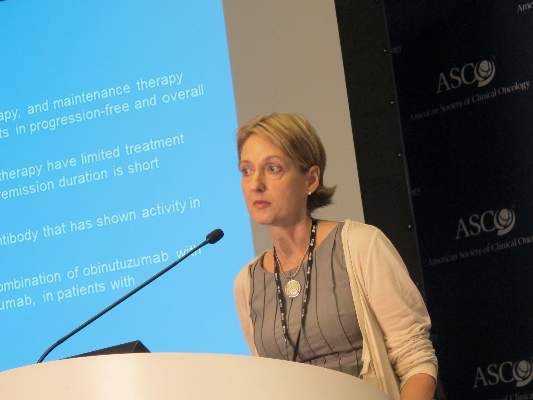
“The combination of obinutuzumab [and bendamustine], followed by obinutuzumab maintenance, resulted in a statistically significant, but more importantly, a clinically meaningful increase in progression-free survival compared with bendamustine alone,” Dr. Sehn said at a briefing at the annual meeting of the American Society of Clinical Oncology.
“This study is remarkable, because it does demonstrate the first randomized evidence of a clinical benefit of a novel anti-CD20 monoclonal antibody for patients who are rituximab refractory,” she added.
The advent of the anti-CD20 antibody rituximab in the later 1990s transformed treatment of hematologic malignancies, including indolent non-Hodgkin’s lymphomas. However, some patients have disease that is resistant to rituximab or recurs after rituximab therapy, and for these patients treatment options are limited.
Bendamustine (Treanda) has been shown to be effective in patients with rituximab-refractory indolent NHL, but with remission durations of only 7-9 months.
Obinutuzumab is a glycoengineered anti-CD20 antibody that ASCO expert Dr. Merry-Jennifer Markham from the University of Florida in Gainesville called “a super-rituximab.” It has been shown in preclinical studies to have activity against malignancies when combined with bendamustine.
In the GADOLIN trial, 413 patients with rituximab-refractory indolent NHL histologies were randomly assigned to receive either obinutuzumab 1,000 mg on days 1, 8 and 15 of the first 28-day cycle and then on day 1 of subsequent cycles plus bendamustine 90 mg/m2 per day on days 1 and 2 of the first six cycles, or only bendamustine 120 mg/m2 per day on the same schedule.
The NHL subtypes treated included follicular lymphomas, marginal zone lymphomas and small lymphocytic lymphomas.
For patients assigned to obinutuzumab, treatment continued until a determination of complete or partial response or stable disease, and were then continued on obinutuzumab maintenance, at a dose of 1,000 mg every 2 months for up to 2 years, or until disease progression.
Median follow-up was 23 months for the combination arm, and 20 months in the bendamustine only arm.
At the first planned interim analysis, the median PFS by independent radiology review, the primary endpoint, was not reached among patients in the combination, compared with 14.9 months for bendamustine. This translated into a hazard ratio of 0.55 (P = .0001), and prompted the data safety monitoring committee to recommend ending the trial.
The safety analysis showed that the overall rates of adverse events, serious adverse events, grade 3 or great events, deaths and withdrawals were similar between the two trial arms, Dr. Sehn said.
“The safety profile revealed no new safety finding and was in keeping with what was expected with the combination of drugs,” Dr. Sehn said.
“The fact that these responses and the progression-free survival responses were so robust in a population that has already received an anti-CD20 agent is remarkable, and I think this really does open up the therapies that will lead to substantial time for these patients, who are all incurable,” Dr. Markham said in an interview. She was not involved in the GADOLIN trial.
CHICAGO – Progression-free survival for patients with rituximab-refractory indolent non-Hodgkin’s lymphoma was effectively doubled with a combination of obinutuzumab and bendamustine, compared with bendamustine alone.
In a randomized trial halted early because of the evident superiority of the combination over bendamustine monotherapy, at a median follow-up of 20 months the median progression-free survival as assessed by an independent radiology facility had not been reached for patients treated with obinutuzumab (Gazyva) and bendamustine, vs. 14.9 months for bendamustine alone. As assessed by the investigators, the median PFS rates were 29 months and 14 months, respectively, reported Dr. Laurie Helen Sehn, a medical oncologist at the British Columbia (Canada) Cancer Agency in Vancouver.
“The combination of obinutuzumab [and bendamustine], followed by obinutuzumab maintenance, resulted in a statistically significant, but more importantly, a clinically meaningful increase in progression-free survival compared with bendamustine alone,” Dr. Sehn said at a briefing at the annual meeting of the American Society of Clinical Oncology.
“This study is remarkable, because it does demonstrate the first randomized evidence of a clinical benefit of a novel anti-CD20 monoclonal antibody for patients who are rituximab refractory,” she added.
The advent of the anti-CD20 antibody rituximab in the later 1990s transformed treatment of hematologic malignancies, including indolent non-Hodgkin’s lymphomas. However, some patients have disease that is resistant to rituximab or recurs after rituximab therapy, and for these patients treatment options are limited.
Bendamustine (Treanda) has been shown to be effective in patients with rituximab-refractory indolent NHL, but with remission durations of only 7-9 months.
Obinutuzumab is a glycoengineered anti-CD20 antibody that ASCO expert Dr. Merry-Jennifer Markham from the University of Florida in Gainesville called “a super-rituximab.” It has been shown in preclinical studies to have activity against malignancies when combined with bendamustine.
In the GADOLIN trial, 413 patients with rituximab-refractory indolent NHL histologies were randomly assigned to receive either obinutuzumab 1,000 mg on days 1, 8 and 15 of the first 28-day cycle and then on day 1 of subsequent cycles plus bendamustine 90 mg/m2 per day on days 1 and 2 of the first six cycles, or only bendamustine 120 mg/m2 per day on the same schedule.
The NHL subtypes treated included follicular lymphomas, marginal zone lymphomas and small lymphocytic lymphomas.
For patients assigned to obinutuzumab, treatment continued until a determination of complete or partial response or stable disease, and were then continued on obinutuzumab maintenance, at a dose of 1,000 mg every 2 months for up to 2 years, or until disease progression.
Median follow-up was 23 months for the combination arm, and 20 months in the bendamustine only arm.
At the first planned interim analysis, the median PFS by independent radiology review, the primary endpoint, was not reached among patients in the combination, compared with 14.9 months for bendamustine. This translated into a hazard ratio of 0.55 (P = .0001), and prompted the data safety monitoring committee to recommend ending the trial.
The safety analysis showed that the overall rates of adverse events, serious adverse events, grade 3 or great events, deaths and withdrawals were similar between the two trial arms, Dr. Sehn said.
“The safety profile revealed no new safety finding and was in keeping with what was expected with the combination of drugs,” Dr. Sehn said.
“The fact that these responses and the progression-free survival responses were so robust in a population that has already received an anti-CD20 agent is remarkable, and I think this really does open up the therapies that will lead to substantial time for these patients, who are all incurable,” Dr. Markham said in an interview. She was not involved in the GADOLIN trial.
CHICAGO – Progression-free survival for patients with rituximab-refractory indolent non-Hodgkin’s lymphoma was effectively doubled with a combination of obinutuzumab and bendamustine, compared with bendamustine alone.
In a randomized trial halted early because of the evident superiority of the combination over bendamustine monotherapy, at a median follow-up of 20 months the median progression-free survival as assessed by an independent radiology facility had not been reached for patients treated with obinutuzumab (Gazyva) and bendamustine, vs. 14.9 months for bendamustine alone. As assessed by the investigators, the median PFS rates were 29 months and 14 months, respectively, reported Dr. Laurie Helen Sehn, a medical oncologist at the British Columbia (Canada) Cancer Agency in Vancouver.
“The combination of obinutuzumab [and bendamustine], followed by obinutuzumab maintenance, resulted in a statistically significant, but more importantly, a clinically meaningful increase in progression-free survival compared with bendamustine alone,” Dr. Sehn said at a briefing at the annual meeting of the American Society of Clinical Oncology.
“This study is remarkable, because it does demonstrate the first randomized evidence of a clinical benefit of a novel anti-CD20 monoclonal antibody for patients who are rituximab refractory,” she added.
The advent of the anti-CD20 antibody rituximab in the later 1990s transformed treatment of hematologic malignancies, including indolent non-Hodgkin’s lymphomas. However, some patients have disease that is resistant to rituximab or recurs after rituximab therapy, and for these patients treatment options are limited.
Bendamustine (Treanda) has been shown to be effective in patients with rituximab-refractory indolent NHL, but with remission durations of only 7-9 months.
Obinutuzumab is a glycoengineered anti-CD20 antibody that ASCO expert Dr. Merry-Jennifer Markham from the University of Florida in Gainesville called “a super-rituximab.” It has been shown in preclinical studies to have activity against malignancies when combined with bendamustine.
In the GADOLIN trial, 413 patients with rituximab-refractory indolent NHL histologies were randomly assigned to receive either obinutuzumab 1,000 mg on days 1, 8 and 15 of the first 28-day cycle and then on day 1 of subsequent cycles plus bendamustine 90 mg/m2 per day on days 1 and 2 of the first six cycles, or only bendamustine 120 mg/m2 per day on the same schedule.
The NHL subtypes treated included follicular lymphomas, marginal zone lymphomas and small lymphocytic lymphomas.
For patients assigned to obinutuzumab, treatment continued until a determination of complete or partial response or stable disease, and were then continued on obinutuzumab maintenance, at a dose of 1,000 mg every 2 months for up to 2 years, or until disease progression.
Median follow-up was 23 months for the combination arm, and 20 months in the bendamustine only arm.
At the first planned interim analysis, the median PFS by independent radiology review, the primary endpoint, was not reached among patients in the combination, compared with 14.9 months for bendamustine. This translated into a hazard ratio of 0.55 (P = .0001), and prompted the data safety monitoring committee to recommend ending the trial.
The safety analysis showed that the overall rates of adverse events, serious adverse events, grade 3 or great events, deaths and withdrawals were similar between the two trial arms, Dr. Sehn said.
“The safety profile revealed no new safety finding and was in keeping with what was expected with the combination of drugs,” Dr. Sehn said.
“The fact that these responses and the progression-free survival responses were so robust in a population that has already received an anti-CD20 agent is remarkable, and I think this really does open up the therapies that will lead to substantial time for these patients, who are all incurable,” Dr. Markham said in an interview. She was not involved in the GADOLIN trial.
AT ASCO 2015
Key clinical point: Adding obinutuzumab to bendamustine extended progression-free survival in patients with rituximab-refractory indolent non-Hodgkin’s lymphoma.
Major finding: The hazard ratio for progression-free survival was 0.55 with the combination compared with bendamustine monotherapy.
Data source: Randomized controlled trial in 413 patients with rituximab-refractory indolent NHL.
Disclosures: The study was supported by Genetech and F. Hoffman-La Roche, Ltd. Dr. Sehn has received honoraria and research funding and has served as an advisor to the companies.