User login
Wound expert: Consider hyperbaric oxygen therapy for diabetic foot ulcers
SAN DIEGO – Hyperbaric oxygen therapy, a mainstay of wound care, has a long and controversial history as a treatment for diabetic foot ulcers. Conflicting studies have spawned plenty of debate, and the most recent Cochrane Library review of existing research didn’t shed much light on the value of the treatment because the evidence was weak (Cochrane Database Syst Rev. 2015 Jun 24;[6]:CD004123).
But William H. Tettelbach, MD, a wound care specialist, told an audience at the annual scientific sessions of the American Diabetic Association that hyperbaric treatments are worth a try in certain cases. And he brought evidence to prove it – a 2015 report he coauthored that reviewed studies and offered clinical practice guidelines for hyperbaric oxygen therapy for the treatment of diabetic foot ulcers (DFUs) (Undersea Hyperb Med. 2015 May-Jun;42[3]:205-47).
In an interview, Dr. Tettelbach discussed ideal candidates for the treatment and offered clinical advice to endocrinologists.
Question: What did your review of research tell you about the value of hyperbaric oxygen treatment for DFUs?
Answer: We came to the same conclusion that most of the papers have indicated over the years: Hyperbaric oxygen is effective and attains goals such as reducing rates of amputation in a select population of diabetic ulcer patients.
Patients who have Wagner grade 3 or greater ulcers or admitted for surgery due to a septic diabetic foot benefit from an evaluation by a hyperbaric medicine–trained physician and treatment when indicated. There is evidence and years of clinical experience indicating that these patients benefit and have improved outcomes when evaluated and treated appropriately with hyperbaric oxygen therapy.
In the United States, hyperbaric oxygen therapy is not indicated in Wagner grade 2, 1 or 0 diabetic foot ulcers, the ulcers that involve soft tissue but not deep structure like bone.
Q: Why has there been so much controversy over the value of this treatment?
A: In the past, there have been problems with commercial outpatient wound centers that are heavily driven by profits. Financial margins in wound care clinics can be tight, and the need to remain profitable has at times resulted in patients being treated inappropriately with hyperbaric oxygen therapy (Adv Skin Wound Care. 2017 Apr;30[4]:181-90).
Q: Why does hyperbaric oxygen treatment work in some cases?
A: When you place a patient in a hyperbaric chamber where they breathe 100% oxygen under pressure, you increase the percentage of oxygen in the blood. At such a high percentage, oxygen saturates the plasma versus just being carried by red blood cells, thereby allowing the oxygen to penetrate farther into hypoxic tissues. By increasing the oxygen, you have the ability to make the environment unfavorable for rapid proliferation of anaerobic or microaerophilic bacteria that do not survive a highly oxygen-rich environment. Increasing tissue oxygen tension to 30 mm Hg or greater increases the macrophages’ ability to have an oxidative burst needed to kill bacteria. Furthermore, there are antibiotics that require certain levels of oxygen for transport across the bacterial cell wall.
Q: What should physicians understand about hyperbaric oxygen therapy for DFUs?
A: Overall, hyperbaric practitioners need to be more selective in identifying and treating patients according to what the evidence supports. Poorly designed trials with misleading results should not drive medical decisions. We should revisit diabetic foot ulcers through well-thought-out studies that target those who would benefit as suggested by current evidence. Prior trials have been heavily weighted with Wagner grade 1 and 2 candidates or ischemic diabetic ulcers that are not revascularized. These are biased toward poor outcomes since the current evidence does not strongly support treating these types of individuals with adjunctive hyperbaric oxygen therapy (Ont Health Technol Assess Ser. 2017 May 12;17[5]:1-142. eCollection 2017).
Q: What conditions should trigger endocrinologists to think about hyperbaric oxygen therapy for their DFU patients?
A: Candidates for the therapy include diabetic ulcers that have persisted for longer than 30 days, since these ulcers are at a significantly higher risk of a complicating infection, along with those that have failed treatment or are becoming more symptomatic over time (Undersea Hyperb Med. 2017 Mar-Apr;44[2]:157-60).
At that point, it might make sense to refer those patients to a wound and hyperbaric specialist for further evaluation and management, especially to a wound center that offers hyperbaric oxygen therapy.
These wound centers can be found in smaller towns. But some folks will have to travel, perhaps to a wound center at a hospital that has room and board like they do for cancer patients.
Q: What about treatment after surgery?
A: Using hyperbariatric oxygen therapy to treat inpatients with septic diabetic foot ulcers – Wagner grade 3 or higher – immediately after surgery may reduce length of stay as well as lower the risk of requiring multiple surgical debridements.
Q: What are the best-case scenarios for treatment?
A: A significant portion of what we do is limb preservation. Hyperbaric oxygen therapy often can help save a digit, forefoot, or even an extremity.
But it’s not something that just happens overnight. It’s a long-term process. Underlying complicating osteomyelitis may require up to 40-60 adjunctive hyperbaric oxygen treatments, 5 days a week with weekends off, along with concurrent antibiotics, wound care, and vascular interventions when indicated.
Q: Is insurance ever an issue for this treatment?
A: Typically, not if one follows the indications set by the Centers for Medicare & Medicaid Services and the Undersea and Hyperbaric Medical Society.
Medicare lists 15 medical indications that it will cover, and a majority of commercial insurers will cover the same 15 indications and possibly more. But commercial insurers may require prior authorization of medical necessity before preceding with hyperbaric oxygen therapy (Diving Hyperb Med. 2016 Sep;46[3]:133-4).
SAN DIEGO – Hyperbaric oxygen therapy, a mainstay of wound care, has a long and controversial history as a treatment for diabetic foot ulcers. Conflicting studies have spawned plenty of debate, and the most recent Cochrane Library review of existing research didn’t shed much light on the value of the treatment because the evidence was weak (Cochrane Database Syst Rev. 2015 Jun 24;[6]:CD004123).
But William H. Tettelbach, MD, a wound care specialist, told an audience at the annual scientific sessions of the American Diabetic Association that hyperbaric treatments are worth a try in certain cases. And he brought evidence to prove it – a 2015 report he coauthored that reviewed studies and offered clinical practice guidelines for hyperbaric oxygen therapy for the treatment of diabetic foot ulcers (DFUs) (Undersea Hyperb Med. 2015 May-Jun;42[3]:205-47).
In an interview, Dr. Tettelbach discussed ideal candidates for the treatment and offered clinical advice to endocrinologists.
Question: What did your review of research tell you about the value of hyperbaric oxygen treatment for DFUs?
Answer: We came to the same conclusion that most of the papers have indicated over the years: Hyperbaric oxygen is effective and attains goals such as reducing rates of amputation in a select population of diabetic ulcer patients.
Patients who have Wagner grade 3 or greater ulcers or admitted for surgery due to a septic diabetic foot benefit from an evaluation by a hyperbaric medicine–trained physician and treatment when indicated. There is evidence and years of clinical experience indicating that these patients benefit and have improved outcomes when evaluated and treated appropriately with hyperbaric oxygen therapy.
In the United States, hyperbaric oxygen therapy is not indicated in Wagner grade 2, 1 or 0 diabetic foot ulcers, the ulcers that involve soft tissue but not deep structure like bone.
Q: Why has there been so much controversy over the value of this treatment?
A: In the past, there have been problems with commercial outpatient wound centers that are heavily driven by profits. Financial margins in wound care clinics can be tight, and the need to remain profitable has at times resulted in patients being treated inappropriately with hyperbaric oxygen therapy (Adv Skin Wound Care. 2017 Apr;30[4]:181-90).
Q: Why does hyperbaric oxygen treatment work in some cases?
A: When you place a patient in a hyperbaric chamber where they breathe 100% oxygen under pressure, you increase the percentage of oxygen in the blood. At such a high percentage, oxygen saturates the plasma versus just being carried by red blood cells, thereby allowing the oxygen to penetrate farther into hypoxic tissues. By increasing the oxygen, you have the ability to make the environment unfavorable for rapid proliferation of anaerobic or microaerophilic bacteria that do not survive a highly oxygen-rich environment. Increasing tissue oxygen tension to 30 mm Hg or greater increases the macrophages’ ability to have an oxidative burst needed to kill bacteria. Furthermore, there are antibiotics that require certain levels of oxygen for transport across the bacterial cell wall.
Q: What should physicians understand about hyperbaric oxygen therapy for DFUs?
A: Overall, hyperbaric practitioners need to be more selective in identifying and treating patients according to what the evidence supports. Poorly designed trials with misleading results should not drive medical decisions. We should revisit diabetic foot ulcers through well-thought-out studies that target those who would benefit as suggested by current evidence. Prior trials have been heavily weighted with Wagner grade 1 and 2 candidates or ischemic diabetic ulcers that are not revascularized. These are biased toward poor outcomes since the current evidence does not strongly support treating these types of individuals with adjunctive hyperbaric oxygen therapy (Ont Health Technol Assess Ser. 2017 May 12;17[5]:1-142. eCollection 2017).
Q: What conditions should trigger endocrinologists to think about hyperbaric oxygen therapy for their DFU patients?
A: Candidates for the therapy include diabetic ulcers that have persisted for longer than 30 days, since these ulcers are at a significantly higher risk of a complicating infection, along with those that have failed treatment or are becoming more symptomatic over time (Undersea Hyperb Med. 2017 Mar-Apr;44[2]:157-60).
At that point, it might make sense to refer those patients to a wound and hyperbaric specialist for further evaluation and management, especially to a wound center that offers hyperbaric oxygen therapy.
These wound centers can be found in smaller towns. But some folks will have to travel, perhaps to a wound center at a hospital that has room and board like they do for cancer patients.
Q: What about treatment after surgery?
A: Using hyperbariatric oxygen therapy to treat inpatients with septic diabetic foot ulcers – Wagner grade 3 or higher – immediately after surgery may reduce length of stay as well as lower the risk of requiring multiple surgical debridements.
Q: What are the best-case scenarios for treatment?
A: A significant portion of what we do is limb preservation. Hyperbaric oxygen therapy often can help save a digit, forefoot, or even an extremity.
But it’s not something that just happens overnight. It’s a long-term process. Underlying complicating osteomyelitis may require up to 40-60 adjunctive hyperbaric oxygen treatments, 5 days a week with weekends off, along with concurrent antibiotics, wound care, and vascular interventions when indicated.
Q: Is insurance ever an issue for this treatment?
A: Typically, not if one follows the indications set by the Centers for Medicare & Medicaid Services and the Undersea and Hyperbaric Medical Society.
Medicare lists 15 medical indications that it will cover, and a majority of commercial insurers will cover the same 15 indications and possibly more. But commercial insurers may require prior authorization of medical necessity before preceding with hyperbaric oxygen therapy (Diving Hyperb Med. 2016 Sep;46[3]:133-4).
SAN DIEGO – Hyperbaric oxygen therapy, a mainstay of wound care, has a long and controversial history as a treatment for diabetic foot ulcers. Conflicting studies have spawned plenty of debate, and the most recent Cochrane Library review of existing research didn’t shed much light on the value of the treatment because the evidence was weak (Cochrane Database Syst Rev. 2015 Jun 24;[6]:CD004123).
But William H. Tettelbach, MD, a wound care specialist, told an audience at the annual scientific sessions of the American Diabetic Association that hyperbaric treatments are worth a try in certain cases. And he brought evidence to prove it – a 2015 report he coauthored that reviewed studies and offered clinical practice guidelines for hyperbaric oxygen therapy for the treatment of diabetic foot ulcers (DFUs) (Undersea Hyperb Med. 2015 May-Jun;42[3]:205-47).
In an interview, Dr. Tettelbach discussed ideal candidates for the treatment and offered clinical advice to endocrinologists.
Question: What did your review of research tell you about the value of hyperbaric oxygen treatment for DFUs?
Answer: We came to the same conclusion that most of the papers have indicated over the years: Hyperbaric oxygen is effective and attains goals such as reducing rates of amputation in a select population of diabetic ulcer patients.
Patients who have Wagner grade 3 or greater ulcers or admitted for surgery due to a septic diabetic foot benefit from an evaluation by a hyperbaric medicine–trained physician and treatment when indicated. There is evidence and years of clinical experience indicating that these patients benefit and have improved outcomes when evaluated and treated appropriately with hyperbaric oxygen therapy.
In the United States, hyperbaric oxygen therapy is not indicated in Wagner grade 2, 1 or 0 diabetic foot ulcers, the ulcers that involve soft tissue but not deep structure like bone.
Q: Why has there been so much controversy over the value of this treatment?
A: In the past, there have been problems with commercial outpatient wound centers that are heavily driven by profits. Financial margins in wound care clinics can be tight, and the need to remain profitable has at times resulted in patients being treated inappropriately with hyperbaric oxygen therapy (Adv Skin Wound Care. 2017 Apr;30[4]:181-90).
Q: Why does hyperbaric oxygen treatment work in some cases?
A: When you place a patient in a hyperbaric chamber where they breathe 100% oxygen under pressure, you increase the percentage of oxygen in the blood. At such a high percentage, oxygen saturates the plasma versus just being carried by red blood cells, thereby allowing the oxygen to penetrate farther into hypoxic tissues. By increasing the oxygen, you have the ability to make the environment unfavorable for rapid proliferation of anaerobic or microaerophilic bacteria that do not survive a highly oxygen-rich environment. Increasing tissue oxygen tension to 30 mm Hg or greater increases the macrophages’ ability to have an oxidative burst needed to kill bacteria. Furthermore, there are antibiotics that require certain levels of oxygen for transport across the bacterial cell wall.
Q: What should physicians understand about hyperbaric oxygen therapy for DFUs?
A: Overall, hyperbaric practitioners need to be more selective in identifying and treating patients according to what the evidence supports. Poorly designed trials with misleading results should not drive medical decisions. We should revisit diabetic foot ulcers through well-thought-out studies that target those who would benefit as suggested by current evidence. Prior trials have been heavily weighted with Wagner grade 1 and 2 candidates or ischemic diabetic ulcers that are not revascularized. These are biased toward poor outcomes since the current evidence does not strongly support treating these types of individuals with adjunctive hyperbaric oxygen therapy (Ont Health Technol Assess Ser. 2017 May 12;17[5]:1-142. eCollection 2017).
Q: What conditions should trigger endocrinologists to think about hyperbaric oxygen therapy for their DFU patients?
A: Candidates for the therapy include diabetic ulcers that have persisted for longer than 30 days, since these ulcers are at a significantly higher risk of a complicating infection, along with those that have failed treatment or are becoming more symptomatic over time (Undersea Hyperb Med. 2017 Mar-Apr;44[2]:157-60).
At that point, it might make sense to refer those patients to a wound and hyperbaric specialist for further evaluation and management, especially to a wound center that offers hyperbaric oxygen therapy.
These wound centers can be found in smaller towns. But some folks will have to travel, perhaps to a wound center at a hospital that has room and board like they do for cancer patients.
Q: What about treatment after surgery?
A: Using hyperbariatric oxygen therapy to treat inpatients with septic diabetic foot ulcers – Wagner grade 3 or higher – immediately after surgery may reduce length of stay as well as lower the risk of requiring multiple surgical debridements.
Q: What are the best-case scenarios for treatment?
A: A significant portion of what we do is limb preservation. Hyperbaric oxygen therapy often can help save a digit, forefoot, or even an extremity.
But it’s not something that just happens overnight. It’s a long-term process. Underlying complicating osteomyelitis may require up to 40-60 adjunctive hyperbaric oxygen treatments, 5 days a week with weekends off, along with concurrent antibiotics, wound care, and vascular interventions when indicated.
Q: Is insurance ever an issue for this treatment?
A: Typically, not if one follows the indications set by the Centers for Medicare & Medicaid Services and the Undersea and Hyperbaric Medical Society.
Medicare lists 15 medical indications that it will cover, and a majority of commercial insurers will cover the same 15 indications and possibly more. But commercial insurers may require prior authorization of medical necessity before preceding with hyperbaric oxygen therapy (Diving Hyperb Med. 2016 Sep;46[3]:133-4).
EXPERT ANALYSIS AT THE ADA ANNUAL SCIENTIFIC SESSIONS
VHA warns California clinicians on assisted suicide
SAN DIEGO – The Veterans Health Administration has issued strict rules forbidding clinicians from doing anything to help patients kill themselves via physician-assisted suicide, which is now legal in certain cases in California, according to a psychiatrist who updated colleagues at the annual meeting of the American Psychiatric Association.
The VHA says clinicians may not make referrals to physicians who help patients commit suicide, said Kristin Beizai, MD, who is affiliated with the VA San Diego Healthcare System. Nor can they provide information about patient diagnoses outside of medical records or complete forms to support physician aid-in-dying (PAD), she said.
The VA San Diego system received queries from patients about assisted suicide even before the law in mid-2016 allowed physicians to provide deadly medications to some patients, said Dr. Beizai, who’s also with the University of California, San Diego.
“There was a lot of attention coming before the law was active,” she said, and more questions from patients arose after that time.
In addition to California, four other states (Colorado, Oregon, Vermont, and Washington) – and the District of Columbia – allow terminally ill people who meet certain conditions to commit suicide with the assistance of physicians. In addition, a court ruling in Montana appears to allow PAD there.
California’s law allowing PAD took effect after Gov. Jerry Brown in 2015 signed a bill passed by the legislature.
According to a recent report from the state of California, 111 people killed themselves during June-December 2016 by taking deadly medication prescribed by physicians. The patients must self-administer the medications. Of those 111 people, 90% were white, and most had college degrees. The majority had cancer.
The report also said 173 physicians had written 191 total lethal prescriptions, suggesting some patients – perhaps dozens – had not taken the drugs by the end of 2016.
In response to a query from Dr. Beizai about policies regarding PAD, VHA ethics officials sent word that clinicians must butt out when it comes to assisted suicide: “No practitioner functioning within his or her scope of duty may participate in fulfilling requests for euthanasia or PAD,” they said, regardless of what state law allows.
According to the VHA:
- Clinicians may not support PAD through any means, including referrals and evaluations, and federal funds may not be used for PAD.
- Clinicians cannot fill out forms supporting PAD. However, they must not hinder the release of medical records when requested by an outside provider.
- Patients can seek PAD outside of the VHA system if they wish. Patients who ask about PAD must be told that the VHA doesn’t offer the service. “We need to inform them very directly that we do not provide it and are not allowed to participate,” Dr. Beizai said.
- If a patient makes a request regarding PAD, the VHA clinician “must explore the source of the patient’s request and respond with the best possible, medically appropriate care that is consistent with legal standards and is legally permissible.”
Clinicians are encouraged to explore issues like pain, depression, fears, and anxiety, Dr. Beizai said. The VHA has set up a six-step protocol on this front.
But the VHA is making it clear that patients who seek PAD elsewhere must not be abandoned. “Don’t disconnect from the patients if they determine they want to go that route,” said Dr. Beizai, who gave that message to VA San Diego staffers during an educational outreach program regarding PAD.
Dr. Beizai reported no relevant disclosures.
SAN DIEGO – The Veterans Health Administration has issued strict rules forbidding clinicians from doing anything to help patients kill themselves via physician-assisted suicide, which is now legal in certain cases in California, according to a psychiatrist who updated colleagues at the annual meeting of the American Psychiatric Association.
The VHA says clinicians may not make referrals to physicians who help patients commit suicide, said Kristin Beizai, MD, who is affiliated with the VA San Diego Healthcare System. Nor can they provide information about patient diagnoses outside of medical records or complete forms to support physician aid-in-dying (PAD), she said.
The VA San Diego system received queries from patients about assisted suicide even before the law in mid-2016 allowed physicians to provide deadly medications to some patients, said Dr. Beizai, who’s also with the University of California, San Diego.
“There was a lot of attention coming before the law was active,” she said, and more questions from patients arose after that time.
In addition to California, four other states (Colorado, Oregon, Vermont, and Washington) – and the District of Columbia – allow terminally ill people who meet certain conditions to commit suicide with the assistance of physicians. In addition, a court ruling in Montana appears to allow PAD there.
California’s law allowing PAD took effect after Gov. Jerry Brown in 2015 signed a bill passed by the legislature.
According to a recent report from the state of California, 111 people killed themselves during June-December 2016 by taking deadly medication prescribed by physicians. The patients must self-administer the medications. Of those 111 people, 90% were white, and most had college degrees. The majority had cancer.
The report also said 173 physicians had written 191 total lethal prescriptions, suggesting some patients – perhaps dozens – had not taken the drugs by the end of 2016.
In response to a query from Dr. Beizai about policies regarding PAD, VHA ethics officials sent word that clinicians must butt out when it comes to assisted suicide: “No practitioner functioning within his or her scope of duty may participate in fulfilling requests for euthanasia or PAD,” they said, regardless of what state law allows.
According to the VHA:
- Clinicians may not support PAD through any means, including referrals and evaluations, and federal funds may not be used for PAD.
- Clinicians cannot fill out forms supporting PAD. However, they must not hinder the release of medical records when requested by an outside provider.
- Patients can seek PAD outside of the VHA system if they wish. Patients who ask about PAD must be told that the VHA doesn’t offer the service. “We need to inform them very directly that we do not provide it and are not allowed to participate,” Dr. Beizai said.
- If a patient makes a request regarding PAD, the VHA clinician “must explore the source of the patient’s request and respond with the best possible, medically appropriate care that is consistent with legal standards and is legally permissible.”
Clinicians are encouraged to explore issues like pain, depression, fears, and anxiety, Dr. Beizai said. The VHA has set up a six-step protocol on this front.
But the VHA is making it clear that patients who seek PAD elsewhere must not be abandoned. “Don’t disconnect from the patients if they determine they want to go that route,” said Dr. Beizai, who gave that message to VA San Diego staffers during an educational outreach program regarding PAD.
Dr. Beizai reported no relevant disclosures.
SAN DIEGO – The Veterans Health Administration has issued strict rules forbidding clinicians from doing anything to help patients kill themselves via physician-assisted suicide, which is now legal in certain cases in California, according to a psychiatrist who updated colleagues at the annual meeting of the American Psychiatric Association.
The VHA says clinicians may not make referrals to physicians who help patients commit suicide, said Kristin Beizai, MD, who is affiliated with the VA San Diego Healthcare System. Nor can they provide information about patient diagnoses outside of medical records or complete forms to support physician aid-in-dying (PAD), she said.
The VA San Diego system received queries from patients about assisted suicide even before the law in mid-2016 allowed physicians to provide deadly medications to some patients, said Dr. Beizai, who’s also with the University of California, San Diego.
“There was a lot of attention coming before the law was active,” she said, and more questions from patients arose after that time.
In addition to California, four other states (Colorado, Oregon, Vermont, and Washington) – and the District of Columbia – allow terminally ill people who meet certain conditions to commit suicide with the assistance of physicians. In addition, a court ruling in Montana appears to allow PAD there.
California’s law allowing PAD took effect after Gov. Jerry Brown in 2015 signed a bill passed by the legislature.
According to a recent report from the state of California, 111 people killed themselves during June-December 2016 by taking deadly medication prescribed by physicians. The patients must self-administer the medications. Of those 111 people, 90% were white, and most had college degrees. The majority had cancer.
The report also said 173 physicians had written 191 total lethal prescriptions, suggesting some patients – perhaps dozens – had not taken the drugs by the end of 2016.
In response to a query from Dr. Beizai about policies regarding PAD, VHA ethics officials sent word that clinicians must butt out when it comes to assisted suicide: “No practitioner functioning within his or her scope of duty may participate in fulfilling requests for euthanasia or PAD,” they said, regardless of what state law allows.
According to the VHA:
- Clinicians may not support PAD through any means, including referrals and evaluations, and federal funds may not be used for PAD.
- Clinicians cannot fill out forms supporting PAD. However, they must not hinder the release of medical records when requested by an outside provider.
- Patients can seek PAD outside of the VHA system if they wish. Patients who ask about PAD must be told that the VHA doesn’t offer the service. “We need to inform them very directly that we do not provide it and are not allowed to participate,” Dr. Beizai said.
- If a patient makes a request regarding PAD, the VHA clinician “must explore the source of the patient’s request and respond with the best possible, medically appropriate care that is consistent with legal standards and is legally permissible.”
Clinicians are encouraged to explore issues like pain, depression, fears, and anxiety, Dr. Beizai said. The VHA has set up a six-step protocol on this front.
But the VHA is making it clear that patients who seek PAD elsewhere must not be abandoned. “Don’t disconnect from the patients if they determine they want to go that route,” said Dr. Beizai, who gave that message to VA San Diego staffers during an educational outreach program regarding PAD.
Dr. Beizai reported no relevant disclosures.
AT APA
Neurologist to endocrinologists: Listen to your patients’ feet
SAN DIEGO – Listen to the feet of your patients, and don’t just focus on glucose control as a way to combat diabetic neuropathy, according to Eva L. Feldman, MD, PhD.
Regular foot exams are crucial for patients with diabetes because of the high risk of diabetic neuropathy (DN), Dr. Feldman, professor of neurology and director of the Program for Neurology Research and Discovery at University of Michigan, Ann Arbor, said in a presentation at the annual scientific sessions of the American Diabetes Association. 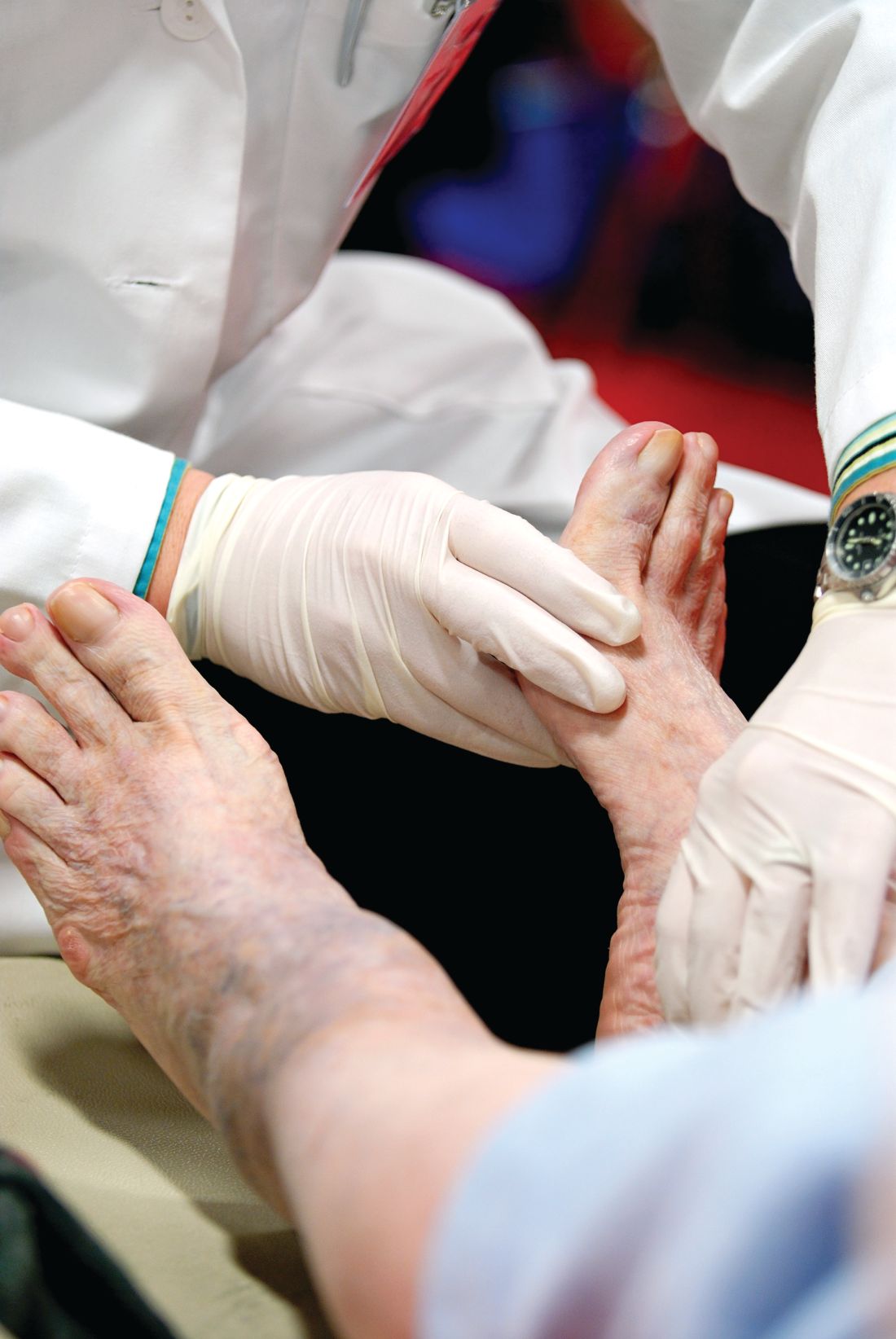
“Diabetic neuropathy has some important clinical consequences in a patient’s life. There’s clearly impaired function, a lower quality of life, and increased mortality. There’s also a high association between DN and cardiovascular disease and a high risk of amputation,” said Dr. Feldman, coauthor of the ADA’s new clinical guidelines for diabetic neuropathy (Diabetes Care. 2017;40[1]:136-54).
And in patients with type 2 diabetes, “diabetic neuropathy is not just hyperglycemia, which is what we’ve focused all our efforts on up until the past 5 years. There is also a role for dyslipidemia and other metabolic impairments,” she said.
In a follow-up interview, Dr. Feldman elaborated on a common misconception about DN, simple tools for foot exams by endocrinologists, and how to know when it’s time for a referral to a neurologist or podiatrist.
Q: What do you think physicians/endocrinologists misunderstand about diabetic neuropathy?
A: Commonly, physicians think if patients with diabetes do not complain of pain or numbness, they do not have DN. This simply isn’t correct. Over 80% of patients with DN have insensate feet – they simply do not have feeling in their feet. Physicians must examine a patient’s foot at least once a year to ensure the patient has not developed DN.
Q: What should endocrinologists understand about how diabetic neuropathy develops?
A: We know that excellent glucose control has a significant impact on DN in patients with type 1 diabetes. In patients with type 2 diabetes, we know that excellent glucose control plays a much less significant role. While it’s important, it must be coupled with control of other components of metabolic syndrome – elevated blood lipids, obesity, and hypertension.

A: Take a 126 Hz tuning fork and determine if the patient can feel vibration on the joint of the great toe for at least 10 seconds. Then take a 10-gram filament and a pin and determine if the patient can feel both of these instruments when they are applied to the joint of the great toe. Some physicians also take a 10-gram filament and apply it to the sole of the foot. I would not suggest using a pin on the sole of the foot.
Q: What else should they look for when they inspect feet? And how often would you recommend that endocrinologists do this per patient?
A: Inspection for callous formation, fissure formation, and fungal infections is important, and a foot exam should be done once yearly.
Q: What about testing whether patents can feel temperature?
A: The pin tests the same class of nerve fibers so this is routinely not done in an endocrinologist’s office.
Q: When should endocrinologists refer out for neuropathy?
A: Endocrinologists can treat DN by treating the diabetic condition and, in type 2 diabetes, the metabolic syndrome. Referral to a neurologist is indicated if there are atypical symptoms or signs, such as motor impairment that’s greater than sensory impairment, a significant asymmetry, or a very rapid onset. All patients with severe DN should be under the care of a podiatrist to prevent the development of nonhealing wounds and ulcers.
Q: What have you learned about how diabetic neuropathy affects the lives of patients?
A: DN definitely affects the quality of a patient’s life, not only in terms of work productivity and ability to perform activities of daily living. Quality of life and general enjoyment of life can frequently be adversely affected.
Q: How successful is treatment for diabetic neuropathy?
A: Treatment for pain can be very successful, and we have outlined a protocol in our recent ADA guidelines. For patients with uncontrollable pain, frequently a referral to a pain clinic is in order.
Dr. Feldman reports no relevant disclosures.
SAN DIEGO – Listen to the feet of your patients, and don’t just focus on glucose control as a way to combat diabetic neuropathy, according to Eva L. Feldman, MD, PhD.
Regular foot exams are crucial for patients with diabetes because of the high risk of diabetic neuropathy (DN), Dr. Feldman, professor of neurology and director of the Program for Neurology Research and Discovery at University of Michigan, Ann Arbor, said in a presentation at the annual scientific sessions of the American Diabetes Association.
“Diabetic neuropathy has some important clinical consequences in a patient’s life. There’s clearly impaired function, a lower quality of life, and increased mortality. There’s also a high association between DN and cardiovascular disease and a high risk of amputation,” said Dr. Feldman, coauthor of the ADA’s new clinical guidelines for diabetic neuropathy (Diabetes Care. 2017;40[1]:136-54).
And in patients with type 2 diabetes, “diabetic neuropathy is not just hyperglycemia, which is what we’ve focused all our efforts on up until the past 5 years. There is also a role for dyslipidemia and other metabolic impairments,” she said.
In a follow-up interview, Dr. Feldman elaborated on a common misconception about DN, simple tools for foot exams by endocrinologists, and how to know when it’s time for a referral to a neurologist or podiatrist.
Q: What do you think physicians/endocrinologists misunderstand about diabetic neuropathy?
A: Commonly, physicians think if patients with diabetes do not complain of pain or numbness, they do not have DN. This simply isn’t correct. Over 80% of patients with DN have insensate feet – they simply do not have feeling in their feet. Physicians must examine a patient’s foot at least once a year to ensure the patient has not developed DN.
Q: What should endocrinologists understand about how diabetic neuropathy develops?
A: We know that excellent glucose control has a significant impact on DN in patients with type 1 diabetes. In patients with type 2 diabetes, we know that excellent glucose control plays a much less significant role. While it’s important, it must be coupled with control of other components of metabolic syndrome – elevated blood lipids, obesity, and hypertension.
A: Take a 126 Hz tuning fork and determine if the patient can feel vibration on the joint of the great toe for at least 10 seconds. Then take a 10-gram filament and a pin and determine if the patient can feel both of these instruments when they are applied to the joint of the great toe. Some physicians also take a 10-gram filament and apply it to the sole of the foot. I would not suggest using a pin on the sole of the foot.
Q: What else should they look for when they inspect feet? And how often would you recommend that endocrinologists do this per patient?
A: Inspection for callous formation, fissure formation, and fungal infections is important, and a foot exam should be done once yearly.
Q: What about testing whether patents can feel temperature?
A: The pin tests the same class of nerve fibers so this is routinely not done in an endocrinologist’s office.
Q: When should endocrinologists refer out for neuropathy?
A: Endocrinologists can treat DN by treating the diabetic condition and, in type 2 diabetes, the metabolic syndrome. Referral to a neurologist is indicated if there are atypical symptoms or signs, such as motor impairment that’s greater than sensory impairment, a significant asymmetry, or a very rapid onset. All patients with severe DN should be under the care of a podiatrist to prevent the development of nonhealing wounds and ulcers.
Q: What have you learned about how diabetic neuropathy affects the lives of patients?
A: DN definitely affects the quality of a patient’s life, not only in terms of work productivity and ability to perform activities of daily living. Quality of life and general enjoyment of life can frequently be adversely affected.
Q: How successful is treatment for diabetic neuropathy?
A: Treatment for pain can be very successful, and we have outlined a protocol in our recent ADA guidelines. For patients with uncontrollable pain, frequently a referral to a pain clinic is in order.
Dr. Feldman reports no relevant disclosures.
SAN DIEGO – Listen to the feet of your patients, and don’t just focus on glucose control as a way to combat diabetic neuropathy, according to Eva L. Feldman, MD, PhD.
Regular foot exams are crucial for patients with diabetes because of the high risk of diabetic neuropathy (DN), Dr. Feldman, professor of neurology and director of the Program for Neurology Research and Discovery at University of Michigan, Ann Arbor, said in a presentation at the annual scientific sessions of the American Diabetes Association.
“Diabetic neuropathy has some important clinical consequences in a patient’s life. There’s clearly impaired function, a lower quality of life, and increased mortality. There’s also a high association between DN and cardiovascular disease and a high risk of amputation,” said Dr. Feldman, coauthor of the ADA’s new clinical guidelines for diabetic neuropathy (Diabetes Care. 2017;40[1]:136-54).
And in patients with type 2 diabetes, “diabetic neuropathy is not just hyperglycemia, which is what we’ve focused all our efforts on up until the past 5 years. There is also a role for dyslipidemia and other metabolic impairments,” she said.
In a follow-up interview, Dr. Feldman elaborated on a common misconception about DN, simple tools for foot exams by endocrinologists, and how to know when it’s time for a referral to a neurologist or podiatrist.
Q: What do you think physicians/endocrinologists misunderstand about diabetic neuropathy?
A: Commonly, physicians think if patients with diabetes do not complain of pain or numbness, they do not have DN. This simply isn’t correct. Over 80% of patients with DN have insensate feet – they simply do not have feeling in their feet. Physicians must examine a patient’s foot at least once a year to ensure the patient has not developed DN.
Q: What should endocrinologists understand about how diabetic neuropathy develops?
A: We know that excellent glucose control has a significant impact on DN in patients with type 1 diabetes. In patients with type 2 diabetes, we know that excellent glucose control plays a much less significant role. While it’s important, it must be coupled with control of other components of metabolic syndrome – elevated blood lipids, obesity, and hypertension.
A: Take a 126 Hz tuning fork and determine if the patient can feel vibration on the joint of the great toe for at least 10 seconds. Then take a 10-gram filament and a pin and determine if the patient can feel both of these instruments when they are applied to the joint of the great toe. Some physicians also take a 10-gram filament and apply it to the sole of the foot. I would not suggest using a pin on the sole of the foot.
Q: What else should they look for when they inspect feet? And how often would you recommend that endocrinologists do this per patient?
A: Inspection for callous formation, fissure formation, and fungal infections is important, and a foot exam should be done once yearly.
Q: What about testing whether patents can feel temperature?
A: The pin tests the same class of nerve fibers so this is routinely not done in an endocrinologist’s office.
Q: When should endocrinologists refer out for neuropathy?
A: Endocrinologists can treat DN by treating the diabetic condition and, in type 2 diabetes, the metabolic syndrome. Referral to a neurologist is indicated if there are atypical symptoms or signs, such as motor impairment that’s greater than sensory impairment, a significant asymmetry, or a very rapid onset. All patients with severe DN should be under the care of a podiatrist to prevent the development of nonhealing wounds and ulcers.
Q: What have you learned about how diabetic neuropathy affects the lives of patients?
A: DN definitely affects the quality of a patient’s life, not only in terms of work productivity and ability to perform activities of daily living. Quality of life and general enjoyment of life can frequently be adversely affected.
Q: How successful is treatment for diabetic neuropathy?
A: Treatment for pain can be very successful, and we have outlined a protocol in our recent ADA guidelines. For patients with uncontrollable pain, frequently a referral to a pain clinic is in order.
Dr. Feldman reports no relevant disclosures.
AT THE ADA ANNUAL SCIENTIFIC SESSIONS
Forced commitments still low under California’s AOT law
Critics have feared that California’s “Laura’s Law,” designed to prevent violence by making it easier for officials to force outpatient care upon people with mental illness who have resisted treatment, would violate the civil rights of Golden State residents.
But early statistics gathered by a Northern California psychiatrist suggest that few people have been forced involuntarily into outpatient care in large counties that have adopted the tougher approach in recent years. Instead, Californians targeted by the law appear to be choosing – under pressure – the alternative of accepting outpatient treatment.
California enacted Laura’s Law in 2003 after the death of a 19-year-old woman named Laura Wilcox at a mental health clinic in Northern California. Ms. Wilcox, who worked at the clinic, and two others were shot to death by a patient whose family had failed to persuade officials to force him to get treatment.
As California’s version of assisted outpatient treatment, or AOT, Laura’s Law, allows courts to order people into outpatient treatment in cases that meet certain criteria. Among other things, the person must have a mental illness, be considered “unlikely to survive safely in the community without supervision,” and have a “history of lack of compliance with treatment.” The law “also obligates any county that implements and accepts the law to provide excellent and comprehensive community-based services, not only for court-ordered patients but anybody who wants care,” Dr. Nelson said in an interview after his presentation.
As a state law, the measure must be adopted on a county-by-county basis. Tiny and remote Nevada County, where the shootings occurred, adopted the policy first when it was forced to do so by a lawsuit, Dr. Nelson said. But other counties were slow to sign on.
“Unlike Kendra’s Law, which passed earlier in New York, and both mandated and funded assisted outpatient treatment for all counties, Laura’s Law was completely unfunded. It was left to the discretion of each county to decide for itself whether or not to implement,” said Dr. Nelson, of Marin County, just north of San Francisco, who has served on the councils of the Northern California Psychiatric Society and California Psychiatric Association.
But things changed in 2013, when the state allowed money from a special tax on wealthy residents to be used for AOT programs, Dr. Nelson said. Counties began implementing Laura’s Law in 2014, and the number has now reached 17, representing about two-thirds of the state’s population, he said.
Dr. Nelson gathered statistics from several of California’s 58 counties. He found that over a period of 5 months of implementation, 59 people were referred to the AOT program, and 12 voluntarily accepted outpatient therapy in San Francisco County, which encompasses the city of San Francisco only and has 864,000 residents.
Over a period of 5 months in San Diego County, which has 3.3 million residents, there were 376 referrals, including those to a program that uses home visits to urge people to accept outpatient care. Twenty people accepted voluntary outpatient treatment. No court-ordered treatment was required for anyone in either San Diego or San Francisco counties.
Over a period of 12 months in Orange County, with 3.2 million residents, there were 389 referrals, and 126 people voluntarily accepted AOT. Only three were ordered into treatment by courts. Over 6 months in Placer County, with just 375,000 residents, eight patients voluntarily accepted AOT, and one was ordered into treatment by a court but refused it.
(The Orange County Register reports that refusal to abide by court-ordered outpatient treatment results in no civil or criminal penalties.)
Los Angeles County, by far the most populous in the state with 10.1 million residents, reported 805 AOT referrals, 30 involuntary commitments to outpatient care, and 239 voluntary agreements to outpatient care. The numbers are from 2016 to 2017, but Dr. Nelson did not have details about the exact period covered.
Dr. Nelson also looked at 7 years of statistics from Nevada County, which was forced into adopting an AOT program by a lawsuit. The county, which has fewer than 100,000 residents, reported 67 referrals to the AOT program and 30 cases of court-ordered treatment.
A report estimates that over the first 30 months of the program, Nevada County saved $1.80 for every $1 spent on its AOT program by preventing acute psychiatric hospitalizations and imprisonment.
The low numbers of forced commitments to outpatient care across the state make sense, Dr. Nelson said, since the law wasn’t intended to “force a bunch of folks with typically high recidivism with mental illness into involuntary treatment.”
Instead, he said, the law has promoted a so-called black robe effect – essentially, a form of intimidation by judge.
Dr. Nelson said he has tracked the debate over forced outpatient care for years and has mixed feelings about the law.
There’s value to coaxing people with mental illness into care when they are unable to recognize their illness, he said. “But there are way too many gaps and holes for people to fall into,” he said. “They have the potential to be mistreated, poorly treated, poorly diagnosed.”
While Laura’s Law requires counties to offer comprehensive outpatient mental health care, “it’s really difficult to know whether the programs are meeting all of the conditions of the law,” Dr. Nelson said.
Still, he said, Laura’s Law is forcing counties to discuss how to care for people with mental illness who are targeted by the legislation, he said. “They are beginning to have a lively conversation about how we are going to reach out to these people and help them, even to just avoid the implementation of Laura’s Law.”
Dr. Nelson has no relevant disclosures.
Critics have feared that California’s “Laura’s Law,” designed to prevent violence by making it easier for officials to force outpatient care upon people with mental illness who have resisted treatment, would violate the civil rights of Golden State residents.
But early statistics gathered by a Northern California psychiatrist suggest that few people have been forced involuntarily into outpatient care in large counties that have adopted the tougher approach in recent years. Instead, Californians targeted by the law appear to be choosing – under pressure – the alternative of accepting outpatient treatment.
California enacted Laura’s Law in 2003 after the death of a 19-year-old woman named Laura Wilcox at a mental health clinic in Northern California. Ms. Wilcox, who worked at the clinic, and two others were shot to death by a patient whose family had failed to persuade officials to force him to get treatment.
As California’s version of assisted outpatient treatment, or AOT, Laura’s Law, allows courts to order people into outpatient treatment in cases that meet certain criteria. Among other things, the person must have a mental illness, be considered “unlikely to survive safely in the community without supervision,” and have a “history of lack of compliance with treatment.” The law “also obligates any county that implements and accepts the law to provide excellent and comprehensive community-based services, not only for court-ordered patients but anybody who wants care,” Dr. Nelson said in an interview after his presentation.
As a state law, the measure must be adopted on a county-by-county basis. Tiny and remote Nevada County, where the shootings occurred, adopted the policy first when it was forced to do so by a lawsuit, Dr. Nelson said. But other counties were slow to sign on.
“Unlike Kendra’s Law, which passed earlier in New York, and both mandated and funded assisted outpatient treatment for all counties, Laura’s Law was completely unfunded. It was left to the discretion of each county to decide for itself whether or not to implement,” said Dr. Nelson, of Marin County, just north of San Francisco, who has served on the councils of the Northern California Psychiatric Society and California Psychiatric Association.
But things changed in 2013, when the state allowed money from a special tax on wealthy residents to be used for AOT programs, Dr. Nelson said. Counties began implementing Laura’s Law in 2014, and the number has now reached 17, representing about two-thirds of the state’s population, he said.
Dr. Nelson gathered statistics from several of California’s 58 counties. He found that over a period of 5 months of implementation, 59 people were referred to the AOT program, and 12 voluntarily accepted outpatient therapy in San Francisco County, which encompasses the city of San Francisco only and has 864,000 residents.
Over a period of 5 months in San Diego County, which has 3.3 million residents, there were 376 referrals, including those to a program that uses home visits to urge people to accept outpatient care. Twenty people accepted voluntary outpatient treatment. No court-ordered treatment was required for anyone in either San Diego or San Francisco counties.
Over a period of 12 months in Orange County, with 3.2 million residents, there were 389 referrals, and 126 people voluntarily accepted AOT. Only three were ordered into treatment by courts. Over 6 months in Placer County, with just 375,000 residents, eight patients voluntarily accepted AOT, and one was ordered into treatment by a court but refused it.
(The Orange County Register reports that refusal to abide by court-ordered outpatient treatment results in no civil or criminal penalties.)
Los Angeles County, by far the most populous in the state with 10.1 million residents, reported 805 AOT referrals, 30 involuntary commitments to outpatient care, and 239 voluntary agreements to outpatient care. The numbers are from 2016 to 2017, but Dr. Nelson did not have details about the exact period covered.
Dr. Nelson also looked at 7 years of statistics from Nevada County, which was forced into adopting an AOT program by a lawsuit. The county, which has fewer than 100,000 residents, reported 67 referrals to the AOT program and 30 cases of court-ordered treatment.
A report estimates that over the first 30 months of the program, Nevada County saved $1.80 for every $1 spent on its AOT program by preventing acute psychiatric hospitalizations and imprisonment.
The low numbers of forced commitments to outpatient care across the state make sense, Dr. Nelson said, since the law wasn’t intended to “force a bunch of folks with typically high recidivism with mental illness into involuntary treatment.”
Instead, he said, the law has promoted a so-called black robe effect – essentially, a form of intimidation by judge.
Dr. Nelson said he has tracked the debate over forced outpatient care for years and has mixed feelings about the law.
There’s value to coaxing people with mental illness into care when they are unable to recognize their illness, he said. “But there are way too many gaps and holes for people to fall into,” he said. “They have the potential to be mistreated, poorly treated, poorly diagnosed.”
While Laura’s Law requires counties to offer comprehensive outpatient mental health care, “it’s really difficult to know whether the programs are meeting all of the conditions of the law,” Dr. Nelson said.
Still, he said, Laura’s Law is forcing counties to discuss how to care for people with mental illness who are targeted by the legislation, he said. “They are beginning to have a lively conversation about how we are going to reach out to these people and help them, even to just avoid the implementation of Laura’s Law.”
Dr. Nelson has no relevant disclosures.
Critics have feared that California’s “Laura’s Law,” designed to prevent violence by making it easier for officials to force outpatient care upon people with mental illness who have resisted treatment, would violate the civil rights of Golden State residents.
But early statistics gathered by a Northern California psychiatrist suggest that few people have been forced involuntarily into outpatient care in large counties that have adopted the tougher approach in recent years. Instead, Californians targeted by the law appear to be choosing – under pressure – the alternative of accepting outpatient treatment.
California enacted Laura’s Law in 2003 after the death of a 19-year-old woman named Laura Wilcox at a mental health clinic in Northern California. Ms. Wilcox, who worked at the clinic, and two others were shot to death by a patient whose family had failed to persuade officials to force him to get treatment.
As California’s version of assisted outpatient treatment, or AOT, Laura’s Law, allows courts to order people into outpatient treatment in cases that meet certain criteria. Among other things, the person must have a mental illness, be considered “unlikely to survive safely in the community without supervision,” and have a “history of lack of compliance with treatment.” The law “also obligates any county that implements and accepts the law to provide excellent and comprehensive community-based services, not only for court-ordered patients but anybody who wants care,” Dr. Nelson said in an interview after his presentation.
As a state law, the measure must be adopted on a county-by-county basis. Tiny and remote Nevada County, where the shootings occurred, adopted the policy first when it was forced to do so by a lawsuit, Dr. Nelson said. But other counties were slow to sign on.
“Unlike Kendra’s Law, which passed earlier in New York, and both mandated and funded assisted outpatient treatment for all counties, Laura’s Law was completely unfunded. It was left to the discretion of each county to decide for itself whether or not to implement,” said Dr. Nelson, of Marin County, just north of San Francisco, who has served on the councils of the Northern California Psychiatric Society and California Psychiatric Association.
But things changed in 2013, when the state allowed money from a special tax on wealthy residents to be used for AOT programs, Dr. Nelson said. Counties began implementing Laura’s Law in 2014, and the number has now reached 17, representing about two-thirds of the state’s population, he said.
Dr. Nelson gathered statistics from several of California’s 58 counties. He found that over a period of 5 months of implementation, 59 people were referred to the AOT program, and 12 voluntarily accepted outpatient therapy in San Francisco County, which encompasses the city of San Francisco only and has 864,000 residents.
Over a period of 5 months in San Diego County, which has 3.3 million residents, there were 376 referrals, including those to a program that uses home visits to urge people to accept outpatient care. Twenty people accepted voluntary outpatient treatment. No court-ordered treatment was required for anyone in either San Diego or San Francisco counties.
Over a period of 12 months in Orange County, with 3.2 million residents, there were 389 referrals, and 126 people voluntarily accepted AOT. Only three were ordered into treatment by courts. Over 6 months in Placer County, with just 375,000 residents, eight patients voluntarily accepted AOT, and one was ordered into treatment by a court but refused it.
(The Orange County Register reports that refusal to abide by court-ordered outpatient treatment results in no civil or criminal penalties.)
Los Angeles County, by far the most populous in the state with 10.1 million residents, reported 805 AOT referrals, 30 involuntary commitments to outpatient care, and 239 voluntary agreements to outpatient care. The numbers are from 2016 to 2017, but Dr. Nelson did not have details about the exact period covered.
Dr. Nelson also looked at 7 years of statistics from Nevada County, which was forced into adopting an AOT program by a lawsuit. The county, which has fewer than 100,000 residents, reported 67 referrals to the AOT program and 30 cases of court-ordered treatment.
A report estimates that over the first 30 months of the program, Nevada County saved $1.80 for every $1 spent on its AOT program by preventing acute psychiatric hospitalizations and imprisonment.
The low numbers of forced commitments to outpatient care across the state make sense, Dr. Nelson said, since the law wasn’t intended to “force a bunch of folks with typically high recidivism with mental illness into involuntary treatment.”
Instead, he said, the law has promoted a so-called black robe effect – essentially, a form of intimidation by judge.
Dr. Nelson said he has tracked the debate over forced outpatient care for years and has mixed feelings about the law.
There’s value to coaxing people with mental illness into care when they are unable to recognize their illness, he said. “But there are way too many gaps and holes for people to fall into,” he said. “They have the potential to be mistreated, poorly treated, poorly diagnosed.”
While Laura’s Law requires counties to offer comprehensive outpatient mental health care, “it’s really difficult to know whether the programs are meeting all of the conditions of the law,” Dr. Nelson said.
Still, he said, Laura’s Law is forcing counties to discuss how to care for people with mental illness who are targeted by the legislation, he said. “They are beginning to have a lively conversation about how we are going to reach out to these people and help them, even to just avoid the implementation of Laura’s Law.”
Dr. Nelson has no relevant disclosures.
EXPERT ANALYSIS FROM APA
Risk of sexual dysfunction in diabetes is high, but treatments can help
SAN DIEGO –
This isn’t normal for men of that age, according to Hunter B. Wessells, MD.“It’s not just that they’re aging. It’s a 20-year acceleration of the aging process,” he said at the annual scientific sessions of the American Diabetes Association.
That’s not all. In some cases, men with diabetes may experience decreased libido that’s potentially caused by low testosterone, said Dr. Wessells, professor and Wilma Wise Nelson, Ole A. Nelson, and Mabel Wise Nelson Endowed Chair in Urology at the University of Washington, Seattle

Still, research findings offer useful insights into the frequency of sexual dysfunction in people with diabetes and the potential – and limitations – of available treatments, said Dr. Wessells.
In patients with well-controlled diabetes, “these conditions impact quality of life to a greater degree than complications like nephropathy, neuropathy, and retinopathy,” he said in an interview. “Thus, treatment of urological symptoms can be a high-yield endeavor.”
In both sexes, Dr. Wessells said, diabetes can disrupt the mechanism of desire, arousal, and orgasm by affecting a long list of bodily functions such as central nervous system stimulation, hormone activity, autonomic and somatic nerve activity, and processing of calcium ions and nitric acid.
In men, diabetes boosts the risk of erectile dysfunction to a larger extent than do related conditions such as obesity, heart disease, and depression. “But they are interrelated,” he said. “The primary mechanisms include the metabolic effects of high glucose, autonomic nerve damage, and microvascular disease.”
Low testosterone levels also can cause problems in patients with diabetes, he said. “Type 2 diabetes has greater effects on testosterone than type 1. It is most closely linked to weight in the type 1 population and affects only a small percentage.”
A 2017 systematic review and meta-analysis of 145 studies with more than 88,000 subjects (average age 55.8 ± 7.9 years) suggests that ED was more common in type 2 diabetes (66.3%) than type 1 diabetes (37.5%) after statistical adjustment to account for publication bias (Diabet Med. 2017 Jul 18. doi: 10.1111/dme.13403).
A smaller analysis found that men with diabetes had almost four times the odds (odd ratio = 3.62) of ED compared with healthy controls (Diabet Med. 2017 Jul 18. doi: 10.1111/dme.13403). Phosphodiesterase-5 inhibitors – such as sildenafil, vardenafil, and tadalafil – are one option for men with diabetes and ED, Dr. Wessells said. “They work pretty well, but men with diabetes tend to have more severe ED. They’re going to get better, but will they get better enough to be normal? That’s the question.”
A 2007 Cochrane Library analysis found that men with diabetes and ED gained from PDE5 inhibitors overall (Cochrane Database Syst Rev. 2007 Jan 24[1]:CD002187. doi: 10.1002/14651858.CD002187.pub3).
“They’re not going to do as well as the general population,” Dr. Wessells said, “but we should try these as first-line agents in absence of things like severe unstable cardiovascular disease and other risk factors.”
Second-line therapies, typically offered by urologists, include penile prostheses and injection therapy, he said. A 2014 analysis of previous research found that men with diabetes were “more than 50% more likely to be prescribed secondary ED treatments over the 2-year observation period, and more than twice as likely to undergo penile prosthesis surgery” (Int J Impot Res. 2014 May-Jun;26[3]:112-5).
As for women, a 2009 study found that of 424 sexually active women with type 1 diabetes (97% of whom were white), 35% showed signs of female sexual dysfunction (FSD). Of those with FSD, problems included loss of libido (57%); problems with orgasm (51%), lubrication (47%), and/or arousal (38%); and pain (21%) (Diabetes Care. 2009 May;32[5]:780-5).
Only one drug, flibanserin (Addyi), is approved for FSD in the United States. Its impact on patients with diabetes is unknown, Dr. Wessells said, and the drug has the potential for significant adverse events.
The good news: Research is providing insight into which men and women are more likely to develop sexual dysfunction, Dr. Wessells said.
Age is important in both genders. For women, depression and being married appear to be risk factors, he said. “This needs more exploration to help us understand how to intervene.”
And in men, he said, ED is linked to jumps in hemoglobin A1c, while men on intensive glycemic therapy have a lower risk.
“Maybe we can find out who needs to be targeted for earlier intervention,” he said. This is especially important for men because ED becomes more likely to be irreversible after just a few years, he said.
Dr. Wessells reports no relevant disclosures.
SAN DIEGO –
This isn’t normal for men of that age, according to Hunter B. Wessells, MD.“It’s not just that they’re aging. It’s a 20-year acceleration of the aging process,” he said at the annual scientific sessions of the American Diabetes Association.
That’s not all. In some cases, men with diabetes may experience decreased libido that’s potentially caused by low testosterone, said Dr. Wessells, professor and Wilma Wise Nelson, Ole A. Nelson, and Mabel Wise Nelson Endowed Chair in Urology at the University of Washington, Seattle
Still, research findings offer useful insights into the frequency of sexual dysfunction in people with diabetes and the potential – and limitations – of available treatments, said Dr. Wessells.
In patients with well-controlled diabetes, “these conditions impact quality of life to a greater degree than complications like nephropathy, neuropathy, and retinopathy,” he said in an interview. “Thus, treatment of urological symptoms can be a high-yield endeavor.”
In both sexes, Dr. Wessells said, diabetes can disrupt the mechanism of desire, arousal, and orgasm by affecting a long list of bodily functions such as central nervous system stimulation, hormone activity, autonomic and somatic nerve activity, and processing of calcium ions and nitric acid.
In men, diabetes boosts the risk of erectile dysfunction to a larger extent than do related conditions such as obesity, heart disease, and depression. “But they are interrelated,” he said. “The primary mechanisms include the metabolic effects of high glucose, autonomic nerve damage, and microvascular disease.”
Low testosterone levels also can cause problems in patients with diabetes, he said. “Type 2 diabetes has greater effects on testosterone than type 1. It is most closely linked to weight in the type 1 population and affects only a small percentage.”
A 2017 systematic review and meta-analysis of 145 studies with more than 88,000 subjects (average age 55.8 ± 7.9 years) suggests that ED was more common in type 2 diabetes (66.3%) than type 1 diabetes (37.5%) after statistical adjustment to account for publication bias (Diabet Med. 2017 Jul 18. doi: 10.1111/dme.13403).
A smaller analysis found that men with diabetes had almost four times the odds (odd ratio = 3.62) of ED compared with healthy controls (Diabet Med. 2017 Jul 18. doi: 10.1111/dme.13403). Phosphodiesterase-5 inhibitors – such as sildenafil, vardenafil, and tadalafil – are one option for men with diabetes and ED, Dr. Wessells said. “They work pretty well, but men with diabetes tend to have more severe ED. They’re going to get better, but will they get better enough to be normal? That’s the question.”
A 2007 Cochrane Library analysis found that men with diabetes and ED gained from PDE5 inhibitors overall (Cochrane Database Syst Rev. 2007 Jan 24[1]:CD002187. doi: 10.1002/14651858.CD002187.pub3).
“They’re not going to do as well as the general population,” Dr. Wessells said, “but we should try these as first-line agents in absence of things like severe unstable cardiovascular disease and other risk factors.”
Second-line therapies, typically offered by urologists, include penile prostheses and injection therapy, he said. A 2014 analysis of previous research found that men with diabetes were “more than 50% more likely to be prescribed secondary ED treatments over the 2-year observation period, and more than twice as likely to undergo penile prosthesis surgery” (Int J Impot Res. 2014 May-Jun;26[3]:112-5).
As for women, a 2009 study found that of 424 sexually active women with type 1 diabetes (97% of whom were white), 35% showed signs of female sexual dysfunction (FSD). Of those with FSD, problems included loss of libido (57%); problems with orgasm (51%), lubrication (47%), and/or arousal (38%); and pain (21%) (Diabetes Care. 2009 May;32[5]:780-5).
Only one drug, flibanserin (Addyi), is approved for FSD in the United States. Its impact on patients with diabetes is unknown, Dr. Wessells said, and the drug has the potential for significant adverse events.
The good news: Research is providing insight into which men and women are more likely to develop sexual dysfunction, Dr. Wessells said.
Age is important in both genders. For women, depression and being married appear to be risk factors, he said. “This needs more exploration to help us understand how to intervene.”
And in men, he said, ED is linked to jumps in hemoglobin A1c, while men on intensive glycemic therapy have a lower risk.
“Maybe we can find out who needs to be targeted for earlier intervention,” he said. This is especially important for men because ED becomes more likely to be irreversible after just a few years, he said.
Dr. Wessells reports no relevant disclosures.
SAN DIEGO –
This isn’t normal for men of that age, according to Hunter B. Wessells, MD.“It’s not just that they’re aging. It’s a 20-year acceleration of the aging process,” he said at the annual scientific sessions of the American Diabetes Association.
That’s not all. In some cases, men with diabetes may experience decreased libido that’s potentially caused by low testosterone, said Dr. Wessells, professor and Wilma Wise Nelson, Ole A. Nelson, and Mabel Wise Nelson Endowed Chair in Urology at the University of Washington, Seattle
Still, research findings offer useful insights into the frequency of sexual dysfunction in people with diabetes and the potential – and limitations – of available treatments, said Dr. Wessells.
In patients with well-controlled diabetes, “these conditions impact quality of life to a greater degree than complications like nephropathy, neuropathy, and retinopathy,” he said in an interview. “Thus, treatment of urological symptoms can be a high-yield endeavor.”
In both sexes, Dr. Wessells said, diabetes can disrupt the mechanism of desire, arousal, and orgasm by affecting a long list of bodily functions such as central nervous system stimulation, hormone activity, autonomic and somatic nerve activity, and processing of calcium ions and nitric acid.
In men, diabetes boosts the risk of erectile dysfunction to a larger extent than do related conditions such as obesity, heart disease, and depression. “But they are interrelated,” he said. “The primary mechanisms include the metabolic effects of high glucose, autonomic nerve damage, and microvascular disease.”
Low testosterone levels also can cause problems in patients with diabetes, he said. “Type 2 diabetes has greater effects on testosterone than type 1. It is most closely linked to weight in the type 1 population and affects only a small percentage.”
A 2017 systematic review and meta-analysis of 145 studies with more than 88,000 subjects (average age 55.8 ± 7.9 years) suggests that ED was more common in type 2 diabetes (66.3%) than type 1 diabetes (37.5%) after statistical adjustment to account for publication bias (Diabet Med. 2017 Jul 18. doi: 10.1111/dme.13403).
A smaller analysis found that men with diabetes had almost four times the odds (odd ratio = 3.62) of ED compared with healthy controls (Diabet Med. 2017 Jul 18. doi: 10.1111/dme.13403). Phosphodiesterase-5 inhibitors – such as sildenafil, vardenafil, and tadalafil – are one option for men with diabetes and ED, Dr. Wessells said. “They work pretty well, but men with diabetes tend to have more severe ED. They’re going to get better, but will they get better enough to be normal? That’s the question.”
A 2007 Cochrane Library analysis found that men with diabetes and ED gained from PDE5 inhibitors overall (Cochrane Database Syst Rev. 2007 Jan 24[1]:CD002187. doi: 10.1002/14651858.CD002187.pub3).
“They’re not going to do as well as the general population,” Dr. Wessells said, “but we should try these as first-line agents in absence of things like severe unstable cardiovascular disease and other risk factors.”
Second-line therapies, typically offered by urologists, include penile prostheses and injection therapy, he said. A 2014 analysis of previous research found that men with diabetes were “more than 50% more likely to be prescribed secondary ED treatments over the 2-year observation period, and more than twice as likely to undergo penile prosthesis surgery” (Int J Impot Res. 2014 May-Jun;26[3]:112-5).
As for women, a 2009 study found that of 424 sexually active women with type 1 diabetes (97% of whom were white), 35% showed signs of female sexual dysfunction (FSD). Of those with FSD, problems included loss of libido (57%); problems with orgasm (51%), lubrication (47%), and/or arousal (38%); and pain (21%) (Diabetes Care. 2009 May;32[5]:780-5).
Only one drug, flibanserin (Addyi), is approved for FSD in the United States. Its impact on patients with diabetes is unknown, Dr. Wessells said, and the drug has the potential for significant adverse events.
The good news: Research is providing insight into which men and women are more likely to develop sexual dysfunction, Dr. Wessells said.
Age is important in both genders. For women, depression and being married appear to be risk factors, he said. “This needs more exploration to help us understand how to intervene.”
And in men, he said, ED is linked to jumps in hemoglobin A1c, while men on intensive glycemic therapy have a lower risk.
“Maybe we can find out who needs to be targeted for earlier intervention,” he said. This is especially important for men because ED becomes more likely to be irreversible after just a few years, he said.
Dr. Wessells reports no relevant disclosures.
EXPERT ANALYSIS AT THE ADA ANNUAL SCIENTIFIC SESSIONS
Transplant safety has improved for patients with diabetes
SAN DIEGO – The risks for patients with diabetes who face organ transplants have diminished greatly, according to an endocrinologist.
But there are still many limitations for these patients – some transplants are not appropriate for patients with diabetes – and there are potential complications when they do get transplants.
“While it used to be that outcomes were worse in patients with diabetes, such as more infections and higher mortality, this has become much less so over time, because of team-based care and better focus on diabetes management postoperatively,” said Jennifer Larsen, MD. Still, “the complexities come with the variable other factors and conditions the patient might have, such as autonomic neuropathies, the sudden variations in kidney function that can occur before and after transplant, and the impact of the transplant medications on other aspects of diabetes care such as lipid management and metabolism of other drugs.”

“They also take care of diabetes patients who get other types of transplant such as heart transplant, liver, and lung,” said Dr. Larsen, vice chancellor for research and professor of internal medicine at University of Nebraska Medical Center, Omaha.
And, she added, they take care of patients who develop diabetes after transplants – posttransplant diabetes. “So it’s important to the endocrinologist today to be familiar with the transplant world, the medicines used, and how chronic kidney disease impacts diabetes management,” she said.
Endocrinologists serve in a variety of roles when patients need transplants, she added. “In some cases the transplant surgeon is referring to us, the endocrinologist. If the patient is heading toward kidney transplant in particular, the pancreas and islet options with kidney transplants would all be handled by the transplant nephrologists, who work hand in hand with the transplant surgeons. Some endocrinologists are embedded in these teams, too.”
Patients with diabetes complicated by chronic kidney disease may be eligible for a transplant of a kidney – in line with the adage that “any kidney is better than dialysis,” Dr. Larsen said – or kidney/pancreas or kidney/islet transplants.
Kidney/pancreas and kidney/islet transplants may be performed simultaneously or with the kidney transplant first. However, islet transplants are not appropriate for patients with type 2 diabetes, and these patients also may not be eligible for simultaneous kidney/pancreas transplants.
According to the United Network for Organ Sharing, there were more than 415,075 kidney transplants from Jan. 1, 1988, to June 30, 2017 (www.unos.org/data). The numbers for pancreas and kidney/pancreas transplants are 8,462 and 22,496, respectively. Islet transplant numbers were not available.
Five-year patient survival rates for kidney transplants are 85%, and graft survival rates are 71%, Dr. Larsen said, and they’re similar for kidney/pancreas transplants. According to Dr. Larsen, patient survival is lower after islet transplantation.
Adjusted patient and graft survival rates in kidney transplants are the same among nondiabetic patients and those with diabetes (Nephrol Dial Transplant. 2002.17[9]:1678-83).
Diabetes complications can affect patient eligibility for these kinds of transplants, Dr. Larsen said, and weight can be a complicating factor. The drugs used in transplants in patients with higher body mass indexes exacerbate insulin resistance, Dr. Larsen said, “and that will make it harder to manage afterward. We haven’t worked out if BMI affects graft function over time.”
Reduced cardiac function eliminates simultaneous pancreas/kidney (SPK) transplants as an option for patients with diabetes, while blindness, severe hypoglycemia unawareness, and other autonomic neuropathies can make SPK more appropriate. Gastroparesis, meanwhile, can be an issue for all transplants.
Dr. Larsen’s own research has suggested that SPK transplants can be better than kidney transplant alone in terms of improving neuropathy, symptoms of peripheral neuropathy, and, perhaps, gastroparesis symptoms. However, SPK is not better in terms of improving bladder neuropathy, eye disease, amputations, and cardiac complications of diabetes (Endocr Rev. 2004;25[6]:919-46).
While the prognosis for transplants in diabetes patients is often promising Dr. Larsen cautioned that there can still be a big obstacle: Primary care physicians who fail to act.
“Most diabetes patients are not managed by endocrinologists,” she said, “and there are still many primary care physicians who delay referral to transplant teams for their diabetes patients or even to endocrinologists when they are struggling with diabetes management.”
Dr. Larsen reports no relevant disclosures.
SAN DIEGO – The risks for patients with diabetes who face organ transplants have diminished greatly, according to an endocrinologist.
But there are still many limitations for these patients – some transplants are not appropriate for patients with diabetes – and there are potential complications when they do get transplants.
“While it used to be that outcomes were worse in patients with diabetes, such as more infections and higher mortality, this has become much less so over time, because of team-based care and better focus on diabetes management postoperatively,” said Jennifer Larsen, MD. Still, “the complexities come with the variable other factors and conditions the patient might have, such as autonomic neuropathies, the sudden variations in kidney function that can occur before and after transplant, and the impact of the transplant medications on other aspects of diabetes care such as lipid management and metabolism of other drugs.”
“They also take care of diabetes patients who get other types of transplant such as heart transplant, liver, and lung,” said Dr. Larsen, vice chancellor for research and professor of internal medicine at University of Nebraska Medical Center, Omaha.
And, she added, they take care of patients who develop diabetes after transplants – posttransplant diabetes. “So it’s important to the endocrinologist today to be familiar with the transplant world, the medicines used, and how chronic kidney disease impacts diabetes management,” she said.
Endocrinologists serve in a variety of roles when patients need transplants, she added. “In some cases the transplant surgeon is referring to us, the endocrinologist. If the patient is heading toward kidney transplant in particular, the pancreas and islet options with kidney transplants would all be handled by the transplant nephrologists, who work hand in hand with the transplant surgeons. Some endocrinologists are embedded in these teams, too.”
Patients with diabetes complicated by chronic kidney disease may be eligible for a transplant of a kidney – in line with the adage that “any kidney is better than dialysis,” Dr. Larsen said – or kidney/pancreas or kidney/islet transplants.
Kidney/pancreas and kidney/islet transplants may be performed simultaneously or with the kidney transplant first. However, islet transplants are not appropriate for patients with type 2 diabetes, and these patients also may not be eligible for simultaneous kidney/pancreas transplants.
According to the United Network for Organ Sharing, there were more than 415,075 kidney transplants from Jan. 1, 1988, to June 30, 2017 (www.unos.org/data). The numbers for pancreas and kidney/pancreas transplants are 8,462 and 22,496, respectively. Islet transplant numbers were not available.
Five-year patient survival rates for kidney transplants are 85%, and graft survival rates are 71%, Dr. Larsen said, and they’re similar for kidney/pancreas transplants. According to Dr. Larsen, patient survival is lower after islet transplantation.
Adjusted patient and graft survival rates in kidney transplants are the same among nondiabetic patients and those with diabetes (Nephrol Dial Transplant. 2002.17[9]:1678-83).
Diabetes complications can affect patient eligibility for these kinds of transplants, Dr. Larsen said, and weight can be a complicating factor. The drugs used in transplants in patients with higher body mass indexes exacerbate insulin resistance, Dr. Larsen said, “and that will make it harder to manage afterward. We haven’t worked out if BMI affects graft function over time.”
Reduced cardiac function eliminates simultaneous pancreas/kidney (SPK) transplants as an option for patients with diabetes, while blindness, severe hypoglycemia unawareness, and other autonomic neuropathies can make SPK more appropriate. Gastroparesis, meanwhile, can be an issue for all transplants.
Dr. Larsen’s own research has suggested that SPK transplants can be better than kidney transplant alone in terms of improving neuropathy, symptoms of peripheral neuropathy, and, perhaps, gastroparesis symptoms. However, SPK is not better in terms of improving bladder neuropathy, eye disease, amputations, and cardiac complications of diabetes (Endocr Rev. 2004;25[6]:919-46).
While the prognosis for transplants in diabetes patients is often promising Dr. Larsen cautioned that there can still be a big obstacle: Primary care physicians who fail to act.
“Most diabetes patients are not managed by endocrinologists,” she said, “and there are still many primary care physicians who delay referral to transplant teams for their diabetes patients or even to endocrinologists when they are struggling with diabetes management.”
Dr. Larsen reports no relevant disclosures.
SAN DIEGO – The risks for patients with diabetes who face organ transplants have diminished greatly, according to an endocrinologist.
But there are still many limitations for these patients – some transplants are not appropriate for patients with diabetes – and there are potential complications when they do get transplants.
“While it used to be that outcomes were worse in patients with diabetes, such as more infections and higher mortality, this has become much less so over time, because of team-based care and better focus on diabetes management postoperatively,” said Jennifer Larsen, MD. Still, “the complexities come with the variable other factors and conditions the patient might have, such as autonomic neuropathies, the sudden variations in kidney function that can occur before and after transplant, and the impact of the transplant medications on other aspects of diabetes care such as lipid management and metabolism of other drugs.”
“They also take care of diabetes patients who get other types of transplant such as heart transplant, liver, and lung,” said Dr. Larsen, vice chancellor for research and professor of internal medicine at University of Nebraska Medical Center, Omaha.
And, she added, they take care of patients who develop diabetes after transplants – posttransplant diabetes. “So it’s important to the endocrinologist today to be familiar with the transplant world, the medicines used, and how chronic kidney disease impacts diabetes management,” she said.
Endocrinologists serve in a variety of roles when patients need transplants, she added. “In some cases the transplant surgeon is referring to us, the endocrinologist. If the patient is heading toward kidney transplant in particular, the pancreas and islet options with kidney transplants would all be handled by the transplant nephrologists, who work hand in hand with the transplant surgeons. Some endocrinologists are embedded in these teams, too.”
Patients with diabetes complicated by chronic kidney disease may be eligible for a transplant of a kidney – in line with the adage that “any kidney is better than dialysis,” Dr. Larsen said – or kidney/pancreas or kidney/islet transplants.
Kidney/pancreas and kidney/islet transplants may be performed simultaneously or with the kidney transplant first. However, islet transplants are not appropriate for patients with type 2 diabetes, and these patients also may not be eligible for simultaneous kidney/pancreas transplants.
According to the United Network for Organ Sharing, there were more than 415,075 kidney transplants from Jan. 1, 1988, to June 30, 2017 (www.unos.org/data). The numbers for pancreas and kidney/pancreas transplants are 8,462 and 22,496, respectively. Islet transplant numbers were not available.
Five-year patient survival rates for kidney transplants are 85%, and graft survival rates are 71%, Dr. Larsen said, and they’re similar for kidney/pancreas transplants. According to Dr. Larsen, patient survival is lower after islet transplantation.
Adjusted patient and graft survival rates in kidney transplants are the same among nondiabetic patients and those with diabetes (Nephrol Dial Transplant. 2002.17[9]:1678-83).
Diabetes complications can affect patient eligibility for these kinds of transplants, Dr. Larsen said, and weight can be a complicating factor. The drugs used in transplants in patients with higher body mass indexes exacerbate insulin resistance, Dr. Larsen said, “and that will make it harder to manage afterward. We haven’t worked out if BMI affects graft function over time.”
Reduced cardiac function eliminates simultaneous pancreas/kidney (SPK) transplants as an option for patients with diabetes, while blindness, severe hypoglycemia unawareness, and other autonomic neuropathies can make SPK more appropriate. Gastroparesis, meanwhile, can be an issue for all transplants.
Dr. Larsen’s own research has suggested that SPK transplants can be better than kidney transplant alone in terms of improving neuropathy, symptoms of peripheral neuropathy, and, perhaps, gastroparesis symptoms. However, SPK is not better in terms of improving bladder neuropathy, eye disease, amputations, and cardiac complications of diabetes (Endocr Rev. 2004;25[6]:919-46).
While the prognosis for transplants in diabetes patients is often promising Dr. Larsen cautioned that there can still be a big obstacle: Primary care physicians who fail to act.
“Most diabetes patients are not managed by endocrinologists,” she said, “and there are still many primary care physicians who delay referral to transplant teams for their diabetes patients or even to endocrinologists when they are struggling with diabetes management.”
Dr. Larsen reports no relevant disclosures.
AT THE ADA ANNUAL SCIENTIFIC SESSIONS
Exercise, CBT linked to higher drop in depression in type 2 diabetes
SAN DIEGO – The odds of full remission from clinically diagnosed major depression greatly improved in patients with type 2 diabetes who took part in 12-week supervised exercise and cognitive behavioral therapy (CBT). By the end of the study, 96% of the CBT participants no longer met diagnostic criteria for major depression, compared with just 65% of those on usual care, judging from the findings of a new study.
Another approach – a combination treatment of both exercise and CBT therapies – did not show a statistically significant effect on full remission rates but showed improvement in some other areas.
Dr. De Groot and her colleagues recruited 140 adults – mean age 57 years, 77% female, 71% white, 52% married – who had a diagnosis of both type 2 diabetes and diagnosed clinical depression. They came from three states and had various levels of income and educational background.
The researchers randomly assigned the participants to usual care, 12 weeks of exercise with a personal trainer, 10 individual CBT sessions, or a combination of both exercise and CBT therapies. There were 34-36 participants in each group.
The researchers found improvements in depressive symptoms (P less than .05); negative automatic thoughts (P less than .03), and diabetes distress (P less than .01) and physical quality of life (P less than .03 for all except P greater than 0.1 for CBT) for all three intervention groups compared with usual care. Diabetes-specific quality of life improved in the exercise and combination groups only (P less than .01).
The researchers calculated odds ratios of full or partial remission as 12.4 (CBT) and 5.8 (exercise) compared to usual care (P less than .03), controlling for changes in antidepressant drugs. However, the odds ratio for combination therapy was 2.3 and not deemed statistically significant (P = .218).
The researchers also examined results in subjects with a baseline hemoglobin A1c of 7% or higher and found evidence linking the exercise therapy to clinically meaningful 0.7% improvements in HbA1c (P less than .04).
It’s also not clear whether the interventions will hold up over the long term.
The National Institutes of Health–National Institute of Diabetes and Digestive and Kidney Diseases funded the study. Dr. De Groot reported no relevant disclosures.
SAN DIEGO – The odds of full remission from clinically diagnosed major depression greatly improved in patients with type 2 diabetes who took part in 12-week supervised exercise and cognitive behavioral therapy (CBT). By the end of the study, 96% of the CBT participants no longer met diagnostic criteria for major depression, compared with just 65% of those on usual care, judging from the findings of a new study.
Another approach – a combination treatment of both exercise and CBT therapies – did not show a statistically significant effect on full remission rates but showed improvement in some other areas.
Dr. De Groot and her colleagues recruited 140 adults – mean age 57 years, 77% female, 71% white, 52% married – who had a diagnosis of both type 2 diabetes and diagnosed clinical depression. They came from three states and had various levels of income and educational background.
The researchers randomly assigned the participants to usual care, 12 weeks of exercise with a personal trainer, 10 individual CBT sessions, or a combination of both exercise and CBT therapies. There were 34-36 participants in each group.
The researchers found improvements in depressive symptoms (P less than .05); negative automatic thoughts (P less than .03), and diabetes distress (P less than .01) and physical quality of life (P less than .03 for all except P greater than 0.1 for CBT) for all three intervention groups compared with usual care. Diabetes-specific quality of life improved in the exercise and combination groups only (P less than .01).
The researchers calculated odds ratios of full or partial remission as 12.4 (CBT) and 5.8 (exercise) compared to usual care (P less than .03), controlling for changes in antidepressant drugs. However, the odds ratio for combination therapy was 2.3 and not deemed statistically significant (P = .218).
The researchers also examined results in subjects with a baseline hemoglobin A1c of 7% or higher and found evidence linking the exercise therapy to clinically meaningful 0.7% improvements in HbA1c (P less than .04).
It’s also not clear whether the interventions will hold up over the long term.
The National Institutes of Health–National Institute of Diabetes and Digestive and Kidney Diseases funded the study. Dr. De Groot reported no relevant disclosures.
SAN DIEGO – The odds of full remission from clinically diagnosed major depression greatly improved in patients with type 2 diabetes who took part in 12-week supervised exercise and cognitive behavioral therapy (CBT). By the end of the study, 96% of the CBT participants no longer met diagnostic criteria for major depression, compared with just 65% of those on usual care, judging from the findings of a new study.
Another approach – a combination treatment of both exercise and CBT therapies – did not show a statistically significant effect on full remission rates but showed improvement in some other areas.
Dr. De Groot and her colleagues recruited 140 adults – mean age 57 years, 77% female, 71% white, 52% married – who had a diagnosis of both type 2 diabetes and diagnosed clinical depression. They came from three states and had various levels of income and educational background.
The researchers randomly assigned the participants to usual care, 12 weeks of exercise with a personal trainer, 10 individual CBT sessions, or a combination of both exercise and CBT therapies. There were 34-36 participants in each group.
The researchers found improvements in depressive symptoms (P less than .05); negative automatic thoughts (P less than .03), and diabetes distress (P less than .01) and physical quality of life (P less than .03 for all except P greater than 0.1 for CBT) for all three intervention groups compared with usual care. Diabetes-specific quality of life improved in the exercise and combination groups only (P less than .01).
The researchers calculated odds ratios of full or partial remission as 12.4 (CBT) and 5.8 (exercise) compared to usual care (P less than .03), controlling for changes in antidepressant drugs. However, the odds ratio for combination therapy was 2.3 and not deemed statistically significant (P = .218).
The researchers also examined results in subjects with a baseline hemoglobin A1c of 7% or higher and found evidence linking the exercise therapy to clinically meaningful 0.7% improvements in HbA1c (P less than .04).
It’s also not clear whether the interventions will hold up over the long term.
The National Institutes of Health–National Institute of Diabetes and Digestive and Kidney Diseases funded the study. Dr. De Groot reported no relevant disclosures.
AT THE ADA ANNUAL SCIENTIFIC SESSIONS
Key clinical point: Supervised exercise and cognitive behavioral therapies are linked to higher rates of recovery from major depression at 12 weeks in patients with type 2 diabetes.
Major finding: Full or partial remission was more likely in CBT and exercise groups compared with usual care after researchers controlled for changes in antidepressant drugs.
Data source: Prospective study of 140 adults with type 2 diabetes randomly assigned to 12 weeks of exercise with a physical trainer, 10 individual CBT sessions, a combination of the two therapies, or usual care.
Disclosures: The National Institutes of Health–National Institute of Diabetes and Digestive and Kidney Diseases funded the study.
Coping when a patient commits suicide
SAN DIEGO – Most psychiatrists raised their hands in a conference room at the annual meeting of the American Psychiatric Association when a presenter asked whether they’d ever had a patient die from suicide. Moments later, one rose and described her own devastating experience with a patient who killed himself.
“We’d talked for 100 nights over 12 years. If a call came in at night, I knew who it was,” she said. Then he committed suicide, forcing her to question her assumptions about her ability to help others.
“I had this unconscious fantasy that I could will people to keep on living,” she said.
“We spend so much time with our patients,” added another audience member, that “it’s almost like a family member dying. Just overwhelming sadness.”
A 2015 meta-analysis estimated that there is 1 suicide for every 676 inpatient admissions, and a 20-year prospective study found that 1% of 6,891 psychiatric outpatients committed suicide (Acta Psychiatr Scand. 2015 Mar;131[3]:174-84), (J Consult Clin Psychol. 2000 Jun;68[3]:371-7).
To make things more complex for psychiatrists, suicides and attempted suicides are frequent triggers for malpractice suits, accounting for 5.4% overall and 17% of those directed at psychiatrists, said psychologist and copresenter Jane Tillman, PhD, director of the Erikson Institute for Education and Research of the Austen Riggs Center in Stockbridge, Mass., and assistant clinical professor at the Yale Child Study Center in New Haven, Conn. (However, a 2014 U.S. study found that “in malpractice, psychiatry accounted for a small percentage of overall claims and settlements” (Ann Clin Psychiatry. 2014 May;26[2]:91-6).
“They spoke to me about affective experiences like feeling incredibly sad. Some felt angry and rageful,” Dr. Tillman told the APA audience. “One young therapist, a trainee, told me that her patient’s father called to tell her the patient had died by suicide. ‘After I spoke to the patient’s father,’ the therapist recalled, ‘the mother got onto the phone and screamed. I broke down and started crying. Hearing the sound of a mother who had lost her child went right through me.’ ”
Another therapist felt “angry at everyone” and guilty, too, after a patient killed herself without calling for help. And Dr. Tillman heard from therapists who worried about their professional lives, how they’d be viewed, and whether they’d be cut off from their peers.
“I had the sense of people pulling away from me and me pulling away from them,” one therapist told Dr. Tillman. “Some reached out to me early but they didn’t follow through, and I didn’t follow through.”
Young therapists face unique challenges, Dr. Tillman said. “They felt foolish, as if they’d been grandiose,” she said. “They pathologize hope.”
Copresenter Dr. Plakun, associate medical director and director of biopsychosocial advocacy at Austen Riggs, offered these tips to psychiatrists:
• Support colleagues whose patients kill themselves. “Convene and participate in a nonjudgmental review of the suicide. Be there, try to be part of this discussion, share your own experiences. And [be] aware of the inevitability of countertransference of guilt, anger, and blaming.”
• “If you are the person who had a patient die by suicide, avoid isolation; call your insurance carrier for consultation about risk management issues, and prepare yourself for contact with the family.”
• Take special care before meetings with family: Understand the confidentiality issues and remember where the focus belongs. “You’re there to meet the family’s needs, not yours primarily. There’s no reason to castigate yourself and take blame. But that doesn’t mean you can’t express genuine sorrow about the loss.”
• Seek professional support and focus on self-care. “Try to preserve a space in our families and in our personal friendships where we can continue to live our lives and not be haunted by these things in our relationships with partners, spouses, children. And we need to grieve well. It’s a terrible loss, and it’s something that we need to pay attention to and take seriously.”
Dr. Plakun and Dr. Tillman reported no relevant disclosures.
SAN DIEGO – Most psychiatrists raised their hands in a conference room at the annual meeting of the American Psychiatric Association when a presenter asked whether they’d ever had a patient die from suicide. Moments later, one rose and described her own devastating experience with a patient who killed himself.
“We’d talked for 100 nights over 12 years. If a call came in at night, I knew who it was,” she said. Then he committed suicide, forcing her to question her assumptions about her ability to help others.
“I had this unconscious fantasy that I could will people to keep on living,” she said.
“We spend so much time with our patients,” added another audience member, that “it’s almost like a family member dying. Just overwhelming sadness.”
A 2015 meta-analysis estimated that there is 1 suicide for every 676 inpatient admissions, and a 20-year prospective study found that 1% of 6,891 psychiatric outpatients committed suicide (Acta Psychiatr Scand. 2015 Mar;131[3]:174-84), (J Consult Clin Psychol. 2000 Jun;68[3]:371-7).
To make things more complex for psychiatrists, suicides and attempted suicides are frequent triggers for malpractice suits, accounting for 5.4% overall and 17% of those directed at psychiatrists, said psychologist and copresenter Jane Tillman, PhD, director of the Erikson Institute for Education and Research of the Austen Riggs Center in Stockbridge, Mass., and assistant clinical professor at the Yale Child Study Center in New Haven, Conn. (However, a 2014 U.S. study found that “in malpractice, psychiatry accounted for a small percentage of overall claims and settlements” (Ann Clin Psychiatry. 2014 May;26[2]:91-6).
“They spoke to me about affective experiences like feeling incredibly sad. Some felt angry and rageful,” Dr. Tillman told the APA audience. “One young therapist, a trainee, told me that her patient’s father called to tell her the patient had died by suicide. ‘After I spoke to the patient’s father,’ the therapist recalled, ‘the mother got onto the phone and screamed. I broke down and started crying. Hearing the sound of a mother who had lost her child went right through me.’ ”
Another therapist felt “angry at everyone” and guilty, too, after a patient killed herself without calling for help. And Dr. Tillman heard from therapists who worried about their professional lives, how they’d be viewed, and whether they’d be cut off from their peers.
“I had the sense of people pulling away from me and me pulling away from them,” one therapist told Dr. Tillman. “Some reached out to me early but they didn’t follow through, and I didn’t follow through.”
Young therapists face unique challenges, Dr. Tillman said. “They felt foolish, as if they’d been grandiose,” she said. “They pathologize hope.”
Copresenter Dr. Plakun, associate medical director and director of biopsychosocial advocacy at Austen Riggs, offered these tips to psychiatrists:
• Support colleagues whose patients kill themselves. “Convene and participate in a nonjudgmental review of the suicide. Be there, try to be part of this discussion, share your own experiences. And [be] aware of the inevitability of countertransference of guilt, anger, and blaming.”
• “If you are the person who had a patient die by suicide, avoid isolation; call your insurance carrier for consultation about risk management issues, and prepare yourself for contact with the family.”
• Take special care before meetings with family: Understand the confidentiality issues and remember where the focus belongs. “You’re there to meet the family’s needs, not yours primarily. There’s no reason to castigate yourself and take blame. But that doesn’t mean you can’t express genuine sorrow about the loss.”
• Seek professional support and focus on self-care. “Try to preserve a space in our families and in our personal friendships where we can continue to live our lives and not be haunted by these things in our relationships with partners, spouses, children. And we need to grieve well. It’s a terrible loss, and it’s something that we need to pay attention to and take seriously.”
Dr. Plakun and Dr. Tillman reported no relevant disclosures.
SAN DIEGO – Most psychiatrists raised their hands in a conference room at the annual meeting of the American Psychiatric Association when a presenter asked whether they’d ever had a patient die from suicide. Moments later, one rose and described her own devastating experience with a patient who killed himself.
“We’d talked for 100 nights over 12 years. If a call came in at night, I knew who it was,” she said. Then he committed suicide, forcing her to question her assumptions about her ability to help others.
“I had this unconscious fantasy that I could will people to keep on living,” she said.
“We spend so much time with our patients,” added another audience member, that “it’s almost like a family member dying. Just overwhelming sadness.”
A 2015 meta-analysis estimated that there is 1 suicide for every 676 inpatient admissions, and a 20-year prospective study found that 1% of 6,891 psychiatric outpatients committed suicide (Acta Psychiatr Scand. 2015 Mar;131[3]:174-84), (J Consult Clin Psychol. 2000 Jun;68[3]:371-7).
To make things more complex for psychiatrists, suicides and attempted suicides are frequent triggers for malpractice suits, accounting for 5.4% overall and 17% of those directed at psychiatrists, said psychologist and copresenter Jane Tillman, PhD, director of the Erikson Institute for Education and Research of the Austen Riggs Center in Stockbridge, Mass., and assistant clinical professor at the Yale Child Study Center in New Haven, Conn. (However, a 2014 U.S. study found that “in malpractice, psychiatry accounted for a small percentage of overall claims and settlements” (Ann Clin Psychiatry. 2014 May;26[2]:91-6).
“They spoke to me about affective experiences like feeling incredibly sad. Some felt angry and rageful,” Dr. Tillman told the APA audience. “One young therapist, a trainee, told me that her patient’s father called to tell her the patient had died by suicide. ‘After I spoke to the patient’s father,’ the therapist recalled, ‘the mother got onto the phone and screamed. I broke down and started crying. Hearing the sound of a mother who had lost her child went right through me.’ ”
Another therapist felt “angry at everyone” and guilty, too, after a patient killed herself without calling for help. And Dr. Tillman heard from therapists who worried about their professional lives, how they’d be viewed, and whether they’d be cut off from their peers.
“I had the sense of people pulling away from me and me pulling away from them,” one therapist told Dr. Tillman. “Some reached out to me early but they didn’t follow through, and I didn’t follow through.”
Young therapists face unique challenges, Dr. Tillman said. “They felt foolish, as if they’d been grandiose,” she said. “They pathologize hope.”
Copresenter Dr. Plakun, associate medical director and director of biopsychosocial advocacy at Austen Riggs, offered these tips to psychiatrists:
• Support colleagues whose patients kill themselves. “Convene and participate in a nonjudgmental review of the suicide. Be there, try to be part of this discussion, share your own experiences. And [be] aware of the inevitability of countertransference of guilt, anger, and blaming.”
• “If you are the person who had a patient die by suicide, avoid isolation; call your insurance carrier for consultation about risk management issues, and prepare yourself for contact with the family.”
• Take special care before meetings with family: Understand the confidentiality issues and remember where the focus belongs. “You’re there to meet the family’s needs, not yours primarily. There’s no reason to castigate yourself and take blame. But that doesn’t mean you can’t express genuine sorrow about the loss.”
• Seek professional support and focus on self-care. “Try to preserve a space in our families and in our personal friendships where we can continue to live our lives and not be haunted by these things in our relationships with partners, spouses, children. And we need to grieve well. It’s a terrible loss, and it’s something that we need to pay attention to and take seriously.”
Dr. Plakun and Dr. Tillman reported no relevant disclosures.
AT APA
Statins linked to fewer deaths, slightly higher HbA1c in T2DM
SAN DIEGO – Findings from a study of 12,725 new insulin users with type 2 diabetes mellitus (T2DM) show that those who did not take statins were slightly better able to control their blood sugar, but those who used the cholesterol-lowering drugs lived longer and had fewer cardiac events.
“It is clear that, in this high-risk population, the benefits of statins on cardiovascular outcomes outweigh the small adverse metabolic effects on glycemic control,” study lead author Uche Anyanwagu, MBBS, MSc, a graduate student and research fellow at the University of Nottingham (England), said in an interview about his data presented in a poster at the annual scientific sessions of the American Diabetes Association.

However, “there remain great concerns about statins and their modest adverse effects on glucose and insulin metabolism in increasing the risk of new-onset diabetes or worsening glycemic control, especially in higher doses and with the more potent statins,” Dr. Anyanwagu said. “Very little is known about the relationship between statin use and glycemic control in patients with established T2DM.”
The study authors retrospectively analyzed medical records of 12,725 new insulin users with T2DM from a British primary care database. “The commencement of insulin represents a group of patients with T2DM with longer disease duration and more complex needs, many of whom have other comorbid illnesses,” Dr. Anyanwagu said.
The average age of the subjects was 58.6 years (standard deviation, 13.8), and 50% were female (P less than 0.001 for both). Their average HbA1c level was 8.7 (SD, 1.8; P = .556), and 63% were obese.
The numbers of statin users and nonstatin users were 10,682 and 2,043, respectively. Researchers found that the statin users performed better in measures of all-cause mortality, nonfatal stroke, and a composite outcome measure but not in acute myocardial infarction.
In all-cause mortality, the absolute rate over 5 years was 9.5 deaths per 1,000 person years (95% confidence interval, 8.7-10.5) for statin users and 24.9 (95% CI, 21.5-28.9) for nonusers. After adjustment for age, gender, duration of insulin use, albumin, glomerular filtration rate, lipid profile, and coronary heart disease, the hazard ratio was 1.89 (95% CI, 1.51-2.37) for nonusers, compared with a reference of 1 for users. (P less than .0001).
The absolute rate for a composite outcome – encompassing measures of all-cause mortality, nonfatal acute myocardial infarction, and nonfatal stroke – was 20.7 (95% CI, 19.3-22.1) for statin users and 30.9 (95% CI , 27-35.3) for nonusers (P less than .0001).
As for HbA1c levels, at 12 months, they’d fallen by an average of 0.29% in the statin group and 0.37% in the nonuser group (P = .021). At 36 months, there was a smaller difference (–0.31% vs. –0.35%, respectively), and it wasn’t statistically significant (P = .344).
The study was funded by the University of Nottingham. (England). Dr. Anyanwagu reports no relevant disclosures.
SAN DIEGO – Findings from a study of 12,725 new insulin users with type 2 diabetes mellitus (T2DM) show that those who did not take statins were slightly better able to control their blood sugar, but those who used the cholesterol-lowering drugs lived longer and had fewer cardiac events.
“It is clear that, in this high-risk population, the benefits of statins on cardiovascular outcomes outweigh the small adverse metabolic effects on glycemic control,” study lead author Uche Anyanwagu, MBBS, MSc, a graduate student and research fellow at the University of Nottingham (England), said in an interview about his data presented in a poster at the annual scientific sessions of the American Diabetes Association.
However, “there remain great concerns about statins and their modest adverse effects on glucose and insulin metabolism in increasing the risk of new-onset diabetes or worsening glycemic control, especially in higher doses and with the more potent statins,” Dr. Anyanwagu said. “Very little is known about the relationship between statin use and glycemic control in patients with established T2DM.”
The study authors retrospectively analyzed medical records of 12,725 new insulin users with T2DM from a British primary care database. “The commencement of insulin represents a group of patients with T2DM with longer disease duration and more complex needs, many of whom have other comorbid illnesses,” Dr. Anyanwagu said.
The average age of the subjects was 58.6 years (standard deviation, 13.8), and 50% were female (P less than 0.001 for both). Their average HbA1c level was 8.7 (SD, 1.8; P = .556), and 63% were obese.
The numbers of statin users and nonstatin users were 10,682 and 2,043, respectively. Researchers found that the statin users performed better in measures of all-cause mortality, nonfatal stroke, and a composite outcome measure but not in acute myocardial infarction.
In all-cause mortality, the absolute rate over 5 years was 9.5 deaths per 1,000 person years (95% confidence interval, 8.7-10.5) for statin users and 24.9 (95% CI, 21.5-28.9) for nonusers. After adjustment for age, gender, duration of insulin use, albumin, glomerular filtration rate, lipid profile, and coronary heart disease, the hazard ratio was 1.89 (95% CI, 1.51-2.37) for nonusers, compared with a reference of 1 for users. (P less than .0001).
The absolute rate for a composite outcome – encompassing measures of all-cause mortality, nonfatal acute myocardial infarction, and nonfatal stroke – was 20.7 (95% CI, 19.3-22.1) for statin users and 30.9 (95% CI , 27-35.3) for nonusers (P less than .0001).
As for HbA1c levels, at 12 months, they’d fallen by an average of 0.29% in the statin group and 0.37% in the nonuser group (P = .021). At 36 months, there was a smaller difference (–0.31% vs. –0.35%, respectively), and it wasn’t statistically significant (P = .344).
The study was funded by the University of Nottingham. (England). Dr. Anyanwagu reports no relevant disclosures.
SAN DIEGO – Findings from a study of 12,725 new insulin users with type 2 diabetes mellitus (T2DM) show that those who did not take statins were slightly better able to control their blood sugar, but those who used the cholesterol-lowering drugs lived longer and had fewer cardiac events.
“It is clear that, in this high-risk population, the benefits of statins on cardiovascular outcomes outweigh the small adverse metabolic effects on glycemic control,” study lead author Uche Anyanwagu, MBBS, MSc, a graduate student and research fellow at the University of Nottingham (England), said in an interview about his data presented in a poster at the annual scientific sessions of the American Diabetes Association.
However, “there remain great concerns about statins and their modest adverse effects on glucose and insulin metabolism in increasing the risk of new-onset diabetes or worsening glycemic control, especially in higher doses and with the more potent statins,” Dr. Anyanwagu said. “Very little is known about the relationship between statin use and glycemic control in patients with established T2DM.”
The study authors retrospectively analyzed medical records of 12,725 new insulin users with T2DM from a British primary care database. “The commencement of insulin represents a group of patients with T2DM with longer disease duration and more complex needs, many of whom have other comorbid illnesses,” Dr. Anyanwagu said.
The average age of the subjects was 58.6 years (standard deviation, 13.8), and 50% were female (P less than 0.001 for both). Their average HbA1c level was 8.7 (SD, 1.8; P = .556), and 63% were obese.
The numbers of statin users and nonstatin users were 10,682 and 2,043, respectively. Researchers found that the statin users performed better in measures of all-cause mortality, nonfatal stroke, and a composite outcome measure but not in acute myocardial infarction.
In all-cause mortality, the absolute rate over 5 years was 9.5 deaths per 1,000 person years (95% confidence interval, 8.7-10.5) for statin users and 24.9 (95% CI, 21.5-28.9) for nonusers. After adjustment for age, gender, duration of insulin use, albumin, glomerular filtration rate, lipid profile, and coronary heart disease, the hazard ratio was 1.89 (95% CI, 1.51-2.37) for nonusers, compared with a reference of 1 for users. (P less than .0001).
The absolute rate for a composite outcome – encompassing measures of all-cause mortality, nonfatal acute myocardial infarction, and nonfatal stroke – was 20.7 (95% CI, 19.3-22.1) for statin users and 30.9 (95% CI , 27-35.3) for nonusers (P less than .0001).
As for HbA1c levels, at 12 months, they’d fallen by an average of 0.29% in the statin group and 0.37% in the nonuser group (P = .021). At 36 months, there was a smaller difference (–0.31% vs. –0.35%, respectively), and it wasn’t statistically significant (P = .344).
The study was funded by the University of Nottingham. (England). Dr. Anyanwagu reports no relevant disclosures.
AT THE ADA ANNUAL SCIENTIFIC SESSIONS
Key clinical point: In new insulin users with T2DM, statin use appears to slightly lower the decline in HbA1c, compared with nonuse, but the drug improved all-cause mortality.
Major finding: The adjusted hazard ratio of 5-year all-cause mortality was 1.89 in nonstatin users, vs. a reference of 1 for statin users. At 12 months, HbA1c fell by an average of 0.29% in the statin group and 0.37% in the nonuser group, but the difference wasn’t statistically significant at 36 months.
Data source: A retrospective study of 10,682 stain users and 2,043 nonusers, all of whom were new insulin users, from a British primary care database.
Disclosures: The study was funded by the University of Nottingham (England).
Nearly half of patients who stop taking opioids for 6 months resume use later
SAN DIEGO – A new study of medical records offers insights into the persistence of opioid use: Most patients who were prescribed opioid painkillers did not go back for a refill right away, but nearly half of patients who stopped taking the drugs for at least 6 months ended up using them again over a 3-year period.
“This key finding indicates that programs that address opioid use need to focus on long-term support and education to ensure that individuals do not become long-term users,” psychiatrist and lead author Shareh Ghani, MD, vice president and medical director of Magellan Health Services, San Francisco, said in an interview.
Researchers also found that opioid use appeared linked to three unexpected conditions – lipid disorders, hypertension, and sleep-wake disorders – and found that more than half of those who had at least two prescriptions for high-dose opioids kept taking the drugs over 18 months after an initial 90-day period.

Dr. Ghani and his colleague, Gowri Shetty, MPH, analyzed medical and pharmacy data from 2009-2012 for 2.5 million people. The participants, aged 20-64 years, came from across the United States and were part of a commercial health plan.
The researchers found that 21% had received one prescription for an opioid. Users considered at risk for persistent use – more than one prescription over 3 years – were more likely than were nonusers to have these characteristics: spondylosis and other back problems (odds ratio, 5.3), substance-related and addictive disorders (OR, 4.6), sleep-wake disorders (OR, 2.2), depressive disorders (OR, 1.7), headaches (OR, 2.1), and anxiety disorders (OR, 1.5.) The P values for all of those characteristics were less than .001.
They also found that patients who received certain kinds of treatment were at higher risk, compared with nonusers: those who were treated for substance abuse treatment (OR, 4.5), in emergency departments (OR, 3.2), with anesthesia (OR, 4.2), for mental health issues (OR, 2.3), and with surgery (OR, 2.0). The P values for all of those characteristics also were less than .001.
“The unexpected findings were the presence of lipid disorders, hypertension, and sleep-wake disorders. These diagnoses were not found in other literature,” Dr. Ghani said in an interview. “These conditions, however, are related to others that are known. For instance, a person with knee joint pain who is overweight – a known risk factor – may also have hypertension and lipid disorders.”
The researchers also discovered that 80% of patients who received an opioid prescription did not get a refill. Of those who had at least two prescriptions and a stable dose over an initial 90 days, 14% went on to have more prescriptions and a boost in dosage over 18 months, while 12% stayed the same and almost 74% took less.
But the situation was different for those with at least two prescriptions and a high dose (more than 120 mg) over an initial 90 days: 56% of them stayed at that level over 18 months.
The researchers also found that 48% of those who had stopped using opioids for at least 6 months went on to use them again. This high rate “suggests that physicians and patients need to be aware of the high risk of dependence and addiction for some individuals,” Dr. Ghani said. “Studying prescription fill behaviors and the persistence of prescription opioid users helps identify individuals at high risk for persistent use and may provide a better understanding of how to target interventions for inappropriate opioid use.”
The study has limitations. It does not indicate whether patients became substance abusers, nor does it provide details about opioids obtained illegally. Still, “we do know from literature and clinical experience that staying on prescription opioids may lead to dependence, escalation of dose, and increased risk of developing addictions that can lead to using street drugs like heroin,” Dr. Ghani said.
Magellan funded the study. Dr. Ghani reported no additional disclosures.
SAN DIEGO – A new study of medical records offers insights into the persistence of opioid use: Most patients who were prescribed opioid painkillers did not go back for a refill right away, but nearly half of patients who stopped taking the drugs for at least 6 months ended up using them again over a 3-year period.
“This key finding indicates that programs that address opioid use need to focus on long-term support and education to ensure that individuals do not become long-term users,” psychiatrist and lead author Shareh Ghani, MD, vice president and medical director of Magellan Health Services, San Francisco, said in an interview.
Researchers also found that opioid use appeared linked to three unexpected conditions – lipid disorders, hypertension, and sleep-wake disorders – and found that more than half of those who had at least two prescriptions for high-dose opioids kept taking the drugs over 18 months after an initial 90-day period.
Dr. Ghani and his colleague, Gowri Shetty, MPH, analyzed medical and pharmacy data from 2009-2012 for 2.5 million people. The participants, aged 20-64 years, came from across the United States and were part of a commercial health plan.
The researchers found that 21% had received one prescription for an opioid. Users considered at risk for persistent use – more than one prescription over 3 years – were more likely than were nonusers to have these characteristics: spondylosis and other back problems (odds ratio, 5.3), substance-related and addictive disorders (OR, 4.6), sleep-wake disorders (OR, 2.2), depressive disorders (OR, 1.7), headaches (OR, 2.1), and anxiety disorders (OR, 1.5.) The P values for all of those characteristics were less than .001.
They also found that patients who received certain kinds of treatment were at higher risk, compared with nonusers: those who were treated for substance abuse treatment (OR, 4.5), in emergency departments (OR, 3.2), with anesthesia (OR, 4.2), for mental health issues (OR, 2.3), and with surgery (OR, 2.0). The P values for all of those characteristics also were less than .001.
“The unexpected findings were the presence of lipid disorders, hypertension, and sleep-wake disorders. These diagnoses were not found in other literature,” Dr. Ghani said in an interview. “These conditions, however, are related to others that are known. For instance, a person with knee joint pain who is overweight – a known risk factor – may also have hypertension and lipid disorders.”
The researchers also discovered that 80% of patients who received an opioid prescription did not get a refill. Of those who had at least two prescriptions and a stable dose over an initial 90 days, 14% went on to have more prescriptions and a boost in dosage over 18 months, while 12% stayed the same and almost 74% took less.
But the situation was different for those with at least two prescriptions and a high dose (more than 120 mg) over an initial 90 days: 56% of them stayed at that level over 18 months.
The researchers also found that 48% of those who had stopped using opioids for at least 6 months went on to use them again. This high rate “suggests that physicians and patients need to be aware of the high risk of dependence and addiction for some individuals,” Dr. Ghani said. “Studying prescription fill behaviors and the persistence of prescription opioid users helps identify individuals at high risk for persistent use and may provide a better understanding of how to target interventions for inappropriate opioid use.”
The study has limitations. It does not indicate whether patients became substance abusers, nor does it provide details about opioids obtained illegally. Still, “we do know from literature and clinical experience that staying on prescription opioids may lead to dependence, escalation of dose, and increased risk of developing addictions that can lead to using street drugs like heroin,” Dr. Ghani said.
Magellan funded the study. Dr. Ghani reported no additional disclosures.
SAN DIEGO – A new study of medical records offers insights into the persistence of opioid use: Most patients who were prescribed opioid painkillers did not go back for a refill right away, but nearly half of patients who stopped taking the drugs for at least 6 months ended up using them again over a 3-year period.
“This key finding indicates that programs that address opioid use need to focus on long-term support and education to ensure that individuals do not become long-term users,” psychiatrist and lead author Shareh Ghani, MD, vice president and medical director of Magellan Health Services, San Francisco, said in an interview.
Researchers also found that opioid use appeared linked to three unexpected conditions – lipid disorders, hypertension, and sleep-wake disorders – and found that more than half of those who had at least two prescriptions for high-dose opioids kept taking the drugs over 18 months after an initial 90-day period.
Dr. Ghani and his colleague, Gowri Shetty, MPH, analyzed medical and pharmacy data from 2009-2012 for 2.5 million people. The participants, aged 20-64 years, came from across the United States and were part of a commercial health plan.
The researchers found that 21% had received one prescription for an opioid. Users considered at risk for persistent use – more than one prescription over 3 years – were more likely than were nonusers to have these characteristics: spondylosis and other back problems (odds ratio, 5.3), substance-related and addictive disorders (OR, 4.6), sleep-wake disorders (OR, 2.2), depressive disorders (OR, 1.7), headaches (OR, 2.1), and anxiety disorders (OR, 1.5.) The P values for all of those characteristics were less than .001.
They also found that patients who received certain kinds of treatment were at higher risk, compared with nonusers: those who were treated for substance abuse treatment (OR, 4.5), in emergency departments (OR, 3.2), with anesthesia (OR, 4.2), for mental health issues (OR, 2.3), and with surgery (OR, 2.0). The P values for all of those characteristics also were less than .001.
“The unexpected findings were the presence of lipid disorders, hypertension, and sleep-wake disorders. These diagnoses were not found in other literature,” Dr. Ghani said in an interview. “These conditions, however, are related to others that are known. For instance, a person with knee joint pain who is overweight – a known risk factor – may also have hypertension and lipid disorders.”
The researchers also discovered that 80% of patients who received an opioid prescription did not get a refill. Of those who had at least two prescriptions and a stable dose over an initial 90 days, 14% went on to have more prescriptions and a boost in dosage over 18 months, while 12% stayed the same and almost 74% took less.
But the situation was different for those with at least two prescriptions and a high dose (more than 120 mg) over an initial 90 days: 56% of them stayed at that level over 18 months.
The researchers also found that 48% of those who had stopped using opioids for at least 6 months went on to use them again. This high rate “suggests that physicians and patients need to be aware of the high risk of dependence and addiction for some individuals,” Dr. Ghani said. “Studying prescription fill behaviors and the persistence of prescription opioid users helps identify individuals at high risk for persistent use and may provide a better understanding of how to target interventions for inappropriate opioid use.”
The study has limitations. It does not indicate whether patients became substance abusers, nor does it provide details about opioids obtained illegally. Still, “we do know from literature and clinical experience that staying on prescription opioids may lead to dependence, escalation of dose, and increased risk of developing addictions that can lead to using street drugs like heroin,” Dr. Ghani said.
Magellan funded the study. Dr. Ghani reported no additional disclosures.
AT APA
Key clinical point:
Major finding: Forty-eight percent of patients who had stopped using opioids for at least 6 months went on to use them again.
Data source: An analysis of medical and pharmacy data from 2009-2012 for 2.5 million people aged 20-64 who were part of a commercial health plan.
Disclosures: Dr. Ghani is vice president and medical director of Magellan Health Services, which funded the study.