User login
Sharon Worcester is an award-winning medical journalist for MDedge News. She has been with the company since 1996, first as the Southeast Bureau Chief (1996-2009) when the company was known as International Medical News Group, then as a freelance writer (2010-2015) before returning as a reporter in 2015. She previously worked as a daily newspaper reporter covering health and local government. Sharon currently reports primarily on oncology and hematology. She has a BA from Eckerd College and an MA in Mass Communication/Print Journalism from the University of Florida. Connect with her via LinkedIn and follow her on twitter @SW_MedReporter.
Multiple revascularization ups risk of amputation, death
The risk of amputation and death appears to increase as the number of revascularization procedures increases, according to findings from a retrospective analysis of data.
The amputation risk was present among patients who underwent percutaneous transluminal angioplasty (PTA) only, as well as among subsets of patients who underwent lower extremity bypass (LEB) only, reported Dr. Alexander T. Hawkins of the Center for Surgery and Public Health, Boston, and his colleagues.
Among 11,190 patients with critical limb ischemia who underwent one, two, three, four, or five or more revascularization procedures, the 1-year estimated amputation rates were 23.3%, 27.1%, 30.3%, 26.7%, and 28.6%, and the 1-year estimated mortality rates were 18.7%, 21.1%, 26.3%, 23.6%, and 32.1%, respectively, the investigators reported. The findings were published in the January issue of Annals of Vascular Surgery.
The risk of amputation increased significantly for those with two vs. one revascularization procedures (hazard ratio, 1.22) and for those with three vs. two procedures (HR, 1.33). The risk for death at 1 year also increased significantly among those with two vs. one procedure (HR, 1.18) (Ann. Vasc. Surg. 2014;28:35-47).
Similar trends for amputation were seen in the PTA-only (1: 24.5%; 2: 26.1%; 3: 27.9%; 4: 31.3%; 5+: 26.8%), and LEB-only (1: 26.0%; 2: 32.5%; 3+: 45.5%) groups. "The increases did not appear to be exponential," they noted.
No changes were seen in the PTA-only and LEB-only groups with respect to 1-year estimates of in-hospital death.
A subgroup analysis further showed that timing between procedures was significantly associated with 1-year amputation risk; the risk was 27.2% for a 1-7 day interval, 36.4% for 8 days to 1 month, 19.4% for 1-6 months; and 22.2% for 6 months or more.
"There was also a difference in 1-year amputation rates between bypass patients who underwent bypass first and who underwent PTA followed by bypass" (21.8% vs. 30.7%), the researchers wrote.
Study subjects were adult patients with a mean age of 71 years who underwent revascularization between July 2007 and December 2009. The patients, including 6,225 men (55.9%), were identified from the California State Inpatient Database and had a high burden of comorbidities; 55.2% abused tobacco, 64.9% had coronary artery disease, 51.3% had hypertension, and 68% had diabetes.
Though limited by factors inherent in the use of an administrative database (such as potential inconsistencies in coding accuracy) and in a nonrandomized study (subject to confounding), the findings nonetheless provide "novel and useful information on the increasing risk of amputation and death in patients undergoing multiple revascularization procedures," the investigators said.
They stressed that they are "by no means making the claim that secondary revascularization is inappropriate," but rather, that they are presenting the risks associated with further procedures in an effort to inform the decision-making process.
Critical limb ischemia confers a high risk of limb loss without treatment, they said, noting that 16%-50% of revascularized patients require secondary revascularization. A "major proportion" of these patients will require further procedures, they noted.
"We emphasize continued communication between clinicians and patients on the true risks and benefits of these procedures," they concluded.
Dr. Hawkins and his coauthor, Dr. Stuart Lipsitz, are supported by a grant from the Brigham and Women’s Center for Surgery and Public Health Arthur Tracy Cabot Fellowship. Dr. Hawkins is also supported by the NIH NHLBI T32 Harvard/Longwood Vascular Surgery Training Program. Another author, Dr. Maria J. Schaumeier, is supported by a grant from the Freiwillige Akademische Gesellschaft, Basel, Switzerland.
The risk of amputation and death appears to increase as the number of revascularization procedures increases, according to findings from a retrospective analysis of data.
The amputation risk was present among patients who underwent percutaneous transluminal angioplasty (PTA) only, as well as among subsets of patients who underwent lower extremity bypass (LEB) only, reported Dr. Alexander T. Hawkins of the Center for Surgery and Public Health, Boston, and his colleagues.
Among 11,190 patients with critical limb ischemia who underwent one, two, three, four, or five or more revascularization procedures, the 1-year estimated amputation rates were 23.3%, 27.1%, 30.3%, 26.7%, and 28.6%, and the 1-year estimated mortality rates were 18.7%, 21.1%, 26.3%, 23.6%, and 32.1%, respectively, the investigators reported. The findings were published in the January issue of Annals of Vascular Surgery.
The risk of amputation increased significantly for those with two vs. one revascularization procedures (hazard ratio, 1.22) and for those with three vs. two procedures (HR, 1.33). The risk for death at 1 year also increased significantly among those with two vs. one procedure (HR, 1.18) (Ann. Vasc. Surg. 2014;28:35-47).
Similar trends for amputation were seen in the PTA-only (1: 24.5%; 2: 26.1%; 3: 27.9%; 4: 31.3%; 5+: 26.8%), and LEB-only (1: 26.0%; 2: 32.5%; 3+: 45.5%) groups. "The increases did not appear to be exponential," they noted.
No changes were seen in the PTA-only and LEB-only groups with respect to 1-year estimates of in-hospital death.
A subgroup analysis further showed that timing between procedures was significantly associated with 1-year amputation risk; the risk was 27.2% for a 1-7 day interval, 36.4% for 8 days to 1 month, 19.4% for 1-6 months; and 22.2% for 6 months or more.
"There was also a difference in 1-year amputation rates between bypass patients who underwent bypass first and who underwent PTA followed by bypass" (21.8% vs. 30.7%), the researchers wrote.
Study subjects were adult patients with a mean age of 71 years who underwent revascularization between July 2007 and December 2009. The patients, including 6,225 men (55.9%), were identified from the California State Inpatient Database and had a high burden of comorbidities; 55.2% abused tobacco, 64.9% had coronary artery disease, 51.3% had hypertension, and 68% had diabetes.
Though limited by factors inherent in the use of an administrative database (such as potential inconsistencies in coding accuracy) and in a nonrandomized study (subject to confounding), the findings nonetheless provide "novel and useful information on the increasing risk of amputation and death in patients undergoing multiple revascularization procedures," the investigators said.
They stressed that they are "by no means making the claim that secondary revascularization is inappropriate," but rather, that they are presenting the risks associated with further procedures in an effort to inform the decision-making process.
Critical limb ischemia confers a high risk of limb loss without treatment, they said, noting that 16%-50% of revascularized patients require secondary revascularization. A "major proportion" of these patients will require further procedures, they noted.
"We emphasize continued communication between clinicians and patients on the true risks and benefits of these procedures," they concluded.
Dr. Hawkins and his coauthor, Dr. Stuart Lipsitz, are supported by a grant from the Brigham and Women’s Center for Surgery and Public Health Arthur Tracy Cabot Fellowship. Dr. Hawkins is also supported by the NIH NHLBI T32 Harvard/Longwood Vascular Surgery Training Program. Another author, Dr. Maria J. Schaumeier, is supported by a grant from the Freiwillige Akademische Gesellschaft, Basel, Switzerland.
The risk of amputation and death appears to increase as the number of revascularization procedures increases, according to findings from a retrospective analysis of data.
The amputation risk was present among patients who underwent percutaneous transluminal angioplasty (PTA) only, as well as among subsets of patients who underwent lower extremity bypass (LEB) only, reported Dr. Alexander T. Hawkins of the Center for Surgery and Public Health, Boston, and his colleagues.
Among 11,190 patients with critical limb ischemia who underwent one, two, three, four, or five or more revascularization procedures, the 1-year estimated amputation rates were 23.3%, 27.1%, 30.3%, 26.7%, and 28.6%, and the 1-year estimated mortality rates were 18.7%, 21.1%, 26.3%, 23.6%, and 32.1%, respectively, the investigators reported. The findings were published in the January issue of Annals of Vascular Surgery.
The risk of amputation increased significantly for those with two vs. one revascularization procedures (hazard ratio, 1.22) and for those with three vs. two procedures (HR, 1.33). The risk for death at 1 year also increased significantly among those with two vs. one procedure (HR, 1.18) (Ann. Vasc. Surg. 2014;28:35-47).
Similar trends for amputation were seen in the PTA-only (1: 24.5%; 2: 26.1%; 3: 27.9%; 4: 31.3%; 5+: 26.8%), and LEB-only (1: 26.0%; 2: 32.5%; 3+: 45.5%) groups. "The increases did not appear to be exponential," they noted.
No changes were seen in the PTA-only and LEB-only groups with respect to 1-year estimates of in-hospital death.
A subgroup analysis further showed that timing between procedures was significantly associated with 1-year amputation risk; the risk was 27.2% for a 1-7 day interval, 36.4% for 8 days to 1 month, 19.4% for 1-6 months; and 22.2% for 6 months or more.
"There was also a difference in 1-year amputation rates between bypass patients who underwent bypass first and who underwent PTA followed by bypass" (21.8% vs. 30.7%), the researchers wrote.
Study subjects were adult patients with a mean age of 71 years who underwent revascularization between July 2007 and December 2009. The patients, including 6,225 men (55.9%), were identified from the California State Inpatient Database and had a high burden of comorbidities; 55.2% abused tobacco, 64.9% had coronary artery disease, 51.3% had hypertension, and 68% had diabetes.
Though limited by factors inherent in the use of an administrative database (such as potential inconsistencies in coding accuracy) and in a nonrandomized study (subject to confounding), the findings nonetheless provide "novel and useful information on the increasing risk of amputation and death in patients undergoing multiple revascularization procedures," the investigators said.
They stressed that they are "by no means making the claim that secondary revascularization is inappropriate," but rather, that they are presenting the risks associated with further procedures in an effort to inform the decision-making process.
Critical limb ischemia confers a high risk of limb loss without treatment, they said, noting that 16%-50% of revascularized patients require secondary revascularization. A "major proportion" of these patients will require further procedures, they noted.
"We emphasize continued communication between clinicians and patients on the true risks and benefits of these procedures," they concluded.
Dr. Hawkins and his coauthor, Dr. Stuart Lipsitz, are supported by a grant from the Brigham and Women’s Center for Surgery and Public Health Arthur Tracy Cabot Fellowship. Dr. Hawkins is also supported by the NIH NHLBI T32 Harvard/Longwood Vascular Surgery Training Program. Another author, Dr. Maria J. Schaumeier, is supported by a grant from the Freiwillige Akademische Gesellschaft, Basel, Switzerland.
FROM ANNALS OF VASCULAR SURGERY
Major finding: Amputation risk increased significantly for those with two revascularization procedures vs. one procedure (hazard ratio, 1.22) and for those with three vs. two procedures (HR, 1.33). The risk for death increased significantly among those with two vs. one procedure (HR, 1.18).
Data source: A retrospective analysis of 11,190 patients in an administrative database.
Disclosures: Dr. Hawkins and his coauthor, Dr. Stuart Lipsitz, are supported by a grant from the Brigham and Women’s Center for Surgery and Public Health Arthur Tracy Cabot Fellowship. Dr. Hawkins is also supported by the NIH NHLBI T32 Harvard/Longwood Vascular Surgery Training Program. Another author, Dr. Maria J. Schaumeier, is supported by a grant from the Freiwillige Akademische Gesellschaft, Basel, Switzerland.
Pediatricians can play important role in crisis response
ORLANDO – Pediatricians can do a great deal to help their patients and communities in the wake of tragedies involving violence affecting children, according to Dr. David Schonfeld.
Unfortunately, it appears that such events are increasing in frequency, as evidenced by the headlines in recent months and years, Dr. Schonfeld, director of the National Center for School Crisis and Bereavement at St. Christopher’s Hospital in Philadelphia said at the annual meeting of the American Academy of Pediatrics.

It is important that when such events do occur, pediatricians work to address the impact of trauma on children; research suggests that supportive and nurturing adults can indeed mitigate the effects, said Dr. Schonfeld, a developmental and behavioral pediatrician and a member of the AAP Disaster Preparedness Advisory Council.
The available research, including both rat and human studies, highlights the role that nurturing by both mothers and other adults can play in protecting children.
In one set of experiments in rats, infants who experienced higher levels of maternal nurturing were less fearful and less reactive to stressful situations, and performed better on tasks thought to depend on optimal functioning of the hippocampus, Dr. Schonfeld explained.
Related studies showed that cross-fostering infant rats from mothers who provided less nurturing compensated for the lack of maternal nurturing.
This suggests that care and support provided by adults outside of the family can help promote the development and adjustment of children affected by a crisis, he said.
"These findings are directly applicable to humans. The National Collaborative Perinatal Project showed similar findings in humans at 8 months of age," he noted.
The project demonstrated that the degree of maternal nurturing in an experimental setting predicted the infants’ degree of emotional distress in adulthood.
An epigenetic phenomenon may explain how early parental nurturing results in less stress reactively in offspring in adulthood, he said, noting that this idea was supported by findings from recent postmortem analyses of the brains of suicide victims. Victims with a history of early-life adversity had lower levels of glucocorticoid receptor messenger RNA in their hippocampus and higher rates of DNA methylation in the same promoter region as in the rat model.
"A whole separate and growing body of research has also demonstrated that chronic severe stress, especially during critical periods of brain development, leads to long-term changes in brain function and structure," he said.
"If you take all of this together, it underscores the need to protect children from stressful situations as much as possible, to intervene quickly after stressful events occur, and to pay particular attention to minimizing subsequent stressors because of the particularly detrimental effects of chronic stress on children," he added.
He cautioned, however, that a child’s adjustment following a traumatic event is related not just to the trauma, but to what occurs as a result of the event.
For example, if a child loses a family member as a result of violence, difficulties experienced by the child may be a result of bereavement.
Dr. Schonfeld described one teen affected by the 2012 Aurora, Colo., shooting who was reluctant to return to school, and who declined offers of trauma counseling. Although many of his trauma-related symptoms – such as fidgeting and difficulty sleeping – had abated, he disclosed that he "just didn’t feel right, and felt sad and empty."
Further discussion revealed that his problem was one of bereavement; he had lost a close friend in the shooting.
"No one had suggested that might be an issue for him, and I have seen this in crisis event after crisis event when I’ve responded," Dr. Schonfeld said.
After a crisis, a "cascade of secondary losses" can occur, and any one of these can be the cause of difficulty for those affected, he added.
Also, keep in mind that even as such events seem to be occurring more often, children don’t "get used to it," he said.
"They simply learn that there is little benefit in asking for support or assistance from adults in these communities, because it is so infrequently offered to them," he said.
As a result, children may become fatalistic and engage in reactive risk-taking behaviors or counterphobic behaviors that place them at greater risk.
"But they don’t get used to it. And I would contend that neither should we," he said.
Pediatricians should, however, recognize and celebrate what they have done and can do every day to support children and families dealing with difficult situations.
"It makes a big difference. I don’t want you to get overwhelmed by all that could – and unfortunately does – happen, and the long-lasting and profound impact these violent events can have on children. Instead, I challenge you ... to commit to at least one strategy to advocate for violence prevention and/or readiness for your practice or your community to support those who have been impacted by these events," he said.
Such strategies can include:
• Working to decrease violence crisis and loss, and advocating for meaningful change.
• Giving voice to children impacted by these events, allowing them to tell their stories, and forcing a dialogue that can help move the agenda forward.
• Advocating for better systems and services for children affected by these events, and other adverse events in the lives of children, including poverty, exposure to urban violence, and food insecurity, for example.
• Becoming more skilled in supporting children who are grieving and traumatized.
• Ensuring that other professionals in positions to support children – such as teachers and other school staff – are better prepared, more skilled, and more effectively supported in helping children after these events (and introducing information that can help before such events occur).
• Inquiring about exposures and experiences routinely in the practice setting. (The Medical Home for Children Exposed to Violence project [MHCEV] is working to provide resources for identifying, treating, and referring affected children and youth.)
• Promptly identifying affected children at the time of an event, and facilitating discussion about the impact of the event, and offering "psychological first aid and psychoeducation." Attend to basic needs, provide triage and referral, and remember that services will be needed throughout the recovery period, which may be weeks, months, or years.
• Helping in one’s own community when events happen elsewhere, as communities struggle to understand and cope with the events, and deal with distress that can surface as a result of concerns and personal experience.
• Becoming aware of the resources and support efforts of the AAP with respect to disaster preparedness and response. The academy’s department of federal affairs has helped make the AAP one of the leading forces for positive change at the federal level, Dr. Schonfeld said.
"The [AAP] Friends of Children’s Fund in general, and specifically the disaster relief part of that fund, helps not only children, families, and communities recover, but also assists professionals with self-care after these events," he said, noting that it is important to recognize that "it is distressing to be with children in distress."
"Events that are troubling our patients and their families are troubling to us as pediatric health care providers, as well," he said.
Dr. Schonfeld recommended the following resources for additional information:
• The AAP Children and Disasters site.
• The AAP Children and Disasters site, Coping and Adjustment.
• The AAP Medical Home for Children Exposed to Violence.
• The National Center for School Crisis and Bereavement.
Dr. Schonfeld reported having no relevant financial disclosures.
ORLANDO – Pediatricians can do a great deal to help their patients and communities in the wake of tragedies involving violence affecting children, according to Dr. David Schonfeld.
Unfortunately, it appears that such events are increasing in frequency, as evidenced by the headlines in recent months and years, Dr. Schonfeld, director of the National Center for School Crisis and Bereavement at St. Christopher’s Hospital in Philadelphia said at the annual meeting of the American Academy of Pediatrics.
It is important that when such events do occur, pediatricians work to address the impact of trauma on children; research suggests that supportive and nurturing adults can indeed mitigate the effects, said Dr. Schonfeld, a developmental and behavioral pediatrician and a member of the AAP Disaster Preparedness Advisory Council.
The available research, including both rat and human studies, highlights the role that nurturing by both mothers and other adults can play in protecting children.
In one set of experiments in rats, infants who experienced higher levels of maternal nurturing were less fearful and less reactive to stressful situations, and performed better on tasks thought to depend on optimal functioning of the hippocampus, Dr. Schonfeld explained.
Related studies showed that cross-fostering infant rats from mothers who provided less nurturing compensated for the lack of maternal nurturing.
This suggests that care and support provided by adults outside of the family can help promote the development and adjustment of children affected by a crisis, he said.
"These findings are directly applicable to humans. The National Collaborative Perinatal Project showed similar findings in humans at 8 months of age," he noted.
The project demonstrated that the degree of maternal nurturing in an experimental setting predicted the infants’ degree of emotional distress in adulthood.
An epigenetic phenomenon may explain how early parental nurturing results in less stress reactively in offspring in adulthood, he said, noting that this idea was supported by findings from recent postmortem analyses of the brains of suicide victims. Victims with a history of early-life adversity had lower levels of glucocorticoid receptor messenger RNA in their hippocampus and higher rates of DNA methylation in the same promoter region as in the rat model.
"A whole separate and growing body of research has also demonstrated that chronic severe stress, especially during critical periods of brain development, leads to long-term changes in brain function and structure," he said.
"If you take all of this together, it underscores the need to protect children from stressful situations as much as possible, to intervene quickly after stressful events occur, and to pay particular attention to minimizing subsequent stressors because of the particularly detrimental effects of chronic stress on children," he added.
He cautioned, however, that a child’s adjustment following a traumatic event is related not just to the trauma, but to what occurs as a result of the event.
For example, if a child loses a family member as a result of violence, difficulties experienced by the child may be a result of bereavement.
Dr. Schonfeld described one teen affected by the 2012 Aurora, Colo., shooting who was reluctant to return to school, and who declined offers of trauma counseling. Although many of his trauma-related symptoms – such as fidgeting and difficulty sleeping – had abated, he disclosed that he "just didn’t feel right, and felt sad and empty."
Further discussion revealed that his problem was one of bereavement; he had lost a close friend in the shooting.
"No one had suggested that might be an issue for him, and I have seen this in crisis event after crisis event when I’ve responded," Dr. Schonfeld said.
After a crisis, a "cascade of secondary losses" can occur, and any one of these can be the cause of difficulty for those affected, he added.
Also, keep in mind that even as such events seem to be occurring more often, children don’t "get used to it," he said.
"They simply learn that there is little benefit in asking for support or assistance from adults in these communities, because it is so infrequently offered to them," he said.
As a result, children may become fatalistic and engage in reactive risk-taking behaviors or counterphobic behaviors that place them at greater risk.
"But they don’t get used to it. And I would contend that neither should we," he said.
Pediatricians should, however, recognize and celebrate what they have done and can do every day to support children and families dealing with difficult situations.
"It makes a big difference. I don’t want you to get overwhelmed by all that could – and unfortunately does – happen, and the long-lasting and profound impact these violent events can have on children. Instead, I challenge you ... to commit to at least one strategy to advocate for violence prevention and/or readiness for your practice or your community to support those who have been impacted by these events," he said.
Such strategies can include:
• Working to decrease violence crisis and loss, and advocating for meaningful change.
• Giving voice to children impacted by these events, allowing them to tell their stories, and forcing a dialogue that can help move the agenda forward.
• Advocating for better systems and services for children affected by these events, and other adverse events in the lives of children, including poverty, exposure to urban violence, and food insecurity, for example.
• Becoming more skilled in supporting children who are grieving and traumatized.
• Ensuring that other professionals in positions to support children – such as teachers and other school staff – are better prepared, more skilled, and more effectively supported in helping children after these events (and introducing information that can help before such events occur).
• Inquiring about exposures and experiences routinely in the practice setting. (The Medical Home for Children Exposed to Violence project [MHCEV] is working to provide resources for identifying, treating, and referring affected children and youth.)
• Promptly identifying affected children at the time of an event, and facilitating discussion about the impact of the event, and offering "psychological first aid and psychoeducation." Attend to basic needs, provide triage and referral, and remember that services will be needed throughout the recovery period, which may be weeks, months, or years.
• Helping in one’s own community when events happen elsewhere, as communities struggle to understand and cope with the events, and deal with distress that can surface as a result of concerns and personal experience.
• Becoming aware of the resources and support efforts of the AAP with respect to disaster preparedness and response. The academy’s department of federal affairs has helped make the AAP one of the leading forces for positive change at the federal level, Dr. Schonfeld said.
"The [AAP] Friends of Children’s Fund in general, and specifically the disaster relief part of that fund, helps not only children, families, and communities recover, but also assists professionals with self-care after these events," he said, noting that it is important to recognize that "it is distressing to be with children in distress."
"Events that are troubling our patients and their families are troubling to us as pediatric health care providers, as well," he said.
Dr. Schonfeld recommended the following resources for additional information:
• The AAP Children and Disasters site.
• The AAP Children and Disasters site, Coping and Adjustment.
• The AAP Medical Home for Children Exposed to Violence.
• The National Center for School Crisis and Bereavement.
Dr. Schonfeld reported having no relevant financial disclosures.
ORLANDO – Pediatricians can do a great deal to help their patients and communities in the wake of tragedies involving violence affecting children, according to Dr. David Schonfeld.
Unfortunately, it appears that such events are increasing in frequency, as evidenced by the headlines in recent months and years, Dr. Schonfeld, director of the National Center for School Crisis and Bereavement at St. Christopher’s Hospital in Philadelphia said at the annual meeting of the American Academy of Pediatrics.
It is important that when such events do occur, pediatricians work to address the impact of trauma on children; research suggests that supportive and nurturing adults can indeed mitigate the effects, said Dr. Schonfeld, a developmental and behavioral pediatrician and a member of the AAP Disaster Preparedness Advisory Council.
The available research, including both rat and human studies, highlights the role that nurturing by both mothers and other adults can play in protecting children.
In one set of experiments in rats, infants who experienced higher levels of maternal nurturing were less fearful and less reactive to stressful situations, and performed better on tasks thought to depend on optimal functioning of the hippocampus, Dr. Schonfeld explained.
Related studies showed that cross-fostering infant rats from mothers who provided less nurturing compensated for the lack of maternal nurturing.
This suggests that care and support provided by adults outside of the family can help promote the development and adjustment of children affected by a crisis, he said.
"These findings are directly applicable to humans. The National Collaborative Perinatal Project showed similar findings in humans at 8 months of age," he noted.
The project demonstrated that the degree of maternal nurturing in an experimental setting predicted the infants’ degree of emotional distress in adulthood.
An epigenetic phenomenon may explain how early parental nurturing results in less stress reactively in offspring in adulthood, he said, noting that this idea was supported by findings from recent postmortem analyses of the brains of suicide victims. Victims with a history of early-life adversity had lower levels of glucocorticoid receptor messenger RNA in their hippocampus and higher rates of DNA methylation in the same promoter region as in the rat model.
"A whole separate and growing body of research has also demonstrated that chronic severe stress, especially during critical periods of brain development, leads to long-term changes in brain function and structure," he said.
"If you take all of this together, it underscores the need to protect children from stressful situations as much as possible, to intervene quickly after stressful events occur, and to pay particular attention to minimizing subsequent stressors because of the particularly detrimental effects of chronic stress on children," he added.
He cautioned, however, that a child’s adjustment following a traumatic event is related not just to the trauma, but to what occurs as a result of the event.
For example, if a child loses a family member as a result of violence, difficulties experienced by the child may be a result of bereavement.
Dr. Schonfeld described one teen affected by the 2012 Aurora, Colo., shooting who was reluctant to return to school, and who declined offers of trauma counseling. Although many of his trauma-related symptoms – such as fidgeting and difficulty sleeping – had abated, he disclosed that he "just didn’t feel right, and felt sad and empty."
Further discussion revealed that his problem was one of bereavement; he had lost a close friend in the shooting.
"No one had suggested that might be an issue for him, and I have seen this in crisis event after crisis event when I’ve responded," Dr. Schonfeld said.
After a crisis, a "cascade of secondary losses" can occur, and any one of these can be the cause of difficulty for those affected, he added.
Also, keep in mind that even as such events seem to be occurring more often, children don’t "get used to it," he said.
"They simply learn that there is little benefit in asking for support or assistance from adults in these communities, because it is so infrequently offered to them," he said.
As a result, children may become fatalistic and engage in reactive risk-taking behaviors or counterphobic behaviors that place them at greater risk.
"But they don’t get used to it. And I would contend that neither should we," he said.
Pediatricians should, however, recognize and celebrate what they have done and can do every day to support children and families dealing with difficult situations.
"It makes a big difference. I don’t want you to get overwhelmed by all that could – and unfortunately does – happen, and the long-lasting and profound impact these violent events can have on children. Instead, I challenge you ... to commit to at least one strategy to advocate for violence prevention and/or readiness for your practice or your community to support those who have been impacted by these events," he said.
Such strategies can include:
• Working to decrease violence crisis and loss, and advocating for meaningful change.
• Giving voice to children impacted by these events, allowing them to tell their stories, and forcing a dialogue that can help move the agenda forward.
• Advocating for better systems and services for children affected by these events, and other adverse events in the lives of children, including poverty, exposure to urban violence, and food insecurity, for example.
• Becoming more skilled in supporting children who are grieving and traumatized.
• Ensuring that other professionals in positions to support children – such as teachers and other school staff – are better prepared, more skilled, and more effectively supported in helping children after these events (and introducing information that can help before such events occur).
• Inquiring about exposures and experiences routinely in the practice setting. (The Medical Home for Children Exposed to Violence project [MHCEV] is working to provide resources for identifying, treating, and referring affected children and youth.)
• Promptly identifying affected children at the time of an event, and facilitating discussion about the impact of the event, and offering "psychological first aid and psychoeducation." Attend to basic needs, provide triage and referral, and remember that services will be needed throughout the recovery period, which may be weeks, months, or years.
• Helping in one’s own community when events happen elsewhere, as communities struggle to understand and cope with the events, and deal with distress that can surface as a result of concerns and personal experience.
• Becoming aware of the resources and support efforts of the AAP with respect to disaster preparedness and response. The academy’s department of federal affairs has helped make the AAP one of the leading forces for positive change at the federal level, Dr. Schonfeld said.
"The [AAP] Friends of Children’s Fund in general, and specifically the disaster relief part of that fund, helps not only children, families, and communities recover, but also assists professionals with self-care after these events," he said, noting that it is important to recognize that "it is distressing to be with children in distress."
"Events that are troubling our patients and their families are troubling to us as pediatric health care providers, as well," he said.
Dr. Schonfeld recommended the following resources for additional information:
• The AAP Children and Disasters site.
• The AAP Children and Disasters site, Coping and Adjustment.
• The AAP Medical Home for Children Exposed to Violence.
• The National Center for School Crisis and Bereavement.
Dr. Schonfeld reported having no relevant financial disclosures.
EXPERT ANALYSIS FROM THE AAP NATIONAL CONFERENCE

Environmental stressors play major role in pediatric migraines
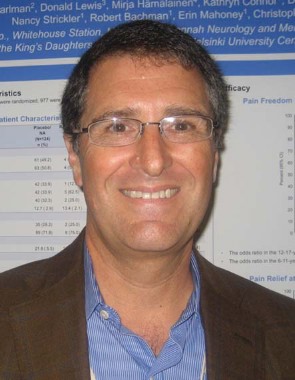
ORLANDO – Environmental stressors play a large role in triggering migraines in children, according to Dr. Eric Pearlman.
"Migraine is definitely a pediatric disorder. It peaks in young adulthood, but it definitely occurs in kids," Dr. Pearlman, chair of the department of pediatrics at Mercer University in Savannah, Ga., said at the annual meeting of the American Academy of Pediatrics.
Epidemiologic data suggest that migraine occurs in 10.5% of 10- to 15-year-old children and 3% of 7-year-olds, and that headaches – possibly including migraines – occur in 4% of 3-year-olds. By about 13 years of age, the prevalence of migraines starts reaching adult levels of about 6% in males, and 18% in females.
Environmental factors such as sleep deprivation, dehydration, dietary factors, school stressors, hidden stressors (like peers), and hormonal fluctuations represent triggers that can be particularly pronounced in children, he noted.
With International Classification of Headache Disorders, third edition (ICHD-III) criteria, migraines can be differentiated from acute, acute recurrent, and chronic progressive or chronic nonprogressive headaches if a child has experienced at least five attacks lasting up to 72 hours (whether untreated or unsuccessfully treated), if nausea and/or vomiting or photophobia and phonophobia are present, and if the child has at least two of four characteristics, including unilateral location, pulsating quality, moderate to severe intensity, and a tendency to be aggravated by – or avoid – routine physical activity.
In children, photophobia and phonophobia can be inferred (if they report having to lie down in a dark, quiet room, for example), as many have difficulty describing or understanding these symptoms
Unilateral headaches are rare in children, Dr. Pearlman noted.
If a diagnosis of migraine is established, it is important to make the diagnosis known to the child, and to educate the child about the condition and treatments.
Consider providing handouts and referring to websites (such as the American Headache Society or the National Headache Foundation sites), to help educate patients and to manage their expectations, as they need to understand you cannot cure their migraine, he advised.
Involving both the patient and their parents in decision making can improve compliance with treatment recommendations, he said.
Pharmacologic interventions can include nonspecific short-term therapies, migraine-specific therapies, and preventive treatment.
Nonspecific short-term therapies may include acetaminophen, nonsteroidal anti-inflammatory drugs, or combination drugs. Migraine-specific therapies include ergotamine and dihydroergotamine, and the "triptans."
Seven triptans are available, including two that are approved for use in children; rizitriptan (Maxalt) is approved for children older than age 6 years, and almitriptan (Axert) is approved for those aged 12-17 years.
Maxalt comes in both an oral and orally disintegrating form, and is available as a generic drug. Generic sumitriptan (Imitrex) also is available.
"There are good data for most of the triptans for adolescents aged 12 and older," Dr. Pearlman said.
Rescue medications for those who have an inadequate response to short-term therapy can include a combination of an analgesic like a nonsteroidal and an antiemetic, or an opiate and an antiemetic if the patient used a nonsteroidal initially. Rescue medications may be needed "because nothing is going to work 100% of the time," he said.
Preventive medications include beta-blockers, antidepressants, and antiseizure drugs.
The decision to use these medications should be based on attack frequency, disability associated with an attack, tolerance of short-term medication, and patient preference, and the choice of preventive medication depends on factors such as coexisting conditions, age, and prior medications use.
In a child with a sleep disorder, attention-deficit hyperactivity disorder, or depression, a tricyclic antidepressant such as amitriptyline might be considered; for a child with epilepsy, topirimate may be a good choice.
"If they have orthostatic intolerance, you think about a beta-blocker. If they are overweight, you want to stay away from medicine that causes weight gain – you might think about something like Topamax. For asthma and allergy you want to stay away from beta-blockers," he said, noting that these "are just some general principles."
Keep in mind that migraineurs are very sensitive to medicines, so it is important to start with a low dose and increase the dose slowly if needed, he said, also noting that the response to preventive medication takes time.
In studies of drugs that work for prevention, about 50% of patients had a 50% reduction in headaches, so managing expectations is important.
"You want to give a minimum of 2 months of a trial at a good dose," he said.
Treatment duration depends on response.
"Three months, 6 months, a year – sometimes longer if it takes a while to get them under control," he said, noting that he tends to take children off of preventives during the summer when they are less likely to experience the types of stress that can trigger migraines, and that he avoids taking them off of treatment at the beginning of the school year or during exams.
Nonpharmacologic preventive measures are important for all migraineurs.
"Headache hygiene" – regular sleep, regular meals, regular exercise – is particularly important, Dr. Pearlman said.
"The migraine brain doesn’t like changes. It doesn’t like disruption in routine or getting stressed," he said, noting that such disruptions can trigger an attack.
Stress management is easier said than done, but biofeedback, acupuncture, and massage (for those with a lot of tightness in the neck and shoulder muscles) may be helpful, he said.
Dr. Pearlman is a member of the speakers bureau for Allergan.
ORLANDO – Environmental stressors play a large role in triggering migraines in children, according to Dr. Eric Pearlman.
"Migraine is definitely a pediatric disorder. It peaks in young adulthood, but it definitely occurs in kids," Dr. Pearlman, chair of the department of pediatrics at Mercer University in Savannah, Ga., said at the annual meeting of the American Academy of Pediatrics.
Epidemiologic data suggest that migraine occurs in 10.5% of 10- to 15-year-old children and 3% of 7-year-olds, and that headaches – possibly including migraines – occur in 4% of 3-year-olds. By about 13 years of age, the prevalence of migraines starts reaching adult levels of about 6% in males, and 18% in females.
Environmental factors such as sleep deprivation, dehydration, dietary factors, school stressors, hidden stressors (like peers), and hormonal fluctuations represent triggers that can be particularly pronounced in children, he noted.
With International Classification of Headache Disorders, third edition (ICHD-III) criteria, migraines can be differentiated from acute, acute recurrent, and chronic progressive or chronic nonprogressive headaches if a child has experienced at least five attacks lasting up to 72 hours (whether untreated or unsuccessfully treated), if nausea and/or vomiting or photophobia and phonophobia are present, and if the child has at least two of four characteristics, including unilateral location, pulsating quality, moderate to severe intensity, and a tendency to be aggravated by – or avoid – routine physical activity.
In children, photophobia and phonophobia can be inferred (if they report having to lie down in a dark, quiet room, for example), as many have difficulty describing or understanding these symptoms
Unilateral headaches are rare in children, Dr. Pearlman noted.
If a diagnosis of migraine is established, it is important to make the diagnosis known to the child, and to educate the child about the condition and treatments.
Consider providing handouts and referring to websites (such as the American Headache Society or the National Headache Foundation sites), to help educate patients and to manage their expectations, as they need to understand you cannot cure their migraine, he advised.
Involving both the patient and their parents in decision making can improve compliance with treatment recommendations, he said.
Pharmacologic interventions can include nonspecific short-term therapies, migraine-specific therapies, and preventive treatment.
Nonspecific short-term therapies may include acetaminophen, nonsteroidal anti-inflammatory drugs, or combination drugs. Migraine-specific therapies include ergotamine and dihydroergotamine, and the "triptans."
Seven triptans are available, including two that are approved for use in children; rizitriptan (Maxalt) is approved for children older than age 6 years, and almitriptan (Axert) is approved for those aged 12-17 years.
Maxalt comes in both an oral and orally disintegrating form, and is available as a generic drug. Generic sumitriptan (Imitrex) also is available.
"There are good data for most of the triptans for adolescents aged 12 and older," Dr. Pearlman said.
Rescue medications for those who have an inadequate response to short-term therapy can include a combination of an analgesic like a nonsteroidal and an antiemetic, or an opiate and an antiemetic if the patient used a nonsteroidal initially. Rescue medications may be needed "because nothing is going to work 100% of the time," he said.
Preventive medications include beta-blockers, antidepressants, and antiseizure drugs.
The decision to use these medications should be based on attack frequency, disability associated with an attack, tolerance of short-term medication, and patient preference, and the choice of preventive medication depends on factors such as coexisting conditions, age, and prior medications use.
In a child with a sleep disorder, attention-deficit hyperactivity disorder, or depression, a tricyclic antidepressant such as amitriptyline might be considered; for a child with epilepsy, topirimate may be a good choice.
"If they have orthostatic intolerance, you think about a beta-blocker. If they are overweight, you want to stay away from medicine that causes weight gain – you might think about something like Topamax. For asthma and allergy you want to stay away from beta-blockers," he said, noting that these "are just some general principles."
Keep in mind that migraineurs are very sensitive to medicines, so it is important to start with a low dose and increase the dose slowly if needed, he said, also noting that the response to preventive medication takes time.
In studies of drugs that work for prevention, about 50% of patients had a 50% reduction in headaches, so managing expectations is important.
"You want to give a minimum of 2 months of a trial at a good dose," he said.
Treatment duration depends on response.
"Three months, 6 months, a year – sometimes longer if it takes a while to get them under control," he said, noting that he tends to take children off of preventives during the summer when they are less likely to experience the types of stress that can trigger migraines, and that he avoids taking them off of treatment at the beginning of the school year or during exams.
Nonpharmacologic preventive measures are important for all migraineurs.
"Headache hygiene" – regular sleep, regular meals, regular exercise – is particularly important, Dr. Pearlman said.
"The migraine brain doesn’t like changes. It doesn’t like disruption in routine or getting stressed," he said, noting that such disruptions can trigger an attack.
Stress management is easier said than done, but biofeedback, acupuncture, and massage (for those with a lot of tightness in the neck and shoulder muscles) may be helpful, he said.
Dr. Pearlman is a member of the speakers bureau for Allergan.
ORLANDO – Environmental stressors play a large role in triggering migraines in children, according to Dr. Eric Pearlman.
"Migraine is definitely a pediatric disorder. It peaks in young adulthood, but it definitely occurs in kids," Dr. Pearlman, chair of the department of pediatrics at Mercer University in Savannah, Ga., said at the annual meeting of the American Academy of Pediatrics.
Epidemiologic data suggest that migraine occurs in 10.5% of 10- to 15-year-old children and 3% of 7-year-olds, and that headaches – possibly including migraines – occur in 4% of 3-year-olds. By about 13 years of age, the prevalence of migraines starts reaching adult levels of about 6% in males, and 18% in females.
Environmental factors such as sleep deprivation, dehydration, dietary factors, school stressors, hidden stressors (like peers), and hormonal fluctuations represent triggers that can be particularly pronounced in children, he noted.
With International Classification of Headache Disorders, third edition (ICHD-III) criteria, migraines can be differentiated from acute, acute recurrent, and chronic progressive or chronic nonprogressive headaches if a child has experienced at least five attacks lasting up to 72 hours (whether untreated or unsuccessfully treated), if nausea and/or vomiting or photophobia and phonophobia are present, and if the child has at least two of four characteristics, including unilateral location, pulsating quality, moderate to severe intensity, and a tendency to be aggravated by – or avoid – routine physical activity.
In children, photophobia and phonophobia can be inferred (if they report having to lie down in a dark, quiet room, for example), as many have difficulty describing or understanding these symptoms
Unilateral headaches are rare in children, Dr. Pearlman noted.
If a diagnosis of migraine is established, it is important to make the diagnosis known to the child, and to educate the child about the condition and treatments.
Consider providing handouts and referring to websites (such as the American Headache Society or the National Headache Foundation sites), to help educate patients and to manage their expectations, as they need to understand you cannot cure their migraine, he advised.
Involving both the patient and their parents in decision making can improve compliance with treatment recommendations, he said.
Pharmacologic interventions can include nonspecific short-term therapies, migraine-specific therapies, and preventive treatment.
Nonspecific short-term therapies may include acetaminophen, nonsteroidal anti-inflammatory drugs, or combination drugs. Migraine-specific therapies include ergotamine and dihydroergotamine, and the "triptans."
Seven triptans are available, including two that are approved for use in children; rizitriptan (Maxalt) is approved for children older than age 6 years, and almitriptan (Axert) is approved for those aged 12-17 years.
Maxalt comes in both an oral and orally disintegrating form, and is available as a generic drug. Generic sumitriptan (Imitrex) also is available.
"There are good data for most of the triptans for adolescents aged 12 and older," Dr. Pearlman said.
Rescue medications for those who have an inadequate response to short-term therapy can include a combination of an analgesic like a nonsteroidal and an antiemetic, or an opiate and an antiemetic if the patient used a nonsteroidal initially. Rescue medications may be needed "because nothing is going to work 100% of the time," he said.
Preventive medications include beta-blockers, antidepressants, and antiseizure drugs.
The decision to use these medications should be based on attack frequency, disability associated with an attack, tolerance of short-term medication, and patient preference, and the choice of preventive medication depends on factors such as coexisting conditions, age, and prior medications use.
In a child with a sleep disorder, attention-deficit hyperactivity disorder, or depression, a tricyclic antidepressant such as amitriptyline might be considered; for a child with epilepsy, topirimate may be a good choice.
"If they have orthostatic intolerance, you think about a beta-blocker. If they are overweight, you want to stay away from medicine that causes weight gain – you might think about something like Topamax. For asthma and allergy you want to stay away from beta-blockers," he said, noting that these "are just some general principles."
Keep in mind that migraineurs are very sensitive to medicines, so it is important to start with a low dose and increase the dose slowly if needed, he said, also noting that the response to preventive medication takes time.
In studies of drugs that work for prevention, about 50% of patients had a 50% reduction in headaches, so managing expectations is important.
"You want to give a minimum of 2 months of a trial at a good dose," he said.
Treatment duration depends on response.
"Three months, 6 months, a year – sometimes longer if it takes a while to get them under control," he said, noting that he tends to take children off of preventives during the summer when they are less likely to experience the types of stress that can trigger migraines, and that he avoids taking them off of treatment at the beginning of the school year or during exams.
Nonpharmacologic preventive measures are important for all migraineurs.
"Headache hygiene" – regular sleep, regular meals, regular exercise – is particularly important, Dr. Pearlman said.
"The migraine brain doesn’t like changes. It doesn’t like disruption in routine or getting stressed," he said, noting that such disruptions can trigger an attack.
Stress management is easier said than done, but biofeedback, acupuncture, and massage (for those with a lot of tightness in the neck and shoulder muscles) may be helpful, he said.
Dr. Pearlman is a member of the speakers bureau for Allergan.
EXPERT ANALYSIS FROM THE AAP NATIONAL CONFERENCE
Statins may reduce prostate cancer deaths
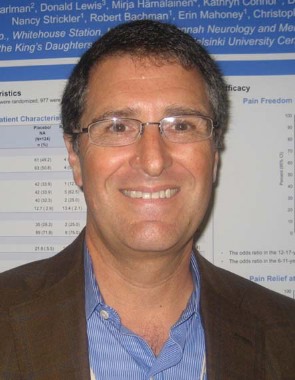
The use of statins following a prostate cancer diagnosis was associated with a decrease in all-cause and prostate cancer–related mortality risks in a large cohort of men from the United Kingdom.
The risk reduction was greatest among those who also used statins prior to their diagnosis, said Dr. Oriana Yu, of Jewish General Hospital, Montreal, and her colleagues.
The findings support experimental evidence suggesting a possible antitumor effect of statins on prostate carcinogenesis. Additional observational studies are needed to confirm the findings before a randomized controlled trial is launched to assess the effects of statins in the adjuvant setting, they said.
The study subjects were 11,722 men (mean age, 71.3 years) who were retrospectively identified from a large population-based electronic database. All were newly diagnosed as having nonmetastatic prostate cancer between April 1, 1998, and Dec. 31, 2009. During a mean follow-up of 4.4 years, 3,499 died, including 1,791 who died from prostate cancer.
Those who used statins after their prostate cancer diagnosis had a 24% decrease in the risk of prostate cancer mortality (hazard ratio, 0.76), and a 14% decrease in the risk of all-cause mortality (HR, 0.86). Statin use post diagnosis also was associated with a decreased risk of distant metastasis (HR, 0.77).
Among those who also used statins prior to their diagnosis, the corresponding hazard ratios for prostate cancer–related and all-cause mortalities were 0.55 and 0.66, compared with 0.82 and 0.91, respectively, for those who only used statins after diagnosis, the researchers reported (J. Clin Oncol. 2014; 32:5-11).
"A dose-response relationship was observed in terms of cumulative duration of use and dose, with the HRs becoming progressively more protective with longer durations of use and higher cumulative doses," they wrote.
For example, the adjusted hazard ratios for those using statins for less than 1 year and for those using statins for 3 or more years were 0.99 and 0.61, respectively. The adjusted hazard ratios for cumulative doses of less than 365 mg and 1,096 mg or more were 0.84 and 0.57, respectively.
Accumulating evidence suggests that statins have antitumor effects. Observational studies have looked at the association between statin use and prostate cancer outcomes, but the findings have been inconsistent, and none have specifically assessed whether prediagnosis use of statins modified the association seen between postdiagnosis use and outcomes, the investigators said.
The findings of an effect modification by prediagnostic use of statins in this study could be explained by several factors.
• Tumor characteristics may be more favorable in those using statins before diagnosis, resulting in improved prostate cancer outcomes, the investigators said. In the current study, however, those using statins before diagnosis were slightly more likely to have higher Gleason scores compared with nonusers.
• Duration of statin use is longest among those who used statins before their diagnosis, as in this study.
• Men who start statins before their prostate cancer diagnosis may differ from those who start after diagnosis. "Specifically, it is possible that the latter group required statins as a consequence of certain treatment, such as androgen deprivation therapy, which is known to increase lipid levels," and typically is prescribed to those with advanced prostate cancer, which would make statins seem to have more modest effects.
This study was supported by the Canadian Institutes of Health Research. Dr. Yu reported having no disclosures. One of her coauthors, Samy Suissa, Ph.D., reported serving as a consultant or adviser for AstraZeneca, Boehringer Ingelheim, and other companies.
The findings by Dr. Yu and her colleagues add important new information supporting a link between statin use and a lower risk of prostate cancer–related mortality.
While similar associations were seen in a 2012 meta-analysis and in five subsequent epidemiologic studies, the current findings nicely illustrate the need to identify the specific window of timing for the effects of a chemopreventive agent. Attention to timing of an exposure may help resolve apparent discrepancies across epidemiologic studies and is essential in guiding the design of randomized trials.
But where do the findings lead at this point?
A randomized primary prevention trial seems unlikely because of the need to test statin use prior to diagnosis, and because such a trial would have to be large and lengthy – and thus may not be feasible. On the other hand, a pre-prostatectomy, neoadjuvant study of men undergoing surgery could be useful for elucidating the molecular mechanisms of statins on the local tumor environment.
Administrative medical databases with linkage to long-term outcomes might also help.
Meanwhile, as we wait, the current data may be sufficient to sway some clinical decisions toward statin use for men who are on the borderline for cardiovascular disease prevention.
Lorelei A. Mucci, Ph.D., and Dr. Meir J. Stampfer are with the Harvard School of Public Health in Boston. They made their remarks in an editorial that accompanied Dr. Yu’s study (J. Clin. Oncol. 2014;32: 1-2). Both reported having no disclosures.
The findings by Dr. Yu and her colleagues add important new information supporting a link between statin use and a lower risk of prostate cancer–related mortality.
While similar associations were seen in a 2012 meta-analysis and in five subsequent epidemiologic studies, the current findings nicely illustrate the need to identify the specific window of timing for the effects of a chemopreventive agent. Attention to timing of an exposure may help resolve apparent discrepancies across epidemiologic studies and is essential in guiding the design of randomized trials.
But where do the findings lead at this point?
A randomized primary prevention trial seems unlikely because of the need to test statin use prior to diagnosis, and because such a trial would have to be large and lengthy – and thus may not be feasible. On the other hand, a pre-prostatectomy, neoadjuvant study of men undergoing surgery could be useful for elucidating the molecular mechanisms of statins on the local tumor environment.
Administrative medical databases with linkage to long-term outcomes might also help.
Meanwhile, as we wait, the current data may be sufficient to sway some clinical decisions toward statin use for men who are on the borderline for cardiovascular disease prevention.
Lorelei A. Mucci, Ph.D., and Dr. Meir J. Stampfer are with the Harvard School of Public Health in Boston. They made their remarks in an editorial that accompanied Dr. Yu’s study (J. Clin. Oncol. 2014;32: 1-2). Both reported having no disclosures.
The findings by Dr. Yu and her colleagues add important new information supporting a link between statin use and a lower risk of prostate cancer–related mortality.
While similar associations were seen in a 2012 meta-analysis and in five subsequent epidemiologic studies, the current findings nicely illustrate the need to identify the specific window of timing for the effects of a chemopreventive agent. Attention to timing of an exposure may help resolve apparent discrepancies across epidemiologic studies and is essential in guiding the design of randomized trials.
But where do the findings lead at this point?
A randomized primary prevention trial seems unlikely because of the need to test statin use prior to diagnosis, and because such a trial would have to be large and lengthy – and thus may not be feasible. On the other hand, a pre-prostatectomy, neoadjuvant study of men undergoing surgery could be useful for elucidating the molecular mechanisms of statins on the local tumor environment.
Administrative medical databases with linkage to long-term outcomes might also help.
Meanwhile, as we wait, the current data may be sufficient to sway some clinical decisions toward statin use for men who are on the borderline for cardiovascular disease prevention.
Lorelei A. Mucci, Ph.D., and Dr. Meir J. Stampfer are with the Harvard School of Public Health in Boston. They made their remarks in an editorial that accompanied Dr. Yu’s study (J. Clin. Oncol. 2014;32: 1-2). Both reported having no disclosures.
The use of statins following a prostate cancer diagnosis was associated with a decrease in all-cause and prostate cancer–related mortality risks in a large cohort of men from the United Kingdom.
The risk reduction was greatest among those who also used statins prior to their diagnosis, said Dr. Oriana Yu, of Jewish General Hospital, Montreal, and her colleagues.
The findings support experimental evidence suggesting a possible antitumor effect of statins on prostate carcinogenesis. Additional observational studies are needed to confirm the findings before a randomized controlled trial is launched to assess the effects of statins in the adjuvant setting, they said.
The study subjects were 11,722 men (mean age, 71.3 years) who were retrospectively identified from a large population-based electronic database. All were newly diagnosed as having nonmetastatic prostate cancer between April 1, 1998, and Dec. 31, 2009. During a mean follow-up of 4.4 years, 3,499 died, including 1,791 who died from prostate cancer.
Those who used statins after their prostate cancer diagnosis had a 24% decrease in the risk of prostate cancer mortality (hazard ratio, 0.76), and a 14% decrease in the risk of all-cause mortality (HR, 0.86). Statin use post diagnosis also was associated with a decreased risk of distant metastasis (HR, 0.77).
Among those who also used statins prior to their diagnosis, the corresponding hazard ratios for prostate cancer–related and all-cause mortalities were 0.55 and 0.66, compared with 0.82 and 0.91, respectively, for those who only used statins after diagnosis, the researchers reported (J. Clin Oncol. 2014; 32:5-11).
"A dose-response relationship was observed in terms of cumulative duration of use and dose, with the HRs becoming progressively more protective with longer durations of use and higher cumulative doses," they wrote.
For example, the adjusted hazard ratios for those using statins for less than 1 year and for those using statins for 3 or more years were 0.99 and 0.61, respectively. The adjusted hazard ratios for cumulative doses of less than 365 mg and 1,096 mg or more were 0.84 and 0.57, respectively.
Accumulating evidence suggests that statins have antitumor effects. Observational studies have looked at the association between statin use and prostate cancer outcomes, but the findings have been inconsistent, and none have specifically assessed whether prediagnosis use of statins modified the association seen between postdiagnosis use and outcomes, the investigators said.
The findings of an effect modification by prediagnostic use of statins in this study could be explained by several factors.
• Tumor characteristics may be more favorable in those using statins before diagnosis, resulting in improved prostate cancer outcomes, the investigators said. In the current study, however, those using statins before diagnosis were slightly more likely to have higher Gleason scores compared with nonusers.
• Duration of statin use is longest among those who used statins before their diagnosis, as in this study.
• Men who start statins before their prostate cancer diagnosis may differ from those who start after diagnosis. "Specifically, it is possible that the latter group required statins as a consequence of certain treatment, such as androgen deprivation therapy, which is known to increase lipid levels," and typically is prescribed to those with advanced prostate cancer, which would make statins seem to have more modest effects.
This study was supported by the Canadian Institutes of Health Research. Dr. Yu reported having no disclosures. One of her coauthors, Samy Suissa, Ph.D., reported serving as a consultant or adviser for AstraZeneca, Boehringer Ingelheim, and other companies.
The use of statins following a prostate cancer diagnosis was associated with a decrease in all-cause and prostate cancer–related mortality risks in a large cohort of men from the United Kingdom.
The risk reduction was greatest among those who also used statins prior to their diagnosis, said Dr. Oriana Yu, of Jewish General Hospital, Montreal, and her colleagues.
The findings support experimental evidence suggesting a possible antitumor effect of statins on prostate carcinogenesis. Additional observational studies are needed to confirm the findings before a randomized controlled trial is launched to assess the effects of statins in the adjuvant setting, they said.
The study subjects were 11,722 men (mean age, 71.3 years) who were retrospectively identified from a large population-based electronic database. All were newly diagnosed as having nonmetastatic prostate cancer between April 1, 1998, and Dec. 31, 2009. During a mean follow-up of 4.4 years, 3,499 died, including 1,791 who died from prostate cancer.
Those who used statins after their prostate cancer diagnosis had a 24% decrease in the risk of prostate cancer mortality (hazard ratio, 0.76), and a 14% decrease in the risk of all-cause mortality (HR, 0.86). Statin use post diagnosis also was associated with a decreased risk of distant metastasis (HR, 0.77).
Among those who also used statins prior to their diagnosis, the corresponding hazard ratios for prostate cancer–related and all-cause mortalities were 0.55 and 0.66, compared with 0.82 and 0.91, respectively, for those who only used statins after diagnosis, the researchers reported (J. Clin Oncol. 2014; 32:5-11).
"A dose-response relationship was observed in terms of cumulative duration of use and dose, with the HRs becoming progressively more protective with longer durations of use and higher cumulative doses," they wrote.
For example, the adjusted hazard ratios for those using statins for less than 1 year and for those using statins for 3 or more years were 0.99 and 0.61, respectively. The adjusted hazard ratios for cumulative doses of less than 365 mg and 1,096 mg or more were 0.84 and 0.57, respectively.
Accumulating evidence suggests that statins have antitumor effects. Observational studies have looked at the association between statin use and prostate cancer outcomes, but the findings have been inconsistent, and none have specifically assessed whether prediagnosis use of statins modified the association seen between postdiagnosis use and outcomes, the investigators said.
The findings of an effect modification by prediagnostic use of statins in this study could be explained by several factors.
• Tumor characteristics may be more favorable in those using statins before diagnosis, resulting in improved prostate cancer outcomes, the investigators said. In the current study, however, those using statins before diagnosis were slightly more likely to have higher Gleason scores compared with nonusers.
• Duration of statin use is longest among those who used statins before their diagnosis, as in this study.
• Men who start statins before their prostate cancer diagnosis may differ from those who start after diagnosis. "Specifically, it is possible that the latter group required statins as a consequence of certain treatment, such as androgen deprivation therapy, which is known to increase lipid levels," and typically is prescribed to those with advanced prostate cancer, which would make statins seem to have more modest effects.
This study was supported by the Canadian Institutes of Health Research. Dr. Yu reported having no disclosures. One of her coauthors, Samy Suissa, Ph.D., reported serving as a consultant or adviser for AstraZeneca, Boehringer Ingelheim, and other companies.
FROM THE JOURNAL OF CLINICAL ONCOLOGY
Major finding: Statin use after a diagnosis of prostate cancer was associated with a 24% decrease in the risk of prostate cancer death (hazard ratio, 0.76) and a 14% decrease in the risk of all-cause mortality (HR, 0.86)
Data source: A retrospective, population-based cohort study involving 11,722 men.
Disclosures: This study was supported by the Canadian Institutes of Health Research. Dr. Yu reported having no disclosures. One of her coauthors, Samy Suissa, Ph.D., reported serving as a consultant or adviser for AstraZeneca, Boehringer Ingelheim, and other companies.
USPSTF calls for gestational diabetes screening after 24 weeks
All pregnant women should be screened for gestational diabetes after 24 weeks of gestation, according to a final recommendation statement from the U.S. Preventive Services Task Force.
The updated statement, published online Jan. 13 in Annals of Internal Medicine, represents "a change in thinking about how the collective benefits of preventing complications during pregnancy and birth – such as birth injuries, preeclampsia, and babies growing too large in the womb – are important according to Dr. Virginia A. Moyer, task force chair.
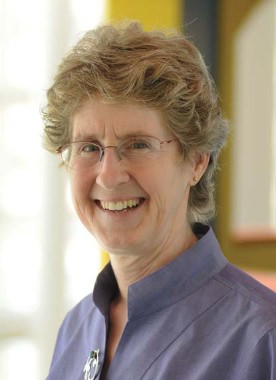
"The USPSTF determined that screening for and treatment of GDM [gestational diabetes] in women after 24 weeks of gestation are associated with moderate health improvements in the mother and infant through the collective reduction in preeclampsia, macrosomia, and shoulder dystocia. The harms of screening or treatment are considered no greater than small. Therefore, the USPSTF concludes with moderate certainty that the overall net benefit is moderate," Dr. Moyer wrote on behalf of the task force.
The recommendation to screen after 24 weeks is a "B recommendation," based on a systematic review of the literature.
The final recommendation updates the task force’s 2008 recommendation. At that time, USPSTF found insufficient evidence to recommend screening of asymptomatic women, and issued an "I recommendation."
GDM prevalence in the United States is between 1% and 25%, depending on patient demographics and diagnostic thresholds, according to the statement.
Women with GDM are at increased risk for developing type 2 diabetes mellitus, with 15%-60% developing type 2 diabetes within 5-15 years of delivery, Dr. Moyer said in an interview.
"Screening women after 24 weeks of pregnancy helps to identify the disease in women earlier so that they can work with their doctors to identify whether treatment is needed," she added, noting that evidence demonstrates that treatment for gestational diabetes reduces complications.
Evidence reviewed by USPSTF indicates that primary care providers can accurately detect GDM after 24 weeks’ gestation using the two-step 50-g oral glucose challenge test, followed by the oral glucose tolerance test if the screening threshold is met or exceeded (130 mg/dL, 135 mg/dL, or 140 mg/dL [7.21, 7.49, or 7.77 mmol/L]).
In 2013, the American Congress of Obstetricians and Gynecologists recommended use of the two-step approach using the 50-g oral glucose challenge test. Although the American Diabetes Association endorsed the one-step 75-g, 2-hour oral glucose tolerance test, an independent panel supported by the National Institute of Health Consensus Development Program released a draft statement that evidence is insufficient for adopting the one-step approach.
Recommendations of the American Academy of Family Physicians and the Endocrine Society are in line with the updated USPSTF recommendation.
"Clinicians now have good evidence to support continuing to screen pregnant women for diabetes after 24 weeks of pregnancy," Dr. Moyer said.
Although high-risk women can be screened earlier than 24 weeks, the evidence regarding earlier screening remains insufficient for assessing the balance of benefits and risks asymptomatic women, thus the task force issued an "I statement."
Dr. Moyer reported no relevant conflicts of interest.
All pregnant women should be screened for gestational diabetes after 24 weeks of gestation, according to a final recommendation statement from the U.S. Preventive Services Task Force.
The updated statement, published online Jan. 13 in Annals of Internal Medicine, represents "a change in thinking about how the collective benefits of preventing complications during pregnancy and birth – such as birth injuries, preeclampsia, and babies growing too large in the womb – are important according to Dr. Virginia A. Moyer, task force chair.
"The USPSTF determined that screening for and treatment of GDM [gestational diabetes] in women after 24 weeks of gestation are associated with moderate health improvements in the mother and infant through the collective reduction in preeclampsia, macrosomia, and shoulder dystocia. The harms of screening or treatment are considered no greater than small. Therefore, the USPSTF concludes with moderate certainty that the overall net benefit is moderate," Dr. Moyer wrote on behalf of the task force.
The recommendation to screen after 24 weeks is a "B recommendation," based on a systematic review of the literature.
The final recommendation updates the task force’s 2008 recommendation. At that time, USPSTF found insufficient evidence to recommend screening of asymptomatic women, and issued an "I recommendation."
GDM prevalence in the United States is between 1% and 25%, depending on patient demographics and diagnostic thresholds, according to the statement.
Women with GDM are at increased risk for developing type 2 diabetes mellitus, with 15%-60% developing type 2 diabetes within 5-15 years of delivery, Dr. Moyer said in an interview.
"Screening women after 24 weeks of pregnancy helps to identify the disease in women earlier so that they can work with their doctors to identify whether treatment is needed," she added, noting that evidence demonstrates that treatment for gestational diabetes reduces complications.
Evidence reviewed by USPSTF indicates that primary care providers can accurately detect GDM after 24 weeks’ gestation using the two-step 50-g oral glucose challenge test, followed by the oral glucose tolerance test if the screening threshold is met or exceeded (130 mg/dL, 135 mg/dL, or 140 mg/dL [7.21, 7.49, or 7.77 mmol/L]).
In 2013, the American Congress of Obstetricians and Gynecologists recommended use of the two-step approach using the 50-g oral glucose challenge test. Although the American Diabetes Association endorsed the one-step 75-g, 2-hour oral glucose tolerance test, an independent panel supported by the National Institute of Health Consensus Development Program released a draft statement that evidence is insufficient for adopting the one-step approach.
Recommendations of the American Academy of Family Physicians and the Endocrine Society are in line with the updated USPSTF recommendation.
"Clinicians now have good evidence to support continuing to screen pregnant women for diabetes after 24 weeks of pregnancy," Dr. Moyer said.
Although high-risk women can be screened earlier than 24 weeks, the evidence regarding earlier screening remains insufficient for assessing the balance of benefits and risks asymptomatic women, thus the task force issued an "I statement."
Dr. Moyer reported no relevant conflicts of interest.
All pregnant women should be screened for gestational diabetes after 24 weeks of gestation, according to a final recommendation statement from the U.S. Preventive Services Task Force.
The updated statement, published online Jan. 13 in Annals of Internal Medicine, represents "a change in thinking about how the collective benefits of preventing complications during pregnancy and birth – such as birth injuries, preeclampsia, and babies growing too large in the womb – are important according to Dr. Virginia A. Moyer, task force chair.
"The USPSTF determined that screening for and treatment of GDM [gestational diabetes] in women after 24 weeks of gestation are associated with moderate health improvements in the mother and infant through the collective reduction in preeclampsia, macrosomia, and shoulder dystocia. The harms of screening or treatment are considered no greater than small. Therefore, the USPSTF concludes with moderate certainty that the overall net benefit is moderate," Dr. Moyer wrote on behalf of the task force.
The recommendation to screen after 24 weeks is a "B recommendation," based on a systematic review of the literature.
The final recommendation updates the task force’s 2008 recommendation. At that time, USPSTF found insufficient evidence to recommend screening of asymptomatic women, and issued an "I recommendation."
GDM prevalence in the United States is between 1% and 25%, depending on patient demographics and diagnostic thresholds, according to the statement.
Women with GDM are at increased risk for developing type 2 diabetes mellitus, with 15%-60% developing type 2 diabetes within 5-15 years of delivery, Dr. Moyer said in an interview.
"Screening women after 24 weeks of pregnancy helps to identify the disease in women earlier so that they can work with their doctors to identify whether treatment is needed," she added, noting that evidence demonstrates that treatment for gestational diabetes reduces complications.
Evidence reviewed by USPSTF indicates that primary care providers can accurately detect GDM after 24 weeks’ gestation using the two-step 50-g oral glucose challenge test, followed by the oral glucose tolerance test if the screening threshold is met or exceeded (130 mg/dL, 135 mg/dL, or 140 mg/dL [7.21, 7.49, or 7.77 mmol/L]).
In 2013, the American Congress of Obstetricians and Gynecologists recommended use of the two-step approach using the 50-g oral glucose challenge test. Although the American Diabetes Association endorsed the one-step 75-g, 2-hour oral glucose tolerance test, an independent panel supported by the National Institute of Health Consensus Development Program released a draft statement that evidence is insufficient for adopting the one-step approach.
Recommendations of the American Academy of Family Physicians and the Endocrine Society are in line with the updated USPSTF recommendation.
"Clinicians now have good evidence to support continuing to screen pregnant women for diabetes after 24 weeks of pregnancy," Dr. Moyer said.
Although high-risk women can be screened earlier than 24 weeks, the evidence regarding earlier screening remains insufficient for assessing the balance of benefits and risks asymptomatic women, thus the task force issued an "I statement."
Dr. Moyer reported no relevant conflicts of interest.
FROM ANNALS OF INTERNAL MEDICINE
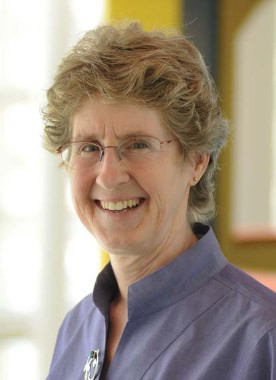
Studies highlight benefits and risks of ketogenic diet for refractory epilepsy
WASHINGTON – The ketogenic diet is well established as an effective treatment for patients with refractory epilepsy, and although studies presented at the annual meeting of the American Epilepsy Society confirm its value for both children and adults, others raise important concerns.
Researchers from the University of Missouri – Kansas City (UMKC), for example, reported that adhering to a ketogenic diet (KGD) reduced the number of emergency department visits and hospitalizations, and decreased the length of epilepsy-related hospital stays in children with pharmacologically refractory epilepsy.
In 98 children from the Children’s Mercy Hospital–UMKC database who had complete records available and who remained on the diet for at least 6 months, the number of ED visits decreased by 64%, and the charges associated with those visits decreased by 50% from the 12 months before diet initiation to the 12 months after, Dr. Anastasia Luniova reported in a poster at the meeting.
After an initial increase in the total number of hospitalizations and the number of hospital days, due largely to stays associated with diet initiation, the number of hospitalizations decreased by 61% and the number of hospital days decreased by 66%. Associated charges decreased by 47%.
Children in this retrospective chart study from a level IV pediatric epilepsy center included 62 boys and 36 girls with an average age of 4.4 years at initiation of the ketogenic diet. The average diet duration was 31.7 months.
"This study provides evidence that the KGD has a positive impact in children with pharmacologically refractory epilepsy by reducing the number of ED visits, numbers of hospitalizations, as well as length of hospital stay related to epilepsy, and associated comorbidities. ... Further data analysis is necessary for detailed cost-effectiveness assessment of the KGD," Dr. Luniova wrote.
The KGD was also safe and effective in a study of 10 adults with refractory status epilepticus, Dr. John C. Probasco of Johns Hopkins University, Baltimore, reported in a poster.
While further studies are needed to determine the applicability of a KGD in adult patients, as well as the long-term outcomes, the findings suggest it is safe and feasible, Dr. Probasco said.
The retrospective case study at four medical centers included patients over age 17 years with status epilepticus that continued for at least 24 hours after initiation of general anesthetic medication, or that recurred following weaning from, or discontinuation of, the treatment. The patients, including four men and six women, had a median age of 33 years, and seven had encephalitis. Prior to KGD initiation, the median duration of status epilepticus was 21.5 days, and the median number of antiepileptic drugs (AEDs) used was seven.
Nine of the 10 patients achieved ketosis within a median of 3 days, and all patients had cessation of status epilepticus within 3 days. Furthermore, seven had clinical and/or electrographic seizure resolution within 7 days, and nine had such resolution within 1 month. At discharge, the median number of antiepileptic drugs prescribed was four, Dr. Probasco reported.
Another study demonstrated the beneficial effects of a KGD on immunoglobulin levels and infection frequency.
"In addition to its known side effects, the [KGD] is considered to lead to an increase in infection frequency causing possible neutrophil function impairment and the reason behind this has not yet been explained completely," wrote Dr. Orkide Güzel of Izmir (Turkey) Dr. Behçet Uz Children’s Hospital.
But a review of the records of 36 children with resistant epilepsy, including 17 girls and 19 boys with a mean age of 39.5 months, showed no significant differences with respect to the number and severity of infections before and after KGD initiation, and immunoglobulin levels remained normal for the patients’ ages. At the same time, their number of seizures and AED usage decreased. Epileptic encephalopathy in five patients also went away after KGD treatment.
However, several other studies found that in children, the diet may be linked with decreases in growth and bone health.
Delayed growth is considered a potential side effect of the KGD, and UMKC investigators set out to assess growth related to caloric intake in infants and children being treated with a KGD. In another retrospective chart study of 76 children treated at Children’s Mercy Hospital, Kansas City, mean weight- and height-for-age percentiles and z scores declined over a period of 12 months, though not statistically significantly, Dr. Lindsey Thompson of Children’s Mercy reported in a poster.
For example, the weight percentile declined from 49.48% at baseline to 42.94% at 12 months, and the height percentile decreased from 52.08% to 45.06%. These decreases occurred despite an increase in caloric intake from 999 kcal at baseline to 1,134 kcal at 12 months.
The results require further prospective evaluation, Dr. Thompson said.
Another study found a significant risk of developing osteopenia among patients on a KGD, compared with matched controls.
Of 132 children included in the retrospective matched cohort study, 66 were treated with AEDs and a KGD (initiated at a mean age of 4.3 years), and 66 were treated with AEDs alone.
The KGD group had fractures – often unrelated to trauma – more often than did those on AEDs alone (14% vs. 8%, respectively). The incidence of both osteopenia and fractures increased in tandem with the duration of the KGD, according to the group of investigators from the University of British Columbia, Vancouver, led by Dr. Mary B. Connolly.
There was a history of trauma in one-third of the KGD patients with fracture, compared with 100% of those in the AED-only group. In addition, all patients in the KGD group had osteopenia, compared with 60% of those in the control group.
Nonambulatory status was a risk factor for osteopenia and fractures in both groups, and a longer duration of KGD was associated with greater risk. For instance, among those treated for 1-3 years, 4% had fractures and 27% had osteopenia, and among those treated for 4 or more years, 20% had fractures and 43% had osteopenia.
"Our results suggest that prolonged treatment with the KD may be associated with significant morbidity, including osteopenia and fractures," Dr. Connolly wrote, noting that the incidence of osteopenia in the study was likely underestimated because of the retrospective design.
The findings, which support those of prior long-term studies, suggest that monitoring of bone health and vitamin D and calcium supplementation is important in this population, she said.
WASHINGTON – The ketogenic diet is well established as an effective treatment for patients with refractory epilepsy, and although studies presented at the annual meeting of the American Epilepsy Society confirm its value for both children and adults, others raise important concerns.
Researchers from the University of Missouri – Kansas City (UMKC), for example, reported that adhering to a ketogenic diet (KGD) reduced the number of emergency department visits and hospitalizations, and decreased the length of epilepsy-related hospital stays in children with pharmacologically refractory epilepsy.
In 98 children from the Children’s Mercy Hospital–UMKC database who had complete records available and who remained on the diet for at least 6 months, the number of ED visits decreased by 64%, and the charges associated with those visits decreased by 50% from the 12 months before diet initiation to the 12 months after, Dr. Anastasia Luniova reported in a poster at the meeting.
After an initial increase in the total number of hospitalizations and the number of hospital days, due largely to stays associated with diet initiation, the number of hospitalizations decreased by 61% and the number of hospital days decreased by 66%. Associated charges decreased by 47%.
Children in this retrospective chart study from a level IV pediatric epilepsy center included 62 boys and 36 girls with an average age of 4.4 years at initiation of the ketogenic diet. The average diet duration was 31.7 months.
"This study provides evidence that the KGD has a positive impact in children with pharmacologically refractory epilepsy by reducing the number of ED visits, numbers of hospitalizations, as well as length of hospital stay related to epilepsy, and associated comorbidities. ... Further data analysis is necessary for detailed cost-effectiveness assessment of the KGD," Dr. Luniova wrote.
The KGD was also safe and effective in a study of 10 adults with refractory status epilepticus, Dr. John C. Probasco of Johns Hopkins University, Baltimore, reported in a poster.
While further studies are needed to determine the applicability of a KGD in adult patients, as well as the long-term outcomes, the findings suggest it is safe and feasible, Dr. Probasco said.
The retrospective case study at four medical centers included patients over age 17 years with status epilepticus that continued for at least 24 hours after initiation of general anesthetic medication, or that recurred following weaning from, or discontinuation of, the treatment. The patients, including four men and six women, had a median age of 33 years, and seven had encephalitis. Prior to KGD initiation, the median duration of status epilepticus was 21.5 days, and the median number of antiepileptic drugs (AEDs) used was seven.
Nine of the 10 patients achieved ketosis within a median of 3 days, and all patients had cessation of status epilepticus within 3 days. Furthermore, seven had clinical and/or electrographic seizure resolution within 7 days, and nine had such resolution within 1 month. At discharge, the median number of antiepileptic drugs prescribed was four, Dr. Probasco reported.
Another study demonstrated the beneficial effects of a KGD on immunoglobulin levels and infection frequency.
"In addition to its known side effects, the [KGD] is considered to lead to an increase in infection frequency causing possible neutrophil function impairment and the reason behind this has not yet been explained completely," wrote Dr. Orkide Güzel of Izmir (Turkey) Dr. Behçet Uz Children’s Hospital.
But a review of the records of 36 children with resistant epilepsy, including 17 girls and 19 boys with a mean age of 39.5 months, showed no significant differences with respect to the number and severity of infections before and after KGD initiation, and immunoglobulin levels remained normal for the patients’ ages. At the same time, their number of seizures and AED usage decreased. Epileptic encephalopathy in five patients also went away after KGD treatment.
However, several other studies found that in children, the diet may be linked with decreases in growth and bone health.
Delayed growth is considered a potential side effect of the KGD, and UMKC investigators set out to assess growth related to caloric intake in infants and children being treated with a KGD. In another retrospective chart study of 76 children treated at Children’s Mercy Hospital, Kansas City, mean weight- and height-for-age percentiles and z scores declined over a period of 12 months, though not statistically significantly, Dr. Lindsey Thompson of Children’s Mercy reported in a poster.
For example, the weight percentile declined from 49.48% at baseline to 42.94% at 12 months, and the height percentile decreased from 52.08% to 45.06%. These decreases occurred despite an increase in caloric intake from 999 kcal at baseline to 1,134 kcal at 12 months.
The results require further prospective evaluation, Dr. Thompson said.
Another study found a significant risk of developing osteopenia among patients on a KGD, compared with matched controls.
Of 132 children included in the retrospective matched cohort study, 66 were treated with AEDs and a KGD (initiated at a mean age of 4.3 years), and 66 were treated with AEDs alone.
The KGD group had fractures – often unrelated to trauma – more often than did those on AEDs alone (14% vs. 8%, respectively). The incidence of both osteopenia and fractures increased in tandem with the duration of the KGD, according to the group of investigators from the University of British Columbia, Vancouver, led by Dr. Mary B. Connolly.
There was a history of trauma in one-third of the KGD patients with fracture, compared with 100% of those in the AED-only group. In addition, all patients in the KGD group had osteopenia, compared with 60% of those in the control group.
Nonambulatory status was a risk factor for osteopenia and fractures in both groups, and a longer duration of KGD was associated with greater risk. For instance, among those treated for 1-3 years, 4% had fractures and 27% had osteopenia, and among those treated for 4 or more years, 20% had fractures and 43% had osteopenia.
"Our results suggest that prolonged treatment with the KD may be associated with significant morbidity, including osteopenia and fractures," Dr. Connolly wrote, noting that the incidence of osteopenia in the study was likely underestimated because of the retrospective design.
The findings, which support those of prior long-term studies, suggest that monitoring of bone health and vitamin D and calcium supplementation is important in this population, she said.
WASHINGTON – The ketogenic diet is well established as an effective treatment for patients with refractory epilepsy, and although studies presented at the annual meeting of the American Epilepsy Society confirm its value for both children and adults, others raise important concerns.
Researchers from the University of Missouri – Kansas City (UMKC), for example, reported that adhering to a ketogenic diet (KGD) reduced the number of emergency department visits and hospitalizations, and decreased the length of epilepsy-related hospital stays in children with pharmacologically refractory epilepsy.
In 98 children from the Children’s Mercy Hospital–UMKC database who had complete records available and who remained on the diet for at least 6 months, the number of ED visits decreased by 64%, and the charges associated with those visits decreased by 50% from the 12 months before diet initiation to the 12 months after, Dr. Anastasia Luniova reported in a poster at the meeting.
After an initial increase in the total number of hospitalizations and the number of hospital days, due largely to stays associated with diet initiation, the number of hospitalizations decreased by 61% and the number of hospital days decreased by 66%. Associated charges decreased by 47%.
Children in this retrospective chart study from a level IV pediatric epilepsy center included 62 boys and 36 girls with an average age of 4.4 years at initiation of the ketogenic diet. The average diet duration was 31.7 months.
"This study provides evidence that the KGD has a positive impact in children with pharmacologically refractory epilepsy by reducing the number of ED visits, numbers of hospitalizations, as well as length of hospital stay related to epilepsy, and associated comorbidities. ... Further data analysis is necessary for detailed cost-effectiveness assessment of the KGD," Dr. Luniova wrote.
The KGD was also safe and effective in a study of 10 adults with refractory status epilepticus, Dr. John C. Probasco of Johns Hopkins University, Baltimore, reported in a poster.
While further studies are needed to determine the applicability of a KGD in adult patients, as well as the long-term outcomes, the findings suggest it is safe and feasible, Dr. Probasco said.
The retrospective case study at four medical centers included patients over age 17 years with status epilepticus that continued for at least 24 hours after initiation of general anesthetic medication, or that recurred following weaning from, or discontinuation of, the treatment. The patients, including four men and six women, had a median age of 33 years, and seven had encephalitis. Prior to KGD initiation, the median duration of status epilepticus was 21.5 days, and the median number of antiepileptic drugs (AEDs) used was seven.
Nine of the 10 patients achieved ketosis within a median of 3 days, and all patients had cessation of status epilepticus within 3 days. Furthermore, seven had clinical and/or electrographic seizure resolution within 7 days, and nine had such resolution within 1 month. At discharge, the median number of antiepileptic drugs prescribed was four, Dr. Probasco reported.
Another study demonstrated the beneficial effects of a KGD on immunoglobulin levels and infection frequency.
"In addition to its known side effects, the [KGD] is considered to lead to an increase in infection frequency causing possible neutrophil function impairment and the reason behind this has not yet been explained completely," wrote Dr. Orkide Güzel of Izmir (Turkey) Dr. Behçet Uz Children’s Hospital.
But a review of the records of 36 children with resistant epilepsy, including 17 girls and 19 boys with a mean age of 39.5 months, showed no significant differences with respect to the number and severity of infections before and after KGD initiation, and immunoglobulin levels remained normal for the patients’ ages. At the same time, their number of seizures and AED usage decreased. Epileptic encephalopathy in five patients also went away after KGD treatment.
However, several other studies found that in children, the diet may be linked with decreases in growth and bone health.
Delayed growth is considered a potential side effect of the KGD, and UMKC investigators set out to assess growth related to caloric intake in infants and children being treated with a KGD. In another retrospective chart study of 76 children treated at Children’s Mercy Hospital, Kansas City, mean weight- and height-for-age percentiles and z scores declined over a period of 12 months, though not statistically significantly, Dr. Lindsey Thompson of Children’s Mercy reported in a poster.
For example, the weight percentile declined from 49.48% at baseline to 42.94% at 12 months, and the height percentile decreased from 52.08% to 45.06%. These decreases occurred despite an increase in caloric intake from 999 kcal at baseline to 1,134 kcal at 12 months.
The results require further prospective evaluation, Dr. Thompson said.
Another study found a significant risk of developing osteopenia among patients on a KGD, compared with matched controls.
Of 132 children included in the retrospective matched cohort study, 66 were treated with AEDs and a KGD (initiated at a mean age of 4.3 years), and 66 were treated with AEDs alone.
The KGD group had fractures – often unrelated to trauma – more often than did those on AEDs alone (14% vs. 8%, respectively). The incidence of both osteopenia and fractures increased in tandem with the duration of the KGD, according to the group of investigators from the University of British Columbia, Vancouver, led by Dr. Mary B. Connolly.
There was a history of trauma in one-third of the KGD patients with fracture, compared with 100% of those in the AED-only group. In addition, all patients in the KGD group had osteopenia, compared with 60% of those in the control group.
Nonambulatory status was a risk factor for osteopenia and fractures in both groups, and a longer duration of KGD was associated with greater risk. For instance, among those treated for 1-3 years, 4% had fractures and 27% had osteopenia, and among those treated for 4 or more years, 20% had fractures and 43% had osteopenia.
"Our results suggest that prolonged treatment with the KD may be associated with significant morbidity, including osteopenia and fractures," Dr. Connolly wrote, noting that the incidence of osteopenia in the study was likely underestimated because of the retrospective design.
The findings, which support those of prior long-term studies, suggest that monitoring of bone health and vitamin D and calcium supplementation is important in this population, she said.
AT AES 2013
Postsurgery antiepileptic drug withdrawal appears safe in seizure-free kids
WASHINGTON – Antiepileptic drug reduction should be considered in children who are seizure free after epilepsy surgery, according to findings from a retrospective chart study.
Patients in the study who withdrew from antiepileptic drug (AED) treatment were not significantly more likely to have seizure recurrence than were those who did not, thereby meeting the common secondary goal of discontinuing or reducing AEDs after epilepsy surgery. Thus, the findings of this study may provide reassurance to neurologists who are hesitant to withdraw AEDs after surgery because of concerns that seizures may recur, Dr. Katherine C. Nickels of the Mayo Clinic, Rochester, Minn., reported in a poster at the annual meeting of the American Epilepsy Society.
Of 79 children who underwent resective surgery for intractable epilepsy between 2008 and 2012 and who were followed for a mean of 33.6 months, 50 were seizure free at 3 months, and 49 of those children were treated with antiepileptic drugs. At last follow-up, 37 (76%) were seizure free, including 24 of 28 (86%) in whom AEDs were reduced, and 13 of 21 (62%) in whom AEDs were not reduced, the researchers found.
The study involved children from birth through age 17 years who underwent surgery at the Mayo Clinic. A medical chart review was conducted to determine whether patients were seizure free 3 months after surgery, and to determine the number of medical and nonmedical therapies tried before and at the time of surgery, when therapies were reduced after surgery (if at all), the number of medications and therapies used at last follow-up, and seizure outcomes based on Engel classification at 3, 6, 12, 24, and 36 months, and at final follow-up after surgery.
Seizure recurrence was not found to be associated with abnormal findings on MRI, type and location of resection, or underlying pathology.
AED reduction was not a significant risk factor for seizure recurrence, regardless of when AED reduction occurred, Dr. Nickels noted. The median time to recurrence was 9 months after surgery, regardless of whether AEDs were reduced.
The AES meeting did not require reports of financial disclosures.
WASHINGTON – Antiepileptic drug reduction should be considered in children who are seizure free after epilepsy surgery, according to findings from a retrospective chart study.
Patients in the study who withdrew from antiepileptic drug (AED) treatment were not significantly more likely to have seizure recurrence than were those who did not, thereby meeting the common secondary goal of discontinuing or reducing AEDs after epilepsy surgery. Thus, the findings of this study may provide reassurance to neurologists who are hesitant to withdraw AEDs after surgery because of concerns that seizures may recur, Dr. Katherine C. Nickels of the Mayo Clinic, Rochester, Minn., reported in a poster at the annual meeting of the American Epilepsy Society.
Of 79 children who underwent resective surgery for intractable epilepsy between 2008 and 2012 and who were followed for a mean of 33.6 months, 50 were seizure free at 3 months, and 49 of those children were treated with antiepileptic drugs. At last follow-up, 37 (76%) were seizure free, including 24 of 28 (86%) in whom AEDs were reduced, and 13 of 21 (62%) in whom AEDs were not reduced, the researchers found.
The study involved children from birth through age 17 years who underwent surgery at the Mayo Clinic. A medical chart review was conducted to determine whether patients were seizure free 3 months after surgery, and to determine the number of medical and nonmedical therapies tried before and at the time of surgery, when therapies were reduced after surgery (if at all), the number of medications and therapies used at last follow-up, and seizure outcomes based on Engel classification at 3, 6, 12, 24, and 36 months, and at final follow-up after surgery.
Seizure recurrence was not found to be associated with abnormal findings on MRI, type and location of resection, or underlying pathology.
AED reduction was not a significant risk factor for seizure recurrence, regardless of when AED reduction occurred, Dr. Nickels noted. The median time to recurrence was 9 months after surgery, regardless of whether AEDs were reduced.
The AES meeting did not require reports of financial disclosures.
WASHINGTON – Antiepileptic drug reduction should be considered in children who are seizure free after epilepsy surgery, according to findings from a retrospective chart study.
Patients in the study who withdrew from antiepileptic drug (AED) treatment were not significantly more likely to have seizure recurrence than were those who did not, thereby meeting the common secondary goal of discontinuing or reducing AEDs after epilepsy surgery. Thus, the findings of this study may provide reassurance to neurologists who are hesitant to withdraw AEDs after surgery because of concerns that seizures may recur, Dr. Katherine C. Nickels of the Mayo Clinic, Rochester, Minn., reported in a poster at the annual meeting of the American Epilepsy Society.
Of 79 children who underwent resective surgery for intractable epilepsy between 2008 and 2012 and who were followed for a mean of 33.6 months, 50 were seizure free at 3 months, and 49 of those children were treated with antiepileptic drugs. At last follow-up, 37 (76%) were seizure free, including 24 of 28 (86%) in whom AEDs were reduced, and 13 of 21 (62%) in whom AEDs were not reduced, the researchers found.
The study involved children from birth through age 17 years who underwent surgery at the Mayo Clinic. A medical chart review was conducted to determine whether patients were seizure free 3 months after surgery, and to determine the number of medical and nonmedical therapies tried before and at the time of surgery, when therapies were reduced after surgery (if at all), the number of medications and therapies used at last follow-up, and seizure outcomes based on Engel classification at 3, 6, 12, 24, and 36 months, and at final follow-up after surgery.
Seizure recurrence was not found to be associated with abnormal findings on MRI, type and location of resection, or underlying pathology.
AED reduction was not a significant risk factor for seizure recurrence, regardless of when AED reduction occurred, Dr. Nickels noted. The median time to recurrence was 9 months after surgery, regardless of whether AEDs were reduced.
The AES meeting did not require reports of financial disclosures.
AT AES 2013
Make the most of nonopioids: Managing acute pain in children
ORLANDO – Effective management of acute pain in children is important not only for improving comfort, but also for improving outcomes, according to Dr. Joseph D. Tobias.
"The important thing to realize is that there are many benefits (of pain management). Although we walk a fine line between adverse effects and benefits, many times with adequate analgesia we put patients in a better place, Dr. Tobias, chief of anesthesiology and pain medicine at Nationwide Children’s Hospital in Columbus, Ohio, said at the annual meeting of the American Academy of Pediatrics.
That’s because with inadequate analgesia there are a host of humoral factors, including increased endogenous catecholamines, that have adverse physiologic effects on oxygen consumption, CO2 production, and on the immune system, he explained.
Multiple studies have demonstrated that aggressive pain management has beneficial immune effects, he added, noting that patients with adequate pain management are less likely to experience infections and that neonates and infants without adequate pain management may experience chronic pain and pain syndromes later in life because of the neuroplasticity of the infant brain.
He recommends the classic "stepwise ladder" approach to pain management in pediatric patients with acute pain following surgery, trauma, or acute illness, for example. Step 1 involves administration of nonopioids and adjuvants.
"But even as we move to step 2 and add opioids, it’s very important to keep the nonopioids and adjuvants going. I don’t think anybody should ever be in the hospital on [patient-controlled analgesia] getting opioids and not getting nonsteroidal [drugs], acetaminophen, and other adjuvants, because what you’re going to do is decrease your opioid requirements, and as you do that, you then decrease opioid-related side effects," he said.
Keep in mind that the maximum dose of oral or rectal acetaminophen has been decreased from 4 to 3 grams, he said, noting that reports of significant toxicity with acetaminophen have been increasing, so it is important to limit the dose.
The same holds true for the new intravenous preparation of acetaminophen, given reports of 10-fold overdose (10 mg/mL concentration).
"We need to be cognizant of that," he said.
A number of salicylates and NSAIDs are also available for use in children. Ibuprofen is among the most commonly used, and also is now available in an intravenous formulation.
Ketorolac is another good treatment option, but intravenous acetaminophen is preferable in children under age 1 year, because of concerns regarding decreased renal perfusion, he said.
Other emerging options that are making their way from the adult to the pediatric pain-management arena are ketamine, gabapentin and pregabalin, dexamethasone, and dexmedetomidine, all of which appear to have some potential benefits for improving pain management and reducing the need for opioids.
Watch for interactions and adverse effects
Be sure to assess for potential drug interactions in children on several medications and to protect against the adverse gastrointestinal tract effects of nonsteroidal drugs, Dr. Tobias advised.
"If you’re using nonsteroidals, especially postoperatively in patients, it’s always a good idea to combine them with a proton pump inhibitor, or an H2 antagonist," he said, noting that that these can generally be discontinued once the patient is tolerating a regular diet.
Effects on renal function are also an important concern, particularly in those with preexisting renal dysfunction, concomitant use of other nephrotoxic agents, hypovolemia, hypoperfusion, and prolonged administration.
Bleeding is another concern, particularly in those receiving ketorolac, which shouldn’t be used in children undergoing tonsillectomy or in other cases involving increased bleeding risk, he said.
As for opioids, morphine and hydromorphone are the most commonly used in children, accounting for about 99% of usage.
Morphine is more often associated with pruritus in older children and adolescents, so hydromorphone may be a better option to start with in these patients.
"As far as dosing guidelines, I think it’s very important to adjust the dose based on the patient’s status and follow pain scores. I think everybody in the hospital needs to have their pain score checked. It doesn’t matter which (pain scale) you use," Dr. Tobias said.
Also, a steady-state serum concentration should be maintained with avoidance of peaks and troughs, and patients on opioids should be monitored for adverse effects, he said, noting that patient-controlled analgesia (PCA) devices are useful – after a loading dose – to maintain those concentrations. PCA devices can be used by children as young as 5 or 6 years of age; nurse-controlled analgesia is best for those who are younger or have cognitive impairment.
A lower basal infusion rate (4-5 mcg/kg per hour) allows for better sleep while reducing side effects, he said.
Among the concerning side effects of opioids are constipation and respiratory depression.
"Remember, you develop tolerance least quickly to their effects on the GI tract ... when you’re sending kids home from the hospital on opioids, make sure you focus on their bowel habits, or they’re going to be back, they’re going to be constipated, they’re not going to be ambulating, they may not be as well hydrated, so we really need to focus on the GI tract," he said.
Respiratory depression is recognized as an increasing concern.
"When these kids are getting PCA on the floor, make sure you have ready access to resuscitation equipment should you need it," he said.
"Especially as the population gets bigger, we may have more undiagnosed OSA [obstructive sleep apnea], so all of our patients get their respiratory rates checked, they’re on pulse oximetry. In really high-risk patients, we’re using end tidal transcutaneous CO2 monitoring," he said, adding: "Remember, hypoxemia is a late finding of opioid-related respiratory depression. You’re going to see a slight elevation in carbon dioxide first."
Adverse effects are most common in those at the extremes of age, in those with underlying systemic diseases, and in those receiving other agents that are central nervous system depressants.
Of course, the best way to limit side effects is to use adjunctive agents, Dr. Tobias said.
"Maximize the use of nonsteroidals and acetaminophen, and you’re going to use a lot less opioid," he said.
Another important approach to reducing opioid use is the perioperative use of regional anesthesia.
"If you’re working in the hospital taking care of kids after major surgical procedures, I think if you partner with the anesthesia team there’s a lot you can do perioperatively to almost eliminate the need for intravenous opioids," he said.
For a femur fracture patient, for example, a catheter can be placed near the femoral nerve to provide analgesia, or the lateral femoral cutaneous nerve can be blocked. Ultrasound has "really opened the door for regional anesthesia."
Home infusion devices are also available.
"So if you’re having your anterior cruciate ligament repaired, where I work, you’re going to go home with a femoral nerve catheter and a home infusion device that will work for 3 days and really limit your need for parenteral and oral opioids," he said.
Outside of the operating room, regional anesthesia can be used to treat pain that is unresponsive to opioids or if the opioids are causing side effects. Cases involving sickle cell vaso-occlusive crisis, multiple trauma, or burns are scenarios in which regional anesthesia can be particularly useful, he said.
Dr. Tobias reported having no disclosures.
ORLANDO – Effective management of acute pain in children is important not only for improving comfort, but also for improving outcomes, according to Dr. Joseph D. Tobias.
"The important thing to realize is that there are many benefits (of pain management). Although we walk a fine line between adverse effects and benefits, many times with adequate analgesia we put patients in a better place, Dr. Tobias, chief of anesthesiology and pain medicine at Nationwide Children’s Hospital in Columbus, Ohio, said at the annual meeting of the American Academy of Pediatrics.
That’s because with inadequate analgesia there are a host of humoral factors, including increased endogenous catecholamines, that have adverse physiologic effects on oxygen consumption, CO2 production, and on the immune system, he explained.
Multiple studies have demonstrated that aggressive pain management has beneficial immune effects, he added, noting that patients with adequate pain management are less likely to experience infections and that neonates and infants without adequate pain management may experience chronic pain and pain syndromes later in life because of the neuroplasticity of the infant brain.
He recommends the classic "stepwise ladder" approach to pain management in pediatric patients with acute pain following surgery, trauma, or acute illness, for example. Step 1 involves administration of nonopioids and adjuvants.
"But even as we move to step 2 and add opioids, it’s very important to keep the nonopioids and adjuvants going. I don’t think anybody should ever be in the hospital on [patient-controlled analgesia] getting opioids and not getting nonsteroidal [drugs], acetaminophen, and other adjuvants, because what you’re going to do is decrease your opioid requirements, and as you do that, you then decrease opioid-related side effects," he said.
Keep in mind that the maximum dose of oral or rectal acetaminophen has been decreased from 4 to 3 grams, he said, noting that reports of significant toxicity with acetaminophen have been increasing, so it is important to limit the dose.
The same holds true for the new intravenous preparation of acetaminophen, given reports of 10-fold overdose (10 mg/mL concentration).
"We need to be cognizant of that," he said.
A number of salicylates and NSAIDs are also available for use in children. Ibuprofen is among the most commonly used, and also is now available in an intravenous formulation.
Ketorolac is another good treatment option, but intravenous acetaminophen is preferable in children under age 1 year, because of concerns regarding decreased renal perfusion, he said.
Other emerging options that are making their way from the adult to the pediatric pain-management arena are ketamine, gabapentin and pregabalin, dexamethasone, and dexmedetomidine, all of which appear to have some potential benefits for improving pain management and reducing the need for opioids.
Watch for interactions and adverse effects
Be sure to assess for potential drug interactions in children on several medications and to protect against the adverse gastrointestinal tract effects of nonsteroidal drugs, Dr. Tobias advised.
"If you’re using nonsteroidals, especially postoperatively in patients, it’s always a good idea to combine them with a proton pump inhibitor, or an H2 antagonist," he said, noting that that these can generally be discontinued once the patient is tolerating a regular diet.
Effects on renal function are also an important concern, particularly in those with preexisting renal dysfunction, concomitant use of other nephrotoxic agents, hypovolemia, hypoperfusion, and prolonged administration.
Bleeding is another concern, particularly in those receiving ketorolac, which shouldn’t be used in children undergoing tonsillectomy or in other cases involving increased bleeding risk, he said.
As for opioids, morphine and hydromorphone are the most commonly used in children, accounting for about 99% of usage.
Morphine is more often associated with pruritus in older children and adolescents, so hydromorphone may be a better option to start with in these patients.
"As far as dosing guidelines, I think it’s very important to adjust the dose based on the patient’s status and follow pain scores. I think everybody in the hospital needs to have their pain score checked. It doesn’t matter which (pain scale) you use," Dr. Tobias said.
Also, a steady-state serum concentration should be maintained with avoidance of peaks and troughs, and patients on opioids should be monitored for adverse effects, he said, noting that patient-controlled analgesia (PCA) devices are useful – after a loading dose – to maintain those concentrations. PCA devices can be used by children as young as 5 or 6 years of age; nurse-controlled analgesia is best for those who are younger or have cognitive impairment.
A lower basal infusion rate (4-5 mcg/kg per hour) allows for better sleep while reducing side effects, he said.
Among the concerning side effects of opioids are constipation and respiratory depression.
"Remember, you develop tolerance least quickly to their effects on the GI tract ... when you’re sending kids home from the hospital on opioids, make sure you focus on their bowel habits, or they’re going to be back, they’re going to be constipated, they’re not going to be ambulating, they may not be as well hydrated, so we really need to focus on the GI tract," he said.
Respiratory depression is recognized as an increasing concern.
"When these kids are getting PCA on the floor, make sure you have ready access to resuscitation equipment should you need it," he said.
"Especially as the population gets bigger, we may have more undiagnosed OSA [obstructive sleep apnea], so all of our patients get their respiratory rates checked, they’re on pulse oximetry. In really high-risk patients, we’re using end tidal transcutaneous CO2 monitoring," he said, adding: "Remember, hypoxemia is a late finding of opioid-related respiratory depression. You’re going to see a slight elevation in carbon dioxide first."
Adverse effects are most common in those at the extremes of age, in those with underlying systemic diseases, and in those receiving other agents that are central nervous system depressants.
Of course, the best way to limit side effects is to use adjunctive agents, Dr. Tobias said.
"Maximize the use of nonsteroidals and acetaminophen, and you’re going to use a lot less opioid," he said.
Another important approach to reducing opioid use is the perioperative use of regional anesthesia.
"If you’re working in the hospital taking care of kids after major surgical procedures, I think if you partner with the anesthesia team there’s a lot you can do perioperatively to almost eliminate the need for intravenous opioids," he said.
For a femur fracture patient, for example, a catheter can be placed near the femoral nerve to provide analgesia, or the lateral femoral cutaneous nerve can be blocked. Ultrasound has "really opened the door for regional anesthesia."
Home infusion devices are also available.
"So if you’re having your anterior cruciate ligament repaired, where I work, you’re going to go home with a femoral nerve catheter and a home infusion device that will work for 3 days and really limit your need for parenteral and oral opioids," he said.
Outside of the operating room, regional anesthesia can be used to treat pain that is unresponsive to opioids or if the opioids are causing side effects. Cases involving sickle cell vaso-occlusive crisis, multiple trauma, or burns are scenarios in which regional anesthesia can be particularly useful, he said.
Dr. Tobias reported having no disclosures.
ORLANDO – Effective management of acute pain in children is important not only for improving comfort, but also for improving outcomes, according to Dr. Joseph D. Tobias.
"The important thing to realize is that there are many benefits (of pain management). Although we walk a fine line between adverse effects and benefits, many times with adequate analgesia we put patients in a better place, Dr. Tobias, chief of anesthesiology and pain medicine at Nationwide Children’s Hospital in Columbus, Ohio, said at the annual meeting of the American Academy of Pediatrics.
That’s because with inadequate analgesia there are a host of humoral factors, including increased endogenous catecholamines, that have adverse physiologic effects on oxygen consumption, CO2 production, and on the immune system, he explained.
Multiple studies have demonstrated that aggressive pain management has beneficial immune effects, he added, noting that patients with adequate pain management are less likely to experience infections and that neonates and infants without adequate pain management may experience chronic pain and pain syndromes later in life because of the neuroplasticity of the infant brain.
He recommends the classic "stepwise ladder" approach to pain management in pediatric patients with acute pain following surgery, trauma, or acute illness, for example. Step 1 involves administration of nonopioids and adjuvants.
"But even as we move to step 2 and add opioids, it’s very important to keep the nonopioids and adjuvants going. I don’t think anybody should ever be in the hospital on [patient-controlled analgesia] getting opioids and not getting nonsteroidal [drugs], acetaminophen, and other adjuvants, because what you’re going to do is decrease your opioid requirements, and as you do that, you then decrease opioid-related side effects," he said.
Keep in mind that the maximum dose of oral or rectal acetaminophen has been decreased from 4 to 3 grams, he said, noting that reports of significant toxicity with acetaminophen have been increasing, so it is important to limit the dose.
The same holds true for the new intravenous preparation of acetaminophen, given reports of 10-fold overdose (10 mg/mL concentration).
"We need to be cognizant of that," he said.
A number of salicylates and NSAIDs are also available for use in children. Ibuprofen is among the most commonly used, and also is now available in an intravenous formulation.
Ketorolac is another good treatment option, but intravenous acetaminophen is preferable in children under age 1 year, because of concerns regarding decreased renal perfusion, he said.
Other emerging options that are making their way from the adult to the pediatric pain-management arena are ketamine, gabapentin and pregabalin, dexamethasone, and dexmedetomidine, all of which appear to have some potential benefits for improving pain management and reducing the need for opioids.
Watch for interactions and adverse effects
Be sure to assess for potential drug interactions in children on several medications and to protect against the adverse gastrointestinal tract effects of nonsteroidal drugs, Dr. Tobias advised.
"If you’re using nonsteroidals, especially postoperatively in patients, it’s always a good idea to combine them with a proton pump inhibitor, or an H2 antagonist," he said, noting that that these can generally be discontinued once the patient is tolerating a regular diet.
Effects on renal function are also an important concern, particularly in those with preexisting renal dysfunction, concomitant use of other nephrotoxic agents, hypovolemia, hypoperfusion, and prolonged administration.
Bleeding is another concern, particularly in those receiving ketorolac, which shouldn’t be used in children undergoing tonsillectomy or in other cases involving increased bleeding risk, he said.
As for opioids, morphine and hydromorphone are the most commonly used in children, accounting for about 99% of usage.
Morphine is more often associated with pruritus in older children and adolescents, so hydromorphone may be a better option to start with in these patients.
"As far as dosing guidelines, I think it’s very important to adjust the dose based on the patient’s status and follow pain scores. I think everybody in the hospital needs to have their pain score checked. It doesn’t matter which (pain scale) you use," Dr. Tobias said.
Also, a steady-state serum concentration should be maintained with avoidance of peaks and troughs, and patients on opioids should be monitored for adverse effects, he said, noting that patient-controlled analgesia (PCA) devices are useful – after a loading dose – to maintain those concentrations. PCA devices can be used by children as young as 5 or 6 years of age; nurse-controlled analgesia is best for those who are younger or have cognitive impairment.
A lower basal infusion rate (4-5 mcg/kg per hour) allows for better sleep while reducing side effects, he said.
Among the concerning side effects of opioids are constipation and respiratory depression.
"Remember, you develop tolerance least quickly to their effects on the GI tract ... when you’re sending kids home from the hospital on opioids, make sure you focus on their bowel habits, or they’re going to be back, they’re going to be constipated, they’re not going to be ambulating, they may not be as well hydrated, so we really need to focus on the GI tract," he said.
Respiratory depression is recognized as an increasing concern.
"When these kids are getting PCA on the floor, make sure you have ready access to resuscitation equipment should you need it," he said.
"Especially as the population gets bigger, we may have more undiagnosed OSA [obstructive sleep apnea], so all of our patients get their respiratory rates checked, they’re on pulse oximetry. In really high-risk patients, we’re using end tidal transcutaneous CO2 monitoring," he said, adding: "Remember, hypoxemia is a late finding of opioid-related respiratory depression. You’re going to see a slight elevation in carbon dioxide first."
Adverse effects are most common in those at the extremes of age, in those with underlying systemic diseases, and in those receiving other agents that are central nervous system depressants.
Of course, the best way to limit side effects is to use adjunctive agents, Dr. Tobias said.
"Maximize the use of nonsteroidals and acetaminophen, and you’re going to use a lot less opioid," he said.
Another important approach to reducing opioid use is the perioperative use of regional anesthesia.
"If you’re working in the hospital taking care of kids after major surgical procedures, I think if you partner with the anesthesia team there’s a lot you can do perioperatively to almost eliminate the need for intravenous opioids," he said.
For a femur fracture patient, for example, a catheter can be placed near the femoral nerve to provide analgesia, or the lateral femoral cutaneous nerve can be blocked. Ultrasound has "really opened the door for regional anesthesia."
Home infusion devices are also available.
"So if you’re having your anterior cruciate ligament repaired, where I work, you’re going to go home with a femoral nerve catheter and a home infusion device that will work for 3 days and really limit your need for parenteral and oral opioids," he said.
Outside of the operating room, regional anesthesia can be used to treat pain that is unresponsive to opioids or if the opioids are causing side effects. Cases involving sickle cell vaso-occlusive crisis, multiple trauma, or burns are scenarios in which regional anesthesia can be particularly useful, he said.
Dr. Tobias reported having no disclosures.
EXPERT ANALYSIS AT THE AAP NATIONAL CONFERENCE
Drug or sham? Migraineurs responded to placebo 40% of the time
Sharing information about the nature of a treatment boosted the beneficial effects of both active treatment and placebo in a prospective study of episodic migraine patients who received treatments with a pill that was truthfully, equivocally, or untruthfully labeled across a series of migraine episodes.
The ritual of pill taking also appeared to be an important component of care, Dr. Slavenka Kam-Hansen of the department of neurology at Beth Israel Deaconess Medical Center, Boston, and her colleagues reported Jan. 8 in Science Translational Medicine.
The investigators determined that open-label placebo treatment may have important therapeutic benefits because it induced pain relief when compared with the worsening of pain during the untreated migraine attacks. Similar findings were reported from a recent study of patients with irritable bowel syndrome and from another study in patients with depression. The findings also are supported by a prior between-subjects study in thoracotomy patients in which active and placebo treatments were labeled truthfully, equivocally, or untruthfully, suggesting that medication and information may be equally critical for pain relief, they said.

To test the hypothesis that placebo and medication treatment-related outcomes would improve progressively as the information provided to subjects varied from negative (indicating 0% chance of receiving active medication) to uncertain (indicating a 50% chance of receiving active medication) to positive (indicating 100% chance of receiving active medication), the investigators randomly assigned 66 adult subjects aged 18 years and older who had experienced episodic migraine in the past 3 years to receive placebo or active treatment with 10 mg of rizatriptan (Maxalt-MLT) during six migraine attacks.
Each subject received placebo three times and Maxalt three times, each labeled once as "placebo," once as "Maxalt," and once as "Maxalt or placebo." An untreated seventh baseline migraine served as a control condition.
Both treatment type and labeling information had statistically significant effects on the primary endpoint of the study, which was the percentage change in self-reported headache pain score on a 0-10 scale (no pain to maximal pain) from 30 minutes after onset to 2 hours later. The types of treatment and labeling did not show any significant interaction, the investigators reported (Sci. Transl. Med. 2014;6:218ra5).
Across labels, they found that "placebo" labeling resulted in a typical decrease in pain score of 26.1%, "Maxalt or placebo" labeling gave a 40.1% decline, and "Maxalt" labeling yielded a 39.5% decrease. Across treatments, "the typical decrease in pain score was 47.6% for Maxalt treatment versus 20.7% for placebo treatment," Dr. Kam-Hansen and her associates wrote.
A secondary analysis showed that, even when placebo was identified as such, pain scores typically decreased by 14.5%. "This contrasted significantly with the untreated attacks, during which pain scores typically rose by 15.4%," they noted.
Furthermore, "relative to the no-treatment condition, the effect of placebo under ‘placebo’ labeling was 60.0% as large as the corresponding effect of Maxalt treatment. Similarly, the placebo effect was 59.8% as large as the Maxalt effect under ‘Maxalt’ labeling and 55.3% as large under ‘Maxalt or placebo’ labeling," they explained.
Additionally, the efficacy of Maxalt mislabeled as placebo was similar to that of placebo mislabeled as Maxalt (pain score decreases of 36.1% and 24.6%, respectively).
Dr. Kam-Hansen and her associates not only concluded that open-label placebo treatment may have important therapeutic benefits but also suggested that expectancy can modulate placebo and medication effects. Because the actual expectancies were not assessed, however, they cannot be certain that the manipulation "worked through changes in conscious or nonconscious expectations due to the information provided."
Also, because the study involved deception, its applicability to routine clinical care is limited and the findings thus serve as proof of concept. "It would be important to expand our findings with experimental manipulation of expectancy considered ethical in clinical practice," they said, adding that further research regarding the application of these findings to clinical practice and research design is warranted.
This study was funded by Merck, which manufacturers Maxalt-MLT. Dr. Kam-Hansen reported having no disclosures. Coauthor Dr. Rami Burstein disclosed ties with Allergan and Merck and grant support from the National Institutes of Health.
Sharing information about the nature of a treatment boosted the beneficial effects of both active treatment and placebo in a prospective study of episodic migraine patients who received treatments with a pill that was truthfully, equivocally, or untruthfully labeled across a series of migraine episodes.
The ritual of pill taking also appeared to be an important component of care, Dr. Slavenka Kam-Hansen of the department of neurology at Beth Israel Deaconess Medical Center, Boston, and her colleagues reported Jan. 8 in Science Translational Medicine.
The investigators determined that open-label placebo treatment may have important therapeutic benefits because it induced pain relief when compared with the worsening of pain during the untreated migraine attacks. Similar findings were reported from a recent study of patients with irritable bowel syndrome and from another study in patients with depression. The findings also are supported by a prior between-subjects study in thoracotomy patients in which active and placebo treatments were labeled truthfully, equivocally, or untruthfully, suggesting that medication and information may be equally critical for pain relief, they said.
To test the hypothesis that placebo and medication treatment-related outcomes would improve progressively as the information provided to subjects varied from negative (indicating 0% chance of receiving active medication) to uncertain (indicating a 50% chance of receiving active medication) to positive (indicating 100% chance of receiving active medication), the investigators randomly assigned 66 adult subjects aged 18 years and older who had experienced episodic migraine in the past 3 years to receive placebo or active treatment with 10 mg of rizatriptan (Maxalt-MLT) during six migraine attacks.
Each subject received placebo three times and Maxalt three times, each labeled once as "placebo," once as "Maxalt," and once as "Maxalt or placebo." An untreated seventh baseline migraine served as a control condition.
Both treatment type and labeling information had statistically significant effects on the primary endpoint of the study, which was the percentage change in self-reported headache pain score on a 0-10 scale (no pain to maximal pain) from 30 minutes after onset to 2 hours later. The types of treatment and labeling did not show any significant interaction, the investigators reported (Sci. Transl. Med. 2014;6:218ra5).
Across labels, they found that "placebo" labeling resulted in a typical decrease in pain score of 26.1%, "Maxalt or placebo" labeling gave a 40.1% decline, and "Maxalt" labeling yielded a 39.5% decrease. Across treatments, "the typical decrease in pain score was 47.6% for Maxalt treatment versus 20.7% for placebo treatment," Dr. Kam-Hansen and her associates wrote.
A secondary analysis showed that, even when placebo was identified as such, pain scores typically decreased by 14.5%. "This contrasted significantly with the untreated attacks, during which pain scores typically rose by 15.4%," they noted.
Furthermore, "relative to the no-treatment condition, the effect of placebo under ‘placebo’ labeling was 60.0% as large as the corresponding effect of Maxalt treatment. Similarly, the placebo effect was 59.8% as large as the Maxalt effect under ‘Maxalt’ labeling and 55.3% as large under ‘Maxalt or placebo’ labeling," they explained.
Additionally, the efficacy of Maxalt mislabeled as placebo was similar to that of placebo mislabeled as Maxalt (pain score decreases of 36.1% and 24.6%, respectively).
Dr. Kam-Hansen and her associates not only concluded that open-label placebo treatment may have important therapeutic benefits but also suggested that expectancy can modulate placebo and medication effects. Because the actual expectancies were not assessed, however, they cannot be certain that the manipulation "worked through changes in conscious or nonconscious expectations due to the information provided."
Also, because the study involved deception, its applicability to routine clinical care is limited and the findings thus serve as proof of concept. "It would be important to expand our findings with experimental manipulation of expectancy considered ethical in clinical practice," they said, adding that further research regarding the application of these findings to clinical practice and research design is warranted.
This study was funded by Merck, which manufacturers Maxalt-MLT. Dr. Kam-Hansen reported having no disclosures. Coauthor Dr. Rami Burstein disclosed ties with Allergan and Merck and grant support from the National Institutes of Health.
Sharing information about the nature of a treatment boosted the beneficial effects of both active treatment and placebo in a prospective study of episodic migraine patients who received treatments with a pill that was truthfully, equivocally, or untruthfully labeled across a series of migraine episodes.
The ritual of pill taking also appeared to be an important component of care, Dr. Slavenka Kam-Hansen of the department of neurology at Beth Israel Deaconess Medical Center, Boston, and her colleagues reported Jan. 8 in Science Translational Medicine.
The investigators determined that open-label placebo treatment may have important therapeutic benefits because it induced pain relief when compared with the worsening of pain during the untreated migraine attacks. Similar findings were reported from a recent study of patients with irritable bowel syndrome and from another study in patients with depression. The findings also are supported by a prior between-subjects study in thoracotomy patients in which active and placebo treatments were labeled truthfully, equivocally, or untruthfully, suggesting that medication and information may be equally critical for pain relief, they said.
To test the hypothesis that placebo and medication treatment-related outcomes would improve progressively as the information provided to subjects varied from negative (indicating 0% chance of receiving active medication) to uncertain (indicating a 50% chance of receiving active medication) to positive (indicating 100% chance of receiving active medication), the investigators randomly assigned 66 adult subjects aged 18 years and older who had experienced episodic migraine in the past 3 years to receive placebo or active treatment with 10 mg of rizatriptan (Maxalt-MLT) during six migraine attacks.
Each subject received placebo three times and Maxalt three times, each labeled once as "placebo," once as "Maxalt," and once as "Maxalt or placebo." An untreated seventh baseline migraine served as a control condition.
Both treatment type and labeling information had statistically significant effects on the primary endpoint of the study, which was the percentage change in self-reported headache pain score on a 0-10 scale (no pain to maximal pain) from 30 minutes after onset to 2 hours later. The types of treatment and labeling did not show any significant interaction, the investigators reported (Sci. Transl. Med. 2014;6:218ra5).
Across labels, they found that "placebo" labeling resulted in a typical decrease in pain score of 26.1%, "Maxalt or placebo" labeling gave a 40.1% decline, and "Maxalt" labeling yielded a 39.5% decrease. Across treatments, "the typical decrease in pain score was 47.6% for Maxalt treatment versus 20.7% for placebo treatment," Dr. Kam-Hansen and her associates wrote.
A secondary analysis showed that, even when placebo was identified as such, pain scores typically decreased by 14.5%. "This contrasted significantly with the untreated attacks, during which pain scores typically rose by 15.4%," they noted.
Furthermore, "relative to the no-treatment condition, the effect of placebo under ‘placebo’ labeling was 60.0% as large as the corresponding effect of Maxalt treatment. Similarly, the placebo effect was 59.8% as large as the Maxalt effect under ‘Maxalt’ labeling and 55.3% as large under ‘Maxalt or placebo’ labeling," they explained.
Additionally, the efficacy of Maxalt mislabeled as placebo was similar to that of placebo mislabeled as Maxalt (pain score decreases of 36.1% and 24.6%, respectively).
Dr. Kam-Hansen and her associates not only concluded that open-label placebo treatment may have important therapeutic benefits but also suggested that expectancy can modulate placebo and medication effects. Because the actual expectancies were not assessed, however, they cannot be certain that the manipulation "worked through changes in conscious or nonconscious expectations due to the information provided."
Also, because the study involved deception, its applicability to routine clinical care is limited and the findings thus serve as proof of concept. "It would be important to expand our findings with experimental manipulation of expectancy considered ethical in clinical practice," they said, adding that further research regarding the application of these findings to clinical practice and research design is warranted.
This study was funded by Merck, which manufacturers Maxalt-MLT. Dr. Kam-Hansen reported having no disclosures. Coauthor Dr. Rami Burstein disclosed ties with Allergan and Merck and grant support from the National Institutes of Health.
FROM SCIENCE TRANSLATIONAL MEDICINE
Major finding: Across labels, "placebo" labeling resulted in a typical decrease in pain score of 26.1%, "Maxalt or placebo" labeling gave a 40.1% decline, and "Maxalt" labeling yielded a 39.5% decrease.
Data source: A prospective, randomized, within-subjects, repeated-measures study of 66 patients with episodic migraine.
Disclosures: This study was funded by Merck, which manufacturers Maxalt-MLT. Dr. Kam-Hansen reported having no disclosures. Coauthor Dr. Rami Burstein disclosed ties with Allergan and Merck and grant support from the National Institutes of Health.

Survey: Internists lack tools to care for survivors of childhood cancer
Most general internists are willing to care for adult survivors of childhood cancer, but many are uncomfortable doing so, according to the results of a nationally representative survey.
In fact, on average, the 1,110 survey respondents reported being "somewhat uncomfortable" caring for survivors, and being "somewhat unfamiliar" with available surveillance guidelines for long-term follow-up care of survivors, reported Dr. Eugene Suh of Loyola University Medical Center, Maywood, Ill., and his colleagues.
Only 37%, 27%, and 25% of respondents reported being "somewhat comfortable or "comfortable" caring for survivors of Hodgkin lymphoma, acute lymphoblastic leukemia, and osteosarcoma, respectively. After adjustment for a number of factors, higher levels of comfort in treating childhood cancer survivors were seen in physicians with larger patient volumes, those who had cared for at least 1 survivor during the preceding 5 years, and men.
Furthermore, only 12% of respondents reported being generally familiar with available surveillance guidelines for childhood cancer survivors, and this was borne out in responses to a clinical vignette about a young female survivor of Hodgkin lymphoma. Only 9%, 15%, and 76% of respondents recommend breast cancer surveillance, cardiac surveillance, and thyroid surveillance, respectively, in accordance with guidelines, and only 5% answered all three surveillance questions in accordance with guidelines, the investigators reported. The study was published in the Jan. 7 issue of Annals of Internal Medicine.
The findings are concerning given that more than 80% of adult childhood cancer survivors – a "growing and clinically challenging population" – receive health care from a primary care physician in their community, the researchers noted (Ann. Intern. Med. 2014;160:11-7 [doi:10.7326/M13-1941]).
Chemotherapy and radiation used to treat childhood cancer survivors are associated with significant risk for second malignant neoplasms and a number of other health concerns, including damage to vital organs, which can result in chronic illness and premature death, they added.
The survey was conducted between September 2011 and August 2012 in a random sample of 2,000 U.S. general internists; 62% responded. Questions regarding care preferences and comfort level with caring for adult childhood cancer survivors were answered using a 7-point Likert scale (with responses ranging from very uncomfortable to very comfortable, for example), and adherence to Children’s Oncology Group Long-Term Follow-Up Guidelines was assessed based on responses to clinical vignette. For the purposes of this study, a childhood cancer survivor was defined as a patient diagnosed with cancer at or before age 21 years, at least 5 years from cancer therapy completion, and cancer free.
More than half of the respondents (52%) reported caring for at least one survivor. Only 61 (5.5%) said they preferred to care for childhood cancer survivors independently, while 84% preferred to work in collaboration with a cancer center–based physician or long-term follow-up clinic, and 11% said they would refer survivors to a cancer center–based physician or clinic or to another primary care physician.
Although access to treatment summaries and surveillance guidelines were listed as particularly useful resources, 72% of those respondents said they never received a patient treatment summary.
The findings highlight a critical gap in some physicians’ knowledge of available guidelines as well as the need for improved attention to survivorship care plans (SCPs), which are a cornerstone of recommendations for long-term follow-up care of childhood cancer survivors, the investigators said.
These plans created by the oncology team provide survivors and physicians with a road map for care. Such plans include a cancer treatment summary as well as information about potential late treatment effects, guidelines for surveillance, and contact information for the oncology team.
"Concentrated efforts to improve these gaps should include enhanced education of [primary care physicians] through webinars, education sessions at national meetings, and guidelines linked to internal medicine websites. Focused efforts should also be made to improve comanagement by oncologists and [primary care physicians] throughout the cancer care trajectory," they concluded, noting that electronic medical records, web-based tools, and smartphone/tablet apps could allow for streamlining of SCP creation and dissemination.
The study was funded by the National Cancer Institute. The authors reported no relevant conflicts of interest.
The findings by Dr. Suh and his colleagues highlight a need for educational initiatives to improve the knowledge of general internists with respect to caring for adult survivors of childhood cancer, but internists don’t shoulder all of the responsibility for that care, Dr. Dava Szalda and Dr. Jill P. Ginsberg wrote in an accompanying editorial.
While it is clear that educational policies on treating childhood cancer survivors (CCSs) should be integrated into medical school programs, residency training, and continuing education, pediatric oncology teams and patients also share the responsibility for improved long-term follow-up care, they said (Ann Intern Med. 2014;160:66-7 [doi:10.7326/M13-2718]).
"It would be shortsighted to assert that the internist is solely responsible for long-term follow-up care of CCSs," they said, explaining that pediatric oncology teams should prepare patients for the transition to the adult health care setting by promoting self-management skills and providing information about the diagnosis, treatment exposures, and risk for late effects, and should ensure that patients can advocate for their own care needs throughout their lifetime.
Targeted readiness assessment and tools, standard policies and practices around the transition process, and creation and dissemination of a personalized care plan for survivor and primary care providers can help in accomplishing this, they said.
"Integration of innovative educational approaches for internists in the established medical school curriculum and beyond and the implementation of thoughtful, patient-focused transition practices will help to eliminate current disparities in the care of the CCSs," they concluded.
Dr. Szalda and Dr. Ginsberg are with The Children’s Hospital of Philadelphia. They reported no relevant conflicts of interest.
The findings by Dr. Suh and his colleagues highlight a need for educational initiatives to improve the knowledge of general internists with respect to caring for adult survivors of childhood cancer, but internists don’t shoulder all of the responsibility for that care, Dr. Dava Szalda and Dr. Jill P. Ginsberg wrote in an accompanying editorial.
While it is clear that educational policies on treating childhood cancer survivors (CCSs) should be integrated into medical school programs, residency training, and continuing education, pediatric oncology teams and patients also share the responsibility for improved long-term follow-up care, they said (Ann Intern Med. 2014;160:66-7 [doi:10.7326/M13-2718]).
"It would be shortsighted to assert that the internist is solely responsible for long-term follow-up care of CCSs," they said, explaining that pediatric oncology teams should prepare patients for the transition to the adult health care setting by promoting self-management skills and providing information about the diagnosis, treatment exposures, and risk for late effects, and should ensure that patients can advocate for their own care needs throughout their lifetime.
Targeted readiness assessment and tools, standard policies and practices around the transition process, and creation and dissemination of a personalized care plan for survivor and primary care providers can help in accomplishing this, they said.
"Integration of innovative educational approaches for internists in the established medical school curriculum and beyond and the implementation of thoughtful, patient-focused transition practices will help to eliminate current disparities in the care of the CCSs," they concluded.
Dr. Szalda and Dr. Ginsberg are with The Children’s Hospital of Philadelphia. They reported no relevant conflicts of interest.
The findings by Dr. Suh and his colleagues highlight a need for educational initiatives to improve the knowledge of general internists with respect to caring for adult survivors of childhood cancer, but internists don’t shoulder all of the responsibility for that care, Dr. Dava Szalda and Dr. Jill P. Ginsberg wrote in an accompanying editorial.
While it is clear that educational policies on treating childhood cancer survivors (CCSs) should be integrated into medical school programs, residency training, and continuing education, pediatric oncology teams and patients also share the responsibility for improved long-term follow-up care, they said (Ann Intern Med. 2014;160:66-7 [doi:10.7326/M13-2718]).
"It would be shortsighted to assert that the internist is solely responsible for long-term follow-up care of CCSs," they said, explaining that pediatric oncology teams should prepare patients for the transition to the adult health care setting by promoting self-management skills and providing information about the diagnosis, treatment exposures, and risk for late effects, and should ensure that patients can advocate for their own care needs throughout their lifetime.
Targeted readiness assessment and tools, standard policies and practices around the transition process, and creation and dissemination of a personalized care plan for survivor and primary care providers can help in accomplishing this, they said.
"Integration of innovative educational approaches for internists in the established medical school curriculum and beyond and the implementation of thoughtful, patient-focused transition practices will help to eliminate current disparities in the care of the CCSs," they concluded.
Dr. Szalda and Dr. Ginsberg are with The Children’s Hospital of Philadelphia. They reported no relevant conflicts of interest.
Most general internists are willing to care for adult survivors of childhood cancer, but many are uncomfortable doing so, according to the results of a nationally representative survey.
In fact, on average, the 1,110 survey respondents reported being "somewhat uncomfortable" caring for survivors, and being "somewhat unfamiliar" with available surveillance guidelines for long-term follow-up care of survivors, reported Dr. Eugene Suh of Loyola University Medical Center, Maywood, Ill., and his colleagues.
Only 37%, 27%, and 25% of respondents reported being "somewhat comfortable or "comfortable" caring for survivors of Hodgkin lymphoma, acute lymphoblastic leukemia, and osteosarcoma, respectively. After adjustment for a number of factors, higher levels of comfort in treating childhood cancer survivors were seen in physicians with larger patient volumes, those who had cared for at least 1 survivor during the preceding 5 years, and men.
Furthermore, only 12% of respondents reported being generally familiar with available surveillance guidelines for childhood cancer survivors, and this was borne out in responses to a clinical vignette about a young female survivor of Hodgkin lymphoma. Only 9%, 15%, and 76% of respondents recommend breast cancer surveillance, cardiac surveillance, and thyroid surveillance, respectively, in accordance with guidelines, and only 5% answered all three surveillance questions in accordance with guidelines, the investigators reported. The study was published in the Jan. 7 issue of Annals of Internal Medicine.
The findings are concerning given that more than 80% of adult childhood cancer survivors – a "growing and clinically challenging population" – receive health care from a primary care physician in their community, the researchers noted (Ann. Intern. Med. 2014;160:11-7 [doi:10.7326/M13-1941]).
Chemotherapy and radiation used to treat childhood cancer survivors are associated with significant risk for second malignant neoplasms and a number of other health concerns, including damage to vital organs, which can result in chronic illness and premature death, they added.
The survey was conducted between September 2011 and August 2012 in a random sample of 2,000 U.S. general internists; 62% responded. Questions regarding care preferences and comfort level with caring for adult childhood cancer survivors were answered using a 7-point Likert scale (with responses ranging from very uncomfortable to very comfortable, for example), and adherence to Children’s Oncology Group Long-Term Follow-Up Guidelines was assessed based on responses to clinical vignette. For the purposes of this study, a childhood cancer survivor was defined as a patient diagnosed with cancer at or before age 21 years, at least 5 years from cancer therapy completion, and cancer free.
More than half of the respondents (52%) reported caring for at least one survivor. Only 61 (5.5%) said they preferred to care for childhood cancer survivors independently, while 84% preferred to work in collaboration with a cancer center–based physician or long-term follow-up clinic, and 11% said they would refer survivors to a cancer center–based physician or clinic or to another primary care physician.
Although access to treatment summaries and surveillance guidelines were listed as particularly useful resources, 72% of those respondents said they never received a patient treatment summary.
The findings highlight a critical gap in some physicians’ knowledge of available guidelines as well as the need for improved attention to survivorship care plans (SCPs), which are a cornerstone of recommendations for long-term follow-up care of childhood cancer survivors, the investigators said.
These plans created by the oncology team provide survivors and physicians with a road map for care. Such plans include a cancer treatment summary as well as information about potential late treatment effects, guidelines for surveillance, and contact information for the oncology team.
"Concentrated efforts to improve these gaps should include enhanced education of [primary care physicians] through webinars, education sessions at national meetings, and guidelines linked to internal medicine websites. Focused efforts should also be made to improve comanagement by oncologists and [primary care physicians] throughout the cancer care trajectory," they concluded, noting that electronic medical records, web-based tools, and smartphone/tablet apps could allow for streamlining of SCP creation and dissemination.
The study was funded by the National Cancer Institute. The authors reported no relevant conflicts of interest.
Most general internists are willing to care for adult survivors of childhood cancer, but many are uncomfortable doing so, according to the results of a nationally representative survey.
In fact, on average, the 1,110 survey respondents reported being "somewhat uncomfortable" caring for survivors, and being "somewhat unfamiliar" with available surveillance guidelines for long-term follow-up care of survivors, reported Dr. Eugene Suh of Loyola University Medical Center, Maywood, Ill., and his colleagues.
Only 37%, 27%, and 25% of respondents reported being "somewhat comfortable or "comfortable" caring for survivors of Hodgkin lymphoma, acute lymphoblastic leukemia, and osteosarcoma, respectively. After adjustment for a number of factors, higher levels of comfort in treating childhood cancer survivors were seen in physicians with larger patient volumes, those who had cared for at least 1 survivor during the preceding 5 years, and men.
Furthermore, only 12% of respondents reported being generally familiar with available surveillance guidelines for childhood cancer survivors, and this was borne out in responses to a clinical vignette about a young female survivor of Hodgkin lymphoma. Only 9%, 15%, and 76% of respondents recommend breast cancer surveillance, cardiac surveillance, and thyroid surveillance, respectively, in accordance with guidelines, and only 5% answered all three surveillance questions in accordance with guidelines, the investigators reported. The study was published in the Jan. 7 issue of Annals of Internal Medicine.
The findings are concerning given that more than 80% of adult childhood cancer survivors – a "growing and clinically challenging population" – receive health care from a primary care physician in their community, the researchers noted (Ann. Intern. Med. 2014;160:11-7 [doi:10.7326/M13-1941]).
Chemotherapy and radiation used to treat childhood cancer survivors are associated with significant risk for second malignant neoplasms and a number of other health concerns, including damage to vital organs, which can result in chronic illness and premature death, they added.
The survey was conducted between September 2011 and August 2012 in a random sample of 2,000 U.S. general internists; 62% responded. Questions regarding care preferences and comfort level with caring for adult childhood cancer survivors were answered using a 7-point Likert scale (with responses ranging from very uncomfortable to very comfortable, for example), and adherence to Children’s Oncology Group Long-Term Follow-Up Guidelines was assessed based on responses to clinical vignette. For the purposes of this study, a childhood cancer survivor was defined as a patient diagnosed with cancer at or before age 21 years, at least 5 years from cancer therapy completion, and cancer free.
More than half of the respondents (52%) reported caring for at least one survivor. Only 61 (5.5%) said they preferred to care for childhood cancer survivors independently, while 84% preferred to work in collaboration with a cancer center–based physician or long-term follow-up clinic, and 11% said they would refer survivors to a cancer center–based physician or clinic or to another primary care physician.
Although access to treatment summaries and surveillance guidelines were listed as particularly useful resources, 72% of those respondents said they never received a patient treatment summary.
The findings highlight a critical gap in some physicians’ knowledge of available guidelines as well as the need for improved attention to survivorship care plans (SCPs), which are a cornerstone of recommendations for long-term follow-up care of childhood cancer survivors, the investigators said.
These plans created by the oncology team provide survivors and physicians with a road map for care. Such plans include a cancer treatment summary as well as information about potential late treatment effects, guidelines for surveillance, and contact information for the oncology team.
"Concentrated efforts to improve these gaps should include enhanced education of [primary care physicians] through webinars, education sessions at national meetings, and guidelines linked to internal medicine websites. Focused efforts should also be made to improve comanagement by oncologists and [primary care physicians] throughout the cancer care trajectory," they concluded, noting that electronic medical records, web-based tools, and smartphone/tablet apps could allow for streamlining of SCP creation and dissemination.
The study was funded by the National Cancer Institute. The authors reported no relevant conflicts of interest.
FROM ANNALS OF INTERNAL MEDICINE
Major finding: Only 37%, 27%, and 25% of respondents reported being "somewhat comfortable" or "comfortable" caring for survivors of Hodgkin Lymphoma, acute lymphoblastic leukemia, and osteosarcoma, respectively; only 12% of respondents reported being generally familiar with surveillance guidelines for childhood cancer survivors.
Data source: A cross-sectional survey of 1,110 internists.
Disclosures: This study was funded by the National Cancer Institute. The authors reported no relevant conflicts of interest.