User login
Sharon Worcester is an award-winning medical journalist for MDedge News. She has been with the company since 1996, first as the Southeast Bureau Chief (1996-2009) when the company was known as International Medical News Group, then as a freelance writer (2010-2015) before returning as a reporter in 2015. She previously worked as a daily newspaper reporter covering health and local government. Sharon currently reports primarily on oncology and hematology. She has a BA from Eckerd College and an MA in Mass Communication/Print Journalism from the University of Florida. Connect with her via LinkedIn and follow her on twitter @SW_MedReporter.
Immunotherapy for kids' food allergies is taking baby steps
SAN ANTONIO – Oral and sublingual immunotherapy strategies aren’t yet ready for prime time, but they continue to show promise for inducing tolerance in children with food allergies.
Oral immunotherapy
Preliminary findings from a study of low-dose oral immunotherapy (OIT) for peanut allergy, for example, suggest this approach is an effective early-intervention strategy, Dr. Brian Vickery reported at the annual meeting of the American Academy of Allergy, Asthma, and Immunology.
In a randomized, controlled trial involving 49 peanut-sensitized children aged 9-36 months, both low- and high-dose immunotherapy resulted in a significant reduction in both peanut-specific IgE (psIgE) and skin prick test values after a median of 19 treatments, said Dr. Vickery, who is a pediatric allergist and immunologist at the University of North Carolina at Chapel Hill.
The degree of change was similar in those treated with low-dose and high-dose oral immunotherapy. The low dose slope coefficient for psIgE was -2.53 for the low dose group, compared with –1.63 for the high-dose group; and the low dose slope coefficient for the skin prick test was –0.007, compared with –0.009 for the high-dose group, he said.
Of eight subjects who met the criteria for tolerance evaluation as of the time of Dr. Vickery’s presentation, seven had successfully achieved tolerance and now eat peanut ad lib, he noted.
Study subjects were enrolled within 6 months of their index reaction or demonstration of psIgE greater than 5 kUA/L. After randomization to the low- or high-dose treatment group, they underwent serial analysis of immune responses. After at least 1 year of maintenance oral immunotherapy, clinical tolerance was assessed using a double-blinded placebo-controlled oral food challenge based on predefined clinical and immunologic benchmarks.
The findings are preliminary but suggest that early-intervention peanut oral immunotherapy is a feasible strategy. In addition, low-dose oral immunotherapy – using a 10-fold lower dose of peanut protein (the equivalent of about 1 vs. 10 peanuts comprised the maintenance doses in the low- and high-dose groups, respectively) may be sufficiently immunomodulatory in young children with newly diagnosed peanut allergy, Dr. Vickery said during a press briefing at the meeting.
Furthermore, the findings suggest that such an approach is technically possible in that young children can be recruited and treated in this manner, he noted.
Dr. Robert A. Wood, who is chief of the division of allergy and immunology at Hopkins Children’s Center at Johns Hopkins University, Baltimore, and who also presented oral immunotherapy data, noted during the press briefing that the approach used in this study "is sort of seizing on the opportunity that maybe kids early in life, when their allergy is less established, may be more amenable to treatment."
Peanut allergy that manifests in early childhood typically intensifies over 5-10 years, he explained.
The findings, however, are very preliminary.
"In order for us to really understand the impact of these two doses, we will need to assess all of the endpoints in all of the subjects who are currently enrolled, and then unblind the study at the end of it, and do an assessment to really understand whether low or high dose therapy was effective," Dr. Vickery said.
Sublingual immunotherapy
Sublingual immunotherapy (SLIT) is another promising intervention for food allergic children, according to findings from a study presented by Dr. A. Wesley Burks, who is chair of pediatrics at the University of North Carolina at Chapel Hill and physician in chief of N.C. Children’s Hospital, also in Chapel Hill.
Interim data from that study of 44 patients showed that after 36 months of dosing, peanut SLIT–induced clinical tolerance with concurrent changes in skin testing and peanut-specific immunoglobulin levels.
Of 11 patients who completed 36 months of dosing, 6 passed a peanut oral food challenge to 5,000 mg of peanut protein. The remaining five patients ingested a median of 3,750 mg of peanut protein. After SLIT discontinuation for 1 month, five of six passed an identical oral food challenge, suggesting clinical tolerance.
Children in this study were aged 2-11 years. All received open-label peanut SLIT with a daily maintenance dose of 2 mg of peanut protein, Dr. Burks said.
The findings do not say anything about long-term efficacy of SLIT, but they do show that tolerance can be induced, at least in the short term, Dr. Burks said.
Predictors of tolerance induction
Another study presented by Dr. Burks shed some light on factors associated with induction of tolerance, namely basophil hyporesponsiveness and a low peanut IgE:IgG4 ratio.
In that study of 12 patients who received SLIT and 27 who received OIT, 5 (41.7%) and 18 (66.7%), respectively, developed tolerance following immunotherapy. In the SLIT subjects, basophil responses were significantly lower among those who developed tolerance than among those who did not. This was true for each of the 4 log-fold dilutions of peanut antigen used in the assay, Dr. Burks said.
The vast majority of tolerant subjects (91.3%) had a peanut-IgE:IgG4 ratio below 0.92, compared with only 20% of nontolerant subjects.
All subjects underwent double-blind placebo-controlled food challenges to assess desensitization while they were on daily immunotherapy, and those passing the challenge ceased daily therapy and avoided all peanut products for 4 weeks. At 4 weeks, a second food challenge was administered.
The findings suggest that basophil suppression and the balance of antigen-specific IgE and IgG4 may be important in the development of tolerance following peanut immunotherapy, Dr. Burks said.
Long-term immunotherapy outcomes
One missing piece of the immunotherapy puzzle are data on long-term outcomes, as most studies report only 1-2 year outcomes. Another study presented by Dr. Wood, however, takes a step toward filling the gap – with underwhelming results.
The small study looked at long-term outcomes following milk oral immunotherapy in children, and showed that at 4.5 year follow-up, only about 25% of 32 patients were tolerating at least one serving of milk daily and 25% were consuming only trace amounts or were on strict avoidance mainly because of reactions. About 40% of patients were having frequent reactions to milk, 20% had required epinephrine for reactions, and 30% had experienced systemic reactions.
The patients were treated in two studies during 2006 and 2007 with a dose escalation to 500 mg of milk protein over about 8 weeks, followed by 3 months of maintenance dosing. Dietary milk was introduced in amounts ranging from 500 to 4,000 mg daily based on the results of a double-blind placebo-controlled food challenge.
Of note, one subject who passed a 16-g challenge without symptoms went on to become reactive again and now consumes only minimal milk, Dr. Wood said
In fact, one of the surprising things in this study was that some of the more dramatic failures long-term were in children who had achieved success in the initial studies.
These were children who "looked like absolute successes" at the end of the study, because there were tolerating large amounts of milk, he said.
"We really thought – and we hesitate to use the word "cure" – that they were about as close to cured as we could really imagine. And now, 3-5 years later, they are having anaphylactic reactions and are back on strict milk avoidance," he said.
As a result, the excitement following the initial studies has waned somewhat.
"We had a very high degree of optimism. I’m not saying we lost that optimism, but it is certainly tempered a bit by looking at where these kids now stand 3-5 years out," he said, concluding that more research with respect to long-term outcomes of food oral immunotherapy is needed, including investigation of whether longer treatment would improve outcomes, and whether certain factors can predict response and failure.
"The most important message is that this sort of adds another caveat about why we need more research before we can bring this out to our patient population. A message that I think all of us who are doing this research have come to agree upon is that we need long-term follow-up and that letting these kids go at the end of the study is not the end of the story."
Taken together, the findings of these studies underscore a need for more research regarding SLIT vs. OIT, higher vs. lower dosing, and treatment duration, as well as long-term follow-up, the investigators agreed.
"The message is that what we are doing so far is very encouraging, but it’s not the final answer. Where we need to be to bring this out to the general public is several steps beyond where we are now," Dr. Wood said.
The investigators reported having no disclosures.
SAN ANTONIO – Oral and sublingual immunotherapy strategies aren’t yet ready for prime time, but they continue to show promise for inducing tolerance in children with food allergies.
Oral immunotherapy
Preliminary findings from a study of low-dose oral immunotherapy (OIT) for peanut allergy, for example, suggest this approach is an effective early-intervention strategy, Dr. Brian Vickery reported at the annual meeting of the American Academy of Allergy, Asthma, and Immunology.
In a randomized, controlled trial involving 49 peanut-sensitized children aged 9-36 months, both low- and high-dose immunotherapy resulted in a significant reduction in both peanut-specific IgE (psIgE) and skin prick test values after a median of 19 treatments, said Dr. Vickery, who is a pediatric allergist and immunologist at the University of North Carolina at Chapel Hill.
The degree of change was similar in those treated with low-dose and high-dose oral immunotherapy. The low dose slope coefficient for psIgE was -2.53 for the low dose group, compared with –1.63 for the high-dose group; and the low dose slope coefficient for the skin prick test was –0.007, compared with –0.009 for the high-dose group, he said.
Of eight subjects who met the criteria for tolerance evaluation as of the time of Dr. Vickery’s presentation, seven had successfully achieved tolerance and now eat peanut ad lib, he noted.
Study subjects were enrolled within 6 months of their index reaction or demonstration of psIgE greater than 5 kUA/L. After randomization to the low- or high-dose treatment group, they underwent serial analysis of immune responses. After at least 1 year of maintenance oral immunotherapy, clinical tolerance was assessed using a double-blinded placebo-controlled oral food challenge based on predefined clinical and immunologic benchmarks.
The findings are preliminary but suggest that early-intervention peanut oral immunotherapy is a feasible strategy. In addition, low-dose oral immunotherapy – using a 10-fold lower dose of peanut protein (the equivalent of about 1 vs. 10 peanuts comprised the maintenance doses in the low- and high-dose groups, respectively) may be sufficiently immunomodulatory in young children with newly diagnosed peanut allergy, Dr. Vickery said during a press briefing at the meeting.
Furthermore, the findings suggest that such an approach is technically possible in that young children can be recruited and treated in this manner, he noted.
Dr. Robert A. Wood, who is chief of the division of allergy and immunology at Hopkins Children’s Center at Johns Hopkins University, Baltimore, and who also presented oral immunotherapy data, noted during the press briefing that the approach used in this study "is sort of seizing on the opportunity that maybe kids early in life, when their allergy is less established, may be more amenable to treatment."
Peanut allergy that manifests in early childhood typically intensifies over 5-10 years, he explained.
The findings, however, are very preliminary.
"In order for us to really understand the impact of these two doses, we will need to assess all of the endpoints in all of the subjects who are currently enrolled, and then unblind the study at the end of it, and do an assessment to really understand whether low or high dose therapy was effective," Dr. Vickery said.
Sublingual immunotherapy
Sublingual immunotherapy (SLIT) is another promising intervention for food allergic children, according to findings from a study presented by Dr. A. Wesley Burks, who is chair of pediatrics at the University of North Carolina at Chapel Hill and physician in chief of N.C. Children’s Hospital, also in Chapel Hill.
Interim data from that study of 44 patients showed that after 36 months of dosing, peanut SLIT–induced clinical tolerance with concurrent changes in skin testing and peanut-specific immunoglobulin levels.
Of 11 patients who completed 36 months of dosing, 6 passed a peanut oral food challenge to 5,000 mg of peanut protein. The remaining five patients ingested a median of 3,750 mg of peanut protein. After SLIT discontinuation for 1 month, five of six passed an identical oral food challenge, suggesting clinical tolerance.
Children in this study were aged 2-11 years. All received open-label peanut SLIT with a daily maintenance dose of 2 mg of peanut protein, Dr. Burks said.
The findings do not say anything about long-term efficacy of SLIT, but they do show that tolerance can be induced, at least in the short term, Dr. Burks said.
Predictors of tolerance induction
Another study presented by Dr. Burks shed some light on factors associated with induction of tolerance, namely basophil hyporesponsiveness and a low peanut IgE:IgG4 ratio.
In that study of 12 patients who received SLIT and 27 who received OIT, 5 (41.7%) and 18 (66.7%), respectively, developed tolerance following immunotherapy. In the SLIT subjects, basophil responses were significantly lower among those who developed tolerance than among those who did not. This was true for each of the 4 log-fold dilutions of peanut antigen used in the assay, Dr. Burks said.
The vast majority of tolerant subjects (91.3%) had a peanut-IgE:IgG4 ratio below 0.92, compared with only 20% of nontolerant subjects.
All subjects underwent double-blind placebo-controlled food challenges to assess desensitization while they were on daily immunotherapy, and those passing the challenge ceased daily therapy and avoided all peanut products for 4 weeks. At 4 weeks, a second food challenge was administered.
The findings suggest that basophil suppression and the balance of antigen-specific IgE and IgG4 may be important in the development of tolerance following peanut immunotherapy, Dr. Burks said.
Long-term immunotherapy outcomes
One missing piece of the immunotherapy puzzle are data on long-term outcomes, as most studies report only 1-2 year outcomes. Another study presented by Dr. Wood, however, takes a step toward filling the gap – with underwhelming results.
The small study looked at long-term outcomes following milk oral immunotherapy in children, and showed that at 4.5 year follow-up, only about 25% of 32 patients were tolerating at least one serving of milk daily and 25% were consuming only trace amounts or were on strict avoidance mainly because of reactions. About 40% of patients were having frequent reactions to milk, 20% had required epinephrine for reactions, and 30% had experienced systemic reactions.
The patients were treated in two studies during 2006 and 2007 with a dose escalation to 500 mg of milk protein over about 8 weeks, followed by 3 months of maintenance dosing. Dietary milk was introduced in amounts ranging from 500 to 4,000 mg daily based on the results of a double-blind placebo-controlled food challenge.
Of note, one subject who passed a 16-g challenge without symptoms went on to become reactive again and now consumes only minimal milk, Dr. Wood said
In fact, one of the surprising things in this study was that some of the more dramatic failures long-term were in children who had achieved success in the initial studies.
These were children who "looked like absolute successes" at the end of the study, because there were tolerating large amounts of milk, he said.
"We really thought – and we hesitate to use the word "cure" – that they were about as close to cured as we could really imagine. And now, 3-5 years later, they are having anaphylactic reactions and are back on strict milk avoidance," he said.
As a result, the excitement following the initial studies has waned somewhat.
"We had a very high degree of optimism. I’m not saying we lost that optimism, but it is certainly tempered a bit by looking at where these kids now stand 3-5 years out," he said, concluding that more research with respect to long-term outcomes of food oral immunotherapy is needed, including investigation of whether longer treatment would improve outcomes, and whether certain factors can predict response and failure.
"The most important message is that this sort of adds another caveat about why we need more research before we can bring this out to our patient population. A message that I think all of us who are doing this research have come to agree upon is that we need long-term follow-up and that letting these kids go at the end of the study is not the end of the story."
Taken together, the findings of these studies underscore a need for more research regarding SLIT vs. OIT, higher vs. lower dosing, and treatment duration, as well as long-term follow-up, the investigators agreed.
"The message is that what we are doing so far is very encouraging, but it’s not the final answer. Where we need to be to bring this out to the general public is several steps beyond where we are now," Dr. Wood said.
The investigators reported having no disclosures.
SAN ANTONIO – Oral and sublingual immunotherapy strategies aren’t yet ready for prime time, but they continue to show promise for inducing tolerance in children with food allergies.
Oral immunotherapy
Preliminary findings from a study of low-dose oral immunotherapy (OIT) for peanut allergy, for example, suggest this approach is an effective early-intervention strategy, Dr. Brian Vickery reported at the annual meeting of the American Academy of Allergy, Asthma, and Immunology.
In a randomized, controlled trial involving 49 peanut-sensitized children aged 9-36 months, both low- and high-dose immunotherapy resulted in a significant reduction in both peanut-specific IgE (psIgE) and skin prick test values after a median of 19 treatments, said Dr. Vickery, who is a pediatric allergist and immunologist at the University of North Carolina at Chapel Hill.
The degree of change was similar in those treated with low-dose and high-dose oral immunotherapy. The low dose slope coefficient for psIgE was -2.53 for the low dose group, compared with –1.63 for the high-dose group; and the low dose slope coefficient for the skin prick test was –0.007, compared with –0.009 for the high-dose group, he said.
Of eight subjects who met the criteria for tolerance evaluation as of the time of Dr. Vickery’s presentation, seven had successfully achieved tolerance and now eat peanut ad lib, he noted.
Study subjects were enrolled within 6 months of their index reaction or demonstration of psIgE greater than 5 kUA/L. After randomization to the low- or high-dose treatment group, they underwent serial analysis of immune responses. After at least 1 year of maintenance oral immunotherapy, clinical tolerance was assessed using a double-blinded placebo-controlled oral food challenge based on predefined clinical and immunologic benchmarks.
The findings are preliminary but suggest that early-intervention peanut oral immunotherapy is a feasible strategy. In addition, low-dose oral immunotherapy – using a 10-fold lower dose of peanut protein (the equivalent of about 1 vs. 10 peanuts comprised the maintenance doses in the low- and high-dose groups, respectively) may be sufficiently immunomodulatory in young children with newly diagnosed peanut allergy, Dr. Vickery said during a press briefing at the meeting.
Furthermore, the findings suggest that such an approach is technically possible in that young children can be recruited and treated in this manner, he noted.
Dr. Robert A. Wood, who is chief of the division of allergy and immunology at Hopkins Children’s Center at Johns Hopkins University, Baltimore, and who also presented oral immunotherapy data, noted during the press briefing that the approach used in this study "is sort of seizing on the opportunity that maybe kids early in life, when their allergy is less established, may be more amenable to treatment."
Peanut allergy that manifests in early childhood typically intensifies over 5-10 years, he explained.
The findings, however, are very preliminary.
"In order for us to really understand the impact of these two doses, we will need to assess all of the endpoints in all of the subjects who are currently enrolled, and then unblind the study at the end of it, and do an assessment to really understand whether low or high dose therapy was effective," Dr. Vickery said.
Sublingual immunotherapy
Sublingual immunotherapy (SLIT) is another promising intervention for food allergic children, according to findings from a study presented by Dr. A. Wesley Burks, who is chair of pediatrics at the University of North Carolina at Chapel Hill and physician in chief of N.C. Children’s Hospital, also in Chapel Hill.
Interim data from that study of 44 patients showed that after 36 months of dosing, peanut SLIT–induced clinical tolerance with concurrent changes in skin testing and peanut-specific immunoglobulin levels.
Of 11 patients who completed 36 months of dosing, 6 passed a peanut oral food challenge to 5,000 mg of peanut protein. The remaining five patients ingested a median of 3,750 mg of peanut protein. After SLIT discontinuation for 1 month, five of six passed an identical oral food challenge, suggesting clinical tolerance.
Children in this study were aged 2-11 years. All received open-label peanut SLIT with a daily maintenance dose of 2 mg of peanut protein, Dr. Burks said.
The findings do not say anything about long-term efficacy of SLIT, but they do show that tolerance can be induced, at least in the short term, Dr. Burks said.
Predictors of tolerance induction
Another study presented by Dr. Burks shed some light on factors associated with induction of tolerance, namely basophil hyporesponsiveness and a low peanut IgE:IgG4 ratio.
In that study of 12 patients who received SLIT and 27 who received OIT, 5 (41.7%) and 18 (66.7%), respectively, developed tolerance following immunotherapy. In the SLIT subjects, basophil responses were significantly lower among those who developed tolerance than among those who did not. This was true for each of the 4 log-fold dilutions of peanut antigen used in the assay, Dr. Burks said.
The vast majority of tolerant subjects (91.3%) had a peanut-IgE:IgG4 ratio below 0.92, compared with only 20% of nontolerant subjects.
All subjects underwent double-blind placebo-controlled food challenges to assess desensitization while they were on daily immunotherapy, and those passing the challenge ceased daily therapy and avoided all peanut products for 4 weeks. At 4 weeks, a second food challenge was administered.
The findings suggest that basophil suppression and the balance of antigen-specific IgE and IgG4 may be important in the development of tolerance following peanut immunotherapy, Dr. Burks said.
Long-term immunotherapy outcomes
One missing piece of the immunotherapy puzzle are data on long-term outcomes, as most studies report only 1-2 year outcomes. Another study presented by Dr. Wood, however, takes a step toward filling the gap – with underwhelming results.
The small study looked at long-term outcomes following milk oral immunotherapy in children, and showed that at 4.5 year follow-up, only about 25% of 32 patients were tolerating at least one serving of milk daily and 25% were consuming only trace amounts or were on strict avoidance mainly because of reactions. About 40% of patients were having frequent reactions to milk, 20% had required epinephrine for reactions, and 30% had experienced systemic reactions.
The patients were treated in two studies during 2006 and 2007 with a dose escalation to 500 mg of milk protein over about 8 weeks, followed by 3 months of maintenance dosing. Dietary milk was introduced in amounts ranging from 500 to 4,000 mg daily based on the results of a double-blind placebo-controlled food challenge.
Of note, one subject who passed a 16-g challenge without symptoms went on to become reactive again and now consumes only minimal milk, Dr. Wood said
In fact, one of the surprising things in this study was that some of the more dramatic failures long-term were in children who had achieved success in the initial studies.
These were children who "looked like absolute successes" at the end of the study, because there were tolerating large amounts of milk, he said.
"We really thought – and we hesitate to use the word "cure" – that they were about as close to cured as we could really imagine. And now, 3-5 years later, they are having anaphylactic reactions and are back on strict milk avoidance," he said.
As a result, the excitement following the initial studies has waned somewhat.
"We had a very high degree of optimism. I’m not saying we lost that optimism, but it is certainly tempered a bit by looking at where these kids now stand 3-5 years out," he said, concluding that more research with respect to long-term outcomes of food oral immunotherapy is needed, including investigation of whether longer treatment would improve outcomes, and whether certain factors can predict response and failure.
"The most important message is that this sort of adds another caveat about why we need more research before we can bring this out to our patient population. A message that I think all of us who are doing this research have come to agree upon is that we need long-term follow-up and that letting these kids go at the end of the study is not the end of the story."
Taken together, the findings of these studies underscore a need for more research regarding SLIT vs. OIT, higher vs. lower dosing, and treatment duration, as well as long-term follow-up, the investigators agreed.
"The message is that what we are doing so far is very encouraging, but it’s not the final answer. Where we need to be to bring this out to the general public is several steps beyond where we are now," Dr. Wood said.
The investigators reported having no disclosures.
AT THE AAAAI ANNUAL MEETING
Immunotherapy for kids' food allergies is taking baby steps
SAN ANTONIO – Oral and sublingual immunotherapy strategies aren’t yet ready for prime time, but they continue to show promise for inducing tolerance in children with food allergies.
Oral immunotherapy
Preliminary findings from a study of low-dose oral immunotherapy (OIT) for peanut allergy, for example, suggest this approach is an effective early-intervention strategy, Dr. Brian Vickery reported at the annual meeting of the American Academy of Allergy, Asthma, and Immunology.
In a randomized, controlled trial involving 49 peanut-sensitized children aged 9-36 months, both low- and high-dose immunotherapy resulted in a significant reduction in both peanut-specific IgE (psIgE) and skin prick test values after a median of 19 treatments, said Dr. Vickery, who is a pediatric allergist and immunologist at the University of North Carolina at Chapel Hill.
The degree of change was similar in those treated with low-dose and high-dose oral immunotherapy. The low dose slope coefficient for psIgE was -2.53 for the low dose group, compared with –1.63 for the high-dose group; and the low dose slope coefficient for the skin prick test was –0.007, compared with –0.009 for the high-dose group, he said.
Of eight subjects who met the criteria for tolerance evaluation as of the time of Dr. Vickery’s presentation, seven had successfully achieved tolerance and now eat peanut ad lib, he noted.
Study subjects were enrolled within 6 months of their index reaction or demonstration of psIgE greater than 5 kUA/L. After randomization to the low- or high-dose treatment group, they underwent serial analysis of immune responses. After at least 1 year of maintenance oral immunotherapy, clinical tolerance was assessed using a double-blinded placebo-controlled oral food challenge based on predefined clinical and immunologic benchmarks.
The findings are preliminary but suggest that early-intervention peanut oral immunotherapy is a feasible strategy. In addition, low-dose oral immunotherapy – using a 10-fold lower dose of peanut protein (the equivalent of about 1 vs. 10 peanuts comprised the maintenance doses in the low- and high-dose groups, respectively) may be sufficiently immunomodulatory in young children with newly diagnosed peanut allergy, Dr. Vickery said during a press briefing at the meeting.
Furthermore, the findings suggest that such an approach is technically possible in that young children can be recruited and treated in this manner, he noted.
Dr. Robert A. Wood, who is chief of the division of allergy and immunology at Hopkins Children’s Center at Johns Hopkins University, Baltimore, and who also presented oral immunotherapy data, noted during the press briefing that the approach used in this study "is sort of seizing on the opportunity that maybe kids early in life, when their allergy is less established, may be more amenable to treatment."
Peanut allergy that manifests in early childhood typically intensifies over 5-10 years, he explained.
The findings, however, are very preliminary.
"In order for us to really understand the impact of these two doses, we will need to assess all of the endpoints in all of the subjects who are currently enrolled, and then unblind the study at the end of it, and do an assessment to really understand whether low or high dose therapy was effective," Dr. Vickery said.
Sublingual immunotherapy
Sublingual immunotherapy (SLIT) is another promising intervention for food allergic children, according to findings from a study presented by Dr. A. Wesley Burks, who is chair of pediatrics at the University of North Carolina at Chapel Hill and physician in chief of N.C. Children’s Hospital, also in Chapel Hill.
Interim data from that study of 44 patients showed that after 36 months of dosing, peanut SLIT–induced clinical tolerance with concurrent changes in skin testing and peanut-specific immunoglobulin levels.
Of 11 patients who completed 36 months of dosing, 6 passed a peanut oral food challenge to 5,000 mg of peanut protein. The remaining five patients ingested a median of 3,750 mg of peanut protein. After SLIT discontinuation for 1 month, five of six passed an identical oral food challenge, suggesting clinical tolerance.
Children in this study were aged 2-11 years. All received open-label peanut SLIT with a daily maintenance dose of 2 mg of peanut protein, Dr. Burks said.
The findings do not say anything about long-term efficacy of SLIT, but they do show that tolerance can be induced, at least in the short term, Dr. Burke said.
Predictors of tolerance induction
Another study presented by Dr. Burke shed some light on factors associated with induction of tolerance, namely basophil hyporesponsiveness and a low peanut IgE:IgG4 ratio.
In that study of 12 patients who received SLIT and 27 who received OIT, 5 (41.7%) and 18 (66.7%), respectively, developed tolerance following immunotherapy. In the SLIT subjects, basophil responses were significantly lower among those who developed tolerance than among those who did not. This was true for each of the 4 log-fold dilutions of peanut antigen used in the assay, Dr. Burks said.
The vast majority of tolerant subjects (91.3%) had a peanut-IgE:IgG4 ratio below 0.92, compared with only 20% of nontolerant subjects.
All subjects underwent double-blind placebo-controlled food challenges to assess desensitization while they were on daily immunotherapy, and those passing the challenge ceased daily therapy and avoided all peanut products for 4 weeks. At 4 weeks, a second food challenge was administered.
The findings suggest that basophil suppression and the balance of antigen-specific IgE and IgG4 may be important in the development of tolerance following peanut immunotherapy, Dr. Burks said.
Long-term immunotherapy outcomes
One missing piece of the immunotherapy puzzle are data on long-term outcomes, as most studies report only 1-2 year outcomes. Another study presented by Dr. Wood, however, takes a step toward filling the gap – with underwhelming results.
The small study looked at long-term outcomes following milk oral immunotherapy in children, and showed that at 4.5 year follow-up, only about 25% of 32 patients were tolerating at least one serving of milk daily and 25% were consuming only trace amounts or were on strict avoidance mainly because of reactions. About 40% of patients were having frequent reactions to milk, 20% had required epinephrine for reactions, and 30% had experienced systemic reactions.
The patients were treated in two studies during 2006 and 2007 with a dose escalation to 500 mg of milk protein over about 8 weeks, followed by 3 months of maintenance dosing. Dietary milk was introduced in amounts ranging from 500 to 4,000 mg daily based on the results of a double-blind placebo-controlled food challenge.
Of note, one subject who passed a 16-g challenge without symptoms went on to become reactive again and now consumes only minimal milk, Dr. Wood said
In fact, one of the surprising things in this study was that some of the more dramatic failures long-term were in children who had achieved success in the initial studies.
These were children who "looked like absolute successes" at the end of the study, because there were tolerating large amounts of milk, he said.
"We really thought – and we hesitate to use the word "cure" – that they were about as close to cured as we could really imagine. And now, 3-5 years later, they are having anaphylactic reactions and are back on strict milk avoidance," he said.
As a result, the excitement following the initial studies has waned somewhat.
"We had a very high degree of optimism. I’m not saying we lost that optimism, but it is certainly tempered a bit by looking at where these kids now stand 3-5 years out," he said, concluding that more research with respect to long-term outcomes of food oral immunotherapy is needed, including investigation of whether longer treatment would improve outcomes, and whether certain factors can predict response and failure.
"The most important message is that this sort of adds another caveat about why we need more research before we can bring this out to our patient population. A message that I think all of us who are doing this research have come to agree upon is that we need long-term follow-up and that letting these kids go at the end of the study is not the end of the story."
Taken together, the findings of these studies underscore a need for more research regarding SLIT vs. OIT, higher vs. lower dosing, and treatment duration, as well as long-term follow-up, the investigators agreed.
"The message is that what we are doing so far is very encouraging, but it’s not the final answer. Where we need to be to bring this out to the general public is several steps beyond where we are now," Dr. Wood said.
The investigators reported having no disclosures.
SAN ANTONIO – Oral and sublingual immunotherapy strategies aren’t yet ready for prime time, but they continue to show promise for inducing tolerance in children with food allergies.
Oral immunotherapy
Preliminary findings from a study of low-dose oral immunotherapy (OIT) for peanut allergy, for example, suggest this approach is an effective early-intervention strategy, Dr. Brian Vickery reported at the annual meeting of the American Academy of Allergy, Asthma, and Immunology.
In a randomized, controlled trial involving 49 peanut-sensitized children aged 9-36 months, both low- and high-dose immunotherapy resulted in a significant reduction in both peanut-specific IgE (psIgE) and skin prick test values after a median of 19 treatments, said Dr. Vickery, who is a pediatric allergist and immunologist at the University of North Carolina at Chapel Hill.
The degree of change was similar in those treated with low-dose and high-dose oral immunotherapy. The low dose slope coefficient for psIgE was -2.53 for the low dose group, compared with –1.63 for the high-dose group; and the low dose slope coefficient for the skin prick test was –0.007, compared with –0.009 for the high-dose group, he said.
Of eight subjects who met the criteria for tolerance evaluation as of the time of Dr. Vickery’s presentation, seven had successfully achieved tolerance and now eat peanut ad lib, he noted.
Study subjects were enrolled within 6 months of their index reaction or demonstration of psIgE greater than 5 kUA/L. After randomization to the low- or high-dose treatment group, they underwent serial analysis of immune responses. After at least 1 year of maintenance oral immunotherapy, clinical tolerance was assessed using a double-blinded placebo-controlled oral food challenge based on predefined clinical and immunologic benchmarks.
The findings are preliminary but suggest that early-intervention peanut oral immunotherapy is a feasible strategy. In addition, low-dose oral immunotherapy – using a 10-fold lower dose of peanut protein (the equivalent of about 1 vs. 10 peanuts comprised the maintenance doses in the low- and high-dose groups, respectively) may be sufficiently immunomodulatory in young children with newly diagnosed peanut allergy, Dr. Vickery said during a press briefing at the meeting.
Furthermore, the findings suggest that such an approach is technically possible in that young children can be recruited and treated in this manner, he noted.
Dr. Robert A. Wood, who is chief of the division of allergy and immunology at Hopkins Children’s Center at Johns Hopkins University, Baltimore, and who also presented oral immunotherapy data, noted during the press briefing that the approach used in this study "is sort of seizing on the opportunity that maybe kids early in life, when their allergy is less established, may be more amenable to treatment."
Peanut allergy that manifests in early childhood typically intensifies over 5-10 years, he explained.
The findings, however, are very preliminary.
"In order for us to really understand the impact of these two doses, we will need to assess all of the endpoints in all of the subjects who are currently enrolled, and then unblind the study at the end of it, and do an assessment to really understand whether low or high dose therapy was effective," Dr. Vickery said.
Sublingual immunotherapy
Sublingual immunotherapy (SLIT) is another promising intervention for food allergic children, according to findings from a study presented by Dr. A. Wesley Burks, who is chair of pediatrics at the University of North Carolina at Chapel Hill and physician in chief of N.C. Children’s Hospital, also in Chapel Hill.
Interim data from that study of 44 patients showed that after 36 months of dosing, peanut SLIT–induced clinical tolerance with concurrent changes in skin testing and peanut-specific immunoglobulin levels.
Of 11 patients who completed 36 months of dosing, 6 passed a peanut oral food challenge to 5,000 mg of peanut protein. The remaining five patients ingested a median of 3,750 mg of peanut protein. After SLIT discontinuation for 1 month, five of six passed an identical oral food challenge, suggesting clinical tolerance.
Children in this study were aged 2-11 years. All received open-label peanut SLIT with a daily maintenance dose of 2 mg of peanut protein, Dr. Burks said.
The findings do not say anything about long-term efficacy of SLIT, but they do show that tolerance can be induced, at least in the short term, Dr. Burke said.
Predictors of tolerance induction
Another study presented by Dr. Burke shed some light on factors associated with induction of tolerance, namely basophil hyporesponsiveness and a low peanut IgE:IgG4 ratio.
In that study of 12 patients who received SLIT and 27 who received OIT, 5 (41.7%) and 18 (66.7%), respectively, developed tolerance following immunotherapy. In the SLIT subjects, basophil responses were significantly lower among those who developed tolerance than among those who did not. This was true for each of the 4 log-fold dilutions of peanut antigen used in the assay, Dr. Burks said.
The vast majority of tolerant subjects (91.3%) had a peanut-IgE:IgG4 ratio below 0.92, compared with only 20% of nontolerant subjects.
All subjects underwent double-blind placebo-controlled food challenges to assess desensitization while they were on daily immunotherapy, and those passing the challenge ceased daily therapy and avoided all peanut products for 4 weeks. At 4 weeks, a second food challenge was administered.
The findings suggest that basophil suppression and the balance of antigen-specific IgE and IgG4 may be important in the development of tolerance following peanut immunotherapy, Dr. Burks said.
Long-term immunotherapy outcomes
One missing piece of the immunotherapy puzzle are data on long-term outcomes, as most studies report only 1-2 year outcomes. Another study presented by Dr. Wood, however, takes a step toward filling the gap – with underwhelming results.
The small study looked at long-term outcomes following milk oral immunotherapy in children, and showed that at 4.5 year follow-up, only about 25% of 32 patients were tolerating at least one serving of milk daily and 25% were consuming only trace amounts or were on strict avoidance mainly because of reactions. About 40% of patients were having frequent reactions to milk, 20% had required epinephrine for reactions, and 30% had experienced systemic reactions.
The patients were treated in two studies during 2006 and 2007 with a dose escalation to 500 mg of milk protein over about 8 weeks, followed by 3 months of maintenance dosing. Dietary milk was introduced in amounts ranging from 500 to 4,000 mg daily based on the results of a double-blind placebo-controlled food challenge.
Of note, one subject who passed a 16-g challenge without symptoms went on to become reactive again and now consumes only minimal milk, Dr. Wood said
In fact, one of the surprising things in this study was that some of the more dramatic failures long-term were in children who had achieved success in the initial studies.
These were children who "looked like absolute successes" at the end of the study, because there were tolerating large amounts of milk, he said.
"We really thought – and we hesitate to use the word "cure" – that they were about as close to cured as we could really imagine. And now, 3-5 years later, they are having anaphylactic reactions and are back on strict milk avoidance," he said.
As a result, the excitement following the initial studies has waned somewhat.
"We had a very high degree of optimism. I’m not saying we lost that optimism, but it is certainly tempered a bit by looking at where these kids now stand 3-5 years out," he said, concluding that more research with respect to long-term outcomes of food oral immunotherapy is needed, including investigation of whether longer treatment would improve outcomes, and whether certain factors can predict response and failure.
"The most important message is that this sort of adds another caveat about why we need more research before we can bring this out to our patient population. A message that I think all of us who are doing this research have come to agree upon is that we need long-term follow-up and that letting these kids go at the end of the study is not the end of the story."
Taken together, the findings of these studies underscore a need for more research regarding SLIT vs. OIT, higher vs. lower dosing, and treatment duration, as well as long-term follow-up, the investigators agreed.
"The message is that what we are doing so far is very encouraging, but it’s not the final answer. Where we need to be to bring this out to the general public is several steps beyond where we are now," Dr. Wood said.
The investigators reported having no disclosures.
SAN ANTONIO – Oral and sublingual immunotherapy strategies aren’t yet ready for prime time, but they continue to show promise for inducing tolerance in children with food allergies.
Oral immunotherapy
Preliminary findings from a study of low-dose oral immunotherapy (OIT) for peanut allergy, for example, suggest this approach is an effective early-intervention strategy, Dr. Brian Vickery reported at the annual meeting of the American Academy of Allergy, Asthma, and Immunology.
In a randomized, controlled trial involving 49 peanut-sensitized children aged 9-36 months, both low- and high-dose immunotherapy resulted in a significant reduction in both peanut-specific IgE (psIgE) and skin prick test values after a median of 19 treatments, said Dr. Vickery, who is a pediatric allergist and immunologist at the University of North Carolina at Chapel Hill.
The degree of change was similar in those treated with low-dose and high-dose oral immunotherapy. The low dose slope coefficient for psIgE was -2.53 for the low dose group, compared with –1.63 for the high-dose group; and the low dose slope coefficient for the skin prick test was –0.007, compared with –0.009 for the high-dose group, he said.
Of eight subjects who met the criteria for tolerance evaluation as of the time of Dr. Vickery’s presentation, seven had successfully achieved tolerance and now eat peanut ad lib, he noted.
Study subjects were enrolled within 6 months of their index reaction or demonstration of psIgE greater than 5 kUA/L. After randomization to the low- or high-dose treatment group, they underwent serial analysis of immune responses. After at least 1 year of maintenance oral immunotherapy, clinical tolerance was assessed using a double-blinded placebo-controlled oral food challenge based on predefined clinical and immunologic benchmarks.
The findings are preliminary but suggest that early-intervention peanut oral immunotherapy is a feasible strategy. In addition, low-dose oral immunotherapy – using a 10-fold lower dose of peanut protein (the equivalent of about 1 vs. 10 peanuts comprised the maintenance doses in the low- and high-dose groups, respectively) may be sufficiently immunomodulatory in young children with newly diagnosed peanut allergy, Dr. Vickery said during a press briefing at the meeting.
Furthermore, the findings suggest that such an approach is technically possible in that young children can be recruited and treated in this manner, he noted.
Dr. Robert A. Wood, who is chief of the division of allergy and immunology at Hopkins Children’s Center at Johns Hopkins University, Baltimore, and who also presented oral immunotherapy data, noted during the press briefing that the approach used in this study "is sort of seizing on the opportunity that maybe kids early in life, when their allergy is less established, may be more amenable to treatment."
Peanut allergy that manifests in early childhood typically intensifies over 5-10 years, he explained.
The findings, however, are very preliminary.
"In order for us to really understand the impact of these two doses, we will need to assess all of the endpoints in all of the subjects who are currently enrolled, and then unblind the study at the end of it, and do an assessment to really understand whether low or high dose therapy was effective," Dr. Vickery said.
Sublingual immunotherapy
Sublingual immunotherapy (SLIT) is another promising intervention for food allergic children, according to findings from a study presented by Dr. A. Wesley Burks, who is chair of pediatrics at the University of North Carolina at Chapel Hill and physician in chief of N.C. Children’s Hospital, also in Chapel Hill.
Interim data from that study of 44 patients showed that after 36 months of dosing, peanut SLIT–induced clinical tolerance with concurrent changes in skin testing and peanut-specific immunoglobulin levels.
Of 11 patients who completed 36 months of dosing, 6 passed a peanut oral food challenge to 5,000 mg of peanut protein. The remaining five patients ingested a median of 3,750 mg of peanut protein. After SLIT discontinuation for 1 month, five of six passed an identical oral food challenge, suggesting clinical tolerance.
Children in this study were aged 2-11 years. All received open-label peanut SLIT with a daily maintenance dose of 2 mg of peanut protein, Dr. Burks said.
The findings do not say anything about long-term efficacy of SLIT, but they do show that tolerance can be induced, at least in the short term, Dr. Burke said.
Predictors of tolerance induction
Another study presented by Dr. Burke shed some light on factors associated with induction of tolerance, namely basophil hyporesponsiveness and a low peanut IgE:IgG4 ratio.
In that study of 12 patients who received SLIT and 27 who received OIT, 5 (41.7%) and 18 (66.7%), respectively, developed tolerance following immunotherapy. In the SLIT subjects, basophil responses were significantly lower among those who developed tolerance than among those who did not. This was true for each of the 4 log-fold dilutions of peanut antigen used in the assay, Dr. Burks said.
The vast majority of tolerant subjects (91.3%) had a peanut-IgE:IgG4 ratio below 0.92, compared with only 20% of nontolerant subjects.
All subjects underwent double-blind placebo-controlled food challenges to assess desensitization while they were on daily immunotherapy, and those passing the challenge ceased daily therapy and avoided all peanut products for 4 weeks. At 4 weeks, a second food challenge was administered.
The findings suggest that basophil suppression and the balance of antigen-specific IgE and IgG4 may be important in the development of tolerance following peanut immunotherapy, Dr. Burks said.
Long-term immunotherapy outcomes
One missing piece of the immunotherapy puzzle are data on long-term outcomes, as most studies report only 1-2 year outcomes. Another study presented by Dr. Wood, however, takes a step toward filling the gap – with underwhelming results.
The small study looked at long-term outcomes following milk oral immunotherapy in children, and showed that at 4.5 year follow-up, only about 25% of 32 patients were tolerating at least one serving of milk daily and 25% were consuming only trace amounts or were on strict avoidance mainly because of reactions. About 40% of patients were having frequent reactions to milk, 20% had required epinephrine for reactions, and 30% had experienced systemic reactions.
The patients were treated in two studies during 2006 and 2007 with a dose escalation to 500 mg of milk protein over about 8 weeks, followed by 3 months of maintenance dosing. Dietary milk was introduced in amounts ranging from 500 to 4,000 mg daily based on the results of a double-blind placebo-controlled food challenge.
Of note, one subject who passed a 16-g challenge without symptoms went on to become reactive again and now consumes only minimal milk, Dr. Wood said
In fact, one of the surprising things in this study was that some of the more dramatic failures long-term were in children who had achieved success in the initial studies.
These were children who "looked like absolute successes" at the end of the study, because there were tolerating large amounts of milk, he said.
"We really thought – and we hesitate to use the word "cure" – that they were about as close to cured as we could really imagine. And now, 3-5 years later, they are having anaphylactic reactions and are back on strict milk avoidance," he said.
As a result, the excitement following the initial studies has waned somewhat.
"We had a very high degree of optimism. I’m not saying we lost that optimism, but it is certainly tempered a bit by looking at where these kids now stand 3-5 years out," he said, concluding that more research with respect to long-term outcomes of food oral immunotherapy is needed, including investigation of whether longer treatment would improve outcomes, and whether certain factors can predict response and failure.
"The most important message is that this sort of adds another caveat about why we need more research before we can bring this out to our patient population. A message that I think all of us who are doing this research have come to agree upon is that we need long-term follow-up and that letting these kids go at the end of the study is not the end of the story."
Taken together, the findings of these studies underscore a need for more research regarding SLIT vs. OIT, higher vs. lower dosing, and treatment duration, as well as long-term follow-up, the investigators agreed.
"The message is that what we are doing so far is very encouraging, but it’s not the final answer. Where we need to be to bring this out to the general public is several steps beyond where we are now," Dr. Wood said.
The investigators reported having no disclosures.
AT THE AAAAI ANNUAL MEETING
Data underscore environment's role in allergic disease
SAN ANTONIO – Children living in the United States who were born elsewhere initially have lower rates of allergic disease than do those born in the United States, but the protection against allergic disease is lost after prolonged U.S. residence, according to an analysis of data from the 2007-2008 National Survey of Children’s Health.
Of 91,642 children aged 0-17 years who were included in the study, those born outside of the United States had significantly lower odds of having any allergic disorder, compared with those born in the United States (odds ratio, 0.48). They also had lower odds of all individual allergic disorders studied, including prior or current asthma (OR 0.53), current asthma (OR 0.34), eczema (OR 0.43), hay fever (OR 0.39), and food allergy (OR 0.60), Dr. Jonathan I. Silverberg reported at the annual meeting of the American Academy of Allergy, Asthma, and Immunology.
The association remained significant after adjustment for age, sex, race/ethnicity, household income, residence in metropolitan areas, and history of moving to a new U.S. residence, said Dr. Silverberg of St. Luke’s–Roosevelt Hospital Center, New York.
Also of note, the prevalence rates of allergic disease were lower for all of the diseases studied for children born outside of the United States whose parents were born outside of the United States, compared with those whose parents were born in the United States.
However, after 10 years or more of United States residence, children born outside of the United States had significantly higher odds of developing an allergic disorder, compared with those born outside of the United States who had lived in the country for only 0-2 years (OR 3.04). This was true for eczema (OR 4.93) and hay fever (OR 6.25), but not for asthma or food allergy, Dr. Silverberg said.
The study was undertaken in the wake of prior data showing that certain racial or ethnic groups have lower rates of allergic disease. Dr. Silverberg and his colleagues set out to investigate whether an association existed between birthplace, length of U.S. residence, and various allergic diseases.
The findings suggest that environmental factors promote the development of allergic disease, he concluded.
Dr. Silverberg reported having no relevant financial disclosures.
SAN ANTONIO – Children living in the United States who were born elsewhere initially have lower rates of allergic disease than do those born in the United States, but the protection against allergic disease is lost after prolonged U.S. residence, according to an analysis of data from the 2007-2008 National Survey of Children’s Health.
Of 91,642 children aged 0-17 years who were included in the study, those born outside of the United States had significantly lower odds of having any allergic disorder, compared with those born in the United States (odds ratio, 0.48). They also had lower odds of all individual allergic disorders studied, including prior or current asthma (OR 0.53), current asthma (OR 0.34), eczema (OR 0.43), hay fever (OR 0.39), and food allergy (OR 0.60), Dr. Jonathan I. Silverberg reported at the annual meeting of the American Academy of Allergy, Asthma, and Immunology.
The association remained significant after adjustment for age, sex, race/ethnicity, household income, residence in metropolitan areas, and history of moving to a new U.S. residence, said Dr. Silverberg of St. Luke’s–Roosevelt Hospital Center, New York.
Also of note, the prevalence rates of allergic disease were lower for all of the diseases studied for children born outside of the United States whose parents were born outside of the United States, compared with those whose parents were born in the United States.
However, after 10 years or more of United States residence, children born outside of the United States had significantly higher odds of developing an allergic disorder, compared with those born outside of the United States who had lived in the country for only 0-2 years (OR 3.04). This was true for eczema (OR 4.93) and hay fever (OR 6.25), but not for asthma or food allergy, Dr. Silverberg said.
The study was undertaken in the wake of prior data showing that certain racial or ethnic groups have lower rates of allergic disease. Dr. Silverberg and his colleagues set out to investigate whether an association existed between birthplace, length of U.S. residence, and various allergic diseases.
The findings suggest that environmental factors promote the development of allergic disease, he concluded.
Dr. Silverberg reported having no relevant financial disclosures.
SAN ANTONIO – Children living in the United States who were born elsewhere initially have lower rates of allergic disease than do those born in the United States, but the protection against allergic disease is lost after prolonged U.S. residence, according to an analysis of data from the 2007-2008 National Survey of Children’s Health.
Of 91,642 children aged 0-17 years who were included in the study, those born outside of the United States had significantly lower odds of having any allergic disorder, compared with those born in the United States (odds ratio, 0.48). They also had lower odds of all individual allergic disorders studied, including prior or current asthma (OR 0.53), current asthma (OR 0.34), eczema (OR 0.43), hay fever (OR 0.39), and food allergy (OR 0.60), Dr. Jonathan I. Silverberg reported at the annual meeting of the American Academy of Allergy, Asthma, and Immunology.
The association remained significant after adjustment for age, sex, race/ethnicity, household income, residence in metropolitan areas, and history of moving to a new U.S. residence, said Dr. Silverberg of St. Luke’s–Roosevelt Hospital Center, New York.
Also of note, the prevalence rates of allergic disease were lower for all of the diseases studied for children born outside of the United States whose parents were born outside of the United States, compared with those whose parents were born in the United States.
However, after 10 years or more of United States residence, children born outside of the United States had significantly higher odds of developing an allergic disorder, compared with those born outside of the United States who had lived in the country for only 0-2 years (OR 3.04). This was true for eczema (OR 4.93) and hay fever (OR 6.25), but not for asthma or food allergy, Dr. Silverberg said.
The study was undertaken in the wake of prior data showing that certain racial or ethnic groups have lower rates of allergic disease. Dr. Silverberg and his colleagues set out to investigate whether an association existed between birthplace, length of U.S. residence, and various allergic diseases.
The findings suggest that environmental factors promote the development of allergic disease, he concluded.
Dr. Silverberg reported having no relevant financial disclosures.
AT THE AAAAI ANNUAL MEETING
Major finding: After 10 years or more of United States residence, children born outside of the United States had significantly higher odds of developing an allergic disorder, compared with those born outside of the United States who had lived in the country for only 0-2 years (odds ratio, 3.04).
Data source: An analysis of data from the 2007-2008 National Survey of Children’s Health including 91,642 children aged 0-17 years.
Disclosures: Dr. Silverberg reported having no relevant financial disclosures.
Social disconnectedness ups depression severity, suicide ideation
LOS ANGELES – Older adults who screen positive for social disconnectedness in the primary care setting have high levels of depressive symptom severity and a high likelihood of suicide ideation and behavior during their lifetime, according to findings from a survey of 153 patients.
A smaller proportion of the subjects screened positive for current death and suicide ideation, Kimberly A. Van Orden, Ph.D., reported in a poster at the annual meeting of the American Association for Geriatric Psychiatry.
The findings suggest that social disconnectedness is a form of distress that might indicate an elevated suicide risk, according to Dr. Van Orden of the University of Rochester (N.Y.).
The study subjects, mean age 71 years, screened positive for social disconnectedness based on responses to the 9-item Patient Health Questionnaire, or PHQ-9 (a measure of depression symptom severity), the Interpersonal Needs Questionnaire, (a measure of belongingness and perceived burdensomeness), the Geriatric Suicide Ideation Scale, or GSIS (a measure of meaning in life, suicide ideation, and death ideation), and the Paykel Scale (a measure of "worst point" lifetime suicide ideation and behaviors). Substantial proportions of patients indicated having experienced suicide ideation and behaviors, based on the Paykel Scale.
For example, 52% had felt that life was not worth living, 41% had wished they were dead, 41% had thought of taking their own life, 26% had seriously considered suicide or made plans to commit suicide, and 19% had attempted suicide. Furthermore, PHQ-9 responses indicated that 7% of respondents had current death/suicide ideation.
Similarly, GSIS responses indicated that 6% of subjects had wanted to end their life, 6% reported that they would end their life "if things get much worse," 4% said they had recently been thinking a great deal about specific ways to end their life, and 2% said they might end their life if they "could only muster the energy to do so."
The findings are important, because although social disconnectedness is a known risk factor for mental illness and increased risk for suicide in later life, it is not well characterized among older adult primary care patients.
This is a key gap in the literature, particularly given that older adults with depression and other mental health problems are likely to seek treatment through primary care, Dr. Van Orden noted.
Patients in the current study underwent screening in the primary care setting and an in-home baseline psychosocial interview as part of a baseline evaluation for a randomized trial of peer companionship.
The findings underscore the importance of social disconnectedness in older adults, and suggest a possible role for screening and intervention in those affected by it, she said.
"Social disconnectedness is malleable via psychosocial intervention," she concluded. "Thus, screening for social disconnectedness merits further investigation as assessment of loneliness and burdensomeness may allow for early identification of patients at risk for depression and recurrent suicide ideation and behavior, and indicate a target for intervention."
This study was funded by grants from the Centers for Disease Control and Prevention, the National Institute of Mental Health, and the National Institutes of Health.
LOS ANGELES – Older adults who screen positive for social disconnectedness in the primary care setting have high levels of depressive symptom severity and a high likelihood of suicide ideation and behavior during their lifetime, according to findings from a survey of 153 patients.
A smaller proportion of the subjects screened positive for current death and suicide ideation, Kimberly A. Van Orden, Ph.D., reported in a poster at the annual meeting of the American Association for Geriatric Psychiatry.
The findings suggest that social disconnectedness is a form of distress that might indicate an elevated suicide risk, according to Dr. Van Orden of the University of Rochester (N.Y.).
The study subjects, mean age 71 years, screened positive for social disconnectedness based on responses to the 9-item Patient Health Questionnaire, or PHQ-9 (a measure of depression symptom severity), the Interpersonal Needs Questionnaire, (a measure of belongingness and perceived burdensomeness), the Geriatric Suicide Ideation Scale, or GSIS (a measure of meaning in life, suicide ideation, and death ideation), and the Paykel Scale (a measure of "worst point" lifetime suicide ideation and behaviors). Substantial proportions of patients indicated having experienced suicide ideation and behaviors, based on the Paykel Scale.
For example, 52% had felt that life was not worth living, 41% had wished they were dead, 41% had thought of taking their own life, 26% had seriously considered suicide or made plans to commit suicide, and 19% had attempted suicide. Furthermore, PHQ-9 responses indicated that 7% of respondents had current death/suicide ideation.
Similarly, GSIS responses indicated that 6% of subjects had wanted to end their life, 6% reported that they would end their life "if things get much worse," 4% said they had recently been thinking a great deal about specific ways to end their life, and 2% said they might end their life if they "could only muster the energy to do so."
The findings are important, because although social disconnectedness is a known risk factor for mental illness and increased risk for suicide in later life, it is not well characterized among older adult primary care patients.
This is a key gap in the literature, particularly given that older adults with depression and other mental health problems are likely to seek treatment through primary care, Dr. Van Orden noted.
Patients in the current study underwent screening in the primary care setting and an in-home baseline psychosocial interview as part of a baseline evaluation for a randomized trial of peer companionship.
The findings underscore the importance of social disconnectedness in older adults, and suggest a possible role for screening and intervention in those affected by it, she said.
"Social disconnectedness is malleable via psychosocial intervention," she concluded. "Thus, screening for social disconnectedness merits further investigation as assessment of loneliness and burdensomeness may allow for early identification of patients at risk for depression and recurrent suicide ideation and behavior, and indicate a target for intervention."
This study was funded by grants from the Centers for Disease Control and Prevention, the National Institute of Mental Health, and the National Institutes of Health.
LOS ANGELES – Older adults who screen positive for social disconnectedness in the primary care setting have high levels of depressive symptom severity and a high likelihood of suicide ideation and behavior during their lifetime, according to findings from a survey of 153 patients.
A smaller proportion of the subjects screened positive for current death and suicide ideation, Kimberly A. Van Orden, Ph.D., reported in a poster at the annual meeting of the American Association for Geriatric Psychiatry.
The findings suggest that social disconnectedness is a form of distress that might indicate an elevated suicide risk, according to Dr. Van Orden of the University of Rochester (N.Y.).
The study subjects, mean age 71 years, screened positive for social disconnectedness based on responses to the 9-item Patient Health Questionnaire, or PHQ-9 (a measure of depression symptom severity), the Interpersonal Needs Questionnaire, (a measure of belongingness and perceived burdensomeness), the Geriatric Suicide Ideation Scale, or GSIS (a measure of meaning in life, suicide ideation, and death ideation), and the Paykel Scale (a measure of "worst point" lifetime suicide ideation and behaviors). Substantial proportions of patients indicated having experienced suicide ideation and behaviors, based on the Paykel Scale.
For example, 52% had felt that life was not worth living, 41% had wished they were dead, 41% had thought of taking their own life, 26% had seriously considered suicide or made plans to commit suicide, and 19% had attempted suicide. Furthermore, PHQ-9 responses indicated that 7% of respondents had current death/suicide ideation.
Similarly, GSIS responses indicated that 6% of subjects had wanted to end their life, 6% reported that they would end their life "if things get much worse," 4% said they had recently been thinking a great deal about specific ways to end their life, and 2% said they might end their life if they "could only muster the energy to do so."
The findings are important, because although social disconnectedness is a known risk factor for mental illness and increased risk for suicide in later life, it is not well characterized among older adult primary care patients.
This is a key gap in the literature, particularly given that older adults with depression and other mental health problems are likely to seek treatment through primary care, Dr. Van Orden noted.
Patients in the current study underwent screening in the primary care setting and an in-home baseline psychosocial interview as part of a baseline evaluation for a randomized trial of peer companionship.
The findings underscore the importance of social disconnectedness in older adults, and suggest a possible role for screening and intervention in those affected by it, she said.
"Social disconnectedness is malleable via psychosocial intervention," she concluded. "Thus, screening for social disconnectedness merits further investigation as assessment of loneliness and burdensomeness may allow for early identification of patients at risk for depression and recurrent suicide ideation and behavior, and indicate a target for intervention."
This study was funded by grants from the Centers for Disease Control and Prevention, the National Institute of Mental Health, and the National Institutes of Health.
AT THE AAGP ANNUAL MEETING
Major finding: Fifty-two percent of socially disconnected older adults had felt that life was not worth living; up to 6% had current suicide ideation.
Data source: An observational study of 153 older adults.
Disclosures: The study was funded by grants from the Centers for Disease Control and Prevention, the National Institute of Mental Health, and the National Institutes of Health.
Social support plays key role in antidepressant adherence
LOS ANGELES – Perceived social support plays an important role in antidepressant medication adherence among older African American adults, particularly women, according to findings from a study of more than 450 patients.
Among the total study population of adults aged over 60 years with significant depression, no significant relationship was seen between perceived social support and 4-month medication adherence (odds ratio, 0.92), but after stratification of results by race, a significant relationship emerged between race, social support and treatment adherence, Dr. Lauren B. Gerlach reported in a poster at the annual meeting of the American Association for Geriatric Psychiatry.
Adherence rates for those with impaired social support were 40% for African American women, 78% for white women, 51% for African American men, and 74% for white men. Adherence rates for those with adequate social support were 52%, 69%, 56%, and 72% for the groups, respectively, according to Dr. Gerlach of the University of Michigan, Ann Arbor.
After adjustment for demographic, illness, site of care, and functional status variables, the differences in adherence between African American women with impaired social support and white women and men with impaired social support remained statistically significant (odds ratios for adherence for white women and men, compared with African American women, 4.82 and 3.50, respectively).
The study comprised 183 subjects recruited from 13 primary care clinics at the University of Michigan, and 269 subjects recruited from primary care or psychiatry outpatient clinics at four Veterans Affairs medical centers in Michigan. They had a mean age of 66 years, and all had a score of at least 5 on the Geriatric Depression Scale and had been given a new antidepressant prescription by their primary care provider or a psychiatrist. Nearly half (46%) had impaired social support on a subscale of the Duke Social Support Index.
Adherence to medication was assessed via the Brief Medication Questionnaire.
"African Americans with impaired social support had the lowest levels of antidepressant medical adherence and may represent a vulnerable population in regards to medication treatment adherence. Factors such as racial perspectives towards mental health care, views on antidepressant medication efficacy, and access to care may be underlying our findings," Dr. Gerlach wrote.
The findings suggest a need for racially sensitive targeted interventions to improve treatment compliance in individuals with low levels of social support, she concluded, noting that such interventions may include social skills training, assessment of quality and quantity of relationships, and encouragement of participation in community and patient advocacy groups.
This study was supported by grants from the National Institute of Mental Health and the VA Health Services Research and Development Service.
LOS ANGELES – Perceived social support plays an important role in antidepressant medication adherence among older African American adults, particularly women, according to findings from a study of more than 450 patients.
Among the total study population of adults aged over 60 years with significant depression, no significant relationship was seen between perceived social support and 4-month medication adherence (odds ratio, 0.92), but after stratification of results by race, a significant relationship emerged between race, social support and treatment adherence, Dr. Lauren B. Gerlach reported in a poster at the annual meeting of the American Association for Geriatric Psychiatry.
Adherence rates for those with impaired social support were 40% for African American women, 78% for white women, 51% for African American men, and 74% for white men. Adherence rates for those with adequate social support were 52%, 69%, 56%, and 72% for the groups, respectively, according to Dr. Gerlach of the University of Michigan, Ann Arbor.
After adjustment for demographic, illness, site of care, and functional status variables, the differences in adherence between African American women with impaired social support and white women and men with impaired social support remained statistically significant (odds ratios for adherence for white women and men, compared with African American women, 4.82 and 3.50, respectively).
The study comprised 183 subjects recruited from 13 primary care clinics at the University of Michigan, and 269 subjects recruited from primary care or psychiatry outpatient clinics at four Veterans Affairs medical centers in Michigan. They had a mean age of 66 years, and all had a score of at least 5 on the Geriatric Depression Scale and had been given a new antidepressant prescription by their primary care provider or a psychiatrist. Nearly half (46%) had impaired social support on a subscale of the Duke Social Support Index.
Adherence to medication was assessed via the Brief Medication Questionnaire.
"African Americans with impaired social support had the lowest levels of antidepressant medical adherence and may represent a vulnerable population in regards to medication treatment adherence. Factors such as racial perspectives towards mental health care, views on antidepressant medication efficacy, and access to care may be underlying our findings," Dr. Gerlach wrote.
The findings suggest a need for racially sensitive targeted interventions to improve treatment compliance in individuals with low levels of social support, she concluded, noting that such interventions may include social skills training, assessment of quality and quantity of relationships, and encouragement of participation in community and patient advocacy groups.
This study was supported by grants from the National Institute of Mental Health and the VA Health Services Research and Development Service.
LOS ANGELES – Perceived social support plays an important role in antidepressant medication adherence among older African American adults, particularly women, according to findings from a study of more than 450 patients.
Among the total study population of adults aged over 60 years with significant depression, no significant relationship was seen between perceived social support and 4-month medication adherence (odds ratio, 0.92), but after stratification of results by race, a significant relationship emerged between race, social support and treatment adherence, Dr. Lauren B. Gerlach reported in a poster at the annual meeting of the American Association for Geriatric Psychiatry.
Adherence rates for those with impaired social support were 40% for African American women, 78% for white women, 51% for African American men, and 74% for white men. Adherence rates for those with adequate social support were 52%, 69%, 56%, and 72% for the groups, respectively, according to Dr. Gerlach of the University of Michigan, Ann Arbor.
After adjustment for demographic, illness, site of care, and functional status variables, the differences in adherence between African American women with impaired social support and white women and men with impaired social support remained statistically significant (odds ratios for adherence for white women and men, compared with African American women, 4.82 and 3.50, respectively).
The study comprised 183 subjects recruited from 13 primary care clinics at the University of Michigan, and 269 subjects recruited from primary care or psychiatry outpatient clinics at four Veterans Affairs medical centers in Michigan. They had a mean age of 66 years, and all had a score of at least 5 on the Geriatric Depression Scale and had been given a new antidepressant prescription by their primary care provider or a psychiatrist. Nearly half (46%) had impaired social support on a subscale of the Duke Social Support Index.
Adherence to medication was assessed via the Brief Medication Questionnaire.
"African Americans with impaired social support had the lowest levels of antidepressant medical adherence and may represent a vulnerable population in regards to medication treatment adherence. Factors such as racial perspectives towards mental health care, views on antidepressant medication efficacy, and access to care may be underlying our findings," Dr. Gerlach wrote.
The findings suggest a need for racially sensitive targeted interventions to improve treatment compliance in individuals with low levels of social support, she concluded, noting that such interventions may include social skills training, assessment of quality and quantity of relationships, and encouragement of participation in community and patient advocacy groups.
This study was supported by grants from the National Institute of Mental Health and the VA Health Services Research and Development Service.
AT THE AAGP ANNUAL MEETING
Major finding: Adjusted odds ratios for antidepressant medication adherence for white women and men with impaired social support vs. African American women with impaired social support: 4.82 and 3.50, respectively.
Data source: A prospective observational study.
Disclosures: This study was supported by grants from the National Institute of Mental Health, and the VA Health Services Research and Development Service.
Link between depression, medical comorbidities underscores need for screening
LOS ANGELES – Strong associations exist between depression and chronic medical comorbidities in older adults, according to an analysis of 2009-2010 data from the National Health and Nutrition Examination Survey.
The findings have important implications for treating the aging ill, Dr. Margaret A. Ege reported in a poster at the annual meeting of the American Association for Geriatric Psychiatry.
Among the 2,063 adults aged 60 years and older from the 2009-2010 National Health and Nutrition Examination Survey (NHANES), 5% had major depression and 72.9% had at least one chronic medical comorbidity, including osteoporosis, arthritis, coronary artery disease, gout, diabetes, stroke, asthma, chronic obstructive pulmonary disease (COPD), and congestive heart failure. The prevalence of depression was only 1.2% in those with no medical comorbidities, compared with 5.9% in those with at least one comorbidity, according to Dr. Ege of the University of Arkansas for Medical Sciences, Little Rock.
After adjustment for age, race, and gender, the odds ratio for depression in those with one or more comorbidities was 3.4.
The prevalence of depression by medical comorbidity was 7.4% for osteoporosis, 7.1% for arthritis, 7.5% for coronary artery disease, 6.7% for gout, 9.3% for diabetes, 8.9% for stroke, 10% for asthma, 11.9% for COPD, and 11.7% for congestive heart failure.
NHANES participants were screened using questions derived from the nine-item Patient Health Questionnaire (PHQ-9), along with additional questions about multiple medical comorbidities.
"When using a conservative cut-off to make a diagnosis of depression, individuals with arthritis, congestive heart failure, COPD, asthma, and diabetes were all significantly more likely to be depressed. When using a less stringent cut-off, individuals post stroke were also significantly more likely to be depressed," Dr. Ege explained, noting that, in general, higher numbers of chronic medical illnesses were associated with a higher prevalence of comorbid depression.
The findings are important, given the high prevalence of both depression and chronic medical illness in older adults. By some estimates, more than 10% of adults over age 60 years and nearly a third of older adults in residential care meet DSM-IV criteria for major depressive disorder. Even higher rates have been reported among those in nursing homes.
"Many patients and care providers assume that depression is a normal part of aging or a normal consequence of chronic medical illness, leading to less emphasis placed on the diagnosis and treatment of depression in older adults," Dr. Ege wrote.
Depression, however, has been shown to increase mortality in medical conditions such as COPD, end-stage renal disease, and coronary artery disease, she added.
Although the current findings are limited by the cross-sectional nature of the NHANES data and by the self-report of medical comorbidities – which precludes any determination about causality with respect to depression and medical comorbidities – they do suggest a strong association between the two and they underscore the importance of implementing depression screenings in medical clinics, particularly in patients with chronic medical conditions, she concluded.
Dr. Ege had no disclosures.
LOS ANGELES – Strong associations exist between depression and chronic medical comorbidities in older adults, according to an analysis of 2009-2010 data from the National Health and Nutrition Examination Survey.
The findings have important implications for treating the aging ill, Dr. Margaret A. Ege reported in a poster at the annual meeting of the American Association for Geriatric Psychiatry.
Among the 2,063 adults aged 60 years and older from the 2009-2010 National Health and Nutrition Examination Survey (NHANES), 5% had major depression and 72.9% had at least one chronic medical comorbidity, including osteoporosis, arthritis, coronary artery disease, gout, diabetes, stroke, asthma, chronic obstructive pulmonary disease (COPD), and congestive heart failure. The prevalence of depression was only 1.2% in those with no medical comorbidities, compared with 5.9% in those with at least one comorbidity, according to Dr. Ege of the University of Arkansas for Medical Sciences, Little Rock.
After adjustment for age, race, and gender, the odds ratio for depression in those with one or more comorbidities was 3.4.
The prevalence of depression by medical comorbidity was 7.4% for osteoporosis, 7.1% for arthritis, 7.5% for coronary artery disease, 6.7% for gout, 9.3% for diabetes, 8.9% for stroke, 10% for asthma, 11.9% for COPD, and 11.7% for congestive heart failure.
NHANES participants were screened using questions derived from the nine-item Patient Health Questionnaire (PHQ-9), along with additional questions about multiple medical comorbidities.
"When using a conservative cut-off to make a diagnosis of depression, individuals with arthritis, congestive heart failure, COPD, asthma, and diabetes were all significantly more likely to be depressed. When using a less stringent cut-off, individuals post stroke were also significantly more likely to be depressed," Dr. Ege explained, noting that, in general, higher numbers of chronic medical illnesses were associated with a higher prevalence of comorbid depression.
The findings are important, given the high prevalence of both depression and chronic medical illness in older adults. By some estimates, more than 10% of adults over age 60 years and nearly a third of older adults in residential care meet DSM-IV criteria for major depressive disorder. Even higher rates have been reported among those in nursing homes.
"Many patients and care providers assume that depression is a normal part of aging or a normal consequence of chronic medical illness, leading to less emphasis placed on the diagnosis and treatment of depression in older adults," Dr. Ege wrote.
Depression, however, has been shown to increase mortality in medical conditions such as COPD, end-stage renal disease, and coronary artery disease, she added.
Although the current findings are limited by the cross-sectional nature of the NHANES data and by the self-report of medical comorbidities – which precludes any determination about causality with respect to depression and medical comorbidities – they do suggest a strong association between the two and they underscore the importance of implementing depression screenings in medical clinics, particularly in patients with chronic medical conditions, she concluded.
Dr. Ege had no disclosures.
LOS ANGELES – Strong associations exist between depression and chronic medical comorbidities in older adults, according to an analysis of 2009-2010 data from the National Health and Nutrition Examination Survey.
The findings have important implications for treating the aging ill, Dr. Margaret A. Ege reported in a poster at the annual meeting of the American Association for Geriatric Psychiatry.
Among the 2,063 adults aged 60 years and older from the 2009-2010 National Health and Nutrition Examination Survey (NHANES), 5% had major depression and 72.9% had at least one chronic medical comorbidity, including osteoporosis, arthritis, coronary artery disease, gout, diabetes, stroke, asthma, chronic obstructive pulmonary disease (COPD), and congestive heart failure. The prevalence of depression was only 1.2% in those with no medical comorbidities, compared with 5.9% in those with at least one comorbidity, according to Dr. Ege of the University of Arkansas for Medical Sciences, Little Rock.
After adjustment for age, race, and gender, the odds ratio for depression in those with one or more comorbidities was 3.4.
The prevalence of depression by medical comorbidity was 7.4% for osteoporosis, 7.1% for arthritis, 7.5% for coronary artery disease, 6.7% for gout, 9.3% for diabetes, 8.9% for stroke, 10% for asthma, 11.9% for COPD, and 11.7% for congestive heart failure.
NHANES participants were screened using questions derived from the nine-item Patient Health Questionnaire (PHQ-9), along with additional questions about multiple medical comorbidities.
"When using a conservative cut-off to make a diagnosis of depression, individuals with arthritis, congestive heart failure, COPD, asthma, and diabetes were all significantly more likely to be depressed. When using a less stringent cut-off, individuals post stroke were also significantly more likely to be depressed," Dr. Ege explained, noting that, in general, higher numbers of chronic medical illnesses were associated with a higher prevalence of comorbid depression.
The findings are important, given the high prevalence of both depression and chronic medical illness in older adults. By some estimates, more than 10% of adults over age 60 years and nearly a third of older adults in residential care meet DSM-IV criteria for major depressive disorder. Even higher rates have been reported among those in nursing homes.
"Many patients and care providers assume that depression is a normal part of aging or a normal consequence of chronic medical illness, leading to less emphasis placed on the diagnosis and treatment of depression in older adults," Dr. Ege wrote.
Depression, however, has been shown to increase mortality in medical conditions such as COPD, end-stage renal disease, and coronary artery disease, she added.
Although the current findings are limited by the cross-sectional nature of the NHANES data and by the self-report of medical comorbidities – which precludes any determination about causality with respect to depression and medical comorbidities – they do suggest a strong association between the two and they underscore the importance of implementing depression screenings in medical clinics, particularly in patients with chronic medical conditions, she concluded.
Dr. Ege had no disclosures.
AT THE AAGP ANNUAL MEETING
Major finding: Adjusted odds ratio for depression in older adults with one or more comorbidities: 3.4
Data source: NHANES 2009-2010 data.
Disclosures: Dr. Ege had no disclosures
Emerging enterovirus strain causes severe HFMD
An emerging enterovirus strain known as coxsackievirus A6 is associated with cases of severe hand, foot, and mouth disease with a more extensive and varied exanthem than usual, according to data from a review of recent cases.
As a result, some coxsackievirus A6 (CVA6) cases have been confused with bullous impetigo, eczema herpeticum vasculitis, and primary immunobullous diseases, Dr. Vikash Oza of the University of California, San Francisco, reported at the annual meeting of the American Academy of Dermatology.
The Centers for Disease Control and Prevention reported a CVA6 outbreak in March 2012, during which several states reported cases of hand, foot, and mouth disease (HFMD) with atypical cutaneous features. Dr. Oza and his colleagues reviewed 80 cases from seven academic centers and identified five distinct morphologies associated with the outbreak:
• Widespread vesiculobullous and erosive exanthema involving more than 10% of the body surface area. Some level of this condition was seen in nearly every patient, Dr. Oza said, noting that vesicles occurred on the face and trunk, and were much more widespread than with classic HFMD. Patients also had a marked predilection for perioral involvement, which led to an initial diagnosis of bullous impetigo in a number of cases, and some had "quite impressive development of bulli." These bulli occurred mainly in children under age 1, and "often evoked differentials that included primary immunobullous disorders."
• Eczema herpeticum–like eruption in atopic dermatitis patients. Dr. Oza and his colleagues termed this condition, seen in 55% of cases in the series, "eczema coxsackiuma." This eruption likely reflected the fact that cases were pulled from pediatric dermatology clinics where atopic dermatitis rates are high, he noted. The clinical morphology closely mirrors that of eczema herpeticum, with abrupt development of hollow ulcerations on areas of atopic dermatitis. Of note, none of the patients with this morphology developed serious systemic illness, unlike patients with eczema herpeticum, who may develop serious systemic sequelae, he said.
• Gianotti-Crosti–like eruption. This papular eruption on the face and extremities occurred in more than a third of patients, Dr. Oza said.
• Petechial/purpuric eruption. This eruption on acral surfaces was seen in 17% of the cases – mainly in older children, and often evoked a differential diagnosis including vasculitis or stocking-glove purpura.
• Delayed onychomadesis and palm and sole desquamation. In a subset of patients followed after their illnesses resolved, cases of onychomadesis were noted between 3 and 8 weeks after resolution, and cases of palm and sole desquamation were noted within 3 weeks after resolution.
No serious systemic complications, such as the meningoencephalitis, myocarditis, or pneumonitis seen with other enterovirus strains, were observed in these cases, but the findings underscore a need for awareness about CVA6 and the potentially severe cases of HFMD that may be associated with outbreaks, Dr. Oza said.
In the past 5 years, the number of reported cases has increased, beginning in Finland in 2008, with more recent reports from China and Japan, he added.
Patients in this study were children with a median age of 1.5 years who were treated at one of seven academic dermatology centers between July 2011 and June 2012. Of the 80 cases identified, 17 had polymerase chain reaction (PCR) confirmation of the disease, and 63 met predefined clinical criteria for inclusion.
Although the low median age is typical for HFMD, the case series spanned a range of ages, including adolescents and older teens, which likely reflects a lack of acquired immunity to this novel viral pathogen, Dr. Oza noted.
The findings demonstrate the evolving role of viral pathogens in dermatologic illness, and should alert physicians to the fact that CVA6-related disease can closely mimic other dermatologic conditions in children, he said.
In addition, the data suggest that enterovirus PCR testing is the best approach for identifying CVA6, said Dr. Oza. It is important to send samples in suspected cases, but it remains prudent to continue testing for other more common causes of vesicular eruptions in children as well, he said.
Dr. Oza had no financial conflicts to disclose.
An emerging enterovirus strain known as coxsackievirus A6 is associated with cases of severe hand, foot, and mouth disease with a more extensive and varied exanthem than usual, according to data from a review of recent cases.
As a result, some coxsackievirus A6 (CVA6) cases have been confused with bullous impetigo, eczema herpeticum vasculitis, and primary immunobullous diseases, Dr. Vikash Oza of the University of California, San Francisco, reported at the annual meeting of the American Academy of Dermatology.
The Centers for Disease Control and Prevention reported a CVA6 outbreak in March 2012, during which several states reported cases of hand, foot, and mouth disease (HFMD) with atypical cutaneous features. Dr. Oza and his colleagues reviewed 80 cases from seven academic centers and identified five distinct morphologies associated with the outbreak:
• Widespread vesiculobullous and erosive exanthema involving more than 10% of the body surface area. Some level of this condition was seen in nearly every patient, Dr. Oza said, noting that vesicles occurred on the face and trunk, and were much more widespread than with classic HFMD. Patients also had a marked predilection for perioral involvement, which led to an initial diagnosis of bullous impetigo in a number of cases, and some had "quite impressive development of bulli." These bulli occurred mainly in children under age 1, and "often evoked differentials that included primary immunobullous disorders."
• Eczema herpeticum–like eruption in atopic dermatitis patients. Dr. Oza and his colleagues termed this condition, seen in 55% of cases in the series, "eczema coxsackiuma." This eruption likely reflected the fact that cases were pulled from pediatric dermatology clinics where atopic dermatitis rates are high, he noted. The clinical morphology closely mirrors that of eczema herpeticum, with abrupt development of hollow ulcerations on areas of atopic dermatitis. Of note, none of the patients with this morphology developed serious systemic illness, unlike patients with eczema herpeticum, who may develop serious systemic sequelae, he said.
• Gianotti-Crosti–like eruption. This papular eruption on the face and extremities occurred in more than a third of patients, Dr. Oza said.
• Petechial/purpuric eruption. This eruption on acral surfaces was seen in 17% of the cases – mainly in older children, and often evoked a differential diagnosis including vasculitis or stocking-glove purpura.
• Delayed onychomadesis and palm and sole desquamation. In a subset of patients followed after their illnesses resolved, cases of onychomadesis were noted between 3 and 8 weeks after resolution, and cases of palm and sole desquamation were noted within 3 weeks after resolution.
No serious systemic complications, such as the meningoencephalitis, myocarditis, or pneumonitis seen with other enterovirus strains, were observed in these cases, but the findings underscore a need for awareness about CVA6 and the potentially severe cases of HFMD that may be associated with outbreaks, Dr. Oza said.
In the past 5 years, the number of reported cases has increased, beginning in Finland in 2008, with more recent reports from China and Japan, he added.
Patients in this study were children with a median age of 1.5 years who were treated at one of seven academic dermatology centers between July 2011 and June 2012. Of the 80 cases identified, 17 had polymerase chain reaction (PCR) confirmation of the disease, and 63 met predefined clinical criteria for inclusion.
Although the low median age is typical for HFMD, the case series spanned a range of ages, including adolescents and older teens, which likely reflects a lack of acquired immunity to this novel viral pathogen, Dr. Oza noted.
The findings demonstrate the evolving role of viral pathogens in dermatologic illness, and should alert physicians to the fact that CVA6-related disease can closely mimic other dermatologic conditions in children, he said.
In addition, the data suggest that enterovirus PCR testing is the best approach for identifying CVA6, said Dr. Oza. It is important to send samples in suspected cases, but it remains prudent to continue testing for other more common causes of vesicular eruptions in children as well, he said.
Dr. Oza had no financial conflicts to disclose.
An emerging enterovirus strain known as coxsackievirus A6 is associated with cases of severe hand, foot, and mouth disease with a more extensive and varied exanthem than usual, according to data from a review of recent cases.
As a result, some coxsackievirus A6 (CVA6) cases have been confused with bullous impetigo, eczema herpeticum vasculitis, and primary immunobullous diseases, Dr. Vikash Oza of the University of California, San Francisco, reported at the annual meeting of the American Academy of Dermatology.
The Centers for Disease Control and Prevention reported a CVA6 outbreak in March 2012, during which several states reported cases of hand, foot, and mouth disease (HFMD) with atypical cutaneous features. Dr. Oza and his colleagues reviewed 80 cases from seven academic centers and identified five distinct morphologies associated with the outbreak:
• Widespread vesiculobullous and erosive exanthema involving more than 10% of the body surface area. Some level of this condition was seen in nearly every patient, Dr. Oza said, noting that vesicles occurred on the face and trunk, and were much more widespread than with classic HFMD. Patients also had a marked predilection for perioral involvement, which led to an initial diagnosis of bullous impetigo in a number of cases, and some had "quite impressive development of bulli." These bulli occurred mainly in children under age 1, and "often evoked differentials that included primary immunobullous disorders."
• Eczema herpeticum–like eruption in atopic dermatitis patients. Dr. Oza and his colleagues termed this condition, seen in 55% of cases in the series, "eczema coxsackiuma." This eruption likely reflected the fact that cases were pulled from pediatric dermatology clinics where atopic dermatitis rates are high, he noted. The clinical morphology closely mirrors that of eczema herpeticum, with abrupt development of hollow ulcerations on areas of atopic dermatitis. Of note, none of the patients with this morphology developed serious systemic illness, unlike patients with eczema herpeticum, who may develop serious systemic sequelae, he said.
• Gianotti-Crosti–like eruption. This papular eruption on the face and extremities occurred in more than a third of patients, Dr. Oza said.
• Petechial/purpuric eruption. This eruption on acral surfaces was seen in 17% of the cases – mainly in older children, and often evoked a differential diagnosis including vasculitis or stocking-glove purpura.
• Delayed onychomadesis and palm and sole desquamation. In a subset of patients followed after their illnesses resolved, cases of onychomadesis were noted between 3 and 8 weeks after resolution, and cases of palm and sole desquamation were noted within 3 weeks after resolution.
No serious systemic complications, such as the meningoencephalitis, myocarditis, or pneumonitis seen with other enterovirus strains, were observed in these cases, but the findings underscore a need for awareness about CVA6 and the potentially severe cases of HFMD that may be associated with outbreaks, Dr. Oza said.
In the past 5 years, the number of reported cases has increased, beginning in Finland in 2008, with more recent reports from China and Japan, he added.
Patients in this study were children with a median age of 1.5 years who were treated at one of seven academic dermatology centers between July 2011 and June 2012. Of the 80 cases identified, 17 had polymerase chain reaction (PCR) confirmation of the disease, and 63 met predefined clinical criteria for inclusion.
Although the low median age is typical for HFMD, the case series spanned a range of ages, including adolescents and older teens, which likely reflects a lack of acquired immunity to this novel viral pathogen, Dr. Oza noted.
The findings demonstrate the evolving role of viral pathogens in dermatologic illness, and should alert physicians to the fact that CVA6-related disease can closely mimic other dermatologic conditions in children, he said.
In addition, the data suggest that enterovirus PCR testing is the best approach for identifying CVA6, said Dr. Oza. It is important to send samples in suspected cases, but it remains prudent to continue testing for other more common causes of vesicular eruptions in children as well, he said.
Dr. Oza had no financial conflicts to disclose.
EXPERT ANALYSIS FROM THE AAD ANNUAL MEETING
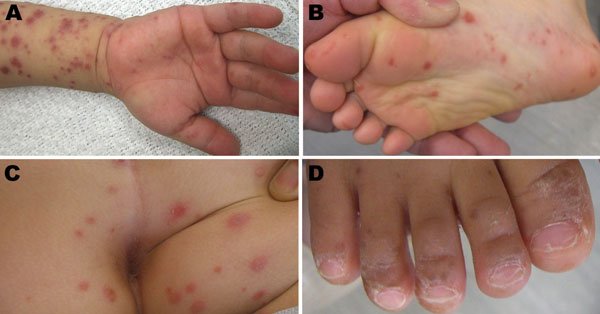
Anhedonia may play individual role in Alzheimer's challenges
LOS ANGELES – Anhedonia is typically thought of as part of depression, but findings from a study of patients with Alzheimer’s disease suggest that this common but poorly understood aspect of AD is a dissociable construct.
If confirmed in larger trials, the findings suggest that parsing anhedonia as a separate construct could allow for the condition to be treated separately, potentially enriching affected patients’ quality of life, Laura E. Natta reported in a poster at the annual meeting of the American Association for Geriatric Psychiatry.
"Mood symptoms can adversely affect executive functioning, especially working memory, which has ramifications for successful management of day-to-day activities," she explained.
Of 87 patients with mild to moderate AD who were included in the study, 8 had both depression and anhedonia, 12 had only anhedonia, 25 had only depression, and 34 had neither condition. Eight participants were excluded due to their inability to complete the full neuropsychological battery. Those with both depression and anhedonia had significantly poorer working memory as measured with the Wechsler Adult Intelligence Scale-III Digit Span Backwards test (WAIS-III DSB) than did those with only depression and those with neither condition (mean scores of 2.4, 5.1, and 4.1 digits, respectively). Those with only anhedonia had significantly poorer working memory than did those with only depression (mean scores of 3.7 and 5.1 digits, respectively), said Ms. Natta of the Brain Behavior and Aging Research Center of the Veterans Affairs Greater Los Angeles Healthcare System, West Los Angeles.
"Although not significant, on DSB the group with anhedonia performed better than the group with both depression and anhedonia. There was no significant difference between the anhedonia group and the group with neither depression nor anhedonia on the DSB," she said.
The findings demonstrate that the effect of combined depression and anhedonia on working memory is greater than the effect of anhedonia alone, and that anhedonia, via its effect on working memory, may contribute to difficulties with activities of daily living among patients with AD.
Though limited by a small sample size, a limited measure of anhedonia, and a lack of adjustment for other cognitive symptoms, the findings supplement those from other recent studies demonstrating that nondemented depressed patients with anhedonia have a cognitive profile that differs substantially from nondemented depressed patients without anhedonia, suggesting this is also the case in patients with AD, Ms. Natta noted.
The study comprised 17 women and 70 men, mean age 79 years. All underwent clinical assessment via the Mini Mental State Exam, the Mattis Dementia Rating Scale, and the WAIS-III Digit Span Forwards and Digit Span Backwards. Global symptoms of depression were assessed with the Hamilton Depression Scale or the Cornell Scale for Depression in Dementia. Anhedonia was assessed with the global specific rating on the Social-Emotional Withdrawal Scale on the Assessment of Negative Symptoms in AD.
Further clarification of the nature and influence of anhedonia in patients with and without depression is needed, given the potentially important diagnostic and treatment implications of the findings, not only for patients with AD, but for those with various other psychiatric and neurological disorders as well, she concluded.
Support for this study was provided by the National Institute of Mental Health. Support was also provided by Merit Review and CDA to individual authors.
LOS ANGELES – Anhedonia is typically thought of as part of depression, but findings from a study of patients with Alzheimer’s disease suggest that this common but poorly understood aspect of AD is a dissociable construct.
If confirmed in larger trials, the findings suggest that parsing anhedonia as a separate construct could allow for the condition to be treated separately, potentially enriching affected patients’ quality of life, Laura E. Natta reported in a poster at the annual meeting of the American Association for Geriatric Psychiatry.
"Mood symptoms can adversely affect executive functioning, especially working memory, which has ramifications for successful management of day-to-day activities," she explained.
Of 87 patients with mild to moderate AD who were included in the study, 8 had both depression and anhedonia, 12 had only anhedonia, 25 had only depression, and 34 had neither condition. Eight participants were excluded due to their inability to complete the full neuropsychological battery. Those with both depression and anhedonia had significantly poorer working memory as measured with the Wechsler Adult Intelligence Scale-III Digit Span Backwards test (WAIS-III DSB) than did those with only depression and those with neither condition (mean scores of 2.4, 5.1, and 4.1 digits, respectively). Those with only anhedonia had significantly poorer working memory than did those with only depression (mean scores of 3.7 and 5.1 digits, respectively), said Ms. Natta of the Brain Behavior and Aging Research Center of the Veterans Affairs Greater Los Angeles Healthcare System, West Los Angeles.
"Although not significant, on DSB the group with anhedonia performed better than the group with both depression and anhedonia. There was no significant difference between the anhedonia group and the group with neither depression nor anhedonia on the DSB," she said.
The findings demonstrate that the effect of combined depression and anhedonia on working memory is greater than the effect of anhedonia alone, and that anhedonia, via its effect on working memory, may contribute to difficulties with activities of daily living among patients with AD.
Though limited by a small sample size, a limited measure of anhedonia, and a lack of adjustment for other cognitive symptoms, the findings supplement those from other recent studies demonstrating that nondemented depressed patients with anhedonia have a cognitive profile that differs substantially from nondemented depressed patients without anhedonia, suggesting this is also the case in patients with AD, Ms. Natta noted.
The study comprised 17 women and 70 men, mean age 79 years. All underwent clinical assessment via the Mini Mental State Exam, the Mattis Dementia Rating Scale, and the WAIS-III Digit Span Forwards and Digit Span Backwards. Global symptoms of depression were assessed with the Hamilton Depression Scale or the Cornell Scale for Depression in Dementia. Anhedonia was assessed with the global specific rating on the Social-Emotional Withdrawal Scale on the Assessment of Negative Symptoms in AD.
Further clarification of the nature and influence of anhedonia in patients with and without depression is needed, given the potentially important diagnostic and treatment implications of the findings, not only for patients with AD, but for those with various other psychiatric and neurological disorders as well, she concluded.
Support for this study was provided by the National Institute of Mental Health. Support was also provided by Merit Review and CDA to individual authors.
LOS ANGELES – Anhedonia is typically thought of as part of depression, but findings from a study of patients with Alzheimer’s disease suggest that this common but poorly understood aspect of AD is a dissociable construct.
If confirmed in larger trials, the findings suggest that parsing anhedonia as a separate construct could allow for the condition to be treated separately, potentially enriching affected patients’ quality of life, Laura E. Natta reported in a poster at the annual meeting of the American Association for Geriatric Psychiatry.
"Mood symptoms can adversely affect executive functioning, especially working memory, which has ramifications for successful management of day-to-day activities," she explained.
Of 87 patients with mild to moderate AD who were included in the study, 8 had both depression and anhedonia, 12 had only anhedonia, 25 had only depression, and 34 had neither condition. Eight participants were excluded due to their inability to complete the full neuropsychological battery. Those with both depression and anhedonia had significantly poorer working memory as measured with the Wechsler Adult Intelligence Scale-III Digit Span Backwards test (WAIS-III DSB) than did those with only depression and those with neither condition (mean scores of 2.4, 5.1, and 4.1 digits, respectively). Those with only anhedonia had significantly poorer working memory than did those with only depression (mean scores of 3.7 and 5.1 digits, respectively), said Ms. Natta of the Brain Behavior and Aging Research Center of the Veterans Affairs Greater Los Angeles Healthcare System, West Los Angeles.
"Although not significant, on DSB the group with anhedonia performed better than the group with both depression and anhedonia. There was no significant difference between the anhedonia group and the group with neither depression nor anhedonia on the DSB," she said.
The findings demonstrate that the effect of combined depression and anhedonia on working memory is greater than the effect of anhedonia alone, and that anhedonia, via its effect on working memory, may contribute to difficulties with activities of daily living among patients with AD.
Though limited by a small sample size, a limited measure of anhedonia, and a lack of adjustment for other cognitive symptoms, the findings supplement those from other recent studies demonstrating that nondemented depressed patients with anhedonia have a cognitive profile that differs substantially from nondemented depressed patients without anhedonia, suggesting this is also the case in patients with AD, Ms. Natta noted.
The study comprised 17 women and 70 men, mean age 79 years. All underwent clinical assessment via the Mini Mental State Exam, the Mattis Dementia Rating Scale, and the WAIS-III Digit Span Forwards and Digit Span Backwards. Global symptoms of depression were assessed with the Hamilton Depression Scale or the Cornell Scale for Depression in Dementia. Anhedonia was assessed with the global specific rating on the Social-Emotional Withdrawal Scale on the Assessment of Negative Symptoms in AD.
Further clarification of the nature and influence of anhedonia in patients with and without depression is needed, given the potentially important diagnostic and treatment implications of the findings, not only for patients with AD, but for those with various other psychiatric and neurological disorders as well, she concluded.
Support for this study was provided by the National Institute of Mental Health. Support was also provided by Merit Review and CDA to individual authors.
AT THE AAGP ANNUAL MEETING
Major finding: Working memory was worse in patients with only anhedonia vs. those with only depression (mean scores of 3.7 vs. 5.1 digits).
Data source: An assessment of the effects of anhedonia in 87 patients with AD.
Disclosures: Support for this study was provided by the National Institute of Mental Health. Support was also provided by Merit Review and CDA to individual authors.
Negative symptoms, community integration affect hallucinations in schizophrenia
LOS ANGELES – Hallucinations in patients with schizophrenia do not appear to remain stable in later life, a longitudinal cohort study has shown.
The findings also suggest that the disappearance and reemergence of hallucinations in later life are modulated by negative symptoms and community integration, Dr. Audra Yadack reported in a poster at the annual meeting of the American Association for Geriatric Psychiatry.
The point prevalence of hallucinations was fairly low among the 103 patients in the study who were followed for a mean of 52 months, with only 33% of patients affected at baseline and 26% affected at follow-up, but because of symptom fluctuations, 43% had hallucinations during the study period.
"Notably, only 16% of patients had hallucinations at both [baseline] and [follow-up], 57% never had hallucinations, 10% developed hallucinations, and 17% no longer had hallucinations [at follow-up]," wrote Dr. Yadack of the State University of New York Downstate Medical Center, Brooklyn.
Four baseline factors were found on logistic regression analysis to be significant predictors of hallucinations at follow-up, including the presence of hallucinations (odds ratio, 9.66); nonremitting negative symptoms, as indicated by a Positive and Negative Syndrome Scale score of greater than 3 on all seven negative symptoms (OR, 9.07); a lower Community Integration Questionnaire score (OR, 0.50); and use of more mental health services (OR, 1.04).
Furthermore, the presence of hallucinations at baseline did not significantly correlate with any clinical variables at follow-up, and higher Community Integration Questionnaire scores and more confidantes at baseline were significantly associated with the disappearance of hallucinations between baseline and follow-up, she noted.
Patients included in this analysis were a mean age of 61 years and developed schizophrenia prior to age 45 years. The presence of hallucinations was assessed using self-reports of auditory, visual, or olfactory symptoms on a semistructured questionnaire.
The findings, which are important given the paucity of data on the prevalence of, course of, and factors associated with hallucinations in older adults with schizophrenia, highlight several predictors of hallucinations that could serve as points for clinical intervention, according to Dr. Yadack.
"One key measure, community integration – a measure of independent living, life quality, and social engagement – seemed to have a bidirectional relationship with hallucinations," she wrote, explaining that community integration predicted hallucinations at baseline, and hallucinations at baseline predicted lower community integration at follow-up.
Negative symptoms at baseline also were predictors of hallucinations at follow-up – a finding that is consistent with those in younger samples showing that negative and positive symptoms might co-occur, she noted, adding that "total mental health services were associated with a greater likelihood of hallucinations, suggesting that identifying age-appropriate and targeted strategies for enhancing community integration and diminishing negative symptoms may help increase the likelihood of the remission of hallucinations."
This study was funded by grants from the National Institute of General Medical Sciences.
LOS ANGELES – Hallucinations in patients with schizophrenia do not appear to remain stable in later life, a longitudinal cohort study has shown.
The findings also suggest that the disappearance and reemergence of hallucinations in later life are modulated by negative symptoms and community integration, Dr. Audra Yadack reported in a poster at the annual meeting of the American Association for Geriatric Psychiatry.
The point prevalence of hallucinations was fairly low among the 103 patients in the study who were followed for a mean of 52 months, with only 33% of patients affected at baseline and 26% affected at follow-up, but because of symptom fluctuations, 43% had hallucinations during the study period.
"Notably, only 16% of patients had hallucinations at both [baseline] and [follow-up], 57% never had hallucinations, 10% developed hallucinations, and 17% no longer had hallucinations [at follow-up]," wrote Dr. Yadack of the State University of New York Downstate Medical Center, Brooklyn.
Four baseline factors were found on logistic regression analysis to be significant predictors of hallucinations at follow-up, including the presence of hallucinations (odds ratio, 9.66); nonremitting negative symptoms, as indicated by a Positive and Negative Syndrome Scale score of greater than 3 on all seven negative symptoms (OR, 9.07); a lower Community Integration Questionnaire score (OR, 0.50); and use of more mental health services (OR, 1.04).
Furthermore, the presence of hallucinations at baseline did not significantly correlate with any clinical variables at follow-up, and higher Community Integration Questionnaire scores and more confidantes at baseline were significantly associated with the disappearance of hallucinations between baseline and follow-up, she noted.
Patients included in this analysis were a mean age of 61 years and developed schizophrenia prior to age 45 years. The presence of hallucinations was assessed using self-reports of auditory, visual, or olfactory symptoms on a semistructured questionnaire.
The findings, which are important given the paucity of data on the prevalence of, course of, and factors associated with hallucinations in older adults with schizophrenia, highlight several predictors of hallucinations that could serve as points for clinical intervention, according to Dr. Yadack.
"One key measure, community integration – a measure of independent living, life quality, and social engagement – seemed to have a bidirectional relationship with hallucinations," she wrote, explaining that community integration predicted hallucinations at baseline, and hallucinations at baseline predicted lower community integration at follow-up.
Negative symptoms at baseline also were predictors of hallucinations at follow-up – a finding that is consistent with those in younger samples showing that negative and positive symptoms might co-occur, she noted, adding that "total mental health services were associated with a greater likelihood of hallucinations, suggesting that identifying age-appropriate and targeted strategies for enhancing community integration and diminishing negative symptoms may help increase the likelihood of the remission of hallucinations."
This study was funded by grants from the National Institute of General Medical Sciences.
LOS ANGELES – Hallucinations in patients with schizophrenia do not appear to remain stable in later life, a longitudinal cohort study has shown.
The findings also suggest that the disappearance and reemergence of hallucinations in later life are modulated by negative symptoms and community integration, Dr. Audra Yadack reported in a poster at the annual meeting of the American Association for Geriatric Psychiatry.
The point prevalence of hallucinations was fairly low among the 103 patients in the study who were followed for a mean of 52 months, with only 33% of patients affected at baseline and 26% affected at follow-up, but because of symptom fluctuations, 43% had hallucinations during the study period.
"Notably, only 16% of patients had hallucinations at both [baseline] and [follow-up], 57% never had hallucinations, 10% developed hallucinations, and 17% no longer had hallucinations [at follow-up]," wrote Dr. Yadack of the State University of New York Downstate Medical Center, Brooklyn.
Four baseline factors were found on logistic regression analysis to be significant predictors of hallucinations at follow-up, including the presence of hallucinations (odds ratio, 9.66); nonremitting negative symptoms, as indicated by a Positive and Negative Syndrome Scale score of greater than 3 on all seven negative symptoms (OR, 9.07); a lower Community Integration Questionnaire score (OR, 0.50); and use of more mental health services (OR, 1.04).
Furthermore, the presence of hallucinations at baseline did not significantly correlate with any clinical variables at follow-up, and higher Community Integration Questionnaire scores and more confidantes at baseline were significantly associated with the disappearance of hallucinations between baseline and follow-up, she noted.
Patients included in this analysis were a mean age of 61 years and developed schizophrenia prior to age 45 years. The presence of hallucinations was assessed using self-reports of auditory, visual, or olfactory symptoms on a semistructured questionnaire.
The findings, which are important given the paucity of data on the prevalence of, course of, and factors associated with hallucinations in older adults with schizophrenia, highlight several predictors of hallucinations that could serve as points for clinical intervention, according to Dr. Yadack.
"One key measure, community integration – a measure of independent living, life quality, and social engagement – seemed to have a bidirectional relationship with hallucinations," she wrote, explaining that community integration predicted hallucinations at baseline, and hallucinations at baseline predicted lower community integration at follow-up.
Negative symptoms at baseline also were predictors of hallucinations at follow-up – a finding that is consistent with those in younger samples showing that negative and positive symptoms might co-occur, she noted, adding that "total mental health services were associated with a greater likelihood of hallucinations, suggesting that identifying age-appropriate and targeted strategies for enhancing community integration and diminishing negative symptoms may help increase the likelihood of the remission of hallucinations."
This study was funded by grants from the National Institute of General Medical Sciences.
AT THE AAGP ANNUAL MEETING
Major finding: Four
baseline factors were found to be
predictors of hallucinations: the presence of hallucinations (odds ratio, 9.66); nonremitting negative symptoms, as indicated by a Positive and Negative Syndrome Scale score of greater than 3 on all seven negative
symptoms (OR, 9.07); a lower Community Integration Questionnaire score (OR, 0.50); and use of more mental health services (OR, 1.04).
Data source:
The study involved 103 patients with schizophrenia who were followed for a mean
of 52 months.
Disclosures: The
research was funded by grants from the National Institute of General Medical
Sciences.
Data support ECT for depression, other mood disorders in elderly
LOS ANGELES – Data continue to affirm the efficacy of electroconvulsive therapy, or ECT, for the treatment of major depression and other mood disorders, and numerous studies show that the benefits are particularly pronounced in older patients.
ECT experts at the annual meeting of the American Association for Geriatric Psychiatry shared some of these findings, along with newer data on optimal electrode placement, and an emerging indication for electroconvulsive therapy.
CORE age-related findings
Among adults aged 18-85 who were treated with ECT for unipolar depression in one study, for example, older patients responded better than did younger patients, Dr. Georgios Petrides said.
That study, the first from CORE (the Consortium for Research in Electroconvulsive Therapy), compared ECT with combination antidepressant/antipsychotic pharmacotherapy as a strategy for depression relapse prevention in 201 patients who had remitted after a course of bilateral ECT. Patients from five sites were randomized to receive either 10 continuation ECT treatments or 6 months of treatment with lithium and nortriptyline, said Dr. Petrides of the department of psychiatry at the Albert Einstein College of Medicine, New York, and director of ECT research at the Zucker Hillside Hospital, Glen Oaks, N.Y.
Both groups fared better than a historical placebo control group, but did not differ significantly from each other with respect to remission rates; 46% of patients in both groups remained in remission. Also, no differences were seen between the groups with respect to time to relapse among those who did not remain in remission (Arch. Gen. Psychiatry 2006;63:1337-44).
However, a later analysis of CORE data by age (18-45 years; 46-64 years; and 65 years and older) showed that the remission rates were significantly greater – at up to 90% – for the older patients, compared with the youngest group, Dr. Petrides said.
Of note, relapse rates were lower among patients with psychotic depression, compared with those with non-psychotic depression, and the age-based advantage also was apparent among those with psychotic depression, he said.
Age and electrode placement
A more recent CORE study looking at electrode placement for optimal efficacy and minimal cognitive impairment demonstrated age-based differences in outcomes as well.
In a randomized, controlled, double-blind trial, outcomes in 230 patients with major depression and a mean age of nearly 60 years were found to be similar with a novel bifrontal placement using 1.5 times the seizure threshold, a standard bitemporal placement using 1.5 times the seizure threshold, and with standard right unilateral placement using 6 times seizure threshold, Dr. Charles H. Kellner said.
All placements resulted in clinically and statistically significant improvements, with remission rates, based on strict remission criteria, of 61%, 64%, and 55% for the bifrontal, bitemporal, and right unilateral placements, respectively.
Using less strict criteria for response rather than remission, the rates for the three groups were 79%, 82%, and 73%%, respectively, noted Dr. Kellner, professor of psychiatry and director of the division of geriatric psychiatry at Mount Sinai School of Medicine, New York (Br. J. Psychiatry 2010;196:226-34).
A more rapid decline in symptoms was seen with bitemporal placement.
"So the take-home message there, is that if you have an urgently ill patient, either psychiatrically or medically, than bilateral electrode placement should be considered for them," said Dr. Kellner, who also is director of the ECT service at Mount Sinai Hospital.
Also of note, the remission rate was "remarkably greater" with right unilateral electrode placement in those over age 65 years, compared with younger patients (nearly 75% vs. about 40%-50%), and the remission rate was worse for bifrontal placement in those over age 65 years, compared with younger patient (about 45% vs. 65%).
"If this finding is replicated – and we’ve already partially replicated it (in the Prolonging Remission in Depressed Elderly [PRIDE] study)," he said. "This is good news that for geriatric patients, right unilateral ECT, the more benign form of the treatment, may be preferentially effective."
The finding that certain placements are better or worse in certain patients or age groups underscores the need for making all placements available, and choosing the one that is most appropriate for a patient’s individual circumstances, and the finding that all three electrode placements are effective underscores the argument that "ECT in contemporary practice is not a technical issue." He added, explaining that the data are clear about the effects of ECT, and that it is important to "fight to continue to get it accepted as a standard treatment – to move it up on the treatment algorithm so it is not considered a last resort for treatment."
Among the concerns about ECT that have impeded efforts to "move it up on the treatment algorithm" are those having to do with cognitive effects. Cognitive effects should be considered a tolerability issue rather than a safety issue when it comes to ECT, but regardless, in this study, almost no differences were found with respect to cognitive effects between the three placements studied, he said.
One exception was with reorientation.
"Patients wake up much more easily from right unilateral ECT," he said, noting that this also appears true in the PRIDE study, which is an ongoing evaluation of right unilateral ultrabrief pulse ECT.
Right unilateral ultrabrief pulse ECT
Preliminary data from the PRIDE trial also suggest that right unilateral ultrabrief pulse ECT is extremely effective in elderly patients: Of the first 152 patients from that study, 62% experienced remission, 11% did not, and 27% dropped out of the study.
The patients in that multicenter study have a mean age of 70 years and severe depression.
An interesting finding is that a small percentage of patients "get completely well with a short course of ECT," Dr. Kellner said.
Although most require the usual treatment course and some might require a longer treatment course, some remit very quickly. Thus, it is inappropriate to prescribe a fixed number of treatments in advance.
Also, as has been well documented in other ECT studies, outcomes with right unilateral ultrabrief pulse ECT improve with age.
"The older you get, the better ECT works," he said.
Remission rates were 62%-67% for those aged 70-79 years and 80 years or older, compared with 59% for those aged 60-69 years.
An emerging ECT indication: agitation
Among newer indications for ECT in older patients is agitation in dementia, according to Dr. Robert M. Greenberg.
Dementia is generally not a contraindication to ECT, and although most data on ECT in dementia involve patients with comorbid depression and/or psychosis, many case reports and two small case series suggest that it is effective for agitation alone in patients with dementia, said Dr. Greenberg, director of geriatric services and chief of geriatric psychiatry and ECT services at Lutheran Medical Center, Brooklyn, N.Y.
Behavioral and psychological symptoms, including agitation, occurs at some point in up to 90% of patients with dementia, and agitation and aggression occur in 60%-80% of patients with Alzheimer’s disease. These symptoms account for much of the functional impairment, caregiver burden, hospitalization, and health care costs in dementia patients, and treatment options are limited, he said.
Case reports over the past 2 decades suggest that anywhere from two to eight courses of ECT result in up to 12 months of improvement in symptoms, in some cases with monthly maintenance ECT or repeat courses.
In the largest retrospective case series published to date, 15 of 16 patients who underwent a mean of nine treatments – mostly administered bilaterally – experienced improvement in symptoms, Dr. Greenberg said.
Patients in that study included eight patients with Alzheimer’s disease. Three had mild dementia, eight had moderate-to-severe dementia, and five had severe dementia. Only two patients experienced severe postictal confusion (Am. J. Geriatr. Psychiatry 2012;20:61-72).
Although the evidence base for ECT for agitation in dementia remains fairly weak, the existing data do provide some support for its use. In the cases reported, ECT was usually a last resort after failure of multiple pharmacologic and nonpharmacologic approaches, the impact of behavioral disturbance was severe, and reported benefits were usually of major clinical significance, Dr. Greenberg said, noting also that when addressed, global cognitive function was usually improved following ECT.
Thus, ECT is a reasonable option for dementia with severe agitation in cases after a careful diagnostic evaluation, including assessment for inciting/exacerbating causes, and after failure of behavioral and pharmacologic management.
In patients for whom ECT is deemed appropriate – and for whom proper consent is obtained – Dr. Greenberg recommended starting with titrated unilateral ultrabrief pulse stimulus (in nonemergent cases), and widening the treatment interval if the patients experience significant cognitive worsening.
ECT should be stopped when improvement plateaus, he said.
Also, consider an ECT taper to ensure stability of response and to allow for optimization of continuation pharmacotherapy, he said.
Continuation ECT can be considered if symptoms recur.
Environmental triggers of agitation also should be addressed, he said.
Dr. Petrides and Dr. Greenberg reported having no disclosures relevant to their presentations. Dr. Kellner reported receiving research support from the National Institute of Mental Health. He also reported serving as a paid contributor to UpToDate, a clinical decision support service and as a paid ECT course teacher at Northshore-LIJ Health System.
LOS ANGELES – Data continue to affirm the efficacy of electroconvulsive therapy, or ECT, for the treatment of major depression and other mood disorders, and numerous studies show that the benefits are particularly pronounced in older patients.
ECT experts at the annual meeting of the American Association for Geriatric Psychiatry shared some of these findings, along with newer data on optimal electrode placement, and an emerging indication for electroconvulsive therapy.
CORE age-related findings
Among adults aged 18-85 who were treated with ECT for unipolar depression in one study, for example, older patients responded better than did younger patients, Dr. Georgios Petrides said.
That study, the first from CORE (the Consortium for Research in Electroconvulsive Therapy), compared ECT with combination antidepressant/antipsychotic pharmacotherapy as a strategy for depression relapse prevention in 201 patients who had remitted after a course of bilateral ECT. Patients from five sites were randomized to receive either 10 continuation ECT treatments or 6 months of treatment with lithium and nortriptyline, said Dr. Petrides of the department of psychiatry at the Albert Einstein College of Medicine, New York, and director of ECT research at the Zucker Hillside Hospital, Glen Oaks, N.Y.
Both groups fared better than a historical placebo control group, but did not differ significantly from each other with respect to remission rates; 46% of patients in both groups remained in remission. Also, no differences were seen between the groups with respect to time to relapse among those who did not remain in remission (Arch. Gen. Psychiatry 2006;63:1337-44).
However, a later analysis of CORE data by age (18-45 years; 46-64 years; and 65 years and older) showed that the remission rates were significantly greater – at up to 90% – for the older patients, compared with the youngest group, Dr. Petrides said.
Of note, relapse rates were lower among patients with psychotic depression, compared with those with non-psychotic depression, and the age-based advantage also was apparent among those with psychotic depression, he said.
Age and electrode placement
A more recent CORE study looking at electrode placement for optimal efficacy and minimal cognitive impairment demonstrated age-based differences in outcomes as well.
In a randomized, controlled, double-blind trial, outcomes in 230 patients with major depression and a mean age of nearly 60 years were found to be similar with a novel bifrontal placement using 1.5 times the seizure threshold, a standard bitemporal placement using 1.5 times the seizure threshold, and with standard right unilateral placement using 6 times seizure threshold, Dr. Charles H. Kellner said.
All placements resulted in clinically and statistically significant improvements, with remission rates, based on strict remission criteria, of 61%, 64%, and 55% for the bifrontal, bitemporal, and right unilateral placements, respectively.
Using less strict criteria for response rather than remission, the rates for the three groups were 79%, 82%, and 73%%, respectively, noted Dr. Kellner, professor of psychiatry and director of the division of geriatric psychiatry at Mount Sinai School of Medicine, New York (Br. J. Psychiatry 2010;196:226-34).
A more rapid decline in symptoms was seen with bitemporal placement.
"So the take-home message there, is that if you have an urgently ill patient, either psychiatrically or medically, than bilateral electrode placement should be considered for them," said Dr. Kellner, who also is director of the ECT service at Mount Sinai Hospital.
Also of note, the remission rate was "remarkably greater" with right unilateral electrode placement in those over age 65 years, compared with younger patients (nearly 75% vs. about 40%-50%), and the remission rate was worse for bifrontal placement in those over age 65 years, compared with younger patient (about 45% vs. 65%).
"If this finding is replicated – and we’ve already partially replicated it (in the Prolonging Remission in Depressed Elderly [PRIDE] study)," he said. "This is good news that for geriatric patients, right unilateral ECT, the more benign form of the treatment, may be preferentially effective."
The finding that certain placements are better or worse in certain patients or age groups underscores the need for making all placements available, and choosing the one that is most appropriate for a patient’s individual circumstances, and the finding that all three electrode placements are effective underscores the argument that "ECT in contemporary practice is not a technical issue." He added, explaining that the data are clear about the effects of ECT, and that it is important to "fight to continue to get it accepted as a standard treatment – to move it up on the treatment algorithm so it is not considered a last resort for treatment."
Among the concerns about ECT that have impeded efforts to "move it up on the treatment algorithm" are those having to do with cognitive effects. Cognitive effects should be considered a tolerability issue rather than a safety issue when it comes to ECT, but regardless, in this study, almost no differences were found with respect to cognitive effects between the three placements studied, he said.
One exception was with reorientation.
"Patients wake up much more easily from right unilateral ECT," he said, noting that this also appears true in the PRIDE study, which is an ongoing evaluation of right unilateral ultrabrief pulse ECT.
Right unilateral ultrabrief pulse ECT
Preliminary data from the PRIDE trial also suggest that right unilateral ultrabrief pulse ECT is extremely effective in elderly patients: Of the first 152 patients from that study, 62% experienced remission, 11% did not, and 27% dropped out of the study.
The patients in that multicenter study have a mean age of 70 years and severe depression.
An interesting finding is that a small percentage of patients "get completely well with a short course of ECT," Dr. Kellner said.
Although most require the usual treatment course and some might require a longer treatment course, some remit very quickly. Thus, it is inappropriate to prescribe a fixed number of treatments in advance.
Also, as has been well documented in other ECT studies, outcomes with right unilateral ultrabrief pulse ECT improve with age.
"The older you get, the better ECT works," he said.
Remission rates were 62%-67% for those aged 70-79 years and 80 years or older, compared with 59% for those aged 60-69 years.
An emerging ECT indication: agitation
Among newer indications for ECT in older patients is agitation in dementia, according to Dr. Robert M. Greenberg.
Dementia is generally not a contraindication to ECT, and although most data on ECT in dementia involve patients with comorbid depression and/or psychosis, many case reports and two small case series suggest that it is effective for agitation alone in patients with dementia, said Dr. Greenberg, director of geriatric services and chief of geriatric psychiatry and ECT services at Lutheran Medical Center, Brooklyn, N.Y.
Behavioral and psychological symptoms, including agitation, occurs at some point in up to 90% of patients with dementia, and agitation and aggression occur in 60%-80% of patients with Alzheimer’s disease. These symptoms account for much of the functional impairment, caregiver burden, hospitalization, and health care costs in dementia patients, and treatment options are limited, he said.
Case reports over the past 2 decades suggest that anywhere from two to eight courses of ECT result in up to 12 months of improvement in symptoms, in some cases with monthly maintenance ECT or repeat courses.
In the largest retrospective case series published to date, 15 of 16 patients who underwent a mean of nine treatments – mostly administered bilaterally – experienced improvement in symptoms, Dr. Greenberg said.
Patients in that study included eight patients with Alzheimer’s disease. Three had mild dementia, eight had moderate-to-severe dementia, and five had severe dementia. Only two patients experienced severe postictal confusion (Am. J. Geriatr. Psychiatry 2012;20:61-72).
Although the evidence base for ECT for agitation in dementia remains fairly weak, the existing data do provide some support for its use. In the cases reported, ECT was usually a last resort after failure of multiple pharmacologic and nonpharmacologic approaches, the impact of behavioral disturbance was severe, and reported benefits were usually of major clinical significance, Dr. Greenberg said, noting also that when addressed, global cognitive function was usually improved following ECT.
Thus, ECT is a reasonable option for dementia with severe agitation in cases after a careful diagnostic evaluation, including assessment for inciting/exacerbating causes, and after failure of behavioral and pharmacologic management.
In patients for whom ECT is deemed appropriate – and for whom proper consent is obtained – Dr. Greenberg recommended starting with titrated unilateral ultrabrief pulse stimulus (in nonemergent cases), and widening the treatment interval if the patients experience significant cognitive worsening.
ECT should be stopped when improvement plateaus, he said.
Also, consider an ECT taper to ensure stability of response and to allow for optimization of continuation pharmacotherapy, he said.
Continuation ECT can be considered if symptoms recur.
Environmental triggers of agitation also should be addressed, he said.
Dr. Petrides and Dr. Greenberg reported having no disclosures relevant to their presentations. Dr. Kellner reported receiving research support from the National Institute of Mental Health. He also reported serving as a paid contributor to UpToDate, a clinical decision support service and as a paid ECT course teacher at Northshore-LIJ Health System.
LOS ANGELES – Data continue to affirm the efficacy of electroconvulsive therapy, or ECT, for the treatment of major depression and other mood disorders, and numerous studies show that the benefits are particularly pronounced in older patients.
ECT experts at the annual meeting of the American Association for Geriatric Psychiatry shared some of these findings, along with newer data on optimal electrode placement, and an emerging indication for electroconvulsive therapy.
CORE age-related findings
Among adults aged 18-85 who were treated with ECT for unipolar depression in one study, for example, older patients responded better than did younger patients, Dr. Georgios Petrides said.
That study, the first from CORE (the Consortium for Research in Electroconvulsive Therapy), compared ECT with combination antidepressant/antipsychotic pharmacotherapy as a strategy for depression relapse prevention in 201 patients who had remitted after a course of bilateral ECT. Patients from five sites were randomized to receive either 10 continuation ECT treatments or 6 months of treatment with lithium and nortriptyline, said Dr. Petrides of the department of psychiatry at the Albert Einstein College of Medicine, New York, and director of ECT research at the Zucker Hillside Hospital, Glen Oaks, N.Y.
Both groups fared better than a historical placebo control group, but did not differ significantly from each other with respect to remission rates; 46% of patients in both groups remained in remission. Also, no differences were seen between the groups with respect to time to relapse among those who did not remain in remission (Arch. Gen. Psychiatry 2006;63:1337-44).
However, a later analysis of CORE data by age (18-45 years; 46-64 years; and 65 years and older) showed that the remission rates were significantly greater – at up to 90% – for the older patients, compared with the youngest group, Dr. Petrides said.
Of note, relapse rates were lower among patients with psychotic depression, compared with those with non-psychotic depression, and the age-based advantage also was apparent among those with psychotic depression, he said.
Age and electrode placement
A more recent CORE study looking at electrode placement for optimal efficacy and minimal cognitive impairment demonstrated age-based differences in outcomes as well.
In a randomized, controlled, double-blind trial, outcomes in 230 patients with major depression and a mean age of nearly 60 years were found to be similar with a novel bifrontal placement using 1.5 times the seizure threshold, a standard bitemporal placement using 1.5 times the seizure threshold, and with standard right unilateral placement using 6 times seizure threshold, Dr. Charles H. Kellner said.
All placements resulted in clinically and statistically significant improvements, with remission rates, based on strict remission criteria, of 61%, 64%, and 55% for the bifrontal, bitemporal, and right unilateral placements, respectively.
Using less strict criteria for response rather than remission, the rates for the three groups were 79%, 82%, and 73%%, respectively, noted Dr. Kellner, professor of psychiatry and director of the division of geriatric psychiatry at Mount Sinai School of Medicine, New York (Br. J. Psychiatry 2010;196:226-34).
A more rapid decline in symptoms was seen with bitemporal placement.
"So the take-home message there, is that if you have an urgently ill patient, either psychiatrically or medically, than bilateral electrode placement should be considered for them," said Dr. Kellner, who also is director of the ECT service at Mount Sinai Hospital.
Also of note, the remission rate was "remarkably greater" with right unilateral electrode placement in those over age 65 years, compared with younger patients (nearly 75% vs. about 40%-50%), and the remission rate was worse for bifrontal placement in those over age 65 years, compared with younger patient (about 45% vs. 65%).
"If this finding is replicated – and we’ve already partially replicated it (in the Prolonging Remission in Depressed Elderly [PRIDE] study)," he said. "This is good news that for geriatric patients, right unilateral ECT, the more benign form of the treatment, may be preferentially effective."
The finding that certain placements are better or worse in certain patients or age groups underscores the need for making all placements available, and choosing the one that is most appropriate for a patient’s individual circumstances, and the finding that all three electrode placements are effective underscores the argument that "ECT in contemporary practice is not a technical issue." He added, explaining that the data are clear about the effects of ECT, and that it is important to "fight to continue to get it accepted as a standard treatment – to move it up on the treatment algorithm so it is not considered a last resort for treatment."
Among the concerns about ECT that have impeded efforts to "move it up on the treatment algorithm" are those having to do with cognitive effects. Cognitive effects should be considered a tolerability issue rather than a safety issue when it comes to ECT, but regardless, in this study, almost no differences were found with respect to cognitive effects between the three placements studied, he said.
One exception was with reorientation.
"Patients wake up much more easily from right unilateral ECT," he said, noting that this also appears true in the PRIDE study, which is an ongoing evaluation of right unilateral ultrabrief pulse ECT.
Right unilateral ultrabrief pulse ECT
Preliminary data from the PRIDE trial also suggest that right unilateral ultrabrief pulse ECT is extremely effective in elderly patients: Of the first 152 patients from that study, 62% experienced remission, 11% did not, and 27% dropped out of the study.
The patients in that multicenter study have a mean age of 70 years and severe depression.
An interesting finding is that a small percentage of patients "get completely well with a short course of ECT," Dr. Kellner said.
Although most require the usual treatment course and some might require a longer treatment course, some remit very quickly. Thus, it is inappropriate to prescribe a fixed number of treatments in advance.
Also, as has been well documented in other ECT studies, outcomes with right unilateral ultrabrief pulse ECT improve with age.
"The older you get, the better ECT works," he said.
Remission rates were 62%-67% for those aged 70-79 years and 80 years or older, compared with 59% for those aged 60-69 years.
An emerging ECT indication: agitation
Among newer indications for ECT in older patients is agitation in dementia, according to Dr. Robert M. Greenberg.
Dementia is generally not a contraindication to ECT, and although most data on ECT in dementia involve patients with comorbid depression and/or psychosis, many case reports and two small case series suggest that it is effective for agitation alone in patients with dementia, said Dr. Greenberg, director of geriatric services and chief of geriatric psychiatry and ECT services at Lutheran Medical Center, Brooklyn, N.Y.
Behavioral and psychological symptoms, including agitation, occurs at some point in up to 90% of patients with dementia, and agitation and aggression occur in 60%-80% of patients with Alzheimer’s disease. These symptoms account for much of the functional impairment, caregiver burden, hospitalization, and health care costs in dementia patients, and treatment options are limited, he said.
Case reports over the past 2 decades suggest that anywhere from two to eight courses of ECT result in up to 12 months of improvement in symptoms, in some cases with monthly maintenance ECT or repeat courses.
In the largest retrospective case series published to date, 15 of 16 patients who underwent a mean of nine treatments – mostly administered bilaterally – experienced improvement in symptoms, Dr. Greenberg said.
Patients in that study included eight patients with Alzheimer’s disease. Three had mild dementia, eight had moderate-to-severe dementia, and five had severe dementia. Only two patients experienced severe postictal confusion (Am. J. Geriatr. Psychiatry 2012;20:61-72).
Although the evidence base for ECT for agitation in dementia remains fairly weak, the existing data do provide some support for its use. In the cases reported, ECT was usually a last resort after failure of multiple pharmacologic and nonpharmacologic approaches, the impact of behavioral disturbance was severe, and reported benefits were usually of major clinical significance, Dr. Greenberg said, noting also that when addressed, global cognitive function was usually improved following ECT.
Thus, ECT is a reasonable option for dementia with severe agitation in cases after a careful diagnostic evaluation, including assessment for inciting/exacerbating causes, and after failure of behavioral and pharmacologic management.
In patients for whom ECT is deemed appropriate – and for whom proper consent is obtained – Dr. Greenberg recommended starting with titrated unilateral ultrabrief pulse stimulus (in nonemergent cases), and widening the treatment interval if the patients experience significant cognitive worsening.
ECT should be stopped when improvement plateaus, he said.
Also, consider an ECT taper to ensure stability of response and to allow for optimization of continuation pharmacotherapy, he said.
Continuation ECT can be considered if symptoms recur.
Environmental triggers of agitation also should be addressed, he said.
Dr. Petrides and Dr. Greenberg reported having no disclosures relevant to their presentations. Dr. Kellner reported receiving research support from the National Institute of Mental Health. He also reported serving as a paid contributor to UpToDate, a clinical decision support service and as a paid ECT course teacher at Northshore-LIJ Health System.
AT THE AAGP ANNUAL MEETING