User login
FMT cuts risk of bloodstream infections in patients with recurrent CDI
Background: After a first episode of CDI, almost 20% of patients will have a recurrence. Recurrent CDI (rCDI) is more likely to be associated with life-threatening complications including toxic megacolon, perforation, bloodstream infections, and death. Most BSIs are caused by intestinal microbes. Some evidence suggests that vancomycin therapy creates conditions that favor intestinal colonization by health care–associated pathogens. FMT aims to restore the normal composition of gut microbiota, is superior to vancomycin, and might decrease the incidence of BSI and related complications including death.
Study design: Prospective cohort study.
Setting: Fondazione Policlinico Universitario Agostino Gemelli in Rome.
Synopsis: In this study, 290 patients with rCDIs were randomized to FMT (109 patients) or antibiotic therapy (181 patients). Only patients with their first rCDIs were included. The primary outcome was the development of primary BSI after treatment of rCDI and within a 90-day follow-up period. Secondary outcomes were length of hospitalization and overall survival at 90 days.
Five patients in the FMT group and 40 in the antibiotic group (16% of total patients) developed BSIs during the 90-day follow-up. Because of baseline characteristic differences in the patients treated with FMT versus antibiotics, comparative analyses were limited to the matched cohort. Risk for BSIs was 23% lower in the FMT group (95% confidence interval, 10%-35%); the FMT group also had 14 fewer days of hospitalization (95% CI, 9-20 fewer days) and a 32% increase in overall survival (95% CI, 16%-47%), compared with the antibiotic group. Limitations of the study include its observational nature, single-center design, and differences in several baseline characteristics between the groups remaining after the match.
Bottom line: Patients with rCDI who received FMT were less likely to develop primary BSIs and related complications, including hospital length of stay and death when compared with patients who received antibiotics.
Citation: Ianiro G et al. Incidence of bloodstream infections, length of hospital stay, and survival in patients with recurrent Clostridioides difficile infection treated with fecal microbiota transplantation or antibiotics: A prospective cohort study. Ann Intern Med. 2019, Nov 5;171:695-702.
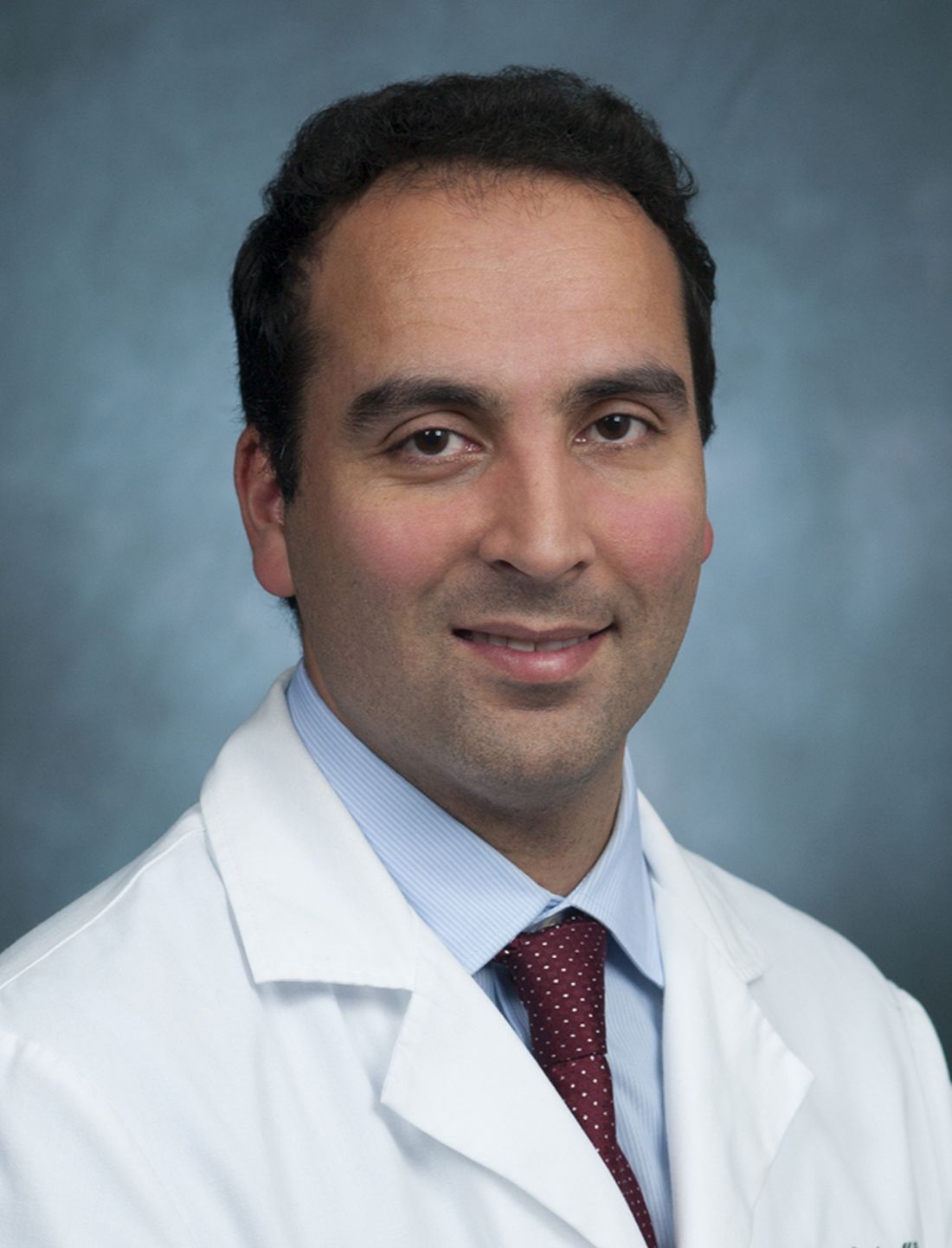
Dr. Santa is assistant professor in the division of hospital medicine, Loyola University Medical Center, Maywood, Ill.
Background: After a first episode of CDI, almost 20% of patients will have a recurrence. Recurrent CDI (rCDI) is more likely to be associated with life-threatening complications including toxic megacolon, perforation, bloodstream infections, and death. Most BSIs are caused by intestinal microbes. Some evidence suggests that vancomycin therapy creates conditions that favor intestinal colonization by health care–associated pathogens. FMT aims to restore the normal composition of gut microbiota, is superior to vancomycin, and might decrease the incidence of BSI and related complications including death.
Study design: Prospective cohort study.
Setting: Fondazione Policlinico Universitario Agostino Gemelli in Rome.
Synopsis: In this study, 290 patients with rCDIs were randomized to FMT (109 patients) or antibiotic therapy (181 patients). Only patients with their first rCDIs were included. The primary outcome was the development of primary BSI after treatment of rCDI and within a 90-day follow-up period. Secondary outcomes were length of hospitalization and overall survival at 90 days.
Five patients in the FMT group and 40 in the antibiotic group (16% of total patients) developed BSIs during the 90-day follow-up. Because of baseline characteristic differences in the patients treated with FMT versus antibiotics, comparative analyses were limited to the matched cohort. Risk for BSIs was 23% lower in the FMT group (95% confidence interval, 10%-35%); the FMT group also had 14 fewer days of hospitalization (95% CI, 9-20 fewer days) and a 32% increase in overall survival (95% CI, 16%-47%), compared with the antibiotic group. Limitations of the study include its observational nature, single-center design, and differences in several baseline characteristics between the groups remaining after the match.
Bottom line: Patients with rCDI who received FMT were less likely to develop primary BSIs and related complications, including hospital length of stay and death when compared with patients who received antibiotics.
Citation: Ianiro G et al. Incidence of bloodstream infections, length of hospital stay, and survival in patients with recurrent Clostridioides difficile infection treated with fecal microbiota transplantation or antibiotics: A prospective cohort study. Ann Intern Med. 2019, Nov 5;171:695-702.
Dr. Santa is assistant professor in the division of hospital medicine, Loyola University Medical Center, Maywood, Ill.
Background: After a first episode of CDI, almost 20% of patients will have a recurrence. Recurrent CDI (rCDI) is more likely to be associated with life-threatening complications including toxic megacolon, perforation, bloodstream infections, and death. Most BSIs are caused by intestinal microbes. Some evidence suggests that vancomycin therapy creates conditions that favor intestinal colonization by health care–associated pathogens. FMT aims to restore the normal composition of gut microbiota, is superior to vancomycin, and might decrease the incidence of BSI and related complications including death.
Study design: Prospective cohort study.
Setting: Fondazione Policlinico Universitario Agostino Gemelli in Rome.
Synopsis: In this study, 290 patients with rCDIs were randomized to FMT (109 patients) or antibiotic therapy (181 patients). Only patients with their first rCDIs were included. The primary outcome was the development of primary BSI after treatment of rCDI and within a 90-day follow-up period. Secondary outcomes were length of hospitalization and overall survival at 90 days.
Five patients in the FMT group and 40 in the antibiotic group (16% of total patients) developed BSIs during the 90-day follow-up. Because of baseline characteristic differences in the patients treated with FMT versus antibiotics, comparative analyses were limited to the matched cohort. Risk for BSIs was 23% lower in the FMT group (95% confidence interval, 10%-35%); the FMT group also had 14 fewer days of hospitalization (95% CI, 9-20 fewer days) and a 32% increase in overall survival (95% CI, 16%-47%), compared with the antibiotic group. Limitations of the study include its observational nature, single-center design, and differences in several baseline characteristics between the groups remaining after the match.
Bottom line: Patients with rCDI who received FMT were less likely to develop primary BSIs and related complications, including hospital length of stay and death when compared with patients who received antibiotics.
Citation: Ianiro G et al. Incidence of bloodstream infections, length of hospital stay, and survival in patients with recurrent Clostridioides difficile infection treated with fecal microbiota transplantation or antibiotics: A prospective cohort study. Ann Intern Med. 2019, Nov 5;171:695-702.
Dr. Santa is assistant professor in the division of hospital medicine, Loyola University Medical Center, Maywood, Ill.
CDC guidelines coming on long COVID
The Centers for Disease Control and Prevention is finalizing new guidelines to help clinicians diagnose and manage long COVID, or postacute sequelae of SARS-CoV-2 infection.
In a day-long congressional hearing on April 28, John Brooks, MD, a medical epidemiologist at the CDC’s division of HIV/AIDS prevention, testified that the guidelines were going through the clearance process at the agency, but would be forthcoming.
“They should be coming out very shortly,” Dr. Brooks said.
The guidelines, which were developed in collaboration with newly established long-COVID clinics and patient advocacy groups, will “illustrate how to diagnose and begin to pull together what we know about management,” of the complex condition, he said.
For many doctors and patients who are struggling to understand symptoms that persist for months after the initial viral infection, the guidelines can’t come soon enough.
National Institutes of Health Director Francis Collins, MD, PhD, who also testified at the hearing, estimated that as many as 3 million people could be left with chronic health problems after even mild COVID infections.
“I can’t overstate how serious this issue is for the health of our nation,” he said.
Dr. Collins said his estimate was based on studies showing that roughly 10% of people who get COVID could be affected by this and whose “long-term course is uncertain,” he said. So far, more than 32 million Americans are known to have been infected with the new coronavirus.
“We need to make sure we put our arms around them and bring answers and care to them,” said Rep. Anna Eshoo (D-Calif.), chairwoman of the Subcommittee on Health.
Jennifer Possick, MD, who directs the post-COVID recovery program at Yale New Haven (Conn.) Hospital, testified that the tidal wave of patients she and her colleagues were seeing was overwhelming.
“We are a well-resourced program at an academic medical center, but we are swamped by the need in our community. This year, we have seen more patients with post COVID-19 conditions in our clinic alone than we have new cases of asthma and COPD combined,” she said. “The magnitude of the challenge is daunting.”
Dr. Possick estimated that there are “over 60” clinics in the United States that have started to treat long-COVID patients, but said they are grassroots efforts and all very different from each other.
“Whoever had the resources, had the time, [and] was able to take the initiative and forge to the relationships because most of them are multidisciplinary, did so,” she said.
Patients testify
Several representatives shared moving personal stories of loved ones or staffers who remained ill months after a COVID diagnosis.
Rep. Ann Kuster, from New Hampshire, talked about her 34-year-old niece, a member of the U.S. Ski Team, who had COVID just over a year ago and “continues to struggle with everything, even the simplest activities of daily living” she said. “She has to choose between taking a shower or making dinner. I’m so proud of her for hanging in there.”
Long-COVID patients invited to testify by the subcommittee described months of disability that left them with soaring medical bills and no ability to work to pay them.
“I am now a poor, Black, disabled woman, living with long COVID,” said Chimere Smith, who said she had been a school teacher in Baltimore. “Saying it aloud makes it no more easy to accept.”
She said COVID had affected her ability to think clearly and caused debilitating fatigue, which prevented her from working. She said she lost her vision for almost 5 months because doctors misdiagnosed a cataract caused by long COVID as dry eye.
“If I did not have a loving family, I [would] be speaking to you today [from] my car, the only property I now own.”
Ms. Smith said that long-COVID clinics, which are mostly housed within academic medical centers, were not going to be accessible for all long-haulers, who are disproportionately women of color. She has started a clinic, based out of her church, to help other patients from her community.
“No one wants to hear that long COVID has decimated my life or the lives of other black women in less than a year,” Ms. Smith said. “We’ve just been waiting and hoping for compassionate doctors and politicians who would acknowledge us.”
A version of this article first appeared on Medscape.com.
The Centers for Disease Control and Prevention is finalizing new guidelines to help clinicians diagnose and manage long COVID, or postacute sequelae of SARS-CoV-2 infection.
In a day-long congressional hearing on April 28, John Brooks, MD, a medical epidemiologist at the CDC’s division of HIV/AIDS prevention, testified that the guidelines were going through the clearance process at the agency, but would be forthcoming.
“They should be coming out very shortly,” Dr. Brooks said.
The guidelines, which were developed in collaboration with newly established long-COVID clinics and patient advocacy groups, will “illustrate how to diagnose and begin to pull together what we know about management,” of the complex condition, he said.
For many doctors and patients who are struggling to understand symptoms that persist for months after the initial viral infection, the guidelines can’t come soon enough.
National Institutes of Health Director Francis Collins, MD, PhD, who also testified at the hearing, estimated that as many as 3 million people could be left with chronic health problems after even mild COVID infections.
“I can’t overstate how serious this issue is for the health of our nation,” he said.
Dr. Collins said his estimate was based on studies showing that roughly 10% of people who get COVID could be affected by this and whose “long-term course is uncertain,” he said. So far, more than 32 million Americans are known to have been infected with the new coronavirus.
“We need to make sure we put our arms around them and bring answers and care to them,” said Rep. Anna Eshoo (D-Calif.), chairwoman of the Subcommittee on Health.
Jennifer Possick, MD, who directs the post-COVID recovery program at Yale New Haven (Conn.) Hospital, testified that the tidal wave of patients she and her colleagues were seeing was overwhelming.
“We are a well-resourced program at an academic medical center, but we are swamped by the need in our community. This year, we have seen more patients with post COVID-19 conditions in our clinic alone than we have new cases of asthma and COPD combined,” she said. “The magnitude of the challenge is daunting.”
Dr. Possick estimated that there are “over 60” clinics in the United States that have started to treat long-COVID patients, but said they are grassroots efforts and all very different from each other.
“Whoever had the resources, had the time, [and] was able to take the initiative and forge to the relationships because most of them are multidisciplinary, did so,” she said.
Patients testify
Several representatives shared moving personal stories of loved ones or staffers who remained ill months after a COVID diagnosis.
Rep. Ann Kuster, from New Hampshire, talked about her 34-year-old niece, a member of the U.S. Ski Team, who had COVID just over a year ago and “continues to struggle with everything, even the simplest activities of daily living” she said. “She has to choose between taking a shower or making dinner. I’m so proud of her for hanging in there.”
Long-COVID patients invited to testify by the subcommittee described months of disability that left them with soaring medical bills and no ability to work to pay them.
“I am now a poor, Black, disabled woman, living with long COVID,” said Chimere Smith, who said she had been a school teacher in Baltimore. “Saying it aloud makes it no more easy to accept.”
She said COVID had affected her ability to think clearly and caused debilitating fatigue, which prevented her from working. She said she lost her vision for almost 5 months because doctors misdiagnosed a cataract caused by long COVID as dry eye.
“If I did not have a loving family, I [would] be speaking to you today [from] my car, the only property I now own.”
Ms. Smith said that long-COVID clinics, which are mostly housed within academic medical centers, were not going to be accessible for all long-haulers, who are disproportionately women of color. She has started a clinic, based out of her church, to help other patients from her community.
“No one wants to hear that long COVID has decimated my life or the lives of other black women in less than a year,” Ms. Smith said. “We’ve just been waiting and hoping for compassionate doctors and politicians who would acknowledge us.”
A version of this article first appeared on Medscape.com.
The Centers for Disease Control and Prevention is finalizing new guidelines to help clinicians diagnose and manage long COVID, or postacute sequelae of SARS-CoV-2 infection.
In a day-long congressional hearing on April 28, John Brooks, MD, a medical epidemiologist at the CDC’s division of HIV/AIDS prevention, testified that the guidelines were going through the clearance process at the agency, but would be forthcoming.
“They should be coming out very shortly,” Dr. Brooks said.
The guidelines, which were developed in collaboration with newly established long-COVID clinics and patient advocacy groups, will “illustrate how to diagnose and begin to pull together what we know about management,” of the complex condition, he said.
For many doctors and patients who are struggling to understand symptoms that persist for months after the initial viral infection, the guidelines can’t come soon enough.
National Institutes of Health Director Francis Collins, MD, PhD, who also testified at the hearing, estimated that as many as 3 million people could be left with chronic health problems after even mild COVID infections.
“I can’t overstate how serious this issue is for the health of our nation,” he said.
Dr. Collins said his estimate was based on studies showing that roughly 10% of people who get COVID could be affected by this and whose “long-term course is uncertain,” he said. So far, more than 32 million Americans are known to have been infected with the new coronavirus.
“We need to make sure we put our arms around them and bring answers and care to them,” said Rep. Anna Eshoo (D-Calif.), chairwoman of the Subcommittee on Health.
Jennifer Possick, MD, who directs the post-COVID recovery program at Yale New Haven (Conn.) Hospital, testified that the tidal wave of patients she and her colleagues were seeing was overwhelming.
“We are a well-resourced program at an academic medical center, but we are swamped by the need in our community. This year, we have seen more patients with post COVID-19 conditions in our clinic alone than we have new cases of asthma and COPD combined,” she said. “The magnitude of the challenge is daunting.”
Dr. Possick estimated that there are “over 60” clinics in the United States that have started to treat long-COVID patients, but said they are grassroots efforts and all very different from each other.
“Whoever had the resources, had the time, [and] was able to take the initiative and forge to the relationships because most of them are multidisciplinary, did so,” she said.
Patients testify
Several representatives shared moving personal stories of loved ones or staffers who remained ill months after a COVID diagnosis.
Rep. Ann Kuster, from New Hampshire, talked about her 34-year-old niece, a member of the U.S. Ski Team, who had COVID just over a year ago and “continues to struggle with everything, even the simplest activities of daily living” she said. “She has to choose between taking a shower or making dinner. I’m so proud of her for hanging in there.”
Long-COVID patients invited to testify by the subcommittee described months of disability that left them with soaring medical bills and no ability to work to pay them.
“I am now a poor, Black, disabled woman, living with long COVID,” said Chimere Smith, who said she had been a school teacher in Baltimore. “Saying it aloud makes it no more easy to accept.”
She said COVID had affected her ability to think clearly and caused debilitating fatigue, which prevented her from working. She said she lost her vision for almost 5 months because doctors misdiagnosed a cataract caused by long COVID as dry eye.
“If I did not have a loving family, I [would] be speaking to you today [from] my car, the only property I now own.”
Ms. Smith said that long-COVID clinics, which are mostly housed within academic medical centers, were not going to be accessible for all long-haulers, who are disproportionately women of color. She has started a clinic, based out of her church, to help other patients from her community.
“No one wants to hear that long COVID has decimated my life or the lives of other black women in less than a year,” Ms. Smith said. “We’ve just been waiting and hoping for compassionate doctors and politicians who would acknowledge us.”
A version of this article first appeared on Medscape.com.
Adjuvant palbociclib fails in early breast cancer
Key clinical point: The addition of palbociclib to estrogen therapy for 1 year does not improve invasive disease-free survival (DFS) in high-risk patients with hormone-receptor–positive (HR+), human epidermal growth factor receptor (HER)-negative early breast cancer who had residual invasive disease after neoadjuvant chemotherapy.
Major finding: Palbociclib did not improve invasive DFS vs. placebo (stratified hazard ratio, 0.93; P = .525) after a median follow-up of 42.8 months. Incidences of grade 3-4 neutropenia and leukopenia were significantly higher in the palbociclib group. Eight fatal serious adverse events were reported.
Study details: A phase 3, double-blind, randomized PENELOPE-B study evaluated 1,250 high-risk patients with HR+, HER-negative early breast cancer who have residual invasive disease after neoadjuvant chemotherapy. Patients received estrogen therapy with either palbociclib or placebo.
Disclosures: The study was supported by Pfizer. The authors declared receiving consulting, honoraria, travel/accomodation expenses and research funding outside the study work. Some of the authors declared being employee of and/or stocks/ownership interests of various sources including Pfizer.
Source: Loibl S et al. J Clin Oncol. 2021 Apr 1. doi: 10.1200/JCO.20.03639.
Key clinical point: The addition of palbociclib to estrogen therapy for 1 year does not improve invasive disease-free survival (DFS) in high-risk patients with hormone-receptor–positive (HR+), human epidermal growth factor receptor (HER)-negative early breast cancer who had residual invasive disease after neoadjuvant chemotherapy.
Major finding: Palbociclib did not improve invasive DFS vs. placebo (stratified hazard ratio, 0.93; P = .525) after a median follow-up of 42.8 months. Incidences of grade 3-4 neutropenia and leukopenia were significantly higher in the palbociclib group. Eight fatal serious adverse events were reported.
Study details: A phase 3, double-blind, randomized PENELOPE-B study evaluated 1,250 high-risk patients with HR+, HER-negative early breast cancer who have residual invasive disease after neoadjuvant chemotherapy. Patients received estrogen therapy with either palbociclib or placebo.
Disclosures: The study was supported by Pfizer. The authors declared receiving consulting, honoraria, travel/accomodation expenses and research funding outside the study work. Some of the authors declared being employee of and/or stocks/ownership interests of various sources including Pfizer.
Source: Loibl S et al. J Clin Oncol. 2021 Apr 1. doi: 10.1200/JCO.20.03639.
Key clinical point: The addition of palbociclib to estrogen therapy for 1 year does not improve invasive disease-free survival (DFS) in high-risk patients with hormone-receptor–positive (HR+), human epidermal growth factor receptor (HER)-negative early breast cancer who had residual invasive disease after neoadjuvant chemotherapy.
Major finding: Palbociclib did not improve invasive DFS vs. placebo (stratified hazard ratio, 0.93; P = .525) after a median follow-up of 42.8 months. Incidences of grade 3-4 neutropenia and leukopenia were significantly higher in the palbociclib group. Eight fatal serious adverse events were reported.
Study details: A phase 3, double-blind, randomized PENELOPE-B study evaluated 1,250 high-risk patients with HR+, HER-negative early breast cancer who have residual invasive disease after neoadjuvant chemotherapy. Patients received estrogen therapy with either palbociclib or placebo.
Disclosures: The study was supported by Pfizer. The authors declared receiving consulting, honoraria, travel/accomodation expenses and research funding outside the study work. Some of the authors declared being employee of and/or stocks/ownership interests of various sources including Pfizer.
Source: Loibl S et al. J Clin Oncol. 2021 Apr 1. doi: 10.1200/JCO.20.03639.
Breast cancer: Axillary complete pathologic response varies by subtype
Key clinical point: The hormone receptor (HR)-negative/ human epidermal growth factor receptor 2 (HER2)-positive subtype was associated with the highest axillary pathologic complete response (pCR) rate and luminal A subtype was associated with the lowest axillary pCR rate.
Major finding: The axillary pCR rates were 60% for HR-negative/HER2-positive, 59% for HER2-positive, 48% for triple-negative, 45% for HR-positive/HER2-positive, 35% for luminal B, 18% for HR-positive/HER2-negative, and 13% for luminal A breast cancer subtypes.
Study details: A meta-analysis of 33 studies including 57,531 patients with breast cancer who received neoadjuvant systemic therapy.
Disclosures: The study was supported by a grant from the Dutch Cancer Society and Alpe d’Huzes Foundation. The authors received grants and personal fees outside this work.
Source: Samiei S et al. JAMA Surg. 2021 Apr 21. doi: 10.1001/jamasurg.2021.0891.
Key clinical point: The hormone receptor (HR)-negative/ human epidermal growth factor receptor 2 (HER2)-positive subtype was associated with the highest axillary pathologic complete response (pCR) rate and luminal A subtype was associated with the lowest axillary pCR rate.
Major finding: The axillary pCR rates were 60% for HR-negative/HER2-positive, 59% for HER2-positive, 48% for triple-negative, 45% for HR-positive/HER2-positive, 35% for luminal B, 18% for HR-positive/HER2-negative, and 13% for luminal A breast cancer subtypes.
Study details: A meta-analysis of 33 studies including 57,531 patients with breast cancer who received neoadjuvant systemic therapy.
Disclosures: The study was supported by a grant from the Dutch Cancer Society and Alpe d’Huzes Foundation. The authors received grants and personal fees outside this work.
Source: Samiei S et al. JAMA Surg. 2021 Apr 21. doi: 10.1001/jamasurg.2021.0891.
Key clinical point: The hormone receptor (HR)-negative/ human epidermal growth factor receptor 2 (HER2)-positive subtype was associated with the highest axillary pathologic complete response (pCR) rate and luminal A subtype was associated with the lowest axillary pCR rate.
Major finding: The axillary pCR rates were 60% for HR-negative/HER2-positive, 59% for HER2-positive, 48% for triple-negative, 45% for HR-positive/HER2-positive, 35% for luminal B, 18% for HR-positive/HER2-negative, and 13% for luminal A breast cancer subtypes.
Study details: A meta-analysis of 33 studies including 57,531 patients with breast cancer who received neoadjuvant systemic therapy.
Disclosures: The study was supported by a grant from the Dutch Cancer Society and Alpe d’Huzes Foundation. The authors received grants and personal fees outside this work.
Source: Samiei S et al. JAMA Surg. 2021 Apr 21. doi: 10.1001/jamasurg.2021.0891.
Breast cancer: Scalp cooling effective against chemo-induced hair loss
Key clinical point: Scalp cooling therapy for chemotherapy-induced alopecia in patients with breast cancer is associated with 61% effectiveness, according to a meta-analysis.
Major finding: Scalp cooling therapy showed an effectiveness of 61% against hair loss. The region-specific efficacy was 65% in Europe and 53% in Asia.
Study details: Meta-analysis of 27 studies (3 randomized controlled trials, 12 cross-sectional, and 12 cohort studies) with 2,202 participants.
Disclosures: The study funding source was not identified. The authors declared no conflict of interests.
Source: Wang S et al. Support Care Cancer. 2021 Apr 13. doi: 10.1007/s00520-021-06188-8.
Key clinical point: Scalp cooling therapy for chemotherapy-induced alopecia in patients with breast cancer is associated with 61% effectiveness, according to a meta-analysis.
Major finding: Scalp cooling therapy showed an effectiveness of 61% against hair loss. The region-specific efficacy was 65% in Europe and 53% in Asia.
Study details: Meta-analysis of 27 studies (3 randomized controlled trials, 12 cross-sectional, and 12 cohort studies) with 2,202 participants.
Disclosures: The study funding source was not identified. The authors declared no conflict of interests.
Source: Wang S et al. Support Care Cancer. 2021 Apr 13. doi: 10.1007/s00520-021-06188-8.
Key clinical point: Scalp cooling therapy for chemotherapy-induced alopecia in patients with breast cancer is associated with 61% effectiveness, according to a meta-analysis.
Major finding: Scalp cooling therapy showed an effectiveness of 61% against hair loss. The region-specific efficacy was 65% in Europe and 53% in Asia.
Study details: Meta-analysis of 27 studies (3 randomized controlled trials, 12 cross-sectional, and 12 cohort studies) with 2,202 participants.
Disclosures: The study funding source was not identified. The authors declared no conflict of interests.
Source: Wang S et al. Support Care Cancer. 2021 Apr 13. doi: 10.1007/s00520-021-06188-8.
Clinical Edge Journal Scan Commentary: EPI May 2021

Interestingly the authors propose possible causative mechanisms. They note that normal pancreatic secretion is regulated by neural and endocrine control mechanisms that require intact gastro-pancreatico-duodenal anatomy. Disruptions to this include “extensive pancreatic denervation because of lymph node dissection and truncal vagotomy, the asynchronous release of pancreatic enzymes for food particles (pancreaticocibal-asynchrony) because of newly made reconstructions, and gastric reservoir and neural gastric stimulation losses.” They also include the possibility of effects of adjuvant therapies as well.
While 64% of this patient population had some form of EPI, another study from this month’s selection by Sridhar et al out of Vellore, India tells a different story. In this cross-sectional study, they looked at symptomatic and biochemical evidence of EPI on pre and post questionnaires following gastric resection for adenocarcinoma. Of 27 patients that completed pre and post questionnaires, none of the patients on short-term follow-up (mean follow up of 3 months) had clinical symptoms of EPI following gastric resection. However, more than a third of the patients developed asymptomatic EPI after gastric resection, based on FE testing. The authors conclude that pancreatic supplementation might not be necessary following gastric resection, but perhaps their follow up window was much too short to draw such a conclusion.
Interestingly the authors propose possible causative mechanisms. They note that normal pancreatic secretion is regulated by neural and endocrine control mechanisms that require intact gastro-pancreatico-duodenal anatomy. Disruptions to this include “extensive pancreatic denervation because of lymph node dissection and truncal vagotomy, the asynchronous release of pancreatic enzymes for food particles (pancreaticocibal-asynchrony) because of newly made reconstructions, and gastric reservoir and neural gastric stimulation losses.” They also include the possibility of effects of adjuvant therapies as well.
While 64% of this patient population had some form of EPI, another study from this month’s selection by Sridhar et al out of Vellore, India tells a different story. In this cross-sectional study, they looked at symptomatic and biochemical evidence of EPI on pre and post questionnaires following gastric resection for adenocarcinoma. Of 27 patients that completed pre and post questionnaires, none of the patients on short-term follow-up (mean follow up of 3 months) had clinical symptoms of EPI following gastric resection. However, more than a third of the patients developed asymptomatic EPI after gastric resection, based on FE testing. The authors conclude that pancreatic supplementation might not be necessary following gastric resection, but perhaps their follow up window was much too short to draw such a conclusion.
Interestingly the authors propose possible causative mechanisms. They note that normal pancreatic secretion is regulated by neural and endocrine control mechanisms that require intact gastro-pancreatico-duodenal anatomy. Disruptions to this include “extensive pancreatic denervation because of lymph node dissection and truncal vagotomy, the asynchronous release of pancreatic enzymes for food particles (pancreaticocibal-asynchrony) because of newly made reconstructions, and gastric reservoir and neural gastric stimulation losses.” They also include the possibility of effects of adjuvant therapies as well.
While 64% of this patient population had some form of EPI, another study from this month’s selection by Sridhar et al out of Vellore, India tells a different story. In this cross-sectional study, they looked at symptomatic and biochemical evidence of EPI on pre and post questionnaires following gastric resection for adenocarcinoma. Of 27 patients that completed pre and post questionnaires, none of the patients on short-term follow-up (mean follow up of 3 months) had clinical symptoms of EPI following gastric resection. However, more than a third of the patients developed asymptomatic EPI after gastric resection, based on FE testing. The authors conclude that pancreatic supplementation might not be necessary following gastric resection, but perhaps their follow up window was much too short to draw such a conclusion.
Higher BMI linked to risk for second primary cancer in breast cancer survivors
Key clinical point: Increasing body mass index (BMI) among survivors of early breast cancer is associated with a higher risk of developing a second primary cancer.
Major finding: At a mean follow-up of 88.0 months, 12.7% of patients developed a second primary cancer. For every 5 kg/m2 increase in the BMI, the risk for any second cancer diagnosis increased by 7% and for obesity-related cancers by 13%. The risk for a second breast cancer and second estrogen receptor-positive breast cancer increased by 11% and 15%, respectively, for every 5 kg/m2 increase in the BMI.
Study details: A retrospective cohort study of 6,481 women with early-stage primary breast cancer, wherein 33.4% of patients were overweight, and 33.8% were obese.
Disclosures: This work was supported in part by the Intramural Research Program of the Division of Cancer Epidemiology and Genetics of the US National Cancer Institute, and American Cancer Society. The authors disclosed no conflict of interests.
Source: Feigelson HS et al. J Natl Cancer Inst. 2021 Apr 5. doi: 10.1093/jnci/djab053.
Key clinical point: Increasing body mass index (BMI) among survivors of early breast cancer is associated with a higher risk of developing a second primary cancer.
Major finding: At a mean follow-up of 88.0 months, 12.7% of patients developed a second primary cancer. For every 5 kg/m2 increase in the BMI, the risk for any second cancer diagnosis increased by 7% and for obesity-related cancers by 13%. The risk for a second breast cancer and second estrogen receptor-positive breast cancer increased by 11% and 15%, respectively, for every 5 kg/m2 increase in the BMI.
Study details: A retrospective cohort study of 6,481 women with early-stage primary breast cancer, wherein 33.4% of patients were overweight, and 33.8% were obese.
Disclosures: This work was supported in part by the Intramural Research Program of the Division of Cancer Epidemiology and Genetics of the US National Cancer Institute, and American Cancer Society. The authors disclosed no conflict of interests.
Source: Feigelson HS et al. J Natl Cancer Inst. 2021 Apr 5. doi: 10.1093/jnci/djab053.
Key clinical point: Increasing body mass index (BMI) among survivors of early breast cancer is associated with a higher risk of developing a second primary cancer.
Major finding: At a mean follow-up of 88.0 months, 12.7% of patients developed a second primary cancer. For every 5 kg/m2 increase in the BMI, the risk for any second cancer diagnosis increased by 7% and for obesity-related cancers by 13%. The risk for a second breast cancer and second estrogen receptor-positive breast cancer increased by 11% and 15%, respectively, for every 5 kg/m2 increase in the BMI.
Study details: A retrospective cohort study of 6,481 women with early-stage primary breast cancer, wherein 33.4% of patients were overweight, and 33.8% were obese.
Disclosures: This work was supported in part by the Intramural Research Program of the Division of Cancer Epidemiology and Genetics of the US National Cancer Institute, and American Cancer Society. The authors disclosed no conflict of interests.
Source: Feigelson HS et al. J Natl Cancer Inst. 2021 Apr 5. doi: 10.1093/jnci/djab053.
Overtreatment does not benefit older patients with early ER+ breast cancer
Key clinical point: High rates of sentinel lymph node biopsy (SLNB) and radiotherapy (RT) do not show benefit in older women with early estrogen receptor-positive (ER+) breast cancer.
Major finding: Among all patients, 65.3% received SLNB and 54.4% received adjuvant RT. No association was found between SLNB and locoregional recurrence-free survival (LRFS; P = .71) or disease-free survival (DFS; P = .11). RT showed no association with LRFS (P = .10) or DFS (P = .97).
Study details: A retrospective cohort study of 3,361 consecutive patients aged 70 years or older with early ER+ breast cancer.
Disclosures: This study was funded by UPMC Health Services Division and Shear Family Foundation. The authors declared receiving consulting fees, personal fees and/or research funding outside this work.
Source: Carleton N et al. JAMA Netw Open. 2021 Apr 1. doi: 10.1001/jamanetworkopen.2021.6322.
Key clinical point: High rates of sentinel lymph node biopsy (SLNB) and radiotherapy (RT) do not show benefit in older women with early estrogen receptor-positive (ER+) breast cancer.
Major finding: Among all patients, 65.3% received SLNB and 54.4% received adjuvant RT. No association was found between SLNB and locoregional recurrence-free survival (LRFS; P = .71) or disease-free survival (DFS; P = .11). RT showed no association with LRFS (P = .10) or DFS (P = .97).
Study details: A retrospective cohort study of 3,361 consecutive patients aged 70 years or older with early ER+ breast cancer.
Disclosures: This study was funded by UPMC Health Services Division and Shear Family Foundation. The authors declared receiving consulting fees, personal fees and/or research funding outside this work.
Source: Carleton N et al. JAMA Netw Open. 2021 Apr 1. doi: 10.1001/jamanetworkopen.2021.6322.
Key clinical point: High rates of sentinel lymph node biopsy (SLNB) and radiotherapy (RT) do not show benefit in older women with early estrogen receptor-positive (ER+) breast cancer.
Major finding: Among all patients, 65.3% received SLNB and 54.4% received adjuvant RT. No association was found between SLNB and locoregional recurrence-free survival (LRFS; P = .71) or disease-free survival (DFS; P = .11). RT showed no association with LRFS (P = .10) or DFS (P = .97).
Study details: A retrospective cohort study of 3,361 consecutive patients aged 70 years or older with early ER+ breast cancer.
Disclosures: This study was funded by UPMC Health Services Division and Shear Family Foundation. The authors declared receiving consulting fees, personal fees and/or research funding outside this work.
Source: Carleton N et al. JAMA Netw Open. 2021 Apr 1. doi: 10.1001/jamanetworkopen.2021.6322.
Metastatic breast cancer: Add-on alisertib shows survival benefit
Key clinical point: The addition of oral alisertib to a reduced dose of weekly paclitaxel improves progression-free survival (PFS) compared with paclitaxel alone in patients with estrogen receptor-positive (ER+), human epidermal growth factor receptor 2 (HER2)-negative metastatic breast cancer.
Major finding: At a median follow-up of 22 months, the median PFS was 10.2 months with paclitaxel plus alisertib vs. 7.1 months with paclitaxel alone (hazard ratio, 0.56; P = .005) in the patients with ER+, HER2-negative disease. Grade 3-4 adverse event rate was higher with paclitaxel plus alisertib vs. paclitaxel alone (84.8% vs. 48.6%).
Study details: A phase 2, open-label, randomized study of 139 patients with metastatic breast cancer who received either paclitaxel or paclitaxel plus alisertib.
Disclosures: The study was supported by a research grant from Takeda Pharmaceuticals. Dr. O’Shaughnessy and Dr. Andorsky declared receiving personal fees, consulting and/or serving on steering committee meetings for various sources.
Source: O'Shaughnessy J et al. JAMA Netw Open. 2021 Apr 20. doi: 10.1001/jamanetworkopen.2021.4103.
Key clinical point: The addition of oral alisertib to a reduced dose of weekly paclitaxel improves progression-free survival (PFS) compared with paclitaxel alone in patients with estrogen receptor-positive (ER+), human epidermal growth factor receptor 2 (HER2)-negative metastatic breast cancer.
Major finding: At a median follow-up of 22 months, the median PFS was 10.2 months with paclitaxel plus alisertib vs. 7.1 months with paclitaxel alone (hazard ratio, 0.56; P = .005) in the patients with ER+, HER2-negative disease. Grade 3-4 adverse event rate was higher with paclitaxel plus alisertib vs. paclitaxel alone (84.8% vs. 48.6%).
Study details: A phase 2, open-label, randomized study of 139 patients with metastatic breast cancer who received either paclitaxel or paclitaxel plus alisertib.
Disclosures: The study was supported by a research grant from Takeda Pharmaceuticals. Dr. O’Shaughnessy and Dr. Andorsky declared receiving personal fees, consulting and/or serving on steering committee meetings for various sources.
Source: O'Shaughnessy J et al. JAMA Netw Open. 2021 Apr 20. doi: 10.1001/jamanetworkopen.2021.4103.
Key clinical point: The addition of oral alisertib to a reduced dose of weekly paclitaxel improves progression-free survival (PFS) compared with paclitaxel alone in patients with estrogen receptor-positive (ER+), human epidermal growth factor receptor 2 (HER2)-negative metastatic breast cancer.
Major finding: At a median follow-up of 22 months, the median PFS was 10.2 months with paclitaxel plus alisertib vs. 7.1 months with paclitaxel alone (hazard ratio, 0.56; P = .005) in the patients with ER+, HER2-negative disease. Grade 3-4 adverse event rate was higher with paclitaxel plus alisertib vs. paclitaxel alone (84.8% vs. 48.6%).
Study details: A phase 2, open-label, randomized study of 139 patients with metastatic breast cancer who received either paclitaxel or paclitaxel plus alisertib.
Disclosures: The study was supported by a research grant from Takeda Pharmaceuticals. Dr. O’Shaughnessy and Dr. Andorsky declared receiving personal fees, consulting and/or serving on steering committee meetings for various sources.
Source: O'Shaughnessy J et al. JAMA Netw Open. 2021 Apr 20. doi: 10.1001/jamanetworkopen.2021.4103.
To stay: Two more cancer indications with ‘dangling approvals’
Two more cancer indications that had been granted accelerated approval by the Food and Drug Administration are going to stay in place, at least for now. This was the verdict after the second day of a historic 3-day meeting (April 27-29) and follows a similar verdict from day 1.
Federal advisers so far have supported the idea of maintaining conditional approvals of some cancer indications for a number of immune checkpoint inhibitors, despite poor results in studies that were meant to confirm the benefit of these medicines for certain patients.
On the second day (April 28) of the FDA meeting, the Oncologic Drugs Advisory Committee (ODAC) supported the views of pharmaceutical companies in two more cases of what top agency staff call “dangling accelerated approvals.”
ODAC voted 10-1 in favor of maintaining the indication for atezolizumab (Tecentriq) for the first-line treatment of cisplatin-ineligible patients with advanced/metastatic urothelial carcinoma, pending final overall survival results from the IMvigor130 trial.
ODAC also voted 5-3 that day in favor of maintaining accelerated approval for pembrolizumab (Keytruda) for first-line cisplatin- and carboplatin-ineligible patients with advanced/metastatic urothelial carcinoma.
The FDA often follows the advice of its panels, but it is not bound to do so. If the FDA were to decide to strip the indications in question from these PD-1 medicines, such decisions would not remove these drugs from the market. The three drugs have already been approved for a number of other cancer indications.
Off-label prescribing is not uncommon in oncology, but a loss of an approved indication would affect reimbursement for these medicines, Scot Ebbinghaus, MD, vice president of oncology clinical research at Merck (the manufacturer of pembrolizumab), told ODAC members during a discussion of the possible consequences of removing the indications in question.
“Access to those treatments may end up being substantially limited, and really the best way to ensure that there’s access is to maintain FDA approval,” Dr. Ebbinghaus said.
Another participant at the meeting asked the panel and the FDA to consider the burden on patients in paying for medicines that have not yet proved to be beneficial.
Diana Zuckerman, PhD, of the nonprofit National Center for Health Research, noted that the ODAC panel included physicians who see cancer patients.
“You’re used to trying different types of treatments in hopes that something will work,” she said. “Shouldn’t cancer patients be eligible for free treatment in clinical trials instead of paying for treatment that isn’t proven to work?”
Rapid development of PD-1 drugs
Top officials at the FDA framed the challenges with accelerated approvals for immunotherapy drugs in an April 21 article in The New England Journal of Medicine. Over the course of about 6 years, the FDA approved six of these PD-1 or PD-L1 drugs for more than 75 indications in oncology, wrote Richard Pazdur, MD, and Julia A. Beaver, MD, of the FDA.
“Development of drugs in this class occurred more rapidly than that in any other therapeutic area in history,” they wrote.
In 10 cases, the required follow-up trials did not confirm the expected benefit, and yet marketing authorization for these drugs continued, leading Dr. Pazdur and Dr. Beaver to dub these “dangling” accelerated approvals. Four of these indications were voluntarily withdrawn. For the other six indications, the FDA sought feedback from ODAC during the 3-day meeting. Over the first 2 days of the meeting, ODAC recommended that three of these cancer indications remain. Three more will be considered on the last day of the meeting.
A version of this article first appeared on Medscape.com.
Two more cancer indications that had been granted accelerated approval by the Food and Drug Administration are going to stay in place, at least for now. This was the verdict after the second day of a historic 3-day meeting (April 27-29) and follows a similar verdict from day 1.
Federal advisers so far have supported the idea of maintaining conditional approvals of some cancer indications for a number of immune checkpoint inhibitors, despite poor results in studies that were meant to confirm the benefit of these medicines for certain patients.
On the second day (April 28) of the FDA meeting, the Oncologic Drugs Advisory Committee (ODAC) supported the views of pharmaceutical companies in two more cases of what top agency staff call “dangling accelerated approvals.”
ODAC voted 10-1 in favor of maintaining the indication for atezolizumab (Tecentriq) for the first-line treatment of cisplatin-ineligible patients with advanced/metastatic urothelial carcinoma, pending final overall survival results from the IMvigor130 trial.
ODAC also voted 5-3 that day in favor of maintaining accelerated approval for pembrolizumab (Keytruda) for first-line cisplatin- and carboplatin-ineligible patients with advanced/metastatic urothelial carcinoma.
The FDA often follows the advice of its panels, but it is not bound to do so. If the FDA were to decide to strip the indications in question from these PD-1 medicines, such decisions would not remove these drugs from the market. The three drugs have already been approved for a number of other cancer indications.
Off-label prescribing is not uncommon in oncology, but a loss of an approved indication would affect reimbursement for these medicines, Scot Ebbinghaus, MD, vice president of oncology clinical research at Merck (the manufacturer of pembrolizumab), told ODAC members during a discussion of the possible consequences of removing the indications in question.
“Access to those treatments may end up being substantially limited, and really the best way to ensure that there’s access is to maintain FDA approval,” Dr. Ebbinghaus said.
Another participant at the meeting asked the panel and the FDA to consider the burden on patients in paying for medicines that have not yet proved to be beneficial.
Diana Zuckerman, PhD, of the nonprofit National Center for Health Research, noted that the ODAC panel included physicians who see cancer patients.
“You’re used to trying different types of treatments in hopes that something will work,” she said. “Shouldn’t cancer patients be eligible for free treatment in clinical trials instead of paying for treatment that isn’t proven to work?”
Rapid development of PD-1 drugs
Top officials at the FDA framed the challenges with accelerated approvals for immunotherapy drugs in an April 21 article in The New England Journal of Medicine. Over the course of about 6 years, the FDA approved six of these PD-1 or PD-L1 drugs for more than 75 indications in oncology, wrote Richard Pazdur, MD, and Julia A. Beaver, MD, of the FDA.
“Development of drugs in this class occurred more rapidly than that in any other therapeutic area in history,” they wrote.
In 10 cases, the required follow-up trials did not confirm the expected benefit, and yet marketing authorization for these drugs continued, leading Dr. Pazdur and Dr. Beaver to dub these “dangling” accelerated approvals. Four of these indications were voluntarily withdrawn. For the other six indications, the FDA sought feedback from ODAC during the 3-day meeting. Over the first 2 days of the meeting, ODAC recommended that three of these cancer indications remain. Three more will be considered on the last day of the meeting.
A version of this article first appeared on Medscape.com.
Two more cancer indications that had been granted accelerated approval by the Food and Drug Administration are going to stay in place, at least for now. This was the verdict after the second day of a historic 3-day meeting (April 27-29) and follows a similar verdict from day 1.
Federal advisers so far have supported the idea of maintaining conditional approvals of some cancer indications for a number of immune checkpoint inhibitors, despite poor results in studies that were meant to confirm the benefit of these medicines for certain patients.
On the second day (April 28) of the FDA meeting, the Oncologic Drugs Advisory Committee (ODAC) supported the views of pharmaceutical companies in two more cases of what top agency staff call “dangling accelerated approvals.”
ODAC voted 10-1 in favor of maintaining the indication for atezolizumab (Tecentriq) for the first-line treatment of cisplatin-ineligible patients with advanced/metastatic urothelial carcinoma, pending final overall survival results from the IMvigor130 trial.
ODAC also voted 5-3 that day in favor of maintaining accelerated approval for pembrolizumab (Keytruda) for first-line cisplatin- and carboplatin-ineligible patients with advanced/metastatic urothelial carcinoma.
The FDA often follows the advice of its panels, but it is not bound to do so. If the FDA were to decide to strip the indications in question from these PD-1 medicines, such decisions would not remove these drugs from the market. The three drugs have already been approved for a number of other cancer indications.
Off-label prescribing is not uncommon in oncology, but a loss of an approved indication would affect reimbursement for these medicines, Scot Ebbinghaus, MD, vice president of oncology clinical research at Merck (the manufacturer of pembrolizumab), told ODAC members during a discussion of the possible consequences of removing the indications in question.
“Access to those treatments may end up being substantially limited, and really the best way to ensure that there’s access is to maintain FDA approval,” Dr. Ebbinghaus said.
Another participant at the meeting asked the panel and the FDA to consider the burden on patients in paying for medicines that have not yet proved to be beneficial.
Diana Zuckerman, PhD, of the nonprofit National Center for Health Research, noted that the ODAC panel included physicians who see cancer patients.
“You’re used to trying different types of treatments in hopes that something will work,” she said. “Shouldn’t cancer patients be eligible for free treatment in clinical trials instead of paying for treatment that isn’t proven to work?”
Rapid development of PD-1 drugs
Top officials at the FDA framed the challenges with accelerated approvals for immunotherapy drugs in an April 21 article in The New England Journal of Medicine. Over the course of about 6 years, the FDA approved six of these PD-1 or PD-L1 drugs for more than 75 indications in oncology, wrote Richard Pazdur, MD, and Julia A. Beaver, MD, of the FDA.
“Development of drugs in this class occurred more rapidly than that in any other therapeutic area in history,” they wrote.
In 10 cases, the required follow-up trials did not confirm the expected benefit, and yet marketing authorization for these drugs continued, leading Dr. Pazdur and Dr. Beaver to dub these “dangling” accelerated approvals. Four of these indications were voluntarily withdrawn. For the other six indications, the FDA sought feedback from ODAC during the 3-day meeting. Over the first 2 days of the meeting, ODAC recommended that three of these cancer indications remain. Three more will be considered on the last day of the meeting.
A version of this article first appeared on Medscape.com.