User login
Male Gender, Length of Stay Raise Readmission Risk
CHICAGO – Approximately half of hospital readmissions are surgery related and one-third of these are due to infections, data from nearly 3,000 Medicare patients indicated.
Risk factors for readmission included male gender, higher ASA (American Society of Anesthesiologists) class, and longer hospital stay, Dr. Shanu N. Kothari said at the annual clinical congress of the American College of Surgeons.
Recent health care reform initiatives include a proposal to reduce reimbursement for certain 30-day hospital readmissions among Medicare patients, he noted.
Dr. Kothari of Gundersen Lutheran Health System in La Crosse, Wis., and his colleagues reviewed data from 2,865 Medicare patients who had surgery at their institution between Jan. 1, 2010, and May 16, 2011. A readmission was defined as any patient who was readmitted within 30 days of initial surgery. Patients with incomplete follow-up data and those who died within 30 days were excluded.
The overall 30-day readmission rate was 7%. Readmitted patients were significantly more likely to be male compared with nonreadmitted patients (54% vs. 44%) and significantly more likely to have an ASA class of 3 or greater (84% vs. 66%). There were no significant differences in age or body mass index between readmitted and nonreadmitted patients.
In addition, the average length of stay and operative times were significantly longer for readmitted patients vs. nonreadmitted patients (4.8 days vs. 2.8 days and 123 minutes vs. 98 minutes).
A majority of the procedures were general and orthopedic, and 77% were elective.
Of the readmitted patients, "84% had at least one chronic condition, and patients with cardiac disease, renal disease, and diabetes had higher readmission rates," Dr. Kothari said.
The reasons for readmission were divided into four categories: surgery related (53%), not related to the surgical procedure (35%), planned (7%), and patient related (5%).
The most common surgery-related reasons for readmission were infections (32%), medication side effects (12%), or pulmonary complications (9%), Dr. Kothari noted.
Most of the readmissions unrelated to the index surgical procedure were exacerbations of underlying conditions, such as renal failure or heart failure. Patient-related reasons for readmission included noncompliance with discharge instructions or medications, as well as psychological issues.
"Further study is needed to address reasons for readmission on a multicenter level," said Dr. Kothari. "Decreased reimbursement should be discouraged for readmissions directly related to patient noncompliance."
Dr. Kothari said he had no relevant financial disclosures.
CHICAGO – Approximately half of hospital readmissions are surgery related and one-third of these are due to infections, data from nearly 3,000 Medicare patients indicated.
Risk factors for readmission included male gender, higher ASA (American Society of Anesthesiologists) class, and longer hospital stay, Dr. Shanu N. Kothari said at the annual clinical congress of the American College of Surgeons.
Recent health care reform initiatives include a proposal to reduce reimbursement for certain 30-day hospital readmissions among Medicare patients, he noted.
Dr. Kothari of Gundersen Lutheran Health System in La Crosse, Wis., and his colleagues reviewed data from 2,865 Medicare patients who had surgery at their institution between Jan. 1, 2010, and May 16, 2011. A readmission was defined as any patient who was readmitted within 30 days of initial surgery. Patients with incomplete follow-up data and those who died within 30 days were excluded.
The overall 30-day readmission rate was 7%. Readmitted patients were significantly more likely to be male compared with nonreadmitted patients (54% vs. 44%) and significantly more likely to have an ASA class of 3 or greater (84% vs. 66%). There were no significant differences in age or body mass index between readmitted and nonreadmitted patients.
In addition, the average length of stay and operative times were significantly longer for readmitted patients vs. nonreadmitted patients (4.8 days vs. 2.8 days and 123 minutes vs. 98 minutes).
A majority of the procedures were general and orthopedic, and 77% were elective.
Of the readmitted patients, "84% had at least one chronic condition, and patients with cardiac disease, renal disease, and diabetes had higher readmission rates," Dr. Kothari said.
The reasons for readmission were divided into four categories: surgery related (53%), not related to the surgical procedure (35%), planned (7%), and patient related (5%).
The most common surgery-related reasons for readmission were infections (32%), medication side effects (12%), or pulmonary complications (9%), Dr. Kothari noted.
Most of the readmissions unrelated to the index surgical procedure were exacerbations of underlying conditions, such as renal failure or heart failure. Patient-related reasons for readmission included noncompliance with discharge instructions or medications, as well as psychological issues.
"Further study is needed to address reasons for readmission on a multicenter level," said Dr. Kothari. "Decreased reimbursement should be discouraged for readmissions directly related to patient noncompliance."
Dr. Kothari said he had no relevant financial disclosures.
CHICAGO – Approximately half of hospital readmissions are surgery related and one-third of these are due to infections, data from nearly 3,000 Medicare patients indicated.
Risk factors for readmission included male gender, higher ASA (American Society of Anesthesiologists) class, and longer hospital stay, Dr. Shanu N. Kothari said at the annual clinical congress of the American College of Surgeons.
Recent health care reform initiatives include a proposal to reduce reimbursement for certain 30-day hospital readmissions among Medicare patients, he noted.
Dr. Kothari of Gundersen Lutheran Health System in La Crosse, Wis., and his colleagues reviewed data from 2,865 Medicare patients who had surgery at their institution between Jan. 1, 2010, and May 16, 2011. A readmission was defined as any patient who was readmitted within 30 days of initial surgery. Patients with incomplete follow-up data and those who died within 30 days were excluded.
The overall 30-day readmission rate was 7%. Readmitted patients were significantly more likely to be male compared with nonreadmitted patients (54% vs. 44%) and significantly more likely to have an ASA class of 3 or greater (84% vs. 66%). There were no significant differences in age or body mass index between readmitted and nonreadmitted patients.
In addition, the average length of stay and operative times were significantly longer for readmitted patients vs. nonreadmitted patients (4.8 days vs. 2.8 days and 123 minutes vs. 98 minutes).
A majority of the procedures were general and orthopedic, and 77% were elective.
Of the readmitted patients, "84% had at least one chronic condition, and patients with cardiac disease, renal disease, and diabetes had higher readmission rates," Dr. Kothari said.
The reasons for readmission were divided into four categories: surgery related (53%), not related to the surgical procedure (35%), planned (7%), and patient related (5%).
The most common surgery-related reasons for readmission were infections (32%), medication side effects (12%), or pulmonary complications (9%), Dr. Kothari noted.
Most of the readmissions unrelated to the index surgical procedure were exacerbations of underlying conditions, such as renal failure or heart failure. Patient-related reasons for readmission included noncompliance with discharge instructions or medications, as well as psychological issues.
"Further study is needed to address reasons for readmission on a multicenter level," said Dr. Kothari. "Decreased reimbursement should be discouraged for readmissions directly related to patient noncompliance."
Dr. Kothari said he had no relevant financial disclosures.
AT THE ANNUAL CLINICAL CONGRESS OF THE AMERICAN COLLEGE OF SURGEONS
Major Finding: A total of 53% of 30-day readmissions at a single institution were surgically related, and 32% of these were due to infections.
Data Source: The data come from a retrospective study of 2,865 Medicare patients who underwent surgery at a single institution between Jan. 1, 2010, and May 16, 2011.
Disclosures: Dr. Kothari said he had no relevant financial disclosures.
One-Third of Postop Problems Arise After Discharge
CHICAGO – Approximately one-third of surgical complications were diagnosed after patients left the hospital, based on data from nearly 60,000 procedures performed at 112 hospitals.
Reporting postoperative complications, including surgical site infections, has become a mandatory quality reporting initiative for hospitals, and the Affordable Care Act requires reporting of readmissions, said Dr. Melanie Morris of the University of Alabama at Birmingham.
"Some postoperative complications may lead to readmissions, but this may not tell the whole story," she noted at the annual clinical congress of the American College of Surgeons.
To determine the timing of postoperative complications and the nature of readmissions, Dr. Morris and her colleagues reviewed Veterans Affairs data from the noncardiac Surgical Care Improvement Project (SCIP) cohort from 2005 to 2009 for 59,464 surgical procedures in which there was at least one complication.
"It’s very important that patients are accurately educated on the signs and symptoms of complications so they know to seek timely care after discharge."
Surgical cases were classified by specialty into gastrointestinal, gynecologic, orthopedic, and vascular. Complications were grouped into organ-based systems. For example, urinary complications included renal failure, renal insufficiency, and urinary tract infections; respiratory complications included failure to wean, pneumonia, and reintubation; and surgical site infections (SSIs) included both deep and superficial wounds.
The overall complication rate was approximately 15%, and 32% of complications were diagnosed after hospital discharge, Dr. Morris said. More than half (56%) of all SSIs were diagnosed after discharge, she added.
A statistically significant difference appeared in postdischarge complications by surgical specialty. The SSI rate was 5.4%, followed by respiratory complications (5.0%), urinary tract infection (4.9%), cardiac complications (3.2%), and venous thromboembolism (1.2%).
"Our GI surgical patients had the highest overall complication rate," Dr. Morris noted. Among GI patients, colectomy patients had the highest SSI rate (11%), and 23% of the GI complications were diagnosed after hospital discharge.
In addition, 78% of SSIs in orthopedic patients were diagnosed after discharge, as were 39% of SSIs in GI patients, 77% of SSIs in vascular surgery patients, and 95% of SSIs in gynecologic patients, said Dr. Morris.
There were no significant differences in length of hospital stay based on complications, Dr. Morris said.
The overall readmission rate was 11.9%, and 70% of these patients had no identifiable postoperative complication. Of those who did have an identifiable postop complication, 72% were diagnosed before discharge from the hospital.
The probability of being readmitted to the hospital over time was highest in patients with a postdischarge diagnosis of a complication. The overall length of stay was 5 days, and the average length of stay for patients with any complication was 9 days.
Patient-specific factors associated with an increased risk of readmission included a history of heart failure, renal failure, diabetes, weight loss, and smoking. Procedure-specific factors associated with an increased risk of readmission included a longer operating time, a more contaminated wound, and a higher ASA (American Society of Anesthesiologists) class.
Length of stay was slightly protective for readmission, and the presence of any complication was associated with a high risk of readmission.
"It’s very important that patients are accurately educated on the signs and symptoms of complications so they know to seek timely care after discharge," said Dr. Morris. "Postoperative complications must be measured beyond hospital discharge to capture the whole story.
"Systematic collection of postoperative complications must include postdischarge data as well as readmissions to accurately measure quality," she said.
Dr. Morris said she had no relevant financial disclosures.
CHICAGO – Approximately one-third of surgical complications were diagnosed after patients left the hospital, based on data from nearly 60,000 procedures performed at 112 hospitals.
Reporting postoperative complications, including surgical site infections, has become a mandatory quality reporting initiative for hospitals, and the Affordable Care Act requires reporting of readmissions, said Dr. Melanie Morris of the University of Alabama at Birmingham.
"Some postoperative complications may lead to readmissions, but this may not tell the whole story," she noted at the annual clinical congress of the American College of Surgeons.
To determine the timing of postoperative complications and the nature of readmissions, Dr. Morris and her colleagues reviewed Veterans Affairs data from the noncardiac Surgical Care Improvement Project (SCIP) cohort from 2005 to 2009 for 59,464 surgical procedures in which there was at least one complication.
"It’s very important that patients are accurately educated on the signs and symptoms of complications so they know to seek timely care after discharge."
Surgical cases were classified by specialty into gastrointestinal, gynecologic, orthopedic, and vascular. Complications were grouped into organ-based systems. For example, urinary complications included renal failure, renal insufficiency, and urinary tract infections; respiratory complications included failure to wean, pneumonia, and reintubation; and surgical site infections (SSIs) included both deep and superficial wounds.
The overall complication rate was approximately 15%, and 32% of complications were diagnosed after hospital discharge, Dr. Morris said. More than half (56%) of all SSIs were diagnosed after discharge, she added.
A statistically significant difference appeared in postdischarge complications by surgical specialty. The SSI rate was 5.4%, followed by respiratory complications (5.0%), urinary tract infection (4.9%), cardiac complications (3.2%), and venous thromboembolism (1.2%).
"Our GI surgical patients had the highest overall complication rate," Dr. Morris noted. Among GI patients, colectomy patients had the highest SSI rate (11%), and 23% of the GI complications were diagnosed after hospital discharge.
In addition, 78% of SSIs in orthopedic patients were diagnosed after discharge, as were 39% of SSIs in GI patients, 77% of SSIs in vascular surgery patients, and 95% of SSIs in gynecologic patients, said Dr. Morris.
There were no significant differences in length of hospital stay based on complications, Dr. Morris said.
The overall readmission rate was 11.9%, and 70% of these patients had no identifiable postoperative complication. Of those who did have an identifiable postop complication, 72% were diagnosed before discharge from the hospital.
The probability of being readmitted to the hospital over time was highest in patients with a postdischarge diagnosis of a complication. The overall length of stay was 5 days, and the average length of stay for patients with any complication was 9 days.
Patient-specific factors associated with an increased risk of readmission included a history of heart failure, renal failure, diabetes, weight loss, and smoking. Procedure-specific factors associated with an increased risk of readmission included a longer operating time, a more contaminated wound, and a higher ASA (American Society of Anesthesiologists) class.
Length of stay was slightly protective for readmission, and the presence of any complication was associated with a high risk of readmission.
"It’s very important that patients are accurately educated on the signs and symptoms of complications so they know to seek timely care after discharge," said Dr. Morris. "Postoperative complications must be measured beyond hospital discharge to capture the whole story.
"Systematic collection of postoperative complications must include postdischarge data as well as readmissions to accurately measure quality," she said.
Dr. Morris said she had no relevant financial disclosures.
CHICAGO – Approximately one-third of surgical complications were diagnosed after patients left the hospital, based on data from nearly 60,000 procedures performed at 112 hospitals.
Reporting postoperative complications, including surgical site infections, has become a mandatory quality reporting initiative for hospitals, and the Affordable Care Act requires reporting of readmissions, said Dr. Melanie Morris of the University of Alabama at Birmingham.
"Some postoperative complications may lead to readmissions, but this may not tell the whole story," she noted at the annual clinical congress of the American College of Surgeons.
To determine the timing of postoperative complications and the nature of readmissions, Dr. Morris and her colleagues reviewed Veterans Affairs data from the noncardiac Surgical Care Improvement Project (SCIP) cohort from 2005 to 2009 for 59,464 surgical procedures in which there was at least one complication.
"It’s very important that patients are accurately educated on the signs and symptoms of complications so they know to seek timely care after discharge."
Surgical cases were classified by specialty into gastrointestinal, gynecologic, orthopedic, and vascular. Complications were grouped into organ-based systems. For example, urinary complications included renal failure, renal insufficiency, and urinary tract infections; respiratory complications included failure to wean, pneumonia, and reintubation; and surgical site infections (SSIs) included both deep and superficial wounds.
The overall complication rate was approximately 15%, and 32% of complications were diagnosed after hospital discharge, Dr. Morris said. More than half (56%) of all SSIs were diagnosed after discharge, she added.
A statistically significant difference appeared in postdischarge complications by surgical specialty. The SSI rate was 5.4%, followed by respiratory complications (5.0%), urinary tract infection (4.9%), cardiac complications (3.2%), and venous thromboembolism (1.2%).
"Our GI surgical patients had the highest overall complication rate," Dr. Morris noted. Among GI patients, colectomy patients had the highest SSI rate (11%), and 23% of the GI complications were diagnosed after hospital discharge.
In addition, 78% of SSIs in orthopedic patients were diagnosed after discharge, as were 39% of SSIs in GI patients, 77% of SSIs in vascular surgery patients, and 95% of SSIs in gynecologic patients, said Dr. Morris.
There were no significant differences in length of hospital stay based on complications, Dr. Morris said.
The overall readmission rate was 11.9%, and 70% of these patients had no identifiable postoperative complication. Of those who did have an identifiable postop complication, 72% were diagnosed before discharge from the hospital.
The probability of being readmitted to the hospital over time was highest in patients with a postdischarge diagnosis of a complication. The overall length of stay was 5 days, and the average length of stay for patients with any complication was 9 days.
Patient-specific factors associated with an increased risk of readmission included a history of heart failure, renal failure, diabetes, weight loss, and smoking. Procedure-specific factors associated with an increased risk of readmission included a longer operating time, a more contaminated wound, and a higher ASA (American Society of Anesthesiologists) class.
Length of stay was slightly protective for readmission, and the presence of any complication was associated with a high risk of readmission.
"It’s very important that patients are accurately educated on the signs and symptoms of complications so they know to seek timely care after discharge," said Dr. Morris. "Postoperative complications must be measured beyond hospital discharge to capture the whole story.
"Systematic collection of postoperative complications must include postdischarge data as well as readmissions to accurately measure quality," she said.
Dr. Morris said she had no relevant financial disclosures.
AT THE ANNUAL CLINICAL CONGRESS OF THE AMERICAN COLLEGE OF SURGEONS
Major Finding: Approximately 32% of surgical complications, including 56% of surgical site infections, were diagnosed after patients were discharged from the hospital.
Data Source: The data come from a review of 59,464 surgical procedures performed at 112 VA hospitals.
Disclosures: Dr. Morris said she had no relevant financial disclosures.
General Surgery Residents Seeing Far Fewer Open Aortic Surgeries
MILWAUKEE – General surgery residents in a community-based residency program experienced a significant 49% decline in open aortic surgeries over the last decade, an analysis showed.
In 2000-2001, residents were exposed to 20-25 open aortic cases per year, but now get in on 8-15 cases per year, said Dr. Adam Rothermel, a third-year general surgery resident at Mount Carmel Hospital in Columbus, Ohio, where the analysis was conducted.
"Open aortic cases are difficult to find, and our residents, as a whole, would agree that we’re not coming out with good enough experience with these cases," he said at the annual meeting of the Midwestern Vascular Surgical Society.
The results reflect the exponential shift from open vascular surgery to endovascular procedures over the last decade, as well as the more recent implementation of the 80-hour resident work week.
The total number of carotid endarterectomy, infrainguinal bypass, and open aortic cases for the entire hospital decreased by 55%, 30%, and 71%, respectively, over the study period of 2000 to 2011.
Total resident cases over the same period were unchanged for carotid endarterectomy (77 vs. 84 cases), trended downward for infrainguinal bypass (62 vs. 52 cases), and were significantly lower for open aortic cases (43 vs. 8 cases) according to a review of resident case logs, Dr. Rothermel said.
He pointed out that a significant portion of vascular surgery in the United States is still performed by general surgeons, citing surveys showing that general surgeons performed 59% of the vascular procedures in the United States in 1985 (J. Vasc. Surg. 1987;6:611-21) and 49% in 1992 (J. Vasc. Surg. 1996:23:172-81).
Session moderator Dr. Jean E. Starr, medical director of endovascular services at Ohio State University Medical Center in Columbus, said the current results parallel what’s found nationally. She went on to ask what the findings imply for general surgery residents when they’ve finished training, and how this will reflect on patient practice in light of general surgeons performing half of vascular surgeries in the United States.
"When you get out of your general surgery training from a community based program and are expected then, going into say a rural center, to perform these operations, you have to give pause," Dr. Rothermel replied. "I don’t think I have a good way to fix the problem at this point, but I think we need to be aware of the trend."
Audience member Dr. Joseph Giglia, principal investigator for the laparoscopic aortic surgery program at the University of Cincinnati Medical Center, countered by asking whether the findings really matter given that open aortic cases are decreasing significantly across the country. He pointed out that the latest survey data were 20 years old, and submitted that general surgeons no longer perform 50% of vascular surgeries in the United States.
"I think these cases are important for our primary vascular residents to participate in," Dr. Giglia said. "I think there has to be a sea change, a real shift in the paradigm about who’s doing these cases and what we’re going to do in the future."
Dr. Rothermel agreed that another survey should be conducted to better reflect current practice trends.
If vascular surgeons are to pick up the bulk of the caseload, however, efforts to recruit medical students to the specialty may need to be enhanced. A recent survey of 338 medical students showed that 236 first- and second-year students had no clinical exposure to vascular surgery, while only 38 of the 102 third-year students had been exposed to vascular surgery after completing a general surgery rotation (Ann. Vasc. Surg. 2012 July 25 [doi:10.1016/j.avsg.2012.02.012]). Nearly half (49%) of first- and second-year students said that they would consider vascular surgery, however, with another 19% willing to do so if the length of training were reduced.
Dr. Rothermel and Dr. Starr reported no conflicts of interest.
MILWAUKEE – General surgery residents in a community-based residency program experienced a significant 49% decline in open aortic surgeries over the last decade, an analysis showed.
In 2000-2001, residents were exposed to 20-25 open aortic cases per year, but now get in on 8-15 cases per year, said Dr. Adam Rothermel, a third-year general surgery resident at Mount Carmel Hospital in Columbus, Ohio, where the analysis was conducted.
"Open aortic cases are difficult to find, and our residents, as a whole, would agree that we’re not coming out with good enough experience with these cases," he said at the annual meeting of the Midwestern Vascular Surgical Society.
The results reflect the exponential shift from open vascular surgery to endovascular procedures over the last decade, as well as the more recent implementation of the 80-hour resident work week.
The total number of carotid endarterectomy, infrainguinal bypass, and open aortic cases for the entire hospital decreased by 55%, 30%, and 71%, respectively, over the study period of 2000 to 2011.
Total resident cases over the same period were unchanged for carotid endarterectomy (77 vs. 84 cases), trended downward for infrainguinal bypass (62 vs. 52 cases), and were significantly lower for open aortic cases (43 vs. 8 cases) according to a review of resident case logs, Dr. Rothermel said.
He pointed out that a significant portion of vascular surgery in the United States is still performed by general surgeons, citing surveys showing that general surgeons performed 59% of the vascular procedures in the United States in 1985 (J. Vasc. Surg. 1987;6:611-21) and 49% in 1992 (J. Vasc. Surg. 1996:23:172-81).
Session moderator Dr. Jean E. Starr, medical director of endovascular services at Ohio State University Medical Center in Columbus, said the current results parallel what’s found nationally. She went on to ask what the findings imply for general surgery residents when they’ve finished training, and how this will reflect on patient practice in light of general surgeons performing half of vascular surgeries in the United States.
"When you get out of your general surgery training from a community based program and are expected then, going into say a rural center, to perform these operations, you have to give pause," Dr. Rothermel replied. "I don’t think I have a good way to fix the problem at this point, but I think we need to be aware of the trend."
Audience member Dr. Joseph Giglia, principal investigator for the laparoscopic aortic surgery program at the University of Cincinnati Medical Center, countered by asking whether the findings really matter given that open aortic cases are decreasing significantly across the country. He pointed out that the latest survey data were 20 years old, and submitted that general surgeons no longer perform 50% of vascular surgeries in the United States.
"I think these cases are important for our primary vascular residents to participate in," Dr. Giglia said. "I think there has to be a sea change, a real shift in the paradigm about who’s doing these cases and what we’re going to do in the future."
Dr. Rothermel agreed that another survey should be conducted to better reflect current practice trends.
If vascular surgeons are to pick up the bulk of the caseload, however, efforts to recruit medical students to the specialty may need to be enhanced. A recent survey of 338 medical students showed that 236 first- and second-year students had no clinical exposure to vascular surgery, while only 38 of the 102 third-year students had been exposed to vascular surgery after completing a general surgery rotation (Ann. Vasc. Surg. 2012 July 25 [doi:10.1016/j.avsg.2012.02.012]). Nearly half (49%) of first- and second-year students said that they would consider vascular surgery, however, with another 19% willing to do so if the length of training were reduced.
Dr. Rothermel and Dr. Starr reported no conflicts of interest.
MILWAUKEE – General surgery residents in a community-based residency program experienced a significant 49% decline in open aortic surgeries over the last decade, an analysis showed.
In 2000-2001, residents were exposed to 20-25 open aortic cases per year, but now get in on 8-15 cases per year, said Dr. Adam Rothermel, a third-year general surgery resident at Mount Carmel Hospital in Columbus, Ohio, where the analysis was conducted.
"Open aortic cases are difficult to find, and our residents, as a whole, would agree that we’re not coming out with good enough experience with these cases," he said at the annual meeting of the Midwestern Vascular Surgical Society.
The results reflect the exponential shift from open vascular surgery to endovascular procedures over the last decade, as well as the more recent implementation of the 80-hour resident work week.
The total number of carotid endarterectomy, infrainguinal bypass, and open aortic cases for the entire hospital decreased by 55%, 30%, and 71%, respectively, over the study period of 2000 to 2011.
Total resident cases over the same period were unchanged for carotid endarterectomy (77 vs. 84 cases), trended downward for infrainguinal bypass (62 vs. 52 cases), and were significantly lower for open aortic cases (43 vs. 8 cases) according to a review of resident case logs, Dr. Rothermel said.
He pointed out that a significant portion of vascular surgery in the United States is still performed by general surgeons, citing surveys showing that general surgeons performed 59% of the vascular procedures in the United States in 1985 (J. Vasc. Surg. 1987;6:611-21) and 49% in 1992 (J. Vasc. Surg. 1996:23:172-81).
Session moderator Dr. Jean E. Starr, medical director of endovascular services at Ohio State University Medical Center in Columbus, said the current results parallel what’s found nationally. She went on to ask what the findings imply for general surgery residents when they’ve finished training, and how this will reflect on patient practice in light of general surgeons performing half of vascular surgeries in the United States.
"When you get out of your general surgery training from a community based program and are expected then, going into say a rural center, to perform these operations, you have to give pause," Dr. Rothermel replied. "I don’t think I have a good way to fix the problem at this point, but I think we need to be aware of the trend."
Audience member Dr. Joseph Giglia, principal investigator for the laparoscopic aortic surgery program at the University of Cincinnati Medical Center, countered by asking whether the findings really matter given that open aortic cases are decreasing significantly across the country. He pointed out that the latest survey data were 20 years old, and submitted that general surgeons no longer perform 50% of vascular surgeries in the United States.
"I think these cases are important for our primary vascular residents to participate in," Dr. Giglia said. "I think there has to be a sea change, a real shift in the paradigm about who’s doing these cases and what we’re going to do in the future."
Dr. Rothermel agreed that another survey should be conducted to better reflect current practice trends.
If vascular surgeons are to pick up the bulk of the caseload, however, efforts to recruit medical students to the specialty may need to be enhanced. A recent survey of 338 medical students showed that 236 first- and second-year students had no clinical exposure to vascular surgery, while only 38 of the 102 third-year students had been exposed to vascular surgery after completing a general surgery rotation (Ann. Vasc. Surg. 2012 July 25 [doi:10.1016/j.avsg.2012.02.012]). Nearly half (49%) of first- and second-year students said that they would consider vascular surgery, however, with another 19% willing to do so if the length of training were reduced.
Dr. Rothermel and Dr. Starr reported no conflicts of interest.
AT THE ANNUAL MEETING OF THE MIDWESTERN VASCULAR SURGICAL SOCIETY
Major Finding: General surgery residents in a community-based program experienced a significant 49% decline in open aortic surgeries from 2000 to 2011.
Data Source: Review of all carotid endarterectomy, femoro-popliteal bypass, and open aortic surgeries performed at a community hospital and by residents from 2000 to 2011.
Disclosures: Dr. Rothermel and Dr. Starr reported no conflicts of interest.
Gastric Bypass Benefits Persist at 6 Years' Follow-Up
Both weight loss and its associated improvements in cardiovascular and metabolic risk factors persisted for 6 years in most of the 418 severely obese adults who underwent Roux-en-Y gastric bypass surgery in a prospective study published in the Sept. 19 JAMA.
Despite some weight regain over time, surgery patients showed a mean weight loss of 28% at 6-year follow-up, as well as higher remission rates for diabetes, dyslipidemia, and hypertension, compared with the two control groups, said Ted D. Adams, Ph.D., of the department of internal medicine, University of Utah, Salt Lake City, and his associates.

"Considering the 5%-9% weight loss at 1 year with only 2%-6% weight loss after 4 years of intensive lifestyle-based and medication-based therapy, the weight-loss maintenance of 28% ... in our Utah study is quite significant," they noted.
The study involved severely obese adults with a body mass index of 35 kg/m2 or higher (mean BMI 45.9 kg/m2), of whom 82% were women and 96% were white. In addition to the patients who underwent either open or laparoscopic gastric bypass, there were 417 obese subjects in the first control group who were assessed for the surgery at the same time as the intervention group but did not have the surgery, and 321 obese subjects in the second control group who were randomly selected from a population-based sample of Utah residents.
Subjects in the control groups did not receive any weight-loss intervention as part of the study but were free to pursue it on their own. Over time, 101 of the subjects from both control groups chose to have bariatric surgery.
In the surgical group, mean weight loss was 35% at 2 years and 28% at 6 years, representing a 7% regain over time. By comparison, neither control group showed any significant weight loss or regain.
Diabetes remitted in 75% of the bypass group at 2 years, decreasing to 62% at 6 years. Despite the recurrence of diabetes in some patients, this long-term remission rate was dramatically better than the remission rates in the control groups (8% and 6%, respectively).
Similarly, the proportion of bypass patients who developed index diabetes during follow-up was markedly lower in the bypass group (2%) than in either control group (17% and 15%, respectively).
Remission of hypertension also was greater 6 years after bypass surgery (42%) than in the control groups (18% and 9%, respectively). Rates of high LDL cholesterol and triglycerides followed the same pattern, Dr. Adams and his colleagues wrote (JAMA 2012;308:1122-31).
Importantly, the weight loss and the concurrent improvement in cardiovascular and metabolic risk factors did not improve mortality. There were 29 deaths: 12 in the bypass group (3%); 14 in the first control group (3%); and 3 in the second control group (1%).
Notably, suicide was significantly more common in the bypass patients than in the control subjects. There were four suicides and three poisonings "of undetermined intention" overall, and six of these seven events occurred in bypass patients. The reason for this excess in the surgery group is unknown, but it is consistent with the finding that the mental component of the SF-36 fails to improve during follow-up, even though the physical component improves markedly among gastric bypass patients.
Other investigators have postulated that bariatric surgery precipitates profound changes "that may generate tension and pose special social, psychological, and lifestyle challenges. Preoperative and postoperative psychological assessment of social and emotional status related to post–bariatric surgical expectations and the potential risk of self-destructive behavior might be warranted," Dr. Adams and his associates said.
The rate of perioperative complications was 3% in the surgery group, and there were 38 hospitalizations for bypass-related indications.
This study was supported by the National Institutes of Health, the National Institute of Diabetes and Digestive and Kidney Diseases, and the National Center for Research Resources. Dr. Adams’s associates reported ties to Vivus, Orexigen, GlaxoSmithKline, Health Outcome Solutions, and Ethicon Endo-Surgery.
Dr. Adams and his associates show that, despite some weight regain and some recurrence of diabetes, "the control of comorbid conditions remained very good" several years after severely obese patients underwent gastric bypass surgery, said Dr. Anita P. Courcoulas.
Most weight-loss studies are limited by very high dropout rates, so it was remarkable that follow-up was 96% in the intervention group in this study. "These findings are important because they show in a Roux-en-Y cohort and control group with nearly complete follow-up at 6 years that weight loss and associated health benefits ... are durable," she noted.
Anita P. Courcoulas, M.D., is in the department of minimally invasive bariatric and general surgery at the University of Pittsburgh Medical Center. She reported ties to Ethicon, Endogastric Solutions, Pfizer, Allergan, Stryker Endoscopy, Covidien, and Nutrisystem. These remarks were taken from her editorial comment accompanying the report (JAMA 2012;308:1160-1).
Dr. Adams and his associates show that, despite some weight regain and some recurrence of diabetes, "the control of comorbid conditions remained very good" several years after severely obese patients underwent gastric bypass surgery, said Dr. Anita P. Courcoulas.
Most weight-loss studies are limited by very high dropout rates, so it was remarkable that follow-up was 96% in the intervention group in this study. "These findings are important because they show in a Roux-en-Y cohort and control group with nearly complete follow-up at 6 years that weight loss and associated health benefits ... are durable," she noted.
Anita P. Courcoulas, M.D., is in the department of minimally invasive bariatric and general surgery at the University of Pittsburgh Medical Center. She reported ties to Ethicon, Endogastric Solutions, Pfizer, Allergan, Stryker Endoscopy, Covidien, and Nutrisystem. These remarks were taken from her editorial comment accompanying the report (JAMA 2012;308:1160-1).
Dr. Adams and his associates show that, despite some weight regain and some recurrence of diabetes, "the control of comorbid conditions remained very good" several years after severely obese patients underwent gastric bypass surgery, said Dr. Anita P. Courcoulas.
Most weight-loss studies are limited by very high dropout rates, so it was remarkable that follow-up was 96% in the intervention group in this study. "These findings are important because they show in a Roux-en-Y cohort and control group with nearly complete follow-up at 6 years that weight loss and associated health benefits ... are durable," she noted.
Anita P. Courcoulas, M.D., is in the department of minimally invasive bariatric and general surgery at the University of Pittsburgh Medical Center. She reported ties to Ethicon, Endogastric Solutions, Pfizer, Allergan, Stryker Endoscopy, Covidien, and Nutrisystem. These remarks were taken from her editorial comment accompanying the report (JAMA 2012;308:1160-1).
Both weight loss and its associated improvements in cardiovascular and metabolic risk factors persisted for 6 years in most of the 418 severely obese adults who underwent Roux-en-Y gastric bypass surgery in a prospective study published in the Sept. 19 JAMA.
Despite some weight regain over time, surgery patients showed a mean weight loss of 28% at 6-year follow-up, as well as higher remission rates for diabetes, dyslipidemia, and hypertension, compared with the two control groups, said Ted D. Adams, Ph.D., of the department of internal medicine, University of Utah, Salt Lake City, and his associates.
"Considering the 5%-9% weight loss at 1 year with only 2%-6% weight loss after 4 years of intensive lifestyle-based and medication-based therapy, the weight-loss maintenance of 28% ... in our Utah study is quite significant," they noted.
The study involved severely obese adults with a body mass index of 35 kg/m2 or higher (mean BMI 45.9 kg/m2), of whom 82% were women and 96% were white. In addition to the patients who underwent either open or laparoscopic gastric bypass, there were 417 obese subjects in the first control group who were assessed for the surgery at the same time as the intervention group but did not have the surgery, and 321 obese subjects in the second control group who were randomly selected from a population-based sample of Utah residents.
Subjects in the control groups did not receive any weight-loss intervention as part of the study but were free to pursue it on their own. Over time, 101 of the subjects from both control groups chose to have bariatric surgery.
In the surgical group, mean weight loss was 35% at 2 years and 28% at 6 years, representing a 7% regain over time. By comparison, neither control group showed any significant weight loss or regain.
Diabetes remitted in 75% of the bypass group at 2 years, decreasing to 62% at 6 years. Despite the recurrence of diabetes in some patients, this long-term remission rate was dramatically better than the remission rates in the control groups (8% and 6%, respectively).
Similarly, the proportion of bypass patients who developed index diabetes during follow-up was markedly lower in the bypass group (2%) than in either control group (17% and 15%, respectively).
Remission of hypertension also was greater 6 years after bypass surgery (42%) than in the control groups (18% and 9%, respectively). Rates of high LDL cholesterol and triglycerides followed the same pattern, Dr. Adams and his colleagues wrote (JAMA 2012;308:1122-31).
Importantly, the weight loss and the concurrent improvement in cardiovascular and metabolic risk factors did not improve mortality. There were 29 deaths: 12 in the bypass group (3%); 14 in the first control group (3%); and 3 in the second control group (1%).
Notably, suicide was significantly more common in the bypass patients than in the control subjects. There were four suicides and three poisonings "of undetermined intention" overall, and six of these seven events occurred in bypass patients. The reason for this excess in the surgery group is unknown, but it is consistent with the finding that the mental component of the SF-36 fails to improve during follow-up, even though the physical component improves markedly among gastric bypass patients.
Other investigators have postulated that bariatric surgery precipitates profound changes "that may generate tension and pose special social, psychological, and lifestyle challenges. Preoperative and postoperative psychological assessment of social and emotional status related to post–bariatric surgical expectations and the potential risk of self-destructive behavior might be warranted," Dr. Adams and his associates said.
The rate of perioperative complications was 3% in the surgery group, and there were 38 hospitalizations for bypass-related indications.
This study was supported by the National Institutes of Health, the National Institute of Diabetes and Digestive and Kidney Diseases, and the National Center for Research Resources. Dr. Adams’s associates reported ties to Vivus, Orexigen, GlaxoSmithKline, Health Outcome Solutions, and Ethicon Endo-Surgery.
Both weight loss and its associated improvements in cardiovascular and metabolic risk factors persisted for 6 years in most of the 418 severely obese adults who underwent Roux-en-Y gastric bypass surgery in a prospective study published in the Sept. 19 JAMA.
Despite some weight regain over time, surgery patients showed a mean weight loss of 28% at 6-year follow-up, as well as higher remission rates for diabetes, dyslipidemia, and hypertension, compared with the two control groups, said Ted D. Adams, Ph.D., of the department of internal medicine, University of Utah, Salt Lake City, and his associates.
"Considering the 5%-9% weight loss at 1 year with only 2%-6% weight loss after 4 years of intensive lifestyle-based and medication-based therapy, the weight-loss maintenance of 28% ... in our Utah study is quite significant," they noted.
The study involved severely obese adults with a body mass index of 35 kg/m2 or higher (mean BMI 45.9 kg/m2), of whom 82% were women and 96% were white. In addition to the patients who underwent either open or laparoscopic gastric bypass, there were 417 obese subjects in the first control group who were assessed for the surgery at the same time as the intervention group but did not have the surgery, and 321 obese subjects in the second control group who were randomly selected from a population-based sample of Utah residents.
Subjects in the control groups did not receive any weight-loss intervention as part of the study but were free to pursue it on their own. Over time, 101 of the subjects from both control groups chose to have bariatric surgery.
In the surgical group, mean weight loss was 35% at 2 years and 28% at 6 years, representing a 7% regain over time. By comparison, neither control group showed any significant weight loss or regain.
Diabetes remitted in 75% of the bypass group at 2 years, decreasing to 62% at 6 years. Despite the recurrence of diabetes in some patients, this long-term remission rate was dramatically better than the remission rates in the control groups (8% and 6%, respectively).
Similarly, the proportion of bypass patients who developed index diabetes during follow-up was markedly lower in the bypass group (2%) than in either control group (17% and 15%, respectively).
Remission of hypertension also was greater 6 years after bypass surgery (42%) than in the control groups (18% and 9%, respectively). Rates of high LDL cholesterol and triglycerides followed the same pattern, Dr. Adams and his colleagues wrote (JAMA 2012;308:1122-31).
Importantly, the weight loss and the concurrent improvement in cardiovascular and metabolic risk factors did not improve mortality. There were 29 deaths: 12 in the bypass group (3%); 14 in the first control group (3%); and 3 in the second control group (1%).
Notably, suicide was significantly more common in the bypass patients than in the control subjects. There were four suicides and three poisonings "of undetermined intention" overall, and six of these seven events occurred in bypass patients. The reason for this excess in the surgery group is unknown, but it is consistent with the finding that the mental component of the SF-36 fails to improve during follow-up, even though the physical component improves markedly among gastric bypass patients.
Other investigators have postulated that bariatric surgery precipitates profound changes "that may generate tension and pose special social, psychological, and lifestyle challenges. Preoperative and postoperative psychological assessment of social and emotional status related to post–bariatric surgical expectations and the potential risk of self-destructive behavior might be warranted," Dr. Adams and his associates said.
The rate of perioperative complications was 3% in the surgery group, and there were 38 hospitalizations for bypass-related indications.
This study was supported by the National Institutes of Health, the National Institute of Diabetes and Digestive and Kidney Diseases, and the National Center for Research Resources. Dr. Adams’s associates reported ties to Vivus, Orexigen, GlaxoSmithKline, Health Outcome Solutions, and Ethicon Endo-Surgery.
FROM JAMA
Major Finding: Six years after undergoing gastric bypass, patients showed a mean weight loss of 28%, a diabetes remission rate of 62%, a hypertension remission rate of 42%, and improved lipid profiles.
Data Source: A prospective case-control study involving 1,156 severely obese adults, comparing outcomes at long-term follow-up between 418 who had undergone Roux-en-Y gastric bypass and 738 who had not.
Disclosures: This study was supported by the National Institutes of Health, the National Institute of Diabetes and Digestive and Kidney Diseases, and the National Center for Research Resources. Dr. Adams’s associates reported ties to Vivus, Orexigen, GlaxoSmithKline, Health Outcome Solutions, and Ethicon Endo-Surgery.

Withholding Warfarin After GI Bleed Raises Risk of Thrombosis, Death
Deciding not to resume warfarin therapy after an episode of gastrointestinal bleeding raises the risk of thrombosis by a factor of 10 and the risk of death threefold, according to a retrospective cohort study published online September 17 in Archives of Internal Medicine.
"For many patients who have experienced gastrointestinal bleeding, the benefits of resuming warfarin therapy will outweigh the risks," said Daniel M. Witt, Pharm.D., of the clinical pharmacy anticoagulation service at Kaiser Permanente of Colorado, Aurora, and his associates.

"Surprisingly little is known about warfarin therapy and resumption" following a GI bleed, and there is no consensus as to the optimal timing or the risks of restarting anticoagulation. Dr. Witt and his colleagues used Kaiser’s administrative and clinical databases to study the incidence of thrombosis, recurrent bleeding episodes, and death from any cause in 442 adults who presented to a hospital or emergency department with warfarin-associated GI bleeding in 2005-2009 and who were followed for 90 days.
The mean patient age was 74 years, and the study population was equally comprised of men and women. Half of the study subjects were taking warfarin to prevent atrial fibrillation–related stroke or systemic embolization. One-quarter of patients used it to treat or prevent a second venous thrombosis, 10% were on it to prevent thromboembolic complications from prosthetic heart valves, and the remainder took it for other indications.
After an index GI bleed, 260 patients (59%) resumed warfarin therapy, usually within a week. The median time to resumption of warfarin was 4 days. In 41 of these patients, warfarin therapy was never suspended. It was suspended and never resumed in the remaining 182 patients.
During the 90-day follow-up, 11 patients (2.5%) had a thrombotic event. There were six arterial events, including five strokes and one systemic embolus, and five venous events, including three pulmonary embolisms and two deep vein thromboses (DVTs).
The rate of thrombotic events was 0.4% among the patients who resumed warfarin therapy (one DVT), compared with 5.5% among those who did not resume warfarin (five strokes, one systemic embolus, three pulmonary embolisms, and one DVT), a significant difference, the investigators said (Arch. Intern. Med. 2012 [doi:10.1001/archinternmed.2012.5261]).
"Patients who either never interrupted warfarin therapy or resumed therapy within 14 days of the index GI bleed experienced no thromboses," they added.
GI bleeding recurred in 36 patients (8.4%) overall. A numerically higher proportion of patients who resumed warfarin therapy had recurrent GI bleeding (10%) than those who did not resume warfarin (5.5%), but this difference was not statistically significant.
In addition, a multivariable analysis that accounted for numerous possible confounders – including patient age, sex, propensity for complications; the INR at admission; acute treatment for the GI bleed; and location of GI bleed – also showed that the risk for rebleeding was not significantly greater in patients who resumed warfarin therapy than in those who did not.
Moreover, recurrent GI bleeding was never fatal. Fatal strokes did occur, however, in three patients with atrial fibrillation whose warfarin therapy was withdrawn and never resumed, Dr. Witt and his associates said.
A total of 52 patients (12%) died during follow-up. The most common cause of death was related to malignancy (29% of deaths), infection (19% of deaths), or cardiac disease (17%).
Resumption of warfarin therapy was strongly associated with a threefold decrease in the risk of death from any cause.
The investigators also performed a post hoc analysis excluding all patients who died within 1 week of the index GI bleed to rule out those who may not have had an opportunity to resume warfarin therapy. In this analysis, the strong association between resumption of warfarin and decreased mortality persisted.
Mortality was lowest among patients who resumed warfarin therapy within 15-90 days of the index GI bleed, the researchers said.
"Our results provide some guidance regarding the optimal timing of warfarin therapy resumption following GI bleeding, but clinical judgment remains a critical factor in this difficult decision," they noted.
This study was funded by CSL Behring. Dr. Witt’s associates, but not Dr. Witt, reported ties to numerous industry sources.
This study provides high-quality, real-world data showing that the risk of recurrent bleeding was acceptably low (10%), none of the episodes of recurrence were fatal, and most physicians and patients were willing to resume anticoagulation soon after GI bleeding, said Dr. Daniel J. Brotman and Dr. Amir K. Jaffer.
Dr. Amir K. Jaffer |

"We would hesitate to continue concurrent antiplatelet therapy in these patients without a compelling indication to do so (such as a recent coronary stent), and also would caution against extrapolating these findings to newer anticoagulants, such as dabigatran and rivaroxaban, that may be associated with more GI bleeding than warfarin when used long term and whose effects are not easily reversed," they said.
Dr. Brotman is with the hospitalist program at Johns Hopkins Hospital, Baltimore. Dr. Jaffer is with the division of hospital medicine at the University of Miami. Dr. Brotman reported ties to Gerson Lehrman Group, the Dunn Group, Quantia Communications, Siemens Healthcare Diagnostics, and Amerigroup Corporation. Dr. Jaffer reported ties to Sanofi-Aventis, Boehringer Ingelheim, Bristol Myers Squibb, Janssen Pharmaceuticals, Canyon Pharmaceuticals, and CSL. These remarks were taken from their invited commentary accompanying Dr. Witt’s report (Arch. Intern. Med. 2012 [doi:10.1001/archinternmed.2012.4309]).
This study provides high-quality, real-world data showing that the risk of recurrent bleeding was acceptably low (10%), none of the episodes of recurrence were fatal, and most physicians and patients were willing to resume anticoagulation soon after GI bleeding, said Dr. Daniel J. Brotman and Dr. Amir K. Jaffer.
Dr. Amir K. Jaffer |
"We would hesitate to continue concurrent antiplatelet therapy in these patients without a compelling indication to do so (such as a recent coronary stent), and also would caution against extrapolating these findings to newer anticoagulants, such as dabigatran and rivaroxaban, that may be associated with more GI bleeding than warfarin when used long term and whose effects are not easily reversed," they said.
Dr. Brotman is with the hospitalist program at Johns Hopkins Hospital, Baltimore. Dr. Jaffer is with the division of hospital medicine at the University of Miami. Dr. Brotman reported ties to Gerson Lehrman Group, the Dunn Group, Quantia Communications, Siemens Healthcare Diagnostics, and Amerigroup Corporation. Dr. Jaffer reported ties to Sanofi-Aventis, Boehringer Ingelheim, Bristol Myers Squibb, Janssen Pharmaceuticals, Canyon Pharmaceuticals, and CSL. These remarks were taken from their invited commentary accompanying Dr. Witt’s report (Arch. Intern. Med. 2012 [doi:10.1001/archinternmed.2012.4309]).
This study provides high-quality, real-world data showing that the risk of recurrent bleeding was acceptably low (10%), none of the episodes of recurrence were fatal, and most physicians and patients were willing to resume anticoagulation soon after GI bleeding, said Dr. Daniel J. Brotman and Dr. Amir K. Jaffer.
Dr. Amir K. Jaffer |
"We would hesitate to continue concurrent antiplatelet therapy in these patients without a compelling indication to do so (such as a recent coronary stent), and also would caution against extrapolating these findings to newer anticoagulants, such as dabigatran and rivaroxaban, that may be associated with more GI bleeding than warfarin when used long term and whose effects are not easily reversed," they said.
Dr. Brotman is with the hospitalist program at Johns Hopkins Hospital, Baltimore. Dr. Jaffer is with the division of hospital medicine at the University of Miami. Dr. Brotman reported ties to Gerson Lehrman Group, the Dunn Group, Quantia Communications, Siemens Healthcare Diagnostics, and Amerigroup Corporation. Dr. Jaffer reported ties to Sanofi-Aventis, Boehringer Ingelheim, Bristol Myers Squibb, Janssen Pharmaceuticals, Canyon Pharmaceuticals, and CSL. These remarks were taken from their invited commentary accompanying Dr. Witt’s report (Arch. Intern. Med. 2012 [doi:10.1001/archinternmed.2012.4309]).
Deciding not to resume warfarin therapy after an episode of gastrointestinal bleeding raises the risk of thrombosis by a factor of 10 and the risk of death threefold, according to a retrospective cohort study published online September 17 in Archives of Internal Medicine.
"For many patients who have experienced gastrointestinal bleeding, the benefits of resuming warfarin therapy will outweigh the risks," said Daniel M. Witt, Pharm.D., of the clinical pharmacy anticoagulation service at Kaiser Permanente of Colorado, Aurora, and his associates.
"Surprisingly little is known about warfarin therapy and resumption" following a GI bleed, and there is no consensus as to the optimal timing or the risks of restarting anticoagulation. Dr. Witt and his colleagues used Kaiser’s administrative and clinical databases to study the incidence of thrombosis, recurrent bleeding episodes, and death from any cause in 442 adults who presented to a hospital or emergency department with warfarin-associated GI bleeding in 2005-2009 and who were followed for 90 days.
The mean patient age was 74 years, and the study population was equally comprised of men and women. Half of the study subjects were taking warfarin to prevent atrial fibrillation–related stroke or systemic embolization. One-quarter of patients used it to treat or prevent a second venous thrombosis, 10% were on it to prevent thromboembolic complications from prosthetic heart valves, and the remainder took it for other indications.
After an index GI bleed, 260 patients (59%) resumed warfarin therapy, usually within a week. The median time to resumption of warfarin was 4 days. In 41 of these patients, warfarin therapy was never suspended. It was suspended and never resumed in the remaining 182 patients.
During the 90-day follow-up, 11 patients (2.5%) had a thrombotic event. There were six arterial events, including five strokes and one systemic embolus, and five venous events, including three pulmonary embolisms and two deep vein thromboses (DVTs).
The rate of thrombotic events was 0.4% among the patients who resumed warfarin therapy (one DVT), compared with 5.5% among those who did not resume warfarin (five strokes, one systemic embolus, three pulmonary embolisms, and one DVT), a significant difference, the investigators said (Arch. Intern. Med. 2012 [doi:10.1001/archinternmed.2012.5261]).
"Patients who either never interrupted warfarin therapy or resumed therapy within 14 days of the index GI bleed experienced no thromboses," they added.
GI bleeding recurred in 36 patients (8.4%) overall. A numerically higher proportion of patients who resumed warfarin therapy had recurrent GI bleeding (10%) than those who did not resume warfarin (5.5%), but this difference was not statistically significant.
In addition, a multivariable analysis that accounted for numerous possible confounders – including patient age, sex, propensity for complications; the INR at admission; acute treatment for the GI bleed; and location of GI bleed – also showed that the risk for rebleeding was not significantly greater in patients who resumed warfarin therapy than in those who did not.
Moreover, recurrent GI bleeding was never fatal. Fatal strokes did occur, however, in three patients with atrial fibrillation whose warfarin therapy was withdrawn and never resumed, Dr. Witt and his associates said.
A total of 52 patients (12%) died during follow-up. The most common cause of death was related to malignancy (29% of deaths), infection (19% of deaths), or cardiac disease (17%).
Resumption of warfarin therapy was strongly associated with a threefold decrease in the risk of death from any cause.
The investigators also performed a post hoc analysis excluding all patients who died within 1 week of the index GI bleed to rule out those who may not have had an opportunity to resume warfarin therapy. In this analysis, the strong association between resumption of warfarin and decreased mortality persisted.
Mortality was lowest among patients who resumed warfarin therapy within 15-90 days of the index GI bleed, the researchers said.
"Our results provide some guidance regarding the optimal timing of warfarin therapy resumption following GI bleeding, but clinical judgment remains a critical factor in this difficult decision," they noted.
This study was funded by CSL Behring. Dr. Witt’s associates, but not Dr. Witt, reported ties to numerous industry sources.
Deciding not to resume warfarin therapy after an episode of gastrointestinal bleeding raises the risk of thrombosis by a factor of 10 and the risk of death threefold, according to a retrospective cohort study published online September 17 in Archives of Internal Medicine.
"For many patients who have experienced gastrointestinal bleeding, the benefits of resuming warfarin therapy will outweigh the risks," said Daniel M. Witt, Pharm.D., of the clinical pharmacy anticoagulation service at Kaiser Permanente of Colorado, Aurora, and his associates.
"Surprisingly little is known about warfarin therapy and resumption" following a GI bleed, and there is no consensus as to the optimal timing or the risks of restarting anticoagulation. Dr. Witt and his colleagues used Kaiser’s administrative and clinical databases to study the incidence of thrombosis, recurrent bleeding episodes, and death from any cause in 442 adults who presented to a hospital or emergency department with warfarin-associated GI bleeding in 2005-2009 and who were followed for 90 days.
The mean patient age was 74 years, and the study population was equally comprised of men and women. Half of the study subjects were taking warfarin to prevent atrial fibrillation–related stroke or systemic embolization. One-quarter of patients used it to treat or prevent a second venous thrombosis, 10% were on it to prevent thromboembolic complications from prosthetic heart valves, and the remainder took it for other indications.
After an index GI bleed, 260 patients (59%) resumed warfarin therapy, usually within a week. The median time to resumption of warfarin was 4 days. In 41 of these patients, warfarin therapy was never suspended. It was suspended and never resumed in the remaining 182 patients.
During the 90-day follow-up, 11 patients (2.5%) had a thrombotic event. There were six arterial events, including five strokes and one systemic embolus, and five venous events, including three pulmonary embolisms and two deep vein thromboses (DVTs).
The rate of thrombotic events was 0.4% among the patients who resumed warfarin therapy (one DVT), compared with 5.5% among those who did not resume warfarin (five strokes, one systemic embolus, three pulmonary embolisms, and one DVT), a significant difference, the investigators said (Arch. Intern. Med. 2012 [doi:10.1001/archinternmed.2012.5261]).
"Patients who either never interrupted warfarin therapy or resumed therapy within 14 days of the index GI bleed experienced no thromboses," they added.
GI bleeding recurred in 36 patients (8.4%) overall. A numerically higher proportion of patients who resumed warfarin therapy had recurrent GI bleeding (10%) than those who did not resume warfarin (5.5%), but this difference was not statistically significant.
In addition, a multivariable analysis that accounted for numerous possible confounders – including patient age, sex, propensity for complications; the INR at admission; acute treatment for the GI bleed; and location of GI bleed – also showed that the risk for rebleeding was not significantly greater in patients who resumed warfarin therapy than in those who did not.
Moreover, recurrent GI bleeding was never fatal. Fatal strokes did occur, however, in three patients with atrial fibrillation whose warfarin therapy was withdrawn and never resumed, Dr. Witt and his associates said.
A total of 52 patients (12%) died during follow-up. The most common cause of death was related to malignancy (29% of deaths), infection (19% of deaths), or cardiac disease (17%).
Resumption of warfarin therapy was strongly associated with a threefold decrease in the risk of death from any cause.
The investigators also performed a post hoc analysis excluding all patients who died within 1 week of the index GI bleed to rule out those who may not have had an opportunity to resume warfarin therapy. In this analysis, the strong association between resumption of warfarin and decreased mortality persisted.
Mortality was lowest among patients who resumed warfarin therapy within 15-90 days of the index GI bleed, the researchers said.
"Our results provide some guidance regarding the optimal timing of warfarin therapy resumption following GI bleeding, but clinical judgment remains a critical factor in this difficult decision," they noted.
This study was funded by CSL Behring. Dr. Witt’s associates, but not Dr. Witt, reported ties to numerous industry sources.
FROM ARCHIVES OF INTERNAL MEDICINE
Major Finding: The rate of thrombotic events was 0.4% in patients who resumed warfarin therapy after an episode of GI bleeding, compared with 5.5% in those who did not resume warfarin.
Data Source: A retrospective cohort study compared outcomes between 260 patients who resumed warfarin therapy and 182 who did not, who were followed for 90 days.
Disclosures: This study was funded by CSL Behring. Dr. Witt’s associates, but not Dr. Witt, reported ties to numerous industry sources.
IV Phenylephrine Endorsed for Periop Hypotension
SILVER SPRING, MD. – Intravenous phenylephrine, used widely for decades to increase blood pressure in patients who become hypotensive during anesthesia, in intensive care, and in other situations, should be approved for use to increase blood pressure in patients who become hypotensive during neuraxial anesthesia, a Food and Drug Administration advisory panel unanimously agreed at a meeting on Sept. 13.
However, at the meeting the Cardiovascular and Renal Drugs Advisory Committee voted 8 to 2 against recommending approval of IV phenylephrine as a treatment to increase blood pressure in acute hypotensive states, such as shock, because more studies are needed.
IV phenylephrine, a selective alpha1-adrenergic receptor agonist, has been used for decades without being approved by the FDA, since it was available before the current drug approval process was established, and is one of the unapproved products that the FDA considers medically necessary.
As a result of the FDA’s Unapproved Drugs Initiative, West-Ward Pharmaceuticals submitted an application for approval of intravenous phenylephrine "to increase blood pressure in acute hypotensive states, such as shock and perioperative hypotension." The application included 50 published studies, mostly of low-risk women who had neuraxial anesthesia during cesarean delivery.
At the meeting, company officials and clinicians who spoke on behalf of the company summarized the results of these studies, published from the 1980s through 2010.
Only eight studies were in patients with sepsis or septic shock, so the benefits and risks of IV phenylephrine for this use were limited, and there were no studies on the use of IV phenylephrine as a treatment for other types of shock, according to the FDA.
For indications other than neuraxial anesthesia, more data are needed before approval, including more data on efficacy and the impact of treatment on end-organ damage, said panel chair Dr. A. Michael Lincoff, professor of medicine at the Cleveland Clinic.
One of the two panelists voting in favor of approval for the full indication (including acute hypotensive episodes due to shock), Dr. Joseph Tobin, professor of anesthesiology and pediatrics at Wake Forest Baptist Health, Winston-Salem, N.C., said that he felt comfortable after 30 years of use with this drug for the full indication, as proposed by the company.
The FDA usually follows the recommendations of its advisory panels. Panel members had no conflicts to disclose.
SILVER SPRING, MD. – Intravenous phenylephrine, used widely for decades to increase blood pressure in patients who become hypotensive during anesthesia, in intensive care, and in other situations, should be approved for use to increase blood pressure in patients who become hypotensive during neuraxial anesthesia, a Food and Drug Administration advisory panel unanimously agreed at a meeting on Sept. 13.
However, at the meeting the Cardiovascular and Renal Drugs Advisory Committee voted 8 to 2 against recommending approval of IV phenylephrine as a treatment to increase blood pressure in acute hypotensive states, such as shock, because more studies are needed.
IV phenylephrine, a selective alpha1-adrenergic receptor agonist, has been used for decades without being approved by the FDA, since it was available before the current drug approval process was established, and is one of the unapproved products that the FDA considers medically necessary.
As a result of the FDA’s Unapproved Drugs Initiative, West-Ward Pharmaceuticals submitted an application for approval of intravenous phenylephrine "to increase blood pressure in acute hypotensive states, such as shock and perioperative hypotension." The application included 50 published studies, mostly of low-risk women who had neuraxial anesthesia during cesarean delivery.
At the meeting, company officials and clinicians who spoke on behalf of the company summarized the results of these studies, published from the 1980s through 2010.
Only eight studies were in patients with sepsis or septic shock, so the benefits and risks of IV phenylephrine for this use were limited, and there were no studies on the use of IV phenylephrine as a treatment for other types of shock, according to the FDA.
For indications other than neuraxial anesthesia, more data are needed before approval, including more data on efficacy and the impact of treatment on end-organ damage, said panel chair Dr. A. Michael Lincoff, professor of medicine at the Cleveland Clinic.
One of the two panelists voting in favor of approval for the full indication (including acute hypotensive episodes due to shock), Dr. Joseph Tobin, professor of anesthesiology and pediatrics at Wake Forest Baptist Health, Winston-Salem, N.C., said that he felt comfortable after 30 years of use with this drug for the full indication, as proposed by the company.
The FDA usually follows the recommendations of its advisory panels. Panel members had no conflicts to disclose.
SILVER SPRING, MD. – Intravenous phenylephrine, used widely for decades to increase blood pressure in patients who become hypotensive during anesthesia, in intensive care, and in other situations, should be approved for use to increase blood pressure in patients who become hypotensive during neuraxial anesthesia, a Food and Drug Administration advisory panel unanimously agreed at a meeting on Sept. 13.
However, at the meeting the Cardiovascular and Renal Drugs Advisory Committee voted 8 to 2 against recommending approval of IV phenylephrine as a treatment to increase blood pressure in acute hypotensive states, such as shock, because more studies are needed.
IV phenylephrine, a selective alpha1-adrenergic receptor agonist, has been used for decades without being approved by the FDA, since it was available before the current drug approval process was established, and is one of the unapproved products that the FDA considers medically necessary.
As a result of the FDA’s Unapproved Drugs Initiative, West-Ward Pharmaceuticals submitted an application for approval of intravenous phenylephrine "to increase blood pressure in acute hypotensive states, such as shock and perioperative hypotension." The application included 50 published studies, mostly of low-risk women who had neuraxial anesthesia during cesarean delivery.
At the meeting, company officials and clinicians who spoke on behalf of the company summarized the results of these studies, published from the 1980s through 2010.
Only eight studies were in patients with sepsis or septic shock, so the benefits and risks of IV phenylephrine for this use were limited, and there were no studies on the use of IV phenylephrine as a treatment for other types of shock, according to the FDA.
For indications other than neuraxial anesthesia, more data are needed before approval, including more data on efficacy and the impact of treatment on end-organ damage, said panel chair Dr. A. Michael Lincoff, professor of medicine at the Cleveland Clinic.
One of the two panelists voting in favor of approval for the full indication (including acute hypotensive episodes due to shock), Dr. Joseph Tobin, professor of anesthesiology and pediatrics at Wake Forest Baptist Health, Winston-Salem, N.C., said that he felt comfortable after 30 years of use with this drug for the full indication, as proposed by the company.
The FDA usually follows the recommendations of its advisory panels. Panel members had no conflicts to disclose.
FROM A MEETING OF THE FDA'S CARDIOVASCULAR AND RENAL DRUGS ADVISORY COMMITTEE
Micropauses During Surgery Lessen Fatigue, Boost Accuracy
Surgeons who took a 20-second micropause every 20 minutes during lengthy surgical procedures had less fatigue and improved levels of strength and technical accuracy, compared with those who did not take such breaks, results from an experimental study demonstrated.
The strategy "translates into better surgeon comfort and, we hope, potentially decreased long-term chronic pain and disability," Dr. Dominique Dorion and Dr. Simon Darveau reported online July 20, 2012, in Annals of Surgery. "The effect on surgical precision, complications, and a potential link with outcomes remains to be evaluated."

Dr. Dorion and Dr. Darveau of the division of otolaryngology/head and neck surgery in the department of surgery at the University of Sherbrooke (Que.) hypothesized that a micropause (defined as a formal 20-second break every 20 minutes of work) would decrease discomfort and improve strength and precision during common, reproducible surgical procedures that lasted at least 2 hours. A total of 16 surgeons were evaluated three times: once before any surgery (control), once after a surgical procedure that lasted at least 2 hours, and once after the same procedure but with the inclusion of a 20-second micropause every 20 minutes (Ann. Surg. 2012 July 20 [doi:10.1097/SLA.0b013e31825efe87]).
Surgeons taking a micropause were instructed to stop operating every 20 minutes, remove themselves from the working station, and stretch their neck and shoulders for 20 seconds. The researchers evaluated discomfort with a 100-mm visual analogue scale with questions targeted to specific anatomy including the neck, shoulder, wrists, and hands (0 = no discomfort; 100 = maximal discomfort). They evaluated fatigue by asking the surgeons to stand still and hold a 2.5-kg weight with the dominant arm fully extended at 90-degree flexion and 15-degree abduction for as long as possible without moving. They evaluated accuracy by asking the surgeons to hold a pair of Metzenbaum scissors and follow a star-shaped track on a board without touching the outside of the star.
Dr. Dorion and Dr. Darveau found that all variables studied improved significantly when surgeons took micropauses. For example, in the evaluation of discomfort levels, all pairwise comparisons reached a significant P value of less than .05 in favor of micropauses for each anatomical area except for the eyes and legs. In the evaluation of muscle fatigue, a 33% reduction in holding time of the 2.5-kg weight was observed in surgeons who did not take micropauses (P less than .001). In the evaluation of accuracy, the average number of errors was seven times higher when surgeons operated without taking micropauses (P less than .001).
The researchers noted that two qualities are needed for micropauses to be successful in the surgical setting: "They must be active rather than passive, and they must be much more frequent than intuitively required," they wrote. "In other words, if one is left to decide when to pause, breaks will become too few and too far apart, and the interval too long."
The authors stated that they had no relevant financial disclosures.
Surgeons who took a 20-second micropause every 20 minutes during lengthy surgical procedures had less fatigue and improved levels of strength and technical accuracy, compared with those who did not take such breaks, results from an experimental study demonstrated.
The strategy "translates into better surgeon comfort and, we hope, potentially decreased long-term chronic pain and disability," Dr. Dominique Dorion and Dr. Simon Darveau reported online July 20, 2012, in Annals of Surgery. "The effect on surgical precision, complications, and a potential link with outcomes remains to be evaluated."
Dr. Dorion and Dr. Darveau of the division of otolaryngology/head and neck surgery in the department of surgery at the University of Sherbrooke (Que.) hypothesized that a micropause (defined as a formal 20-second break every 20 minutes of work) would decrease discomfort and improve strength and precision during common, reproducible surgical procedures that lasted at least 2 hours. A total of 16 surgeons were evaluated three times: once before any surgery (control), once after a surgical procedure that lasted at least 2 hours, and once after the same procedure but with the inclusion of a 20-second micropause every 20 minutes (Ann. Surg. 2012 July 20 [doi:10.1097/SLA.0b013e31825efe87]).
Surgeons taking a micropause were instructed to stop operating every 20 minutes, remove themselves from the working station, and stretch their neck and shoulders for 20 seconds. The researchers evaluated discomfort with a 100-mm visual analogue scale with questions targeted to specific anatomy including the neck, shoulder, wrists, and hands (0 = no discomfort; 100 = maximal discomfort). They evaluated fatigue by asking the surgeons to stand still and hold a 2.5-kg weight with the dominant arm fully extended at 90-degree flexion and 15-degree abduction for as long as possible without moving. They evaluated accuracy by asking the surgeons to hold a pair of Metzenbaum scissors and follow a star-shaped track on a board without touching the outside of the star.
Dr. Dorion and Dr. Darveau found that all variables studied improved significantly when surgeons took micropauses. For example, in the evaluation of discomfort levels, all pairwise comparisons reached a significant P value of less than .05 in favor of micropauses for each anatomical area except for the eyes and legs. In the evaluation of muscle fatigue, a 33% reduction in holding time of the 2.5-kg weight was observed in surgeons who did not take micropauses (P less than .001). In the evaluation of accuracy, the average number of errors was seven times higher when surgeons operated without taking micropauses (P less than .001).
The researchers noted that two qualities are needed for micropauses to be successful in the surgical setting: "They must be active rather than passive, and they must be much more frequent than intuitively required," they wrote. "In other words, if one is left to decide when to pause, breaks will become too few and too far apart, and the interval too long."
The authors stated that they had no relevant financial disclosures.
Surgeons who took a 20-second micropause every 20 minutes during lengthy surgical procedures had less fatigue and improved levels of strength and technical accuracy, compared with those who did not take such breaks, results from an experimental study demonstrated.
The strategy "translates into better surgeon comfort and, we hope, potentially decreased long-term chronic pain and disability," Dr. Dominique Dorion and Dr. Simon Darveau reported online July 20, 2012, in Annals of Surgery. "The effect on surgical precision, complications, and a potential link with outcomes remains to be evaluated."
Dr. Dorion and Dr. Darveau of the division of otolaryngology/head and neck surgery in the department of surgery at the University of Sherbrooke (Que.) hypothesized that a micropause (defined as a formal 20-second break every 20 minutes of work) would decrease discomfort and improve strength and precision during common, reproducible surgical procedures that lasted at least 2 hours. A total of 16 surgeons were evaluated three times: once before any surgery (control), once after a surgical procedure that lasted at least 2 hours, and once after the same procedure but with the inclusion of a 20-second micropause every 20 minutes (Ann. Surg. 2012 July 20 [doi:10.1097/SLA.0b013e31825efe87]).
Surgeons taking a micropause were instructed to stop operating every 20 minutes, remove themselves from the working station, and stretch their neck and shoulders for 20 seconds. The researchers evaluated discomfort with a 100-mm visual analogue scale with questions targeted to specific anatomy including the neck, shoulder, wrists, and hands (0 = no discomfort; 100 = maximal discomfort). They evaluated fatigue by asking the surgeons to stand still and hold a 2.5-kg weight with the dominant arm fully extended at 90-degree flexion and 15-degree abduction for as long as possible without moving. They evaluated accuracy by asking the surgeons to hold a pair of Metzenbaum scissors and follow a star-shaped track on a board without touching the outside of the star.
Dr. Dorion and Dr. Darveau found that all variables studied improved significantly when surgeons took micropauses. For example, in the evaluation of discomfort levels, all pairwise comparisons reached a significant P value of less than .05 in favor of micropauses for each anatomical area except for the eyes and legs. In the evaluation of muscle fatigue, a 33% reduction in holding time of the 2.5-kg weight was observed in surgeons who did not take micropauses (P less than .001). In the evaluation of accuracy, the average number of errors was seven times higher when surgeons operated without taking micropauses (P less than .001).
The researchers noted that two qualities are needed for micropauses to be successful in the surgical setting: "They must be active rather than passive, and they must be much more frequent than intuitively required," they wrote. "In other words, if one is left to decide when to pause, breaks will become too few and too far apart, and the interval too long."
The authors stated that they had no relevant financial disclosures.
FROM ANNALS OF SURGERY
Major Finding: Taking a 20-second micropause every 20 minutes during long surgical procedures led to significant improvements in surgeons’ measures of discomfort (P less than.05), fatigue (P less than.001), and accuracy (P less than .001).
Data Source: In this experimental crossover study, 16 surgeons were evaluated three times: once before any surgery (control), once after a surgical procedure of at least 2 hours, and once after the same procedure but with the inclusion of a 20-second micropause every 20 minutes.
Disclosures: The authors stated that they had no relevant financial disclosures.

Hernia Reoperation Rate Underestimates Real Recurrence Numbers
The reoperation rate for hernia repair probably underestimates the rate of recurrence by four to five times, according to results from a large Danish study.
In the cohort study of almost 1,000 hernia patients, 165 had a recurrence, but only 46 underwent a second repair, Dr. Frederik Helgstrand and his colleagues reported in the August issue of Annals of Surgery.
Recurrences were more common among patients who had an incisional repair than in those who had an umbilical or epigastric repair, wrote Dr. Helgstrand of the University of Copenhagen and his coauthors. Because the Danish hernia repair recommendations are different from other countries’, the investigators suggested that their observations could even further underestimate recurrence in some regions.
"Our results are based on a general Danish population, where the recommendation is to repair primary small (less than 2 cm) umbilical hernias with nonabsorbable sutures using open technique and to repair recurrences and all incisional hernias with a mesh, either laparoscopically or by open technique. The gap between reoperation and clinical recurrence might be different in other cultures and even wider in more narrowly defined populations with comorbidity such as obesity" (Ann. Surg. 2012 August [doi: 10.1097/SLA.0b013e318254f5b9]).
The study group comprised 902 patients who had hernia repair in 2007; they were all recruited from the Danish Ventral Hernia Database and the Danish National Patient Registry. In 2010, they all received a questionnaire inquiring about recurrence. Another hernia operation was considered a definite recurrence. Patients who suspected that their hernia recurred or were told by a physician that it had, came in for a clinical evaluation.
The patients’ mean ages were 51 years in the laparoscopic group and 61 years in the incisional group; the median postoperative follow-up was 41 months. There were 646 laparoscopic repairs and 256 incisional repairs. Overall, there were 119 clinical recurrences.
In the laparoscopic group, there were 87 recurrences (13%); of these, 27 were reoperations and 60 were clinically diagnosed. In the incisional group, there were 78 recurrences (30%); of these, 19 were reoperations and 59 were clinically diagnosed.
"Consequently," the authors wrote, "the overall recurrences after [laparoscopic] and incisional hernia repair exceeded the reoperations for recurrence by factors of four and five, respectively."
Most patients who did not have a reoperation said they had only minor symptoms or that the recurrence was asymptomatic (85% of the laparoscopic group and 58% of the incisional group). A number said their surgeon or general physician had recommended against another repair (10% of the laparoscopic group and 34% of the incisional group).
None of the authors had any financial disclosures.
The reoperation rate for hernia repair probably underestimates the rate of recurrence by four to five times, according to results from a large Danish study.
In the cohort study of almost 1,000 hernia patients, 165 had a recurrence, but only 46 underwent a second repair, Dr. Frederik Helgstrand and his colleagues reported in the August issue of Annals of Surgery.
Recurrences were more common among patients who had an incisional repair than in those who had an umbilical or epigastric repair, wrote Dr. Helgstrand of the University of Copenhagen and his coauthors. Because the Danish hernia repair recommendations are different from other countries’, the investigators suggested that their observations could even further underestimate recurrence in some regions.
"Our results are based on a general Danish population, where the recommendation is to repair primary small (less than 2 cm) umbilical hernias with nonabsorbable sutures using open technique and to repair recurrences and all incisional hernias with a mesh, either laparoscopically or by open technique. The gap between reoperation and clinical recurrence might be different in other cultures and even wider in more narrowly defined populations with comorbidity such as obesity" (Ann. Surg. 2012 August [doi: 10.1097/SLA.0b013e318254f5b9]).
The study group comprised 902 patients who had hernia repair in 2007; they were all recruited from the Danish Ventral Hernia Database and the Danish National Patient Registry. In 2010, they all received a questionnaire inquiring about recurrence. Another hernia operation was considered a definite recurrence. Patients who suspected that their hernia recurred or were told by a physician that it had, came in for a clinical evaluation.
The patients’ mean ages were 51 years in the laparoscopic group and 61 years in the incisional group; the median postoperative follow-up was 41 months. There were 646 laparoscopic repairs and 256 incisional repairs. Overall, there were 119 clinical recurrences.
In the laparoscopic group, there were 87 recurrences (13%); of these, 27 were reoperations and 60 were clinically diagnosed. In the incisional group, there were 78 recurrences (30%); of these, 19 were reoperations and 59 were clinically diagnosed.
"Consequently," the authors wrote, "the overall recurrences after [laparoscopic] and incisional hernia repair exceeded the reoperations for recurrence by factors of four and five, respectively."
Most patients who did not have a reoperation said they had only minor symptoms or that the recurrence was asymptomatic (85% of the laparoscopic group and 58% of the incisional group). A number said their surgeon or general physician had recommended against another repair (10% of the laparoscopic group and 34% of the incisional group).
None of the authors had any financial disclosures.
The reoperation rate for hernia repair probably underestimates the rate of recurrence by four to five times, according to results from a large Danish study.
In the cohort study of almost 1,000 hernia patients, 165 had a recurrence, but only 46 underwent a second repair, Dr. Frederik Helgstrand and his colleagues reported in the August issue of Annals of Surgery.
Recurrences were more common among patients who had an incisional repair than in those who had an umbilical or epigastric repair, wrote Dr. Helgstrand of the University of Copenhagen and his coauthors. Because the Danish hernia repair recommendations are different from other countries’, the investigators suggested that their observations could even further underestimate recurrence in some regions.
"Our results are based on a general Danish population, where the recommendation is to repair primary small (less than 2 cm) umbilical hernias with nonabsorbable sutures using open technique and to repair recurrences and all incisional hernias with a mesh, either laparoscopically or by open technique. The gap between reoperation and clinical recurrence might be different in other cultures and even wider in more narrowly defined populations with comorbidity such as obesity" (Ann. Surg. 2012 August [doi: 10.1097/SLA.0b013e318254f5b9]).
The study group comprised 902 patients who had hernia repair in 2007; they were all recruited from the Danish Ventral Hernia Database and the Danish National Patient Registry. In 2010, they all received a questionnaire inquiring about recurrence. Another hernia operation was considered a definite recurrence. Patients who suspected that their hernia recurred or were told by a physician that it had, came in for a clinical evaluation.
The patients’ mean ages were 51 years in the laparoscopic group and 61 years in the incisional group; the median postoperative follow-up was 41 months. There were 646 laparoscopic repairs and 256 incisional repairs. Overall, there were 119 clinical recurrences.
In the laparoscopic group, there were 87 recurrences (13%); of these, 27 were reoperations and 60 were clinically diagnosed. In the incisional group, there were 78 recurrences (30%); of these, 19 were reoperations and 59 were clinically diagnosed.
"Consequently," the authors wrote, "the overall recurrences after [laparoscopic] and incisional hernia repair exceeded the reoperations for recurrence by factors of four and five, respectively."
Most patients who did not have a reoperation said they had only minor symptoms or that the recurrence was asymptomatic (85% of the laparoscopic group and 58% of the incisional group). A number said their surgeon or general physician had recommended against another repair (10% of the laparoscopic group and 34% of the incisional group).
None of the authors had any financial disclosures.
FROM ANNALS OF SURGERY
Major Finding: In a group of 902 patients with hernia repair, the recurrence rate was 13% after laparoscopic surgery and 30% after incisional surgery. But in each group, there were significantly fewer reoperations than clinical diagnoses.
Data Source: This was a retrospective observational study of patients who had undergone ventral hernia repair.
Disclosures: None of the investigators had any financial disclosures.
Snag Larger Gallbladder Polyps, Follow Smaller
A policy of regular ultrasound exams for small gallbladder polyps and resection on only larger ones could catch five more gallbladder cancers per year and save more than $200,000.
A retrospective study also found that 50% of gallbladder polyps were not followed at all, setting the stage for the rare – but potentially dangerous – cancers to develop, Dr. Giuseppe Garcea and his colleagues wrote in the Aug. 20 online issue of Archives of Surgery.
"All gallbladder polyps represent potentially premalignant disease and require discussion at a hepatobiliary multidisciplinary team meeting because this would enhance and standardize the management of this condition," wrote Dr. Garcea of the University Hospitals of Leicester (England).
The investigators reviewed the records of 986 patients with confirmed gallbladder polyps who were followed up for a median period of 39 months. The patients’ median age was 57 years.
About half of the polyps were detected by ultrasound after a complaint of upper abdominal pain, thought to have been caused by gallstones. The rest were found incidentally. Most of the findings were of single polyps (62%), but 24% of the lesions occurred in groups of three or more.
Specialist consultation was uncommon, with only 5% of cases discussed at a hepatobiliary multidisciplinary meeting. Half of the patients were not followed at all for changes in polyp morphology. Follow-up was more common in patients seen by a specialist than in those who were not (60% vs.10%).
Although 23% of the patients had an increased number of polyps over the follow-up period, only 7% of these lesions increased in size. Those polyps that did get larger were also significantly larger at presentation than those with a stable size (7 mm vs. 5 mm).
Surgery was performed on 134 patients. Histologic examination showed that in almost half of the gallbladders, the only abnormality was cholesterolosis or cholesterol polyps; 94% of the gallbladders had benign conditions. A malignant or potentially malignant pathology occurred in just five patients, with one polyp showing signs of malignant differentiation.
Polyps that were found to be malignant or potentially malignant during follow-up had also been significantly larger than nonmalignant polyps at presentation (median, 10 mm vs. 5 mm). All of the malignant polyps had also become larger during the follow-up period. A baseline size of more than 10 mm and increases in size during follow-up were the best predictors of malignant polyps (Arch. Surg. 2012 Aug. 20 [doi:10.1001/archsurg.2012.1948]).
Based on an incidence of 504 cases per 100,000 people in the United Kingdom, the authors pegged the annual socioeconomic cost of gallbladder surgery at about U.S. $78 million each year. They constructed a mathematical model assuming biannual ultrasound follow-up, and a 20-year expected life span after age at diagnosis. The model predicted that ultrasound surveillance would catch five patients with gallbladder cancer every year and save U.S. $507,986 per year in associated costs.
In the very young patients, however, "an argument may be made for prophylactic cholecystectomy even with polyps less than 10 mm, because the long protracted follow-up involved would be impractical and probably unsustainable," the investigators said.
To maximize effectiveness and financial gains, they determined that polyps sized 5-10 mm should be followed, and those larger than 10 mm should be removed. No study has determined the likelihood of a 5- to 10-mm polyp becoming malignant, they said, but because the risks associated with ultrasound surveillance and any subsequent gallbladder surgery are so small, they concluded that regular follow-up would still be cost effective.
Neither Dr. Garcea nor any of his coauthors reported any financial conflicts.
Despite this study’s finding that the vast majority of gallbladder polyps were benign, surgeons will continue to worry about these lesions – whether large or small, Dr. Jonathan Koea wrote in an accompanying editorial (Arch. Surg. 2012 Aug. 20 [doi:10.1001/archsurg.2012.1959]).
"Set against this very benign picture is the specter of carcinoma of the gallbladder, which, when treatable, requires major hepatic surgery and for which there are no particularly effective adjuvant therapies. This provides an impetus to monitor or treat all gallbladder polyps," he said.
Large surveillance programs are only truly effective when there is a high prevalence of potentially malignant lesions in a group. This is problematic for gallbladder polyps because they are difficult to visualize in detail with ultrasound, Dr. Koea noted.
"In addition, serial ultrasonography also has a significant financial and emotional cost to patients and relies on compliance and patient recall procedures. With this level of uncertainty in diagnosis and persisting concerns over the natural history of polyps, many patients and their surgeons will opt for a safely performed laparoscopic cholecystectomy to define the diagnosis and conclusively treat the problem rather than a prolonged period of surveillance," he wrote.
Dr. Koea is a surgeon at the North Shore Hospital, Takapuna, New Zealand. He did not report any financial conflicts.
Despite this study’s finding that the vast majority of gallbladder polyps were benign, surgeons will continue to worry about these lesions – whether large or small, Dr. Jonathan Koea wrote in an accompanying editorial (Arch. Surg. 2012 Aug. 20 [doi:10.1001/archsurg.2012.1959]).
"Set against this very benign picture is the specter of carcinoma of the gallbladder, which, when treatable, requires major hepatic surgery and for which there are no particularly effective adjuvant therapies. This provides an impetus to monitor or treat all gallbladder polyps," he said.
Large surveillance programs are only truly effective when there is a high prevalence of potentially malignant lesions in a group. This is problematic for gallbladder polyps because they are difficult to visualize in detail with ultrasound, Dr. Koea noted.
"In addition, serial ultrasonography also has a significant financial and emotional cost to patients and relies on compliance and patient recall procedures. With this level of uncertainty in diagnosis and persisting concerns over the natural history of polyps, many patients and their surgeons will opt for a safely performed laparoscopic cholecystectomy to define the diagnosis and conclusively treat the problem rather than a prolonged period of surveillance," he wrote.
Dr. Koea is a surgeon at the North Shore Hospital, Takapuna, New Zealand. He did not report any financial conflicts.
Despite this study’s finding that the vast majority of gallbladder polyps were benign, surgeons will continue to worry about these lesions – whether large or small, Dr. Jonathan Koea wrote in an accompanying editorial (Arch. Surg. 2012 Aug. 20 [doi:10.1001/archsurg.2012.1959]).
"Set against this very benign picture is the specter of carcinoma of the gallbladder, which, when treatable, requires major hepatic surgery and for which there are no particularly effective adjuvant therapies. This provides an impetus to monitor or treat all gallbladder polyps," he said.
Large surveillance programs are only truly effective when there is a high prevalence of potentially malignant lesions in a group. This is problematic for gallbladder polyps because they are difficult to visualize in detail with ultrasound, Dr. Koea noted.
"In addition, serial ultrasonography also has a significant financial and emotional cost to patients and relies on compliance and patient recall procedures. With this level of uncertainty in diagnosis and persisting concerns over the natural history of polyps, many patients and their surgeons will opt for a safely performed laparoscopic cholecystectomy to define the diagnosis and conclusively treat the problem rather than a prolonged period of surveillance," he wrote.
Dr. Koea is a surgeon at the North Shore Hospital, Takapuna, New Zealand. He did not report any financial conflicts.
A policy of regular ultrasound exams for small gallbladder polyps and resection on only larger ones could catch five more gallbladder cancers per year and save more than $200,000.
A retrospective study also found that 50% of gallbladder polyps were not followed at all, setting the stage for the rare – but potentially dangerous – cancers to develop, Dr. Giuseppe Garcea and his colleagues wrote in the Aug. 20 online issue of Archives of Surgery.
"All gallbladder polyps represent potentially premalignant disease and require discussion at a hepatobiliary multidisciplinary team meeting because this would enhance and standardize the management of this condition," wrote Dr. Garcea of the University Hospitals of Leicester (England).
The investigators reviewed the records of 986 patients with confirmed gallbladder polyps who were followed up for a median period of 39 months. The patients’ median age was 57 years.
About half of the polyps were detected by ultrasound after a complaint of upper abdominal pain, thought to have been caused by gallstones. The rest were found incidentally. Most of the findings were of single polyps (62%), but 24% of the lesions occurred in groups of three or more.
Specialist consultation was uncommon, with only 5% of cases discussed at a hepatobiliary multidisciplinary meeting. Half of the patients were not followed at all for changes in polyp morphology. Follow-up was more common in patients seen by a specialist than in those who were not (60% vs.10%).
Although 23% of the patients had an increased number of polyps over the follow-up period, only 7% of these lesions increased in size. Those polyps that did get larger were also significantly larger at presentation than those with a stable size (7 mm vs. 5 mm).
Surgery was performed on 134 patients. Histologic examination showed that in almost half of the gallbladders, the only abnormality was cholesterolosis or cholesterol polyps; 94% of the gallbladders had benign conditions. A malignant or potentially malignant pathology occurred in just five patients, with one polyp showing signs of malignant differentiation.
Polyps that were found to be malignant or potentially malignant during follow-up had also been significantly larger than nonmalignant polyps at presentation (median, 10 mm vs. 5 mm). All of the malignant polyps had also become larger during the follow-up period. A baseline size of more than 10 mm and increases in size during follow-up were the best predictors of malignant polyps (Arch. Surg. 2012 Aug. 20 [doi:10.1001/archsurg.2012.1948]).
Based on an incidence of 504 cases per 100,000 people in the United Kingdom, the authors pegged the annual socioeconomic cost of gallbladder surgery at about U.S. $78 million each year. They constructed a mathematical model assuming biannual ultrasound follow-up, and a 20-year expected life span after age at diagnosis. The model predicted that ultrasound surveillance would catch five patients with gallbladder cancer every year and save U.S. $507,986 per year in associated costs.
In the very young patients, however, "an argument may be made for prophylactic cholecystectomy even with polyps less than 10 mm, because the long protracted follow-up involved would be impractical and probably unsustainable," the investigators said.
To maximize effectiveness and financial gains, they determined that polyps sized 5-10 mm should be followed, and those larger than 10 mm should be removed. No study has determined the likelihood of a 5- to 10-mm polyp becoming malignant, they said, but because the risks associated with ultrasound surveillance and any subsequent gallbladder surgery are so small, they concluded that regular follow-up would still be cost effective.
Neither Dr. Garcea nor any of his coauthors reported any financial conflicts.
A policy of regular ultrasound exams for small gallbladder polyps and resection on only larger ones could catch five more gallbladder cancers per year and save more than $200,000.
A retrospective study also found that 50% of gallbladder polyps were not followed at all, setting the stage for the rare – but potentially dangerous – cancers to develop, Dr. Giuseppe Garcea and his colleagues wrote in the Aug. 20 online issue of Archives of Surgery.
"All gallbladder polyps represent potentially premalignant disease and require discussion at a hepatobiliary multidisciplinary team meeting because this would enhance and standardize the management of this condition," wrote Dr. Garcea of the University Hospitals of Leicester (England).
The investigators reviewed the records of 986 patients with confirmed gallbladder polyps who were followed up for a median period of 39 months. The patients’ median age was 57 years.
About half of the polyps were detected by ultrasound after a complaint of upper abdominal pain, thought to have been caused by gallstones. The rest were found incidentally. Most of the findings were of single polyps (62%), but 24% of the lesions occurred in groups of three or more.
Specialist consultation was uncommon, with only 5% of cases discussed at a hepatobiliary multidisciplinary meeting. Half of the patients were not followed at all for changes in polyp morphology. Follow-up was more common in patients seen by a specialist than in those who were not (60% vs.10%).
Although 23% of the patients had an increased number of polyps over the follow-up period, only 7% of these lesions increased in size. Those polyps that did get larger were also significantly larger at presentation than those with a stable size (7 mm vs. 5 mm).
Surgery was performed on 134 patients. Histologic examination showed that in almost half of the gallbladders, the only abnormality was cholesterolosis or cholesterol polyps; 94% of the gallbladders had benign conditions. A malignant or potentially malignant pathology occurred in just five patients, with one polyp showing signs of malignant differentiation.
Polyps that were found to be malignant or potentially malignant during follow-up had also been significantly larger than nonmalignant polyps at presentation (median, 10 mm vs. 5 mm). All of the malignant polyps had also become larger during the follow-up period. A baseline size of more than 10 mm and increases in size during follow-up were the best predictors of malignant polyps (Arch. Surg. 2012 Aug. 20 [doi:10.1001/archsurg.2012.1948]).
Based on an incidence of 504 cases per 100,000 people in the United Kingdom, the authors pegged the annual socioeconomic cost of gallbladder surgery at about U.S. $78 million each year. They constructed a mathematical model assuming biannual ultrasound follow-up, and a 20-year expected life span after age at diagnosis. The model predicted that ultrasound surveillance would catch five patients with gallbladder cancer every year and save U.S. $507,986 per year in associated costs.
In the very young patients, however, "an argument may be made for prophylactic cholecystectomy even with polyps less than 10 mm, because the long protracted follow-up involved would be impractical and probably unsustainable," the investigators said.
To maximize effectiveness and financial gains, they determined that polyps sized 5-10 mm should be followed, and those larger than 10 mm should be removed. No study has determined the likelihood of a 5- to 10-mm polyp becoming malignant, they said, but because the risks associated with ultrasound surveillance and any subsequent gallbladder surgery are so small, they concluded that regular follow-up would still be cost effective.
Neither Dr. Garcea nor any of his coauthors reported any financial conflicts.
FROM ARCHIVES OF SURGERY
Major Finding: Biannual ultrasound surveillance of gallbladder polyps measuring less than 10 cm could catch 5 potential malignancies per 1,000 individuals per year, and save hundreds of thousands of dollars in health care and related social costs.
Data Source: A chart review of 986 patients was conducted.
Disclosures: Neither Dr. Garcea nor any of his coauthors reported any relevant financial conflicts.
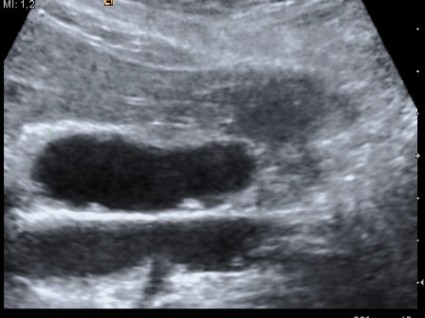
Bile Duct Stones: Adequate Dilation Time Cuts Pancreatitis Risk
When treating choledocholithiasis, a shorter duration of endoscopic papillary balloon dilation increases, rather than decreases, the risk of postprocedure pancreatitis, reported Dr. Wei-Chih Liao and his colleagues in Clinical Gastroenterology and Hepatology.
"This meta-analysis contradicts the common belief that pancreatitis results from direct pancreatic duct compression during balloon dilation, and thus dilation duration should be short," he and his colleagues wrote. On the contrary, "[endoscopic papillary balloon dilation] with an adequate duration (around 5 minutes) has lower complication rates than the current standard of endoscopic sphincterotomy, and may be used as the first-line treatment for bile duct stones."
Dr. Liao, of the National Taiwan University College of Medicine, Taipei, conducted a systematic review of Medline, the Cochrane databases, and clinicaltrials.gov to identify randomized controlled trials of endoscopic papillary balloon dilation (EPBD), endoscopic sphincteroplasty, endoscopic balloon sphincter dilation, and endoscopic balloon dilation. Studies were excluded if dilation duration was not clearly reported.
Overall, 12 studies were included in the analysis: 11 compared EPBD with endoscopic sphincterotomy (EST); 4 compared short-duration EPBD (1 minute or less) with EST; and 7 looked at long-duration EPBD (more than 1 minute) versus EST.
Only one study compared long-duration EPBD with short-duration EPBD, they wrote (Clin. Gastroenterol. Hepatol. 2012 [doi: 10.1016/j.cgh.2012.05.017]).
First, the authors looked at the risk of pancreatitis when comparing EST to short-duration EPBD. They found that the latter had a significantly higher pancreatitis risk, with a pooled odds ratio of 3.87 for developing pancreatitis post procedure, compared with EST (95% confidence interval, 1.08-13.84).
However, long-duration EPBD did not pose a significantly higher risk compared with EST (OR, 1.14; 95% CI, 0.56-2.35).
Similarly, looking at overall complications, the researchers noted a trend toward a higher overall complication rate in short-duration EPBD compared with EST (OR, 1.71; 95% CI, 0.67-4.35). "By contrast, long EPBD seemed to have a lower overall complication rate (pooled OR, 0.61; 95% CI, 0.36-1.04)," wrote the authors.
The researchers also calculated the regression coefficient of dilation duration, and found it to be –0.69, "meaning that every 1-minute increase in dilation duration up to 3 minutes was associated with a 49.8% (95% CI, –9.4% –77.0%) reduction in OR," they wrote.
The finding was similar for overall complications, with every 1-minute increase in dilation duration up to 5 minutes associated with a 45.1% reduction in OR.
In an attempt to explain the findings, Dr. Liao noted that recent evidence suggests that EPBD with dilation duration of 1 minute or less "carries a higher risk of inadequate sphincter loosening, which increases the risks of pancreatitis and failed stone extraction."
"An inadequately loosened sphincter from short-duration EPBD may limit volume expansion of its encircled contents as in a compartment syndrome, thus [worsening] compression of the pancreatic duct from post-EPBD edema and [increasing] pancreatitis risk."
The researchers added that the longest reported EPBD duration is 5 minutes.
"It is unknown whether dilation duration longer than 5 minutes may further reduce pancreatitis risk, but the degree of sphincter loosening can only increase to a certain point. ... Further studies on EPBD with different durations will be helpful to corroborate our findings and determine the optimal duration."
The study was funded by grants from the Royal Society, London; the National Science Council, Taiwan; and the National Taiwan University Hospital, Taipei. The authors stated that they had no individual conflicts to disclose.
Endoscopic papillary balloon dilation (EPBD) using small diameter balloons (less than 10 mm) as an alterative to endoscopic sphincterotomy (ES) for removal of small bile duct stones is not new. Potential advantages of EPBD over ES are avoidance of bleeding and perforation while preserving biliary sphincter function. Potential disadvantages are potential for post-ERCP pancreatitis (PEP) and recurrence of choledocholithiasis, particularly in patients with an intact gallbladder.
Data on EPBD has been accrued from Asian populations, where the short-term and long-term outcomes are favorable, though with a significantly higher but acceptable risk of PEP. Unfortunately, the one randomized study from the U.S. was stopped prematurely due to two deaths from PEP. This has led to divergence in acceptance of EPBD between endoscopists in the East and West leading to the need for ways to reduce PEP after EPBD, including varying the duration of balloon inflation. In the present meta-analysis by Dr. Liao and his colleagues, longer duration of balloon dilation was found to be associated with less PEP than shorter duration. This finding may seem counterintuitive as longer duration would be expected to lead increased edema and obstruction of the pancreatic duct.
One factor not considered was the rapidity of dilation from zero pressure to the maximum. I believe this factor may be more important than duration since it influences shearing stress and force, tearing of tissue and subsequent peripapillary edema. Could it be that rapid inflation was more common when shorter-duration of inflation was performed? In short, the findings of Dr. Liao and his associates might influence the technique of EPBD in the East, but a more important question might be will these findings increase acceptance of EPBD in the West? Perhaps, but other ways to prevent PEP after EPBD, including the use of pancreatic duct stents and rectally administered non-steroidal anti-inflammatory agents, are more likely.
Todd Baron, M.D., is a professor of medicine and director of pancreaticobiliary endoscopy at the Mayo Clinic, Rochester, Minn. He has no relevant disclosures.
Endoscopic papillary balloon dilation (EPBD) using small diameter balloons (less than 10 mm) as an alterative to endoscopic sphincterotomy (ES) for removal of small bile duct stones is not new. Potential advantages of EPBD over ES are avoidance of bleeding and perforation while preserving biliary sphincter function. Potential disadvantages are potential for post-ERCP pancreatitis (PEP) and recurrence of choledocholithiasis, particularly in patients with an intact gallbladder.
Data on EPBD has been accrued from Asian populations, where the short-term and long-term outcomes are favorable, though with a significantly higher but acceptable risk of PEP. Unfortunately, the one randomized study from the U.S. was stopped prematurely due to two deaths from PEP. This has led to divergence in acceptance of EPBD between endoscopists in the East and West leading to the need for ways to reduce PEP after EPBD, including varying the duration of balloon inflation. In the present meta-analysis by Dr. Liao and his colleagues, longer duration of balloon dilation was found to be associated with less PEP than shorter duration. This finding may seem counterintuitive as longer duration would be expected to lead increased edema and obstruction of the pancreatic duct.
One factor not considered was the rapidity of dilation from zero pressure to the maximum. I believe this factor may be more important than duration since it influences shearing stress and force, tearing of tissue and subsequent peripapillary edema. Could it be that rapid inflation was more common when shorter-duration of inflation was performed? In short, the findings of Dr. Liao and his associates might influence the technique of EPBD in the East, but a more important question might be will these findings increase acceptance of EPBD in the West? Perhaps, but other ways to prevent PEP after EPBD, including the use of pancreatic duct stents and rectally administered non-steroidal anti-inflammatory agents, are more likely.
Todd Baron, M.D., is a professor of medicine and director of pancreaticobiliary endoscopy at the Mayo Clinic, Rochester, Minn. He has no relevant disclosures.
Endoscopic papillary balloon dilation (EPBD) using small diameter balloons (less than 10 mm) as an alterative to endoscopic sphincterotomy (ES) for removal of small bile duct stones is not new. Potential advantages of EPBD over ES are avoidance of bleeding and perforation while preserving biliary sphincter function. Potential disadvantages are potential for post-ERCP pancreatitis (PEP) and recurrence of choledocholithiasis, particularly in patients with an intact gallbladder.
Data on EPBD has been accrued from Asian populations, where the short-term and long-term outcomes are favorable, though with a significantly higher but acceptable risk of PEP. Unfortunately, the one randomized study from the U.S. was stopped prematurely due to two deaths from PEP. This has led to divergence in acceptance of EPBD between endoscopists in the East and West leading to the need for ways to reduce PEP after EPBD, including varying the duration of balloon inflation. In the present meta-analysis by Dr. Liao and his colleagues, longer duration of balloon dilation was found to be associated with less PEP than shorter duration. This finding may seem counterintuitive as longer duration would be expected to lead increased edema and obstruction of the pancreatic duct.
One factor not considered was the rapidity of dilation from zero pressure to the maximum. I believe this factor may be more important than duration since it influences shearing stress and force, tearing of tissue and subsequent peripapillary edema. Could it be that rapid inflation was more common when shorter-duration of inflation was performed? In short, the findings of Dr. Liao and his associates might influence the technique of EPBD in the East, but a more important question might be will these findings increase acceptance of EPBD in the West? Perhaps, but other ways to prevent PEP after EPBD, including the use of pancreatic duct stents and rectally administered non-steroidal anti-inflammatory agents, are more likely.
Todd Baron, M.D., is a professor of medicine and director of pancreaticobiliary endoscopy at the Mayo Clinic, Rochester, Minn. He has no relevant disclosures.
When treating choledocholithiasis, a shorter duration of endoscopic papillary balloon dilation increases, rather than decreases, the risk of postprocedure pancreatitis, reported Dr. Wei-Chih Liao and his colleagues in Clinical Gastroenterology and Hepatology.
"This meta-analysis contradicts the common belief that pancreatitis results from direct pancreatic duct compression during balloon dilation, and thus dilation duration should be short," he and his colleagues wrote. On the contrary, "[endoscopic papillary balloon dilation] with an adequate duration (around 5 minutes) has lower complication rates than the current standard of endoscopic sphincterotomy, and may be used as the first-line treatment for bile duct stones."
Dr. Liao, of the National Taiwan University College of Medicine, Taipei, conducted a systematic review of Medline, the Cochrane databases, and clinicaltrials.gov to identify randomized controlled trials of endoscopic papillary balloon dilation (EPBD), endoscopic sphincteroplasty, endoscopic balloon sphincter dilation, and endoscopic balloon dilation. Studies were excluded if dilation duration was not clearly reported.
Overall, 12 studies were included in the analysis: 11 compared EPBD with endoscopic sphincterotomy (EST); 4 compared short-duration EPBD (1 minute or less) with EST; and 7 looked at long-duration EPBD (more than 1 minute) versus EST.
Only one study compared long-duration EPBD with short-duration EPBD, they wrote (Clin. Gastroenterol. Hepatol. 2012 [doi: 10.1016/j.cgh.2012.05.017]).
First, the authors looked at the risk of pancreatitis when comparing EST to short-duration EPBD. They found that the latter had a significantly higher pancreatitis risk, with a pooled odds ratio of 3.87 for developing pancreatitis post procedure, compared with EST (95% confidence interval, 1.08-13.84).
However, long-duration EPBD did not pose a significantly higher risk compared with EST (OR, 1.14; 95% CI, 0.56-2.35).
Similarly, looking at overall complications, the researchers noted a trend toward a higher overall complication rate in short-duration EPBD compared with EST (OR, 1.71; 95% CI, 0.67-4.35). "By contrast, long EPBD seemed to have a lower overall complication rate (pooled OR, 0.61; 95% CI, 0.36-1.04)," wrote the authors.
The researchers also calculated the regression coefficient of dilation duration, and found it to be –0.69, "meaning that every 1-minute increase in dilation duration up to 3 minutes was associated with a 49.8% (95% CI, –9.4% –77.0%) reduction in OR," they wrote.
The finding was similar for overall complications, with every 1-minute increase in dilation duration up to 5 minutes associated with a 45.1% reduction in OR.
In an attempt to explain the findings, Dr. Liao noted that recent evidence suggests that EPBD with dilation duration of 1 minute or less "carries a higher risk of inadequate sphincter loosening, which increases the risks of pancreatitis and failed stone extraction."
"An inadequately loosened sphincter from short-duration EPBD may limit volume expansion of its encircled contents as in a compartment syndrome, thus [worsening] compression of the pancreatic duct from post-EPBD edema and [increasing] pancreatitis risk."
The researchers added that the longest reported EPBD duration is 5 minutes.
"It is unknown whether dilation duration longer than 5 minutes may further reduce pancreatitis risk, but the degree of sphincter loosening can only increase to a certain point. ... Further studies on EPBD with different durations will be helpful to corroborate our findings and determine the optimal duration."
The study was funded by grants from the Royal Society, London; the National Science Council, Taiwan; and the National Taiwan University Hospital, Taipei. The authors stated that they had no individual conflicts to disclose.
When treating choledocholithiasis, a shorter duration of endoscopic papillary balloon dilation increases, rather than decreases, the risk of postprocedure pancreatitis, reported Dr. Wei-Chih Liao and his colleagues in Clinical Gastroenterology and Hepatology.
"This meta-analysis contradicts the common belief that pancreatitis results from direct pancreatic duct compression during balloon dilation, and thus dilation duration should be short," he and his colleagues wrote. On the contrary, "[endoscopic papillary balloon dilation] with an adequate duration (around 5 minutes) has lower complication rates than the current standard of endoscopic sphincterotomy, and may be used as the first-line treatment for bile duct stones."
Dr. Liao, of the National Taiwan University College of Medicine, Taipei, conducted a systematic review of Medline, the Cochrane databases, and clinicaltrials.gov to identify randomized controlled trials of endoscopic papillary balloon dilation (EPBD), endoscopic sphincteroplasty, endoscopic balloon sphincter dilation, and endoscopic balloon dilation. Studies were excluded if dilation duration was not clearly reported.
Overall, 12 studies were included in the analysis: 11 compared EPBD with endoscopic sphincterotomy (EST); 4 compared short-duration EPBD (1 minute or less) with EST; and 7 looked at long-duration EPBD (more than 1 minute) versus EST.
Only one study compared long-duration EPBD with short-duration EPBD, they wrote (Clin. Gastroenterol. Hepatol. 2012 [doi: 10.1016/j.cgh.2012.05.017]).
First, the authors looked at the risk of pancreatitis when comparing EST to short-duration EPBD. They found that the latter had a significantly higher pancreatitis risk, with a pooled odds ratio of 3.87 for developing pancreatitis post procedure, compared with EST (95% confidence interval, 1.08-13.84).
However, long-duration EPBD did not pose a significantly higher risk compared with EST (OR, 1.14; 95% CI, 0.56-2.35).
Similarly, looking at overall complications, the researchers noted a trend toward a higher overall complication rate in short-duration EPBD compared with EST (OR, 1.71; 95% CI, 0.67-4.35). "By contrast, long EPBD seemed to have a lower overall complication rate (pooled OR, 0.61; 95% CI, 0.36-1.04)," wrote the authors.
The researchers also calculated the regression coefficient of dilation duration, and found it to be –0.69, "meaning that every 1-minute increase in dilation duration up to 3 minutes was associated with a 49.8% (95% CI, –9.4% –77.0%) reduction in OR," they wrote.
The finding was similar for overall complications, with every 1-minute increase in dilation duration up to 5 minutes associated with a 45.1% reduction in OR.
In an attempt to explain the findings, Dr. Liao noted that recent evidence suggests that EPBD with dilation duration of 1 minute or less "carries a higher risk of inadequate sphincter loosening, which increases the risks of pancreatitis and failed stone extraction."
"An inadequately loosened sphincter from short-duration EPBD may limit volume expansion of its encircled contents as in a compartment syndrome, thus [worsening] compression of the pancreatic duct from post-EPBD edema and [increasing] pancreatitis risk."
The researchers added that the longest reported EPBD duration is 5 minutes.
"It is unknown whether dilation duration longer than 5 minutes may further reduce pancreatitis risk, but the degree of sphincter loosening can only increase to a certain point. ... Further studies on EPBD with different durations will be helpful to corroborate our findings and determine the optimal duration."
The study was funded by grants from the Royal Society, London; the National Science Council, Taiwan; and the National Taiwan University Hospital, Taipei. The authors stated that they had no individual conflicts to disclose.
FROM CLINICAL GASTROENTEROLOGY AND HEPATOLOGY
Major Finding: Endoscopic papillary balloon dilation for a short duration was associated with a greater risk for pancreatitis post procedure, compared with endoscopic sphincterotomy (odds ratio, 3.87), but longer-duration EPBD was less likely to cause pancreatitis.
Data Source: This study was a meta-analysis of 12 randomized controlled trials.
Disclosures: The study was funded by grants from the Royal Society, London; the National Science Council, Taiwan; and the National Taiwan University Hospital, Taipei. The authors stated that they had no individual conflicts to disclose.