User login
SZC passes extension test for hyperkalemia
Treatment with sodium zirconium cyclosilicate (SZC) led to lasting improvement of hyperkalemia, according to results from an 11-month open-label extension study of the HARMONIZE randomized clinical trial.
SZC selectively binds potassium ions in the colon, reducing absorption and promoting excretion. In the original study, 248 patients with mild hyperkalemia were randomized to SZC or placebo. Within 48 hours, the drug returned potassium to normal and maintained those levels out to 4 weeks.
In the extension study, 123 patients with measured potassium levels of 3.5-6.2 mmol/L, 48 of whom had previously been assigned to placebo, received a 5- to 10-g dose of SZC once per day for up to 337 days. Median daily dose was 10 g, with a dose range of 2.5-15 g (Am J Nephrol. 2019;50[6]:473-480).
Just under 65% of patients completed the 11 months of the open-label extension study, with 88.3% of those achieving the primary endpoint of mean serum potassium levels of 5.1 mmol/L or lower, according to Simon D. Roger, MD, a nephrologist based in Gosford, Australia, and colleagues.
Most patients (83) were taking renin–angiotensin–aldosterone system inhibitors at baseline of the extension study; 78.3% continued a stable dose throughout the open-label phase, 8.4% increased the dose, and 3.6% discontinued.
Two-thirds of patients reported adverse events, most commonly gastrointestinal disorders (18.7%). Constipation was the most frequent (5.7%), followed by nausea, vomiting, and diarrhea (3.3% each).
Adverse events that occurred in 5% or more of participants included hypertension (12.2%), urinary tract infection (8.9%), and peripheral edema (8.1%). Hypertension severity was either mild (46.7%) or moderate (53.3%), and only one case was believed to be associated with the study medication. Thirteen percent of participants reported a total of 17 SMQ edema events. Eleven of the 16 patients had baseline risk factors for edema, leading the authors to conclude that causality between SZC and edema could not be established.
Serious adverse events occurred in 19.5% of participants, and 4.9% of participants discontinued SZC as a result.
SZC is approved for the treatment of hyperkalemia in the United States and Europe. The study was funded by AstraZeneca.
SOURCE: Roger S et al. Am J Nephrol;2019:50(6):473-80.
Treatment with sodium zirconium cyclosilicate (SZC) led to lasting improvement of hyperkalemia, according to results from an 11-month open-label extension study of the HARMONIZE randomized clinical trial.
SZC selectively binds potassium ions in the colon, reducing absorption and promoting excretion. In the original study, 248 patients with mild hyperkalemia were randomized to SZC or placebo. Within 48 hours, the drug returned potassium to normal and maintained those levels out to 4 weeks.
In the extension study, 123 patients with measured potassium levels of 3.5-6.2 mmol/L, 48 of whom had previously been assigned to placebo, received a 5- to 10-g dose of SZC once per day for up to 337 days. Median daily dose was 10 g, with a dose range of 2.5-15 g (Am J Nephrol. 2019;50[6]:473-480).
Just under 65% of patients completed the 11 months of the open-label extension study, with 88.3% of those achieving the primary endpoint of mean serum potassium levels of 5.1 mmol/L or lower, according to Simon D. Roger, MD, a nephrologist based in Gosford, Australia, and colleagues.
Most patients (83) were taking renin–angiotensin–aldosterone system inhibitors at baseline of the extension study; 78.3% continued a stable dose throughout the open-label phase, 8.4% increased the dose, and 3.6% discontinued.
Two-thirds of patients reported adverse events, most commonly gastrointestinal disorders (18.7%). Constipation was the most frequent (5.7%), followed by nausea, vomiting, and diarrhea (3.3% each).
Adverse events that occurred in 5% or more of participants included hypertension (12.2%), urinary tract infection (8.9%), and peripheral edema (8.1%). Hypertension severity was either mild (46.7%) or moderate (53.3%), and only one case was believed to be associated with the study medication. Thirteen percent of participants reported a total of 17 SMQ edema events. Eleven of the 16 patients had baseline risk factors for edema, leading the authors to conclude that causality between SZC and edema could not be established.
Serious adverse events occurred in 19.5% of participants, and 4.9% of participants discontinued SZC as a result.
SZC is approved for the treatment of hyperkalemia in the United States and Europe. The study was funded by AstraZeneca.
SOURCE: Roger S et al. Am J Nephrol;2019:50(6):473-80.
Treatment with sodium zirconium cyclosilicate (SZC) led to lasting improvement of hyperkalemia, according to results from an 11-month open-label extension study of the HARMONIZE randomized clinical trial.
SZC selectively binds potassium ions in the colon, reducing absorption and promoting excretion. In the original study, 248 patients with mild hyperkalemia were randomized to SZC or placebo. Within 48 hours, the drug returned potassium to normal and maintained those levels out to 4 weeks.
In the extension study, 123 patients with measured potassium levels of 3.5-6.2 mmol/L, 48 of whom had previously been assigned to placebo, received a 5- to 10-g dose of SZC once per day for up to 337 days. Median daily dose was 10 g, with a dose range of 2.5-15 g (Am J Nephrol. 2019;50[6]:473-480).
Just under 65% of patients completed the 11 months of the open-label extension study, with 88.3% of those achieving the primary endpoint of mean serum potassium levels of 5.1 mmol/L or lower, according to Simon D. Roger, MD, a nephrologist based in Gosford, Australia, and colleagues.
Most patients (83) were taking renin–angiotensin–aldosterone system inhibitors at baseline of the extension study; 78.3% continued a stable dose throughout the open-label phase, 8.4% increased the dose, and 3.6% discontinued.
Two-thirds of patients reported adverse events, most commonly gastrointestinal disorders (18.7%). Constipation was the most frequent (5.7%), followed by nausea, vomiting, and diarrhea (3.3% each).
Adverse events that occurred in 5% or more of participants included hypertension (12.2%), urinary tract infection (8.9%), and peripheral edema (8.1%). Hypertension severity was either mild (46.7%) or moderate (53.3%), and only one case was believed to be associated with the study medication. Thirteen percent of participants reported a total of 17 SMQ edema events. Eleven of the 16 patients had baseline risk factors for edema, leading the authors to conclude that causality between SZC and edema could not be established.
Serious adverse events occurred in 19.5% of participants, and 4.9% of participants discontinued SZC as a result.
SZC is approved for the treatment of hyperkalemia in the United States and Europe. The study was funded by AstraZeneca.
SOURCE: Roger S et al. Am J Nephrol;2019:50(6):473-80.
FROM AMERICAN JOURNAL OF NEPHROLOGY
Uncertain generalizability limits AFib ablation in HFrEF
Despite several reports of dramatic efficacy and reasonable safety using catheter ablation of atrial fibrillation (AFib) in patients with heart failure, many clinicians, including many heart failure specialists, remain skeptical about whether existing evidence supports using ablation routinely in selected heart failure patients.

Though concerns vary, one core stumbling block is inadequate confidence that the ablation outcomes reported from studies represent the benefit that the average American heart failure patient might expect to receive from ablation done outside of a study. A related issue is whether atrial fibrillation ablation in patients with heart failure is cost effective, especially at sites that did not participate in the published studies.
The first part of this article discussed the building evidence that radiofrequency catheter ablation of atrial fibrillation (AFib) can produce striking reductions in all-cause mortality of nearly 50%, and a greater than one-third cut in cardiovascular hospitalizations in patients with heart failure with reduced ejection fraction (HFrEF), according to one recent meta-analysis (Circ Arrhythm Electrophysiol. 2019 Sep;12[9]:e007414). A key question about the implications of these findings is their generalizability.
“Experience is an issue, and I agree that not every operator should do it. A common perception is that ablation doesn’t work, but that mindset is changing,” said Luigi Di Biase, MD, director of arrhythmia services at Montefiore Medical Center and professor of medicine at Albert Einstein College of Medicine in New York. He noted that some apparent ablations failures happen because the treatment is used too late. “Ablation will fail if it is done too late. Think about using ablation earlier,” he advised. “The earlier you ablate, the earlier you reduce the AFib burden and the sooner the patient benefits. Ablation is a cost-effective, first-line strategy for younger patients with paroxysmal AFib. The unanswered question is whether it is cost effective for patients who have both AFib and heart failure. It may be, because in addition to the mortality benefit, there are likely savings from a lower rate of hospitalizations. A clearer picture should emerge from the cost-effectiveness analysis of CASTLE-AF.”
CASTLE-AF (Catheter Ablation Versus Standard Conventional Therapy in Patients With Left Ventricular Dysfunction and Atrial Fibrillation), which randomized patients with heart failure and AFib to ablation or medical management (N Engl J Med. 2018 Feb 1;378[5]:417-27), is one of the highest-profile studies reported so far showing AFib ablation’s efficacy in patients with heart failure. However, it has drawn skepticism over its generalizability because of its long enrollment period of 8 years despite running at 33 worldwide sites, and by its winnowing of 3,013 patients assessed down to the 398 actually enrolled and 363 randomized and included in the efficacy analysis.

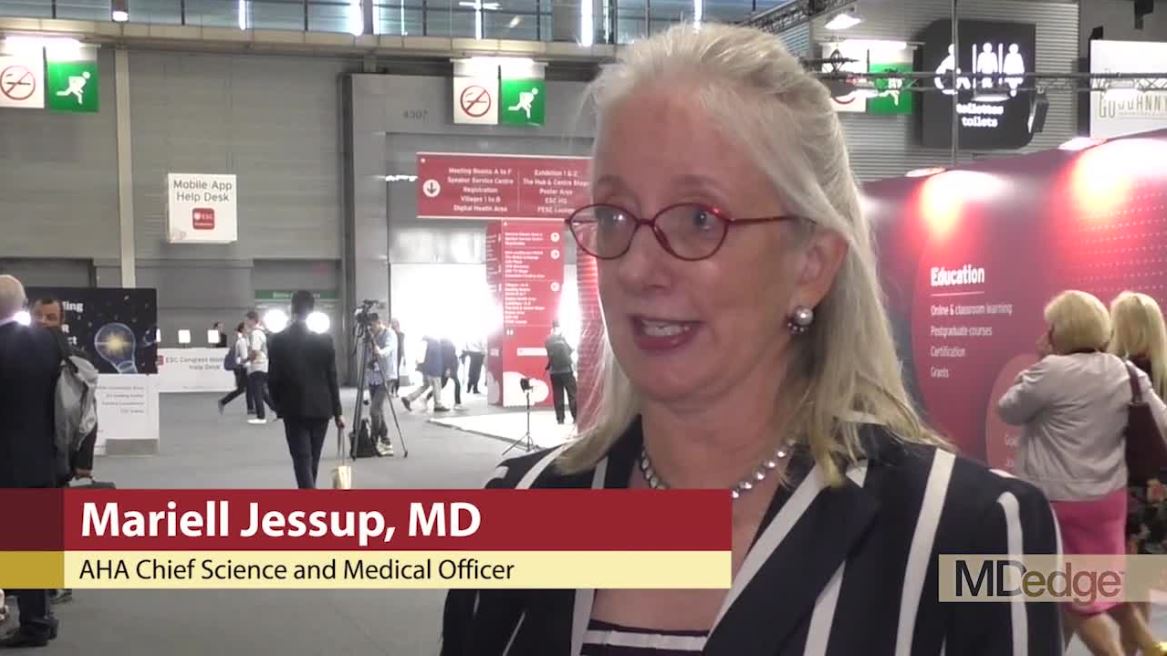
“CASTLE-HF showed a remarkable benefit. The problem was that it took years and years to enroll the patients,” commented Mariell Jessup, MD, a heart failure specialist and chief science and medical officer of the American Heart Association in Dallas.
At the annual congress of the European Society of Cardiology in September 2019, French researchers reported data that supported the generalizability of the CASTLE-AF findings. The study used data collected from 252,395 patients in the French national hospital-discharge database during 2010-2018 who had diagnoses of both heart failure and AFib. Among these patients, 1,384 underwent catheter ablation and the remaining 251,011 were managed without ablation.
During a median follow-up of 537 days (about 1.5 years), the incidence of both all-cause death and heart failure hospitalization were both significantly lower in the ablated patients. The ablated patients were also much younger and were more often men, but both groups had several prevalent comorbidities at roughly similar rates. To better match the groups, the French researchers ran both a multivariate analysis, and then an even more intensively adjusting propensity-score analysis that compared the ablated patients with 1,384 closely matched patients from the nonablated group. Both analyses showed substantial incremental benefit from ablation. In the propensity score–matched analysis, ablation was linked with a relative 66% cut in all-cause death, and a relative 71% reduction in heart failure hospitalizations, compared with the patients who did not undergo ablation, reported Arnaud Bisson, MD, a cardiologist at the University of Tours (France).
Another recent assessment of the generalizability of the AFib ablation trial findings used data from nearly 184,000 U.S. patients treated for AFib during 2009-2016 in an administrative database, including more than 12,000 treated with ablation. This analysis did not take into account the coexistence of heart failure. After propensity-score matching of the ablated patients with a similar subgroup of those managed medically, the results showed a 25% relative cut in the combined primary endpoint used in the CABANA (Catheter Ablation vs. Anti-Arrhythmic Drug Therapy for Atrial Fibrillation Trial) study (JAMA. 2019 Mar 15;321[134]:1261-74). Among the 74% of ablated patients who met the enrollment criteria for CABANA, the primary endpoint reduction was even greater, a 30% drop relative to matched patients who did not undergo ablation (Eur Heart J. 2019 Apr 21;40[16]:1257-64).

“Professional societies are working to clarify best practices for procedural volume, outcomes, etc.,” said Jonathan P. Piccini, MD, a cardiac electrophysiologist at Duke University, Durham, N.C., and a CABANA coinvestigator. “There are some data on ablation cost effectiveness, and they generally favor” positive cost efficacy, with more analyses now in progress,” he noted in an interview.
Many unanswered questions remain about AFib in heart failure patients and how aggressively to use ablation to treat it. Most of the data so far have come from patients with HFrEF, and so most experts consider AFib ablation in patients with heart failure with preserved ejection fraction (HFpEF) a big unknown, although nearly 80% of the heart failure patients enrolled in CABANA (the largest randomized trial of AFib ablation with more than 2,200 patients) had left ventricular ejection fraction of 50% or greater, which translates into HFpEF. Another gray area is how to think about asymptomatic (also called subclinical) AFib and whether that warrants ablation in heart failure patients. The presence or absence of symptoms is a major consideration because the traditional indication for ablation has been to reduce or eliminate symptoms like palpitations, a step that can substantially improve patients’ quality of life as well as their left ventricular function. The indication to ablate asymptomatic AFib for the purpose of improving survival and reducing hospitalizations is the new and controversial concept. Yet it has been embraced by some heart failure physicians.
“Whether or not AFib is symptomatic doesn’t matter” in a heart failure patient, said Maria Rosa Costanzo, MD, a heart failure physician at Edward Heart Hospital in Naperville, Ill. “A patient with AFib doesn’t get the atrial contribution to cardiac output. When we look deeper, a patient with ‘asymptomatic’ AFib often has symptoms, such as new fatigue or obstructive sleep apnea, so when you see a patient with asymptomatic AFib look for sleep apnea, a trigger for AFib,” Dr. Costanzo advised. “Sleep apnea, AFib, and heart failure form a triad” that often clusters in patients, and the three conditions interact in a vicious circle of reinforcing comorbidities, she said in an interview.
The cardiac electrophysiology and arrhythmia community clearly realizes that catheter ablation of AFib, in patients with or without heart failure, has many unaddressed questions about who should administer it and who should undergo it. In March 2019, the National Heart, Lung, and Blood Institute held a workshop on AFib ablation. “Numerous knowledge gaps remain” about the best way to use ablation, said a summary of the workshop (Circulation. 2019 Nov 20;doi: 10.1161/CIRCULATIONAHA.119.042706). Among the research needs highlighted by the workshop was “more definitive studies ... to delineate the impact of AFib ablation on outcomes in patients with heart failure with preserved ejection fraction.” The workshop recommended establishing a national U.S. registry for AFib ablations with a reliable source of funding, as well as “establishing the cause-effect relationship between ventricular dysfunction and AFib, and the potential moderating role of atrial structure and function.” The workshop also raised the possibility of sham-controlled assessments of AFib ablation, while conceding that enrollment into such trials would probably be very challenging.
The upshot is that, even while ablation advocates agree on the need for more study, clinicians are using AFib ablation on a growing number of heart failure patients (as well as on growing numbers of patients with AFib but without heart failure), with a focus on treating those who “have refractory symptoms or evidence of tachycardia-induced cardiomyopathy,” said Dr. Piccini. Extending that to a first-line, class I indication for heart failure patients seems to need more data, and also needs clinicians to collectively raise their comfort level with the ablation concept. If results from additional studies now underway support the dramatic efficacy and reasonable safety that’s already been seen with ablation, then increased comfort should follow.
CABANA received funding from Biosense Webster, Boston Scientific, Medtronic, and St. Jude. CASTLE-AF was funded by Biotronik. Dr. Di Biase, Dr. Jessup, and Dr. Bisson had no disclosures. Dr. Piccini has been a consultant to Allergan, Biotronik, Medtronic, Phillips, and Sanofi Aventis; he has received research funding from Abbott, ARCA, Boston Scientific, Gilead, and Johnson & Johnson; and he had a financial relationship with GlaxoSmithKline. Dr. Costanzo has been a consultant to Abbott.
This is part 2 of a 2-part story. See part 1 here.
Despite several reports of dramatic efficacy and reasonable safety using catheter ablation of atrial fibrillation (AFib) in patients with heart failure, many clinicians, including many heart failure specialists, remain skeptical about whether existing evidence supports using ablation routinely in selected heart failure patients.
Though concerns vary, one core stumbling block is inadequate confidence that the ablation outcomes reported from studies represent the benefit that the average American heart failure patient might expect to receive from ablation done outside of a study. A related issue is whether atrial fibrillation ablation in patients with heart failure is cost effective, especially at sites that did not participate in the published studies.
The first part of this article discussed the building evidence that radiofrequency catheter ablation of atrial fibrillation (AFib) can produce striking reductions in all-cause mortality of nearly 50%, and a greater than one-third cut in cardiovascular hospitalizations in patients with heart failure with reduced ejection fraction (HFrEF), according to one recent meta-analysis (Circ Arrhythm Electrophysiol. 2019 Sep;12[9]:e007414). A key question about the implications of these findings is their generalizability.
“Experience is an issue, and I agree that not every operator should do it. A common perception is that ablation doesn’t work, but that mindset is changing,” said Luigi Di Biase, MD, director of arrhythmia services at Montefiore Medical Center and professor of medicine at Albert Einstein College of Medicine in New York. He noted that some apparent ablations failures happen because the treatment is used too late. “Ablation will fail if it is done too late. Think about using ablation earlier,” he advised. “The earlier you ablate, the earlier you reduce the AFib burden and the sooner the patient benefits. Ablation is a cost-effective, first-line strategy for younger patients with paroxysmal AFib. The unanswered question is whether it is cost effective for patients who have both AFib and heart failure. It may be, because in addition to the mortality benefit, there are likely savings from a lower rate of hospitalizations. A clearer picture should emerge from the cost-effectiveness analysis of CASTLE-AF.”
CASTLE-AF (Catheter Ablation Versus Standard Conventional Therapy in Patients With Left Ventricular Dysfunction and Atrial Fibrillation), which randomized patients with heart failure and AFib to ablation or medical management (N Engl J Med. 2018 Feb 1;378[5]:417-27), is one of the highest-profile studies reported so far showing AFib ablation’s efficacy in patients with heart failure. However, it has drawn skepticism over its generalizability because of its long enrollment period of 8 years despite running at 33 worldwide sites, and by its winnowing of 3,013 patients assessed down to the 398 actually enrolled and 363 randomized and included in the efficacy analysis.
“CASTLE-HF showed a remarkable benefit. The problem was that it took years and years to enroll the patients,” commented Mariell Jessup, MD, a heart failure specialist and chief science and medical officer of the American Heart Association in Dallas.
At the annual congress of the European Society of Cardiology in September 2019, French researchers reported data that supported the generalizability of the CASTLE-AF findings. The study used data collected from 252,395 patients in the French national hospital-discharge database during 2010-2018 who had diagnoses of both heart failure and AFib. Among these patients, 1,384 underwent catheter ablation and the remaining 251,011 were managed without ablation.
During a median follow-up of 537 days (about 1.5 years), the incidence of both all-cause death and heart failure hospitalization were both significantly lower in the ablated patients. The ablated patients were also much younger and were more often men, but both groups had several prevalent comorbidities at roughly similar rates. To better match the groups, the French researchers ran both a multivariate analysis, and then an even more intensively adjusting propensity-score analysis that compared the ablated patients with 1,384 closely matched patients from the nonablated group. Both analyses showed substantial incremental benefit from ablation. In the propensity score–matched analysis, ablation was linked with a relative 66% cut in all-cause death, and a relative 71% reduction in heart failure hospitalizations, compared with the patients who did not undergo ablation, reported Arnaud Bisson, MD, a cardiologist at the University of Tours (France).
Another recent assessment of the generalizability of the AFib ablation trial findings used data from nearly 184,000 U.S. patients treated for AFib during 2009-2016 in an administrative database, including more than 12,000 treated with ablation. This analysis did not take into account the coexistence of heart failure. After propensity-score matching of the ablated patients with a similar subgroup of those managed medically, the results showed a 25% relative cut in the combined primary endpoint used in the CABANA (Catheter Ablation vs. Anti-Arrhythmic Drug Therapy for Atrial Fibrillation Trial) study (JAMA. 2019 Mar 15;321[134]:1261-74). Among the 74% of ablated patients who met the enrollment criteria for CABANA, the primary endpoint reduction was even greater, a 30% drop relative to matched patients who did not undergo ablation (Eur Heart J. 2019 Apr 21;40[16]:1257-64).
“Professional societies are working to clarify best practices for procedural volume, outcomes, etc.,” said Jonathan P. Piccini, MD, a cardiac electrophysiologist at Duke University, Durham, N.C., and a CABANA coinvestigator. “There are some data on ablation cost effectiveness, and they generally favor” positive cost efficacy, with more analyses now in progress,” he noted in an interview.
Many unanswered questions remain about AFib in heart failure patients and how aggressively to use ablation to treat it. Most of the data so far have come from patients with HFrEF, and so most experts consider AFib ablation in patients with heart failure with preserved ejection fraction (HFpEF) a big unknown, although nearly 80% of the heart failure patients enrolled in CABANA (the largest randomized trial of AFib ablation with more than 2,200 patients) had left ventricular ejection fraction of 50% or greater, which translates into HFpEF. Another gray area is how to think about asymptomatic (also called subclinical) AFib and whether that warrants ablation in heart failure patients. The presence or absence of symptoms is a major consideration because the traditional indication for ablation has been to reduce or eliminate symptoms like palpitations, a step that can substantially improve patients’ quality of life as well as their left ventricular function. The indication to ablate asymptomatic AFib for the purpose of improving survival and reducing hospitalizations is the new and controversial concept. Yet it has been embraced by some heart failure physicians.
“Whether or not AFib is symptomatic doesn’t matter” in a heart failure patient, said Maria Rosa Costanzo, MD, a heart failure physician at Edward Heart Hospital in Naperville, Ill. “A patient with AFib doesn’t get the atrial contribution to cardiac output. When we look deeper, a patient with ‘asymptomatic’ AFib often has symptoms, such as new fatigue or obstructive sleep apnea, so when you see a patient with asymptomatic AFib look for sleep apnea, a trigger for AFib,” Dr. Costanzo advised. “Sleep apnea, AFib, and heart failure form a triad” that often clusters in patients, and the three conditions interact in a vicious circle of reinforcing comorbidities, she said in an interview.
The cardiac electrophysiology and arrhythmia community clearly realizes that catheter ablation of AFib, in patients with or without heart failure, has many unaddressed questions about who should administer it and who should undergo it. In March 2019, the National Heart, Lung, and Blood Institute held a workshop on AFib ablation. “Numerous knowledge gaps remain” about the best way to use ablation, said a summary of the workshop (Circulation. 2019 Nov 20;doi: 10.1161/CIRCULATIONAHA.119.042706). Among the research needs highlighted by the workshop was “more definitive studies ... to delineate the impact of AFib ablation on outcomes in patients with heart failure with preserved ejection fraction.” The workshop recommended establishing a national U.S. registry for AFib ablations with a reliable source of funding, as well as “establishing the cause-effect relationship between ventricular dysfunction and AFib, and the potential moderating role of atrial structure and function.” The workshop also raised the possibility of sham-controlled assessments of AFib ablation, while conceding that enrollment into such trials would probably be very challenging.
The upshot is that, even while ablation advocates agree on the need for more study, clinicians are using AFib ablation on a growing number of heart failure patients (as well as on growing numbers of patients with AFib but without heart failure), with a focus on treating those who “have refractory symptoms or evidence of tachycardia-induced cardiomyopathy,” said Dr. Piccini. Extending that to a first-line, class I indication for heart failure patients seems to need more data, and also needs clinicians to collectively raise their comfort level with the ablation concept. If results from additional studies now underway support the dramatic efficacy and reasonable safety that’s already been seen with ablation, then increased comfort should follow.
CABANA received funding from Biosense Webster, Boston Scientific, Medtronic, and St. Jude. CASTLE-AF was funded by Biotronik. Dr. Di Biase, Dr. Jessup, and Dr. Bisson had no disclosures. Dr. Piccini has been a consultant to Allergan, Biotronik, Medtronic, Phillips, and Sanofi Aventis; he has received research funding from Abbott, ARCA, Boston Scientific, Gilead, and Johnson & Johnson; and he had a financial relationship with GlaxoSmithKline. Dr. Costanzo has been a consultant to Abbott.
This is part 2 of a 2-part story. See part 1 here.
Despite several reports of dramatic efficacy and reasonable safety using catheter ablation of atrial fibrillation (AFib) in patients with heart failure, many clinicians, including many heart failure specialists, remain skeptical about whether existing evidence supports using ablation routinely in selected heart failure patients.
Though concerns vary, one core stumbling block is inadequate confidence that the ablation outcomes reported from studies represent the benefit that the average American heart failure patient might expect to receive from ablation done outside of a study. A related issue is whether atrial fibrillation ablation in patients with heart failure is cost effective, especially at sites that did not participate in the published studies.
The first part of this article discussed the building evidence that radiofrequency catheter ablation of atrial fibrillation (AFib) can produce striking reductions in all-cause mortality of nearly 50%, and a greater than one-third cut in cardiovascular hospitalizations in patients with heart failure with reduced ejection fraction (HFrEF), according to one recent meta-analysis (Circ Arrhythm Electrophysiol. 2019 Sep;12[9]:e007414). A key question about the implications of these findings is their generalizability.
“Experience is an issue, and I agree that not every operator should do it. A common perception is that ablation doesn’t work, but that mindset is changing,” said Luigi Di Biase, MD, director of arrhythmia services at Montefiore Medical Center and professor of medicine at Albert Einstein College of Medicine in New York. He noted that some apparent ablations failures happen because the treatment is used too late. “Ablation will fail if it is done too late. Think about using ablation earlier,” he advised. “The earlier you ablate, the earlier you reduce the AFib burden and the sooner the patient benefits. Ablation is a cost-effective, first-line strategy for younger patients with paroxysmal AFib. The unanswered question is whether it is cost effective for patients who have both AFib and heart failure. It may be, because in addition to the mortality benefit, there are likely savings from a lower rate of hospitalizations. A clearer picture should emerge from the cost-effectiveness analysis of CASTLE-AF.”
CASTLE-AF (Catheter Ablation Versus Standard Conventional Therapy in Patients With Left Ventricular Dysfunction and Atrial Fibrillation), which randomized patients with heart failure and AFib to ablation or medical management (N Engl J Med. 2018 Feb 1;378[5]:417-27), is one of the highest-profile studies reported so far showing AFib ablation’s efficacy in patients with heart failure. However, it has drawn skepticism over its generalizability because of its long enrollment period of 8 years despite running at 33 worldwide sites, and by its winnowing of 3,013 patients assessed down to the 398 actually enrolled and 363 randomized and included in the efficacy analysis.
“CASTLE-HF showed a remarkable benefit. The problem was that it took years and years to enroll the patients,” commented Mariell Jessup, MD, a heart failure specialist and chief science and medical officer of the American Heart Association in Dallas.
At the annual congress of the European Society of Cardiology in September 2019, French researchers reported data that supported the generalizability of the CASTLE-AF findings. The study used data collected from 252,395 patients in the French national hospital-discharge database during 2010-2018 who had diagnoses of both heart failure and AFib. Among these patients, 1,384 underwent catheter ablation and the remaining 251,011 were managed without ablation.
During a median follow-up of 537 days (about 1.5 years), the incidence of both all-cause death and heart failure hospitalization were both significantly lower in the ablated patients. The ablated patients were also much younger and were more often men, but both groups had several prevalent comorbidities at roughly similar rates. To better match the groups, the French researchers ran both a multivariate analysis, and then an even more intensively adjusting propensity-score analysis that compared the ablated patients with 1,384 closely matched patients from the nonablated group. Both analyses showed substantial incremental benefit from ablation. In the propensity score–matched analysis, ablation was linked with a relative 66% cut in all-cause death, and a relative 71% reduction in heart failure hospitalizations, compared with the patients who did not undergo ablation, reported Arnaud Bisson, MD, a cardiologist at the University of Tours (France).
Another recent assessment of the generalizability of the AFib ablation trial findings used data from nearly 184,000 U.S. patients treated for AFib during 2009-2016 in an administrative database, including more than 12,000 treated with ablation. This analysis did not take into account the coexistence of heart failure. After propensity-score matching of the ablated patients with a similar subgroup of those managed medically, the results showed a 25% relative cut in the combined primary endpoint used in the CABANA (Catheter Ablation vs. Anti-Arrhythmic Drug Therapy for Atrial Fibrillation Trial) study (JAMA. 2019 Mar 15;321[134]:1261-74). Among the 74% of ablated patients who met the enrollment criteria for CABANA, the primary endpoint reduction was even greater, a 30% drop relative to matched patients who did not undergo ablation (Eur Heart J. 2019 Apr 21;40[16]:1257-64).
“Professional societies are working to clarify best practices for procedural volume, outcomes, etc.,” said Jonathan P. Piccini, MD, a cardiac electrophysiologist at Duke University, Durham, N.C., and a CABANA coinvestigator. “There are some data on ablation cost effectiveness, and they generally favor” positive cost efficacy, with more analyses now in progress,” he noted in an interview.
Many unanswered questions remain about AFib in heart failure patients and how aggressively to use ablation to treat it. Most of the data so far have come from patients with HFrEF, and so most experts consider AFib ablation in patients with heart failure with preserved ejection fraction (HFpEF) a big unknown, although nearly 80% of the heart failure patients enrolled in CABANA (the largest randomized trial of AFib ablation with more than 2,200 patients) had left ventricular ejection fraction of 50% or greater, which translates into HFpEF. Another gray area is how to think about asymptomatic (also called subclinical) AFib and whether that warrants ablation in heart failure patients. The presence or absence of symptoms is a major consideration because the traditional indication for ablation has been to reduce or eliminate symptoms like palpitations, a step that can substantially improve patients’ quality of life as well as their left ventricular function. The indication to ablate asymptomatic AFib for the purpose of improving survival and reducing hospitalizations is the new and controversial concept. Yet it has been embraced by some heart failure physicians.
“Whether or not AFib is symptomatic doesn’t matter” in a heart failure patient, said Maria Rosa Costanzo, MD, a heart failure physician at Edward Heart Hospital in Naperville, Ill. “A patient with AFib doesn’t get the atrial contribution to cardiac output. When we look deeper, a patient with ‘asymptomatic’ AFib often has symptoms, such as new fatigue or obstructive sleep apnea, so when you see a patient with asymptomatic AFib look for sleep apnea, a trigger for AFib,” Dr. Costanzo advised. “Sleep apnea, AFib, and heart failure form a triad” that often clusters in patients, and the three conditions interact in a vicious circle of reinforcing comorbidities, she said in an interview.
The cardiac electrophysiology and arrhythmia community clearly realizes that catheter ablation of AFib, in patients with or without heart failure, has many unaddressed questions about who should administer it and who should undergo it. In March 2019, the National Heart, Lung, and Blood Institute held a workshop on AFib ablation. “Numerous knowledge gaps remain” about the best way to use ablation, said a summary of the workshop (Circulation. 2019 Nov 20;doi: 10.1161/CIRCULATIONAHA.119.042706). Among the research needs highlighted by the workshop was “more definitive studies ... to delineate the impact of AFib ablation on outcomes in patients with heart failure with preserved ejection fraction.” The workshop recommended establishing a national U.S. registry for AFib ablations with a reliable source of funding, as well as “establishing the cause-effect relationship between ventricular dysfunction and AFib, and the potential moderating role of atrial structure and function.” The workshop also raised the possibility of sham-controlled assessments of AFib ablation, while conceding that enrollment into such trials would probably be very challenging.
The upshot is that, even while ablation advocates agree on the need for more study, clinicians are using AFib ablation on a growing number of heart failure patients (as well as on growing numbers of patients with AFib but without heart failure), with a focus on treating those who “have refractory symptoms or evidence of tachycardia-induced cardiomyopathy,” said Dr. Piccini. Extending that to a first-line, class I indication for heart failure patients seems to need more data, and also needs clinicians to collectively raise their comfort level with the ablation concept. If results from additional studies now underway support the dramatic efficacy and reasonable safety that’s already been seen with ablation, then increased comfort should follow.
CABANA received funding from Biosense Webster, Boston Scientific, Medtronic, and St. Jude. CASTLE-AF was funded by Biotronik. Dr. Di Biase, Dr. Jessup, and Dr. Bisson had no disclosures. Dr. Piccini has been a consultant to Allergan, Biotronik, Medtronic, Phillips, and Sanofi Aventis; he has received research funding from Abbott, ARCA, Boston Scientific, Gilead, and Johnson & Johnson; and he had a financial relationship with GlaxoSmithKline. Dr. Costanzo has been a consultant to Abbott.
This is part 2 of a 2-part story. See part 1 here.
New heart failure trial data presage guideline revisions
PHILADELPHIA – The definition and treatment of heart failure with reduced ejection fraction should change based on recent findings and analyses from major trials, said a key heart failure leader at the American Heart Association scientific sessions.

The people charged with writing U.S. guidelines for heart failure management already have enough evidence to change the recommended way of using sacubitril/valsartan (Entresto) in patients with heart failure with reduced ejection fraction (HFrEF), said Clyde W. Yancy, MD, professor of medicine and chief of cardiology at Northwestern University, Chicago. Accumulated evidence from studies and more than 5 years of experience in routine practice with the angiotensin receptor neprilysin inhibitor (ARNI) combination sacubitril/valsartan for treating HFrEF patients justifies striking the existing recommendation to first start patients on an ACE inhibitor or angiotensin receptor blocker and only after that switching to sacubitril/valsartan, a sequence that has rankled some clinicians as an unnecessary delay and barrier to starting patients on the ARNI regimen.
U.S. guidelines should now suggest that ARNI treatment start immediately, suggested Dr. Yancy, who chaired the AHA/American College of Cardiology panel that updated U.S. guidelines for heart failure management in 2013 (Circulation. 2013 Oct 15;128[16]:e240-327), 2016 (J Am Coll Cardiol. 2016 Sep;68[13]:1476-88), and 2017 (Circulation. 2017 Aug 8; 136[6]:e137-61).
Expanding the heart failure group for sacubitril/valsartan
Dr. Yancy also proposed a second major and immediate change to the existing heart failure guideline based on a new appreciation of a heart failure population that could benefit from ARNI treatment: patients with “mid-range” heart failure, defined by a left ventricular ejection fraction (LVEF) of 41%-49% that places them between patients with HFrEF with an ejection fraction of 40% or less, and those with heart failure with preserved ejection fraction (HFpEF) of 50% or more. As yet unchanged in the 2013 AHA/ACC heart failure guideline is the proposition that patients with heart failure and an ejection fraction of 41%-49% have “borderline” heart failure with characteristics, treatment patterns, and outcomes “similar to patients with HFpEF.”
That premise should now go out the window, urged Dr. Yancy, based on a new analysis of data collected from both the recent PARAGON-HF trial of sacubitril/valsartan in patients with HFpEF and ejection fractions of 45% or higher (N Engl J Med. 2019 Oct 24;381[17]:1609-20) and the landmark PARADIGM-HF trial that established sacubitril/valsartan as a treatment for patients with HFrEF (N Engl J Med. 2014 Sep 11;371[11]:993-1004). A combined analysis of the more than 13,000 total patients in both studies suggested that “patients with ejection fraction lower than normal, which includes those with so-called heart failure with mid-range ejection fraction or borderline ejection fraction, would likely benefit from sacubitril/valsartan, compared with RAS inhibition,” concluded the authors of the new analysis (Circulation. 2019 Nov 17. doi: 10.1161/CIRCULATIONAHA.119.044586).
Dr. Yancy argued that, based on this new analysis, a further revision to the 2013 guideline should say that patients with heart failure with a LVEF of 41%-49% have characteristics, treatment responses, and outcomes that “appear similar to those of patient with HFrEF,” a sharp departure from the existing text that lumps these patients with the HFpEF subgroup. “There appears to be a signal that extends the benefit of ARNI to patients with ejection fractions above the current threshold for HFrEF but below what is typically HFpEF,” he said.
Bringing SGLT2 inhibitors into heart failure management
Dr. Yancy also cited recently reported data from another landmark trial, DAPA-HF (Dapagliflozin and Prevention of Adverse Outcomes in Heart Failure), as an impetus for both another immediate change to the guideline and for a potential second change pending a report of confirmatory evidence that may arrive in 2020.
The DAPA-HF results showed that the sodium-glucose cotransporter 2 (SGLT2) inhibitor dapagliflozin (Farxiga) was just as effective for preventing all-cause death and heart failure hospitalizations and urgent visits in patients without type 2 diabetes as it is in patients with type 2 diabetes (N Engl J Med. 2019 Nov 21;381[21]:1995-2008), a remarkable finding for an agent that came onto the U.S. market as a diabetes drug specifically aimed at reducing levels of glycosylated hemoglobin.
Dr. Yancy proposed an immediate guideline change to acknowledge the proven protection against incident heart failure that treatment with a SGLT2 inhibitor gives patients with type 2 diabetes. There is now “a strong opportunity to use an SGLT2 inhibitor in patients with type 2 diabetes to reduce the incidence of heart failure,” he said.
And he added that, if results from EMPEROR REDUCED (Empagliflozin Outcome Trial in Patients With Chronic Heart Failure With Reduced Ejection Fraction), studying the SGLT2 inhibitor empagliflozin (Jardiance) in HFrEF patients with and without type 2 diabetes, can confirm the efficacy of a second drug from this class in preventing heart failure events in patients with HFrEF but without diabetes, then the time will have arrived for another guideline change to establish the SGLT2 inhibitors as a new “foundational” drug for the management of all HFrEF patients, regardless of their level of glycemic control. The SGLT2 inhibitors are a particularly attractive additional drug because they are taken once daily orally with no need for dosage adjustment, so far they have shown excellent safety in patients without diabetes with no episodes of hypoglycemia or ketoacidosis, and they have even shown evidence for heart failure benefit in patients older than 75 years, Dr. Yancy noted.
Dr. Yancy had no relevant disclosures.
PHILADELPHIA – The definition and treatment of heart failure with reduced ejection fraction should change based on recent findings and analyses from major trials, said a key heart failure leader at the American Heart Association scientific sessions.
The people charged with writing U.S. guidelines for heart failure management already have enough evidence to change the recommended way of using sacubitril/valsartan (Entresto) in patients with heart failure with reduced ejection fraction (HFrEF), said Clyde W. Yancy, MD, professor of medicine and chief of cardiology at Northwestern University, Chicago. Accumulated evidence from studies and more than 5 years of experience in routine practice with the angiotensin receptor neprilysin inhibitor (ARNI) combination sacubitril/valsartan for treating HFrEF patients justifies striking the existing recommendation to first start patients on an ACE inhibitor or angiotensin receptor blocker and only after that switching to sacubitril/valsartan, a sequence that has rankled some clinicians as an unnecessary delay and barrier to starting patients on the ARNI regimen.
U.S. guidelines should now suggest that ARNI treatment start immediately, suggested Dr. Yancy, who chaired the AHA/American College of Cardiology panel that updated U.S. guidelines for heart failure management in 2013 (Circulation. 2013 Oct 15;128[16]:e240-327), 2016 (J Am Coll Cardiol. 2016 Sep;68[13]:1476-88), and 2017 (Circulation. 2017 Aug 8; 136[6]:e137-61).
Expanding the heart failure group for sacubitril/valsartan
Dr. Yancy also proposed a second major and immediate change to the existing heart failure guideline based on a new appreciation of a heart failure population that could benefit from ARNI treatment: patients with “mid-range” heart failure, defined by a left ventricular ejection fraction (LVEF) of 41%-49% that places them between patients with HFrEF with an ejection fraction of 40% or less, and those with heart failure with preserved ejection fraction (HFpEF) of 50% or more. As yet unchanged in the 2013 AHA/ACC heart failure guideline is the proposition that patients with heart failure and an ejection fraction of 41%-49% have “borderline” heart failure with characteristics, treatment patterns, and outcomes “similar to patients with HFpEF.”
That premise should now go out the window, urged Dr. Yancy, based on a new analysis of data collected from both the recent PARAGON-HF trial of sacubitril/valsartan in patients with HFpEF and ejection fractions of 45% or higher (N Engl J Med. 2019 Oct 24;381[17]:1609-20) and the landmark PARADIGM-HF trial that established sacubitril/valsartan as a treatment for patients with HFrEF (N Engl J Med. 2014 Sep 11;371[11]:993-1004). A combined analysis of the more than 13,000 total patients in both studies suggested that “patients with ejection fraction lower than normal, which includes those with so-called heart failure with mid-range ejection fraction or borderline ejection fraction, would likely benefit from sacubitril/valsartan, compared with RAS inhibition,” concluded the authors of the new analysis (Circulation. 2019 Nov 17. doi: 10.1161/CIRCULATIONAHA.119.044586).
Dr. Yancy argued that, based on this new analysis, a further revision to the 2013 guideline should say that patients with heart failure with a LVEF of 41%-49% have characteristics, treatment responses, and outcomes that “appear similar to those of patient with HFrEF,” a sharp departure from the existing text that lumps these patients with the HFpEF subgroup. “There appears to be a signal that extends the benefit of ARNI to patients with ejection fractions above the current threshold for HFrEF but below what is typically HFpEF,” he said.
Bringing SGLT2 inhibitors into heart failure management
Dr. Yancy also cited recently reported data from another landmark trial, DAPA-HF (Dapagliflozin and Prevention of Adverse Outcomes in Heart Failure), as an impetus for both another immediate change to the guideline and for a potential second change pending a report of confirmatory evidence that may arrive in 2020.
The DAPA-HF results showed that the sodium-glucose cotransporter 2 (SGLT2) inhibitor dapagliflozin (Farxiga) was just as effective for preventing all-cause death and heart failure hospitalizations and urgent visits in patients without type 2 diabetes as it is in patients with type 2 diabetes (N Engl J Med. 2019 Nov 21;381[21]:1995-2008), a remarkable finding for an agent that came onto the U.S. market as a diabetes drug specifically aimed at reducing levels of glycosylated hemoglobin.
Dr. Yancy proposed an immediate guideline change to acknowledge the proven protection against incident heart failure that treatment with a SGLT2 inhibitor gives patients with type 2 diabetes. There is now “a strong opportunity to use an SGLT2 inhibitor in patients with type 2 diabetes to reduce the incidence of heart failure,” he said.
And he added that, if results from EMPEROR REDUCED (Empagliflozin Outcome Trial in Patients With Chronic Heart Failure With Reduced Ejection Fraction), studying the SGLT2 inhibitor empagliflozin (Jardiance) in HFrEF patients with and without type 2 diabetes, can confirm the efficacy of a second drug from this class in preventing heart failure events in patients with HFrEF but without diabetes, then the time will have arrived for another guideline change to establish the SGLT2 inhibitors as a new “foundational” drug for the management of all HFrEF patients, regardless of their level of glycemic control. The SGLT2 inhibitors are a particularly attractive additional drug because they are taken once daily orally with no need for dosage adjustment, so far they have shown excellent safety in patients without diabetes with no episodes of hypoglycemia or ketoacidosis, and they have even shown evidence for heart failure benefit in patients older than 75 years, Dr. Yancy noted.
Dr. Yancy had no relevant disclosures.
PHILADELPHIA – The definition and treatment of heart failure with reduced ejection fraction should change based on recent findings and analyses from major trials, said a key heart failure leader at the American Heart Association scientific sessions.
The people charged with writing U.S. guidelines for heart failure management already have enough evidence to change the recommended way of using sacubitril/valsartan (Entresto) in patients with heart failure with reduced ejection fraction (HFrEF), said Clyde W. Yancy, MD, professor of medicine and chief of cardiology at Northwestern University, Chicago. Accumulated evidence from studies and more than 5 years of experience in routine practice with the angiotensin receptor neprilysin inhibitor (ARNI) combination sacubitril/valsartan for treating HFrEF patients justifies striking the existing recommendation to first start patients on an ACE inhibitor or angiotensin receptor blocker and only after that switching to sacubitril/valsartan, a sequence that has rankled some clinicians as an unnecessary delay and barrier to starting patients on the ARNI regimen.
U.S. guidelines should now suggest that ARNI treatment start immediately, suggested Dr. Yancy, who chaired the AHA/American College of Cardiology panel that updated U.S. guidelines for heart failure management in 2013 (Circulation. 2013 Oct 15;128[16]:e240-327), 2016 (J Am Coll Cardiol. 2016 Sep;68[13]:1476-88), and 2017 (Circulation. 2017 Aug 8; 136[6]:e137-61).
Expanding the heart failure group for sacubitril/valsartan
Dr. Yancy also proposed a second major and immediate change to the existing heart failure guideline based on a new appreciation of a heart failure population that could benefit from ARNI treatment: patients with “mid-range” heart failure, defined by a left ventricular ejection fraction (LVEF) of 41%-49% that places them between patients with HFrEF with an ejection fraction of 40% or less, and those with heart failure with preserved ejection fraction (HFpEF) of 50% or more. As yet unchanged in the 2013 AHA/ACC heart failure guideline is the proposition that patients with heart failure and an ejection fraction of 41%-49% have “borderline” heart failure with characteristics, treatment patterns, and outcomes “similar to patients with HFpEF.”
That premise should now go out the window, urged Dr. Yancy, based on a new analysis of data collected from both the recent PARAGON-HF trial of sacubitril/valsartan in patients with HFpEF and ejection fractions of 45% or higher (N Engl J Med. 2019 Oct 24;381[17]:1609-20) and the landmark PARADIGM-HF trial that established sacubitril/valsartan as a treatment for patients with HFrEF (N Engl J Med. 2014 Sep 11;371[11]:993-1004). A combined analysis of the more than 13,000 total patients in both studies suggested that “patients with ejection fraction lower than normal, which includes those with so-called heart failure with mid-range ejection fraction or borderline ejection fraction, would likely benefit from sacubitril/valsartan, compared with RAS inhibition,” concluded the authors of the new analysis (Circulation. 2019 Nov 17. doi: 10.1161/CIRCULATIONAHA.119.044586).
Dr. Yancy argued that, based on this new analysis, a further revision to the 2013 guideline should say that patients with heart failure with a LVEF of 41%-49% have characteristics, treatment responses, and outcomes that “appear similar to those of patient with HFrEF,” a sharp departure from the existing text that lumps these patients with the HFpEF subgroup. “There appears to be a signal that extends the benefit of ARNI to patients with ejection fractions above the current threshold for HFrEF but below what is typically HFpEF,” he said.
Bringing SGLT2 inhibitors into heart failure management
Dr. Yancy also cited recently reported data from another landmark trial, DAPA-HF (Dapagliflozin and Prevention of Adverse Outcomes in Heart Failure), as an impetus for both another immediate change to the guideline and for a potential second change pending a report of confirmatory evidence that may arrive in 2020.
The DAPA-HF results showed that the sodium-glucose cotransporter 2 (SGLT2) inhibitor dapagliflozin (Farxiga) was just as effective for preventing all-cause death and heart failure hospitalizations and urgent visits in patients without type 2 diabetes as it is in patients with type 2 diabetes (N Engl J Med. 2019 Nov 21;381[21]:1995-2008), a remarkable finding for an agent that came onto the U.S. market as a diabetes drug specifically aimed at reducing levels of glycosylated hemoglobin.
Dr. Yancy proposed an immediate guideline change to acknowledge the proven protection against incident heart failure that treatment with a SGLT2 inhibitor gives patients with type 2 diabetes. There is now “a strong opportunity to use an SGLT2 inhibitor in patients with type 2 diabetes to reduce the incidence of heart failure,” he said.
And he added that, if results from EMPEROR REDUCED (Empagliflozin Outcome Trial in Patients With Chronic Heart Failure With Reduced Ejection Fraction), studying the SGLT2 inhibitor empagliflozin (Jardiance) in HFrEF patients with and without type 2 diabetes, can confirm the efficacy of a second drug from this class in preventing heart failure events in patients with HFrEF but without diabetes, then the time will have arrived for another guideline change to establish the SGLT2 inhibitors as a new “foundational” drug for the management of all HFrEF patients, regardless of their level of glycemic control. The SGLT2 inhibitors are a particularly attractive additional drug because they are taken once daily orally with no need for dosage adjustment, so far they have shown excellent safety in patients without diabetes with no episodes of hypoglycemia or ketoacidosis, and they have even shown evidence for heart failure benefit in patients older than 75 years, Dr. Yancy noted.
Dr. Yancy had no relevant disclosures.
EXPERT ANALYSIS FROM AHA 2019
DAPA-HF: Dapagliflozin benefits regardless of age, HF severity
PHILADELPHIA – The substantial benefits from adding dapagliflozin to guideline-directed medical therapy for patients with heart failure with reduced ejection fraction enrolled in the DAPA-HF trial applied to patients regardless of their age or baseline health status, a pair of new post hoc analyses suggest.
These findings emerged a day after a report that more fully delineated dapagliflozin’s consistent safety and efficacy in patients with heart failure with reduced ejection fraction (HFrEF) regardless of whether they also had type 2 diabetes. One of the new, post hoc analyses reported at the American Heart Association scientific sessions suggested that even the most elderly enrolled patients, 75 years and older, had a similar cut in mortality and acute heart failure exacerbations, compared with younger patients. A second post hoc analysis indicated that patients with severe heart failure symptoms at entry into the trial received about as much benefit from the addition of dapagliflozin as did patients with mild baseline symptoms, measured by the Kansas City Cardiomyopathy Questionnaire (KCCQ).
The primary results from the DAPA-HF (Dapagliflozin and Prevention of Adverse Outcomes in Heart Failure) trial, first reported in August 2019, showed that among more than 4,700 patients with HFrEF randomized to receive the sodium-glucose cotransporter 2 (SGLT2) inhibitor dapagliflozin (Farxiga) on top of standard HFrEF medications or placebo, those who received dapagliflozin had a statistically significant, 26% decrease in their incidence of the primary study endpoint over a median 18 months, regardless of diabetes status (N Engl J Med. 2019 Nov 21;381[21]:1995-2008).
“These benefits were entirely consistent across the range of ages studied,” extending from patients younger than 55 years to those older than 75 years, John McMurray, MD, said at the meeting. “In many parts of the world, particularly North America and Western Europe, we have an increasingly elderly population. Many patients with heart failure are much older than in clinical trials,” he said.
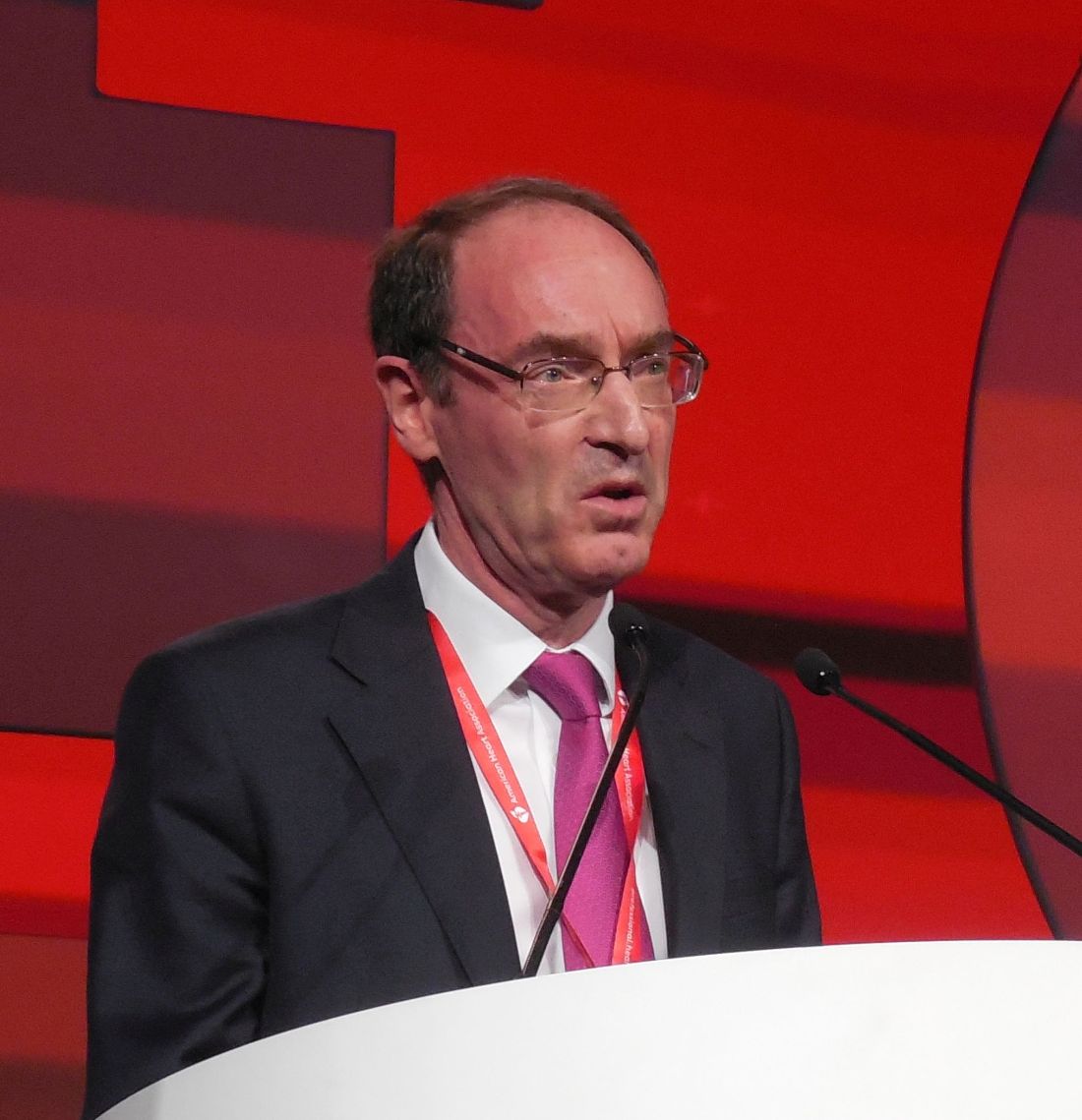
“The thing of concern is whether elderly patients get as much benefit and tolerate treatment as well as younger patients,” said Dr. McMurray, professor of medical cardiology at the University of Glasgow.
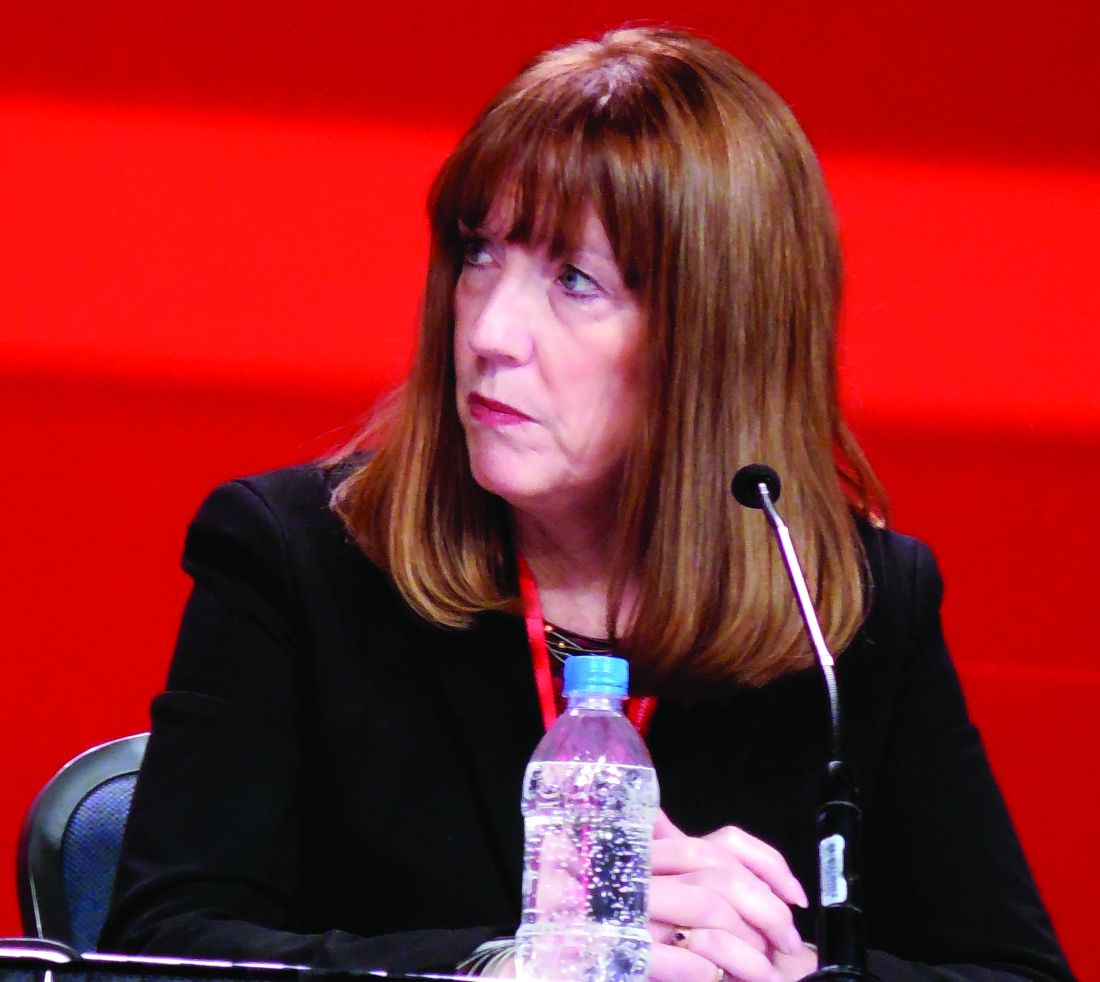
“Dapagliflozin worked across all ages, including some very elderly patients enrolled in the trial,” said Mary Norine Walsh, MD, medical director of the heart failure and transplant program at St. Vincent Heart Center of Indiana in Indianapolis. “Many trials have not looked at age like this. I hope this is a new way to analyze trials to produce more information that can help patients,” she said in an interview.
Quality-of-life outcomes
The other new, post hoc analysis showed that patients with severe HF symptoms at entry into the trial received about as much benefit from the addition of dapagliflozin as did patients with milder baseline symptoms and less impaired function, measured by the KCCQ. Dapagliflozin treatment “improved cardiovascular death and worsening heart failure to a similar extent across the entire range of KCCQ at baseline,” Mikhail N. Kosiborod, MD, said in a separate talk at the meeting. In addition, dapagliflozin treatment increased the rate of small, moderate, and large clinically meaningful improvements in patients’ KCCQ scores across all key domains of the metric, which scores symptom frequency and severity, physical and social limitations, and quality of life, said Dr. Kosiborod, a cardiologist and professor of medicine at the University of Missouri–Kansas City.
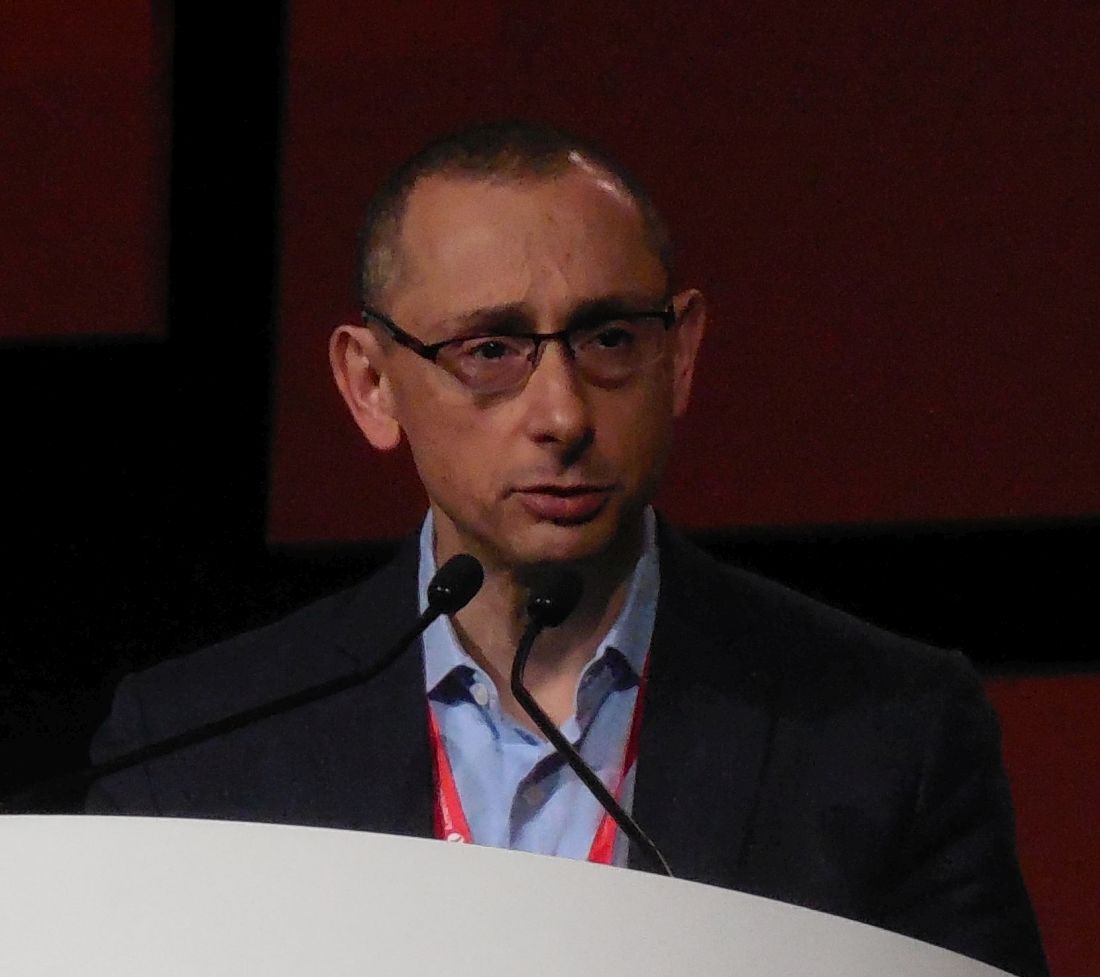
After the first 8 months of treatment in the DAPA-HF trial, 58% of the 2,373 patients who received dapagliflozin had a clinically meaningful improvement in their total KCCQ symptom score of at least 5 points, compared with a 51% rate in the 2,371 patients in the control arm, a statistically significant difference. This meant that the number needed to treat with dapagliflozin was 14 patients to produce one additional patient with at least a 5-point KCCQ improvement compared with controls, a “very small” number needed to treat, Dr. Kosiborod said in an interview.
Addition of the KCCQ to the panel of assessments that patients underwent during DAPA-HF reflected an evolved approach to measuring efficacy outcomes in clinical trials by including patient-reported outcomes. Earlier in 2019, the Food and Drug Administration released draft guidance for heart failure drug development that explicitly called for efficacy endpoints in pivotal studies that measure how patients feel and function, and stating that these endpoints can be the basis for new drug approvals.
“To many patients, how they feel matters as much if not more than how long they live,” Dr. Kosiborod noted. The goals of heart failure treatments are not only to extend survival and reduced hospitalizations, but also to improve symptoms, function, and quality of life, he said.
“There is a lot of interest now in having outcomes in heart failure trials that are more meaningful to patients, like feeling better and being able to do more,” noted Dr. Walsh.
The DAPA-HF results also showed that patients had similar rates of reduction in death, heart failure hospitalization, or urgent clinical visits, regardless of how severely they were affected by their heart failure when they began dapagliflozin treatment. The researchers ran an analysis that divided the entire trial population into tertiles based on their KCCQ score on entering the study. Patients in the most severely-affected tertile had a 30% cut in their rate of death or acute heart failure exacerbation on dapagliflozin compared with placebo, while patients in the tertile with the mildest symptoms at baseline had a 38% reduction in their primary outcome incidence compared with controls who received placebo. Concurrently with Dr. Kosiborod’s report, the results appeared in an article online (Circulation. 2019 Nov 17. doi: 10.1161/CIRCULATIONAHA.119.044138).
Outcomes by age
Not surprisingly in DAPA-HF, the older patients were, the sicker, Dr. McMurray observed. Of the study’s 1,149 patients (24% of the study cohort) who were at least 75 years old, 62% had chronic kidney disease, compared with a 14% prevalence among the 636 patients younger than age 55. The 75-and-older group showed a steeper, 32% decline in incidence of the primary endpoint – a composite of cardiovascular (CV) death, HF hospitalization, or urgent HF visit requiring intravenous therapy – than in the other studied age groups: a 24% decline in those 65-74 years old, a 29% cut in those 55-64 years old, and a 13% drop in patients younger than 55 years old.
In addition, patients aged 75 years or greater were just as likely as the overall group to show at least a 5-point improvement in their KCCQ Total Symptom Score on dapagliflozin, as well as about the same reduced rate of deterioration compared with placebo as tracked with the KCCQ.
Patients “got as much benefit in terms of symptoms as well as morbidity and mortality,” Dr. McMurray concluded. Concurrently with the meeting report the results appeared in an article online (Circulation. 2019 Nov 17. doi: 10.1161/CIRCULATIONAHA.119.044133).
“These data are of critical importance, as improving patient-reported outcomes in heart failure, especially in highly symptomatic patients, is an important goal in drug development,” G. Michael Felker, MD, wrote in an editorial accompanying the two published analyses (Circulation. 2019 Nov 17. doi: 10.1161/CIRCULATIONAHA.119.044578). These new analyses also highlight another attractive feature of dapagliflozin and, apparently, the entire class of SGLT2 inhibitors: They “ ‘play well with others’ when it comes to overlapping intolerances that often limit (either in reality or in perception) optimization of GDMT [guideline-directed medical therapy]. Although SGLT2 inhibitor therapy may lead to volume depletion and require adjustment of diuretics, the SGLT2 inhibitors generally lack some of the other dose-limiting adverse effects (such as renal dysfunction, hyperkalemia, and hypotension) that can make aggressive up-titration of GDMT problematic, particularly in older patients or those with more advanced disease,“ wrote Dr. Felker, professor of medicine at Duke University in Durham, N.C. “We stand at the beginning of a new era of ‘quadruple therapy’ for HFrEF with beta-blockers, an angiotensin receptor neprilysin inhibitor, mineralocorticoid receptor antagonists, and SGLT2 inhibitors,” he concluded.
A version of this article also appears on Medscape.com
In DAPA-HF, treatment with dapagliflozin met the three critical goals of heart failure management. When used on top of current guideline-directed medical therapy, the treatment reduced mortality, cut hospitalizations, and improved heart failure–related health status – all to a similar extent regardless of patients’ age or symptom severity at entry. These new, post hoc findings provide important, additional data supporting inhibition of sodium-glucose cotransporter (SGLT) 2 with dapagliflozin as the newest foundational pillar of treatment for heart failure with reduced ejection fraction (HFrEF).

The results of the analysis by baseline symptoms severity as measured by the Kansas City Cardiomyopathy Questionnaire (KCCQ) showed similar treatment effects from dapagliflozin regardless of a patient’s baseline KCCQ score, suggesting that the prior report of a blunted effect of dapagliflozin in patients classified at baseline as being in New York Heart Association functional class III or IV compared with class I and II patients was likely a chance finding.
Both the analyses by age and by KCCQ scores were limited by their post hoc status using data collected in a single study. No evidence addresses whether these are class effects for all drugs in the SGLT2-inhibitor class, whether these findings from DAPA-HF are generalizable to real world practice, or whether treatment with dapagliflozin would have similar effects on outcomes if it had been used more often in combination with sacubitril/valsartan. In DAPA-HF, 11% of patients also received sacubitril/valsartan even though existing management guidelines recommend sacubitril/valsartan as the preferred agent for inhibiting the renin-angiotensin system.
It’s also unclear whether patient-reported outcomes such as those measured by the KCCQ will help in sequencing the introduction of drugs for HFrEF patients, or drug selection by patients, providers, payers, and in guidelines.
Carolyn S.P. Lam, MD, is professor of medicine at Duke-National University of Singapore. She has been a consultant to and has received research funding from AstraZeneca and several other companies. She made these comments as designated discussant for the two reports.
In DAPA-HF, treatment with dapagliflozin met the three critical goals of heart failure management. When used on top of current guideline-directed medical therapy, the treatment reduced mortality, cut hospitalizations, and improved heart failure–related health status – all to a similar extent regardless of patients’ age or symptom severity at entry. These new, post hoc findings provide important, additional data supporting inhibition of sodium-glucose cotransporter (SGLT) 2 with dapagliflozin as the newest foundational pillar of treatment for heart failure with reduced ejection fraction (HFrEF).
The results of the analysis by baseline symptoms severity as measured by the Kansas City Cardiomyopathy Questionnaire (KCCQ) showed similar treatment effects from dapagliflozin regardless of a patient’s baseline KCCQ score, suggesting that the prior report of a blunted effect of dapagliflozin in patients classified at baseline as being in New York Heart Association functional class III or IV compared with class I and II patients was likely a chance finding.
Both the analyses by age and by KCCQ scores were limited by their post hoc status using data collected in a single study. No evidence addresses whether these are class effects for all drugs in the SGLT2-inhibitor class, whether these findings from DAPA-HF are generalizable to real world practice, or whether treatment with dapagliflozin would have similar effects on outcomes if it had been used more often in combination with sacubitril/valsartan. In DAPA-HF, 11% of patients also received sacubitril/valsartan even though existing management guidelines recommend sacubitril/valsartan as the preferred agent for inhibiting the renin-angiotensin system.
It’s also unclear whether patient-reported outcomes such as those measured by the KCCQ will help in sequencing the introduction of drugs for HFrEF patients, or drug selection by patients, providers, payers, and in guidelines.
Carolyn S.P. Lam, MD, is professor of medicine at Duke-National University of Singapore. She has been a consultant to and has received research funding from AstraZeneca and several other companies. She made these comments as designated discussant for the two reports.
In DAPA-HF, treatment with dapagliflozin met the three critical goals of heart failure management. When used on top of current guideline-directed medical therapy, the treatment reduced mortality, cut hospitalizations, and improved heart failure–related health status – all to a similar extent regardless of patients’ age or symptom severity at entry. These new, post hoc findings provide important, additional data supporting inhibition of sodium-glucose cotransporter (SGLT) 2 with dapagliflozin as the newest foundational pillar of treatment for heart failure with reduced ejection fraction (HFrEF).
The results of the analysis by baseline symptoms severity as measured by the Kansas City Cardiomyopathy Questionnaire (KCCQ) showed similar treatment effects from dapagliflozin regardless of a patient’s baseline KCCQ score, suggesting that the prior report of a blunted effect of dapagliflozin in patients classified at baseline as being in New York Heart Association functional class III or IV compared with class I and II patients was likely a chance finding.
Both the analyses by age and by KCCQ scores were limited by their post hoc status using data collected in a single study. No evidence addresses whether these are class effects for all drugs in the SGLT2-inhibitor class, whether these findings from DAPA-HF are generalizable to real world practice, or whether treatment with dapagliflozin would have similar effects on outcomes if it had been used more often in combination with sacubitril/valsartan. In DAPA-HF, 11% of patients also received sacubitril/valsartan even though existing management guidelines recommend sacubitril/valsartan as the preferred agent for inhibiting the renin-angiotensin system.
It’s also unclear whether patient-reported outcomes such as those measured by the KCCQ will help in sequencing the introduction of drugs for HFrEF patients, or drug selection by patients, providers, payers, and in guidelines.
Carolyn S.P. Lam, MD, is professor of medicine at Duke-National University of Singapore. She has been a consultant to and has received research funding from AstraZeneca and several other companies. She made these comments as designated discussant for the two reports.
PHILADELPHIA – The substantial benefits from adding dapagliflozin to guideline-directed medical therapy for patients with heart failure with reduced ejection fraction enrolled in the DAPA-HF trial applied to patients regardless of their age or baseline health status, a pair of new post hoc analyses suggest.
These findings emerged a day after a report that more fully delineated dapagliflozin’s consistent safety and efficacy in patients with heart failure with reduced ejection fraction (HFrEF) regardless of whether they also had type 2 diabetes. One of the new, post hoc analyses reported at the American Heart Association scientific sessions suggested that even the most elderly enrolled patients, 75 years and older, had a similar cut in mortality and acute heart failure exacerbations, compared with younger patients. A second post hoc analysis indicated that patients with severe heart failure symptoms at entry into the trial received about as much benefit from the addition of dapagliflozin as did patients with mild baseline symptoms, measured by the Kansas City Cardiomyopathy Questionnaire (KCCQ).
The primary results from the DAPA-HF (Dapagliflozin and Prevention of Adverse Outcomes in Heart Failure) trial, first reported in August 2019, showed that among more than 4,700 patients with HFrEF randomized to receive the sodium-glucose cotransporter 2 (SGLT2) inhibitor dapagliflozin (Farxiga) on top of standard HFrEF medications or placebo, those who received dapagliflozin had a statistically significant, 26% decrease in their incidence of the primary study endpoint over a median 18 months, regardless of diabetes status (N Engl J Med. 2019 Nov 21;381[21]:1995-2008).
“These benefits were entirely consistent across the range of ages studied,” extending from patients younger than 55 years to those older than 75 years, John McMurray, MD, said at the meeting. “In many parts of the world, particularly North America and Western Europe, we have an increasingly elderly population. Many patients with heart failure are much older than in clinical trials,” he said.
“The thing of concern is whether elderly patients get as much benefit and tolerate treatment as well as younger patients,” said Dr. McMurray, professor of medical cardiology at the University of Glasgow.
“Dapagliflozin worked across all ages, including some very elderly patients enrolled in the trial,” said Mary Norine Walsh, MD, medical director of the heart failure and transplant program at St. Vincent Heart Center of Indiana in Indianapolis. “Many trials have not looked at age like this. I hope this is a new way to analyze trials to produce more information that can help patients,” she said in an interview.
Quality-of-life outcomes
The other new, post hoc analysis showed that patients with severe HF symptoms at entry into the trial received about as much benefit from the addition of dapagliflozin as did patients with milder baseline symptoms and less impaired function, measured by the KCCQ. Dapagliflozin treatment “improved cardiovascular death and worsening heart failure to a similar extent across the entire range of KCCQ at baseline,” Mikhail N. Kosiborod, MD, said in a separate talk at the meeting. In addition, dapagliflozin treatment increased the rate of small, moderate, and large clinically meaningful improvements in patients’ KCCQ scores across all key domains of the metric, which scores symptom frequency and severity, physical and social limitations, and quality of life, said Dr. Kosiborod, a cardiologist and professor of medicine at the University of Missouri–Kansas City.
After the first 8 months of treatment in the DAPA-HF trial, 58% of the 2,373 patients who received dapagliflozin had a clinically meaningful improvement in their total KCCQ symptom score of at least 5 points, compared with a 51% rate in the 2,371 patients in the control arm, a statistically significant difference. This meant that the number needed to treat with dapagliflozin was 14 patients to produce one additional patient with at least a 5-point KCCQ improvement compared with controls, a “very small” number needed to treat, Dr. Kosiborod said in an interview.
Addition of the KCCQ to the panel of assessments that patients underwent during DAPA-HF reflected an evolved approach to measuring efficacy outcomes in clinical trials by including patient-reported outcomes. Earlier in 2019, the Food and Drug Administration released draft guidance for heart failure drug development that explicitly called for efficacy endpoints in pivotal studies that measure how patients feel and function, and stating that these endpoints can be the basis for new drug approvals.
“To many patients, how they feel matters as much if not more than how long they live,” Dr. Kosiborod noted. The goals of heart failure treatments are not only to extend survival and reduced hospitalizations, but also to improve symptoms, function, and quality of life, he said.
“There is a lot of interest now in having outcomes in heart failure trials that are more meaningful to patients, like feeling better and being able to do more,” noted Dr. Walsh.
The DAPA-HF results also showed that patients had similar rates of reduction in death, heart failure hospitalization, or urgent clinical visits, regardless of how severely they were affected by their heart failure when they began dapagliflozin treatment. The researchers ran an analysis that divided the entire trial population into tertiles based on their KCCQ score on entering the study. Patients in the most severely-affected tertile had a 30% cut in their rate of death or acute heart failure exacerbation on dapagliflozin compared with placebo, while patients in the tertile with the mildest symptoms at baseline had a 38% reduction in their primary outcome incidence compared with controls who received placebo. Concurrently with Dr. Kosiborod’s report, the results appeared in an article online (Circulation. 2019 Nov 17. doi: 10.1161/CIRCULATIONAHA.119.044138).
Outcomes by age
Not surprisingly in DAPA-HF, the older patients were, the sicker, Dr. McMurray observed. Of the study’s 1,149 patients (24% of the study cohort) who were at least 75 years old, 62% had chronic kidney disease, compared with a 14% prevalence among the 636 patients younger than age 55. The 75-and-older group showed a steeper, 32% decline in incidence of the primary endpoint – a composite of cardiovascular (CV) death, HF hospitalization, or urgent HF visit requiring intravenous therapy – than in the other studied age groups: a 24% decline in those 65-74 years old, a 29% cut in those 55-64 years old, and a 13% drop in patients younger than 55 years old.
In addition, patients aged 75 years or greater were just as likely as the overall group to show at least a 5-point improvement in their KCCQ Total Symptom Score on dapagliflozin, as well as about the same reduced rate of deterioration compared with placebo as tracked with the KCCQ.
Patients “got as much benefit in terms of symptoms as well as morbidity and mortality,” Dr. McMurray concluded. Concurrently with the meeting report the results appeared in an article online (Circulation. 2019 Nov 17. doi: 10.1161/CIRCULATIONAHA.119.044133).
“These data are of critical importance, as improving patient-reported outcomes in heart failure, especially in highly symptomatic patients, is an important goal in drug development,” G. Michael Felker, MD, wrote in an editorial accompanying the two published analyses (Circulation. 2019 Nov 17. doi: 10.1161/CIRCULATIONAHA.119.044578). These new analyses also highlight another attractive feature of dapagliflozin and, apparently, the entire class of SGLT2 inhibitors: They “ ‘play well with others’ when it comes to overlapping intolerances that often limit (either in reality or in perception) optimization of GDMT [guideline-directed medical therapy]. Although SGLT2 inhibitor therapy may lead to volume depletion and require adjustment of diuretics, the SGLT2 inhibitors generally lack some of the other dose-limiting adverse effects (such as renal dysfunction, hyperkalemia, and hypotension) that can make aggressive up-titration of GDMT problematic, particularly in older patients or those with more advanced disease,“ wrote Dr. Felker, professor of medicine at Duke University in Durham, N.C. “We stand at the beginning of a new era of ‘quadruple therapy’ for HFrEF with beta-blockers, an angiotensin receptor neprilysin inhibitor, mineralocorticoid receptor antagonists, and SGLT2 inhibitors,” he concluded.
A version of this article also appears on Medscape.com
PHILADELPHIA – The substantial benefits from adding dapagliflozin to guideline-directed medical therapy for patients with heart failure with reduced ejection fraction enrolled in the DAPA-HF trial applied to patients regardless of their age or baseline health status, a pair of new post hoc analyses suggest.
These findings emerged a day after a report that more fully delineated dapagliflozin’s consistent safety and efficacy in patients with heart failure with reduced ejection fraction (HFrEF) regardless of whether they also had type 2 diabetes. One of the new, post hoc analyses reported at the American Heart Association scientific sessions suggested that even the most elderly enrolled patients, 75 years and older, had a similar cut in mortality and acute heart failure exacerbations, compared with younger patients. A second post hoc analysis indicated that patients with severe heart failure symptoms at entry into the trial received about as much benefit from the addition of dapagliflozin as did patients with mild baseline symptoms, measured by the Kansas City Cardiomyopathy Questionnaire (KCCQ).
The primary results from the DAPA-HF (Dapagliflozin and Prevention of Adverse Outcomes in Heart Failure) trial, first reported in August 2019, showed that among more than 4,700 patients with HFrEF randomized to receive the sodium-glucose cotransporter 2 (SGLT2) inhibitor dapagliflozin (Farxiga) on top of standard HFrEF medications or placebo, those who received dapagliflozin had a statistically significant, 26% decrease in their incidence of the primary study endpoint over a median 18 months, regardless of diabetes status (N Engl J Med. 2019 Nov 21;381[21]:1995-2008).
“These benefits were entirely consistent across the range of ages studied,” extending from patients younger than 55 years to those older than 75 years, John McMurray, MD, said at the meeting. “In many parts of the world, particularly North America and Western Europe, we have an increasingly elderly population. Many patients with heart failure are much older than in clinical trials,” he said.
“The thing of concern is whether elderly patients get as much benefit and tolerate treatment as well as younger patients,” said Dr. McMurray, professor of medical cardiology at the University of Glasgow.
“Dapagliflozin worked across all ages, including some very elderly patients enrolled in the trial,” said Mary Norine Walsh, MD, medical director of the heart failure and transplant program at St. Vincent Heart Center of Indiana in Indianapolis. “Many trials have not looked at age like this. I hope this is a new way to analyze trials to produce more information that can help patients,” she said in an interview.
Quality-of-life outcomes
The other new, post hoc analysis showed that patients with severe HF symptoms at entry into the trial received about as much benefit from the addition of dapagliflozin as did patients with milder baseline symptoms and less impaired function, measured by the KCCQ. Dapagliflozin treatment “improved cardiovascular death and worsening heart failure to a similar extent across the entire range of KCCQ at baseline,” Mikhail N. Kosiborod, MD, said in a separate talk at the meeting. In addition, dapagliflozin treatment increased the rate of small, moderate, and large clinically meaningful improvements in patients’ KCCQ scores across all key domains of the metric, which scores symptom frequency and severity, physical and social limitations, and quality of life, said Dr. Kosiborod, a cardiologist and professor of medicine at the University of Missouri–Kansas City.
After the first 8 months of treatment in the DAPA-HF trial, 58% of the 2,373 patients who received dapagliflozin had a clinically meaningful improvement in their total KCCQ symptom score of at least 5 points, compared with a 51% rate in the 2,371 patients in the control arm, a statistically significant difference. This meant that the number needed to treat with dapagliflozin was 14 patients to produce one additional patient with at least a 5-point KCCQ improvement compared with controls, a “very small” number needed to treat, Dr. Kosiborod said in an interview.
Addition of the KCCQ to the panel of assessments that patients underwent during DAPA-HF reflected an evolved approach to measuring efficacy outcomes in clinical trials by including patient-reported outcomes. Earlier in 2019, the Food and Drug Administration released draft guidance for heart failure drug development that explicitly called for efficacy endpoints in pivotal studies that measure how patients feel and function, and stating that these endpoints can be the basis for new drug approvals.
“To many patients, how they feel matters as much if not more than how long they live,” Dr. Kosiborod noted. The goals of heart failure treatments are not only to extend survival and reduced hospitalizations, but also to improve symptoms, function, and quality of life, he said.
“There is a lot of interest now in having outcomes in heart failure trials that are more meaningful to patients, like feeling better and being able to do more,” noted Dr. Walsh.
The DAPA-HF results also showed that patients had similar rates of reduction in death, heart failure hospitalization, or urgent clinical visits, regardless of how severely they were affected by their heart failure when they began dapagliflozin treatment. The researchers ran an analysis that divided the entire trial population into tertiles based on their KCCQ score on entering the study. Patients in the most severely-affected tertile had a 30% cut in their rate of death or acute heart failure exacerbation on dapagliflozin compared with placebo, while patients in the tertile with the mildest symptoms at baseline had a 38% reduction in their primary outcome incidence compared with controls who received placebo. Concurrently with Dr. Kosiborod’s report, the results appeared in an article online (Circulation. 2019 Nov 17. doi: 10.1161/CIRCULATIONAHA.119.044138).
Outcomes by age
Not surprisingly in DAPA-HF, the older patients were, the sicker, Dr. McMurray observed. Of the study’s 1,149 patients (24% of the study cohort) who were at least 75 years old, 62% had chronic kidney disease, compared with a 14% prevalence among the 636 patients younger than age 55. The 75-and-older group showed a steeper, 32% decline in incidence of the primary endpoint – a composite of cardiovascular (CV) death, HF hospitalization, or urgent HF visit requiring intravenous therapy – than in the other studied age groups: a 24% decline in those 65-74 years old, a 29% cut in those 55-64 years old, and a 13% drop in patients younger than 55 years old.
In addition, patients aged 75 years or greater were just as likely as the overall group to show at least a 5-point improvement in their KCCQ Total Symptom Score on dapagliflozin, as well as about the same reduced rate of deterioration compared with placebo as tracked with the KCCQ.
Patients “got as much benefit in terms of symptoms as well as morbidity and mortality,” Dr. McMurray concluded. Concurrently with the meeting report the results appeared in an article online (Circulation. 2019 Nov 17. doi: 10.1161/CIRCULATIONAHA.119.044133).
“These data are of critical importance, as improving patient-reported outcomes in heart failure, especially in highly symptomatic patients, is an important goal in drug development,” G. Michael Felker, MD, wrote in an editorial accompanying the two published analyses (Circulation. 2019 Nov 17. doi: 10.1161/CIRCULATIONAHA.119.044578). These new analyses also highlight another attractive feature of dapagliflozin and, apparently, the entire class of SGLT2 inhibitors: They “ ‘play well with others’ when it comes to overlapping intolerances that often limit (either in reality or in perception) optimization of GDMT [guideline-directed medical therapy]. Although SGLT2 inhibitor therapy may lead to volume depletion and require adjustment of diuretics, the SGLT2 inhibitors generally lack some of the other dose-limiting adverse effects (such as renal dysfunction, hyperkalemia, and hypotension) that can make aggressive up-titration of GDMT problematic, particularly in older patients or those with more advanced disease,“ wrote Dr. Felker, professor of medicine at Duke University in Durham, N.C. “We stand at the beginning of a new era of ‘quadruple therapy’ for HFrEF with beta-blockers, an angiotensin receptor neprilysin inhibitor, mineralocorticoid receptor antagonists, and SGLT2 inhibitors,” he concluded.
A version of this article also appears on Medscape.com
REPORTING FROM THE AHA SCIENTIFIC SESSIONS
Hyperkalemia-related treatment changes linked to death in acute HF
The hyperkalemia that commonly occurs in patients hospitalized for acute heart failure does not affect outcomes, but it can lead to treatment changes that can in turn raise the risk of mortality.
That’s according to an analysis of data from 1,589 patients in the PROTECT trial (Placebo-Controlled Randomized Study of the Selective A1 Adenosine Receptor Antagonist Rolofylline for Patients Hospitalized with Acute Decompensated Heart Failure and Volume Overload to Assess Treatment Effect on Congestion and Renal Function) (N Engl J Med. 2010;363:1419-28).
In PROTECT, patients with acute heart failure and mild or moderate renal impairment (estimated creatinine clearance of 20-80 mL/min) were enrolled and randomized to receive placebo or rolofylline, a selective A1 adenosine receptor antagonist that is no longer in development. Because of the meticulous recording of potassium levels in PROTECT, investigators led by Joost C. Beusekamp of the University of Groningen, the Netherlands, used the data to examine the relations between incident hyperkalemia and changes in treatment, focusing on mineralocorticoid antagonists (MRAs).
They found that of the 35% of the patients who developed hyperkalemia at least once during hospitalization, defined as at least one episode of potassium above 5.0 mEq/L, 53% had been taking MRAs before hospitalization. And of those patients who been taking MRAs before hospitalization, 35% and 44% developed incident hypokalemia and had “a normal potassium” level, respectively. The hyperkalemia patients were also more likely to have their MRAs down-titrated (15%) during their stay than were those with low (8%) and normal (9%) potassium levels.
No significant association was found between in-hospital potassium levels and 180-day mortality or a composite of rehospitalization for cardiovascular or renal causes or all-cause death at 30 days (data not provided). However, there was a significant link between MRA dose reductions and 180-day mortality in a multivariate analysis (HR, 1.73; 95% confidence interval, 1.15-2.60; P = 0.008).
“Incident hyperkalemia was strongly associated with down-titration of MRA therapy which was, in turn, associated with a worse prognosis,” the investigators concluded.
SOURCE: J Am Coll Cardiol HF. 2019 Oct 9. doi: 10.1016/j.jchf.2019.07.010.
The hyperkalemia that commonly occurs in patients hospitalized for acute heart failure does not affect outcomes, but it can lead to treatment changes that can in turn raise the risk of mortality.
That’s according to an analysis of data from 1,589 patients in the PROTECT trial (Placebo-Controlled Randomized Study of the Selective A1 Adenosine Receptor Antagonist Rolofylline for Patients Hospitalized with Acute Decompensated Heart Failure and Volume Overload to Assess Treatment Effect on Congestion and Renal Function) (N Engl J Med. 2010;363:1419-28).
In PROTECT, patients with acute heart failure and mild or moderate renal impairment (estimated creatinine clearance of 20-80 mL/min) were enrolled and randomized to receive placebo or rolofylline, a selective A1 adenosine receptor antagonist that is no longer in development. Because of the meticulous recording of potassium levels in PROTECT, investigators led by Joost C. Beusekamp of the University of Groningen, the Netherlands, used the data to examine the relations between incident hyperkalemia and changes in treatment, focusing on mineralocorticoid antagonists (MRAs).
They found that of the 35% of the patients who developed hyperkalemia at least once during hospitalization, defined as at least one episode of potassium above 5.0 mEq/L, 53% had been taking MRAs before hospitalization. And of those patients who been taking MRAs before hospitalization, 35% and 44% developed incident hypokalemia and had “a normal potassium” level, respectively. The hyperkalemia patients were also more likely to have their MRAs down-titrated (15%) during their stay than were those with low (8%) and normal (9%) potassium levels.
No significant association was found between in-hospital potassium levels and 180-day mortality or a composite of rehospitalization for cardiovascular or renal causes or all-cause death at 30 days (data not provided). However, there was a significant link between MRA dose reductions and 180-day mortality in a multivariate analysis (HR, 1.73; 95% confidence interval, 1.15-2.60; P = 0.008).
“Incident hyperkalemia was strongly associated with down-titration of MRA therapy which was, in turn, associated with a worse prognosis,” the investigators concluded.
SOURCE: J Am Coll Cardiol HF. 2019 Oct 9. doi: 10.1016/j.jchf.2019.07.010.
The hyperkalemia that commonly occurs in patients hospitalized for acute heart failure does not affect outcomes, but it can lead to treatment changes that can in turn raise the risk of mortality.
That’s according to an analysis of data from 1,589 patients in the PROTECT trial (Placebo-Controlled Randomized Study of the Selective A1 Adenosine Receptor Antagonist Rolofylline for Patients Hospitalized with Acute Decompensated Heart Failure and Volume Overload to Assess Treatment Effect on Congestion and Renal Function) (N Engl J Med. 2010;363:1419-28).
In PROTECT, patients with acute heart failure and mild or moderate renal impairment (estimated creatinine clearance of 20-80 mL/min) were enrolled and randomized to receive placebo or rolofylline, a selective A1 adenosine receptor antagonist that is no longer in development. Because of the meticulous recording of potassium levels in PROTECT, investigators led by Joost C. Beusekamp of the University of Groningen, the Netherlands, used the data to examine the relations between incident hyperkalemia and changes in treatment, focusing on mineralocorticoid antagonists (MRAs).
They found that of the 35% of the patients who developed hyperkalemia at least once during hospitalization, defined as at least one episode of potassium above 5.0 mEq/L, 53% had been taking MRAs before hospitalization. And of those patients who been taking MRAs before hospitalization, 35% and 44% developed incident hypokalemia and had “a normal potassium” level, respectively. The hyperkalemia patients were also more likely to have their MRAs down-titrated (15%) during their stay than were those with low (8%) and normal (9%) potassium levels.
No significant association was found between in-hospital potassium levels and 180-day mortality or a composite of rehospitalization for cardiovascular or renal causes or all-cause death at 30 days (data not provided). However, there was a significant link between MRA dose reductions and 180-day mortality in a multivariate analysis (HR, 1.73; 95% confidence interval, 1.15-2.60; P = 0.008).
“Incident hyperkalemia was strongly associated with down-titration of MRA therapy which was, in turn, associated with a worse prognosis,” the investigators concluded.
SOURCE: J Am Coll Cardiol HF. 2019 Oct 9. doi: 10.1016/j.jchf.2019.07.010.
FROM JACC: HEART FAILURE
Evidence builds for AFib ablation’s efficacy in heart failure
Roughly a third of patients with heart failure also have atrial fibrillation, a comorbid combination notorious for working synergistically to worsen a patient’s quality of life and life expectancy.
During the past year, radiofrequency catheter ablation of atrial fibrillation in patients with both conditions has gathered steam as a way to intervene in at least selected patients, driven by study results that featured attention-grabbing reductions in death and cardiovascular hospitalizations.

The evidence favoring catheter ablation of atrial fibrillation (AFib) in patients with heart failure, particularly patients with heart failure with reduced ejection fraction (HFrEF), ramped up in 2019, spurred largely by a subgroup analysis from the CABANA trial, the largest randomized comparison by far of AFib ablation with antiarrhythmic drug treatment with 2,204 patients.
The past few months also featured release of two meta-analyses that took the CABANA results into account plus findings from about a dozen earlier randomized studies. Both meta-analyses, as well as the heart failure analysis from CABANA, all point in one direction, as stated in the conclusion of one of the meta-analyses: “In patients with AFib, catheter ablation is associated with all-cause mortality benefit, compared with medical therapy, that is driven by patients with AFib and HFrEF. Catheter ablation is safe and reduces cardiovascular hospitalizations and recurrences of atrial arrhythmias” both in patients with paroxysmal and persistent AFib,” wrote Stavros Stavrakis, MD, and his associates in their systematic review of 18 randomized, controlled trials of catheter ablation of AFib in a total of 4,464 patients with or without heart failure (Circ Arrhythm Electrophysiol. 2019 Sep;12[9]: e007414).
Despite these new data and analyses, clinicians seem to have very mixed reactions. Some call for an upgraded recommendation by professional societies that would support more aggressive use of AFib ablation in heart failure patients, and the anecdotal impressions of people who manage these patients are that ablation procedures have recently increased. But others advise caution, and note that in their opinion the efficacy data remain preliminary; the procedure has safety, logistical, and economic concerns; and questions remain about the ability of all active ablation programs to consistently deliver the results seen in published trials.
The meta-analysis led by Dr. Stavrakis showed that catheter ablation of AFib cut all-cause mortality during follow-up by a statistically significant 31%, compared with medical therapy, in all patients regardless of their heart failure status. But in patients with HFrEF, the reduction was 48%, along with a 38% cut in cardiovascular hospitalizations. In contrast, patients without heart failure who underwent AFib ablation showed no significant change in their all-cause mortality, compared with medical management of these patients.
“Based both on our meta-analysis and the CABANA data, patients with AFib most likely to benefit from ablation are patients younger than 65 and those with heart failure,” summed up Dr. Stavrakis, a cardiac electrophysiologist at the Heart Rhythm Institute of the University of Oklahoma in Oklahoma City.
The second meta-analysis, which initially appeared in July, analyzed data from 11 randomized trials of catheter ablations compared with anti-arrhythmic medical therapy for rate or rhythm control with in a total of 3,598 patients who all had heart failure, again including the patients enrolled in the CABANA study. The results showed a significant 49% relative drop in all cause mortality with ablation compared with medical treatment, and a statistically significant 56% cut in hospitalizations, as well as a significant, nearly 7% average, absolute improvement in left ventricular ejection fraction, plus benefits for preventing arrhythmia recurrence and improving quality of life (Eur Heart J. 2019 Jul 11. doi: 10.1093/eurheartj/ehz443).
“The magnitude of the effect seen in the meta-analysis, a 49% reduction in total mortality and a 56% reduction in hospitalizations, is rather staggering, and is larger than typically quoted for other medical interventions or device therapy in heart failure. The treatment effect was uniform among studies, and entirely compatible with the changes in left ventricular function, exercise capacity, and heart failure symptoms. Therefore, although more data are desirable, there are already arguably sufficient data to understand a great deal regarding the impact of a fib ablation,” commented Ross J. Hunter, MRCP, a cardiac electrophysiologist at Barts Heart Centre in London, and his associates in an editorial about this meta-analysis (Eur Heart J. 2019 Oct 22. doi: 10.1093/eurheartj/ehz704).

The heart failure analysis of CABANA (Catheter Ablation vs. Anti-Arrhythmic Drug Therapy for Atrial Fibrillation Trial) itself also showed striking findings when first reported at the annual scientific sessions of the Heart Rhythm Society last May. In presentations he made at this meeting, Douglas L. Packer, MD, CABANA’s lead investigator, reported details of a prespecified subgroup analysis of the 778 patients enrolled in CABANA who had heart failure at baseline, slightly more than a third of the total study enrollment. This was more than double the number of patients identified as specifically having heart failure at entry in the initial publication of CABANA’s findings (JAMA. 2019 Mar 15;321[134]:1261-74). Comparison of the 378 patients with heart failure and randomized to undergo ablation with the 400 with heart failure randomized to medical treatment showed a 36% reduction in the study’s primary, composite endpoint relative to the control group in an intention-to-treat analysis, and a 43% relative cut in all-cause mortality during follow-up, Dr. Packer reported at the May meeting. (As of early November 2019, these results had not yet appeared in a published article.) In contrast, in the 1,422 CABANA patients randomized who did not have heart failure, ablation produced results for these endpoints that were similar to and not statistically different from the outcomes in patients treated medically, said Dr. Packer, a cardiac electrophysiologist and professor of medicine at the Mayo Clinic in Rochester, Minn.
The CABANA results added to what had been previously reported from two other landmark studies that documented incremental efficacy of AFib ablation compared with medical treatment in patients with heart failure: The AATAC (Ablation vs Amiodarone for Treatment of AFib in Patients With Congestive HF and an Implanted Device) study, which randomized 203 patients (Circulation. 2016 Apr 26;133[17]:1637-44), and CASTLE-AF (Catheter Ablation vs. Standard Conventional Therapy in Patients with Left Ventricular Dysfunction and Atrial Fibrillation) trial, which randomized 363 patients (N Engl J Med. 2018 Feb 1;378[5]:417-27). These three studies contributed the most patients and outcomes to the two recent meta-analyses.
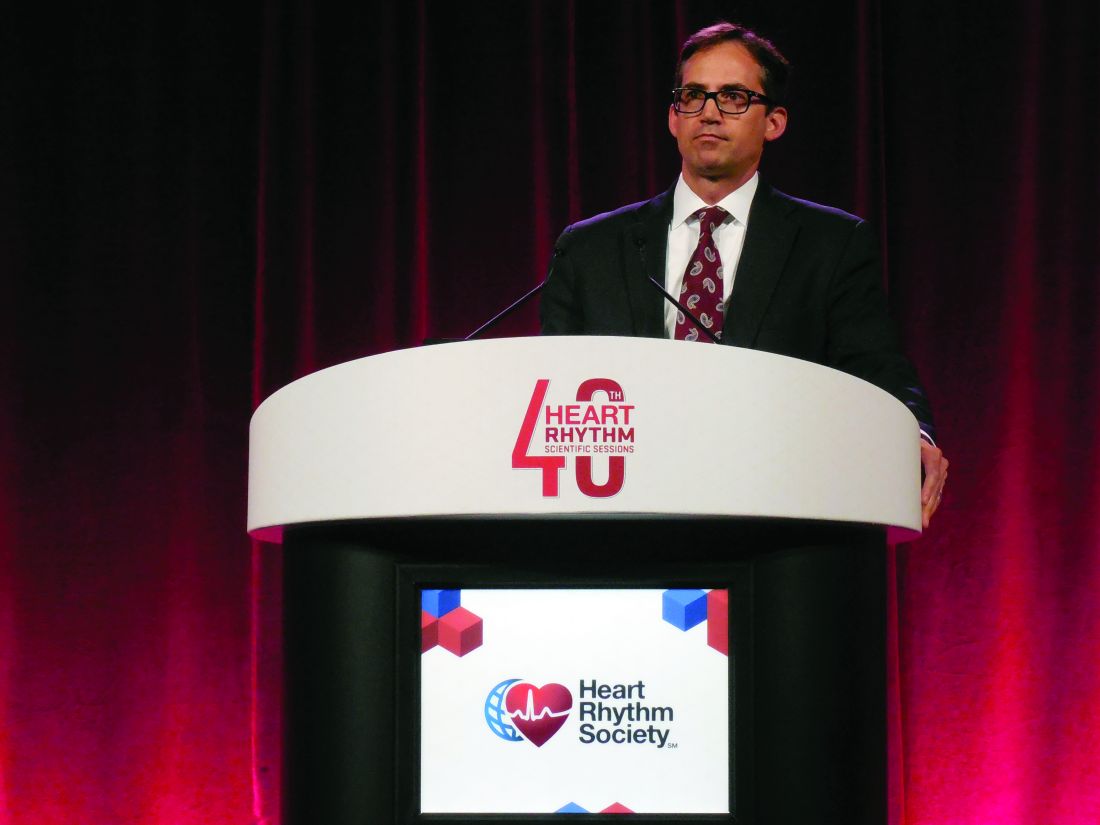
“The CASTLE-AF and AATAC trials both showed improved cardiovascular outcomes with ablation in patients with heart failure and AFib. The meta-analysis [by Dr. Stavrakis and his associates] and CABANA subgroup analysis further support use of catheter ablation to improve the outcomes in these patients,” noted Jonathan P. Piccini, MD, a cardiac electrophysiologist at Duke University, Durham, N.C., and a CABANA coinvestigator.
“The CABANA trial was very important because it confirmed the safety of catheter ablation, and more importantly suggested that patients with heart failure may benefit the most [from AFib ablation]. The evidence is very strong to advocate ablation as first-line therapy for selected patients with heart failure. Perhaps the optimal patients are those with [New York Heart Association] class I-III or ambulatory class IV heart failure who are on optimized, guideline-directed medical therapy. We have enough data to make this a class I recommendation. The question that remains is whether this is a cost effective strategy. Because it lowers rehospitalization and death, I suspect it is,” said Luigi Di Biase, MD, lead investigator of AATAC, and director of arrhythmia services at Montefiore Medical Center and professor of medicine at Albert Einstein College of Medicine, both in New York.
Opinions differ on AFib ablation’s role
Despite this expansive assessment of the current status of AFib ablation for patients with heart failure from Dr. Di Biase and shared by others, another camp of cardiologists currently sees ablation as having more limited current utility, as recommended earlier this year by a guideline-update panel representing the American Heart Association, the American College of Cardiology, and the Heart Rhythm Society. The guideline update included this new recommendation for how to use AFib ablation in heart failure patients: “AF catheter ablation may be reasonable in selected patients with symptomatic AFib and heart failure with reduced left ventricular ejection fraction to potentially lower mortality rate and reduce hospitalization for heart failure,” a class IIb recommendation. (J Am Coll Cardiol. 2019 Jul 9;74[1]:104-32). The guideline’s text cited the findings from AATAC and CASTLE-AF, but qualified both studies as “relatively small” and with “highly selected patient populations.” The guideline also incorporated the CABANA results into its considerations (although they may not have had the full analysis in heart failure patients available during their deliberations), but cited the study’s main limitation: CABANA failed to show a statistically significant difference in the primary endpoint in its primary, intention-to-treat analysis, which meant that by the strict statistical criteria that trialists apply to study findings, all other endpoints analyzed using CABANA’s are merely “hypothesis generating” and not definitive.
Questions about the extent of patient selection required to see a clear clinical-endpoint benefit from AFib ablation in heart failure patients, as well as the flawed validity of the CABANA results for making unqualified practice recommendation are the main arguments advanced by experts who caution against broader and more routine ablations.
“The findings from the heart failure subgroup of CABANA are hypothesis generating rather than definitive. Even with the recent meta-analysis, uncertainty remains regarding the ability of catheter ablation to improve outcomes beyond reducing AFib-related symptoms,” commented Gregg Fonarow, MD, a heart failure physician and professor of medicine at the University of California, Los Angeles.
“CASTLE-HF had fewer than 100 deaths combined in both arms, which means very unstable results. We don’t know a lot of detail about the heart failure patients in CABANA, and overall we do not have much data from patients with heart failure with preserved ejection fraction [HFpEF],” said Javed Butler, MD, a heart failure physician and professor and chairman of medicine at the University of Mississippi in Jackson. Dr. Butler also voiced his concerns (shared by other heart failure specialists) about the safety of ablation in heart failure patients, noting that “many patients require multiple ablations; many burns result in scarring and can worsen atrial function. In short, ablation of AFib is probably good for selected patients, but to have a class 1 recommendation, we need much larger trials with well-phenotyped heart failure patients,” Dr. Butler said in an interview.
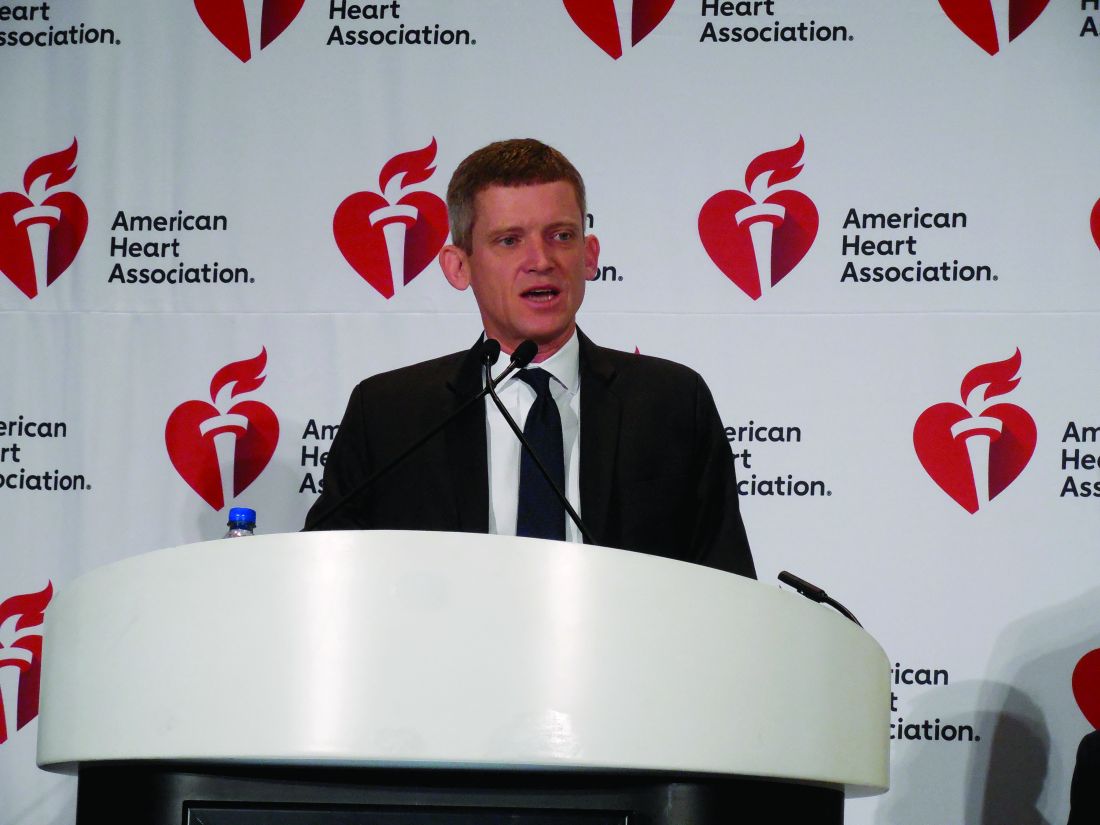
“The totality of data still captures a relatively small number of patients. CASTLE-HF took 8 years to enroll fewer than 400 patients, and the results showed some heterogeneity. Study patients were a decade younger than average HFrEF patients in the community, and thus the effectiveness and safety of catheter ablation in people with more comorbidity and frailty remains in question. Certain HFrEF patients may be less likely to benefit, such as those with amyloid cardiomyopathy. And with the increasing availability of other treatments for HFrEF such as sacubitril/valsartan, dapagliflozin, and MitraClip, it is less clear how catheter ablation would [benefit patients] on top of what is now current best therapy,” said Larry Allen, MD, a heart failure physician and professor of medicine at the University of Colorado in Aurora.
“With these limitations and the fact that catheter ablation is not a simple procedure, a large randomized, controlled trial of ablation, compared with no ablation, in a wide range of HFrEF patients on contemporary therapy would be welcome,” Dr. Allen said. “Given the prevalence of heart failure and AFib and the potential positive and negative implications of catheter ablation running such a trial seems critical for patients and for society.”
“For ablation of AFib in heart failure to become a class I recommendation there will need to be results from larger randomized studies,” summed up Dr. Stavrakis. The meta-analysis that he coauthored noted that “the benefits of catheter ablation for AFib in HFrEF patients have been consistently shown for over a decade now; however, the uptake of this procedure by clinicians in practice has been slow.”
Despite this history of reticence and ongoing caution about ablation, some cardiology experts see the indications for AFib ablation in heart failure steadily creeping forward, buoyed by a safety record that has more benign than ablation’s reputation suggests.
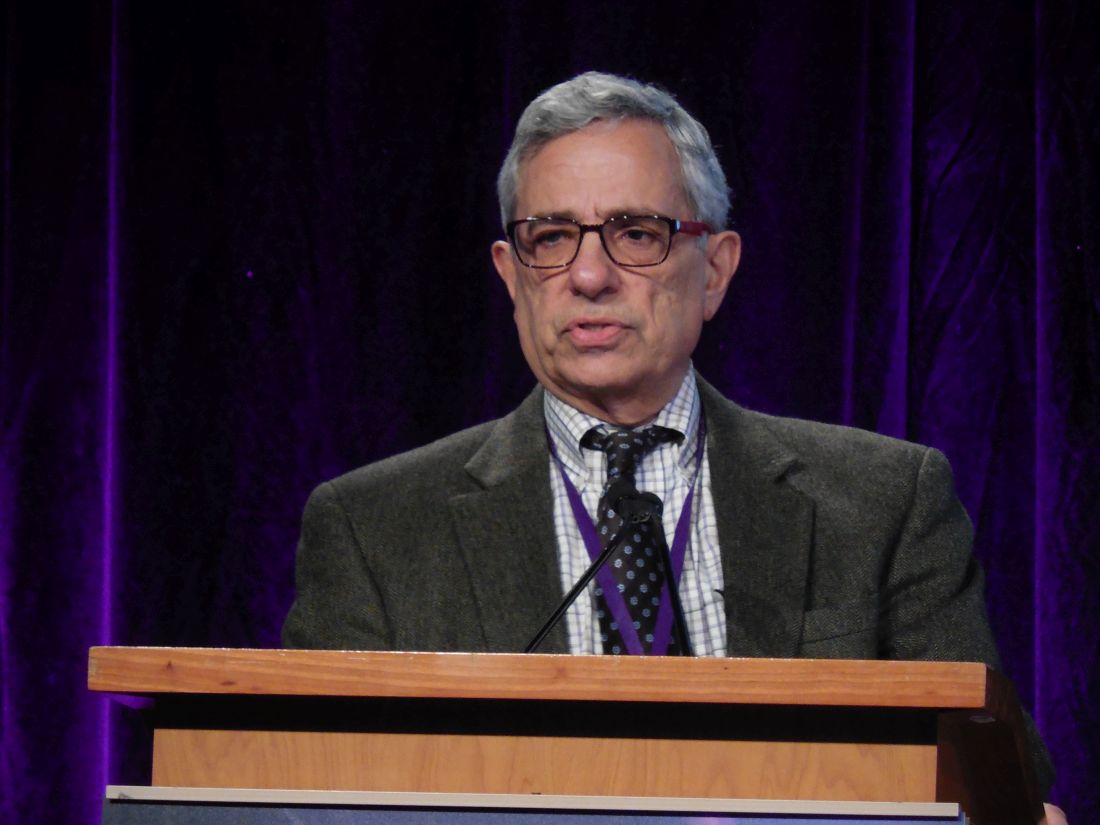
The CABANA results showed that “ablation is remarkably safe in the hands of experienced clinicians, with risks comparable to anti-arrhythmic drugs,” said Peter R. Kowey, MD, a specialist in treating AFib and professor of medicine at Thomas Jefferson University in Philadelphia, who made this assessment during a talk at an AFib meeting in early 2019. Dr. Kowey’s take on what the CABANA safety data showed contrasts with the impression of other cardiologists who are wary of perceived dangers from ablation.
“Ablation comes with a lot of morbidity and mortality. It’s not that the idea of ablation is wrong, but the ability to do it without a lot of adverse effects. ... We’re not quite there yet,” said Douglas L. Mann, MD, a heart failure physician and professor of medicine and chief of the cardiovascular division at Washington University in St. Louis.

“If I had a patient with HFrEF and AFib who was really sick, I’m not so sure I’d send them for ablation, which is not a simple procedure. The patients we tend to send for ablation are selected. Ablation is a big undertaking in patients who are already sick, and it’s expensive. I don’t think the data we have now will change the consensus view, but every heart failure physician is sending some patients for AFib ablation. People are turning to AFib ablation earlier than before. I think the consensus is that ablation is for symptoms or poor rate control, not for better outcomes,” said Mariell Jessup, MD, a heart failure specialist and chief science and medical officer of the American Heart Association in Dallas.

However, this caution about safety and skepticism over efficacy may be dissipating as experience with ablation accumulates.
“CASTLE-AF and other data, including evidence for the apparent isolation of beta-blocker benefit to patients in sinus rhythm, have made me much more proactive about considering catheter ablation in my HFrEF patients. I think many other cardiologists have a similar view,” said Dr. Allen in an interview.
“A lot [of heart failure] patients are [being] referred for ablation, depending on the practice, setting, the local availability of electrophysiologists, and patient interest in ablation,” said Dr. Butler.
“We have no absolutely compelling data, but the data we have all point in the same direction. Like most, I am becoming convinced that AFib ablation in heart failure patients is a very valuable method for managing patients, but I can’t point to one study that was conclusive. Results from lots of studies show that it is likely, and when you add them all together it looks indisputable,” commented A. John Camm, MD, an atrial fibrillation specialist and professor of clinical cardiology at St. George’s University in London. “The findings put a responsibility on cardiologists to assess patients with heart failure for AFib. But there are nothing like enough resources to deal with all the patients who have heart failure who also have AFib.”
A rough estimate of just the U.S. volume of patients with heart failure and AFib is likely in the ball park of 2 million people (a third of the estimated 6 million American currently living with heart failure), and with the prevalence of each of these disorders rising precipitously (more than 5 million Americans have AFib) the confluence of the two should also show a steady increase. “It will take a major change in our concept of heart failure management to really address this. Potentially it would mean a large increase in the number of RF ablations of AFib, but the resources for that are not now present,” Dr. Camm said in an interview.
The attractions of catheter ablation also stand in contrast to the limitations of alternative treatments. Ablation is effective in a majority of patients for reducing AFib burden, both the frequency and duration of AFib episodes, and safety issues are mostly limited to the procedural and immediate postprocedural periods. The drugs available for trying to control AFib are beta-blockers, which provide rate control and can help prevent AFib onset, and rhythm-controlling anti-arrhythmic drugs like amiodarone, which have substantial limitations in both their ability to prevent arrhythmia recurrences as well as for safety.
“Most of the conventional antiarrhythmic drugs are contraindicated, frequently ineffective, or not well tolerated in patients with HFrEF. Catheter ablation of AFib provides an increasingly important option for rhythm control in these patients without using antiarrhythmic drugs,” Dr. Di Biase and his associates wrote in a recent review of AFib ablation in heart failure patients (Eur Heart J. 2019 Feb 21;40[8]:663-71).
“The guidelines that are controversial still make amiodarone a class I drug even though it’s been associated with serious side effects and has been shown in several heart failure trials to increase mortality. I can’t believe that ablation is a class IIb recommendation while a drug like amiodarone is a class I recommendation,” Dr. Di Biase said.
And although beta-blockers are a mainstay of heart failure treatment, once AFib becomes established they are less useful for maintaining sinus rhythm. “Beta-blockers provide effective rate control, but they can’t convert patients to sinus rhythm [once AFib begins], and there is no convincing evidence that patients on beta-blockers stay in sinus rhythm longer. You can’t just say: the patient is on a beta-blocker so I’ve done my best,” noted Dr. Jessup.
CABANA received funding from Biosense Webster, Boston Scientific, Medtronic, and St. Jude. Dr. Stavrakis, Dr, Jessup, and Dr. Di Biase. Dr. Hunter has received research funding, educational grants, and speakers fees from Biosense Webster and Medtronic. Dr. Packer had received honoraria from Biotronik and MediaSphere Medical and research support from several companies. Dr. Piccini has been a consultant to Allergan, Biotronik, Medtronic, Phillips, and Sanofi Aventis, he has received research funding from Abbott, ARCA biopharma, Boston Scientific, Gilead, and Johnson & Johnson, and he had a financial relationship with GlaxoSmithKline. Dr. Fonarow has been a consultant to Abbott, Amgen, Bayer, Janssen, and Novartis. Dr. Butler has been a consultant to several companies. Dr. Allen has been a consultant to Boston Scientific, Janssen, and Novartis. Dr. Kowey has been a consultant to several companies. Dr. Mann has been a consultant to Bristol-Myers Squibb, Corvia, and Novartis, and an adviser to miRagen. Dr. Camm has been a consultant to several companies.
This is part one of a two-part article.
Roughly a third of patients with heart failure also have atrial fibrillation, a comorbid combination notorious for working synergistically to worsen a patient’s quality of life and life expectancy.
During the past year, radiofrequency catheter ablation of atrial fibrillation in patients with both conditions has gathered steam as a way to intervene in at least selected patients, driven by study results that featured attention-grabbing reductions in death and cardiovascular hospitalizations.
The evidence favoring catheter ablation of atrial fibrillation (AFib) in patients with heart failure, particularly patients with heart failure with reduced ejection fraction (HFrEF), ramped up in 2019, spurred largely by a subgroup analysis from the CABANA trial, the largest randomized comparison by far of AFib ablation with antiarrhythmic drug treatment with 2,204 patients.
The past few months also featured release of two meta-analyses that took the CABANA results into account plus findings from about a dozen earlier randomized studies. Both meta-analyses, as well as the heart failure analysis from CABANA, all point in one direction, as stated in the conclusion of one of the meta-analyses: “In patients with AFib, catheter ablation is associated with all-cause mortality benefit, compared with medical therapy, that is driven by patients with AFib and HFrEF. Catheter ablation is safe and reduces cardiovascular hospitalizations and recurrences of atrial arrhythmias” both in patients with paroxysmal and persistent AFib,” wrote Stavros Stavrakis, MD, and his associates in their systematic review of 18 randomized, controlled trials of catheter ablation of AFib in a total of 4,464 patients with or without heart failure (Circ Arrhythm Electrophysiol. 2019 Sep;12[9]: e007414).
Despite these new data and analyses, clinicians seem to have very mixed reactions. Some call for an upgraded recommendation by professional societies that would support more aggressive use of AFib ablation in heart failure patients, and the anecdotal impressions of people who manage these patients are that ablation procedures have recently increased. But others advise caution, and note that in their opinion the efficacy data remain preliminary; the procedure has safety, logistical, and economic concerns; and questions remain about the ability of all active ablation programs to consistently deliver the results seen in published trials.
The meta-analysis led by Dr. Stavrakis showed that catheter ablation of AFib cut all-cause mortality during follow-up by a statistically significant 31%, compared with medical therapy, in all patients regardless of their heart failure status. But in patients with HFrEF, the reduction was 48%, along with a 38% cut in cardiovascular hospitalizations. In contrast, patients without heart failure who underwent AFib ablation showed no significant change in their all-cause mortality, compared with medical management of these patients.
“Based both on our meta-analysis and the CABANA data, patients with AFib most likely to benefit from ablation are patients younger than 65 and those with heart failure,” summed up Dr. Stavrakis, a cardiac electrophysiologist at the Heart Rhythm Institute of the University of Oklahoma in Oklahoma City.
The second meta-analysis, which initially appeared in July, analyzed data from 11 randomized trials of catheter ablations compared with anti-arrhythmic medical therapy for rate or rhythm control with in a total of 3,598 patients who all had heart failure, again including the patients enrolled in the CABANA study. The results showed a significant 49% relative drop in all cause mortality with ablation compared with medical treatment, and a statistically significant 56% cut in hospitalizations, as well as a significant, nearly 7% average, absolute improvement in left ventricular ejection fraction, plus benefits for preventing arrhythmia recurrence and improving quality of life (Eur Heart J. 2019 Jul 11. doi: 10.1093/eurheartj/ehz443).
“The magnitude of the effect seen in the meta-analysis, a 49% reduction in total mortality and a 56% reduction in hospitalizations, is rather staggering, and is larger than typically quoted for other medical interventions or device therapy in heart failure. The treatment effect was uniform among studies, and entirely compatible with the changes in left ventricular function, exercise capacity, and heart failure symptoms. Therefore, although more data are desirable, there are already arguably sufficient data to understand a great deal regarding the impact of a fib ablation,” commented Ross J. Hunter, MRCP, a cardiac electrophysiologist at Barts Heart Centre in London, and his associates in an editorial about this meta-analysis (Eur Heart J. 2019 Oct 22. doi: 10.1093/eurheartj/ehz704).
The heart failure analysis of CABANA (Catheter Ablation vs. Anti-Arrhythmic Drug Therapy for Atrial Fibrillation Trial) itself also showed striking findings when first reported at the annual scientific sessions of the Heart Rhythm Society last May. In presentations he made at this meeting, Douglas L. Packer, MD, CABANA’s lead investigator, reported details of a prespecified subgroup analysis of the 778 patients enrolled in CABANA who had heart failure at baseline, slightly more than a third of the total study enrollment. This was more than double the number of patients identified as specifically having heart failure at entry in the initial publication of CABANA’s findings (JAMA. 2019 Mar 15;321[134]:1261-74). Comparison of the 378 patients with heart failure and randomized to undergo ablation with the 400 with heart failure randomized to medical treatment showed a 36% reduction in the study’s primary, composite endpoint relative to the control group in an intention-to-treat analysis, and a 43% relative cut in all-cause mortality during follow-up, Dr. Packer reported at the May meeting. (As of early November 2019, these results had not yet appeared in a published article.) In contrast, in the 1,422 CABANA patients randomized who did not have heart failure, ablation produced results for these endpoints that were similar to and not statistically different from the outcomes in patients treated medically, said Dr. Packer, a cardiac electrophysiologist and professor of medicine at the Mayo Clinic in Rochester, Minn.
The CABANA results added to what had been previously reported from two other landmark studies that documented incremental efficacy of AFib ablation compared with medical treatment in patients with heart failure: The AATAC (Ablation vs Amiodarone for Treatment of AFib in Patients With Congestive HF and an Implanted Device) study, which randomized 203 patients (Circulation. 2016 Apr 26;133[17]:1637-44), and CASTLE-AF (Catheter Ablation vs. Standard Conventional Therapy in Patients with Left Ventricular Dysfunction and Atrial Fibrillation) trial, which randomized 363 patients (N Engl J Med. 2018 Feb 1;378[5]:417-27). These three studies contributed the most patients and outcomes to the two recent meta-analyses.
“The CASTLE-AF and AATAC trials both showed improved cardiovascular outcomes with ablation in patients with heart failure and AFib. The meta-analysis [by Dr. Stavrakis and his associates] and CABANA subgroup analysis further support use of catheter ablation to improve the outcomes in these patients,” noted Jonathan P. Piccini, MD, a cardiac electrophysiologist at Duke University, Durham, N.C., and a CABANA coinvestigator.
“The CABANA trial was very important because it confirmed the safety of catheter ablation, and more importantly suggested that patients with heart failure may benefit the most [from AFib ablation]. The evidence is very strong to advocate ablation as first-line therapy for selected patients with heart failure. Perhaps the optimal patients are those with [New York Heart Association] class I-III or ambulatory class IV heart failure who are on optimized, guideline-directed medical therapy. We have enough data to make this a class I recommendation. The question that remains is whether this is a cost effective strategy. Because it lowers rehospitalization and death, I suspect it is,” said Luigi Di Biase, MD, lead investigator of AATAC, and director of arrhythmia services at Montefiore Medical Center and professor of medicine at Albert Einstein College of Medicine, both in New York.
Opinions differ on AFib ablation’s role
Despite this expansive assessment of the current status of AFib ablation for patients with heart failure from Dr. Di Biase and shared by others, another camp of cardiologists currently sees ablation as having more limited current utility, as recommended earlier this year by a guideline-update panel representing the American Heart Association, the American College of Cardiology, and the Heart Rhythm Society. The guideline update included this new recommendation for how to use AFib ablation in heart failure patients: “AF catheter ablation may be reasonable in selected patients with symptomatic AFib and heart failure with reduced left ventricular ejection fraction to potentially lower mortality rate and reduce hospitalization for heart failure,” a class IIb recommendation. (J Am Coll Cardiol. 2019 Jul 9;74[1]:104-32). The guideline’s text cited the findings from AATAC and CASTLE-AF, but qualified both studies as “relatively small” and with “highly selected patient populations.” The guideline also incorporated the CABANA results into its considerations (although they may not have had the full analysis in heart failure patients available during their deliberations), but cited the study’s main limitation: CABANA failed to show a statistically significant difference in the primary endpoint in its primary, intention-to-treat analysis, which meant that by the strict statistical criteria that trialists apply to study findings, all other endpoints analyzed using CABANA’s are merely “hypothesis generating” and not definitive.
Questions about the extent of patient selection required to see a clear clinical-endpoint benefit from AFib ablation in heart failure patients, as well as the flawed validity of the CABANA results for making unqualified practice recommendation are the main arguments advanced by experts who caution against broader and more routine ablations.
“The findings from the heart failure subgroup of CABANA are hypothesis generating rather than definitive. Even with the recent meta-analysis, uncertainty remains regarding the ability of catheter ablation to improve outcomes beyond reducing AFib-related symptoms,” commented Gregg Fonarow, MD, a heart failure physician and professor of medicine at the University of California, Los Angeles.
“CASTLE-HF had fewer than 100 deaths combined in both arms, which means very unstable results. We don’t know a lot of detail about the heart failure patients in CABANA, and overall we do not have much data from patients with heart failure with preserved ejection fraction [HFpEF],” said Javed Butler, MD, a heart failure physician and professor and chairman of medicine at the University of Mississippi in Jackson. Dr. Butler also voiced his concerns (shared by other heart failure specialists) about the safety of ablation in heart failure patients, noting that “many patients require multiple ablations; many burns result in scarring and can worsen atrial function. In short, ablation of AFib is probably good for selected patients, but to have a class 1 recommendation, we need much larger trials with well-phenotyped heart failure patients,” Dr. Butler said in an interview.
“The totality of data still captures a relatively small number of patients. CASTLE-HF took 8 years to enroll fewer than 400 patients, and the results showed some heterogeneity. Study patients were a decade younger than average HFrEF patients in the community, and thus the effectiveness and safety of catheter ablation in people with more comorbidity and frailty remains in question. Certain HFrEF patients may be less likely to benefit, such as those with amyloid cardiomyopathy. And with the increasing availability of other treatments for HFrEF such as sacubitril/valsartan, dapagliflozin, and MitraClip, it is less clear how catheter ablation would [benefit patients] on top of what is now current best therapy,” said Larry Allen, MD, a heart failure physician and professor of medicine at the University of Colorado in Aurora.
“With these limitations and the fact that catheter ablation is not a simple procedure, a large randomized, controlled trial of ablation, compared with no ablation, in a wide range of HFrEF patients on contemporary therapy would be welcome,” Dr. Allen said. “Given the prevalence of heart failure and AFib and the potential positive and negative implications of catheter ablation running such a trial seems critical for patients and for society.”
“For ablation of AFib in heart failure to become a class I recommendation there will need to be results from larger randomized studies,” summed up Dr. Stavrakis. The meta-analysis that he coauthored noted that “the benefits of catheter ablation for AFib in HFrEF patients have been consistently shown for over a decade now; however, the uptake of this procedure by clinicians in practice has been slow.”
Despite this history of reticence and ongoing caution about ablation, some cardiology experts see the indications for AFib ablation in heart failure steadily creeping forward, buoyed by a safety record that has more benign than ablation’s reputation suggests.
The CABANA results showed that “ablation is remarkably safe in the hands of experienced clinicians, with risks comparable to anti-arrhythmic drugs,” said Peter R. Kowey, MD, a specialist in treating AFib and professor of medicine at Thomas Jefferson University in Philadelphia, who made this assessment during a talk at an AFib meeting in early 2019. Dr. Kowey’s take on what the CABANA safety data showed contrasts with the impression of other cardiologists who are wary of perceived dangers from ablation.
“Ablation comes with a lot of morbidity and mortality. It’s not that the idea of ablation is wrong, but the ability to do it without a lot of adverse effects. ... We’re not quite there yet,” said Douglas L. Mann, MD, a heart failure physician and professor of medicine and chief of the cardiovascular division at Washington University in St. Louis.
“If I had a patient with HFrEF and AFib who was really sick, I’m not so sure I’d send them for ablation, which is not a simple procedure. The patients we tend to send for ablation are selected. Ablation is a big undertaking in patients who are already sick, and it’s expensive. I don’t think the data we have now will change the consensus view, but every heart failure physician is sending some patients for AFib ablation. People are turning to AFib ablation earlier than before. I think the consensus is that ablation is for symptoms or poor rate control, not for better outcomes,” said Mariell Jessup, MD, a heart failure specialist and chief science and medical officer of the American Heart Association in Dallas.
However, this caution about safety and skepticism over efficacy may be dissipating as experience with ablation accumulates.
“CASTLE-AF and other data, including evidence for the apparent isolation of beta-blocker benefit to patients in sinus rhythm, have made me much more proactive about considering catheter ablation in my HFrEF patients. I think many other cardiologists have a similar view,” said Dr. Allen in an interview.
“A lot [of heart failure] patients are [being] referred for ablation, depending on the practice, setting, the local availability of electrophysiologists, and patient interest in ablation,” said Dr. Butler.
“We have no absolutely compelling data, but the data we have all point in the same direction. Like most, I am becoming convinced that AFib ablation in heart failure patients is a very valuable method for managing patients, but I can’t point to one study that was conclusive. Results from lots of studies show that it is likely, and when you add them all together it looks indisputable,” commented A. John Camm, MD, an atrial fibrillation specialist and professor of clinical cardiology at St. George’s University in London. “The findings put a responsibility on cardiologists to assess patients with heart failure for AFib. But there are nothing like enough resources to deal with all the patients who have heart failure who also have AFib.”
A rough estimate of just the U.S. volume of patients with heart failure and AFib is likely in the ball park of 2 million people (a third of the estimated 6 million American currently living with heart failure), and with the prevalence of each of these disorders rising precipitously (more than 5 million Americans have AFib) the confluence of the two should also show a steady increase. “It will take a major change in our concept of heart failure management to really address this. Potentially it would mean a large increase in the number of RF ablations of AFib, but the resources for that are not now present,” Dr. Camm said in an interview.
The attractions of catheter ablation also stand in contrast to the limitations of alternative treatments. Ablation is effective in a majority of patients for reducing AFib burden, both the frequency and duration of AFib episodes, and safety issues are mostly limited to the procedural and immediate postprocedural periods. The drugs available for trying to control AFib are beta-blockers, which provide rate control and can help prevent AFib onset, and rhythm-controlling anti-arrhythmic drugs like amiodarone, which have substantial limitations in both their ability to prevent arrhythmia recurrences as well as for safety.
“Most of the conventional antiarrhythmic drugs are contraindicated, frequently ineffective, or not well tolerated in patients with HFrEF. Catheter ablation of AFib provides an increasingly important option for rhythm control in these patients without using antiarrhythmic drugs,” Dr. Di Biase and his associates wrote in a recent review of AFib ablation in heart failure patients (Eur Heart J. 2019 Feb 21;40[8]:663-71).
“The guidelines that are controversial still make amiodarone a class I drug even though it’s been associated with serious side effects and has been shown in several heart failure trials to increase mortality. I can’t believe that ablation is a class IIb recommendation while a drug like amiodarone is a class I recommendation,” Dr. Di Biase said.
And although beta-blockers are a mainstay of heart failure treatment, once AFib becomes established they are less useful for maintaining sinus rhythm. “Beta-blockers provide effective rate control, but they can’t convert patients to sinus rhythm [once AFib begins], and there is no convincing evidence that patients on beta-blockers stay in sinus rhythm longer. You can’t just say: the patient is on a beta-blocker so I’ve done my best,” noted Dr. Jessup.
CABANA received funding from Biosense Webster, Boston Scientific, Medtronic, and St. Jude. Dr. Stavrakis, Dr, Jessup, and Dr. Di Biase. Dr. Hunter has received research funding, educational grants, and speakers fees from Biosense Webster and Medtronic. Dr. Packer had received honoraria from Biotronik and MediaSphere Medical and research support from several companies. Dr. Piccini has been a consultant to Allergan, Biotronik, Medtronic, Phillips, and Sanofi Aventis, he has received research funding from Abbott, ARCA biopharma, Boston Scientific, Gilead, and Johnson & Johnson, and he had a financial relationship with GlaxoSmithKline. Dr. Fonarow has been a consultant to Abbott, Amgen, Bayer, Janssen, and Novartis. Dr. Butler has been a consultant to several companies. Dr. Allen has been a consultant to Boston Scientific, Janssen, and Novartis. Dr. Kowey has been a consultant to several companies. Dr. Mann has been a consultant to Bristol-Myers Squibb, Corvia, and Novartis, and an adviser to miRagen. Dr. Camm has been a consultant to several companies.
This is part one of a two-part article.
Roughly a third of patients with heart failure also have atrial fibrillation, a comorbid combination notorious for working synergistically to worsen a patient’s quality of life and life expectancy.
During the past year, radiofrequency catheter ablation of atrial fibrillation in patients with both conditions has gathered steam as a way to intervene in at least selected patients, driven by study results that featured attention-grabbing reductions in death and cardiovascular hospitalizations.
The evidence favoring catheter ablation of atrial fibrillation (AFib) in patients with heart failure, particularly patients with heart failure with reduced ejection fraction (HFrEF), ramped up in 2019, spurred largely by a subgroup analysis from the CABANA trial, the largest randomized comparison by far of AFib ablation with antiarrhythmic drug treatment with 2,204 patients.
The past few months also featured release of two meta-analyses that took the CABANA results into account plus findings from about a dozen earlier randomized studies. Both meta-analyses, as well as the heart failure analysis from CABANA, all point in one direction, as stated in the conclusion of one of the meta-analyses: “In patients with AFib, catheter ablation is associated with all-cause mortality benefit, compared with medical therapy, that is driven by patients with AFib and HFrEF. Catheter ablation is safe and reduces cardiovascular hospitalizations and recurrences of atrial arrhythmias” both in patients with paroxysmal and persistent AFib,” wrote Stavros Stavrakis, MD, and his associates in their systematic review of 18 randomized, controlled trials of catheter ablation of AFib in a total of 4,464 patients with or without heart failure (Circ Arrhythm Electrophysiol. 2019 Sep;12[9]: e007414).
Despite these new data and analyses, clinicians seem to have very mixed reactions. Some call for an upgraded recommendation by professional societies that would support more aggressive use of AFib ablation in heart failure patients, and the anecdotal impressions of people who manage these patients are that ablation procedures have recently increased. But others advise caution, and note that in their opinion the efficacy data remain preliminary; the procedure has safety, logistical, and economic concerns; and questions remain about the ability of all active ablation programs to consistently deliver the results seen in published trials.
The meta-analysis led by Dr. Stavrakis showed that catheter ablation of AFib cut all-cause mortality during follow-up by a statistically significant 31%, compared with medical therapy, in all patients regardless of their heart failure status. But in patients with HFrEF, the reduction was 48%, along with a 38% cut in cardiovascular hospitalizations. In contrast, patients without heart failure who underwent AFib ablation showed no significant change in their all-cause mortality, compared with medical management of these patients.
“Based both on our meta-analysis and the CABANA data, patients with AFib most likely to benefit from ablation are patients younger than 65 and those with heart failure,” summed up Dr. Stavrakis, a cardiac electrophysiologist at the Heart Rhythm Institute of the University of Oklahoma in Oklahoma City.
The second meta-analysis, which initially appeared in July, analyzed data from 11 randomized trials of catheter ablations compared with anti-arrhythmic medical therapy for rate or rhythm control with in a total of 3,598 patients who all had heart failure, again including the patients enrolled in the CABANA study. The results showed a significant 49% relative drop in all cause mortality with ablation compared with medical treatment, and a statistically significant 56% cut in hospitalizations, as well as a significant, nearly 7% average, absolute improvement in left ventricular ejection fraction, plus benefits for preventing arrhythmia recurrence and improving quality of life (Eur Heart J. 2019 Jul 11. doi: 10.1093/eurheartj/ehz443).
“The magnitude of the effect seen in the meta-analysis, a 49% reduction in total mortality and a 56% reduction in hospitalizations, is rather staggering, and is larger than typically quoted for other medical interventions or device therapy in heart failure. The treatment effect was uniform among studies, and entirely compatible with the changes in left ventricular function, exercise capacity, and heart failure symptoms. Therefore, although more data are desirable, there are already arguably sufficient data to understand a great deal regarding the impact of a fib ablation,” commented Ross J. Hunter, MRCP, a cardiac electrophysiologist at Barts Heart Centre in London, and his associates in an editorial about this meta-analysis (Eur Heart J. 2019 Oct 22. doi: 10.1093/eurheartj/ehz704).
The heart failure analysis of CABANA (Catheter Ablation vs. Anti-Arrhythmic Drug Therapy for Atrial Fibrillation Trial) itself also showed striking findings when first reported at the annual scientific sessions of the Heart Rhythm Society last May. In presentations he made at this meeting, Douglas L. Packer, MD, CABANA’s lead investigator, reported details of a prespecified subgroup analysis of the 778 patients enrolled in CABANA who had heart failure at baseline, slightly more than a third of the total study enrollment. This was more than double the number of patients identified as specifically having heart failure at entry in the initial publication of CABANA’s findings (JAMA. 2019 Mar 15;321[134]:1261-74). Comparison of the 378 patients with heart failure and randomized to undergo ablation with the 400 with heart failure randomized to medical treatment showed a 36% reduction in the study’s primary, composite endpoint relative to the control group in an intention-to-treat analysis, and a 43% relative cut in all-cause mortality during follow-up, Dr. Packer reported at the May meeting. (As of early November 2019, these results had not yet appeared in a published article.) In contrast, in the 1,422 CABANA patients randomized who did not have heart failure, ablation produced results for these endpoints that were similar to and not statistically different from the outcomes in patients treated medically, said Dr. Packer, a cardiac electrophysiologist and professor of medicine at the Mayo Clinic in Rochester, Minn.
The CABANA results added to what had been previously reported from two other landmark studies that documented incremental efficacy of AFib ablation compared with medical treatment in patients with heart failure: The AATAC (Ablation vs Amiodarone for Treatment of AFib in Patients With Congestive HF and an Implanted Device) study, which randomized 203 patients (Circulation. 2016 Apr 26;133[17]:1637-44), and CASTLE-AF (Catheter Ablation vs. Standard Conventional Therapy in Patients with Left Ventricular Dysfunction and Atrial Fibrillation) trial, which randomized 363 patients (N Engl J Med. 2018 Feb 1;378[5]:417-27). These three studies contributed the most patients and outcomes to the two recent meta-analyses.
“The CASTLE-AF and AATAC trials both showed improved cardiovascular outcomes with ablation in patients with heart failure and AFib. The meta-analysis [by Dr. Stavrakis and his associates] and CABANA subgroup analysis further support use of catheter ablation to improve the outcomes in these patients,” noted Jonathan P. Piccini, MD, a cardiac electrophysiologist at Duke University, Durham, N.C., and a CABANA coinvestigator.
“The CABANA trial was very important because it confirmed the safety of catheter ablation, and more importantly suggested that patients with heart failure may benefit the most [from AFib ablation]. The evidence is very strong to advocate ablation as first-line therapy for selected patients with heart failure. Perhaps the optimal patients are those with [New York Heart Association] class I-III or ambulatory class IV heart failure who are on optimized, guideline-directed medical therapy. We have enough data to make this a class I recommendation. The question that remains is whether this is a cost effective strategy. Because it lowers rehospitalization and death, I suspect it is,” said Luigi Di Biase, MD, lead investigator of AATAC, and director of arrhythmia services at Montefiore Medical Center and professor of medicine at Albert Einstein College of Medicine, both in New York.
Opinions differ on AFib ablation’s role
Despite this expansive assessment of the current status of AFib ablation for patients with heart failure from Dr. Di Biase and shared by others, another camp of cardiologists currently sees ablation as having more limited current utility, as recommended earlier this year by a guideline-update panel representing the American Heart Association, the American College of Cardiology, and the Heart Rhythm Society. The guideline update included this new recommendation for how to use AFib ablation in heart failure patients: “AF catheter ablation may be reasonable in selected patients with symptomatic AFib and heart failure with reduced left ventricular ejection fraction to potentially lower mortality rate and reduce hospitalization for heart failure,” a class IIb recommendation. (J Am Coll Cardiol. 2019 Jul 9;74[1]:104-32). The guideline’s text cited the findings from AATAC and CASTLE-AF, but qualified both studies as “relatively small” and with “highly selected patient populations.” The guideline also incorporated the CABANA results into its considerations (although they may not have had the full analysis in heart failure patients available during their deliberations), but cited the study’s main limitation: CABANA failed to show a statistically significant difference in the primary endpoint in its primary, intention-to-treat analysis, which meant that by the strict statistical criteria that trialists apply to study findings, all other endpoints analyzed using CABANA’s are merely “hypothesis generating” and not definitive.
Questions about the extent of patient selection required to see a clear clinical-endpoint benefit from AFib ablation in heart failure patients, as well as the flawed validity of the CABANA results for making unqualified practice recommendation are the main arguments advanced by experts who caution against broader and more routine ablations.
“The findings from the heart failure subgroup of CABANA are hypothesis generating rather than definitive. Even with the recent meta-analysis, uncertainty remains regarding the ability of catheter ablation to improve outcomes beyond reducing AFib-related symptoms,” commented Gregg Fonarow, MD, a heart failure physician and professor of medicine at the University of California, Los Angeles.
“CASTLE-HF had fewer than 100 deaths combined in both arms, which means very unstable results. We don’t know a lot of detail about the heart failure patients in CABANA, and overall we do not have much data from patients with heart failure with preserved ejection fraction [HFpEF],” said Javed Butler, MD, a heart failure physician and professor and chairman of medicine at the University of Mississippi in Jackson. Dr. Butler also voiced his concerns (shared by other heart failure specialists) about the safety of ablation in heart failure patients, noting that “many patients require multiple ablations; many burns result in scarring and can worsen atrial function. In short, ablation of AFib is probably good for selected patients, but to have a class 1 recommendation, we need much larger trials with well-phenotyped heart failure patients,” Dr. Butler said in an interview.
“The totality of data still captures a relatively small number of patients. CASTLE-HF took 8 years to enroll fewer than 400 patients, and the results showed some heterogeneity. Study patients were a decade younger than average HFrEF patients in the community, and thus the effectiveness and safety of catheter ablation in people with more comorbidity and frailty remains in question. Certain HFrEF patients may be less likely to benefit, such as those with amyloid cardiomyopathy. And with the increasing availability of other treatments for HFrEF such as sacubitril/valsartan, dapagliflozin, and MitraClip, it is less clear how catheter ablation would [benefit patients] on top of what is now current best therapy,” said Larry Allen, MD, a heart failure physician and professor of medicine at the University of Colorado in Aurora.
“With these limitations and the fact that catheter ablation is not a simple procedure, a large randomized, controlled trial of ablation, compared with no ablation, in a wide range of HFrEF patients on contemporary therapy would be welcome,” Dr. Allen said. “Given the prevalence of heart failure and AFib and the potential positive and negative implications of catheter ablation running such a trial seems critical for patients and for society.”
“For ablation of AFib in heart failure to become a class I recommendation there will need to be results from larger randomized studies,” summed up Dr. Stavrakis. The meta-analysis that he coauthored noted that “the benefits of catheter ablation for AFib in HFrEF patients have been consistently shown for over a decade now; however, the uptake of this procedure by clinicians in practice has been slow.”
Despite this history of reticence and ongoing caution about ablation, some cardiology experts see the indications for AFib ablation in heart failure steadily creeping forward, buoyed by a safety record that has more benign than ablation’s reputation suggests.
The CABANA results showed that “ablation is remarkably safe in the hands of experienced clinicians, with risks comparable to anti-arrhythmic drugs,” said Peter R. Kowey, MD, a specialist in treating AFib and professor of medicine at Thomas Jefferson University in Philadelphia, who made this assessment during a talk at an AFib meeting in early 2019. Dr. Kowey’s take on what the CABANA safety data showed contrasts with the impression of other cardiologists who are wary of perceived dangers from ablation.
“Ablation comes with a lot of morbidity and mortality. It’s not that the idea of ablation is wrong, but the ability to do it without a lot of adverse effects. ... We’re not quite there yet,” said Douglas L. Mann, MD, a heart failure physician and professor of medicine and chief of the cardiovascular division at Washington University in St. Louis.
“If I had a patient with HFrEF and AFib who was really sick, I’m not so sure I’d send them for ablation, which is not a simple procedure. The patients we tend to send for ablation are selected. Ablation is a big undertaking in patients who are already sick, and it’s expensive. I don’t think the data we have now will change the consensus view, but every heart failure physician is sending some patients for AFib ablation. People are turning to AFib ablation earlier than before. I think the consensus is that ablation is for symptoms or poor rate control, not for better outcomes,” said Mariell Jessup, MD, a heart failure specialist and chief science and medical officer of the American Heart Association in Dallas.
However, this caution about safety and skepticism over efficacy may be dissipating as experience with ablation accumulates.
“CASTLE-AF and other data, including evidence for the apparent isolation of beta-blocker benefit to patients in sinus rhythm, have made me much more proactive about considering catheter ablation in my HFrEF patients. I think many other cardiologists have a similar view,” said Dr. Allen in an interview.
“A lot [of heart failure] patients are [being] referred for ablation, depending on the practice, setting, the local availability of electrophysiologists, and patient interest in ablation,” said Dr. Butler.
“We have no absolutely compelling data, but the data we have all point in the same direction. Like most, I am becoming convinced that AFib ablation in heart failure patients is a very valuable method for managing patients, but I can’t point to one study that was conclusive. Results from lots of studies show that it is likely, and when you add them all together it looks indisputable,” commented A. John Camm, MD, an atrial fibrillation specialist and professor of clinical cardiology at St. George’s University in London. “The findings put a responsibility on cardiologists to assess patients with heart failure for AFib. But there are nothing like enough resources to deal with all the patients who have heart failure who also have AFib.”
A rough estimate of just the U.S. volume of patients with heart failure and AFib is likely in the ball park of 2 million people (a third of the estimated 6 million American currently living with heart failure), and with the prevalence of each of these disorders rising precipitously (more than 5 million Americans have AFib) the confluence of the two should also show a steady increase. “It will take a major change in our concept of heart failure management to really address this. Potentially it would mean a large increase in the number of RF ablations of AFib, but the resources for that are not now present,” Dr. Camm said in an interview.
The attractions of catheter ablation also stand in contrast to the limitations of alternative treatments. Ablation is effective in a majority of patients for reducing AFib burden, both the frequency and duration of AFib episodes, and safety issues are mostly limited to the procedural and immediate postprocedural periods. The drugs available for trying to control AFib are beta-blockers, which provide rate control and can help prevent AFib onset, and rhythm-controlling anti-arrhythmic drugs like amiodarone, which have substantial limitations in both their ability to prevent arrhythmia recurrences as well as for safety.
“Most of the conventional antiarrhythmic drugs are contraindicated, frequently ineffective, or not well tolerated in patients with HFrEF. Catheter ablation of AFib provides an increasingly important option for rhythm control in these patients without using antiarrhythmic drugs,” Dr. Di Biase and his associates wrote in a recent review of AFib ablation in heart failure patients (Eur Heart J. 2019 Feb 21;40[8]:663-71).
“The guidelines that are controversial still make amiodarone a class I drug even though it’s been associated with serious side effects and has been shown in several heart failure trials to increase mortality. I can’t believe that ablation is a class IIb recommendation while a drug like amiodarone is a class I recommendation,” Dr. Di Biase said.
And although beta-blockers are a mainstay of heart failure treatment, once AFib becomes established they are less useful for maintaining sinus rhythm. “Beta-blockers provide effective rate control, but they can’t convert patients to sinus rhythm [once AFib begins], and there is no convincing evidence that patients on beta-blockers stay in sinus rhythm longer. You can’t just say: the patient is on a beta-blocker so I’ve done my best,” noted Dr. Jessup.
CABANA received funding from Biosense Webster, Boston Scientific, Medtronic, and St. Jude. Dr. Stavrakis, Dr, Jessup, and Dr. Di Biase. Dr. Hunter has received research funding, educational grants, and speakers fees from Biosense Webster and Medtronic. Dr. Packer had received honoraria from Biotronik and MediaSphere Medical and research support from several companies. Dr. Piccini has been a consultant to Allergan, Biotronik, Medtronic, Phillips, and Sanofi Aventis, he has received research funding from Abbott, ARCA biopharma, Boston Scientific, Gilead, and Johnson & Johnson, and he had a financial relationship with GlaxoSmithKline. Dr. Fonarow has been a consultant to Abbott, Amgen, Bayer, Janssen, and Novartis. Dr. Butler has been a consultant to several companies. Dr. Allen has been a consultant to Boston Scientific, Janssen, and Novartis. Dr. Kowey has been a consultant to several companies. Dr. Mann has been a consultant to Bristol-Myers Squibb, Corvia, and Novartis, and an adviser to miRagen. Dr. Camm has been a consultant to several companies.
This is part one of a two-part article.
GALILEO, GALILEO 4D: Mixed results in post-TAVR anticoagulation
PHILADELPHIA – The results of the first randomized prospective trial of an anticoagulation strategy versus standard dual antiplatelet (DAPT) therapy for patients undergoing transcatheter aortic valve replacement (TAVR) show that routine anticoagulation is not suitable for all comers in a high-risk population.

In the main GALILEO trial of elderly patients after TAVR, those who received an investigational anticoagulation strategy with the direct factor Xa inhibitor rivaroxaban (Xarelto; Bayer/Janssen) had worse survival and more thromboembolic and bleeding events than patients who received standard DAPT.
However, in the GALILEO 4D substudy of patients who underwent four-dimensional computed tomography (4DCT) randomized to the two therapies, those in the rivaroxaban arm were less likely to show subclinical leaflet motion abnormalities and leaflet thickening.
Preliminary results from GALILEO were disclosed in an October 3, 2018, “Dear Healthcare Professional” letter from Bayer, and the trial was stopped after a median of 17 months due to safety concerns.
The full data analysis from GALILEO as well as the results from GALILEO 4D were presented at the American Heart Association scientific sessions to coincide with their publication on Nov. 16, 2019, in the New England Journal of Medicine.
The takeaway message is that, despite the positive imaging finding in GALILEO 4D, “there is no reason to give 10 mg rivaroxaban-based treatment routinely after TAVR in patients who don’t need anticoagulation anyhow,” lead author in the main GALILEO trial, George D. Dangas, MD, PhD, Mount Sinai Hospital, New York, said in an interview.
However, because rivaroxaban had an effect in reducing the clots on leaflets, he said, further investigation is required to determine the optimal therapeutic strategy after TAVR.
Similarly, the assigned discussant for GALILEO, Elaine Hylek, MD, of Boston University said in an interview that “we just don’t know right now what the overall added benefit of an oral anticoagulant would be in this high-risk patient population after having a TAVR.”

Ole De Backer, MD, PhD, of Rigshospitalet University Hospital, Copenhagen, lead author of the GALILEO 4D substudy, concluded that, although the rivaroxaban-based strategy was associated with fewer valve abnormalities in this analysis, those positive outcomes need to be taken in context with worse clinical outcomes in the main GALILEO trial.
GALILEO
Guidelines recommend DAPT after TAVR, but this advice is based on expert consensus or small studies, the GALILEO study authors noted. Several years ago, there were random case reports and then case series of patients who had undergone TAVR or surgical aortic valve replacement (SAVR) and developed clots around the valve, Dr. Dangas explained.
These developments coincided with the first available high-quality CT angiography images that captured valve abnormalities that had not been seen before.
In parallel, there were rare reports of stroke and transient ischemic attack (TIA) that may have been associated with TAVR or SAVR. This triggered a series of studies to investigate an anticoagulation strategy after TAVR.
From December 2015 to May 2018, GALILEO enrolled 1,644 patients at 136 sites in 16 countries who had undergone successful TAVR, and had no indication for an anticoagulant (e.g., no atrial fibrillation).
The patients had a mean age of 80.6 years (plus or minus 6.6 years) and 49.5% were female. The median time from TAVR to randomization was 2 days (range, 0-8 days).
Half were randomized to receive an antithrombotic strategy, rivaroxaban 10 mg once daily plus aspirin 75-100 mg once daily for the first 90 days followed by rivaroxaban alone. The other half received an antiplatelet-based strategy, aspirin 75-100 mg once daily plus clopidogrel 75 mg once daily for the first 90 days followed by aspirin alone.
In the intention-to-treat analysis, death or first thromboembolic event, the primary efficacy outcome, occurred in 105 patients in the rivaroxaban group and 78 patients in the antiplatelet group (hazard ratio, 1.35; 95% CI, 1.01-1.81; P = .04).
Major, disabling, or life-threatening bleeding, the primary safety outcome, occurred in 46 and 31 patients, respectively (HR, 1.50; P = .08).
A total of 64 deaths occurred in the rivaroxaban group and 38 in the antiplatelet group (HR, 1.69; 95% CI, 1.13-2.53).
The individuals who were enrolled in this study were 80 and older, Dr. Hylek pointed out. “The age in and of itself is an uncontested risk factor for everything, whether it be bleeding, embolic event, or obviously mortality.”
Although the dose was half that used to prevent stroke in patients with atrial fibrillation, perhaps a “twice-daily lower dose” might be the way to go, moving forward, she said.
Patients who did not have atrial fibrillation may have developed atrial fibrillation in the interim, and “you would have to change the dose of the rivaroxaban.”
Also, patients who may have been taking aspirin for 5 or 10 years and “survived” aspirin, who were then newly exposed to an anticoagulant, would be more likely to experience bleeding.
“I certainly wouldn’t close the door on novel anticoagulants,” she concluded. “There are still other drug trials that are out there with this TAVR population. We’ll wait for that,” and see if the results corroborate these findings.
The high-risk patients may turn out to be a potential niche group for drugs being developed to inhibit factor XIa, she speculated.
GALILEO 4D
However, despite the negative results of the overall GALILEO study, results from the substudy that used 4DCT to evaluate function of the bioprosthetic aortic valves suggested rivaroxaban may have potentially beneficial effects on valve function.
The results showed that patients on the rivaroxaban and aspirin regimen had lower rates of subclinical reduced leaflet motion and leaflet thickening than patients on the antiplatelet strategy, said Dr. De Backer, reporting on behalf of the GALILEO-4D investigators.
The substudy evaluated 205 patients who had 4DCT 90 days after TAVR. The primary substudy endpoint was at least one prosthetic valve leaflet with a grade 3 or higher motion reduction, which 2 of 97 patients in the rivaroxaban group had (2.1%) versus 11 of 101 in the antiplatelet group (10.9%, P = .01).
“This indicated an 80% greater reduction of the primary endpoint in the rivaroxaban arm,” Dr. De Backer said. The chief secondary endpoint, the proportion of patients with at least one thickened leaflet, was met by 12.4% of the rivaroxaban group and 32.4% of the antiplatelet arm, “a 60% significant reduction by rivaroxaban,” Dr. De Backer said.
However, when the 10 patients in each group who didn’t adhere to the study drug regimen were excluded, he said, “then we see no single patient had reduced leaflet motion of grade 3 or more in the rivaroxaban arm.”
Another takeaway from the substudy is the ineffectiveness of transthoracic echocardiography as opposed to 4DCT in TAVR patients. Echocardiography (ECG) failed to show any significant differences in the mean valve gradient between the treatment groups, Dr. De Backer said.
Eleven patients who didn’t have leaflet thickening (7.3%) and 7 patients who did (15.9%) showed an increase of 5 mm Hg or more in the mean valve gradient on echo. ECG also showed a similar increase in the mean valve gradient in 14 patients who had no to moderate reduced leaflet motion (grade 3 or lower, 7.7%) and in four patients (30.8) who had grade 3 or higher reduced leaflet motion.
“This basically confirms results from observational studies that transthoracic echocardiography is often not good enough to detect these phenomena,” Dr. De Backer said.
The percentages of substudy patients who had major clinical events – major bleeding, thromboembolic events, or death at 90 days – were each less than 3%, he said. “There were too few clinical events to permit any assessment of the impact of leaflet thickening or reduced leaflet motion on clinical outcomes,” he said.
That lack of clarity with regard to clinical events is one of the questions the study leaves unanswered, said discussant Victoria Delgado, MD, PhD, of Leiden University Medical Center in the Netherlands.
“With stroke or TIA, there are too few events to draw any conclusions,” she said of the substudy. “We don’t know when we need to use CT, when we need to evaluate these patients, or maybe when we should go for more advanced imaging techniques where we can see the biology of those changes in the leaflets.” Hopefully, she said, future studies provide those insights.
“CT can be more sensitive than ECG to see these subclinical changes,” she said, “but the open questions that we have are to see if there is a correlation between thrombosis rate on imaging versus the stroke rate.”
The substudy’s conclusion on ECG, however, has been borne out by previous retrospective studies, Dr. Delgado added.
Robert A. Harrington, MD, of Stanford Medicine, tried to put the seemingly conflicting findings of the main GALILEO study and the 4D substudy into context.
“There you have the disconnect between the mechanism and the clinical observation and those are sometimes difficult to reconcile because the assumption is that the mechanism leads to the clinical outcome.”
While the main study shows that routine anticoagulation after TAVR is not indicated, the findings raise questions about the risk of clots forming on bioprosthetic valves. “Yes, maybe there are clots forming on these valves, but maybe that’s not causing the bad clinical outcomes,” Dr. Harrington said.
The findings also raise questions about the use of newer anticoagulants to prevent stroke post TAVR, he said. “It appears that warfarin is better than the newer anticoagulants for reasons that aren’t entirely clear.”
Dr. Dangas, lead author of the main GALILEO trial, said the substudy results could help design future trials of even-lower doses of anticoagulation in a more selective group of TAVR patients.
“In order to decrease the clots, first of all you don’t need the full dose of anticoagulation; even a low dose may do the trick,” he said. Further investigations can evaluate the clinical significance of having a blood clot in the valve as an indication for anticoagulation versus antiplatelet therapy.
“Even though this obviously doesn’t mean you’re going to have a stroke in a year or two,” Dr. Dangas said, “could it perhaps mean that the valve is not going to have such a good durability later on?”
Perhaps future studies of anticoagulation in TAVR should concentrate on patients who actually have clotting in the valve, he said.
The trial was supported by Bayer and Janssen. Dr. Dangas reported receiving grants from Bayer during the conduct of the study, personal fees from Bayer and Janssen, grants and personal fees from Daiichi-Sankyo, and “other” funding from Medtronic outside the submitted work. Dr. De Backer reported receiving grants from Bayer during the conduct of the study and personal fees from Abbott and Boston Scientific outside the submitted work.
SOURCE: Dangas GD and De Backer O. AHA 19, Late-Breaking Science 3 session.
This article also appears on Medscape.com.
PHILADELPHIA – The results of the first randomized prospective trial of an anticoagulation strategy versus standard dual antiplatelet (DAPT) therapy for patients undergoing transcatheter aortic valve replacement (TAVR) show that routine anticoagulation is not suitable for all comers in a high-risk population.
In the main GALILEO trial of elderly patients after TAVR, those who received an investigational anticoagulation strategy with the direct factor Xa inhibitor rivaroxaban (Xarelto; Bayer/Janssen) had worse survival and more thromboembolic and bleeding events than patients who received standard DAPT.
However, in the GALILEO 4D substudy of patients who underwent four-dimensional computed tomography (4DCT) randomized to the two therapies, those in the rivaroxaban arm were less likely to show subclinical leaflet motion abnormalities and leaflet thickening.
Preliminary results from GALILEO were disclosed in an October 3, 2018, “Dear Healthcare Professional” letter from Bayer, and the trial was stopped after a median of 17 months due to safety concerns.
The full data analysis from GALILEO as well as the results from GALILEO 4D were presented at the American Heart Association scientific sessions to coincide with their publication on Nov. 16, 2019, in the New England Journal of Medicine.
The takeaway message is that, despite the positive imaging finding in GALILEO 4D, “there is no reason to give 10 mg rivaroxaban-based treatment routinely after TAVR in patients who don’t need anticoagulation anyhow,” lead author in the main GALILEO trial, George D. Dangas, MD, PhD, Mount Sinai Hospital, New York, said in an interview.
However, because rivaroxaban had an effect in reducing the clots on leaflets, he said, further investigation is required to determine the optimal therapeutic strategy after TAVR.
Similarly, the assigned discussant for GALILEO, Elaine Hylek, MD, of Boston University said in an interview that “we just don’t know right now what the overall added benefit of an oral anticoagulant would be in this high-risk patient population after having a TAVR.”
Ole De Backer, MD, PhD, of Rigshospitalet University Hospital, Copenhagen, lead author of the GALILEO 4D substudy, concluded that, although the rivaroxaban-based strategy was associated with fewer valve abnormalities in this analysis, those positive outcomes need to be taken in context with worse clinical outcomes in the main GALILEO trial.
GALILEO
Guidelines recommend DAPT after TAVR, but this advice is based on expert consensus or small studies, the GALILEO study authors noted. Several years ago, there were random case reports and then case series of patients who had undergone TAVR or surgical aortic valve replacement (SAVR) and developed clots around the valve, Dr. Dangas explained.
These developments coincided with the first available high-quality CT angiography images that captured valve abnormalities that had not been seen before.
In parallel, there were rare reports of stroke and transient ischemic attack (TIA) that may have been associated with TAVR or SAVR. This triggered a series of studies to investigate an anticoagulation strategy after TAVR.
From December 2015 to May 2018, GALILEO enrolled 1,644 patients at 136 sites in 16 countries who had undergone successful TAVR, and had no indication for an anticoagulant (e.g., no atrial fibrillation).
The patients had a mean age of 80.6 years (plus or minus 6.6 years) and 49.5% were female. The median time from TAVR to randomization was 2 days (range, 0-8 days).
Half were randomized to receive an antithrombotic strategy, rivaroxaban 10 mg once daily plus aspirin 75-100 mg once daily for the first 90 days followed by rivaroxaban alone. The other half received an antiplatelet-based strategy, aspirin 75-100 mg once daily plus clopidogrel 75 mg once daily for the first 90 days followed by aspirin alone.
In the intention-to-treat analysis, death or first thromboembolic event, the primary efficacy outcome, occurred in 105 patients in the rivaroxaban group and 78 patients in the antiplatelet group (hazard ratio, 1.35; 95% CI, 1.01-1.81; P = .04).
Major, disabling, or life-threatening bleeding, the primary safety outcome, occurred in 46 and 31 patients, respectively (HR, 1.50; P = .08).
A total of 64 deaths occurred in the rivaroxaban group and 38 in the antiplatelet group (HR, 1.69; 95% CI, 1.13-2.53).
The individuals who were enrolled in this study were 80 and older, Dr. Hylek pointed out. “The age in and of itself is an uncontested risk factor for everything, whether it be bleeding, embolic event, or obviously mortality.”
Although the dose was half that used to prevent stroke in patients with atrial fibrillation, perhaps a “twice-daily lower dose” might be the way to go, moving forward, she said.
Patients who did not have atrial fibrillation may have developed atrial fibrillation in the interim, and “you would have to change the dose of the rivaroxaban.”
Also, patients who may have been taking aspirin for 5 or 10 years and “survived” aspirin, who were then newly exposed to an anticoagulant, would be more likely to experience bleeding.
“I certainly wouldn’t close the door on novel anticoagulants,” she concluded. “There are still other drug trials that are out there with this TAVR population. We’ll wait for that,” and see if the results corroborate these findings.
The high-risk patients may turn out to be a potential niche group for drugs being developed to inhibit factor XIa, she speculated.
GALILEO 4D
However, despite the negative results of the overall GALILEO study, results from the substudy that used 4DCT to evaluate function of the bioprosthetic aortic valves suggested rivaroxaban may have potentially beneficial effects on valve function.
The results showed that patients on the rivaroxaban and aspirin regimen had lower rates of subclinical reduced leaflet motion and leaflet thickening than patients on the antiplatelet strategy, said Dr. De Backer, reporting on behalf of the GALILEO-4D investigators.
The substudy evaluated 205 patients who had 4DCT 90 days after TAVR. The primary substudy endpoint was at least one prosthetic valve leaflet with a grade 3 or higher motion reduction, which 2 of 97 patients in the rivaroxaban group had (2.1%) versus 11 of 101 in the antiplatelet group (10.9%, P = .01).
“This indicated an 80% greater reduction of the primary endpoint in the rivaroxaban arm,” Dr. De Backer said. The chief secondary endpoint, the proportion of patients with at least one thickened leaflet, was met by 12.4% of the rivaroxaban group and 32.4% of the antiplatelet arm, “a 60% significant reduction by rivaroxaban,” Dr. De Backer said.
However, when the 10 patients in each group who didn’t adhere to the study drug regimen were excluded, he said, “then we see no single patient had reduced leaflet motion of grade 3 or more in the rivaroxaban arm.”
Another takeaway from the substudy is the ineffectiveness of transthoracic echocardiography as opposed to 4DCT in TAVR patients. Echocardiography (ECG) failed to show any significant differences in the mean valve gradient between the treatment groups, Dr. De Backer said.
Eleven patients who didn’t have leaflet thickening (7.3%) and 7 patients who did (15.9%) showed an increase of 5 mm Hg or more in the mean valve gradient on echo. ECG also showed a similar increase in the mean valve gradient in 14 patients who had no to moderate reduced leaflet motion (grade 3 or lower, 7.7%) and in four patients (30.8) who had grade 3 or higher reduced leaflet motion.
“This basically confirms results from observational studies that transthoracic echocardiography is often not good enough to detect these phenomena,” Dr. De Backer said.
The percentages of substudy patients who had major clinical events – major bleeding, thromboembolic events, or death at 90 days – were each less than 3%, he said. “There were too few clinical events to permit any assessment of the impact of leaflet thickening or reduced leaflet motion on clinical outcomes,” he said.
That lack of clarity with regard to clinical events is one of the questions the study leaves unanswered, said discussant Victoria Delgado, MD, PhD, of Leiden University Medical Center in the Netherlands.
“With stroke or TIA, there are too few events to draw any conclusions,” she said of the substudy. “We don’t know when we need to use CT, when we need to evaluate these patients, or maybe when we should go for more advanced imaging techniques where we can see the biology of those changes in the leaflets.” Hopefully, she said, future studies provide those insights.
“CT can be more sensitive than ECG to see these subclinical changes,” she said, “but the open questions that we have are to see if there is a correlation between thrombosis rate on imaging versus the stroke rate.”
The substudy’s conclusion on ECG, however, has been borne out by previous retrospective studies, Dr. Delgado added.
Robert A. Harrington, MD, of Stanford Medicine, tried to put the seemingly conflicting findings of the main GALILEO study and the 4D substudy into context.
“There you have the disconnect between the mechanism and the clinical observation and those are sometimes difficult to reconcile because the assumption is that the mechanism leads to the clinical outcome.”
While the main study shows that routine anticoagulation after TAVR is not indicated, the findings raise questions about the risk of clots forming on bioprosthetic valves. “Yes, maybe there are clots forming on these valves, but maybe that’s not causing the bad clinical outcomes,” Dr. Harrington said.
The findings also raise questions about the use of newer anticoagulants to prevent stroke post TAVR, he said. “It appears that warfarin is better than the newer anticoagulants for reasons that aren’t entirely clear.”
Dr. Dangas, lead author of the main GALILEO trial, said the substudy results could help design future trials of even-lower doses of anticoagulation in a more selective group of TAVR patients.
“In order to decrease the clots, first of all you don’t need the full dose of anticoagulation; even a low dose may do the trick,” he said. Further investigations can evaluate the clinical significance of having a blood clot in the valve as an indication for anticoagulation versus antiplatelet therapy.
“Even though this obviously doesn’t mean you’re going to have a stroke in a year or two,” Dr. Dangas said, “could it perhaps mean that the valve is not going to have such a good durability later on?”
Perhaps future studies of anticoagulation in TAVR should concentrate on patients who actually have clotting in the valve, he said.
The trial was supported by Bayer and Janssen. Dr. Dangas reported receiving grants from Bayer during the conduct of the study, personal fees from Bayer and Janssen, grants and personal fees from Daiichi-Sankyo, and “other” funding from Medtronic outside the submitted work. Dr. De Backer reported receiving grants from Bayer during the conduct of the study and personal fees from Abbott and Boston Scientific outside the submitted work.
SOURCE: Dangas GD and De Backer O. AHA 19, Late-Breaking Science 3 session.
This article also appears on Medscape.com.
PHILADELPHIA – The results of the first randomized prospective trial of an anticoagulation strategy versus standard dual antiplatelet (DAPT) therapy for patients undergoing transcatheter aortic valve replacement (TAVR) show that routine anticoagulation is not suitable for all comers in a high-risk population.
In the main GALILEO trial of elderly patients after TAVR, those who received an investigational anticoagulation strategy with the direct factor Xa inhibitor rivaroxaban (Xarelto; Bayer/Janssen) had worse survival and more thromboembolic and bleeding events than patients who received standard DAPT.
However, in the GALILEO 4D substudy of patients who underwent four-dimensional computed tomography (4DCT) randomized to the two therapies, those in the rivaroxaban arm were less likely to show subclinical leaflet motion abnormalities and leaflet thickening.
Preliminary results from GALILEO were disclosed in an October 3, 2018, “Dear Healthcare Professional” letter from Bayer, and the trial was stopped after a median of 17 months due to safety concerns.
The full data analysis from GALILEO as well as the results from GALILEO 4D were presented at the American Heart Association scientific sessions to coincide with their publication on Nov. 16, 2019, in the New England Journal of Medicine.
The takeaway message is that, despite the positive imaging finding in GALILEO 4D, “there is no reason to give 10 mg rivaroxaban-based treatment routinely after TAVR in patients who don’t need anticoagulation anyhow,” lead author in the main GALILEO trial, George D. Dangas, MD, PhD, Mount Sinai Hospital, New York, said in an interview.
However, because rivaroxaban had an effect in reducing the clots on leaflets, he said, further investigation is required to determine the optimal therapeutic strategy after TAVR.
Similarly, the assigned discussant for GALILEO, Elaine Hylek, MD, of Boston University said in an interview that “we just don’t know right now what the overall added benefit of an oral anticoagulant would be in this high-risk patient population after having a TAVR.”
Ole De Backer, MD, PhD, of Rigshospitalet University Hospital, Copenhagen, lead author of the GALILEO 4D substudy, concluded that, although the rivaroxaban-based strategy was associated with fewer valve abnormalities in this analysis, those positive outcomes need to be taken in context with worse clinical outcomes in the main GALILEO trial.
GALILEO
Guidelines recommend DAPT after TAVR, but this advice is based on expert consensus or small studies, the GALILEO study authors noted. Several years ago, there were random case reports and then case series of patients who had undergone TAVR or surgical aortic valve replacement (SAVR) and developed clots around the valve, Dr. Dangas explained.
These developments coincided with the first available high-quality CT angiography images that captured valve abnormalities that had not been seen before.
In parallel, there were rare reports of stroke and transient ischemic attack (TIA) that may have been associated with TAVR or SAVR. This triggered a series of studies to investigate an anticoagulation strategy after TAVR.
From December 2015 to May 2018, GALILEO enrolled 1,644 patients at 136 sites in 16 countries who had undergone successful TAVR, and had no indication for an anticoagulant (e.g., no atrial fibrillation).
The patients had a mean age of 80.6 years (plus or minus 6.6 years) and 49.5% were female. The median time from TAVR to randomization was 2 days (range, 0-8 days).
Half were randomized to receive an antithrombotic strategy, rivaroxaban 10 mg once daily plus aspirin 75-100 mg once daily for the first 90 days followed by rivaroxaban alone. The other half received an antiplatelet-based strategy, aspirin 75-100 mg once daily plus clopidogrel 75 mg once daily for the first 90 days followed by aspirin alone.
In the intention-to-treat analysis, death or first thromboembolic event, the primary efficacy outcome, occurred in 105 patients in the rivaroxaban group and 78 patients in the antiplatelet group (hazard ratio, 1.35; 95% CI, 1.01-1.81; P = .04).
Major, disabling, or life-threatening bleeding, the primary safety outcome, occurred in 46 and 31 patients, respectively (HR, 1.50; P = .08).
A total of 64 deaths occurred in the rivaroxaban group and 38 in the antiplatelet group (HR, 1.69; 95% CI, 1.13-2.53).
The individuals who were enrolled in this study were 80 and older, Dr. Hylek pointed out. “The age in and of itself is an uncontested risk factor for everything, whether it be bleeding, embolic event, or obviously mortality.”
Although the dose was half that used to prevent stroke in patients with atrial fibrillation, perhaps a “twice-daily lower dose” might be the way to go, moving forward, she said.
Patients who did not have atrial fibrillation may have developed atrial fibrillation in the interim, and “you would have to change the dose of the rivaroxaban.”
Also, patients who may have been taking aspirin for 5 or 10 years and “survived” aspirin, who were then newly exposed to an anticoagulant, would be more likely to experience bleeding.
“I certainly wouldn’t close the door on novel anticoagulants,” she concluded. “There are still other drug trials that are out there with this TAVR population. We’ll wait for that,” and see if the results corroborate these findings.
The high-risk patients may turn out to be a potential niche group for drugs being developed to inhibit factor XIa, she speculated.
GALILEO 4D
However, despite the negative results of the overall GALILEO study, results from the substudy that used 4DCT to evaluate function of the bioprosthetic aortic valves suggested rivaroxaban may have potentially beneficial effects on valve function.
The results showed that patients on the rivaroxaban and aspirin regimen had lower rates of subclinical reduced leaflet motion and leaflet thickening than patients on the antiplatelet strategy, said Dr. De Backer, reporting on behalf of the GALILEO-4D investigators.
The substudy evaluated 205 patients who had 4DCT 90 days after TAVR. The primary substudy endpoint was at least one prosthetic valve leaflet with a grade 3 or higher motion reduction, which 2 of 97 patients in the rivaroxaban group had (2.1%) versus 11 of 101 in the antiplatelet group (10.9%, P = .01).
“This indicated an 80% greater reduction of the primary endpoint in the rivaroxaban arm,” Dr. De Backer said. The chief secondary endpoint, the proportion of patients with at least one thickened leaflet, was met by 12.4% of the rivaroxaban group and 32.4% of the antiplatelet arm, “a 60% significant reduction by rivaroxaban,” Dr. De Backer said.
However, when the 10 patients in each group who didn’t adhere to the study drug regimen were excluded, he said, “then we see no single patient had reduced leaflet motion of grade 3 or more in the rivaroxaban arm.”
Another takeaway from the substudy is the ineffectiveness of transthoracic echocardiography as opposed to 4DCT in TAVR patients. Echocardiography (ECG) failed to show any significant differences in the mean valve gradient between the treatment groups, Dr. De Backer said.
Eleven patients who didn’t have leaflet thickening (7.3%) and 7 patients who did (15.9%) showed an increase of 5 mm Hg or more in the mean valve gradient on echo. ECG also showed a similar increase in the mean valve gradient in 14 patients who had no to moderate reduced leaflet motion (grade 3 or lower, 7.7%) and in four patients (30.8) who had grade 3 or higher reduced leaflet motion.
“This basically confirms results from observational studies that transthoracic echocardiography is often not good enough to detect these phenomena,” Dr. De Backer said.
The percentages of substudy patients who had major clinical events – major bleeding, thromboembolic events, or death at 90 days – were each less than 3%, he said. “There were too few clinical events to permit any assessment of the impact of leaflet thickening or reduced leaflet motion on clinical outcomes,” he said.
That lack of clarity with regard to clinical events is one of the questions the study leaves unanswered, said discussant Victoria Delgado, MD, PhD, of Leiden University Medical Center in the Netherlands.
“With stroke or TIA, there are too few events to draw any conclusions,” she said of the substudy. “We don’t know when we need to use CT, when we need to evaluate these patients, or maybe when we should go for more advanced imaging techniques where we can see the biology of those changes in the leaflets.” Hopefully, she said, future studies provide those insights.
“CT can be more sensitive than ECG to see these subclinical changes,” she said, “but the open questions that we have are to see if there is a correlation between thrombosis rate on imaging versus the stroke rate.”
The substudy’s conclusion on ECG, however, has been borne out by previous retrospective studies, Dr. Delgado added.
Robert A. Harrington, MD, of Stanford Medicine, tried to put the seemingly conflicting findings of the main GALILEO study and the 4D substudy into context.
“There you have the disconnect between the mechanism and the clinical observation and those are sometimes difficult to reconcile because the assumption is that the mechanism leads to the clinical outcome.”
While the main study shows that routine anticoagulation after TAVR is not indicated, the findings raise questions about the risk of clots forming on bioprosthetic valves. “Yes, maybe there are clots forming on these valves, but maybe that’s not causing the bad clinical outcomes,” Dr. Harrington said.
The findings also raise questions about the use of newer anticoagulants to prevent stroke post TAVR, he said. “It appears that warfarin is better than the newer anticoagulants for reasons that aren’t entirely clear.”
Dr. Dangas, lead author of the main GALILEO trial, said the substudy results could help design future trials of even-lower doses of anticoagulation in a more selective group of TAVR patients.
“In order to decrease the clots, first of all you don’t need the full dose of anticoagulation; even a low dose may do the trick,” he said. Further investigations can evaluate the clinical significance of having a blood clot in the valve as an indication for anticoagulation versus antiplatelet therapy.
“Even though this obviously doesn’t mean you’re going to have a stroke in a year or two,” Dr. Dangas said, “could it perhaps mean that the valve is not going to have such a good durability later on?”
Perhaps future studies of anticoagulation in TAVR should concentrate on patients who actually have clotting in the valve, he said.
The trial was supported by Bayer and Janssen. Dr. Dangas reported receiving grants from Bayer during the conduct of the study, personal fees from Bayer and Janssen, grants and personal fees from Daiichi-Sankyo, and “other” funding from Medtronic outside the submitted work. Dr. De Backer reported receiving grants from Bayer during the conduct of the study and personal fees from Abbott and Boston Scientific outside the submitted work.
SOURCE: Dangas GD and De Backer O. AHA 19, Late-Breaking Science 3 session.
This article also appears on Medscape.com.
REPORTING FROM AHA 2019
DAPA-HF: Dapagliflozin’s HFrEF efficacy confirmed in nondiabetics
PHILADELPHIA – The primary outcome results from the practice-changing DAPA-HF trial gave clinicians strong evidence that the diabetes drug dapagliflozin was equally effective at reducing cardiovascular death and acute exacerbations in patients with heart failure with reduced ejection fraction, whether or not they also had type 2 diabetes. More detailed findings from the 2,605 enrolled patients in DAPA-HF who lacked diabetes (55% of the total study population) have now sealed the deal.
“The relative and absolute reductions in cardiovascular death and hospitalizations or urgent visits for heart failure were substantial, clinically important, and consistent in patients with or without type 2 diabetes,” John McMurray, MD, declared at the American Heart Association scientific sessions as he summarized new trial results that confirmed the initial finding he reported previously.
While the initial report of the DAPA-HF (Dapagliflozin and Prevention of Adverse Outcomes in Heart Failure) by the study’s lead investigator, Dr. McMurray, was limited to the finding that the relative risk reduction for the study’s primary endpoint was a highly statistically significant 25% in heart failure patients with diabetes and an equally strongly significant 27% relative cut among patients without diabetes (N Engl J Med. 2019 Sep 19;doi: 10.1056/NEJMoa1911303), the new data showed that same consistency across the range of outcomes studied in the trial as well as across the range of glycosylated hemoglobin levels that patients had at study entry.
In an analysis that divided the entire study population of 4,744 patients with heart failure with reduced ejection fraction (HFrEF) into tertiles based on their entry blood level of hemoglobin A1c, patients with a normal level at or below 5.6% had a 26% relative reduction in the study’s primary endpoint, essentially the same response as the 29% relative cut in adverse events in the tertile of patients with a glycosylated hemoglobin level of 5.7%-5.9% and the relative 28% relative reduction in events in patients diagnosed with type 2 diabetes and having a hemoglobin A1c of 6.0% or greater, reported Dr. McMurray, professor of cardiology at the University of Glasgow. The results also showed a very benign safety profile in the patients without diabetes, similar to patients with diabetes and to placebo, and with no episodes of major hypoglycemia or diabetic ketoacidosis.
“It’s quite impressive that the result was consistent regardless of the level of hemoglobin A1c,” commented Larry A. Allen, MD, professor of medicine at the University of Colorado in Aurora and designated discussant for the report. Even though the patients without diabetes constituted just over half of the full DAPA-HF enrollment, the comparison of the effect of dapagliflozin in patients with or without diabetes was prespecified in a trial that enrolled a relatively large number of patients into each of the two subgroups by diabetes status. “I think there a good chance dapagliflozin will get an indication” for treating HFrEF patients without diabetes, Dr. Allen suggested in a video interview.
If the DAPA-HF results persuade the U.S. Food and Drug Administration to grant a supplemental indication to dapagliflozin for use in cutting cardiovascular deaths and acute heart failure exacerbations in patients without diabetes, it would pave the way for health insurers to pay for the drug. Right now, even though Dr. Allen and other heart failure physicians have been impressed by the DAPA-HF findings and are eager to add the drug to the list of agents that HFrEF patients routinely receive, he’s been stymied so far by patients’ out-of pocket cost for using dapagliflozin off-label, roughly $500 a month.
“The DAPA-HF results suggest there is strong reason to consider dapagliflozin for patients without diabetes, and for payers to pay for it. I’m not prescribing dapagliflozin to HFrEF patients without diabetes right now; not because of the data, but because of noncoverage. Payers have not yet caught up with the data,” he said, and they likely will continue to not pay for the drug when used by patients without diabetes until a new labeled indication appears for those patients.
The immediate availability of dapagliflozin (Farxiga) and the two other approved members of the sodium-glucose co-transporter 2 inhibitor class of drugs, empagliflozin (Jardiance) and canagliflozin (Invokana), to treat patients with HFrEF, and the prospect of soon having dapagliflozin and possibly the other drugs in this class to treat patients with HFrEF but without diabetes also raises issues of drug sequencing in these patients and the overall number of drugs that HFrEF patients must now take to be on optimized medical therapy, Dr. Allen noted.
The already-existing lineup of medications for HFrEF patients includes starting on an ACE inhibitor or angiotensin receptor blocker and adding a beta-blocker, a mineralocorticoid receptor antagonist, then swapping out the initial renin-angiotensin system inhibitor for sacubitril/valsartan, and then, on top of all this, adding dapagliflozin or another drug in the same class. It raises questions of what is objectively the best way to introduce all these drugs into patients, and how to do it without subjecting patients to “financial toxicity,” Dr. Allen said during his discussion of the trial’s results.
DAPA-HF was sponsored by AstraZeneca, which markets dapagliflozin (Farxiga). The University of Glasgow received payment from AstraZeneca to compensate for the time Dr. McMurray spent running the study. Dr. Allen has been a consultant to ACI Clinical, Boston Scientific, and Janssen.
SOURCE: McMurray JJV. AHA 19, Late-Breaking Science 1.
A labeling change for dapagliflozin that says the drug is approved for use in patients with heart failure with reduced ejection fraction (HFrEF) and without diabetes is critical so that payers will get on board with this new and important treatment. The evidence for efficacy and safety in patients without diabetes was so strong in the DAPA-HF trial that I don’t think a second trial will be needed for the Food and Drug Administration to add this indication to dapagliflozin’s label.
For patients with type 2 diabetes as well as HFrEF, it’s already full steam ahead to use dapagliflozin or another drug from the class of sodium glucose co-transporter 2 (SGLT2) inhibitors, empagliflozin and canagliflozin. However, so far these drugs are not being widely prescribed by clinicians to patients with HFrEF but without diabetes. We need to build up the familiarity of clinicians with the SGLT2 inhibitor drugs so that primary care physicians will feel comfortable starting HFrEF patients on them. It’s relatively easy to start patients on the drugs in this class because of their good safety and no signal of problems when using them with other HFrEF medications.
The growing list of key drugs to use on patients with HFrEF means that we need to become smarter on how we start patients on these agents. Currently it’s done without evidence for which order of introduction works best. We also need to confirm that all five types of drugs that now appear indicated for HFrEF patients are all truly additive: an angiotensin receptor blocker coupled with the angiotensin receptor neprilysin inhibitor sacubitril, a beta-blocker, a mineralocorticoid receptor antagonist, and now an SGLT2 inhibitor. I propose that researchers run studies that systematically stop one of these drugs to see whether the overall benefit to HFrEF patients remains unchanged, thereby identifying an agent that could be dropped from what is a growing list of drug classes, with possibly more classes to follow depending on results from studies now underway.

Christopher M. O’Connor, MD, is a heart failure physician and president of the Inova Heart and Vascular Institute in Falls Church, Va. He has been a consultant to Arena, Bayer, Bristol-Meyers Squibb, Merck, and Windtree Therapeutics. He made these comments in an interview.
A labeling change for dapagliflozin that says the drug is approved for use in patients with heart failure with reduced ejection fraction (HFrEF) and without diabetes is critical so that payers will get on board with this new and important treatment. The evidence for efficacy and safety in patients without diabetes was so strong in the DAPA-HF trial that I don’t think a second trial will be needed for the Food and Drug Administration to add this indication to dapagliflozin’s label.
For patients with type 2 diabetes as well as HFrEF, it’s already full steam ahead to use dapagliflozin or another drug from the class of sodium glucose co-transporter 2 (SGLT2) inhibitors, empagliflozin and canagliflozin. However, so far these drugs are not being widely prescribed by clinicians to patients with HFrEF but without diabetes. We need to build up the familiarity of clinicians with the SGLT2 inhibitor drugs so that primary care physicians will feel comfortable starting HFrEF patients on them. It’s relatively easy to start patients on the drugs in this class because of their good safety and no signal of problems when using them with other HFrEF medications.
The growing list of key drugs to use on patients with HFrEF means that we need to become smarter on how we start patients on these agents. Currently it’s done without evidence for which order of introduction works best. We also need to confirm that all five types of drugs that now appear indicated for HFrEF patients are all truly additive: an angiotensin receptor blocker coupled with the angiotensin receptor neprilysin inhibitor sacubitril, a beta-blocker, a mineralocorticoid receptor antagonist, and now an SGLT2 inhibitor. I propose that researchers run studies that systematically stop one of these drugs to see whether the overall benefit to HFrEF patients remains unchanged, thereby identifying an agent that could be dropped from what is a growing list of drug classes, with possibly more classes to follow depending on results from studies now underway.
Christopher M. O’Connor, MD, is a heart failure physician and president of the Inova Heart and Vascular Institute in Falls Church, Va. He has been a consultant to Arena, Bayer, Bristol-Meyers Squibb, Merck, and Windtree Therapeutics. He made these comments in an interview.
A labeling change for dapagliflozin that says the drug is approved for use in patients with heart failure with reduced ejection fraction (HFrEF) and without diabetes is critical so that payers will get on board with this new and important treatment. The evidence for efficacy and safety in patients without diabetes was so strong in the DAPA-HF trial that I don’t think a second trial will be needed for the Food and Drug Administration to add this indication to dapagliflozin’s label.
For patients with type 2 diabetes as well as HFrEF, it’s already full steam ahead to use dapagliflozin or another drug from the class of sodium glucose co-transporter 2 (SGLT2) inhibitors, empagliflozin and canagliflozin. However, so far these drugs are not being widely prescribed by clinicians to patients with HFrEF but without diabetes. We need to build up the familiarity of clinicians with the SGLT2 inhibitor drugs so that primary care physicians will feel comfortable starting HFrEF patients on them. It’s relatively easy to start patients on the drugs in this class because of their good safety and no signal of problems when using them with other HFrEF medications.
The growing list of key drugs to use on patients with HFrEF means that we need to become smarter on how we start patients on these agents. Currently it’s done without evidence for which order of introduction works best. We also need to confirm that all five types of drugs that now appear indicated for HFrEF patients are all truly additive: an angiotensin receptor blocker coupled with the angiotensin receptor neprilysin inhibitor sacubitril, a beta-blocker, a mineralocorticoid receptor antagonist, and now an SGLT2 inhibitor. I propose that researchers run studies that systematically stop one of these drugs to see whether the overall benefit to HFrEF patients remains unchanged, thereby identifying an agent that could be dropped from what is a growing list of drug classes, with possibly more classes to follow depending on results from studies now underway.
Christopher M. O’Connor, MD, is a heart failure physician and president of the Inova Heart and Vascular Institute in Falls Church, Va. He has been a consultant to Arena, Bayer, Bristol-Meyers Squibb, Merck, and Windtree Therapeutics. He made these comments in an interview.
PHILADELPHIA – The primary outcome results from the practice-changing DAPA-HF trial gave clinicians strong evidence that the diabetes drug dapagliflozin was equally effective at reducing cardiovascular death and acute exacerbations in patients with heart failure with reduced ejection fraction, whether or not they also had type 2 diabetes. More detailed findings from the 2,605 enrolled patients in DAPA-HF who lacked diabetes (55% of the total study population) have now sealed the deal.
“The relative and absolute reductions in cardiovascular death and hospitalizations or urgent visits for heart failure were substantial, clinically important, and consistent in patients with or without type 2 diabetes,” John McMurray, MD, declared at the American Heart Association scientific sessions as he summarized new trial results that confirmed the initial finding he reported previously.
While the initial report of the DAPA-HF (Dapagliflozin and Prevention of Adverse Outcomes in Heart Failure) by the study’s lead investigator, Dr. McMurray, was limited to the finding that the relative risk reduction for the study’s primary endpoint was a highly statistically significant 25% in heart failure patients with diabetes and an equally strongly significant 27% relative cut among patients without diabetes (N Engl J Med. 2019 Sep 19;doi: 10.1056/NEJMoa1911303), the new data showed that same consistency across the range of outcomes studied in the trial as well as across the range of glycosylated hemoglobin levels that patients had at study entry.
In an analysis that divided the entire study population of 4,744 patients with heart failure with reduced ejection fraction (HFrEF) into tertiles based on their entry blood level of hemoglobin A1c, patients with a normal level at or below 5.6% had a 26% relative reduction in the study’s primary endpoint, essentially the same response as the 29% relative cut in adverse events in the tertile of patients with a glycosylated hemoglobin level of 5.7%-5.9% and the relative 28% relative reduction in events in patients diagnosed with type 2 diabetes and having a hemoglobin A1c of 6.0% or greater, reported Dr. McMurray, professor of cardiology at the University of Glasgow. The results also showed a very benign safety profile in the patients without diabetes, similar to patients with diabetes and to placebo, and with no episodes of major hypoglycemia or diabetic ketoacidosis.
“It’s quite impressive that the result was consistent regardless of the level of hemoglobin A1c,” commented Larry A. Allen, MD, professor of medicine at the University of Colorado in Aurora and designated discussant for the report. Even though the patients without diabetes constituted just over half of the full DAPA-HF enrollment, the comparison of the effect of dapagliflozin in patients with or without diabetes was prespecified in a trial that enrolled a relatively large number of patients into each of the two subgroups by diabetes status. “I think there a good chance dapagliflozin will get an indication” for treating HFrEF patients without diabetes, Dr. Allen suggested in a video interview.
If the DAPA-HF results persuade the U.S. Food and Drug Administration to grant a supplemental indication to dapagliflozin for use in cutting cardiovascular deaths and acute heart failure exacerbations in patients without diabetes, it would pave the way for health insurers to pay for the drug. Right now, even though Dr. Allen and other heart failure physicians have been impressed by the DAPA-HF findings and are eager to add the drug to the list of agents that HFrEF patients routinely receive, he’s been stymied so far by patients’ out-of pocket cost for using dapagliflozin off-label, roughly $500 a month.
“The DAPA-HF results suggest there is strong reason to consider dapagliflozin for patients without diabetes, and for payers to pay for it. I’m not prescribing dapagliflozin to HFrEF patients without diabetes right now; not because of the data, but because of noncoverage. Payers have not yet caught up with the data,” he said, and they likely will continue to not pay for the drug when used by patients without diabetes until a new labeled indication appears for those patients.
The immediate availability of dapagliflozin (Farxiga) and the two other approved members of the sodium-glucose co-transporter 2 inhibitor class of drugs, empagliflozin (Jardiance) and canagliflozin (Invokana), to treat patients with HFrEF, and the prospect of soon having dapagliflozin and possibly the other drugs in this class to treat patients with HFrEF but without diabetes also raises issues of drug sequencing in these patients and the overall number of drugs that HFrEF patients must now take to be on optimized medical therapy, Dr. Allen noted.
The already-existing lineup of medications for HFrEF patients includes starting on an ACE inhibitor or angiotensin receptor blocker and adding a beta-blocker, a mineralocorticoid receptor antagonist, then swapping out the initial renin-angiotensin system inhibitor for sacubitril/valsartan, and then, on top of all this, adding dapagliflozin or another drug in the same class. It raises questions of what is objectively the best way to introduce all these drugs into patients, and how to do it without subjecting patients to “financial toxicity,” Dr. Allen said during his discussion of the trial’s results.
DAPA-HF was sponsored by AstraZeneca, which markets dapagliflozin (Farxiga). The University of Glasgow received payment from AstraZeneca to compensate for the time Dr. McMurray spent running the study. Dr. Allen has been a consultant to ACI Clinical, Boston Scientific, and Janssen.
SOURCE: McMurray JJV. AHA 19, Late-Breaking Science 1.
PHILADELPHIA – The primary outcome results from the practice-changing DAPA-HF trial gave clinicians strong evidence that the diabetes drug dapagliflozin was equally effective at reducing cardiovascular death and acute exacerbations in patients with heart failure with reduced ejection fraction, whether or not they also had type 2 diabetes. More detailed findings from the 2,605 enrolled patients in DAPA-HF who lacked diabetes (55% of the total study population) have now sealed the deal.
“The relative and absolute reductions in cardiovascular death and hospitalizations or urgent visits for heart failure were substantial, clinically important, and consistent in patients with or without type 2 diabetes,” John McMurray, MD, declared at the American Heart Association scientific sessions as he summarized new trial results that confirmed the initial finding he reported previously.
While the initial report of the DAPA-HF (Dapagliflozin and Prevention of Adverse Outcomes in Heart Failure) by the study’s lead investigator, Dr. McMurray, was limited to the finding that the relative risk reduction for the study’s primary endpoint was a highly statistically significant 25% in heart failure patients with diabetes and an equally strongly significant 27% relative cut among patients without diabetes (N Engl J Med. 2019 Sep 19;doi: 10.1056/NEJMoa1911303), the new data showed that same consistency across the range of outcomes studied in the trial as well as across the range of glycosylated hemoglobin levels that patients had at study entry.
In an analysis that divided the entire study population of 4,744 patients with heart failure with reduced ejection fraction (HFrEF) into tertiles based on their entry blood level of hemoglobin A1c, patients with a normal level at or below 5.6% had a 26% relative reduction in the study’s primary endpoint, essentially the same response as the 29% relative cut in adverse events in the tertile of patients with a glycosylated hemoglobin level of 5.7%-5.9% and the relative 28% relative reduction in events in patients diagnosed with type 2 diabetes and having a hemoglobin A1c of 6.0% or greater, reported Dr. McMurray, professor of cardiology at the University of Glasgow. The results also showed a very benign safety profile in the patients without diabetes, similar to patients with diabetes and to placebo, and with no episodes of major hypoglycemia or diabetic ketoacidosis.
“It’s quite impressive that the result was consistent regardless of the level of hemoglobin A1c,” commented Larry A. Allen, MD, professor of medicine at the University of Colorado in Aurora and designated discussant for the report. Even though the patients without diabetes constituted just over half of the full DAPA-HF enrollment, the comparison of the effect of dapagliflozin in patients with or without diabetes was prespecified in a trial that enrolled a relatively large number of patients into each of the two subgroups by diabetes status. “I think there a good chance dapagliflozin will get an indication” for treating HFrEF patients without diabetes, Dr. Allen suggested in a video interview.
If the DAPA-HF results persuade the U.S. Food and Drug Administration to grant a supplemental indication to dapagliflozin for use in cutting cardiovascular deaths and acute heart failure exacerbations in patients without diabetes, it would pave the way for health insurers to pay for the drug. Right now, even though Dr. Allen and other heart failure physicians have been impressed by the DAPA-HF findings and are eager to add the drug to the list of agents that HFrEF patients routinely receive, he’s been stymied so far by patients’ out-of pocket cost for using dapagliflozin off-label, roughly $500 a month.
“The DAPA-HF results suggest there is strong reason to consider dapagliflozin for patients without diabetes, and for payers to pay for it. I’m not prescribing dapagliflozin to HFrEF patients without diabetes right now; not because of the data, but because of noncoverage. Payers have not yet caught up with the data,” he said, and they likely will continue to not pay for the drug when used by patients without diabetes until a new labeled indication appears for those patients.
The immediate availability of dapagliflozin (Farxiga) and the two other approved members of the sodium-glucose co-transporter 2 inhibitor class of drugs, empagliflozin (Jardiance) and canagliflozin (Invokana), to treat patients with HFrEF, and the prospect of soon having dapagliflozin and possibly the other drugs in this class to treat patients with HFrEF but without diabetes also raises issues of drug sequencing in these patients and the overall number of drugs that HFrEF patients must now take to be on optimized medical therapy, Dr. Allen noted.
The already-existing lineup of medications for HFrEF patients includes starting on an ACE inhibitor or angiotensin receptor blocker and adding a beta-blocker, a mineralocorticoid receptor antagonist, then swapping out the initial renin-angiotensin system inhibitor for sacubitril/valsartan, and then, on top of all this, adding dapagliflozin or another drug in the same class. It raises questions of what is objectively the best way to introduce all these drugs into patients, and how to do it without subjecting patients to “financial toxicity,” Dr. Allen said during his discussion of the trial’s results.
DAPA-HF was sponsored by AstraZeneca, which markets dapagliflozin (Farxiga). The University of Glasgow received payment from AstraZeneca to compensate for the time Dr. McMurray spent running the study. Dr. Allen has been a consultant to ACI Clinical, Boston Scientific, and Janssen.
SOURCE: McMurray JJV. AHA 19, Late-Breaking Science 1.
REPORTING FROM AHA 2019
Key clinical point: Dapaglifozin produced as much benefit in HFrEF patients without diabetes as it did in those with type 2 diabetes.
Major finding: The relative risk reduction with dapagliflozin was 26% in patients with a hemoglobin A1c of 5.6% or less.
Study details: DAPA-HF is a multicenter, randomized trial involving 4,744 patients with heart failure with reduced ejection fraction.
Disclosures: DAPA-HF was sponsored by AstraZeneca, which markets dapagliflozin (Farxiga). The University of Glasgow received payment from AstraZeneca to compensate for the time Dr. McMurray spent running the study. Dr. Allen has been a consultant to ACI Clinical, Boston Scientific, and Janssen.
Source: McMurray JJV et al. AHA 19, Late-Breaking Science 1.
Weaknesses exposed in valsartan recall
ED visits for hypertension in month after the 2018 recall spiked 55%
PHILADELPHIA – The 2018 recall of generic forms of the antihypertensive valsartan exposed weaknesses in the recall systems for generic drugs in both the United States and Canada that caused many patients on the drug to fall through the cracks, according to a study of prescribing patterns in Ontario before and after the recall reported at the American Heart Association scientific sessions.
The results also have been published online in the journal Circulation (2019 Nov 11. doi: 10.1161/CIRCULATIONAHA.119.044494).

Cynthia Jackevicius, PharmD, of the Western University of Health Sciences in Pomona, Calif., reported that 90% of patients on recalled generic valsartan products switched to another antihypertension drug, but called the 10% for whom the study had no data “concerning.” She also said that ED visits for hypertension (HTN) in the month after the recall spiked 55%, from a rate of 0.11% to 0.17% (P = .02). While small, that increase was statistically significant, she said.
The Food and Drug Administration and Health Canada issued voluntary recalls of generic forms of valsartan in July 2018 following reports of N-nitrosodimethylamine (NDMA), a suspected carcinogen, being found in the products. Eventually, the recalls expanded to include valsartan products containing the contaminants N-nitrosodiethylamine (NDEA) and N-nitroso-N-methyl-4-aminobutyric acid (NMBA), as well as losartan and irbesartan products.
The Ontario study evaluated prescribing patterns and health system utilization in four different provincewide health databases and involved 55,461 patients, all of whom were on recalled generic valsartan when Health Canada issued the recall. The study also computed monthly rates of ED visits and hospitalizations for HTN, congestive heart failure, stroke/transit ischemic attack, and MI as primary diagnoses for 18 months before and 6 months after the recall. Rates of utilization for CHF and MI remained relatively flat through the study period, Dr. Jackevicius said, but rates of ED visits for stroke/TIA showed “a very small relative increase: 6% and 8% in ED visits and hospitalizations, respectively.” Respective P values were .020 and .037.
As for the nature of the ED visits after the recall, Dr. Jackevicius said the study did not tease that out. Many visits could have been for uncontrolled HTN or to get expired prescriptions refilled.
“But either way, even if it is just getting a new prescription, this isn’t the best response,” she said. We need to have a better system where patients can more easily or with less burden deal with a recall.”
Session moderator Seth S. Martin, MD, MHS, of Johns Hopkins University in Baltimore, echoed Dr. Jackevicius’s concerns about the handling of drug recalls. “Recalls are increasing,” he said. “Is this just the tip of the iceberg on the quality of generics and we’re going to see these floodgates open? Is this going to be chaos or is this more isolated to this class of medication, the ARBs? This is becoming a little concerning.”
Dr. Jackevicius made note of the recalls that followed the original valsartan recall.
“This really opened a lot of questions in terms of the quality of generic products,” she said. Drug manufacturers are putting safeguards into place to detect these potential contaminants, she said, “but a lot more work needs to be done to ensure the supply. All of these recalls and the prominence of this will be increased.”
The response to the recalls also must undergo revision, she said, citing the experiences of the United States and Canada. “There isn’t really a good system or strategy for recalls in either country,” Dr. Jackevicius said, noting that regulatory bodies notify prescribers and physicians, but “they don’t know which patients are on it.”
A better strategy would be to involve pharmacies more in the process. “The pharmacies have the lot numbers, and they will know what patients are on the recalled drug,” she said. “The pharmacists are the ones who are making the changes in the drugs, and giving them the responsibility so patients don’t have to go into the ED is important. If it’s a basic interchange of a drug, the pharmacists can do that to help raise compliance.”
Dr. Jackevicius had no relevant relationships to disclose.
SOURCE: Jackevicius J. AHA 2019. Session FS.AOS.F1.
ED visits for hypertension in month after the 2018 recall spiked 55%
ED visits for hypertension in month after the 2018 recall spiked 55%
PHILADELPHIA – The 2018 recall of generic forms of the antihypertensive valsartan exposed weaknesses in the recall systems for generic drugs in both the United States and Canada that caused many patients on the drug to fall through the cracks, according to a study of prescribing patterns in Ontario before and after the recall reported at the American Heart Association scientific sessions.
The results also have been published online in the journal Circulation (2019 Nov 11. doi: 10.1161/CIRCULATIONAHA.119.044494).
Cynthia Jackevicius, PharmD, of the Western University of Health Sciences in Pomona, Calif., reported that 90% of patients on recalled generic valsartan products switched to another antihypertension drug, but called the 10% for whom the study had no data “concerning.” She also said that ED visits for hypertension (HTN) in the month after the recall spiked 55%, from a rate of 0.11% to 0.17% (P = .02). While small, that increase was statistically significant, she said.
The Food and Drug Administration and Health Canada issued voluntary recalls of generic forms of valsartan in July 2018 following reports of N-nitrosodimethylamine (NDMA), a suspected carcinogen, being found in the products. Eventually, the recalls expanded to include valsartan products containing the contaminants N-nitrosodiethylamine (NDEA) and N-nitroso-N-methyl-4-aminobutyric acid (NMBA), as well as losartan and irbesartan products.
The Ontario study evaluated prescribing patterns and health system utilization in four different provincewide health databases and involved 55,461 patients, all of whom were on recalled generic valsartan when Health Canada issued the recall. The study also computed monthly rates of ED visits and hospitalizations for HTN, congestive heart failure, stroke/transit ischemic attack, and MI as primary diagnoses for 18 months before and 6 months after the recall. Rates of utilization for CHF and MI remained relatively flat through the study period, Dr. Jackevicius said, but rates of ED visits for stroke/TIA showed “a very small relative increase: 6% and 8% in ED visits and hospitalizations, respectively.” Respective P values were .020 and .037.
As for the nature of the ED visits after the recall, Dr. Jackevicius said the study did not tease that out. Many visits could have been for uncontrolled HTN or to get expired prescriptions refilled.
“But either way, even if it is just getting a new prescription, this isn’t the best response,” she said. We need to have a better system where patients can more easily or with less burden deal with a recall.”
Session moderator Seth S. Martin, MD, MHS, of Johns Hopkins University in Baltimore, echoed Dr. Jackevicius’s concerns about the handling of drug recalls. “Recalls are increasing,” he said. “Is this just the tip of the iceberg on the quality of generics and we’re going to see these floodgates open? Is this going to be chaos or is this more isolated to this class of medication, the ARBs? This is becoming a little concerning.”
Dr. Jackevicius made note of the recalls that followed the original valsartan recall.
“This really opened a lot of questions in terms of the quality of generic products,” she said. Drug manufacturers are putting safeguards into place to detect these potential contaminants, she said, “but a lot more work needs to be done to ensure the supply. All of these recalls and the prominence of this will be increased.”
The response to the recalls also must undergo revision, she said, citing the experiences of the United States and Canada. “There isn’t really a good system or strategy for recalls in either country,” Dr. Jackevicius said, noting that regulatory bodies notify prescribers and physicians, but “they don’t know which patients are on it.”
A better strategy would be to involve pharmacies more in the process. “The pharmacies have the lot numbers, and they will know what patients are on the recalled drug,” she said. “The pharmacists are the ones who are making the changes in the drugs, and giving them the responsibility so patients don’t have to go into the ED is important. If it’s a basic interchange of a drug, the pharmacists can do that to help raise compliance.”
Dr. Jackevicius had no relevant relationships to disclose.
SOURCE: Jackevicius J. AHA 2019. Session FS.AOS.F1.
PHILADELPHIA – The 2018 recall of generic forms of the antihypertensive valsartan exposed weaknesses in the recall systems for generic drugs in both the United States and Canada that caused many patients on the drug to fall through the cracks, according to a study of prescribing patterns in Ontario before and after the recall reported at the American Heart Association scientific sessions.
The results also have been published online in the journal Circulation (2019 Nov 11. doi: 10.1161/CIRCULATIONAHA.119.044494).
Cynthia Jackevicius, PharmD, of the Western University of Health Sciences in Pomona, Calif., reported that 90% of patients on recalled generic valsartan products switched to another antihypertension drug, but called the 10% for whom the study had no data “concerning.” She also said that ED visits for hypertension (HTN) in the month after the recall spiked 55%, from a rate of 0.11% to 0.17% (P = .02). While small, that increase was statistically significant, she said.
The Food and Drug Administration and Health Canada issued voluntary recalls of generic forms of valsartan in July 2018 following reports of N-nitrosodimethylamine (NDMA), a suspected carcinogen, being found in the products. Eventually, the recalls expanded to include valsartan products containing the contaminants N-nitrosodiethylamine (NDEA) and N-nitroso-N-methyl-4-aminobutyric acid (NMBA), as well as losartan and irbesartan products.
The Ontario study evaluated prescribing patterns and health system utilization in four different provincewide health databases and involved 55,461 patients, all of whom were on recalled generic valsartan when Health Canada issued the recall. The study also computed monthly rates of ED visits and hospitalizations for HTN, congestive heart failure, stroke/transit ischemic attack, and MI as primary diagnoses for 18 months before and 6 months after the recall. Rates of utilization for CHF and MI remained relatively flat through the study period, Dr. Jackevicius said, but rates of ED visits for stroke/TIA showed “a very small relative increase: 6% and 8% in ED visits and hospitalizations, respectively.” Respective P values were .020 and .037.
As for the nature of the ED visits after the recall, Dr. Jackevicius said the study did not tease that out. Many visits could have been for uncontrolled HTN or to get expired prescriptions refilled.
“But either way, even if it is just getting a new prescription, this isn’t the best response,” she said. We need to have a better system where patients can more easily or with less burden deal with a recall.”
Session moderator Seth S. Martin, MD, MHS, of Johns Hopkins University in Baltimore, echoed Dr. Jackevicius’s concerns about the handling of drug recalls. “Recalls are increasing,” he said. “Is this just the tip of the iceberg on the quality of generics and we’re going to see these floodgates open? Is this going to be chaos or is this more isolated to this class of medication, the ARBs? This is becoming a little concerning.”
Dr. Jackevicius made note of the recalls that followed the original valsartan recall.
“This really opened a lot of questions in terms of the quality of generic products,” she said. Drug manufacturers are putting safeguards into place to detect these potential contaminants, she said, “but a lot more work needs to be done to ensure the supply. All of these recalls and the prominence of this will be increased.”
The response to the recalls also must undergo revision, she said, citing the experiences of the United States and Canada. “There isn’t really a good system or strategy for recalls in either country,” Dr. Jackevicius said, noting that regulatory bodies notify prescribers and physicians, but “they don’t know which patients are on it.”
A better strategy would be to involve pharmacies more in the process. “The pharmacies have the lot numbers, and they will know what patients are on the recalled drug,” she said. “The pharmacists are the ones who are making the changes in the drugs, and giving them the responsibility so patients don’t have to go into the ED is important. If it’s a basic interchange of a drug, the pharmacists can do that to help raise compliance.”
Dr. Jackevicius had no relevant relationships to disclose.
SOURCE: Jackevicius J. AHA 2019. Session FS.AOS.F1.
REPORTING FROM AHA 2019
Key clinical point: Neither Canada nor the United States has a good system or strategy for recalling generic drugs.
Major finding: One in 10 patients may have discontinued therapy after the recall.
Study details: Population study of prescribing patterns and health utilization rates of 55,461 patients on valsartan before and after the July 2018 recall.
Disclosures: Dr. Jackevicius has no relevant financial relationships to report.
Source: Jackevicius C. AHA 2019. Session FS.AOS.F1.
Sacubitril/valsartan suggests HFpEF benefit in neutral PARAGON-HF
PARIS – but that didn’t stop some experts from seeing a practice-changing message in its findings.
The results of PARAGON-HF, a major trial of sacubitril/valsartan – a compound already approved for treating heart failure with reduced left ventricular ejection fraction – in patients with heart failure with preserved ejection fraction (HFpEF), showed a statistically neutral result for the study’s primary endpoint, but with an excruciatingly close near miss for statistical significance and clear benefit in a subgroup of HFpEF patients with a modestly reduced left ventricular ejection fraction. These findings seemed to convince some experts to soon try using sacubitril/valsartan (Entresto) to treat selected patients with HFpEF, driven in large part by the lack of any other agent clearly proven to benefit the large number of patients with this form of heart failure.
HFpEF is “a huge unmet need,” and data from the PARAGON-HF trial “suggest that sacubitril/valsartan may be beneficial in some patients with HFpEF, particularly those with a left ventricular ejection fraction that is not frankly reduced, but less than normal,” specifically patients with a left ventricular ejection fraction of 45%-57%, Scott D. Solomon, MD, said at the annual congress of the European Society of Cardiology as he reported the primary PARAGON-HF results.
“I’m not speaking for regulators or for guidelines, but I suspect that in this group of patients [with HFpEF and a left ventricular ejection fraction of 45%-57%] there is at least some rationale to use this treatment,” said Dr. Solomon, professor of medicine at Harvard Medical School and director of noninvasive cardiology at Brigham and Women’s Hospital, both in Boston.
His suggestion, which cut against the standard rules that govern the interpretation of trial results, met a substantial level of receptivity at the congress.
Trial results “are not black and white, where a P value of .049 means the trial was totally positive, and a P of .051 means it’s totally neutral. That’s misleading, and it’s why the field is moving to different types of [statistical] analysis that give us more leeway in interpreting data,” commented Philippe Gabriel Steg, MD, professor of cardiology at the University of Paris.
“Everything in this trial points to substantial potential benefit. I’m not impressed by the P value that just missed significance. I think this is a very important advance,” said Dr. Steg, who had no involvement in the study, during a press conference at the congress.
“I agree. I look at the totality of evidence, and to me the PARAGON-HF results were positive in patients with an ejection fraction of 50%, which is not a normal level. The way I interpret the results is, the treatment works in patients with an ejection fraction that is ‘lowish,’ but not at the conventional level of reduced ejection fraction,” commented Deepak L. Bhatt, MD, professor of medicine at Harvard Medical School, who also had no involvement with PARAGON-HF.
Stuart J. Connolly, MD, designated discussant for the report at the congress and professor of medicine at McMaster University, Hamilton, Ont., struck similar notes during his discussion of the report, and called the subgroup analysis by baseline ejection fraction “compelling,” and supported by several secondary findings of the study, the biological plausibility of a link between ejection fraction and treatment response, and by suggestions of a similar effect caused by related drugs in prior studies.
The argument in favor of sacubitril/valsartan’s efficacy in a subgroup of PARAGON-HF patients was also taken up by Mariell Jessup, MD, a heart failure specialist and chief science and medical officer of the American Heart Association in Dallas. “I think it’s legitimate to say that there are HFpEF subgroups that might benefit” from sacubitril/valsartan, such as women. “I think it’s appropriate in this disease to look at subgroups because we have to find something that works for these patients,” she added in a video interview.
But Dr. Jessup also urged caution in interpreting the link between modestly reduced ejection fraction and response to sacubitril/valsartan in HFpEF patients because ejection fraction measurements by echocardiography, as done in the trial, are notoriously unreliable. “We need more precise markers of who responds to this drug and who does not,” she said.
PARAGON-HF randomized 4,796 patients at 848 sites in 43 countries who were aged at least 50 years, had signs and symptoms of heart failure with a left ventricular ejection fraction of at least 45%, had evidence on echocardiography of either left atrial enlargement or left ventricular hypertrophy, and had an elevated blood level of natriuretic peptides.
The study’s primary endpoint was the composite rate of total (both first and recurrent) hospitalizations for heart failure and cardiovascular death. That outcome occurred at a rate of 12.8 events/100 patient-years in patients treated with sacubitril/valsartan and a rate of 14.6 events/100 patient-years in control patients treated with the angiotensin receptor blocking drug valsartan alone. Those results yielded a relative risk reduction by sacubitril/valsartan of 13% with a P value of .059, just missing statistical significance. Concurrently with Dr. Solomon’s report the results appeared in an article online and then subsequently in print (N Engl J Med. 2019 Oct 24;381[17]:1609-20). The primary endpoint was driven primarily by a 15% relative risk reduction in hospitalizations for heart failure; the two treatment arms showed nearly identical rates of cardiovascular disease death.
Notable secondary findings that reached statistical significance included a 16% relative decrease in total heart failure hospitalizations, cardiovascular deaths, and urgent heart failure visits with sacubitril/valsartan treatment, as well as a 16% reduction in all investigator-reported events. Other significant benefits linked with sacubitril/valsartan treatment were a 45% relative improvement in functional class, a 30% relative improvement in patients achieving a meaningful increase in a quality of life measure, and a halving of the incidence of worsening renal function with sacubitril/valsartan.
The safety profile of sacubitril/valsartan in the study matched previous reports on the drug in patients with heart failure with reduced ejection fraction, an approved indication since 2015.
The key subgroup analysis detailed by Dr. Solomon was the incidence of the primary endpoint by baseline ejection fraction. Among the 2,495 patients (52% of the study population) with a left ventricular ejection fraction of 57% or less when they entered the study, treatment with sacubitril/valsartan cut the primary endpoint incidence by 22%, compared with valsartan alone, a statistically significant difference. Among patients with a baseline ejection fraction of 58% or greater, treatment with sacubitril/valsartan had no effect on the primary endpoint, compared with control patients. Dr. Solomon also reported a statistically significant 22% relative improvement in the primary endpoint among the 2,479 women in the study (52% of the total study cohort) while the drug had no discernible impact among men, but he did not highlight any immediate implication of this finding.
Despite how suggestive the finding related to ejection fraction may be for practice, a major impediment to prescribing sacubitril/valsartan to HFpEF patients may come from pharmacy managers, suggested Douglas L. Mann, MD, a heart failure specialist and professor of medicine at Washington University, St. Louis.
“The study did not hit its primary endpoint, so pharmacy managers will face no moral issue by withholding the drug” from HFpEF patients, Dr. Mann said in an interview. Because sacubitril/valsartan is substantially costlier than other renin-angiotensin system inhibitor drugs, which are mostly generic, patients may often find it difficult to pay for sacubitril/valsartan themselves if it receives no insurance coverage.
“It’s heartbreaking that the endpoint missed for a disease with no proven treatment. The study may have narrowly missed, but it still missed, and a lot of us had hoped it would be positive. It’s a slippery slope” when investigators try to qualify a trial result that failed to meet the study’s prespecified definition of a statistically significant effect. “The primary endpoint is the primary endpoint, and we should not overinterpret the data,” Dr. Mann warned.
PARAGON-HF was sponsored by Novartis, which markets sacubitril/valsartan (Entresto). Dr. Solomon has been a consultant to and has received research funding from Novartis and from several other companies. Dr. Steg has received personal fees from Novartis and has received personal fees and research funding from several other companies. Dr. Bhatt has been a consultant to and received research funding from several companies but has had no recent relationship with Novartis. Dr. Connolly and Dr. Jessup had no disclosures. Dr. Mann has been a consultant to Novartis, as well as Bristol-Myers Squibb, LivaNova, and Tenaya Therapeutics.
PARAGON-HF was a well-designed and well-conducted trial that unfortunately showed a modest treatment effect, with sacubitril/valsartan treatment reducing the overall primary endpoint by 13%, compared with control patients, a difference that was not statistically significant. One factor to consider when interpreting this outcome was that the study used an active control arm in which patients received valsartan even though no treatment is specifically approved for or is considered to have proven efficacy in patients with heart failure with preserved ejection fraction. The investigators felt compelled to use this active control because many patients with this form of heart failure receive a drug that inhibits the renin-angiotensin system. It’s possible that if sacubitril/valsartan had been compared with placebo the treatment effect would have been greater.

Although caution is required when interpreting subgroup outcomes in a study that lacks a positive primary endpoint, the data indicate a positive signal in the subgroup analysis that Dr. Solomon presented that took into account left ventricular ejection fraction at entry into the study. Patients with a baseline ejection fraction of 57% or less, roughly half the entire study group, showed a statistically significant benefit in a prespecified analysis, and a finding with some level of biological plausibility. This was a compelling analysis, and it suggested that with this treatment it may be possible to reduce a key outcome – the incidence of heart failure hospitalizations – in patients with modestly reduced ejection fractions.
Stuart J. Connolly, MD , is a professor of medicine at McMaster University, Hamilton, Ont. He had no disclosures. He made these comments as the designated discussant for PARAGON-HF.
PARAGON-HF was a well-designed and well-conducted trial that unfortunately showed a modest treatment effect, with sacubitril/valsartan treatment reducing the overall primary endpoint by 13%, compared with control patients, a difference that was not statistically significant. One factor to consider when interpreting this outcome was that the study used an active control arm in which patients received valsartan even though no treatment is specifically approved for or is considered to have proven efficacy in patients with heart failure with preserved ejection fraction. The investigators felt compelled to use this active control because many patients with this form of heart failure receive a drug that inhibits the renin-angiotensin system. It’s possible that if sacubitril/valsartan had been compared with placebo the treatment effect would have been greater.
Although caution is required when interpreting subgroup outcomes in a study that lacks a positive primary endpoint, the data indicate a positive signal in the subgroup analysis that Dr. Solomon presented that took into account left ventricular ejection fraction at entry into the study. Patients with a baseline ejection fraction of 57% or less, roughly half the entire study group, showed a statistically significant benefit in a prespecified analysis, and a finding with some level of biological plausibility. This was a compelling analysis, and it suggested that with this treatment it may be possible to reduce a key outcome – the incidence of heart failure hospitalizations – in patients with modestly reduced ejection fractions.
Stuart J. Connolly, MD , is a professor of medicine at McMaster University, Hamilton, Ont. He had no disclosures. He made these comments as the designated discussant for PARAGON-HF.
PARAGON-HF was a well-designed and well-conducted trial that unfortunately showed a modest treatment effect, with sacubitril/valsartan treatment reducing the overall primary endpoint by 13%, compared with control patients, a difference that was not statistically significant. One factor to consider when interpreting this outcome was that the study used an active control arm in which patients received valsartan even though no treatment is specifically approved for or is considered to have proven efficacy in patients with heart failure with preserved ejection fraction. The investigators felt compelled to use this active control because many patients with this form of heart failure receive a drug that inhibits the renin-angiotensin system. It’s possible that if sacubitril/valsartan had been compared with placebo the treatment effect would have been greater.
Although caution is required when interpreting subgroup outcomes in a study that lacks a positive primary endpoint, the data indicate a positive signal in the subgroup analysis that Dr. Solomon presented that took into account left ventricular ejection fraction at entry into the study. Patients with a baseline ejection fraction of 57% or less, roughly half the entire study group, showed a statistically significant benefit in a prespecified analysis, and a finding with some level of biological plausibility. This was a compelling analysis, and it suggested that with this treatment it may be possible to reduce a key outcome – the incidence of heart failure hospitalizations – in patients with modestly reduced ejection fractions.
Stuart J. Connolly, MD , is a professor of medicine at McMaster University, Hamilton, Ont. He had no disclosures. He made these comments as the designated discussant for PARAGON-HF.
PARIS – but that didn’t stop some experts from seeing a practice-changing message in its findings.
The results of PARAGON-HF, a major trial of sacubitril/valsartan – a compound already approved for treating heart failure with reduced left ventricular ejection fraction – in patients with heart failure with preserved ejection fraction (HFpEF), showed a statistically neutral result for the study’s primary endpoint, but with an excruciatingly close near miss for statistical significance and clear benefit in a subgroup of HFpEF patients with a modestly reduced left ventricular ejection fraction. These findings seemed to convince some experts to soon try using sacubitril/valsartan (Entresto) to treat selected patients with HFpEF, driven in large part by the lack of any other agent clearly proven to benefit the large number of patients with this form of heart failure.
HFpEF is “a huge unmet need,” and data from the PARAGON-HF trial “suggest that sacubitril/valsartan may be beneficial in some patients with HFpEF, particularly those with a left ventricular ejection fraction that is not frankly reduced, but less than normal,” specifically patients with a left ventricular ejection fraction of 45%-57%, Scott D. Solomon, MD, said at the annual congress of the European Society of Cardiology as he reported the primary PARAGON-HF results.
“I’m not speaking for regulators or for guidelines, but I suspect that in this group of patients [with HFpEF and a left ventricular ejection fraction of 45%-57%] there is at least some rationale to use this treatment,” said Dr. Solomon, professor of medicine at Harvard Medical School and director of noninvasive cardiology at Brigham and Women’s Hospital, both in Boston.
His suggestion, which cut against the standard rules that govern the interpretation of trial results, met a substantial level of receptivity at the congress.
Trial results “are not black and white, where a P value of .049 means the trial was totally positive, and a P of .051 means it’s totally neutral. That’s misleading, and it’s why the field is moving to different types of [statistical] analysis that give us more leeway in interpreting data,” commented Philippe Gabriel Steg, MD, professor of cardiology at the University of Paris.
“Everything in this trial points to substantial potential benefit. I’m not impressed by the P value that just missed significance. I think this is a very important advance,” said Dr. Steg, who had no involvement in the study, during a press conference at the congress.
“I agree. I look at the totality of evidence, and to me the PARAGON-HF results were positive in patients with an ejection fraction of 50%, which is not a normal level. The way I interpret the results is, the treatment works in patients with an ejection fraction that is ‘lowish,’ but not at the conventional level of reduced ejection fraction,” commented Deepak L. Bhatt, MD, professor of medicine at Harvard Medical School, who also had no involvement with PARAGON-HF.
Stuart J. Connolly, MD, designated discussant for the report at the congress and professor of medicine at McMaster University, Hamilton, Ont., struck similar notes during his discussion of the report, and called the subgroup analysis by baseline ejection fraction “compelling,” and supported by several secondary findings of the study, the biological plausibility of a link between ejection fraction and treatment response, and by suggestions of a similar effect caused by related drugs in prior studies.
The argument in favor of sacubitril/valsartan’s efficacy in a subgroup of PARAGON-HF patients was also taken up by Mariell Jessup, MD, a heart failure specialist and chief science and medical officer of the American Heart Association in Dallas. “I think it’s legitimate to say that there are HFpEF subgroups that might benefit” from sacubitril/valsartan, such as women. “I think it’s appropriate in this disease to look at subgroups because we have to find something that works for these patients,” she added in a video interview.
But Dr. Jessup also urged caution in interpreting the link between modestly reduced ejection fraction and response to sacubitril/valsartan in HFpEF patients because ejection fraction measurements by echocardiography, as done in the trial, are notoriously unreliable. “We need more precise markers of who responds to this drug and who does not,” she said.
PARAGON-HF randomized 4,796 patients at 848 sites in 43 countries who were aged at least 50 years, had signs and symptoms of heart failure with a left ventricular ejection fraction of at least 45%, had evidence on echocardiography of either left atrial enlargement or left ventricular hypertrophy, and had an elevated blood level of natriuretic peptides.
The study’s primary endpoint was the composite rate of total (both first and recurrent) hospitalizations for heart failure and cardiovascular death. That outcome occurred at a rate of 12.8 events/100 patient-years in patients treated with sacubitril/valsartan and a rate of 14.6 events/100 patient-years in control patients treated with the angiotensin receptor blocking drug valsartan alone. Those results yielded a relative risk reduction by sacubitril/valsartan of 13% with a P value of .059, just missing statistical significance. Concurrently with Dr. Solomon’s report the results appeared in an article online and then subsequently in print (N Engl J Med. 2019 Oct 24;381[17]:1609-20). The primary endpoint was driven primarily by a 15% relative risk reduction in hospitalizations for heart failure; the two treatment arms showed nearly identical rates of cardiovascular disease death.
Notable secondary findings that reached statistical significance included a 16% relative decrease in total heart failure hospitalizations, cardiovascular deaths, and urgent heart failure visits with sacubitril/valsartan treatment, as well as a 16% reduction in all investigator-reported events. Other significant benefits linked with sacubitril/valsartan treatment were a 45% relative improvement in functional class, a 30% relative improvement in patients achieving a meaningful increase in a quality of life measure, and a halving of the incidence of worsening renal function with sacubitril/valsartan.
The safety profile of sacubitril/valsartan in the study matched previous reports on the drug in patients with heart failure with reduced ejection fraction, an approved indication since 2015.
The key subgroup analysis detailed by Dr. Solomon was the incidence of the primary endpoint by baseline ejection fraction. Among the 2,495 patients (52% of the study population) with a left ventricular ejection fraction of 57% or less when they entered the study, treatment with sacubitril/valsartan cut the primary endpoint incidence by 22%, compared with valsartan alone, a statistically significant difference. Among patients with a baseline ejection fraction of 58% or greater, treatment with sacubitril/valsartan had no effect on the primary endpoint, compared with control patients. Dr. Solomon also reported a statistically significant 22% relative improvement in the primary endpoint among the 2,479 women in the study (52% of the total study cohort) while the drug had no discernible impact among men, but he did not highlight any immediate implication of this finding.
Despite how suggestive the finding related to ejection fraction may be for practice, a major impediment to prescribing sacubitril/valsartan to HFpEF patients may come from pharmacy managers, suggested Douglas L. Mann, MD, a heart failure specialist and professor of medicine at Washington University, St. Louis.
“The study did not hit its primary endpoint, so pharmacy managers will face no moral issue by withholding the drug” from HFpEF patients, Dr. Mann said in an interview. Because sacubitril/valsartan is substantially costlier than other renin-angiotensin system inhibitor drugs, which are mostly generic, patients may often find it difficult to pay for sacubitril/valsartan themselves if it receives no insurance coverage.
“It’s heartbreaking that the endpoint missed for a disease with no proven treatment. The study may have narrowly missed, but it still missed, and a lot of us had hoped it would be positive. It’s a slippery slope” when investigators try to qualify a trial result that failed to meet the study’s prespecified definition of a statistically significant effect. “The primary endpoint is the primary endpoint, and we should not overinterpret the data,” Dr. Mann warned.
PARAGON-HF was sponsored by Novartis, which markets sacubitril/valsartan (Entresto). Dr. Solomon has been a consultant to and has received research funding from Novartis and from several other companies. Dr. Steg has received personal fees from Novartis and has received personal fees and research funding from several other companies. Dr. Bhatt has been a consultant to and received research funding from several companies but has had no recent relationship with Novartis. Dr. Connolly and Dr. Jessup had no disclosures. Dr. Mann has been a consultant to Novartis, as well as Bristol-Myers Squibb, LivaNova, and Tenaya Therapeutics.
PARIS – but that didn’t stop some experts from seeing a practice-changing message in its findings.
The results of PARAGON-HF, a major trial of sacubitril/valsartan – a compound already approved for treating heart failure with reduced left ventricular ejection fraction – in patients with heart failure with preserved ejection fraction (HFpEF), showed a statistically neutral result for the study’s primary endpoint, but with an excruciatingly close near miss for statistical significance and clear benefit in a subgroup of HFpEF patients with a modestly reduced left ventricular ejection fraction. These findings seemed to convince some experts to soon try using sacubitril/valsartan (Entresto) to treat selected patients with HFpEF, driven in large part by the lack of any other agent clearly proven to benefit the large number of patients with this form of heart failure.
HFpEF is “a huge unmet need,” and data from the PARAGON-HF trial “suggest that sacubitril/valsartan may be beneficial in some patients with HFpEF, particularly those with a left ventricular ejection fraction that is not frankly reduced, but less than normal,” specifically patients with a left ventricular ejection fraction of 45%-57%, Scott D. Solomon, MD, said at the annual congress of the European Society of Cardiology as he reported the primary PARAGON-HF results.
“I’m not speaking for regulators or for guidelines, but I suspect that in this group of patients [with HFpEF and a left ventricular ejection fraction of 45%-57%] there is at least some rationale to use this treatment,” said Dr. Solomon, professor of medicine at Harvard Medical School and director of noninvasive cardiology at Brigham and Women’s Hospital, both in Boston.
His suggestion, which cut against the standard rules that govern the interpretation of trial results, met a substantial level of receptivity at the congress.
Trial results “are not black and white, where a P value of .049 means the trial was totally positive, and a P of .051 means it’s totally neutral. That’s misleading, and it’s why the field is moving to different types of [statistical] analysis that give us more leeway in interpreting data,” commented Philippe Gabriel Steg, MD, professor of cardiology at the University of Paris.
“Everything in this trial points to substantial potential benefit. I’m not impressed by the P value that just missed significance. I think this is a very important advance,” said Dr. Steg, who had no involvement in the study, during a press conference at the congress.
“I agree. I look at the totality of evidence, and to me the PARAGON-HF results were positive in patients with an ejection fraction of 50%, which is not a normal level. The way I interpret the results is, the treatment works in patients with an ejection fraction that is ‘lowish,’ but not at the conventional level of reduced ejection fraction,” commented Deepak L. Bhatt, MD, professor of medicine at Harvard Medical School, who also had no involvement with PARAGON-HF.
Stuart J. Connolly, MD, designated discussant for the report at the congress and professor of medicine at McMaster University, Hamilton, Ont., struck similar notes during his discussion of the report, and called the subgroup analysis by baseline ejection fraction “compelling,” and supported by several secondary findings of the study, the biological plausibility of a link between ejection fraction and treatment response, and by suggestions of a similar effect caused by related drugs in prior studies.
The argument in favor of sacubitril/valsartan’s efficacy in a subgroup of PARAGON-HF patients was also taken up by Mariell Jessup, MD, a heart failure specialist and chief science and medical officer of the American Heart Association in Dallas. “I think it’s legitimate to say that there are HFpEF subgroups that might benefit” from sacubitril/valsartan, such as women. “I think it’s appropriate in this disease to look at subgroups because we have to find something that works for these patients,” she added in a video interview.
But Dr. Jessup also urged caution in interpreting the link between modestly reduced ejection fraction and response to sacubitril/valsartan in HFpEF patients because ejection fraction measurements by echocardiography, as done in the trial, are notoriously unreliable. “We need more precise markers of who responds to this drug and who does not,” she said.
PARAGON-HF randomized 4,796 patients at 848 sites in 43 countries who were aged at least 50 years, had signs and symptoms of heart failure with a left ventricular ejection fraction of at least 45%, had evidence on echocardiography of either left atrial enlargement or left ventricular hypertrophy, and had an elevated blood level of natriuretic peptides.
The study’s primary endpoint was the composite rate of total (both first and recurrent) hospitalizations for heart failure and cardiovascular death. That outcome occurred at a rate of 12.8 events/100 patient-years in patients treated with sacubitril/valsartan and a rate of 14.6 events/100 patient-years in control patients treated with the angiotensin receptor blocking drug valsartan alone. Those results yielded a relative risk reduction by sacubitril/valsartan of 13% with a P value of .059, just missing statistical significance. Concurrently with Dr. Solomon’s report the results appeared in an article online and then subsequently in print (N Engl J Med. 2019 Oct 24;381[17]:1609-20). The primary endpoint was driven primarily by a 15% relative risk reduction in hospitalizations for heart failure; the two treatment arms showed nearly identical rates of cardiovascular disease death.
Notable secondary findings that reached statistical significance included a 16% relative decrease in total heart failure hospitalizations, cardiovascular deaths, and urgent heart failure visits with sacubitril/valsartan treatment, as well as a 16% reduction in all investigator-reported events. Other significant benefits linked with sacubitril/valsartan treatment were a 45% relative improvement in functional class, a 30% relative improvement in patients achieving a meaningful increase in a quality of life measure, and a halving of the incidence of worsening renal function with sacubitril/valsartan.
The safety profile of sacubitril/valsartan in the study matched previous reports on the drug in patients with heart failure with reduced ejection fraction, an approved indication since 2015.
The key subgroup analysis detailed by Dr. Solomon was the incidence of the primary endpoint by baseline ejection fraction. Among the 2,495 patients (52% of the study population) with a left ventricular ejection fraction of 57% or less when they entered the study, treatment with sacubitril/valsartan cut the primary endpoint incidence by 22%, compared with valsartan alone, a statistically significant difference. Among patients with a baseline ejection fraction of 58% or greater, treatment with sacubitril/valsartan had no effect on the primary endpoint, compared with control patients. Dr. Solomon also reported a statistically significant 22% relative improvement in the primary endpoint among the 2,479 women in the study (52% of the total study cohort) while the drug had no discernible impact among men, but he did not highlight any immediate implication of this finding.
Despite how suggestive the finding related to ejection fraction may be for practice, a major impediment to prescribing sacubitril/valsartan to HFpEF patients may come from pharmacy managers, suggested Douglas L. Mann, MD, a heart failure specialist and professor of medicine at Washington University, St. Louis.
“The study did not hit its primary endpoint, so pharmacy managers will face no moral issue by withholding the drug” from HFpEF patients, Dr. Mann said in an interview. Because sacubitril/valsartan is substantially costlier than other renin-angiotensin system inhibitor drugs, which are mostly generic, patients may often find it difficult to pay for sacubitril/valsartan themselves if it receives no insurance coverage.
“It’s heartbreaking that the endpoint missed for a disease with no proven treatment. The study may have narrowly missed, but it still missed, and a lot of us had hoped it would be positive. It’s a slippery slope” when investigators try to qualify a trial result that failed to meet the study’s prespecified definition of a statistically significant effect. “The primary endpoint is the primary endpoint, and we should not overinterpret the data,” Dr. Mann warned.
PARAGON-HF was sponsored by Novartis, which markets sacubitril/valsartan (Entresto). Dr. Solomon has been a consultant to and has received research funding from Novartis and from several other companies. Dr. Steg has received personal fees from Novartis and has received personal fees and research funding from several other companies. Dr. Bhatt has been a consultant to and received research funding from several companies but has had no recent relationship with Novartis. Dr. Connolly and Dr. Jessup had no disclosures. Dr. Mann has been a consultant to Novartis, as well as Bristol-Myers Squibb, LivaNova, and Tenaya Therapeutics.
REPORTING FROM THE ESC 2019 CONGRESS