User login
The Protein Problem: The Unsolved Mystery of AI Drug Dev
The question has been lingering for years in medical science circles. Since 2020, when the artificial intelligence (AI) model AlphaFold made it possible to predict protein structures, would the technology open the drug discovery floodgates?
Short answer: No. At least not yet.
The longer answer goes something like this:
A drug target (such as a mutation) is like a lock. The right drug (a protein designed to bind to the mutation, stopping its activity) is the key. But proteins are fidgety and flexible.
“They’re basically molecular springs,” said Gabriel Monteiro da Silva, PhD, a computational chemistry research scientist at Genesis Therapeutics. “Your key can bend and alter the shape of the lock, and if you don’t account for that, your key might fail.”
This is the protein problem in drug development. Another issue making this challenge so vexing is that proteins don’t act in isolation. Their interactions with other proteins, ribonucleic acid, and DNA can affect how they bind to molecules and the shapes they adopt.
Newer versions of AlphaFold, such as AlphaFold Multimer and AlphaFold 3 (the code for which was recently revealed for academic use), can predict many interactions among proteins and between proteins and other molecules. But these tools still have weak points scientists are trying to overcome or work around.
“Those kinds of dynamics and multiple conformations are still quite challenging for the AI models to predict,” said James Zou, PhD, associate professor of biomedical data science at Stanford University in California.
“We’re finding more and more that the only way we can make these structures useful for drug discovery is if we incorporate dynamics, if we incorporate more physics into the model,” said Monteiro da Silva.
Monteiro da Silva spent 3 years during his PhD at Brown University, Providence, Rhode Island, running physics-based simulations in the lab, trying to understand why proteins carrying certain mutations are drug resistant. His results showed how “the changing landscape of shapes that a protein can take” prevented the drug from binding.
It took him 3 years to model just four mutations.
AI can do better — and the struggle is fascinating. By developing models that build on the predictive power of AlphaFold, scientists are uncovering new details about protein activity — insights that can lead to new therapeutics and reveal why existing ones stop working — much faster than they could with traditional methods or AlphaFold alone.
New Windows into Protein Dynamics
A notable step, “but that’s just the starting point,” said Pedro Beltrao, PhD, an associate professor at Institute of Molecular Systems Biology, ETH Zurich in Switzerland. “It’s still very difficult, given a pocket, to actually design the drug or figure out what the pocket binds.”
Going back to the lock-and-key analogy: While he was at Brown, with a team of researchers in the Rubenstein Group, Monteiro da Silva helped create a model to better understand how mutations affect “the shape and dynamics of the lock.” They manipulated the amino acid sequences of proteins, guiding their evolution. This enabled them to use AlphaFold to predict “protein ensembles” and how frequently those ensembles appear. Each ensemble represents the many different shapes a protein can take under given conditions.
“Essentially, it tries to find the most common shapes that a protein will take over an arbitrary amount of time,” Monteiro da Silva said. “If we can predict these ensembles at scale and fast, then we can screen many mutations that cause resistance and develop drugs that will not be affected by that resistance.”
To evaluate their method, the researchers focused on ABL1, a well-studied kinase that causes leukemia. ABL1 can be drugged – unless it carries or develops a mutation that causes drug resistance. Currently there are no drugs that work against proteins carrying those mutations, according to Monteiro da Silva. The researchers used their hybrid AI-meets-physics method to investigate how drugs bind to different ABL1 mutations, screening 100 mutations in just 1 month.
“It’s not going to be perfect for every one of them. But if we have 100 and we get 20 with good accuracy, that’s better than doing four over 3 years,” Monteiro da Silva said.
A forthcoming paper will make their model publicly available in “an easy-to-use graphical interface” that they hope clinicians and medicinal chemists will try out. It can also complement other AI-based tools that dig into protein dynamics, according to Monteiro da Silva.
Complementary Tools to Speed Up Discovery
Another aspect of the protein problem is scale. One protein can interact with hundreds of other proteins, which in turn may interact with hundreds more, all of which comprise the human interactome.
Feixiong Cheng, PhD, helped build PIONEER, a deep learning model that predicts the three-dimensional (3D) structure of interactions between proteins across the interactome.
Most disease mutations disrupt specific interactions between proteins, making their affinity stronger or weaker, explained Cheng. To treat a disease without causing major side effects, scientists need a precise understanding of those interactions.
“From the drug discovery perspective, we cannot just focus on single proteins. We have to understand the protein environment, in particular how the protein interacts with other proteins,” said Cheng, director of Cleveland Clinic Genome Center, Cleveland.
PIONEER helps by blending AlphaFold’s protein structure predictions with next-generation sequencing, a type of genomic research that identifies mutations in the human genome. The model predicts the 3D structure of the places where proteins interact — the binding sites, or interfaces — across the interactome.
“We tell you not only that a binds b, but where on a and where on b the two proteins interact,” said Haiyuan Yu, PhD, director of the Center for Innovative Proteomics, Cornell University, and co-creator of PIONEER.
This can help scientists understand “why a mutation, protein, or even network is a good target for therapeutic discovery,” Cheng said.
The researchers validated PIONEER’s predictions in the lab, testing the impacts of roughly 3000 mutations on 7000 pairs of interacting proteins. Based on their findings, they plan to develop and test treatments for lung and endometrial cancer.
PIONEER can also help scientists home in on how a mutation causes a disease, such as by showing recurrent mutations.
“If you find cancer mutations hitting an interface again and again and again, it means that this is likely to be driving cancer progression,” said Beltrao.
Beltrao’s lab and others have looked for recurrent mutations by using AlphaFold Multimer and AlphaFold 3 to directly model protein interactions. It’s a much slower approach (Pioneer is more than 5000 faster than AlphaFold Multimer, according to Cheng). But it could allow scientists to model interfaces that are not shown by PIONEER.
“You will need many different things to try to come up with a structural modeling of the interactome, and all these will have limitations,” said Beltrao. “Their method is a very good step forward, and there’ll be other approaches that are complementary, to continue to add details.”
And It Wouldn’t be an AI Mission Without ChatGPT
Large language models, such as ChatGPT, are another way that scientists are adding details to protein structure predictions. Zou used GPT-4 to “fine tune” a protein language model, called evolutionary scale modeling (ESM-2), which predicts protein structures directly from a protein sequence.
First, they trained ChatGPT on thousands of papers and studies containing information about the functions, biophysical properties, and disease relevance of different mutations. Next, they used the trained model to “teach” ESM-2, boosting its ability “to predict which mutations are likely to have larger effects or smaller effects,” Zou said. The same could be done for a model like AlphaFold, according to Zou.
“They are quite complementary in that the large language model contains a lot more information about the functions and the biophysics of different mutations and proteins as captured in text,” he said, whereas “you can’t give AlphaFold a piece of paper.”
Exactly how AlphaFold makes its predictions is another mystery. “It will somehow learn protein dynamics phenomenologically,” said Monteiro da Silva. He and others are trying to understand how that happens, in hopes of creating even more accurate predictive models. But for the time being, AI-based methods still need assistance from physics.
“The dream is that we achieve a state where we rely on just the fast methods, and they’re accurate enough,” he said. “But we’re so far from that.”
A version of this article first appeared on Medscape.com.
The question has been lingering for years in medical science circles. Since 2020, when the artificial intelligence (AI) model AlphaFold made it possible to predict protein structures, would the technology open the drug discovery floodgates?
Short answer: No. At least not yet.
The longer answer goes something like this:
A drug target (such as a mutation) is like a lock. The right drug (a protein designed to bind to the mutation, stopping its activity) is the key. But proteins are fidgety and flexible.
“They’re basically molecular springs,” said Gabriel Monteiro da Silva, PhD, a computational chemistry research scientist at Genesis Therapeutics. “Your key can bend and alter the shape of the lock, and if you don’t account for that, your key might fail.”
This is the protein problem in drug development. Another issue making this challenge so vexing is that proteins don’t act in isolation. Their interactions with other proteins, ribonucleic acid, and DNA can affect how they bind to molecules and the shapes they adopt.
Newer versions of AlphaFold, such as AlphaFold Multimer and AlphaFold 3 (the code for which was recently revealed for academic use), can predict many interactions among proteins and between proteins and other molecules. But these tools still have weak points scientists are trying to overcome or work around.
“Those kinds of dynamics and multiple conformations are still quite challenging for the AI models to predict,” said James Zou, PhD, associate professor of biomedical data science at Stanford University in California.
“We’re finding more and more that the only way we can make these structures useful for drug discovery is if we incorporate dynamics, if we incorporate more physics into the model,” said Monteiro da Silva.
Monteiro da Silva spent 3 years during his PhD at Brown University, Providence, Rhode Island, running physics-based simulations in the lab, trying to understand why proteins carrying certain mutations are drug resistant. His results showed how “the changing landscape of shapes that a protein can take” prevented the drug from binding.
It took him 3 years to model just four mutations.
AI can do better — and the struggle is fascinating. By developing models that build on the predictive power of AlphaFold, scientists are uncovering new details about protein activity — insights that can lead to new therapeutics and reveal why existing ones stop working — much faster than they could with traditional methods or AlphaFold alone.
New Windows into Protein Dynamics
A notable step, “but that’s just the starting point,” said Pedro Beltrao, PhD, an associate professor at Institute of Molecular Systems Biology, ETH Zurich in Switzerland. “It’s still very difficult, given a pocket, to actually design the drug or figure out what the pocket binds.”
Going back to the lock-and-key analogy: While he was at Brown, with a team of researchers in the Rubenstein Group, Monteiro da Silva helped create a model to better understand how mutations affect “the shape and dynamics of the lock.” They manipulated the amino acid sequences of proteins, guiding their evolution. This enabled them to use AlphaFold to predict “protein ensembles” and how frequently those ensembles appear. Each ensemble represents the many different shapes a protein can take under given conditions.
“Essentially, it tries to find the most common shapes that a protein will take over an arbitrary amount of time,” Monteiro da Silva said. “If we can predict these ensembles at scale and fast, then we can screen many mutations that cause resistance and develop drugs that will not be affected by that resistance.”
To evaluate their method, the researchers focused on ABL1, a well-studied kinase that causes leukemia. ABL1 can be drugged – unless it carries or develops a mutation that causes drug resistance. Currently there are no drugs that work against proteins carrying those mutations, according to Monteiro da Silva. The researchers used their hybrid AI-meets-physics method to investigate how drugs bind to different ABL1 mutations, screening 100 mutations in just 1 month.
“It’s not going to be perfect for every one of them. But if we have 100 and we get 20 with good accuracy, that’s better than doing four over 3 years,” Monteiro da Silva said.
A forthcoming paper will make their model publicly available in “an easy-to-use graphical interface” that they hope clinicians and medicinal chemists will try out. It can also complement other AI-based tools that dig into protein dynamics, according to Monteiro da Silva.
Complementary Tools to Speed Up Discovery
Another aspect of the protein problem is scale. One protein can interact with hundreds of other proteins, which in turn may interact with hundreds more, all of which comprise the human interactome.
Feixiong Cheng, PhD, helped build PIONEER, a deep learning model that predicts the three-dimensional (3D) structure of interactions between proteins across the interactome.
Most disease mutations disrupt specific interactions between proteins, making their affinity stronger or weaker, explained Cheng. To treat a disease without causing major side effects, scientists need a precise understanding of those interactions.
“From the drug discovery perspective, we cannot just focus on single proteins. We have to understand the protein environment, in particular how the protein interacts with other proteins,” said Cheng, director of Cleveland Clinic Genome Center, Cleveland.
PIONEER helps by blending AlphaFold’s protein structure predictions with next-generation sequencing, a type of genomic research that identifies mutations in the human genome. The model predicts the 3D structure of the places where proteins interact — the binding sites, or interfaces — across the interactome.
“We tell you not only that a binds b, but where on a and where on b the two proteins interact,” said Haiyuan Yu, PhD, director of the Center for Innovative Proteomics, Cornell University, and co-creator of PIONEER.
This can help scientists understand “why a mutation, protein, or even network is a good target for therapeutic discovery,” Cheng said.
The researchers validated PIONEER’s predictions in the lab, testing the impacts of roughly 3000 mutations on 7000 pairs of interacting proteins. Based on their findings, they plan to develop and test treatments for lung and endometrial cancer.
PIONEER can also help scientists home in on how a mutation causes a disease, such as by showing recurrent mutations.
“If you find cancer mutations hitting an interface again and again and again, it means that this is likely to be driving cancer progression,” said Beltrao.
Beltrao’s lab and others have looked for recurrent mutations by using AlphaFold Multimer and AlphaFold 3 to directly model protein interactions. It’s a much slower approach (Pioneer is more than 5000 faster than AlphaFold Multimer, according to Cheng). But it could allow scientists to model interfaces that are not shown by PIONEER.
“You will need many different things to try to come up with a structural modeling of the interactome, and all these will have limitations,” said Beltrao. “Their method is a very good step forward, and there’ll be other approaches that are complementary, to continue to add details.”
And It Wouldn’t be an AI Mission Without ChatGPT
Large language models, such as ChatGPT, are another way that scientists are adding details to protein structure predictions. Zou used GPT-4 to “fine tune” a protein language model, called evolutionary scale modeling (ESM-2), which predicts protein structures directly from a protein sequence.
First, they trained ChatGPT on thousands of papers and studies containing information about the functions, biophysical properties, and disease relevance of different mutations. Next, they used the trained model to “teach” ESM-2, boosting its ability “to predict which mutations are likely to have larger effects or smaller effects,” Zou said. The same could be done for a model like AlphaFold, according to Zou.
“They are quite complementary in that the large language model contains a lot more information about the functions and the biophysics of different mutations and proteins as captured in text,” he said, whereas “you can’t give AlphaFold a piece of paper.”
Exactly how AlphaFold makes its predictions is another mystery. “It will somehow learn protein dynamics phenomenologically,” said Monteiro da Silva. He and others are trying to understand how that happens, in hopes of creating even more accurate predictive models. But for the time being, AI-based methods still need assistance from physics.
“The dream is that we achieve a state where we rely on just the fast methods, and they’re accurate enough,” he said. “But we’re so far from that.”
A version of this article first appeared on Medscape.com.
The question has been lingering for years in medical science circles. Since 2020, when the artificial intelligence (AI) model AlphaFold made it possible to predict protein structures, would the technology open the drug discovery floodgates?
Short answer: No. At least not yet.
The longer answer goes something like this:
A drug target (such as a mutation) is like a lock. The right drug (a protein designed to bind to the mutation, stopping its activity) is the key. But proteins are fidgety and flexible.
“They’re basically molecular springs,” said Gabriel Monteiro da Silva, PhD, a computational chemistry research scientist at Genesis Therapeutics. “Your key can bend and alter the shape of the lock, and if you don’t account for that, your key might fail.”
This is the protein problem in drug development. Another issue making this challenge so vexing is that proteins don’t act in isolation. Their interactions with other proteins, ribonucleic acid, and DNA can affect how they bind to molecules and the shapes they adopt.
Newer versions of AlphaFold, such as AlphaFold Multimer and AlphaFold 3 (the code for which was recently revealed for academic use), can predict many interactions among proteins and between proteins and other molecules. But these tools still have weak points scientists are trying to overcome or work around.
“Those kinds of dynamics and multiple conformations are still quite challenging for the AI models to predict,” said James Zou, PhD, associate professor of biomedical data science at Stanford University in California.
“We’re finding more and more that the only way we can make these structures useful for drug discovery is if we incorporate dynamics, if we incorporate more physics into the model,” said Monteiro da Silva.
Monteiro da Silva spent 3 years during his PhD at Brown University, Providence, Rhode Island, running physics-based simulations in the lab, trying to understand why proteins carrying certain mutations are drug resistant. His results showed how “the changing landscape of shapes that a protein can take” prevented the drug from binding.
It took him 3 years to model just four mutations.
AI can do better — and the struggle is fascinating. By developing models that build on the predictive power of AlphaFold, scientists are uncovering new details about protein activity — insights that can lead to new therapeutics and reveal why existing ones stop working — much faster than they could with traditional methods or AlphaFold alone.
New Windows into Protein Dynamics
A notable step, “but that’s just the starting point,” said Pedro Beltrao, PhD, an associate professor at Institute of Molecular Systems Biology, ETH Zurich in Switzerland. “It’s still very difficult, given a pocket, to actually design the drug or figure out what the pocket binds.”
Going back to the lock-and-key analogy: While he was at Brown, with a team of researchers in the Rubenstein Group, Monteiro da Silva helped create a model to better understand how mutations affect “the shape and dynamics of the lock.” They manipulated the amino acid sequences of proteins, guiding their evolution. This enabled them to use AlphaFold to predict “protein ensembles” and how frequently those ensembles appear. Each ensemble represents the many different shapes a protein can take under given conditions.
“Essentially, it tries to find the most common shapes that a protein will take over an arbitrary amount of time,” Monteiro da Silva said. “If we can predict these ensembles at scale and fast, then we can screen many mutations that cause resistance and develop drugs that will not be affected by that resistance.”
To evaluate their method, the researchers focused on ABL1, a well-studied kinase that causes leukemia. ABL1 can be drugged – unless it carries or develops a mutation that causes drug resistance. Currently there are no drugs that work against proteins carrying those mutations, according to Monteiro da Silva. The researchers used their hybrid AI-meets-physics method to investigate how drugs bind to different ABL1 mutations, screening 100 mutations in just 1 month.
“It’s not going to be perfect for every one of them. But if we have 100 and we get 20 with good accuracy, that’s better than doing four over 3 years,” Monteiro da Silva said.
A forthcoming paper will make their model publicly available in “an easy-to-use graphical interface” that they hope clinicians and medicinal chemists will try out. It can also complement other AI-based tools that dig into protein dynamics, according to Monteiro da Silva.
Complementary Tools to Speed Up Discovery
Another aspect of the protein problem is scale. One protein can interact with hundreds of other proteins, which in turn may interact with hundreds more, all of which comprise the human interactome.
Feixiong Cheng, PhD, helped build PIONEER, a deep learning model that predicts the three-dimensional (3D) structure of interactions between proteins across the interactome.
Most disease mutations disrupt specific interactions between proteins, making their affinity stronger or weaker, explained Cheng. To treat a disease without causing major side effects, scientists need a precise understanding of those interactions.
“From the drug discovery perspective, we cannot just focus on single proteins. We have to understand the protein environment, in particular how the protein interacts with other proteins,” said Cheng, director of Cleveland Clinic Genome Center, Cleveland.
PIONEER helps by blending AlphaFold’s protein structure predictions with next-generation sequencing, a type of genomic research that identifies mutations in the human genome. The model predicts the 3D structure of the places where proteins interact — the binding sites, or interfaces — across the interactome.
“We tell you not only that a binds b, but where on a and where on b the two proteins interact,” said Haiyuan Yu, PhD, director of the Center for Innovative Proteomics, Cornell University, and co-creator of PIONEER.
This can help scientists understand “why a mutation, protein, or even network is a good target for therapeutic discovery,” Cheng said.
The researchers validated PIONEER’s predictions in the lab, testing the impacts of roughly 3000 mutations on 7000 pairs of interacting proteins. Based on their findings, they plan to develop and test treatments for lung and endometrial cancer.
PIONEER can also help scientists home in on how a mutation causes a disease, such as by showing recurrent mutations.
“If you find cancer mutations hitting an interface again and again and again, it means that this is likely to be driving cancer progression,” said Beltrao.
Beltrao’s lab and others have looked for recurrent mutations by using AlphaFold Multimer and AlphaFold 3 to directly model protein interactions. It’s a much slower approach (Pioneer is more than 5000 faster than AlphaFold Multimer, according to Cheng). But it could allow scientists to model interfaces that are not shown by PIONEER.
“You will need many different things to try to come up with a structural modeling of the interactome, and all these will have limitations,” said Beltrao. “Their method is a very good step forward, and there’ll be other approaches that are complementary, to continue to add details.”
And It Wouldn’t be an AI Mission Without ChatGPT
Large language models, such as ChatGPT, are another way that scientists are adding details to protein structure predictions. Zou used GPT-4 to “fine tune” a protein language model, called evolutionary scale modeling (ESM-2), which predicts protein structures directly from a protein sequence.
First, they trained ChatGPT on thousands of papers and studies containing information about the functions, biophysical properties, and disease relevance of different mutations. Next, they used the trained model to “teach” ESM-2, boosting its ability “to predict which mutations are likely to have larger effects or smaller effects,” Zou said. The same could be done for a model like AlphaFold, according to Zou.
“They are quite complementary in that the large language model contains a lot more information about the functions and the biophysics of different mutations and proteins as captured in text,” he said, whereas “you can’t give AlphaFold a piece of paper.”
Exactly how AlphaFold makes its predictions is another mystery. “It will somehow learn protein dynamics phenomenologically,” said Monteiro da Silva. He and others are trying to understand how that happens, in hopes of creating even more accurate predictive models. But for the time being, AI-based methods still need assistance from physics.
“The dream is that we achieve a state where we rely on just the fast methods, and they’re accurate enough,” he said. “But we’re so far from that.”
A version of this article first appeared on Medscape.com.
Smoking Cessation Offers Benefits at Any Age
This transcript has been edited for clarity.
I would like to briefly talk about a very interesting paper and one that probably has about as much to inform the doctor-patient relationship as any paper you can think of.
The title itself gives you a little bit of that answer before I even discuss the outcome. The paper is “The Benefits of Quitting Smoking at Different Ages,” recently published in The American Journal of Preventive Medicine.
I’m not going to even begin to attempt to explore the statistics of the analysis, but I think the conclusions are both fascinating and important. I will read the first sentence of the results and then just comment on some of the others because there’s just so much data here and I really want to focus on the punchline.
The results section said that, compared with people who never smoked, those who smoke currently, aged 35, 45, 55, 65, or 75, (those were all the groups they looked at), and who have smoked throughout adulthood until that age will lose an average of 9.1, 8.3, 7.3, 5.9, and 4.4 years of life, respectively — obviously, it’s a lot — if they continue to smoke for the rest of their lives.
We know that. It’s terrible. That’s why people should never smoke. Period. End of story. There’s no social value. There’s no health value of smoking. It’s a deadly recreational activity for multiple illnesses, and obviously, cancer is prominent among them.
Here’s the conclusion of the paper that I think is interesting. That doctor, whether it’s a primary care doctor, an oncologist, an ob/gyn, or a family doctor, is seeing Mr Smith or Mrs Jones in the office today, whether they know that patient well or not very well, and they’re still smoking. However, if the person we’re describing here quits smoking at these ages, how much life do they add back, compared with if they continued?
They may say: “Oh, I’ve been smoking all my life. What difference does it make? The die is cast.” Wrong! If you’ve been smoking your whole adult life — so let’s just say that you started at age 18, age 20, age 15, or even age 12 — but you quit smoking at the age of 35, you’re going to add 8 years of life on average. If you quit smoking when you’re 65, having smoked your whole adult life, you will add 1.7 years of life. That’s 1.7 years to be with your family, to be with your grandchildren, and enjoy life. If you ask, “Oh, what difference does it make?” It makes a big difference.
I’ll share another statistic and I’ll be done. I think this is really an interesting one. The chances of gaining at least a year of life among those who quit smoking at the age of 65 was 23.4%. There is a 1 out of 4 chance that you’re going to live an additional year if you stop at age 65. Even if you stop smoking at age 75, you have a 14% chance of living at least an additional year longer than you would have if you didn’t stop smoking.
There is much to think about here, much to consider, and much to discuss potentially with patients.
Dr. Markman is Professor of Medical Oncology and Therapeutics Research, City of Hope Comprehensive Cancer Center; President, Medicine & Science, City of Hope Atlanta, Chicago, Phoenix. He reported conflicts of interest with GlaxoSmithKline and AstraZeneca.
A version of this article first appeared on Medscape.com.
This transcript has been edited for clarity.
I would like to briefly talk about a very interesting paper and one that probably has about as much to inform the doctor-patient relationship as any paper you can think of.
The title itself gives you a little bit of that answer before I even discuss the outcome. The paper is “The Benefits of Quitting Smoking at Different Ages,” recently published in The American Journal of Preventive Medicine.
I’m not going to even begin to attempt to explore the statistics of the analysis, but I think the conclusions are both fascinating and important. I will read the first sentence of the results and then just comment on some of the others because there’s just so much data here and I really want to focus on the punchline.
The results section said that, compared with people who never smoked, those who smoke currently, aged 35, 45, 55, 65, or 75, (those were all the groups they looked at), and who have smoked throughout adulthood until that age will lose an average of 9.1, 8.3, 7.3, 5.9, and 4.4 years of life, respectively — obviously, it’s a lot — if they continue to smoke for the rest of their lives.
We know that. It’s terrible. That’s why people should never smoke. Period. End of story. There’s no social value. There’s no health value of smoking. It’s a deadly recreational activity for multiple illnesses, and obviously, cancer is prominent among them.
Here’s the conclusion of the paper that I think is interesting. That doctor, whether it’s a primary care doctor, an oncologist, an ob/gyn, or a family doctor, is seeing Mr Smith or Mrs Jones in the office today, whether they know that patient well or not very well, and they’re still smoking. However, if the person we’re describing here quits smoking at these ages, how much life do they add back, compared with if they continued?
They may say: “Oh, I’ve been smoking all my life. What difference does it make? The die is cast.” Wrong! If you’ve been smoking your whole adult life — so let’s just say that you started at age 18, age 20, age 15, or even age 12 — but you quit smoking at the age of 35, you’re going to add 8 years of life on average. If you quit smoking when you’re 65, having smoked your whole adult life, you will add 1.7 years of life. That’s 1.7 years to be with your family, to be with your grandchildren, and enjoy life. If you ask, “Oh, what difference does it make?” It makes a big difference.
I’ll share another statistic and I’ll be done. I think this is really an interesting one. The chances of gaining at least a year of life among those who quit smoking at the age of 65 was 23.4%. There is a 1 out of 4 chance that you’re going to live an additional year if you stop at age 65. Even if you stop smoking at age 75, you have a 14% chance of living at least an additional year longer than you would have if you didn’t stop smoking.
There is much to think about here, much to consider, and much to discuss potentially with patients.
Dr. Markman is Professor of Medical Oncology and Therapeutics Research, City of Hope Comprehensive Cancer Center; President, Medicine & Science, City of Hope Atlanta, Chicago, Phoenix. He reported conflicts of interest with GlaxoSmithKline and AstraZeneca.
A version of this article first appeared on Medscape.com.
This transcript has been edited for clarity.
I would like to briefly talk about a very interesting paper and one that probably has about as much to inform the doctor-patient relationship as any paper you can think of.
The title itself gives you a little bit of that answer before I even discuss the outcome. The paper is “The Benefits of Quitting Smoking at Different Ages,” recently published in The American Journal of Preventive Medicine.
I’m not going to even begin to attempt to explore the statistics of the analysis, but I think the conclusions are both fascinating and important. I will read the first sentence of the results and then just comment on some of the others because there’s just so much data here and I really want to focus on the punchline.
The results section said that, compared with people who never smoked, those who smoke currently, aged 35, 45, 55, 65, or 75, (those were all the groups they looked at), and who have smoked throughout adulthood until that age will lose an average of 9.1, 8.3, 7.3, 5.9, and 4.4 years of life, respectively — obviously, it’s a lot — if they continue to smoke for the rest of their lives.
We know that. It’s terrible. That’s why people should never smoke. Period. End of story. There’s no social value. There’s no health value of smoking. It’s a deadly recreational activity for multiple illnesses, and obviously, cancer is prominent among them.
Here’s the conclusion of the paper that I think is interesting. That doctor, whether it’s a primary care doctor, an oncologist, an ob/gyn, or a family doctor, is seeing Mr Smith or Mrs Jones in the office today, whether they know that patient well or not very well, and they’re still smoking. However, if the person we’re describing here quits smoking at these ages, how much life do they add back, compared with if they continued?
They may say: “Oh, I’ve been smoking all my life. What difference does it make? The die is cast.” Wrong! If you’ve been smoking your whole adult life — so let’s just say that you started at age 18, age 20, age 15, or even age 12 — but you quit smoking at the age of 35, you’re going to add 8 years of life on average. If you quit smoking when you’re 65, having smoked your whole adult life, you will add 1.7 years of life. That’s 1.7 years to be with your family, to be with your grandchildren, and enjoy life. If you ask, “Oh, what difference does it make?” It makes a big difference.
I’ll share another statistic and I’ll be done. I think this is really an interesting one. The chances of gaining at least a year of life among those who quit smoking at the age of 65 was 23.4%. There is a 1 out of 4 chance that you’re going to live an additional year if you stop at age 65. Even if you stop smoking at age 75, you have a 14% chance of living at least an additional year longer than you would have if you didn’t stop smoking.
There is much to think about here, much to consider, and much to discuss potentially with patients.
Dr. Markman is Professor of Medical Oncology and Therapeutics Research, City of Hope Comprehensive Cancer Center; President, Medicine & Science, City of Hope Atlanta, Chicago, Phoenix. He reported conflicts of interest with GlaxoSmithKline and AstraZeneca.
A version of this article first appeared on Medscape.com.
Does Intensive Follow-Up Testing Improve Survival in CRC?
TOPLINE:
, according to findings from a secondary analysis.
METHODOLOGY:
- After curative surgery for CRC, intensive patient follow-up is common in clinical practice. However, there’s limited evidence to suggest that more frequent testing provides a long-term survival benefit.
- In the COLOFOL trial, patients with stage II or III CRC who had undergone curative resection were randomly assigned to either high-frequency follow-up (CT scans and CEA screening at 6, 12, 18, 24, and 36 months) or low-frequency follow-up (testing at 12 and 36 months) after surgery.
- This secondary analysis of the COLOFOL trial included 2456 patients (median age, 65 years), 1227 of whom received high-frequency follow-up and 1229 of whom received low-frequency follow-up.
- The main outcome of the secondary analysis was 10-year overall mortality and CRC–specific mortality rates.
- The analysis included both intention-to-treat and per-protocol approaches, with outcomes measured through December 2020.
TAKEAWAY:
- In the intention-to-treat analysis, the 10-year overall mortality rates were similar between the high- and low-frequency follow-up groups — 27.1% and 28.4%, respectively (risk difference, 1.3%; P = .46).
- A per-protocol analysis confirmed these findings: The 10-year overall mortality risk was 26.4% in the high-frequency group and 27.8% in the low-frequency group.
- The 10-year CRC–specific mortality rate was also similar between the high-frequency and low-frequency groups — 15.6% and 16.0%, respectively — (risk difference, 0.4%; P = .72). The same pattern was seen in the per-protocol analysis, which found a 10-year CRC–specific mortality risk of 15.6% in the high-frequency group and 15.9% in the low-frequency group.
- Subgroup analyses by cancer stage and location (rectal and colon) also revealed no significant differences in mortality outcomes between the two follow-up groups.
IN PRACTICE:
“This secondary analysis of the COLOFOL randomized clinical trial found that, among patients with stage II or III colorectal cancer, more frequent follow-up testing with CT scan and CEA screening, compared with less frequent follow-up, did not result in a significant rate reduction in 10-year overall mortality or colorectal cancer-specific mortality,” the authors concluded. “The results of this trial should be considered as the evidence base for updating clinical guidelines.”
SOURCE:
The study, led by Henrik Toft Sørensen, MD, PhD, DMSc, DSc, Aarhus University Hospital and Aarhus University, Aarhus, Denmark, was published online in JAMA Network Open.
LIMITATIONS:
The staff turnover at recruitment centers potentially affected protocol adherence. The inability to blind patients and physicians to the follow-up frequency was another limitation. The low-frequency follow-up protocol was less intensive than that recommended in the current guidelines by the National Comprehensive Cancer Network and the American Society of Clinical Oncology, potentially limiting comparisons to current standard practices.
DISCLOSURES:
The initial trial received unrestricted grants from multiple organizations including the Nordic Cancer Union, A.P. Møller Foundation, Beckett Foundation, Danish Cancer Society, and Swedish Cancer Foundation project. The authors reported no relevant conflicts of interest.
This article was created using several editorial tools, including AI, as part of the process. Human editors reviewed this content before publication. A version of this article first appeared on Medscape.com.
TOPLINE:
, according to findings from a secondary analysis.
METHODOLOGY:
- After curative surgery for CRC, intensive patient follow-up is common in clinical practice. However, there’s limited evidence to suggest that more frequent testing provides a long-term survival benefit.
- In the COLOFOL trial, patients with stage II or III CRC who had undergone curative resection were randomly assigned to either high-frequency follow-up (CT scans and CEA screening at 6, 12, 18, 24, and 36 months) or low-frequency follow-up (testing at 12 and 36 months) after surgery.
- This secondary analysis of the COLOFOL trial included 2456 patients (median age, 65 years), 1227 of whom received high-frequency follow-up and 1229 of whom received low-frequency follow-up.
- The main outcome of the secondary analysis was 10-year overall mortality and CRC–specific mortality rates.
- The analysis included both intention-to-treat and per-protocol approaches, with outcomes measured through December 2020.
TAKEAWAY:
- In the intention-to-treat analysis, the 10-year overall mortality rates were similar between the high- and low-frequency follow-up groups — 27.1% and 28.4%, respectively (risk difference, 1.3%; P = .46).
- A per-protocol analysis confirmed these findings: The 10-year overall mortality risk was 26.4% in the high-frequency group and 27.8% in the low-frequency group.
- The 10-year CRC–specific mortality rate was also similar between the high-frequency and low-frequency groups — 15.6% and 16.0%, respectively — (risk difference, 0.4%; P = .72). The same pattern was seen in the per-protocol analysis, which found a 10-year CRC–specific mortality risk of 15.6% in the high-frequency group and 15.9% in the low-frequency group.
- Subgroup analyses by cancer stage and location (rectal and colon) also revealed no significant differences in mortality outcomes between the two follow-up groups.
IN PRACTICE:
“This secondary analysis of the COLOFOL randomized clinical trial found that, among patients with stage II or III colorectal cancer, more frequent follow-up testing with CT scan and CEA screening, compared with less frequent follow-up, did not result in a significant rate reduction in 10-year overall mortality or colorectal cancer-specific mortality,” the authors concluded. “The results of this trial should be considered as the evidence base for updating clinical guidelines.”
SOURCE:
The study, led by Henrik Toft Sørensen, MD, PhD, DMSc, DSc, Aarhus University Hospital and Aarhus University, Aarhus, Denmark, was published online in JAMA Network Open.
LIMITATIONS:
The staff turnover at recruitment centers potentially affected protocol adherence. The inability to blind patients and physicians to the follow-up frequency was another limitation. The low-frequency follow-up protocol was less intensive than that recommended in the current guidelines by the National Comprehensive Cancer Network and the American Society of Clinical Oncology, potentially limiting comparisons to current standard practices.
DISCLOSURES:
The initial trial received unrestricted grants from multiple organizations including the Nordic Cancer Union, A.P. Møller Foundation, Beckett Foundation, Danish Cancer Society, and Swedish Cancer Foundation project. The authors reported no relevant conflicts of interest.
This article was created using several editorial tools, including AI, as part of the process. Human editors reviewed this content before publication. A version of this article first appeared on Medscape.com.
TOPLINE:
, according to findings from a secondary analysis.
METHODOLOGY:
- After curative surgery for CRC, intensive patient follow-up is common in clinical practice. However, there’s limited evidence to suggest that more frequent testing provides a long-term survival benefit.
- In the COLOFOL trial, patients with stage II or III CRC who had undergone curative resection were randomly assigned to either high-frequency follow-up (CT scans and CEA screening at 6, 12, 18, 24, and 36 months) or low-frequency follow-up (testing at 12 and 36 months) after surgery.
- This secondary analysis of the COLOFOL trial included 2456 patients (median age, 65 years), 1227 of whom received high-frequency follow-up and 1229 of whom received low-frequency follow-up.
- The main outcome of the secondary analysis was 10-year overall mortality and CRC–specific mortality rates.
- The analysis included both intention-to-treat and per-protocol approaches, with outcomes measured through December 2020.
TAKEAWAY:
- In the intention-to-treat analysis, the 10-year overall mortality rates were similar between the high- and low-frequency follow-up groups — 27.1% and 28.4%, respectively (risk difference, 1.3%; P = .46).
- A per-protocol analysis confirmed these findings: The 10-year overall mortality risk was 26.4% in the high-frequency group and 27.8% in the low-frequency group.
- The 10-year CRC–specific mortality rate was also similar between the high-frequency and low-frequency groups — 15.6% and 16.0%, respectively — (risk difference, 0.4%; P = .72). The same pattern was seen in the per-protocol analysis, which found a 10-year CRC–specific mortality risk of 15.6% in the high-frequency group and 15.9% in the low-frequency group.
- Subgroup analyses by cancer stage and location (rectal and colon) also revealed no significant differences in mortality outcomes between the two follow-up groups.
IN PRACTICE:
“This secondary analysis of the COLOFOL randomized clinical trial found that, among patients with stage II or III colorectal cancer, more frequent follow-up testing with CT scan and CEA screening, compared with less frequent follow-up, did not result in a significant rate reduction in 10-year overall mortality or colorectal cancer-specific mortality,” the authors concluded. “The results of this trial should be considered as the evidence base for updating clinical guidelines.”
SOURCE:
The study, led by Henrik Toft Sørensen, MD, PhD, DMSc, DSc, Aarhus University Hospital and Aarhus University, Aarhus, Denmark, was published online in JAMA Network Open.
LIMITATIONS:
The staff turnover at recruitment centers potentially affected protocol adherence. The inability to blind patients and physicians to the follow-up frequency was another limitation. The low-frequency follow-up protocol was less intensive than that recommended in the current guidelines by the National Comprehensive Cancer Network and the American Society of Clinical Oncology, potentially limiting comparisons to current standard practices.
DISCLOSURES:
The initial trial received unrestricted grants from multiple organizations including the Nordic Cancer Union, A.P. Møller Foundation, Beckett Foundation, Danish Cancer Society, and Swedish Cancer Foundation project. The authors reported no relevant conflicts of interest.
This article was created using several editorial tools, including AI, as part of the process. Human editors reviewed this content before publication. A version of this article first appeared on Medscape.com.
Skin Cancer Screening: Biopsy-Free Technology Advancing
NEW YORK CITY — now in routine use at his own institution.
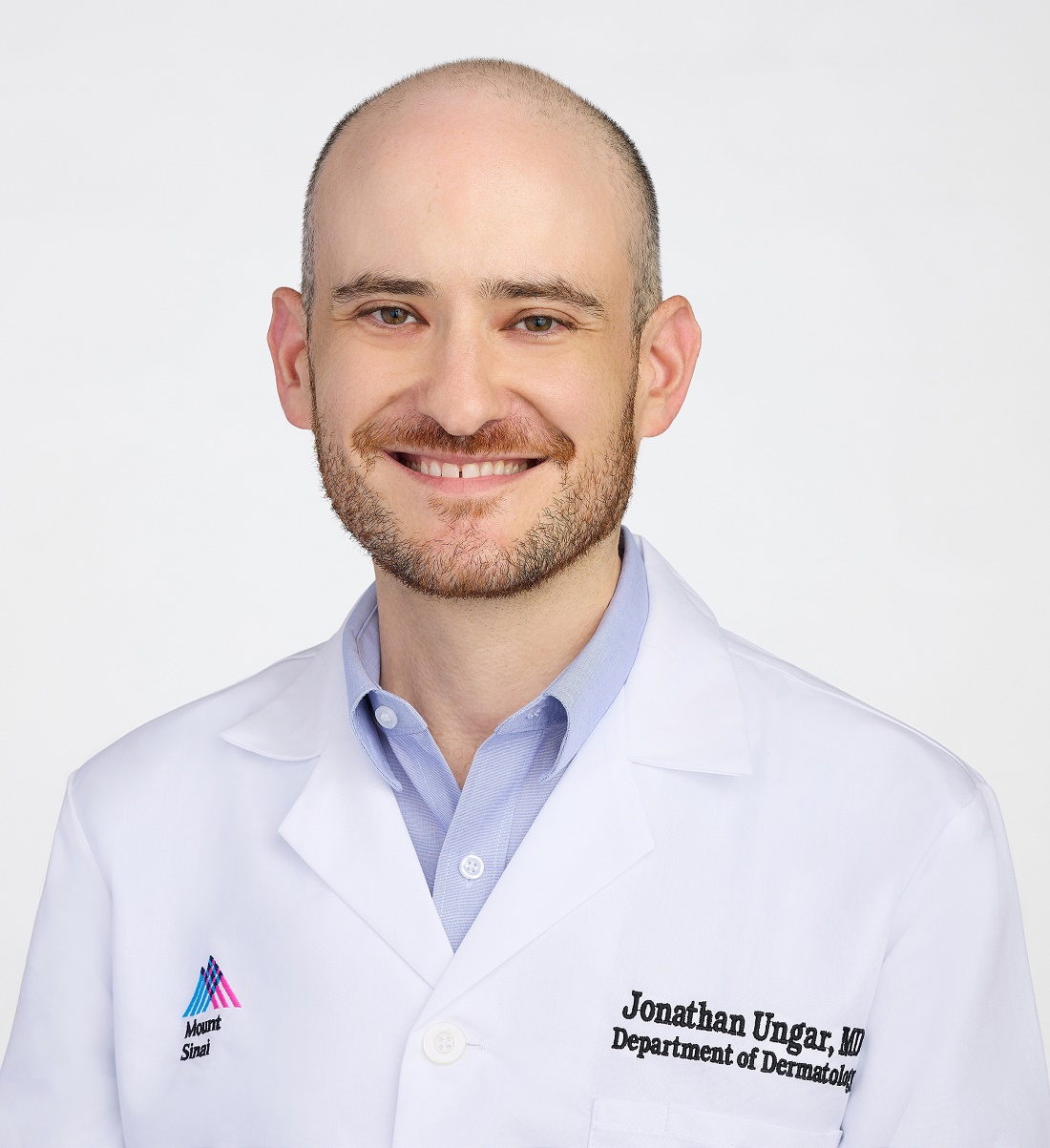
For skin cancer screening, existing and coming technologies represent “the future of dermatology,” but “we can and should be [already] trying to incorporate these into routine practice,” said Jonathan Ungar, MD, assistant professor of dermatology at the Icahn School of Medicine at Mount Sinai, New York City.
Technologies such as electrical impedance spectroscopy (EIS), optical coherence tomography (OCT), and reflectance confocal microscopy (RCM) have immediate utility for improving skin cancer detection with fewer biopsies, but this is just the beginning, according to Ungar, who is also medical director of the Kimberly and Eric J. Waldman Melanoma and Skin Cancer Center at Mount Sinai, New York City.
“There is going to be a day when we are not cutting to make a diagnosis,” he said during a presentation at the 27th Annual Winter Symposium — Advances in Medical and Surgical Dermatology (MSWS) 2024.
Four Noninvasive Tools Are in Routine Use
Each of these technologies, along with total body photography (TBP), is currently in use at Mount Sinai as well as other tertiary centers to improve diagnostic accuracy at the same time they reduce invasive tests. The initial excitement about these technologies was based on their potential to avoid biopsy in cosmetically sensitive areas, but Ungar suggested that wider application is being driven by better rates of detection, less morbidity, and improved patient satisfaction.
Patients are happy to avoid invasive procedures whenever they can, Ungar noted. In addition to concern about pain or discomfort and a small but measurable risk for infection, patients face a wound that requires healing and the potential for an enduring scar whether the histology is positive for a malignancy.
While none of the four technologies Ungar outlined typically provide a yes or no answer regarding the presence of a malignancy, they do improve diagnostic accuracy with a lower rate of biopsy.
Each Noninvasive Tool Reduces Biopsy Rates
In the case of EIS, for example, the impedance of a painless and harmless electrical current directed into the skin with a handheld probe differentiates normal from abnormal skin through an EIS algorithm. Ungar said it does not require training. A result negative for an abnormality has about a 90% predictive value, and it means that a biopsy can be avoided if there are no other reasons for suspicion.
With a price estimated in the thousands of dollars, the device and software are “not so expensive,” particularly when the tool results in fewer biopsies, Ungar noted.
OCT has a similar profile. Again, used as an adjunct to other types of evaluations, including a history and visual inspection, this helps in modulating suspicion of malignancy. In published studies, OCT has proven superior to dermatoscopy for cancer detection. Citing a 14-study meta-analysis, Ungar said that the sensitivity of OCT for melanoma exceeds, and the specificity approaches, 90%. For basal cell cancers, it is even better.
RCM involves directing a laser into the skin to detect abnormal cells that reflect light. It enables visualization of the skin by layers to the papillary dermis in a detail that is comparable with histology, according to Ungar. Imaging performed with the device used at Mount Sinai (VivaScope 1500, Caliber Imaging & Diagnostics) is reimbursed by Medicare.
Once comfortable with the technology, scanning and interpretation take slightly more time than that required of EIS or OCT, but, like the others, it is painless and helpful for determining whether further evaluation is needed, according to Ungar.
“It is extremely useful in reducing the number of biopsies,” whether melanoma or basal cell malignancies, he said.
Total Body Photograph Helps With Serial Screens
While not specifically a diagnostic tool, TBP can also play a role in reducing biopsies through its highly efficient ability to document the evolution of lesions over time.
As its name implies, essentially the entire body surface is captured by multiple cameras mounted in a circle around the patient. Unlike sequential photos that require far more time to take and store and are challenging to organize and retrieve, the device used at Mount Sinai (Vectra Wb180 1360, Canfield Scientific) can complete the photos in about 2 minutes.
Software for organizing and storing the photos, to which dermatoscope images of individual lesions can be attached if helpful, results in efficient retrieval of photos at sequential visits for evaluating change in any specific lesion.
“It is very easy to use,” according to Ungar, who noted that although the underlying idea is not, the technology of taking, storing, and retrieving photographs has been “perhaps perfected” with this approach.
Noninvasive Screening Training Is Appropriate
Year after year, dermatology residents undergo intensive instruction to master the traditional methods of skin examination with the naked eye and the help of a dermatoscope, but Ungar considers the noninvasive tools to be another step forward. They lower miss rates while reducing the need for histopathology.
Adding these new technologies to routine patient care resonates for many experts, even if the protocols of when to use with the tool are not well established.
Angela J. Lamb, MD, an associate professor of dermatology at Mount Sinai, who has been following the work of Ungar with interest, sees merit in his argument. Not surprisingly, she thinks that any approach shown to boost skin cancer detection is something that deserves attention, but she thinks the effort to safely eliminate biopsies with a low likelihood of a positive finding cannot be ignored.
“Patients want to avoid biopsies when they can,” Lamb told this news organization, and she does not think this is limited to biopsies on the face or other cosmetically sensitive areas.
As a result, she said that she does see the rationale for incorporating the newer technologies into routine care and called this an “important” effort to improve the patient experience as well as reduce missed lesions.
Ungar reported financial relationships with AbbVie, Bristol-Myers Squibb, Castle Biosciences, Dermavant, Janssen Pharmaceuticals, Menlo Therapeutics, Mitsubishi Tanabe Pharma America, and UCB. Lamb reported no potential conflicts of interest.
A version of this article first appeared on Medscape.com.
NEW YORK CITY — now in routine use at his own institution.
For skin cancer screening, existing and coming technologies represent “the future of dermatology,” but “we can and should be [already] trying to incorporate these into routine practice,” said Jonathan Ungar, MD, assistant professor of dermatology at the Icahn School of Medicine at Mount Sinai, New York City.
Technologies such as electrical impedance spectroscopy (EIS), optical coherence tomography (OCT), and reflectance confocal microscopy (RCM) have immediate utility for improving skin cancer detection with fewer biopsies, but this is just the beginning, according to Ungar, who is also medical director of the Kimberly and Eric J. Waldman Melanoma and Skin Cancer Center at Mount Sinai, New York City.
“There is going to be a day when we are not cutting to make a diagnosis,” he said during a presentation at the 27th Annual Winter Symposium — Advances in Medical and Surgical Dermatology (MSWS) 2024.
Four Noninvasive Tools Are in Routine Use
Each of these technologies, along with total body photography (TBP), is currently in use at Mount Sinai as well as other tertiary centers to improve diagnostic accuracy at the same time they reduce invasive tests. The initial excitement about these technologies was based on their potential to avoid biopsy in cosmetically sensitive areas, but Ungar suggested that wider application is being driven by better rates of detection, less morbidity, and improved patient satisfaction.
Patients are happy to avoid invasive procedures whenever they can, Ungar noted. In addition to concern about pain or discomfort and a small but measurable risk for infection, patients face a wound that requires healing and the potential for an enduring scar whether the histology is positive for a malignancy.
While none of the four technologies Ungar outlined typically provide a yes or no answer regarding the presence of a malignancy, they do improve diagnostic accuracy with a lower rate of biopsy.
Each Noninvasive Tool Reduces Biopsy Rates
In the case of EIS, for example, the impedance of a painless and harmless electrical current directed into the skin with a handheld probe differentiates normal from abnormal skin through an EIS algorithm. Ungar said it does not require training. A result negative for an abnormality has about a 90% predictive value, and it means that a biopsy can be avoided if there are no other reasons for suspicion.
With a price estimated in the thousands of dollars, the device and software are “not so expensive,” particularly when the tool results in fewer biopsies, Ungar noted.
OCT has a similar profile. Again, used as an adjunct to other types of evaluations, including a history and visual inspection, this helps in modulating suspicion of malignancy. In published studies, OCT has proven superior to dermatoscopy for cancer detection. Citing a 14-study meta-analysis, Ungar said that the sensitivity of OCT for melanoma exceeds, and the specificity approaches, 90%. For basal cell cancers, it is even better.
RCM involves directing a laser into the skin to detect abnormal cells that reflect light. It enables visualization of the skin by layers to the papillary dermis in a detail that is comparable with histology, according to Ungar. Imaging performed with the device used at Mount Sinai (VivaScope 1500, Caliber Imaging & Diagnostics) is reimbursed by Medicare.
Once comfortable with the technology, scanning and interpretation take slightly more time than that required of EIS or OCT, but, like the others, it is painless and helpful for determining whether further evaluation is needed, according to Ungar.
“It is extremely useful in reducing the number of biopsies,” whether melanoma or basal cell malignancies, he said.
Total Body Photograph Helps With Serial Screens
While not specifically a diagnostic tool, TBP can also play a role in reducing biopsies through its highly efficient ability to document the evolution of lesions over time.
As its name implies, essentially the entire body surface is captured by multiple cameras mounted in a circle around the patient. Unlike sequential photos that require far more time to take and store and are challenging to organize and retrieve, the device used at Mount Sinai (Vectra Wb180 1360, Canfield Scientific) can complete the photos in about 2 minutes.
Software for organizing and storing the photos, to which dermatoscope images of individual lesions can be attached if helpful, results in efficient retrieval of photos at sequential visits for evaluating change in any specific lesion.
“It is very easy to use,” according to Ungar, who noted that although the underlying idea is not, the technology of taking, storing, and retrieving photographs has been “perhaps perfected” with this approach.
Noninvasive Screening Training Is Appropriate
Year after year, dermatology residents undergo intensive instruction to master the traditional methods of skin examination with the naked eye and the help of a dermatoscope, but Ungar considers the noninvasive tools to be another step forward. They lower miss rates while reducing the need for histopathology.
Adding these new technologies to routine patient care resonates for many experts, even if the protocols of when to use with the tool are not well established.
Angela J. Lamb, MD, an associate professor of dermatology at Mount Sinai, who has been following the work of Ungar with interest, sees merit in his argument. Not surprisingly, she thinks that any approach shown to boost skin cancer detection is something that deserves attention, but she thinks the effort to safely eliminate biopsies with a low likelihood of a positive finding cannot be ignored.
“Patients want to avoid biopsies when they can,” Lamb told this news organization, and she does not think this is limited to biopsies on the face or other cosmetically sensitive areas.
As a result, she said that she does see the rationale for incorporating the newer technologies into routine care and called this an “important” effort to improve the patient experience as well as reduce missed lesions.
Ungar reported financial relationships with AbbVie, Bristol-Myers Squibb, Castle Biosciences, Dermavant, Janssen Pharmaceuticals, Menlo Therapeutics, Mitsubishi Tanabe Pharma America, and UCB. Lamb reported no potential conflicts of interest.
A version of this article first appeared on Medscape.com.
NEW YORK CITY — now in routine use at his own institution.
For skin cancer screening, existing and coming technologies represent “the future of dermatology,” but “we can and should be [already] trying to incorporate these into routine practice,” said Jonathan Ungar, MD, assistant professor of dermatology at the Icahn School of Medicine at Mount Sinai, New York City.
Technologies such as electrical impedance spectroscopy (EIS), optical coherence tomography (OCT), and reflectance confocal microscopy (RCM) have immediate utility for improving skin cancer detection with fewer biopsies, but this is just the beginning, according to Ungar, who is also medical director of the Kimberly and Eric J. Waldman Melanoma and Skin Cancer Center at Mount Sinai, New York City.
“There is going to be a day when we are not cutting to make a diagnosis,” he said during a presentation at the 27th Annual Winter Symposium — Advances in Medical and Surgical Dermatology (MSWS) 2024.
Four Noninvasive Tools Are in Routine Use
Each of these technologies, along with total body photography (TBP), is currently in use at Mount Sinai as well as other tertiary centers to improve diagnostic accuracy at the same time they reduce invasive tests. The initial excitement about these technologies was based on their potential to avoid biopsy in cosmetically sensitive areas, but Ungar suggested that wider application is being driven by better rates of detection, less morbidity, and improved patient satisfaction.
Patients are happy to avoid invasive procedures whenever they can, Ungar noted. In addition to concern about pain or discomfort and a small but measurable risk for infection, patients face a wound that requires healing and the potential for an enduring scar whether the histology is positive for a malignancy.
While none of the four technologies Ungar outlined typically provide a yes or no answer regarding the presence of a malignancy, they do improve diagnostic accuracy with a lower rate of biopsy.
Each Noninvasive Tool Reduces Biopsy Rates
In the case of EIS, for example, the impedance of a painless and harmless electrical current directed into the skin with a handheld probe differentiates normal from abnormal skin through an EIS algorithm. Ungar said it does not require training. A result negative for an abnormality has about a 90% predictive value, and it means that a biopsy can be avoided if there are no other reasons for suspicion.
With a price estimated in the thousands of dollars, the device and software are “not so expensive,” particularly when the tool results in fewer biopsies, Ungar noted.
OCT has a similar profile. Again, used as an adjunct to other types of evaluations, including a history and visual inspection, this helps in modulating suspicion of malignancy. In published studies, OCT has proven superior to dermatoscopy for cancer detection. Citing a 14-study meta-analysis, Ungar said that the sensitivity of OCT for melanoma exceeds, and the specificity approaches, 90%. For basal cell cancers, it is even better.
RCM involves directing a laser into the skin to detect abnormal cells that reflect light. It enables visualization of the skin by layers to the papillary dermis in a detail that is comparable with histology, according to Ungar. Imaging performed with the device used at Mount Sinai (VivaScope 1500, Caliber Imaging & Diagnostics) is reimbursed by Medicare.
Once comfortable with the technology, scanning and interpretation take slightly more time than that required of EIS or OCT, but, like the others, it is painless and helpful for determining whether further evaluation is needed, according to Ungar.
“It is extremely useful in reducing the number of biopsies,” whether melanoma or basal cell malignancies, he said.
Total Body Photograph Helps With Serial Screens
While not specifically a diagnostic tool, TBP can also play a role in reducing biopsies through its highly efficient ability to document the evolution of lesions over time.
As its name implies, essentially the entire body surface is captured by multiple cameras mounted in a circle around the patient. Unlike sequential photos that require far more time to take and store and are challenging to organize and retrieve, the device used at Mount Sinai (Vectra Wb180 1360, Canfield Scientific) can complete the photos in about 2 minutes.
Software for organizing and storing the photos, to which dermatoscope images of individual lesions can be attached if helpful, results in efficient retrieval of photos at sequential visits for evaluating change in any specific lesion.
“It is very easy to use,” according to Ungar, who noted that although the underlying idea is not, the technology of taking, storing, and retrieving photographs has been “perhaps perfected” with this approach.
Noninvasive Screening Training Is Appropriate
Year after year, dermatology residents undergo intensive instruction to master the traditional methods of skin examination with the naked eye and the help of a dermatoscope, but Ungar considers the noninvasive tools to be another step forward. They lower miss rates while reducing the need for histopathology.
Adding these new technologies to routine patient care resonates for many experts, even if the protocols of when to use with the tool are not well established.
Angela J. Lamb, MD, an associate professor of dermatology at Mount Sinai, who has been following the work of Ungar with interest, sees merit in his argument. Not surprisingly, she thinks that any approach shown to boost skin cancer detection is something that deserves attention, but she thinks the effort to safely eliminate biopsies with a low likelihood of a positive finding cannot be ignored.
“Patients want to avoid biopsies when they can,” Lamb told this news organization, and she does not think this is limited to biopsies on the face or other cosmetically sensitive areas.
As a result, she said that she does see the rationale for incorporating the newer technologies into routine care and called this an “important” effort to improve the patient experience as well as reduce missed lesions.
Ungar reported financial relationships with AbbVie, Bristol-Myers Squibb, Castle Biosciences, Dermavant, Janssen Pharmaceuticals, Menlo Therapeutics, Mitsubishi Tanabe Pharma America, and UCB. Lamb reported no potential conflicts of interest.
A version of this article first appeared on Medscape.com.
FROM MSWS 2024
Some Antihypertensives Linked to HCC Risk in Patients With MASLD and Cirrhosis
SAN DIEGO — according to new research.
In particular, the use of calcium channel blockers (CCBs), angiotensin-converting enzyme (ACE) inhibitors, and angiotensin receptor blockers (ARBs) was associated with a higher risk of developing HCC, compared with not using these medications.
About half of patients with MASLD have hypertension, and the use of antihypertensives in these patients is beneficial to reduce the risk for cardiovascular disease and complications related to MASLD, said lead author Ahmed Elhariri, MD, a research fellow at the University of Texas MD Anderson Cancer Center, Houston, who conducted the study as a research assistant in gastroenterology and hepatology at the Baylor College of Medicine, also in Houston.
However, previous studies have suggested a possible link between these medications and cancer development, “especially CCBs and breast and lung cancer,” said Elhariri, who presented the findings at The Liver Meeting 2024: American Association for the Study of Liver Diseases (AASLD).
Analyzing Potential Risks
In a case-control study, Elhariri and colleagues analyzed antihypertensive medication use among patients with MASLD-induced HCC, as defined by histology or radiology based on the Liver Imaging Reporting & Data System, and control patients with MASLD but without HCC.
Between 2020 and 2024, the research team recruited 153 newly diagnosed HCC cases with different etiologies and 170 patients with MASLD but without HCC from Baylor College of Medicine’s outpatient clinics. For this study, they selected 47 age- and sex-matched pairs, all of whom had cirrhosis. Only those with a history of hypertension were included, however. Data on risk factors of metabolic syndrome (including diabetes) and HCC were collected, along with details about medication use such as metformin and statins.
A total of 42 patients with MASLD and HCC and 39 MASLD control individuals had a history of hypertension and were treated with antihypertensive medications. The mean age was 66.5 years for the HCC group and 63.5 years for the control group, and the mean body mass index (BMI) was 31.1 for the HCC group and 31.7 for the control group.
After adjusting for age, sex, BMI, Hispanic ethnicity, and use of other medications, patients taking CCBs had an increased HCC risk (odds ratio [OR], 2.76), compared with those not taking CCBs. Patients taking ACE inhibitors or ARBs also had an increased HCC risk (OR, 2.54), compared with those not taking ACE inhibitors or ARBs.
However, there wasn’t a statistically significant difference in HCC risk among patients taking beta-blockers (OR, 0.87).
“Patients with fatty liver in the presence of metabolic syndrome, especially in the presence of cirrhosis and antihypertensives, need to have stricter surveillance for liver cancer,” Elhariri said.
“We need to carefully review blood pressure medications in patients with MASLD and cirrhosis,” he said. CCBs, ACE inhibitors, and ARBs can be replaced with beta-blockers, “which have been shown to reduce progression of cirrhosis-related complications.”
Considering Clinical Implications
“Although our study showed some association between the use of some commonly used antihypertensives and the risk for HCC in this high-risk population, it is based on data collected retrospectively on a small number of selected patients with advanced liver disease,” Elhariri noted.
The associations and underlying mechanisms should be studied in larger populations and prospective trials, he said. “Until we have more data with a significantly larger sample size, it’s premature to raise the concern in the general population.”
“The cardiovascular benefits of controlling blood pressure far outweigh the risk of liver cancer in patients with metabolic syndrome,” Elhariri added.
In ongoing studies, researchers are investigating ways to improve patient outcomes and reduce the negative effects of cirrhosis-associated complications among patients with MASLD and metabolic dysfunction–associated steatohepatitis (MASH), Muhammad Ali Butt, MD, a hepatology fellow at Beth Israel Lahey Hospital & Medical Center in Burlington, Massachusetts, said in an interview.
Butt, who wasn’t involved with this study, presented separate research on statins in MASH patients with cirrhosis, which indicated statistically significant decreases in portal hypertension, thrombosis, hepatorenal syndrome, hepatic encephalopathy, and mortality.
“We know patients with MASLD- and MASH-associated cirrhosis commonly have other comorbidities, including high cardiovascular risks, diabetes, and hyperlipidemia,” he said. “All of these conditions indicate patients to be on other medications such as antihypertensives or statins. It’s important to know the role these medications play, especially given the high-risk profile of these patients.”
Elhariri and Butt reported no relevant disclosures.
A version of this article first appeared on Medscape.com.
SAN DIEGO — according to new research.
In particular, the use of calcium channel blockers (CCBs), angiotensin-converting enzyme (ACE) inhibitors, and angiotensin receptor blockers (ARBs) was associated with a higher risk of developing HCC, compared with not using these medications.
About half of patients with MASLD have hypertension, and the use of antihypertensives in these patients is beneficial to reduce the risk for cardiovascular disease and complications related to MASLD, said lead author Ahmed Elhariri, MD, a research fellow at the University of Texas MD Anderson Cancer Center, Houston, who conducted the study as a research assistant in gastroenterology and hepatology at the Baylor College of Medicine, also in Houston.
However, previous studies have suggested a possible link between these medications and cancer development, “especially CCBs and breast and lung cancer,” said Elhariri, who presented the findings at The Liver Meeting 2024: American Association for the Study of Liver Diseases (AASLD).
Analyzing Potential Risks
In a case-control study, Elhariri and colleagues analyzed antihypertensive medication use among patients with MASLD-induced HCC, as defined by histology or radiology based on the Liver Imaging Reporting & Data System, and control patients with MASLD but without HCC.
Between 2020 and 2024, the research team recruited 153 newly diagnosed HCC cases with different etiologies and 170 patients with MASLD but without HCC from Baylor College of Medicine’s outpatient clinics. For this study, they selected 47 age- and sex-matched pairs, all of whom had cirrhosis. Only those with a history of hypertension were included, however. Data on risk factors of metabolic syndrome (including diabetes) and HCC were collected, along with details about medication use such as metformin and statins.
A total of 42 patients with MASLD and HCC and 39 MASLD control individuals had a history of hypertension and were treated with antihypertensive medications. The mean age was 66.5 years for the HCC group and 63.5 years for the control group, and the mean body mass index (BMI) was 31.1 for the HCC group and 31.7 for the control group.
After adjusting for age, sex, BMI, Hispanic ethnicity, and use of other medications, patients taking CCBs had an increased HCC risk (odds ratio [OR], 2.76), compared with those not taking CCBs. Patients taking ACE inhibitors or ARBs also had an increased HCC risk (OR, 2.54), compared with those not taking ACE inhibitors or ARBs.
However, there wasn’t a statistically significant difference in HCC risk among patients taking beta-blockers (OR, 0.87).
“Patients with fatty liver in the presence of metabolic syndrome, especially in the presence of cirrhosis and antihypertensives, need to have stricter surveillance for liver cancer,” Elhariri said.
“We need to carefully review blood pressure medications in patients with MASLD and cirrhosis,” he said. CCBs, ACE inhibitors, and ARBs can be replaced with beta-blockers, “which have been shown to reduce progression of cirrhosis-related complications.”
Considering Clinical Implications
“Although our study showed some association between the use of some commonly used antihypertensives and the risk for HCC in this high-risk population, it is based on data collected retrospectively on a small number of selected patients with advanced liver disease,” Elhariri noted.
The associations and underlying mechanisms should be studied in larger populations and prospective trials, he said. “Until we have more data with a significantly larger sample size, it’s premature to raise the concern in the general population.”
“The cardiovascular benefits of controlling blood pressure far outweigh the risk of liver cancer in patients with metabolic syndrome,” Elhariri added.
In ongoing studies, researchers are investigating ways to improve patient outcomes and reduce the negative effects of cirrhosis-associated complications among patients with MASLD and metabolic dysfunction–associated steatohepatitis (MASH), Muhammad Ali Butt, MD, a hepatology fellow at Beth Israel Lahey Hospital & Medical Center in Burlington, Massachusetts, said in an interview.
Butt, who wasn’t involved with this study, presented separate research on statins in MASH patients with cirrhosis, which indicated statistically significant decreases in portal hypertension, thrombosis, hepatorenal syndrome, hepatic encephalopathy, and mortality.
“We know patients with MASLD- and MASH-associated cirrhosis commonly have other comorbidities, including high cardiovascular risks, diabetes, and hyperlipidemia,” he said. “All of these conditions indicate patients to be on other medications such as antihypertensives or statins. It’s important to know the role these medications play, especially given the high-risk profile of these patients.”
Elhariri and Butt reported no relevant disclosures.
A version of this article first appeared on Medscape.com.
SAN DIEGO — according to new research.
In particular, the use of calcium channel blockers (CCBs), angiotensin-converting enzyme (ACE) inhibitors, and angiotensin receptor blockers (ARBs) was associated with a higher risk of developing HCC, compared with not using these medications.
About half of patients with MASLD have hypertension, and the use of antihypertensives in these patients is beneficial to reduce the risk for cardiovascular disease and complications related to MASLD, said lead author Ahmed Elhariri, MD, a research fellow at the University of Texas MD Anderson Cancer Center, Houston, who conducted the study as a research assistant in gastroenterology and hepatology at the Baylor College of Medicine, also in Houston.
However, previous studies have suggested a possible link between these medications and cancer development, “especially CCBs and breast and lung cancer,” said Elhariri, who presented the findings at The Liver Meeting 2024: American Association for the Study of Liver Diseases (AASLD).
Analyzing Potential Risks
In a case-control study, Elhariri and colleagues analyzed antihypertensive medication use among patients with MASLD-induced HCC, as defined by histology or radiology based on the Liver Imaging Reporting & Data System, and control patients with MASLD but without HCC.
Between 2020 and 2024, the research team recruited 153 newly diagnosed HCC cases with different etiologies and 170 patients with MASLD but without HCC from Baylor College of Medicine’s outpatient clinics. For this study, they selected 47 age- and sex-matched pairs, all of whom had cirrhosis. Only those with a history of hypertension were included, however. Data on risk factors of metabolic syndrome (including diabetes) and HCC were collected, along with details about medication use such as metformin and statins.
A total of 42 patients with MASLD and HCC and 39 MASLD control individuals had a history of hypertension and were treated with antihypertensive medications. The mean age was 66.5 years for the HCC group and 63.5 years for the control group, and the mean body mass index (BMI) was 31.1 for the HCC group and 31.7 for the control group.
After adjusting for age, sex, BMI, Hispanic ethnicity, and use of other medications, patients taking CCBs had an increased HCC risk (odds ratio [OR], 2.76), compared with those not taking CCBs. Patients taking ACE inhibitors or ARBs also had an increased HCC risk (OR, 2.54), compared with those not taking ACE inhibitors or ARBs.
However, there wasn’t a statistically significant difference in HCC risk among patients taking beta-blockers (OR, 0.87).
“Patients with fatty liver in the presence of metabolic syndrome, especially in the presence of cirrhosis and antihypertensives, need to have stricter surveillance for liver cancer,” Elhariri said.
“We need to carefully review blood pressure medications in patients with MASLD and cirrhosis,” he said. CCBs, ACE inhibitors, and ARBs can be replaced with beta-blockers, “which have been shown to reduce progression of cirrhosis-related complications.”
Considering Clinical Implications
“Although our study showed some association between the use of some commonly used antihypertensives and the risk for HCC in this high-risk population, it is based on data collected retrospectively on a small number of selected patients with advanced liver disease,” Elhariri noted.
The associations and underlying mechanisms should be studied in larger populations and prospective trials, he said. “Until we have more data with a significantly larger sample size, it’s premature to raise the concern in the general population.”
“The cardiovascular benefits of controlling blood pressure far outweigh the risk of liver cancer in patients with metabolic syndrome,” Elhariri added.
In ongoing studies, researchers are investigating ways to improve patient outcomes and reduce the negative effects of cirrhosis-associated complications among patients with MASLD and metabolic dysfunction–associated steatohepatitis (MASH), Muhammad Ali Butt, MD, a hepatology fellow at Beth Israel Lahey Hospital & Medical Center in Burlington, Massachusetts, said in an interview.
Butt, who wasn’t involved with this study, presented separate research on statins in MASH patients with cirrhosis, which indicated statistically significant decreases in portal hypertension, thrombosis, hepatorenal syndrome, hepatic encephalopathy, and mortality.
“We know patients with MASLD- and MASH-associated cirrhosis commonly have other comorbidities, including high cardiovascular risks, diabetes, and hyperlipidemia,” he said. “All of these conditions indicate patients to be on other medications such as antihypertensives or statins. It’s important to know the role these medications play, especially given the high-risk profile of these patients.”
Elhariri and Butt reported no relevant disclosures.
A version of this article first appeared on Medscape.com.
FROM AASLD 2024
Melanoma: Study Addresses Impact of Indoor Tanning on Tumor Mutational Burden
TOPLINE:
in a retrospective cohort study. Higher TMB was linked to older age, head and neck tumors, and a history of nonmelanoma skin cancer (NMSC).
METHODOLOGY:
- Researchers conducted a retrospective cohort study at a tertiary care cancer center between 2013 and 2022.
- A total of 617 patients (median age at diagnosis, 61 years; 62.9% men) with melanoma who had next-generation sequencing data and indoor tanning bed exposure history available were included.
- Analysis involved multivariable modeling to evaluate the association between tanning bed use and TMB.
- Patients’ demographics, pathologic staging, TMB, and dermatologic history, including Fitzpatrick skin type, history of exposure to ultraviolet (UV) light, indoor tanning, NMSC, atypical nevi, and blistering sunburns, were considered for the analysis.
TAKEAWAY:
- About 22% of participants had an indoor tanning history. Indoor tanning exposure showed no association with TMB after adjustment for all possible predictors.
- A significant association was found between TMB and age at diagnosis, primary melanoma site, and history of NMSC (P < .001 for all).
- Patients with a history of atypical nevi demonstrated a significantly lower TMB than those without (log2 TMB, 3.89 vs 4.15; P = .01).
- Tumors of the head and neck exhibited a significantly higher TMB than those occurring in other primary sites, while skin-localized melanomas at diagnosis showed a significantly higher TMB than node-positive or metastatic stage III or IV tumors (log2 TMB, 3.88 vs 3.48; P = .005).
IN PRACTICE:
“Despite the known association between indoor tanning and melanoma risk,” the study did not find an association between indoor tanning and melanoma TMB, which “suggests that cumulative lifetime sun exposure may be a greater primary driver of TMB than intermittent radiation during indoor tanning,” the authors of the study wrote.
SOURCE:
The study was led by Grace B. Hanrahan, BA, of the Center for Melanoma Oncology, Dana-Farber Cancer Institute, Boston, Massachusetts, and was published online on December 11 in JAMA Dermatology.
LIMITATIONS:
The study was conducted at a tertiary referral center, potentially representing a higher-risk subset with more advanced disease than the broader population. Additionally, the retrospective collection of UV exposure history, including indoor tanning and blistering sunburns, may have introduced recall bias.
DISCLOSURES:
The authors did not disclose any funding information. No conflicts of interest were reported.
This article was created using several editorial tools, including artificial intelligence, as part of the process. Human editors reviewed this content before publication. A version of this article first appeared on Medscape.com.
TOPLINE:
in a retrospective cohort study. Higher TMB was linked to older age, head and neck tumors, and a history of nonmelanoma skin cancer (NMSC).
METHODOLOGY:
- Researchers conducted a retrospective cohort study at a tertiary care cancer center between 2013 and 2022.
- A total of 617 patients (median age at diagnosis, 61 years; 62.9% men) with melanoma who had next-generation sequencing data and indoor tanning bed exposure history available were included.
- Analysis involved multivariable modeling to evaluate the association between tanning bed use and TMB.
- Patients’ demographics, pathologic staging, TMB, and dermatologic history, including Fitzpatrick skin type, history of exposure to ultraviolet (UV) light, indoor tanning, NMSC, atypical nevi, and blistering sunburns, were considered for the analysis.
TAKEAWAY:
- About 22% of participants had an indoor tanning history. Indoor tanning exposure showed no association with TMB after adjustment for all possible predictors.
- A significant association was found between TMB and age at diagnosis, primary melanoma site, and history of NMSC (P < .001 for all).
- Patients with a history of atypical nevi demonstrated a significantly lower TMB than those without (log2 TMB, 3.89 vs 4.15; P = .01).
- Tumors of the head and neck exhibited a significantly higher TMB than those occurring in other primary sites, while skin-localized melanomas at diagnosis showed a significantly higher TMB than node-positive or metastatic stage III or IV tumors (log2 TMB, 3.88 vs 3.48; P = .005).
IN PRACTICE:
“Despite the known association between indoor tanning and melanoma risk,” the study did not find an association between indoor tanning and melanoma TMB, which “suggests that cumulative lifetime sun exposure may be a greater primary driver of TMB than intermittent radiation during indoor tanning,” the authors of the study wrote.
SOURCE:
The study was led by Grace B. Hanrahan, BA, of the Center for Melanoma Oncology, Dana-Farber Cancer Institute, Boston, Massachusetts, and was published online on December 11 in JAMA Dermatology.
LIMITATIONS:
The study was conducted at a tertiary referral center, potentially representing a higher-risk subset with more advanced disease than the broader population. Additionally, the retrospective collection of UV exposure history, including indoor tanning and blistering sunburns, may have introduced recall bias.
DISCLOSURES:
The authors did not disclose any funding information. No conflicts of interest were reported.
This article was created using several editorial tools, including artificial intelligence, as part of the process. Human editors reviewed this content before publication. A version of this article first appeared on Medscape.com.
TOPLINE:
in a retrospective cohort study. Higher TMB was linked to older age, head and neck tumors, and a history of nonmelanoma skin cancer (NMSC).
METHODOLOGY:
- Researchers conducted a retrospective cohort study at a tertiary care cancer center between 2013 and 2022.
- A total of 617 patients (median age at diagnosis, 61 years; 62.9% men) with melanoma who had next-generation sequencing data and indoor tanning bed exposure history available were included.
- Analysis involved multivariable modeling to evaluate the association between tanning bed use and TMB.
- Patients’ demographics, pathologic staging, TMB, and dermatologic history, including Fitzpatrick skin type, history of exposure to ultraviolet (UV) light, indoor tanning, NMSC, atypical nevi, and blistering sunburns, were considered for the analysis.
TAKEAWAY:
- About 22% of participants had an indoor tanning history. Indoor tanning exposure showed no association with TMB after adjustment for all possible predictors.
- A significant association was found between TMB and age at diagnosis, primary melanoma site, and history of NMSC (P < .001 for all).
- Patients with a history of atypical nevi demonstrated a significantly lower TMB than those without (log2 TMB, 3.89 vs 4.15; P = .01).
- Tumors of the head and neck exhibited a significantly higher TMB than those occurring in other primary sites, while skin-localized melanomas at diagnosis showed a significantly higher TMB than node-positive or metastatic stage III or IV tumors (log2 TMB, 3.88 vs 3.48; P = .005).
IN PRACTICE:
“Despite the known association between indoor tanning and melanoma risk,” the study did not find an association between indoor tanning and melanoma TMB, which “suggests that cumulative lifetime sun exposure may be a greater primary driver of TMB than intermittent radiation during indoor tanning,” the authors of the study wrote.
SOURCE:
The study was led by Grace B. Hanrahan, BA, of the Center for Melanoma Oncology, Dana-Farber Cancer Institute, Boston, Massachusetts, and was published online on December 11 in JAMA Dermatology.
LIMITATIONS:
The study was conducted at a tertiary referral center, potentially representing a higher-risk subset with more advanced disease than the broader population. Additionally, the retrospective collection of UV exposure history, including indoor tanning and blistering sunburns, may have introduced recall bias.
DISCLOSURES:
The authors did not disclose any funding information. No conflicts of interest were reported.
This article was created using several editorial tools, including artificial intelligence, as part of the process. Human editors reviewed this content before publication. A version of this article first appeared on Medscape.com.
Do Risk-Reducing Surgeries Benefit BRCA Carriers With Early-Onset Breast Cancer History?
according to new data presented at the San Antonio Breast Cancer Symposium (SABCS) 2024.
Having a risk-reducing mastectomy or salpingo-oophorectomy was associated with significantly improved overall survival and disease-free survival in BRCA-mutation carriers who had been diagnosed with a first breast cancer at age ≤ 40 years.
“This global study provides the first evidence that risk-reducing surgeries improve survival outcomes among young BRCA-mutation carriers with a prior history of early-onset breast cancer,” study investigator Matteo Lambertini, MD, PhD, oncologist with the University of Genova–IRCCS Policlinico San Martino Hospital in Genoa, Italy, said in a statement from the SABCS, where he presented the findings. “Considering the unique traits and needs of this younger population, and their high risk for secondary malignancies, it is critical to understand how risk-reducing surgeries affect patient outcomes, so that the risks and benefits of these procedures can be carefully weighed.”
“We hope these findings may help to improve the counseling on cancer-risk management strategies for BRCA carriers with young-onset of breast cancer below the age of 40 years,” Lambertini added during a press briefing.
Various risk-reducing strategies, including risk-reducing surgeries, are recommended for BRCA-mutation carriers without a prior history of cancer, but the impact of these surgeries among younger populations with a history of early-onset breast cancer has been less clear.
The new findings come from the BRCA BCY Collaboration, an international, multicenter, retrospective cohort study of 5290 patients with likely pathogenic/pathogenic germline BRCA1 and/or BRCA2 mutations who were diagnosed with stages I-III breast cancer at ≤ 40 years. The risk-reducing mastectomy analysis included 2910 patients (55%) who underwent the surgery less than 1 year from diagnosis and 2380 who opted not to have the surgery.
Primary endpoint was overall survival, and disease-free survival and breast cancer-free interval were secondary endpoints. Overall survival models were adjusted for the development of distant recurrences or second primary malignancies.
During median follow-up of 5.1 years, patients who underwent risk-reducing mastectomy had a 35% lower risk of dying (adjusted hazard ratio [aHR], 0.65) as well as a significant improvement in both disease-free survival (aHR, 0.58) and breast cancer-free interval (aHR, 0.55). The improved outcomes were seen in both BRCA1 and BRCA2 carriers, Lambertini reported.
The risk-reducing salpingo-oophorectomy analysis included 2782 patients who underwent this surgery a median of 3 years from diagnosis and 2508 who did not.
During median follow up of 4.9 years, risk-reducing salpingo-oophorectomy was associated with a 42% lower risk for death (aHR, 0.58) as well as an improvement in both disease-free survival (aHR, 0.68) and breast cancer-free interval (aHR, 0.65).
For risk-reducing salpingo-oophorectomy, there was an interaction based on breast cancer subtype and BRCA mutation.
“Specifically, the benefit of risk-reducing salpingo-oophorectomy was greater for patients with BRCA1 pathogenic variants and for those with triple-negative disease, as compared to those with BRCA2 pathogenic variants or luminal disease,” Lambertini reported.
Overall survival results were similar in patients who underwent one or both surgeries.
Briefing moderator Kate Lathrop, MD, with the University of Texas Health Science Center at San Antonio, noted that this study provides valuable information for counseling younger patients. Having datasets like this helps us give patients “potentially our best estimate of the amount of reduction of risk you could have by having the surgery now.”
In an interview, Freya Schnabel, MD, director of breast surgery at NYU Langone Health’s Perlmutter Cancer Center, New York City, emphasized the importance of early, well-informed decision-making upfront at the time of diagnosis in this patient population.
The benefit of “risk-reducing oophorectomy cannot be overemphasized, even in the presence of a known breast cancer because, as my colleagues and I say — we don’t want to cure their breast cancer and then have them die of ovarian cancer,” said Schnabel, who was not involved in the study.
In terms of prophylactic contralateral mastectomy, Schnabel noted that BRCA-mutation carriers have a “very high” risk for a second primary breast cancer. In her experience, “that’s what drives patients frequently at the time of diagnosis to have bilateral mastectomy because who wants to go through this more than once?”
This is especially true for BRCA1 carriers who have a higher risk for triple-negative breast cancer, which is associated with a worse prognosis and is harder to treat, Schnabel said.
“For these patients, having surgery prevents the patient from getting into a situation where their second primary tumor winds up being biologically more aggressive and then affects their survival,” Schnabel said.
The study was supported by the Italian Association for Cancer Research and the European Society for Medical Oncology. Lambertini reported advisory roles for Roche, Lilly, Novartis, AstraZeneca, Pfizer, Seagen, Gilead, MSD, Exact Sciences, Pierre Fabre, and Menarini. Lathrop consults for TeraSera Pharmaceuticals. Schnabel had no relevant disclosures.
A version of this article first appeared on Medscape.com.
according to new data presented at the San Antonio Breast Cancer Symposium (SABCS) 2024.
Having a risk-reducing mastectomy or salpingo-oophorectomy was associated with significantly improved overall survival and disease-free survival in BRCA-mutation carriers who had been diagnosed with a first breast cancer at age ≤ 40 years.
“This global study provides the first evidence that risk-reducing surgeries improve survival outcomes among young BRCA-mutation carriers with a prior history of early-onset breast cancer,” study investigator Matteo Lambertini, MD, PhD, oncologist with the University of Genova–IRCCS Policlinico San Martino Hospital in Genoa, Italy, said in a statement from the SABCS, where he presented the findings. “Considering the unique traits and needs of this younger population, and their high risk for secondary malignancies, it is critical to understand how risk-reducing surgeries affect patient outcomes, so that the risks and benefits of these procedures can be carefully weighed.”
“We hope these findings may help to improve the counseling on cancer-risk management strategies for BRCA carriers with young-onset of breast cancer below the age of 40 years,” Lambertini added during a press briefing.
Various risk-reducing strategies, including risk-reducing surgeries, are recommended for BRCA-mutation carriers without a prior history of cancer, but the impact of these surgeries among younger populations with a history of early-onset breast cancer has been less clear.
The new findings come from the BRCA BCY Collaboration, an international, multicenter, retrospective cohort study of 5290 patients with likely pathogenic/pathogenic germline BRCA1 and/or BRCA2 mutations who were diagnosed with stages I-III breast cancer at ≤ 40 years. The risk-reducing mastectomy analysis included 2910 patients (55%) who underwent the surgery less than 1 year from diagnosis and 2380 who opted not to have the surgery.
Primary endpoint was overall survival, and disease-free survival and breast cancer-free interval were secondary endpoints. Overall survival models were adjusted for the development of distant recurrences or second primary malignancies.
During median follow-up of 5.1 years, patients who underwent risk-reducing mastectomy had a 35% lower risk of dying (adjusted hazard ratio [aHR], 0.65) as well as a significant improvement in both disease-free survival (aHR, 0.58) and breast cancer-free interval (aHR, 0.55). The improved outcomes were seen in both BRCA1 and BRCA2 carriers, Lambertini reported.
The risk-reducing salpingo-oophorectomy analysis included 2782 patients who underwent this surgery a median of 3 years from diagnosis and 2508 who did not.
During median follow up of 4.9 years, risk-reducing salpingo-oophorectomy was associated with a 42% lower risk for death (aHR, 0.58) as well as an improvement in both disease-free survival (aHR, 0.68) and breast cancer-free interval (aHR, 0.65).
For risk-reducing salpingo-oophorectomy, there was an interaction based on breast cancer subtype and BRCA mutation.
“Specifically, the benefit of risk-reducing salpingo-oophorectomy was greater for patients with BRCA1 pathogenic variants and for those with triple-negative disease, as compared to those with BRCA2 pathogenic variants or luminal disease,” Lambertini reported.
Overall survival results were similar in patients who underwent one or both surgeries.
Briefing moderator Kate Lathrop, MD, with the University of Texas Health Science Center at San Antonio, noted that this study provides valuable information for counseling younger patients. Having datasets like this helps us give patients “potentially our best estimate of the amount of reduction of risk you could have by having the surgery now.”
In an interview, Freya Schnabel, MD, director of breast surgery at NYU Langone Health’s Perlmutter Cancer Center, New York City, emphasized the importance of early, well-informed decision-making upfront at the time of diagnosis in this patient population.
The benefit of “risk-reducing oophorectomy cannot be overemphasized, even in the presence of a known breast cancer because, as my colleagues and I say — we don’t want to cure their breast cancer and then have them die of ovarian cancer,” said Schnabel, who was not involved in the study.
In terms of prophylactic contralateral mastectomy, Schnabel noted that BRCA-mutation carriers have a “very high” risk for a second primary breast cancer. In her experience, “that’s what drives patients frequently at the time of diagnosis to have bilateral mastectomy because who wants to go through this more than once?”
This is especially true for BRCA1 carriers who have a higher risk for triple-negative breast cancer, which is associated with a worse prognosis and is harder to treat, Schnabel said.
“For these patients, having surgery prevents the patient from getting into a situation where their second primary tumor winds up being biologically more aggressive and then affects their survival,” Schnabel said.
The study was supported by the Italian Association for Cancer Research and the European Society for Medical Oncology. Lambertini reported advisory roles for Roche, Lilly, Novartis, AstraZeneca, Pfizer, Seagen, Gilead, MSD, Exact Sciences, Pierre Fabre, and Menarini. Lathrop consults for TeraSera Pharmaceuticals. Schnabel had no relevant disclosures.
A version of this article first appeared on Medscape.com.
according to new data presented at the San Antonio Breast Cancer Symposium (SABCS) 2024.
Having a risk-reducing mastectomy or salpingo-oophorectomy was associated with significantly improved overall survival and disease-free survival in BRCA-mutation carriers who had been diagnosed with a first breast cancer at age ≤ 40 years.
“This global study provides the first evidence that risk-reducing surgeries improve survival outcomes among young BRCA-mutation carriers with a prior history of early-onset breast cancer,” study investigator Matteo Lambertini, MD, PhD, oncologist with the University of Genova–IRCCS Policlinico San Martino Hospital in Genoa, Italy, said in a statement from the SABCS, where he presented the findings. “Considering the unique traits and needs of this younger population, and their high risk for secondary malignancies, it is critical to understand how risk-reducing surgeries affect patient outcomes, so that the risks and benefits of these procedures can be carefully weighed.”
“We hope these findings may help to improve the counseling on cancer-risk management strategies for BRCA carriers with young-onset of breast cancer below the age of 40 years,” Lambertini added during a press briefing.
Various risk-reducing strategies, including risk-reducing surgeries, are recommended for BRCA-mutation carriers without a prior history of cancer, but the impact of these surgeries among younger populations with a history of early-onset breast cancer has been less clear.
The new findings come from the BRCA BCY Collaboration, an international, multicenter, retrospective cohort study of 5290 patients with likely pathogenic/pathogenic germline BRCA1 and/or BRCA2 mutations who were diagnosed with stages I-III breast cancer at ≤ 40 years. The risk-reducing mastectomy analysis included 2910 patients (55%) who underwent the surgery less than 1 year from diagnosis and 2380 who opted not to have the surgery.
Primary endpoint was overall survival, and disease-free survival and breast cancer-free interval were secondary endpoints. Overall survival models were adjusted for the development of distant recurrences or second primary malignancies.
During median follow-up of 5.1 years, patients who underwent risk-reducing mastectomy had a 35% lower risk of dying (adjusted hazard ratio [aHR], 0.65) as well as a significant improvement in both disease-free survival (aHR, 0.58) and breast cancer-free interval (aHR, 0.55). The improved outcomes were seen in both BRCA1 and BRCA2 carriers, Lambertini reported.
The risk-reducing salpingo-oophorectomy analysis included 2782 patients who underwent this surgery a median of 3 years from diagnosis and 2508 who did not.
During median follow up of 4.9 years, risk-reducing salpingo-oophorectomy was associated with a 42% lower risk for death (aHR, 0.58) as well as an improvement in both disease-free survival (aHR, 0.68) and breast cancer-free interval (aHR, 0.65).
For risk-reducing salpingo-oophorectomy, there was an interaction based on breast cancer subtype and BRCA mutation.
“Specifically, the benefit of risk-reducing salpingo-oophorectomy was greater for patients with BRCA1 pathogenic variants and for those with triple-negative disease, as compared to those with BRCA2 pathogenic variants or luminal disease,” Lambertini reported.
Overall survival results were similar in patients who underwent one or both surgeries.
Briefing moderator Kate Lathrop, MD, with the University of Texas Health Science Center at San Antonio, noted that this study provides valuable information for counseling younger patients. Having datasets like this helps us give patients “potentially our best estimate of the amount of reduction of risk you could have by having the surgery now.”
In an interview, Freya Schnabel, MD, director of breast surgery at NYU Langone Health’s Perlmutter Cancer Center, New York City, emphasized the importance of early, well-informed decision-making upfront at the time of diagnosis in this patient population.
The benefit of “risk-reducing oophorectomy cannot be overemphasized, even in the presence of a known breast cancer because, as my colleagues and I say — we don’t want to cure their breast cancer and then have them die of ovarian cancer,” said Schnabel, who was not involved in the study.
In terms of prophylactic contralateral mastectomy, Schnabel noted that BRCA-mutation carriers have a “very high” risk for a second primary breast cancer. In her experience, “that’s what drives patients frequently at the time of diagnosis to have bilateral mastectomy because who wants to go through this more than once?”
This is especially true for BRCA1 carriers who have a higher risk for triple-negative breast cancer, which is associated with a worse prognosis and is harder to treat, Schnabel said.
“For these patients, having surgery prevents the patient from getting into a situation where their second primary tumor winds up being biologically more aggressive and then affects their survival,” Schnabel said.
The study was supported by the Italian Association for Cancer Research and the European Society for Medical Oncology. Lambertini reported advisory roles for Roche, Lilly, Novartis, AstraZeneca, Pfizer, Seagen, Gilead, MSD, Exact Sciences, Pierre Fabre, and Menarini. Lathrop consults for TeraSera Pharmaceuticals. Schnabel had no relevant disclosures.
A version of this article first appeared on Medscape.com.
FROM SABCS 2024
How Are Patients Managing Intermediate-Risk Prostate Cancer?
TOPLINE:
METHODOLOGY:
- Current guidelines support active surveillance or watchful waiting for select patients with intermediate-risk prostate cancer. These observation strategies may help reduce the adverse effects associated with immediate radical treatment.
- To understand the trends over time in the use of active surveillance and watchful waiting, researchers looked at data of 147,205 individuals with intermediate-risk prostate cancer from the Surveillance, Epidemiology, and End Results prostate cancer database between 2010 and 2020 in the United States.
- Criteria for intermediate-risk included Gleason grade group 2 or 3, prostate-specific antigen (PSA) levels of 10-20 ng/mL, or stage cT2b of the disease. Researchers also included trends for patients with Gleason grade group 1, as a reference group.
- Researchers assessed the temporal trends and factors associated with the selection of active surveillance and watchful waiting in this population.
TAKEAWAY:
- Overall, the rate of active surveillance and watchful waiting more than doubled among intermediate-risk patients from 5% to 12.3% between 2010 and 2020.
- Between 2010 and 2020, the use of active surveillance and watchful waiting increased significantly among patients in Gleason grade group 1 (13.2% to 53.8%) and Gleason grade group 2 (4.0% to 11.6%) but remained stable for those in Gleason grade group 3 (2.5% to 2.8%; P = .85). For those with PSA levels < 10 ng/mL, adoption increased from 3.4% in 2010 to 9.2% in 2020 and more than doubled (9.3% to 20.7%) for those with PSA levels of 10-20 ng/mL.
- Higher Gleason grade groups had a significantly lower likelihood of adopting active surveillance or watchful waiting (Gleason grade group 2 vs 1: odds ratio [OR], 0.83; Gleason grade group 3 vs 1: OR, 0.79).
- Hispanic or Latino individuals (OR, 0.98) and non-Hispanic Black individuals (OR, 0.99) were slightly less likely to adopt these strategies than non-Hispanic White individuals.
IN PRACTICE:
“This study found a significant increase in initial active surveillance and watchful waiting for intermediate-risk prostate cancer between 2010 and 2020,” the authors wrote. “Research priorities should include reducing upfront overdiagnosis and better defining criteria for starting and stopping active surveillance and watchful waiting beyond conventional clinical measures such as GGs [Gleason grade groups] or PSA levels alone.”
SOURCE:
This study, led by Ismail Ajjawi, Yale School of Medicine, New Haven, Connecticut, was published online in JAMA.
LIMITATIONS:
This study relied on observational data and therefore could not capture various factors influencing clinical decision-making processes. Additionally, the absence of information on patient outcomes restricted the ability to assess the long-term implications of different management strategies.
DISCLOSURES:
This study received financial support from the Urological Research Foundation. Several authors reported having various ties with various sources.
This article was created using several editorial tools, including AI, as part of the process. Human editors reviewed this content before publication. A version of this article first appeared on Medscape.com.
TOPLINE:
METHODOLOGY:
- Current guidelines support active surveillance or watchful waiting for select patients with intermediate-risk prostate cancer. These observation strategies may help reduce the adverse effects associated with immediate radical treatment.
- To understand the trends over time in the use of active surveillance and watchful waiting, researchers looked at data of 147,205 individuals with intermediate-risk prostate cancer from the Surveillance, Epidemiology, and End Results prostate cancer database between 2010 and 2020 in the United States.
- Criteria for intermediate-risk included Gleason grade group 2 or 3, prostate-specific antigen (PSA) levels of 10-20 ng/mL, or stage cT2b of the disease. Researchers also included trends for patients with Gleason grade group 1, as a reference group.
- Researchers assessed the temporal trends and factors associated with the selection of active surveillance and watchful waiting in this population.
TAKEAWAY:
- Overall, the rate of active surveillance and watchful waiting more than doubled among intermediate-risk patients from 5% to 12.3% between 2010 and 2020.
- Between 2010 and 2020, the use of active surveillance and watchful waiting increased significantly among patients in Gleason grade group 1 (13.2% to 53.8%) and Gleason grade group 2 (4.0% to 11.6%) but remained stable for those in Gleason grade group 3 (2.5% to 2.8%; P = .85). For those with PSA levels < 10 ng/mL, adoption increased from 3.4% in 2010 to 9.2% in 2020 and more than doubled (9.3% to 20.7%) for those with PSA levels of 10-20 ng/mL.
- Higher Gleason grade groups had a significantly lower likelihood of adopting active surveillance or watchful waiting (Gleason grade group 2 vs 1: odds ratio [OR], 0.83; Gleason grade group 3 vs 1: OR, 0.79).
- Hispanic or Latino individuals (OR, 0.98) and non-Hispanic Black individuals (OR, 0.99) were slightly less likely to adopt these strategies than non-Hispanic White individuals.
IN PRACTICE:
“This study found a significant increase in initial active surveillance and watchful waiting for intermediate-risk prostate cancer between 2010 and 2020,” the authors wrote. “Research priorities should include reducing upfront overdiagnosis and better defining criteria for starting and stopping active surveillance and watchful waiting beyond conventional clinical measures such as GGs [Gleason grade groups] or PSA levels alone.”
SOURCE:
This study, led by Ismail Ajjawi, Yale School of Medicine, New Haven, Connecticut, was published online in JAMA.
LIMITATIONS:
This study relied on observational data and therefore could not capture various factors influencing clinical decision-making processes. Additionally, the absence of information on patient outcomes restricted the ability to assess the long-term implications of different management strategies.
DISCLOSURES:
This study received financial support from the Urological Research Foundation. Several authors reported having various ties with various sources.
This article was created using several editorial tools, including AI, as part of the process. Human editors reviewed this content before publication. A version of this article first appeared on Medscape.com.
TOPLINE:
METHODOLOGY:
- Current guidelines support active surveillance or watchful waiting for select patients with intermediate-risk prostate cancer. These observation strategies may help reduce the adverse effects associated with immediate radical treatment.
- To understand the trends over time in the use of active surveillance and watchful waiting, researchers looked at data of 147,205 individuals with intermediate-risk prostate cancer from the Surveillance, Epidemiology, and End Results prostate cancer database between 2010 and 2020 in the United States.
- Criteria for intermediate-risk included Gleason grade group 2 or 3, prostate-specific antigen (PSA) levels of 10-20 ng/mL, or stage cT2b of the disease. Researchers also included trends for patients with Gleason grade group 1, as a reference group.
- Researchers assessed the temporal trends and factors associated with the selection of active surveillance and watchful waiting in this population.
TAKEAWAY:
- Overall, the rate of active surveillance and watchful waiting more than doubled among intermediate-risk patients from 5% to 12.3% between 2010 and 2020.
- Between 2010 and 2020, the use of active surveillance and watchful waiting increased significantly among patients in Gleason grade group 1 (13.2% to 53.8%) and Gleason grade group 2 (4.0% to 11.6%) but remained stable for those in Gleason grade group 3 (2.5% to 2.8%; P = .85). For those with PSA levels < 10 ng/mL, adoption increased from 3.4% in 2010 to 9.2% in 2020 and more than doubled (9.3% to 20.7%) for those with PSA levels of 10-20 ng/mL.
- Higher Gleason grade groups had a significantly lower likelihood of adopting active surveillance or watchful waiting (Gleason grade group 2 vs 1: odds ratio [OR], 0.83; Gleason grade group 3 vs 1: OR, 0.79).
- Hispanic or Latino individuals (OR, 0.98) and non-Hispanic Black individuals (OR, 0.99) were slightly less likely to adopt these strategies than non-Hispanic White individuals.
IN PRACTICE:
“This study found a significant increase in initial active surveillance and watchful waiting for intermediate-risk prostate cancer between 2010 and 2020,” the authors wrote. “Research priorities should include reducing upfront overdiagnosis and better defining criteria for starting and stopping active surveillance and watchful waiting beyond conventional clinical measures such as GGs [Gleason grade groups] or PSA levels alone.”
SOURCE:
This study, led by Ismail Ajjawi, Yale School of Medicine, New Haven, Connecticut, was published online in JAMA.
LIMITATIONS:
This study relied on observational data and therefore could not capture various factors influencing clinical decision-making processes. Additionally, the absence of information on patient outcomes restricted the ability to assess the long-term implications of different management strategies.
DISCLOSURES:
This study received financial support from the Urological Research Foundation. Several authors reported having various ties with various sources.
This article was created using several editorial tools, including AI, as part of the process. Human editors reviewed this content before publication. A version of this article first appeared on Medscape.com.
Australia Registry Study: Melanoma-Related Deaths Increase at 0.8-mm Breslow Thickness
TOPLINE:
in an Australian study that used registry data.
METHODOLOGY:
- The study analyzed 144,447 individuals (median age, 56 years, 54% men) diagnosed with thin (T1) primary invasive melanomas (Breslow thickness, ≤ 1.0 mm) between 1982 and 2014 from all eight Australian state and territory population-based cancer registries.
- The researchers evaluated the associations between Breslow thickness (< 0.8 mm vs 0.8-1.0 mm) and incidences of melanoma-related and nonmelanoma-related deaths.
- The primary endpoint was time to death attributable to a melanoma-related cause, with death by a nonmelanoma-related cause as a competing event.
TAKEAWAY:
- The 20-year cumulative incidence of melanoma-related deaths was 6.3% for the whole cohort. The incidence was higher for tumors with a thickness of 0.8-1.0 mm (11%) than for those with a thickness < 0.8 mm (5.6%).
- The overall 20-year melanoma-specific survival rate was 95.9%, with rates of 94.2% for tumors < 0.8 mm and 87.8% for tumors measuring 0.8-1.0 mm in thickness. Each 0.1-mm increase in Breslow thickness was associated with worse prognosis.
- A multivariable analysis revealed that a tumor thickness of 0.8-1.0 mm was associated with both a greater absolute risk for melanoma-related deaths (subdistribution hazard ratio, 2.92) and a higher rate of melanoma-related deaths (hazard ratio, 2.98) than a tumor thickness < 0.8 mm.
- The 20-year incidence of death from nonmelanoma-related causes was 23.4%, but the risk for death from these causes showed no significant association with Breslow thickness categories.
IN PRACTICE:
“The findings of this large-scale population–based analysis suggest the separation of risk for patients with melanomas with a Breslow thickness above and below 0.8 mm,” the authors wrote, adding: “These results suggest that a change of the T1 threshold from 1.0 mm to 0.8 mm should be considered when the AJCC [American Joint Committee on Cancer] staging system is next reviewed.”
SOURCE:
The study was led by Serigne N. Lo, PhD, Melanoma Institute Australia, the University of Sydney. It was published online on December 11, 2024, in JAMA Dermatology.
LIMITATIONS:
The study was registry-based and did not capture details such as tumor characteristics and treatment modalities. Inaccuracies in reporting the cause of death may have led to an underestimation of melanoma-specific mortality risks across all thickness groups and an overestimation of nonmelanoma mortality risks.
DISCLOSURES:
The study received funding support from Melanoma Institute Australia and two grants from the Australian National Health and Medical Research Council (NHMRC). Several authors reported receiving grants or personal fees from or having ties with various sources, including NHMRC.
This article was created using several editorial tools, including artificial intelligence, as part of the process. Human editors reviewed this content before publication. A version of this article first appeared on Medscape.com.
TOPLINE:
in an Australian study that used registry data.
METHODOLOGY:
- The study analyzed 144,447 individuals (median age, 56 years, 54% men) diagnosed with thin (T1) primary invasive melanomas (Breslow thickness, ≤ 1.0 mm) between 1982 and 2014 from all eight Australian state and territory population-based cancer registries.
- The researchers evaluated the associations between Breslow thickness (< 0.8 mm vs 0.8-1.0 mm) and incidences of melanoma-related and nonmelanoma-related deaths.
- The primary endpoint was time to death attributable to a melanoma-related cause, with death by a nonmelanoma-related cause as a competing event.
TAKEAWAY:
- The 20-year cumulative incidence of melanoma-related deaths was 6.3% for the whole cohort. The incidence was higher for tumors with a thickness of 0.8-1.0 mm (11%) than for those with a thickness < 0.8 mm (5.6%).
- The overall 20-year melanoma-specific survival rate was 95.9%, with rates of 94.2% for tumors < 0.8 mm and 87.8% for tumors measuring 0.8-1.0 mm in thickness. Each 0.1-mm increase in Breslow thickness was associated with worse prognosis.
- A multivariable analysis revealed that a tumor thickness of 0.8-1.0 mm was associated with both a greater absolute risk for melanoma-related deaths (subdistribution hazard ratio, 2.92) and a higher rate of melanoma-related deaths (hazard ratio, 2.98) than a tumor thickness < 0.8 mm.
- The 20-year incidence of death from nonmelanoma-related causes was 23.4%, but the risk for death from these causes showed no significant association with Breslow thickness categories.
IN PRACTICE:
“The findings of this large-scale population–based analysis suggest the separation of risk for patients with melanomas with a Breslow thickness above and below 0.8 mm,” the authors wrote, adding: “These results suggest that a change of the T1 threshold from 1.0 mm to 0.8 mm should be considered when the AJCC [American Joint Committee on Cancer] staging system is next reviewed.”
SOURCE:
The study was led by Serigne N. Lo, PhD, Melanoma Institute Australia, the University of Sydney. It was published online on December 11, 2024, in JAMA Dermatology.
LIMITATIONS:
The study was registry-based and did not capture details such as tumor characteristics and treatment modalities. Inaccuracies in reporting the cause of death may have led to an underestimation of melanoma-specific mortality risks across all thickness groups and an overestimation of nonmelanoma mortality risks.
DISCLOSURES:
The study received funding support from Melanoma Institute Australia and two grants from the Australian National Health and Medical Research Council (NHMRC). Several authors reported receiving grants or personal fees from or having ties with various sources, including NHMRC.
This article was created using several editorial tools, including artificial intelligence, as part of the process. Human editors reviewed this content before publication. A version of this article first appeared on Medscape.com.
TOPLINE:
in an Australian study that used registry data.
METHODOLOGY:
- The study analyzed 144,447 individuals (median age, 56 years, 54% men) diagnosed with thin (T1) primary invasive melanomas (Breslow thickness, ≤ 1.0 mm) between 1982 and 2014 from all eight Australian state and territory population-based cancer registries.
- The researchers evaluated the associations between Breslow thickness (< 0.8 mm vs 0.8-1.0 mm) and incidences of melanoma-related and nonmelanoma-related deaths.
- The primary endpoint was time to death attributable to a melanoma-related cause, with death by a nonmelanoma-related cause as a competing event.
TAKEAWAY:
- The 20-year cumulative incidence of melanoma-related deaths was 6.3% for the whole cohort. The incidence was higher for tumors with a thickness of 0.8-1.0 mm (11%) than for those with a thickness < 0.8 mm (5.6%).
- The overall 20-year melanoma-specific survival rate was 95.9%, with rates of 94.2% for tumors < 0.8 mm and 87.8% for tumors measuring 0.8-1.0 mm in thickness. Each 0.1-mm increase in Breslow thickness was associated with worse prognosis.
- A multivariable analysis revealed that a tumor thickness of 0.8-1.0 mm was associated with both a greater absolute risk for melanoma-related deaths (subdistribution hazard ratio, 2.92) and a higher rate of melanoma-related deaths (hazard ratio, 2.98) than a tumor thickness < 0.8 mm.
- The 20-year incidence of death from nonmelanoma-related causes was 23.4%, but the risk for death from these causes showed no significant association with Breslow thickness categories.
IN PRACTICE:
“The findings of this large-scale population–based analysis suggest the separation of risk for patients with melanomas with a Breslow thickness above and below 0.8 mm,” the authors wrote, adding: “These results suggest that a change of the T1 threshold from 1.0 mm to 0.8 mm should be considered when the AJCC [American Joint Committee on Cancer] staging system is next reviewed.”
SOURCE:
The study was led by Serigne N. Lo, PhD, Melanoma Institute Australia, the University of Sydney. It was published online on December 11, 2024, in JAMA Dermatology.
LIMITATIONS:
The study was registry-based and did not capture details such as tumor characteristics and treatment modalities. Inaccuracies in reporting the cause of death may have led to an underestimation of melanoma-specific mortality risks across all thickness groups and an overestimation of nonmelanoma mortality risks.
DISCLOSURES:
The study received funding support from Melanoma Institute Australia and two grants from the Australian National Health and Medical Research Council (NHMRC). Several authors reported receiving grants or personal fees from or having ties with various sources, including NHMRC.
This article was created using several editorial tools, including artificial intelligence, as part of the process. Human editors reviewed this content before publication. A version of this article first appeared on Medscape.com.
USPSTF Updates Recommendations on Cervical Cancer Screening
The US Preventive Services Task Force (USPSTF) has posted a draft updated statement on cervical cancer screening. The statement is open for public comment until January 13, 2025, on the task force’s website.
Nearly all cases of cervical cancer are caused by human papilloma virus (HPV) and most occur in women who have not been regularly screened or appropriately treated, the task force stressed.
New Screening Option
In 2024, there will be an estimated 13,820 new cases of cervical cancer and 4360 deaths.
“Evidence shows that screening saves lives, and all women aged 21-65 need to be screened,” task force member Esa Davis, MD, MPH, FAAFP, a professor of family and community medicine and associate vice president for community health at the University of Maryland, Baltimore, said in an interview. A new feature in the 2024 draft statement endorsing self-collection of cervical samples for HPV testing may facilitate broader screening.
“We hope the new effective option of self-collecting will expand screening and allow even more women to get screened regularly,” Davis said. “Some may feel more comfortable collecting samples themselves, and the collection can be office-based or home-based, but it’s very important that it be done under the direction of a clinician.”
In agreement is Diego Aviles, MD, an assistant professor and a gynecologic oncologist with UTHealth Houston. “Self-collection will absolutely expand screening. I think it’s an incredible advancement in medicine that patients are able to collect in the comfort of their own homes with no need to come into the office for an uncomfortable pelvic exam,” he said in an interview. “This empowers the patient and gives her a choice.”
As to concern about potential error, he added that while this is a concern on paper, “a lot of studies have shown that self-collection is just as effective doctor collection.”
Largely consistent with the task force’s 2018 screening recommendations, the updated suggestions also align with those of other organizations such as the American College of Obstetricians and Gynecologists (ACOG), Davis said.
Christopher M. Zahn, MD, ACOG’s chief of clinical practice and health equity and quality, stressed the importance of cervical cancer screening and said his organization will be reviewing the USPSTF recommendations. He urges ACOG members to consider them and offer their comments on the public-input platform.
Drawing on the latest evidence, the task force is also highlighting for the first time that stand-alone HPV screening gives women aged 30-65 years the best balance of benefits and harms when it comes to finding and preventing cervical cancer, while continuing to reinforce that Pap testing and co-testing are also effective screening options for these women.
The current draft statement applies to cisgender women and those assigned female sex at birth, including transgender men and nonbinary individuals. The recommendations do not apply to women at increased risk of cervical cancer such as those with HIV infection, a compromised immune system, or a history of treatment for precancerous lesions or cervical cancer.
Based on a review of evidence on the benefits and harms of screening, the USPSTF’s independent panel of national experts proposed the following:
Recommendations for Screening (Based on Grade A Evidence):
- Ages 21-65 years: All women should get screened regularly for this preventable disease.
- Ages 21-29 years: All women in this age group should undergo a Pap test every 3 years but do not need HPV testing. “In this age group most HPV infections will go away on their own because young women have strong immune systems. Older women are likely to have HPV that lasts longer and so they need testing for the virus,” Davis said.
- Ages 30-65 years: As noted, HPV screening gives women in this age category the best balance of benefits and harms in terms of preventing and finding cervical cancer. Pap testing or co-testing (Pap tests and HPV tests) are also effective screening options for this population. Ideally, these women should have an HPV test every 5 years or, alternatively, a Pap test every 3 years, or a combined HPV and Pap test every 5 years (co-testing).
Recommendations Against Screening (No Benefit or Benefit Outweighed by Harms — Grade D evidence):
- Women aged less than 21 years: Screening is not necessary.
- Other women not needing screening: Nor is screening necessary for those of any age who have had a total hysterectomy with removal of the cervix and those aged > 65 years who have had regular screenings with normal results. That means normal results from their last three Pap tests or their last two HPV tests, completed in the past 10 years, with at least one of the tests done in the past 5 years.
- Women aged 65 or more: These women should continue screening only if they have not been screened regularly or have had abnormal results in the past decade such as a high-grade precancerous lesion (cervical intraepithelial neoplasia grade 2 or 3) or cervical cancer.
Davis noted that none of the current recommendations are likely to be controversial or to spark pushback. “But,” said Aviles, “any time I see recent change in medicine, there’s always a little bit of pushback and it may take some time for everyone to be comfortable with the self-collection option. The recommendations still give doctors the grace to use the screening test they feel comfortable with, but I think eventually everyone will get on board with self-collection.”
As for the future, he added, “Over the next few years we’ll have to look at women who are on immune-weakening medications like Skyrizi [risankizumab] for skin conditions like psoriasis. These are commonly used in young people and can increase the risk of cervical cancer. I haven’t seen a lot of conversation about this, but patients should be aware of this risk and recommendations for this group should be different than for the general population.”
The USPSTF also noted a need to assess the magnitude of the incremental benefit and harms of screening and the interval of multiple rounds of HPV-primary screening in HPV-vaccinated cohorts in US populations.
Davis, Aviles, and Zahn and had no relevant competing interests to disclose.
A version of this article first appeared on Medscape.com.
The US Preventive Services Task Force (USPSTF) has posted a draft updated statement on cervical cancer screening. The statement is open for public comment until January 13, 2025, on the task force’s website.
Nearly all cases of cervical cancer are caused by human papilloma virus (HPV) and most occur in women who have not been regularly screened or appropriately treated, the task force stressed.
New Screening Option
In 2024, there will be an estimated 13,820 new cases of cervical cancer and 4360 deaths.
“Evidence shows that screening saves lives, and all women aged 21-65 need to be screened,” task force member Esa Davis, MD, MPH, FAAFP, a professor of family and community medicine and associate vice president for community health at the University of Maryland, Baltimore, said in an interview. A new feature in the 2024 draft statement endorsing self-collection of cervical samples for HPV testing may facilitate broader screening.
“We hope the new effective option of self-collecting will expand screening and allow even more women to get screened regularly,” Davis said. “Some may feel more comfortable collecting samples themselves, and the collection can be office-based or home-based, but it’s very important that it be done under the direction of a clinician.”
In agreement is Diego Aviles, MD, an assistant professor and a gynecologic oncologist with UTHealth Houston. “Self-collection will absolutely expand screening. I think it’s an incredible advancement in medicine that patients are able to collect in the comfort of their own homes with no need to come into the office for an uncomfortable pelvic exam,” he said in an interview. “This empowers the patient and gives her a choice.”
As to concern about potential error, he added that while this is a concern on paper, “a lot of studies have shown that self-collection is just as effective doctor collection.”
Largely consistent with the task force’s 2018 screening recommendations, the updated suggestions also align with those of other organizations such as the American College of Obstetricians and Gynecologists (ACOG), Davis said.
Christopher M. Zahn, MD, ACOG’s chief of clinical practice and health equity and quality, stressed the importance of cervical cancer screening and said his organization will be reviewing the USPSTF recommendations. He urges ACOG members to consider them and offer their comments on the public-input platform.
Drawing on the latest evidence, the task force is also highlighting for the first time that stand-alone HPV screening gives women aged 30-65 years the best balance of benefits and harms when it comes to finding and preventing cervical cancer, while continuing to reinforce that Pap testing and co-testing are also effective screening options for these women.
The current draft statement applies to cisgender women and those assigned female sex at birth, including transgender men and nonbinary individuals. The recommendations do not apply to women at increased risk of cervical cancer such as those with HIV infection, a compromised immune system, or a history of treatment for precancerous lesions or cervical cancer.
Based on a review of evidence on the benefits and harms of screening, the USPSTF’s independent panel of national experts proposed the following:
Recommendations for Screening (Based on Grade A Evidence):
- Ages 21-65 years: All women should get screened regularly for this preventable disease.
- Ages 21-29 years: All women in this age group should undergo a Pap test every 3 years but do not need HPV testing. “In this age group most HPV infections will go away on their own because young women have strong immune systems. Older women are likely to have HPV that lasts longer and so they need testing for the virus,” Davis said.
- Ages 30-65 years: As noted, HPV screening gives women in this age category the best balance of benefits and harms in terms of preventing and finding cervical cancer. Pap testing or co-testing (Pap tests and HPV tests) are also effective screening options for this population. Ideally, these women should have an HPV test every 5 years or, alternatively, a Pap test every 3 years, or a combined HPV and Pap test every 5 years (co-testing).
Recommendations Against Screening (No Benefit or Benefit Outweighed by Harms — Grade D evidence):
- Women aged less than 21 years: Screening is not necessary.
- Other women not needing screening: Nor is screening necessary for those of any age who have had a total hysterectomy with removal of the cervix and those aged > 65 years who have had regular screenings with normal results. That means normal results from their last three Pap tests or their last two HPV tests, completed in the past 10 years, with at least one of the tests done in the past 5 years.
- Women aged 65 or more: These women should continue screening only if they have not been screened regularly or have had abnormal results in the past decade such as a high-grade precancerous lesion (cervical intraepithelial neoplasia grade 2 or 3) or cervical cancer.
Davis noted that none of the current recommendations are likely to be controversial or to spark pushback. “But,” said Aviles, “any time I see recent change in medicine, there’s always a little bit of pushback and it may take some time for everyone to be comfortable with the self-collection option. The recommendations still give doctors the grace to use the screening test they feel comfortable with, but I think eventually everyone will get on board with self-collection.”
As for the future, he added, “Over the next few years we’ll have to look at women who are on immune-weakening medications like Skyrizi [risankizumab] for skin conditions like psoriasis. These are commonly used in young people and can increase the risk of cervical cancer. I haven’t seen a lot of conversation about this, but patients should be aware of this risk and recommendations for this group should be different than for the general population.”
The USPSTF also noted a need to assess the magnitude of the incremental benefit and harms of screening and the interval of multiple rounds of HPV-primary screening in HPV-vaccinated cohorts in US populations.
Davis, Aviles, and Zahn and had no relevant competing interests to disclose.
A version of this article first appeared on Medscape.com.
The US Preventive Services Task Force (USPSTF) has posted a draft updated statement on cervical cancer screening. The statement is open for public comment until January 13, 2025, on the task force’s website.
Nearly all cases of cervical cancer are caused by human papilloma virus (HPV) and most occur in women who have not been regularly screened or appropriately treated, the task force stressed.
New Screening Option
In 2024, there will be an estimated 13,820 new cases of cervical cancer and 4360 deaths.
“Evidence shows that screening saves lives, and all women aged 21-65 need to be screened,” task force member Esa Davis, MD, MPH, FAAFP, a professor of family and community medicine and associate vice president for community health at the University of Maryland, Baltimore, said in an interview. A new feature in the 2024 draft statement endorsing self-collection of cervical samples for HPV testing may facilitate broader screening.
“We hope the new effective option of self-collecting will expand screening and allow even more women to get screened regularly,” Davis said. “Some may feel more comfortable collecting samples themselves, and the collection can be office-based or home-based, but it’s very important that it be done under the direction of a clinician.”
In agreement is Diego Aviles, MD, an assistant professor and a gynecologic oncologist with UTHealth Houston. “Self-collection will absolutely expand screening. I think it’s an incredible advancement in medicine that patients are able to collect in the comfort of their own homes with no need to come into the office for an uncomfortable pelvic exam,” he said in an interview. “This empowers the patient and gives her a choice.”
As to concern about potential error, he added that while this is a concern on paper, “a lot of studies have shown that self-collection is just as effective doctor collection.”
Largely consistent with the task force’s 2018 screening recommendations, the updated suggestions also align with those of other organizations such as the American College of Obstetricians and Gynecologists (ACOG), Davis said.
Christopher M. Zahn, MD, ACOG’s chief of clinical practice and health equity and quality, stressed the importance of cervical cancer screening and said his organization will be reviewing the USPSTF recommendations. He urges ACOG members to consider them and offer their comments on the public-input platform.
Drawing on the latest evidence, the task force is also highlighting for the first time that stand-alone HPV screening gives women aged 30-65 years the best balance of benefits and harms when it comes to finding and preventing cervical cancer, while continuing to reinforce that Pap testing and co-testing are also effective screening options for these women.
The current draft statement applies to cisgender women and those assigned female sex at birth, including transgender men and nonbinary individuals. The recommendations do not apply to women at increased risk of cervical cancer such as those with HIV infection, a compromised immune system, or a history of treatment for precancerous lesions or cervical cancer.
Based on a review of evidence on the benefits and harms of screening, the USPSTF’s independent panel of national experts proposed the following:
Recommendations for Screening (Based on Grade A Evidence):
- Ages 21-65 years: All women should get screened regularly for this preventable disease.
- Ages 21-29 years: All women in this age group should undergo a Pap test every 3 years but do not need HPV testing. “In this age group most HPV infections will go away on their own because young women have strong immune systems. Older women are likely to have HPV that lasts longer and so they need testing for the virus,” Davis said.
- Ages 30-65 years: As noted, HPV screening gives women in this age category the best balance of benefits and harms in terms of preventing and finding cervical cancer. Pap testing or co-testing (Pap tests and HPV tests) are also effective screening options for this population. Ideally, these women should have an HPV test every 5 years or, alternatively, a Pap test every 3 years, or a combined HPV and Pap test every 5 years (co-testing).
Recommendations Against Screening (No Benefit or Benefit Outweighed by Harms — Grade D evidence):
- Women aged less than 21 years: Screening is not necessary.
- Other women not needing screening: Nor is screening necessary for those of any age who have had a total hysterectomy with removal of the cervix and those aged > 65 years who have had regular screenings with normal results. That means normal results from their last three Pap tests or their last two HPV tests, completed in the past 10 years, with at least one of the tests done in the past 5 years.
- Women aged 65 or more: These women should continue screening only if they have not been screened regularly or have had abnormal results in the past decade such as a high-grade precancerous lesion (cervical intraepithelial neoplasia grade 2 or 3) or cervical cancer.
Davis noted that none of the current recommendations are likely to be controversial or to spark pushback. “But,” said Aviles, “any time I see recent change in medicine, there’s always a little bit of pushback and it may take some time for everyone to be comfortable with the self-collection option. The recommendations still give doctors the grace to use the screening test they feel comfortable with, but I think eventually everyone will get on board with self-collection.”
As for the future, he added, “Over the next few years we’ll have to look at women who are on immune-weakening medications like Skyrizi [risankizumab] for skin conditions like psoriasis. These are commonly used in young people and can increase the risk of cervical cancer. I haven’t seen a lot of conversation about this, but patients should be aware of this risk and recommendations for this group should be different than for the general population.”
The USPSTF also noted a need to assess the magnitude of the incremental benefit and harms of screening and the interval of multiple rounds of HPV-primary screening in HPV-vaccinated cohorts in US populations.
Davis, Aviles, and Zahn and had no relevant competing interests to disclose.
A version of this article first appeared on Medscape.com.