User login
Neutropenia prophylaxis, incidence increase with age

Credit: Volker Brinkmann
New research suggests that older non-Hodgkin lymphoma patients are more likely than their younger counterparts to receive prophylaxis for neutropenia, but the older patients still have a higher incidence of severe neutropenia.
Most of the patients studied had received granulocyte colony-stimulating factor (G-CSF) as neutropenia prophylaxis, but more than half of patients in each age group developed grade 3/4 neutropenia.
And although patients aged 65 and older were more likely to receive G-CSF, they had a higher incidence of grade 3/4 neutropenia than patients who were younger than 65.
Lee S. Schwartzberg, MD, of The West Clinic in Memphis, Tennessee, and his colleagues reported these findings in Supportive Care in Cancer.
The researchers conducted a review of 1579 patients with non-Hodgkin lymphoma. Nearly 46% of patients were 65 years of age or older, and 54.1% were younger than 65.
Most patients had received treatment with R-CHOP every 3 weeks. And the dose levels were about the same in both groups of patients. The mean relative dose intensity was 80.4% among younger patients and 73.9% among the older patients.
The incidence of treatment delays was similar between the 2 groups—24.6% among the older patients and 26.5% among the younger patients.
But older patients were more likely to experience dose reductions—24.9% compared to 9.6% of younger patients.
A majority of all patients—86.9%—received G-CSF, but older patients were more likely to receive it upfront.
Among the older patients, 80.1% received G-CSF as primary prophylaxis, 11.6% received it as secondary prophylaxis, and 8.3% received it as treatment.
Among the younger patients, 71.9% received G-CSF as primary prophylaxis, 17.4% received it as secondary prophylaxis, and 10.7% received it as treatment.
The incidence of grade 3/4 neutropenia was 52.3% for the younger patients and 63.2% for the older patients. 
Credit: Volker Brinkmann
New research suggests that older non-Hodgkin lymphoma patients are more likely than their younger counterparts to receive prophylaxis for neutropenia, but the older patients still have a higher incidence of severe neutropenia.
Most of the patients studied had received granulocyte colony-stimulating factor (G-CSF) as neutropenia prophylaxis, but more than half of patients in each age group developed grade 3/4 neutropenia.
And although patients aged 65 and older were more likely to receive G-CSF, they had a higher incidence of grade 3/4 neutropenia than patients who were younger than 65.
Lee S. Schwartzberg, MD, of The West Clinic in Memphis, Tennessee, and his colleagues reported these findings in Supportive Care in Cancer.
The researchers conducted a review of 1579 patients with non-Hodgkin lymphoma. Nearly 46% of patients were 65 years of age or older, and 54.1% were younger than 65.
Most patients had received treatment with R-CHOP every 3 weeks. And the dose levels were about the same in both groups of patients. The mean relative dose intensity was 80.4% among younger patients and 73.9% among the older patients.
The incidence of treatment delays was similar between the 2 groups—24.6% among the older patients and 26.5% among the younger patients.
But older patients were more likely to experience dose reductions—24.9% compared to 9.6% of younger patients.
A majority of all patients—86.9%—received G-CSF, but older patients were more likely to receive it upfront.
Among the older patients, 80.1% received G-CSF as primary prophylaxis, 11.6% received it as secondary prophylaxis, and 8.3% received it as treatment.
Among the younger patients, 71.9% received G-CSF as primary prophylaxis, 17.4% received it as secondary prophylaxis, and 10.7% received it as treatment.
The incidence of grade 3/4 neutropenia was 52.3% for the younger patients and 63.2% for the older patients.
Credit: Volker Brinkmann
New research suggests that older non-Hodgkin lymphoma patients are more likely than their younger counterparts to receive prophylaxis for neutropenia, but the older patients still have a higher incidence of severe neutropenia.
Most of the patients studied had received granulocyte colony-stimulating factor (G-CSF) as neutropenia prophylaxis, but more than half of patients in each age group developed grade 3/4 neutropenia.
And although patients aged 65 and older were more likely to receive G-CSF, they had a higher incidence of grade 3/4 neutropenia than patients who were younger than 65.
Lee S. Schwartzberg, MD, of The West Clinic in Memphis, Tennessee, and his colleagues reported these findings in Supportive Care in Cancer.
The researchers conducted a review of 1579 patients with non-Hodgkin lymphoma. Nearly 46% of patients were 65 years of age or older, and 54.1% were younger than 65.
Most patients had received treatment with R-CHOP every 3 weeks. And the dose levels were about the same in both groups of patients. The mean relative dose intensity was 80.4% among younger patients and 73.9% among the older patients.
The incidence of treatment delays was similar between the 2 groups—24.6% among the older patients and 26.5% among the younger patients.
But older patients were more likely to experience dose reductions—24.9% compared to 9.6% of younger patients.
A majority of all patients—86.9%—received G-CSF, but older patients were more likely to receive it upfront.
Among the older patients, 80.1% received G-CSF as primary prophylaxis, 11.6% received it as secondary prophylaxis, and 8.3% received it as treatment.
Among the younger patients, 71.9% received G-CSF as primary prophylaxis, 17.4% received it as secondary prophylaxis, and 10.7% received it as treatment.
The incidence of grade 3/4 neutropenia was 52.3% for the younger patients and 63.2% for the older patients.
Allo-SCT can be effective in advanced SS, MF
SAN FRANCISCO—A single-center study suggests that transplant can induce remissions and improve survival in certain patients with advanced cutaneous T-cell lymphomas.
Allogeneic stem cell transplant (SCT) proved particularly effective in patients with Sézary syndrome (SS).
It also conferred benefits to mycosis fungoides (MF) patients with large-cell transformation (LCT), but patients with SS and LCT did not fare as well.
Madeleine Duvic, MD, of the MD Anderson Cancer Center in Houston, presented these results at the 6th Annual T-cell Lymphoma Forum. The data were updated from a previously published report (Duvic et al, JCO 2010).
Patient characteristics
Dr Duvic and her colleagues evaluated 48 patients who had biopsy-proven MF or SS. They underwent SCT at MD Anderson between July 2001 and September 2013.
The patients were in good health but had advanced disease. They had received a median of 6 prior therapies (range, 2-11).
The median age was 51.5 years (range, 19-72 years), and 54% of patients were female. Sixty-nine percent were Caucasian, 23% were African American, and 8% were Hispanic.
Fourteen patients had SS only, 16 had MF with LCT, 9 had SS and LCT, 5 had stage IVA or IIB disease (4 nodal, 1 tumor), and 4 had folliculotropic MF.
Transplant and other treatment
Patients had to have a 9/10 or 10/10 HLA-matched donor (related or unrelated). Most of the stem cells were collected via apheresis, but bone marrow aspiration was used for patients receiving mismatched transplants.
Forty-three of the patients underwent tumor and skin debulking with total skin electron beam (TBSEB) radiation (35 Gy) 1 or 2 months prior to SCT.
Most patients received a conditioning regimen of fludarabine and melphalan, but a few received fludarabine and cyclophosphamide. Patients received tacrolimus and methotrexate as graft-vs-host disease (GVHD) prophylaxis, as well as extracorporeal photopheresis if they developed GVHD.
All of the SS patients received vancomycin, fluconazole, and valacyclovir to ward off infections.
Response and GVHD
The overall complete response rate was 58% (28/48). Eight percent of patients did not engraft—3 MF patients with LCT and 1 SS patient.
“The response rate was much higher in Sézary patients [than in the rest of the cohort],” Dr Duvic said. “The worst prognosis was for patients who had both Sézary and large-cell transformation, who relapsed early and were generally refractory to prior therapies.”
Complete responses occurred in 79% of SS patients, 56% of MF patients with LCT, 44% of patients with SS and LCT, 40% of patients with stage IVA/IIB disease, and 50% of those with folliculotropic MF.
Among patients who received TBSEB, 58% (25/43) achieved a complete response. Of the 5 patients who did not receive TBSEB, 3 had a complete response (60%).
Sixty percent of patients developed GVHD (29/48). Eighteen patients had acute skin GVHD, 9 had acute gastrointestinal GVHD, 13 had chronic skin GVHD, and 6 had chronic gastrointestinal GVHD.
Relapse and survival
Overall, the relapse rate was 33% (16/48). Twenty-one percent of SS patients relapsed, as did 25% of MF patients with LCT and 56% of patients with SS and LCT.
The mortality rate was 44% (21/48). Patients died of relapsed MF, sepsis, infection, second malignancy, and other causes.
The overall survival (OS) was 10.2 years from diagnosis and 5.7 years from SCT. The progression-free survival (PFS) was 6 years from diagnosis and 1.8 years from SCT.
“We also looked at whether large-cell transformation had an effect on survival and therapy,” Dr Duvic said. “Large-cell transformation in MF has been reported to have a more aggressive course and a shorter overall survival than untransformed MF.”
“In our cohort of patients, we found an overall survival of 4.79 years in patients with large-cell transformation, which is a little bit higher than [survival rates in] the literature.”
Among MF patients with LCT, OS was 84% at 1 year from SCT and 38% at both 5 years and 10 years. PFS was 55% at 1 year, 16% at 5 years, and 0% at 10 years.
In comparison, among SS patients without LCT, OS was 88% at 1 year from SCT and 70% at both 5 years and 10 years. PFS was 63% at 1 year and 49% at 5 years and 10 years.
SAN FRANCISCO—A single-center study suggests that transplant can induce remissions and improve survival in certain patients with advanced cutaneous T-cell lymphomas.
Allogeneic stem cell transplant (SCT) proved particularly effective in patients with Sézary syndrome (SS).
It also conferred benefits to mycosis fungoides (MF) patients with large-cell transformation (LCT), but patients with SS and LCT did not fare as well.
Madeleine Duvic, MD, of the MD Anderson Cancer Center in Houston, presented these results at the 6th Annual T-cell Lymphoma Forum. The data were updated from a previously published report (Duvic et al, JCO 2010).
Patient characteristics
Dr Duvic and her colleagues evaluated 48 patients who had biopsy-proven MF or SS. They underwent SCT at MD Anderson between July 2001 and September 2013.
The patients were in good health but had advanced disease. They had received a median of 6 prior therapies (range, 2-11).
The median age was 51.5 years (range, 19-72 years), and 54% of patients were female. Sixty-nine percent were Caucasian, 23% were African American, and 8% were Hispanic.
Fourteen patients had SS only, 16 had MF with LCT, 9 had SS and LCT, 5 had stage IVA or IIB disease (4 nodal, 1 tumor), and 4 had folliculotropic MF.
Transplant and other treatment
Patients had to have a 9/10 or 10/10 HLA-matched donor (related or unrelated). Most of the stem cells were collected via apheresis, but bone marrow aspiration was used for patients receiving mismatched transplants.
Forty-three of the patients underwent tumor and skin debulking with total skin electron beam (TBSEB) radiation (35 Gy) 1 or 2 months prior to SCT.
Most patients received a conditioning regimen of fludarabine and melphalan, but a few received fludarabine and cyclophosphamide. Patients received tacrolimus and methotrexate as graft-vs-host disease (GVHD) prophylaxis, as well as extracorporeal photopheresis if they developed GVHD.
All of the SS patients received vancomycin, fluconazole, and valacyclovir to ward off infections.
Response and GVHD
The overall complete response rate was 58% (28/48). Eight percent of patients did not engraft—3 MF patients with LCT and 1 SS patient.
“The response rate was much higher in Sézary patients [than in the rest of the cohort],” Dr Duvic said. “The worst prognosis was for patients who had both Sézary and large-cell transformation, who relapsed early and were generally refractory to prior therapies.”
Complete responses occurred in 79% of SS patients, 56% of MF patients with LCT, 44% of patients with SS and LCT, 40% of patients with stage IVA/IIB disease, and 50% of those with folliculotropic MF.
Among patients who received TBSEB, 58% (25/43) achieved a complete response. Of the 5 patients who did not receive TBSEB, 3 had a complete response (60%).
Sixty percent of patients developed GVHD (29/48). Eighteen patients had acute skin GVHD, 9 had acute gastrointestinal GVHD, 13 had chronic skin GVHD, and 6 had chronic gastrointestinal GVHD.
Relapse and survival
Overall, the relapse rate was 33% (16/48). Twenty-one percent of SS patients relapsed, as did 25% of MF patients with LCT and 56% of patients with SS and LCT.
The mortality rate was 44% (21/48). Patients died of relapsed MF, sepsis, infection, second malignancy, and other causes.
The overall survival (OS) was 10.2 years from diagnosis and 5.7 years from SCT. The progression-free survival (PFS) was 6 years from diagnosis and 1.8 years from SCT.
“We also looked at whether large-cell transformation had an effect on survival and therapy,” Dr Duvic said. “Large-cell transformation in MF has been reported to have a more aggressive course and a shorter overall survival than untransformed MF.”
“In our cohort of patients, we found an overall survival of 4.79 years in patients with large-cell transformation, which is a little bit higher than [survival rates in] the literature.”
Among MF patients with LCT, OS was 84% at 1 year from SCT and 38% at both 5 years and 10 years. PFS was 55% at 1 year, 16% at 5 years, and 0% at 10 years.
In comparison, among SS patients without LCT, OS was 88% at 1 year from SCT and 70% at both 5 years and 10 years. PFS was 63% at 1 year and 49% at 5 years and 10 years.
SAN FRANCISCO—A single-center study suggests that transplant can induce remissions and improve survival in certain patients with advanced cutaneous T-cell lymphomas.
Allogeneic stem cell transplant (SCT) proved particularly effective in patients with Sézary syndrome (SS).
It also conferred benefits to mycosis fungoides (MF) patients with large-cell transformation (LCT), but patients with SS and LCT did not fare as well.
Madeleine Duvic, MD, of the MD Anderson Cancer Center in Houston, presented these results at the 6th Annual T-cell Lymphoma Forum. The data were updated from a previously published report (Duvic et al, JCO 2010).
Patient characteristics
Dr Duvic and her colleagues evaluated 48 patients who had biopsy-proven MF or SS. They underwent SCT at MD Anderson between July 2001 and September 2013.
The patients were in good health but had advanced disease. They had received a median of 6 prior therapies (range, 2-11).
The median age was 51.5 years (range, 19-72 years), and 54% of patients were female. Sixty-nine percent were Caucasian, 23% were African American, and 8% were Hispanic.
Fourteen patients had SS only, 16 had MF with LCT, 9 had SS and LCT, 5 had stage IVA or IIB disease (4 nodal, 1 tumor), and 4 had folliculotropic MF.
Transplant and other treatment
Patients had to have a 9/10 or 10/10 HLA-matched donor (related or unrelated). Most of the stem cells were collected via apheresis, but bone marrow aspiration was used for patients receiving mismatched transplants.
Forty-three of the patients underwent tumor and skin debulking with total skin electron beam (TBSEB) radiation (35 Gy) 1 or 2 months prior to SCT.
Most patients received a conditioning regimen of fludarabine and melphalan, but a few received fludarabine and cyclophosphamide. Patients received tacrolimus and methotrexate as graft-vs-host disease (GVHD) prophylaxis, as well as extracorporeal photopheresis if they developed GVHD.
All of the SS patients received vancomycin, fluconazole, and valacyclovir to ward off infections.
Response and GVHD
The overall complete response rate was 58% (28/48). Eight percent of patients did not engraft—3 MF patients with LCT and 1 SS patient.
“The response rate was much higher in Sézary patients [than in the rest of the cohort],” Dr Duvic said. “The worst prognosis was for patients who had both Sézary and large-cell transformation, who relapsed early and were generally refractory to prior therapies.”
Complete responses occurred in 79% of SS patients, 56% of MF patients with LCT, 44% of patients with SS and LCT, 40% of patients with stage IVA/IIB disease, and 50% of those with folliculotropic MF.
Among patients who received TBSEB, 58% (25/43) achieved a complete response. Of the 5 patients who did not receive TBSEB, 3 had a complete response (60%).
Sixty percent of patients developed GVHD (29/48). Eighteen patients had acute skin GVHD, 9 had acute gastrointestinal GVHD, 13 had chronic skin GVHD, and 6 had chronic gastrointestinal GVHD.
Relapse and survival
Overall, the relapse rate was 33% (16/48). Twenty-one percent of SS patients relapsed, as did 25% of MF patients with LCT and 56% of patients with SS and LCT.
The mortality rate was 44% (21/48). Patients died of relapsed MF, sepsis, infection, second malignancy, and other causes.
The overall survival (OS) was 10.2 years from diagnosis and 5.7 years from SCT. The progression-free survival (PFS) was 6 years from diagnosis and 1.8 years from SCT.
“We also looked at whether large-cell transformation had an effect on survival and therapy,” Dr Duvic said. “Large-cell transformation in MF has been reported to have a more aggressive course and a shorter overall survival than untransformed MF.”
“In our cohort of patients, we found an overall survival of 4.79 years in patients with large-cell transformation, which is a little bit higher than [survival rates in] the literature.”
Among MF patients with LCT, OS was 84% at 1 year from SCT and 38% at both 5 years and 10 years. PFS was 55% at 1 year, 16% at 5 years, and 0% at 10 years.
In comparison, among SS patients without LCT, OS was 88% at 1 year from SCT and 70% at both 5 years and 10 years. PFS was 63% at 1 year and 49% at 5 years and 10 years.
Consortium study falls short of expectations
SAN FRANCISCO—A group’s effort to identify optimal front-line treatment for peripheral T-cell lymphomas (PTCLs) was not as successful as researchers anticipated.
The North American PTCL Consortium set out to find a treatment that could best CHOP (cyclophosphamide, hydroxydaunorubicin, vincristine, and prednisone), as studies have suggested this regimen is inadequate for patients with PTCL.
So the group organized a trial testing
a potentially more promising regimen: cyclophosphamide, etoposide, vincristine, and prednisone, alternating with pralatrexate (CEOP-P).
However, CEOP-P elicited a complete response (CR) rate comparable to rates historically seen with CHOP, and progression-free survival rates with the new regimen were “not particularly encouraging.”
Ranjana Advani, MD, of Stanford University Medical Center in California, discussed this trial’s inception, execution, and results at the 6th Annual T-cell Lymphoma Forum.
Trial inception
It all began with the first meeting of the North American PTCL Consortium, which took place at the 2006 ASH Annual Meeting. Physicians from 17 centers gathered to discuss the state of PTCL research in North America.
The group realized there were too many open studies for such a rare disease, and efforts should be more focused. However, they could not agree publicly as to which studies should get priority, so they used an anonymous survey to obtain a consensus.
Survey responses were “all over the map,” Dr Advani said. But ultimately, the consensus was that ongoing trials were not sufficient, and a new trial was necessary.
The group decided to first lend their support to ongoing trials and then launch a new study. At the fourth and fifth meetings of the North American PTCL Consortium (both in 2009), they drafted the concept of a front-line trial testing CEOP-P.
“We decided to use [CEOP] as a backbone because there were reservations about anthracyclines having a role in PTCL, and there was data . . . in patients [with B-cell lymphomas] who were not anthracycline-eligible and did reasonably well when etoposide was substituted [for hydroxydaunorubicin],” Dr Advani said.
As for for the second “P” in CEOP-P, pralatrexate was the first drug approved for patients with relapsed PTCL, which provided the rationale for evaluating it in the front-line setting.
Execution and results
The primary aim of this study was to improve the CR rate from 40% to 60% with CEOP-P followed by optional transplant. A literature review had revealed that CRs with CHOP have been in the range of 40% to 50%.
The researchers enrolled a total of 34 patients, but 1 withdrew consent. Twenty-seven patients received at least 2 cycles of CEOP-P. Of the 6 patients who received a single cycle, 4 discontinued treatment due to early disease progression, and 2 discontinued because of adverse events.
Grade 3-4 adverse events associated with CEOP-P included anemia, thrombocytopenia, febrile neutropenia, mucositis, sepsis, increased creatinine, and liver transaminases.
The researchers had used a 2-stage Simon design (alpha=0.10, 90% power) to test the null hypothesis that the CR rate would be 40% or greater.
For the first stage of 20 evaluable patients, the trial would be terminated if 8 or fewer patients experienced a CR after course 2B of chemotherapy. For the second stage, 34 patients were required, and at least 17 had to achieve a CR at the end of therapy for the regimen to be considered useful.
At the end of stage 1, 50% of the patients (10/20) had achieved a CR. Ultimately, 52% of all patients (n=17) achieved a CR.
This suggests CEOP-P is a useful regimen, according to the study design. But the primary aim of improving CR from 40% to 60% was not met.
Furthermore, the estimated 1-year and 2-year progression-free survival rates were “not particularly encouraging,” according to Dr Advani. The rates were 50% and 34%, respectively. And the estimated 1-year and 2-year overall survival rate was 64%.
“So this was a lesson in working together and getting a trial from ground zero, to up and running, to a presentation, and publication underway,” Dr Advani said.
“And even though it took in all the ingredients of what everybody thought was important . . . , it’s not a regimen which has that much promise to move to a randomized setting. And so defining the optimal front-line therapy in PTCL continues to be a challenge and an unmet need.”
Now, the North American PTCL Consortium is working on a second front-line trial testing cyclophosphamide, hydroxydaunorubicin, vincristine, etoposide, and prednisone (CHOEP) plus lenalidomide in stage II, III, and IV PTCL. The final protocol has been circulated, and the group anticipates the first patient will be enrolled by June or July of this year.
Dr Advani and her colleagues also presented results of the CEOP-P trial at the 2013 ASH Annual Meeting as abstract 3044. (Information in the abstract differs from that presented at the T-cell Lymphoma Forum.)
SAN FRANCISCO—A group’s effort to identify optimal front-line treatment for peripheral T-cell lymphomas (PTCLs) was not as successful as researchers anticipated.
The North American PTCL Consortium set out to find a treatment that could best CHOP (cyclophosphamide, hydroxydaunorubicin, vincristine, and prednisone), as studies have suggested this regimen is inadequate for patients with PTCL.
So the group organized a trial testing
a potentially more promising regimen: cyclophosphamide, etoposide, vincristine, and prednisone, alternating with pralatrexate (CEOP-P).
However, CEOP-P elicited a complete response (CR) rate comparable to rates historically seen with CHOP, and progression-free survival rates with the new regimen were “not particularly encouraging.”
Ranjana Advani, MD, of Stanford University Medical Center in California, discussed this trial’s inception, execution, and results at the 6th Annual T-cell Lymphoma Forum.
Trial inception
It all began with the first meeting of the North American PTCL Consortium, which took place at the 2006 ASH Annual Meeting. Physicians from 17 centers gathered to discuss the state of PTCL research in North America.
The group realized there were too many open studies for such a rare disease, and efforts should be more focused. However, they could not agree publicly as to which studies should get priority, so they used an anonymous survey to obtain a consensus.
Survey responses were “all over the map,” Dr Advani said. But ultimately, the consensus was that ongoing trials were not sufficient, and a new trial was necessary.
The group decided to first lend their support to ongoing trials and then launch a new study. At the fourth and fifth meetings of the North American PTCL Consortium (both in 2009), they drafted the concept of a front-line trial testing CEOP-P.
“We decided to use [CEOP] as a backbone because there were reservations about anthracyclines having a role in PTCL, and there was data . . . in patients [with B-cell lymphomas] who were not anthracycline-eligible and did reasonably well when etoposide was substituted [for hydroxydaunorubicin],” Dr Advani said.
As for for the second “P” in CEOP-P, pralatrexate was the first drug approved for patients with relapsed PTCL, which provided the rationale for evaluating it in the front-line setting.
Execution and results
The primary aim of this study was to improve the CR rate from 40% to 60% with CEOP-P followed by optional transplant. A literature review had revealed that CRs with CHOP have been in the range of 40% to 50%.
The researchers enrolled a total of 34 patients, but 1 withdrew consent. Twenty-seven patients received at least 2 cycles of CEOP-P. Of the 6 patients who received a single cycle, 4 discontinued treatment due to early disease progression, and 2 discontinued because of adverse events.
Grade 3-4 adverse events associated with CEOP-P included anemia, thrombocytopenia, febrile neutropenia, mucositis, sepsis, increased creatinine, and liver transaminases.
The researchers had used a 2-stage Simon design (alpha=0.10, 90% power) to test the null hypothesis that the CR rate would be 40% or greater.
For the first stage of 20 evaluable patients, the trial would be terminated if 8 or fewer patients experienced a CR after course 2B of chemotherapy. For the second stage, 34 patients were required, and at least 17 had to achieve a CR at the end of therapy for the regimen to be considered useful.
At the end of stage 1, 50% of the patients (10/20) had achieved a CR. Ultimately, 52% of all patients (n=17) achieved a CR.
This suggests CEOP-P is a useful regimen, according to the study design. But the primary aim of improving CR from 40% to 60% was not met.
Furthermore, the estimated 1-year and 2-year progression-free survival rates were “not particularly encouraging,” according to Dr Advani. The rates were 50% and 34%, respectively. And the estimated 1-year and 2-year overall survival rate was 64%.
“So this was a lesson in working together and getting a trial from ground zero, to up and running, to a presentation, and publication underway,” Dr Advani said.
“And even though it took in all the ingredients of what everybody thought was important . . . , it’s not a regimen which has that much promise to move to a randomized setting. And so defining the optimal front-line therapy in PTCL continues to be a challenge and an unmet need.”
Now, the North American PTCL Consortium is working on a second front-line trial testing cyclophosphamide, hydroxydaunorubicin, vincristine, etoposide, and prednisone (CHOEP) plus lenalidomide in stage II, III, and IV PTCL. The final protocol has been circulated, and the group anticipates the first patient will be enrolled by June or July of this year.
Dr Advani and her colleagues also presented results of the CEOP-P trial at the 2013 ASH Annual Meeting as abstract 3044. (Information in the abstract differs from that presented at the T-cell Lymphoma Forum.)
SAN FRANCISCO—A group’s effort to identify optimal front-line treatment for peripheral T-cell lymphomas (PTCLs) was not as successful as researchers anticipated.
The North American PTCL Consortium set out to find a treatment that could best CHOP (cyclophosphamide, hydroxydaunorubicin, vincristine, and prednisone), as studies have suggested this regimen is inadequate for patients with PTCL.
So the group organized a trial testing
a potentially more promising regimen: cyclophosphamide, etoposide, vincristine, and prednisone, alternating with pralatrexate (CEOP-P).
However, CEOP-P elicited a complete response (CR) rate comparable to rates historically seen with CHOP, and progression-free survival rates with the new regimen were “not particularly encouraging.”
Ranjana Advani, MD, of Stanford University Medical Center in California, discussed this trial’s inception, execution, and results at the 6th Annual T-cell Lymphoma Forum.
Trial inception
It all began with the first meeting of the North American PTCL Consortium, which took place at the 2006 ASH Annual Meeting. Physicians from 17 centers gathered to discuss the state of PTCL research in North America.
The group realized there were too many open studies for such a rare disease, and efforts should be more focused. However, they could not agree publicly as to which studies should get priority, so they used an anonymous survey to obtain a consensus.
Survey responses were “all over the map,” Dr Advani said. But ultimately, the consensus was that ongoing trials were not sufficient, and a new trial was necessary.
The group decided to first lend their support to ongoing trials and then launch a new study. At the fourth and fifth meetings of the North American PTCL Consortium (both in 2009), they drafted the concept of a front-line trial testing CEOP-P.
“We decided to use [CEOP] as a backbone because there were reservations about anthracyclines having a role in PTCL, and there was data . . . in patients [with B-cell lymphomas] who were not anthracycline-eligible and did reasonably well when etoposide was substituted [for hydroxydaunorubicin],” Dr Advani said.
As for for the second “P” in CEOP-P, pralatrexate was the first drug approved for patients with relapsed PTCL, which provided the rationale for evaluating it in the front-line setting.
Execution and results
The primary aim of this study was to improve the CR rate from 40% to 60% with CEOP-P followed by optional transplant. A literature review had revealed that CRs with CHOP have been in the range of 40% to 50%.
The researchers enrolled a total of 34 patients, but 1 withdrew consent. Twenty-seven patients received at least 2 cycles of CEOP-P. Of the 6 patients who received a single cycle, 4 discontinued treatment due to early disease progression, and 2 discontinued because of adverse events.
Grade 3-4 adverse events associated with CEOP-P included anemia, thrombocytopenia, febrile neutropenia, mucositis, sepsis, increased creatinine, and liver transaminases.
The researchers had used a 2-stage Simon design (alpha=0.10, 90% power) to test the null hypothesis that the CR rate would be 40% or greater.
For the first stage of 20 evaluable patients, the trial would be terminated if 8 or fewer patients experienced a CR after course 2B of chemotherapy. For the second stage, 34 patients were required, and at least 17 had to achieve a CR at the end of therapy for the regimen to be considered useful.
At the end of stage 1, 50% of the patients (10/20) had achieved a CR. Ultimately, 52% of all patients (n=17) achieved a CR.
This suggests CEOP-P is a useful regimen, according to the study design. But the primary aim of improving CR from 40% to 60% was not met.
Furthermore, the estimated 1-year and 2-year progression-free survival rates were “not particularly encouraging,” according to Dr Advani. The rates were 50% and 34%, respectively. And the estimated 1-year and 2-year overall survival rate was 64%.
“So this was a lesson in working together and getting a trial from ground zero, to up and running, to a presentation, and publication underway,” Dr Advani said.
“And even though it took in all the ingredients of what everybody thought was important . . . , it’s not a regimen which has that much promise to move to a randomized setting. And so defining the optimal front-line therapy in PTCL continues to be a challenge and an unmet need.”
Now, the North American PTCL Consortium is working on a second front-line trial testing cyclophosphamide, hydroxydaunorubicin, vincristine, etoposide, and prednisone (CHOEP) plus lenalidomide in stage II, III, and IV PTCL. The final protocol has been circulated, and the group anticipates the first patient will be enrolled by June or July of this year.
Dr Advani and her colleagues also presented results of the CEOP-P trial at the 2013 ASH Annual Meeting as abstract 3044. (Information in the abstract differs from that presented at the T-cell Lymphoma Forum.)
Regimen shows promise for ENKTL
SAN FRANCISCO—Results of a single-center study suggest that a 3-drug regimen may be a safe and effective treatment option for patients with newly diagnosed or relapsed/refractory extranodal natural killer/T-cell lymphoma (ENKTL).
The combination of pegaspargase, gemcitabine, and oxaliplatin (P-Gemox) elicited a high rate of response in this cohort of 60 Chinese patients.
P-Gemox also produced higher survival rates than those previously observed with the EPOCH regimen.
Grade 1/2 myelosuppression occurred in more than half of patients in this study, and nearly three-quarters of patients experienced grade 1/2 nausea. But grade 3/4 adverse events were minimal.
Hui-qiang Huang, MD, PhD, of Sun Yat-sen University Cancer Center in Guangzhou, China, presented these results at the 6th Annual T-cell Lymphoma Forum.
Dr Huang noted that advanced ENKTL is relatively resistant to anthracycline-based chemotherapy. And although the SMILE and AspaMetDex regimens are effective, they confer relatively severe toxicities and are inconvenient to administer.
“So chemotherapeutic combinations with high efficacy and low toxicities are urgently needed,” he said.
With this in mind, he and his colleagues assessed P-Gemox in 61 patients with ENKTL. Thirty-six patients were newly diagnosed, and 25 had relapsed/refractory disease. Roughly 69% of patients were male, and about 86% were older than 60 years of age.
Overall, 36.1% of patients had stage IE disease, 31.1% had stage IIE, 4.9% had stage IIIE, and 27.9% had stage IVE.
The relapsed/refractory patients had received a range of prior treatment regimens, including CHOP/L-ASP+CHOP, EPOCH, V-EPOCH, ICE, IMVP-16, and SMILE. And 13 patients had received radiotherapy.
For this study, all 61 patients received intravenous gemcitabine at 1000 mg/m2 on days 1 and 8, intravenous oxaliplatin at 130 mg/m2 on day 1, and intramuscular pegaspargase at 2500 U/m2 on day 1. This regimen was repeated every 3 weeks.
Patients with stage IE/IIE disease received 3 cycles followed by radiotherapy (50-56 Gy). Relapsed/refractory patients received 2 to 6 cycles, and those who responded well were recommended for autologous transplant.
Response and subsequent treatment
Sixty patients were evaluable for response. (One patient in the newly diagnosed group was not evaluable).
The overall response rate (ORR) was 90%, with 63.3% of patients achieving a complete response (CR), 26.7% achieving a partial response (PR), and 8.3% maintaining stable disease (SD).
Among newly diagnosed patients, the ORR was 94.3%. CRs occurred in 74.3% of patients, PRs in in 20%, and SD in 5.7%.
And among the relapsed/refractory patients, the ORR was 84%. CRs were seen in 48% of patients, PRs in 36%, and SD in 12%.
“For patients with early stage disease, we found P-Gemox can further improve the outcomes of radiotherapy,” Dr Huang noted.
The treatment also provided a good bridge to transplant. Eight patients underwent transplant after achieving CR. One of these patients died 9 months after the procedure, but the other 7 patients were still in CR at a median of 14.6 months (range, 4.8-19.7 months).
‘Encouraging’ survival
The median follow-up was 29.5 months. The researchers confirmed progressive disease in 18 of the 61 patients—7 in the newly diagnosed group and 11 in the relapsed/refractory group.
Nine patients died of disease progression—1 in the newly diagnosed group and 8 in the relapsed/refractory group.
The 2-year overall survival was 86%, and the 2-year progression-free survival was 75.6%. Both overall and progression-free survival were superior in the newly diagnosed patients (P=0.054 and P=0.004, respectively).
“For the relapsed/refractory cases, considering they had already received a lot of previous treatments, we thought this outcome with P-Gemox is still quite encouraging,” Dr Huang said.
When the researchers compared overall survival with P-Gemox to previous results observed with EPOCH in newly diagnosed ENKTL patients (Huang et al, Leuk & Lymph 2011), they found P-Gemox was superior.
‘Tolerable’ toxicity
Toxicity with P-Gemox was tolerable and manageable, according to Dr Huang. The main adverse events were nausea and myelosuppression. But the rate of grade 3/4 events was low, and there were no treatment-related deaths.
Specifically, the grade 1/2 adverse events included nausea (73.8%), neutropenia (58%), thrombocytopenia (52.4%), hypoprotinemia (52.4%), anemia (52.4%), vomiting (49.2%), prolonged APTT (44.2%), elevated transaminase (34.1%), elevated bilirubin (27.9%), mucositis (24.5%), decreased fibrinogen (23%), elevated BUN (4.9%), intracranial bleeding (1.6%), stomach bleeding (1.6%), pancreatitis (1.6%), and herpes (1.6%).
Grade 3/4 adverse events included neutropenia (19.7%), thrombocytopenia (16.4%), hypoprotinemia (1.6%), anemia (1.6%), vomiting (3.2%), elevated transaminase (1.6%), and decreased fibrinogen (1.6%).
“We found that P-Gemox is an effective, safe, and convenient regimen in Chinese patients with ENKTL, both treatment-naïve and relapsed/refractory,” Dr Huang concluded. “These results provide a basis for subsequent studies.”
Dr Huang and his colleagues also presented the results of this research at the ASH Annual Meeting in December as abstract 642. (Information presented at the T-cell Lymphoma Forum differs from that in the ASH abstract).
SAN FRANCISCO—Results of a single-center study suggest that a 3-drug regimen may be a safe and effective treatment option for patients with newly diagnosed or relapsed/refractory extranodal natural killer/T-cell lymphoma (ENKTL).
The combination of pegaspargase, gemcitabine, and oxaliplatin (P-Gemox) elicited a high rate of response in this cohort of 60 Chinese patients.
P-Gemox also produced higher survival rates than those previously observed with the EPOCH regimen.
Grade 1/2 myelosuppression occurred in more than half of patients in this study, and nearly three-quarters of patients experienced grade 1/2 nausea. But grade 3/4 adverse events were minimal.
Hui-qiang Huang, MD, PhD, of Sun Yat-sen University Cancer Center in Guangzhou, China, presented these results at the 6th Annual T-cell Lymphoma Forum.
Dr Huang noted that advanced ENKTL is relatively resistant to anthracycline-based chemotherapy. And although the SMILE and AspaMetDex regimens are effective, they confer relatively severe toxicities and are inconvenient to administer.
“So chemotherapeutic combinations with high efficacy and low toxicities are urgently needed,” he said.
With this in mind, he and his colleagues assessed P-Gemox in 61 patients with ENKTL. Thirty-six patients were newly diagnosed, and 25 had relapsed/refractory disease. Roughly 69% of patients were male, and about 86% were older than 60 years of age.
Overall, 36.1% of patients had stage IE disease, 31.1% had stage IIE, 4.9% had stage IIIE, and 27.9% had stage IVE.
The relapsed/refractory patients had received a range of prior treatment regimens, including CHOP/L-ASP+CHOP, EPOCH, V-EPOCH, ICE, IMVP-16, and SMILE. And 13 patients had received radiotherapy.
For this study, all 61 patients received intravenous gemcitabine at 1000 mg/m2 on days 1 and 8, intravenous oxaliplatin at 130 mg/m2 on day 1, and intramuscular pegaspargase at 2500 U/m2 on day 1. This regimen was repeated every 3 weeks.
Patients with stage IE/IIE disease received 3 cycles followed by radiotherapy (50-56 Gy). Relapsed/refractory patients received 2 to 6 cycles, and those who responded well were recommended for autologous transplant.
Response and subsequent treatment
Sixty patients were evaluable for response. (One patient in the newly diagnosed group was not evaluable).
The overall response rate (ORR) was 90%, with 63.3% of patients achieving a complete response (CR), 26.7% achieving a partial response (PR), and 8.3% maintaining stable disease (SD).
Among newly diagnosed patients, the ORR was 94.3%. CRs occurred in 74.3% of patients, PRs in in 20%, and SD in 5.7%.
And among the relapsed/refractory patients, the ORR was 84%. CRs were seen in 48% of patients, PRs in 36%, and SD in 12%.
“For patients with early stage disease, we found P-Gemox can further improve the outcomes of radiotherapy,” Dr Huang noted.
The treatment also provided a good bridge to transplant. Eight patients underwent transplant after achieving CR. One of these patients died 9 months after the procedure, but the other 7 patients were still in CR at a median of 14.6 months (range, 4.8-19.7 months).
‘Encouraging’ survival
The median follow-up was 29.5 months. The researchers confirmed progressive disease in 18 of the 61 patients—7 in the newly diagnosed group and 11 in the relapsed/refractory group.
Nine patients died of disease progression—1 in the newly diagnosed group and 8 in the relapsed/refractory group.
The 2-year overall survival was 86%, and the 2-year progression-free survival was 75.6%. Both overall and progression-free survival were superior in the newly diagnosed patients (P=0.054 and P=0.004, respectively).
“For the relapsed/refractory cases, considering they had already received a lot of previous treatments, we thought this outcome with P-Gemox is still quite encouraging,” Dr Huang said.
When the researchers compared overall survival with P-Gemox to previous results observed with EPOCH in newly diagnosed ENKTL patients (Huang et al, Leuk & Lymph 2011), they found P-Gemox was superior.
‘Tolerable’ toxicity
Toxicity with P-Gemox was tolerable and manageable, according to Dr Huang. The main adverse events were nausea and myelosuppression. But the rate of grade 3/4 events was low, and there were no treatment-related deaths.
Specifically, the grade 1/2 adverse events included nausea (73.8%), neutropenia (58%), thrombocytopenia (52.4%), hypoprotinemia (52.4%), anemia (52.4%), vomiting (49.2%), prolonged APTT (44.2%), elevated transaminase (34.1%), elevated bilirubin (27.9%), mucositis (24.5%), decreased fibrinogen (23%), elevated BUN (4.9%), intracranial bleeding (1.6%), stomach bleeding (1.6%), pancreatitis (1.6%), and herpes (1.6%).
Grade 3/4 adverse events included neutropenia (19.7%), thrombocytopenia (16.4%), hypoprotinemia (1.6%), anemia (1.6%), vomiting (3.2%), elevated transaminase (1.6%), and decreased fibrinogen (1.6%).
“We found that P-Gemox is an effective, safe, and convenient regimen in Chinese patients with ENKTL, both treatment-naïve and relapsed/refractory,” Dr Huang concluded. “These results provide a basis for subsequent studies.”
Dr Huang and his colleagues also presented the results of this research at the ASH Annual Meeting in December as abstract 642. (Information presented at the T-cell Lymphoma Forum differs from that in the ASH abstract).
SAN FRANCISCO—Results of a single-center study suggest that a 3-drug regimen may be a safe and effective treatment option for patients with newly diagnosed or relapsed/refractory extranodal natural killer/T-cell lymphoma (ENKTL).
The combination of pegaspargase, gemcitabine, and oxaliplatin (P-Gemox) elicited a high rate of response in this cohort of 60 Chinese patients.
P-Gemox also produced higher survival rates than those previously observed with the EPOCH regimen.
Grade 1/2 myelosuppression occurred in more than half of patients in this study, and nearly three-quarters of patients experienced grade 1/2 nausea. But grade 3/4 adverse events were minimal.
Hui-qiang Huang, MD, PhD, of Sun Yat-sen University Cancer Center in Guangzhou, China, presented these results at the 6th Annual T-cell Lymphoma Forum.
Dr Huang noted that advanced ENKTL is relatively resistant to anthracycline-based chemotherapy. And although the SMILE and AspaMetDex regimens are effective, they confer relatively severe toxicities and are inconvenient to administer.
“So chemotherapeutic combinations with high efficacy and low toxicities are urgently needed,” he said.
With this in mind, he and his colleagues assessed P-Gemox in 61 patients with ENKTL. Thirty-six patients were newly diagnosed, and 25 had relapsed/refractory disease. Roughly 69% of patients were male, and about 86% were older than 60 years of age.
Overall, 36.1% of patients had stage IE disease, 31.1% had stage IIE, 4.9% had stage IIIE, and 27.9% had stage IVE.
The relapsed/refractory patients had received a range of prior treatment regimens, including CHOP/L-ASP+CHOP, EPOCH, V-EPOCH, ICE, IMVP-16, and SMILE. And 13 patients had received radiotherapy.
For this study, all 61 patients received intravenous gemcitabine at 1000 mg/m2 on days 1 and 8, intravenous oxaliplatin at 130 mg/m2 on day 1, and intramuscular pegaspargase at 2500 U/m2 on day 1. This regimen was repeated every 3 weeks.
Patients with stage IE/IIE disease received 3 cycles followed by radiotherapy (50-56 Gy). Relapsed/refractory patients received 2 to 6 cycles, and those who responded well were recommended for autologous transplant.
Response and subsequent treatment
Sixty patients were evaluable for response. (One patient in the newly diagnosed group was not evaluable).
The overall response rate (ORR) was 90%, with 63.3% of patients achieving a complete response (CR), 26.7% achieving a partial response (PR), and 8.3% maintaining stable disease (SD).
Among newly diagnosed patients, the ORR was 94.3%. CRs occurred in 74.3% of patients, PRs in in 20%, and SD in 5.7%.
And among the relapsed/refractory patients, the ORR was 84%. CRs were seen in 48% of patients, PRs in 36%, and SD in 12%.
“For patients with early stage disease, we found P-Gemox can further improve the outcomes of radiotherapy,” Dr Huang noted.
The treatment also provided a good bridge to transplant. Eight patients underwent transplant after achieving CR. One of these patients died 9 months after the procedure, but the other 7 patients were still in CR at a median of 14.6 months (range, 4.8-19.7 months).
‘Encouraging’ survival
The median follow-up was 29.5 months. The researchers confirmed progressive disease in 18 of the 61 patients—7 in the newly diagnosed group and 11 in the relapsed/refractory group.
Nine patients died of disease progression—1 in the newly diagnosed group and 8 in the relapsed/refractory group.
The 2-year overall survival was 86%, and the 2-year progression-free survival was 75.6%. Both overall and progression-free survival were superior in the newly diagnosed patients (P=0.054 and P=0.004, respectively).
“For the relapsed/refractory cases, considering they had already received a lot of previous treatments, we thought this outcome with P-Gemox is still quite encouraging,” Dr Huang said.
When the researchers compared overall survival with P-Gemox to previous results observed with EPOCH in newly diagnosed ENKTL patients (Huang et al, Leuk & Lymph 2011), they found P-Gemox was superior.
‘Tolerable’ toxicity
Toxicity with P-Gemox was tolerable and manageable, according to Dr Huang. The main adverse events were nausea and myelosuppression. But the rate of grade 3/4 events was low, and there were no treatment-related deaths.
Specifically, the grade 1/2 adverse events included nausea (73.8%), neutropenia (58%), thrombocytopenia (52.4%), hypoprotinemia (52.4%), anemia (52.4%), vomiting (49.2%), prolonged APTT (44.2%), elevated transaminase (34.1%), elevated bilirubin (27.9%), mucositis (24.5%), decreased fibrinogen (23%), elevated BUN (4.9%), intracranial bleeding (1.6%), stomach bleeding (1.6%), pancreatitis (1.6%), and herpes (1.6%).
Grade 3/4 adverse events included neutropenia (19.7%), thrombocytopenia (16.4%), hypoprotinemia (1.6%), anemia (1.6%), vomiting (3.2%), elevated transaminase (1.6%), and decreased fibrinogen (1.6%).
“We found that P-Gemox is an effective, safe, and convenient regimen in Chinese patients with ENKTL, both treatment-naïve and relapsed/refractory,” Dr Huang concluded. “These results provide a basis for subsequent studies.”
Dr Huang and his colleagues also presented the results of this research at the ASH Annual Meeting in December as abstract 642. (Information presented at the T-cell Lymphoma Forum differs from that in the ASH abstract).
TNFRII may play key role in CTCL, speaker says
SAN FRANCISCO—Researchers have found evidence to suggest that tumor necrosis factor receptor II (TNFRII) may be an important driver of cutaneous T-cell lymphomas (CTCLs).
The team discovered that a mutation in this receptor—TNFRII T377I—is present in patients with mycosis fungoides (MF) and those with Sézary syndrome (SS).
And previous research showed that the region encoding TNFRII on chromosome 1 is sometimes amplified in MF and SS patients.
So if, as these factors suggest, TNFRII does play a key role in CTCL, a number of currently available drugs—including proteasome inhibitors and MEK inhibitors—may be effective treatment options.
Alexander Ungewickell, MD, PhD, of Stanford University in California, discussed this possibility and the research supporting it at the 6th Annual T-cell Lymphoma Forum.
A novel mutation
Dr Ungewickell and his colleagues began this research by conducting transcriptome sequencing on samples from 3 patients with SS (Lee et al, Blood 2012). This revealed about 500 genes that were upregulated and about 500 that were downregulated in SS cells.
And pathway enrichment analysis showed that molecular mechanisms of cancer were the most significantly altered pathways. But the researchers also observed PI3 kinase signaling, T-cell receptor signaling, regulation of IL-2, and CD8 signaling.
To better understand the basis for these transcriptional changes, the team performed whole-exome sequencing in 11 CTCL-normal pairs. They uncovered an average of 46 mutations per exome, as well as pathways similar to those observed in the transcriptional analysis.
The researchers then used this information to generate a 245-gene capture reagent. And they used that to perform ultra-deep targeted resequencing on 83 samples from CTCL patients.
“Two things that stood out right away were that TNFRSF1B and KRAS had recurrent point mutations that suggested an activating phenotype,” Dr Ungewickell said. “It’s already known that KRAS is mutated in many human cancers, including CTCL. TNFRSF1B encodes TNFRII and was not previously associated with any malignancies.”
“We also found a smattering of other genes that were mutated, [but] we were most interested in the TNFRII mutation because of the novelty of the finding and also the potential for therapeutic intervention.”
Driving disease
Dr Ungewickell noted that TNFRII is expressed in CD4 and CD8 T lymphocytes but relatively few other cell types. TNFRII is activated by membrane-bound TNFα, which mediates the signal through TRAF proteins and CIAP proteins to activate the NF-κB-inducing kinase (NIK).
This activates the I kappa B kinase (IKK) complex to phosphorylate p100. When phosphorylated, it is processed in the proteasome and translocates to the nucleus. There, it interacts with RelB to mediate transcription that tends to cause T-cell activation and proliferation.
TNFRII also binds to TRAF2 and induces its degradation. The recurrent mutation the researchers identified in TNFRII (T377I) is in the TRAF2 regulatory domain in an evolutionarily conserved residue.
The ultra-deep targeted resequencing of 83 CTCL samples showed 4 mutations at that locus, all of which were acquired in the lymphoma.
This suggests TNFRII is important in CTCL. And the researchers hypothesized that, if that’s the case, TNFRII might be overexpressed in SS cells. So they looked at their transcriptome data and found TNFRII to be overexpressed in all 3 patients.
“Interestingly, the region that encodes TNFRII on chromosome 1 is also amplified in 1 of the 4 commonly used CTCL cell lines, suggesting that amplification may be another way of activating this pathway,” Dr Ungewickell said.
“And we were very interested by a study published by van Doorn et al a few years ago [Blood 2009], which showed that that region of chromosome 1 p36 is, in fact, amplified in 45% of cases of MF and 15% of cases of Sézary syndrome.”
“So we are currently doing FISH studies to confirm that this receptor is actually amplified in as many as half of cases of MF, suggesting that maybe, between mutation and amplification, this is an important driver of CTCL.”
Therapeutic possibilities
The researchers also thought that, if TNFRII is an important driver of CTCL, there would be some kind of transcriptional mark on the lymphoma cells. So they performed gene set enrichment analyses on 24 CTCL samples that had undergone 3-seq.
By comparing tumors expressing high levels of TNFRII and those expressing low levels of TNFRII, the team identified an expression signature that corresponds to the receptor’s known effects on RNA levels in T cells.
When they searched publicly available datasets, the researchers found this signature in 63 cases of MF (Shin et al, Blood 2007). And results of control experiments suggested the signature is specific to CTCL.
“If TNFRII is more active [in CTCL] and the mutation that we found is a hyperactivating mutation, we would expect this pathway to show increased activity downstream; namely, you would expect more processing of p100 to p52,” Dr Ungewickell said.
To investigate this possibility, the researchers generated Jurkat cells expressing empty vector, wild-type TNFRII, or mutant TNFRII and looked at NF-κB processing. They did see an increase in processing with the mutant receptor, compared to the wild-type receptor or empty vector.
“We also found, somewhat surprisingly, increases in phospho-ERK with the mutant receptor, as well as phospho-MEK,” Dr Ungewickell said.
“And to our knowledge, the RAS/MAP kinase pathway has not previously been linked to TNFRII signaling, suggesting that there is some kind of direct or indirect cross-talk between these pathways. We think it’s very interesting, since there are KRAS mutations that activate the RAS/MAP kinase pathway in a subset of these cases, suggesting some kind of synergy.”
Introducing the mutant receptor into primary CD4+ T cells had an effect similar to that observed in the Jurkat cells. The researchers did western blotting for NF-kB processing, and they saw an increase in p100 to p52 processing.
“This is a preliminary experiment, but we’re actually quite excited about this, since Jurkat cells have many abnormalities, due to the fact that they’re a leukemia line, and primary T cells will have the rest of the genome intact,” Dr Ungewickell said.
Now, he and his colleagues are conducting several studies to identify the changes that occur in primary T cells when mutant TNFRII is expressed. They also want to see if they can recapitulate CTCL and identify the transcriptional signature they previously found in patient biopsies and cells.
Lastly, the researchers are performing functional assays to evaluate proliferation, apoptosis, and pharmacological information, with the goal of identifying therapies that might be effective in patients with TNFRII mutation or amplification.
“Patients who have increased TNFRII signaling might respond to proteasome inhibitors, since p100 and p52 processing requires the proteasome,” Dr Ungewickell said. “And given that cross-talk with the RAS/MAP kinase signaling, as well as the KRAS mutations, we also think . . . that MEK inhibitors might be effective in the treatment of CTCL.”
SAN FRANCISCO—Researchers have found evidence to suggest that tumor necrosis factor receptor II (TNFRII) may be an important driver of cutaneous T-cell lymphomas (CTCLs).
The team discovered that a mutation in this receptor—TNFRII T377I—is present in patients with mycosis fungoides (MF) and those with Sézary syndrome (SS).
And previous research showed that the region encoding TNFRII on chromosome 1 is sometimes amplified in MF and SS patients.
So if, as these factors suggest, TNFRII does play a key role in CTCL, a number of currently available drugs—including proteasome inhibitors and MEK inhibitors—may be effective treatment options.
Alexander Ungewickell, MD, PhD, of Stanford University in California, discussed this possibility and the research supporting it at the 6th Annual T-cell Lymphoma Forum.
A novel mutation
Dr Ungewickell and his colleagues began this research by conducting transcriptome sequencing on samples from 3 patients with SS (Lee et al, Blood 2012). This revealed about 500 genes that were upregulated and about 500 that were downregulated in SS cells.
And pathway enrichment analysis showed that molecular mechanisms of cancer were the most significantly altered pathways. But the researchers also observed PI3 kinase signaling, T-cell receptor signaling, regulation of IL-2, and CD8 signaling.
To better understand the basis for these transcriptional changes, the team performed whole-exome sequencing in 11 CTCL-normal pairs. They uncovered an average of 46 mutations per exome, as well as pathways similar to those observed in the transcriptional analysis.
The researchers then used this information to generate a 245-gene capture reagent. And they used that to perform ultra-deep targeted resequencing on 83 samples from CTCL patients.
“Two things that stood out right away were that TNFRSF1B and KRAS had recurrent point mutations that suggested an activating phenotype,” Dr Ungewickell said. “It’s already known that KRAS is mutated in many human cancers, including CTCL. TNFRSF1B encodes TNFRII and was not previously associated with any malignancies.”
“We also found a smattering of other genes that were mutated, [but] we were most interested in the TNFRII mutation because of the novelty of the finding and also the potential for therapeutic intervention.”
Driving disease
Dr Ungewickell noted that TNFRII is expressed in CD4 and CD8 T lymphocytes but relatively few other cell types. TNFRII is activated by membrane-bound TNFα, which mediates the signal through TRAF proteins and CIAP proteins to activate the NF-κB-inducing kinase (NIK).
This activates the I kappa B kinase (IKK) complex to phosphorylate p100. When phosphorylated, it is processed in the proteasome and translocates to the nucleus. There, it interacts with RelB to mediate transcription that tends to cause T-cell activation and proliferation.
TNFRII also binds to TRAF2 and induces its degradation. The recurrent mutation the researchers identified in TNFRII (T377I) is in the TRAF2 regulatory domain in an evolutionarily conserved residue.
The ultra-deep targeted resequencing of 83 CTCL samples showed 4 mutations at that locus, all of which were acquired in the lymphoma.
This suggests TNFRII is important in CTCL. And the researchers hypothesized that, if that’s the case, TNFRII might be overexpressed in SS cells. So they looked at their transcriptome data and found TNFRII to be overexpressed in all 3 patients.
“Interestingly, the region that encodes TNFRII on chromosome 1 is also amplified in 1 of the 4 commonly used CTCL cell lines, suggesting that amplification may be another way of activating this pathway,” Dr Ungewickell said.
“And we were very interested by a study published by van Doorn et al a few years ago [Blood 2009], which showed that that region of chromosome 1 p36 is, in fact, amplified in 45% of cases of MF and 15% of cases of Sézary syndrome.”
“So we are currently doing FISH studies to confirm that this receptor is actually amplified in as many as half of cases of MF, suggesting that maybe, between mutation and amplification, this is an important driver of CTCL.”
Therapeutic possibilities
The researchers also thought that, if TNFRII is an important driver of CTCL, there would be some kind of transcriptional mark on the lymphoma cells. So they performed gene set enrichment analyses on 24 CTCL samples that had undergone 3-seq.
By comparing tumors expressing high levels of TNFRII and those expressing low levels of TNFRII, the team identified an expression signature that corresponds to the receptor’s known effects on RNA levels in T cells.
When they searched publicly available datasets, the researchers found this signature in 63 cases of MF (Shin et al, Blood 2007). And results of control experiments suggested the signature is specific to CTCL.
“If TNFRII is more active [in CTCL] and the mutation that we found is a hyperactivating mutation, we would expect this pathway to show increased activity downstream; namely, you would expect more processing of p100 to p52,” Dr Ungewickell said.
To investigate this possibility, the researchers generated Jurkat cells expressing empty vector, wild-type TNFRII, or mutant TNFRII and looked at NF-κB processing. They did see an increase in processing with the mutant receptor, compared to the wild-type receptor or empty vector.
“We also found, somewhat surprisingly, increases in phospho-ERK with the mutant receptor, as well as phospho-MEK,” Dr Ungewickell said.
“And to our knowledge, the RAS/MAP kinase pathway has not previously been linked to TNFRII signaling, suggesting that there is some kind of direct or indirect cross-talk between these pathways. We think it’s very interesting, since there are KRAS mutations that activate the RAS/MAP kinase pathway in a subset of these cases, suggesting some kind of synergy.”
Introducing the mutant receptor into primary CD4+ T cells had an effect similar to that observed in the Jurkat cells. The researchers did western blotting for NF-kB processing, and they saw an increase in p100 to p52 processing.
“This is a preliminary experiment, but we’re actually quite excited about this, since Jurkat cells have many abnormalities, due to the fact that they’re a leukemia line, and primary T cells will have the rest of the genome intact,” Dr Ungewickell said.
Now, he and his colleagues are conducting several studies to identify the changes that occur in primary T cells when mutant TNFRII is expressed. They also want to see if they can recapitulate CTCL and identify the transcriptional signature they previously found in patient biopsies and cells.
Lastly, the researchers are performing functional assays to evaluate proliferation, apoptosis, and pharmacological information, with the goal of identifying therapies that might be effective in patients with TNFRII mutation or amplification.
“Patients who have increased TNFRII signaling might respond to proteasome inhibitors, since p100 and p52 processing requires the proteasome,” Dr Ungewickell said. “And given that cross-talk with the RAS/MAP kinase signaling, as well as the KRAS mutations, we also think . . . that MEK inhibitors might be effective in the treatment of CTCL.”
SAN FRANCISCO—Researchers have found evidence to suggest that tumor necrosis factor receptor II (TNFRII) may be an important driver of cutaneous T-cell lymphomas (CTCLs).
The team discovered that a mutation in this receptor—TNFRII T377I—is present in patients with mycosis fungoides (MF) and those with Sézary syndrome (SS).
And previous research showed that the region encoding TNFRII on chromosome 1 is sometimes amplified in MF and SS patients.
So if, as these factors suggest, TNFRII does play a key role in CTCL, a number of currently available drugs—including proteasome inhibitors and MEK inhibitors—may be effective treatment options.
Alexander Ungewickell, MD, PhD, of Stanford University in California, discussed this possibility and the research supporting it at the 6th Annual T-cell Lymphoma Forum.
A novel mutation
Dr Ungewickell and his colleagues began this research by conducting transcriptome sequencing on samples from 3 patients with SS (Lee et al, Blood 2012). This revealed about 500 genes that were upregulated and about 500 that were downregulated in SS cells.
And pathway enrichment analysis showed that molecular mechanisms of cancer were the most significantly altered pathways. But the researchers also observed PI3 kinase signaling, T-cell receptor signaling, regulation of IL-2, and CD8 signaling.
To better understand the basis for these transcriptional changes, the team performed whole-exome sequencing in 11 CTCL-normal pairs. They uncovered an average of 46 mutations per exome, as well as pathways similar to those observed in the transcriptional analysis.
The researchers then used this information to generate a 245-gene capture reagent. And they used that to perform ultra-deep targeted resequencing on 83 samples from CTCL patients.
“Two things that stood out right away were that TNFRSF1B and KRAS had recurrent point mutations that suggested an activating phenotype,” Dr Ungewickell said. “It’s already known that KRAS is mutated in many human cancers, including CTCL. TNFRSF1B encodes TNFRII and was not previously associated with any malignancies.”
“We also found a smattering of other genes that were mutated, [but] we were most interested in the TNFRII mutation because of the novelty of the finding and also the potential for therapeutic intervention.”
Driving disease
Dr Ungewickell noted that TNFRII is expressed in CD4 and CD8 T lymphocytes but relatively few other cell types. TNFRII is activated by membrane-bound TNFα, which mediates the signal through TRAF proteins and CIAP proteins to activate the NF-κB-inducing kinase (NIK).
This activates the I kappa B kinase (IKK) complex to phosphorylate p100. When phosphorylated, it is processed in the proteasome and translocates to the nucleus. There, it interacts with RelB to mediate transcription that tends to cause T-cell activation and proliferation.
TNFRII also binds to TRAF2 and induces its degradation. The recurrent mutation the researchers identified in TNFRII (T377I) is in the TRAF2 regulatory domain in an evolutionarily conserved residue.
The ultra-deep targeted resequencing of 83 CTCL samples showed 4 mutations at that locus, all of which were acquired in the lymphoma.
This suggests TNFRII is important in CTCL. And the researchers hypothesized that, if that’s the case, TNFRII might be overexpressed in SS cells. So they looked at their transcriptome data and found TNFRII to be overexpressed in all 3 patients.
“Interestingly, the region that encodes TNFRII on chromosome 1 is also amplified in 1 of the 4 commonly used CTCL cell lines, suggesting that amplification may be another way of activating this pathway,” Dr Ungewickell said.
“And we were very interested by a study published by van Doorn et al a few years ago [Blood 2009], which showed that that region of chromosome 1 p36 is, in fact, amplified in 45% of cases of MF and 15% of cases of Sézary syndrome.”
“So we are currently doing FISH studies to confirm that this receptor is actually amplified in as many as half of cases of MF, suggesting that maybe, between mutation and amplification, this is an important driver of CTCL.”
Therapeutic possibilities
The researchers also thought that, if TNFRII is an important driver of CTCL, there would be some kind of transcriptional mark on the lymphoma cells. So they performed gene set enrichment analyses on 24 CTCL samples that had undergone 3-seq.
By comparing tumors expressing high levels of TNFRII and those expressing low levels of TNFRII, the team identified an expression signature that corresponds to the receptor’s known effects on RNA levels in T cells.
When they searched publicly available datasets, the researchers found this signature in 63 cases of MF (Shin et al, Blood 2007). And results of control experiments suggested the signature is specific to CTCL.
“If TNFRII is more active [in CTCL] and the mutation that we found is a hyperactivating mutation, we would expect this pathway to show increased activity downstream; namely, you would expect more processing of p100 to p52,” Dr Ungewickell said.
To investigate this possibility, the researchers generated Jurkat cells expressing empty vector, wild-type TNFRII, or mutant TNFRII and looked at NF-κB processing. They did see an increase in processing with the mutant receptor, compared to the wild-type receptor or empty vector.
“We also found, somewhat surprisingly, increases in phospho-ERK with the mutant receptor, as well as phospho-MEK,” Dr Ungewickell said.
“And to our knowledge, the RAS/MAP kinase pathway has not previously been linked to TNFRII signaling, suggesting that there is some kind of direct or indirect cross-talk between these pathways. We think it’s very interesting, since there are KRAS mutations that activate the RAS/MAP kinase pathway in a subset of these cases, suggesting some kind of synergy.”
Introducing the mutant receptor into primary CD4+ T cells had an effect similar to that observed in the Jurkat cells. The researchers did western blotting for NF-kB processing, and they saw an increase in p100 to p52 processing.
“This is a preliminary experiment, but we’re actually quite excited about this, since Jurkat cells have many abnormalities, due to the fact that they’re a leukemia line, and primary T cells will have the rest of the genome intact,” Dr Ungewickell said.
Now, he and his colleagues are conducting several studies to identify the changes that occur in primary T cells when mutant TNFRII is expressed. They also want to see if they can recapitulate CTCL and identify the transcriptional signature they previously found in patient biopsies and cells.
Lastly, the researchers are performing functional assays to evaluate proliferation, apoptosis, and pharmacological information, with the goal of identifying therapies that might be effective in patients with TNFRII mutation or amplification.
“Patients who have increased TNFRII signaling might respond to proteasome inhibitors, since p100 and p52 processing requires the proteasome,” Dr Ungewickell said. “And given that cross-talk with the RAS/MAP kinase signaling, as well as the KRAS mutations, we also think . . . that MEK inhibitors might be effective in the treatment of CTCL.”
Inhibitor appears active in relapsed/refractory TCLs
SAN FRANCISCO—Preliminary results of a phase 1 trial suggest the PI3K-delta/gamma inhibitor IPI-145 is active in patients with relapsed or refractory T-cell lymphomas.
Among 26 evaluable patients, 9 experienced partial responses to treatment with IPI-145, and 1 achieved a complete response, for an overall response rate (ORR) of 38%.
The drug also appeared to be well-tolerated, although 30% of patients did experience treatment-related severe adverse events.
Steven Horwitz, MD, of Memorial Sloan-Kettering Cancer Center in New York, and his colleagues presented these results in a poster at the 6th Annual T-cell Lymphoma Forum, which took place January 23-25.
The study was sponsored by Infinity Pharmaceuticals, Inc., the company developing IPI-145.
Patient and treatment characteristics
The trial included 30 patients with peripheral T-cell lymphoma (PTCL) or cutaneous T-cell lymphoma (CTCL). Of the 17 CTCL patients, 16 had mycosis fungoides or Sezary syndrome, and 1 had primary cutaneous anaplastic large-cell lymphoma (ALCL).
Of the 13 patients with PTCL, 3 had angioimmunoblastic T-cell lymphoma (AITL), 3 had subcutaneous panniculitis-like T-cell lymphoma (SPTCL), 3 had PTCL-not otherwise specified, 2 had ALCL, 1 had enteropathy-associated T-cell lymphoma (EATL), and 1 had NK T-cell lymphoma (NKTL).
The patients had advanced disease, with a median of 5 prior systemic therapies (range, 1-11) and a median of 1 month from their last therapy to the first dose on study (range, 0.2-12).
Patients received IPI-145 in escalating doses, from 25 mg to 100 mg twice daily (n=10) and in an expansion cohort at 75 mg twice daily (n=20). All 30 patients were evaluable for the safety analysis, but only 26 were evaluable for clinical activity.
Response by disease type
The ORR for all 26 patients was 38% (1 complete and 9 partial responses).
Among the 11 evaluable PTCL patients, the ORR was 55%. One patient had a complete response, and 5 had partial responses.
Of the 15 evaluable CTCL patients, 4 had partial responses, for an ORR of 27%. In addition, 7 CTCL patients had stable disease.
The median time to response was 1.9 months (range, 1.5-2.7) for patients with PTCL and 2.4 months (range, 1.7-3.8) for patients with CTCL.
Four patients with PTCL and 3 patients with CTCL remain on treatment.
Adverse events
IPI-145 was generally well-tolerated, according to the researchers.
The most common adverse events of any grade were an increases in ALT/AST (47%), fatigue (37%), pyrexia (33%), diarrhea (30%), cough (27%), headache (27%), nausea (27%), rash (23%), increases in alkaline phosphatase (20%), increases in blood creatinine (17%), and weight loss (17%).
Grade 3 side effects included increased ALT/AST (33%), rash (13%), and fatigue (10%). One patient (3%) had grade 4 ALT/AST increases.
Forty percent of patients had severe adverse events, and 30% were treatment-related. Among CTCL patients, the severe events included ALT/AST increases (n=1), pneumonitis (n=1), HSV pneumonitis (n=1), lung infection (n=1), pyrexia (n=1), and staphylococcal sepsis (n=1).
Among PTCL patients, severe events included diarrhea (n=2), pneumonia (n=2), vomiting (n=2), cellulitis (n=1), colitis (n=1), dehydration (n=1), hypotension (n=1), pneumonia cytomegaloviral (n=1), pyrexia (n=1), and rash (macular papular; n=1).
Six CTCL patients and 3 PTCL patients discontinued treatment due to adverse events.
Pharmacodynamics
The data showed that treatment with IPI-145 led to decreases in serum levels of cytokines and chemokines known to play important roles in lymphocyte trafficking and function.
The researchers said this further supports the rationale that inhibiting PI3K-delta and PI3K-gamma has the potential to provide a therapeutic benefit for T-cell lymphomas and other hematologic malignancies.
For more details on this research, see the poster on Infinity’s website: http://www.infi.com/product-candidates-publications.asp.
SAN FRANCISCO—Preliminary results of a phase 1 trial suggest the PI3K-delta/gamma inhibitor IPI-145 is active in patients with relapsed or refractory T-cell lymphomas.
Among 26 evaluable patients, 9 experienced partial responses to treatment with IPI-145, and 1 achieved a complete response, for an overall response rate (ORR) of 38%.
The drug also appeared to be well-tolerated, although 30% of patients did experience treatment-related severe adverse events.
Steven Horwitz, MD, of Memorial Sloan-Kettering Cancer Center in New York, and his colleagues presented these results in a poster at the 6th Annual T-cell Lymphoma Forum, which took place January 23-25.
The study was sponsored by Infinity Pharmaceuticals, Inc., the company developing IPI-145.
Patient and treatment characteristics
The trial included 30 patients with peripheral T-cell lymphoma (PTCL) or cutaneous T-cell lymphoma (CTCL). Of the 17 CTCL patients, 16 had mycosis fungoides or Sezary syndrome, and 1 had primary cutaneous anaplastic large-cell lymphoma (ALCL).
Of the 13 patients with PTCL, 3 had angioimmunoblastic T-cell lymphoma (AITL), 3 had subcutaneous panniculitis-like T-cell lymphoma (SPTCL), 3 had PTCL-not otherwise specified, 2 had ALCL, 1 had enteropathy-associated T-cell lymphoma (EATL), and 1 had NK T-cell lymphoma (NKTL).
The patients had advanced disease, with a median of 5 prior systemic therapies (range, 1-11) and a median of 1 month from their last therapy to the first dose on study (range, 0.2-12).
Patients received IPI-145 in escalating doses, from 25 mg to 100 mg twice daily (n=10) and in an expansion cohort at 75 mg twice daily (n=20). All 30 patients were evaluable for the safety analysis, but only 26 were evaluable for clinical activity.
Response by disease type
The ORR for all 26 patients was 38% (1 complete and 9 partial responses).
Among the 11 evaluable PTCL patients, the ORR was 55%. One patient had a complete response, and 5 had partial responses.
Of the 15 evaluable CTCL patients, 4 had partial responses, for an ORR of 27%. In addition, 7 CTCL patients had stable disease.
The median time to response was 1.9 months (range, 1.5-2.7) for patients with PTCL and 2.4 months (range, 1.7-3.8) for patients with CTCL.
Four patients with PTCL and 3 patients with CTCL remain on treatment.
Adverse events
IPI-145 was generally well-tolerated, according to the researchers.
The most common adverse events of any grade were an increases in ALT/AST (47%), fatigue (37%), pyrexia (33%), diarrhea (30%), cough (27%), headache (27%), nausea (27%), rash (23%), increases in alkaline phosphatase (20%), increases in blood creatinine (17%), and weight loss (17%).
Grade 3 side effects included increased ALT/AST (33%), rash (13%), and fatigue (10%). One patient (3%) had grade 4 ALT/AST increases.
Forty percent of patients had severe adverse events, and 30% were treatment-related. Among CTCL patients, the severe events included ALT/AST increases (n=1), pneumonitis (n=1), HSV pneumonitis (n=1), lung infection (n=1), pyrexia (n=1), and staphylococcal sepsis (n=1).
Among PTCL patients, severe events included diarrhea (n=2), pneumonia (n=2), vomiting (n=2), cellulitis (n=1), colitis (n=1), dehydration (n=1), hypotension (n=1), pneumonia cytomegaloviral (n=1), pyrexia (n=1), and rash (macular papular; n=1).
Six CTCL patients and 3 PTCL patients discontinued treatment due to adverse events.
Pharmacodynamics
The data showed that treatment with IPI-145 led to decreases in serum levels of cytokines and chemokines known to play important roles in lymphocyte trafficking and function.
The researchers said this further supports the rationale that inhibiting PI3K-delta and PI3K-gamma has the potential to provide a therapeutic benefit for T-cell lymphomas and other hematologic malignancies.
For more details on this research, see the poster on Infinity’s website: http://www.infi.com/product-candidates-publications.asp.
SAN FRANCISCO—Preliminary results of a phase 1 trial suggest the PI3K-delta/gamma inhibitor IPI-145 is active in patients with relapsed or refractory T-cell lymphomas.
Among 26 evaluable patients, 9 experienced partial responses to treatment with IPI-145, and 1 achieved a complete response, for an overall response rate (ORR) of 38%.
The drug also appeared to be well-tolerated, although 30% of patients did experience treatment-related severe adverse events.
Steven Horwitz, MD, of Memorial Sloan-Kettering Cancer Center in New York, and his colleagues presented these results in a poster at the 6th Annual T-cell Lymphoma Forum, which took place January 23-25.
The study was sponsored by Infinity Pharmaceuticals, Inc., the company developing IPI-145.
Patient and treatment characteristics
The trial included 30 patients with peripheral T-cell lymphoma (PTCL) or cutaneous T-cell lymphoma (CTCL). Of the 17 CTCL patients, 16 had mycosis fungoides or Sezary syndrome, and 1 had primary cutaneous anaplastic large-cell lymphoma (ALCL).
Of the 13 patients with PTCL, 3 had angioimmunoblastic T-cell lymphoma (AITL), 3 had subcutaneous panniculitis-like T-cell lymphoma (SPTCL), 3 had PTCL-not otherwise specified, 2 had ALCL, 1 had enteropathy-associated T-cell lymphoma (EATL), and 1 had NK T-cell lymphoma (NKTL).
The patients had advanced disease, with a median of 5 prior systemic therapies (range, 1-11) and a median of 1 month from their last therapy to the first dose on study (range, 0.2-12).
Patients received IPI-145 in escalating doses, from 25 mg to 100 mg twice daily (n=10) and in an expansion cohort at 75 mg twice daily (n=20). All 30 patients were evaluable for the safety analysis, but only 26 were evaluable for clinical activity.
Response by disease type
The ORR for all 26 patients was 38% (1 complete and 9 partial responses).
Among the 11 evaluable PTCL patients, the ORR was 55%. One patient had a complete response, and 5 had partial responses.
Of the 15 evaluable CTCL patients, 4 had partial responses, for an ORR of 27%. In addition, 7 CTCL patients had stable disease.
The median time to response was 1.9 months (range, 1.5-2.7) for patients with PTCL and 2.4 months (range, 1.7-3.8) for patients with CTCL.
Four patients with PTCL and 3 patients with CTCL remain on treatment.
Adverse events
IPI-145 was generally well-tolerated, according to the researchers.
The most common adverse events of any grade were an increases in ALT/AST (47%), fatigue (37%), pyrexia (33%), diarrhea (30%), cough (27%), headache (27%), nausea (27%), rash (23%), increases in alkaline phosphatase (20%), increases in blood creatinine (17%), and weight loss (17%).
Grade 3 side effects included increased ALT/AST (33%), rash (13%), and fatigue (10%). One patient (3%) had grade 4 ALT/AST increases.
Forty percent of patients had severe adverse events, and 30% were treatment-related. Among CTCL patients, the severe events included ALT/AST increases (n=1), pneumonitis (n=1), HSV pneumonitis (n=1), lung infection (n=1), pyrexia (n=1), and staphylococcal sepsis (n=1).
Among PTCL patients, severe events included diarrhea (n=2), pneumonia (n=2), vomiting (n=2), cellulitis (n=1), colitis (n=1), dehydration (n=1), hypotension (n=1), pneumonia cytomegaloviral (n=1), pyrexia (n=1), and rash (macular papular; n=1).
Six CTCL patients and 3 PTCL patients discontinued treatment due to adverse events.
Pharmacodynamics
The data showed that treatment with IPI-145 led to decreases in serum levels of cytokines and chemokines known to play important roles in lymphocyte trafficking and function.
The researchers said this further supports the rationale that inhibiting PI3K-delta and PI3K-gamma has the potential to provide a therapeutic benefit for T-cell lymphomas and other hematologic malignancies.
For more details on this research, see the poster on Infinity’s website: http://www.infi.com/product-candidates-publications.asp.
A new prognostic model for PTCL?
SAN FRANCISCO—Unlike its predecessors, a new prognostic model suggests race and histology are important predictors of outcome in patients with peripheral T-cell lymphoma (PTCL).
Researchers analyzed nearly 9000 patients diagnosed with PTCL in the US and found evidence to suggest that patient age and race, as well as histology and disease stage can be used to predict overall survival (OS).
The group’s findings also suggested the use of radiation is associated with improved OS. And later diagnosis may be associated with favorable outcome.
Adam M. Petrich, MD, of Northwestern University in Chicago, presented this research at the 6th Annual T-cell Lymphoma Forum, which took place January 23-25. Dr Petrich was 1 of 2 speakers to receive a Young Investigator Award for his presentation.
Dr Petrich noted that at least 5 models have been used to predict outcomes in patients with newly diagnosed PTCL—the International Prognostic Index (IPI), the Prognostic Index for PTCL (PIT), the International PTCL Project model (IPTCLP), the modified Prognostic Index for T-cell Lymphoma (mPIT), and the Extranodal Natural Killer/T Cell Lymphoma (ENKTL) model.
But these models have limitations, including small patient numbers and issues with applicability. So Dr Petrich and his colleagues wanted to take a closer look at prognostic factors in PTCL, to determine which factors from previously published models remain relevant.
Patient characteristics
The researchers used data from the SEER database, which included 20 state and local registries and captured 28% of the US population. There were 8802 cases of PTCL diagnosed between 2000 and 2010.
Patients ranged in age from 20 to 85 years, and 59% were male. With regard to race, 77% of patients were white, 13% were black, 9% were classified as “other,” and 1% were of unknown race.
Forty-eight percent of patients had stage I-II disease, 31% had stage III-IV, and the stage was unknown for 21% of patients. Extranodal disease was absent in 60% of patients, present in 26%, and unknown in 14%.
Histologies were as follows:
- 38.1% of patients had PTCL-not otherwise specified (PTCL-NOS)
- 24.2% had anaplastic large-cell lymphoma (ALCL)
- 12.7% had angioimmunoblastic T-cell lymphoma (AITL)
- 9.3% had adult T-cell leukemia/lymphoma (ATLL)
- 6.9% had extranodal NK/T-cell lymphoma (ENKTL)
- 3.2% had T-cell-prolymphocytic leukemia(T-PLL)
- 2.5% had T-cell large granular lymphocytic leukemia (T-LGL)
- 1.2% had subcutaneous panniculitis-like T-cell lymphoma (SCPTCL)
- 1.1% had enteropathy-associated T-cell lymphoma (EATL)
- 0.6% had hepatosplenic T-cell lymphoma (HSTL).
Prognostic factors revealed
The researchers performed univariate and multivariate analyses to determine the importance of the aforementioned factors on OS.
“We decided, since we have a large number of patients, to use a very stringent P value,” Dr Petrich said. “Only those that are less than 0.0001 were considered significant.”
In univariate analysis, age, race, disease stage, extranodal disease, use of radiation, and histology all significantly impacted OS. But in multivariate analysis, only race, age, histology, and disease stage retained significance.
“Extranodal disease is associated with protection from overall survival, but that P value did not reach significance (P=0.009),” Dr Petrich said.
Likewise, patients diagnosed from 2009 to 2010 had better OS than patients diagnosed from 2000 to 2008, but this did not meet the significance criterion (P=0.0002).
On the other hand, OS was significantly worse for black patients compared to white patients. And compared to patients aged 20-24, those 55 years of age and older had a significantly increased risk of death.
Compared to patients with PTCL-NOS, those with EATL, ENKTL, and T-LGL all had significantly worse OS. And patients with advanced-stage disease had significantly worse OS.
The researchers also looked at the use of radiation and found that it had a significant impact on survival.
“Of course, this isn’t a pre-treatment variable, but we did add it as sort of an exploratory analysis,” Dr Petrich said. “And regardless of disease stage, [radiation] seems to be associated with improved survival. But when we include it in a multivariate analysis, it’s also highly associated with protection from 5-year mortality (P<0.0001).”
Creating, validating the prognostic model
Dr Petrich and his colleagues created a prognostic model based on some of the aforementioned factors. They assigned points according to hazard ratios (HRs).
Patients received 1 point for each of the following factors: age 55 or older (HR 1.51), black race (HR 1.43), distant-stage disease (HR 1.79), PTCL-NOS (reference), AITL (HR 1.19), ALCL (HR 0.88), and ATLL (HR 1.34).
Patients received 2 points for each of the following histologies: HSTL (HR 1.76), EATL (HR 2.32), ENKTL (HR 1.50), and T-PLL (HR couldn’t be calculated). And they received 0 points for SCPTL (HR 0.71) and T-LGL (HR 0.43).
The researchers then applied the model to the population of 8802 patients and evaluated survival. The median OS was more than 120 months for patients with a score of 0-1, 36 months for those with a score of 2, 14 months for those with a score of 3, and 9 months for those with score of 4 or 5.
“We have good discrimination of outcome based on this scoring system, with patients with the most favorable prognosis having median survival that’s out over 10 years,” Dr Petrich said.
The researchers also obtained good discrimination when they tested the model in a validation cohort of 112 patients, Dr Petrich said. He noted, however, that validating the model with a larger patient population would provide better results.
He also pointed out that this study had its limitations, such as missing data and a lack of uniformity with regard to treatment. But the research does reveal factors that are likely important prognostic indicators in PTCL.
SAN FRANCISCO—Unlike its predecessors, a new prognostic model suggests race and histology are important predictors of outcome in patients with peripheral T-cell lymphoma (PTCL).
Researchers analyzed nearly 9000 patients diagnosed with PTCL in the US and found evidence to suggest that patient age and race, as well as histology and disease stage can be used to predict overall survival (OS).
The group’s findings also suggested the use of radiation is associated with improved OS. And later diagnosis may be associated with favorable outcome.
Adam M. Petrich, MD, of Northwestern University in Chicago, presented this research at the 6th Annual T-cell Lymphoma Forum, which took place January 23-25. Dr Petrich was 1 of 2 speakers to receive a Young Investigator Award for his presentation.
Dr Petrich noted that at least 5 models have been used to predict outcomes in patients with newly diagnosed PTCL—the International Prognostic Index (IPI), the Prognostic Index for PTCL (PIT), the International PTCL Project model (IPTCLP), the modified Prognostic Index for T-cell Lymphoma (mPIT), and the Extranodal Natural Killer/T Cell Lymphoma (ENKTL) model.
But these models have limitations, including small patient numbers and issues with applicability. So Dr Petrich and his colleagues wanted to take a closer look at prognostic factors in PTCL, to determine which factors from previously published models remain relevant.
Patient characteristics
The researchers used data from the SEER database, which included 20 state and local registries and captured 28% of the US population. There were 8802 cases of PTCL diagnosed between 2000 and 2010.
Patients ranged in age from 20 to 85 years, and 59% were male. With regard to race, 77% of patients were white, 13% were black, 9% were classified as “other,” and 1% were of unknown race.
Forty-eight percent of patients had stage I-II disease, 31% had stage III-IV, and the stage was unknown for 21% of patients. Extranodal disease was absent in 60% of patients, present in 26%, and unknown in 14%.
Histologies were as follows:
- 38.1% of patients had PTCL-not otherwise specified (PTCL-NOS)
- 24.2% had anaplastic large-cell lymphoma (ALCL)
- 12.7% had angioimmunoblastic T-cell lymphoma (AITL)
- 9.3% had adult T-cell leukemia/lymphoma (ATLL)
- 6.9% had extranodal NK/T-cell lymphoma (ENKTL)
- 3.2% had T-cell-prolymphocytic leukemia(T-PLL)
- 2.5% had T-cell large granular lymphocytic leukemia (T-LGL)
- 1.2% had subcutaneous panniculitis-like T-cell lymphoma (SCPTCL)
- 1.1% had enteropathy-associated T-cell lymphoma (EATL)
- 0.6% had hepatosplenic T-cell lymphoma (HSTL).
Prognostic factors revealed
The researchers performed univariate and multivariate analyses to determine the importance of the aforementioned factors on OS.
“We decided, since we have a large number of patients, to use a very stringent P value,” Dr Petrich said. “Only those that are less than 0.0001 were considered significant.”
In univariate analysis, age, race, disease stage, extranodal disease, use of radiation, and histology all significantly impacted OS. But in multivariate analysis, only race, age, histology, and disease stage retained significance.
“Extranodal disease is associated with protection from overall survival, but that P value did not reach significance (P=0.009),” Dr Petrich said.
Likewise, patients diagnosed from 2009 to 2010 had better OS than patients diagnosed from 2000 to 2008, but this did not meet the significance criterion (P=0.0002).
On the other hand, OS was significantly worse for black patients compared to white patients. And compared to patients aged 20-24, those 55 years of age and older had a significantly increased risk of death.
Compared to patients with PTCL-NOS, those with EATL, ENKTL, and T-LGL all had significantly worse OS. And patients with advanced-stage disease had significantly worse OS.
The researchers also looked at the use of radiation and found that it had a significant impact on survival.
“Of course, this isn’t a pre-treatment variable, but we did add it as sort of an exploratory analysis,” Dr Petrich said. “And regardless of disease stage, [radiation] seems to be associated with improved survival. But when we include it in a multivariate analysis, it’s also highly associated with protection from 5-year mortality (P<0.0001).”
Creating, validating the prognostic model
Dr Petrich and his colleagues created a prognostic model based on some of the aforementioned factors. They assigned points according to hazard ratios (HRs).
Patients received 1 point for each of the following factors: age 55 or older (HR 1.51), black race (HR 1.43), distant-stage disease (HR 1.79), PTCL-NOS (reference), AITL (HR 1.19), ALCL (HR 0.88), and ATLL (HR 1.34).
Patients received 2 points for each of the following histologies: HSTL (HR 1.76), EATL (HR 2.32), ENKTL (HR 1.50), and T-PLL (HR couldn’t be calculated). And they received 0 points for SCPTL (HR 0.71) and T-LGL (HR 0.43).
The researchers then applied the model to the population of 8802 patients and evaluated survival. The median OS was more than 120 months for patients with a score of 0-1, 36 months for those with a score of 2, 14 months for those with a score of 3, and 9 months for those with score of 4 or 5.
“We have good discrimination of outcome based on this scoring system, with patients with the most favorable prognosis having median survival that’s out over 10 years,” Dr Petrich said.
The researchers also obtained good discrimination when they tested the model in a validation cohort of 112 patients, Dr Petrich said. He noted, however, that validating the model with a larger patient population would provide better results.
He also pointed out that this study had its limitations, such as missing data and a lack of uniformity with regard to treatment. But the research does reveal factors that are likely important prognostic indicators in PTCL.
SAN FRANCISCO—Unlike its predecessors, a new prognostic model suggests race and histology are important predictors of outcome in patients with peripheral T-cell lymphoma (PTCL).
Researchers analyzed nearly 9000 patients diagnosed with PTCL in the US and found evidence to suggest that patient age and race, as well as histology and disease stage can be used to predict overall survival (OS).
The group’s findings also suggested the use of radiation is associated with improved OS. And later diagnosis may be associated with favorable outcome.
Adam M. Petrich, MD, of Northwestern University in Chicago, presented this research at the 6th Annual T-cell Lymphoma Forum, which took place January 23-25. Dr Petrich was 1 of 2 speakers to receive a Young Investigator Award for his presentation.
Dr Petrich noted that at least 5 models have been used to predict outcomes in patients with newly diagnosed PTCL—the International Prognostic Index (IPI), the Prognostic Index for PTCL (PIT), the International PTCL Project model (IPTCLP), the modified Prognostic Index for T-cell Lymphoma (mPIT), and the Extranodal Natural Killer/T Cell Lymphoma (ENKTL) model.
But these models have limitations, including small patient numbers and issues with applicability. So Dr Petrich and his colleagues wanted to take a closer look at prognostic factors in PTCL, to determine which factors from previously published models remain relevant.
Patient characteristics
The researchers used data from the SEER database, which included 20 state and local registries and captured 28% of the US population. There were 8802 cases of PTCL diagnosed between 2000 and 2010.
Patients ranged in age from 20 to 85 years, and 59% were male. With regard to race, 77% of patients were white, 13% were black, 9% were classified as “other,” and 1% were of unknown race.
Forty-eight percent of patients had stage I-II disease, 31% had stage III-IV, and the stage was unknown for 21% of patients. Extranodal disease was absent in 60% of patients, present in 26%, and unknown in 14%.
Histologies were as follows:
- 38.1% of patients had PTCL-not otherwise specified (PTCL-NOS)
- 24.2% had anaplastic large-cell lymphoma (ALCL)
- 12.7% had angioimmunoblastic T-cell lymphoma (AITL)
- 9.3% had adult T-cell leukemia/lymphoma (ATLL)
- 6.9% had extranodal NK/T-cell lymphoma (ENKTL)
- 3.2% had T-cell-prolymphocytic leukemia(T-PLL)
- 2.5% had T-cell large granular lymphocytic leukemia (T-LGL)
- 1.2% had subcutaneous panniculitis-like T-cell lymphoma (SCPTCL)
- 1.1% had enteropathy-associated T-cell lymphoma (EATL)
- 0.6% had hepatosplenic T-cell lymphoma (HSTL).
Prognostic factors revealed
The researchers performed univariate and multivariate analyses to determine the importance of the aforementioned factors on OS.
“We decided, since we have a large number of patients, to use a very stringent P value,” Dr Petrich said. “Only those that are less than 0.0001 were considered significant.”
In univariate analysis, age, race, disease stage, extranodal disease, use of radiation, and histology all significantly impacted OS. But in multivariate analysis, only race, age, histology, and disease stage retained significance.
“Extranodal disease is associated with protection from overall survival, but that P value did not reach significance (P=0.009),” Dr Petrich said.
Likewise, patients diagnosed from 2009 to 2010 had better OS than patients diagnosed from 2000 to 2008, but this did not meet the significance criterion (P=0.0002).
On the other hand, OS was significantly worse for black patients compared to white patients. And compared to patients aged 20-24, those 55 years of age and older had a significantly increased risk of death.
Compared to patients with PTCL-NOS, those with EATL, ENKTL, and T-LGL all had significantly worse OS. And patients with advanced-stage disease had significantly worse OS.
The researchers also looked at the use of radiation and found that it had a significant impact on survival.
“Of course, this isn’t a pre-treatment variable, but we did add it as sort of an exploratory analysis,” Dr Petrich said. “And regardless of disease stage, [radiation] seems to be associated with improved survival. But when we include it in a multivariate analysis, it’s also highly associated with protection from 5-year mortality (P<0.0001).”
Creating, validating the prognostic model
Dr Petrich and his colleagues created a prognostic model based on some of the aforementioned factors. They assigned points according to hazard ratios (HRs).
Patients received 1 point for each of the following factors: age 55 or older (HR 1.51), black race (HR 1.43), distant-stage disease (HR 1.79), PTCL-NOS (reference), AITL (HR 1.19), ALCL (HR 0.88), and ATLL (HR 1.34).
Patients received 2 points for each of the following histologies: HSTL (HR 1.76), EATL (HR 2.32), ENKTL (HR 1.50), and T-PLL (HR couldn’t be calculated). And they received 0 points for SCPTL (HR 0.71) and T-LGL (HR 0.43).
The researchers then applied the model to the population of 8802 patients and evaluated survival. The median OS was more than 120 months for patients with a score of 0-1, 36 months for those with a score of 2, 14 months for those with a score of 3, and 9 months for those with score of 4 or 5.
“We have good discrimination of outcome based on this scoring system, with patients with the most favorable prognosis having median survival that’s out over 10 years,” Dr Petrich said.
The researchers also obtained good discrimination when they tested the model in a validation cohort of 112 patients, Dr Petrich said. He noted, however, that validating the model with a larger patient population would provide better results.
He also pointed out that this study had its limitations, such as missing data and a lack of uniformity with regard to treatment. But the research does reveal factors that are likely important prognostic indicators in PTCL.
Adding idelalisib improves CLL treatment
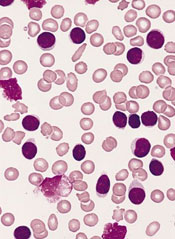
The PI3K delta inhibitor idelalisib could turn chronic lymphocytic leukemia (CLL) into a highly treatable disease, according to the lead investigator of a phase 3 trial.
Results of the trial showed that adding idelalisib to treatment with rituximab can improve response and survival rates in patients with relapsed CLL.
In fact, the study was stopped early because idelalisib had a significant impact on progression-free survival.
“This study, and others we have conducted on idelalisib, demonstrates that we may no longer need to use chemotherapy in CLL,” said lead investigator Richard R. Furman, MD, of Weill Cornell Medical College in New York.
“Even if this cancer remains incurable, it now can be treated as if it was a chronic disease—with a pill, in the same way that high blood pressure is treated.”
Dr Furman and his colleagues reported the results of this study in The New England Journal of Medicine.
The trial was funded by Gilead, the makers of idelalisib. Dr Furman has served as an advisor for this company.
The study included 220 CLL patients who could not receive chemotherapy. Nearly two-thirds of the patients had advanced-stage disease. The median time from CLL diagnosis was 9 years, and patients had received a median of 3 previous treatments.
Most of the patients were 65 or older (78%). Forty percent had at least moderate renal dysfunction, and 35% had poor bone marrow function.
Half of the patients were randomized to receive idelalisib plus rituximab and the other half to rituximab plus placebo.
“It is remarkable how quickly idelalisib worked in this heavily treated group of patients, many of whom were resistant to chemotherapy,” Dr Furman said. “We saw responses within a week.”
Patients in the idelalisib arm had a much higher overall response rate than patients in the placebo arm—81% and 13%, respectively (P<0.001). But all responses were partial responses.
At 24 weeks, the rate of progression-free survival was 93% in the idelalisib arm and 46% in the placebo arm (P<0.001). The median progression-free survival was 5.5 months in the placebo arm and not reached in the idelalisib arm (P<0.001).
And at 12 months, the overall survival rate was 92% in the idelalisib arm and 80% in the placebo arm (P=0.02).
The difference in outcomes between the treatment groups prompted an independent data-monitoring committee to halt the study early, in October 2013, so that all participants could receive idelalisib.
Most adverse events (AEs), in either treatment group, were grade 2 or lower. The most common AEs in the idelalisib arm were pyrexia, fatigue, nausea, chills, and diarrhea. In the placebo arm, the most common AEs were infusion-related reactions, fatigue, cough, nausea, and dyspnea.
There were more serious AEs in the idelalisib arm than in the placebo arm—40% and 35%, respectively. The most frequent serious AEs were pneumonia, pyrexia, and febrile neutropenia (in both treatment arms).
Despite these events, the researchers considered idelalisib to be well-tolerated in this patient population.
“Having a treatment like idelalisib, which is highly effective and well-tolerated, and thus can generate responses in patients that are unable to tolerate treatment and unlikely to respond, indicates the potential for idelalisib in all patients,” Dr Furman said.
The PI3K delta inhibitor idelalisib could turn chronic lymphocytic leukemia (CLL) into a highly treatable disease, according to the lead investigator of a phase 3 trial.
Results of the trial showed that adding idelalisib to treatment with rituximab can improve response and survival rates in patients with relapsed CLL.
In fact, the study was stopped early because idelalisib had a significant impact on progression-free survival.
“This study, and others we have conducted on idelalisib, demonstrates that we may no longer need to use chemotherapy in CLL,” said lead investigator Richard R. Furman, MD, of Weill Cornell Medical College in New York.
“Even if this cancer remains incurable, it now can be treated as if it was a chronic disease—with a pill, in the same way that high blood pressure is treated.”
Dr Furman and his colleagues reported the results of this study in The New England Journal of Medicine.
The trial was funded by Gilead, the makers of idelalisib. Dr Furman has served as an advisor for this company.
The study included 220 CLL patients who could not receive chemotherapy. Nearly two-thirds of the patients had advanced-stage disease. The median time from CLL diagnosis was 9 years, and patients had received a median of 3 previous treatments.
Most of the patients were 65 or older (78%). Forty percent had at least moderate renal dysfunction, and 35% had poor bone marrow function.
Half of the patients were randomized to receive idelalisib plus rituximab and the other half to rituximab plus placebo.
“It is remarkable how quickly idelalisib worked in this heavily treated group of patients, many of whom were resistant to chemotherapy,” Dr Furman said. “We saw responses within a week.”
Patients in the idelalisib arm had a much higher overall response rate than patients in the placebo arm—81% and 13%, respectively (P<0.001). But all responses were partial responses.
At 24 weeks, the rate of progression-free survival was 93% in the idelalisib arm and 46% in the placebo arm (P<0.001). The median progression-free survival was 5.5 months in the placebo arm and not reached in the idelalisib arm (P<0.001).
And at 12 months, the overall survival rate was 92% in the idelalisib arm and 80% in the placebo arm (P=0.02).
The difference in outcomes between the treatment groups prompted an independent data-monitoring committee to halt the study early, in October 2013, so that all participants could receive idelalisib.
Most adverse events (AEs), in either treatment group, were grade 2 or lower. The most common AEs in the idelalisib arm were pyrexia, fatigue, nausea, chills, and diarrhea. In the placebo arm, the most common AEs were infusion-related reactions, fatigue, cough, nausea, and dyspnea.
There were more serious AEs in the idelalisib arm than in the placebo arm—40% and 35%, respectively. The most frequent serious AEs were pneumonia, pyrexia, and febrile neutropenia (in both treatment arms).
Despite these events, the researchers considered idelalisib to be well-tolerated in this patient population.
“Having a treatment like idelalisib, which is highly effective and well-tolerated, and thus can generate responses in patients that are unable to tolerate treatment and unlikely to respond, indicates the potential for idelalisib in all patients,” Dr Furman said.
The PI3K delta inhibitor idelalisib could turn chronic lymphocytic leukemia (CLL) into a highly treatable disease, according to the lead investigator of a phase 3 trial.
Results of the trial showed that adding idelalisib to treatment with rituximab can improve response and survival rates in patients with relapsed CLL.
In fact, the study was stopped early because idelalisib had a significant impact on progression-free survival.
“This study, and others we have conducted on idelalisib, demonstrates that we may no longer need to use chemotherapy in CLL,” said lead investigator Richard R. Furman, MD, of Weill Cornell Medical College in New York.
“Even if this cancer remains incurable, it now can be treated as if it was a chronic disease—with a pill, in the same way that high blood pressure is treated.”
Dr Furman and his colleagues reported the results of this study in The New England Journal of Medicine.
The trial was funded by Gilead, the makers of idelalisib. Dr Furman has served as an advisor for this company.
The study included 220 CLL patients who could not receive chemotherapy. Nearly two-thirds of the patients had advanced-stage disease. The median time from CLL diagnosis was 9 years, and patients had received a median of 3 previous treatments.
Most of the patients were 65 or older (78%). Forty percent had at least moderate renal dysfunction, and 35% had poor bone marrow function.
Half of the patients were randomized to receive idelalisib plus rituximab and the other half to rituximab plus placebo.
“It is remarkable how quickly idelalisib worked in this heavily treated group of patients, many of whom were resistant to chemotherapy,” Dr Furman said. “We saw responses within a week.”
Patients in the idelalisib arm had a much higher overall response rate than patients in the placebo arm—81% and 13%, respectively (P<0.001). But all responses were partial responses.
At 24 weeks, the rate of progression-free survival was 93% in the idelalisib arm and 46% in the placebo arm (P<0.001). The median progression-free survival was 5.5 months in the placebo arm and not reached in the idelalisib arm (P<0.001).
And at 12 months, the overall survival rate was 92% in the idelalisib arm and 80% in the placebo arm (P=0.02).
The difference in outcomes between the treatment groups prompted an independent data-monitoring committee to halt the study early, in October 2013, so that all participants could receive idelalisib.
Most adverse events (AEs), in either treatment group, were grade 2 or lower. The most common AEs in the idelalisib arm were pyrexia, fatigue, nausea, chills, and diarrhea. In the placebo arm, the most common AEs were infusion-related reactions, fatigue, cough, nausea, and dyspnea.
There were more serious AEs in the idelalisib arm than in the placebo arm—40% and 35%, respectively. The most frequent serious AEs were pneumonia, pyrexia, and febrile neutropenia (in both treatment arms).
Despite these events, the researchers considered idelalisib to be well-tolerated in this patient population.
“Having a treatment like idelalisib, which is highly effective and well-tolerated, and thus can generate responses in patients that are unable to tolerate treatment and unlikely to respond, indicates the potential for idelalisib in all patients,” Dr Furman said.
Deaths from leukemia, NHL declining in the UK

Credit: National Cancer
Institute-Mathews Media Group
Deaths from leukemia and non-Hodgkin lymphoma (NHL) are on the decline in the UK, but these malignancies are still among the leading causes of cancer death, a new analysis suggests.
Leukemia and NHL are among the 10 most common causes of cancer death for men and women in the UK, according to data from 2011.
But deaths from these malignancies have decreased from the number of deaths seen in the early 2000s.
These findings, published on the Cancer Research UK website, are similar to the results of a recent report on cancer deaths in the US.
The Cancer Research UK analysis showed that the death rate from cancer has dropped by more than a fifth since the 1990s.
In 1990, 220 in every 100,000 people died of cancer. But by 2011, the death rate had fallen 22%—to 170 per 100,000 people. The cancer mortality rate fell by 20% for women and 26% for men.
“Today, cancer is not the death sentence people once believed it to be,” said Harpal Kumar, Cancer Research UK chief executive.
“As these new figures show, mortality rates from this much-feared disease are dropping significantly . . . . But while we’re heading in the right direction, too many lives are still being lost to the disease, highlighting how much more work there is to do.”
NHL and leukemia stats
The analysis showed that, in men, the 3-year mortality rate for NHL decreased by 16% from 2000-2002 to 2009-2012. And the 3-year mortality rate for leukemia decreased by 6%.
In women, the 3-year mortality rate for NHL decreased by 18% from 2000-2002 to 2009-2012. And the 3-year mortality rate for leukemia decreased by 9%.
But the 2011 data showed that both types of cancer are among the 10 most common causes of cancer death in both men and women.
Among women, 2156 patients died of NHL (7th leading cause of cancer death), and 1994 patients died of leukemia (8th leading cause).
Among men, 2609 patients died of leukemia (8th leading cause of cancer death), and 2490 died of NHL (10th leading cause).
For more details on cancer mortality, including projections up to the year 2030, visit the Cancer Research UK website.
Credit: National Cancer
Institute-Mathews Media Group
Deaths from leukemia and non-Hodgkin lymphoma (NHL) are on the decline in the UK, but these malignancies are still among the leading causes of cancer death, a new analysis suggests.
Leukemia and NHL are among the 10 most common causes of cancer death for men and women in the UK, according to data from 2011.
But deaths from these malignancies have decreased from the number of deaths seen in the early 2000s.
These findings, published on the Cancer Research UK website, are similar to the results of a recent report on cancer deaths in the US.
The Cancer Research UK analysis showed that the death rate from cancer has dropped by more than a fifth since the 1990s.
In 1990, 220 in every 100,000 people died of cancer. But by 2011, the death rate had fallen 22%—to 170 per 100,000 people. The cancer mortality rate fell by 20% for women and 26% for men.
“Today, cancer is not the death sentence people once believed it to be,” said Harpal Kumar, Cancer Research UK chief executive.
“As these new figures show, mortality rates from this much-feared disease are dropping significantly . . . . But while we’re heading in the right direction, too many lives are still being lost to the disease, highlighting how much more work there is to do.”
NHL and leukemia stats
The analysis showed that, in men, the 3-year mortality rate for NHL decreased by 16% from 2000-2002 to 2009-2012. And the 3-year mortality rate for leukemia decreased by 6%.
In women, the 3-year mortality rate for NHL decreased by 18% from 2000-2002 to 2009-2012. And the 3-year mortality rate for leukemia decreased by 9%.
But the 2011 data showed that both types of cancer are among the 10 most common causes of cancer death in both men and women.
Among women, 2156 patients died of NHL (7th leading cause of cancer death), and 1994 patients died of leukemia (8th leading cause).
Among men, 2609 patients died of leukemia (8th leading cause of cancer death), and 2490 died of NHL (10th leading cause).
For more details on cancer mortality, including projections up to the year 2030, visit the Cancer Research UK website.
Credit: National Cancer
Institute-Mathews Media Group
Deaths from leukemia and non-Hodgkin lymphoma (NHL) are on the decline in the UK, but these malignancies are still among the leading causes of cancer death, a new analysis suggests.
Leukemia and NHL are among the 10 most common causes of cancer death for men and women in the UK, according to data from 2011.
But deaths from these malignancies have decreased from the number of deaths seen in the early 2000s.
These findings, published on the Cancer Research UK website, are similar to the results of a recent report on cancer deaths in the US.
The Cancer Research UK analysis showed that the death rate from cancer has dropped by more than a fifth since the 1990s.
In 1990, 220 in every 100,000 people died of cancer. But by 2011, the death rate had fallen 22%—to 170 per 100,000 people. The cancer mortality rate fell by 20% for women and 26% for men.
“Today, cancer is not the death sentence people once believed it to be,” said Harpal Kumar, Cancer Research UK chief executive.
“As these new figures show, mortality rates from this much-feared disease are dropping significantly . . . . But while we’re heading in the right direction, too many lives are still being lost to the disease, highlighting how much more work there is to do.”
NHL and leukemia stats
The analysis showed that, in men, the 3-year mortality rate for NHL decreased by 16% from 2000-2002 to 2009-2012. And the 3-year mortality rate for leukemia decreased by 6%.
In women, the 3-year mortality rate for NHL decreased by 18% from 2000-2002 to 2009-2012. And the 3-year mortality rate for leukemia decreased by 9%.
But the 2011 data showed that both types of cancer are among the 10 most common causes of cancer death in both men and women.
Among women, 2156 patients died of NHL (7th leading cause of cancer death), and 1994 patients died of leukemia (8th leading cause).
Among men, 2609 patients died of leukemia (8th leading cause of cancer death), and 2490 died of NHL (10th leading cause).
For more details on cancer mortality, including projections up to the year 2030, visit the Cancer Research UK website.
NICE recommends pixantrone for NHL

Credit: Bill Branson
Counter to its previous recommendations, the UK’s National Institute for Health and Care Excellence (NICE) is now supporting the use of pixantrone for certain patients with non-Hodgkin lymphoma (NHL).
In prior draft guidance documents, NICE said it could not recommend the antineoplastic agent for patients with relapsed or refractory NHL, due to concerns about efficacy and cost.
But now, in its final draft guidance, the agency has said pixantrone should be funded by the National Health Service to treat certain patients with B-cell NHL.
NICE is recommending pixantrone for patients with relapsed or refractory disease who have already received rituximab and are receiving their third- or fourth-line treatment.
The NICE guidance also says pixantrone can only be funded if the manufacturer, Cell Therapeutics, provides the drug at a discounted rate, as agreed between the manufacturer and the Department of Health.
“We are pleased that the manufacturer was able to provide a patient access scheme,” said Carole Longson, NICE Health Technology Evaluation Centre Director. “Pixantrone will be a useful addition to the treatment options available.”
Consultees now have until January 23, 2014, to appeal the draft recommendation. If no appeals are lodged, the final guidance should be published in February.
Clinical effectiveness
NICE’s current recommendations are based on the opinion of an independent appraisal committee. The committee considered data from the EXTEND PIX301 clinical trial. The committee said there are a number of uncertainties associated with this trial.
However, the group also said there was limited evidence suggesting that pixantrone works better than other available treatments for patients who had previously received rituximab and patients receiving third- or fourth-line treatment.
The EXTEND PIX301 trial enrolled 140 patients with aggressive B-cell lymphoma. Half of the patients were randomized to receive pixantrone and the other half to their physicians’ choice of treatment.
At the end of treatment, confirmed and unconfirmed response rates for the intent-to-treat population were significantly higher in the pixantrone arm than the comparator arm—20% and 5.7%, respectively (P=0.021). The same was true after 18 months of follow-up—24.3% and 7.1%, respectively (P=0.009).
The median progression-free survival was significantly longer in the pixantrone arm than the comparator arm—5.3 months and 2.6 months, respectively (P=0.005). But there was no significant difference in median overall survival—10.2 months and 7.6 months, respectively (P=0.251).
Cell Therapeutics also submitted results observed in 4 subgroups of patients with aggressive disease and in patients who had previously received rituximab. For detailed data from the trial, see pages 3 through 13 of the final draft guidance.
Cost-effectiveness
The appraisal committee said the manufacturer’s patient access scheme (the details of which are commercial-in-confidence) improved the cost-effectiveness of pixantrone.
The treatment would be cost-effective for patients who had previously received rituximab and patients receiving their third- or fourth-line treatment. The drug’s incremental cost-effectiveness ratio was estimated to be under £22,000 per quality adjusted life year gained for both groups.
According to the manufacturer, pixantrone costs £553.50 per 20 mL vial, excluding tax. The estimated cost of a course of treatment is £19,926.
The costs were calculated over 4 cycles using an average of 3 vials per dose and were based on the median length of treatment in the EXTEND PIX301 trial. Costs may vary in different settings because of negotiated discounts.
Marketing authorization
Pixantrone has conditional marketing authorization in the European Union as monotherapy for adults with relapsed or refractory NHL who have received at least 2 previous lines of treatment. However, the European Medicine’s Agency has noted that it is unclear whether pixantrone is effective as fifth-line or greater treatment in refractory patients.
The drug’s marketing authorization is linked to results of the phase 3 PIX306 trial, which is investigating pixantrone plus rituximab versus gemcitabine plus rituximab in patients with relapsed or refractory B-cell NHL who have previously received a rituximab-containing regimen.
Credit: Bill Branson
Counter to its previous recommendations, the UK’s National Institute for Health and Care Excellence (NICE) is now supporting the use of pixantrone for certain patients with non-Hodgkin lymphoma (NHL).
In prior draft guidance documents, NICE said it could not recommend the antineoplastic agent for patients with relapsed or refractory NHL, due to concerns about efficacy and cost.
But now, in its final draft guidance, the agency has said pixantrone should be funded by the National Health Service to treat certain patients with B-cell NHL.
NICE is recommending pixantrone for patients with relapsed or refractory disease who have already received rituximab and are receiving their third- or fourth-line treatment.
The NICE guidance also says pixantrone can only be funded if the manufacturer, Cell Therapeutics, provides the drug at a discounted rate, as agreed between the manufacturer and the Department of Health.
“We are pleased that the manufacturer was able to provide a patient access scheme,” said Carole Longson, NICE Health Technology Evaluation Centre Director. “Pixantrone will be a useful addition to the treatment options available.”
Consultees now have until January 23, 2014, to appeal the draft recommendation. If no appeals are lodged, the final guidance should be published in February.
Clinical effectiveness
NICE’s current recommendations are based on the opinion of an independent appraisal committee. The committee considered data from the EXTEND PIX301 clinical trial. The committee said there are a number of uncertainties associated with this trial.
However, the group also said there was limited evidence suggesting that pixantrone works better than other available treatments for patients who had previously received rituximab and patients receiving third- or fourth-line treatment.
The EXTEND PIX301 trial enrolled 140 patients with aggressive B-cell lymphoma. Half of the patients were randomized to receive pixantrone and the other half to their physicians’ choice of treatment.
At the end of treatment, confirmed and unconfirmed response rates for the intent-to-treat population were significantly higher in the pixantrone arm than the comparator arm—20% and 5.7%, respectively (P=0.021). The same was true after 18 months of follow-up—24.3% and 7.1%, respectively (P=0.009).
The median progression-free survival was significantly longer in the pixantrone arm than the comparator arm—5.3 months and 2.6 months, respectively (P=0.005). But there was no significant difference in median overall survival—10.2 months and 7.6 months, respectively (P=0.251).
Cell Therapeutics also submitted results observed in 4 subgroups of patients with aggressive disease and in patients who had previously received rituximab. For detailed data from the trial, see pages 3 through 13 of the final draft guidance.
Cost-effectiveness
The appraisal committee said the manufacturer’s patient access scheme (the details of which are commercial-in-confidence) improved the cost-effectiveness of pixantrone.
The treatment would be cost-effective for patients who had previously received rituximab and patients receiving their third- or fourth-line treatment. The drug’s incremental cost-effectiveness ratio was estimated to be under £22,000 per quality adjusted life year gained for both groups.
According to the manufacturer, pixantrone costs £553.50 per 20 mL vial, excluding tax. The estimated cost of a course of treatment is £19,926.
The costs were calculated over 4 cycles using an average of 3 vials per dose and were based on the median length of treatment in the EXTEND PIX301 trial. Costs may vary in different settings because of negotiated discounts.
Marketing authorization
Pixantrone has conditional marketing authorization in the European Union as monotherapy for adults with relapsed or refractory NHL who have received at least 2 previous lines of treatment. However, the European Medicine’s Agency has noted that it is unclear whether pixantrone is effective as fifth-line or greater treatment in refractory patients.
The drug’s marketing authorization is linked to results of the phase 3 PIX306 trial, which is investigating pixantrone plus rituximab versus gemcitabine plus rituximab in patients with relapsed or refractory B-cell NHL who have previously received a rituximab-containing regimen.
Credit: Bill Branson
Counter to its previous recommendations, the UK’s National Institute for Health and Care Excellence (NICE) is now supporting the use of pixantrone for certain patients with non-Hodgkin lymphoma (NHL).
In prior draft guidance documents, NICE said it could not recommend the antineoplastic agent for patients with relapsed or refractory NHL, due to concerns about efficacy and cost.
But now, in its final draft guidance, the agency has said pixantrone should be funded by the National Health Service to treat certain patients with B-cell NHL.
NICE is recommending pixantrone for patients with relapsed or refractory disease who have already received rituximab and are receiving their third- or fourth-line treatment.
The NICE guidance also says pixantrone can only be funded if the manufacturer, Cell Therapeutics, provides the drug at a discounted rate, as agreed between the manufacturer and the Department of Health.
“We are pleased that the manufacturer was able to provide a patient access scheme,” said Carole Longson, NICE Health Technology Evaluation Centre Director. “Pixantrone will be a useful addition to the treatment options available.”
Consultees now have until January 23, 2014, to appeal the draft recommendation. If no appeals are lodged, the final guidance should be published in February.
Clinical effectiveness
NICE’s current recommendations are based on the opinion of an independent appraisal committee. The committee considered data from the EXTEND PIX301 clinical trial. The committee said there are a number of uncertainties associated with this trial.
However, the group also said there was limited evidence suggesting that pixantrone works better than other available treatments for patients who had previously received rituximab and patients receiving third- or fourth-line treatment.
The EXTEND PIX301 trial enrolled 140 patients with aggressive B-cell lymphoma. Half of the patients were randomized to receive pixantrone and the other half to their physicians’ choice of treatment.
At the end of treatment, confirmed and unconfirmed response rates for the intent-to-treat population were significantly higher in the pixantrone arm than the comparator arm—20% and 5.7%, respectively (P=0.021). The same was true after 18 months of follow-up—24.3% and 7.1%, respectively (P=0.009).
The median progression-free survival was significantly longer in the pixantrone arm than the comparator arm—5.3 months and 2.6 months, respectively (P=0.005). But there was no significant difference in median overall survival—10.2 months and 7.6 months, respectively (P=0.251).
Cell Therapeutics also submitted results observed in 4 subgroups of patients with aggressive disease and in patients who had previously received rituximab. For detailed data from the trial, see pages 3 through 13 of the final draft guidance.
Cost-effectiveness
The appraisal committee said the manufacturer’s patient access scheme (the details of which are commercial-in-confidence) improved the cost-effectiveness of pixantrone.
The treatment would be cost-effective for patients who had previously received rituximab and patients receiving their third- or fourth-line treatment. The drug’s incremental cost-effectiveness ratio was estimated to be under £22,000 per quality adjusted life year gained for both groups.
According to the manufacturer, pixantrone costs £553.50 per 20 mL vial, excluding tax. The estimated cost of a course of treatment is £19,926.
The costs were calculated over 4 cycles using an average of 3 vials per dose and were based on the median length of treatment in the EXTEND PIX301 trial. Costs may vary in different settings because of negotiated discounts.
Marketing authorization
Pixantrone has conditional marketing authorization in the European Union as monotherapy for adults with relapsed or refractory NHL who have received at least 2 previous lines of treatment. However, the European Medicine’s Agency has noted that it is unclear whether pixantrone is effective as fifth-line or greater treatment in refractory patients.
The drug’s marketing authorization is linked to results of the phase 3 PIX306 trial, which is investigating pixantrone plus rituximab versus gemcitabine plus rituximab in patients with relapsed or refractory B-cell NHL who have previously received a rituximab-containing regimen.