User login
FDA approves ibrutinib for previously treated MCL
The US Food and Drug Administration (FDA) has has granted accelerated approval for
ibrutinib (Imbruvica) to treat patients with mantle cell lymphoma (MCL) who have received at least 1 prior therapy.
Ibrutinib works by inhibiting the function of Bruton’s tyrosine kinase, a molecule that plays an important role in the survival of malignant B cells.
The drug showed promising results in the phase 2 PCYC-1104 trial, which was presented at ASH 2012 and published in NEJM in August.
The FDA granted ibrutinib breakthrough therapy designation because of these results and the life-threatening nature of MCL. Ibrutinib is the second drug with breakthrough therapy designation to receive FDA approval.
The FDA granted ibrutinib accelerated approval, rather than traditional approval, because the drug has not yet shown a clinical benefit. Accelerated approval of a drug is based
on a surrogate or intermediate endpoint—in this case, overall response rate—that is reasonably likely to
predict clinical benefit.
PCYC-1104 trial
The data published in NEJM included 111 patients who received ibrutinib at 560 mg daily in continuous, 28-day cycles until disease progression.
The
overall response rate was 68%, with a complete response rate of 21% and
a partial response rate of 47%. With an estimated median follow-up of
15.3 months, the estimated median response duration was 17.5 months.
The
estimated progression-free survival was 13.9 months, and the overall
survival was not reached. The estimated rate of overall survival was 58%
at 18 months.
Common nonhematologic adverse events included
diarrhea (50%), fatigue (41%), nausea (31%), peripheral edema (28%),
dyspnea (27%), constipation (25%), upper respiratory tract infection
(23%), vomiting (23%), and decreased appetite (21%). The most common
grade 3, 4, or 5 infection was pneumonia (6%).
Grade 3 and 4
hematologic adverse events included neutropenia (16%), thrombocytopenia
(11%), and anemia (10%). Grade 3 bleeding events occurred in 5 patients.
The “Warnings and Precautions” section of ibrutinib’s prescribing information notes that patients taking ibrutinib have experienced hemorrhage, fatal and non-fatal infections, myelosuppression, renal toxicity, second primary malignancies, and embryo-fetal toxicity.
For the full prescribing information, visit http://www.imbruvica.com/downloads/Prescribing_Information.pdf.
Ibrutinib is now commercially available. It is co-marketed by Pharmacyclics (based in Sunnyvale, California) and Janssen Biotech, Inc. (based in Raritan, New Jersey). 
The US Food and Drug Administration (FDA) has has granted accelerated approval for
ibrutinib (Imbruvica) to treat patients with mantle cell lymphoma (MCL) who have received at least 1 prior therapy.
Ibrutinib works by inhibiting the function of Bruton’s tyrosine kinase, a molecule that plays an important role in the survival of malignant B cells.
The drug showed promising results in the phase 2 PCYC-1104 trial, which was presented at ASH 2012 and published in NEJM in August.
The FDA granted ibrutinib breakthrough therapy designation because of these results and the life-threatening nature of MCL. Ibrutinib is the second drug with breakthrough therapy designation to receive FDA approval.
The FDA granted ibrutinib accelerated approval, rather than traditional approval, because the drug has not yet shown a clinical benefit. Accelerated approval of a drug is based
on a surrogate or intermediate endpoint—in this case, overall response rate—that is reasonably likely to
predict clinical benefit.
PCYC-1104 trial
The data published in NEJM included 111 patients who received ibrutinib at 560 mg daily in continuous, 28-day cycles until disease progression.
The
overall response rate was 68%, with a complete response rate of 21% and
a partial response rate of 47%. With an estimated median follow-up of
15.3 months, the estimated median response duration was 17.5 months.
The
estimated progression-free survival was 13.9 months, and the overall
survival was not reached. The estimated rate of overall survival was 58%
at 18 months.
Common nonhematologic adverse events included
diarrhea (50%), fatigue (41%), nausea (31%), peripheral edema (28%),
dyspnea (27%), constipation (25%), upper respiratory tract infection
(23%), vomiting (23%), and decreased appetite (21%). The most common
grade 3, 4, or 5 infection was pneumonia (6%).
Grade 3 and 4
hematologic adverse events included neutropenia (16%), thrombocytopenia
(11%), and anemia (10%). Grade 3 bleeding events occurred in 5 patients.
The “Warnings and Precautions” section of ibrutinib’s prescribing information notes that patients taking ibrutinib have experienced hemorrhage, fatal and non-fatal infections, myelosuppression, renal toxicity, second primary malignancies, and embryo-fetal toxicity.
For the full prescribing information, visit http://www.imbruvica.com/downloads/Prescribing_Information.pdf.
Ibrutinib is now commercially available. It is co-marketed by Pharmacyclics (based in Sunnyvale, California) and Janssen Biotech, Inc. (based in Raritan, New Jersey).
The US Food and Drug Administration (FDA) has has granted accelerated approval for
ibrutinib (Imbruvica) to treat patients with mantle cell lymphoma (MCL) who have received at least 1 prior therapy.
Ibrutinib works by inhibiting the function of Bruton’s tyrosine kinase, a molecule that plays an important role in the survival of malignant B cells.
The drug showed promising results in the phase 2 PCYC-1104 trial, which was presented at ASH 2012 and published in NEJM in August.
The FDA granted ibrutinib breakthrough therapy designation because of these results and the life-threatening nature of MCL. Ibrutinib is the second drug with breakthrough therapy designation to receive FDA approval.
The FDA granted ibrutinib accelerated approval, rather than traditional approval, because the drug has not yet shown a clinical benefit. Accelerated approval of a drug is based
on a surrogate or intermediate endpoint—in this case, overall response rate—that is reasonably likely to
predict clinical benefit.
PCYC-1104 trial
The data published in NEJM included 111 patients who received ibrutinib at 560 mg daily in continuous, 28-day cycles until disease progression.
The
overall response rate was 68%, with a complete response rate of 21% and
a partial response rate of 47%. With an estimated median follow-up of
15.3 months, the estimated median response duration was 17.5 months.
The
estimated progression-free survival was 13.9 months, and the overall
survival was not reached. The estimated rate of overall survival was 58%
at 18 months.
Common nonhematologic adverse events included
diarrhea (50%), fatigue (41%), nausea (31%), peripheral edema (28%),
dyspnea (27%), constipation (25%), upper respiratory tract infection
(23%), vomiting (23%), and decreased appetite (21%). The most common
grade 3, 4, or 5 infection was pneumonia (6%).
Grade 3 and 4
hematologic adverse events included neutropenia (16%), thrombocytopenia
(11%), and anemia (10%). Grade 3 bleeding events occurred in 5 patients.
The “Warnings and Precautions” section of ibrutinib’s prescribing information notes that patients taking ibrutinib have experienced hemorrhage, fatal and non-fatal infections, myelosuppression, renal toxicity, second primary malignancies, and embryo-fetal toxicity.
For the full prescribing information, visit http://www.imbruvica.com/downloads/Prescribing_Information.pdf.
Ibrutinib is now commercially available. It is co-marketed by Pharmacyclics (based in Sunnyvale, California) and Janssen Biotech, Inc. (based in Raritan, New Jersey).
Company suspends enrollment in drug trials

Credit: Esther Dyson
After 2 deaths among patients receiving the BCL-2 inhibitor ABT-199, the company developing the drug has suspended enrollment in 5 trials and stopped dose-escalation of the drug.
The patients died of tumor lysis syndrome, a complication that likely stems from the drug’s potency, according to Tracy Sorrentino, a spokeswoman for the company, AbbVie.
Research has suggested the risk of tumor lysis syndrome might be eliminated by altering the dose of ABT-199, Sorrentino said.
But until that is confirmed, AbbVie has stopped dose-escalation in patients receiving ABT-199 and voluntarily suspended enrollment in phase 1 trials of the drug.
The trials are testing ABT-199, both alone and in combination, as a treatment for chronic lymphocytic leukemia, non-Hodgkin lymphoma, and small lymphocytic lymphoma.
Though enrollment has stopped for these trials, dosing of active patients in ABT-199 trials will continue. In addition, a study testing ABT-199 in women with systemic lupus erythematosus is still enrolling patients.
Sorrentino said AbbVie has “every expectation” the suspended enrollment is temporary, and refining the dose of ABT-199 may eliminate the problem. In fact, the company is still planning to begin phase 3 trials of the drug later this year.
Credit: Esther Dyson
After 2 deaths among patients receiving the BCL-2 inhibitor ABT-199, the company developing the drug has suspended enrollment in 5 trials and stopped dose-escalation of the drug.
The patients died of tumor lysis syndrome, a complication that likely stems from the drug’s potency, according to Tracy Sorrentino, a spokeswoman for the company, AbbVie.
Research has suggested the risk of tumor lysis syndrome might be eliminated by altering the dose of ABT-199, Sorrentino said.
But until that is confirmed, AbbVie has stopped dose-escalation in patients receiving ABT-199 and voluntarily suspended enrollment in phase 1 trials of the drug.
The trials are testing ABT-199, both alone and in combination, as a treatment for chronic lymphocytic leukemia, non-Hodgkin lymphoma, and small lymphocytic lymphoma.
Though enrollment has stopped for these trials, dosing of active patients in ABT-199 trials will continue. In addition, a study testing ABT-199 in women with systemic lupus erythematosus is still enrolling patients.
Sorrentino said AbbVie has “every expectation” the suspended enrollment is temporary, and refining the dose of ABT-199 may eliminate the problem. In fact, the company is still planning to begin phase 3 trials of the drug later this year.
Credit: Esther Dyson
After 2 deaths among patients receiving the BCL-2 inhibitor ABT-199, the company developing the drug has suspended enrollment in 5 trials and stopped dose-escalation of the drug.
The patients died of tumor lysis syndrome, a complication that likely stems from the drug’s potency, according to Tracy Sorrentino, a spokeswoman for the company, AbbVie.
Research has suggested the risk of tumor lysis syndrome might be eliminated by altering the dose of ABT-199, Sorrentino said.
But until that is confirmed, AbbVie has stopped dose-escalation in patients receiving ABT-199 and voluntarily suspended enrollment in phase 1 trials of the drug.
The trials are testing ABT-199, both alone and in combination, as a treatment for chronic lymphocytic leukemia, non-Hodgkin lymphoma, and small lymphocytic lymphoma.
Though enrollment has stopped for these trials, dosing of active patients in ABT-199 trials will continue. In addition, a study testing ABT-199 in women with systemic lupus erythematosus is still enrolling patients.
Sorrentino said AbbVie has “every expectation” the suspended enrollment is temporary, and refining the dose of ABT-199 may eliminate the problem. In fact, the company is still planning to begin phase 3 trials of the drug later this year.
CD19-redirected T cells induce remission in CLL patients
Gene therapy with a lentiviral vector expressing a chimeric antigen receptor with specificity for CD19 (CART19) has induced complete remission in 3 patients with chronic lymphocytic leukemia (CLL), according to research published simultaneously in the August 10 issues of The New England Journal of Medicine and Science Translational Medicine.
The research team, from the University of Pennsylvania, reported that the reinfused, modified T cells expanded to more than 1000 times the initial engraftment level. The patients’ remission was ongoing at 10 months after treatment.
The investigators believe the big difference between this genetically modified T cell and previous ones that had disappointing clinical activity is the addition of the CD137 (4-1BB) costimulatory signaling domain that significantly increases antitumor activity.
The team, led by Carl June, MD, described in the NEJM article the T-cell treatment of one of the patients with advanced, p53-deficient CLL.
A half year prior to enrolling in the trial, the 64-year-old patient’s T cells were collected and frozen. Before reinfusing the T cells into the patient, the investigators thawed the cells and transduced them with lentivirus expressing CD19-specific chimeric antigen receptor.
Four days prior to reinfusion, the patient received chemotherapy with pentostatin and cyclophosphamide to deplete his lymphocytes. After 3 days of chemotherapy, his bone marrow was hypercellular with approximately 40% involvement by CLL.
After 4 days of chemotherapy, the patient received an infusion of T cells, of which 5% were transduced, totaling 1.42 x 10⁷ transduced cells, split into 3 consecutive daily infusions.
Two weeks after the infusion, the patient experienced chills, fever, and fatigue, which intensified over the subsequent days. He was diagnosed with tumor lysis syndrome on day 22 after infusion. On day 23 after the CART19-cell infusion, the patient had no evidence of CLL in the bone marrow, and by day 28, his adenopathy was not palpable.
In addition to tumor lysis syndrome, the only other grade 3/4 toxicity observed was lymphopenia.
The investigators did not expect that such a low dose of chimeric antigen receptor T cells would result in a clinically evident antitumor response. The dose was several orders of magnitude lower than that used in previous studies of modified T cells.
They speculated that the course of chemotherapy administered to the patient prior to the CART19-cell infusion may have been responsible for the increased engraftment and for “potentiating the ability of chimeric antigen receptor T cells to kill stressed tumor cells that would otherwise survive the chemotherapy.”
The researchers conclude that continued study of CD19-redirected T cells is warranted and plan to test the approach in other CD19-positive tumors, including non-Hodgkin lymphoma and acute lymphocytic leukemia.
Gene therapy with a lentiviral vector expressing a chimeric antigen receptor with specificity for CD19 (CART19) has induced complete remission in 3 patients with chronic lymphocytic leukemia (CLL), according to research published simultaneously in the August 10 issues of The New England Journal of Medicine and Science Translational Medicine.
The research team, from the University of Pennsylvania, reported that the reinfused, modified T cells expanded to more than 1000 times the initial engraftment level. The patients’ remission was ongoing at 10 months after treatment.
The investigators believe the big difference between this genetically modified T cell and previous ones that had disappointing clinical activity is the addition of the CD137 (4-1BB) costimulatory signaling domain that significantly increases antitumor activity.
The team, led by Carl June, MD, described in the NEJM article the T-cell treatment of one of the patients with advanced, p53-deficient CLL.
A half year prior to enrolling in the trial, the 64-year-old patient’s T cells were collected and frozen. Before reinfusing the T cells into the patient, the investigators thawed the cells and transduced them with lentivirus expressing CD19-specific chimeric antigen receptor.
Four days prior to reinfusion, the patient received chemotherapy with pentostatin and cyclophosphamide to deplete his lymphocytes. After 3 days of chemotherapy, his bone marrow was hypercellular with approximately 40% involvement by CLL.
After 4 days of chemotherapy, the patient received an infusion of T cells, of which 5% were transduced, totaling 1.42 x 10⁷ transduced cells, split into 3 consecutive daily infusions.
Two weeks after the infusion, the patient experienced chills, fever, and fatigue, which intensified over the subsequent days. He was diagnosed with tumor lysis syndrome on day 22 after infusion. On day 23 after the CART19-cell infusion, the patient had no evidence of CLL in the bone marrow, and by day 28, his adenopathy was not palpable.
In addition to tumor lysis syndrome, the only other grade 3/4 toxicity observed was lymphopenia.
The investigators did not expect that such a low dose of chimeric antigen receptor T cells would result in a clinically evident antitumor response. The dose was several orders of magnitude lower than that used in previous studies of modified T cells.
They speculated that the course of chemotherapy administered to the patient prior to the CART19-cell infusion may have been responsible for the increased engraftment and for “potentiating the ability of chimeric antigen receptor T cells to kill stressed tumor cells that would otherwise survive the chemotherapy.”
The researchers conclude that continued study of CD19-redirected T cells is warranted and plan to test the approach in other CD19-positive tumors, including non-Hodgkin lymphoma and acute lymphocytic leukemia.
Gene therapy with a lentiviral vector expressing a chimeric antigen receptor with specificity for CD19 (CART19) has induced complete remission in 3 patients with chronic lymphocytic leukemia (CLL), according to research published simultaneously in the August 10 issues of The New England Journal of Medicine and Science Translational Medicine.
The research team, from the University of Pennsylvania, reported that the reinfused, modified T cells expanded to more than 1000 times the initial engraftment level. The patients’ remission was ongoing at 10 months after treatment.
The investigators believe the big difference between this genetically modified T cell and previous ones that had disappointing clinical activity is the addition of the CD137 (4-1BB) costimulatory signaling domain that significantly increases antitumor activity.
The team, led by Carl June, MD, described in the NEJM article the T-cell treatment of one of the patients with advanced, p53-deficient CLL.
A half year prior to enrolling in the trial, the 64-year-old patient’s T cells were collected and frozen. Before reinfusing the T cells into the patient, the investigators thawed the cells and transduced them with lentivirus expressing CD19-specific chimeric antigen receptor.
Four days prior to reinfusion, the patient received chemotherapy with pentostatin and cyclophosphamide to deplete his lymphocytes. After 3 days of chemotherapy, his bone marrow was hypercellular with approximately 40% involvement by CLL.
After 4 days of chemotherapy, the patient received an infusion of T cells, of which 5% were transduced, totaling 1.42 x 10⁷ transduced cells, split into 3 consecutive daily infusions.
Two weeks after the infusion, the patient experienced chills, fever, and fatigue, which intensified over the subsequent days. He was diagnosed with tumor lysis syndrome on day 22 after infusion. On day 23 after the CART19-cell infusion, the patient had no evidence of CLL in the bone marrow, and by day 28, his adenopathy was not palpable.
In addition to tumor lysis syndrome, the only other grade 3/4 toxicity observed was lymphopenia.
The investigators did not expect that such a low dose of chimeric antigen receptor T cells would result in a clinically evident antitumor response. The dose was several orders of magnitude lower than that used in previous studies of modified T cells.
They speculated that the course of chemotherapy administered to the patient prior to the CART19-cell infusion may have been responsible for the increased engraftment and for “potentiating the ability of chimeric antigen receptor T cells to kill stressed tumor cells that would otherwise survive the chemotherapy.”
The researchers conclude that continued study of CD19-redirected T cells is warranted and plan to test the approach in other CD19-positive tumors, including non-Hodgkin lymphoma and acute lymphocytic leukemia.
FDA warns of possible link between breast implants and ALCL
The Food and Drug Administration (FDA), after a review of reported cases of anaplastic large-cell lymphoma (ALCL), warns that there may be a link between silicone and saline breast implants and the rare cancer.
People with breast implants “may have a very small but significant risk of ALCL in the scar capsule adjacent to the implant,” according to the agency.
The FDA based its announcement on a review of literature published between January 1997 and May 2010 that identified 34 unique cases of ALCL in women with either type of breast implant.
William Maisel, MD, chief scientist and deputy director for science in the FDA’s Center for Devices and Radiological Health, said, “We need more data and are asking that healthcare professionals tell us about any confirmed cases they identify.”
Of the 34 unique ALCL cases reviewed, 24 had silicone and 7 had saline implants; 3 implants did not have the type specified. The women ranged in age from 28 to 87 years, with a median age of 51 years.
ALCL occurred in 19 women who received implants for aesthetic augmentation, 11 for reconstruction, and 4 had no reason recorded for the implant.
The women developed ALCL in a median of 8 years from time of implant, ranging from 1 year to 23 years. Most of the patients were diagnosed because they had implant-related symptoms, such as seromas, capsular contractures, or peri-implant masses that needed implant revision surgery.
Physicians found lymphoma cells in the seroma surrounding the implant, in the fibrous capsule, or within a peri-implant mass in all of the ALCL cases.
According to the FDA report, CD30 status was positive in all 29 of the cases that included this information, which is consistent with an ALCL diagnosis. ALCL cases in the rest of the body can be either ALK-positive or ALK-negative. The 26 reports of ALCL in women with breast implants that included ALK status were all ALK-negative.
The FDA recommends that physicians consider an ALCL diagnosis if patients present with capsular contracture or masses adjacent to the breast implant. Physicians should report all confirmed cases of ALCL in people with breast implants to Medwatch.
The FDA does not recommend removing breast implants in patients without symptoms, which include pain, lumps, swelllng, or asymmetry that develop after the surgical site is fully healed. The agency plans to update its review of silicone breast implants in spring 2011.
ALCL occurs in about 1 in 500,000 women each year in the United States, according to the Surveillance, Epidemiology, and End Results (SEER) Program of the National Cancer Institute. In the breast, ALCL occurs in approximately 3 in 100,000,000 women annually in the US.
The Food and Drug Administration (FDA), after a review of reported cases of anaplastic large-cell lymphoma (ALCL), warns that there may be a link between silicone and saline breast implants and the rare cancer.
People with breast implants “may have a very small but significant risk of ALCL in the scar capsule adjacent to the implant,” according to the agency.
The FDA based its announcement on a review of literature published between January 1997 and May 2010 that identified 34 unique cases of ALCL in women with either type of breast implant.
William Maisel, MD, chief scientist and deputy director for science in the FDA’s Center for Devices and Radiological Health, said, “We need more data and are asking that healthcare professionals tell us about any confirmed cases they identify.”
Of the 34 unique ALCL cases reviewed, 24 had silicone and 7 had saline implants; 3 implants did not have the type specified. The women ranged in age from 28 to 87 years, with a median age of 51 years.
ALCL occurred in 19 women who received implants for aesthetic augmentation, 11 for reconstruction, and 4 had no reason recorded for the implant.
The women developed ALCL in a median of 8 years from time of implant, ranging from 1 year to 23 years. Most of the patients were diagnosed because they had implant-related symptoms, such as seromas, capsular contractures, or peri-implant masses that needed implant revision surgery.
Physicians found lymphoma cells in the seroma surrounding the implant, in the fibrous capsule, or within a peri-implant mass in all of the ALCL cases.
According to the FDA report, CD30 status was positive in all 29 of the cases that included this information, which is consistent with an ALCL diagnosis. ALCL cases in the rest of the body can be either ALK-positive or ALK-negative. The 26 reports of ALCL in women with breast implants that included ALK status were all ALK-negative.
The FDA recommends that physicians consider an ALCL diagnosis if patients present with capsular contracture or masses adjacent to the breast implant. Physicians should report all confirmed cases of ALCL in people with breast implants to Medwatch.
The FDA does not recommend removing breast implants in patients without symptoms, which include pain, lumps, swelllng, or asymmetry that develop after the surgical site is fully healed. The agency plans to update its review of silicone breast implants in spring 2011.
ALCL occurs in about 1 in 500,000 women each year in the United States, according to the Surveillance, Epidemiology, and End Results (SEER) Program of the National Cancer Institute. In the breast, ALCL occurs in approximately 3 in 100,000,000 women annually in the US.
The Food and Drug Administration (FDA), after a review of reported cases of anaplastic large-cell lymphoma (ALCL), warns that there may be a link between silicone and saline breast implants and the rare cancer.
People with breast implants “may have a very small but significant risk of ALCL in the scar capsule adjacent to the implant,” according to the agency.
The FDA based its announcement on a review of literature published between January 1997 and May 2010 that identified 34 unique cases of ALCL in women with either type of breast implant.
William Maisel, MD, chief scientist and deputy director for science in the FDA’s Center for Devices and Radiological Health, said, “We need more data and are asking that healthcare professionals tell us about any confirmed cases they identify.”
Of the 34 unique ALCL cases reviewed, 24 had silicone and 7 had saline implants; 3 implants did not have the type specified. The women ranged in age from 28 to 87 years, with a median age of 51 years.
ALCL occurred in 19 women who received implants for aesthetic augmentation, 11 for reconstruction, and 4 had no reason recorded for the implant.
The women developed ALCL in a median of 8 years from time of implant, ranging from 1 year to 23 years. Most of the patients were diagnosed because they had implant-related symptoms, such as seromas, capsular contractures, or peri-implant masses that needed implant revision surgery.
Physicians found lymphoma cells in the seroma surrounding the implant, in the fibrous capsule, or within a peri-implant mass in all of the ALCL cases.
According to the FDA report, CD30 status was positive in all 29 of the cases that included this information, which is consistent with an ALCL diagnosis. ALCL cases in the rest of the body can be either ALK-positive or ALK-negative. The 26 reports of ALCL in women with breast implants that included ALK status were all ALK-negative.
The FDA recommends that physicians consider an ALCL diagnosis if patients present with capsular contracture or masses adjacent to the breast implant. Physicians should report all confirmed cases of ALCL in people with breast implants to Medwatch.
The FDA does not recommend removing breast implants in patients without symptoms, which include pain, lumps, swelllng, or asymmetry that develop after the surgical site is fully healed. The agency plans to update its review of silicone breast implants in spring 2011.
ALCL occurs in about 1 in 500,000 women each year in the United States, according to the Surveillance, Epidemiology, and End Results (SEER) Program of the National Cancer Institute. In the breast, ALCL occurs in approximately 3 in 100,000,000 women annually in the US.
Denileukin diftitox has significant, durable responses in CTCL
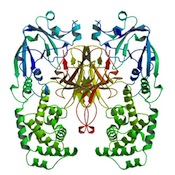
The recombinant fusion protein denileukin diftitox (DD) produced a significant and durable overall response rate at 2 dose levels as compared to placebo in patients with cutaneous T-cell lymphoma (CTCL).
These phase 3 results confirm the efficacy, safety, and clinical benefit of DD in CD25-positive, stage IA to III CTCL. An earlier trial included more heavily pretreated late-stage patients.
Andres Negro-Vilar, MD, PhD, and colleagues reported the current results March 8 ahead of print in the Journal of Clinical Oncology.
The investigators randomized 144 patients—44 to placebo, 45 to 9 mg/kg/day DD, and 55 to 18 m/kg/day DD. Patients received the treatment on days 1 through 5 of each 21-day course for up to 8 courses.
Patients were a median age of 59 years, two thirds had disease stage IIA or earlier, and 94% had received 3 or fewer prior therapies. Prior therapies included phototherapy (48%), interferon alfa (20%), electron beam readiotherapy (48%), system cytotoxic chemotherapy (26%), topical chemotherapy (25%), and other therapies (30%).
Most patients (85%) had mycosis fungoides, 6.3% had Sézary syndrome, and 8.3% had other cutaneous lymphomas.
After a median of 6 treatment courses, patients receiving either dose of DD had a statistically significant overall response rate (ORR) compared to placebo.
Patients in the 18 µg DD group had a 49% ORR, including 9% complete response (CR) or clinical complete response (CCR). This compared to an ORR of 16% for placebo patients (P=0.0015).
Patients in the 9 µg group had a 37.8% ORR, including 11% CR/CCR. This ORR was also significantly better compared to placebo (P=0.0297).
About half of the placebo patients experienced progressive disease compared with 21% of the DD-treated patients.
Progression-free survival (PFS) was significantly longer in the DD-treated patients. The 18 µg-arm had a median PFS of 971 days, the 9 µg-arm had a median PFS of 794 days, and the placebo patients had a median PFS of 124 days.
DD-treated patients in both dose groups experienced significantly superior duration of response, time to response, and time to treatment failure compared to the placebo patients.
DD-treated patients reported more adverse events and serious adverse events than the placebo patients. The investigators observed that the AEs occurred most frequently during the first 2 or 3 treatment courses and then declined to placebo levels.
DD combines the diphtheria toxin with human interleukin-2 (IL-2). DD binds to and is internalized by the IL-2 receptor. Therefore, it is most efficient at killing cells that express the intermediate- or high-affinity IL-2 receptor.
The investigators suggest that the 18 µg/kg/day dose may improve the response rate without increasing toxicity. The higher dose “provides more benefit, such as a higher ORR and statistically significant improvements in several supportive end points . . . DD may represent an important treatment option for many patients with these challenging diseases,” they said.
The recombinant fusion protein denileukin diftitox (DD) produced a significant and durable overall response rate at 2 dose levels as compared to placebo in patients with cutaneous T-cell lymphoma (CTCL).
These phase 3 results confirm the efficacy, safety, and clinical benefit of DD in CD25-positive, stage IA to III CTCL. An earlier trial included more heavily pretreated late-stage patients.
Andres Negro-Vilar, MD, PhD, and colleagues reported the current results March 8 ahead of print in the Journal of Clinical Oncology.
The investigators randomized 144 patients—44 to placebo, 45 to 9 mg/kg/day DD, and 55 to 18 m/kg/day DD. Patients received the treatment on days 1 through 5 of each 21-day course for up to 8 courses.
Patients were a median age of 59 years, two thirds had disease stage IIA or earlier, and 94% had received 3 or fewer prior therapies. Prior therapies included phototherapy (48%), interferon alfa (20%), electron beam readiotherapy (48%), system cytotoxic chemotherapy (26%), topical chemotherapy (25%), and other therapies (30%).
Most patients (85%) had mycosis fungoides, 6.3% had Sézary syndrome, and 8.3% had other cutaneous lymphomas.
After a median of 6 treatment courses, patients receiving either dose of DD had a statistically significant overall response rate (ORR) compared to placebo.
Patients in the 18 µg DD group had a 49% ORR, including 9% complete response (CR) or clinical complete response (CCR). This compared to an ORR of 16% for placebo patients (P=0.0015).
Patients in the 9 µg group had a 37.8% ORR, including 11% CR/CCR. This ORR was also significantly better compared to placebo (P=0.0297).
About half of the placebo patients experienced progressive disease compared with 21% of the DD-treated patients.
Progression-free survival (PFS) was significantly longer in the DD-treated patients. The 18 µg-arm had a median PFS of 971 days, the 9 µg-arm had a median PFS of 794 days, and the placebo patients had a median PFS of 124 days.
DD-treated patients in both dose groups experienced significantly superior duration of response, time to response, and time to treatment failure compared to the placebo patients.
DD-treated patients reported more adverse events and serious adverse events than the placebo patients. The investigators observed that the AEs occurred most frequently during the first 2 or 3 treatment courses and then declined to placebo levels.
DD combines the diphtheria toxin with human interleukin-2 (IL-2). DD binds to and is internalized by the IL-2 receptor. Therefore, it is most efficient at killing cells that express the intermediate- or high-affinity IL-2 receptor.
The investigators suggest that the 18 µg/kg/day dose may improve the response rate without increasing toxicity. The higher dose “provides more benefit, such as a higher ORR and statistically significant improvements in several supportive end points . . . DD may represent an important treatment option for many patients with these challenging diseases,” they said.
The recombinant fusion protein denileukin diftitox (DD) produced a significant and durable overall response rate at 2 dose levels as compared to placebo in patients with cutaneous T-cell lymphoma (CTCL).
These phase 3 results confirm the efficacy, safety, and clinical benefit of DD in CD25-positive, stage IA to III CTCL. An earlier trial included more heavily pretreated late-stage patients.
Andres Negro-Vilar, MD, PhD, and colleagues reported the current results March 8 ahead of print in the Journal of Clinical Oncology.
The investigators randomized 144 patients—44 to placebo, 45 to 9 mg/kg/day DD, and 55 to 18 m/kg/day DD. Patients received the treatment on days 1 through 5 of each 21-day course for up to 8 courses.
Patients were a median age of 59 years, two thirds had disease stage IIA or earlier, and 94% had received 3 or fewer prior therapies. Prior therapies included phototherapy (48%), interferon alfa (20%), electron beam readiotherapy (48%), system cytotoxic chemotherapy (26%), topical chemotherapy (25%), and other therapies (30%).
Most patients (85%) had mycosis fungoides, 6.3% had Sézary syndrome, and 8.3% had other cutaneous lymphomas.
After a median of 6 treatment courses, patients receiving either dose of DD had a statistically significant overall response rate (ORR) compared to placebo.
Patients in the 18 µg DD group had a 49% ORR, including 9% complete response (CR) or clinical complete response (CCR). This compared to an ORR of 16% for placebo patients (P=0.0015).
Patients in the 9 µg group had a 37.8% ORR, including 11% CR/CCR. This ORR was also significantly better compared to placebo (P=0.0297).
About half of the placebo patients experienced progressive disease compared with 21% of the DD-treated patients.
Progression-free survival (PFS) was significantly longer in the DD-treated patients. The 18 µg-arm had a median PFS of 971 days, the 9 µg-arm had a median PFS of 794 days, and the placebo patients had a median PFS of 124 days.
DD-treated patients in both dose groups experienced significantly superior duration of response, time to response, and time to treatment failure compared to the placebo patients.
DD-treated patients reported more adverse events and serious adverse events than the placebo patients. The investigators observed that the AEs occurred most frequently during the first 2 or 3 treatment courses and then declined to placebo levels.
DD combines the diphtheria toxin with human interleukin-2 (IL-2). DD binds to and is internalized by the IL-2 receptor. Therefore, it is most efficient at killing cells that express the intermediate- or high-affinity IL-2 receptor.
The investigators suggest that the 18 µg/kg/day dose may improve the response rate without increasing toxicity. The higher dose “provides more benefit, such as a higher ORR and statistically significant improvements in several supportive end points . . . DD may represent an important treatment option for many patients with these challenging diseases,” they said.
Fostamatinib successfully targets the B-cell receptor
NEW YORK—Fostamatinib, a potent, specific inhibitor of spleen tyrosine kinase (Syk), shows promise as a targeted therapy for non-Hodgkin’s lymphoma (NHL) and leukemia.
The B-cell receptor is present on both normal B cells and malignant B cells. Signaling through this receptor is necessary for B-cell maturation and survival. A subset of aggressive lymphomas, as well as follicular lymphomas, appear to rely on signaling from this receptor for survival, said Jonathan Friedberg, MD, of the University of Rochester in New York, at the Chemotherapy Foundation Symposium held November 10-13, 2009.
Syk mediates and amplifies the B-cell receptor signal and initiates downstream events. Inhibition of Syk results in lymphoma cell death in vitro, he said.
“Syk is expressed in aggressive B-cell lines. Altered B-cell receptor signaling distinguishes follicular lymphoma cells from non-malignant B cells,” said Dr Friedberg. “Syk activity is increased in follicular lymphoma cells compared to normal cells.”
Fostamatinib is an orally available drug that has been shown to be safe in healthy human volunteers and is active in the treatment of rheumatoid arthritis and idiopathic thrombocytopenic purpura (ITP). A study of 19 ITP patients found the drug was well tolerated and yielded a 75% response rate.
Dr Friedberg presented the results of the first phase 1/2 trial of fostamatinib in heavily pretreated patients with relapsed/refractory NHL. The phase 1 study evaluated 200 mg and 250 mg twice-daily doses of fostamatinib in 13 patients, median age 74 years. The dose-limiting toxicities were neutropenia, thrombocytopenia, and diarrhea. The 200 mg twice-daily dose was chosen for phase 2 testing.
The phase 2 study enrolled 68 patients with relapsed/refractory disease, including diffuse large B-cell lymphoma (DLBCL) (23 patients), follicular lymphoma (21 patients), and other NHLs (24 patients). The other NHLs mainly included patients with chronic lymphocytic leukemia (CLL) and small lymphocytic lymphoma (SLL).
The drug was well tolerated, he said. Adverse events were mainly grade 1 or 2. The most common toxicities included diarrhea, fatigue, cytopenias, nausea, and hypertension. He noted that 20% of patients developed hypertension, which was easily controlled. Five patients developed febrile neutropenia and 1 patient had pancytopenia.
Response rates were 21% for DLBCL patients, 10% for follicular lymphoma patients, 55% for CLL/SLL. Stable disease was observed in an additional 22 patients. Median progression-free survival was 4.2 months and response duration exceeded 4 months.
“Some patients had bulky lymphadenopathy that resolved completely with this agent,” said Dr Friedberg. “As the lymphocyte count increased, the lymph nodes melted away.” White blood cell counts normalized in almost all CLL patients, he noted.
The future development of the drug is likely to include rational combinations with other agents. Ongoing laboratory studies are evaluating fostamatinib with mTOR inhibitors, rituximab, proteasome inhibitors, and chemotherapeutic agents.
“Additional clinical trials are planned to identify lymphomas dependent upon the BCR pathway, and to confirm the exciting effects of this truly targeted therapy for B-cell lymphomas and leukemia,” he said.
NEW YORK—Fostamatinib, a potent, specific inhibitor of spleen tyrosine kinase (Syk), shows promise as a targeted therapy for non-Hodgkin’s lymphoma (NHL) and leukemia.
The B-cell receptor is present on both normal B cells and malignant B cells. Signaling through this receptor is necessary for B-cell maturation and survival. A subset of aggressive lymphomas, as well as follicular lymphomas, appear to rely on signaling from this receptor for survival, said Jonathan Friedberg, MD, of the University of Rochester in New York, at the Chemotherapy Foundation Symposium held November 10-13, 2009.
Syk mediates and amplifies the B-cell receptor signal and initiates downstream events. Inhibition of Syk results in lymphoma cell death in vitro, he said.
“Syk is expressed in aggressive B-cell lines. Altered B-cell receptor signaling distinguishes follicular lymphoma cells from non-malignant B cells,” said Dr Friedberg. “Syk activity is increased in follicular lymphoma cells compared to normal cells.”
Fostamatinib is an orally available drug that has been shown to be safe in healthy human volunteers and is active in the treatment of rheumatoid arthritis and idiopathic thrombocytopenic purpura (ITP). A study of 19 ITP patients found the drug was well tolerated and yielded a 75% response rate.
Dr Friedberg presented the results of the first phase 1/2 trial of fostamatinib in heavily pretreated patients with relapsed/refractory NHL. The phase 1 study evaluated 200 mg and 250 mg twice-daily doses of fostamatinib in 13 patients, median age 74 years. The dose-limiting toxicities were neutropenia, thrombocytopenia, and diarrhea. The 200 mg twice-daily dose was chosen for phase 2 testing.
The phase 2 study enrolled 68 patients with relapsed/refractory disease, including diffuse large B-cell lymphoma (DLBCL) (23 patients), follicular lymphoma (21 patients), and other NHLs (24 patients). The other NHLs mainly included patients with chronic lymphocytic leukemia (CLL) and small lymphocytic lymphoma (SLL).
The drug was well tolerated, he said. Adverse events were mainly grade 1 or 2. The most common toxicities included diarrhea, fatigue, cytopenias, nausea, and hypertension. He noted that 20% of patients developed hypertension, which was easily controlled. Five patients developed febrile neutropenia and 1 patient had pancytopenia.
Response rates were 21% for DLBCL patients, 10% for follicular lymphoma patients, 55% for CLL/SLL. Stable disease was observed in an additional 22 patients. Median progression-free survival was 4.2 months and response duration exceeded 4 months.
“Some patients had bulky lymphadenopathy that resolved completely with this agent,” said Dr Friedberg. “As the lymphocyte count increased, the lymph nodes melted away.” White blood cell counts normalized in almost all CLL patients, he noted.
The future development of the drug is likely to include rational combinations with other agents. Ongoing laboratory studies are evaluating fostamatinib with mTOR inhibitors, rituximab, proteasome inhibitors, and chemotherapeutic agents.
“Additional clinical trials are planned to identify lymphomas dependent upon the BCR pathway, and to confirm the exciting effects of this truly targeted therapy for B-cell lymphomas and leukemia,” he said.
NEW YORK—Fostamatinib, a potent, specific inhibitor of spleen tyrosine kinase (Syk), shows promise as a targeted therapy for non-Hodgkin’s lymphoma (NHL) and leukemia.
The B-cell receptor is present on both normal B cells and malignant B cells. Signaling through this receptor is necessary for B-cell maturation and survival. A subset of aggressive lymphomas, as well as follicular lymphomas, appear to rely on signaling from this receptor for survival, said Jonathan Friedberg, MD, of the University of Rochester in New York, at the Chemotherapy Foundation Symposium held November 10-13, 2009.
Syk mediates and amplifies the B-cell receptor signal and initiates downstream events. Inhibition of Syk results in lymphoma cell death in vitro, he said.
“Syk is expressed in aggressive B-cell lines. Altered B-cell receptor signaling distinguishes follicular lymphoma cells from non-malignant B cells,” said Dr Friedberg. “Syk activity is increased in follicular lymphoma cells compared to normal cells.”
Fostamatinib is an orally available drug that has been shown to be safe in healthy human volunteers and is active in the treatment of rheumatoid arthritis and idiopathic thrombocytopenic purpura (ITP). A study of 19 ITP patients found the drug was well tolerated and yielded a 75% response rate.
Dr Friedberg presented the results of the first phase 1/2 trial of fostamatinib in heavily pretreated patients with relapsed/refractory NHL. The phase 1 study evaluated 200 mg and 250 mg twice-daily doses of fostamatinib in 13 patients, median age 74 years. The dose-limiting toxicities were neutropenia, thrombocytopenia, and diarrhea. The 200 mg twice-daily dose was chosen for phase 2 testing.
The phase 2 study enrolled 68 patients with relapsed/refractory disease, including diffuse large B-cell lymphoma (DLBCL) (23 patients), follicular lymphoma (21 patients), and other NHLs (24 patients). The other NHLs mainly included patients with chronic lymphocytic leukemia (CLL) and small lymphocytic lymphoma (SLL).
The drug was well tolerated, he said. Adverse events were mainly grade 1 or 2. The most common toxicities included diarrhea, fatigue, cytopenias, nausea, and hypertension. He noted that 20% of patients developed hypertension, which was easily controlled. Five patients developed febrile neutropenia and 1 patient had pancytopenia.
Response rates were 21% for DLBCL patients, 10% for follicular lymphoma patients, 55% for CLL/SLL. Stable disease was observed in an additional 22 patients. Median progression-free survival was 4.2 months and response duration exceeded 4 months.
“Some patients had bulky lymphadenopathy that resolved completely with this agent,” said Dr Friedberg. “As the lymphocyte count increased, the lymph nodes melted away.” White blood cell counts normalized in almost all CLL patients, he noted.
The future development of the drug is likely to include rational combinations with other agents. Ongoing laboratory studies are evaluating fostamatinib with mTOR inhibitors, rituximab, proteasome inhibitors, and chemotherapeutic agents.
“Additional clinical trials are planned to identify lymphomas dependent upon the BCR pathway, and to confirm the exciting effects of this truly targeted therapy for B-cell lymphomas and leukemia,” he said.
Ofatumumab receives accelerated approval from FDA
The US Food and Drug Administration (FDA) has approved ofatumumab (Arzerra) to treat chronic lymphocytic leukemia (CLL) that is refractory to fludarabine and alemtuzumab.
The drug was approved under the FDA’s accelerated approval process,
which allows drugs that meet unmet medical needs to be approved faster.
Accelerated approval is based on a surrogate endpoint; for example, a
reduction in tumor, spleen, or lymph node size.
These indicators provide reasonable evidence that the drug will allow patients to live longer with fewer disease-related side effects.
However, accelerated approval requires studies of the drug to continue.
Currently, the manufacturer, Genmab, is conducting a clinical trial to confirm that adding ofatumumab to standard chemotherapy delays the progression of CLL.
Side effects from previous studies include pneumonia, fever, cough, diarrhea, fatigue, shortness of breath, rash, nausea, bronchitis, upper respiratory tract infection, lower red blood cell count, and a decrease in normal white blood cells.
Increased risk of infection is the most serious risk, including progressive multifocal leukoencephalopathy. Patients at high risk for hepatitis B should be tested before using ofatumumab.
Researchers have also investigated other uses for ofatumumab, including the treatment of rheumatoid arthritis, in which it appeared to be safe and effective.
The US Food and Drug Administration (FDA) has approved ofatumumab (Arzerra) to treat chronic lymphocytic leukemia (CLL) that is refractory to fludarabine and alemtuzumab.
The drug was approved under the FDA’s accelerated approval process,
which allows drugs that meet unmet medical needs to be approved faster.
Accelerated approval is based on a surrogate endpoint; for example, a
reduction in tumor, spleen, or lymph node size.
These indicators provide reasonable evidence that the drug will allow patients to live longer with fewer disease-related side effects.
However, accelerated approval requires studies of the drug to continue.
Currently, the manufacturer, Genmab, is conducting a clinical trial to confirm that adding ofatumumab to standard chemotherapy delays the progression of CLL.
Side effects from previous studies include pneumonia, fever, cough, diarrhea, fatigue, shortness of breath, rash, nausea, bronchitis, upper respiratory tract infection, lower red blood cell count, and a decrease in normal white blood cells.
Increased risk of infection is the most serious risk, including progressive multifocal leukoencephalopathy. Patients at high risk for hepatitis B should be tested before using ofatumumab.
Researchers have also investigated other uses for ofatumumab, including the treatment of rheumatoid arthritis, in which it appeared to be safe and effective.
The US Food and Drug Administration (FDA) has approved ofatumumab (Arzerra) to treat chronic lymphocytic leukemia (CLL) that is refractory to fludarabine and alemtuzumab.
The drug was approved under the FDA’s accelerated approval process,
which allows drugs that meet unmet medical needs to be approved faster.
Accelerated approval is based on a surrogate endpoint; for example, a
reduction in tumor, spleen, or lymph node size.
These indicators provide reasonable evidence that the drug will allow patients to live longer with fewer disease-related side effects.
However, accelerated approval requires studies of the drug to continue.
Currently, the manufacturer, Genmab, is conducting a clinical trial to confirm that adding ofatumumab to standard chemotherapy delays the progression of CLL.
Side effects from previous studies include pneumonia, fever, cough, diarrhea, fatigue, shortness of breath, rash, nausea, bronchitis, upper respiratory tract infection, lower red blood cell count, and a decrease in normal white blood cells.
Increased risk of infection is the most serious risk, including progressive multifocal leukoencephalopathy. Patients at high risk for hepatitis B should be tested before using ofatumumab.
Researchers have also investigated other uses for ofatumumab, including the treatment of rheumatoid arthritis, in which it appeared to be safe and effective.
Potential cause of R-CHOP failure ruled out
Researchers say they have come one step closer to determining the cause of R-CHOP failure in diffuse large B-cell lymphoma (DLBCL) by ruling out a potential cause.
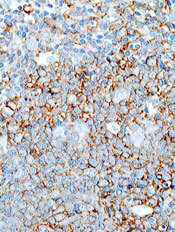
Randy D. Gascoyne, MD, of the British Columbia Cancer Agency, and colleagues found that CD20 mutations involving the rituximab epitope are not the source of R-CHOP resistance. In fact, the mutations are rare in both de novo and relapsed DLBCL.
The rituximab epitope is located in exon 5 of the MS4A1 gene, so Dr Gascoyne and colleagues sequenced this region in DLBCL samples taken at diagnosis and relapse (1 month after completion of 6 cycles of R-CHOP). The team successfully sequenced 264 diagnostic samples and 15 relapsed samples.
The samples could be considered representative of the DLBCL population in British Columbia because clinical characteristics were similar to those observed in previous studies, according to the researchers. In addition, most of the patients had nodal disease with a minimum of 80% tumor, which was sufficient for detecting mutations.
Only 1 of 264 diagnostic samples showed a CD20 mutation involving the rituximab epitope—a 13 base pair heterozygous deletion at position IVS5(+8) in intron 5. Dr Gascoyne and colleagues were unable to determine if this was a polymorphism or a somatic mutation.
This patient achieved a complete response to R-CHOP and is still in remission more than 2 years after diagnosis. This outcome rules out the possibility of mutation-induced rituximab resistance.
As with the diagnostic samples, only 1 of the relapsed samples showed a CD20 mutation involving the rituximab epitope. This was a heterozygous 4 base pair deletion (TAAT) at nucleotide position 353-356, which predicted for a premature termination at amino acid position 121, well before the critical ANPS binding site.
The researchers were unable to establish whether this mutation was present at diagnosis, but they did determine there were no single nucleotide polymorphisms in exon 5 of the CD20 gene.
The rarity of mutations in the rituximab epitope observed in this study suggests these mutations cannot be responsible for the majority of R-CHOP treatment failures. However, Dr Gascoyne and colleagues said they cannot exclude the possibility that R-CHOP resistance might result from mutations at other sites in MS4A1, as these sites were not evaluated.
These findings appear in the March issue of haematologica.
Researchers say they have come one step closer to determining the cause of R-CHOP failure in diffuse large B-cell lymphoma (DLBCL) by ruling out a potential cause.
Randy D. Gascoyne, MD, of the British Columbia Cancer Agency, and colleagues found that CD20 mutations involving the rituximab epitope are not the source of R-CHOP resistance. In fact, the mutations are rare in both de novo and relapsed DLBCL.
The rituximab epitope is located in exon 5 of the MS4A1 gene, so Dr Gascoyne and colleagues sequenced this region in DLBCL samples taken at diagnosis and relapse (1 month after completion of 6 cycles of R-CHOP). The team successfully sequenced 264 diagnostic samples and 15 relapsed samples.
The samples could be considered representative of the DLBCL population in British Columbia because clinical characteristics were similar to those observed in previous studies, according to the researchers. In addition, most of the patients had nodal disease with a minimum of 80% tumor, which was sufficient for detecting mutations.
Only 1 of 264 diagnostic samples showed a CD20 mutation involving the rituximab epitope—a 13 base pair heterozygous deletion at position IVS5(+8) in intron 5. Dr Gascoyne and colleagues were unable to determine if this was a polymorphism or a somatic mutation.
This patient achieved a complete response to R-CHOP and is still in remission more than 2 years after diagnosis. This outcome rules out the possibility of mutation-induced rituximab resistance.
As with the diagnostic samples, only 1 of the relapsed samples showed a CD20 mutation involving the rituximab epitope. This was a heterozygous 4 base pair deletion (TAAT) at nucleotide position 353-356, which predicted for a premature termination at amino acid position 121, well before the critical ANPS binding site.
The researchers were unable to establish whether this mutation was present at diagnosis, but they did determine there were no single nucleotide polymorphisms in exon 5 of the CD20 gene.
The rarity of mutations in the rituximab epitope observed in this study suggests these mutations cannot be responsible for the majority of R-CHOP treatment failures. However, Dr Gascoyne and colleagues said they cannot exclude the possibility that R-CHOP resistance might result from mutations at other sites in MS4A1, as these sites were not evaluated.
These findings appear in the March issue of haematologica.
Researchers say they have come one step closer to determining the cause of R-CHOP failure in diffuse large B-cell lymphoma (DLBCL) by ruling out a potential cause.
Randy D. Gascoyne, MD, of the British Columbia Cancer Agency, and colleagues found that CD20 mutations involving the rituximab epitope are not the source of R-CHOP resistance. In fact, the mutations are rare in both de novo and relapsed DLBCL.
The rituximab epitope is located in exon 5 of the MS4A1 gene, so Dr Gascoyne and colleagues sequenced this region in DLBCL samples taken at diagnosis and relapse (1 month after completion of 6 cycles of R-CHOP). The team successfully sequenced 264 diagnostic samples and 15 relapsed samples.
The samples could be considered representative of the DLBCL population in British Columbia because clinical characteristics were similar to those observed in previous studies, according to the researchers. In addition, most of the patients had nodal disease with a minimum of 80% tumor, which was sufficient for detecting mutations.
Only 1 of 264 diagnostic samples showed a CD20 mutation involving the rituximab epitope—a 13 base pair heterozygous deletion at position IVS5(+8) in intron 5. Dr Gascoyne and colleagues were unable to determine if this was a polymorphism or a somatic mutation.
This patient achieved a complete response to R-CHOP and is still in remission more than 2 years after diagnosis. This outcome rules out the possibility of mutation-induced rituximab resistance.
As with the diagnostic samples, only 1 of the relapsed samples showed a CD20 mutation involving the rituximab epitope. This was a heterozygous 4 base pair deletion (TAAT) at nucleotide position 353-356, which predicted for a premature termination at amino acid position 121, well before the critical ANPS binding site.
The researchers were unable to establish whether this mutation was present at diagnosis, but they did determine there were no single nucleotide polymorphisms in exon 5 of the CD20 gene.
The rarity of mutations in the rituximab epitope observed in this study suggests these mutations cannot be responsible for the majority of R-CHOP treatment failures. However, Dr Gascoyne and colleagues said they cannot exclude the possibility that R-CHOP resistance might result from mutations at other sites in MS4A1, as these sites were not evaluated.
These findings appear in the March issue of haematologica.