User login
Chemotherapy plus cetuximab shows OS benefit in squamous NSCLC
DENVER – This is why clinical trials are conducted.
Results from a randomized clinical study show that adding cetuximab (Erbitux) to platinum doublet chemotherapy with or without bevacizumab (Avastin) in patients with advanced non–small cell lung cancer (NSCLC) did not improve overall survival (OS).
But the results also point to a survival benefit with cetuximab in patients with squamous cell histology NSCLC whose tumors express high levels of the epidermal growth factor receptor (EGFR) on fluorescent in situ hybridization (FISH), as well as a significant benefit for other patients who are not candidates for bevacizumab, Dr. Roy S. Herbst of the Smilow Cancer Hospital at Yale–New Haven (Conn.) reported.
The findings support those of the recently published SQUIRE trial, which showed an OS benefit for adding necitumumab, an investigational anti-EGFR monoclonal antibody, to chemotherapy with gemcitabine and cisplatin in patients with advanced squamous cell carcinoma, Dr. Herbst said at a world conference on lung cancer.

“These data, along with the recent SQUIRE results suggest a role for EGFR FISH in selecting patients for EGFR antibodies, either cetuximab, perhaps necitumumab, perhaps others, especially when bevacizumab is not used,” he said.
Dr. Herbst and colleagues had previously found evidence to suggest that four or more EGFR gene copies detected by FISH could be a biomarker to identify patients most likely to benefit from therapy with cetuximab, a chimeric monoclonal antibody that targets the EGFR receptor.
To test this hypothesis, investigators in the trial, designated S0819, enrolled 1,313 patients with newly diagnosed or recurrent (after prior surgery and/or radiation) stage IV NSCLC into a randomized clinical trial comparing chemotherapy with carboplatin and paclitaxel with or without bevacizumab and with or without cetuximab. Patients with controlled brain metastases were eligible for the trial, which included patients with both adenocarcinoma and squamous cell histologies.
The investigators hoped to see a progression-free survival (PFS) benefit in EGFR FISH–positive patients, and an OS benefit among the entire study population. The study did not meet either of these coprimary endpoints, however.
The hazard ratio for overall survival among the entire study population was 0.94 (P = .34). Similarly, there was no significant difference with or without cetuximab in the entire population (HR 0.98; P = .68).
There were also no differences among EGFR FISH–positive patients in the overall study population, although the OS for this subgroup trended toward significance, Dr. Herbst noted (HR for OS, 0.83; P = .10; HR for PFS, 0.91; P = 0.37).
Among so-called bevacizumab-appropriate patients (that is, those with no bleeding or squamous cell histology), there were also no significant differences in OS with or without cetuximab.
But among the overall subgroup of bevacizumab-inappropriate patients (that is, those with squamous cell NSCLC or for whom bevacizumab was considered to be clinically contraindicated), there was a trend toward significance (HR for OS, 0.88; P = .12), and among 234 EGFR FISH–positive bevacizumab inappropriate patients, there was a significant overall survival benefit (HR, 0.75; P = .048)
An exploratory analysis showed that the strongest benefit of adding cetuximab was among 111 patients with FISH-positive squamous cell carcinoma, with a HR for OS of 0.56 (P = .006), compared with squamous cell FISH-positive patients who received only carboplatin and paclitaxel.
“So you can see that the biomarker selection by FISH does appear to have some effect in this group of patients,” Dr. Herbst said at the conference sponsored by the International Association for the Study of Lung Cancer.
In an interview, Dr. Herbst noted that while he was pleased that he and his colleagues were able to recruit more than 1,300 patients with NSCLC, they had originally planned to enroll 1,546, but had to slightly scale back the size and statistical power of the study because they were unable to obtain sufficient tumor tissue (a study requirement) from more than 200 patients.

Dr. Robert Pirker, professor of medicine and program director for lung cancer at the Medical University of Vienna, the invited discussant, said that the results of the SWOG 0819 trial dovetail with the results of the FLEX phase III trial, which showed that the addition of cetuximab to first-line chemotherapy for patients with advanced NSCLC significantly improved overall survival, compared with chemotherapy alone. In a separate analysis of data from FLEX, Dr. Pirker and colleagues developed an EGFR expression score based on immunohistochemistry, and found that high EGFR expression predicted the survival benefit of cetuximab, and suggested that it could serve as a biomarker for treatment selection.
“Patients with advanced NSCLC deserve access to these therapeutic advances. Our purpose is not just doing just research for the sake of research, but we also have to implement the research,” he said.
The SWOG S0819 trial was supported by the National Institutes of Health and Bristol-Myers Squibb. Dr. Herbst disclosed consulting with the company. He is also a member of the Oncology Report editorial board. Dr. Pirker disclosed receiving honoraria, speaker’s fees, and consulting with various companies, not including Bristol-Myers Squibb.
DENVER – This is why clinical trials are conducted.
Results from a randomized clinical study show that adding cetuximab (Erbitux) to platinum doublet chemotherapy with or without bevacizumab (Avastin) in patients with advanced non–small cell lung cancer (NSCLC) did not improve overall survival (OS).
But the results also point to a survival benefit with cetuximab in patients with squamous cell histology NSCLC whose tumors express high levels of the epidermal growth factor receptor (EGFR) on fluorescent in situ hybridization (FISH), as well as a significant benefit for other patients who are not candidates for bevacizumab, Dr. Roy S. Herbst of the Smilow Cancer Hospital at Yale–New Haven (Conn.) reported.
The findings support those of the recently published SQUIRE trial, which showed an OS benefit for adding necitumumab, an investigational anti-EGFR monoclonal antibody, to chemotherapy with gemcitabine and cisplatin in patients with advanced squamous cell carcinoma, Dr. Herbst said at a world conference on lung cancer.
“These data, along with the recent SQUIRE results suggest a role for EGFR FISH in selecting patients for EGFR antibodies, either cetuximab, perhaps necitumumab, perhaps others, especially when bevacizumab is not used,” he said.
Dr. Herbst and colleagues had previously found evidence to suggest that four or more EGFR gene copies detected by FISH could be a biomarker to identify patients most likely to benefit from therapy with cetuximab, a chimeric monoclonal antibody that targets the EGFR receptor.
To test this hypothesis, investigators in the trial, designated S0819, enrolled 1,313 patients with newly diagnosed or recurrent (after prior surgery and/or radiation) stage IV NSCLC into a randomized clinical trial comparing chemotherapy with carboplatin and paclitaxel with or without bevacizumab and with or without cetuximab. Patients with controlled brain metastases were eligible for the trial, which included patients with both adenocarcinoma and squamous cell histologies.
The investigators hoped to see a progression-free survival (PFS) benefit in EGFR FISH–positive patients, and an OS benefit among the entire study population. The study did not meet either of these coprimary endpoints, however.
The hazard ratio for overall survival among the entire study population was 0.94 (P = .34). Similarly, there was no significant difference with or without cetuximab in the entire population (HR 0.98; P = .68).
There were also no differences among EGFR FISH–positive patients in the overall study population, although the OS for this subgroup trended toward significance, Dr. Herbst noted (HR for OS, 0.83; P = .10; HR for PFS, 0.91; P = 0.37).
Among so-called bevacizumab-appropriate patients (that is, those with no bleeding or squamous cell histology), there were also no significant differences in OS with or without cetuximab.
But among the overall subgroup of bevacizumab-inappropriate patients (that is, those with squamous cell NSCLC or for whom bevacizumab was considered to be clinically contraindicated), there was a trend toward significance (HR for OS, 0.88; P = .12), and among 234 EGFR FISH–positive bevacizumab inappropriate patients, there was a significant overall survival benefit (HR, 0.75; P = .048)
An exploratory analysis showed that the strongest benefit of adding cetuximab was among 111 patients with FISH-positive squamous cell carcinoma, with a HR for OS of 0.56 (P = .006), compared with squamous cell FISH-positive patients who received only carboplatin and paclitaxel.
“So you can see that the biomarker selection by FISH does appear to have some effect in this group of patients,” Dr. Herbst said at the conference sponsored by the International Association for the Study of Lung Cancer.
In an interview, Dr. Herbst noted that while he was pleased that he and his colleagues were able to recruit more than 1,300 patients with NSCLC, they had originally planned to enroll 1,546, but had to slightly scale back the size and statistical power of the study because they were unable to obtain sufficient tumor tissue (a study requirement) from more than 200 patients.
Dr. Robert Pirker, professor of medicine and program director for lung cancer at the Medical University of Vienna, the invited discussant, said that the results of the SWOG 0819 trial dovetail with the results of the FLEX phase III trial, which showed that the addition of cetuximab to first-line chemotherapy for patients with advanced NSCLC significantly improved overall survival, compared with chemotherapy alone. In a separate analysis of data from FLEX, Dr. Pirker and colleagues developed an EGFR expression score based on immunohistochemistry, and found that high EGFR expression predicted the survival benefit of cetuximab, and suggested that it could serve as a biomarker for treatment selection.
“Patients with advanced NSCLC deserve access to these therapeutic advances. Our purpose is not just doing just research for the sake of research, but we also have to implement the research,” he said.
The SWOG S0819 trial was supported by the National Institutes of Health and Bristol-Myers Squibb. Dr. Herbst disclosed consulting with the company. He is also a member of the Oncology Report editorial board. Dr. Pirker disclosed receiving honoraria, speaker’s fees, and consulting with various companies, not including Bristol-Myers Squibb.
DENVER – This is why clinical trials are conducted.
Results from a randomized clinical study show that adding cetuximab (Erbitux) to platinum doublet chemotherapy with or without bevacizumab (Avastin) in patients with advanced non–small cell lung cancer (NSCLC) did not improve overall survival (OS).
But the results also point to a survival benefit with cetuximab in patients with squamous cell histology NSCLC whose tumors express high levels of the epidermal growth factor receptor (EGFR) on fluorescent in situ hybridization (FISH), as well as a significant benefit for other patients who are not candidates for bevacizumab, Dr. Roy S. Herbst of the Smilow Cancer Hospital at Yale–New Haven (Conn.) reported.
The findings support those of the recently published SQUIRE trial, which showed an OS benefit for adding necitumumab, an investigational anti-EGFR monoclonal antibody, to chemotherapy with gemcitabine and cisplatin in patients with advanced squamous cell carcinoma, Dr. Herbst said at a world conference on lung cancer.
“These data, along with the recent SQUIRE results suggest a role for EGFR FISH in selecting patients for EGFR antibodies, either cetuximab, perhaps necitumumab, perhaps others, especially when bevacizumab is not used,” he said.
Dr. Herbst and colleagues had previously found evidence to suggest that four or more EGFR gene copies detected by FISH could be a biomarker to identify patients most likely to benefit from therapy with cetuximab, a chimeric monoclonal antibody that targets the EGFR receptor.
To test this hypothesis, investigators in the trial, designated S0819, enrolled 1,313 patients with newly diagnosed or recurrent (after prior surgery and/or radiation) stage IV NSCLC into a randomized clinical trial comparing chemotherapy with carboplatin and paclitaxel with or without bevacizumab and with or without cetuximab. Patients with controlled brain metastases were eligible for the trial, which included patients with both adenocarcinoma and squamous cell histologies.
The investigators hoped to see a progression-free survival (PFS) benefit in EGFR FISH–positive patients, and an OS benefit among the entire study population. The study did not meet either of these coprimary endpoints, however.
The hazard ratio for overall survival among the entire study population was 0.94 (P = .34). Similarly, there was no significant difference with or without cetuximab in the entire population (HR 0.98; P = .68).
There were also no differences among EGFR FISH–positive patients in the overall study population, although the OS for this subgroup trended toward significance, Dr. Herbst noted (HR for OS, 0.83; P = .10; HR for PFS, 0.91; P = 0.37).
Among so-called bevacizumab-appropriate patients (that is, those with no bleeding or squamous cell histology), there were also no significant differences in OS with or without cetuximab.
But among the overall subgroup of bevacizumab-inappropriate patients (that is, those with squamous cell NSCLC or for whom bevacizumab was considered to be clinically contraindicated), there was a trend toward significance (HR for OS, 0.88; P = .12), and among 234 EGFR FISH–positive bevacizumab inappropriate patients, there was a significant overall survival benefit (HR, 0.75; P = .048)
An exploratory analysis showed that the strongest benefit of adding cetuximab was among 111 patients with FISH-positive squamous cell carcinoma, with a HR for OS of 0.56 (P = .006), compared with squamous cell FISH-positive patients who received only carboplatin and paclitaxel.
“So you can see that the biomarker selection by FISH does appear to have some effect in this group of patients,” Dr. Herbst said at the conference sponsored by the International Association for the Study of Lung Cancer.
In an interview, Dr. Herbst noted that while he was pleased that he and his colleagues were able to recruit more than 1,300 patients with NSCLC, they had originally planned to enroll 1,546, but had to slightly scale back the size and statistical power of the study because they were unable to obtain sufficient tumor tissue (a study requirement) from more than 200 patients.
Dr. Robert Pirker, professor of medicine and program director for lung cancer at the Medical University of Vienna, the invited discussant, said that the results of the SWOG 0819 trial dovetail with the results of the FLEX phase III trial, which showed that the addition of cetuximab to first-line chemotherapy for patients with advanced NSCLC significantly improved overall survival, compared with chemotherapy alone. In a separate analysis of data from FLEX, Dr. Pirker and colleagues developed an EGFR expression score based on immunohistochemistry, and found that high EGFR expression predicted the survival benefit of cetuximab, and suggested that it could serve as a biomarker for treatment selection.
“Patients with advanced NSCLC deserve access to these therapeutic advances. Our purpose is not just doing just research for the sake of research, but we also have to implement the research,” he said.
The SWOG S0819 trial was supported by the National Institutes of Health and Bristol-Myers Squibb. Dr. Herbst disclosed consulting with the company. He is also a member of the Oncology Report editorial board. Dr. Pirker disclosed receiving honoraria, speaker’s fees, and consulting with various companies, not including Bristol-Myers Squibb.
AT THE IASLC WORLD CONFERENCE
Key clinical point:Adding cetuximab to chemotherapy improved overall survival in patients with squamous cell non–small cell lung cancer with high EGFR expression.
Major finding: Cetuximab was associated with an HR of 0.56 among patients with squamous cell carcinoma histology NSCLC.
Data source: Randomized, controlled, multicenter trial in 1,313 patients with advanced NSCLC.
Disclosures: The SWOG S0819 trial was supported by the National Institutes of Health and Bristol-Myers Squibb. Dr. Herbst discloses consulting with the company. He is also a member of the Oncology Report editorial board. Dr. Pirker disclosed receiving honoraria, speakers fees, and consulting with various companies, not including Bristol-Myers Squibb.

Hunger hormone mimic anamorelin treats cachexia in NSCLC
DENVER – Anamorelin, an investigational compound that mimics the action of the so-called “hunger hormone” ghrelin, was effective at helping patients with cachexia gain weight, but fell short when it came to improving hand-grip strength, a surrogate for muscle mass, results of two clinical trials showed.
Among patients with advanced non–small cell lung cancer (NSCLC) and cachexia enrolled in two randomized clinical trials, those who took anamorelin daily over 12 weeks gained about 1 kg of lean body mass, compared with patients on placebo, who experienced further losses of lean body mass.
“Weight loss and loss of appetite are dominant symptoms in lung cancer patients, especially advanced lung cancer patients. About 70% experience this problem, and it’s something we hear in the clinic every day: Patients are frustrated and the family’s frustrated trying to get the patient to eat, but he or she can’t do it,” said investigator Dr. Philip Bonomi from Rush University Medical Center in Chicago.
He discussed results of the phase III ROMANA 1 and ROMANA 2 trials at a media briefing here at a world conference on lung cancer sponsored by the International Association for the Study of Lung Cancer.
Cachexia, defined as a loss of 5% or more of body weight over 6 months or a body mass index below 20 kg/m2, is associated with poor clinical outcomes, including worse functional status, decreased quality of life, and shorter survival.
Anamorelin is an orally active selective ghrelin receptor agonist designed to mimic the hunger-inducing and anabolic effects of the natural hormone.
In the independent ROMANA 1 and ROMANA 2 trials, a total of 979 patients with unresectable stage III or IV NSCLC and cachexia were randomly assigned on a 2:1 basis to receive anamorelin 100 mg orally per day or placebo for 12 weeks.
For the coprimary endpoint of change in lean body mass patients assigned to anamorelin in ROMANA 1 (323 patients) had a median gain in lean body mass of 1.1 kg over 12 weeks, compared with a loss of 0.44 kg among 161 patients who received placebo (P less than .001)
In ROMANA 2, the 330 patients assigned to anamorelin gained a median of 0.75 kg, while the 165 assigned to placebo lost a median of 0.96 kg (P less than .001).
But for the other coprimary endpoint of improvement in hand-grip strength, patients in each arm of each trial lost strength over the 12 weeks, and there were no significant between-group differences, Dr. Bonomi said.
For the secondary endpoint of change in anorexia/cachexia domain of the Functional Assessment of Anorexia/Cachexia Therapy (FAACT) questionnaire, patients who received anamorelin in each trial had significantly greater mean change from baseline in scores (4.12 vs. 1.92 for placebo in ROMANA 1; P = .0004: and 3.48 vs. 1.34 in ROMANA 2; P = .0016).
A prespecified exploratory-responder analysis also showed approximately twice as many patients treated with anamorelin maintained or gained lean body mass over the course of the study, compared with controls.
Regarding the failure of the drug to meet one of its primary endpoints, improvement of hand-grip strength as measure of gain in muscle mass, Dr. Bonomi said “Was it the right thing to measure? Many people think probably not, but nevertheless, there was no difference in hand-grip strength.”
He said that future studies should focus on whether therapies for cachexia can help improve patient’s physical functioning and activities of daily living.
DENVER – Anamorelin, an investigational compound that mimics the action of the so-called “hunger hormone” ghrelin, was effective at helping patients with cachexia gain weight, but fell short when it came to improving hand-grip strength, a surrogate for muscle mass, results of two clinical trials showed.
Among patients with advanced non–small cell lung cancer (NSCLC) and cachexia enrolled in two randomized clinical trials, those who took anamorelin daily over 12 weeks gained about 1 kg of lean body mass, compared with patients on placebo, who experienced further losses of lean body mass.
“Weight loss and loss of appetite are dominant symptoms in lung cancer patients, especially advanced lung cancer patients. About 70% experience this problem, and it’s something we hear in the clinic every day: Patients are frustrated and the family’s frustrated trying to get the patient to eat, but he or she can’t do it,” said investigator Dr. Philip Bonomi from Rush University Medical Center in Chicago.
He discussed results of the phase III ROMANA 1 and ROMANA 2 trials at a media briefing here at a world conference on lung cancer sponsored by the International Association for the Study of Lung Cancer.
Cachexia, defined as a loss of 5% or more of body weight over 6 months or a body mass index below 20 kg/m2, is associated with poor clinical outcomes, including worse functional status, decreased quality of life, and shorter survival.
Anamorelin is an orally active selective ghrelin receptor agonist designed to mimic the hunger-inducing and anabolic effects of the natural hormone.
In the independent ROMANA 1 and ROMANA 2 trials, a total of 979 patients with unresectable stage III or IV NSCLC and cachexia were randomly assigned on a 2:1 basis to receive anamorelin 100 mg orally per day or placebo for 12 weeks.
For the coprimary endpoint of change in lean body mass patients assigned to anamorelin in ROMANA 1 (323 patients) had a median gain in lean body mass of 1.1 kg over 12 weeks, compared with a loss of 0.44 kg among 161 patients who received placebo (P less than .001)
In ROMANA 2, the 330 patients assigned to anamorelin gained a median of 0.75 kg, while the 165 assigned to placebo lost a median of 0.96 kg (P less than .001).
But for the other coprimary endpoint of improvement in hand-grip strength, patients in each arm of each trial lost strength over the 12 weeks, and there were no significant between-group differences, Dr. Bonomi said.
For the secondary endpoint of change in anorexia/cachexia domain of the Functional Assessment of Anorexia/Cachexia Therapy (FAACT) questionnaire, patients who received anamorelin in each trial had significantly greater mean change from baseline in scores (4.12 vs. 1.92 for placebo in ROMANA 1; P = .0004: and 3.48 vs. 1.34 in ROMANA 2; P = .0016).
A prespecified exploratory-responder analysis also showed approximately twice as many patients treated with anamorelin maintained or gained lean body mass over the course of the study, compared with controls.
Regarding the failure of the drug to meet one of its primary endpoints, improvement of hand-grip strength as measure of gain in muscle mass, Dr. Bonomi said “Was it the right thing to measure? Many people think probably not, but nevertheless, there was no difference in hand-grip strength.”
He said that future studies should focus on whether therapies for cachexia can help improve patient’s physical functioning and activities of daily living.
DENVER – Anamorelin, an investigational compound that mimics the action of the so-called “hunger hormone” ghrelin, was effective at helping patients with cachexia gain weight, but fell short when it came to improving hand-grip strength, a surrogate for muscle mass, results of two clinical trials showed.
Among patients with advanced non–small cell lung cancer (NSCLC) and cachexia enrolled in two randomized clinical trials, those who took anamorelin daily over 12 weeks gained about 1 kg of lean body mass, compared with patients on placebo, who experienced further losses of lean body mass.
“Weight loss and loss of appetite are dominant symptoms in lung cancer patients, especially advanced lung cancer patients. About 70% experience this problem, and it’s something we hear in the clinic every day: Patients are frustrated and the family’s frustrated trying to get the patient to eat, but he or she can’t do it,” said investigator Dr. Philip Bonomi from Rush University Medical Center in Chicago.
He discussed results of the phase III ROMANA 1 and ROMANA 2 trials at a media briefing here at a world conference on lung cancer sponsored by the International Association for the Study of Lung Cancer.
Cachexia, defined as a loss of 5% or more of body weight over 6 months or a body mass index below 20 kg/m2, is associated with poor clinical outcomes, including worse functional status, decreased quality of life, and shorter survival.
Anamorelin is an orally active selective ghrelin receptor agonist designed to mimic the hunger-inducing and anabolic effects of the natural hormone.
In the independent ROMANA 1 and ROMANA 2 trials, a total of 979 patients with unresectable stage III or IV NSCLC and cachexia were randomly assigned on a 2:1 basis to receive anamorelin 100 mg orally per day or placebo for 12 weeks.
For the coprimary endpoint of change in lean body mass patients assigned to anamorelin in ROMANA 1 (323 patients) had a median gain in lean body mass of 1.1 kg over 12 weeks, compared with a loss of 0.44 kg among 161 patients who received placebo (P less than .001)
In ROMANA 2, the 330 patients assigned to anamorelin gained a median of 0.75 kg, while the 165 assigned to placebo lost a median of 0.96 kg (P less than .001).
But for the other coprimary endpoint of improvement in hand-grip strength, patients in each arm of each trial lost strength over the 12 weeks, and there were no significant between-group differences, Dr. Bonomi said.
For the secondary endpoint of change in anorexia/cachexia domain of the Functional Assessment of Anorexia/Cachexia Therapy (FAACT) questionnaire, patients who received anamorelin in each trial had significantly greater mean change from baseline in scores (4.12 vs. 1.92 for placebo in ROMANA 1; P = .0004: and 3.48 vs. 1.34 in ROMANA 2; P = .0016).
A prespecified exploratory-responder analysis also showed approximately twice as many patients treated with anamorelin maintained or gained lean body mass over the course of the study, compared with controls.
Regarding the failure of the drug to meet one of its primary endpoints, improvement of hand-grip strength as measure of gain in muscle mass, Dr. Bonomi said “Was it the right thing to measure? Many people think probably not, but nevertheless, there was no difference in hand-grip strength.”
He said that future studies should focus on whether therapies for cachexia can help improve patient’s physical functioning and activities of daily living.
AT THE WORLD CONGRESS ON LUNG CANCER
Key clinical point: The ghrelin receptor agonist anamorelin helped patients with cancer cachexia gain lean body mass.
Major finding: Patients cachexia on anamorelin in two studies gained lean body mass over 12 weeks, while patients on placebo lost mass.
Data source: Two independent randomized phase III trials enrolling a total of 979 patients with advanced non–small cell lung cancer and cachexia.
Disclosures: The studies were sponsored by Helsinn Therapeutics. Dr. Bonomi serves on the advisory board to the company and has received honoraria from it.
Nivolumab continues to offer better survival for squamous NSCLC patients
DENVER – The checkpoint inhibitor nivolumab continues to outflank docetaxel in the treatment of patients with advanced squamous cell non–small cell lung cancer, updated clinical trial results showed.
At 18 months’ follow-up, the overall survival (OS) rate of patients with advanced NSCLC treated with nivolumab (Opdivo) was more than double that of patients treated with docetaxel (Taxotere). Nivolumab was also associated with significantly better progression-free survival and median overall survival, reported Dr. Karen Reckamp of the City of Hope Comprehensive Cancer Center in Duarte, Calif.
She reported updated results of the Checkmate 017 trial at a world conference on lung cancer sponsored by the International Association for the Study of Lung Cancer..
“Nivolumab benefit was independent of PD-L1 expression and was [seen] across all clinical subgroups. The safety profile of nivolumab continues to be favorable versus docetaxel and is consistent with previous studies,” she said.
Nivolumab is a fully human programmed death-1 (PD-1) immune checkpoint inhibitor. It has been shown in clinical trials to offer a survival benefit with manageable toxicity, compared with docetaxel in patients with metastatic squamous and nonsquamous NSCLC who had disease progression after treatment with platinum-based doublet chemotherapy.
In Checkmate 017, patients with stage III or IV squamous NSCLC who had received firstline chemotherapy were randomly assigned to receive either nivolumab 3 mg/kg IV every 2 weeks (135 patients) or docetaxel 75 mg/m2 every 3 weeks (137 patients) until disease progression or unacceptable toxicities occurred.
At the 2015 annual meeting of the American Society of Clinical Oncology, Checkmate 017 investigators reported that nivolumab reduced the risk of death by 41%, compared with docetaxel, in previously treated advanced squamous NSCLC (hazard ratio [HR], 0.59; P = .00025) after 12 months of follow-up. The 1-year OS for patients treated with nivolumab was 42%, compared with 24% for patients treated with docetaxel.
In the current analysis after a minimum follow-up of 18 months, the overall survival rate for nivolumab-treated patients was 28%, compared with 13% for docetaxel-treated patients.
The median overall survival was 9.2 months and 6.0 months, respectively. The HR favoring nivolumab was 0.62 (P = .0004).
As noted before, the treatment effect on OS favored the checkpoint inhibitor over the taxane in all predefined subgroups, including prior chemotherapy type, region, age, Eastern Cooperative Oncology Group (ECOG) performance status, time from completion of last treatment regimen to randomizations, brain metastases, and smoking status.
The progression-free survival (PFS) rate at 18 months’ follow-up was also significantly better with nivolumab, at 17%, compared with 2.7%. The median PFS was 3.5 months and 2.8 months, prospectively, and the HR was 0.63 (P = .0008).
Treatment-related adverse events of any grade were seen in 59% of patients on nivolumab and 87% of those on docetaxel. Grade 3 or greater adverse events occurred in 8% of patients on the checkpoint inhibitor, vs. 58% of those treated with the taxane.
There were no deaths among nivolumab-treated patients, but two docetaxel-treated patients died.
Although the results are encouraging and consistent with those seen in other clinical trials of nivolumab in second-line therapy for squamous NSCLC, performance status is a limiting factor, commented Dr. Solange Peters of the Lausane (Switzerland) University Hospital, the invited discussant.
She noted that all patients in Checkmate 017 had an Eastern Cooperative Oncology Group status of 0 or 1.
She also noted that OS with nivolumab (9.2 months) is only incrementally better in the unselected patient population than with docetaxel (6.3 months), or with targeted therapies such as afatinib (7.9 months) or erlotinib (6.8 months).
“Unselected squamous cell carcinoma of the lung remains a disease characterized by a high unmet medical need,” she said.
The study was sponsored by Bristol-Myers Squibb. Dr. Reckamp and Dr. Peters disclosed receiving consulting fees from the company.
DENVER – The checkpoint inhibitor nivolumab continues to outflank docetaxel in the treatment of patients with advanced squamous cell non–small cell lung cancer, updated clinical trial results showed.
At 18 months’ follow-up, the overall survival (OS) rate of patients with advanced NSCLC treated with nivolumab (Opdivo) was more than double that of patients treated with docetaxel (Taxotere). Nivolumab was also associated with significantly better progression-free survival and median overall survival, reported Dr. Karen Reckamp of the City of Hope Comprehensive Cancer Center in Duarte, Calif.
She reported updated results of the Checkmate 017 trial at a world conference on lung cancer sponsored by the International Association for the Study of Lung Cancer..
“Nivolumab benefit was independent of PD-L1 expression and was [seen] across all clinical subgroups. The safety profile of nivolumab continues to be favorable versus docetaxel and is consistent with previous studies,” she said.
Nivolumab is a fully human programmed death-1 (PD-1) immune checkpoint inhibitor. It has been shown in clinical trials to offer a survival benefit with manageable toxicity, compared with docetaxel in patients with metastatic squamous and nonsquamous NSCLC who had disease progression after treatment with platinum-based doublet chemotherapy.
In Checkmate 017, patients with stage III or IV squamous NSCLC who had received firstline chemotherapy were randomly assigned to receive either nivolumab 3 mg/kg IV every 2 weeks (135 patients) or docetaxel 75 mg/m2 every 3 weeks (137 patients) until disease progression or unacceptable toxicities occurred.
At the 2015 annual meeting of the American Society of Clinical Oncology, Checkmate 017 investigators reported that nivolumab reduced the risk of death by 41%, compared with docetaxel, in previously treated advanced squamous NSCLC (hazard ratio [HR], 0.59; P = .00025) after 12 months of follow-up. The 1-year OS for patients treated with nivolumab was 42%, compared with 24% for patients treated with docetaxel.
In the current analysis after a minimum follow-up of 18 months, the overall survival rate for nivolumab-treated patients was 28%, compared with 13% for docetaxel-treated patients.
The median overall survival was 9.2 months and 6.0 months, respectively. The HR favoring nivolumab was 0.62 (P = .0004).
As noted before, the treatment effect on OS favored the checkpoint inhibitor over the taxane in all predefined subgroups, including prior chemotherapy type, region, age, Eastern Cooperative Oncology Group (ECOG) performance status, time from completion of last treatment regimen to randomizations, brain metastases, and smoking status.
The progression-free survival (PFS) rate at 18 months’ follow-up was also significantly better with nivolumab, at 17%, compared with 2.7%. The median PFS was 3.5 months and 2.8 months, prospectively, and the HR was 0.63 (P = .0008).
Treatment-related adverse events of any grade were seen in 59% of patients on nivolumab and 87% of those on docetaxel. Grade 3 or greater adverse events occurred in 8% of patients on the checkpoint inhibitor, vs. 58% of those treated with the taxane.
There were no deaths among nivolumab-treated patients, but two docetaxel-treated patients died.
Although the results are encouraging and consistent with those seen in other clinical trials of nivolumab in second-line therapy for squamous NSCLC, performance status is a limiting factor, commented Dr. Solange Peters of the Lausane (Switzerland) University Hospital, the invited discussant.
She noted that all patients in Checkmate 017 had an Eastern Cooperative Oncology Group status of 0 or 1.
She also noted that OS with nivolumab (9.2 months) is only incrementally better in the unselected patient population than with docetaxel (6.3 months), or with targeted therapies such as afatinib (7.9 months) or erlotinib (6.8 months).
“Unselected squamous cell carcinoma of the lung remains a disease characterized by a high unmet medical need,” she said.
The study was sponsored by Bristol-Myers Squibb. Dr. Reckamp and Dr. Peters disclosed receiving consulting fees from the company.
DENVER – The checkpoint inhibitor nivolumab continues to outflank docetaxel in the treatment of patients with advanced squamous cell non–small cell lung cancer, updated clinical trial results showed.
At 18 months’ follow-up, the overall survival (OS) rate of patients with advanced NSCLC treated with nivolumab (Opdivo) was more than double that of patients treated with docetaxel (Taxotere). Nivolumab was also associated with significantly better progression-free survival and median overall survival, reported Dr. Karen Reckamp of the City of Hope Comprehensive Cancer Center in Duarte, Calif.
She reported updated results of the Checkmate 017 trial at a world conference on lung cancer sponsored by the International Association for the Study of Lung Cancer..
“Nivolumab benefit was independent of PD-L1 expression and was [seen] across all clinical subgroups. The safety profile of nivolumab continues to be favorable versus docetaxel and is consistent with previous studies,” she said.
Nivolumab is a fully human programmed death-1 (PD-1) immune checkpoint inhibitor. It has been shown in clinical trials to offer a survival benefit with manageable toxicity, compared with docetaxel in patients with metastatic squamous and nonsquamous NSCLC who had disease progression after treatment with platinum-based doublet chemotherapy.
In Checkmate 017, patients with stage III or IV squamous NSCLC who had received firstline chemotherapy were randomly assigned to receive either nivolumab 3 mg/kg IV every 2 weeks (135 patients) or docetaxel 75 mg/m2 every 3 weeks (137 patients) until disease progression or unacceptable toxicities occurred.
At the 2015 annual meeting of the American Society of Clinical Oncology, Checkmate 017 investigators reported that nivolumab reduced the risk of death by 41%, compared with docetaxel, in previously treated advanced squamous NSCLC (hazard ratio [HR], 0.59; P = .00025) after 12 months of follow-up. The 1-year OS for patients treated with nivolumab was 42%, compared with 24% for patients treated with docetaxel.
In the current analysis after a minimum follow-up of 18 months, the overall survival rate for nivolumab-treated patients was 28%, compared with 13% for docetaxel-treated patients.
The median overall survival was 9.2 months and 6.0 months, respectively. The HR favoring nivolumab was 0.62 (P = .0004).
As noted before, the treatment effect on OS favored the checkpoint inhibitor over the taxane in all predefined subgroups, including prior chemotherapy type, region, age, Eastern Cooperative Oncology Group (ECOG) performance status, time from completion of last treatment regimen to randomizations, brain metastases, and smoking status.
The progression-free survival (PFS) rate at 18 months’ follow-up was also significantly better with nivolumab, at 17%, compared with 2.7%. The median PFS was 3.5 months and 2.8 months, prospectively, and the HR was 0.63 (P = .0008).
Treatment-related adverse events of any grade were seen in 59% of patients on nivolumab and 87% of those on docetaxel. Grade 3 or greater adverse events occurred in 8% of patients on the checkpoint inhibitor, vs. 58% of those treated with the taxane.
There were no deaths among nivolumab-treated patients, but two docetaxel-treated patients died.
Although the results are encouraging and consistent with those seen in other clinical trials of nivolumab in second-line therapy for squamous NSCLC, performance status is a limiting factor, commented Dr. Solange Peters of the Lausane (Switzerland) University Hospital, the invited discussant.
She noted that all patients in Checkmate 017 had an Eastern Cooperative Oncology Group status of 0 or 1.
She also noted that OS with nivolumab (9.2 months) is only incrementally better in the unselected patient population than with docetaxel (6.3 months), or with targeted therapies such as afatinib (7.9 months) or erlotinib (6.8 months).
“Unselected squamous cell carcinoma of the lung remains a disease characterized by a high unmet medical need,” she said.
The study was sponsored by Bristol-Myers Squibb. Dr. Reckamp and Dr. Peters disclosed receiving consulting fees from the company.
AT THE IASLC WORLD CONFERENCE
Key clinical point: The checkpoint inhibitor nivolumab provides a survival advantage over docetaxel in advanced squamous non–small cell lung cancer.
Major finding: The median overall survival was 9.2 months for nivolumab-treated patients and 6.0 months for docetaxel-treated patients.
Data source: A randomized clinical trial in 272 patients with stage III or IV squamous NSCLC.
Disclosures: The study was sponsored by Bristol-Myers Squibb. Dr. Reckamp and Dr. Peters disclosed receiving consulting fees from the company.
Community cancer programs best for psychosocial care
WASHINGTON – Chalk up one for the little guy: Community cancer programs are better equipped for delivering psychosocial support services than are National Cancer Institute–designated Cancer Programs, investigators contend.
A survey conducted by oncology social workers in 60 large and small cancer programs across North America reveals that significantly more community cancer centers have comprehensive systems in place for screening, assessing, and managing the psychosocial needs of patients with cancer, said Dr. Brad Zebrack from the University of Michigan School of Social Work in Ann Arbor.
“We still have work to do in terms of monitoring quality of care on a systemwide level. There’s still room [for improvement in] educating providers about the value and the importance of psychosocial care, and a lot of work to do in overcoming the observed racial disparities that we’re seeing in the provision of care,” he said at the at the joint congress of the International Psycho-Oncology Society and the American Psychosocial Oncology Society.
Dr. Zebrack reported results of APAQCC (“A Project to Assure Quality Cancer Care”), a multisite study looking at institutional capacity to provide psychosocial services as a function of patient, provider, and institutional characteristics.
The investigators enlisted the help of oncology social workers at 60 accredited cancer programs, including comprehensive cancer center programs, community cancer programs (CCPs), NCI-designated cancer programs (NCIPs), and nondesignated academic medical center–based programs. The social workers administered the 10-item NCI Psychosocial Matrix to a convenience sample of providers at their centers.
The matrix assesses capacity to provide psychosocial services on a scale of 1-5, with 1 signaling that no systematic process is in place, and 5 indicating optimal implementation. The matrix includes 10 items concerning provider-patient communications, patient-needs assessments, care planning and coordination, provider training and education, evaluation of service delivery and patient outcomes, and quality improvement.
A total of 2,491 professionals responded. The sample comprised primary- or mid-level providers, nurses, psychosocial care providers, ancillary care providers, and administrators or managers not directly involved in patient care.
They found that respondents from NCIPs consistently reported significantly lower levels of capacity. For example, 36% of NCIPs reported having multiple mechanisms and multiple opportunities for communicating to cancer patients and their families the importance of psychosocial needs and care, and 47% reported that they communicated about psychosocial care by at least one mechanism at least one time. In contrast, the respective percentages for CCPs were 46% and 51%. In all, 17% of NCIPs had a failing grade on communication, compared with just 3% of CCPs.
CCPs were also better at identifying psychosocial health needs of cancer patients (37% reported the highest level of assessments, and 34% reported at least screening and assessment, compared with 20% and 29% for NCIPs).
Continuity of psychosocial care, measured as the capacity to conduct follow-up, reevaluation, and adjustment of a psychosocial treatment plan, was also highest at CCPs and lowest at NCIPs (30% vs. 18%).
In an analysis of capacity by provider type, the authors found that hospitals with a greater than 30% racial minority population had significantly lower capacity to communicate the importance of psychosocial care (P less than .05). In an analysis by program type, NCIPs were also worse at communicating these ideas than other program types (P less than .05).
Their findings suggest that assessing institutional capacity, monitoring changes in services, and tracking patient outcomes will be required for improvement of the delivery of psychosocial services in cancer programs of all types, Dr. Zebrack said.
The study is supported by the Association of Oncology Social Work with an educational grant from Takeda Oncology. The authors reported having no conflicts of interest.
WASHINGTON – Chalk up one for the little guy: Community cancer programs are better equipped for delivering psychosocial support services than are National Cancer Institute–designated Cancer Programs, investigators contend.
A survey conducted by oncology social workers in 60 large and small cancer programs across North America reveals that significantly more community cancer centers have comprehensive systems in place for screening, assessing, and managing the psychosocial needs of patients with cancer, said Dr. Brad Zebrack from the University of Michigan School of Social Work in Ann Arbor.
“We still have work to do in terms of monitoring quality of care on a systemwide level. There’s still room [for improvement in] educating providers about the value and the importance of psychosocial care, and a lot of work to do in overcoming the observed racial disparities that we’re seeing in the provision of care,” he said at the at the joint congress of the International Psycho-Oncology Society and the American Psychosocial Oncology Society.
Dr. Zebrack reported results of APAQCC (“A Project to Assure Quality Cancer Care”), a multisite study looking at institutional capacity to provide psychosocial services as a function of patient, provider, and institutional characteristics.
The investigators enlisted the help of oncology social workers at 60 accredited cancer programs, including comprehensive cancer center programs, community cancer programs (CCPs), NCI-designated cancer programs (NCIPs), and nondesignated academic medical center–based programs. The social workers administered the 10-item NCI Psychosocial Matrix to a convenience sample of providers at their centers.
The matrix assesses capacity to provide psychosocial services on a scale of 1-5, with 1 signaling that no systematic process is in place, and 5 indicating optimal implementation. The matrix includes 10 items concerning provider-patient communications, patient-needs assessments, care planning and coordination, provider training and education, evaluation of service delivery and patient outcomes, and quality improvement.
A total of 2,491 professionals responded. The sample comprised primary- or mid-level providers, nurses, psychosocial care providers, ancillary care providers, and administrators or managers not directly involved in patient care.
They found that respondents from NCIPs consistently reported significantly lower levels of capacity. For example, 36% of NCIPs reported having multiple mechanisms and multiple opportunities for communicating to cancer patients and their families the importance of psychosocial needs and care, and 47% reported that they communicated about psychosocial care by at least one mechanism at least one time. In contrast, the respective percentages for CCPs were 46% and 51%. In all, 17% of NCIPs had a failing grade on communication, compared with just 3% of CCPs.
CCPs were also better at identifying psychosocial health needs of cancer patients (37% reported the highest level of assessments, and 34% reported at least screening and assessment, compared with 20% and 29% for NCIPs).
Continuity of psychosocial care, measured as the capacity to conduct follow-up, reevaluation, and adjustment of a psychosocial treatment plan, was also highest at CCPs and lowest at NCIPs (30% vs. 18%).
In an analysis of capacity by provider type, the authors found that hospitals with a greater than 30% racial minority population had significantly lower capacity to communicate the importance of psychosocial care (P less than .05). In an analysis by program type, NCIPs were also worse at communicating these ideas than other program types (P less than .05).
Their findings suggest that assessing institutional capacity, monitoring changes in services, and tracking patient outcomes will be required for improvement of the delivery of psychosocial services in cancer programs of all types, Dr. Zebrack said.
The study is supported by the Association of Oncology Social Work with an educational grant from Takeda Oncology. The authors reported having no conflicts of interest.
WASHINGTON – Chalk up one for the little guy: Community cancer programs are better equipped for delivering psychosocial support services than are National Cancer Institute–designated Cancer Programs, investigators contend.
A survey conducted by oncology social workers in 60 large and small cancer programs across North America reveals that significantly more community cancer centers have comprehensive systems in place for screening, assessing, and managing the psychosocial needs of patients with cancer, said Dr. Brad Zebrack from the University of Michigan School of Social Work in Ann Arbor.
“We still have work to do in terms of monitoring quality of care on a systemwide level. There’s still room [for improvement in] educating providers about the value and the importance of psychosocial care, and a lot of work to do in overcoming the observed racial disparities that we’re seeing in the provision of care,” he said at the at the joint congress of the International Psycho-Oncology Society and the American Psychosocial Oncology Society.
Dr. Zebrack reported results of APAQCC (“A Project to Assure Quality Cancer Care”), a multisite study looking at institutional capacity to provide psychosocial services as a function of patient, provider, and institutional characteristics.
The investigators enlisted the help of oncology social workers at 60 accredited cancer programs, including comprehensive cancer center programs, community cancer programs (CCPs), NCI-designated cancer programs (NCIPs), and nondesignated academic medical center–based programs. The social workers administered the 10-item NCI Psychosocial Matrix to a convenience sample of providers at their centers.
The matrix assesses capacity to provide psychosocial services on a scale of 1-5, with 1 signaling that no systematic process is in place, and 5 indicating optimal implementation. The matrix includes 10 items concerning provider-patient communications, patient-needs assessments, care planning and coordination, provider training and education, evaluation of service delivery and patient outcomes, and quality improvement.
A total of 2,491 professionals responded. The sample comprised primary- or mid-level providers, nurses, psychosocial care providers, ancillary care providers, and administrators or managers not directly involved in patient care.
They found that respondents from NCIPs consistently reported significantly lower levels of capacity. For example, 36% of NCIPs reported having multiple mechanisms and multiple opportunities for communicating to cancer patients and their families the importance of psychosocial needs and care, and 47% reported that they communicated about psychosocial care by at least one mechanism at least one time. In contrast, the respective percentages for CCPs were 46% and 51%. In all, 17% of NCIPs had a failing grade on communication, compared with just 3% of CCPs.
CCPs were also better at identifying psychosocial health needs of cancer patients (37% reported the highest level of assessments, and 34% reported at least screening and assessment, compared with 20% and 29% for NCIPs).
Continuity of psychosocial care, measured as the capacity to conduct follow-up, reevaluation, and adjustment of a psychosocial treatment plan, was also highest at CCPs and lowest at NCIPs (30% vs. 18%).
In an analysis of capacity by provider type, the authors found that hospitals with a greater than 30% racial minority population had significantly lower capacity to communicate the importance of psychosocial care (P less than .05). In an analysis by program type, NCIPs were also worse at communicating these ideas than other program types (P less than .05).
Their findings suggest that assessing institutional capacity, monitoring changes in services, and tracking patient outcomes will be required for improvement of the delivery of psychosocial services in cancer programs of all types, Dr. Zebrack said.
The study is supported by the Association of Oncology Social Work with an educational grant from Takeda Oncology. The authors reported having no conflicts of interest.
AT THE WORLD CONGRESS OF PSYCHO-ONCOLOGY
Key clinical point: Cancer programs vary in their capacity to instruct patients about and deliver psychosocial care services.
Major finding: NCI-designated cancer programs had the lowest levels of capacity for delivering psychosocial care to patients; community-based programs had the highest levels.
Data source: Survey of 2,491 health professionals in 60 North American cancer centers.
Disclosures: The study is supported by the Association of Oncology Social Work with an educational grant from Takeda Oncology. The authors reported having no conflicts of interest.
Evidence-based practices can cut breast cancer costs
HOUSTON – There are at least three evidence-based practices for reducing the costs of locoregional therapy for early breast cancer without compromising the quality of care, according to Dr. Rachel Adams Greenup of the department of surgery at Duke University Medical Center, in Durham, North Carolina.
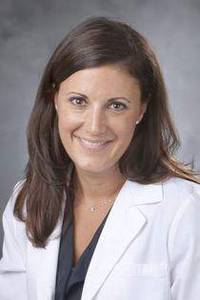
Management of axilla per the ACOSOG Z0011 study, adherence to joint Society of Surgical Oncology/American Society of Radiation Oncology (SSO/ASTRO) margin guidelines, and alternative radiation regimens following lumpectomy can all cut costs without compromsing quality of care, she said at the annual Society of Surgical Oncology Symposium.
The results of ACOSOG Z0011, published in 2010, were universally acknowledged to be practice changing. They showed that for women undergoing lumpectomy and radiation therapy for T1-2 invasive breast cancer and positive sentinel lymph node biopsy, completion axiallary dissection did not improve either disease-free or overall survival (DFS/OS). There were low rates of locoregional recurrence regardless of whether patients received axillary node dissection.
The potential savings from eliminating the routine practice of axillary dissection were estimated to be a 64% reduction in inpatient days, and an 18% decrease in perioperative costs.
The SSO/ASTRO margin guidelines, published in 2014, were developed by a multidisciplinary panel based on a meta-analysis of 33 studies involving more than 28,000 patients. The guidelines note that positive surgical margins are associated with a 2-fold increase in ipsilateral breast tumor recurrence, with “no ink on tumor” sufficient for a negative margin. The guidelines say that further margin width resections do not decrease same-breast recurrences.
In a related analysis of the cost implications, Dr. Greenup and colleagues noted that there are wide variations in clinical practice, and that 20% of women with close but negative margins were re-excised needlessly. Eliminating 25,000 unnecessary re-excisions annually would save $31 million dollars. These savings do not include cost reductions from an estimated 8% to 12% reduction in conversions to mastectomy that would be avoided, the authors calculated.
The costs of radiation following lumpectomy correlate directly with the number of delivered radiation fractions or treatment sessions, and also with the technique. Alternatives to standard radiation schedules include the following:
Per-patient costs for each of these options in 2011 ranged from $0 for no radiation, as in CALGB 9343, to $5342 for APBI, $9122 for HF-WBI, and $13m358 for conventionally fractionated WBI.
Dr Greenup and colleagues looked at data on 43,247 women in the National Cancer Data Base with T1-T2, NO invasive breast cancers treated with lumpectomy, and compared the actual costs of treatment with the evidence-based alternative. They found that 26% of patients were treated with the least cost-effective radiation, while nearly all of the remaining patients received more expensive radiation than necessary. If every patient were treated with the most cost-effective approach, there would be an estimated 39% reduction in costs, translating into a saving of $164 million over a single year, they reported in an abstract presented at the 2014 San Antonio Breast Cancer Symposium.
“We can’t make decisions based on cost alone, and value is certainly more important, but clinical trials, moving forward, should incorporate cost information. There is an opportunity to have small changes in clinical practice have the potential to make dramatic reductions in health care spending, and there are lots of opportunities in early stage breast cancer to practice evidence-based care while reducing health care spending,” Dr. Greenup concluded.
Dr. Greenup reported having no relevant financial disclosures.
HOUSTON – There are at least three evidence-based practices for reducing the costs of locoregional therapy for early breast cancer without compromising the quality of care, according to Dr. Rachel Adams Greenup of the department of surgery at Duke University Medical Center, in Durham, North Carolina.
Management of axilla per the ACOSOG Z0011 study, adherence to joint Society of Surgical Oncology/American Society of Radiation Oncology (SSO/ASTRO) margin guidelines, and alternative radiation regimens following lumpectomy can all cut costs without compromsing quality of care, she said at the annual Society of Surgical Oncology Symposium.
The results of ACOSOG Z0011, published in 2010, were universally acknowledged to be practice changing. They showed that for women undergoing lumpectomy and radiation therapy for T1-2 invasive breast cancer and positive sentinel lymph node biopsy, completion axiallary dissection did not improve either disease-free or overall survival (DFS/OS). There were low rates of locoregional recurrence regardless of whether patients received axillary node dissection.
The potential savings from eliminating the routine practice of axillary dissection were estimated to be a 64% reduction in inpatient days, and an 18% decrease in perioperative costs.
The SSO/ASTRO margin guidelines, published in 2014, were developed by a multidisciplinary panel based on a meta-analysis of 33 studies involving more than 28,000 patients. The guidelines note that positive surgical margins are associated with a 2-fold increase in ipsilateral breast tumor recurrence, with “no ink on tumor” sufficient for a negative margin. The guidelines say that further margin width resections do not decrease same-breast recurrences.
In a related analysis of the cost implications, Dr. Greenup and colleagues noted that there are wide variations in clinical practice, and that 20% of women with close but negative margins were re-excised needlessly. Eliminating 25,000 unnecessary re-excisions annually would save $31 million dollars. These savings do not include cost reductions from an estimated 8% to 12% reduction in conversions to mastectomy that would be avoided, the authors calculated.
The costs of radiation following lumpectomy correlate directly with the number of delivered radiation fractions or treatment sessions, and also with the technique. Alternatives to standard radiation schedules include the following:
Per-patient costs for each of these options in 2011 ranged from $0 for no radiation, as in CALGB 9343, to $5342 for APBI, $9122 for HF-WBI, and $13m358 for conventionally fractionated WBI.
Dr Greenup and colleagues looked at data on 43,247 women in the National Cancer Data Base with T1-T2, NO invasive breast cancers treated with lumpectomy, and compared the actual costs of treatment with the evidence-based alternative. They found that 26% of patients were treated with the least cost-effective radiation, while nearly all of the remaining patients received more expensive radiation than necessary. If every patient were treated with the most cost-effective approach, there would be an estimated 39% reduction in costs, translating into a saving of $164 million over a single year, they reported in an abstract presented at the 2014 San Antonio Breast Cancer Symposium.
“We can’t make decisions based on cost alone, and value is certainly more important, but clinical trials, moving forward, should incorporate cost information. There is an opportunity to have small changes in clinical practice have the potential to make dramatic reductions in health care spending, and there are lots of opportunities in early stage breast cancer to practice evidence-based care while reducing health care spending,” Dr. Greenup concluded.
Dr. Greenup reported having no relevant financial disclosures.
HOUSTON – There are at least three evidence-based practices for reducing the costs of locoregional therapy for early breast cancer without compromising the quality of care, according to Dr. Rachel Adams Greenup of the department of surgery at Duke University Medical Center, in Durham, North Carolina.
Management of axilla per the ACOSOG Z0011 study, adherence to joint Society of Surgical Oncology/American Society of Radiation Oncology (SSO/ASTRO) margin guidelines, and alternative radiation regimens following lumpectomy can all cut costs without compromsing quality of care, she said at the annual Society of Surgical Oncology Symposium.
The results of ACOSOG Z0011, published in 2010, were universally acknowledged to be practice changing. They showed that for women undergoing lumpectomy and radiation therapy for T1-2 invasive breast cancer and positive sentinel lymph node biopsy, completion axiallary dissection did not improve either disease-free or overall survival (DFS/OS). There were low rates of locoregional recurrence regardless of whether patients received axillary node dissection.
The potential savings from eliminating the routine practice of axillary dissection were estimated to be a 64% reduction in inpatient days, and an 18% decrease in perioperative costs.
The SSO/ASTRO margin guidelines, published in 2014, were developed by a multidisciplinary panel based on a meta-analysis of 33 studies involving more than 28,000 patients. The guidelines note that positive surgical margins are associated with a 2-fold increase in ipsilateral breast tumor recurrence, with “no ink on tumor” sufficient for a negative margin. The guidelines say that further margin width resections do not decrease same-breast recurrences.
In a related analysis of the cost implications, Dr. Greenup and colleagues noted that there are wide variations in clinical practice, and that 20% of women with close but negative margins were re-excised needlessly. Eliminating 25,000 unnecessary re-excisions annually would save $31 million dollars. These savings do not include cost reductions from an estimated 8% to 12% reduction in conversions to mastectomy that would be avoided, the authors calculated.
The costs of radiation following lumpectomy correlate directly with the number of delivered radiation fractions or treatment sessions, and also with the technique. Alternatives to standard radiation schedules include the following:
Per-patient costs for each of these options in 2011 ranged from $0 for no radiation, as in CALGB 9343, to $5342 for APBI, $9122 for HF-WBI, and $13m358 for conventionally fractionated WBI.
Dr Greenup and colleagues looked at data on 43,247 women in the National Cancer Data Base with T1-T2, NO invasive breast cancers treated with lumpectomy, and compared the actual costs of treatment with the evidence-based alternative. They found that 26% of patients were treated with the least cost-effective radiation, while nearly all of the remaining patients received more expensive radiation than necessary. If every patient were treated with the most cost-effective approach, there would be an estimated 39% reduction in costs, translating into a saving of $164 million over a single year, they reported in an abstract presented at the 2014 San Antonio Breast Cancer Symposium.
“We can’t make decisions based on cost alone, and value is certainly more important, but clinical trials, moving forward, should incorporate cost information. There is an opportunity to have small changes in clinical practice have the potential to make dramatic reductions in health care spending, and there are lots of opportunities in early stage breast cancer to practice evidence-based care while reducing health care spending,” Dr. Greenup concluded.
Dr. Greenup reported having no relevant financial disclosures.
EXPERT ANALYSIS AT SSO 2015
Antidepressant, anxiolytic use higher among cancer survivors
WASHINGTON – Cancer survivors are almost twice as likely to be taking medication for anxiety, depression, or both, compared with people who have never had cancer, according to investigators from the Centers for Disease Control and Prevention.
Data from a national survey of more than 48,000 adults show that 15.1% of cancer survivors reported taking drugs for anxiety, and 14% reported taking depression medications, compared with 8.7% and 7.9%, respectively, of adults who never had a cancer diagnosis, reported Nikki A. Hawkins, Ph.D., a behavioral scientist in the CDC’s division of cancer prevention and control.
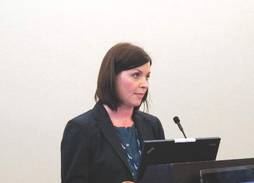
“We do know that there is a large population of cancer survivors in the U.S. taking these medications for anxiety and depression, which likely reflects the elevated emotional burden on this population,” she said at the joint congress of the International Psycho-Oncology Society and the American Psychosocial Oncology Society.
Dr. Hawkins and her colleagues examined data from the National Health Interview Survey, a nationwide sample of approximately 35,000 U.S. households containing information on about 87,500 people.
The survey asks whether adult participants ever had cancer, the type, and their age at diagnosis, and includes questions about health behaviors such as smoking, as well as access to health care and utilization of preventive and screening services such as human-papillomavirus vaccination and Pap smear for cervical cancer prevention/detection, mammography for breast cancer screening, and fecal occult blood testing, sigmoidoscopy, or colonoscopy for colorectal cancer screening.
Since 2010, a subset of survey participants has been asked questions about functioning and disability, including physical domains (vision, hearing, mobility, etc.), and affect, including whether they take medications for depression and/or “for feeling worried, nervous, or anxious.”
The investigators included those who took part in the survey from 2010 through 2013, including 3,184 cancer survivors and 44,997 controls (no cancer diagnosis).
Sites of most recent cancer diagnoses include breast (in women), prostate, skin (melanoma), cervix, colorectal, hematologic, ovary/uterus, and other.
In all, 15% of patients had been diagnosed within the past 2 years, 29% from 2 to 5 years, 21% from 6 to 10 years, and 36% 11 or more years (numbers exceed 100% because of rounding).
Nearly twice as many cancer survivors reported taking medication for depression or anxiety, compared with the controls: 18% of survivors reported taking either of the medications, compared with 10.4% of controls. This translates into an estimate for the overall U.S. population of 2,383,954 cancer survivors taking medication for either anxiety or depression, Dr. Hawkins said.
Factors predictive of depression or anxiety medication use among cancer survivors included being female, white, non-Hispanic, age younger than 65 years, having never been married, lower levels of education, having a usual place for medical care, and a having a higher number of chronic health conditions.
With the exception of levels of education, the same factors were also predictive of anxiety and/or medication use among controls, the investigators found.
The study was limited by the use of self-reported survey data, and lack of information on the onset or duration of medication use, specific medications taken, or use of other nonpharmacologic therapies for anxiety or depression, Dr. Hawkins acknowledged.
Nonetheless, “these estimates can serve as a benchmark for medication use among the U.S. cancer survivor population, and moving forward, it will be important to look at the duration and onset of use to see exactly when the increase in medication happens and why it happens at that time,” she said.
WASHINGTON – Cancer survivors are almost twice as likely to be taking medication for anxiety, depression, or both, compared with people who have never had cancer, according to investigators from the Centers for Disease Control and Prevention.
Data from a national survey of more than 48,000 adults show that 15.1% of cancer survivors reported taking drugs for anxiety, and 14% reported taking depression medications, compared with 8.7% and 7.9%, respectively, of adults who never had a cancer diagnosis, reported Nikki A. Hawkins, Ph.D., a behavioral scientist in the CDC’s division of cancer prevention and control.
“We do know that there is a large population of cancer survivors in the U.S. taking these medications for anxiety and depression, which likely reflects the elevated emotional burden on this population,” she said at the joint congress of the International Psycho-Oncology Society and the American Psychosocial Oncology Society.
Dr. Hawkins and her colleagues examined data from the National Health Interview Survey, a nationwide sample of approximately 35,000 U.S. households containing information on about 87,500 people.
The survey asks whether adult participants ever had cancer, the type, and their age at diagnosis, and includes questions about health behaviors such as smoking, as well as access to health care and utilization of preventive and screening services such as human-papillomavirus vaccination and Pap smear for cervical cancer prevention/detection, mammography for breast cancer screening, and fecal occult blood testing, sigmoidoscopy, or colonoscopy for colorectal cancer screening.
Since 2010, a subset of survey participants has been asked questions about functioning and disability, including physical domains (vision, hearing, mobility, etc.), and affect, including whether they take medications for depression and/or “for feeling worried, nervous, or anxious.”
The investigators included those who took part in the survey from 2010 through 2013, including 3,184 cancer survivors and 44,997 controls (no cancer diagnosis).
Sites of most recent cancer diagnoses include breast (in women), prostate, skin (melanoma), cervix, colorectal, hematologic, ovary/uterus, and other.
In all, 15% of patients had been diagnosed within the past 2 years, 29% from 2 to 5 years, 21% from 6 to 10 years, and 36% 11 or more years (numbers exceed 100% because of rounding).
Nearly twice as many cancer survivors reported taking medication for depression or anxiety, compared with the controls: 18% of survivors reported taking either of the medications, compared with 10.4% of controls. This translates into an estimate for the overall U.S. population of 2,383,954 cancer survivors taking medication for either anxiety or depression, Dr. Hawkins said.
Factors predictive of depression or anxiety medication use among cancer survivors included being female, white, non-Hispanic, age younger than 65 years, having never been married, lower levels of education, having a usual place for medical care, and a having a higher number of chronic health conditions.
With the exception of levels of education, the same factors were also predictive of anxiety and/or medication use among controls, the investigators found.
The study was limited by the use of self-reported survey data, and lack of information on the onset or duration of medication use, specific medications taken, or use of other nonpharmacologic therapies for anxiety or depression, Dr. Hawkins acknowledged.
Nonetheless, “these estimates can serve as a benchmark for medication use among the U.S. cancer survivor population, and moving forward, it will be important to look at the duration and onset of use to see exactly when the increase in medication happens and why it happens at that time,” she said.
WASHINGTON – Cancer survivors are almost twice as likely to be taking medication for anxiety, depression, or both, compared with people who have never had cancer, according to investigators from the Centers for Disease Control and Prevention.
Data from a national survey of more than 48,000 adults show that 15.1% of cancer survivors reported taking drugs for anxiety, and 14% reported taking depression medications, compared with 8.7% and 7.9%, respectively, of adults who never had a cancer diagnosis, reported Nikki A. Hawkins, Ph.D., a behavioral scientist in the CDC’s division of cancer prevention and control.
“We do know that there is a large population of cancer survivors in the U.S. taking these medications for anxiety and depression, which likely reflects the elevated emotional burden on this population,” she said at the joint congress of the International Psycho-Oncology Society and the American Psychosocial Oncology Society.
Dr. Hawkins and her colleagues examined data from the National Health Interview Survey, a nationwide sample of approximately 35,000 U.S. households containing information on about 87,500 people.
The survey asks whether adult participants ever had cancer, the type, and their age at diagnosis, and includes questions about health behaviors such as smoking, as well as access to health care and utilization of preventive and screening services such as human-papillomavirus vaccination and Pap smear for cervical cancer prevention/detection, mammography for breast cancer screening, and fecal occult blood testing, sigmoidoscopy, or colonoscopy for colorectal cancer screening.
Since 2010, a subset of survey participants has been asked questions about functioning and disability, including physical domains (vision, hearing, mobility, etc.), and affect, including whether they take medications for depression and/or “for feeling worried, nervous, or anxious.”
The investigators included those who took part in the survey from 2010 through 2013, including 3,184 cancer survivors and 44,997 controls (no cancer diagnosis).
Sites of most recent cancer diagnoses include breast (in women), prostate, skin (melanoma), cervix, colorectal, hematologic, ovary/uterus, and other.
In all, 15% of patients had been diagnosed within the past 2 years, 29% from 2 to 5 years, 21% from 6 to 10 years, and 36% 11 or more years (numbers exceed 100% because of rounding).
Nearly twice as many cancer survivors reported taking medication for depression or anxiety, compared with the controls: 18% of survivors reported taking either of the medications, compared with 10.4% of controls. This translates into an estimate for the overall U.S. population of 2,383,954 cancer survivors taking medication for either anxiety or depression, Dr. Hawkins said.
Factors predictive of depression or anxiety medication use among cancer survivors included being female, white, non-Hispanic, age younger than 65 years, having never been married, lower levels of education, having a usual place for medical care, and a having a higher number of chronic health conditions.
With the exception of levels of education, the same factors were also predictive of anxiety and/or medication use among controls, the investigators found.
The study was limited by the use of self-reported survey data, and lack of information on the onset or duration of medication use, specific medications taken, or use of other nonpharmacologic therapies for anxiety or depression, Dr. Hawkins acknowledged.
Nonetheless, “these estimates can serve as a benchmark for medication use among the U.S. cancer survivor population, and moving forward, it will be important to look at the duration and onset of use to see exactly when the increase in medication happens and why it happens at that time,” she said.
AT THE WORLD CONGRESS OF PSYCHO-ONCOLOGY
Key clinical point: Adult cancer survivors are nearly twice as likely to be taking drugs for anxiety or depression, compared with adults who never had cancer.
Major finding: A total of 18% of cancer survivors reported taking medication for either anxiety or depression, compared with 10.4% of controls.
Data source: National Health Interview Survey data on 3,184 cancer survivors and 44,997 controls.
Disclosures: The study was supported by the CDC. Dr. Hawkins is a CDC employee but reported no other conflicts of interest.
Patients want bottom line on cancer care costs
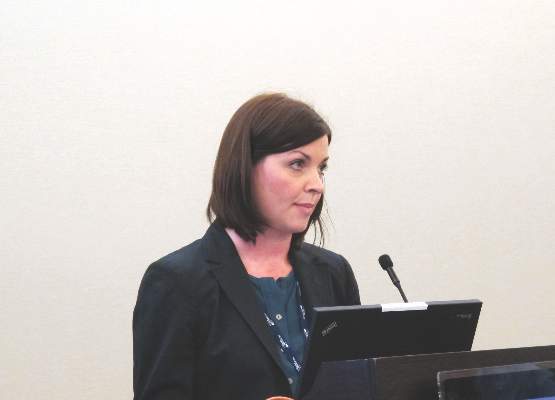
WASHINGTON – A substantial proportion of cancer patients say they want more information than they are getting about the costs of their care, investigators report.
Of 176 patients currently receiving treatment for cancer, 40.8% said they wanted more information than they were given on the cost of their treatment to society, and 48.7% said they weren’t given enough information about the costs to themselves, said Ashley Varner, manager for psycho-social oncology at the DeCesaris Cancer Institute, Anne Arundel Medical Center in Annapolis, Md.
“It’s very important for clinicians to be thinking that patients may want to know the costs of care, and that patients deserve to have that knowledge as part of the shared decision-making process,” she said in an interview.
It’s no secret that the costs of cancer care are high and climbing ever higher, with annual U.S. expenditures on cancer expected to reach $158 billion by 2020. The strains on budgets are felt by providers and patients alike, with 42%-50% of cancer patients reporting high financial distress, Ms. Varner and colleagues reported in a poster presentation at the joint congress of the International Psycho-Oncology Society and the American Psychosocial Oncology Society.
To see which factors predicted patients’ desires for information about the costs of their care, the investigators surveyed a convenience sample of 176 patients from the ages of 28 through 87 years (median age 63) who were currently undergoing cancer treatment at a community medical center.
What’s it to you?
The patients were asked with structured questionnaires about their preferences for information and degree of control over medical decisions, and about the information they received from their oncologists, including about the costs of their care. The patients were also asked to estimate their monthly out-of-pocket treatment costs and were screened for psychological distress with the four-item Patient Health Questionnaire on anxiety and depression.
A majority of patients reported that their preferences were met with regard to the information they received about diagnosis (77%), treatment side effects (71.6%), and treatment effectiveness (75%). Similarly, most patients felt they were adequately informed about the chance of cure (65.6%) and life expectancy (56.3%).
But when it came to costs, just over half (52.2%) said they had been given sufficient information about the costs of their care to society, and less than half (47.4%) reported satisfaction with the information they got about the cost of care to them.
People with partners were significantly more likely to want more information about costs than singles, and younger people were significantly more likely to ask to know more than older people (P less than .05 for both comparisons).
“A nuanced assessment of each patient’s psychosocial characteristics, including control preferences and psychological and financial distress is warranted in order to anticipate and meet specific information preferences,” the investigators said.
Asked how clinicians can pluck financial information from the morass of health plan data, Ms. Varner explained that at her center, when a treatment has been decided on – whether chemotherapy, radiation, surgery, targeted agents, or a combination – financial coordinators contact each patient’s insurance company and develop written estimates which they offer to share with the patient at his or her discretion.
“That allows us then to put into place drug replacement programs or other types of assistance. For example, we know that patients who have Medicare only with no supplemental plan are at very high financial risk – they’re going to owe 20% of the cost of care, which is substantial. But there are often some resources that we can tap into if we know that ahead of time,” Ms. Varner said.
WASHINGTON – A substantial proportion of cancer patients say they want more information than they are getting about the costs of their care, investigators report.
Of 176 patients currently receiving treatment for cancer, 40.8% said they wanted more information than they were given on the cost of their treatment to society, and 48.7% said they weren’t given enough information about the costs to themselves, said Ashley Varner, manager for psycho-social oncology at the DeCesaris Cancer Institute, Anne Arundel Medical Center in Annapolis, Md.
“It’s very important for clinicians to be thinking that patients may want to know the costs of care, and that patients deserve to have that knowledge as part of the shared decision-making process,” she said in an interview.
It’s no secret that the costs of cancer care are high and climbing ever higher, with annual U.S. expenditures on cancer expected to reach $158 billion by 2020. The strains on budgets are felt by providers and patients alike, with 42%-50% of cancer patients reporting high financial distress, Ms. Varner and colleagues reported in a poster presentation at the joint congress of the International Psycho-Oncology Society and the American Psychosocial Oncology Society.
To see which factors predicted patients’ desires for information about the costs of their care, the investigators surveyed a convenience sample of 176 patients from the ages of 28 through 87 years (median age 63) who were currently undergoing cancer treatment at a community medical center.
What’s it to you?
The patients were asked with structured questionnaires about their preferences for information and degree of control over medical decisions, and about the information they received from their oncologists, including about the costs of their care. The patients were also asked to estimate their monthly out-of-pocket treatment costs and were screened for psychological distress with the four-item Patient Health Questionnaire on anxiety and depression.
A majority of patients reported that their preferences were met with regard to the information they received about diagnosis (77%), treatment side effects (71.6%), and treatment effectiveness (75%). Similarly, most patients felt they were adequately informed about the chance of cure (65.6%) and life expectancy (56.3%).
But when it came to costs, just over half (52.2%) said they had been given sufficient information about the costs of their care to society, and less than half (47.4%) reported satisfaction with the information they got about the cost of care to them.
People with partners were significantly more likely to want more information about costs than singles, and younger people were significantly more likely to ask to know more than older people (P less than .05 for both comparisons).
“A nuanced assessment of each patient’s psychosocial characteristics, including control preferences and psychological and financial distress is warranted in order to anticipate and meet specific information preferences,” the investigators said.
Asked how clinicians can pluck financial information from the morass of health plan data, Ms. Varner explained that at her center, when a treatment has been decided on – whether chemotherapy, radiation, surgery, targeted agents, or a combination – financial coordinators contact each patient’s insurance company and develop written estimates which they offer to share with the patient at his or her discretion.
“That allows us then to put into place drug replacement programs or other types of assistance. For example, we know that patients who have Medicare only with no supplemental plan are at very high financial risk – they’re going to owe 20% of the cost of care, which is substantial. But there are often some resources that we can tap into if we know that ahead of time,” Ms. Varner said.
WASHINGTON – A substantial proportion of cancer patients say they want more information than they are getting about the costs of their care, investigators report.
Of 176 patients currently receiving treatment for cancer, 40.8% said they wanted more information than they were given on the cost of their treatment to society, and 48.7% said they weren’t given enough information about the costs to themselves, said Ashley Varner, manager for psycho-social oncology at the DeCesaris Cancer Institute, Anne Arundel Medical Center in Annapolis, Md.
“It’s very important for clinicians to be thinking that patients may want to know the costs of care, and that patients deserve to have that knowledge as part of the shared decision-making process,” she said in an interview.
It’s no secret that the costs of cancer care are high and climbing ever higher, with annual U.S. expenditures on cancer expected to reach $158 billion by 2020. The strains on budgets are felt by providers and patients alike, with 42%-50% of cancer patients reporting high financial distress, Ms. Varner and colleagues reported in a poster presentation at the joint congress of the International Psycho-Oncology Society and the American Psychosocial Oncology Society.
To see which factors predicted patients’ desires for information about the costs of their care, the investigators surveyed a convenience sample of 176 patients from the ages of 28 through 87 years (median age 63) who were currently undergoing cancer treatment at a community medical center.
What’s it to you?
The patients were asked with structured questionnaires about their preferences for information and degree of control over medical decisions, and about the information they received from their oncologists, including about the costs of their care. The patients were also asked to estimate their monthly out-of-pocket treatment costs and were screened for psychological distress with the four-item Patient Health Questionnaire on anxiety and depression.
A majority of patients reported that their preferences were met with regard to the information they received about diagnosis (77%), treatment side effects (71.6%), and treatment effectiveness (75%). Similarly, most patients felt they were adequately informed about the chance of cure (65.6%) and life expectancy (56.3%).
But when it came to costs, just over half (52.2%) said they had been given sufficient information about the costs of their care to society, and less than half (47.4%) reported satisfaction with the information they got about the cost of care to them.
People with partners were significantly more likely to want more information about costs than singles, and younger people were significantly more likely to ask to know more than older people (P less than .05 for both comparisons).
“A nuanced assessment of each patient’s psychosocial characteristics, including control preferences and psychological and financial distress is warranted in order to anticipate and meet specific information preferences,” the investigators said.
Asked how clinicians can pluck financial information from the morass of health plan data, Ms. Varner explained that at her center, when a treatment has been decided on – whether chemotherapy, radiation, surgery, targeted agents, or a combination – financial coordinators contact each patient’s insurance company and develop written estimates which they offer to share with the patient at his or her discretion.
“That allows us then to put into place drug replacement programs or other types of assistance. For example, we know that patients who have Medicare only with no supplemental plan are at very high financial risk – they’re going to owe 20% of the cost of care, which is substantial. But there are often some resources that we can tap into if we know that ahead of time,” Ms. Varner said.
AT THE WORLD CONGRESS OF PSYCHO-ONCOLOGY
Key clinical point: As many as half of all cancer patients report high financial distress, which can negatively affect clinical outcomes.
Major finding: Of cancer patients surveyed, 40.8% wanted more information on the cost of their treatment to society, and 48.7% wanted more data on the costs to themselves.
Data source: Survey of 176 adults undergoing cancer therapy at a community cancer center.
Disclosures: The authors did not report a funding source. Ms. Varner reported having no conflicts of interest.
Resilient patients are more active in treatment decisions
WASHINGTON – Patients with cancer who have good coping skills – the ability to roll with the punches – are more likely to want an active role in treatment decisions, investigators say.
Among adults who were currently undergoing chemotherapy for a variety of cancers, those with a more active coping style, greater psychological resilience, and greater “openness to experience” were more likely to be active participants in the clinical decision-making process, reported Alexis Colley, a third-year medical student at the University of California Berkeley and UC San Francisco joint medical program.
Demographic factors also appear to play a role in patient participation.
“There has been quite a bit of research which shows that certain factors like younger age, higher education, and higher income tend to be associated with people who want to participate actively,” Ms. Colley said in an interview at the joint congress of the International Psycho-Oncology Society and the American Psychosocial Oncology Society.
To explore the role of psychological factors in patients’ decision-making choices, the investigators enrolled 868 adults, mean age 57, with breast, lung, gastrointestinal, or gynecologic cancers, who had received chemotherapy within the last 4 weeks and were scheduled for at least two additional cycles.
The patients were asked to report their decision-making roles and psychological factors on several validated instruments. These included evaluations of:
• The patient’s self-reported and actual decision-making roles with the Control Preferences Scale.
• Coping ability with the Brief COPE Scale.
• Resilience with the Connor–Davidson Resilience Scale.
• Personality with the Neuroticism-Extraversion-Openness Five-Factor Inventory.
In multivariate analysis, factors significantly associated with more active decision-making included the demographic factors of younger age (P less than .001) and more years of education (P = .011), and the psychological variables of active coping style (P less than .001), greater use of emotional support in coping (P = .002), openness to experience (P = .014), and higher levels of neuroticism (P less than .030).
In contrast, people with more comorbidities were less prone to be active decision makers (P = .028), as were those who experienced more evening fatigue (P less than .001).
“This relationship between decision-making role and number of comorbid conditions may indicate that serious illness affects patient involvement in the decision-making process because of a need for increased support and guidance as illness progresses,” the authors write in a poster presentation.
There was a high degree of concordance (89.5%) between patients’ preferred and actual decision-making roles, the authors found. They noted that “patients with more active roles and preferred roles that match their actual role have better health outcomes and are more satisfied.”
The study points to the need for further study of the role that psychological factors can play in patient decision making, Ms. Colley said.
“The question arises as to how one’s coping style might be a strong influence on the way they want to participate in decision making, and perhaps as clinicians we can support or teach various coping styles that might help people achieve the role they want and/or achieve a more active role which might then lead to better outcomes, “ she said.
WASHINGTON – Patients with cancer who have good coping skills – the ability to roll with the punches – are more likely to want an active role in treatment decisions, investigators say.
Among adults who were currently undergoing chemotherapy for a variety of cancers, those with a more active coping style, greater psychological resilience, and greater “openness to experience” were more likely to be active participants in the clinical decision-making process, reported Alexis Colley, a third-year medical student at the University of California Berkeley and UC San Francisco joint medical program.
Demographic factors also appear to play a role in patient participation.
“There has been quite a bit of research which shows that certain factors like younger age, higher education, and higher income tend to be associated with people who want to participate actively,” Ms. Colley said in an interview at the joint congress of the International Psycho-Oncology Society and the American Psychosocial Oncology Society.
To explore the role of psychological factors in patients’ decision-making choices, the investigators enrolled 868 adults, mean age 57, with breast, lung, gastrointestinal, or gynecologic cancers, who had received chemotherapy within the last 4 weeks and were scheduled for at least two additional cycles.
The patients were asked to report their decision-making roles and psychological factors on several validated instruments. These included evaluations of:
• The patient’s self-reported and actual decision-making roles with the Control Preferences Scale.
• Coping ability with the Brief COPE Scale.
• Resilience with the Connor–Davidson Resilience Scale.
• Personality with the Neuroticism-Extraversion-Openness Five-Factor Inventory.
In multivariate analysis, factors significantly associated with more active decision-making included the demographic factors of younger age (P less than .001) and more years of education (P = .011), and the psychological variables of active coping style (P less than .001), greater use of emotional support in coping (P = .002), openness to experience (P = .014), and higher levels of neuroticism (P less than .030).
In contrast, people with more comorbidities were less prone to be active decision makers (P = .028), as were those who experienced more evening fatigue (P less than .001).
“This relationship between decision-making role and number of comorbid conditions may indicate that serious illness affects patient involvement in the decision-making process because of a need for increased support and guidance as illness progresses,” the authors write in a poster presentation.
There was a high degree of concordance (89.5%) between patients’ preferred and actual decision-making roles, the authors found. They noted that “patients with more active roles and preferred roles that match their actual role have better health outcomes and are more satisfied.”
The study points to the need for further study of the role that psychological factors can play in patient decision making, Ms. Colley said.
“The question arises as to how one’s coping style might be a strong influence on the way they want to participate in decision making, and perhaps as clinicians we can support or teach various coping styles that might help people achieve the role they want and/or achieve a more active role which might then lead to better outcomes, “ she said.
WASHINGTON – Patients with cancer who have good coping skills – the ability to roll with the punches – are more likely to want an active role in treatment decisions, investigators say.
Among adults who were currently undergoing chemotherapy for a variety of cancers, those with a more active coping style, greater psychological resilience, and greater “openness to experience” were more likely to be active participants in the clinical decision-making process, reported Alexis Colley, a third-year medical student at the University of California Berkeley and UC San Francisco joint medical program.
Demographic factors also appear to play a role in patient participation.
“There has been quite a bit of research which shows that certain factors like younger age, higher education, and higher income tend to be associated with people who want to participate actively,” Ms. Colley said in an interview at the joint congress of the International Psycho-Oncology Society and the American Psychosocial Oncology Society.
To explore the role of psychological factors in patients’ decision-making choices, the investigators enrolled 868 adults, mean age 57, with breast, lung, gastrointestinal, or gynecologic cancers, who had received chemotherapy within the last 4 weeks and were scheduled for at least two additional cycles.
The patients were asked to report their decision-making roles and psychological factors on several validated instruments. These included evaluations of:
• The patient’s self-reported and actual decision-making roles with the Control Preferences Scale.
• Coping ability with the Brief COPE Scale.
• Resilience with the Connor–Davidson Resilience Scale.
• Personality with the Neuroticism-Extraversion-Openness Five-Factor Inventory.
In multivariate analysis, factors significantly associated with more active decision-making included the demographic factors of younger age (P less than .001) and more years of education (P = .011), and the psychological variables of active coping style (P less than .001), greater use of emotional support in coping (P = .002), openness to experience (P = .014), and higher levels of neuroticism (P less than .030).
In contrast, people with more comorbidities were less prone to be active decision makers (P = .028), as were those who experienced more evening fatigue (P less than .001).
“This relationship between decision-making role and number of comorbid conditions may indicate that serious illness affects patient involvement in the decision-making process because of a need for increased support and guidance as illness progresses,” the authors write in a poster presentation.
There was a high degree of concordance (89.5%) between patients’ preferred and actual decision-making roles, the authors found. They noted that “patients with more active roles and preferred roles that match their actual role have better health outcomes and are more satisfied.”
The study points to the need for further study of the role that psychological factors can play in patient decision making, Ms. Colley said.
“The question arises as to how one’s coping style might be a strong influence on the way they want to participate in decision making, and perhaps as clinicians we can support or teach various coping styles that might help people achieve the role they want and/or achieve a more active role which might then lead to better outcomes, “ she said.
AT THE WORLD CONGRESS OF PSYCHO-ONCOLOGY
Key clinical point: Patients with greater psychological resilience are more likely to actively participate in their treatment decisions and may have better outcomes.
Major finding: Younger, wealthier patients and those with better coping skills are more likely to be active in the clinical decision-making process.
Data source: Psychological assessments via validated self-reports of 868 adults with cancer.
Disclosures: The National Institutes of Health and the UCB-UCSF joint medical program funded the study. The authors reported no conflicts of interest.
Younger breast cancer patients want tailored decision aids
WASHINGTON – An online decision aid can help premenopausal women with breast cancer make informed decisions about their treatment, investigators report.
“Web-based decision aids can be an important complement to clinical care, to help women and their families think about some of these very difficult decisions in a very short space of time,” said Dr. Claire Foster, a chartered health psychologist in the faculty of health sciences at the University of Southampton (England).
Decision aids can enhance understanding, reduce uncertainties, and support joint decision making by describing for patients and families the relative risks and benefits of treatment. Yet most such materials are aimed at older, often postmenopausal women, Dr. Foster noted at the joint congress of the International Psycho-Oncology Society and the American Psychosocial Oncology Society.
Approximately 20% of women with breast cancer are diagnosed before menopause. These women tend to have poorer prognosis and high-risk disease, with larger, higher-grade tumors at the time of diagnosis. In addition, they are more likely to have estrogen-receptor–negative disease and more lymph node involvement than older women. Even with successful treatment, younger women have a greater lifetime risk of local recurrence, contralateral recurrence, and distant metastases.
Young women also have special concerns about body image, disruptions of work and family life, and fears about loss of fertility and early menopause.
Dr. Foster and colleagues first interviewed 32 women with a mean age at diagnosis of breast cancer of 34. They conducted in-depth semistructured interviews and focus groups to determine how to convey information about treatments and their consequences that would help the patients in making decisions about their care.
The sample consisted of 30 white and 2 black women. In all, 22% were single, 59% had children, and 33% reported a family history of breast cancer. The majority of patients (63%) had undergone mastectomy (75% of this group also had reconstruction), and the remainder had breast-conserving surgery.
During the interviews and focus groups, the women identified specific factors as being important in their decision making, including breast cancer type (hormone receptor negative or positive, or triple-negative disease), surgical treatment (mastectomy, breast-conserving procedures, immediate or delayed reconstruction), nonsurgical therapies (radiation, chemotherapy, hormonal therapy), effects on fertility and fertility preservation options, and factors related to hospitalization, nutrition and exercise, and activities of daily living.
Participants especially expressed concerns about the effects of treatment on fertility and about having to make rapid decisions with little time to think about options.
Based on the discussions, the investigators have developed and are pilot-testing an online decision aid for young women diagnosed with early-stage breast cancer.
In a similar project, Dr. Foster and colleagues are developing a genetic testing decision aid for young women that focuses on the special concerns of those who may be carriers or high-risk mutations such as BRCA1 and BRCA2.
The work is supported by the UK National Institute for Health Research for Patient Benefit Programme and Breast Cancer Campaign. The authors reported no conflicts of interest.
WASHINGTON – An online decision aid can help premenopausal women with breast cancer make informed decisions about their treatment, investigators report.
“Web-based decision aids can be an important complement to clinical care, to help women and their families think about some of these very difficult decisions in a very short space of time,” said Dr. Claire Foster, a chartered health psychologist in the faculty of health sciences at the University of Southampton (England).
Decision aids can enhance understanding, reduce uncertainties, and support joint decision making by describing for patients and families the relative risks and benefits of treatment. Yet most such materials are aimed at older, often postmenopausal women, Dr. Foster noted at the joint congress of the International Psycho-Oncology Society and the American Psychosocial Oncology Society.
Approximately 20% of women with breast cancer are diagnosed before menopause. These women tend to have poorer prognosis and high-risk disease, with larger, higher-grade tumors at the time of diagnosis. In addition, they are more likely to have estrogen-receptor–negative disease and more lymph node involvement than older women. Even with successful treatment, younger women have a greater lifetime risk of local recurrence, contralateral recurrence, and distant metastases.
Young women also have special concerns about body image, disruptions of work and family life, and fears about loss of fertility and early menopause.
Dr. Foster and colleagues first interviewed 32 women with a mean age at diagnosis of breast cancer of 34. They conducted in-depth semistructured interviews and focus groups to determine how to convey information about treatments and their consequences that would help the patients in making decisions about their care.
The sample consisted of 30 white and 2 black women. In all, 22% were single, 59% had children, and 33% reported a family history of breast cancer. The majority of patients (63%) had undergone mastectomy (75% of this group also had reconstruction), and the remainder had breast-conserving surgery.
During the interviews and focus groups, the women identified specific factors as being important in their decision making, including breast cancer type (hormone receptor negative or positive, or triple-negative disease), surgical treatment (mastectomy, breast-conserving procedures, immediate or delayed reconstruction), nonsurgical therapies (radiation, chemotherapy, hormonal therapy), effects on fertility and fertility preservation options, and factors related to hospitalization, nutrition and exercise, and activities of daily living.
Participants especially expressed concerns about the effects of treatment on fertility and about having to make rapid decisions with little time to think about options.
Based on the discussions, the investigators have developed and are pilot-testing an online decision aid for young women diagnosed with early-stage breast cancer.
In a similar project, Dr. Foster and colleagues are developing a genetic testing decision aid for young women that focuses on the special concerns of those who may be carriers or high-risk mutations such as BRCA1 and BRCA2.
The work is supported by the UK National Institute for Health Research for Patient Benefit Programme and Breast Cancer Campaign. The authors reported no conflicts of interest.
WASHINGTON – An online decision aid can help premenopausal women with breast cancer make informed decisions about their treatment, investigators report.
“Web-based decision aids can be an important complement to clinical care, to help women and their families think about some of these very difficult decisions in a very short space of time,” said Dr. Claire Foster, a chartered health psychologist in the faculty of health sciences at the University of Southampton (England).
Decision aids can enhance understanding, reduce uncertainties, and support joint decision making by describing for patients and families the relative risks and benefits of treatment. Yet most such materials are aimed at older, often postmenopausal women, Dr. Foster noted at the joint congress of the International Psycho-Oncology Society and the American Psychosocial Oncology Society.
Approximately 20% of women with breast cancer are diagnosed before menopause. These women tend to have poorer prognosis and high-risk disease, with larger, higher-grade tumors at the time of diagnosis. In addition, they are more likely to have estrogen-receptor–negative disease and more lymph node involvement than older women. Even with successful treatment, younger women have a greater lifetime risk of local recurrence, contralateral recurrence, and distant metastases.
Young women also have special concerns about body image, disruptions of work and family life, and fears about loss of fertility and early menopause.
Dr. Foster and colleagues first interviewed 32 women with a mean age at diagnosis of breast cancer of 34. They conducted in-depth semistructured interviews and focus groups to determine how to convey information about treatments and their consequences that would help the patients in making decisions about their care.
The sample consisted of 30 white and 2 black women. In all, 22% were single, 59% had children, and 33% reported a family history of breast cancer. The majority of patients (63%) had undergone mastectomy (75% of this group also had reconstruction), and the remainder had breast-conserving surgery.
During the interviews and focus groups, the women identified specific factors as being important in their decision making, including breast cancer type (hormone receptor negative or positive, or triple-negative disease), surgical treatment (mastectomy, breast-conserving procedures, immediate or delayed reconstruction), nonsurgical therapies (radiation, chemotherapy, hormonal therapy), effects on fertility and fertility preservation options, and factors related to hospitalization, nutrition and exercise, and activities of daily living.
Participants especially expressed concerns about the effects of treatment on fertility and about having to make rapid decisions with little time to think about options.
Based on the discussions, the investigators have developed and are pilot-testing an online decision aid for young women diagnosed with early-stage breast cancer.
In a similar project, Dr. Foster and colleagues are developing a genetic testing decision aid for young women that focuses on the special concerns of those who may be carriers or high-risk mutations such as BRCA1 and BRCA2.
The work is supported by the UK National Institute for Health Research for Patient Benefit Programme and Breast Cancer Campaign. The authors reported no conflicts of interest.
Key clinical point: Younger women with breast cancer diagnoses say they need information tailored to their needs.
Major finding: Women younger than 40 with early-stage breast cancer base treatment decisions on both clinical factors and concerns about fertility, body image, and the effects on work and family life.
Data source: Review of a pilot study with 32 women to develop a breast cancer treatment decision tool.
Disclosures: The work is supported by the UK National Institute for Health Research for Patient Benefit Programme and Breast Cancer Campaign. The authors reported no conflicts of interest.
Pretransplant support helps cancer patients sleep better
WASHINGTON – Fatigue and sleep disturbances are common among patients who have undergone hematopoietic stem cell transplants, but those who feel they have good social support can rest a little easier, say investigators.
Patients who prior to undergoing HSCT had a sense of worth, felt integrated in a social network, and had close attachments were more likely to have better-quality sleep than were their counterparts who felt more isolated and detached, reported Savitri Viozat, a research assistant at the University of Wisconsin Carbone Cancer Center in Madison.
“Devising interventions to optimize social support during the pretransplant period may help to improve sleep quality,” she said at the joint congress of the International Psycho-Oncology Society and the American Psychosocial Oncology Society.
The investigators asked 431 adults who were scheduled to undergo either autologous or allogeneic HSCT to complete before transplant the Social Provisions Scale, a validated instrument measuring social support, and to complete the Pittsburgh Sleep Quality Inventory and Fatigue Symptom Inventory before transplant and at 1, 3, 6, and 12 months post HSCT.
To gauge the effects of support on sleep, the researchers created mixed-effects linear regression models controlling for transplant regimen, age, and time since transplant.
They found that in the 12 months following HSCT, patients who reported having better social support before transplant had significantly better sleep quality, fewer nighttime sleep disturbances, less sleep-related dysfunction during waking hours, and longer sleep duration (P less than .05 for all comparisons). In addition, patients with better support had shorter sleep latency (time to fall alseep, P less than .01).
There were no significant associations between social support and either sleep efficiency or use of sleep-aid medications, the authors found.
As Ms. Viozat mentioned, the association between support and better sleep was strongest at the 1- and 3-month post-HSCT intervals.
The three dimensions of support most strongly associated with better quality sleep were worth, social integration, and attachment. The dimension of reliable alliance (assurance of continued assistance) also was associated with better sleep duration and lower disturbance, and the dimension of guidance was significantly associated with lower daytime dysfunction and shorter sleep latency.
Nurturance, the only dimension of social support that includes caring for others as well as being cared for by others, was not associated with any improvements in posttransplant sleep quality.
Insomnia interventions
Two other studies presented at the meeting looked at insomnia interventions in patients with cancer.
Kevin Hochard, Ph.D., and colleagues at the University of Chester, England, conducted a systematic review of studies on insomnia interventions for patients with cancer being treated with curative intent. They found that cognitive behavioral therapy (CBT) and mindfulness interventions were common and generally resulted in small but significant improvement in sleep, quality of life, and mood.
A cognitive behavioral therapy intervention for cancer survivors was the focus of a different study, led by Eric Zhou, Ph.D., of the Dana-Farber Cancer Institute in Boston.
Twenty-five of 34 participants completed a program consisting of three CBT sessions over 4 weeks emphasizing sleep restriction and stimulus control, with brief discussions of cognitive factors related to insomnia and sleep hygiene.
There were overall improvements in both sleep efficiency (from 77.8% to 88.7%), and reductions in the mean Insomnia Severity Index total (16.5 to 10.6) from preintervention to postintervention (P less than .01 for all comparisons).
“All participants believed the program helped to improve their understanding of insomnia and all but one reported overall satisfaction with the program. Only 1 in 3 had discussed their insomnia symptoms with medical providers in the prior year,” Dr. Zhou and colleagues wrote.
WASHINGTON – Fatigue and sleep disturbances are common among patients who have undergone hematopoietic stem cell transplants, but those who feel they have good social support can rest a little easier, say investigators.
Patients who prior to undergoing HSCT had a sense of worth, felt integrated in a social network, and had close attachments were more likely to have better-quality sleep than were their counterparts who felt more isolated and detached, reported Savitri Viozat, a research assistant at the University of Wisconsin Carbone Cancer Center in Madison.
“Devising interventions to optimize social support during the pretransplant period may help to improve sleep quality,” she said at the joint congress of the International Psycho-Oncology Society and the American Psychosocial Oncology Society.
The investigators asked 431 adults who were scheduled to undergo either autologous or allogeneic HSCT to complete before transplant the Social Provisions Scale, a validated instrument measuring social support, and to complete the Pittsburgh Sleep Quality Inventory and Fatigue Symptom Inventory before transplant and at 1, 3, 6, and 12 months post HSCT.
To gauge the effects of support on sleep, the researchers created mixed-effects linear regression models controlling for transplant regimen, age, and time since transplant.
They found that in the 12 months following HSCT, patients who reported having better social support before transplant had significantly better sleep quality, fewer nighttime sleep disturbances, less sleep-related dysfunction during waking hours, and longer sleep duration (P less than .05 for all comparisons). In addition, patients with better support had shorter sleep latency (time to fall alseep, P less than .01).
There were no significant associations between social support and either sleep efficiency or use of sleep-aid medications, the authors found.
As Ms. Viozat mentioned, the association between support and better sleep was strongest at the 1- and 3-month post-HSCT intervals.
The three dimensions of support most strongly associated with better quality sleep were worth, social integration, and attachment. The dimension of reliable alliance (assurance of continued assistance) also was associated with better sleep duration and lower disturbance, and the dimension of guidance was significantly associated with lower daytime dysfunction and shorter sleep latency.
Nurturance, the only dimension of social support that includes caring for others as well as being cared for by others, was not associated with any improvements in posttransplant sleep quality.
Insomnia interventions
Two other studies presented at the meeting looked at insomnia interventions in patients with cancer.
Kevin Hochard, Ph.D., and colleagues at the University of Chester, England, conducted a systematic review of studies on insomnia interventions for patients with cancer being treated with curative intent. They found that cognitive behavioral therapy (CBT) and mindfulness interventions were common and generally resulted in small but significant improvement in sleep, quality of life, and mood.
A cognitive behavioral therapy intervention for cancer survivors was the focus of a different study, led by Eric Zhou, Ph.D., of the Dana-Farber Cancer Institute in Boston.
Twenty-five of 34 participants completed a program consisting of three CBT sessions over 4 weeks emphasizing sleep restriction and stimulus control, with brief discussions of cognitive factors related to insomnia and sleep hygiene.
There were overall improvements in both sleep efficiency (from 77.8% to 88.7%), and reductions in the mean Insomnia Severity Index total (16.5 to 10.6) from preintervention to postintervention (P less than .01 for all comparisons).
“All participants believed the program helped to improve their understanding of insomnia and all but one reported overall satisfaction with the program. Only 1 in 3 had discussed their insomnia symptoms with medical providers in the prior year,” Dr. Zhou and colleagues wrote.
WASHINGTON – Fatigue and sleep disturbances are common among patients who have undergone hematopoietic stem cell transplants, but those who feel they have good social support can rest a little easier, say investigators.
Patients who prior to undergoing HSCT had a sense of worth, felt integrated in a social network, and had close attachments were more likely to have better-quality sleep than were their counterparts who felt more isolated and detached, reported Savitri Viozat, a research assistant at the University of Wisconsin Carbone Cancer Center in Madison.
“Devising interventions to optimize social support during the pretransplant period may help to improve sleep quality,” she said at the joint congress of the International Psycho-Oncology Society and the American Psychosocial Oncology Society.
The investigators asked 431 adults who were scheduled to undergo either autologous or allogeneic HSCT to complete before transplant the Social Provisions Scale, a validated instrument measuring social support, and to complete the Pittsburgh Sleep Quality Inventory and Fatigue Symptom Inventory before transplant and at 1, 3, 6, and 12 months post HSCT.
To gauge the effects of support on sleep, the researchers created mixed-effects linear regression models controlling for transplant regimen, age, and time since transplant.
They found that in the 12 months following HSCT, patients who reported having better social support before transplant had significantly better sleep quality, fewer nighttime sleep disturbances, less sleep-related dysfunction during waking hours, and longer sleep duration (P less than .05 for all comparisons). In addition, patients with better support had shorter sleep latency (time to fall alseep, P less than .01).
There were no significant associations between social support and either sleep efficiency or use of sleep-aid medications, the authors found.
As Ms. Viozat mentioned, the association between support and better sleep was strongest at the 1- and 3-month post-HSCT intervals.
The three dimensions of support most strongly associated with better quality sleep were worth, social integration, and attachment. The dimension of reliable alliance (assurance of continued assistance) also was associated with better sleep duration and lower disturbance, and the dimension of guidance was significantly associated with lower daytime dysfunction and shorter sleep latency.
Nurturance, the only dimension of social support that includes caring for others as well as being cared for by others, was not associated with any improvements in posttransplant sleep quality.
Insomnia interventions
Two other studies presented at the meeting looked at insomnia interventions in patients with cancer.
Kevin Hochard, Ph.D., and colleagues at the University of Chester, England, conducted a systematic review of studies on insomnia interventions for patients with cancer being treated with curative intent. They found that cognitive behavioral therapy (CBT) and mindfulness interventions were common and generally resulted in small but significant improvement in sleep, quality of life, and mood.
A cognitive behavioral therapy intervention for cancer survivors was the focus of a different study, led by Eric Zhou, Ph.D., of the Dana-Farber Cancer Institute in Boston.
Twenty-five of 34 participants completed a program consisting of three CBT sessions over 4 weeks emphasizing sleep restriction and stimulus control, with brief discussions of cognitive factors related to insomnia and sleep hygiene.
There were overall improvements in both sleep efficiency (from 77.8% to 88.7%), and reductions in the mean Insomnia Severity Index total (16.5 to 10.6) from preintervention to postintervention (P less than .01 for all comparisons).
“All participants believed the program helped to improve their understanding of insomnia and all but one reported overall satisfaction with the program. Only 1 in 3 had discussed their insomnia symptoms with medical providers in the prior year,” Dr. Zhou and colleagues wrote.
AT THE WORLD CONGRESS OF PSYCHO-ONCOLOGY
Key clinical point: Social support before stem-cell transplants helps patients sleep better.
Major finding: The social support dimensions of worth, social integration, and attachment prior to transplant were most strongly associated with posttransplant sleep quality.
Data source: Prospective study of 431 patients scheduled to undergo autologous or allogeneic hematopoietic stem cell transplants.
Disclosures: The University of Wisconsin study was supported by the National Institutes of Health and Forward Lymphoma Foundation. The authors reported no conflicts of interest. The study by Hochard et al. was internally funded. The authors did not report conflicts of interest. Dr. Zhou and colleagues did not report funding sources or conflicts of interest.