User login
AVAHO
div[contains(@class, 'header__large-screen')]
div[contains(@class, 'read-next-article')]
div[contains(@class, 'nav-primary')]
nav[contains(@class, 'nav-primary')]
section[contains(@class, 'footer-nav-section-wrapper')]
footer[@id='footer']
div[contains(@class, 'main-prefix')]
section[contains(@class, 'nav-hidden')]
div[contains(@class, 'ce-card-content')]
nav[contains(@class, 'nav-ce-stack')]

AVAHO Shines Spotlight on Health Literacy
At a glance, “health literacy” sounds like it has something specifically to do with the ability to read. Mary Laudon Thomas, MS, CNS, AOCN, a former president of Association of VA Hematology/Oncology, knows better.
“It’s not the same as reading level, and it’s not the same as educational level,” Thomas told Federal Practitioner. “Even educated people can think men can’t get breast cancer or misunderstand how to properly take their medications.”
Instead, health literacy is a broader topic: Do patients understand what’s going on when they get medical care? Can they use the information they get to make informed decisions about their health? Low health literacy is associated with lower use of preventative care of poorer adherence, poorer ability to navigate the health system and contributes to social inequities. In cancer care, low health literacy is associated with lower levels of screening, longer lag times in symptom identification, impairments in risk perception, fewer questions, lower perceived quality of life, and less follow-up.
Thomas and colleagues explored strategies to improve health literacy in cancer care during a half-day session on September 28th, kicking off the AVAHO 2023 annual meeting in Chicago.
There are countless examples of patients who fail to understand aspects of their care, said Thomas, a retired clinical nurse specialist in hematology at California’s VA Palo Alto Health Care System who now serves as cochair of the AVAHO education committee. A patient may not realize that high blood pressure and hypertension are the same thing, for instance, or not understand that they need to go to the radiology department for a computed tomography.
“That’s our problem,” Thomas said. “We’re so fluent in our medical-speak that we forget we’re speaking a foreign language to other people.”
The goal of the AVAHO 2023 workshop is to “help people develop awareness of the scope of the problem and give them tools they can use to simplify how they speak to patients, teach patients and inform patients,” Thomas said.
In the first segment of the program, Angela Kumar, MPH, national program manager for Veterans Health Education and Information, discussed the VA organizational approach to health literacy. She noted that building a health-literate care organization aligns with the VA goal to be a high reliability organization. Veterans who have questions and concerns will need additional information throughout their cancer journey. The role for VA clinicians is to help answer veterans’ questions. “Rather than assume patients know what we are talking about, we have to make sure they understand,” Kumar explained. Institutional support will lead to better health outcomes and patient satisfaction throughout the system. VA is in the process of creating a patient centered learning program, Kumar noted. The program will be open to veterans, their families, caregivers, and provide training for VA health care professionals.
In the workshop’s 2 other sessions Janet Papadakos, PhD, MEd, a scientist at the University of Toronto’s Institute for Education Research, discussed the impact of health literacy on cancer treatment and outcomes and Fatemeh Youssefi, PhD, RN, OCN, director at large and committee member of the Oncology Nursing Society, discussed the roles of health literacy and patient education in empowering patients. Both speakers noted that patients with cancer are undergoing intense emotional stress, which can significantly impact their ability to understanding their treatment. Importantly, Papadakos explained, people can change and improve their health literacy, so clinicians have an opportunity to help influence and improve comprehension for their patient, by taking basic steps shown to improve health literacy.
“We know that in general, people with low health literacy report worse health, and they also have historically have poor outcomes,” Thomas said. Indeed, a 2021 systematic review of 66 papers found that “lower health literacy was associated with greater difficulties understanding and processing cancer related information, poorer quality of life and poorer experience of care.” Just 12% of US adults have proficient health literacy and one-third of adults have difficulty with common health tasks.
Papadakos and Youssefi provided some guidance for better communication with patients. Teach back, for example, is a tool to ensure patients understand topics when discussed. The key, Papadakos explained, is that it is not a test of the patient but rather a test of how well the information was communicated. Youssefi and Papadakos also emphasized the importance of using plain language. Clear and precise words that avoid technical terms avoid miscommunication and confusion. Finally, they urged clinicians to never assume health literacy and to approach all patients using clear language to ensure that they understand and can provide back the content covered.
Thomas said 3 more virtual sessions about health literacy will be offered over the coming year. Organizers will develop the specific topics after engaging in a discussion with attendees at the end of the AVAHO session. Meanwhile, advocates are developing a section of the AVAHO website that will be devoted to health literacy.
The workshop received support from Genentech.
At a glance, “health literacy” sounds like it has something specifically to do with the ability to read. Mary Laudon Thomas, MS, CNS, AOCN, a former president of Association of VA Hematology/Oncology, knows better.
“It’s not the same as reading level, and it’s not the same as educational level,” Thomas told Federal Practitioner. “Even educated people can think men can’t get breast cancer or misunderstand how to properly take their medications.”
Instead, health literacy is a broader topic: Do patients understand what’s going on when they get medical care? Can they use the information they get to make informed decisions about their health? Low health literacy is associated with lower use of preventative care of poorer adherence, poorer ability to navigate the health system and contributes to social inequities. In cancer care, low health literacy is associated with lower levels of screening, longer lag times in symptom identification, impairments in risk perception, fewer questions, lower perceived quality of life, and less follow-up.
Thomas and colleagues explored strategies to improve health literacy in cancer care during a half-day session on September 28th, kicking off the AVAHO 2023 annual meeting in Chicago.
There are countless examples of patients who fail to understand aspects of their care, said Thomas, a retired clinical nurse specialist in hematology at California’s VA Palo Alto Health Care System who now serves as cochair of the AVAHO education committee. A patient may not realize that high blood pressure and hypertension are the same thing, for instance, or not understand that they need to go to the radiology department for a computed tomography.
“That’s our problem,” Thomas said. “We’re so fluent in our medical-speak that we forget we’re speaking a foreign language to other people.”
The goal of the AVAHO 2023 workshop is to “help people develop awareness of the scope of the problem and give them tools they can use to simplify how they speak to patients, teach patients and inform patients,” Thomas said.
In the first segment of the program, Angela Kumar, MPH, national program manager for Veterans Health Education and Information, discussed the VA organizational approach to health literacy. She noted that building a health-literate care organization aligns with the VA goal to be a high reliability organization. Veterans who have questions and concerns will need additional information throughout their cancer journey. The role for VA clinicians is to help answer veterans’ questions. “Rather than assume patients know what we are talking about, we have to make sure they understand,” Kumar explained. Institutional support will lead to better health outcomes and patient satisfaction throughout the system. VA is in the process of creating a patient centered learning program, Kumar noted. The program will be open to veterans, their families, caregivers, and provide training for VA health care professionals.
In the workshop’s 2 other sessions Janet Papadakos, PhD, MEd, a scientist at the University of Toronto’s Institute for Education Research, discussed the impact of health literacy on cancer treatment and outcomes and Fatemeh Youssefi, PhD, RN, OCN, director at large and committee member of the Oncology Nursing Society, discussed the roles of health literacy and patient education in empowering patients. Both speakers noted that patients with cancer are undergoing intense emotional stress, which can significantly impact their ability to understanding their treatment. Importantly, Papadakos explained, people can change and improve their health literacy, so clinicians have an opportunity to help influence and improve comprehension for their patient, by taking basic steps shown to improve health literacy.
“We know that in general, people with low health literacy report worse health, and they also have historically have poor outcomes,” Thomas said. Indeed, a 2021 systematic review of 66 papers found that “lower health literacy was associated with greater difficulties understanding and processing cancer related information, poorer quality of life and poorer experience of care.” Just 12% of US adults have proficient health literacy and one-third of adults have difficulty with common health tasks.
Papadakos and Youssefi provided some guidance for better communication with patients. Teach back, for example, is a tool to ensure patients understand topics when discussed. The key, Papadakos explained, is that it is not a test of the patient but rather a test of how well the information was communicated. Youssefi and Papadakos also emphasized the importance of using plain language. Clear and precise words that avoid technical terms avoid miscommunication and confusion. Finally, they urged clinicians to never assume health literacy and to approach all patients using clear language to ensure that they understand and can provide back the content covered.
Thomas said 3 more virtual sessions about health literacy will be offered over the coming year. Organizers will develop the specific topics after engaging in a discussion with attendees at the end of the AVAHO session. Meanwhile, advocates are developing a section of the AVAHO website that will be devoted to health literacy.
The workshop received support from Genentech.
At a glance, “health literacy” sounds like it has something specifically to do with the ability to read. Mary Laudon Thomas, MS, CNS, AOCN, a former president of Association of VA Hematology/Oncology, knows better.
“It’s not the same as reading level, and it’s not the same as educational level,” Thomas told Federal Practitioner. “Even educated people can think men can’t get breast cancer or misunderstand how to properly take their medications.”
Instead, health literacy is a broader topic: Do patients understand what’s going on when they get medical care? Can they use the information they get to make informed decisions about their health? Low health literacy is associated with lower use of preventative care of poorer adherence, poorer ability to navigate the health system and contributes to social inequities. In cancer care, low health literacy is associated with lower levels of screening, longer lag times in symptom identification, impairments in risk perception, fewer questions, lower perceived quality of life, and less follow-up.
Thomas and colleagues explored strategies to improve health literacy in cancer care during a half-day session on September 28th, kicking off the AVAHO 2023 annual meeting in Chicago.
There are countless examples of patients who fail to understand aspects of their care, said Thomas, a retired clinical nurse specialist in hematology at California’s VA Palo Alto Health Care System who now serves as cochair of the AVAHO education committee. A patient may not realize that high blood pressure and hypertension are the same thing, for instance, or not understand that they need to go to the radiology department for a computed tomography.
“That’s our problem,” Thomas said. “We’re so fluent in our medical-speak that we forget we’re speaking a foreign language to other people.”
The goal of the AVAHO 2023 workshop is to “help people develop awareness of the scope of the problem and give them tools they can use to simplify how they speak to patients, teach patients and inform patients,” Thomas said.
In the first segment of the program, Angela Kumar, MPH, national program manager for Veterans Health Education and Information, discussed the VA organizational approach to health literacy. She noted that building a health-literate care organization aligns with the VA goal to be a high reliability organization. Veterans who have questions and concerns will need additional information throughout their cancer journey. The role for VA clinicians is to help answer veterans’ questions. “Rather than assume patients know what we are talking about, we have to make sure they understand,” Kumar explained. Institutional support will lead to better health outcomes and patient satisfaction throughout the system. VA is in the process of creating a patient centered learning program, Kumar noted. The program will be open to veterans, their families, caregivers, and provide training for VA health care professionals.
In the workshop’s 2 other sessions Janet Papadakos, PhD, MEd, a scientist at the University of Toronto’s Institute for Education Research, discussed the impact of health literacy on cancer treatment and outcomes and Fatemeh Youssefi, PhD, RN, OCN, director at large and committee member of the Oncology Nursing Society, discussed the roles of health literacy and patient education in empowering patients. Both speakers noted that patients with cancer are undergoing intense emotional stress, which can significantly impact their ability to understanding their treatment. Importantly, Papadakos explained, people can change and improve their health literacy, so clinicians have an opportunity to help influence and improve comprehension for their patient, by taking basic steps shown to improve health literacy.
“We know that in general, people with low health literacy report worse health, and they also have historically have poor outcomes,” Thomas said. Indeed, a 2021 systematic review of 66 papers found that “lower health literacy was associated with greater difficulties understanding and processing cancer related information, poorer quality of life and poorer experience of care.” Just 12% of US adults have proficient health literacy and one-third of adults have difficulty with common health tasks.
Papadakos and Youssefi provided some guidance for better communication with patients. Teach back, for example, is a tool to ensure patients understand topics when discussed. The key, Papadakos explained, is that it is not a test of the patient but rather a test of how well the information was communicated. Youssefi and Papadakos also emphasized the importance of using plain language. Clear and precise words that avoid technical terms avoid miscommunication and confusion. Finally, they urged clinicians to never assume health literacy and to approach all patients using clear language to ensure that they understand and can provide back the content covered.
Thomas said 3 more virtual sessions about health literacy will be offered over the coming year. Organizers will develop the specific topics after engaging in a discussion with attendees at the end of the AVAHO session. Meanwhile, advocates are developing a section of the AVAHO website that will be devoted to health literacy.
The workshop received support from Genentech.
How targeted drugs can vanquish a virulent leukemia
“We went almost 3 decades with nothing, then all of a sudden we’ve had nine approvals in 5 or 6 years,” said Harvard Medical School, Boston, leukemia specialist Amir Fathi, MD, in an interview. “We’ve had a lot of advancement and a number of good options emerge.”
However, Dr. Fathi and other hematologists cautioned that the treatment landscape is becoming more complex to navigate. And they noted that prognoses for many older patients with AML remain grim. The expensive new treatments may only extend their lifespans by a matter of months, although some are surviving for years.
As the specialists explained, there are a variety of reasons why AML is especially difficult to treat.
“AML is one of the fastest growing human cancers, with tumor cell doubling times measured in mere hours in some patients. Therefore patients can present critically ill with white blood cell counts in the [hundreds of thousands of white blood cells per microliter instead of the normal range of 4,000-11,000]," said leukemia specialist Eunice S. Wang, MD, of Roswell Park Comprehensive Cancer Center in Buffalo, N.Y. “Because blood cells are found in every organ of the body, the sheer volume of rapidly growing cancer cells can overwhelm multiple organ systems in a very short amount of time. These rapid growing cells and the fact that the median age of diagnosis with AML is 67-70 years old makes this a clinically challenging cancer to treat. Chemotherapy strong enough to kill cancer cells run the risk of also harming the patient as well.”
Also, older patients often have comorbidities, and they face risks of infection from both the disease and its treatments, said AML specialist Nicole R. Grieselhuber, MD, PhD, of the Ohio State University, Columbus, in an interview.
Enter targeted therapy, which “has allowed individuals who previously were not candidates for cytotoxic chemotherapy because of their age or possible toxicities to receive effective therapy for AML,” Dr. Wang said. “Therapy directed at specific biological features of AML cells such as mutations (FLT3, IDH1, IDH2) or surface proteins (CD33) can augment the efficacy of conventional chemotherapy or in some cases (i.e., FLT3 inhibitors) be more effective than chemotherapy in controlling AML.”
Targeted therapy drugs “are expected to more selectively kill cancer cells and spare normal counterparts,” she added.
The FDA has approved nine targeted therapy drugs for AML in the last few years.
Retinoic acid and arsenic trioxide therapy for acute promyelocytic leukemia “has transformed this AML subtype into one of the most curable AML diseases,” Dr. Wang said. A 2017 long-term analysis of the drug combination found that complete remission was reached in 96% of 54 high-risk patients and 133 low-risk patients; the 5-year survival rate was 88%. (Some patients also received gemtuzumab ozogamicin, a CD33 antibody-drug conjugate.)
According to Dr. Wang, three FLT3 inhibitors have been approved for AML with the FLT3 mutation: midostaurin and quizartinib in the frontline setting in conjunction with intensive chemotherapy and gilteritinib for relapsed/refractory FLT3-mutant AML.
A 2017 study linked midostaurin plus chemotherapy to longer survival (hazard ratio for death = 0.78; P = .009), versus placebo plus chemotherapy, in patients aged 18-59. This year, a phase 3 randomized trial of quizartinib versus placebo linked the drug to longer survival median overall (31.9 months versus 15.1 months; P = .032) In a 2019 trial, patients who took gilteritinib had longer median overall survival (9.3 months versus 5.6 months; HR for death = 0.64; P < .001).
The success of these treatments “has led FLT3 mutant AML to be reclassified from a poor risk AML subtype to intermediate risk AML,” Dr. Wang said.
A 2022 report about FLT3 inhibitors cautioned, however, that “several drug resistance mechanisms have been identified” and added that “the benefit of FLT3 inhibitor maintenance therapy, either post chemotherapy or post transplant, remains controversial, although several studies are ongoing.”
Gemtuzumab ozogamicin is a monoclonal antibody connected to a chemotherapy drug, according to the American Cancer Society. “The addition of gemtuzumab ozogamicin to intensive chemotherapy has enhanced outcomes of favorable and intermediate risk disease,” Dr. Wang said.
Ivosidenib, olutasidenib, and enasidenib target the IDH1 or IDH2 genes in ADL. “These drugs seem to work by helping the leukemia cells mature (differentiate) into more normal cells,” according to the American Cancer Society. “Because of this, they are sometimes referred to as differentiation agents.”
In older adults, a combination treatment with venetoclax, a BCL-2 inhibitor, and a hypomethylating agent has become standard, Ohio State’s Dr. Grieselhuber said. The treatment is FDA approved.
There are caveats to targeted therapy in AML. The treatments can be enormously expensive, “and even patients with insurance are often shocked by the copay,” Dr. Grieselhuber said. It helps to work with pharmacists, social workers, or nurse navigators to help patients afford the treatments, she said.
Side effects vary by therapy and can include QT elongation and differentiation syndrome.
Most challenging of all, many AML patients still face shortened lifespans even if new treatments are available for them.
“Typically for older patients with AML, the lifespan of patients with therapy was 5-7 months and without therapy was 2-3 months,” Dr. Wang said. “Now, with regimens specifically designed for elderly and/or unfit subjects, many individuals are now routinely living more than a year: 14-18 months to 3-4 years.”
But “the vast majority of AML patients will still die of their disease with overall 5-year outcomes still less than 30% in all age categories,” she said. In addition, “fewer than 50% of AML patients are eligible for treatment with FDA-approved targeted therapies, as their disease biology does not express the mutation or protein needed for efficacy.”
Still, she said, “this represents a vast improvement.” And, she added, “in younger individuals, the combination of chemotherapy followed by allogeneic transplant has now permitted more of these individuals to be cured of their disease.” Dr. Grieselhuber noted that transplants are now considered appropriate even for patients in their 60s or early 70s, and they can be combined with targeted therapy.
Dr. Grieselhuber urged colleagues to keep in mind that quality-of-life preferences will play a role in some patient choices. For example, a elderly patient may reject burdensome infusion therapy and choose a pill instead, even if it has less efficacy. “There’s really no one-size-fits-all,” she said.
And, she added, it can be difficult to make choices about treatment because of the lack of randomized, head-to-head data regarding new therapies.
What’s on the horizon? Dr. Wang highlighted a novel class of targeted therapies called menin inhibitors for patients with NPM1-mutated AML, which she said accounts for one-third of patients with the disease. A treatment targeting disease in the 5%-10% patients with the KMT2A gene is also in the works, she said.
For now, Dr. Wang said it’s essential for clinicians “to perform timely comprehensive molecular and genomic tests on all AML patients at diagnosis and relapse to determine which individuals would benefit from targeted therapy versus cytotoxic chemotherapy. And participation in clinical trials at every stage of AML therapy can help accelerate clinical development of new agents for this disease.”
Dr. Fathi discloses relationships with Daiichi Sankyo, Pfizer, Rigel, Autolus, Amgen, Servier, Takeda, Orum, Menarini, Remix, AbbVie, Astellas, BMS, Ibsen, Gilead, Genentech, and AstraZeneca. Dr. Wang discloses ties with AbbVie, Astellas, BMS, CTI Biopharma, Daiichi Sankyo, Gilead, GSK, Johnson & Johnson, Kite, Kura, Novartis, Pfizer, Rigel, Sellas, and Sumitomo Pharma. Dr. Grieselhuber has no disclosures.
“We went almost 3 decades with nothing, then all of a sudden we’ve had nine approvals in 5 or 6 years,” said Harvard Medical School, Boston, leukemia specialist Amir Fathi, MD, in an interview. “We’ve had a lot of advancement and a number of good options emerge.”
However, Dr. Fathi and other hematologists cautioned that the treatment landscape is becoming more complex to navigate. And they noted that prognoses for many older patients with AML remain grim. The expensive new treatments may only extend their lifespans by a matter of months, although some are surviving for years.
As the specialists explained, there are a variety of reasons why AML is especially difficult to treat.
“AML is one of the fastest growing human cancers, with tumor cell doubling times measured in mere hours in some patients. Therefore patients can present critically ill with white blood cell counts in the [hundreds of thousands of white blood cells per microliter instead of the normal range of 4,000-11,000]," said leukemia specialist Eunice S. Wang, MD, of Roswell Park Comprehensive Cancer Center in Buffalo, N.Y. “Because blood cells are found in every organ of the body, the sheer volume of rapidly growing cancer cells can overwhelm multiple organ systems in a very short amount of time. These rapid growing cells and the fact that the median age of diagnosis with AML is 67-70 years old makes this a clinically challenging cancer to treat. Chemotherapy strong enough to kill cancer cells run the risk of also harming the patient as well.”
Also, older patients often have comorbidities, and they face risks of infection from both the disease and its treatments, said AML specialist Nicole R. Grieselhuber, MD, PhD, of the Ohio State University, Columbus, in an interview.
Enter targeted therapy, which “has allowed individuals who previously were not candidates for cytotoxic chemotherapy because of their age or possible toxicities to receive effective therapy for AML,” Dr. Wang said. “Therapy directed at specific biological features of AML cells such as mutations (FLT3, IDH1, IDH2) or surface proteins (CD33) can augment the efficacy of conventional chemotherapy or in some cases (i.e., FLT3 inhibitors) be more effective than chemotherapy in controlling AML.”
Targeted therapy drugs “are expected to more selectively kill cancer cells and spare normal counterparts,” she added.
The FDA has approved nine targeted therapy drugs for AML in the last few years.
Retinoic acid and arsenic trioxide therapy for acute promyelocytic leukemia “has transformed this AML subtype into one of the most curable AML diseases,” Dr. Wang said. A 2017 long-term analysis of the drug combination found that complete remission was reached in 96% of 54 high-risk patients and 133 low-risk patients; the 5-year survival rate was 88%. (Some patients also received gemtuzumab ozogamicin, a CD33 antibody-drug conjugate.)
According to Dr. Wang, three FLT3 inhibitors have been approved for AML with the FLT3 mutation: midostaurin and quizartinib in the frontline setting in conjunction with intensive chemotherapy and gilteritinib for relapsed/refractory FLT3-mutant AML.
A 2017 study linked midostaurin plus chemotherapy to longer survival (hazard ratio for death = 0.78; P = .009), versus placebo plus chemotherapy, in patients aged 18-59. This year, a phase 3 randomized trial of quizartinib versus placebo linked the drug to longer survival median overall (31.9 months versus 15.1 months; P = .032) In a 2019 trial, patients who took gilteritinib had longer median overall survival (9.3 months versus 5.6 months; HR for death = 0.64; P < .001).
The success of these treatments “has led FLT3 mutant AML to be reclassified from a poor risk AML subtype to intermediate risk AML,” Dr. Wang said.
A 2022 report about FLT3 inhibitors cautioned, however, that “several drug resistance mechanisms have been identified” and added that “the benefit of FLT3 inhibitor maintenance therapy, either post chemotherapy or post transplant, remains controversial, although several studies are ongoing.”
Gemtuzumab ozogamicin is a monoclonal antibody connected to a chemotherapy drug, according to the American Cancer Society. “The addition of gemtuzumab ozogamicin to intensive chemotherapy has enhanced outcomes of favorable and intermediate risk disease,” Dr. Wang said.
Ivosidenib, olutasidenib, and enasidenib target the IDH1 or IDH2 genes in ADL. “These drugs seem to work by helping the leukemia cells mature (differentiate) into more normal cells,” according to the American Cancer Society. “Because of this, they are sometimes referred to as differentiation agents.”
In older adults, a combination treatment with venetoclax, a BCL-2 inhibitor, and a hypomethylating agent has become standard, Ohio State’s Dr. Grieselhuber said. The treatment is FDA approved.
There are caveats to targeted therapy in AML. The treatments can be enormously expensive, “and even patients with insurance are often shocked by the copay,” Dr. Grieselhuber said. It helps to work with pharmacists, social workers, or nurse navigators to help patients afford the treatments, she said.
Side effects vary by therapy and can include QT elongation and differentiation syndrome.
Most challenging of all, many AML patients still face shortened lifespans even if new treatments are available for them.
“Typically for older patients with AML, the lifespan of patients with therapy was 5-7 months and without therapy was 2-3 months,” Dr. Wang said. “Now, with regimens specifically designed for elderly and/or unfit subjects, many individuals are now routinely living more than a year: 14-18 months to 3-4 years.”
But “the vast majority of AML patients will still die of their disease with overall 5-year outcomes still less than 30% in all age categories,” she said. In addition, “fewer than 50% of AML patients are eligible for treatment with FDA-approved targeted therapies, as their disease biology does not express the mutation or protein needed for efficacy.”
Still, she said, “this represents a vast improvement.” And, she added, “in younger individuals, the combination of chemotherapy followed by allogeneic transplant has now permitted more of these individuals to be cured of their disease.” Dr. Grieselhuber noted that transplants are now considered appropriate even for patients in their 60s or early 70s, and they can be combined with targeted therapy.
Dr. Grieselhuber urged colleagues to keep in mind that quality-of-life preferences will play a role in some patient choices. For example, a elderly patient may reject burdensome infusion therapy and choose a pill instead, even if it has less efficacy. “There’s really no one-size-fits-all,” she said.
And, she added, it can be difficult to make choices about treatment because of the lack of randomized, head-to-head data regarding new therapies.
What’s on the horizon? Dr. Wang highlighted a novel class of targeted therapies called menin inhibitors for patients with NPM1-mutated AML, which she said accounts for one-third of patients with the disease. A treatment targeting disease in the 5%-10% patients with the KMT2A gene is also in the works, she said.
For now, Dr. Wang said it’s essential for clinicians “to perform timely comprehensive molecular and genomic tests on all AML patients at diagnosis and relapse to determine which individuals would benefit from targeted therapy versus cytotoxic chemotherapy. And participation in clinical trials at every stage of AML therapy can help accelerate clinical development of new agents for this disease.”
Dr. Fathi discloses relationships with Daiichi Sankyo, Pfizer, Rigel, Autolus, Amgen, Servier, Takeda, Orum, Menarini, Remix, AbbVie, Astellas, BMS, Ibsen, Gilead, Genentech, and AstraZeneca. Dr. Wang discloses ties with AbbVie, Astellas, BMS, CTI Biopharma, Daiichi Sankyo, Gilead, GSK, Johnson & Johnson, Kite, Kura, Novartis, Pfizer, Rigel, Sellas, and Sumitomo Pharma. Dr. Grieselhuber has no disclosures.
“We went almost 3 decades with nothing, then all of a sudden we’ve had nine approvals in 5 or 6 years,” said Harvard Medical School, Boston, leukemia specialist Amir Fathi, MD, in an interview. “We’ve had a lot of advancement and a number of good options emerge.”
However, Dr. Fathi and other hematologists cautioned that the treatment landscape is becoming more complex to navigate. And they noted that prognoses for many older patients with AML remain grim. The expensive new treatments may only extend their lifespans by a matter of months, although some are surviving for years.
As the specialists explained, there are a variety of reasons why AML is especially difficult to treat.
“AML is one of the fastest growing human cancers, with tumor cell doubling times measured in mere hours in some patients. Therefore patients can present critically ill with white blood cell counts in the [hundreds of thousands of white blood cells per microliter instead of the normal range of 4,000-11,000]," said leukemia specialist Eunice S. Wang, MD, of Roswell Park Comprehensive Cancer Center in Buffalo, N.Y. “Because blood cells are found in every organ of the body, the sheer volume of rapidly growing cancer cells can overwhelm multiple organ systems in a very short amount of time. These rapid growing cells and the fact that the median age of diagnosis with AML is 67-70 years old makes this a clinically challenging cancer to treat. Chemotherapy strong enough to kill cancer cells run the risk of also harming the patient as well.”
Also, older patients often have comorbidities, and they face risks of infection from both the disease and its treatments, said AML specialist Nicole R. Grieselhuber, MD, PhD, of the Ohio State University, Columbus, in an interview.
Enter targeted therapy, which “has allowed individuals who previously were not candidates for cytotoxic chemotherapy because of their age or possible toxicities to receive effective therapy for AML,” Dr. Wang said. “Therapy directed at specific biological features of AML cells such as mutations (FLT3, IDH1, IDH2) or surface proteins (CD33) can augment the efficacy of conventional chemotherapy or in some cases (i.e., FLT3 inhibitors) be more effective than chemotherapy in controlling AML.”
Targeted therapy drugs “are expected to more selectively kill cancer cells and spare normal counterparts,” she added.
The FDA has approved nine targeted therapy drugs for AML in the last few years.
Retinoic acid and arsenic trioxide therapy for acute promyelocytic leukemia “has transformed this AML subtype into one of the most curable AML diseases,” Dr. Wang said. A 2017 long-term analysis of the drug combination found that complete remission was reached in 96% of 54 high-risk patients and 133 low-risk patients; the 5-year survival rate was 88%. (Some patients also received gemtuzumab ozogamicin, a CD33 antibody-drug conjugate.)
According to Dr. Wang, three FLT3 inhibitors have been approved for AML with the FLT3 mutation: midostaurin and quizartinib in the frontline setting in conjunction with intensive chemotherapy and gilteritinib for relapsed/refractory FLT3-mutant AML.
A 2017 study linked midostaurin plus chemotherapy to longer survival (hazard ratio for death = 0.78; P = .009), versus placebo plus chemotherapy, in patients aged 18-59. This year, a phase 3 randomized trial of quizartinib versus placebo linked the drug to longer survival median overall (31.9 months versus 15.1 months; P = .032) In a 2019 trial, patients who took gilteritinib had longer median overall survival (9.3 months versus 5.6 months; HR for death = 0.64; P < .001).
The success of these treatments “has led FLT3 mutant AML to be reclassified from a poor risk AML subtype to intermediate risk AML,” Dr. Wang said.
A 2022 report about FLT3 inhibitors cautioned, however, that “several drug resistance mechanisms have been identified” and added that “the benefit of FLT3 inhibitor maintenance therapy, either post chemotherapy or post transplant, remains controversial, although several studies are ongoing.”
Gemtuzumab ozogamicin is a monoclonal antibody connected to a chemotherapy drug, according to the American Cancer Society. “The addition of gemtuzumab ozogamicin to intensive chemotherapy has enhanced outcomes of favorable and intermediate risk disease,” Dr. Wang said.
Ivosidenib, olutasidenib, and enasidenib target the IDH1 or IDH2 genes in ADL. “These drugs seem to work by helping the leukemia cells mature (differentiate) into more normal cells,” according to the American Cancer Society. “Because of this, they are sometimes referred to as differentiation agents.”
In older adults, a combination treatment with venetoclax, a BCL-2 inhibitor, and a hypomethylating agent has become standard, Ohio State’s Dr. Grieselhuber said. The treatment is FDA approved.
There are caveats to targeted therapy in AML. The treatments can be enormously expensive, “and even patients with insurance are often shocked by the copay,” Dr. Grieselhuber said. It helps to work with pharmacists, social workers, or nurse navigators to help patients afford the treatments, she said.
Side effects vary by therapy and can include QT elongation and differentiation syndrome.
Most challenging of all, many AML patients still face shortened lifespans even if new treatments are available for them.
“Typically for older patients with AML, the lifespan of patients with therapy was 5-7 months and without therapy was 2-3 months,” Dr. Wang said. “Now, with regimens specifically designed for elderly and/or unfit subjects, many individuals are now routinely living more than a year: 14-18 months to 3-4 years.”
But “the vast majority of AML patients will still die of their disease with overall 5-year outcomes still less than 30% in all age categories,” she said. In addition, “fewer than 50% of AML patients are eligible for treatment with FDA-approved targeted therapies, as their disease biology does not express the mutation or protein needed for efficacy.”
Still, she said, “this represents a vast improvement.” And, she added, “in younger individuals, the combination of chemotherapy followed by allogeneic transplant has now permitted more of these individuals to be cured of their disease.” Dr. Grieselhuber noted that transplants are now considered appropriate even for patients in their 60s or early 70s, and they can be combined with targeted therapy.
Dr. Grieselhuber urged colleagues to keep in mind that quality-of-life preferences will play a role in some patient choices. For example, a elderly patient may reject burdensome infusion therapy and choose a pill instead, even if it has less efficacy. “There’s really no one-size-fits-all,” she said.
And, she added, it can be difficult to make choices about treatment because of the lack of randomized, head-to-head data regarding new therapies.
What’s on the horizon? Dr. Wang highlighted a novel class of targeted therapies called menin inhibitors for patients with NPM1-mutated AML, which she said accounts for one-third of patients with the disease. A treatment targeting disease in the 5%-10% patients with the KMT2A gene is also in the works, she said.
For now, Dr. Wang said it’s essential for clinicians “to perform timely comprehensive molecular and genomic tests on all AML patients at diagnosis and relapse to determine which individuals would benefit from targeted therapy versus cytotoxic chemotherapy. And participation in clinical trials at every stage of AML therapy can help accelerate clinical development of new agents for this disease.”
Dr. Fathi discloses relationships with Daiichi Sankyo, Pfizer, Rigel, Autolus, Amgen, Servier, Takeda, Orum, Menarini, Remix, AbbVie, Astellas, BMS, Ibsen, Gilead, Genentech, and AstraZeneca. Dr. Wang discloses ties with AbbVie, Astellas, BMS, CTI Biopharma, Daiichi Sankyo, Gilead, GSK, Johnson & Johnson, Kite, Kura, Novartis, Pfizer, Rigel, Sellas, and Sumitomo Pharma. Dr. Grieselhuber has no disclosures.
AVAHO 2023: A New View of Women's Health and Clinician Wellness
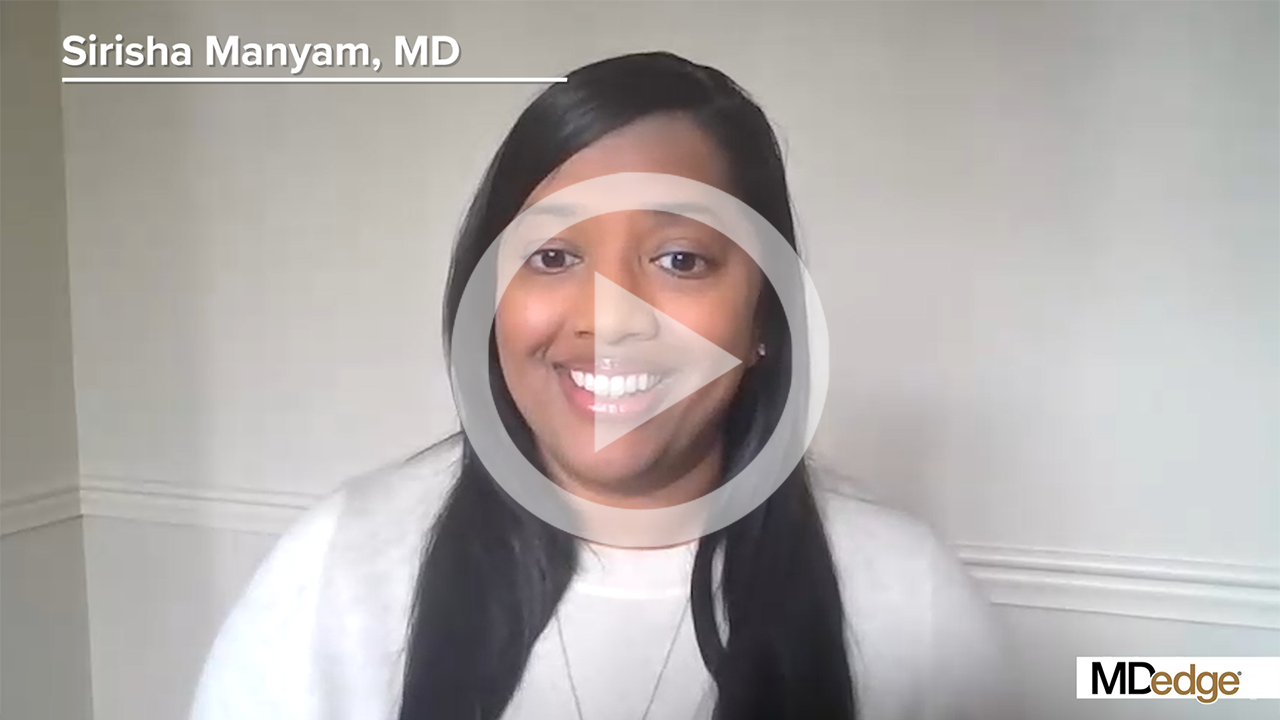
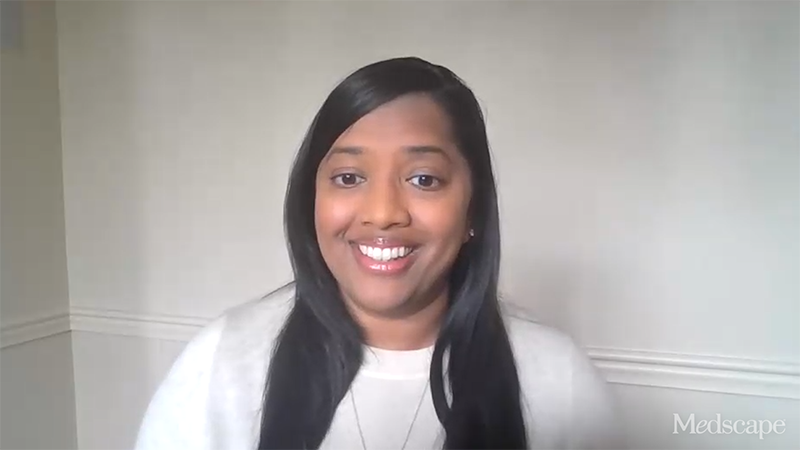
Sirisha Manyam, DO, eagerly looks forward to attending Association of VA Hematology and Oncology (AVAHO) 2023 and participating in discussion concerning two central topics: women's health and clinician wellness. Recognizing and meeting the distinctive stressors faced by healthcare workers, which have produced alarming rates of burnout, is an apt priority for Veterans Affairs systems, Dr Maryam suggests, and one which is paralleled by the need to engage the unique challenges faced by women, specifically the cluster of considerations surrounding breast cancer treatment.
Sirisha Manyam, DO, eagerly looks forward to attending Association of VA Hematology and Oncology (AVAHO) 2023 and participating in discussion concerning two central topics: women's health and clinician wellness. Recognizing and meeting the distinctive stressors faced by healthcare workers, which have produced alarming rates of burnout, is an apt priority for Veterans Affairs systems, Dr Maryam suggests, and one which is paralleled by the need to engage the unique challenges faced by women, specifically the cluster of considerations surrounding breast cancer treatment.
Sirisha Manyam, DO, eagerly looks forward to attending Association of VA Hematology and Oncology (AVAHO) 2023 and participating in discussion concerning two central topics: women's health and clinician wellness. Recognizing and meeting the distinctive stressors faced by healthcare workers, which have produced alarming rates of burnout, is an apt priority for Veterans Affairs systems, Dr Maryam suggests, and one which is paralleled by the need to engage the unique challenges faced by women, specifically the cluster of considerations surrounding breast cancer treatment.




AVAHO 2023: Expanding Opportunities for Veteran Care
Timothy O'Brien, MD, shares his expectations for the upcoming 2023 AVAHO conference. Dr O'Brien highlights four key areas of interest: networking with providers from other VA systems; creating more clinical trial opportunities; exploring educational sessions on topics like AI in oncology and geriatric oncology; and fostering team building within the local VA group. With an area of focus in malignant hematology, particularly multiple myeloma, Dr O'Brien sees learning opportunities within the education sessions on geriatric oncology. Considering that the average age of patients with multiple myeloma at his institution is 70 years, he looks forward to gaining valuable strategies for geriatric assessment.
Timothy O'Brien, MD, shares his expectations for the upcoming 2023 AVAHO conference. Dr O'Brien highlights four key areas of interest: networking with providers from other VA systems; creating more clinical trial opportunities; exploring educational sessions on topics like AI in oncology and geriatric oncology; and fostering team building within the local VA group. With an area of focus in malignant hematology, particularly multiple myeloma, Dr O'Brien sees learning opportunities within the education sessions on geriatric oncology. Considering that the average age of patients with multiple myeloma at his institution is 70 years, he looks forward to gaining valuable strategies for geriatric assessment.
Timothy O'Brien, MD, shares his expectations for the upcoming 2023 AVAHO conference. Dr O'Brien highlights four key areas of interest: networking with providers from other VA systems; creating more clinical trial opportunities; exploring educational sessions on topics like AI in oncology and geriatric oncology; and fostering team building within the local VA group. With an area of focus in malignant hematology, particularly multiple myeloma, Dr O'Brien sees learning opportunities within the education sessions on geriatric oncology. Considering that the average age of patients with multiple myeloma at his institution is 70 years, he looks forward to gaining valuable strategies for geriatric assessment.


AVAHO 2023: Exploring AI and Cancer Navigation for Veterans
Soo Park, MD, discusses her expectations for the upcoming 2023 AVAHO meeting in Chicago. Two items on the agenda particularly stand out: the role of artificial intelligence (AI) in oncology and the importance of cancer patient navigation. Dr Park acknowledges AI's potential to transform cancer diagnostics and drug discovery, particularly in aiding molecular profiling. Additionally, she highlights the value of cancer patient navigators in optimizing veteran care, particularly in the setting of geriatric oncology.
Soo Park, MD, discusses her expectations for the upcoming 2023 AVAHO meeting in Chicago. Two items on the agenda particularly stand out: the role of artificial intelligence (AI) in oncology and the importance of cancer patient navigation. Dr Park acknowledges AI's potential to transform cancer diagnostics and drug discovery, particularly in aiding molecular profiling. Additionally, she highlights the value of cancer patient navigators in optimizing veteran care, particularly in the setting of geriatric oncology.
Soo Park, MD, discusses her expectations for the upcoming 2023 AVAHO meeting in Chicago. Two items on the agenda particularly stand out: the role of artificial intelligence (AI) in oncology and the importance of cancer patient navigation. Dr Park acknowledges AI's potential to transform cancer diagnostics and drug discovery, particularly in aiding molecular profiling. Additionally, she highlights the value of cancer patient navigators in optimizing veteran care, particularly in the setting of geriatric oncology.

Therapeutic vaccine shows promise in treating lung cancer
SINGAPORE – A few months after releasing its phase 1 and 2 data, OSE Immunotherapeutics, which is based in Nantes, France, has announced positive results for its therapeutic vaccine to treat cancer. Following its promising findings concerning early-stage melanoma, pancreatic cancer, ENT cancers, and HPV-associated anogenital cancer,
The results suggest that Tedopi is the most developmentally advanced therapeutic vaccine for cancer.
The data from Atalante-1 were presented at the World Conference on Lung Cancer and were simultaneously published in Annals of Oncology.
Tedopi is composed of synthetic tumoral neo-epitopes (peptide fragments) that target five tumoral antigens, permitting the activation of tumor-specific T-lymphocytes for patients who are HLA-A2 positive. In 95% of cases, tumors express at least one of these five antigens. The aim of integrating these five antigens is to prevent immune escape. The technology uses the human leukocyte antigen (HLA) system, one of the keys for presenting antigens to T-lymphocytes. The vaccine is effective for patients who express the HLA-A2 gene, which is present in around half of the population. The HLA-A2 biomarker, detected via a blood test, can identify appropriate patients.
Study protocol
In the Atalante-1 trial, participants had locally advanced (unresectable and not eligible for radiotherapy) or metastatic (without alteration of the EGFR and ALK genes) non–small cell lung cancer that was resistant to previous immunotherapy. They had an HLA-A2 phenotype, as determined by a blood draw to determine whether their immune system could respond to the vaccine.
In this trial, 219 patients were randomly assigned in a 2:1 ratio to receive the vaccine or standard-of-care chemotherapy (80% received docetaxel). The vaccine was administered subcutaneously on day 1 every 3 weeks for six cycles. After that point, the vaccine was administered every 8 weeks until 1 year of treatment and every 12 weeks thereafter. The primary endpoint was overall survival.
Secondary resistance
The plan was to enroll 363 patients in the protocol, but the study did not complete its recruitment phase because of the COVID-19 pandemic. As a result, the study was stopped after the enrollment of 219 patients.
“It didn’t have the power we would have liked, but it helped us understand that the people who benefited the most from the vaccine were patients who had responded to immunotherapy in the past. These patients have what is called ‘secondary resistance,’ ” explained Benjamin Besse, MD, PhD, during a press conference organized by OSE Immunotherapeutics. Dr. Besse, the study’s principal investigator, is the director of clinical research at Gustave Roussy, Villejuif, France.
Overall, the results weren’t significant. But the results were positive for patients who had previously responded well to immunotherapy for at least 3 months. Of the 219 patients, 118 (54%) had a positive response.
Among these patients with secondary resistance to immunotherapy, median OS was 11.1 months with Tedopi versus 7.5 months with docetaxel.
For these patients, the risk of death was reduced by 41% with the vaccine, compared with chemotherapy. Overall, 44% of patients lived for another year after receiving Tedopi, versus 27.5% with docetaxel.
“This study is a positive signal for overall survival in the selected population. In this study of 219 patients, we realized that just half of patients really benefited from the vaccine: those who had previously responded to immunotherapy,” said Dr. Besse. “The study needs confirmation from a further, larger phase 3 study in more than 300 patients with secondary resistance to immunotherapy to give us the statistical power we need to convince the regulatory authorities.”
Tolerability profile
Fewer serious adverse effects were reported with the vaccine than with chemotherapy (11.4% with Tedopi and 35.1% with docetaxel).
The vaccine also allowed patients to maintain a better quality of life. Scores from the Quality of Life Questionnaire Core 30, which explores several areas of daily life, were better with the vaccine. Change in patients’ overall well-being was delayed in the vaccine group: 3.3 months in the chemotherapy arm versus 9 months in the vaccine arm.
“The vaccine was well tolerated. It has benefits in terms of controlling disease symptoms and causes few side effects. Chemotherapy with docetaxel, meanwhile, is more toxic and may affect a patient’s overall well-being. It causes hair loss in practically 100% of patients, induces neuropathy, makes hands and feet swell, damages the nails, is associated with nausea and vomiting ...” noted Dr. Besse. He went on to say that after the trial, of the patients who stopped receiving the vaccine or chemotherapy (either for toxicity reasons or for disease progression), those who had been given the vaccine responded better to the subsequent chemotherapy “because their overall health was better.”
Clinical development
The clinical development of Tedopi is ongoing. Three trials are currently taking place. One study is comparing the Tedopi vaccine plus docetaxel with Tedopi plus nivolumab (immunotherapy not used as a first-line treatment) to determine whether the effects of these treatment combinations might might be enhanced for patients with previously treated lung cancer.
Another study relating to ovarian cancer is in the recruitment phase. The researchers seek to evaluate the vaccine alone or in combination with pembrolizumab for patients with platinum-sensitive ovarian cancer. Results from both trials are expected in 2025.
The third trial seeks to assess FOLFIRI as maintenance therapy or FOLFIRI as maintenance plus Tedopi for patients with pancreatic cancer to improve disease management. Efficacy data are expected next year.
OSE Immunotherapeutics is simultaneously working on a companion biomarker, the HLA-A2 test.
The study was funded by OSE Immunotherapeutics. Dr. Besse disclosed the following conflicts of interest (research funding, institution): AbbVie, Amgen, AstraZeneca, Chugai Pharmaceutical, Daiichi-Sankyo, Ellipse Pharma, EISAI, Genmab, Genzyme Corporation, Hedera Dx, Inivata, IPSEN, Janssen, MSD, Pharmamar, Roche-Genentech, Sanofi, Socar Research, Taiho Oncology, and Turning Point Therapeutics.
This article was translated from the Medscape French Edition and a version appeared on Medscape.com.
SINGAPORE – A few months after releasing its phase 1 and 2 data, OSE Immunotherapeutics, which is based in Nantes, France, has announced positive results for its therapeutic vaccine to treat cancer. Following its promising findings concerning early-stage melanoma, pancreatic cancer, ENT cancers, and HPV-associated anogenital cancer,
The results suggest that Tedopi is the most developmentally advanced therapeutic vaccine for cancer.
The data from Atalante-1 were presented at the World Conference on Lung Cancer and were simultaneously published in Annals of Oncology.
Tedopi is composed of synthetic tumoral neo-epitopes (peptide fragments) that target five tumoral antigens, permitting the activation of tumor-specific T-lymphocytes for patients who are HLA-A2 positive. In 95% of cases, tumors express at least one of these five antigens. The aim of integrating these five antigens is to prevent immune escape. The technology uses the human leukocyte antigen (HLA) system, one of the keys for presenting antigens to T-lymphocytes. The vaccine is effective for patients who express the HLA-A2 gene, which is present in around half of the population. The HLA-A2 biomarker, detected via a blood test, can identify appropriate patients.
Study protocol
In the Atalante-1 trial, participants had locally advanced (unresectable and not eligible for radiotherapy) or metastatic (without alteration of the EGFR and ALK genes) non–small cell lung cancer that was resistant to previous immunotherapy. They had an HLA-A2 phenotype, as determined by a blood draw to determine whether their immune system could respond to the vaccine.
In this trial, 219 patients were randomly assigned in a 2:1 ratio to receive the vaccine or standard-of-care chemotherapy (80% received docetaxel). The vaccine was administered subcutaneously on day 1 every 3 weeks for six cycles. After that point, the vaccine was administered every 8 weeks until 1 year of treatment and every 12 weeks thereafter. The primary endpoint was overall survival.
Secondary resistance
The plan was to enroll 363 patients in the protocol, but the study did not complete its recruitment phase because of the COVID-19 pandemic. As a result, the study was stopped after the enrollment of 219 patients.
“It didn’t have the power we would have liked, but it helped us understand that the people who benefited the most from the vaccine were patients who had responded to immunotherapy in the past. These patients have what is called ‘secondary resistance,’ ” explained Benjamin Besse, MD, PhD, during a press conference organized by OSE Immunotherapeutics. Dr. Besse, the study’s principal investigator, is the director of clinical research at Gustave Roussy, Villejuif, France.
Overall, the results weren’t significant. But the results were positive for patients who had previously responded well to immunotherapy for at least 3 months. Of the 219 patients, 118 (54%) had a positive response.
Among these patients with secondary resistance to immunotherapy, median OS was 11.1 months with Tedopi versus 7.5 months with docetaxel.
For these patients, the risk of death was reduced by 41% with the vaccine, compared with chemotherapy. Overall, 44% of patients lived for another year after receiving Tedopi, versus 27.5% with docetaxel.
“This study is a positive signal for overall survival in the selected population. In this study of 219 patients, we realized that just half of patients really benefited from the vaccine: those who had previously responded to immunotherapy,” said Dr. Besse. “The study needs confirmation from a further, larger phase 3 study in more than 300 patients with secondary resistance to immunotherapy to give us the statistical power we need to convince the regulatory authorities.”
Tolerability profile
Fewer serious adverse effects were reported with the vaccine than with chemotherapy (11.4% with Tedopi and 35.1% with docetaxel).
The vaccine also allowed patients to maintain a better quality of life. Scores from the Quality of Life Questionnaire Core 30, which explores several areas of daily life, were better with the vaccine. Change in patients’ overall well-being was delayed in the vaccine group: 3.3 months in the chemotherapy arm versus 9 months in the vaccine arm.
“The vaccine was well tolerated. It has benefits in terms of controlling disease symptoms and causes few side effects. Chemotherapy with docetaxel, meanwhile, is more toxic and may affect a patient’s overall well-being. It causes hair loss in practically 100% of patients, induces neuropathy, makes hands and feet swell, damages the nails, is associated with nausea and vomiting ...” noted Dr. Besse. He went on to say that after the trial, of the patients who stopped receiving the vaccine or chemotherapy (either for toxicity reasons or for disease progression), those who had been given the vaccine responded better to the subsequent chemotherapy “because their overall health was better.”
Clinical development
The clinical development of Tedopi is ongoing. Three trials are currently taking place. One study is comparing the Tedopi vaccine plus docetaxel with Tedopi plus nivolumab (immunotherapy not used as a first-line treatment) to determine whether the effects of these treatment combinations might might be enhanced for patients with previously treated lung cancer.
Another study relating to ovarian cancer is in the recruitment phase. The researchers seek to evaluate the vaccine alone or in combination with pembrolizumab for patients with platinum-sensitive ovarian cancer. Results from both trials are expected in 2025.
The third trial seeks to assess FOLFIRI as maintenance therapy or FOLFIRI as maintenance plus Tedopi for patients with pancreatic cancer to improve disease management. Efficacy data are expected next year.
OSE Immunotherapeutics is simultaneously working on a companion biomarker, the HLA-A2 test.
The study was funded by OSE Immunotherapeutics. Dr. Besse disclosed the following conflicts of interest (research funding, institution): AbbVie, Amgen, AstraZeneca, Chugai Pharmaceutical, Daiichi-Sankyo, Ellipse Pharma, EISAI, Genmab, Genzyme Corporation, Hedera Dx, Inivata, IPSEN, Janssen, MSD, Pharmamar, Roche-Genentech, Sanofi, Socar Research, Taiho Oncology, and Turning Point Therapeutics.
This article was translated from the Medscape French Edition and a version appeared on Medscape.com.
SINGAPORE – A few months after releasing its phase 1 and 2 data, OSE Immunotherapeutics, which is based in Nantes, France, has announced positive results for its therapeutic vaccine to treat cancer. Following its promising findings concerning early-stage melanoma, pancreatic cancer, ENT cancers, and HPV-associated anogenital cancer,
The results suggest that Tedopi is the most developmentally advanced therapeutic vaccine for cancer.
The data from Atalante-1 were presented at the World Conference on Lung Cancer and were simultaneously published in Annals of Oncology.
Tedopi is composed of synthetic tumoral neo-epitopes (peptide fragments) that target five tumoral antigens, permitting the activation of tumor-specific T-lymphocytes for patients who are HLA-A2 positive. In 95% of cases, tumors express at least one of these five antigens. The aim of integrating these five antigens is to prevent immune escape. The technology uses the human leukocyte antigen (HLA) system, one of the keys for presenting antigens to T-lymphocytes. The vaccine is effective for patients who express the HLA-A2 gene, which is present in around half of the population. The HLA-A2 biomarker, detected via a blood test, can identify appropriate patients.
Study protocol
In the Atalante-1 trial, participants had locally advanced (unresectable and not eligible for radiotherapy) or metastatic (without alteration of the EGFR and ALK genes) non–small cell lung cancer that was resistant to previous immunotherapy. They had an HLA-A2 phenotype, as determined by a blood draw to determine whether their immune system could respond to the vaccine.
In this trial, 219 patients were randomly assigned in a 2:1 ratio to receive the vaccine or standard-of-care chemotherapy (80% received docetaxel). The vaccine was administered subcutaneously on day 1 every 3 weeks for six cycles. After that point, the vaccine was administered every 8 weeks until 1 year of treatment and every 12 weeks thereafter. The primary endpoint was overall survival.
Secondary resistance
The plan was to enroll 363 patients in the protocol, but the study did not complete its recruitment phase because of the COVID-19 pandemic. As a result, the study was stopped after the enrollment of 219 patients.
“It didn’t have the power we would have liked, but it helped us understand that the people who benefited the most from the vaccine were patients who had responded to immunotherapy in the past. These patients have what is called ‘secondary resistance,’ ” explained Benjamin Besse, MD, PhD, during a press conference organized by OSE Immunotherapeutics. Dr. Besse, the study’s principal investigator, is the director of clinical research at Gustave Roussy, Villejuif, France.
Overall, the results weren’t significant. But the results were positive for patients who had previously responded well to immunotherapy for at least 3 months. Of the 219 patients, 118 (54%) had a positive response.
Among these patients with secondary resistance to immunotherapy, median OS was 11.1 months with Tedopi versus 7.5 months with docetaxel.
For these patients, the risk of death was reduced by 41% with the vaccine, compared with chemotherapy. Overall, 44% of patients lived for another year after receiving Tedopi, versus 27.5% with docetaxel.
“This study is a positive signal for overall survival in the selected population. In this study of 219 patients, we realized that just half of patients really benefited from the vaccine: those who had previously responded to immunotherapy,” said Dr. Besse. “The study needs confirmation from a further, larger phase 3 study in more than 300 patients with secondary resistance to immunotherapy to give us the statistical power we need to convince the regulatory authorities.”
Tolerability profile
Fewer serious adverse effects were reported with the vaccine than with chemotherapy (11.4% with Tedopi and 35.1% with docetaxel).
The vaccine also allowed patients to maintain a better quality of life. Scores from the Quality of Life Questionnaire Core 30, which explores several areas of daily life, were better with the vaccine. Change in patients’ overall well-being was delayed in the vaccine group: 3.3 months in the chemotherapy arm versus 9 months in the vaccine arm.
“The vaccine was well tolerated. It has benefits in terms of controlling disease symptoms and causes few side effects. Chemotherapy with docetaxel, meanwhile, is more toxic and may affect a patient’s overall well-being. It causes hair loss in practically 100% of patients, induces neuropathy, makes hands and feet swell, damages the nails, is associated with nausea and vomiting ...” noted Dr. Besse. He went on to say that after the trial, of the patients who stopped receiving the vaccine or chemotherapy (either for toxicity reasons or for disease progression), those who had been given the vaccine responded better to the subsequent chemotherapy “because their overall health was better.”
Clinical development
The clinical development of Tedopi is ongoing. Three trials are currently taking place. One study is comparing the Tedopi vaccine plus docetaxel with Tedopi plus nivolumab (immunotherapy not used as a first-line treatment) to determine whether the effects of these treatment combinations might might be enhanced for patients with previously treated lung cancer.
Another study relating to ovarian cancer is in the recruitment phase. The researchers seek to evaluate the vaccine alone or in combination with pembrolizumab for patients with platinum-sensitive ovarian cancer. Results from both trials are expected in 2025.
The third trial seeks to assess FOLFIRI as maintenance therapy or FOLFIRI as maintenance plus Tedopi for patients with pancreatic cancer to improve disease management. Efficacy data are expected next year.
OSE Immunotherapeutics is simultaneously working on a companion biomarker, the HLA-A2 test.
The study was funded by OSE Immunotherapeutics. Dr. Besse disclosed the following conflicts of interest (research funding, institution): AbbVie, Amgen, AstraZeneca, Chugai Pharmaceutical, Daiichi-Sankyo, Ellipse Pharma, EISAI, Genmab, Genzyme Corporation, Hedera Dx, Inivata, IPSEN, Janssen, MSD, Pharmamar, Roche-Genentech, Sanofi, Socar Research, Taiho Oncology, and Turning Point Therapeutics.
This article was translated from the Medscape French Edition and a version appeared on Medscape.com.
AT WCLC 2023
New ‘C word’: Cure should be the goal for patients with lung cancer
This transcript has been edited for clarity.
Hello. It’s Mark Kris from Memorial Sloan-Kettering, still musing on things I learned at ASCO 2023.
I learned that there is a new C word.
People used to be afraid to use the word “cancer,” so they would call it the C word. Hopefully we’ve gotten over that stigma, that cancer is an illness that can be fought like any other illness.
There’s a new C word now that people seem, again, afraid to use, and that word is “cure.” It’s almost a true rarity that – again, I’m talking about the lung cancer world in particular – folks use the word “cure.” I didn’t hear it at ASCO, but the truth of the matter is that’s a word we should be using and be using more.
What do our patients want? I think if you truly ask a patient what their goal of care should be, it would be to cure the illness. What I mean by “cure” is to eradicate the cancer that is in their body, keep the cancer and its effects from interfering with their ability to continue their lives, and to do it for the length of their natural life. That’s what our patients want. Yes, overall survival is important, but not as much as a life free of cancer and the burden that it puts on people having cancer in the body.
When you start thinking about cure and how to make it a goal of care, a number of issues immediately crop up. The first one is defining what is meant by “cure.” We don’t have a strict definition of cure. Again, I would probably go to the patients and ask them what they mean by it. There may be some landmark part of the definition that needs to be discussed and addressed, but again, to me it’s having your life not disturbed by cancer, and that generally comes by eradicating cancer. Living with cancer is harder than the living after cancer has been cured. But we don’t have a good definition.
We also don’t have a good way of designing clinical trials to assess whether the regimen is curative. I don’t think I’ve ever seen a trial in lung cancer that looked at the ability of any given treatment to cure patients. We need to come up with ways to design trials to do that. Now, in addition to clinical trials, we don’t have a good body of evidence to design our preclinical experiments to look for those treatments that can lead to cures, or total eradication of cancer in whatever model system might be used. If we make cure the goal, then we need to find ways preclinically to identify those strategies that could lead to that.
Also in the realm of clinical trials, we need a very clear statistical underpinning to show that one or another treatment has a better chance of cure and to show with scientific rigor that one treatment is better than the other when it comes to cure. I think there needs to be more attention to this, and as we think about revamping the clinical trial process, we need to focus more on cure.
I’m saving the most important step for last. None of this can happen unless we try to make it happen and we say cure is possible. My mentor, George Boswell, always taught us that we would, in every single patient with cancer, try to develop a curative strategy. Is there a curative strategy for this patient? If so, pursue it with all the tools and vigor that we have. We really need to think that way.
Obviously, not every patient with cancer can be cured with our current armamentarium of anticancer treatments, but we need to make sure we put it on the table. We need to [confirm] that a strategy does not currently exist that could lead to cure. And of course, if we do find that strategy, we need to pursue it with all the energy and resources that we have.
Please don’t be afraid to use the word “cure.” Our patients want that. They deserve it. We should work hard to try to provide it and work toward developing strategies that we can propose and cure more patients.
Mark G. Kris, MD, is chief of the thoracic oncology service and the William and Joy Ruane Chair in Thoracic Oncology at Memorial Sloan Kettering Cancer Center in New York. His research interests include targeted therapies for lung cancer, multimodality therapy, the development of new anticancer drugs, and symptom management with a focus on preventing emesis.
A version of this article first appeared on Medscape.com.
This transcript has been edited for clarity.
Hello. It’s Mark Kris from Memorial Sloan-Kettering, still musing on things I learned at ASCO 2023.
I learned that there is a new C word.
People used to be afraid to use the word “cancer,” so they would call it the C word. Hopefully we’ve gotten over that stigma, that cancer is an illness that can be fought like any other illness.
There’s a new C word now that people seem, again, afraid to use, and that word is “cure.” It’s almost a true rarity that – again, I’m talking about the lung cancer world in particular – folks use the word “cure.” I didn’t hear it at ASCO, but the truth of the matter is that’s a word we should be using and be using more.
What do our patients want? I think if you truly ask a patient what their goal of care should be, it would be to cure the illness. What I mean by “cure” is to eradicate the cancer that is in their body, keep the cancer and its effects from interfering with their ability to continue their lives, and to do it for the length of their natural life. That’s what our patients want. Yes, overall survival is important, but not as much as a life free of cancer and the burden that it puts on people having cancer in the body.
When you start thinking about cure and how to make it a goal of care, a number of issues immediately crop up. The first one is defining what is meant by “cure.” We don’t have a strict definition of cure. Again, I would probably go to the patients and ask them what they mean by it. There may be some landmark part of the definition that needs to be discussed and addressed, but again, to me it’s having your life not disturbed by cancer, and that generally comes by eradicating cancer. Living with cancer is harder than the living after cancer has been cured. But we don’t have a good definition.
We also don’t have a good way of designing clinical trials to assess whether the regimen is curative. I don’t think I’ve ever seen a trial in lung cancer that looked at the ability of any given treatment to cure patients. We need to come up with ways to design trials to do that. Now, in addition to clinical trials, we don’t have a good body of evidence to design our preclinical experiments to look for those treatments that can lead to cures, or total eradication of cancer in whatever model system might be used. If we make cure the goal, then we need to find ways preclinically to identify those strategies that could lead to that.
Also in the realm of clinical trials, we need a very clear statistical underpinning to show that one or another treatment has a better chance of cure and to show with scientific rigor that one treatment is better than the other when it comes to cure. I think there needs to be more attention to this, and as we think about revamping the clinical trial process, we need to focus more on cure.
I’m saving the most important step for last. None of this can happen unless we try to make it happen and we say cure is possible. My mentor, George Boswell, always taught us that we would, in every single patient with cancer, try to develop a curative strategy. Is there a curative strategy for this patient? If so, pursue it with all the tools and vigor that we have. We really need to think that way.
Obviously, not every patient with cancer can be cured with our current armamentarium of anticancer treatments, but we need to make sure we put it on the table. We need to [confirm] that a strategy does not currently exist that could lead to cure. And of course, if we do find that strategy, we need to pursue it with all the energy and resources that we have.
Please don’t be afraid to use the word “cure.” Our patients want that. They deserve it. We should work hard to try to provide it and work toward developing strategies that we can propose and cure more patients.
Mark G. Kris, MD, is chief of the thoracic oncology service and the William and Joy Ruane Chair in Thoracic Oncology at Memorial Sloan Kettering Cancer Center in New York. His research interests include targeted therapies for lung cancer, multimodality therapy, the development of new anticancer drugs, and symptom management with a focus on preventing emesis.
A version of this article first appeared on Medscape.com.
This transcript has been edited for clarity.
Hello. It’s Mark Kris from Memorial Sloan-Kettering, still musing on things I learned at ASCO 2023.
I learned that there is a new C word.
People used to be afraid to use the word “cancer,” so they would call it the C word. Hopefully we’ve gotten over that stigma, that cancer is an illness that can be fought like any other illness.
There’s a new C word now that people seem, again, afraid to use, and that word is “cure.” It’s almost a true rarity that – again, I’m talking about the lung cancer world in particular – folks use the word “cure.” I didn’t hear it at ASCO, but the truth of the matter is that’s a word we should be using and be using more.
What do our patients want? I think if you truly ask a patient what their goal of care should be, it would be to cure the illness. What I mean by “cure” is to eradicate the cancer that is in their body, keep the cancer and its effects from interfering with their ability to continue their lives, and to do it for the length of their natural life. That’s what our patients want. Yes, overall survival is important, but not as much as a life free of cancer and the burden that it puts on people having cancer in the body.
When you start thinking about cure and how to make it a goal of care, a number of issues immediately crop up. The first one is defining what is meant by “cure.” We don’t have a strict definition of cure. Again, I would probably go to the patients and ask them what they mean by it. There may be some landmark part of the definition that needs to be discussed and addressed, but again, to me it’s having your life not disturbed by cancer, and that generally comes by eradicating cancer. Living with cancer is harder than the living after cancer has been cured. But we don’t have a good definition.
We also don’t have a good way of designing clinical trials to assess whether the regimen is curative. I don’t think I’ve ever seen a trial in lung cancer that looked at the ability of any given treatment to cure patients. We need to come up with ways to design trials to do that. Now, in addition to clinical trials, we don’t have a good body of evidence to design our preclinical experiments to look for those treatments that can lead to cures, or total eradication of cancer in whatever model system might be used. If we make cure the goal, then we need to find ways preclinically to identify those strategies that could lead to that.
Also in the realm of clinical trials, we need a very clear statistical underpinning to show that one or another treatment has a better chance of cure and to show with scientific rigor that one treatment is better than the other when it comes to cure. I think there needs to be more attention to this, and as we think about revamping the clinical trial process, we need to focus more on cure.
I’m saving the most important step for last. None of this can happen unless we try to make it happen and we say cure is possible. My mentor, George Boswell, always taught us that we would, in every single patient with cancer, try to develop a curative strategy. Is there a curative strategy for this patient? If so, pursue it with all the tools and vigor that we have. We really need to think that way.
Obviously, not every patient with cancer can be cured with our current armamentarium of anticancer treatments, but we need to make sure we put it on the table. We need to [confirm] that a strategy does not currently exist that could lead to cure. And of course, if we do find that strategy, we need to pursue it with all the energy and resources that we have.
Please don’t be afraid to use the word “cure.” Our patients want that. They deserve it. We should work hard to try to provide it and work toward developing strategies that we can propose and cure more patients.
Mark G. Kris, MD, is chief of the thoracic oncology service and the William and Joy Ruane Chair in Thoracic Oncology at Memorial Sloan Kettering Cancer Center in New York. His research interests include targeted therapies for lung cancer, multimodality therapy, the development of new anticancer drugs, and symptom management with a focus on preventing emesis.
A version of this article first appeared on Medscape.com.
Two landmark papers change treatment paradigm for advanced endometrial cancer
I wanted to very briefly highlight a truly extraordinary event in my professional experience as a clinical investigator for almost 40 years in the area of the gynecologic malignancies:
In my career, of course, I’ve treated endometrial cancer, but the paradigm, the algorithms, and the strategies we’ve used have, for the most part, simply followed what we’ve done for ovarian cancer. If platinums worked in ovarian cancer, they probably worked in endometrial cancer, and that was true. If paclitaxel worked and had activity in ovarian cancer, it probably would in endometrial cancer, and that was true. It took some time, but basically, we use the same frontline chemotherapy in advanced or recurrent endometrial cancer as we’ve used in ovarian cancer, and on and on.
That world has changed, very much for the positive. Not only have pharmaceutical companies, academic investigators, and individual investigators in the community setting seen endometrial cancer as a major priority, but we have exciting new developments, and very specifically, of course, the immunotherapeutic agents known as checkpoint inhibitors.
One of these two papers was titled “Pembrolizumab Plus Chemotherapy in Advanced Endometrial Cancer” and the second one was titled “Dostarlimab for Primary Advanced or Recurrent Endometrial Cancer.” Obviously, these were separate studies, but both used checkpoint inhibitor plus the chemotherapeutic agents carboplatin-paclitaxel, compared with chemotherapy alone as frontline therapy for advanced or recurrent ovarian cancer and demonstrated a statistically significant, and in my opinion, highly clinically meaningful improvement, in progression-free survival in favor of the regimen that included the checkpoint inhibitors.
Clearly, we will need longer follow-up to see both the overall magnitude of the effect of these therapies on overall survival and the duration of the effect – the shape of the curve. Do we cure many more people? Do we delay time to progression and death? That remains to be seen.
But the outcomes we have now are remarkably positive for patients and have absolutely changed the standard of care in the management of recurrent or advanced endometrial cancer.
I should note that this includes both patients who have evidence of mismatch repair deficiency and those patients who do not have evidence of deficiency, which is a large patient population. These studies demonstrated the benefit to the entire population of patients.
However, on the basis of the data that we have – not only in endometrial cancer, but in other tumor types – the greatest impact was seen in patients with evidence of mismatch repair deficiency, where the immunotherapy agent has been shown to be most relevant; not exclusively, but most relevant.
These are very important papers. If you have an interest in endometrial cancer or immunotherapy, I would encourage you to read these papers. They change the paradigm of management for advanced endometrial cancer, and they clearly point out directions for future research in the management of this class of gynecologic cancers.
Dr. Markman is a professor in the department of medical oncology and therapeutics research at City of Hope in Duarte, Calif., and the president of Medicine & Science at City of Hope Atlanta, Chicago, and Phoenix. He reported conflicts of interest with AstraZeneca and GlaxoSmithKline.
This transcript has been edited for clarity. A version of this article first appeared on Medscape.com.
I wanted to very briefly highlight a truly extraordinary event in my professional experience as a clinical investigator for almost 40 years in the area of the gynecologic malignancies:
In my career, of course, I’ve treated endometrial cancer, but the paradigm, the algorithms, and the strategies we’ve used have, for the most part, simply followed what we’ve done for ovarian cancer. If platinums worked in ovarian cancer, they probably worked in endometrial cancer, and that was true. If paclitaxel worked and had activity in ovarian cancer, it probably would in endometrial cancer, and that was true. It took some time, but basically, we use the same frontline chemotherapy in advanced or recurrent endometrial cancer as we’ve used in ovarian cancer, and on and on.
That world has changed, very much for the positive. Not only have pharmaceutical companies, academic investigators, and individual investigators in the community setting seen endometrial cancer as a major priority, but we have exciting new developments, and very specifically, of course, the immunotherapeutic agents known as checkpoint inhibitors.
One of these two papers was titled “Pembrolizumab Plus Chemotherapy in Advanced Endometrial Cancer” and the second one was titled “Dostarlimab for Primary Advanced or Recurrent Endometrial Cancer.” Obviously, these were separate studies, but both used checkpoint inhibitor plus the chemotherapeutic agents carboplatin-paclitaxel, compared with chemotherapy alone as frontline therapy for advanced or recurrent ovarian cancer and demonstrated a statistically significant, and in my opinion, highly clinically meaningful improvement, in progression-free survival in favor of the regimen that included the checkpoint inhibitors.
Clearly, we will need longer follow-up to see both the overall magnitude of the effect of these therapies on overall survival and the duration of the effect – the shape of the curve. Do we cure many more people? Do we delay time to progression and death? That remains to be seen.
But the outcomes we have now are remarkably positive for patients and have absolutely changed the standard of care in the management of recurrent or advanced endometrial cancer.
I should note that this includes both patients who have evidence of mismatch repair deficiency and those patients who do not have evidence of deficiency, which is a large patient population. These studies demonstrated the benefit to the entire population of patients.
However, on the basis of the data that we have – not only in endometrial cancer, but in other tumor types – the greatest impact was seen in patients with evidence of mismatch repair deficiency, where the immunotherapy agent has been shown to be most relevant; not exclusively, but most relevant.
These are very important papers. If you have an interest in endometrial cancer or immunotherapy, I would encourage you to read these papers. They change the paradigm of management for advanced endometrial cancer, and they clearly point out directions for future research in the management of this class of gynecologic cancers.
Dr. Markman is a professor in the department of medical oncology and therapeutics research at City of Hope in Duarte, Calif., and the president of Medicine & Science at City of Hope Atlanta, Chicago, and Phoenix. He reported conflicts of interest with AstraZeneca and GlaxoSmithKline.
This transcript has been edited for clarity. A version of this article first appeared on Medscape.com.
I wanted to very briefly highlight a truly extraordinary event in my professional experience as a clinical investigator for almost 40 years in the area of the gynecologic malignancies:
In my career, of course, I’ve treated endometrial cancer, but the paradigm, the algorithms, and the strategies we’ve used have, for the most part, simply followed what we’ve done for ovarian cancer. If platinums worked in ovarian cancer, they probably worked in endometrial cancer, and that was true. If paclitaxel worked and had activity in ovarian cancer, it probably would in endometrial cancer, and that was true. It took some time, but basically, we use the same frontline chemotherapy in advanced or recurrent endometrial cancer as we’ve used in ovarian cancer, and on and on.
That world has changed, very much for the positive. Not only have pharmaceutical companies, academic investigators, and individual investigators in the community setting seen endometrial cancer as a major priority, but we have exciting new developments, and very specifically, of course, the immunotherapeutic agents known as checkpoint inhibitors.
One of these two papers was titled “Pembrolizumab Plus Chemotherapy in Advanced Endometrial Cancer” and the second one was titled “Dostarlimab for Primary Advanced or Recurrent Endometrial Cancer.” Obviously, these were separate studies, but both used checkpoint inhibitor plus the chemotherapeutic agents carboplatin-paclitaxel, compared with chemotherapy alone as frontline therapy for advanced or recurrent ovarian cancer and demonstrated a statistically significant, and in my opinion, highly clinically meaningful improvement, in progression-free survival in favor of the regimen that included the checkpoint inhibitors.
Clearly, we will need longer follow-up to see both the overall magnitude of the effect of these therapies on overall survival and the duration of the effect – the shape of the curve. Do we cure many more people? Do we delay time to progression and death? That remains to be seen.
But the outcomes we have now are remarkably positive for patients and have absolutely changed the standard of care in the management of recurrent or advanced endometrial cancer.
I should note that this includes both patients who have evidence of mismatch repair deficiency and those patients who do not have evidence of deficiency, which is a large patient population. These studies demonstrated the benefit to the entire population of patients.
However, on the basis of the data that we have – not only in endometrial cancer, but in other tumor types – the greatest impact was seen in patients with evidence of mismatch repair deficiency, where the immunotherapy agent has been shown to be most relevant; not exclusively, but most relevant.
These are very important papers. If you have an interest in endometrial cancer or immunotherapy, I would encourage you to read these papers. They change the paradigm of management for advanced endometrial cancer, and they clearly point out directions for future research in the management of this class of gynecologic cancers.
Dr. Markman is a professor in the department of medical oncology and therapeutics research at City of Hope in Duarte, Calif., and the president of Medicine & Science at City of Hope Atlanta, Chicago, and Phoenix. He reported conflicts of interest with AstraZeneca and GlaxoSmithKline.
This transcript has been edited for clarity. A version of this article first appeared on Medscape.com.
Surgery approach may improve survival in advanced ovarian cancer
TOPLINE:
Neoadjuvant chemotherapy followed by interval cytoreductive surgery with hyperthermic intraperitoneal chemotherapy (HIPEC) significantly improves progression-free survival (PFS) and overall survival, compared with interval cytoreductive surgery alone, in patients with advanced ovarian cancer, new research shows.
METHODOLOGY:
- Several randomized controlled trials have shown survival benefits with HIPEC followed by interval cytoreductive surgery in advanced ovarian cancer. Despite the data, the use of HIPEC in clinical practice remains limited.
- Potential downsides of HIPEC include longer operative time and treatment-related complications.
- This prospective, multicenter, comparative effectiveness study evaluated the safety and effectiveness of interval cytoreductive surgery with HIPEC versus the surgery alone.
- The study, conducted at seven Korean Gynecologic Oncology Group institutions, included 196 patients (mean age, 58 years) with stage III or IV ovarian cancer who had received at least three cycles of neoadjuvant chemotherapy followed by interval cytoreductive surgery with HIPEC (n = 109) or without HIPEC (n = 87).
- The researchers reported progression-free survival as well as overall survival and treatment-related toxic effects.
TAKEAWAY:
- During a median follow-up of 28.2 months, 128 patients (65%) had a recurrence and 30 died (15.3%) – 8.3% in the HIPEC group and 24.1% in the non-HIPEC group.
- Compared with no HIPEC, interval cytoreductive surgery with HIPEC led to a significant improvement in median PFS (22.9 months vs. 14.2 months; P = .005) and median overall survival (not reached vs. 53 months; P = .002).
- The frequency of grade 3 or 4 postoperative complications was similar in both groups: 2.8% with HIPEC versus 3.4% without HIPEC.
- Among patients with recurrence, the frequency of peritoneal recurrence was significantly lower among those who received HIPEC (32.8% vs. 64.1% without HIPEC; P = .001).
IN PRACTICE:
“We observed a significantly superior survival benefit associated with [interval cytoreductive surgery] with HIPEC, without higher rates of postoperative complications,” the authors concluded, adding that “the survival benefit remained consistent, irrespective of maintenance therapy.”
SOURCE:
The study, led by Jung-Yun Lee, MD, PhD, Yonsei University College of Medicine, Seoul, Korea, was published online in JAMA Surgery.
LIMITATIONS:
The patients were not randomly assigned and the decision to give HIPEC was at the clinician’s discretion, introducing the possibility of selection and treatment bias. The different types of drugs used in HIPEC could result in bias in data interpretation.
DISCLOSURES:
The authors reported no conflicts of interest. The study had no specific funding.
A version of this article first appeared on Medscape.com.
TOPLINE:
Neoadjuvant chemotherapy followed by interval cytoreductive surgery with hyperthermic intraperitoneal chemotherapy (HIPEC) significantly improves progression-free survival (PFS) and overall survival, compared with interval cytoreductive surgery alone, in patients with advanced ovarian cancer, new research shows.
METHODOLOGY:
- Several randomized controlled trials have shown survival benefits with HIPEC followed by interval cytoreductive surgery in advanced ovarian cancer. Despite the data, the use of HIPEC in clinical practice remains limited.
- Potential downsides of HIPEC include longer operative time and treatment-related complications.
- This prospective, multicenter, comparative effectiveness study evaluated the safety and effectiveness of interval cytoreductive surgery with HIPEC versus the surgery alone.
- The study, conducted at seven Korean Gynecologic Oncology Group institutions, included 196 patients (mean age, 58 years) with stage III or IV ovarian cancer who had received at least three cycles of neoadjuvant chemotherapy followed by interval cytoreductive surgery with HIPEC (n = 109) or without HIPEC (n = 87).
- The researchers reported progression-free survival as well as overall survival and treatment-related toxic effects.
TAKEAWAY:
- During a median follow-up of 28.2 months, 128 patients (65%) had a recurrence and 30 died (15.3%) – 8.3% in the HIPEC group and 24.1% in the non-HIPEC group.
- Compared with no HIPEC, interval cytoreductive surgery with HIPEC led to a significant improvement in median PFS (22.9 months vs. 14.2 months; P = .005) and median overall survival (not reached vs. 53 months; P = .002).
- The frequency of grade 3 or 4 postoperative complications was similar in both groups: 2.8% with HIPEC versus 3.4% without HIPEC.
- Among patients with recurrence, the frequency of peritoneal recurrence was significantly lower among those who received HIPEC (32.8% vs. 64.1% without HIPEC; P = .001).
IN PRACTICE:
“We observed a significantly superior survival benefit associated with [interval cytoreductive surgery] with HIPEC, without higher rates of postoperative complications,” the authors concluded, adding that “the survival benefit remained consistent, irrespective of maintenance therapy.”
SOURCE:
The study, led by Jung-Yun Lee, MD, PhD, Yonsei University College of Medicine, Seoul, Korea, was published online in JAMA Surgery.
LIMITATIONS:
The patients were not randomly assigned and the decision to give HIPEC was at the clinician’s discretion, introducing the possibility of selection and treatment bias. The different types of drugs used in HIPEC could result in bias in data interpretation.
DISCLOSURES:
The authors reported no conflicts of interest. The study had no specific funding.
A version of this article first appeared on Medscape.com.
TOPLINE:
Neoadjuvant chemotherapy followed by interval cytoreductive surgery with hyperthermic intraperitoneal chemotherapy (HIPEC) significantly improves progression-free survival (PFS) and overall survival, compared with interval cytoreductive surgery alone, in patients with advanced ovarian cancer, new research shows.
METHODOLOGY:
- Several randomized controlled trials have shown survival benefits with HIPEC followed by interval cytoreductive surgery in advanced ovarian cancer. Despite the data, the use of HIPEC in clinical practice remains limited.
- Potential downsides of HIPEC include longer operative time and treatment-related complications.
- This prospective, multicenter, comparative effectiveness study evaluated the safety and effectiveness of interval cytoreductive surgery with HIPEC versus the surgery alone.
- The study, conducted at seven Korean Gynecologic Oncology Group institutions, included 196 patients (mean age, 58 years) with stage III or IV ovarian cancer who had received at least three cycles of neoadjuvant chemotherapy followed by interval cytoreductive surgery with HIPEC (n = 109) or without HIPEC (n = 87).
- The researchers reported progression-free survival as well as overall survival and treatment-related toxic effects.
TAKEAWAY:
- During a median follow-up of 28.2 months, 128 patients (65%) had a recurrence and 30 died (15.3%) – 8.3% in the HIPEC group and 24.1% in the non-HIPEC group.
- Compared with no HIPEC, interval cytoreductive surgery with HIPEC led to a significant improvement in median PFS (22.9 months vs. 14.2 months; P = .005) and median overall survival (not reached vs. 53 months; P = .002).
- The frequency of grade 3 or 4 postoperative complications was similar in both groups: 2.8% with HIPEC versus 3.4% without HIPEC.
- Among patients with recurrence, the frequency of peritoneal recurrence was significantly lower among those who received HIPEC (32.8% vs. 64.1% without HIPEC; P = .001).
IN PRACTICE:
“We observed a significantly superior survival benefit associated with [interval cytoreductive surgery] with HIPEC, without higher rates of postoperative complications,” the authors concluded, adding that “the survival benefit remained consistent, irrespective of maintenance therapy.”
SOURCE:
The study, led by Jung-Yun Lee, MD, PhD, Yonsei University College of Medicine, Seoul, Korea, was published online in JAMA Surgery.
LIMITATIONS:
The patients were not randomly assigned and the decision to give HIPEC was at the clinician’s discretion, introducing the possibility of selection and treatment bias. The different types of drugs used in HIPEC could result in bias in data interpretation.
DISCLOSURES:
The authors reported no conflicts of interest. The study had no specific funding.
A version of this article first appeared on Medscape.com.
FROM JAMA SURGERY
Nationwide hematologists shortage: What’s being done?
Over decades, the shrinking pool of CHs – who are compensated far less than hematologist-oncologists – has put patients at risk without access to adequate and timely care. To alleviate this crisis, individual doctors and national organizations are taking action and making more resources available to CHs and their patients.
`Vicious cycle’
The root cause of the CH shortage can be traced to a dramatic reduction in the number of physicians trained in this field, as Leonard Valentino, MD, President of the National Bleeding Disorders Foundation in New York, explained in an interview.
“There is a vicious cycle where there’s not enough classical hematologists to be program directors, and therefore trainees are often steered to fellowships in oncology,” said Dr. Valentino.
According to data published in JAMA, in 1995 there were 74 classical hematology programs in the United States; by 2018, there were only 2, During this same time period, the number of combined hematology/oncology training programs (HOPs) nearly doubled, from 75 to 146. However, it is estimated that less than 5% of graduates of adult HOPs pursued a career in classical hematology, as reported in Blood Advances. This low percentage can be attributed, at least in part, to the emphasis that most HOPs place on oncology.
Dr. Valentino noted that financial pressures are also diverting medical students from becoming CHs, adding that a hematologist-oncologist can make three times the annual salary of a CH.
Furthermore, when CHs treat bleeding and clotting disorders, they often need to meet with a patient for a 60- to 90-minute initial consultation, then they go on to provide a lifetime of labor-intensive care.
“This work is neither verticalized [that is, supported by radiologists, surgeons, and a cadre of nurses], nor is it billable per hour on a scale comparable to what oncologists can charge,” Dr. Valentino explained.
The survey published in Blood Advances illustrates the consequences of such a disparity in income potential: 34% of hematology/oncology fellows surveyed were likely to enter solid tumor oncology, while 20% and 4.6% would proceed to malignant hematology and CH, respectively.
Toll on patients
Primary care doctors treat some common blood disorders, but they almost always refer more difficult or complicated cases to a shrinking population of CHs.

“For many Americans, it is getting more difficult to find providers who subspecialize in hemostasis and thrombosis disorders. Patients can expect prolonged waiting times to get evaluated after a referral” said Mukul Singal, MD, of the Indiana Hemophilia and Thrombosis Center in Indianapolis.
Dr. Singal said the shortage is so acute that “at many institutions, malignant hematologists or oncologists are having to staff in-patient hematology consult services and see outpatient classical hematology patients. General hematologist/oncologists or medical oncologists are often not as comfortable or experienced with dealing with some of the complex CH conditions.”
A working care model, without enough doctors
In 1975, responding to patient advocacy groups, the federal government began funding hemophilia treatment centers (HTCs). Such centers offer a comprehensive care model that gives patients access to practitioners and administrative staff with the expertise to help them stay as healthy as possible. According to the Centers for Disease Control and Prevention, people with hemophilia who used an HTC were 40% less likely to die of a hemophilia-related complication and 40% less likely to be hospitalized for bleeding complications, compared to those who did not receive such specialized care.
“HTCs are effective at keeping patients out of the hospital and engaged in their lives. Between 80% and 95% of hemophilia patients get their care from an HTC and more patients want more services from them,” said Joe Pugliese, president of the Hemophilia Alliance in Lansdale, Pa.
Expanding care to meet patient demand is challenged by the restrictions on doctors’ salaries. All 140 U.S.-based HTCs share a $4.9 million federal grant but, by law, they can’t pay any provider more than $211,000 a year. “These restrictions push many people to industry, leaving too few doctors to meet patient demand,” Mr. Pugliese explained.
The fact that most HTCs are located in or near major cities also presents patients with the challenge of commuting, sometimes across state lines, to see a specialist. However, an uptick in telemedicine has provided one bright spot for many patients, allowing care to be brought to them.
The Hemophilia Alliance is also working on a multifaceted approach to change the rules, so that CHs are offered better compensation. “We have lobbyists in Washington, as well as an advocacy committee and a payer committee working to better support the HTC model,” Mr. Pugliese said.
Beyond the paycheck: Supporting CHs and patients
As market and regulatory restrictions make it difficult to boost the pay of CHs, doctors and nonprofit organizations are collaborating to support young CHs and bring more into the field. The American Society of Hematology has started and fully funded the Hematology Focused Fellowship Training Program (HFFTP). This program pairs comprehensive classical hematology training with education in transfusion medicine, sickle cell disease, hemostasis/thrombosis, systems-based hematology, health equity research, and global health. According to the program’s website, HFFTP’s goal is to add 50 new academic hematologists nationwide by 2030, in an effort to “improve the lives of patients with blood and bone marrow disorders.”
Additionally, classic hematologists are aiming to attract younger physicians and trainees to their field by introducing them to the various rewarding aspects of dealing with patients with inherited, chronic blood diseases. Programs like the Partners Physicians Academy (PPA), a 5-day training course that is specifically designed to encourage and retain young hematology students as classical hematologists, are essential to this effort.
“Along with preparing physicians to work in an HTC, programs like the Hematology Focused Fellowship Training Program and the Partners Physicians Academy are so important because they might convince young doctors to stick with non–oncology-based hematology careers, through the right mix of knowing about exciting research like gene therapy, financial and mentorship support, and a desire to meet unmet medical need,” explained Dr. Valentino.
The next PPA is taking place Sept. 18-22 in Indianapolis.
Dr. Singal, Dr. Valentino, and Mr. Pugliese had no financial disclosures to report.
Over decades, the shrinking pool of CHs – who are compensated far less than hematologist-oncologists – has put patients at risk without access to adequate and timely care. To alleviate this crisis, individual doctors and national organizations are taking action and making more resources available to CHs and their patients.
`Vicious cycle’
The root cause of the CH shortage can be traced to a dramatic reduction in the number of physicians trained in this field, as Leonard Valentino, MD, President of the National Bleeding Disorders Foundation in New York, explained in an interview.
“There is a vicious cycle where there’s not enough classical hematologists to be program directors, and therefore trainees are often steered to fellowships in oncology,” said Dr. Valentino.
According to data published in JAMA, in 1995 there were 74 classical hematology programs in the United States; by 2018, there were only 2, During this same time period, the number of combined hematology/oncology training programs (HOPs) nearly doubled, from 75 to 146. However, it is estimated that less than 5% of graduates of adult HOPs pursued a career in classical hematology, as reported in Blood Advances. This low percentage can be attributed, at least in part, to the emphasis that most HOPs place on oncology.
Dr. Valentino noted that financial pressures are also diverting medical students from becoming CHs, adding that a hematologist-oncologist can make three times the annual salary of a CH.
Furthermore, when CHs treat bleeding and clotting disorders, they often need to meet with a patient for a 60- to 90-minute initial consultation, then they go on to provide a lifetime of labor-intensive care.
“This work is neither verticalized [that is, supported by radiologists, surgeons, and a cadre of nurses], nor is it billable per hour on a scale comparable to what oncologists can charge,” Dr. Valentino explained.
The survey published in Blood Advances illustrates the consequences of such a disparity in income potential: 34% of hematology/oncology fellows surveyed were likely to enter solid tumor oncology, while 20% and 4.6% would proceed to malignant hematology and CH, respectively.
Toll on patients
Primary care doctors treat some common blood disorders, but they almost always refer more difficult or complicated cases to a shrinking population of CHs.
“For many Americans, it is getting more difficult to find providers who subspecialize in hemostasis and thrombosis disorders. Patients can expect prolonged waiting times to get evaluated after a referral” said Mukul Singal, MD, of the Indiana Hemophilia and Thrombosis Center in Indianapolis.
Dr. Singal said the shortage is so acute that “at many institutions, malignant hematologists or oncologists are having to staff in-patient hematology consult services and see outpatient classical hematology patients. General hematologist/oncologists or medical oncologists are often not as comfortable or experienced with dealing with some of the complex CH conditions.”
A working care model, without enough doctors
In 1975, responding to patient advocacy groups, the federal government began funding hemophilia treatment centers (HTCs). Such centers offer a comprehensive care model that gives patients access to practitioners and administrative staff with the expertise to help them stay as healthy as possible. According to the Centers for Disease Control and Prevention, people with hemophilia who used an HTC were 40% less likely to die of a hemophilia-related complication and 40% less likely to be hospitalized for bleeding complications, compared to those who did not receive such specialized care.
“HTCs are effective at keeping patients out of the hospital and engaged in their lives. Between 80% and 95% of hemophilia patients get their care from an HTC and more patients want more services from them,” said Joe Pugliese, president of the Hemophilia Alliance in Lansdale, Pa.
Expanding care to meet patient demand is challenged by the restrictions on doctors’ salaries. All 140 U.S.-based HTCs share a $4.9 million federal grant but, by law, they can’t pay any provider more than $211,000 a year. “These restrictions push many people to industry, leaving too few doctors to meet patient demand,” Mr. Pugliese explained.
The fact that most HTCs are located in or near major cities also presents patients with the challenge of commuting, sometimes across state lines, to see a specialist. However, an uptick in telemedicine has provided one bright spot for many patients, allowing care to be brought to them.
The Hemophilia Alliance is also working on a multifaceted approach to change the rules, so that CHs are offered better compensation. “We have lobbyists in Washington, as well as an advocacy committee and a payer committee working to better support the HTC model,” Mr. Pugliese said.
Beyond the paycheck: Supporting CHs and patients
As market and regulatory restrictions make it difficult to boost the pay of CHs, doctors and nonprofit organizations are collaborating to support young CHs and bring more into the field. The American Society of Hematology has started and fully funded the Hematology Focused Fellowship Training Program (HFFTP). This program pairs comprehensive classical hematology training with education in transfusion medicine, sickle cell disease, hemostasis/thrombosis, systems-based hematology, health equity research, and global health. According to the program’s website, HFFTP’s goal is to add 50 new academic hematologists nationwide by 2030, in an effort to “improve the lives of patients with blood and bone marrow disorders.”
Additionally, classic hematologists are aiming to attract younger physicians and trainees to their field by introducing them to the various rewarding aspects of dealing with patients with inherited, chronic blood diseases. Programs like the Partners Physicians Academy (PPA), a 5-day training course that is specifically designed to encourage and retain young hematology students as classical hematologists, are essential to this effort.
“Along with preparing physicians to work in an HTC, programs like the Hematology Focused Fellowship Training Program and the Partners Physicians Academy are so important because they might convince young doctors to stick with non–oncology-based hematology careers, through the right mix of knowing about exciting research like gene therapy, financial and mentorship support, and a desire to meet unmet medical need,” explained Dr. Valentino.
The next PPA is taking place Sept. 18-22 in Indianapolis.
Dr. Singal, Dr. Valentino, and Mr. Pugliese had no financial disclosures to report.
Over decades, the shrinking pool of CHs – who are compensated far less than hematologist-oncologists – has put patients at risk without access to adequate and timely care. To alleviate this crisis, individual doctors and national organizations are taking action and making more resources available to CHs and their patients.
`Vicious cycle’
The root cause of the CH shortage can be traced to a dramatic reduction in the number of physicians trained in this field, as Leonard Valentino, MD, President of the National Bleeding Disorders Foundation in New York, explained in an interview.
“There is a vicious cycle where there’s not enough classical hematologists to be program directors, and therefore trainees are often steered to fellowships in oncology,” said Dr. Valentino.
According to data published in JAMA, in 1995 there were 74 classical hematology programs in the United States; by 2018, there were only 2, During this same time period, the number of combined hematology/oncology training programs (HOPs) nearly doubled, from 75 to 146. However, it is estimated that less than 5% of graduates of adult HOPs pursued a career in classical hematology, as reported in Blood Advances. This low percentage can be attributed, at least in part, to the emphasis that most HOPs place on oncology.
Dr. Valentino noted that financial pressures are also diverting medical students from becoming CHs, adding that a hematologist-oncologist can make three times the annual salary of a CH.
Furthermore, when CHs treat bleeding and clotting disorders, they often need to meet with a patient for a 60- to 90-minute initial consultation, then they go on to provide a lifetime of labor-intensive care.
“This work is neither verticalized [that is, supported by radiologists, surgeons, and a cadre of nurses], nor is it billable per hour on a scale comparable to what oncologists can charge,” Dr. Valentino explained.
The survey published in Blood Advances illustrates the consequences of such a disparity in income potential: 34% of hematology/oncology fellows surveyed were likely to enter solid tumor oncology, while 20% and 4.6% would proceed to malignant hematology and CH, respectively.
Toll on patients
Primary care doctors treat some common blood disorders, but they almost always refer more difficult or complicated cases to a shrinking population of CHs.
“For many Americans, it is getting more difficult to find providers who subspecialize in hemostasis and thrombosis disorders. Patients can expect prolonged waiting times to get evaluated after a referral” said Mukul Singal, MD, of the Indiana Hemophilia and Thrombosis Center in Indianapolis.
Dr. Singal said the shortage is so acute that “at many institutions, malignant hematologists or oncologists are having to staff in-patient hematology consult services and see outpatient classical hematology patients. General hematologist/oncologists or medical oncologists are often not as comfortable or experienced with dealing with some of the complex CH conditions.”
A working care model, without enough doctors
In 1975, responding to patient advocacy groups, the federal government began funding hemophilia treatment centers (HTCs). Such centers offer a comprehensive care model that gives patients access to practitioners and administrative staff with the expertise to help them stay as healthy as possible. According to the Centers for Disease Control and Prevention, people with hemophilia who used an HTC were 40% less likely to die of a hemophilia-related complication and 40% less likely to be hospitalized for bleeding complications, compared to those who did not receive such specialized care.
“HTCs are effective at keeping patients out of the hospital and engaged in their lives. Between 80% and 95% of hemophilia patients get their care from an HTC and more patients want more services from them,” said Joe Pugliese, president of the Hemophilia Alliance in Lansdale, Pa.
Expanding care to meet patient demand is challenged by the restrictions on doctors’ salaries. All 140 U.S.-based HTCs share a $4.9 million federal grant but, by law, they can’t pay any provider more than $211,000 a year. “These restrictions push many people to industry, leaving too few doctors to meet patient demand,” Mr. Pugliese explained.
The fact that most HTCs are located in or near major cities also presents patients with the challenge of commuting, sometimes across state lines, to see a specialist. However, an uptick in telemedicine has provided one bright spot for many patients, allowing care to be brought to them.
The Hemophilia Alliance is also working on a multifaceted approach to change the rules, so that CHs are offered better compensation. “We have lobbyists in Washington, as well as an advocacy committee and a payer committee working to better support the HTC model,” Mr. Pugliese said.
Beyond the paycheck: Supporting CHs and patients
As market and regulatory restrictions make it difficult to boost the pay of CHs, doctors and nonprofit organizations are collaborating to support young CHs and bring more into the field. The American Society of Hematology has started and fully funded the Hematology Focused Fellowship Training Program (HFFTP). This program pairs comprehensive classical hematology training with education in transfusion medicine, sickle cell disease, hemostasis/thrombosis, systems-based hematology, health equity research, and global health. According to the program’s website, HFFTP’s goal is to add 50 new academic hematologists nationwide by 2030, in an effort to “improve the lives of patients with blood and bone marrow disorders.”
Additionally, classic hematologists are aiming to attract younger physicians and trainees to their field by introducing them to the various rewarding aspects of dealing with patients with inherited, chronic blood diseases. Programs like the Partners Physicians Academy (PPA), a 5-day training course that is specifically designed to encourage and retain young hematology students as classical hematologists, are essential to this effort.
“Along with preparing physicians to work in an HTC, programs like the Hematology Focused Fellowship Training Program and the Partners Physicians Academy are so important because they might convince young doctors to stick with non–oncology-based hematology careers, through the right mix of knowing about exciting research like gene therapy, financial and mentorship support, and a desire to meet unmet medical need,” explained Dr. Valentino.
The next PPA is taking place Sept. 18-22 in Indianapolis.
Dr. Singal, Dr. Valentino, and Mr. Pugliese had no financial disclosures to report.