User login
FDA gives semaglutide two drug safety–related label changes
The FDA added a warning to the drug-interaction section of the Ozempiclabel that reiterates a warning that is already in place in other label sections, reinforcing the message that the glucagon-like peptide-1 (GLP-1) receptor agonist Ozempiccan potentially interact with the action of certain other agents to increase a person’s risk for hypoglycemia.
The added text says: “Ozempic stimulates insulin release in the presence of elevated blood glucose concentrations. Patients receiving Ozempic in combination with an insulin secretagogue (for instance, sulfonylurea) or insulin may have an increased risk of hypoglycemia, including severe hypoglycemia.”
This text was already included in both the “Warning and Precautions” and the “Adverse Reactions” sections of the label. The warning also advises, “The risk of hypoglycemia may be lowered by a reduction in the dose of sulfonylurea (or other concomitantly administered insulin secretagogue) or insulin. Inform patients using these concomitant medications of the risk of hypoglycemia and educate them on the signs and symptoms of hypoglycemia.”
Reports of ileus episodes after approval
The second addition concerns a new adverse reaction that was identified during the postmarketing experience.
The FDA has received more than 8,500 reports of gastrointestinal issues among patients prescribed glucagon-like peptide-1 (GLP-1) receptor agonists. Ileus is mentioned in 33 cases, including two deaths, associated with semaglutide. The FDA stopped short of saying there is a direct link between the drug and intestinal blockages.
“Because these reactions are reported voluntarily from a population of uncertain size, it is not always possible to reliably estimate their frequency or establish a causal relationship to drug exposure,” the FDA stated in its approval of the label update.
The same warning for the risk of intestinal blockages is already listed on the labels for tirzepatide (Mounjaro, Lilly) and semaglutide injection 2.4 mg (Wegovy, Novo Nordisk).
The label change comes after a Louisiana woman filed a lawsuit in August that claims she was “severely injured” after using Mounjaro and Ozempic. She claimed the drug makers failed to disclose risks of vomiting and diarrhea due to inflammation of the stomach lining, as well as the risk of gastroparesis.
*Correction, 10/3/23: An earlier version of this article misstated the semaglutide formulation that received the updates.
A version of this article first appeared on Medscape.com.
The FDA added a warning to the drug-interaction section of the Ozempiclabel that reiterates a warning that is already in place in other label sections, reinforcing the message that the glucagon-like peptide-1 (GLP-1) receptor agonist Ozempiccan potentially interact with the action of certain other agents to increase a person’s risk for hypoglycemia.
The added text says: “Ozempic stimulates insulin release in the presence of elevated blood glucose concentrations. Patients receiving Ozempic in combination with an insulin secretagogue (for instance, sulfonylurea) or insulin may have an increased risk of hypoglycemia, including severe hypoglycemia.”
This text was already included in both the “Warning and Precautions” and the “Adverse Reactions” sections of the label. The warning also advises, “The risk of hypoglycemia may be lowered by a reduction in the dose of sulfonylurea (or other concomitantly administered insulin secretagogue) or insulin. Inform patients using these concomitant medications of the risk of hypoglycemia and educate them on the signs and symptoms of hypoglycemia.”
Reports of ileus episodes after approval
The second addition concerns a new adverse reaction that was identified during the postmarketing experience.
The FDA has received more than 8,500 reports of gastrointestinal issues among patients prescribed glucagon-like peptide-1 (GLP-1) receptor agonists. Ileus is mentioned in 33 cases, including two deaths, associated with semaglutide. The FDA stopped short of saying there is a direct link between the drug and intestinal blockages.
“Because these reactions are reported voluntarily from a population of uncertain size, it is not always possible to reliably estimate their frequency or establish a causal relationship to drug exposure,” the FDA stated in its approval of the label update.
The same warning for the risk of intestinal blockages is already listed on the labels for tirzepatide (Mounjaro, Lilly) and semaglutide injection 2.4 mg (Wegovy, Novo Nordisk).
The label change comes after a Louisiana woman filed a lawsuit in August that claims she was “severely injured” after using Mounjaro and Ozempic. She claimed the drug makers failed to disclose risks of vomiting and diarrhea due to inflammation of the stomach lining, as well as the risk of gastroparesis.
*Correction, 10/3/23: An earlier version of this article misstated the semaglutide formulation that received the updates.
A version of this article first appeared on Medscape.com.
The FDA added a warning to the drug-interaction section of the Ozempiclabel that reiterates a warning that is already in place in other label sections, reinforcing the message that the glucagon-like peptide-1 (GLP-1) receptor agonist Ozempiccan potentially interact with the action of certain other agents to increase a person’s risk for hypoglycemia.
The added text says: “Ozempic stimulates insulin release in the presence of elevated blood glucose concentrations. Patients receiving Ozempic in combination with an insulin secretagogue (for instance, sulfonylurea) or insulin may have an increased risk of hypoglycemia, including severe hypoglycemia.”
This text was already included in both the “Warning and Precautions” and the “Adverse Reactions” sections of the label. The warning also advises, “The risk of hypoglycemia may be lowered by a reduction in the dose of sulfonylurea (or other concomitantly administered insulin secretagogue) or insulin. Inform patients using these concomitant medications of the risk of hypoglycemia and educate them on the signs and symptoms of hypoglycemia.”
Reports of ileus episodes after approval
The second addition concerns a new adverse reaction that was identified during the postmarketing experience.
The FDA has received more than 8,500 reports of gastrointestinal issues among patients prescribed glucagon-like peptide-1 (GLP-1) receptor agonists. Ileus is mentioned in 33 cases, including two deaths, associated with semaglutide. The FDA stopped short of saying there is a direct link between the drug and intestinal blockages.
“Because these reactions are reported voluntarily from a population of uncertain size, it is not always possible to reliably estimate their frequency or establish a causal relationship to drug exposure,” the FDA stated in its approval of the label update.
The same warning for the risk of intestinal blockages is already listed on the labels for tirzepatide (Mounjaro, Lilly) and semaglutide injection 2.4 mg (Wegovy, Novo Nordisk).
The label change comes after a Louisiana woman filed a lawsuit in August that claims she was “severely injured” after using Mounjaro and Ozempic. She claimed the drug makers failed to disclose risks of vomiting and diarrhea due to inflammation of the stomach lining, as well as the risk of gastroparesis.
*Correction, 10/3/23: An earlier version of this article misstated the semaglutide formulation that received the updates.
A version of this article first appeared on Medscape.com.
These adverse events linked to improved cancer prognosis
TOPLINE:
.
METHODOLOGY:
- Emerging evidence suggests that the presence of cutaneous immune-related adverse events may be linked with favorable outcomes among patients with cancer who receive ICIs.
- Researchers conducted a systematic review and meta-analysis that included 23 studies and a total of 22,749 patients with cancer who received ICI treatment; studies compared outcomes among patients with and those without cutaneous immune-related adverse events.
- The major outcomes evaluated in the analysis were overall survival and progression-free survival (PFS); subgroup analyses assessed cutaneous immune-related adverse event type, cancer type, and other factors.
TAKEAWAY:
- The occurrence of cutaneous immune-related adverse events was associated with improved PFS (hazard ratio, 0.52; P < .001) and overall survival (HR, 0.61; P < .001).
- In the subgroup analysis, patients with eczematous (HR, 0.69), lichenoid or lichen planus–like skin lesions (HR, 0.51), pruritus without rash (HR, 0.70), psoriasis (HR, 0.63), or vitiligo (HR, 0.30) demonstrated a significant overall survival advantage. Vitiligo was the only adverse event associated with a PFS advantage (HR, 0.28).
- Among patients with melanoma, analyses revealed a significant association between the incidence of cutaneous immune-related adverse events and improved overall survival (HR, 0.51) and PFS (HR, 0.45). The authors highlighted similar findings among patients with non–small cell lung cancer (HR, 0.50 for overall survival and 0.61 for PFS).
IN PRACTICE:
“These data suggest that [cutaneous immune-related adverse events] may have useful prognostic value in ICI treatment,” the authors concluded.
SOURCE:
The analysis, led by Fei Wang, MD, Zhong Da Hospital, School of Medicine, Southeast University, Nanjing, China, was published online in JAMA Dermatology.
LIMITATIONS:
Most of the data came from retrospective studies, and there were limited data on specific patient subgroups. The Egger tests, used to assess potential publication bias in meta-analyses, revealed publication bias.
DISCLOSURES:
No disclosures were reported. The study was supported by a grant from the Postgraduate Research and Practice Innovation Program of Jiangsu Province.
A version of this article first appeared on Medscape.com.
TOPLINE:
.
METHODOLOGY:
- Emerging evidence suggests that the presence of cutaneous immune-related adverse events may be linked with favorable outcomes among patients with cancer who receive ICIs.
- Researchers conducted a systematic review and meta-analysis that included 23 studies and a total of 22,749 patients with cancer who received ICI treatment; studies compared outcomes among patients with and those without cutaneous immune-related adverse events.
- The major outcomes evaluated in the analysis were overall survival and progression-free survival (PFS); subgroup analyses assessed cutaneous immune-related adverse event type, cancer type, and other factors.
TAKEAWAY:
- The occurrence of cutaneous immune-related adverse events was associated with improved PFS (hazard ratio, 0.52; P < .001) and overall survival (HR, 0.61; P < .001).
- In the subgroup analysis, patients with eczematous (HR, 0.69), lichenoid or lichen planus–like skin lesions (HR, 0.51), pruritus without rash (HR, 0.70), psoriasis (HR, 0.63), or vitiligo (HR, 0.30) demonstrated a significant overall survival advantage. Vitiligo was the only adverse event associated with a PFS advantage (HR, 0.28).
- Among patients with melanoma, analyses revealed a significant association between the incidence of cutaneous immune-related adverse events and improved overall survival (HR, 0.51) and PFS (HR, 0.45). The authors highlighted similar findings among patients with non–small cell lung cancer (HR, 0.50 for overall survival and 0.61 for PFS).
IN PRACTICE:
“These data suggest that [cutaneous immune-related adverse events] may have useful prognostic value in ICI treatment,” the authors concluded.
SOURCE:
The analysis, led by Fei Wang, MD, Zhong Da Hospital, School of Medicine, Southeast University, Nanjing, China, was published online in JAMA Dermatology.
LIMITATIONS:
Most of the data came from retrospective studies, and there were limited data on specific patient subgroups. The Egger tests, used to assess potential publication bias in meta-analyses, revealed publication bias.
DISCLOSURES:
No disclosures were reported. The study was supported by a grant from the Postgraduate Research and Practice Innovation Program of Jiangsu Province.
A version of this article first appeared on Medscape.com.
TOPLINE:
.
METHODOLOGY:
- Emerging evidence suggests that the presence of cutaneous immune-related adverse events may be linked with favorable outcomes among patients with cancer who receive ICIs.
- Researchers conducted a systematic review and meta-analysis that included 23 studies and a total of 22,749 patients with cancer who received ICI treatment; studies compared outcomes among patients with and those without cutaneous immune-related adverse events.
- The major outcomes evaluated in the analysis were overall survival and progression-free survival (PFS); subgroup analyses assessed cutaneous immune-related adverse event type, cancer type, and other factors.
TAKEAWAY:
- The occurrence of cutaneous immune-related adverse events was associated with improved PFS (hazard ratio, 0.52; P < .001) and overall survival (HR, 0.61; P < .001).
- In the subgroup analysis, patients with eczematous (HR, 0.69), lichenoid or lichen planus–like skin lesions (HR, 0.51), pruritus without rash (HR, 0.70), psoriasis (HR, 0.63), or vitiligo (HR, 0.30) demonstrated a significant overall survival advantage. Vitiligo was the only adverse event associated with a PFS advantage (HR, 0.28).
- Among patients with melanoma, analyses revealed a significant association between the incidence of cutaneous immune-related adverse events and improved overall survival (HR, 0.51) and PFS (HR, 0.45). The authors highlighted similar findings among patients with non–small cell lung cancer (HR, 0.50 for overall survival and 0.61 for PFS).
IN PRACTICE:
“These data suggest that [cutaneous immune-related adverse events] may have useful prognostic value in ICI treatment,” the authors concluded.
SOURCE:
The analysis, led by Fei Wang, MD, Zhong Da Hospital, School of Medicine, Southeast University, Nanjing, China, was published online in JAMA Dermatology.
LIMITATIONS:
Most of the data came from retrospective studies, and there were limited data on specific patient subgroups. The Egger tests, used to assess potential publication bias in meta-analyses, revealed publication bias.
DISCLOSURES:
No disclosures were reported. The study was supported by a grant from the Postgraduate Research and Practice Innovation Program of Jiangsu Province.
A version of this article first appeared on Medscape.com.
Florida nurse practitioner convicted in $200 million+ Medicare scheme
federal prosecutors announced.
Elizabeth Hernandez, 45, of Homestead, Fla., could face as many as 75 years in prison when she’s sentenced on December 14.
Ms. Hernandez overbilled Medicare by more than $200 million, according to prosecutors who say she ordered more cancer genetic tests for Medicare beneficiaries in 2020 than any other clinician in the nation. She “personally pocketed approximately $1.6 million in the scheme, which she used to purchase expensive cars, jewelry, home renovations, and travel,” prosecutors said.
After a 6-day trial, Ms. Hernandez was convicted last week of a single count of conspiracy to commit health care fraud and wire fraud, four counts of health care fraud and three counts of making false statements relating to health care matters. She was acquitted of two counts of health care fraud.
The case is part of an ongoing effort by federal prosecutors to target schemes alleged to have defrauded Medicare of billions of dollars in reimbursement for genetic testing and other health services.
Prosecutors alleged that Ms. Hernandez took advantage of the flexible telemedicine rules allowed during the COVID-19 pandemic, and she and another nurse “essentially robo-signed” the orders.
As part of the scheme, telemarketing companies would contact Medicare beneficiaries to convince them to request orthotic braces and genetic tests, and then send prefilled orders for these products to Ms. Hernandez, who signed them, attesting that she had examined or treated the patients, prosecutors said in a statement.
According to prosecutors, Ms. Hernandez billed Medicare as if she had performed complex in-person evaluations of patients. The time she attested she spent on these supposed office visits often accounted for more than 24 hours in a day. Prosecutors said Ms. Hernandez never examined the patients for whom she ordered $14 million in medical equipment, and that she lied when she certified that she’d personally examined them and determined the supplies were necessary.
Prosecutors also alleged that Ms. Hernandez ordered $119 million worth of unnecessary genetic tests for patients she wasn’t treating. The tests include “cancer genetic” (CGx) tests, which look for mutations that may raise the risk of certain diseases, and pharmacogenetic (PGx) tests, which can provide information about how patients will respond to medications.
According to prosecutors, Medicare only rarely covers CGx tests, doing so primarily when a patient has cancer and the patient’s physician orders such tests to improve treatment.
Ms. Hernandez also allegedly submitted claims for $1.3 million worth of telemedicine consultations that were not performed.
Prosecutors later put the total amount of fraudulent claims at more than $200 million.
Federal prosecutors also alleged that several companies that claimed to be in the telemedicine business gave bribes and kickbacks to Ms. Hernandez.
In recent years, federal officials have increasingly targeted schemes to defraud Medicare through fake claims for genetic testing. In 2020, for instance, prosecutors charged 345 defendants, including more than 100 doctors, nurses, and other licensed medical professionals, with submitting more than $6 billion in fraudulent claims for genetic testing and other services.
Last December, a Georgia man was convicted in a scheme alleged to have cost Medicare $463 million. He was accused of having “conspired with patient brokers, telemedicine companies, and call centers to target Medicare beneficiaries with telemarketing calls falsely stating that Medicare covered expensive cancer genetic tests,” according to a statement from federal prosecutors.
In a 2021 report, the inspector general of the U.S. Department of Health & Human Services warned that a sharp rise in Medicare payments for genetic tests could be a sign of fraud even as federal guidance related to coverage for genetic testing has been inconsistent. The payments quadrupled to $1.41 billion from 2016 to 2019.
A version of this article first appeared on Medscape.com.
federal prosecutors announced.
Elizabeth Hernandez, 45, of Homestead, Fla., could face as many as 75 years in prison when she’s sentenced on December 14.
Ms. Hernandez overbilled Medicare by more than $200 million, according to prosecutors who say she ordered more cancer genetic tests for Medicare beneficiaries in 2020 than any other clinician in the nation. She “personally pocketed approximately $1.6 million in the scheme, which she used to purchase expensive cars, jewelry, home renovations, and travel,” prosecutors said.
After a 6-day trial, Ms. Hernandez was convicted last week of a single count of conspiracy to commit health care fraud and wire fraud, four counts of health care fraud and three counts of making false statements relating to health care matters. She was acquitted of two counts of health care fraud.
The case is part of an ongoing effort by federal prosecutors to target schemes alleged to have defrauded Medicare of billions of dollars in reimbursement for genetic testing and other health services.
Prosecutors alleged that Ms. Hernandez took advantage of the flexible telemedicine rules allowed during the COVID-19 pandemic, and she and another nurse “essentially robo-signed” the orders.
As part of the scheme, telemarketing companies would contact Medicare beneficiaries to convince them to request orthotic braces and genetic tests, and then send prefilled orders for these products to Ms. Hernandez, who signed them, attesting that she had examined or treated the patients, prosecutors said in a statement.
According to prosecutors, Ms. Hernandez billed Medicare as if she had performed complex in-person evaluations of patients. The time she attested she spent on these supposed office visits often accounted for more than 24 hours in a day. Prosecutors said Ms. Hernandez never examined the patients for whom she ordered $14 million in medical equipment, and that she lied when she certified that she’d personally examined them and determined the supplies were necessary.
Prosecutors also alleged that Ms. Hernandez ordered $119 million worth of unnecessary genetic tests for patients she wasn’t treating. The tests include “cancer genetic” (CGx) tests, which look for mutations that may raise the risk of certain diseases, and pharmacogenetic (PGx) tests, which can provide information about how patients will respond to medications.
According to prosecutors, Medicare only rarely covers CGx tests, doing so primarily when a patient has cancer and the patient’s physician orders such tests to improve treatment.
Ms. Hernandez also allegedly submitted claims for $1.3 million worth of telemedicine consultations that were not performed.
Prosecutors later put the total amount of fraudulent claims at more than $200 million.
Federal prosecutors also alleged that several companies that claimed to be in the telemedicine business gave bribes and kickbacks to Ms. Hernandez.
In recent years, federal officials have increasingly targeted schemes to defraud Medicare through fake claims for genetic testing. In 2020, for instance, prosecutors charged 345 defendants, including more than 100 doctors, nurses, and other licensed medical professionals, with submitting more than $6 billion in fraudulent claims for genetic testing and other services.
Last December, a Georgia man was convicted in a scheme alleged to have cost Medicare $463 million. He was accused of having “conspired with patient brokers, telemedicine companies, and call centers to target Medicare beneficiaries with telemarketing calls falsely stating that Medicare covered expensive cancer genetic tests,” according to a statement from federal prosecutors.
In a 2021 report, the inspector general of the U.S. Department of Health & Human Services warned that a sharp rise in Medicare payments for genetic tests could be a sign of fraud even as federal guidance related to coverage for genetic testing has been inconsistent. The payments quadrupled to $1.41 billion from 2016 to 2019.
A version of this article first appeared on Medscape.com.
federal prosecutors announced.
Elizabeth Hernandez, 45, of Homestead, Fla., could face as many as 75 years in prison when she’s sentenced on December 14.
Ms. Hernandez overbilled Medicare by more than $200 million, according to prosecutors who say she ordered more cancer genetic tests for Medicare beneficiaries in 2020 than any other clinician in the nation. She “personally pocketed approximately $1.6 million in the scheme, which she used to purchase expensive cars, jewelry, home renovations, and travel,” prosecutors said.
After a 6-day trial, Ms. Hernandez was convicted last week of a single count of conspiracy to commit health care fraud and wire fraud, four counts of health care fraud and three counts of making false statements relating to health care matters. She was acquitted of two counts of health care fraud.
The case is part of an ongoing effort by federal prosecutors to target schemes alleged to have defrauded Medicare of billions of dollars in reimbursement for genetic testing and other health services.
Prosecutors alleged that Ms. Hernandez took advantage of the flexible telemedicine rules allowed during the COVID-19 pandemic, and she and another nurse “essentially robo-signed” the orders.
As part of the scheme, telemarketing companies would contact Medicare beneficiaries to convince them to request orthotic braces and genetic tests, and then send prefilled orders for these products to Ms. Hernandez, who signed them, attesting that she had examined or treated the patients, prosecutors said in a statement.
According to prosecutors, Ms. Hernandez billed Medicare as if she had performed complex in-person evaluations of patients. The time she attested she spent on these supposed office visits often accounted for more than 24 hours in a day. Prosecutors said Ms. Hernandez never examined the patients for whom she ordered $14 million in medical equipment, and that she lied when she certified that she’d personally examined them and determined the supplies were necessary.
Prosecutors also alleged that Ms. Hernandez ordered $119 million worth of unnecessary genetic tests for patients she wasn’t treating. The tests include “cancer genetic” (CGx) tests, which look for mutations that may raise the risk of certain diseases, and pharmacogenetic (PGx) tests, which can provide information about how patients will respond to medications.
According to prosecutors, Medicare only rarely covers CGx tests, doing so primarily when a patient has cancer and the patient’s physician orders such tests to improve treatment.
Ms. Hernandez also allegedly submitted claims for $1.3 million worth of telemedicine consultations that were not performed.
Prosecutors later put the total amount of fraudulent claims at more than $200 million.
Federal prosecutors also alleged that several companies that claimed to be in the telemedicine business gave bribes and kickbacks to Ms. Hernandez.
In recent years, federal officials have increasingly targeted schemes to defraud Medicare through fake claims for genetic testing. In 2020, for instance, prosecutors charged 345 defendants, including more than 100 doctors, nurses, and other licensed medical professionals, with submitting more than $6 billion in fraudulent claims for genetic testing and other services.
Last December, a Georgia man was convicted in a scheme alleged to have cost Medicare $463 million. He was accused of having “conspired with patient brokers, telemedicine companies, and call centers to target Medicare beneficiaries with telemarketing calls falsely stating that Medicare covered expensive cancer genetic tests,” according to a statement from federal prosecutors.
In a 2021 report, the inspector general of the U.S. Department of Health & Human Services warned that a sharp rise in Medicare payments for genetic tests could be a sign of fraud even as federal guidance related to coverage for genetic testing has been inconsistent. The payments quadrupled to $1.41 billion from 2016 to 2019.
A version of this article first appeared on Medscape.com.
Study: Unexpected vaginal bleeding rises after COVID vaccination
The researchers suggested it could have been connected to the SARS-CoV-2 spike protein in the vaccines. The study was published in Science Advances.
After vaccinations became widely available, many women reported heavier menstrual bleeding than normal. Researchers at the Norwegian Institute of Public Health in Oslo examined the data, particularly among women who do not have periods, such as those who have been through menopause or are taking contraceptives.
The researchers used an ongoing population health survey called the Norwegian Mother, Father, and Child Cohort Study, Nature reported. They examined more than 21,000 responses from postmenopausal, perimenopausal, and nonmenstruating premenopausal women. Some were on long-term hormonal contraceptives.
They learned that 252 postmenopausal women, 1,008 perimenopausal women, and 924 premenopausal women reported having unexpected vaginal bleeding.
About half said the bleeding occurred within 4 weeks of the first or second shot or both. The risk of bleeding was up three to five times for premenopausal and perimenopausal women, and two to three times for postmenopausal women, the researchers found.
Postmenopausal bleeding is usually serious and can be a sign of cancer. “Knowing a patient’s vaccination status could put their bleeding incidence into context,” said Kate Clancy, a biological anthropologist at the University of Illinois at Urbana-Champaign.
The study received funding through the Norwegian Institute of Public Health and Research Council of Norway. The researchers reported no conflicts of interest.
A version of this article first appeared on WebMD.com.
The researchers suggested it could have been connected to the SARS-CoV-2 spike protein in the vaccines. The study was published in Science Advances.
After vaccinations became widely available, many women reported heavier menstrual bleeding than normal. Researchers at the Norwegian Institute of Public Health in Oslo examined the data, particularly among women who do not have periods, such as those who have been through menopause or are taking contraceptives.
The researchers used an ongoing population health survey called the Norwegian Mother, Father, and Child Cohort Study, Nature reported. They examined more than 21,000 responses from postmenopausal, perimenopausal, and nonmenstruating premenopausal women. Some were on long-term hormonal contraceptives.
They learned that 252 postmenopausal women, 1,008 perimenopausal women, and 924 premenopausal women reported having unexpected vaginal bleeding.
About half said the bleeding occurred within 4 weeks of the first or second shot or both. The risk of bleeding was up three to five times for premenopausal and perimenopausal women, and two to three times for postmenopausal women, the researchers found.
Postmenopausal bleeding is usually serious and can be a sign of cancer. “Knowing a patient’s vaccination status could put their bleeding incidence into context,” said Kate Clancy, a biological anthropologist at the University of Illinois at Urbana-Champaign.
The study received funding through the Norwegian Institute of Public Health and Research Council of Norway. The researchers reported no conflicts of interest.
A version of this article first appeared on WebMD.com.
The researchers suggested it could have been connected to the SARS-CoV-2 spike protein in the vaccines. The study was published in Science Advances.
After vaccinations became widely available, many women reported heavier menstrual bleeding than normal. Researchers at the Norwegian Institute of Public Health in Oslo examined the data, particularly among women who do not have periods, such as those who have been through menopause or are taking contraceptives.
The researchers used an ongoing population health survey called the Norwegian Mother, Father, and Child Cohort Study, Nature reported. They examined more than 21,000 responses from postmenopausal, perimenopausal, and nonmenstruating premenopausal women. Some were on long-term hormonal contraceptives.
They learned that 252 postmenopausal women, 1,008 perimenopausal women, and 924 premenopausal women reported having unexpected vaginal bleeding.
About half said the bleeding occurred within 4 weeks of the first or second shot or both. The risk of bleeding was up three to five times for premenopausal and perimenopausal women, and two to three times for postmenopausal women, the researchers found.
Postmenopausal bleeding is usually serious and can be a sign of cancer. “Knowing a patient’s vaccination status could put their bleeding incidence into context,” said Kate Clancy, a biological anthropologist at the University of Illinois at Urbana-Champaign.
The study received funding through the Norwegian Institute of Public Health and Research Council of Norway. The researchers reported no conflicts of interest.
A version of this article first appeared on WebMD.com.
FROM SCIENCE ADVANCES
Pediatrician with SCD gives her young patients hope
These days, thanks to transformative advances in treating SCD that have substantially improved survival, Dr. Fasipe’s mission for a new generation of patients and their families is to replace their pain and fear with relief and hope.
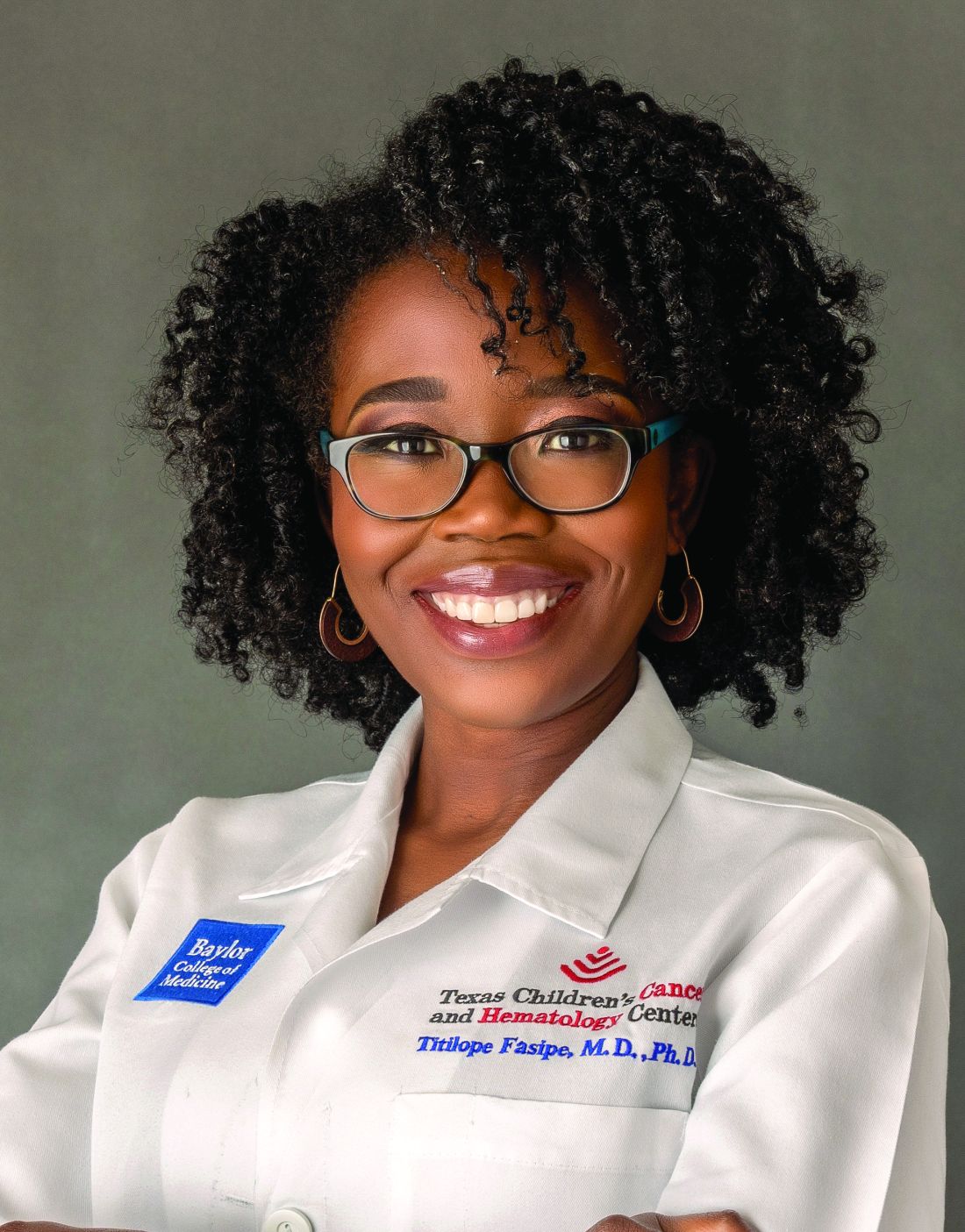
“If you grow up thinking that you’re going to die when you’re 18, it changes your world and your viewpoints, and it impacts your mental health,” she told this news organization.
“We are trying to make sure our children and their families know that there is a new story for sickle cell disease, and you don’t have to use any age as your prediction marker for your lifespan,” Dr. Fasipe said.
SCD, which affects about 100,000 people nationwide, is an inherited blood disorder, with the majority of patients – but not all – being of African descent. This condition is characterized by pain crises, or vaso-occlusive episodes, triggered when cells that are sickled get stuck and impede blood flow. These crises can come on suddenly and range from mild to severe.
Dr. Fasipe was born in Nigeria, where rates of SCD are among the world’s highest. She attended elementary school in the United States, where her father was studying theology, before returning to Nigeria with her family at age 11.
Back in those days, in both nations only about 50% of children with SCD lived beyond their 18th birthday. The survival rates in Nigeria and sub-Saharan Africa countries continue to be poor. In some more developed regions elsewhere, advances such as universal newborn screening, penicillin prophylaxis, pneumococcal vaccination, stroke screening, and hydroxyurea therapy have yielded substantial improvements, with 95% or more patients with SCD reaching their 18th birthday.
“With measures such as newborn screening, we can immediately start prevention measures in sickle cell disease, such as prevention of infection, which was the number one reason why children were dying,” Dr. Fasipe explained. “With global initiatives, we want that story to be the same in sub-Saharan Africa as well.”
Cousin’s early death inspires medical studies
In an essay published by Texas Medical Center that describes her childhood experiences, Dr. Fasipe recounts a pivotal event in her life: The heartbreaking death of her beloved cousin at the age of just 17, from a complication of SCD. This bereavement fueled Dr. Fasipe’s determination to pursue a medical career, to do all that she could to prevent such losses.
“Having sickle cell disease myself wasn’t the trigger that made me become a doctor. But when Femi [her cousin] died, I thought: ‘This shouldn’t happen,’ ” Dr. Fasipe wrote.
When she applied to medical school back in the United States, she declared in her application essay: “I want to cure sickle cell.”
By the time Dr. Fasipe was ready to undertake residency and fellowship applications, her essay had shifted to focus on pediatrics “specifically because I want to reach sickle cell patients before they’ve defined how their lives are going to be,” she said. “I want to give them hope.”
Hope for a cure
Fast-forwarding to this point in Dr. Fasipe’s career, she noted that her dream of a cure for SCD is no longer a distant aspiration, thanks to the advent of stem cell transplantation and more recently, gene therapy. These advancements have elevated her hope for a cure to an entirely new level.
Each new treatment comes with caveats. Stem cell transplantation requires a matching donor, leaving the majority of patients ineligible. And while gene therapy eliminates the need for a donor, treatment can reportedly cost nearly $3 million. Nevertheless, Dr. Fasipe emphasized the promise that these new advancements represent.
“The scientists that work in these spaces do appreciate these [accessibility barriers], and the expectation is these therapies will be more accessible with time and effort,” she said. “We’ve got to start somewhere, and it’s exciting that they’re making these early successes.”
Advice for clinicians
With firsthand knowledge of how it feels to be the patient, as well as on the clinician side of SCD treatment, Dr. Fasipe advises colleagues on some ways that they can improve care while boosting their patients’ hope:
Speak with empathy
Acknowledge the ‘elephant in the room’; the pain that patients with SCD can experience is real.
“When I’m managing any patient with pain, I first acknowledge the suffering because while we may not understand what that person is going through, acknowledgment is part of showing empathy,” she explains.
Seek out resources
Patients with SCD may typically seek treatment in primary care, where expertise in the disease may be lacking, and general practitioners may feel frustrated that there are limited treatment options.
“If you do find yourself treating a sickle cell disease patient, you may not have all of the answers, but there are good resources, whether it’s a nearby sickle cell disease centers or national guidelines,” Dr. Fasipe said.
Access to treatment
With research, including a recent study, showing that only about 25% of patients with SCD are prescribed hydroxyurea and even fewer – only about 5% – receive more recently approved SCD treatments, clinicians should be proactive by making sure that patients receive needed treatments.
“Clearly medicines like hydroxyurea are not as optimized in this community space as they should be, and then there are newer therapies that families, patients, and even providers may not be aware of, so it is important to be informed of the guidelines and provide all patients with comprehensive, high-quality care,” Dr. Fasipe said.
In the ED, patients with SCD are ‘care-seeking,’ not drug-seeking
Due to the sometimes rapid onset of severe pain symptoms, patients with SCD commonly wind up in the emergency department. In this time of an opioid epidemic, patients too often are suspected of merely seeking drugs.
“Sickle cell disease tends to get lumped into a category of a disease of pain, but pain is subjective and it is difficult to quantify, so unfortunately, patients can be labeled as potentially drug-seeking,” Dr. Fasipe explained, citing an article that detailed this problem.
Consequently, patients may have particularly negative experiences in the emergency department, but the use of resources such as a sickle cell disease point-of-care tool developed by the American College of Emergency Physicians and the American Society of Hematology can help improve care for those patients.
“One of the [point-of-care recommendations] before even managing the pain is that physicians show compassion by acknowledging the patient’s pain and that they understand why pain with sickle cell disease might look different than other types of pain,” Dr. Fasipe said.
Building trust
Encounters such as negative emergency department experiences can perpetuate a deeper issue of distrust between those with SCD and the medical community, which originated in long-held, well-documented racial disparities in health care.
“We know historically and even today that there are difficulties facing our families who are impacted by sickle cell disease, and they are related to structural racism and socioeconomic barriers,” Dr. Fasipe explained.
With these issues in mind, she said, “I refer to sickle cell disease as the medical representation of the Black experience in America.” However, she added, the good news is “we are now doing our best now to improve that.”
Among key efforts in building trust is the inclusion of patients with SCD and their families in as many aspects of research and clinical care as possible.
“In the global health care community, it is imperative to invite people with sickle cell disease and from the community to the decision-making table,” she noted.
“Now, when we’re talking about research for therapies, their expectation is that research trials and other initiatives for sickle cell disease must have input from the community; there are no initiatives for sickle cell disease that do not have input from the community.
“The patients and community members may not be experts on the science of sickle cell, but they’re experts on the lived experience and that’s very important when you’re thinking about new bringing in a new therapy.”
Forward momentum
Meanwhile, Dr. Fasipe observed, with the collective, advocacy-driven, forward momentum of the SCD community as a whole, things should only continue to improve.
“Because of the various barriers, some progress may not be immediately around the corner, but I do have confidence that this current generation of children with sickle cell will have improved health equity by the time they reach adulthood,” she said.
“I believe in this future, so I’m doing the work now, and it’s a promise I tell parents: I want your future adult child to live their best life, and we’re working hard to ensure that that becomes their future reality.”
Sickle cell disease awareness
September is National Sickle Cell Disease Awareness Month, and the National Heart, Lung, and Blood Institute offers a comprehensive website that clinicians can pass along to their patients, with information ranging from fact sheets on the disease and treatments to social media resources and inspiring stories of people with the disease.
In a comment, Lewis Hsu, MD, PhD, chief medical officer of the Sickle Cell Disease Association of America, underscored the uniquely important contributions of people like Dr. Fasipe, in providing inspiration to patients and clinicians alike.
“I have worked with several physicians, nurses, psychologists, and public health specialists who have sickle cell disease,” said Dr. Hsu, who is a pediatric hematologist who also serves as director of the Sickle Cell Center and professor of pediatrics for the University of Illinois at Chicago.
“They are ambassadors who have the trust of both patients and healthcare providers,” Dr. Hsu said.
In addition to providing inspiration of resilience, such care providers can serve as “communication bridges,” he explained.
“When they are conference speakers, everybody wants to hear them; when they sit on advisory committees or focus groups, they can help find the compromise or set the priorities.”
“Their impact on the whole sickle cell community is very large,” Dr. Hsu said.
These days, thanks to transformative advances in treating SCD that have substantially improved survival, Dr. Fasipe’s mission for a new generation of patients and their families is to replace their pain and fear with relief and hope.
“If you grow up thinking that you’re going to die when you’re 18, it changes your world and your viewpoints, and it impacts your mental health,” she told this news organization.
“We are trying to make sure our children and their families know that there is a new story for sickle cell disease, and you don’t have to use any age as your prediction marker for your lifespan,” Dr. Fasipe said.
SCD, which affects about 100,000 people nationwide, is an inherited blood disorder, with the majority of patients – but not all – being of African descent. This condition is characterized by pain crises, or vaso-occlusive episodes, triggered when cells that are sickled get stuck and impede blood flow. These crises can come on suddenly and range from mild to severe.
Dr. Fasipe was born in Nigeria, where rates of SCD are among the world’s highest. She attended elementary school in the United States, where her father was studying theology, before returning to Nigeria with her family at age 11.
Back in those days, in both nations only about 50% of children with SCD lived beyond their 18th birthday. The survival rates in Nigeria and sub-Saharan Africa countries continue to be poor. In some more developed regions elsewhere, advances such as universal newborn screening, penicillin prophylaxis, pneumococcal vaccination, stroke screening, and hydroxyurea therapy have yielded substantial improvements, with 95% or more patients with SCD reaching their 18th birthday.
“With measures such as newborn screening, we can immediately start prevention measures in sickle cell disease, such as prevention of infection, which was the number one reason why children were dying,” Dr. Fasipe explained. “With global initiatives, we want that story to be the same in sub-Saharan Africa as well.”
Cousin’s early death inspires medical studies
In an essay published by Texas Medical Center that describes her childhood experiences, Dr. Fasipe recounts a pivotal event in her life: The heartbreaking death of her beloved cousin at the age of just 17, from a complication of SCD. This bereavement fueled Dr. Fasipe’s determination to pursue a medical career, to do all that she could to prevent such losses.
“Having sickle cell disease myself wasn’t the trigger that made me become a doctor. But when Femi [her cousin] died, I thought: ‘This shouldn’t happen,’ ” Dr. Fasipe wrote.
When she applied to medical school back in the United States, she declared in her application essay: “I want to cure sickle cell.”
By the time Dr. Fasipe was ready to undertake residency and fellowship applications, her essay had shifted to focus on pediatrics “specifically because I want to reach sickle cell patients before they’ve defined how their lives are going to be,” she said. “I want to give them hope.”
Hope for a cure
Fast-forwarding to this point in Dr. Fasipe’s career, she noted that her dream of a cure for SCD is no longer a distant aspiration, thanks to the advent of stem cell transplantation and more recently, gene therapy. These advancements have elevated her hope for a cure to an entirely new level.
Each new treatment comes with caveats. Stem cell transplantation requires a matching donor, leaving the majority of patients ineligible. And while gene therapy eliminates the need for a donor, treatment can reportedly cost nearly $3 million. Nevertheless, Dr. Fasipe emphasized the promise that these new advancements represent.
“The scientists that work in these spaces do appreciate these [accessibility barriers], and the expectation is these therapies will be more accessible with time and effort,” she said. “We’ve got to start somewhere, and it’s exciting that they’re making these early successes.”
Advice for clinicians
With firsthand knowledge of how it feels to be the patient, as well as on the clinician side of SCD treatment, Dr. Fasipe advises colleagues on some ways that they can improve care while boosting their patients’ hope:
Speak with empathy
Acknowledge the ‘elephant in the room’; the pain that patients with SCD can experience is real.
“When I’m managing any patient with pain, I first acknowledge the suffering because while we may not understand what that person is going through, acknowledgment is part of showing empathy,” she explains.
Seek out resources
Patients with SCD may typically seek treatment in primary care, where expertise in the disease may be lacking, and general practitioners may feel frustrated that there are limited treatment options.
“If you do find yourself treating a sickle cell disease patient, you may not have all of the answers, but there are good resources, whether it’s a nearby sickle cell disease centers or national guidelines,” Dr. Fasipe said.
Access to treatment
With research, including a recent study, showing that only about 25% of patients with SCD are prescribed hydroxyurea and even fewer – only about 5% – receive more recently approved SCD treatments, clinicians should be proactive by making sure that patients receive needed treatments.
“Clearly medicines like hydroxyurea are not as optimized in this community space as they should be, and then there are newer therapies that families, patients, and even providers may not be aware of, so it is important to be informed of the guidelines and provide all patients with comprehensive, high-quality care,” Dr. Fasipe said.
In the ED, patients with SCD are ‘care-seeking,’ not drug-seeking
Due to the sometimes rapid onset of severe pain symptoms, patients with SCD commonly wind up in the emergency department. In this time of an opioid epidemic, patients too often are suspected of merely seeking drugs.
“Sickle cell disease tends to get lumped into a category of a disease of pain, but pain is subjective and it is difficult to quantify, so unfortunately, patients can be labeled as potentially drug-seeking,” Dr. Fasipe explained, citing an article that detailed this problem.
Consequently, patients may have particularly negative experiences in the emergency department, but the use of resources such as a sickle cell disease point-of-care tool developed by the American College of Emergency Physicians and the American Society of Hematology can help improve care for those patients.
“One of the [point-of-care recommendations] before even managing the pain is that physicians show compassion by acknowledging the patient’s pain and that they understand why pain with sickle cell disease might look different than other types of pain,” Dr. Fasipe said.
Building trust
Encounters such as negative emergency department experiences can perpetuate a deeper issue of distrust between those with SCD and the medical community, which originated in long-held, well-documented racial disparities in health care.
“We know historically and even today that there are difficulties facing our families who are impacted by sickle cell disease, and they are related to structural racism and socioeconomic barriers,” Dr. Fasipe explained.
With these issues in mind, she said, “I refer to sickle cell disease as the medical representation of the Black experience in America.” However, she added, the good news is “we are now doing our best now to improve that.”
Among key efforts in building trust is the inclusion of patients with SCD and their families in as many aspects of research and clinical care as possible.
“In the global health care community, it is imperative to invite people with sickle cell disease and from the community to the decision-making table,” she noted.
“Now, when we’re talking about research for therapies, their expectation is that research trials and other initiatives for sickle cell disease must have input from the community; there are no initiatives for sickle cell disease that do not have input from the community.
“The patients and community members may not be experts on the science of sickle cell, but they’re experts on the lived experience and that’s very important when you’re thinking about new bringing in a new therapy.”
Forward momentum
Meanwhile, Dr. Fasipe observed, with the collective, advocacy-driven, forward momentum of the SCD community as a whole, things should only continue to improve.
“Because of the various barriers, some progress may not be immediately around the corner, but I do have confidence that this current generation of children with sickle cell will have improved health equity by the time they reach adulthood,” she said.
“I believe in this future, so I’m doing the work now, and it’s a promise I tell parents: I want your future adult child to live their best life, and we’re working hard to ensure that that becomes their future reality.”
Sickle cell disease awareness
September is National Sickle Cell Disease Awareness Month, and the National Heart, Lung, and Blood Institute offers a comprehensive website that clinicians can pass along to their patients, with information ranging from fact sheets on the disease and treatments to social media resources and inspiring stories of people with the disease.
In a comment, Lewis Hsu, MD, PhD, chief medical officer of the Sickle Cell Disease Association of America, underscored the uniquely important contributions of people like Dr. Fasipe, in providing inspiration to patients and clinicians alike.
“I have worked with several physicians, nurses, psychologists, and public health specialists who have sickle cell disease,” said Dr. Hsu, who is a pediatric hematologist who also serves as director of the Sickle Cell Center and professor of pediatrics for the University of Illinois at Chicago.
“They are ambassadors who have the trust of both patients and healthcare providers,” Dr. Hsu said.
In addition to providing inspiration of resilience, such care providers can serve as “communication bridges,” he explained.
“When they are conference speakers, everybody wants to hear them; when they sit on advisory committees or focus groups, they can help find the compromise or set the priorities.”
“Their impact on the whole sickle cell community is very large,” Dr. Hsu said.
These days, thanks to transformative advances in treating SCD that have substantially improved survival, Dr. Fasipe’s mission for a new generation of patients and their families is to replace their pain and fear with relief and hope.
“If you grow up thinking that you’re going to die when you’re 18, it changes your world and your viewpoints, and it impacts your mental health,” she told this news organization.
“We are trying to make sure our children and their families know that there is a new story for sickle cell disease, and you don’t have to use any age as your prediction marker for your lifespan,” Dr. Fasipe said.
SCD, which affects about 100,000 people nationwide, is an inherited blood disorder, with the majority of patients – but not all – being of African descent. This condition is characterized by pain crises, or vaso-occlusive episodes, triggered when cells that are sickled get stuck and impede blood flow. These crises can come on suddenly and range from mild to severe.
Dr. Fasipe was born in Nigeria, where rates of SCD are among the world’s highest. She attended elementary school in the United States, where her father was studying theology, before returning to Nigeria with her family at age 11.
Back in those days, in both nations only about 50% of children with SCD lived beyond their 18th birthday. The survival rates in Nigeria and sub-Saharan Africa countries continue to be poor. In some more developed regions elsewhere, advances such as universal newborn screening, penicillin prophylaxis, pneumococcal vaccination, stroke screening, and hydroxyurea therapy have yielded substantial improvements, with 95% or more patients with SCD reaching their 18th birthday.
“With measures such as newborn screening, we can immediately start prevention measures in sickle cell disease, such as prevention of infection, which was the number one reason why children were dying,” Dr. Fasipe explained. “With global initiatives, we want that story to be the same in sub-Saharan Africa as well.”
Cousin’s early death inspires medical studies
In an essay published by Texas Medical Center that describes her childhood experiences, Dr. Fasipe recounts a pivotal event in her life: The heartbreaking death of her beloved cousin at the age of just 17, from a complication of SCD. This bereavement fueled Dr. Fasipe’s determination to pursue a medical career, to do all that she could to prevent such losses.
“Having sickle cell disease myself wasn’t the trigger that made me become a doctor. But when Femi [her cousin] died, I thought: ‘This shouldn’t happen,’ ” Dr. Fasipe wrote.
When she applied to medical school back in the United States, she declared in her application essay: “I want to cure sickle cell.”
By the time Dr. Fasipe was ready to undertake residency and fellowship applications, her essay had shifted to focus on pediatrics “specifically because I want to reach sickle cell patients before they’ve defined how their lives are going to be,” she said. “I want to give them hope.”
Hope for a cure
Fast-forwarding to this point in Dr. Fasipe’s career, she noted that her dream of a cure for SCD is no longer a distant aspiration, thanks to the advent of stem cell transplantation and more recently, gene therapy. These advancements have elevated her hope for a cure to an entirely new level.
Each new treatment comes with caveats. Stem cell transplantation requires a matching donor, leaving the majority of patients ineligible. And while gene therapy eliminates the need for a donor, treatment can reportedly cost nearly $3 million. Nevertheless, Dr. Fasipe emphasized the promise that these new advancements represent.
“The scientists that work in these spaces do appreciate these [accessibility barriers], and the expectation is these therapies will be more accessible with time and effort,” she said. “We’ve got to start somewhere, and it’s exciting that they’re making these early successes.”
Advice for clinicians
With firsthand knowledge of how it feels to be the patient, as well as on the clinician side of SCD treatment, Dr. Fasipe advises colleagues on some ways that they can improve care while boosting their patients’ hope:
Speak with empathy
Acknowledge the ‘elephant in the room’; the pain that patients with SCD can experience is real.
“When I’m managing any patient with pain, I first acknowledge the suffering because while we may not understand what that person is going through, acknowledgment is part of showing empathy,” she explains.
Seek out resources
Patients with SCD may typically seek treatment in primary care, where expertise in the disease may be lacking, and general practitioners may feel frustrated that there are limited treatment options.
“If you do find yourself treating a sickle cell disease patient, you may not have all of the answers, but there are good resources, whether it’s a nearby sickle cell disease centers or national guidelines,” Dr. Fasipe said.
Access to treatment
With research, including a recent study, showing that only about 25% of patients with SCD are prescribed hydroxyurea and even fewer – only about 5% – receive more recently approved SCD treatments, clinicians should be proactive by making sure that patients receive needed treatments.
“Clearly medicines like hydroxyurea are not as optimized in this community space as they should be, and then there are newer therapies that families, patients, and even providers may not be aware of, so it is important to be informed of the guidelines and provide all patients with comprehensive, high-quality care,” Dr. Fasipe said.
In the ED, patients with SCD are ‘care-seeking,’ not drug-seeking
Due to the sometimes rapid onset of severe pain symptoms, patients with SCD commonly wind up in the emergency department. In this time of an opioid epidemic, patients too often are suspected of merely seeking drugs.
“Sickle cell disease tends to get lumped into a category of a disease of pain, but pain is subjective and it is difficult to quantify, so unfortunately, patients can be labeled as potentially drug-seeking,” Dr. Fasipe explained, citing an article that detailed this problem.
Consequently, patients may have particularly negative experiences in the emergency department, but the use of resources such as a sickle cell disease point-of-care tool developed by the American College of Emergency Physicians and the American Society of Hematology can help improve care for those patients.
“One of the [point-of-care recommendations] before even managing the pain is that physicians show compassion by acknowledging the patient’s pain and that they understand why pain with sickle cell disease might look different than other types of pain,” Dr. Fasipe said.
Building trust
Encounters such as negative emergency department experiences can perpetuate a deeper issue of distrust between those with SCD and the medical community, which originated in long-held, well-documented racial disparities in health care.
“We know historically and even today that there are difficulties facing our families who are impacted by sickle cell disease, and they are related to structural racism and socioeconomic barriers,” Dr. Fasipe explained.
With these issues in mind, she said, “I refer to sickle cell disease as the medical representation of the Black experience in America.” However, she added, the good news is “we are now doing our best now to improve that.”
Among key efforts in building trust is the inclusion of patients with SCD and their families in as many aspects of research and clinical care as possible.
“In the global health care community, it is imperative to invite people with sickle cell disease and from the community to the decision-making table,” she noted.
“Now, when we’re talking about research for therapies, their expectation is that research trials and other initiatives for sickle cell disease must have input from the community; there are no initiatives for sickle cell disease that do not have input from the community.
“The patients and community members may not be experts on the science of sickle cell, but they’re experts on the lived experience and that’s very important when you’re thinking about new bringing in a new therapy.”
Forward momentum
Meanwhile, Dr. Fasipe observed, with the collective, advocacy-driven, forward momentum of the SCD community as a whole, things should only continue to improve.
“Because of the various barriers, some progress may not be immediately around the corner, but I do have confidence that this current generation of children with sickle cell will have improved health equity by the time they reach adulthood,” she said.
“I believe in this future, so I’m doing the work now, and it’s a promise I tell parents: I want your future adult child to live their best life, and we’re working hard to ensure that that becomes their future reality.”
Sickle cell disease awareness
September is National Sickle Cell Disease Awareness Month, and the National Heart, Lung, and Blood Institute offers a comprehensive website that clinicians can pass along to their patients, with information ranging from fact sheets on the disease and treatments to social media resources and inspiring stories of people with the disease.
In a comment, Lewis Hsu, MD, PhD, chief medical officer of the Sickle Cell Disease Association of America, underscored the uniquely important contributions of people like Dr. Fasipe, in providing inspiration to patients and clinicians alike.
“I have worked with several physicians, nurses, psychologists, and public health specialists who have sickle cell disease,” said Dr. Hsu, who is a pediatric hematologist who also serves as director of the Sickle Cell Center and professor of pediatrics for the University of Illinois at Chicago.
“They are ambassadors who have the trust of both patients and healthcare providers,” Dr. Hsu said.
In addition to providing inspiration of resilience, such care providers can serve as “communication bridges,” he explained.
“When they are conference speakers, everybody wants to hear them; when they sit on advisory committees or focus groups, they can help find the compromise or set the priorities.”
“Their impact on the whole sickle cell community is very large,” Dr. Hsu said.
Are ketogenic supplements the key to healthy aging?
A century ago, pediatricians began prescribing for children with intractable seizures the “keto diet,” which they also used to treat diabetes in children and adults. The low-carbohydrate, high-fat meals were designed to induce a near hypoglycemic state, forcing the body to use ketones for fuel instead of glucose.
The strategy fell out of favor after the discovery of insulin in the 1920s and the development of better antiseizure medications. The global market for the ketogenic diet topped $11 billion in 2022.
Is it just a fad, or has the public – and science – caught up with the 100-year-old approach?
Although scientists still don’t know why the ketogenic diet was effective for controlling seizures, they have documented the effectiveness of ketogenic diets for the treatment of diabetes and metabolic syndrome. An extensive body of literature has documented their use in athletes, but less is known regarding conditions such as heart disease and dementia.
Although the data are promising, much of the research has been conducted with mice or has come from trials of short-term use in humans. But recently, the National Institutes of Health awarded a $3.5 million federal grant for a double-blind, randomized, placebo-controlled clinical trial to understand the effects of the long-term use of ketone ester supplementation on frailty. Developed 20 years ago, ketone esters are precursor molecules that the body quickly breaks down into ketone bodies when carbohydrates aren’t available.
“We’ve learned so much recently about how ketone bodies interact with aging biology,” John Newman, MD, PhD, of the Buck Institute for Research on Aging in Novato, Calif., and the study’s principal investigator, said in an interview. “And we’re only just starting to translate that out of the laboratory and into human studies to see how we can take advantage of ketone bodies to improve people’s health.”
Researchers from the Ohio State University and the University of Connecticut will also participate in the TAKEOFF (Targeting Aging With Ketone Ester in Older Adults for Function in Frailty) trial, which seeks to recruit a total of 180 people across the three sites.
Dr. Newman, assistant professor at the Buck Institute and associate professor in the division of geriatrics at the University of California, San Francisco, said
One of the common things that happen during aging is that tissues – such as of the heart, brain, and muscle – lose the ability to metabolize glucose effectively. Over time, resistance to insulin can develop.
Researchers can map out areas of the brain affected by Alzheimer’s disease, for example, by assessing where patients’ glucose uptake drops. In heart failure, the heart has difficulty obtaining enough energy from glucose and instead burns fats and ketone bodies.
How might ketones affect frailty in the elderly?
As a practicing geriatrician, Dr. Newman measures frailty by evaluating patients’ strength, endurance, and how they react to stresses. He and his colleagues believe certain molecular and cellular changes may make patients more likely to fall, to recover more slowly from surgery, or to lose mobility.
The main hypothesis of the TAKEOFF study is “that if you target these fundamental mechanisms of aging, you would be able to impact many different diseases of aging across different organ systems.”
Dr. Newman and Brianna Stubbs, DPhil, lead translational scientist at the Buck Institute, are still finishing up the BIKE (Buck Institute Ketone Ester) pilot study, which was the first double-blind, randomized, placebo-controlled study to evaluate the use of ketone ester supplements in adults older than 65 years. “The BIKE study is 12 weeks long. That’s actually the longest that anyone has studied ketone ester supplements in humans,” Dr. Stubbs said. The results will help them firm up the protocol for the TAKEOFF trial, which will likely treat patients for up to 24 weeks.
The primary outcome measure at all three study sites will be leg press strength. Researchers will also assess a variety of secondary outcomes that cover geriatric and cognitive function – measures such as gait speed and walking endurance, cognitive tests, and quality of life. And at the Buck, Dr. Newman and Dr. Stubbs will be evaluating the use of biomarkers that are often available in clinical labs – insulin, C-reactive protein, cystatin, and natriuretic peptide tests – for use as outcome measures that are responsive to treatment interventions and that can be used to track outcomes in future research on aging.
To achieve the goal of looking broadly at different organ systems likely to be affected by ketogenic supplements, they have assembled a team of coinvestigators with wide-ranging expertise in ketone and aging research.
Jeff Volek, PhD, professor in the department of human sciences at the Ohio State University, in Columbus, has contributed extensively to the literature on the use of ketogenic diets and supplements in a variety of populations, such as endurance athletes and patients with insulin resistance or diabetes.
Dr. Volek has demonstrated that ketones can have an anticatabolic effect on muscle tissue. “They could help offset some of the muscle loss with aging, which would in turn improve their physical functioning and ability to do daily activities,” he said.
The anti-inflammatory property of ketones may provide another benefit to older people. They can reduce oxidative stress, which is considered one of the chief pathologic mechanisms responsible for conditions such as heart disease, Alzheimer’s disease, asthma, and arthritis.
In addition to the main study outcomes, Dr. Volek’s lab will study muscle physiology by performing biopsies at baseline and after consumption of ketogenic supplements to assess metabolic changes in muscle cells as they consume energy. Study participants will also undergo MRIs to detect subtle changes in muscle size before and after treatment.
From elite athletes to everyday agers
As a graduate student in Dr. Volek’s lab, Jenna Bartley, PhD, studied the effects of a ketogenic diet on elite athletes. But her work has taken a turn. Now an assistant professor in the department of immunology and the center on aging at the University of Connecticut in Farmington, she focuses on how immune responses and physical function decline with age.
“Ketogenic diets and the main ketone bodies – mainly beta-hydroxybutyrate – have been shown to have really powerful influences on a lot of things that go wrong with aging,” Dr. Bartley said. The decline in immune function in the elderly is not isolated to one cell type or even one arm of the immune system. There is reason to believe ketone supplementation could improve immune function.
“T cells really love ketones for energy,” Dr. Bartley said. Some data show that production of ketone bodies is impaired in individuals with severe SARS-CoV-2 infection. Mouse models of SARS-CoV-2 infection have found that ketogenic diets led to improvement in the response to antiviral therapy.
In her lab, she’ll assess serum markers of inflammation in patients, as well as cytokine secretion following stimulation of T cells. T cells in culture from older people produce more inflammatory cytokines than those from younger people, leading to a dysfunctional immune response. Dr. Bartley is curious to see whether ketones can fix that. Additional work will include single-cell RNA sequencing of different classes of immune cells to investigate how ketones might change metabolic pathways.
Why use ketogenic supplements instead of having people consume ketogenic diets? “There are no cheat days in the keto diet,” Dr. Bartley said. Administering the diet requires intense supervision of research participants to enforce adherence. Use of supplements will improve compliance and likely make any findings translatable to more of the population, she said.
Drawbacks of the initial formulations of ketone esters, first developed 20 years ago, included high cost and terrible taste. Dr, Stubbs, a former world class rowing champion who competed in the Ironman World Championship last year, has firsthand experience with them as a research participant.
“It tasted like drinking nail polish,” she said. Recent advances in manufacturing have made them cheaper – roughly $5 per day – and more palatable, enabling research studies such as TAKEOFF.
For Dr. Newman, the studies are early building blocks in the emerging field of geroscience, which aims to translate fundamental mechanisms of aging into therapies to treat disease.
“We’re hoping that this will be an example of a proof-of-concept geroscience study that will really help to translate ketone body biology out of the laboratory and hopefully into a diversity of clinical applications,” he said. “There’s a lot we don’t understand still about the molecular mechanisms of frailty.”
Dr. Newman and Dr. Stubbs own stock in BHB Therapeutics Ltd, the company providing the product being studied, and are inventors on patents that relate to the product being studied. The Buck Institute has an ownership interest in BHB Therapeutics. Dr. Bartley and Dr. Volek report no relevant financial relationships.
A version of this article appeared on Medscape.com .
A century ago, pediatricians began prescribing for children with intractable seizures the “keto diet,” which they also used to treat diabetes in children and adults. The low-carbohydrate, high-fat meals were designed to induce a near hypoglycemic state, forcing the body to use ketones for fuel instead of glucose.
The strategy fell out of favor after the discovery of insulin in the 1920s and the development of better antiseizure medications. The global market for the ketogenic diet topped $11 billion in 2022.
Is it just a fad, or has the public – and science – caught up with the 100-year-old approach?
Although scientists still don’t know why the ketogenic diet was effective for controlling seizures, they have documented the effectiveness of ketogenic diets for the treatment of diabetes and metabolic syndrome. An extensive body of literature has documented their use in athletes, but less is known regarding conditions such as heart disease and dementia.
Although the data are promising, much of the research has been conducted with mice or has come from trials of short-term use in humans. But recently, the National Institutes of Health awarded a $3.5 million federal grant for a double-blind, randomized, placebo-controlled clinical trial to understand the effects of the long-term use of ketone ester supplementation on frailty. Developed 20 years ago, ketone esters are precursor molecules that the body quickly breaks down into ketone bodies when carbohydrates aren’t available.
“We’ve learned so much recently about how ketone bodies interact with aging biology,” John Newman, MD, PhD, of the Buck Institute for Research on Aging in Novato, Calif., and the study’s principal investigator, said in an interview. “And we’re only just starting to translate that out of the laboratory and into human studies to see how we can take advantage of ketone bodies to improve people’s health.”
Researchers from the Ohio State University and the University of Connecticut will also participate in the TAKEOFF (Targeting Aging With Ketone Ester in Older Adults for Function in Frailty) trial, which seeks to recruit a total of 180 people across the three sites.
Dr. Newman, assistant professor at the Buck Institute and associate professor in the division of geriatrics at the University of California, San Francisco, said
One of the common things that happen during aging is that tissues – such as of the heart, brain, and muscle – lose the ability to metabolize glucose effectively. Over time, resistance to insulin can develop.
Researchers can map out areas of the brain affected by Alzheimer’s disease, for example, by assessing where patients’ glucose uptake drops. In heart failure, the heart has difficulty obtaining enough energy from glucose and instead burns fats and ketone bodies.
How might ketones affect frailty in the elderly?
As a practicing geriatrician, Dr. Newman measures frailty by evaluating patients’ strength, endurance, and how they react to stresses. He and his colleagues believe certain molecular and cellular changes may make patients more likely to fall, to recover more slowly from surgery, or to lose mobility.
The main hypothesis of the TAKEOFF study is “that if you target these fundamental mechanisms of aging, you would be able to impact many different diseases of aging across different organ systems.”
Dr. Newman and Brianna Stubbs, DPhil, lead translational scientist at the Buck Institute, are still finishing up the BIKE (Buck Institute Ketone Ester) pilot study, which was the first double-blind, randomized, placebo-controlled study to evaluate the use of ketone ester supplements in adults older than 65 years. “The BIKE study is 12 weeks long. That’s actually the longest that anyone has studied ketone ester supplements in humans,” Dr. Stubbs said. The results will help them firm up the protocol for the TAKEOFF trial, which will likely treat patients for up to 24 weeks.
The primary outcome measure at all three study sites will be leg press strength. Researchers will also assess a variety of secondary outcomes that cover geriatric and cognitive function – measures such as gait speed and walking endurance, cognitive tests, and quality of life. And at the Buck, Dr. Newman and Dr. Stubbs will be evaluating the use of biomarkers that are often available in clinical labs – insulin, C-reactive protein, cystatin, and natriuretic peptide tests – for use as outcome measures that are responsive to treatment interventions and that can be used to track outcomes in future research on aging.
To achieve the goal of looking broadly at different organ systems likely to be affected by ketogenic supplements, they have assembled a team of coinvestigators with wide-ranging expertise in ketone and aging research.
Jeff Volek, PhD, professor in the department of human sciences at the Ohio State University, in Columbus, has contributed extensively to the literature on the use of ketogenic diets and supplements in a variety of populations, such as endurance athletes and patients with insulin resistance or diabetes.
Dr. Volek has demonstrated that ketones can have an anticatabolic effect on muscle tissue. “They could help offset some of the muscle loss with aging, which would in turn improve their physical functioning and ability to do daily activities,” he said.
The anti-inflammatory property of ketones may provide another benefit to older people. They can reduce oxidative stress, which is considered one of the chief pathologic mechanisms responsible for conditions such as heart disease, Alzheimer’s disease, asthma, and arthritis.
In addition to the main study outcomes, Dr. Volek’s lab will study muscle physiology by performing biopsies at baseline and after consumption of ketogenic supplements to assess metabolic changes in muscle cells as they consume energy. Study participants will also undergo MRIs to detect subtle changes in muscle size before and after treatment.
From elite athletes to everyday agers
As a graduate student in Dr. Volek’s lab, Jenna Bartley, PhD, studied the effects of a ketogenic diet on elite athletes. But her work has taken a turn. Now an assistant professor in the department of immunology and the center on aging at the University of Connecticut in Farmington, she focuses on how immune responses and physical function decline with age.
“Ketogenic diets and the main ketone bodies – mainly beta-hydroxybutyrate – have been shown to have really powerful influences on a lot of things that go wrong with aging,” Dr. Bartley said. The decline in immune function in the elderly is not isolated to one cell type or even one arm of the immune system. There is reason to believe ketone supplementation could improve immune function.
“T cells really love ketones for energy,” Dr. Bartley said. Some data show that production of ketone bodies is impaired in individuals with severe SARS-CoV-2 infection. Mouse models of SARS-CoV-2 infection have found that ketogenic diets led to improvement in the response to antiviral therapy.
In her lab, she’ll assess serum markers of inflammation in patients, as well as cytokine secretion following stimulation of T cells. T cells in culture from older people produce more inflammatory cytokines than those from younger people, leading to a dysfunctional immune response. Dr. Bartley is curious to see whether ketones can fix that. Additional work will include single-cell RNA sequencing of different classes of immune cells to investigate how ketones might change metabolic pathways.
Why use ketogenic supplements instead of having people consume ketogenic diets? “There are no cheat days in the keto diet,” Dr. Bartley said. Administering the diet requires intense supervision of research participants to enforce adherence. Use of supplements will improve compliance and likely make any findings translatable to more of the population, she said.
Drawbacks of the initial formulations of ketone esters, first developed 20 years ago, included high cost and terrible taste. Dr, Stubbs, a former world class rowing champion who competed in the Ironman World Championship last year, has firsthand experience with them as a research participant.
“It tasted like drinking nail polish,” she said. Recent advances in manufacturing have made them cheaper – roughly $5 per day – and more palatable, enabling research studies such as TAKEOFF.
For Dr. Newman, the studies are early building blocks in the emerging field of geroscience, which aims to translate fundamental mechanisms of aging into therapies to treat disease.
“We’re hoping that this will be an example of a proof-of-concept geroscience study that will really help to translate ketone body biology out of the laboratory and hopefully into a diversity of clinical applications,” he said. “There’s a lot we don’t understand still about the molecular mechanisms of frailty.”
Dr. Newman and Dr. Stubbs own stock in BHB Therapeutics Ltd, the company providing the product being studied, and are inventors on patents that relate to the product being studied. The Buck Institute has an ownership interest in BHB Therapeutics. Dr. Bartley and Dr. Volek report no relevant financial relationships.
A version of this article appeared on Medscape.com .
A century ago, pediatricians began prescribing for children with intractable seizures the “keto diet,” which they also used to treat diabetes in children and adults. The low-carbohydrate, high-fat meals were designed to induce a near hypoglycemic state, forcing the body to use ketones for fuel instead of glucose.
The strategy fell out of favor after the discovery of insulin in the 1920s and the development of better antiseizure medications. The global market for the ketogenic diet topped $11 billion in 2022.
Is it just a fad, or has the public – and science – caught up with the 100-year-old approach?
Although scientists still don’t know why the ketogenic diet was effective for controlling seizures, they have documented the effectiveness of ketogenic diets for the treatment of diabetes and metabolic syndrome. An extensive body of literature has documented their use in athletes, but less is known regarding conditions such as heart disease and dementia.
Although the data are promising, much of the research has been conducted with mice or has come from trials of short-term use in humans. But recently, the National Institutes of Health awarded a $3.5 million federal grant for a double-blind, randomized, placebo-controlled clinical trial to understand the effects of the long-term use of ketone ester supplementation on frailty. Developed 20 years ago, ketone esters are precursor molecules that the body quickly breaks down into ketone bodies when carbohydrates aren’t available.
“We’ve learned so much recently about how ketone bodies interact with aging biology,” John Newman, MD, PhD, of the Buck Institute for Research on Aging in Novato, Calif., and the study’s principal investigator, said in an interview. “And we’re only just starting to translate that out of the laboratory and into human studies to see how we can take advantage of ketone bodies to improve people’s health.”
Researchers from the Ohio State University and the University of Connecticut will also participate in the TAKEOFF (Targeting Aging With Ketone Ester in Older Adults for Function in Frailty) trial, which seeks to recruit a total of 180 people across the three sites.
Dr. Newman, assistant professor at the Buck Institute and associate professor in the division of geriatrics at the University of California, San Francisco, said
One of the common things that happen during aging is that tissues – such as of the heart, brain, and muscle – lose the ability to metabolize glucose effectively. Over time, resistance to insulin can develop.
Researchers can map out areas of the brain affected by Alzheimer’s disease, for example, by assessing where patients’ glucose uptake drops. In heart failure, the heart has difficulty obtaining enough energy from glucose and instead burns fats and ketone bodies.
How might ketones affect frailty in the elderly?
As a practicing geriatrician, Dr. Newman measures frailty by evaluating patients’ strength, endurance, and how they react to stresses. He and his colleagues believe certain molecular and cellular changes may make patients more likely to fall, to recover more slowly from surgery, or to lose mobility.
The main hypothesis of the TAKEOFF study is “that if you target these fundamental mechanisms of aging, you would be able to impact many different diseases of aging across different organ systems.”
Dr. Newman and Brianna Stubbs, DPhil, lead translational scientist at the Buck Institute, are still finishing up the BIKE (Buck Institute Ketone Ester) pilot study, which was the first double-blind, randomized, placebo-controlled study to evaluate the use of ketone ester supplements in adults older than 65 years. “The BIKE study is 12 weeks long. That’s actually the longest that anyone has studied ketone ester supplements in humans,” Dr. Stubbs said. The results will help them firm up the protocol for the TAKEOFF trial, which will likely treat patients for up to 24 weeks.
The primary outcome measure at all three study sites will be leg press strength. Researchers will also assess a variety of secondary outcomes that cover geriatric and cognitive function – measures such as gait speed and walking endurance, cognitive tests, and quality of life. And at the Buck, Dr. Newman and Dr. Stubbs will be evaluating the use of biomarkers that are often available in clinical labs – insulin, C-reactive protein, cystatin, and natriuretic peptide tests – for use as outcome measures that are responsive to treatment interventions and that can be used to track outcomes in future research on aging.
To achieve the goal of looking broadly at different organ systems likely to be affected by ketogenic supplements, they have assembled a team of coinvestigators with wide-ranging expertise in ketone and aging research.
Jeff Volek, PhD, professor in the department of human sciences at the Ohio State University, in Columbus, has contributed extensively to the literature on the use of ketogenic diets and supplements in a variety of populations, such as endurance athletes and patients with insulin resistance or diabetes.
Dr. Volek has demonstrated that ketones can have an anticatabolic effect on muscle tissue. “They could help offset some of the muscle loss with aging, which would in turn improve their physical functioning and ability to do daily activities,” he said.
The anti-inflammatory property of ketones may provide another benefit to older people. They can reduce oxidative stress, which is considered one of the chief pathologic mechanisms responsible for conditions such as heart disease, Alzheimer’s disease, asthma, and arthritis.
In addition to the main study outcomes, Dr. Volek’s lab will study muscle physiology by performing biopsies at baseline and after consumption of ketogenic supplements to assess metabolic changes in muscle cells as they consume energy. Study participants will also undergo MRIs to detect subtle changes in muscle size before and after treatment.
From elite athletes to everyday agers
As a graduate student in Dr. Volek’s lab, Jenna Bartley, PhD, studied the effects of a ketogenic diet on elite athletes. But her work has taken a turn. Now an assistant professor in the department of immunology and the center on aging at the University of Connecticut in Farmington, she focuses on how immune responses and physical function decline with age.
“Ketogenic diets and the main ketone bodies – mainly beta-hydroxybutyrate – have been shown to have really powerful influences on a lot of things that go wrong with aging,” Dr. Bartley said. The decline in immune function in the elderly is not isolated to one cell type or even one arm of the immune system. There is reason to believe ketone supplementation could improve immune function.
“T cells really love ketones for energy,” Dr. Bartley said. Some data show that production of ketone bodies is impaired in individuals with severe SARS-CoV-2 infection. Mouse models of SARS-CoV-2 infection have found that ketogenic diets led to improvement in the response to antiviral therapy.
In her lab, she’ll assess serum markers of inflammation in patients, as well as cytokine secretion following stimulation of T cells. T cells in culture from older people produce more inflammatory cytokines than those from younger people, leading to a dysfunctional immune response. Dr. Bartley is curious to see whether ketones can fix that. Additional work will include single-cell RNA sequencing of different classes of immune cells to investigate how ketones might change metabolic pathways.
Why use ketogenic supplements instead of having people consume ketogenic diets? “There are no cheat days in the keto diet,” Dr. Bartley said. Administering the diet requires intense supervision of research participants to enforce adherence. Use of supplements will improve compliance and likely make any findings translatable to more of the population, she said.
Drawbacks of the initial formulations of ketone esters, first developed 20 years ago, included high cost and terrible taste. Dr, Stubbs, a former world class rowing champion who competed in the Ironman World Championship last year, has firsthand experience with them as a research participant.
“It tasted like drinking nail polish,” she said. Recent advances in manufacturing have made them cheaper – roughly $5 per day – and more palatable, enabling research studies such as TAKEOFF.
For Dr. Newman, the studies are early building blocks in the emerging field of geroscience, which aims to translate fundamental mechanisms of aging into therapies to treat disease.
“We’re hoping that this will be an example of a proof-of-concept geroscience study that will really help to translate ketone body biology out of the laboratory and hopefully into a diversity of clinical applications,” he said. “There’s a lot we don’t understand still about the molecular mechanisms of frailty.”
Dr. Newman and Dr. Stubbs own stock in BHB Therapeutics Ltd, the company providing the product being studied, and are inventors on patents that relate to the product being studied. The Buck Institute has an ownership interest in BHB Therapeutics. Dr. Bartley and Dr. Volek report no relevant financial relationships.
A version of this article appeared on Medscape.com .
Study: Antiviral med linked to COVID mutations that can spread
published in the online journal Nature.
There’s no evidence that molnupiravir, sold under the brand name Lagevrio, has caused the creation of more transmissible or severe variants of COVID, the study says, but researchers called for more scrutiny of the drug.
Researchers looked at 15 million COVID genomes and discovered that hallmark mutations linked to molnupiravir increased in 2022, especially in places where the drug was widely used, such as the United States and the United Kingdom. Levels of the mutations were also found in populations where the drug was heavily prescribed, such as seniors.
Molnupiravir is an antiviral given to people after they show signs of having COVID-19. It interferes with the COVID-19 virus’s ability to make copies of itself, thus stopping the spread of the virus throughout the body and keeping the virus level low.
The study found the virus can sometimes survive molnupiravir, resulting in mutations that have spread to other people.
Theo Sanderson, PhD, the lead author on the study and a postdoctoral researcher at the Francis Crick Institute in London, told The Guardian that the implications of the mutations were unclear.
“The signature is very clear, but there aren’t any widely circulating variants that have the signature. At the moment there’s nothing that’s transmitted very widely that’s due to molnupiravir,” he said.
The study doesn’t say people should not use molnupiravir but calls for public health officials to scrutinize it.
“The observation that molnupiravir treatment has left a visible trace in global sequencing databases, including onwards transmission of molnupiravir-derived sequences, will be an important consideration for assessing the effects and evolutionary safety of this drug,” the researchers concluded.
When reached for comment, Merck questioned the evidence.
“The authors assume these mutations were associated with viral spread from molnupiravir-treated patients without documented evidence of that transmission. Instead, the authors rely on circumstantial associations between the region from which the sequence was identified and time frame of sequence collection in countries where molnupiravir is available to draw their conclusions,” the company said.
The Food and Drug Administration authorized the use of molnupiravir for the treatment of mild to moderate COVID-19 in adults in December 2021. The FDA has also authorized the use of nirmatrelvir/ritonavir (Paxlovid), an antiviral made by Pfizer.
A version of this article appeared on WebMD.com.
published in the online journal Nature.
There’s no evidence that molnupiravir, sold under the brand name Lagevrio, has caused the creation of more transmissible or severe variants of COVID, the study says, but researchers called for more scrutiny of the drug.
Researchers looked at 15 million COVID genomes and discovered that hallmark mutations linked to molnupiravir increased in 2022, especially in places where the drug was widely used, such as the United States and the United Kingdom. Levels of the mutations were also found in populations where the drug was heavily prescribed, such as seniors.
Molnupiravir is an antiviral given to people after they show signs of having COVID-19. It interferes with the COVID-19 virus’s ability to make copies of itself, thus stopping the spread of the virus throughout the body and keeping the virus level low.
The study found the virus can sometimes survive molnupiravir, resulting in mutations that have spread to other people.
Theo Sanderson, PhD, the lead author on the study and a postdoctoral researcher at the Francis Crick Institute in London, told The Guardian that the implications of the mutations were unclear.
“The signature is very clear, but there aren’t any widely circulating variants that have the signature. At the moment there’s nothing that’s transmitted very widely that’s due to molnupiravir,” he said.
The study doesn’t say people should not use molnupiravir but calls for public health officials to scrutinize it.
“The observation that molnupiravir treatment has left a visible trace in global sequencing databases, including onwards transmission of molnupiravir-derived sequences, will be an important consideration for assessing the effects and evolutionary safety of this drug,” the researchers concluded.
When reached for comment, Merck questioned the evidence.
“The authors assume these mutations were associated with viral spread from molnupiravir-treated patients without documented evidence of that transmission. Instead, the authors rely on circumstantial associations between the region from which the sequence was identified and time frame of sequence collection in countries where molnupiravir is available to draw their conclusions,” the company said.
The Food and Drug Administration authorized the use of molnupiravir for the treatment of mild to moderate COVID-19 in adults in December 2021. The FDA has also authorized the use of nirmatrelvir/ritonavir (Paxlovid), an antiviral made by Pfizer.
A version of this article appeared on WebMD.com.
published in the online journal Nature.
There’s no evidence that molnupiravir, sold under the brand name Lagevrio, has caused the creation of more transmissible or severe variants of COVID, the study says, but researchers called for more scrutiny of the drug.
Researchers looked at 15 million COVID genomes and discovered that hallmark mutations linked to molnupiravir increased in 2022, especially in places where the drug was widely used, such as the United States and the United Kingdom. Levels of the mutations were also found in populations where the drug was heavily prescribed, such as seniors.
Molnupiravir is an antiviral given to people after they show signs of having COVID-19. It interferes with the COVID-19 virus’s ability to make copies of itself, thus stopping the spread of the virus throughout the body and keeping the virus level low.
The study found the virus can sometimes survive molnupiravir, resulting in mutations that have spread to other people.
Theo Sanderson, PhD, the lead author on the study and a postdoctoral researcher at the Francis Crick Institute in London, told The Guardian that the implications of the mutations were unclear.
“The signature is very clear, but there aren’t any widely circulating variants that have the signature. At the moment there’s nothing that’s transmitted very widely that’s due to molnupiravir,” he said.
The study doesn’t say people should not use molnupiravir but calls for public health officials to scrutinize it.
“The observation that molnupiravir treatment has left a visible trace in global sequencing databases, including onwards transmission of molnupiravir-derived sequences, will be an important consideration for assessing the effects and evolutionary safety of this drug,” the researchers concluded.
When reached for comment, Merck questioned the evidence.
“The authors assume these mutations were associated with viral spread from molnupiravir-treated patients without documented evidence of that transmission. Instead, the authors rely on circumstantial associations between the region from which the sequence was identified and time frame of sequence collection in countries where molnupiravir is available to draw their conclusions,” the company said.
The Food and Drug Administration authorized the use of molnupiravir for the treatment of mild to moderate COVID-19 in adults in December 2021. The FDA has also authorized the use of nirmatrelvir/ritonavir (Paxlovid), an antiviral made by Pfizer.
A version of this article appeared on WebMD.com.
FROM NATURE
AVAHO Shines Spotlight on Health Literacy
At a glance, “health literacy” sounds like it has something specifically to do with the ability to read. Mary Laudon Thomas, MS, CNS, AOCN, a former president of Association of VA Hematology/Oncology, knows better.
“It’s not the same as reading level, and it’s not the same as educational level,” Thomas told Federal Practitioner. “Even educated people can think men can’t get breast cancer or misunderstand how to properly take their medications.”
Instead, health literacy is a broader topic: Do patients understand what’s going on when they get medical care? Can they use the information they get to make informed decisions about their health? Low health literacy is associated with lower use of preventative care of poorer adherence, poorer ability to navigate the health system and contributes to social inequities. In cancer care, low health literacy is associated with lower levels of screening, longer lag times in symptom identification, impairments in risk perception, fewer questions, lower perceived quality of life, and less follow-up.
Thomas and colleagues explored strategies to improve health literacy in cancer care during a half-day session on September 28th, kicking off the AVAHO 2023 annual meeting in Chicago.
There are countless examples of patients who fail to understand aspects of their care, said Thomas, a retired clinical nurse specialist in hematology at California’s VA Palo Alto Health Care System who now serves as cochair of the AVAHO education committee. A patient may not realize that high blood pressure and hypertension are the same thing, for instance, or not understand that they need to go to the radiology department for a computed tomography.
“That’s our problem,” Thomas said. “We’re so fluent in our medical-speak that we forget we’re speaking a foreign language to other people.”
The goal of the AVAHO 2023 workshop is to “help people develop awareness of the scope of the problem and give them tools they can use to simplify how they speak to patients, teach patients and inform patients,” Thomas said.
In the first segment of the program, Angela Kumar, MPH, national program manager for Veterans Health Education and Information, discussed the VA organizational approach to health literacy. She noted that building a health-literate care organization aligns with the VA goal to be a high reliability organization. Veterans who have questions and concerns will need additional information throughout their cancer journey. The role for VA clinicians is to help answer veterans’ questions. “Rather than assume patients know what we are talking about, we have to make sure they understand,” Kumar explained. Institutional support will lead to better health outcomes and patient satisfaction throughout the system. VA is in the process of creating a patient centered learning program, Kumar noted. The program will be open to veterans, their families, caregivers, and provide training for VA health care professionals.
In the workshop’s 2 other sessions Janet Papadakos, PhD, MEd, a scientist at the University of Toronto’s Institute for Education Research, discussed the impact of health literacy on cancer treatment and outcomes and Fatemeh Youssefi, PhD, RN, OCN, director at large and committee member of the Oncology Nursing Society, discussed the roles of health literacy and patient education in empowering patients. Both speakers noted that patients with cancer are undergoing intense emotional stress, which can significantly impact their ability to understanding their treatment. Importantly, Papadakos explained, people can change and improve their health literacy, so clinicians have an opportunity to help influence and improve comprehension for their patient, by taking basic steps shown to improve health literacy.
“We know that in general, people with low health literacy report worse health, and they also have historically have poor outcomes,” Thomas said. Indeed, a 2021 systematic review of 66 papers found that “lower health literacy was associated with greater difficulties understanding and processing cancer related information, poorer quality of life and poorer experience of care.” Just 12% of US adults have proficient health literacy and one-third of adults have difficulty with common health tasks.
Papadakos and Youssefi provided some guidance for better communication with patients. Teach back, for example, is a tool to ensure patients understand topics when discussed. The key, Papadakos explained, is that it is not a test of the patient but rather a test of how well the information was communicated. Youssefi and Papadakos also emphasized the importance of using plain language. Clear and precise words that avoid technical terms avoid miscommunication and confusion. Finally, they urged clinicians to never assume health literacy and to approach all patients using clear language to ensure that they understand and can provide back the content covered.
Thomas said 3 more virtual sessions about health literacy will be offered over the coming year. Organizers will develop the specific topics after engaging in a discussion with attendees at the end of the AVAHO session. Meanwhile, advocates are developing a section of the AVAHO website that will be devoted to health literacy.
The workshop received support from Genentech.
At a glance, “health literacy” sounds like it has something specifically to do with the ability to read. Mary Laudon Thomas, MS, CNS, AOCN, a former president of Association of VA Hematology/Oncology, knows better.
“It’s not the same as reading level, and it’s not the same as educational level,” Thomas told Federal Practitioner. “Even educated people can think men can’t get breast cancer or misunderstand how to properly take their medications.”
Instead, health literacy is a broader topic: Do patients understand what’s going on when they get medical care? Can they use the information they get to make informed decisions about their health? Low health literacy is associated with lower use of preventative care of poorer adherence, poorer ability to navigate the health system and contributes to social inequities. In cancer care, low health literacy is associated with lower levels of screening, longer lag times in symptom identification, impairments in risk perception, fewer questions, lower perceived quality of life, and less follow-up.
Thomas and colleagues explored strategies to improve health literacy in cancer care during a half-day session on September 28th, kicking off the AVAHO 2023 annual meeting in Chicago.
There are countless examples of patients who fail to understand aspects of their care, said Thomas, a retired clinical nurse specialist in hematology at California’s VA Palo Alto Health Care System who now serves as cochair of the AVAHO education committee. A patient may not realize that high blood pressure and hypertension are the same thing, for instance, or not understand that they need to go to the radiology department for a computed tomography.
“That’s our problem,” Thomas said. “We’re so fluent in our medical-speak that we forget we’re speaking a foreign language to other people.”
The goal of the AVAHO 2023 workshop is to “help people develop awareness of the scope of the problem and give them tools they can use to simplify how they speak to patients, teach patients and inform patients,” Thomas said.
In the first segment of the program, Angela Kumar, MPH, national program manager for Veterans Health Education and Information, discussed the VA organizational approach to health literacy. She noted that building a health-literate care organization aligns with the VA goal to be a high reliability organization. Veterans who have questions and concerns will need additional information throughout their cancer journey. The role for VA clinicians is to help answer veterans’ questions. “Rather than assume patients know what we are talking about, we have to make sure they understand,” Kumar explained. Institutional support will lead to better health outcomes and patient satisfaction throughout the system. VA is in the process of creating a patient centered learning program, Kumar noted. The program will be open to veterans, their families, caregivers, and provide training for VA health care professionals.
In the workshop’s 2 other sessions Janet Papadakos, PhD, MEd, a scientist at the University of Toronto’s Institute for Education Research, discussed the impact of health literacy on cancer treatment and outcomes and Fatemeh Youssefi, PhD, RN, OCN, director at large and committee member of the Oncology Nursing Society, discussed the roles of health literacy and patient education in empowering patients. Both speakers noted that patients with cancer are undergoing intense emotional stress, which can significantly impact their ability to understanding their treatment. Importantly, Papadakos explained, people can change and improve their health literacy, so clinicians have an opportunity to help influence and improve comprehension for their patient, by taking basic steps shown to improve health literacy.
“We know that in general, people with low health literacy report worse health, and they also have historically have poor outcomes,” Thomas said. Indeed, a 2021 systematic review of 66 papers found that “lower health literacy was associated with greater difficulties understanding and processing cancer related information, poorer quality of life and poorer experience of care.” Just 12% of US adults have proficient health literacy and one-third of adults have difficulty with common health tasks.
Papadakos and Youssefi provided some guidance for better communication with patients. Teach back, for example, is a tool to ensure patients understand topics when discussed. The key, Papadakos explained, is that it is not a test of the patient but rather a test of how well the information was communicated. Youssefi and Papadakos also emphasized the importance of using plain language. Clear and precise words that avoid technical terms avoid miscommunication and confusion. Finally, they urged clinicians to never assume health literacy and to approach all patients using clear language to ensure that they understand and can provide back the content covered.
Thomas said 3 more virtual sessions about health literacy will be offered over the coming year. Organizers will develop the specific topics after engaging in a discussion with attendees at the end of the AVAHO session. Meanwhile, advocates are developing a section of the AVAHO website that will be devoted to health literacy.
The workshop received support from Genentech.
At a glance, “health literacy” sounds like it has something specifically to do with the ability to read. Mary Laudon Thomas, MS, CNS, AOCN, a former president of Association of VA Hematology/Oncology, knows better.
“It’s not the same as reading level, and it’s not the same as educational level,” Thomas told Federal Practitioner. “Even educated people can think men can’t get breast cancer or misunderstand how to properly take their medications.”
Instead, health literacy is a broader topic: Do patients understand what’s going on when they get medical care? Can they use the information they get to make informed decisions about their health? Low health literacy is associated with lower use of preventative care of poorer adherence, poorer ability to navigate the health system and contributes to social inequities. In cancer care, low health literacy is associated with lower levels of screening, longer lag times in symptom identification, impairments in risk perception, fewer questions, lower perceived quality of life, and less follow-up.
Thomas and colleagues explored strategies to improve health literacy in cancer care during a half-day session on September 28th, kicking off the AVAHO 2023 annual meeting in Chicago.
There are countless examples of patients who fail to understand aspects of their care, said Thomas, a retired clinical nurse specialist in hematology at California’s VA Palo Alto Health Care System who now serves as cochair of the AVAHO education committee. A patient may not realize that high blood pressure and hypertension are the same thing, for instance, or not understand that they need to go to the radiology department for a computed tomography.
“That’s our problem,” Thomas said. “We’re so fluent in our medical-speak that we forget we’re speaking a foreign language to other people.”
The goal of the AVAHO 2023 workshop is to “help people develop awareness of the scope of the problem and give them tools they can use to simplify how they speak to patients, teach patients and inform patients,” Thomas said.
In the first segment of the program, Angela Kumar, MPH, national program manager for Veterans Health Education and Information, discussed the VA organizational approach to health literacy. She noted that building a health-literate care organization aligns with the VA goal to be a high reliability organization. Veterans who have questions and concerns will need additional information throughout their cancer journey. The role for VA clinicians is to help answer veterans’ questions. “Rather than assume patients know what we are talking about, we have to make sure they understand,” Kumar explained. Institutional support will lead to better health outcomes and patient satisfaction throughout the system. VA is in the process of creating a patient centered learning program, Kumar noted. The program will be open to veterans, their families, caregivers, and provide training for VA health care professionals.
In the workshop’s 2 other sessions Janet Papadakos, PhD, MEd, a scientist at the University of Toronto’s Institute for Education Research, discussed the impact of health literacy on cancer treatment and outcomes and Fatemeh Youssefi, PhD, RN, OCN, director at large and committee member of the Oncology Nursing Society, discussed the roles of health literacy and patient education in empowering patients. Both speakers noted that patients with cancer are undergoing intense emotional stress, which can significantly impact their ability to understanding their treatment. Importantly, Papadakos explained, people can change and improve their health literacy, so clinicians have an opportunity to help influence and improve comprehension for their patient, by taking basic steps shown to improve health literacy.
“We know that in general, people with low health literacy report worse health, and they also have historically have poor outcomes,” Thomas said. Indeed, a 2021 systematic review of 66 papers found that “lower health literacy was associated with greater difficulties understanding and processing cancer related information, poorer quality of life and poorer experience of care.” Just 12% of US adults have proficient health literacy and one-third of adults have difficulty with common health tasks.
Papadakos and Youssefi provided some guidance for better communication with patients. Teach back, for example, is a tool to ensure patients understand topics when discussed. The key, Papadakos explained, is that it is not a test of the patient but rather a test of how well the information was communicated. Youssefi and Papadakos also emphasized the importance of using plain language. Clear and precise words that avoid technical terms avoid miscommunication and confusion. Finally, they urged clinicians to never assume health literacy and to approach all patients using clear language to ensure that they understand and can provide back the content covered.
Thomas said 3 more virtual sessions about health literacy will be offered over the coming year. Organizers will develop the specific topics after engaging in a discussion with attendees at the end of the AVAHO session. Meanwhile, advocates are developing a section of the AVAHO website that will be devoted to health literacy.
The workshop received support from Genentech.
Worm pulled from woman’s brain in case that ‘stunned’
When they started the open biopsy, surgeons didn’t know what they were going to find, but they certainly didn’t expect this.
The stringlike worm was five-sixteenths of an inch long, was alive, and wiggled.
“It stunned everyone in that operating theater,” Sanjaya Senanayake, MBBS, an associate professor of infectious disease at Australian National University, Canberra, and senior author of the case report, said in an interview. “When you operate on a brain, you don’t expect to find anything alive.”
The parasitic worm was about half the width of a dime. Helminths like it can usually be seen with the naked eye but are often found in the intestines after being transmitted by soil and infecting the gastrointestinal tract. But this one made it into a woman’s brain in a first-of-its-kind case reported in the journal Emerging Infectious Diseases).
“We weren’t suspecting a worm at all,” Dr. Senanayake said. “There was something abnormal there. Was it going to be granulomatous lesion? Was it going to be cancer? Who knows, but it needed to be biopsied, and a worm was the last thing at the back of anyone’s mind,” he said.
A year of inexplicable symptoms
The 64-year-old woman was diagnosed with pneumonia and had a high white blood cell count, low hemoglobin, high platelets, and a very high C-reactive protein of 102 mg/L.
She hadn’t fully recovered from her illness when the abdominal pain and diarrhea started. And then she had a dry cough and night sweats.
After 3 weeks of discomfort, she was admitted to the hospital. She had a history of diabetes, hypothyroidism, and depression, and doctors began looking for answers to her acute illness.
They tested for autoimmune diseases and parasitic infections and prescribed prednisolone to help ease symptoms.
But 3 weeks later, her fever and cough persisted, and she was readmitted to the hospital. Doctors ordered more tests, and her eosinophils were still high, plus there were lesions on her liver, spleen, and lungs.
But tests were negative for bacterial, fungal, and mycobacterial cultures. Her stools showed no evidence of parasites.
She was prescribed mycophenolate and then ivermectin in case her tests for roundworm were a false negative. Doctors suspected Strongyloides, but lesions remained on her spleen even as the liver and lung lesions improved.
Reducing the prednisolone dose affected respiratory symptoms, so by January 2022, a year after initial symptoms began, the medical team added the monoclonal antibody mepolizumab. But her symptoms worsened, and she developed forgetfulness and more depression.
The specimen was Ophidascaris robertsi, the intestinal roundworm typically of the carpet python. Never before seen in a human, the only other animals in its life cycle are small marsupials or mammals consumed by pythons.
A snake’s bug
Although this is the first case of an Ophidascaris infection in a human, other cases could occur, warn the doctors in their case report.
The best guess for how the patient contracted the infection was by inadvertently consuming larval eggs on wild vegetation that she collected near her home to eat. She lived near a lake known to be home to carpet pythons, so the eggs could have been on the plants she collected or on her hands or kitchen equipment.
“If you’re foraging or using native grasses or plants in recipes, it would be a good idea to cook those instead of having a salad,” Dr. Senanayake said. “That would make the chance of getting something really rare even less likely.”
It’s unclear how or why the worm, which usually stays in the gut, made its way into the patient’s brain, but her long course of immunosuppressing drugs may have played a role, the team points out. “If the normal immune barriers are reduced, then it’s easier for the parasite to move around between organ systems,” Dr. Senanayake said.
Doctors also wondered if she may have been getting re-infected when she went home between hospital admissions. After removing the worm, she received 4 weeks of treatment with albendazole to eliminate any other possible larvae in other organs, especially since Ophidascaris larvae have been known to survive for long periods – more than 4 years in laboratory rats. “The hope is that she’s been cured of this parasitic infection,” Dr. Senanayake said.
As people around the world contend with the global COVID pandemic, they might not realize that new infections are arising around the world every year, he explained.
Novel parasitic infections
“The reality is that 30 new infections appeared in the last 30 years, and three-quarters of them are zoonotic, animal infections spilling over into the human world,” Dr. Senanayake said.
Though some of that number is the result of improved surveillance and diagnostics, a real increase has been occurring as human settlements continue expanding.
“This is just a reflection of how burgeoning human populations are encroaching upon animal habitats, and we’re getting more interactions between humans and wild animals, domestic animals and wild animals, and humans and natural flora, which is increasing the risk of this type of infection being recognized,” he explained.
The Ophidascaris worm found in this instance is in other snake species in different continents around the world, too. “Awareness of this case will hopefully lead to the diagnosis and treatment of other cases,” Dr. Senanayake added.
Though it’s certainly surprising to find this particular parasite in a human, finding a zoonotic organism in a person isn’t that strange, according to Janet Foley, DVM, PhD, a professor of veterinary medicine at the University of California, Davis. This is especially true if the usual host is closely related to humans, like primates, or spends a lot of time around them, like rats.
“There are still a lot of parasites and diseases out there in wildlife that haven’t been discovered, and we don’t know the risk,” said Dr. Foley. “But still, the risk would have to be low, generally, or we would see more human cases.”
In the United States, the roundworm common in raccoon feces is Baylisascaris procyonis and can be dangerous for people. “There have been deaths in people exposed to these worms, which do seem to prefer to travel to a human brain,” Dr. Foley said.
A 2016 Centers for Disease Control and Prevention report described seven U.S. cases identified between May 2013 and December 2015, including six that caused central nervous system disease. Another case report in 2018 involved a toddler who had eaten dirt and animal feces in his backyard.
And this past June, an Emerging Infectious Diseases case report described a B. procyonis infection in a 7-year-old with autism spectrum disorder and a history of pica. He had put material in his mouth from the ground near a tree where epidemiologists later found raccoon feces.
Still, Dr. Senanayake cautions against people jumping to conclusions about parasitic infections when they experience symptoms that aren’t otherwise immediately explainable.
The typical person who develops forgetfulness, depression, and a fever probably doesn’t have a worm in their brain or need an immediate MRI, he pointed out. “There may be other cases out there, but common things happen commonly, and this is likely to be rare,” Dr. Senanayake said.
This case demonstrates the challenge in picking a course of treatment when the differential diagnoses for hypereosinophilic syndromes is so broad.
Tricky hypereosinophilic syndromes
One of those differentials for the syndromes is parasitic infections, for which treatment would be antiparasitic agents, but another differential is an autoimmune condition that would call for immunosuppression.
“Obviously, as with this case, you don’t want to give someone immunosuppressive treatment if they’ve got a parasite, so you want to look really hard for a parasite before you start them on immunosuppressive treatment for an immunological condition,” Dr. Senanayake said.
But all the blood tests for different antibodies came back negative for parasites, “and this parasite was simply difficult to find until they pulled it from her brain,” he said.
Infectious disease physicians are always looking for the unusual and exotic, Dr. Senanayake explained. But it’s important to exclude the common, easy things first, he added. It’s after exhausting all the likely culprits that “you have to start really thinking laterally and putting resources into unusual tests.”
A version of this article first appeared on Medscape.com.
When they started the open biopsy, surgeons didn’t know what they were going to find, but they certainly didn’t expect this.
The stringlike worm was five-sixteenths of an inch long, was alive, and wiggled.
“It stunned everyone in that operating theater,” Sanjaya Senanayake, MBBS, an associate professor of infectious disease at Australian National University, Canberra, and senior author of the case report, said in an interview. “When you operate on a brain, you don’t expect to find anything alive.”
The parasitic worm was about half the width of a dime. Helminths like it can usually be seen with the naked eye but are often found in the intestines after being transmitted by soil and infecting the gastrointestinal tract. But this one made it into a woman’s brain in a first-of-its-kind case reported in the journal Emerging Infectious Diseases).
“We weren’t suspecting a worm at all,” Dr. Senanayake said. “There was something abnormal there. Was it going to be granulomatous lesion? Was it going to be cancer? Who knows, but it needed to be biopsied, and a worm was the last thing at the back of anyone’s mind,” he said.
A year of inexplicable symptoms
The 64-year-old woman was diagnosed with pneumonia and had a high white blood cell count, low hemoglobin, high platelets, and a very high C-reactive protein of 102 mg/L.
She hadn’t fully recovered from her illness when the abdominal pain and diarrhea started. And then she had a dry cough and night sweats.
After 3 weeks of discomfort, she was admitted to the hospital. She had a history of diabetes, hypothyroidism, and depression, and doctors began looking for answers to her acute illness.
They tested for autoimmune diseases and parasitic infections and prescribed prednisolone to help ease symptoms.
But 3 weeks later, her fever and cough persisted, and she was readmitted to the hospital. Doctors ordered more tests, and her eosinophils were still high, plus there were lesions on her liver, spleen, and lungs.
But tests were negative for bacterial, fungal, and mycobacterial cultures. Her stools showed no evidence of parasites.
She was prescribed mycophenolate and then ivermectin in case her tests for roundworm were a false negative. Doctors suspected Strongyloides, but lesions remained on her spleen even as the liver and lung lesions improved.
Reducing the prednisolone dose affected respiratory symptoms, so by January 2022, a year after initial symptoms began, the medical team added the monoclonal antibody mepolizumab. But her symptoms worsened, and she developed forgetfulness and more depression.
The specimen was Ophidascaris robertsi, the intestinal roundworm typically of the carpet python. Never before seen in a human, the only other animals in its life cycle are small marsupials or mammals consumed by pythons.
A snake’s bug
Although this is the first case of an Ophidascaris infection in a human, other cases could occur, warn the doctors in their case report.
The best guess for how the patient contracted the infection was by inadvertently consuming larval eggs on wild vegetation that she collected near her home to eat. She lived near a lake known to be home to carpet pythons, so the eggs could have been on the plants she collected or on her hands or kitchen equipment.
“If you’re foraging or using native grasses or plants in recipes, it would be a good idea to cook those instead of having a salad,” Dr. Senanayake said. “That would make the chance of getting something really rare even less likely.”
It’s unclear how or why the worm, which usually stays in the gut, made its way into the patient’s brain, but her long course of immunosuppressing drugs may have played a role, the team points out. “If the normal immune barriers are reduced, then it’s easier for the parasite to move around between organ systems,” Dr. Senanayake said.
Doctors also wondered if she may have been getting re-infected when she went home between hospital admissions. After removing the worm, she received 4 weeks of treatment with albendazole to eliminate any other possible larvae in other organs, especially since Ophidascaris larvae have been known to survive for long periods – more than 4 years in laboratory rats. “The hope is that she’s been cured of this parasitic infection,” Dr. Senanayake said.
As people around the world contend with the global COVID pandemic, they might not realize that new infections are arising around the world every year, he explained.
Novel parasitic infections
“The reality is that 30 new infections appeared in the last 30 years, and three-quarters of them are zoonotic, animal infections spilling over into the human world,” Dr. Senanayake said.
Though some of that number is the result of improved surveillance and diagnostics, a real increase has been occurring as human settlements continue expanding.
“This is just a reflection of how burgeoning human populations are encroaching upon animal habitats, and we’re getting more interactions between humans and wild animals, domestic animals and wild animals, and humans and natural flora, which is increasing the risk of this type of infection being recognized,” he explained.
The Ophidascaris worm found in this instance is in other snake species in different continents around the world, too. “Awareness of this case will hopefully lead to the diagnosis and treatment of other cases,” Dr. Senanayake added.
Though it’s certainly surprising to find this particular parasite in a human, finding a zoonotic organism in a person isn’t that strange, according to Janet Foley, DVM, PhD, a professor of veterinary medicine at the University of California, Davis. This is especially true if the usual host is closely related to humans, like primates, or spends a lot of time around them, like rats.
“There are still a lot of parasites and diseases out there in wildlife that haven’t been discovered, and we don’t know the risk,” said Dr. Foley. “But still, the risk would have to be low, generally, or we would see more human cases.”
In the United States, the roundworm common in raccoon feces is Baylisascaris procyonis and can be dangerous for people. “There have been deaths in people exposed to these worms, which do seem to prefer to travel to a human brain,” Dr. Foley said.
A 2016 Centers for Disease Control and Prevention report described seven U.S. cases identified between May 2013 and December 2015, including six that caused central nervous system disease. Another case report in 2018 involved a toddler who had eaten dirt and animal feces in his backyard.
And this past June, an Emerging Infectious Diseases case report described a B. procyonis infection in a 7-year-old with autism spectrum disorder and a history of pica. He had put material in his mouth from the ground near a tree where epidemiologists later found raccoon feces.
Still, Dr. Senanayake cautions against people jumping to conclusions about parasitic infections when they experience symptoms that aren’t otherwise immediately explainable.
The typical person who develops forgetfulness, depression, and a fever probably doesn’t have a worm in their brain or need an immediate MRI, he pointed out. “There may be other cases out there, but common things happen commonly, and this is likely to be rare,” Dr. Senanayake said.
This case demonstrates the challenge in picking a course of treatment when the differential diagnoses for hypereosinophilic syndromes is so broad.
Tricky hypereosinophilic syndromes
One of those differentials for the syndromes is parasitic infections, for which treatment would be antiparasitic agents, but another differential is an autoimmune condition that would call for immunosuppression.
“Obviously, as with this case, you don’t want to give someone immunosuppressive treatment if they’ve got a parasite, so you want to look really hard for a parasite before you start them on immunosuppressive treatment for an immunological condition,” Dr. Senanayake said.
But all the blood tests for different antibodies came back negative for parasites, “and this parasite was simply difficult to find until they pulled it from her brain,” he said.
Infectious disease physicians are always looking for the unusual and exotic, Dr. Senanayake explained. But it’s important to exclude the common, easy things first, he added. It’s after exhausting all the likely culprits that “you have to start really thinking laterally and putting resources into unusual tests.”
A version of this article first appeared on Medscape.com.
When they started the open biopsy, surgeons didn’t know what they were going to find, but they certainly didn’t expect this.
The stringlike worm was five-sixteenths of an inch long, was alive, and wiggled.
“It stunned everyone in that operating theater,” Sanjaya Senanayake, MBBS, an associate professor of infectious disease at Australian National University, Canberra, and senior author of the case report, said in an interview. “When you operate on a brain, you don’t expect to find anything alive.”
The parasitic worm was about half the width of a dime. Helminths like it can usually be seen with the naked eye but are often found in the intestines after being transmitted by soil and infecting the gastrointestinal tract. But this one made it into a woman’s brain in a first-of-its-kind case reported in the journal Emerging Infectious Diseases).
“We weren’t suspecting a worm at all,” Dr. Senanayake said. “There was something abnormal there. Was it going to be granulomatous lesion? Was it going to be cancer? Who knows, but it needed to be biopsied, and a worm was the last thing at the back of anyone’s mind,” he said.
A year of inexplicable symptoms
The 64-year-old woman was diagnosed with pneumonia and had a high white blood cell count, low hemoglobin, high platelets, and a very high C-reactive protein of 102 mg/L.
She hadn’t fully recovered from her illness when the abdominal pain and diarrhea started. And then she had a dry cough and night sweats.
After 3 weeks of discomfort, she was admitted to the hospital. She had a history of diabetes, hypothyroidism, and depression, and doctors began looking for answers to her acute illness.
They tested for autoimmune diseases and parasitic infections and prescribed prednisolone to help ease symptoms.
But 3 weeks later, her fever and cough persisted, and she was readmitted to the hospital. Doctors ordered more tests, and her eosinophils were still high, plus there were lesions on her liver, spleen, and lungs.
But tests were negative for bacterial, fungal, and mycobacterial cultures. Her stools showed no evidence of parasites.
She was prescribed mycophenolate and then ivermectin in case her tests for roundworm were a false negative. Doctors suspected Strongyloides, but lesions remained on her spleen even as the liver and lung lesions improved.
Reducing the prednisolone dose affected respiratory symptoms, so by January 2022, a year after initial symptoms began, the medical team added the monoclonal antibody mepolizumab. But her symptoms worsened, and she developed forgetfulness and more depression.
The specimen was Ophidascaris robertsi, the intestinal roundworm typically of the carpet python. Never before seen in a human, the only other animals in its life cycle are small marsupials or mammals consumed by pythons.
A snake’s bug
Although this is the first case of an Ophidascaris infection in a human, other cases could occur, warn the doctors in their case report.
The best guess for how the patient contracted the infection was by inadvertently consuming larval eggs on wild vegetation that she collected near her home to eat. She lived near a lake known to be home to carpet pythons, so the eggs could have been on the plants she collected or on her hands or kitchen equipment.
“If you’re foraging or using native grasses or plants in recipes, it would be a good idea to cook those instead of having a salad,” Dr. Senanayake said. “That would make the chance of getting something really rare even less likely.”
It’s unclear how or why the worm, which usually stays in the gut, made its way into the patient’s brain, but her long course of immunosuppressing drugs may have played a role, the team points out. “If the normal immune barriers are reduced, then it’s easier for the parasite to move around between organ systems,” Dr. Senanayake said.
Doctors also wondered if she may have been getting re-infected when she went home between hospital admissions. After removing the worm, she received 4 weeks of treatment with albendazole to eliminate any other possible larvae in other organs, especially since Ophidascaris larvae have been known to survive for long periods – more than 4 years in laboratory rats. “The hope is that she’s been cured of this parasitic infection,” Dr. Senanayake said.
As people around the world contend with the global COVID pandemic, they might not realize that new infections are arising around the world every year, he explained.
Novel parasitic infections
“The reality is that 30 new infections appeared in the last 30 years, and three-quarters of them are zoonotic, animal infections spilling over into the human world,” Dr. Senanayake said.
Though some of that number is the result of improved surveillance and diagnostics, a real increase has been occurring as human settlements continue expanding.
“This is just a reflection of how burgeoning human populations are encroaching upon animal habitats, and we’re getting more interactions between humans and wild animals, domestic animals and wild animals, and humans and natural flora, which is increasing the risk of this type of infection being recognized,” he explained.
The Ophidascaris worm found in this instance is in other snake species in different continents around the world, too. “Awareness of this case will hopefully lead to the diagnosis and treatment of other cases,” Dr. Senanayake added.
Though it’s certainly surprising to find this particular parasite in a human, finding a zoonotic organism in a person isn’t that strange, according to Janet Foley, DVM, PhD, a professor of veterinary medicine at the University of California, Davis. This is especially true if the usual host is closely related to humans, like primates, or spends a lot of time around them, like rats.
“There are still a lot of parasites and diseases out there in wildlife that haven’t been discovered, and we don’t know the risk,” said Dr. Foley. “But still, the risk would have to be low, generally, or we would see more human cases.”
In the United States, the roundworm common in raccoon feces is Baylisascaris procyonis and can be dangerous for people. “There have been deaths in people exposed to these worms, which do seem to prefer to travel to a human brain,” Dr. Foley said.
A 2016 Centers for Disease Control and Prevention report described seven U.S. cases identified between May 2013 and December 2015, including six that caused central nervous system disease. Another case report in 2018 involved a toddler who had eaten dirt and animal feces in his backyard.
And this past June, an Emerging Infectious Diseases case report described a B. procyonis infection in a 7-year-old with autism spectrum disorder and a history of pica. He had put material in his mouth from the ground near a tree where epidemiologists later found raccoon feces.
Still, Dr. Senanayake cautions against people jumping to conclusions about parasitic infections when they experience symptoms that aren’t otherwise immediately explainable.
The typical person who develops forgetfulness, depression, and a fever probably doesn’t have a worm in their brain or need an immediate MRI, he pointed out. “There may be other cases out there, but common things happen commonly, and this is likely to be rare,” Dr. Senanayake said.
This case demonstrates the challenge in picking a course of treatment when the differential diagnoses for hypereosinophilic syndromes is so broad.
Tricky hypereosinophilic syndromes
One of those differentials for the syndromes is parasitic infections, for which treatment would be antiparasitic agents, but another differential is an autoimmune condition that would call for immunosuppression.
“Obviously, as with this case, you don’t want to give someone immunosuppressive treatment if they’ve got a parasite, so you want to look really hard for a parasite before you start them on immunosuppressive treatment for an immunological condition,” Dr. Senanayake said.
But all the blood tests for different antibodies came back negative for parasites, “and this parasite was simply difficult to find until they pulled it from her brain,” he said.
Infectious disease physicians are always looking for the unusual and exotic, Dr. Senanayake explained. But it’s important to exclude the common, easy things first, he added. It’s after exhausting all the likely culprits that “you have to start really thinking laterally and putting resources into unusual tests.”
A version of this article first appeared on Medscape.com.
FROM EMERGING INFECTIOUS DISEASES
Paxlovid weaker against current COVID-19 variants
But when looking at death alone, the antiviral was still highly effective.
Paxlovid was about 37% effective at preventing death or hospitalization in high-risk patients, compared with no treatment. The study also looked at the antiviral Lagevrio, made by Merck, and found it was about 41% effective. In preventing death alone, Paxlovid was about 84% effective, compared with no treatment, and Lagevrio was about 77% effective.
The investigators, of the University of North Carolina at Chapel Hill and the Cleveland Clinic, examined electronic health records of 68,867 patients at hospitals in Cleveland and Florida who were diagnosed with COVID from April 1, 2022, to Feb. 20, 2023.
For Paxlovid, the effectiveness against death and hospitalization was lower than the effectiveness rate of about 86% found in clinical trials in 2021, according to Bloomberg.
The difference in effectiveness in the real-world and clinical studies may have occurred because the early studies were conducted with unvaccinated people. Also, the virus has evolved since those first studies, Bloomberg reported.
The researchers said Paxlovid and Lagevrio are recommended for use because they reduce hospitalization and death among high-risk patients who get COVID, even taking recent Omicron subvariants into account.
“These findings suggest that the use of either nirmatrelvir (Paxlovid) or molnupiravir (Lagevrio) is associated with reductions in mortality and hospitalization in patients infected with Omicron, regardless of age, race and ethnicity, virus strain, vaccination status, previous infection status, or coexisting conditions,” the researchers wrote. “Both drugs can, therefore, be used to treat nonhospitalized patients who are at high risk of progressing to severe COVID-19.”
Both drugs should be taken within 5 days of the onset of COVID symptoms.
The study was supported by the National Institutes of Health. Three coauthors reported conflicts of interest with various companies and organizations.
A version of this article first appeared on WebMD.com.
But when looking at death alone, the antiviral was still highly effective.
Paxlovid was about 37% effective at preventing death or hospitalization in high-risk patients, compared with no treatment. The study also looked at the antiviral Lagevrio, made by Merck, and found it was about 41% effective. In preventing death alone, Paxlovid was about 84% effective, compared with no treatment, and Lagevrio was about 77% effective.
The investigators, of the University of North Carolina at Chapel Hill and the Cleveland Clinic, examined electronic health records of 68,867 patients at hospitals in Cleveland and Florida who were diagnosed with COVID from April 1, 2022, to Feb. 20, 2023.
For Paxlovid, the effectiveness against death and hospitalization was lower than the effectiveness rate of about 86% found in clinical trials in 2021, according to Bloomberg.
The difference in effectiveness in the real-world and clinical studies may have occurred because the early studies were conducted with unvaccinated people. Also, the virus has evolved since those first studies, Bloomberg reported.
The researchers said Paxlovid and Lagevrio are recommended for use because they reduce hospitalization and death among high-risk patients who get COVID, even taking recent Omicron subvariants into account.
“These findings suggest that the use of either nirmatrelvir (Paxlovid) or molnupiravir (Lagevrio) is associated with reductions in mortality and hospitalization in patients infected with Omicron, regardless of age, race and ethnicity, virus strain, vaccination status, previous infection status, or coexisting conditions,” the researchers wrote. “Both drugs can, therefore, be used to treat nonhospitalized patients who are at high risk of progressing to severe COVID-19.”
Both drugs should be taken within 5 days of the onset of COVID symptoms.
The study was supported by the National Institutes of Health. Three coauthors reported conflicts of interest with various companies and organizations.
A version of this article first appeared on WebMD.com.
But when looking at death alone, the antiviral was still highly effective.
Paxlovid was about 37% effective at preventing death or hospitalization in high-risk patients, compared with no treatment. The study also looked at the antiviral Lagevrio, made by Merck, and found it was about 41% effective. In preventing death alone, Paxlovid was about 84% effective, compared with no treatment, and Lagevrio was about 77% effective.
The investigators, of the University of North Carolina at Chapel Hill and the Cleveland Clinic, examined electronic health records of 68,867 patients at hospitals in Cleveland and Florida who were diagnosed with COVID from April 1, 2022, to Feb. 20, 2023.
For Paxlovid, the effectiveness against death and hospitalization was lower than the effectiveness rate of about 86% found in clinical trials in 2021, according to Bloomberg.
The difference in effectiveness in the real-world and clinical studies may have occurred because the early studies were conducted with unvaccinated people. Also, the virus has evolved since those first studies, Bloomberg reported.
The researchers said Paxlovid and Lagevrio are recommended for use because they reduce hospitalization and death among high-risk patients who get COVID, even taking recent Omicron subvariants into account.
“These findings suggest that the use of either nirmatrelvir (Paxlovid) or molnupiravir (Lagevrio) is associated with reductions in mortality and hospitalization in patients infected with Omicron, regardless of age, race and ethnicity, virus strain, vaccination status, previous infection status, or coexisting conditions,” the researchers wrote. “Both drugs can, therefore, be used to treat nonhospitalized patients who are at high risk of progressing to severe COVID-19.”
Both drugs should be taken within 5 days of the onset of COVID symptoms.
The study was supported by the National Institutes of Health. Three coauthors reported conflicts of interest with various companies and organizations.
A version of this article first appeared on WebMD.com.
FROM JAMA NETWORK OPEN