User login
AVAHO
div[contains(@class, 'header__large-screen')]
div[contains(@class, 'read-next-article')]
div[contains(@class, 'nav-primary')]
nav[contains(@class, 'nav-primary')]
section[contains(@class, 'footer-nav-section-wrapper')]
footer[@id='footer']
div[contains(@class, 'main-prefix')]
section[contains(@class, 'nav-hidden')]
div[contains(@class, 'ce-card-content')]
nav[contains(@class, 'nav-ce-stack')]

A Rural VA Utilizing Telehealth Platform to Address Dietary Issues of Veterans With Cancer
Background: The Salisbury VA Medical Center (SVA) is a rural VA and some of our veterans with cancer are treated at VA Health Care Center (HCCs) in Kernersville or Charlotte. The VA telehealth platform provides a bridge to address dietary issues for veterans that cannot travel to Salisbury. The SVA offers virtual nutrition counseling sessions conveniently scheduled in conjunction with veterans HCC oncology visit and eliminates the need for additional appointments or having to arrange transportation to SVA.
Dietary counseling for veterans with cancer is an integral part of the SVA cancer care program. This commitment is shown by SVA Medical Centers commitment to a board certified oncology dietician FTE. The oncology dietician staffs the SVA outpatient medical oncology clinic and manages dietary issues that are present at diagnosis or arise during treatment. Annually, the oncology dietician averages a case load of 334 unique veterans and averages 1395 visits with these veterans. Most of these dietary encounters occur at the SVA infusion center while veterans are getting treatment or in the SVA oncology exam room after the veteran visits with their oncologic provider.
Methods: To provide this same dietary service to Kernersville and Charlotte veterans, the dietary oncology telehealth program was established. The program has performed 99 telehealth visits. The telehealth visits accomplish the same objectives as the live clinic appointments.
Common dietary issues that are managed in the clinic involve weight loss in lung cancer veterans, weight gain in prostate cancer veterans, and malabsorption in colorectal cancer veterans. The oncology dietician has competency and resources in managing these nutrition impact symptoms.
Implizations: Ideas for expansion of the Salisbury oncology dietary telehealth program would be to utilize the new Anywhere to Anywhere initiative, to improve access to veterans in the SVA system and to possibly aid other VAs oncology programs that do not have a dedicated oncology dietician.
Background: The Salisbury VA Medical Center (SVA) is a rural VA and some of our veterans with cancer are treated at VA Health Care Center (HCCs) in Kernersville or Charlotte. The VA telehealth platform provides a bridge to address dietary issues for veterans that cannot travel to Salisbury. The SVA offers virtual nutrition counseling sessions conveniently scheduled in conjunction with veterans HCC oncology visit and eliminates the need for additional appointments or having to arrange transportation to SVA.
Dietary counseling for veterans with cancer is an integral part of the SVA cancer care program. This commitment is shown by SVA Medical Centers commitment to a board certified oncology dietician FTE. The oncology dietician staffs the SVA outpatient medical oncology clinic and manages dietary issues that are present at diagnosis or arise during treatment. Annually, the oncology dietician averages a case load of 334 unique veterans and averages 1395 visits with these veterans. Most of these dietary encounters occur at the SVA infusion center while veterans are getting treatment or in the SVA oncology exam room after the veteran visits with their oncologic provider.
Methods: To provide this same dietary service to Kernersville and Charlotte veterans, the dietary oncology telehealth program was established. The program has performed 99 telehealth visits. The telehealth visits accomplish the same objectives as the live clinic appointments.
Common dietary issues that are managed in the clinic involve weight loss in lung cancer veterans, weight gain in prostate cancer veterans, and malabsorption in colorectal cancer veterans. The oncology dietician has competency and resources in managing these nutrition impact symptoms.
Implizations: Ideas for expansion of the Salisbury oncology dietary telehealth program would be to utilize the new Anywhere to Anywhere initiative, to improve access to veterans in the SVA system and to possibly aid other VAs oncology programs that do not have a dedicated oncology dietician.
Background: The Salisbury VA Medical Center (SVA) is a rural VA and some of our veterans with cancer are treated at VA Health Care Center (HCCs) in Kernersville or Charlotte. The VA telehealth platform provides a bridge to address dietary issues for veterans that cannot travel to Salisbury. The SVA offers virtual nutrition counseling sessions conveniently scheduled in conjunction with veterans HCC oncology visit and eliminates the need for additional appointments or having to arrange transportation to SVA.
Dietary counseling for veterans with cancer is an integral part of the SVA cancer care program. This commitment is shown by SVA Medical Centers commitment to a board certified oncology dietician FTE. The oncology dietician staffs the SVA outpatient medical oncology clinic and manages dietary issues that are present at diagnosis or arise during treatment. Annually, the oncology dietician averages a case load of 334 unique veterans and averages 1395 visits with these veterans. Most of these dietary encounters occur at the SVA infusion center while veterans are getting treatment or in the SVA oncology exam room after the veteran visits with their oncologic provider.
Methods: To provide this same dietary service to Kernersville and Charlotte veterans, the dietary oncology telehealth program was established. The program has performed 99 telehealth visits. The telehealth visits accomplish the same objectives as the live clinic appointments.
Common dietary issues that are managed in the clinic involve weight loss in lung cancer veterans, weight gain in prostate cancer veterans, and malabsorption in colorectal cancer veterans. The oncology dietician has competency and resources in managing these nutrition impact symptoms.
Implizations: Ideas for expansion of the Salisbury oncology dietary telehealth program would be to utilize the new Anywhere to Anywhere initiative, to improve access to veterans in the SVA system and to possibly aid other VAs oncology programs that do not have a dedicated oncology dietician.
VHA-Wide Automated Assessment of EGFR Mutation Testing in Advanced Stage, Non-Squamous, Non-Small Cell Lung Cancer (nsNSCLC)
Purpose: To assess feasibility of implementing an automated method to identify patients who should have EGFR testing, and whether they have been tested, as a tool for quality improvement.
Background: Approximately 7% of veterans with metastatic, nsNSCLC have sensitizing mutation of EGFR, which predicts sensitivity to oral EGFR inhibitors. Prior studies have shown under testing for EGFR mutations in this population in VHA.
Methods: An endorsed quality measure (NQF and ASCO) for EGFR testing was utilized. Data to implement the measure were extracted from the cancer registry (ONC RAW), problem and encounter ICD codes, national oncology note template-generated health factors, laboratory test results, National Precision Oncology Program NGS testing, vital status, and pharmacy drug file to populate a SQL database. A dashboard in SharePoint allowed users to retrieve data based on national data access permissions. Descriptive statistics were used.
Results: The initial algorithm implementation was evaluated by comparison to manual review of patient records from one medical center. The second generation algorithm was then evaluated in the same manner at a second medical center (MC2). Among 117 cases identified during 2018, 68 (58%) were identified as having been tested and 49 (42%) not tested (31 living and 18 deceased patients). 48 of the non-tested samples were reviewed: 28 had not been tested, 14 had data documentation or coding problems (11 correctable by using the national note template), 1 correctable limitation of the national note template, and 5 limitations of the algorithm (all but 1 of which has been corrected). For stage 3 and stage VA-wide, there were 871 and 2832 cases, respectively, with documented testing rates of 26% and 36%, and a facility testing rate range of 0% to 100%.
Implications: The EGFR testing dashboard, in conjunction with appropriate structured documentation, has high accuracy of EGFR testing in patients with metastatic nsNSCLC. Current documented testing rates vary widely with a low system-wide rate, that can be improved through utilization of the dashboard.
Purpose: To assess feasibility of implementing an automated method to identify patients who should have EGFR testing, and whether they have been tested, as a tool for quality improvement.
Background: Approximately 7% of veterans with metastatic, nsNSCLC have sensitizing mutation of EGFR, which predicts sensitivity to oral EGFR inhibitors. Prior studies have shown under testing for EGFR mutations in this population in VHA.
Methods: An endorsed quality measure (NQF and ASCO) for EGFR testing was utilized. Data to implement the measure were extracted from the cancer registry (ONC RAW), problem and encounter ICD codes, national oncology note template-generated health factors, laboratory test results, National Precision Oncology Program NGS testing, vital status, and pharmacy drug file to populate a SQL database. A dashboard in SharePoint allowed users to retrieve data based on national data access permissions. Descriptive statistics were used.
Results: The initial algorithm implementation was evaluated by comparison to manual review of patient records from one medical center. The second generation algorithm was then evaluated in the same manner at a second medical center (MC2). Among 117 cases identified during 2018, 68 (58%) were identified as having been tested and 49 (42%) not tested (31 living and 18 deceased patients). 48 of the non-tested samples were reviewed: 28 had not been tested, 14 had data documentation or coding problems (11 correctable by using the national note template), 1 correctable limitation of the national note template, and 5 limitations of the algorithm (all but 1 of which has been corrected). For stage 3 and stage VA-wide, there were 871 and 2832 cases, respectively, with documented testing rates of 26% and 36%, and a facility testing rate range of 0% to 100%.
Implications: The EGFR testing dashboard, in conjunction with appropriate structured documentation, has high accuracy of EGFR testing in patients with metastatic nsNSCLC. Current documented testing rates vary widely with a low system-wide rate, that can be improved through utilization of the dashboard.
Purpose: To assess feasibility of implementing an automated method to identify patients who should have EGFR testing, and whether they have been tested, as a tool for quality improvement.
Background: Approximately 7% of veterans with metastatic, nsNSCLC have sensitizing mutation of EGFR, which predicts sensitivity to oral EGFR inhibitors. Prior studies have shown under testing for EGFR mutations in this population in VHA.
Methods: An endorsed quality measure (NQF and ASCO) for EGFR testing was utilized. Data to implement the measure were extracted from the cancer registry (ONC RAW), problem and encounter ICD codes, national oncology note template-generated health factors, laboratory test results, National Precision Oncology Program NGS testing, vital status, and pharmacy drug file to populate a SQL database. A dashboard in SharePoint allowed users to retrieve data based on national data access permissions. Descriptive statistics were used.
Results: The initial algorithm implementation was evaluated by comparison to manual review of patient records from one medical center. The second generation algorithm was then evaluated in the same manner at a second medical center (MC2). Among 117 cases identified during 2018, 68 (58%) were identified as having been tested and 49 (42%) not tested (31 living and 18 deceased patients). 48 of the non-tested samples were reviewed: 28 had not been tested, 14 had data documentation or coding problems (11 correctable by using the national note template), 1 correctable limitation of the national note template, and 5 limitations of the algorithm (all but 1 of which has been corrected). For stage 3 and stage VA-wide, there were 871 and 2832 cases, respectively, with documented testing rates of 26% and 36%, and a facility testing rate range of 0% to 100%.
Implications: The EGFR testing dashboard, in conjunction with appropriate structured documentation, has high accuracy of EGFR testing in patients with metastatic nsNSCLC. Current documented testing rates vary widely with a low system-wide rate, that can be improved through utilization of the dashboard.
A Rare Case of Immunotactoid Glomerulopathy and Monoclonal Gammopathy of Renal Significance due to an IgM Kappa Clone at the VA Pittsburgh Healthcare System
Introduction: Monoclonal gammopathy of renal significance (MGRS) is a recently recognized disorder from pathologic M protein causing renal disease and minimal hematologic disease burden. Failure to treat leads to poor outcomes from progression to advanced monoclonal gammopathies and end stage renal disease (ESRD). We present a case of MGRS with immunotactoid glomerulopathy.
Case Report: A 66-year-old female presented in December 2015 with mild granulocytopenia and anemia. Workup revealed serum 0.28 mg/dL IgM kappa monoclonal M-protein and kappa/lambda ratio of 2.23. She underwent surveillance for MGUS. Due to acute kidney injury, peripheral edema and hypertension, nephrology workup was obtained in December 2017. She had nephrotic range proteinuria and hematuria. Urine studies suggested paraproteinemia. Renal biopsy demonstrated immunotactoid glomerulopathy with membranoproliferative glomerulonephritis pattern. Immunofluorescence showed kappa light chain in mesangial and capillary loop, and heavy IgM and moderate C3 staining. Electron microscopy revealed numerous immunotactoid deposits beneath the glomerular basement membrane and mesangium. M-protein burden remained stable. Her bone marrow biopsy was nondiagnostic, however peripheral flow cytometry identified a small CD20+, CD5-, CD10-, CD23-, B-cell population with kappa light chain restriction. Diagnosis was reclassified as MGRS and she was treated with rituximab weekly for four doses. Follow-up demonstrated stability of M-protein and light chains, improvement of AKI and hypertension, but persistent nephrotic range proteinuria. We are planning an additional eight-week course of weekly rituximab. Treatment outcome and further studies are pending.
Discussion: MGRS is a rare monoclonal gammopathy that was formerly subclassified under MGUS. Patients were undertreated due to under-recognition of the disorder and its renal sequalae. Treatment with regimens targeting a plasma cell or B-cell clone can reduce the clone and improve renal outcomes. Our patient experienced a partial response to clone directed therapy with rituximab. Further treatment is pending.
Conclusion: Clinicians should be aware of MGRS. Collaboration with nephrology is key for proper diagnosis and prognosis. Consider treating more aggressively than MGUS to improve renal and hematologic outcomes. Prospective interventional studies are needed.
Introduction: Monoclonal gammopathy of renal significance (MGRS) is a recently recognized disorder from pathologic M protein causing renal disease and minimal hematologic disease burden. Failure to treat leads to poor outcomes from progression to advanced monoclonal gammopathies and end stage renal disease (ESRD). We present a case of MGRS with immunotactoid glomerulopathy.
Case Report: A 66-year-old female presented in December 2015 with mild granulocytopenia and anemia. Workup revealed serum 0.28 mg/dL IgM kappa monoclonal M-protein and kappa/lambda ratio of 2.23. She underwent surveillance for MGUS. Due to acute kidney injury, peripheral edema and hypertension, nephrology workup was obtained in December 2017. She had nephrotic range proteinuria and hematuria. Urine studies suggested paraproteinemia. Renal biopsy demonstrated immunotactoid glomerulopathy with membranoproliferative glomerulonephritis pattern. Immunofluorescence showed kappa light chain in mesangial and capillary loop, and heavy IgM and moderate C3 staining. Electron microscopy revealed numerous immunotactoid deposits beneath the glomerular basement membrane and mesangium. M-protein burden remained stable. Her bone marrow biopsy was nondiagnostic, however peripheral flow cytometry identified a small CD20+, CD5-, CD10-, CD23-, B-cell population with kappa light chain restriction. Diagnosis was reclassified as MGRS and she was treated with rituximab weekly for four doses. Follow-up demonstrated stability of M-protein and light chains, improvement of AKI and hypertension, but persistent nephrotic range proteinuria. We are planning an additional eight-week course of weekly rituximab. Treatment outcome and further studies are pending.
Discussion: MGRS is a rare monoclonal gammopathy that was formerly subclassified under MGUS. Patients were undertreated due to under-recognition of the disorder and its renal sequalae. Treatment with regimens targeting a plasma cell or B-cell clone can reduce the clone and improve renal outcomes. Our patient experienced a partial response to clone directed therapy with rituximab. Further treatment is pending.
Conclusion: Clinicians should be aware of MGRS. Collaboration with nephrology is key for proper diagnosis and prognosis. Consider treating more aggressively than MGUS to improve renal and hematologic outcomes. Prospective interventional studies are needed.
Introduction: Monoclonal gammopathy of renal significance (MGRS) is a recently recognized disorder from pathologic M protein causing renal disease and minimal hematologic disease burden. Failure to treat leads to poor outcomes from progression to advanced monoclonal gammopathies and end stage renal disease (ESRD). We present a case of MGRS with immunotactoid glomerulopathy.
Case Report: A 66-year-old female presented in December 2015 with mild granulocytopenia and anemia. Workup revealed serum 0.28 mg/dL IgM kappa monoclonal M-protein and kappa/lambda ratio of 2.23. She underwent surveillance for MGUS. Due to acute kidney injury, peripheral edema and hypertension, nephrology workup was obtained in December 2017. She had nephrotic range proteinuria and hematuria. Urine studies suggested paraproteinemia. Renal biopsy demonstrated immunotactoid glomerulopathy with membranoproliferative glomerulonephritis pattern. Immunofluorescence showed kappa light chain in mesangial and capillary loop, and heavy IgM and moderate C3 staining. Electron microscopy revealed numerous immunotactoid deposits beneath the glomerular basement membrane and mesangium. M-protein burden remained stable. Her bone marrow biopsy was nondiagnostic, however peripheral flow cytometry identified a small CD20+, CD5-, CD10-, CD23-, B-cell population with kappa light chain restriction. Diagnosis was reclassified as MGRS and she was treated with rituximab weekly for four doses. Follow-up demonstrated stability of M-protein and light chains, improvement of AKI and hypertension, but persistent nephrotic range proteinuria. We are planning an additional eight-week course of weekly rituximab. Treatment outcome and further studies are pending.
Discussion: MGRS is a rare monoclonal gammopathy that was formerly subclassified under MGUS. Patients were undertreated due to under-recognition of the disorder and its renal sequalae. Treatment with regimens targeting a plasma cell or B-cell clone can reduce the clone and improve renal outcomes. Our patient experienced a partial response to clone directed therapy with rituximab. Further treatment is pending.
Conclusion: Clinicians should be aware of MGRS. Collaboration with nephrology is key for proper diagnosis and prognosis. Consider treating more aggressively than MGUS to improve renal and hematologic outcomes. Prospective interventional studies are needed.
Radiation Therapy Treatment Breaks and Weight Changes in Head and Neck Cancer Patients in a Veterans Affairs Radiation Oncology Clinic
Background: Unplanned radiation treatment breaks are shown to be related to increased risk of local recurrence, lower survival rates and reduced tumor control rates. Weight loss, along with other side effects, can be a major factor in radiation treatment breaks. This quality improvement project aimed to review weight changes and treatment breaks via retrospective chart review to better understand how to improve the combined nutritional and radiation oncology care of head and neck cancer (HNC) patients.
Methods: Utilizing the Lean Six Sigma Project Management approach to ensure critical components were assessed, this quality improvement project reviewed HNC cases via retrospective chart review that started and/or completed definitive radiation treatment from January 1, 2014 - December 31, 2018. Weights were assessed during the timeframe of treatment and limited to weights obtained within the same unit. Treatment breaks were confirmed via Electronic Medical Records (EMR) systems and defined as one or more missed or cancelled treatments, excluding those missed for nonclinical reasons. Charts were reviewed for documented dysphagia, mucositis, and skin reactions. Information on nutrition visits were assessed.
Results: The incidence of patients who experienced treatment breaks was 47.8%. Patients averaged 5.5 missed treatments. More than half of the patients who experienced treatment breaks had Stage IV disease and 62.5% experienced clinically significant weight loss within their treatment time frame. Approximately 15% of patients were seen within a designated oncology nutrition clinic. Side effects, such as mucositis, dysphagia, and skin reactions, were documented to have contributed to weight changes and treatment breaks.
Conclusion: This project highlighted the multifactorial nature associated with radiotherapy treatment of HNC patients. Based on prior experience with integration of nutrition and radiation oncology services and understanding expected treatment side effects, we recommend that nutrition services are integrated as part of the initial radiation consultation process to proactively approach the known weight loss and nutritionally relevant side effects. It is imperative to integrate medical informatics infrastructure to modernize the process of documenting treatment side effects and outcomes. Continued in-depth review of this data will facilitate us in creating a comprehensive multidisciplinary treatment approach for HNC patients undergoing radiation therapy.
Background: Unplanned radiation treatment breaks are shown to be related to increased risk of local recurrence, lower survival rates and reduced tumor control rates. Weight loss, along with other side effects, can be a major factor in radiation treatment breaks. This quality improvement project aimed to review weight changes and treatment breaks via retrospective chart review to better understand how to improve the combined nutritional and radiation oncology care of head and neck cancer (HNC) patients.
Methods: Utilizing the Lean Six Sigma Project Management approach to ensure critical components were assessed, this quality improvement project reviewed HNC cases via retrospective chart review that started and/or completed definitive radiation treatment from January 1, 2014 - December 31, 2018. Weights were assessed during the timeframe of treatment and limited to weights obtained within the same unit. Treatment breaks were confirmed via Electronic Medical Records (EMR) systems and defined as one or more missed or cancelled treatments, excluding those missed for nonclinical reasons. Charts were reviewed for documented dysphagia, mucositis, and skin reactions. Information on nutrition visits were assessed.
Results: The incidence of patients who experienced treatment breaks was 47.8%. Patients averaged 5.5 missed treatments. More than half of the patients who experienced treatment breaks had Stage IV disease and 62.5% experienced clinically significant weight loss within their treatment time frame. Approximately 15% of patients were seen within a designated oncology nutrition clinic. Side effects, such as mucositis, dysphagia, and skin reactions, were documented to have contributed to weight changes and treatment breaks.
Conclusion: This project highlighted the multifactorial nature associated with radiotherapy treatment of HNC patients. Based on prior experience with integration of nutrition and radiation oncology services and understanding expected treatment side effects, we recommend that nutrition services are integrated as part of the initial radiation consultation process to proactively approach the known weight loss and nutritionally relevant side effects. It is imperative to integrate medical informatics infrastructure to modernize the process of documenting treatment side effects and outcomes. Continued in-depth review of this data will facilitate us in creating a comprehensive multidisciplinary treatment approach for HNC patients undergoing radiation therapy.
Background: Unplanned radiation treatment breaks are shown to be related to increased risk of local recurrence, lower survival rates and reduced tumor control rates. Weight loss, along with other side effects, can be a major factor in radiation treatment breaks. This quality improvement project aimed to review weight changes and treatment breaks via retrospective chart review to better understand how to improve the combined nutritional and radiation oncology care of head and neck cancer (HNC) patients.
Methods: Utilizing the Lean Six Sigma Project Management approach to ensure critical components were assessed, this quality improvement project reviewed HNC cases via retrospective chart review that started and/or completed definitive radiation treatment from January 1, 2014 - December 31, 2018. Weights were assessed during the timeframe of treatment and limited to weights obtained within the same unit. Treatment breaks were confirmed via Electronic Medical Records (EMR) systems and defined as one or more missed or cancelled treatments, excluding those missed for nonclinical reasons. Charts were reviewed for documented dysphagia, mucositis, and skin reactions. Information on nutrition visits were assessed.
Results: The incidence of patients who experienced treatment breaks was 47.8%. Patients averaged 5.5 missed treatments. More than half of the patients who experienced treatment breaks had Stage IV disease and 62.5% experienced clinically significant weight loss within their treatment time frame. Approximately 15% of patients were seen within a designated oncology nutrition clinic. Side effects, such as mucositis, dysphagia, and skin reactions, were documented to have contributed to weight changes and treatment breaks.
Conclusion: This project highlighted the multifactorial nature associated with radiotherapy treatment of HNC patients. Based on prior experience with integration of nutrition and radiation oncology services and understanding expected treatment side effects, we recommend that nutrition services are integrated as part of the initial radiation consultation process to proactively approach the known weight loss and nutritionally relevant side effects. It is imperative to integrate medical informatics infrastructure to modernize the process of documenting treatment side effects and outcomes. Continued in-depth review of this data will facilitate us in creating a comprehensive multidisciplinary treatment approach for HNC patients undergoing radiation therapy.
Outcomes After Stereotactic Ablative Radiotherapy (SABR) of Early Stage Non-Small Cell Lung Cancers Without Biopsy Proven Disease
Purpose: SABR has become the standard of care for inoperable early stage non-small cell lung cancer. Many patients are unable to safely receive a biopsy given poor pulmonary function with underlying emphysema and thus are empirically treated with radiotherapy. This study was performed to evaluate the efficacy and safety of definitive SABR in this population.
Methods: 69 patients were analyzed with a median follow up of 18 months. Patient, tumor, radiation doses, pulmonary function tests (including subgroups with FEV1 < 1.0 L, FEV1 < 1.5 L, FEV1 < 30%, and FEV1 < 35%) and toxicity (acute ≤ 90 days and late > 90 days) were analyzed to find associations between overall survival (OS) on Kaplan-Meier log-rank testing and differences in the patient populations with Chi- Square and Mann-Whitney U tests.
Results: The median age was 71. Sixty two tumors were peripheral (88.6%). There were 4 local recurrences (5.7%), 10 regional (different lobe and nodal) failures (14.29%), 15 distant metastases (21.4%) and a median survival of 17 months. There were differences in OS based on operability status (P=0.031), acute toxicity (P=0.000), and acute grade 2 toxicity (P=0.003). Significant factors for differences in distribution among patients with and without acute toxicity were O2 dependence (P=0.047), long term toxicity (P=0.000), and long term grade 2 toxicity (P=0.000). In the acute grade 2 toxicity analysis, O2 dependence (P=0.003), central vs peripheral location (P=0.000), new O2 requirement (P=0.022), long term toxicity (P=0.004), and long term grade 2 toxicity P=0.010) were significant. There were no significant differences based on pulmonary function testing (FEV1, FVC, or DLCO) or the analyzed PFT subgroups.
Conclusion: Operability and acute toxicity are associated with differences in OS in those patients undergoing empiric SABR. O2 dependence prior to treatment and not PFT parameters were associated with acute toxicities.
Purpose: SABR has become the standard of care for inoperable early stage non-small cell lung cancer. Many patients are unable to safely receive a biopsy given poor pulmonary function with underlying emphysema and thus are empirically treated with radiotherapy. This study was performed to evaluate the efficacy and safety of definitive SABR in this population.
Methods: 69 patients were analyzed with a median follow up of 18 months. Patient, tumor, radiation doses, pulmonary function tests (including subgroups with FEV1 < 1.0 L, FEV1 < 1.5 L, FEV1 < 30%, and FEV1 < 35%) and toxicity (acute ≤ 90 days and late > 90 days) were analyzed to find associations between overall survival (OS) on Kaplan-Meier log-rank testing and differences in the patient populations with Chi- Square and Mann-Whitney U tests.
Results: The median age was 71. Sixty two tumors were peripheral (88.6%). There were 4 local recurrences (5.7%), 10 regional (different lobe and nodal) failures (14.29%), 15 distant metastases (21.4%) and a median survival of 17 months. There were differences in OS based on operability status (P=0.031), acute toxicity (P=0.000), and acute grade 2 toxicity (P=0.003). Significant factors for differences in distribution among patients with and without acute toxicity were O2 dependence (P=0.047), long term toxicity (P=0.000), and long term grade 2 toxicity (P=0.000). In the acute grade 2 toxicity analysis, O2 dependence (P=0.003), central vs peripheral location (P=0.000), new O2 requirement (P=0.022), long term toxicity (P=0.004), and long term grade 2 toxicity P=0.010) were significant. There were no significant differences based on pulmonary function testing (FEV1, FVC, or DLCO) or the analyzed PFT subgroups.
Conclusion: Operability and acute toxicity are associated with differences in OS in those patients undergoing empiric SABR. O2 dependence prior to treatment and not PFT parameters were associated with acute toxicities.
Purpose: SABR has become the standard of care for inoperable early stage non-small cell lung cancer. Many patients are unable to safely receive a biopsy given poor pulmonary function with underlying emphysema and thus are empirically treated with radiotherapy. This study was performed to evaluate the efficacy and safety of definitive SABR in this population.
Methods: 69 patients were analyzed with a median follow up of 18 months. Patient, tumor, radiation doses, pulmonary function tests (including subgroups with FEV1 < 1.0 L, FEV1 < 1.5 L, FEV1 < 30%, and FEV1 < 35%) and toxicity (acute ≤ 90 days and late > 90 days) were analyzed to find associations between overall survival (OS) on Kaplan-Meier log-rank testing and differences in the patient populations with Chi- Square and Mann-Whitney U tests.
Results: The median age was 71. Sixty two tumors were peripheral (88.6%). There were 4 local recurrences (5.7%), 10 regional (different lobe and nodal) failures (14.29%), 15 distant metastases (21.4%) and a median survival of 17 months. There were differences in OS based on operability status (P=0.031), acute toxicity (P=0.000), and acute grade 2 toxicity (P=0.003). Significant factors for differences in distribution among patients with and without acute toxicity were O2 dependence (P=0.047), long term toxicity (P=0.000), and long term grade 2 toxicity (P=0.000). In the acute grade 2 toxicity analysis, O2 dependence (P=0.003), central vs peripheral location (P=0.000), new O2 requirement (P=0.022), long term toxicity (P=0.004), and long term grade 2 toxicity P=0.010) were significant. There were no significant differences based on pulmonary function testing (FEV1, FVC, or DLCO) or the analyzed PFT subgroups.
Conclusion: Operability and acute toxicity are associated with differences in OS in those patients undergoing empiric SABR. O2 dependence prior to treatment and not PFT parameters were associated with acute toxicities.
Concurrent Care Hospice: Tales from Minneapolis
Background: Concurrent care hospice allows veterans to have both disease-modifying therapy, such as chemotherapy, and hospice care. While available nationally since the VA Comprehensive End-of-Life Care Initiative 2009-2012, it has not been implemented uniformly. The palliative care team at the Minneapolis VA began to actively promote concurrent care in July of 2018. Our team includes three physicians, one nurse practitioner, social worker, hospice nurse coordinator, palliative RN, chaplain, and oncology clinical nurse specialist. We hope to share what we have learned as an interdisciplinary team and how we will continue to promote concurrent care going forward.
Results: To date, 38 patients have enrolled in concurrent care hospice through 13 hospice agencies. By chart review, we found that most patients have died (22/38 enrolled). The average length of time to death from the initial enrollment with concurrent care hospice was just over 60 days, while the average for usual hospice cancer patients is about 50 days. Two patients enrolled longer than 6 months are still living. Most patients died at home or a nursing home (19/22) while 2 died in our CLC and 1 at our inpatient hospital.
Discussion: We have identified several barriers to enrollment. Hospices have expressed concern that concurrent care is not consistent with the philosophy of hospice care and may result in withheld Medicare payments. Our hospice coordinator has invested a significant amount of time educating hospices and establishing relationships. Several agencies have declined to enroll these patients and for agencies accepting patients, the review process is more rigorous and time-consuming. Internally, our biggest partners are in oncology. We had the opportunity to present our initial data and rationale for concurrent care at a monthly oncology staff meeting. While many staff saw the benefit of adding hospice support, several physicians expressed concern that hospice patients will not receive proper medical attention for chemotherapy- related side effects. We discussed communication as the best tool to help veterans and hospice agencies understand the needs of concurrent care patients. Going forward, we hope that concurrent care becomes a normal, utilized component of best practice for our veterans.
Background: Concurrent care hospice allows veterans to have both disease-modifying therapy, such as chemotherapy, and hospice care. While available nationally since the VA Comprehensive End-of-Life Care Initiative 2009-2012, it has not been implemented uniformly. The palliative care team at the Minneapolis VA began to actively promote concurrent care in July of 2018. Our team includes three physicians, one nurse practitioner, social worker, hospice nurse coordinator, palliative RN, chaplain, and oncology clinical nurse specialist. We hope to share what we have learned as an interdisciplinary team and how we will continue to promote concurrent care going forward.
Results: To date, 38 patients have enrolled in concurrent care hospice through 13 hospice agencies. By chart review, we found that most patients have died (22/38 enrolled). The average length of time to death from the initial enrollment with concurrent care hospice was just over 60 days, while the average for usual hospice cancer patients is about 50 days. Two patients enrolled longer than 6 months are still living. Most patients died at home or a nursing home (19/22) while 2 died in our CLC and 1 at our inpatient hospital.
Discussion: We have identified several barriers to enrollment. Hospices have expressed concern that concurrent care is not consistent with the philosophy of hospice care and may result in withheld Medicare payments. Our hospice coordinator has invested a significant amount of time educating hospices and establishing relationships. Several agencies have declined to enroll these patients and for agencies accepting patients, the review process is more rigorous and time-consuming. Internally, our biggest partners are in oncology. We had the opportunity to present our initial data and rationale for concurrent care at a monthly oncology staff meeting. While many staff saw the benefit of adding hospice support, several physicians expressed concern that hospice patients will not receive proper medical attention for chemotherapy- related side effects. We discussed communication as the best tool to help veterans and hospice agencies understand the needs of concurrent care patients. Going forward, we hope that concurrent care becomes a normal, utilized component of best practice for our veterans.
Background: Concurrent care hospice allows veterans to have both disease-modifying therapy, such as chemotherapy, and hospice care. While available nationally since the VA Comprehensive End-of-Life Care Initiative 2009-2012, it has not been implemented uniformly. The palliative care team at the Minneapolis VA began to actively promote concurrent care in July of 2018. Our team includes three physicians, one nurse practitioner, social worker, hospice nurse coordinator, palliative RN, chaplain, and oncology clinical nurse specialist. We hope to share what we have learned as an interdisciplinary team and how we will continue to promote concurrent care going forward.
Results: To date, 38 patients have enrolled in concurrent care hospice through 13 hospice agencies. By chart review, we found that most patients have died (22/38 enrolled). The average length of time to death from the initial enrollment with concurrent care hospice was just over 60 days, while the average for usual hospice cancer patients is about 50 days. Two patients enrolled longer than 6 months are still living. Most patients died at home or a nursing home (19/22) while 2 died in our CLC and 1 at our inpatient hospital.
Discussion: We have identified several barriers to enrollment. Hospices have expressed concern that concurrent care is not consistent with the philosophy of hospice care and may result in withheld Medicare payments. Our hospice coordinator has invested a significant amount of time educating hospices and establishing relationships. Several agencies have declined to enroll these patients and for agencies accepting patients, the review process is more rigorous and time-consuming. Internally, our biggest partners are in oncology. We had the opportunity to present our initial data and rationale for concurrent care at a monthly oncology staff meeting. While many staff saw the benefit of adding hospice support, several physicians expressed concern that hospice patients will not receive proper medical attention for chemotherapy- related side effects. We discussed communication as the best tool to help veterans and hospice agencies understand the needs of concurrent care patients. Going forward, we hope that concurrent care becomes a normal, utilized component of best practice for our veterans.
Abstracts Presented at the 2019 AVAHO Annual Meeting (Digital Edition)
New IASLC declaration targets tobacco use among cancer patients
BARCELONA – All cancer patients should be screened for tobacco use and advised about the benefits of tobacco cessation, and evidence-based tobacco cessation assistance should be provided to those who continue using tobacco, according to a new declaration from the International Association for the Study of Lung Cancer (IASLC).

Such assistance should be “routinely and integrally incorporated into multidisciplinary cancer care for the patients and their family members,” according to the declaration, which was developed by the IASLC Tobacco Control and Smoking Cessation Committee in part to increase physician involvement in tobacco control and was officially released at the World Conference on Lung Cancer.
“The consequences of smoking continuation by cancer patients and cancer survivors are many,” presenting author Jacek Jassem, MD, PhD, professor and head of the department of oncology and radiotherapy at the Medical University of Gdansk (Poland), said during a press conference at the meeting, which is sponsored by the IASLC.
Smoking after a cancer diagnosis increases cancer-related and overall mortality, the risk of developing additional cancers, and the risk of treatment toxicity, he explained.
“And of course [continued smoking is] associated with much higher treatment costs, mostly due to complications,” he added.
The IASLC addresses both the challenges and opportunities associated with tobacco cessation, including the fact that most cancer patients who smoke continue to do so during and after treatment and that health care providers often don’t provide patients with cessation assistance to help them quit.
In addition to the screening and tobacco cessation assistance recommendations, the declaration also states the following:
- Educational programs regarding cancer management should include tobacco cessation training, empathetic communication around the history of tobacco use and cessation, and utilization of existing evidence-based tobacco cessation resources.
- Smoking cessation counseling and treatment should be a reimbursable service.
- Smoking status, both initially and during the study, should be a required data element for all prospective clinical studies.
- Clinical trials of patients with cancer should consider designs that could also determine the most effective tobacco cessation interventions.
Dr. Jassem is on the speakers bureau for MSD, Takeda, BMS, Astra-Zeneca, and Pfizer.
BARCELONA – All cancer patients should be screened for tobacco use and advised about the benefits of tobacco cessation, and evidence-based tobacco cessation assistance should be provided to those who continue using tobacco, according to a new declaration from the International Association for the Study of Lung Cancer (IASLC).
Such assistance should be “routinely and integrally incorporated into multidisciplinary cancer care for the patients and their family members,” according to the declaration, which was developed by the IASLC Tobacco Control and Smoking Cessation Committee in part to increase physician involvement in tobacco control and was officially released at the World Conference on Lung Cancer.
“The consequences of smoking continuation by cancer patients and cancer survivors are many,” presenting author Jacek Jassem, MD, PhD, professor and head of the department of oncology and radiotherapy at the Medical University of Gdansk (Poland), said during a press conference at the meeting, which is sponsored by the IASLC.
Smoking after a cancer diagnosis increases cancer-related and overall mortality, the risk of developing additional cancers, and the risk of treatment toxicity, he explained.
“And of course [continued smoking is] associated with much higher treatment costs, mostly due to complications,” he added.
The IASLC addresses both the challenges and opportunities associated with tobacco cessation, including the fact that most cancer patients who smoke continue to do so during and after treatment and that health care providers often don’t provide patients with cessation assistance to help them quit.
In addition to the screening and tobacco cessation assistance recommendations, the declaration also states the following:
- Educational programs regarding cancer management should include tobacco cessation training, empathetic communication around the history of tobacco use and cessation, and utilization of existing evidence-based tobacco cessation resources.
- Smoking cessation counseling and treatment should be a reimbursable service.
- Smoking status, both initially and during the study, should be a required data element for all prospective clinical studies.
- Clinical trials of patients with cancer should consider designs that could also determine the most effective tobacco cessation interventions.
Dr. Jassem is on the speakers bureau for MSD, Takeda, BMS, Astra-Zeneca, and Pfizer.
BARCELONA – All cancer patients should be screened for tobacco use and advised about the benefits of tobacco cessation, and evidence-based tobacco cessation assistance should be provided to those who continue using tobacco, according to a new declaration from the International Association for the Study of Lung Cancer (IASLC).
Such assistance should be “routinely and integrally incorporated into multidisciplinary cancer care for the patients and their family members,” according to the declaration, which was developed by the IASLC Tobacco Control and Smoking Cessation Committee in part to increase physician involvement in tobacco control and was officially released at the World Conference on Lung Cancer.
“The consequences of smoking continuation by cancer patients and cancer survivors are many,” presenting author Jacek Jassem, MD, PhD, professor and head of the department of oncology and radiotherapy at the Medical University of Gdansk (Poland), said during a press conference at the meeting, which is sponsored by the IASLC.
Smoking after a cancer diagnosis increases cancer-related and overall mortality, the risk of developing additional cancers, and the risk of treatment toxicity, he explained.
“And of course [continued smoking is] associated with much higher treatment costs, mostly due to complications,” he added.
The IASLC addresses both the challenges and opportunities associated with tobacco cessation, including the fact that most cancer patients who smoke continue to do so during and after treatment and that health care providers often don’t provide patients with cessation assistance to help them quit.
In addition to the screening and tobacco cessation assistance recommendations, the declaration also states the following:
- Educational programs regarding cancer management should include tobacco cessation training, empathetic communication around the history of tobacco use and cessation, and utilization of existing evidence-based tobacco cessation resources.
- Smoking cessation counseling and treatment should be a reimbursable service.
- Smoking status, both initially and during the study, should be a required data element for all prospective clinical studies.
- Clinical trials of patients with cancer should consider designs that could also determine the most effective tobacco cessation interventions.
Dr. Jassem is on the speakers bureau for MSD, Takeda, BMS, Astra-Zeneca, and Pfizer.
REPORTING FROM WCLC 2019

Rituximab, bendamustine look better than chemo alone in MCL
In older patients with newly diagnosed mantle cell lymphoma (MCL), first-line therapy with rituximab- and bendamustine-based regimens significantly reduced 1-year mortality rates versus chemotherapy alone, according to a retrospective analysis.
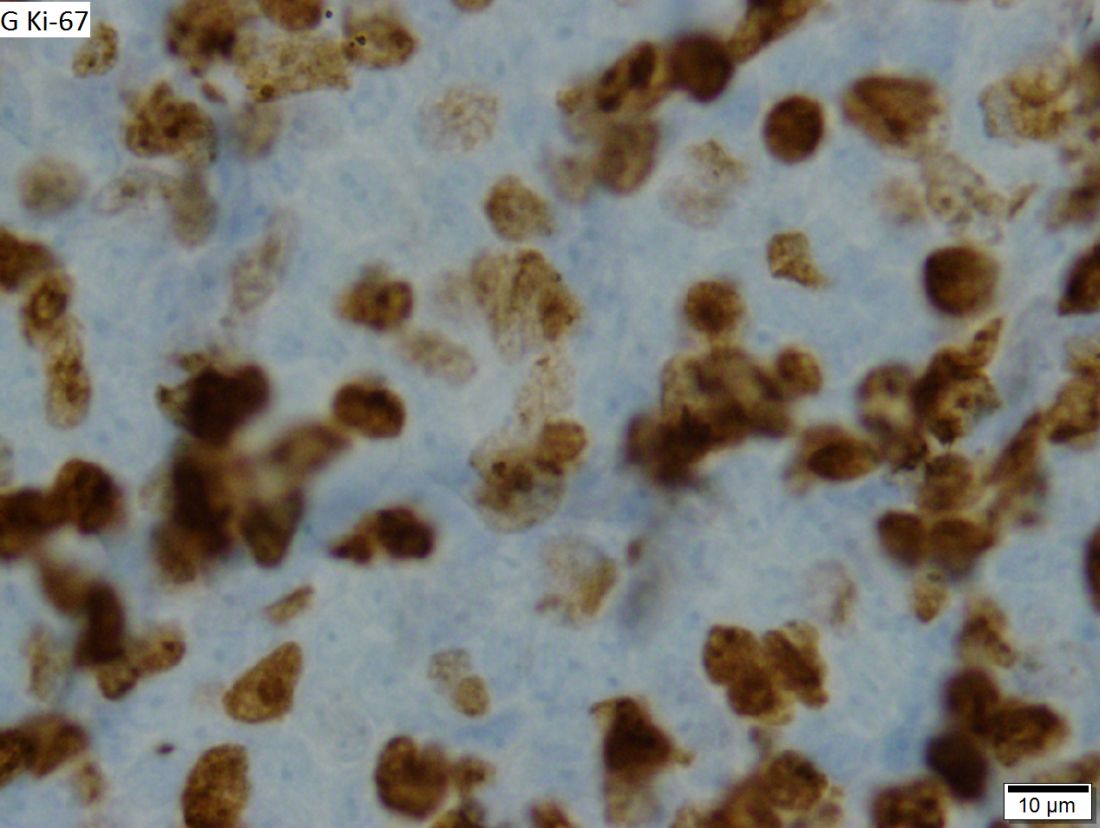
“This study evaluated the comparative effectiveness of [rituximab, bortezomib, or bendamustine] in elderly patients newly diagnosed with MCL,” wrote Shuangshuang Fu, PhD, of the University of Texas MD Anderson Cancer Center, Houston, and colleagues. The findings were reported in Clinical Lymphoma, Myeloma & Leukemia.
The researchers studied population-based data from the Surveillance, Epidemiology, and End Results (SEER)-Medicare linked database. They identified all patients over age 65 years who received a new diagnosis of MCL between Jan. 1, 1999, and Dec. 31, 2013.
The study cohort included a total of 1,215 patients. Participants were classified into four different groups according to treatment regimen: chemotherapy alone, rituximab plus or minus chemotherapy, bendamustine plus or minus chemotherapy, and bortezomib plus or minus chemotherapy.
At 1-year follow-up, the team analyzed various mortality outcomes, including MCL-specific, all-cause, and noncancer mortality. The bortezomib results were not included in the primary analysis because of small sample size, according to the researchers.
After multivariable analysis, Dr. Fu and colleagues found that 1-year all-cause mortality rate was significantly lower for patients receiving rituximab-based regimens, compared with chemotherapy alone (hazard ratio, 0.38; 95% confidence interval, 0.25-0.59). There was a similar decline for MCL-specific mortality (HR, 0.38; 95% CI, 0.24-0.60).
The 1-year MCL-specific mortality was also significantly reduced in the bendamustine group, compared with chemotherapy alone (HR, 0.49; 95% CI, 0.24-0.99).
“Our findings comparing rituximab with chemotherapy alone further confirmed the benefit of adding rituximab to chemotherapy in newly diagnosed older MCL patients,” they wrote.
The researchers acknowledged that a key limitation of the study was the observational design. As a result, selection bias and unmeasured confounding could have influenced the results.
“Future studies evaluating the comparative effectiveness of those newly approved novel agents for MCL patients were warranted as more data are available,” they concluded.
The study was funded by the Duncan Family Institute, the Cancer Prevention Research Institute of Texas, and the National Institutes of Health. The authors reported having no conflicts of interest.
SOURCE: Fu S et al. Clin Lymphoma Myeloma Leuk. 2019 Aug 30. doi: 10.1016/j.clml.2019.08.014.
In older patients with newly diagnosed mantle cell lymphoma (MCL), first-line therapy with rituximab- and bendamustine-based regimens significantly reduced 1-year mortality rates versus chemotherapy alone, according to a retrospective analysis.
“This study evaluated the comparative effectiveness of [rituximab, bortezomib, or bendamustine] in elderly patients newly diagnosed with MCL,” wrote Shuangshuang Fu, PhD, of the University of Texas MD Anderson Cancer Center, Houston, and colleagues. The findings were reported in Clinical Lymphoma, Myeloma & Leukemia.
The researchers studied population-based data from the Surveillance, Epidemiology, and End Results (SEER)-Medicare linked database. They identified all patients over age 65 years who received a new diagnosis of MCL between Jan. 1, 1999, and Dec. 31, 2013.
The study cohort included a total of 1,215 patients. Participants were classified into four different groups according to treatment regimen: chemotherapy alone, rituximab plus or minus chemotherapy, bendamustine plus or minus chemotherapy, and bortezomib plus or minus chemotherapy.
At 1-year follow-up, the team analyzed various mortality outcomes, including MCL-specific, all-cause, and noncancer mortality. The bortezomib results were not included in the primary analysis because of small sample size, according to the researchers.
After multivariable analysis, Dr. Fu and colleagues found that 1-year all-cause mortality rate was significantly lower for patients receiving rituximab-based regimens, compared with chemotherapy alone (hazard ratio, 0.38; 95% confidence interval, 0.25-0.59). There was a similar decline for MCL-specific mortality (HR, 0.38; 95% CI, 0.24-0.60).
The 1-year MCL-specific mortality was also significantly reduced in the bendamustine group, compared with chemotherapy alone (HR, 0.49; 95% CI, 0.24-0.99).
“Our findings comparing rituximab with chemotherapy alone further confirmed the benefit of adding rituximab to chemotherapy in newly diagnosed older MCL patients,” they wrote.
The researchers acknowledged that a key limitation of the study was the observational design. As a result, selection bias and unmeasured confounding could have influenced the results.
“Future studies evaluating the comparative effectiveness of those newly approved novel agents for MCL patients were warranted as more data are available,” they concluded.
The study was funded by the Duncan Family Institute, the Cancer Prevention Research Institute of Texas, and the National Institutes of Health. The authors reported having no conflicts of interest.
SOURCE: Fu S et al. Clin Lymphoma Myeloma Leuk. 2019 Aug 30. doi: 10.1016/j.clml.2019.08.014.
In older patients with newly diagnosed mantle cell lymphoma (MCL), first-line therapy with rituximab- and bendamustine-based regimens significantly reduced 1-year mortality rates versus chemotherapy alone, according to a retrospective analysis.
“This study evaluated the comparative effectiveness of [rituximab, bortezomib, or bendamustine] in elderly patients newly diagnosed with MCL,” wrote Shuangshuang Fu, PhD, of the University of Texas MD Anderson Cancer Center, Houston, and colleagues. The findings were reported in Clinical Lymphoma, Myeloma & Leukemia.
The researchers studied population-based data from the Surveillance, Epidemiology, and End Results (SEER)-Medicare linked database. They identified all patients over age 65 years who received a new diagnosis of MCL between Jan. 1, 1999, and Dec. 31, 2013.
The study cohort included a total of 1,215 patients. Participants were classified into four different groups according to treatment regimen: chemotherapy alone, rituximab plus or minus chemotherapy, bendamustine plus or minus chemotherapy, and bortezomib plus or minus chemotherapy.
At 1-year follow-up, the team analyzed various mortality outcomes, including MCL-specific, all-cause, and noncancer mortality. The bortezomib results were not included in the primary analysis because of small sample size, according to the researchers.
After multivariable analysis, Dr. Fu and colleagues found that 1-year all-cause mortality rate was significantly lower for patients receiving rituximab-based regimens, compared with chemotherapy alone (hazard ratio, 0.38; 95% confidence interval, 0.25-0.59). There was a similar decline for MCL-specific mortality (HR, 0.38; 95% CI, 0.24-0.60).
The 1-year MCL-specific mortality was also significantly reduced in the bendamustine group, compared with chemotherapy alone (HR, 0.49; 95% CI, 0.24-0.99).
“Our findings comparing rituximab with chemotherapy alone further confirmed the benefit of adding rituximab to chemotherapy in newly diagnosed older MCL patients,” they wrote.
The researchers acknowledged that a key limitation of the study was the observational design. As a result, selection bias and unmeasured confounding could have influenced the results.
“Future studies evaluating the comparative effectiveness of those newly approved novel agents for MCL patients were warranted as more data are available,” they concluded.
The study was funded by the Duncan Family Institute, the Cancer Prevention Research Institute of Texas, and the National Institutes of Health. The authors reported having no conflicts of interest.
SOURCE: Fu S et al. Clin Lymphoma Myeloma Leuk. 2019 Aug 30. doi: 10.1016/j.clml.2019.08.014.
FROM CLINICAL LYMPHOMA, MYELOMA & LEUKEMIA
Cancer Survivorship Clinic Utilizing an NP-led Model With Oncology Fellows
Background: Cancer survivors face unique posttreatment issues and require ongoing follow-up care. Per Commission on Cancer (CoC) and other cancer organizations, a survivorship care plan including a treatment summary and follow-up plan is standard of care. There are significant barriers to implementation of survivorship care plans due to the resources required. Our facility lacked a process to implement survivorship care plans. A need to expand clinical experiences for oncology fellows across the care continuum was also identified.
Methods: Researched existing private sector and VA models of providing cancer survivorship care. Analyzed literature regarding the unique care needs of veteran cancer survivors. NP led model was determined to support a holistic clinical care model including post treatment assessment, education, resources, and referrals.
Intervention: The Cancer Survivorship Clinic was implemented in August 2018, staffed by an oncology nurse practitioner and medical oncology fellows. Visits are face-to-face or by phone and one hour in length. Patients receive a survivorship care plan. The clinic provider addresses post-treatment health concerns and refers patients to other services when indicated. The clinic was created utilizing existing staffing and clinic space, no additional resources were needed.
Results: There were 30 Cancer Survivorship Clinic visits completed for veterans between 8/1/18 and 5/1/19. The clinic is part of an ongoing rotation for fellows and included in their annual orientation. Implementation of a Cancer Survivorship Clinic was effective in meeting the CoC Survivorship Care Plan standard. Oncology fellow rotation in the clinic has broadened their educational experience. Upon entering practice, fellows will be better equipped to address survivorship needs.
Discussion: The clinic was created utilizing existing medical oncology resources and staffing. Medical oncology is familiar with all cancer diagnoses and can therefore serve the entire cancer population. An NP-led model supports a holistic care approach, ensuring that physical and mental/emotional needs are addressed during the clinic visit. Oncology fellows receive an opportunity to care for patients following cancer treatment, expanding their understanding of cancer care. One drawback is the lack of fellow availability at certain times of the year.
Background: Cancer survivors face unique posttreatment issues and require ongoing follow-up care. Per Commission on Cancer (CoC) and other cancer organizations, a survivorship care plan including a treatment summary and follow-up plan is standard of care. There are significant barriers to implementation of survivorship care plans due to the resources required. Our facility lacked a process to implement survivorship care plans. A need to expand clinical experiences for oncology fellows across the care continuum was also identified.
Methods: Researched existing private sector and VA models of providing cancer survivorship care. Analyzed literature regarding the unique care needs of veteran cancer survivors. NP led model was determined to support a holistic clinical care model including post treatment assessment, education, resources, and referrals.
Intervention: The Cancer Survivorship Clinic was implemented in August 2018, staffed by an oncology nurse practitioner and medical oncology fellows. Visits are face-to-face or by phone and one hour in length. Patients receive a survivorship care plan. The clinic provider addresses post-treatment health concerns and refers patients to other services when indicated. The clinic was created utilizing existing staffing and clinic space, no additional resources were needed.
Results: There were 30 Cancer Survivorship Clinic visits completed for veterans between 8/1/18 and 5/1/19. The clinic is part of an ongoing rotation for fellows and included in their annual orientation. Implementation of a Cancer Survivorship Clinic was effective in meeting the CoC Survivorship Care Plan standard. Oncology fellow rotation in the clinic has broadened their educational experience. Upon entering practice, fellows will be better equipped to address survivorship needs.
Discussion: The clinic was created utilizing existing medical oncology resources and staffing. Medical oncology is familiar with all cancer diagnoses and can therefore serve the entire cancer population. An NP-led model supports a holistic care approach, ensuring that physical and mental/emotional needs are addressed during the clinic visit. Oncology fellows receive an opportunity to care for patients following cancer treatment, expanding their understanding of cancer care. One drawback is the lack of fellow availability at certain times of the year.
Background: Cancer survivors face unique posttreatment issues and require ongoing follow-up care. Per Commission on Cancer (CoC) and other cancer organizations, a survivorship care plan including a treatment summary and follow-up plan is standard of care. There are significant barriers to implementation of survivorship care plans due to the resources required. Our facility lacked a process to implement survivorship care plans. A need to expand clinical experiences for oncology fellows across the care continuum was also identified.
Methods: Researched existing private sector and VA models of providing cancer survivorship care. Analyzed literature regarding the unique care needs of veteran cancer survivors. NP led model was determined to support a holistic clinical care model including post treatment assessment, education, resources, and referrals.
Intervention: The Cancer Survivorship Clinic was implemented in August 2018, staffed by an oncology nurse practitioner and medical oncology fellows. Visits are face-to-face or by phone and one hour in length. Patients receive a survivorship care plan. The clinic provider addresses post-treatment health concerns and refers patients to other services when indicated. The clinic was created utilizing existing staffing and clinic space, no additional resources were needed.
Results: There were 30 Cancer Survivorship Clinic visits completed for veterans between 8/1/18 and 5/1/19. The clinic is part of an ongoing rotation for fellows and included in their annual orientation. Implementation of a Cancer Survivorship Clinic was effective in meeting the CoC Survivorship Care Plan standard. Oncology fellow rotation in the clinic has broadened their educational experience. Upon entering practice, fellows will be better equipped to address survivorship needs.
Discussion: The clinic was created utilizing existing medical oncology resources and staffing. Medical oncology is familiar with all cancer diagnoses and can therefore serve the entire cancer population. An NP-led model supports a holistic care approach, ensuring that physical and mental/emotional needs are addressed during the clinic visit. Oncology fellows receive an opportunity to care for patients following cancer treatment, expanding their understanding of cancer care. One drawback is the lack of fellow availability at certain times of the year.