User login
AVAHO
div[contains(@class, 'header__large-screen')]
div[contains(@class, 'read-next-article')]
div[contains(@class, 'nav-primary')]
nav[contains(@class, 'nav-primary')]
section[contains(@class, 'footer-nav-section-wrapper')]
footer[@id='footer']
div[contains(@class, 'main-prefix')]
section[contains(@class, 'nav-hidden')]
div[contains(@class, 'ce-card-content')]
nav[contains(@class, 'nav-ce-stack')]

Practical Application of Next Generation Sequencing (NGS) Results: A Single Center VA Experience
Introduction: Advancements in genomic profiling now allow for routine comprehensive somatic genomic alteration testing in all patients with advanced cancer. A subset of patients will have targetable genomic alterations, though the frequency of these alterations and the efficacy of the matched treatments have varied amongst published data. Several commercially available platforms exist, but the ideal method to appropriately interpret and apply this data across various clinical tumor types and disease stages is still unclear.
Methods: We obtained a list of all the next generation sequencing (NGS) panels submitted from our center to the National Precision Oncology Program (NPOP). A total of 53 patients were included in the analysis. We analyzed the most frequently altered genes, the tumor types most frequently profiled, the frequency of cases with targetable alterations, and the efficacy of the matched treatments in individual patients. We also compared the number and types of alterations reported as well as the length of reports generated by the three different commercial NGS platforms used in our cohort.
Results: A total of 19/53 (35.8%) patients had targetable alterations. Five out of 21 (23.8%) received a targeted therapy. Non-small cell lung cancer [NSCLC] (n = 14; 26%) and prostate cancer (n=9; 17%) were the most frequently profiled tumors. In the NSCLC cohort, 7/14 (50%) had targetable alterations, including two patients in whom a prior single gene test for the specific alteration [EGFR, BRAF] was negative. NGS panels produced on average 6.6-13.0 alterations per patient, and average report length ranged from 8.3-19.0 pages.
Conclusions: NGS testing has been implemented by providers across a variety of tumor types at our institution, though the number of patients receiving matched treatments is low. Reflexive serial single-gene testing in NSCLC for EGFR, ALK, ROS1, and BRAF is likely reducing the number of NGS panels sent in these patients. Two false-negative single gene tests in our small cohort suggests we are underdiagnosing driver alterations in these patients with this approach. We would suggest exploring decision support tools and provider education in order to encourage judicious and clinically meaningful use of this valuable resource.
Introduction: Advancements in genomic profiling now allow for routine comprehensive somatic genomic alteration testing in all patients with advanced cancer. A subset of patients will have targetable genomic alterations, though the frequency of these alterations and the efficacy of the matched treatments have varied amongst published data. Several commercially available platforms exist, but the ideal method to appropriately interpret and apply this data across various clinical tumor types and disease stages is still unclear.
Methods: We obtained a list of all the next generation sequencing (NGS) panels submitted from our center to the National Precision Oncology Program (NPOP). A total of 53 patients were included in the analysis. We analyzed the most frequently altered genes, the tumor types most frequently profiled, the frequency of cases with targetable alterations, and the efficacy of the matched treatments in individual patients. We also compared the number and types of alterations reported as well as the length of reports generated by the three different commercial NGS platforms used in our cohort.
Results: A total of 19/53 (35.8%) patients had targetable alterations. Five out of 21 (23.8%) received a targeted therapy. Non-small cell lung cancer [NSCLC] (n = 14; 26%) and prostate cancer (n=9; 17%) were the most frequently profiled tumors. In the NSCLC cohort, 7/14 (50%) had targetable alterations, including two patients in whom a prior single gene test for the specific alteration [EGFR, BRAF] was negative. NGS panels produced on average 6.6-13.0 alterations per patient, and average report length ranged from 8.3-19.0 pages.
Conclusions: NGS testing has been implemented by providers across a variety of tumor types at our institution, though the number of patients receiving matched treatments is low. Reflexive serial single-gene testing in NSCLC for EGFR, ALK, ROS1, and BRAF is likely reducing the number of NGS panels sent in these patients. Two false-negative single gene tests in our small cohort suggests we are underdiagnosing driver alterations in these patients with this approach. We would suggest exploring decision support tools and provider education in order to encourage judicious and clinically meaningful use of this valuable resource.
Introduction: Advancements in genomic profiling now allow for routine comprehensive somatic genomic alteration testing in all patients with advanced cancer. A subset of patients will have targetable genomic alterations, though the frequency of these alterations and the efficacy of the matched treatments have varied amongst published data. Several commercially available platforms exist, but the ideal method to appropriately interpret and apply this data across various clinical tumor types and disease stages is still unclear.
Methods: We obtained a list of all the next generation sequencing (NGS) panels submitted from our center to the National Precision Oncology Program (NPOP). A total of 53 patients were included in the analysis. We analyzed the most frequently altered genes, the tumor types most frequently profiled, the frequency of cases with targetable alterations, and the efficacy of the matched treatments in individual patients. We also compared the number and types of alterations reported as well as the length of reports generated by the three different commercial NGS platforms used in our cohort.
Results: A total of 19/53 (35.8%) patients had targetable alterations. Five out of 21 (23.8%) received a targeted therapy. Non-small cell lung cancer [NSCLC] (n = 14; 26%) and prostate cancer (n=9; 17%) were the most frequently profiled tumors. In the NSCLC cohort, 7/14 (50%) had targetable alterations, including two patients in whom a prior single gene test for the specific alteration [EGFR, BRAF] was negative. NGS panels produced on average 6.6-13.0 alterations per patient, and average report length ranged from 8.3-19.0 pages.
Conclusions: NGS testing has been implemented by providers across a variety of tumor types at our institution, though the number of patients receiving matched treatments is low. Reflexive serial single-gene testing in NSCLC for EGFR, ALK, ROS1, and BRAF is likely reducing the number of NGS panels sent in these patients. Two false-negative single gene tests in our small cohort suggests we are underdiagnosing driver alterations in these patients with this approach. We would suggest exploring decision support tools and provider education in order to encourage judicious and clinically meaningful use of this valuable resource.
Prostate and Lung Cancer Incidence and Survival Patterns Among Veterans
Background: Prostate cancer (PCa) and lung cancer (LC) are the most common cancers among men, accounting for almost 50% of all cancer cases each year in the Veterans Health Administration (VHA).
Purpose: The objectives of this analysis were to evaluate characteristics and trends in prostate and lung cancer incidence and survival (both overall and cancerspecific) among veterans receiving care in the VHA.
Methods: Data were obtained from the VA Central Cancer Registry for patients diagnosed with prostate or lung cancer. Vital status was obtained from the VA Corporate Data Warehouse and cause of death from the National Death Index. Age-adjusted incidence rates were calculated for patients diagnosed 2005-2014. Rates were based on U.S. 2010 adult population estimates and VHA user population in each fiscal year. All incidence rates are per 100,000 person-years. Fiveyear survival was estimated using the Kaplan-Meier method for patients diagnosed 2002-2012.
Results: For PCa, the age-adjusted incidence 2005- 2014 was 133, with an overall decrease ranging from 161 in 2007 to 94 in 2014. The median age at PCa diagnosis was 65 years, and approximately 86% of patients were diagnosed with clinical stage I/II disease. Five-year overall and PCa-specific survival were 80% and 95%, respectively. Between 2002-2012, overall survival increased from 74% to 82% and PCa-specific survival increased slightly from 93.1% to 94.4%. For LC, the age-adjusted incidence 2005-2014 was 77, with an overall decrease ranging from 88 in 2009 to 62 in 2014. Among males, incidence was 78 and median age at diagnosis was 68 years; corresponding incidence and age among females was 55 and 62 years. Five-year overall survival improved from 10% for 2002 diagnoses to 15% for 2012 diagnoses; similarly, LC-specific survival increased from 16% to 35% during this time.
Implications: Incidence and survival rates for lung and prostate cancer have improved over time in both in VHA, as well as non-veteran specific populations such as the SEER cancer registry, mostly due to advances in cancer detection and treatment options. Evaluating trends and patterns of care can help inform the increasing demand for high-quality cancer care in the VA healthcare system.
Background: Prostate cancer (PCa) and lung cancer (LC) are the most common cancers among men, accounting for almost 50% of all cancer cases each year in the Veterans Health Administration (VHA).
Purpose: The objectives of this analysis were to evaluate characteristics and trends in prostate and lung cancer incidence and survival (both overall and cancerspecific) among veterans receiving care in the VHA.
Methods: Data were obtained from the VA Central Cancer Registry for patients diagnosed with prostate or lung cancer. Vital status was obtained from the VA Corporate Data Warehouse and cause of death from the National Death Index. Age-adjusted incidence rates were calculated for patients diagnosed 2005-2014. Rates were based on U.S. 2010 adult population estimates and VHA user population in each fiscal year. All incidence rates are per 100,000 person-years. Fiveyear survival was estimated using the Kaplan-Meier method for patients diagnosed 2002-2012.
Results: For PCa, the age-adjusted incidence 2005- 2014 was 133, with an overall decrease ranging from 161 in 2007 to 94 in 2014. The median age at PCa diagnosis was 65 years, and approximately 86% of patients were diagnosed with clinical stage I/II disease. Five-year overall and PCa-specific survival were 80% and 95%, respectively. Between 2002-2012, overall survival increased from 74% to 82% and PCa-specific survival increased slightly from 93.1% to 94.4%. For LC, the age-adjusted incidence 2005-2014 was 77, with an overall decrease ranging from 88 in 2009 to 62 in 2014. Among males, incidence was 78 and median age at diagnosis was 68 years; corresponding incidence and age among females was 55 and 62 years. Five-year overall survival improved from 10% for 2002 diagnoses to 15% for 2012 diagnoses; similarly, LC-specific survival increased from 16% to 35% during this time.
Implications: Incidence and survival rates for lung and prostate cancer have improved over time in both in VHA, as well as non-veteran specific populations such as the SEER cancer registry, mostly due to advances in cancer detection and treatment options. Evaluating trends and patterns of care can help inform the increasing demand for high-quality cancer care in the VA healthcare system.
Background: Prostate cancer (PCa) and lung cancer (LC) are the most common cancers among men, accounting for almost 50% of all cancer cases each year in the Veterans Health Administration (VHA).
Purpose: The objectives of this analysis were to evaluate characteristics and trends in prostate and lung cancer incidence and survival (both overall and cancerspecific) among veterans receiving care in the VHA.
Methods: Data were obtained from the VA Central Cancer Registry for patients diagnosed with prostate or lung cancer. Vital status was obtained from the VA Corporate Data Warehouse and cause of death from the National Death Index. Age-adjusted incidence rates were calculated for patients diagnosed 2005-2014. Rates were based on U.S. 2010 adult population estimates and VHA user population in each fiscal year. All incidence rates are per 100,000 person-years. Fiveyear survival was estimated using the Kaplan-Meier method for patients diagnosed 2002-2012.
Results: For PCa, the age-adjusted incidence 2005- 2014 was 133, with an overall decrease ranging from 161 in 2007 to 94 in 2014. The median age at PCa diagnosis was 65 years, and approximately 86% of patients were diagnosed with clinical stage I/II disease. Five-year overall and PCa-specific survival were 80% and 95%, respectively. Between 2002-2012, overall survival increased from 74% to 82% and PCa-specific survival increased slightly from 93.1% to 94.4%. For LC, the age-adjusted incidence 2005-2014 was 77, with an overall decrease ranging from 88 in 2009 to 62 in 2014. Among males, incidence was 78 and median age at diagnosis was 68 years; corresponding incidence and age among females was 55 and 62 years. Five-year overall survival improved from 10% for 2002 diagnoses to 15% for 2012 diagnoses; similarly, LC-specific survival increased from 16% to 35% during this time.
Implications: Incidence and survival rates for lung and prostate cancer have improved over time in both in VHA, as well as non-veteran specific populations such as the SEER cancer registry, mostly due to advances in cancer detection and treatment options. Evaluating trends and patterns of care can help inform the increasing demand for high-quality cancer care in the VA healthcare system.
Standardization of the Discharge Process for Inpatient Hematology and Oncology
Background: Hematology/Oncology patients represent a complex population that requires timely follow- up to prevent clinical decompensation and delays in treatment. Previous reports have demonstrated that follow-up within 14 days is associated with decreased 30-day readmissions, and the magnitude of this impact is greater in higher risk patients. This project was designed to standardize the discharge process with the primary goal to reduce average time to hematology/oncology follow-up to 14 days.
Methods: Using Plan-Do-Study-Act (PDSA) quality improvement methodology, a multidisciplinary team of hematology/oncology staff developed and implemented a standardized discharge process. Rotating resident physicians were trained through online and inperson orientation. Additional interventions included the development of a discharge checklist handout and clinical decision support tool including a note template and embedded order set. All patients discharged during the two-month period prior to and discharged after the implementation of the standardized process were reviewed. Patients who followed with hematology/oncology at another facility, enrolled in hospice, or died during admission were excluded. Follow-up appointment scheduling data and communication between inpatient and outpatient providers were reviewed. Data was analyzed using XmR statistical process control chart and Fisher’s Exact Test using GraphPad.
Results: One hundred forty-two consecutive patients were reviewed between May - August 2018 and January - April 2019. The primary endpoint of time to hematology/ oncology follow up appointment improved from a baseline average of 17 days prior to intervention to 13 days in PDSA cycles 1 and 2 and 10 days in PDSA cycle 3. The target of 14 day average time to follow up was achieved. Furthermore, the upper control limit decreased from 58 days at baseline to 21 days in PDSA cycle 3 suggesting a decrease in variation. Outpatient hematology/oncology provider co-signature to discharge summary increased from 20% to 54% after intervention (P=0.01).
Conclusion: Our quality initiative to standardize the discharge process for the hematology & oncology service decreased time to hematology/oncology follow up appointment, improved communication between inpatient and outpatient teams, and decreased process variation. Timelier follow-up for this complex patient population will prevent clinical decompensation and delays in treatment.
Background: Hematology/Oncology patients represent a complex population that requires timely follow- up to prevent clinical decompensation and delays in treatment. Previous reports have demonstrated that follow-up within 14 days is associated with decreased 30-day readmissions, and the magnitude of this impact is greater in higher risk patients. This project was designed to standardize the discharge process with the primary goal to reduce average time to hematology/oncology follow-up to 14 days.
Methods: Using Plan-Do-Study-Act (PDSA) quality improvement methodology, a multidisciplinary team of hematology/oncology staff developed and implemented a standardized discharge process. Rotating resident physicians were trained through online and inperson orientation. Additional interventions included the development of a discharge checklist handout and clinical decision support tool including a note template and embedded order set. All patients discharged during the two-month period prior to and discharged after the implementation of the standardized process were reviewed. Patients who followed with hematology/oncology at another facility, enrolled in hospice, or died during admission were excluded. Follow-up appointment scheduling data and communication between inpatient and outpatient providers were reviewed. Data was analyzed using XmR statistical process control chart and Fisher’s Exact Test using GraphPad.
Results: One hundred forty-two consecutive patients were reviewed between May - August 2018 and January - April 2019. The primary endpoint of time to hematology/ oncology follow up appointment improved from a baseline average of 17 days prior to intervention to 13 days in PDSA cycles 1 and 2 and 10 days in PDSA cycle 3. The target of 14 day average time to follow up was achieved. Furthermore, the upper control limit decreased from 58 days at baseline to 21 days in PDSA cycle 3 suggesting a decrease in variation. Outpatient hematology/oncology provider co-signature to discharge summary increased from 20% to 54% after intervention (P=0.01).
Conclusion: Our quality initiative to standardize the discharge process for the hematology & oncology service decreased time to hematology/oncology follow up appointment, improved communication between inpatient and outpatient teams, and decreased process variation. Timelier follow-up for this complex patient population will prevent clinical decompensation and delays in treatment.
Background: Hematology/Oncology patients represent a complex population that requires timely follow- up to prevent clinical decompensation and delays in treatment. Previous reports have demonstrated that follow-up within 14 days is associated with decreased 30-day readmissions, and the magnitude of this impact is greater in higher risk patients. This project was designed to standardize the discharge process with the primary goal to reduce average time to hematology/oncology follow-up to 14 days.
Methods: Using Plan-Do-Study-Act (PDSA) quality improvement methodology, a multidisciplinary team of hematology/oncology staff developed and implemented a standardized discharge process. Rotating resident physicians were trained through online and inperson orientation. Additional interventions included the development of a discharge checklist handout and clinical decision support tool including a note template and embedded order set. All patients discharged during the two-month period prior to and discharged after the implementation of the standardized process were reviewed. Patients who followed with hematology/oncology at another facility, enrolled in hospice, or died during admission were excluded. Follow-up appointment scheduling data and communication between inpatient and outpatient providers were reviewed. Data was analyzed using XmR statistical process control chart and Fisher’s Exact Test using GraphPad.
Results: One hundred forty-two consecutive patients were reviewed between May - August 2018 and January - April 2019. The primary endpoint of time to hematology/ oncology follow up appointment improved from a baseline average of 17 days prior to intervention to 13 days in PDSA cycles 1 and 2 and 10 days in PDSA cycle 3. The target of 14 day average time to follow up was achieved. Furthermore, the upper control limit decreased from 58 days at baseline to 21 days in PDSA cycle 3 suggesting a decrease in variation. Outpatient hematology/oncology provider co-signature to discharge summary increased from 20% to 54% after intervention (P=0.01).
Conclusion: Our quality initiative to standardize the discharge process for the hematology & oncology service decreased time to hematology/oncology follow up appointment, improved communication between inpatient and outpatient teams, and decreased process variation. Timelier follow-up for this complex patient population will prevent clinical decompensation and delays in treatment.
Assessment of Barriers to Cancer Care
Purpose: The purpose of this quality improvement project was to determine barriers to cancer care in an urban, largely African-American veteran sample at the Washington DC Veterans Affairs Medical Center (DCVA). The DCVA veteran population has several characteristics associated with challenges in accessing cancer care, including a large African-American population and patients with mental health diagnoses.
Methods: Veterans completed an anonymous survey assess barriers to care as part of a larger survey examining veteran needs in cancer care. Descriptive statistics were conducted on the current responders (n = 128) with an ongoing recruitment goal of 150 survey completers.
Results indicated both logistical and psychosocial barriers, with trouble with transportation or parking (32%) and nancial dif culties (20%) most frequently reported. Nearly half of the sample (45%, n = 55) reported having a psychiatric or mental health diagnosis. A signi cant percentage of this subsample reported that their mental health symptoms caused them to avoid or delay cancer screening (18%), stop cancer treatment (13%), or delay follow-up visits after nishing cancer treatment (17%). Moreover, 62% of this sub-sample stated their mental health symptoms were worsened by their cancer care. The most common reported exacerbators were undergoing imaging (eg, MRI or PET scan) (35%), radiation therapy (33%), and attending follow-up visits (33%).
Conclusion: Logistical barriers are currently being addressed through expanding provider knowledge of transportation resources and opening of an expanded parking garage. Findings of transportation and parking barriers likely reflect specific construction projects at the DCVA and may not be generalizable to other settings. Further quality improvement work based on the results of this project include incorporating screening for mental health diagnoses and targeted interventions for patients identifying concerns related to mental health symptom stressors with the goal of increasing timeliness of care.
Purpose: The purpose of this quality improvement project was to determine barriers to cancer care in an urban, largely African-American veteran sample at the Washington DC Veterans Affairs Medical Center (DCVA). The DCVA veteran population has several characteristics associated with challenges in accessing cancer care, including a large African-American population and patients with mental health diagnoses.
Methods: Veterans completed an anonymous survey assess barriers to care as part of a larger survey examining veteran needs in cancer care. Descriptive statistics were conducted on the current responders (n = 128) with an ongoing recruitment goal of 150 survey completers.
Results indicated both logistical and psychosocial barriers, with trouble with transportation or parking (32%) and nancial dif culties (20%) most frequently reported. Nearly half of the sample (45%, n = 55) reported having a psychiatric or mental health diagnosis. A signi cant percentage of this subsample reported that their mental health symptoms caused them to avoid or delay cancer screening (18%), stop cancer treatment (13%), or delay follow-up visits after nishing cancer treatment (17%). Moreover, 62% of this sub-sample stated their mental health symptoms were worsened by their cancer care. The most common reported exacerbators were undergoing imaging (eg, MRI or PET scan) (35%), radiation therapy (33%), and attending follow-up visits (33%).
Conclusion: Logistical barriers are currently being addressed through expanding provider knowledge of transportation resources and opening of an expanded parking garage. Findings of transportation and parking barriers likely reflect specific construction projects at the DCVA and may not be generalizable to other settings. Further quality improvement work based on the results of this project include incorporating screening for mental health diagnoses and targeted interventions for patients identifying concerns related to mental health symptom stressors with the goal of increasing timeliness of care.
Purpose: The purpose of this quality improvement project was to determine barriers to cancer care in an urban, largely African-American veteran sample at the Washington DC Veterans Affairs Medical Center (DCVA). The DCVA veteran population has several characteristics associated with challenges in accessing cancer care, including a large African-American population and patients with mental health diagnoses.
Methods: Veterans completed an anonymous survey assess barriers to care as part of a larger survey examining veteran needs in cancer care. Descriptive statistics were conducted on the current responders (n = 128) with an ongoing recruitment goal of 150 survey completers.
Results indicated both logistical and psychosocial barriers, with trouble with transportation or parking (32%) and nancial dif culties (20%) most frequently reported. Nearly half of the sample (45%, n = 55) reported having a psychiatric or mental health diagnosis. A signi cant percentage of this subsample reported that their mental health symptoms caused them to avoid or delay cancer screening (18%), stop cancer treatment (13%), or delay follow-up visits after nishing cancer treatment (17%). Moreover, 62% of this sub-sample stated their mental health symptoms were worsened by their cancer care. The most common reported exacerbators were undergoing imaging (eg, MRI or PET scan) (35%), radiation therapy (33%), and attending follow-up visits (33%).
Conclusion: Logistical barriers are currently being addressed through expanding provider knowledge of transportation resources and opening of an expanded parking garage. Findings of transportation and parking barriers likely reflect specific construction projects at the DCVA and may not be generalizable to other settings. Further quality improvement work based on the results of this project include incorporating screening for mental health diagnoses and targeted interventions for patients identifying concerns related to mental health symptom stressors with the goal of increasing timeliness of care.
Progressive myeloma after induction? Go straight to transplant
Patients with multiple myeloma who don’t respond to induction therapy may be better off advancing straight to autologous stem cell therapy, rather than undergoing salvage therapy before transplant, according to findings of an analysis that included both real-world and clinical trial patients.
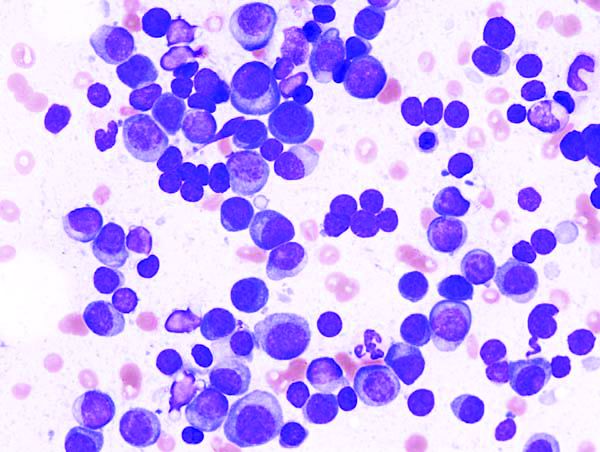
Joanna Blocka, MD, of the University Hospital of Heidelberg (Germany) and colleagues found similar progression-free and overall survival rates for patients who had progressive disease and underwent autologous stem cell therapy (ASCT), compared with patients who underwent salvage therapy and improved to at least stable disease before proceeding to transplant. The findings were published in Leukemia & Lymphoma.
The real-world analysis included 1,599 patients with multiple myeloma who had undergone ASCT between 1991 and 2016. More than half of the patients (58%) were not enrolled in clinical trials. The remainder were split between the German-Speaking Myeloma Multicenter Group (GMMG)-HD3 and GMMG-HD4 trials, which compared various induction regimens.
Just 23 patients in the analysis received salvage therapy because of progressive disease and deepened their response before ASCT. Of these patients, 12 received novel agents in induction therapy and 11 received older medications.
Looking across all 1,599 patients, 5.3% achieved complete remission before first ASCT. Most patients (71.8%) achieved partial remission, 9.7% had a minimal response, and 5.7% had stable disease. A group of 120 patients (7.5%) progressed between the last course of induction and ASCT.
The researchers compared the progression-free and overall survival rates of patients with progressive disease versus those who had stable disease or better before their first transplant. Both univariable and multivariable analysis showed no statistically significant differences in either survival outcome between the two groups.
In the multivariable analysis, there was a hazard ratio of 1.23 (95% confidence interval, 0.98-1.56) for progression-free survival for patients with progressive disease versus those who responded to induction therapy. Similarly, the HR for overall survival between the two groups was 1.24 (95% CI, 0.93-1.65).
The researchers also analyzed the groups based on whether they received novel or older agents during induction.
Patients with progressive disease who received novel agents had significantly worse progression-free survival (22.2 months), compared with patients who responded to treatment with novel agents (22.2 months vs. 29.1 months; P = .03). The same trend was seen with overall survival in these groups (54.4 months vs. 97.5 months; P less than .001).
Rates of survival were similar for patients with progressive disease and responders who had received older medications at induction.
“This might be explained by a prognostically disadvantageous disease biology in patients nonresponsive to novel agents,” the researchers wrote.
The researchers also compared survival outcomes for the 120 patients who underwent ASCT with progressive disease versus the 23 patients who received salvage therapy and improved their response to at least stable disease before transplant. Univariable analysis showed that salvage patients actually did worse than those with progressive disease who proceeded straight to transplant – 12.1 months versus 22.9 months of progression-free survival (P = .04) and 33.1 versus 69.5 months of overall survival (P = .08). But on multivariable analysis, there was no significant difference between the two groups for progression-free survival (HR, 0.71; 95% CI, 0.28-1.80; P = .5) or overall survival (HR, 0.77; 95% CI, 0.30-1.95; P = .6). The use of novel agents did not appear to affect the survival outcomes in these patients.
The worse outcomes seen among salvage patients observed in univariable analysis “might be due to a cumulative toxic effect of salvage therapy,” the researchers suggested. “An alternative explanation could be that the patients who were offered salvage therapy might have had more aggressive disease than those who did not undergo salvage therapy.”
Dr. Blocka reported having no relevant financial disclosures. Other coauthors reported relationships with Janssen, Amgen, Bristol-Myers Squibb, Celgene, and others.
SOURCE: Blocka J et al. Leuk Lymphoma. 2019 Aug 19. doi: 10.1080/10428194.2019.1646905.
Patients with multiple myeloma who don’t respond to induction therapy may be better off advancing straight to autologous stem cell therapy, rather than undergoing salvage therapy before transplant, according to findings of an analysis that included both real-world and clinical trial patients.
Joanna Blocka, MD, of the University Hospital of Heidelberg (Germany) and colleagues found similar progression-free and overall survival rates for patients who had progressive disease and underwent autologous stem cell therapy (ASCT), compared with patients who underwent salvage therapy and improved to at least stable disease before proceeding to transplant. The findings were published in Leukemia & Lymphoma.
The real-world analysis included 1,599 patients with multiple myeloma who had undergone ASCT between 1991 and 2016. More than half of the patients (58%) were not enrolled in clinical trials. The remainder were split between the German-Speaking Myeloma Multicenter Group (GMMG)-HD3 and GMMG-HD4 trials, which compared various induction regimens.
Just 23 patients in the analysis received salvage therapy because of progressive disease and deepened their response before ASCT. Of these patients, 12 received novel agents in induction therapy and 11 received older medications.
Looking across all 1,599 patients, 5.3% achieved complete remission before first ASCT. Most patients (71.8%) achieved partial remission, 9.7% had a minimal response, and 5.7% had stable disease. A group of 120 patients (7.5%) progressed between the last course of induction and ASCT.
The researchers compared the progression-free and overall survival rates of patients with progressive disease versus those who had stable disease or better before their first transplant. Both univariable and multivariable analysis showed no statistically significant differences in either survival outcome between the two groups.
In the multivariable analysis, there was a hazard ratio of 1.23 (95% confidence interval, 0.98-1.56) for progression-free survival for patients with progressive disease versus those who responded to induction therapy. Similarly, the HR for overall survival between the two groups was 1.24 (95% CI, 0.93-1.65).
The researchers also analyzed the groups based on whether they received novel or older agents during induction.
Patients with progressive disease who received novel agents had significantly worse progression-free survival (22.2 months), compared with patients who responded to treatment with novel agents (22.2 months vs. 29.1 months; P = .03). The same trend was seen with overall survival in these groups (54.4 months vs. 97.5 months; P less than .001).
Rates of survival were similar for patients with progressive disease and responders who had received older medications at induction.
“This might be explained by a prognostically disadvantageous disease biology in patients nonresponsive to novel agents,” the researchers wrote.
The researchers also compared survival outcomes for the 120 patients who underwent ASCT with progressive disease versus the 23 patients who received salvage therapy and improved their response to at least stable disease before transplant. Univariable analysis showed that salvage patients actually did worse than those with progressive disease who proceeded straight to transplant – 12.1 months versus 22.9 months of progression-free survival (P = .04) and 33.1 versus 69.5 months of overall survival (P = .08). But on multivariable analysis, there was no significant difference between the two groups for progression-free survival (HR, 0.71; 95% CI, 0.28-1.80; P = .5) or overall survival (HR, 0.77; 95% CI, 0.30-1.95; P = .6). The use of novel agents did not appear to affect the survival outcomes in these patients.
The worse outcomes seen among salvage patients observed in univariable analysis “might be due to a cumulative toxic effect of salvage therapy,” the researchers suggested. “An alternative explanation could be that the patients who were offered salvage therapy might have had more aggressive disease than those who did not undergo salvage therapy.”
Dr. Blocka reported having no relevant financial disclosures. Other coauthors reported relationships with Janssen, Amgen, Bristol-Myers Squibb, Celgene, and others.
SOURCE: Blocka J et al. Leuk Lymphoma. 2019 Aug 19. doi: 10.1080/10428194.2019.1646905.
Patients with multiple myeloma who don’t respond to induction therapy may be better off advancing straight to autologous stem cell therapy, rather than undergoing salvage therapy before transplant, according to findings of an analysis that included both real-world and clinical trial patients.
Joanna Blocka, MD, of the University Hospital of Heidelberg (Germany) and colleagues found similar progression-free and overall survival rates for patients who had progressive disease and underwent autologous stem cell therapy (ASCT), compared with patients who underwent salvage therapy and improved to at least stable disease before proceeding to transplant. The findings were published in Leukemia & Lymphoma.
The real-world analysis included 1,599 patients with multiple myeloma who had undergone ASCT between 1991 and 2016. More than half of the patients (58%) were not enrolled in clinical trials. The remainder were split between the German-Speaking Myeloma Multicenter Group (GMMG)-HD3 and GMMG-HD4 trials, which compared various induction regimens.
Just 23 patients in the analysis received salvage therapy because of progressive disease and deepened their response before ASCT. Of these patients, 12 received novel agents in induction therapy and 11 received older medications.
Looking across all 1,599 patients, 5.3% achieved complete remission before first ASCT. Most patients (71.8%) achieved partial remission, 9.7% had a minimal response, and 5.7% had stable disease. A group of 120 patients (7.5%) progressed between the last course of induction and ASCT.
The researchers compared the progression-free and overall survival rates of patients with progressive disease versus those who had stable disease or better before their first transplant. Both univariable and multivariable analysis showed no statistically significant differences in either survival outcome between the two groups.
In the multivariable analysis, there was a hazard ratio of 1.23 (95% confidence interval, 0.98-1.56) for progression-free survival for patients with progressive disease versus those who responded to induction therapy. Similarly, the HR for overall survival between the two groups was 1.24 (95% CI, 0.93-1.65).
The researchers also analyzed the groups based on whether they received novel or older agents during induction.
Patients with progressive disease who received novel agents had significantly worse progression-free survival (22.2 months), compared with patients who responded to treatment with novel agents (22.2 months vs. 29.1 months; P = .03). The same trend was seen with overall survival in these groups (54.4 months vs. 97.5 months; P less than .001).
Rates of survival were similar for patients with progressive disease and responders who had received older medications at induction.
“This might be explained by a prognostically disadvantageous disease biology in patients nonresponsive to novel agents,” the researchers wrote.
The researchers also compared survival outcomes for the 120 patients who underwent ASCT with progressive disease versus the 23 patients who received salvage therapy and improved their response to at least stable disease before transplant. Univariable analysis showed that salvage patients actually did worse than those with progressive disease who proceeded straight to transplant – 12.1 months versus 22.9 months of progression-free survival (P = .04) and 33.1 versus 69.5 months of overall survival (P = .08). But on multivariable analysis, there was no significant difference between the two groups for progression-free survival (HR, 0.71; 95% CI, 0.28-1.80; P = .5) or overall survival (HR, 0.77; 95% CI, 0.30-1.95; P = .6). The use of novel agents did not appear to affect the survival outcomes in these patients.
The worse outcomes seen among salvage patients observed in univariable analysis “might be due to a cumulative toxic effect of salvage therapy,” the researchers suggested. “An alternative explanation could be that the patients who were offered salvage therapy might have had more aggressive disease than those who did not undergo salvage therapy.”
Dr. Blocka reported having no relevant financial disclosures. Other coauthors reported relationships with Janssen, Amgen, Bristol-Myers Squibb, Celgene, and others.
SOURCE: Blocka J et al. Leuk Lymphoma. 2019 Aug 19. doi: 10.1080/10428194.2019.1646905.
FROM LEUKEMIA & LYMPHOMA
Key clinical point:
Major finding: There was no difference between patients with progressive disease who went straight to ASCT and patients who received salvage therapy, both in terms of progression-free survival (hazard ratio, 0.71; 95% confidence interval, 0.28-1.80; P = .5) and overall survival (HR, 0.77; 95% CI, 0.30-1.95; P = .6).
Study details: An analysis of 1,599 patients with multiple myeloma who underwent ASCT. A subanalysis compared 120 patients with progressive disease before ASCT with 23 patients who received salvage treatment before ASCT.
Disclosures: Dr. Blocka reported having no relevant financial disclosures. Other coauthors reported relationships with Janssen, Amgen, Bristol-Myers Squibb, Celgene, and others.
Source: Blocka J et al. Leuk Lymphoma. 2019 Aug 19. doi: 10.1080/10428194.2019.1646905.
Primary Cardiac Sarcoma: An Analysis of the National Cancer Database (NCDB)
Introduction: Primary Cardiac Sarcomas (PCS) are exceptionally rare malignancies, representing approximately 25% of all malignant primary cardiac tumors. Due to the rarity of these neoplasms, literature on the characteristics, optimal management, and survival outcomes in these patients is limited.
Methods: The National Cancer Database (NCDB) for soft tissue tumors was utilized to identify 826 adult patients diagnosed with tumors localized to the heart or pericardium from 2004 to 2016. Demographic information was obtained and Kaplan-Meier analysis was used to analyze overall survival of PCS. Bivariate analysis was performed with Cox proportional hazards regression models to obtain hazard ratios and assess the association of patient characteristics and treatment methods with survival.
Results: The majority of PCS patients were male (51.5%) and white (79.4%), with a mean age at diagnosis of 53 years. 41.2% were blood vessel tumors and 27.7% were sarcomas. Leiomyosarcoma and epithelial neoplasms each represented 5.2% of tumors, followed by synovial sarcomas (4.2%) and rhabdomyosarcomas (2.8%). The majority of patients were diagnosed with metastatic disease (43.2%) and received treatment (85.2%), most often with surgical resection (58.1%) or chemotherapy (57.2%).
Median overall survival was 10.9 months (95% CI: 9.6 – 12.1 months), with a cumulative survival at 1-year, 5-years, and 10-years of 27%, 10%, and 4%, respectively. Factors associated with signi cantly increased mortality (P<0.05), include increased age (HR 1.017), increased Charleson-Deyo comorbidity score (HR 1.284), and elevated stage and grade at diagnosis. Compared to blood vessel tumors, leiomyosarcoma (HR 0.696), fibroblastic (HR 0.579), osseous (HR 0.537), and fibrohystocytic (HR 0.485) histologies were associated with improved survival (P<0.05). Factors associated with signi cantly improved survival (P<0.05) included treatment by surgical resection (HR 0.500), radiation (HR 0.808), and chemotherapy (HR 0.738).
Conclusion: This is the largest study of PCS to date, and the first to analyze the NCDB. The majority of these neoplasms are blood vessel tumors and are often diagnosed at advanced stage and grade. Prognosis is poor, and all treatment modalities are associated with improved survival. Understanding of patient characteristics and overall survival is important in enhancing patient outcomes for this rare diagnosis.
Introduction: Primary Cardiac Sarcomas (PCS) are exceptionally rare malignancies, representing approximately 25% of all malignant primary cardiac tumors. Due to the rarity of these neoplasms, literature on the characteristics, optimal management, and survival outcomes in these patients is limited.
Methods: The National Cancer Database (NCDB) for soft tissue tumors was utilized to identify 826 adult patients diagnosed with tumors localized to the heart or pericardium from 2004 to 2016. Demographic information was obtained and Kaplan-Meier analysis was used to analyze overall survival of PCS. Bivariate analysis was performed with Cox proportional hazards regression models to obtain hazard ratios and assess the association of patient characteristics and treatment methods with survival.
Results: The majority of PCS patients were male (51.5%) and white (79.4%), with a mean age at diagnosis of 53 years. 41.2% were blood vessel tumors and 27.7% were sarcomas. Leiomyosarcoma and epithelial neoplasms each represented 5.2% of tumors, followed by synovial sarcomas (4.2%) and rhabdomyosarcomas (2.8%). The majority of patients were diagnosed with metastatic disease (43.2%) and received treatment (85.2%), most often with surgical resection (58.1%) or chemotherapy (57.2%).
Median overall survival was 10.9 months (95% CI: 9.6 – 12.1 months), with a cumulative survival at 1-year, 5-years, and 10-years of 27%, 10%, and 4%, respectively. Factors associated with signi cantly increased mortality (P<0.05), include increased age (HR 1.017), increased Charleson-Deyo comorbidity score (HR 1.284), and elevated stage and grade at diagnosis. Compared to blood vessel tumors, leiomyosarcoma (HR 0.696), fibroblastic (HR 0.579), osseous (HR 0.537), and fibrohystocytic (HR 0.485) histologies were associated with improved survival (P<0.05). Factors associated with signi cantly improved survival (P<0.05) included treatment by surgical resection (HR 0.500), radiation (HR 0.808), and chemotherapy (HR 0.738).
Conclusion: This is the largest study of PCS to date, and the first to analyze the NCDB. The majority of these neoplasms are blood vessel tumors and are often diagnosed at advanced stage and grade. Prognosis is poor, and all treatment modalities are associated with improved survival. Understanding of patient characteristics and overall survival is important in enhancing patient outcomes for this rare diagnosis.
Introduction: Primary Cardiac Sarcomas (PCS) are exceptionally rare malignancies, representing approximately 25% of all malignant primary cardiac tumors. Due to the rarity of these neoplasms, literature on the characteristics, optimal management, and survival outcomes in these patients is limited.
Methods: The National Cancer Database (NCDB) for soft tissue tumors was utilized to identify 826 adult patients diagnosed with tumors localized to the heart or pericardium from 2004 to 2016. Demographic information was obtained and Kaplan-Meier analysis was used to analyze overall survival of PCS. Bivariate analysis was performed with Cox proportional hazards regression models to obtain hazard ratios and assess the association of patient characteristics and treatment methods with survival.
Results: The majority of PCS patients were male (51.5%) and white (79.4%), with a mean age at diagnosis of 53 years. 41.2% were blood vessel tumors and 27.7% were sarcomas. Leiomyosarcoma and epithelial neoplasms each represented 5.2% of tumors, followed by synovial sarcomas (4.2%) and rhabdomyosarcomas (2.8%). The majority of patients were diagnosed with metastatic disease (43.2%) and received treatment (85.2%), most often with surgical resection (58.1%) or chemotherapy (57.2%).
Median overall survival was 10.9 months (95% CI: 9.6 – 12.1 months), with a cumulative survival at 1-year, 5-years, and 10-years of 27%, 10%, and 4%, respectively. Factors associated with signi cantly increased mortality (P<0.05), include increased age (HR 1.017), increased Charleson-Deyo comorbidity score (HR 1.284), and elevated stage and grade at diagnosis. Compared to blood vessel tumors, leiomyosarcoma (HR 0.696), fibroblastic (HR 0.579), osseous (HR 0.537), and fibrohystocytic (HR 0.485) histologies were associated with improved survival (P<0.05). Factors associated with signi cantly improved survival (P<0.05) included treatment by surgical resection (HR 0.500), radiation (HR 0.808), and chemotherapy (HR 0.738).
Conclusion: This is the largest study of PCS to date, and the first to analyze the NCDB. The majority of these neoplasms are blood vessel tumors and are often diagnosed at advanced stage and grade. Prognosis is poor, and all treatment modalities are associated with improved survival. Understanding of patient characteristics and overall survival is important in enhancing patient outcomes for this rare diagnosis.
Veteran Symptom Assessment Scale (VSAS) in a Text Messaging Platform
Background: Oncologists are often not aware of the symptom burden their patients experience. Patient reported outcome (PRO) assessments are tools to measure symptoms. Higher symptom burden is associated with worse quality of life (QOL) and shorter survival, and implementation of PRO assessments is associated with improved QOL and longer survival. The Veteran Symptom Assessment Scale (VSAS) is a PRO template that is incorporated into the Veteran Administration’s (VA) computer patient record system. It is used by health care team members to record patient symptoms and is consistent and reproducible. However, as VSAS is administered at patient visits, it cannot measure between-visit symptoms. Thus, we sought to develop a platform by which veterans receiving hematology- oncology care can directly report their symptoms at any time.
Description: VA Office of Connected Care developed a text messaging platform called “Annie” which includes different disease-based assessment and automated management tools. Annie is named after Lieutenant Annie G. Fox, Chief Nurse in the Army Nurse Corps at Hickman Field, Pearl Harbor and the first woman to receive the Purple Heart for combat.
We developed an oncology symptom module in Annie that incorporates the VSAS symptoms, with a rating scale of 1 – 10 (1 = least severe, 10 = most severe). Veterans signed up for the oncology module receive weekday reminders to report symptoms, but may report symptoms on any day and time, even multiple times a day. After reporting a symptom and severity, a message with advice is texted to the veteran. This text is provided for self-help purposes, and does not replace individualized advice provided by an oncology nurse or provider. The Annie oncology module is available throughout the VA.
Implications: The Annie oncology module may improve implementation of VSAS at VA facilities, by removing the necessity for nurse administration. Using Annie will help VA facilities meet quality of care goals recommended by the American Society of Clinical Oncology and American College of Surgeon and will improve measurement of cancer related symptoms, a first step to developing symptom management tools for VA providers.
Background: Oncologists are often not aware of the symptom burden their patients experience. Patient reported outcome (PRO) assessments are tools to measure symptoms. Higher symptom burden is associated with worse quality of life (QOL) and shorter survival, and implementation of PRO assessments is associated with improved QOL and longer survival. The Veteran Symptom Assessment Scale (VSAS) is a PRO template that is incorporated into the Veteran Administration’s (VA) computer patient record system. It is used by health care team members to record patient symptoms and is consistent and reproducible. However, as VSAS is administered at patient visits, it cannot measure between-visit symptoms. Thus, we sought to develop a platform by which veterans receiving hematology- oncology care can directly report their symptoms at any time.
Description: VA Office of Connected Care developed a text messaging platform called “Annie” which includes different disease-based assessment and automated management tools. Annie is named after Lieutenant Annie G. Fox, Chief Nurse in the Army Nurse Corps at Hickman Field, Pearl Harbor and the first woman to receive the Purple Heart for combat.
We developed an oncology symptom module in Annie that incorporates the VSAS symptoms, with a rating scale of 1 – 10 (1 = least severe, 10 = most severe). Veterans signed up for the oncology module receive weekday reminders to report symptoms, but may report symptoms on any day and time, even multiple times a day. After reporting a symptom and severity, a message with advice is texted to the veteran. This text is provided for self-help purposes, and does not replace individualized advice provided by an oncology nurse or provider. The Annie oncology module is available throughout the VA.
Implications: The Annie oncology module may improve implementation of VSAS at VA facilities, by removing the necessity for nurse administration. Using Annie will help VA facilities meet quality of care goals recommended by the American Society of Clinical Oncology and American College of Surgeon and will improve measurement of cancer related symptoms, a first step to developing symptom management tools for VA providers.
Background: Oncologists are often not aware of the symptom burden their patients experience. Patient reported outcome (PRO) assessments are tools to measure symptoms. Higher symptom burden is associated with worse quality of life (QOL) and shorter survival, and implementation of PRO assessments is associated with improved QOL and longer survival. The Veteran Symptom Assessment Scale (VSAS) is a PRO template that is incorporated into the Veteran Administration’s (VA) computer patient record system. It is used by health care team members to record patient symptoms and is consistent and reproducible. However, as VSAS is administered at patient visits, it cannot measure between-visit symptoms. Thus, we sought to develop a platform by which veterans receiving hematology- oncology care can directly report their symptoms at any time.
Description: VA Office of Connected Care developed a text messaging platform called “Annie” which includes different disease-based assessment and automated management tools. Annie is named after Lieutenant Annie G. Fox, Chief Nurse in the Army Nurse Corps at Hickman Field, Pearl Harbor and the first woman to receive the Purple Heart for combat.
We developed an oncology symptom module in Annie that incorporates the VSAS symptoms, with a rating scale of 1 – 10 (1 = least severe, 10 = most severe). Veterans signed up for the oncology module receive weekday reminders to report symptoms, but may report symptoms on any day and time, even multiple times a day. After reporting a symptom and severity, a message with advice is texted to the veteran. This text is provided for self-help purposes, and does not replace individualized advice provided by an oncology nurse or provider. The Annie oncology module is available throughout the VA.
Implications: The Annie oncology module may improve implementation of VSAS at VA facilities, by removing the necessity for nurse administration. Using Annie will help VA facilities meet quality of care goals recommended by the American Society of Clinical Oncology and American College of Surgeon and will improve measurement of cancer related symptoms, a first step to developing symptom management tools for VA providers.
A Personable Infusion Room Experience
Background: A substantial percentage of veterans receiving chemotherapy in our infusion room reported some degree of feelings of distress. Distress can lead to patient dissatisfaction and an overall negative patient care experience.
Methods: We utilized the NCCN Distress Thermometer tool (scale 1-10) to gauge veterans self-reported level of distress after being seated in the infusion room. Of 88 veterans surveyed, 86% reported varying degrees of distress. Forty-two percent had scores of 4 or higher, and 18% with scores considered moderate to severe. Veterans reported that the fear of not knowing what to expect when starting treatment was a major contributor.
We created an informational video for veterans to view prior to their rst infusion room appointment. The video depicts a walk through the veterans shoes as they check into clinic, undergo a chemotherapy clearance appointment, access a peripheral vein or port, then ends with introducing the team of infusion nurses. Additionally, we have implemented chair-side service to veterans in the infusion room with physicians, volunteers and members of leadership rotating to offer coffee/tea, DVD players, electronic tablets, magazines, card games, and warm blankets.
Results: After implementation of this veteran centered initiative, there has been a reduction in overall distress levels. After implementation, 31% of scores were a 4 or higher, showing a decrease by 11%. Additionally, there were lower numbers of scores in the severe distress range, 4.4% compared to 6% before the intervention.
Conclusion: Helping veterans to understand what to expect with initiation of chemotherapy can help reduce distress and start their cancer journey on a positive note. Bringing members of the clinical team and leadership to the chair-side to serve our veterans creates a patient centric environment and supports the mission to enhance veterans’ experience.
Background: A substantial percentage of veterans receiving chemotherapy in our infusion room reported some degree of feelings of distress. Distress can lead to patient dissatisfaction and an overall negative patient care experience.
Methods: We utilized the NCCN Distress Thermometer tool (scale 1-10) to gauge veterans self-reported level of distress after being seated in the infusion room. Of 88 veterans surveyed, 86% reported varying degrees of distress. Forty-two percent had scores of 4 or higher, and 18% with scores considered moderate to severe. Veterans reported that the fear of not knowing what to expect when starting treatment was a major contributor.
We created an informational video for veterans to view prior to their rst infusion room appointment. The video depicts a walk through the veterans shoes as they check into clinic, undergo a chemotherapy clearance appointment, access a peripheral vein or port, then ends with introducing the team of infusion nurses. Additionally, we have implemented chair-side service to veterans in the infusion room with physicians, volunteers and members of leadership rotating to offer coffee/tea, DVD players, electronic tablets, magazines, card games, and warm blankets.
Results: After implementation of this veteran centered initiative, there has been a reduction in overall distress levels. After implementation, 31% of scores were a 4 or higher, showing a decrease by 11%. Additionally, there were lower numbers of scores in the severe distress range, 4.4% compared to 6% before the intervention.
Conclusion: Helping veterans to understand what to expect with initiation of chemotherapy can help reduce distress and start their cancer journey on a positive note. Bringing members of the clinical team and leadership to the chair-side to serve our veterans creates a patient centric environment and supports the mission to enhance veterans’ experience.
Background: A substantial percentage of veterans receiving chemotherapy in our infusion room reported some degree of feelings of distress. Distress can lead to patient dissatisfaction and an overall negative patient care experience.
Methods: We utilized the NCCN Distress Thermometer tool (scale 1-10) to gauge veterans self-reported level of distress after being seated in the infusion room. Of 88 veterans surveyed, 86% reported varying degrees of distress. Forty-two percent had scores of 4 or higher, and 18% with scores considered moderate to severe. Veterans reported that the fear of not knowing what to expect when starting treatment was a major contributor.
We created an informational video for veterans to view prior to their rst infusion room appointment. The video depicts a walk through the veterans shoes as they check into clinic, undergo a chemotherapy clearance appointment, access a peripheral vein or port, then ends with introducing the team of infusion nurses. Additionally, we have implemented chair-side service to veterans in the infusion room with physicians, volunteers and members of leadership rotating to offer coffee/tea, DVD players, electronic tablets, magazines, card games, and warm blankets.
Results: After implementation of this veteran centered initiative, there has been a reduction in overall distress levels. After implementation, 31% of scores were a 4 or higher, showing a decrease by 11%. Additionally, there were lower numbers of scores in the severe distress range, 4.4% compared to 6% before the intervention.
Conclusion: Helping veterans to understand what to expect with initiation of chemotherapy can help reduce distress and start their cancer journey on a positive note. Bringing members of the clinical team and leadership to the chair-side to serve our veterans creates a patient centric environment and supports the mission to enhance veterans’ experience.
Guideline-Concordance With Durvalumab in Stage 3 Non-Small Cell Lung Cancer: A Single Institution Experience
Background: Durvalumab is a category 1 recommendation per National Comprehensive Cancer Network (NCCN) guidelines for patients with unresectable Stage III non-small cell lung cancer (NSCLC) following concurrent platinum-based chemotherapy and radiation therapy (CRT). Evidence-based guidelines provide guidance to providers and can improve patient survival across several cancer types. Concordance rates with guidelines have been variable across health institutions. We aim to study the adherence and identify barriers to concordance with Durvalumab usage at our center (Plan).
Methods: This is a retrospective analysis using a QI framework to develop potential process changes for guidelines concordance. All veterans with newly diagnosed stage III unresectable NSCLC seen at the Birmingham VA from October 2017 to the present were reviewed. (Do) Data including demographics, dates of diagnosis and CRT completion, Durvalumab usage and reasons for not prescribing durvalumab were collected.
Results: Forty-two patients with stage III lung cancer were identified between October 2017 and April 2019. Thirty-five patients were evaluable. Twenty out of these patients received concurrent CRT. While 50% of eligible patients (those that had CRT) received Durvalumab only 28% percent of the initial cohort with stage III lung cancer got the therapy. Of the ten eligible patients that did not receive the drug, reasons cited included intolerance to CRT, progression on CRT and refusal by patient. One patient did not have a clearly documented reason for not receiving Durvalumab (Study).
Conclusion: Twenty-eight percent of all stage III lung cancer patients received Durvalumab. However, when looking at patients that completed CRT, usage improved to fifty percent. This discordancy with guidelines is likely explained by the difference between clinical trial populations and real-world populations, though we will work on more aggressive consideration of upfront CRT vs sequential therapy to improve eligibility (Act). In most cases, the reason for the patients not receiving concordant therapy was the listed performance status. Only one patient did not have clear documentation as to why Durvalumab was not given. Our next PDSA cycle will include measures to study reasons for low concordance with focus on patient and system level barriers.
Background: Durvalumab is a category 1 recommendation per National Comprehensive Cancer Network (NCCN) guidelines for patients with unresectable Stage III non-small cell lung cancer (NSCLC) following concurrent platinum-based chemotherapy and radiation therapy (CRT). Evidence-based guidelines provide guidance to providers and can improve patient survival across several cancer types. Concordance rates with guidelines have been variable across health institutions. We aim to study the adherence and identify barriers to concordance with Durvalumab usage at our center (Plan).
Methods: This is a retrospective analysis using a QI framework to develop potential process changes for guidelines concordance. All veterans with newly diagnosed stage III unresectable NSCLC seen at the Birmingham VA from October 2017 to the present were reviewed. (Do) Data including demographics, dates of diagnosis and CRT completion, Durvalumab usage and reasons for not prescribing durvalumab were collected.
Results: Forty-two patients with stage III lung cancer were identified between October 2017 and April 2019. Thirty-five patients were evaluable. Twenty out of these patients received concurrent CRT. While 50% of eligible patients (those that had CRT) received Durvalumab only 28% percent of the initial cohort with stage III lung cancer got the therapy. Of the ten eligible patients that did not receive the drug, reasons cited included intolerance to CRT, progression on CRT and refusal by patient. One patient did not have a clearly documented reason for not receiving Durvalumab (Study).
Conclusion: Twenty-eight percent of all stage III lung cancer patients received Durvalumab. However, when looking at patients that completed CRT, usage improved to fifty percent. This discordancy with guidelines is likely explained by the difference between clinical trial populations and real-world populations, though we will work on more aggressive consideration of upfront CRT vs sequential therapy to improve eligibility (Act). In most cases, the reason for the patients not receiving concordant therapy was the listed performance status. Only one patient did not have clear documentation as to why Durvalumab was not given. Our next PDSA cycle will include measures to study reasons for low concordance with focus on patient and system level barriers.
Background: Durvalumab is a category 1 recommendation per National Comprehensive Cancer Network (NCCN) guidelines for patients with unresectable Stage III non-small cell lung cancer (NSCLC) following concurrent platinum-based chemotherapy and radiation therapy (CRT). Evidence-based guidelines provide guidance to providers and can improve patient survival across several cancer types. Concordance rates with guidelines have been variable across health institutions. We aim to study the adherence and identify barriers to concordance with Durvalumab usage at our center (Plan).
Methods: This is a retrospective analysis using a QI framework to develop potential process changes for guidelines concordance. All veterans with newly diagnosed stage III unresectable NSCLC seen at the Birmingham VA from October 2017 to the present were reviewed. (Do) Data including demographics, dates of diagnosis and CRT completion, Durvalumab usage and reasons for not prescribing durvalumab were collected.
Results: Forty-two patients with stage III lung cancer were identified between October 2017 and April 2019. Thirty-five patients were evaluable. Twenty out of these patients received concurrent CRT. While 50% of eligible patients (those that had CRT) received Durvalumab only 28% percent of the initial cohort with stage III lung cancer got the therapy. Of the ten eligible patients that did not receive the drug, reasons cited included intolerance to CRT, progression on CRT and refusal by patient. One patient did not have a clearly documented reason for not receiving Durvalumab (Study).
Conclusion: Twenty-eight percent of all stage III lung cancer patients received Durvalumab. However, when looking at patients that completed CRT, usage improved to fifty percent. This discordancy with guidelines is likely explained by the difference between clinical trial populations and real-world populations, though we will work on more aggressive consideration of upfront CRT vs sequential therapy to improve eligibility (Act). In most cases, the reason for the patients not receiving concordant therapy was the listed performance status. Only one patient did not have clear documentation as to why Durvalumab was not given. Our next PDSA cycle will include measures to study reasons for low concordance with focus on patient and system level barriers.
Patients With Stage I NSCLC Who Are Not Treated with Either Surgical Resection or Radiation Therapy
Purpose: Approximately 10% of patients with stage I non-small cell lung cancer (NSCLC) are managed without definitive therapy. We therefore investigated whether this rate is similar among veterans cared for by the Veterans Health Administration (VHA), and explored the outcomes and factors associated with under- utilization of these standard of care management strategies.
Methods: The Veterans Affairs (VA) Corporate Data Warehouse (CDW) was queried for all patients diagnosed with NSCLC between 2003 and 2016. Receipt of definitive therapy was determined using VHA cancer registry data, CPT codes and ICD-9/ICD-10 procedure codes within a year after diagnosis. We also captured receipt of chemotherapy as the primary course of treatment, whenever this was the case. Vital status data were assessed using the Kaplan-Meier method.
Results: A total of 19,971 veterans were diagnosed with biopsy-proven clinical stage I NSCLC. The primary treatment for 13,080 (65.5%), 4,889 (24.5%), and 2,002 (10.0%) patients was surgery, RT, or no documented surgery or RT, respectively. The 5-year overall survival for these 3 groups was 53.1%, 19.7%, and 8.9%, respectively. The proportion of patients without documentation of definitive therapy was highest in 2004 at 16.9%, decreasing to 6.3% by 2016. Patients treated at a VA medical center with an on-site radiation oncology service were more likely to receive definitive therapy (chi-square P<0.01). However, this difference was driven by higher utilization of surgery instead of radiation therapy. Among patients without documentation of definitive therapy, 17.4% received systemic chemotherapy as their first reported treatment course.
Conclusion: The proportion of patients without documentation of definitive surgery or RT was similar to previous publications. The rate of no definitive therapy has declined by more than 50% over the past decade, and is coincident with the increased availability of onsite radiotherapy services, as well as minimally invasive thoracic surgery and stereotactic radiotherapy within and outside the VHA. Future investigations of this dataset are likely to increase our understanding about the reasons for treatment delay or avoidance, and its consequences for patients with a highly curable stage I NSCLC.
Purpose: Approximately 10% of patients with stage I non-small cell lung cancer (NSCLC) are managed without definitive therapy. We therefore investigated whether this rate is similar among veterans cared for by the Veterans Health Administration (VHA), and explored the outcomes and factors associated with under- utilization of these standard of care management strategies.
Methods: The Veterans Affairs (VA) Corporate Data Warehouse (CDW) was queried for all patients diagnosed with NSCLC between 2003 and 2016. Receipt of definitive therapy was determined using VHA cancer registry data, CPT codes and ICD-9/ICD-10 procedure codes within a year after diagnosis. We also captured receipt of chemotherapy as the primary course of treatment, whenever this was the case. Vital status data were assessed using the Kaplan-Meier method.
Results: A total of 19,971 veterans were diagnosed with biopsy-proven clinical stage I NSCLC. The primary treatment for 13,080 (65.5%), 4,889 (24.5%), and 2,002 (10.0%) patients was surgery, RT, or no documented surgery or RT, respectively. The 5-year overall survival for these 3 groups was 53.1%, 19.7%, and 8.9%, respectively. The proportion of patients without documentation of definitive therapy was highest in 2004 at 16.9%, decreasing to 6.3% by 2016. Patients treated at a VA medical center with an on-site radiation oncology service were more likely to receive definitive therapy (chi-square P<0.01). However, this difference was driven by higher utilization of surgery instead of radiation therapy. Among patients without documentation of definitive therapy, 17.4% received systemic chemotherapy as their first reported treatment course.
Conclusion: The proportion of patients without documentation of definitive surgery or RT was similar to previous publications. The rate of no definitive therapy has declined by more than 50% over the past decade, and is coincident with the increased availability of onsite radiotherapy services, as well as minimally invasive thoracic surgery and stereotactic radiotherapy within and outside the VHA. Future investigations of this dataset are likely to increase our understanding about the reasons for treatment delay or avoidance, and its consequences for patients with a highly curable stage I NSCLC.
Purpose: Approximately 10% of patients with stage I non-small cell lung cancer (NSCLC) are managed without definitive therapy. We therefore investigated whether this rate is similar among veterans cared for by the Veterans Health Administration (VHA), and explored the outcomes and factors associated with under- utilization of these standard of care management strategies.
Methods: The Veterans Affairs (VA) Corporate Data Warehouse (CDW) was queried for all patients diagnosed with NSCLC between 2003 and 2016. Receipt of definitive therapy was determined using VHA cancer registry data, CPT codes and ICD-9/ICD-10 procedure codes within a year after diagnosis. We also captured receipt of chemotherapy as the primary course of treatment, whenever this was the case. Vital status data were assessed using the Kaplan-Meier method.
Results: A total of 19,971 veterans were diagnosed with biopsy-proven clinical stage I NSCLC. The primary treatment for 13,080 (65.5%), 4,889 (24.5%), and 2,002 (10.0%) patients was surgery, RT, or no documented surgery or RT, respectively. The 5-year overall survival for these 3 groups was 53.1%, 19.7%, and 8.9%, respectively. The proportion of patients without documentation of definitive therapy was highest in 2004 at 16.9%, decreasing to 6.3% by 2016. Patients treated at a VA medical center with an on-site radiation oncology service were more likely to receive definitive therapy (chi-square P<0.01). However, this difference was driven by higher utilization of surgery instead of radiation therapy. Among patients without documentation of definitive therapy, 17.4% received systemic chemotherapy as their first reported treatment course.
Conclusion: The proportion of patients without documentation of definitive surgery or RT was similar to previous publications. The rate of no definitive therapy has declined by more than 50% over the past decade, and is coincident with the increased availability of onsite radiotherapy services, as well as minimally invasive thoracic surgery and stereotactic radiotherapy within and outside the VHA. Future investigations of this dataset are likely to increase our understanding about the reasons for treatment delay or avoidance, and its consequences for patients with a highly curable stage I NSCLC.