User login
Mental Health Interventions for Refugee Children
In my previous article, “Mental Health Characteristics of Refugee Children,” we learned that in recent decades, refugeeism has become a growing problem that disproportionately affects children. Refugee children and their families experience a variety of traumas, often sustained across years and even decades, because of armed conflict, persecution, social upheavals, or environmental disasters. Refugees are at greater risks for PTSD and affective and psychotic disorders presumably due to increased traumatic life events before, during, and after migration. I used my own experience as a child refugee from Vietnam to elucidate the stressors evident in various phases of forced displacement.1
Risk Factors and Protective Factors
To a certain extent, the experiences of refugees are universal. All refugees experience some sort of humanitarian crisis that forces an emergent escape from their home across international borders to a new resettlement area. It is important to note that internally displaced people do not meet the United Nations’ (UN) official designation of refugee status; however, some agencies use a broader definition where they are designated as such.2,3 We will refer to those not meeting the UN criteria as displaced people, while refugees are those that do meet the UN criteria. Dr. Mina Fazel’s 2012 systematic review in The Lancet of mental health risk factors and protective factors for displaced and refugee children is the most comprehensive of its kind.4 It will be summarized in this section with some relevant personal reflection.
In terms of risk factors, external displacement likely results in additional stress and trauma, presumably from the lack of assess to one’s culture and the host country’s language. Understandably, this makes rebuilding of one’s life more difficult. Several studies show that displaced/refugee children experience more difficulty with psychosocial adaptation than non-displaced children. Violence, directly experienced or indirectly feared, both to the child and their parents, was the strongest predictor of mental health problems and withdrawn behavior. Children who were separated from their parents clearly fared worst in their mental health than those who did not, which is not surprising given the nature of their dependence on caregivers for protection and guidance. During resettlement, experienced or perceived discrimination from the host country was also a risk factor, as well as instability in housing and a drawn-out resettlement process. Female sex was a risk factor mainly for emotional problems. Poor financial support post-migration is associated with depression, but it is unclear whether pre-migration financial status was protective. From my own experience, it is likely not, given that once one becomes a refugee one does not have access to one’s wealth, except that which could be hidden on one’s body. Another risk factor was also if one’s parent had psychiatric problems or was single. Due to the migration, my mother was separated permanently from her husband, which caused her extraordinary isolation and loneliness, something that was palpably felt by myself as I grew up.
In terms of protective factors, family cohesion and cultural continuity appear critical. For myself, not only would I not have survived without my mother and aunt, but they constantly protected me from the harsh realities. My mother would distract me with seemingly trivial goals once we got to America, like finally tasting a hamburger, or talking about school and being reunited with my uncle. This is in line with another finding — that children have better mental health outcomes when their parents do not talk about their hardships. Once my family was resettled with my uncle and his family, they played a critical role in smoothing our transition, not only by providing us with housing, but also cultural knowledge. Cultural havens can restore some of the social position and way of life that refugees lose when they are able to reconnect with a society that recognizes their previous achievements and status. Finally, religion also seemed to be a protective factor.
Mental Health Interventions
In 2018, Dr. Fazel identified mental health interventions for refugee children in a narrative review.5 She acknowledged that these conclusions are limited by the paucity of preventive mental health research in children in general, as well as the mobile nature and complex cultural differences of refugee children. This is exacerbated by the small evidence base. Given that, she makes these recommendations for varying levels of interventions: individual, group, family, living circumstances, social interactions, and school.
On an individual level, effective interventions developed to address PTSD include narrative exposure therapy, trauma-focused cognitive behavior therapy, and eye-movement and desensitization therapy. Group-based interventions for trauma, for example school-based PTSD intervention programs in conflicted areas, have either been shown to not be effective, or only effective for reducing depression. The mental health of unaccompanied children separated from family fare better when placed in foster care, rather than other types of social support. This is further enhanced if the foster family is the same ethnicity.
On a family level, improvements in parenting style and parental mental health, family engagement with local culture and structures, and family-based mental health interventions all positively impact refugee children. Not surprisingly, refugee parents have a greater prevalence of mental health conditions. Several studies on refugeeism point out a greater occurrence of intimate partner violence (that negatively affects children) as well has harsher discipline and maltreatment of refugee children. Thus, mental health treatment for parents also directly improves the well-being of their children. Teaching parenting skills to mitigate the violent effect of their PTSD symptoms, as well as parenting classes that teach gentler styles, have been shown to reduce harsh parenting and mitigate aggressive behaviors in these children. These improvements are enhanced when these classes are taught by other refugees themselves.
School is key for helping refugee children since it is a site where they can access language proficiency, successful acculturation, and medical and mental health services. Several studies have identified the positive effects of better parental engagement with school, resulting in improved academic performance and reduced levels of depressive and PTSD symptoms. A review of learning problems in refugee children identified several factors for success. These include high academic and life ambition, parental involvement in education, accurate educational assessment and grade placement, teacher understanding of linguistic and cultural heritage, culturally appropriate school transition, supportive peer relationships, and successful acculturation. School certainly was key for my acculturation and language proficiency. When I arrived at 6 years old I was selectively mute for my year in first grade, namely because I did not know how to speak English and because I did not share the culture. However, my teacher correctly identified my deficiency and chose to place me in kindergarten, which allowed me the time to gain English proficiency. Though I was always the oldest one in class, that remediation was key in allowing eventual success in school leading up to my admission to UC Berkeley.
Summary
In recent decades, refugeeism has become a growing problem that disproportionately affects children leading to traumas sustained across years and even decades, and greater risks for PTSD, as well as affective and psychotic disorders. Risk factors include the experience of violence, the separation from family, female gender, discrimination in the host country, unstable housing, and a drawn-out resettlement process. Protective factors consist of family cohesion, cultural continuity, support at schools, being protected from the truth of their harsh reality, stable housing, language acquisition, and quick resettlement. From these factors, effective mental interventions have been found to be the promotion of these protective factors as well as support for parental mental health and parenting skills, better parental engagement at school, and schools that correctly identify and address these children’s educational needs.
Dr. Nguyen is a second-year resident at UCSF Fresno Psychiatry Residency. He was a public high school English teacher for 15 years previously.*
References
1. Nguyen D. Mental Health Characteristics of Refugee Children. Pediatric News. 2023 Nov. 14. https://www.mdedge.com/pediatrics/article/266518/mental-health/mental-health-characteristics-refugee-children.
2. Office of the United Nations High Commissioner for Refugees. The Refugee Concept Under International Law. Global Compact for Safe, Orderly and Regular Migration. 2018 March 8. https://www.unhcr.org/sites/default/files/legacy-pdf/5aa290937.pdf.
3. Winer JP. Mental Health Practice with Immigrant and Refugee Youth [Power Point Slides]. Michigan Medicine. 2021 June 24. https://www.youtube.com/watch?v=ICkg4132SQY
4. Fazel M et al. Mental Health of Displaced and Refugee Children Resettled in High-Income Countries: Risk and Protective Factors. Lancet. 2012 Jan 21;379(9812):266-282. doi: 10.1016/S0140-6736(11)60051-2.
5. Fazel M, Betancourt TS. Preventive Mental Health Interventions for Refugee Children and Adolescents in High-Income Settings. Lancet Child Adolesc Health. 2018 Feb;2(2):121-132. doi: 10.1016/S2352-4642(17)30147-5.
*Correction, 2/27: An earlier version of this article misstated Dr. Nguyen's affiliation.
In my previous article, “Mental Health Characteristics of Refugee Children,” we learned that in recent decades, refugeeism has become a growing problem that disproportionately affects children. Refugee children and their families experience a variety of traumas, often sustained across years and even decades, because of armed conflict, persecution, social upheavals, or environmental disasters. Refugees are at greater risks for PTSD and affective and psychotic disorders presumably due to increased traumatic life events before, during, and after migration. I used my own experience as a child refugee from Vietnam to elucidate the stressors evident in various phases of forced displacement.1
Risk Factors and Protective Factors
To a certain extent, the experiences of refugees are universal. All refugees experience some sort of humanitarian crisis that forces an emergent escape from their home across international borders to a new resettlement area. It is important to note that internally displaced people do not meet the United Nations’ (UN) official designation of refugee status; however, some agencies use a broader definition where they are designated as such.2,3 We will refer to those not meeting the UN criteria as displaced people, while refugees are those that do meet the UN criteria. Dr. Mina Fazel’s 2012 systematic review in The Lancet of mental health risk factors and protective factors for displaced and refugee children is the most comprehensive of its kind.4 It will be summarized in this section with some relevant personal reflection.
In terms of risk factors, external displacement likely results in additional stress and trauma, presumably from the lack of assess to one’s culture and the host country’s language. Understandably, this makes rebuilding of one’s life more difficult. Several studies show that displaced/refugee children experience more difficulty with psychosocial adaptation than non-displaced children. Violence, directly experienced or indirectly feared, both to the child and their parents, was the strongest predictor of mental health problems and withdrawn behavior. Children who were separated from their parents clearly fared worst in their mental health than those who did not, which is not surprising given the nature of their dependence on caregivers for protection and guidance. During resettlement, experienced or perceived discrimination from the host country was also a risk factor, as well as instability in housing and a drawn-out resettlement process. Female sex was a risk factor mainly for emotional problems. Poor financial support post-migration is associated with depression, but it is unclear whether pre-migration financial status was protective. From my own experience, it is likely not, given that once one becomes a refugee one does not have access to one’s wealth, except that which could be hidden on one’s body. Another risk factor was also if one’s parent had psychiatric problems or was single. Due to the migration, my mother was separated permanently from her husband, which caused her extraordinary isolation and loneliness, something that was palpably felt by myself as I grew up.
In terms of protective factors, family cohesion and cultural continuity appear critical. For myself, not only would I not have survived without my mother and aunt, but they constantly protected me from the harsh realities. My mother would distract me with seemingly trivial goals once we got to America, like finally tasting a hamburger, or talking about school and being reunited with my uncle. This is in line with another finding — that children have better mental health outcomes when their parents do not talk about their hardships. Once my family was resettled with my uncle and his family, they played a critical role in smoothing our transition, not only by providing us with housing, but also cultural knowledge. Cultural havens can restore some of the social position and way of life that refugees lose when they are able to reconnect with a society that recognizes their previous achievements and status. Finally, religion also seemed to be a protective factor.
Mental Health Interventions
In 2018, Dr. Fazel identified mental health interventions for refugee children in a narrative review.5 She acknowledged that these conclusions are limited by the paucity of preventive mental health research in children in general, as well as the mobile nature and complex cultural differences of refugee children. This is exacerbated by the small evidence base. Given that, she makes these recommendations for varying levels of interventions: individual, group, family, living circumstances, social interactions, and school.
On an individual level, effective interventions developed to address PTSD include narrative exposure therapy, trauma-focused cognitive behavior therapy, and eye-movement and desensitization therapy. Group-based interventions for trauma, for example school-based PTSD intervention programs in conflicted areas, have either been shown to not be effective, or only effective for reducing depression. The mental health of unaccompanied children separated from family fare better when placed in foster care, rather than other types of social support. This is further enhanced if the foster family is the same ethnicity.
On a family level, improvements in parenting style and parental mental health, family engagement with local culture and structures, and family-based mental health interventions all positively impact refugee children. Not surprisingly, refugee parents have a greater prevalence of mental health conditions. Several studies on refugeeism point out a greater occurrence of intimate partner violence (that negatively affects children) as well has harsher discipline and maltreatment of refugee children. Thus, mental health treatment for parents also directly improves the well-being of their children. Teaching parenting skills to mitigate the violent effect of their PTSD symptoms, as well as parenting classes that teach gentler styles, have been shown to reduce harsh parenting and mitigate aggressive behaviors in these children. These improvements are enhanced when these classes are taught by other refugees themselves.
School is key for helping refugee children since it is a site where they can access language proficiency, successful acculturation, and medical and mental health services. Several studies have identified the positive effects of better parental engagement with school, resulting in improved academic performance and reduced levels of depressive and PTSD symptoms. A review of learning problems in refugee children identified several factors for success. These include high academic and life ambition, parental involvement in education, accurate educational assessment and grade placement, teacher understanding of linguistic and cultural heritage, culturally appropriate school transition, supportive peer relationships, and successful acculturation. School certainly was key for my acculturation and language proficiency. When I arrived at 6 years old I was selectively mute for my year in first grade, namely because I did not know how to speak English and because I did not share the culture. However, my teacher correctly identified my deficiency and chose to place me in kindergarten, which allowed me the time to gain English proficiency. Though I was always the oldest one in class, that remediation was key in allowing eventual success in school leading up to my admission to UC Berkeley.
Summary
In recent decades, refugeeism has become a growing problem that disproportionately affects children leading to traumas sustained across years and even decades, and greater risks for PTSD, as well as affective and psychotic disorders. Risk factors include the experience of violence, the separation from family, female gender, discrimination in the host country, unstable housing, and a drawn-out resettlement process. Protective factors consist of family cohesion, cultural continuity, support at schools, being protected from the truth of their harsh reality, stable housing, language acquisition, and quick resettlement. From these factors, effective mental interventions have been found to be the promotion of these protective factors as well as support for parental mental health and parenting skills, better parental engagement at school, and schools that correctly identify and address these children’s educational needs.
Dr. Nguyen is a second-year resident at UCSF Fresno Psychiatry Residency. He was a public high school English teacher for 15 years previously.*
References
1. Nguyen D. Mental Health Characteristics of Refugee Children. Pediatric News. 2023 Nov. 14. https://www.mdedge.com/pediatrics/article/266518/mental-health/mental-health-characteristics-refugee-children.
2. Office of the United Nations High Commissioner for Refugees. The Refugee Concept Under International Law. Global Compact for Safe, Orderly and Regular Migration. 2018 March 8. https://www.unhcr.org/sites/default/files/legacy-pdf/5aa290937.pdf.
3. Winer JP. Mental Health Practice with Immigrant and Refugee Youth [Power Point Slides]. Michigan Medicine. 2021 June 24. https://www.youtube.com/watch?v=ICkg4132SQY
4. Fazel M et al. Mental Health of Displaced and Refugee Children Resettled in High-Income Countries: Risk and Protective Factors. Lancet. 2012 Jan 21;379(9812):266-282. doi: 10.1016/S0140-6736(11)60051-2.
5. Fazel M, Betancourt TS. Preventive Mental Health Interventions for Refugee Children and Adolescents in High-Income Settings. Lancet Child Adolesc Health. 2018 Feb;2(2):121-132. doi: 10.1016/S2352-4642(17)30147-5.
*Correction, 2/27: An earlier version of this article misstated Dr. Nguyen's affiliation.
In my previous article, “Mental Health Characteristics of Refugee Children,” we learned that in recent decades, refugeeism has become a growing problem that disproportionately affects children. Refugee children and their families experience a variety of traumas, often sustained across years and even decades, because of armed conflict, persecution, social upheavals, or environmental disasters. Refugees are at greater risks for PTSD and affective and psychotic disorders presumably due to increased traumatic life events before, during, and after migration. I used my own experience as a child refugee from Vietnam to elucidate the stressors evident in various phases of forced displacement.1
Risk Factors and Protective Factors
To a certain extent, the experiences of refugees are universal. All refugees experience some sort of humanitarian crisis that forces an emergent escape from their home across international borders to a new resettlement area. It is important to note that internally displaced people do not meet the United Nations’ (UN) official designation of refugee status; however, some agencies use a broader definition where they are designated as such.2,3 We will refer to those not meeting the UN criteria as displaced people, while refugees are those that do meet the UN criteria. Dr. Mina Fazel’s 2012 systematic review in The Lancet of mental health risk factors and protective factors for displaced and refugee children is the most comprehensive of its kind.4 It will be summarized in this section with some relevant personal reflection.
In terms of risk factors, external displacement likely results in additional stress and trauma, presumably from the lack of assess to one’s culture and the host country’s language. Understandably, this makes rebuilding of one’s life more difficult. Several studies show that displaced/refugee children experience more difficulty with psychosocial adaptation than non-displaced children. Violence, directly experienced or indirectly feared, both to the child and their parents, was the strongest predictor of mental health problems and withdrawn behavior. Children who were separated from their parents clearly fared worst in their mental health than those who did not, which is not surprising given the nature of their dependence on caregivers for protection and guidance. During resettlement, experienced or perceived discrimination from the host country was also a risk factor, as well as instability in housing and a drawn-out resettlement process. Female sex was a risk factor mainly for emotional problems. Poor financial support post-migration is associated with depression, but it is unclear whether pre-migration financial status was protective. From my own experience, it is likely not, given that once one becomes a refugee one does not have access to one’s wealth, except that which could be hidden on one’s body. Another risk factor was also if one’s parent had psychiatric problems or was single. Due to the migration, my mother was separated permanently from her husband, which caused her extraordinary isolation and loneliness, something that was palpably felt by myself as I grew up.
In terms of protective factors, family cohesion and cultural continuity appear critical. For myself, not only would I not have survived without my mother and aunt, but they constantly protected me from the harsh realities. My mother would distract me with seemingly trivial goals once we got to America, like finally tasting a hamburger, or talking about school and being reunited with my uncle. This is in line with another finding — that children have better mental health outcomes when their parents do not talk about their hardships. Once my family was resettled with my uncle and his family, they played a critical role in smoothing our transition, not only by providing us with housing, but also cultural knowledge. Cultural havens can restore some of the social position and way of life that refugees lose when they are able to reconnect with a society that recognizes their previous achievements and status. Finally, religion also seemed to be a protective factor.
Mental Health Interventions
In 2018, Dr. Fazel identified mental health interventions for refugee children in a narrative review.5 She acknowledged that these conclusions are limited by the paucity of preventive mental health research in children in general, as well as the mobile nature and complex cultural differences of refugee children. This is exacerbated by the small evidence base. Given that, she makes these recommendations for varying levels of interventions: individual, group, family, living circumstances, social interactions, and school.
On an individual level, effective interventions developed to address PTSD include narrative exposure therapy, trauma-focused cognitive behavior therapy, and eye-movement and desensitization therapy. Group-based interventions for trauma, for example school-based PTSD intervention programs in conflicted areas, have either been shown to not be effective, or only effective for reducing depression. The mental health of unaccompanied children separated from family fare better when placed in foster care, rather than other types of social support. This is further enhanced if the foster family is the same ethnicity.
On a family level, improvements in parenting style and parental mental health, family engagement with local culture and structures, and family-based mental health interventions all positively impact refugee children. Not surprisingly, refugee parents have a greater prevalence of mental health conditions. Several studies on refugeeism point out a greater occurrence of intimate partner violence (that negatively affects children) as well has harsher discipline and maltreatment of refugee children. Thus, mental health treatment for parents also directly improves the well-being of their children. Teaching parenting skills to mitigate the violent effect of their PTSD symptoms, as well as parenting classes that teach gentler styles, have been shown to reduce harsh parenting and mitigate aggressive behaviors in these children. These improvements are enhanced when these classes are taught by other refugees themselves.
School is key for helping refugee children since it is a site where they can access language proficiency, successful acculturation, and medical and mental health services. Several studies have identified the positive effects of better parental engagement with school, resulting in improved academic performance and reduced levels of depressive and PTSD symptoms. A review of learning problems in refugee children identified several factors for success. These include high academic and life ambition, parental involvement in education, accurate educational assessment and grade placement, teacher understanding of linguistic and cultural heritage, culturally appropriate school transition, supportive peer relationships, and successful acculturation. School certainly was key for my acculturation and language proficiency. When I arrived at 6 years old I was selectively mute for my year in first grade, namely because I did not know how to speak English and because I did not share the culture. However, my teacher correctly identified my deficiency and chose to place me in kindergarten, which allowed me the time to gain English proficiency. Though I was always the oldest one in class, that remediation was key in allowing eventual success in school leading up to my admission to UC Berkeley.
Summary
In recent decades, refugeeism has become a growing problem that disproportionately affects children leading to traumas sustained across years and even decades, and greater risks for PTSD, as well as affective and psychotic disorders. Risk factors include the experience of violence, the separation from family, female gender, discrimination in the host country, unstable housing, and a drawn-out resettlement process. Protective factors consist of family cohesion, cultural continuity, support at schools, being protected from the truth of their harsh reality, stable housing, language acquisition, and quick resettlement. From these factors, effective mental interventions have been found to be the promotion of these protective factors as well as support for parental mental health and parenting skills, better parental engagement at school, and schools that correctly identify and address these children’s educational needs.
Dr. Nguyen is a second-year resident at UCSF Fresno Psychiatry Residency. He was a public high school English teacher for 15 years previously.*
References
1. Nguyen D. Mental Health Characteristics of Refugee Children. Pediatric News. 2023 Nov. 14. https://www.mdedge.com/pediatrics/article/266518/mental-health/mental-health-characteristics-refugee-children.
2. Office of the United Nations High Commissioner for Refugees. The Refugee Concept Under International Law. Global Compact for Safe, Orderly and Regular Migration. 2018 March 8. https://www.unhcr.org/sites/default/files/legacy-pdf/5aa290937.pdf.
3. Winer JP. Mental Health Practice with Immigrant and Refugee Youth [Power Point Slides]. Michigan Medicine. 2021 June 24. https://www.youtube.com/watch?v=ICkg4132SQY
4. Fazel M et al. Mental Health of Displaced and Refugee Children Resettled in High-Income Countries: Risk and Protective Factors. Lancet. 2012 Jan 21;379(9812):266-282. doi: 10.1016/S0140-6736(11)60051-2.
5. Fazel M, Betancourt TS. Preventive Mental Health Interventions for Refugee Children and Adolescents in High-Income Settings. Lancet Child Adolesc Health. 2018 Feb;2(2):121-132. doi: 10.1016/S2352-4642(17)30147-5.
*Correction, 2/27: An earlier version of this article misstated Dr. Nguyen's affiliation.
How to Navigate Challenging Patient Encounters in Dermatology Residency
Dermatologists in training are exposed to many different clinical scenarios—from the quick 15-minute encounter to diagnose a case of atopic dermatitis to hours of digging through a medical record to identify a culprit medication in a hospitalized patient with a life-threatening cutaneous drug reaction. Amidst the day-to-day clinical work that we do, there inevitably are interactions we have with patients that are less than ideal. These challenging encounters—whether they be subtle microaggressions that unfortunately enter the workplace or blatant quarrels between providers and patients that leave both parties dissatisfied—are notable contributors to physician stress levels and can lead to burnout.1,2 However, there are positive lessons to be learned from these challenging patient encounters if we manage to withstand them. When we start to understand the factors contributing to difficult clinical encounters, we can begin to develop and apply effective communication tools to productively navigate these experiences.
Defining the Difficult Patient
In 2017, the Global Burden of Disease study revealed that skin disease is the fourth leading cause of nonfatal disease burden worldwide.3 Based on this statistic, it is easy to see how some patients may experience frustration associated with their condition and subsequently displace their discontent on the physician. In one study, nearly 1 of every 6 (16.7%) outpatient encounters was considered difficult by physicians.4 Family medicine physicians defined the difficult patient as one who is violent, demanding, aggressive, and rude.5 Others in primary care specialties have considered difficult patients to have characteristics that include mental health problems, more than 5 somatic symptoms, and abrasive personalities.4,6
Situational and Physician-Centered Factors in Difficult Patient Encounters
In our medical system, the narrative often is focused on the patient, for better or worse—the patient was difficult, thereby making the encounter difficult. However, it is important to remember that difficult encounters can be attributed to several different factors, including those related to the physician, the clinical situation, or both. For example, dermatology residents juggle their clinical duties; academic work including studying, teaching, and/or research; and systemic and personal pressures at all times, whether they are cognizant of it or not. For better or worse, by virtue of being human, residents bring these factors with them to each clinical encounter. The delicate balance of these components can have a considerable impact on our delivery of good health care. This is particularly relevant in dermatology, where residents are subject to limited time during visits, work culture among clinic staff that is out of our control, and prominent complex social issues (for those of us practicing in medically underserved areas). Poor communication skills, underlying bias toward specific health conditions, limited knowledge as a trainee, and our own personal stressors also may play large roles in perceiving a clinical encounter as difficult during dermatology residency.7
Strategies to Mitigate Difficult Encounters
As a resident, if you make a statement that sparks a negative response from the patient, acknowledge their negative emotion, try to offer help, or rephrase the original statement to quickly dispel the tension. Validating a patient’s emotions and helping them embrace uncertainty can go a long way in the therapeutic relationship, especially in dermatology where so many of our diseases are chronic and without a definite cure.8 Additionally, it is important to apply strategies to redirect and de-escalate the situation during emotionally charged conversations, such as active listening, validating and empathizing with emotions, exploring alternative solutions, and providing closure to the conversation. Consensus recommendations for managing challenging encounters established by the American Academy of Family Physicians in 2013 include setting boundaries or modifying schedules, as needed, to handle difficult encounters; employing empathetic listening skills and a nonjudgmental attitude to facilitate trust and adherence to treatment; and assessing for underlying psychological illnesses with referral for appropriate diagnosis and treatment. Finally, the CALMER method—catalyst for change, alter thoughts to change feelings, listen and then make a diagnosis, make an agreement, education and follow-up, reach out and discuss feelings—is another approach that may be useful.7 In dermatology, this approach may not only dissipate unwanted tension but also make progress toward a therapeutic relationship. We cannot control the patient’s behavior in a visit, but we need to keep in mind that we are in control of our own reactions to said behavior.9 After first acknowledging this, we can then guide patients to take steps toward overcoming the issue. Within the time restrictions of a dermatology clinic visit, residents may use this approach to quickly feel more in control of a distressing situation and remain calm to better care for the patient.
Final Thoughts
Difficult patient encounters are impossible to avoid in any field of medicine, and dermatology is no exception. It will only benefit residents to recognize the multiple factors impacting a challenging encounter now and learn or enhance conflict resolution and communication skills to navigate these dissatisfying and uncomfortable situations, as they are inevitable in our careers.
- Bodner S. Stress management in the difficult patient encounter. Dent Clin North Am. 2008;52:579-603, ix-xx. doi:10.1016/j.cden.2008.02.012
- West CP, Dyrbye LN, Shanafelt TD. Physician burnout: contributors, consequences and solutions. J Intern Med. 2018;283:516-529. doi:10.1111/joim.12752
- Seth D, Cheldize K, Brown D, et al. Global burden of skin disease: inequities and innovations. Curr Dermatol Rep. 2017;6:204-210. doi:10.1007/s13671-017-0192-7
- An PGRabatin JSManwell LB, et al. Burden of difficult encounters in primary care: data from the minimizing error, maximizing outcomes study. Arch Intern Med. 2009;169:410-414. doi:10.1001/archinternmed.2008.549
- Steinmetz D, Tabenkin H. The ‘difficult patient’ as perceived by family physicians. Fam Pract. 2001;18:495-500. doi:10.1093/fampra/18.5.495
- Breuner CC, Moreno MA. Approaches to the difficult patient/parent encounter. Pediatrics. 2011;127:163-169. doi:10.1542/peds.2010-0072
- Cannarella Lorenzetti R, Jacques CH, Donovan C, et al. Managing difficult encounters: understanding physician, patient, and situational factors. Am Fam Physician. 2013;87:419-425.
- Bailey J, Martin SA, Bangs A. Managing difficult patient encounters. Am Fam Physician. 2023;108:494-500.
- Pomm HA, Shahady E, Pomm RM. The CALMER approach: teaching learners six steps to serenity when dealing with difficult patients. Fam Med. 2004;36:467-469.
Dermatologists in training are exposed to many different clinical scenarios—from the quick 15-minute encounter to diagnose a case of atopic dermatitis to hours of digging through a medical record to identify a culprit medication in a hospitalized patient with a life-threatening cutaneous drug reaction. Amidst the day-to-day clinical work that we do, there inevitably are interactions we have with patients that are less than ideal. These challenging encounters—whether they be subtle microaggressions that unfortunately enter the workplace or blatant quarrels between providers and patients that leave both parties dissatisfied—are notable contributors to physician stress levels and can lead to burnout.1,2 However, there are positive lessons to be learned from these challenging patient encounters if we manage to withstand them. When we start to understand the factors contributing to difficult clinical encounters, we can begin to develop and apply effective communication tools to productively navigate these experiences.
Defining the Difficult Patient
In 2017, the Global Burden of Disease study revealed that skin disease is the fourth leading cause of nonfatal disease burden worldwide.3 Based on this statistic, it is easy to see how some patients may experience frustration associated with their condition and subsequently displace their discontent on the physician. In one study, nearly 1 of every 6 (16.7%) outpatient encounters was considered difficult by physicians.4 Family medicine physicians defined the difficult patient as one who is violent, demanding, aggressive, and rude.5 Others in primary care specialties have considered difficult patients to have characteristics that include mental health problems, more than 5 somatic symptoms, and abrasive personalities.4,6
Situational and Physician-Centered Factors in Difficult Patient Encounters
In our medical system, the narrative often is focused on the patient, for better or worse—the patient was difficult, thereby making the encounter difficult. However, it is important to remember that difficult encounters can be attributed to several different factors, including those related to the physician, the clinical situation, or both. For example, dermatology residents juggle their clinical duties; academic work including studying, teaching, and/or research; and systemic and personal pressures at all times, whether they are cognizant of it or not. For better or worse, by virtue of being human, residents bring these factors with them to each clinical encounter. The delicate balance of these components can have a considerable impact on our delivery of good health care. This is particularly relevant in dermatology, where residents are subject to limited time during visits, work culture among clinic staff that is out of our control, and prominent complex social issues (for those of us practicing in medically underserved areas). Poor communication skills, underlying bias toward specific health conditions, limited knowledge as a trainee, and our own personal stressors also may play large roles in perceiving a clinical encounter as difficult during dermatology residency.7
Strategies to Mitigate Difficult Encounters
As a resident, if you make a statement that sparks a negative response from the patient, acknowledge their negative emotion, try to offer help, or rephrase the original statement to quickly dispel the tension. Validating a patient’s emotions and helping them embrace uncertainty can go a long way in the therapeutic relationship, especially in dermatology where so many of our diseases are chronic and without a definite cure.8 Additionally, it is important to apply strategies to redirect and de-escalate the situation during emotionally charged conversations, such as active listening, validating and empathizing with emotions, exploring alternative solutions, and providing closure to the conversation. Consensus recommendations for managing challenging encounters established by the American Academy of Family Physicians in 2013 include setting boundaries or modifying schedules, as needed, to handle difficult encounters; employing empathetic listening skills and a nonjudgmental attitude to facilitate trust and adherence to treatment; and assessing for underlying psychological illnesses with referral for appropriate diagnosis and treatment. Finally, the CALMER method—catalyst for change, alter thoughts to change feelings, listen and then make a diagnosis, make an agreement, education and follow-up, reach out and discuss feelings—is another approach that may be useful.7 In dermatology, this approach may not only dissipate unwanted tension but also make progress toward a therapeutic relationship. We cannot control the patient’s behavior in a visit, but we need to keep in mind that we are in control of our own reactions to said behavior.9 After first acknowledging this, we can then guide patients to take steps toward overcoming the issue. Within the time restrictions of a dermatology clinic visit, residents may use this approach to quickly feel more in control of a distressing situation and remain calm to better care for the patient.
Final Thoughts
Difficult patient encounters are impossible to avoid in any field of medicine, and dermatology is no exception. It will only benefit residents to recognize the multiple factors impacting a challenging encounter now and learn or enhance conflict resolution and communication skills to navigate these dissatisfying and uncomfortable situations, as they are inevitable in our careers.
Dermatologists in training are exposed to many different clinical scenarios—from the quick 15-minute encounter to diagnose a case of atopic dermatitis to hours of digging through a medical record to identify a culprit medication in a hospitalized patient with a life-threatening cutaneous drug reaction. Amidst the day-to-day clinical work that we do, there inevitably are interactions we have with patients that are less than ideal. These challenging encounters—whether they be subtle microaggressions that unfortunately enter the workplace or blatant quarrels between providers and patients that leave both parties dissatisfied—are notable contributors to physician stress levels and can lead to burnout.1,2 However, there are positive lessons to be learned from these challenging patient encounters if we manage to withstand them. When we start to understand the factors contributing to difficult clinical encounters, we can begin to develop and apply effective communication tools to productively navigate these experiences.
Defining the Difficult Patient
In 2017, the Global Burden of Disease study revealed that skin disease is the fourth leading cause of nonfatal disease burden worldwide.3 Based on this statistic, it is easy to see how some patients may experience frustration associated with their condition and subsequently displace their discontent on the physician. In one study, nearly 1 of every 6 (16.7%) outpatient encounters was considered difficult by physicians.4 Family medicine physicians defined the difficult patient as one who is violent, demanding, aggressive, and rude.5 Others in primary care specialties have considered difficult patients to have characteristics that include mental health problems, more than 5 somatic symptoms, and abrasive personalities.4,6
Situational and Physician-Centered Factors in Difficult Patient Encounters
In our medical system, the narrative often is focused on the patient, for better or worse—the patient was difficult, thereby making the encounter difficult. However, it is important to remember that difficult encounters can be attributed to several different factors, including those related to the physician, the clinical situation, or both. For example, dermatology residents juggle their clinical duties; academic work including studying, teaching, and/or research; and systemic and personal pressures at all times, whether they are cognizant of it or not. For better or worse, by virtue of being human, residents bring these factors with them to each clinical encounter. The delicate balance of these components can have a considerable impact on our delivery of good health care. This is particularly relevant in dermatology, where residents are subject to limited time during visits, work culture among clinic staff that is out of our control, and prominent complex social issues (for those of us practicing in medically underserved areas). Poor communication skills, underlying bias toward specific health conditions, limited knowledge as a trainee, and our own personal stressors also may play large roles in perceiving a clinical encounter as difficult during dermatology residency.7
Strategies to Mitigate Difficult Encounters
As a resident, if you make a statement that sparks a negative response from the patient, acknowledge their negative emotion, try to offer help, or rephrase the original statement to quickly dispel the tension. Validating a patient’s emotions and helping them embrace uncertainty can go a long way in the therapeutic relationship, especially in dermatology where so many of our diseases are chronic and without a definite cure.8 Additionally, it is important to apply strategies to redirect and de-escalate the situation during emotionally charged conversations, such as active listening, validating and empathizing with emotions, exploring alternative solutions, and providing closure to the conversation. Consensus recommendations for managing challenging encounters established by the American Academy of Family Physicians in 2013 include setting boundaries or modifying schedules, as needed, to handle difficult encounters; employing empathetic listening skills and a nonjudgmental attitude to facilitate trust and adherence to treatment; and assessing for underlying psychological illnesses with referral for appropriate diagnosis and treatment. Finally, the CALMER method—catalyst for change, alter thoughts to change feelings, listen and then make a diagnosis, make an agreement, education and follow-up, reach out and discuss feelings—is another approach that may be useful.7 In dermatology, this approach may not only dissipate unwanted tension but also make progress toward a therapeutic relationship. We cannot control the patient’s behavior in a visit, but we need to keep in mind that we are in control of our own reactions to said behavior.9 After first acknowledging this, we can then guide patients to take steps toward overcoming the issue. Within the time restrictions of a dermatology clinic visit, residents may use this approach to quickly feel more in control of a distressing situation and remain calm to better care for the patient.
Final Thoughts
Difficult patient encounters are impossible to avoid in any field of medicine, and dermatology is no exception. It will only benefit residents to recognize the multiple factors impacting a challenging encounter now and learn or enhance conflict resolution and communication skills to navigate these dissatisfying and uncomfortable situations, as they are inevitable in our careers.
- Bodner S. Stress management in the difficult patient encounter. Dent Clin North Am. 2008;52:579-603, ix-xx. doi:10.1016/j.cden.2008.02.012
- West CP, Dyrbye LN, Shanafelt TD. Physician burnout: contributors, consequences and solutions. J Intern Med. 2018;283:516-529. doi:10.1111/joim.12752
- Seth D, Cheldize K, Brown D, et al. Global burden of skin disease: inequities and innovations. Curr Dermatol Rep. 2017;6:204-210. doi:10.1007/s13671-017-0192-7
- An PGRabatin JSManwell LB, et al. Burden of difficult encounters in primary care: data from the minimizing error, maximizing outcomes study. Arch Intern Med. 2009;169:410-414. doi:10.1001/archinternmed.2008.549
- Steinmetz D, Tabenkin H. The ‘difficult patient’ as perceived by family physicians. Fam Pract. 2001;18:495-500. doi:10.1093/fampra/18.5.495
- Breuner CC, Moreno MA. Approaches to the difficult patient/parent encounter. Pediatrics. 2011;127:163-169. doi:10.1542/peds.2010-0072
- Cannarella Lorenzetti R, Jacques CH, Donovan C, et al. Managing difficult encounters: understanding physician, patient, and situational factors. Am Fam Physician. 2013;87:419-425.
- Bailey J, Martin SA, Bangs A. Managing difficult patient encounters. Am Fam Physician. 2023;108:494-500.
- Pomm HA, Shahady E, Pomm RM. The CALMER approach: teaching learners six steps to serenity when dealing with difficult patients. Fam Med. 2004;36:467-469.
- Bodner S. Stress management in the difficult patient encounter. Dent Clin North Am. 2008;52:579-603, ix-xx. doi:10.1016/j.cden.2008.02.012
- West CP, Dyrbye LN, Shanafelt TD. Physician burnout: contributors, consequences and solutions. J Intern Med. 2018;283:516-529. doi:10.1111/joim.12752
- Seth D, Cheldize K, Brown D, et al. Global burden of skin disease: inequities and innovations. Curr Dermatol Rep. 2017;6:204-210. doi:10.1007/s13671-017-0192-7
- An PGRabatin JSManwell LB, et al. Burden of difficult encounters in primary care: data from the minimizing error, maximizing outcomes study. Arch Intern Med. 2009;169:410-414. doi:10.1001/archinternmed.2008.549
- Steinmetz D, Tabenkin H. The ‘difficult patient’ as perceived by family physicians. Fam Pract. 2001;18:495-500. doi:10.1093/fampra/18.5.495
- Breuner CC, Moreno MA. Approaches to the difficult patient/parent encounter. Pediatrics. 2011;127:163-169. doi:10.1542/peds.2010-0072
- Cannarella Lorenzetti R, Jacques CH, Donovan C, et al. Managing difficult encounters: understanding physician, patient, and situational factors. Am Fam Physician. 2013;87:419-425.
- Bailey J, Martin SA, Bangs A. Managing difficult patient encounters. Am Fam Physician. 2023;108:494-500.
- Pomm HA, Shahady E, Pomm RM. The CALMER approach: teaching learners six steps to serenity when dealing with difficult patients. Fam Med. 2004;36:467-469.
RESIDENT PEARLS
- Challenging patient encounters are inevitable in our work as dermatology residents. Both physician- and patient-related factors can contribute.
- Setting boundaries, active listening, and addressing emotions during and after the visit can help to mitigate challenging encounters.
This Could Be a Strong Weapon for Cancer Pain (or Any Pain)
, according to a study of exercise and pain outcomes from more than 60,000 people, including 10,000 with a history of cancer.
Study participants who’d been diagnosed with cancer and surpassed 150 minutes of moderate activity a week were 16% less likely to report pain than those who did not exercise or who exercised less. Exercise was particularly helpful for those with moderate to severe pain. In general, the more people exercised, the less pain they felt — and that was true for those with and without a history of cancer.
“This adds to a large evidence base regarding other benefits of exercise after cancer,” said lead study author Christopher Swain, PhD, a researcher at the University of Melbourne, Australia, who studies how physical activity can protect against cancer. “It would be great for physicians to encourage physical activity” for anyone who’s ever been diagnosed with cancer.
The findings also add to mounting evidence — including observational and experimental studies — that physical activity may help ease people’s pain. One large cross-sectional study of Norwegian adults found that the prevalence of chronic pain was 10%-38% lower among people who exercised. Randomized trials suggest exercise could be an effective pain management tool for a range of conditions, including neck and low-back pain, osteoarthritis, myofascial pain, and fibromyalgia.
Still, the analgesic effects of exercise are less established for cancer-related pain, the authors wrote in the recent study published in Cancer — even though cancer pain remains a common and critical issue.
Cancer-related pain is unique, stemming from multiple potential causes, said Shakil Ahmed, MB, an anesthesiologist at Weill Cornell Medicine who specializes in treating cancer pain. (Dr. Ahmed was not involved in the study.) Patients “might be having pain from the tumor itself,” — such as a tumor pressing on nerves — “or as a result of treatment, including surgery, radiation, chemotherapy, or complications from long-term medications,” Dr. Ahmed said. Indeed, some 40% of patients have chronic pain post cancer diagnosis, and it›s often undertreated and underdiagnosed.
How Does Exercise Reduce Pain?
Researchers aren’t exactly sure how exercise modulates pain, but they have some theories.
A 2021 meta-analysis found that exercise training can raise a person›s pain threshold, particularly at the pain site, suggesting adaptations in central inhibition, a process in the central nervous system that suppresses the perception of pain. This echoes a 2017 review that suggests exercise may help relieve pain by activating central inhibitory pathways.
“There’s definitely evidence that there is improvement in the pain-reduction chemicals and augmentation of the pain inhibitory process in the central nervous system,” said Dr. Ahmed. That is, exercise may induce chemical changes that alter how much pain the brain’s sensory neurons can detect.
Regular exercise can also reduce inflammation and improve blood flow, noted William McCarthy, PhD, a public health researcher with UCLA Health — both effects that may help to reduce pain.
Psychological factors may be another part of it. “There’s a lot of psychological stress as a result of a cancer diagnosis, which can lower the pain threshold,” said Dr. Ahmed. Exercise may help boost mood and reduce stress, increasing pain tolerance.
“People who are physically active also tend to be more socially active,” Dr. McCarthy added. “Engaging in social networks that provide social support can often palliate a sense of constant battling with fatigue, pain, and other negative effects of cancer.” Social activity, in turn, may promote physical activity: Studies show that when sedentary people socialize with active people, they become more active themselves — often by joining in walks or sports.
Help Patients Reap the Pain-Relieving Benefits of Exercise
For beginners, the key to establishing a long-term exercise routine is to start low and slow, said Dr. Ahmed. That is, start with low-intensity activities like walking (walking was the most common activity reported in the study) or using light weights. Then, build slowly from there.
Keep in mind that some pain or stiffness is normal at first, as one’s muscles and joints get used to the new activity. But be sure to investigate any new pain, Dr. Ahmed said. “Especially for patients who have had cancer, you want to see if the patient has any recurrence of disease,” Dr. Ahmed said. “That has to be kept in mind when you recommend any kind of exercise. “
It’s worth acknowledging that pain can be a significant barrier to exercise. If appropriate, you may consider referring out to exercise or physical therapy professionals in your network. Emphasizing the benefits of exercise — like the pain relief — may help motivate patients as well.
For Dr. Swain, encouraging exercise is less about prescribing specific quantities and more about helping patients find activities “that give them enjoyment, that they feel comfortable doing, and that they can sustain over time.”
“The field needs to consider the different ways of supporting physical activity after a cancer diagnosis and treatment,” Dr. Swain said. “We have a lot of great research that shows the benefit of physical activity but not as strong an understanding of how to encourage and support it.”
A version of this article appeared on Medscape.com.
, according to a study of exercise and pain outcomes from more than 60,000 people, including 10,000 with a history of cancer.
Study participants who’d been diagnosed with cancer and surpassed 150 minutes of moderate activity a week were 16% less likely to report pain than those who did not exercise or who exercised less. Exercise was particularly helpful for those with moderate to severe pain. In general, the more people exercised, the less pain they felt — and that was true for those with and without a history of cancer.
“This adds to a large evidence base regarding other benefits of exercise after cancer,” said lead study author Christopher Swain, PhD, a researcher at the University of Melbourne, Australia, who studies how physical activity can protect against cancer. “It would be great for physicians to encourage physical activity” for anyone who’s ever been diagnosed with cancer.
The findings also add to mounting evidence — including observational and experimental studies — that physical activity may help ease people’s pain. One large cross-sectional study of Norwegian adults found that the prevalence of chronic pain was 10%-38% lower among people who exercised. Randomized trials suggest exercise could be an effective pain management tool for a range of conditions, including neck and low-back pain, osteoarthritis, myofascial pain, and fibromyalgia.
Still, the analgesic effects of exercise are less established for cancer-related pain, the authors wrote in the recent study published in Cancer — even though cancer pain remains a common and critical issue.
Cancer-related pain is unique, stemming from multiple potential causes, said Shakil Ahmed, MB, an anesthesiologist at Weill Cornell Medicine who specializes in treating cancer pain. (Dr. Ahmed was not involved in the study.) Patients “might be having pain from the tumor itself,” — such as a tumor pressing on nerves — “or as a result of treatment, including surgery, radiation, chemotherapy, or complications from long-term medications,” Dr. Ahmed said. Indeed, some 40% of patients have chronic pain post cancer diagnosis, and it›s often undertreated and underdiagnosed.
How Does Exercise Reduce Pain?
Researchers aren’t exactly sure how exercise modulates pain, but they have some theories.
A 2021 meta-analysis found that exercise training can raise a person›s pain threshold, particularly at the pain site, suggesting adaptations in central inhibition, a process in the central nervous system that suppresses the perception of pain. This echoes a 2017 review that suggests exercise may help relieve pain by activating central inhibitory pathways.
“There’s definitely evidence that there is improvement in the pain-reduction chemicals and augmentation of the pain inhibitory process in the central nervous system,” said Dr. Ahmed. That is, exercise may induce chemical changes that alter how much pain the brain’s sensory neurons can detect.
Regular exercise can also reduce inflammation and improve blood flow, noted William McCarthy, PhD, a public health researcher with UCLA Health — both effects that may help to reduce pain.
Psychological factors may be another part of it. “There’s a lot of psychological stress as a result of a cancer diagnosis, which can lower the pain threshold,” said Dr. Ahmed. Exercise may help boost mood and reduce stress, increasing pain tolerance.
“People who are physically active also tend to be more socially active,” Dr. McCarthy added. “Engaging in social networks that provide social support can often palliate a sense of constant battling with fatigue, pain, and other negative effects of cancer.” Social activity, in turn, may promote physical activity: Studies show that when sedentary people socialize with active people, they become more active themselves — often by joining in walks or sports.
Help Patients Reap the Pain-Relieving Benefits of Exercise
For beginners, the key to establishing a long-term exercise routine is to start low and slow, said Dr. Ahmed. That is, start with low-intensity activities like walking (walking was the most common activity reported in the study) or using light weights. Then, build slowly from there.
Keep in mind that some pain or stiffness is normal at first, as one’s muscles and joints get used to the new activity. But be sure to investigate any new pain, Dr. Ahmed said. “Especially for patients who have had cancer, you want to see if the patient has any recurrence of disease,” Dr. Ahmed said. “That has to be kept in mind when you recommend any kind of exercise. “
It’s worth acknowledging that pain can be a significant barrier to exercise. If appropriate, you may consider referring out to exercise or physical therapy professionals in your network. Emphasizing the benefits of exercise — like the pain relief — may help motivate patients as well.
For Dr. Swain, encouraging exercise is less about prescribing specific quantities and more about helping patients find activities “that give them enjoyment, that they feel comfortable doing, and that they can sustain over time.”
“The field needs to consider the different ways of supporting physical activity after a cancer diagnosis and treatment,” Dr. Swain said. “We have a lot of great research that shows the benefit of physical activity but not as strong an understanding of how to encourage and support it.”
A version of this article appeared on Medscape.com.
, according to a study of exercise and pain outcomes from more than 60,000 people, including 10,000 with a history of cancer.
Study participants who’d been diagnosed with cancer and surpassed 150 minutes of moderate activity a week were 16% less likely to report pain than those who did not exercise or who exercised less. Exercise was particularly helpful for those with moderate to severe pain. In general, the more people exercised, the less pain they felt — and that was true for those with and without a history of cancer.
“This adds to a large evidence base regarding other benefits of exercise after cancer,” said lead study author Christopher Swain, PhD, a researcher at the University of Melbourne, Australia, who studies how physical activity can protect against cancer. “It would be great for physicians to encourage physical activity” for anyone who’s ever been diagnosed with cancer.
The findings also add to mounting evidence — including observational and experimental studies — that physical activity may help ease people’s pain. One large cross-sectional study of Norwegian adults found that the prevalence of chronic pain was 10%-38% lower among people who exercised. Randomized trials suggest exercise could be an effective pain management tool for a range of conditions, including neck and low-back pain, osteoarthritis, myofascial pain, and fibromyalgia.
Still, the analgesic effects of exercise are less established for cancer-related pain, the authors wrote in the recent study published in Cancer — even though cancer pain remains a common and critical issue.
Cancer-related pain is unique, stemming from multiple potential causes, said Shakil Ahmed, MB, an anesthesiologist at Weill Cornell Medicine who specializes in treating cancer pain. (Dr. Ahmed was not involved in the study.) Patients “might be having pain from the tumor itself,” — such as a tumor pressing on nerves — “or as a result of treatment, including surgery, radiation, chemotherapy, or complications from long-term medications,” Dr. Ahmed said. Indeed, some 40% of patients have chronic pain post cancer diagnosis, and it›s often undertreated and underdiagnosed.
How Does Exercise Reduce Pain?
Researchers aren’t exactly sure how exercise modulates pain, but they have some theories.
A 2021 meta-analysis found that exercise training can raise a person›s pain threshold, particularly at the pain site, suggesting adaptations in central inhibition, a process in the central nervous system that suppresses the perception of pain. This echoes a 2017 review that suggests exercise may help relieve pain by activating central inhibitory pathways.
“There’s definitely evidence that there is improvement in the pain-reduction chemicals and augmentation of the pain inhibitory process in the central nervous system,” said Dr. Ahmed. That is, exercise may induce chemical changes that alter how much pain the brain’s sensory neurons can detect.
Regular exercise can also reduce inflammation and improve blood flow, noted William McCarthy, PhD, a public health researcher with UCLA Health — both effects that may help to reduce pain.
Psychological factors may be another part of it. “There’s a lot of psychological stress as a result of a cancer diagnosis, which can lower the pain threshold,” said Dr. Ahmed. Exercise may help boost mood and reduce stress, increasing pain tolerance.
“People who are physically active also tend to be more socially active,” Dr. McCarthy added. “Engaging in social networks that provide social support can often palliate a sense of constant battling with fatigue, pain, and other negative effects of cancer.” Social activity, in turn, may promote physical activity: Studies show that when sedentary people socialize with active people, they become more active themselves — often by joining in walks or sports.
Help Patients Reap the Pain-Relieving Benefits of Exercise
For beginners, the key to establishing a long-term exercise routine is to start low and slow, said Dr. Ahmed. That is, start with low-intensity activities like walking (walking was the most common activity reported in the study) or using light weights. Then, build slowly from there.
Keep in mind that some pain or stiffness is normal at first, as one’s muscles and joints get used to the new activity. But be sure to investigate any new pain, Dr. Ahmed said. “Especially for patients who have had cancer, you want to see if the patient has any recurrence of disease,” Dr. Ahmed said. “That has to be kept in mind when you recommend any kind of exercise. “
It’s worth acknowledging that pain can be a significant barrier to exercise. If appropriate, you may consider referring out to exercise or physical therapy professionals in your network. Emphasizing the benefits of exercise — like the pain relief — may help motivate patients as well.
For Dr. Swain, encouraging exercise is less about prescribing specific quantities and more about helping patients find activities “that give them enjoyment, that they feel comfortable doing, and that they can sustain over time.”
“The field needs to consider the different ways of supporting physical activity after a cancer diagnosis and treatment,” Dr. Swain said. “We have a lot of great research that shows the benefit of physical activity but not as strong an understanding of how to encourage and support it.”
A version of this article appeared on Medscape.com.
FROM CANCER
Expanded Window of Stroke Thrombectomy With Simpler Imaging
PHOENIX — Thrombectomy is generally beneficial for patients from a low-income population who have a large vessel occlusion stroke presenting in the later time window and who can be identified as suitable for treatment without the need for advanced and costly imaging, a new Brazilian trial has shown.
“The RESILIENT-Extend trial is the first major study of thrombectomy in the late time window (8-24 h) conducted outside first-world countries and shows the procedure also has benefit in a lower socioeconomic status population without the need for costly imaging equipment,” said lead investigator Raul G. Nogueira, MD.
“The trial expands the treatment window for thrombectomy globally with simplified selection criteria based on non-contrast CT, potentially altering current guidelines,” Dr. Nogueira said.
However, there were some caveats that need to be considered; in particular, a lack of benefit with thrombectomy in older patients (over 68 years of age), which Dr. Nogueira believes is a reflection of the particular population enrolled in this study. Specifically, he suggested that older age in this low socioeconomic status population is a surrogate for frailty, and the study may have identified frailty as a factor that correlates with reduced or lack of benefit of thrombectomy.
Dr. Nogueira, who is a professor of neurology and neurosurgery at the University of Pittsburgh, and Sheila Martins, MD, a professor of neurology at Hospital de Clinicas Porto Alegre in Brazil, presented the RESILIENT-Extend results at the International Stroke Conference presented by the American Stroke Association, a division of the American Heart Association.
Dr. Nogueira explained that the lack of available advanced imaging techniques is a major challenge for implementing endovascular therapy in an extended time window, especially in lower-income countries.
“Our main objective was to see if we could remove the need for advanced imaging to select patients with large vessel occlusion stroke in the late time window (8-24 h) for thrombectomy,” he said. “In this way, our trial overlaps somewhat with the MR CLEAN-LATE Trial conducted in the Netherlands, although the two trials were conducted in very different socioeconomic populations.”
The RESILIENT-Extend trial was conducted in the public health service of Brazil and involved a different population of people than have been included in other thrombectomy trials, which have mostly been conducted in first-world countries.
“The public health system in Brazil is not well-resourced and tends to care for patients at lower socioeconomic levels. These patients are fundamentally different from the average patients in the first-world recruited into most other thrombectomy trials,” Dr. Nogueira noted.
The trial enrolled 245 patients with a large vessel occlusion stroke within 8-24 hours of last known well. Patients were included who had a mismatch between the clinical severity as shown by the National Institutes of Health Stroke Scale (NIHSS) score and the stroke burden on imaging as measured by ASPECTS scores.
They had to have relatively high NIHSS scores (8 or more) showing more severe strokes but also a high ASPECTS score (5-10) excluding patients with large areas of ischemic brain. There was also a sliding scale that adjusted for age to avoid enrolling elderly patients with large strokes.
These patients were identified exclusively using non-contrast CT and CT angiography imaging.
The median age of patients included was 62-63 years. Dr. Nogueira pointed out that patients were slightly younger than seen in other thrombectomy trials, perhaps because in lower-middle-income countries strokes occur at a younger age. They also have a higher case fatality rate.
The median baseline NIHSS score was 16, and the median ASPECTS score was 7-8.
The median time to treatment was 12.5 hours, which is similar to other late window thrombectomy trials.
Conflicting Results on Shift Analysis
The primary outcome was a shift analysis of the modified Rankin Scale (mRS) disability score at 90 days.
This showed a bidirectional result, with thrombectomy increasing the chances of a good or excellent outcome (mRS, 0-3), but there was also a nonsignificant increased risk for a bad outcome (mRS, 5-6).
“This bidirectional result prevents a common odds ratio from being calculated, so the primary endpoint is not applicable,” Dr. Nogueira reported.
The researchers therefore used the secondary outcomes as the main results of the study.
These showed that the number of patients achieving a good outcome (mRS, 0-2) was significantly increased with thrombectomy (25% vs. 14%, adjusted odds ratio, 2.56; P = .012).
The number of patients achieving an excellent outcome (mRS, 0-1) was also significantly increased.
But these increases in good outcomes came at the cost of some patients having an increased risk for severe disability or death (mRS, 5-6).
The odds ratio for an mRS of 0-4 versus 5-6 was 0.71, and for an mRS of 0-5 versus 6, the odds ratio was 0.58. Both these results were nonsignificant.
Another anomaly in the RESILIENT-Extend trial was the observation of no benefit of thrombectomy seen in older patients.
“In general, trials of thrombectomy in the first world have shown a greater treatment effect in older patients, but this was not seen in our trial, where older patients (over 68 years) did not derive any benefit from the procedure,” Dr. Nogueira noted.
A similar observation was also seen in the first RESILIENT trial in patients treated within 8 hours of stroke onset, which was also conducted in Brazil, leading to the suggestion that it is related to the patient population included.
“In the Brazilian public health service, older patients are very vulnerable and frail. They are different to older patients in first world countries. It appears they may be too fragile to withstand the thrombectomy process,” Dr. Nogueira said.
Frailty: A Ceiling Effect?
Results from the two RESILIENT trials give a word of caution to the thrombectomy field, Dr. Nogueira said.
“This procedure was initially thought suitable only for patients with small core strokes, but we now have a series of trials showing benefit of thrombectomy in large core strokes as well,” Dr. Nogueira said. “We have started to believe that this intervention will benefit almost all patients with large vessel occlusion stroke everywhere around the world, but our data suggest that we have to consider the specific populations that we are serving and that factors such as socioeconomic status and frailty have to be taken into account.
“Both the RESILIENT trials have shown that thrombectomy does not appear to be suitable for older patients, over 68-70 years of age, in the public health service in Brazil,” he noted. “In this population, a patient aged 70 can be quite different to a patient of the same age in a first-world country. I think in our population, an age of over 68-70 is a surrogate for frailty, which will not be the case in first-world countries. In this regard, I think we have found a ceiling effect for benefit of thrombectomy, which is frailty.”
Dr. Nogueira speculated that the bidirectional effect on the mRS shift analysis may also have been caused by the frailty of some of the patients.
“What the results may be showing is that for most of the population, there is a benefit of thrombectomy, but for some patients, possibly the most frail, then the procedure can be too overwhelming for them. But the suggestion of harm was not significant, so this observation could have also just been the play of chance,” he added.
Interpreting the Findings
Commenting on the RESILIENT-Extend study results, Michael Hill, MD, professor of neurology at the University of Calgary, Canada, pointed out that there was an absolute benefit of 11.1% on the mRS of 0-2 outcome but a similar signal of harm, with a 10.2% increase in mortality in the thrombectomy group, although that was not statistically significant.
“This signal of harm appears not to be due to an increase in intracranial hemorrhage or procedural mishap,” he said. “It is unclear why there were more deaths; the overall trial numbers are small enough that this could be a chance finding.”
Dr. Hill also noted that the absolute proportion of patients achieving an independent functional outcome was 50% less than in the DAWN trial of thrombectomy in the extended window. “This tells us that the patients selected for inclusion into RESILIENT-Extend were physiologically different from those in DAWN,” he said.
Also commenting on the study, Amrou Sarraj, MD, professor of neurology at University Hospitals Cleveland Medical Center–Case Western Reserve University in Cleveland, said: “The RESILIENT-Extend investigators should be congratulated for the successful conduct of the trial and providing evidence of benefit of thrombectomy procedure with simplified neuroimaging protocol using CT and CTA in resource-limited settings. These findings will help support extending the access to thrombectomy in areas without availability of advanced imaging.”
He said the bidirectional effect on the primary endpoint and the positive interaction between age and thrombectomy treatment effect warranted further investigation.
The RESILIENT-Extend trial was sponsored by the Brazilian Ministry of Health.
A version of this article appeared on Medscape.com.
PHOENIX — Thrombectomy is generally beneficial for patients from a low-income population who have a large vessel occlusion stroke presenting in the later time window and who can be identified as suitable for treatment without the need for advanced and costly imaging, a new Brazilian trial has shown.
“The RESILIENT-Extend trial is the first major study of thrombectomy in the late time window (8-24 h) conducted outside first-world countries and shows the procedure also has benefit in a lower socioeconomic status population without the need for costly imaging equipment,” said lead investigator Raul G. Nogueira, MD.
“The trial expands the treatment window for thrombectomy globally with simplified selection criteria based on non-contrast CT, potentially altering current guidelines,” Dr. Nogueira said.
However, there were some caveats that need to be considered; in particular, a lack of benefit with thrombectomy in older patients (over 68 years of age), which Dr. Nogueira believes is a reflection of the particular population enrolled in this study. Specifically, he suggested that older age in this low socioeconomic status population is a surrogate for frailty, and the study may have identified frailty as a factor that correlates with reduced or lack of benefit of thrombectomy.
Dr. Nogueira, who is a professor of neurology and neurosurgery at the University of Pittsburgh, and Sheila Martins, MD, a professor of neurology at Hospital de Clinicas Porto Alegre in Brazil, presented the RESILIENT-Extend results at the International Stroke Conference presented by the American Stroke Association, a division of the American Heart Association.
Dr. Nogueira explained that the lack of available advanced imaging techniques is a major challenge for implementing endovascular therapy in an extended time window, especially in lower-income countries.
“Our main objective was to see if we could remove the need for advanced imaging to select patients with large vessel occlusion stroke in the late time window (8-24 h) for thrombectomy,” he said. “In this way, our trial overlaps somewhat with the MR CLEAN-LATE Trial conducted in the Netherlands, although the two trials were conducted in very different socioeconomic populations.”
The RESILIENT-Extend trial was conducted in the public health service of Brazil and involved a different population of people than have been included in other thrombectomy trials, which have mostly been conducted in first-world countries.
“The public health system in Brazil is not well-resourced and tends to care for patients at lower socioeconomic levels. These patients are fundamentally different from the average patients in the first-world recruited into most other thrombectomy trials,” Dr. Nogueira noted.
The trial enrolled 245 patients with a large vessel occlusion stroke within 8-24 hours of last known well. Patients were included who had a mismatch between the clinical severity as shown by the National Institutes of Health Stroke Scale (NIHSS) score and the stroke burden on imaging as measured by ASPECTS scores.
They had to have relatively high NIHSS scores (8 or more) showing more severe strokes but also a high ASPECTS score (5-10) excluding patients with large areas of ischemic brain. There was also a sliding scale that adjusted for age to avoid enrolling elderly patients with large strokes.
These patients were identified exclusively using non-contrast CT and CT angiography imaging.
The median age of patients included was 62-63 years. Dr. Nogueira pointed out that patients were slightly younger than seen in other thrombectomy trials, perhaps because in lower-middle-income countries strokes occur at a younger age. They also have a higher case fatality rate.
The median baseline NIHSS score was 16, and the median ASPECTS score was 7-8.
The median time to treatment was 12.5 hours, which is similar to other late window thrombectomy trials.
Conflicting Results on Shift Analysis
The primary outcome was a shift analysis of the modified Rankin Scale (mRS) disability score at 90 days.
This showed a bidirectional result, with thrombectomy increasing the chances of a good or excellent outcome (mRS, 0-3), but there was also a nonsignificant increased risk for a bad outcome (mRS, 5-6).
“This bidirectional result prevents a common odds ratio from being calculated, so the primary endpoint is not applicable,” Dr. Nogueira reported.
The researchers therefore used the secondary outcomes as the main results of the study.
These showed that the number of patients achieving a good outcome (mRS, 0-2) was significantly increased with thrombectomy (25% vs. 14%, adjusted odds ratio, 2.56; P = .012).
The number of patients achieving an excellent outcome (mRS, 0-1) was also significantly increased.
But these increases in good outcomes came at the cost of some patients having an increased risk for severe disability or death (mRS, 5-6).
The odds ratio for an mRS of 0-4 versus 5-6 was 0.71, and for an mRS of 0-5 versus 6, the odds ratio was 0.58. Both these results were nonsignificant.
Another anomaly in the RESILIENT-Extend trial was the observation of no benefit of thrombectomy seen in older patients.
“In general, trials of thrombectomy in the first world have shown a greater treatment effect in older patients, but this was not seen in our trial, where older patients (over 68 years) did not derive any benefit from the procedure,” Dr. Nogueira noted.
A similar observation was also seen in the first RESILIENT trial in patients treated within 8 hours of stroke onset, which was also conducted in Brazil, leading to the suggestion that it is related to the patient population included.
“In the Brazilian public health service, older patients are very vulnerable and frail. They are different to older patients in first world countries. It appears they may be too fragile to withstand the thrombectomy process,” Dr. Nogueira said.
Frailty: A Ceiling Effect?
Results from the two RESILIENT trials give a word of caution to the thrombectomy field, Dr. Nogueira said.
“This procedure was initially thought suitable only for patients with small core strokes, but we now have a series of trials showing benefit of thrombectomy in large core strokes as well,” Dr. Nogueira said. “We have started to believe that this intervention will benefit almost all patients with large vessel occlusion stroke everywhere around the world, but our data suggest that we have to consider the specific populations that we are serving and that factors such as socioeconomic status and frailty have to be taken into account.
“Both the RESILIENT trials have shown that thrombectomy does not appear to be suitable for older patients, over 68-70 years of age, in the public health service in Brazil,” he noted. “In this population, a patient aged 70 can be quite different to a patient of the same age in a first-world country. I think in our population, an age of over 68-70 is a surrogate for frailty, which will not be the case in first-world countries. In this regard, I think we have found a ceiling effect for benefit of thrombectomy, which is frailty.”
Dr. Nogueira speculated that the bidirectional effect on the mRS shift analysis may also have been caused by the frailty of some of the patients.
“What the results may be showing is that for most of the population, there is a benefit of thrombectomy, but for some patients, possibly the most frail, then the procedure can be too overwhelming for them. But the suggestion of harm was not significant, so this observation could have also just been the play of chance,” he added.
Interpreting the Findings
Commenting on the RESILIENT-Extend study results, Michael Hill, MD, professor of neurology at the University of Calgary, Canada, pointed out that there was an absolute benefit of 11.1% on the mRS of 0-2 outcome but a similar signal of harm, with a 10.2% increase in mortality in the thrombectomy group, although that was not statistically significant.
“This signal of harm appears not to be due to an increase in intracranial hemorrhage or procedural mishap,” he said. “It is unclear why there were more deaths; the overall trial numbers are small enough that this could be a chance finding.”
Dr. Hill also noted that the absolute proportion of patients achieving an independent functional outcome was 50% less than in the DAWN trial of thrombectomy in the extended window. “This tells us that the patients selected for inclusion into RESILIENT-Extend were physiologically different from those in DAWN,” he said.
Also commenting on the study, Amrou Sarraj, MD, professor of neurology at University Hospitals Cleveland Medical Center–Case Western Reserve University in Cleveland, said: “The RESILIENT-Extend investigators should be congratulated for the successful conduct of the trial and providing evidence of benefit of thrombectomy procedure with simplified neuroimaging protocol using CT and CTA in resource-limited settings. These findings will help support extending the access to thrombectomy in areas without availability of advanced imaging.”
He said the bidirectional effect on the primary endpoint and the positive interaction between age and thrombectomy treatment effect warranted further investigation.
The RESILIENT-Extend trial was sponsored by the Brazilian Ministry of Health.
A version of this article appeared on Medscape.com.
PHOENIX — Thrombectomy is generally beneficial for patients from a low-income population who have a large vessel occlusion stroke presenting in the later time window and who can be identified as suitable for treatment without the need for advanced and costly imaging, a new Brazilian trial has shown.
“The RESILIENT-Extend trial is the first major study of thrombectomy in the late time window (8-24 h) conducted outside first-world countries and shows the procedure also has benefit in a lower socioeconomic status population without the need for costly imaging equipment,” said lead investigator Raul G. Nogueira, MD.
“The trial expands the treatment window for thrombectomy globally with simplified selection criteria based on non-contrast CT, potentially altering current guidelines,” Dr. Nogueira said.
However, there were some caveats that need to be considered; in particular, a lack of benefit with thrombectomy in older patients (over 68 years of age), which Dr. Nogueira believes is a reflection of the particular population enrolled in this study. Specifically, he suggested that older age in this low socioeconomic status population is a surrogate for frailty, and the study may have identified frailty as a factor that correlates with reduced or lack of benefit of thrombectomy.
Dr. Nogueira, who is a professor of neurology and neurosurgery at the University of Pittsburgh, and Sheila Martins, MD, a professor of neurology at Hospital de Clinicas Porto Alegre in Brazil, presented the RESILIENT-Extend results at the International Stroke Conference presented by the American Stroke Association, a division of the American Heart Association.
Dr. Nogueira explained that the lack of available advanced imaging techniques is a major challenge for implementing endovascular therapy in an extended time window, especially in lower-income countries.
“Our main objective was to see if we could remove the need for advanced imaging to select patients with large vessel occlusion stroke in the late time window (8-24 h) for thrombectomy,” he said. “In this way, our trial overlaps somewhat with the MR CLEAN-LATE Trial conducted in the Netherlands, although the two trials were conducted in very different socioeconomic populations.”
The RESILIENT-Extend trial was conducted in the public health service of Brazil and involved a different population of people than have been included in other thrombectomy trials, which have mostly been conducted in first-world countries.
“The public health system in Brazil is not well-resourced and tends to care for patients at lower socioeconomic levels. These patients are fundamentally different from the average patients in the first-world recruited into most other thrombectomy trials,” Dr. Nogueira noted.
The trial enrolled 245 patients with a large vessel occlusion stroke within 8-24 hours of last known well. Patients were included who had a mismatch between the clinical severity as shown by the National Institutes of Health Stroke Scale (NIHSS) score and the stroke burden on imaging as measured by ASPECTS scores.
They had to have relatively high NIHSS scores (8 or more) showing more severe strokes but also a high ASPECTS score (5-10) excluding patients with large areas of ischemic brain. There was also a sliding scale that adjusted for age to avoid enrolling elderly patients with large strokes.
These patients were identified exclusively using non-contrast CT and CT angiography imaging.
The median age of patients included was 62-63 years. Dr. Nogueira pointed out that patients were slightly younger than seen in other thrombectomy trials, perhaps because in lower-middle-income countries strokes occur at a younger age. They also have a higher case fatality rate.
The median baseline NIHSS score was 16, and the median ASPECTS score was 7-8.
The median time to treatment was 12.5 hours, which is similar to other late window thrombectomy trials.
Conflicting Results on Shift Analysis
The primary outcome was a shift analysis of the modified Rankin Scale (mRS) disability score at 90 days.
This showed a bidirectional result, with thrombectomy increasing the chances of a good or excellent outcome (mRS, 0-3), but there was also a nonsignificant increased risk for a bad outcome (mRS, 5-6).
“This bidirectional result prevents a common odds ratio from being calculated, so the primary endpoint is not applicable,” Dr. Nogueira reported.
The researchers therefore used the secondary outcomes as the main results of the study.
These showed that the number of patients achieving a good outcome (mRS, 0-2) was significantly increased with thrombectomy (25% vs. 14%, adjusted odds ratio, 2.56; P = .012).
The number of patients achieving an excellent outcome (mRS, 0-1) was also significantly increased.
But these increases in good outcomes came at the cost of some patients having an increased risk for severe disability or death (mRS, 5-6).
The odds ratio for an mRS of 0-4 versus 5-6 was 0.71, and for an mRS of 0-5 versus 6, the odds ratio was 0.58. Both these results were nonsignificant.
Another anomaly in the RESILIENT-Extend trial was the observation of no benefit of thrombectomy seen in older patients.
“In general, trials of thrombectomy in the first world have shown a greater treatment effect in older patients, but this was not seen in our trial, where older patients (over 68 years) did not derive any benefit from the procedure,” Dr. Nogueira noted.
A similar observation was also seen in the first RESILIENT trial in patients treated within 8 hours of stroke onset, which was also conducted in Brazil, leading to the suggestion that it is related to the patient population included.
“In the Brazilian public health service, older patients are very vulnerable and frail. They are different to older patients in first world countries. It appears they may be too fragile to withstand the thrombectomy process,” Dr. Nogueira said.
Frailty: A Ceiling Effect?
Results from the two RESILIENT trials give a word of caution to the thrombectomy field, Dr. Nogueira said.
“This procedure was initially thought suitable only for patients with small core strokes, but we now have a series of trials showing benefit of thrombectomy in large core strokes as well,” Dr. Nogueira said. “We have started to believe that this intervention will benefit almost all patients with large vessel occlusion stroke everywhere around the world, but our data suggest that we have to consider the specific populations that we are serving and that factors such as socioeconomic status and frailty have to be taken into account.
“Both the RESILIENT trials have shown that thrombectomy does not appear to be suitable for older patients, over 68-70 years of age, in the public health service in Brazil,” he noted. “In this population, a patient aged 70 can be quite different to a patient of the same age in a first-world country. I think in our population, an age of over 68-70 is a surrogate for frailty, which will not be the case in first-world countries. In this regard, I think we have found a ceiling effect for benefit of thrombectomy, which is frailty.”
Dr. Nogueira speculated that the bidirectional effect on the mRS shift analysis may also have been caused by the frailty of some of the patients.
“What the results may be showing is that for most of the population, there is a benefit of thrombectomy, but for some patients, possibly the most frail, then the procedure can be too overwhelming for them. But the suggestion of harm was not significant, so this observation could have also just been the play of chance,” he added.
Interpreting the Findings
Commenting on the RESILIENT-Extend study results, Michael Hill, MD, professor of neurology at the University of Calgary, Canada, pointed out that there was an absolute benefit of 11.1% on the mRS of 0-2 outcome but a similar signal of harm, with a 10.2% increase in mortality in the thrombectomy group, although that was not statistically significant.
“This signal of harm appears not to be due to an increase in intracranial hemorrhage or procedural mishap,” he said. “It is unclear why there were more deaths; the overall trial numbers are small enough that this could be a chance finding.”
Dr. Hill also noted that the absolute proportion of patients achieving an independent functional outcome was 50% less than in the DAWN trial of thrombectomy in the extended window. “This tells us that the patients selected for inclusion into RESILIENT-Extend were physiologically different from those in DAWN,” he said.
Also commenting on the study, Amrou Sarraj, MD, professor of neurology at University Hospitals Cleveland Medical Center–Case Western Reserve University in Cleveland, said: “The RESILIENT-Extend investigators should be congratulated for the successful conduct of the trial and providing evidence of benefit of thrombectomy procedure with simplified neuroimaging protocol using CT and CTA in resource-limited settings. These findings will help support extending the access to thrombectomy in areas without availability of advanced imaging.”
He said the bidirectional effect on the primary endpoint and the positive interaction between age and thrombectomy treatment effect warranted further investigation.
The RESILIENT-Extend trial was sponsored by the Brazilian Ministry of Health.
A version of this article appeared on Medscape.com.
From ISC 2004
Updated Clinical Guidelines for the Treatment of Acne Vulgaris
In January 2024, the American Academy of Dermatology released updated clinical guidelines for the treatment of acne. These guidelines include 18 evidence-based recommendations.
As primary care physicians, we commonly encounter acne vulgaris in our practices. While it may not be a life-threatening condition, it deeply affects the quality of life for many who suffer from it. It can be accompanied by stigmatization and bullying and can affect a person’s self-esteem; it can lead to suicidal ideation. It is important to treat it and know when to refer to a dermatologist.
According to the AAD, acne is the most common skin condition, affecting 50 million Americans annually. It can occur at any stage in life, often starting during puberty. It is so common that at least 85% of people between the ages of 12 and 24 experience at least mild acne.
The guidelines stress using multimodal therapies combining multiple mechanisms of action. For example, they show strong evidence for using topical retinoids with topical benzoyl peroxide or topical retinoids with topical antibiotics. They recommend against using oral antibiotics, except in severe cases, to prevent antibiotic resistance. The strongest evidence regarding antibiotics shows doxycycline or minocycline to be the most effective for treating acne and these can be combined with topical medications.
These guidelines also include isotretinoin to be used for severe acne patients, who are defined as “patients with psychosocial burden or scarring.” They recommend monitoring liver function and lipids as good practice and mandatory pregnancy prevention. These guidelines find no conclusive evidence for physical modalities such as lesion extraction, chemical peels, use of laser and light-based devices, microneedling, use of radiofrequency devices, and photodynamic therapy.
A conditional recommendation is given for the use of combined oral contraception pills and spironolactone. The AAD advises considering the risks of these agents along with other conditions present that they may be useful for.
In primary care, we see many complicated patients and often acne is not considered a serious condition. However, it can be as life-altering to the patient as other chronic diseases such as rheumatoid arthritis. We need to know the appropriate management of acne and start following the evidence-based guidelines. Acne needs follow-up as close as for other chronic diseases. We need to be able to assess the severity of disease and the effectiveness of treatments we have prescribed.
Some patients may be embarrassed to start the discussion about acne. If the patient doesn’t initiate the discussion, we should in an empathetic way. Acne is one of those diseases that doesn’t need any diagnostic tests to discover as it is readily apparent right in front of us.
Some patients may not be bothered by it, but for others, it may be ruining their lives, and they just don’t feel comfortable starting the conversation. Offering them a treatment will alleviate their disease but may also change their lives for the better.
Acne is also one of those conditions that has a host of misinformation and myths surrounding it. These myths range from dietary recommendations to hygiene and many others. As physicians, we need to educate ourselves about these myths and misconceptions. Patients will have questions regarding them and we need to be able to give them answers to their questions. We also shouldn’t give out misinformation ourselves. The evidence around acne treatment is readily available.
Given the availability of multiple acne therapies, shared-decision making is important. We need to discuss options with the patients and devise the best treatment regimen for them. If our therapies are not getting the results we would like, we need to consider referring the patient to a dermatologist.
We need to remember that acne is not just a cosmetic disease. It affects the lives of those suffering from it and we need to address it like any other chronic disease.
Dr. Girgis practices family medicine in South River, N.J., and is a clinical assistant professor of family medicine at Robert Wood Johnson Medical School, New Brunswick, N.J.
In January 2024, the American Academy of Dermatology released updated clinical guidelines for the treatment of acne. These guidelines include 18 evidence-based recommendations.
As primary care physicians, we commonly encounter acne vulgaris in our practices. While it may not be a life-threatening condition, it deeply affects the quality of life for many who suffer from it. It can be accompanied by stigmatization and bullying and can affect a person’s self-esteem; it can lead to suicidal ideation. It is important to treat it and know when to refer to a dermatologist.
According to the AAD, acne is the most common skin condition, affecting 50 million Americans annually. It can occur at any stage in life, often starting during puberty. It is so common that at least 85% of people between the ages of 12 and 24 experience at least mild acne.
The guidelines stress using multimodal therapies combining multiple mechanisms of action. For example, they show strong evidence for using topical retinoids with topical benzoyl peroxide or topical retinoids with topical antibiotics. They recommend against using oral antibiotics, except in severe cases, to prevent antibiotic resistance. The strongest evidence regarding antibiotics shows doxycycline or minocycline to be the most effective for treating acne and these can be combined with topical medications.
These guidelines also include isotretinoin to be used for severe acne patients, who are defined as “patients with psychosocial burden or scarring.” They recommend monitoring liver function and lipids as good practice and mandatory pregnancy prevention. These guidelines find no conclusive evidence for physical modalities such as lesion extraction, chemical peels, use of laser and light-based devices, microneedling, use of radiofrequency devices, and photodynamic therapy.
A conditional recommendation is given for the use of combined oral contraception pills and spironolactone. The AAD advises considering the risks of these agents along with other conditions present that they may be useful for.
In primary care, we see many complicated patients and often acne is not considered a serious condition. However, it can be as life-altering to the patient as other chronic diseases such as rheumatoid arthritis. We need to know the appropriate management of acne and start following the evidence-based guidelines. Acne needs follow-up as close as for other chronic diseases. We need to be able to assess the severity of disease and the effectiveness of treatments we have prescribed.
Some patients may be embarrassed to start the discussion about acne. If the patient doesn’t initiate the discussion, we should in an empathetic way. Acne is one of those diseases that doesn’t need any diagnostic tests to discover as it is readily apparent right in front of us.
Some patients may not be bothered by it, but for others, it may be ruining their lives, and they just don’t feel comfortable starting the conversation. Offering them a treatment will alleviate their disease but may also change their lives for the better.
Acne is also one of those conditions that has a host of misinformation and myths surrounding it. These myths range from dietary recommendations to hygiene and many others. As physicians, we need to educate ourselves about these myths and misconceptions. Patients will have questions regarding them and we need to be able to give them answers to their questions. We also shouldn’t give out misinformation ourselves. The evidence around acne treatment is readily available.
Given the availability of multiple acne therapies, shared-decision making is important. We need to discuss options with the patients and devise the best treatment regimen for them. If our therapies are not getting the results we would like, we need to consider referring the patient to a dermatologist.
We need to remember that acne is not just a cosmetic disease. It affects the lives of those suffering from it and we need to address it like any other chronic disease.
Dr. Girgis practices family medicine in South River, N.J., and is a clinical assistant professor of family medicine at Robert Wood Johnson Medical School, New Brunswick, N.J.
In January 2024, the American Academy of Dermatology released updated clinical guidelines for the treatment of acne. These guidelines include 18 evidence-based recommendations.
As primary care physicians, we commonly encounter acne vulgaris in our practices. While it may not be a life-threatening condition, it deeply affects the quality of life for many who suffer from it. It can be accompanied by stigmatization and bullying and can affect a person’s self-esteem; it can lead to suicidal ideation. It is important to treat it and know when to refer to a dermatologist.
According to the AAD, acne is the most common skin condition, affecting 50 million Americans annually. It can occur at any stage in life, often starting during puberty. It is so common that at least 85% of people between the ages of 12 and 24 experience at least mild acne.
The guidelines stress using multimodal therapies combining multiple mechanisms of action. For example, they show strong evidence for using topical retinoids with topical benzoyl peroxide or topical retinoids with topical antibiotics. They recommend against using oral antibiotics, except in severe cases, to prevent antibiotic resistance. The strongest evidence regarding antibiotics shows doxycycline or minocycline to be the most effective for treating acne and these can be combined with topical medications.
These guidelines also include isotretinoin to be used for severe acne patients, who are defined as “patients with psychosocial burden or scarring.” They recommend monitoring liver function and lipids as good practice and mandatory pregnancy prevention. These guidelines find no conclusive evidence for physical modalities such as lesion extraction, chemical peels, use of laser and light-based devices, microneedling, use of radiofrequency devices, and photodynamic therapy.
A conditional recommendation is given for the use of combined oral contraception pills and spironolactone. The AAD advises considering the risks of these agents along with other conditions present that they may be useful for.
In primary care, we see many complicated patients and often acne is not considered a serious condition. However, it can be as life-altering to the patient as other chronic diseases such as rheumatoid arthritis. We need to know the appropriate management of acne and start following the evidence-based guidelines. Acne needs follow-up as close as for other chronic diseases. We need to be able to assess the severity of disease and the effectiveness of treatments we have prescribed.
Some patients may be embarrassed to start the discussion about acne. If the patient doesn’t initiate the discussion, we should in an empathetic way. Acne is one of those diseases that doesn’t need any diagnostic tests to discover as it is readily apparent right in front of us.
Some patients may not be bothered by it, but for others, it may be ruining their lives, and they just don’t feel comfortable starting the conversation. Offering them a treatment will alleviate their disease but may also change their lives for the better.
Acne is also one of those conditions that has a host of misinformation and myths surrounding it. These myths range from dietary recommendations to hygiene and many others. As physicians, we need to educate ourselves about these myths and misconceptions. Patients will have questions regarding them and we need to be able to give them answers to their questions. We also shouldn’t give out misinformation ourselves. The evidence around acne treatment is readily available.
Given the availability of multiple acne therapies, shared-decision making is important. We need to discuss options with the patients and devise the best treatment regimen for them. If our therapies are not getting the results we would like, we need to consider referring the patient to a dermatologist.
We need to remember that acne is not just a cosmetic disease. It affects the lives of those suffering from it and we need to address it like any other chronic disease.
Dr. Girgis practices family medicine in South River, N.J., and is a clinical assistant professor of family medicine at Robert Wood Johnson Medical School, New Brunswick, N.J.
Can Gargling With Mouthwash Help Manage Type 2 Diabetes?
TOPLINE:
in people with type 2 diabetes (T2D), especially younger adults.
METHODOLOGY:
- A total of 173 patients with T2D who had at least six total periodontopathic bacteria in their mouths and ≥ 6.5% were instructed to gargle with water three times a day for 6 months, followed by gargling with chlorhexidine gluconate mouthwash three times a day for the next 6 months.
- Saliva specimens were collected every 1-2 months at clinic visits totaling 6-12 samples per study period and bacterial DNA examined for three red complex species, namely, Porphyromonas gingivalis, Treponema denticola, and Tannerella forsythia.
TAKEAWAY:
- Twelve individuals who gargled once a day or less showed no significant reductions in red complex species after mouthwash or water gargling.
- By contrast, significant decreases in red complex bacteria were seen after 6 months of mouthwash gargling (P < .001) in the 80 who gargled twice a day and the 81 who did so three times a day compared with no changes after water gargling.
- Among the 161 individuals who gargled at least twice a day, the decrease in red species with mouthwash vs water gargling was highly significant (P < .0001).
- After adjustment for A1c seasonal variation, neither water gargling nor mouthwash gargling led to significant overall reduction in A1c levels.
- However, A1c levels were significantly lower in the 83 individuals aged ≤ 68 years than among the 78 aged ≥ 69 years after gargling with mouthwash (P < .05), with no change in either group after water gargling.
- Similarly, A1c levels were significantly reduced (P < .05) after mouthwash in the 69 with baseline A1c ≥ 7.5% compared with the 92 whose baseline A1c levels were ≤ 7.4%, with no changes in either after water.
IN PRACTICE:
“A bidirectional relationship between periodontitis and T2D has been reported. Patients with T2D are more susceptible to severe periodontitis than subjects without diabetes, and inflammatory periodontitis aggravates hyperglycemia, leading to inadequate glycemic control.” “Recently, it has been reported that patients with T2D treated for periodontitis have reduced periodontopathic bacteria and improved glycemic control. Patients with T2D complicated by periodontitis have more red complex species, and poor glycemic control is thought to be associated with increased levels of red complex species in the oral cavity.” “Further studies should be planned, taking into account various patient factors to determine the effect of mouthwash gargling on the amount of red complex species and A1c levels in patients with T2D.”
SOURCE:
This study was conducted by Saaya Matayoshi, of the Joint Research Laboratory of Science for Oral and Systemic Connection, Osaka University Graduate School of Dentistry, Osaka, Japan, and colleagues and published in Scientific Reports.
LIMITATIONS:
Only polymerase chain reaction used to detect periodontopathic bacteria so not quantified. No assessment of periodontal pocket depth. Saliva sampling conditions not standardized. Study conducted during COVID-19 pandemic; all patients wore masks. Heterogeneity in patient responses to the mouthwash.
DISCLOSURES:
This work was supported by the Fund for Scientific Promotion of Weltec Corp, Osaka, Japan. The authors declared no competing interests.
A version of this article appeared on Medscape.com.
TOPLINE:
in people with type 2 diabetes (T2D), especially younger adults.
METHODOLOGY:
- A total of 173 patients with T2D who had at least six total periodontopathic bacteria in their mouths and ≥ 6.5% were instructed to gargle with water three times a day for 6 months, followed by gargling with chlorhexidine gluconate mouthwash three times a day for the next 6 months.
- Saliva specimens were collected every 1-2 months at clinic visits totaling 6-12 samples per study period and bacterial DNA examined for three red complex species, namely, Porphyromonas gingivalis, Treponema denticola, and Tannerella forsythia.
TAKEAWAY:
- Twelve individuals who gargled once a day or less showed no significant reductions in red complex species after mouthwash or water gargling.
- By contrast, significant decreases in red complex bacteria were seen after 6 months of mouthwash gargling (P < .001) in the 80 who gargled twice a day and the 81 who did so three times a day compared with no changes after water gargling.
- Among the 161 individuals who gargled at least twice a day, the decrease in red species with mouthwash vs water gargling was highly significant (P < .0001).
- After adjustment for A1c seasonal variation, neither water gargling nor mouthwash gargling led to significant overall reduction in A1c levels.
- However, A1c levels were significantly lower in the 83 individuals aged ≤ 68 years than among the 78 aged ≥ 69 years after gargling with mouthwash (P < .05), with no change in either group after water gargling.
- Similarly, A1c levels were significantly reduced (P < .05) after mouthwash in the 69 with baseline A1c ≥ 7.5% compared with the 92 whose baseline A1c levels were ≤ 7.4%, with no changes in either after water.
IN PRACTICE:
“A bidirectional relationship between periodontitis and T2D has been reported. Patients with T2D are more susceptible to severe periodontitis than subjects without diabetes, and inflammatory periodontitis aggravates hyperglycemia, leading to inadequate glycemic control.” “Recently, it has been reported that patients with T2D treated for periodontitis have reduced periodontopathic bacteria and improved glycemic control. Patients with T2D complicated by periodontitis have more red complex species, and poor glycemic control is thought to be associated with increased levels of red complex species in the oral cavity.” “Further studies should be planned, taking into account various patient factors to determine the effect of mouthwash gargling on the amount of red complex species and A1c levels in patients with T2D.”
SOURCE:
This study was conducted by Saaya Matayoshi, of the Joint Research Laboratory of Science for Oral and Systemic Connection, Osaka University Graduate School of Dentistry, Osaka, Japan, and colleagues and published in Scientific Reports.
LIMITATIONS:
Only polymerase chain reaction used to detect periodontopathic bacteria so not quantified. No assessment of periodontal pocket depth. Saliva sampling conditions not standardized. Study conducted during COVID-19 pandemic; all patients wore masks. Heterogeneity in patient responses to the mouthwash.
DISCLOSURES:
This work was supported by the Fund for Scientific Promotion of Weltec Corp, Osaka, Japan. The authors declared no competing interests.
A version of this article appeared on Medscape.com.
TOPLINE:
in people with type 2 diabetes (T2D), especially younger adults.
METHODOLOGY:
- A total of 173 patients with T2D who had at least six total periodontopathic bacteria in their mouths and ≥ 6.5% were instructed to gargle with water three times a day for 6 months, followed by gargling with chlorhexidine gluconate mouthwash three times a day for the next 6 months.
- Saliva specimens were collected every 1-2 months at clinic visits totaling 6-12 samples per study period and bacterial DNA examined for three red complex species, namely, Porphyromonas gingivalis, Treponema denticola, and Tannerella forsythia.
TAKEAWAY:
- Twelve individuals who gargled once a day or less showed no significant reductions in red complex species after mouthwash or water gargling.
- By contrast, significant decreases in red complex bacteria were seen after 6 months of mouthwash gargling (P < .001) in the 80 who gargled twice a day and the 81 who did so three times a day compared with no changes after water gargling.
- Among the 161 individuals who gargled at least twice a day, the decrease in red species with mouthwash vs water gargling was highly significant (P < .0001).
- After adjustment for A1c seasonal variation, neither water gargling nor mouthwash gargling led to significant overall reduction in A1c levels.
- However, A1c levels were significantly lower in the 83 individuals aged ≤ 68 years than among the 78 aged ≥ 69 years after gargling with mouthwash (P < .05), with no change in either group after water gargling.
- Similarly, A1c levels were significantly reduced (P < .05) after mouthwash in the 69 with baseline A1c ≥ 7.5% compared with the 92 whose baseline A1c levels were ≤ 7.4%, with no changes in either after water.
IN PRACTICE:
“A bidirectional relationship between periodontitis and T2D has been reported. Patients with T2D are more susceptible to severe periodontitis than subjects without diabetes, and inflammatory periodontitis aggravates hyperglycemia, leading to inadequate glycemic control.” “Recently, it has been reported that patients with T2D treated for periodontitis have reduced periodontopathic bacteria and improved glycemic control. Patients with T2D complicated by periodontitis have more red complex species, and poor glycemic control is thought to be associated with increased levels of red complex species in the oral cavity.” “Further studies should be planned, taking into account various patient factors to determine the effect of mouthwash gargling on the amount of red complex species and A1c levels in patients with T2D.”
SOURCE:
This study was conducted by Saaya Matayoshi, of the Joint Research Laboratory of Science for Oral and Systemic Connection, Osaka University Graduate School of Dentistry, Osaka, Japan, and colleagues and published in Scientific Reports.
LIMITATIONS:
Only polymerase chain reaction used to detect periodontopathic bacteria so not quantified. No assessment of periodontal pocket depth. Saliva sampling conditions not standardized. Study conducted during COVID-19 pandemic; all patients wore masks. Heterogeneity in patient responses to the mouthwash.
DISCLOSURES:
This work was supported by the Fund for Scientific Promotion of Weltec Corp, Osaka, Japan. The authors declared no competing interests.
A version of this article appeared on Medscape.com.
Patients Want the Facts Delivered in a Personal Story
Poor communication between physician and patient can cause a lot of harm, according to Joseph N. Cappella, PhD, Gerald R. Miller Professor Emeritus of Communication at the University of Pennsylvania in Philadelphia, and Richard N. Street Jr, PhD, professor of communication and media science at Texas A&M University in Houston, Texas. When a physician and patient talk past each other, it may impair the patient’s compliance with preventive measures, screening, and treatment; undermine the physician-patient relationship; exacerbate fears and concerns; and possibly lead patients to rely on misleading, incomplete, or simply incorrect information, turning away from evidence-based medicine.
Drs. Cappella and Street made these points in an essay recently published in JAMA. The essay marks the beginning of the JAMA series Communicating Medicine.
“Helping clinicians deliver accurate information more effectively can lead to better-informed patients,” wrote Anne R. Cappola, MD, professor of endocrinology, diabetes, and metabolism at the University of Pennsylvania, and Kirsten Bibbins-Domingo, MD, PhD, professor of medicine at the University of California, San Francisco, in an accompanying editorial. Drs. Cappola and Bibbins-Domingo also are editors of JAMA.
To establish a common understanding between physician and patient, Drs. Cappella and Street identified the following four responsibilities of the physician:
- Discover what the patient understands and why
- Provide accurate information in an understandable manner
- Promote the credibility of the information
- Verify whether the patient has understood.
“Research has shown that although medical facts need to be the basis for the clinician’s core message, those facts are more effectively communicated in a patient-clinician relationship characterized by trust and cooperation and when the information is presented in a manner that fosters patient understanding,” wrote Drs. Cappella and Street. This approach includes using interpreters for patients who do not fluently speak the physician’s language and supplementing explanations with simple written information, images, and videos.
Patients generally believe their physician’s information, and most patients view their physicians as a trustworthy source. Trust is based on the belief that the physician has the patient’s best interests at heart.
However, patients may be distrustful of their physician’s information if it contradicts their own belief system or personal experiences or because they inherently distrust the medical profession.
In addition, patients are less willing to accept explanations and recommendations if they feel misunderstood, judged, discriminated against, or rushed by the physician. The basis for effective communication is a relationship with patients that is built on trust and respect. Empirically supported strategies for expressing respect and building trust include the following:
- Affirming the patient’s values
- Anticipating and addressing false or misleading information
- Using simple, jargon-free language
- Embedding facts into a story, rather than presenting the scientific evidence dryly.
“Conveying factual material using these techniques makes facts more engaging and memorable,” wrote Drs. Cappella and Street. It is crucial to inquire about and consider the patient’s perspective, health beliefs, assumptions, concerns, needs, and stories in the conversation.
This story was translated from the Medscape German edition using several editorial tools, including AI, as part of the process. Human editors reviewed this content before publication. A version of this article appeared on Medscape.com.
Poor communication between physician and patient can cause a lot of harm, according to Joseph N. Cappella, PhD, Gerald R. Miller Professor Emeritus of Communication at the University of Pennsylvania in Philadelphia, and Richard N. Street Jr, PhD, professor of communication and media science at Texas A&M University in Houston, Texas. When a physician and patient talk past each other, it may impair the patient’s compliance with preventive measures, screening, and treatment; undermine the physician-patient relationship; exacerbate fears and concerns; and possibly lead patients to rely on misleading, incomplete, or simply incorrect information, turning away from evidence-based medicine.
Drs. Cappella and Street made these points in an essay recently published in JAMA. The essay marks the beginning of the JAMA series Communicating Medicine.
“Helping clinicians deliver accurate information more effectively can lead to better-informed patients,” wrote Anne R. Cappola, MD, professor of endocrinology, diabetes, and metabolism at the University of Pennsylvania, and Kirsten Bibbins-Domingo, MD, PhD, professor of medicine at the University of California, San Francisco, in an accompanying editorial. Drs. Cappola and Bibbins-Domingo also are editors of JAMA.
To establish a common understanding between physician and patient, Drs. Cappella and Street identified the following four responsibilities of the physician:
- Discover what the patient understands and why
- Provide accurate information in an understandable manner
- Promote the credibility of the information
- Verify whether the patient has understood.
“Research has shown that although medical facts need to be the basis for the clinician’s core message, those facts are more effectively communicated in a patient-clinician relationship characterized by trust and cooperation and when the information is presented in a manner that fosters patient understanding,” wrote Drs. Cappella and Street. This approach includes using interpreters for patients who do not fluently speak the physician’s language and supplementing explanations with simple written information, images, and videos.
Patients generally believe their physician’s information, and most patients view their physicians as a trustworthy source. Trust is based on the belief that the physician has the patient’s best interests at heart.
However, patients may be distrustful of their physician’s information if it contradicts their own belief system or personal experiences or because they inherently distrust the medical profession.
In addition, patients are less willing to accept explanations and recommendations if they feel misunderstood, judged, discriminated against, or rushed by the physician. The basis for effective communication is a relationship with patients that is built on trust and respect. Empirically supported strategies for expressing respect and building trust include the following:
- Affirming the patient’s values
- Anticipating and addressing false or misleading information
- Using simple, jargon-free language
- Embedding facts into a story, rather than presenting the scientific evidence dryly.
“Conveying factual material using these techniques makes facts more engaging and memorable,” wrote Drs. Cappella and Street. It is crucial to inquire about and consider the patient’s perspective, health beliefs, assumptions, concerns, needs, and stories in the conversation.
This story was translated from the Medscape German edition using several editorial tools, including AI, as part of the process. Human editors reviewed this content before publication. A version of this article appeared on Medscape.com.
Poor communication between physician and patient can cause a lot of harm, according to Joseph N. Cappella, PhD, Gerald R. Miller Professor Emeritus of Communication at the University of Pennsylvania in Philadelphia, and Richard N. Street Jr, PhD, professor of communication and media science at Texas A&M University in Houston, Texas. When a physician and patient talk past each other, it may impair the patient’s compliance with preventive measures, screening, and treatment; undermine the physician-patient relationship; exacerbate fears and concerns; and possibly lead patients to rely on misleading, incomplete, or simply incorrect information, turning away from evidence-based medicine.
Drs. Cappella and Street made these points in an essay recently published in JAMA. The essay marks the beginning of the JAMA series Communicating Medicine.
“Helping clinicians deliver accurate information more effectively can lead to better-informed patients,” wrote Anne R. Cappola, MD, professor of endocrinology, diabetes, and metabolism at the University of Pennsylvania, and Kirsten Bibbins-Domingo, MD, PhD, professor of medicine at the University of California, San Francisco, in an accompanying editorial. Drs. Cappola and Bibbins-Domingo also are editors of JAMA.
To establish a common understanding between physician and patient, Drs. Cappella and Street identified the following four responsibilities of the physician:
- Discover what the patient understands and why
- Provide accurate information in an understandable manner
- Promote the credibility of the information
- Verify whether the patient has understood.
“Research has shown that although medical facts need to be the basis for the clinician’s core message, those facts are more effectively communicated in a patient-clinician relationship characterized by trust and cooperation and when the information is presented in a manner that fosters patient understanding,” wrote Drs. Cappella and Street. This approach includes using interpreters for patients who do not fluently speak the physician’s language and supplementing explanations with simple written information, images, and videos.
Patients generally believe their physician’s information, and most patients view their physicians as a trustworthy source. Trust is based on the belief that the physician has the patient’s best interests at heart.
However, patients may be distrustful of their physician’s information if it contradicts their own belief system or personal experiences or because they inherently distrust the medical profession.
In addition, patients are less willing to accept explanations and recommendations if they feel misunderstood, judged, discriminated against, or rushed by the physician. The basis for effective communication is a relationship with patients that is built on trust and respect. Empirically supported strategies for expressing respect and building trust include the following:
- Affirming the patient’s values
- Anticipating and addressing false or misleading information
- Using simple, jargon-free language
- Embedding facts into a story, rather than presenting the scientific evidence dryly.
“Conveying factual material using these techniques makes facts more engaging and memorable,” wrote Drs. Cappella and Street. It is crucial to inquire about and consider the patient’s perspective, health beliefs, assumptions, concerns, needs, and stories in the conversation.
This story was translated from the Medscape German edition using several editorial tools, including AI, as part of the process. Human editors reviewed this content before publication. A version of this article appeared on Medscape.com.
Female Reproductive Factors Could Predict COPD Risk
TOPLINE:
Several female reproductive factors across the life cycle were significantly associated with increased COPD risk, including age at menarche, number of children, infertility, pregnancy outcomes, and age at menopause.
METHODOLOGY:
- The researchers reviewed data from women in the International Collaboration for a Life Course Approach to Reproductive Health and Chronic Disease Events (InterLACE) consortium, which includes 27 observational studies involving more than 850,000 women in 12 countries.
- The current study included 283,070 women, 3.8% of whom developed COPD over a median of 11 years.
- The researchers examined the association between COPD and age at menarche, number of children, infertility, miscarriage, stillbirth, and age at natural menopause.
TAKEAWAY:
- Higher risk of COPD was significantly associated with menarche at age 11 years or younger (hazard ratio [HR], 1.17), and at 16 years and older (HR, 1.24), as well as having three or more children.
- Higher risk of COPD was significantly associated with a history of infertility, and with miscarriage, or stillbirth compared with no miscarriages or stillbirths; the risk increased with the number of miscarriages or stillbirths (HR, 1.36 for ≥ 3 miscarriages and 1.67 for ≥ 2 stillbirths).
- COPD risk was significantly increased with earlier age at the time of natural menopause (HR, 1.69 for those aged < 40 years and 1.42 for those aged 40-44 years compared with those aged 50-51 years).
IN PRACTICE:
“Further research is needed to understand the mechanisms linking multiple female reproductive histories and COPD,” which could include autoimmune components and social/environmental factors, the researchers wrote.
SOURCE:
The lead author on the study was Chen Liang, MD, of the University of Queensland, Australia. The study was published online in BMJ Thorax).
LIMITATIONS:
Study limitations included volunteer bias, underreporting of COPD, potential confounders such as childhood respiratory infections and smoking history, and the inability to assess the effects of medications including contraceptives and hormone replacement therapy on COPD.
DISCLOSURES:
The InterLACE project is supported by the Australian National Health and Medical Research Council and Centres of Research Excellence. Corresponding author Gita D. Mishra disclosed support from the Australian National Health and Medical Research Council Leadership Fellowship.
A version of this article appeared on Medscape.com.
TOPLINE:
Several female reproductive factors across the life cycle were significantly associated with increased COPD risk, including age at menarche, number of children, infertility, pregnancy outcomes, and age at menopause.
METHODOLOGY:
- The researchers reviewed data from women in the International Collaboration for a Life Course Approach to Reproductive Health and Chronic Disease Events (InterLACE) consortium, which includes 27 observational studies involving more than 850,000 women in 12 countries.
- The current study included 283,070 women, 3.8% of whom developed COPD over a median of 11 years.
- The researchers examined the association between COPD and age at menarche, number of children, infertility, miscarriage, stillbirth, and age at natural menopause.
TAKEAWAY:
- Higher risk of COPD was significantly associated with menarche at age 11 years or younger (hazard ratio [HR], 1.17), and at 16 years and older (HR, 1.24), as well as having three or more children.
- Higher risk of COPD was significantly associated with a history of infertility, and with miscarriage, or stillbirth compared with no miscarriages or stillbirths; the risk increased with the number of miscarriages or stillbirths (HR, 1.36 for ≥ 3 miscarriages and 1.67 for ≥ 2 stillbirths).
- COPD risk was significantly increased with earlier age at the time of natural menopause (HR, 1.69 for those aged < 40 years and 1.42 for those aged 40-44 years compared with those aged 50-51 years).
IN PRACTICE:
“Further research is needed to understand the mechanisms linking multiple female reproductive histories and COPD,” which could include autoimmune components and social/environmental factors, the researchers wrote.
SOURCE:
The lead author on the study was Chen Liang, MD, of the University of Queensland, Australia. The study was published online in BMJ Thorax).
LIMITATIONS:
Study limitations included volunteer bias, underreporting of COPD, potential confounders such as childhood respiratory infections and smoking history, and the inability to assess the effects of medications including contraceptives and hormone replacement therapy on COPD.
DISCLOSURES:
The InterLACE project is supported by the Australian National Health and Medical Research Council and Centres of Research Excellence. Corresponding author Gita D. Mishra disclosed support from the Australian National Health and Medical Research Council Leadership Fellowship.
A version of this article appeared on Medscape.com.
TOPLINE:
Several female reproductive factors across the life cycle were significantly associated with increased COPD risk, including age at menarche, number of children, infertility, pregnancy outcomes, and age at menopause.
METHODOLOGY:
- The researchers reviewed data from women in the International Collaboration for a Life Course Approach to Reproductive Health and Chronic Disease Events (InterLACE) consortium, which includes 27 observational studies involving more than 850,000 women in 12 countries.
- The current study included 283,070 women, 3.8% of whom developed COPD over a median of 11 years.
- The researchers examined the association between COPD and age at menarche, number of children, infertility, miscarriage, stillbirth, and age at natural menopause.
TAKEAWAY:
- Higher risk of COPD was significantly associated with menarche at age 11 years or younger (hazard ratio [HR], 1.17), and at 16 years and older (HR, 1.24), as well as having three or more children.
- Higher risk of COPD was significantly associated with a history of infertility, and with miscarriage, or stillbirth compared with no miscarriages or stillbirths; the risk increased with the number of miscarriages or stillbirths (HR, 1.36 for ≥ 3 miscarriages and 1.67 for ≥ 2 stillbirths).
- COPD risk was significantly increased with earlier age at the time of natural menopause (HR, 1.69 for those aged < 40 years and 1.42 for those aged 40-44 years compared with those aged 50-51 years).
IN PRACTICE:
“Further research is needed to understand the mechanisms linking multiple female reproductive histories and COPD,” which could include autoimmune components and social/environmental factors, the researchers wrote.
SOURCE:
The lead author on the study was Chen Liang, MD, of the University of Queensland, Australia. The study was published online in BMJ Thorax).
LIMITATIONS:
Study limitations included volunteer bias, underreporting of COPD, potential confounders such as childhood respiratory infections and smoking history, and the inability to assess the effects of medications including contraceptives and hormone replacement therapy on COPD.
DISCLOSURES:
The InterLACE project is supported by the Australian National Health and Medical Research Council and Centres of Research Excellence. Corresponding author Gita D. Mishra disclosed support from the Australian National Health and Medical Research Council Leadership Fellowship.
A version of this article appeared on Medscape.com.
Lower Medication Costs Cut Diabetes Complications
TOPLINE:
A value-based medication plan that lowers out-of-pocket costs for antidiabetic medications reduces health complications in commercially insured individuals with diabetes, especially those living in lower-income areas.
METHODOLOGY:
- Researchers assessed the 1-year impact on type 2 diabetes outcomes from a preventive drug list (PDL), which employers can add to plans to reduce out-of-pocket costs (copayments or deductibles) for high-value preventive medications.
- Using data from a national insurer, they identified 10,588 members with diabetes newly enrolled in PDL plans between January 2004 and June 2017 (age, 12-64 years; 44.8% women; 45.5% from the South; 33.4% from employers with < 100 enrollees).
- The members with diabetes on a PDL plan for a full follow-up year were matched and weighted against 690,075 control participants whose employers did not offer PDL.
- In a subgroup analysis, health outcomes for members with diabetes residing in lower-income neighborhoods (53.1%) were evaluated.
- The primary outcome was acute, preventable diabetes complications, such as bacterial infections, neurovascular events, acute coronary disease, and diabetic ketoacidosis, measured as complication days per 1000 members per year.
TAKEAWAY:
- Out-of-pocket costs for noninsulin antidiabetic agents and insulin declined by 30.7% and 38.6%, respectively, in the PDL group vs controls.
- The 30-day prescription fills for noninsulin and insulin antidiabetic medication increased by 7.1% (95% CI, 5.0%-9.3%) and 5.3% (95% CI, 2.2%-8.4%), respectively, among PDL members and was slightly higher among PDL members residing in low-income areas.
- The PDL transition was associated with an 8.4% relative reduction (95% CI, −13.9% to −2.8%) in complication days overall (absolute reduction, −20.2 days per 1000 members per year).
- Among members from lower-income areas, PDL transition was associated with a 10.2% relative reduction (95% CI, −17.4% to −3.0%) in complication days (absolute reduction, −26.1 per 1000 members per year) compared with controls.
IN PRACTICE:
“Targeting out-of-pocket cost reductions to specific populations, in this case patients with diabetes from lower-income areas, might enhance health outcomes,” wrote the authors.
SOURCE:
The study was conducted by J. Franklin Wharam, MD, MPH, Department of Medicine, Duke University, Durham, North Carolina. It was published online in JAMA Health Forum.
LIMITATIONS:
The findings may be generalized only to patients with diabetes enrolled in commercial health plans. Instead of being randomized, the PDL coverage was chosen by certain employers. Moreover, only outcomes associated with new PDL enrollment over a single year were evaluated.
DISCLOSURES:
The study was funded by grants from the Centers for Disease Control and Prevention and National Institute of Diabetes and Digestive and Kidney Diseases. One of the authors reported receiving postmarket safety study stipends from Pfizer and GlaxoSmithKline outside the submitted work.
A version of this article appeared on Medscape.com.
TOPLINE:
A value-based medication plan that lowers out-of-pocket costs for antidiabetic medications reduces health complications in commercially insured individuals with diabetes, especially those living in lower-income areas.
METHODOLOGY:
- Researchers assessed the 1-year impact on type 2 diabetes outcomes from a preventive drug list (PDL), which employers can add to plans to reduce out-of-pocket costs (copayments or deductibles) for high-value preventive medications.
- Using data from a national insurer, they identified 10,588 members with diabetes newly enrolled in PDL plans between January 2004 and June 2017 (age, 12-64 years; 44.8% women; 45.5% from the South; 33.4% from employers with < 100 enrollees).
- The members with diabetes on a PDL plan for a full follow-up year were matched and weighted against 690,075 control participants whose employers did not offer PDL.
- In a subgroup analysis, health outcomes for members with diabetes residing in lower-income neighborhoods (53.1%) were evaluated.
- The primary outcome was acute, preventable diabetes complications, such as bacterial infections, neurovascular events, acute coronary disease, and diabetic ketoacidosis, measured as complication days per 1000 members per year.
TAKEAWAY:
- Out-of-pocket costs for noninsulin antidiabetic agents and insulin declined by 30.7% and 38.6%, respectively, in the PDL group vs controls.
- The 30-day prescription fills for noninsulin and insulin antidiabetic medication increased by 7.1% (95% CI, 5.0%-9.3%) and 5.3% (95% CI, 2.2%-8.4%), respectively, among PDL members and was slightly higher among PDL members residing in low-income areas.
- The PDL transition was associated with an 8.4% relative reduction (95% CI, −13.9% to −2.8%) in complication days overall (absolute reduction, −20.2 days per 1000 members per year).
- Among members from lower-income areas, PDL transition was associated with a 10.2% relative reduction (95% CI, −17.4% to −3.0%) in complication days (absolute reduction, −26.1 per 1000 members per year) compared with controls.
IN PRACTICE:
“Targeting out-of-pocket cost reductions to specific populations, in this case patients with diabetes from lower-income areas, might enhance health outcomes,” wrote the authors.
SOURCE:
The study was conducted by J. Franklin Wharam, MD, MPH, Department of Medicine, Duke University, Durham, North Carolina. It was published online in JAMA Health Forum.
LIMITATIONS:
The findings may be generalized only to patients with diabetes enrolled in commercial health plans. Instead of being randomized, the PDL coverage was chosen by certain employers. Moreover, only outcomes associated with new PDL enrollment over a single year were evaluated.
DISCLOSURES:
The study was funded by grants from the Centers for Disease Control and Prevention and National Institute of Diabetes and Digestive and Kidney Diseases. One of the authors reported receiving postmarket safety study stipends from Pfizer and GlaxoSmithKline outside the submitted work.
A version of this article appeared on Medscape.com.
TOPLINE:
A value-based medication plan that lowers out-of-pocket costs for antidiabetic medications reduces health complications in commercially insured individuals with diabetes, especially those living in lower-income areas.
METHODOLOGY:
- Researchers assessed the 1-year impact on type 2 diabetes outcomes from a preventive drug list (PDL), which employers can add to plans to reduce out-of-pocket costs (copayments or deductibles) for high-value preventive medications.
- Using data from a national insurer, they identified 10,588 members with diabetes newly enrolled in PDL plans between January 2004 and June 2017 (age, 12-64 years; 44.8% women; 45.5% from the South; 33.4% from employers with < 100 enrollees).
- The members with diabetes on a PDL plan for a full follow-up year were matched and weighted against 690,075 control participants whose employers did not offer PDL.
- In a subgroup analysis, health outcomes for members with diabetes residing in lower-income neighborhoods (53.1%) were evaluated.
- The primary outcome was acute, preventable diabetes complications, such as bacterial infections, neurovascular events, acute coronary disease, and diabetic ketoacidosis, measured as complication days per 1000 members per year.
TAKEAWAY:
- Out-of-pocket costs for noninsulin antidiabetic agents and insulin declined by 30.7% and 38.6%, respectively, in the PDL group vs controls.
- The 30-day prescription fills for noninsulin and insulin antidiabetic medication increased by 7.1% (95% CI, 5.0%-9.3%) and 5.3% (95% CI, 2.2%-8.4%), respectively, among PDL members and was slightly higher among PDL members residing in low-income areas.
- The PDL transition was associated with an 8.4% relative reduction (95% CI, −13.9% to −2.8%) in complication days overall (absolute reduction, −20.2 days per 1000 members per year).
- Among members from lower-income areas, PDL transition was associated with a 10.2% relative reduction (95% CI, −17.4% to −3.0%) in complication days (absolute reduction, −26.1 per 1000 members per year) compared with controls.
IN PRACTICE:
“Targeting out-of-pocket cost reductions to specific populations, in this case patients with diabetes from lower-income areas, might enhance health outcomes,” wrote the authors.
SOURCE:
The study was conducted by J. Franklin Wharam, MD, MPH, Department of Medicine, Duke University, Durham, North Carolina. It was published online in JAMA Health Forum.
LIMITATIONS:
The findings may be generalized only to patients with diabetes enrolled in commercial health plans. Instead of being randomized, the PDL coverage was chosen by certain employers. Moreover, only outcomes associated with new PDL enrollment over a single year were evaluated.
DISCLOSURES:
The study was funded by grants from the Centers for Disease Control and Prevention and National Institute of Diabetes and Digestive and Kidney Diseases. One of the authors reported receiving postmarket safety study stipends from Pfizer and GlaxoSmithKline outside the submitted work.
A version of this article appeared on Medscape.com.
Unleashing Our Immune Response to Quash Cancer
This article was originally published on February 10 in Eric Topol’s substack “Ground Truths.”
It’s astounding how devious cancer cells and tumor tissue can be. This week in Science we learned how certain lung cancer cells can function like “Catch Me If You Can” — changing their driver mutation and cell identity to escape targeted therapy. This histologic transformation, as seen in an experimental model, is just one of so many cancer tricks that we are learning about.
Recently, as shown by single-cell sequencing, cancer cells can steal the mitochondria from T cells, a double whammy that turbocharges cancer cells with the hijacked fuel supply and, at the same time, dismantles the immune response.
Last week, we saw how tumor cells can release a virus-like protein that unleashes a vicious autoimmune response.
And then there’s the finding that cancer cell spread predominantly is occurring while we sleep.
As I previously reviewed, the ability for cancer cells to hijack neurons and neural circuits is now well established, no less their ability to reprogram neurons to become adrenergic and stimulate tumor progression, and interfere with the immune response. Stay tuned on that for a new Ground Truths podcast with Prof Michelle Monje, a leader in cancer neuroscience, which will post soon.
Add advancing age’s immunosenescence as yet another challenge to the long and growing list of formidable ways that cancer cells, and the tumor microenvironment, evade our immune response.
An Ever-Expanding Armamentarium
Immune Checkpoint Inhibitors
The field of immunotherapies took off with the immune checkpoint inhibitors, first approved by the FDA in 2011, that take the brakes off of T cells, with the programmed death-1 (PD-1), PD-ligand1, and anti-CTLA-4 monoclonal antibodies.
But we’re clearly learning they are not enough to prevail over cancer with common recurrences, only short term success in most patients, with some notable exceptions. Adding other immune response strategies, such as a vaccine, or antibody-drug conjugates, or engineered T cells, are showing improved chances for success.
Therapeutic Cancer Vaccines
There are many therapeutic cancer vaccines in the works, as reviewed in depth here.
Here’s a list of ongoing clinical trials of cancer vaccines. You’ll note most of these are on top of a checkpoint inhibitor and use personalized neoantigens (cancer cell surface proteins) derived from sequencing (whole-exome or whole genome, RNA-sequencing and HLA-profiling) the patient’s tumor.
An example of positive findings is with the combination of an mRNA-nanoparticle vaccine with up to 34 personalized neoantigens and pembrolizumab (Keytruda) vs pembrolizumab alone in advanced melanoma after resection, with improved outcomes at 3-year follow-up, cutting death or relapse rate in half.
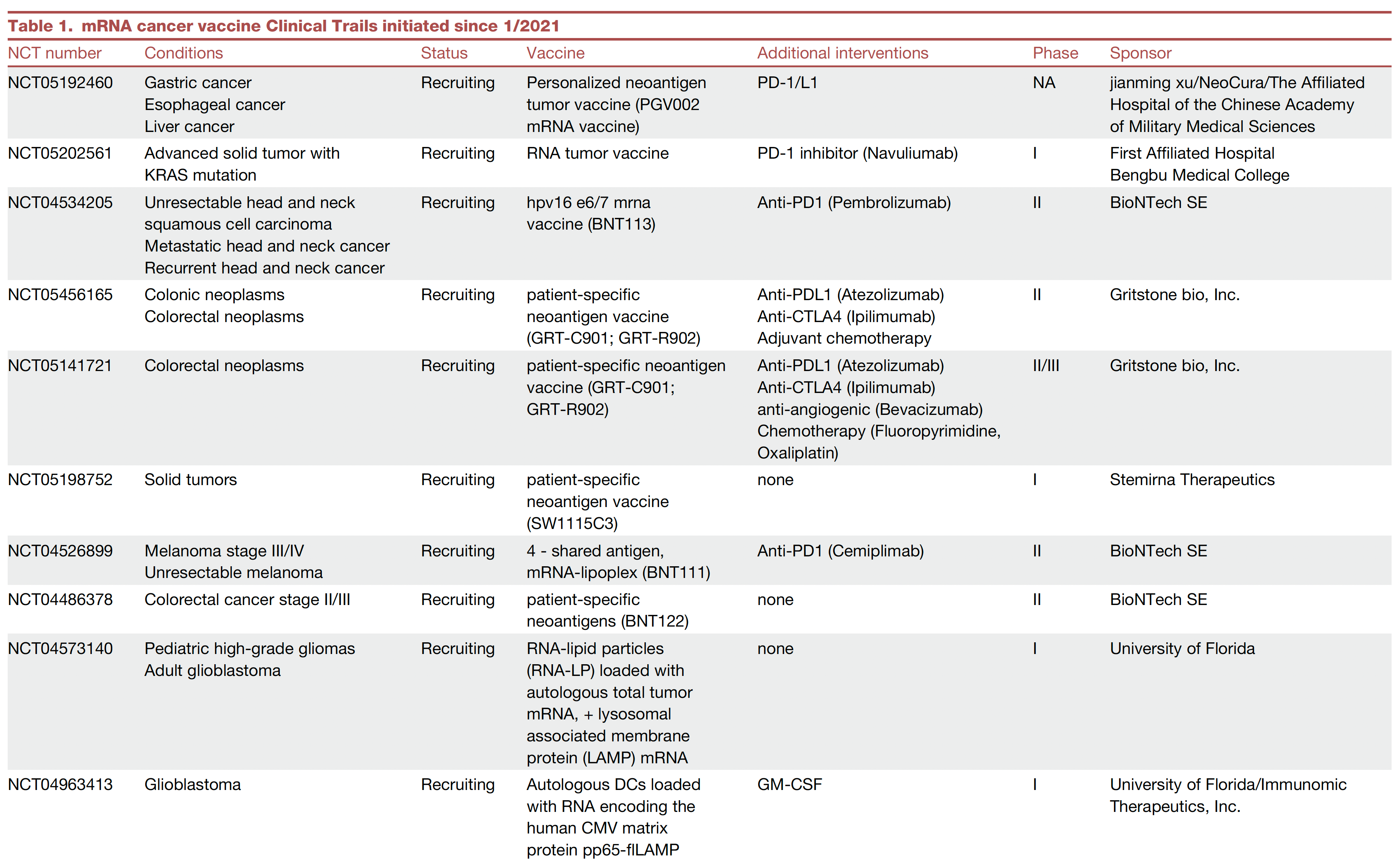
Antibody-Drug Conjugates (ADC)
There is considerable excitement about antibody-drug conjugates (ADC) whereby a linker is used to attach a chemotherapy agent to the checkpoint inhibitor antibody, specifically targeting the cancer cell and facilitating entry of the chemotherapy into the cell. Akin to these are bispecific antibodies (BiTEs, binding to a tumor antigen and T cell receptor simultaneously), both of these conjugates acting as “biologic” or “guided” missiles.
A very good example of the potency of an ADC was seen in a “HER2-low” breast cancer randomized trial. The absence or very low expression or amplification of the HER2 receptor is common in breast cancer and successful treatment has been elusive. A randomized trial of an ADC (trastuzumab deruxtecan) compared to physician’s choice therapy demonstrated a marked success for progression-free survival in HER2-low patients, which was characterized as “unheard-of success” by media coverage.
This strategy is being used to target some of the most difficult cancer driver mutations such as TP53 and KRAS.
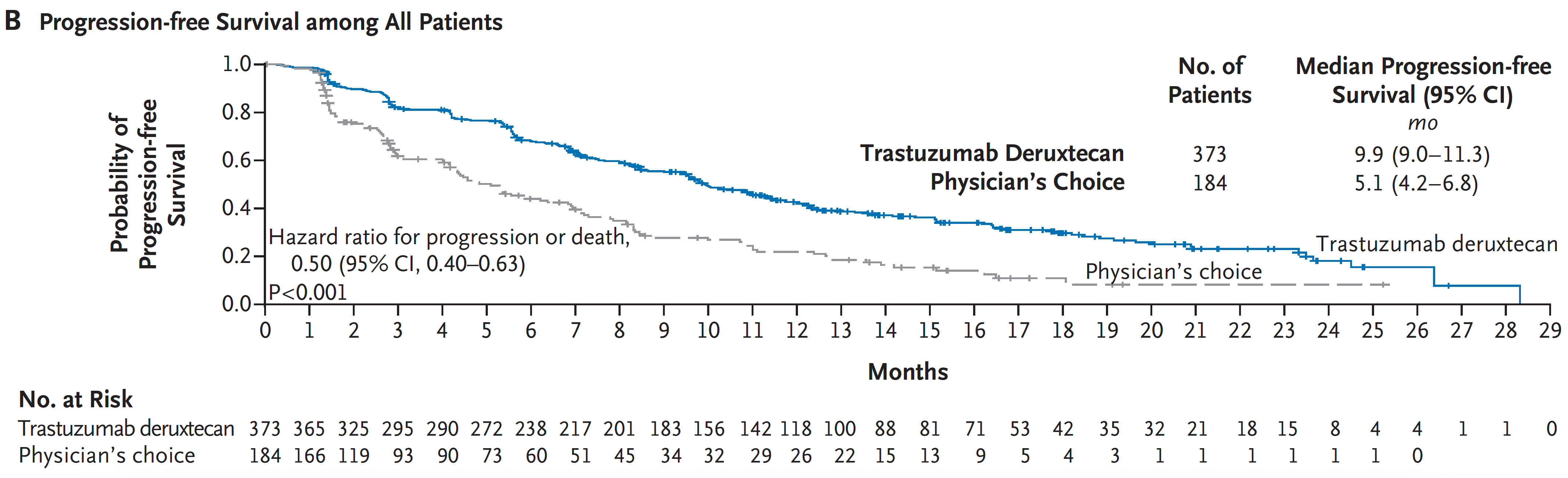
Oncolytic Viruses
Modifying viruses to infect the tumor and make it more visible to the immune system, potentiating anti-tumor responses, known as oncolytic viruses, have been proposed as a way to rev up the immune response for a long time but without positive Phase 3 clinical trials.
After decades of failure, a recent trial in refractory bladder cancer showed marked success, along with others, summarized here, now providing very encouraging results. It looks like oncolytic viruses are on a comeback path.
Engineering T Cells (Chimeric Antigen Receptor [CAR-T])
As I recently reviewed, there are over 500 ongoing clinical trials to build on the success of the first CAR-T approval for leukemia 7 years ago. I won’t go through that all again here, but to reiterate most of the success to date has been in “liquid” blood (leukemia and lymphoma) cancer tumors. This week in Nature is the discovery of a T cell cancer mutation, a gene fusion CARD11-PIK3R3, from a T cell lymphoma that can potentially be used to augment CAR-T efficacy. It has pronounced and prolonged effects in the experimental model. Instead of 1 million cells needed for treatment, even 20,000 were enough to melt the tumor. This is a noteworthy discovery since CAR-T work to date has largely not exploited such naturally occurring mutations, while instead concentrating on those seen in the patient’s set of key tumor mutations.
As currently conceived, CAR-T, and what is being referred to more broadly as adoptive cell therapies, involves removing T cells from the patient’s body and engineering their activation, then reintroducing them back to the patient. This is laborious, technically difficult, and very expensive. Recently, the idea of achieving all of this via an injection of virus that specifically infects T cells and inserts the genes needed, was advanced by two biotech companies with preclinical results, one in non-human primates.
Gearing up to meet the challenge of solid tumor CAR-T intervention, there’s more work using CRISPR genome editing of T cell receptors. A.I. is increasingly being exploited to process the data from sequencing and identify optimal neoantigens.
Instead of just CAR-T, we’re seeing the emergence of CAR-macrophage and CAR-natural killer (NK) cells strategies, and rapidly expanding potential combinations of all the strategies I’ve mentioned. No less, there’s been maturation of on-off suicide switches programmed in, to limit cytokine release and promote safety of these interventions. Overall, major side effects of immunotherapies are not only cytokine release syndromes, but also include interstitial pneumonitis and neurotoxicity.
Summary
Given the multitude of ways cancer cells and tumor tissue can evade our immune response, durably successful treatment remains a daunting challenge. But the ingenuity of so many different approaches to unleash our immune response, and their combinations, provides considerable hope that we’ll increasingly meet the challenge in the years ahead. We have clearly learned that combining different immunotherapy strategies will be essential for many patients with the most resilient solid tumors.
Of concern, as noted by a recent editorial in The Lancet, entitled “Cancer Research Equity: Innovations For The Many, Not The Few,” is that these individualized, sophisticated strategies are not scalable; they will have limited reach and benefit. The movement towards “off the shelf” CAR-T and inexpensive, orally active checkpoint inhibitors may help mitigate this issue.
Notwithstanding this important concern, we’re seeing an array of diverse and potent immunotherapy strategies that are providing highly encouraging results, engendering more excitement than we’ve seen in this space for some time. These should propel substantial improvements in outcomes for patients in the years ahead. It can’t happen soon enough.
Thanks for reading this edition of Ground Truths. If you found it informative, please share it with your colleagues.
Dr. Topol has disclosed the following relevant financial relationships: Serve(d) as a director, officer, partner, employee, advisor, consultant, or trustee for Dexcom; Illumina; Molecular Stethoscope; Quest Diagnostics; Blue Cross Blue Shield Association. Received research grant from National Institutes of Health.
A version of this article appeared on Medscape.com.
This article was originally published on February 10 in Eric Topol’s substack “Ground Truths.”
It’s astounding how devious cancer cells and tumor tissue can be. This week in Science we learned how certain lung cancer cells can function like “Catch Me If You Can” — changing their driver mutation and cell identity to escape targeted therapy. This histologic transformation, as seen in an experimental model, is just one of so many cancer tricks that we are learning about.
Recently, as shown by single-cell sequencing, cancer cells can steal the mitochondria from T cells, a double whammy that turbocharges cancer cells with the hijacked fuel supply and, at the same time, dismantles the immune response.
Last week, we saw how tumor cells can release a virus-like protein that unleashes a vicious autoimmune response.
And then there’s the finding that cancer cell spread predominantly is occurring while we sleep.
As I previously reviewed, the ability for cancer cells to hijack neurons and neural circuits is now well established, no less their ability to reprogram neurons to become adrenergic and stimulate tumor progression, and interfere with the immune response. Stay tuned on that for a new Ground Truths podcast with Prof Michelle Monje, a leader in cancer neuroscience, which will post soon.
Add advancing age’s immunosenescence as yet another challenge to the long and growing list of formidable ways that cancer cells, and the tumor microenvironment, evade our immune response.
An Ever-Expanding Armamentarium
Immune Checkpoint Inhibitors
The field of immunotherapies took off with the immune checkpoint inhibitors, first approved by the FDA in 2011, that take the brakes off of T cells, with the programmed death-1 (PD-1), PD-ligand1, and anti-CTLA-4 monoclonal antibodies.
But we’re clearly learning they are not enough to prevail over cancer with common recurrences, only short term success in most patients, with some notable exceptions. Adding other immune response strategies, such as a vaccine, or antibody-drug conjugates, or engineered T cells, are showing improved chances for success.
Therapeutic Cancer Vaccines
There are many therapeutic cancer vaccines in the works, as reviewed in depth here.
Here’s a list of ongoing clinical trials of cancer vaccines. You’ll note most of these are on top of a checkpoint inhibitor and use personalized neoantigens (cancer cell surface proteins) derived from sequencing (whole-exome or whole genome, RNA-sequencing and HLA-profiling) the patient’s tumor.
An example of positive findings is with the combination of an mRNA-nanoparticle vaccine with up to 34 personalized neoantigens and pembrolizumab (Keytruda) vs pembrolizumab alone in advanced melanoma after resection, with improved outcomes at 3-year follow-up, cutting death or relapse rate in half.
Antibody-Drug Conjugates (ADC)
There is considerable excitement about antibody-drug conjugates (ADC) whereby a linker is used to attach a chemotherapy agent to the checkpoint inhibitor antibody, specifically targeting the cancer cell and facilitating entry of the chemotherapy into the cell. Akin to these are bispecific antibodies (BiTEs, binding to a tumor antigen and T cell receptor simultaneously), both of these conjugates acting as “biologic” or “guided” missiles.
A very good example of the potency of an ADC was seen in a “HER2-low” breast cancer randomized trial. The absence or very low expression or amplification of the HER2 receptor is common in breast cancer and successful treatment has been elusive. A randomized trial of an ADC (trastuzumab deruxtecan) compared to physician’s choice therapy demonstrated a marked success for progression-free survival in HER2-low patients, which was characterized as “unheard-of success” by media coverage.
This strategy is being used to target some of the most difficult cancer driver mutations such as TP53 and KRAS.
Oncolytic Viruses
Modifying viruses to infect the tumor and make it more visible to the immune system, potentiating anti-tumor responses, known as oncolytic viruses, have been proposed as a way to rev up the immune response for a long time but without positive Phase 3 clinical trials.
After decades of failure, a recent trial in refractory bladder cancer showed marked success, along with others, summarized here, now providing very encouraging results. It looks like oncolytic viruses are on a comeback path.
Engineering T Cells (Chimeric Antigen Receptor [CAR-T])
As I recently reviewed, there are over 500 ongoing clinical trials to build on the success of the first CAR-T approval for leukemia 7 years ago. I won’t go through that all again here, but to reiterate most of the success to date has been in “liquid” blood (leukemia and lymphoma) cancer tumors. This week in Nature is the discovery of a T cell cancer mutation, a gene fusion CARD11-PIK3R3, from a T cell lymphoma that can potentially be used to augment CAR-T efficacy. It has pronounced and prolonged effects in the experimental model. Instead of 1 million cells needed for treatment, even 20,000 were enough to melt the tumor. This is a noteworthy discovery since CAR-T work to date has largely not exploited such naturally occurring mutations, while instead concentrating on those seen in the patient’s set of key tumor mutations.
As currently conceived, CAR-T, and what is being referred to more broadly as adoptive cell therapies, involves removing T cells from the patient’s body and engineering their activation, then reintroducing them back to the patient. This is laborious, technically difficult, and very expensive. Recently, the idea of achieving all of this via an injection of virus that specifically infects T cells and inserts the genes needed, was advanced by two biotech companies with preclinical results, one in non-human primates.
Gearing up to meet the challenge of solid tumor CAR-T intervention, there’s more work using CRISPR genome editing of T cell receptors. A.I. is increasingly being exploited to process the data from sequencing and identify optimal neoantigens.
Instead of just CAR-T, we’re seeing the emergence of CAR-macrophage and CAR-natural killer (NK) cells strategies, and rapidly expanding potential combinations of all the strategies I’ve mentioned. No less, there’s been maturation of on-off suicide switches programmed in, to limit cytokine release and promote safety of these interventions. Overall, major side effects of immunotherapies are not only cytokine release syndromes, but also include interstitial pneumonitis and neurotoxicity.
Summary
Given the multitude of ways cancer cells and tumor tissue can evade our immune response, durably successful treatment remains a daunting challenge. But the ingenuity of so many different approaches to unleash our immune response, and their combinations, provides considerable hope that we’ll increasingly meet the challenge in the years ahead. We have clearly learned that combining different immunotherapy strategies will be essential for many patients with the most resilient solid tumors.
Of concern, as noted by a recent editorial in The Lancet, entitled “Cancer Research Equity: Innovations For The Many, Not The Few,” is that these individualized, sophisticated strategies are not scalable; they will have limited reach and benefit. The movement towards “off the shelf” CAR-T and inexpensive, orally active checkpoint inhibitors may help mitigate this issue.
Notwithstanding this important concern, we’re seeing an array of diverse and potent immunotherapy strategies that are providing highly encouraging results, engendering more excitement than we’ve seen in this space for some time. These should propel substantial improvements in outcomes for patients in the years ahead. It can’t happen soon enough.
Thanks for reading this edition of Ground Truths. If you found it informative, please share it with your colleagues.
Dr. Topol has disclosed the following relevant financial relationships: Serve(d) as a director, officer, partner, employee, advisor, consultant, or trustee for Dexcom; Illumina; Molecular Stethoscope; Quest Diagnostics; Blue Cross Blue Shield Association. Received research grant from National Institutes of Health.
A version of this article appeared on Medscape.com.
This article was originally published on February 10 in Eric Topol’s substack “Ground Truths.”
It’s astounding how devious cancer cells and tumor tissue can be. This week in Science we learned how certain lung cancer cells can function like “Catch Me If You Can” — changing their driver mutation and cell identity to escape targeted therapy. This histologic transformation, as seen in an experimental model, is just one of so many cancer tricks that we are learning about.
Recently, as shown by single-cell sequencing, cancer cells can steal the mitochondria from T cells, a double whammy that turbocharges cancer cells with the hijacked fuel supply and, at the same time, dismantles the immune response.
Last week, we saw how tumor cells can release a virus-like protein that unleashes a vicious autoimmune response.
And then there’s the finding that cancer cell spread predominantly is occurring while we sleep.
As I previously reviewed, the ability for cancer cells to hijack neurons and neural circuits is now well established, no less their ability to reprogram neurons to become adrenergic and stimulate tumor progression, and interfere with the immune response. Stay tuned on that for a new Ground Truths podcast with Prof Michelle Monje, a leader in cancer neuroscience, which will post soon.
Add advancing age’s immunosenescence as yet another challenge to the long and growing list of formidable ways that cancer cells, and the tumor microenvironment, evade our immune response.
An Ever-Expanding Armamentarium
Immune Checkpoint Inhibitors
The field of immunotherapies took off with the immune checkpoint inhibitors, first approved by the FDA in 2011, that take the brakes off of T cells, with the programmed death-1 (PD-1), PD-ligand1, and anti-CTLA-4 monoclonal antibodies.
But we’re clearly learning they are not enough to prevail over cancer with common recurrences, only short term success in most patients, with some notable exceptions. Adding other immune response strategies, such as a vaccine, or antibody-drug conjugates, or engineered T cells, are showing improved chances for success.
Therapeutic Cancer Vaccines
There are many therapeutic cancer vaccines in the works, as reviewed in depth here.
Here’s a list of ongoing clinical trials of cancer vaccines. You’ll note most of these are on top of a checkpoint inhibitor and use personalized neoantigens (cancer cell surface proteins) derived from sequencing (whole-exome or whole genome, RNA-sequencing and HLA-profiling) the patient’s tumor.
An example of positive findings is with the combination of an mRNA-nanoparticle vaccine with up to 34 personalized neoantigens and pembrolizumab (Keytruda) vs pembrolizumab alone in advanced melanoma after resection, with improved outcomes at 3-year follow-up, cutting death or relapse rate in half.
Antibody-Drug Conjugates (ADC)
There is considerable excitement about antibody-drug conjugates (ADC) whereby a linker is used to attach a chemotherapy agent to the checkpoint inhibitor antibody, specifically targeting the cancer cell and facilitating entry of the chemotherapy into the cell. Akin to these are bispecific antibodies (BiTEs, binding to a tumor antigen and T cell receptor simultaneously), both of these conjugates acting as “biologic” or “guided” missiles.
A very good example of the potency of an ADC was seen in a “HER2-low” breast cancer randomized trial. The absence or very low expression or amplification of the HER2 receptor is common in breast cancer and successful treatment has been elusive. A randomized trial of an ADC (trastuzumab deruxtecan) compared to physician’s choice therapy demonstrated a marked success for progression-free survival in HER2-low patients, which was characterized as “unheard-of success” by media coverage.
This strategy is being used to target some of the most difficult cancer driver mutations such as TP53 and KRAS.
Oncolytic Viruses
Modifying viruses to infect the tumor and make it more visible to the immune system, potentiating anti-tumor responses, known as oncolytic viruses, have been proposed as a way to rev up the immune response for a long time but without positive Phase 3 clinical trials.
After decades of failure, a recent trial in refractory bladder cancer showed marked success, along with others, summarized here, now providing very encouraging results. It looks like oncolytic viruses are on a comeback path.
Engineering T Cells (Chimeric Antigen Receptor [CAR-T])
As I recently reviewed, there are over 500 ongoing clinical trials to build on the success of the first CAR-T approval for leukemia 7 years ago. I won’t go through that all again here, but to reiterate most of the success to date has been in “liquid” blood (leukemia and lymphoma) cancer tumors. This week in Nature is the discovery of a T cell cancer mutation, a gene fusion CARD11-PIK3R3, from a T cell lymphoma that can potentially be used to augment CAR-T efficacy. It has pronounced and prolonged effects in the experimental model. Instead of 1 million cells needed for treatment, even 20,000 were enough to melt the tumor. This is a noteworthy discovery since CAR-T work to date has largely not exploited such naturally occurring mutations, while instead concentrating on those seen in the patient’s set of key tumor mutations.
As currently conceived, CAR-T, and what is being referred to more broadly as adoptive cell therapies, involves removing T cells from the patient’s body and engineering their activation, then reintroducing them back to the patient. This is laborious, technically difficult, and very expensive. Recently, the idea of achieving all of this via an injection of virus that specifically infects T cells and inserts the genes needed, was advanced by two biotech companies with preclinical results, one in non-human primates.
Gearing up to meet the challenge of solid tumor CAR-T intervention, there’s more work using CRISPR genome editing of T cell receptors. A.I. is increasingly being exploited to process the data from sequencing and identify optimal neoantigens.
Instead of just CAR-T, we’re seeing the emergence of CAR-macrophage and CAR-natural killer (NK) cells strategies, and rapidly expanding potential combinations of all the strategies I’ve mentioned. No less, there’s been maturation of on-off suicide switches programmed in, to limit cytokine release and promote safety of these interventions. Overall, major side effects of immunotherapies are not only cytokine release syndromes, but also include interstitial pneumonitis and neurotoxicity.
Summary
Given the multitude of ways cancer cells and tumor tissue can evade our immune response, durably successful treatment remains a daunting challenge. But the ingenuity of so many different approaches to unleash our immune response, and their combinations, provides considerable hope that we’ll increasingly meet the challenge in the years ahead. We have clearly learned that combining different immunotherapy strategies will be essential for many patients with the most resilient solid tumors.
Of concern, as noted by a recent editorial in The Lancet, entitled “Cancer Research Equity: Innovations For The Many, Not The Few,” is that these individualized, sophisticated strategies are not scalable; they will have limited reach and benefit. The movement towards “off the shelf” CAR-T and inexpensive, orally active checkpoint inhibitors may help mitigate this issue.
Notwithstanding this important concern, we’re seeing an array of diverse and potent immunotherapy strategies that are providing highly encouraging results, engendering more excitement than we’ve seen in this space for some time. These should propel substantial improvements in outcomes for patients in the years ahead. It can’t happen soon enough.
Thanks for reading this edition of Ground Truths. If you found it informative, please share it with your colleagues.
Dr. Topol has disclosed the following relevant financial relationships: Serve(d) as a director, officer, partner, employee, advisor, consultant, or trustee for Dexcom; Illumina; Molecular Stethoscope; Quest Diagnostics; Blue Cross Blue Shield Association. Received research grant from National Institutes of Health.
A version of this article appeared on Medscape.com.