User login
Red meat intake linked to increased risk of fatal CHD in men
PHOENIX – Consumption of red meat, particularly the processed form, is linked to a higher risk of developing coronary heart disease in men, results from a large prospective analysis demonstrated.
“The findings of this study are in line with randomized trials showing that the consumption of red meat, as compared with plant-based protein sources, increases LDL cholesterol levels, and with previous studies on red meat and risk of coronary heart disease,” lead study author Laila Al-Shaar, MPH, PhD, said in an interview in advance of the Epidemiology and Prevention/Lifestyle and Cardiometabolic Health meeting.
According to Dr. Al-Shaar, a postdoctoral research fellow in the department of nutrition at the T.H. Chan School of Public Health at Harvard University, Boston, most of the existing studies on red meat and heart disease have examined the impact of increasing consumption of red meat while decreasing consumption of all other foods. For the current study, she and her colleagues used a substitution analysis approach to understand how replacing red meat (total, processed, or unprocessed) with another protein-rich food was associated with the risk of heart disease. “This would potentially provide more specific guidance for healthier alternatives for those planning to cut down their red meat intake,” she said.
She and her colleagues prospectively followed 43,259 men in the Health Professionals Follow-up Study (1986-2012) who had no known history of cancer or cardiovascular disease. Diet was assessed by a standardized and validated food frequency questionnaire that was updated every 4 years. Dr. Al-Shaar and her colleagues used multivariate Cox models to estimate hazard ratios and 95% confidence intervals of CHD risk across categories of red meat consumption. They performed substitution analyses by comparing coefficients in models including alternative foods as continuous variables.
Over roughly 933,000 person-years of follow-up, the researchers documented 4,148 incident CHD cases. Of these, 1,680 were fatal. After multivariate adjustment for dietary and nondietary risk factors, both total and processed red meat intake were associated with a modestly higher risk of CHD (hazard ratio for a one serving/day increment, 1.08; 95% confidence interval, 1.01-1.14 for total red meat; and HR, 1.13; 95% CI, 1.03-1.22 for processed red meat). Substitutions of one serving per day of other foods (including nuts, legumes, soy, whole grains, and low- and high-fat dairy) for one serving per day of total red meat were associated with a 10%-47% lower CHD risk.
Stronger inverse associations were observed between some of these substitutions for red meat and risk of fatal CHD. Substituting nuts lowered the risk of fatal heart disease by 17%, while replacing red meat with whole grains was linked to a 48% reduction in that outcome. Those associations were more pronounced when replacing processed red meat.
“Processed meats and meats in general have been thought to be potentially not favorable in terms of cardiovascular disease and cardiovascular disease risk,” Robert H. Eckel, MD, professor emeritus of medicine at the University of Colorado Anschutz Medical Campus, Aurora, said in an interview. “Now we have increasing data that not only is there a negative cardiovascular disease impact of animal protein, but we see this on all-cause mortality, including cancer.”
Dr. Al-Shaar said that the findings “support current recommendations to limit consumption of red meat and suggest that high-quality plant-based proteins such as nuts, legumes, and soy are good alternatives for individuals planning to have better food choices and healthier eating patterns.”
She acknowledged certain limitations of the study, including its observational design and the fact that it was limited to non-Hispanic white health professionals, “thus limiting the generalizability of its findings to the whole population.”
Dr. Eckel, who is a past president of the American Heart Association, underscored the importance of one’s overall diet in mitigating the risk of developing coronary heart disease. “It’s not simply substituting animal protein with plant protein,” he said. “Fruits and vegetables and whole grains, lean protein from fish – a Mediterranean-style diet – is what the AHA recommends.”
Dr. Al-Shaar reported having no financial disclosures. The study was supported by a T32 training grant from the National Institutes of Health and by other grants from the NIH. The meeting was sponsored by the AHA.
SOURCE: Al-Shaar L et al. Epi/Lifestyle 2020, Abstract P512.
PHOENIX – Consumption of red meat, particularly the processed form, is linked to a higher risk of developing coronary heart disease in men, results from a large prospective analysis demonstrated.
“The findings of this study are in line with randomized trials showing that the consumption of red meat, as compared with plant-based protein sources, increases LDL cholesterol levels, and with previous studies on red meat and risk of coronary heart disease,” lead study author Laila Al-Shaar, MPH, PhD, said in an interview in advance of the Epidemiology and Prevention/Lifestyle and Cardiometabolic Health meeting.
According to Dr. Al-Shaar, a postdoctoral research fellow in the department of nutrition at the T.H. Chan School of Public Health at Harvard University, Boston, most of the existing studies on red meat and heart disease have examined the impact of increasing consumption of red meat while decreasing consumption of all other foods. For the current study, she and her colleagues used a substitution analysis approach to understand how replacing red meat (total, processed, or unprocessed) with another protein-rich food was associated with the risk of heart disease. “This would potentially provide more specific guidance for healthier alternatives for those planning to cut down their red meat intake,” she said.
She and her colleagues prospectively followed 43,259 men in the Health Professionals Follow-up Study (1986-2012) who had no known history of cancer or cardiovascular disease. Diet was assessed by a standardized and validated food frequency questionnaire that was updated every 4 years. Dr. Al-Shaar and her colleagues used multivariate Cox models to estimate hazard ratios and 95% confidence intervals of CHD risk across categories of red meat consumption. They performed substitution analyses by comparing coefficients in models including alternative foods as continuous variables.
Over roughly 933,000 person-years of follow-up, the researchers documented 4,148 incident CHD cases. Of these, 1,680 were fatal. After multivariate adjustment for dietary and nondietary risk factors, both total and processed red meat intake were associated with a modestly higher risk of CHD (hazard ratio for a one serving/day increment, 1.08; 95% confidence interval, 1.01-1.14 for total red meat; and HR, 1.13; 95% CI, 1.03-1.22 for processed red meat). Substitutions of one serving per day of other foods (including nuts, legumes, soy, whole grains, and low- and high-fat dairy) for one serving per day of total red meat were associated with a 10%-47% lower CHD risk.
Stronger inverse associations were observed between some of these substitutions for red meat and risk of fatal CHD. Substituting nuts lowered the risk of fatal heart disease by 17%, while replacing red meat with whole grains was linked to a 48% reduction in that outcome. Those associations were more pronounced when replacing processed red meat.
“Processed meats and meats in general have been thought to be potentially not favorable in terms of cardiovascular disease and cardiovascular disease risk,” Robert H. Eckel, MD, professor emeritus of medicine at the University of Colorado Anschutz Medical Campus, Aurora, said in an interview. “Now we have increasing data that not only is there a negative cardiovascular disease impact of animal protein, but we see this on all-cause mortality, including cancer.”
Dr. Al-Shaar said that the findings “support current recommendations to limit consumption of red meat and suggest that high-quality plant-based proteins such as nuts, legumes, and soy are good alternatives for individuals planning to have better food choices and healthier eating patterns.”
She acknowledged certain limitations of the study, including its observational design and the fact that it was limited to non-Hispanic white health professionals, “thus limiting the generalizability of its findings to the whole population.”
Dr. Eckel, who is a past president of the American Heart Association, underscored the importance of one’s overall diet in mitigating the risk of developing coronary heart disease. “It’s not simply substituting animal protein with plant protein,” he said. “Fruits and vegetables and whole grains, lean protein from fish – a Mediterranean-style diet – is what the AHA recommends.”
Dr. Al-Shaar reported having no financial disclosures. The study was supported by a T32 training grant from the National Institutes of Health and by other grants from the NIH. The meeting was sponsored by the AHA.
SOURCE: Al-Shaar L et al. Epi/Lifestyle 2020, Abstract P512.
PHOENIX – Consumption of red meat, particularly the processed form, is linked to a higher risk of developing coronary heart disease in men, results from a large prospective analysis demonstrated.
“The findings of this study are in line with randomized trials showing that the consumption of red meat, as compared with plant-based protein sources, increases LDL cholesterol levels, and with previous studies on red meat and risk of coronary heart disease,” lead study author Laila Al-Shaar, MPH, PhD, said in an interview in advance of the Epidemiology and Prevention/Lifestyle and Cardiometabolic Health meeting.
According to Dr. Al-Shaar, a postdoctoral research fellow in the department of nutrition at the T.H. Chan School of Public Health at Harvard University, Boston, most of the existing studies on red meat and heart disease have examined the impact of increasing consumption of red meat while decreasing consumption of all other foods. For the current study, she and her colleagues used a substitution analysis approach to understand how replacing red meat (total, processed, or unprocessed) with another protein-rich food was associated with the risk of heart disease. “This would potentially provide more specific guidance for healthier alternatives for those planning to cut down their red meat intake,” she said.
She and her colleagues prospectively followed 43,259 men in the Health Professionals Follow-up Study (1986-2012) who had no known history of cancer or cardiovascular disease. Diet was assessed by a standardized and validated food frequency questionnaire that was updated every 4 years. Dr. Al-Shaar and her colleagues used multivariate Cox models to estimate hazard ratios and 95% confidence intervals of CHD risk across categories of red meat consumption. They performed substitution analyses by comparing coefficients in models including alternative foods as continuous variables.
Over roughly 933,000 person-years of follow-up, the researchers documented 4,148 incident CHD cases. Of these, 1,680 were fatal. After multivariate adjustment for dietary and nondietary risk factors, both total and processed red meat intake were associated with a modestly higher risk of CHD (hazard ratio for a one serving/day increment, 1.08; 95% confidence interval, 1.01-1.14 for total red meat; and HR, 1.13; 95% CI, 1.03-1.22 for processed red meat). Substitutions of one serving per day of other foods (including nuts, legumes, soy, whole grains, and low- and high-fat dairy) for one serving per day of total red meat were associated with a 10%-47% lower CHD risk.
Stronger inverse associations were observed between some of these substitutions for red meat and risk of fatal CHD. Substituting nuts lowered the risk of fatal heart disease by 17%, while replacing red meat with whole grains was linked to a 48% reduction in that outcome. Those associations were more pronounced when replacing processed red meat.
“Processed meats and meats in general have been thought to be potentially not favorable in terms of cardiovascular disease and cardiovascular disease risk,” Robert H. Eckel, MD, professor emeritus of medicine at the University of Colorado Anschutz Medical Campus, Aurora, said in an interview. “Now we have increasing data that not only is there a negative cardiovascular disease impact of animal protein, but we see this on all-cause mortality, including cancer.”
Dr. Al-Shaar said that the findings “support current recommendations to limit consumption of red meat and suggest that high-quality plant-based proteins such as nuts, legumes, and soy are good alternatives for individuals planning to have better food choices and healthier eating patterns.”
She acknowledged certain limitations of the study, including its observational design and the fact that it was limited to non-Hispanic white health professionals, “thus limiting the generalizability of its findings to the whole population.”
Dr. Eckel, who is a past president of the American Heart Association, underscored the importance of one’s overall diet in mitigating the risk of developing coronary heart disease. “It’s not simply substituting animal protein with plant protein,” he said. “Fruits and vegetables and whole grains, lean protein from fish – a Mediterranean-style diet – is what the AHA recommends.”
Dr. Al-Shaar reported having no financial disclosures. The study was supported by a T32 training grant from the National Institutes of Health and by other grants from the NIH. The meeting was sponsored by the AHA.
SOURCE: Al-Shaar L et al. Epi/Lifestyle 2020, Abstract P512.
REPORTING FROM EPI/LIFESTYLE 2020
Fracture risk for MM patients remains higher despite improvements in treatments, survival
Bone lesions are one of the primary symptoms in multiple myeloma (MM), and approximately 80% of patients experience a pathological fracture at initial presentation or during the course of the disease, according to the authors of a study published online in Bone.

The authors performed a study to determine if improved treatment strategies and supportive care over time, including the use of bisphosphonates, reduced the overall fracture risk in MM patients.
Their retrospective case-control study included 1,334 patients with MM in Denmark from the Danish National Health Service, of which 881 sustained a fracture between 1996 and 2011. MM patients were matched to patients from the database without MM.
The researchers found that the risk of any fracture was significantly higher in MM patients, compared with patients without MM at all three time periods examined, and remained high over time: adjusted odds ratio (95% confidence interval) 1996-2000: 1.7 (1.3–2.3); 2001-2006: 1.3 (1.1-1.6); 2007-2011: 1.7 (1.4-2.2)). The risk of vertebral fractures was particularly higher in MM patients and also remained high over time: ORadj (95% CI) 1996-2000: 3.5 (1.4–8.6); 2001-2006: 4.0 (1.9-8.2); 2007-2011: 3.0 (1.6-5.7).
In addition, they found that the risk of any fracture was equally high in men and women MM patients, and in patients aged ≤ 65 or > 65 years.
“New treatment strategies, even if they have a positive impact on overall survival, offer no guarantee for a corresponding reduction in bone lesions,” the authors concluded.
The majority of authors reported having no disclosures. One author reported grants and personal fees from three pharmaceutical companies, outside the submitted work.
SOURCE: Oortgiesen BE et al. Bone. 2020 doi.org/10.1016/j.bone.2020.115299.
Bone lesions are one of the primary symptoms in multiple myeloma (MM), and approximately 80% of patients experience a pathological fracture at initial presentation or during the course of the disease, according to the authors of a study published online in Bone.
The authors performed a study to determine if improved treatment strategies and supportive care over time, including the use of bisphosphonates, reduced the overall fracture risk in MM patients.
Their retrospective case-control study included 1,334 patients with MM in Denmark from the Danish National Health Service, of which 881 sustained a fracture between 1996 and 2011. MM patients were matched to patients from the database without MM.
The researchers found that the risk of any fracture was significantly higher in MM patients, compared with patients without MM at all three time periods examined, and remained high over time: adjusted odds ratio (95% confidence interval) 1996-2000: 1.7 (1.3–2.3); 2001-2006: 1.3 (1.1-1.6); 2007-2011: 1.7 (1.4-2.2)). The risk of vertebral fractures was particularly higher in MM patients and also remained high over time: ORadj (95% CI) 1996-2000: 3.5 (1.4–8.6); 2001-2006: 4.0 (1.9-8.2); 2007-2011: 3.0 (1.6-5.7).
In addition, they found that the risk of any fracture was equally high in men and women MM patients, and in patients aged ≤ 65 or > 65 years.
“New treatment strategies, even if they have a positive impact on overall survival, offer no guarantee for a corresponding reduction in bone lesions,” the authors concluded.
The majority of authors reported having no disclosures. One author reported grants and personal fees from three pharmaceutical companies, outside the submitted work.
SOURCE: Oortgiesen BE et al. Bone. 2020 doi.org/10.1016/j.bone.2020.115299.
Bone lesions are one of the primary symptoms in multiple myeloma (MM), and approximately 80% of patients experience a pathological fracture at initial presentation or during the course of the disease, according to the authors of a study published online in Bone.
The authors performed a study to determine if improved treatment strategies and supportive care over time, including the use of bisphosphonates, reduced the overall fracture risk in MM patients.
Their retrospective case-control study included 1,334 patients with MM in Denmark from the Danish National Health Service, of which 881 sustained a fracture between 1996 and 2011. MM patients were matched to patients from the database without MM.
The researchers found that the risk of any fracture was significantly higher in MM patients, compared with patients without MM at all three time periods examined, and remained high over time: adjusted odds ratio (95% confidence interval) 1996-2000: 1.7 (1.3–2.3); 2001-2006: 1.3 (1.1-1.6); 2007-2011: 1.7 (1.4-2.2)). The risk of vertebral fractures was particularly higher in MM patients and also remained high over time: ORadj (95% CI) 1996-2000: 3.5 (1.4–8.6); 2001-2006: 4.0 (1.9-8.2); 2007-2011: 3.0 (1.6-5.7).
In addition, they found that the risk of any fracture was equally high in men and women MM patients, and in patients aged ≤ 65 or > 65 years.
“New treatment strategies, even if they have a positive impact on overall survival, offer no guarantee for a corresponding reduction in bone lesions,” the authors concluded.
The majority of authors reported having no disclosures. One author reported grants and personal fees from three pharmaceutical companies, outside the submitted work.
SOURCE: Oortgiesen BE et al. Bone. 2020 doi.org/10.1016/j.bone.2020.115299.
FROM BONE

Health professionals fight against COVID-19 myths and misinformation
Misinformation about the COVID-19 travels faster than the virus and complicates the job of doctors who are treating those infected and responding to concerns of their other patients.
An array of myths springing up around this disease can be found on the Internet. The main themes appear to be false narratives about the origin of the virus, the size of the outbreak in the United States and in other countries, the availability of cures and treatments, and ways to prevent infection. Widespread misinformation hampers public health efforts to control the disease outbreak, confuses the public, and requires medical professionals to spend time refuting myths and re-educating patients.
A group of infectious disease experts became so alarmed by the misinformation trend they published a statement in The Lancet decrying the spread of false statements being circulated by some media outlets. “The rapid, open, and transparent sharing of data on this outbreak is now being threatened by rumours and misinformation ... Conspiracy theories do nothing but create fear, rumours, and prejudice that jeopardise our global collaboration in the fight against this virus,” wrote Charles H. Calisher, PhD, of Colorado State University, Fort Collins, and colleagues.
What can physicians do to counter misinformation?
Pulmonologist and critical care physician Cedric “Jamie” Rutland, MD, who practices in Riverside, Calif., sees misinformation about the novel coronavirus every day at home and on the job. His patients worry that everyone who gets infected will die or end up in the ICU. His neighbors ask him to pilfer surgical masks to protect them from the false notion that Chinese people in their community posed some kind of COVID-19 risk.

As he pondered how to counter myths with facts, Dr. Rutland turned to an unusual resource: His 7-year-old daughter Amelia. He explained to her how COVID-19 works and found that she could easily understand the basics. Now, Dr. Rutland draws upon the lessons from chats with his daughter as he explains COVID-19 to his patient audience on his YouTube channel “Medicine Deconstructed.” Simplicity, but not too much simplicity, is key, he said. Dr. Rutland uses a visual aid – a rough drawing of a virus – and shows how inflammation and antibodies enter the picture after infection. “I just teach them that if you’re a healthy person, this is how the body works, and this is what the immune system will do,” he said. “For the most part, you can calm people down when you make time for education.”
What are best practices? In a series of interviews, specialists emphasized the importance of fact-finding, wide-ranging communication, and – perhaps most difficult of all – humility.
Dr. Rutland emphasizes thoughtful communication based on facts and humility when communicating to patients about this potential health risk. “A lot of people finish medical school and think, ‘Everyone should trust me because I’m the pulmonologist or the GI doc.’ That’s not how it works. You still have to earn people’s trust,” he said.
Make sure all staff get reliable information
Hospitals are scrambling to keep staff safe with up-to-date directives and debunk false narratives about the virus. Keeping all hospital staff informed with verified and authoritative facts about the coronavirus is a key objective of the Massachusetts General Hospital’s Center for Disaster Medicine. The Center’s coronavirus educational materials are distributed to all staffers from physicians to janitors. “These provide information that they need to understand the risks and keep themselves safe,” said Eileen Searle, PhD, the Biothreats Clinical Operations program manager in the CDM.
According to Dr. Searle, the hospital keeps a continually updated COVID-19 Frequently Asked Questions document in its internal computer system. All employees can access it, she said, and it’s updated to include questions as they come up.
Even valets and front-desk volunteers are encouraged to read the FAQ, she said, since “they’re the first people that family and patients are interacting with.” The document “gives them reassurance about delivering messages,” she said.
Use patience with your patients
Dr. Rutland urges colleagues to take the time to listen to patients and educate them. “Reduce the gap between you and them,” said Dr. Rutland, who treats patients in Orange and Riverside counties. “Take off your white coat, sit down, and talk to the person about their concerns.”
Boston cardiologist Haider Warraich, MD, of Brigham and Women’s Hospital, Boston, said it’s important to “put medical information into a greater human context.” For example, he has told patients that he’s still taking his daughter to school despite COVID-19 risks. “I take the information I provide and apply it to my own life,” he said.

The Washington State Department of Health offers this advice to physicians to counter false information and stigma: “Stay updated and informed on COVID-19 to avoid miscommunication or inaccurate information. Talk openly about the harm of stigma. View people directly impacted by stigma as people first. Be conscious of your language. Acknowledge access and language barriers.”
Speak out on social media – but don’t fight
Should medical professionals speak out about COVID-19 misinformation via social media? It’s an individual decision, Dr. Warraich said, “but my sense is that it’s never been more important for physicians to be part of the fray and help quell the epidemic of misinformation that almost always follows any type of medial calamity.”
Dr. Rutland, vice president and founding member of the Association for Healthcare Social Media, cautioned that effective communication via social media requires care. Avoid confrontation, he advised. “Don’t call people stupid or say things like, ‘I went to medical school and I’m smarter than you.’ ”
Instead, he said, “it’s important to just state the facts: These are the people who are dying, these are the people who are getting infected.”
And, he added, remember to push the most important message of all: Wash your hands!
Public health organizations fight the ‘infodemic’
In a trend that hearkens back to the days of snake oil cures for all maladies, advertisements for fake treatments are popping up on the Internet and on other media.
Facebook and Amazon have acted to remove these ads but these messages continue to flood social media such as Twitter, WhatsApp, and other sites. Discussion groups on platforms such as Reddit continue to pump out misinformation about COVID-19. Conspiracy theories that link the virus to espionage and bioweapons are making the rounds on the Internet and talk radio. Wrong information about the effectiveness of non-N95 face masks to protect wearers against infection is widespread, leading to shortages for medical personnel and price gouging. Pernicious rumors about the effectiveness of substances such a vinegar, silver, garlic, lemon juice, and even vodka to disinfect hands and surfaces abound on the Internet. An especially dangerous stream of misinformation stigmatizes ethnic groups and individuals as sources of the infection.
The World Health Organization identified early in the COVID-19 outbreak the global wave of misinformation about the virus and dubbed the problem the “infodemic.” The WHO “Q & A” page on COVID-19 is updated frequently and addresses myths and rumors currently circulating.
According to the WHO website, the agency has reached out to social media players such as Facebook, Twitter, Instagram, LinkedIn, Pinterest, TikTok, and Weibo, the microblogging site in China. WHO has worked with these sites to curb the “infodemic” of misinformation and has used these sites for public education outreach on COVID-19. “Myth busting” infographics posted on a WHO web page are also reposted on major social media sites.
The CDC has followed with its own “frequently asked questions” page to address questions and rumors. State health agencies have put up COVID-19 pages to address public concerns and offer advice on prevention. The Maryland Department of Health web page directly addresses dangerous misinformation: “Do not stigmatize people of any specific ethnicities or racial background. Viruses do not target people from specific populations, ethnicities or racial backgrounds. Stay informed and seek information from reliable, official sources. Be wary of myths, rumors and misinformation circulating online and elsewhere. Health information shared through social media is frequently inaccurate, unless coming from an official, reliable source such as the CDC, MDH or local health departments.”
The Washington State Department of Health has taken a more assertive stance on stigma. The COVID-19 web page recommends to the public: “Show compassion and support for individuals and communities more closely impacted. Avoid stigmatizing people who are in quarantine. They are making the right choice for their communities. Do not make assumptions about someone’s health status based on their ethnicity, race or national origin.”
Misinformation about the COVID-19 travels faster than the virus and complicates the job of doctors who are treating those infected and responding to concerns of their other patients.
An array of myths springing up around this disease can be found on the Internet. The main themes appear to be false narratives about the origin of the virus, the size of the outbreak in the United States and in other countries, the availability of cures and treatments, and ways to prevent infection. Widespread misinformation hampers public health efforts to control the disease outbreak, confuses the public, and requires medical professionals to spend time refuting myths and re-educating patients.
A group of infectious disease experts became so alarmed by the misinformation trend they published a statement in The Lancet decrying the spread of false statements being circulated by some media outlets. “The rapid, open, and transparent sharing of data on this outbreak is now being threatened by rumours and misinformation ... Conspiracy theories do nothing but create fear, rumours, and prejudice that jeopardise our global collaboration in the fight against this virus,” wrote Charles H. Calisher, PhD, of Colorado State University, Fort Collins, and colleagues.
What can physicians do to counter misinformation?
Pulmonologist and critical care physician Cedric “Jamie” Rutland, MD, who practices in Riverside, Calif., sees misinformation about the novel coronavirus every day at home and on the job. His patients worry that everyone who gets infected will die or end up in the ICU. His neighbors ask him to pilfer surgical masks to protect them from the false notion that Chinese people in their community posed some kind of COVID-19 risk.
As he pondered how to counter myths with facts, Dr. Rutland turned to an unusual resource: His 7-year-old daughter Amelia. He explained to her how COVID-19 works and found that she could easily understand the basics. Now, Dr. Rutland draws upon the lessons from chats with his daughter as he explains COVID-19 to his patient audience on his YouTube channel “Medicine Deconstructed.” Simplicity, but not too much simplicity, is key, he said. Dr. Rutland uses a visual aid – a rough drawing of a virus – and shows how inflammation and antibodies enter the picture after infection. “I just teach them that if you’re a healthy person, this is how the body works, and this is what the immune system will do,” he said. “For the most part, you can calm people down when you make time for education.”
What are best practices? In a series of interviews, specialists emphasized the importance of fact-finding, wide-ranging communication, and – perhaps most difficult of all – humility.
Dr. Rutland emphasizes thoughtful communication based on facts and humility when communicating to patients about this potential health risk. “A lot of people finish medical school and think, ‘Everyone should trust me because I’m the pulmonologist or the GI doc.’ That’s not how it works. You still have to earn people’s trust,” he said.
Make sure all staff get reliable information
Hospitals are scrambling to keep staff safe with up-to-date directives and debunk false narratives about the virus. Keeping all hospital staff informed with verified and authoritative facts about the coronavirus is a key objective of the Massachusetts General Hospital’s Center for Disaster Medicine. The Center’s coronavirus educational materials are distributed to all staffers from physicians to janitors. “These provide information that they need to understand the risks and keep themselves safe,” said Eileen Searle, PhD, the Biothreats Clinical Operations program manager in the CDM.
According to Dr. Searle, the hospital keeps a continually updated COVID-19 Frequently Asked Questions document in its internal computer system. All employees can access it, she said, and it’s updated to include questions as they come up.
Even valets and front-desk volunteers are encouraged to read the FAQ, she said, since “they’re the first people that family and patients are interacting with.” The document “gives them reassurance about delivering messages,” she said.
Use patience with your patients
Dr. Rutland urges colleagues to take the time to listen to patients and educate them. “Reduce the gap between you and them,” said Dr. Rutland, who treats patients in Orange and Riverside counties. “Take off your white coat, sit down, and talk to the person about their concerns.”
Boston cardiologist Haider Warraich, MD, of Brigham and Women’s Hospital, Boston, said it’s important to “put medical information into a greater human context.” For example, he has told patients that he’s still taking his daughter to school despite COVID-19 risks. “I take the information I provide and apply it to my own life,” he said.
The Washington State Department of Health offers this advice to physicians to counter false information and stigma: “Stay updated and informed on COVID-19 to avoid miscommunication or inaccurate information. Talk openly about the harm of stigma. View people directly impacted by stigma as people first. Be conscious of your language. Acknowledge access and language barriers.”
Speak out on social media – but don’t fight
Should medical professionals speak out about COVID-19 misinformation via social media? It’s an individual decision, Dr. Warraich said, “but my sense is that it’s never been more important for physicians to be part of the fray and help quell the epidemic of misinformation that almost always follows any type of medial calamity.”
Dr. Rutland, vice president and founding member of the Association for Healthcare Social Media, cautioned that effective communication via social media requires care. Avoid confrontation, he advised. “Don’t call people stupid or say things like, ‘I went to medical school and I’m smarter than you.’ ”
Instead, he said, “it’s important to just state the facts: These are the people who are dying, these are the people who are getting infected.”
And, he added, remember to push the most important message of all: Wash your hands!
Public health organizations fight the ‘infodemic’
In a trend that hearkens back to the days of snake oil cures for all maladies, advertisements for fake treatments are popping up on the Internet and on other media.
Facebook and Amazon have acted to remove these ads but these messages continue to flood social media such as Twitter, WhatsApp, and other sites. Discussion groups on platforms such as Reddit continue to pump out misinformation about COVID-19. Conspiracy theories that link the virus to espionage and bioweapons are making the rounds on the Internet and talk radio. Wrong information about the effectiveness of non-N95 face masks to protect wearers against infection is widespread, leading to shortages for medical personnel and price gouging. Pernicious rumors about the effectiveness of substances such a vinegar, silver, garlic, lemon juice, and even vodka to disinfect hands and surfaces abound on the Internet. An especially dangerous stream of misinformation stigmatizes ethnic groups and individuals as sources of the infection.
The World Health Organization identified early in the COVID-19 outbreak the global wave of misinformation about the virus and dubbed the problem the “infodemic.” The WHO “Q & A” page on COVID-19 is updated frequently and addresses myths and rumors currently circulating.
According to the WHO website, the agency has reached out to social media players such as Facebook, Twitter, Instagram, LinkedIn, Pinterest, TikTok, and Weibo, the microblogging site in China. WHO has worked with these sites to curb the “infodemic” of misinformation and has used these sites for public education outreach on COVID-19. “Myth busting” infographics posted on a WHO web page are also reposted on major social media sites.
The CDC has followed with its own “frequently asked questions” page to address questions and rumors. State health agencies have put up COVID-19 pages to address public concerns and offer advice on prevention. The Maryland Department of Health web page directly addresses dangerous misinformation: “Do not stigmatize people of any specific ethnicities or racial background. Viruses do not target people from specific populations, ethnicities or racial backgrounds. Stay informed and seek information from reliable, official sources. Be wary of myths, rumors and misinformation circulating online and elsewhere. Health information shared through social media is frequently inaccurate, unless coming from an official, reliable source such as the CDC, MDH or local health departments.”
The Washington State Department of Health has taken a more assertive stance on stigma. The COVID-19 web page recommends to the public: “Show compassion and support for individuals and communities more closely impacted. Avoid stigmatizing people who are in quarantine. They are making the right choice for their communities. Do not make assumptions about someone’s health status based on their ethnicity, race or national origin.”
Misinformation about the COVID-19 travels faster than the virus and complicates the job of doctors who are treating those infected and responding to concerns of their other patients.
An array of myths springing up around this disease can be found on the Internet. The main themes appear to be false narratives about the origin of the virus, the size of the outbreak in the United States and in other countries, the availability of cures and treatments, and ways to prevent infection. Widespread misinformation hampers public health efforts to control the disease outbreak, confuses the public, and requires medical professionals to spend time refuting myths and re-educating patients.
A group of infectious disease experts became so alarmed by the misinformation trend they published a statement in The Lancet decrying the spread of false statements being circulated by some media outlets. “The rapid, open, and transparent sharing of data on this outbreak is now being threatened by rumours and misinformation ... Conspiracy theories do nothing but create fear, rumours, and prejudice that jeopardise our global collaboration in the fight against this virus,” wrote Charles H. Calisher, PhD, of Colorado State University, Fort Collins, and colleagues.
What can physicians do to counter misinformation?
Pulmonologist and critical care physician Cedric “Jamie” Rutland, MD, who practices in Riverside, Calif., sees misinformation about the novel coronavirus every day at home and on the job. His patients worry that everyone who gets infected will die or end up in the ICU. His neighbors ask him to pilfer surgical masks to protect them from the false notion that Chinese people in their community posed some kind of COVID-19 risk.
As he pondered how to counter myths with facts, Dr. Rutland turned to an unusual resource: His 7-year-old daughter Amelia. He explained to her how COVID-19 works and found that she could easily understand the basics. Now, Dr. Rutland draws upon the lessons from chats with his daughter as he explains COVID-19 to his patient audience on his YouTube channel “Medicine Deconstructed.” Simplicity, but not too much simplicity, is key, he said. Dr. Rutland uses a visual aid – a rough drawing of a virus – and shows how inflammation and antibodies enter the picture after infection. “I just teach them that if you’re a healthy person, this is how the body works, and this is what the immune system will do,” he said. “For the most part, you can calm people down when you make time for education.”
What are best practices? In a series of interviews, specialists emphasized the importance of fact-finding, wide-ranging communication, and – perhaps most difficult of all – humility.
Dr. Rutland emphasizes thoughtful communication based on facts and humility when communicating to patients about this potential health risk. “A lot of people finish medical school and think, ‘Everyone should trust me because I’m the pulmonologist or the GI doc.’ That’s not how it works. You still have to earn people’s trust,” he said.
Make sure all staff get reliable information
Hospitals are scrambling to keep staff safe with up-to-date directives and debunk false narratives about the virus. Keeping all hospital staff informed with verified and authoritative facts about the coronavirus is a key objective of the Massachusetts General Hospital’s Center for Disaster Medicine. The Center’s coronavirus educational materials are distributed to all staffers from physicians to janitors. “These provide information that they need to understand the risks and keep themselves safe,” said Eileen Searle, PhD, the Biothreats Clinical Operations program manager in the CDM.
According to Dr. Searle, the hospital keeps a continually updated COVID-19 Frequently Asked Questions document in its internal computer system. All employees can access it, she said, and it’s updated to include questions as they come up.
Even valets and front-desk volunteers are encouraged to read the FAQ, she said, since “they’re the first people that family and patients are interacting with.” The document “gives them reassurance about delivering messages,” she said.
Use patience with your patients
Dr. Rutland urges colleagues to take the time to listen to patients and educate them. “Reduce the gap between you and them,” said Dr. Rutland, who treats patients in Orange and Riverside counties. “Take off your white coat, sit down, and talk to the person about their concerns.”
Boston cardiologist Haider Warraich, MD, of Brigham and Women’s Hospital, Boston, said it’s important to “put medical information into a greater human context.” For example, he has told patients that he’s still taking his daughter to school despite COVID-19 risks. “I take the information I provide and apply it to my own life,” he said.
The Washington State Department of Health offers this advice to physicians to counter false information and stigma: “Stay updated and informed on COVID-19 to avoid miscommunication or inaccurate information. Talk openly about the harm of stigma. View people directly impacted by stigma as people first. Be conscious of your language. Acknowledge access and language barriers.”
Speak out on social media – but don’t fight
Should medical professionals speak out about COVID-19 misinformation via social media? It’s an individual decision, Dr. Warraich said, “but my sense is that it’s never been more important for physicians to be part of the fray and help quell the epidemic of misinformation that almost always follows any type of medial calamity.”
Dr. Rutland, vice president and founding member of the Association for Healthcare Social Media, cautioned that effective communication via social media requires care. Avoid confrontation, he advised. “Don’t call people stupid or say things like, ‘I went to medical school and I’m smarter than you.’ ”
Instead, he said, “it’s important to just state the facts: These are the people who are dying, these are the people who are getting infected.”
And, he added, remember to push the most important message of all: Wash your hands!
Public health organizations fight the ‘infodemic’
In a trend that hearkens back to the days of snake oil cures for all maladies, advertisements for fake treatments are popping up on the Internet and on other media.
Facebook and Amazon have acted to remove these ads but these messages continue to flood social media such as Twitter, WhatsApp, and other sites. Discussion groups on platforms such as Reddit continue to pump out misinformation about COVID-19. Conspiracy theories that link the virus to espionage and bioweapons are making the rounds on the Internet and talk radio. Wrong information about the effectiveness of non-N95 face masks to protect wearers against infection is widespread, leading to shortages for medical personnel and price gouging. Pernicious rumors about the effectiveness of substances such a vinegar, silver, garlic, lemon juice, and even vodka to disinfect hands and surfaces abound on the Internet. An especially dangerous stream of misinformation stigmatizes ethnic groups and individuals as sources of the infection.
The World Health Organization identified early in the COVID-19 outbreak the global wave of misinformation about the virus and dubbed the problem the “infodemic.” The WHO “Q & A” page on COVID-19 is updated frequently and addresses myths and rumors currently circulating.
According to the WHO website, the agency has reached out to social media players such as Facebook, Twitter, Instagram, LinkedIn, Pinterest, TikTok, and Weibo, the microblogging site in China. WHO has worked with these sites to curb the “infodemic” of misinformation and has used these sites for public education outreach on COVID-19. “Myth busting” infographics posted on a WHO web page are also reposted on major social media sites.
The CDC has followed with its own “frequently asked questions” page to address questions and rumors. State health agencies have put up COVID-19 pages to address public concerns and offer advice on prevention. The Maryland Department of Health web page directly addresses dangerous misinformation: “Do not stigmatize people of any specific ethnicities or racial background. Viruses do not target people from specific populations, ethnicities or racial backgrounds. Stay informed and seek information from reliable, official sources. Be wary of myths, rumors and misinformation circulating online and elsewhere. Health information shared through social media is frequently inaccurate, unless coming from an official, reliable source such as the CDC, MDH or local health departments.”
The Washington State Department of Health has taken a more assertive stance on stigma. The COVID-19 web page recommends to the public: “Show compassion and support for individuals and communities more closely impacted. Avoid stigmatizing people who are in quarantine. They are making the right choice for their communities. Do not make assumptions about someone’s health status based on their ethnicity, race or national origin.”

Cancer mortality continues to decline while cancer incidence rises in women
according to the Annual Report to the Nation on the Status of Cancer.
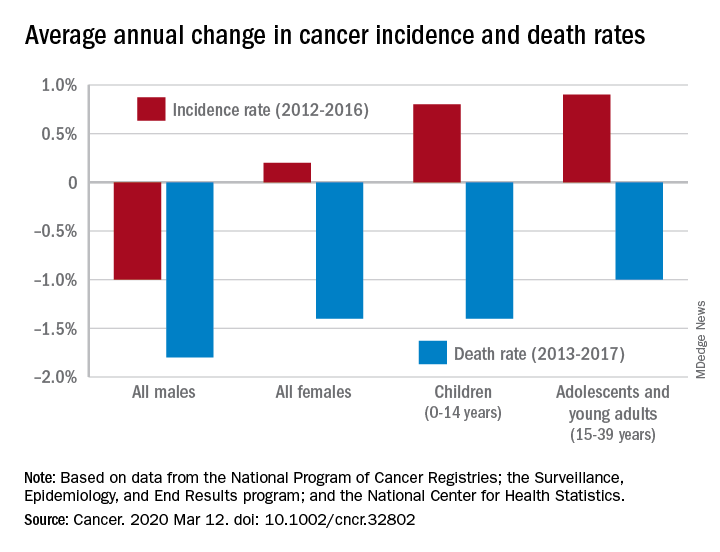
During 2013-2017, the overall age-standardized death rate for all cancers was 158.2 per 100,000 population, and the average decline over that period was 1.5% per year. The average annual change was greater for men (–1.8%) than women (–1.4%) for 2013-2017, but the death rate was higher for men (189.3 per 100,000 vs. 135.5 per 100,000) for those years, S. Jane Henley of the Centers for Disease Control and Prevention and associates reported in Cancer.
“The drops in mortality we’re seeing are real, sustained, and a strong indication of what we can do when we work to prevent and treat cancer,” William G. Cance, MD, chief medical and scientific officer of the America Cancer Society, said in a written statement accompanying the report.
Overall cancer incidence for the most recent 5-year period (2012-2016) was 447.9 per 100,000, with rates of 487.9 for men and 421.4 for women, the investigators said.
Incidence dropped by 0.6% per year overall, but that hides a major difference between men, who saw a decrease of 1.0% a year, and women, who experienced an annual increase of 0.2%.
Over those 5 years, cancer incidence also increased by 0.8% annually among children aged 0-14 years and by 0.9% in adolescents and young adults aged 15-39 years, Ms. Henley and associates said in the report, which is a collaborative effort between the CDC, the National Cancer Institute, the American Cancer Society, and the North American Association of Central Cancer Registries.
“[W]e must not be complacent. The cancer incidence data – especially the increase in cancer among women – is a clear reminder that there is more work ahead,” Norman E. Sharpless, MD, director of the National Cancer Institute, said in the accompanying statement.
SOURCE: Henley SJ et al. Cancer. 2020 Mar 12. doi: 10.1002/cncr.32802.
according to the Annual Report to the Nation on the Status of Cancer.
During 2013-2017, the overall age-standardized death rate for all cancers was 158.2 per 100,000 population, and the average decline over that period was 1.5% per year. The average annual change was greater for men (–1.8%) than women (–1.4%) for 2013-2017, but the death rate was higher for men (189.3 per 100,000 vs. 135.5 per 100,000) for those years, S. Jane Henley of the Centers for Disease Control and Prevention and associates reported in Cancer.
“The drops in mortality we’re seeing are real, sustained, and a strong indication of what we can do when we work to prevent and treat cancer,” William G. Cance, MD, chief medical and scientific officer of the America Cancer Society, said in a written statement accompanying the report.
Overall cancer incidence for the most recent 5-year period (2012-2016) was 447.9 per 100,000, with rates of 487.9 for men and 421.4 for women, the investigators said.
Incidence dropped by 0.6% per year overall, but that hides a major difference between men, who saw a decrease of 1.0% a year, and women, who experienced an annual increase of 0.2%.
Over those 5 years, cancer incidence also increased by 0.8% annually among children aged 0-14 years and by 0.9% in adolescents and young adults aged 15-39 years, Ms. Henley and associates said in the report, which is a collaborative effort between the CDC, the National Cancer Institute, the American Cancer Society, and the North American Association of Central Cancer Registries.
“[W]e must not be complacent. The cancer incidence data – especially the increase in cancer among women – is a clear reminder that there is more work ahead,” Norman E. Sharpless, MD, director of the National Cancer Institute, said in the accompanying statement.
SOURCE: Henley SJ et al. Cancer. 2020 Mar 12. doi: 10.1002/cncr.32802.
according to the Annual Report to the Nation on the Status of Cancer.
During 2013-2017, the overall age-standardized death rate for all cancers was 158.2 per 100,000 population, and the average decline over that period was 1.5% per year. The average annual change was greater for men (–1.8%) than women (–1.4%) for 2013-2017, but the death rate was higher for men (189.3 per 100,000 vs. 135.5 per 100,000) for those years, S. Jane Henley of the Centers for Disease Control and Prevention and associates reported in Cancer.
“The drops in mortality we’re seeing are real, sustained, and a strong indication of what we can do when we work to prevent and treat cancer,” William G. Cance, MD, chief medical and scientific officer of the America Cancer Society, said in a written statement accompanying the report.
Overall cancer incidence for the most recent 5-year period (2012-2016) was 447.9 per 100,000, with rates of 487.9 for men and 421.4 for women, the investigators said.
Incidence dropped by 0.6% per year overall, but that hides a major difference between men, who saw a decrease of 1.0% a year, and women, who experienced an annual increase of 0.2%.
Over those 5 years, cancer incidence also increased by 0.8% annually among children aged 0-14 years and by 0.9% in adolescents and young adults aged 15-39 years, Ms. Henley and associates said in the report, which is a collaborative effort between the CDC, the National Cancer Institute, the American Cancer Society, and the North American Association of Central Cancer Registries.
“[W]e must not be complacent. The cancer incidence data – especially the increase in cancer among women – is a clear reminder that there is more work ahead,” Norman E. Sharpless, MD, director of the National Cancer Institute, said in the accompanying statement.
SOURCE: Henley SJ et al. Cancer. 2020 Mar 12. doi: 10.1002/cncr.32802.
FROM CANCER
FDA to revise safety evaluation of type 2 diabetes drugs
The US Food and Drug Administration (FDA) has issued new draft guidance for industry on evaluating the safety of new drugs for type 2 diabetes and removed the “outdated” 12-year-old requirement for standardized cardiovascular outcomes trials (CVOTs).
The new draft guidance, “Type 2 Diabetes Mellitus: Evaluating the Safety of New Drugs for Improving Glycemic Control,” will replace the December 2008 requirement that manufacturers conduct CVOTs to rule out unacceptable cardiovascular safety risk. That move followed concerns raised at the time about the thiazolidinedione class of glucose-lowering drugs.
Since then, “FDA has reviewed the results of several [CVOTs] conducted to meet the December 2008 guidance recommendations. None of the CVOTs to date have identified an increased risk of ischemic cardiovascular events; some of the CVOTs have instead demonstrated a reduced risk for cardiovascular events,” according to the federal register announcement.
In October 2018, the FDA’s Endocrinologic and Metabolic Drugs Advisory Committee narrowly voted (10 to 9) to continue requiring CVOTs, but most panel members also recommended some changes to them, including requirements for safety data beyond cardiovascular events.
Based on the CVOT results over the years and the panel’s recommendations, “FDA is revisiting the recommendations of the December 2008 guidance and is now proposing an updated approach to evaluating the safety of new drugs and biologics to improve glycemic control.”
“The new draft guidance does not contain the recommendation that sponsors of all new therapies for type 2 diabetes uniformly rule out a specific degree of risk for ischemic cardiovascular adverse outcomes,” the FDA said.
Instead, the draft calls for at least 4000 patient-years of exposure to the new drug in phase 3 trials and inclusion of study participants with comorbid conditions and/or diabetes complications, including at least 500 with stage 3-4 chronic kidney disease, 600 with established cardiovascular disease, and at least 600 over the age of 65 years.
The FDA is soliciting stakeholder input on these and other issues, including study duration, subject demographics, specific safety concerns, and event adjudication.
In a statement, Lisa Yanoff, MD, acting director of the Division for Metabolism and Endocrinology Products in the FDA’s Center for Drug Evaluation and Research, said: “By following previous FDA recommendations, sponsors have shown that new type 2 diabetes drugs do not have excess ischemic cardiovascular risk, which has provided reassuring cardiovascular safety information for millions of diabetes patients. Now, with this proposed approach, we will have broader, valuable safety information for these medications.”
The draft is open for comments for 90 days after March 9, 2020. It is available online, along with a link for submitting comments.
This article first appeared on Medscape.com.
The US Food and Drug Administration (FDA) has issued new draft guidance for industry on evaluating the safety of new drugs for type 2 diabetes and removed the “outdated” 12-year-old requirement for standardized cardiovascular outcomes trials (CVOTs).
The new draft guidance, “Type 2 Diabetes Mellitus: Evaluating the Safety of New Drugs for Improving Glycemic Control,” will replace the December 2008 requirement that manufacturers conduct CVOTs to rule out unacceptable cardiovascular safety risk. That move followed concerns raised at the time about the thiazolidinedione class of glucose-lowering drugs.
Since then, “FDA has reviewed the results of several [CVOTs] conducted to meet the December 2008 guidance recommendations. None of the CVOTs to date have identified an increased risk of ischemic cardiovascular events; some of the CVOTs have instead demonstrated a reduced risk for cardiovascular events,” according to the federal register announcement.
In October 2018, the FDA’s Endocrinologic and Metabolic Drugs Advisory Committee narrowly voted (10 to 9) to continue requiring CVOTs, but most panel members also recommended some changes to them, including requirements for safety data beyond cardiovascular events.
Based on the CVOT results over the years and the panel’s recommendations, “FDA is revisiting the recommendations of the December 2008 guidance and is now proposing an updated approach to evaluating the safety of new drugs and biologics to improve glycemic control.”
“The new draft guidance does not contain the recommendation that sponsors of all new therapies for type 2 diabetes uniformly rule out a specific degree of risk for ischemic cardiovascular adverse outcomes,” the FDA said.
Instead, the draft calls for at least 4000 patient-years of exposure to the new drug in phase 3 trials and inclusion of study participants with comorbid conditions and/or diabetes complications, including at least 500 with stage 3-4 chronic kidney disease, 600 with established cardiovascular disease, and at least 600 over the age of 65 years.
The FDA is soliciting stakeholder input on these and other issues, including study duration, subject demographics, specific safety concerns, and event adjudication.
In a statement, Lisa Yanoff, MD, acting director of the Division for Metabolism and Endocrinology Products in the FDA’s Center for Drug Evaluation and Research, said: “By following previous FDA recommendations, sponsors have shown that new type 2 diabetes drugs do not have excess ischemic cardiovascular risk, which has provided reassuring cardiovascular safety information for millions of diabetes patients. Now, with this proposed approach, we will have broader, valuable safety information for these medications.”
The draft is open for comments for 90 days after March 9, 2020. It is available online, along with a link for submitting comments.
This article first appeared on Medscape.com.
The US Food and Drug Administration (FDA) has issued new draft guidance for industry on evaluating the safety of new drugs for type 2 diabetes and removed the “outdated” 12-year-old requirement for standardized cardiovascular outcomes trials (CVOTs).
The new draft guidance, “Type 2 Diabetes Mellitus: Evaluating the Safety of New Drugs for Improving Glycemic Control,” will replace the December 2008 requirement that manufacturers conduct CVOTs to rule out unacceptable cardiovascular safety risk. That move followed concerns raised at the time about the thiazolidinedione class of glucose-lowering drugs.
Since then, “FDA has reviewed the results of several [CVOTs] conducted to meet the December 2008 guidance recommendations. None of the CVOTs to date have identified an increased risk of ischemic cardiovascular events; some of the CVOTs have instead demonstrated a reduced risk for cardiovascular events,” according to the federal register announcement.
In October 2018, the FDA’s Endocrinologic and Metabolic Drugs Advisory Committee narrowly voted (10 to 9) to continue requiring CVOTs, but most panel members also recommended some changes to them, including requirements for safety data beyond cardiovascular events.
Based on the CVOT results over the years and the panel’s recommendations, “FDA is revisiting the recommendations of the December 2008 guidance and is now proposing an updated approach to evaluating the safety of new drugs and biologics to improve glycemic control.”
“The new draft guidance does not contain the recommendation that sponsors of all new therapies for type 2 diabetes uniformly rule out a specific degree of risk for ischemic cardiovascular adverse outcomes,” the FDA said.
Instead, the draft calls for at least 4000 patient-years of exposure to the new drug in phase 3 trials and inclusion of study participants with comorbid conditions and/or diabetes complications, including at least 500 with stage 3-4 chronic kidney disease, 600 with established cardiovascular disease, and at least 600 over the age of 65 years.
The FDA is soliciting stakeholder input on these and other issues, including study duration, subject demographics, specific safety concerns, and event adjudication.
In a statement, Lisa Yanoff, MD, acting director of the Division for Metabolism and Endocrinology Products in the FDA’s Center for Drug Evaluation and Research, said: “By following previous FDA recommendations, sponsors have shown that new type 2 diabetes drugs do not have excess ischemic cardiovascular risk, which has provided reassuring cardiovascular safety information for millions of diabetes patients. Now, with this proposed approach, we will have broader, valuable safety information for these medications.”
The draft is open for comments for 90 days after March 9, 2020. It is available online, along with a link for submitting comments.
This article first appeared on Medscape.com.
Medical identity theft
In his book, “Scam Me If You Can,” fraud expert Frank Abagnale relates the case of a 5-year-old boy whose pediatrician’s computer was hacked, compromising his name, birth date, Social Security number, insurance information, and medical records. The result was a bureaucratic nightmare that may well continue for the rest of that unfortunate young patient’s life. One can only speculate on the difficulties he might have as adult in obtaining a line of credit, or in proving his medical identity to physicians and hospitals.

– your Social Security number, bank account numbers, etc. – sells for about $25 on the black market; add health insurance and medical records, and the price can jump to $1,000 or more. That’s because there is a far greater potential yield from medical identity theft – and once your personal information and medical records are breached, they are in the Cloud for the rest of your life, available to anyone who wants to buy them. Older patients are particularly vulnerable: Medicare billing scams cost taxpayers more than $60 billion a year.
If your office’s computer system does not have effective fraud protection, you could be held liable for any fraud committed with information stolen from it – and if the information is resold years later and reused to commit more fraud, you’ll be liable for that, too. That’s why I strongly recommend that you invest in high-quality security technology and software, so that in the event of a breach, the security company will at least share in the fault and the liability. (As always, I have no financial interest in any product or industry mentioned in this column.)
Even with adequate protection, breaches can still occur, so all medical offices should have a breach response plan in place, covering how to halt security breaches, and how to handle any lost or stolen data. Your computer and security vendors can help with formulating such a plan. Patients affected by a breach need to be contacted as well, so they may put a freeze on accounts or send out fraud alerts.
Patients also need to be aware of the risks. If your EHR includes an online portal to communicate protected information to patients, it may be secure on your end, but patients are unlikely to have similar protection on their home computers. If you offer online patient portal services, you should make your patients aware of measures they can take to protect their data once it arrives on their computers or phones.
Patients should also be warned of the risks that come with sharing medical information with others. If they are asked to reveal medical data via phone or email, they need to ask who is requesting it, and why. Any unsolicited calls inquiring about their medical information, from someone who can’t or won’t confirm their identity, should be considered extremely suspicious.
We tell our patients to protect their insurance numbers as carefully as they guard their Social Security number and other valuable data, and to shred any medical paperwork they no longer need, including labels on prescription bottles. And if they see something on an Explanation of Benefits that doesn’t look right, they should question it immediately. We encourage them to take advantage of the free services at MyMedicare.gov, including Medicare Summary Notices provided every 3 months (if any services or medical supplies are received during that period), to make sure they’re being billed only for services they have received.

Your staff should be made aware of the potential for “friendly fraud,” which is defined as theft of identity and medical information by patients’ friends or family members. (According to some studies, as much as 50% of all medical identity theft may be committed this way.) Staffers should never divulge insurance numbers, diagnoses, lab reports, or any other privileged information to family or friends, whether by phone, fax, mail, or in person, without written permission from the patient. And when callers claiming to be patients request information about themselves, your employees should be alert for “red flags.” For example, legitimate patients won’t stumble over simple questions (such as “What is your birth date?”) or request test results or diagnoses that they should already know about.
Dr. Eastern practices dermatology and dermatologic surgery in Belleville, N.J. He is the author of numerous articles and textbook chapters, and is a longtime monthly columnist for Dermatology News. Write to him at dermnews@mdedge.com.
In his book, “Scam Me If You Can,” fraud expert Frank Abagnale relates the case of a 5-year-old boy whose pediatrician’s computer was hacked, compromising his name, birth date, Social Security number, insurance information, and medical records. The result was a bureaucratic nightmare that may well continue for the rest of that unfortunate young patient’s life. One can only speculate on the difficulties he might have as adult in obtaining a line of credit, or in proving his medical identity to physicians and hospitals.
– your Social Security number, bank account numbers, etc. – sells for about $25 on the black market; add health insurance and medical records, and the price can jump to $1,000 or more. That’s because there is a far greater potential yield from medical identity theft – and once your personal information and medical records are breached, they are in the Cloud for the rest of your life, available to anyone who wants to buy them. Older patients are particularly vulnerable: Medicare billing scams cost taxpayers more than $60 billion a year.
If your office’s computer system does not have effective fraud protection, you could be held liable for any fraud committed with information stolen from it – and if the information is resold years later and reused to commit more fraud, you’ll be liable for that, too. That’s why I strongly recommend that you invest in high-quality security technology and software, so that in the event of a breach, the security company will at least share in the fault and the liability. (As always, I have no financial interest in any product or industry mentioned in this column.)
Even with adequate protection, breaches can still occur, so all medical offices should have a breach response plan in place, covering how to halt security breaches, and how to handle any lost or stolen data. Your computer and security vendors can help with formulating such a plan. Patients affected by a breach need to be contacted as well, so they may put a freeze on accounts or send out fraud alerts.
Patients also need to be aware of the risks. If your EHR includes an online portal to communicate protected information to patients, it may be secure on your end, but patients are unlikely to have similar protection on their home computers. If you offer online patient portal services, you should make your patients aware of measures they can take to protect their data once it arrives on their computers or phones.
Patients should also be warned of the risks that come with sharing medical information with others. If they are asked to reveal medical data via phone or email, they need to ask who is requesting it, and why. Any unsolicited calls inquiring about their medical information, from someone who can’t or won’t confirm their identity, should be considered extremely suspicious.
We tell our patients to protect their insurance numbers as carefully as they guard their Social Security number and other valuable data, and to shred any medical paperwork they no longer need, including labels on prescription bottles. And if they see something on an Explanation of Benefits that doesn’t look right, they should question it immediately. We encourage them to take advantage of the free services at MyMedicare.gov, including Medicare Summary Notices provided every 3 months (if any services or medical supplies are received during that period), to make sure they’re being billed only for services they have received.
Your staff should be made aware of the potential for “friendly fraud,” which is defined as theft of identity and medical information by patients’ friends or family members. (According to some studies, as much as 50% of all medical identity theft may be committed this way.) Staffers should never divulge insurance numbers, diagnoses, lab reports, or any other privileged information to family or friends, whether by phone, fax, mail, or in person, without written permission from the patient. And when callers claiming to be patients request information about themselves, your employees should be alert for “red flags.” For example, legitimate patients won’t stumble over simple questions (such as “What is your birth date?”) or request test results or diagnoses that they should already know about.
Dr. Eastern practices dermatology and dermatologic surgery in Belleville, N.J. He is the author of numerous articles and textbook chapters, and is a longtime monthly columnist for Dermatology News. Write to him at dermnews@mdedge.com.
In his book, “Scam Me If You Can,” fraud expert Frank Abagnale relates the case of a 5-year-old boy whose pediatrician’s computer was hacked, compromising his name, birth date, Social Security number, insurance information, and medical records. The result was a bureaucratic nightmare that may well continue for the rest of that unfortunate young patient’s life. One can only speculate on the difficulties he might have as adult in obtaining a line of credit, or in proving his medical identity to physicians and hospitals.
– your Social Security number, bank account numbers, etc. – sells for about $25 on the black market; add health insurance and medical records, and the price can jump to $1,000 or more. That’s because there is a far greater potential yield from medical identity theft – and once your personal information and medical records are breached, they are in the Cloud for the rest of your life, available to anyone who wants to buy them. Older patients are particularly vulnerable: Medicare billing scams cost taxpayers more than $60 billion a year.
If your office’s computer system does not have effective fraud protection, you could be held liable for any fraud committed with information stolen from it – and if the information is resold years later and reused to commit more fraud, you’ll be liable for that, too. That’s why I strongly recommend that you invest in high-quality security technology and software, so that in the event of a breach, the security company will at least share in the fault and the liability. (As always, I have no financial interest in any product or industry mentioned in this column.)
Even with adequate protection, breaches can still occur, so all medical offices should have a breach response plan in place, covering how to halt security breaches, and how to handle any lost or stolen data. Your computer and security vendors can help with formulating such a plan. Patients affected by a breach need to be contacted as well, so they may put a freeze on accounts or send out fraud alerts.
Patients also need to be aware of the risks. If your EHR includes an online portal to communicate protected information to patients, it may be secure on your end, but patients are unlikely to have similar protection on their home computers. If you offer online patient portal services, you should make your patients aware of measures they can take to protect their data once it arrives on their computers or phones.
Patients should also be warned of the risks that come with sharing medical information with others. If they are asked to reveal medical data via phone or email, they need to ask who is requesting it, and why. Any unsolicited calls inquiring about their medical information, from someone who can’t or won’t confirm their identity, should be considered extremely suspicious.
We tell our patients to protect their insurance numbers as carefully as they guard their Social Security number and other valuable data, and to shred any medical paperwork they no longer need, including labels on prescription bottles. And if they see something on an Explanation of Benefits that doesn’t look right, they should question it immediately. We encourage them to take advantage of the free services at MyMedicare.gov, including Medicare Summary Notices provided every 3 months (if any services or medical supplies are received during that period), to make sure they’re being billed only for services they have received.
Your staff should be made aware of the potential for “friendly fraud,” which is defined as theft of identity and medical information by patients’ friends or family members. (According to some studies, as much as 50% of all medical identity theft may be committed this way.) Staffers should never divulge insurance numbers, diagnoses, lab reports, or any other privileged information to family or friends, whether by phone, fax, mail, or in person, without written permission from the patient. And when callers claiming to be patients request information about themselves, your employees should be alert for “red flags.” For example, legitimate patients won’t stumble over simple questions (such as “What is your birth date?”) or request test results or diagnoses that they should already know about.
Dr. Eastern practices dermatology and dermatologic surgery in Belleville, N.J. He is the author of numerous articles and textbook chapters, and is a longtime monthly columnist for Dermatology News. Write to him at dermnews@mdedge.com.

Gender, racial disparities persist in statin use by ASCVD patients
PHOENIX – Statin use for the secondary prevention of cardiovascular disease increased modestly between 2008 and 2017 in the United States, but more than 40% of patients with established atherosclerotic cardiovascular disease are still not on a statin.

In addition, even after release of the 2013 American College of Cardiology/American Heart Association Guideline on the Treatment of Blood Cholesterol to Reduce Atherosclerotic Cardiovascular Risk in Adults (Circulation. 2014;129:S1-45) that markedly increased the pool of eligible patients, disparities exist in the proportion of women versus men, and blacks and Hispanics versus whites with atherosclerotic cardiovascular disease (ASCVD) who are currently receiving a statin.
“Despite repeated calls for the use of statins for secondary prevention of CVD in multiple guidelines, gender and racial inequalities in the use of statins persist,” Joseph A. Salami, MD, MPH, said at the Epidemiology and Prevention/Lifestyle and Cardiometabolic Health meeting, sponsored by the American Heart Association. “Cardiovascular disease remains the leading cause of death in the U.S. In 2017, it was responsible for 647,457 deaths. We have an opportunity to improve CVD-related outcomes and cost by intensifying efforts to use statins for the secondary prevention of CVD and closing gender and racial gaps. Action is needed.”
Dr. Salami, a biostatistician with the Baptist Health South Florida Center for Advanced Analytics in Coral Gables, based his remarks on an analysis of data contained in the 2008-2017 Medical Expenditure Panel Survey (MEPS), a national representative survey sponsored by the Agency for Healthcare Research and Quality. “Between 2013 and 2018 there were six different guidelines released encouraging statin use among ASCVD patients,” he said. “Besides the good number needed to treat, statin use on secondary prevention of CVD is cost effective.”
Given the proven efficacy of statin use in the prevention of CVD, he and his associates set out to examine trends in the proportion of adults with ASCVD using statins and to assess for gender and racial differences in their use. The researchers used ICD-9 and ICD-10 codes to define ASCVD among the MEPS study population, as well as self-reported history of coronary artery disease, peripheral artery disease, and stroke. After excluding adults aged younger than 40 years and those without ASCVD, this left a population of 15,911 patients. Of these, 44% were female, their mean age was 62 years, and 72% were Caucasian.
Overall, statin use increased from 50% in 2008 to 58.7% in 2017, with an average annual percentage change of 0.95% between 2010 and 2017 (P = .01). However, the annual percentage change in statin use was 0.25% among men versus 0.14% among women (P = .022). “Each year during the study period, more than 3 million women with ASCVD were not prescribed a statin, which translated into about 36 million adult-years,” Dr. Salami said. “In 2017, 16% of these women were African Americans and 15% were Hispanic.”
Logistic regression analysis revealed that in 2017, females with ASCVD were less likely to be prescribed a statin, compared with males (odds ratio, 0.52; P less than .001). In addition, compared with whites, blacks were less likely to be prescribed a statin (OR, 0.69; P = .012), as were Hispanics (OR, 0.62; P = .003). “In a multivariate logistic regression controlling for age, health insurance status, and comorbidities, the gender disparity remained statistically significant, but the racial disparity did not,” Dr. Salami said.
In an interview, one of the meeting session’s moderators, Sherry-Ann Brown, MD, PhD, characterized the study’s findings as sobering. “This should be an eye-opener for all of us in medicine, whether we are physicians, pharmacists, nurses, or researchers,” said Dr. Brown, who is a cardiologist and physician scientist at the Mayo Clinic in Rochester, Minn. “We’re all in this together, and we all have a role to play in addressing social determinants of health. I think we need to recognize the fact that we’re not treating blacks, Hispanics, and women to the degree that we should be, compared to whites and men. I think we need to do better, and we need to figure out how to reach that population, and how to improve.”
Dr. Salami acknowledged certain limitations of the study, including the fact that MEPS was carried out in a noninstitutionalized adult population and that the definition of ASCVD was based partly on self-report. “Therefore, an underestimation of number adults with ASCVD is likely,” he said. “We also couldn’t determine adherence to medication nor long-term use of statins among adults with ASCVD.”
He concluded his presentation by noting that, over the 10-year study period, there were about 71.2 million ASCVD adult-years without a statin prescription. “That is a staggering number,” Dr. Salami said.
He reported having no financial disclosures.
SOURCE: Salami A et al. Epi/Lifestyle 2020, Abstract 4.
PHOENIX – Statin use for the secondary prevention of cardiovascular disease increased modestly between 2008 and 2017 in the United States, but more than 40% of patients with established atherosclerotic cardiovascular disease are still not on a statin.
In addition, even after release of the 2013 American College of Cardiology/American Heart Association Guideline on the Treatment of Blood Cholesterol to Reduce Atherosclerotic Cardiovascular Risk in Adults (Circulation. 2014;129:S1-45) that markedly increased the pool of eligible patients, disparities exist in the proportion of women versus men, and blacks and Hispanics versus whites with atherosclerotic cardiovascular disease (ASCVD) who are currently receiving a statin.
“Despite repeated calls for the use of statins for secondary prevention of CVD in multiple guidelines, gender and racial inequalities in the use of statins persist,” Joseph A. Salami, MD, MPH, said at the Epidemiology and Prevention/Lifestyle and Cardiometabolic Health meeting, sponsored by the American Heart Association. “Cardiovascular disease remains the leading cause of death in the U.S. In 2017, it was responsible for 647,457 deaths. We have an opportunity to improve CVD-related outcomes and cost by intensifying efforts to use statins for the secondary prevention of CVD and closing gender and racial gaps. Action is needed.”
Dr. Salami, a biostatistician with the Baptist Health South Florida Center for Advanced Analytics in Coral Gables, based his remarks on an analysis of data contained in the 2008-2017 Medical Expenditure Panel Survey (MEPS), a national representative survey sponsored by the Agency for Healthcare Research and Quality. “Between 2013 and 2018 there were six different guidelines released encouraging statin use among ASCVD patients,” he said. “Besides the good number needed to treat, statin use on secondary prevention of CVD is cost effective.”
Given the proven efficacy of statin use in the prevention of CVD, he and his associates set out to examine trends in the proportion of adults with ASCVD using statins and to assess for gender and racial differences in their use. The researchers used ICD-9 and ICD-10 codes to define ASCVD among the MEPS study population, as well as self-reported history of coronary artery disease, peripheral artery disease, and stroke. After excluding adults aged younger than 40 years and those without ASCVD, this left a population of 15,911 patients. Of these, 44% were female, their mean age was 62 years, and 72% were Caucasian.
Overall, statin use increased from 50% in 2008 to 58.7% in 2017, with an average annual percentage change of 0.95% between 2010 and 2017 (P = .01). However, the annual percentage change in statin use was 0.25% among men versus 0.14% among women (P = .022). “Each year during the study period, more than 3 million women with ASCVD were not prescribed a statin, which translated into about 36 million adult-years,” Dr. Salami said. “In 2017, 16% of these women were African Americans and 15% were Hispanic.”
Logistic regression analysis revealed that in 2017, females with ASCVD were less likely to be prescribed a statin, compared with males (odds ratio, 0.52; P less than .001). In addition, compared with whites, blacks were less likely to be prescribed a statin (OR, 0.69; P = .012), as were Hispanics (OR, 0.62; P = .003). “In a multivariate logistic regression controlling for age, health insurance status, and comorbidities, the gender disparity remained statistically significant, but the racial disparity did not,” Dr. Salami said.
In an interview, one of the meeting session’s moderators, Sherry-Ann Brown, MD, PhD, characterized the study’s findings as sobering. “This should be an eye-opener for all of us in medicine, whether we are physicians, pharmacists, nurses, or researchers,” said Dr. Brown, who is a cardiologist and physician scientist at the Mayo Clinic in Rochester, Minn. “We’re all in this together, and we all have a role to play in addressing social determinants of health. I think we need to recognize the fact that we’re not treating blacks, Hispanics, and women to the degree that we should be, compared to whites and men. I think we need to do better, and we need to figure out how to reach that population, and how to improve.”
Dr. Salami acknowledged certain limitations of the study, including the fact that MEPS was carried out in a noninstitutionalized adult population and that the definition of ASCVD was based partly on self-report. “Therefore, an underestimation of number adults with ASCVD is likely,” he said. “We also couldn’t determine adherence to medication nor long-term use of statins among adults with ASCVD.”
He concluded his presentation by noting that, over the 10-year study period, there were about 71.2 million ASCVD adult-years without a statin prescription. “That is a staggering number,” Dr. Salami said.
He reported having no financial disclosures.
SOURCE: Salami A et al. Epi/Lifestyle 2020, Abstract 4.
PHOENIX – Statin use for the secondary prevention of cardiovascular disease increased modestly between 2008 and 2017 in the United States, but more than 40% of patients with established atherosclerotic cardiovascular disease are still not on a statin.
In addition, even after release of the 2013 American College of Cardiology/American Heart Association Guideline on the Treatment of Blood Cholesterol to Reduce Atherosclerotic Cardiovascular Risk in Adults (Circulation. 2014;129:S1-45) that markedly increased the pool of eligible patients, disparities exist in the proportion of women versus men, and blacks and Hispanics versus whites with atherosclerotic cardiovascular disease (ASCVD) who are currently receiving a statin.
“Despite repeated calls for the use of statins for secondary prevention of CVD in multiple guidelines, gender and racial inequalities in the use of statins persist,” Joseph A. Salami, MD, MPH, said at the Epidemiology and Prevention/Lifestyle and Cardiometabolic Health meeting, sponsored by the American Heart Association. “Cardiovascular disease remains the leading cause of death in the U.S. In 2017, it was responsible for 647,457 deaths. We have an opportunity to improve CVD-related outcomes and cost by intensifying efforts to use statins for the secondary prevention of CVD and closing gender and racial gaps. Action is needed.”
Dr. Salami, a biostatistician with the Baptist Health South Florida Center for Advanced Analytics in Coral Gables, based his remarks on an analysis of data contained in the 2008-2017 Medical Expenditure Panel Survey (MEPS), a national representative survey sponsored by the Agency for Healthcare Research and Quality. “Between 2013 and 2018 there were six different guidelines released encouraging statin use among ASCVD patients,” he said. “Besides the good number needed to treat, statin use on secondary prevention of CVD is cost effective.”
Given the proven efficacy of statin use in the prevention of CVD, he and his associates set out to examine trends in the proportion of adults with ASCVD using statins and to assess for gender and racial differences in their use. The researchers used ICD-9 and ICD-10 codes to define ASCVD among the MEPS study population, as well as self-reported history of coronary artery disease, peripheral artery disease, and stroke. After excluding adults aged younger than 40 years and those without ASCVD, this left a population of 15,911 patients. Of these, 44% were female, their mean age was 62 years, and 72% were Caucasian.
Overall, statin use increased from 50% in 2008 to 58.7% in 2017, with an average annual percentage change of 0.95% between 2010 and 2017 (P = .01). However, the annual percentage change in statin use was 0.25% among men versus 0.14% among women (P = .022). “Each year during the study period, more than 3 million women with ASCVD were not prescribed a statin, which translated into about 36 million adult-years,” Dr. Salami said. “In 2017, 16% of these women were African Americans and 15% were Hispanic.”
Logistic regression analysis revealed that in 2017, females with ASCVD were less likely to be prescribed a statin, compared with males (odds ratio, 0.52; P less than .001). In addition, compared with whites, blacks were less likely to be prescribed a statin (OR, 0.69; P = .012), as were Hispanics (OR, 0.62; P = .003). “In a multivariate logistic regression controlling for age, health insurance status, and comorbidities, the gender disparity remained statistically significant, but the racial disparity did not,” Dr. Salami said.
In an interview, one of the meeting session’s moderators, Sherry-Ann Brown, MD, PhD, characterized the study’s findings as sobering. “This should be an eye-opener for all of us in medicine, whether we are physicians, pharmacists, nurses, or researchers,” said Dr. Brown, who is a cardiologist and physician scientist at the Mayo Clinic in Rochester, Minn. “We’re all in this together, and we all have a role to play in addressing social determinants of health. I think we need to recognize the fact that we’re not treating blacks, Hispanics, and women to the degree that we should be, compared to whites and men. I think we need to do better, and we need to figure out how to reach that population, and how to improve.”
Dr. Salami acknowledged certain limitations of the study, including the fact that MEPS was carried out in a noninstitutionalized adult population and that the definition of ASCVD was based partly on self-report. “Therefore, an underestimation of number adults with ASCVD is likely,” he said. “We also couldn’t determine adherence to medication nor long-term use of statins among adults with ASCVD.”
He concluded his presentation by noting that, over the 10-year study period, there were about 71.2 million ASCVD adult-years without a statin prescription. “That is a staggering number,” Dr. Salami said.
He reported having no financial disclosures.
SOURCE: Salami A et al. Epi/Lifestyle 2020, Abstract 4.
REPORTING FROM EPI/LIFESTYLE 2020
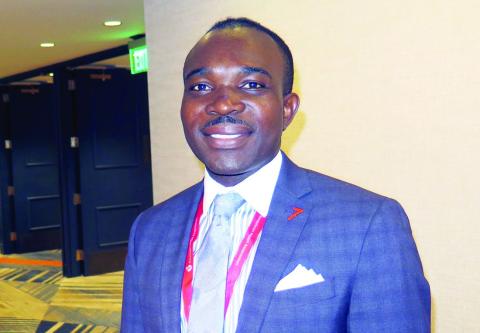
Lymphopenia linked to worse response in RCC, bladder cancer patients on checkpoint inhibitors
ORLANDO – treated in a real-world setting.
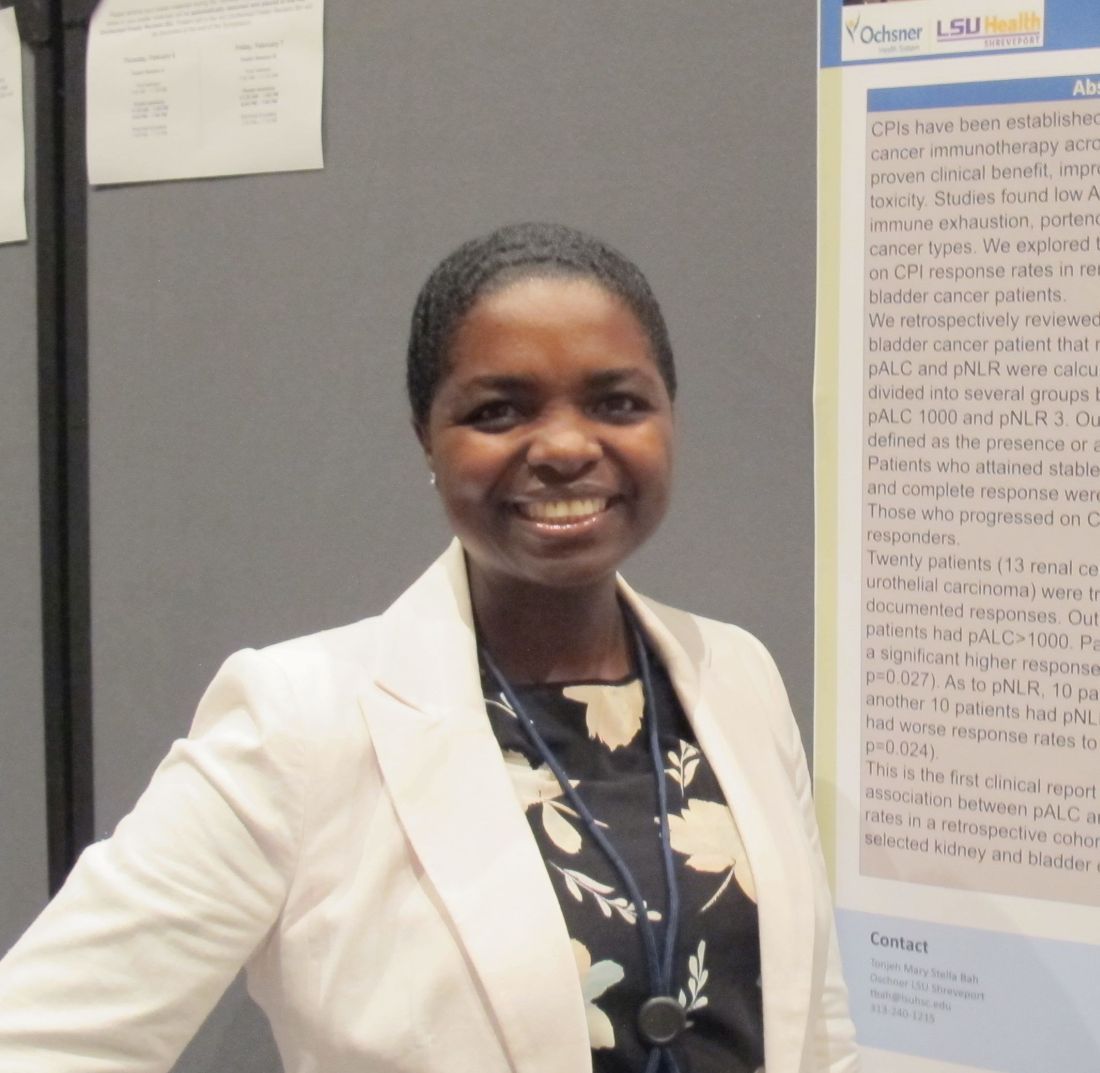
In a retrospective study of 20 patients, those with lower pALCs and higher pNLRs were less likely to respond to checkpoint inhibitors.
Tonjeh Bah, MD, of Feist-Weiller Cancer Center at LSU Health Shreveport in Louisiana, and colleagues reported these results in a poster at the ASCO-SITC Clinical Immuno-Oncology Symposium.
Response rates were 75% in patients with pALC greater than 1,000 and 25% in patients with pALC less than 1,000. This difference was statistically significant (P = .027), Dr. Bah noted, adding that the groups were comparable with respect to age, sex, race, and type of checkpoint inhibitors used.
Similarly, response rates were 80% in patients with pNLR less than 3 (the established upper limit of normal) and 30% in patients with pNLR greater than 3 (P = .024).
Checkpoint inhibitors targeting cytotoxic T-lymphocyte-associated protein 4 and programmed death-1 and its ligand are essential components of therapy across multiple cancer types, Dr. Bah noted in an interview. She explained that prior studies – mostly in patients with lung cancer and head and neck cancers – have also shown pALC and pNLR to be independently associated with poor checkpoint inhibitor response and worse progression-free survival.
“But this is the first study to look at the connection in kidney and bladder cancer in a real-world setting,” she said.
Dr. Bah and colleagues conducted the study to test the hypothesis that “lymphopenia is a marker of immune exhaustion, which is characterized by dysfunctional T cells that have a limited antitumor effect even in the presence of [checkpoint inhibitors] and by the eventual depletion of antitumor lymphocytes,” they wrote in the poster.
Patients included in the study were all those with renal cell carcinoma (n = 13) or bladder-urothelial cancers (n = 7) who received checkpoint inhibitors at one of two medical centers in Louisiana during 2015-2019 and who had outcomes reported. Patients who attained stable disease or had partial or complete responses were categorized as responders. Patients who progressed on checkpoint inhibitors were considered nonresponders.
“Our findings were not a surprise, but they do document, for the first time and in a real-world setting, that pALC and pNLR may have prognostic utility in patients with kidney and bladder cancers who are treated with [checkpoint inhibitors],” Dr. Bah said.
She added that the findings could help determine which patients are candidates for checkpoint inhibitors, but the results require confirmation in a large, prospective study. Dr. Bah reported having no disclosures, and there was no sponsor for this study.
SOURCE: Bah T et al. ASCO-SITC 2020. Abstract 31.
ORLANDO – treated in a real-world setting.
In a retrospective study of 20 patients, those with lower pALCs and higher pNLRs were less likely to respond to checkpoint inhibitors.
Tonjeh Bah, MD, of Feist-Weiller Cancer Center at LSU Health Shreveport in Louisiana, and colleagues reported these results in a poster at the ASCO-SITC Clinical Immuno-Oncology Symposium.
Response rates were 75% in patients with pALC greater than 1,000 and 25% in patients with pALC less than 1,000. This difference was statistically significant (P = .027), Dr. Bah noted, adding that the groups were comparable with respect to age, sex, race, and type of checkpoint inhibitors used.
Similarly, response rates were 80% in patients with pNLR less than 3 (the established upper limit of normal) and 30% in patients with pNLR greater than 3 (P = .024).
Checkpoint inhibitors targeting cytotoxic T-lymphocyte-associated protein 4 and programmed death-1 and its ligand are essential components of therapy across multiple cancer types, Dr. Bah noted in an interview. She explained that prior studies – mostly in patients with lung cancer and head and neck cancers – have also shown pALC and pNLR to be independently associated with poor checkpoint inhibitor response and worse progression-free survival.
“But this is the first study to look at the connection in kidney and bladder cancer in a real-world setting,” she said.
Dr. Bah and colleagues conducted the study to test the hypothesis that “lymphopenia is a marker of immune exhaustion, which is characterized by dysfunctional T cells that have a limited antitumor effect even in the presence of [checkpoint inhibitors] and by the eventual depletion of antitumor lymphocytes,” they wrote in the poster.
Patients included in the study were all those with renal cell carcinoma (n = 13) or bladder-urothelial cancers (n = 7) who received checkpoint inhibitors at one of two medical centers in Louisiana during 2015-2019 and who had outcomes reported. Patients who attained stable disease or had partial or complete responses were categorized as responders. Patients who progressed on checkpoint inhibitors were considered nonresponders.
“Our findings were not a surprise, but they do document, for the first time and in a real-world setting, that pALC and pNLR may have prognostic utility in patients with kidney and bladder cancers who are treated with [checkpoint inhibitors],” Dr. Bah said.
She added that the findings could help determine which patients are candidates for checkpoint inhibitors, but the results require confirmation in a large, prospective study. Dr. Bah reported having no disclosures, and there was no sponsor for this study.
SOURCE: Bah T et al. ASCO-SITC 2020. Abstract 31.
ORLANDO – treated in a real-world setting.
In a retrospective study of 20 patients, those with lower pALCs and higher pNLRs were less likely to respond to checkpoint inhibitors.
Tonjeh Bah, MD, of Feist-Weiller Cancer Center at LSU Health Shreveport in Louisiana, and colleagues reported these results in a poster at the ASCO-SITC Clinical Immuno-Oncology Symposium.
Response rates were 75% in patients with pALC greater than 1,000 and 25% in patients with pALC less than 1,000. This difference was statistically significant (P = .027), Dr. Bah noted, adding that the groups were comparable with respect to age, sex, race, and type of checkpoint inhibitors used.
Similarly, response rates were 80% in patients with pNLR less than 3 (the established upper limit of normal) and 30% in patients with pNLR greater than 3 (P = .024).
Checkpoint inhibitors targeting cytotoxic T-lymphocyte-associated protein 4 and programmed death-1 and its ligand are essential components of therapy across multiple cancer types, Dr. Bah noted in an interview. She explained that prior studies – mostly in patients with lung cancer and head and neck cancers – have also shown pALC and pNLR to be independently associated with poor checkpoint inhibitor response and worse progression-free survival.
“But this is the first study to look at the connection in kidney and bladder cancer in a real-world setting,” she said.
Dr. Bah and colleagues conducted the study to test the hypothesis that “lymphopenia is a marker of immune exhaustion, which is characterized by dysfunctional T cells that have a limited antitumor effect even in the presence of [checkpoint inhibitors] and by the eventual depletion of antitumor lymphocytes,” they wrote in the poster.
Patients included in the study were all those with renal cell carcinoma (n = 13) or bladder-urothelial cancers (n = 7) who received checkpoint inhibitors at one of two medical centers in Louisiana during 2015-2019 and who had outcomes reported. Patients who attained stable disease or had partial or complete responses were categorized as responders. Patients who progressed on checkpoint inhibitors were considered nonresponders.
“Our findings were not a surprise, but they do document, for the first time and in a real-world setting, that pALC and pNLR may have prognostic utility in patients with kidney and bladder cancers who are treated with [checkpoint inhibitors],” Dr. Bah said.
She added that the findings could help determine which patients are candidates for checkpoint inhibitors, but the results require confirmation in a large, prospective study. Dr. Bah reported having no disclosures, and there was no sponsor for this study.
SOURCE: Bah T et al. ASCO-SITC 2020. Abstract 31.
REPORTING FROM THE CLINICAL IMMUNO-ONCOLOGY SYMPOSIUM
Antidepressant could treat recurrent prostate cancer
“We sought to investigate if phenelzine would exert an anticancer effect demonstrated by decreasing PSA [prostate-specific antigen] values in biochemically recurrent prostate cancer patients,” study author Mitchell E. Gross, MD, PhD, of the University of Southern California, Los Angeles, and colleagues wrote. Their findings were published in Prostate Cancer and Prostatic Diseases.
The single-arm study included 20 patients with biochemically recurrent, nonmetastatic, castrate-sensitive prostate cancer who received primary treatment with either radical prostatectomy (n = 18) or radiotherapy (n = 2). Study subjects had normal levels of free testosterone (50 ng/dL or above) and showed no evidence of metastatic disease on bone and CT imaging.
With respect to dosing, 18 patients were successfully titrated to the target dose of 30 mg of oral phenelzine twice daily. Five of these patients subsequently had their dose increased to 45 mg twice daily. Each dosing cycle was 28 days, with escalations occurring during the first 2 weeks of therapy.
Therapy was continued until disease progression, patient preference, therapy interruption of more than 2 weeks from study-related toxicity, or physician decision.
The primary outcome measured was PSA reduction of at least 50% from baseline. Psychiatric outcomes were also evaluated using the Hospital Anxiety and Depression Scale.
The median treatment duration was 326 days (range, 40-954 days). Among 20 evaluable patients, 5 patients (25%) achieved a PSA reduction of at least 30% from baseline, and 2 patients (10%) achieved a reduction of at least 50% from baseline.
At 12 weeks, 17 patients were still on treatment. Four patients (24%) had PSA reductions of at least 30%, and one patient (6%) had a PSA reduction of at least 50%.
The most common grade 2 or higher phenelzine-related adverse effects were dizziness (35%), hypertension (30%), and edema (10%). Serious toxicities included one case of grade 4 hypertension and two cases of grade 3 syncope, which required treatment discontinuation.
With respect to mood outcomes, Hospital Anxiety and Depression Scale scores showed a significant decline in anxiety symptoms but no difference in depressive symptoms.
The researchers acknowledged that two key limitations of this study were the small sample size and the absence of a placebo arm. Hence, the results may not accurately reflect long-term clinically relevant outcomes, such as overall survival or disease progression.
“Further studies would be needed to determine if [monoamine oxidase inhibitors], used alone or in combination with other agents, may delay clinical progression and metastasis,” the researchers concluded.
This study was funded by the USC-Taiwan Center for Translational Research and the National Cancer Institute. Some of the authors disclosed financial affiliations with Amgen, Astellas, AstraZeneca, Bayer, and other companies.
SOURCE: Gross ME et al. Prostate Cancer Prostatic Dis. 2020 Mar 3. doi: 10.1038/s41391-020-0211-9.
“We sought to investigate if phenelzine would exert an anticancer effect demonstrated by decreasing PSA [prostate-specific antigen] values in biochemically recurrent prostate cancer patients,” study author Mitchell E. Gross, MD, PhD, of the University of Southern California, Los Angeles, and colleagues wrote. Their findings were published in Prostate Cancer and Prostatic Diseases.
The single-arm study included 20 patients with biochemically recurrent, nonmetastatic, castrate-sensitive prostate cancer who received primary treatment with either radical prostatectomy (n = 18) or radiotherapy (n = 2). Study subjects had normal levels of free testosterone (50 ng/dL or above) and showed no evidence of metastatic disease on bone and CT imaging.
With respect to dosing, 18 patients were successfully titrated to the target dose of 30 mg of oral phenelzine twice daily. Five of these patients subsequently had their dose increased to 45 mg twice daily. Each dosing cycle was 28 days, with escalations occurring during the first 2 weeks of therapy.
Therapy was continued until disease progression, patient preference, therapy interruption of more than 2 weeks from study-related toxicity, or physician decision.
The primary outcome measured was PSA reduction of at least 50% from baseline. Psychiatric outcomes were also evaluated using the Hospital Anxiety and Depression Scale.
The median treatment duration was 326 days (range, 40-954 days). Among 20 evaluable patients, 5 patients (25%) achieved a PSA reduction of at least 30% from baseline, and 2 patients (10%) achieved a reduction of at least 50% from baseline.
At 12 weeks, 17 patients were still on treatment. Four patients (24%) had PSA reductions of at least 30%, and one patient (6%) had a PSA reduction of at least 50%.
The most common grade 2 or higher phenelzine-related adverse effects were dizziness (35%), hypertension (30%), and edema (10%). Serious toxicities included one case of grade 4 hypertension and two cases of grade 3 syncope, which required treatment discontinuation.
With respect to mood outcomes, Hospital Anxiety and Depression Scale scores showed a significant decline in anxiety symptoms but no difference in depressive symptoms.
The researchers acknowledged that two key limitations of this study were the small sample size and the absence of a placebo arm. Hence, the results may not accurately reflect long-term clinically relevant outcomes, such as overall survival or disease progression.
“Further studies would be needed to determine if [monoamine oxidase inhibitors], used alone or in combination with other agents, may delay clinical progression and metastasis,” the researchers concluded.
This study was funded by the USC-Taiwan Center for Translational Research and the National Cancer Institute. Some of the authors disclosed financial affiliations with Amgen, Astellas, AstraZeneca, Bayer, and other companies.
SOURCE: Gross ME et al. Prostate Cancer Prostatic Dis. 2020 Mar 3. doi: 10.1038/s41391-020-0211-9.
“We sought to investigate if phenelzine would exert an anticancer effect demonstrated by decreasing PSA [prostate-specific antigen] values in biochemically recurrent prostate cancer patients,” study author Mitchell E. Gross, MD, PhD, of the University of Southern California, Los Angeles, and colleagues wrote. Their findings were published in Prostate Cancer and Prostatic Diseases.
The single-arm study included 20 patients with biochemically recurrent, nonmetastatic, castrate-sensitive prostate cancer who received primary treatment with either radical prostatectomy (n = 18) or radiotherapy (n = 2). Study subjects had normal levels of free testosterone (50 ng/dL or above) and showed no evidence of metastatic disease on bone and CT imaging.
With respect to dosing, 18 patients were successfully titrated to the target dose of 30 mg of oral phenelzine twice daily. Five of these patients subsequently had their dose increased to 45 mg twice daily. Each dosing cycle was 28 days, with escalations occurring during the first 2 weeks of therapy.
Therapy was continued until disease progression, patient preference, therapy interruption of more than 2 weeks from study-related toxicity, or physician decision.
The primary outcome measured was PSA reduction of at least 50% from baseline. Psychiatric outcomes were also evaluated using the Hospital Anxiety and Depression Scale.
The median treatment duration was 326 days (range, 40-954 days). Among 20 evaluable patients, 5 patients (25%) achieved a PSA reduction of at least 30% from baseline, and 2 patients (10%) achieved a reduction of at least 50% from baseline.
At 12 weeks, 17 patients were still on treatment. Four patients (24%) had PSA reductions of at least 30%, and one patient (6%) had a PSA reduction of at least 50%.
The most common grade 2 or higher phenelzine-related adverse effects were dizziness (35%), hypertension (30%), and edema (10%). Serious toxicities included one case of grade 4 hypertension and two cases of grade 3 syncope, which required treatment discontinuation.
With respect to mood outcomes, Hospital Anxiety and Depression Scale scores showed a significant decline in anxiety symptoms but no difference in depressive symptoms.
The researchers acknowledged that two key limitations of this study were the small sample size and the absence of a placebo arm. Hence, the results may not accurately reflect long-term clinically relevant outcomes, such as overall survival or disease progression.
“Further studies would be needed to determine if [monoamine oxidase inhibitors], used alone or in combination with other agents, may delay clinical progression and metastasis,” the researchers concluded.
This study was funded by the USC-Taiwan Center for Translational Research and the National Cancer Institute. Some of the authors disclosed financial affiliations with Amgen, Astellas, AstraZeneca, Bayer, and other companies.
SOURCE: Gross ME et al. Prostate Cancer Prostatic Dis. 2020 Mar 3. doi: 10.1038/s41391-020-0211-9.
FROM PROSTATE CANCER AND PROSTATIC DISEASES
Scientific community ‘shocked’ by loss of MIND diet pioneer
Martha Clare Morris, ScD, a pioneer in research linking nutrition to brain health and a creator of the breakthrough MIND diet, has died of cancer at the age of 64.
Morris was a professor in the Department of Internal Medicine, assistant provost of community research, and director of the Rush Institute for Healthy Aging at Rush University, in Chicago, Illinois. She was also a director of the internal medicine department’s Section of Community Epidemiology.
Long-time friend and colleague Julie A. Schneider, MD, the Deborah R. and Edgar D. Jannotta Presidential Professor of Pathology and Neurological Sciences, Rush University Medical Center, described Morris as creative, passionate, and adventurous.
Her death was “a shock” to the scientific community, Schneider told Medscape Medical News.
“It’s a tragic loss in so many ways,” said Schneider, who is also associate director of the Rush Alzheimer’s Disease Center. She was a very well-respected nutritional epidemiologist and was passionate about her work; she had just so much unwavering commitment to it.
Diet, said Schneider, is “notoriously a hard thing to study” because “it’s so intertwined with lifestyle” and other factors that create “barriers” to conducting such research.
But Morris had a unique and creative talent for filtering out what might be the individual contribution of a particular modifiable risk factor, said Heather Snyder, PhD, vice president of medical and scientific relations, Alzheimer’s Association, who also knew Morris both personally and professionally.
“Humble” trailblazer
Morris’s pioneering research examined the connection between nutrition and the prevention of cognitive decline. Taking results from this research, she developed the MIND diet – a hybrid of the Mediterranean diet and the Dietary Approaches to Stop Hypertension – along with colleagues at both Rush and Harvard Universities.
The MIND diet – an acronym for Mediterranean-DASH Intervention for Neurodegenerative Delay – emphasizes brain-healthy foods, including leafy green vegetables, nuts, berries, chicken, fish, whole grains, beans, olive oil, and moderate amounts of red wine. The diet limits consumption of red meat, butter, margarine, and processed foods.
In 2015, Morris published her initial findings on the MIND diet in Alzheimer’s and Dementia. Reported by Medscape Medical News at that time, the study showed that the diet protected cardiovascular health and slowed cognitive decline in older individuals.
The excitement around the findings inspired Morris to write “Diet for the Mind,” which was published in 2017. The book summarizes the benefits of the MIND diet and includes brain-healthy recipes created by her daughter Laura, who is a chef. Despite many accolades, Morris was “humble” about this project, said Schneider.
“This was not about publicity and trying to get a book out; she wanted to see if this diet really was going to change people’s lives. She wanted to bring it into the community,” she said.
Proud legacy
Since 2017, Morris had led a large clinical trial of the effectiveness of the MIND diet in preventing cognitive decline. The first study of its kind, the trial received a $14.5 million grant from the National Institutes of Health (NIH). Results of this study are expected in 2021.
The MIND diet was ranked among the top 10 diets for five consecutive years in US News and World Report.
Morris’s nutrition-related research went beyond diets and examined the impact of individual nutrients. One of her studies, published in 2018 and reported by Medscape Medical News, suggested that the presence of folate, phylloquinone, and lutein – nutrients found in relatively large amounts in green leafy vegetables – may account for why consuming a daily serving of these vegetables slows cognitive decline.
One of the most recent studies from Morris’ group, published in January 2020 and reported by Medscape Medical News at that time, provided the first evidence that dietary flavonols, which are found in many fruits and vegetables, are associated with a significantly reduced risk for dementia.
What Morris did so well was to “look at the big picture” and “think about commonalities that cross nutritional components” of diets such as MIND, DASH, the Mediterranean diet, and the Nordic diet, which is similar to the Mediterranean diet but highlights local foods such as fish from Nordic regions, Snyder told Medscape Medical News.
Morris was instrumental in getting the Alzheimer’s Association’s US POINTER (US Study to Protect Brain Health Through Lifestyle Intervention to Reduce Risk) study off the ground. The 2-year clinical trial is testing whether combining a healthy diet with exercise, cognitive and social stimulation, and the management of cardiovascular conditions protects cognitive function in older adults who are at increased risk for cognitive decline.
This study will be part of her legacy, said Snyder.
“She will be remembered for her perseverance to get us to a place where we can be looking at nutrition as a modifiable risk factor and now testing it in trials that she helped to set up,” she said.
Even before her involvement with US POINTER, Morris had long been an active volunteer for the Alzheimer’s Association, said Snyder.
“She contributed significant time and expertise as we looked at the state of the evidence around nutrition and other lifestyle and behavioral interventions.”
We’ll ‘always have Paris’
While Morris was “truly passionate” about diet and health “both professionally and personally,” she also had a fun side, said Schneider. She remembers she and Morris had a chance meeting in Paris, where they spent an entire day going to museums and restaurants and just talking about life and their travels. To the end, they joked they would “always have Paris,” said Schneider.
She was also a loyal friend. Morris threw a baby shower when Schneider was pregnant, organizing every detail, despite her extremely busy schedule.
Family was another of Morris’s passions. Snyder recalls Morris’s face lighting up when she talked about her children and grandchildren. She also remembers her friend’s zest for life. “She had an energy that was contagious.”
Morris also loved the outdoors and was a keen adventurer. She once trained for weeks before a long bike trip with her daughter and would take a helicopter to access remote backcountry on hiking excursions.
“She wanted to try everything,” said Schneider.
An author or contributor to more than 80 articles in peer-reviewed journals, Morris also served two terms (from 2011 to 2013) as chair of the NIH’s Neurological, Aging and Musculoskeletal Epidemiology Study Section.
She left behind multiple grants for various studies. One unique study, said Schneider, investigated the relationship between iron and other metals in the brain and the neuropathology of Alzheimer disease.
“She was really in the prime of her career,” noted Schneider. “She had so much left to give and to offer, so this is tremendously sad.”
According to news reports, Morris (nee Chinn) grew up in Homewood, Illinois, and earned bachelor’s and master’s degrees in sociology from the University of Iowa in Iowa City, where she met her husband, James Morris. The two married in 1978 and had three children.
Morris completed a doctorate in epidemiology at the Harvard School of Public Health. James died in 2012, also from cancer. Morris passed away peacefully at her home on February 15.
Martha Clare Morris, ScD, a pioneer in research linking nutrition to brain health and a creator of the breakthrough MIND diet, has died of cancer at the age of 64.
Morris was a professor in the Department of Internal Medicine, assistant provost of community research, and director of the Rush Institute for Healthy Aging at Rush University, in Chicago, Illinois. She was also a director of the internal medicine department’s Section of Community Epidemiology.
Long-time friend and colleague Julie A. Schneider, MD, the Deborah R. and Edgar D. Jannotta Presidential Professor of Pathology and Neurological Sciences, Rush University Medical Center, described Morris as creative, passionate, and adventurous.
Her death was “a shock” to the scientific community, Schneider told Medscape Medical News.
“It’s a tragic loss in so many ways,” said Schneider, who is also associate director of the Rush Alzheimer’s Disease Center. She was a very well-respected nutritional epidemiologist and was passionate about her work; she had just so much unwavering commitment to it.
Diet, said Schneider, is “notoriously a hard thing to study” because “it’s so intertwined with lifestyle” and other factors that create “barriers” to conducting such research.
But Morris had a unique and creative talent for filtering out what might be the individual contribution of a particular modifiable risk factor, said Heather Snyder, PhD, vice president of medical and scientific relations, Alzheimer’s Association, who also knew Morris both personally and professionally.
“Humble” trailblazer
Morris’s pioneering research examined the connection between nutrition and the prevention of cognitive decline. Taking results from this research, she developed the MIND diet – a hybrid of the Mediterranean diet and the Dietary Approaches to Stop Hypertension – along with colleagues at both Rush and Harvard Universities.
The MIND diet – an acronym for Mediterranean-DASH Intervention for Neurodegenerative Delay – emphasizes brain-healthy foods, including leafy green vegetables, nuts, berries, chicken, fish, whole grains, beans, olive oil, and moderate amounts of red wine. The diet limits consumption of red meat, butter, margarine, and processed foods.
In 2015, Morris published her initial findings on the MIND diet in Alzheimer’s and Dementia. Reported by Medscape Medical News at that time, the study showed that the diet protected cardiovascular health and slowed cognitive decline in older individuals.
The excitement around the findings inspired Morris to write “Diet for the Mind,” which was published in 2017. The book summarizes the benefits of the MIND diet and includes brain-healthy recipes created by her daughter Laura, who is a chef. Despite many accolades, Morris was “humble” about this project, said Schneider.
“This was not about publicity and trying to get a book out; she wanted to see if this diet really was going to change people’s lives. She wanted to bring it into the community,” she said.
Proud legacy
Since 2017, Morris had led a large clinical trial of the effectiveness of the MIND diet in preventing cognitive decline. The first study of its kind, the trial received a $14.5 million grant from the National Institutes of Health (NIH). Results of this study are expected in 2021.
The MIND diet was ranked among the top 10 diets for five consecutive years in US News and World Report.
Morris’s nutrition-related research went beyond diets and examined the impact of individual nutrients. One of her studies, published in 2018 and reported by Medscape Medical News, suggested that the presence of folate, phylloquinone, and lutein – nutrients found in relatively large amounts in green leafy vegetables – may account for why consuming a daily serving of these vegetables slows cognitive decline.
One of the most recent studies from Morris’ group, published in January 2020 and reported by Medscape Medical News at that time, provided the first evidence that dietary flavonols, which are found in many fruits and vegetables, are associated with a significantly reduced risk for dementia.
What Morris did so well was to “look at the big picture” and “think about commonalities that cross nutritional components” of diets such as MIND, DASH, the Mediterranean diet, and the Nordic diet, which is similar to the Mediterranean diet but highlights local foods such as fish from Nordic regions, Snyder told Medscape Medical News.
Morris was instrumental in getting the Alzheimer’s Association’s US POINTER (US Study to Protect Brain Health Through Lifestyle Intervention to Reduce Risk) study off the ground. The 2-year clinical trial is testing whether combining a healthy diet with exercise, cognitive and social stimulation, and the management of cardiovascular conditions protects cognitive function in older adults who are at increased risk for cognitive decline.
This study will be part of her legacy, said Snyder.
“She will be remembered for her perseverance to get us to a place where we can be looking at nutrition as a modifiable risk factor and now testing it in trials that she helped to set up,” she said.
Even before her involvement with US POINTER, Morris had long been an active volunteer for the Alzheimer’s Association, said Snyder.
“She contributed significant time and expertise as we looked at the state of the evidence around nutrition and other lifestyle and behavioral interventions.”
We’ll ‘always have Paris’
While Morris was “truly passionate” about diet and health “both professionally and personally,” she also had a fun side, said Schneider. She remembers she and Morris had a chance meeting in Paris, where they spent an entire day going to museums and restaurants and just talking about life and their travels. To the end, they joked they would “always have Paris,” said Schneider.
She was also a loyal friend. Morris threw a baby shower when Schneider was pregnant, organizing every detail, despite her extremely busy schedule.
Family was another of Morris’s passions. Snyder recalls Morris’s face lighting up when she talked about her children and grandchildren. She also remembers her friend’s zest for life. “She had an energy that was contagious.”
Morris also loved the outdoors and was a keen adventurer. She once trained for weeks before a long bike trip with her daughter and would take a helicopter to access remote backcountry on hiking excursions.
“She wanted to try everything,” said Schneider.
An author or contributor to more than 80 articles in peer-reviewed journals, Morris also served two terms (from 2011 to 2013) as chair of the NIH’s Neurological, Aging and Musculoskeletal Epidemiology Study Section.
She left behind multiple grants for various studies. One unique study, said Schneider, investigated the relationship between iron and other metals in the brain and the neuropathology of Alzheimer disease.
“She was really in the prime of her career,” noted Schneider. “She had so much left to give and to offer, so this is tremendously sad.”
According to news reports, Morris (nee Chinn) grew up in Homewood, Illinois, and earned bachelor’s and master’s degrees in sociology from the University of Iowa in Iowa City, where she met her husband, James Morris. The two married in 1978 and had three children.
Morris completed a doctorate in epidemiology at the Harvard School of Public Health. James died in 2012, also from cancer. Morris passed away peacefully at her home on February 15.
Martha Clare Morris, ScD, a pioneer in research linking nutrition to brain health and a creator of the breakthrough MIND diet, has died of cancer at the age of 64.
Morris was a professor in the Department of Internal Medicine, assistant provost of community research, and director of the Rush Institute for Healthy Aging at Rush University, in Chicago, Illinois. She was also a director of the internal medicine department’s Section of Community Epidemiology.
Long-time friend and colleague Julie A. Schneider, MD, the Deborah R. and Edgar D. Jannotta Presidential Professor of Pathology and Neurological Sciences, Rush University Medical Center, described Morris as creative, passionate, and adventurous.
Her death was “a shock” to the scientific community, Schneider told Medscape Medical News.
“It’s a tragic loss in so many ways,” said Schneider, who is also associate director of the Rush Alzheimer’s Disease Center. She was a very well-respected nutritional epidemiologist and was passionate about her work; she had just so much unwavering commitment to it.
Diet, said Schneider, is “notoriously a hard thing to study” because “it’s so intertwined with lifestyle” and other factors that create “barriers” to conducting such research.
But Morris had a unique and creative talent for filtering out what might be the individual contribution of a particular modifiable risk factor, said Heather Snyder, PhD, vice president of medical and scientific relations, Alzheimer’s Association, who also knew Morris both personally and professionally.
“Humble” trailblazer
Morris’s pioneering research examined the connection between nutrition and the prevention of cognitive decline. Taking results from this research, she developed the MIND diet – a hybrid of the Mediterranean diet and the Dietary Approaches to Stop Hypertension – along with colleagues at both Rush and Harvard Universities.
The MIND diet – an acronym for Mediterranean-DASH Intervention for Neurodegenerative Delay – emphasizes brain-healthy foods, including leafy green vegetables, nuts, berries, chicken, fish, whole grains, beans, olive oil, and moderate amounts of red wine. The diet limits consumption of red meat, butter, margarine, and processed foods.
In 2015, Morris published her initial findings on the MIND diet in Alzheimer’s and Dementia. Reported by Medscape Medical News at that time, the study showed that the diet protected cardiovascular health and slowed cognitive decline in older individuals.
The excitement around the findings inspired Morris to write “Diet for the Mind,” which was published in 2017. The book summarizes the benefits of the MIND diet and includes brain-healthy recipes created by her daughter Laura, who is a chef. Despite many accolades, Morris was “humble” about this project, said Schneider.
“This was not about publicity and trying to get a book out; she wanted to see if this diet really was going to change people’s lives. She wanted to bring it into the community,” she said.
Proud legacy
Since 2017, Morris had led a large clinical trial of the effectiveness of the MIND diet in preventing cognitive decline. The first study of its kind, the trial received a $14.5 million grant from the National Institutes of Health (NIH). Results of this study are expected in 2021.
The MIND diet was ranked among the top 10 diets for five consecutive years in US News and World Report.
Morris’s nutrition-related research went beyond diets and examined the impact of individual nutrients. One of her studies, published in 2018 and reported by Medscape Medical News, suggested that the presence of folate, phylloquinone, and lutein – nutrients found in relatively large amounts in green leafy vegetables – may account for why consuming a daily serving of these vegetables slows cognitive decline.
One of the most recent studies from Morris’ group, published in January 2020 and reported by Medscape Medical News at that time, provided the first evidence that dietary flavonols, which are found in many fruits and vegetables, are associated with a significantly reduced risk for dementia.
What Morris did so well was to “look at the big picture” and “think about commonalities that cross nutritional components” of diets such as MIND, DASH, the Mediterranean diet, and the Nordic diet, which is similar to the Mediterranean diet but highlights local foods such as fish from Nordic regions, Snyder told Medscape Medical News.
Morris was instrumental in getting the Alzheimer’s Association’s US POINTER (US Study to Protect Brain Health Through Lifestyle Intervention to Reduce Risk) study off the ground. The 2-year clinical trial is testing whether combining a healthy diet with exercise, cognitive and social stimulation, and the management of cardiovascular conditions protects cognitive function in older adults who are at increased risk for cognitive decline.
This study will be part of her legacy, said Snyder.
“She will be remembered for her perseverance to get us to a place where we can be looking at nutrition as a modifiable risk factor and now testing it in trials that she helped to set up,” she said.
Even before her involvement with US POINTER, Morris had long been an active volunteer for the Alzheimer’s Association, said Snyder.
“She contributed significant time and expertise as we looked at the state of the evidence around nutrition and other lifestyle and behavioral interventions.”
We’ll ‘always have Paris’
While Morris was “truly passionate” about diet and health “both professionally and personally,” she also had a fun side, said Schneider. She remembers she and Morris had a chance meeting in Paris, where they spent an entire day going to museums and restaurants and just talking about life and their travels. To the end, they joked they would “always have Paris,” said Schneider.
She was also a loyal friend. Morris threw a baby shower when Schneider was pregnant, organizing every detail, despite her extremely busy schedule.
Family was another of Morris’s passions. Snyder recalls Morris’s face lighting up when she talked about her children and grandchildren. She also remembers her friend’s zest for life. “She had an energy that was contagious.”
Morris also loved the outdoors and was a keen adventurer. She once trained for weeks before a long bike trip with her daughter and would take a helicopter to access remote backcountry on hiking excursions.
“She wanted to try everything,” said Schneider.
An author or contributor to more than 80 articles in peer-reviewed journals, Morris also served two terms (from 2011 to 2013) as chair of the NIH’s Neurological, Aging and Musculoskeletal Epidemiology Study Section.
She left behind multiple grants for various studies. One unique study, said Schneider, investigated the relationship between iron and other metals in the brain and the neuropathology of Alzheimer disease.
“She was really in the prime of her career,” noted Schneider. “She had so much left to give and to offer, so this is tremendously sad.”
According to news reports, Morris (nee Chinn) grew up in Homewood, Illinois, and earned bachelor’s and master’s degrees in sociology from the University of Iowa in Iowa City, where she met her husband, James Morris. The two married in 1978 and had three children.
Morris completed a doctorate in epidemiology at the Harvard School of Public Health. James died in 2012, also from cancer. Morris passed away peacefully at her home on February 15.