User login
Milrinone beats dobutamine in extending survival in HF
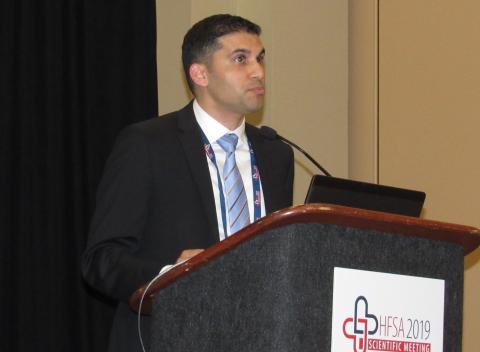
PHILADELPHIA – Milrinone was associated with a 50% reduction in mortality, compared with dobutamine, in patients with heart failure who were receiving home inotropes as a bridge to advanced therapies, according to results of a large U.S. registry study.

The survival profile for milrinone was more favorable than that for dobutamine across various indications for use, including bridge to transplant, bridge to mechanical support, and palliation.
The findings illustrate an “urgent need” for randomized trials that compare inotropic therapy strategies in patients with end-stage heart failure, said investigator Behram P. Mody, MD, of the division of cardiology at the University of California, San Diego, La Jolla.
“Although [there is] the possibility of selection bias and there are confounding variables, this consistent finding may reflect a true benefit of milrinone,” Dr. Mody said in a presentation at the annual scientific meeting of the Heart Failure Society of America
The evidence to support use of continuous outpatient intravenous inotropic therapy in stage D heart failure is limited and comes mainly from case series, and small, randomized trials demonstrating poor outcomes, Dr. Mody explained.
“Long-term survival associated with home inotropes in the modern era of guideline-directed medical and device therapy is poorly defined,” he said.
The retrospective study Dr. Mody presented at the meeting included 1,149 patients (mean age, 60 years; 29.9% women) who received continuous intravenous outpatient inotropic therapy (milrinone or dobutamine) from 2015 to 2017. This is possibly the largest body of data reported to date of patients receiving home inotropes, he said.
For the overall population, the estimated 1-year survival rate was 71% with milrinone, compared with 46% for dobutamine (P less than .0001), Dr. Mody reported. After adjusting for age, gender, weight, and indication, milrinone use was still significantly associated with lower mortality, compared with dobutamine (hazard ratio, 0.50; 95% confidence interval, 0.39-0.64; P less than .0001).
The survival benefit of milrinone over dobutamine was also significant in subsets of patients receiving home inotropes as bridge to transplant, bridge to mechanical support, or palliation. A similar trend, though not statistically significant, was seen for inotropes used as a bridge to decision, he added.
Mortality was generally higher in patients receiving inotropes as palliation, as opposed to bridge therapy, with 1-year survival of 55.0% and 65.6%, respectively, and median survival of 461 days and 584 days.
These findings suggest home inotropes can be “beneficial” in patients with end-stage heart failure in an era of guideline-directed medical therapy and greater defibrillator use, Dr. Mody said.
“I’m not saying that it should replace left ventricular assist devices as the bridge to transplant,” he added, “but it could be an alternative strategy for our patients.”
No funding source was given. Dr. Mody had no disclosures related to the study.
SOURCE: Mody BP et al. J Card Fail. 2019 Sep 14. doi: 10.1016/j.cardfail.2019.07.021.
PHILADELPHIA – Milrinone was associated with a 50% reduction in mortality, compared with dobutamine, in patients with heart failure who were receiving home inotropes as a bridge to advanced therapies, according to results of a large U.S. registry study.
The survival profile for milrinone was more favorable than that for dobutamine across various indications for use, including bridge to transplant, bridge to mechanical support, and palliation.
The findings illustrate an “urgent need” for randomized trials that compare inotropic therapy strategies in patients with end-stage heart failure, said investigator Behram P. Mody, MD, of the division of cardiology at the University of California, San Diego, La Jolla.
“Although [there is] the possibility of selection bias and there are confounding variables, this consistent finding may reflect a true benefit of milrinone,” Dr. Mody said in a presentation at the annual scientific meeting of the Heart Failure Society of America
The evidence to support use of continuous outpatient intravenous inotropic therapy in stage D heart failure is limited and comes mainly from case series, and small, randomized trials demonstrating poor outcomes, Dr. Mody explained.
“Long-term survival associated with home inotropes in the modern era of guideline-directed medical and device therapy is poorly defined,” he said.
The retrospective study Dr. Mody presented at the meeting included 1,149 patients (mean age, 60 years; 29.9% women) who received continuous intravenous outpatient inotropic therapy (milrinone or dobutamine) from 2015 to 2017. This is possibly the largest body of data reported to date of patients receiving home inotropes, he said.
For the overall population, the estimated 1-year survival rate was 71% with milrinone, compared with 46% for dobutamine (P less than .0001), Dr. Mody reported. After adjusting for age, gender, weight, and indication, milrinone use was still significantly associated with lower mortality, compared with dobutamine (hazard ratio, 0.50; 95% confidence interval, 0.39-0.64; P less than .0001).
The survival benefit of milrinone over dobutamine was also significant in subsets of patients receiving home inotropes as bridge to transplant, bridge to mechanical support, or palliation. A similar trend, though not statistically significant, was seen for inotropes used as a bridge to decision, he added.
Mortality was generally higher in patients receiving inotropes as palliation, as opposed to bridge therapy, with 1-year survival of 55.0% and 65.6%, respectively, and median survival of 461 days and 584 days.
These findings suggest home inotropes can be “beneficial” in patients with end-stage heart failure in an era of guideline-directed medical therapy and greater defibrillator use, Dr. Mody said.
“I’m not saying that it should replace left ventricular assist devices as the bridge to transplant,” he added, “but it could be an alternative strategy for our patients.”
No funding source was given. Dr. Mody had no disclosures related to the study.
SOURCE: Mody BP et al. J Card Fail. 2019 Sep 14. doi: 10.1016/j.cardfail.2019.07.021.
PHILADELPHIA – Milrinone was associated with a 50% reduction in mortality, compared with dobutamine, in patients with heart failure who were receiving home inotropes as a bridge to advanced therapies, according to results of a large U.S. registry study.
The survival profile for milrinone was more favorable than that for dobutamine across various indications for use, including bridge to transplant, bridge to mechanical support, and palliation.
The findings illustrate an “urgent need” for randomized trials that compare inotropic therapy strategies in patients with end-stage heart failure, said investigator Behram P. Mody, MD, of the division of cardiology at the University of California, San Diego, La Jolla.
“Although [there is] the possibility of selection bias and there are confounding variables, this consistent finding may reflect a true benefit of milrinone,” Dr. Mody said in a presentation at the annual scientific meeting of the Heart Failure Society of America
The evidence to support use of continuous outpatient intravenous inotropic therapy in stage D heart failure is limited and comes mainly from case series, and small, randomized trials demonstrating poor outcomes, Dr. Mody explained.
“Long-term survival associated with home inotropes in the modern era of guideline-directed medical and device therapy is poorly defined,” he said.
The retrospective study Dr. Mody presented at the meeting included 1,149 patients (mean age, 60 years; 29.9% women) who received continuous intravenous outpatient inotropic therapy (milrinone or dobutamine) from 2015 to 2017. This is possibly the largest body of data reported to date of patients receiving home inotropes, he said.
For the overall population, the estimated 1-year survival rate was 71% with milrinone, compared with 46% for dobutamine (P less than .0001), Dr. Mody reported. After adjusting for age, gender, weight, and indication, milrinone use was still significantly associated with lower mortality, compared with dobutamine (hazard ratio, 0.50; 95% confidence interval, 0.39-0.64; P less than .0001).
The survival benefit of milrinone over dobutamine was also significant in subsets of patients receiving home inotropes as bridge to transplant, bridge to mechanical support, or palliation. A similar trend, though not statistically significant, was seen for inotropes used as a bridge to decision, he added.
Mortality was generally higher in patients receiving inotropes as palliation, as opposed to bridge therapy, with 1-year survival of 55.0% and 65.6%, respectively, and median survival of 461 days and 584 days.
These findings suggest home inotropes can be “beneficial” in patients with end-stage heart failure in an era of guideline-directed medical therapy and greater defibrillator use, Dr. Mody said.
“I’m not saying that it should replace left ventricular assist devices as the bridge to transplant,” he added, “but it could be an alternative strategy for our patients.”
No funding source was given. Dr. Mody had no disclosures related to the study.
SOURCE: Mody BP et al. J Card Fail. 2019 Sep 14. doi: 10.1016/j.cardfail.2019.07.021.
REPORTING FROM HFSA 2019
Long-term survival in stage IV NSCLC
In this edition of “How I will treat my next patient,” I highlight two studies addressing long-term survival for patients with stage IV non–small cell lung cancer (NSCLC). One summarizes survival of patients who received nivolumab therapy in the second- or later-line setting. The other is a retrospective database query regarding whether local consolidation (LC) improves survival after systemic treatment of patients with oligometastatic NSCLC.

Nivolumab therapy
Scott J. Antonia, MD, PhD, and colleagues sought to determine the frequency of long-term survival among advanced NSCLC patients who received nivolumab in the second-line or later settings (Lancet Oncol. 2019 Aug 14. doi: 10.1016/S1470-2045[19]30407-3). They aggregated the results of four trials. Checkmate 017 and 057 were phase 3 comparisons of nivolumab with docetaxel for nonsquamous and squamous NSCLC, respectively – with crossover from docetaxel to nivolumab permitted. Checkmate 003 was a dose-escalation trial and Checkmate 063 was a phase 2 study of nivolumab in advanced, refractory squamous NSCLC. A minimum follow-up of 4 years was required.
In total, 664 patients participated in the four trials, more than 85% of whom received the fairly standard dose of 3 mg/kg every 2 weeks. In a very data-dense analysis, among all patients who received nivolumab, the 4-year overall survival was 14% (95% confidence interval, 11%-17%). Four-year overall survival was higher (19%; 95% CI, 15%-24%) in patients with at least 1% programmed death-ligand 1 (PD-L1) expression. There was no difference by histology (squamous vs. nonsquamous). Patients with Eastern Cooperative Oncology Group (ECOG) Performance Status of 0, PD-L1 greater than 10%, and absence of liver metastases were more likely to achieve 4-year overall survival.
Although progression-free survival was low (8%, overall; 19% for patients achieving complete remission or partial remission), depth of response correlated with the 4-year overall survival rate. Those patients in complete or partial remission at 6 months had an overall survival at 4 years of 56%. Stable disease at 6 months showed an overall survival at 4 years of 19%, which was superior to the results for patients with partial disease as best response (4%).
There were two treatment-related deaths with nivolumab, with no unexpected safety signals. Despite allowing continuous treatment in three of the four studies, most potentially immune-related toxic events occurred in the first 2-3 years of therapy. In the two randomized studies (017 and 057), 4-year overall survival was higher with nivolumab (14%) than with docetaxel (5%), with no overlap in the 95% confidence intervals.
What this means in practice
British prime minister, Benjamin Disraeli (and, later, Mark Twain) said, “There are three kinds of lies: lies, damned lies, and statistics.” There are no lies in Dr. Antonia’s paper, but there are plenty of statistics – which oncologists love. The reported data enable us to put some boundaries on the figures we quote when patients ask us, “How well could I do with this treatment?” Dr. Antonia’s paper significantly assists with these very practical discussions. For patients who want more detail, the boundaries can be further refined. Dr. Antonia and colleagues have given us clinical (depth of response, performance status, sites of metastasis) and molecular (proportion of cells with PD-L1) refinements to personalize our consultations with patients.
Unfortunately, the data do not allow us to predict who should not receive an immune checkpoint inhibitor and, instead, receive late-line chemotherapy or early hospice referral. The data summarize well-executed clinical trials, but it is well known that (as reported at the Quality Care Symposium 2019) NSCLC patients participating in clinical trials have significantly improved survival rates – perhaps as much as two times – compared with those not enrolled in trials. These realities, however, should not obscure the fact that immune checkpoint inhibitors are a major advance for metastatic NSCLC patients, including those who have progressed after prior treatment. They offer hope for cancer-free or cancer-controlled survival that would have properly been placed in the category of “a miracle” just a few years ago.
Local consolidation
Johannes Uhlig, MD, and colleagues analyzed 6 years of National Cancer Database records, identifying 34,887 stage IV NSCLC patients who had fewer than two distant metastatic lesions in the liver, lung, brain, or bone (JAMA Netw Open. 2019 Aug 21. doi: 10.1001/jamanetworkopen.2019.9702). Treatment groups were divided into patients who received systemic therapy alone (70.3% of the total patients), had surgical resection of the primary site plus systemic therapy (2.4%), or received external beam radiation therapy or thermal ablation (EBRT/TA) of the primary site plus systemic therapy (27.3%). Multivariable Cox proportional hazards models, incorporating a number of clinical variables, were used to compare overall survival between the three groups at a median follow-up of approximately 39 months.
They found that patients treated with surgical consolidation had a 41% lower mortality, in comparison with systemic therapy alone. EBRT/TA was also associated with lower mortality (by 5%), in comparison with systemic therapy alone, but the benefit was more nuanced. For instance, patients with squamous cell histology with low tumor bulk, low nodal burden, and fewer distant sites of disease benefited, but patients with adenocarcinoma and bulkier disease or more than two distant sites did not benefit.
The discussion emphasized all of the caveats that would be appropriate for a retrospective, telescopic record review – patient selection factors; lack of detail about systemic therapy; small numbers of patients in various subsets; exclusion of patients who had consolidative treatment of metastatic sites; and the potential for unbalanced allocation of patients with various actionable, prognostically relevant mutations. Further research, including ongoing trials such as NRG-LU002, was encouraged.
How these results influence clinical practice
Ralph R. Weichselbaum, MD, in his Karnofsky lecture at the 2018 annual meeting of the American Society of Clinical Oncology highlighted the hypothesis that metastatic tumors are enriched differentially for oligometastatic or polymetastatic miRNAs and that these miRNAs could influence future clinical behavior (J Clin Oncol. 2018;36[32]:3240-50). This work, coupled with clinical features (number of sites of disease, pace of progression) could elucidate which oligometastatic NSCLC patients might benefit from aggressive local treatment and achieve long-term, disease-free survival.
As previously reported, Daniel R. Gomez, MD, and colleagues found improved median progression-free survival (14.2 vs. 4.4 months; P = .022) and overall survival (41.2 vs. 17.0 months; P = .017) among patients with oligometastatic NSCLC who were randomized to local consolidation versus standard maintenance therapy/observation (J Clin Oncol. 8 May 2019. doi: 10. 1200/JCO.19.00201). Joshua M. Bauml and colleagues reported impressive results for systemically treated stage IV NSCLC patients who received local consolidation and checkpoint inhibitors for “oligo-remnant disease” (JAMA Oncol. 2019 Jul 11. doi: 10.1001/jamaoncol.2019.1449).
At the present time, clinical practice should remain governed by the general tendency to discourage aggressive local treatment except in highly selected cases with poorly resolved or impending life-altering symptoms. The publication by Dr. Uhlig and colleagues and the previously reported phase 2 trials, support phase 3 randomized trials of local treatment of isolated sites in oligometastatic NSCLC patients, particularly in an era of immune-based systemic treatment that offers finite potential for long-term survival.
Dr. Lyss has been a community-based medical oncologist and clinical researcher for more than 35 years, practicing in St. Louis. His clinical and research interests are in the prevention, diagnosis, and treatment of breast and lung cancers and in expanding access to clinical trials to medically underserved populations.
In this edition of “How I will treat my next patient,” I highlight two studies addressing long-term survival for patients with stage IV non–small cell lung cancer (NSCLC). One summarizes survival of patients who received nivolumab therapy in the second- or later-line setting. The other is a retrospective database query regarding whether local consolidation (LC) improves survival after systemic treatment of patients with oligometastatic NSCLC.
Nivolumab therapy
Scott J. Antonia, MD, PhD, and colleagues sought to determine the frequency of long-term survival among advanced NSCLC patients who received nivolumab in the second-line or later settings (Lancet Oncol. 2019 Aug 14. doi: 10.1016/S1470-2045[19]30407-3). They aggregated the results of four trials. Checkmate 017 and 057 were phase 3 comparisons of nivolumab with docetaxel for nonsquamous and squamous NSCLC, respectively – with crossover from docetaxel to nivolumab permitted. Checkmate 003 was a dose-escalation trial and Checkmate 063 was a phase 2 study of nivolumab in advanced, refractory squamous NSCLC. A minimum follow-up of 4 years was required.
In total, 664 patients participated in the four trials, more than 85% of whom received the fairly standard dose of 3 mg/kg every 2 weeks. In a very data-dense analysis, among all patients who received nivolumab, the 4-year overall survival was 14% (95% confidence interval, 11%-17%). Four-year overall survival was higher (19%; 95% CI, 15%-24%) in patients with at least 1% programmed death-ligand 1 (PD-L1) expression. There was no difference by histology (squamous vs. nonsquamous). Patients with Eastern Cooperative Oncology Group (ECOG) Performance Status of 0, PD-L1 greater than 10%, and absence of liver metastases were more likely to achieve 4-year overall survival.
Although progression-free survival was low (8%, overall; 19% for patients achieving complete remission or partial remission), depth of response correlated with the 4-year overall survival rate. Those patients in complete or partial remission at 6 months had an overall survival at 4 years of 56%. Stable disease at 6 months showed an overall survival at 4 years of 19%, which was superior to the results for patients with partial disease as best response (4%).
There were two treatment-related deaths with nivolumab, with no unexpected safety signals. Despite allowing continuous treatment in three of the four studies, most potentially immune-related toxic events occurred in the first 2-3 years of therapy. In the two randomized studies (017 and 057), 4-year overall survival was higher with nivolumab (14%) than with docetaxel (5%), with no overlap in the 95% confidence intervals.
What this means in practice
British prime minister, Benjamin Disraeli (and, later, Mark Twain) said, “There are three kinds of lies: lies, damned lies, and statistics.” There are no lies in Dr. Antonia’s paper, but there are plenty of statistics – which oncologists love. The reported data enable us to put some boundaries on the figures we quote when patients ask us, “How well could I do with this treatment?” Dr. Antonia’s paper significantly assists with these very practical discussions. For patients who want more detail, the boundaries can be further refined. Dr. Antonia and colleagues have given us clinical (depth of response, performance status, sites of metastasis) and molecular (proportion of cells with PD-L1) refinements to personalize our consultations with patients.
Unfortunately, the data do not allow us to predict who should not receive an immune checkpoint inhibitor and, instead, receive late-line chemotherapy or early hospice referral. The data summarize well-executed clinical trials, but it is well known that (as reported at the Quality Care Symposium 2019) NSCLC patients participating in clinical trials have significantly improved survival rates – perhaps as much as two times – compared with those not enrolled in trials. These realities, however, should not obscure the fact that immune checkpoint inhibitors are a major advance for metastatic NSCLC patients, including those who have progressed after prior treatment. They offer hope for cancer-free or cancer-controlled survival that would have properly been placed in the category of “a miracle” just a few years ago.
Local consolidation
Johannes Uhlig, MD, and colleagues analyzed 6 years of National Cancer Database records, identifying 34,887 stage IV NSCLC patients who had fewer than two distant metastatic lesions in the liver, lung, brain, or bone (JAMA Netw Open. 2019 Aug 21. doi: 10.1001/jamanetworkopen.2019.9702). Treatment groups were divided into patients who received systemic therapy alone (70.3% of the total patients), had surgical resection of the primary site plus systemic therapy (2.4%), or received external beam radiation therapy or thermal ablation (EBRT/TA) of the primary site plus systemic therapy (27.3%). Multivariable Cox proportional hazards models, incorporating a number of clinical variables, were used to compare overall survival between the three groups at a median follow-up of approximately 39 months.
They found that patients treated with surgical consolidation had a 41% lower mortality, in comparison with systemic therapy alone. EBRT/TA was also associated with lower mortality (by 5%), in comparison with systemic therapy alone, but the benefit was more nuanced. For instance, patients with squamous cell histology with low tumor bulk, low nodal burden, and fewer distant sites of disease benefited, but patients with adenocarcinoma and bulkier disease or more than two distant sites did not benefit.
The discussion emphasized all of the caveats that would be appropriate for a retrospective, telescopic record review – patient selection factors; lack of detail about systemic therapy; small numbers of patients in various subsets; exclusion of patients who had consolidative treatment of metastatic sites; and the potential for unbalanced allocation of patients with various actionable, prognostically relevant mutations. Further research, including ongoing trials such as NRG-LU002, was encouraged.
How these results influence clinical practice
Ralph R. Weichselbaum, MD, in his Karnofsky lecture at the 2018 annual meeting of the American Society of Clinical Oncology highlighted the hypothesis that metastatic tumors are enriched differentially for oligometastatic or polymetastatic miRNAs and that these miRNAs could influence future clinical behavior (J Clin Oncol. 2018;36[32]:3240-50). This work, coupled with clinical features (number of sites of disease, pace of progression) could elucidate which oligometastatic NSCLC patients might benefit from aggressive local treatment and achieve long-term, disease-free survival.
As previously reported, Daniel R. Gomez, MD, and colleagues found improved median progression-free survival (14.2 vs. 4.4 months; P = .022) and overall survival (41.2 vs. 17.0 months; P = .017) among patients with oligometastatic NSCLC who were randomized to local consolidation versus standard maintenance therapy/observation (J Clin Oncol. 8 May 2019. doi: 10. 1200/JCO.19.00201). Joshua M. Bauml and colleagues reported impressive results for systemically treated stage IV NSCLC patients who received local consolidation and checkpoint inhibitors for “oligo-remnant disease” (JAMA Oncol. 2019 Jul 11. doi: 10.1001/jamaoncol.2019.1449).
At the present time, clinical practice should remain governed by the general tendency to discourage aggressive local treatment except in highly selected cases with poorly resolved or impending life-altering symptoms. The publication by Dr. Uhlig and colleagues and the previously reported phase 2 trials, support phase 3 randomized trials of local treatment of isolated sites in oligometastatic NSCLC patients, particularly in an era of immune-based systemic treatment that offers finite potential for long-term survival.
Dr. Lyss has been a community-based medical oncologist and clinical researcher for more than 35 years, practicing in St. Louis. His clinical and research interests are in the prevention, diagnosis, and treatment of breast and lung cancers and in expanding access to clinical trials to medically underserved populations.
In this edition of “How I will treat my next patient,” I highlight two studies addressing long-term survival for patients with stage IV non–small cell lung cancer (NSCLC). One summarizes survival of patients who received nivolumab therapy in the second- or later-line setting. The other is a retrospective database query regarding whether local consolidation (LC) improves survival after systemic treatment of patients with oligometastatic NSCLC.
Nivolumab therapy
Scott J. Antonia, MD, PhD, and colleagues sought to determine the frequency of long-term survival among advanced NSCLC patients who received nivolumab in the second-line or later settings (Lancet Oncol. 2019 Aug 14. doi: 10.1016/S1470-2045[19]30407-3). They aggregated the results of four trials. Checkmate 017 and 057 were phase 3 comparisons of nivolumab with docetaxel for nonsquamous and squamous NSCLC, respectively – with crossover from docetaxel to nivolumab permitted. Checkmate 003 was a dose-escalation trial and Checkmate 063 was a phase 2 study of nivolumab in advanced, refractory squamous NSCLC. A minimum follow-up of 4 years was required.
In total, 664 patients participated in the four trials, more than 85% of whom received the fairly standard dose of 3 mg/kg every 2 weeks. In a very data-dense analysis, among all patients who received nivolumab, the 4-year overall survival was 14% (95% confidence interval, 11%-17%). Four-year overall survival was higher (19%; 95% CI, 15%-24%) in patients with at least 1% programmed death-ligand 1 (PD-L1) expression. There was no difference by histology (squamous vs. nonsquamous). Patients with Eastern Cooperative Oncology Group (ECOG) Performance Status of 0, PD-L1 greater than 10%, and absence of liver metastases were more likely to achieve 4-year overall survival.
Although progression-free survival was low (8%, overall; 19% for patients achieving complete remission or partial remission), depth of response correlated with the 4-year overall survival rate. Those patients in complete or partial remission at 6 months had an overall survival at 4 years of 56%. Stable disease at 6 months showed an overall survival at 4 years of 19%, which was superior to the results for patients with partial disease as best response (4%).
There were two treatment-related deaths with nivolumab, with no unexpected safety signals. Despite allowing continuous treatment in three of the four studies, most potentially immune-related toxic events occurred in the first 2-3 years of therapy. In the two randomized studies (017 and 057), 4-year overall survival was higher with nivolumab (14%) than with docetaxel (5%), with no overlap in the 95% confidence intervals.
What this means in practice
British prime minister, Benjamin Disraeli (and, later, Mark Twain) said, “There are three kinds of lies: lies, damned lies, and statistics.” There are no lies in Dr. Antonia’s paper, but there are plenty of statistics – which oncologists love. The reported data enable us to put some boundaries on the figures we quote when patients ask us, “How well could I do with this treatment?” Dr. Antonia’s paper significantly assists with these very practical discussions. For patients who want more detail, the boundaries can be further refined. Dr. Antonia and colleagues have given us clinical (depth of response, performance status, sites of metastasis) and molecular (proportion of cells with PD-L1) refinements to personalize our consultations with patients.
Unfortunately, the data do not allow us to predict who should not receive an immune checkpoint inhibitor and, instead, receive late-line chemotherapy or early hospice referral. The data summarize well-executed clinical trials, but it is well known that (as reported at the Quality Care Symposium 2019) NSCLC patients participating in clinical trials have significantly improved survival rates – perhaps as much as two times – compared with those not enrolled in trials. These realities, however, should not obscure the fact that immune checkpoint inhibitors are a major advance for metastatic NSCLC patients, including those who have progressed after prior treatment. They offer hope for cancer-free or cancer-controlled survival that would have properly been placed in the category of “a miracle” just a few years ago.
Local consolidation
Johannes Uhlig, MD, and colleagues analyzed 6 years of National Cancer Database records, identifying 34,887 stage IV NSCLC patients who had fewer than two distant metastatic lesions in the liver, lung, brain, or bone (JAMA Netw Open. 2019 Aug 21. doi: 10.1001/jamanetworkopen.2019.9702). Treatment groups were divided into patients who received systemic therapy alone (70.3% of the total patients), had surgical resection of the primary site plus systemic therapy (2.4%), or received external beam radiation therapy or thermal ablation (EBRT/TA) of the primary site plus systemic therapy (27.3%). Multivariable Cox proportional hazards models, incorporating a number of clinical variables, were used to compare overall survival between the three groups at a median follow-up of approximately 39 months.
They found that patients treated with surgical consolidation had a 41% lower mortality, in comparison with systemic therapy alone. EBRT/TA was also associated with lower mortality (by 5%), in comparison with systemic therapy alone, but the benefit was more nuanced. For instance, patients with squamous cell histology with low tumor bulk, low nodal burden, and fewer distant sites of disease benefited, but patients with adenocarcinoma and bulkier disease or more than two distant sites did not benefit.
The discussion emphasized all of the caveats that would be appropriate for a retrospective, telescopic record review – patient selection factors; lack of detail about systemic therapy; small numbers of patients in various subsets; exclusion of patients who had consolidative treatment of metastatic sites; and the potential for unbalanced allocation of patients with various actionable, prognostically relevant mutations. Further research, including ongoing trials such as NRG-LU002, was encouraged.
How these results influence clinical practice
Ralph R. Weichselbaum, MD, in his Karnofsky lecture at the 2018 annual meeting of the American Society of Clinical Oncology highlighted the hypothesis that metastatic tumors are enriched differentially for oligometastatic or polymetastatic miRNAs and that these miRNAs could influence future clinical behavior (J Clin Oncol. 2018;36[32]:3240-50). This work, coupled with clinical features (number of sites of disease, pace of progression) could elucidate which oligometastatic NSCLC patients might benefit from aggressive local treatment and achieve long-term, disease-free survival.
As previously reported, Daniel R. Gomez, MD, and colleagues found improved median progression-free survival (14.2 vs. 4.4 months; P = .022) and overall survival (41.2 vs. 17.0 months; P = .017) among patients with oligometastatic NSCLC who were randomized to local consolidation versus standard maintenance therapy/observation (J Clin Oncol. 8 May 2019. doi: 10. 1200/JCO.19.00201). Joshua M. Bauml and colleagues reported impressive results for systemically treated stage IV NSCLC patients who received local consolidation and checkpoint inhibitors for “oligo-remnant disease” (JAMA Oncol. 2019 Jul 11. doi: 10.1001/jamaoncol.2019.1449).
At the present time, clinical practice should remain governed by the general tendency to discourage aggressive local treatment except in highly selected cases with poorly resolved or impending life-altering symptoms. The publication by Dr. Uhlig and colleagues and the previously reported phase 2 trials, support phase 3 randomized trials of local treatment of isolated sites in oligometastatic NSCLC patients, particularly in an era of immune-based systemic treatment that offers finite potential for long-term survival.
Dr. Lyss has been a community-based medical oncologist and clinical researcher for more than 35 years, practicing in St. Louis. His clinical and research interests are in the prevention, diagnosis, and treatment of breast and lung cancers and in expanding access to clinical trials to medically underserved populations.

CDC activates Emergency Operations Center to investigate vaping-associated lung injury

This move allows the CDC “to provide increased operational support” to CDC staff to meet the evolving challenges of the outbreak of vaping-related injuries and deaths, says a statement from the CDC.
“CDC has made it a priority to find out what is causing this outbreak,” noted CDC Director Robert Redfield, MD, in the statement.
The agency “continues to work closely with the U.S. Food and Drug Administration to collect information about recent e-cigarette product use, or vaping, among patients and to test the substances or chemicals within e-cigarette products used by case patients,” according to the statement.
The CDC provided email addresses and site addresses for gathering information and communicating about e-cigarettes.
Information about the collection of e-cigarettes for possible testing by FDA can be obtained through contacting FDAVapingSampleInquiries@fda.hhs.gov.
To communicate with CDC about this public health response, clinicians and health officials can contact LungDiseaseOutbreak@cdc.gov.
More information on the current outbreak related to e-cigarettes is available at https://www.cdc.gov/tobacco/basic_information/e-cigarettes/severe-lung-disease.html.
General information on electronic cigarette products, can be found at www.cdc.gov/e-cigarettes.
Individuals concerned about health risks of vaping should consider refraining from e-cigarette use while the cases of lung injury are being investigated, the CDC said.
This move allows the CDC “to provide increased operational support” to CDC staff to meet the evolving challenges of the outbreak of vaping-related injuries and deaths, says a statement from the CDC.
“CDC has made it a priority to find out what is causing this outbreak,” noted CDC Director Robert Redfield, MD, in the statement.
The agency “continues to work closely with the U.S. Food and Drug Administration to collect information about recent e-cigarette product use, or vaping, among patients and to test the substances or chemicals within e-cigarette products used by case patients,” according to the statement.
The CDC provided email addresses and site addresses for gathering information and communicating about e-cigarettes.
Information about the collection of e-cigarettes for possible testing by FDA can be obtained through contacting FDAVapingSampleInquiries@fda.hhs.gov.
To communicate with CDC about this public health response, clinicians and health officials can contact LungDiseaseOutbreak@cdc.gov.
More information on the current outbreak related to e-cigarettes is available at https://www.cdc.gov/tobacco/basic_information/e-cigarettes/severe-lung-disease.html.
General information on electronic cigarette products, can be found at www.cdc.gov/e-cigarettes.
Individuals concerned about health risks of vaping should consider refraining from e-cigarette use while the cases of lung injury are being investigated, the CDC said.
This move allows the CDC “to provide increased operational support” to CDC staff to meet the evolving challenges of the outbreak of vaping-related injuries and deaths, says a statement from the CDC.
“CDC has made it a priority to find out what is causing this outbreak,” noted CDC Director Robert Redfield, MD, in the statement.
The agency “continues to work closely with the U.S. Food and Drug Administration to collect information about recent e-cigarette product use, or vaping, among patients and to test the substances or chemicals within e-cigarette products used by case patients,” according to the statement.
The CDC provided email addresses and site addresses for gathering information and communicating about e-cigarettes.
Information about the collection of e-cigarettes for possible testing by FDA can be obtained through contacting FDAVapingSampleInquiries@fda.hhs.gov.
To communicate with CDC about this public health response, clinicians and health officials can contact LungDiseaseOutbreak@cdc.gov.
More information on the current outbreak related to e-cigarettes is available at https://www.cdc.gov/tobacco/basic_information/e-cigarettes/severe-lung-disease.html.
General information on electronic cigarette products, can be found at www.cdc.gov/e-cigarettes.
Individuals concerned about health risks of vaping should consider refraining from e-cigarette use while the cases of lung injury are being investigated, the CDC said.

NDMA found in samples of ranitidine, FDA says
According to the Food and Drug Administration,

“NDMA is a known environmental contaminant and found in water and foods, including meats, dairy products, and vegetables,” Janet Woodcock, MD, director of the FDA’s Center for Drug Evaluation and Research, said in a prepared statement issued on Sept. 13, 2019. “The FDA has been investigating NDMA and other nitrosamine impurities in blood pressure and heart failure medicines called Angiotensin II Receptor Blockers (ARBs) since last year. In the case of ARBs, the FDA has recommended numerous recalls as it discovered unacceptable levels of nitrosamines.”
Dr. Woodcock said that the agency is working with industry partners to determine whether the low levels of NDMA in ranitidine pose a risk to patients, and it plans to post that information when it becomes available. For now, “patients should be able to trust that their medicines are as safe as they can be and that the benefits of taking them outweigh any risk to their health,” she said. “Although NDMA may cause harm in large amounts, the levels the FDA is finding in ranitidine from preliminary tests barely exceed amounts you might expect to find in common foods.”

Dr. Woodcock emphasized that the FDA is not suggesting that individuals stop taking ranitidine at this time. “However, patients taking prescription ranitidine who wish to discontinue use should talk to their health care professional about other treatment options,” she said. “People taking OTC ranitidine could consider using other OTC medicines approved for their condition. There are multiple drugs on the market that are approved for the same or similar uses as ranitidine.”
She advised consumers and health care professionals to report any adverse reactions with ranitidine to the FDA’s MedWatch program to help the agency better understand the problem.
Visit the AGA GI Patient Center for education to share with your patients about GERD, including symptoms, testing, lifestyle modifications and drug treatments at https://www.gastro.org/practice-guidance/gi-patient-center/topic/gastroesophageal-reflux-disease-gerd.
According to the Food and Drug Administration,
“NDMA is a known environmental contaminant and found in water and foods, including meats, dairy products, and vegetables,” Janet Woodcock, MD, director of the FDA’s Center for Drug Evaluation and Research, said in a prepared statement issued on Sept. 13, 2019. “The FDA has been investigating NDMA and other nitrosamine impurities in blood pressure and heart failure medicines called Angiotensin II Receptor Blockers (ARBs) since last year. In the case of ARBs, the FDA has recommended numerous recalls as it discovered unacceptable levels of nitrosamines.”
Dr. Woodcock said that the agency is working with industry partners to determine whether the low levels of NDMA in ranitidine pose a risk to patients, and it plans to post that information when it becomes available. For now, “patients should be able to trust that their medicines are as safe as they can be and that the benefits of taking them outweigh any risk to their health,” she said. “Although NDMA may cause harm in large amounts, the levels the FDA is finding in ranitidine from preliminary tests barely exceed amounts you might expect to find in common foods.”
Dr. Woodcock emphasized that the FDA is not suggesting that individuals stop taking ranitidine at this time. “However, patients taking prescription ranitidine who wish to discontinue use should talk to their health care professional about other treatment options,” she said. “People taking OTC ranitidine could consider using other OTC medicines approved for their condition. There are multiple drugs on the market that are approved for the same or similar uses as ranitidine.”
She advised consumers and health care professionals to report any adverse reactions with ranitidine to the FDA’s MedWatch program to help the agency better understand the problem.
Visit the AGA GI Patient Center for education to share with your patients about GERD, including symptoms, testing, lifestyle modifications and drug treatments at https://www.gastro.org/practice-guidance/gi-patient-center/topic/gastroesophageal-reflux-disease-gerd.
According to the Food and Drug Administration,
“NDMA is a known environmental contaminant and found in water and foods, including meats, dairy products, and vegetables,” Janet Woodcock, MD, director of the FDA’s Center for Drug Evaluation and Research, said in a prepared statement issued on Sept. 13, 2019. “The FDA has been investigating NDMA and other nitrosamine impurities in blood pressure and heart failure medicines called Angiotensin II Receptor Blockers (ARBs) since last year. In the case of ARBs, the FDA has recommended numerous recalls as it discovered unacceptable levels of nitrosamines.”
Dr. Woodcock said that the agency is working with industry partners to determine whether the low levels of NDMA in ranitidine pose a risk to patients, and it plans to post that information when it becomes available. For now, “patients should be able to trust that their medicines are as safe as they can be and that the benefits of taking them outweigh any risk to their health,” she said. “Although NDMA may cause harm in large amounts, the levels the FDA is finding in ranitidine from preliminary tests barely exceed amounts you might expect to find in common foods.”
Dr. Woodcock emphasized that the FDA is not suggesting that individuals stop taking ranitidine at this time. “However, patients taking prescription ranitidine who wish to discontinue use should talk to their health care professional about other treatment options,” she said. “People taking OTC ranitidine could consider using other OTC medicines approved for their condition. There are multiple drugs on the market that are approved for the same or similar uses as ranitidine.”
She advised consumers and health care professionals to report any adverse reactions with ranitidine to the FDA’s MedWatch program to help the agency better understand the problem.
Visit the AGA GI Patient Center for education to share with your patients about GERD, including symptoms, testing, lifestyle modifications and drug treatments at https://www.gastro.org/practice-guidance/gi-patient-center/topic/gastroesophageal-reflux-disease-gerd.

Plasma exchange in natalizumab-related PML shows no benefit, possible harm
STOCKHOLM – Christopher McGuigan, MD, and colleagues reported at the annual congress of the European Committee for Treatment and Research in Multiple Sclerosis.
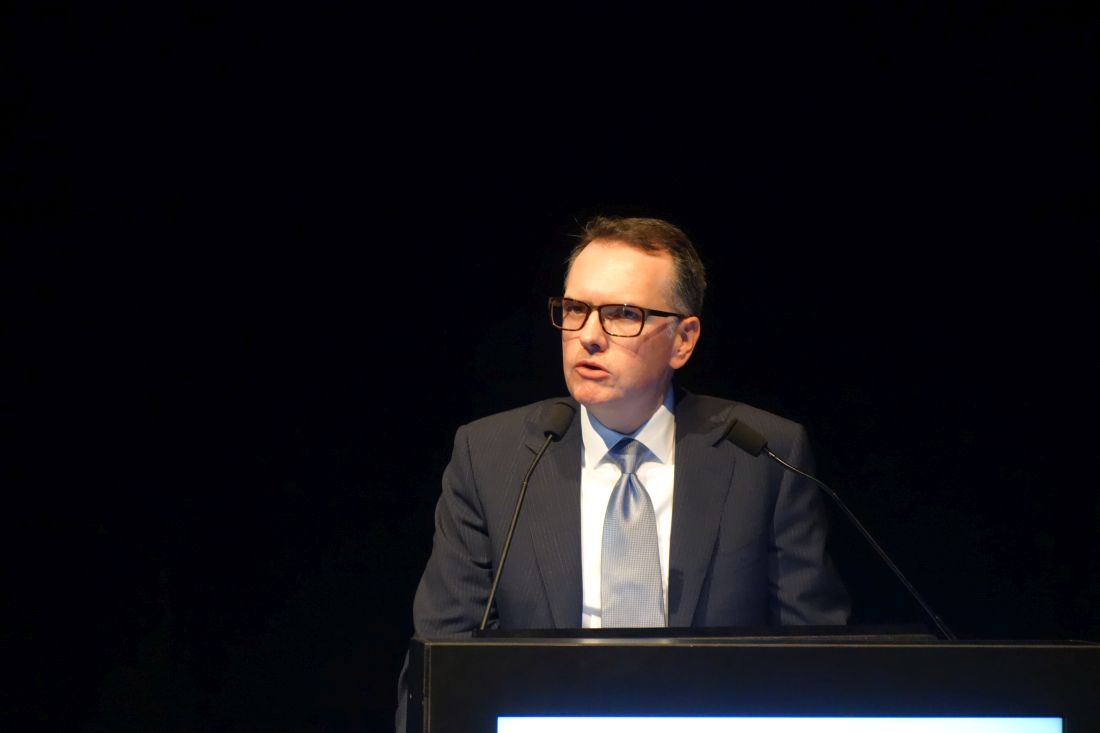
“This is a very important issue for us as neurologists. I think this data suggests that plasma exchange does not seem to confer an advantage to our patients when it comes to mortality and – albeit with caveats – it actually seems to be associated with worsening of the disability level in survivors,” according to Dr. McGuigan, consultant neurologist at St. Vincent’s University Hospital in Dublin and clinical professor at University College Dublin.
Natalizumab is an effective treatment for patients with highly active MS, but its use is limited by the feared complication of PML. Plasma exchange to clear the drug from the patient’s system is a popular and biologically plausible therapy, but its impact on clinical outcomes had not been formally studied until now.
Examining a database of confirmed PML cases
Dr. McGuigan presented a retrospective study of 723 patients with confirmed PML included in the natalizumab pharmacovigilance database run by Biogen, which markets the drug. A total of 85% (616 patients) underwent plasma exchange. The study’s primary outcome was the survival rate 2 years after PML diagnosis in patients who received plasma exchange, compared with those who did not.
Since the viral load of John Cunningham (JC) virus is known to influence outcome in PML, Dr. McGuigan and coinvestigators stratified the primary outcome based on tertiles of baseline viral copy number (VCN). The key study finding was that, across the range of viral loads, plasma exchange was consistently associated with a numerically worse 2-year survival rate, although the difference did not reach statistical significance. Among patients with less than a log5 baseline JC virus VCN, 2-year survival was 88.2% in the plasma exchange group, compared with 89.3% in the patients who did not undergo plasma exchange. For patients with a JC virus VCN greater than log5 but not more than log7, the survival rate was 89.3% without plasma exchange versus 73.8% with the intervention. In the group with greater than a log7 VCN, the 2-year survival was 78.9% without plasma exchange and 68.2% with it.
Statistically significant covariates
In a multivariate Cox proportional hazards analysis, plasma exchange was associated with a statistically nonsignificant 44% increased risk of mortality at 2 years post PML diagnosis. However, several other covariates emerged as statistically significant independent predictors of 2-year mortality. These included age greater than 50 years at diagnosis of PML, with an associated hazard ratio of 1.56, compared with younger patients; male gender (HR, 1.48); a JC virus VCN greater than log 7, compared with log 5 or less (HR, 2.86); a VCN greater than log5 but not more than log7, compared with a VCN of log5 or less (HR, 2.11); and widespread as opposed to localized MRI brain lesions of PML (HR, 1.61). In contrast, an asymptomatic presentation of PML was protective, with an HR of 0.38, compared with patients with a symptomatic presentation.
The likelihood of survival at 2 years was not affected by the number of plasma exchange cycles utilized, the number of natalizumab infusions received prior to diagnosis of PML, or the time from the last natalizumab infusion to starting plasma exchange.
Additional analyses focused on functional ability and disability
A secondary analysis addressed the question of whether plasma exchange has a favorable impact on functional ability. This is an important issue because many MS patients who remain alive 2 years after diagnosis of PML are left with marked permanent disability. This analysis was restricted to the 523 MS patients with PML for whom Expanded Disability Status Scale (EDSS) scores were available 6 months or more after PML diagnosis. The key finding here was that, at 2 years, 62% of the plasma exchange group, but only 38% of non–plasma exchange controls, were either dead or had an EDSS score of 7 or greater, which is a degree of disability likely to render a patient unable to live independently.
Of note, the median EDSS score 6 months before diagnosis of PML was 3.5 in both groups. Moreover, the median EDSS score at the time of diagnosis was similar in the two groups as well: 4.0 in those who underwent plasma exchange and 4.5 in those who did not. So the physician decision to employ plasma exchange clearly was not driven by more-severe disability.
In a multivariate analysis, plasma exchange was independently associated with a 168% increased likelihood of death or an EDSS score of 7 or more at 2 years. A sensitivity analysis restricted to patients who fell into that category was supportive of the main analysis: it concluded that such patients were 159% more likely to have received plasma exchange than not.
Dr. McGuigan cited several study limitations, including possible selection bias, inability to assess the potential impact of other disease-modifying therapies utilized after PML diagnosis, the lack of baseline EDSS scores in a fair number of patients, and the necessity to evaluate all-cause mortality rather than death attributable to PML.
He made a plea for neurologists to diligently submit their own cases of natalizumab-associated PML in MS patients to the Biogen pharmacovigilance database, which is totally dependent upon voluntary physician reporting.
“This is the only tool by which we can get this information at present. It’s the best data we’re likely to be able to get,” he observed.
The study was funded by Biogen. Dr. McGuigan reported receiving research grants from and serving as an advisor to that company and several other pharmaceutical companies.
SOURCE: McGuigan C et al. ECTRIMS 2019, Abstract 63.
STOCKHOLM – Christopher McGuigan, MD, and colleagues reported at the annual congress of the European Committee for Treatment and Research in Multiple Sclerosis.
“This is a very important issue for us as neurologists. I think this data suggests that plasma exchange does not seem to confer an advantage to our patients when it comes to mortality and – albeit with caveats – it actually seems to be associated with worsening of the disability level in survivors,” according to Dr. McGuigan, consultant neurologist at St. Vincent’s University Hospital in Dublin and clinical professor at University College Dublin.
Natalizumab is an effective treatment for patients with highly active MS, but its use is limited by the feared complication of PML. Plasma exchange to clear the drug from the patient’s system is a popular and biologically plausible therapy, but its impact on clinical outcomes had not been formally studied until now.
Examining a database of confirmed PML cases
Dr. McGuigan presented a retrospective study of 723 patients with confirmed PML included in the natalizumab pharmacovigilance database run by Biogen, which markets the drug. A total of 85% (616 patients) underwent plasma exchange. The study’s primary outcome was the survival rate 2 years after PML diagnosis in patients who received plasma exchange, compared with those who did not.
Since the viral load of John Cunningham (JC) virus is known to influence outcome in PML, Dr. McGuigan and coinvestigators stratified the primary outcome based on tertiles of baseline viral copy number (VCN). The key study finding was that, across the range of viral loads, plasma exchange was consistently associated with a numerically worse 2-year survival rate, although the difference did not reach statistical significance. Among patients with less than a log5 baseline JC virus VCN, 2-year survival was 88.2% in the plasma exchange group, compared with 89.3% in the patients who did not undergo plasma exchange. For patients with a JC virus VCN greater than log5 but not more than log7, the survival rate was 89.3% without plasma exchange versus 73.8% with the intervention. In the group with greater than a log7 VCN, the 2-year survival was 78.9% without plasma exchange and 68.2% with it.
Statistically significant covariates
In a multivariate Cox proportional hazards analysis, plasma exchange was associated with a statistically nonsignificant 44% increased risk of mortality at 2 years post PML diagnosis. However, several other covariates emerged as statistically significant independent predictors of 2-year mortality. These included age greater than 50 years at diagnosis of PML, with an associated hazard ratio of 1.56, compared with younger patients; male gender (HR, 1.48); a JC virus VCN greater than log 7, compared with log 5 or less (HR, 2.86); a VCN greater than log5 but not more than log7, compared with a VCN of log5 or less (HR, 2.11); and widespread as opposed to localized MRI brain lesions of PML (HR, 1.61). In contrast, an asymptomatic presentation of PML was protective, with an HR of 0.38, compared with patients with a symptomatic presentation.
The likelihood of survival at 2 years was not affected by the number of plasma exchange cycles utilized, the number of natalizumab infusions received prior to diagnosis of PML, or the time from the last natalizumab infusion to starting plasma exchange.
Additional analyses focused on functional ability and disability
A secondary analysis addressed the question of whether plasma exchange has a favorable impact on functional ability. This is an important issue because many MS patients who remain alive 2 years after diagnosis of PML are left with marked permanent disability. This analysis was restricted to the 523 MS patients with PML for whom Expanded Disability Status Scale (EDSS) scores were available 6 months or more after PML diagnosis. The key finding here was that, at 2 years, 62% of the plasma exchange group, but only 38% of non–plasma exchange controls, were either dead or had an EDSS score of 7 or greater, which is a degree of disability likely to render a patient unable to live independently.
Of note, the median EDSS score 6 months before diagnosis of PML was 3.5 in both groups. Moreover, the median EDSS score at the time of diagnosis was similar in the two groups as well: 4.0 in those who underwent plasma exchange and 4.5 in those who did not. So the physician decision to employ plasma exchange clearly was not driven by more-severe disability.
In a multivariate analysis, plasma exchange was independently associated with a 168% increased likelihood of death or an EDSS score of 7 or more at 2 years. A sensitivity analysis restricted to patients who fell into that category was supportive of the main analysis: it concluded that such patients were 159% more likely to have received plasma exchange than not.
Dr. McGuigan cited several study limitations, including possible selection bias, inability to assess the potential impact of other disease-modifying therapies utilized after PML diagnosis, the lack of baseline EDSS scores in a fair number of patients, and the necessity to evaluate all-cause mortality rather than death attributable to PML.
He made a plea for neurologists to diligently submit their own cases of natalizumab-associated PML in MS patients to the Biogen pharmacovigilance database, which is totally dependent upon voluntary physician reporting.
“This is the only tool by which we can get this information at present. It’s the best data we’re likely to be able to get,” he observed.
The study was funded by Biogen. Dr. McGuigan reported receiving research grants from and serving as an advisor to that company and several other pharmaceutical companies.
SOURCE: McGuigan C et al. ECTRIMS 2019, Abstract 63.
STOCKHOLM – Christopher McGuigan, MD, and colleagues reported at the annual congress of the European Committee for Treatment and Research in Multiple Sclerosis.
“This is a very important issue for us as neurologists. I think this data suggests that plasma exchange does not seem to confer an advantage to our patients when it comes to mortality and – albeit with caveats – it actually seems to be associated with worsening of the disability level in survivors,” according to Dr. McGuigan, consultant neurologist at St. Vincent’s University Hospital in Dublin and clinical professor at University College Dublin.
Natalizumab is an effective treatment for patients with highly active MS, but its use is limited by the feared complication of PML. Plasma exchange to clear the drug from the patient’s system is a popular and biologically plausible therapy, but its impact on clinical outcomes had not been formally studied until now.
Examining a database of confirmed PML cases
Dr. McGuigan presented a retrospective study of 723 patients with confirmed PML included in the natalizumab pharmacovigilance database run by Biogen, which markets the drug. A total of 85% (616 patients) underwent plasma exchange. The study’s primary outcome was the survival rate 2 years after PML diagnosis in patients who received plasma exchange, compared with those who did not.
Since the viral load of John Cunningham (JC) virus is known to influence outcome in PML, Dr. McGuigan and coinvestigators stratified the primary outcome based on tertiles of baseline viral copy number (VCN). The key study finding was that, across the range of viral loads, plasma exchange was consistently associated with a numerically worse 2-year survival rate, although the difference did not reach statistical significance. Among patients with less than a log5 baseline JC virus VCN, 2-year survival was 88.2% in the plasma exchange group, compared with 89.3% in the patients who did not undergo plasma exchange. For patients with a JC virus VCN greater than log5 but not more than log7, the survival rate was 89.3% without plasma exchange versus 73.8% with the intervention. In the group with greater than a log7 VCN, the 2-year survival was 78.9% without plasma exchange and 68.2% with it.
Statistically significant covariates
In a multivariate Cox proportional hazards analysis, plasma exchange was associated with a statistically nonsignificant 44% increased risk of mortality at 2 years post PML diagnosis. However, several other covariates emerged as statistically significant independent predictors of 2-year mortality. These included age greater than 50 years at diagnosis of PML, with an associated hazard ratio of 1.56, compared with younger patients; male gender (HR, 1.48); a JC virus VCN greater than log 7, compared with log 5 or less (HR, 2.86); a VCN greater than log5 but not more than log7, compared with a VCN of log5 or less (HR, 2.11); and widespread as opposed to localized MRI brain lesions of PML (HR, 1.61). In contrast, an asymptomatic presentation of PML was protective, with an HR of 0.38, compared with patients with a symptomatic presentation.
The likelihood of survival at 2 years was not affected by the number of plasma exchange cycles utilized, the number of natalizumab infusions received prior to diagnosis of PML, or the time from the last natalizumab infusion to starting plasma exchange.
Additional analyses focused on functional ability and disability
A secondary analysis addressed the question of whether plasma exchange has a favorable impact on functional ability. This is an important issue because many MS patients who remain alive 2 years after diagnosis of PML are left with marked permanent disability. This analysis was restricted to the 523 MS patients with PML for whom Expanded Disability Status Scale (EDSS) scores were available 6 months or more after PML diagnosis. The key finding here was that, at 2 years, 62% of the plasma exchange group, but only 38% of non–plasma exchange controls, were either dead or had an EDSS score of 7 or greater, which is a degree of disability likely to render a patient unable to live independently.
Of note, the median EDSS score 6 months before diagnosis of PML was 3.5 in both groups. Moreover, the median EDSS score at the time of diagnosis was similar in the two groups as well: 4.0 in those who underwent plasma exchange and 4.5 in those who did not. So the physician decision to employ plasma exchange clearly was not driven by more-severe disability.
In a multivariate analysis, plasma exchange was independently associated with a 168% increased likelihood of death or an EDSS score of 7 or more at 2 years. A sensitivity analysis restricted to patients who fell into that category was supportive of the main analysis: it concluded that such patients were 159% more likely to have received plasma exchange than not.
Dr. McGuigan cited several study limitations, including possible selection bias, inability to assess the potential impact of other disease-modifying therapies utilized after PML diagnosis, the lack of baseline EDSS scores in a fair number of patients, and the necessity to evaluate all-cause mortality rather than death attributable to PML.
He made a plea for neurologists to diligently submit their own cases of natalizumab-associated PML in MS patients to the Biogen pharmacovigilance database, which is totally dependent upon voluntary physician reporting.
“This is the only tool by which we can get this information at present. It’s the best data we’re likely to be able to get,” he observed.
The study was funded by Biogen. Dr. McGuigan reported receiving research grants from and serving as an advisor to that company and several other pharmaceutical companies.
SOURCE: McGuigan C et al. ECTRIMS 2019, Abstract 63.
REPORTING FROM ECTRIMS 2019
Key clinical point: Plasma exchange has no clinical benefit in natalizumab-associated progressive multifocal leukoencephalopathy (PML).
Major finding: The risk of composite endpoint of death or an Expanded Disability Status Scale of 7.0 or more at follow-up 2 years after a natalizumab-associated PML diagnosis was an adjusted 168% greater in multiple sclerosis patients who underwent plasma exchange than in those who did not.
Study details: A retrospective analysis of the records of 723 multiple sclerosis patients with confirmed natalizumab-associated PML.
Disclosures: The study was funded by Biogen. The presenter reported receiving research grants from and serving as an advisor to Biogen and several other pharmaceutical companies.
Source: McGuigan C et al. ECTRIMS 2019, Abstract 63.

Ovarian function suppression gains support for premenopausal breast cancer
Adding 2 years of ovarian function suppression (OFS) to the standard 5-year regimen of tamoxifen could improve disease-free and overall survival in women with estrogen receptor–positive breast cancer who have been previously treated with chemotherapy and definitive surgery, according to results from the phase 3 ASTRRA trial.
The findings add support to recent results from the similarly designed Suppression of Ovarian Function Trial (SOFT), reported Hyun-Ah Kim, MD, PhD, of Korea Cancer Center Hospital, Seoul, and colleagues.
“Although OFS in breast cancer has been studied for decades and has been used widely in clinical practice, evidence for the benefits of adding OFS to standard adjuvant tamoxifen treatment is insufficient,” the investigators wrote in the Journal of Clinical Oncology.
The ASTRRA trial enrolled 1,483 premenopausal women aged 45 years or younger with estrogen receptor–positive breast cancer who had been previously treated with chemotherapy and definitive surgery. Of those, 1,293 women were randomized to receive either 5 years of tamoxifen, or the same regimen plus 2 years of OFS, at 35 treatment centers in South Korea. In all, 1,282 women were eligible for analysis.
The primary endpoint was disease-free survival, defined as secondary malignancy, invasive contralateral breast cancer, invasive local recurrence, regional recurrence, distant recurrence, or death from any cause. The secondary endpoint was overall survival.
After a median follow-up of 63 months, women who received OFS in addition to tamoxifen had an estimated disease-free survival rate of 91.1%, compared with 87.5% in those who received tamoxifen alone (P = .033). Similarly, adding OFS was associated with a better estimated 5-year overall survival rate, compared with standard monotherapy (99.4% vs. 97.8%; P = .029), Dr. Kim and associates said.
Despite having a shorter follow-up and smaller population size, the results from ASTRRA were similar to those from SOFT, most likely because ASTRRA patients had higher-risk disease, the investigators noted.
“The results of ASTRRA confirm the findings of SOFT, that the addition of OFS to tamoxifen provides survival benefits for women [who are] at sufficient risk for recurrence to receive adjuvant chemotherapy and who remain in a premenopausal state after chemotherapy,” they concluded.
The study was primarily funded by AstraZeneca, with additional support from the Korea Institute of Radiological and Medical Sciences. The investigators disclosed relationships with Novartis, Roche, Amgen, and others.
SOURCE: Kim HA et al. J Clin Oncol. 2019 Sep 16. doi: 10. 1200/JCO.19.00126.
Adding 2 years of ovarian function suppression (OFS) to the standard 5-year regimen of tamoxifen could improve disease-free and overall survival in women with estrogen receptor–positive breast cancer who have been previously treated with chemotherapy and definitive surgery, according to results from the phase 3 ASTRRA trial.
The findings add support to recent results from the similarly designed Suppression of Ovarian Function Trial (SOFT), reported Hyun-Ah Kim, MD, PhD, of Korea Cancer Center Hospital, Seoul, and colleagues.
“Although OFS in breast cancer has been studied for decades and has been used widely in clinical practice, evidence for the benefits of adding OFS to standard adjuvant tamoxifen treatment is insufficient,” the investigators wrote in the Journal of Clinical Oncology.
The ASTRRA trial enrolled 1,483 premenopausal women aged 45 years or younger with estrogen receptor–positive breast cancer who had been previously treated with chemotherapy and definitive surgery. Of those, 1,293 women were randomized to receive either 5 years of tamoxifen, or the same regimen plus 2 years of OFS, at 35 treatment centers in South Korea. In all, 1,282 women were eligible for analysis.
The primary endpoint was disease-free survival, defined as secondary malignancy, invasive contralateral breast cancer, invasive local recurrence, regional recurrence, distant recurrence, or death from any cause. The secondary endpoint was overall survival.
After a median follow-up of 63 months, women who received OFS in addition to tamoxifen had an estimated disease-free survival rate of 91.1%, compared with 87.5% in those who received tamoxifen alone (P = .033). Similarly, adding OFS was associated with a better estimated 5-year overall survival rate, compared with standard monotherapy (99.4% vs. 97.8%; P = .029), Dr. Kim and associates said.
Despite having a shorter follow-up and smaller population size, the results from ASTRRA were similar to those from SOFT, most likely because ASTRRA patients had higher-risk disease, the investigators noted.
“The results of ASTRRA confirm the findings of SOFT, that the addition of OFS to tamoxifen provides survival benefits for women [who are] at sufficient risk for recurrence to receive adjuvant chemotherapy and who remain in a premenopausal state after chemotherapy,” they concluded.
The study was primarily funded by AstraZeneca, with additional support from the Korea Institute of Radiological and Medical Sciences. The investigators disclosed relationships with Novartis, Roche, Amgen, and others.
SOURCE: Kim HA et al. J Clin Oncol. 2019 Sep 16. doi: 10. 1200/JCO.19.00126.
Adding 2 years of ovarian function suppression (OFS) to the standard 5-year regimen of tamoxifen could improve disease-free and overall survival in women with estrogen receptor–positive breast cancer who have been previously treated with chemotherapy and definitive surgery, according to results from the phase 3 ASTRRA trial.
The findings add support to recent results from the similarly designed Suppression of Ovarian Function Trial (SOFT), reported Hyun-Ah Kim, MD, PhD, of Korea Cancer Center Hospital, Seoul, and colleagues.
“Although OFS in breast cancer has been studied for decades and has been used widely in clinical practice, evidence for the benefits of adding OFS to standard adjuvant tamoxifen treatment is insufficient,” the investigators wrote in the Journal of Clinical Oncology.
The ASTRRA trial enrolled 1,483 premenopausal women aged 45 years or younger with estrogen receptor–positive breast cancer who had been previously treated with chemotherapy and definitive surgery. Of those, 1,293 women were randomized to receive either 5 years of tamoxifen, or the same regimen plus 2 years of OFS, at 35 treatment centers in South Korea. In all, 1,282 women were eligible for analysis.
The primary endpoint was disease-free survival, defined as secondary malignancy, invasive contralateral breast cancer, invasive local recurrence, regional recurrence, distant recurrence, or death from any cause. The secondary endpoint was overall survival.
After a median follow-up of 63 months, women who received OFS in addition to tamoxifen had an estimated disease-free survival rate of 91.1%, compared with 87.5% in those who received tamoxifen alone (P = .033). Similarly, adding OFS was associated with a better estimated 5-year overall survival rate, compared with standard monotherapy (99.4% vs. 97.8%; P = .029), Dr. Kim and associates said.
Despite having a shorter follow-up and smaller population size, the results from ASTRRA were similar to those from SOFT, most likely because ASTRRA patients had higher-risk disease, the investigators noted.
“The results of ASTRRA confirm the findings of SOFT, that the addition of OFS to tamoxifen provides survival benefits for women [who are] at sufficient risk for recurrence to receive adjuvant chemotherapy and who remain in a premenopausal state after chemotherapy,” they concluded.
The study was primarily funded by AstraZeneca, with additional support from the Korea Institute of Radiological and Medical Sciences. The investigators disclosed relationships with Novartis, Roche, Amgen, and others.
SOURCE: Kim HA et al. J Clin Oncol. 2019 Sep 16. doi: 10. 1200/JCO.19.00126.
FROM THE JOURNAL OF CLINICAL ONCOLOGY
Mapping Project Helps Save Lives During Weather Disasters
On September 7, 2017, Hurricane Irma was bearing down on Florida. The Orlando Veterans Administration Medical Center Home-Based Primary Care program (OVAMC-HBPC) had 364 veterans enrolled. Some were oxygen dependent. Some were ventilator dependent. All were complex-care cases. The nurse manager and HBPC program director needed to make some critical decisions, fast, about how best to help their patients.
The VHA-HBPC program was designed to serve veterans with complex chronic disease; the average patient has > 8 chronic conditions. Currently, about 140 VHA-HBPC programs nationwide serve almost 38,000 veterans, according to the researchers reporting in the CDC’s Preventing Chronic Disease.
Luckily, 2 years before Irma, OVAMC-HBPC had joined an innovative project using geographic information system (GIS) maps for emergency planning and response.
The mapping project has trained staff members at 30 VHA-HBPC programs to use VHA’s Portal for ArcGIS mapping software. The project was designed so that any member of the VHA-HBPC staff, including staff providing direct care, could make maps tailored to their local program’s needs. The maps are layered, incorporating patient data, location of emergency services, and environmental threats, such as storm surges. At OVAMC-HBPC , a nurse care manager (RNCM) trained as the mapmaker.
As Irma approached, the RNCM/mapmaker created maps showing the locations of vulnerable patients, such as those near the coast, synthesizing information from the GIS maps and other sources about the storm’s path, wind force, patient location and level of vulnerability, and areas with high likelihood of power outages.
The map of the oncoming storm was a powerful tool. The RNCM said, “The map made me realize that it was real and it was going to come.”
Armed with information, the care team set to work on the emergency response. For instance, the RNCM/mapmaker facilitated the sheltering-in-place of a patient with brittle diabetes mellitus by educating the patient’s daughter on the impending risk. The daughter bought a generator to run the air conditioning and a small refrigerator to keep the patient’s insulin cool. The mapmaker also convinced the family of a patient with chronic obstructive pulmonary disease and congestive heart failure that they needed to evacuate to the OVAMC hospital.
OVAMC also facilitated the transport of VHA-HBPC patients to its hospital, including 2 who were admitted to the intensive care unit. Because of the team’s advanced planning and the use of GIS, only 23 of the 364 patients needed to be sheltered at the hospital. No patient deaths or injuries were attributed to the hurricane.
The mapping project was funded by the Veterans Administration Geriatrics and Extended Care Strategic and Transformational Initiatives.
On September 7, 2017, Hurricane Irma was bearing down on Florida. The Orlando Veterans Administration Medical Center Home-Based Primary Care program (OVAMC-HBPC) had 364 veterans enrolled. Some were oxygen dependent. Some were ventilator dependent. All were complex-care cases. The nurse manager and HBPC program director needed to make some critical decisions, fast, about how best to help their patients.
The VHA-HBPC program was designed to serve veterans with complex chronic disease; the average patient has > 8 chronic conditions. Currently, about 140 VHA-HBPC programs nationwide serve almost 38,000 veterans, according to the researchers reporting in the CDC’s Preventing Chronic Disease.
Luckily, 2 years before Irma, OVAMC-HBPC had joined an innovative project using geographic information system (GIS) maps for emergency planning and response.
The mapping project has trained staff members at 30 VHA-HBPC programs to use VHA’s Portal for ArcGIS mapping software. The project was designed so that any member of the VHA-HBPC staff, including staff providing direct care, could make maps tailored to their local program’s needs. The maps are layered, incorporating patient data, location of emergency services, and environmental threats, such as storm surges. At OVAMC-HBPC , a nurse care manager (RNCM) trained as the mapmaker.
As Irma approached, the RNCM/mapmaker created maps showing the locations of vulnerable patients, such as those near the coast, synthesizing information from the GIS maps and other sources about the storm’s path, wind force, patient location and level of vulnerability, and areas with high likelihood of power outages.
The map of the oncoming storm was a powerful tool. The RNCM said, “The map made me realize that it was real and it was going to come.”
Armed with information, the care team set to work on the emergency response. For instance, the RNCM/mapmaker facilitated the sheltering-in-place of a patient with brittle diabetes mellitus by educating the patient’s daughter on the impending risk. The daughter bought a generator to run the air conditioning and a small refrigerator to keep the patient’s insulin cool. The mapmaker also convinced the family of a patient with chronic obstructive pulmonary disease and congestive heart failure that they needed to evacuate to the OVAMC hospital.
OVAMC also facilitated the transport of VHA-HBPC patients to its hospital, including 2 who were admitted to the intensive care unit. Because of the team’s advanced planning and the use of GIS, only 23 of the 364 patients needed to be sheltered at the hospital. No patient deaths or injuries were attributed to the hurricane.
The mapping project was funded by the Veterans Administration Geriatrics and Extended Care Strategic and Transformational Initiatives.
On September 7, 2017, Hurricane Irma was bearing down on Florida. The Orlando Veterans Administration Medical Center Home-Based Primary Care program (OVAMC-HBPC) had 364 veterans enrolled. Some were oxygen dependent. Some were ventilator dependent. All were complex-care cases. The nurse manager and HBPC program director needed to make some critical decisions, fast, about how best to help their patients.
The VHA-HBPC program was designed to serve veterans with complex chronic disease; the average patient has > 8 chronic conditions. Currently, about 140 VHA-HBPC programs nationwide serve almost 38,000 veterans, according to the researchers reporting in the CDC’s Preventing Chronic Disease.
Luckily, 2 years before Irma, OVAMC-HBPC had joined an innovative project using geographic information system (GIS) maps for emergency planning and response.
The mapping project has trained staff members at 30 VHA-HBPC programs to use VHA’s Portal for ArcGIS mapping software. The project was designed so that any member of the VHA-HBPC staff, including staff providing direct care, could make maps tailored to their local program’s needs. The maps are layered, incorporating patient data, location of emergency services, and environmental threats, such as storm surges. At OVAMC-HBPC , a nurse care manager (RNCM) trained as the mapmaker.
As Irma approached, the RNCM/mapmaker created maps showing the locations of vulnerable patients, such as those near the coast, synthesizing information from the GIS maps and other sources about the storm’s path, wind force, patient location and level of vulnerability, and areas with high likelihood of power outages.
The map of the oncoming storm was a powerful tool. The RNCM said, “The map made me realize that it was real and it was going to come.”
Armed with information, the care team set to work on the emergency response. For instance, the RNCM/mapmaker facilitated the sheltering-in-place of a patient with brittle diabetes mellitus by educating the patient’s daughter on the impending risk. The daughter bought a generator to run the air conditioning and a small refrigerator to keep the patient’s insulin cool. The mapmaker also convinced the family of a patient with chronic obstructive pulmonary disease and congestive heart failure that they needed to evacuate to the OVAMC hospital.
OVAMC also facilitated the transport of VHA-HBPC patients to its hospital, including 2 who were admitted to the intensive care unit. Because of the team’s advanced planning and the use of GIS, only 23 of the 364 patients needed to be sheltered at the hospital. No patient deaths or injuries were attributed to the hurricane.
The mapping project was funded by the Veterans Administration Geriatrics and Extended Care Strategic and Transformational Initiatives.
Health Policy Q&A

Pediatric Vaccines & Infectious Diseases: September 2019
Click here to read the supplement.
The 2019 Pediatric Vaccines & Infectious Diseases supplement features a selection of articles published in Pediatric News , with commentary by Kristina A. Bryant, MD.
Dr. Bryant is a pediatrician specializing in infectious diseases at the University of Louisville (Ky.) and Norton Children’s Hospital, also in Louisville. She reported serving as a clinical investigator on trials of pneumococcal conjugate vaccines and the MenB vaccine funded by Pfizer.
Highlights include:
- Combo vaccines for infants provides lasting hepatitis B immunity for teens
- Most doctors don’t discuss MenB vaccines
- Combo respiratory test misses pertussis. Use PCR
Click here to read the supplement.
Click here to read the supplement.
The 2019 Pediatric Vaccines & Infectious Diseases supplement features a selection of articles published in Pediatric News , with commentary by Kristina A. Bryant, MD.
Dr. Bryant is a pediatrician specializing in infectious diseases at the University of Louisville (Ky.) and Norton Children’s Hospital, also in Louisville. She reported serving as a clinical investigator on trials of pneumococcal conjugate vaccines and the MenB vaccine funded by Pfizer.
Highlights include:
- Combo vaccines for infants provides lasting hepatitis B immunity for teens
- Most doctors don’t discuss MenB vaccines
- Combo respiratory test misses pertussis. Use PCR
Click here to read the supplement.
Click here to read the supplement.
The 2019 Pediatric Vaccines & Infectious Diseases supplement features a selection of articles published in Pediatric News , with commentary by Kristina A. Bryant, MD.
Dr. Bryant is a pediatrician specializing in infectious diseases at the University of Louisville (Ky.) and Norton Children’s Hospital, also in Louisville. She reported serving as a clinical investigator on trials of pneumococcal conjugate vaccines and the MenB vaccine funded by Pfizer.
Highlights include:
- Combo vaccines for infants provides lasting hepatitis B immunity for teens
- Most doctors don’t discuss MenB vaccines
- Combo respiratory test misses pertussis. Use PCR
Click here to read the supplement.
Dapagliflozin given Fast Track status for HF therapy
The decision is based on results from two phase 3 trials – DAPA-HF and DELIVER – that assessed dapagliflozin in patients with HFrEF and HFpEF, respectively.
Dapagliflozin, an oral, once-daily sodium-glucose transporter 2 inhibitor, was first approved as monotherapy and as part of combination therapy for the improvement of glycemic control in adults with type 2 diabetes. It was also granted Fast Track designation in August 2019 as a therapy for chronic renal disease, both to slow progression of renal failure and to prevent cardiovascular and renal death.
“Heart failure affects approximately 64 million people worldwide, and about half will die within 5 years of diagnosis,” Mene Pangalos, executive vice president of biopharmaceuticals research and development, said in the AstraZeneca press release. “This Fast Track designation for Farxiga brings us closer to fulfilling our ambition to help prevent, treat and cure heart failure, and we look forward to working with the FDA to explore Farxiga as a potential new treatment option for heart failure patients.”
The decision is based on results from two phase 3 trials – DAPA-HF and DELIVER – that assessed dapagliflozin in patients with HFrEF and HFpEF, respectively.
Dapagliflozin, an oral, once-daily sodium-glucose transporter 2 inhibitor, was first approved as monotherapy and as part of combination therapy for the improvement of glycemic control in adults with type 2 diabetes. It was also granted Fast Track designation in August 2019 as a therapy for chronic renal disease, both to slow progression of renal failure and to prevent cardiovascular and renal death.
“Heart failure affects approximately 64 million people worldwide, and about half will die within 5 years of diagnosis,” Mene Pangalos, executive vice president of biopharmaceuticals research and development, said in the AstraZeneca press release. “This Fast Track designation for Farxiga brings us closer to fulfilling our ambition to help prevent, treat and cure heart failure, and we look forward to working with the FDA to explore Farxiga as a potential new treatment option for heart failure patients.”
The decision is based on results from two phase 3 trials – DAPA-HF and DELIVER – that assessed dapagliflozin in patients with HFrEF and HFpEF, respectively.
Dapagliflozin, an oral, once-daily sodium-glucose transporter 2 inhibitor, was first approved as monotherapy and as part of combination therapy for the improvement of glycemic control in adults with type 2 diabetes. It was also granted Fast Track designation in August 2019 as a therapy for chronic renal disease, both to slow progression of renal failure and to prevent cardiovascular and renal death.
“Heart failure affects approximately 64 million people worldwide, and about half will die within 5 years of diagnosis,” Mene Pangalos, executive vice president of biopharmaceuticals research and development, said in the AstraZeneca press release. “This Fast Track designation for Farxiga brings us closer to fulfilling our ambition to help prevent, treat and cure heart failure, and we look forward to working with the FDA to explore Farxiga as a potential new treatment option for heart failure patients.”