User login
Ustekinumab trumps TNF-blockade for enthesitis in patients with psoriatic arthritis
MADRID – The anti-IL-23 antibody ustekinumab cleared enthesitis significantly better than did TNF-blockade in a small, open-label trial of patients with psoriatic arthritis
After 6 months on the drug, 71% of those taking the antibody achieved a score of 0 on the Spondyloarthritis Research Consortium of Canada (SPARCC) scale, representing a complete absence of enthesitis, Elizabeth Araujo, MD, said at the European Congress of Rheumatology. Just 38% of those on TNF-inhibitors achieved that score.
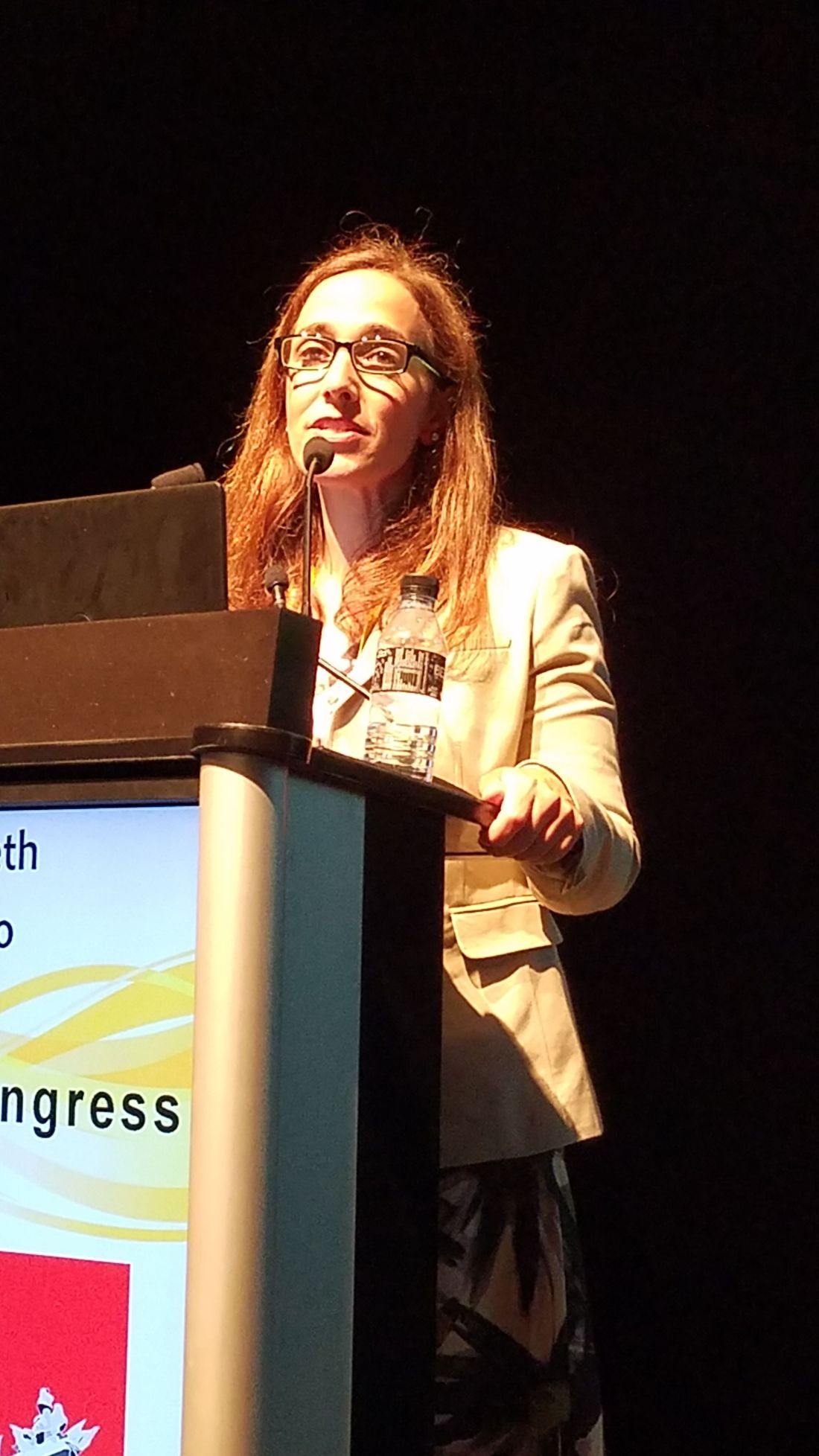
Enthesitis is often more bothersome to arthritis patients than their primary disease, said Dr. Araujo of the Centre of Internal Medicine, Universitätsklinikum Erlangen, Germany.
“Despite being a hallmark of PsA patients, enthesitis still receives rather peripheral attention as an outcome, especially when compared with ‘classical’ arthritis. Nonetheless, in clinical practice, enthesitis is an important factor for PsA-associated pain in many patients,” explained Dr. Araujo.
Yet it’s frequently ignored or under-treated. When it is addressed, enthesitis is often treated using TNF-inhibitors. But recent increases in the treatment options for PsA patients got Dr. Araujo thinking that PsA patients with enthesitis might respond better to a different therapy.
She investigated this with the open-label ECLIPSA trial, which randomized 51 PsA patients (47 with active enthesitis) to a 6-month treatment regimen of ustekinumab or a TNF-inhibitor. The primary endpoint of the observational study was a SPARCC score of 0.
Patients were a mean of 61 years, with a mean disease duration of 2.5 years. The mean baseline SPARCC score was 4. The mean Psoriatic Area and Severity Score (PASI) was 3.
Patients’ arthritis symptoms responded equally well to both drugs, with similar marked decreases in tender and swollen joint counts. But there was a clear, significant between-group separation on the SPARCC score, with 71% of the ustekinumab group reaching a 0 compared to 38% of the TNF-inhibition group.
Ustekinumab also effected better skin clearance than TNF-inhibition, she said. Among the TNF-inhibition group, about 20% achieved a PASI 90 and 20%, a PASI 100. Among those taking ustekinumab, about 80% achieved a PASI 90 and 55% a PASI 100.
The data point the way to more stratified treatment approaches for PsA patients, where PsA that predominantly involves enthesitis is treated by drugs like ustekinumab, Dr. Araujo said. Since both TNF-inhibitors and ustekinumab are approved for treatment of PsA, treatment could be tailored.
“Stratification of PsA patients according to clinical features (enthesitis driven vs. arthritis driven) appears within reach and will allow a more selective use of cytokine-blocking agents in PsA in the future,” said Dr. Araujo.
“More attention on enthesial-driven PsA patients is needed in the future as this patient group is well known to clinicians working in the PsA field but is massively underrepresented in clinical studies. Comparative studies of biological [disease-modifying antirheumatic drugs] in PsA need to take into account the differences in the clinical profile of PsA patients and should not be confined to the traditional polyarticular arthritis–driven disease population,” she added.
Dr. Araujo had no financial disclosures.
msullivan@frontlinemedcom.com
On Twitter @Alz_gal
MADRID – The anti-IL-23 antibody ustekinumab cleared enthesitis significantly better than did TNF-blockade in a small, open-label trial of patients with psoriatic arthritis
After 6 months on the drug, 71% of those taking the antibody achieved a score of 0 on the Spondyloarthritis Research Consortium of Canada (SPARCC) scale, representing a complete absence of enthesitis, Elizabeth Araujo, MD, said at the European Congress of Rheumatology. Just 38% of those on TNF-inhibitors achieved that score.
Enthesitis is often more bothersome to arthritis patients than their primary disease, said Dr. Araujo of the Centre of Internal Medicine, Universitätsklinikum Erlangen, Germany.
“Despite being a hallmark of PsA patients, enthesitis still receives rather peripheral attention as an outcome, especially when compared with ‘classical’ arthritis. Nonetheless, in clinical practice, enthesitis is an important factor for PsA-associated pain in many patients,” explained Dr. Araujo.
Yet it’s frequently ignored or under-treated. When it is addressed, enthesitis is often treated using TNF-inhibitors. But recent increases in the treatment options for PsA patients got Dr. Araujo thinking that PsA patients with enthesitis might respond better to a different therapy.
She investigated this with the open-label ECLIPSA trial, which randomized 51 PsA patients (47 with active enthesitis) to a 6-month treatment regimen of ustekinumab or a TNF-inhibitor. The primary endpoint of the observational study was a SPARCC score of 0.
Patients were a mean of 61 years, with a mean disease duration of 2.5 years. The mean baseline SPARCC score was 4. The mean Psoriatic Area and Severity Score (PASI) was 3.
Patients’ arthritis symptoms responded equally well to both drugs, with similar marked decreases in tender and swollen joint counts. But there was a clear, significant between-group separation on the SPARCC score, with 71% of the ustekinumab group reaching a 0 compared to 38% of the TNF-inhibition group.
Ustekinumab also effected better skin clearance than TNF-inhibition, she said. Among the TNF-inhibition group, about 20% achieved a PASI 90 and 20%, a PASI 100. Among those taking ustekinumab, about 80% achieved a PASI 90 and 55% a PASI 100.
The data point the way to more stratified treatment approaches for PsA patients, where PsA that predominantly involves enthesitis is treated by drugs like ustekinumab, Dr. Araujo said. Since both TNF-inhibitors and ustekinumab are approved for treatment of PsA, treatment could be tailored.
“Stratification of PsA patients according to clinical features (enthesitis driven vs. arthritis driven) appears within reach and will allow a more selective use of cytokine-blocking agents in PsA in the future,” said Dr. Araujo.
“More attention on enthesial-driven PsA patients is needed in the future as this patient group is well known to clinicians working in the PsA field but is massively underrepresented in clinical studies. Comparative studies of biological [disease-modifying antirheumatic drugs] in PsA need to take into account the differences in the clinical profile of PsA patients and should not be confined to the traditional polyarticular arthritis–driven disease population,” she added.
Dr. Araujo had no financial disclosures.
msullivan@frontlinemedcom.com
On Twitter @Alz_gal
MADRID – The anti-IL-23 antibody ustekinumab cleared enthesitis significantly better than did TNF-blockade in a small, open-label trial of patients with psoriatic arthritis
After 6 months on the drug, 71% of those taking the antibody achieved a score of 0 on the Spondyloarthritis Research Consortium of Canada (SPARCC) scale, representing a complete absence of enthesitis, Elizabeth Araujo, MD, said at the European Congress of Rheumatology. Just 38% of those on TNF-inhibitors achieved that score.
Enthesitis is often more bothersome to arthritis patients than their primary disease, said Dr. Araujo of the Centre of Internal Medicine, Universitätsklinikum Erlangen, Germany.
“Despite being a hallmark of PsA patients, enthesitis still receives rather peripheral attention as an outcome, especially when compared with ‘classical’ arthritis. Nonetheless, in clinical practice, enthesitis is an important factor for PsA-associated pain in many patients,” explained Dr. Araujo.
Yet it’s frequently ignored or under-treated. When it is addressed, enthesitis is often treated using TNF-inhibitors. But recent increases in the treatment options for PsA patients got Dr. Araujo thinking that PsA patients with enthesitis might respond better to a different therapy.
She investigated this with the open-label ECLIPSA trial, which randomized 51 PsA patients (47 with active enthesitis) to a 6-month treatment regimen of ustekinumab or a TNF-inhibitor. The primary endpoint of the observational study was a SPARCC score of 0.
Patients were a mean of 61 years, with a mean disease duration of 2.5 years. The mean baseline SPARCC score was 4. The mean Psoriatic Area and Severity Score (PASI) was 3.
Patients’ arthritis symptoms responded equally well to both drugs, with similar marked decreases in tender and swollen joint counts. But there was a clear, significant between-group separation on the SPARCC score, with 71% of the ustekinumab group reaching a 0 compared to 38% of the TNF-inhibition group.
Ustekinumab also effected better skin clearance than TNF-inhibition, she said. Among the TNF-inhibition group, about 20% achieved a PASI 90 and 20%, a PASI 100. Among those taking ustekinumab, about 80% achieved a PASI 90 and 55% a PASI 100.
The data point the way to more stratified treatment approaches for PsA patients, where PsA that predominantly involves enthesitis is treated by drugs like ustekinumab, Dr. Araujo said. Since both TNF-inhibitors and ustekinumab are approved for treatment of PsA, treatment could be tailored.
“Stratification of PsA patients according to clinical features (enthesitis driven vs. arthritis driven) appears within reach and will allow a more selective use of cytokine-blocking agents in PsA in the future,” said Dr. Araujo.
“More attention on enthesial-driven PsA patients is needed in the future as this patient group is well known to clinicians working in the PsA field but is massively underrepresented in clinical studies. Comparative studies of biological [disease-modifying antirheumatic drugs] in PsA need to take into account the differences in the clinical profile of PsA patients and should not be confined to the traditional polyarticular arthritis–driven disease population,” she added.
Dr. Araujo had no financial disclosures.
msullivan@frontlinemedcom.com
On Twitter @Alz_gal
AT EULAR 2017
Key clinical point:
Major finding: After 6 months, 71% of those taking ustekinumab and 38% of those taking TNF-blockers achieved total enthesitis clearance.
Data source: The open-label trial randomized 51 patients - 47 of whom had active enthesitis.
Disclosures: Dr. Araujo had no financial disclosures.
VIDEO: Guselkumab bests placebo in psoriatic arthritis
MADRID – Guselkumab, an IL-23 blocker that has proved its mettle in psoriasis, also posted excellent results in an early-phase psoriatic arthritis trial.
The fully human monoclonal antibody, which is being developed by Janssen, targets the p19 subunit of interleukin-23, Atul Deodhar, MD, said at the European Congress of Rheumatology. The 52-week phase 2a study randomized 149 patients to 100 mg guselkumab or placebo given subcutaneously at baseline and week 4, then every 8 weeks, for 24 weeks. Patients who didn’t respond adequately in either arm could begin using ustekinumab. After 24 weeks, everyone remaining in the placebo group switched to guselkumab, and patients in both arms continued open-label treatment until 52 weeks.
Dr. Deodhar of the Oregon Health and Science University, Portland, reported 24-week outcomes. A full year of data will be presented at the American College of Rheumatology meeting in San Diego in November.
Guselkumab aced the study’s primary endpoint – ACR 20 response by week 24 (58% vs. 18% with the placebo, P less than .001). Improvement developed rapidly, with a significant separation between the groups by week 4 (21% vs. 0%; P less than .001). It also succeeded on the secondary endpoints of ACR 50 response (34% vs. 10%) and ACR 70 (14% vs. 2%). The antibody also significantly outperformed placebo on the Health Assessment Questionnaire Disability Index (HAQ-DI), 36-Item Short Form Health Survey (SF-36), and Minimal Disease Activity score. Skin clearance was strikingly good, Dr. Deodhar said: 39% achieved complete clearance, with a Psoriasis Area and Severity Index (PASI) score of 100; 66% achieved a PASI of 90; and 79% acheived a PASI of 75.
Guselkumab also significantly improved enthesitis – a symptom that can be terribly troubling for patients with psoriatic arthritis. Enthesitis was present in 106 at baseline. By 24 weeks, it had resolved in 56.6% of those taking the antibody and 29% of those taking the placebo (P = .012.).
A phase III trial in psoriatic arthritis will be forthcoming, Dr. Deodhar said.
Dr. Deodhar has received research funding and is a consultant for Janssen and other pharmaceutical companies.
The video associated with this article is no longer available on this site. Please view all of our videos on the MDedge YouTube channel
msullivan@frontlinemedcom.com
On Twitter @alz_gal
MADRID – Guselkumab, an IL-23 blocker that has proved its mettle in psoriasis, also posted excellent results in an early-phase psoriatic arthritis trial.
The fully human monoclonal antibody, which is being developed by Janssen, targets the p19 subunit of interleukin-23, Atul Deodhar, MD, said at the European Congress of Rheumatology. The 52-week phase 2a study randomized 149 patients to 100 mg guselkumab or placebo given subcutaneously at baseline and week 4, then every 8 weeks, for 24 weeks. Patients who didn’t respond adequately in either arm could begin using ustekinumab. After 24 weeks, everyone remaining in the placebo group switched to guselkumab, and patients in both arms continued open-label treatment until 52 weeks.
Dr. Deodhar of the Oregon Health and Science University, Portland, reported 24-week outcomes. A full year of data will be presented at the American College of Rheumatology meeting in San Diego in November.
Guselkumab aced the study’s primary endpoint – ACR 20 response by week 24 (58% vs. 18% with the placebo, P less than .001). Improvement developed rapidly, with a significant separation between the groups by week 4 (21% vs. 0%; P less than .001). It also succeeded on the secondary endpoints of ACR 50 response (34% vs. 10%) and ACR 70 (14% vs. 2%). The antibody also significantly outperformed placebo on the Health Assessment Questionnaire Disability Index (HAQ-DI), 36-Item Short Form Health Survey (SF-36), and Minimal Disease Activity score. Skin clearance was strikingly good, Dr. Deodhar said: 39% achieved complete clearance, with a Psoriasis Area and Severity Index (PASI) score of 100; 66% achieved a PASI of 90; and 79% acheived a PASI of 75.
Guselkumab also significantly improved enthesitis – a symptom that can be terribly troubling for patients with psoriatic arthritis. Enthesitis was present in 106 at baseline. By 24 weeks, it had resolved in 56.6% of those taking the antibody and 29% of those taking the placebo (P = .012.).
A phase III trial in psoriatic arthritis will be forthcoming, Dr. Deodhar said.
Dr. Deodhar has received research funding and is a consultant for Janssen and other pharmaceutical companies.
The video associated with this article is no longer available on this site. Please view all of our videos on the MDedge YouTube channel
msullivan@frontlinemedcom.com
On Twitter @alz_gal
MADRID – Guselkumab, an IL-23 blocker that has proved its mettle in psoriasis, also posted excellent results in an early-phase psoriatic arthritis trial.
The fully human monoclonal antibody, which is being developed by Janssen, targets the p19 subunit of interleukin-23, Atul Deodhar, MD, said at the European Congress of Rheumatology. The 52-week phase 2a study randomized 149 patients to 100 mg guselkumab or placebo given subcutaneously at baseline and week 4, then every 8 weeks, for 24 weeks. Patients who didn’t respond adequately in either arm could begin using ustekinumab. After 24 weeks, everyone remaining in the placebo group switched to guselkumab, and patients in both arms continued open-label treatment until 52 weeks.
Dr. Deodhar of the Oregon Health and Science University, Portland, reported 24-week outcomes. A full year of data will be presented at the American College of Rheumatology meeting in San Diego in November.
Guselkumab aced the study’s primary endpoint – ACR 20 response by week 24 (58% vs. 18% with the placebo, P less than .001). Improvement developed rapidly, with a significant separation between the groups by week 4 (21% vs. 0%; P less than .001). It also succeeded on the secondary endpoints of ACR 50 response (34% vs. 10%) and ACR 70 (14% vs. 2%). The antibody also significantly outperformed placebo on the Health Assessment Questionnaire Disability Index (HAQ-DI), 36-Item Short Form Health Survey (SF-36), and Minimal Disease Activity score. Skin clearance was strikingly good, Dr. Deodhar said: 39% achieved complete clearance, with a Psoriasis Area and Severity Index (PASI) score of 100; 66% achieved a PASI of 90; and 79% acheived a PASI of 75.
Guselkumab also significantly improved enthesitis – a symptom that can be terribly troubling for patients with psoriatic arthritis. Enthesitis was present in 106 at baseline. By 24 weeks, it had resolved in 56.6% of those taking the antibody and 29% of those taking the placebo (P = .012.).
A phase III trial in psoriatic arthritis will be forthcoming, Dr. Deodhar said.
Dr. Deodhar has received research funding and is a consultant for Janssen and other pharmaceutical companies.
The video associated with this article is no longer available on this site. Please view all of our videos on the MDedge YouTube channel
msullivan@frontlinemedcom.com
On Twitter @alz_gal
AT THE EULAR 2017 CONGRESS
Key clinical point:
Major finding: ACR 20 response at 24 weeks was 58% in the treated group, vs. 18% in the placebo group.
Data source: The 52-week 2a study randomized 149 patients to guselkumab or placebo.
Disclosures: Dr. Deodhar has received research monies and is a consultant for Janssen, which is developing guselkumab.

PBC incidence remains stable in rural parts of U.S.
The incidence of primary biliary cholangitis (PBC) in rural parts of the midwestern United States has remained stable over the last 2 decades, allowing better prognosis and improved survival rates.
In a population-based cohort study, Rajan Kanth, MD, and his associates researched 79 incident PBC cases observed in the Marshfield Epidemiologic Study Area (MESA) of 24 zip codes in central and northern Wisconsin between 1992 and 2011. The overall age- and sex-standardized PBC incidence rate was 4.9 cases per 100,000 person-years. The annual incidence rate of PBC increased; however, it was not significant (P = .114) during the 20-year study time frame. In women, PBC ranged from a low of 6.9 cases per 100,000 person-years in 1992-1996 to a high of 11.3 cases per 100,000 person-years in 2002-2006. The sex-specific comparisons were not significant at any time during the 5-year period.
After a mean follow-up of 7.3 years, 23 (29%) patients with PBC died. The estimated 10-year survival of PBC cases in MESA was 76%.
Researchers noted the MESA source population grew over the 20-year study time frame, going from a low of 364,722 MESA person-years in 1992-1996 to a high of 409,670 person-years in 2007-2011. The proportion of men and women in MESA were consistent throughout the study, but there was a general population aging trend with a 29% increase in the number of individuals aged 40-69 years in 2007-2011 relative to 1992-1996.
“The overall incidence of PBC in a Midwestern population of the United States has remained relatively stable over the last two decades,” researchers concluded. “Results suggest that the overall incidence of PBC in the United States is not rising quickly, and that patients with PBC have generally improved prognosis and survival.”
Find the full study in Clinical Medicine & Research (2017. doi: 10.3121/cmr.2017.1351).
The incidence of primary biliary cholangitis (PBC) in rural parts of the midwestern United States has remained stable over the last 2 decades, allowing better prognosis and improved survival rates.
In a population-based cohort study, Rajan Kanth, MD, and his associates researched 79 incident PBC cases observed in the Marshfield Epidemiologic Study Area (MESA) of 24 zip codes in central and northern Wisconsin between 1992 and 2011. The overall age- and sex-standardized PBC incidence rate was 4.9 cases per 100,000 person-years. The annual incidence rate of PBC increased; however, it was not significant (P = .114) during the 20-year study time frame. In women, PBC ranged from a low of 6.9 cases per 100,000 person-years in 1992-1996 to a high of 11.3 cases per 100,000 person-years in 2002-2006. The sex-specific comparisons were not significant at any time during the 5-year period.
After a mean follow-up of 7.3 years, 23 (29%) patients with PBC died. The estimated 10-year survival of PBC cases in MESA was 76%.
Researchers noted the MESA source population grew over the 20-year study time frame, going from a low of 364,722 MESA person-years in 1992-1996 to a high of 409,670 person-years in 2007-2011. The proportion of men and women in MESA were consistent throughout the study, but there was a general population aging trend with a 29% increase in the number of individuals aged 40-69 years in 2007-2011 relative to 1992-1996.
“The overall incidence of PBC in a Midwestern population of the United States has remained relatively stable over the last two decades,” researchers concluded. “Results suggest that the overall incidence of PBC in the United States is not rising quickly, and that patients with PBC have generally improved prognosis and survival.”
Find the full study in Clinical Medicine & Research (2017. doi: 10.3121/cmr.2017.1351).
The incidence of primary biliary cholangitis (PBC) in rural parts of the midwestern United States has remained stable over the last 2 decades, allowing better prognosis and improved survival rates.
In a population-based cohort study, Rajan Kanth, MD, and his associates researched 79 incident PBC cases observed in the Marshfield Epidemiologic Study Area (MESA) of 24 zip codes in central and northern Wisconsin between 1992 and 2011. The overall age- and sex-standardized PBC incidence rate was 4.9 cases per 100,000 person-years. The annual incidence rate of PBC increased; however, it was not significant (P = .114) during the 20-year study time frame. In women, PBC ranged from a low of 6.9 cases per 100,000 person-years in 1992-1996 to a high of 11.3 cases per 100,000 person-years in 2002-2006. The sex-specific comparisons were not significant at any time during the 5-year period.
After a mean follow-up of 7.3 years, 23 (29%) patients with PBC died. The estimated 10-year survival of PBC cases in MESA was 76%.
Researchers noted the MESA source population grew over the 20-year study time frame, going from a low of 364,722 MESA person-years in 1992-1996 to a high of 409,670 person-years in 2007-2011. The proportion of men and women in MESA were consistent throughout the study, but there was a general population aging trend with a 29% increase in the number of individuals aged 40-69 years in 2007-2011 relative to 1992-1996.
“The overall incidence of PBC in a Midwestern population of the United States has remained relatively stable over the last two decades,” researchers concluded. “Results suggest that the overall incidence of PBC in the United States is not rising quickly, and that patients with PBC have generally improved prognosis and survival.”
Find the full study in Clinical Medicine & Research (2017. doi: 10.3121/cmr.2017.1351).
FROM CLINICAL MEDICINE & RESEARCH
What’s driving the ‘failure’ of the ACA marketplaces?
Two reports from the Centers for Medicare & Medicaid Services show declines in the number of consumers who are activating the health insurance purchased via an Affordable Care Act exchange, a development Trump administration officials say underlines the failure of the ACA.

As of March 15, 10.3 million people paid premiums to activate coverage they purchased on the exchanges out of 12.2 million who enrolled in plans as of the Jan. 31 deadline for 2017, according to a June 12 report from CMS.
Further, some consumers who began paying premiums stopped.
Two key factors are behind the drop off, according to a second CMS report.
According to a voluntary online survey of consumers who left the exchanges between August 2016 and April 2017, 46% who canceled coverage prior to paying premiums cited cost as the main reason, including 20% who cited increased premiums over the previous year and 17% who claimed ineligibility for financial assistance.
Of those who activated their coverage by paying premiums, half (49%) said they stopped because they became eligible and received coverage elsewhere, mostly through an employer or Medicare. About a quarter (27%) cited affordability as the reason why they dropped coverage.
According to the Commonwealth Fund, CMS officials missed a few big reasons why people did not consistently pay for their coverage: Many were reacting to uncertainty around the Trump administration’s ACA repeal and replace efforts. Others were missed because of policy changes undertaken by the administration.
“One of the things that we know affected enrollment this year was the pullback of outreach efforts in the last weekend of the open enrollment period by the Trump administration,” Sara Collins, PhD, vice president of health care access and coverage at the Commonwealth Fund, said in an interview. “It did have an affect on enrollment and might be part of the reason why we are seeing – compared to last year – a lower effectuate enrollment.”
Other administration actions are taking a toll, Dr. Collins said.
There is a “general uncertainty that the administration is generating with respect to the enforcement of the individual mandate and also the uncertainty that is affecting insurers’ commitment to the marketplaces for 2018 [cost sharing reduction payments],” she said, noting both insurers and consumers are affected by this uncertainty.
While acknowledging that the main reason consumers dropped exchange policies was gaining coverage from source, Dr. Collins noted that “we are in such a strange environment, where it’s not clear what Congress is going to do or what the administration is going to do. It probably has confused the public somewhat about what their options are and maybe a concern even if they stay in a plan whether or not they will continue to get their tax credits. There has just been a general sense of uncertainty that has been created by the Trump administration and Congress in terms of the future of marketplace plans.”
Two reports from the Centers for Medicare & Medicaid Services show declines in the number of consumers who are activating the health insurance purchased via an Affordable Care Act exchange, a development Trump administration officials say underlines the failure of the ACA.
As of March 15, 10.3 million people paid premiums to activate coverage they purchased on the exchanges out of 12.2 million who enrolled in plans as of the Jan. 31 deadline for 2017, according to a June 12 report from CMS.
Further, some consumers who began paying premiums stopped.
Two key factors are behind the drop off, according to a second CMS report.
According to a voluntary online survey of consumers who left the exchanges between August 2016 and April 2017, 46% who canceled coverage prior to paying premiums cited cost as the main reason, including 20% who cited increased premiums over the previous year and 17% who claimed ineligibility for financial assistance.
Of those who activated their coverage by paying premiums, half (49%) said they stopped because they became eligible and received coverage elsewhere, mostly through an employer or Medicare. About a quarter (27%) cited affordability as the reason why they dropped coverage.
According to the Commonwealth Fund, CMS officials missed a few big reasons why people did not consistently pay for their coverage: Many were reacting to uncertainty around the Trump administration’s ACA repeal and replace efforts. Others were missed because of policy changes undertaken by the administration.
“One of the things that we know affected enrollment this year was the pullback of outreach efforts in the last weekend of the open enrollment period by the Trump administration,” Sara Collins, PhD, vice president of health care access and coverage at the Commonwealth Fund, said in an interview. “It did have an affect on enrollment and might be part of the reason why we are seeing – compared to last year – a lower effectuate enrollment.”
Other administration actions are taking a toll, Dr. Collins said.
There is a “general uncertainty that the administration is generating with respect to the enforcement of the individual mandate and also the uncertainty that is affecting insurers’ commitment to the marketplaces for 2018 [cost sharing reduction payments],” she said, noting both insurers and consumers are affected by this uncertainty.
While acknowledging that the main reason consumers dropped exchange policies was gaining coverage from source, Dr. Collins noted that “we are in such a strange environment, where it’s not clear what Congress is going to do or what the administration is going to do. It probably has confused the public somewhat about what their options are and maybe a concern even if they stay in a plan whether or not they will continue to get their tax credits. There has just been a general sense of uncertainty that has been created by the Trump administration and Congress in terms of the future of marketplace plans.”
Two reports from the Centers for Medicare & Medicaid Services show declines in the number of consumers who are activating the health insurance purchased via an Affordable Care Act exchange, a development Trump administration officials say underlines the failure of the ACA.
As of March 15, 10.3 million people paid premiums to activate coverage they purchased on the exchanges out of 12.2 million who enrolled in plans as of the Jan. 31 deadline for 2017, according to a June 12 report from CMS.
Further, some consumers who began paying premiums stopped.
Two key factors are behind the drop off, according to a second CMS report.
According to a voluntary online survey of consumers who left the exchanges between August 2016 and April 2017, 46% who canceled coverage prior to paying premiums cited cost as the main reason, including 20% who cited increased premiums over the previous year and 17% who claimed ineligibility for financial assistance.
Of those who activated their coverage by paying premiums, half (49%) said they stopped because they became eligible and received coverage elsewhere, mostly through an employer or Medicare. About a quarter (27%) cited affordability as the reason why they dropped coverage.
According to the Commonwealth Fund, CMS officials missed a few big reasons why people did not consistently pay for their coverage: Many were reacting to uncertainty around the Trump administration’s ACA repeal and replace efforts. Others were missed because of policy changes undertaken by the administration.
“One of the things that we know affected enrollment this year was the pullback of outreach efforts in the last weekend of the open enrollment period by the Trump administration,” Sara Collins, PhD, vice president of health care access and coverage at the Commonwealth Fund, said in an interview. “It did have an affect on enrollment and might be part of the reason why we are seeing – compared to last year – a lower effectuate enrollment.”
Other administration actions are taking a toll, Dr. Collins said.
There is a “general uncertainty that the administration is generating with respect to the enforcement of the individual mandate and also the uncertainty that is affecting insurers’ commitment to the marketplaces for 2018 [cost sharing reduction payments],” she said, noting both insurers and consumers are affected by this uncertainty.
While acknowledging that the main reason consumers dropped exchange policies was gaining coverage from source, Dr. Collins noted that “we are in such a strange environment, where it’s not clear what Congress is going to do or what the administration is going to do. It probably has confused the public somewhat about what their options are and maybe a concern even if they stay in a plan whether or not they will continue to get their tax credits. There has just been a general sense of uncertainty that has been created by the Trump administration and Congress in terms of the future of marketplace plans.”

CAR T cells plus ibrutinib induce CLL remissions

CHICAGO—Chimeric antigen receptor (CAR) T cells combined with ibrutinib enhance T-cell function and can induce complete remission (CR) in patients with chronic lymphocytic leukemia (CLL), researchers report.
Many CLL patients receive ibrutinib treatment, which is well tolerated, but few patients achieve CR.
Immunotherapy with anti-CD19 CAR T cells has induced CR in 25% - 45% of patients with CLL, Saar Gill, MD, of the University of Pennsylvania in Philadelphia, told Hematology Times, and these CRs tend to be durable.
So investigators conducted a pilot trial in 10 patients to test whether combining anti-CD19 CAR T cells with ibrutinib would enhance the CR rate.
Dr Gill reported the findings of the pilot trial at the ASCO 2017 Annual Meeting (abstract 7509).
The patients must have failed at least 1 regimen before ibrutinib, unless they had del(17)(p13.1) or a TP53 mutation.
T cells were lentivirally transduced to express a CAR that included humanized anti-CD19.
Patients were lymphodepleted 1 week before infusion, and ibrutinib was continued throughout the trial.
After a median follow-up of 6 months, 8 of the 9 evaluable patients show absence of CLL in the bone marrow by flow cytometry or minimal residual disease (MRD) negative, and all remain in marrow CR at last follow-up, Dr Gill said.
Radiologic responses are less clear-cut and may require longer follow-up.
“All but 1 patient achieved MRD with deep sequencing. We have deep response in the bone marrow,” Dr Gill said. He also noted that the treatment was well tolerated.
Cytokine release syndrome (CRS) developed in 9 patients: grade 1 in 2 patients, grade 2 in 6 patients, and grade 3 in 1 patient. One patient developed grade 4 tumor lysis syndrome. Treatment of CRS with the IL-6 receptor antagonist tocilizumab was not required.
There was modest residual splenomegaly in 3 of 5 patients, and adenopathy resolved in 4 of 6 patients, with progression in 1 patient.
Ibrutinib reduced CRS apparently by blocking cytokine production by T cells, said Dr Gill, adding, “The combination led to improved efficacy without increased toxicity.”
Ibrutinib may make CAR T-cell therapy more feasible.
Patients who receive ibrutinib for 6 months have a better T-cell response.
“This opens up future discussions of bringing CAR T-cell therapy earlier into CLL treatment,” said Dr Gill.
He envisions patients receiving ibrutinib for 6 months, which would allow time to manufacture T cells, and then have a T-cell infusion.
“Once patients achieve MRD, then we can discuss the possibility of stopping ibrutinib therapy,” he said.
“Most patients remain on ibrutinib, but longer follow-up may show whether remissions are sustained off ibrutinib.”
The researchers have ongoing plans to treat 25 patients with CTL19 plus ibrutinib in a continuation of this trial.
Dr Gill said longer follow-up will reveal the durability of these results “and could support evaluation of a first-line combination approach in an attempt to obviate the need for chronic therapy.” 
CHICAGO—Chimeric antigen receptor (CAR) T cells combined with ibrutinib enhance T-cell function and can induce complete remission (CR) in patients with chronic lymphocytic leukemia (CLL), researchers report.
Many CLL patients receive ibrutinib treatment, which is well tolerated, but few patients achieve CR.
Immunotherapy with anti-CD19 CAR T cells has induced CR in 25% - 45% of patients with CLL, Saar Gill, MD, of the University of Pennsylvania in Philadelphia, told Hematology Times, and these CRs tend to be durable.
So investigators conducted a pilot trial in 10 patients to test whether combining anti-CD19 CAR T cells with ibrutinib would enhance the CR rate.
Dr Gill reported the findings of the pilot trial at the ASCO 2017 Annual Meeting (abstract 7509).
The patients must have failed at least 1 regimen before ibrutinib, unless they had del(17)(p13.1) or a TP53 mutation.
T cells were lentivirally transduced to express a CAR that included humanized anti-CD19.
Patients were lymphodepleted 1 week before infusion, and ibrutinib was continued throughout the trial.
After a median follow-up of 6 months, 8 of the 9 evaluable patients show absence of CLL in the bone marrow by flow cytometry or minimal residual disease (MRD) negative, and all remain in marrow CR at last follow-up, Dr Gill said.
Radiologic responses are less clear-cut and may require longer follow-up.
“All but 1 patient achieved MRD with deep sequencing. We have deep response in the bone marrow,” Dr Gill said. He also noted that the treatment was well tolerated.
Cytokine release syndrome (CRS) developed in 9 patients: grade 1 in 2 patients, grade 2 in 6 patients, and grade 3 in 1 patient. One patient developed grade 4 tumor lysis syndrome. Treatment of CRS with the IL-6 receptor antagonist tocilizumab was not required.
There was modest residual splenomegaly in 3 of 5 patients, and adenopathy resolved in 4 of 6 patients, with progression in 1 patient.
Ibrutinib reduced CRS apparently by blocking cytokine production by T cells, said Dr Gill, adding, “The combination led to improved efficacy without increased toxicity.”
Ibrutinib may make CAR T-cell therapy more feasible.
Patients who receive ibrutinib for 6 months have a better T-cell response.
“This opens up future discussions of bringing CAR T-cell therapy earlier into CLL treatment,” said Dr Gill.
He envisions patients receiving ibrutinib for 6 months, which would allow time to manufacture T cells, and then have a T-cell infusion.
“Once patients achieve MRD, then we can discuss the possibility of stopping ibrutinib therapy,” he said.
“Most patients remain on ibrutinib, but longer follow-up may show whether remissions are sustained off ibrutinib.”
The researchers have ongoing plans to treat 25 patients with CTL19 plus ibrutinib in a continuation of this trial.
Dr Gill said longer follow-up will reveal the durability of these results “and could support evaluation of a first-line combination approach in an attempt to obviate the need for chronic therapy.”
CHICAGO—Chimeric antigen receptor (CAR) T cells combined with ibrutinib enhance T-cell function and can induce complete remission (CR) in patients with chronic lymphocytic leukemia (CLL), researchers report.
Many CLL patients receive ibrutinib treatment, which is well tolerated, but few patients achieve CR.
Immunotherapy with anti-CD19 CAR T cells has induced CR in 25% - 45% of patients with CLL, Saar Gill, MD, of the University of Pennsylvania in Philadelphia, told Hematology Times, and these CRs tend to be durable.
So investigators conducted a pilot trial in 10 patients to test whether combining anti-CD19 CAR T cells with ibrutinib would enhance the CR rate.
Dr Gill reported the findings of the pilot trial at the ASCO 2017 Annual Meeting (abstract 7509).
The patients must have failed at least 1 regimen before ibrutinib, unless they had del(17)(p13.1) or a TP53 mutation.
T cells were lentivirally transduced to express a CAR that included humanized anti-CD19.
Patients were lymphodepleted 1 week before infusion, and ibrutinib was continued throughout the trial.
After a median follow-up of 6 months, 8 of the 9 evaluable patients show absence of CLL in the bone marrow by flow cytometry or minimal residual disease (MRD) negative, and all remain in marrow CR at last follow-up, Dr Gill said.
Radiologic responses are less clear-cut and may require longer follow-up.
“All but 1 patient achieved MRD with deep sequencing. We have deep response in the bone marrow,” Dr Gill said. He also noted that the treatment was well tolerated.
Cytokine release syndrome (CRS) developed in 9 patients: grade 1 in 2 patients, grade 2 in 6 patients, and grade 3 in 1 patient. One patient developed grade 4 tumor lysis syndrome. Treatment of CRS with the IL-6 receptor antagonist tocilizumab was not required.
There was modest residual splenomegaly in 3 of 5 patients, and adenopathy resolved in 4 of 6 patients, with progression in 1 patient.
Ibrutinib reduced CRS apparently by blocking cytokine production by T cells, said Dr Gill, adding, “The combination led to improved efficacy without increased toxicity.”
Ibrutinib may make CAR T-cell therapy more feasible.
Patients who receive ibrutinib for 6 months have a better T-cell response.
“This opens up future discussions of bringing CAR T-cell therapy earlier into CLL treatment,” said Dr Gill.
He envisions patients receiving ibrutinib for 6 months, which would allow time to manufacture T cells, and then have a T-cell infusion.
“Once patients achieve MRD, then we can discuss the possibility of stopping ibrutinib therapy,” he said.
“Most patients remain on ibrutinib, but longer follow-up may show whether remissions are sustained off ibrutinib.”
The researchers have ongoing plans to treat 25 patients with CTL19 plus ibrutinib in a continuation of this trial.
Dr Gill said longer follow-up will reveal the durability of these results “and could support evaluation of a first-line combination approach in an attempt to obviate the need for chronic therapy.”

EASL publishes new PBC guidelines
The European Association for the Study of the Liver has published a new guideline for the diagnosis, treatment, and management of primary biliary cholangitis.
PBC is likely in patients with persistent cholestatic symptoms or who have pruritis and fatigue. A diagnosis of PBC can be made if a patient has elevated alkaline phosphatase and antimitochondrial antibody, although elevated antimitochondrial antibody alone is not enough to diagnose PBC. Liver biopsy is not recommended, and liver imaging is not necessary to prove PBC but can be used to eliminate extrahepatic causes of cholestasis.
Pruritis, fatigue, and sicca complex are the most common symptoms of PBC and can significantly effect quality of life. Pruritis can be treated with cholestyramine or rifampicin. Clinicians should seek out and treat associated and alternate causes of fatigue and advise patients on strategies to avoid compounding fatigue problems. Sicca complex should be treated appropriately and, if patients develop refractory symptoms, referred to a specialist.
Complications of liver disease caused by PBC include osteoporosis, fat-soluble vitamin substitution, hyperlipidemia, varices, hepatocellular carcinoma, and need for liver transplant, though the need for liver transplant in PBC patient has decreased over time.
“Treatment guidelines facilitate a holistic life-long approach to the management of patients with PBC, and care pathways should be developed locally to capture the needs of patients. These can be subject to independent quality evaluation,” EASL concluded.
Find the full clinical guideline in the Journal of Hepatology (2017. doi: 10.1016/j.jhep.2017.03.022).
The European Association for the Study of the Liver has published a new guideline for the diagnosis, treatment, and management of primary biliary cholangitis.
PBC is likely in patients with persistent cholestatic symptoms or who have pruritis and fatigue. A diagnosis of PBC can be made if a patient has elevated alkaline phosphatase and antimitochondrial antibody, although elevated antimitochondrial antibody alone is not enough to diagnose PBC. Liver biopsy is not recommended, and liver imaging is not necessary to prove PBC but can be used to eliminate extrahepatic causes of cholestasis.
Pruritis, fatigue, and sicca complex are the most common symptoms of PBC and can significantly effect quality of life. Pruritis can be treated with cholestyramine or rifampicin. Clinicians should seek out and treat associated and alternate causes of fatigue and advise patients on strategies to avoid compounding fatigue problems. Sicca complex should be treated appropriately and, if patients develop refractory symptoms, referred to a specialist.
Complications of liver disease caused by PBC include osteoporosis, fat-soluble vitamin substitution, hyperlipidemia, varices, hepatocellular carcinoma, and need for liver transplant, though the need for liver transplant in PBC patient has decreased over time.
“Treatment guidelines facilitate a holistic life-long approach to the management of patients with PBC, and care pathways should be developed locally to capture the needs of patients. These can be subject to independent quality evaluation,” EASL concluded.
Find the full clinical guideline in the Journal of Hepatology (2017. doi: 10.1016/j.jhep.2017.03.022).
The European Association for the Study of the Liver has published a new guideline for the diagnosis, treatment, and management of primary biliary cholangitis.
PBC is likely in patients with persistent cholestatic symptoms or who have pruritis and fatigue. A diagnosis of PBC can be made if a patient has elevated alkaline phosphatase and antimitochondrial antibody, although elevated antimitochondrial antibody alone is not enough to diagnose PBC. Liver biopsy is not recommended, and liver imaging is not necessary to prove PBC but can be used to eliminate extrahepatic causes of cholestasis.
Pruritis, fatigue, and sicca complex are the most common symptoms of PBC and can significantly effect quality of life. Pruritis can be treated with cholestyramine or rifampicin. Clinicians should seek out and treat associated and alternate causes of fatigue and advise patients on strategies to avoid compounding fatigue problems. Sicca complex should be treated appropriately and, if patients develop refractory symptoms, referred to a specialist.
Complications of liver disease caused by PBC include osteoporosis, fat-soluble vitamin substitution, hyperlipidemia, varices, hepatocellular carcinoma, and need for liver transplant, though the need for liver transplant in PBC patient has decreased over time.
“Treatment guidelines facilitate a holistic life-long approach to the management of patients with PBC, and care pathways should be developed locally to capture the needs of patients. These can be subject to independent quality evaluation,” EASL concluded.
Find the full clinical guideline in the Journal of Hepatology (2017. doi: 10.1016/j.jhep.2017.03.022).
FROM THE JOURNAL OF HEPATOLOGY
Short-HER trial: DFS is similar, cardiac toxicity lower with short trastuzumab course
CHICAGO – Nine weeks of treatment with trastuzumab resulted in comparable disease-free and overall survival to that seen with the standard 12 months of trastuzumab – with about one-third of the rate of severe cardiac toxicity – in patients with HER2-positive early breast cancer in the Italian phase III multicenter Short-HER study.
The 5-year disease-free survival rate in 626 patients who received 9 weeks of trastuzumab was 87.5%, compared with 85.4% in 627 patients who received 1 year of trastuzumab therapy (hazard ratio, 1.15), Pier F. Conte, MD, reported at the annual meeting of the American Society of Clinical Oncology.
The upper limit of the 90% confidence interval (0.91-1.46) crossed the noninferiority margin set at 1.29 for this frequentist analysis, Dr. Conte of the University of Padova, Italy, said, noting that a subgroup analysis showed that patients with stage III disease and those with four or more positive lymph nodes – who together represented about 15% of the study population – had a disease-free survival advantage with longer treatment (HR, 2.30 and 2.25, respectively), and an interaction test was statistically significant.
However, a preplanned Bayesian analysis showed a 78% probability that the shorter treatment is not inferior to longer treatment for disease-free survival, he said.
The secondary endpoint of overall survival was also similar in the two groups (95.1% vs. 95.0%; HR, 1.06).
As for the secondary endpoint of cardiac events, the rate was 5.1% with shorter treatment vs. 14.4% with longer treatment. Grade 2 cardiac events occurred in 11.2% vs. 3.5% of patients in the treatment arms, respectively, and the grade 3 cardiac vents occurred in 2.7% vs. 1.1%, respectively. The rate of grade 4 events was 0.5% in both groups.
The overall difference between the groups with respect to cardiac events was highly statistically significant in favor of shorter treatment (HR, 0.32), Dr. Conte said.
Multiple studies have demonstrated the superiority of combining trastuzumab and adjuvant chemotherapy for HER2+ early breast cancer, and, following the release of some of those findings at the ASCO annual meeting in 2005, the agent was granted accelerated approval for this indication, Dr. Conte said.
“It was, however, clear that there were a number of reasons to believe that further investigation was appropriate on the optimal duration of trastuzumab duration,” he said, explaining that the same magnitude of benefit was reported by the small FinHER study with 9 weeks of trastuzumab and that clinical data suggest synergism of trastuzumab with chemotherapy.
“Finally, in the real world, there are patients at lower risk of relapse (more node-negative, more small tumors) and at higher risk of cardiac toxicity because of age or comorbidities,” he said. “So, the hypotheses behind the Short-HER [study] was that a shorter duration of trastuzumab administered concomitantly with chemotherapy might produce comparable efficacy with significantly lower toxicities and, of course, costs.”
Short-HER study subjects, who had a mean age of 55 years, had either HER2-positive, node-positive, or high-risk node-negative disease and were randomized to receive either the shorter treatment, including three courses of docetaxel given three times weekly plus trastuzumab given weekly for 9 doses, followed by three courses of 5-fluorouracil/epirubicin/cyclophosphamide, or standard 12-month treatment with four courses of anthracycline-based chemotherapy followed by four courses of docetaxel in combination with trastuzumab given three times weekly, followed by 14 additional courses of trastuzumab given three times weekly (for a total of 18 3-times-weekly doses). Radiation therapy was administered when indicated after chemotherapy, and hormonal therapy was started after completion of chemotherapy in patients with hormone-receptor–positive tumors.
Based on the frequentist analysis, noninferiority of the shorter treatment approach cannot be claimed, but, according to the preplanned Bayesian analysis, noninferiority is likely, Dr. Conte said.
“One year of trastuzumab is still standard. The Short-Her trial, however, reinforces the hypothesis that treatment deescalation retains efficacy with less toxicity. A shorter treatment might be an option for patients at low risk of relapse and/or higher risk of cardiac toxicity,” he said. “Moreover, these results might facilitate trastuzumab to patients in low/middle income countries.”
Individual patient meta-analysis with other trials testing different durations of trastuzumab administration is ongoing, he noted.
The Short-HER study was funded by the Italian Drug Agency, and drugs and insurance coverage were supplied by the National Health System. The study was sponsored by the University of Modena & Regio Emilia and the University of Padova. Dr. Conte has served on the speakers’ bureau for AstraZeneca, Lilly, Novartis, and Roche/Genentech and has received research funding and/or travel or other expenses from AstraZeneca, Celgene, and Novartis.
CHICAGO – Nine weeks of treatment with trastuzumab resulted in comparable disease-free and overall survival to that seen with the standard 12 months of trastuzumab – with about one-third of the rate of severe cardiac toxicity – in patients with HER2-positive early breast cancer in the Italian phase III multicenter Short-HER study.
The 5-year disease-free survival rate in 626 patients who received 9 weeks of trastuzumab was 87.5%, compared with 85.4% in 627 patients who received 1 year of trastuzumab therapy (hazard ratio, 1.15), Pier F. Conte, MD, reported at the annual meeting of the American Society of Clinical Oncology.
The upper limit of the 90% confidence interval (0.91-1.46) crossed the noninferiority margin set at 1.29 for this frequentist analysis, Dr. Conte of the University of Padova, Italy, said, noting that a subgroup analysis showed that patients with stage III disease and those with four or more positive lymph nodes – who together represented about 15% of the study population – had a disease-free survival advantage with longer treatment (HR, 2.30 and 2.25, respectively), and an interaction test was statistically significant.
However, a preplanned Bayesian analysis showed a 78% probability that the shorter treatment is not inferior to longer treatment for disease-free survival, he said.
The secondary endpoint of overall survival was also similar in the two groups (95.1% vs. 95.0%; HR, 1.06).
As for the secondary endpoint of cardiac events, the rate was 5.1% with shorter treatment vs. 14.4% with longer treatment. Grade 2 cardiac events occurred in 11.2% vs. 3.5% of patients in the treatment arms, respectively, and the grade 3 cardiac vents occurred in 2.7% vs. 1.1%, respectively. The rate of grade 4 events was 0.5% in both groups.
The overall difference between the groups with respect to cardiac events was highly statistically significant in favor of shorter treatment (HR, 0.32), Dr. Conte said.
Multiple studies have demonstrated the superiority of combining trastuzumab and adjuvant chemotherapy for HER2+ early breast cancer, and, following the release of some of those findings at the ASCO annual meeting in 2005, the agent was granted accelerated approval for this indication, Dr. Conte said.
“It was, however, clear that there were a number of reasons to believe that further investigation was appropriate on the optimal duration of trastuzumab duration,” he said, explaining that the same magnitude of benefit was reported by the small FinHER study with 9 weeks of trastuzumab and that clinical data suggest synergism of trastuzumab with chemotherapy.
“Finally, in the real world, there are patients at lower risk of relapse (more node-negative, more small tumors) and at higher risk of cardiac toxicity because of age or comorbidities,” he said. “So, the hypotheses behind the Short-HER [study] was that a shorter duration of trastuzumab administered concomitantly with chemotherapy might produce comparable efficacy with significantly lower toxicities and, of course, costs.”
Short-HER study subjects, who had a mean age of 55 years, had either HER2-positive, node-positive, or high-risk node-negative disease and were randomized to receive either the shorter treatment, including three courses of docetaxel given three times weekly plus trastuzumab given weekly for 9 doses, followed by three courses of 5-fluorouracil/epirubicin/cyclophosphamide, or standard 12-month treatment with four courses of anthracycline-based chemotherapy followed by four courses of docetaxel in combination with trastuzumab given three times weekly, followed by 14 additional courses of trastuzumab given three times weekly (for a total of 18 3-times-weekly doses). Radiation therapy was administered when indicated after chemotherapy, and hormonal therapy was started after completion of chemotherapy in patients with hormone-receptor–positive tumors.
Based on the frequentist analysis, noninferiority of the shorter treatment approach cannot be claimed, but, according to the preplanned Bayesian analysis, noninferiority is likely, Dr. Conte said.
“One year of trastuzumab is still standard. The Short-Her trial, however, reinforces the hypothesis that treatment deescalation retains efficacy with less toxicity. A shorter treatment might be an option for patients at low risk of relapse and/or higher risk of cardiac toxicity,” he said. “Moreover, these results might facilitate trastuzumab to patients in low/middle income countries.”
Individual patient meta-analysis with other trials testing different durations of trastuzumab administration is ongoing, he noted.
The Short-HER study was funded by the Italian Drug Agency, and drugs and insurance coverage were supplied by the National Health System. The study was sponsored by the University of Modena & Regio Emilia and the University of Padova. Dr. Conte has served on the speakers’ bureau for AstraZeneca, Lilly, Novartis, and Roche/Genentech and has received research funding and/or travel or other expenses from AstraZeneca, Celgene, and Novartis.
CHICAGO – Nine weeks of treatment with trastuzumab resulted in comparable disease-free and overall survival to that seen with the standard 12 months of trastuzumab – with about one-third of the rate of severe cardiac toxicity – in patients with HER2-positive early breast cancer in the Italian phase III multicenter Short-HER study.
The 5-year disease-free survival rate in 626 patients who received 9 weeks of trastuzumab was 87.5%, compared with 85.4% in 627 patients who received 1 year of trastuzumab therapy (hazard ratio, 1.15), Pier F. Conte, MD, reported at the annual meeting of the American Society of Clinical Oncology.
The upper limit of the 90% confidence interval (0.91-1.46) crossed the noninferiority margin set at 1.29 for this frequentist analysis, Dr. Conte of the University of Padova, Italy, said, noting that a subgroup analysis showed that patients with stage III disease and those with four or more positive lymph nodes – who together represented about 15% of the study population – had a disease-free survival advantage with longer treatment (HR, 2.30 and 2.25, respectively), and an interaction test was statistically significant.
However, a preplanned Bayesian analysis showed a 78% probability that the shorter treatment is not inferior to longer treatment for disease-free survival, he said.
The secondary endpoint of overall survival was also similar in the two groups (95.1% vs. 95.0%; HR, 1.06).
As for the secondary endpoint of cardiac events, the rate was 5.1% with shorter treatment vs. 14.4% with longer treatment. Grade 2 cardiac events occurred in 11.2% vs. 3.5% of patients in the treatment arms, respectively, and the grade 3 cardiac vents occurred in 2.7% vs. 1.1%, respectively. The rate of grade 4 events was 0.5% in both groups.
The overall difference between the groups with respect to cardiac events was highly statistically significant in favor of shorter treatment (HR, 0.32), Dr. Conte said.
Multiple studies have demonstrated the superiority of combining trastuzumab and adjuvant chemotherapy for HER2+ early breast cancer, and, following the release of some of those findings at the ASCO annual meeting in 2005, the agent was granted accelerated approval for this indication, Dr. Conte said.
“It was, however, clear that there were a number of reasons to believe that further investigation was appropriate on the optimal duration of trastuzumab duration,” he said, explaining that the same magnitude of benefit was reported by the small FinHER study with 9 weeks of trastuzumab and that clinical data suggest synergism of trastuzumab with chemotherapy.
“Finally, in the real world, there are patients at lower risk of relapse (more node-negative, more small tumors) and at higher risk of cardiac toxicity because of age or comorbidities,” he said. “So, the hypotheses behind the Short-HER [study] was that a shorter duration of trastuzumab administered concomitantly with chemotherapy might produce comparable efficacy with significantly lower toxicities and, of course, costs.”
Short-HER study subjects, who had a mean age of 55 years, had either HER2-positive, node-positive, or high-risk node-negative disease and were randomized to receive either the shorter treatment, including three courses of docetaxel given three times weekly plus trastuzumab given weekly for 9 doses, followed by three courses of 5-fluorouracil/epirubicin/cyclophosphamide, or standard 12-month treatment with four courses of anthracycline-based chemotherapy followed by four courses of docetaxel in combination with trastuzumab given three times weekly, followed by 14 additional courses of trastuzumab given three times weekly (for a total of 18 3-times-weekly doses). Radiation therapy was administered when indicated after chemotherapy, and hormonal therapy was started after completion of chemotherapy in patients with hormone-receptor–positive tumors.
Based on the frequentist analysis, noninferiority of the shorter treatment approach cannot be claimed, but, according to the preplanned Bayesian analysis, noninferiority is likely, Dr. Conte said.
“One year of trastuzumab is still standard. The Short-Her trial, however, reinforces the hypothesis that treatment deescalation retains efficacy with less toxicity. A shorter treatment might be an option for patients at low risk of relapse and/or higher risk of cardiac toxicity,” he said. “Moreover, these results might facilitate trastuzumab to patients in low/middle income countries.”
Individual patient meta-analysis with other trials testing different durations of trastuzumab administration is ongoing, he noted.
The Short-HER study was funded by the Italian Drug Agency, and drugs and insurance coverage were supplied by the National Health System. The study was sponsored by the University of Modena & Regio Emilia and the University of Padova. Dr. Conte has served on the speakers’ bureau for AstraZeneca, Lilly, Novartis, and Roche/Genentech and has received research funding and/or travel or other expenses from AstraZeneca, Celgene, and Novartis.
AT ASCO 2017
Key clinical point:
Major finding: The 5-year disease-free survival rates were 87.5% and 85.4% with 9 weeks, vs. 1 year, of trastuzumab (HR, 1.15).
Data source: The phase III Short-HER study of 1,253 patients.
Disclosures: The Short-HER study was funded by the Italian Drug Agency, and drugs and insurance coverage were supplied by the National Health System. The study was sponsored by the University of Modena & Regio Emilia and the University of Padova. Dr. Conte has served on the speakers’ bureau for AstraZeneca, Lilly, Novartis, and Roche/Genentech and has received research funding and/or travel or other expenses from AstraZeneca, Celgene, and Novartis.
Hypertonic saline for bronchiolitis found ineffective in large RCT study
MADRID – Giving nebulized hypertonic saline (NHS) to infants who present to pediatric emergency departments with a first episode of moderate to severe acute bronchiolitis did not reduce their hospitalization rate in the randomized, multicenter, double-blind GUERANDE trial.
Moreover, mild adverse events – mainly worsening cough – were significantly more frequent in the NHS recipients than in controls given nebulized normal saline, Christele Gras-le Guen, MD, reported at the annual meeting of the European Society for Paediatric Infectious Diseases.
Some previous studies have suggested a modest benefit, but they were underpowered to draw meaningful conclusions. GUERANDE, a 777-patient randomized trial conducted in 24 French pediatric emergency departments, was the first quality study large enough to determine whether the therapy results in fewer hospital admissions, she said.
In GUERANDE, infants with a first episode of acute bronchiolitis were given two 20-minute nebulizations of 3% hypertonic saline or 0.9% normal saline 20 minutes apart.
The primary outcome was the rate of hospital admission within 24 hours after enrollment. The rate was 48% in the NHS group and 52% in controls, a nonsignificant difference which shrunk even more after controlling for age, oxygen saturation, and respiratory syncytial virus infection status.
No serious adverse events occurred in GUERANDE. However, the rate of mild adverse events was 9% in the NHS group, significantly higher than the 4% rate in controls. Notably, cough without respiratory distress occurred 30 times in 26 infants in the NHS group, compared with 4 times in 3 control subjects.
Dr. Gras-le Guin reported having no financial conflicts regarding the GUERANDE study, funded by the French Health Ministry.
MADRID – Giving nebulized hypertonic saline (NHS) to infants who present to pediatric emergency departments with a first episode of moderate to severe acute bronchiolitis did not reduce their hospitalization rate in the randomized, multicenter, double-blind GUERANDE trial.
Moreover, mild adverse events – mainly worsening cough – were significantly more frequent in the NHS recipients than in controls given nebulized normal saline, Christele Gras-le Guen, MD, reported at the annual meeting of the European Society for Paediatric Infectious Diseases.
Some previous studies have suggested a modest benefit, but they were underpowered to draw meaningful conclusions. GUERANDE, a 777-patient randomized trial conducted in 24 French pediatric emergency departments, was the first quality study large enough to determine whether the therapy results in fewer hospital admissions, she said.
In GUERANDE, infants with a first episode of acute bronchiolitis were given two 20-minute nebulizations of 3% hypertonic saline or 0.9% normal saline 20 minutes apart.
The primary outcome was the rate of hospital admission within 24 hours after enrollment. The rate was 48% in the NHS group and 52% in controls, a nonsignificant difference which shrunk even more after controlling for age, oxygen saturation, and respiratory syncytial virus infection status.
No serious adverse events occurred in GUERANDE. However, the rate of mild adverse events was 9% in the NHS group, significantly higher than the 4% rate in controls. Notably, cough without respiratory distress occurred 30 times in 26 infants in the NHS group, compared with 4 times in 3 control subjects.
Dr. Gras-le Guin reported having no financial conflicts regarding the GUERANDE study, funded by the French Health Ministry.
MADRID – Giving nebulized hypertonic saline (NHS) to infants who present to pediatric emergency departments with a first episode of moderate to severe acute bronchiolitis did not reduce their hospitalization rate in the randomized, multicenter, double-blind GUERANDE trial.
Moreover, mild adverse events – mainly worsening cough – were significantly more frequent in the NHS recipients than in controls given nebulized normal saline, Christele Gras-le Guen, MD, reported at the annual meeting of the European Society for Paediatric Infectious Diseases.
Some previous studies have suggested a modest benefit, but they were underpowered to draw meaningful conclusions. GUERANDE, a 777-patient randomized trial conducted in 24 French pediatric emergency departments, was the first quality study large enough to determine whether the therapy results in fewer hospital admissions, she said.
In GUERANDE, infants with a first episode of acute bronchiolitis were given two 20-minute nebulizations of 3% hypertonic saline or 0.9% normal saline 20 minutes apart.
The primary outcome was the rate of hospital admission within 24 hours after enrollment. The rate was 48% in the NHS group and 52% in controls, a nonsignificant difference which shrunk even more after controlling for age, oxygen saturation, and respiratory syncytial virus infection status.
No serious adverse events occurred in GUERANDE. However, the rate of mild adverse events was 9% in the NHS group, significantly higher than the 4% rate in controls. Notably, cough without respiratory distress occurred 30 times in 26 infants in the NHS group, compared with 4 times in 3 control subjects.
Dr. Gras-le Guin reported having no financial conflicts regarding the GUERANDE study, funded by the French Health Ministry.
AT ESPID 2017
Key clinical point:
Major finding: The rate of hospitalization following administration of nebulized hypertonic saline to infants with a first episode of acute bronchiolitis was 48%, not significantly different from the 52% rate in controls.
Data source: This was a randomized, multicenter, double-blind, controlled clinical trial including 777 infants with acute bronchiolitis.
Disclosures: The GUERANDE study was funded by the French Health Ministry. The presenter reported having no financial conflicts.

VIDEO: Troponin acts as atherosclerotic biomarker in patients with lupus
MADRID – Measuring levels of troponin, a well-known cardiac biomarker, could help identify patients with systemic lupus erythematosus (SLE) at particularly high risk for cardiovascular (CV) events, according to the results of a cross-sectional study presented at the European Congress of Rheumatology.
Karim Sacré, MD, presented the findings of the study that looked for possible biomarkers of atherosclerosis in patients with SLE and provide preliminary evidence that high-sensitivity troponin T (HS-cTnT) was predictive regardless of whether or not patients already had visible atherosclerotic plaques on vascular ultrasound.
“Patients with SLE have been known to be at risk for cardiovascular disease for at least a decade,” Dr. Sacré of Bichat Hospital, University of Paris-Diderot, France, said in an interview at the meeting. Today, SLE is considered an independent risk factor for CV events, much like diabetes, he added.
However, determining which patients with lupus will and which will not develop cardiac problems is still tricky in routine practice. This is because the traditional ways of assessing CV events do not fully account for the increased risk seen in lupus patients. Indeed, the Framingham risk score, which is based on several risk factors such as tobacco use, hypertension, and dyslipidemia, has been shown to underestimate the cardiovascular risk of lupus patients, he observed.
“So, we need something that will help clinicians to better define the real risk of cardiovascular disease in such populations,” he said at an earlier press conference.
Thus, the objective of the study he presented was to try to find a biomarker in the blood that might aid clinicians in identifying which patients who had SLE and no obvious cardiac symptoms might be at risk for future CV events.
The study involved 63 patients with SLE who were consecutively recruited and 18 individuals without SLE who were used as controls. None had any symptoms of cardiovascular disease at recruitment, and all were assessed prospectively by vascular ultrasound for the presence of atherosclerotic plaques in the carotid artery.
The concentration of HS-cTnT was measured in the serum by using an electrochemiluminescence method, which could detect a concentration level greater than 3 ng/L .
At recruitment, the Framingham risk score was low (2.1) in both patients and controls, none of whom showed any signs of already having cardiovascular disease. The results of the carotid ultrasound, however, showed a different story for the SLE patients, with 23 (36.5%) identified as having carotid plaques, compared with just 2 (11.1%) of the control group.
Serum HS-cTNT could be detected in more SLE patients than controls (58.7% vs. 33.3%; P = .057), and the SLE patients who had detectable levels were nine times more likely than controls to have a carotid plaque, Dr. Sacré reported, although the 95% confidence interval was wide (1.55 to 90.07; P = .033).
Interestingly, a higher percentage of SLE patients with carotid plaques than those without had detectable HS-cTNT (87% vs. 42.5%; P less than .001). Conversely, more patients with detectable HS-cTnT than without had a carotid plaque (54.5% vs. 11.5%; P less than .001).
In multivariate analyses, only SLE status and age were significantly associated with having carotid plaques, and body mass index and HS-cTnT (P = .033) were statistically associated with the presence of carotid plaques in SLE patients.
The research is, of course, preliminary, Dr. Sacré emphasized, and further investigation is needed. The study looked at subclinical disease rather than actual CV events, and that is something to look at next in a larger cohort of patients with a longer follow-up period, he said.
Dr. Sacré disclosed that he had received support for travel to the EULAR Congress from Roche Diagnostics France.
*This story was updated 6/20/2017.
The video associated with this article is no longer available on this site. Please view all of our videos on the MDedge YouTube channel
MADRID – Measuring levels of troponin, a well-known cardiac biomarker, could help identify patients with systemic lupus erythematosus (SLE) at particularly high risk for cardiovascular (CV) events, according to the results of a cross-sectional study presented at the European Congress of Rheumatology.
Karim Sacré, MD, presented the findings of the study that looked for possible biomarkers of atherosclerosis in patients with SLE and provide preliminary evidence that high-sensitivity troponin T (HS-cTnT) was predictive regardless of whether or not patients already had visible atherosclerotic plaques on vascular ultrasound.
“Patients with SLE have been known to be at risk for cardiovascular disease for at least a decade,” Dr. Sacré of Bichat Hospital, University of Paris-Diderot, France, said in an interview at the meeting. Today, SLE is considered an independent risk factor for CV events, much like diabetes, he added.
However, determining which patients with lupus will and which will not develop cardiac problems is still tricky in routine practice. This is because the traditional ways of assessing CV events do not fully account for the increased risk seen in lupus patients. Indeed, the Framingham risk score, which is based on several risk factors such as tobacco use, hypertension, and dyslipidemia, has been shown to underestimate the cardiovascular risk of lupus patients, he observed.
“So, we need something that will help clinicians to better define the real risk of cardiovascular disease in such populations,” he said at an earlier press conference.
Thus, the objective of the study he presented was to try to find a biomarker in the blood that might aid clinicians in identifying which patients who had SLE and no obvious cardiac symptoms might be at risk for future CV events.
The study involved 63 patients with SLE who were consecutively recruited and 18 individuals without SLE who were used as controls. None had any symptoms of cardiovascular disease at recruitment, and all were assessed prospectively by vascular ultrasound for the presence of atherosclerotic plaques in the carotid artery.
The concentration of HS-cTnT was measured in the serum by using an electrochemiluminescence method, which could detect a concentration level greater than 3 ng/L .
At recruitment, the Framingham risk score was low (2.1) in both patients and controls, none of whom showed any signs of already having cardiovascular disease. The results of the carotid ultrasound, however, showed a different story for the SLE patients, with 23 (36.5%) identified as having carotid plaques, compared with just 2 (11.1%) of the control group.
Serum HS-cTNT could be detected in more SLE patients than controls (58.7% vs. 33.3%; P = .057), and the SLE patients who had detectable levels were nine times more likely than controls to have a carotid plaque, Dr. Sacré reported, although the 95% confidence interval was wide (1.55 to 90.07; P = .033).
Interestingly, a higher percentage of SLE patients with carotid plaques than those without had detectable HS-cTNT (87% vs. 42.5%; P less than .001). Conversely, more patients with detectable HS-cTnT than without had a carotid plaque (54.5% vs. 11.5%; P less than .001).
In multivariate analyses, only SLE status and age were significantly associated with having carotid plaques, and body mass index and HS-cTnT (P = .033) were statistically associated with the presence of carotid plaques in SLE patients.
The research is, of course, preliminary, Dr. Sacré emphasized, and further investigation is needed. The study looked at subclinical disease rather than actual CV events, and that is something to look at next in a larger cohort of patients with a longer follow-up period, he said.
Dr. Sacré disclosed that he had received support for travel to the EULAR Congress from Roche Diagnostics France.
*This story was updated 6/20/2017.
The video associated with this article is no longer available on this site. Please view all of our videos on the MDedge YouTube channel
MADRID – Measuring levels of troponin, a well-known cardiac biomarker, could help identify patients with systemic lupus erythematosus (SLE) at particularly high risk for cardiovascular (CV) events, according to the results of a cross-sectional study presented at the European Congress of Rheumatology.
Karim Sacré, MD, presented the findings of the study that looked for possible biomarkers of atherosclerosis in patients with SLE and provide preliminary evidence that high-sensitivity troponin T (HS-cTnT) was predictive regardless of whether or not patients already had visible atherosclerotic plaques on vascular ultrasound.
“Patients with SLE have been known to be at risk for cardiovascular disease for at least a decade,” Dr. Sacré of Bichat Hospital, University of Paris-Diderot, France, said in an interview at the meeting. Today, SLE is considered an independent risk factor for CV events, much like diabetes, he added.
However, determining which patients with lupus will and which will not develop cardiac problems is still tricky in routine practice. This is because the traditional ways of assessing CV events do not fully account for the increased risk seen in lupus patients. Indeed, the Framingham risk score, which is based on several risk factors such as tobacco use, hypertension, and dyslipidemia, has been shown to underestimate the cardiovascular risk of lupus patients, he observed.
“So, we need something that will help clinicians to better define the real risk of cardiovascular disease in such populations,” he said at an earlier press conference.
Thus, the objective of the study he presented was to try to find a biomarker in the blood that might aid clinicians in identifying which patients who had SLE and no obvious cardiac symptoms might be at risk for future CV events.
The study involved 63 patients with SLE who were consecutively recruited and 18 individuals without SLE who were used as controls. None had any symptoms of cardiovascular disease at recruitment, and all were assessed prospectively by vascular ultrasound for the presence of atherosclerotic plaques in the carotid artery.
The concentration of HS-cTnT was measured in the serum by using an electrochemiluminescence method, which could detect a concentration level greater than 3 ng/L .
At recruitment, the Framingham risk score was low (2.1) in both patients and controls, none of whom showed any signs of already having cardiovascular disease. The results of the carotid ultrasound, however, showed a different story for the SLE patients, with 23 (36.5%) identified as having carotid plaques, compared with just 2 (11.1%) of the control group.
Serum HS-cTNT could be detected in more SLE patients than controls (58.7% vs. 33.3%; P = .057), and the SLE patients who had detectable levels were nine times more likely than controls to have a carotid plaque, Dr. Sacré reported, although the 95% confidence interval was wide (1.55 to 90.07; P = .033).
Interestingly, a higher percentage of SLE patients with carotid plaques than those without had detectable HS-cTNT (87% vs. 42.5%; P less than .001). Conversely, more patients with detectable HS-cTnT than without had a carotid plaque (54.5% vs. 11.5%; P less than .001).
In multivariate analyses, only SLE status and age were significantly associated with having carotid plaques, and body mass index and HS-cTnT (P = .033) were statistically associated with the presence of carotid plaques in SLE patients.
The research is, of course, preliminary, Dr. Sacré emphasized, and further investigation is needed. The study looked at subclinical disease rather than actual CV events, and that is something to look at next in a larger cohort of patients with a longer follow-up period, he said.
Dr. Sacré disclosed that he had received support for travel to the EULAR Congress from Roche Diagnostics France.
*This story was updated 6/20/2017.
The video associated with this article is no longer available on this site. Please view all of our videos on the MDedge YouTube channel
AT THE EULAR 2017 CONGRESS
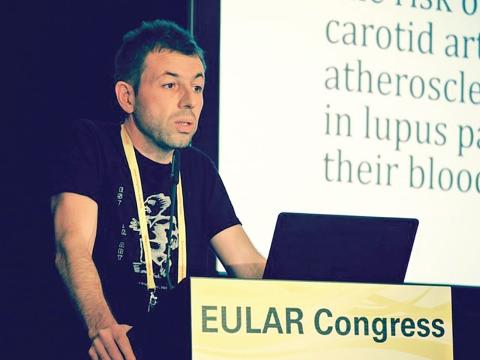
Measles immunization is a major challenge in HIV-infected children
MADRID – Impaired response to measles immunization is common in HIV-infected children, and revaccination – while an important strategy – helps only some of them, Ruth del Valle, MD, said at the annual meeting of the European Society for Paediatric Infectious Diseases.
The key predictor of an impaired response to measles immunization appears to be a CD4/CD8 cell ratio of less than 1.0, added Dr. del Valle of Infant Sofia University Hospital in Madrid.
Of note, 48% of the children had a CD4/CD8 ratio of less than 1.0 at baseline. This ratio is gaining credence as a predictor of HIV-positive patients’ immunologic response to a variety of vaccines: most recently, in Dr. del Valle’s study, to measles vaccine and, in two earlier studies published in 2016, to yellow fever vaccine (PLoS Negl Trop Dis. 2016 Dec 12;10[12]:e0005219) and hepatitis B vaccine (Vaccine. 2016 Apr 7;34[16]:1889-95).
In Dr. del Valle’s study, only 52% of HIV-positive children developed protective antibody levels following completion of the standard two-dose MMR schedule. In accord with current Paediatric European Network for Treatment of AIDS (PENTA) guidelines, 41 unresponsive patients then received a booster MMR dose (HIV Med. 2012 Jul;13[6]:333-6). Of the 41, 10 (24%) did not respond to the booster dose, either. Thus, the final measles protection rate in this study was only 77%.
These study findings highlight the importance of routinely testing measles vaccine response in HIV-infected children in clinical practice, she noted.
The CD4/CD8 ratio was 1.3 in good responders to measles immunization and 0.9 in nonresponders. In a multivariate analysis, a CD4/CD8 ratio of less than 1.0 conferred a 3.2 times increased risk of impaired response to the measles vaccine.
Dr. del Valle and her coinvestigators in CORISPES (the Spanish Cohort of HIV-infected Children) plan further studies to determine the duration of protection against measles in those patients who responded to the booster dose.
Session cochair Nigel Klein, MD, commented that Dr. del Valle’s study is “one of a number of reports that HIV-infected children, as they get older, are predisposed to getting infections that we should be able to prevent.”
“I think we don’t know best how to manage this population of patients. You can give more vaccinations, but, as Dr. del Valle has shown, not all of them will respond. And I think this study is further evidence that the better we can maintain our children’s immune systems by treating early, the better our chances of getting good responses when we vaccinate,” said Dr. Klein, professor of pediatric infectious diseases and immunology at Great Ormond Street Children’s Hospital and University College London.
Dr. del Valle reported having no relevant financial disclosures.
MADRID – Impaired response to measles immunization is common in HIV-infected children, and revaccination – while an important strategy – helps only some of them, Ruth del Valle, MD, said at the annual meeting of the European Society for Paediatric Infectious Diseases.
The key predictor of an impaired response to measles immunization appears to be a CD4/CD8 cell ratio of less than 1.0, added Dr. del Valle of Infant Sofia University Hospital in Madrid.
Of note, 48% of the children had a CD4/CD8 ratio of less than 1.0 at baseline. This ratio is gaining credence as a predictor of HIV-positive patients’ immunologic response to a variety of vaccines: most recently, in Dr. del Valle’s study, to measles vaccine and, in two earlier studies published in 2016, to yellow fever vaccine (PLoS Negl Trop Dis. 2016 Dec 12;10[12]:e0005219) and hepatitis B vaccine (Vaccine. 2016 Apr 7;34[16]:1889-95).
In Dr. del Valle’s study, only 52% of HIV-positive children developed protective antibody levels following completion of the standard two-dose MMR schedule. In accord with current Paediatric European Network for Treatment of AIDS (PENTA) guidelines, 41 unresponsive patients then received a booster MMR dose (HIV Med. 2012 Jul;13[6]:333-6). Of the 41, 10 (24%) did not respond to the booster dose, either. Thus, the final measles protection rate in this study was only 77%.
These study findings highlight the importance of routinely testing measles vaccine response in HIV-infected children in clinical practice, she noted.
The CD4/CD8 ratio was 1.3 in good responders to measles immunization and 0.9 in nonresponders. In a multivariate analysis, a CD4/CD8 ratio of less than 1.0 conferred a 3.2 times increased risk of impaired response to the measles vaccine.
Dr. del Valle and her coinvestigators in CORISPES (the Spanish Cohort of HIV-infected Children) plan further studies to determine the duration of protection against measles in those patients who responded to the booster dose.
Session cochair Nigel Klein, MD, commented that Dr. del Valle’s study is “one of a number of reports that HIV-infected children, as they get older, are predisposed to getting infections that we should be able to prevent.”
“I think we don’t know best how to manage this population of patients. You can give more vaccinations, but, as Dr. del Valle has shown, not all of them will respond. And I think this study is further evidence that the better we can maintain our children’s immune systems by treating early, the better our chances of getting good responses when we vaccinate,” said Dr. Klein, professor of pediatric infectious diseases and immunology at Great Ormond Street Children’s Hospital and University College London.
Dr. del Valle reported having no relevant financial disclosures.
MADRID – Impaired response to measles immunization is common in HIV-infected children, and revaccination – while an important strategy – helps only some of them, Ruth del Valle, MD, said at the annual meeting of the European Society for Paediatric Infectious Diseases.
The key predictor of an impaired response to measles immunization appears to be a CD4/CD8 cell ratio of less than 1.0, added Dr. del Valle of Infant Sofia University Hospital in Madrid.
Of note, 48% of the children had a CD4/CD8 ratio of less than 1.0 at baseline. This ratio is gaining credence as a predictor of HIV-positive patients’ immunologic response to a variety of vaccines: most recently, in Dr. del Valle’s study, to measles vaccine and, in two earlier studies published in 2016, to yellow fever vaccine (PLoS Negl Trop Dis. 2016 Dec 12;10[12]:e0005219) and hepatitis B vaccine (Vaccine. 2016 Apr 7;34[16]:1889-95).
In Dr. del Valle’s study, only 52% of HIV-positive children developed protective antibody levels following completion of the standard two-dose MMR schedule. In accord with current Paediatric European Network for Treatment of AIDS (PENTA) guidelines, 41 unresponsive patients then received a booster MMR dose (HIV Med. 2012 Jul;13[6]:333-6). Of the 41, 10 (24%) did not respond to the booster dose, either. Thus, the final measles protection rate in this study was only 77%.
These study findings highlight the importance of routinely testing measles vaccine response in HIV-infected children in clinical practice, she noted.
The CD4/CD8 ratio was 1.3 in good responders to measles immunization and 0.9 in nonresponders. In a multivariate analysis, a CD4/CD8 ratio of less than 1.0 conferred a 3.2 times increased risk of impaired response to the measles vaccine.
Dr. del Valle and her coinvestigators in CORISPES (the Spanish Cohort of HIV-infected Children) plan further studies to determine the duration of protection against measles in those patients who responded to the booster dose.
Session cochair Nigel Klein, MD, commented that Dr. del Valle’s study is “one of a number of reports that HIV-infected children, as they get older, are predisposed to getting infections that we should be able to prevent.”
“I think we don’t know best how to manage this population of patients. You can give more vaccinations, but, as Dr. del Valle has shown, not all of them will respond. And I think this study is further evidence that the better we can maintain our children’s immune systems by treating early, the better our chances of getting good responses when we vaccinate,” said Dr. Klein, professor of pediatric infectious diseases and immunology at Great Ormond Street Children’s Hospital and University College London.
Dr. del Valle reported having no relevant financial disclosures.
AT ESPID 2017
Key clinical point:
Major finding: After two doses of MMR and, if needed, a third booster dose, 23% of a group of HIV-infected children remained unprotected against measles.
Data source: This multicenter study included 120 HIV-infected Spanish children who received two doses of the MMR vaccine and, if still unprotected against measles, a booster dose.
Disclosures: Dr. del Valle reported having no relevant financial disclosures.