User login
British Society for Rheumatology cancels annual conference
The British Society for Rheumatology (BSR) has canceled its annual conference that was scheduled to take place April 20-22 in Glasgow.
“After careful monitoring of the COVID-19 (coronavirus) situation ... [and] in light of increasing demands on health services, our Board of Trustees felt it was no longer appropriate to host a large-scale event nor to take medical professionals away from where they may be needed most in the coming weeks,” the organization announced on its website.
The BSR said that it will soon have more information available for people affected, including “details of how we will showcase some of the content that would have been celebrated at the event.”
The British Society for Rheumatology (BSR) has canceled its annual conference that was scheduled to take place April 20-22 in Glasgow.
“After careful monitoring of the COVID-19 (coronavirus) situation ... [and] in light of increasing demands on health services, our Board of Trustees felt it was no longer appropriate to host a large-scale event nor to take medical professionals away from where they may be needed most in the coming weeks,” the organization announced on its website.
The BSR said that it will soon have more information available for people affected, including “details of how we will showcase some of the content that would have been celebrated at the event.”
The British Society for Rheumatology (BSR) has canceled its annual conference that was scheduled to take place April 20-22 in Glasgow.
“After careful monitoring of the COVID-19 (coronavirus) situation ... [and] in light of increasing demands on health services, our Board of Trustees felt it was no longer appropriate to host a large-scale event nor to take medical professionals away from where they may be needed most in the coming weeks,” the organization announced on its website.
The BSR said that it will soon have more information available for people affected, including “details of how we will showcase some of the content that would have been celebrated at the event.”
Supreme Court to rule on Louisiana abortion rules by end of summer
The U.S. Supreme Court will likely decide by the end of the summer whether a controversial Louisiana abortion law that imposes restrictions on physicians can stand.

Justices heard oral arguments March 4, 2020, in June Medicare Services v. Russo, which centers on a Louisiana law requiring physicians who perform abortions to have admitting privileges at a nearby hospital. Doctors who perform abortions without admitting privileges at a hospital within 30 miles face fines and imprisonment, while clinics that violate the law can have their licenses revoked, according to the state law, originally passed in 2014. In 2016, the Supreme Court in 2016 heard a similar case – Whole Woman’s Health v. Hellerstedt – concerning a comparable law in Texas. In that case, the justices struck down the measure as unconstitutional.
During oral arguments, Julie Rikelman an attorney representing June Medical Services, said that the Louisiana law is identical to the abortion law in Texas, and she argued that justices should reach the same conclusion.
“The district court found this law would leave Louisiana with just one clinic in one state to serve about 10,000 people per year,” Ms. Rikelman said during oral arguments. “That would mean that hundreds of thousands of women would now live more than 150 miles from the closest provider. And the burdens were actually more severe than this court found in Whole Woman’s Health.”
Elizabeth Murrill, solicitor general of Louisiana, argued that the Louisiana law was justified, and that the 5th U.S. Circuit Court of Appeals was correct when it reversed a district court decision and upheld the law.
“The 5th Circuit correctly held that the plaintiffs in this case failed to carry their burden – their heavy burden of proof that is required to facially invalidate a state law,” Ms. Murrill said during oral arguments. “Louisiana’s decision to require abortion providers to have admitting privileges was justified by abundant evidence of life-threatening health and safety violations, malpractice, noncompliance with professional licensing rules, legislative testimony from postabortive women, [and] testimony from doctors who took care of abortion providers’ abandoned patients.”
During arguments, Justice Ruth Bader Ginsburg questioned the reasoning behind the 30-mile privileges rule, expressing doubt at the state’s justification for the requirement. “What sense does the 30-mile limit make, considering that – certainly for medication abortions and for the overwhelming number of other abortions ... if the woman has a problem, it will be her local hospital that ... she will need to go to for the care, not something 30 miles from the clinic.”
Ms. Murrill responded that the Louisiana regulation is consistent with surgery and ambulatory surgery regulations and aligns with the state’s regulatory structure.
“We had evidence in the record of women who did require transfers,” Ms. Murrill said. “[An abortion provider] testified unambiguously that he had to transfer four patients who had punctured uteruses and were hemorrhaging.”
Whether the plaintiffs have standing to sue is a key question. As a general rule, a plaintiff can only sue to protect their own rights, unless the plaintiff has a close relationship with a third party and there are barriers that prevent the third party from suing. Attorneys for Louisiana contend that the plaintiffs – the medical clinic and several physicians – have no right to sue because their rights are not at stake, and that there is no obstacle to patients suing over the law.
Since the Louisiana law is intended to protect women from “unscrupulous and incompetent abortion providers,” the state argues also that there is a conflict of interest between the physicians and the patients on whose behalf they are suing.
During arguments, Justice Samuel Alito Jr. repeatedly questioned Ms. Rikelman on the plaintiffs’ right to sue, conveying doubt that the plaintiffs were on solid legal ground.
“Would you agree with the general proposition that a party should not be able to sue ostensibly to protect the rights of other people, if there is a real conflict of interest between the party who is suing and those whose rights the party claims to be attempting to defend?” Associate Justice Alito asked during oral arguments.
The hearing ended with no clear picture of how some justices were leaning. Justice Clarence Thomas and Justice Neil Gorsuch remained silent during arguments and asked no questions. Chief Justice John Roberts Jr., and Justice Brett Kavanaugh questioned whether all admitting privileges laws were unconstitutional or if a state-by-state analysis is required. Near the end of the hearing, Justice Stephen Breyer stressed that more research and fact-finding is necessary before the court can reach a decision.
“We’re not going to solve this at oral argument,” he said.
A decision by the Supreme Court is expected by August 2020.
The U.S. Supreme Court will likely decide by the end of the summer whether a controversial Louisiana abortion law that imposes restrictions on physicians can stand.
Justices heard oral arguments March 4, 2020, in June Medicare Services v. Russo, which centers on a Louisiana law requiring physicians who perform abortions to have admitting privileges at a nearby hospital. Doctors who perform abortions without admitting privileges at a hospital within 30 miles face fines and imprisonment, while clinics that violate the law can have their licenses revoked, according to the state law, originally passed in 2014. In 2016, the Supreme Court in 2016 heard a similar case – Whole Woman’s Health v. Hellerstedt – concerning a comparable law in Texas. In that case, the justices struck down the measure as unconstitutional.
During oral arguments, Julie Rikelman an attorney representing June Medical Services, said that the Louisiana law is identical to the abortion law in Texas, and she argued that justices should reach the same conclusion.
“The district court found this law would leave Louisiana with just one clinic in one state to serve about 10,000 people per year,” Ms. Rikelman said during oral arguments. “That would mean that hundreds of thousands of women would now live more than 150 miles from the closest provider. And the burdens were actually more severe than this court found in Whole Woman’s Health.”
Elizabeth Murrill, solicitor general of Louisiana, argued that the Louisiana law was justified, and that the 5th U.S. Circuit Court of Appeals was correct when it reversed a district court decision and upheld the law.
“The 5th Circuit correctly held that the plaintiffs in this case failed to carry their burden – their heavy burden of proof that is required to facially invalidate a state law,” Ms. Murrill said during oral arguments. “Louisiana’s decision to require abortion providers to have admitting privileges was justified by abundant evidence of life-threatening health and safety violations, malpractice, noncompliance with professional licensing rules, legislative testimony from postabortive women, [and] testimony from doctors who took care of abortion providers’ abandoned patients.”
During arguments, Justice Ruth Bader Ginsburg questioned the reasoning behind the 30-mile privileges rule, expressing doubt at the state’s justification for the requirement. “What sense does the 30-mile limit make, considering that – certainly for medication abortions and for the overwhelming number of other abortions ... if the woman has a problem, it will be her local hospital that ... she will need to go to for the care, not something 30 miles from the clinic.”
Ms. Murrill responded that the Louisiana regulation is consistent with surgery and ambulatory surgery regulations and aligns with the state’s regulatory structure.
“We had evidence in the record of women who did require transfers,” Ms. Murrill said. “[An abortion provider] testified unambiguously that he had to transfer four patients who had punctured uteruses and were hemorrhaging.”
Whether the plaintiffs have standing to sue is a key question. As a general rule, a plaintiff can only sue to protect their own rights, unless the plaintiff has a close relationship with a third party and there are barriers that prevent the third party from suing. Attorneys for Louisiana contend that the plaintiffs – the medical clinic and several physicians – have no right to sue because their rights are not at stake, and that there is no obstacle to patients suing over the law.
Since the Louisiana law is intended to protect women from “unscrupulous and incompetent abortion providers,” the state argues also that there is a conflict of interest between the physicians and the patients on whose behalf they are suing.
During arguments, Justice Samuel Alito Jr. repeatedly questioned Ms. Rikelman on the plaintiffs’ right to sue, conveying doubt that the plaintiffs were on solid legal ground.
“Would you agree with the general proposition that a party should not be able to sue ostensibly to protect the rights of other people, if there is a real conflict of interest between the party who is suing and those whose rights the party claims to be attempting to defend?” Associate Justice Alito asked during oral arguments.
The hearing ended with no clear picture of how some justices were leaning. Justice Clarence Thomas and Justice Neil Gorsuch remained silent during arguments and asked no questions. Chief Justice John Roberts Jr., and Justice Brett Kavanaugh questioned whether all admitting privileges laws were unconstitutional or if a state-by-state analysis is required. Near the end of the hearing, Justice Stephen Breyer stressed that more research and fact-finding is necessary before the court can reach a decision.
“We’re not going to solve this at oral argument,” he said.
A decision by the Supreme Court is expected by August 2020.
The U.S. Supreme Court will likely decide by the end of the summer whether a controversial Louisiana abortion law that imposes restrictions on physicians can stand.
Justices heard oral arguments March 4, 2020, in June Medicare Services v. Russo, which centers on a Louisiana law requiring physicians who perform abortions to have admitting privileges at a nearby hospital. Doctors who perform abortions without admitting privileges at a hospital within 30 miles face fines and imprisonment, while clinics that violate the law can have their licenses revoked, according to the state law, originally passed in 2014. In 2016, the Supreme Court in 2016 heard a similar case – Whole Woman’s Health v. Hellerstedt – concerning a comparable law in Texas. In that case, the justices struck down the measure as unconstitutional.
During oral arguments, Julie Rikelman an attorney representing June Medical Services, said that the Louisiana law is identical to the abortion law in Texas, and she argued that justices should reach the same conclusion.
“The district court found this law would leave Louisiana with just one clinic in one state to serve about 10,000 people per year,” Ms. Rikelman said during oral arguments. “That would mean that hundreds of thousands of women would now live more than 150 miles from the closest provider. And the burdens were actually more severe than this court found in Whole Woman’s Health.”
Elizabeth Murrill, solicitor general of Louisiana, argued that the Louisiana law was justified, and that the 5th U.S. Circuit Court of Appeals was correct when it reversed a district court decision and upheld the law.
“The 5th Circuit correctly held that the plaintiffs in this case failed to carry their burden – their heavy burden of proof that is required to facially invalidate a state law,” Ms. Murrill said during oral arguments. “Louisiana’s decision to require abortion providers to have admitting privileges was justified by abundant evidence of life-threatening health and safety violations, malpractice, noncompliance with professional licensing rules, legislative testimony from postabortive women, [and] testimony from doctors who took care of abortion providers’ abandoned patients.”
During arguments, Justice Ruth Bader Ginsburg questioned the reasoning behind the 30-mile privileges rule, expressing doubt at the state’s justification for the requirement. “What sense does the 30-mile limit make, considering that – certainly for medication abortions and for the overwhelming number of other abortions ... if the woman has a problem, it will be her local hospital that ... she will need to go to for the care, not something 30 miles from the clinic.”
Ms. Murrill responded that the Louisiana regulation is consistent with surgery and ambulatory surgery regulations and aligns with the state’s regulatory structure.
“We had evidence in the record of women who did require transfers,” Ms. Murrill said. “[An abortion provider] testified unambiguously that he had to transfer four patients who had punctured uteruses and were hemorrhaging.”
Whether the plaintiffs have standing to sue is a key question. As a general rule, a plaintiff can only sue to protect their own rights, unless the plaintiff has a close relationship with a third party and there are barriers that prevent the third party from suing. Attorneys for Louisiana contend that the plaintiffs – the medical clinic and several physicians – have no right to sue because their rights are not at stake, and that there is no obstacle to patients suing over the law.
Since the Louisiana law is intended to protect women from “unscrupulous and incompetent abortion providers,” the state argues also that there is a conflict of interest between the physicians and the patients on whose behalf they are suing.
During arguments, Justice Samuel Alito Jr. repeatedly questioned Ms. Rikelman on the plaintiffs’ right to sue, conveying doubt that the plaintiffs were on solid legal ground.
“Would you agree with the general proposition that a party should not be able to sue ostensibly to protect the rights of other people, if there is a real conflict of interest between the party who is suing and those whose rights the party claims to be attempting to defend?” Associate Justice Alito asked during oral arguments.
The hearing ended with no clear picture of how some justices were leaning. Justice Clarence Thomas and Justice Neil Gorsuch remained silent during arguments and asked no questions. Chief Justice John Roberts Jr., and Justice Brett Kavanaugh questioned whether all admitting privileges laws were unconstitutional or if a state-by-state analysis is required. Near the end of the hearing, Justice Stephen Breyer stressed that more research and fact-finding is necessary before the court can reach a decision.
“We’re not going to solve this at oral argument,” he said.
A decision by the Supreme Court is expected by August 2020.

Hyperlipidemia occurs earlier in patients with MS
WEST PALM BEACH, FLA. – Onset of hyperlipidemia tends to occur earlier in patients with multiple sclerosis (MS), compared with matched controls, according to new research. Among females and African Americans, the effect of MS on age of hyperlipidemia onset may be especially pronounced, said Diane Krill, PhD, professor of biological sciences at Point Park University, Pittsburgh, and colleagues.

Many patients with MS have hyperlipidemia, and adverse lipid profiles correlate with physical and cognitive impairment in this population. “There is evidence of endothelial dysfunction and inflammation in both MS and hyperlipidemia, but the timing of onset of hyperlipidemia is not known,” the researchers said at the meeting held by the Americas Committee for Treatment and Research in Multiple Sclerosis.
To assess whether patients with MS have hyperlipidemia diagnosed at an earlier age, relative to matched controls, Dr. Krill and colleagues analyzed data from the Cleveland Clinic health system. They included in their analyses patients with at least two hyperlipidemia diagnoses and at least five encounters with a primary care physician. They matched each patient with MS to four patients without MS using variables such as birth year, sex, race, and year of first encounter. In all, the study included 669 patients with MS and 2,676 controls. The investigators examined age of hyperlipidemia onset using multivariable Cox proportional hazard models that adjusted for sex, race, smoking, and body mass index.
Patients with MS had a 20% increased risk for earlier onset of hyperlipidemia, relative to matched controls. The effect was greater among females (hazard ratio, 1.22) and African Americans (HR, 1.42). Patients with MS have earlier onset of hyperlipidemia “irrespective of the relationship with age of MS onset,” Dr. Krill and colleagues noted. “Additional research is warranted to further characterize the temporal relationships between MS and hyperlipidemia, as well as considerations for timing of disease-modifying therapies.”
The researchers had no relevant disclosures.
SOURCE: Krill D et al. ACTRIMS Forum 2020, Abstract P085.
WEST PALM BEACH, FLA. – Onset of hyperlipidemia tends to occur earlier in patients with multiple sclerosis (MS), compared with matched controls, according to new research. Among females and African Americans, the effect of MS on age of hyperlipidemia onset may be especially pronounced, said Diane Krill, PhD, professor of biological sciences at Point Park University, Pittsburgh, and colleagues.
Many patients with MS have hyperlipidemia, and adverse lipid profiles correlate with physical and cognitive impairment in this population. “There is evidence of endothelial dysfunction and inflammation in both MS and hyperlipidemia, but the timing of onset of hyperlipidemia is not known,” the researchers said at the meeting held by the Americas Committee for Treatment and Research in Multiple Sclerosis.
To assess whether patients with MS have hyperlipidemia diagnosed at an earlier age, relative to matched controls, Dr. Krill and colleagues analyzed data from the Cleveland Clinic health system. They included in their analyses patients with at least two hyperlipidemia diagnoses and at least five encounters with a primary care physician. They matched each patient with MS to four patients without MS using variables such as birth year, sex, race, and year of first encounter. In all, the study included 669 patients with MS and 2,676 controls. The investigators examined age of hyperlipidemia onset using multivariable Cox proportional hazard models that adjusted for sex, race, smoking, and body mass index.
Patients with MS had a 20% increased risk for earlier onset of hyperlipidemia, relative to matched controls. The effect was greater among females (hazard ratio, 1.22) and African Americans (HR, 1.42). Patients with MS have earlier onset of hyperlipidemia “irrespective of the relationship with age of MS onset,” Dr. Krill and colleagues noted. “Additional research is warranted to further characterize the temporal relationships between MS and hyperlipidemia, as well as considerations for timing of disease-modifying therapies.”
The researchers had no relevant disclosures.
SOURCE: Krill D et al. ACTRIMS Forum 2020, Abstract P085.
WEST PALM BEACH, FLA. – Onset of hyperlipidemia tends to occur earlier in patients with multiple sclerosis (MS), compared with matched controls, according to new research. Among females and African Americans, the effect of MS on age of hyperlipidemia onset may be especially pronounced, said Diane Krill, PhD, professor of biological sciences at Point Park University, Pittsburgh, and colleagues.
Many patients with MS have hyperlipidemia, and adverse lipid profiles correlate with physical and cognitive impairment in this population. “There is evidence of endothelial dysfunction and inflammation in both MS and hyperlipidemia, but the timing of onset of hyperlipidemia is not known,” the researchers said at the meeting held by the Americas Committee for Treatment and Research in Multiple Sclerosis.
To assess whether patients with MS have hyperlipidemia diagnosed at an earlier age, relative to matched controls, Dr. Krill and colleagues analyzed data from the Cleveland Clinic health system. They included in their analyses patients with at least two hyperlipidemia diagnoses and at least five encounters with a primary care physician. They matched each patient with MS to four patients without MS using variables such as birth year, sex, race, and year of first encounter. In all, the study included 669 patients with MS and 2,676 controls. The investigators examined age of hyperlipidemia onset using multivariable Cox proportional hazard models that adjusted for sex, race, smoking, and body mass index.
Patients with MS had a 20% increased risk for earlier onset of hyperlipidemia, relative to matched controls. The effect was greater among females (hazard ratio, 1.22) and African Americans (HR, 1.42). Patients with MS have earlier onset of hyperlipidemia “irrespective of the relationship with age of MS onset,” Dr. Krill and colleagues noted. “Additional research is warranted to further characterize the temporal relationships between MS and hyperlipidemia, as well as considerations for timing of disease-modifying therapies.”
The researchers had no relevant disclosures.
SOURCE: Krill D et al. ACTRIMS Forum 2020, Abstract P085.
REPORTING FROM ACTRIMS FORUM 2020

Antifungal drug appears safe for pregnancy
Treatment with the according to results from a large registry study in Denmark.

Physicians have been reluctant to prescribe the drug during pregnancy because of the limited safety data. The drug has not been associated with any signs of fetal toxicity in animal studies, but only one study – in 54 pregnancies – has examined the issue in humans and did not identify an increased fetal risk, according to Niklas Worm Andersson, MD, of the department of clinical pharmacology, Copenhagen University Hospital at Bispebjerg and Frederiksberg, and coauthors.
The retrospective, nationwide cohort study analyzed exposure to oral and tropical terbinafine in a large pregnancy registry and found no increase in the risk of major malformations or spontaneous abortions in exposed versus unexposed pregnancies. The study was published in JAMA Dermatology.
Still, these results fell short of certainty, the authors noted. “Although our results may provide reassurance for pregnancies exposed to oral terbinafine by reporting no overall increased risk of major malformations, we cannot exclude a potential increased risk of a specific malformation,” they wrote.
“To our knowledge, this is by far the largest, most statistically rigorous study in the literature regarding this topic,” Jenny E. Murase, MD, of the department of dermatology at the University of California, San Francisco, and Mary Kathryn Abel, a medical student at UCSF, wrote in an accompanying editorial. They described the study as “a substantial contribution to the nearly absent literature regarding the use of terbinafine during pregnancy. Among the antifungal medications, it is possible that terbinafine is the safest one currently available for use in pregnancy, particularly of the oral formulations.”

However, since asymptomatic onychomycosis “is typically a cosmetic, rather than medical, concern, waiting until after pregnancy to initiate therapy is reasonable. ... It is important to acknowledge the uncertainty in this field and question the appropriateness of treating non–life-threatening diseases during pregnancy and lactation,” they wrote.
The Danish researchers drew from a registry of 1,650,649 pregnancies between 1997 and 2016, which included 891 pregnancies exposed to oral terbinafine, and 3,174 exposed to topical terbinafine. Matched outcome analyses compared the exposed pregnancies with up to 40,650 controls unexposed during pregnancy.
Propensity-matched comparisons showed no increased risk of major malformations for oral terbinafine exposure versus no exposure (odds ratio, 1.01; 95% confidence interval, 0.63-1.62) or topical exposure versus no exposure (OR, 1.08; 95% CI, 0.81-1.44). There was also no difference in oral versus topical exposure (OR, 1.18; 95% CI, 0.61-2.29).
With respect to spontaneous abortions, there was no significant association with oral terbinafine (hazard ratio, 1.06; 95% CI, 0.86-1.32) or topical terbinafine (HR, 1.04; 95% CI, 0.88-1.21), compared with unexposed pregnancies, or oral over topical terbinafine-exposed pregnancies (HR, 1.19; 95% CI, 0.84-1.70).
The study is limited by the fact that it was conducted in a Danish population, and the data relied on filled prescriptions for determining exposure, which did not account for adherence. Residual confounding is possible because of the retrospective nature of the study, the authors pointed out.
No source of funding was disclosed. One of the authors has received grants and personal fees from Novartis. Dr. Murase has received fees from Sanofi Genzyme, Dermira, UCB, Regeneron, Ferndale, and UpToDate.
SOURCES: Andersson NW et al. JAMA Dermatol. 2020 Mar 4. doi: 10.1001/jamadermatol.2020.0142; Murase JE, Abel MK. JAMA Dermatol. 2020 Mar 4. doi: 10.1001/jamadermatol.2019.5036.
Treatment with the according to results from a large registry study in Denmark.
Physicians have been reluctant to prescribe the drug during pregnancy because of the limited safety data. The drug has not been associated with any signs of fetal toxicity in animal studies, but only one study – in 54 pregnancies – has examined the issue in humans and did not identify an increased fetal risk, according to Niklas Worm Andersson, MD, of the department of clinical pharmacology, Copenhagen University Hospital at Bispebjerg and Frederiksberg, and coauthors.
The retrospective, nationwide cohort study analyzed exposure to oral and tropical terbinafine in a large pregnancy registry and found no increase in the risk of major malformations or spontaneous abortions in exposed versus unexposed pregnancies. The study was published in JAMA Dermatology.
Still, these results fell short of certainty, the authors noted. “Although our results may provide reassurance for pregnancies exposed to oral terbinafine by reporting no overall increased risk of major malformations, we cannot exclude a potential increased risk of a specific malformation,” they wrote.
“To our knowledge, this is by far the largest, most statistically rigorous study in the literature regarding this topic,” Jenny E. Murase, MD, of the department of dermatology at the University of California, San Francisco, and Mary Kathryn Abel, a medical student at UCSF, wrote in an accompanying editorial. They described the study as “a substantial contribution to the nearly absent literature regarding the use of terbinafine during pregnancy. Among the antifungal medications, it is possible that terbinafine is the safest one currently available for use in pregnancy, particularly of the oral formulations.”
However, since asymptomatic onychomycosis “is typically a cosmetic, rather than medical, concern, waiting until after pregnancy to initiate therapy is reasonable. ... It is important to acknowledge the uncertainty in this field and question the appropriateness of treating non–life-threatening diseases during pregnancy and lactation,” they wrote.
The Danish researchers drew from a registry of 1,650,649 pregnancies between 1997 and 2016, which included 891 pregnancies exposed to oral terbinafine, and 3,174 exposed to topical terbinafine. Matched outcome analyses compared the exposed pregnancies with up to 40,650 controls unexposed during pregnancy.
Propensity-matched comparisons showed no increased risk of major malformations for oral terbinafine exposure versus no exposure (odds ratio, 1.01; 95% confidence interval, 0.63-1.62) or topical exposure versus no exposure (OR, 1.08; 95% CI, 0.81-1.44). There was also no difference in oral versus topical exposure (OR, 1.18; 95% CI, 0.61-2.29).
With respect to spontaneous abortions, there was no significant association with oral terbinafine (hazard ratio, 1.06; 95% CI, 0.86-1.32) or topical terbinafine (HR, 1.04; 95% CI, 0.88-1.21), compared with unexposed pregnancies, or oral over topical terbinafine-exposed pregnancies (HR, 1.19; 95% CI, 0.84-1.70).
The study is limited by the fact that it was conducted in a Danish population, and the data relied on filled prescriptions for determining exposure, which did not account for adherence. Residual confounding is possible because of the retrospective nature of the study, the authors pointed out.
No source of funding was disclosed. One of the authors has received grants and personal fees from Novartis. Dr. Murase has received fees from Sanofi Genzyme, Dermira, UCB, Regeneron, Ferndale, and UpToDate.
SOURCES: Andersson NW et al. JAMA Dermatol. 2020 Mar 4. doi: 10.1001/jamadermatol.2020.0142; Murase JE, Abel MK. JAMA Dermatol. 2020 Mar 4. doi: 10.1001/jamadermatol.2019.5036.
Treatment with the according to results from a large registry study in Denmark.
Physicians have been reluctant to prescribe the drug during pregnancy because of the limited safety data. The drug has not been associated with any signs of fetal toxicity in animal studies, but only one study – in 54 pregnancies – has examined the issue in humans and did not identify an increased fetal risk, according to Niklas Worm Andersson, MD, of the department of clinical pharmacology, Copenhagen University Hospital at Bispebjerg and Frederiksberg, and coauthors.
The retrospective, nationwide cohort study analyzed exposure to oral and tropical terbinafine in a large pregnancy registry and found no increase in the risk of major malformations or spontaneous abortions in exposed versus unexposed pregnancies. The study was published in JAMA Dermatology.
Still, these results fell short of certainty, the authors noted. “Although our results may provide reassurance for pregnancies exposed to oral terbinafine by reporting no overall increased risk of major malformations, we cannot exclude a potential increased risk of a specific malformation,” they wrote.
“To our knowledge, this is by far the largest, most statistically rigorous study in the literature regarding this topic,” Jenny E. Murase, MD, of the department of dermatology at the University of California, San Francisco, and Mary Kathryn Abel, a medical student at UCSF, wrote in an accompanying editorial. They described the study as “a substantial contribution to the nearly absent literature regarding the use of terbinafine during pregnancy. Among the antifungal medications, it is possible that terbinafine is the safest one currently available for use in pregnancy, particularly of the oral formulations.”
However, since asymptomatic onychomycosis “is typically a cosmetic, rather than medical, concern, waiting until after pregnancy to initiate therapy is reasonable. ... It is important to acknowledge the uncertainty in this field and question the appropriateness of treating non–life-threatening diseases during pregnancy and lactation,” they wrote.
The Danish researchers drew from a registry of 1,650,649 pregnancies between 1997 and 2016, which included 891 pregnancies exposed to oral terbinafine, and 3,174 exposed to topical terbinafine. Matched outcome analyses compared the exposed pregnancies with up to 40,650 controls unexposed during pregnancy.
Propensity-matched comparisons showed no increased risk of major malformations for oral terbinafine exposure versus no exposure (odds ratio, 1.01; 95% confidence interval, 0.63-1.62) or topical exposure versus no exposure (OR, 1.08; 95% CI, 0.81-1.44). There was also no difference in oral versus topical exposure (OR, 1.18; 95% CI, 0.61-2.29).
With respect to spontaneous abortions, there was no significant association with oral terbinafine (hazard ratio, 1.06; 95% CI, 0.86-1.32) or topical terbinafine (HR, 1.04; 95% CI, 0.88-1.21), compared with unexposed pregnancies, or oral over topical terbinafine-exposed pregnancies (HR, 1.19; 95% CI, 0.84-1.70).
The study is limited by the fact that it was conducted in a Danish population, and the data relied on filled prescriptions for determining exposure, which did not account for adherence. Residual confounding is possible because of the retrospective nature of the study, the authors pointed out.
No source of funding was disclosed. One of the authors has received grants and personal fees from Novartis. Dr. Murase has received fees from Sanofi Genzyme, Dermira, UCB, Regeneron, Ferndale, and UpToDate.
SOURCES: Andersson NW et al. JAMA Dermatol. 2020 Mar 4. doi: 10.1001/jamadermatol.2020.0142; Murase JE, Abel MK. JAMA Dermatol. 2020 Mar 4. doi: 10.1001/jamadermatol.2019.5036.
FROM JAMA DERMATOLOGY

Molecularly guided therapy in pancreatic cancer: Untapped potential and the ‘bright future’ ahead
, according to a retrospective analysis of almost 2,000 patients in the Know Your Tumor registry.
While patients with actionable alterations remain in the minority, experts suggest the study’s results provide a ray of hope for treating a cancer that has historically been associated with a poor prognosis and disappointing clinical trials.
Patients with actionable molecular alterations who received matched therapies had a median overall survival of 2.58 years, compared with 1.51 years for those who received unmatched therapies, reported lead author Michael J. Pishvaian, MD, PhD, of MD Anderson Cancer Center in Houston, and colleagues.
“Our study provides strong rationale that tumor-based molecular profiling for patients with pancreatic cancer should be routinely performed and encourages prospective clinical trials based on this or similar platforms,” the investigators wrote in Lancet Oncology.
In an accompanying comment, Jörg Kleeff, MD, and Christoph W. Michalski, MD, of Martin-Luther University Halle-Wittenberg in Germany, supported this conclusion, calling the study “an encouraging starting point for a structured investigation of molecularly matched therapies.”
The authors also highlighted the untapped potential the trial uncovered, noting that only 4% of patients received a molecularly matched therapy, even though one-quarter had actionable alterations.
“These findings are important in that they define an estimation of the current number of potentially actionable targets and in that they provide a – rather disappointing – real-world assessment of the number of patients who actually received molecularly targeted treatment,” Dr. Kleeff and Dr. Michalski wrote.
They went on to describe a list of unanswered questions in the field, ranging from ethical dilemmas that may be encountered when choosing between targeted trials and chemotherapy for patients with targetable alterations, to more tangible subjects, such as genome sequencing techniques and therapeutic timing.
Their comment and the related study were published simultaneously with a series of pancreatic cancer articles in Lancet journals, which includes:
- A review outlining current and emerging therapies (Lancet Oncol. 2020 Mar;21[3]:e135-e145).
- A review of information on the metastatic cascade (EBioMedicine. 2020 Feb 28:102662. doi: 10.1016/j.ebiom.2020.102662).
- A review of disease biology (EBioMedicine. 2020 Feb 28:102655. doi: 10.1016/j.ebiom.2020.102655).
- A review of early detection strategies (Lancet Gastroenterol Hepatol. 2020 Mar 2. pii: S2468-1253[19]30416-9).
According to the authors of the therapeutic review, treatments for pancreatic cancer have “a bright future.”
“There is more optimism now than ever before that advances will be made by combining chemotherapy more effectively with agents that target the unique features of pancreatic ductal adenocarcinoma tumors,” the authors wrote. “The next 5-10 years should deliver major improvements in outcomes through the use of novel agents that specifically target pathological signaling pathways and genetic alterations.”
In an interview, Dana B. Cardin, MD, of the Vanderbilt-Ingram Cancer Center in Nashville, Tenn., shared this favorable outlook, which she said is particularly needed for a condition that has generally been left behind by the new era of personalized oncology treatments.
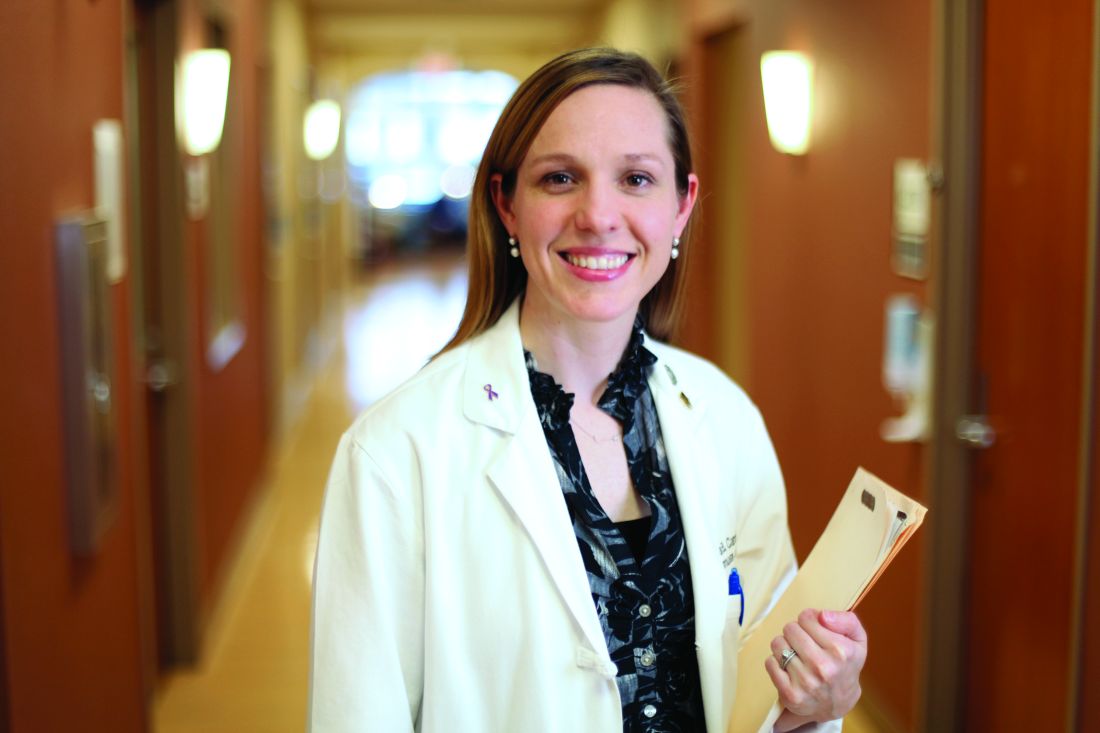
“There’s been a lot of frustration on the part of patients and doctors and everyone in the research community that there have been a lot of other tumor types [in which] learning about genetic changes in cancer cells has really revolutionized how patients are being treated,” Dr. Cardin said. “That is something that has really been elusive in pancreas cancer.”
The retrospective study by Dr. Pishvaian and colleagues serves as proof-of-concept by showing that large-scale genomic testing can also identify personalized treatments for patients with pancreatic cancer, Dr. Cardin said.
“When you do find them, even when it’s a small percentage of patients that may have actionable mutations, it really can make a huge difference in the outcomes for those patients,” she said. “We have to get rid of this sense of futility. If you’re not trying to look for those things, then you’re not ever going to find them.”
Regardless of whether a personalized treatment is available for a particular patient, Dr. Cardin emphasized the importance of a positive and active clinical mindset, as data suggest that existing supportive strategies can have a significant impact on patient health.
“We can make a difference for these patients,” Dr. Cardin said, “but we’re only going to make a difference if we try.”
Dr. Cardin, a National Comprehensive Cancer Network panelist for pancreatic cancer, went on to explain how outcomes in the control arm of pancreatic cancer clinical trials have been improving over the past decade, even though the standard control drug, gemcitabine, has stayed the same.
“It doesn’t mean that gemcitabine is better than it used to be,” Dr. Cardin said. “It probably means that we’re treating more patients, and we’re also doing a better job of supporting those patients.” She identified growth factors, nutritional support, and enzyme supplements as key ancillary treatments for those who need them.
Dr. Pishvaian and colleagues’ study was funded by Pancreatic Cancer Action Network and Perthera. The investigators disclosed relationships with Perthera and other companies. Dr. Kleeff, Dr. Michalski, and Dr. Cardin declared no conflicts of interest.
SOURCES: Pishvaian MJ et al. Lancet Oncol. 2020 Mar 2. doi: 10.1016/S1470-2045(20)30074-7; Kleeff J et al. Lancet Oncol. 2020 Mar 2. doi: 10.1016/S1470-2045(20)30148-0; Christenson ES et al. Lancet Oncol. 2020 Mar 2. doi: 10.1016/S1470-2045(19)30795-8.
, according to a retrospective analysis of almost 2,000 patients in the Know Your Tumor registry.
While patients with actionable alterations remain in the minority, experts suggest the study’s results provide a ray of hope for treating a cancer that has historically been associated with a poor prognosis and disappointing clinical trials.
Patients with actionable molecular alterations who received matched therapies had a median overall survival of 2.58 years, compared with 1.51 years for those who received unmatched therapies, reported lead author Michael J. Pishvaian, MD, PhD, of MD Anderson Cancer Center in Houston, and colleagues.
“Our study provides strong rationale that tumor-based molecular profiling for patients with pancreatic cancer should be routinely performed and encourages prospective clinical trials based on this or similar platforms,” the investigators wrote in Lancet Oncology.
In an accompanying comment, Jörg Kleeff, MD, and Christoph W. Michalski, MD, of Martin-Luther University Halle-Wittenberg in Germany, supported this conclusion, calling the study “an encouraging starting point for a structured investigation of molecularly matched therapies.”
The authors also highlighted the untapped potential the trial uncovered, noting that only 4% of patients received a molecularly matched therapy, even though one-quarter had actionable alterations.
“These findings are important in that they define an estimation of the current number of potentially actionable targets and in that they provide a – rather disappointing – real-world assessment of the number of patients who actually received molecularly targeted treatment,” Dr. Kleeff and Dr. Michalski wrote.
They went on to describe a list of unanswered questions in the field, ranging from ethical dilemmas that may be encountered when choosing between targeted trials and chemotherapy for patients with targetable alterations, to more tangible subjects, such as genome sequencing techniques and therapeutic timing.
Their comment and the related study were published simultaneously with a series of pancreatic cancer articles in Lancet journals, which includes:
- A review outlining current and emerging therapies (Lancet Oncol. 2020 Mar;21[3]:e135-e145).
- A review of information on the metastatic cascade (EBioMedicine. 2020 Feb 28:102662. doi: 10.1016/j.ebiom.2020.102662).
- A review of disease biology (EBioMedicine. 2020 Feb 28:102655. doi: 10.1016/j.ebiom.2020.102655).
- A review of early detection strategies (Lancet Gastroenterol Hepatol. 2020 Mar 2. pii: S2468-1253[19]30416-9).
According to the authors of the therapeutic review, treatments for pancreatic cancer have “a bright future.”
“There is more optimism now than ever before that advances will be made by combining chemotherapy more effectively with agents that target the unique features of pancreatic ductal adenocarcinoma tumors,” the authors wrote. “The next 5-10 years should deliver major improvements in outcomes through the use of novel agents that specifically target pathological signaling pathways and genetic alterations.”
In an interview, Dana B. Cardin, MD, of the Vanderbilt-Ingram Cancer Center in Nashville, Tenn., shared this favorable outlook, which she said is particularly needed for a condition that has generally been left behind by the new era of personalized oncology treatments.
“There’s been a lot of frustration on the part of patients and doctors and everyone in the research community that there have been a lot of other tumor types [in which] learning about genetic changes in cancer cells has really revolutionized how patients are being treated,” Dr. Cardin said. “That is something that has really been elusive in pancreas cancer.”
The retrospective study by Dr. Pishvaian and colleagues serves as proof-of-concept by showing that large-scale genomic testing can also identify personalized treatments for patients with pancreatic cancer, Dr. Cardin said.
“When you do find them, even when it’s a small percentage of patients that may have actionable mutations, it really can make a huge difference in the outcomes for those patients,” she said. “We have to get rid of this sense of futility. If you’re not trying to look for those things, then you’re not ever going to find them.”
Regardless of whether a personalized treatment is available for a particular patient, Dr. Cardin emphasized the importance of a positive and active clinical mindset, as data suggest that existing supportive strategies can have a significant impact on patient health.
“We can make a difference for these patients,” Dr. Cardin said, “but we’re only going to make a difference if we try.”
Dr. Cardin, a National Comprehensive Cancer Network panelist for pancreatic cancer, went on to explain how outcomes in the control arm of pancreatic cancer clinical trials have been improving over the past decade, even though the standard control drug, gemcitabine, has stayed the same.
“It doesn’t mean that gemcitabine is better than it used to be,” Dr. Cardin said. “It probably means that we’re treating more patients, and we’re also doing a better job of supporting those patients.” She identified growth factors, nutritional support, and enzyme supplements as key ancillary treatments for those who need them.
Dr. Pishvaian and colleagues’ study was funded by Pancreatic Cancer Action Network and Perthera. The investigators disclosed relationships with Perthera and other companies. Dr. Kleeff, Dr. Michalski, and Dr. Cardin declared no conflicts of interest.
SOURCES: Pishvaian MJ et al. Lancet Oncol. 2020 Mar 2. doi: 10.1016/S1470-2045(20)30074-7; Kleeff J et al. Lancet Oncol. 2020 Mar 2. doi: 10.1016/S1470-2045(20)30148-0; Christenson ES et al. Lancet Oncol. 2020 Mar 2. doi: 10.1016/S1470-2045(19)30795-8.
, according to a retrospective analysis of almost 2,000 patients in the Know Your Tumor registry.
While patients with actionable alterations remain in the minority, experts suggest the study’s results provide a ray of hope for treating a cancer that has historically been associated with a poor prognosis and disappointing clinical trials.
Patients with actionable molecular alterations who received matched therapies had a median overall survival of 2.58 years, compared with 1.51 years for those who received unmatched therapies, reported lead author Michael J. Pishvaian, MD, PhD, of MD Anderson Cancer Center in Houston, and colleagues.
“Our study provides strong rationale that tumor-based molecular profiling for patients with pancreatic cancer should be routinely performed and encourages prospective clinical trials based on this or similar platforms,” the investigators wrote in Lancet Oncology.
In an accompanying comment, Jörg Kleeff, MD, and Christoph W. Michalski, MD, of Martin-Luther University Halle-Wittenberg in Germany, supported this conclusion, calling the study “an encouraging starting point for a structured investigation of molecularly matched therapies.”
The authors also highlighted the untapped potential the trial uncovered, noting that only 4% of patients received a molecularly matched therapy, even though one-quarter had actionable alterations.
“These findings are important in that they define an estimation of the current number of potentially actionable targets and in that they provide a – rather disappointing – real-world assessment of the number of patients who actually received molecularly targeted treatment,” Dr. Kleeff and Dr. Michalski wrote.
They went on to describe a list of unanswered questions in the field, ranging from ethical dilemmas that may be encountered when choosing between targeted trials and chemotherapy for patients with targetable alterations, to more tangible subjects, such as genome sequencing techniques and therapeutic timing.
Their comment and the related study were published simultaneously with a series of pancreatic cancer articles in Lancet journals, which includes:
- A review outlining current and emerging therapies (Lancet Oncol. 2020 Mar;21[3]:e135-e145).
- A review of information on the metastatic cascade (EBioMedicine. 2020 Feb 28:102662. doi: 10.1016/j.ebiom.2020.102662).
- A review of disease biology (EBioMedicine. 2020 Feb 28:102655. doi: 10.1016/j.ebiom.2020.102655).
- A review of early detection strategies (Lancet Gastroenterol Hepatol. 2020 Mar 2. pii: S2468-1253[19]30416-9).
According to the authors of the therapeutic review, treatments for pancreatic cancer have “a bright future.”
“There is more optimism now than ever before that advances will be made by combining chemotherapy more effectively with agents that target the unique features of pancreatic ductal adenocarcinoma tumors,” the authors wrote. “The next 5-10 years should deliver major improvements in outcomes through the use of novel agents that specifically target pathological signaling pathways and genetic alterations.”
In an interview, Dana B. Cardin, MD, of the Vanderbilt-Ingram Cancer Center in Nashville, Tenn., shared this favorable outlook, which she said is particularly needed for a condition that has generally been left behind by the new era of personalized oncology treatments.
“There’s been a lot of frustration on the part of patients and doctors and everyone in the research community that there have been a lot of other tumor types [in which] learning about genetic changes in cancer cells has really revolutionized how patients are being treated,” Dr. Cardin said. “That is something that has really been elusive in pancreas cancer.”
The retrospective study by Dr. Pishvaian and colleagues serves as proof-of-concept by showing that large-scale genomic testing can also identify personalized treatments for patients with pancreatic cancer, Dr. Cardin said.
“When you do find them, even when it’s a small percentage of patients that may have actionable mutations, it really can make a huge difference in the outcomes for those patients,” she said. “We have to get rid of this sense of futility. If you’re not trying to look for those things, then you’re not ever going to find them.”
Regardless of whether a personalized treatment is available for a particular patient, Dr. Cardin emphasized the importance of a positive and active clinical mindset, as data suggest that existing supportive strategies can have a significant impact on patient health.
“We can make a difference for these patients,” Dr. Cardin said, “but we’re only going to make a difference if we try.”
Dr. Cardin, a National Comprehensive Cancer Network panelist for pancreatic cancer, went on to explain how outcomes in the control arm of pancreatic cancer clinical trials have been improving over the past decade, even though the standard control drug, gemcitabine, has stayed the same.
“It doesn’t mean that gemcitabine is better than it used to be,” Dr. Cardin said. “It probably means that we’re treating more patients, and we’re also doing a better job of supporting those patients.” She identified growth factors, nutritional support, and enzyme supplements as key ancillary treatments for those who need them.
Dr. Pishvaian and colleagues’ study was funded by Pancreatic Cancer Action Network and Perthera. The investigators disclosed relationships with Perthera and other companies. Dr. Kleeff, Dr. Michalski, and Dr. Cardin declared no conflicts of interest.
SOURCES: Pishvaian MJ et al. Lancet Oncol. 2020 Mar 2. doi: 10.1016/S1470-2045(20)30074-7; Kleeff J et al. Lancet Oncol. 2020 Mar 2. doi: 10.1016/S1470-2045(20)30148-0; Christenson ES et al. Lancet Oncol. 2020 Mar 2. doi: 10.1016/S1470-2045(19)30795-8.
FROM LANCET ONCOLOGY
What psychiatrists can do to prepare for the coming pandemic
Coronavirus fever is gripping the world. What I hope to do here is open a discussion of what psychiatrists and other clinicians can do to mitigate the psychological consequences of COVID-19. I am focusing on the right now.

The psychological consequences are fear of the disease, effects of possible quarantine, and the potential effects of the economic slowdown on the world economy.
Fear of the disease is gripping the nation. With invisible diseases, that is not irrational. If you do not know whether you are exposed and/or spreading it to coworkers, children, or aged parents, then the fear of contagion is logical. So I would not “poo-poo” the “worried well.” – especially if you have parents in nursing homes.
The quarantine issue is harder. I have long thought that quarantine would be harder to implement in the United States than in nations like China. But self or home quarantine is currently the de facto solution for those who have been exposed. What are some remedies?
For everybody, having an adequate supply of basic supplies at home is essential. As in preparing for a snowstorm or hurricane, adequate food, water, and yes, toilet paper, is important to relieve anxiety.
Psychiatrists can encourage patients to have an adequate supply of their medications. That may mean that we prescribe more pills. If the patient has suicidal tendencies, we can ask other family members to safeguard those medications.
A salient question is how likely people who are addicted to alcohol or opiates are to stay in place if they are withdrawing. In previous presentations, delivered some 20 years ago, I have (facetiously) suggested horse-drawn wagons of beer to avoid people breaking quarantine in search of the substances they are physically dependent on.
For people in methadone clinics who require daily visits that kind of approach may be harder. I do not have a solution, other than to plan for the eventuality of large-scale withdrawal and the behavioral consequences, which, unfortunately, often involve crime. Telemedicine may be a solution, but we are not yet equipped for it.
The longer-term psychological impacts of a major economic slowdown are not yet known. Based on past epidemics and other disasters, they might include unemployment and the related consequences of domestic violence and suicide.
COVID-19 is spreading fast. As clinicians, we must take steps to protect ourselves and our patients. Because this is a new virus, we have a lot to learn about it. We must be agile, because our actions will need to change over time.
Dr. Ritchie is chair of psychiatry at Medstar Washington Hospital Center and professor of psychiatry at Georgetown University, Washington.
Coronavirus fever is gripping the world. What I hope to do here is open a discussion of what psychiatrists and other clinicians can do to mitigate the psychological consequences of COVID-19. I am focusing on the right now.
The psychological consequences are fear of the disease, effects of possible quarantine, and the potential effects of the economic slowdown on the world economy.
Fear of the disease is gripping the nation. With invisible diseases, that is not irrational. If you do not know whether you are exposed and/or spreading it to coworkers, children, or aged parents, then the fear of contagion is logical. So I would not “poo-poo” the “worried well.” – especially if you have parents in nursing homes.
The quarantine issue is harder. I have long thought that quarantine would be harder to implement in the United States than in nations like China. But self or home quarantine is currently the de facto solution for those who have been exposed. What are some remedies?
For everybody, having an adequate supply of basic supplies at home is essential. As in preparing for a snowstorm or hurricane, adequate food, water, and yes, toilet paper, is important to relieve anxiety.
Psychiatrists can encourage patients to have an adequate supply of their medications. That may mean that we prescribe more pills. If the patient has suicidal tendencies, we can ask other family members to safeguard those medications.
A salient question is how likely people who are addicted to alcohol or opiates are to stay in place if they are withdrawing. In previous presentations, delivered some 20 years ago, I have (facetiously) suggested horse-drawn wagons of beer to avoid people breaking quarantine in search of the substances they are physically dependent on.
For people in methadone clinics who require daily visits that kind of approach may be harder. I do not have a solution, other than to plan for the eventuality of large-scale withdrawal and the behavioral consequences, which, unfortunately, often involve crime. Telemedicine may be a solution, but we are not yet equipped for it.
The longer-term psychological impacts of a major economic slowdown are not yet known. Based on past epidemics and other disasters, they might include unemployment and the related consequences of domestic violence and suicide.
COVID-19 is spreading fast. As clinicians, we must take steps to protect ourselves and our patients. Because this is a new virus, we have a lot to learn about it. We must be agile, because our actions will need to change over time.
Dr. Ritchie is chair of psychiatry at Medstar Washington Hospital Center and professor of psychiatry at Georgetown University, Washington.
Coronavirus fever is gripping the world. What I hope to do here is open a discussion of what psychiatrists and other clinicians can do to mitigate the psychological consequences of COVID-19. I am focusing on the right now.
The psychological consequences are fear of the disease, effects of possible quarantine, and the potential effects of the economic slowdown on the world economy.
Fear of the disease is gripping the nation. With invisible diseases, that is not irrational. If you do not know whether you are exposed and/or spreading it to coworkers, children, or aged parents, then the fear of contagion is logical. So I would not “poo-poo” the “worried well.” – especially if you have parents in nursing homes.
The quarantine issue is harder. I have long thought that quarantine would be harder to implement in the United States than in nations like China. But self or home quarantine is currently the de facto solution for those who have been exposed. What are some remedies?
For everybody, having an adequate supply of basic supplies at home is essential. As in preparing for a snowstorm or hurricane, adequate food, water, and yes, toilet paper, is important to relieve anxiety.
Psychiatrists can encourage patients to have an adequate supply of their medications. That may mean that we prescribe more pills. If the patient has suicidal tendencies, we can ask other family members to safeguard those medications.
A salient question is how likely people who are addicted to alcohol or opiates are to stay in place if they are withdrawing. In previous presentations, delivered some 20 years ago, I have (facetiously) suggested horse-drawn wagons of beer to avoid people breaking quarantine in search of the substances they are physically dependent on.
For people in methadone clinics who require daily visits that kind of approach may be harder. I do not have a solution, other than to plan for the eventuality of large-scale withdrawal and the behavioral consequences, which, unfortunately, often involve crime. Telemedicine may be a solution, but we are not yet equipped for it.
The longer-term psychological impacts of a major economic slowdown are not yet known. Based on past epidemics and other disasters, they might include unemployment and the related consequences of domestic violence and suicide.
COVID-19 is spreading fast. As clinicians, we must take steps to protect ourselves and our patients. Because this is a new virus, we have a lot to learn about it. We must be agile, because our actions will need to change over time.
Dr. Ritchie is chair of psychiatry at Medstar Washington Hospital Center and professor of psychiatry at Georgetown University, Washington.

HIV free 30 months after stem cell transplant, is the London patient cured?
A patient with HIV remission induced by stem cell transplantation continues to be disease free at the 30-month mark.
The individual, referred to as the London patient, received allogeneic hematopoietic stem cell transplantation (allo-HSCT) for stage IVB Hodgkin lymphoma. The transplant donor was homozygous for the CCR5 delta-32 mutation, which confers immunity to HIV because there’s no point of entry for the virus into immune cells.
After extensive sampling of various tissues, including gut, lymph node, blood, semen, and cerebrospinal fluid (CSF), Ravindra Kumar Gupta, MD, PhD, and colleagues found no detectable virus that was competent to replicate. However, they reported that the testing did detect some “fossilized” remnants of HIV DNA persisting in certain tissues.
The results were shared in a video presentation of the research during the Conference on Retroviruses & Opportunistic Infections, which was presented online this year. CROI organizers chose to hold a virtual meeting because of concerns about the spread of COVID-19.
The London patient’s HIV status had been reported the previous year at CROI 2019, but only blood samples were used in that analysis.
In a commentary accompanying the simultaneously published study in the Lancet, Jennifer Zerbato, PhD, and Sharon Lewin, FRACP, PHD, FAAHMS, asked: “A key question now for the area of HIV cure is how soon can one know if someone has been cured of HIV?
“We will need more than a handful of patients cured of HIV to really understand the duration of follow-up needed and the likelihood of an unexpected late rebound in virus replication,” continued Dr. Zerbato, of the University of Melbourne, and Dr. Lewin, of the Royal Melbourne Hospital and Monash University, also in Melbourne.
In their ongoing analysis of data from the London patient, Dr. Gupta, a virologist at the University of Cambridge (England), and associates constructed a mathematical model that maps the probability for lifetime remission or cure of HIV against several factors, including the degree of chimerism achieved with the stem cell transplant.
In this model, when chimerism reaches 80% in total HIV target cells, the probability of remission for life is 98%; when donor chimerism reaches 90%, the probability of lifetime remission is greater than 99%. Peripheral T-cell chimerism in the London patient has held steady at 99%.
Dr. Gupta and associates obtained some testing opportunistically: A PET-CT scan revealed an axillary lymph node that was biopsied after it was found to have avid radiotracer uptake. Similarly, the CSF sample was obtained in the course of a work-up for some neurologic symptoms that the London patient was having.
In contrast to the first patient who achieved ongoing HIV remission from a pair of stem cell transplants received over 13 years ago – the Berlin patient – the London patient did not receive whole-body radiation, but rather underwent a reduced-intensity conditioning regimen. The London patient experienced a bout of gut graft-versus-host disease (GVHD) about 2 months after his transplant, but has been free of GVHD in the interval. He hasn’t taken cytotoxic agents or any GVHD prophylaxis since 6 months post transplant.
Though there’s no sign of HIV that’s competent to replicate, “the London patient has shown somewhat slow CD4 reconstitution,” said Dr. Gupta and coauthors in discussing the results.
The patient had a reactivation of Epstein-Barr virus (EBV) about 21 months after analytic treatment interruption (ATI) of antiretroviral therapy that was managed without any specific treatment, but he hasn’t experienced any opportunistic infections. However, his CD4 count didn’t rebound to pretransplant levels until 28 months after ATI. At that point, his CD4 count was 430 cells per mcL, or 23.5% of total T cells. The CD4:CD8 ratio was 0.86; normal range is 1.5-2.5.
The researchers used quantitative real-time polymerase chain reaction (rt-PCR) to look for packaging site and envelope (env) DNA fragments, and droplet digital PCR to quantify HIV-1 DNA.
The patient’s HIV-1 plasma load measured at 30 months post ATI on an ultrasensitive assay was below the lower limit of detection (less than 1 copy per mL). Semen viremia measured at 21 months was also below the lower limit of detection, as was CSF measured at 25 months.
Samples were taken from the patient’s rectum, cecum, sigmoid colon, and terminal ileum during a colonoscopy conducted 22 months post ATI; all tested negative for HIV DNA via droplet digital PCR.
The lymph node had large numbers of EBV-positive cells and was positive for HIV-1 env and long-terminal repeat by double-drop PCR, but no integrase DNA was detected. Additionally, no intact proviral DNA was found on assay.
Dr. Gupta and associates speculated that “EBV reactivation could have triggered EBV-specific CD4 and CD8 T-cell responses and proliferation, potentially including CD4 T cells containing HIV-1 DNA.” Supporting this hypothesis, EBV-specific CD8 T-cell responses in peripheral blood were “robust,” and the researchers also saw some CD4 response.
“Similar to the Berlin patient, highly sensitive tests showed very low levels of so-called fossilized HIV-1 DNA in some tissue samples from the London patient. Residual HIV-1 DNA and axillary lymph node tissue could represent a defective clone that expanded during hyperplasia within the lymph note sampled,” noted Dr. Gupta and coauthors.
Responses of CD4 and CD8 T cells to HIV have also remained below the limit of detection, though cytomegalovirus-specific responses persist in the London patient.
As with the Berlin patient, standard enzyme-linked immunosorbent assay (ELISA) testing has remained positive in the London patient. “Standard ELISA testing, therefore, cannot be used as a marker for cure, although more work needs to be done to assess the role of detuned low-avidity antibody assays in defining cure,” noted Dr. Gupta and associates.
The ongoing follow-up plan for the London patient is to obtain viral load testing twice yearly up to 5 years post ATI, and then obtain yearly tests for a total of 10 years. Ongoing testing will confirm the investigators’ belief that “these findings probably represent the second recorded HIV-1 cure after CCR5 delta-32/delta-32 allo-HSCT, with evidence of residual low-level HIV-1 DNA.”
Dr. Zerbato and Dr. Lewin advised cautious optimism and ongoing surveillance: “In view of the many cells sampled in this case, and the absence of any intact virus, is the London patient truly cured? The additional data provided in this follow-up case report is certainly exciting and encouraging but, in the end, only time will tell.”
Dr. Gupta reported being a consultant for ViiV Healthcare and Gilead Sciences; several coauthors also reported financial relationships with pharmaceutical companies. The work was funded by amfAR, the American Foundation for AIDS Research, and the Wellcome Trust. Dr. Lewin reported grants from the National Health and Medical Research Council of Australia, the National Institutes of Health, the American Foundation for AIDS Research, Gilead Sciences, Merck, ViiV Healthcare, Leidos, the Wellcome Trust, the Australian Centre for HIV and Hepatitis Virology Research, and the Melbourne HIV Cure Consortium. Dr. Zerbato reported grants from the Melbourne HIV Cure Consortium,
SOURCE: Gupta R et al. Lancet. 2020 Mar 10. doi: 10.1016/ S2352-3018(20)30069-2.
A patient with HIV remission induced by stem cell transplantation continues to be disease free at the 30-month mark.
The individual, referred to as the London patient, received allogeneic hematopoietic stem cell transplantation (allo-HSCT) for stage IVB Hodgkin lymphoma. The transplant donor was homozygous for the CCR5 delta-32 mutation, which confers immunity to HIV because there’s no point of entry for the virus into immune cells.
After extensive sampling of various tissues, including gut, lymph node, blood, semen, and cerebrospinal fluid (CSF), Ravindra Kumar Gupta, MD, PhD, and colleagues found no detectable virus that was competent to replicate. However, they reported that the testing did detect some “fossilized” remnants of HIV DNA persisting in certain tissues.
The results were shared in a video presentation of the research during the Conference on Retroviruses & Opportunistic Infections, which was presented online this year. CROI organizers chose to hold a virtual meeting because of concerns about the spread of COVID-19.
The London patient’s HIV status had been reported the previous year at CROI 2019, but only blood samples were used in that analysis.
In a commentary accompanying the simultaneously published study in the Lancet, Jennifer Zerbato, PhD, and Sharon Lewin, FRACP, PHD, FAAHMS, asked: “A key question now for the area of HIV cure is how soon can one know if someone has been cured of HIV?
“We will need more than a handful of patients cured of HIV to really understand the duration of follow-up needed and the likelihood of an unexpected late rebound in virus replication,” continued Dr. Zerbato, of the University of Melbourne, and Dr. Lewin, of the Royal Melbourne Hospital and Monash University, also in Melbourne.
In their ongoing analysis of data from the London patient, Dr. Gupta, a virologist at the University of Cambridge (England), and associates constructed a mathematical model that maps the probability for lifetime remission or cure of HIV against several factors, including the degree of chimerism achieved with the stem cell transplant.
In this model, when chimerism reaches 80% in total HIV target cells, the probability of remission for life is 98%; when donor chimerism reaches 90%, the probability of lifetime remission is greater than 99%. Peripheral T-cell chimerism in the London patient has held steady at 99%.
Dr. Gupta and associates obtained some testing opportunistically: A PET-CT scan revealed an axillary lymph node that was biopsied after it was found to have avid radiotracer uptake. Similarly, the CSF sample was obtained in the course of a work-up for some neurologic symptoms that the London patient was having.
In contrast to the first patient who achieved ongoing HIV remission from a pair of stem cell transplants received over 13 years ago – the Berlin patient – the London patient did not receive whole-body radiation, but rather underwent a reduced-intensity conditioning regimen. The London patient experienced a bout of gut graft-versus-host disease (GVHD) about 2 months after his transplant, but has been free of GVHD in the interval. He hasn’t taken cytotoxic agents or any GVHD prophylaxis since 6 months post transplant.
Though there’s no sign of HIV that’s competent to replicate, “the London patient has shown somewhat slow CD4 reconstitution,” said Dr. Gupta and coauthors in discussing the results.
The patient had a reactivation of Epstein-Barr virus (EBV) about 21 months after analytic treatment interruption (ATI) of antiretroviral therapy that was managed without any specific treatment, but he hasn’t experienced any opportunistic infections. However, his CD4 count didn’t rebound to pretransplant levels until 28 months after ATI. At that point, his CD4 count was 430 cells per mcL, or 23.5% of total T cells. The CD4:CD8 ratio was 0.86; normal range is 1.5-2.5.
The researchers used quantitative real-time polymerase chain reaction (rt-PCR) to look for packaging site and envelope (env) DNA fragments, and droplet digital PCR to quantify HIV-1 DNA.
The patient’s HIV-1 plasma load measured at 30 months post ATI on an ultrasensitive assay was below the lower limit of detection (less than 1 copy per mL). Semen viremia measured at 21 months was also below the lower limit of detection, as was CSF measured at 25 months.
Samples were taken from the patient’s rectum, cecum, sigmoid colon, and terminal ileum during a colonoscopy conducted 22 months post ATI; all tested negative for HIV DNA via droplet digital PCR.
The lymph node had large numbers of EBV-positive cells and was positive for HIV-1 env and long-terminal repeat by double-drop PCR, but no integrase DNA was detected. Additionally, no intact proviral DNA was found on assay.
Dr. Gupta and associates speculated that “EBV reactivation could have triggered EBV-specific CD4 and CD8 T-cell responses and proliferation, potentially including CD4 T cells containing HIV-1 DNA.” Supporting this hypothesis, EBV-specific CD8 T-cell responses in peripheral blood were “robust,” and the researchers also saw some CD4 response.
“Similar to the Berlin patient, highly sensitive tests showed very low levels of so-called fossilized HIV-1 DNA in some tissue samples from the London patient. Residual HIV-1 DNA and axillary lymph node tissue could represent a defective clone that expanded during hyperplasia within the lymph note sampled,” noted Dr. Gupta and coauthors.
Responses of CD4 and CD8 T cells to HIV have also remained below the limit of detection, though cytomegalovirus-specific responses persist in the London patient.
As with the Berlin patient, standard enzyme-linked immunosorbent assay (ELISA) testing has remained positive in the London patient. “Standard ELISA testing, therefore, cannot be used as a marker for cure, although more work needs to be done to assess the role of detuned low-avidity antibody assays in defining cure,” noted Dr. Gupta and associates.
The ongoing follow-up plan for the London patient is to obtain viral load testing twice yearly up to 5 years post ATI, and then obtain yearly tests for a total of 10 years. Ongoing testing will confirm the investigators’ belief that “these findings probably represent the second recorded HIV-1 cure after CCR5 delta-32/delta-32 allo-HSCT, with evidence of residual low-level HIV-1 DNA.”
Dr. Zerbato and Dr. Lewin advised cautious optimism and ongoing surveillance: “In view of the many cells sampled in this case, and the absence of any intact virus, is the London patient truly cured? The additional data provided in this follow-up case report is certainly exciting and encouraging but, in the end, only time will tell.”
Dr. Gupta reported being a consultant for ViiV Healthcare and Gilead Sciences; several coauthors also reported financial relationships with pharmaceutical companies. The work was funded by amfAR, the American Foundation for AIDS Research, and the Wellcome Trust. Dr. Lewin reported grants from the National Health and Medical Research Council of Australia, the National Institutes of Health, the American Foundation for AIDS Research, Gilead Sciences, Merck, ViiV Healthcare, Leidos, the Wellcome Trust, the Australian Centre for HIV and Hepatitis Virology Research, and the Melbourne HIV Cure Consortium. Dr. Zerbato reported grants from the Melbourne HIV Cure Consortium,
SOURCE: Gupta R et al. Lancet. 2020 Mar 10. doi: 10.1016/ S2352-3018(20)30069-2.
A patient with HIV remission induced by stem cell transplantation continues to be disease free at the 30-month mark.
The individual, referred to as the London patient, received allogeneic hematopoietic stem cell transplantation (allo-HSCT) for stage IVB Hodgkin lymphoma. The transplant donor was homozygous for the CCR5 delta-32 mutation, which confers immunity to HIV because there’s no point of entry for the virus into immune cells.
After extensive sampling of various tissues, including gut, lymph node, blood, semen, and cerebrospinal fluid (CSF), Ravindra Kumar Gupta, MD, PhD, and colleagues found no detectable virus that was competent to replicate. However, they reported that the testing did detect some “fossilized” remnants of HIV DNA persisting in certain tissues.
The results were shared in a video presentation of the research during the Conference on Retroviruses & Opportunistic Infections, which was presented online this year. CROI organizers chose to hold a virtual meeting because of concerns about the spread of COVID-19.
The London patient’s HIV status had been reported the previous year at CROI 2019, but only blood samples were used in that analysis.
In a commentary accompanying the simultaneously published study in the Lancet, Jennifer Zerbato, PhD, and Sharon Lewin, FRACP, PHD, FAAHMS, asked: “A key question now for the area of HIV cure is how soon can one know if someone has been cured of HIV?
“We will need more than a handful of patients cured of HIV to really understand the duration of follow-up needed and the likelihood of an unexpected late rebound in virus replication,” continued Dr. Zerbato, of the University of Melbourne, and Dr. Lewin, of the Royal Melbourne Hospital and Monash University, also in Melbourne.
In their ongoing analysis of data from the London patient, Dr. Gupta, a virologist at the University of Cambridge (England), and associates constructed a mathematical model that maps the probability for lifetime remission or cure of HIV against several factors, including the degree of chimerism achieved with the stem cell transplant.
In this model, when chimerism reaches 80% in total HIV target cells, the probability of remission for life is 98%; when donor chimerism reaches 90%, the probability of lifetime remission is greater than 99%. Peripheral T-cell chimerism in the London patient has held steady at 99%.
Dr. Gupta and associates obtained some testing opportunistically: A PET-CT scan revealed an axillary lymph node that was biopsied after it was found to have avid radiotracer uptake. Similarly, the CSF sample was obtained in the course of a work-up for some neurologic symptoms that the London patient was having.
In contrast to the first patient who achieved ongoing HIV remission from a pair of stem cell transplants received over 13 years ago – the Berlin patient – the London patient did not receive whole-body radiation, but rather underwent a reduced-intensity conditioning regimen. The London patient experienced a bout of gut graft-versus-host disease (GVHD) about 2 months after his transplant, but has been free of GVHD in the interval. He hasn’t taken cytotoxic agents or any GVHD prophylaxis since 6 months post transplant.
Though there’s no sign of HIV that’s competent to replicate, “the London patient has shown somewhat slow CD4 reconstitution,” said Dr. Gupta and coauthors in discussing the results.
The patient had a reactivation of Epstein-Barr virus (EBV) about 21 months after analytic treatment interruption (ATI) of antiretroviral therapy that was managed without any specific treatment, but he hasn’t experienced any opportunistic infections. However, his CD4 count didn’t rebound to pretransplant levels until 28 months after ATI. At that point, his CD4 count was 430 cells per mcL, or 23.5% of total T cells. The CD4:CD8 ratio was 0.86; normal range is 1.5-2.5.
The researchers used quantitative real-time polymerase chain reaction (rt-PCR) to look for packaging site and envelope (env) DNA fragments, and droplet digital PCR to quantify HIV-1 DNA.
The patient’s HIV-1 plasma load measured at 30 months post ATI on an ultrasensitive assay was below the lower limit of detection (less than 1 copy per mL). Semen viremia measured at 21 months was also below the lower limit of detection, as was CSF measured at 25 months.
Samples were taken from the patient’s rectum, cecum, sigmoid colon, and terminal ileum during a colonoscopy conducted 22 months post ATI; all tested negative for HIV DNA via droplet digital PCR.
The lymph node had large numbers of EBV-positive cells and was positive for HIV-1 env and long-terminal repeat by double-drop PCR, but no integrase DNA was detected. Additionally, no intact proviral DNA was found on assay.
Dr. Gupta and associates speculated that “EBV reactivation could have triggered EBV-specific CD4 and CD8 T-cell responses and proliferation, potentially including CD4 T cells containing HIV-1 DNA.” Supporting this hypothesis, EBV-specific CD8 T-cell responses in peripheral blood were “robust,” and the researchers also saw some CD4 response.
“Similar to the Berlin patient, highly sensitive tests showed very low levels of so-called fossilized HIV-1 DNA in some tissue samples from the London patient. Residual HIV-1 DNA and axillary lymph node tissue could represent a defective clone that expanded during hyperplasia within the lymph note sampled,” noted Dr. Gupta and coauthors.
Responses of CD4 and CD8 T cells to HIV have also remained below the limit of detection, though cytomegalovirus-specific responses persist in the London patient.
As with the Berlin patient, standard enzyme-linked immunosorbent assay (ELISA) testing has remained positive in the London patient. “Standard ELISA testing, therefore, cannot be used as a marker for cure, although more work needs to be done to assess the role of detuned low-avidity antibody assays in defining cure,” noted Dr. Gupta and associates.
The ongoing follow-up plan for the London patient is to obtain viral load testing twice yearly up to 5 years post ATI, and then obtain yearly tests for a total of 10 years. Ongoing testing will confirm the investigators’ belief that “these findings probably represent the second recorded HIV-1 cure after CCR5 delta-32/delta-32 allo-HSCT, with evidence of residual low-level HIV-1 DNA.”
Dr. Zerbato and Dr. Lewin advised cautious optimism and ongoing surveillance: “In view of the many cells sampled in this case, and the absence of any intact virus, is the London patient truly cured? The additional data provided in this follow-up case report is certainly exciting and encouraging but, in the end, only time will tell.”
Dr. Gupta reported being a consultant for ViiV Healthcare and Gilead Sciences; several coauthors also reported financial relationships with pharmaceutical companies. The work was funded by amfAR, the American Foundation for AIDS Research, and the Wellcome Trust. Dr. Lewin reported grants from the National Health and Medical Research Council of Australia, the National Institutes of Health, the American Foundation for AIDS Research, Gilead Sciences, Merck, ViiV Healthcare, Leidos, the Wellcome Trust, the Australian Centre for HIV and Hepatitis Virology Research, and the Melbourne HIV Cure Consortium. Dr. Zerbato reported grants from the Melbourne HIV Cure Consortium,
SOURCE: Gupta R et al. Lancet. 2020 Mar 10. doi: 10.1016/ S2352-3018(20)30069-2.
FROM CROI 2020
Testosterone therapy linked to CV risk in men with HIV
Men with HIV are likely prone to the same cardiovascular risks from testosterone therapy as other men, according to new research.
There’s no reason to think they weren’t, but it hadn’t been demonstrated until now, and men with HIV are already at increased risk for cardiovascular disease. The take-home message is that “it would be prudent for clinicians to monitor closely for cardiovascular risk factors and recommend intervention to lower cardiovascular risk among men with HIV on or considering testosterone therapy,” lead investigator Sabina Haberlen, PhD, an assistant scientist in the infectious disease epidemiology division of Johns Hopkins University, Baltimore, said in a poster that was presented as part of the Conference on Retroviruses & Opportunistic Infections, which was presented online this year. CROI organizers chose to hold a virtual meeting because concerns about the spread of COVID-19.
Testosterone therapy is common among middle-aged and older men with HIV to counter the hypogonadism associated with infection. The investigators turned to the Multicenter AIDS Cohort Study – a 30-year, four-city study of HIV-1 infection in men who have sex with men – to gauge its effect.
The 300 men in the study had a baseline coronary CT angiogram in 2010-2013 and a repeat study a mean of 4.5 years later. They had no history of coronary interventions or kidney dysfunction at baseline and were aged 40-70 years, with a median age of 51 years. About 70% reported never using testosterone, 8% were former users before entering the study, 7% started using testosterone between the two CTs, and 15% entered the study on testosterone and stayed on it.
Adjusting for age, race, cardiovascular risk factors, baseline serum testosterone levels, and other potential confounders, the risk of significant coronary artery calcium (CAC) progression was 2 times greater among continuous users (P = .03) and 2.4 times greater among new users (P = .01), compared with former users, who the investigators used as a control group because, at some point, they too had indications for testosterone replacement and so were more medically similar than never users.
The risk of noncalcified plaque volume progression was also more than twice as high among ongoing users, and elevated, although not significantly so, among ongoing users.
In short, “our findings are similar to those on subclinical atherosclerotic progression” in trials of older men in the general population on testosterone replacement, Dr. Haberlen said.
About half the subjects were white, 41% were at high risk for cardiovascular disease, 91% were on antiretroviral therapy, and 81% had undetectable HIV viral loads. Median total testosterone was 606 ng/dL. CAC progression was defined by incident CAC, at least a 10 Agatston unit/year increase if the baseline CAC score was 1-100, and a 10% or more annual increase if the baseline score was above 100.
Lower baseline serum testosterone was also associated with an increased risk of CAC progression, although not progression of noncalcified plaques.
The work was funded by the National Institutes of Health. Dr. Haberlen didn’t report any relevant disclosures.
SOURCE: Haberlen S et al. CROI 2020, Abstract 662.
Men with HIV are likely prone to the same cardiovascular risks from testosterone therapy as other men, according to new research.
There’s no reason to think they weren’t, but it hadn’t been demonstrated until now, and men with HIV are already at increased risk for cardiovascular disease. The take-home message is that “it would be prudent for clinicians to monitor closely for cardiovascular risk factors and recommend intervention to lower cardiovascular risk among men with HIV on or considering testosterone therapy,” lead investigator Sabina Haberlen, PhD, an assistant scientist in the infectious disease epidemiology division of Johns Hopkins University, Baltimore, said in a poster that was presented as part of the Conference on Retroviruses & Opportunistic Infections, which was presented online this year. CROI organizers chose to hold a virtual meeting because concerns about the spread of COVID-19.
Testosterone therapy is common among middle-aged and older men with HIV to counter the hypogonadism associated with infection. The investigators turned to the Multicenter AIDS Cohort Study – a 30-year, four-city study of HIV-1 infection in men who have sex with men – to gauge its effect.
The 300 men in the study had a baseline coronary CT angiogram in 2010-2013 and a repeat study a mean of 4.5 years later. They had no history of coronary interventions or kidney dysfunction at baseline and were aged 40-70 years, with a median age of 51 years. About 70% reported never using testosterone, 8% were former users before entering the study, 7% started using testosterone between the two CTs, and 15% entered the study on testosterone and stayed on it.
Adjusting for age, race, cardiovascular risk factors, baseline serum testosterone levels, and other potential confounders, the risk of significant coronary artery calcium (CAC) progression was 2 times greater among continuous users (P = .03) and 2.4 times greater among new users (P = .01), compared with former users, who the investigators used as a control group because, at some point, they too had indications for testosterone replacement and so were more medically similar than never users.
The risk of noncalcified plaque volume progression was also more than twice as high among ongoing users, and elevated, although not significantly so, among ongoing users.
In short, “our findings are similar to those on subclinical atherosclerotic progression” in trials of older men in the general population on testosterone replacement, Dr. Haberlen said.
About half the subjects were white, 41% were at high risk for cardiovascular disease, 91% were on antiretroviral therapy, and 81% had undetectable HIV viral loads. Median total testosterone was 606 ng/dL. CAC progression was defined by incident CAC, at least a 10 Agatston unit/year increase if the baseline CAC score was 1-100, and a 10% or more annual increase if the baseline score was above 100.
Lower baseline serum testosterone was also associated with an increased risk of CAC progression, although not progression of noncalcified plaques.
The work was funded by the National Institutes of Health. Dr. Haberlen didn’t report any relevant disclosures.
SOURCE: Haberlen S et al. CROI 2020, Abstract 662.
Men with HIV are likely prone to the same cardiovascular risks from testosterone therapy as other men, according to new research.
There’s no reason to think they weren’t, but it hadn’t been demonstrated until now, and men with HIV are already at increased risk for cardiovascular disease. The take-home message is that “it would be prudent for clinicians to monitor closely for cardiovascular risk factors and recommend intervention to lower cardiovascular risk among men with HIV on or considering testosterone therapy,” lead investigator Sabina Haberlen, PhD, an assistant scientist in the infectious disease epidemiology division of Johns Hopkins University, Baltimore, said in a poster that was presented as part of the Conference on Retroviruses & Opportunistic Infections, which was presented online this year. CROI organizers chose to hold a virtual meeting because concerns about the spread of COVID-19.
Testosterone therapy is common among middle-aged and older men with HIV to counter the hypogonadism associated with infection. The investigators turned to the Multicenter AIDS Cohort Study – a 30-year, four-city study of HIV-1 infection in men who have sex with men – to gauge its effect.
The 300 men in the study had a baseline coronary CT angiogram in 2010-2013 and a repeat study a mean of 4.5 years later. They had no history of coronary interventions or kidney dysfunction at baseline and were aged 40-70 years, with a median age of 51 years. About 70% reported never using testosterone, 8% were former users before entering the study, 7% started using testosterone between the two CTs, and 15% entered the study on testosterone and stayed on it.
Adjusting for age, race, cardiovascular risk factors, baseline serum testosterone levels, and other potential confounders, the risk of significant coronary artery calcium (CAC) progression was 2 times greater among continuous users (P = .03) and 2.4 times greater among new users (P = .01), compared with former users, who the investigators used as a control group because, at some point, they too had indications for testosterone replacement and so were more medically similar than never users.
The risk of noncalcified plaque volume progression was also more than twice as high among ongoing users, and elevated, although not significantly so, among ongoing users.
In short, “our findings are similar to those on subclinical atherosclerotic progression” in trials of older men in the general population on testosterone replacement, Dr. Haberlen said.
About half the subjects were white, 41% were at high risk for cardiovascular disease, 91% were on antiretroviral therapy, and 81% had undetectable HIV viral loads. Median total testosterone was 606 ng/dL. CAC progression was defined by incident CAC, at least a 10 Agatston unit/year increase if the baseline CAC score was 1-100, and a 10% or more annual increase if the baseline score was above 100.
Lower baseline serum testosterone was also associated with an increased risk of CAC progression, although not progression of noncalcified plaques.
The work was funded by the National Institutes of Health. Dr. Haberlen didn’t report any relevant disclosures.
SOURCE: Haberlen S et al. CROI 2020, Abstract 662.
FROM CROI 2020
In Memoriam
CHEST has been notified of the following deaths.
We extend our sincere condolences.
Nana Sunarya, MD (2019)
Michael Grant Ehrie Jr., MD (2019)
Robert F. Dunton, MD, FCCP (2020)
CHEST has been notified of the following deaths.
We extend our sincere condolences.
Nana Sunarya, MD (2019)
Michael Grant Ehrie Jr., MD (2019)
Robert F. Dunton, MD, FCCP (2020)
CHEST has been notified of the following deaths.
We extend our sincere condolences.
Nana Sunarya, MD (2019)
Michael Grant Ehrie Jr., MD (2019)
Robert F. Dunton, MD, FCCP (2020)
Disaster response. Medicare billing. Lung transplantation. Asthma.
Disaster response and global health
Corona virus and disaster preparedness campaign
On January 28, 2020, the US Centers for Disease Control and Prevention (CDC) issued a travel advisory recommending against all nonessential travel to China, in light of the 2019 novel coronavirus (2019-nCoV) outbreak.
Shortly thereafter, a plane that flew out of China was directed to land on a US air force base in California on Friday, January 31. Since then, other US government flights have evacuated patients to military bases throughout the country. The CDC issued a federal quarantine order lasting the 14-day incubation period to these repatriated US citizens. Nearby hospitals were debriefed and command centers set up in anticipation of any required intervention.

Initial diagnostic testing for 2019-nCoV could only be conducted at the CDC, but testing has recently become available at a larger number of laboratories via the CDC’s International Reagent Resource (IRR) network. Signs and symptoms that would warrant diagnostic testing include fever, cough, respiratory symptoms, shortness of breath, and breathing difficulties, in the context of travel to China within the prior 14 days or a high-risk contact with an ill patient. Severe cases can lead to pneumonia, kidney failure, severe acute respiratory distress, and death, with an in-hospital mortality of approximately 4% reported by clinicians in Wuhan, the epicenter of the outbreak (Wang D, et al. JAMA. Published online February 07, 2020. doi: 10.1001/jama.2020.1585).
The influenza vaccine will not protect against 2019-nCoV, and, currently, there is no available vaccine. The best prevention is to cover your mouth and nose with a tissue or your sleeve (not your hands) when coughing or sneezing. Surgical masks are not currently recommended as protection against 2019-nCoV. Hospitalized patients should be in negative-pressure rooms under respiratory and contact precautions, with gowns, gloves, eye protection, and either N95 masks or a powered air purifying respirator (PAPR) worn by clinical staff. Human-to human transmission is reported both within and outside of China (Rothe C, et al. N Engl J Med. Published online, Jan 30, 2020. doi: 10.1056/NEJMc2001468).
Clinical updates are available via the CDC at https://www.cdc.gov/coronavirus/2019-ncov/index.html. Clinicians are advised to check frequently, given the rapidly changing state of this epidemic.
John Agapian, MD, MS, FCCP
Steering Committee Member
Practice operations
New Medicare billing rules bring welcome documentation relief
At the end of 2019, the Centers for Medicare and Medicaid Services (CMS) released several changes to the Medicare Physician Fee Schedule, which will go into effect starting January 1, 2021. Though the adjustments are substantial (the document outlining the revisions is nearly 2,500 pages!), there are a few that deserve highlighting.
The most significant modification contained within the policy involves revisions to E/M codes for office visits. While the changes eliminate 99201, they preserve other graded levels for visits, with increases to the relative value units (RVUs) for most levels.
The most welcome changes for clinicians are twofold. First, billing no longer needs to be based on the maddening practice of trying to meet a minimum number of points from the history and exam. Clinicians can instead now bill based on time spent. The second refreshing modification is that time-based billing need no longer be solely face-to-face but can now be based on the realities of clinical practice today, ie, reviewing information and coordinating care with others.
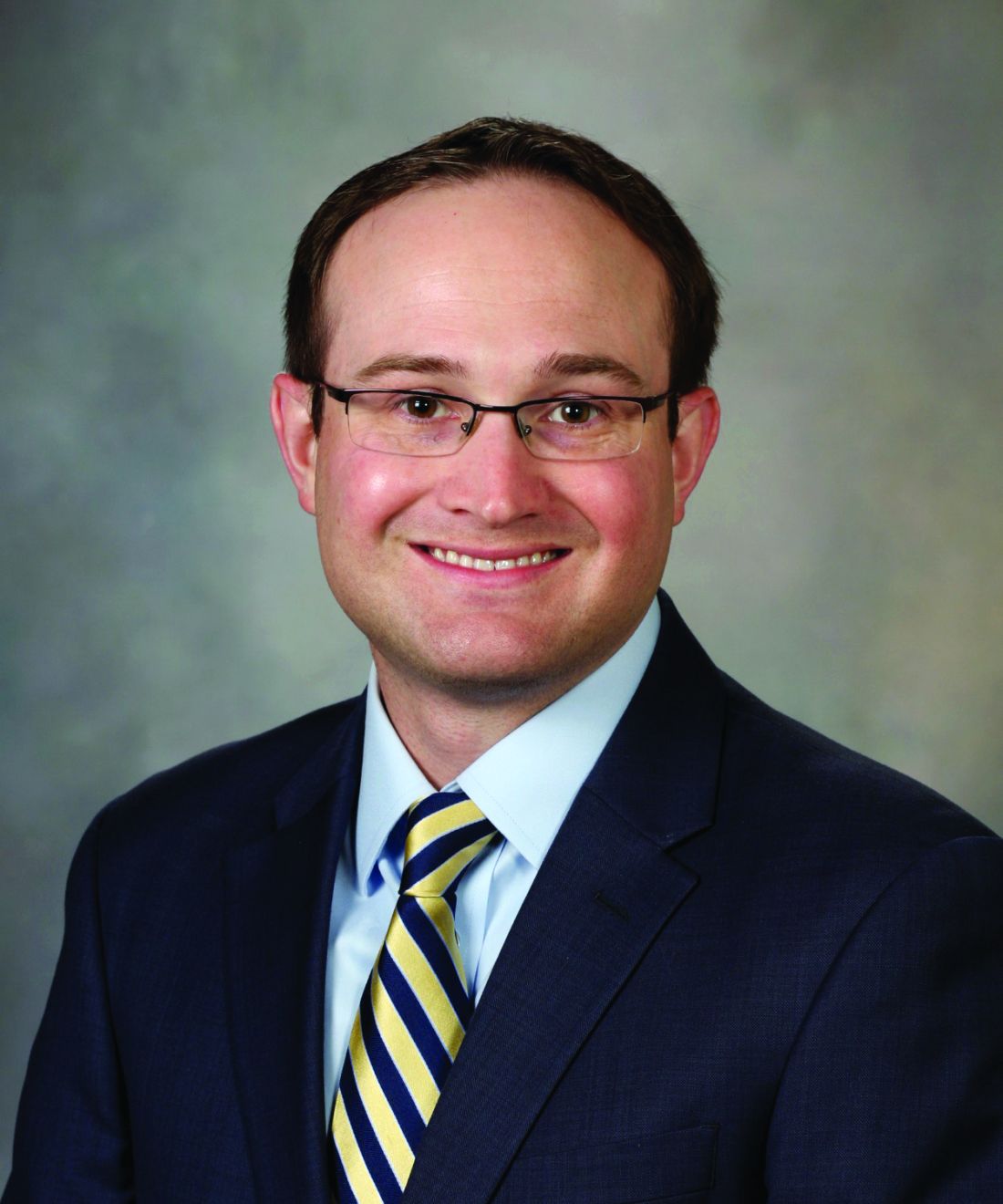
Thus, these re-valued levels will allow outpatient physicians to bill based on time spent on things other than the office visit, such as time to review lab work and coordinate care with other specialties.

There will also be small changes to billing for pulmonary function testing, bronchoscopy (including the option for new indications for endobronchial valves), and for “brief communications via technology.” For a recap of these and other changes coming in January 2021, CHEST and ATS have produced a free webinar which is found online at: http://www.chestnet.org/Guidelines-and-Resources/Resources/Clinical-Practice-Resources.
Timothy Dempsey, MD, MPH
Steering Committee Fellow-in-Training
Deep Ramachandran, MD, FCCP
Steering Committee Member
Transplant
Investigating clinical practice of lung transplantation in systemic sclerosis
Interstitial lung disease (ILD) as a sequela of systemic sclerosis (SSc) poses a significant health concern. Patients with SSc-ILD experience symptoms of shortness of breath, reduced exercise capacity, and limited activities of daily living. Inducing fibrotic parenchymal change and pulmonary hypertension, SSc-ILD presents as both the most common extra-cutaneous manifestation and cause for mortality in this cohort (Mathai et al. Springer. 2014;139). Although rare, the prognosis of SSc-ILD is both difficult to understand and complex to manage.

With lung transplant being a treatment for end stage pulmonary disease, the role for lung transplantation in SSc-ILD is considered; however, remains controversial. Published literature exist without consensus. According to the recommendations of ISHLT, SSc is to be “carefully selected,” however, for some institutions, SSc remains a relative contraindication for lung transplant as definitive therapy (Weill et al. J Heart Lung Transplant. 2014;34[1]:1). Disease-specific concerns for SSc patients following lung transplant are esophageal dysmotility, dysphagia, gastroparesis, aspiration, and reflux disease. These comorbidities are associated with worsening prognosis in transplant survival (De Cruz, et al. Curr Opin Rheumatol. 2013;25[6]:714).
As clinical practices vary significantly in the management of SSc-ILD, we will survey transplant pulmonologist and surgeons from programs listed in Scientific Registry of Transplant Recipients (SRTR). We will evaluate transplant candidacy, preoperative transplant testing, postoperative transplant care, and outcomes. With this survey, we plan to determine the key practices of lung transplant programs regarding candidacy of patients with SSc-ILD perioperative management.
Clauden Louis, MD
Fellow-in-Training Member
Women’s lung health
Asthma and sex hormones
Overall asthma prevalence, severity, exacerbation rate, hospitalizations, and mortality are higher among women than men. Population studies show that asthma becomes more prevalent and severe in women following puberty, particularly in women with early menarche or multiple gestations. These findings suggest that sex hormones are important to the development and severity of asthma. Additional confounding variables include obesity, exposures, atopy, and age (Zien, et al. Curr Allergy Asthma Rep. 2015;15[6]:28).

Recent studies further define the gender disparity by detailing sex hormone differences in men and women with asthma. Han and colleagues recently reported on a cross-sectional study of serum-free testosterone and estradiol levels in over 7,000 adults in the National Health and Nutrition Examination Survey (NHANES, 2013-2016) (Han, et al. Am J Respir Crit Care Med. 2020;201[2]:158).

Elevated free testosterone levels were associated with lower odds of current asthma in women. After stratification for obesity, elevated free testosterone and estradiol levels were associated with reduced odds of current asthma in obese women, and elevated estradiol was associated with lower odds of asthma in non-obese men. It should be noted that increased luteal phase progesterone levels have also been implicated in increasing airway hyperresponsiveness (AHR) in asthmatics (Lipworth, et al. Am J Respir Crit Care Med. 2019; Oct 22, 2019).

In summary, testosterone is suggested to provide a protective, anti-inflammatory effect in women with asthma (Sathish, et al. Pharmacol Ther. 2015;150:94). Obesity interaction with sex hormones highlights its role as an important risk factor and disease modifier (Peters, et al. J Allergy Clin Immunol. 2018;141:1169). Future studies should continue to expand upon the role of sex hormones in relationship to multiple confounders. These insights will continue to define mechanisms that can be manipulated leading to novel pathway targeted therapies.
Candace Huebert, MD, FCCP
Margaret Pisani, MD, MPH, FCCP
Jill Poole, MD
Steering Committee Members
Disaster response and global health
Corona virus and disaster preparedness campaign
On January 28, 2020, the US Centers for Disease Control and Prevention (CDC) issued a travel advisory recommending against all nonessential travel to China, in light of the 2019 novel coronavirus (2019-nCoV) outbreak.
Shortly thereafter, a plane that flew out of China was directed to land on a US air force base in California on Friday, January 31. Since then, other US government flights have evacuated patients to military bases throughout the country. The CDC issued a federal quarantine order lasting the 14-day incubation period to these repatriated US citizens. Nearby hospitals were debriefed and command centers set up in anticipation of any required intervention.
Initial diagnostic testing for 2019-nCoV could only be conducted at the CDC, but testing has recently become available at a larger number of laboratories via the CDC’s International Reagent Resource (IRR) network. Signs and symptoms that would warrant diagnostic testing include fever, cough, respiratory symptoms, shortness of breath, and breathing difficulties, in the context of travel to China within the prior 14 days or a high-risk contact with an ill patient. Severe cases can lead to pneumonia, kidney failure, severe acute respiratory distress, and death, with an in-hospital mortality of approximately 4% reported by clinicians in Wuhan, the epicenter of the outbreak (Wang D, et al. JAMA. Published online February 07, 2020. doi: 10.1001/jama.2020.1585).
The influenza vaccine will not protect against 2019-nCoV, and, currently, there is no available vaccine. The best prevention is to cover your mouth and nose with a tissue or your sleeve (not your hands) when coughing or sneezing. Surgical masks are not currently recommended as protection against 2019-nCoV. Hospitalized patients should be in negative-pressure rooms under respiratory and contact precautions, with gowns, gloves, eye protection, and either N95 masks or a powered air purifying respirator (PAPR) worn by clinical staff. Human-to human transmission is reported both within and outside of China (Rothe C, et al. N Engl J Med. Published online, Jan 30, 2020. doi: 10.1056/NEJMc2001468).
Clinical updates are available via the CDC at https://www.cdc.gov/coronavirus/2019-ncov/index.html. Clinicians are advised to check frequently, given the rapidly changing state of this epidemic.
John Agapian, MD, MS, FCCP
Steering Committee Member
Practice operations
New Medicare billing rules bring welcome documentation relief
At the end of 2019, the Centers for Medicare and Medicaid Services (CMS) released several changes to the Medicare Physician Fee Schedule, which will go into effect starting January 1, 2021. Though the adjustments are substantial (the document outlining the revisions is nearly 2,500 pages!), there are a few that deserve highlighting.
The most significant modification contained within the policy involves revisions to E/M codes for office visits. While the changes eliminate 99201, they preserve other graded levels for visits, with increases to the relative value units (RVUs) for most levels.
The most welcome changes for clinicians are twofold. First, billing no longer needs to be based on the maddening practice of trying to meet a minimum number of points from the history and exam. Clinicians can instead now bill based on time spent. The second refreshing modification is that time-based billing need no longer be solely face-to-face but can now be based on the realities of clinical practice today, ie, reviewing information and coordinating care with others.
Thus, these re-valued levels will allow outpatient physicians to bill based on time spent on things other than the office visit, such as time to review lab work and coordinate care with other specialties.
There will also be small changes to billing for pulmonary function testing, bronchoscopy (including the option for new indications for endobronchial valves), and for “brief communications via technology.” For a recap of these and other changes coming in January 2021, CHEST and ATS have produced a free webinar which is found online at: http://www.chestnet.org/Guidelines-and-Resources/Resources/Clinical-Practice-Resources.
Timothy Dempsey, MD, MPH
Steering Committee Fellow-in-Training
Deep Ramachandran, MD, FCCP
Steering Committee Member
Transplant
Investigating clinical practice of lung transplantation in systemic sclerosis
Interstitial lung disease (ILD) as a sequela of systemic sclerosis (SSc) poses a significant health concern. Patients with SSc-ILD experience symptoms of shortness of breath, reduced exercise capacity, and limited activities of daily living. Inducing fibrotic parenchymal change and pulmonary hypertension, SSc-ILD presents as both the most common extra-cutaneous manifestation and cause for mortality in this cohort (Mathai et al. Springer. 2014;139). Although rare, the prognosis of SSc-ILD is both difficult to understand and complex to manage.
With lung transplant being a treatment for end stage pulmonary disease, the role for lung transplantation in SSc-ILD is considered; however, remains controversial. Published literature exist without consensus. According to the recommendations of ISHLT, SSc is to be “carefully selected,” however, for some institutions, SSc remains a relative contraindication for lung transplant as definitive therapy (Weill et al. J Heart Lung Transplant. 2014;34[1]:1). Disease-specific concerns for SSc patients following lung transplant are esophageal dysmotility, dysphagia, gastroparesis, aspiration, and reflux disease. These comorbidities are associated with worsening prognosis in transplant survival (De Cruz, et al. Curr Opin Rheumatol. 2013;25[6]:714).
As clinical practices vary significantly in the management of SSc-ILD, we will survey transplant pulmonologist and surgeons from programs listed in Scientific Registry of Transplant Recipients (SRTR). We will evaluate transplant candidacy, preoperative transplant testing, postoperative transplant care, and outcomes. With this survey, we plan to determine the key practices of lung transplant programs regarding candidacy of patients with SSc-ILD perioperative management.
Clauden Louis, MD
Fellow-in-Training Member
Women’s lung health
Asthma and sex hormones
Overall asthma prevalence, severity, exacerbation rate, hospitalizations, and mortality are higher among women than men. Population studies show that asthma becomes more prevalent and severe in women following puberty, particularly in women with early menarche or multiple gestations. These findings suggest that sex hormones are important to the development and severity of asthma. Additional confounding variables include obesity, exposures, atopy, and age (Zien, et al. Curr Allergy Asthma Rep. 2015;15[6]:28).
Recent studies further define the gender disparity by detailing sex hormone differences in men and women with asthma. Han and colleagues recently reported on a cross-sectional study of serum-free testosterone and estradiol levels in over 7,000 adults in the National Health and Nutrition Examination Survey (NHANES, 2013-2016) (Han, et al. Am J Respir Crit Care Med. 2020;201[2]:158).
Elevated free testosterone levels were associated with lower odds of current asthma in women. After stratification for obesity, elevated free testosterone and estradiol levels were associated with reduced odds of current asthma in obese women, and elevated estradiol was associated with lower odds of asthma in non-obese men. It should be noted that increased luteal phase progesterone levels have also been implicated in increasing airway hyperresponsiveness (AHR) in asthmatics (Lipworth, et al. Am J Respir Crit Care Med. 2019; Oct 22, 2019).
In summary, testosterone is suggested to provide a protective, anti-inflammatory effect in women with asthma (Sathish, et al. Pharmacol Ther. 2015;150:94). Obesity interaction with sex hormones highlights its role as an important risk factor and disease modifier (Peters, et al. J Allergy Clin Immunol. 2018;141:1169). Future studies should continue to expand upon the role of sex hormones in relationship to multiple confounders. These insights will continue to define mechanisms that can be manipulated leading to novel pathway targeted therapies.
Candace Huebert, MD, FCCP
Margaret Pisani, MD, MPH, FCCP
Jill Poole, MD
Steering Committee Members
Disaster response and global health
Corona virus and disaster preparedness campaign
On January 28, 2020, the US Centers for Disease Control and Prevention (CDC) issued a travel advisory recommending against all nonessential travel to China, in light of the 2019 novel coronavirus (2019-nCoV) outbreak.
Shortly thereafter, a plane that flew out of China was directed to land on a US air force base in California on Friday, January 31. Since then, other US government flights have evacuated patients to military bases throughout the country. The CDC issued a federal quarantine order lasting the 14-day incubation period to these repatriated US citizens. Nearby hospitals were debriefed and command centers set up in anticipation of any required intervention.
Initial diagnostic testing for 2019-nCoV could only be conducted at the CDC, but testing has recently become available at a larger number of laboratories via the CDC’s International Reagent Resource (IRR) network. Signs and symptoms that would warrant diagnostic testing include fever, cough, respiratory symptoms, shortness of breath, and breathing difficulties, in the context of travel to China within the prior 14 days or a high-risk contact with an ill patient. Severe cases can lead to pneumonia, kidney failure, severe acute respiratory distress, and death, with an in-hospital mortality of approximately 4% reported by clinicians in Wuhan, the epicenter of the outbreak (Wang D, et al. JAMA. Published online February 07, 2020. doi: 10.1001/jama.2020.1585).
The influenza vaccine will not protect against 2019-nCoV, and, currently, there is no available vaccine. The best prevention is to cover your mouth and nose with a tissue or your sleeve (not your hands) when coughing or sneezing. Surgical masks are not currently recommended as protection against 2019-nCoV. Hospitalized patients should be in negative-pressure rooms under respiratory and contact precautions, with gowns, gloves, eye protection, and either N95 masks or a powered air purifying respirator (PAPR) worn by clinical staff. Human-to human transmission is reported both within and outside of China (Rothe C, et al. N Engl J Med. Published online, Jan 30, 2020. doi: 10.1056/NEJMc2001468).
Clinical updates are available via the CDC at https://www.cdc.gov/coronavirus/2019-ncov/index.html. Clinicians are advised to check frequently, given the rapidly changing state of this epidemic.
John Agapian, MD, MS, FCCP
Steering Committee Member
Practice operations
New Medicare billing rules bring welcome documentation relief
At the end of 2019, the Centers for Medicare and Medicaid Services (CMS) released several changes to the Medicare Physician Fee Schedule, which will go into effect starting January 1, 2021. Though the adjustments are substantial (the document outlining the revisions is nearly 2,500 pages!), there are a few that deserve highlighting.
The most significant modification contained within the policy involves revisions to E/M codes for office visits. While the changes eliminate 99201, they preserve other graded levels for visits, with increases to the relative value units (RVUs) for most levels.
The most welcome changes for clinicians are twofold. First, billing no longer needs to be based on the maddening practice of trying to meet a minimum number of points from the history and exam. Clinicians can instead now bill based on time spent. The second refreshing modification is that time-based billing need no longer be solely face-to-face but can now be based on the realities of clinical practice today, ie, reviewing information and coordinating care with others.
Thus, these re-valued levels will allow outpatient physicians to bill based on time spent on things other than the office visit, such as time to review lab work and coordinate care with other specialties.
There will also be small changes to billing for pulmonary function testing, bronchoscopy (including the option for new indications for endobronchial valves), and for “brief communications via technology.” For a recap of these and other changes coming in January 2021, CHEST and ATS have produced a free webinar which is found online at: http://www.chestnet.org/Guidelines-and-Resources/Resources/Clinical-Practice-Resources.
Timothy Dempsey, MD, MPH
Steering Committee Fellow-in-Training
Deep Ramachandran, MD, FCCP
Steering Committee Member
Transplant
Investigating clinical practice of lung transplantation in systemic sclerosis
Interstitial lung disease (ILD) as a sequela of systemic sclerosis (SSc) poses a significant health concern. Patients with SSc-ILD experience symptoms of shortness of breath, reduced exercise capacity, and limited activities of daily living. Inducing fibrotic parenchymal change and pulmonary hypertension, SSc-ILD presents as both the most common extra-cutaneous manifestation and cause for mortality in this cohort (Mathai et al. Springer. 2014;139). Although rare, the prognosis of SSc-ILD is both difficult to understand and complex to manage.
With lung transplant being a treatment for end stage pulmonary disease, the role for lung transplantation in SSc-ILD is considered; however, remains controversial. Published literature exist without consensus. According to the recommendations of ISHLT, SSc is to be “carefully selected,” however, for some institutions, SSc remains a relative contraindication for lung transplant as definitive therapy (Weill et al. J Heart Lung Transplant. 2014;34[1]:1). Disease-specific concerns for SSc patients following lung transplant are esophageal dysmotility, dysphagia, gastroparesis, aspiration, and reflux disease. These comorbidities are associated with worsening prognosis in transplant survival (De Cruz, et al. Curr Opin Rheumatol. 2013;25[6]:714).
As clinical practices vary significantly in the management of SSc-ILD, we will survey transplant pulmonologist and surgeons from programs listed in Scientific Registry of Transplant Recipients (SRTR). We will evaluate transplant candidacy, preoperative transplant testing, postoperative transplant care, and outcomes. With this survey, we plan to determine the key practices of lung transplant programs regarding candidacy of patients with SSc-ILD perioperative management.
Clauden Louis, MD
Fellow-in-Training Member
Women’s lung health
Asthma and sex hormones
Overall asthma prevalence, severity, exacerbation rate, hospitalizations, and mortality are higher among women than men. Population studies show that asthma becomes more prevalent and severe in women following puberty, particularly in women with early menarche or multiple gestations. These findings suggest that sex hormones are important to the development and severity of asthma. Additional confounding variables include obesity, exposures, atopy, and age (Zien, et al. Curr Allergy Asthma Rep. 2015;15[6]:28).
Recent studies further define the gender disparity by detailing sex hormone differences in men and women with asthma. Han and colleagues recently reported on a cross-sectional study of serum-free testosterone and estradiol levels in over 7,000 adults in the National Health and Nutrition Examination Survey (NHANES, 2013-2016) (Han, et al. Am J Respir Crit Care Med. 2020;201[2]:158).
Elevated free testosterone levels were associated with lower odds of current asthma in women. After stratification for obesity, elevated free testosterone and estradiol levels were associated with reduced odds of current asthma in obese women, and elevated estradiol was associated with lower odds of asthma in non-obese men. It should be noted that increased luteal phase progesterone levels have also been implicated in increasing airway hyperresponsiveness (AHR) in asthmatics (Lipworth, et al. Am J Respir Crit Care Med. 2019; Oct 22, 2019).
In summary, testosterone is suggested to provide a protective, anti-inflammatory effect in women with asthma (Sathish, et al. Pharmacol Ther. 2015;150:94). Obesity interaction with sex hormones highlights its role as an important risk factor and disease modifier (Peters, et al. J Allergy Clin Immunol. 2018;141:1169). Future studies should continue to expand upon the role of sex hormones in relationship to multiple confounders. These insights will continue to define mechanisms that can be manipulated leading to novel pathway targeted therapies.
Candace Huebert, MD, FCCP
Margaret Pisani, MD, MPH, FCCP
Jill Poole, MD
Steering Committee Members