User login
CHEST grant winners to study health inequities related to air pollution, medication nonadherence, and more
In 2023, CHEST awarded $300,000 in clinical research and community impact grants to 15 individuals. Grant recipients are recognized for their scientifically meritorious achievements, with rigorous metrics to track their project’s progress, and have innovative, novel approaches to addressing their research topic.
CHEST grants have made a difference in patients’ lives by leading to breakthroughs in the treatment and/or management of chest diseases and patient care. This year’s grant-funded projects run the gamut of topics within chest medicine, ranging from lung cancer and COPD to tuberculosis and idiopathic pulmonary fibrosis.
Here’s a glimpse into two of this year’s grant winners and their projects.
For a full list of the 2023 grant winners, visit chestnet.org/grant-recipients.
Air pollution in sarcoidosis
This year, the John R. Addrizzo, MD, FCCP Research Grant in Sarcoidosis was awarded to Ali Mustafa, MD, of the Johns Hopkins Hospital in Baltimore, MD, for his project “Air Pollution in Sarcoidosis.”
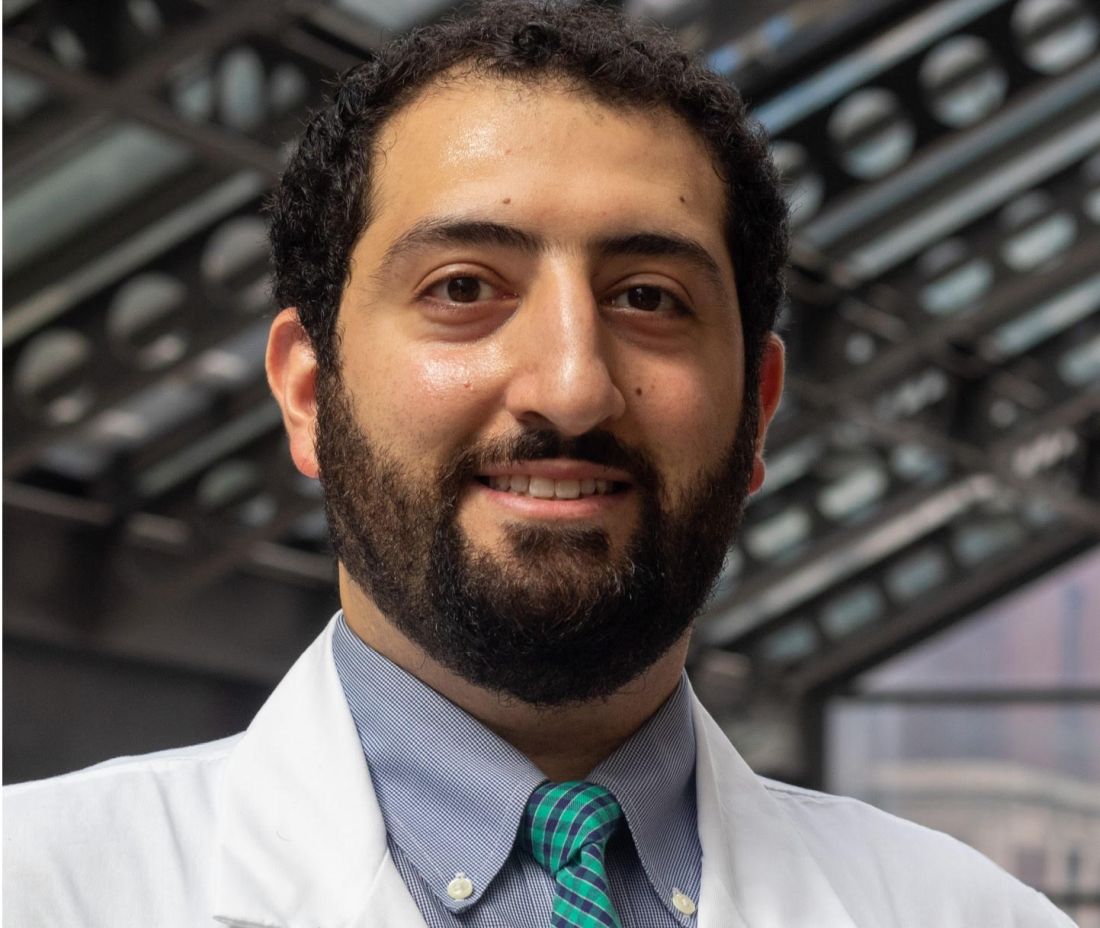
The project’s aim is to investigate the feasibility of studying indoor and outdoor air pollution in patients with pulmonary sarcoidosis.
According to Dr. Mustafa’s application, pulmonary sarcoidosis is one of the most common interstitial lung diseases in the United States, and mortality due to sarcoidosis has risen by more than 3% in recent decades.
While the etiology of sarcoidosis remains elusive, evidence points toward a combination of genetic predisposition with external environmental triggers affecting disease onset. One small study of 16 individuals with fibrotic pulmonary sarcoidosis assessed the association between local levels of outdoor air pollutants to clinical outcomes. This study found that increased short-term exposure was associated with increased respiratory symptom severity and worse health-related quality of life.
Additionally, significant health disparities exist in sarcoidosis. Black individuals with sarcoidosis have worse pulmonary function, higher rates of multiorgan disease, and as much as a 12-fold increase in mortality compared with non-Hispanic White individuals with sarcoidosis. Socioeconomic status and Black race have also been associated with increased exposure to air pollution and closer proximity to high toxic emission facilities, suggesting higher exposure to outdoor air pollution.
Racial disparities are present and particularly important in sarcoidosis. Black individuals are more likely to have more advanced disease at diagnosis, have a six-fold increase in hospitalization, and a 12-fold increase in mortality compared with non-Hispanic White individuals with sarcoidosis. Little is known about the drivers of these disparities; however, environmental exposure has been implicated in sarcoidosis pathogenesis and incidence and may be an important contributor.
Dr. Mustafa’s preliminary work suggests disparities in exposure to air pollution among individuals with sarcoidosis may be contributing to inequities in clinical outcomes.
Determinants of medication non-adherence among adults with chronic obstructive pulmonary disease
The CHEST/ALA/ATS Respiratory Health Equity Research Award was given to Stephanie LaBedz, MD, of the University of Illinois Chicago. The Respiratory Health Equity Research Award is jointly supported by the American Lung Association, the American Thoracic Society, and CHEST.

Dr. LaBedz’s project, “Determinants of Medication Non-Adherence Among Adults With Chronic Obstructive Pulmonary Disease,” aims to use behavioral science theory to identify barriers and facilitators to COPD medication adherence.
Studies suggest racial minorities and individuals of low socioeconomic status (SES) are less likely to be adherent to COPD medications compared with White and high SES patients with COPD. Interventions designed to improve COPD medication adherence must address barriers to adherence experienced by these groups to avoid perpetuating disparities in adherence and downstream outcomes disparities.
For her project, Dr. LaBedz will focus on examining barriers and facilitators of COPD medication adherence, including social determinants of health and other structural barriers faced by these vulnerable populations. She will use the information gained from the qualitative study to design interventions that address the barriers to adherence faced by these groups.
Her long-term goal is to improve COPD medication adherence in vulnerable patients with COPD in order to improve the health status and reduce health disparities experienced by racial/ethnic minority and low SES patients with COPD.
In 2023, CHEST awarded $300,000 in clinical research and community impact grants to 15 individuals. Grant recipients are recognized for their scientifically meritorious achievements, with rigorous metrics to track their project’s progress, and have innovative, novel approaches to addressing their research topic.
CHEST grants have made a difference in patients’ lives by leading to breakthroughs in the treatment and/or management of chest diseases and patient care. This year’s grant-funded projects run the gamut of topics within chest medicine, ranging from lung cancer and COPD to tuberculosis and idiopathic pulmonary fibrosis.
Here’s a glimpse into two of this year’s grant winners and their projects.
For a full list of the 2023 grant winners, visit chestnet.org/grant-recipients.
Air pollution in sarcoidosis
This year, the John R. Addrizzo, MD, FCCP Research Grant in Sarcoidosis was awarded to Ali Mustafa, MD, of the Johns Hopkins Hospital in Baltimore, MD, for his project “Air Pollution in Sarcoidosis.”
The project’s aim is to investigate the feasibility of studying indoor and outdoor air pollution in patients with pulmonary sarcoidosis.
According to Dr. Mustafa’s application, pulmonary sarcoidosis is one of the most common interstitial lung diseases in the United States, and mortality due to sarcoidosis has risen by more than 3% in recent decades.
While the etiology of sarcoidosis remains elusive, evidence points toward a combination of genetic predisposition with external environmental triggers affecting disease onset. One small study of 16 individuals with fibrotic pulmonary sarcoidosis assessed the association between local levels of outdoor air pollutants to clinical outcomes. This study found that increased short-term exposure was associated with increased respiratory symptom severity and worse health-related quality of life.
Additionally, significant health disparities exist in sarcoidosis. Black individuals with sarcoidosis have worse pulmonary function, higher rates of multiorgan disease, and as much as a 12-fold increase in mortality compared with non-Hispanic White individuals with sarcoidosis. Socioeconomic status and Black race have also been associated with increased exposure to air pollution and closer proximity to high toxic emission facilities, suggesting higher exposure to outdoor air pollution.
Racial disparities are present and particularly important in sarcoidosis. Black individuals are more likely to have more advanced disease at diagnosis, have a six-fold increase in hospitalization, and a 12-fold increase in mortality compared with non-Hispanic White individuals with sarcoidosis. Little is known about the drivers of these disparities; however, environmental exposure has been implicated in sarcoidosis pathogenesis and incidence and may be an important contributor.
Dr. Mustafa’s preliminary work suggests disparities in exposure to air pollution among individuals with sarcoidosis may be contributing to inequities in clinical outcomes.
Determinants of medication non-adherence among adults with chronic obstructive pulmonary disease
The CHEST/ALA/ATS Respiratory Health Equity Research Award was given to Stephanie LaBedz, MD, of the University of Illinois Chicago. The Respiratory Health Equity Research Award is jointly supported by the American Lung Association, the American Thoracic Society, and CHEST.
Dr. LaBedz’s project, “Determinants of Medication Non-Adherence Among Adults With Chronic Obstructive Pulmonary Disease,” aims to use behavioral science theory to identify barriers and facilitators to COPD medication adherence.
Studies suggest racial minorities and individuals of low socioeconomic status (SES) are less likely to be adherent to COPD medications compared with White and high SES patients with COPD. Interventions designed to improve COPD medication adherence must address barriers to adherence experienced by these groups to avoid perpetuating disparities in adherence and downstream outcomes disparities.
For her project, Dr. LaBedz will focus on examining barriers and facilitators of COPD medication adherence, including social determinants of health and other structural barriers faced by these vulnerable populations. She will use the information gained from the qualitative study to design interventions that address the barriers to adherence faced by these groups.
Her long-term goal is to improve COPD medication adherence in vulnerable patients with COPD in order to improve the health status and reduce health disparities experienced by racial/ethnic minority and low SES patients with COPD.
In 2023, CHEST awarded $300,000 in clinical research and community impact grants to 15 individuals. Grant recipients are recognized for their scientifically meritorious achievements, with rigorous metrics to track their project’s progress, and have innovative, novel approaches to addressing their research topic.
CHEST grants have made a difference in patients’ lives by leading to breakthroughs in the treatment and/or management of chest diseases and patient care. This year’s grant-funded projects run the gamut of topics within chest medicine, ranging from lung cancer and COPD to tuberculosis and idiopathic pulmonary fibrosis.
Here’s a glimpse into two of this year’s grant winners and their projects.
For a full list of the 2023 grant winners, visit chestnet.org/grant-recipients.
Air pollution in sarcoidosis
This year, the John R. Addrizzo, MD, FCCP Research Grant in Sarcoidosis was awarded to Ali Mustafa, MD, of the Johns Hopkins Hospital in Baltimore, MD, for his project “Air Pollution in Sarcoidosis.”
The project’s aim is to investigate the feasibility of studying indoor and outdoor air pollution in patients with pulmonary sarcoidosis.
According to Dr. Mustafa’s application, pulmonary sarcoidosis is one of the most common interstitial lung diseases in the United States, and mortality due to sarcoidosis has risen by more than 3% in recent decades.
While the etiology of sarcoidosis remains elusive, evidence points toward a combination of genetic predisposition with external environmental triggers affecting disease onset. One small study of 16 individuals with fibrotic pulmonary sarcoidosis assessed the association between local levels of outdoor air pollutants to clinical outcomes. This study found that increased short-term exposure was associated with increased respiratory symptom severity and worse health-related quality of life.
Additionally, significant health disparities exist in sarcoidosis. Black individuals with sarcoidosis have worse pulmonary function, higher rates of multiorgan disease, and as much as a 12-fold increase in mortality compared with non-Hispanic White individuals with sarcoidosis. Socioeconomic status and Black race have also been associated with increased exposure to air pollution and closer proximity to high toxic emission facilities, suggesting higher exposure to outdoor air pollution.
Racial disparities are present and particularly important in sarcoidosis. Black individuals are more likely to have more advanced disease at diagnosis, have a six-fold increase in hospitalization, and a 12-fold increase in mortality compared with non-Hispanic White individuals with sarcoidosis. Little is known about the drivers of these disparities; however, environmental exposure has been implicated in sarcoidosis pathogenesis and incidence and may be an important contributor.
Dr. Mustafa’s preliminary work suggests disparities in exposure to air pollution among individuals with sarcoidosis may be contributing to inequities in clinical outcomes.
Determinants of medication non-adherence among adults with chronic obstructive pulmonary disease
The CHEST/ALA/ATS Respiratory Health Equity Research Award was given to Stephanie LaBedz, MD, of the University of Illinois Chicago. The Respiratory Health Equity Research Award is jointly supported by the American Lung Association, the American Thoracic Society, and CHEST.
Dr. LaBedz’s project, “Determinants of Medication Non-Adherence Among Adults With Chronic Obstructive Pulmonary Disease,” aims to use behavioral science theory to identify barriers and facilitators to COPD medication adherence.
Studies suggest racial minorities and individuals of low socioeconomic status (SES) are less likely to be adherent to COPD medications compared with White and high SES patients with COPD. Interventions designed to improve COPD medication adherence must address barriers to adherence experienced by these groups to avoid perpetuating disparities in adherence and downstream outcomes disparities.
For her project, Dr. LaBedz will focus on examining barriers and facilitators of COPD medication adherence, including social determinants of health and other structural barriers faced by these vulnerable populations. She will use the information gained from the qualitative study to design interventions that address the barriers to adherence faced by these groups.
Her long-term goal is to improve COPD medication adherence in vulnerable patients with COPD in order to improve the health status and reduce health disparities experienced by racial/ethnic minority and low SES patients with COPD.
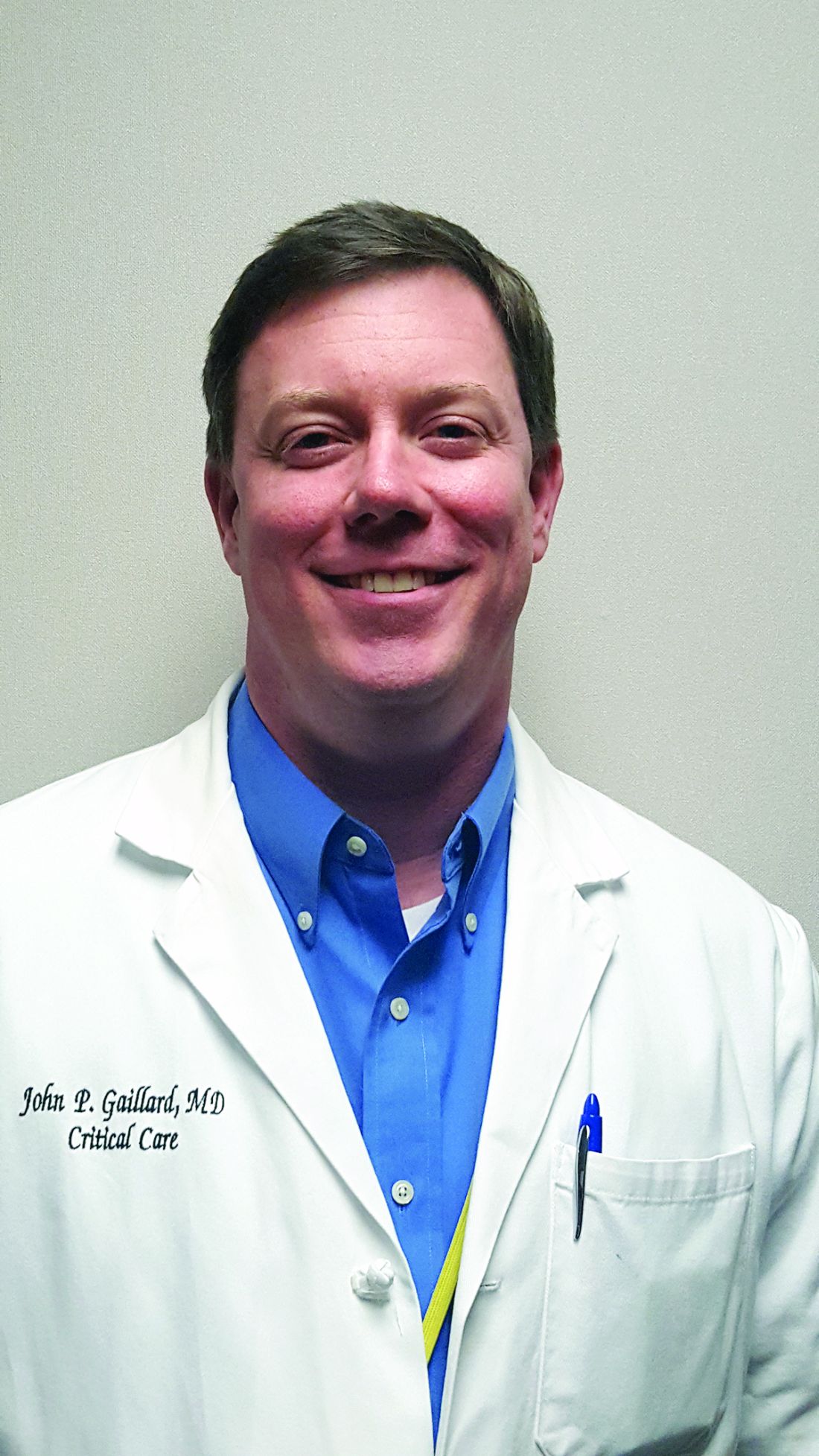
Should intensivists place PEG tubes in critically ill patients?
The practice of initiating early and adequate nutrition in critically ill patients is a cornerstone of ICU management. Adequate nutrition combats the dangerous catabolic state that accompanies critical illness. A few of the benefits of this practice are a decrease in disease severity with resultant lessened hospital and ICU lengths of stay, reduced infection rates, and a decrease in hospital mortality. Enteral nutrition (EN) is the route of nutritional support most associated with safe and effective provision of enhanced immunologic function and the ability to preserve the patient’s lean body mass while avoiding metabolic and infectious complications.
Since its inception in 1980, percutaneous endoscopic gastrostomy (PEG) tubes have become the preferred method for delivering EN in ICUs across the United States. When comparing PEG and nasogastric tubes (NGTs), evidence shows reduced bleeding events, less tube dislodgement, and decreased tube obstructions with a faster rate of recovery of previous swallowing function that prevents delays in medical care and increased mortality rate. Although PEG tubes do not entirely prevent acid reflux or aspiration events, they are positively correlated to significantly reduced rates of both which result in a survival benefit seen in a 2012 study (Psychiatry Clin Neurosci. 2012 Aug;66[5]:418).
The majority of PEG tubes placed in the United States has unquestionably shifted to the ICU patient population since 2014 according to the largest health care database search on this topic published in 2019 (Ann Am Thorac Soc. 2019 Jun;16[6]:724). The safety and efficacy of this procedure has only improved, yet the delayed timing of placement remains problematic and often exceeds what is medically necessary or financially feasible.
To understand this issue, it is important to consider that despite intensivists being globally recognized as procedurally sound with enhanced ultrasound expertise, their endoscopic experience is usually limited to bronchoscopy without formal training in upper gastrointestinal endoscopy. This is the leading theory to explain why intensivists are performing their own percutaneous tracheostomies but not gastrostomies. Fortunately, the FDA-approved Point of Care Ultrasound Magnet Aligned Gastrostomy (PUMA-G) System has shown analogous safety and efficacy when compared with the traditional endoscopically placed PEG tube technique (J Intensive Care Med. 2022 May;37[5]:641).
A case series was published in 2021 that included three intensivists who underwent a 3-hour cadaver-based training course for the PUMA-G System with a mandatory minimum successful placement of three gastric tubes (J Clin Ultrasound. 2021 Jan;49[1]:28). Once they demonstrated competence in the technique, the procedure was performed on mechanically ventilated and sedated patients without any reported complications peri-procedurally or over the next 30 days. The evidence that intensivists can use their current skillset to rapidly become competent in this ultrasound-guided bedside procedure is without question.
PEG tube placement by intensivists is a procedure that will undoubtedly benefit patients in the ICU and assist in offloading the operation costs of a significant number of critical care units and their associated organizations. This is an area ripe for growth with further education and research.
The practice of initiating early and adequate nutrition in critically ill patients is a cornerstone of ICU management. Adequate nutrition combats the dangerous catabolic state that accompanies critical illness. A few of the benefits of this practice are a decrease in disease severity with resultant lessened hospital and ICU lengths of stay, reduced infection rates, and a decrease in hospital mortality. Enteral nutrition (EN) is the route of nutritional support most associated with safe and effective provision of enhanced immunologic function and the ability to preserve the patient’s lean body mass while avoiding metabolic and infectious complications.
Since its inception in 1980, percutaneous endoscopic gastrostomy (PEG) tubes have become the preferred method for delivering EN in ICUs across the United States. When comparing PEG and nasogastric tubes (NGTs), evidence shows reduced bleeding events, less tube dislodgement, and decreased tube obstructions with a faster rate of recovery of previous swallowing function that prevents delays in medical care and increased mortality rate. Although PEG tubes do not entirely prevent acid reflux or aspiration events, they are positively correlated to significantly reduced rates of both which result in a survival benefit seen in a 2012 study (Psychiatry Clin Neurosci. 2012 Aug;66[5]:418).
The majority of PEG tubes placed in the United States has unquestionably shifted to the ICU patient population since 2014 according to the largest health care database search on this topic published in 2019 (Ann Am Thorac Soc. 2019 Jun;16[6]:724). The safety and efficacy of this procedure has only improved, yet the delayed timing of placement remains problematic and often exceeds what is medically necessary or financially feasible.
To understand this issue, it is important to consider that despite intensivists being globally recognized as procedurally sound with enhanced ultrasound expertise, their endoscopic experience is usually limited to bronchoscopy without formal training in upper gastrointestinal endoscopy. This is the leading theory to explain why intensivists are performing their own percutaneous tracheostomies but not gastrostomies. Fortunately, the FDA-approved Point of Care Ultrasound Magnet Aligned Gastrostomy (PUMA-G) System has shown analogous safety and efficacy when compared with the traditional endoscopically placed PEG tube technique (J Intensive Care Med. 2022 May;37[5]:641).
A case series was published in 2021 that included three intensivists who underwent a 3-hour cadaver-based training course for the PUMA-G System with a mandatory minimum successful placement of three gastric tubes (J Clin Ultrasound. 2021 Jan;49[1]:28). Once they demonstrated competence in the technique, the procedure was performed on mechanically ventilated and sedated patients without any reported complications peri-procedurally or over the next 30 days. The evidence that intensivists can use their current skillset to rapidly become competent in this ultrasound-guided bedside procedure is without question.
PEG tube placement by intensivists is a procedure that will undoubtedly benefit patients in the ICU and assist in offloading the operation costs of a significant number of critical care units and their associated organizations. This is an area ripe for growth with further education and research.
The practice of initiating early and adequate nutrition in critically ill patients is a cornerstone of ICU management. Adequate nutrition combats the dangerous catabolic state that accompanies critical illness. A few of the benefits of this practice are a decrease in disease severity with resultant lessened hospital and ICU lengths of stay, reduced infection rates, and a decrease in hospital mortality. Enteral nutrition (EN) is the route of nutritional support most associated with safe and effective provision of enhanced immunologic function and the ability to preserve the patient’s lean body mass while avoiding metabolic and infectious complications.
Since its inception in 1980, percutaneous endoscopic gastrostomy (PEG) tubes have become the preferred method for delivering EN in ICUs across the United States. When comparing PEG and nasogastric tubes (NGTs), evidence shows reduced bleeding events, less tube dislodgement, and decreased tube obstructions with a faster rate of recovery of previous swallowing function that prevents delays in medical care and increased mortality rate. Although PEG tubes do not entirely prevent acid reflux or aspiration events, they are positively correlated to significantly reduced rates of both which result in a survival benefit seen in a 2012 study (Psychiatry Clin Neurosci. 2012 Aug;66[5]:418).
The majority of PEG tubes placed in the United States has unquestionably shifted to the ICU patient population since 2014 according to the largest health care database search on this topic published in 2019 (Ann Am Thorac Soc. 2019 Jun;16[6]:724). The safety and efficacy of this procedure has only improved, yet the delayed timing of placement remains problematic and often exceeds what is medically necessary or financially feasible.
To understand this issue, it is important to consider that despite intensivists being globally recognized as procedurally sound with enhanced ultrasound expertise, their endoscopic experience is usually limited to bronchoscopy without formal training in upper gastrointestinal endoscopy. This is the leading theory to explain why intensivists are performing their own percutaneous tracheostomies but not gastrostomies. Fortunately, the FDA-approved Point of Care Ultrasound Magnet Aligned Gastrostomy (PUMA-G) System has shown analogous safety and efficacy when compared with the traditional endoscopically placed PEG tube technique (J Intensive Care Med. 2022 May;37[5]:641).
A case series was published in 2021 that included three intensivists who underwent a 3-hour cadaver-based training course for the PUMA-G System with a mandatory minimum successful placement of three gastric tubes (J Clin Ultrasound. 2021 Jan;49[1]:28). Once they demonstrated competence in the technique, the procedure was performed on mechanically ventilated and sedated patients without any reported complications peri-procedurally or over the next 30 days. The evidence that intensivists can use their current skillset to rapidly become competent in this ultrasound-guided bedside procedure is without question.
PEG tube placement by intensivists is a procedure that will undoubtedly benefit patients in the ICU and assist in offloading the operation costs of a significant number of critical care units and their associated organizations. This is an area ripe for growth with further education and research.
Coding & Billing: A look into bronchoscopic codes and digital evaluations
Pulmonary physicians and particularly interventional bronchoscopists have been receiving denials when CPT® codes 31628 Bronchoscopy, rigid or flexible, including fluoroscopic guidance, when performed; with transbronchial lung biopsy(s), single lobe and 31629 Bronchoscopy, rigid or flexible, including fluoroscopic guidance, when performed; with transbronchial needle aspiration biopsy(s), trachea, main stem and/or lobar bronchus(i) are billed during the same procedure.
While the difference between a transbronchial forceps biopsy and transbronchial needle biopsy are obvious to bronchoscopists, there has been confusion with payers. This could have been partly on the basis of a CPT Assistant article from March 2021 describing the use of both codes that stated, “Note that performing two types of lung biopsy (forceps and needle aspiration) on the same lesion would be considered unusual and documentation of medical necessity should clearly describe why both types of biopsy were clinically necessary.” This may have been interpreted by coders and/or payers to mean that the two codes should be billed together rarely or not at all. It is also possible that computer-based coding programs (eg, Optum/Encoder Pro, etc) are responsible for these inappropriate denials. There are, however, no NCCI edits that disallow this nor was this the intent of the CPT codes when they were developed.
The previous statement from the CPT Assistant article was clarified in the following sentences, “For example, if needle aspiration were performed and immediate screening of the sample were insufficient for diagnosis, a forceps biopsy would be appropriate and reported separately. On the other hand, if a physician performed a needle aspiration out of concern that the lesion was vascular and found that it was not and proceeded with a forceps biopsy, then the needle aspiration would be integral to the forceps biopsy and not separately reported.” Importantly, with the increasing use of navigational bronchoscopy and robotic bronchoscopy, these codes will be used together more frequently, appropriately, and correctly, especially on distal lesions.
Remember, these codes are used for procedures in a single lobe. If multiple lobes are sampled then CPT codes 31632 and 31633 would be added to 31628 and 31629, respectively. If one is receiving denials for these procedures, coders and payers should be notified of these errors, and denials should be appealed.
Q&A
Question: My practice is wondering if we can use the newer codes for online digital E/M services? We know they are time-based, but we are confused about when they cannot be used. Can you please help? For example, I had an established COPD patient send a message through the electronic health record’s patient portal reporting new symptoms of headache, cough, and sputum production. They asked me to review the chest x-ray that was done two days prior when they went to urgent care. The patient is asking for an assessment and management plan. We message back and forth over the next day for a total of 13 minutes. Three days later, the patient developed more symptoms and then scheduled an office visit. How would I bill for this? 99212-99215 (Established Office E/M) or 99422 (Online digital E/M 11-20 minutes?
Answer: Online Digital E/M services (99421, 99422, 99423) are to be used for established patients, only. They are time-based codes and cumulative up to seven days. They are to be reported for asynchronous communication via HIPAA-compliance secure platforms, such as through the electronic health record portal, portal email, etc. They may not be reported if an E/M occurs within seven days before or after, though the time may be incorporated into the subsequent E/M. These codes are not to be used for communication of test results, scheduling of appointments, or other communication that does not include E/M. In your example, you would report the appropriate Office/ Outpatient Established CPT code (99212-99215).
99421 – Online digital evaluation and management service, for an established patient, for up to 7 days, cumulative time during the 7 days; 5-10 minutes
99422 - Online digital evaluation and management service, for an established patient, for up to 7 days, cumulative time during the 7 days; 11-20 minutes
99423 - Online digital evaluation and management service, for an established patient, for up to 7 days, cumulative time during the 7 days; 21 or more minutes
Question: Is Cardiopulmonary Resuscitation in the Intensive Care Unit considered to be part of Critical Care services? (99291- 99292)? There appears to be confusion in our billing department on this issue.
Answer: 92959 Cardiopulmonary resuscitation is not bundled into 99291-99292. Consider it as a procedure. To code for this service in addition to Critical Care, the time for the CPR must be separate from the time for Critical Care (99291-99292). A separate procedure note must also be documented. There is no minimum time for this service, and a 25 modifier must be included, as well. 92950 reimburses at 4.00 wRVUs and may be reported two times per calendar day.
Originally published in the September 2023 issue of the American Thoracic Society’s ATS Coding & Billing Quarterly. Republished with permission from the American Thoracic Society.
Pulmonary physicians and particularly interventional bronchoscopists have been receiving denials when CPT® codes 31628 Bronchoscopy, rigid or flexible, including fluoroscopic guidance, when performed; with transbronchial lung biopsy(s), single lobe and 31629 Bronchoscopy, rigid or flexible, including fluoroscopic guidance, when performed; with transbronchial needle aspiration biopsy(s), trachea, main stem and/or lobar bronchus(i) are billed during the same procedure.
While the difference between a transbronchial forceps biopsy and transbronchial needle biopsy are obvious to bronchoscopists, there has been confusion with payers. This could have been partly on the basis of a CPT Assistant article from March 2021 describing the use of both codes that stated, “Note that performing two types of lung biopsy (forceps and needle aspiration) on the same lesion would be considered unusual and documentation of medical necessity should clearly describe why both types of biopsy were clinically necessary.” This may have been interpreted by coders and/or payers to mean that the two codes should be billed together rarely or not at all. It is also possible that computer-based coding programs (eg, Optum/Encoder Pro, etc) are responsible for these inappropriate denials. There are, however, no NCCI edits that disallow this nor was this the intent of the CPT codes when they were developed.
The previous statement from the CPT Assistant article was clarified in the following sentences, “For example, if needle aspiration were performed and immediate screening of the sample were insufficient for diagnosis, a forceps biopsy would be appropriate and reported separately. On the other hand, if a physician performed a needle aspiration out of concern that the lesion was vascular and found that it was not and proceeded with a forceps biopsy, then the needle aspiration would be integral to the forceps biopsy and not separately reported.” Importantly, with the increasing use of navigational bronchoscopy and robotic bronchoscopy, these codes will be used together more frequently, appropriately, and correctly, especially on distal lesions.
Remember, these codes are used for procedures in a single lobe. If multiple lobes are sampled then CPT codes 31632 and 31633 would be added to 31628 and 31629, respectively. If one is receiving denials for these procedures, coders and payers should be notified of these errors, and denials should be appealed.
Q&A
Question: My practice is wondering if we can use the newer codes for online digital E/M services? We know they are time-based, but we are confused about when they cannot be used. Can you please help? For example, I had an established COPD patient send a message through the electronic health record’s patient portal reporting new symptoms of headache, cough, and sputum production. They asked me to review the chest x-ray that was done two days prior when they went to urgent care. The patient is asking for an assessment and management plan. We message back and forth over the next day for a total of 13 minutes. Three days later, the patient developed more symptoms and then scheduled an office visit. How would I bill for this? 99212-99215 (Established Office E/M) or 99422 (Online digital E/M 11-20 minutes?
Answer: Online Digital E/M services (99421, 99422, 99423) are to be used for established patients, only. They are time-based codes and cumulative up to seven days. They are to be reported for asynchronous communication via HIPAA-compliance secure platforms, such as through the electronic health record portal, portal email, etc. They may not be reported if an E/M occurs within seven days before or after, though the time may be incorporated into the subsequent E/M. These codes are not to be used for communication of test results, scheduling of appointments, or other communication that does not include E/M. In your example, you would report the appropriate Office/ Outpatient Established CPT code (99212-99215).
99421 – Online digital evaluation and management service, for an established patient, for up to 7 days, cumulative time during the 7 days; 5-10 minutes
99422 - Online digital evaluation and management service, for an established patient, for up to 7 days, cumulative time during the 7 days; 11-20 minutes
99423 - Online digital evaluation and management service, for an established patient, for up to 7 days, cumulative time during the 7 days; 21 or more minutes
Question: Is Cardiopulmonary Resuscitation in the Intensive Care Unit considered to be part of Critical Care services? (99291- 99292)? There appears to be confusion in our billing department on this issue.
Answer: 92959 Cardiopulmonary resuscitation is not bundled into 99291-99292. Consider it as a procedure. To code for this service in addition to Critical Care, the time for the CPR must be separate from the time for Critical Care (99291-99292). A separate procedure note must also be documented. There is no minimum time for this service, and a 25 modifier must be included, as well. 92950 reimburses at 4.00 wRVUs and may be reported two times per calendar day.
Originally published in the September 2023 issue of the American Thoracic Society’s ATS Coding & Billing Quarterly. Republished with permission from the American Thoracic Society.
Pulmonary physicians and particularly interventional bronchoscopists have been receiving denials when CPT® codes 31628 Bronchoscopy, rigid or flexible, including fluoroscopic guidance, when performed; with transbronchial lung biopsy(s), single lobe and 31629 Bronchoscopy, rigid or flexible, including fluoroscopic guidance, when performed; with transbronchial needle aspiration biopsy(s), trachea, main stem and/or lobar bronchus(i) are billed during the same procedure.
While the difference between a transbronchial forceps biopsy and transbronchial needle biopsy are obvious to bronchoscopists, there has been confusion with payers. This could have been partly on the basis of a CPT Assistant article from March 2021 describing the use of both codes that stated, “Note that performing two types of lung biopsy (forceps and needle aspiration) on the same lesion would be considered unusual and documentation of medical necessity should clearly describe why both types of biopsy were clinically necessary.” This may have been interpreted by coders and/or payers to mean that the two codes should be billed together rarely or not at all. It is also possible that computer-based coding programs (eg, Optum/Encoder Pro, etc) are responsible for these inappropriate denials. There are, however, no NCCI edits that disallow this nor was this the intent of the CPT codes when they were developed.
The previous statement from the CPT Assistant article was clarified in the following sentences, “For example, if needle aspiration were performed and immediate screening of the sample were insufficient for diagnosis, a forceps biopsy would be appropriate and reported separately. On the other hand, if a physician performed a needle aspiration out of concern that the lesion was vascular and found that it was not and proceeded with a forceps biopsy, then the needle aspiration would be integral to the forceps biopsy and not separately reported.” Importantly, with the increasing use of navigational bronchoscopy and robotic bronchoscopy, these codes will be used together more frequently, appropriately, and correctly, especially on distal lesions.
Remember, these codes are used for procedures in a single lobe. If multiple lobes are sampled then CPT codes 31632 and 31633 would be added to 31628 and 31629, respectively. If one is receiving denials for these procedures, coders and payers should be notified of these errors, and denials should be appealed.
Q&A
Question: My practice is wondering if we can use the newer codes for online digital E/M services? We know they are time-based, but we are confused about when they cannot be used. Can you please help? For example, I had an established COPD patient send a message through the electronic health record’s patient portal reporting new symptoms of headache, cough, and sputum production. They asked me to review the chest x-ray that was done two days prior when they went to urgent care. The patient is asking for an assessment and management plan. We message back and forth over the next day for a total of 13 minutes. Three days later, the patient developed more symptoms and then scheduled an office visit. How would I bill for this? 99212-99215 (Established Office E/M) or 99422 (Online digital E/M 11-20 minutes?
Answer: Online Digital E/M services (99421, 99422, 99423) are to be used for established patients, only. They are time-based codes and cumulative up to seven days. They are to be reported for asynchronous communication via HIPAA-compliance secure platforms, such as through the electronic health record portal, portal email, etc. They may not be reported if an E/M occurs within seven days before or after, though the time may be incorporated into the subsequent E/M. These codes are not to be used for communication of test results, scheduling of appointments, or other communication that does not include E/M. In your example, you would report the appropriate Office/ Outpatient Established CPT code (99212-99215).
99421 – Online digital evaluation and management service, for an established patient, for up to 7 days, cumulative time during the 7 days; 5-10 minutes
99422 - Online digital evaluation and management service, for an established patient, for up to 7 days, cumulative time during the 7 days; 11-20 minutes
99423 - Online digital evaluation and management service, for an established patient, for up to 7 days, cumulative time during the 7 days; 21 or more minutes
Question: Is Cardiopulmonary Resuscitation in the Intensive Care Unit considered to be part of Critical Care services? (99291- 99292)? There appears to be confusion in our billing department on this issue.
Answer: 92959 Cardiopulmonary resuscitation is not bundled into 99291-99292. Consider it as a procedure. To code for this service in addition to Critical Care, the time for the CPR must be separate from the time for Critical Care (99291-99292). A separate procedure note must also be documented. There is no minimum time for this service, and a 25 modifier must be included, as well. 92950 reimburses at 4.00 wRVUs and may be reported two times per calendar day.
Originally published in the September 2023 issue of the American Thoracic Society’s ATS Coding & Billing Quarterly. Republished with permission from the American Thoracic Society.
CHEST introduces five core organizational values
Looking ahead to 2024, one notable accomplishment of the past 12 months that will guide our organization for years to come was to establish CHEST organizational values. The result of a collaborative process that was led by the Value-Setting Work Group and informed by CHEST leaders, members, and staff, the CHEST values are Community, Inclusivity, Innovation, Advocacy, and Integrity.
The process to arrive at these values was intentionally designed to ensure input from all corners of the organization. Over the course of 5 months, CHEST members had the opportunity to participate in focus groups or submit written feedback about the proposed values. The feedback shaped subsequent iterations of the values that the work group produced, finally arriving at these five.
“These values are meant to be reflective of the CHEST organization and all of its leaders, members, and staff,” said Co-Chair of the Value-Setting Work Group and CHEST Board of Regents Member Nneka Sederstrom, PhD, FCCP. “As a society, we’ve come to a point where we can’t pretend that real life issues don’t matter to our patients and to our members. It’s become a pivotal point in our world for our systems to be clear on who they are. All too often, the question of, ‘Is this our lane?’ comes up. These values are a succinct way to show not only what falls into our ‘lane,’ but that we celebrate where we stand. It was a big undertaking, but seeing the collaboration and passion was exceptional.”
The work group was co-chaired by Dr. Sederstrom and Elizabeth Stigler, PhD, and was supported by David Zielinski, MD, FCCP; Bravein Amalakuhan, MD; Alisha Young, MD; Steven Simpson, MD, FCCP; Nehan Sher, MD; and CHEST staff members, Teresa Rodriguez, Manager, CHEST Annual Meeting; Terri Horton-O’Connell, MSW, Director, Grant and Proposal Development; and Vanessa Rancine, Recruiting Specialist.
Beyond solidifying the five succinct values, the work group strategically defined each value to clarify its intent.
- Community: We invest in the support, growth, and development of everyone involved with CHEST, both individually and collectively, and are tireless champions for one another.
- Inclusivity: We cherish the diverse perspectives and experiences of our community members and amplify their unique voices.
- Innovation: We strive for excellence in all that we do with an adaptable and ever-evolving perspective. We pursue bold, future-oriented possibilities for constant improvement and continual growth.
- Advocacy: We courageously and intentionally create and foster positive changes for our patients and their families, our members and staff, and the next generation of CHEST clinicians.
- Integrity: We take pride in acting responsibly with respect, honesty, and accountability that engenders trust.
“With the new values in place, hopefully, our members will feel a shift in how we, as an organization, show up when anything occurs,” Dr. Sederstrom said. “The values will be reflected through community engagement and support and will be deeply integrated into the CHEST Annual Meeting. When someone asks CHEST, ‘Who are you?’ -we can now answer it with certitude.”
Looking ahead to 2024, one notable accomplishment of the past 12 months that will guide our organization for years to come was to establish CHEST organizational values. The result of a collaborative process that was led by the Value-Setting Work Group and informed by CHEST leaders, members, and staff, the CHEST values are Community, Inclusivity, Innovation, Advocacy, and Integrity.
The process to arrive at these values was intentionally designed to ensure input from all corners of the organization. Over the course of 5 months, CHEST members had the opportunity to participate in focus groups or submit written feedback about the proposed values. The feedback shaped subsequent iterations of the values that the work group produced, finally arriving at these five.
“These values are meant to be reflective of the CHEST organization and all of its leaders, members, and staff,” said Co-Chair of the Value-Setting Work Group and CHEST Board of Regents Member Nneka Sederstrom, PhD, FCCP. “As a society, we’ve come to a point where we can’t pretend that real life issues don’t matter to our patients and to our members. It’s become a pivotal point in our world for our systems to be clear on who they are. All too often, the question of, ‘Is this our lane?’ comes up. These values are a succinct way to show not only what falls into our ‘lane,’ but that we celebrate where we stand. It was a big undertaking, but seeing the collaboration and passion was exceptional.”
The work group was co-chaired by Dr. Sederstrom and Elizabeth Stigler, PhD, and was supported by David Zielinski, MD, FCCP; Bravein Amalakuhan, MD; Alisha Young, MD; Steven Simpson, MD, FCCP; Nehan Sher, MD; and CHEST staff members, Teresa Rodriguez, Manager, CHEST Annual Meeting; Terri Horton-O’Connell, MSW, Director, Grant and Proposal Development; and Vanessa Rancine, Recruiting Specialist.
Beyond solidifying the five succinct values, the work group strategically defined each value to clarify its intent.
- Community: We invest in the support, growth, and development of everyone involved with CHEST, both individually and collectively, and are tireless champions for one another.
- Inclusivity: We cherish the diverse perspectives and experiences of our community members and amplify their unique voices.
- Innovation: We strive for excellence in all that we do with an adaptable and ever-evolving perspective. We pursue bold, future-oriented possibilities for constant improvement and continual growth.
- Advocacy: We courageously and intentionally create and foster positive changes for our patients and their families, our members and staff, and the next generation of CHEST clinicians.
- Integrity: We take pride in acting responsibly with respect, honesty, and accountability that engenders trust.
“With the new values in place, hopefully, our members will feel a shift in how we, as an organization, show up when anything occurs,” Dr. Sederstrom said. “The values will be reflected through community engagement and support and will be deeply integrated into the CHEST Annual Meeting. When someone asks CHEST, ‘Who are you?’ -we can now answer it with certitude.”
Looking ahead to 2024, one notable accomplishment of the past 12 months that will guide our organization for years to come was to establish CHEST organizational values. The result of a collaborative process that was led by the Value-Setting Work Group and informed by CHEST leaders, members, and staff, the CHEST values are Community, Inclusivity, Innovation, Advocacy, and Integrity.
The process to arrive at these values was intentionally designed to ensure input from all corners of the organization. Over the course of 5 months, CHEST members had the opportunity to participate in focus groups or submit written feedback about the proposed values. The feedback shaped subsequent iterations of the values that the work group produced, finally arriving at these five.
“These values are meant to be reflective of the CHEST organization and all of its leaders, members, and staff,” said Co-Chair of the Value-Setting Work Group and CHEST Board of Regents Member Nneka Sederstrom, PhD, FCCP. “As a society, we’ve come to a point where we can’t pretend that real life issues don’t matter to our patients and to our members. It’s become a pivotal point in our world for our systems to be clear on who they are. All too often, the question of, ‘Is this our lane?’ comes up. These values are a succinct way to show not only what falls into our ‘lane,’ but that we celebrate where we stand. It was a big undertaking, but seeing the collaboration and passion was exceptional.”
The work group was co-chaired by Dr. Sederstrom and Elizabeth Stigler, PhD, and was supported by David Zielinski, MD, FCCP; Bravein Amalakuhan, MD; Alisha Young, MD; Steven Simpson, MD, FCCP; Nehan Sher, MD; and CHEST staff members, Teresa Rodriguez, Manager, CHEST Annual Meeting; Terri Horton-O’Connell, MSW, Director, Grant and Proposal Development; and Vanessa Rancine, Recruiting Specialist.
Beyond solidifying the five succinct values, the work group strategically defined each value to clarify its intent.
- Community: We invest in the support, growth, and development of everyone involved with CHEST, both individually and collectively, and are tireless champions for one another.
- Inclusivity: We cherish the diverse perspectives and experiences of our community members and amplify their unique voices.
- Innovation: We strive for excellence in all that we do with an adaptable and ever-evolving perspective. We pursue bold, future-oriented possibilities for constant improvement and continual growth.
- Advocacy: We courageously and intentionally create and foster positive changes for our patients and their families, our members and staff, and the next generation of CHEST clinicians.
- Integrity: We take pride in acting responsibly with respect, honesty, and accountability that engenders trust.
“With the new values in place, hopefully, our members will feel a shift in how we, as an organization, show up when anything occurs,” Dr. Sederstrom said. “The values will be reflected through community engagement and support and will be deeply integrated into the CHEST Annual Meeting. When someone asks CHEST, ‘Who are you?’ -we can now answer it with certitude.”
Magnetic Seeds or Guidewires for Breast Cancer Localization?
TOPLINE:
Paramagnetic seeds work just as well as standard guidewires for breast tumor localization and are easier for surgeons, radiologists, and operating room planners to use.
METHODOLOGY:
- Paramagnetic seeds have shown promise over standard guidewire localization, but the two methods of tagging breast lesions for surgical removal have never been compared head-to-head in a randomized trial.
- Paramagnetic seeds are magnetic markers smaller than a grain of rice that are injected into the lesion under ultrasound or x-ray guidance. While traditional guidewires are placed on the day of surgery, seeds can be placed up to 4 weeks ahead of time.
- In the current study, investigators at three hospitals in Sweden randomized 426 women undergoing breast-conserving surgery for early breast cancer to either paramagnetic seed (Magseed, Endomag, Cambridge, UK) or guidewire localization.
- Sentinel lymph nodes were also marked magnetically for removal by superparamagnetic iron oxide (Magtrace, Endomag, Cambridge, UK ) injected into the breast before surgery. This approach — an alternative to traditional radioisotopes and blue dye — can be done days before surgery.
TAKEAWAY:
- The investigators found no significant difference in re-excision rates (2.84% vs 2.87%), sentinel lymph node detection (98.1% vs 99.0%), or resection ratios — a metric of surgical precision — between the guidewire and seed approaches.
- The rate of failed localizations was significantly higher in the guidewire group (10.1% vs 1.9%; P < .001).
- Median operative time was significantly shorter in the seed localization group (69 min vs 75.5 min; P = .03).
- Surgery coordinators reported greater ease of planning with the seeds, radiologists reported easier preoperative localization, and surgeons reported easier detection of marked tumors during surgery.
IN PRACTICE:
Overall, the randomized trial found that “a paramagnetic marker was equivalent to the guidewire in re-excisions and excised specimen volumes, with advantages of shorter operative time, safer localization, and preferable logistics,” the authors concluded.
Another advantage of paramagnetic seeds: Surgical staff and patients were not confined to the same-day “restrictions posed by guidewire localization or radioisotope-based methods, making it an attractive alternative for numerous and diverse clinical settings,” the authors added.
SOURCE:
The work, led by Eirini Pantiora, MD, of Uppsala University, Sweden, was published in JAMA Surgery .
LIMITATIONS:
The investigators don’t yet know whether the benefits of implementing seed localization outweigh the costs.
DISCLOSURES:
The work was funded by Uppsala University, the Swedish Breast Cancer Association, and others. The senior investigator reported receiving grants from Endomag, the maker of the technology tested in the trial.
A version of this article appeared on Medscape.com.
TOPLINE:
Paramagnetic seeds work just as well as standard guidewires for breast tumor localization and are easier for surgeons, radiologists, and operating room planners to use.
METHODOLOGY:
- Paramagnetic seeds have shown promise over standard guidewire localization, but the two methods of tagging breast lesions for surgical removal have never been compared head-to-head in a randomized trial.
- Paramagnetic seeds are magnetic markers smaller than a grain of rice that are injected into the lesion under ultrasound or x-ray guidance. While traditional guidewires are placed on the day of surgery, seeds can be placed up to 4 weeks ahead of time.
- In the current study, investigators at three hospitals in Sweden randomized 426 women undergoing breast-conserving surgery for early breast cancer to either paramagnetic seed (Magseed, Endomag, Cambridge, UK) or guidewire localization.
- Sentinel lymph nodes were also marked magnetically for removal by superparamagnetic iron oxide (Magtrace, Endomag, Cambridge, UK ) injected into the breast before surgery. This approach — an alternative to traditional radioisotopes and blue dye — can be done days before surgery.
TAKEAWAY:
- The investigators found no significant difference in re-excision rates (2.84% vs 2.87%), sentinel lymph node detection (98.1% vs 99.0%), or resection ratios — a metric of surgical precision — between the guidewire and seed approaches.
- The rate of failed localizations was significantly higher in the guidewire group (10.1% vs 1.9%; P < .001).
- Median operative time was significantly shorter in the seed localization group (69 min vs 75.5 min; P = .03).
- Surgery coordinators reported greater ease of planning with the seeds, radiologists reported easier preoperative localization, and surgeons reported easier detection of marked tumors during surgery.
IN PRACTICE:
Overall, the randomized trial found that “a paramagnetic marker was equivalent to the guidewire in re-excisions and excised specimen volumes, with advantages of shorter operative time, safer localization, and preferable logistics,” the authors concluded.
Another advantage of paramagnetic seeds: Surgical staff and patients were not confined to the same-day “restrictions posed by guidewire localization or radioisotope-based methods, making it an attractive alternative for numerous and diverse clinical settings,” the authors added.
SOURCE:
The work, led by Eirini Pantiora, MD, of Uppsala University, Sweden, was published in JAMA Surgery .
LIMITATIONS:
The investigators don’t yet know whether the benefits of implementing seed localization outweigh the costs.
DISCLOSURES:
The work was funded by Uppsala University, the Swedish Breast Cancer Association, and others. The senior investigator reported receiving grants from Endomag, the maker of the technology tested in the trial.
A version of this article appeared on Medscape.com.
TOPLINE:
Paramagnetic seeds work just as well as standard guidewires for breast tumor localization and are easier for surgeons, radiologists, and operating room planners to use.
METHODOLOGY:
- Paramagnetic seeds have shown promise over standard guidewire localization, but the two methods of tagging breast lesions for surgical removal have never been compared head-to-head in a randomized trial.
- Paramagnetic seeds are magnetic markers smaller than a grain of rice that are injected into the lesion under ultrasound or x-ray guidance. While traditional guidewires are placed on the day of surgery, seeds can be placed up to 4 weeks ahead of time.
- In the current study, investigators at three hospitals in Sweden randomized 426 women undergoing breast-conserving surgery for early breast cancer to either paramagnetic seed (Magseed, Endomag, Cambridge, UK) or guidewire localization.
- Sentinel lymph nodes were also marked magnetically for removal by superparamagnetic iron oxide (Magtrace, Endomag, Cambridge, UK ) injected into the breast before surgery. This approach — an alternative to traditional radioisotopes and blue dye — can be done days before surgery.
TAKEAWAY:
- The investigators found no significant difference in re-excision rates (2.84% vs 2.87%), sentinel lymph node detection (98.1% vs 99.0%), or resection ratios — a metric of surgical precision — between the guidewire and seed approaches.
- The rate of failed localizations was significantly higher in the guidewire group (10.1% vs 1.9%; P < .001).
- Median operative time was significantly shorter in the seed localization group (69 min vs 75.5 min; P = .03).
- Surgery coordinators reported greater ease of planning with the seeds, radiologists reported easier preoperative localization, and surgeons reported easier detection of marked tumors during surgery.
IN PRACTICE:
Overall, the randomized trial found that “a paramagnetic marker was equivalent to the guidewire in re-excisions and excised specimen volumes, with advantages of shorter operative time, safer localization, and preferable logistics,” the authors concluded.
Another advantage of paramagnetic seeds: Surgical staff and patients were not confined to the same-day “restrictions posed by guidewire localization or radioisotope-based methods, making it an attractive alternative for numerous and diverse clinical settings,” the authors added.
SOURCE:
The work, led by Eirini Pantiora, MD, of Uppsala University, Sweden, was published in JAMA Surgery .
LIMITATIONS:
The investigators don’t yet know whether the benefits of implementing seed localization outweigh the costs.
DISCLOSURES:
The work was funded by Uppsala University, the Swedish Breast Cancer Association, and others. The senior investigator reported receiving grants from Endomag, the maker of the technology tested in the trial.
A version of this article appeared on Medscape.com.
Active Surveillance for Low-Risk PCa: Sprint or Marathon?
Seventeen years ago, Philip Segal, a retired accountant from suburban Toronto, Canada, was diagnosed with prostate cancer in a private clinic. After rejecting brachytherapy recommended by an oncologist, he went on active surveillance to watch, but not treat, the Gleason 6 (grade group 1) tumor. As he approaches his 80th birthday later this year, Mr. Segal said he plans to maintain the status quo. “It definitely brings me some peace of mind. I’d rather do that than not follow it and kick myself if there was a serious change,” he said.
Meanwhile, 2 years ago and 200 miles away in suburban Detroit, Bruno Barrey, a robotics engineer, was diagnosed with three cores of Gleason 6 and went on active surveillance.
Six months after the original diagnosis, however, Mr. Barrey, 57, underwent a follow-up biopsy. This time, all 16 cores were positive, with a mix of low-risk Gleason 6 and more advanced Gleason 3 + 4 lesions. His tumor was so large he underwent radiation therapy in 2023, ending his brief stint on the monitoring approach.
The two cases illustrate the complicated truth of active surveillance. For some men, the strategy can prove to be short-lived, perhaps 5 years or less, or a life-long approach lasting until the man dies from another cause.
Which kind of race a man will run depends on a wide range of factors: His comfort level living with a cancer, or at least a tumor that might well evolve into an aggressive malignancy, changes in his prostate-specific antigen (PSA) level and results of a magnetic resonance imaging test, the volume of his cancer, results of genetic testing of the patient himself and his lesion, and his urologist’s philosophy about surveillance. Where a patient lives matters, too, because variations in surveillance levels exist in different geographic areas, domestically and internationally.
“Active surveillance is a strategy of monitoring until it is necessary to be treated. For some people, it is very short, and for others, essentially indefinite,” said Michael Leapman, MD, clinical lead at Yale Cancer Center in New Haven, Connecticut. “While there are differences, I think they are mainly about who is the ideal patient.”
Most studies show that roughly half of men in the United States who go on active surveillance abandon it within 5 years of diagnosis. Rashid Sayyid, MD, a clinical fellow at the University of Toronto, Canada, found in a paper presented to the American Urological Association in 2022 that the number leaving active surveillance increased to nearly two thirds at 10 years.
Peter Carroll, MD, a urologist at the University of California, San Francisco, and a pioneer in the active surveillance in the late 1990s, said the major reason men abandon the strategy is because monitoring reveals the presence of a more aggressive cancer, typically a grade group 2 (Gleason 3 + 4) lesion. But other reasons include anxiety and other emotional distress and upgrades in blood levels of PSA and increases in the rating scale for MRI for the likelihood of the presence of clinically significant prostate cancer.
Laurence Klotz, MD, of the University of Toronto, Toronto, Ontario, who coined the term active surveillance strategy in 1997 and published the first studies in the early 2000s, said it is important to consider when the data on surveillance were collected.
Since 2013, when MRI began to be adopted as a surveillance modality for men with prostate cancer, the dropout rate began declining. The reason? According to Dr. Klotz, MRIs and targeted biopsies result in greater accuracy in staging the disease, determining which patients need to be biopsied, which helps some men avoid being diagnosed to begin with.
Dr. Klotz cited as an example of the emerging change a 2020 study in the Journal of Urology, which found a 24% dropout rate for surveillance at 5 years, 36% at 10 years, and 42% at 15 years in a series of 2664 grade group 1 patients on active surveillance at Memorial Sloan Kettering Cancer Center in New York City from 2000 to 2017.
Dr. Leapman cited a 2023 study in JNCI Cancer Spectrum using the National Cancer Database that found a decline in the percentage of patients who had grade group 1 in biopsies from 45% in 2010 to 25% in 2019.
“There is more judicious use of PSA testing and biopsy in individuals who are more likely to have significant prostate cancer,” Dr. Leapman told this news organization. “And MRI could also play a role by finding more high-grade cancers that would have otherwise been hidden.”
The changing statistics of prostate cancer also may reflect decreases in screening in response to a 2012 statement from the US Preventive Services Task Force advising against PSA testing. The American Cancer Society in January 2023 said that statement could be driving more diagnoses of late-stage disease, which has been surging for the first time in two decades, especially among Black men.
Dr. Sayyid said patients must be selected carefully for active surveillance. And he said urologists should not promise their active surveillance patients that they will avoid treatment. “There are numerous factors at stake that influence the ultimate outcome,” he said.
Progression of Gleason scores is estimated at 1%-2% per year, Dr. Sayyid added. When active surveillance fails in the short to medium term — 5-10 years — the reason usually is that higher-grade cancers with Gleason 3 + 4 or above were initially missed.
Dr. Sayyid said he counsels patients aged 70 years and older differently than those in their 50s, telling younger patients they are more likely to need treatment eventually than the older patients.
Factors that can affect the longevity of active surveillance include the presence or absence of germline mutations and the overall health and life expectancy and comorbidities such as heart disease and diabetes in a given patient, he said.
Urologists hold varying philosophies here, especially involving younger patients and the presence of any level of Gleason 4 cancer.
William Catalona, MD, of Northwestern University Feinberg School of Medicine in Chicago, Illinois, who developed the concept of mass screening with PSA testing, originally opposed active surveillance. In recent years, he has modified his views but still takes a more conservative approach.
“I consider active surveillance a foolish strategy or, at best, a short-term strategy for young, otherwise healthy men, especially those having any Gleason pattern 4 disease.”
“More than half will ultimately convert to active treatment, some too late, and will require multiple treatments with multiple side effects. Some will develop metastases, and some will die of prostate cancer.”
Dr. Sayyid takes a more liberal approach. “I would counsel an eligible patient considering active surveillance that at the current time, I see no strong reason why you should be subjected to treatment and the associated side effects,” he said. “And as long as your overall disease ‘state’ [the combination of grade, volume, PSA, and imaging tests] remains relatively stable, there should be no reason for us to ‘jump ship’. In my practice, another term for active surveillance is ‘active partnership’ — working together to decide if this is a sprint or a lifelong marathon.”
Dr. Carroll reported research funding from the National Institutes of Health.
A version of this article appeared on Medscape.com.
Seventeen years ago, Philip Segal, a retired accountant from suburban Toronto, Canada, was diagnosed with prostate cancer in a private clinic. After rejecting brachytherapy recommended by an oncologist, he went on active surveillance to watch, but not treat, the Gleason 6 (grade group 1) tumor. As he approaches his 80th birthday later this year, Mr. Segal said he plans to maintain the status quo. “It definitely brings me some peace of mind. I’d rather do that than not follow it and kick myself if there was a serious change,” he said.
Meanwhile, 2 years ago and 200 miles away in suburban Detroit, Bruno Barrey, a robotics engineer, was diagnosed with three cores of Gleason 6 and went on active surveillance.
Six months after the original diagnosis, however, Mr. Barrey, 57, underwent a follow-up biopsy. This time, all 16 cores were positive, with a mix of low-risk Gleason 6 and more advanced Gleason 3 + 4 lesions. His tumor was so large he underwent radiation therapy in 2023, ending his brief stint on the monitoring approach.
The two cases illustrate the complicated truth of active surveillance. For some men, the strategy can prove to be short-lived, perhaps 5 years or less, or a life-long approach lasting until the man dies from another cause.
Which kind of race a man will run depends on a wide range of factors: His comfort level living with a cancer, or at least a tumor that might well evolve into an aggressive malignancy, changes in his prostate-specific antigen (PSA) level and results of a magnetic resonance imaging test, the volume of his cancer, results of genetic testing of the patient himself and his lesion, and his urologist’s philosophy about surveillance. Where a patient lives matters, too, because variations in surveillance levels exist in different geographic areas, domestically and internationally.
“Active surveillance is a strategy of monitoring until it is necessary to be treated. For some people, it is very short, and for others, essentially indefinite,” said Michael Leapman, MD, clinical lead at Yale Cancer Center in New Haven, Connecticut. “While there are differences, I think they are mainly about who is the ideal patient.”
Most studies show that roughly half of men in the United States who go on active surveillance abandon it within 5 years of diagnosis. Rashid Sayyid, MD, a clinical fellow at the University of Toronto, Canada, found in a paper presented to the American Urological Association in 2022 that the number leaving active surveillance increased to nearly two thirds at 10 years.
Peter Carroll, MD, a urologist at the University of California, San Francisco, and a pioneer in the active surveillance in the late 1990s, said the major reason men abandon the strategy is because monitoring reveals the presence of a more aggressive cancer, typically a grade group 2 (Gleason 3 + 4) lesion. But other reasons include anxiety and other emotional distress and upgrades in blood levels of PSA and increases in the rating scale for MRI for the likelihood of the presence of clinically significant prostate cancer.
Laurence Klotz, MD, of the University of Toronto, Toronto, Ontario, who coined the term active surveillance strategy in 1997 and published the first studies in the early 2000s, said it is important to consider when the data on surveillance were collected.
Since 2013, when MRI began to be adopted as a surveillance modality for men with prostate cancer, the dropout rate began declining. The reason? According to Dr. Klotz, MRIs and targeted biopsies result in greater accuracy in staging the disease, determining which patients need to be biopsied, which helps some men avoid being diagnosed to begin with.
Dr. Klotz cited as an example of the emerging change a 2020 study in the Journal of Urology, which found a 24% dropout rate for surveillance at 5 years, 36% at 10 years, and 42% at 15 years in a series of 2664 grade group 1 patients on active surveillance at Memorial Sloan Kettering Cancer Center in New York City from 2000 to 2017.
Dr. Leapman cited a 2023 study in JNCI Cancer Spectrum using the National Cancer Database that found a decline in the percentage of patients who had grade group 1 in biopsies from 45% in 2010 to 25% in 2019.
“There is more judicious use of PSA testing and biopsy in individuals who are more likely to have significant prostate cancer,” Dr. Leapman told this news organization. “And MRI could also play a role by finding more high-grade cancers that would have otherwise been hidden.”
The changing statistics of prostate cancer also may reflect decreases in screening in response to a 2012 statement from the US Preventive Services Task Force advising against PSA testing. The American Cancer Society in January 2023 said that statement could be driving more diagnoses of late-stage disease, which has been surging for the first time in two decades, especially among Black men.
Dr. Sayyid said patients must be selected carefully for active surveillance. And he said urologists should not promise their active surveillance patients that they will avoid treatment. “There are numerous factors at stake that influence the ultimate outcome,” he said.
Progression of Gleason scores is estimated at 1%-2% per year, Dr. Sayyid added. When active surveillance fails in the short to medium term — 5-10 years — the reason usually is that higher-grade cancers with Gleason 3 + 4 or above were initially missed.
Dr. Sayyid said he counsels patients aged 70 years and older differently than those in their 50s, telling younger patients they are more likely to need treatment eventually than the older patients.
Factors that can affect the longevity of active surveillance include the presence or absence of germline mutations and the overall health and life expectancy and comorbidities such as heart disease and diabetes in a given patient, he said.
Urologists hold varying philosophies here, especially involving younger patients and the presence of any level of Gleason 4 cancer.
William Catalona, MD, of Northwestern University Feinberg School of Medicine in Chicago, Illinois, who developed the concept of mass screening with PSA testing, originally opposed active surveillance. In recent years, he has modified his views but still takes a more conservative approach.
“I consider active surveillance a foolish strategy or, at best, a short-term strategy for young, otherwise healthy men, especially those having any Gleason pattern 4 disease.”
“More than half will ultimately convert to active treatment, some too late, and will require multiple treatments with multiple side effects. Some will develop metastases, and some will die of prostate cancer.”
Dr. Sayyid takes a more liberal approach. “I would counsel an eligible patient considering active surveillance that at the current time, I see no strong reason why you should be subjected to treatment and the associated side effects,” he said. “And as long as your overall disease ‘state’ [the combination of grade, volume, PSA, and imaging tests] remains relatively stable, there should be no reason for us to ‘jump ship’. In my practice, another term for active surveillance is ‘active partnership’ — working together to decide if this is a sprint or a lifelong marathon.”
Dr. Carroll reported research funding from the National Institutes of Health.
A version of this article appeared on Medscape.com.
Seventeen years ago, Philip Segal, a retired accountant from suburban Toronto, Canada, was diagnosed with prostate cancer in a private clinic. After rejecting brachytherapy recommended by an oncologist, he went on active surveillance to watch, but not treat, the Gleason 6 (grade group 1) tumor. As he approaches his 80th birthday later this year, Mr. Segal said he plans to maintain the status quo. “It definitely brings me some peace of mind. I’d rather do that than not follow it and kick myself if there was a serious change,” he said.
Meanwhile, 2 years ago and 200 miles away in suburban Detroit, Bruno Barrey, a robotics engineer, was diagnosed with three cores of Gleason 6 and went on active surveillance.
Six months after the original diagnosis, however, Mr. Barrey, 57, underwent a follow-up biopsy. This time, all 16 cores were positive, with a mix of low-risk Gleason 6 and more advanced Gleason 3 + 4 lesions. His tumor was so large he underwent radiation therapy in 2023, ending his brief stint on the monitoring approach.
The two cases illustrate the complicated truth of active surveillance. For some men, the strategy can prove to be short-lived, perhaps 5 years or less, or a life-long approach lasting until the man dies from another cause.
Which kind of race a man will run depends on a wide range of factors: His comfort level living with a cancer, or at least a tumor that might well evolve into an aggressive malignancy, changes in his prostate-specific antigen (PSA) level and results of a magnetic resonance imaging test, the volume of his cancer, results of genetic testing of the patient himself and his lesion, and his urologist’s philosophy about surveillance. Where a patient lives matters, too, because variations in surveillance levels exist in different geographic areas, domestically and internationally.
“Active surveillance is a strategy of monitoring until it is necessary to be treated. For some people, it is very short, and for others, essentially indefinite,” said Michael Leapman, MD, clinical lead at Yale Cancer Center in New Haven, Connecticut. “While there are differences, I think they are mainly about who is the ideal patient.”
Most studies show that roughly half of men in the United States who go on active surveillance abandon it within 5 years of diagnosis. Rashid Sayyid, MD, a clinical fellow at the University of Toronto, Canada, found in a paper presented to the American Urological Association in 2022 that the number leaving active surveillance increased to nearly two thirds at 10 years.
Peter Carroll, MD, a urologist at the University of California, San Francisco, and a pioneer in the active surveillance in the late 1990s, said the major reason men abandon the strategy is because monitoring reveals the presence of a more aggressive cancer, typically a grade group 2 (Gleason 3 + 4) lesion. But other reasons include anxiety and other emotional distress and upgrades in blood levels of PSA and increases in the rating scale for MRI for the likelihood of the presence of clinically significant prostate cancer.
Laurence Klotz, MD, of the University of Toronto, Toronto, Ontario, who coined the term active surveillance strategy in 1997 and published the first studies in the early 2000s, said it is important to consider when the data on surveillance were collected.
Since 2013, when MRI began to be adopted as a surveillance modality for men with prostate cancer, the dropout rate began declining. The reason? According to Dr. Klotz, MRIs and targeted biopsies result in greater accuracy in staging the disease, determining which patients need to be biopsied, which helps some men avoid being diagnosed to begin with.
Dr. Klotz cited as an example of the emerging change a 2020 study in the Journal of Urology, which found a 24% dropout rate for surveillance at 5 years, 36% at 10 years, and 42% at 15 years in a series of 2664 grade group 1 patients on active surveillance at Memorial Sloan Kettering Cancer Center in New York City from 2000 to 2017.
Dr. Leapman cited a 2023 study in JNCI Cancer Spectrum using the National Cancer Database that found a decline in the percentage of patients who had grade group 1 in biopsies from 45% in 2010 to 25% in 2019.
“There is more judicious use of PSA testing and biopsy in individuals who are more likely to have significant prostate cancer,” Dr. Leapman told this news organization. “And MRI could also play a role by finding more high-grade cancers that would have otherwise been hidden.”
The changing statistics of prostate cancer also may reflect decreases in screening in response to a 2012 statement from the US Preventive Services Task Force advising against PSA testing. The American Cancer Society in January 2023 said that statement could be driving more diagnoses of late-stage disease, which has been surging for the first time in two decades, especially among Black men.
Dr. Sayyid said patients must be selected carefully for active surveillance. And he said urologists should not promise their active surveillance patients that they will avoid treatment. “There are numerous factors at stake that influence the ultimate outcome,” he said.
Progression of Gleason scores is estimated at 1%-2% per year, Dr. Sayyid added. When active surveillance fails in the short to medium term — 5-10 years — the reason usually is that higher-grade cancers with Gleason 3 + 4 or above were initially missed.
Dr. Sayyid said he counsels patients aged 70 years and older differently than those in their 50s, telling younger patients they are more likely to need treatment eventually than the older patients.
Factors that can affect the longevity of active surveillance include the presence or absence of germline mutations and the overall health and life expectancy and comorbidities such as heart disease and diabetes in a given patient, he said.
Urologists hold varying philosophies here, especially involving younger patients and the presence of any level of Gleason 4 cancer.
William Catalona, MD, of Northwestern University Feinberg School of Medicine in Chicago, Illinois, who developed the concept of mass screening with PSA testing, originally opposed active surveillance. In recent years, he has modified his views but still takes a more conservative approach.
“I consider active surveillance a foolish strategy or, at best, a short-term strategy for young, otherwise healthy men, especially those having any Gleason pattern 4 disease.”
“More than half will ultimately convert to active treatment, some too late, and will require multiple treatments with multiple side effects. Some will develop metastases, and some will die of prostate cancer.”
Dr. Sayyid takes a more liberal approach. “I would counsel an eligible patient considering active surveillance that at the current time, I see no strong reason why you should be subjected to treatment and the associated side effects,” he said. “And as long as your overall disease ‘state’ [the combination of grade, volume, PSA, and imaging tests] remains relatively stable, there should be no reason for us to ‘jump ship’. In my practice, another term for active surveillance is ‘active partnership’ — working together to decide if this is a sprint or a lifelong marathon.”
Dr. Carroll reported research funding from the National Institutes of Health.
A version of this article appeared on Medscape.com.
Virtual Visits With One’s Own PCP Tied to Fewer ED Visits
A virtual visit with one’s own primary care physician (PCP) is less likely to result in a subsequent emergency department (ED) visit compared with a visit with an outside physician, research suggested.
A cohort study of more than 5 million Ontario residents with a PCP found that those who had a virtual visit with a physician other than their own were 66% more likely to visit the ED within 7 days.
“Because our study relied on health administrative data only, we cannot know for sure how necessary each ED visit was,” lead author Lauren Lapointe-Shaw, MD, PhD, assistant professor of medicine at the University of Toronto, told this news organization. “We did note, however, that the association between the type of virtual visit and ED use was stronger for low-acuity ED visits — those that are most likely to have been avoided with timely access to a PCP familiar with the patient.”
The study was published online on December 27, 2023, in JAMA Network Open.
Existing Relationship Beneficial
To investigate potential differences in subsequent ED use between patients who had a virtual visit with their own PCP and patients who had a virtual visit with an outside physician, the researchers conducted a propensity score–matched cohort study among all Ontario residents with a PCP who had a virtual PCP visit from April 2021 through March 2022. In a secondary analysis, visits with one’s own physician were compared with visits with a physician working in direct-to-consumer telemedicine. The primary outcome was an ED visit within 7 days after the virtual visit.
Among 5,229,240 patients, 79.8% (mean age, 49.3 years; 58% women) had a virtual visit with their own physician, and 20.2% (mean age, 41.8 years; 57.4% women) had a virtual visit with an outside physician.
In the matched cohort of 1,885,966 patients, those who saw an outside physician were 66% more likely to visit an ED within 7 days than those who had a virtual visit with their own physician (3.3% vs 2.0%). This corresponds to one additional ED visit for every 77 virtual visits with an outside physician. The increased risk was greater for low-acuity patients (0.8% vs 0.4%; relative risk [RR], 1.90) than for high-acuity patients (0.7% vs 0.5%; RR, 1.46).
Increased use of the ED associated with low-continuity virtual visits was front-loaded in the first few days. Therefore, the authors suggested that virtual visits may serve a triaging function, enabling the identification of patients who would benefit from an in-person assessment.
Patients who had an outside-physician virtual visit also were more likely than those with an own-physician visit to have an in-person PCP visit within 7 days of the virtual visit (6.1% vs 4.9%; RR, 1.25), but that visit was less likely to be with their own physician (1.1% vs 4.2%; RR, 0.25).
Similarly, they were nearly twice as likely to have a repeat virtual visit within 7 days (8.9% vs 4.7%; RR, 1.88), but again, the visit was less likely to be with their own physician (2.1% vs 4.2%; RR, 0.50).
A subgroup analysis showed that the increased risk for a 7-day ED visit associated with an outside-physician virtual visit was greater for younger age groups. Children and adolescents were at the highest risk (RR, 1.96), followed by adults aged 18-64 years (RR, 1.69) and those aged 65 years or older (RR, 1.40).
Furthermore, the increased risk for ED visits was greater when comparing patients with direct-to-consumer telemedicine visits with patients with own-physician visits (RR, 2.99). As in the main cohort, the increased risk was front-loaded in the first 2 days.
“Our findings add to a growing body of evidence suggesting that virtual care is most efficient when used within an existing therapeutic relationship,” said Dr. Lapointe-Shaw. The team currently is studying patient outcomes of physicians who provide walk-in clinic care.
Insurance Coverage Questions
Asif Ansari, MD, regional medical director at Montefiore Medical Group in New York, told this news organization that his experience as a PCP “has led to the conclusion that care delivered by a patient’s own provider is superior, whether in person or via telemedicine. Nothing can replace that relationship, level of familiarity, and access to personal health information.” Dr. Ansari was not involved in the study.
The study did not include virtual visits with another physician in the same clinical group, he noted. A physician in the same group “likely operates on the same electronic health record, which contains valuable information including medical problem lists, lab results, medication lists, and allergies. Theoretically, access to such information would lower ED utilization. This is a significant missing piece when we look at the overall impact of virtual care.”
More patients are now looking for the convenience and access that virtual medicine provides, noted Dr. Ansari. “If we do not appropriately leverage this tool in primary care, we will see more and more external entities enter the field, leading to further care fragmentation.”
“The rate-limiting step may be what the insurers cover as they review future trends in utilization and quality metrics,” he added. “It is important [for us] as clinicians to thoughtfully engage and help determine where the future leads us in the interest of our patients.”
Steven Shook, MD, lead for virtual health at Cleveland Clinic in Ohio, also commented on the study for this news organization. He noted that without additional information, “it’s hard to say that the two groups they’re comparing are identical. For example, patients who are self-selecting to do virtual visits with an outside physician or direct-to-consumer telemedicine may have good reasons — maybe they can’t see their own doctor in the hours available, or maybe their own doctor doesn’t do virtual visits. We don’t know the urgency of the need to see a doctor. So, lots of factors aren’t included or measured in this study.”
Future studies need to assess how virtual visits affect the total cost of care, Dr. Shook added. “It’s not just whether the patients end up in the ED, but whether we may be more likely to order an MRI because we can’t lay hands on the patient. And we need to know how the need for any additional tests affects the patient’s diagnosis and outcome.”
Overall, Dr. Shook said, “virtual visits need to be integrated into patient care. They need to be part of a comprehensive program that primary care practices provide to a patient, to balance the access, convenience, and continuity that comes with that.”
The study was supported by ICES, which is funded by an annual grant from the Ontario Ministry of Health (MOH) and the Ministry of Long-Term Care. The study also received funding from the MOH through a grant awarded to Dr. Lapointe-Shaw and a project grant from the Canadian Institutes of Health Research awarded to Dr. Lapointe-Shaw and another coauthor. Dr. Lapointe-Shaw, Dr. Ansari, and Dr. Shook reported no conflicts of interest.
A version of this article appeared on Medscape.com.
A virtual visit with one’s own primary care physician (PCP) is less likely to result in a subsequent emergency department (ED) visit compared with a visit with an outside physician, research suggested.
A cohort study of more than 5 million Ontario residents with a PCP found that those who had a virtual visit with a physician other than their own were 66% more likely to visit the ED within 7 days.
“Because our study relied on health administrative data only, we cannot know for sure how necessary each ED visit was,” lead author Lauren Lapointe-Shaw, MD, PhD, assistant professor of medicine at the University of Toronto, told this news organization. “We did note, however, that the association between the type of virtual visit and ED use was stronger for low-acuity ED visits — those that are most likely to have been avoided with timely access to a PCP familiar with the patient.”
The study was published online on December 27, 2023, in JAMA Network Open.
Existing Relationship Beneficial
To investigate potential differences in subsequent ED use between patients who had a virtual visit with their own PCP and patients who had a virtual visit with an outside physician, the researchers conducted a propensity score–matched cohort study among all Ontario residents with a PCP who had a virtual PCP visit from April 2021 through March 2022. In a secondary analysis, visits with one’s own physician were compared with visits with a physician working in direct-to-consumer telemedicine. The primary outcome was an ED visit within 7 days after the virtual visit.
Among 5,229,240 patients, 79.8% (mean age, 49.3 years; 58% women) had a virtual visit with their own physician, and 20.2% (mean age, 41.8 years; 57.4% women) had a virtual visit with an outside physician.
In the matched cohort of 1,885,966 patients, those who saw an outside physician were 66% more likely to visit an ED within 7 days than those who had a virtual visit with their own physician (3.3% vs 2.0%). This corresponds to one additional ED visit for every 77 virtual visits with an outside physician. The increased risk was greater for low-acuity patients (0.8% vs 0.4%; relative risk [RR], 1.90) than for high-acuity patients (0.7% vs 0.5%; RR, 1.46).
Increased use of the ED associated with low-continuity virtual visits was front-loaded in the first few days. Therefore, the authors suggested that virtual visits may serve a triaging function, enabling the identification of patients who would benefit from an in-person assessment.
Patients who had an outside-physician virtual visit also were more likely than those with an own-physician visit to have an in-person PCP visit within 7 days of the virtual visit (6.1% vs 4.9%; RR, 1.25), but that visit was less likely to be with their own physician (1.1% vs 4.2%; RR, 0.25).
Similarly, they were nearly twice as likely to have a repeat virtual visit within 7 days (8.9% vs 4.7%; RR, 1.88), but again, the visit was less likely to be with their own physician (2.1% vs 4.2%; RR, 0.50).
A subgroup analysis showed that the increased risk for a 7-day ED visit associated with an outside-physician virtual visit was greater for younger age groups. Children and adolescents were at the highest risk (RR, 1.96), followed by adults aged 18-64 years (RR, 1.69) and those aged 65 years or older (RR, 1.40).
Furthermore, the increased risk for ED visits was greater when comparing patients with direct-to-consumer telemedicine visits with patients with own-physician visits (RR, 2.99). As in the main cohort, the increased risk was front-loaded in the first 2 days.
“Our findings add to a growing body of evidence suggesting that virtual care is most efficient when used within an existing therapeutic relationship,” said Dr. Lapointe-Shaw. The team currently is studying patient outcomes of physicians who provide walk-in clinic care.
Insurance Coverage Questions
Asif Ansari, MD, regional medical director at Montefiore Medical Group in New York, told this news organization that his experience as a PCP “has led to the conclusion that care delivered by a patient’s own provider is superior, whether in person or via telemedicine. Nothing can replace that relationship, level of familiarity, and access to personal health information.” Dr. Ansari was not involved in the study.
The study did not include virtual visits with another physician in the same clinical group, he noted. A physician in the same group “likely operates on the same electronic health record, which contains valuable information including medical problem lists, lab results, medication lists, and allergies. Theoretically, access to such information would lower ED utilization. This is a significant missing piece when we look at the overall impact of virtual care.”
More patients are now looking for the convenience and access that virtual medicine provides, noted Dr. Ansari. “If we do not appropriately leverage this tool in primary care, we will see more and more external entities enter the field, leading to further care fragmentation.”
“The rate-limiting step may be what the insurers cover as they review future trends in utilization and quality metrics,” he added. “It is important [for us] as clinicians to thoughtfully engage and help determine where the future leads us in the interest of our patients.”
Steven Shook, MD, lead for virtual health at Cleveland Clinic in Ohio, also commented on the study for this news organization. He noted that without additional information, “it’s hard to say that the two groups they’re comparing are identical. For example, patients who are self-selecting to do virtual visits with an outside physician or direct-to-consumer telemedicine may have good reasons — maybe they can’t see their own doctor in the hours available, or maybe their own doctor doesn’t do virtual visits. We don’t know the urgency of the need to see a doctor. So, lots of factors aren’t included or measured in this study.”
Future studies need to assess how virtual visits affect the total cost of care, Dr. Shook added. “It’s not just whether the patients end up in the ED, but whether we may be more likely to order an MRI because we can’t lay hands on the patient. And we need to know how the need for any additional tests affects the patient’s diagnosis and outcome.”
Overall, Dr. Shook said, “virtual visits need to be integrated into patient care. They need to be part of a comprehensive program that primary care practices provide to a patient, to balance the access, convenience, and continuity that comes with that.”
The study was supported by ICES, which is funded by an annual grant from the Ontario Ministry of Health (MOH) and the Ministry of Long-Term Care. The study also received funding from the MOH through a grant awarded to Dr. Lapointe-Shaw and a project grant from the Canadian Institutes of Health Research awarded to Dr. Lapointe-Shaw and another coauthor. Dr. Lapointe-Shaw, Dr. Ansari, and Dr. Shook reported no conflicts of interest.
A version of this article appeared on Medscape.com.
A virtual visit with one’s own primary care physician (PCP) is less likely to result in a subsequent emergency department (ED) visit compared with a visit with an outside physician, research suggested.
A cohort study of more than 5 million Ontario residents with a PCP found that those who had a virtual visit with a physician other than their own were 66% more likely to visit the ED within 7 days.
“Because our study relied on health administrative data only, we cannot know for sure how necessary each ED visit was,” lead author Lauren Lapointe-Shaw, MD, PhD, assistant professor of medicine at the University of Toronto, told this news organization. “We did note, however, that the association between the type of virtual visit and ED use was stronger for low-acuity ED visits — those that are most likely to have been avoided with timely access to a PCP familiar with the patient.”
The study was published online on December 27, 2023, in JAMA Network Open.
Existing Relationship Beneficial
To investigate potential differences in subsequent ED use between patients who had a virtual visit with their own PCP and patients who had a virtual visit with an outside physician, the researchers conducted a propensity score–matched cohort study among all Ontario residents with a PCP who had a virtual PCP visit from April 2021 through March 2022. In a secondary analysis, visits with one’s own physician were compared with visits with a physician working in direct-to-consumer telemedicine. The primary outcome was an ED visit within 7 days after the virtual visit.
Among 5,229,240 patients, 79.8% (mean age, 49.3 years; 58% women) had a virtual visit with their own physician, and 20.2% (mean age, 41.8 years; 57.4% women) had a virtual visit with an outside physician.
In the matched cohort of 1,885,966 patients, those who saw an outside physician were 66% more likely to visit an ED within 7 days than those who had a virtual visit with their own physician (3.3% vs 2.0%). This corresponds to one additional ED visit for every 77 virtual visits with an outside physician. The increased risk was greater for low-acuity patients (0.8% vs 0.4%; relative risk [RR], 1.90) than for high-acuity patients (0.7% vs 0.5%; RR, 1.46).
Increased use of the ED associated with low-continuity virtual visits was front-loaded in the first few days. Therefore, the authors suggested that virtual visits may serve a triaging function, enabling the identification of patients who would benefit from an in-person assessment.
Patients who had an outside-physician virtual visit also were more likely than those with an own-physician visit to have an in-person PCP visit within 7 days of the virtual visit (6.1% vs 4.9%; RR, 1.25), but that visit was less likely to be with their own physician (1.1% vs 4.2%; RR, 0.25).
Similarly, they were nearly twice as likely to have a repeat virtual visit within 7 days (8.9% vs 4.7%; RR, 1.88), but again, the visit was less likely to be with their own physician (2.1% vs 4.2%; RR, 0.50).
A subgroup analysis showed that the increased risk for a 7-day ED visit associated with an outside-physician virtual visit was greater for younger age groups. Children and adolescents were at the highest risk (RR, 1.96), followed by adults aged 18-64 years (RR, 1.69) and those aged 65 years or older (RR, 1.40).
Furthermore, the increased risk for ED visits was greater when comparing patients with direct-to-consumer telemedicine visits with patients with own-physician visits (RR, 2.99). As in the main cohort, the increased risk was front-loaded in the first 2 days.
“Our findings add to a growing body of evidence suggesting that virtual care is most efficient when used within an existing therapeutic relationship,” said Dr. Lapointe-Shaw. The team currently is studying patient outcomes of physicians who provide walk-in clinic care.
Insurance Coverage Questions
Asif Ansari, MD, regional medical director at Montefiore Medical Group in New York, told this news organization that his experience as a PCP “has led to the conclusion that care delivered by a patient’s own provider is superior, whether in person or via telemedicine. Nothing can replace that relationship, level of familiarity, and access to personal health information.” Dr. Ansari was not involved in the study.
The study did not include virtual visits with another physician in the same clinical group, he noted. A physician in the same group “likely operates on the same electronic health record, which contains valuable information including medical problem lists, lab results, medication lists, and allergies. Theoretically, access to such information would lower ED utilization. This is a significant missing piece when we look at the overall impact of virtual care.”
More patients are now looking for the convenience and access that virtual medicine provides, noted Dr. Ansari. “If we do not appropriately leverage this tool in primary care, we will see more and more external entities enter the field, leading to further care fragmentation.”
“The rate-limiting step may be what the insurers cover as they review future trends in utilization and quality metrics,” he added. “It is important [for us] as clinicians to thoughtfully engage and help determine where the future leads us in the interest of our patients.”
Steven Shook, MD, lead for virtual health at Cleveland Clinic in Ohio, also commented on the study for this news organization. He noted that without additional information, “it’s hard to say that the two groups they’re comparing are identical. For example, patients who are self-selecting to do virtual visits with an outside physician or direct-to-consumer telemedicine may have good reasons — maybe they can’t see their own doctor in the hours available, or maybe their own doctor doesn’t do virtual visits. We don’t know the urgency of the need to see a doctor. So, lots of factors aren’t included or measured in this study.”
Future studies need to assess how virtual visits affect the total cost of care, Dr. Shook added. “It’s not just whether the patients end up in the ED, but whether we may be more likely to order an MRI because we can’t lay hands on the patient. And we need to know how the need for any additional tests affects the patient’s diagnosis and outcome.”
Overall, Dr. Shook said, “virtual visits need to be integrated into patient care. They need to be part of a comprehensive program that primary care practices provide to a patient, to balance the access, convenience, and continuity that comes with that.”
The study was supported by ICES, which is funded by an annual grant from the Ontario Ministry of Health (MOH) and the Ministry of Long-Term Care. The study also received funding from the MOH through a grant awarded to Dr. Lapointe-Shaw and a project grant from the Canadian Institutes of Health Research awarded to Dr. Lapointe-Shaw and another coauthor. Dr. Lapointe-Shaw, Dr. Ansari, and Dr. Shook reported no conflicts of interest.
A version of this article appeared on Medscape.com.
Epilepsy Linked to Earlier, More Rapid, Cognitive Decline
ORLANDO — People with epilepsy are more likely to decline cognitively compared with those without epilepsy, new research suggests.
Results of the large, longitudinal study show that seizures predicted earlier conversion time from normal cognition to mild cognitive impairment (MCI) but were not associated with conversion from MCI to dementia.
“Modifiable cardiovascular risk factors such as hypertension and diabetes need to be treated more aggressively because they can impact cognition, but epilepsy is another risk factor that needs to be treated in a timely fashion because it appears to be also associated with cognitive impairment,” said study investigator Ifrah Zawar MD, assistant professor, Department of Neurology, University of Virginia in Charlottesville.
The study (abstract #2.172) was presented on December 2 at the American Epilepsy Society annual meeting.
An Understudied Issue
Comorbid seizures occur in up to 64% of those with dementia, and patients with dementia and epilepsy have a more aggressive disease course, faster cognitive decline, and more severe neuronal loss, Dr. Zawar told Medscape Medical News.
But the impact of seizures on the conversion of cognitively healthy to MCI and from MCI to dementia, after accounting for cardiovascular risk factors, has not been well studied.
Researchers analyzed longitudinal data of 13,726 patients, mean age about 70 years, who were cognitively healthy or had mild cognitive impairment (MCI). Participants were recruited from 39 Alzheimer’s Disease (AD) centers in the United States from 2005 to 2021.
Investigators categorized participants into three groups: active (having had seizures in the past year and/or requiring active treatment; N = 118), resolved (not on any treatment for the past year and not having seizures; N = 226), and no seizures (never having had seizures; N = 13,382).
The primary outcome was conversion from cognitively healthy to MCI/dementia and from MCI to dementia in those with and without active epilepsy and resolved epilepsy.
Factors associated with conversion from cognitively healthy to MCI among those with current or active epilepsy included older age (P <.001 for ages 60-80 years and P =.002 for age 80 years or older vs younger than 60 years), male sex (P <.001), lower education (P <.001), hypertension (P <.001), and diabetes (P <.001).
The hazard ratio (HR) for earlier conversion from healthy to worse cognition among those with active epilepsy was 1.76 (95% CI, 1.38-2.24; P <.001), even after accounting for risk factors.
Kaplan-Meier curves showed that the median time to convert from healthy cognition to MCI among people with active epilepsy was about 5 years compared with about 9 years for those with resolved epilepsy and 10.5 years for those without epilepsy.
The story was similar for faster conversion from MCI to dementia. Compared with having no epilepsy, the HR for faster conversion for active epilepsy was 1.44 (95% CI, 1.20-1.73; P <.001).
In addition, the median time to conversion from MCI to dementia was about 3 years for those with active epilepsy compared with about 5 years for those with resolved epilepsy and about 5 years for those without epilepsy.
“It’s important for physicians to understand that uncontrolled epilepsy or active epilepsy is going to impact patients’ cognition adversely, which in itself is associated with increased comorbidity and mortality,” said Dr. Zawar.
The mechanism driving the acceleration to worse cognition in people with epilepsy is “complicated and involves a multitude of factors,” she said.
The researchers did not specifically investigate how use of antiseizure medications correlated with cognitive outcomes, but Dr. Zawar believes that “epilepsy in itself impacts cognition.”
The researchers also didn’t have EEG data for study participants who were recruited from Alzheimer’s disease centers where EEGs aren’t routinely carried out, so such data for many patients may not necessarily exist, said Dr. Zawar.
Important Research
Commenting for this news organization, Bruce Hermann, PhD, professor emeritus, Department of Neurology, University of Wisconsin School of Medicine and Public Health, said that the study is important because of the, “tremendous interest and concern about aging with epilepsy.”
“We want to know how people with chronic epilepsy age cognitively and what’s the cognitive course of those who have late onset epilepsy, particularly those with unknown etiology,” he added.
Dr. Hermann noted that much of the research in this area has been relatively small and single-center investigations.
“These larger-scale investigations from outside the epilepsy community are so important because they have data on large numbers of subjects, they have cognitive data, and follow-ups over long periods of time, and they’re providing some really novel information,” Dr. Hermann said.
He added that terms used in the dementia world such as MCI and frank dementia are somewhat foreign to epileptologists. In addition, interventions to delay, treat, or prevent cognitive decline such as exercise, diet, social activity, and mental stimulation that are regularly discussed by dementia experts are underrepresented in the epilepsy world.
“The things they talk about in memory clinics in the aging world almost routinely have not penetrated to the epilepsy clinics for aging individuals and for the epilepsy community in general.”
The study used the Montreal Cognitive Assessment to identify cognitive decline. “It would be nice to see how these people look with traditional neuropsychological tests,” said Dr. Hermann.
He added that information on the impact of epilepsy on different MCI phenotypes, for example, pure memory impairment subtype; pure nonmemory subtype; and multiple domain subtype, would also be useful.
The study was supported by the AES and the Alzheimer’s Association.
Dr. Zawar and Dr. Hermann report no relevant disclosures.
A version of this article appeared on Medscape.com.
ORLANDO — People with epilepsy are more likely to decline cognitively compared with those without epilepsy, new research suggests.
Results of the large, longitudinal study show that seizures predicted earlier conversion time from normal cognition to mild cognitive impairment (MCI) but were not associated with conversion from MCI to dementia.
“Modifiable cardiovascular risk factors such as hypertension and diabetes need to be treated more aggressively because they can impact cognition, but epilepsy is another risk factor that needs to be treated in a timely fashion because it appears to be also associated with cognitive impairment,” said study investigator Ifrah Zawar MD, assistant professor, Department of Neurology, University of Virginia in Charlottesville.
The study (abstract #2.172) was presented on December 2 at the American Epilepsy Society annual meeting.
An Understudied Issue
Comorbid seizures occur in up to 64% of those with dementia, and patients with dementia and epilepsy have a more aggressive disease course, faster cognitive decline, and more severe neuronal loss, Dr. Zawar told Medscape Medical News.
But the impact of seizures on the conversion of cognitively healthy to MCI and from MCI to dementia, after accounting for cardiovascular risk factors, has not been well studied.
Researchers analyzed longitudinal data of 13,726 patients, mean age about 70 years, who were cognitively healthy or had mild cognitive impairment (MCI). Participants were recruited from 39 Alzheimer’s Disease (AD) centers in the United States from 2005 to 2021.
Investigators categorized participants into three groups: active (having had seizures in the past year and/or requiring active treatment; N = 118), resolved (not on any treatment for the past year and not having seizures; N = 226), and no seizures (never having had seizures; N = 13,382).
The primary outcome was conversion from cognitively healthy to MCI/dementia and from MCI to dementia in those with and without active epilepsy and resolved epilepsy.
Factors associated with conversion from cognitively healthy to MCI among those with current or active epilepsy included older age (P <.001 for ages 60-80 years and P =.002 for age 80 years or older vs younger than 60 years), male sex (P <.001), lower education (P <.001), hypertension (P <.001), and diabetes (P <.001).
The hazard ratio (HR) for earlier conversion from healthy to worse cognition among those with active epilepsy was 1.76 (95% CI, 1.38-2.24; P <.001), even after accounting for risk factors.
Kaplan-Meier curves showed that the median time to convert from healthy cognition to MCI among people with active epilepsy was about 5 years compared with about 9 years for those with resolved epilepsy and 10.5 years for those without epilepsy.
The story was similar for faster conversion from MCI to dementia. Compared with having no epilepsy, the HR for faster conversion for active epilepsy was 1.44 (95% CI, 1.20-1.73; P <.001).
In addition, the median time to conversion from MCI to dementia was about 3 years for those with active epilepsy compared with about 5 years for those with resolved epilepsy and about 5 years for those without epilepsy.
“It’s important for physicians to understand that uncontrolled epilepsy or active epilepsy is going to impact patients’ cognition adversely, which in itself is associated with increased comorbidity and mortality,” said Dr. Zawar.
The mechanism driving the acceleration to worse cognition in people with epilepsy is “complicated and involves a multitude of factors,” she said.
The researchers did not specifically investigate how use of antiseizure medications correlated with cognitive outcomes, but Dr. Zawar believes that “epilepsy in itself impacts cognition.”
The researchers also didn’t have EEG data for study participants who were recruited from Alzheimer’s disease centers where EEGs aren’t routinely carried out, so such data for many patients may not necessarily exist, said Dr. Zawar.
Important Research
Commenting for this news organization, Bruce Hermann, PhD, professor emeritus, Department of Neurology, University of Wisconsin School of Medicine and Public Health, said that the study is important because of the, “tremendous interest and concern about aging with epilepsy.”
“We want to know how people with chronic epilepsy age cognitively and what’s the cognitive course of those who have late onset epilepsy, particularly those with unknown etiology,” he added.
Dr. Hermann noted that much of the research in this area has been relatively small and single-center investigations.
“These larger-scale investigations from outside the epilepsy community are so important because they have data on large numbers of subjects, they have cognitive data, and follow-ups over long periods of time, and they’re providing some really novel information,” Dr. Hermann said.
He added that terms used in the dementia world such as MCI and frank dementia are somewhat foreign to epileptologists. In addition, interventions to delay, treat, or prevent cognitive decline such as exercise, diet, social activity, and mental stimulation that are regularly discussed by dementia experts are underrepresented in the epilepsy world.
“The things they talk about in memory clinics in the aging world almost routinely have not penetrated to the epilepsy clinics for aging individuals and for the epilepsy community in general.”
The study used the Montreal Cognitive Assessment to identify cognitive decline. “It would be nice to see how these people look with traditional neuropsychological tests,” said Dr. Hermann.
He added that information on the impact of epilepsy on different MCI phenotypes, for example, pure memory impairment subtype; pure nonmemory subtype; and multiple domain subtype, would also be useful.
The study was supported by the AES and the Alzheimer’s Association.
Dr. Zawar and Dr. Hermann report no relevant disclosures.
A version of this article appeared on Medscape.com.
ORLANDO — People with epilepsy are more likely to decline cognitively compared with those without epilepsy, new research suggests.
Results of the large, longitudinal study show that seizures predicted earlier conversion time from normal cognition to mild cognitive impairment (MCI) but were not associated with conversion from MCI to dementia.
“Modifiable cardiovascular risk factors such as hypertension and diabetes need to be treated more aggressively because they can impact cognition, but epilepsy is another risk factor that needs to be treated in a timely fashion because it appears to be also associated with cognitive impairment,” said study investigator Ifrah Zawar MD, assistant professor, Department of Neurology, University of Virginia in Charlottesville.
The study (abstract #2.172) was presented on December 2 at the American Epilepsy Society annual meeting.
An Understudied Issue
Comorbid seizures occur in up to 64% of those with dementia, and patients with dementia and epilepsy have a more aggressive disease course, faster cognitive decline, and more severe neuronal loss, Dr. Zawar told Medscape Medical News.
But the impact of seizures on the conversion of cognitively healthy to MCI and from MCI to dementia, after accounting for cardiovascular risk factors, has not been well studied.
Researchers analyzed longitudinal data of 13,726 patients, mean age about 70 years, who were cognitively healthy or had mild cognitive impairment (MCI). Participants were recruited from 39 Alzheimer’s Disease (AD) centers in the United States from 2005 to 2021.
Investigators categorized participants into three groups: active (having had seizures in the past year and/or requiring active treatment; N = 118), resolved (not on any treatment for the past year and not having seizures; N = 226), and no seizures (never having had seizures; N = 13,382).
The primary outcome was conversion from cognitively healthy to MCI/dementia and from MCI to dementia in those with and without active epilepsy and resolved epilepsy.
Factors associated with conversion from cognitively healthy to MCI among those with current or active epilepsy included older age (P <.001 for ages 60-80 years and P =.002 for age 80 years or older vs younger than 60 years), male sex (P <.001), lower education (P <.001), hypertension (P <.001), and diabetes (P <.001).
The hazard ratio (HR) for earlier conversion from healthy to worse cognition among those with active epilepsy was 1.76 (95% CI, 1.38-2.24; P <.001), even after accounting for risk factors.
Kaplan-Meier curves showed that the median time to convert from healthy cognition to MCI among people with active epilepsy was about 5 years compared with about 9 years for those with resolved epilepsy and 10.5 years for those without epilepsy.
The story was similar for faster conversion from MCI to dementia. Compared with having no epilepsy, the HR for faster conversion for active epilepsy was 1.44 (95% CI, 1.20-1.73; P <.001).
In addition, the median time to conversion from MCI to dementia was about 3 years for those with active epilepsy compared with about 5 years for those with resolved epilepsy and about 5 years for those without epilepsy.
“It’s important for physicians to understand that uncontrolled epilepsy or active epilepsy is going to impact patients’ cognition adversely, which in itself is associated with increased comorbidity and mortality,” said Dr. Zawar.
The mechanism driving the acceleration to worse cognition in people with epilepsy is “complicated and involves a multitude of factors,” she said.
The researchers did not specifically investigate how use of antiseizure medications correlated with cognitive outcomes, but Dr. Zawar believes that “epilepsy in itself impacts cognition.”
The researchers also didn’t have EEG data for study participants who were recruited from Alzheimer’s disease centers where EEGs aren’t routinely carried out, so such data for many patients may not necessarily exist, said Dr. Zawar.
Important Research
Commenting for this news organization, Bruce Hermann, PhD, professor emeritus, Department of Neurology, University of Wisconsin School of Medicine and Public Health, said that the study is important because of the, “tremendous interest and concern about aging with epilepsy.”
“We want to know how people with chronic epilepsy age cognitively and what’s the cognitive course of those who have late onset epilepsy, particularly those with unknown etiology,” he added.
Dr. Hermann noted that much of the research in this area has been relatively small and single-center investigations.
“These larger-scale investigations from outside the epilepsy community are so important because they have data on large numbers of subjects, they have cognitive data, and follow-ups over long periods of time, and they’re providing some really novel information,” Dr. Hermann said.
He added that terms used in the dementia world such as MCI and frank dementia are somewhat foreign to epileptologists. In addition, interventions to delay, treat, or prevent cognitive decline such as exercise, diet, social activity, and mental stimulation that are regularly discussed by dementia experts are underrepresented in the epilepsy world.
“The things they talk about in memory clinics in the aging world almost routinely have not penetrated to the epilepsy clinics for aging individuals and for the epilepsy community in general.”
The study used the Montreal Cognitive Assessment to identify cognitive decline. “It would be nice to see how these people look with traditional neuropsychological tests,” said Dr. Hermann.
He added that information on the impact of epilepsy on different MCI phenotypes, for example, pure memory impairment subtype; pure nonmemory subtype; and multiple domain subtype, would also be useful.
The study was supported by the AES and the Alzheimer’s Association.
Dr. Zawar and Dr. Hermann report no relevant disclosures.
A version of this article appeared on Medscape.com.
FROM AES 2023
Anticoagulants Safe With Enzyme-Inducing Meds for Epilepsy
ORLANDO — Combining an enzyme-inducing antiseizure medication with a direct-acting oral anticoagulant (DOAC) does not significantly increase the risk of thromboembolic events in patients with epilepsy, preliminary results of a new study show.
These new data are important, “particularly when we’re talking about a more global perspective, given the vital role of enzyme-inducing antiseizure medications in epilepsy care across many middle- and low-income countries where they may be the only readily available treatment options,” said study investigator Emily K. Acton, PhD candidate in epidemiology and a medical student, University of Pennsylvania Perelman School of Medicine, Philadelphia, and University of Illinois College of Medicine, Chicago.
The findings also suggest that use of enzyme-inducing antiseizure medication with DOACs may be associated with a reduction in major bleeding events, although Ms. Acton stressed this requires more research.
The findings were presented at the American Epilepsy Society annual meeting.
Important Implications
Enzyme-inducing antiseizure medications may induce key drug metabolizing enzymes that result in wide-ranging interactions, Ms. Acton told this news organization. “But, in many cases, the clinical significance of these pharmacokinetic interactions is not completely understood.”
This has important implications for managing anticoagulation, said Ms. Acton. “The ease of DOAC use, and growing evidence of the drugs’ safety and efficacy compared to vitamin K antagonists, has led to widespread shifts in clinical practice towards DOACs.”
Due to the relative novelty of DOACs, their interaction profiles have been less than complete, she explained. Evidence that enzyme-inducing antiseizure medications may reduce absorption and accelerate metabolism of DOACs, potentially lowering DOAC levels and elevating thromboembolism risk, comes mainly from in vitro and animal studies.
“Research in humans is lacking and complicated in interpretation by inconsistent findings and methodological limitations,” she said.
The investigators wanted to address the “clinical uncertainty” surrounding the real-world relevance of enzyme-inducing antiseizure medications and DOAC interactions but conducting a randomized trial “would be neither feasible nor ethical,” said Ms. Acton.
Using healthcare claims data from October 2010 to September 2021, the researchers conducted an active comparator, new-user cohort study among a nationally representative sample of adults with epilepsy who had been co-prescribed these drugs.
They compared thromboembolic and major bleeding event rates between exposure to DOACs with enzyme-inducing antiseizure medications vs exposure to DOACs with non-enzyme inducing antiseizure medications.
Enzyme-inducing antiseizure medications included in the study were carbamazepine, oxcarbazepine, phenobarbital, phenytoin, primidone, and topiramate. Non-enzyme-inducing antiseizure medications included gabapentin, lacosamide, lamotrigine, levetiracetam, and pregabalin.
The researchers used data-adaptive high-dimensional propensity score matching to control for “hundreds and hundreds” of observed confounders, and proxies for unobserved confounders, said Ms. Acton. They identified outcomes based on validated diagnostic coding algorithms for thromboembolic and major bleeding events and estimated adjusted hazard ratios (aHRs) using Cox proportional hazard models with robust variance estimators to account for clustering within matched pairs.
Reduced Risk of Major Bleeding
Outcomes were analyzed in three separate cohorts. These included patients on DOACs for any indication (indication-agnostic); those on DOACs for atrial fibrillation (AF); and those taking DOACs for deep vein thrombus/pulmonary embolism (DVT/PE).
In the indication-agnostic analysis, the investigators examined thromboembolic events among 5989 episodes in patients taking both DOACs and enzyme-inducing antiseizure medications, compared witha reference group of 14,671 episodes in patients taking DOACs and non-enzyme-inducing antiseizure medications.
The reference group was generally older and had a greater prevalence of a number of major comorbidities compared with the exposed group, noted Ms. Acton.
For the indication-agnostic analysis, the aHR was 1.11 (95% CI 0.89-1.39). Results were similar for the AF indication (aHR 1.10; 95% CI 0.82-1.46) and for the DVT/PE indication (aHR 1.11; 95% CI 0.81-1.51).
“This research provides large-scale, real-world evidence enzyme-inducing antiseizure medication use alongside DOACs does not significantly elevate risk of thromboembolic events among a nationally representative epilepsy population,” said Ms. Acton.
However, “it’s always important to consider risk factors for thromboembolic and bleeding events at the level of the individual patient,” she added.
With respect to major bleeding events, there was a slightly reduced risk in the exposed group, specifically in the analysis of subjects with atrial fibrillation, where the aHR was 0.63 (95% CI 0.44-0.89).
“A potential explanation may be pharmacokinetic interaction with enzyme-inducing antiseizure medications occurring to a degree that lowers DOAC levels without necessarily negating therapeutic effects,” said Ms. Acton.
However, she cautioned that more research is needed.
As for the differential potency among the various enzyme-inducing antiseizure medications studied, Ms. Acton said results from a secondary analysis in the atrial fibrillation assessment that removed the potentially less potent enzyme inducers, oxcarbazepine and topiramate, didn’t significantly change the study results.
‘Really Great News’
Commenting on the findings for this news organization, epilepsy expert Daniel M. Goldenholz, MD, PhD, assistant professor of Neurology, Harvard Beth Israel Deaconess Medical Center, Boston, Massachusetts, said the finding of no meaningful difference between DOAC plus enzyme-inducing medications vs DOACs plus non-enzyme-inducing medications is encouraging.
“This study asks a very important question at the population level and appropriately tries to control for present and hidden factors using a propensity matching approach,” he said.
The fact that the data support no difference in terms of thromboembolic events “is really great news” for patients taking an enzyme-inducing antiseizure medication who need to use a DOAC, he said.
While some patients or clinicians might consider transitioning off an enzyme-inducing antiseizure medication, this can lead to new side effects and potentially higher drug costs. “Knowing that a transition may be unnecessary is exciting,” said Dr. Goldenholz.
However, he’s concerned the 1.5-year observation period may not be long enough to see a true effect of these drug combinations.
He also noted that due to the “theoretical higher risk,” patients combining DOACs with enzyme-inducing drugs typically need extra monitoring, which may be less practical outside the US. This suggests “the result may not necessarily generalize outside high-income countries,” he said.
Dr. Goldenholz emphasized that the data are preliminary. “As always, I look forward to a full peer-reviewed study before forming final conclusions.”
The study was supported by the US Department of Health and Human Services’ National Institute of Neurological Disorders and Stroke.
Ms. Acton and Dr. Goldenholz report no relevant financial relationships.
A version of this article appeared on Medscape.com.
ORLANDO — Combining an enzyme-inducing antiseizure medication with a direct-acting oral anticoagulant (DOAC) does not significantly increase the risk of thromboembolic events in patients with epilepsy, preliminary results of a new study show.
These new data are important, “particularly when we’re talking about a more global perspective, given the vital role of enzyme-inducing antiseizure medications in epilepsy care across many middle- and low-income countries where they may be the only readily available treatment options,” said study investigator Emily K. Acton, PhD candidate in epidemiology and a medical student, University of Pennsylvania Perelman School of Medicine, Philadelphia, and University of Illinois College of Medicine, Chicago.
The findings also suggest that use of enzyme-inducing antiseizure medication with DOACs may be associated with a reduction in major bleeding events, although Ms. Acton stressed this requires more research.
The findings were presented at the American Epilepsy Society annual meeting.
Important Implications
Enzyme-inducing antiseizure medications may induce key drug metabolizing enzymes that result in wide-ranging interactions, Ms. Acton told this news organization. “But, in many cases, the clinical significance of these pharmacokinetic interactions is not completely understood.”
This has important implications for managing anticoagulation, said Ms. Acton. “The ease of DOAC use, and growing evidence of the drugs’ safety and efficacy compared to vitamin K antagonists, has led to widespread shifts in clinical practice towards DOACs.”
Due to the relative novelty of DOACs, their interaction profiles have been less than complete, she explained. Evidence that enzyme-inducing antiseizure medications may reduce absorption and accelerate metabolism of DOACs, potentially lowering DOAC levels and elevating thromboembolism risk, comes mainly from in vitro and animal studies.
“Research in humans is lacking and complicated in interpretation by inconsistent findings and methodological limitations,” she said.
The investigators wanted to address the “clinical uncertainty” surrounding the real-world relevance of enzyme-inducing antiseizure medications and DOAC interactions but conducting a randomized trial “would be neither feasible nor ethical,” said Ms. Acton.
Using healthcare claims data from October 2010 to September 2021, the researchers conducted an active comparator, new-user cohort study among a nationally representative sample of adults with epilepsy who had been co-prescribed these drugs.
They compared thromboembolic and major bleeding event rates between exposure to DOACs with enzyme-inducing antiseizure medications vs exposure to DOACs with non-enzyme inducing antiseizure medications.
Enzyme-inducing antiseizure medications included in the study were carbamazepine, oxcarbazepine, phenobarbital, phenytoin, primidone, and topiramate. Non-enzyme-inducing antiseizure medications included gabapentin, lacosamide, lamotrigine, levetiracetam, and pregabalin.
The researchers used data-adaptive high-dimensional propensity score matching to control for “hundreds and hundreds” of observed confounders, and proxies for unobserved confounders, said Ms. Acton. They identified outcomes based on validated diagnostic coding algorithms for thromboembolic and major bleeding events and estimated adjusted hazard ratios (aHRs) using Cox proportional hazard models with robust variance estimators to account for clustering within matched pairs.
Reduced Risk of Major Bleeding
Outcomes were analyzed in three separate cohorts. These included patients on DOACs for any indication (indication-agnostic); those on DOACs for atrial fibrillation (AF); and those taking DOACs for deep vein thrombus/pulmonary embolism (DVT/PE).
In the indication-agnostic analysis, the investigators examined thromboembolic events among 5989 episodes in patients taking both DOACs and enzyme-inducing antiseizure medications, compared witha reference group of 14,671 episodes in patients taking DOACs and non-enzyme-inducing antiseizure medications.
The reference group was generally older and had a greater prevalence of a number of major comorbidities compared with the exposed group, noted Ms. Acton.
For the indication-agnostic analysis, the aHR was 1.11 (95% CI 0.89-1.39). Results were similar for the AF indication (aHR 1.10; 95% CI 0.82-1.46) and for the DVT/PE indication (aHR 1.11; 95% CI 0.81-1.51).
“This research provides large-scale, real-world evidence enzyme-inducing antiseizure medication use alongside DOACs does not significantly elevate risk of thromboembolic events among a nationally representative epilepsy population,” said Ms. Acton.
However, “it’s always important to consider risk factors for thromboembolic and bleeding events at the level of the individual patient,” she added.
With respect to major bleeding events, there was a slightly reduced risk in the exposed group, specifically in the analysis of subjects with atrial fibrillation, where the aHR was 0.63 (95% CI 0.44-0.89).
“A potential explanation may be pharmacokinetic interaction with enzyme-inducing antiseizure medications occurring to a degree that lowers DOAC levels without necessarily negating therapeutic effects,” said Ms. Acton.
However, she cautioned that more research is needed.
As for the differential potency among the various enzyme-inducing antiseizure medications studied, Ms. Acton said results from a secondary analysis in the atrial fibrillation assessment that removed the potentially less potent enzyme inducers, oxcarbazepine and topiramate, didn’t significantly change the study results.
‘Really Great News’
Commenting on the findings for this news organization, epilepsy expert Daniel M. Goldenholz, MD, PhD, assistant professor of Neurology, Harvard Beth Israel Deaconess Medical Center, Boston, Massachusetts, said the finding of no meaningful difference between DOAC plus enzyme-inducing medications vs DOACs plus non-enzyme-inducing medications is encouraging.
“This study asks a very important question at the population level and appropriately tries to control for present and hidden factors using a propensity matching approach,” he said.
The fact that the data support no difference in terms of thromboembolic events “is really great news” for patients taking an enzyme-inducing antiseizure medication who need to use a DOAC, he said.
While some patients or clinicians might consider transitioning off an enzyme-inducing antiseizure medication, this can lead to new side effects and potentially higher drug costs. “Knowing that a transition may be unnecessary is exciting,” said Dr. Goldenholz.
However, he’s concerned the 1.5-year observation period may not be long enough to see a true effect of these drug combinations.
He also noted that due to the “theoretical higher risk,” patients combining DOACs with enzyme-inducing drugs typically need extra monitoring, which may be less practical outside the US. This suggests “the result may not necessarily generalize outside high-income countries,” he said.
Dr. Goldenholz emphasized that the data are preliminary. “As always, I look forward to a full peer-reviewed study before forming final conclusions.”
The study was supported by the US Department of Health and Human Services’ National Institute of Neurological Disorders and Stroke.
Ms. Acton and Dr. Goldenholz report no relevant financial relationships.
A version of this article appeared on Medscape.com.
ORLANDO — Combining an enzyme-inducing antiseizure medication with a direct-acting oral anticoagulant (DOAC) does not significantly increase the risk of thromboembolic events in patients with epilepsy, preliminary results of a new study show.
These new data are important, “particularly when we’re talking about a more global perspective, given the vital role of enzyme-inducing antiseizure medications in epilepsy care across many middle- and low-income countries where they may be the only readily available treatment options,” said study investigator Emily K. Acton, PhD candidate in epidemiology and a medical student, University of Pennsylvania Perelman School of Medicine, Philadelphia, and University of Illinois College of Medicine, Chicago.
The findings also suggest that use of enzyme-inducing antiseizure medication with DOACs may be associated with a reduction in major bleeding events, although Ms. Acton stressed this requires more research.
The findings were presented at the American Epilepsy Society annual meeting.
Important Implications
Enzyme-inducing antiseizure medications may induce key drug metabolizing enzymes that result in wide-ranging interactions, Ms. Acton told this news organization. “But, in many cases, the clinical significance of these pharmacokinetic interactions is not completely understood.”
This has important implications for managing anticoagulation, said Ms. Acton. “The ease of DOAC use, and growing evidence of the drugs’ safety and efficacy compared to vitamin K antagonists, has led to widespread shifts in clinical practice towards DOACs.”
Due to the relative novelty of DOACs, their interaction profiles have been less than complete, she explained. Evidence that enzyme-inducing antiseizure medications may reduce absorption and accelerate metabolism of DOACs, potentially lowering DOAC levels and elevating thromboembolism risk, comes mainly from in vitro and animal studies.
“Research in humans is lacking and complicated in interpretation by inconsistent findings and methodological limitations,” she said.
The investigators wanted to address the “clinical uncertainty” surrounding the real-world relevance of enzyme-inducing antiseizure medications and DOAC interactions but conducting a randomized trial “would be neither feasible nor ethical,” said Ms. Acton.
Using healthcare claims data from October 2010 to September 2021, the researchers conducted an active comparator, new-user cohort study among a nationally representative sample of adults with epilepsy who had been co-prescribed these drugs.
They compared thromboembolic and major bleeding event rates between exposure to DOACs with enzyme-inducing antiseizure medications vs exposure to DOACs with non-enzyme inducing antiseizure medications.
Enzyme-inducing antiseizure medications included in the study were carbamazepine, oxcarbazepine, phenobarbital, phenytoin, primidone, and topiramate. Non-enzyme-inducing antiseizure medications included gabapentin, lacosamide, lamotrigine, levetiracetam, and pregabalin.
The researchers used data-adaptive high-dimensional propensity score matching to control for “hundreds and hundreds” of observed confounders, and proxies for unobserved confounders, said Ms. Acton. They identified outcomes based on validated diagnostic coding algorithms for thromboembolic and major bleeding events and estimated adjusted hazard ratios (aHRs) using Cox proportional hazard models with robust variance estimators to account for clustering within matched pairs.
Reduced Risk of Major Bleeding
Outcomes were analyzed in three separate cohorts. These included patients on DOACs for any indication (indication-agnostic); those on DOACs for atrial fibrillation (AF); and those taking DOACs for deep vein thrombus/pulmonary embolism (DVT/PE).
In the indication-agnostic analysis, the investigators examined thromboembolic events among 5989 episodes in patients taking both DOACs and enzyme-inducing antiseizure medications, compared witha reference group of 14,671 episodes in patients taking DOACs and non-enzyme-inducing antiseizure medications.
The reference group was generally older and had a greater prevalence of a number of major comorbidities compared with the exposed group, noted Ms. Acton.
For the indication-agnostic analysis, the aHR was 1.11 (95% CI 0.89-1.39). Results were similar for the AF indication (aHR 1.10; 95% CI 0.82-1.46) and for the DVT/PE indication (aHR 1.11; 95% CI 0.81-1.51).
“This research provides large-scale, real-world evidence enzyme-inducing antiseizure medication use alongside DOACs does not significantly elevate risk of thromboembolic events among a nationally representative epilepsy population,” said Ms. Acton.
However, “it’s always important to consider risk factors for thromboembolic and bleeding events at the level of the individual patient,” she added.
With respect to major bleeding events, there was a slightly reduced risk in the exposed group, specifically in the analysis of subjects with atrial fibrillation, where the aHR was 0.63 (95% CI 0.44-0.89).
“A potential explanation may be pharmacokinetic interaction with enzyme-inducing antiseizure medications occurring to a degree that lowers DOAC levels without necessarily negating therapeutic effects,” said Ms. Acton.
However, she cautioned that more research is needed.
As for the differential potency among the various enzyme-inducing antiseizure medications studied, Ms. Acton said results from a secondary analysis in the atrial fibrillation assessment that removed the potentially less potent enzyme inducers, oxcarbazepine and topiramate, didn’t significantly change the study results.
‘Really Great News’
Commenting on the findings for this news organization, epilepsy expert Daniel M. Goldenholz, MD, PhD, assistant professor of Neurology, Harvard Beth Israel Deaconess Medical Center, Boston, Massachusetts, said the finding of no meaningful difference between DOAC plus enzyme-inducing medications vs DOACs plus non-enzyme-inducing medications is encouraging.
“This study asks a very important question at the population level and appropriately tries to control for present and hidden factors using a propensity matching approach,” he said.
The fact that the data support no difference in terms of thromboembolic events “is really great news” for patients taking an enzyme-inducing antiseizure medication who need to use a DOAC, he said.
While some patients or clinicians might consider transitioning off an enzyme-inducing antiseizure medication, this can lead to new side effects and potentially higher drug costs. “Knowing that a transition may be unnecessary is exciting,” said Dr. Goldenholz.
However, he’s concerned the 1.5-year observation period may not be long enough to see a true effect of these drug combinations.
He also noted that due to the “theoretical higher risk,” patients combining DOACs with enzyme-inducing drugs typically need extra monitoring, which may be less practical outside the US. This suggests “the result may not necessarily generalize outside high-income countries,” he said.
Dr. Goldenholz emphasized that the data are preliminary. “As always, I look forward to a full peer-reviewed study before forming final conclusions.”
The study was supported by the US Department of Health and Human Services’ National Institute of Neurological Disorders and Stroke.
Ms. Acton and Dr. Goldenholz report no relevant financial relationships.
A version of this article appeared on Medscape.com.
FROM AES 2023
New Prior Auth Policy Tied to Delays, Discontinuation of Oral Cancer Meds
TOPLINE:
Imposing a new prior authorization requirement increased the likelihood that older patients with cancer will delay or stop filling their prescription for oral anticancer drugs, a new study showed.
METHODOLOGY:
- Prior authorization requirements, especially in oncology, continue to increase, but how these policies affect patients’ access to care remains less clear.
- Researchers analyzed Medicare Part D claims from 2010 to 2020 to assess the effects of prior authorization changes on prescriptions fills for 1 of 11 oral anticancer drugs.
- The study included 2495 patients filling a prescription for these medications prior to their health plan imposing a new prior authorization policy and 22,641 patients filling prescriptions for the same drugs with no change in prior authorization policy (control).
- Beneficiaries had at least three 30-day fills in the 120 days before the new prior authorization policy was established on January 1 and continued to be enrolled in the same plan 120 days after the policy change.
- The researchers focused on how often patients discontinued their therapy within 120 days following a prior authorization policy change, as well as the time to fill a prescription after this change.
TAKEAWAY:
- Patients subjected to a new prior authorization policy on an established drug had a sevenfold higher likelihood of stopping the drug within 120 days than those who had no change in prior authorization requirements (adjusted odds ratio, 7.1).
- The adjusted probability of discontinuing an oral cancer regimen within 120 days after an index date of January 1 (when most health plan policy changes occur) was 5.8% for those with a new prior authorization policy vs 1.4% for the control group.
- A new prior authorization requirement was also associated with an average 10-day delay to refill the first prescription following the policy change (P < .001).
- The probability of a delay of more than 30 days was 22% after a policy change vs 7% after no policy change.
IN PRACTICE:
“Our results suggest concerns about delayed and foregone care related to prior authorization are warranted,” the authors said. Overall, this study found that “prior authorization wasted time and undermined the policy priorities of access to care and oral anticancer drug adherence for patients who were regular users of a particular medication.”
SOURCE:
The study by Michael Anna Kyle, PhD, RN, and Nancy Keating, MD, MPH, with Harvard Medical School, Boston, was published online in the Journal of Clinical Oncology.
LIMITATIONS:
The study did not look at patients starting new oral anticancer drugs, which may come with more complex prior authorization processes and create more significant access issues. The results are also limited to patients taking 1 of 11 oral anticancer agents in Medicare Part D.
DISCLOSURES:
Funding for the study was provided by the National Cancer Institute. The authors reported no relevant conflicts of interest.
A version of this article appeared on Medscape.com.
TOPLINE:
Imposing a new prior authorization requirement increased the likelihood that older patients with cancer will delay or stop filling their prescription for oral anticancer drugs, a new study showed.
METHODOLOGY:
- Prior authorization requirements, especially in oncology, continue to increase, but how these policies affect patients’ access to care remains less clear.
- Researchers analyzed Medicare Part D claims from 2010 to 2020 to assess the effects of prior authorization changes on prescriptions fills for 1 of 11 oral anticancer drugs.
- The study included 2495 patients filling a prescription for these medications prior to their health plan imposing a new prior authorization policy and 22,641 patients filling prescriptions for the same drugs with no change in prior authorization policy (control).
- Beneficiaries had at least three 30-day fills in the 120 days before the new prior authorization policy was established on January 1 and continued to be enrolled in the same plan 120 days after the policy change.
- The researchers focused on how often patients discontinued their therapy within 120 days following a prior authorization policy change, as well as the time to fill a prescription after this change.
TAKEAWAY:
- Patients subjected to a new prior authorization policy on an established drug had a sevenfold higher likelihood of stopping the drug within 120 days than those who had no change in prior authorization requirements (adjusted odds ratio, 7.1).
- The adjusted probability of discontinuing an oral cancer regimen within 120 days after an index date of January 1 (when most health plan policy changes occur) was 5.8% for those with a new prior authorization policy vs 1.4% for the control group.
- A new prior authorization requirement was also associated with an average 10-day delay to refill the first prescription following the policy change (P < .001).
- The probability of a delay of more than 30 days was 22% after a policy change vs 7% after no policy change.
IN PRACTICE:
“Our results suggest concerns about delayed and foregone care related to prior authorization are warranted,” the authors said. Overall, this study found that “prior authorization wasted time and undermined the policy priorities of access to care and oral anticancer drug adherence for patients who were regular users of a particular medication.”
SOURCE:
The study by Michael Anna Kyle, PhD, RN, and Nancy Keating, MD, MPH, with Harvard Medical School, Boston, was published online in the Journal of Clinical Oncology.
LIMITATIONS:
The study did not look at patients starting new oral anticancer drugs, which may come with more complex prior authorization processes and create more significant access issues. The results are also limited to patients taking 1 of 11 oral anticancer agents in Medicare Part D.
DISCLOSURES:
Funding for the study was provided by the National Cancer Institute. The authors reported no relevant conflicts of interest.
A version of this article appeared on Medscape.com.
TOPLINE:
Imposing a new prior authorization requirement increased the likelihood that older patients with cancer will delay or stop filling their prescription for oral anticancer drugs, a new study showed.
METHODOLOGY:
- Prior authorization requirements, especially in oncology, continue to increase, but how these policies affect patients’ access to care remains less clear.
- Researchers analyzed Medicare Part D claims from 2010 to 2020 to assess the effects of prior authorization changes on prescriptions fills for 1 of 11 oral anticancer drugs.
- The study included 2495 patients filling a prescription for these medications prior to their health plan imposing a new prior authorization policy and 22,641 patients filling prescriptions for the same drugs with no change in prior authorization policy (control).
- Beneficiaries had at least three 30-day fills in the 120 days before the new prior authorization policy was established on January 1 and continued to be enrolled in the same plan 120 days after the policy change.
- The researchers focused on how often patients discontinued their therapy within 120 days following a prior authorization policy change, as well as the time to fill a prescription after this change.
TAKEAWAY:
- Patients subjected to a new prior authorization policy on an established drug had a sevenfold higher likelihood of stopping the drug within 120 days than those who had no change in prior authorization requirements (adjusted odds ratio, 7.1).
- The adjusted probability of discontinuing an oral cancer regimen within 120 days after an index date of January 1 (when most health plan policy changes occur) was 5.8% for those with a new prior authorization policy vs 1.4% for the control group.
- A new prior authorization requirement was also associated with an average 10-day delay to refill the first prescription following the policy change (P < .001).
- The probability of a delay of more than 30 days was 22% after a policy change vs 7% after no policy change.
IN PRACTICE:
“Our results suggest concerns about delayed and foregone care related to prior authorization are warranted,” the authors said. Overall, this study found that “prior authorization wasted time and undermined the policy priorities of access to care and oral anticancer drug adherence for patients who were regular users of a particular medication.”
SOURCE:
The study by Michael Anna Kyle, PhD, RN, and Nancy Keating, MD, MPH, with Harvard Medical School, Boston, was published online in the Journal of Clinical Oncology.
LIMITATIONS:
The study did not look at patients starting new oral anticancer drugs, which may come with more complex prior authorization processes and create more significant access issues. The results are also limited to patients taking 1 of 11 oral anticancer agents in Medicare Part D.
DISCLOSURES:
Funding for the study was provided by the National Cancer Institute. The authors reported no relevant conflicts of interest.
A version of this article appeared on Medscape.com.