User login
Expert Highlights Biologics in the Pipeline for Atopic Dermatitis
In the opinion of David Rosmarin, MD, the approval of dupilumab in 2017 for the treatment of moderate to severe, resistant atopic dermatitis (AD) marked an inflection point in dermatology.
“Dupilumab has revolutionized AD, and the [interleukin] IL-4 receptor target isn’t going away,” Dr. Rosmarin, who chairs the department of dermatology at Indiana University, said at the Revolutionizing Atopic Dermatitis (RAD) Virtual Conference. “It’s truly an exciting time because we have a lot of different treatments in the pipeline that target IL-4 and other receptors.”
which is being developed by Keymed Biosciences, inhibits IL-4 and IL-13 signaling. In a phase 3 randomized study of patients with moderate to severe AD, presented as an abstract at the 2023 European Academy of Dermatology and Venereology (EADV) meeting, it showed results similar to those of dupilumab. Specifically, at week 16, Eczema Area and Severity Index (EASI)-75 scores were achieved in 66.9% of patients in the CM310 group and 25.8% of patients in the placebo group, while the proportion of patients achieving an Investigator Global Assessment (IGA) score of 0 or 1 (clear or almost clear) with a reduction of greater than or equal to 2 points from baseline was 44.2% in the CM310 group, compared with 16.1% in the placebo group (P < .0001 for both associations). According to Dr. Rosmarin, other novel anti-IL-4 receptor antibodies for AD include AK120, which is being developed by Akeso Biopharma, and CBP-201 (rademikibart), which is being developed by Connect Biopharma.
Eblasakimab. Under development by ASLAN Pharmaceuticals, this biologic is a potential first-in-class, monoclonal antibody that binds to IL-13Ralpha1 with high affinity and blocks the signaling of IL-4 and IL-13 through the type-2 receptor. In the TREK-AD monotherapy phase 2b trial in patients with moderate to severe AD, presented as an abstract at the 2023 EADV meeting, the primary endpoint of EASI percent change from baseline to week 16, was met for eblasakimab doses 600 mg Q4W, 300mg Q2W, and 400mg Q2W vs. placebo (73.0% [P = .001], 69.8% [P = .005], and 65.8% [P = .029] vs. 51.1%), respectively.
Nemolizumab. Under development by Galderma, nemolizumab is a first-in-class IL-31 receptor alpha antagonist. “Many people refer to IL-31 as the itch cytokine,” Dr. Rosmarin said. “That’s probably a little oversimplified, but it’s certainly a powerful medication in development for prurigo nodularis as well as AD.”
Results from the ARCADIA 1 and 2 trials, which included the concurrent use of topical corticosteroids and calcineurin inhibitors and were presented as an abstract at the 2023 EADV meeting, showed that nemolizumab significantly improved skin lesions and itch in adolescent and adult patients with moderate to severe atopic dermatitis, compared with placebo. Specifically, 35.6% and 37.7% of nemolizumab-treated patients in ARCADIA 1 and 2, respectively, reached clearance or almost-clearance of skin lesions when assessed using the IGA score, compared with 24.6% and 26.0% in the placebo group (P < .0006, P = .001). In addition, 43.5% and 42.1% of nemolizumab-treated patients in ARCADIA 1 and 2, respectively, achieved a 75% reduction in the EASI, compared with 29.0% and 30.2% in the placebo group (P < .0001, P = .0011). “There are similar results regardless of the degree of itch patients are starting out with at baseline,” Dr. Rosmarin said. “It’s a very rapid response, by week 4, and that continues to improve through week 16.”
Amlitelimab. Under development by Sanofi, this monoclonal antibody binds to OX40-Ligand, and is designed for patients with moderate to severe AD. According to results of a phase 2b trial that were presented in an abstract at the 2023 EADV meeting, patients treated with amlitelimab 250 mg Q4W with a 500 mg loading dose showed a 61.5% improvement in the average EASI score from baseline at week 16, compared with 29.4% of those who received placebo (P <.0001), with continued improvement seen through 24 weeks. “There are really strong results with EASI scores; clearly this medicine works compared to the placebo,” Dr. Rosmarin said. “It’s also improving other biomarkers as well, including eosinophils, IL-13, TARC [serum thymus and activation-regulated chemokine], and IL-22.”
138559 (Temtokibart). Under development by LEO, 138559 is the first biologic to show the efficacy and safety of an IL-22RA1 targeting antibody for the treatment of moderate-to-severe AD. In a phase 2a study abstract presented at the 2023 EADV meeting, the mean change in EASI from baseline to Week 16 was significantly greater for patients in the 138559-treated group compared with those in the placebo group (–15.3 vs. –3.5; P = .003). In addition, at week 16, significantly greater proportions of patients in the 138559 group relative to those in the placebo group achieved an EASI75 score (41.6% vs. 13.7%; P = .011) and an EASI-90 score (30.8% vs. 3.5%; P = .003). “With this particular receptor you’re not only blocking IL-22, but you’re blocking IL-20 and IL-24 as well,” Dr. Rosmarin said. “It really may be that it’s IL-20 and IL-24 that are more responsible for the pathogenic effect.”
Dr. Rosmarin disclosed that he is speaker for and/or a consultant and advisory board member to many pharmaceutical companies, including Galderma and Sanofi.
In the opinion of David Rosmarin, MD, the approval of dupilumab in 2017 for the treatment of moderate to severe, resistant atopic dermatitis (AD) marked an inflection point in dermatology.
“Dupilumab has revolutionized AD, and the [interleukin] IL-4 receptor target isn’t going away,” Dr. Rosmarin, who chairs the department of dermatology at Indiana University, said at the Revolutionizing Atopic Dermatitis (RAD) Virtual Conference. “It’s truly an exciting time because we have a lot of different treatments in the pipeline that target IL-4 and other receptors.”
which is being developed by Keymed Biosciences, inhibits IL-4 and IL-13 signaling. In a phase 3 randomized study of patients with moderate to severe AD, presented as an abstract at the 2023 European Academy of Dermatology and Venereology (EADV) meeting, it showed results similar to those of dupilumab. Specifically, at week 16, Eczema Area and Severity Index (EASI)-75 scores were achieved in 66.9% of patients in the CM310 group and 25.8% of patients in the placebo group, while the proportion of patients achieving an Investigator Global Assessment (IGA) score of 0 or 1 (clear or almost clear) with a reduction of greater than or equal to 2 points from baseline was 44.2% in the CM310 group, compared with 16.1% in the placebo group (P < .0001 for both associations). According to Dr. Rosmarin, other novel anti-IL-4 receptor antibodies for AD include AK120, which is being developed by Akeso Biopharma, and CBP-201 (rademikibart), which is being developed by Connect Biopharma.
Eblasakimab. Under development by ASLAN Pharmaceuticals, this biologic is a potential first-in-class, monoclonal antibody that binds to IL-13Ralpha1 with high affinity and blocks the signaling of IL-4 and IL-13 through the type-2 receptor. In the TREK-AD monotherapy phase 2b trial in patients with moderate to severe AD, presented as an abstract at the 2023 EADV meeting, the primary endpoint of EASI percent change from baseline to week 16, was met for eblasakimab doses 600 mg Q4W, 300mg Q2W, and 400mg Q2W vs. placebo (73.0% [P = .001], 69.8% [P = .005], and 65.8% [P = .029] vs. 51.1%), respectively.
Nemolizumab. Under development by Galderma, nemolizumab is a first-in-class IL-31 receptor alpha antagonist. “Many people refer to IL-31 as the itch cytokine,” Dr. Rosmarin said. “That’s probably a little oversimplified, but it’s certainly a powerful medication in development for prurigo nodularis as well as AD.”
Results from the ARCADIA 1 and 2 trials, which included the concurrent use of topical corticosteroids and calcineurin inhibitors and were presented as an abstract at the 2023 EADV meeting, showed that nemolizumab significantly improved skin lesions and itch in adolescent and adult patients with moderate to severe atopic dermatitis, compared with placebo. Specifically, 35.6% and 37.7% of nemolizumab-treated patients in ARCADIA 1 and 2, respectively, reached clearance or almost-clearance of skin lesions when assessed using the IGA score, compared with 24.6% and 26.0% in the placebo group (P < .0006, P = .001). In addition, 43.5% and 42.1% of nemolizumab-treated patients in ARCADIA 1 and 2, respectively, achieved a 75% reduction in the EASI, compared with 29.0% and 30.2% in the placebo group (P < .0001, P = .0011). “There are similar results regardless of the degree of itch patients are starting out with at baseline,” Dr. Rosmarin said. “It’s a very rapid response, by week 4, and that continues to improve through week 16.”
Amlitelimab. Under development by Sanofi, this monoclonal antibody binds to OX40-Ligand, and is designed for patients with moderate to severe AD. According to results of a phase 2b trial that were presented in an abstract at the 2023 EADV meeting, patients treated with amlitelimab 250 mg Q4W with a 500 mg loading dose showed a 61.5% improvement in the average EASI score from baseline at week 16, compared with 29.4% of those who received placebo (P <.0001), with continued improvement seen through 24 weeks. “There are really strong results with EASI scores; clearly this medicine works compared to the placebo,” Dr. Rosmarin said. “It’s also improving other biomarkers as well, including eosinophils, IL-13, TARC [serum thymus and activation-regulated chemokine], and IL-22.”
138559 (Temtokibart). Under development by LEO, 138559 is the first biologic to show the efficacy and safety of an IL-22RA1 targeting antibody for the treatment of moderate-to-severe AD. In a phase 2a study abstract presented at the 2023 EADV meeting, the mean change in EASI from baseline to Week 16 was significantly greater for patients in the 138559-treated group compared with those in the placebo group (–15.3 vs. –3.5; P = .003). In addition, at week 16, significantly greater proportions of patients in the 138559 group relative to those in the placebo group achieved an EASI75 score (41.6% vs. 13.7%; P = .011) and an EASI-90 score (30.8% vs. 3.5%; P = .003). “With this particular receptor you’re not only blocking IL-22, but you’re blocking IL-20 and IL-24 as well,” Dr. Rosmarin said. “It really may be that it’s IL-20 and IL-24 that are more responsible for the pathogenic effect.”
Dr. Rosmarin disclosed that he is speaker for and/or a consultant and advisory board member to many pharmaceutical companies, including Galderma and Sanofi.
In the opinion of David Rosmarin, MD, the approval of dupilumab in 2017 for the treatment of moderate to severe, resistant atopic dermatitis (AD) marked an inflection point in dermatology.
“Dupilumab has revolutionized AD, and the [interleukin] IL-4 receptor target isn’t going away,” Dr. Rosmarin, who chairs the department of dermatology at Indiana University, said at the Revolutionizing Atopic Dermatitis (RAD) Virtual Conference. “It’s truly an exciting time because we have a lot of different treatments in the pipeline that target IL-4 and other receptors.”
which is being developed by Keymed Biosciences, inhibits IL-4 and IL-13 signaling. In a phase 3 randomized study of patients with moderate to severe AD, presented as an abstract at the 2023 European Academy of Dermatology and Venereology (EADV) meeting, it showed results similar to those of dupilumab. Specifically, at week 16, Eczema Area and Severity Index (EASI)-75 scores were achieved in 66.9% of patients in the CM310 group and 25.8% of patients in the placebo group, while the proportion of patients achieving an Investigator Global Assessment (IGA) score of 0 or 1 (clear or almost clear) with a reduction of greater than or equal to 2 points from baseline was 44.2% in the CM310 group, compared with 16.1% in the placebo group (P < .0001 for both associations). According to Dr. Rosmarin, other novel anti-IL-4 receptor antibodies for AD include AK120, which is being developed by Akeso Biopharma, and CBP-201 (rademikibart), which is being developed by Connect Biopharma.
Eblasakimab. Under development by ASLAN Pharmaceuticals, this biologic is a potential first-in-class, monoclonal antibody that binds to IL-13Ralpha1 with high affinity and blocks the signaling of IL-4 and IL-13 through the type-2 receptor. In the TREK-AD monotherapy phase 2b trial in patients with moderate to severe AD, presented as an abstract at the 2023 EADV meeting, the primary endpoint of EASI percent change from baseline to week 16, was met for eblasakimab doses 600 mg Q4W, 300mg Q2W, and 400mg Q2W vs. placebo (73.0% [P = .001], 69.8% [P = .005], and 65.8% [P = .029] vs. 51.1%), respectively.
Nemolizumab. Under development by Galderma, nemolizumab is a first-in-class IL-31 receptor alpha antagonist. “Many people refer to IL-31 as the itch cytokine,” Dr. Rosmarin said. “That’s probably a little oversimplified, but it’s certainly a powerful medication in development for prurigo nodularis as well as AD.”
Results from the ARCADIA 1 and 2 trials, which included the concurrent use of topical corticosteroids and calcineurin inhibitors and were presented as an abstract at the 2023 EADV meeting, showed that nemolizumab significantly improved skin lesions and itch in adolescent and adult patients with moderate to severe atopic dermatitis, compared with placebo. Specifically, 35.6% and 37.7% of nemolizumab-treated patients in ARCADIA 1 and 2, respectively, reached clearance or almost-clearance of skin lesions when assessed using the IGA score, compared with 24.6% and 26.0% in the placebo group (P < .0006, P = .001). In addition, 43.5% and 42.1% of nemolizumab-treated patients in ARCADIA 1 and 2, respectively, achieved a 75% reduction in the EASI, compared with 29.0% and 30.2% in the placebo group (P < .0001, P = .0011). “There are similar results regardless of the degree of itch patients are starting out with at baseline,” Dr. Rosmarin said. “It’s a very rapid response, by week 4, and that continues to improve through week 16.”
Amlitelimab. Under development by Sanofi, this monoclonal antibody binds to OX40-Ligand, and is designed for patients with moderate to severe AD. According to results of a phase 2b trial that were presented in an abstract at the 2023 EADV meeting, patients treated with amlitelimab 250 mg Q4W with a 500 mg loading dose showed a 61.5% improvement in the average EASI score from baseline at week 16, compared with 29.4% of those who received placebo (P <.0001), with continued improvement seen through 24 weeks. “There are really strong results with EASI scores; clearly this medicine works compared to the placebo,” Dr. Rosmarin said. “It’s also improving other biomarkers as well, including eosinophils, IL-13, TARC [serum thymus and activation-regulated chemokine], and IL-22.”
138559 (Temtokibart). Under development by LEO, 138559 is the first biologic to show the efficacy and safety of an IL-22RA1 targeting antibody for the treatment of moderate-to-severe AD. In a phase 2a study abstract presented at the 2023 EADV meeting, the mean change in EASI from baseline to Week 16 was significantly greater for patients in the 138559-treated group compared with those in the placebo group (–15.3 vs. –3.5; P = .003). In addition, at week 16, significantly greater proportions of patients in the 138559 group relative to those in the placebo group achieved an EASI75 score (41.6% vs. 13.7%; P = .011) and an EASI-90 score (30.8% vs. 3.5%; P = .003). “With this particular receptor you’re not only blocking IL-22, but you’re blocking IL-20 and IL-24 as well,” Dr. Rosmarin said. “It really may be that it’s IL-20 and IL-24 that are more responsible for the pathogenic effect.”
Dr. Rosmarin disclosed that he is speaker for and/or a consultant and advisory board member to many pharmaceutical companies, including Galderma and Sanofi.
FROM RAD 2023
Botanical Briefs: Contact Dermatitis Induced by Western Poison Ivy (Toxicodendron rydbergii)
Clinical Importance
Western poison ivy (Toxicodendron rydbergii) is responsible for many of the cases of Toxicodendron contact dermatitis (TCD) reported in the western and northern United States. Toxicodendron plants cause more cases of allergic contact dermatitis (ACD) in North America than any other allergen1; 9 million Americans present to physician offices and 1.6 million present to emergency departments annually for ACD, emphasizing the notable medical burden of this condition.2,3 Exposure to urushiol, a plant resin containing potent allergens, precipitates this form of ACD.
An estimated 50% to 75% of adults in the United States demonstrate clinical sensitivity and exhibit ACD following contact with T rydbergii.4 Campers, hikers, firefighters, and forest workers often risk increased exposure through physical contact or aerosolized allergens in smoke. According to the Centers for Disease Control and Prevention, the incidence of visits to US emergency departments for TCD nearly doubled from 2002 to 2012,5 which may be explained by atmospheric CO2 levels that both promote increased growth of Toxicodendron species and augment their toxicity.6
Cutaneous Manifestations
The clinical presentation of T rydbergii contact dermatitis is similar to other allergenic members of the Toxicodendron genus. Patients sensitive to urushiol typically develop a pruritic erythematous rash within 1 to 2 days of exposure (range, 5 hours to 15 days).7 Erythematous and edematous streaks initially manifest on the extremities and often progress to bullae and oozing papulovesicles. In early disease, patients also may display black lesions on or near the rash8 (so-called black-dot dermatitis) caused by oxidized urushiol deposited on the skin—an uncommon yet classic presentation of TCD. Generally, symptoms resolve without complications and with few sequalae, though hyperpigmentation or a secondary infection can develop on or near affected areas.9,10
Taxonomy
The Toxicodendron genus belongs to the Anacardiaceae family, which includes pistachios, mangos, and cashews, and causes more cases of ACD than every other plant combined.4 (Shelled pistachios and cashews do not possess cross-reacting allergens and should not worry consumers; mango skin does contain urushiol.)
Toxicodendron (formerly part of the Rhus genus) includes several species of poison oak, poison ivy, and poison sumac and can be found in shrubs (T rydbergii and Toxicodendron diversilobum), vines (Toxicodendron radicans and Toxicodendron pubescens), and trees (Toxicodendron vernix). In addition, Toxicodendron taxa can hybridize with other taxa in close geographic proximity to form morphologic intermediates. Some individual plants have features of multiple species.11
Etymology
The common name of T rydbergii—western poison ivy—misleads the public; the plant contains no poison that can cause death and does not grow as ivy by wrapping around trees, as T radicans and English ivy (Hedera helix) do. Its formal genus, Toxicodendron, means “poison tree” in Greek and was given its generic name by the English botanist Phillip Miller in 1768,12 which caused the renaming of Rhus rydbergii as T rydbergii. The species name honors Per Axel Rydberg, a 19th and 20th century Swedish-American botanist.
Distribution
Toxicodendron rydbergii grows in California and other states in the western half of the United States as well as the states bordering Canada and Mexico. In Canada, it reigns as the most dominant form of poison ivy.13 Hikers and campers find T rydbergii in a variety of areas, including roadsides, river bottoms, sandy shores, talus slopes, precipices, and floodplains.11 This taxon grows under a variety of conditions and in distinct regions, and it thrives in both full sun or shade.
Identifying Features
Toxicodendron rydbergii turns red earlier than most plants; early red summer leaves should serve as a warning sign to hikers from a distance (Figure 1). It displays trifoliate ovate leaves (ie, each leaf contains 3 leaflets) on a dwarf nonclimbing shrub (Figure 2). Although the plant shares common features with its cousin T radicans (eastern poison ivy), T rydbergii is easily distinguished by its thicker stems, absence of aerial rootlets (abundant in T radicans), and short (approximately 1 meter) height.4

Curly hairs occupy the underside of T rydbergii leaflets and along the midrib; leaflet margins appear lobed or rounded. Lenticels appear as small holes in the bark that turn gray in the cold and become brighter come spring.13

The plant bears glabrous long petioles (leaf stems) and densely grouped clusters of yellow flowers. In autumn, the globose fruit—formed in clusters between each twig and leaf petiole (known as an axillary position)—change from yellow-green to tan (Figure 3). When urushiol exudes from damaged leaflets or other plant parts, it oxidizes on exposure to air and creates hardened black deposits on the plant. Even when grown in garden pots, T rydbergii maintains its distinguishing features.11

Dermatitis-Inducing Plant Parts
All parts of T rydbergii including leaves, stems, roots, and fruit contain the allergenic sap throughout the year.14 A person must damage or bruise the plant for urushiol to be released and produce its allergenic effects; softly brushing against undamaged plants typically does not induce dermatitis.4
Pathophysiology of Urushiol
Urushiol, a pale yellow, oily mixture of organic compounds conserved throughout all Toxicodendron species, contains highly allergenic alkyl catechols. These catechols possess hydroxyl groups at positions 1 and 2 on a benzene ring; the hydrocarbon side chain of poison ivies (typically 15–carbon atoms long) attaches at position 3.15 The catechols and the aliphatic side chain contribute to the plant’s antigenic and dermatitis-inducing properties.16
The high lipophilicity of urushiol allows for rapid and unforgiving absorption into the skin, notwithstanding attempts to wash it off. Upon direct contact, catechols of urushiol penetrate the epidermis and become oxidized to quinone intermediates that bind to antigen-presenting cells in the epidermis and dermis. Epidermal Langerhans cells and dermal macrophages internalize and present the antigen to CD4+ T cells in nearby lymph nodes. This sequence results in production of inflammatory mediators, clonal expansion of T-effector and T-memory cells specific to the allergenic catechols, and an ensuing cytotoxic response against epidermal cells and the dermal vasculature. Keratinocytes and monocytes mediate the inflammatory response by releasing other cytokines.4,17
Sensitization to urushiol generally occurs at 8 to 14 years of age; therefore, infants have lower susceptibility to dermatitis upon contact with T rydbergii.18 Most animals do not experience sensitization upon contact; in fact, birds and forest animals consume the urushiol-rich fruit of T rydbergii without harm.3
Prevention and Treatment
Toxicodendron dermatitis typically lasts 1 to 3 weeks but can remain for as long as 6 weeks without treatment.19 Recognition and physical avoidance of the plant provides the most promising preventive strategy. Immediate rinsing with soap and water can prevent TCD by breaking down urushiol and its allergenic components; however, this is an option for only a short time, as the skin absorbs 50% of urushiol within 10 minutes after contact.20 Nevertheless, patients must seize the earliest opportunity to wash off the affected area and remove any residual urushiol. Patients must be cautious when removing and washing clothing to prevent further contact.
Most health care providers treat TCD with a corticosteroid to reduce inflammation and intense pruritus. A high-potency topical corticosteroid (eg, clobetasol) may prove effective in providing early therapeutic relief in mild disease.21 A short course of a systemic steroid quickly and effectively quenches intense itching and should not be limited to what the clinician considers severe disease. Do not underestimate the patient’s symptoms with this eruption.
Prednisone dosing begins at 1 mg/kg daily and is then tapered slowly over 2 weeks (no shorter a time) for an optimal treatment course of 15 days.22 Prescribing an inadequate dosage and course of a corticosteroid leaves the patient susceptible to rebound dermatitis—and loss of trust in their provider.
Intramuscular injection of the long-acting corticosteroid triamcinolone acetonide with rapid-onset betamethasone provides rapid relief and fewer adverse effects than an oral corticosteroid.22 Despite the long-standing use of sedating oral antihistamines by clinicians, these drugs provide no benefit for pruritus or sleep because the histamine does not cause the itching of TCD, and antihistamines disrupt normal sleep architecture.23-25
Patients can consider several over-the-counter products that have varying degrees of efficacy.4,26 The few products for which prospective studies support their use include Tecnu (Tec Laboraties Inc), Zanfel (RhusTox), and the well-known soaps Dial (Henkel Corporation) and Goop (Critzas Industries, Inc).27,28
Aside from treating the direct effects of TCD, clinicians also must take note of any look for signs of secondary infection and occasionally should consider supplementing treatment with an antibiotic.
- Lofgran T, Mahabal GD. Toxicodendron toxicity. StatPearls [Internet]. Updated May 16, 2023. Accessed December 23, 2023. https://www.ncbi.nlm.nih.gov/books/NBK557866/
- The Lewin Group. The Burden of Skin Diseases 2005. Society for Investigative Dermatology and American Academy of Dermatology Association; 2005:37-40. Accessed December 26, 2023. https://www.lewin.com/content/dam/Lewin/Resources/Site_Sections/Publications/april2005skindisease.pdf
- Monroe J. Toxicodendron contact dermatitis: a case report and brief review. J Clin Aesthet Dermatol. 2020;13(9 Suppl 1):S29-S34.
- Gladman AC. Toxicodendron dermatitis: poison ivy, oak, and sumac. Wilderness Environ Med. 2006;17:120-128. doi:10.1580/pr31-05.1
- Fretwell S. Poison ivy cases on the rise. The State. Updated May 15,2017. Accessed December 26, 2023. https://www.thestate.com/news/local/article150403932.html
- Mohan JE, Ziska LH, Schlesinger WH, et al. Biomass and toxicity responses of poison ivy (Toxicodendron radicans) to elevated atmospheric CO2. Proc Natl Acad Sci U S A. 2006;103:9086-9089. doi:10.1073/pnas.0602392103
- Williams JV, Light J, Marks JG Jr. Individual variations in allergic contact dermatitis from urushiol. Arch Dermatol. 1999;135:1002-1003. doi:10.1001/archderm.135.8.1002
- Kurlan JG, Lucky AW. Black spot poison ivy: a report of 5 cases and a review of the literature. J Am Acad Dermatol. 2001;45:246-249. doi:10.1067/mjd.2001.114295
- Fisher AA. Poison ivy/oak/sumac. part II: specific features. Cutis. 1996;58:22-24.
- Brook I, Frazier EH, Yeager JK. Microbiology of infected poison ivy dermatitis. Br J Dermatol. 2000;142:943-946. doi:10.1046/j.1365-2133.2000.03475.x
- Gillis WT. The systematics and ecology of poison-ivy and the poison-oaks (Toxicodendron, Anacardiaceae). Rhodora. 1971;73:370-443.
- Reveal JL. Typification of six Philip Miller names of temperate North American Toxicodendron (Anacardiaceae) with proposals (999-1000) to reject T. crenatum and T. volubile. TAXON. 1991;40:333-335. doi:10.2307/1222994
- Guin JD, Gillis WT, Beaman JH. Recognizing the Toxicodendrons (poison ivy, poison oak, and poison sumac). J Am Acad Dermatol. 1981;4:99-114. doi:10.1016/s0190-9622(81)70014-8
- Lee NP, Arriola ER. Poison ivy, oak, and sumac dermatitis. West J Med. 1999;171:354-355.
- Marks JG Jr, Anderson BE, DeLeo VA, eds. Contact and Occupational Dermatology. Jaypee Brothers Medical Publishers Ltd; 2016.
- Dawson CR. The chemistry of poison ivy. Trans N Y Acad Sci. 1956;18:427-443. doi:10.1111/j.2164-0947.1956.tb00465.x
- Kalish RS. Recent developments in the pathogenesis of allergic contact dermatitis. Arch Dermatol. 1991;127:1558-1563.
- Fisher AA, Mitchell J. Toxicodendron plants and spices. In: Rietschel RL, Fowler JF Jr. Fisher’s Contact Dermatitis. 4th ed. Williams & Wilkins; 1995:461-523.
- Labib A, Yosipovitch G. Itchy Toxicodendron plant dermatitis. Allergies. 2022;2:16-22. doi:10.3390/allergies2010002
- Fisher AA. Poison ivy/oak dermatitis part I: prevention—soap and water, topical barriers, hyposensitization. Cutis. 1996;57:384-386.
- Kim Y, Flamm A, ElSohly MA, et al. Poison ivy, oak, and sumac dermatitis: what is known and what is new? 2019;30:183-190. doi:10.1097/DER.0000000000000472
- Prok L, McGovern T. Poison ivy (Toxicodendron) dermatitis. UpToDate. Updated October 16, 2023. Accessed December 26, 2023. https://www.uptodate.com/contents/poison-ivy-toxicodendron-dermatitis
- Klein PA, Clark RA. An evidence-based review of the efficacy of antihistamines in relieving pruritus in atopic dermatitis. Arch Dermatol. 1999;135:1522-1525. doi:10.1001/archderm.135.12.1522
- He A, Feldman SR, Fleischer AB Jr. An assessment of the use of antihistamines in the management of atopic dermatitis. J Am Acad Dermatol. 2018;79:92-96. doi:10.1016/j.jaad.2017.12.077
- van Zuuren EJ, Apfelbacher CJ, Fedorowicz Z, et al. No high level evidence to support the use of oral H1 antihistamines as monotherapy for eczema: a summary of a Cochrane systematic review. Syst Rev. 2014;3:25. doi:10.1186/2046-4053-3-25
- Neill BC, Neill JA, Brauker J, et al. Postexposure prevention of Toxicodendron dermatitis by early forceful unidirectional washing with liquid dishwashing soap. J Am Acad Dermatol. 2019;81:E25. doi:10.1016/j.jaad.2017.12.081
- Stibich AS, Yagan M, Sharma V, et al. Cost-effective post-exposure prevention of poison ivy dermatitis. Int J Dermatol. 2000;39:515-518. doi:10.1046/j.1365-4362.2000.00003.x
- Davila A, Laurora M, Fulton J, et al. A new topical agent, Zanfel, ameliorates urushiol-induced Toxicodendron allergic contact dermatitis [abstract]. Ann Emerg Med. 2003;42:S98.
Clinical Importance
Western poison ivy (Toxicodendron rydbergii) is responsible for many of the cases of Toxicodendron contact dermatitis (TCD) reported in the western and northern United States. Toxicodendron plants cause more cases of allergic contact dermatitis (ACD) in North America than any other allergen1; 9 million Americans present to physician offices and 1.6 million present to emergency departments annually for ACD, emphasizing the notable medical burden of this condition.2,3 Exposure to urushiol, a plant resin containing potent allergens, precipitates this form of ACD.
An estimated 50% to 75% of adults in the United States demonstrate clinical sensitivity and exhibit ACD following contact with T rydbergii.4 Campers, hikers, firefighters, and forest workers often risk increased exposure through physical contact or aerosolized allergens in smoke. According to the Centers for Disease Control and Prevention, the incidence of visits to US emergency departments for TCD nearly doubled from 2002 to 2012,5 which may be explained by atmospheric CO2 levels that both promote increased growth of Toxicodendron species and augment their toxicity.6
Cutaneous Manifestations
The clinical presentation of T rydbergii contact dermatitis is similar to other allergenic members of the Toxicodendron genus. Patients sensitive to urushiol typically develop a pruritic erythematous rash within 1 to 2 days of exposure (range, 5 hours to 15 days).7 Erythematous and edematous streaks initially manifest on the extremities and often progress to bullae and oozing papulovesicles. In early disease, patients also may display black lesions on or near the rash8 (so-called black-dot dermatitis) caused by oxidized urushiol deposited on the skin—an uncommon yet classic presentation of TCD. Generally, symptoms resolve without complications and with few sequalae, though hyperpigmentation or a secondary infection can develop on or near affected areas.9,10
Taxonomy
The Toxicodendron genus belongs to the Anacardiaceae family, which includes pistachios, mangos, and cashews, and causes more cases of ACD than every other plant combined.4 (Shelled pistachios and cashews do not possess cross-reacting allergens and should not worry consumers; mango skin does contain urushiol.)
Toxicodendron (formerly part of the Rhus genus) includes several species of poison oak, poison ivy, and poison sumac and can be found in shrubs (T rydbergii and Toxicodendron diversilobum), vines (Toxicodendron radicans and Toxicodendron pubescens), and trees (Toxicodendron vernix). In addition, Toxicodendron taxa can hybridize with other taxa in close geographic proximity to form morphologic intermediates. Some individual plants have features of multiple species.11
Etymology
The common name of T rydbergii—western poison ivy—misleads the public; the plant contains no poison that can cause death and does not grow as ivy by wrapping around trees, as T radicans and English ivy (Hedera helix) do. Its formal genus, Toxicodendron, means “poison tree” in Greek and was given its generic name by the English botanist Phillip Miller in 1768,12 which caused the renaming of Rhus rydbergii as T rydbergii. The species name honors Per Axel Rydberg, a 19th and 20th century Swedish-American botanist.
Distribution
Toxicodendron rydbergii grows in California and other states in the western half of the United States as well as the states bordering Canada and Mexico. In Canada, it reigns as the most dominant form of poison ivy.13 Hikers and campers find T rydbergii in a variety of areas, including roadsides, river bottoms, sandy shores, talus slopes, precipices, and floodplains.11 This taxon grows under a variety of conditions and in distinct regions, and it thrives in both full sun or shade.
Identifying Features
Toxicodendron rydbergii turns red earlier than most plants; early red summer leaves should serve as a warning sign to hikers from a distance (Figure 1). It displays trifoliate ovate leaves (ie, each leaf contains 3 leaflets) on a dwarf nonclimbing shrub (Figure 2). Although the plant shares common features with its cousin T radicans (eastern poison ivy), T rydbergii is easily distinguished by its thicker stems, absence of aerial rootlets (abundant in T radicans), and short (approximately 1 meter) height.4
Curly hairs occupy the underside of T rydbergii leaflets and along the midrib; leaflet margins appear lobed or rounded. Lenticels appear as small holes in the bark that turn gray in the cold and become brighter come spring.13
The plant bears glabrous long petioles (leaf stems) and densely grouped clusters of yellow flowers. In autumn, the globose fruit—formed in clusters between each twig and leaf petiole (known as an axillary position)—change from yellow-green to tan (Figure 3). When urushiol exudes from damaged leaflets or other plant parts, it oxidizes on exposure to air and creates hardened black deposits on the plant. Even when grown in garden pots, T rydbergii maintains its distinguishing features.11
Dermatitis-Inducing Plant Parts
All parts of T rydbergii including leaves, stems, roots, and fruit contain the allergenic sap throughout the year.14 A person must damage or bruise the plant for urushiol to be released and produce its allergenic effects; softly brushing against undamaged plants typically does not induce dermatitis.4
Pathophysiology of Urushiol
Urushiol, a pale yellow, oily mixture of organic compounds conserved throughout all Toxicodendron species, contains highly allergenic alkyl catechols. These catechols possess hydroxyl groups at positions 1 and 2 on a benzene ring; the hydrocarbon side chain of poison ivies (typically 15–carbon atoms long) attaches at position 3.15 The catechols and the aliphatic side chain contribute to the plant’s antigenic and dermatitis-inducing properties.16
The high lipophilicity of urushiol allows for rapid and unforgiving absorption into the skin, notwithstanding attempts to wash it off. Upon direct contact, catechols of urushiol penetrate the epidermis and become oxidized to quinone intermediates that bind to antigen-presenting cells in the epidermis and dermis. Epidermal Langerhans cells and dermal macrophages internalize and present the antigen to CD4+ T cells in nearby lymph nodes. This sequence results in production of inflammatory mediators, clonal expansion of T-effector and T-memory cells specific to the allergenic catechols, and an ensuing cytotoxic response against epidermal cells and the dermal vasculature. Keratinocytes and monocytes mediate the inflammatory response by releasing other cytokines.4,17
Sensitization to urushiol generally occurs at 8 to 14 years of age; therefore, infants have lower susceptibility to dermatitis upon contact with T rydbergii.18 Most animals do not experience sensitization upon contact; in fact, birds and forest animals consume the urushiol-rich fruit of T rydbergii without harm.3
Prevention and Treatment
Toxicodendron dermatitis typically lasts 1 to 3 weeks but can remain for as long as 6 weeks without treatment.19 Recognition and physical avoidance of the plant provides the most promising preventive strategy. Immediate rinsing with soap and water can prevent TCD by breaking down urushiol and its allergenic components; however, this is an option for only a short time, as the skin absorbs 50% of urushiol within 10 minutes after contact.20 Nevertheless, patients must seize the earliest opportunity to wash off the affected area and remove any residual urushiol. Patients must be cautious when removing and washing clothing to prevent further contact.
Most health care providers treat TCD with a corticosteroid to reduce inflammation and intense pruritus. A high-potency topical corticosteroid (eg, clobetasol) may prove effective in providing early therapeutic relief in mild disease.21 A short course of a systemic steroid quickly and effectively quenches intense itching and should not be limited to what the clinician considers severe disease. Do not underestimate the patient’s symptoms with this eruption.
Prednisone dosing begins at 1 mg/kg daily and is then tapered slowly over 2 weeks (no shorter a time) for an optimal treatment course of 15 days.22 Prescribing an inadequate dosage and course of a corticosteroid leaves the patient susceptible to rebound dermatitis—and loss of trust in their provider.
Intramuscular injection of the long-acting corticosteroid triamcinolone acetonide with rapid-onset betamethasone provides rapid relief and fewer adverse effects than an oral corticosteroid.22 Despite the long-standing use of sedating oral antihistamines by clinicians, these drugs provide no benefit for pruritus or sleep because the histamine does not cause the itching of TCD, and antihistamines disrupt normal sleep architecture.23-25
Patients can consider several over-the-counter products that have varying degrees of efficacy.4,26 The few products for which prospective studies support their use include Tecnu (Tec Laboraties Inc), Zanfel (RhusTox), and the well-known soaps Dial (Henkel Corporation) and Goop (Critzas Industries, Inc).27,28
Aside from treating the direct effects of TCD, clinicians also must take note of any look for signs of secondary infection and occasionally should consider supplementing treatment with an antibiotic.
Clinical Importance
Western poison ivy (Toxicodendron rydbergii) is responsible for many of the cases of Toxicodendron contact dermatitis (TCD) reported in the western and northern United States. Toxicodendron plants cause more cases of allergic contact dermatitis (ACD) in North America than any other allergen1; 9 million Americans present to physician offices and 1.6 million present to emergency departments annually for ACD, emphasizing the notable medical burden of this condition.2,3 Exposure to urushiol, a plant resin containing potent allergens, precipitates this form of ACD.
An estimated 50% to 75% of adults in the United States demonstrate clinical sensitivity and exhibit ACD following contact with T rydbergii.4 Campers, hikers, firefighters, and forest workers often risk increased exposure through physical contact or aerosolized allergens in smoke. According to the Centers for Disease Control and Prevention, the incidence of visits to US emergency departments for TCD nearly doubled from 2002 to 2012,5 which may be explained by atmospheric CO2 levels that both promote increased growth of Toxicodendron species and augment their toxicity.6
Cutaneous Manifestations
The clinical presentation of T rydbergii contact dermatitis is similar to other allergenic members of the Toxicodendron genus. Patients sensitive to urushiol typically develop a pruritic erythematous rash within 1 to 2 days of exposure (range, 5 hours to 15 days).7 Erythematous and edematous streaks initially manifest on the extremities and often progress to bullae and oozing papulovesicles. In early disease, patients also may display black lesions on or near the rash8 (so-called black-dot dermatitis) caused by oxidized urushiol deposited on the skin—an uncommon yet classic presentation of TCD. Generally, symptoms resolve without complications and with few sequalae, though hyperpigmentation or a secondary infection can develop on or near affected areas.9,10
Taxonomy
The Toxicodendron genus belongs to the Anacardiaceae family, which includes pistachios, mangos, and cashews, and causes more cases of ACD than every other plant combined.4 (Shelled pistachios and cashews do not possess cross-reacting allergens and should not worry consumers; mango skin does contain urushiol.)
Toxicodendron (formerly part of the Rhus genus) includes several species of poison oak, poison ivy, and poison sumac and can be found in shrubs (T rydbergii and Toxicodendron diversilobum), vines (Toxicodendron radicans and Toxicodendron pubescens), and trees (Toxicodendron vernix). In addition, Toxicodendron taxa can hybridize with other taxa in close geographic proximity to form morphologic intermediates. Some individual plants have features of multiple species.11
Etymology
The common name of T rydbergii—western poison ivy—misleads the public; the plant contains no poison that can cause death and does not grow as ivy by wrapping around trees, as T radicans and English ivy (Hedera helix) do. Its formal genus, Toxicodendron, means “poison tree” in Greek and was given its generic name by the English botanist Phillip Miller in 1768,12 which caused the renaming of Rhus rydbergii as T rydbergii. The species name honors Per Axel Rydberg, a 19th and 20th century Swedish-American botanist.
Distribution
Toxicodendron rydbergii grows in California and other states in the western half of the United States as well as the states bordering Canada and Mexico. In Canada, it reigns as the most dominant form of poison ivy.13 Hikers and campers find T rydbergii in a variety of areas, including roadsides, river bottoms, sandy shores, talus slopes, precipices, and floodplains.11 This taxon grows under a variety of conditions and in distinct regions, and it thrives in both full sun or shade.
Identifying Features
Toxicodendron rydbergii turns red earlier than most plants; early red summer leaves should serve as a warning sign to hikers from a distance (Figure 1). It displays trifoliate ovate leaves (ie, each leaf contains 3 leaflets) on a dwarf nonclimbing shrub (Figure 2). Although the plant shares common features with its cousin T radicans (eastern poison ivy), T rydbergii is easily distinguished by its thicker stems, absence of aerial rootlets (abundant in T radicans), and short (approximately 1 meter) height.4
Curly hairs occupy the underside of T rydbergii leaflets and along the midrib; leaflet margins appear lobed or rounded. Lenticels appear as small holes in the bark that turn gray in the cold and become brighter come spring.13
The plant bears glabrous long petioles (leaf stems) and densely grouped clusters of yellow flowers. In autumn, the globose fruit—formed in clusters between each twig and leaf petiole (known as an axillary position)—change from yellow-green to tan (Figure 3). When urushiol exudes from damaged leaflets or other plant parts, it oxidizes on exposure to air and creates hardened black deposits on the plant. Even when grown in garden pots, T rydbergii maintains its distinguishing features.11
Dermatitis-Inducing Plant Parts
All parts of T rydbergii including leaves, stems, roots, and fruit contain the allergenic sap throughout the year.14 A person must damage or bruise the plant for urushiol to be released and produce its allergenic effects; softly brushing against undamaged plants typically does not induce dermatitis.4
Pathophysiology of Urushiol
Urushiol, a pale yellow, oily mixture of organic compounds conserved throughout all Toxicodendron species, contains highly allergenic alkyl catechols. These catechols possess hydroxyl groups at positions 1 and 2 on a benzene ring; the hydrocarbon side chain of poison ivies (typically 15–carbon atoms long) attaches at position 3.15 The catechols and the aliphatic side chain contribute to the plant’s antigenic and dermatitis-inducing properties.16
The high lipophilicity of urushiol allows for rapid and unforgiving absorption into the skin, notwithstanding attempts to wash it off. Upon direct contact, catechols of urushiol penetrate the epidermis and become oxidized to quinone intermediates that bind to antigen-presenting cells in the epidermis and dermis. Epidermal Langerhans cells and dermal macrophages internalize and present the antigen to CD4+ T cells in nearby lymph nodes. This sequence results in production of inflammatory mediators, clonal expansion of T-effector and T-memory cells specific to the allergenic catechols, and an ensuing cytotoxic response against epidermal cells and the dermal vasculature. Keratinocytes and monocytes mediate the inflammatory response by releasing other cytokines.4,17
Sensitization to urushiol generally occurs at 8 to 14 years of age; therefore, infants have lower susceptibility to dermatitis upon contact with T rydbergii.18 Most animals do not experience sensitization upon contact; in fact, birds and forest animals consume the urushiol-rich fruit of T rydbergii without harm.3
Prevention and Treatment
Toxicodendron dermatitis typically lasts 1 to 3 weeks but can remain for as long as 6 weeks without treatment.19 Recognition and physical avoidance of the plant provides the most promising preventive strategy. Immediate rinsing with soap and water can prevent TCD by breaking down urushiol and its allergenic components; however, this is an option for only a short time, as the skin absorbs 50% of urushiol within 10 minutes after contact.20 Nevertheless, patients must seize the earliest opportunity to wash off the affected area and remove any residual urushiol. Patients must be cautious when removing and washing clothing to prevent further contact.
Most health care providers treat TCD with a corticosteroid to reduce inflammation and intense pruritus. A high-potency topical corticosteroid (eg, clobetasol) may prove effective in providing early therapeutic relief in mild disease.21 A short course of a systemic steroid quickly and effectively quenches intense itching and should not be limited to what the clinician considers severe disease. Do not underestimate the patient’s symptoms with this eruption.
Prednisone dosing begins at 1 mg/kg daily and is then tapered slowly over 2 weeks (no shorter a time) for an optimal treatment course of 15 days.22 Prescribing an inadequate dosage and course of a corticosteroid leaves the patient susceptible to rebound dermatitis—and loss of trust in their provider.
Intramuscular injection of the long-acting corticosteroid triamcinolone acetonide with rapid-onset betamethasone provides rapid relief and fewer adverse effects than an oral corticosteroid.22 Despite the long-standing use of sedating oral antihistamines by clinicians, these drugs provide no benefit for pruritus or sleep because the histamine does not cause the itching of TCD, and antihistamines disrupt normal sleep architecture.23-25
Patients can consider several over-the-counter products that have varying degrees of efficacy.4,26 The few products for which prospective studies support their use include Tecnu (Tec Laboraties Inc), Zanfel (RhusTox), and the well-known soaps Dial (Henkel Corporation) and Goop (Critzas Industries, Inc).27,28
Aside from treating the direct effects of TCD, clinicians also must take note of any look for signs of secondary infection and occasionally should consider supplementing treatment with an antibiotic.
- Lofgran T, Mahabal GD. Toxicodendron toxicity. StatPearls [Internet]. Updated May 16, 2023. Accessed December 23, 2023. https://www.ncbi.nlm.nih.gov/books/NBK557866/
- The Lewin Group. The Burden of Skin Diseases 2005. Society for Investigative Dermatology and American Academy of Dermatology Association; 2005:37-40. Accessed December 26, 2023. https://www.lewin.com/content/dam/Lewin/Resources/Site_Sections/Publications/april2005skindisease.pdf
- Monroe J. Toxicodendron contact dermatitis: a case report and brief review. J Clin Aesthet Dermatol. 2020;13(9 Suppl 1):S29-S34.
- Gladman AC. Toxicodendron dermatitis: poison ivy, oak, and sumac. Wilderness Environ Med. 2006;17:120-128. doi:10.1580/pr31-05.1
- Fretwell S. Poison ivy cases on the rise. The State. Updated May 15,2017. Accessed December 26, 2023. https://www.thestate.com/news/local/article150403932.html
- Mohan JE, Ziska LH, Schlesinger WH, et al. Biomass and toxicity responses of poison ivy (Toxicodendron radicans) to elevated atmospheric CO2. Proc Natl Acad Sci U S A. 2006;103:9086-9089. doi:10.1073/pnas.0602392103
- Williams JV, Light J, Marks JG Jr. Individual variations in allergic contact dermatitis from urushiol. Arch Dermatol. 1999;135:1002-1003. doi:10.1001/archderm.135.8.1002
- Kurlan JG, Lucky AW. Black spot poison ivy: a report of 5 cases and a review of the literature. J Am Acad Dermatol. 2001;45:246-249. doi:10.1067/mjd.2001.114295
- Fisher AA. Poison ivy/oak/sumac. part II: specific features. Cutis. 1996;58:22-24.
- Brook I, Frazier EH, Yeager JK. Microbiology of infected poison ivy dermatitis. Br J Dermatol. 2000;142:943-946. doi:10.1046/j.1365-2133.2000.03475.x
- Gillis WT. The systematics and ecology of poison-ivy and the poison-oaks (Toxicodendron, Anacardiaceae). Rhodora. 1971;73:370-443.
- Reveal JL. Typification of six Philip Miller names of temperate North American Toxicodendron (Anacardiaceae) with proposals (999-1000) to reject T. crenatum and T. volubile. TAXON. 1991;40:333-335. doi:10.2307/1222994
- Guin JD, Gillis WT, Beaman JH. Recognizing the Toxicodendrons (poison ivy, poison oak, and poison sumac). J Am Acad Dermatol. 1981;4:99-114. doi:10.1016/s0190-9622(81)70014-8
- Lee NP, Arriola ER. Poison ivy, oak, and sumac dermatitis. West J Med. 1999;171:354-355.
- Marks JG Jr, Anderson BE, DeLeo VA, eds. Contact and Occupational Dermatology. Jaypee Brothers Medical Publishers Ltd; 2016.
- Dawson CR. The chemistry of poison ivy. Trans N Y Acad Sci. 1956;18:427-443. doi:10.1111/j.2164-0947.1956.tb00465.x
- Kalish RS. Recent developments in the pathogenesis of allergic contact dermatitis. Arch Dermatol. 1991;127:1558-1563.
- Fisher AA, Mitchell J. Toxicodendron plants and spices. In: Rietschel RL, Fowler JF Jr. Fisher’s Contact Dermatitis. 4th ed. Williams & Wilkins; 1995:461-523.
- Labib A, Yosipovitch G. Itchy Toxicodendron plant dermatitis. Allergies. 2022;2:16-22. doi:10.3390/allergies2010002
- Fisher AA. Poison ivy/oak dermatitis part I: prevention—soap and water, topical barriers, hyposensitization. Cutis. 1996;57:384-386.
- Kim Y, Flamm A, ElSohly MA, et al. Poison ivy, oak, and sumac dermatitis: what is known and what is new? 2019;30:183-190. doi:10.1097/DER.0000000000000472
- Prok L, McGovern T. Poison ivy (Toxicodendron) dermatitis. UpToDate. Updated October 16, 2023. Accessed December 26, 2023. https://www.uptodate.com/contents/poison-ivy-toxicodendron-dermatitis
- Klein PA, Clark RA. An evidence-based review of the efficacy of antihistamines in relieving pruritus in atopic dermatitis. Arch Dermatol. 1999;135:1522-1525. doi:10.1001/archderm.135.12.1522
- He A, Feldman SR, Fleischer AB Jr. An assessment of the use of antihistamines in the management of atopic dermatitis. J Am Acad Dermatol. 2018;79:92-96. doi:10.1016/j.jaad.2017.12.077
- van Zuuren EJ, Apfelbacher CJ, Fedorowicz Z, et al. No high level evidence to support the use of oral H1 antihistamines as monotherapy for eczema: a summary of a Cochrane systematic review. Syst Rev. 2014;3:25. doi:10.1186/2046-4053-3-25
- Neill BC, Neill JA, Brauker J, et al. Postexposure prevention of Toxicodendron dermatitis by early forceful unidirectional washing with liquid dishwashing soap. J Am Acad Dermatol. 2019;81:E25. doi:10.1016/j.jaad.2017.12.081
- Stibich AS, Yagan M, Sharma V, et al. Cost-effective post-exposure prevention of poison ivy dermatitis. Int J Dermatol. 2000;39:515-518. doi:10.1046/j.1365-4362.2000.00003.x
- Davila A, Laurora M, Fulton J, et al. A new topical agent, Zanfel, ameliorates urushiol-induced Toxicodendron allergic contact dermatitis [abstract]. Ann Emerg Med. 2003;42:S98.
- Lofgran T, Mahabal GD. Toxicodendron toxicity. StatPearls [Internet]. Updated May 16, 2023. Accessed December 23, 2023. https://www.ncbi.nlm.nih.gov/books/NBK557866/
- The Lewin Group. The Burden of Skin Diseases 2005. Society for Investigative Dermatology and American Academy of Dermatology Association; 2005:37-40. Accessed December 26, 2023. https://www.lewin.com/content/dam/Lewin/Resources/Site_Sections/Publications/april2005skindisease.pdf
- Monroe J. Toxicodendron contact dermatitis: a case report and brief review. J Clin Aesthet Dermatol. 2020;13(9 Suppl 1):S29-S34.
- Gladman AC. Toxicodendron dermatitis: poison ivy, oak, and sumac. Wilderness Environ Med. 2006;17:120-128. doi:10.1580/pr31-05.1
- Fretwell S. Poison ivy cases on the rise. The State. Updated May 15,2017. Accessed December 26, 2023. https://www.thestate.com/news/local/article150403932.html
- Mohan JE, Ziska LH, Schlesinger WH, et al. Biomass and toxicity responses of poison ivy (Toxicodendron radicans) to elevated atmospheric CO2. Proc Natl Acad Sci U S A. 2006;103:9086-9089. doi:10.1073/pnas.0602392103
- Williams JV, Light J, Marks JG Jr. Individual variations in allergic contact dermatitis from urushiol. Arch Dermatol. 1999;135:1002-1003. doi:10.1001/archderm.135.8.1002
- Kurlan JG, Lucky AW. Black spot poison ivy: a report of 5 cases and a review of the literature. J Am Acad Dermatol. 2001;45:246-249. doi:10.1067/mjd.2001.114295
- Fisher AA. Poison ivy/oak/sumac. part II: specific features. Cutis. 1996;58:22-24.
- Brook I, Frazier EH, Yeager JK. Microbiology of infected poison ivy dermatitis. Br J Dermatol. 2000;142:943-946. doi:10.1046/j.1365-2133.2000.03475.x
- Gillis WT. The systematics and ecology of poison-ivy and the poison-oaks (Toxicodendron, Anacardiaceae). Rhodora. 1971;73:370-443.
- Reveal JL. Typification of six Philip Miller names of temperate North American Toxicodendron (Anacardiaceae) with proposals (999-1000) to reject T. crenatum and T. volubile. TAXON. 1991;40:333-335. doi:10.2307/1222994
- Guin JD, Gillis WT, Beaman JH. Recognizing the Toxicodendrons (poison ivy, poison oak, and poison sumac). J Am Acad Dermatol. 1981;4:99-114. doi:10.1016/s0190-9622(81)70014-8
- Lee NP, Arriola ER. Poison ivy, oak, and sumac dermatitis. West J Med. 1999;171:354-355.
- Marks JG Jr, Anderson BE, DeLeo VA, eds. Contact and Occupational Dermatology. Jaypee Brothers Medical Publishers Ltd; 2016.
- Dawson CR. The chemistry of poison ivy. Trans N Y Acad Sci. 1956;18:427-443. doi:10.1111/j.2164-0947.1956.tb00465.x
- Kalish RS. Recent developments in the pathogenesis of allergic contact dermatitis. Arch Dermatol. 1991;127:1558-1563.
- Fisher AA, Mitchell J. Toxicodendron plants and spices. In: Rietschel RL, Fowler JF Jr. Fisher’s Contact Dermatitis. 4th ed. Williams & Wilkins; 1995:461-523.
- Labib A, Yosipovitch G. Itchy Toxicodendron plant dermatitis. Allergies. 2022;2:16-22. doi:10.3390/allergies2010002
- Fisher AA. Poison ivy/oak dermatitis part I: prevention—soap and water, topical barriers, hyposensitization. Cutis. 1996;57:384-386.
- Kim Y, Flamm A, ElSohly MA, et al. Poison ivy, oak, and sumac dermatitis: what is known and what is new? 2019;30:183-190. doi:10.1097/DER.0000000000000472
- Prok L, McGovern T. Poison ivy (Toxicodendron) dermatitis. UpToDate. Updated October 16, 2023. Accessed December 26, 2023. https://www.uptodate.com/contents/poison-ivy-toxicodendron-dermatitis
- Klein PA, Clark RA. An evidence-based review of the efficacy of antihistamines in relieving pruritus in atopic dermatitis. Arch Dermatol. 1999;135:1522-1525. doi:10.1001/archderm.135.12.1522
- He A, Feldman SR, Fleischer AB Jr. An assessment of the use of antihistamines in the management of atopic dermatitis. J Am Acad Dermatol. 2018;79:92-96. doi:10.1016/j.jaad.2017.12.077
- van Zuuren EJ, Apfelbacher CJ, Fedorowicz Z, et al. No high level evidence to support the use of oral H1 antihistamines as monotherapy for eczema: a summary of a Cochrane systematic review. Syst Rev. 2014;3:25. doi:10.1186/2046-4053-3-25
- Neill BC, Neill JA, Brauker J, et al. Postexposure prevention of Toxicodendron dermatitis by early forceful unidirectional washing with liquid dishwashing soap. J Am Acad Dermatol. 2019;81:E25. doi:10.1016/j.jaad.2017.12.081
- Stibich AS, Yagan M, Sharma V, et al. Cost-effective post-exposure prevention of poison ivy dermatitis. Int J Dermatol. 2000;39:515-518. doi:10.1046/j.1365-4362.2000.00003.x
- Davila A, Laurora M, Fulton J, et al. A new topical agent, Zanfel, ameliorates urushiol-induced Toxicodendron allergic contact dermatitis [abstract]. Ann Emerg Med. 2003;42:S98.
PRACTICE POINTS
- Western poison ivy (Toxicodendron rydbergii) accounts for many of the cases of Toxicodendron contact dermatitis (TCD) in the western and northern United States. Individuals in these regions should be educated on how to identify T rydbergii to avoid TCD.
- Dermatologists should include TCD in the differential diagnosis when a patient presents with an erythematous pruritic rash in a linear pattern with sharp borders.
- Most patients who experience intense itching and pain from TCD benefit greatly from prompt treatment with an oral or intramuscular corticosteroid. Topical steroids rarely provide relief; oral antihistamines provide no benefit.

US Dermatologic Drug Approvals Rose Between 2012 and 2022
TOPLINE:
METHODOLOGY:
- Only five new drugs for diseases treated mostly by dermatologists were approved by the FDA between 1999 and 2009.
- In a cross-sectional analysis to characterize the frequency and degree of innovation of dermatologic drugs approved more recently, researchers identified new and supplemental dermatologic drugs approved between January 1, 2012, and December 31, 2022, from FDA lists, Centers for Medicare & Medicaid Services CenterWatch, and peer-reviewed articles.
- They used five proxy measures to estimate each drug’s degree of innovation: FDA designation (first in class, advance in class, or addition to class), independent clinical usefulness ratings, and benefit ratings by health technology assessment organizations.
TAKEAWAY:
- The study authors identified 52 new drug applications and 26 supplemental new indications approved by the FDA for dermatologic indications between 2012 and 2022.
- Of the 52 new drugs, the researchers categorized 11 (21%) as first in class and 13 (25%) as first in indication.
- An analysis of benefit ratings available for 38 of the drugs showed that 15 (39%) were rated as being clinically useful or having high added therapeutic benefit.
- Of the 10 supplemental new indications with ratings by any organization, 3 (30%) were rated as clinically useful or having high added therapeutic benefit.
IN PRACTICE:
While innovative drug development in dermatology may have increased, “these findings also highlight opportunities to develop more truly innovative dermatologic agents, particularly for diseases with unmet therapeutic need,” the authors wrote.
SOURCE:
First author Samir Kamat, MD, of the Medical Education Department at Icahn School of Medicine at Mount Sinai, New York City, and corresponding author Ravi Gupta, MD, MSHP, of the Internal Medicine Division at Johns Hopkins University, Baltimore, Maryland, led the research. The study was published online as a research letter on December 20, 2023, in JAMA Dermatology.
LIMITATIONS:
They include the use of individual indications to assess clinical usefulness and benefit ratings. Many drugs, particularly supplemental indications, lacked such ratings. Reformulations of already marketed drugs or indications were not included.
DISCLOSURES:
Dr. Kamat and Dr. Gupta had no relevant disclosures. Three coauthors reported having received financial support outside of the submitted work.
A version of this article appeared on Medscape.com.
TOPLINE:
METHODOLOGY:
- Only five new drugs for diseases treated mostly by dermatologists were approved by the FDA between 1999 and 2009.
- In a cross-sectional analysis to characterize the frequency and degree of innovation of dermatologic drugs approved more recently, researchers identified new and supplemental dermatologic drugs approved between January 1, 2012, and December 31, 2022, from FDA lists, Centers for Medicare & Medicaid Services CenterWatch, and peer-reviewed articles.
- They used five proxy measures to estimate each drug’s degree of innovation: FDA designation (first in class, advance in class, or addition to class), independent clinical usefulness ratings, and benefit ratings by health technology assessment organizations.
TAKEAWAY:
- The study authors identified 52 new drug applications and 26 supplemental new indications approved by the FDA for dermatologic indications between 2012 and 2022.
- Of the 52 new drugs, the researchers categorized 11 (21%) as first in class and 13 (25%) as first in indication.
- An analysis of benefit ratings available for 38 of the drugs showed that 15 (39%) were rated as being clinically useful or having high added therapeutic benefit.
- Of the 10 supplemental new indications with ratings by any organization, 3 (30%) were rated as clinically useful or having high added therapeutic benefit.
IN PRACTICE:
While innovative drug development in dermatology may have increased, “these findings also highlight opportunities to develop more truly innovative dermatologic agents, particularly for diseases with unmet therapeutic need,” the authors wrote.
SOURCE:
First author Samir Kamat, MD, of the Medical Education Department at Icahn School of Medicine at Mount Sinai, New York City, and corresponding author Ravi Gupta, MD, MSHP, of the Internal Medicine Division at Johns Hopkins University, Baltimore, Maryland, led the research. The study was published online as a research letter on December 20, 2023, in JAMA Dermatology.
LIMITATIONS:
They include the use of individual indications to assess clinical usefulness and benefit ratings. Many drugs, particularly supplemental indications, lacked such ratings. Reformulations of already marketed drugs or indications were not included.
DISCLOSURES:
Dr. Kamat and Dr. Gupta had no relevant disclosures. Three coauthors reported having received financial support outside of the submitted work.
A version of this article appeared on Medscape.com.
TOPLINE:
METHODOLOGY:
- Only five new drugs for diseases treated mostly by dermatologists were approved by the FDA between 1999 and 2009.
- In a cross-sectional analysis to characterize the frequency and degree of innovation of dermatologic drugs approved more recently, researchers identified new and supplemental dermatologic drugs approved between January 1, 2012, and December 31, 2022, from FDA lists, Centers for Medicare & Medicaid Services CenterWatch, and peer-reviewed articles.
- They used five proxy measures to estimate each drug’s degree of innovation: FDA designation (first in class, advance in class, or addition to class), independent clinical usefulness ratings, and benefit ratings by health technology assessment organizations.
TAKEAWAY:
- The study authors identified 52 new drug applications and 26 supplemental new indications approved by the FDA for dermatologic indications between 2012 and 2022.
- Of the 52 new drugs, the researchers categorized 11 (21%) as first in class and 13 (25%) as first in indication.
- An analysis of benefit ratings available for 38 of the drugs showed that 15 (39%) were rated as being clinically useful or having high added therapeutic benefit.
- Of the 10 supplemental new indications with ratings by any organization, 3 (30%) were rated as clinically useful or having high added therapeutic benefit.
IN PRACTICE:
While innovative drug development in dermatology may have increased, “these findings also highlight opportunities to develop more truly innovative dermatologic agents, particularly for diseases with unmet therapeutic need,” the authors wrote.
SOURCE:
First author Samir Kamat, MD, of the Medical Education Department at Icahn School of Medicine at Mount Sinai, New York City, and corresponding author Ravi Gupta, MD, MSHP, of the Internal Medicine Division at Johns Hopkins University, Baltimore, Maryland, led the research. The study was published online as a research letter on December 20, 2023, in JAMA Dermatology.
LIMITATIONS:
They include the use of individual indications to assess clinical usefulness and benefit ratings. Many drugs, particularly supplemental indications, lacked such ratings. Reformulations of already marketed drugs or indications were not included.
DISCLOSURES:
Dr. Kamat and Dr. Gupta had no relevant disclosures. Three coauthors reported having received financial support outside of the submitted work.
A version of this article appeared on Medscape.com.
Multiple New-Onset Pyogenic Granulomas During Treatment With Paclitaxel and Ramucirumab
To the Editor:
Pyogenic granuloma (PG) is a benign vascular tumor that clinically is characterized as a small eruptive friable papule.1 Lesions typically are solitary and most commonly occur in children but also are associated with pregnancy; trauma to the skin or mucosa; and use of certain medications such as isotretinoin, capecitabine, vemurafenib, or indinavir.1 Numerous antineoplastic medications have been associated with the development of solitary PGs, including the taxane mitotic inhibitor paclitaxel (PTX) and the vascular endothelial growth factor receptor 2 (VEGFR2) monoclonal antibody ramucirumab.2 We report a case of multiple PGs in a patient undergoing treatment with PTX and ramucirumab.

A 59-year-old woman presented to the dermatology clinic with red, itchy, bleeding skin lesions on the breast, superior chest, left cheek, and forearm of 1 month’s duration. She denied any preceding trauma to the areas. Her medical history was notable for gastroesophageal junction adenocarcinoma diagnosed more than 2 years prior to presentation. Her original treatment regimen included nivolumab, which was discontinued for unknown reasons 5 months prior to presentation, and she was started on combination therapy with PTX and ramucirumab at that time. She noted the formation of small red papules 2 months after the initiation of PTX-ramucirumab combination therapy, which grew larger over the course of the next month. Physical examination revealed 5 friable hemorrhagic papules and nodules ranging in size from 3 to 10 mm on the chest, cheek, and forearm consistent with PGs (Figure 1). Several scattered cherry angiomas were noted on the scalp and torso, but the patient reported these were not new. Biopsies of the PGs demonstrated lobular aggregates of small-caliber vessels set in an edematous inflamed stroma and partially enclosed by small collarettes of adnexal epithelium, confirming the clinical diagnosis of multiple PGs (Figure 2).

The first case of PTX-associated PG was reported in 2012.3 Based on a PubMed search of articles indexed for MEDLINE using the terms pyogenic granuloma, lobular capillary hemangioma, paclitaxel, taxane, and ramucirumab, there have been 9 cases of solitary PG development in the setting of PTX alone or in combination with ramucirumab since 2019 (Table).3-8 Pyogenic granulomas reported in patients who were treated exclusively with PTX were subungual, while the cases resulting from combined therapy were present on the scalp, face, oral mucosa, and surfaces of the hands sparing the nails. Ibe et al6 reported PG in a patient who received ramucirumab therapy without PTX but in combination with another taxane, docetaxel, which itself has been reported to cause subungual PG when used alone.9 Our case of the simultaneous development of multiple PGs in the setting of combined PTX and ramucirumab therapy added to the cutaneous distributions for which therapy-induced PGs have been observed (Table).

The development of PG, a vascular tumor, during treatment with the VEGFR2 inhibitor ramucirumab—whose mechanism of action is to inhibit angioneogenesis—is inherently paradoxical. In 2015, a rapidly expanding angioma with a mutation in the kinase domain receptor gene, KDR, that encodes VEGFR2 was identified in a patient undergoing ramucirumab therapy. The authors suggested that KDR mutation resulted in paradoxical activation of VEGFR2 in the setting of ramucirumab therapy.10 Since then, ramucirumab and PTX were suggested to have a synergistic effect in vascular proliferation,5 though an exact mechanism has not been proposed. Other authors have identified increased expression of VEGFR2 in biopsy specimens of PG during combined ramucirumab and taxane therapy.6 Although genetic studies have not been used to evaluate for the presence of KDR mutations specifically in our patient population, it is possible that patients who develop PG and other vascular tumors during combined taxane and ramucirumab therapy have a mutation that makes them more susceptible to VEGFR2 upregulation. UV exposure may have a role in the formation of PG in patients on combined ramucirumab and taxane therapy7; however, our patient’s lesions were distributed on both sun-exposed and unexposed areas. Although potential clinical implications have not yet been thoroughly investigated, following long-term outcomes for these patients may provide important information on the efficacy of the antineoplastic regimen in the subset of patients who develop cutaneous vascular tumors during antiangiogenic treatment.
Combination therapy with PTX and ramucirumab has been associated with the paradoxical development of cutaneous vascular tumors. We report a case of multiple new-onset PGs in a patient undergoing this treatment regimen.
- Elston D, Neuhaus I, James WD, et al. Andrews’ Diseases of the Skin: Clinical Dermatology. 13th ed. Elsevier; 2020.
- Pierson JC. Pyogenic granuloma (lobular capillary hemangioma) clinical presentation. Medscape. Updated February 21, 2020. Accessed December 26, 2023. https://emedicine.medscape.com/article/1084701-clinical#showall
- Paul LJ, Cohen PR. Paclitaxel-associated subungual pyogenic granuloma: report in a patient with breast cancer receiving paclitaxel and review of drug-induced pyogenic granulomas adjacent to and beneath the nail. J Drugs Dermatol. 2012;11:262-268.
- Alessandrini A, Starace M, Cerè G, et al. Management and outcome of taxane-induced nail side effects: experience of 79 patients from a single centre. Skin Appendage Disord. 2019;5:276-282.
- Watanabe R, Nakano E, Kawazoe A, et al. Four cases of paradoxical cephalocervical pyogenic granuloma during treatment with paclitaxel and ramucirumab. J Dermatol. 2019;46:E178-E180.
- Ibe T, Hamamoto Y, Takabatake M, et al. Development of pyogenic granuloma with strong vascular endothelial growth factor receptor-2 expression during ramucirumab treatment. BMJ Case Rep. 2019;12:E231464.
- Choi YH, Byun HJ, Lee JH, et al. Multiple cherry angiomas and pyogenic granuloma in a patient treated with ramucirumab and paclitaxel. Indian J Dermatol Venereol Leprol. 2020;86:199-202.
- Aragaki T, Tomomatsu N, Michi Y, et al. Ramucirumab-related oral pyogenic granuloma: a report of two cases [published online March 8, 2021]. Intern Med. 2021;60:2601-2605. doi:10.2169/internalmedicine.6650-20
- Devillers C, Vanhooteghem O, Henrijean A, et al. Subungual pyogenic granuloma secondary to docetaxel therapy. Clin Exp Dermatol. 2009;34:251-252.
- Lim YH, Odell ID, Ko CJ, et al. Somatic p.T771R KDR (VEGFR2) mutation arising in a sporadic angioma during ramucirumab therapy. JAMA Dermatol. 2015;151:1240-1243.
To the Editor:
Pyogenic granuloma (PG) is a benign vascular tumor that clinically is characterized as a small eruptive friable papule.1 Lesions typically are solitary and most commonly occur in children but also are associated with pregnancy; trauma to the skin or mucosa; and use of certain medications such as isotretinoin, capecitabine, vemurafenib, or indinavir.1 Numerous antineoplastic medications have been associated with the development of solitary PGs, including the taxane mitotic inhibitor paclitaxel (PTX) and the vascular endothelial growth factor receptor 2 (VEGFR2) monoclonal antibody ramucirumab.2 We report a case of multiple PGs in a patient undergoing treatment with PTX and ramucirumab.
A 59-year-old woman presented to the dermatology clinic with red, itchy, bleeding skin lesions on the breast, superior chest, left cheek, and forearm of 1 month’s duration. She denied any preceding trauma to the areas. Her medical history was notable for gastroesophageal junction adenocarcinoma diagnosed more than 2 years prior to presentation. Her original treatment regimen included nivolumab, which was discontinued for unknown reasons 5 months prior to presentation, and she was started on combination therapy with PTX and ramucirumab at that time. She noted the formation of small red papules 2 months after the initiation of PTX-ramucirumab combination therapy, which grew larger over the course of the next month. Physical examination revealed 5 friable hemorrhagic papules and nodules ranging in size from 3 to 10 mm on the chest, cheek, and forearm consistent with PGs (Figure 1). Several scattered cherry angiomas were noted on the scalp and torso, but the patient reported these were not new. Biopsies of the PGs demonstrated lobular aggregates of small-caliber vessels set in an edematous inflamed stroma and partially enclosed by small collarettes of adnexal epithelium, confirming the clinical diagnosis of multiple PGs (Figure 2).
The first case of PTX-associated PG was reported in 2012.3 Based on a PubMed search of articles indexed for MEDLINE using the terms pyogenic granuloma, lobular capillary hemangioma, paclitaxel, taxane, and ramucirumab, there have been 9 cases of solitary PG development in the setting of PTX alone or in combination with ramucirumab since 2019 (Table).3-8 Pyogenic granulomas reported in patients who were treated exclusively with PTX were subungual, while the cases resulting from combined therapy were present on the scalp, face, oral mucosa, and surfaces of the hands sparing the nails. Ibe et al6 reported PG in a patient who received ramucirumab therapy without PTX but in combination with another taxane, docetaxel, which itself has been reported to cause subungual PG when used alone.9 Our case of the simultaneous development of multiple PGs in the setting of combined PTX and ramucirumab therapy added to the cutaneous distributions for which therapy-induced PGs have been observed (Table).
The development of PG, a vascular tumor, during treatment with the VEGFR2 inhibitor ramucirumab—whose mechanism of action is to inhibit angioneogenesis—is inherently paradoxical. In 2015, a rapidly expanding angioma with a mutation in the kinase domain receptor gene, KDR, that encodes VEGFR2 was identified in a patient undergoing ramucirumab therapy. The authors suggested that KDR mutation resulted in paradoxical activation of VEGFR2 in the setting of ramucirumab therapy.10 Since then, ramucirumab and PTX were suggested to have a synergistic effect in vascular proliferation,5 though an exact mechanism has not been proposed. Other authors have identified increased expression of VEGFR2 in biopsy specimens of PG during combined ramucirumab and taxane therapy.6 Although genetic studies have not been used to evaluate for the presence of KDR mutations specifically in our patient population, it is possible that patients who develop PG and other vascular tumors during combined taxane and ramucirumab therapy have a mutation that makes them more susceptible to VEGFR2 upregulation. UV exposure may have a role in the formation of PG in patients on combined ramucirumab and taxane therapy7; however, our patient’s lesions were distributed on both sun-exposed and unexposed areas. Although potential clinical implications have not yet been thoroughly investigated, following long-term outcomes for these patients may provide important information on the efficacy of the antineoplastic regimen in the subset of patients who develop cutaneous vascular tumors during antiangiogenic treatment.
Combination therapy with PTX and ramucirumab has been associated with the paradoxical development of cutaneous vascular tumors. We report a case of multiple new-onset PGs in a patient undergoing this treatment regimen.
To the Editor:
Pyogenic granuloma (PG) is a benign vascular tumor that clinically is characterized as a small eruptive friable papule.1 Lesions typically are solitary and most commonly occur in children but also are associated with pregnancy; trauma to the skin or mucosa; and use of certain medications such as isotretinoin, capecitabine, vemurafenib, or indinavir.1 Numerous antineoplastic medications have been associated with the development of solitary PGs, including the taxane mitotic inhibitor paclitaxel (PTX) and the vascular endothelial growth factor receptor 2 (VEGFR2) monoclonal antibody ramucirumab.2 We report a case of multiple PGs in a patient undergoing treatment with PTX and ramucirumab.
A 59-year-old woman presented to the dermatology clinic with red, itchy, bleeding skin lesions on the breast, superior chest, left cheek, and forearm of 1 month’s duration. She denied any preceding trauma to the areas. Her medical history was notable for gastroesophageal junction adenocarcinoma diagnosed more than 2 years prior to presentation. Her original treatment regimen included nivolumab, which was discontinued for unknown reasons 5 months prior to presentation, and she was started on combination therapy with PTX and ramucirumab at that time. She noted the formation of small red papules 2 months after the initiation of PTX-ramucirumab combination therapy, which grew larger over the course of the next month. Physical examination revealed 5 friable hemorrhagic papules and nodules ranging in size from 3 to 10 mm on the chest, cheek, and forearm consistent with PGs (Figure 1). Several scattered cherry angiomas were noted on the scalp and torso, but the patient reported these were not new. Biopsies of the PGs demonstrated lobular aggregates of small-caliber vessels set in an edematous inflamed stroma and partially enclosed by small collarettes of adnexal epithelium, confirming the clinical diagnosis of multiple PGs (Figure 2).
The first case of PTX-associated PG was reported in 2012.3 Based on a PubMed search of articles indexed for MEDLINE using the terms pyogenic granuloma, lobular capillary hemangioma, paclitaxel, taxane, and ramucirumab, there have been 9 cases of solitary PG development in the setting of PTX alone or in combination with ramucirumab since 2019 (Table).3-8 Pyogenic granulomas reported in patients who were treated exclusively with PTX were subungual, while the cases resulting from combined therapy were present on the scalp, face, oral mucosa, and surfaces of the hands sparing the nails. Ibe et al6 reported PG in a patient who received ramucirumab therapy without PTX but in combination with another taxane, docetaxel, which itself has been reported to cause subungual PG when used alone.9 Our case of the simultaneous development of multiple PGs in the setting of combined PTX and ramucirumab therapy added to the cutaneous distributions for which therapy-induced PGs have been observed (Table).
The development of PG, a vascular tumor, during treatment with the VEGFR2 inhibitor ramucirumab—whose mechanism of action is to inhibit angioneogenesis—is inherently paradoxical. In 2015, a rapidly expanding angioma with a mutation in the kinase domain receptor gene, KDR, that encodes VEGFR2 was identified in a patient undergoing ramucirumab therapy. The authors suggested that KDR mutation resulted in paradoxical activation of VEGFR2 in the setting of ramucirumab therapy.10 Since then, ramucirumab and PTX were suggested to have a synergistic effect in vascular proliferation,5 though an exact mechanism has not been proposed. Other authors have identified increased expression of VEGFR2 in biopsy specimens of PG during combined ramucirumab and taxane therapy.6 Although genetic studies have not been used to evaluate for the presence of KDR mutations specifically in our patient population, it is possible that patients who develop PG and other vascular tumors during combined taxane and ramucirumab therapy have a mutation that makes them more susceptible to VEGFR2 upregulation. UV exposure may have a role in the formation of PG in patients on combined ramucirumab and taxane therapy7; however, our patient’s lesions were distributed on both sun-exposed and unexposed areas. Although potential clinical implications have not yet been thoroughly investigated, following long-term outcomes for these patients may provide important information on the efficacy of the antineoplastic regimen in the subset of patients who develop cutaneous vascular tumors during antiangiogenic treatment.
Combination therapy with PTX and ramucirumab has been associated with the paradoxical development of cutaneous vascular tumors. We report a case of multiple new-onset PGs in a patient undergoing this treatment regimen.
- Elston D, Neuhaus I, James WD, et al. Andrews’ Diseases of the Skin: Clinical Dermatology. 13th ed. Elsevier; 2020.
- Pierson JC. Pyogenic granuloma (lobular capillary hemangioma) clinical presentation. Medscape. Updated February 21, 2020. Accessed December 26, 2023. https://emedicine.medscape.com/article/1084701-clinical#showall
- Paul LJ, Cohen PR. Paclitaxel-associated subungual pyogenic granuloma: report in a patient with breast cancer receiving paclitaxel and review of drug-induced pyogenic granulomas adjacent to and beneath the nail. J Drugs Dermatol. 2012;11:262-268.
- Alessandrini A, Starace M, Cerè G, et al. Management and outcome of taxane-induced nail side effects: experience of 79 patients from a single centre. Skin Appendage Disord. 2019;5:276-282.
- Watanabe R, Nakano E, Kawazoe A, et al. Four cases of paradoxical cephalocervical pyogenic granuloma during treatment with paclitaxel and ramucirumab. J Dermatol. 2019;46:E178-E180.
- Ibe T, Hamamoto Y, Takabatake M, et al. Development of pyogenic granuloma with strong vascular endothelial growth factor receptor-2 expression during ramucirumab treatment. BMJ Case Rep. 2019;12:E231464.
- Choi YH, Byun HJ, Lee JH, et al. Multiple cherry angiomas and pyogenic granuloma in a patient treated with ramucirumab and paclitaxel. Indian J Dermatol Venereol Leprol. 2020;86:199-202.
- Aragaki T, Tomomatsu N, Michi Y, et al. Ramucirumab-related oral pyogenic granuloma: a report of two cases [published online March 8, 2021]. Intern Med. 2021;60:2601-2605. doi:10.2169/internalmedicine.6650-20
- Devillers C, Vanhooteghem O, Henrijean A, et al. Subungual pyogenic granuloma secondary to docetaxel therapy. Clin Exp Dermatol. 2009;34:251-252.
- Lim YH, Odell ID, Ko CJ, et al. Somatic p.T771R KDR (VEGFR2) mutation arising in a sporadic angioma during ramucirumab therapy. JAMA Dermatol. 2015;151:1240-1243.
- Elston D, Neuhaus I, James WD, et al. Andrews’ Diseases of the Skin: Clinical Dermatology. 13th ed. Elsevier; 2020.
- Pierson JC. Pyogenic granuloma (lobular capillary hemangioma) clinical presentation. Medscape. Updated February 21, 2020. Accessed December 26, 2023. https://emedicine.medscape.com/article/1084701-clinical#showall
- Paul LJ, Cohen PR. Paclitaxel-associated subungual pyogenic granuloma: report in a patient with breast cancer receiving paclitaxel and review of drug-induced pyogenic granulomas adjacent to and beneath the nail. J Drugs Dermatol. 2012;11:262-268.
- Alessandrini A, Starace M, Cerè G, et al. Management and outcome of taxane-induced nail side effects: experience of 79 patients from a single centre. Skin Appendage Disord. 2019;5:276-282.
- Watanabe R, Nakano E, Kawazoe A, et al. Four cases of paradoxical cephalocervical pyogenic granuloma during treatment with paclitaxel and ramucirumab. J Dermatol. 2019;46:E178-E180.
- Ibe T, Hamamoto Y, Takabatake M, et al. Development of pyogenic granuloma with strong vascular endothelial growth factor receptor-2 expression during ramucirumab treatment. BMJ Case Rep. 2019;12:E231464.
- Choi YH, Byun HJ, Lee JH, et al. Multiple cherry angiomas and pyogenic granuloma in a patient treated with ramucirumab and paclitaxel. Indian J Dermatol Venereol Leprol. 2020;86:199-202.
- Aragaki T, Tomomatsu N, Michi Y, et al. Ramucirumab-related oral pyogenic granuloma: a report of two cases [published online March 8, 2021]. Intern Med. 2021;60:2601-2605. doi:10.2169/internalmedicine.6650-20
- Devillers C, Vanhooteghem O, Henrijean A, et al. Subungual pyogenic granuloma secondary to docetaxel therapy. Clin Exp Dermatol. 2009;34:251-252.
- Lim YH, Odell ID, Ko CJ, et al. Somatic p.T771R KDR (VEGFR2) mutation arising in a sporadic angioma during ramucirumab therapy. JAMA Dermatol. 2015;151:1240-1243.
Practice Points
- Pyogenic granulomas (PGs) are benign vascular tumors that clinically are characterized as small, eruptive, friable papules.
- Ramucirumab is a monoclonal antibody against vascular endothelial growth factor receptor 2.
- Some patients experience paradoxical formation of vascular tumors such as PGs when treated with combination therapy with ramucirumab and a taxane such as paclitaxel.
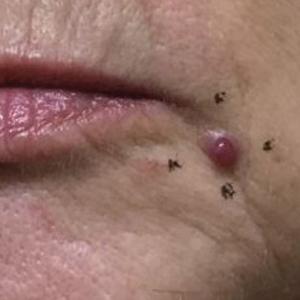
AI Shows Potential for Detecting Mucosal Healing in Ulcerative Colitis
Artificial intelligence (AI) systems show high potential for detecting mucosal healing in ulcerative colitis with optimal diagnostic performance, according to a new systematic review and meta-analysis.
AI algorithms replicated expert opinion with high sensitivity and specificity when evaluating images and videos. At the same time, moderate-high heterogeneity of the data was found, the authors noted.
“Artificial intelligence software is expected to potentially solve the longstanding issue of low-to-moderate interobserver agreement when human endoscopists are required to indicate mucosal healing or different grades of inflammation in ulcerative colitis,” Alessandro Rimondi, lead author and clinical fellow at the Royal Free Hospital and University College London Institute for Liver and Digestive Health, London, England, told this news organization.
“However, high levels of heterogeneity have been found, potentially linked to how differently the AI software was trained and how many cases it has been tested on,” he said. “This partially limits the quality of the body of evidence.”
The study was published online in Digestive and Liver Disease.
Evaluating AI Detection
In clinical practice, assessing mucosal healing in inflammatory bowel disease (IBD) is critical for evaluating a patient’s response to therapy and guiding strategies for treatment, surgery, and endoscopic surveillance. In an era of precision medicine, assessment of mucosal healing should be precise, readily available in an endoscopic report, and highly reproducible, which requires high accuracy and agreement in endoscopic diagnosis, the authors noted.
AI systems — particularly deep learning algorithms based on convolutional neural network architecture — may allow endoscopists to establish an objective and real-time diagnosis of mucosal healing and improve the average quality standards at primary and tertiary care centers, the authors wrote. Research on AI in IBD has looked at potential implications for endoscopy and clinical management, which opens new areas to explore.
Dr. Rimondi and colleagues conducted a systematic review of studies up to December 2022 that involved an AI-based system used to estimate any degree of endoscopic inflammation in IBD, whether ulcerative colitis or Crohn’s disease. After that, they conducted a diagnostic test accuracy meta-analysis restricted to the field in which more than five studies providing diagnostic performance — mucosal healing in ulcerative colitis based on luminal imaging — were available.
The researchers identified 12 studies with luminal imaging in patients with ulcerative colitis. Four evaluated the performance of AI systems on videos, six focused on fixed images, and two looked at both.
Overall, the AI systems achieved a satisfactory performance in evaluating mucosal healing in ulcerative colitis. When evaluating fixed images, the algorithms achieved a sensitivity of 0.91 and specificity of 0.89, with a diagnostic odds ratio (DOR) of 92.42, summary receiver operating characteristic curve (SROC) of 0.957, and area under the curve (AUC) of 0.957. When evaluating videos, the algorithms achieved 0.86 sensitivity, 0.91 specificity, 70.86 DOR, 0.941 SROC, and 0.941 AUC.
“It is exciting to see artificial intelligence expand and be effective for conditions beyond colon polyps,” Seth Gross, MD, professor of medicine and clinical chief of gastroenterology and hepatology at NYU Langone Health, New York, told this news organization.
Dr. Gross, who wasn’t involved with this study, has researched AI applications in endoscopy and colonoscopy. He and colleagues have found that machine learning software can improve lesion and polyp detection, serving as a “second set of eyes” for practitioners.
“Mucosal healing interpretation can be variable amongst providers,” he said. “AI has the potential to help standardize the assessment of mucosal healing in patients with ulcerative colitis.”
Improving AI Training
The authors found moderate-high levels of heterogeneity among the studies, which limited the quality of the evidence. Only 2 of the 12 studies used an external dataset to validate the AI systems, and 1 evaluated the AI system on a mixed database. However, seven used an internal validation dataset separate from the training dataset.
It is crucial to find a shared consensus on training for AI models, with a shared definition of mucosal healing and cutoff thresholds based on recent guidelines, Dr. Rimondi and colleagues noted. Training data ideally should be on the basis of a broad and shared database containing images and videos with high interobserver agreement on the degree of inflammation, they added.
“We probably need a consensus or guidelines that identify the standards for training and testing newly developed software, stating the bare minimum number of images or videos for the training and testing sections,” Dr. Rimondi said.
In addition, due to interobserver misalignment, an expert-validated database could help serve the purpose of a gold standard, he added.
“In my opinion, artificial intelligence tends to better perform when it is required to evaluate a dichotomic outcome (such as polyp detection, which is a yes or no task) than when it is required to replicate more difficult tasks (such as polyp characterization or judging a degree of inflammation), which have a continuous range of expression,” Dr. Rimondi said.
The authors declared no financial support for this study. Dr. Rimondi and Dr. Gross reported no financial disclosures.
A version of this article appeared on Medscape.com.
Artificial intelligence (AI) systems show high potential for detecting mucosal healing in ulcerative colitis with optimal diagnostic performance, according to a new systematic review and meta-analysis.
AI algorithms replicated expert opinion with high sensitivity and specificity when evaluating images and videos. At the same time, moderate-high heterogeneity of the data was found, the authors noted.
“Artificial intelligence software is expected to potentially solve the longstanding issue of low-to-moderate interobserver agreement when human endoscopists are required to indicate mucosal healing or different grades of inflammation in ulcerative colitis,” Alessandro Rimondi, lead author and clinical fellow at the Royal Free Hospital and University College London Institute for Liver and Digestive Health, London, England, told this news organization.
“However, high levels of heterogeneity have been found, potentially linked to how differently the AI software was trained and how many cases it has been tested on,” he said. “This partially limits the quality of the body of evidence.”
The study was published online in Digestive and Liver Disease.
Evaluating AI Detection
In clinical practice, assessing mucosal healing in inflammatory bowel disease (IBD) is critical for evaluating a patient’s response to therapy and guiding strategies for treatment, surgery, and endoscopic surveillance. In an era of precision medicine, assessment of mucosal healing should be precise, readily available in an endoscopic report, and highly reproducible, which requires high accuracy and agreement in endoscopic diagnosis, the authors noted.
AI systems — particularly deep learning algorithms based on convolutional neural network architecture — may allow endoscopists to establish an objective and real-time diagnosis of mucosal healing and improve the average quality standards at primary and tertiary care centers, the authors wrote. Research on AI in IBD has looked at potential implications for endoscopy and clinical management, which opens new areas to explore.
Dr. Rimondi and colleagues conducted a systematic review of studies up to December 2022 that involved an AI-based system used to estimate any degree of endoscopic inflammation in IBD, whether ulcerative colitis or Crohn’s disease. After that, they conducted a diagnostic test accuracy meta-analysis restricted to the field in which more than five studies providing diagnostic performance — mucosal healing in ulcerative colitis based on luminal imaging — were available.
The researchers identified 12 studies with luminal imaging in patients with ulcerative colitis. Four evaluated the performance of AI systems on videos, six focused on fixed images, and two looked at both.
Overall, the AI systems achieved a satisfactory performance in evaluating mucosal healing in ulcerative colitis. When evaluating fixed images, the algorithms achieved a sensitivity of 0.91 and specificity of 0.89, with a diagnostic odds ratio (DOR) of 92.42, summary receiver operating characteristic curve (SROC) of 0.957, and area under the curve (AUC) of 0.957. When evaluating videos, the algorithms achieved 0.86 sensitivity, 0.91 specificity, 70.86 DOR, 0.941 SROC, and 0.941 AUC.
“It is exciting to see artificial intelligence expand and be effective for conditions beyond colon polyps,” Seth Gross, MD, professor of medicine and clinical chief of gastroenterology and hepatology at NYU Langone Health, New York, told this news organization.
Dr. Gross, who wasn’t involved with this study, has researched AI applications in endoscopy and colonoscopy. He and colleagues have found that machine learning software can improve lesion and polyp detection, serving as a “second set of eyes” for practitioners.
“Mucosal healing interpretation can be variable amongst providers,” he said. “AI has the potential to help standardize the assessment of mucosal healing in patients with ulcerative colitis.”
Improving AI Training
The authors found moderate-high levels of heterogeneity among the studies, which limited the quality of the evidence. Only 2 of the 12 studies used an external dataset to validate the AI systems, and 1 evaluated the AI system on a mixed database. However, seven used an internal validation dataset separate from the training dataset.
It is crucial to find a shared consensus on training for AI models, with a shared definition of mucosal healing and cutoff thresholds based on recent guidelines, Dr. Rimondi and colleagues noted. Training data ideally should be on the basis of a broad and shared database containing images and videos with high interobserver agreement on the degree of inflammation, they added.
“We probably need a consensus or guidelines that identify the standards for training and testing newly developed software, stating the bare minimum number of images or videos for the training and testing sections,” Dr. Rimondi said.
In addition, due to interobserver misalignment, an expert-validated database could help serve the purpose of a gold standard, he added.
“In my opinion, artificial intelligence tends to better perform when it is required to evaluate a dichotomic outcome (such as polyp detection, which is a yes or no task) than when it is required to replicate more difficult tasks (such as polyp characterization or judging a degree of inflammation), which have a continuous range of expression,” Dr. Rimondi said.
The authors declared no financial support for this study. Dr. Rimondi and Dr. Gross reported no financial disclosures.
A version of this article appeared on Medscape.com.
Artificial intelligence (AI) systems show high potential for detecting mucosal healing in ulcerative colitis with optimal diagnostic performance, according to a new systematic review and meta-analysis.
AI algorithms replicated expert opinion with high sensitivity and specificity when evaluating images and videos. At the same time, moderate-high heterogeneity of the data was found, the authors noted.
“Artificial intelligence software is expected to potentially solve the longstanding issue of low-to-moderate interobserver agreement when human endoscopists are required to indicate mucosal healing or different grades of inflammation in ulcerative colitis,” Alessandro Rimondi, lead author and clinical fellow at the Royal Free Hospital and University College London Institute for Liver and Digestive Health, London, England, told this news organization.
“However, high levels of heterogeneity have been found, potentially linked to how differently the AI software was trained and how many cases it has been tested on,” he said. “This partially limits the quality of the body of evidence.”
The study was published online in Digestive and Liver Disease.
Evaluating AI Detection
In clinical practice, assessing mucosal healing in inflammatory bowel disease (IBD) is critical for evaluating a patient’s response to therapy and guiding strategies for treatment, surgery, and endoscopic surveillance. In an era of precision medicine, assessment of mucosal healing should be precise, readily available in an endoscopic report, and highly reproducible, which requires high accuracy and agreement in endoscopic diagnosis, the authors noted.
AI systems — particularly deep learning algorithms based on convolutional neural network architecture — may allow endoscopists to establish an objective and real-time diagnosis of mucosal healing and improve the average quality standards at primary and tertiary care centers, the authors wrote. Research on AI in IBD has looked at potential implications for endoscopy and clinical management, which opens new areas to explore.
Dr. Rimondi and colleagues conducted a systematic review of studies up to December 2022 that involved an AI-based system used to estimate any degree of endoscopic inflammation in IBD, whether ulcerative colitis or Crohn’s disease. After that, they conducted a diagnostic test accuracy meta-analysis restricted to the field in which more than five studies providing diagnostic performance — mucosal healing in ulcerative colitis based on luminal imaging — were available.
The researchers identified 12 studies with luminal imaging in patients with ulcerative colitis. Four evaluated the performance of AI systems on videos, six focused on fixed images, and two looked at both.
Overall, the AI systems achieved a satisfactory performance in evaluating mucosal healing in ulcerative colitis. When evaluating fixed images, the algorithms achieved a sensitivity of 0.91 and specificity of 0.89, with a diagnostic odds ratio (DOR) of 92.42, summary receiver operating characteristic curve (SROC) of 0.957, and area under the curve (AUC) of 0.957. When evaluating videos, the algorithms achieved 0.86 sensitivity, 0.91 specificity, 70.86 DOR, 0.941 SROC, and 0.941 AUC.
“It is exciting to see artificial intelligence expand and be effective for conditions beyond colon polyps,” Seth Gross, MD, professor of medicine and clinical chief of gastroenterology and hepatology at NYU Langone Health, New York, told this news organization.
Dr. Gross, who wasn’t involved with this study, has researched AI applications in endoscopy and colonoscopy. He and colleagues have found that machine learning software can improve lesion and polyp detection, serving as a “second set of eyes” for practitioners.
“Mucosal healing interpretation can be variable amongst providers,” he said. “AI has the potential to help standardize the assessment of mucosal healing in patients with ulcerative colitis.”
Improving AI Training
The authors found moderate-high levels of heterogeneity among the studies, which limited the quality of the evidence. Only 2 of the 12 studies used an external dataset to validate the AI systems, and 1 evaluated the AI system on a mixed database. However, seven used an internal validation dataset separate from the training dataset.
It is crucial to find a shared consensus on training for AI models, with a shared definition of mucosal healing and cutoff thresholds based on recent guidelines, Dr. Rimondi and colleagues noted. Training data ideally should be on the basis of a broad and shared database containing images and videos with high interobserver agreement on the degree of inflammation, they added.
“We probably need a consensus or guidelines that identify the standards for training and testing newly developed software, stating the bare minimum number of images or videos for the training and testing sections,” Dr. Rimondi said.
In addition, due to interobserver misalignment, an expert-validated database could help serve the purpose of a gold standard, he added.
“In my opinion, artificial intelligence tends to better perform when it is required to evaluate a dichotomic outcome (such as polyp detection, which is a yes or no task) than when it is required to replicate more difficult tasks (such as polyp characterization or judging a degree of inflammation), which have a continuous range of expression,” Dr. Rimondi said.
The authors declared no financial support for this study. Dr. Rimondi and Dr. Gross reported no financial disclosures.
A version of this article appeared on Medscape.com.
FROM DIGESTIVE AND LIVER DISEASE
No Added Benefit From Chemo in This Breast Cancer Subtype
TOPLINE:
Women with estrogen receptor (ER)–positive, human epidermal growth factor receptor 2 (HER2)–negative invasive lobular carcinoma who are treated with endocrine therapy do not derive any additional survival benefit from neoadjuvant or adjuvant chemotherapy.
METHODOLOGY:
- Studies evaluating the long-term effects of chemotherapy in patients with invasive lobular carcinoma are limited and often “show inconclusive results,” the authors explained.
- Female patients diagnosed with ER-positive, HER2-negative invasive lobular carcinoma who received endocrine therapy were identified from the breast cancer database at Erasmus Medical Center, Rotterdam, the Netherlands.
- Linked information on patient and tumor characteristics, vital status, and treatment were then obtained from the Netherlands Cancer Registry.
- Patients also had to have an indication for chemotherapy based on lymph node status, tumor size, histologic tumor grade, and hormone receptor status, in line with national guidelines.
- Among 716 patients with ER-positive, HER2-negative invasive lobular carcinoma, 520 who had an indication for chemotherapy were included. Of those, 379 received chemotherapy and 141 did not.
TAKEAWAY:
- Patients who received chemotherapy were younger at diagnosis than those who did not (51 vs 61 years), had an earlier average year of diagnosis (2010 vs 2015), and had longer follow-up (7.8 years vs 5.2 years).
- Chemotherapy recipients were more likely to have T3+ disease (33% vs 14%) and positive lymph node involvement (80% vs 49%), and less likely to undergo breast-conserving surgery (31% vs 43%).
- Researchers, however, found no difference between the chemotherapy and no-chemotherapy groups in terms of recurrence-free survival (hazard ratio [HR], 1.20; 95% CI, 0.63-2.31), breast cancer–specific survival (HR, 1.24; 95% CI, 0.60-2.58), and overall survival (HR, 0.97; 95% CI, 0.56-1.66) after adjustment for confounders.
IN PRACTICE:
The authors “observed no evidence for added value of chemotherapy” for ER-positive, HER2-negative invasive lobular carcinoma who received endocrine therapy. “In view of the adverse effects of chemotherapy, our study takes an important step in answering a valuable question from the patient’s perspective,” the researchers wrote.
SOURCE:
The study, conducted by Bernadette A.M. Heemskerk-Gerritsen, PhD, from Erasmus Medical Center Cancer Institute, Rotterdam, the Netherlands, was published in Cancer on November 20, 2023.
LIMITATIONS:
The retrospective design means that there is a risk for residual confounding from factors not recorded in the database. The researchers believe that some patients did not receive chemotherapy owing to having comorbidities or patient preference, which could have influenced the results. Moreover, the duration of endocrine therapy was not recorded.
DISCLOSURES:
No funding was declared. One author declares relationships with GlaxoSmithKline, Pfizer, Menarini Silicon Biosystems, and Novartis. No other relevant financial relationships were declared.
TOPLINE:
Women with estrogen receptor (ER)–positive, human epidermal growth factor receptor 2 (HER2)–negative invasive lobular carcinoma who are treated with endocrine therapy do not derive any additional survival benefit from neoadjuvant or adjuvant chemotherapy.
METHODOLOGY:
- Studies evaluating the long-term effects of chemotherapy in patients with invasive lobular carcinoma are limited and often “show inconclusive results,” the authors explained.
- Female patients diagnosed with ER-positive, HER2-negative invasive lobular carcinoma who received endocrine therapy were identified from the breast cancer database at Erasmus Medical Center, Rotterdam, the Netherlands.
- Linked information on patient and tumor characteristics, vital status, and treatment were then obtained from the Netherlands Cancer Registry.
- Patients also had to have an indication for chemotherapy based on lymph node status, tumor size, histologic tumor grade, and hormone receptor status, in line with national guidelines.
- Among 716 patients with ER-positive, HER2-negative invasive lobular carcinoma, 520 who had an indication for chemotherapy were included. Of those, 379 received chemotherapy and 141 did not.
TAKEAWAY:
- Patients who received chemotherapy were younger at diagnosis than those who did not (51 vs 61 years), had an earlier average year of diagnosis (2010 vs 2015), and had longer follow-up (7.8 years vs 5.2 years).
- Chemotherapy recipients were more likely to have T3+ disease (33% vs 14%) and positive lymph node involvement (80% vs 49%), and less likely to undergo breast-conserving surgery (31% vs 43%).
- Researchers, however, found no difference between the chemotherapy and no-chemotherapy groups in terms of recurrence-free survival (hazard ratio [HR], 1.20; 95% CI, 0.63-2.31), breast cancer–specific survival (HR, 1.24; 95% CI, 0.60-2.58), and overall survival (HR, 0.97; 95% CI, 0.56-1.66) after adjustment for confounders.
IN PRACTICE:
The authors “observed no evidence for added value of chemotherapy” for ER-positive, HER2-negative invasive lobular carcinoma who received endocrine therapy. “In view of the adverse effects of chemotherapy, our study takes an important step in answering a valuable question from the patient’s perspective,” the researchers wrote.
SOURCE:
The study, conducted by Bernadette A.M. Heemskerk-Gerritsen, PhD, from Erasmus Medical Center Cancer Institute, Rotterdam, the Netherlands, was published in Cancer on November 20, 2023.
LIMITATIONS:
The retrospective design means that there is a risk for residual confounding from factors not recorded in the database. The researchers believe that some patients did not receive chemotherapy owing to having comorbidities or patient preference, which could have influenced the results. Moreover, the duration of endocrine therapy was not recorded.
DISCLOSURES:
No funding was declared. One author declares relationships with GlaxoSmithKline, Pfizer, Menarini Silicon Biosystems, and Novartis. No other relevant financial relationships were declared.
TOPLINE:
Women with estrogen receptor (ER)–positive, human epidermal growth factor receptor 2 (HER2)–negative invasive lobular carcinoma who are treated with endocrine therapy do not derive any additional survival benefit from neoadjuvant or adjuvant chemotherapy.
METHODOLOGY:
- Studies evaluating the long-term effects of chemotherapy in patients with invasive lobular carcinoma are limited and often “show inconclusive results,” the authors explained.
- Female patients diagnosed with ER-positive, HER2-negative invasive lobular carcinoma who received endocrine therapy were identified from the breast cancer database at Erasmus Medical Center, Rotterdam, the Netherlands.
- Linked information on patient and tumor characteristics, vital status, and treatment were then obtained from the Netherlands Cancer Registry.
- Patients also had to have an indication for chemotherapy based on lymph node status, tumor size, histologic tumor grade, and hormone receptor status, in line with national guidelines.
- Among 716 patients with ER-positive, HER2-negative invasive lobular carcinoma, 520 who had an indication for chemotherapy were included. Of those, 379 received chemotherapy and 141 did not.
TAKEAWAY:
- Patients who received chemotherapy were younger at diagnosis than those who did not (51 vs 61 years), had an earlier average year of diagnosis (2010 vs 2015), and had longer follow-up (7.8 years vs 5.2 years).
- Chemotherapy recipients were more likely to have T3+ disease (33% vs 14%) and positive lymph node involvement (80% vs 49%), and less likely to undergo breast-conserving surgery (31% vs 43%).
- Researchers, however, found no difference between the chemotherapy and no-chemotherapy groups in terms of recurrence-free survival (hazard ratio [HR], 1.20; 95% CI, 0.63-2.31), breast cancer–specific survival (HR, 1.24; 95% CI, 0.60-2.58), and overall survival (HR, 0.97; 95% CI, 0.56-1.66) after adjustment for confounders.
IN PRACTICE:
The authors “observed no evidence for added value of chemotherapy” for ER-positive, HER2-negative invasive lobular carcinoma who received endocrine therapy. “In view of the adverse effects of chemotherapy, our study takes an important step in answering a valuable question from the patient’s perspective,” the researchers wrote.
SOURCE:
The study, conducted by Bernadette A.M. Heemskerk-Gerritsen, PhD, from Erasmus Medical Center Cancer Institute, Rotterdam, the Netherlands, was published in Cancer on November 20, 2023.
LIMITATIONS:
The retrospective design means that there is a risk for residual confounding from factors not recorded in the database. The researchers believe that some patients did not receive chemotherapy owing to having comorbidities or patient preference, which could have influenced the results. Moreover, the duration of endocrine therapy was not recorded.
DISCLOSURES:
No funding was declared. One author declares relationships with GlaxoSmithKline, Pfizer, Menarini Silicon Biosystems, and Novartis. No other relevant financial relationships were declared.
ADHD Plus Comorbidities Linked to Increased Schizophrenia Risk
TOPLINE:
Attention-deficit/hyperactivity disorder (ADHD) and comorbid psychiatric disorders are associated with a twofold increased risk for schizophrenia, new research shows.
METHODOLOGY:
- Investigators analyzed the data of 211,705 people aged 5-19 years (74% male; 54% aged 5-9 years) diagnosed with ADHD during 2010-2018 from the Health Insurance Review and Assessment Service database of South Korea.
- Participants with a diagnosis of schizophrenia or psychosis anytime in the 3 years prior to ADHD diagnosis were excluded.
- Investigators split participants into two groups — a group of those diagnosed with at least one psychiatric comorbidity within a year of ADHD diagnosis and another group comprising those with ADHD and no psychiatric comorbidities.
TAKEAWAY:
- 37% (77,890) of those with ADHD had at least one comorbid psychiatric disorder.
- Participants with one psychiatric comorbidity had a 2.1-fold increased risk for a schizophrenia diagnosis than participants with no comorbidity (adjusted hazard ratio [aHR], 2.14; 95% CI, 2.05-2.23).
- Schizophrenia risk increased with each additional comorbidity. There was a fourfold increased risk for schizophrenia in study participants with three or more psychiatric comorbidities (aHR, 4.26; 95% CI, 3.90-4.65) than those with no comorbidity.
- Psychiatric comorbidities included autism spectrum disorder, which had the strongest link to increased schizophrenia risk (aHR, 2.43; 95% CI, 2.26-2.62). Other comorbidities that showed strong associations were intellectual disability (aHR, 1.83; 95% CI, 1.72-1.95), tic disorder (aHR, 1.77; 95% CI, 1.66-1.88), depression (aHR,1.68; 95% CI, 1.60-1.77), and bipolar disorder (aHR, 1.67; 95% CI, 1.53-1.83).
IN PRACTICE:
“To our knowledge, this is the first study to investigate schizophrenia risk among children and adolescents with ADHD, with a particular focus on psychiatric comorbidities,” the researchers wrote. They also noted that although patients had no psychiatric comorbidities at the time of ADHD diagnosis, the occurrence of psychiatric comorbidities was frequently observed prior to schizophrenia diagnosis.
“These findings highlighted the significance of carefully monitoring psychiatric comorbidities in patients with ADHD to effectively mitigate the burden of schizophrenia,” they noted.
SOURCE:
Soo Min Jeon, PharmD, PhD, of Jeju National University in Jeju, South Korea, led the study, which was published online on November 30, 2023 in JAMA Network Open.
LIMITATIONS:
Since the diagnosis of ADHD, schizophrenia, and other psychiatric comorbidities were based on diagnostic codes, the possibility of underdiagnosis or overdiagnosis cannot be ruled out. Also, some patients with ADHD chose the general health consultation (International Classification of Diseases - Z code) due to the social stigma surrounding mental health problems.
DISCLOSURES:
The study was funded by the Basic Science Research Program through the Ministry of Education and the Health Insurance Review and Assessment Service. Author disclosures can be found in the original paper.
A version of this article appeared on Medscape.com.
TOPLINE:
Attention-deficit/hyperactivity disorder (ADHD) and comorbid psychiatric disorders are associated with a twofold increased risk for schizophrenia, new research shows.
METHODOLOGY:
- Investigators analyzed the data of 211,705 people aged 5-19 years (74% male; 54% aged 5-9 years) diagnosed with ADHD during 2010-2018 from the Health Insurance Review and Assessment Service database of South Korea.
- Participants with a diagnosis of schizophrenia or psychosis anytime in the 3 years prior to ADHD diagnosis were excluded.
- Investigators split participants into two groups — a group of those diagnosed with at least one psychiatric comorbidity within a year of ADHD diagnosis and another group comprising those with ADHD and no psychiatric comorbidities.
TAKEAWAY:
- 37% (77,890) of those with ADHD had at least one comorbid psychiatric disorder.
- Participants with one psychiatric comorbidity had a 2.1-fold increased risk for a schizophrenia diagnosis than participants with no comorbidity (adjusted hazard ratio [aHR], 2.14; 95% CI, 2.05-2.23).
- Schizophrenia risk increased with each additional comorbidity. There was a fourfold increased risk for schizophrenia in study participants with three or more psychiatric comorbidities (aHR, 4.26; 95% CI, 3.90-4.65) than those with no comorbidity.
- Psychiatric comorbidities included autism spectrum disorder, which had the strongest link to increased schizophrenia risk (aHR, 2.43; 95% CI, 2.26-2.62). Other comorbidities that showed strong associations were intellectual disability (aHR, 1.83; 95% CI, 1.72-1.95), tic disorder (aHR, 1.77; 95% CI, 1.66-1.88), depression (aHR,1.68; 95% CI, 1.60-1.77), and bipolar disorder (aHR, 1.67; 95% CI, 1.53-1.83).
IN PRACTICE:
“To our knowledge, this is the first study to investigate schizophrenia risk among children and adolescents with ADHD, with a particular focus on psychiatric comorbidities,” the researchers wrote. They also noted that although patients had no psychiatric comorbidities at the time of ADHD diagnosis, the occurrence of psychiatric comorbidities was frequently observed prior to schizophrenia diagnosis.
“These findings highlighted the significance of carefully monitoring psychiatric comorbidities in patients with ADHD to effectively mitigate the burden of schizophrenia,” they noted.
SOURCE:
Soo Min Jeon, PharmD, PhD, of Jeju National University in Jeju, South Korea, led the study, which was published online on November 30, 2023 in JAMA Network Open.
LIMITATIONS:
Since the diagnosis of ADHD, schizophrenia, and other psychiatric comorbidities were based on diagnostic codes, the possibility of underdiagnosis or overdiagnosis cannot be ruled out. Also, some patients with ADHD chose the general health consultation (International Classification of Diseases - Z code) due to the social stigma surrounding mental health problems.
DISCLOSURES:
The study was funded by the Basic Science Research Program through the Ministry of Education and the Health Insurance Review and Assessment Service. Author disclosures can be found in the original paper.
A version of this article appeared on Medscape.com.
TOPLINE:
Attention-deficit/hyperactivity disorder (ADHD) and comorbid psychiatric disorders are associated with a twofold increased risk for schizophrenia, new research shows.
METHODOLOGY:
- Investigators analyzed the data of 211,705 people aged 5-19 years (74% male; 54% aged 5-9 years) diagnosed with ADHD during 2010-2018 from the Health Insurance Review and Assessment Service database of South Korea.
- Participants with a diagnosis of schizophrenia or psychosis anytime in the 3 years prior to ADHD diagnosis were excluded.
- Investigators split participants into two groups — a group of those diagnosed with at least one psychiatric comorbidity within a year of ADHD diagnosis and another group comprising those with ADHD and no psychiatric comorbidities.
TAKEAWAY:
- 37% (77,890) of those with ADHD had at least one comorbid psychiatric disorder.
- Participants with one psychiatric comorbidity had a 2.1-fold increased risk for a schizophrenia diagnosis than participants with no comorbidity (adjusted hazard ratio [aHR], 2.14; 95% CI, 2.05-2.23).
- Schizophrenia risk increased with each additional comorbidity. There was a fourfold increased risk for schizophrenia in study participants with three or more psychiatric comorbidities (aHR, 4.26; 95% CI, 3.90-4.65) than those with no comorbidity.
- Psychiatric comorbidities included autism spectrum disorder, which had the strongest link to increased schizophrenia risk (aHR, 2.43; 95% CI, 2.26-2.62). Other comorbidities that showed strong associations were intellectual disability (aHR, 1.83; 95% CI, 1.72-1.95), tic disorder (aHR, 1.77; 95% CI, 1.66-1.88), depression (aHR,1.68; 95% CI, 1.60-1.77), and bipolar disorder (aHR, 1.67; 95% CI, 1.53-1.83).
IN PRACTICE:
“To our knowledge, this is the first study to investigate schizophrenia risk among children and adolescents with ADHD, with a particular focus on psychiatric comorbidities,” the researchers wrote. They also noted that although patients had no psychiatric comorbidities at the time of ADHD diagnosis, the occurrence of psychiatric comorbidities was frequently observed prior to schizophrenia diagnosis.
“These findings highlighted the significance of carefully monitoring psychiatric comorbidities in patients with ADHD to effectively mitigate the burden of schizophrenia,” they noted.
SOURCE:
Soo Min Jeon, PharmD, PhD, of Jeju National University in Jeju, South Korea, led the study, which was published online on November 30, 2023 in JAMA Network Open.
LIMITATIONS:
Since the diagnosis of ADHD, schizophrenia, and other psychiatric comorbidities were based on diagnostic codes, the possibility of underdiagnosis or overdiagnosis cannot be ruled out. Also, some patients with ADHD chose the general health consultation (International Classification of Diseases - Z code) due to the social stigma surrounding mental health problems.
DISCLOSURES:
The study was funded by the Basic Science Research Program through the Ministry of Education and the Health Insurance Review and Assessment Service. Author disclosures can be found in the original paper.
A version of this article appeared on Medscape.com.
Who Is Helped by AI Use During Colonoscopy?
Artificial intelligence (AI) holds the promise of identifying premalignant and advanced malignant lesions during colonoscopy that might otherwise be missed.
Is it living up to that promise?
It seems that depends on where, how, and by whom it’s being implemented.
Clinical Trials vs the Real World
The majority of randomized clinical trials of AI use conducted worldwide “clearly show an increase in the adenoma detection rate (ADR) during colonoscopy,” Prateek Sharma, MD, a gastroenterologist at The University of Kansas Cancer Center, Kansas City, told this news. “But the real-world results have been quite varied; some show improvement, and others don’t.”
Dr. Sharma is coauthor of a recent pooled analysis of nine randomized controlled trials on the impact of AI on colonoscopy surveillance after polyp removal. It found that AI use increased the proportion of patients requiring intensive surveillance by approximately 35% in the United States and 20% in Europe (absolute increases of 2.9% and 1.3%, respectively).
“While this may contribute to improved cancer prevention, it significantly adds patient burden and healthcare costs,” the authors concluded.
A recent retrospective analysis of staggered implementation of a computer-aided detection (CADe) system at a single academic center in Chicago found that for screening and surveillance colonoscopy combined, endoscopists using CADe identified more adenomas and serrated polyps — but only endoscopists who used CADe regularly (“majority” users).
A systematic review and meta-analysis of 21 randomized controlled trials comparing CADe with standard colonoscopy found increased detection of adenomas, but not of advanced adenomas, as well as higher rates of unnecessary removal of non-neoplastic polyps.
Adding to the mix, a multicenter randomized controlled trial of patients with a positive fecal immunochemical test found that AI use was not associated with better detection of advanced neoplasias. Lead author Carolina Mangas Sanjuán, MD, PhD, Hospital General Universitario Dr. Balmis, Alicante, Spain, told this news organization the results were “surprising,” given previous studies showing benefit.
Similarly, a pragmatic implementation trial conducted by Stanford, California, researchers showed no significant effect of CADe on ADR, adenomas per colonoscopy, or any other detection metric. Furthermore, CADe had no effect on procedure times or non-neoplastic detection rates.
The authors cautioned against viewing their study as an “outlier,” however, and pointed to an Israeli study comparing adenoma and polyp detection rates 6 months before and after the introduction of AI-aided colonoscopy. Those authors reported no performance improvement with the AI device and concluded that it was not useful in routine practice.
A ‘Mishmash’ of Methods
“It’s not clear why some studies are positive, and some are negative,” Dr. Sharma acknowledged.
Study design is a factor, particularly in real-world studies, he said. Some researchers use the before/after approach, as in the Israeli study; others compare use in different rooms — that is, one with a CADe device and one without. Like the Chicago analysis, findings from such studies probably depend on whether the colonoscopists with the CADe device in the room actually use it.
Other real-world studies look at detection by time, Dr. Sharma said.
For example, a study of 1780 colonoscopies in China found that AI systems showed higher assistance ability among colonoscopies performed later in the day, when adenoma detection rates typically declined, perhaps owing to fatigue.
These authors suggest that AI may have the potential to maintain high quality and homogeneity of colonoscopies and improve endoscopist performance in large screening programs and centers with high workloads.
“There’s a mishmash of different kinds of real-world studies coming in, and it’s very difficult to figure it all out,” Dr. Sharma said. “We just have to look at these devices as innovations and embrace them and work with them to see how it fits it in our practice.”
Perceptions and Expectations
Emerging evidence suggests that endoscopists’ perceptions and expectations may affect assessments of AI’s potential benefits in practice, Dr. Sharma noted.
“Someone might say, ‘I’m a trained physician. Why do I need a machine to help me?’ That can create a situation in which the endoscopist is constantly challenging the device, trying to overrule it or not give it credit.”
Others might perceive that the AI device will definitely help and therefore not look as carefully themselves for adenomas.
A study at The University of Texas MD Anderson Cancer Center in Houston in which activation of the AI system was at the discretion of the endoscopist found that real-time CADe did not improve adenoma detection among endoscopists with high baseline detection rates.
However, despite its availability, AI-assisted colonoscopy was activated in only half of the cases, and multiple concerns were raised by staff and endoscopists in a postprocedural survey. In particular, endoscopists were concerned that the system would result in too many false-positive signals (82.4%), was too distracting (58.8%), and prolonged procedure time (47.1%).
The authors of the Stanford study that found no benefit with CADe in routine practice noted, “Most concerning would be if, inadvertently, CADe use was accompanied by a simultaneous unconscious degradation in the quality of mucosal exposure, possibly due to a false sense of comfort that CADe would ensure a high-quality examination.”
“We’re trying to evaluate some of these interactions between endoscopists and AI devices both pragmatically in practice as well as in clinical trials,” Dr. Sharma said. “Much depends on the context of how you approach and present the devices. We tell physicians that this is an assist device, not something you’re competing against and not something that’s here to replace you. This is something which may make your lives easier, so try it out.”
Are Less Experienced Endoscopists Helped More?
It seems intuitive that less experienced endoscopists would be helped by AI, and indeed, some recent studies confirm this.
A small randomized controlled trial in Japan, presented during the Presidential Plenary at the American Society for Gastrointestinal Endoscopy (ASGE) annual meeting in May 2023, showed that a CADe system was “particularly useful” for beginning endoscopists, who had lower adenoma miss rates with the device vs a white light control device.
Another randomized controlled trial in Japan found that CADe use was associated with an increased overall ADR among endoscopists in training.
But experienced endoscopists probably can benefit as well, noted Jennifer Christie, MD, Division Director, Gastroenterology and Hepatology at the University of Colorado School of Medicine Anschutz Medical Campus in Aurora.
“We know that these AI devices can be useful in training our fellows to detect certain lesions in the colon,” she said. “However, they’re also helpful for many very seasoned practitioners, as an adjunctive tool to help in terms of diagnosis.”
Some studies reflect that dual benefit.
The AID-2 study, designed specifically to look at whether experience had an effect on AI findings during colonoscopy, was conducted among nonexpert endoscopists (lifetime volume of less than 2000 colonoscopies). The researchers, including Dr. Sharma, found that CADe increased the ADR by 22% compared with the control group.
An earlier study, AID-1 , used a similar design but was conducted among experienced endoscopists. In AID-1, the ADR was also significantly higher in the CADe group (54.8%) compared with the control group (40.4%), and adenomas detected per colonoscopy were significantly higher in the CADe group (mean, 1.07) than in the control group (mean, 0.71).
A multivariate post hoc analysis that pooled results from both AID-1 and AID-2 showed that use of CADe and colonoscopy indication, but not the level of examiner experience, were associated with ADR differences. This led the researchers to conclude, “Experience appears to play a minor role as a determining factor for ADR.”
Similarly, a 2023 study from China looked at the mean number of adenomas detected per colonoscopy according to the endoscopist’s experience. All rates were significantly higher in AI-assisted colonoscopies compared with conventional non-AI colonoscopy: overall ADR, 39.9% vs 32.4%; advanced ADR, 6.6% vs 4.9%; ADR of expert endoscopists, 42.3% vs 32.8%; ADR of nonexpert endoscopists, 37.5% vs 32.1%; and adenomas per colonoscopy, 0.59 vs 0.45, respectively.
The authors concluded that “AI-assisted colonoscopy improved overall ADR, advanced ADR, and ADR of both expert and nonexpert attending endoscopists.”
Improving the Algorithms
Experts agree that current and future research will improve the accuracy and quality of AI colonoscopy for all users, leading to new standards and more consistent outcomes in both clinical trials and real-world applications.
Work underway now to improve the algorithms will be an important step in that direction, according to Dr. Christie.
“We need to have enough information to create AI algorithms that allow us to detect early lesions, at least from an imaging standpoint, and we need to improve and increase the sensitivity and the specificity, as well as the predictive value,” she said.
AI can also play a role in health equity, she noted.
“But it’s a double-edged sword, because it depends again on algorithms and machine learning. Perhaps AI can eliminate some of the bias in our clinical decision-making. However, if we don’t train the machine properly with a good, diverse sample of patients and figure out how to integrate some of the social determinants of health that a computer may not otherwise consider, it can create larger disparities and larger biases. AI devices can only be as good and as inclusive as we make them,” Dr. Christie said.
Looking Ahead
Dr. Sharma predicts that “the next slew of studies are going to be on characterization — not just saying there’s an abnormality but distinguishing it further and saying whether the lesion is noncancerous, precancerous, or cancer.”
Other studies will focus on quality improvement of factors, such as withdrawal time and bowel preparation.
In its clinical practice update on AI, the American Gastroenterological Association states, “Eventually, we predict an AI suite of tools for colonoscopy will seem indispensable, as a powerful adjunct to support safe and efficient clinical practice. AI tools that improve colonoscopy quality may become more accepted, and perhaps demanded, by payors, administrators, and possibly even by well-informed patients who want to ensure the highest-quality examination of their colon.”
Dr. Sharma and Dr. Christie disclose no relevant conflicts of interest.
A version of this article appeared on Medscape.com.
Artificial intelligence (AI) holds the promise of identifying premalignant and advanced malignant lesions during colonoscopy that might otherwise be missed.
Is it living up to that promise?
It seems that depends on where, how, and by whom it’s being implemented.
Clinical Trials vs the Real World
The majority of randomized clinical trials of AI use conducted worldwide “clearly show an increase in the adenoma detection rate (ADR) during colonoscopy,” Prateek Sharma, MD, a gastroenterologist at The University of Kansas Cancer Center, Kansas City, told this news. “But the real-world results have been quite varied; some show improvement, and others don’t.”
Dr. Sharma is coauthor of a recent pooled analysis of nine randomized controlled trials on the impact of AI on colonoscopy surveillance after polyp removal. It found that AI use increased the proportion of patients requiring intensive surveillance by approximately 35% in the United States and 20% in Europe (absolute increases of 2.9% and 1.3%, respectively).
“While this may contribute to improved cancer prevention, it significantly adds patient burden and healthcare costs,” the authors concluded.
A recent retrospective analysis of staggered implementation of a computer-aided detection (CADe) system at a single academic center in Chicago found that for screening and surveillance colonoscopy combined, endoscopists using CADe identified more adenomas and serrated polyps — but only endoscopists who used CADe regularly (“majority” users).
A systematic review and meta-analysis of 21 randomized controlled trials comparing CADe with standard colonoscopy found increased detection of adenomas, but not of advanced adenomas, as well as higher rates of unnecessary removal of non-neoplastic polyps.
Adding to the mix, a multicenter randomized controlled trial of patients with a positive fecal immunochemical test found that AI use was not associated with better detection of advanced neoplasias. Lead author Carolina Mangas Sanjuán, MD, PhD, Hospital General Universitario Dr. Balmis, Alicante, Spain, told this news organization the results were “surprising,” given previous studies showing benefit.
Similarly, a pragmatic implementation trial conducted by Stanford, California, researchers showed no significant effect of CADe on ADR, adenomas per colonoscopy, or any other detection metric. Furthermore, CADe had no effect on procedure times or non-neoplastic detection rates.
The authors cautioned against viewing their study as an “outlier,” however, and pointed to an Israeli study comparing adenoma and polyp detection rates 6 months before and after the introduction of AI-aided colonoscopy. Those authors reported no performance improvement with the AI device and concluded that it was not useful in routine practice.
A ‘Mishmash’ of Methods
“It’s not clear why some studies are positive, and some are negative,” Dr. Sharma acknowledged.
Study design is a factor, particularly in real-world studies, he said. Some researchers use the before/after approach, as in the Israeli study; others compare use in different rooms — that is, one with a CADe device and one without. Like the Chicago analysis, findings from such studies probably depend on whether the colonoscopists with the CADe device in the room actually use it.
Other real-world studies look at detection by time, Dr. Sharma said.
For example, a study of 1780 colonoscopies in China found that AI systems showed higher assistance ability among colonoscopies performed later in the day, when adenoma detection rates typically declined, perhaps owing to fatigue.
These authors suggest that AI may have the potential to maintain high quality and homogeneity of colonoscopies and improve endoscopist performance in large screening programs and centers with high workloads.
“There’s a mishmash of different kinds of real-world studies coming in, and it’s very difficult to figure it all out,” Dr. Sharma said. “We just have to look at these devices as innovations and embrace them and work with them to see how it fits it in our practice.”
Perceptions and Expectations
Emerging evidence suggests that endoscopists’ perceptions and expectations may affect assessments of AI’s potential benefits in practice, Dr. Sharma noted.
“Someone might say, ‘I’m a trained physician. Why do I need a machine to help me?’ That can create a situation in which the endoscopist is constantly challenging the device, trying to overrule it or not give it credit.”
Others might perceive that the AI device will definitely help and therefore not look as carefully themselves for adenomas.
A study at The University of Texas MD Anderson Cancer Center in Houston in which activation of the AI system was at the discretion of the endoscopist found that real-time CADe did not improve adenoma detection among endoscopists with high baseline detection rates.
However, despite its availability, AI-assisted colonoscopy was activated in only half of the cases, and multiple concerns were raised by staff and endoscopists in a postprocedural survey. In particular, endoscopists were concerned that the system would result in too many false-positive signals (82.4%), was too distracting (58.8%), and prolonged procedure time (47.1%).
The authors of the Stanford study that found no benefit with CADe in routine practice noted, “Most concerning would be if, inadvertently, CADe use was accompanied by a simultaneous unconscious degradation in the quality of mucosal exposure, possibly due to a false sense of comfort that CADe would ensure a high-quality examination.”
“We’re trying to evaluate some of these interactions between endoscopists and AI devices both pragmatically in practice as well as in clinical trials,” Dr. Sharma said. “Much depends on the context of how you approach and present the devices. We tell physicians that this is an assist device, not something you’re competing against and not something that’s here to replace you. This is something which may make your lives easier, so try it out.”
Are Less Experienced Endoscopists Helped More?
It seems intuitive that less experienced endoscopists would be helped by AI, and indeed, some recent studies confirm this.
A small randomized controlled trial in Japan, presented during the Presidential Plenary at the American Society for Gastrointestinal Endoscopy (ASGE) annual meeting in May 2023, showed that a CADe system was “particularly useful” for beginning endoscopists, who had lower adenoma miss rates with the device vs a white light control device.
Another randomized controlled trial in Japan found that CADe use was associated with an increased overall ADR among endoscopists in training.
But experienced endoscopists probably can benefit as well, noted Jennifer Christie, MD, Division Director, Gastroenterology and Hepatology at the University of Colorado School of Medicine Anschutz Medical Campus in Aurora.
“We know that these AI devices can be useful in training our fellows to detect certain lesions in the colon,” she said. “However, they’re also helpful for many very seasoned practitioners, as an adjunctive tool to help in terms of diagnosis.”
Some studies reflect that dual benefit.
The AID-2 study, designed specifically to look at whether experience had an effect on AI findings during colonoscopy, was conducted among nonexpert endoscopists (lifetime volume of less than 2000 colonoscopies). The researchers, including Dr. Sharma, found that CADe increased the ADR by 22% compared with the control group.
An earlier study, AID-1 , used a similar design but was conducted among experienced endoscopists. In AID-1, the ADR was also significantly higher in the CADe group (54.8%) compared with the control group (40.4%), and adenomas detected per colonoscopy were significantly higher in the CADe group (mean, 1.07) than in the control group (mean, 0.71).
A multivariate post hoc analysis that pooled results from both AID-1 and AID-2 showed that use of CADe and colonoscopy indication, but not the level of examiner experience, were associated with ADR differences. This led the researchers to conclude, “Experience appears to play a minor role as a determining factor for ADR.”
Similarly, a 2023 study from China looked at the mean number of adenomas detected per colonoscopy according to the endoscopist’s experience. All rates were significantly higher in AI-assisted colonoscopies compared with conventional non-AI colonoscopy: overall ADR, 39.9% vs 32.4%; advanced ADR, 6.6% vs 4.9%; ADR of expert endoscopists, 42.3% vs 32.8%; ADR of nonexpert endoscopists, 37.5% vs 32.1%; and adenomas per colonoscopy, 0.59 vs 0.45, respectively.
The authors concluded that “AI-assisted colonoscopy improved overall ADR, advanced ADR, and ADR of both expert and nonexpert attending endoscopists.”
Improving the Algorithms
Experts agree that current and future research will improve the accuracy and quality of AI colonoscopy for all users, leading to new standards and more consistent outcomes in both clinical trials and real-world applications.
Work underway now to improve the algorithms will be an important step in that direction, according to Dr. Christie.
“We need to have enough information to create AI algorithms that allow us to detect early lesions, at least from an imaging standpoint, and we need to improve and increase the sensitivity and the specificity, as well as the predictive value,” she said.
AI can also play a role in health equity, she noted.
“But it’s a double-edged sword, because it depends again on algorithms and machine learning. Perhaps AI can eliminate some of the bias in our clinical decision-making. However, if we don’t train the machine properly with a good, diverse sample of patients and figure out how to integrate some of the social determinants of health that a computer may not otherwise consider, it can create larger disparities and larger biases. AI devices can only be as good and as inclusive as we make them,” Dr. Christie said.
Looking Ahead
Dr. Sharma predicts that “the next slew of studies are going to be on characterization — not just saying there’s an abnormality but distinguishing it further and saying whether the lesion is noncancerous, precancerous, or cancer.”
Other studies will focus on quality improvement of factors, such as withdrawal time and bowel preparation.
In its clinical practice update on AI, the American Gastroenterological Association states, “Eventually, we predict an AI suite of tools for colonoscopy will seem indispensable, as a powerful adjunct to support safe and efficient clinical practice. AI tools that improve colonoscopy quality may become more accepted, and perhaps demanded, by payors, administrators, and possibly even by well-informed patients who want to ensure the highest-quality examination of their colon.”
Dr. Sharma and Dr. Christie disclose no relevant conflicts of interest.
A version of this article appeared on Medscape.com.
Artificial intelligence (AI) holds the promise of identifying premalignant and advanced malignant lesions during colonoscopy that might otherwise be missed.
Is it living up to that promise?
It seems that depends on where, how, and by whom it’s being implemented.
Clinical Trials vs the Real World
The majority of randomized clinical trials of AI use conducted worldwide “clearly show an increase in the adenoma detection rate (ADR) during colonoscopy,” Prateek Sharma, MD, a gastroenterologist at The University of Kansas Cancer Center, Kansas City, told this news. “But the real-world results have been quite varied; some show improvement, and others don’t.”
Dr. Sharma is coauthor of a recent pooled analysis of nine randomized controlled trials on the impact of AI on colonoscopy surveillance after polyp removal. It found that AI use increased the proportion of patients requiring intensive surveillance by approximately 35% in the United States and 20% in Europe (absolute increases of 2.9% and 1.3%, respectively).
“While this may contribute to improved cancer prevention, it significantly adds patient burden and healthcare costs,” the authors concluded.
A recent retrospective analysis of staggered implementation of a computer-aided detection (CADe) system at a single academic center in Chicago found that for screening and surveillance colonoscopy combined, endoscopists using CADe identified more adenomas and serrated polyps — but only endoscopists who used CADe regularly (“majority” users).
A systematic review and meta-analysis of 21 randomized controlled trials comparing CADe with standard colonoscopy found increased detection of adenomas, but not of advanced adenomas, as well as higher rates of unnecessary removal of non-neoplastic polyps.
Adding to the mix, a multicenter randomized controlled trial of patients with a positive fecal immunochemical test found that AI use was not associated with better detection of advanced neoplasias. Lead author Carolina Mangas Sanjuán, MD, PhD, Hospital General Universitario Dr. Balmis, Alicante, Spain, told this news organization the results were “surprising,” given previous studies showing benefit.
Similarly, a pragmatic implementation trial conducted by Stanford, California, researchers showed no significant effect of CADe on ADR, adenomas per colonoscopy, or any other detection metric. Furthermore, CADe had no effect on procedure times or non-neoplastic detection rates.
The authors cautioned against viewing their study as an “outlier,” however, and pointed to an Israeli study comparing adenoma and polyp detection rates 6 months before and after the introduction of AI-aided colonoscopy. Those authors reported no performance improvement with the AI device and concluded that it was not useful in routine practice.
A ‘Mishmash’ of Methods
“It’s not clear why some studies are positive, and some are negative,” Dr. Sharma acknowledged.
Study design is a factor, particularly in real-world studies, he said. Some researchers use the before/after approach, as in the Israeli study; others compare use in different rooms — that is, one with a CADe device and one without. Like the Chicago analysis, findings from such studies probably depend on whether the colonoscopists with the CADe device in the room actually use it.
Other real-world studies look at detection by time, Dr. Sharma said.
For example, a study of 1780 colonoscopies in China found that AI systems showed higher assistance ability among colonoscopies performed later in the day, when adenoma detection rates typically declined, perhaps owing to fatigue.
These authors suggest that AI may have the potential to maintain high quality and homogeneity of colonoscopies and improve endoscopist performance in large screening programs and centers with high workloads.
“There’s a mishmash of different kinds of real-world studies coming in, and it’s very difficult to figure it all out,” Dr. Sharma said. “We just have to look at these devices as innovations and embrace them and work with them to see how it fits it in our practice.”
Perceptions and Expectations
Emerging evidence suggests that endoscopists’ perceptions and expectations may affect assessments of AI’s potential benefits in practice, Dr. Sharma noted.
“Someone might say, ‘I’m a trained physician. Why do I need a machine to help me?’ That can create a situation in which the endoscopist is constantly challenging the device, trying to overrule it or not give it credit.”
Others might perceive that the AI device will definitely help and therefore not look as carefully themselves for adenomas.
A study at The University of Texas MD Anderson Cancer Center in Houston in which activation of the AI system was at the discretion of the endoscopist found that real-time CADe did not improve adenoma detection among endoscopists with high baseline detection rates.
However, despite its availability, AI-assisted colonoscopy was activated in only half of the cases, and multiple concerns were raised by staff and endoscopists in a postprocedural survey. In particular, endoscopists were concerned that the system would result in too many false-positive signals (82.4%), was too distracting (58.8%), and prolonged procedure time (47.1%).
The authors of the Stanford study that found no benefit with CADe in routine practice noted, “Most concerning would be if, inadvertently, CADe use was accompanied by a simultaneous unconscious degradation in the quality of mucosal exposure, possibly due to a false sense of comfort that CADe would ensure a high-quality examination.”
“We’re trying to evaluate some of these interactions between endoscopists and AI devices both pragmatically in practice as well as in clinical trials,” Dr. Sharma said. “Much depends on the context of how you approach and present the devices. We tell physicians that this is an assist device, not something you’re competing against and not something that’s here to replace you. This is something which may make your lives easier, so try it out.”
Are Less Experienced Endoscopists Helped More?
It seems intuitive that less experienced endoscopists would be helped by AI, and indeed, some recent studies confirm this.
A small randomized controlled trial in Japan, presented during the Presidential Plenary at the American Society for Gastrointestinal Endoscopy (ASGE) annual meeting in May 2023, showed that a CADe system was “particularly useful” for beginning endoscopists, who had lower adenoma miss rates with the device vs a white light control device.
Another randomized controlled trial in Japan found that CADe use was associated with an increased overall ADR among endoscopists in training.
But experienced endoscopists probably can benefit as well, noted Jennifer Christie, MD, Division Director, Gastroenterology and Hepatology at the University of Colorado School of Medicine Anschutz Medical Campus in Aurora.
“We know that these AI devices can be useful in training our fellows to detect certain lesions in the colon,” she said. “However, they’re also helpful for many very seasoned practitioners, as an adjunctive tool to help in terms of diagnosis.”
Some studies reflect that dual benefit.
The AID-2 study, designed specifically to look at whether experience had an effect on AI findings during colonoscopy, was conducted among nonexpert endoscopists (lifetime volume of less than 2000 colonoscopies). The researchers, including Dr. Sharma, found that CADe increased the ADR by 22% compared with the control group.
An earlier study, AID-1 , used a similar design but was conducted among experienced endoscopists. In AID-1, the ADR was also significantly higher in the CADe group (54.8%) compared with the control group (40.4%), and adenomas detected per colonoscopy were significantly higher in the CADe group (mean, 1.07) than in the control group (mean, 0.71).
A multivariate post hoc analysis that pooled results from both AID-1 and AID-2 showed that use of CADe and colonoscopy indication, but not the level of examiner experience, were associated with ADR differences. This led the researchers to conclude, “Experience appears to play a minor role as a determining factor for ADR.”
Similarly, a 2023 study from China looked at the mean number of adenomas detected per colonoscopy according to the endoscopist’s experience. All rates were significantly higher in AI-assisted colonoscopies compared with conventional non-AI colonoscopy: overall ADR, 39.9% vs 32.4%; advanced ADR, 6.6% vs 4.9%; ADR of expert endoscopists, 42.3% vs 32.8%; ADR of nonexpert endoscopists, 37.5% vs 32.1%; and adenomas per colonoscopy, 0.59 vs 0.45, respectively.
The authors concluded that “AI-assisted colonoscopy improved overall ADR, advanced ADR, and ADR of both expert and nonexpert attending endoscopists.”
Improving the Algorithms
Experts agree that current and future research will improve the accuracy and quality of AI colonoscopy for all users, leading to new standards and more consistent outcomes in both clinical trials and real-world applications.
Work underway now to improve the algorithms will be an important step in that direction, according to Dr. Christie.
“We need to have enough information to create AI algorithms that allow us to detect early lesions, at least from an imaging standpoint, and we need to improve and increase the sensitivity and the specificity, as well as the predictive value,” she said.
AI can also play a role in health equity, she noted.
“But it’s a double-edged sword, because it depends again on algorithms and machine learning. Perhaps AI can eliminate some of the bias in our clinical decision-making. However, if we don’t train the machine properly with a good, diverse sample of patients and figure out how to integrate some of the social determinants of health that a computer may not otherwise consider, it can create larger disparities and larger biases. AI devices can only be as good and as inclusive as we make them,” Dr. Christie said.
Looking Ahead
Dr. Sharma predicts that “the next slew of studies are going to be on characterization — not just saying there’s an abnormality but distinguishing it further and saying whether the lesion is noncancerous, precancerous, or cancer.”
Other studies will focus on quality improvement of factors, such as withdrawal time and bowel preparation.
In its clinical practice update on AI, the American Gastroenterological Association states, “Eventually, we predict an AI suite of tools for colonoscopy will seem indispensable, as a powerful adjunct to support safe and efficient clinical practice. AI tools that improve colonoscopy quality may become more accepted, and perhaps demanded, by payors, administrators, and possibly even by well-informed patients who want to ensure the highest-quality examination of their colon.”
Dr. Sharma and Dr. Christie disclose no relevant conflicts of interest.
A version of this article appeared on Medscape.com.
Long COVID Has Caused Thousands of US Deaths: New CDC Data
While COVID has now claimed more than 1 million lives in the United States alone, these aren’t the only fatalities caused at least in part by the virus. A small but growing number of Americans are surviving acute infections only to succumb months later to the lingering health problems caused by long COVID.
Much of the attention on long COVID has centered on the sometimes debilitating symptoms that strike people with the condition, with no formal diagnostic tests or standard treatments available, and the effect it has on quality of life. But new figures from the US Centers for Disease Control and Prevention (CDC) show that long COVID can also be deadly.
More than 5000 Americans have died from long COVID since the start of the pandemic, according to new estimates from the CDC.
This total, based on death certificate data collected by the CDC, includes a preliminary tally of 1491 long COVID deaths in 2023 in addition to 3544 fatalities previously reported from January 2020 through June 2022.
Guidance issued in 2023 on how to formally report long COVID as a cause of death on death certificates should help get a more accurate count of these fatalities going forward, said Robert Anderson, PhD, chief mortality statistician for the CDC, Atlanta, Georgia.
“We hope that the guidance will help cause of death certifiers be more aware of the impact of long COVID and more likely to report long COVID as a cause of death when appropriate,” Dr. Anderson said. “That said, we do not expect that this guidance will have a dramatic impact on the trend.”
There’s no standard definition or diagnostic test for long COVID. It’s typically diagnosed when people have symptoms at least 3 months after an acute infection that weren’t present before they got sick. As of the end of last year, about 7% of American adults had experienced long COVID at some point, the CDC estimated in September 2023.
The new death tally indicates long COVID remains a significant public health threat and is likely to grow in the years ahead, even though the pandemic may no longer be considered a global health crisis, experts said.
For example, the death certificate figures indicate:
COVID-19 was the third leading cause of American deaths in 2020 and 2021, and the fourth leading cause of death in the United States in 2023.
Nearly 1% of the more than one million deaths related to COVID-19 since the start of the pandemic have been attributed to long COVID, according to data released by the CDC.
The proportion of COVID-related deaths from long COVID peaked in June 2021 at 1.2% and again in April 2022 at 3.8%, according to the CDC. Both of these peaks coincided with periods of declining fatalities from acute infections.
“I do expect that deaths associated with long COVID will make up an increasingly larger proportion of total deaths associated with COVID-19,” said Mark Czeisler, PhD, a researcher at Harvard Medical School, Boston, Massachusetts, who has studied long COVID fatalities.
Months and even years after an acute infection, long COVID can contribute to serious and potentially life-threatening conditions that impact nearly every major system in the body, according to the CDC guidelines for identifying the condition on death certificates.
This means long COVID may often be listed as an underlying cause of death when people with this condition die of issues related to their heart, lungs, brain or kidneys, the CDC guidelines noted.
The risk for long COVID fatalities remains elevated for at least 6 months for people with milder acute infections and for at least 2 years in severe cases that require hospitalization, some previous research suggested.
As happens with other acute infections, certain people are more at risk for fatal case of long COVID. Age, race, and ethnicity have all been cited as risk factors by researchers who have been tracking the condition since the start of the pandemic.
Half of long COVID fatalities from July 2021 to June 2022 occurred in people aged 65 years and older, and another 23% were recorded among people aged 50-64 years old, according a report from CDC.
Long COVID death rates also varied by race and ethnicity, from a high of 14.1 cases per million among America Indian and Alaskan natives to a low of 1.5 cases per million among Asian people, the CDC found. Death rates per million were 6.7 for White individuals, 6.4 for Black people, and 4.7 for Hispanic people.
The disproportionate share of Black and Hispanic people who developed and died from severe acute infections may have left fewer survivors to develop long COVID, limiting long COVID fatalities among these groups, the CDC report concluded.
It’s also possible that long COVID fatalities were undercounted in these populations because they faced challenges accessing healthcare or seeing providers who could recognize the hallmark symptoms of long COVID.
It’s also difficult to distinguish between how many deaths related to the virus ultimately occur as a result of long COVID rather than acute infections. That’s because it may depend on a variety of factors, including how consistently medical examiners follow the CDC guidelines, said Ziyad Al-Aly, MD, chief of research at the Veterans Affairs, St. Louis Health Care System and a senior clinical epidemiologist at Washington University in St. Louis.
“Long COVID remains massively underdiagnosed, and death in people with long COVID is misattributed to other things,” Dr. Al-Aly said.
An accurate test for long COVID could help lead to a more accurate count of these fatalities, Dr. Czeisler said. Some preliminary research suggests that it might one day be possible to diagnose long COVID with a blood test.
“The timeline for such a test and the extent to which it would be widely applied is uncertain,” Dr. Czeisler noted, “though that would certainly be a gamechanger.”
A version of this article appeared on Medscape.com.
While COVID has now claimed more than 1 million lives in the United States alone, these aren’t the only fatalities caused at least in part by the virus. A small but growing number of Americans are surviving acute infections only to succumb months later to the lingering health problems caused by long COVID.
Much of the attention on long COVID has centered on the sometimes debilitating symptoms that strike people with the condition, with no formal diagnostic tests or standard treatments available, and the effect it has on quality of life. But new figures from the US Centers for Disease Control and Prevention (CDC) show that long COVID can also be deadly.
More than 5000 Americans have died from long COVID since the start of the pandemic, according to new estimates from the CDC.
This total, based on death certificate data collected by the CDC, includes a preliminary tally of 1491 long COVID deaths in 2023 in addition to 3544 fatalities previously reported from January 2020 through June 2022.
Guidance issued in 2023 on how to formally report long COVID as a cause of death on death certificates should help get a more accurate count of these fatalities going forward, said Robert Anderson, PhD, chief mortality statistician for the CDC, Atlanta, Georgia.
“We hope that the guidance will help cause of death certifiers be more aware of the impact of long COVID and more likely to report long COVID as a cause of death when appropriate,” Dr. Anderson said. “That said, we do not expect that this guidance will have a dramatic impact on the trend.”
There’s no standard definition or diagnostic test for long COVID. It’s typically diagnosed when people have symptoms at least 3 months after an acute infection that weren’t present before they got sick. As of the end of last year, about 7% of American adults had experienced long COVID at some point, the CDC estimated in September 2023.
The new death tally indicates long COVID remains a significant public health threat and is likely to grow in the years ahead, even though the pandemic may no longer be considered a global health crisis, experts said.
For example, the death certificate figures indicate:
COVID-19 was the third leading cause of American deaths in 2020 and 2021, and the fourth leading cause of death in the United States in 2023.
Nearly 1% of the more than one million deaths related to COVID-19 since the start of the pandemic have been attributed to long COVID, according to data released by the CDC.
The proportion of COVID-related deaths from long COVID peaked in June 2021 at 1.2% and again in April 2022 at 3.8%, according to the CDC. Both of these peaks coincided with periods of declining fatalities from acute infections.
“I do expect that deaths associated with long COVID will make up an increasingly larger proportion of total deaths associated with COVID-19,” said Mark Czeisler, PhD, a researcher at Harvard Medical School, Boston, Massachusetts, who has studied long COVID fatalities.
Months and even years after an acute infection, long COVID can contribute to serious and potentially life-threatening conditions that impact nearly every major system in the body, according to the CDC guidelines for identifying the condition on death certificates.
This means long COVID may often be listed as an underlying cause of death when people with this condition die of issues related to their heart, lungs, brain or kidneys, the CDC guidelines noted.
The risk for long COVID fatalities remains elevated for at least 6 months for people with milder acute infections and for at least 2 years in severe cases that require hospitalization, some previous research suggested.
As happens with other acute infections, certain people are more at risk for fatal case of long COVID. Age, race, and ethnicity have all been cited as risk factors by researchers who have been tracking the condition since the start of the pandemic.
Half of long COVID fatalities from July 2021 to June 2022 occurred in people aged 65 years and older, and another 23% were recorded among people aged 50-64 years old, according a report from CDC.
Long COVID death rates also varied by race and ethnicity, from a high of 14.1 cases per million among America Indian and Alaskan natives to a low of 1.5 cases per million among Asian people, the CDC found. Death rates per million were 6.7 for White individuals, 6.4 for Black people, and 4.7 for Hispanic people.
The disproportionate share of Black and Hispanic people who developed and died from severe acute infections may have left fewer survivors to develop long COVID, limiting long COVID fatalities among these groups, the CDC report concluded.
It’s also possible that long COVID fatalities were undercounted in these populations because they faced challenges accessing healthcare or seeing providers who could recognize the hallmark symptoms of long COVID.
It’s also difficult to distinguish between how many deaths related to the virus ultimately occur as a result of long COVID rather than acute infections. That’s because it may depend on a variety of factors, including how consistently medical examiners follow the CDC guidelines, said Ziyad Al-Aly, MD, chief of research at the Veterans Affairs, St. Louis Health Care System and a senior clinical epidemiologist at Washington University in St. Louis.
“Long COVID remains massively underdiagnosed, and death in people with long COVID is misattributed to other things,” Dr. Al-Aly said.
An accurate test for long COVID could help lead to a more accurate count of these fatalities, Dr. Czeisler said. Some preliminary research suggests that it might one day be possible to diagnose long COVID with a blood test.
“The timeline for such a test and the extent to which it would be widely applied is uncertain,” Dr. Czeisler noted, “though that would certainly be a gamechanger.”
A version of this article appeared on Medscape.com.
While COVID has now claimed more than 1 million lives in the United States alone, these aren’t the only fatalities caused at least in part by the virus. A small but growing number of Americans are surviving acute infections only to succumb months later to the lingering health problems caused by long COVID.
Much of the attention on long COVID has centered on the sometimes debilitating symptoms that strike people with the condition, with no formal diagnostic tests or standard treatments available, and the effect it has on quality of life. But new figures from the US Centers for Disease Control and Prevention (CDC) show that long COVID can also be deadly.
More than 5000 Americans have died from long COVID since the start of the pandemic, according to new estimates from the CDC.
This total, based on death certificate data collected by the CDC, includes a preliminary tally of 1491 long COVID deaths in 2023 in addition to 3544 fatalities previously reported from January 2020 through June 2022.
Guidance issued in 2023 on how to formally report long COVID as a cause of death on death certificates should help get a more accurate count of these fatalities going forward, said Robert Anderson, PhD, chief mortality statistician for the CDC, Atlanta, Georgia.
“We hope that the guidance will help cause of death certifiers be more aware of the impact of long COVID and more likely to report long COVID as a cause of death when appropriate,” Dr. Anderson said. “That said, we do not expect that this guidance will have a dramatic impact on the trend.”
There’s no standard definition or diagnostic test for long COVID. It’s typically diagnosed when people have symptoms at least 3 months after an acute infection that weren’t present before they got sick. As of the end of last year, about 7% of American adults had experienced long COVID at some point, the CDC estimated in September 2023.
The new death tally indicates long COVID remains a significant public health threat and is likely to grow in the years ahead, even though the pandemic may no longer be considered a global health crisis, experts said.
For example, the death certificate figures indicate:
COVID-19 was the third leading cause of American deaths in 2020 and 2021, and the fourth leading cause of death in the United States in 2023.
Nearly 1% of the more than one million deaths related to COVID-19 since the start of the pandemic have been attributed to long COVID, according to data released by the CDC.
The proportion of COVID-related deaths from long COVID peaked in June 2021 at 1.2% and again in April 2022 at 3.8%, according to the CDC. Both of these peaks coincided with periods of declining fatalities from acute infections.
“I do expect that deaths associated with long COVID will make up an increasingly larger proportion of total deaths associated with COVID-19,” said Mark Czeisler, PhD, a researcher at Harvard Medical School, Boston, Massachusetts, who has studied long COVID fatalities.
Months and even years after an acute infection, long COVID can contribute to serious and potentially life-threatening conditions that impact nearly every major system in the body, according to the CDC guidelines for identifying the condition on death certificates.
This means long COVID may often be listed as an underlying cause of death when people with this condition die of issues related to their heart, lungs, brain or kidneys, the CDC guidelines noted.
The risk for long COVID fatalities remains elevated for at least 6 months for people with milder acute infections and for at least 2 years in severe cases that require hospitalization, some previous research suggested.
As happens with other acute infections, certain people are more at risk for fatal case of long COVID. Age, race, and ethnicity have all been cited as risk factors by researchers who have been tracking the condition since the start of the pandemic.
Half of long COVID fatalities from July 2021 to June 2022 occurred in people aged 65 years and older, and another 23% were recorded among people aged 50-64 years old, according a report from CDC.
Long COVID death rates also varied by race and ethnicity, from a high of 14.1 cases per million among America Indian and Alaskan natives to a low of 1.5 cases per million among Asian people, the CDC found. Death rates per million were 6.7 for White individuals, 6.4 for Black people, and 4.7 for Hispanic people.
The disproportionate share of Black and Hispanic people who developed and died from severe acute infections may have left fewer survivors to develop long COVID, limiting long COVID fatalities among these groups, the CDC report concluded.
It’s also possible that long COVID fatalities were undercounted in these populations because they faced challenges accessing healthcare or seeing providers who could recognize the hallmark symptoms of long COVID.
It’s also difficult to distinguish between how many deaths related to the virus ultimately occur as a result of long COVID rather than acute infections. That’s because it may depend on a variety of factors, including how consistently medical examiners follow the CDC guidelines, said Ziyad Al-Aly, MD, chief of research at the Veterans Affairs, St. Louis Health Care System and a senior clinical epidemiologist at Washington University in St. Louis.
“Long COVID remains massively underdiagnosed, and death in people with long COVID is misattributed to other things,” Dr. Al-Aly said.
An accurate test for long COVID could help lead to a more accurate count of these fatalities, Dr. Czeisler said. Some preliminary research suggests that it might one day be possible to diagnose long COVID with a blood test.
“The timeline for such a test and the extent to which it would be widely applied is uncertain,” Dr. Czeisler noted, “though that would certainly be a gamechanger.”
A version of this article appeared on Medscape.com.
Why Do MDs Have Such a High Rate of Eating Disorders?
Ten years ago, Clare Gerada, FRCGP, an advocate for physician well-being and today president of the UK’s Royal College of General Practitioners, made a prediction to the audience at the International Conference on Physician Health.
“We have seen a massive increase in eating disorders [among doctors],” she said. “I’m not sure anybody is quite aware of the tsunami of eating disorders,” she believed would soon strike predominantly female physicians.
That was 2014. Did the tsunami hit?
Quite possibly. Data are limited on the prevalence of eating disorders (EDs) among healthcare workers, but studies do exist. A 2019 global review and meta-analysis determined “the summary prevalence of eating disorder (ED) risk among medical students was 10.4%.”
A 2022 update of that review boosted the estimate to 17.35%.
Tsunami or not, that’s nearly double the 9% rate within the US general public (from a 2020 report from STRIPED and the Academy of Eating Disorders). And while the following stat isn’t an indicator of EDs per se,
To her credit, Dr. Gerada, awarded a damehood in 2020, was in a position to know what was coming. Her statement was informed by research showing an increasing number of young doctors seeking treatment for mental health issues, including EDs, through the NHS Practitioner Health program, a mental health service she established in 2008.
So ... what puts doctors at such a high risk for EDs?
Be Careful of ‘Overlap Traits’
As with many mental health issues, EDs have no single cause. Researchers believe they stem from a complex interaction of genetic, biological, behavioral, psychological, and social factors. But the medical field should take note: Some personality traits commonly associated with EDs are often shared by successful physicians.
“I think some of the overlap traits would be being highly driven, goal-oriented and self-critical,” said Lesley Williams, MD, a family medicine physician at the Mayo Clinic in Phoenix, Arizona. “A lot of those traits can make you a very successful physician and physician-in-training but could also potentially spill over into body image and rigidity around food.”
Of course, we want physicians to strive for excellence, and the majority of diligent, driven doctors will not develop an ED.
But when pushed too far, those admirable qualities can easily become perfectionism — which has long been recognized as a risk factor for EDs, an association supported by decades of research.
Medical School: Where EDs Begin and Little Education About Them Happens
“I think medicine in general attracts people that often share similar characteristics to those who struggle with EDs — high-achieving, hardworking perfectionists who put a lot of pressure on themselves,” said Elizabeth McNaught, MD, a general practitioner and medical director at Family Mental Wealth.
Diagnosed with an ED at 14, Dr. McNaught has experienced this firsthand and shared her story in a 2020 memoir, Life Hurts: A Doctor’s Personal Journey Through Anorexia.
Competitive, high-stress environments can also be a trigger, Dr. McNaught explained. “The pressure of medical school,” for example, “can perpetuate an eating disorder if that’s something that you’re struggling with,” she said.
Pressure to perform may not be the only problem. Medical students are taught to view weight as a key indicator of health. Multiple studies suggested that not only does weight stigma exist in healthcare but also it has increased over time and negatively affects patients’ psychological well-being and physical health.
There is far less public discourse about how weight stigma can be harmful to medical students and physicians themselves. Dr. Williams believed the weight-centric paradigm was key.
“For so long, we believed that health presents itself within these confines on a BMI chart and anything outside of that is unhealthy and must be fixed,” she said. “I can say from having gone through medical education, having that continual messaging does make someone feel that if I myself am not within those confines, then I need to do something to fix that immediately if I’m going to continue to care for patients.”
In general, Dr. Williams, and Dr. McNaught agreed that medical training around EDs is lacking, producing doctors who are ill-equipped to diagnose, treat, or even discuss them with patients. Dr. Williams recalled only one lecture on the topic in med school.
“And yet, anorexia carries the second highest death rate of all mental illnesses after opioid-use disorders,” she said, “so it’s astonishing that that just wasn’t included.”
MDs Hiding Mental Health Issues
Claire Anderson, MD (a pseudonym), emphatically stated she would never tell anyone at the hospital where she works in the emergency department that she has an ED.
“There is still a lot of misunderstanding about mental health, and I never want people to doubt my ability to care for people,” Dr. Anderson said. “There’s so much stigma around eating disorders, and I also feel like once it’s out there, I can’t take it back, and I don’t want to feel like people are watching me.”
Melissa Klein, PhD, a clinical psychologist specializing in EDs, has more than 25 years of experience working the inpatient ED unit at New York Presbyterian. Having treated medical professionals, Dr. Klein said they have legitimate concerns about revealing their struggles.
“Sometimes, they do get reported to higher ups — the boards,” Dr. Klein said, “and they’re told that they have to get help in order for them to continue to work in their profession. I think people might be scared to ask for help because of that reason.”
Doctors Often Ignore EDs or Teach ‘Bad Habits’
Dr. Anderson firmly believed that if her early treatment from doctors had been better, she might not be struggling so much today.
The first time Dr. Anderson’s mother brought up her daughter’s sudden weight loss at 14, their family doctor conferred with a chart and said there was no reason to worry; Dr. Anderson’s weight was “normal.” “I was eating like 500 calories a day and swimming for 3 hours, and [by saying that], they assured me I was fine,” she recalls.
At 15, when Dr. Anderson went in for an initial assessment for an ED, she thought she’d be connected with a nutritionist and sent home. “I didn’t have a lot of classic thoughts of wanting to be thin or wanting to lose weight,” she said.
Instead, Dr. Anderson was sent to inpatient care, which she credits with escalating her ED. “I picked up on a lot of really bad habits when I went there — I sort of learned how to have an eating disorder,” she said. “When I left, it was very different than when I went in, which is kind of sad.”
Throughout high school, Dr. Anderson went in and out of so many hospitals and treatment programs that she’s lost track of them. Then, in 2008, she left formal treatment altogether. “I had been really angry with the treatment programs for trying to fit me into their box with a rigid schedule of inpatient and outpatient care,” she recalled. “I didn’t want to live in that world anymore.”
After working with a new psychiatrist, Dr. Anderson’s situation improved until a particularly stressful second year of residency. “That’s when I just tanked,” she said. “Residency, and especially being on my own and with COVID, things have not been great for me.”
Dr. Anderson now sees an eating disorder specialist, but she pays for this out-of-pocket. “I have terrible insurance,” she said with a laugh, aware of that irony.
If You Are Struggling, Don’t Be Ashamed
Some physicians who’ve experienced EDs firsthand are working to improve training on diagnosing and treating the conditions. Dr. McNaught has developed and launched a new eLearning program for healthcare workers on how to recognize the early signs and symptoms of an ED and provide support.
“It’s not only so they can recognize it in their patients but also if colleagues and family and friends are struggling,” she said.
In 2021, the American Psychiatric Association (APA) approved the APA Practice Guideline for the Treatment of Patients With Eating Disorders, which aims to improve patient care and treatment outcomes.
But Dr. Klein is concerned that increased stress since the COVID-19 pandemic may be putting healthcare workers at even greater risk.
“When people are under stress or when they feel like there are things in their life that maybe they can’t control, sometimes turning to an eating disorder is a way to cope,” she said, “In that sense, the stress on medical professionals is something that could lead to eating disorder behaviors.”
Dr. Klein’s message to healthcare workers: Don’t be ashamed. She described an ED as “a monster that takes over your brain. Once it starts, it’s very hard to turn it around on your own. So, I hope anyone who is suffering, in whatever field they’re in, that they are able to ask for help.”
A version of this article appeared on Medscape.com.
Ten years ago, Clare Gerada, FRCGP, an advocate for physician well-being and today president of the UK’s Royal College of General Practitioners, made a prediction to the audience at the International Conference on Physician Health.
“We have seen a massive increase in eating disorders [among doctors],” she said. “I’m not sure anybody is quite aware of the tsunami of eating disorders,” she believed would soon strike predominantly female physicians.
That was 2014. Did the tsunami hit?
Quite possibly. Data are limited on the prevalence of eating disorders (EDs) among healthcare workers, but studies do exist. A 2019 global review and meta-analysis determined “the summary prevalence of eating disorder (ED) risk among medical students was 10.4%.”
A 2022 update of that review boosted the estimate to 17.35%.
Tsunami or not, that’s nearly double the 9% rate within the US general public (from a 2020 report from STRIPED and the Academy of Eating Disorders). And while the following stat isn’t an indicator of EDs per se,
To her credit, Dr. Gerada, awarded a damehood in 2020, was in a position to know what was coming. Her statement was informed by research showing an increasing number of young doctors seeking treatment for mental health issues, including EDs, through the NHS Practitioner Health program, a mental health service she established in 2008.
So ... what puts doctors at such a high risk for EDs?
Be Careful of ‘Overlap Traits’
As with many mental health issues, EDs have no single cause. Researchers believe they stem from a complex interaction of genetic, biological, behavioral, psychological, and social factors. But the medical field should take note: Some personality traits commonly associated with EDs are often shared by successful physicians.
“I think some of the overlap traits would be being highly driven, goal-oriented and self-critical,” said Lesley Williams, MD, a family medicine physician at the Mayo Clinic in Phoenix, Arizona. “A lot of those traits can make you a very successful physician and physician-in-training but could also potentially spill over into body image and rigidity around food.”
Of course, we want physicians to strive for excellence, and the majority of diligent, driven doctors will not develop an ED.
But when pushed too far, those admirable qualities can easily become perfectionism — which has long been recognized as a risk factor for EDs, an association supported by decades of research.
Medical School: Where EDs Begin and Little Education About Them Happens
“I think medicine in general attracts people that often share similar characteristics to those who struggle with EDs — high-achieving, hardworking perfectionists who put a lot of pressure on themselves,” said Elizabeth McNaught, MD, a general practitioner and medical director at Family Mental Wealth.
Diagnosed with an ED at 14, Dr. McNaught has experienced this firsthand and shared her story in a 2020 memoir, Life Hurts: A Doctor’s Personal Journey Through Anorexia.
Competitive, high-stress environments can also be a trigger, Dr. McNaught explained. “The pressure of medical school,” for example, “can perpetuate an eating disorder if that’s something that you’re struggling with,” she said.
Pressure to perform may not be the only problem. Medical students are taught to view weight as a key indicator of health. Multiple studies suggested that not only does weight stigma exist in healthcare but also it has increased over time and negatively affects patients’ psychological well-being and physical health.
There is far less public discourse about how weight stigma can be harmful to medical students and physicians themselves. Dr. Williams believed the weight-centric paradigm was key.
“For so long, we believed that health presents itself within these confines on a BMI chart and anything outside of that is unhealthy and must be fixed,” she said. “I can say from having gone through medical education, having that continual messaging does make someone feel that if I myself am not within those confines, then I need to do something to fix that immediately if I’m going to continue to care for patients.”
In general, Dr. Williams, and Dr. McNaught agreed that medical training around EDs is lacking, producing doctors who are ill-equipped to diagnose, treat, or even discuss them with patients. Dr. Williams recalled only one lecture on the topic in med school.
“And yet, anorexia carries the second highest death rate of all mental illnesses after opioid-use disorders,” she said, “so it’s astonishing that that just wasn’t included.”
MDs Hiding Mental Health Issues
Claire Anderson, MD (a pseudonym), emphatically stated she would never tell anyone at the hospital where she works in the emergency department that she has an ED.
“There is still a lot of misunderstanding about mental health, and I never want people to doubt my ability to care for people,” Dr. Anderson said. “There’s so much stigma around eating disorders, and I also feel like once it’s out there, I can’t take it back, and I don’t want to feel like people are watching me.”
Melissa Klein, PhD, a clinical psychologist specializing in EDs, has more than 25 years of experience working the inpatient ED unit at New York Presbyterian. Having treated medical professionals, Dr. Klein said they have legitimate concerns about revealing their struggles.
“Sometimes, they do get reported to higher ups — the boards,” Dr. Klein said, “and they’re told that they have to get help in order for them to continue to work in their profession. I think people might be scared to ask for help because of that reason.”
Doctors Often Ignore EDs or Teach ‘Bad Habits’
Dr. Anderson firmly believed that if her early treatment from doctors had been better, she might not be struggling so much today.
The first time Dr. Anderson’s mother brought up her daughter’s sudden weight loss at 14, their family doctor conferred with a chart and said there was no reason to worry; Dr. Anderson’s weight was “normal.” “I was eating like 500 calories a day and swimming for 3 hours, and [by saying that], they assured me I was fine,” she recalls.
At 15, when Dr. Anderson went in for an initial assessment for an ED, she thought she’d be connected with a nutritionist and sent home. “I didn’t have a lot of classic thoughts of wanting to be thin or wanting to lose weight,” she said.
Instead, Dr. Anderson was sent to inpatient care, which she credits with escalating her ED. “I picked up on a lot of really bad habits when I went there — I sort of learned how to have an eating disorder,” she said. “When I left, it was very different than when I went in, which is kind of sad.”
Throughout high school, Dr. Anderson went in and out of so many hospitals and treatment programs that she’s lost track of them. Then, in 2008, she left formal treatment altogether. “I had been really angry with the treatment programs for trying to fit me into their box with a rigid schedule of inpatient and outpatient care,” she recalled. “I didn’t want to live in that world anymore.”
After working with a new psychiatrist, Dr. Anderson’s situation improved until a particularly stressful second year of residency. “That’s when I just tanked,” she said. “Residency, and especially being on my own and with COVID, things have not been great for me.”
Dr. Anderson now sees an eating disorder specialist, but she pays for this out-of-pocket. “I have terrible insurance,” she said with a laugh, aware of that irony.
If You Are Struggling, Don’t Be Ashamed
Some physicians who’ve experienced EDs firsthand are working to improve training on diagnosing and treating the conditions. Dr. McNaught has developed and launched a new eLearning program for healthcare workers on how to recognize the early signs and symptoms of an ED and provide support.
“It’s not only so they can recognize it in their patients but also if colleagues and family and friends are struggling,” she said.
In 2021, the American Psychiatric Association (APA) approved the APA Practice Guideline for the Treatment of Patients With Eating Disorders, which aims to improve patient care and treatment outcomes.
But Dr. Klein is concerned that increased stress since the COVID-19 pandemic may be putting healthcare workers at even greater risk.
“When people are under stress or when they feel like there are things in their life that maybe they can’t control, sometimes turning to an eating disorder is a way to cope,” she said, “In that sense, the stress on medical professionals is something that could lead to eating disorder behaviors.”
Dr. Klein’s message to healthcare workers: Don’t be ashamed. She described an ED as “a monster that takes over your brain. Once it starts, it’s very hard to turn it around on your own. So, I hope anyone who is suffering, in whatever field they’re in, that they are able to ask for help.”
A version of this article appeared on Medscape.com.
Ten years ago, Clare Gerada, FRCGP, an advocate for physician well-being and today president of the UK’s Royal College of General Practitioners, made a prediction to the audience at the International Conference on Physician Health.
“We have seen a massive increase in eating disorders [among doctors],” she said. “I’m not sure anybody is quite aware of the tsunami of eating disorders,” she believed would soon strike predominantly female physicians.
That was 2014. Did the tsunami hit?
Quite possibly. Data are limited on the prevalence of eating disorders (EDs) among healthcare workers, but studies do exist. A 2019 global review and meta-analysis determined “the summary prevalence of eating disorder (ED) risk among medical students was 10.4%.”
A 2022 update of that review boosted the estimate to 17.35%.
Tsunami or not, that’s nearly double the 9% rate within the US general public (from a 2020 report from STRIPED and the Academy of Eating Disorders). And while the following stat isn’t an indicator of EDs per se,
To her credit, Dr. Gerada, awarded a damehood in 2020, was in a position to know what was coming. Her statement was informed by research showing an increasing number of young doctors seeking treatment for mental health issues, including EDs, through the NHS Practitioner Health program, a mental health service she established in 2008.
So ... what puts doctors at such a high risk for EDs?
Be Careful of ‘Overlap Traits’
As with many mental health issues, EDs have no single cause. Researchers believe they stem from a complex interaction of genetic, biological, behavioral, psychological, and social factors. But the medical field should take note: Some personality traits commonly associated with EDs are often shared by successful physicians.
“I think some of the overlap traits would be being highly driven, goal-oriented and self-critical,” said Lesley Williams, MD, a family medicine physician at the Mayo Clinic in Phoenix, Arizona. “A lot of those traits can make you a very successful physician and physician-in-training but could also potentially spill over into body image and rigidity around food.”
Of course, we want physicians to strive for excellence, and the majority of diligent, driven doctors will not develop an ED.
But when pushed too far, those admirable qualities can easily become perfectionism — which has long been recognized as a risk factor for EDs, an association supported by decades of research.
Medical School: Where EDs Begin and Little Education About Them Happens
“I think medicine in general attracts people that often share similar characteristics to those who struggle with EDs — high-achieving, hardworking perfectionists who put a lot of pressure on themselves,” said Elizabeth McNaught, MD, a general practitioner and medical director at Family Mental Wealth.
Diagnosed with an ED at 14, Dr. McNaught has experienced this firsthand and shared her story in a 2020 memoir, Life Hurts: A Doctor’s Personal Journey Through Anorexia.
Competitive, high-stress environments can also be a trigger, Dr. McNaught explained. “The pressure of medical school,” for example, “can perpetuate an eating disorder if that’s something that you’re struggling with,” she said.
Pressure to perform may not be the only problem. Medical students are taught to view weight as a key indicator of health. Multiple studies suggested that not only does weight stigma exist in healthcare but also it has increased over time and negatively affects patients’ psychological well-being and physical health.
There is far less public discourse about how weight stigma can be harmful to medical students and physicians themselves. Dr. Williams believed the weight-centric paradigm was key.
“For so long, we believed that health presents itself within these confines on a BMI chart and anything outside of that is unhealthy and must be fixed,” she said. “I can say from having gone through medical education, having that continual messaging does make someone feel that if I myself am not within those confines, then I need to do something to fix that immediately if I’m going to continue to care for patients.”
In general, Dr. Williams, and Dr. McNaught agreed that medical training around EDs is lacking, producing doctors who are ill-equipped to diagnose, treat, or even discuss them with patients. Dr. Williams recalled only one lecture on the topic in med school.
“And yet, anorexia carries the second highest death rate of all mental illnesses after opioid-use disorders,” she said, “so it’s astonishing that that just wasn’t included.”
MDs Hiding Mental Health Issues
Claire Anderson, MD (a pseudonym), emphatically stated she would never tell anyone at the hospital where she works in the emergency department that she has an ED.
“There is still a lot of misunderstanding about mental health, and I never want people to doubt my ability to care for people,” Dr. Anderson said. “There’s so much stigma around eating disorders, and I also feel like once it’s out there, I can’t take it back, and I don’t want to feel like people are watching me.”
Melissa Klein, PhD, a clinical psychologist specializing in EDs, has more than 25 years of experience working the inpatient ED unit at New York Presbyterian. Having treated medical professionals, Dr. Klein said they have legitimate concerns about revealing their struggles.
“Sometimes, they do get reported to higher ups — the boards,” Dr. Klein said, “and they’re told that they have to get help in order for them to continue to work in their profession. I think people might be scared to ask for help because of that reason.”
Doctors Often Ignore EDs or Teach ‘Bad Habits’
Dr. Anderson firmly believed that if her early treatment from doctors had been better, she might not be struggling so much today.
The first time Dr. Anderson’s mother brought up her daughter’s sudden weight loss at 14, their family doctor conferred with a chart and said there was no reason to worry; Dr. Anderson’s weight was “normal.” “I was eating like 500 calories a day and swimming for 3 hours, and [by saying that], they assured me I was fine,” she recalls.
At 15, when Dr. Anderson went in for an initial assessment for an ED, she thought she’d be connected with a nutritionist and sent home. “I didn’t have a lot of classic thoughts of wanting to be thin or wanting to lose weight,” she said.
Instead, Dr. Anderson was sent to inpatient care, which she credits with escalating her ED. “I picked up on a lot of really bad habits when I went there — I sort of learned how to have an eating disorder,” she said. “When I left, it was very different than when I went in, which is kind of sad.”
Throughout high school, Dr. Anderson went in and out of so many hospitals and treatment programs that she’s lost track of them. Then, in 2008, she left formal treatment altogether. “I had been really angry with the treatment programs for trying to fit me into their box with a rigid schedule of inpatient and outpatient care,” she recalled. “I didn’t want to live in that world anymore.”
After working with a new psychiatrist, Dr. Anderson’s situation improved until a particularly stressful second year of residency. “That’s when I just tanked,” she said. “Residency, and especially being on my own and with COVID, things have not been great for me.”
Dr. Anderson now sees an eating disorder specialist, but she pays for this out-of-pocket. “I have terrible insurance,” she said with a laugh, aware of that irony.
If You Are Struggling, Don’t Be Ashamed
Some physicians who’ve experienced EDs firsthand are working to improve training on diagnosing and treating the conditions. Dr. McNaught has developed and launched a new eLearning program for healthcare workers on how to recognize the early signs and symptoms of an ED and provide support.
“It’s not only so they can recognize it in their patients but also if colleagues and family and friends are struggling,” she said.
In 2021, the American Psychiatric Association (APA) approved the APA Practice Guideline for the Treatment of Patients With Eating Disorders, which aims to improve patient care and treatment outcomes.
But Dr. Klein is concerned that increased stress since the COVID-19 pandemic may be putting healthcare workers at even greater risk.
“When people are under stress or when they feel like there are things in their life that maybe they can’t control, sometimes turning to an eating disorder is a way to cope,” she said, “In that sense, the stress on medical professionals is something that could lead to eating disorder behaviors.”
Dr. Klein’s message to healthcare workers: Don’t be ashamed. She described an ED as “a monster that takes over your brain. Once it starts, it’s very hard to turn it around on your own. So, I hope anyone who is suffering, in whatever field they’re in, that they are able to ask for help.”
A version of this article appeared on Medscape.com.