User login
Get some exercise benefits without breaking a sweat
For as long as we’ve had official recommendations for exercise, those recommendations have focused on effort.
Do at least 150 minutes a week of “moderate to vigorous” physical activity, public health guidelines say. That could be anything from brisk walking (moderate) to competitive mountain-bike racing (vigorous).
But as broad as that spectrum is, it still leaves out a lot. Like washing dishes. Or changing a diaper. Or birdwatching in the park. Or giving a PowerPoint presentation.
All those tasks are “light” physical activities. We don’t think of them as exercise, and public health guidelines don’t account for them.
But at least one researcher believes we should take them more seriously.
said Andrew Agbaje, MD, a clinical epidemiologist at the University of Eastern Finland.
The high cost of not moving
Any parent, teacher, or caregiver can tell you that children slow down as they age. Youngsters who were bouncing off walls at 11 may move very little at 24. But it’s not necessarily their fault.
“We are more or less forcing them into sedentary behavior,” Dr. Agbaje said, pointing to things such as school, homework, and all the other situations that require young people to sit still. Their free time, in turn, increasingly involves screens, which keep them sitting even longer.
“We’re playing with a time bomb,” Dr. Agbaje said.
In a recent study of nearly 800 children, Dr. Agbaje measured how the children’s activity changed between the ages of 11 and 24.
The goal was to see how those changes affected their C-reactive protein.
Several findings stand out:
- The children’s moderate-to-vigorous activity was unchanged over time. It was about 60 minutes a day for males and 45 minutes a day for females at 11 and 24 years old.
- Light physical activity declined by about 3.5 hours a day.
- Sedentary behaviors – sitting, sleeping, or otherwise barely moving – increased by almost 3 hours a day.
- C-reactive protein increased significantly from age 15, when it was first measured, to 24. It nearly doubled in males and tripled in females.
While sedentariness was strongly linked to rising C-reactive protein, activity at any intensity was associated with lower inflammation.
But here’s an interesting wrinkle: The more body fat participants had, the less effective physical activity was in fighting inflammation. Body fat reduced the benefit of moderate-to-vigorous activity by close to 80%.
That wasn’t the case for light physical activity. Body fat mitigated just 30% of the benefit.
“Light physical activity looks like an unsung hero, which is surprising and new,” Dr. Agbaje said. “We might need to focus on that in this generation.”
The time-intensity continuum
That said, there are good reasons for public health guidelines to focus on higher intensities.
Take, for example, a study of Swedish military conscripts who underwent a battery of fitness tests in the early 1970s, when they were 18. Four decades later, those who had the highest exercise capacity in their late teens were 19% less likely to have subclinical levels of arterial plaque.
Higher exercise capacity is usually the result of higher-intensity exercise.
“The relationship between physical activity and exercise capacity is bidirectional and dynamic,” said study author Melony Fortuin-de Smidt, PhD, a postdoctoral researcher at Umeå University in Sweden.
In other words, what you can do now reflects what you did in the past, and what you do now will affect what you can do in the future – for better or for worse.
That’s not to say you can’t get the same benefit from lower-intensity activities. But there’s a catch: “You will need to do more,” Dr. Fortuin-de Smidt said.
In another recent study, Dr. Fortuin-de Smidt and coauthors calculated that you’d need 60 minutes of walking at a “normal” pace to get the same reduction in cardiovascular disease risk as you’d get from 40 minutes of brisk walking.
But those figures “should be interpreted cautiously,” since they include self-reported data, she said.
A 2019 study that used data from activity trackers came up with starkly different estimates: To get maximum protection from the risk of early death, you’d need 24 minutes a day of moderate-to-vigorous activity or 6-plus hours of light activity – “15 times longer to reap the same mortality benefits,” Dr. Fortuin-de Smidt said.
Notably, that study includes an in-between category the authors call “high” light physical activity. That could include low-intensity yoga or calisthenics, cooking or cleaning, and shopping or gardening. For those activities, you’d need just 75 minutes a day to get the same health benefits as 24 minutes of moderate-to-vigorous activity.
It’s worth mentioning that any of those activities could also be regular light or even moderate-to-vigorous, depending on how quickly or slowly you do them. Intensity is not about the activity type – it’s about the effort you put into doing it.
When light makes right
The message isn’t to obsessively categorize every movement into vigorous, moderate, “high” light, or regular light. Most of our activities probably include some combination.
The goal is to take more steps.
“Every move and every step counts towards better health,” Dr. Fortuin-de Smidt said.
Dr. Agbaje compares exercise to medicine. Each of us needs to adjust the exercise dose to fit our needs, goals, and abilities.
A tough workout for an average adult might qualify as a warm-up for a well-trained athlete, while the athlete’s warm-up might be dangerous for someone who’s not prepared for it.
That, Dr. Agbaje said, is the best argument for moving more whenever possible, even if it doesn’t feel like exercise.
“For everybody, light physical activity is safe,” he said. “Just go for a walk.”
A version of this article first appeared on WebMD.com.
For as long as we’ve had official recommendations for exercise, those recommendations have focused on effort.
Do at least 150 minutes a week of “moderate to vigorous” physical activity, public health guidelines say. That could be anything from brisk walking (moderate) to competitive mountain-bike racing (vigorous).
But as broad as that spectrum is, it still leaves out a lot. Like washing dishes. Or changing a diaper. Or birdwatching in the park. Or giving a PowerPoint presentation.
All those tasks are “light” physical activities. We don’t think of them as exercise, and public health guidelines don’t account for them.
But at least one researcher believes we should take them more seriously.
said Andrew Agbaje, MD, a clinical epidemiologist at the University of Eastern Finland.
The high cost of not moving
Any parent, teacher, or caregiver can tell you that children slow down as they age. Youngsters who were bouncing off walls at 11 may move very little at 24. But it’s not necessarily their fault.
“We are more or less forcing them into sedentary behavior,” Dr. Agbaje said, pointing to things such as school, homework, and all the other situations that require young people to sit still. Their free time, in turn, increasingly involves screens, which keep them sitting even longer.
“We’re playing with a time bomb,” Dr. Agbaje said.
In a recent study of nearly 800 children, Dr. Agbaje measured how the children’s activity changed between the ages of 11 and 24.
The goal was to see how those changes affected their C-reactive protein.
Several findings stand out:
- The children’s moderate-to-vigorous activity was unchanged over time. It was about 60 minutes a day for males and 45 minutes a day for females at 11 and 24 years old.
- Light physical activity declined by about 3.5 hours a day.
- Sedentary behaviors – sitting, sleeping, or otherwise barely moving – increased by almost 3 hours a day.
- C-reactive protein increased significantly from age 15, when it was first measured, to 24. It nearly doubled in males and tripled in females.
While sedentariness was strongly linked to rising C-reactive protein, activity at any intensity was associated with lower inflammation.
But here’s an interesting wrinkle: The more body fat participants had, the less effective physical activity was in fighting inflammation. Body fat reduced the benefit of moderate-to-vigorous activity by close to 80%.
That wasn’t the case for light physical activity. Body fat mitigated just 30% of the benefit.
“Light physical activity looks like an unsung hero, which is surprising and new,” Dr. Agbaje said. “We might need to focus on that in this generation.”
The time-intensity continuum
That said, there are good reasons for public health guidelines to focus on higher intensities.
Take, for example, a study of Swedish military conscripts who underwent a battery of fitness tests in the early 1970s, when they were 18. Four decades later, those who had the highest exercise capacity in their late teens were 19% less likely to have subclinical levels of arterial plaque.
Higher exercise capacity is usually the result of higher-intensity exercise.
“The relationship between physical activity and exercise capacity is bidirectional and dynamic,” said study author Melony Fortuin-de Smidt, PhD, a postdoctoral researcher at Umeå University in Sweden.
In other words, what you can do now reflects what you did in the past, and what you do now will affect what you can do in the future – for better or for worse.
That’s not to say you can’t get the same benefit from lower-intensity activities. But there’s a catch: “You will need to do more,” Dr. Fortuin-de Smidt said.
In another recent study, Dr. Fortuin-de Smidt and coauthors calculated that you’d need 60 minutes of walking at a “normal” pace to get the same reduction in cardiovascular disease risk as you’d get from 40 minutes of brisk walking.
But those figures “should be interpreted cautiously,” since they include self-reported data, she said.
A 2019 study that used data from activity trackers came up with starkly different estimates: To get maximum protection from the risk of early death, you’d need 24 minutes a day of moderate-to-vigorous activity or 6-plus hours of light activity – “15 times longer to reap the same mortality benefits,” Dr. Fortuin-de Smidt said.
Notably, that study includes an in-between category the authors call “high” light physical activity. That could include low-intensity yoga or calisthenics, cooking or cleaning, and shopping or gardening. For those activities, you’d need just 75 minutes a day to get the same health benefits as 24 minutes of moderate-to-vigorous activity.
It’s worth mentioning that any of those activities could also be regular light or even moderate-to-vigorous, depending on how quickly or slowly you do them. Intensity is not about the activity type – it’s about the effort you put into doing it.
When light makes right
The message isn’t to obsessively categorize every movement into vigorous, moderate, “high” light, or regular light. Most of our activities probably include some combination.
The goal is to take more steps.
“Every move and every step counts towards better health,” Dr. Fortuin-de Smidt said.
Dr. Agbaje compares exercise to medicine. Each of us needs to adjust the exercise dose to fit our needs, goals, and abilities.
A tough workout for an average adult might qualify as a warm-up for a well-trained athlete, while the athlete’s warm-up might be dangerous for someone who’s not prepared for it.
That, Dr. Agbaje said, is the best argument for moving more whenever possible, even if it doesn’t feel like exercise.
“For everybody, light physical activity is safe,” he said. “Just go for a walk.”
A version of this article first appeared on WebMD.com.
For as long as we’ve had official recommendations for exercise, those recommendations have focused on effort.
Do at least 150 minutes a week of “moderate to vigorous” physical activity, public health guidelines say. That could be anything from brisk walking (moderate) to competitive mountain-bike racing (vigorous).
But as broad as that spectrum is, it still leaves out a lot. Like washing dishes. Or changing a diaper. Or birdwatching in the park. Or giving a PowerPoint presentation.
All those tasks are “light” physical activities. We don’t think of them as exercise, and public health guidelines don’t account for them.
But at least one researcher believes we should take them more seriously.
said Andrew Agbaje, MD, a clinical epidemiologist at the University of Eastern Finland.
The high cost of not moving
Any parent, teacher, or caregiver can tell you that children slow down as they age. Youngsters who were bouncing off walls at 11 may move very little at 24. But it’s not necessarily their fault.
“We are more or less forcing them into sedentary behavior,” Dr. Agbaje said, pointing to things such as school, homework, and all the other situations that require young people to sit still. Their free time, in turn, increasingly involves screens, which keep them sitting even longer.
“We’re playing with a time bomb,” Dr. Agbaje said.
In a recent study of nearly 800 children, Dr. Agbaje measured how the children’s activity changed between the ages of 11 and 24.
The goal was to see how those changes affected their C-reactive protein.
Several findings stand out:
- The children’s moderate-to-vigorous activity was unchanged over time. It was about 60 minutes a day for males and 45 minutes a day for females at 11 and 24 years old.
- Light physical activity declined by about 3.5 hours a day.
- Sedentary behaviors – sitting, sleeping, or otherwise barely moving – increased by almost 3 hours a day.
- C-reactive protein increased significantly from age 15, when it was first measured, to 24. It nearly doubled in males and tripled in females.
While sedentariness was strongly linked to rising C-reactive protein, activity at any intensity was associated with lower inflammation.
But here’s an interesting wrinkle: The more body fat participants had, the less effective physical activity was in fighting inflammation. Body fat reduced the benefit of moderate-to-vigorous activity by close to 80%.
That wasn’t the case for light physical activity. Body fat mitigated just 30% of the benefit.
“Light physical activity looks like an unsung hero, which is surprising and new,” Dr. Agbaje said. “We might need to focus on that in this generation.”
The time-intensity continuum
That said, there are good reasons for public health guidelines to focus on higher intensities.
Take, for example, a study of Swedish military conscripts who underwent a battery of fitness tests in the early 1970s, when they were 18. Four decades later, those who had the highest exercise capacity in their late teens were 19% less likely to have subclinical levels of arterial plaque.
Higher exercise capacity is usually the result of higher-intensity exercise.
“The relationship between physical activity and exercise capacity is bidirectional and dynamic,” said study author Melony Fortuin-de Smidt, PhD, a postdoctoral researcher at Umeå University in Sweden.
In other words, what you can do now reflects what you did in the past, and what you do now will affect what you can do in the future – for better or for worse.
That’s not to say you can’t get the same benefit from lower-intensity activities. But there’s a catch: “You will need to do more,” Dr. Fortuin-de Smidt said.
In another recent study, Dr. Fortuin-de Smidt and coauthors calculated that you’d need 60 minutes of walking at a “normal” pace to get the same reduction in cardiovascular disease risk as you’d get from 40 minutes of brisk walking.
But those figures “should be interpreted cautiously,” since they include self-reported data, she said.
A 2019 study that used data from activity trackers came up with starkly different estimates: To get maximum protection from the risk of early death, you’d need 24 minutes a day of moderate-to-vigorous activity or 6-plus hours of light activity – “15 times longer to reap the same mortality benefits,” Dr. Fortuin-de Smidt said.
Notably, that study includes an in-between category the authors call “high” light physical activity. That could include low-intensity yoga or calisthenics, cooking or cleaning, and shopping or gardening. For those activities, you’d need just 75 minutes a day to get the same health benefits as 24 minutes of moderate-to-vigorous activity.
It’s worth mentioning that any of those activities could also be regular light or even moderate-to-vigorous, depending on how quickly or slowly you do them. Intensity is not about the activity type – it’s about the effort you put into doing it.
When light makes right
The message isn’t to obsessively categorize every movement into vigorous, moderate, “high” light, or regular light. Most of our activities probably include some combination.
The goal is to take more steps.
“Every move and every step counts towards better health,” Dr. Fortuin-de Smidt said.
Dr. Agbaje compares exercise to medicine. Each of us needs to adjust the exercise dose to fit our needs, goals, and abilities.
A tough workout for an average adult might qualify as a warm-up for a well-trained athlete, while the athlete’s warm-up might be dangerous for someone who’s not prepared for it.
That, Dr. Agbaje said, is the best argument for moving more whenever possible, even if it doesn’t feel like exercise.
“For everybody, light physical activity is safe,” he said. “Just go for a walk.”
A version of this article first appeared on WebMD.com.
Effects of Multiple Sclerosis Disease-Modifying Therapies on the Immune System
In recent years, many disease-modifying therapies (DMTs) have been approved for the treatment of multiple sclerosis (MS). DMTs are not a cure for MS, but they have been proven to alter the course of the disease, reduce relapses, slow its progression, and alleviate symptoms. DMTs function by surpressing immune activity. This, in turn, diminishes the intensity of the inflammatory attack responsible for driving this disorder.
Dr Lauren Krupp, a neurologist at NYU Langone Health in New York, NY, presents an overview of the mechanisms of action (MOA) for the various DMTs and their effects on the immune system, including the potential to increase risk for infection and alter response to vaccination.
Dr Krupp notes that DMTs can be administered orally, by injection, and by infusion, depending on the drug prescribed. She further explains that because there are now more DMT options, it is important to understand how best to tailor therapy decisions to individual patients.
--
Lauren Krupp, MD, Professor, Department of Neurology, NYU Grossman School of Medicine; Director, NYU Langone Comprehensive Care Center, Deaprtment of Neurology, NYU Langone Health, New York, NY
Lauren Krupp, MD, has disclosed the following relevant financial relationships:
Serve(d) as a director, officer, partner, employee, advisor, consultant, or trustee for: Novartis; Biogen; Bristol-Myers Squibb
Received research grant from: Biogen; Novartis
In recent years, many disease-modifying therapies (DMTs) have been approved for the treatment of multiple sclerosis (MS). DMTs are not a cure for MS, but they have been proven to alter the course of the disease, reduce relapses, slow its progression, and alleviate symptoms. DMTs function by surpressing immune activity. This, in turn, diminishes the intensity of the inflammatory attack responsible for driving this disorder.
Dr Lauren Krupp, a neurologist at NYU Langone Health in New York, NY, presents an overview of the mechanisms of action (MOA) for the various DMTs and their effects on the immune system, including the potential to increase risk for infection and alter response to vaccination.
Dr Krupp notes that DMTs can be administered orally, by injection, and by infusion, depending on the drug prescribed. She further explains that because there are now more DMT options, it is important to understand how best to tailor therapy decisions to individual patients.
--
Lauren Krupp, MD, Professor, Department of Neurology, NYU Grossman School of Medicine; Director, NYU Langone Comprehensive Care Center, Deaprtment of Neurology, NYU Langone Health, New York, NY
Lauren Krupp, MD, has disclosed the following relevant financial relationships:
Serve(d) as a director, officer, partner, employee, advisor, consultant, or trustee for: Novartis; Biogen; Bristol-Myers Squibb
Received research grant from: Biogen; Novartis
In recent years, many disease-modifying therapies (DMTs) have been approved for the treatment of multiple sclerosis (MS). DMTs are not a cure for MS, but they have been proven to alter the course of the disease, reduce relapses, slow its progression, and alleviate symptoms. DMTs function by surpressing immune activity. This, in turn, diminishes the intensity of the inflammatory attack responsible for driving this disorder.
Dr Lauren Krupp, a neurologist at NYU Langone Health in New York, NY, presents an overview of the mechanisms of action (MOA) for the various DMTs and their effects on the immune system, including the potential to increase risk for infection and alter response to vaccination.
Dr Krupp notes that DMTs can be administered orally, by injection, and by infusion, depending on the drug prescribed. She further explains that because there are now more DMT options, it is important to understand how best to tailor therapy decisions to individual patients.
--
Lauren Krupp, MD, Professor, Department of Neurology, NYU Grossman School of Medicine; Director, NYU Langone Comprehensive Care Center, Deaprtment of Neurology, NYU Langone Health, New York, NY
Lauren Krupp, MD, has disclosed the following relevant financial relationships:
Serve(d) as a director, officer, partner, employee, advisor, consultant, or trustee for: Novartis; Biogen; Bristol-Myers Squibb
Received research grant from: Biogen; Novartis

U.S. states, counties with highest Alzheimer’s prevalence rates identified
Investigators at Rush University in Chicago found AD prevalence was highest in Maryland, New York, Mississippi, and Florida. At the county level, Miami-Dade in Florida, Baltimore city, and Bronx County in New York were among the U.S. counties with the highest prevalence of the disease.
Such geographical variations may be caused by the unique make-up of regional populations, study investigator Kumar Rajan, PhD, professor of medicine and director of Rush Institute for Healthy Aging, Rush University Medical Center, Chicago, said in an interview.
Dr. Rajan presented the research at the Alzheimer’s Association International Conference.
High-impact research
An estimated 6.7 million Americans are living with AD, a figure that’s expected to double by 2050. Estimating the prevalence of Alzheimer’s across states’ counties can provide a better understanding of region-specific disease burden and have policy implications for resource allocation, Dr. Rajan noted.
To determine the state- and county-specific prevalence of AD, the researchers applied AD data from the Chicago Health and Aging Project, a population-based study that’s about 60% African American, to county- and state-level data from the National Center for Health Statistics.
“We used estimates in our study in Chicago, which began in the 1990s and has approximately 10,800 people, and projected those estimates to county-level populations to see what the variations look like,” said Dr. Rajan.
Of 3,142 counties in 50 states, the East and Southeastern regions of the United States had the highest AD prevalence. For states, the highest rates were in Maryland (12.9%), New York (12.7%), Mississippi (12.5%), and Florida (12.5%).
California and Illinois were also among the top 10 states with the highest prevalence of Alzheimer’s.
California had the highest number of residents, with 719,000 (95% confidence interval, 665,000-774,400), followed by Florida with 579,000 (95% CI, 539,900 to 620,000), and Texas with 459,000 (95% CI, 422,700 to 496,000).
The three counties with the highest prevalence, all with 16.6%, were Miami-Dade County, Baltimore city, and Bronx County.
One county in the top 10 for AD prevalence was El Paso, Tex., which Dr. Rajan found “a bit surprising,” as Texas was not among the top four states with the highest prevalence.
In addition to older age, what’s likely driving elevated AD prevalence in these areas is the substantially larger proportion of minority populations who are at higher risk for AD, possibly due to health disparities, said Dr. Rajan.
Determining local-level estimates of AD should have “a very high impact” on public health programs aimed at AD prevention, detection, and treatment, he said. In addition, as more AD drugs are approved, there will likely be county-level and even state-level implications for Medicare coverage.
In addition, these new findings could help physicians treating or caring for minority populations “understand the landscape of what the disease looks like,” said Dr. Rajan.
A limitation of the study was that it was based on data from a single study, he noted.
The next step is to expand this research. Dr. Rajan and others are establishing the Regional and Ethnic Variations in Alzheimer’s and Cognitive Health Consortium, with the goal of gaining a better understanding of AD prevalence across six U.S. regions.
Optimal resource distribution
In a comment, Percy Griffin, PhD, director of scientific engagement, Alzheimer’s Association, said the research provides useful information about AD prevalence at the local level.
“We need to understand how specific demographics and characteristics can help explain some of the high prevalence in certain areas.”
Compared with White Americans, Dr. Griffin noted that Black Americans are twice as likely to have AD, and older Hispanic Americans are 1.5 times as likely.
This new data will help pinpoint areas of high risk and high need so that funding, staffing, and other resources for those with AD and other dementias can be optimally distributed, he said.
“It gives us that kind of geographic specificity in terms of the prevalence so we can dig deeper and better allocate resources on a county level,” he added.
The Alzheimer’s Association “is fully committed to working with local agencies and being in the communities to assist them in their efforts to intervene in this disease.”
The study also highlights the need for more research to determine what factors other than age and race – such as potential environmental factors – might affect regional AD prevalence, he said.
The study received funding from the National Institutes of Health. Dr. Rajan and Dr. Griffin reported no relevant financial relationships.
A version of this article first appeared on Medscape.com.
Investigators at Rush University in Chicago found AD prevalence was highest in Maryland, New York, Mississippi, and Florida. At the county level, Miami-Dade in Florida, Baltimore city, and Bronx County in New York were among the U.S. counties with the highest prevalence of the disease.
Such geographical variations may be caused by the unique make-up of regional populations, study investigator Kumar Rajan, PhD, professor of medicine and director of Rush Institute for Healthy Aging, Rush University Medical Center, Chicago, said in an interview.
Dr. Rajan presented the research at the Alzheimer’s Association International Conference.
High-impact research
An estimated 6.7 million Americans are living with AD, a figure that’s expected to double by 2050. Estimating the prevalence of Alzheimer’s across states’ counties can provide a better understanding of region-specific disease burden and have policy implications for resource allocation, Dr. Rajan noted.
To determine the state- and county-specific prevalence of AD, the researchers applied AD data from the Chicago Health and Aging Project, a population-based study that’s about 60% African American, to county- and state-level data from the National Center for Health Statistics.
“We used estimates in our study in Chicago, which began in the 1990s and has approximately 10,800 people, and projected those estimates to county-level populations to see what the variations look like,” said Dr. Rajan.
Of 3,142 counties in 50 states, the East and Southeastern regions of the United States had the highest AD prevalence. For states, the highest rates were in Maryland (12.9%), New York (12.7%), Mississippi (12.5%), and Florida (12.5%).
California and Illinois were also among the top 10 states with the highest prevalence of Alzheimer’s.
California had the highest number of residents, with 719,000 (95% confidence interval, 665,000-774,400), followed by Florida with 579,000 (95% CI, 539,900 to 620,000), and Texas with 459,000 (95% CI, 422,700 to 496,000).
The three counties with the highest prevalence, all with 16.6%, were Miami-Dade County, Baltimore city, and Bronx County.
One county in the top 10 for AD prevalence was El Paso, Tex., which Dr. Rajan found “a bit surprising,” as Texas was not among the top four states with the highest prevalence.
In addition to older age, what’s likely driving elevated AD prevalence in these areas is the substantially larger proportion of minority populations who are at higher risk for AD, possibly due to health disparities, said Dr. Rajan.
Determining local-level estimates of AD should have “a very high impact” on public health programs aimed at AD prevention, detection, and treatment, he said. In addition, as more AD drugs are approved, there will likely be county-level and even state-level implications for Medicare coverage.
In addition, these new findings could help physicians treating or caring for minority populations “understand the landscape of what the disease looks like,” said Dr. Rajan.
A limitation of the study was that it was based on data from a single study, he noted.
The next step is to expand this research. Dr. Rajan and others are establishing the Regional and Ethnic Variations in Alzheimer’s and Cognitive Health Consortium, with the goal of gaining a better understanding of AD prevalence across six U.S. regions.
Optimal resource distribution
In a comment, Percy Griffin, PhD, director of scientific engagement, Alzheimer’s Association, said the research provides useful information about AD prevalence at the local level.
“We need to understand how specific demographics and characteristics can help explain some of the high prevalence in certain areas.”
Compared with White Americans, Dr. Griffin noted that Black Americans are twice as likely to have AD, and older Hispanic Americans are 1.5 times as likely.
This new data will help pinpoint areas of high risk and high need so that funding, staffing, and other resources for those with AD and other dementias can be optimally distributed, he said.
“It gives us that kind of geographic specificity in terms of the prevalence so we can dig deeper and better allocate resources on a county level,” he added.
The Alzheimer’s Association “is fully committed to working with local agencies and being in the communities to assist them in their efforts to intervene in this disease.”
The study also highlights the need for more research to determine what factors other than age and race – such as potential environmental factors – might affect regional AD prevalence, he said.
The study received funding from the National Institutes of Health. Dr. Rajan and Dr. Griffin reported no relevant financial relationships.
A version of this article first appeared on Medscape.com.
Investigators at Rush University in Chicago found AD prevalence was highest in Maryland, New York, Mississippi, and Florida. At the county level, Miami-Dade in Florida, Baltimore city, and Bronx County in New York were among the U.S. counties with the highest prevalence of the disease.
Such geographical variations may be caused by the unique make-up of regional populations, study investigator Kumar Rajan, PhD, professor of medicine and director of Rush Institute for Healthy Aging, Rush University Medical Center, Chicago, said in an interview.
Dr. Rajan presented the research at the Alzheimer’s Association International Conference.
High-impact research
An estimated 6.7 million Americans are living with AD, a figure that’s expected to double by 2050. Estimating the prevalence of Alzheimer’s across states’ counties can provide a better understanding of region-specific disease burden and have policy implications for resource allocation, Dr. Rajan noted.
To determine the state- and county-specific prevalence of AD, the researchers applied AD data from the Chicago Health and Aging Project, a population-based study that’s about 60% African American, to county- and state-level data from the National Center for Health Statistics.
“We used estimates in our study in Chicago, which began in the 1990s and has approximately 10,800 people, and projected those estimates to county-level populations to see what the variations look like,” said Dr. Rajan.
Of 3,142 counties in 50 states, the East and Southeastern regions of the United States had the highest AD prevalence. For states, the highest rates were in Maryland (12.9%), New York (12.7%), Mississippi (12.5%), and Florida (12.5%).
California and Illinois were also among the top 10 states with the highest prevalence of Alzheimer’s.
California had the highest number of residents, with 719,000 (95% confidence interval, 665,000-774,400), followed by Florida with 579,000 (95% CI, 539,900 to 620,000), and Texas with 459,000 (95% CI, 422,700 to 496,000).
The three counties with the highest prevalence, all with 16.6%, were Miami-Dade County, Baltimore city, and Bronx County.
One county in the top 10 for AD prevalence was El Paso, Tex., which Dr. Rajan found “a bit surprising,” as Texas was not among the top four states with the highest prevalence.
In addition to older age, what’s likely driving elevated AD prevalence in these areas is the substantially larger proportion of minority populations who are at higher risk for AD, possibly due to health disparities, said Dr. Rajan.
Determining local-level estimates of AD should have “a very high impact” on public health programs aimed at AD prevention, detection, and treatment, he said. In addition, as more AD drugs are approved, there will likely be county-level and even state-level implications for Medicare coverage.
In addition, these new findings could help physicians treating or caring for minority populations “understand the landscape of what the disease looks like,” said Dr. Rajan.
A limitation of the study was that it was based on data from a single study, he noted.
The next step is to expand this research. Dr. Rajan and others are establishing the Regional and Ethnic Variations in Alzheimer’s and Cognitive Health Consortium, with the goal of gaining a better understanding of AD prevalence across six U.S. regions.
Optimal resource distribution
In a comment, Percy Griffin, PhD, director of scientific engagement, Alzheimer’s Association, said the research provides useful information about AD prevalence at the local level.
“We need to understand how specific demographics and characteristics can help explain some of the high prevalence in certain areas.”
Compared with White Americans, Dr. Griffin noted that Black Americans are twice as likely to have AD, and older Hispanic Americans are 1.5 times as likely.
This new data will help pinpoint areas of high risk and high need so that funding, staffing, and other resources for those with AD and other dementias can be optimally distributed, he said.
“It gives us that kind of geographic specificity in terms of the prevalence so we can dig deeper and better allocate resources on a county level,” he added.
The Alzheimer’s Association “is fully committed to working with local agencies and being in the communities to assist them in their efforts to intervene in this disease.”
The study also highlights the need for more research to determine what factors other than age and race – such as potential environmental factors – might affect regional AD prevalence, he said.
The study received funding from the National Institutes of Health. Dr. Rajan and Dr. Griffin reported no relevant financial relationships.
A version of this article first appeared on Medscape.com.
FROM AAIC 2023
10 ways docs sabotage their patients’ weight loss journeys
Are there medical conditions other than obesity where physicians, if even inadvertently, regularly sabotage their patients’ efforts at managing them? Because
No doubt this list will be nonexhaustive, but here are what I see as the top 10 ways doctors sabotage their patients’ weight loss journeys.
- 1. Having an office that is anxiety provoking, exclusionary, and/or fat phobic for people with obesity, which in turn may remove trust and preclude conversation. Examples of this would be offices without chairs in the waiting room that are suitable for people with obesity; with reading materials such as glossy magazines like Men’s Health and Shape, glorifying unhealthy dieting and body ideals; or where the scale is in a nonprivate area or has a very narrow platform, or maxes out at a weight lower than many patients’.
- 2. Not taking an actual history. Meaning, physicians regularly launch into a “you should really lose weight” speech without exploring a patient’s history of weight loss and social determinants of health. In some cases, that patient may have a history of disordered eating or body dysmorphia, and then this discussion needs to be approached carefully with those facts underwriting its tenor and direction. In other cases, patients’ social determinants of health would make intentional behavior change efforts in the name of weight management an impossible luxury. And sometimes that same patient may in fact be maintaining a clinically meaningful weight loss from their peak weight already. In all cases, not speaking with your patients and instead speaking at your patients will not increase their likelihood to trust or follow or seek your advice.
- 3. Pushing useless diet advice. The most common and most useless are some variation on needing to just eat less and move more. That’s about as useful as telling someone that making money requires them to buy low and sell high. Or telling someone with depression that they should just cheer up and look at the bright side of things.
- 4. Pushing specific diet advice (intermittent fasting, keto, low carb, vegan, low fat, whatever) as if it’s the only way or the best way to lose weight. The research is clear: There is no one best dietary approach, and one person’s best diet is another person’s worst. Yet, some clinicians are themselves diet zealots and preach one diet over all others. Of course, many of their patients may well have already tried that approach, while others won’t enjoy it, and so promoting it above all others will fail a great many people.
- 5. Refusing to prescribe medications to patients who meet the clinical criteria for use, especially now that there are truly effective and useful medications. Do these same clinicians refuse to prescribe antihypertensives or oral hypoglycemics to patients whose blood pressures or blood sugars are risking their health? Related would be those clinicians who don’t bother to learn enough about pharmaceutical options for obesity to feel comfortable prescribing them. This, despite the fact that statistically, well over 30% of their patients have obesity, and polls suggest that at least half of those embark on weight loss efforts annually. If a patient meets clinical criteria for a medication’s approved indication and a doctor won’t prescribe it because of their personal beliefs, in my opinion that’s grounds for a regulatory complaint.
- 6. Fearmongering around medications regarding adverse or unknown effects. The media’s coverage of new antiobesity medications is alarmist, to say the least, and for reasons I can’t fathom, given how well tolerated these medications are when dose titration is slow, monitored, and adjusted appropriately. Many physicians are not only buying into media narratives but are also spreading them.
- 7. Stopping medications for obesity when weight is lost. Do you also stop blood pressure medications when they normalize a patient’s blood pressure? Chronic conditions require ongoing long-term treatment. And yet I hear about this in my practice regularly.
- 8. Prescribing medications that cause weight gain rather than alternatives that don’t, or without discussion of same, or without the concomitant prescription of medication to counter it. From atypical antipsychotics to antidepressants to certain antiseizure medications to some blood pressure medications, there are those that have been shown to lead to, at times, dramatic weight gain. Yet, physicians will still regularly prescribe them to patients with obesity without first trying patients on available alternatives that don’t lead to weight gain, or without at least monitoring and then considering the prescription of an antiobesity medication to try to mitigate iatrogenic gain.
- 9. Setting ridiculous and unrealistic weight loss goals with patients. Without medication, the average person may lose 10% of their weight with purely behavioral efforts, 15%-20% with the addition of medications to those behavioral efforts, and 30% with the addition of bariatric surgery to their behavioral efforts. So why do so many physicians suggest goals that greatly exceed those averages? Imagine being committed to learning to run and having your running coach tell you at your training outset that your goal is to run a marathon within a Boston Marathon qualifying time. The goal should be whatever weight a person reaches living the healthiest life that they can honestly enjoy, not the Boston Marathon of weight loss.
- 10. Not discussing all options with all patients. Yes, food and fitness levers can affect weight, but that doesn’t mean that patients who meet the medical criteria for antiobesity medication or bariatric surgery shouldn’t be informed of their options. Our job as physicians is to fully inform our patients about the risks and benefits of all treatment options and then to support our patients’ decisions as to what option they want to pursue (including none, by the way). Our job is not to exclude discussion of proven and available options because our weight biases see us personally not believing in them – or worse, thinking that patients haven’t tried food and fitness umpteen times before, and that we require them to fail those efforts yet again before we stop gatekeeping their access to effective adjunctive therapeutic interventions.
Until recently, underwriting weight bias in medicine has been the dearth of effective treatments which in turn probably contributed to the overall lack of education for physicians in obesity management despite its extremely high prevalence. The times, though, are definitely a-changin’. Consequent to these new generations of medications rapidly coming online, by necessity we will see improvements in medical education around obesity management. Meanwhile, their efficacy will help dispel the bias that underlies much of this list. A decade or 2 from now, we will see obesity treated as we do every other chronic noncommunicable disease with lifestyle levers – with patient-centered care free from judgment and blame, and with a myriad of therapeutic options that physicians objectively, not subjectively, inform and prescribe to their patients.
Dr. Freedhoff is associate professor, department of family medicine, University of Ottawa, and medical director, Bariatric Medical Institute, also in Ottawa. He reported conflicts of interest with Constant Health and Novo Nordisk.
A version of this article first appeared on Medscape.com.
Are there medical conditions other than obesity where physicians, if even inadvertently, regularly sabotage their patients’ efforts at managing them? Because
No doubt this list will be nonexhaustive, but here are what I see as the top 10 ways doctors sabotage their patients’ weight loss journeys.
- 1. Having an office that is anxiety provoking, exclusionary, and/or fat phobic for people with obesity, which in turn may remove trust and preclude conversation. Examples of this would be offices without chairs in the waiting room that are suitable for people with obesity; with reading materials such as glossy magazines like Men’s Health and Shape, glorifying unhealthy dieting and body ideals; or where the scale is in a nonprivate area or has a very narrow platform, or maxes out at a weight lower than many patients’.
- 2. Not taking an actual history. Meaning, physicians regularly launch into a “you should really lose weight” speech without exploring a patient’s history of weight loss and social determinants of health. In some cases, that patient may have a history of disordered eating or body dysmorphia, and then this discussion needs to be approached carefully with those facts underwriting its tenor and direction. In other cases, patients’ social determinants of health would make intentional behavior change efforts in the name of weight management an impossible luxury. And sometimes that same patient may in fact be maintaining a clinically meaningful weight loss from their peak weight already. In all cases, not speaking with your patients and instead speaking at your patients will not increase their likelihood to trust or follow or seek your advice.
- 3. Pushing useless diet advice. The most common and most useless are some variation on needing to just eat less and move more. That’s about as useful as telling someone that making money requires them to buy low and sell high. Or telling someone with depression that they should just cheer up and look at the bright side of things.
- 4. Pushing specific diet advice (intermittent fasting, keto, low carb, vegan, low fat, whatever) as if it’s the only way or the best way to lose weight. The research is clear: There is no one best dietary approach, and one person’s best diet is another person’s worst. Yet, some clinicians are themselves diet zealots and preach one diet over all others. Of course, many of their patients may well have already tried that approach, while others won’t enjoy it, and so promoting it above all others will fail a great many people.
- 5. Refusing to prescribe medications to patients who meet the clinical criteria for use, especially now that there are truly effective and useful medications. Do these same clinicians refuse to prescribe antihypertensives or oral hypoglycemics to patients whose blood pressures or blood sugars are risking their health? Related would be those clinicians who don’t bother to learn enough about pharmaceutical options for obesity to feel comfortable prescribing them. This, despite the fact that statistically, well over 30% of their patients have obesity, and polls suggest that at least half of those embark on weight loss efforts annually. If a patient meets clinical criteria for a medication’s approved indication and a doctor won’t prescribe it because of their personal beliefs, in my opinion that’s grounds for a regulatory complaint.
- 6. Fearmongering around medications regarding adverse or unknown effects. The media’s coverage of new antiobesity medications is alarmist, to say the least, and for reasons I can’t fathom, given how well tolerated these medications are when dose titration is slow, monitored, and adjusted appropriately. Many physicians are not only buying into media narratives but are also spreading them.
- 7. Stopping medications for obesity when weight is lost. Do you also stop blood pressure medications when they normalize a patient’s blood pressure? Chronic conditions require ongoing long-term treatment. And yet I hear about this in my practice regularly.
- 8. Prescribing medications that cause weight gain rather than alternatives that don’t, or without discussion of same, or without the concomitant prescription of medication to counter it. From atypical antipsychotics to antidepressants to certain antiseizure medications to some blood pressure medications, there are those that have been shown to lead to, at times, dramatic weight gain. Yet, physicians will still regularly prescribe them to patients with obesity without first trying patients on available alternatives that don’t lead to weight gain, or without at least monitoring and then considering the prescription of an antiobesity medication to try to mitigate iatrogenic gain.
- 9. Setting ridiculous and unrealistic weight loss goals with patients. Without medication, the average person may lose 10% of their weight with purely behavioral efforts, 15%-20% with the addition of medications to those behavioral efforts, and 30% with the addition of bariatric surgery to their behavioral efforts. So why do so many physicians suggest goals that greatly exceed those averages? Imagine being committed to learning to run and having your running coach tell you at your training outset that your goal is to run a marathon within a Boston Marathon qualifying time. The goal should be whatever weight a person reaches living the healthiest life that they can honestly enjoy, not the Boston Marathon of weight loss.
- 10. Not discussing all options with all patients. Yes, food and fitness levers can affect weight, but that doesn’t mean that patients who meet the medical criteria for antiobesity medication or bariatric surgery shouldn’t be informed of their options. Our job as physicians is to fully inform our patients about the risks and benefits of all treatment options and then to support our patients’ decisions as to what option they want to pursue (including none, by the way). Our job is not to exclude discussion of proven and available options because our weight biases see us personally not believing in them – or worse, thinking that patients haven’t tried food and fitness umpteen times before, and that we require them to fail those efforts yet again before we stop gatekeeping their access to effective adjunctive therapeutic interventions.
Until recently, underwriting weight bias in medicine has been the dearth of effective treatments which in turn probably contributed to the overall lack of education for physicians in obesity management despite its extremely high prevalence. The times, though, are definitely a-changin’. Consequent to these new generations of medications rapidly coming online, by necessity we will see improvements in medical education around obesity management. Meanwhile, their efficacy will help dispel the bias that underlies much of this list. A decade or 2 from now, we will see obesity treated as we do every other chronic noncommunicable disease with lifestyle levers – with patient-centered care free from judgment and blame, and with a myriad of therapeutic options that physicians objectively, not subjectively, inform and prescribe to their patients.
Dr. Freedhoff is associate professor, department of family medicine, University of Ottawa, and medical director, Bariatric Medical Institute, also in Ottawa. He reported conflicts of interest with Constant Health and Novo Nordisk.
A version of this article first appeared on Medscape.com.
Are there medical conditions other than obesity where physicians, if even inadvertently, regularly sabotage their patients’ efforts at managing them? Because
No doubt this list will be nonexhaustive, but here are what I see as the top 10 ways doctors sabotage their patients’ weight loss journeys.
- 1. Having an office that is anxiety provoking, exclusionary, and/or fat phobic for people with obesity, which in turn may remove trust and preclude conversation. Examples of this would be offices without chairs in the waiting room that are suitable for people with obesity; with reading materials such as glossy magazines like Men’s Health and Shape, glorifying unhealthy dieting and body ideals; or where the scale is in a nonprivate area or has a very narrow platform, or maxes out at a weight lower than many patients’.
- 2. Not taking an actual history. Meaning, physicians regularly launch into a “you should really lose weight” speech without exploring a patient’s history of weight loss and social determinants of health. In some cases, that patient may have a history of disordered eating or body dysmorphia, and then this discussion needs to be approached carefully with those facts underwriting its tenor and direction. In other cases, patients’ social determinants of health would make intentional behavior change efforts in the name of weight management an impossible luxury. And sometimes that same patient may in fact be maintaining a clinically meaningful weight loss from their peak weight already. In all cases, not speaking with your patients and instead speaking at your patients will not increase their likelihood to trust or follow or seek your advice.
- 3. Pushing useless diet advice. The most common and most useless are some variation on needing to just eat less and move more. That’s about as useful as telling someone that making money requires them to buy low and sell high. Or telling someone with depression that they should just cheer up and look at the bright side of things.
- 4. Pushing specific diet advice (intermittent fasting, keto, low carb, vegan, low fat, whatever) as if it’s the only way or the best way to lose weight. The research is clear: There is no one best dietary approach, and one person’s best diet is another person’s worst. Yet, some clinicians are themselves diet zealots and preach one diet over all others. Of course, many of their patients may well have already tried that approach, while others won’t enjoy it, and so promoting it above all others will fail a great many people.
- 5. Refusing to prescribe medications to patients who meet the clinical criteria for use, especially now that there are truly effective and useful medications. Do these same clinicians refuse to prescribe antihypertensives or oral hypoglycemics to patients whose blood pressures or blood sugars are risking their health? Related would be those clinicians who don’t bother to learn enough about pharmaceutical options for obesity to feel comfortable prescribing them. This, despite the fact that statistically, well over 30% of their patients have obesity, and polls suggest that at least half of those embark on weight loss efforts annually. If a patient meets clinical criteria for a medication’s approved indication and a doctor won’t prescribe it because of their personal beliefs, in my opinion that’s grounds for a regulatory complaint.
- 6. Fearmongering around medications regarding adverse or unknown effects. The media’s coverage of new antiobesity medications is alarmist, to say the least, and for reasons I can’t fathom, given how well tolerated these medications are when dose titration is slow, monitored, and adjusted appropriately. Many physicians are not only buying into media narratives but are also spreading them.
- 7. Stopping medications for obesity when weight is lost. Do you also stop blood pressure medications when they normalize a patient’s blood pressure? Chronic conditions require ongoing long-term treatment. And yet I hear about this in my practice regularly.
- 8. Prescribing medications that cause weight gain rather than alternatives that don’t, or without discussion of same, or without the concomitant prescription of medication to counter it. From atypical antipsychotics to antidepressants to certain antiseizure medications to some blood pressure medications, there are those that have been shown to lead to, at times, dramatic weight gain. Yet, physicians will still regularly prescribe them to patients with obesity without first trying patients on available alternatives that don’t lead to weight gain, or without at least monitoring and then considering the prescription of an antiobesity medication to try to mitigate iatrogenic gain.
- 9. Setting ridiculous and unrealistic weight loss goals with patients. Without medication, the average person may lose 10% of their weight with purely behavioral efforts, 15%-20% with the addition of medications to those behavioral efforts, and 30% with the addition of bariatric surgery to their behavioral efforts. So why do so many physicians suggest goals that greatly exceed those averages? Imagine being committed to learning to run and having your running coach tell you at your training outset that your goal is to run a marathon within a Boston Marathon qualifying time. The goal should be whatever weight a person reaches living the healthiest life that they can honestly enjoy, not the Boston Marathon of weight loss.
- 10. Not discussing all options with all patients. Yes, food and fitness levers can affect weight, but that doesn’t mean that patients who meet the medical criteria for antiobesity medication or bariatric surgery shouldn’t be informed of their options. Our job as physicians is to fully inform our patients about the risks and benefits of all treatment options and then to support our patients’ decisions as to what option they want to pursue (including none, by the way). Our job is not to exclude discussion of proven and available options because our weight biases see us personally not believing in them – or worse, thinking that patients haven’t tried food and fitness umpteen times before, and that we require them to fail those efforts yet again before we stop gatekeeping their access to effective adjunctive therapeutic interventions.
Until recently, underwriting weight bias in medicine has been the dearth of effective treatments which in turn probably contributed to the overall lack of education for physicians in obesity management despite its extremely high prevalence. The times, though, are definitely a-changin’. Consequent to these new generations of medications rapidly coming online, by necessity we will see improvements in medical education around obesity management. Meanwhile, their efficacy will help dispel the bias that underlies much of this list. A decade or 2 from now, we will see obesity treated as we do every other chronic noncommunicable disease with lifestyle levers – with patient-centered care free from judgment and blame, and with a myriad of therapeutic options that physicians objectively, not subjectively, inform and prescribe to their patients.
Dr. Freedhoff is associate professor, department of family medicine, University of Ottawa, and medical director, Bariatric Medical Institute, also in Ottawa. He reported conflicts of interest with Constant Health and Novo Nordisk.
A version of this article first appeared on Medscape.com.
Looking back and looking ahead
This last week I quietly reached a milestone. I didn’t do anything special about it; it was just another office day.
I passed 25 years since I first began seeing patients as an attending physician. That’s a pretty decent chunk of time.
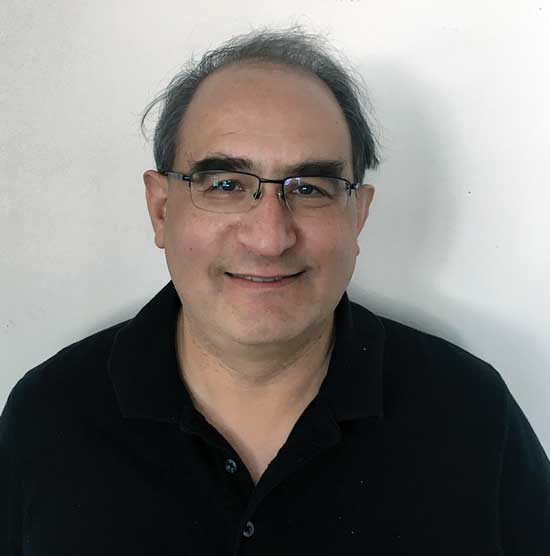
I was terrified that day. For the first time in my medical career I was working without a net. I even remember the first one, a fellow with back pain. I saw five to six patients that day that I recall, including a work-in from the fellowship I’d completed 2 weeks earlier. I also had my first hospital consult when the oncologist I was subleasing from asked me to have a look at a lady he was admitting for new-onset diplopia.
That’s a good chuck of a career behind me, when you consider the beginnings of it. College, MCATs, waiting by the mailbox (yeah, kids, a mailbox, waiting for a printed letter, delivered by the postman). Moving halfway across the country for 4 years. Somehow, to my own amazement, graduating. Moving back. Internship. Residency. Fellowship.
Then my first day as an attending, now a quarter-century gone. Looking at my charts I’ve seen roughly 18,000 individual patients over time between my office and the hospital.
But that’s another change – after 22 years in the trenches, I stopped doing hospital work over 3 years ago. Inpatient work, at least to me now, seems more like a younger person’s game. In my late 50s, I don’t think I qualify as one anymore.
On day 1, also in the Phoenix summer, I wore a long-sleeved shirt, tie, slacks, and neatly polished shoes. In 2006 I moved to Hawaiian shirts, shorts, and sneakers.
I don’t plan on doing this in another 25 years. I still like it, but by then I will have passed the baton to another generation and will be off on a cruise ship having boat drinks in the afternoon.
But that’s not to say it hasn’t been fun. For all the frustrations, stresses, and aggravations, I have no regrets over the road I’ve taken, and hopefully I will always feel that way.
Dr. Block has a solo neurology practice in Scottsdale, Ariz.
This last week I quietly reached a milestone. I didn’t do anything special about it; it was just another office day.
I passed 25 years since I first began seeing patients as an attending physician. That’s a pretty decent chunk of time.
I was terrified that day. For the first time in my medical career I was working without a net. I even remember the first one, a fellow with back pain. I saw five to six patients that day that I recall, including a work-in from the fellowship I’d completed 2 weeks earlier. I also had my first hospital consult when the oncologist I was subleasing from asked me to have a look at a lady he was admitting for new-onset diplopia.
That’s a good chuck of a career behind me, when you consider the beginnings of it. College, MCATs, waiting by the mailbox (yeah, kids, a mailbox, waiting for a printed letter, delivered by the postman). Moving halfway across the country for 4 years. Somehow, to my own amazement, graduating. Moving back. Internship. Residency. Fellowship.
Then my first day as an attending, now a quarter-century gone. Looking at my charts I’ve seen roughly 18,000 individual patients over time between my office and the hospital.
But that’s another change – after 22 years in the trenches, I stopped doing hospital work over 3 years ago. Inpatient work, at least to me now, seems more like a younger person’s game. In my late 50s, I don’t think I qualify as one anymore.
On day 1, also in the Phoenix summer, I wore a long-sleeved shirt, tie, slacks, and neatly polished shoes. In 2006 I moved to Hawaiian shirts, shorts, and sneakers.
I don’t plan on doing this in another 25 years. I still like it, but by then I will have passed the baton to another generation and will be off on a cruise ship having boat drinks in the afternoon.
But that’s not to say it hasn’t been fun. For all the frustrations, stresses, and aggravations, I have no regrets over the road I’ve taken, and hopefully I will always feel that way.
Dr. Block has a solo neurology practice in Scottsdale, Ariz.
This last week I quietly reached a milestone. I didn’t do anything special about it; it was just another office day.
I passed 25 years since I first began seeing patients as an attending physician. That’s a pretty decent chunk of time.
I was terrified that day. For the first time in my medical career I was working without a net. I even remember the first one, a fellow with back pain. I saw five to six patients that day that I recall, including a work-in from the fellowship I’d completed 2 weeks earlier. I also had my first hospital consult when the oncologist I was subleasing from asked me to have a look at a lady he was admitting for new-onset diplopia.
That’s a good chuck of a career behind me, when you consider the beginnings of it. College, MCATs, waiting by the mailbox (yeah, kids, a mailbox, waiting for a printed letter, delivered by the postman). Moving halfway across the country for 4 years. Somehow, to my own amazement, graduating. Moving back. Internship. Residency. Fellowship.
Then my first day as an attending, now a quarter-century gone. Looking at my charts I’ve seen roughly 18,000 individual patients over time between my office and the hospital.
But that’s another change – after 22 years in the trenches, I stopped doing hospital work over 3 years ago. Inpatient work, at least to me now, seems more like a younger person’s game. In my late 50s, I don’t think I qualify as one anymore.
On day 1, also in the Phoenix summer, I wore a long-sleeved shirt, tie, slacks, and neatly polished shoes. In 2006 I moved to Hawaiian shirts, shorts, and sneakers.
I don’t plan on doing this in another 25 years. I still like it, but by then I will have passed the baton to another generation and will be off on a cruise ship having boat drinks in the afternoon.
But that’s not to say it hasn’t been fun. For all the frustrations, stresses, and aggravations, I have no regrets over the road I’ve taken, and hopefully I will always feel that way.
Dr. Block has a solo neurology practice in Scottsdale, Ariz.

Severe Asthma: Multidisciplinary Assessment and Management Including Biologic Therapy
Distinguishing severe asthma from asthma that is difficult to control can present a clinical challenge, especially in primary care settings. Patients with severe asthma often benefit from multidisciplinary assessment and management.
In this panel ReCAP, experts in allergy, pulmonary disease, and primary care discuss the difference between severe and difficult-to-control asthma and the clinical importance of this distinction. They then outline optimal management of severe asthma using conventional therapies and the six biologics that are now available.
According to the panelists, patients with asthma that is difficult to control may have comorbidities that have not been addressed and may contribute to their respiratory symptoms. In patients with severe asthma, comorbidities have typically been addressed and patients are adherent to prescribed therapies; their disease worsens if therapy is stepped down. This definition follows the 2022 Global Initiative for Asthma guidelines.
The experts discuss how tests administered in primary care and specialty settings can distinguish between eosinophilic and non-eosinophilic phenotypes. In patients who continue to have symptoms despite maximized conventional therapies, biologics targeting specific inflammatory pathways may come into play.
--
Richard Barbers, MD, Professor of Medicine, KECK Medical Center of the University of Southern California, Los Angeles, California
Richard Barbers, MD, has disclosed no relevant financial relationships.
Monica Kraft, MD, Murray M. Rosenberg Professor of Medicine, System Chair, Department of Medicine, Icahn School of Medicine at Mount Sinai; System Chair, Department of Medicine, Respiratory Institute at Mount Sinai Hospital, New York, NY
Monica Kraft, MD, has disclosed the following relevant financial relationships: Serve(d) as a consultant for: Sanofi; Regeneron; AstraZeneca; Chiesi
Serve(d) as Co-founder for: CMO; RaeSedo, Inc
Received research grant from: National Institutes of Health; American Lung Association
Have a 5% or greater equity interest in: RaeSedo, Inc (start-up in preclinical development of therapeutics)
Received income in an amount equal to or greater than $250 from: UptoDate, section editor; received > $250 and < $5k from consultant activities above
Louis J. Papa, MD, Professor of Clinical Medicine, Department of Medicine, Primary Care, University of Rochester Medical Center; Director of Professional Licensing and Credentialing Navigation, Olsan Medical Group, Rochester, New York
Louis J. Papa, MD, has disclosed the following relevant financial relationships:
Serve(d) as a director, officer, partner, employee, advisor, consultant, or trustee for: Lifetime Healthcare Cos
Received income in an amount equal to or greater than $250 from: Lifetime Healthcare Cos
Distinguishing severe asthma from asthma that is difficult to control can present a clinical challenge, especially in primary care settings. Patients with severe asthma often benefit from multidisciplinary assessment and management.
In this panel ReCAP, experts in allergy, pulmonary disease, and primary care discuss the difference between severe and difficult-to-control asthma and the clinical importance of this distinction. They then outline optimal management of severe asthma using conventional therapies and the six biologics that are now available.
According to the panelists, patients with asthma that is difficult to control may have comorbidities that have not been addressed and may contribute to their respiratory symptoms. In patients with severe asthma, comorbidities have typically been addressed and patients are adherent to prescribed therapies; their disease worsens if therapy is stepped down. This definition follows the 2022 Global Initiative for Asthma guidelines.
The experts discuss how tests administered in primary care and specialty settings can distinguish between eosinophilic and non-eosinophilic phenotypes. In patients who continue to have symptoms despite maximized conventional therapies, biologics targeting specific inflammatory pathways may come into play.
--
Richard Barbers, MD, Professor of Medicine, KECK Medical Center of the University of Southern California, Los Angeles, California
Richard Barbers, MD, has disclosed no relevant financial relationships.
Monica Kraft, MD, Murray M. Rosenberg Professor of Medicine, System Chair, Department of Medicine, Icahn School of Medicine at Mount Sinai; System Chair, Department of Medicine, Respiratory Institute at Mount Sinai Hospital, New York, NY
Monica Kraft, MD, has disclosed the following relevant financial relationships: Serve(d) as a consultant for: Sanofi; Regeneron; AstraZeneca; Chiesi
Serve(d) as Co-founder for: CMO; RaeSedo, Inc
Received research grant from: National Institutes of Health; American Lung Association
Have a 5% or greater equity interest in: RaeSedo, Inc (start-up in preclinical development of therapeutics)
Received income in an amount equal to or greater than $250 from: UptoDate, section editor; received > $250 and < $5k from consultant activities above
Louis J. Papa, MD, Professor of Clinical Medicine, Department of Medicine, Primary Care, University of Rochester Medical Center; Director of Professional Licensing and Credentialing Navigation, Olsan Medical Group, Rochester, New York
Louis J. Papa, MD, has disclosed the following relevant financial relationships:
Serve(d) as a director, officer, partner, employee, advisor, consultant, or trustee for: Lifetime Healthcare Cos
Received income in an amount equal to or greater than $250 from: Lifetime Healthcare Cos
Distinguishing severe asthma from asthma that is difficult to control can present a clinical challenge, especially in primary care settings. Patients with severe asthma often benefit from multidisciplinary assessment and management.
In this panel ReCAP, experts in allergy, pulmonary disease, and primary care discuss the difference between severe and difficult-to-control asthma and the clinical importance of this distinction. They then outline optimal management of severe asthma using conventional therapies and the six biologics that are now available.
According to the panelists, patients with asthma that is difficult to control may have comorbidities that have not been addressed and may contribute to their respiratory symptoms. In patients with severe asthma, comorbidities have typically been addressed and patients are adherent to prescribed therapies; their disease worsens if therapy is stepped down. This definition follows the 2022 Global Initiative for Asthma guidelines.
The experts discuss how tests administered in primary care and specialty settings can distinguish between eosinophilic and non-eosinophilic phenotypes. In patients who continue to have symptoms despite maximized conventional therapies, biologics targeting specific inflammatory pathways may come into play.
--
Richard Barbers, MD, Professor of Medicine, KECK Medical Center of the University of Southern California, Los Angeles, California
Richard Barbers, MD, has disclosed no relevant financial relationships.
Monica Kraft, MD, Murray M. Rosenberg Professor of Medicine, System Chair, Department of Medicine, Icahn School of Medicine at Mount Sinai; System Chair, Department of Medicine, Respiratory Institute at Mount Sinai Hospital, New York, NY
Monica Kraft, MD, has disclosed the following relevant financial relationships: Serve(d) as a consultant for: Sanofi; Regeneron; AstraZeneca; Chiesi
Serve(d) as Co-founder for: CMO; RaeSedo, Inc
Received research grant from: National Institutes of Health; American Lung Association
Have a 5% or greater equity interest in: RaeSedo, Inc (start-up in preclinical development of therapeutics)
Received income in an amount equal to or greater than $250 from: UptoDate, section editor; received > $250 and < $5k from consultant activities above
Louis J. Papa, MD, Professor of Clinical Medicine, Department of Medicine, Primary Care, University of Rochester Medical Center; Director of Professional Licensing and Credentialing Navigation, Olsan Medical Group, Rochester, New York
Louis J. Papa, MD, has disclosed the following relevant financial relationships:
Serve(d) as a director, officer, partner, employee, advisor, consultant, or trustee for: Lifetime Healthcare Cos
Received income in an amount equal to or greater than $250 from: Lifetime Healthcare Cos

FDA approves RSV monoclonal antibody for all infants
The monoclonal antibody Beyfortus (nirsevimab-alip), which already is approved for use in Europe and Canada, is indicated for newborns and infants born during or entering their first RSV season, and for children up to 24 months of age who are vulnerable to severe RSV through their second RSV season.
As many as 80,000 children under age 5 years are hospitalized with an RSV infection annually in the United States. Most cases are mild, but infants under 6 months, those born prematurely, and children with weakened immune systems or neuromuscular disorders are at an increased risk for severe illness, according to the Centers for Disease Control and Prevention.
The highly contagious virus is also a concern for immunocompromised adults and older people with underlying health conditions, who are at increased risk for severe disease.
Sanofi and AstraZeneca, which jointly developed the injectable agent, said in a press release that the companies plan to make it available by the fall of 2023. The long-acting antibody is given as a single intramuscular injection.
Beyfortus was approved in part based on data from the phase 3 MELODY trial, which found the shot reduced the incidence of medically attended lower respiratory tract infections associated with RSV by 74.9% versus placebo (95% confidence interval, 50.6-87.3; P < .001).
The phase 2/3 MEDLEY trial, conducted between July 2019 and May 2021, compared Beyfortus with palivizumab, another RSV antibody injection with more limited indications. The trial included more than 900 preterm infants less than 35 weeks’ gestational age and infants with congenital heart disease. Results were similar to the phase 3 MELODY trial, according to the manufacturers.
“Today’s approval marks an unprecedented moment for protecting infant health in the United States, following an RSV season that took a record toll on infants, their families, and the U.S. health care system,” said Thomas Triomphe, executive vice president for vaccines at Sanofi, in a press release about the FDA decision. “Beyfortus is the only monoclonal antibody approved for passive immunization to provide safe and effective protection for all infants during their first RSV season.”
A version of this article first appeared on Medscape.com.
The monoclonal antibody Beyfortus (nirsevimab-alip), which already is approved for use in Europe and Canada, is indicated for newborns and infants born during or entering their first RSV season, and for children up to 24 months of age who are vulnerable to severe RSV through their second RSV season.
As many as 80,000 children under age 5 years are hospitalized with an RSV infection annually in the United States. Most cases are mild, but infants under 6 months, those born prematurely, and children with weakened immune systems or neuromuscular disorders are at an increased risk for severe illness, according to the Centers for Disease Control and Prevention.
The highly contagious virus is also a concern for immunocompromised adults and older people with underlying health conditions, who are at increased risk for severe disease.
Sanofi and AstraZeneca, which jointly developed the injectable agent, said in a press release that the companies plan to make it available by the fall of 2023. The long-acting antibody is given as a single intramuscular injection.
Beyfortus was approved in part based on data from the phase 3 MELODY trial, which found the shot reduced the incidence of medically attended lower respiratory tract infections associated with RSV by 74.9% versus placebo (95% confidence interval, 50.6-87.3; P < .001).
The phase 2/3 MEDLEY trial, conducted between July 2019 and May 2021, compared Beyfortus with palivizumab, another RSV antibody injection with more limited indications. The trial included more than 900 preterm infants less than 35 weeks’ gestational age and infants with congenital heart disease. Results were similar to the phase 3 MELODY trial, according to the manufacturers.
“Today’s approval marks an unprecedented moment for protecting infant health in the United States, following an RSV season that took a record toll on infants, their families, and the U.S. health care system,” said Thomas Triomphe, executive vice president for vaccines at Sanofi, in a press release about the FDA decision. “Beyfortus is the only monoclonal antibody approved for passive immunization to provide safe and effective protection for all infants during their first RSV season.”
A version of this article first appeared on Medscape.com.
The monoclonal antibody Beyfortus (nirsevimab-alip), which already is approved for use in Europe and Canada, is indicated for newborns and infants born during or entering their first RSV season, and for children up to 24 months of age who are vulnerable to severe RSV through their second RSV season.
As many as 80,000 children under age 5 years are hospitalized with an RSV infection annually in the United States. Most cases are mild, but infants under 6 months, those born prematurely, and children with weakened immune systems or neuromuscular disorders are at an increased risk for severe illness, according to the Centers for Disease Control and Prevention.
The highly contagious virus is also a concern for immunocompromised adults and older people with underlying health conditions, who are at increased risk for severe disease.
Sanofi and AstraZeneca, which jointly developed the injectable agent, said in a press release that the companies plan to make it available by the fall of 2023. The long-acting antibody is given as a single intramuscular injection.
Beyfortus was approved in part based on data from the phase 3 MELODY trial, which found the shot reduced the incidence of medically attended lower respiratory tract infections associated with RSV by 74.9% versus placebo (95% confidence interval, 50.6-87.3; P < .001).
The phase 2/3 MEDLEY trial, conducted between July 2019 and May 2021, compared Beyfortus with palivizumab, another RSV antibody injection with more limited indications. The trial included more than 900 preterm infants less than 35 weeks’ gestational age and infants with congenital heart disease. Results were similar to the phase 3 MELODY trial, according to the manufacturers.
“Today’s approval marks an unprecedented moment for protecting infant health in the United States, following an RSV season that took a record toll on infants, their families, and the U.S. health care system,” said Thomas Triomphe, executive vice president for vaccines at Sanofi, in a press release about the FDA decision. “Beyfortus is the only monoclonal antibody approved for passive immunization to provide safe and effective protection for all infants during their first RSV season.”
A version of this article first appeared on Medscape.com.

Immunotherapy stewardship could save tens of millions a year
Implementing stewardship strategies for immune checkpoint inhibitor (ICI) therapy, including personalized weight-based dosing, dose rounding, and pharmacy-level vial sharing, could generate savings of as much as $74 million each year for the Veterans Health Administration (VHA), a new analysis suggests.
That $74 million in savings would translate to nearly 14% less spent on ICI therapy annually.
first author Alex Bryant, MD, University of Michigan, Ann Arbor, said in an interview.
The study was published in Health Affairs.
ICI therapy is used in about 40 unique cancer indications and, in 2020, accounted for more than $6 billion in Medicare Part B spending.
Two of the most prescribed ICIs – pembrolizumab and nivolumab – initially received their U.S. approval at personalized weight-based doses. But at the request of the manufacturers, the Food and Drug Administration approved “one-size-fits-all” flat doses, despite a lack of data to support this strategy compared with weight-based dosing.
With a fixed dose strategy, “patients with cancer not only tend to get too high a dose of the drug, but costs go up significantly,” Daniel Goldstein, MD, a medical oncologist at the Rabin Medical Center, Petah Tikva, Israel, told this news organization last year. “Why should we give a higher dose with the same efficacy when that dose will cost significantly more and has the potential to increase adverse events?”
To compare the cost of a weight-based vs. fixed-dose strategy, Dr. Bryant and colleagues conducted a simulation analysis under four stewardship scenarios, using data from the VHA and Medicare drug prices. Strategy one looked at weight-based dosing; strategy two combined weight-based dosing and dose rounding but not single-use vial sharing; strategy three used weight-based dosing and single-use vial sharing but not dose rounding; and strategy four, the most aggressive, combined all three.
ICIs in the VHA national formulary included pembrolizumab, nivolumab, atezolizumab, durvalumab, and cemiplimab-rwlc.
Using an algorithm to extract data, the team identified 49,851 administration events in 8,276 unique patients in 2021 – just over half were pembrolizumab, nearly 23% were nivolumab, and the remaining 26% largely included atezolizumab (12.1%) and durvalumab (11.9%).
The team found that the VHA spends roughly $537 million annually on ICIs. But implementing the stewardship measures that combined weight-based dosing, dose rounding, and vial sharing could save the VHA $74 million, or about 14%, annually on ICIs.
Most of the savings came from dosing changes to pembrolizumab and nivolumab, with greater savings achieved by combining more stewardship strategies. For instance, using strategy one (weight-based dosing alone) could lead to annual pembrolizumab savings of $14 million. Adding dose rounding (strategy two) could reduce pembrolizumab spending by $24 million. And using strategy four, with an unlimited window for vial sharing, could mean annual savings of nearly $60 million.
“Our results should prompt cost-conscious systems and payers to ask whether the amounts of drugs they’re providing to patients and how they go about making those doses are the most cost-effective approaches,” said corresponding author Garth W. Strohbehn, MD, of the University of Michigan and the VA Ann Arbor Healthcare System.
Dr. Strohbehn said the prospect of adopting these strategies hinges on several factors, with financial incentives at the prescriber and medical center level likely being the most influential.
“In fee-for-service systems, reimbursement scales with the amount of drug administered, so there can be a financial disincentive to decreasing overall drug usage,” Dr. Strohbehn explained.
“Conversely, integrated systems such as Kaiser Permanente or the VHA and large self-insured employers are incentivized to contain costs and take great care of patients, so they may be more inclined to promote these strategies,” he added.
However, Adam C. Powell, PhD, president, Payer+Provider Syndicate, who wasn’t involved in the analysis, cautioned that such a shift may come with unintended consequences.
The Infrastructure, Investment, and Jobs Act of 2021 let the Centers for Medicare and Medicaid Services seek reimbursement for discarded drugs – in effect, changing the reimbursement model for medications. That led pharmaceutical manufacturers to respond in kind by changing the dosing model, Dr. Powell said.
“Drugs that previously had personalized weight-based dosing were moved to uniform flat dosing, eliminating the potential for the manufacturer to have to issue a reimbursement if the patient’s personalized dose fell short of the amount in the single-use vial,” Dr. Powell added.
If there is a substantial migration to weight-based dosing, “it is possible that pharmaceutical manufacturers will rethink their dosing and pricing models, just as happened previously,” he cautioned.
However, these strategies could also provide relief for another escalating issue: drug shortages. Especially in the current moment, having a stewardship mindset, “might be helpful in navigating drug shortages,” Dr. Strohbehn said.
This research had no commercial funding. Dr. Bryant, Dr. Strohbehn, and Dr. Powell report no relevant financial relationships.
A version of this article appeared on Medscape.com.
Implementing stewardship strategies for immune checkpoint inhibitor (ICI) therapy, including personalized weight-based dosing, dose rounding, and pharmacy-level vial sharing, could generate savings of as much as $74 million each year for the Veterans Health Administration (VHA), a new analysis suggests.
That $74 million in savings would translate to nearly 14% less spent on ICI therapy annually.
first author Alex Bryant, MD, University of Michigan, Ann Arbor, said in an interview.
The study was published in Health Affairs.
ICI therapy is used in about 40 unique cancer indications and, in 2020, accounted for more than $6 billion in Medicare Part B spending.
Two of the most prescribed ICIs – pembrolizumab and nivolumab – initially received their U.S. approval at personalized weight-based doses. But at the request of the manufacturers, the Food and Drug Administration approved “one-size-fits-all” flat doses, despite a lack of data to support this strategy compared with weight-based dosing.
With a fixed dose strategy, “patients with cancer not only tend to get too high a dose of the drug, but costs go up significantly,” Daniel Goldstein, MD, a medical oncologist at the Rabin Medical Center, Petah Tikva, Israel, told this news organization last year. “Why should we give a higher dose with the same efficacy when that dose will cost significantly more and has the potential to increase adverse events?”
To compare the cost of a weight-based vs. fixed-dose strategy, Dr. Bryant and colleagues conducted a simulation analysis under four stewardship scenarios, using data from the VHA and Medicare drug prices. Strategy one looked at weight-based dosing; strategy two combined weight-based dosing and dose rounding but not single-use vial sharing; strategy three used weight-based dosing and single-use vial sharing but not dose rounding; and strategy four, the most aggressive, combined all three.
ICIs in the VHA national formulary included pembrolizumab, nivolumab, atezolizumab, durvalumab, and cemiplimab-rwlc.
Using an algorithm to extract data, the team identified 49,851 administration events in 8,276 unique patients in 2021 – just over half were pembrolizumab, nearly 23% were nivolumab, and the remaining 26% largely included atezolizumab (12.1%) and durvalumab (11.9%).
The team found that the VHA spends roughly $537 million annually on ICIs. But implementing the stewardship measures that combined weight-based dosing, dose rounding, and vial sharing could save the VHA $74 million, or about 14%, annually on ICIs.
Most of the savings came from dosing changes to pembrolizumab and nivolumab, with greater savings achieved by combining more stewardship strategies. For instance, using strategy one (weight-based dosing alone) could lead to annual pembrolizumab savings of $14 million. Adding dose rounding (strategy two) could reduce pembrolizumab spending by $24 million. And using strategy four, with an unlimited window for vial sharing, could mean annual savings of nearly $60 million.
“Our results should prompt cost-conscious systems and payers to ask whether the amounts of drugs they’re providing to patients and how they go about making those doses are the most cost-effective approaches,” said corresponding author Garth W. Strohbehn, MD, of the University of Michigan and the VA Ann Arbor Healthcare System.
Dr. Strohbehn said the prospect of adopting these strategies hinges on several factors, with financial incentives at the prescriber and medical center level likely being the most influential.
“In fee-for-service systems, reimbursement scales with the amount of drug administered, so there can be a financial disincentive to decreasing overall drug usage,” Dr. Strohbehn explained.
“Conversely, integrated systems such as Kaiser Permanente or the VHA and large self-insured employers are incentivized to contain costs and take great care of patients, so they may be more inclined to promote these strategies,” he added.
However, Adam C. Powell, PhD, president, Payer+Provider Syndicate, who wasn’t involved in the analysis, cautioned that such a shift may come with unintended consequences.
The Infrastructure, Investment, and Jobs Act of 2021 let the Centers for Medicare and Medicaid Services seek reimbursement for discarded drugs – in effect, changing the reimbursement model for medications. That led pharmaceutical manufacturers to respond in kind by changing the dosing model, Dr. Powell said.
“Drugs that previously had personalized weight-based dosing were moved to uniform flat dosing, eliminating the potential for the manufacturer to have to issue a reimbursement if the patient’s personalized dose fell short of the amount in the single-use vial,” Dr. Powell added.
If there is a substantial migration to weight-based dosing, “it is possible that pharmaceutical manufacturers will rethink their dosing and pricing models, just as happened previously,” he cautioned.
However, these strategies could also provide relief for another escalating issue: drug shortages. Especially in the current moment, having a stewardship mindset, “might be helpful in navigating drug shortages,” Dr. Strohbehn said.
This research had no commercial funding. Dr. Bryant, Dr. Strohbehn, and Dr. Powell report no relevant financial relationships.
A version of this article appeared on Medscape.com.
Implementing stewardship strategies for immune checkpoint inhibitor (ICI) therapy, including personalized weight-based dosing, dose rounding, and pharmacy-level vial sharing, could generate savings of as much as $74 million each year for the Veterans Health Administration (VHA), a new analysis suggests.
That $74 million in savings would translate to nearly 14% less spent on ICI therapy annually.
first author Alex Bryant, MD, University of Michigan, Ann Arbor, said in an interview.
The study was published in Health Affairs.
ICI therapy is used in about 40 unique cancer indications and, in 2020, accounted for more than $6 billion in Medicare Part B spending.
Two of the most prescribed ICIs – pembrolizumab and nivolumab – initially received their U.S. approval at personalized weight-based doses. But at the request of the manufacturers, the Food and Drug Administration approved “one-size-fits-all” flat doses, despite a lack of data to support this strategy compared with weight-based dosing.
With a fixed dose strategy, “patients with cancer not only tend to get too high a dose of the drug, but costs go up significantly,” Daniel Goldstein, MD, a medical oncologist at the Rabin Medical Center, Petah Tikva, Israel, told this news organization last year. “Why should we give a higher dose with the same efficacy when that dose will cost significantly more and has the potential to increase adverse events?”
To compare the cost of a weight-based vs. fixed-dose strategy, Dr. Bryant and colleagues conducted a simulation analysis under four stewardship scenarios, using data from the VHA and Medicare drug prices. Strategy one looked at weight-based dosing; strategy two combined weight-based dosing and dose rounding but not single-use vial sharing; strategy three used weight-based dosing and single-use vial sharing but not dose rounding; and strategy four, the most aggressive, combined all three.
ICIs in the VHA national formulary included pembrolizumab, nivolumab, atezolizumab, durvalumab, and cemiplimab-rwlc.
Using an algorithm to extract data, the team identified 49,851 administration events in 8,276 unique patients in 2021 – just over half were pembrolizumab, nearly 23% were nivolumab, and the remaining 26% largely included atezolizumab (12.1%) and durvalumab (11.9%).
The team found that the VHA spends roughly $537 million annually on ICIs. But implementing the stewardship measures that combined weight-based dosing, dose rounding, and vial sharing could save the VHA $74 million, or about 14%, annually on ICIs.
Most of the savings came from dosing changes to pembrolizumab and nivolumab, with greater savings achieved by combining more stewardship strategies. For instance, using strategy one (weight-based dosing alone) could lead to annual pembrolizumab savings of $14 million. Adding dose rounding (strategy two) could reduce pembrolizumab spending by $24 million. And using strategy four, with an unlimited window for vial sharing, could mean annual savings of nearly $60 million.
“Our results should prompt cost-conscious systems and payers to ask whether the amounts of drugs they’re providing to patients and how they go about making those doses are the most cost-effective approaches,” said corresponding author Garth W. Strohbehn, MD, of the University of Michigan and the VA Ann Arbor Healthcare System.
Dr. Strohbehn said the prospect of adopting these strategies hinges on several factors, with financial incentives at the prescriber and medical center level likely being the most influential.
“In fee-for-service systems, reimbursement scales with the amount of drug administered, so there can be a financial disincentive to decreasing overall drug usage,” Dr. Strohbehn explained.
“Conversely, integrated systems such as Kaiser Permanente or the VHA and large self-insured employers are incentivized to contain costs and take great care of patients, so they may be more inclined to promote these strategies,” he added.
However, Adam C. Powell, PhD, president, Payer+Provider Syndicate, who wasn’t involved in the analysis, cautioned that such a shift may come with unintended consequences.
The Infrastructure, Investment, and Jobs Act of 2021 let the Centers for Medicare and Medicaid Services seek reimbursement for discarded drugs – in effect, changing the reimbursement model for medications. That led pharmaceutical manufacturers to respond in kind by changing the dosing model, Dr. Powell said.
“Drugs that previously had personalized weight-based dosing were moved to uniform flat dosing, eliminating the potential for the manufacturer to have to issue a reimbursement if the patient’s personalized dose fell short of the amount in the single-use vial,” Dr. Powell added.
If there is a substantial migration to weight-based dosing, “it is possible that pharmaceutical manufacturers will rethink their dosing and pricing models, just as happened previously,” he cautioned.
However, these strategies could also provide relief for another escalating issue: drug shortages. Especially in the current moment, having a stewardship mindset, “might be helpful in navigating drug shortages,” Dr. Strohbehn said.
This research had no commercial funding. Dr. Bryant, Dr. Strohbehn, and Dr. Powell report no relevant financial relationships.
A version of this article appeared on Medscape.com.
FROM HEALTH AFFAIRS
For love or money: How do doctors choose their specialty?
Medical student loans top hundreds of thousands of dollars, so it’s understandable that physicians may want to select a specialty that pays well.
Moreover, most advised young doctors to follow their hearts rather than their wallets.
“There is no question that many young kids immediately think about money when deciding to pursue medicine, but the thought of a big paycheck will never sustain someone long enough to get them here,” says Sergio Alvarez, MD, a board-certified plastic surgeon based in Miami, Fla., and the CEO and medical director of Mia Aesthetics, which has several national locations.
“Getting into medicine is a long game, and there are many hurdles along the way that only the dedicated overcome,” says Dr. Alvarez.
Unfortunately, he says it may be late in that long game before some realize that the pay rate for certain specialties isn’t commensurate with the immense workload and responsibility they require.
“The short of it is that to become a happy doctor, medicine really needs to be a calling: a passion! There are far easier things to do to make money.”
Here is what physicians said about choosing between love or money.
The lowest-paying subspecialty in a low-paying specialty
Sophia Yen, MD, MPH, cofounder and CEO of Pandia Health, a women-founded, doctor-led birth control delivery service in Sunnyvale, Calif., and clinical associate professor at Stanford (Calif.) University, says you should pursue a specialty because you love the work.
“I chose the lowest-paying subspecialty (adolescent medicine) of a low-paying specialty (pediatrics), but I’d do it all again because I love the patient population – I love what I do.”
Dr. Yen says she chose adolescent medicine because she loves doing “outpatient gynecology” without going through the surgical training of a full ob.gyn. “I love the target population of young adults because you can talk to the patient versus in pediatrics, where you often talk to the parent. With young adults you can catch things – for example, teach a young person about consent, alcohol, marijuana’s effects on the growing brain, prevent unplanned pregnancies and sexually transmitted infections, instill healthy eating, and more.
“Do I wish that I got paid as much as a surgeon?” Dr. Yen says yes. “I hope that someday society will realize the time spent preventing future disease is worth it and pay us accordingly.”
Unfortunately, she says, since the health care system makes more money if you get pregnant, need a cardiac bypass, or need gastric surgery, those who deliver babies or do surgery get paid more than someone who prevents the need for those services.
Money doesn’t buy happiness
Stella Bard, MD, a rheumatologist in McKinney, Tex., says she eats, lives, and breathes rheumatology. “I never regret the decision of choosing this specialty for a single second,” says Dr. Bard. “I feel like it’s a rewarding experience with every single patient encounter.” Dr. Bard notes that money is no guarantee of happiness and that she feels blessed to wake up every morning doing what she loves.
Career or calling?
For Dr. Alvarez, inspiration came when watching his father help change people’s lives. “I saw how impactful a doctor is during a person’s most desperate moments, and that was enough to make medicine my life’s passion at the age of 10.”
He says once you’re in medical school, choosing a specialty is far easier than you think. “Each specialty requires a certain personality or specific characteristics, and some will call to you while others simply won’t.”
“For me, plastics was about finesse, art, and life-changing surgeries that affected people from kids to adults and involved every aspect of the human body. Changing someone’s outward appearance has a profoundly positive impact on their confidence and self-esteem, making plastic surgery a genuinely transformative experience.”
Patricia Celan, MD, a postgraduate psychiatry resident in Canada, also chose psychiatry for the love of the field. “I enjoy helping vulnerable people and exploring what makes a person tick, the source of their difficulties, and how to help people counteract and overcome the difficult cards they’ve been dealt in life.”
She says it’s incredibly rewarding to watch someone turn their life around from severe mental illness, especially those who have been victimized and traumatized, and learn to trust people again.
“I could have made more money in a higher-paying specialty, yes, but I’m not sure I would have felt as fulfilled as psychiatry can make me feel.”
Dr. Celan says everyone has their calling, and some lucky people find their deepest passion in higher-paying specialties. “My calling is psychiatry, and I am at peace with this no matter the money.”
For the love of surgery
“In my experience, most people don’t choose their specialty based on money,” says Nicole Aaronson, MD, MBA, an otolaryngologist and board-certified in the subspecialty of pediatric otolaryngology, an attending surgeon at Nemours Children’s Health of Delaware and clinical associate professor of otolaryngology and pediatrics at Sidney Kimmel Medical College, Philadelphia.
“The first decision point in medical school is usually figuring out if you are a surgery person or a medicine person. I knew very early that I wanted to be a surgeon and wanted to spend time in the OR fixing problems with my hands.”
Part of what attracted Dr. Aaronson to otolaryngology was the variety of conditions managed within the specialty, from head and neck cancer to voice problems to sleep disorders to sinus disease. “I chose my subspecialty because I enjoy working with children and making an impact that will help them live their best possible lives.”
She says a relatively simple surgery like placing ear tubes may help a child’s hearing and allow them to be more successful in school, opening up a new world of opportunities for the child’s future.
“While I don’t think most people choose their specialty based on prospective compensation, I do think all physicians want to be compensated fairly for their time, effort, and level of training,” says Dr. Aaronson.
Choosing a specialty for the money can lead to burnout and dissatisfaction
“For me, the decision to pursue gastroenterology went beyond financial considerations,” says Saurabh Sethi, MD, MPH, a gastroenterologist specializing in hepatology and interventional endoscopy. “While financial stability is undoubtedly important, no doctor enters this field solely for the love of money. The primary driving force for most medical professionals, myself included, is the passion to help people and make a positive difference in their lives.”
Dr. Sethi says the gratification that comes from providing quality care and witnessing patients’ improved well-being is priceless. Moreover, he believes that selecting a specialty based solely on financial gain is likely to lead to burnout and greater dissatisfaction over time.
“By following my love for gut health and prioritizing patient care, I have found a sense of fulfillment and purpose in my career. It has been a rewarding journey, and I’m grateful for the opportunity to contribute to the well-being of my patients through my expertise in gastroenterology.”
Key takeaways: Love or money?
Multiple factors influence doctors’ specialty choices, including genuine love for the work and the future of the specialty. Others include job prospects, hands-on experience they receive, mentors, childhood dreams, parental expectations, complexity of cases, the lifestyle of each specialty, including office hours worked, on-call requirements, and autonomy.
Physicians also mentioned other factors they considered when choosing their specialty:
- Personal interest.
- Intellectual stimulation.
- Work-life balance.
- Patient populations.
- Future opportunities.
- Desire to make a difference.
- Passion.
- Financial stability.
- Being personally fulfilled.
Overwhelmingly, doctors say to pick a specialty you can envision yourself loving 40 years from now and you won’t go wrong.
A version of this article first appeared on Medscape.com.
Medical student loans top hundreds of thousands of dollars, so it’s understandable that physicians may want to select a specialty that pays well.
Moreover, most advised young doctors to follow their hearts rather than their wallets.
“There is no question that many young kids immediately think about money when deciding to pursue medicine, but the thought of a big paycheck will never sustain someone long enough to get them here,” says Sergio Alvarez, MD, a board-certified plastic surgeon based in Miami, Fla., and the CEO and medical director of Mia Aesthetics, which has several national locations.
“Getting into medicine is a long game, and there are many hurdles along the way that only the dedicated overcome,” says Dr. Alvarez.
Unfortunately, he says it may be late in that long game before some realize that the pay rate for certain specialties isn’t commensurate with the immense workload and responsibility they require.
“The short of it is that to become a happy doctor, medicine really needs to be a calling: a passion! There are far easier things to do to make money.”
Here is what physicians said about choosing between love or money.
The lowest-paying subspecialty in a low-paying specialty
Sophia Yen, MD, MPH, cofounder and CEO of Pandia Health, a women-founded, doctor-led birth control delivery service in Sunnyvale, Calif., and clinical associate professor at Stanford (Calif.) University, says you should pursue a specialty because you love the work.
“I chose the lowest-paying subspecialty (adolescent medicine) of a low-paying specialty (pediatrics), but I’d do it all again because I love the patient population – I love what I do.”
Dr. Yen says she chose adolescent medicine because she loves doing “outpatient gynecology” without going through the surgical training of a full ob.gyn. “I love the target population of young adults because you can talk to the patient versus in pediatrics, where you often talk to the parent. With young adults you can catch things – for example, teach a young person about consent, alcohol, marijuana’s effects on the growing brain, prevent unplanned pregnancies and sexually transmitted infections, instill healthy eating, and more.
“Do I wish that I got paid as much as a surgeon?” Dr. Yen says yes. “I hope that someday society will realize the time spent preventing future disease is worth it and pay us accordingly.”
Unfortunately, she says, since the health care system makes more money if you get pregnant, need a cardiac bypass, or need gastric surgery, those who deliver babies or do surgery get paid more than someone who prevents the need for those services.
Money doesn’t buy happiness
Stella Bard, MD, a rheumatologist in McKinney, Tex., says she eats, lives, and breathes rheumatology. “I never regret the decision of choosing this specialty for a single second,” says Dr. Bard. “I feel like it’s a rewarding experience with every single patient encounter.” Dr. Bard notes that money is no guarantee of happiness and that she feels blessed to wake up every morning doing what she loves.
Career or calling?
For Dr. Alvarez, inspiration came when watching his father help change people’s lives. “I saw how impactful a doctor is during a person’s most desperate moments, and that was enough to make medicine my life’s passion at the age of 10.”
He says once you’re in medical school, choosing a specialty is far easier than you think. “Each specialty requires a certain personality or specific characteristics, and some will call to you while others simply won’t.”
“For me, plastics was about finesse, art, and life-changing surgeries that affected people from kids to adults and involved every aspect of the human body. Changing someone’s outward appearance has a profoundly positive impact on their confidence and self-esteem, making plastic surgery a genuinely transformative experience.”
Patricia Celan, MD, a postgraduate psychiatry resident in Canada, also chose psychiatry for the love of the field. “I enjoy helping vulnerable people and exploring what makes a person tick, the source of their difficulties, and how to help people counteract and overcome the difficult cards they’ve been dealt in life.”
She says it’s incredibly rewarding to watch someone turn their life around from severe mental illness, especially those who have been victimized and traumatized, and learn to trust people again.
“I could have made more money in a higher-paying specialty, yes, but I’m not sure I would have felt as fulfilled as psychiatry can make me feel.”
Dr. Celan says everyone has their calling, and some lucky people find their deepest passion in higher-paying specialties. “My calling is psychiatry, and I am at peace with this no matter the money.”
For the love of surgery
“In my experience, most people don’t choose their specialty based on money,” says Nicole Aaronson, MD, MBA, an otolaryngologist and board-certified in the subspecialty of pediatric otolaryngology, an attending surgeon at Nemours Children’s Health of Delaware and clinical associate professor of otolaryngology and pediatrics at Sidney Kimmel Medical College, Philadelphia.
“The first decision point in medical school is usually figuring out if you are a surgery person or a medicine person. I knew very early that I wanted to be a surgeon and wanted to spend time in the OR fixing problems with my hands.”
Part of what attracted Dr. Aaronson to otolaryngology was the variety of conditions managed within the specialty, from head and neck cancer to voice problems to sleep disorders to sinus disease. “I chose my subspecialty because I enjoy working with children and making an impact that will help them live their best possible lives.”
She says a relatively simple surgery like placing ear tubes may help a child’s hearing and allow them to be more successful in school, opening up a new world of opportunities for the child’s future.
“While I don’t think most people choose their specialty based on prospective compensation, I do think all physicians want to be compensated fairly for their time, effort, and level of training,” says Dr. Aaronson.
Choosing a specialty for the money can lead to burnout and dissatisfaction
“For me, the decision to pursue gastroenterology went beyond financial considerations,” says Saurabh Sethi, MD, MPH, a gastroenterologist specializing in hepatology and interventional endoscopy. “While financial stability is undoubtedly important, no doctor enters this field solely for the love of money. The primary driving force for most medical professionals, myself included, is the passion to help people and make a positive difference in their lives.”
Dr. Sethi says the gratification that comes from providing quality care and witnessing patients’ improved well-being is priceless. Moreover, he believes that selecting a specialty based solely on financial gain is likely to lead to burnout and greater dissatisfaction over time.
“By following my love for gut health and prioritizing patient care, I have found a sense of fulfillment and purpose in my career. It has been a rewarding journey, and I’m grateful for the opportunity to contribute to the well-being of my patients through my expertise in gastroenterology.”
Key takeaways: Love or money?
Multiple factors influence doctors’ specialty choices, including genuine love for the work and the future of the specialty. Others include job prospects, hands-on experience they receive, mentors, childhood dreams, parental expectations, complexity of cases, the lifestyle of each specialty, including office hours worked, on-call requirements, and autonomy.
Physicians also mentioned other factors they considered when choosing their specialty:
- Personal interest.
- Intellectual stimulation.
- Work-life balance.
- Patient populations.
- Future opportunities.
- Desire to make a difference.
- Passion.
- Financial stability.
- Being personally fulfilled.
Overwhelmingly, doctors say to pick a specialty you can envision yourself loving 40 years from now and you won’t go wrong.
A version of this article first appeared on Medscape.com.
Medical student loans top hundreds of thousands of dollars, so it’s understandable that physicians may want to select a specialty that pays well.
Moreover, most advised young doctors to follow their hearts rather than their wallets.
“There is no question that many young kids immediately think about money when deciding to pursue medicine, but the thought of a big paycheck will never sustain someone long enough to get them here,” says Sergio Alvarez, MD, a board-certified plastic surgeon based in Miami, Fla., and the CEO and medical director of Mia Aesthetics, which has several national locations.
“Getting into medicine is a long game, and there are many hurdles along the way that only the dedicated overcome,” says Dr. Alvarez.
Unfortunately, he says it may be late in that long game before some realize that the pay rate for certain specialties isn’t commensurate with the immense workload and responsibility they require.
“The short of it is that to become a happy doctor, medicine really needs to be a calling: a passion! There are far easier things to do to make money.”
Here is what physicians said about choosing between love or money.
The lowest-paying subspecialty in a low-paying specialty
Sophia Yen, MD, MPH, cofounder and CEO of Pandia Health, a women-founded, doctor-led birth control delivery service in Sunnyvale, Calif., and clinical associate professor at Stanford (Calif.) University, says you should pursue a specialty because you love the work.
“I chose the lowest-paying subspecialty (adolescent medicine) of a low-paying specialty (pediatrics), but I’d do it all again because I love the patient population – I love what I do.”
Dr. Yen says she chose adolescent medicine because she loves doing “outpatient gynecology” without going through the surgical training of a full ob.gyn. “I love the target population of young adults because you can talk to the patient versus in pediatrics, where you often talk to the parent. With young adults you can catch things – for example, teach a young person about consent, alcohol, marijuana’s effects on the growing brain, prevent unplanned pregnancies and sexually transmitted infections, instill healthy eating, and more.
“Do I wish that I got paid as much as a surgeon?” Dr. Yen says yes. “I hope that someday society will realize the time spent preventing future disease is worth it and pay us accordingly.”
Unfortunately, she says, since the health care system makes more money if you get pregnant, need a cardiac bypass, or need gastric surgery, those who deliver babies or do surgery get paid more than someone who prevents the need for those services.
Money doesn’t buy happiness
Stella Bard, MD, a rheumatologist in McKinney, Tex., says she eats, lives, and breathes rheumatology. “I never regret the decision of choosing this specialty for a single second,” says Dr. Bard. “I feel like it’s a rewarding experience with every single patient encounter.” Dr. Bard notes that money is no guarantee of happiness and that she feels blessed to wake up every morning doing what she loves.
Career or calling?
For Dr. Alvarez, inspiration came when watching his father help change people’s lives. “I saw how impactful a doctor is during a person’s most desperate moments, and that was enough to make medicine my life’s passion at the age of 10.”
He says once you’re in medical school, choosing a specialty is far easier than you think. “Each specialty requires a certain personality or specific characteristics, and some will call to you while others simply won’t.”
“For me, plastics was about finesse, art, and life-changing surgeries that affected people from kids to adults and involved every aspect of the human body. Changing someone’s outward appearance has a profoundly positive impact on their confidence and self-esteem, making plastic surgery a genuinely transformative experience.”
Patricia Celan, MD, a postgraduate psychiatry resident in Canada, also chose psychiatry for the love of the field. “I enjoy helping vulnerable people and exploring what makes a person tick, the source of their difficulties, and how to help people counteract and overcome the difficult cards they’ve been dealt in life.”
She says it’s incredibly rewarding to watch someone turn their life around from severe mental illness, especially those who have been victimized and traumatized, and learn to trust people again.
“I could have made more money in a higher-paying specialty, yes, but I’m not sure I would have felt as fulfilled as psychiatry can make me feel.”
Dr. Celan says everyone has their calling, and some lucky people find their deepest passion in higher-paying specialties. “My calling is psychiatry, and I am at peace with this no matter the money.”
For the love of surgery
“In my experience, most people don’t choose their specialty based on money,” says Nicole Aaronson, MD, MBA, an otolaryngologist and board-certified in the subspecialty of pediatric otolaryngology, an attending surgeon at Nemours Children’s Health of Delaware and clinical associate professor of otolaryngology and pediatrics at Sidney Kimmel Medical College, Philadelphia.
“The first decision point in medical school is usually figuring out if you are a surgery person or a medicine person. I knew very early that I wanted to be a surgeon and wanted to spend time in the OR fixing problems with my hands.”
Part of what attracted Dr. Aaronson to otolaryngology was the variety of conditions managed within the specialty, from head and neck cancer to voice problems to sleep disorders to sinus disease. “I chose my subspecialty because I enjoy working with children and making an impact that will help them live their best possible lives.”
She says a relatively simple surgery like placing ear tubes may help a child’s hearing and allow them to be more successful in school, opening up a new world of opportunities for the child’s future.
“While I don’t think most people choose their specialty based on prospective compensation, I do think all physicians want to be compensated fairly for their time, effort, and level of training,” says Dr. Aaronson.
Choosing a specialty for the money can lead to burnout and dissatisfaction
“For me, the decision to pursue gastroenterology went beyond financial considerations,” says Saurabh Sethi, MD, MPH, a gastroenterologist specializing in hepatology and interventional endoscopy. “While financial stability is undoubtedly important, no doctor enters this field solely for the love of money. The primary driving force for most medical professionals, myself included, is the passion to help people and make a positive difference in their lives.”
Dr. Sethi says the gratification that comes from providing quality care and witnessing patients’ improved well-being is priceless. Moreover, he believes that selecting a specialty based solely on financial gain is likely to lead to burnout and greater dissatisfaction over time.
“By following my love for gut health and prioritizing patient care, I have found a sense of fulfillment and purpose in my career. It has been a rewarding journey, and I’m grateful for the opportunity to contribute to the well-being of my patients through my expertise in gastroenterology.”
Key takeaways: Love or money?
Multiple factors influence doctors’ specialty choices, including genuine love for the work and the future of the specialty. Others include job prospects, hands-on experience they receive, mentors, childhood dreams, parental expectations, complexity of cases, the lifestyle of each specialty, including office hours worked, on-call requirements, and autonomy.
Physicians also mentioned other factors they considered when choosing their specialty:
- Personal interest.
- Intellectual stimulation.
- Work-life balance.
- Patient populations.
- Future opportunities.
- Desire to make a difference.
- Passion.
- Financial stability.
- Being personally fulfilled.
Overwhelmingly, doctors say to pick a specialty you can envision yourself loving 40 years from now and you won’t go wrong.
A version of this article first appeared on Medscape.com.
Interrupting radiotherapy for TNBC linked to worse survival
Topline
Methodology
- Clinicians sometimes give women with TNBC a break between radiation sessions so that their skin can heal.
- To gauge the impact, investigators reviewed data from the National Cancer Database on 35,845 patients with TNBC who were treated between 2010 and 2014.
- The researchers determined the number of interrupted radiation treatment days as the difference between the number of days women received radiotherapy versus the number of expected treatment days.
- The team then correlated treatment interruptions with overall survival.
Takeaway
- Longer duration of treatment was associated with worse overall survival (hazard ratio, 1.023).
- Compared with no days or just 1 day off, 2-5 interrupted days (HR, 1.069), 6-10 interrupted days (HR, 1.239), and 11-15 interrupted days (HR, 1.265) increased the likelihood of death in a stepwise fashion.
- More days between diagnosis and first cancer treatment of any kind (HR, 1.001) were associated with worse overall survival.
- Older age (HR, 1.014), Black race (HR, 1.278), race than other Black or White (HR, 1.337), grade II or III/IV tumors (HR, 1.471 and 1.743, respectively), and clinical N1-N3 stage (HR, 2.534, 3.729, 4.992, respectively) were also associated with worse overall survival.
In practice
“All reasonable efforts should be made to prevent any treatment interruptions,” including “prophylactic measures to reduce the severity of radiation dermatitis,” and consideration should be given to the use of hypofractionated regimens to shorten radiation schedules.
Source
The study was led by Ronald Chow, MS, of the Memorial Sloan Kettering Cancer Center, New York, and was published in the Journal of the National Cancer Institute.
Limitations
- The findings may not be applicable to less aggressive forms of breast cancer.
- Treatment interruptions may have been caused by poor performance status and other confounders that shorten survival.
Disclosures
The study was funded by the National Cancer Institute. The investigators had no disclosures.
A version of this article appeared on Medscape.com.
Topline
Methodology
- Clinicians sometimes give women with TNBC a break between radiation sessions so that their skin can heal.
- To gauge the impact, investigators reviewed data from the National Cancer Database on 35,845 patients with TNBC who were treated between 2010 and 2014.
- The researchers determined the number of interrupted radiation treatment days as the difference between the number of days women received radiotherapy versus the number of expected treatment days.
- The team then correlated treatment interruptions with overall survival.
Takeaway
- Longer duration of treatment was associated with worse overall survival (hazard ratio, 1.023).
- Compared with no days or just 1 day off, 2-5 interrupted days (HR, 1.069), 6-10 interrupted days (HR, 1.239), and 11-15 interrupted days (HR, 1.265) increased the likelihood of death in a stepwise fashion.
- More days between diagnosis and first cancer treatment of any kind (HR, 1.001) were associated with worse overall survival.
- Older age (HR, 1.014), Black race (HR, 1.278), race than other Black or White (HR, 1.337), grade II or III/IV tumors (HR, 1.471 and 1.743, respectively), and clinical N1-N3 stage (HR, 2.534, 3.729, 4.992, respectively) were also associated with worse overall survival.
In practice
“All reasonable efforts should be made to prevent any treatment interruptions,” including “prophylactic measures to reduce the severity of radiation dermatitis,” and consideration should be given to the use of hypofractionated regimens to shorten radiation schedules.
Source
The study was led by Ronald Chow, MS, of the Memorial Sloan Kettering Cancer Center, New York, and was published in the Journal of the National Cancer Institute.
Limitations
- The findings may not be applicable to less aggressive forms of breast cancer.
- Treatment interruptions may have been caused by poor performance status and other confounders that shorten survival.
Disclosures
The study was funded by the National Cancer Institute. The investigators had no disclosures.
A version of this article appeared on Medscape.com.
Topline
Methodology
- Clinicians sometimes give women with TNBC a break between radiation sessions so that their skin can heal.
- To gauge the impact, investigators reviewed data from the National Cancer Database on 35,845 patients with TNBC who were treated between 2010 and 2014.
- The researchers determined the number of interrupted radiation treatment days as the difference between the number of days women received radiotherapy versus the number of expected treatment days.
- The team then correlated treatment interruptions with overall survival.
Takeaway
- Longer duration of treatment was associated with worse overall survival (hazard ratio, 1.023).
- Compared with no days or just 1 day off, 2-5 interrupted days (HR, 1.069), 6-10 interrupted days (HR, 1.239), and 11-15 interrupted days (HR, 1.265) increased the likelihood of death in a stepwise fashion.
- More days between diagnosis and first cancer treatment of any kind (HR, 1.001) were associated with worse overall survival.
- Older age (HR, 1.014), Black race (HR, 1.278), race than other Black or White (HR, 1.337), grade II or III/IV tumors (HR, 1.471 and 1.743, respectively), and clinical N1-N3 stage (HR, 2.534, 3.729, 4.992, respectively) were also associated with worse overall survival.
In practice
“All reasonable efforts should be made to prevent any treatment interruptions,” including “prophylactic measures to reduce the severity of radiation dermatitis,” and consideration should be given to the use of hypofractionated regimens to shorten radiation schedules.
Source
The study was led by Ronald Chow, MS, of the Memorial Sloan Kettering Cancer Center, New York, and was published in the Journal of the National Cancer Institute.
Limitations
- The findings may not be applicable to less aggressive forms of breast cancer.
- Treatment interruptions may have been caused by poor performance status and other confounders that shorten survival.
Disclosures
The study was funded by the National Cancer Institute. The investigators had no disclosures.
A version of this article appeared on Medscape.com.