User login
Shining a Light on Colorectal Cancer
For more than two decades, March has been designated Colorectal Cancer Awareness Month. This annual observance serves as a reminder to spread the word in our local and national communities regarding the value of colorectal cancer screening and prevention. CRC prevention through screening and surveillance is a core part of our practice as gastroenterologists and plays a critical role in improving outcomes and reducing mortality from the second leading cause of cancer deaths in the US.

While we have made great strides in increasing awareness among patients of the need for screening, overall screening rates remain well below our national target of 80% and significant disparities in screening persist. By disseminating key information about risk factors, promoting early detection through evidence-based screening, continuing to improve access to care by reducing financial and other barriers, and educating patients about available screening options that best fit their needs and preferences, we can continue to move the needle in improving overall screening rates and optimizing outcomes.
In this month’s issue of GIHN, we feature an excellent narrative review by Dr. Samir Gupta and colleagues describing the phenomenon of “birth cohort CRC,” which is thought to explain recent changes in CRC epidemiology, including rising incidence of early-onset colorectal cancer. We also highlight a timely study out of Kaiser Permanente investigating how best to communicate with patients with prior low-risk adenomas regarding updated colonoscopy intervals given recent guideline changes extending surveillance intervals from 5 to 7-10 years. This question is particularly relevant to resource-constrained healthcare settings, where proactive de-implementation of outdated surveillance intervals could improve access for other patients with more immediate need.
In our March Member Spotlight, we feature Dr. Andy Tau of Austin Gastroenterology, who shares important insights regarding his career as a GI hospitalist, a growing area of GI practice. Finally, in this month’s Perspectives column, Drs. Michael Weinstein of Capital Digestive Care and Paul Berggreen of GI Alliance provide powerful contrasting perspectives highlighting the pros and cons of private equity in GI and how to evaluate if it’s right for your practice. I found it to be a particularly fascinating read!
Megan A. Adams, MD, JD, MSc
Editor-in-Chief
For more than two decades, March has been designated Colorectal Cancer Awareness Month. This annual observance serves as a reminder to spread the word in our local and national communities regarding the value of colorectal cancer screening and prevention. CRC prevention through screening and surveillance is a core part of our practice as gastroenterologists and plays a critical role in improving outcomes and reducing mortality from the second leading cause of cancer deaths in the US.
While we have made great strides in increasing awareness among patients of the need for screening, overall screening rates remain well below our national target of 80% and significant disparities in screening persist. By disseminating key information about risk factors, promoting early detection through evidence-based screening, continuing to improve access to care by reducing financial and other barriers, and educating patients about available screening options that best fit their needs and preferences, we can continue to move the needle in improving overall screening rates and optimizing outcomes.
In this month’s issue of GIHN, we feature an excellent narrative review by Dr. Samir Gupta and colleagues describing the phenomenon of “birth cohort CRC,” which is thought to explain recent changes in CRC epidemiology, including rising incidence of early-onset colorectal cancer. We also highlight a timely study out of Kaiser Permanente investigating how best to communicate with patients with prior low-risk adenomas regarding updated colonoscopy intervals given recent guideline changes extending surveillance intervals from 5 to 7-10 years. This question is particularly relevant to resource-constrained healthcare settings, where proactive de-implementation of outdated surveillance intervals could improve access for other patients with more immediate need.
In our March Member Spotlight, we feature Dr. Andy Tau of Austin Gastroenterology, who shares important insights regarding his career as a GI hospitalist, a growing area of GI practice. Finally, in this month’s Perspectives column, Drs. Michael Weinstein of Capital Digestive Care and Paul Berggreen of GI Alliance provide powerful contrasting perspectives highlighting the pros and cons of private equity in GI and how to evaluate if it’s right for your practice. I found it to be a particularly fascinating read!
Megan A. Adams, MD, JD, MSc
Editor-in-Chief
For more than two decades, March has been designated Colorectal Cancer Awareness Month. This annual observance serves as a reminder to spread the word in our local and national communities regarding the value of colorectal cancer screening and prevention. CRC prevention through screening and surveillance is a core part of our practice as gastroenterologists and plays a critical role in improving outcomes and reducing mortality from the second leading cause of cancer deaths in the US.
While we have made great strides in increasing awareness among patients of the need for screening, overall screening rates remain well below our national target of 80% and significant disparities in screening persist. By disseminating key information about risk factors, promoting early detection through evidence-based screening, continuing to improve access to care by reducing financial and other barriers, and educating patients about available screening options that best fit their needs and preferences, we can continue to move the needle in improving overall screening rates and optimizing outcomes.
In this month’s issue of GIHN, we feature an excellent narrative review by Dr. Samir Gupta and colleagues describing the phenomenon of “birth cohort CRC,” which is thought to explain recent changes in CRC epidemiology, including rising incidence of early-onset colorectal cancer. We also highlight a timely study out of Kaiser Permanente investigating how best to communicate with patients with prior low-risk adenomas regarding updated colonoscopy intervals given recent guideline changes extending surveillance intervals from 5 to 7-10 years. This question is particularly relevant to resource-constrained healthcare settings, where proactive de-implementation of outdated surveillance intervals could improve access for other patients with more immediate need.
In our March Member Spotlight, we feature Dr. Andy Tau of Austin Gastroenterology, who shares important insights regarding his career as a GI hospitalist, a growing area of GI practice. Finally, in this month’s Perspectives column, Drs. Michael Weinstein of Capital Digestive Care and Paul Berggreen of GI Alliance provide powerful contrasting perspectives highlighting the pros and cons of private equity in GI and how to evaluate if it’s right for your practice. I found it to be a particularly fascinating read!
Megan A. Adams, MD, JD, MSc
Editor-in-Chief
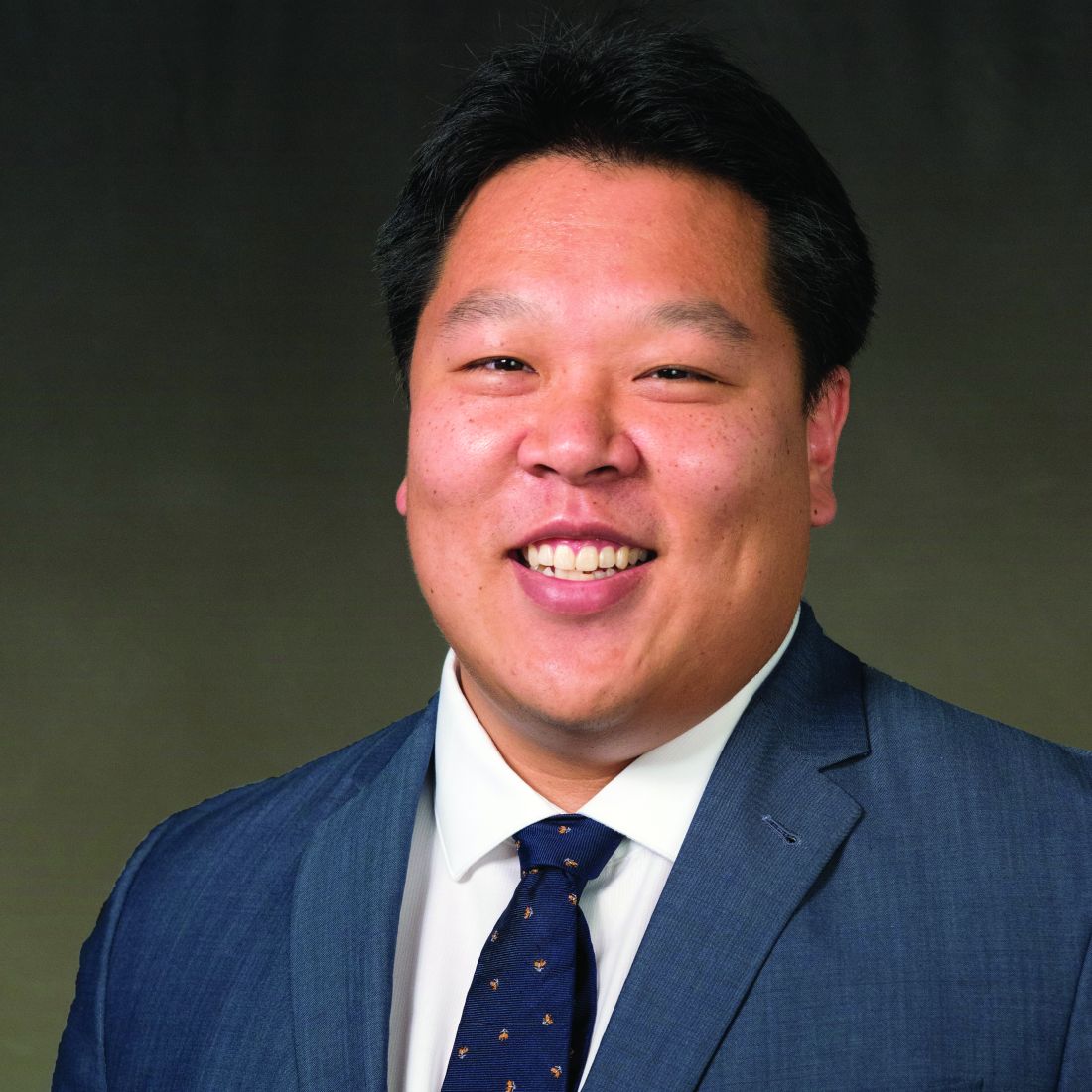
The Gamer Who Became a GI Hospitalist and Dedicated Endoscopist
Reflecting on his career in gastroenterology, Andy Tau, MD, (@DrBloodandGuts on X) claims the discipline chose him, in many ways.
“I love gaming, which my mom said would never pay off. Then one day she nearly died from a peptic ulcer, and endoscopy saved her,” said Dr. Tau, a GI hospitalist who practices with Austin Gastroenterology in Austin, Texas. One of his specialties is endoscopic hemostasis.
Endoscopy functions similarly to a game because the interface between the operator and the patient is a controller and a video screen, he explained. “Movements in my hands translate directly onto the screen. Obviously, endoscopy is serious business, but the tactile feel was very familiar and satisfying to me.”
Advocating for the GI hospitalist and the versatile role they play in hospital medicine, is another passion of his. “The dedicated GI hospitalist indirectly improves the efficiency of an outpatient practice, while directly improving inpatient outcomes, collegiality, and even one’s own skills as an endoscopist,” Dr. Tau wrote in an opinion piece in GI & Hepatology News .
He expounded more on this topic and others in an interview, recalling what he learned from one mentor about maintaining a sense of humor at the bedside.
Q: You’ve said that GI hospitalists are the future of patient care. Can you explain why you feel this way?
Dr. Tau: From a quality perspective, even though it’s hard to put into one word, the care of acute GI pathology and endoscopy can be seen as a specialty in and of itself. These skills include hemostasis, enteral access, percutaneous endoscopic gastrostomy (PEG), balloon-assisted enteroscopy, luminal stenting, advanced tissue closure, and endoscopic retrograde cholangiopancreatography. The greater availability of a GI hospitalist, as opposed to an outpatient GI doctor rounding at the ends of days, likely shortens admissions and improves the logistics of scheduling inpatient cases.
From a financial perspective, the landscape of GI practice is changing because of GI physician shortages relative to increased demand for outpatient procedures. Namely, the outpatient gastroenterologists simply have too much on their plate and inefficiencies abound when they have to juggle inpatient and outpatient work. Thus, two tracks are forming, especially in large busy hospitals. This is the same evolution of the pure outpatient internist and inpatient internist 20 years ago.
Q: What attributes does a GI hospitalist bring to the table?
Dr. Tau: A GI hospitalist is one who can multitask through interruptions, manage end-of-life issues, craves therapeutic endoscopy (even if that’s hemostasis), and can keep more erratic hours based on the number of consults that come in. She/he tends to want immediate gratification and doesn’t mind the lack of continuity of care. Lastly, the GI hospitalist has to be brave and yet careful as the patients are sicker and thus complications may be higher and certainly less well tolerated.
Q: Are there enough of them going into practice right now?
Dr. Tau: Not really! The demand seems to outstrip supply based on what I see. There is a definite financial lure as the market rate for them rises (because more GIs are leaving the hospital for pure outpatient practice), but burnout can be an issue. Interestingly, fellows are typically highly trained and familiar with inpatient work, but once in practice, most choose the outpatient track. I think it’s a combination of work-life balance, inefficiency of inpatient endoscopy, and perhaps the strain of daily, erratic consultation.
Q: You received the 2021 Travis County Medical Society (TCMS) Young Physician of the Year. What achievements led to this honor?
Dr. Tau: I am not sure I am deserving of that award, but I think it was related to personal risk and some long hours as a GI hospitalist during the COVID pandemic. I may have the unfortunate distinction of performing more procedures on COVID patients than any other physician in the city. My hospital was the largest COVID-designated site in the city. There were countless PEG tubes in COVID survivors and a lot of bleeders for some reason. A critical care physician on the front lines and health director of the city of Austin received Physician of the Year, deservedly.
Q: What teacher or mentor had the greatest impact on you?
Dr. Tau: David Y. Graham, MD, MACG, got me into GI as a medical student and taught me to never tolerate any loose ends when it came to patient care as a resident. He trained me at every level — from medical school, residency, and through my fellowship. His advice is often delivered sly and dry, but his humor-laden truths continue to ring true throughout my life. One story: my whole family tested positive for Helicobacter pylori after my mother survived peptic ulcer hemorrhage. I was the only one who tested negative! I asked Dr Graham about it and he quipped, “You’re lucky! It’s because your mother didn’t love (and kiss) you as much!”
Even to this moment I laugh about that. I share that with my patients when they ask about how they contracted H. pylori.
Lightning Round
Favorite junk food?
McDonalds fries
Favorite movie genre?
Psychological thriller
Cat person or dog person?
Dog
What was your favorite Halloween costume?
Ninja turtle
Favorite sport:
Football (played in college)
Introvert or extrovert?
Extrovert unless sleep deprived.
Favorite holiday:
Thanksgiving
The book you read over and over:
Swiss Family Robinson
Favorite travel destination:
Hawaii
Optimist or pessimist?
A happy pessimist.
Reflecting on his career in gastroenterology, Andy Tau, MD, (@DrBloodandGuts on X) claims the discipline chose him, in many ways.
“I love gaming, which my mom said would never pay off. Then one day she nearly died from a peptic ulcer, and endoscopy saved her,” said Dr. Tau, a GI hospitalist who practices with Austin Gastroenterology in Austin, Texas. One of his specialties is endoscopic hemostasis.
Endoscopy functions similarly to a game because the interface between the operator and the patient is a controller and a video screen, he explained. “Movements in my hands translate directly onto the screen. Obviously, endoscopy is serious business, but the tactile feel was very familiar and satisfying to me.”
Advocating for the GI hospitalist and the versatile role they play in hospital medicine, is another passion of his. “The dedicated GI hospitalist indirectly improves the efficiency of an outpatient practice, while directly improving inpatient outcomes, collegiality, and even one’s own skills as an endoscopist,” Dr. Tau wrote in an opinion piece in GI & Hepatology News .
He expounded more on this topic and others in an interview, recalling what he learned from one mentor about maintaining a sense of humor at the bedside.
Q: You’ve said that GI hospitalists are the future of patient care. Can you explain why you feel this way?
Dr. Tau: From a quality perspective, even though it’s hard to put into one word, the care of acute GI pathology and endoscopy can be seen as a specialty in and of itself. These skills include hemostasis, enteral access, percutaneous endoscopic gastrostomy (PEG), balloon-assisted enteroscopy, luminal stenting, advanced tissue closure, and endoscopic retrograde cholangiopancreatography. The greater availability of a GI hospitalist, as opposed to an outpatient GI doctor rounding at the ends of days, likely shortens admissions and improves the logistics of scheduling inpatient cases.
From a financial perspective, the landscape of GI practice is changing because of GI physician shortages relative to increased demand for outpatient procedures. Namely, the outpatient gastroenterologists simply have too much on their plate and inefficiencies abound when they have to juggle inpatient and outpatient work. Thus, two tracks are forming, especially in large busy hospitals. This is the same evolution of the pure outpatient internist and inpatient internist 20 years ago.
Q: What attributes does a GI hospitalist bring to the table?
Dr. Tau: A GI hospitalist is one who can multitask through interruptions, manage end-of-life issues, craves therapeutic endoscopy (even if that’s hemostasis), and can keep more erratic hours based on the number of consults that come in. She/he tends to want immediate gratification and doesn’t mind the lack of continuity of care. Lastly, the GI hospitalist has to be brave and yet careful as the patients are sicker and thus complications may be higher and certainly less well tolerated.
Q: Are there enough of them going into practice right now?
Dr. Tau: Not really! The demand seems to outstrip supply based on what I see. There is a definite financial lure as the market rate for them rises (because more GIs are leaving the hospital for pure outpatient practice), but burnout can be an issue. Interestingly, fellows are typically highly trained and familiar with inpatient work, but once in practice, most choose the outpatient track. I think it’s a combination of work-life balance, inefficiency of inpatient endoscopy, and perhaps the strain of daily, erratic consultation.
Q: You received the 2021 Travis County Medical Society (TCMS) Young Physician of the Year. What achievements led to this honor?
Dr. Tau: I am not sure I am deserving of that award, but I think it was related to personal risk and some long hours as a GI hospitalist during the COVID pandemic. I may have the unfortunate distinction of performing more procedures on COVID patients than any other physician in the city. My hospital was the largest COVID-designated site in the city. There were countless PEG tubes in COVID survivors and a lot of bleeders for some reason. A critical care physician on the front lines and health director of the city of Austin received Physician of the Year, deservedly.
Q: What teacher or mentor had the greatest impact on you?
Dr. Tau: David Y. Graham, MD, MACG, got me into GI as a medical student and taught me to never tolerate any loose ends when it came to patient care as a resident. He trained me at every level — from medical school, residency, and through my fellowship. His advice is often delivered sly and dry, but his humor-laden truths continue to ring true throughout my life. One story: my whole family tested positive for Helicobacter pylori after my mother survived peptic ulcer hemorrhage. I was the only one who tested negative! I asked Dr Graham about it and he quipped, “You’re lucky! It’s because your mother didn’t love (and kiss) you as much!”
Even to this moment I laugh about that. I share that with my patients when they ask about how they contracted H. pylori.
Lightning Round
Favorite junk food?
McDonalds fries
Favorite movie genre?
Psychological thriller
Cat person or dog person?
Dog
What was your favorite Halloween costume?
Ninja turtle
Favorite sport:
Football (played in college)
Introvert or extrovert?
Extrovert unless sleep deprived.
Favorite holiday:
Thanksgiving
The book you read over and over:
Swiss Family Robinson
Favorite travel destination:
Hawaii
Optimist or pessimist?
A happy pessimist.
Reflecting on his career in gastroenterology, Andy Tau, MD, (@DrBloodandGuts on X) claims the discipline chose him, in many ways.
“I love gaming, which my mom said would never pay off. Then one day she nearly died from a peptic ulcer, and endoscopy saved her,” said Dr. Tau, a GI hospitalist who practices with Austin Gastroenterology in Austin, Texas. One of his specialties is endoscopic hemostasis.
Endoscopy functions similarly to a game because the interface between the operator and the patient is a controller and a video screen, he explained. “Movements in my hands translate directly onto the screen. Obviously, endoscopy is serious business, but the tactile feel was very familiar and satisfying to me.”
Advocating for the GI hospitalist and the versatile role they play in hospital medicine, is another passion of his. “The dedicated GI hospitalist indirectly improves the efficiency of an outpatient practice, while directly improving inpatient outcomes, collegiality, and even one’s own skills as an endoscopist,” Dr. Tau wrote in an opinion piece in GI & Hepatology News .
He expounded more on this topic and others in an interview, recalling what he learned from one mentor about maintaining a sense of humor at the bedside.
Q: You’ve said that GI hospitalists are the future of patient care. Can you explain why you feel this way?
Dr. Tau: From a quality perspective, even though it’s hard to put into one word, the care of acute GI pathology and endoscopy can be seen as a specialty in and of itself. These skills include hemostasis, enteral access, percutaneous endoscopic gastrostomy (PEG), balloon-assisted enteroscopy, luminal stenting, advanced tissue closure, and endoscopic retrograde cholangiopancreatography. The greater availability of a GI hospitalist, as opposed to an outpatient GI doctor rounding at the ends of days, likely shortens admissions and improves the logistics of scheduling inpatient cases.
From a financial perspective, the landscape of GI practice is changing because of GI physician shortages relative to increased demand for outpatient procedures. Namely, the outpatient gastroenterologists simply have too much on their plate and inefficiencies abound when they have to juggle inpatient and outpatient work. Thus, two tracks are forming, especially in large busy hospitals. This is the same evolution of the pure outpatient internist and inpatient internist 20 years ago.
Q: What attributes does a GI hospitalist bring to the table?
Dr. Tau: A GI hospitalist is one who can multitask through interruptions, manage end-of-life issues, craves therapeutic endoscopy (even if that’s hemostasis), and can keep more erratic hours based on the number of consults that come in. She/he tends to want immediate gratification and doesn’t mind the lack of continuity of care. Lastly, the GI hospitalist has to be brave and yet careful as the patients are sicker and thus complications may be higher and certainly less well tolerated.
Q: Are there enough of them going into practice right now?
Dr. Tau: Not really! The demand seems to outstrip supply based on what I see. There is a definite financial lure as the market rate for them rises (because more GIs are leaving the hospital for pure outpatient practice), but burnout can be an issue. Interestingly, fellows are typically highly trained and familiar with inpatient work, but once in practice, most choose the outpatient track. I think it’s a combination of work-life balance, inefficiency of inpatient endoscopy, and perhaps the strain of daily, erratic consultation.
Q: You received the 2021 Travis County Medical Society (TCMS) Young Physician of the Year. What achievements led to this honor?
Dr. Tau: I am not sure I am deserving of that award, but I think it was related to personal risk and some long hours as a GI hospitalist during the COVID pandemic. I may have the unfortunate distinction of performing more procedures on COVID patients than any other physician in the city. My hospital was the largest COVID-designated site in the city. There were countless PEG tubes in COVID survivors and a lot of bleeders for some reason. A critical care physician on the front lines and health director of the city of Austin received Physician of the Year, deservedly.
Q: What teacher or mentor had the greatest impact on you?
Dr. Tau: David Y. Graham, MD, MACG, got me into GI as a medical student and taught me to never tolerate any loose ends when it came to patient care as a resident. He trained me at every level — from medical school, residency, and through my fellowship. His advice is often delivered sly and dry, but his humor-laden truths continue to ring true throughout my life. One story: my whole family tested positive for Helicobacter pylori after my mother survived peptic ulcer hemorrhage. I was the only one who tested negative! I asked Dr Graham about it and he quipped, “You’re lucky! It’s because your mother didn’t love (and kiss) you as much!”
Even to this moment I laugh about that. I share that with my patients when they ask about how they contracted H. pylori.
Lightning Round
Favorite junk food?
McDonalds fries
Favorite movie genre?
Psychological thriller
Cat person or dog person?
Dog
What was your favorite Halloween costume?
Ninja turtle
Favorite sport:
Football (played in college)
Introvert or extrovert?
Extrovert unless sleep deprived.
Favorite holiday:
Thanksgiving
The book you read over and over:
Swiss Family Robinson
Favorite travel destination:
Hawaii
Optimist or pessimist?
A happy pessimist.
Private Equity in GI
Dear colleagues,
In this issue of Perspectives we will explore the business of medicine. With changes in reimbursement models and health care regulation over the past decades, private practice gastroenterology has evolved. Many gastroenterologists are now employed or are part of larger consolidated organizations. A key part of this evolution has been the influx of private equity in GI. The impact of private equity is still being written, and while many have embraced this business model, others have been critical of its influence.
In this issue, Dr. Paul J. Berggreen discusses his group’s experience with private equity and how it has helped improve the quality of patient care that they provide.
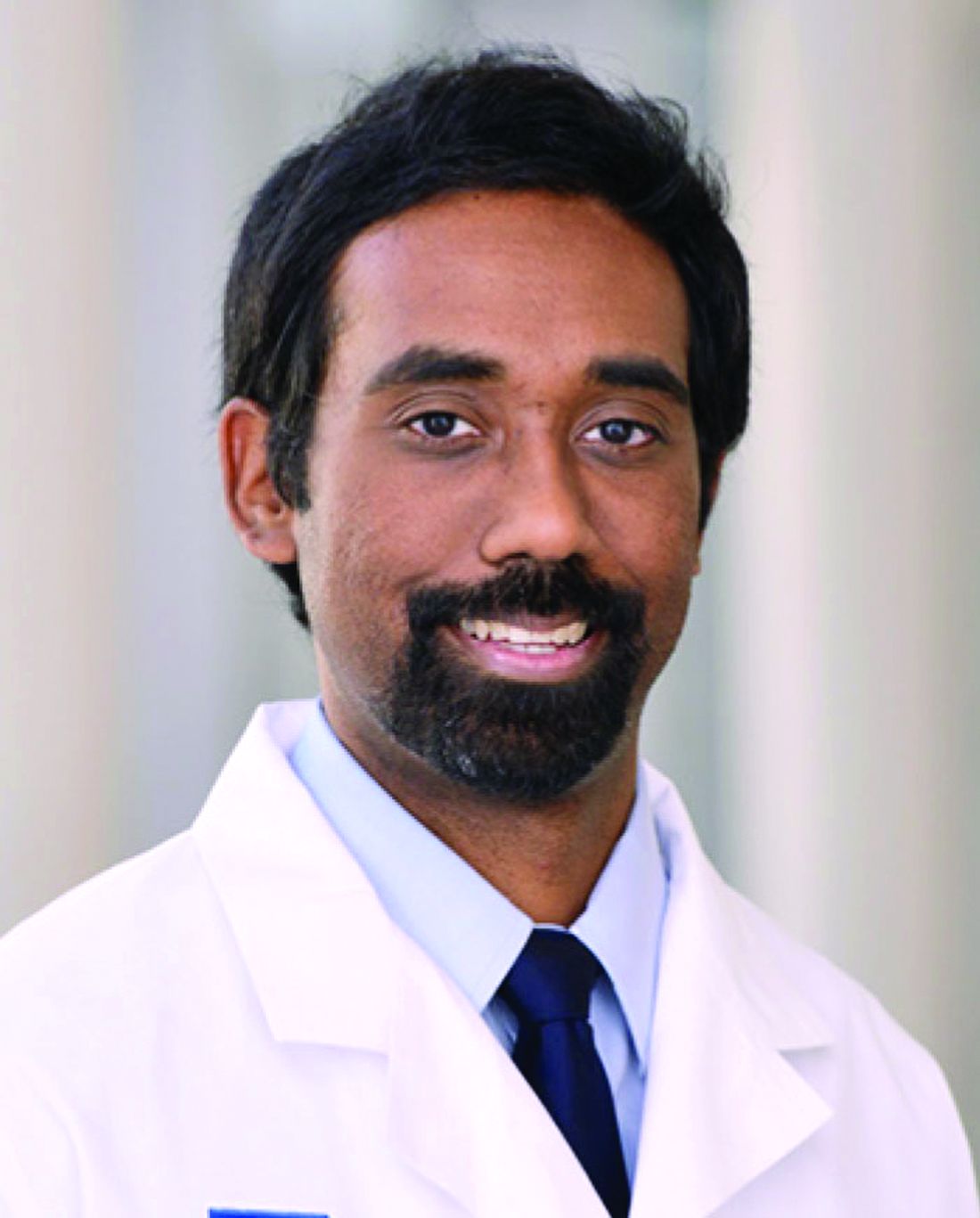
Dr. Michael L. Weinstein provides the counterpoint, discussing potential issues with the private equity model, and also highlighting an alternative path taken by his practice. An important topic for gastroenterologists of all ages. We welcome your experience with this issue. Please share with us on X @AGA_GIHN.
Gyanprakash A. Ketwaroo, MD, MSc, is associate professor of medicine, Yale University, New Haven, Conn., and chief of endoscopy at West Haven (Conn.) VA Medical Center. He is an associate editor for GI & Hepatology News.
The Future of Medical Practice
BY DR. PAUL J. BERGGREEN
The future of medicine is being written as we speak. Trends that began in past decades have accelerated. Consolidation among massive hospital systems and health insurance conglomerates has gained momentum.
Physicians have been slow to organize and slower to mobilize. We spend our time caring for patients while national forces shape the future of our profession.
These trends have motivated many physicians to explore vehicles that allow them to remain independent. Creating business relationships with financial entities, including private equity, is one of those methods.
Before exploring those models, some background is instructive.
More than 100,000 doctors have left private practice and become employees of hospitals and other corporate entities since 2019. Today, approximately 75% of physicians are employees of larger health care entities – a record high.
This trend ought to alarm patients and policymakers. Research shows that independent medical practices often deliver better outcomes for patients than hospitals. Physician-owned practices also have lower per-patient costs, fewer preventable hospital admissions, and fewer re-admissions than their larger hospital-owned counterparts.
The business of medicine is very different than it was 40 years ago, when more than three in four doctors cared for patients in their own medical practices. The cost of managing a practice has surged. Labor, rent, and malpractice insurance have grown more expensive. Physicians have had to make significant investments in information technology and electronic health records.
Medicare’s reimbursement rates have not kept pace with these higher operational costs. In fact, Medicare payments to doctors have declined more than 25% in the last two decades after accounting for inflation.
By contrast, reimbursement for inpatient and outpatient hospital services as well as skilled nursing facilities has outpaced inflation since 2001.
Given these economic headwinds – and the mounting administrative and financial burdens that government regulation poses – many independent practitioners have concluded that they have little choice but to sell to larger entities like hospitals, health systems, or insurers.
If they do, they lose autonomy. Patients lose the personal touch an independent practice can offer.
To stay independent, many physicians are partnering with management services organizations (MSOs), which provide nonclinical services such as compliance, contracting, legal and IT support, cybersecurity, marketing, community outreach, recruiting assistance, billing, accounts payable, and guidance on the transition to value-based care.
MSOs are typically backed by investors: perhaps a public company, or a private equity firm. But it’s important to note that the clinical entity – the practice – remains separate from the MSO. Physicians retain control over clinical decision-making after partnering with an MSO.
Private equity is best viewed as a neutral financing mechanism that provides independent practices access to capital so they can build the business, clinical, and technological infrastructure to compete against the vertically integrated health systems that dominate medicine.
Private equity firms don’t “acquire” independent practices. A partnership with a private equity-backed MSO is often what empowers a practice to resist acquisition by a larger hospital or health care system.
The experience of my own practice, Arizona Digestive Health, is instructive. We partnered with GI Alliance – a private equity-backed, gastroenterologist-led MSO – in 2019.
My physician colleagues and I have retained complete clinical autonomy. But we now have the financial and operational support we need to remain independent – and deliver better care for our patients.
For example, we led the development of a GI-focused, population-based clinical dashboard that aggregates real-time data from almost 3 million patients across 16 states who are treated by practices affiliated with GI Alliance.
By drawing on that data, we’ve been able to implement comprehensive care-management programs. In the case of inflammatory bowel disease, for instance, we’ve been able to identify the highest-cost, most at-risk patients and implement more proactive treatment protocols, including dedicated care managers and hotlines. We’ve replicated this model in other disease states as well.
This kind of ongoing, high-touch intervention improves patient outcomes and reduces overall cost by minimizing unplanned episodes of care – like visits to the emergency room.
It’s not possible to provide this level of care in a smaller setting. I should know. I tried to implement a similar approach for the 55 doctors that comprise Arizona Digestive Health in Phoenix. We simply didn’t have the capital or resources to succeed.
Our experience at Arizona Digestive Health is not an outlier. I have seen numerous independent practices in gastroenterology and other specialties throughout the country leverage the resources of private equity-backed MSOs to enhance the level of care they provide – and improve patient outcomes and experiences.
In 2022, the physician leadership of GI Alliance spearheaded a transaction that resulted in the nearly 700 physicians whose independent gastroenterology practices were part of the alliance to grow their collective equity stake in the MSO to more than 85%. Our independent physicians now have voting control of the MSO board of directors.
This evolution of GI Alliance has enabled us to remain true to our mission of putting patients first while enhancing our ability to shape the business support our partnered gastroenterology practices need to expand access to the highest-quality, most affordable care in our communities.
Doctors caring for patients in their own practices used to be the foundation of the U.S. health care system – and for good reason. The model enables patients to receive more personalized care and build deeper, more longitudinal, more trusting relationships with their doctors. That remains the goal of physicians who value autonomy and independence.
Inaction will result in more of the same, with hospitals and insurance companies snapping up independent practices. It’s encouraging to see physicians take back control of their profession. But the climb remains steep.
The easiest way to predict the future is to invent it. Doing so in a patient-centric, physician-led, and physician-owned group is a great start to that journey.
Dr. Paul Berggreen is board chair and president of the American Independent Medical Practice Association. He is founder and president of Arizona Digestive Health, chief strategy officer for the GI Alliance, and chair of data analytics for the Digestive Health Physicians Association. He is also a consultant to Specialty Networks, which is not directly relevant to this article.
Thinking Strategically About Gastroenterology Practice
BY MICHAEL L. WEINSTEIN, MD
Whether you are a young gastroenterologist assessing your career opportunities, or a gastroenterology practice trying to assure your future success, you are likely considering how a private equity transaction might influence your options. In this column, I am going to share what I’ve learned and why my practice chose not to go the route of a private equity investment partner.
In 2018, Capital Digestive Care was an independent practice of 70 physicians centered around Washington, DC. Private equity firms were increasingly investing in health care, seeking to capitalize on the industry’s fragmentation, recession-proof business, and ability to leverage consolidation. Our leadership chose to spend a weekend on a strategic planning retreat to agree on our priorities and long-term goals. I highly recommend that you and/or your practice sit down to list your priorities as your first task.
After defining priorities, a SWOT analysis of your position today and what you project over the next decade will determine a strategy. There is a current shortage of more than 1,400 gastroenterologists in the United States. That gives us a pretty powerful “strength.” However, the consolidation of commercial payers and hospital systems is forcing physicians to accept low reimbursement and navigate a maze of administrative burdens. The mountain of regulatory, administrative, and financial functions can push physicians away from independent practice. Additionally, recruiting, training, and managing an office of medical personnel is not what most gastroenterologists want to do with their time.
The common denominator to achieve success with all of these practice management issues is size. So before providing thoughts about private equity, I recommend consolidation of medical practices as the strategy to achieving long-term goals. Practice size will allow physicians to spread out the administrative work, the cost of the business personnel, the IT systems, and the specialized resources. Purchasing power and negotiation relevance is achieved with size. Our priorities are taking care of our patients, our staff, and our practice colleagues. If we are providing high-value service and have a size relevant to the insurance companies, then we can negotiate value-based contracts, and at the end of the day, we will be financially well-off.
In contrast to the list of priorities a physician would create, the private equity fund manager’s goal is to generate wealth for themselves and their investors. Everything else, like innovation, enhanced service, employee satisfaction, and great quality, takes a back seat to accumulating profit. Their investments are made with a life-cycle of 4-6 years during which money is deployed by acquiring companies, improving the company bottom line profit through cost cutting or bolt-on acquisitions, increasing company profit distributions by adding leveraged debt to the corporate ledger, and then selling the companies often to another private equity fund. Physicians are trained to provide care to patients, and fund managers are trained to create wealth.
The medical practice as a business can grow over a career and provides physicians with top tier incomes. We are proud of the businesses we build and believe they are valuable. Private equity funds acquire medical practices for the future revenue and not the past results. They value a medical practice based on a multiple of the portion of future income the practice wants to sell. They ensure their future revenue through agreements that provide them management fees plus 25%-35% of future physician income for the current and all future physicians. The private equity company will say that the physicians are still independent but in reality all providers become employees of the company with wages defined by a formula. The private equity-owned Management Services Organization (MSO) controls decisions on carrier contracts, practice investments, purchasing, hiring, and the operations of the medical office. To get around corporate practice of medicine regulations, the ownership of the medical practice is placed in the hands of a single friendly physician who has a unique relationship to the MSO.
In my opinion, private equity is not the best strategy to achieve a successful medical practice, including acquiring the needed technology and human resources. It comes at a steep price, including loss of control and a permanent forfeiture of income (“the scrape”). The rhetoric professes that there will be income repair, monetization of practice value, and opportunity for a “second bite of the apple” when the private equity managers sell your practice to the next owner. Private equity’s main contribution for their outsized gains is the capital they bring to the practice. Everything else they bring can be found without selling the income of future partners to create a little more wealth for current partners.
The long-term results of private equity investment in gastroenterology practices has yet to be written. The experience in other specialties is partly documented in literature but the real stories are often hidden behind non-disparagement and non-disclosure clauses. Several investigations show that private equity ownership of health care providers leads to higher costs to patients and payers, employee dissatisfaction, diminished patient access, and worse health outcomes. The Federal Trade Commission and Department of Justice have vowed to scrutinize private equity deals because of mounting evidence that the motive for profit can conflict with maintaining quality.
In 2019, Capital Digestive Care chose Physicians Endoscopy as our strategic partner with the goal of separating and expanding our back-office functions into an MSO capable of providing business services to a larger practice and services to other practices outside of our own. Physicians Endoscopy has since been acquired by Optum/SCA. PE GI Solutions, the MSO, is now a partnership of CDC physician partners and Optum/SCA. Capital Digestive Care remains a practice owned 100% by the physicians. A Business Support Services Agreement defines the services CDC receives and the fees paid to the PE GI Solutions. We maintain MSO Board seats and have input into the operations of the MSO.
Consider your motivations and the degree of control you need. Do you recognize your gaps of knowledge and are you willing to hire people to advise you? Will your practice achieve a balance between the interests of older and younger physicians? Becoming an employed physician in a large practice is an option to manage the concerns about future career stability. Improved quality, expanded service offerings, clout to negotiate value-based payment deals with payers, and back-office business efficiency does not require selling yourself to a private equity fund.
Dr. Michael L. Weinstein is a founder and now chief executive officer of Capital Digestive Care. He is a founder and past president of the Digestive Health Physicians Association, previous counselor on the Governing Board of the American Gastroenterological Association. He reports no relevant conflicts.
References
The FTC and DOJ have vowed to scrutinize private equity deals. Here’s what it means for health care. FIERCE Healthcare, 2022, Oct. 21.
The Effect of Private Equity Investment in Health Care. Penn LDI. 2023 Mar. 10.
Olson, LK. Ethically challenged: Private equity storms US health care. Baltimore: Johns Hopkins University Press. 2022.
Dear colleagues,
In this issue of Perspectives we will explore the business of medicine. With changes in reimbursement models and health care regulation over the past decades, private practice gastroenterology has evolved. Many gastroenterologists are now employed or are part of larger consolidated organizations. A key part of this evolution has been the influx of private equity in GI. The impact of private equity is still being written, and while many have embraced this business model, others have been critical of its influence.
In this issue, Dr. Paul J. Berggreen discusses his group’s experience with private equity and how it has helped improve the quality of patient care that they provide.
Dr. Michael L. Weinstein provides the counterpoint, discussing potential issues with the private equity model, and also highlighting an alternative path taken by his practice. An important topic for gastroenterologists of all ages. We welcome your experience with this issue. Please share with us on X @AGA_GIHN.
Gyanprakash A. Ketwaroo, MD, MSc, is associate professor of medicine, Yale University, New Haven, Conn., and chief of endoscopy at West Haven (Conn.) VA Medical Center. He is an associate editor for GI & Hepatology News.
The Future of Medical Practice
BY DR. PAUL J. BERGGREEN
The future of medicine is being written as we speak. Trends that began in past decades have accelerated. Consolidation among massive hospital systems and health insurance conglomerates has gained momentum.
Physicians have been slow to organize and slower to mobilize. We spend our time caring for patients while national forces shape the future of our profession.
These trends have motivated many physicians to explore vehicles that allow them to remain independent. Creating business relationships with financial entities, including private equity, is one of those methods.
Before exploring those models, some background is instructive.
More than 100,000 doctors have left private practice and become employees of hospitals and other corporate entities since 2019. Today, approximately 75% of physicians are employees of larger health care entities – a record high.
This trend ought to alarm patients and policymakers. Research shows that independent medical practices often deliver better outcomes for patients than hospitals. Physician-owned practices also have lower per-patient costs, fewer preventable hospital admissions, and fewer re-admissions than their larger hospital-owned counterparts.
The business of medicine is very different than it was 40 years ago, when more than three in four doctors cared for patients in their own medical practices. The cost of managing a practice has surged. Labor, rent, and malpractice insurance have grown more expensive. Physicians have had to make significant investments in information technology and electronic health records.
Medicare’s reimbursement rates have not kept pace with these higher operational costs. In fact, Medicare payments to doctors have declined more than 25% in the last two decades after accounting for inflation.
By contrast, reimbursement for inpatient and outpatient hospital services as well as skilled nursing facilities has outpaced inflation since 2001.
Given these economic headwinds – and the mounting administrative and financial burdens that government regulation poses – many independent practitioners have concluded that they have little choice but to sell to larger entities like hospitals, health systems, or insurers.
If they do, they lose autonomy. Patients lose the personal touch an independent practice can offer.
To stay independent, many physicians are partnering with management services organizations (MSOs), which provide nonclinical services such as compliance, contracting, legal and IT support, cybersecurity, marketing, community outreach, recruiting assistance, billing, accounts payable, and guidance on the transition to value-based care.
MSOs are typically backed by investors: perhaps a public company, or a private equity firm. But it’s important to note that the clinical entity – the practice – remains separate from the MSO. Physicians retain control over clinical decision-making after partnering with an MSO.
Private equity is best viewed as a neutral financing mechanism that provides independent practices access to capital so they can build the business, clinical, and technological infrastructure to compete against the vertically integrated health systems that dominate medicine.
Private equity firms don’t “acquire” independent practices. A partnership with a private equity-backed MSO is often what empowers a practice to resist acquisition by a larger hospital or health care system.
The experience of my own practice, Arizona Digestive Health, is instructive. We partnered with GI Alliance – a private equity-backed, gastroenterologist-led MSO – in 2019.
My physician colleagues and I have retained complete clinical autonomy. But we now have the financial and operational support we need to remain independent – and deliver better care for our patients.
For example, we led the development of a GI-focused, population-based clinical dashboard that aggregates real-time data from almost 3 million patients across 16 states who are treated by practices affiliated with GI Alliance.
By drawing on that data, we’ve been able to implement comprehensive care-management programs. In the case of inflammatory bowel disease, for instance, we’ve been able to identify the highest-cost, most at-risk patients and implement more proactive treatment protocols, including dedicated care managers and hotlines. We’ve replicated this model in other disease states as well.
This kind of ongoing, high-touch intervention improves patient outcomes and reduces overall cost by minimizing unplanned episodes of care – like visits to the emergency room.
It’s not possible to provide this level of care in a smaller setting. I should know. I tried to implement a similar approach for the 55 doctors that comprise Arizona Digestive Health in Phoenix. We simply didn’t have the capital or resources to succeed.
Our experience at Arizona Digestive Health is not an outlier. I have seen numerous independent practices in gastroenterology and other specialties throughout the country leverage the resources of private equity-backed MSOs to enhance the level of care they provide – and improve patient outcomes and experiences.
In 2022, the physician leadership of GI Alliance spearheaded a transaction that resulted in the nearly 700 physicians whose independent gastroenterology practices were part of the alliance to grow their collective equity stake in the MSO to more than 85%. Our independent physicians now have voting control of the MSO board of directors.
This evolution of GI Alliance has enabled us to remain true to our mission of putting patients first while enhancing our ability to shape the business support our partnered gastroenterology practices need to expand access to the highest-quality, most affordable care in our communities.
Doctors caring for patients in their own practices used to be the foundation of the U.S. health care system – and for good reason. The model enables patients to receive more personalized care and build deeper, more longitudinal, more trusting relationships with their doctors. That remains the goal of physicians who value autonomy and independence.
Inaction will result in more of the same, with hospitals and insurance companies snapping up independent practices. It’s encouraging to see physicians take back control of their profession. But the climb remains steep.
The easiest way to predict the future is to invent it. Doing so in a patient-centric, physician-led, and physician-owned group is a great start to that journey.
Dr. Paul Berggreen is board chair and president of the American Independent Medical Practice Association. He is founder and president of Arizona Digestive Health, chief strategy officer for the GI Alliance, and chair of data analytics for the Digestive Health Physicians Association. He is also a consultant to Specialty Networks, which is not directly relevant to this article.
Thinking Strategically About Gastroenterology Practice
BY MICHAEL L. WEINSTEIN, MD
Whether you are a young gastroenterologist assessing your career opportunities, or a gastroenterology practice trying to assure your future success, you are likely considering how a private equity transaction might influence your options. In this column, I am going to share what I’ve learned and why my practice chose not to go the route of a private equity investment partner.
In 2018, Capital Digestive Care was an independent practice of 70 physicians centered around Washington, DC. Private equity firms were increasingly investing in health care, seeking to capitalize on the industry’s fragmentation, recession-proof business, and ability to leverage consolidation. Our leadership chose to spend a weekend on a strategic planning retreat to agree on our priorities and long-term goals. I highly recommend that you and/or your practice sit down to list your priorities as your first task.
After defining priorities, a SWOT analysis of your position today and what you project over the next decade will determine a strategy. There is a current shortage of more than 1,400 gastroenterologists in the United States. That gives us a pretty powerful “strength.” However, the consolidation of commercial payers and hospital systems is forcing physicians to accept low reimbursement and navigate a maze of administrative burdens. The mountain of regulatory, administrative, and financial functions can push physicians away from independent practice. Additionally, recruiting, training, and managing an office of medical personnel is not what most gastroenterologists want to do with their time.
The common denominator to achieve success with all of these practice management issues is size. So before providing thoughts about private equity, I recommend consolidation of medical practices as the strategy to achieving long-term goals. Practice size will allow physicians to spread out the administrative work, the cost of the business personnel, the IT systems, and the specialized resources. Purchasing power and negotiation relevance is achieved with size. Our priorities are taking care of our patients, our staff, and our practice colleagues. If we are providing high-value service and have a size relevant to the insurance companies, then we can negotiate value-based contracts, and at the end of the day, we will be financially well-off.
In contrast to the list of priorities a physician would create, the private equity fund manager’s goal is to generate wealth for themselves and their investors. Everything else, like innovation, enhanced service, employee satisfaction, and great quality, takes a back seat to accumulating profit. Their investments are made with a life-cycle of 4-6 years during which money is deployed by acquiring companies, improving the company bottom line profit through cost cutting or bolt-on acquisitions, increasing company profit distributions by adding leveraged debt to the corporate ledger, and then selling the companies often to another private equity fund. Physicians are trained to provide care to patients, and fund managers are trained to create wealth.
The medical practice as a business can grow over a career and provides physicians with top tier incomes. We are proud of the businesses we build and believe they are valuable. Private equity funds acquire medical practices for the future revenue and not the past results. They value a medical practice based on a multiple of the portion of future income the practice wants to sell. They ensure their future revenue through agreements that provide them management fees plus 25%-35% of future physician income for the current and all future physicians. The private equity company will say that the physicians are still independent but in reality all providers become employees of the company with wages defined by a formula. The private equity-owned Management Services Organization (MSO) controls decisions on carrier contracts, practice investments, purchasing, hiring, and the operations of the medical office. To get around corporate practice of medicine regulations, the ownership of the medical practice is placed in the hands of a single friendly physician who has a unique relationship to the MSO.
In my opinion, private equity is not the best strategy to achieve a successful medical practice, including acquiring the needed technology and human resources. It comes at a steep price, including loss of control and a permanent forfeiture of income (“the scrape”). The rhetoric professes that there will be income repair, monetization of practice value, and opportunity for a “second bite of the apple” when the private equity managers sell your practice to the next owner. Private equity’s main contribution for their outsized gains is the capital they bring to the practice. Everything else they bring can be found without selling the income of future partners to create a little more wealth for current partners.
The long-term results of private equity investment in gastroenterology practices has yet to be written. The experience in other specialties is partly documented in literature but the real stories are often hidden behind non-disparagement and non-disclosure clauses. Several investigations show that private equity ownership of health care providers leads to higher costs to patients and payers, employee dissatisfaction, diminished patient access, and worse health outcomes. The Federal Trade Commission and Department of Justice have vowed to scrutinize private equity deals because of mounting evidence that the motive for profit can conflict with maintaining quality.
In 2019, Capital Digestive Care chose Physicians Endoscopy as our strategic partner with the goal of separating and expanding our back-office functions into an MSO capable of providing business services to a larger practice and services to other practices outside of our own. Physicians Endoscopy has since been acquired by Optum/SCA. PE GI Solutions, the MSO, is now a partnership of CDC physician partners and Optum/SCA. Capital Digestive Care remains a practice owned 100% by the physicians. A Business Support Services Agreement defines the services CDC receives and the fees paid to the PE GI Solutions. We maintain MSO Board seats and have input into the operations of the MSO.
Consider your motivations and the degree of control you need. Do you recognize your gaps of knowledge and are you willing to hire people to advise you? Will your practice achieve a balance between the interests of older and younger physicians? Becoming an employed physician in a large practice is an option to manage the concerns about future career stability. Improved quality, expanded service offerings, clout to negotiate value-based payment deals with payers, and back-office business efficiency does not require selling yourself to a private equity fund.
Dr. Michael L. Weinstein is a founder and now chief executive officer of Capital Digestive Care. He is a founder and past president of the Digestive Health Physicians Association, previous counselor on the Governing Board of the American Gastroenterological Association. He reports no relevant conflicts.
References
The FTC and DOJ have vowed to scrutinize private equity deals. Here’s what it means for health care. FIERCE Healthcare, 2022, Oct. 21.
The Effect of Private Equity Investment in Health Care. Penn LDI. 2023 Mar. 10.
Olson, LK. Ethically challenged: Private equity storms US health care. Baltimore: Johns Hopkins University Press. 2022.
Dear colleagues,
In this issue of Perspectives we will explore the business of medicine. With changes in reimbursement models and health care regulation over the past decades, private practice gastroenterology has evolved. Many gastroenterologists are now employed or are part of larger consolidated organizations. A key part of this evolution has been the influx of private equity in GI. The impact of private equity is still being written, and while many have embraced this business model, others have been critical of its influence.
In this issue, Dr. Paul J. Berggreen discusses his group’s experience with private equity and how it has helped improve the quality of patient care that they provide.
Dr. Michael L. Weinstein provides the counterpoint, discussing potential issues with the private equity model, and also highlighting an alternative path taken by his practice. An important topic for gastroenterologists of all ages. We welcome your experience with this issue. Please share with us on X @AGA_GIHN.
Gyanprakash A. Ketwaroo, MD, MSc, is associate professor of medicine, Yale University, New Haven, Conn., and chief of endoscopy at West Haven (Conn.) VA Medical Center. He is an associate editor for GI & Hepatology News.
The Future of Medical Practice
BY DR. PAUL J. BERGGREEN
The future of medicine is being written as we speak. Trends that began in past decades have accelerated. Consolidation among massive hospital systems and health insurance conglomerates has gained momentum.
Physicians have been slow to organize and slower to mobilize. We spend our time caring for patients while national forces shape the future of our profession.
These trends have motivated many physicians to explore vehicles that allow them to remain independent. Creating business relationships with financial entities, including private equity, is one of those methods.
Before exploring those models, some background is instructive.
More than 100,000 doctors have left private practice and become employees of hospitals and other corporate entities since 2019. Today, approximately 75% of physicians are employees of larger health care entities – a record high.
This trend ought to alarm patients and policymakers. Research shows that independent medical practices often deliver better outcomes for patients than hospitals. Physician-owned practices also have lower per-patient costs, fewer preventable hospital admissions, and fewer re-admissions than their larger hospital-owned counterparts.
The business of medicine is very different than it was 40 years ago, when more than three in four doctors cared for patients in their own medical practices. The cost of managing a practice has surged. Labor, rent, and malpractice insurance have grown more expensive. Physicians have had to make significant investments in information technology and electronic health records.
Medicare’s reimbursement rates have not kept pace with these higher operational costs. In fact, Medicare payments to doctors have declined more than 25% in the last two decades after accounting for inflation.
By contrast, reimbursement for inpatient and outpatient hospital services as well as skilled nursing facilities has outpaced inflation since 2001.
Given these economic headwinds – and the mounting administrative and financial burdens that government regulation poses – many independent practitioners have concluded that they have little choice but to sell to larger entities like hospitals, health systems, or insurers.
If they do, they lose autonomy. Patients lose the personal touch an independent practice can offer.
To stay independent, many physicians are partnering with management services organizations (MSOs), which provide nonclinical services such as compliance, contracting, legal and IT support, cybersecurity, marketing, community outreach, recruiting assistance, billing, accounts payable, and guidance on the transition to value-based care.
MSOs are typically backed by investors: perhaps a public company, or a private equity firm. But it’s important to note that the clinical entity – the practice – remains separate from the MSO. Physicians retain control over clinical decision-making after partnering with an MSO.
Private equity is best viewed as a neutral financing mechanism that provides independent practices access to capital so they can build the business, clinical, and technological infrastructure to compete against the vertically integrated health systems that dominate medicine.
Private equity firms don’t “acquire” independent practices. A partnership with a private equity-backed MSO is often what empowers a practice to resist acquisition by a larger hospital or health care system.
The experience of my own practice, Arizona Digestive Health, is instructive. We partnered with GI Alliance – a private equity-backed, gastroenterologist-led MSO – in 2019.
My physician colleagues and I have retained complete clinical autonomy. But we now have the financial and operational support we need to remain independent – and deliver better care for our patients.
For example, we led the development of a GI-focused, population-based clinical dashboard that aggregates real-time data from almost 3 million patients across 16 states who are treated by practices affiliated with GI Alliance.
By drawing on that data, we’ve been able to implement comprehensive care-management programs. In the case of inflammatory bowel disease, for instance, we’ve been able to identify the highest-cost, most at-risk patients and implement more proactive treatment protocols, including dedicated care managers and hotlines. We’ve replicated this model in other disease states as well.
This kind of ongoing, high-touch intervention improves patient outcomes and reduces overall cost by minimizing unplanned episodes of care – like visits to the emergency room.
It’s not possible to provide this level of care in a smaller setting. I should know. I tried to implement a similar approach for the 55 doctors that comprise Arizona Digestive Health in Phoenix. We simply didn’t have the capital or resources to succeed.
Our experience at Arizona Digestive Health is not an outlier. I have seen numerous independent practices in gastroenterology and other specialties throughout the country leverage the resources of private equity-backed MSOs to enhance the level of care they provide – and improve patient outcomes and experiences.
In 2022, the physician leadership of GI Alliance spearheaded a transaction that resulted in the nearly 700 physicians whose independent gastroenterology practices were part of the alliance to grow their collective equity stake in the MSO to more than 85%. Our independent physicians now have voting control of the MSO board of directors.
This evolution of GI Alliance has enabled us to remain true to our mission of putting patients first while enhancing our ability to shape the business support our partnered gastroenterology practices need to expand access to the highest-quality, most affordable care in our communities.
Doctors caring for patients in their own practices used to be the foundation of the U.S. health care system – and for good reason. The model enables patients to receive more personalized care and build deeper, more longitudinal, more trusting relationships with their doctors. That remains the goal of physicians who value autonomy and independence.
Inaction will result in more of the same, with hospitals and insurance companies snapping up independent practices. It’s encouraging to see physicians take back control of their profession. But the climb remains steep.
The easiest way to predict the future is to invent it. Doing so in a patient-centric, physician-led, and physician-owned group is a great start to that journey.
Dr. Paul Berggreen is board chair and president of the American Independent Medical Practice Association. He is founder and president of Arizona Digestive Health, chief strategy officer for the GI Alliance, and chair of data analytics for the Digestive Health Physicians Association. He is also a consultant to Specialty Networks, which is not directly relevant to this article.
Thinking Strategically About Gastroenterology Practice
BY MICHAEL L. WEINSTEIN, MD
Whether you are a young gastroenterologist assessing your career opportunities, or a gastroenterology practice trying to assure your future success, you are likely considering how a private equity transaction might influence your options. In this column, I am going to share what I’ve learned and why my practice chose not to go the route of a private equity investment partner.
In 2018, Capital Digestive Care was an independent practice of 70 physicians centered around Washington, DC. Private equity firms were increasingly investing in health care, seeking to capitalize on the industry’s fragmentation, recession-proof business, and ability to leverage consolidation. Our leadership chose to spend a weekend on a strategic planning retreat to agree on our priorities and long-term goals. I highly recommend that you and/or your practice sit down to list your priorities as your first task.
After defining priorities, a SWOT analysis of your position today and what you project over the next decade will determine a strategy. There is a current shortage of more than 1,400 gastroenterologists in the United States. That gives us a pretty powerful “strength.” However, the consolidation of commercial payers and hospital systems is forcing physicians to accept low reimbursement and navigate a maze of administrative burdens. The mountain of regulatory, administrative, and financial functions can push physicians away from independent practice. Additionally, recruiting, training, and managing an office of medical personnel is not what most gastroenterologists want to do with their time.
The common denominator to achieve success with all of these practice management issues is size. So before providing thoughts about private equity, I recommend consolidation of medical practices as the strategy to achieving long-term goals. Practice size will allow physicians to spread out the administrative work, the cost of the business personnel, the IT systems, and the specialized resources. Purchasing power and negotiation relevance is achieved with size. Our priorities are taking care of our patients, our staff, and our practice colleagues. If we are providing high-value service and have a size relevant to the insurance companies, then we can negotiate value-based contracts, and at the end of the day, we will be financially well-off.
In contrast to the list of priorities a physician would create, the private equity fund manager’s goal is to generate wealth for themselves and their investors. Everything else, like innovation, enhanced service, employee satisfaction, and great quality, takes a back seat to accumulating profit. Their investments are made with a life-cycle of 4-6 years during which money is deployed by acquiring companies, improving the company bottom line profit through cost cutting or bolt-on acquisitions, increasing company profit distributions by adding leveraged debt to the corporate ledger, and then selling the companies often to another private equity fund. Physicians are trained to provide care to patients, and fund managers are trained to create wealth.
The medical practice as a business can grow over a career and provides physicians with top tier incomes. We are proud of the businesses we build and believe they are valuable. Private equity funds acquire medical practices for the future revenue and not the past results. They value a medical practice based on a multiple of the portion of future income the practice wants to sell. They ensure their future revenue through agreements that provide them management fees plus 25%-35% of future physician income for the current and all future physicians. The private equity company will say that the physicians are still independent but in reality all providers become employees of the company with wages defined by a formula. The private equity-owned Management Services Organization (MSO) controls decisions on carrier contracts, practice investments, purchasing, hiring, and the operations of the medical office. To get around corporate practice of medicine regulations, the ownership of the medical practice is placed in the hands of a single friendly physician who has a unique relationship to the MSO.
In my opinion, private equity is not the best strategy to achieve a successful medical practice, including acquiring the needed technology and human resources. It comes at a steep price, including loss of control and a permanent forfeiture of income (“the scrape”). The rhetoric professes that there will be income repair, monetization of practice value, and opportunity for a “second bite of the apple” when the private equity managers sell your practice to the next owner. Private equity’s main contribution for their outsized gains is the capital they bring to the practice. Everything else they bring can be found without selling the income of future partners to create a little more wealth for current partners.
The long-term results of private equity investment in gastroenterology practices has yet to be written. The experience in other specialties is partly documented in literature but the real stories are often hidden behind non-disparagement and non-disclosure clauses. Several investigations show that private equity ownership of health care providers leads to higher costs to patients and payers, employee dissatisfaction, diminished patient access, and worse health outcomes. The Federal Trade Commission and Department of Justice have vowed to scrutinize private equity deals because of mounting evidence that the motive for profit can conflict with maintaining quality.
In 2019, Capital Digestive Care chose Physicians Endoscopy as our strategic partner with the goal of separating and expanding our back-office functions into an MSO capable of providing business services to a larger practice and services to other practices outside of our own. Physicians Endoscopy has since been acquired by Optum/SCA. PE GI Solutions, the MSO, is now a partnership of CDC physician partners and Optum/SCA. Capital Digestive Care remains a practice owned 100% by the physicians. A Business Support Services Agreement defines the services CDC receives and the fees paid to the PE GI Solutions. We maintain MSO Board seats and have input into the operations of the MSO.
Consider your motivations and the degree of control you need. Do you recognize your gaps of knowledge and are you willing to hire people to advise you? Will your practice achieve a balance between the interests of older and younger physicians? Becoming an employed physician in a large practice is an option to manage the concerns about future career stability. Improved quality, expanded service offerings, clout to negotiate value-based payment deals with payers, and back-office business efficiency does not require selling yourself to a private equity fund.
Dr. Michael L. Weinstein is a founder and now chief executive officer of Capital Digestive Care. He is a founder and past president of the Digestive Health Physicians Association, previous counselor on the Governing Board of the American Gastroenterological Association. He reports no relevant conflicts.
References
The FTC and DOJ have vowed to scrutinize private equity deals. Here’s what it means for health care. FIERCE Healthcare, 2022, Oct. 21.
The Effect of Private Equity Investment in Health Care. Penn LDI. 2023 Mar. 10.
Olson, LK. Ethically challenged: Private equity storms US health care. Baltimore: Johns Hopkins University Press. 2022.
‘There’s Nothing Left to Try’: Oncologists on Managing Grief
Dr. Lewis was well acquainted with cancer grief long before he became an oncologist. Dr. Lewis’ father died of a rare, hereditary cancer syndrome when he was only 14. The condition, which causes tumors to grow in the endocrine glands, can be hard to identify and, if found late, deadly.
In some ways, Dr. Lewis’ career caring for patients with advanced cancers was born out of that first loss. He centered his practice around helping patients diagnosed at late stages, like his father.
But that comes at a cost. Many patients will die.
Dr. Lewis’ encounter with his colleague led him to inventory his practice. He found that well over half of his patients died within 2 years following their advanced cancer diagnosis.
To stave off the grief of so many losses, Dr. Lewis became an eternal optimist in the clinic, in search of the Hail Mary chemotherapy, any way to eke out a few more months only to be ambushed by grief when a patient did finally pass.
At funerals — which he made every effort to attend — Dr. Lewis couldn’t help but think, “If I had done my job better, none of us with be here.” His grief started to mingle with this sense of guilt.
It became a cycle: Denial shrouded in optimism, grief, then a toxic guilt. The pattern became untenable for his colleagues. And his partner finally called him out.
Few medical specialties draw physicians as close to their patients as oncology. The long courses of treatment-spanning years can foster an intimacy that is comforting for patients and fulfilling for physicians. But that closeness can also set doctors up for an acute grief when the end of life comes.
Experts agree that no amount of training in medical school prepares an oncologist to navigate the grief that comes with losing patients. Five oncologists spoke with this news organization about the boundaries they rely on to sustain their careers.
Don’t Go to Funerals
Don Dizon, MD, who specializes in women’s cancers, established an essential boundary 20 years ago: Never go to funerals. In his early days at Memorial Sloan Kettering Cancer Center, the death of each patient dealt him a crushing blow. He’d go to the funerals in search of closure, but that only added to the weight of his grief.
“When I started in oncology, I just remember the most tragic cases were the ones I was taking care of,” recalled Dr. Dizon, now director of the Pelvic Malignancies Program at Lifespan Cancer Institute in Lincoln, Rhode Island.
Dr. Dizon recalled one young mother who was diagnosed with ovarian cancer. She responded to treatment, but it was short-lived, and her cancer progressed, he said. Multiple treatments followed, but none were effective. Eventually, Dr. Dizon had to tell her that “there’s nothing left to try.”
At her funeral, watching her grieving husband with their daughter who had just started to walk, Dr. Dizon was overwhelmed with despair.
“When you have to do this multiple times a year,” the grief becomes untenable, he said. Sensing the difficulty I was having as a new attending, “my boss stopped sending me patients because he knew I was in trouble emotionally.”
That’s when Dr. Dizon started looking for other ways to get closure.
Today, he tries to say his goodbyes before a patient dies. After the final treatment or before hospice, Dr. Dizon has a parting conversation with his patients to express the privilege of caring for them and all he learned from them. These talks help him and his patient connect in their last moments together.
The Price of Wildly Happy Days
Molly Taylor, MD, MS, a pediatric oncologist in Seattle, sees the deeply sad days as the price an oncologist pays to be witness to the “wildly happy ones.”
Dr. Taylor has gone to patients’ funerals, has even been asked to speak at them, but she has also attended patients’ weddings.
To some degree, doctors get good at compartmentalizing, and they become accustomed to tragedy, she said. But there are some patients who stick with you, “and that is a whole other level of grief,” Dr. Taylor said.
Several years into her practice, one of Dr. Taylor’s patients, someone who reminded her of her own child, died. The death came as a surprise, and the finality of it took her breath away, she said. The sadness only deepened as days went by. “I felt that mother’s grief and still do,” she said.
The patient’s funeral was one of the most difficult moments in her career as an oncologist. Even weeks later, she caught herself picturing the family huddled together that day.
Taking long walks, commiserating with colleagues who get it, and watching the occasional cat video can help take the immediate sting away. But the pain of losing a patient can be long lasting and processing that grief can be a lonely endeavor.
“We need space to recognize grief for all providers, all the people that touch these patients’ lives — the nurses, the translators, the cleaning staff,” Dr. Taylor said. Otherwise, you start to believe you’re the only one feeling the weight of the loss.
While it doesn’t make the losses any less poignant, Dr. Taylor finds solace in the good moments: Patient graduations and weddings, survivors who now volunteer at the hospital, and a patient who had a baby of her own this past year. If facing grief daily has taught Dr. Taylor anything, it is to not let the good moments pass unnoticed.
Towing the Line
Ten years ago, Tina Rizack, MD, walked into the ICU to see a young mother holding her 6-year-old daughter. The mother had necrotizing fasciitis that had gone undiagnosed.
As Dr. Rizack stood in the doorway watching the embrace, she saw a grim future: A child without her mother. This realization hit too close to home, she said. “I still think about that case.”
In her training, Dr. Rizack, now medical director of hematology/oncology at St. Anne’s in Fall River, Massachusetts, worked with a social worker who taught her how to deal with these tough cases — most importantly, how to not take them home with her.
Over the years, Dr. Rizack learned how to build and sustain a firm barrier between work and outside work.
She doesn’t go to funerals or give out her cell phone number. If charts need to be done, she prefers to stay late at the clinic instead of bringing them home.
And she invests in the simple moments that help her detach from the day-to-day in the clinic — rooting for her kids at their games, carving out time for family meals most days, and having relaxed movie nights on the couch.
“It’s hard sometimes,” she said. But “I really do need the line.” Because without it, she can’t show up for her patients the way she wants and needs to.
Establishing the work-life boundary means that when at work, Dr. Rizack can be all in for her patients. Even after her patients’ treatment ends, she makes sure to check on them at home or in hospice. For her, sticking with patients over the long term offers some closure.
“I want to love work, and if I’m there all the time, I’m not going to love it,” she said.
Trading Funerals for the Bedside
Like many other oncologists, Charles Blanke, MD, finds that going to patients’ funerals makes the loss seem more profound. Being at the bedside when they die is not as painful, he said. In fact, being there when his patients die offers him some comfort. He rarely misses a patient’s death because now Dr. Blanke’s patients can schedule their departure.
An oncologist at the Knight Cancer Institute in Portland, Oregon, Dr. Blanke specializes in end-of-life care with an emphasis on death with dignity, also known as medical aid in dying. He admits it’s not a role every physician is comfortable with.
“If you’re paralyzed by grief, you can’t do this for a living,” he said. But he’s able to do the work because he genuinely feels he’s helping patients get “the relief they so strongly desire” in their last moments.
When cancer care can’t give them the life they wanted, he can give them control over when and how they die. And the ability to honor their last wishes offers him some closure as well.
“You know what kind of end they have. You know it was peaceful. You see them achieve the thing that was the most important to them,” he said.
Despite this process, he still encounters some circumstances utterly heart-wrenching — the very young patients who have advanced disease. Some of these patients choose to die because they can’t afford to continue treatment. Others don’t have a support system. In these instances, Dr. Blanke is often the only one in the room.
Believe it or not, he said, the paperwork — and there’s a lot of it in his line of work — helps remind Dr. Blanke that patients’ last wishes are being honored.
Making Changes
After Dr. Lewis was confronted by his partner, he began to face the shortcomings of his own coping strategies. His practice hired a social worker to help staff process difficult experiences. After the loss of every patient, the practice comes together to share and process the loss.
For him, funerals remain helpful, providing a sort of solace, so he continues to go when he can. But how to grieve is something each doctor has to figure out, he said.
Deaths still hit hard, especially the ones he doesn’t see coming. The patients who remind him of his dad can also be hard. They restart a cycle of grief from his teenage years.
The difference now is he has space to voice those concerns and someone objective to help his process.
“It’s a privilege to prepare [patients for death] and help them build their legacy,” he said. But it’s also an unrelenting challenge to navigate that grief, he said.
Still, the grief lets Dr. Lewis know he’s still engaged.
“The day I don’t feel something is probably the day I need to take a break or walk away.”
A version of this article appeared on Medscape.com.
Dr. Lewis was well acquainted with cancer grief long before he became an oncologist. Dr. Lewis’ father died of a rare, hereditary cancer syndrome when he was only 14. The condition, which causes tumors to grow in the endocrine glands, can be hard to identify and, if found late, deadly.
In some ways, Dr. Lewis’ career caring for patients with advanced cancers was born out of that first loss. He centered his practice around helping patients diagnosed at late stages, like his father.
But that comes at a cost. Many patients will die.
Dr. Lewis’ encounter with his colleague led him to inventory his practice. He found that well over half of his patients died within 2 years following their advanced cancer diagnosis.
To stave off the grief of so many losses, Dr. Lewis became an eternal optimist in the clinic, in search of the Hail Mary chemotherapy, any way to eke out a few more months only to be ambushed by grief when a patient did finally pass.
At funerals — which he made every effort to attend — Dr. Lewis couldn’t help but think, “If I had done my job better, none of us with be here.” His grief started to mingle with this sense of guilt.
It became a cycle: Denial shrouded in optimism, grief, then a toxic guilt. The pattern became untenable for his colleagues. And his partner finally called him out.
Few medical specialties draw physicians as close to their patients as oncology. The long courses of treatment-spanning years can foster an intimacy that is comforting for patients and fulfilling for physicians. But that closeness can also set doctors up for an acute grief when the end of life comes.
Experts agree that no amount of training in medical school prepares an oncologist to navigate the grief that comes with losing patients. Five oncologists spoke with this news organization about the boundaries they rely on to sustain their careers.
Don’t Go to Funerals
Don Dizon, MD, who specializes in women’s cancers, established an essential boundary 20 years ago: Never go to funerals. In his early days at Memorial Sloan Kettering Cancer Center, the death of each patient dealt him a crushing blow. He’d go to the funerals in search of closure, but that only added to the weight of his grief.
“When I started in oncology, I just remember the most tragic cases were the ones I was taking care of,” recalled Dr. Dizon, now director of the Pelvic Malignancies Program at Lifespan Cancer Institute in Lincoln, Rhode Island.
Dr. Dizon recalled one young mother who was diagnosed with ovarian cancer. She responded to treatment, but it was short-lived, and her cancer progressed, he said. Multiple treatments followed, but none were effective. Eventually, Dr. Dizon had to tell her that “there’s nothing left to try.”
At her funeral, watching her grieving husband with their daughter who had just started to walk, Dr. Dizon was overwhelmed with despair.
“When you have to do this multiple times a year,” the grief becomes untenable, he said. Sensing the difficulty I was having as a new attending, “my boss stopped sending me patients because he knew I was in trouble emotionally.”
That’s when Dr. Dizon started looking for other ways to get closure.
Today, he tries to say his goodbyes before a patient dies. After the final treatment or before hospice, Dr. Dizon has a parting conversation with his patients to express the privilege of caring for them and all he learned from them. These talks help him and his patient connect in their last moments together.
The Price of Wildly Happy Days
Molly Taylor, MD, MS, a pediatric oncologist in Seattle, sees the deeply sad days as the price an oncologist pays to be witness to the “wildly happy ones.”
Dr. Taylor has gone to patients’ funerals, has even been asked to speak at them, but she has also attended patients’ weddings.
To some degree, doctors get good at compartmentalizing, and they become accustomed to tragedy, she said. But there are some patients who stick with you, “and that is a whole other level of grief,” Dr. Taylor said.
Several years into her practice, one of Dr. Taylor’s patients, someone who reminded her of her own child, died. The death came as a surprise, and the finality of it took her breath away, she said. The sadness only deepened as days went by. “I felt that mother’s grief and still do,” she said.
The patient’s funeral was one of the most difficult moments in her career as an oncologist. Even weeks later, she caught herself picturing the family huddled together that day.
Taking long walks, commiserating with colleagues who get it, and watching the occasional cat video can help take the immediate sting away. But the pain of losing a patient can be long lasting and processing that grief can be a lonely endeavor.
“We need space to recognize grief for all providers, all the people that touch these patients’ lives — the nurses, the translators, the cleaning staff,” Dr. Taylor said. Otherwise, you start to believe you’re the only one feeling the weight of the loss.
While it doesn’t make the losses any less poignant, Dr. Taylor finds solace in the good moments: Patient graduations and weddings, survivors who now volunteer at the hospital, and a patient who had a baby of her own this past year. If facing grief daily has taught Dr. Taylor anything, it is to not let the good moments pass unnoticed.
Towing the Line
Ten years ago, Tina Rizack, MD, walked into the ICU to see a young mother holding her 6-year-old daughter. The mother had necrotizing fasciitis that had gone undiagnosed.
As Dr. Rizack stood in the doorway watching the embrace, she saw a grim future: A child without her mother. This realization hit too close to home, she said. “I still think about that case.”
In her training, Dr. Rizack, now medical director of hematology/oncology at St. Anne’s in Fall River, Massachusetts, worked with a social worker who taught her how to deal with these tough cases — most importantly, how to not take them home with her.
Over the years, Dr. Rizack learned how to build and sustain a firm barrier between work and outside work.
She doesn’t go to funerals or give out her cell phone number. If charts need to be done, she prefers to stay late at the clinic instead of bringing them home.
And she invests in the simple moments that help her detach from the day-to-day in the clinic — rooting for her kids at their games, carving out time for family meals most days, and having relaxed movie nights on the couch.
“It’s hard sometimes,” she said. But “I really do need the line.” Because without it, she can’t show up for her patients the way she wants and needs to.
Establishing the work-life boundary means that when at work, Dr. Rizack can be all in for her patients. Even after her patients’ treatment ends, she makes sure to check on them at home or in hospice. For her, sticking with patients over the long term offers some closure.
“I want to love work, and if I’m there all the time, I’m not going to love it,” she said.
Trading Funerals for the Bedside
Like many other oncologists, Charles Blanke, MD, finds that going to patients’ funerals makes the loss seem more profound. Being at the bedside when they die is not as painful, he said. In fact, being there when his patients die offers him some comfort. He rarely misses a patient’s death because now Dr. Blanke’s patients can schedule their departure.
An oncologist at the Knight Cancer Institute in Portland, Oregon, Dr. Blanke specializes in end-of-life care with an emphasis on death with dignity, also known as medical aid in dying. He admits it’s not a role every physician is comfortable with.
“If you’re paralyzed by grief, you can’t do this for a living,” he said. But he’s able to do the work because he genuinely feels he’s helping patients get “the relief they so strongly desire” in their last moments.
When cancer care can’t give them the life they wanted, he can give them control over when and how they die. And the ability to honor their last wishes offers him some closure as well.
“You know what kind of end they have. You know it was peaceful. You see them achieve the thing that was the most important to them,” he said.
Despite this process, he still encounters some circumstances utterly heart-wrenching — the very young patients who have advanced disease. Some of these patients choose to die because they can’t afford to continue treatment. Others don’t have a support system. In these instances, Dr. Blanke is often the only one in the room.
Believe it or not, he said, the paperwork — and there’s a lot of it in his line of work — helps remind Dr. Blanke that patients’ last wishes are being honored.
Making Changes
After Dr. Lewis was confronted by his partner, he began to face the shortcomings of his own coping strategies. His practice hired a social worker to help staff process difficult experiences. After the loss of every patient, the practice comes together to share and process the loss.
For him, funerals remain helpful, providing a sort of solace, so he continues to go when he can. But how to grieve is something each doctor has to figure out, he said.
Deaths still hit hard, especially the ones he doesn’t see coming. The patients who remind him of his dad can also be hard. They restart a cycle of grief from his teenage years.
The difference now is he has space to voice those concerns and someone objective to help his process.
“It’s a privilege to prepare [patients for death] and help them build their legacy,” he said. But it’s also an unrelenting challenge to navigate that grief, he said.
Still, the grief lets Dr. Lewis know he’s still engaged.
“The day I don’t feel something is probably the day I need to take a break or walk away.”
A version of this article appeared on Medscape.com.
Dr. Lewis was well acquainted with cancer grief long before he became an oncologist. Dr. Lewis’ father died of a rare, hereditary cancer syndrome when he was only 14. The condition, which causes tumors to grow in the endocrine glands, can be hard to identify and, if found late, deadly.
In some ways, Dr. Lewis’ career caring for patients with advanced cancers was born out of that first loss. He centered his practice around helping patients diagnosed at late stages, like his father.
But that comes at a cost. Many patients will die.
Dr. Lewis’ encounter with his colleague led him to inventory his practice. He found that well over half of his patients died within 2 years following their advanced cancer diagnosis.
To stave off the grief of so many losses, Dr. Lewis became an eternal optimist in the clinic, in search of the Hail Mary chemotherapy, any way to eke out a few more months only to be ambushed by grief when a patient did finally pass.
At funerals — which he made every effort to attend — Dr. Lewis couldn’t help but think, “If I had done my job better, none of us with be here.” His grief started to mingle with this sense of guilt.
It became a cycle: Denial shrouded in optimism, grief, then a toxic guilt. The pattern became untenable for his colleagues. And his partner finally called him out.
Few medical specialties draw physicians as close to their patients as oncology. The long courses of treatment-spanning years can foster an intimacy that is comforting for patients and fulfilling for physicians. But that closeness can also set doctors up for an acute grief when the end of life comes.
Experts agree that no amount of training in medical school prepares an oncologist to navigate the grief that comes with losing patients. Five oncologists spoke with this news organization about the boundaries they rely on to sustain their careers.
Don’t Go to Funerals
Don Dizon, MD, who specializes in women’s cancers, established an essential boundary 20 years ago: Never go to funerals. In his early days at Memorial Sloan Kettering Cancer Center, the death of each patient dealt him a crushing blow. He’d go to the funerals in search of closure, but that only added to the weight of his grief.
“When I started in oncology, I just remember the most tragic cases were the ones I was taking care of,” recalled Dr. Dizon, now director of the Pelvic Malignancies Program at Lifespan Cancer Institute in Lincoln, Rhode Island.
Dr. Dizon recalled one young mother who was diagnosed with ovarian cancer. She responded to treatment, but it was short-lived, and her cancer progressed, he said. Multiple treatments followed, but none were effective. Eventually, Dr. Dizon had to tell her that “there’s nothing left to try.”
At her funeral, watching her grieving husband with their daughter who had just started to walk, Dr. Dizon was overwhelmed with despair.
“When you have to do this multiple times a year,” the grief becomes untenable, he said. Sensing the difficulty I was having as a new attending, “my boss stopped sending me patients because he knew I was in trouble emotionally.”
That’s when Dr. Dizon started looking for other ways to get closure.
Today, he tries to say his goodbyes before a patient dies. After the final treatment or before hospice, Dr. Dizon has a parting conversation with his patients to express the privilege of caring for them and all he learned from them. These talks help him and his patient connect in their last moments together.
The Price of Wildly Happy Days
Molly Taylor, MD, MS, a pediatric oncologist in Seattle, sees the deeply sad days as the price an oncologist pays to be witness to the “wildly happy ones.”
Dr. Taylor has gone to patients’ funerals, has even been asked to speak at them, but she has also attended patients’ weddings.
To some degree, doctors get good at compartmentalizing, and they become accustomed to tragedy, she said. But there are some patients who stick with you, “and that is a whole other level of grief,” Dr. Taylor said.
Several years into her practice, one of Dr. Taylor’s patients, someone who reminded her of her own child, died. The death came as a surprise, and the finality of it took her breath away, she said. The sadness only deepened as days went by. “I felt that mother’s grief and still do,” she said.
The patient’s funeral was one of the most difficult moments in her career as an oncologist. Even weeks later, she caught herself picturing the family huddled together that day.
Taking long walks, commiserating with colleagues who get it, and watching the occasional cat video can help take the immediate sting away. But the pain of losing a patient can be long lasting and processing that grief can be a lonely endeavor.
“We need space to recognize grief for all providers, all the people that touch these patients’ lives — the nurses, the translators, the cleaning staff,” Dr. Taylor said. Otherwise, you start to believe you’re the only one feeling the weight of the loss.
While it doesn’t make the losses any less poignant, Dr. Taylor finds solace in the good moments: Patient graduations and weddings, survivors who now volunteer at the hospital, and a patient who had a baby of her own this past year. If facing grief daily has taught Dr. Taylor anything, it is to not let the good moments pass unnoticed.
Towing the Line
Ten years ago, Tina Rizack, MD, walked into the ICU to see a young mother holding her 6-year-old daughter. The mother had necrotizing fasciitis that had gone undiagnosed.
As Dr. Rizack stood in the doorway watching the embrace, she saw a grim future: A child without her mother. This realization hit too close to home, she said. “I still think about that case.”
In her training, Dr. Rizack, now medical director of hematology/oncology at St. Anne’s in Fall River, Massachusetts, worked with a social worker who taught her how to deal with these tough cases — most importantly, how to not take them home with her.
Over the years, Dr. Rizack learned how to build and sustain a firm barrier between work and outside work.
She doesn’t go to funerals or give out her cell phone number. If charts need to be done, she prefers to stay late at the clinic instead of bringing them home.
And she invests in the simple moments that help her detach from the day-to-day in the clinic — rooting for her kids at their games, carving out time for family meals most days, and having relaxed movie nights on the couch.
“It’s hard sometimes,” she said. But “I really do need the line.” Because without it, she can’t show up for her patients the way she wants and needs to.
Establishing the work-life boundary means that when at work, Dr. Rizack can be all in for her patients. Even after her patients’ treatment ends, she makes sure to check on them at home or in hospice. For her, sticking with patients over the long term offers some closure.
“I want to love work, and if I’m there all the time, I’m not going to love it,” she said.
Trading Funerals for the Bedside
Like many other oncologists, Charles Blanke, MD, finds that going to patients’ funerals makes the loss seem more profound. Being at the bedside when they die is not as painful, he said. In fact, being there when his patients die offers him some comfort. He rarely misses a patient’s death because now Dr. Blanke’s patients can schedule their departure.
An oncologist at the Knight Cancer Institute in Portland, Oregon, Dr. Blanke specializes in end-of-life care with an emphasis on death with dignity, also known as medical aid in dying. He admits it’s not a role every physician is comfortable with.
“If you’re paralyzed by grief, you can’t do this for a living,” he said. But he’s able to do the work because he genuinely feels he’s helping patients get “the relief they so strongly desire” in their last moments.
When cancer care can’t give them the life they wanted, he can give them control over when and how they die. And the ability to honor their last wishes offers him some closure as well.
“You know what kind of end they have. You know it was peaceful. You see them achieve the thing that was the most important to them,” he said.
Despite this process, he still encounters some circumstances utterly heart-wrenching — the very young patients who have advanced disease. Some of these patients choose to die because they can’t afford to continue treatment. Others don’t have a support system. In these instances, Dr. Blanke is often the only one in the room.
Believe it or not, he said, the paperwork — and there’s a lot of it in his line of work — helps remind Dr. Blanke that patients’ last wishes are being honored.
Making Changes
After Dr. Lewis was confronted by his partner, he began to face the shortcomings of his own coping strategies. His practice hired a social worker to help staff process difficult experiences. After the loss of every patient, the practice comes together to share and process the loss.
For him, funerals remain helpful, providing a sort of solace, so he continues to go when he can. But how to grieve is something each doctor has to figure out, he said.
Deaths still hit hard, especially the ones he doesn’t see coming. The patients who remind him of his dad can also be hard. They restart a cycle of grief from his teenage years.
The difference now is he has space to voice those concerns and someone objective to help his process.
“It’s a privilege to prepare [patients for death] and help them build their legacy,” he said. But it’s also an unrelenting challenge to navigate that grief, he said.
Still, the grief lets Dr. Lewis know he’s still engaged.
“The day I don’t feel something is probably the day I need to take a break or walk away.”
A version of this article appeared on Medscape.com.
‘Less is More’ in Myeloma
Among those that intrigue me most are the pioneering “less is more” trials that challenged conventional practices and remain relevant today. One such trial was inspired by a patient’s dissatisfaction with high doses of dexamethasone and its side effects.
Unlike the prevailing norm of frequent high doses, this trial compared a steroid dose administered weekly (as opposed to doses given several days a week). Lo and behold, the lower steroid dosage was associated with significantly better survival rates. At 1-year follow-up, 96% of patients in the lower-dose group were alive, compared with 87% in the higher-dose group.
Another noteworthy “less-is more” trial that I love, spearheaded by an Italian team, also focused on steroid dosage. This trial investigated discontinuing dexamethasone after nine cycles, along with reducing the dose of lenalidomide, versus maintaining long-term treatment without reductions. The findings revealed comparable progression-free survival with reduced toxicity, highlighting the potential benefits of this less-is-more approach.
While these trials are inspirational, a closer examination of myeloma trial history, especially those that led to regulatory approvals, reveals a preponderance of “add-on” trials. You add a potentially effective drug to an existing backbone, and you get an improvement in an outcome such as response rate (shrinking cancer) or duration of remission or progression free survival (amount of time alive and in remission).
Such trials have led to an abundance of effective options. But these same trials have almost always been a comparison of three drugs versus two drugs, and almost never three drugs versus three. And the drugs are often given continuously, especially the “newer” added drug, without a break. As a result, we are left completely unsure of how to sequence our drugs, and whether a finite course of the new drug would be equivalent to administering that new drug forever.
This problem is not unique to myeloma. Yet it is very apparent in myeloma, because we have been lucky to have so many good drugs (or at least “potentially” good drugs) that make it to phase 3 trials.
Unfortunately, the landscape of clinical trials is heavily influenced by the pharmaceutical industry, with limited funding available from alternative sources. As a result, there is a scarcity of trials exploring “less is more” approaches, despite their potential to optimize treatment outcomes and quality of life.
Even government-funded trials run by cooperative groups require industry buy-in or are run by people who have very close contacts and conflicts of interest with industry. We need so many more of these less-is-more trials, but we have limited means to fund them.
These are the kinds of discussions I have with my patients daily. We grapple with questions about the necessity of lifelong (or any) maintenance therapy or the feasibility of treatment breaks for patients with stable disease. While we strive to provide the best care possible, the lack of definitive data often leaves us making tough decisions in the clinic.
I am grateful to those who are working tirelessly to facilitate trials that prioritize quality of life and “less is more” approaches. Your efforts are invaluable. Looking forward, I aspire to contribute to this important work.
Dr. Mohyuddin is assistant professor in the multiple myeloma program at the Huntsman Cancer Institute at the University of Utah in Salt Lake City.
Among those that intrigue me most are the pioneering “less is more” trials that challenged conventional practices and remain relevant today. One such trial was inspired by a patient’s dissatisfaction with high doses of dexamethasone and its side effects.
Unlike the prevailing norm of frequent high doses, this trial compared a steroid dose administered weekly (as opposed to doses given several days a week). Lo and behold, the lower steroid dosage was associated with significantly better survival rates. At 1-year follow-up, 96% of patients in the lower-dose group were alive, compared with 87% in the higher-dose group.
Another noteworthy “less-is more” trial that I love, spearheaded by an Italian team, also focused on steroid dosage. This trial investigated discontinuing dexamethasone after nine cycles, along with reducing the dose of lenalidomide, versus maintaining long-term treatment without reductions. The findings revealed comparable progression-free survival with reduced toxicity, highlighting the potential benefits of this less-is-more approach.
While these trials are inspirational, a closer examination of myeloma trial history, especially those that led to regulatory approvals, reveals a preponderance of “add-on” trials. You add a potentially effective drug to an existing backbone, and you get an improvement in an outcome such as response rate (shrinking cancer) or duration of remission or progression free survival (amount of time alive and in remission).
Such trials have led to an abundance of effective options. But these same trials have almost always been a comparison of three drugs versus two drugs, and almost never three drugs versus three. And the drugs are often given continuously, especially the “newer” added drug, without a break. As a result, we are left completely unsure of how to sequence our drugs, and whether a finite course of the new drug would be equivalent to administering that new drug forever.
This problem is not unique to myeloma. Yet it is very apparent in myeloma, because we have been lucky to have so many good drugs (or at least “potentially” good drugs) that make it to phase 3 trials.
Unfortunately, the landscape of clinical trials is heavily influenced by the pharmaceutical industry, with limited funding available from alternative sources. As a result, there is a scarcity of trials exploring “less is more” approaches, despite their potential to optimize treatment outcomes and quality of life.
Even government-funded trials run by cooperative groups require industry buy-in or are run by people who have very close contacts and conflicts of interest with industry. We need so many more of these less-is-more trials, but we have limited means to fund them.
These are the kinds of discussions I have with my patients daily. We grapple with questions about the necessity of lifelong (or any) maintenance therapy or the feasibility of treatment breaks for patients with stable disease. While we strive to provide the best care possible, the lack of definitive data often leaves us making tough decisions in the clinic.
I am grateful to those who are working tirelessly to facilitate trials that prioritize quality of life and “less is more” approaches. Your efforts are invaluable. Looking forward, I aspire to contribute to this important work.
Dr. Mohyuddin is assistant professor in the multiple myeloma program at the Huntsman Cancer Institute at the University of Utah in Salt Lake City.
Among those that intrigue me most are the pioneering “less is more” trials that challenged conventional practices and remain relevant today. One such trial was inspired by a patient’s dissatisfaction with high doses of dexamethasone and its side effects.
Unlike the prevailing norm of frequent high doses, this trial compared a steroid dose administered weekly (as opposed to doses given several days a week). Lo and behold, the lower steroid dosage was associated with significantly better survival rates. At 1-year follow-up, 96% of patients in the lower-dose group were alive, compared with 87% in the higher-dose group.
Another noteworthy “less-is more” trial that I love, spearheaded by an Italian team, also focused on steroid dosage. This trial investigated discontinuing dexamethasone after nine cycles, along with reducing the dose of lenalidomide, versus maintaining long-term treatment without reductions. The findings revealed comparable progression-free survival with reduced toxicity, highlighting the potential benefits of this less-is-more approach.
While these trials are inspirational, a closer examination of myeloma trial history, especially those that led to regulatory approvals, reveals a preponderance of “add-on” trials. You add a potentially effective drug to an existing backbone, and you get an improvement in an outcome such as response rate (shrinking cancer) or duration of remission or progression free survival (amount of time alive and in remission).
Such trials have led to an abundance of effective options. But these same trials have almost always been a comparison of three drugs versus two drugs, and almost never three drugs versus three. And the drugs are often given continuously, especially the “newer” added drug, without a break. As a result, we are left completely unsure of how to sequence our drugs, and whether a finite course of the new drug would be equivalent to administering that new drug forever.
This problem is not unique to myeloma. Yet it is very apparent in myeloma, because we have been lucky to have so many good drugs (or at least “potentially” good drugs) that make it to phase 3 trials.
Unfortunately, the landscape of clinical trials is heavily influenced by the pharmaceutical industry, with limited funding available from alternative sources. As a result, there is a scarcity of trials exploring “less is more” approaches, despite their potential to optimize treatment outcomes and quality of life.
Even government-funded trials run by cooperative groups require industry buy-in or are run by people who have very close contacts and conflicts of interest with industry. We need so many more of these less-is-more trials, but we have limited means to fund them.
These are the kinds of discussions I have with my patients daily. We grapple with questions about the necessity of lifelong (or any) maintenance therapy or the feasibility of treatment breaks for patients with stable disease. While we strive to provide the best care possible, the lack of definitive data often leaves us making tough decisions in the clinic.
I am grateful to those who are working tirelessly to facilitate trials that prioritize quality of life and “less is more” approaches. Your efforts are invaluable. Looking forward, I aspire to contribute to this important work.
Dr. Mohyuddin is assistant professor in the multiple myeloma program at the Huntsman Cancer Institute at the University of Utah in Salt Lake City.
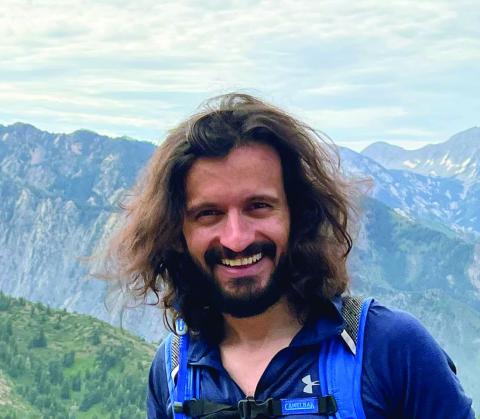
‘Miracle’ Drugs
We toss the word “miracle” around a lot — the ’69 Mets; the 1980 U.S. mens hockey team; Charlton Heston scowling into the wind, parting the waters of the Red Sea (or at least a Hollywood backlot).
We especially like to use it for medications, as in “miracle drug.”
Those of us who do this long enough know there ain’t no such thing, but the term keeps coming up — aspirin, penicillin, Botox ...
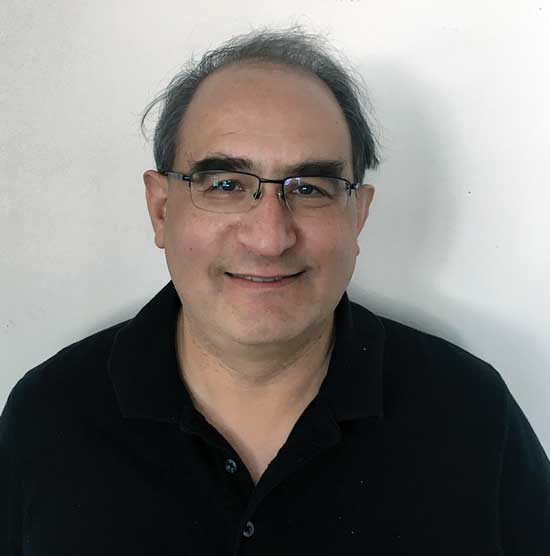
Recently, the popular press has hung the moniker on the GLP-1 drugs, like Ozempic, as “miracles.” While certainly useful, most of this comes from the drug’s reputation as the American dream of something that causes weight loss without the bother of diet and exercise. Of course, it’s also useful for diabetes, and is being investigated for numerous other conditions.
But the real truth is that it’s not a miracle (in fairness, none of the manufacturers of these drugs are making such a ridiculous claim). Nothing is. The word is tossed around for so many things that it’s almost become meaningless.
This isn’t a knock on the GLP-1 agents as much as it’s how people are. Of course, such a drug will never exist, in spite of all the claims on various Internet sites about miracle cures that Big Medicine is hiding from the public.
People are similar, but not the same, and too heterogeneous to know which drug will work/not work or cause a given side effect. We all deal with the uncertainties of medicine being a trial and error process. We try our best to communicate this to people, with varying degrees of success.
Unfortunately, human nature is such that we often hear only what we want to hear. You can run down the whole list of concerns, but some people stopped paying attention when they heard “weight loss” or “migraine relief” or whatever. Every physician ever has had to deal with this, as will those who follow us.
Medicine changes. People ... not so much.
Dr. Block has a solo neurology practice in Scottsdale, Ariz.
We toss the word “miracle” around a lot — the ’69 Mets; the 1980 U.S. mens hockey team; Charlton Heston scowling into the wind, parting the waters of the Red Sea (or at least a Hollywood backlot).
We especially like to use it for medications, as in “miracle drug.”
Those of us who do this long enough know there ain’t no such thing, but the term keeps coming up — aspirin, penicillin, Botox ...
Recently, the popular press has hung the moniker on the GLP-1 drugs, like Ozempic, as “miracles.” While certainly useful, most of this comes from the drug’s reputation as the American dream of something that causes weight loss without the bother of diet and exercise. Of course, it’s also useful for diabetes, and is being investigated for numerous other conditions.
But the real truth is that it’s not a miracle (in fairness, none of the manufacturers of these drugs are making such a ridiculous claim). Nothing is. The word is tossed around for so many things that it’s almost become meaningless.
This isn’t a knock on the GLP-1 agents as much as it’s how people are. Of course, such a drug will never exist, in spite of all the claims on various Internet sites about miracle cures that Big Medicine is hiding from the public.
People are similar, but not the same, and too heterogeneous to know which drug will work/not work or cause a given side effect. We all deal with the uncertainties of medicine being a trial and error process. We try our best to communicate this to people, with varying degrees of success.
Unfortunately, human nature is such that we often hear only what we want to hear. You can run down the whole list of concerns, but some people stopped paying attention when they heard “weight loss” or “migraine relief” or whatever. Every physician ever has had to deal with this, as will those who follow us.
Medicine changes. People ... not so much.
Dr. Block has a solo neurology practice in Scottsdale, Ariz.
We toss the word “miracle” around a lot — the ’69 Mets; the 1980 U.S. mens hockey team; Charlton Heston scowling into the wind, parting the waters of the Red Sea (or at least a Hollywood backlot).
We especially like to use it for medications, as in “miracle drug.”
Those of us who do this long enough know there ain’t no such thing, but the term keeps coming up — aspirin, penicillin, Botox ...
Recently, the popular press has hung the moniker on the GLP-1 drugs, like Ozempic, as “miracles.” While certainly useful, most of this comes from the drug’s reputation as the American dream of something that causes weight loss without the bother of diet and exercise. Of course, it’s also useful for diabetes, and is being investigated for numerous other conditions.
But the real truth is that it’s not a miracle (in fairness, none of the manufacturers of these drugs are making such a ridiculous claim). Nothing is. The word is tossed around for so many things that it’s almost become meaningless.
This isn’t a knock on the GLP-1 agents as much as it’s how people are. Of course, such a drug will never exist, in spite of all the claims on various Internet sites about miracle cures that Big Medicine is hiding from the public.
People are similar, but not the same, and too heterogeneous to know which drug will work/not work or cause a given side effect. We all deal with the uncertainties of medicine being a trial and error process. We try our best to communicate this to people, with varying degrees of success.
Unfortunately, human nature is such that we often hear only what we want to hear. You can run down the whole list of concerns, but some people stopped paying attention when they heard “weight loss” or “migraine relief” or whatever. Every physician ever has had to deal with this, as will those who follow us.
Medicine changes. People ... not so much.
Dr. Block has a solo neurology practice in Scottsdale, Ariz.

MM:New Tool Gauges Post–CAR T Relapse Risk
“To our knowledge, this large multicenter study is the first report to identify patients with RRMM at high risk of early relapse after CAR-T,” the authors report in the study, published February 15 in the Journal of Clinical Oncology.
“We saw that early relapse within 5 months from infusion was significantly associated with very poor outcomes, and disease-, treatment-, and inflammation-specific variables were independent predictors of early relapse,” first author Nico Gagelmann, MD, of the University Medical Center Hamburg-Eppendorf, in Hamburg, Germany, explained in presenting the findings at the 6th European CAR T-cell Meeting jointly sponsored by the European Society for Blood and Marrow Transplantation and the European Hematology Association. CAR-T therapy has revolutionized the treatment of RRMM, with the idecabtagene vicleucel (ide-cel) and ciltacabtagene autoleucel (cilta-cel) CAR-T therapies approved for the condition. However, the treatment is far from a cure, with nearly 50% of patients relapsing and having progression of disease within the first year after infusion, prompting a need to better understand the risk factors for who may or may not progress.
With a lack of a universal model to help with those predictions across products and populations, Dr. Gagelmann and colleagues conducted a retrospective observational study utilizing data from 136 patients at seven CAR-T centers in Europe and 133 patients at three centers in the US who had received either commercial or academically produced anti-BCMA CAR-T.
Of the patients, 171 were infused with ide-cel, 38 with cilta-cel, and 60 with an academic CAR-T therapy. The patients had a median age of 63, and extramedullary disease was more common in the US cohort (48%) versus European (35%; P = .04).
Notably, the response rates between the European and US cohorts were similar, despite various differences between the cohorts, including differences in ethnicities and a lower body mass index (BMI) in the European cohort versus US (BMI 25 vs 28, respectively; P < .001). There were also no significant differences in responses between the CAR-T treatments.
The overall response rate was 87% and was comparable between the European and US groups, with complete responses occurring among 48% of patients in Europe and 49% in the US group.
Their measurable residual disease (MRD) negativity rate at any time was 29% and 37%, respectively, and rates of complete response at day 30 were 29% and 26%, respectively. The rate of progression-free survival at 12 months was 40% for the entire cohort, with a rate of 45% in the European group and 34% in the US group (P = .09). Overall survival rates at 12 months were 79% and 65%, respectively (P = .11).
The patients had a median time to relapse of 5 months, and the 5-month incidence of relapse was identical, at 24% in each cohort.
Of those patients, overall survival at 12 months was low, at 30% in the European cohort and 14% in the US group.
“Early relapse within the first 5 months clearly identified patients with poor survival across the cohort,” Dr. Gagelmann said.
Key Risk Factors Identified
Key factors found after multivariate adjustment to be independently predictive of early relapse or progression included extramedullary disease or plasma cell leukemia, being refractory to lenalidomide, having high-risk cytogenetics, and having increased age- and sex-adjusted ferritin at the time of lymphodepletion.
With each of the risk factors valued at 1 point, the MyCARe model ranked scores of 0-1 points as low-risk, 2-3 as intermediate risk, and a score above 4 was considered high-risk.
Based on the model, the risk of early relapse within 5 months among those scored as low risk was 7%, for intermediate risk, 27% (hazard ratio [HR], 3.27 vs low-risk; P < .001), and for high risk, 53% (HR, 7.89 vs low-risk; P < .001), with outcomes overall comparable between the two geographic groups. Importantly, the model maintained utility for patients who did and did not receive salvage therapies; however, “more studies are needed to identify the optimal post–CAR-T approach,” the authors write.
Dr. Gagelmann added that older age was significantly associated with improved progression-free survival in the US cohort, with a 12-month progression-free survival of 27% among patients under 65 versus 43% for those over 65 (P = .03). However, age was not found to be associated with similar outcomes in the European cohort.
The authors note that the MyCARe model outperformed the CAR-HEMATOTOX and more recent disease-specific R2-ISS risk-stratification tools regarding prediction of relapse/progression and progression-free survival.
However, with CAR-HEMATOTOX developed to predict side effects and non-relapse mortality, “our results demonstrate that both scores independently predict different outcomes after anti–BCMA CAR-T in RRMM,” the authors report. Therefore, “they can be used complimentarily to predict complications (CAR-HEMATOTOX) and relapse/progression-free survival (MyCARe model).”
Importantly, the authors add that the tool may help in patient selection for earlier treatment.
“As ide-cel and cilta-cel have shown astonishing efficacy for earlier treatment lines, our model might also be validated for such patients,” the authors note in the study. They conclude that the study provides “the first Euro-American cartography of the efficacy and safety profile of current CAR-T, showing comparable results.”
“We also built the MyCARe model, which can predict early relapse, response, and survival and may facilitate patient selection in this very challenging setting,” the authors report.
Hope for Interventions Based on Patients’ Risk
Commenting on the study, Rahul Banerjee, MD, an assistant professor with the Division of Hematology and Oncology, University of Washington, Seattle, underscored that “we need more cross-border research like this in the myeloma field.”
“Clinically, my hope that this will help us tailor post–CAR-T interventions according to each patient’s risk profile,” he said.
Risk factors such as the presence of extramedullary disease, plasma cell leukemia, or high-risk cytogenetics are expected; however, Dr. Banerjee said the inclusion of increased ferritin before CAR-T was “an interesting new risk factor that we’ve also heard about from our colleagues in the lymphoma space.”
Ferritin perturbations can indicate many things, but high ferritin can be a sign of elevated inflammation at baseline,” he explained. “These patients may have a hyperinflammatory phenotype of their myeloma which can predispose T-cells to exhaustion,” Dr. Banerjee said.
“Exhausted T-cells at collection mean exhausted CAR T-cells at infusion, and so the negative prognostic significance of elevated ferritin — which we don’t always check before CAR-T — makes sense.”
While the authors suggest a potential benefit of the MyCAR3 model in identifying patients who could benefit from other novel therapies at relapse, Dr. Banerjee suggests another possibility. “I’d take this a step further and suggest future studies of this MyCARe model to identify patients who might benefit from post–CAR-T maintenance,” he said.
“The ‘one-and-done’ nature of CAR-T in terms of not requiring further myeloma therapy after infusion is a powerful benefit for patients, but there are some patients who may benefit from low-dose pomalidomide or iberdomide/mezigdomide maintenance to help keep the myeloma at bay and to promote T-cell fitness,” Dr. Banerjee explained. “This risk model may identify patients to prioritize for such types of clinical trials in the future.”
Caveats include that factors beyond the baseline features (used for the risk model) can further influence outcomes,” Dr. Banerjee noted.
“Risk stratification is inherently a dynamic process over time,” he said, questioning, for instance, “what about patients who achieve measurable residual disease negativity [MRD] at day +28 after CAR-T cell? Does the achievement of MRD negativity ‘erase’ a high-risk MyCARe score? We’ll need future studies to tell.”
An overriding take-home message for clinicians should be to simply refer eligible patients to a CAR-T capable center as soon as possible for evaluation.
“In the lymphoma world, they have a nice adage for this: ‘If they recur, you should refer,’ ” he said. “I’d suggest the same here. By no means will we move to CAR-T therapy for every patient at first relapse. However, based on their MyCARe score and other risk factors, there may be patients we prioritize for CAR-T first versus CAR-T with maintenance versus clinical trials.”
Dr. Gagelmann reported relationships with BMS, Pfizer, Stemline, MorphoSys, and Kite. Dr. Banerjee disclosed ties with BMS, Caribou Biosciences, Genentech, Janssen, Karyopharm, Pfizer, Sanofi, SparkCures, Novartis, and Pack Health.
“To our knowledge, this large multicenter study is the first report to identify patients with RRMM at high risk of early relapse after CAR-T,” the authors report in the study, published February 15 in the Journal of Clinical Oncology.
“We saw that early relapse within 5 months from infusion was significantly associated with very poor outcomes, and disease-, treatment-, and inflammation-specific variables were independent predictors of early relapse,” first author Nico Gagelmann, MD, of the University Medical Center Hamburg-Eppendorf, in Hamburg, Germany, explained in presenting the findings at the 6th European CAR T-cell Meeting jointly sponsored by the European Society for Blood and Marrow Transplantation and the European Hematology Association. CAR-T therapy has revolutionized the treatment of RRMM, with the idecabtagene vicleucel (ide-cel) and ciltacabtagene autoleucel (cilta-cel) CAR-T therapies approved for the condition. However, the treatment is far from a cure, with nearly 50% of patients relapsing and having progression of disease within the first year after infusion, prompting a need to better understand the risk factors for who may or may not progress.
With a lack of a universal model to help with those predictions across products and populations, Dr. Gagelmann and colleagues conducted a retrospective observational study utilizing data from 136 patients at seven CAR-T centers in Europe and 133 patients at three centers in the US who had received either commercial or academically produced anti-BCMA CAR-T.
Of the patients, 171 were infused with ide-cel, 38 with cilta-cel, and 60 with an academic CAR-T therapy. The patients had a median age of 63, and extramedullary disease was more common in the US cohort (48%) versus European (35%; P = .04).
Notably, the response rates between the European and US cohorts were similar, despite various differences between the cohorts, including differences in ethnicities and a lower body mass index (BMI) in the European cohort versus US (BMI 25 vs 28, respectively; P < .001). There were also no significant differences in responses between the CAR-T treatments.
The overall response rate was 87% and was comparable between the European and US groups, with complete responses occurring among 48% of patients in Europe and 49% in the US group.
Their measurable residual disease (MRD) negativity rate at any time was 29% and 37%, respectively, and rates of complete response at day 30 were 29% and 26%, respectively. The rate of progression-free survival at 12 months was 40% for the entire cohort, with a rate of 45% in the European group and 34% in the US group (P = .09). Overall survival rates at 12 months were 79% and 65%, respectively (P = .11).
The patients had a median time to relapse of 5 months, and the 5-month incidence of relapse was identical, at 24% in each cohort.
Of those patients, overall survival at 12 months was low, at 30% in the European cohort and 14% in the US group.
“Early relapse within the first 5 months clearly identified patients with poor survival across the cohort,” Dr. Gagelmann said.
Key Risk Factors Identified
Key factors found after multivariate adjustment to be independently predictive of early relapse or progression included extramedullary disease or plasma cell leukemia, being refractory to lenalidomide, having high-risk cytogenetics, and having increased age- and sex-adjusted ferritin at the time of lymphodepletion.
With each of the risk factors valued at 1 point, the MyCARe model ranked scores of 0-1 points as low-risk, 2-3 as intermediate risk, and a score above 4 was considered high-risk.
Based on the model, the risk of early relapse within 5 months among those scored as low risk was 7%, for intermediate risk, 27% (hazard ratio [HR], 3.27 vs low-risk; P < .001), and for high risk, 53% (HR, 7.89 vs low-risk; P < .001), with outcomes overall comparable between the two geographic groups. Importantly, the model maintained utility for patients who did and did not receive salvage therapies; however, “more studies are needed to identify the optimal post–CAR-T approach,” the authors write.
Dr. Gagelmann added that older age was significantly associated with improved progression-free survival in the US cohort, with a 12-month progression-free survival of 27% among patients under 65 versus 43% for those over 65 (P = .03). However, age was not found to be associated with similar outcomes in the European cohort.
The authors note that the MyCARe model outperformed the CAR-HEMATOTOX and more recent disease-specific R2-ISS risk-stratification tools regarding prediction of relapse/progression and progression-free survival.
However, with CAR-HEMATOTOX developed to predict side effects and non-relapse mortality, “our results demonstrate that both scores independently predict different outcomes after anti–BCMA CAR-T in RRMM,” the authors report. Therefore, “they can be used complimentarily to predict complications (CAR-HEMATOTOX) and relapse/progression-free survival (MyCARe model).”
Importantly, the authors add that the tool may help in patient selection for earlier treatment.
“As ide-cel and cilta-cel have shown astonishing efficacy for earlier treatment lines, our model might also be validated for such patients,” the authors note in the study. They conclude that the study provides “the first Euro-American cartography of the efficacy and safety profile of current CAR-T, showing comparable results.”
“We also built the MyCARe model, which can predict early relapse, response, and survival and may facilitate patient selection in this very challenging setting,” the authors report.
Hope for Interventions Based on Patients’ Risk
Commenting on the study, Rahul Banerjee, MD, an assistant professor with the Division of Hematology and Oncology, University of Washington, Seattle, underscored that “we need more cross-border research like this in the myeloma field.”
“Clinically, my hope that this will help us tailor post–CAR-T interventions according to each patient’s risk profile,” he said.
Risk factors such as the presence of extramedullary disease, plasma cell leukemia, or high-risk cytogenetics are expected; however, Dr. Banerjee said the inclusion of increased ferritin before CAR-T was “an interesting new risk factor that we’ve also heard about from our colleagues in the lymphoma space.”
Ferritin perturbations can indicate many things, but high ferritin can be a sign of elevated inflammation at baseline,” he explained. “These patients may have a hyperinflammatory phenotype of their myeloma which can predispose T-cells to exhaustion,” Dr. Banerjee said.
“Exhausted T-cells at collection mean exhausted CAR T-cells at infusion, and so the negative prognostic significance of elevated ferritin — which we don’t always check before CAR-T — makes sense.”
While the authors suggest a potential benefit of the MyCAR3 model in identifying patients who could benefit from other novel therapies at relapse, Dr. Banerjee suggests another possibility. “I’d take this a step further and suggest future studies of this MyCARe model to identify patients who might benefit from post–CAR-T maintenance,” he said.
“The ‘one-and-done’ nature of CAR-T in terms of not requiring further myeloma therapy after infusion is a powerful benefit for patients, but there are some patients who may benefit from low-dose pomalidomide or iberdomide/mezigdomide maintenance to help keep the myeloma at bay and to promote T-cell fitness,” Dr. Banerjee explained. “This risk model may identify patients to prioritize for such types of clinical trials in the future.”
Caveats include that factors beyond the baseline features (used for the risk model) can further influence outcomes,” Dr. Banerjee noted.
“Risk stratification is inherently a dynamic process over time,” he said, questioning, for instance, “what about patients who achieve measurable residual disease negativity [MRD] at day +28 after CAR-T cell? Does the achievement of MRD negativity ‘erase’ a high-risk MyCARe score? We’ll need future studies to tell.”
An overriding take-home message for clinicians should be to simply refer eligible patients to a CAR-T capable center as soon as possible for evaluation.
“In the lymphoma world, they have a nice adage for this: ‘If they recur, you should refer,’ ” he said. “I’d suggest the same here. By no means will we move to CAR-T therapy for every patient at first relapse. However, based on their MyCARe score and other risk factors, there may be patients we prioritize for CAR-T first versus CAR-T with maintenance versus clinical trials.”
Dr. Gagelmann reported relationships with BMS, Pfizer, Stemline, MorphoSys, and Kite. Dr. Banerjee disclosed ties with BMS, Caribou Biosciences, Genentech, Janssen, Karyopharm, Pfizer, Sanofi, SparkCures, Novartis, and Pack Health.
“To our knowledge, this large multicenter study is the first report to identify patients with RRMM at high risk of early relapse after CAR-T,” the authors report in the study, published February 15 in the Journal of Clinical Oncology.
“We saw that early relapse within 5 months from infusion was significantly associated with very poor outcomes, and disease-, treatment-, and inflammation-specific variables were independent predictors of early relapse,” first author Nico Gagelmann, MD, of the University Medical Center Hamburg-Eppendorf, in Hamburg, Germany, explained in presenting the findings at the 6th European CAR T-cell Meeting jointly sponsored by the European Society for Blood and Marrow Transplantation and the European Hematology Association. CAR-T therapy has revolutionized the treatment of RRMM, with the idecabtagene vicleucel (ide-cel) and ciltacabtagene autoleucel (cilta-cel) CAR-T therapies approved for the condition. However, the treatment is far from a cure, with nearly 50% of patients relapsing and having progression of disease within the first year after infusion, prompting a need to better understand the risk factors for who may or may not progress.
With a lack of a universal model to help with those predictions across products and populations, Dr. Gagelmann and colleagues conducted a retrospective observational study utilizing data from 136 patients at seven CAR-T centers in Europe and 133 patients at three centers in the US who had received either commercial or academically produced anti-BCMA CAR-T.
Of the patients, 171 were infused with ide-cel, 38 with cilta-cel, and 60 with an academic CAR-T therapy. The patients had a median age of 63, and extramedullary disease was more common in the US cohort (48%) versus European (35%; P = .04).
Notably, the response rates between the European and US cohorts were similar, despite various differences between the cohorts, including differences in ethnicities and a lower body mass index (BMI) in the European cohort versus US (BMI 25 vs 28, respectively; P < .001). There were also no significant differences in responses between the CAR-T treatments.
The overall response rate was 87% and was comparable between the European and US groups, with complete responses occurring among 48% of patients in Europe and 49% in the US group.
Their measurable residual disease (MRD) negativity rate at any time was 29% and 37%, respectively, and rates of complete response at day 30 were 29% and 26%, respectively. The rate of progression-free survival at 12 months was 40% for the entire cohort, with a rate of 45% in the European group and 34% in the US group (P = .09). Overall survival rates at 12 months were 79% and 65%, respectively (P = .11).
The patients had a median time to relapse of 5 months, and the 5-month incidence of relapse was identical, at 24% in each cohort.
Of those patients, overall survival at 12 months was low, at 30% in the European cohort and 14% in the US group.
“Early relapse within the first 5 months clearly identified patients with poor survival across the cohort,” Dr. Gagelmann said.
Key Risk Factors Identified
Key factors found after multivariate adjustment to be independently predictive of early relapse or progression included extramedullary disease or plasma cell leukemia, being refractory to lenalidomide, having high-risk cytogenetics, and having increased age- and sex-adjusted ferritin at the time of lymphodepletion.
With each of the risk factors valued at 1 point, the MyCARe model ranked scores of 0-1 points as low-risk, 2-3 as intermediate risk, and a score above 4 was considered high-risk.
Based on the model, the risk of early relapse within 5 months among those scored as low risk was 7%, for intermediate risk, 27% (hazard ratio [HR], 3.27 vs low-risk; P < .001), and for high risk, 53% (HR, 7.89 vs low-risk; P < .001), with outcomes overall comparable between the two geographic groups. Importantly, the model maintained utility for patients who did and did not receive salvage therapies; however, “more studies are needed to identify the optimal post–CAR-T approach,” the authors write.
Dr. Gagelmann added that older age was significantly associated with improved progression-free survival in the US cohort, with a 12-month progression-free survival of 27% among patients under 65 versus 43% for those over 65 (P = .03). However, age was not found to be associated with similar outcomes in the European cohort.
The authors note that the MyCARe model outperformed the CAR-HEMATOTOX and more recent disease-specific R2-ISS risk-stratification tools regarding prediction of relapse/progression and progression-free survival.
However, with CAR-HEMATOTOX developed to predict side effects and non-relapse mortality, “our results demonstrate that both scores independently predict different outcomes after anti–BCMA CAR-T in RRMM,” the authors report. Therefore, “they can be used complimentarily to predict complications (CAR-HEMATOTOX) and relapse/progression-free survival (MyCARe model).”
Importantly, the authors add that the tool may help in patient selection for earlier treatment.
“As ide-cel and cilta-cel have shown astonishing efficacy for earlier treatment lines, our model might also be validated for such patients,” the authors note in the study. They conclude that the study provides “the first Euro-American cartography of the efficacy and safety profile of current CAR-T, showing comparable results.”
“We also built the MyCARe model, which can predict early relapse, response, and survival and may facilitate patient selection in this very challenging setting,” the authors report.
Hope for Interventions Based on Patients’ Risk
Commenting on the study, Rahul Banerjee, MD, an assistant professor with the Division of Hematology and Oncology, University of Washington, Seattle, underscored that “we need more cross-border research like this in the myeloma field.”
“Clinically, my hope that this will help us tailor post–CAR-T interventions according to each patient’s risk profile,” he said.
Risk factors such as the presence of extramedullary disease, plasma cell leukemia, or high-risk cytogenetics are expected; however, Dr. Banerjee said the inclusion of increased ferritin before CAR-T was “an interesting new risk factor that we’ve also heard about from our colleagues in the lymphoma space.”
Ferritin perturbations can indicate many things, but high ferritin can be a sign of elevated inflammation at baseline,” he explained. “These patients may have a hyperinflammatory phenotype of their myeloma which can predispose T-cells to exhaustion,” Dr. Banerjee said.
“Exhausted T-cells at collection mean exhausted CAR T-cells at infusion, and so the negative prognostic significance of elevated ferritin — which we don’t always check before CAR-T — makes sense.”
While the authors suggest a potential benefit of the MyCAR3 model in identifying patients who could benefit from other novel therapies at relapse, Dr. Banerjee suggests another possibility. “I’d take this a step further and suggest future studies of this MyCARe model to identify patients who might benefit from post–CAR-T maintenance,” he said.
“The ‘one-and-done’ nature of CAR-T in terms of not requiring further myeloma therapy after infusion is a powerful benefit for patients, but there are some patients who may benefit from low-dose pomalidomide or iberdomide/mezigdomide maintenance to help keep the myeloma at bay and to promote T-cell fitness,” Dr. Banerjee explained. “This risk model may identify patients to prioritize for such types of clinical trials in the future.”
Caveats include that factors beyond the baseline features (used for the risk model) can further influence outcomes,” Dr. Banerjee noted.
“Risk stratification is inherently a dynamic process over time,” he said, questioning, for instance, “what about patients who achieve measurable residual disease negativity [MRD] at day +28 after CAR-T cell? Does the achievement of MRD negativity ‘erase’ a high-risk MyCARe score? We’ll need future studies to tell.”
An overriding take-home message for clinicians should be to simply refer eligible patients to a CAR-T capable center as soon as possible for evaluation.
“In the lymphoma world, they have a nice adage for this: ‘If they recur, you should refer,’ ” he said. “I’d suggest the same here. By no means will we move to CAR-T therapy for every patient at first relapse. However, based on their MyCARe score and other risk factors, there may be patients we prioritize for CAR-T first versus CAR-T with maintenance versus clinical trials.”
Dr. Gagelmann reported relationships with BMS, Pfizer, Stemline, MorphoSys, and Kite. Dr. Banerjee disclosed ties with BMS, Caribou Biosciences, Genentech, Janssen, Karyopharm, Pfizer, Sanofi, SparkCures, Novartis, and Pack Health.
FROM THE 6TH EUROPEAN CAR T-CELL MEETING
Will 2024 Be Easier on the Eyes?
The burdens that monthly or every-other-month injections in the eye impose on patients with retinal diseases are well-known to be barriers to care for many people with these conditions. Making treatment less onerous has driven research into new treatments since the US Food and Drug Administration (FDA) approved ranibizumab (Lucentis) in 2006 as the first anti–vascular endothelial growth factor (VEGF) for the treatment of age-related macular degeneration (AMD) and other retinal diseases.
Those Several of those investigational therapies are poised to hit meaningful milestones in 2024.
Regular Eye Injections: How We Got Here
Ranibizumab originally received approval as a monthly injection. Since then, protocols have evolved to space those injections out to every other month in some, but not all, patients.
New drugs have emerged that require less frequent injections. In 2022, the anti-VEGF and angiopoietin-2 inhibitor faricimab (Vabysmo) was approved for dosing up to every 4 months. Last year, the FDA approved a high-dose formulation of the anti-VEGF treatment aflibercept 8 mg (Eylea HD) to be given every 2-4 months, as well.
But even these treatments require patients going to the office at least three or four times a year for injections, Reginald Sanders, MD, president of the American Society of Retina Specialist, Chicago, and a retina specialist in Washington, DC, told this news organization. “Now with injections, you have the anxiety of getting the injections, you have the inconvenience of coming in on a regular basis to get the injections, and you have mild discomfort — but you don’t go blind,” Dr. Sanders said.
Studies have shown patients with AMD or diabetic macular edema are better off getting more frequent injections, but still drug developers are seeking the holy grail of fewer injections. “How do we make these treatments last longer?” Dr. Sanders said. “Durability has become the catchword in our field. Instead of lasting a month or 2, can it last 3 months? Can it last 6 months? Or even a year? Can you get one injection and be done with it?”
Or, no injection at all?
“We’re looking for incremental improvements and longer-acting drugs, trying to lengthen the time between injections for wet AMD patients,” said David Boyer, MD, a retina specialist in Los Angeles.
Two Drugs May Be Better Than One
One combination treatment, sozinibercept, targets VEGF-C and D. The therapy is in two phase 3 trials: One in combination with aflibercept 2 mg (Eylea), which targets VEGF-A and B along with placental growth factor, and the other in combination with ranibizumab, which targets VEGF-A only. Data from one of those trials are expected this year, Dr. Boyer said.
A phase 2 trial last year reported that patients on combination sozinibercept-ranibizumab had significantly better visual acuity improvement than patients on ranibizumab only. The phase 3 trials ShORe with ranibizumab and COAST with aflibercept are evaluating improvements in visual acuity and retinal anatomy.
Two other combination therapies are in phase 2 trials, both with aflibercept: UBX1325 or foselutoclax, a small-molecule inhibitor of B-cell lymphoma extra-large, and umedaptanib pegol, an anti-fibroblast growth factor-2 aptamer. In the foselutoclax-aflibercept trial, 40% of patients didn’t need a supplemental anti-VEGF injection through 48 weeks, and 64% went treatment-free for more than 24 weeks.
Phase 2 trials of intravitreal umedaptanib pegol-aflibercept combination therapy in nAMD last year showed no superiority in vision and anatomical improvements over aflibercept alone but did find the combination halted disease progression, with “striking improvement” in previously untreated patients.
Novel Drug Delivery Systems
A host of novel drug delivery systems that could stretch out intervals between injections are in human trials. In 2021, the FDA approved one such system, the refillable port delivery system (PDS) implant with ranibizumab (Susvimo). PDS is a small cylinder implanted into the eye and filled with 100 mg/mL of ranibizumab, to be released for 6 months or so, then refilled in the physician’s office when it’s empty.
But new implants of PDS were halted in 2022 after the manufacturer, Genentech, received reports the device leaked. Genentech said it has fixed those problems and confirmed the device should again become available for implants this year.
The most advanced novel drug delivery system in clinical trials is EYP-1901, a depot that contains the tyrosine kinase inhibitor (TKI) vorolanib. The depot is inserted under the ocular surface, where it biodegrades over 6 months as it releases the drug. A phase 3 trial is due to start enrollment at midyear.
An intravitreal implant with the TKI axitinib (Axpaxli) is in a phase 3 trial in nAMD and is due to start a phase 3 trial in diabetic retinopathy this year. At least four other implants, some of which biodegrade as they release the active ingredient, are in phase 1 or 2 trials.
TKIs themselves are a drug class worth watching in retina, said Jennifer I. Lim, MD, director of the retina service at the University of Illinois Chicago and president of the Retina Society.
“With TKIs, which activate intracellularly, in combination with anti-VEGFs will result in enhanced durability and possibly more efficacy for AMD,” Dr. Lim said. “TKIs in the phase 2 studies showed a marked reduction in the need for anti-VEGF injections in previously difficult-to-treat, high-need patient.”
Potential for Orals and Topicals
Topical eye drops are commonly used for anti-glaucoma drugs and antibiotics and corticosteroids for eye infections and inflammation, but using them for retinal disease has been a challenge. By the time the drug reaches the back of the eye, it has lost much of its pharmacokinetic activity. Three drops are in clinical trials for diabetic eye disease, with one, OCS-01, a preservative-free formulation of the corticosteroid dexamethasone, scheduled this year to enter a phase 3 trial.
At least four oral tablets are in early-stage human trials for diabetic eye disease. Four others are in clinical trials to treat geographic atrophy or early-stage dry AMD. They include tinlarebant, which is in phase 3 trials for geographic atrophy and Stargardt disease, an inherited retinal disorder.
Two other oral tablets are in human trials for inherited retinal disease. Like tinlarebant, emixustat has been in a phase 3 trial for Stargardt disease but showed no clinically significant improvement in macular atrophy. An early readout of an ongoing phase 2 trial of glideuretinol, a modified form of vitamin A, demonstrated slowed growth of macular atrophy in Stargardt.
These new and emerging treatments may potentially enable retina specialists to manage a rapidly growing aging population more efficiently, Dr. Sanders said.
“We have to figure out, on one hand, how do we catch the disease earlier? Like in other fields of medicine, the earlier you treat someone, the better,” Dr. Sanders said. “And also, how do we efficiently see these patients earlier to get therapy? Using implants or more durable drugs may be able to help us to treat more people more efficiently.”
Dr. Lim disclosed financial relationships with AbbVie/Allergan, Adverum Biotechnologies, Alimera Sciences, Bausch + Lomb, Chengdu Kanghong Biotechnology, Eyepoint Pharmaceuticals, Genentech/ Roche, Graybug Vision, Iveric Bio, Janssen Pharmaceuticals, Novartis, Regeneron Pharmaceuticals, RegenxBio, Santen, SparingVision, Stealth BioTherapeutics, Unity Biotechnology, and Viridian.
Dr. Boyer disclosed financial relationships with 4D Molecular Therapeutics, AbbVie/Allergan, Adverum Biotechnologies, Aldeyra Therapeutics, Alimera Sciences, Alkahest, Allegro, Amgen, Annexon Biosciences, Apellis Pharmaceuticals, AsclepiX Therapeutics, Aviceda Therapeutics, Bausch + Lomb, Bayer, Belite Bio, Clearside Biomedical, Eyepoint Pharmaceuticals, Genentech/ Roche, Graybug Vision, Iveric Bio, Janssen Pharmaceuticals, Nano scope Therapeutics, Novartis, Ocugen, Oculist, Ocuphire Pharma, Opthea, Pfizer, Regeneron Pharmaceuticals, RegenxBio, Sanofi, Stilbite Zhuhai, Stealth BioTherapeutics, Thea Laboratories, and Unity Biotechnology. Dr. Sanders had no relevant disclosures.
A version of this article appeared on Medscape.com.
The burdens that monthly or every-other-month injections in the eye impose on patients with retinal diseases are well-known to be barriers to care for many people with these conditions. Making treatment less onerous has driven research into new treatments since the US Food and Drug Administration (FDA) approved ranibizumab (Lucentis) in 2006 as the first anti–vascular endothelial growth factor (VEGF) for the treatment of age-related macular degeneration (AMD) and other retinal diseases.
Those Several of those investigational therapies are poised to hit meaningful milestones in 2024.
Regular Eye Injections: How We Got Here
Ranibizumab originally received approval as a monthly injection. Since then, protocols have evolved to space those injections out to every other month in some, but not all, patients.
New drugs have emerged that require less frequent injections. In 2022, the anti-VEGF and angiopoietin-2 inhibitor faricimab (Vabysmo) was approved for dosing up to every 4 months. Last year, the FDA approved a high-dose formulation of the anti-VEGF treatment aflibercept 8 mg (Eylea HD) to be given every 2-4 months, as well.
But even these treatments require patients going to the office at least three or four times a year for injections, Reginald Sanders, MD, president of the American Society of Retina Specialist, Chicago, and a retina specialist in Washington, DC, told this news organization. “Now with injections, you have the anxiety of getting the injections, you have the inconvenience of coming in on a regular basis to get the injections, and you have mild discomfort — but you don’t go blind,” Dr. Sanders said.
Studies have shown patients with AMD or diabetic macular edema are better off getting more frequent injections, but still drug developers are seeking the holy grail of fewer injections. “How do we make these treatments last longer?” Dr. Sanders said. “Durability has become the catchword in our field. Instead of lasting a month or 2, can it last 3 months? Can it last 6 months? Or even a year? Can you get one injection and be done with it?”
Or, no injection at all?
“We’re looking for incremental improvements and longer-acting drugs, trying to lengthen the time between injections for wet AMD patients,” said David Boyer, MD, a retina specialist in Los Angeles.
Two Drugs May Be Better Than One
One combination treatment, sozinibercept, targets VEGF-C and D. The therapy is in two phase 3 trials: One in combination with aflibercept 2 mg (Eylea), which targets VEGF-A and B along with placental growth factor, and the other in combination with ranibizumab, which targets VEGF-A only. Data from one of those trials are expected this year, Dr. Boyer said.
A phase 2 trial last year reported that patients on combination sozinibercept-ranibizumab had significantly better visual acuity improvement than patients on ranibizumab only. The phase 3 trials ShORe with ranibizumab and COAST with aflibercept are evaluating improvements in visual acuity and retinal anatomy.
Two other combination therapies are in phase 2 trials, both with aflibercept: UBX1325 or foselutoclax, a small-molecule inhibitor of B-cell lymphoma extra-large, and umedaptanib pegol, an anti-fibroblast growth factor-2 aptamer. In the foselutoclax-aflibercept trial, 40% of patients didn’t need a supplemental anti-VEGF injection through 48 weeks, and 64% went treatment-free for more than 24 weeks.
Phase 2 trials of intravitreal umedaptanib pegol-aflibercept combination therapy in nAMD last year showed no superiority in vision and anatomical improvements over aflibercept alone but did find the combination halted disease progression, with “striking improvement” in previously untreated patients.
Novel Drug Delivery Systems
A host of novel drug delivery systems that could stretch out intervals between injections are in human trials. In 2021, the FDA approved one such system, the refillable port delivery system (PDS) implant with ranibizumab (Susvimo). PDS is a small cylinder implanted into the eye and filled with 100 mg/mL of ranibizumab, to be released for 6 months or so, then refilled in the physician’s office when it’s empty.
But new implants of PDS were halted in 2022 after the manufacturer, Genentech, received reports the device leaked. Genentech said it has fixed those problems and confirmed the device should again become available for implants this year.
The most advanced novel drug delivery system in clinical trials is EYP-1901, a depot that contains the tyrosine kinase inhibitor (TKI) vorolanib. The depot is inserted under the ocular surface, where it biodegrades over 6 months as it releases the drug. A phase 3 trial is due to start enrollment at midyear.
An intravitreal implant with the TKI axitinib (Axpaxli) is in a phase 3 trial in nAMD and is due to start a phase 3 trial in diabetic retinopathy this year. At least four other implants, some of which biodegrade as they release the active ingredient, are in phase 1 or 2 trials.
TKIs themselves are a drug class worth watching in retina, said Jennifer I. Lim, MD, director of the retina service at the University of Illinois Chicago and president of the Retina Society.
“With TKIs, which activate intracellularly, in combination with anti-VEGFs will result in enhanced durability and possibly more efficacy for AMD,” Dr. Lim said. “TKIs in the phase 2 studies showed a marked reduction in the need for anti-VEGF injections in previously difficult-to-treat, high-need patient.”
Potential for Orals and Topicals
Topical eye drops are commonly used for anti-glaucoma drugs and antibiotics and corticosteroids for eye infections and inflammation, but using them for retinal disease has been a challenge. By the time the drug reaches the back of the eye, it has lost much of its pharmacokinetic activity. Three drops are in clinical trials for diabetic eye disease, with one, OCS-01, a preservative-free formulation of the corticosteroid dexamethasone, scheduled this year to enter a phase 3 trial.
At least four oral tablets are in early-stage human trials for diabetic eye disease. Four others are in clinical trials to treat geographic atrophy or early-stage dry AMD. They include tinlarebant, which is in phase 3 trials for geographic atrophy and Stargardt disease, an inherited retinal disorder.
Two other oral tablets are in human trials for inherited retinal disease. Like tinlarebant, emixustat has been in a phase 3 trial for Stargardt disease but showed no clinically significant improvement in macular atrophy. An early readout of an ongoing phase 2 trial of glideuretinol, a modified form of vitamin A, demonstrated slowed growth of macular atrophy in Stargardt.
These new and emerging treatments may potentially enable retina specialists to manage a rapidly growing aging population more efficiently, Dr. Sanders said.
“We have to figure out, on one hand, how do we catch the disease earlier? Like in other fields of medicine, the earlier you treat someone, the better,” Dr. Sanders said. “And also, how do we efficiently see these patients earlier to get therapy? Using implants or more durable drugs may be able to help us to treat more people more efficiently.”
Dr. Lim disclosed financial relationships with AbbVie/Allergan, Adverum Biotechnologies, Alimera Sciences, Bausch + Lomb, Chengdu Kanghong Biotechnology, Eyepoint Pharmaceuticals, Genentech/ Roche, Graybug Vision, Iveric Bio, Janssen Pharmaceuticals, Novartis, Regeneron Pharmaceuticals, RegenxBio, Santen, SparingVision, Stealth BioTherapeutics, Unity Biotechnology, and Viridian.
Dr. Boyer disclosed financial relationships with 4D Molecular Therapeutics, AbbVie/Allergan, Adverum Biotechnologies, Aldeyra Therapeutics, Alimera Sciences, Alkahest, Allegro, Amgen, Annexon Biosciences, Apellis Pharmaceuticals, AsclepiX Therapeutics, Aviceda Therapeutics, Bausch + Lomb, Bayer, Belite Bio, Clearside Biomedical, Eyepoint Pharmaceuticals, Genentech/ Roche, Graybug Vision, Iveric Bio, Janssen Pharmaceuticals, Nano scope Therapeutics, Novartis, Ocugen, Oculist, Ocuphire Pharma, Opthea, Pfizer, Regeneron Pharmaceuticals, RegenxBio, Sanofi, Stilbite Zhuhai, Stealth BioTherapeutics, Thea Laboratories, and Unity Biotechnology. Dr. Sanders had no relevant disclosures.
A version of this article appeared on Medscape.com.
The burdens that monthly or every-other-month injections in the eye impose on patients with retinal diseases are well-known to be barriers to care for many people with these conditions. Making treatment less onerous has driven research into new treatments since the US Food and Drug Administration (FDA) approved ranibizumab (Lucentis) in 2006 as the first anti–vascular endothelial growth factor (VEGF) for the treatment of age-related macular degeneration (AMD) and other retinal diseases.
Those Several of those investigational therapies are poised to hit meaningful milestones in 2024.
Regular Eye Injections: How We Got Here
Ranibizumab originally received approval as a monthly injection. Since then, protocols have evolved to space those injections out to every other month in some, but not all, patients.
New drugs have emerged that require less frequent injections. In 2022, the anti-VEGF and angiopoietin-2 inhibitor faricimab (Vabysmo) was approved for dosing up to every 4 months. Last year, the FDA approved a high-dose formulation of the anti-VEGF treatment aflibercept 8 mg (Eylea HD) to be given every 2-4 months, as well.
But even these treatments require patients going to the office at least three or four times a year for injections, Reginald Sanders, MD, president of the American Society of Retina Specialist, Chicago, and a retina specialist in Washington, DC, told this news organization. “Now with injections, you have the anxiety of getting the injections, you have the inconvenience of coming in on a regular basis to get the injections, and you have mild discomfort — but you don’t go blind,” Dr. Sanders said.
Studies have shown patients with AMD or diabetic macular edema are better off getting more frequent injections, but still drug developers are seeking the holy grail of fewer injections. “How do we make these treatments last longer?” Dr. Sanders said. “Durability has become the catchword in our field. Instead of lasting a month or 2, can it last 3 months? Can it last 6 months? Or even a year? Can you get one injection and be done with it?”
Or, no injection at all?
“We’re looking for incremental improvements and longer-acting drugs, trying to lengthen the time between injections for wet AMD patients,” said David Boyer, MD, a retina specialist in Los Angeles.
Two Drugs May Be Better Than One
One combination treatment, sozinibercept, targets VEGF-C and D. The therapy is in two phase 3 trials: One in combination with aflibercept 2 mg (Eylea), which targets VEGF-A and B along with placental growth factor, and the other in combination with ranibizumab, which targets VEGF-A only. Data from one of those trials are expected this year, Dr. Boyer said.
A phase 2 trial last year reported that patients on combination sozinibercept-ranibizumab had significantly better visual acuity improvement than patients on ranibizumab only. The phase 3 trials ShORe with ranibizumab and COAST with aflibercept are evaluating improvements in visual acuity and retinal anatomy.
Two other combination therapies are in phase 2 trials, both with aflibercept: UBX1325 or foselutoclax, a small-molecule inhibitor of B-cell lymphoma extra-large, and umedaptanib pegol, an anti-fibroblast growth factor-2 aptamer. In the foselutoclax-aflibercept trial, 40% of patients didn’t need a supplemental anti-VEGF injection through 48 weeks, and 64% went treatment-free for more than 24 weeks.
Phase 2 trials of intravitreal umedaptanib pegol-aflibercept combination therapy in nAMD last year showed no superiority in vision and anatomical improvements over aflibercept alone but did find the combination halted disease progression, with “striking improvement” in previously untreated patients.
Novel Drug Delivery Systems
A host of novel drug delivery systems that could stretch out intervals between injections are in human trials. In 2021, the FDA approved one such system, the refillable port delivery system (PDS) implant with ranibizumab (Susvimo). PDS is a small cylinder implanted into the eye and filled with 100 mg/mL of ranibizumab, to be released for 6 months or so, then refilled in the physician’s office when it’s empty.
But new implants of PDS were halted in 2022 after the manufacturer, Genentech, received reports the device leaked. Genentech said it has fixed those problems and confirmed the device should again become available for implants this year.
The most advanced novel drug delivery system in clinical trials is EYP-1901, a depot that contains the tyrosine kinase inhibitor (TKI) vorolanib. The depot is inserted under the ocular surface, where it biodegrades over 6 months as it releases the drug. A phase 3 trial is due to start enrollment at midyear.
An intravitreal implant with the TKI axitinib (Axpaxli) is in a phase 3 trial in nAMD and is due to start a phase 3 trial in diabetic retinopathy this year. At least four other implants, some of which biodegrade as they release the active ingredient, are in phase 1 or 2 trials.
TKIs themselves are a drug class worth watching in retina, said Jennifer I. Lim, MD, director of the retina service at the University of Illinois Chicago and president of the Retina Society.
“With TKIs, which activate intracellularly, in combination with anti-VEGFs will result in enhanced durability and possibly more efficacy for AMD,” Dr. Lim said. “TKIs in the phase 2 studies showed a marked reduction in the need for anti-VEGF injections in previously difficult-to-treat, high-need patient.”
Potential for Orals and Topicals
Topical eye drops are commonly used for anti-glaucoma drugs and antibiotics and corticosteroids for eye infections and inflammation, but using them for retinal disease has been a challenge. By the time the drug reaches the back of the eye, it has lost much of its pharmacokinetic activity. Three drops are in clinical trials for diabetic eye disease, with one, OCS-01, a preservative-free formulation of the corticosteroid dexamethasone, scheduled this year to enter a phase 3 trial.
At least four oral tablets are in early-stage human trials for diabetic eye disease. Four others are in clinical trials to treat geographic atrophy or early-stage dry AMD. They include tinlarebant, which is in phase 3 trials for geographic atrophy and Stargardt disease, an inherited retinal disorder.
Two other oral tablets are in human trials for inherited retinal disease. Like tinlarebant, emixustat has been in a phase 3 trial for Stargardt disease but showed no clinically significant improvement in macular atrophy. An early readout of an ongoing phase 2 trial of glideuretinol, a modified form of vitamin A, demonstrated slowed growth of macular atrophy in Stargardt.
These new and emerging treatments may potentially enable retina specialists to manage a rapidly growing aging population more efficiently, Dr. Sanders said.
“We have to figure out, on one hand, how do we catch the disease earlier? Like in other fields of medicine, the earlier you treat someone, the better,” Dr. Sanders said. “And also, how do we efficiently see these patients earlier to get therapy? Using implants or more durable drugs may be able to help us to treat more people more efficiently.”
Dr. Lim disclosed financial relationships with AbbVie/Allergan, Adverum Biotechnologies, Alimera Sciences, Bausch + Lomb, Chengdu Kanghong Biotechnology, Eyepoint Pharmaceuticals, Genentech/ Roche, Graybug Vision, Iveric Bio, Janssen Pharmaceuticals, Novartis, Regeneron Pharmaceuticals, RegenxBio, Santen, SparingVision, Stealth BioTherapeutics, Unity Biotechnology, and Viridian.
Dr. Boyer disclosed financial relationships with 4D Molecular Therapeutics, AbbVie/Allergan, Adverum Biotechnologies, Aldeyra Therapeutics, Alimera Sciences, Alkahest, Allegro, Amgen, Annexon Biosciences, Apellis Pharmaceuticals, AsclepiX Therapeutics, Aviceda Therapeutics, Bausch + Lomb, Bayer, Belite Bio, Clearside Biomedical, Eyepoint Pharmaceuticals, Genentech/ Roche, Graybug Vision, Iveric Bio, Janssen Pharmaceuticals, Nano scope Therapeutics, Novartis, Ocugen, Oculist, Ocuphire Pharma, Opthea, Pfizer, Regeneron Pharmaceuticals, RegenxBio, Sanofi, Stilbite Zhuhai, Stealth BioTherapeutics, Thea Laboratories, and Unity Biotechnology. Dr. Sanders had no relevant disclosures.
A version of this article appeared on Medscape.com.
Is There a Connection Between Diabetes and Oral Health?
Emerging evidence suggests that oral health, often overlooked by clinicians, is closely connected with overall health — and this connection has important consequences for individuals with type 2 diabetes (T2D). While most studies are observational and can’t prove cause and effect, the associations are robust enough for researchers to conclude that the connection is real.
Endocrinologists and other specialists, as well as primary care physicians, should ask about oral health, if not look in the mouth directly, experts say. The ADA advocates for attention to oral health through its 2024 standards of care.
Systemic Impact
“Periodontitis is a probable risk factor for various problems connected to the cardiovascular, pulmonary, endocrine, musculoskeletal, central nervous, and reproductive systems,” wrote the authors of a recent review on the effects of periodontitis on major organ systems. While not specific to the diabetes connection, the review pinpoints some of the latest evidence that “oral health affects overall health, and…dental health should never be considered a distinct, remote, and lower significant part of health.”
In line with this perspective, and looking specifically at T2D, a recent study of more than 17,000 patients with T2D participating in a screening program in Korea found that periodontitis and an increased number of teeth with cavities were independent risk factors for cerebral or myocardial infarction (adjusted hazard ratios, 1.17 and 1.67, respectively).
Dental disease and poor oral hygiene were also associated with an increased risk for heart failure among people with T2D in a large cohort study, and the authors suggested that managing oral health may prevent heart failure development.
A recent review suggested that periodontitis exacerbates and promotes the progression of chronic kidney disease, a disorder that affects 1 in 3 people with diabetes.
Studies also have shown that diabetes is associated with cognitive decline, and a review of oral health and dementia progression concluded, “collectively, experimental findings indicate that the connection between oral health and cognition cannot be underestimated.”
Bidirectional Effects
Research has shown that the association between periodontal disease and T2D is likely bidirectional, although there is little awareness of this two-way relationship among patients and providers.
A recent review of this bidirectional relationship focused on microvascular complications, oral microbiota, pro- and anti-inflammatory factors in T2D and periodontal disease and concluded that “these two diseases require specific/complementary therapeutic solutions when they occur in association, with new clinical trials and epidemiological research being necessary for better control of this interdependent pathogenic topic.”
Yet an Australian study showed that 54% of 241 participants in a survey never received any information regarding the bidirectional relationship between periodontal disease and diabetes and lacked understanding of the association.
What’s the Mechanism?
How does T2D affect the teeth and vice versa? “Basically, people with T2D have high blood sugar, and the sugar comes out in the saliva and that promotes bacterial growth in the mouth and plaque formation on the teeth and gum disease,” Samir Malkani, MD, clinical chief of endocrinology and diabetes at UMass Chan School of Medicine in Worcester, Massachusetts, told this news organization.
“Patients get gingivitis, they get periodontitis, and since the gums and the jaw are a single unit, if the gum disease gets very severe, then there’s loss of jawbone and the teeth could fall out,” he said. There’s also inflammation in the mouth, and “when you have generalized inflammation, it affects the whole body.”
Recent research in Europe suggested that “although the mechanisms behind these associations are partially unclear, poor oral health is probably sustaining systemic inflammation.” Common oral infections, periodontal disease, and cavities are associated with inflammatory metabolic profiles related to an increased risk for cardiometabolic diseases, and they predict future adverse changes in metabolic profiles, according to the authors.
Awareness, Accessibility, Collaboration
Despite the evidence, the connection between oral health and diabetes (any type) is not front of mind with clinicians or patients, Dr. Malkani said. He pointed to a systematic review that included 28 studies of close to 28,000 people in 14 countries. The review found that people with diabetes have “inadequate oral health knowledge, poor oral health attitudes, and fewer dental visits, [and] rarely receive oral health education and dental referrals from their care providers.”
Social determinants of health have a “huge impact” on whether people will develop T2D and its related complications, including poor oral health, according to the National Clinical Care Commission Report presented to the US Congress in 2022. The commission was charged with making recommendations for federal policies and programs that could more effectively prevent and control diabetes and its complications.
The commission “approached its charge through the lens of a socioecological and an expanded chronic care model,” the report authors wrote. “It was clear that diabetes in the US cannot simply be viewed as a medical or healthcare problem but also must be addressed as a societal problem that cuts across many sectors, including food, housing, commerce, transportation, and the environment.”
Diabetes also is associated with higher dental costs, another factor affecting an individual’s ability to obtain care.
A recent questionnaire-based study from Denmark found that people with T2D were more likely than those without diabetes to rate their oral health as poor, and that the risk for self-rated poor oral health increased with lower educational attainment. Highest educational attainment and disposable household income were indicators of a high socioeconomic position, and a lower likelihood of rating their oral health as poor, again pointing out inequities.
The authors concluded that “diabetes and dental care providers should engage in multidisciplinary collaboration across healthcare sectors to ensure coherent treatment and management of diabetes.”
But such collaborations are easier said than done. “One of the challenges is our fragmented health system, where oral health and medical care are separate,” Dr. Gabbay said.
For the most part, the two are separate, Dr. Malkani agreed. “When we’re dealing with most complications of diabetes, like involvement of the heart or eyes or kidneys, we can have interdisciplinary care — everyone is within the overall discipline of medicine, and if I refer to a colleague in ophthalmology or a cardiologist or a vascular surgeon, they can all be within the same network from an insurance point of view, as well.”
But for dental care, referrals are interprofessional, not interdisciplinary. “I have to make sure that the patient has a dentist because dentists are usually not part of medical networks, and if the patient doesn’t have dental insurance, then cost and access can be a challenge.”
A recent systematic review from Australia on interprofessional education and interprofessional collaborative care found that more than a third of medical professionals were “ignorant” of the relationship between oral health and T2D. Furthermore, only 30% reported ever referring their patients for an oral health assessment. And there was little, if any, interprofessional collaborative care between medical and dental professionals while managing patients with T2D.
Treat the Teeth
“We always talk to our T2D patients about the importance of getting an eye exam, a foot exam, and a kidney test,” Dr. Malkani said. “But we also need to make sure that they’re going to the dentist. Normally, people get their teeth cleaned twice a year. But if you have diabetes and poor oral health, you might need to get your teeth cleaned every three months, and insurance often will pay for that.”
Furthermore, in keeping with the bidirectional connection, treating periodontitis can help glycemic control. The authors of a 2022 update of a Cochrane review on treating periodontitis for glycemic control wrote that they “doubled the number of included studies and participants” from the 2015 update to 35 studies randomizing 3249 participants to periodontal treatment or control. This “led to a change in our conclusions about the primary outcome of glycemic control and in our level of certainty in this conclusion.”
“We now have moderate‐certainty evidence that periodontal treatment using subgingival instrumentation improves glycemic control in people with both periodontitis and diabetes by a clinically significant amount when compared to no treatment or usual care. Further trials evaluating periodontal treatment vs no treatment/usual care are unlikely to change the overall conclusion reached in this review.”
“Dentists also have a responsibility,” Dr. Malkani added. “If they see someone with severe gum disease or cavities, especially at a younger age, they need to tell that person to get their blood sugar checked and make sure they don’t have T2D.”
In fact, a recent review found that complications of T2D such as xerostomia and periodontal problems adversely affect well-being, and that “dentists can play an essential role in the awareness of diabetic patients about these problems and improve their quality of life.”
Key Stats
The US Centers for Disease Control and Prevention highlighted these facts about diabetes and oral health:
- Adults aged 20 years or older with diabetes are 40% more likely to have untreated cavities than similar adults without diabetes.
- About 60% of US adults with diabetes had a medical visit in the past year but no dental visit.
- Expanding healthcare coverage for periodontal treatment among people with diabetes could save each person about $6000 (2019 US dollars) over their lifetimes.
- Adults aged 50 years or older with diabetes lack functional dentition (have fewer than 20 teeth) 46% more often and have severe tooth loss (eight or fewer teeth) 56% more often than those without diabetes.
- Adults aged 50 years or older with diabetes are more likely to report that they have a hard time eating because of dental problems.
- Annual dental expenditures for an adult with diabetes are $77 (2017 US dollars) higher than for an adult without diabetes. This cost translates to $1.9 billion for the United States.
A version of this article appeared on Medscape.com.
Emerging evidence suggests that oral health, often overlooked by clinicians, is closely connected with overall health — and this connection has important consequences for individuals with type 2 diabetes (T2D). While most studies are observational and can’t prove cause and effect, the associations are robust enough for researchers to conclude that the connection is real.
Endocrinologists and other specialists, as well as primary care physicians, should ask about oral health, if not look in the mouth directly, experts say. The ADA advocates for attention to oral health through its 2024 standards of care.
Systemic Impact
“Periodontitis is a probable risk factor for various problems connected to the cardiovascular, pulmonary, endocrine, musculoskeletal, central nervous, and reproductive systems,” wrote the authors of a recent review on the effects of periodontitis on major organ systems. While not specific to the diabetes connection, the review pinpoints some of the latest evidence that “oral health affects overall health, and…dental health should never be considered a distinct, remote, and lower significant part of health.”
In line with this perspective, and looking specifically at T2D, a recent study of more than 17,000 patients with T2D participating in a screening program in Korea found that periodontitis and an increased number of teeth with cavities were independent risk factors for cerebral or myocardial infarction (adjusted hazard ratios, 1.17 and 1.67, respectively).
Dental disease and poor oral hygiene were also associated with an increased risk for heart failure among people with T2D in a large cohort study, and the authors suggested that managing oral health may prevent heart failure development.
A recent review suggested that periodontitis exacerbates and promotes the progression of chronic kidney disease, a disorder that affects 1 in 3 people with diabetes.
Studies also have shown that diabetes is associated with cognitive decline, and a review of oral health and dementia progression concluded, “collectively, experimental findings indicate that the connection between oral health and cognition cannot be underestimated.”
Bidirectional Effects
Research has shown that the association between periodontal disease and T2D is likely bidirectional, although there is little awareness of this two-way relationship among patients and providers.
A recent review of this bidirectional relationship focused on microvascular complications, oral microbiota, pro- and anti-inflammatory factors in T2D and periodontal disease and concluded that “these two diseases require specific/complementary therapeutic solutions when they occur in association, with new clinical trials and epidemiological research being necessary for better control of this interdependent pathogenic topic.”
Yet an Australian study showed that 54% of 241 participants in a survey never received any information regarding the bidirectional relationship between periodontal disease and diabetes and lacked understanding of the association.
What’s the Mechanism?
How does T2D affect the teeth and vice versa? “Basically, people with T2D have high blood sugar, and the sugar comes out in the saliva and that promotes bacterial growth in the mouth and plaque formation on the teeth and gum disease,” Samir Malkani, MD, clinical chief of endocrinology and diabetes at UMass Chan School of Medicine in Worcester, Massachusetts, told this news organization.
“Patients get gingivitis, they get periodontitis, and since the gums and the jaw are a single unit, if the gum disease gets very severe, then there’s loss of jawbone and the teeth could fall out,” he said. There’s also inflammation in the mouth, and “when you have generalized inflammation, it affects the whole body.”
Recent research in Europe suggested that “although the mechanisms behind these associations are partially unclear, poor oral health is probably sustaining systemic inflammation.” Common oral infections, periodontal disease, and cavities are associated with inflammatory metabolic profiles related to an increased risk for cardiometabolic diseases, and they predict future adverse changes in metabolic profiles, according to the authors.
Awareness, Accessibility, Collaboration
Despite the evidence, the connection between oral health and diabetes (any type) is not front of mind with clinicians or patients, Dr. Malkani said. He pointed to a systematic review that included 28 studies of close to 28,000 people in 14 countries. The review found that people with diabetes have “inadequate oral health knowledge, poor oral health attitudes, and fewer dental visits, [and] rarely receive oral health education and dental referrals from their care providers.”
Social determinants of health have a “huge impact” on whether people will develop T2D and its related complications, including poor oral health, according to the National Clinical Care Commission Report presented to the US Congress in 2022. The commission was charged with making recommendations for federal policies and programs that could more effectively prevent and control diabetes and its complications.
The commission “approached its charge through the lens of a socioecological and an expanded chronic care model,” the report authors wrote. “It was clear that diabetes in the US cannot simply be viewed as a medical or healthcare problem but also must be addressed as a societal problem that cuts across many sectors, including food, housing, commerce, transportation, and the environment.”
Diabetes also is associated with higher dental costs, another factor affecting an individual’s ability to obtain care.
A recent questionnaire-based study from Denmark found that people with T2D were more likely than those without diabetes to rate their oral health as poor, and that the risk for self-rated poor oral health increased with lower educational attainment. Highest educational attainment and disposable household income were indicators of a high socioeconomic position, and a lower likelihood of rating their oral health as poor, again pointing out inequities.
The authors concluded that “diabetes and dental care providers should engage in multidisciplinary collaboration across healthcare sectors to ensure coherent treatment and management of diabetes.”
But such collaborations are easier said than done. “One of the challenges is our fragmented health system, where oral health and medical care are separate,” Dr. Gabbay said.
For the most part, the two are separate, Dr. Malkani agreed. “When we’re dealing with most complications of diabetes, like involvement of the heart or eyes or kidneys, we can have interdisciplinary care — everyone is within the overall discipline of medicine, and if I refer to a colleague in ophthalmology or a cardiologist or a vascular surgeon, they can all be within the same network from an insurance point of view, as well.”
But for dental care, referrals are interprofessional, not interdisciplinary. “I have to make sure that the patient has a dentist because dentists are usually not part of medical networks, and if the patient doesn’t have dental insurance, then cost and access can be a challenge.”
A recent systematic review from Australia on interprofessional education and interprofessional collaborative care found that more than a third of medical professionals were “ignorant” of the relationship between oral health and T2D. Furthermore, only 30% reported ever referring their patients for an oral health assessment. And there was little, if any, interprofessional collaborative care between medical and dental professionals while managing patients with T2D.
Treat the Teeth
“We always talk to our T2D patients about the importance of getting an eye exam, a foot exam, and a kidney test,” Dr. Malkani said. “But we also need to make sure that they’re going to the dentist. Normally, people get their teeth cleaned twice a year. But if you have diabetes and poor oral health, you might need to get your teeth cleaned every three months, and insurance often will pay for that.”
Furthermore, in keeping with the bidirectional connection, treating periodontitis can help glycemic control. The authors of a 2022 update of a Cochrane review on treating periodontitis for glycemic control wrote that they “doubled the number of included studies and participants” from the 2015 update to 35 studies randomizing 3249 participants to periodontal treatment or control. This “led to a change in our conclusions about the primary outcome of glycemic control and in our level of certainty in this conclusion.”
“We now have moderate‐certainty evidence that periodontal treatment using subgingival instrumentation improves glycemic control in people with both periodontitis and diabetes by a clinically significant amount when compared to no treatment or usual care. Further trials evaluating periodontal treatment vs no treatment/usual care are unlikely to change the overall conclusion reached in this review.”
“Dentists also have a responsibility,” Dr. Malkani added. “If they see someone with severe gum disease or cavities, especially at a younger age, they need to tell that person to get their blood sugar checked and make sure they don’t have T2D.”
In fact, a recent review found that complications of T2D such as xerostomia and periodontal problems adversely affect well-being, and that “dentists can play an essential role in the awareness of diabetic patients about these problems and improve their quality of life.”
Key Stats
The US Centers for Disease Control and Prevention highlighted these facts about diabetes and oral health:
- Adults aged 20 years or older with diabetes are 40% more likely to have untreated cavities than similar adults without diabetes.
- About 60% of US adults with diabetes had a medical visit in the past year but no dental visit.
- Expanding healthcare coverage for periodontal treatment among people with diabetes could save each person about $6000 (2019 US dollars) over their lifetimes.
- Adults aged 50 years or older with diabetes lack functional dentition (have fewer than 20 teeth) 46% more often and have severe tooth loss (eight or fewer teeth) 56% more often than those without diabetes.
- Adults aged 50 years or older with diabetes are more likely to report that they have a hard time eating because of dental problems.
- Annual dental expenditures for an adult with diabetes are $77 (2017 US dollars) higher than for an adult without diabetes. This cost translates to $1.9 billion for the United States.
A version of this article appeared on Medscape.com.
Emerging evidence suggests that oral health, often overlooked by clinicians, is closely connected with overall health — and this connection has important consequences for individuals with type 2 diabetes (T2D). While most studies are observational and can’t prove cause and effect, the associations are robust enough for researchers to conclude that the connection is real.
Endocrinologists and other specialists, as well as primary care physicians, should ask about oral health, if not look in the mouth directly, experts say. The ADA advocates for attention to oral health through its 2024 standards of care.
Systemic Impact
“Periodontitis is a probable risk factor for various problems connected to the cardiovascular, pulmonary, endocrine, musculoskeletal, central nervous, and reproductive systems,” wrote the authors of a recent review on the effects of periodontitis on major organ systems. While not specific to the diabetes connection, the review pinpoints some of the latest evidence that “oral health affects overall health, and…dental health should never be considered a distinct, remote, and lower significant part of health.”
In line with this perspective, and looking specifically at T2D, a recent study of more than 17,000 patients with T2D participating in a screening program in Korea found that periodontitis and an increased number of teeth with cavities were independent risk factors for cerebral or myocardial infarction (adjusted hazard ratios, 1.17 and 1.67, respectively).
Dental disease and poor oral hygiene were also associated with an increased risk for heart failure among people with T2D in a large cohort study, and the authors suggested that managing oral health may prevent heart failure development.
A recent review suggested that periodontitis exacerbates and promotes the progression of chronic kidney disease, a disorder that affects 1 in 3 people with diabetes.
Studies also have shown that diabetes is associated with cognitive decline, and a review of oral health and dementia progression concluded, “collectively, experimental findings indicate that the connection between oral health and cognition cannot be underestimated.”
Bidirectional Effects
Research has shown that the association between periodontal disease and T2D is likely bidirectional, although there is little awareness of this two-way relationship among patients and providers.
A recent review of this bidirectional relationship focused on microvascular complications, oral microbiota, pro- and anti-inflammatory factors in T2D and periodontal disease and concluded that “these two diseases require specific/complementary therapeutic solutions when they occur in association, with new clinical trials and epidemiological research being necessary for better control of this interdependent pathogenic topic.”
Yet an Australian study showed that 54% of 241 participants in a survey never received any information regarding the bidirectional relationship between periodontal disease and diabetes and lacked understanding of the association.
What’s the Mechanism?
How does T2D affect the teeth and vice versa? “Basically, people with T2D have high blood sugar, and the sugar comes out in the saliva and that promotes bacterial growth in the mouth and plaque formation on the teeth and gum disease,” Samir Malkani, MD, clinical chief of endocrinology and diabetes at UMass Chan School of Medicine in Worcester, Massachusetts, told this news organization.
“Patients get gingivitis, they get periodontitis, and since the gums and the jaw are a single unit, if the gum disease gets very severe, then there’s loss of jawbone and the teeth could fall out,” he said. There’s also inflammation in the mouth, and “when you have generalized inflammation, it affects the whole body.”
Recent research in Europe suggested that “although the mechanisms behind these associations are partially unclear, poor oral health is probably sustaining systemic inflammation.” Common oral infections, periodontal disease, and cavities are associated with inflammatory metabolic profiles related to an increased risk for cardiometabolic diseases, and they predict future adverse changes in metabolic profiles, according to the authors.
Awareness, Accessibility, Collaboration
Despite the evidence, the connection between oral health and diabetes (any type) is not front of mind with clinicians or patients, Dr. Malkani said. He pointed to a systematic review that included 28 studies of close to 28,000 people in 14 countries. The review found that people with diabetes have “inadequate oral health knowledge, poor oral health attitudes, and fewer dental visits, [and] rarely receive oral health education and dental referrals from their care providers.”
Social determinants of health have a “huge impact” on whether people will develop T2D and its related complications, including poor oral health, according to the National Clinical Care Commission Report presented to the US Congress in 2022. The commission was charged with making recommendations for federal policies and programs that could more effectively prevent and control diabetes and its complications.
The commission “approached its charge through the lens of a socioecological and an expanded chronic care model,” the report authors wrote. “It was clear that diabetes in the US cannot simply be viewed as a medical or healthcare problem but also must be addressed as a societal problem that cuts across many sectors, including food, housing, commerce, transportation, and the environment.”
Diabetes also is associated with higher dental costs, another factor affecting an individual’s ability to obtain care.
A recent questionnaire-based study from Denmark found that people with T2D were more likely than those without diabetes to rate their oral health as poor, and that the risk for self-rated poor oral health increased with lower educational attainment. Highest educational attainment and disposable household income were indicators of a high socioeconomic position, and a lower likelihood of rating their oral health as poor, again pointing out inequities.
The authors concluded that “diabetes and dental care providers should engage in multidisciplinary collaboration across healthcare sectors to ensure coherent treatment and management of diabetes.”
But such collaborations are easier said than done. “One of the challenges is our fragmented health system, where oral health and medical care are separate,” Dr. Gabbay said.
For the most part, the two are separate, Dr. Malkani agreed. “When we’re dealing with most complications of diabetes, like involvement of the heart or eyes or kidneys, we can have interdisciplinary care — everyone is within the overall discipline of medicine, and if I refer to a colleague in ophthalmology or a cardiologist or a vascular surgeon, they can all be within the same network from an insurance point of view, as well.”
But for dental care, referrals are interprofessional, not interdisciplinary. “I have to make sure that the patient has a dentist because dentists are usually not part of medical networks, and if the patient doesn’t have dental insurance, then cost and access can be a challenge.”
A recent systematic review from Australia on interprofessional education and interprofessional collaborative care found that more than a third of medical professionals were “ignorant” of the relationship between oral health and T2D. Furthermore, only 30% reported ever referring their patients for an oral health assessment. And there was little, if any, interprofessional collaborative care between medical and dental professionals while managing patients with T2D.
Treat the Teeth
“We always talk to our T2D patients about the importance of getting an eye exam, a foot exam, and a kidney test,” Dr. Malkani said. “But we also need to make sure that they’re going to the dentist. Normally, people get their teeth cleaned twice a year. But if you have diabetes and poor oral health, you might need to get your teeth cleaned every three months, and insurance often will pay for that.”
Furthermore, in keeping with the bidirectional connection, treating periodontitis can help glycemic control. The authors of a 2022 update of a Cochrane review on treating periodontitis for glycemic control wrote that they “doubled the number of included studies and participants” from the 2015 update to 35 studies randomizing 3249 participants to periodontal treatment or control. This “led to a change in our conclusions about the primary outcome of glycemic control and in our level of certainty in this conclusion.”
“We now have moderate‐certainty evidence that periodontal treatment using subgingival instrumentation improves glycemic control in people with both periodontitis and diabetes by a clinically significant amount when compared to no treatment or usual care. Further trials evaluating periodontal treatment vs no treatment/usual care are unlikely to change the overall conclusion reached in this review.”
“Dentists also have a responsibility,” Dr. Malkani added. “If they see someone with severe gum disease or cavities, especially at a younger age, they need to tell that person to get their blood sugar checked and make sure they don’t have T2D.”
In fact, a recent review found that complications of T2D such as xerostomia and periodontal problems adversely affect well-being, and that “dentists can play an essential role in the awareness of diabetic patients about these problems and improve their quality of life.”
Key Stats
The US Centers for Disease Control and Prevention highlighted these facts about diabetes and oral health:
- Adults aged 20 years or older with diabetes are 40% more likely to have untreated cavities than similar adults without diabetes.
- About 60% of US adults with diabetes had a medical visit in the past year but no dental visit.
- Expanding healthcare coverage for periodontal treatment among people with diabetes could save each person about $6000 (2019 US dollars) over their lifetimes.
- Adults aged 50 years or older with diabetes lack functional dentition (have fewer than 20 teeth) 46% more often and have severe tooth loss (eight or fewer teeth) 56% more often than those without diabetes.
- Adults aged 50 years or older with diabetes are more likely to report that they have a hard time eating because of dental problems.
- Annual dental expenditures for an adult with diabetes are $77 (2017 US dollars) higher than for an adult without diabetes. This cost translates to $1.9 billion for the United States.
A version of this article appeared on Medscape.com.
Cognitive Deficits After Most Severe COVID Cases Associated With 9-Point IQ Drop
and which cognitive functions are most vulnerable.
In a large community sample, researchers found that on average, people who had recovered from COVID-19 showed small cognitive deficits equivalent to a 3-point loss in IQ for up to 1 year or more after recovering from the acute illness compared with peers who never had COVID-19.
However, people who had more severe cases, requiring treatment in a hospital intensive care unit, had cognitive deficits equivalent to a 9-point drop in IQ.
“People with ongoing persistent symptoms, indicative of long COVID, had larger cognitive deficits than people whose symptoms had resolved,” first author Adam Hampshire, PhD, with Imperial College London, told this news organization.
The largest deficits among cognitive tasks were in memory, reasoning, and executive function, he added.
“That is, people who had had COVID-19 were both slower and less accurate when performing tasks that measure those abilities,” Dr. Hampshire said. “The group with the largest cognitive deficits were patients who had been in intensive care for COVID-19.”
The study was published online in The New England Journal of Medicine.
Lingering Brain Fog
Cognitive symptoms after SARS-CoV-2 infection are well recognized, but whether objectively measurable cognitive deficits exist and how long they persist remains unclear.
To investigate, researchers invited 800,000 adults from the REACT study of SARS-CoV-2 transmission in England to complete an online assessment for cognitive function with eight domains.
Altogether, 141,583 participants started the cognitive battery by completing at least one task, and 112,964 completed all eight tasks.
The researchers estimated global cognitive scores among participants who had been previously infected with SARS-CoV-2 with symptoms that persisted for at least 12 weeks, whether or not resolved, and among uninfected participants.
Compared with uninfected adults, those who had COVID-19 that resolved had a small cognitive deficit, corresponding to a 3-point loss in IQ, the researchers found.
Adults with unresolved persistent COVID-19 symptoms had the equivalent of a 6-point loss in IQ, and those who had been admitted to the intensive care unit had the equivalent of a 9-point loss in IQ, in line with previous findings of cognitive deficits in patients hospitalized in a critical care unit, the researchers report.
Larger cognitive deficits were evident in adults infected early in the pandemic by the original SARS-CoV-2 virus or the B.1.1.7 variant, whereas peers infected later in the pandemic (eg, in the Omicron period), showed smaller cognitive deficits. This finding is in line with other studies suggesting that the association between COVID-19–associated cognitive deficits attenuated as the pandemic progressed, the researchers noted.
They also found that people who had COVID-19 after receiving two or more vaccinations showed better cognitive performance compared with those who had not been vaccinated.
The memory, reasoning, and executive function tasks were among the most sensitive to COVID-19–related cognitive differences and performance on these tasks differed according to illness duration and hospitalization.
Dr. Hampshire said that more research is needed to determine whether the cognitive deficits resolve with time.
“The implications of longer-term persistence of cognitive deficits and their clinical relevance remain unclear and warrant ongoing surveillance,” he said.
Larger Cognitive Deficits Likely?
These results are “a concern and the broader implications require evaluation,” wrote Ziyad Al-Aly, MD, with Washington University School of Medicine in St. Louis, and Clifford Rosen, MD, with Tufts University School of Medicine in Boston, in an accompanying editorial.
In their view, several outstanding questions remain, including what the potential functional implications of a 3-point loss in IQ may be and whether COVID-19–related cognitive deficits predispose to a higher risk for dementia later in life.
“A deeper understanding of the biology of cognitive dysfunction after SARS-CoV-2 infection and how best to prevent and treat it are critical for addressing the needs of affected persons and preserving the cognitive health of populations,” Drs. Al-Aly and Rosen concluded.
Commenting on the study for this news organization, Jacqueline Becker, PhD, clinical neuropsychologist and assistant professor of medicine, Icahn School of Medicine at Mount Sinai, New York City, noted that “one important caveat” is that the study used an online assessment tool for cognitive function and therefore the findings should be taken with “a grain of salt.”
“That said, this is a large sample, and the findings are generally consistent with what we’ve seen in terms of cognitive deficits post-COVID,” Dr. Becker said.
It’s likely that this study “underestimates” the degree of cognitive deficits that would be seen on validated neuropsychological tests, she added.
In a recent study, Dr. Becker and her colleagues investigated rates of cognitive impairment in 740 COVID-19 patients who recovered and were treated in outpatient, emergency department, or inpatient hospital settings.
Using validated neuropsychological measures, they found a relatively high frequency of cognitive impairment several months after patients contracted COVID-19. Impairments in executive functioning, processing speed, category fluency, memory encoding, and recall were predominant among hospitalized patients.
Dr. Becker noted that in her experience, cognition typically will improve in some patients 12-18 months post-COVID.
Support for the study was provided by the National Institute for Health and Care Research and UK Research and Innovation and by the Department of Health and Social Care in England and the Huo Family Foundation. Disclosures for authors and editorial writers are available at NEJM.org. Dr. Becker has no relevant disclosures.
A version of this article appeared on Medscape.com.
and which cognitive functions are most vulnerable.
In a large community sample, researchers found that on average, people who had recovered from COVID-19 showed small cognitive deficits equivalent to a 3-point loss in IQ for up to 1 year or more after recovering from the acute illness compared with peers who never had COVID-19.
However, people who had more severe cases, requiring treatment in a hospital intensive care unit, had cognitive deficits equivalent to a 9-point drop in IQ.
“People with ongoing persistent symptoms, indicative of long COVID, had larger cognitive deficits than people whose symptoms had resolved,” first author Adam Hampshire, PhD, with Imperial College London, told this news organization.
The largest deficits among cognitive tasks were in memory, reasoning, and executive function, he added.
“That is, people who had had COVID-19 were both slower and less accurate when performing tasks that measure those abilities,” Dr. Hampshire said. “The group with the largest cognitive deficits were patients who had been in intensive care for COVID-19.”
The study was published online in The New England Journal of Medicine.
Lingering Brain Fog
Cognitive symptoms after SARS-CoV-2 infection are well recognized, but whether objectively measurable cognitive deficits exist and how long they persist remains unclear.
To investigate, researchers invited 800,000 adults from the REACT study of SARS-CoV-2 transmission in England to complete an online assessment for cognitive function with eight domains.
Altogether, 141,583 participants started the cognitive battery by completing at least one task, and 112,964 completed all eight tasks.
The researchers estimated global cognitive scores among participants who had been previously infected with SARS-CoV-2 with symptoms that persisted for at least 12 weeks, whether or not resolved, and among uninfected participants.
Compared with uninfected adults, those who had COVID-19 that resolved had a small cognitive deficit, corresponding to a 3-point loss in IQ, the researchers found.
Adults with unresolved persistent COVID-19 symptoms had the equivalent of a 6-point loss in IQ, and those who had been admitted to the intensive care unit had the equivalent of a 9-point loss in IQ, in line with previous findings of cognitive deficits in patients hospitalized in a critical care unit, the researchers report.
Larger cognitive deficits were evident in adults infected early in the pandemic by the original SARS-CoV-2 virus or the B.1.1.7 variant, whereas peers infected later in the pandemic (eg, in the Omicron period), showed smaller cognitive deficits. This finding is in line with other studies suggesting that the association between COVID-19–associated cognitive deficits attenuated as the pandemic progressed, the researchers noted.
They also found that people who had COVID-19 after receiving two or more vaccinations showed better cognitive performance compared with those who had not been vaccinated.
The memory, reasoning, and executive function tasks were among the most sensitive to COVID-19–related cognitive differences and performance on these tasks differed according to illness duration and hospitalization.
Dr. Hampshire said that more research is needed to determine whether the cognitive deficits resolve with time.
“The implications of longer-term persistence of cognitive deficits and their clinical relevance remain unclear and warrant ongoing surveillance,” he said.
Larger Cognitive Deficits Likely?
These results are “a concern and the broader implications require evaluation,” wrote Ziyad Al-Aly, MD, with Washington University School of Medicine in St. Louis, and Clifford Rosen, MD, with Tufts University School of Medicine in Boston, in an accompanying editorial.
In their view, several outstanding questions remain, including what the potential functional implications of a 3-point loss in IQ may be and whether COVID-19–related cognitive deficits predispose to a higher risk for dementia later in life.
“A deeper understanding of the biology of cognitive dysfunction after SARS-CoV-2 infection and how best to prevent and treat it are critical for addressing the needs of affected persons and preserving the cognitive health of populations,” Drs. Al-Aly and Rosen concluded.
Commenting on the study for this news organization, Jacqueline Becker, PhD, clinical neuropsychologist and assistant professor of medicine, Icahn School of Medicine at Mount Sinai, New York City, noted that “one important caveat” is that the study used an online assessment tool for cognitive function and therefore the findings should be taken with “a grain of salt.”
“That said, this is a large sample, and the findings are generally consistent with what we’ve seen in terms of cognitive deficits post-COVID,” Dr. Becker said.
It’s likely that this study “underestimates” the degree of cognitive deficits that would be seen on validated neuropsychological tests, she added.
In a recent study, Dr. Becker and her colleagues investigated rates of cognitive impairment in 740 COVID-19 patients who recovered and were treated in outpatient, emergency department, or inpatient hospital settings.
Using validated neuropsychological measures, they found a relatively high frequency of cognitive impairment several months after patients contracted COVID-19. Impairments in executive functioning, processing speed, category fluency, memory encoding, and recall were predominant among hospitalized patients.
Dr. Becker noted that in her experience, cognition typically will improve in some patients 12-18 months post-COVID.
Support for the study was provided by the National Institute for Health and Care Research and UK Research and Innovation and by the Department of Health and Social Care in England and the Huo Family Foundation. Disclosures for authors and editorial writers are available at NEJM.org. Dr. Becker has no relevant disclosures.
A version of this article appeared on Medscape.com.
and which cognitive functions are most vulnerable.
In a large community sample, researchers found that on average, people who had recovered from COVID-19 showed small cognitive deficits equivalent to a 3-point loss in IQ for up to 1 year or more after recovering from the acute illness compared with peers who never had COVID-19.
However, people who had more severe cases, requiring treatment in a hospital intensive care unit, had cognitive deficits equivalent to a 9-point drop in IQ.
“People with ongoing persistent symptoms, indicative of long COVID, had larger cognitive deficits than people whose symptoms had resolved,” first author Adam Hampshire, PhD, with Imperial College London, told this news organization.
The largest deficits among cognitive tasks were in memory, reasoning, and executive function, he added.
“That is, people who had had COVID-19 were both slower and less accurate when performing tasks that measure those abilities,” Dr. Hampshire said. “The group with the largest cognitive deficits were patients who had been in intensive care for COVID-19.”
The study was published online in The New England Journal of Medicine.
Lingering Brain Fog
Cognitive symptoms after SARS-CoV-2 infection are well recognized, but whether objectively measurable cognitive deficits exist and how long they persist remains unclear.
To investigate, researchers invited 800,000 adults from the REACT study of SARS-CoV-2 transmission in England to complete an online assessment for cognitive function with eight domains.
Altogether, 141,583 participants started the cognitive battery by completing at least one task, and 112,964 completed all eight tasks.
The researchers estimated global cognitive scores among participants who had been previously infected with SARS-CoV-2 with symptoms that persisted for at least 12 weeks, whether or not resolved, and among uninfected participants.
Compared with uninfected adults, those who had COVID-19 that resolved had a small cognitive deficit, corresponding to a 3-point loss in IQ, the researchers found.
Adults with unresolved persistent COVID-19 symptoms had the equivalent of a 6-point loss in IQ, and those who had been admitted to the intensive care unit had the equivalent of a 9-point loss in IQ, in line with previous findings of cognitive deficits in patients hospitalized in a critical care unit, the researchers report.
Larger cognitive deficits were evident in adults infected early in the pandemic by the original SARS-CoV-2 virus or the B.1.1.7 variant, whereas peers infected later in the pandemic (eg, in the Omicron period), showed smaller cognitive deficits. This finding is in line with other studies suggesting that the association between COVID-19–associated cognitive deficits attenuated as the pandemic progressed, the researchers noted.
They also found that people who had COVID-19 after receiving two or more vaccinations showed better cognitive performance compared with those who had not been vaccinated.
The memory, reasoning, and executive function tasks were among the most sensitive to COVID-19–related cognitive differences and performance on these tasks differed according to illness duration and hospitalization.
Dr. Hampshire said that more research is needed to determine whether the cognitive deficits resolve with time.
“The implications of longer-term persistence of cognitive deficits and their clinical relevance remain unclear and warrant ongoing surveillance,” he said.
Larger Cognitive Deficits Likely?
These results are “a concern and the broader implications require evaluation,” wrote Ziyad Al-Aly, MD, with Washington University School of Medicine in St. Louis, and Clifford Rosen, MD, with Tufts University School of Medicine in Boston, in an accompanying editorial.
In their view, several outstanding questions remain, including what the potential functional implications of a 3-point loss in IQ may be and whether COVID-19–related cognitive deficits predispose to a higher risk for dementia later in life.
“A deeper understanding of the biology of cognitive dysfunction after SARS-CoV-2 infection and how best to prevent and treat it are critical for addressing the needs of affected persons and preserving the cognitive health of populations,” Drs. Al-Aly and Rosen concluded.
Commenting on the study for this news organization, Jacqueline Becker, PhD, clinical neuropsychologist and assistant professor of medicine, Icahn School of Medicine at Mount Sinai, New York City, noted that “one important caveat” is that the study used an online assessment tool for cognitive function and therefore the findings should be taken with “a grain of salt.”
“That said, this is a large sample, and the findings are generally consistent with what we’ve seen in terms of cognitive deficits post-COVID,” Dr. Becker said.
It’s likely that this study “underestimates” the degree of cognitive deficits that would be seen on validated neuropsychological tests, she added.
In a recent study, Dr. Becker and her colleagues investigated rates of cognitive impairment in 740 COVID-19 patients who recovered and were treated in outpatient, emergency department, or inpatient hospital settings.
Using validated neuropsychological measures, they found a relatively high frequency of cognitive impairment several months after patients contracted COVID-19. Impairments in executive functioning, processing speed, category fluency, memory encoding, and recall were predominant among hospitalized patients.
Dr. Becker noted that in her experience, cognition typically will improve in some patients 12-18 months post-COVID.
Support for the study was provided by the National Institute for Health and Care Research and UK Research and Innovation and by the Department of Health and Social Care in England and the Huo Family Foundation. Disclosures for authors and editorial writers are available at NEJM.org. Dr. Becker has no relevant disclosures.
A version of this article appeared on Medscape.com.
FROM THE NEW ENGLAND JOURNAL OF MEDICINE